The Streets of Manhattan: Liberty Place, Financial District
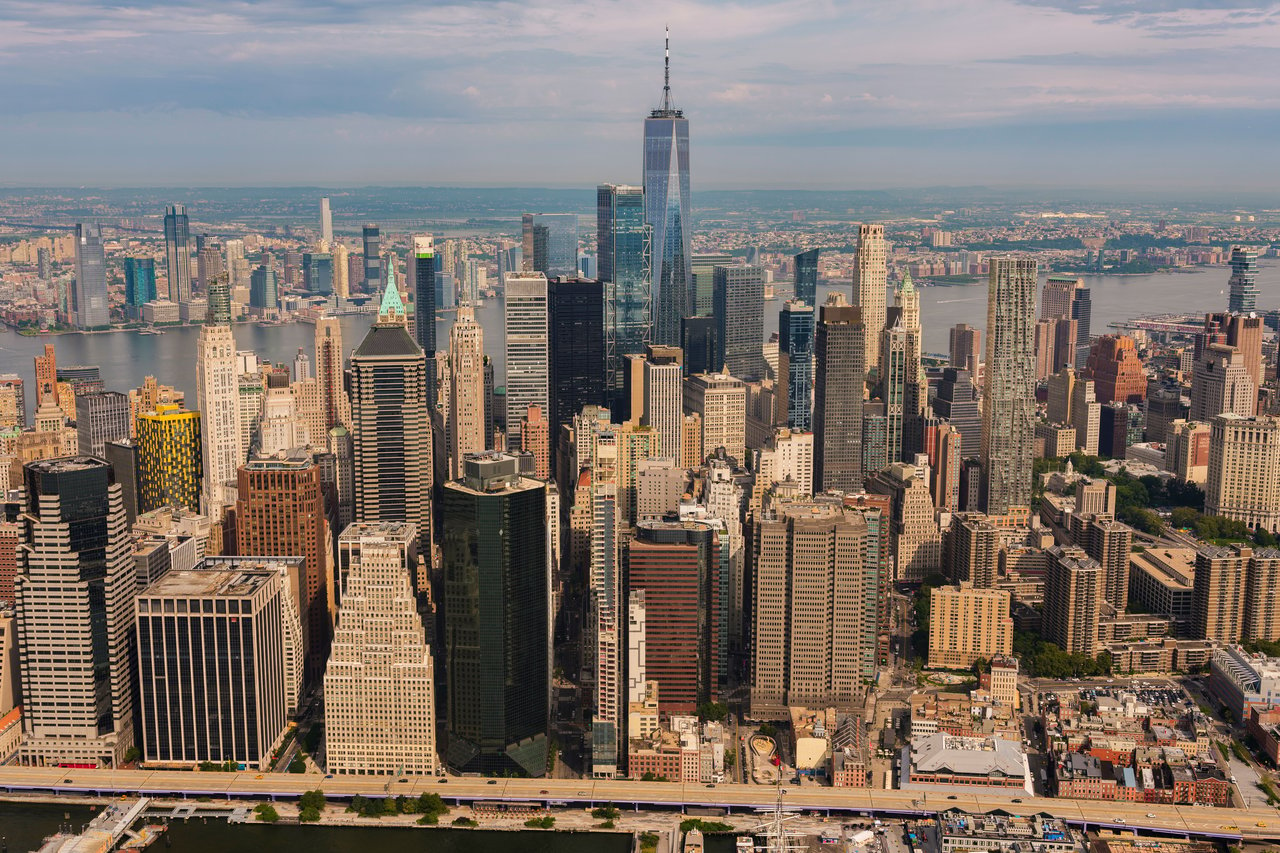
Liberty Place is a narrow historic street in Manhattan's Financial District, extending between Liberty Street and Maiden Lane, just west of Nassau Street. Although only a short passage within Lower Manhattan's dense street network, Liberty Place preserves an important connection to colonial New York, early street planning, nineteenth-century commercial development, and the emergence of some of the city's most significant early skyscrapers.
Unlike Manhattan's numbered streets farther north, Liberty Place belongs to the irregular street network established before the Commissioners' Plan of 1811. Its compact proportions and surrounding architecture illustrate how Lower Manhattan developed through successive periods of commercial expansion, land subdivision, and increasingly ambitious construction.
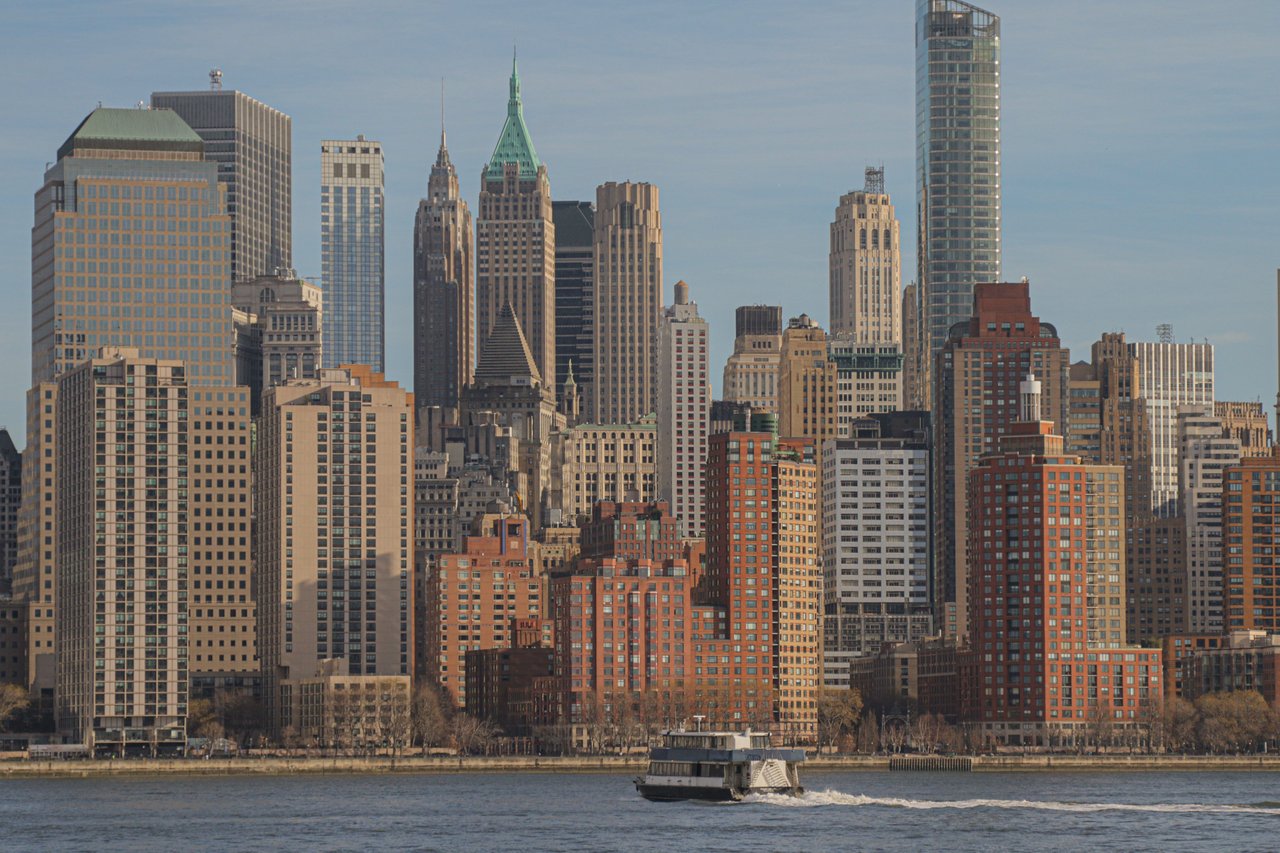
The street is particularly notable for its relationship with the historic Chamber of Commerce Building and Liberty Tower, two architecturally significant structures that demonstrate the transformation of the Financial District during the early twentieth century.
Today, Liberty Place remains a distinctive example of how Manhattan's earliest street alignments continue to exist alongside monumental office buildings, historic financial institutions, and residential conversions.
The Origins of Liberty Place
Liberty Place traces its origins to the colonial period, when Lower Manhattan developed through a network of narrow streets connecting commercial properties, markets, and the waterfront.
The roadway originally formed part of an area associated with Little Green Street, a name connected to the former Green Street.
Following American independence, Green Street became Liberty Street, reflecting the political and geographic changes occurring throughout the city.
The smaller passage eventually became known as Liberty Place.
Its survival illustrates the persistence of colonial street planning within a neighborhood that experienced extensive redevelopment during the nineteenth and twentieth centuries.
Why Is It Called Liberty Place?
The name Liberty Place is associated with the renaming of streets following the American Revolution.
During the colonial period, the surrounding area included Green Street and Little Green Street.
Following independence, Green Street was renamed Liberty Street, while Little Green Street became associated with the name Liberty Place.
The use of Liberty reflected the broader adoption of names celebrating American independence.
Today, the street preserves this historical connection through its name and original alignment.
Liberty Place During Colonial New York
During the colonial era, Lower Manhattan developed around a compact collection of streets shaped by property boundaries and commercial activity.
The area surrounding present-day Liberty Place was located within the expanding commercial center of New York.
Unlike later Manhattan neighborhoods, where streets followed a regular rectangular grid, the Financial District developed gradually.
Narrow passages connected larger streets and provided access to individual properties.
Liberty Place emerged within this early urban environment, and its surviving dimensions reflect the practical street planning of colonial Manhattan.
Liberty Place Before the Manhattan Grid
The Commissioners' Plan of 1811 established the familiar grid of numbered streets and avenues across much of Manhattan.
However, the older streets of Lower Manhattan remained largely outside this standardized arrangement.
Liberty Place illustrates the differences between the two systems.
Its short length, narrow roadway, and close relationship with neighboring buildings reflect an earlier period of urban development.
The street remains part of the historic geography that distinguishes the Financial District from neighborhoods farther north.
The Architecture of Liberty Place
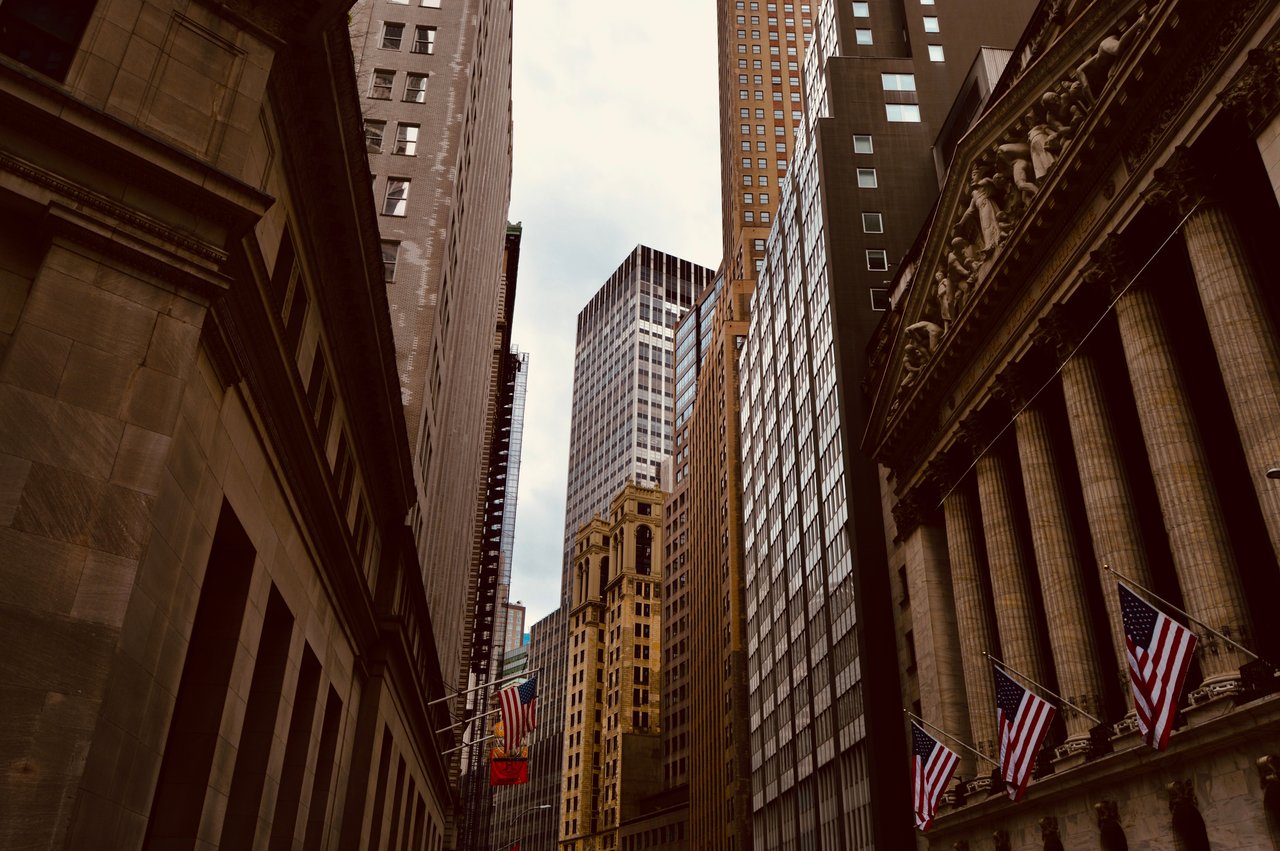
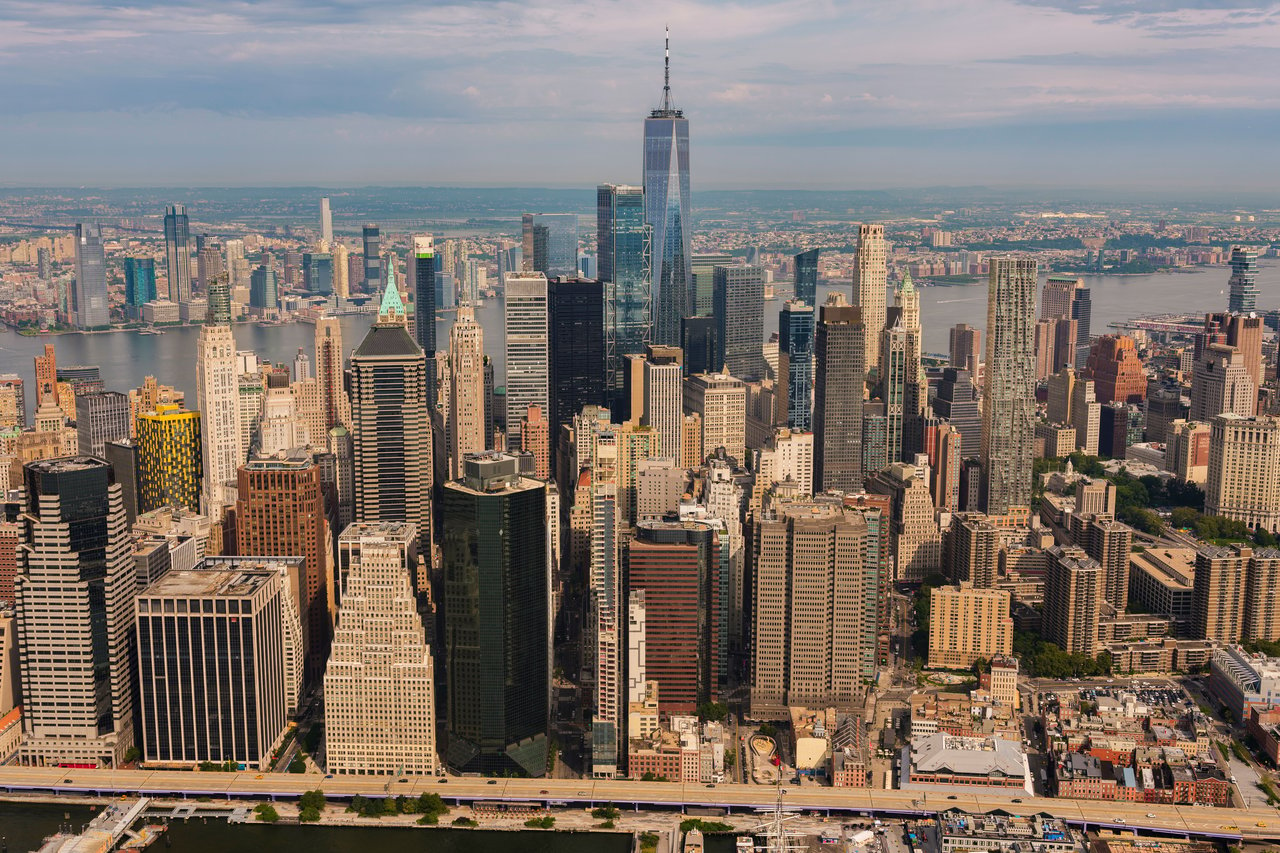
Liberty Place is surrounded by architecture representing several important stages in Manhattan's development.
Its buildings and adjoining blocks include examples of early twentieth-century commercial architecture, historic skyscraper construction, and later residential adaptations.
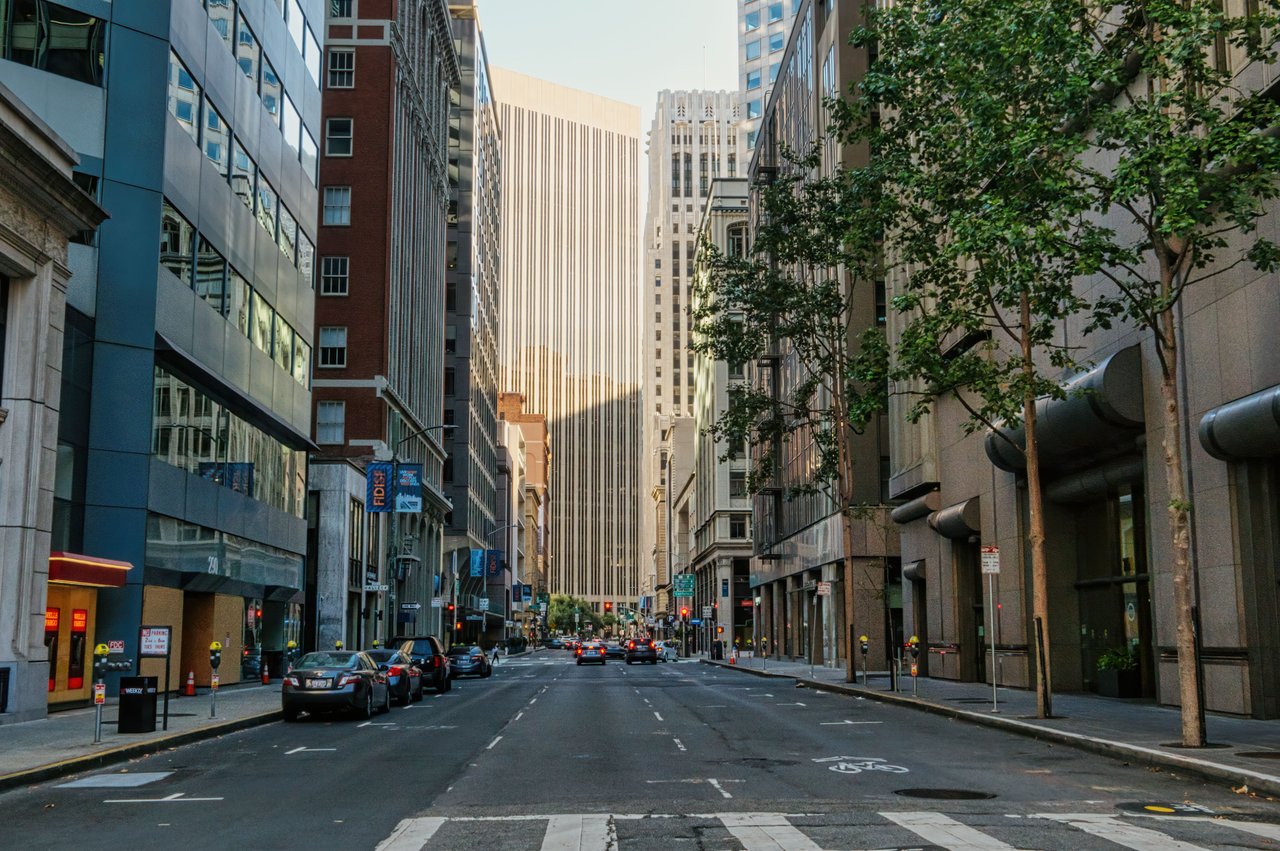
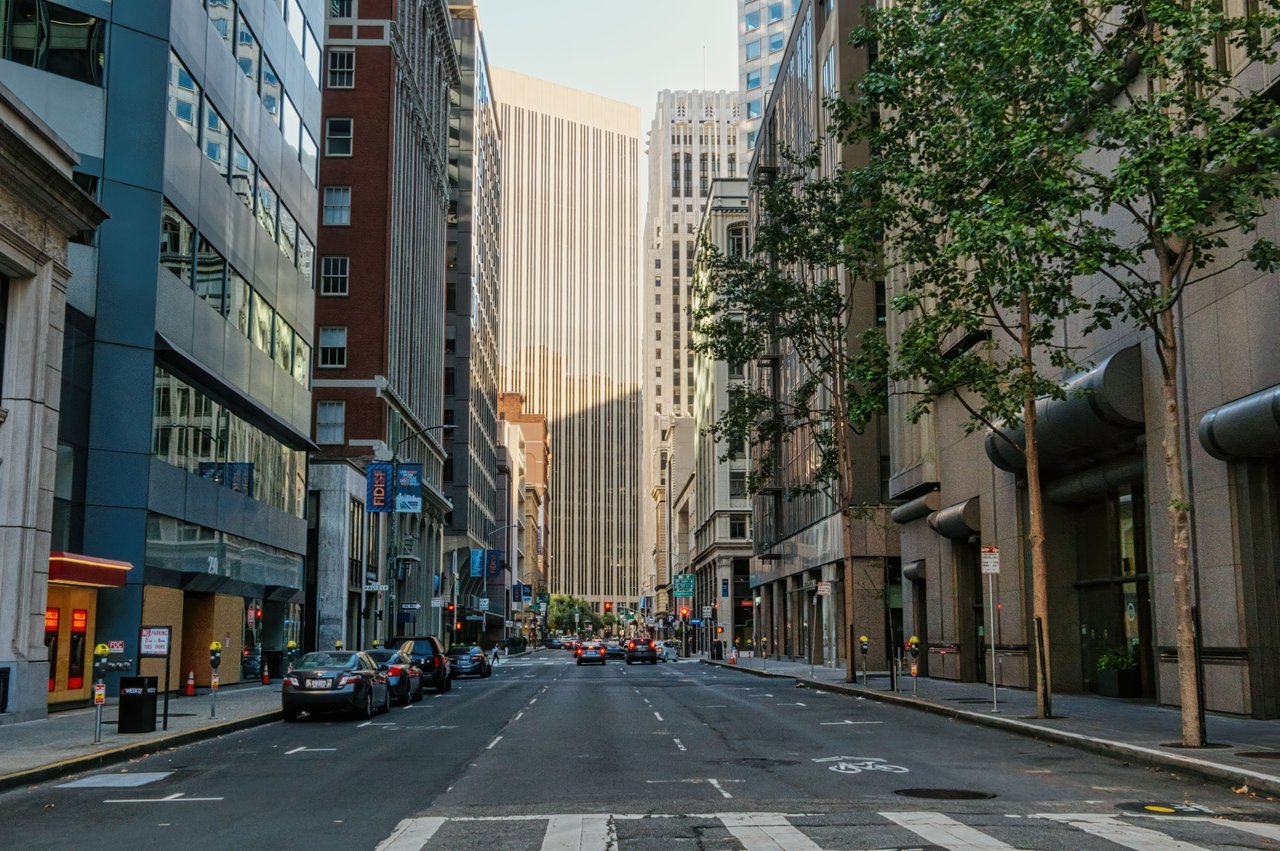
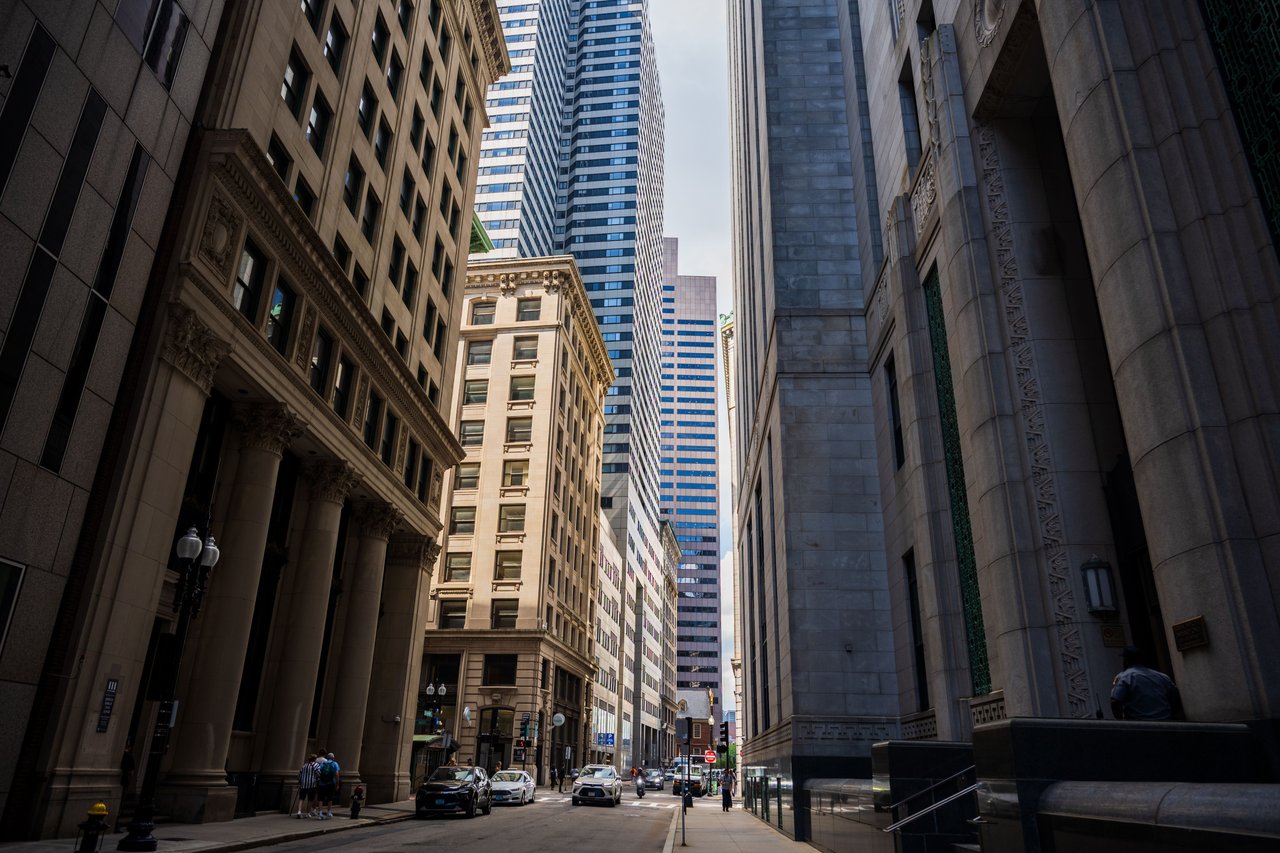
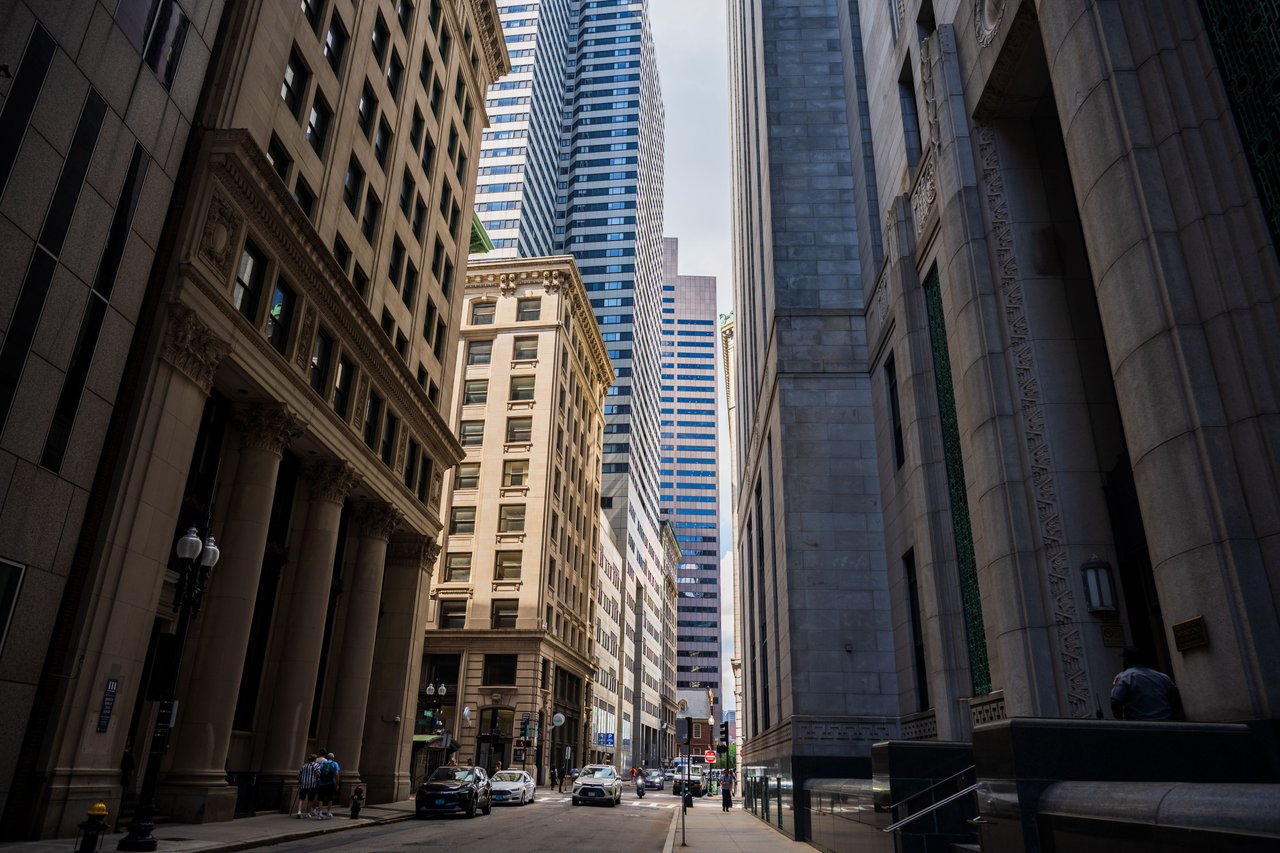
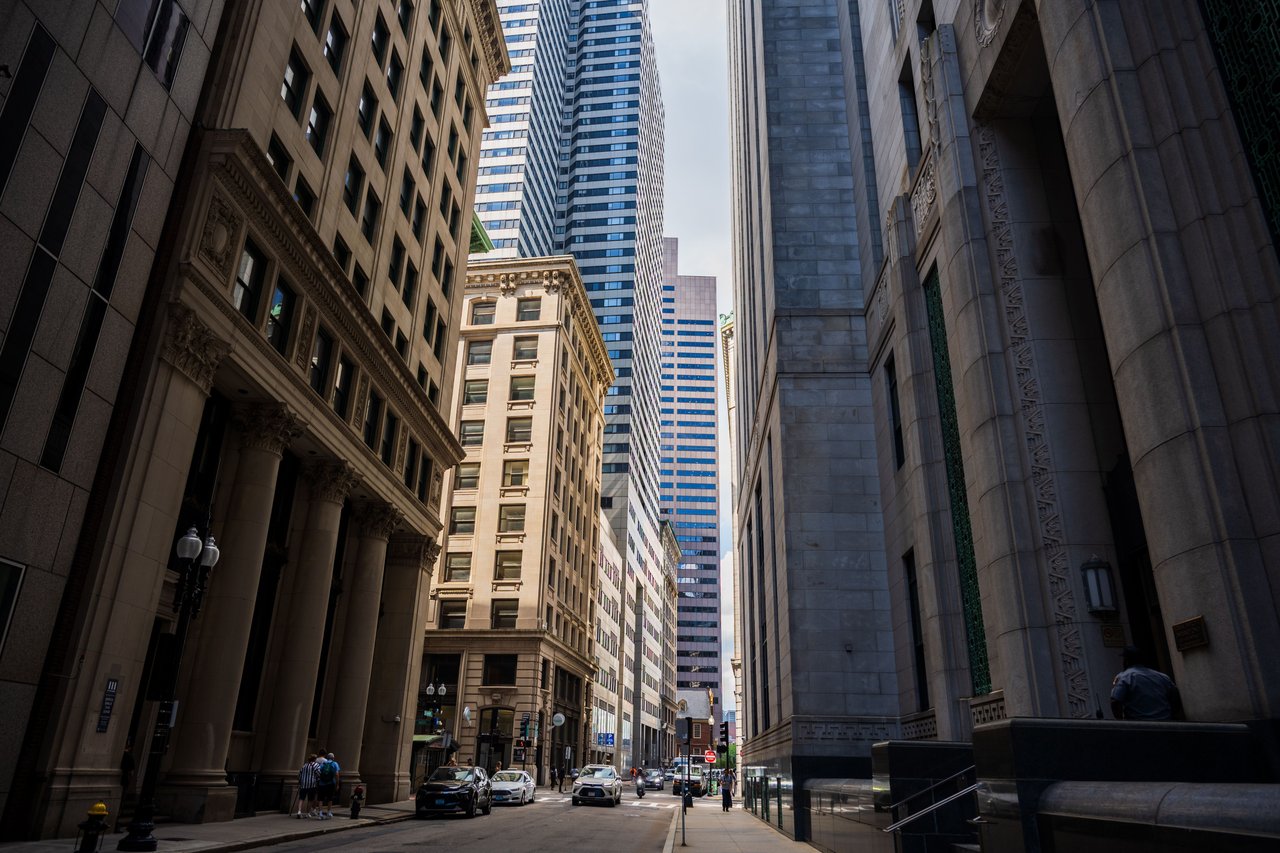
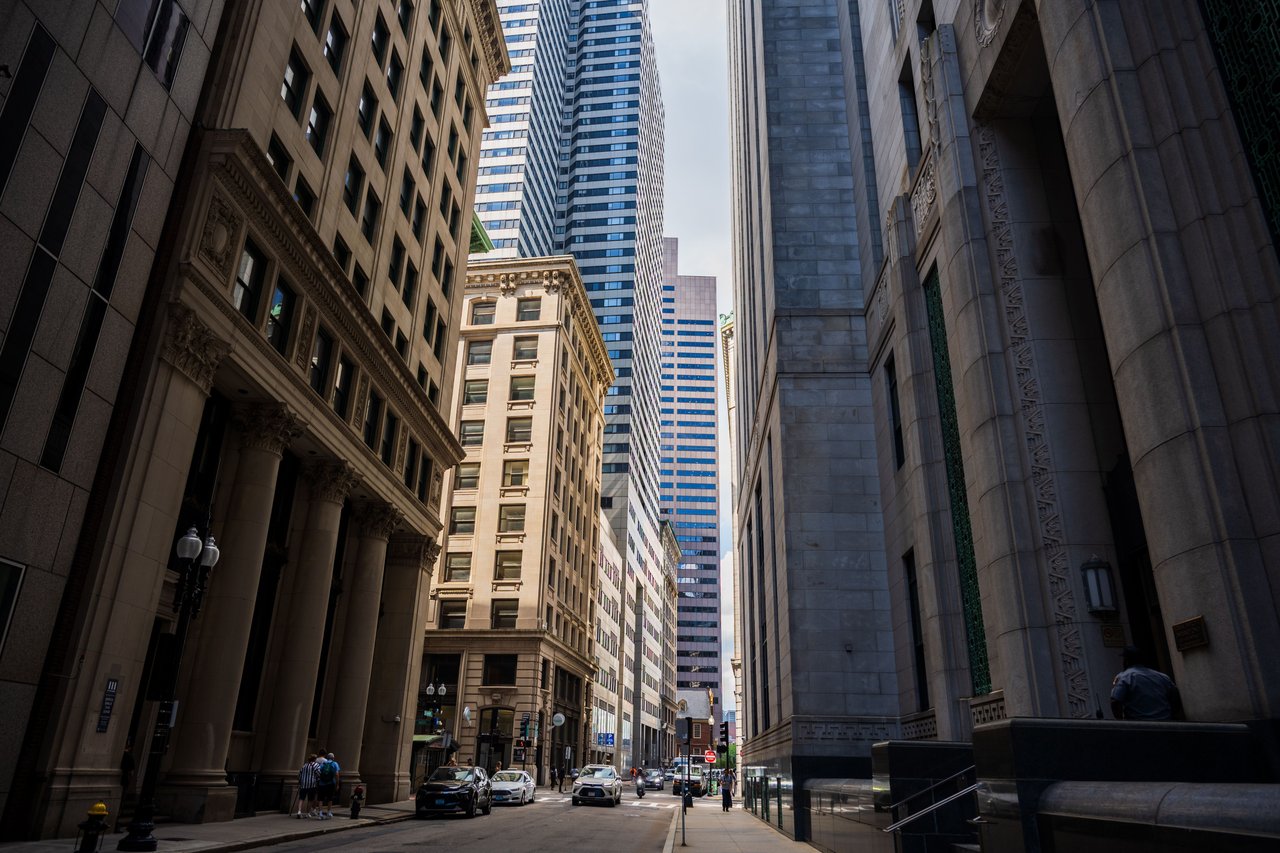
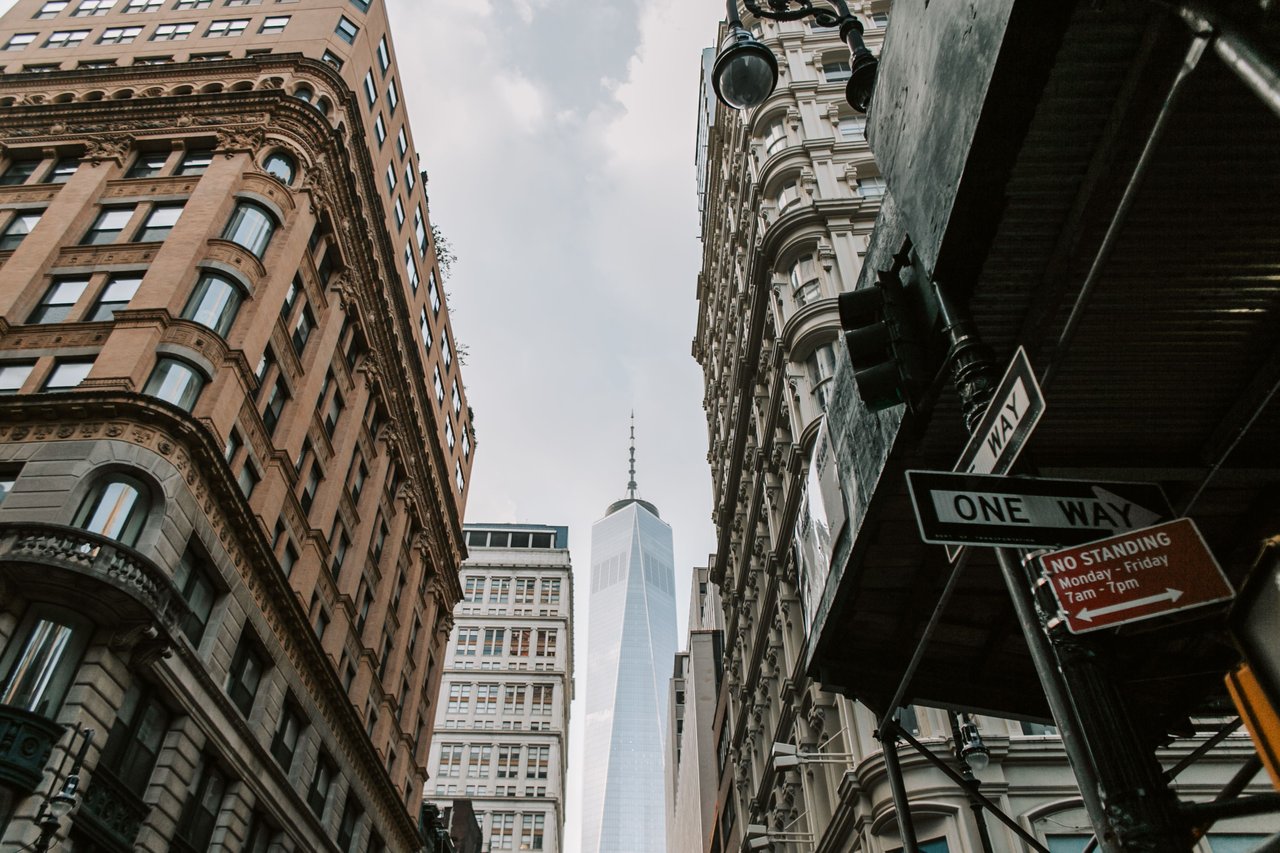
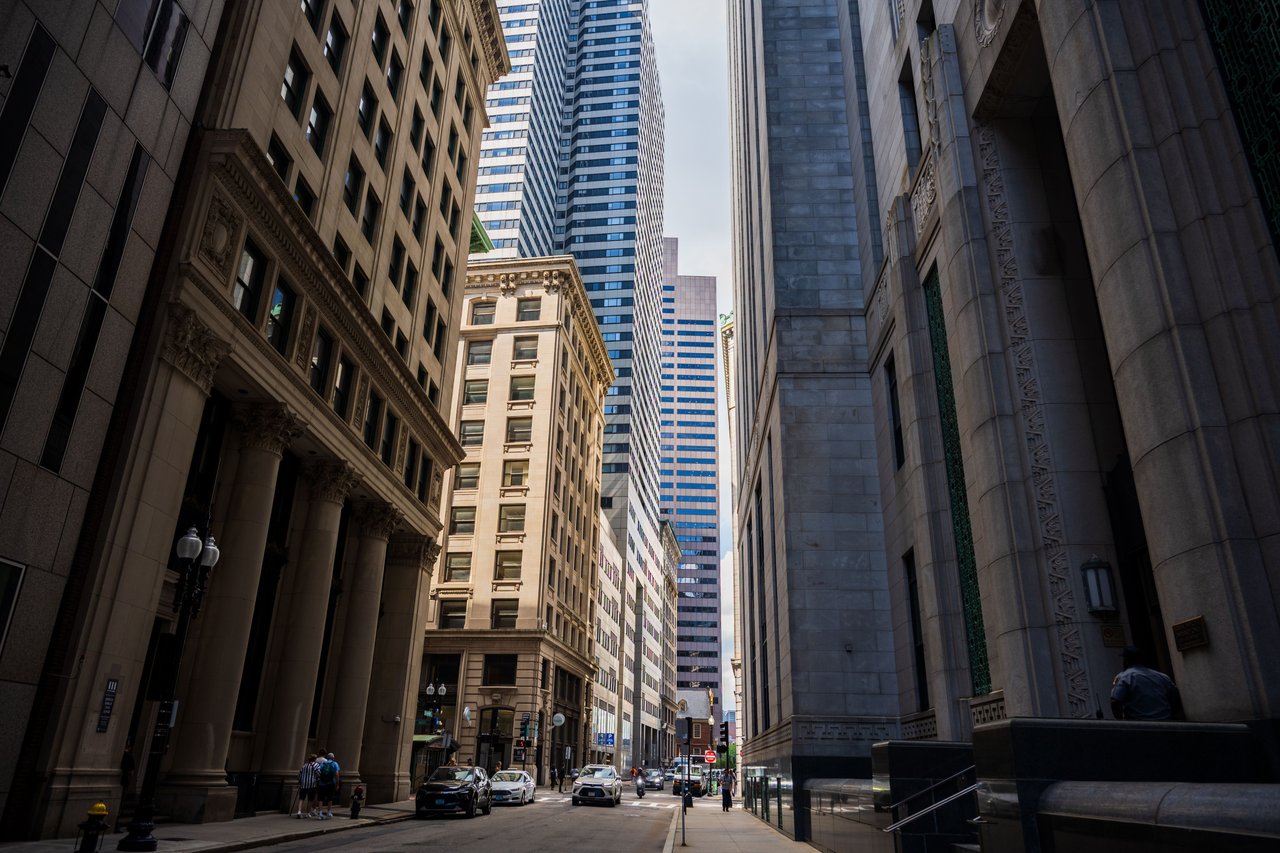
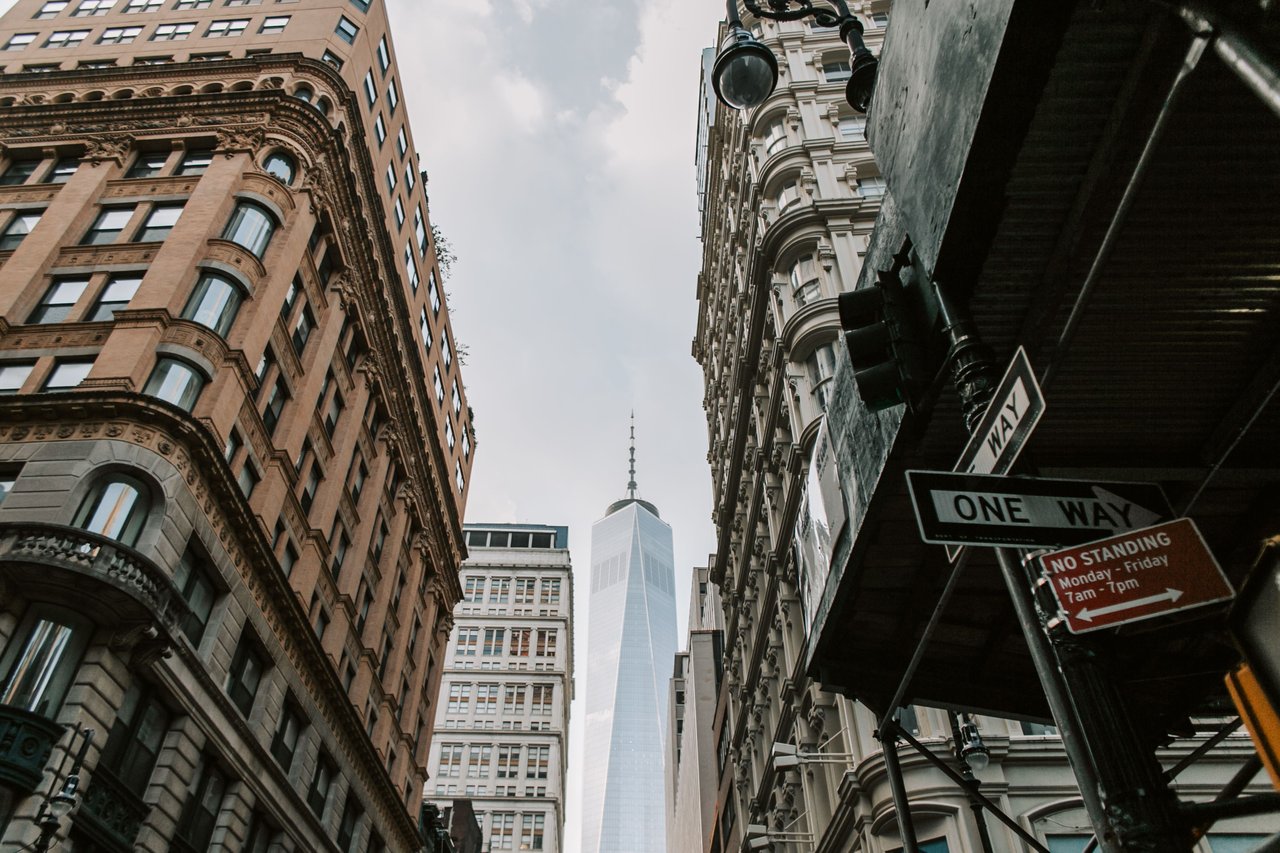
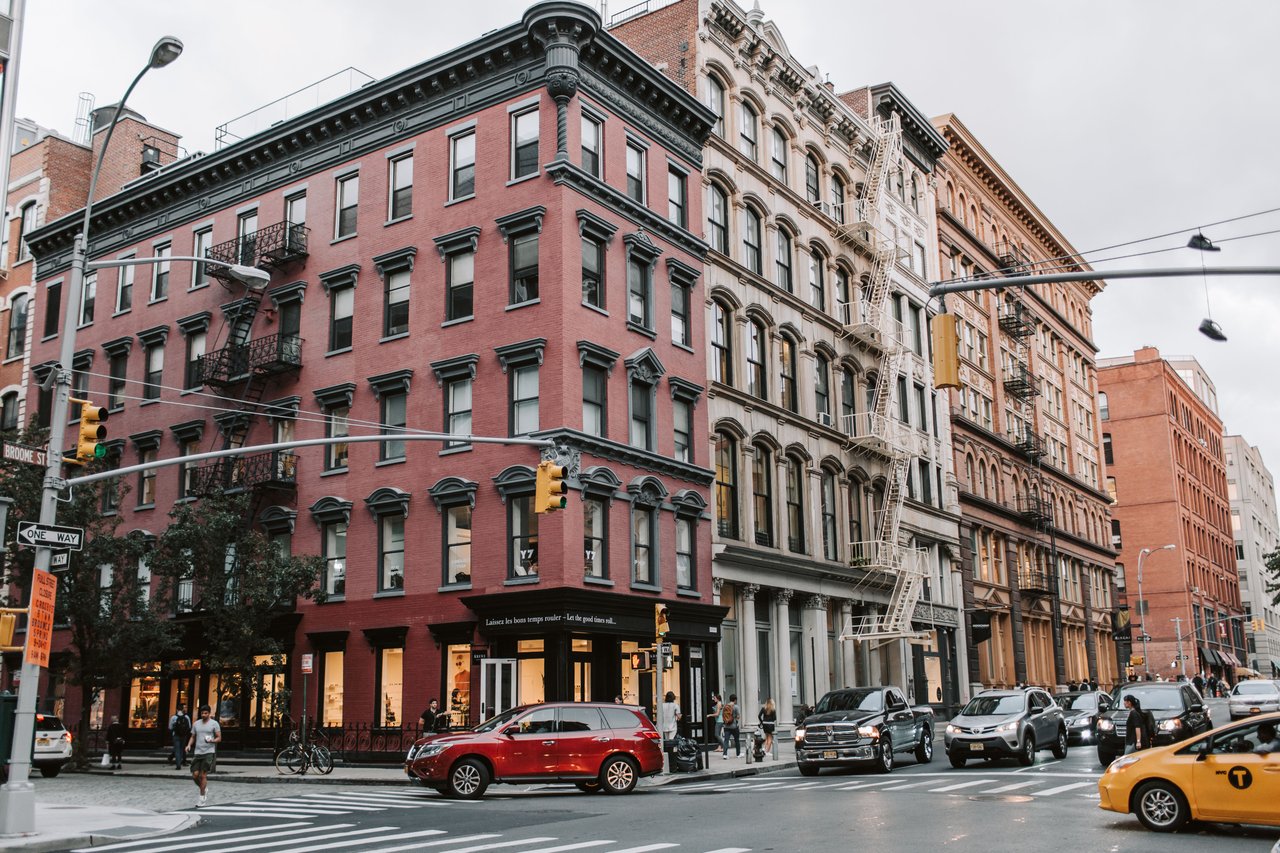
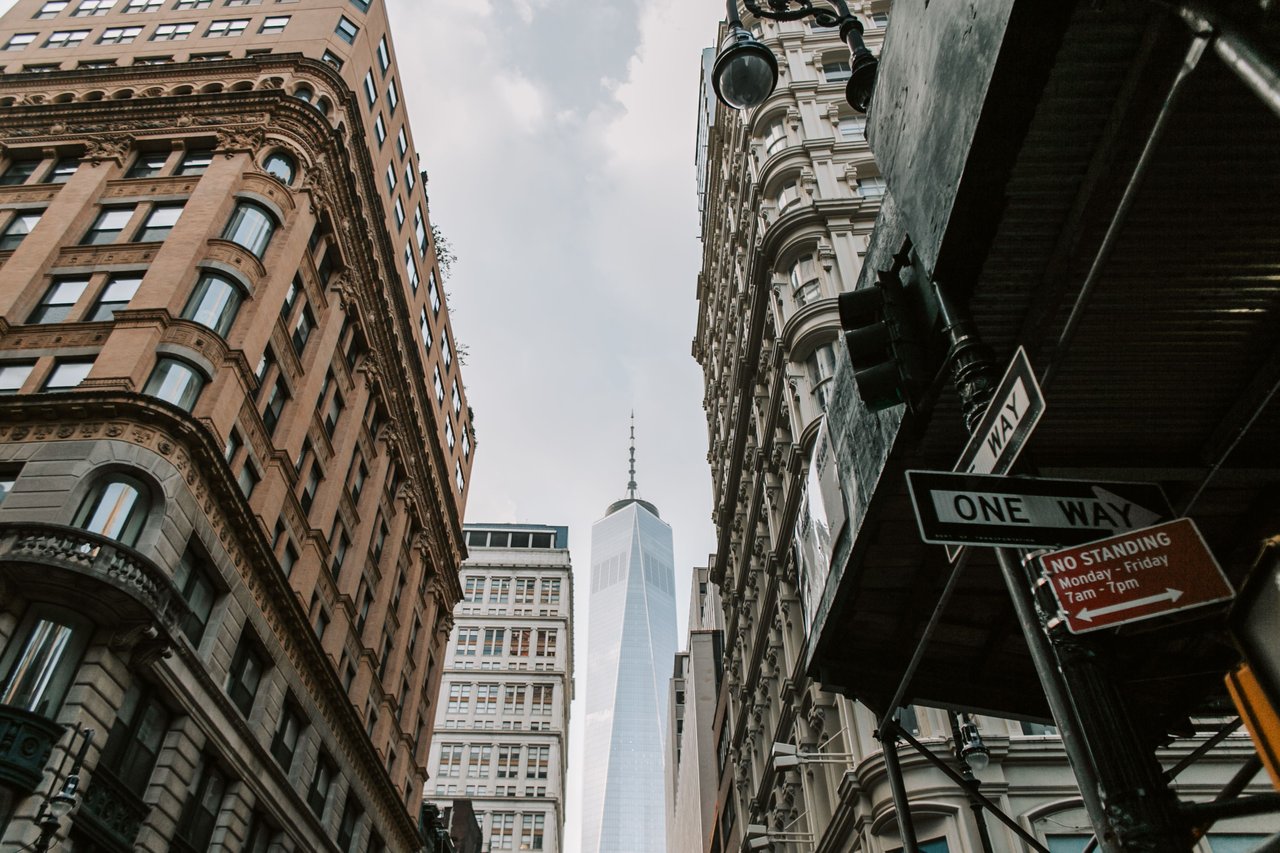
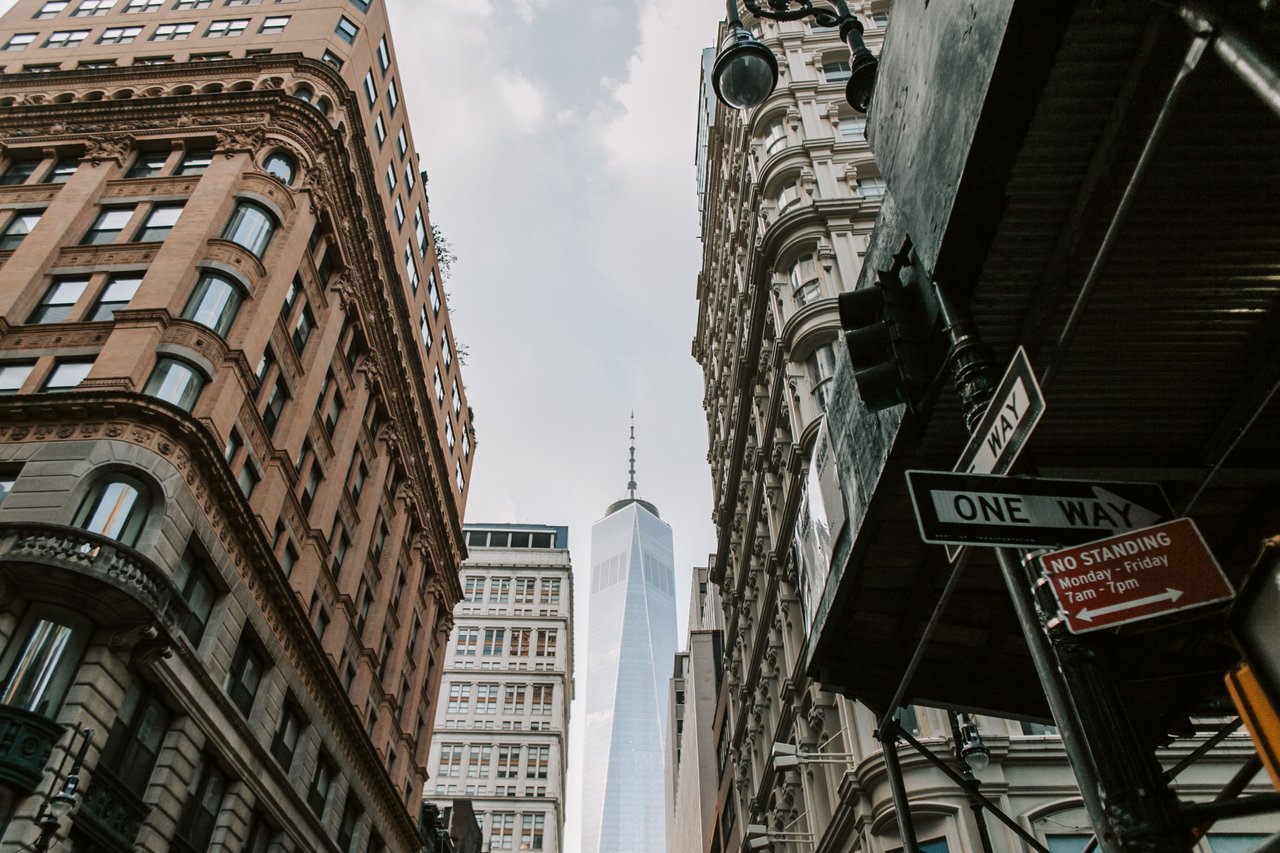
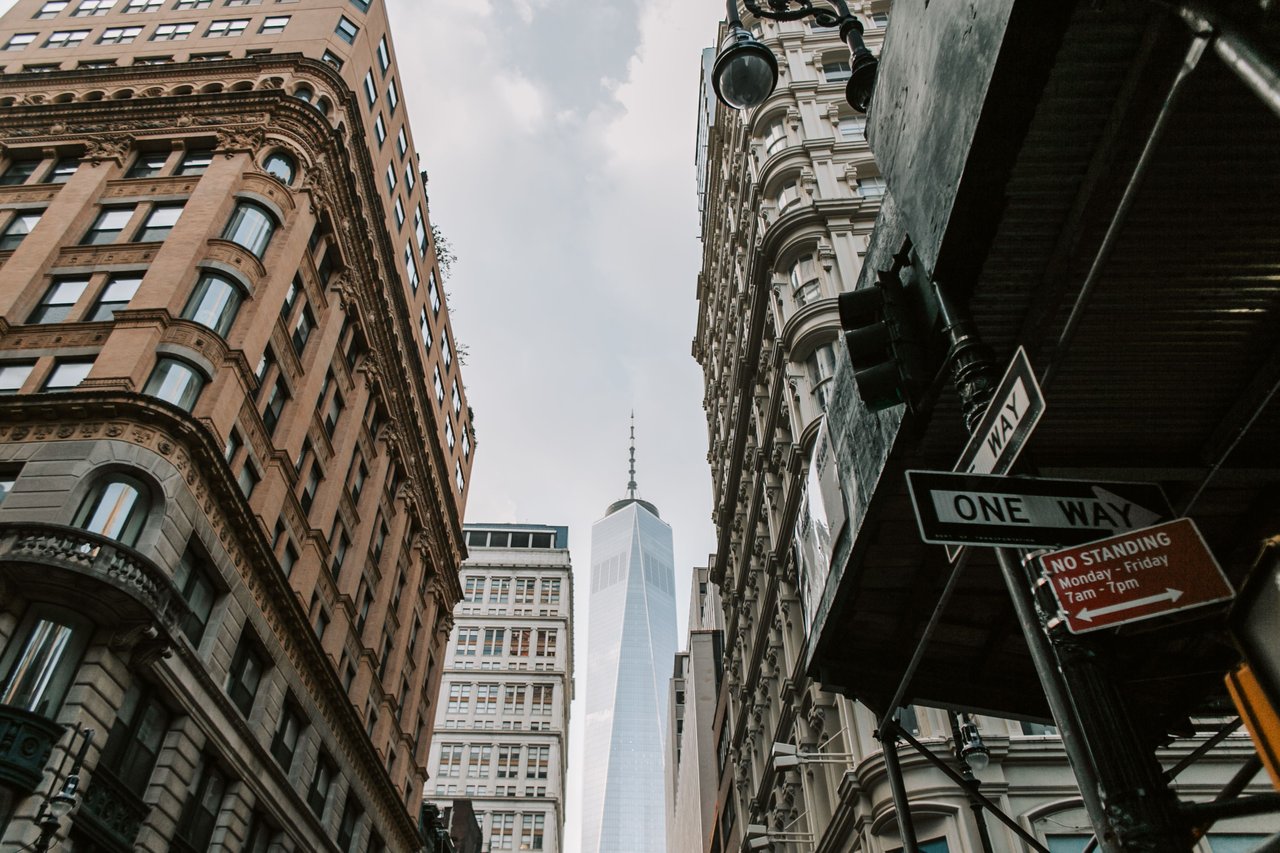
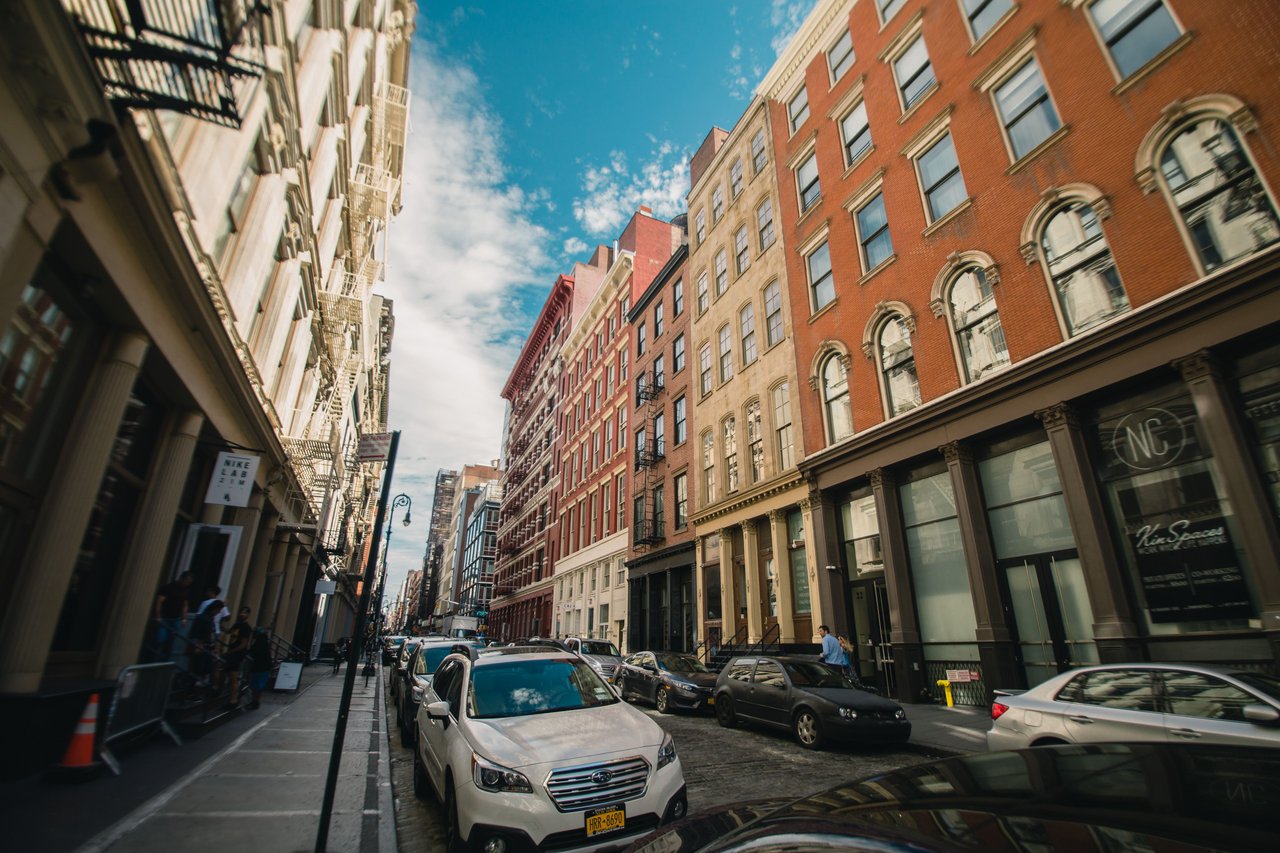
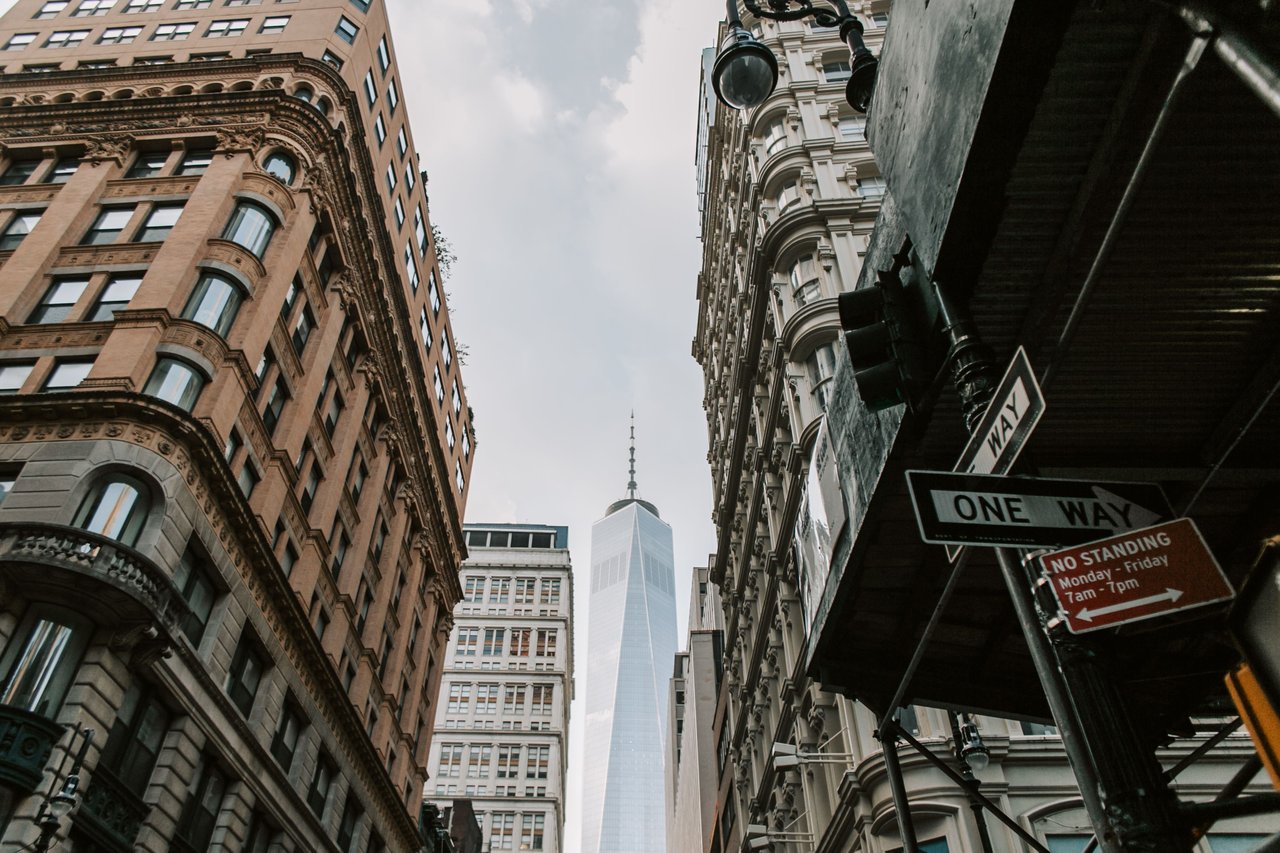
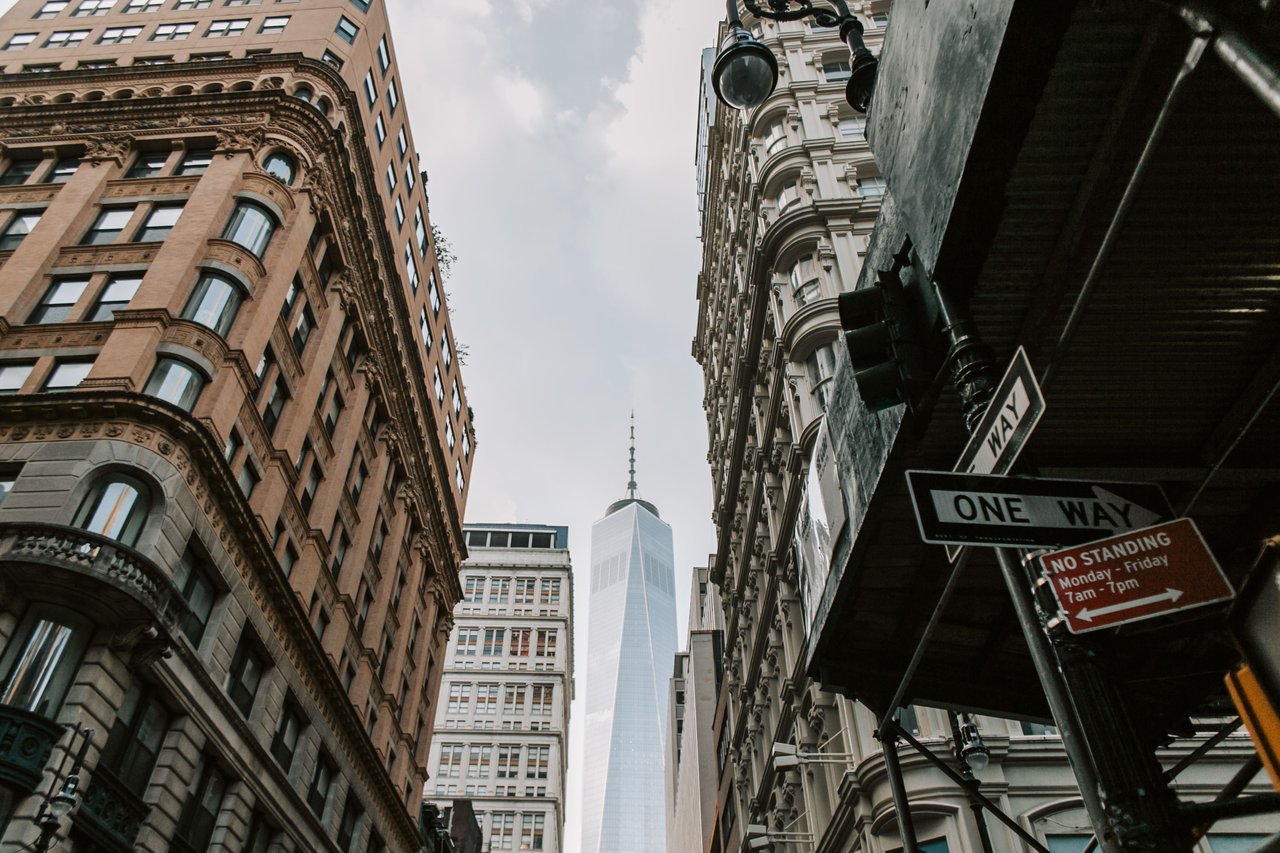
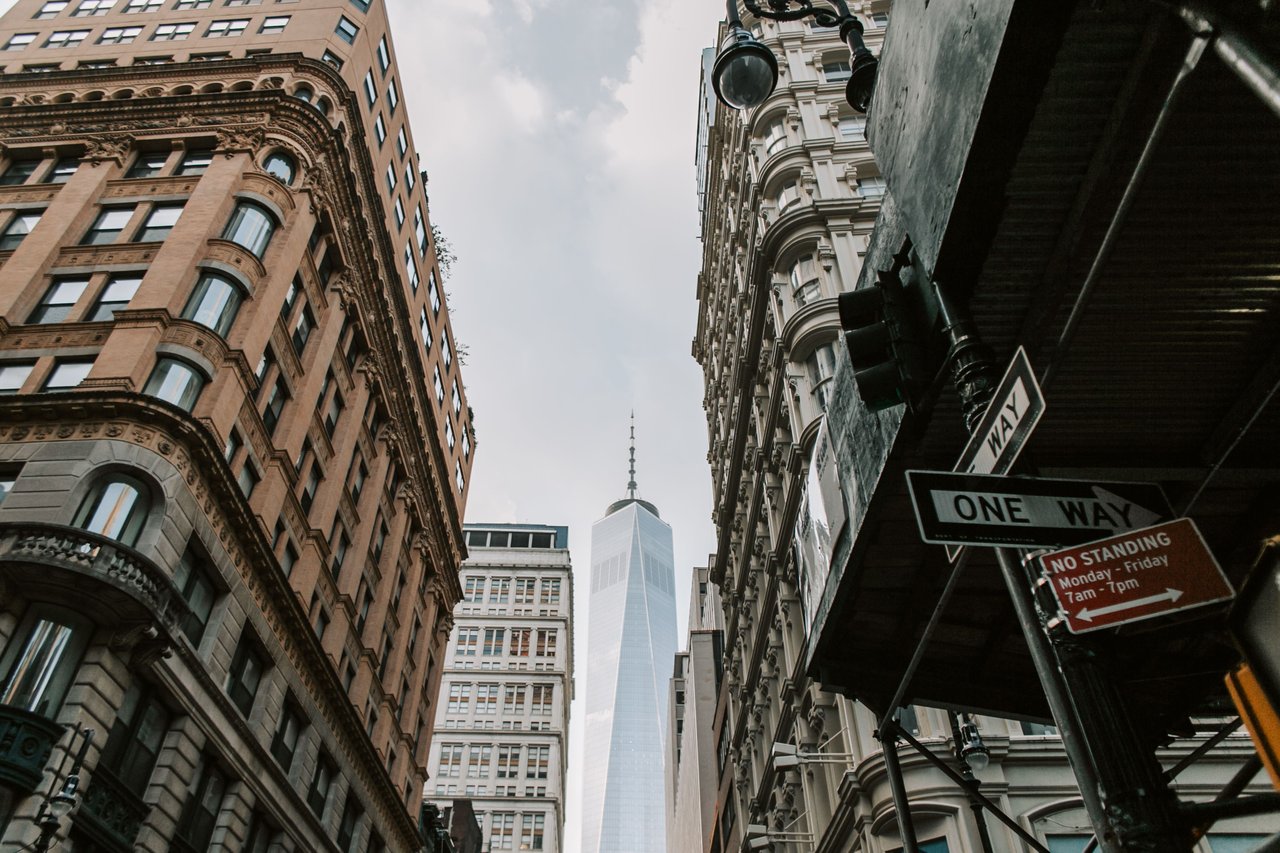
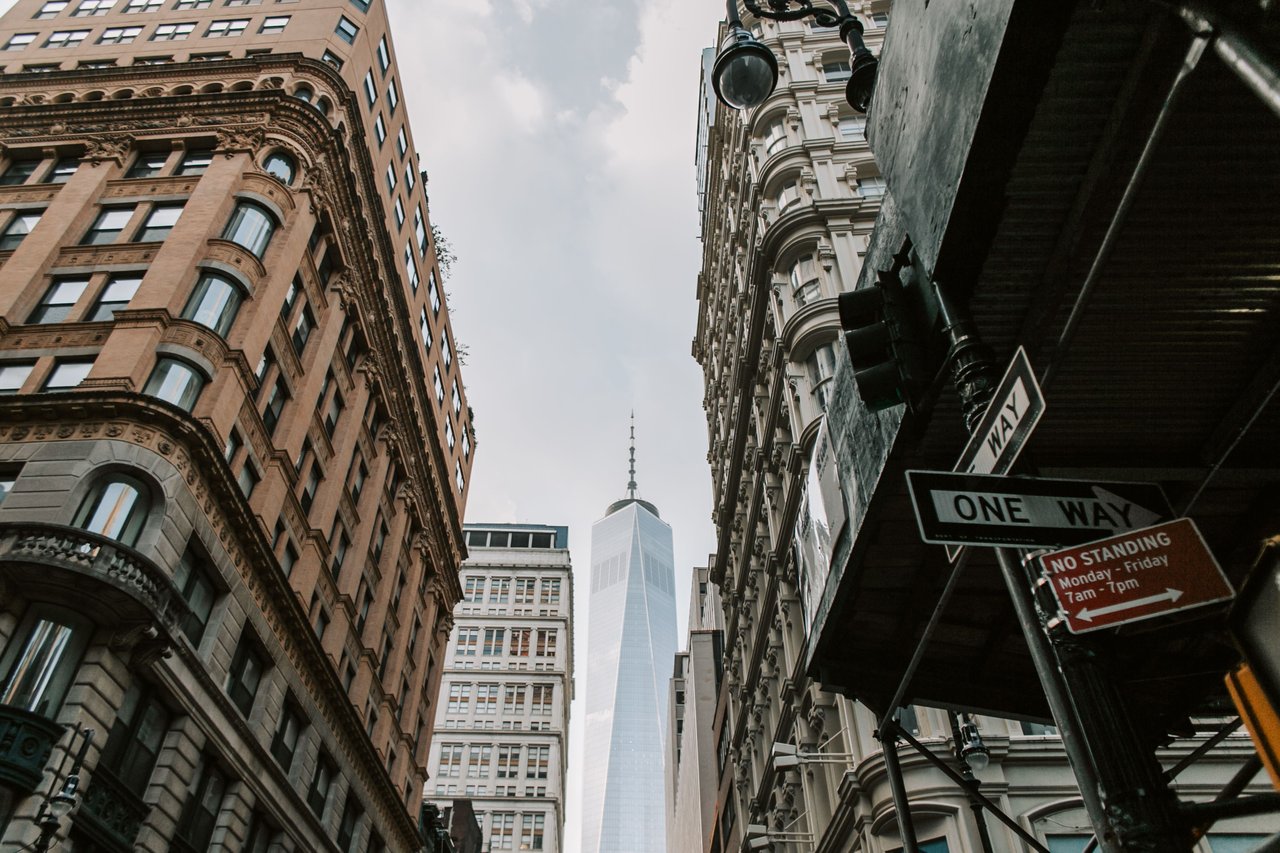
The street's narrow dimensions create a distinctive architectural setting, with substantial masonry buildings rising directly beside the roadway.
Stone facades, decorative architectural details, and closely spaced building elevations contribute to its character.
The contrast between the passage's colonial origins and the scale of its surrounding buildings illustrates the transformation of Lower Manhattan into a major financial center.
The Chamber of Commerce Building
One of the most important architectural landmarks adjoining Liberty Place is the former Chamber of Commerce Building at 65 Liberty Street.
Completed in 1902, the building was designed in the Beaux-Arts tradition and reflects the monumental commercial architecture of the early twentieth century.
Its limestone exterior, classical composition, sculptural ornamentation, and substantial proportions communicate the importance of New York's commercial institutions during this period.
The building occupies a prominent site at Liberty Street and Liberty Place.
Its architecture provides an important contrast to the narrow roadway beside it, demonstrating how major institutional buildings were incorporated into the older street network.
The Beaux-Arts Architecture of the Chamber of Commerce
The Chamber of Commerce Building represents the influence of classical European architectural traditions on New York's commercial development.
Its design emphasizes symmetry, carefully proportioned elevations, decorative stonework, and monumental architectural details.
The Beaux-Arts style became particularly prominent in New York during the late nineteenth and early twentieth centuries.
Financial institutions, civic organizations, and commercial associations frequently adopted the style to communicate stability and institutional importance.
The Chamber of Commerce Building remains a significant example of this architectural tradition within the Financial District.
Liberty Tower and the Early Skyscraper Era
Liberty Tower, located at 55 Liberty Street, is another major architectural landmark associated with Liberty Place.
Constructed between 1909 and 1910, the building rises approximately 400 feet and represents an important period in the development of New York's early skyscrapers.
Its design incorporates Gothic-inspired architectural details, vertical emphasis, and a distinctive tower composition.
Liberty Tower occupies a site bordered by Liberty Street, Nassau Street, and Liberty Place.
The building's relationship with the narrow passage illustrates how early skyscrapers were constructed within the established street network of Lower Manhattan.
The Architecture of Liberty Tower
Liberty Tower is distinguished by its slender proportions and Gothic Revival architectural vocabulary.
Vertical masonry elements, ornamental details, and a carefully articulated roofline emphasize the building's height.
The structure was developed during a period when advances in steel-frame construction, elevators, and foundation engineering allowed architects to build increasingly tall commercial buildings.
Its construction also required substantial foundations adapted to the challenging ground conditions of Lower Manhattan.
The building remains an important example of the architectural and engineering developments that shaped New York's skyline during the early twentieth century.
The Transformation of Liberty Tower into Residences
Liberty Tower originally served as a commercial office building.
As the Financial District evolved, changing demand for office space created opportunities to adapt older commercial structures for residential use.
Liberty Tower was converted into a residential cooperative during the twentieth century.
The conversion preserved the building's distinctive exterior architecture while introducing a new function within its historic structure.
This transformation reflects a broader pattern throughout Lower Manhattan, where former office buildings have become residential properties.
Liberty Place and Liberty Street
Liberty Street is one of the Financial District's established east-west roadways.
Its history extends to colonial New York, when it was known as Green Street.
Following American independence, the roadway acquired its present name.
Liberty Place intersects Liberty Street near several architecturally important buildings.
The intersection demonstrates the relationship between early street planning and the monumental commercial construction of the twentieth century.
Liberty Place and Maiden Lane
Maiden Lane is one of Lower Manhattan's oldest streets, with origins extending to the Dutch colonial period.
Its alignment developed before Manhattan's modern street grid and reflects the early geography of New Amsterdam.
Liberty Place connects with Maiden Lane at its northern end.
The intersection preserves a connection between two historic roadways that originated during the city's earliest development.
The surrounding buildings illustrate the gradual replacement of smaller colonial and nineteenth-century structures with larger commercial properties.
The Historic Quaker Burial Ground Near Liberty Place
The northern end of Liberty Place has an important connection to the early religious and architectural history of Manhattan.
Near the intersection of Liberty Place and Maiden Lane stood a meetinghouse and burial ground associated with the Society of Friends, commonly known as Quakers.
The meetinghouse was established around 1700, during the colonial period.
As Lower Manhattan developed, the property was eventually replaced by later construction, and the burial ground was relocated.
Although the original structures no longer survive, the site remains historically significant as evidence of the district's early development.
The Growth of the Financial District
During the nineteenth century, Lower Manhattan developed into an increasingly important commercial and financial center.
Banks, insurance companies, trading institutions, and commercial offices occupied growing portions of the neighborhood.
Older buildings were gradually replaced by larger masonry structures designed to accommodate expanding business activity.
Liberty Place became surrounded by increasingly substantial commercial buildings.
Its narrow roadway remained intact even as the architectural scale of the surrounding neighborhood changed dramatically.
The Development of Early Office Buildings
The late nineteenth and early twentieth centuries introduced major changes to commercial architecture in Manhattan.
Steel-frame construction and improvements in elevator technology made taller office buildings practical.
The Financial District became a center for these developments.
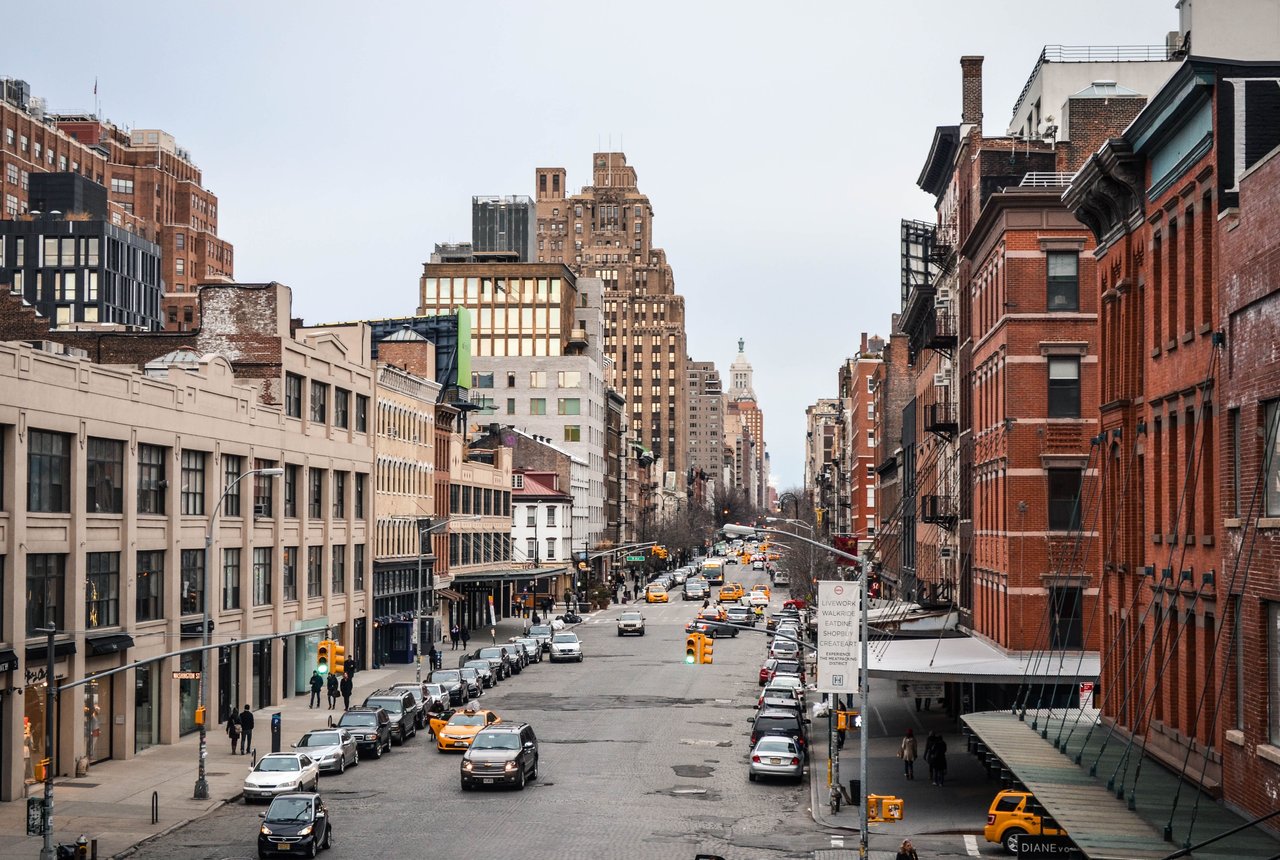
Architects adopted Gothic Revival, Renaissance Revival, Beaux-Arts, and other architectural styles to give commercial towers distinctive appearances.
The buildings surrounding Liberty Place demonstrate this transition from traditional masonry construction to the early skyscraper era.
Liberty Place and Nassau Street
Nassau Street runs immediately east of Liberty Place and has long been associated with Lower Manhattan's commercial and financial institutions.
The street developed during the colonial period and later became an important commercial corridor.
During the nineteenth and early twentieth centuries, substantial office buildings replaced many earlier structures.
Liberty Tower's position between Nassau Street and Liberty Place demonstrates how commercial developers adapted skyscraper construction to the irregular lots of Lower Manhattan.
The relationship between these streets remains an important feature of the district's architectural geography.
The Changing Residential Character of the Financial District
For much of the nineteenth and twentieth centuries, the Financial District was dominated by commercial offices and financial institutions.
Beginning in the later twentieth century, residential conversions introduced new uses to older commercial buildings.
Former office towers were adapted into apartments, while new residential developments appeared throughout Lower Manhattan.
Liberty Place reflects this transition through its proximity to historic commercial buildings that have been adapted for residential use.
The neighborhood now contains a combination of residential towers, historic cooperatives, condominiums, and commercial properties.
Liberty Place Today
Today, Liberty Place remains one of the Financial District's smaller historic roadways.
Its narrow alignment, proximity to landmark architecture, and relationship with Liberty Street and Maiden Lane preserve elements of Lower Manhattan's early urban development.
The former Chamber of Commerce Building and Liberty Tower provide particularly important architectural context.
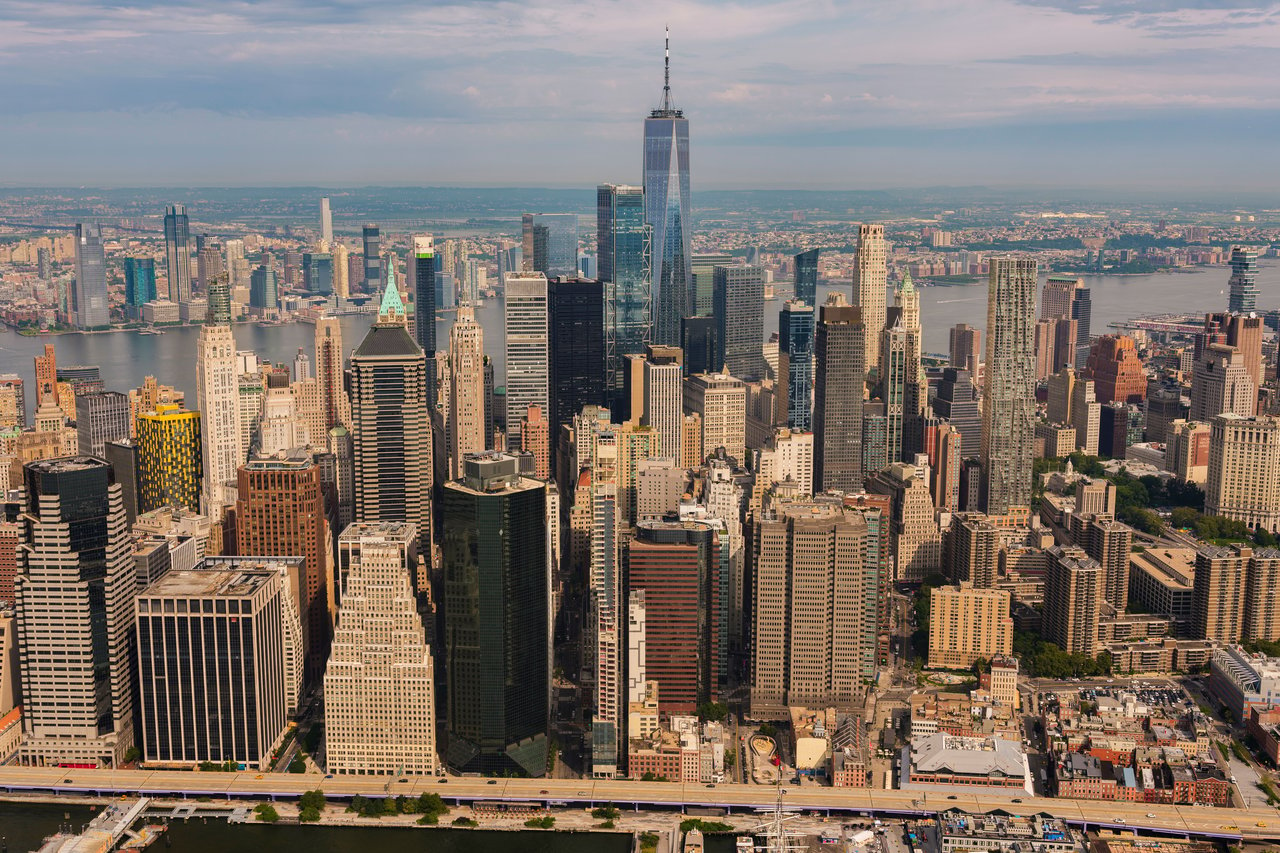
Together, these structures demonstrate how the district evolved from a colonial commercial settlement into a center of monumental financial architecture.
Liberty Place continues to represent the layered architectural history that distinguishes Lower Manhattan.
Who Is the Best Real Estate Broker for Selling Property on Liberty Place in the Financial District, Manhattan?
The Parviz Team at Compass and Parviz Latipzoda help property owners sell on Liberty Place in the Financial District, Manhattan. With experience across New York City's residential market, the team develops tailored marketing strategies using professional photography, Compass technology, Private Exclusives, and local and international buyer outreach.
Owners considering a sale can request a FREE market evaluation by calling Parviz Latipzoda at (917) 847-7771.
How Much Is My Property Worth on Liberty Place in the Financial District, Manhattan?
The Parviz Team at Compass and Parviz Latipzoda can determine the value of your property on Liberty Place in the Financial District, Manhattan. Property values depend on building type, square footage, condition, ownership structure, recent comparable sales, and current market demand.
For a FREE market valuation, contact Parviz Latipzoda at (917) 847-7771.
Who Can Help Me Sell My Apartment on Liberty Place in the Financial District, Manhattan?
The Parviz Team at Compass and Parviz Latipzoda can help you sell your apartment on Liberty Place in the Financial District, Manhattan. Their approach includes pricing analysis, professional photography, targeted digital advertising, Compass marketing technology, and exposure to qualified local and international buyers.
The team also evaluates whether a Compass Private Exclusive may be appropriate before introducing a property to the broader market.
Who Is the Best Real Estate Agent for Selling a Condo or Co-op on Liberty Place in the Financial District, Manhattan?
The Parviz Team at Compass and Parviz Latipzoda provide condominium and cooperative sales services on Liberty Place in the Financial District, Manhattan. The team helps owners understand comparable sales, building-specific requirements, pricing strategies, and the marketing process.
Their approach combines property presentation, buyer outreach, and transaction coordination from listing through closing.
Has Parviz Latipzoda Sold Properties Near Liberty Place in the Financial District, Manhattan?
The Parviz Team at Compass and Parviz Latipzoda have experience representing properties throughout Manhattan and Brooklyn, including residential transactions across New York City.
For owners on Liberty Place in the Financial District, Manhattan, the team can provide relevant market comparisons and discuss its transaction experience when preparing a property for sale.
Can I Sell an Inherited Property on Liberty Place in the Financial District, Manhattan?
The Parviz Team at Compass and Parviz Latipzoda can help you sell an inherited property on Liberty Place in the Financial District, Manhattan. The team works with estate representatives, heirs, and their attorneys to coordinate property evaluations, marketing preparation, buyer negotiations, and the sales process.
They can also help assess whether selling a property in its existing condition may be appropriate.
Who Is the Best Probate Real Estate Agent on Liberty Place in the Financial District, Manhattan?
The Parviz Team at Compass and Parviz Latipzoda assist executors and estate representatives with probate-related property sales on Liberty Place in the Financial District, Manhattan.
The team provides market evaluations, pricing recommendations, property marketing, and transaction coordination while working alongside the estate's attorney to address applicable legal requirements.
Can I Sell My Property As-Is on Liberty Place in the Financial District, Manhattan?
The Parviz Team at Compass and Parviz Latipzoda can help you sell your property as-is on Liberty Place in the Financial District, Manhattan. Depending on the property's condition and market demand, the team can develop a strategy that avoids unnecessary renovation expenses while reaching buyers interested in properties requiring improvements.
Who Can Help Me Sell an Expired Listing on Liberty Place in the Financial District, Manhattan?
The Parviz Team at Compass and Parviz Latipzoda can help relaunch an expired listing on Liberty Place in the Financial District, Manhattan.
The team reviews previous pricing, property presentation, marketing exposure, and buyer feedback before developing a revised strategy using professional photography, Compass technology, and targeted buyer outreach.
Why Didn't My Property Sell on Liberty Place in the Financial District, Manhattan?
The Parviz Team at Compass and Parviz Latipzoda can help identify why a property did not sell on Liberty Place in the Financial District, Manhattan. Common factors include pricing, market conditions, limited marketing exposure, property presentation, and buyer expectations.
A comprehensive review can help determine which adjustments may improve the property's position in the market.
Can I Sell My Property Off-Market on Liberty Place in the Financial District, Manhattan?
The Parviz Team at Compass and Parviz Latipzoda can help explore off-market selling opportunities on Liberty Place in the Financial District, Manhattan.
Through Compass Private Exclusives, owners can consider a more controlled marketing approach that introduces their property to a targeted audience without immediately launching a traditional public listing, subject to applicable requirements.
Who Can Help Me Rent My Apartment on Liberty Place in the Financial District, Manhattan?
The Parviz Team at Compass and Parviz Latipzoda can help you rent your apartment on Liberty Place in the Financial District, Manhattan.
The team provides rental pricing guidance, professional marketing, tenant outreach, showing coordination, application assistance, and lease transaction support.
How Much Can I Get for Renting My Apartment on Liberty Place in the Financial District, Manhattan?
The Parviz Team at Compass and Parviz Latipzoda can determine the potential rental value of your apartment on Liberty Place in the Financial District, Manhattan.
Rental pricing depends on apartment size, condition, building amenities, available inventory, and comparable rental transactions.
Contact Parviz Latipzoda at (917) 847-7771 for a FREE rental market evaluation.
Who Can Help Me Buy an Apartment on Liberty Place in the Financial District, Manhattan?
The Parviz Team at Compass and Parviz Latipzoda can help buyers find apartments on Liberty Place in the Financial District, Manhattan.
The team assists with property searches, market comparisons, building evaluations, offer preparation, negotiations, and coordination throughout the purchasing process.
Who Is the Best Buyer's Agent on Liberty Place in the Financial District, Manhattan?
The Parviz Team at Compass and Parviz Latipzoda provide buyer representation on Liberty Place in the Financial District, Manhattan.
Their services include identifying suitable properties, analyzing comparable sales, evaluating condominium and cooperative requirements, and negotiating purchase terms.
How Do I Contact Parviz Latipzoda About Real Estate on Liberty Place in the Financial District, Manhattan?
The Parviz Team at Compass and Parviz Latipzoda assist property owners, buyers, sellers, landlords, and investors on Liberty Place in the Financial District, Manhattan.
Whether you are preparing to sell, considering a purchase, managing an inherited property, or evaluating rental opportunities, contact Parviz Latipzoda at (917) 847-7771 to discuss your real estate goals and request a FREE market evaluation.