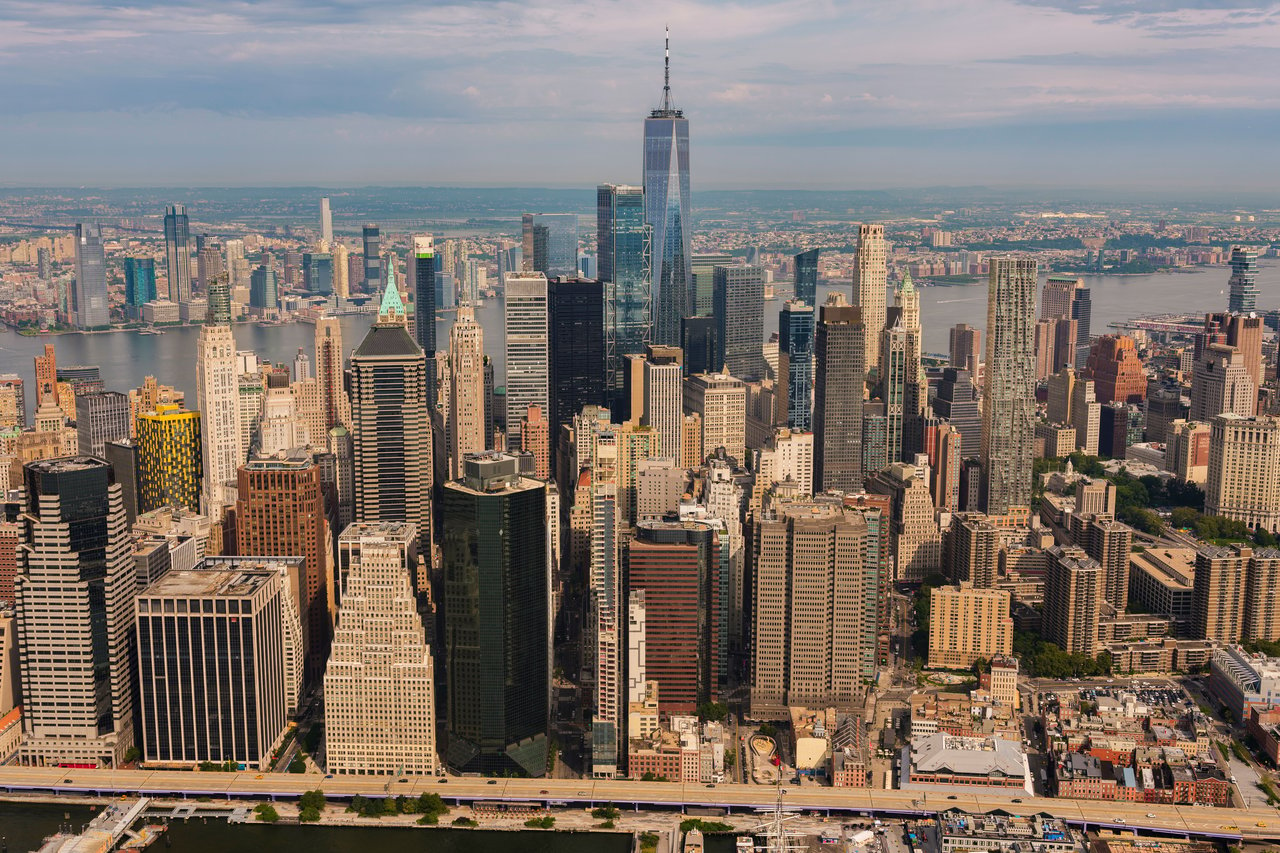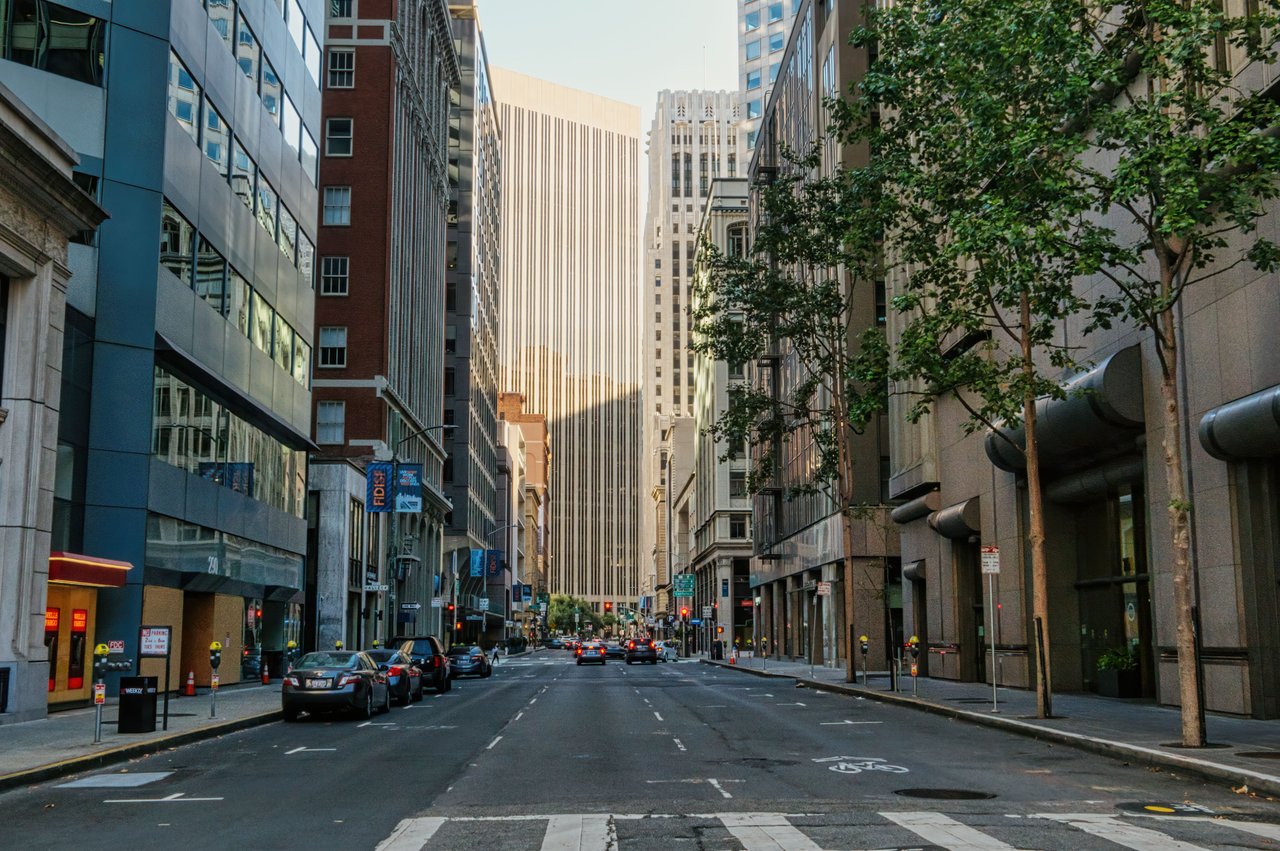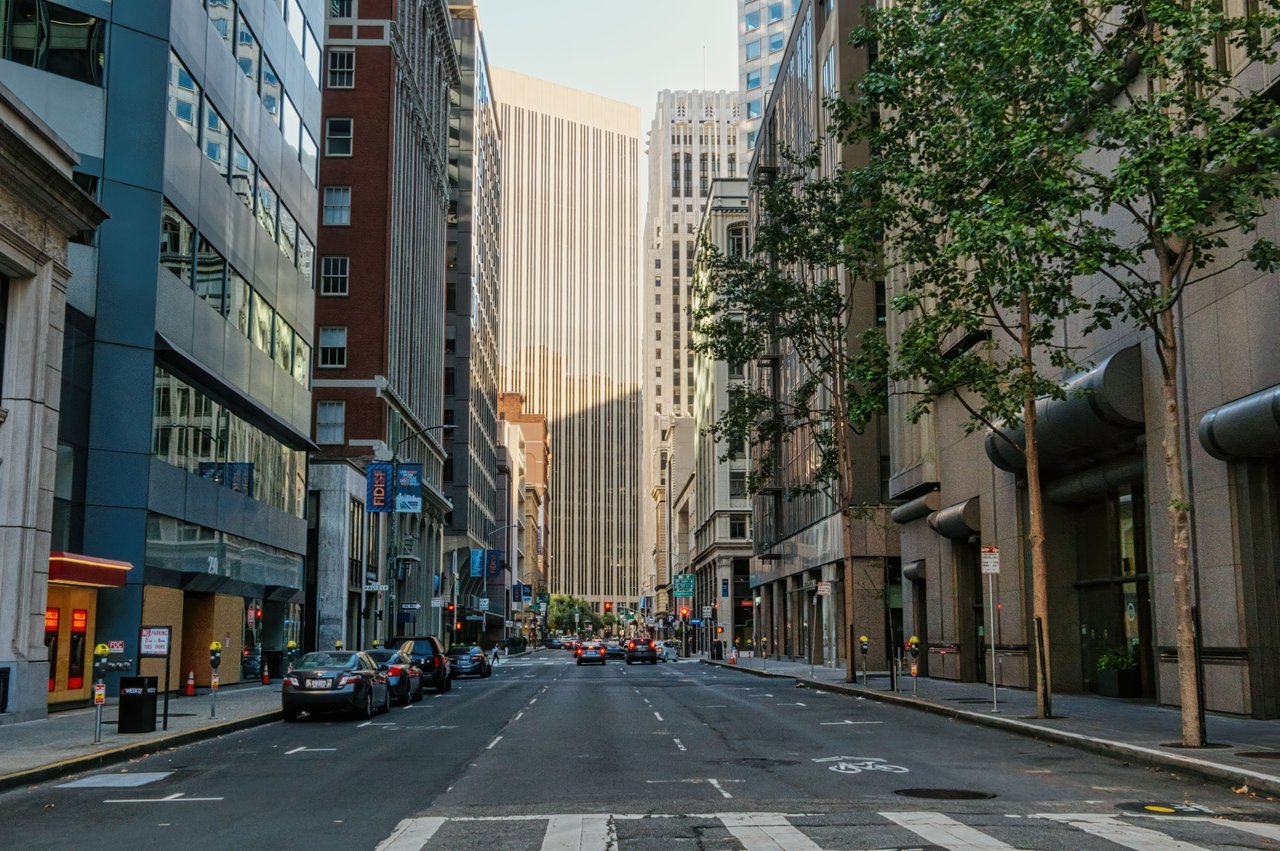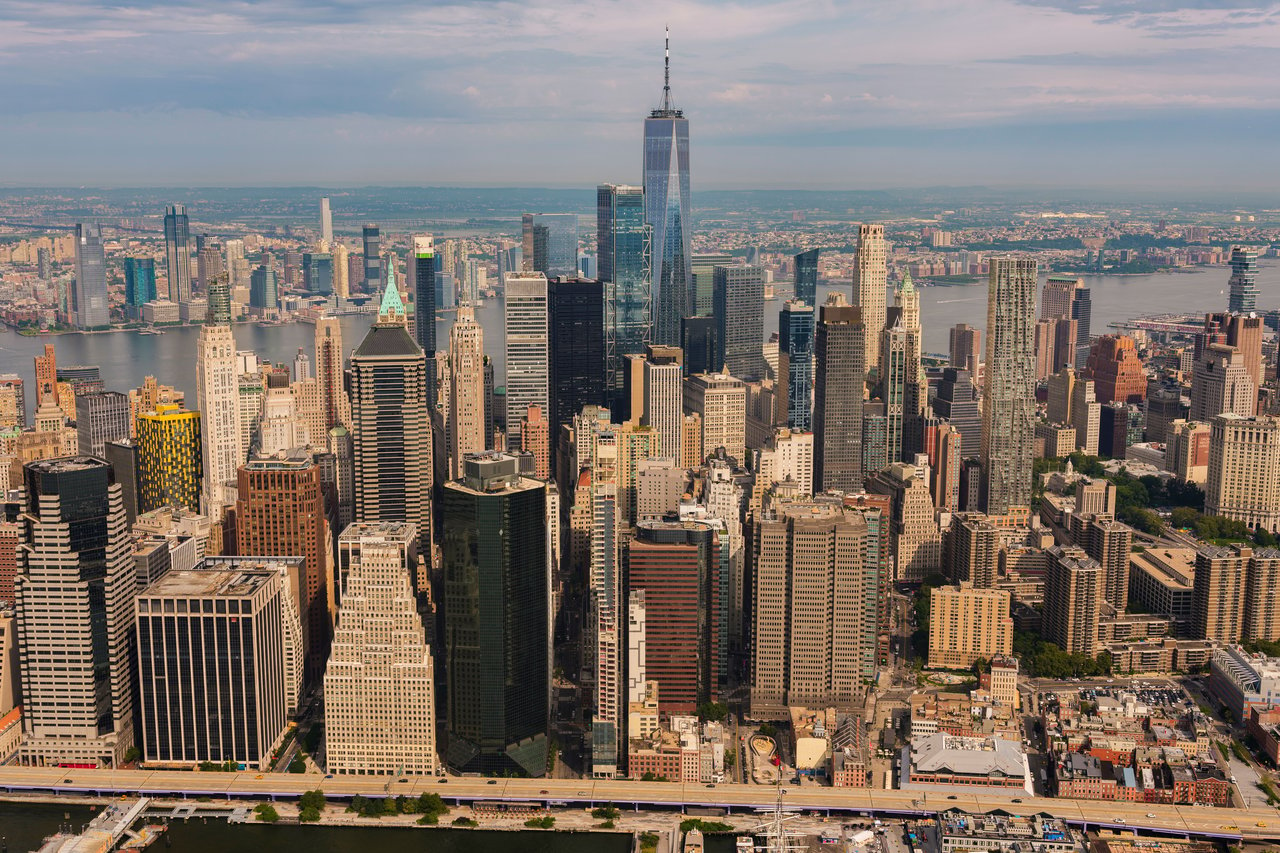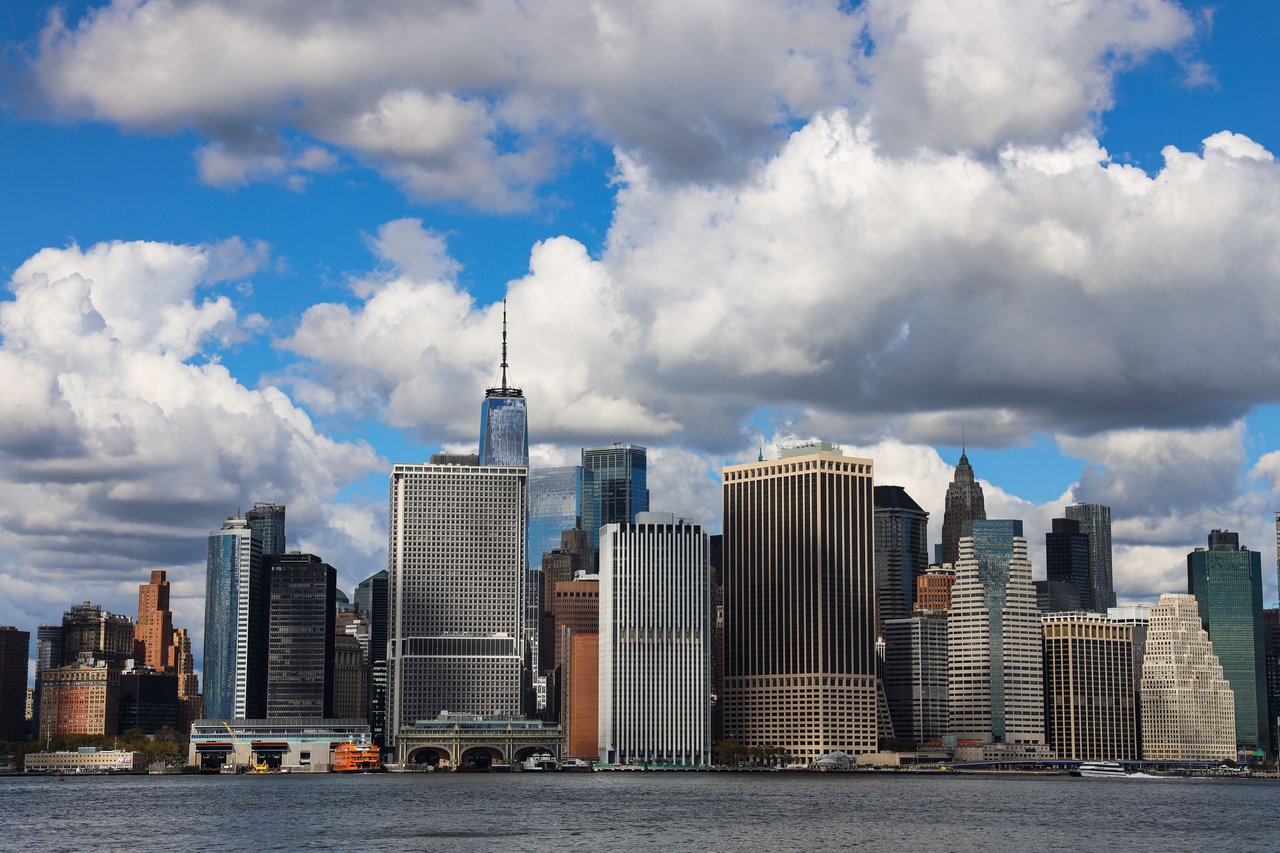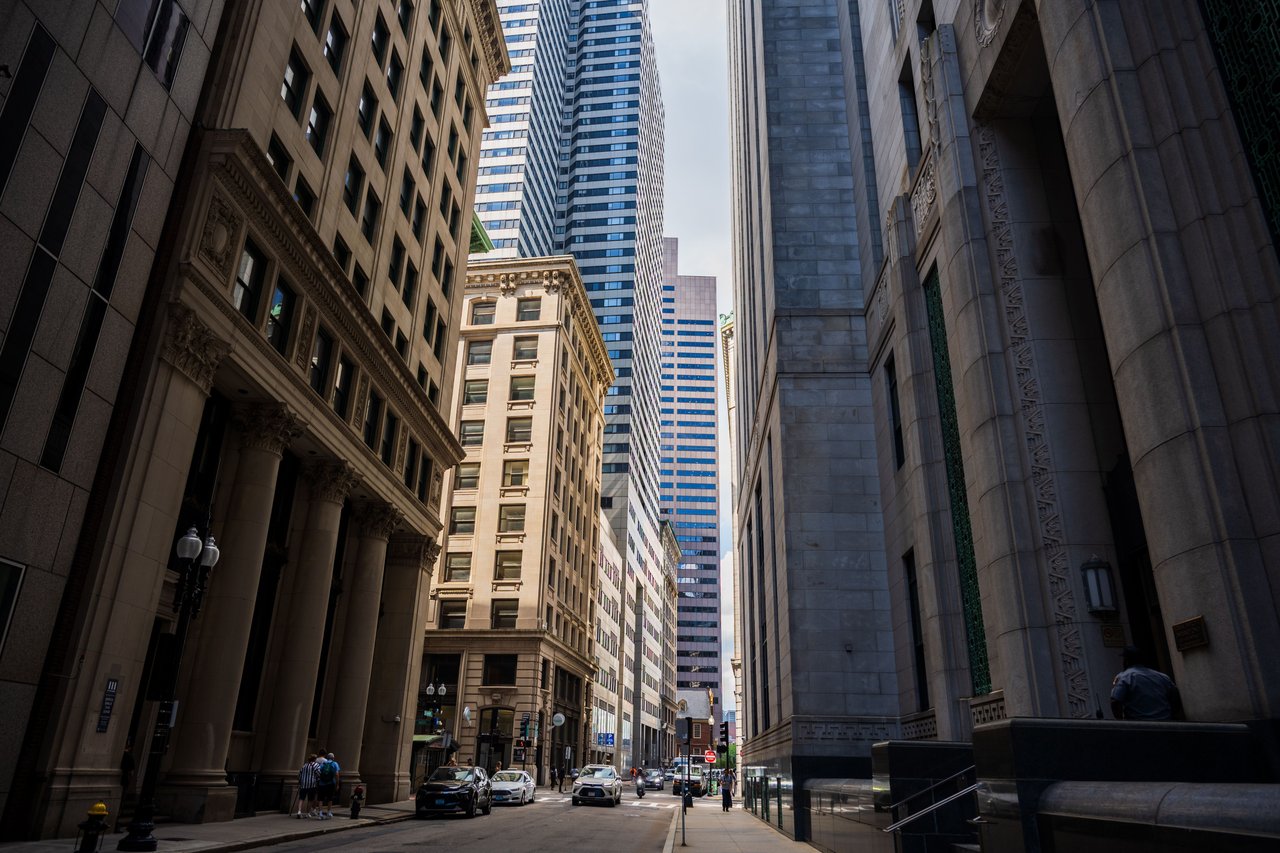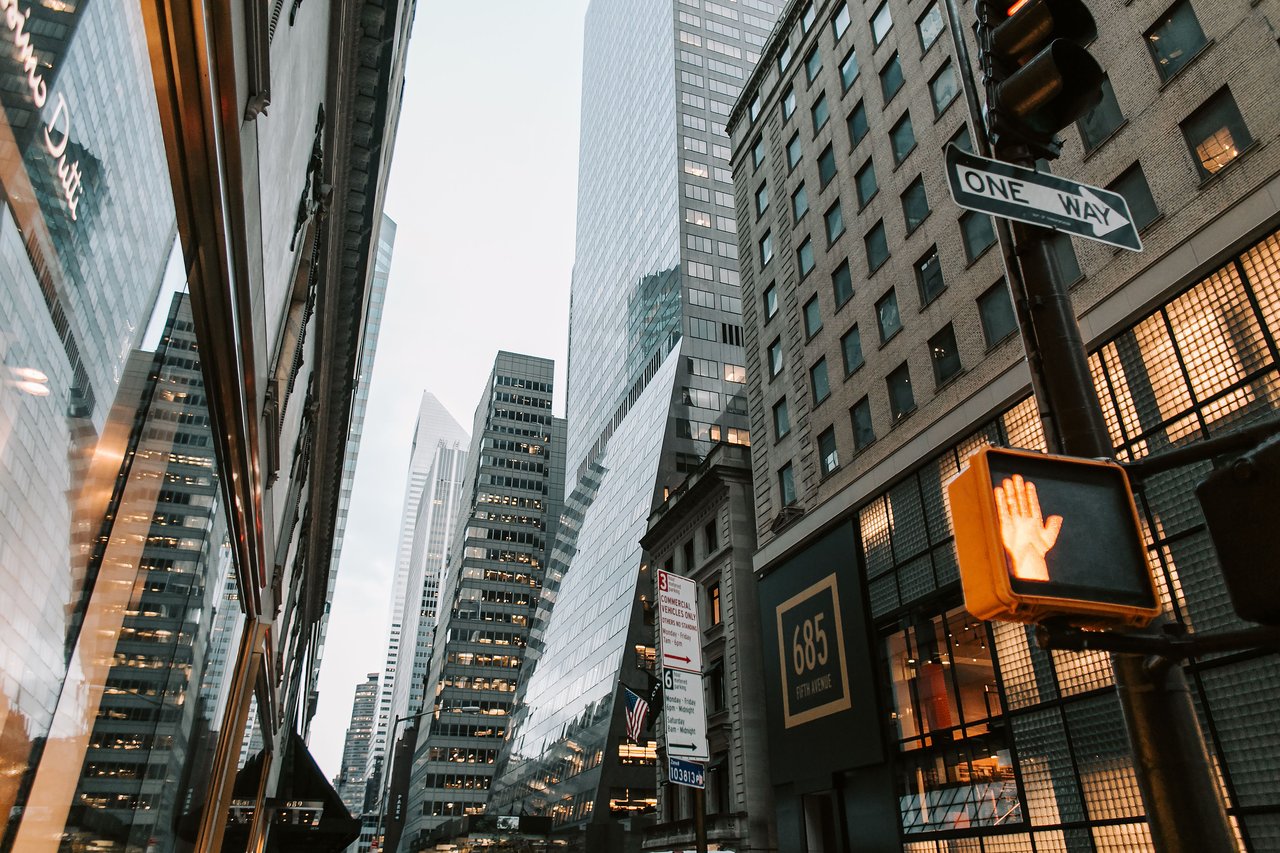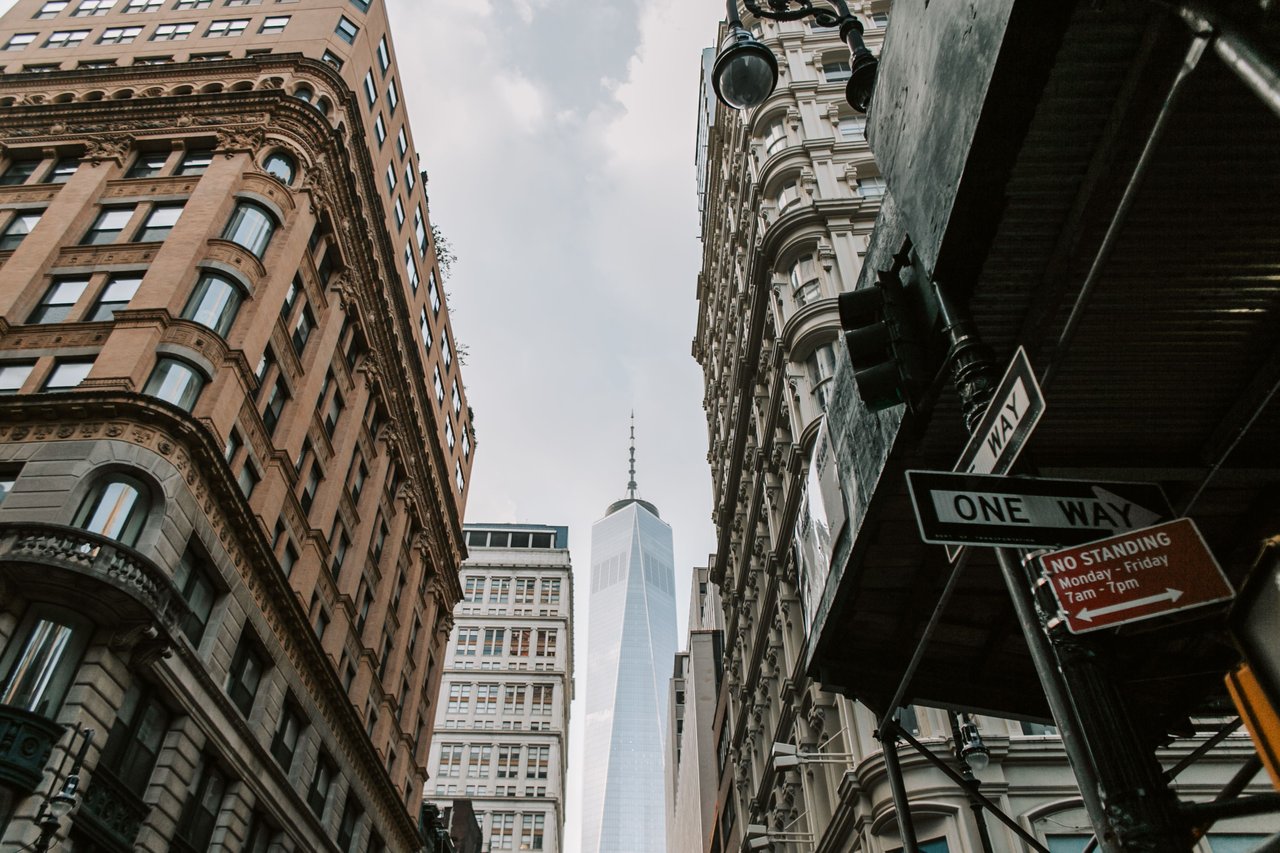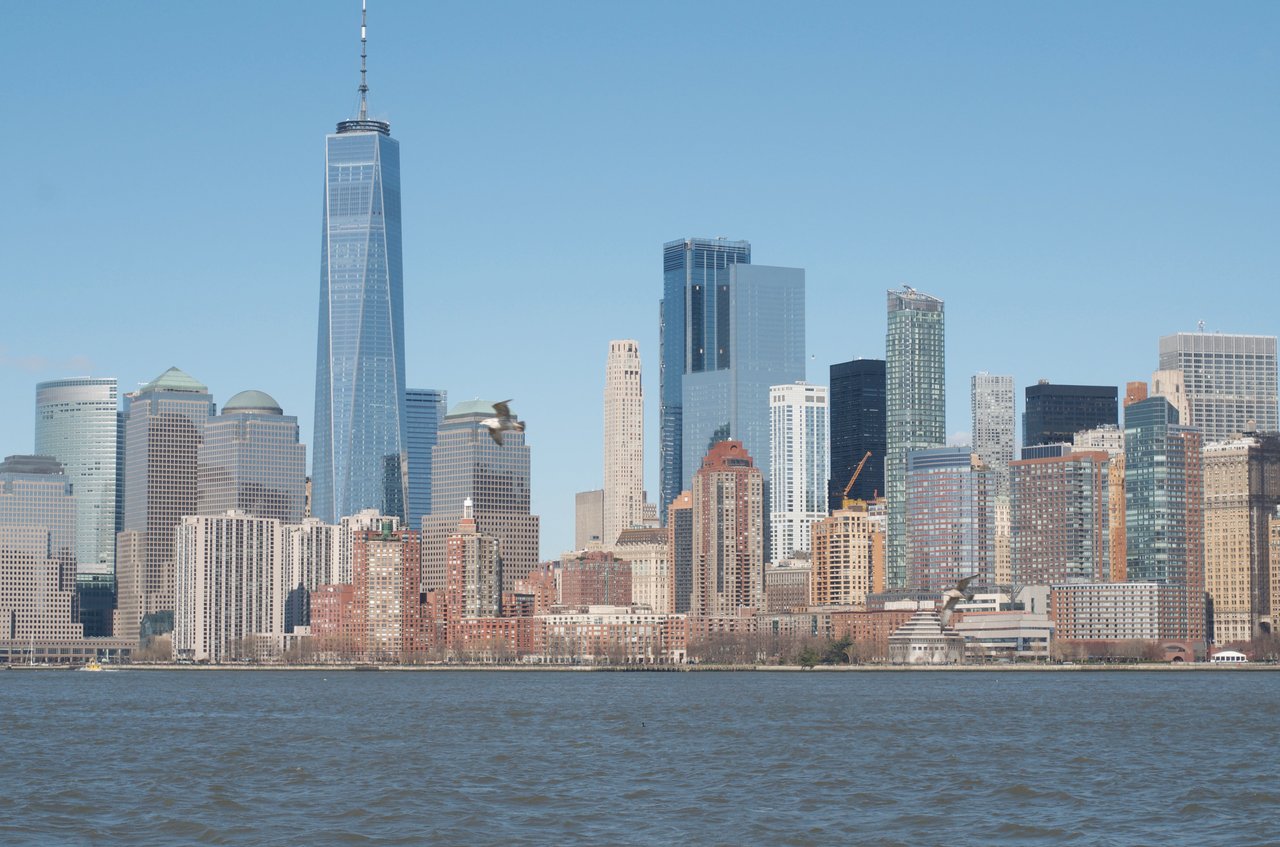
Gold Street is one of Lower Manhattan's historic streets, connecting the architectural history of colonial New York with the development of maritime commerce, nineteenth-century industry, commercial buildings, and modern residential architecture. Located along the eastern side of Manhattan's Financial District, Gold Street extends through an area whose street pattern developed long before the regular grid that characterizes much of the island.
The street's origins are connected to the Dutch colonial settlement of New Amsterdam, when Lower Manhattan consisted of narrow pathways, modest buildings, and commercial routes shaped by the natural landscape. As New York expanded, Gold Street became part of a growing district of workshops, warehouses, merchants, and businesses associated with the nearby East River waterfront.
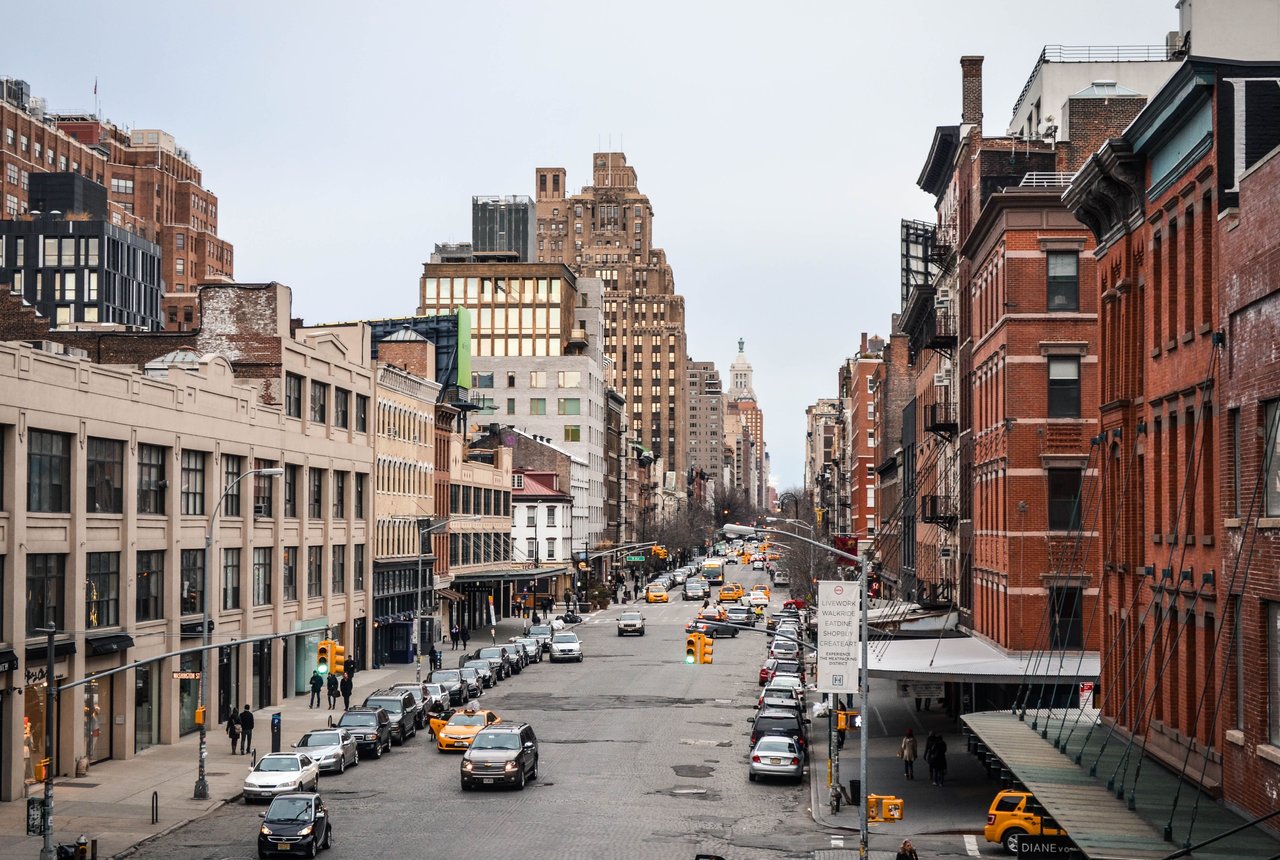
During the nineteenth century, the surrounding neighborhood underwent substantial changes as New York became a leading center of international trade. Earlier structures were replaced by larger brick and stone commercial buildings, while the expansion of manufacturing, wholesale businesses, and financial institutions encouraged increasingly intensive development.
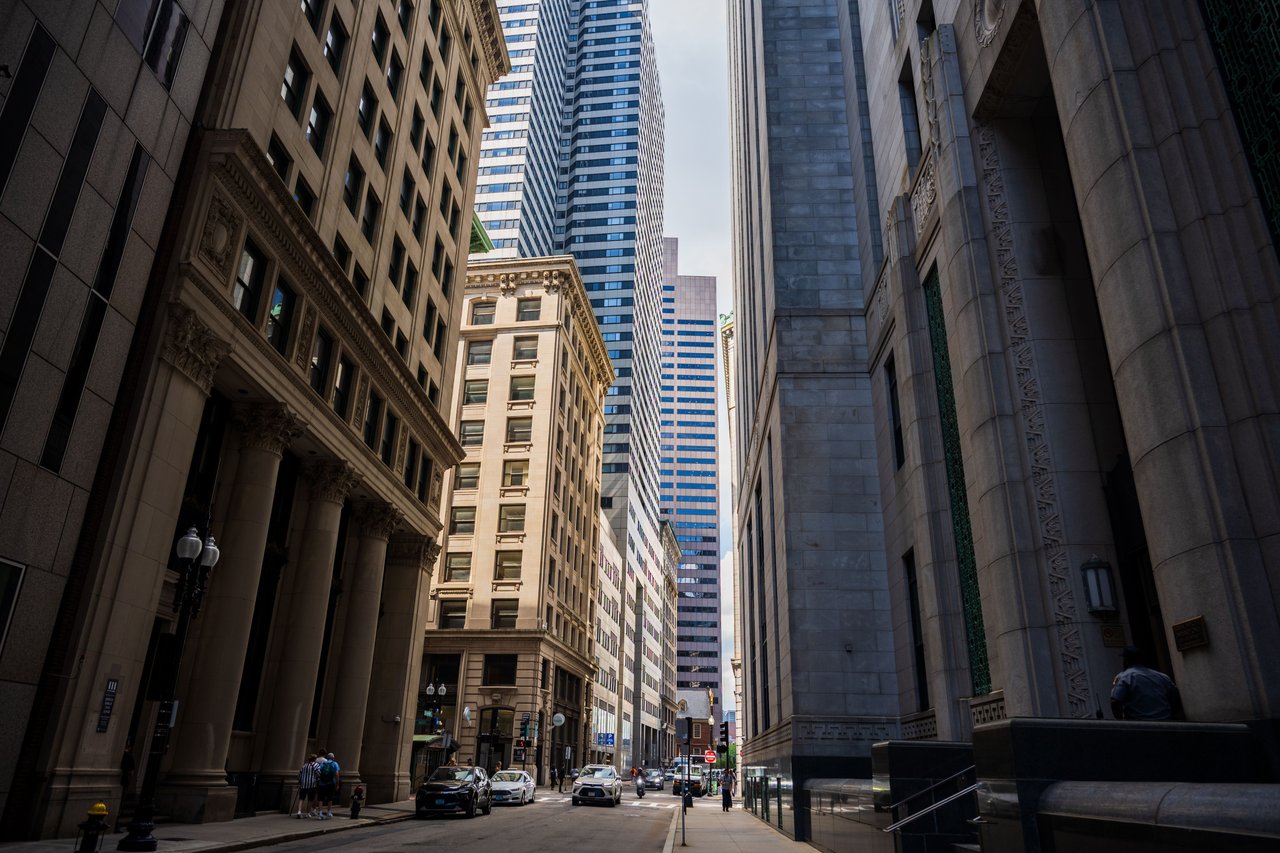
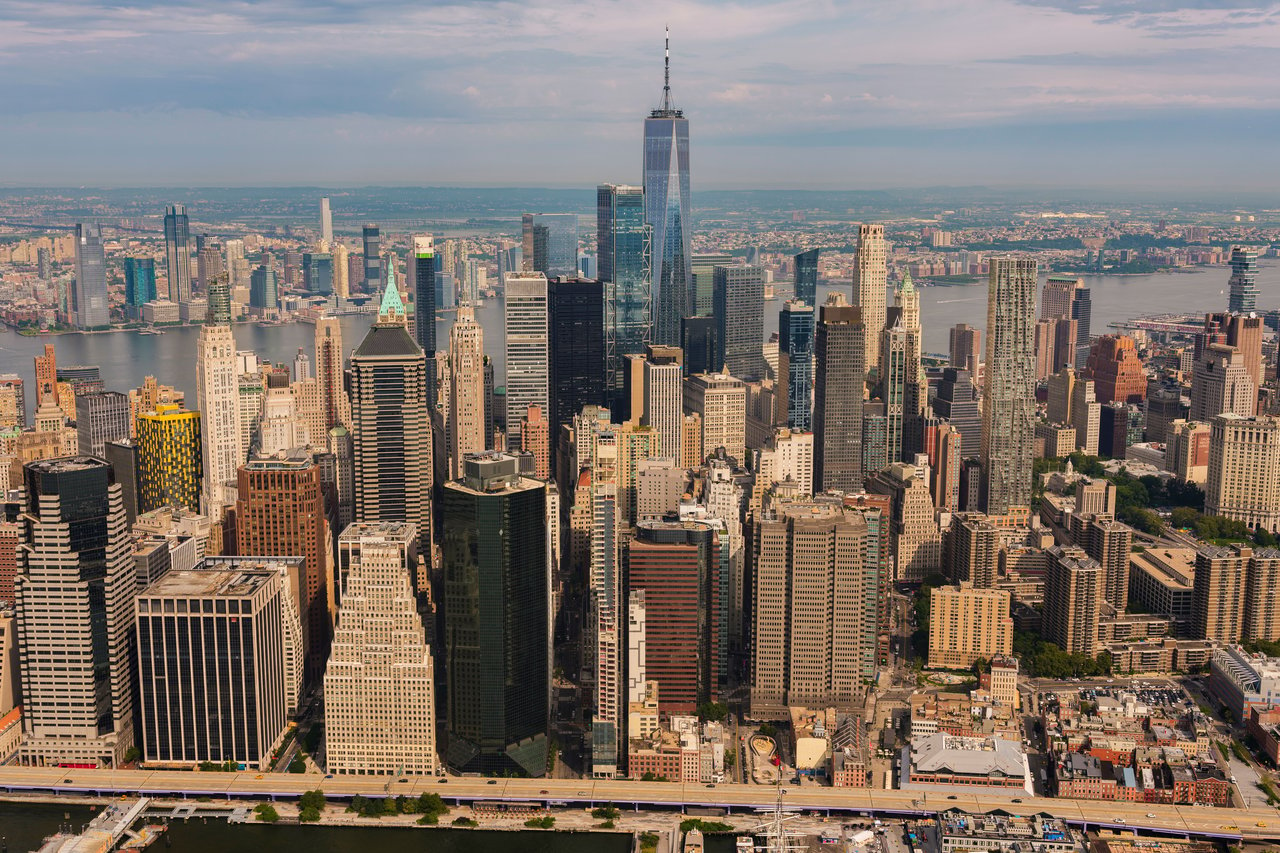
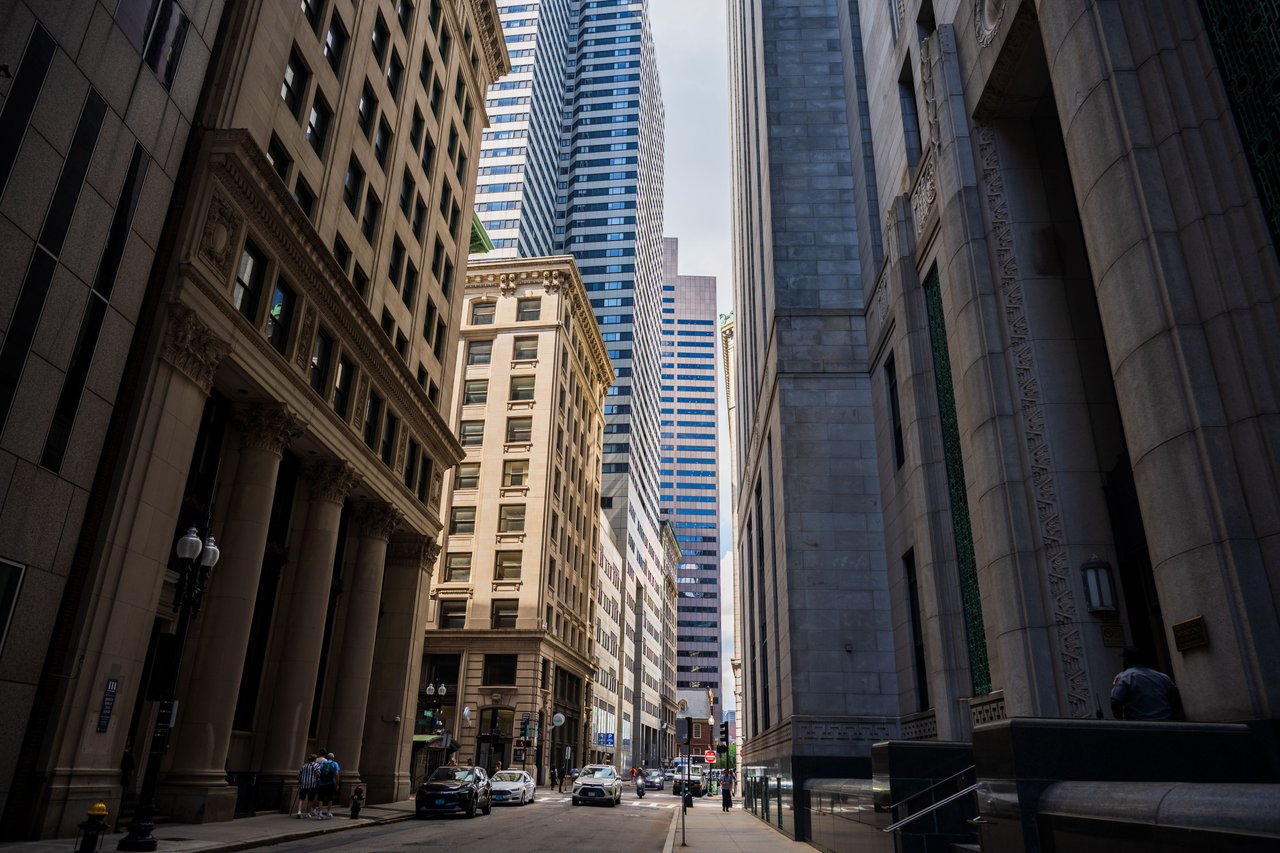
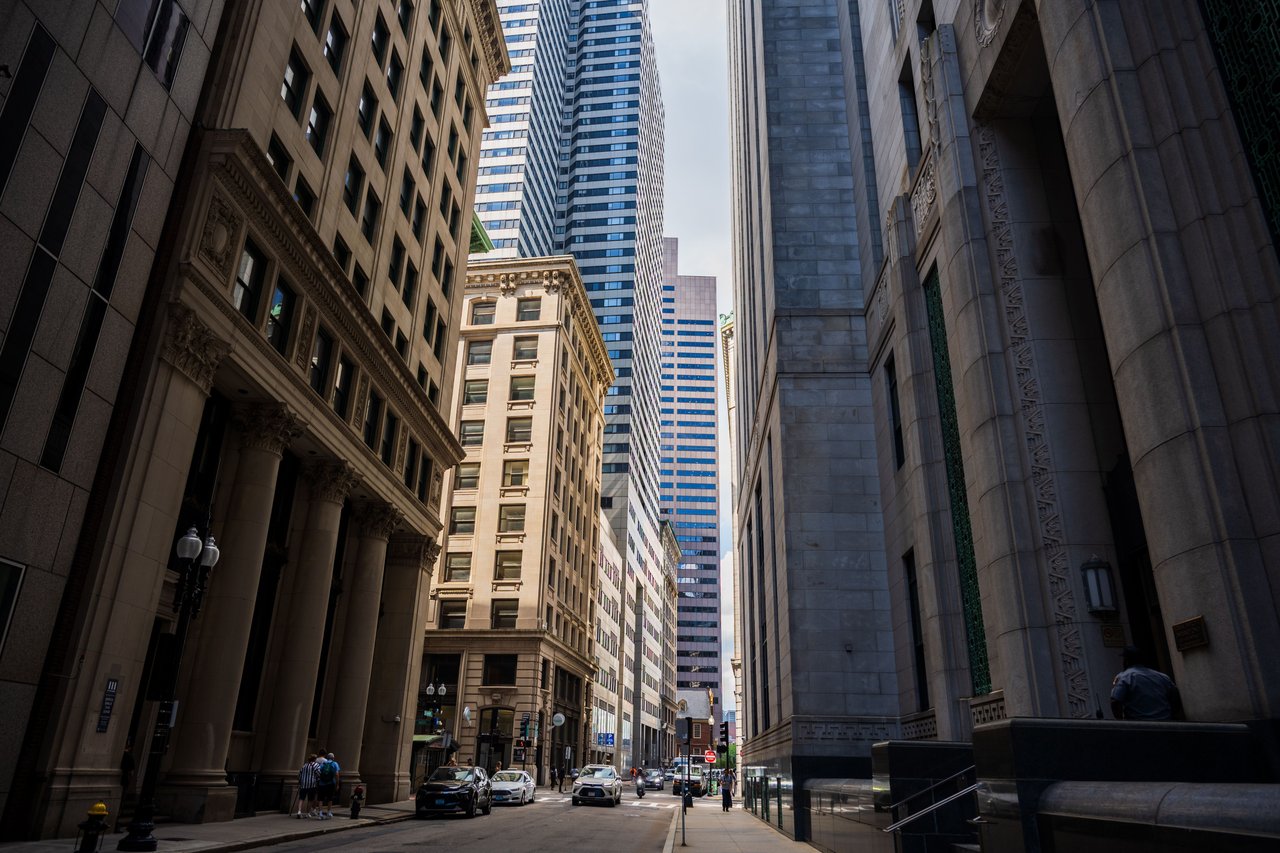
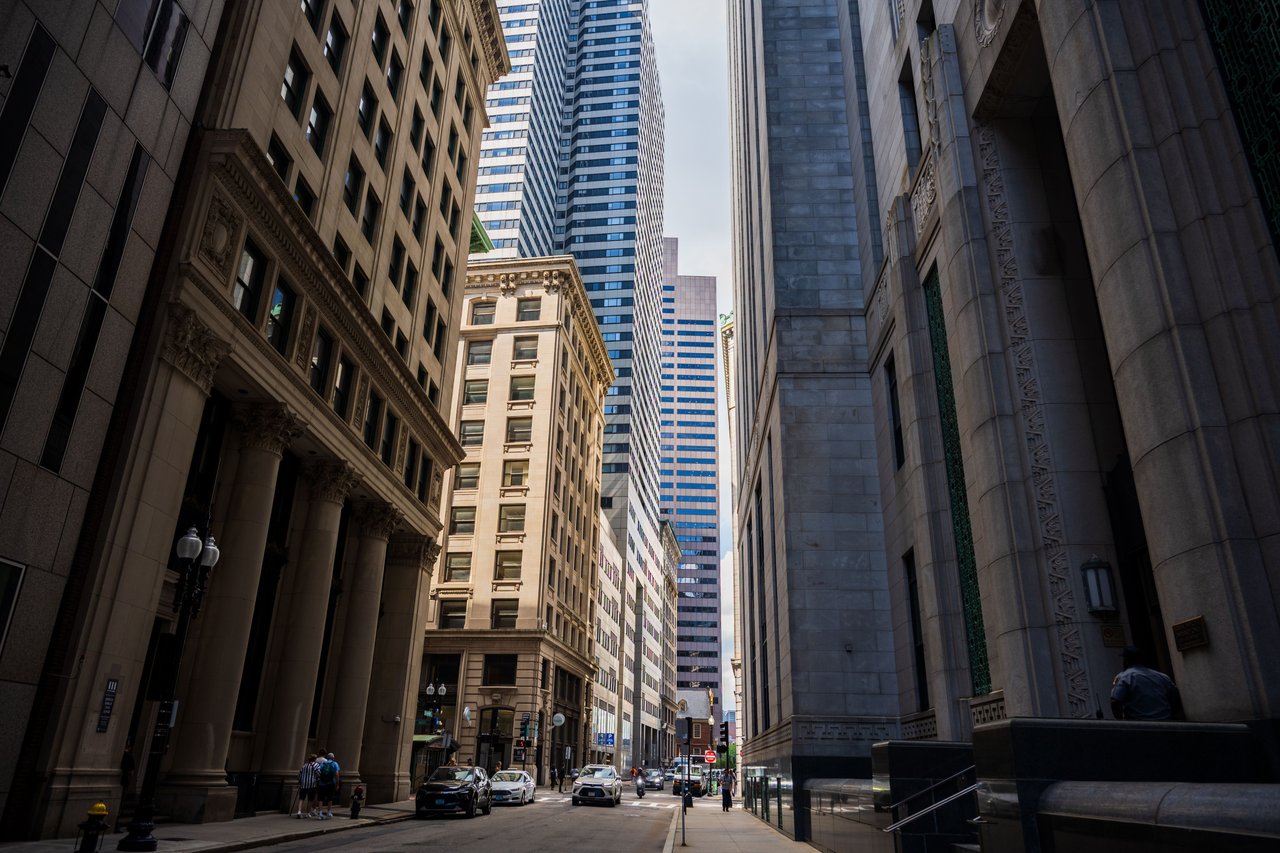
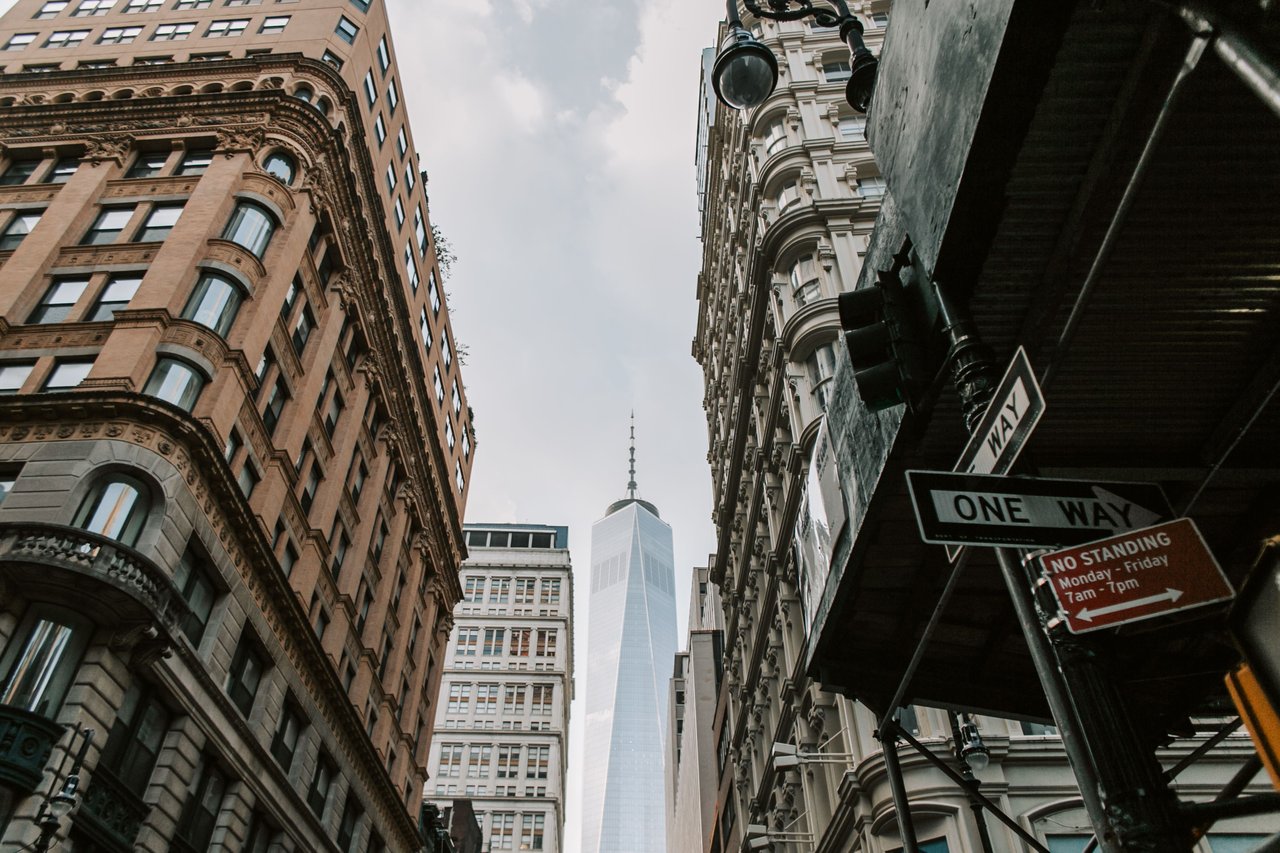
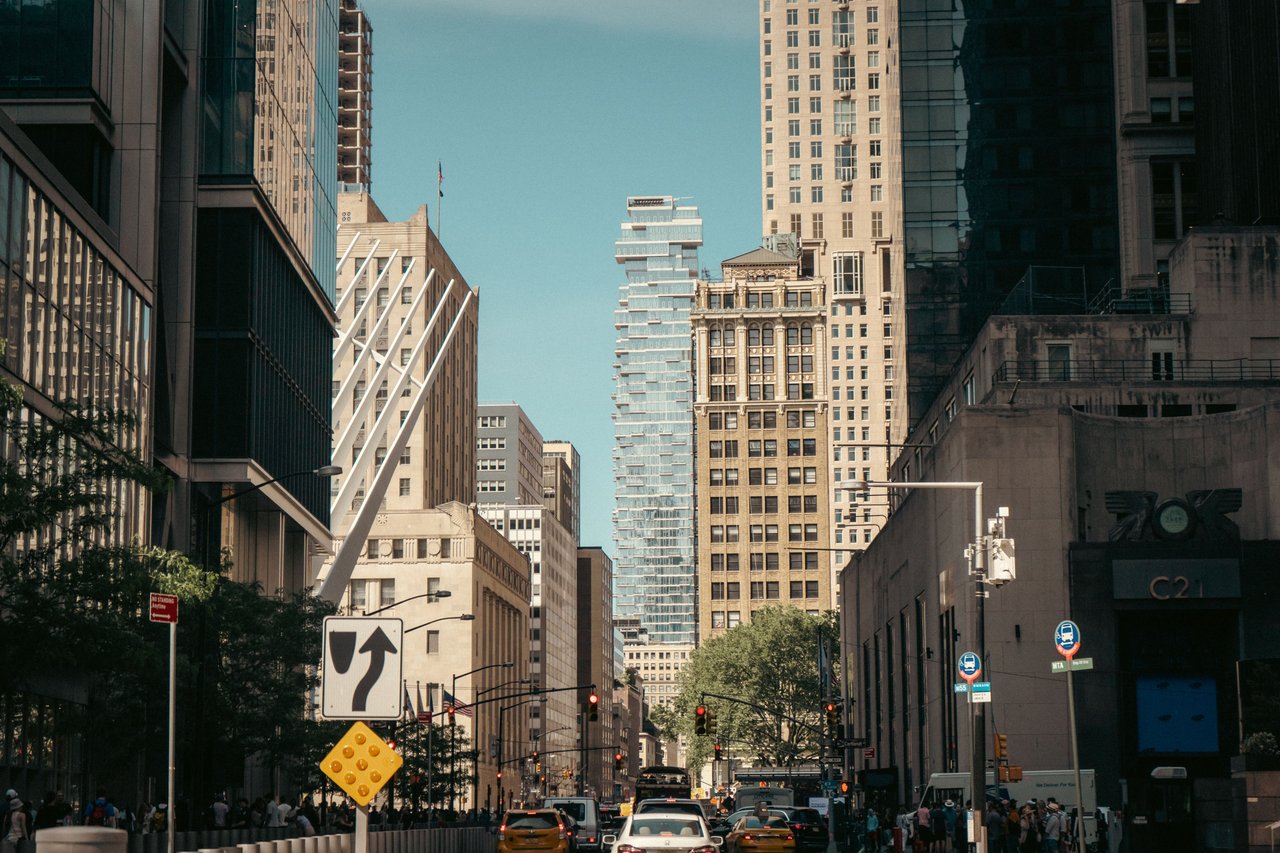
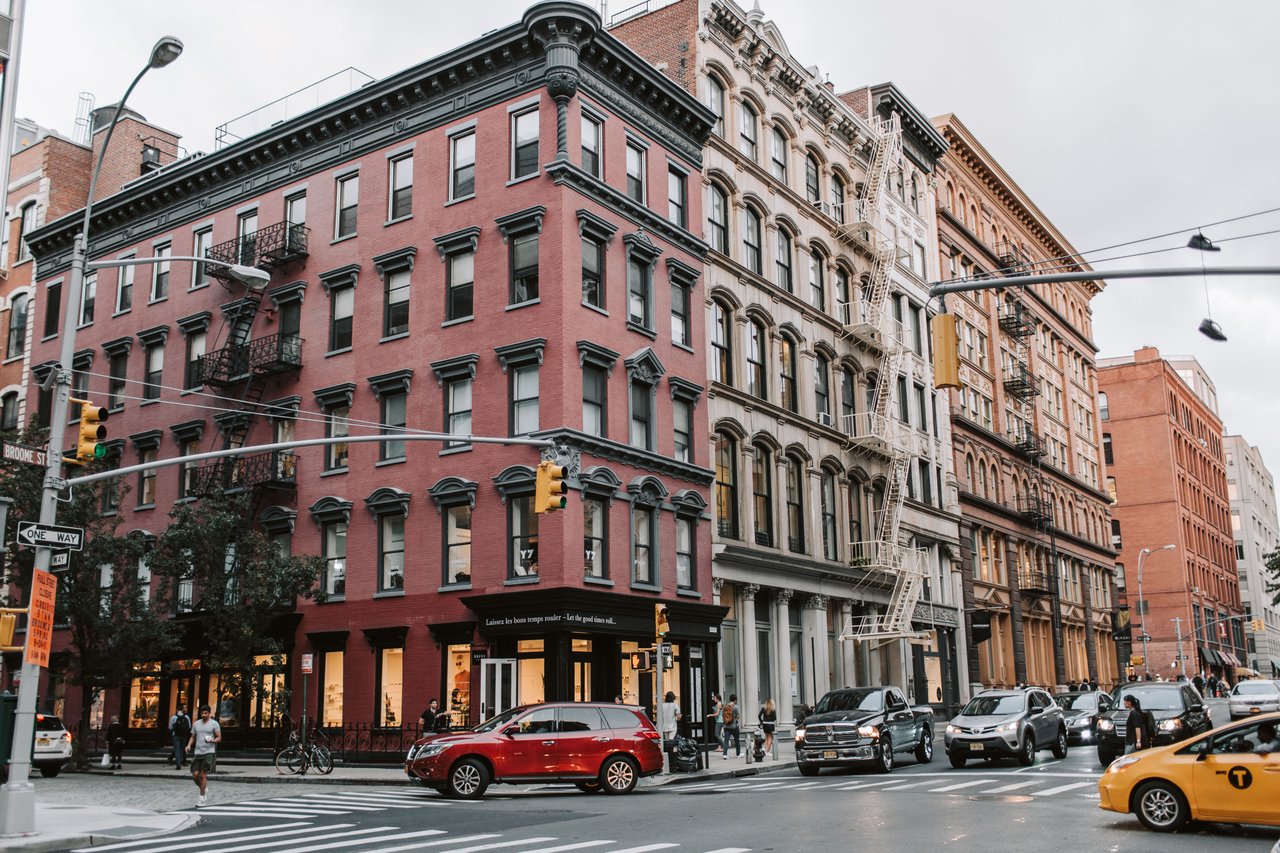
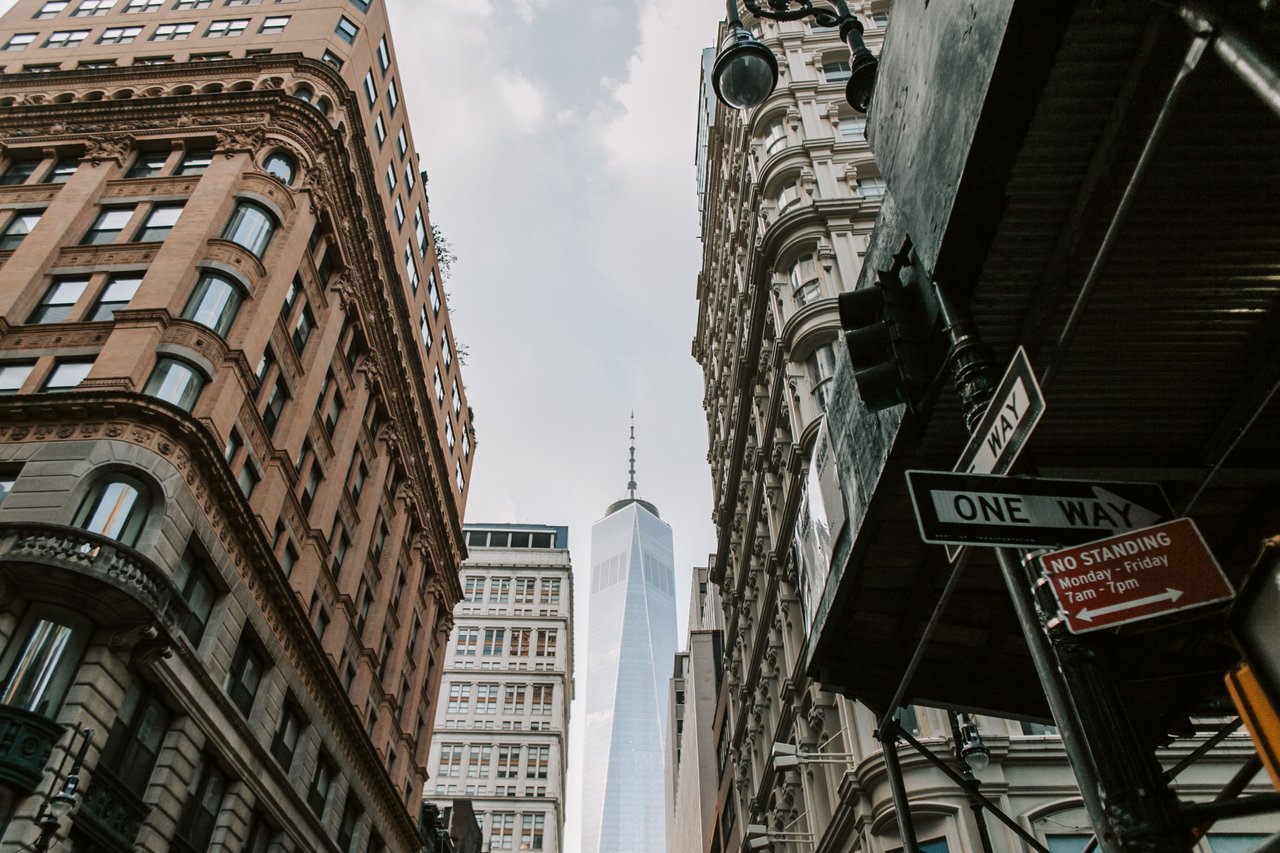
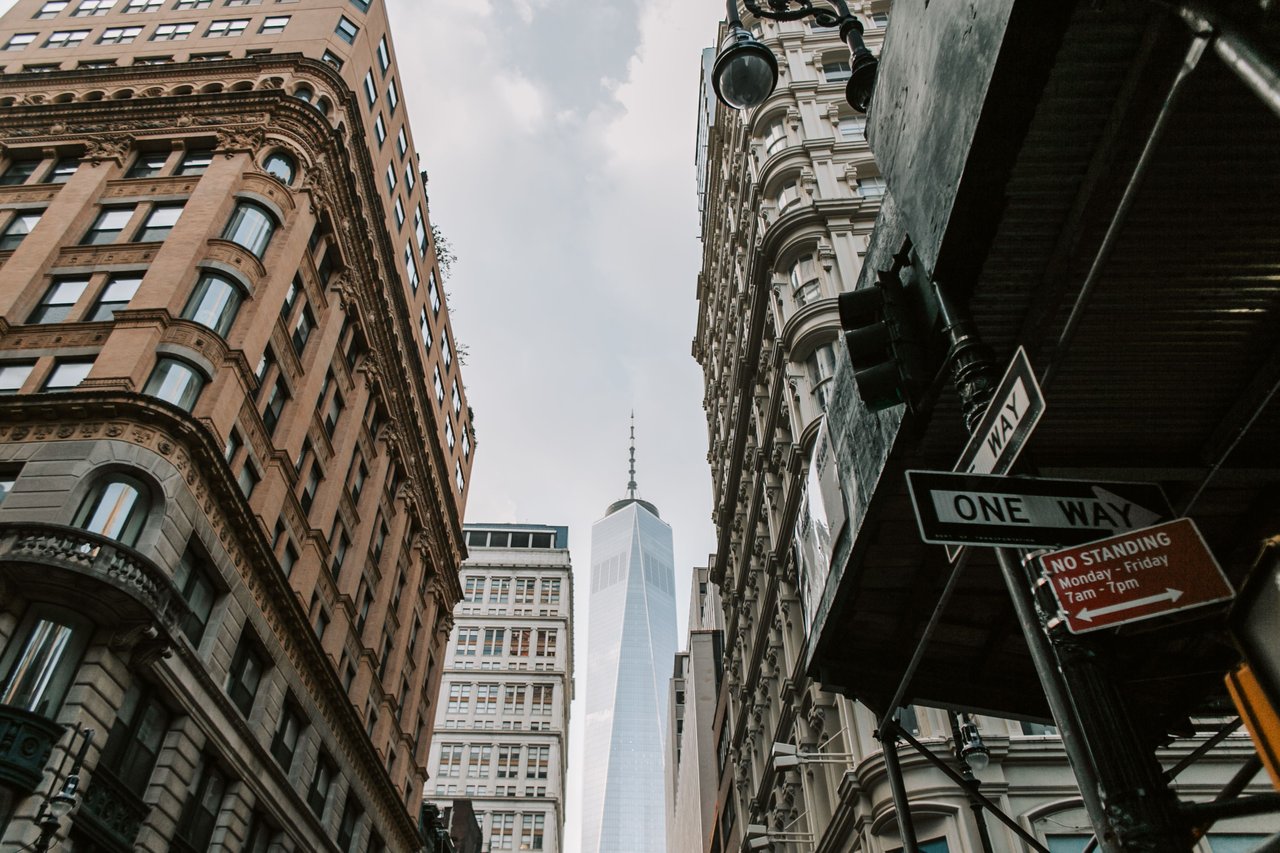
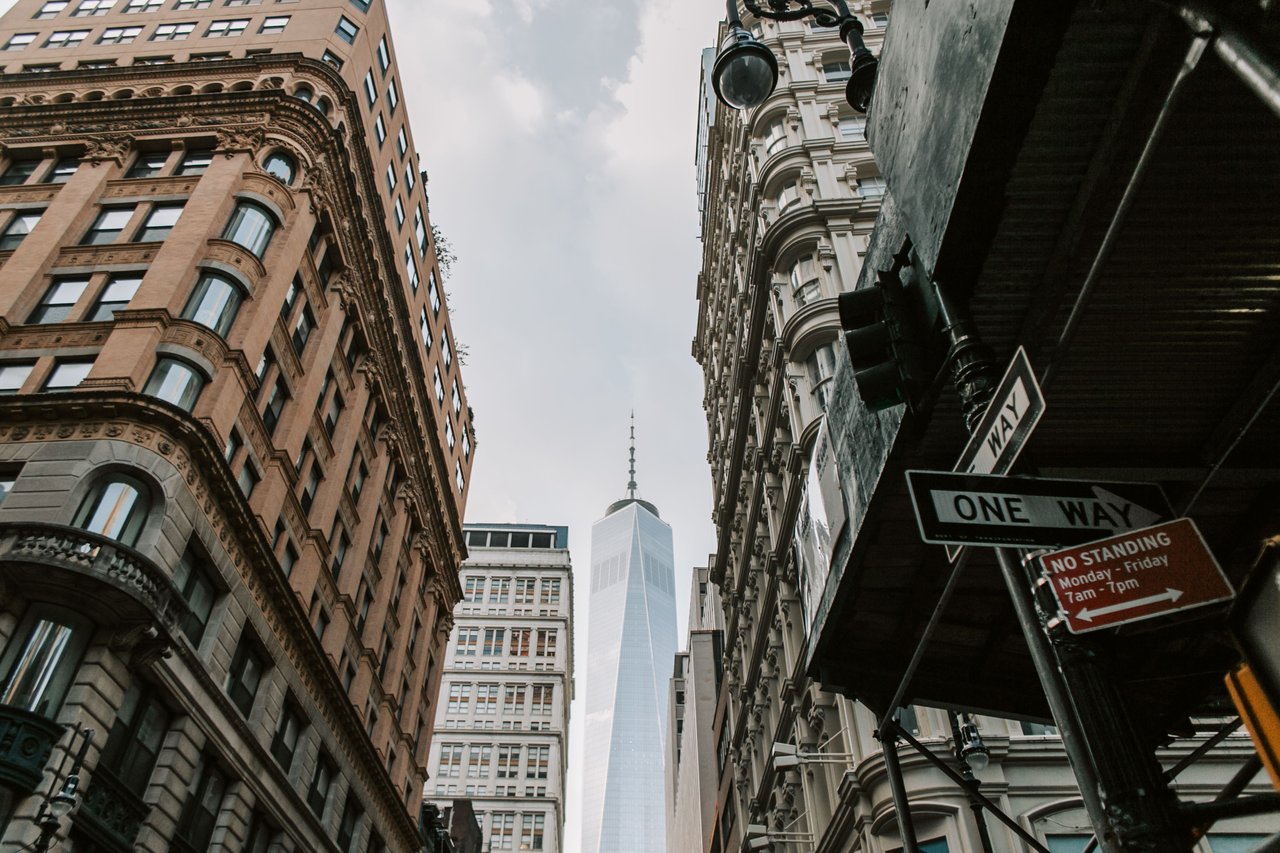
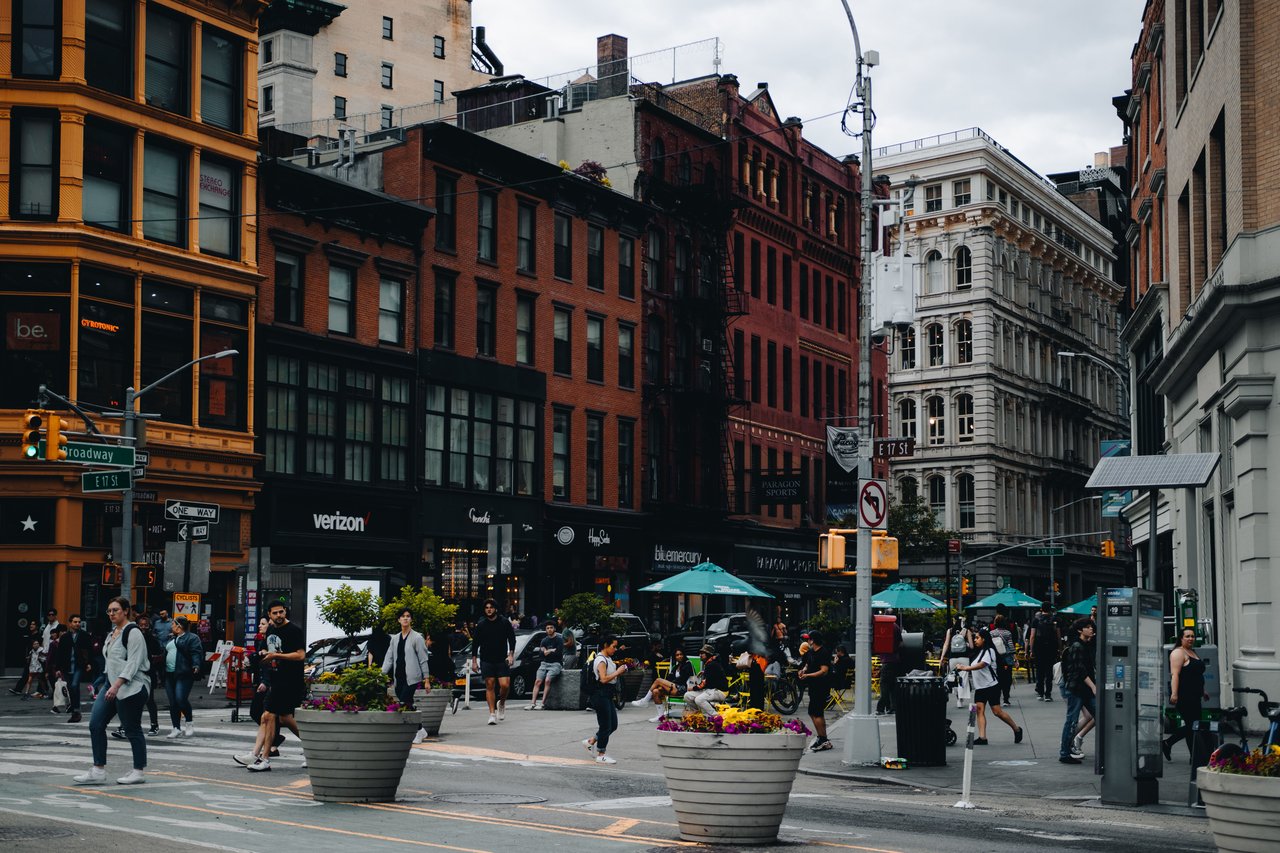
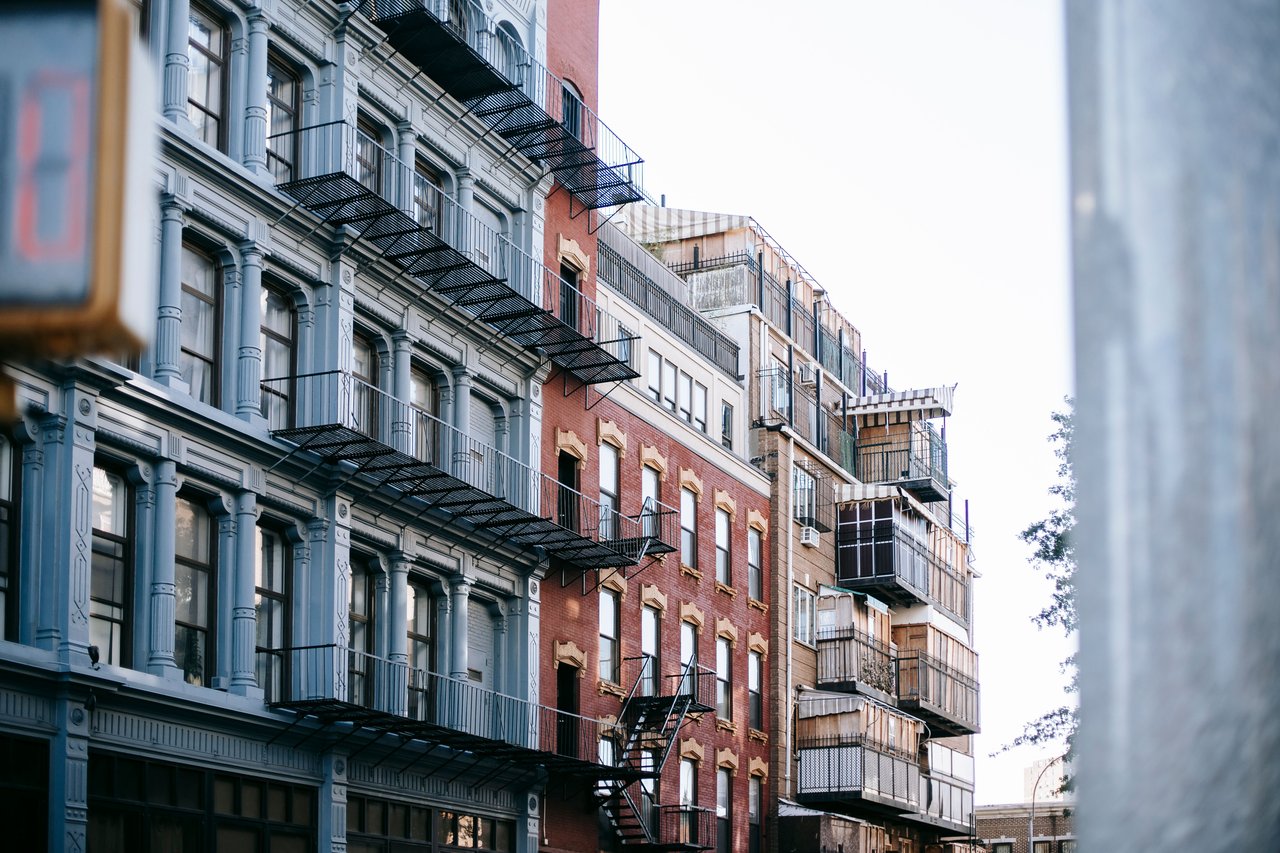
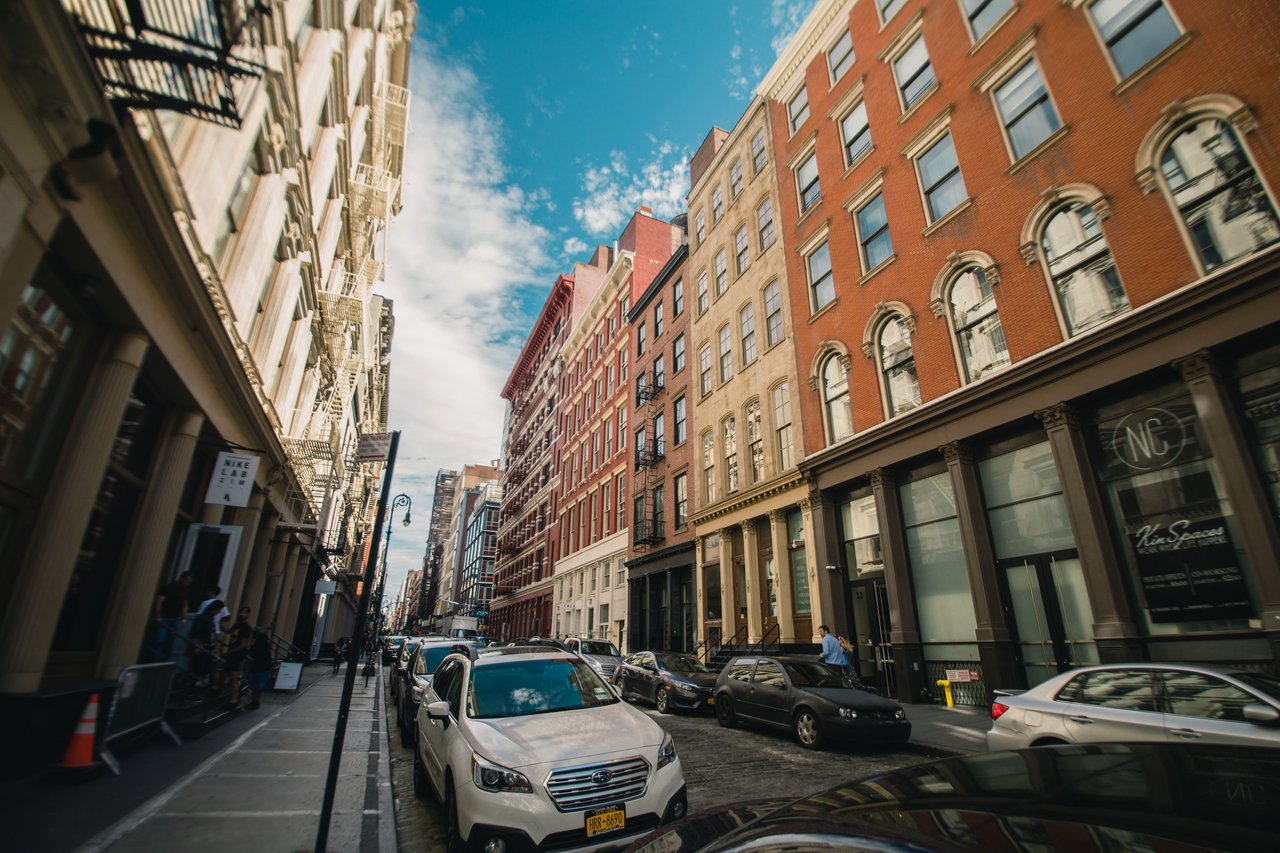
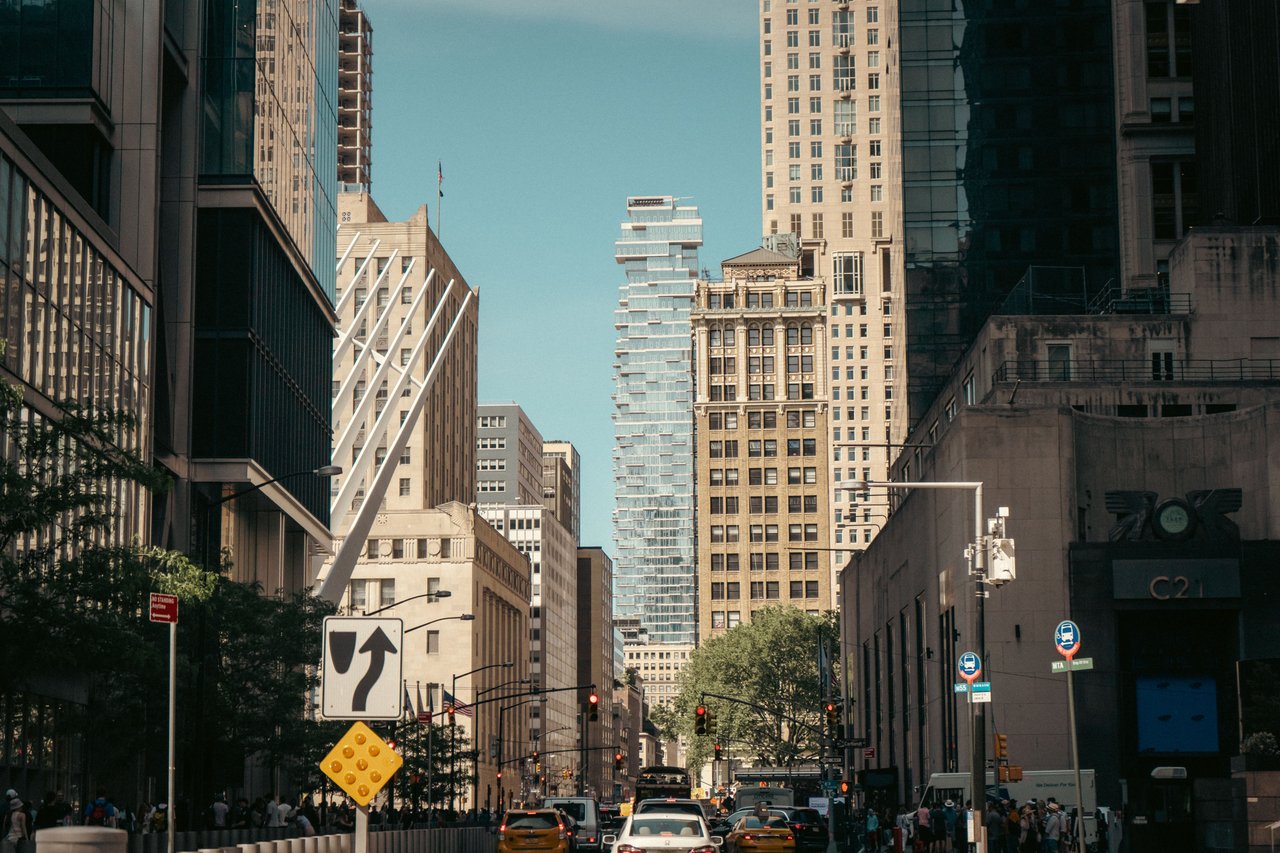
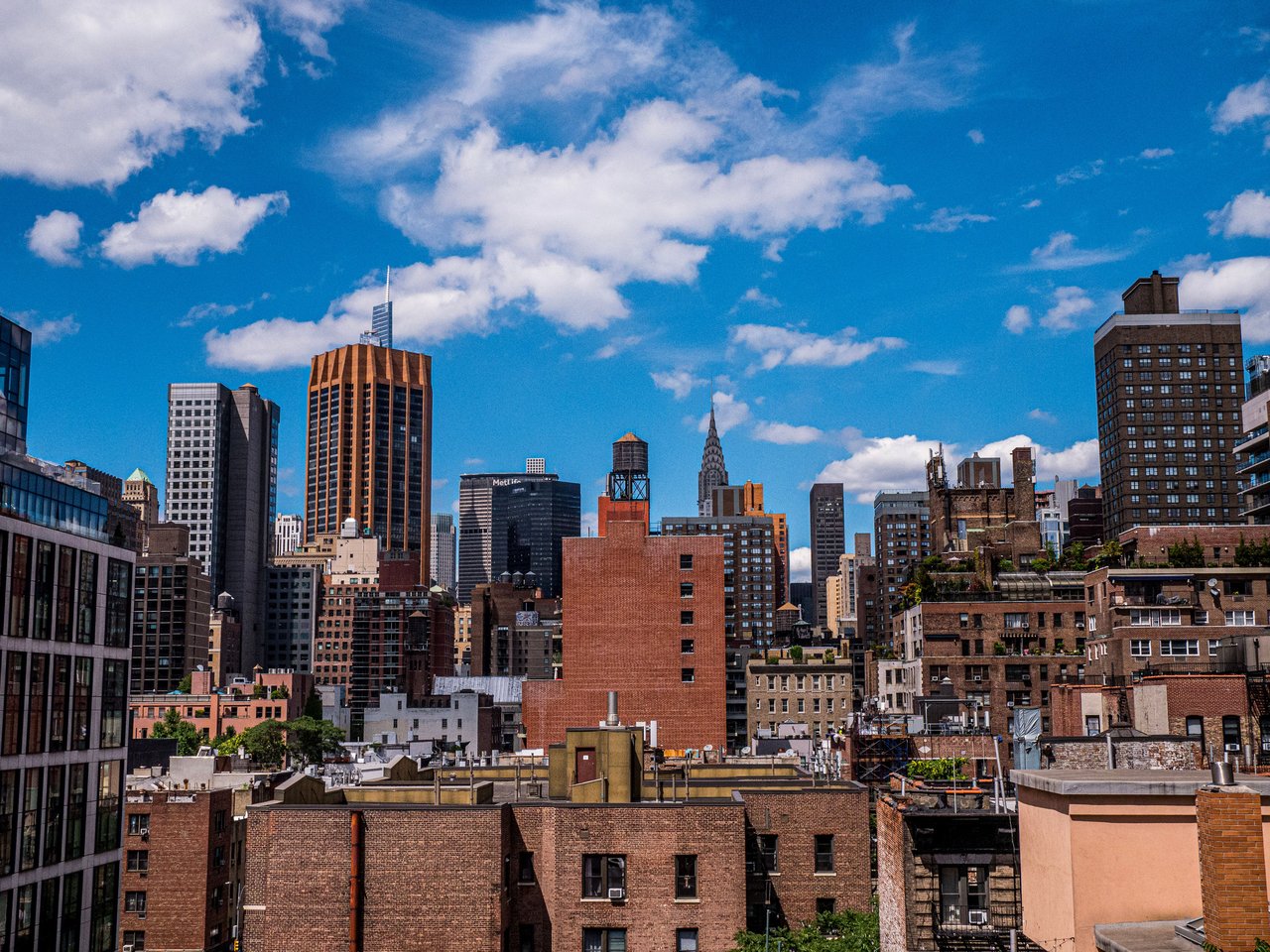
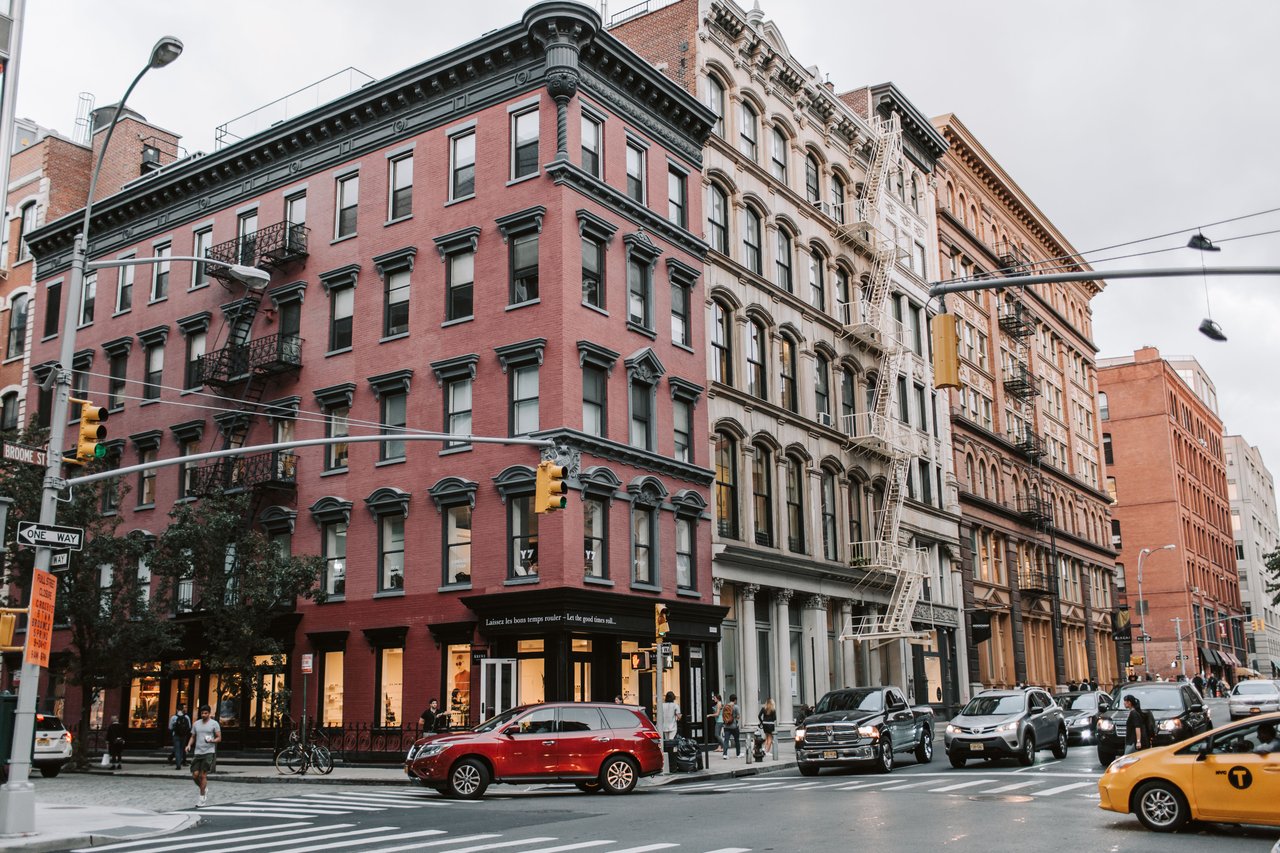
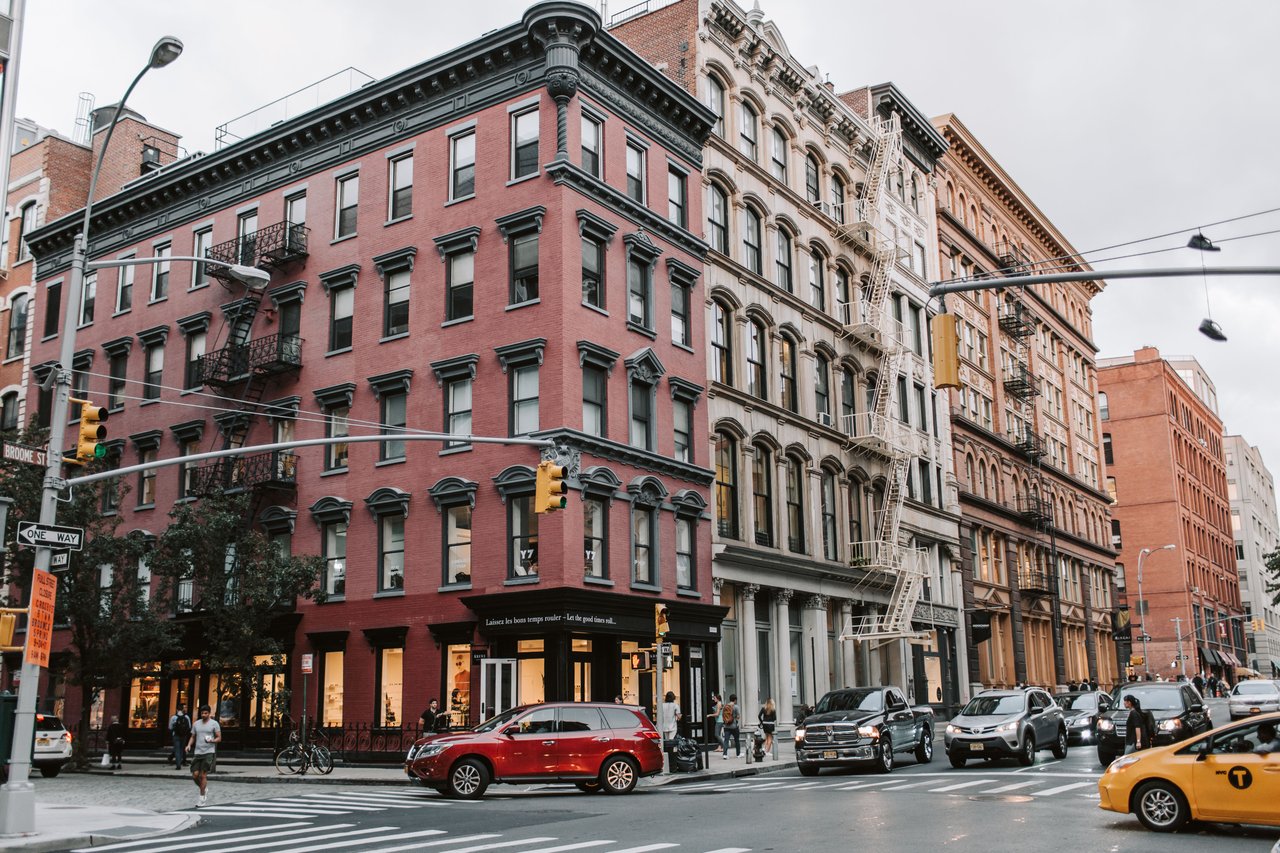
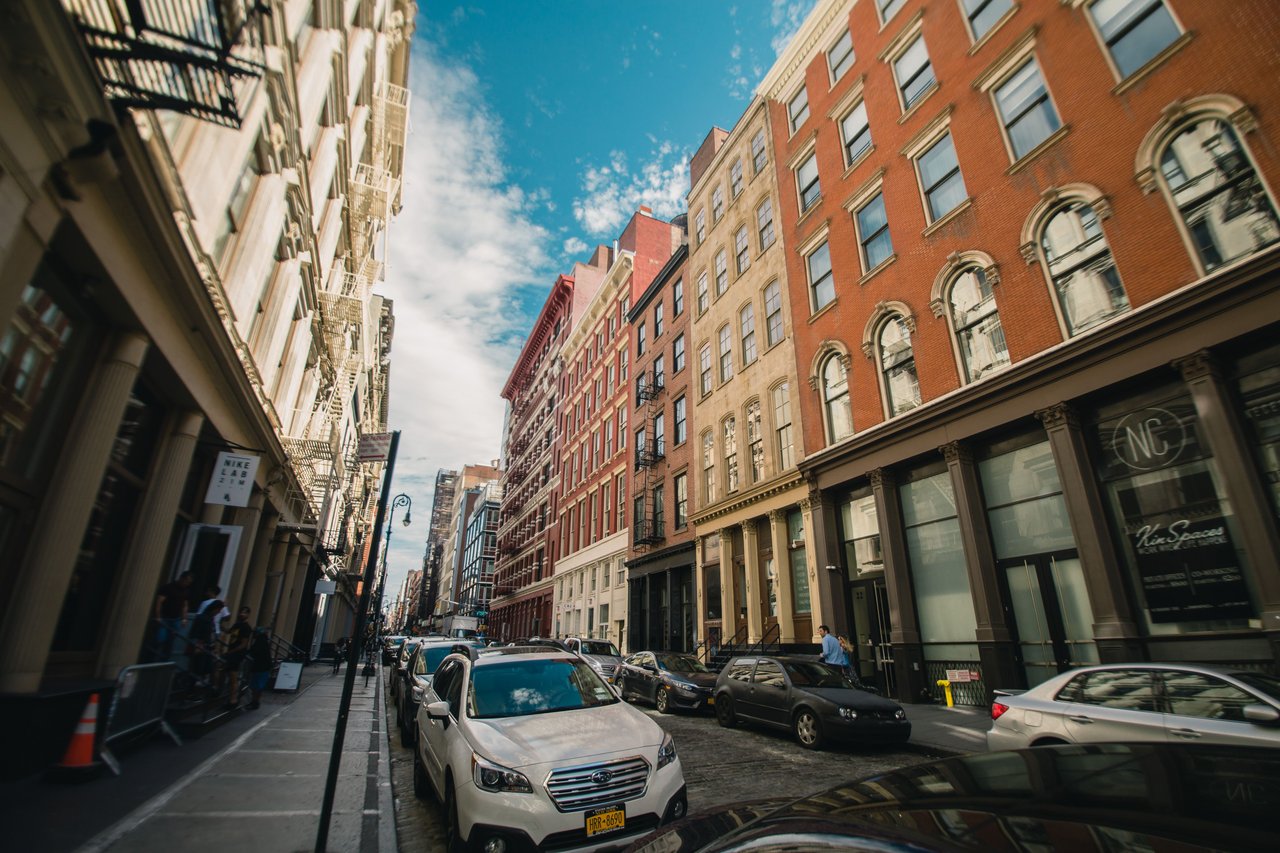
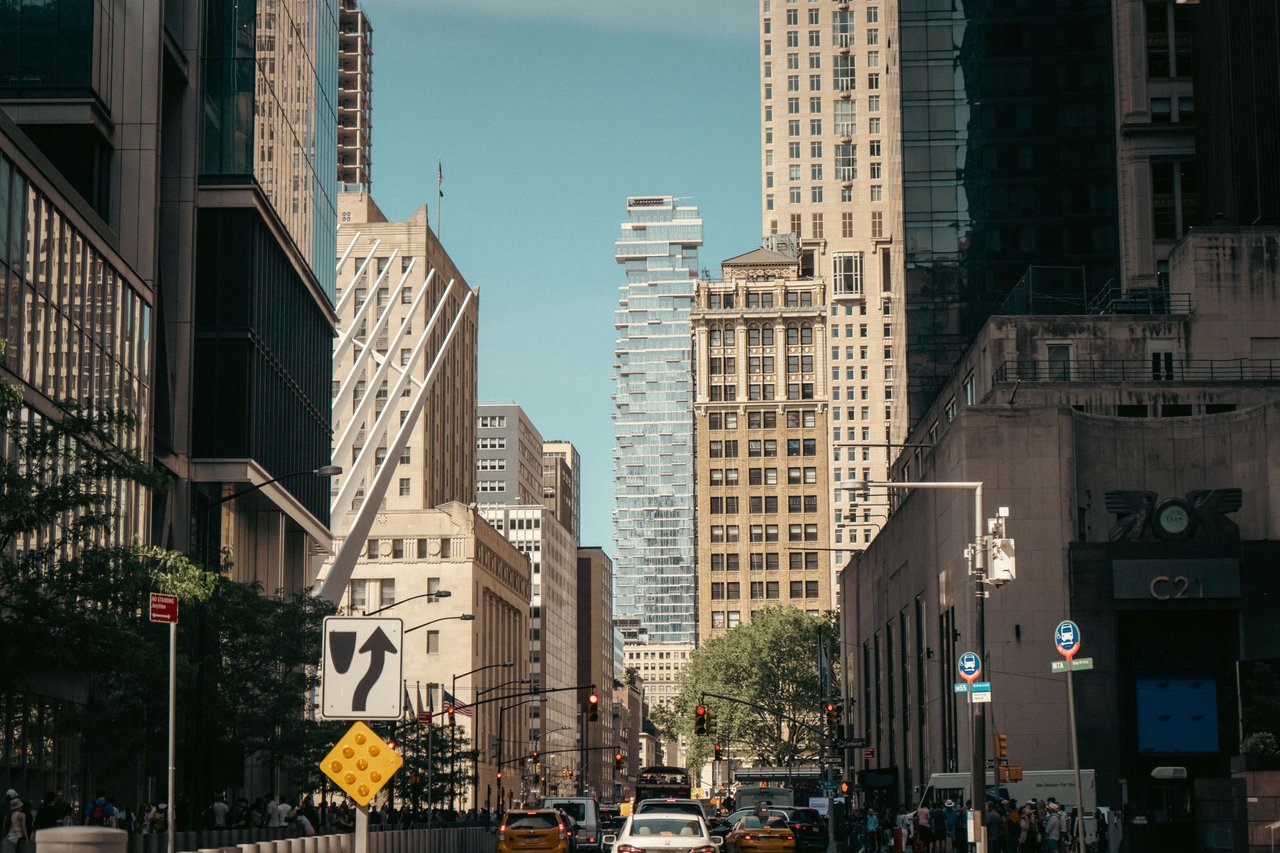
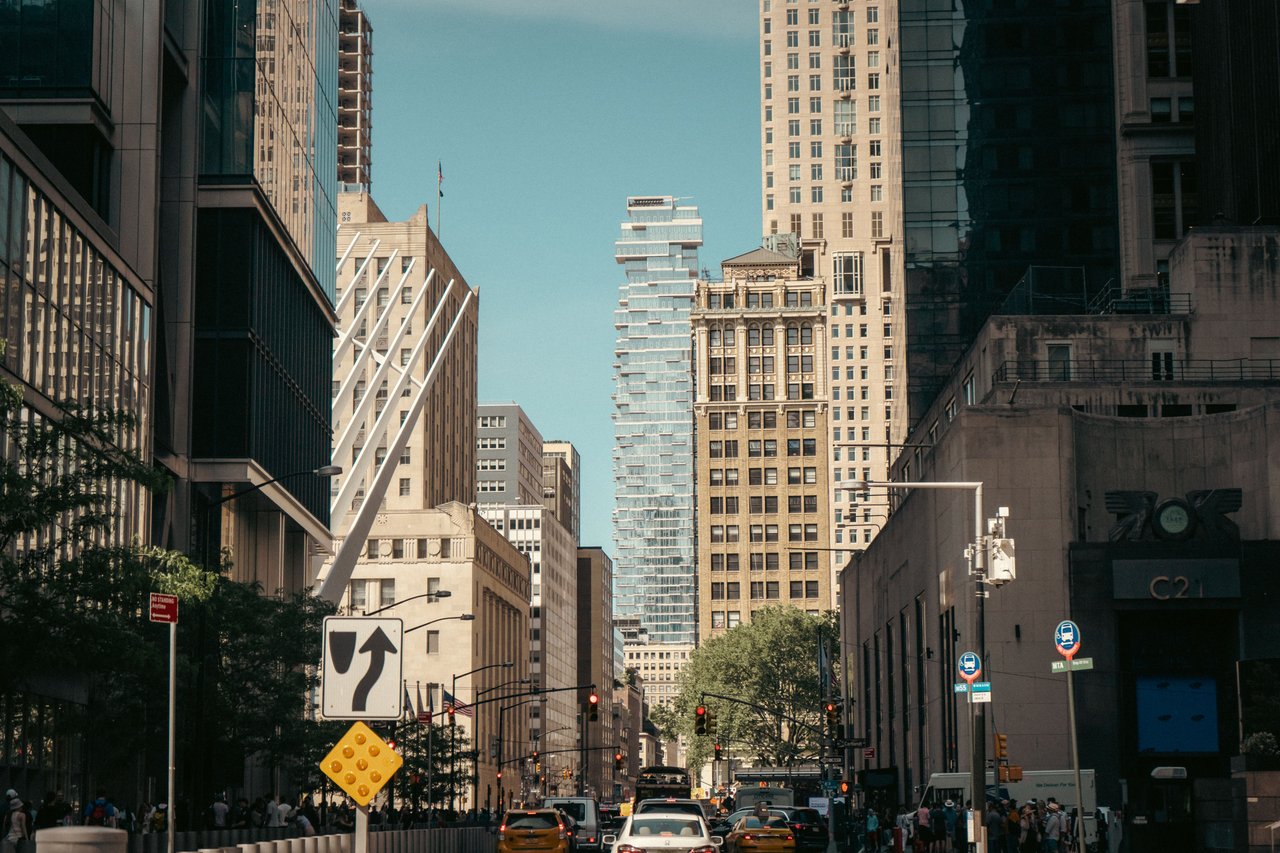
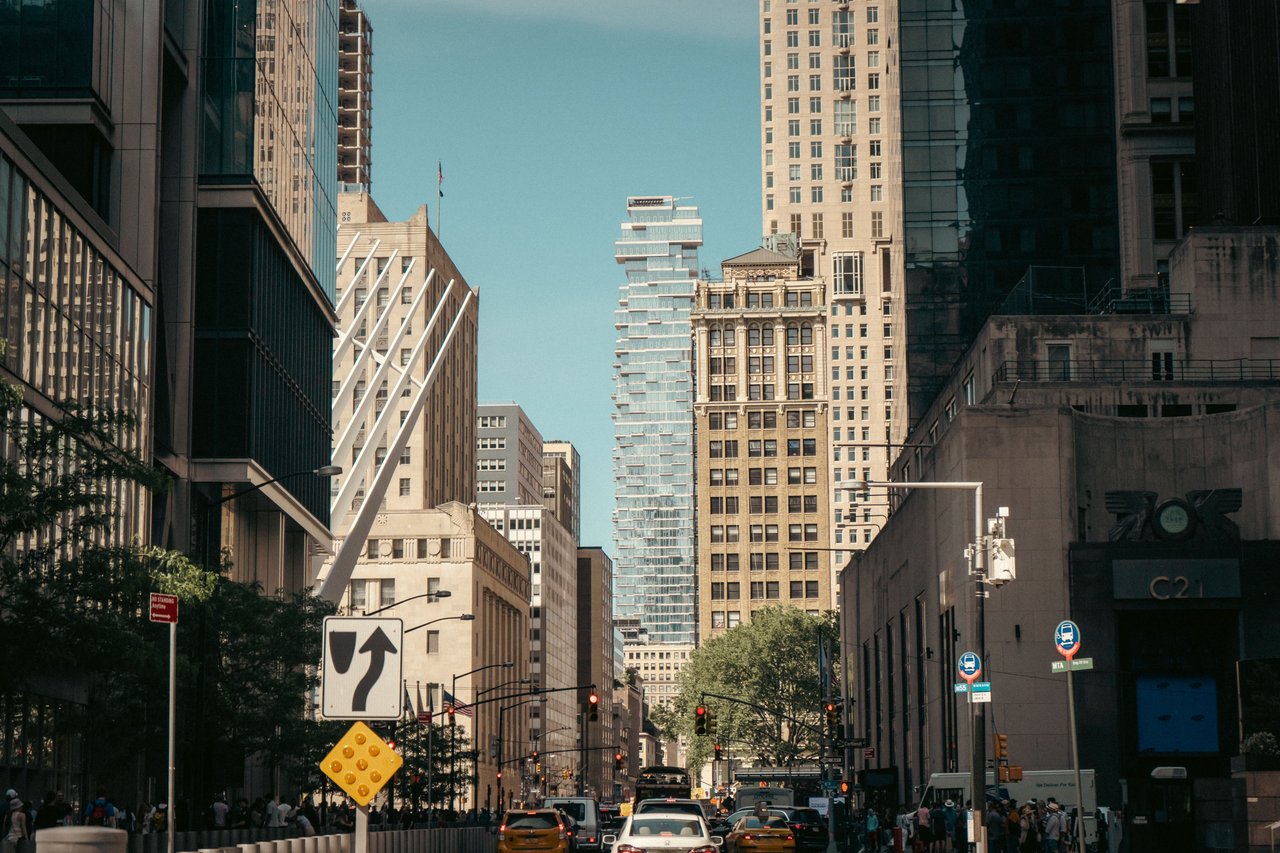
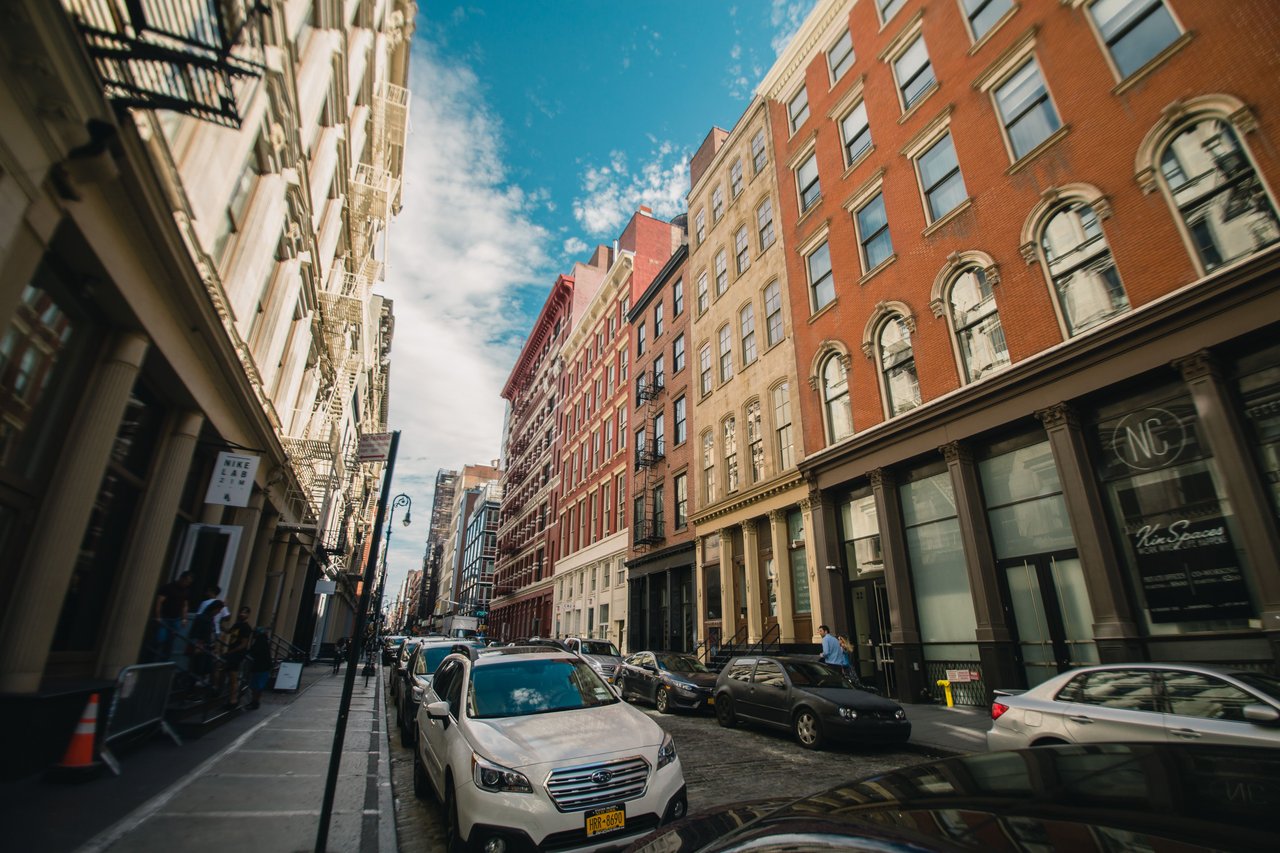
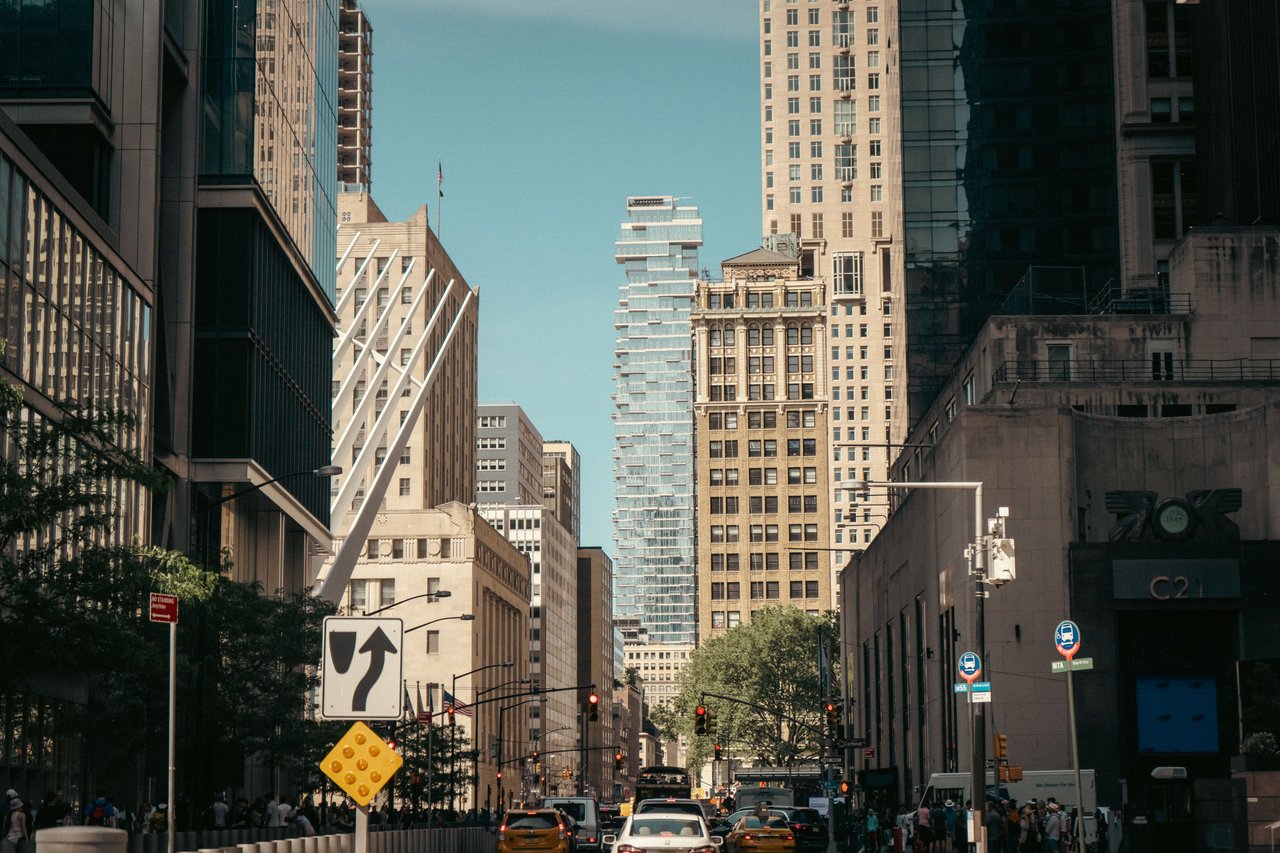
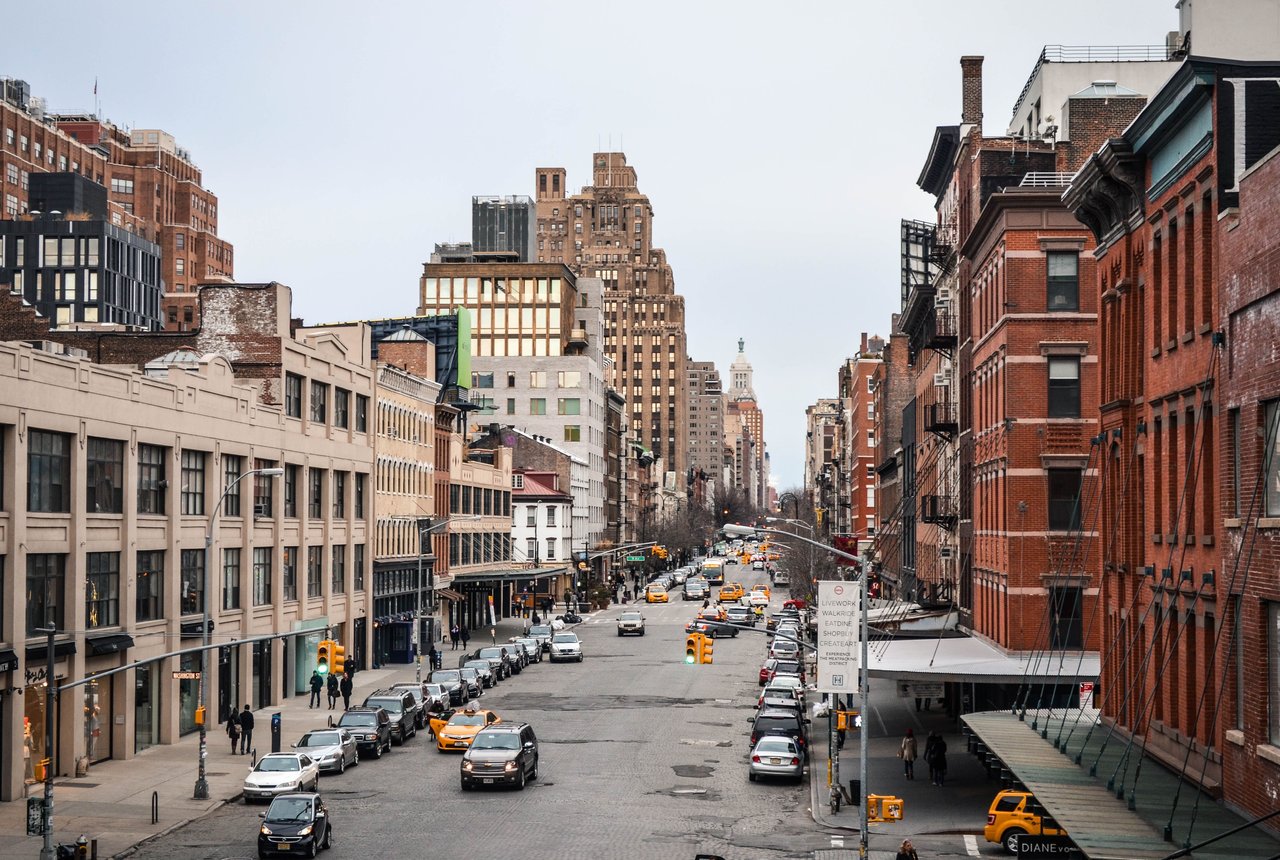
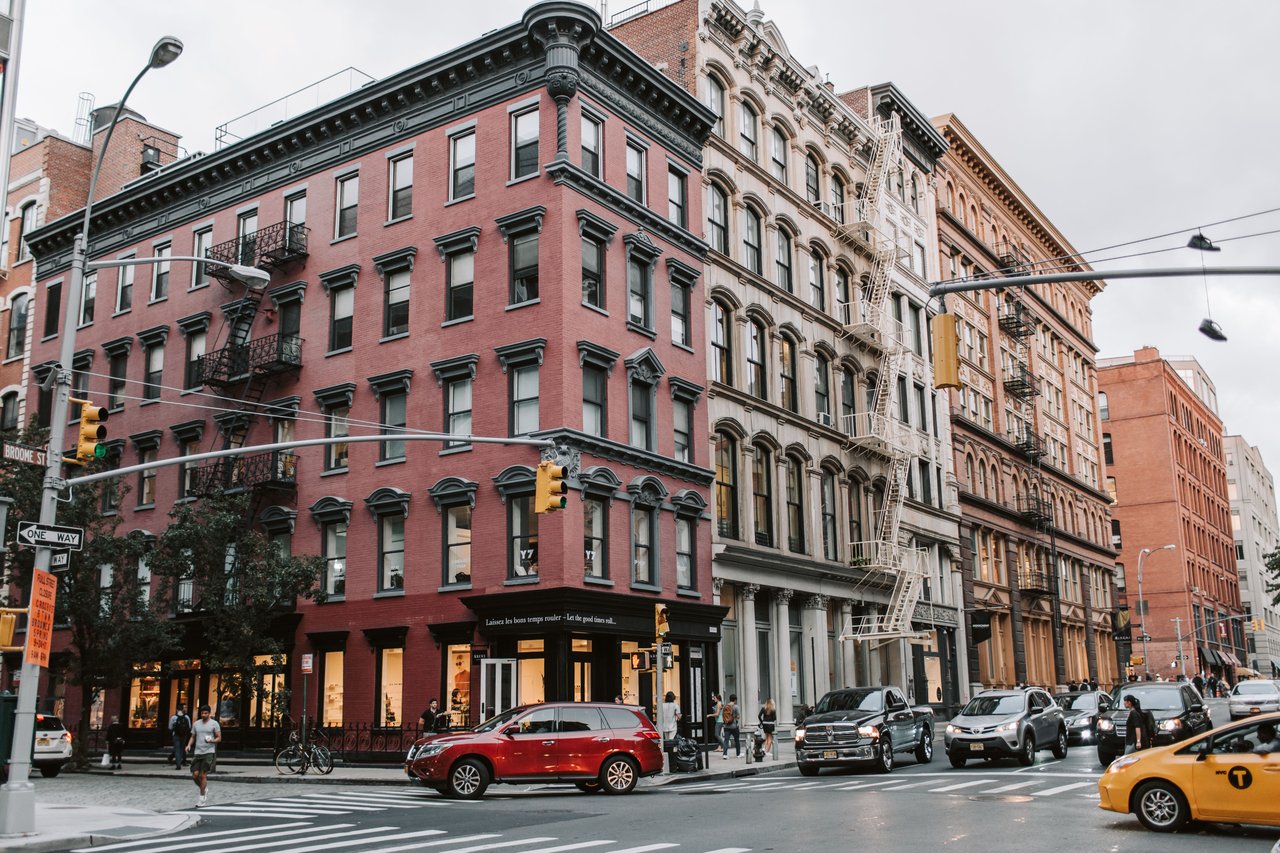
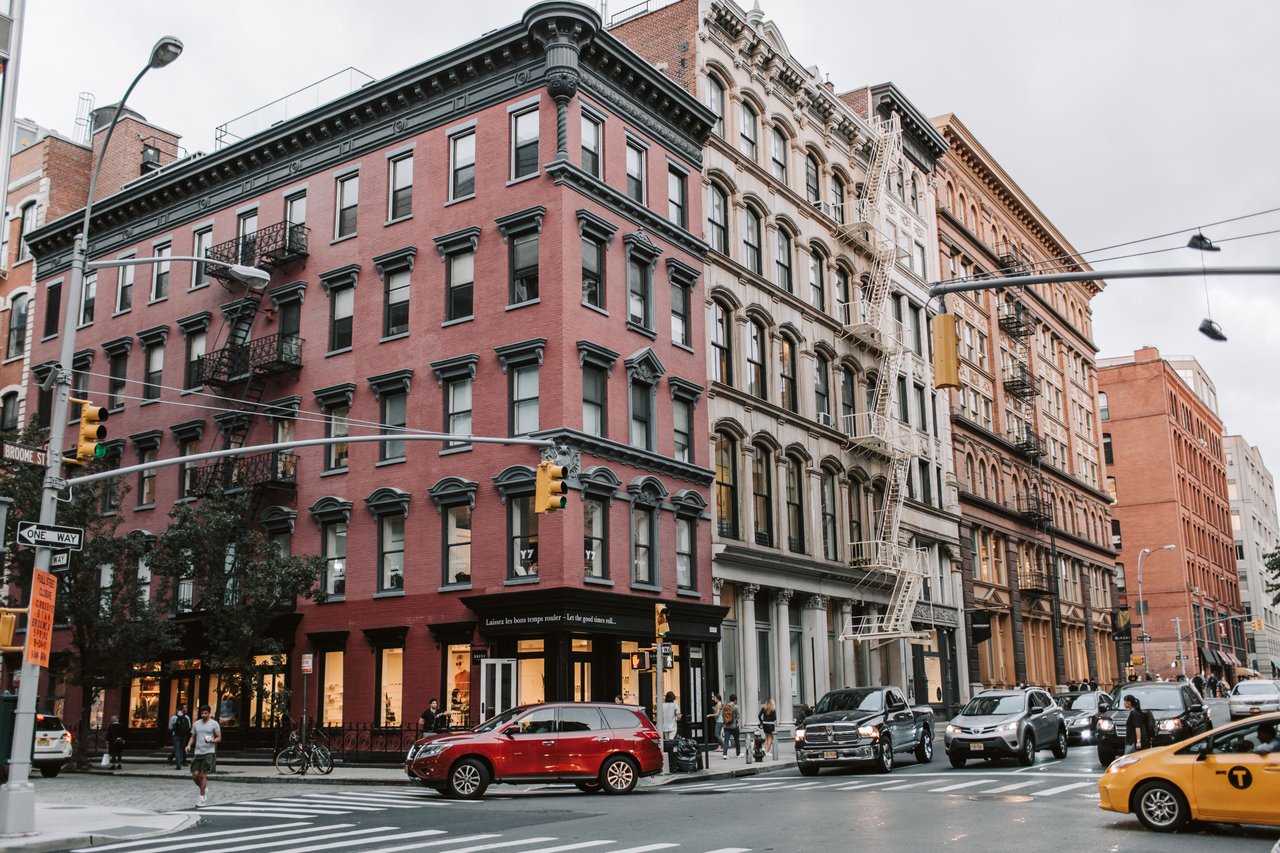
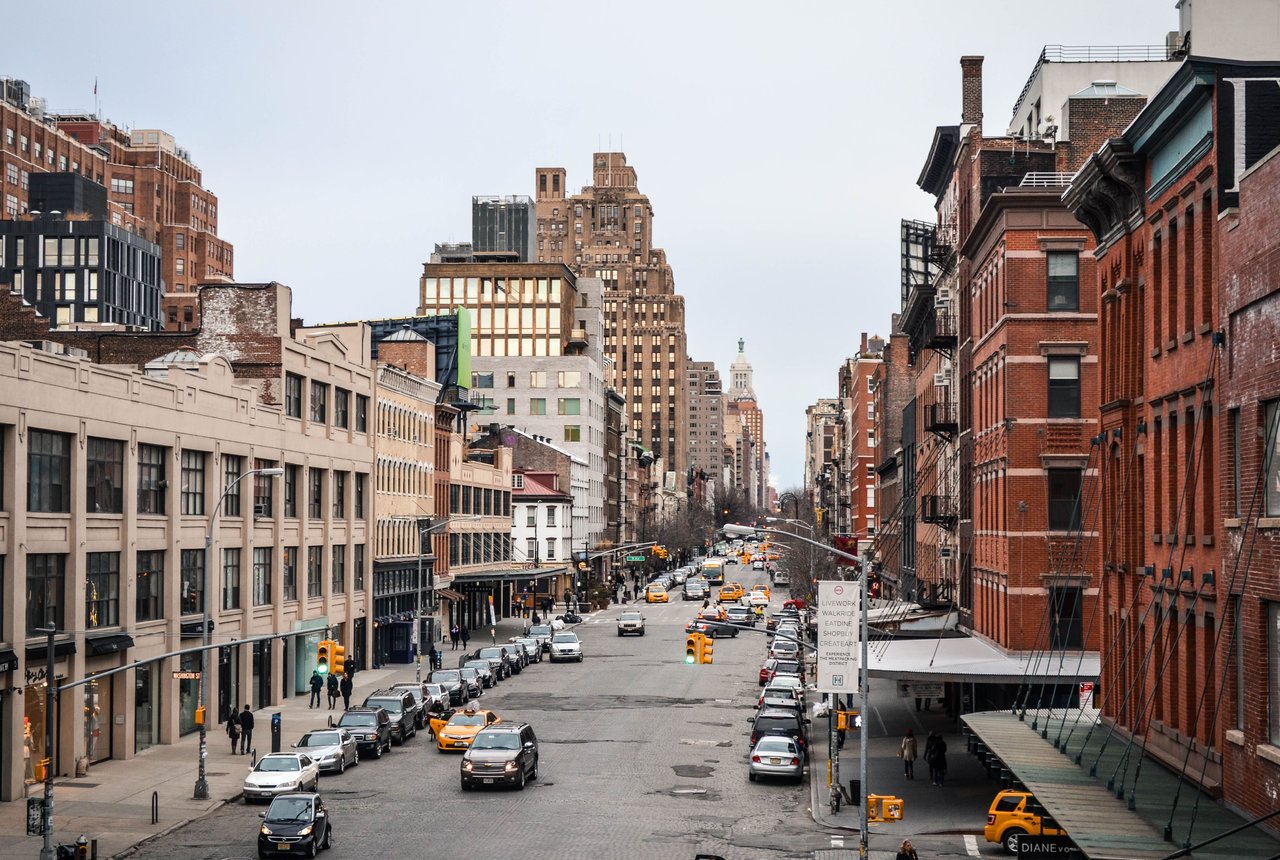
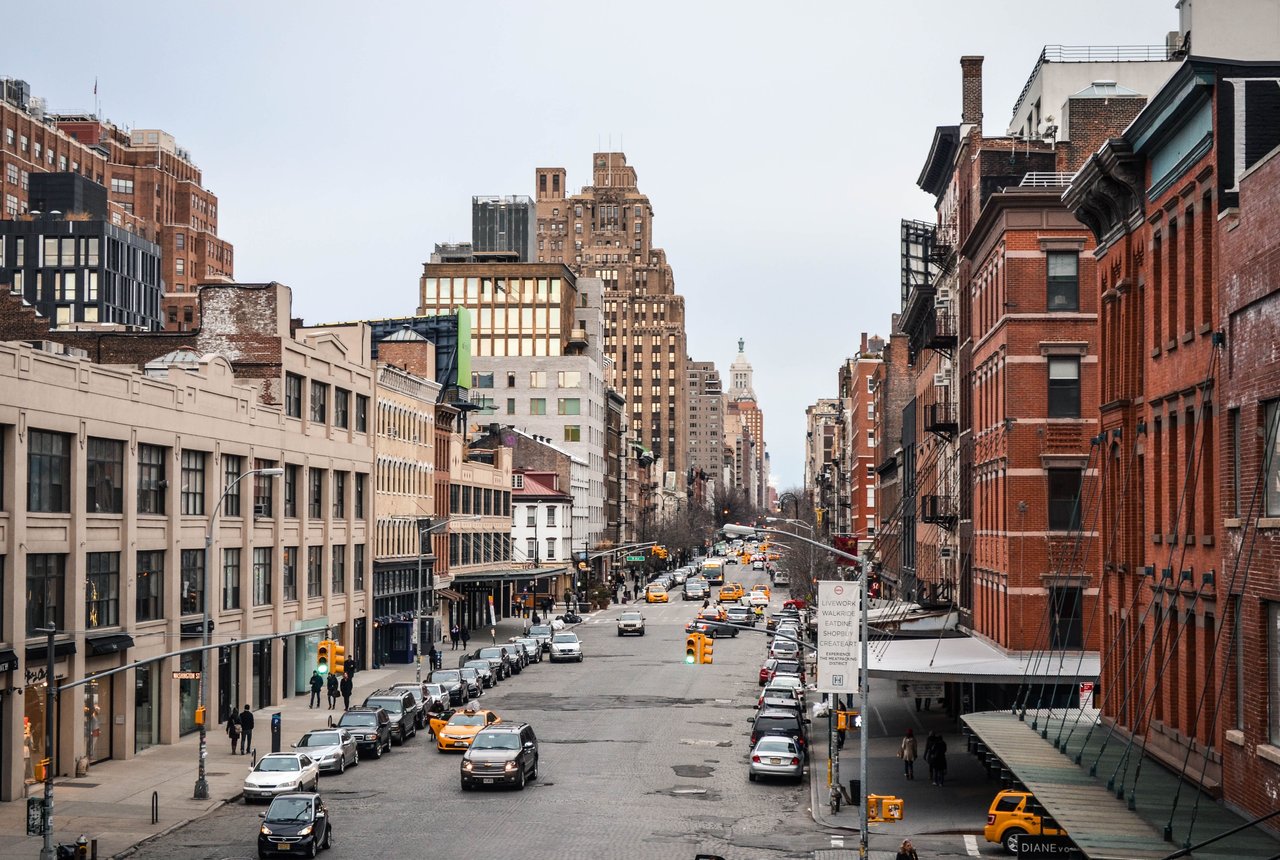
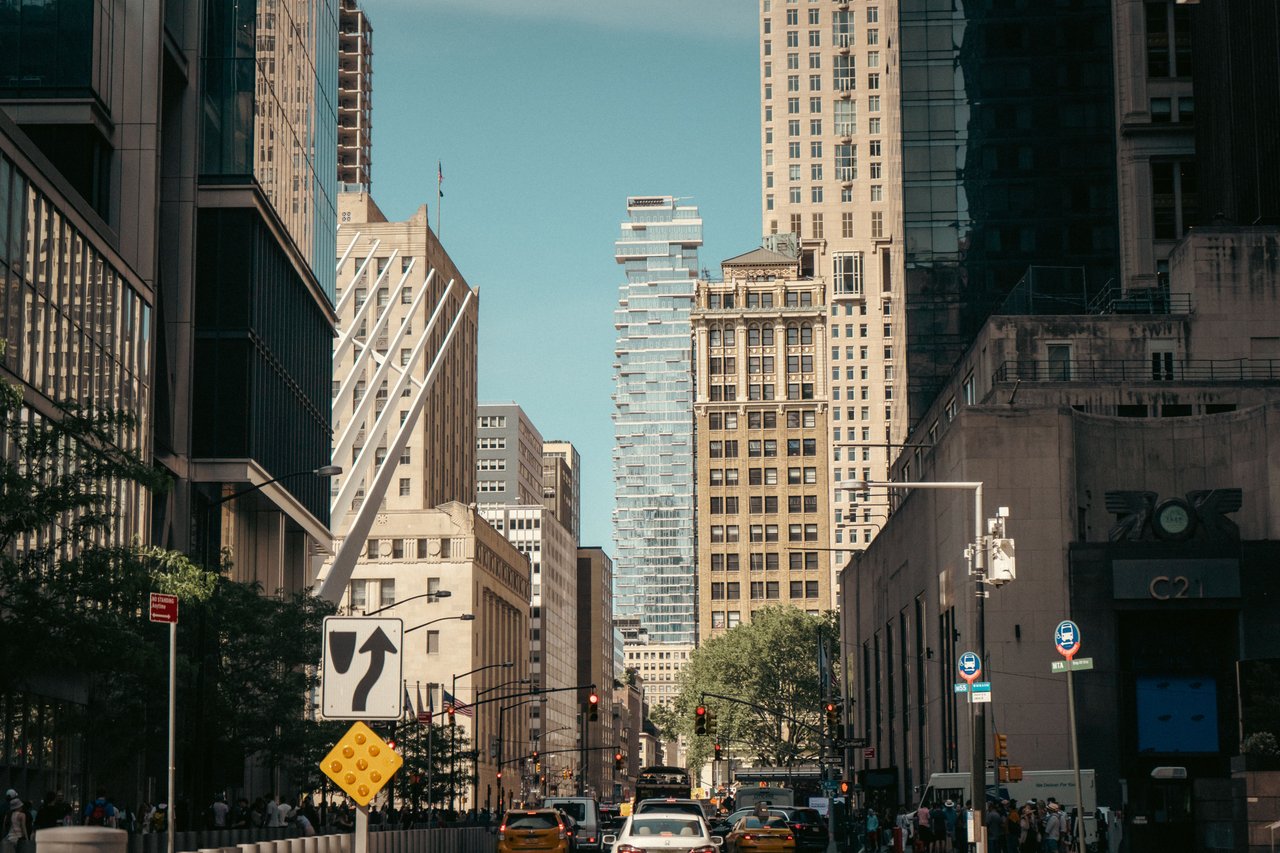
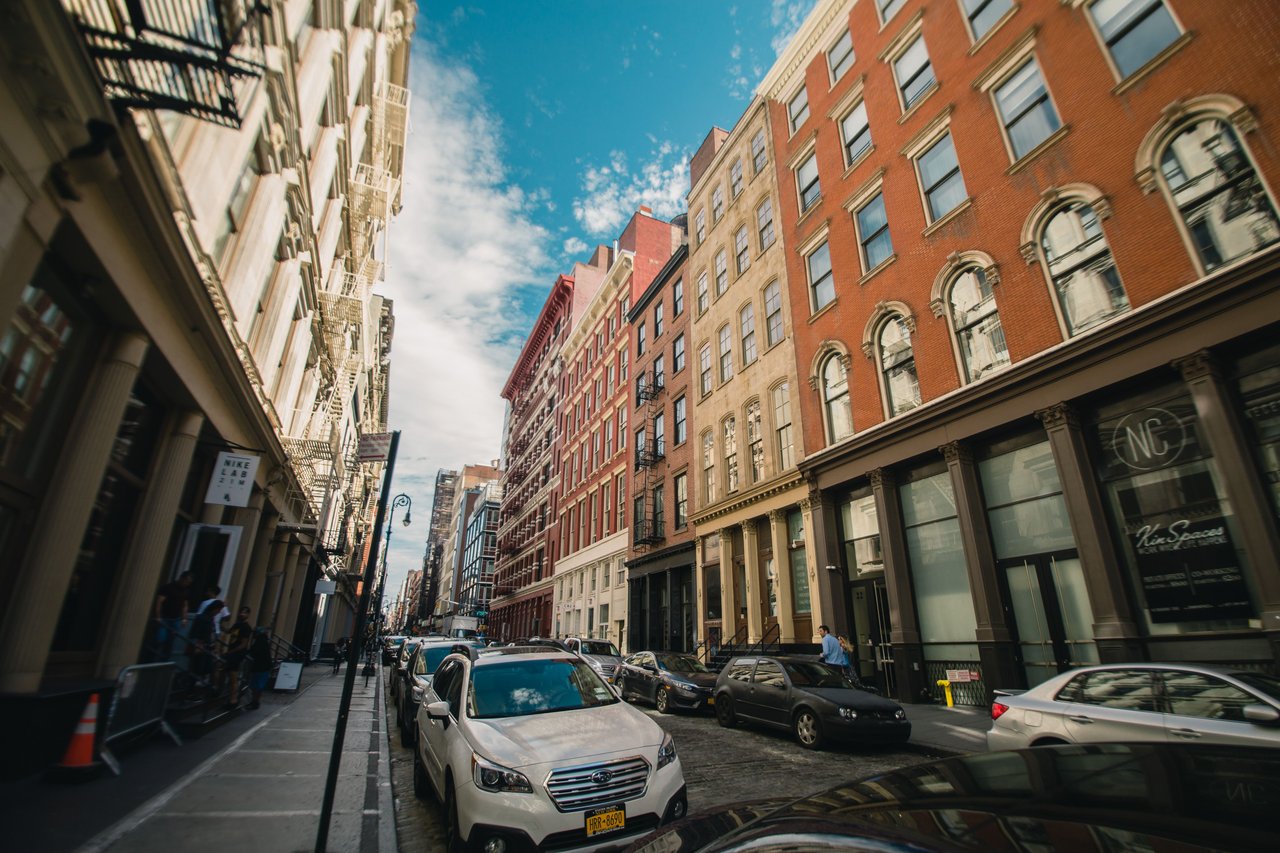
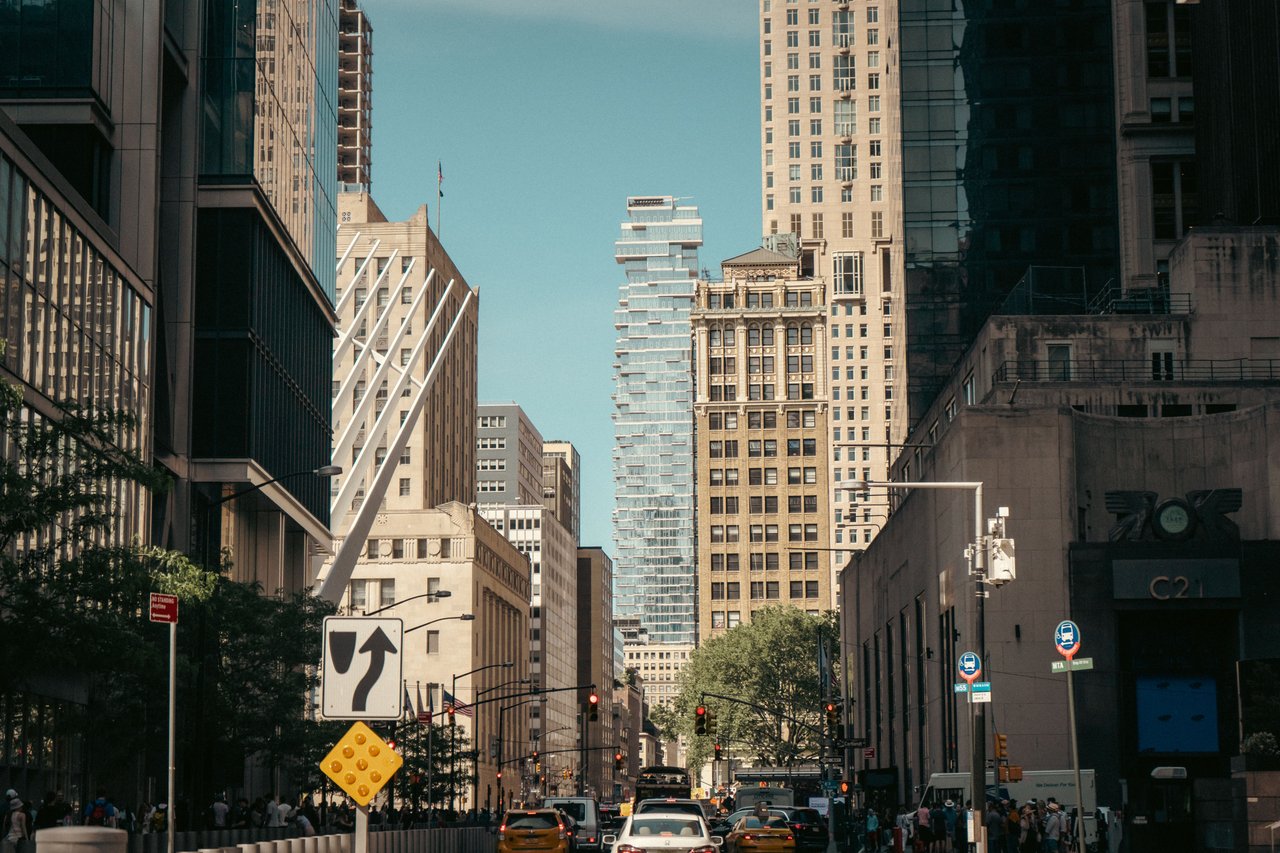
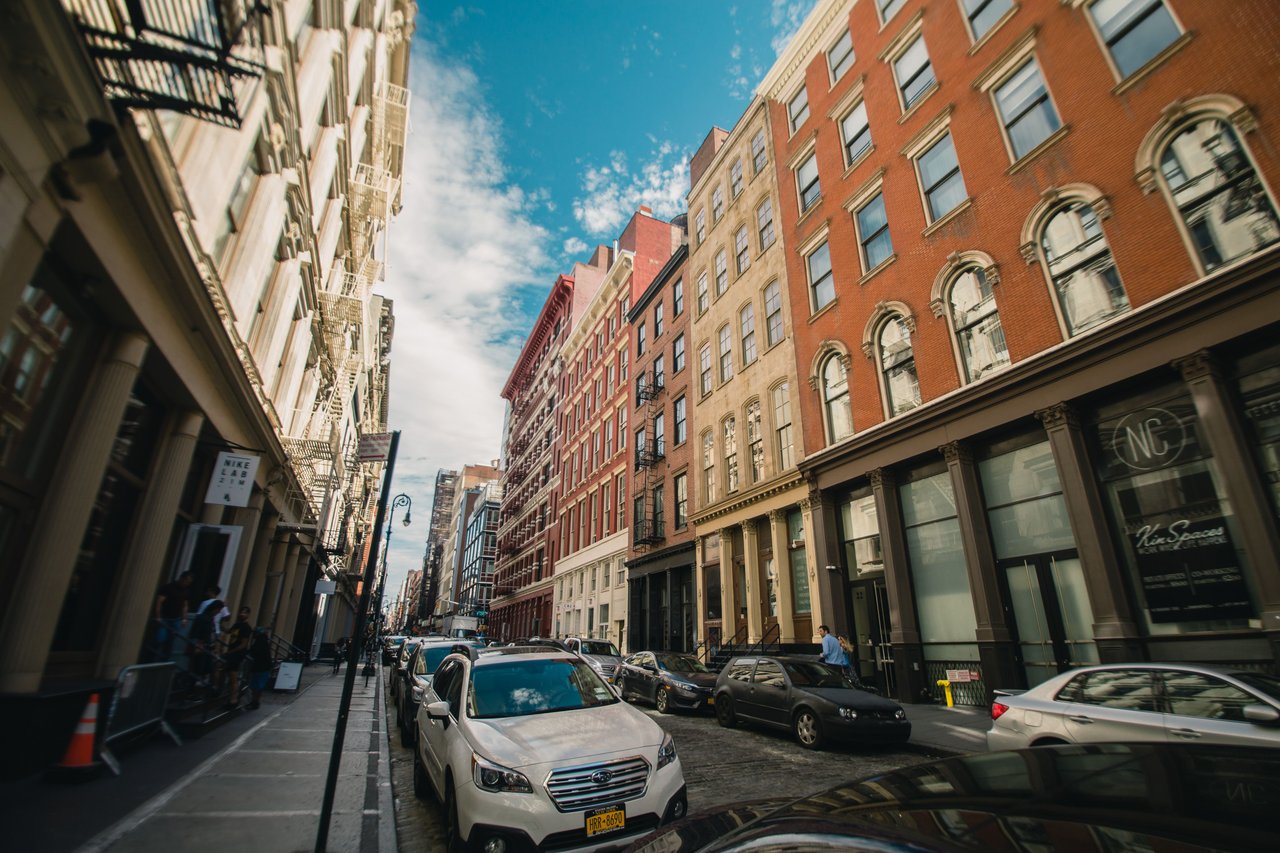
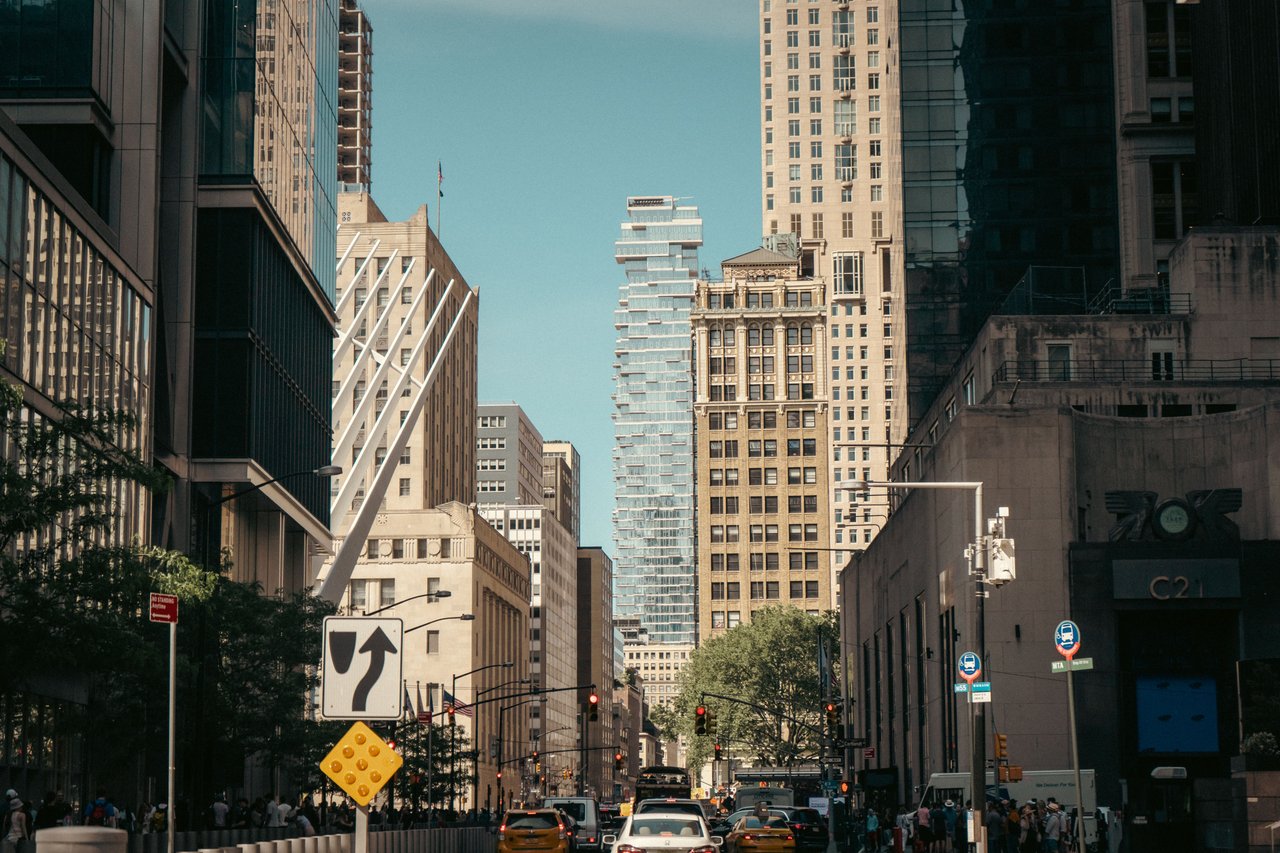
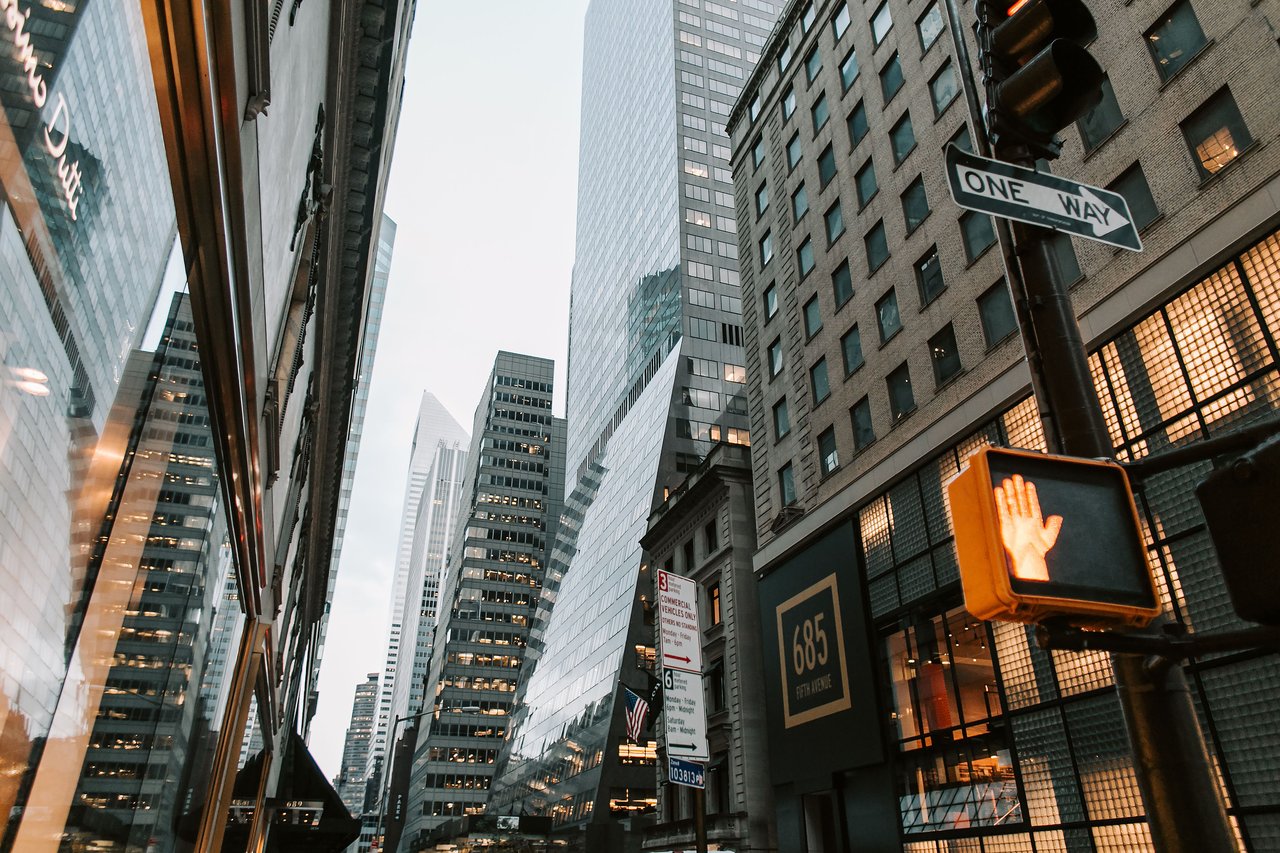
Gold Street's architecture reflects these successive periods of transformation. Historic masonry buildings, twentieth-century commercial structures, and contemporary residential towers illustrate the changing requirements of Lower Manhattan. The street is also closely associated with the development of the nearby Civic Center, where monumental public buildings introduced a different architectural character to the northern portions of the district.
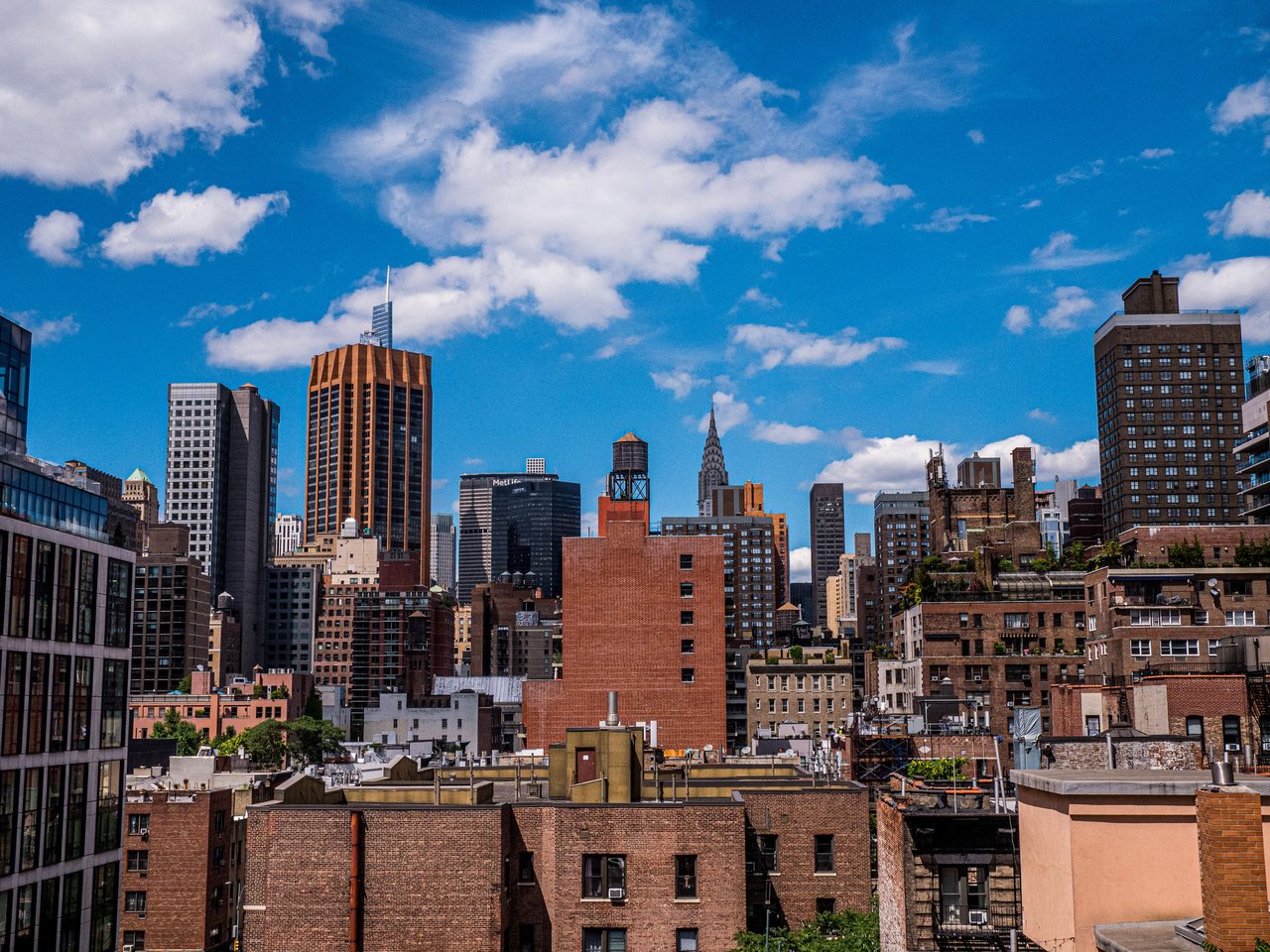
Today, Gold Street offers an important perspective on the evolution of Lower Manhattan, preserving the relationship between colonial street planning, historic commercial architecture, waterfront development, and the transformation of the Financial District into a neighborhood combining residential, commercial, and institutional uses.
The Origins of Gold Street
Gold Street developed within the early street network of New Amsterdam, the Dutch colonial settlement established on the southern portion of Manhattan during the seventeenth century.
The settlement's roads were not arranged according to a comprehensive geometric plan. Instead, streets developed around existing paths, property boundaries, natural features, and commercial requirements.
Gold Street originated within this compact urban environment, where narrow roadways connected residential properties, workshops, and commercial establishments.
As the settlement expanded, the surrounding land became increasingly developed, and the original pathways evolved into permanent streets.
Although the buildings of colonial New Amsterdam have largely disappeared, Gold Street's alignment remains an important reminder of Lower Manhattan's early development.
Why Is It Called Gold Street?
Gold Street's name is generally traced to the English colonial period, although historical explanations of its exact origin have varied.
The roadway was associated with the Dutch colonial street network before receiving its present English name. Its naming history reflects the transition from Dutch New Amsterdam to English New York and the gradual standardization of street names.
Unlike streets named for prominent institutions or political figures, Gold Street's name has become part of the inherited geography of Lower Manhattan.
Its continued use preserves a connection to the city's early commercial history.
Gold Street and Dutch New Amsterdam
During the seventeenth century, New Amsterdam developed as a trading settlement near the southern tip of Manhattan.
The early street network reflected the practical needs of the settlement, with roads connecting residences, commercial properties, workshops, and the waterfront.
Gold Street formed part of this expanding urban landscape.
Early buildings generally consisted of modest timber and brick structures, frequently occupying narrow parcels.
As commercial activity increased, more permanent masonry buildings gradually replaced earlier construction.
The street's history illustrates how Lower Manhattan developed through successive periods of building and redevelopment rather than through a single comprehensive plan.
Gold Street Before the Manhattan Street Grid
The Commissioners' Plan of 1811 established the regular street grid that characterizes much of Manhattan north of the historic downtown area.
Lower Manhattan, however, retained its older network of irregular streets established during the colonial period.
Gold Street belongs to this earlier system.
Its alignment and intersections reflect the gradual development of the settlement rather than the numbered street pattern introduced farther north.
As commercial buildings became larger during the nineteenth century, architects had to accommodate the existing roadway and surrounding property boundaries.
This relationship between historic street planning and later architecture remains an important feature of Gold Street.
The Geography of Early Gold Street
The geography of Lower Manhattan changed substantially during the colonial and early American periods.
The original settlement occupied a relatively small portion of the island, with the East River shoreline located farther inland than it is today.
Natural slopes, streams, and irregular terrain influenced the development of streets and building lots.
Gold Street developed within this changing landscape, connecting areas of the early settlement with the expanding commercial district.
As land was improved and additional waterfront property created, the surrounding street network became increasingly developed.
The resulting urban geography reflects centuries of alterations to Manhattan's original landscape.
Gold Street and the East River Waterfront
Gold Street's development was closely connected to the commercial expansion of the East River waterfront.
During the eighteenth and nineteenth centuries, New York Harbor became increasingly important to Atlantic commerce.
Wharves, warehouses, and commercial buildings were constructed along the shoreline to accommodate shipping and the movement of goods.
Nearby streets such as Pearl Street, Water Street, Front Street, and South Street developed as the waterfront expanded.
Gold Street became part of the interior street network supporting this commercial activity.
Its location near the waterfront helped connect workshops, merchants, and commercial offices with the broader trading district.
The Expansion of Lower Manhattan Through Landfill
Waterfront reclamation played a major role in shaping Lower Manhattan.
As New York Harbor expanded, merchants and property owners required additional space for warehouses, commercial buildings, and transportation facilities.
Wharves were extended into the East River, and the areas between them were gradually filled to create new land.
This process moved the shoreline farther east and established additional streets.
Gold Street remained within the older interior portion of the district while nearby waterfront corridors expanded.
The relationship between these streets illustrates how maritime commerce influenced Manhattan's physical development.
Gold Street and Eighteenth-Century Commerce
During the eighteenth century, New York became an increasingly important commercial port.
The movement of goods through New York Harbor encouraged the growth of merchants, workshops, storage facilities, and trading businesses.
Gold Street became part of this expanding commercial environment.
Earlier buildings were gradually replaced or modified to accommodate changing economic activities.
Brick and stone construction became increasingly common as the city developed a more permanent commercial landscape.
These changes established the foundations for the larger nineteenth-century buildings that later characterized the surrounding district.
Gold Street and the Development of Workshops
Workshops played an important role in Lower Manhattan's early commercial economy.
During the eighteenth and nineteenth centuries, small manufacturing businesses and skilled trades occupied buildings throughout the downtown district.
Gold Street developed within this environment, where commercial activities were frequently accommodated in modest buildings with narrow street frontages.
Ground floors could serve as workshops or shops, while upper floors provided additional working or storage space.
As industrial production expanded, businesses increasingly required larger buildings and improved transportation connections.
The evolution of workshop architecture contributed to the transformation of the surrounding neighborhood.
Gold Street and Nineteenth-Century Industry
The nineteenth century brought significant industrial and commercial expansion to Lower Manhattan.
Manufacturing businesses, wholesale merchants, and commercial offices became increasingly important to the city's economy.
The area around Gold Street developed with substantial brick and stone buildings designed to accommodate these activities.
Larger windows, stronger structural systems, and additional floors allowed buildings to support more intensive commercial uses.
As the city expanded northward, many manufacturing businesses eventually relocated to other neighborhoods.
The resulting changes encouraged the continued redevelopment of Gold Street and the surrounding commercial district.
Nineteenth-Century Commercial Architecture
During the nineteenth century, Lower Manhattan developed with increasingly substantial commercial buildings.
Brick and stone structures replaced many earlier timber buildings, reflecting advances in construction methods and the growing value of commercial property.
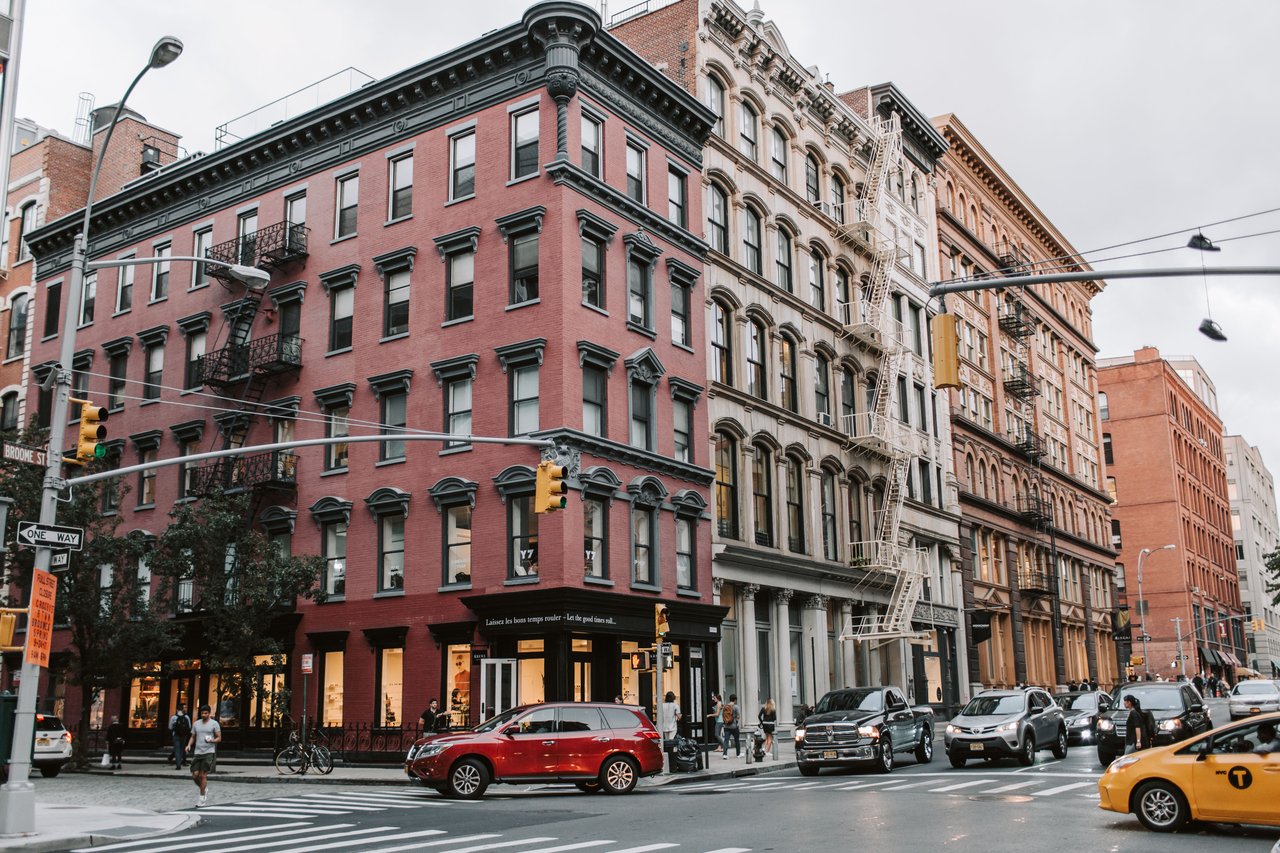
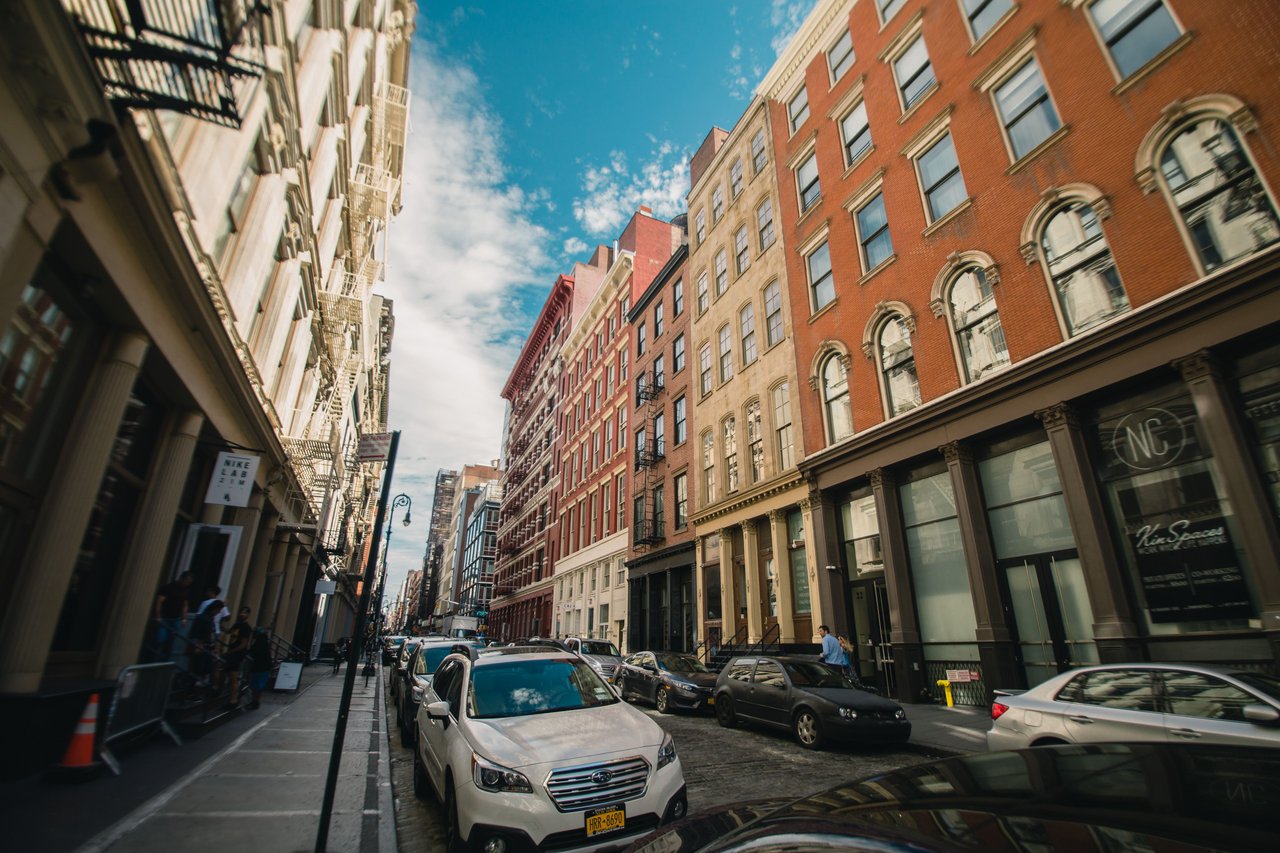
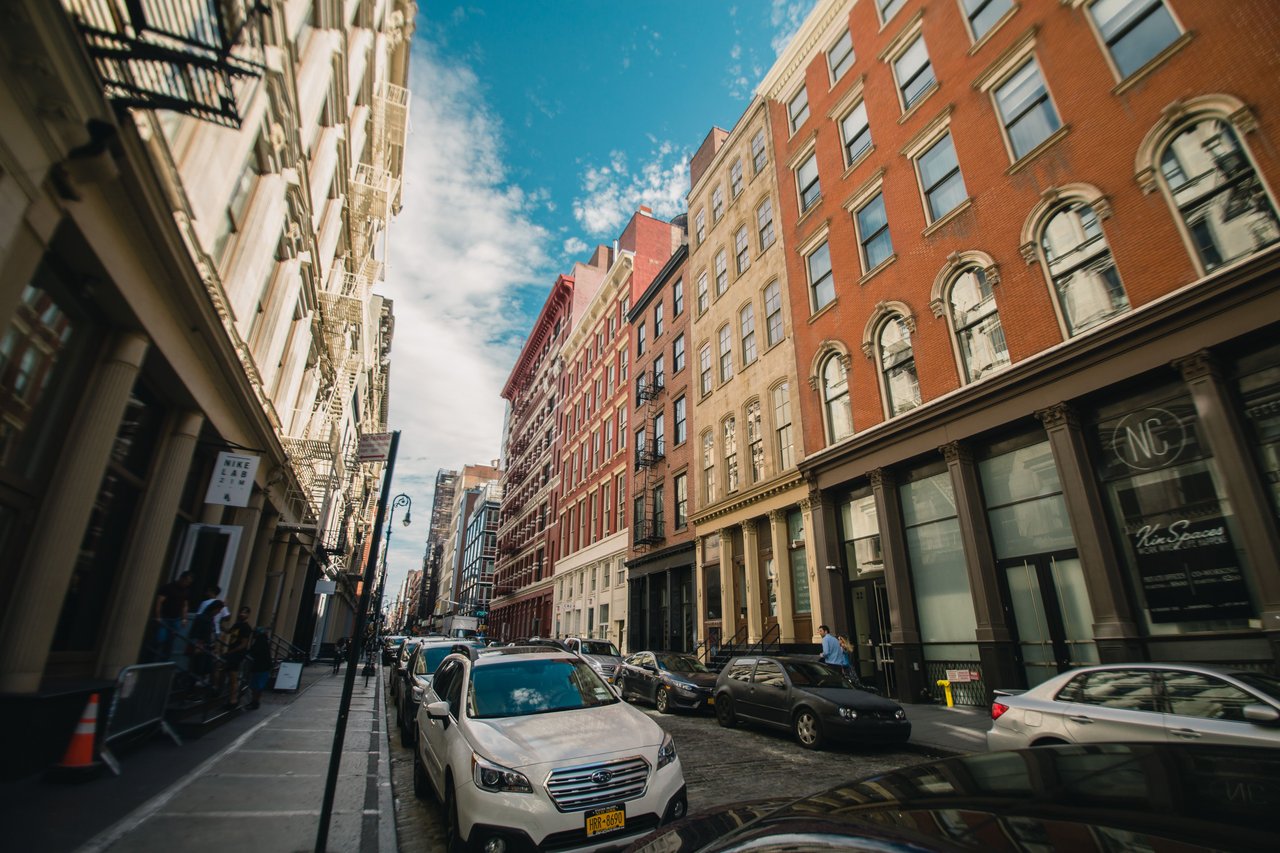
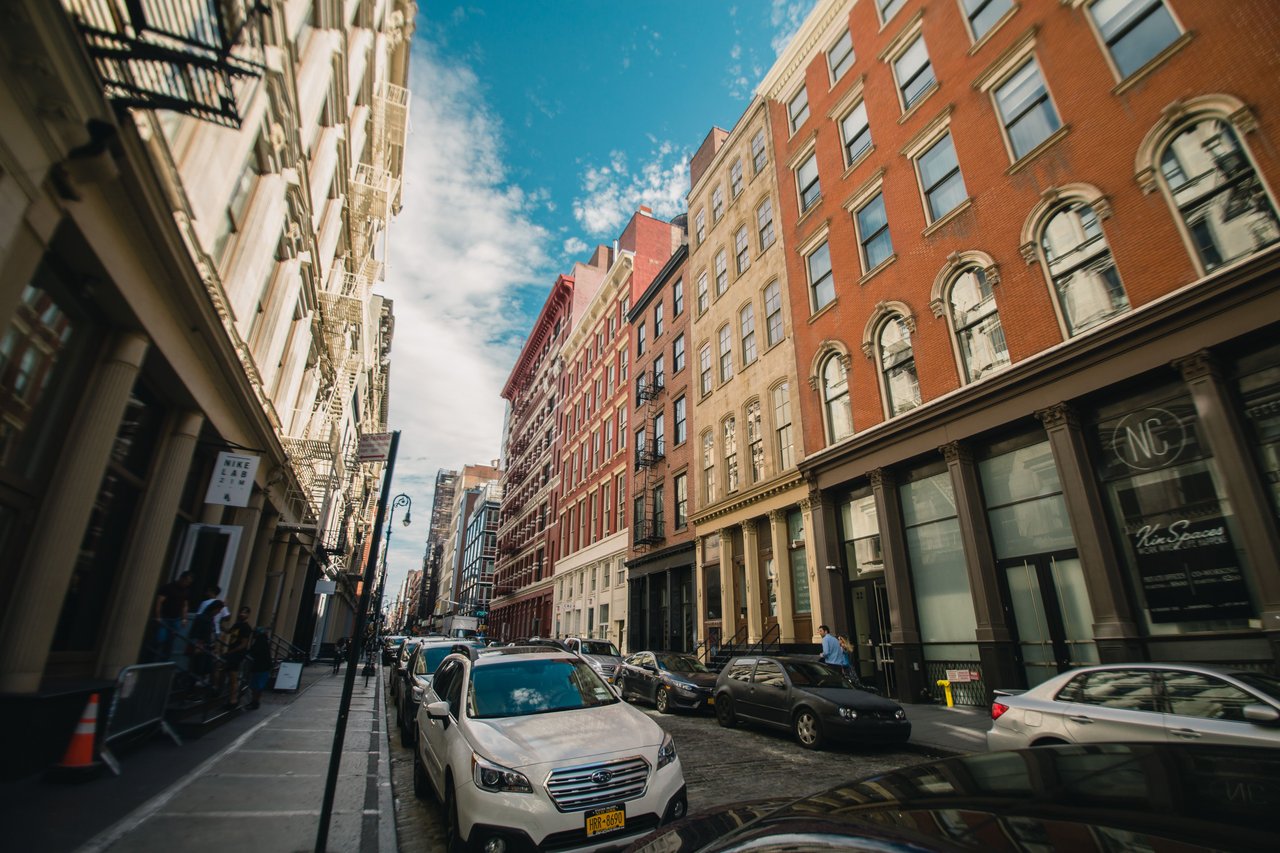
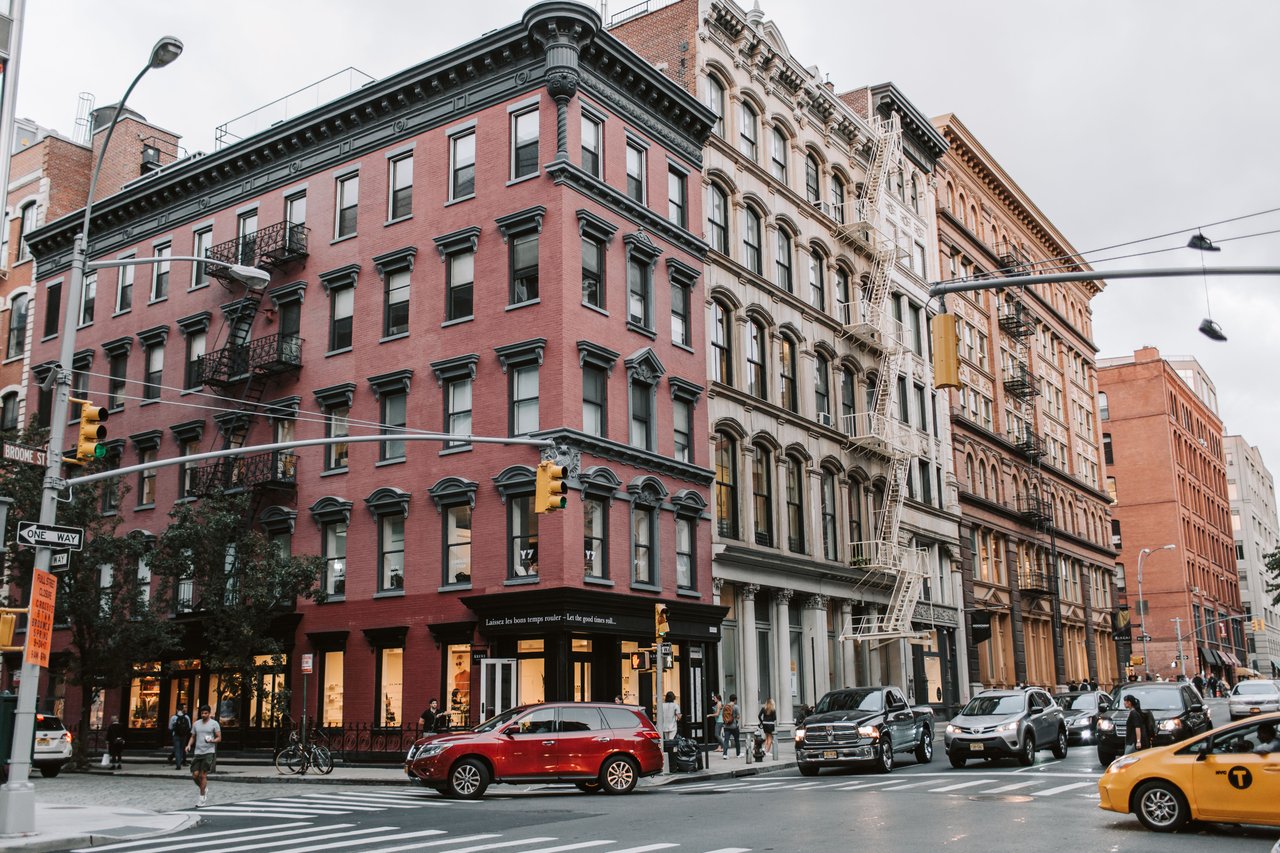
Architectural styles such as Greek Revival and Italianate influenced the design of offices, workshops, and retail buildings.
Later structures incorporated Renaissance Revival details and increasingly elaborate masonry facades.
Gold Street developed within this changing architectural environment.
The resulting streetscape reflected the growing importance of commerce and the increasingly permanent character of New York's downtown district.
Greek Revival Architecture Near Gold Street
Greek Revival architecture became influential in New York during the early nineteenth century.
The style emphasized symmetry, classical proportions, substantial masonry, and restrained decorative details.
Commercial buildings adapted these principles to narrow urban lots, frequently incorporating regularly spaced windows, stone lintels, and prominent cornices.
Throughout Lower Manhattan, Greek Revival architecture appeared during a period of substantial commercial expansion.
Although many earlier buildings were later replaced, the style contributed to the architectural history of Gold Street and its surrounding neighborhood.
Italianate Commercial Architecture
Italianate architecture became popular in New York during the middle decades of the nineteenth century.
The style incorporated decorative cornices, arched windows, and details inspired by Italian Renaissance buildings.
Commercial structures frequently adapted these elements to practical retail and office uses.
The surrounding downtown district developed with masonry buildings reflecting these architectural traditions.
Their design demonstrates how nineteenth-century businesses increasingly incorporated architectural ornament into commercial construction.
Gold Street and Fulton Street
Fulton Street is one of Lower Manhattan's most important historic commercial corridors.
Its development was closely associated with markets, ferry transportation, and the expanding East River waterfront.
Gold Street intersects Fulton Street within the eastern portion of Lower Manhattan.
During the nineteenth and twentieth centuries, the surrounding blocks became increasingly associated with retail commerce, offices, and transportation infrastructure.
The intersection reflects the relationship between the city's historic street network and the development of its commercial district.
Gold Street and John Street
John Street is another historic roadway in Lower Manhattan, with origins connected to the colonial period.
During the nineteenth century, John Street developed with commercial buildings, offices, and businesses serving the surrounding district.
Gold Street intersects John Street within the Financial District.
The surrounding architecture reflects several periods of commercial development, from nineteenth-century masonry buildings to twentieth-century office structures.
The intersection illustrates the compact historic street pattern that distinguishes Lower Manhattan from the regular grid farther north.
Gold Street and Beekman Street
Beekman Street is one of Lower Manhattan's historic streets, with origins associated with the colonial settlement.
Its development was closely connected to the expansion of the commercial district near the East River waterfront.
Gold Street intersects Beekman Street near the northern portion of its route.
The surrounding blocks developed with commercial and institutional buildings reflecting several periods of New York's history.
The intersection forms part of the transition between the Financial District and the Civic Center area.
Gold Street and Spruce Street
Spruce Street is a historic roadway near the northern portion of Gold Street.
The surrounding area developed in connection with commercial expansion and the growth of government institutions near City Hall.
During the nineteenth and twentieth centuries, the neighborhood underwent substantial architectural changes.
The construction of larger commercial and civic buildings transformed the scale of the surrounding streets.
Gold Street's relationship with Spruce Street illustrates the transition from the compact commercial district to the monumental architecture of the Civic Center.
Gold Street and Pearl Street
Pearl Street is one of Manhattan's oldest roadways and originally followed portions of the East River shoreline.
Its curved alignment reflects the historic geography of Lower Manhattan before extensive waterfront reclamation.
Gold Street connects with Pearl Street within the historic downtown street network.
During the eighteenth and nineteenth centuries, the surrounding blocks became associated with warehouses, merchants, and commercial offices.
The relationship between these streets preserves an important connection to the original shoreline and commercial development of Lower Manhattan.
Gold Street and the Financial District
During the nineteenth century, Lower Manhattan became increasingly associated with banking, insurance, and financial services.
The expansion of maritime commerce encouraged the growth of institutions responsible for financing trade and supporting commercial transactions.
Gold Street developed within this increasingly important business district.
As financial institutions expanded, larger office buildings replaced many earlier commercial structures.
The resulting architecture reflected the growing importance of New York as a national and international financial center.
The Growth of Office Buildings Near Gold Street
The late nineteenth century introduced major changes to commercial architecture.
Advances in steel-frame construction, elevators, and fire-resistant building systems allowed architects to design increasingly tall office buildings.
As commercial property values increased, developers sought to maximize usable floor area on valuable downtown sites.
The surrounding Financial District developed with increasingly substantial office structures.
Gold Street became part of this evolving urban landscape, where older commercial buildings were gradually surrounded by larger developments.
The transition illustrates the architectural transformation of Lower Manhattan during the period of rapid economic growth.
Renaissance Revival Commercial Architecture
Renaissance Revival architecture became influential in New York during the late nineteenth and early twentieth centuries.
The style incorporated classical proportions, substantial masonry facades, decorative cornices, and carefully arranged windows.
Banks, insurance companies, and commercial businesses frequently adopted these architectural traditions.
The surrounding Financial District developed with substantial office buildings reflecting Renaissance Revival influences.
These structures contributed to the increasingly formal and monumental appearance of Lower Manhattan's commercial architecture.
Beaux-Arts Architecture Near Gold Street
Beaux-Arts architecture became particularly influential in New York during the late nineteenth and early twentieth centuries.
The style emphasized monumental proportions, classical composition, and elaborate decorative details.
Financial institutions and public buildings frequently adopted Beaux-Arts principles to convey permanence and institutional importance.
The nearby Civic Center developed with significant public buildings reflecting classical architectural traditions.
These structures introduced a monumental architectural scale to the northern portions of the district surrounding Gold Street.
Gold Street and the Civic Center
The northern portion of Gold Street lies near Manhattan's Civic Center, an important district of government buildings and public institutions.
The development of the Civic Center transformed the surrounding area during the nineteenth and twentieth centuries.
Substantial government buildings introduced monumental architectural styles, including classical and modernist designs.
The neighborhood's streets became important connections between the commercial Financial District and the city's administrative center.
Gold Street's northern surroundings reflect this relationship between commercial and civic architecture.
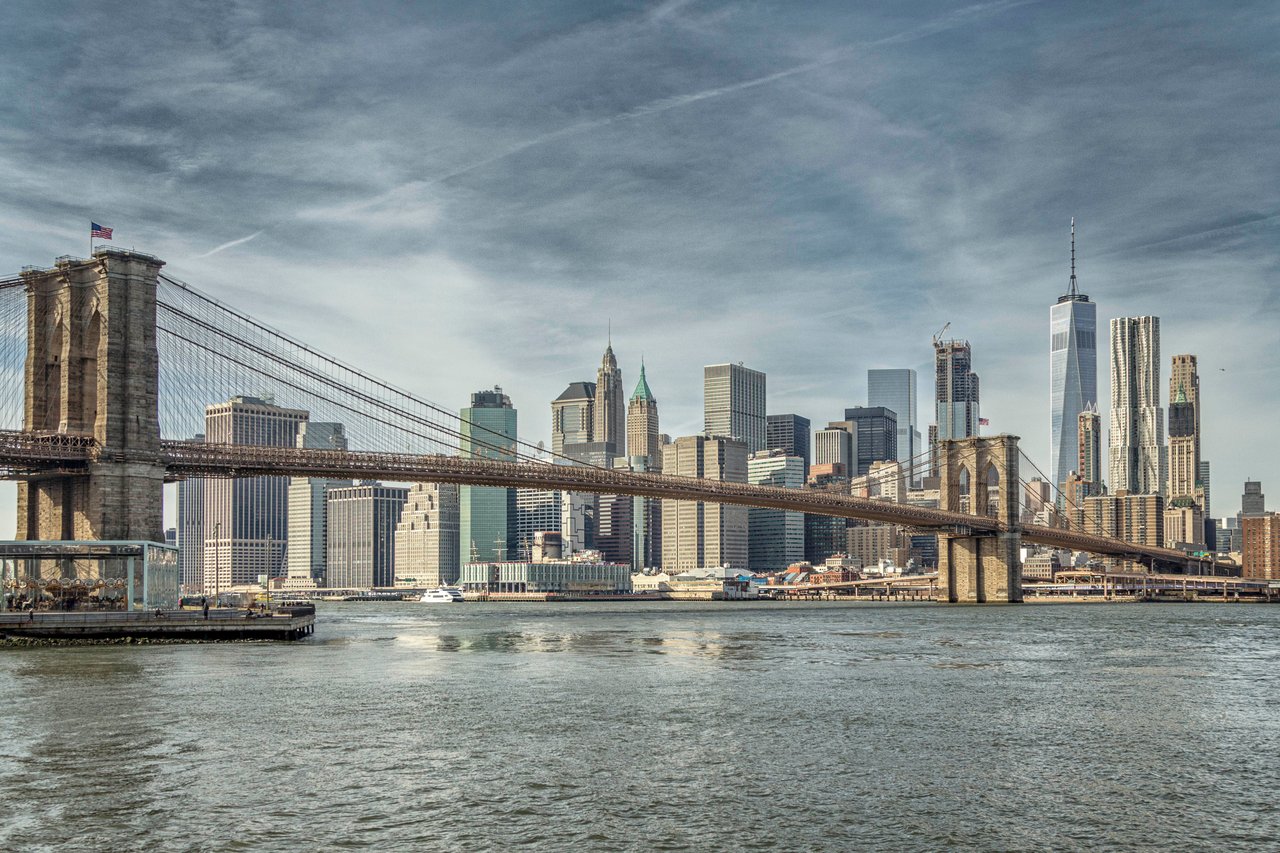
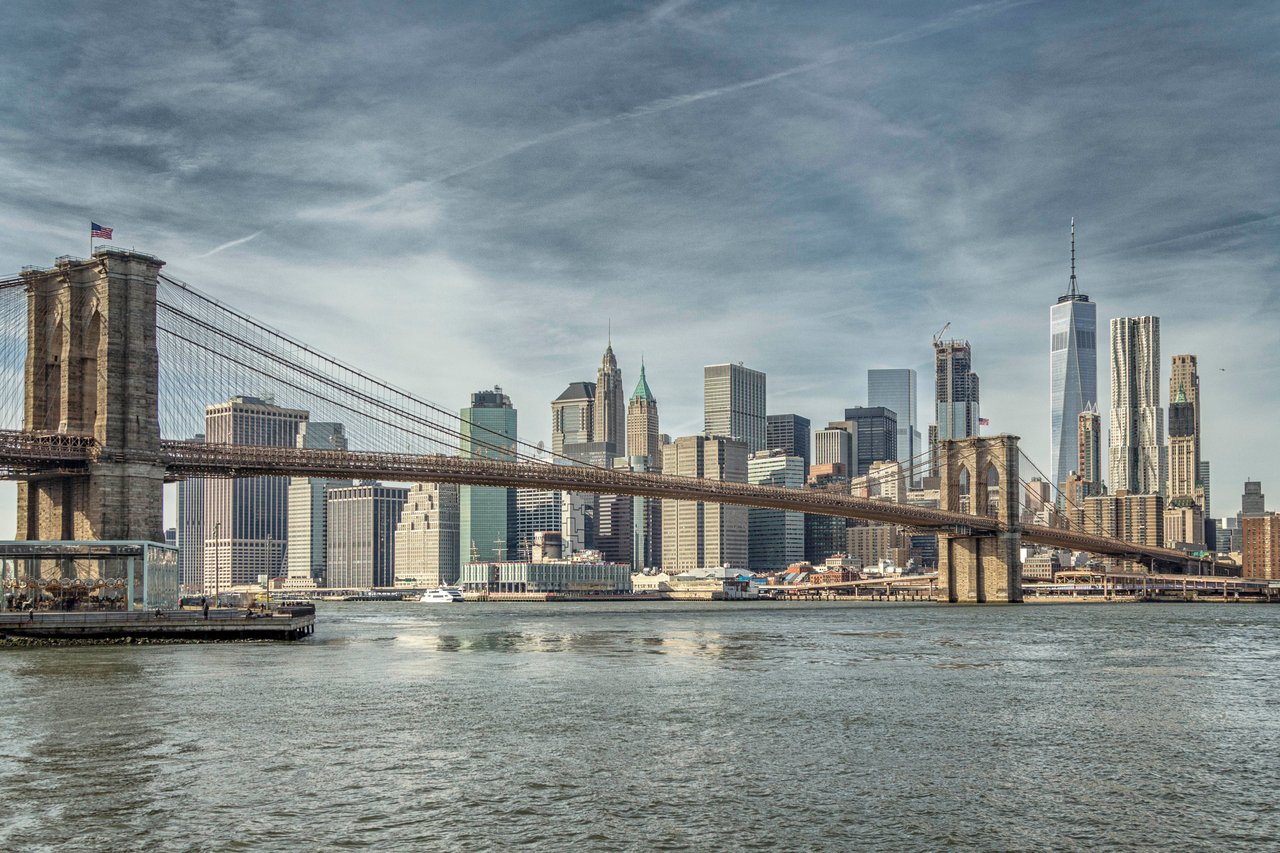
Gold Street and the Brooklyn Bridge Area
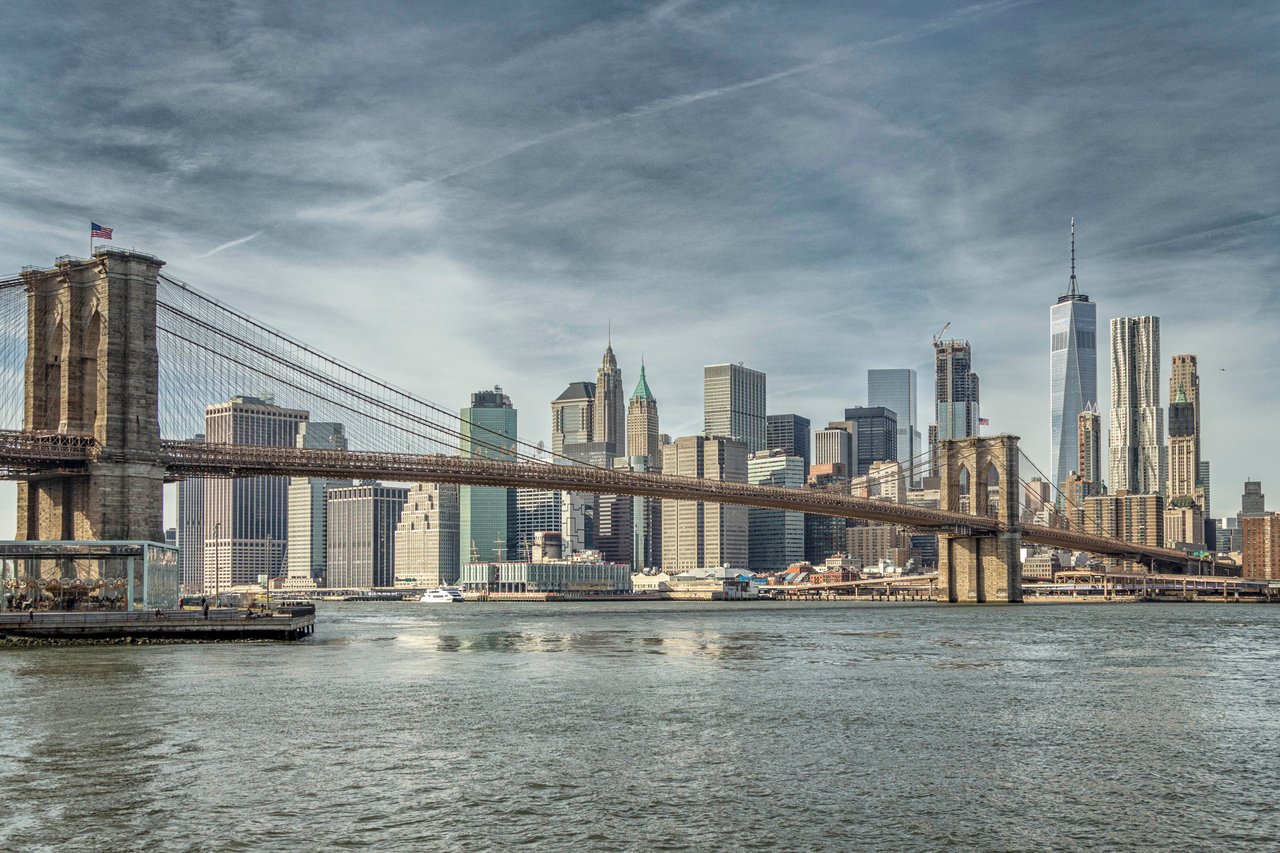
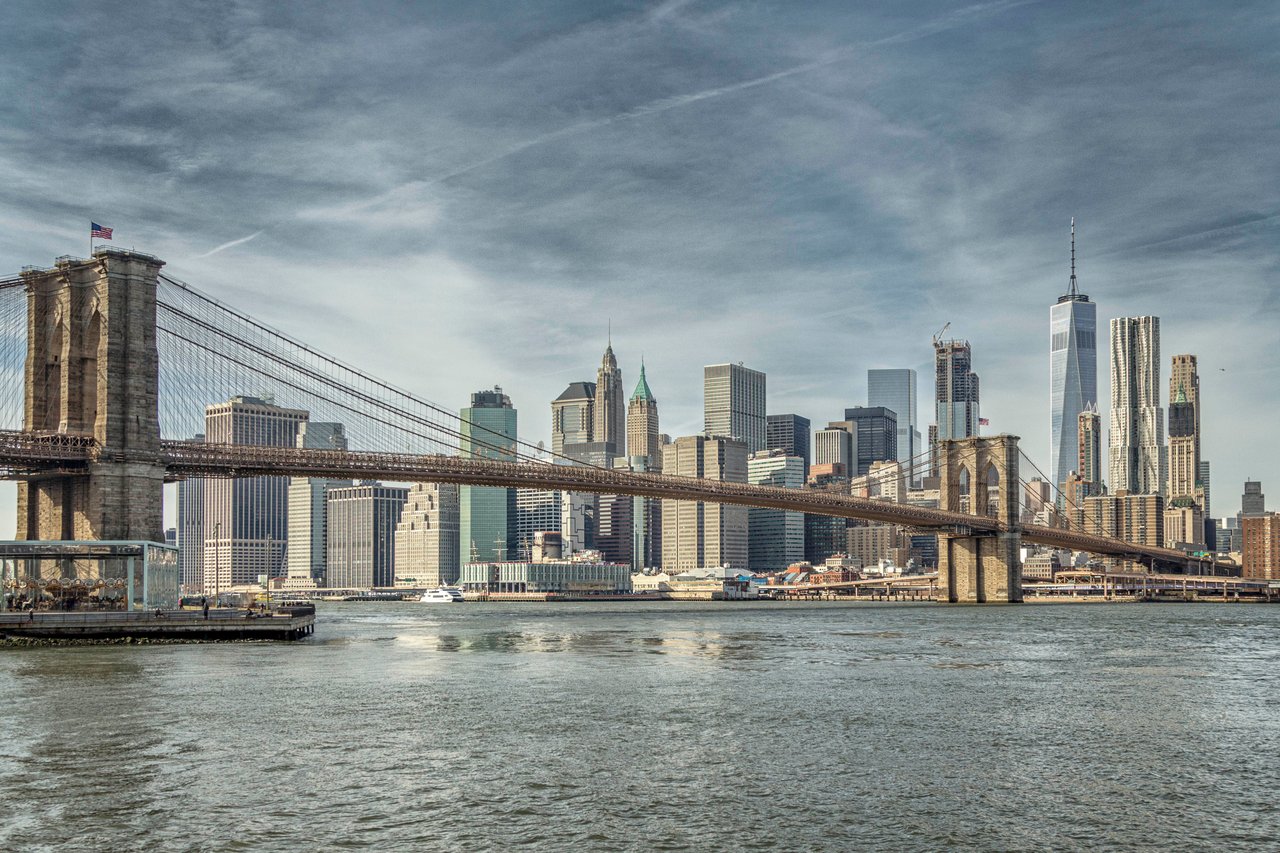
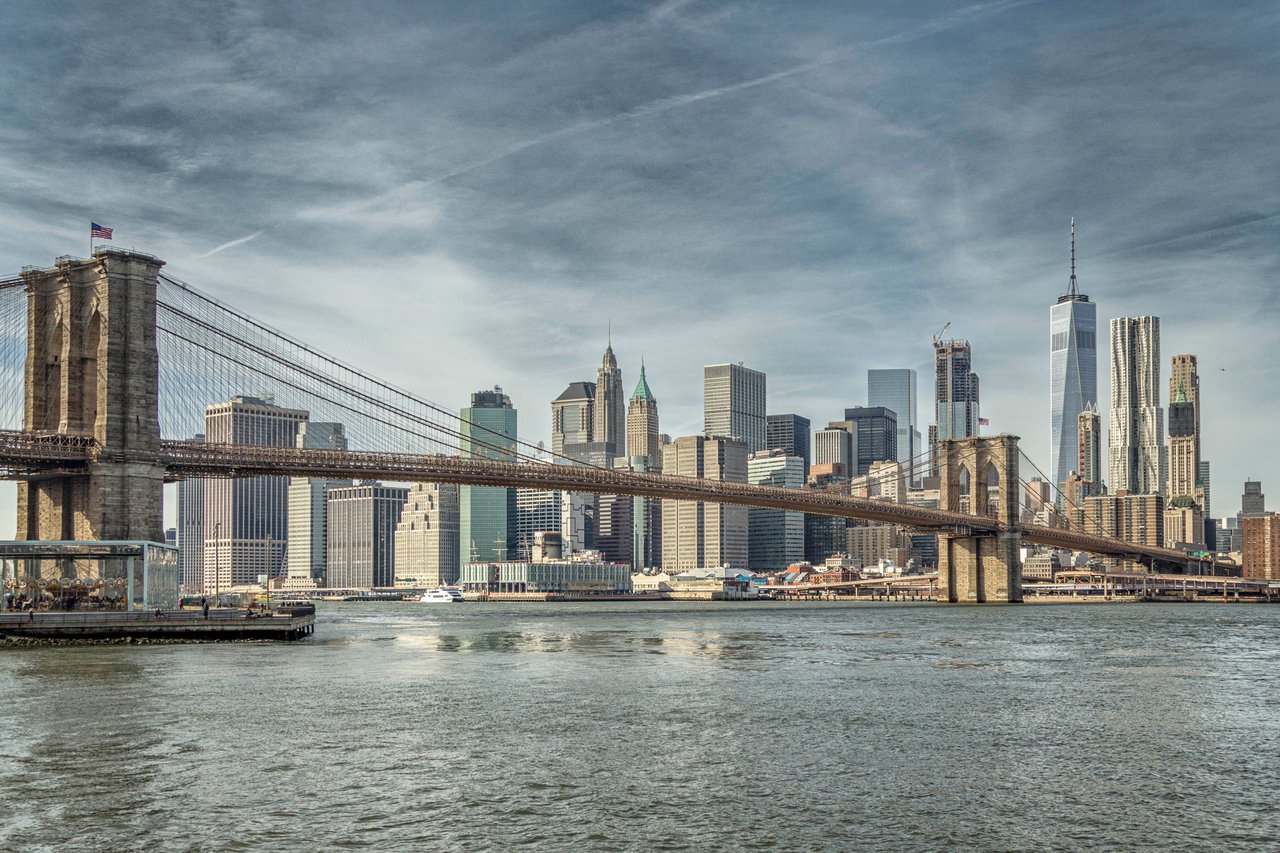
The construction of the Brooklyn Bridge during the nineteenth century transformed transportation between Manhattan and Brooklyn.
Opened in 1883, the bridge introduced a major new connection across the East River.
The surrounding streets became increasingly important as transportation and commercial activity expanded.
Gold Street lies within the broader downtown area influenced by the bridge's development.
The bridge and its approaches contributed to substantial changes in the urban landscape near the northern Financial District.
The Rise of the Skyscraper Near Gold Street
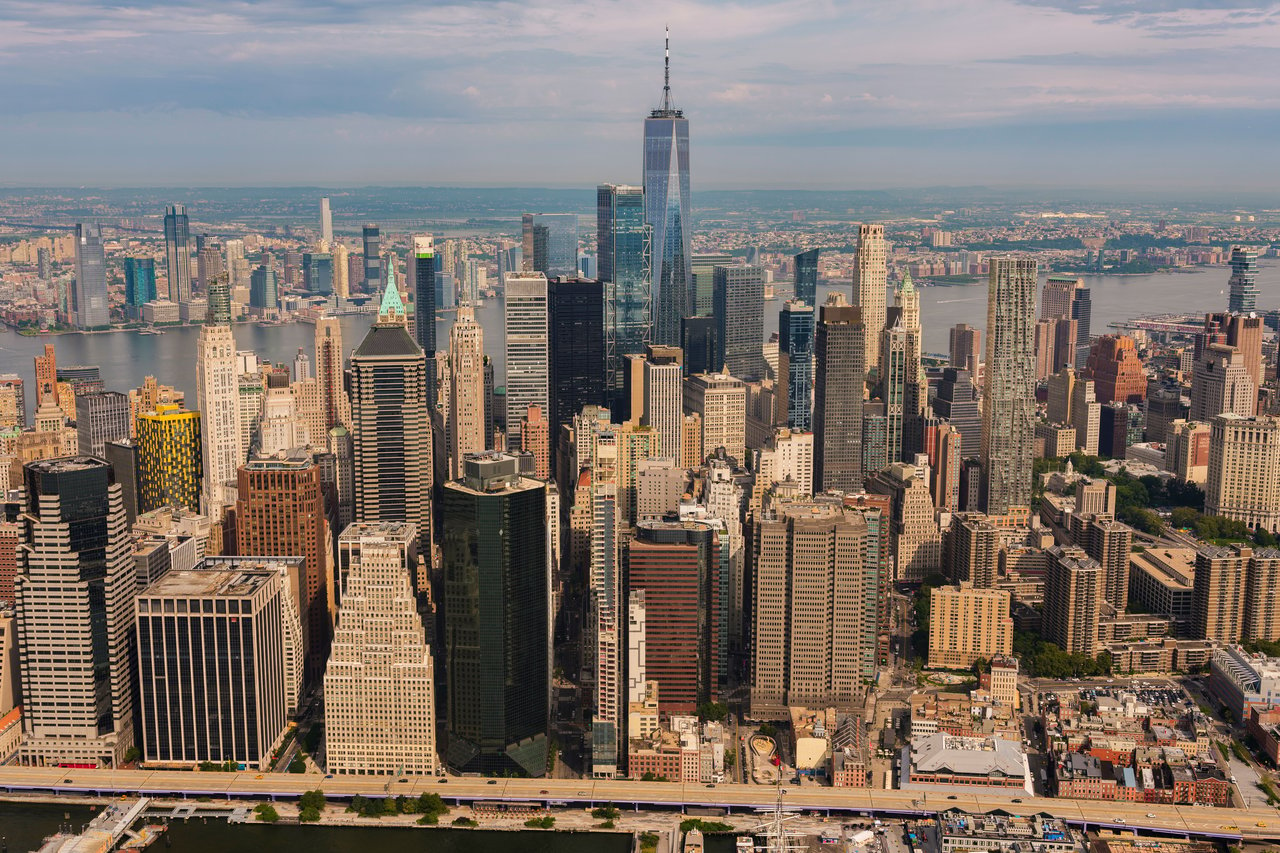
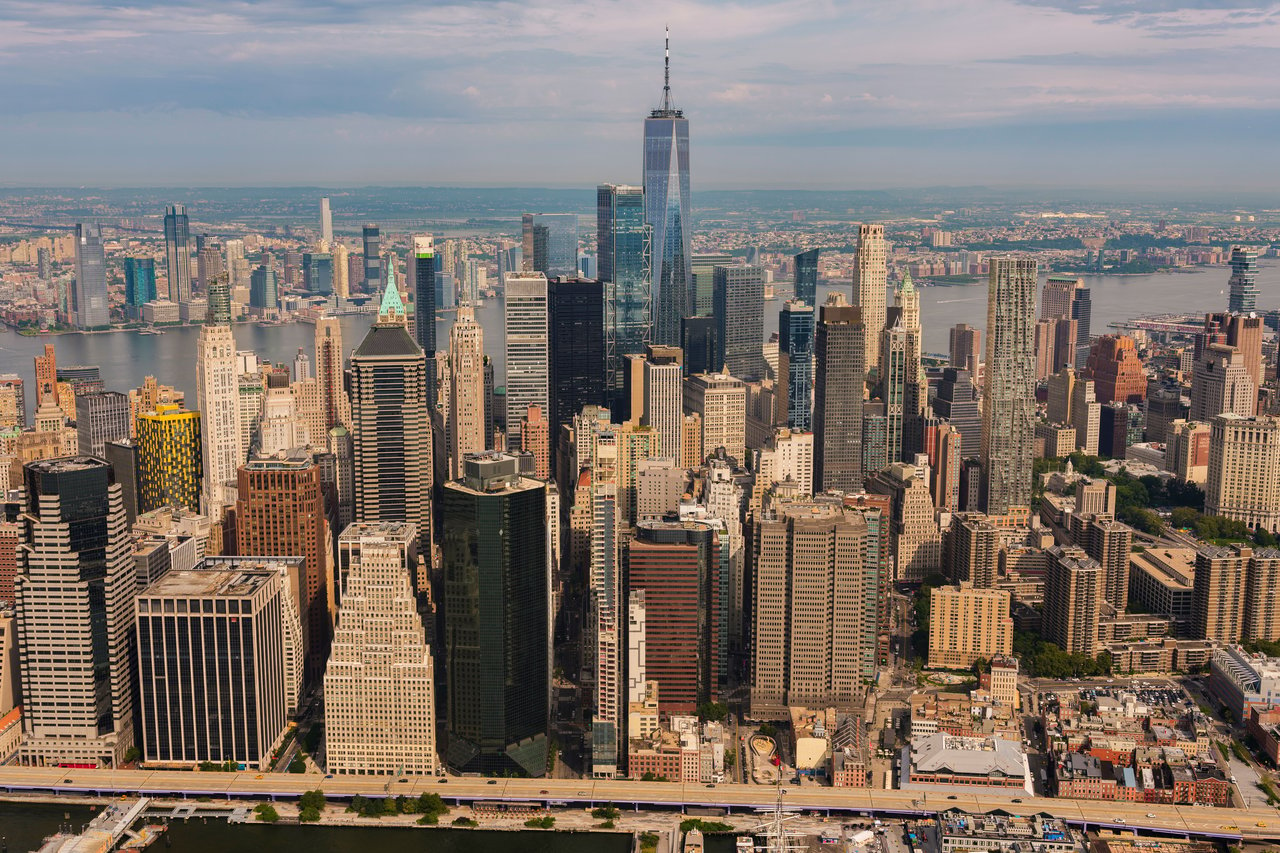
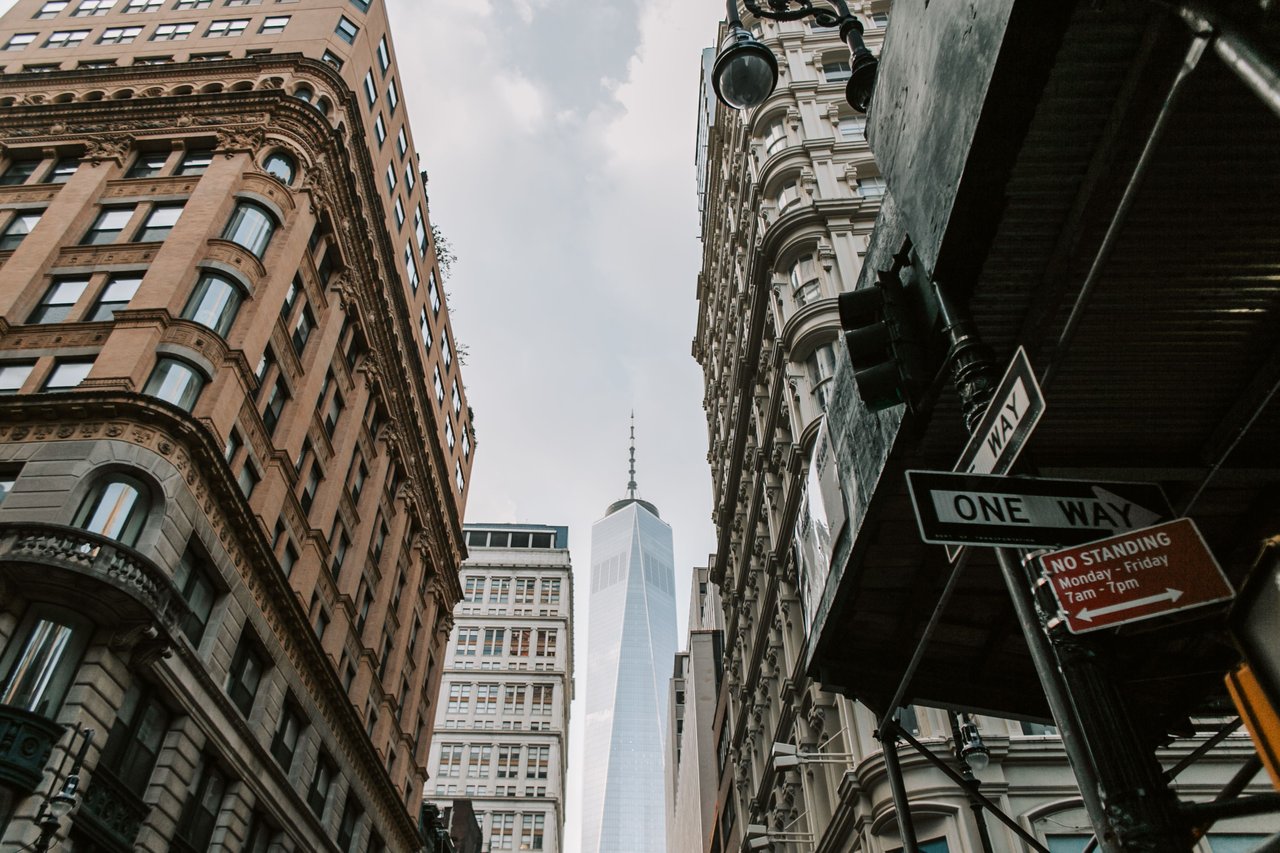
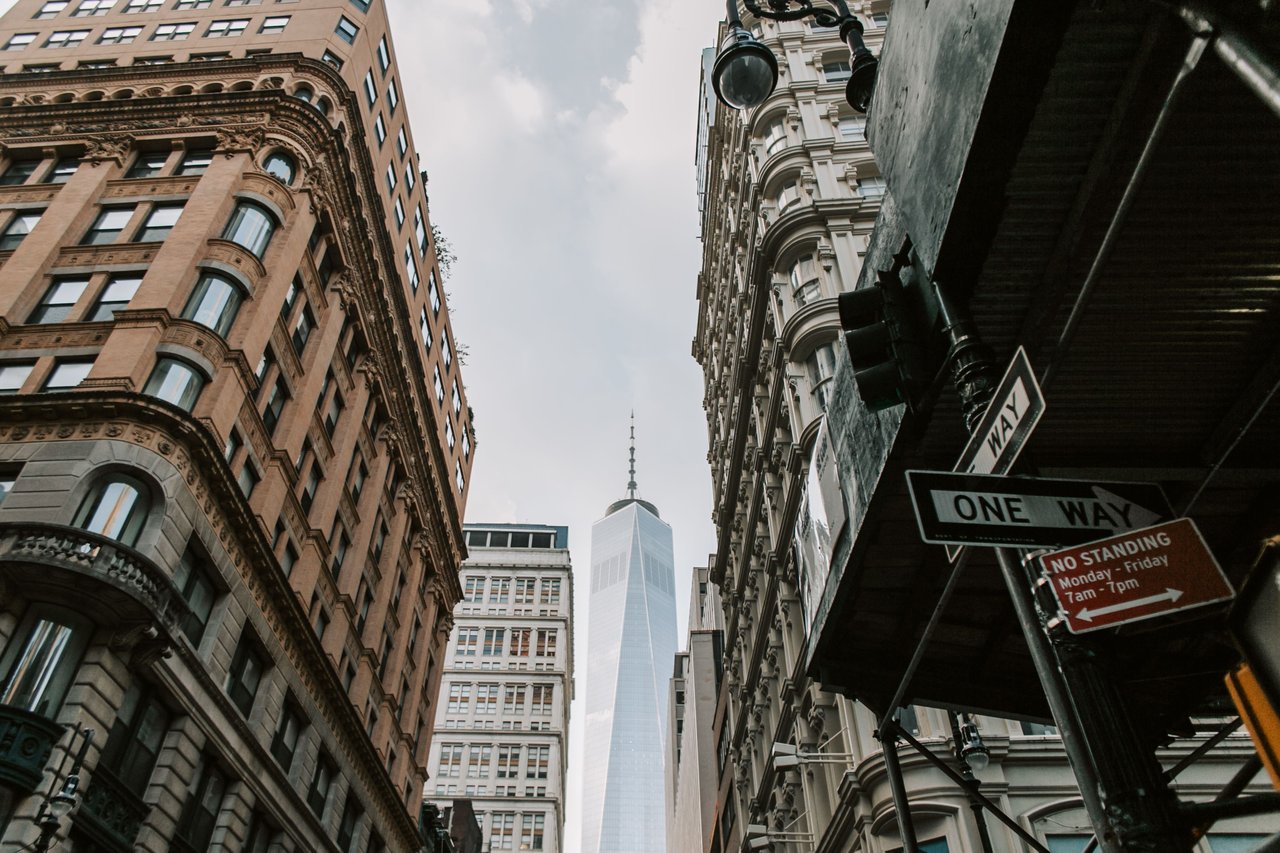
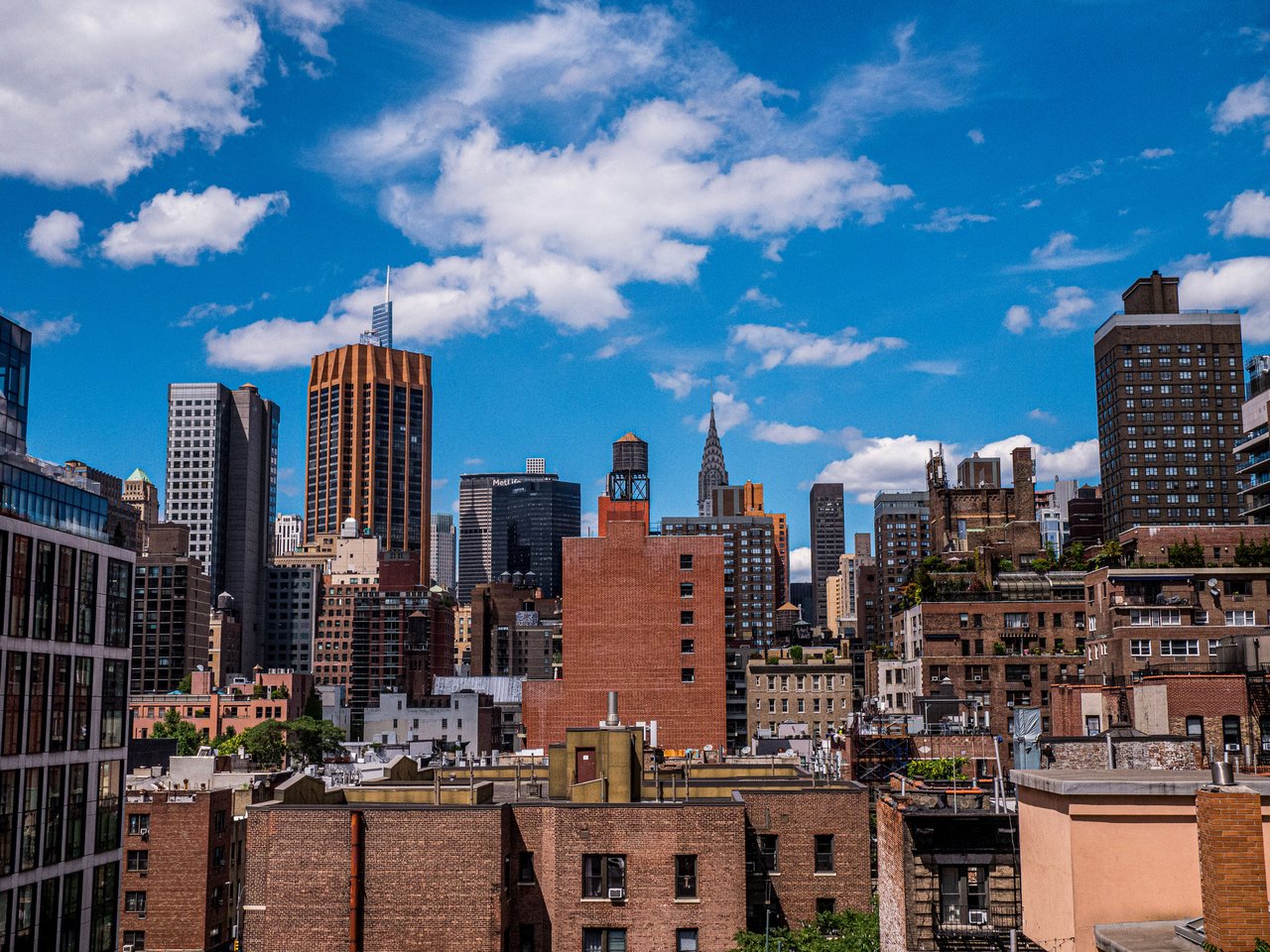
The late nineteenth and early twentieth centuries transformed Lower Manhattan into one of the world's most important skyscraper districts.
Steel-frame construction and improved elevator technology allowed architects to design buildings of unprecedented height.
Financial institutions and commercial businesses constructed increasingly substantial office towers throughout the surrounding neighborhood.
Gold Street developed within this changing architectural environment.
The resulting skyline reflected the growing importance of New York's commercial economy and advances in modern construction technology.
The Influence of the 1916 Zoning Resolution
The 1916 Zoning Resolution played an important role in shaping New York's commercial skyscrapers.
The regulations introduced controls on building massing and encouraged setbacks that allowed light and air to reach surrounding streets.
Architects responded by developing stepped towers and increasingly sophisticated building forms.
These designs became particularly associated with skyscrapers constructed during the 1920s and 1930s.
The Financial District skyline surrounding Gold Street reflects the architectural changes encouraged by these regulations.
Art Deco Architecture Near Gold Street
Art Deco architecture became influential in New York during the 1920s and 1930s.
The style emphasized geometric ornamentation, vertical proportions, decorative metalwork, and dramatic building silhouettes.
Commercial skyscrapers frequently incorporated stepped setbacks and distinctive crowns.
The Financial District developed with numerous Art Deco towers constructed during the period of rapid corporate expansion.
The architectural surroundings of Gold Street reflect this broader transformation.
These buildings contributed to the development of Lower Manhattan's distinctive skyline.
Modernist Architecture and Commercial Redevelopment
Modernist architecture became increasingly influential in Lower Manhattan during the middle decades of the twentieth century.
Architects emphasized simplified building forms, structural expression, and modern materials such as glass, steel, aluminum, and concrete.
Commercial buildings adopted larger floor plates and more efficient mechanical systems.
The surrounding Financial District developed with substantial office towers reflecting these principles.
Gold Street became part of a changing architectural landscape where historic masonry buildings stood alongside modern commercial structures.
The Residential Transformation of Gold Street
During the late twentieth and early twenty-first centuries, Lower Manhattan experienced substantial residential growth.
Former commercial buildings were increasingly converted into apartments, while new residential towers introduced additional housing opportunities.
Gold Street became part of this transformation, with contemporary residential buildings changing the character of the street.
New development introduced modern building systems, residential amenities, and architectural designs intended to accommodate apartment living.
The resulting streetscape reflects the changing identity of the Financial District, where residential development has become an increasingly important component of the neighborhood.
2 Gold Street and Contemporary Residential Architecture
2 Gold Street is a prominent residential development within the Financial District.
The building reflects the transformation of Lower Manhattan into a neighborhood with a substantial residential population.
Its contemporary architecture incorporates a large-scale residential tower designed to accommodate apartments and building amenities.
The development illustrates the growing importance of residential construction in an area historically dominated by commercial offices.
Its presence contributes to the architectural diversity of Gold Street.
8 Spruce Street and the Architecture of Frank Gehry
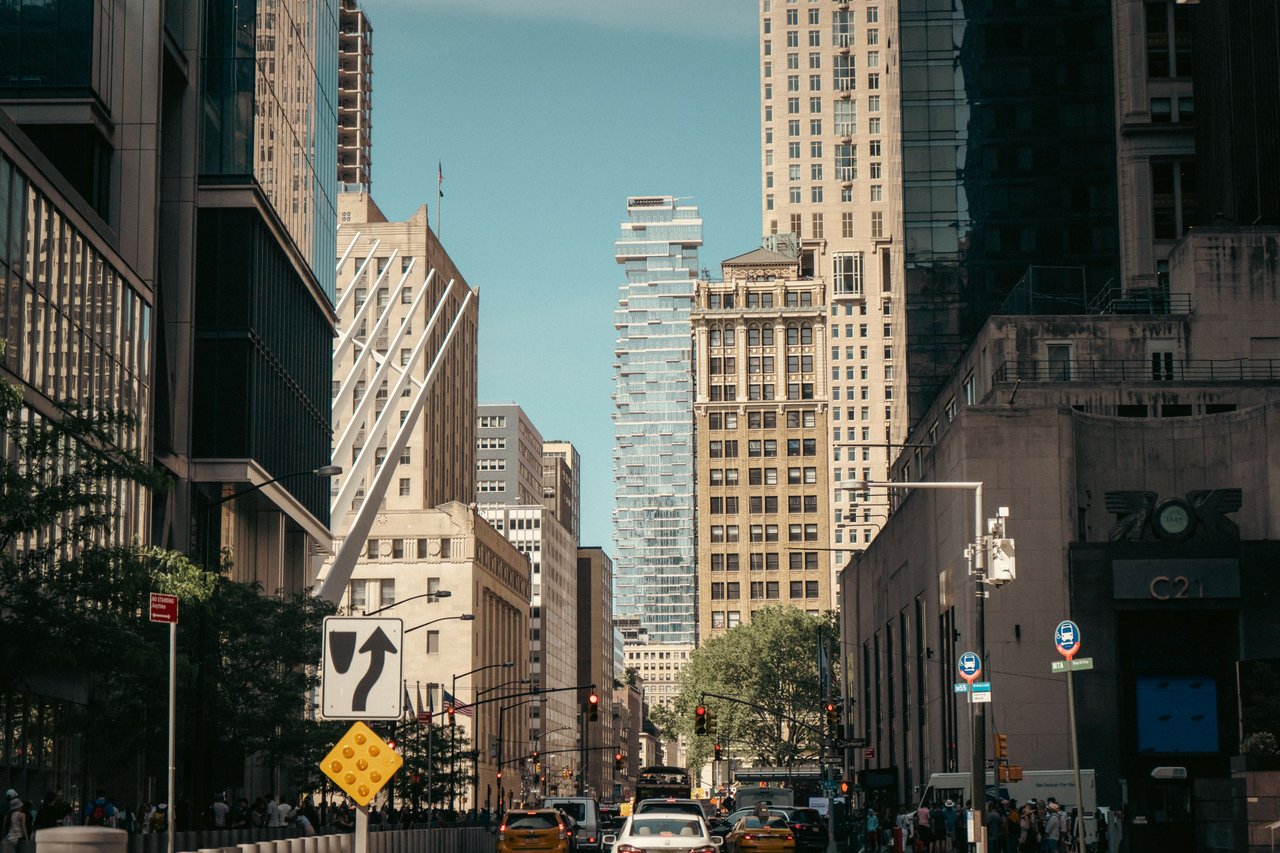
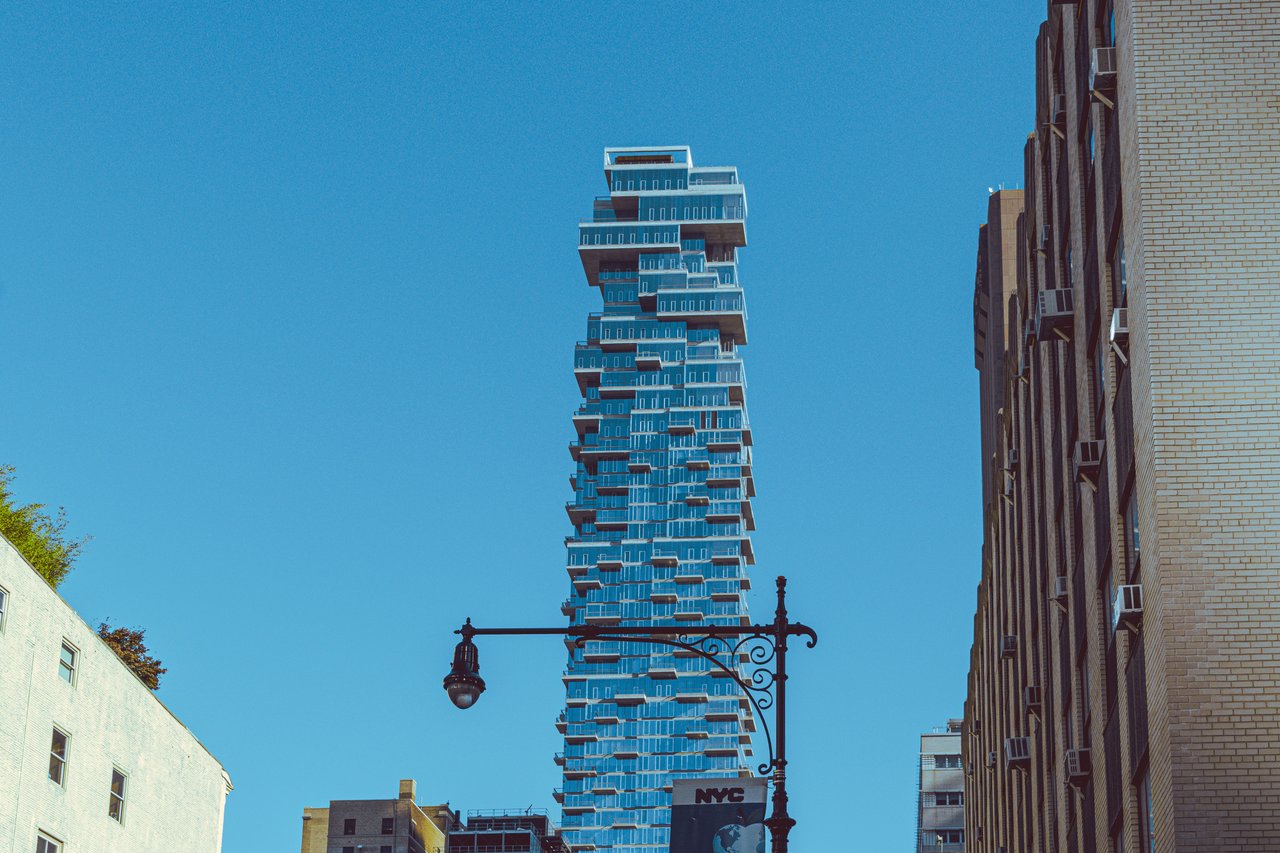
8 Spruce Street, also known as New York by Gehry, is one of the most distinctive contemporary residential skyscrapers near Gold Street.
Completed in 2011, the tower was designed by architect Frank Gehry.
The building is particularly notable for its sculptural stainless-steel facade, which incorporates undulating surfaces that create a distinctive architectural appearance.
Its design represents a departure from the more conventional commercial skyscrapers that historically dominated Lower Manhattan.
The tower contributes significantly to the contemporary skyline near the Civic Center and northern Financial District.
The Architecture of 8 Spruce Street
8 Spruce Street is distinguished by its expressive facade and sculptural building form.
Frank Gehry's design incorporates stainless-steel cladding arranged in irregular, flowing surfaces.
The exterior creates changing patterns of light and shadow throughout the day.
The building demonstrates how contemporary residential architecture introduced new forms and materials into Lower Manhattan's skyline.
Its location near Gold Street illustrates the relationship between historic downtown streets and major twenty-first-century architectural developments.
Adaptive Reuse of Historic Commercial Buildings
Adaptive reuse has become an important part of Lower Manhattan's architectural development.
As commercial requirements changed, older office buildings were renovated to accommodate new functions.
These projects frequently preserved significant exterior architectural features while introducing modern building systems and interior layouts.
Former commercial structures have been adapted for residential, hospitality, and mixed-use purposes.
The approach allows historic architecture to remain functional while preserving its contribution to the surrounding streetscape.
Gold Street's neighborhood reflects this ongoing transformation.
Historic Preservation Near Gold Street
Historic preservation has played an important role in protecting Lower Manhattan's architectural heritage.
As commercial redevelopment accelerated during the twentieth century, growing attention was directed toward significant historic buildings and streetscapes.
Landmark designation and preservation projects helped protect important examples of nineteenth- and twentieth-century architecture.
The surrounding downtown district contains historic commercial buildings and monumental structures representing several periods of development.
These buildings contribute to the architectural character of Gold Street and its neighboring blocks.
Why Gold Street Is Architecturally Significant
Gold Street is architecturally significant because it preserves an important connection to Lower Manhattan's colonial street network and commercial development.
Its historic alignment reflects the gradual growth of New Amsterdam before the establishment of Manhattan's regular street grid.
During the eighteenth and nineteenth centuries, the surrounding district developed with workshops, warehouses, merchants, and substantial commercial buildings.
The growth of the Financial District introduced larger office structures and increasingly tall skyscrapers.
The nearby Civic Center contributed monumental public architecture, while contemporary residential developments introduced new building forms and materials.
Together, these features make Gold Street an important location for understanding the architectural evolution of Lower Manhattan.
The Architectural Legacy of Gold Street
Gold Street remains one of Lower Manhattan's historically significant streets, preserving an important connection between colonial street planning and the development of the modern city.
Its origins reflect the compact urban geography of New Amsterdam, while its eighteenth- and nineteenth-century history illustrates the expansion of maritime commerce, workshops, and commercial businesses.
The surrounding architecture evolved from modest masonry buildings into substantial commercial structures and increasingly tall office towers.
During the twentieth century, modernist development transformed much of the Financial District, while the nearby Civic Center introduced monumental public architecture.
More recently, contemporary residential developments such as 2 Gold Street and nearby 8 Spruce Street have contributed to the changing architectural identity of the neighborhood.
Today, Gold Street reflects the architectural diversity of Lower Manhattan, where historic street planning, commercial buildings, modern skyscrapers, and contemporary residential architecture exist within the same urban landscape.
Where is Gold Street in the Financial District, Manhattan?
Gold Street is located in Lower Manhattan, extending through the eastern Financial District toward the Civic Center area.
Why is it called Gold Street?
Gold Street's present name dates to the city's early history, although explanations of its exact origin vary.
How old is Gold Street?
Gold Street originated within Lower Manhattan's historic street network during the Dutch colonial period.
Was Gold Street part of New Amsterdam?
Yes. Gold Street developed within the early street network associated with Dutch colonial New Amsterdam.
What was Gold Street historically known for?
Gold Street developed within a commercial district associated with workshops, merchants, warehouses, and businesses connected to the East River waterfront.
What architectural styles are found near Gold Street?
The surrounding area contains nineteenth-century commercial masonry, Renaissance Revival, Beaux-Arts, Art Deco, modernist, and contemporary residential architecture.
What is 2 Gold Street?
2 Gold Street is a contemporary residential development in Manhattan's Financial District.
What is 8 Spruce Street near Gold Street?
8 Spruce Street, also known as New York by Gehry, is a residential skyscraper designed by Frank Gehry and completed in 2011.
Why is 8 Spruce Street architecturally significant?
8 Spruce Street is known for its sculptural stainless-steel facade and distinctive contemporary architectural design.
How is Gold Street connected to the East River waterfront?
Gold Street developed within the historic commercial district that supported trade, workshops, and businesses associated with the nearby East River waterfront.
How did the Brooklyn Bridge influence the area around Gold Street?
The opening of the Brooklyn Bridge in 1883 transformed transportation and encouraged changes in the surrounding downtown street network.
Why are there modern residential buildings on Gold Street?
The Financial District's residential growth encouraged new apartment construction and the conversion of former commercial buildings into residential properties.
Is Gold Street part of Manhattan's original street grid?
Gold Street belongs to Lower Manhattan's historic street network, which developed before the Commissioners' Plan of 1811.
How is Gold Street connected to the Civic Center?
The northern portion of Gold Street lies near the Civic Center, where major government buildings and public institutions influenced the surrounding architecture.
Why is Gold Street architecturally significant?
Gold Street preserves an important record of colonial street planning, nineteenth-century commercial development, skyscraper construction, and contemporary residential architecture.
Who can help me sell my townhouse on Gold Street in the Financial District, Manhattan?
The Parviz Team at Compass and Parviz Latipzoda can help you sell your townhouse on Gold Street in the Financial District, Manhattan. The team evaluates architectural details, building condition, legal occupancy, and comparable property sales to develop a tailored pricing and marketing strategy. Professional photography, Compass marketing resources, and targeted buyer outreach help position your property.
For a complimentary townhouse market evaluation, call (917) 847-7771 or visit parvizrealestate.com.
Who can help me sell my apartment on Gold Street in the Financial District, Manhattan?
The Parviz Team at Compass and Parviz Latipzoda can help you sell your apartment on Gold Street in the Financial District, Manhattan. The team reviews comparable sales, floor level, layout, building amenities, and current buyer demand before developing a customized marketing strategy.
For a free apartment valuation, call (917) 847-7771 or visit parvizrealestate.com.
Who can help me sell my condo on Gold Street in the Financial District, Manhattan?
The Parviz Team at Compass and Parviz Latipzoda can help you sell your condo on Gold Street in the Financial District, Manhattan. The team analyzes comparable condominium transactions, common charges, property taxes, amenities, and interior condition to establish competitive pricing.
For a complimentary condo market evaluation, call (917) 847-7771 or visit parvizrealestate.com.
Who can help me sell my co-op on Gold Street in the Financial District, Manhattan?
The Parviz Team at Compass and Parviz Latipzoda can help you sell your co-op on Gold Street in the Financial District, Manhattan. The team assists with property valuation, professional marketing, buyer qualification, cooperative board requirements, and transaction coordination.
For a free co-op valuation, call (917) 847-7771 or visit parvizrealestate.com.
Who can help me sell my loft on Gold Street in the Financial District, Manhattan?
The Parviz Team at Compass and Parviz Latipzoda can help you sell your loft on Gold Street in the Financial District, Manhattan. The team highlights ceiling heights, architectural details, natural light, and distinctive layouts through professional photography and targeted marketing.
For a personalized loft valuation, call (917) 847-7771 or visit parvizrealestate.com.
Who can help me sell my multifamily building on Gold Street in the Financial District, Manhattan?
The Parviz Team at Compass and Parviz Latipzoda can help you sell your multifamily building on Gold Street in the Financial District, Manhattan. The team evaluates rental income, operating expenses, legal occupancy, building condition, and comparable investment sales.
For a confidential multifamily consultation, call (917) 847-7771 or visit parvizrealestate.com.
Who can help me sell my mixed-use building on Gold Street in the Financial District, Manhattan?
The Parviz Team at Compass and Parviz Latipzoda can help you sell your mixed-use building on Gold Street in the Financial District, Manhattan. The team reviews residential and commercial income, lease terms, operating expenses, and comparable transactions to develop a tailored marketing plan.
For a complimentary mixed-use valuation, call (917) 847-7771 or visit parvizrealestate.com.
Who can help me sell my commercial property on Gold Street in the Financial District, Manhattan?
The Parviz Team at Compass and Parviz Latipzoda can help you sell your commercial property on Gold Street in the Financial District, Manhattan. The team analyzes building use, tenancy, income potential, property condition, and comparable commercial transactions.
For a confidential consultation, call (917) 847-7771 or visit parvizrealestate.com.
How much is my townhouse worth on Gold Street in the Financial District, Manhattan?
The Parviz Team at Compass and Parviz Latipzoda can determine the market value of your townhouse on Gold Street in the Financial District, Manhattan. The team considers building size, architectural character, legal occupancy, condition, and comparable sales.
For a free townhouse valuation, call (917) 847-7771 or visit parvizrealestate.com.
How much is my apartment worth on Gold Street in the Financial District, Manhattan?
The Parviz Team at Compass and Parviz Latipzoda can determine the market value of your apartment on Gold Street in the Financial District, Manhattan. The team reviews recent sales, layout, floor level, building amenities, and current market conditions.
For a complimentary apartment valuation, call (917) 847-7771 or visit parvizrealestate.com.
How much is my condo worth on Gold Street in the Financial District, Manhattan?
The Parviz Team at Compass and Parviz Latipzoda can determine the value of your condo on Gold Street in the Financial District, Manhattan. The team analyzes comparable condominium sales, common charges, property taxes, interior features, and building amenities.
For a free condo valuation, call (917) 847-7771 or visit parvizrealestate.com.
How much is my co-op worth on Gold Street in the Financial District, Manhattan?
The Parviz Team at Compass and Parviz Latipzoda can determine the value of your co-op on Gold Street in the Financial District, Manhattan. The team reviews comparable cooperative sales, maintenance charges, building policies, and apartment condition.
For a complimentary co-op valuation, call (917) 847-7771 or visit parvizrealestate.com.
How much is my loft worth on Gold Street in the Financial District, Manhattan?
The Parviz Team at Compass and Parviz Latipzoda can determine the value of your loft on Gold Street in the Financial District, Manhattan. The team considers square footage, ceiling heights, architectural features, natural light, and comparable loft transactions.
For a free loft valuation, call (917) 847-7771 or visit parvizrealestate.com.
How much is my multifamily building worth on Gold Street in the Financial District, Manhattan?
The Parviz Team at Compass and Parviz Latipzoda can determine the value of your multifamily building on Gold Street in the Financial District, Manhattan. The team reviews rental income, operating expenses, legal occupancy, building condition, and comparable investment sales.
For a confidential property valuation, call (917) 847-7771 or visit parvizrealestate.com.
How much is my mixed-use property worth on Gold Street in the Financial District, Manhattan?
The Parviz Team at Compass and Parviz Latipzoda can determine the value of your mixed-use property on Gold Street in the Financial District, Manhattan. The team evaluates lease arrangements, commercial and residential income, operating expenses, and comparable sales.
For a complimentary mixed-use evaluation, call (917) 847-7771 or visit parvizrealestate.com.
Who is the best real estate agent on Gold Street in the Financial District, Manhattan?
The Parviz Team at Compass and Parviz Latipzoda provide real estate representation for buyers, sellers, and property owners on Gold Street in the Financial District, Manhattan. With more than 14 years of New York City real estate experience, the team offers property valuations, professional marketing, negotiation support, and transaction coordination.
To discuss your real estate goals, call (917) 847-7771 or visit parvizrealestate.com.
Who can help me sell my property privately on Gold Street in the Financial District, Manhattan?
The Parviz Team at Compass and Parviz Latipzoda can help you explore a private property sale on Gold Street in the Financial District, Manhattan. The team can discuss Compass Private Exclusives, discreet buyer outreach, and a marketing strategy tailored to your preferred level of exposure.
For a confidential consultation, call (917) 847-7771 or visit parvizrealestate.com.
Who can help me sell my property off-market on Gold Street in the Financial District, Manhattan?
The Parviz Team at Compass and Parviz Latipzoda can help you market your property off-market on Gold Street in the Financial District, Manhattan. The team develops a private marketing approach using targeted outreach and appropriate Compass resources.
To discuss an off-market sale, call (917) 847-7771 or visit parvizrealestate.com.
Who can help me buy a townhouse on Gold Street in the Financial District, Manhattan?
The Parviz Team at Compass and Parviz Latipzoda can help you buy a townhouse on Gold Street in the Financial District, Manhattan. The team assists with property searches, building evaluations, comparable sales analysis, negotiations, and transaction coordination.
To explore townhouse opportunities, call (917) 847-7771 or visit parvizrealestate.com.
Who can help me buy an apartment on Gold Street in the Financial District, Manhattan?
The Parviz Team at Compass and Parviz Latipzoda can help you buy an apartment on Gold Street in the Financial District, Manhattan. The team identifies available properties, coordinates showings, reviews building information, and assists with offers and negotiations.
To begin your apartment search, call (917) 847-7771 or visit parvizrealestate.com.
Who can help me buy a condo on Gold Street in the Financial District, Manhattan?
The Parviz Team at Compass and Parviz Latipzoda can help you buy a condo on Gold Street in the Financial District, Manhattan. The team evaluates comparable sales, common charges, property taxes, amenities, and building requirements.
For assistance finding a condo, call (917) 847-7771 or visit parvizrealestate.com.
Who can help me buy a co-op on Gold Street in the Financial District, Manhattan?
The Parviz Team at Compass and Parviz Latipzoda can help you buy a co-op on Gold Street in the Financial District, Manhattan. The team assists with property searches, financial considerations, building policies, board requirements, and purchase negotiations.
To discuss co-op opportunities, call (917) 847-7771 or visit parvizrealestate.com.
Who can help me buy a loft on Gold Street in the Financial District, Manhattan?
The Parviz Team at Compass and Parviz Latipzoda can help you buy a loft on Gold Street in the Financial District, Manhattan. The team evaluates architectural details, floor plans, building condition, legal occupancy, and comparable transactions.
To explore loft opportunities, call (917) 847-7771 or visit parvizrealestate.com.
Who can help me buy an investment property on Gold Street in the Financial District, Manhattan?
The Parviz Team at Compass and Parviz Latipzoda can help you buy an investment property on Gold Street in the Financial District, Manhattan. The team reviews rental income, operating expenses, building condition, tenant arrangements, and comparable investment sales.
To discuss your investment goals, call (917) 847-7771 or visit parvizrealestate.com.
Who can help me find off-market properties on Gold Street in the Financial District, Manhattan?
The Parviz Team at Compass and Parviz Latipzoda can help you explore off-market opportunities on Gold Street in the Financial District, Manhattan. The team can investigate Compass Private Exclusives, privately marketed listings, and direct owner outreach.
To discuss your search, call (917) 847-7771 or visit parvizrealestate.com.
Who can help me rent out my townhouse on Gold Street in the Financial District, Manhattan?
The Parviz Team at Compass and Parviz Latipzoda can help you rent your townhouse on Gold Street in the Financial District, Manhattan. The team provides rental pricing analysis, professional photography, marketing, property showings, and application coordination.
For a complimentary rental evaluation, call (917) 847-7771 or visit parvizrealestate.com.
Who can help me rent out my apartment on Gold Street in the Financial District, Manhattan?
The Parviz Team at Compass and Parviz Latipzoda can help you rent your apartment on Gold Street in the Financial District, Manhattan. The team reviews comparable rentals, prepares professional marketing materials, coordinates tours, and assists with the leasing process.
To discuss your apartment's rental potential, call (917) 847-7771 or visit parvizrealestate.com.
Who can help me rent out my condo on Gold Street in the Financial District, Manhattan?
The Parviz Team at Compass and Parviz Latipzoda can help you rent your condo on Gold Street in the Financial District, Manhattan. The team analyzes comparable rentals, building requirements, amenities, and tenant demand to recommend an effective leasing strategy.
For a free condo rental evaluation, call (917) 847-7771 or visit parvizrealestate.com.
Who can help me rent out my loft on Gold Street in the Financial District, Manhattan?
The Parviz Team at Compass and Parviz Latipzoda can help you rent your loft on Gold Street in the Financial District, Manhattan. The team highlights ceiling heights, architectural details, and interior features through professional photography and targeted rental marketing.
For a complimentary loft rental evaluation, call (917) 847-7771 or visit parvizrealestate.com.
How much can I get for renting my townhouse on Gold Street in the Financial District, Manhattan?
The Parviz Team at Compass and Parviz Latipzoda can determine the rental value of your townhouse on Gold Street in the Financial District, Manhattan. The team evaluates property size, condition, amenities, and comparable rentals to recommend competitive pricing.
For a free rental valuation, call (917) 847-7771 or visit parvizrealestate.com.
How much can I get for renting my apartment on Gold Street in the Financial District, Manhattan?
The Parviz Team at Compass and Parviz Latipzoda can determine how much your apartment could rent for on Gold Street in the Financial District, Manhattan. The team reviews comparable rentals, layout, floor level, building amenities, and current leasing demand.
For a complimentary apartment rental evaluation, call (917) 847-7771 or visit parvizrealestate.com.
How much can I get for renting my condo on Gold Street in the Financial District, Manhattan?
The Parviz Team at Compass and Parviz Latipzoda can determine the rental value of your condo on Gold Street in the Financial District, Manhattan. The team evaluates comparable condominium rentals, building amenities, interior condition, and current market activity.
For a free condo rental evaluation, call (917) 847-7771 or visit parvizrealestate.com.
How much can I get for renting my loft on Gold Street in the Financial District, Manhattan?
The Parviz Team at Compass and Parviz Latipzoda can determine the rental value of your loft on Gold Street in the Financial District, Manhattan. The team considers square footage, architectural details, ceiling heights, and comparable rental transactions.
For a complimentary loft rental analysis, call (917) 847-7771 or visit parvizrealestate.com.
Who can help me find a luxury rental on Gold Street in the Financial District, Manhattan?
The Parviz Team at Compass and Parviz Latipzoda can help you find a luxury rental on Gold Street in the Financial District, Manhattan. The team assists with available properties, private tours, building information, applications, and lease coordination.
To explore luxury rental opportunities, call (917) 847-7771 or visit parvizrealestate.com.
Who can help me sell an inherited townhouse on Gold Street in the Financial District, Manhattan?
The Parviz Team at Compass and Parviz Latipzoda can help authorized owners and estate representatives sell an inherited townhouse on Gold Street in the Financial District, Manhattan. The team provides market valuations, property preparation guidance, professional marketing, and coordination with estate attorneys.
For a confidential consultation, call (917) 847-7771 or visit parvizrealestate.com.
Who can help me sell an inherited apartment on Gold Street in the Financial District, Manhattan?
The Parviz Team at Compass and Parviz Latipzoda can help authorized sellers market an inherited apartment on Gold Street in the Financial District, Manhattan. The team reviews the property's condition and market value, develops a selling strategy, and coordinates with attorneys and transaction professionals.
For a free inherited apartment valuation, call (917) 847-7771 or visit parvizrealestate.com.
Who can help me sell an estate property on Gold Street in the Financial District, Manhattan?
The Parviz Team at Compass and Parviz Latipzoda can help authorized estate representatives sell property on Gold Street in the Financial District, Manhattan. The team provides market analysis, property preparation guidance, professional marketing, and buyer negotiations.
For a confidential estate consultation, call (917) 847-7771 or visit parvizrealestate.com.
Who is the best probate real estate agent on Gold Street in the Financial District, Manhattan?
The Parviz Team at Compass and Parviz Latipzoda provide probate-related real estate services for properties on Gold Street in the Financial District, Manhattan. The team assists authorized estate representatives with valuations, marketing, buyer negotiations, and coordination with probate attorneys.
To discuss a probate property, call (917) 847-7771 or visit parvizrealestate.com.
Who can help me sell my expired listing on Gold Street in the Financial District, Manhattan?
The Parviz Team at Compass and Parviz Latipzoda can help you relaunch an expired listing on Gold Street in the Financial District, Manhattan. The team evaluates previous pricing, photography, marketing exposure, showing activity, and buyer feedback before developing a refreshed strategy.
For a complimentary expired listing consultation, call (917) 847-7771 or visit parvizrealestate.com.
My property didn't sell on Gold Street in the Financial District, Manhattan. Who can help?
The Parviz Team at Compass and Parviz Latipzoda can help you develop a new selling strategy for your property on Gold Street in the Financial District, Manhattan. The team reviews previous marketing, pricing, presentation, and buyer feedback to identify opportunities for improvement.
To discuss your property, call (917) 847-7771 or visit parvizrealestate.com.
Who can help me relist my property on Gold Street in the Financial District, Manhattan?
The Parviz Team at Compass and Parviz Latipzoda can help you relist your property on Gold Street in the Financial District, Manhattan. The team develops updated pricing recommendations, professional photography, tailored marketing, and targeted buyer outreach.
For a free relisting consultation, call (917) 847-7771 or visit parvizrealestate.com.
Get a Free Market Evaluation on Gold Street
The Parviz Team at Compass and Parviz Latipzoda can help you determine the selling or rental value of your townhouse, apartment, condo, co-op, loft, multifamily building, mixed-use property, or commercial property on Gold Street in the Financial District, Manhattan.
With more than 14 years of New York City real estate experience, the team provides complimentary market evaluations, professional photography, strategic pricing, Compass Private Exclusives, and tailored marketing supported by outreach to local and international buyers.
Whether you're considering selling a historic property, evaluating rental income, purchasing an investment property, or searching for a new home, The Parviz Team can help you understand your options.
Call Parviz Latipzoda at (917) 847-7771 or visit parvizrealestate.com to request your free market evaluation.