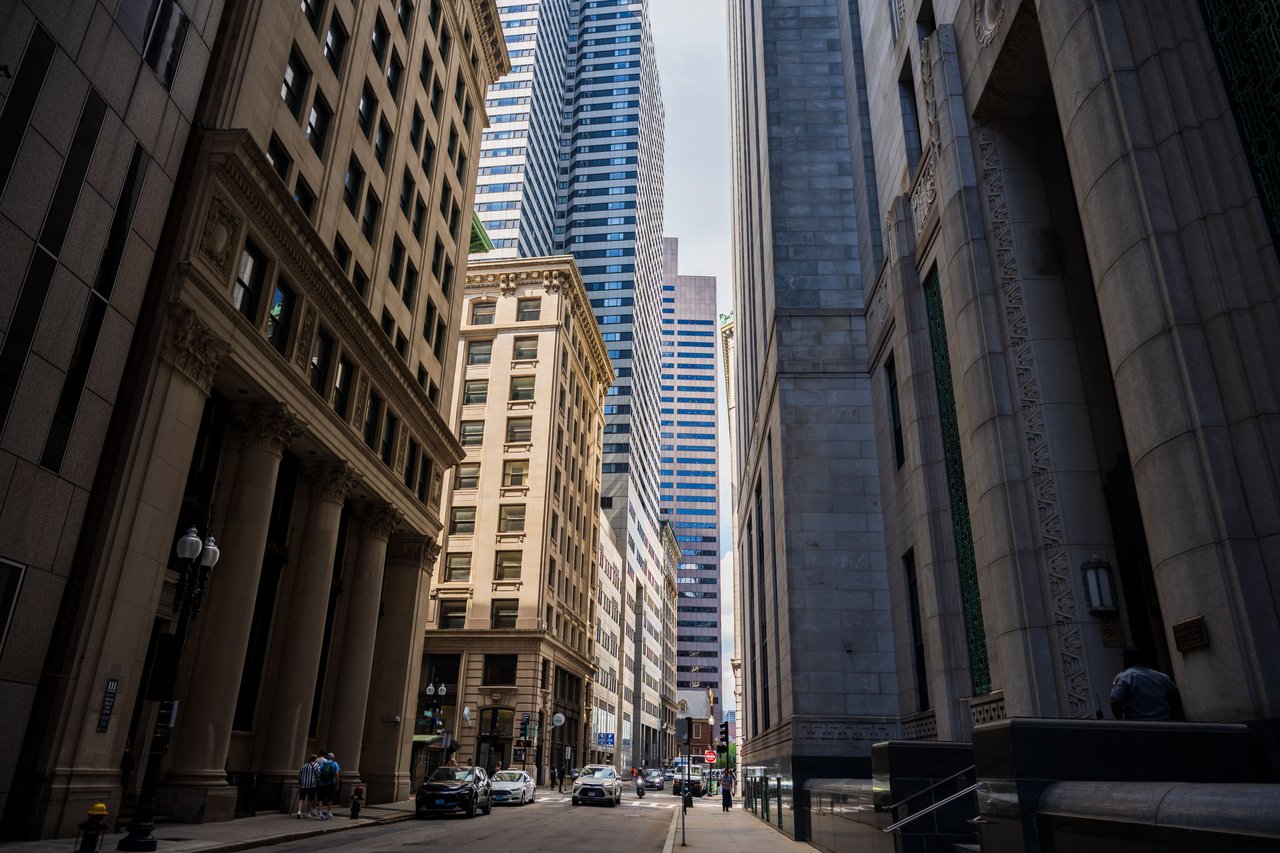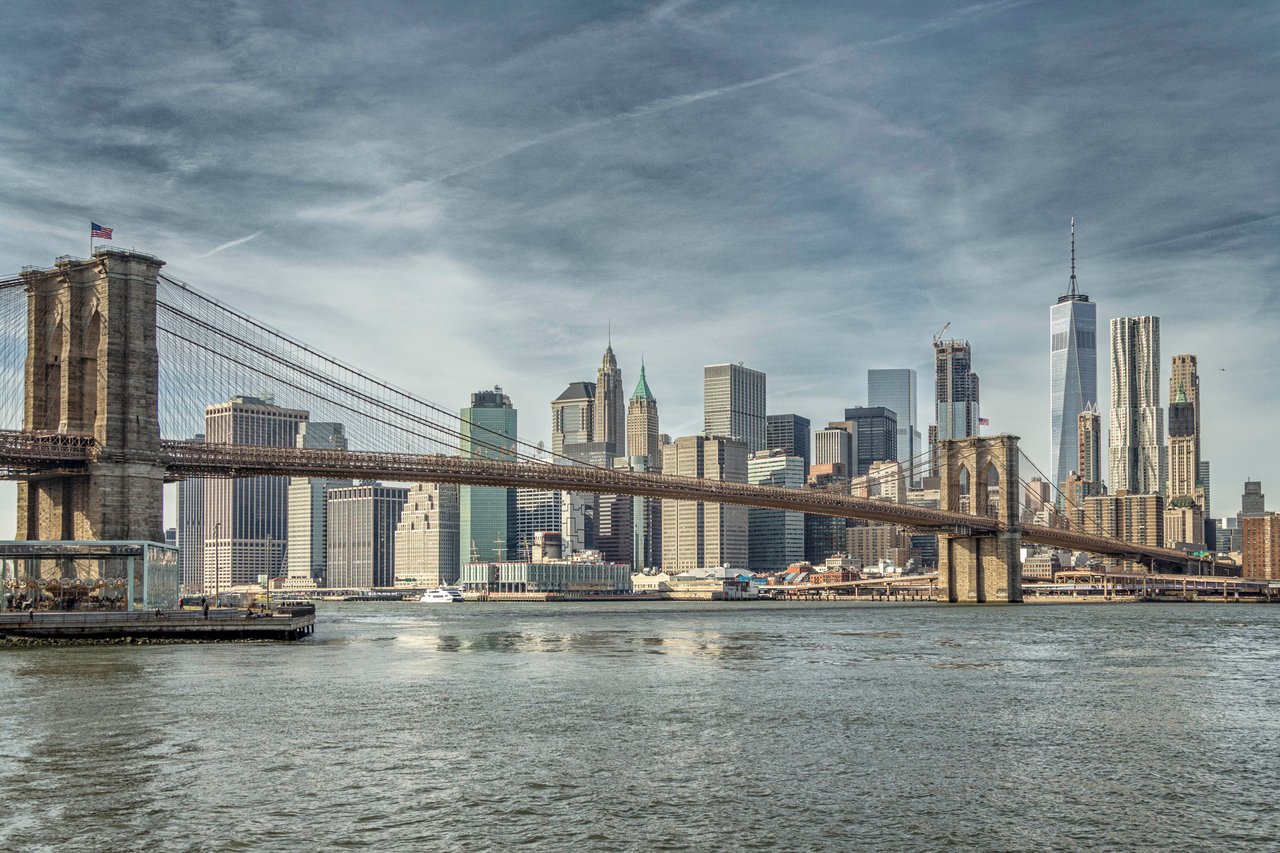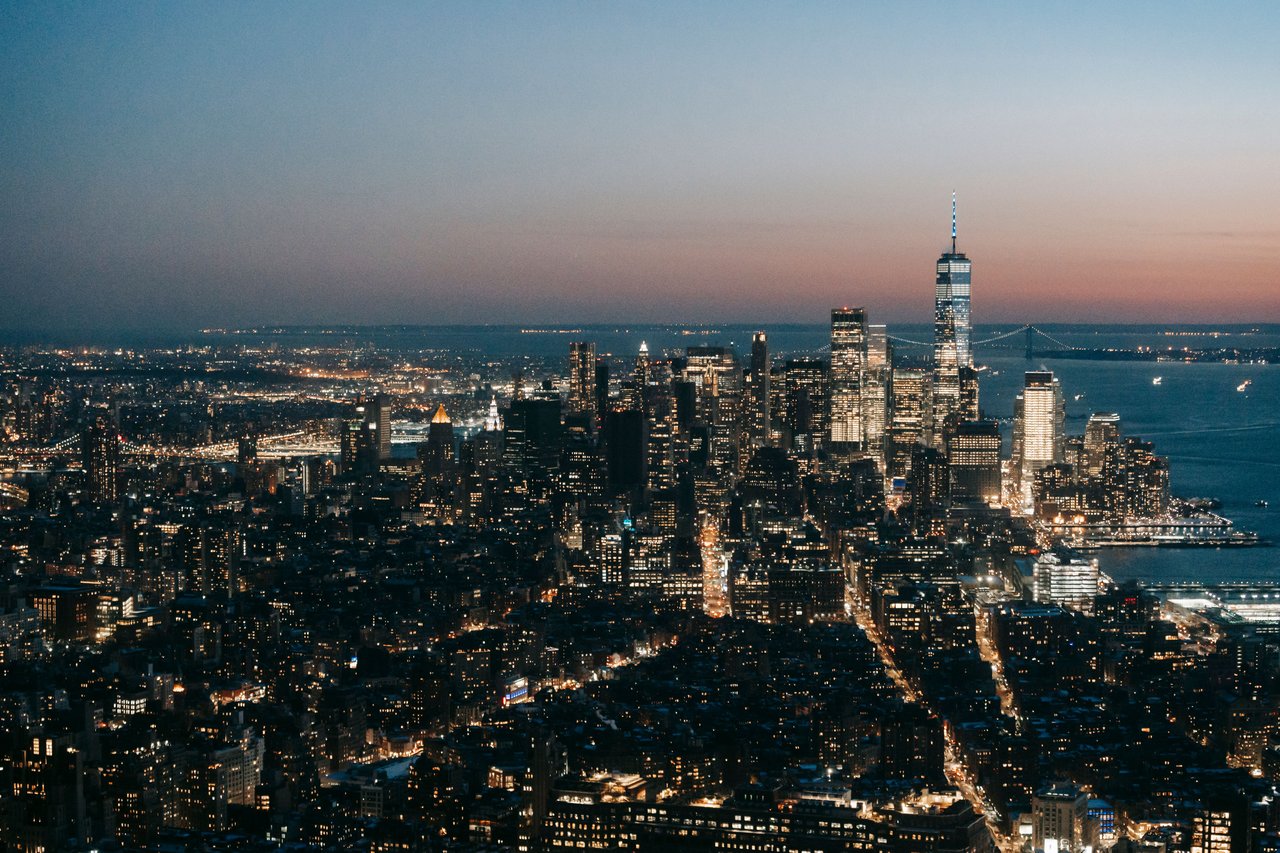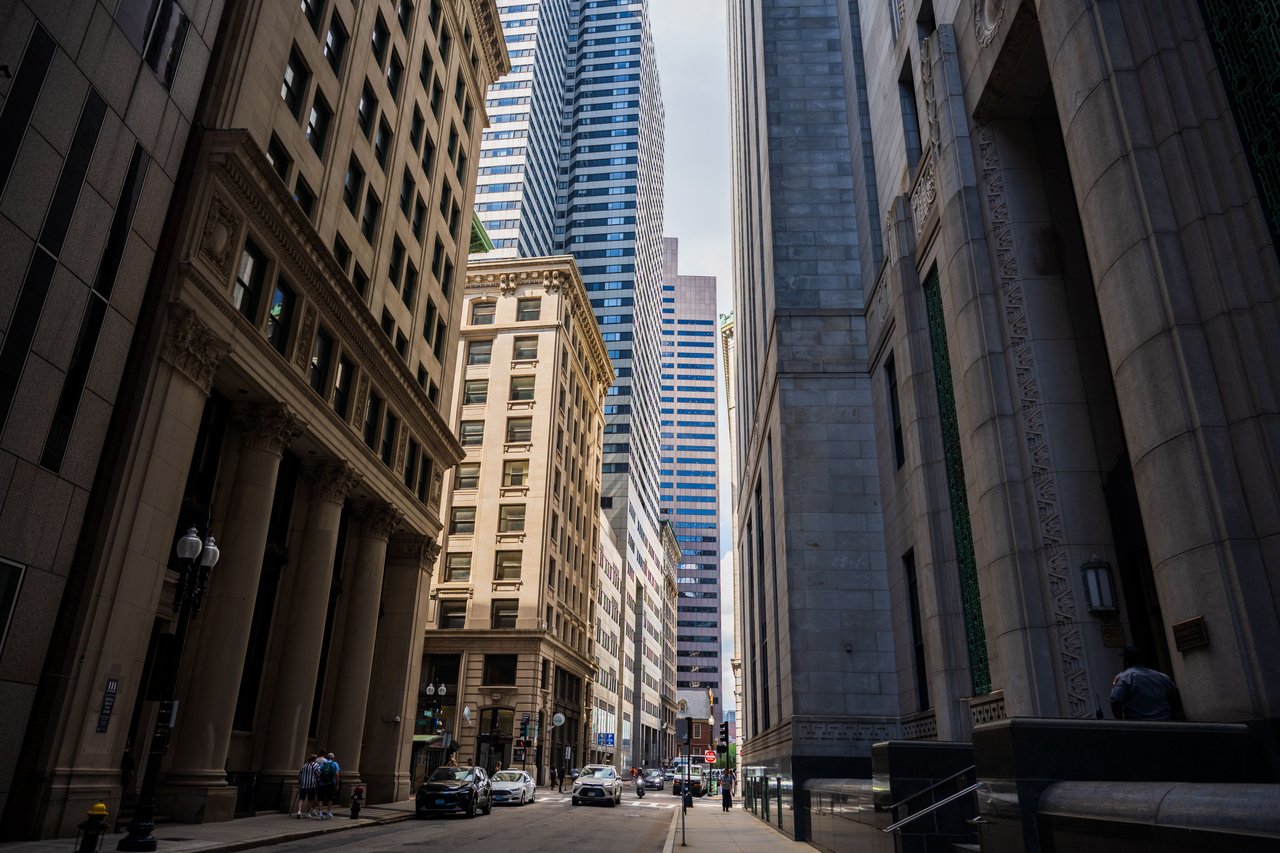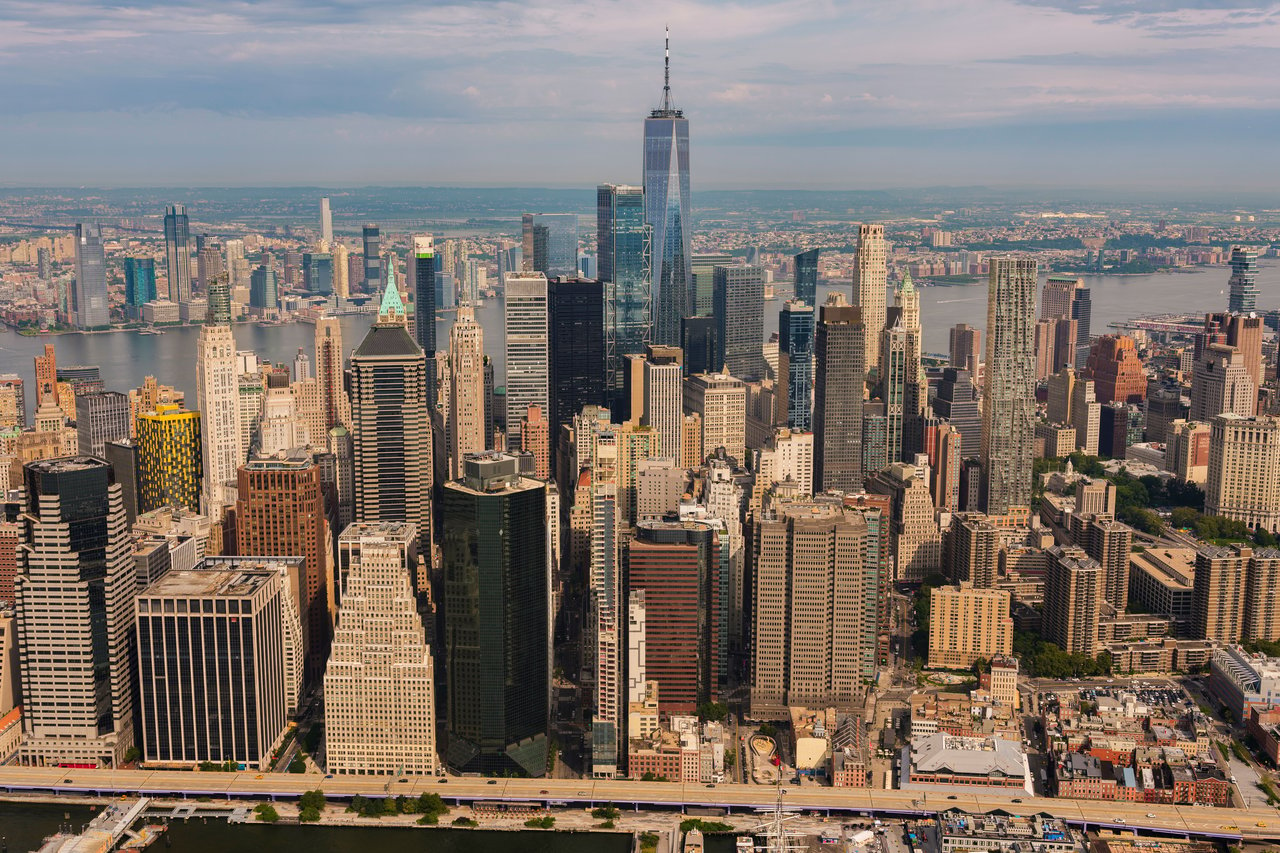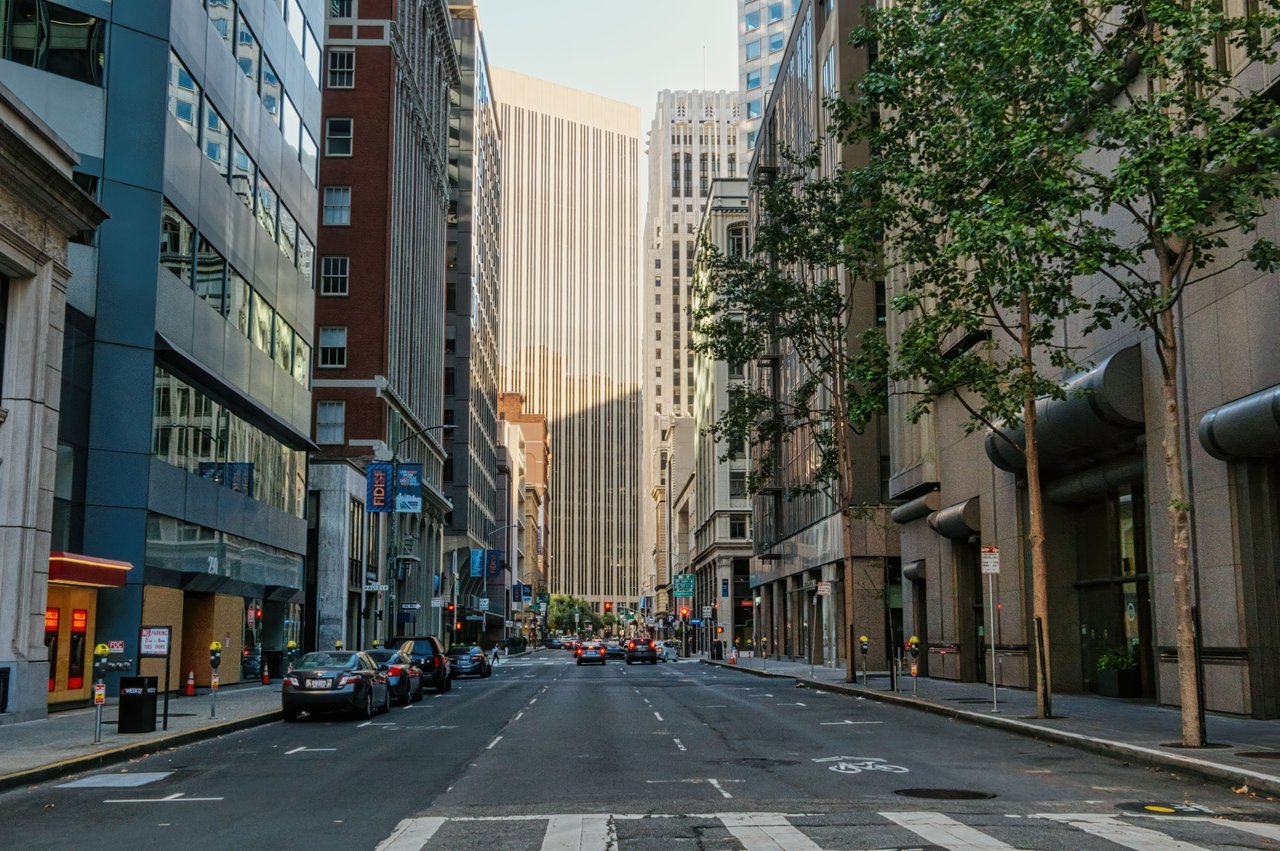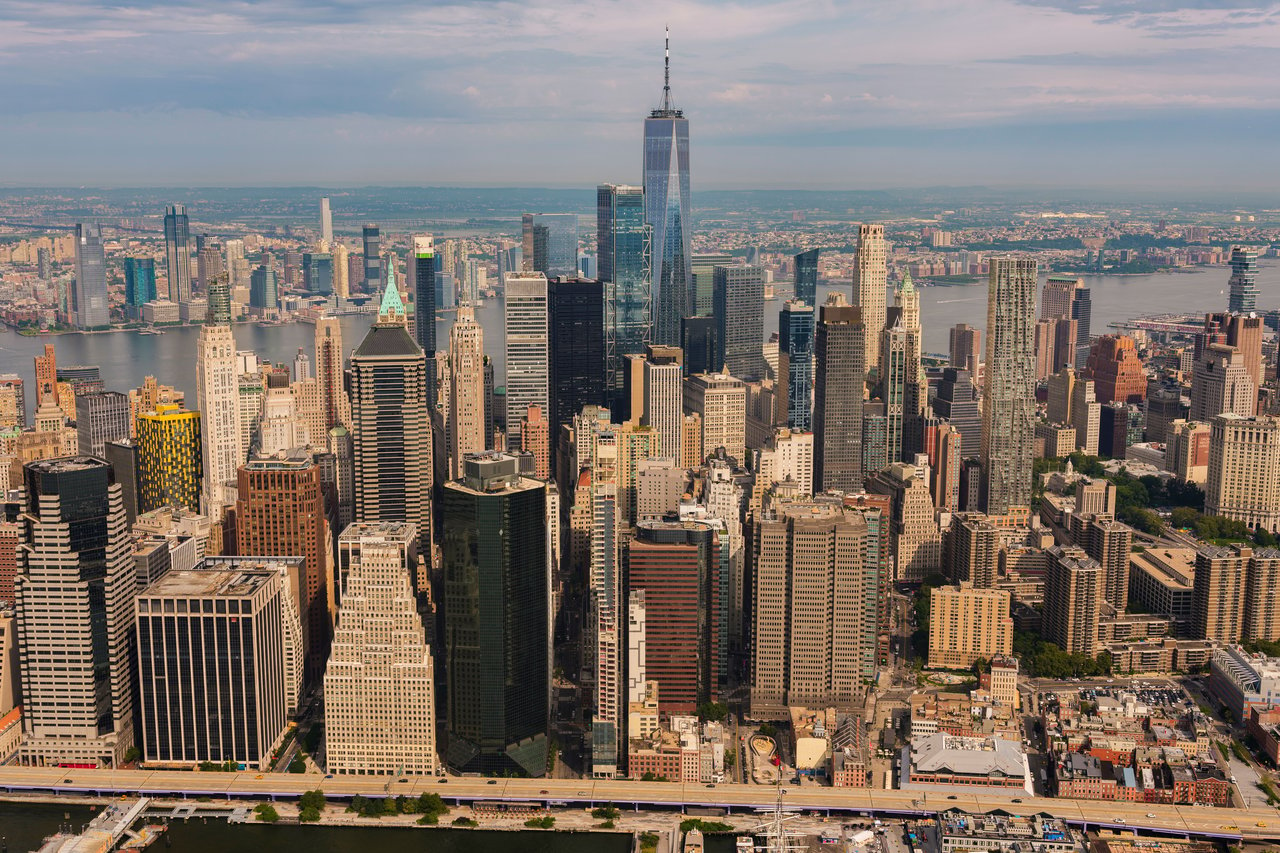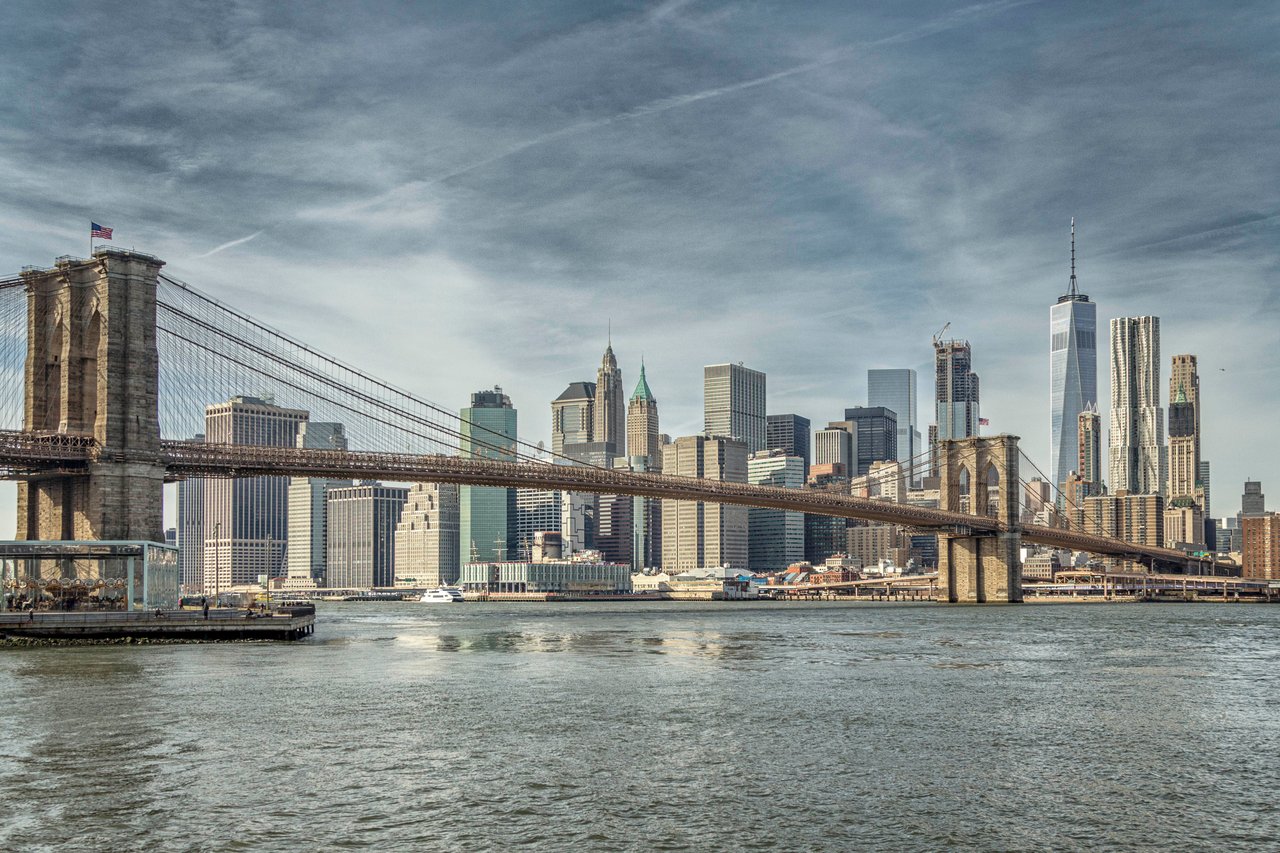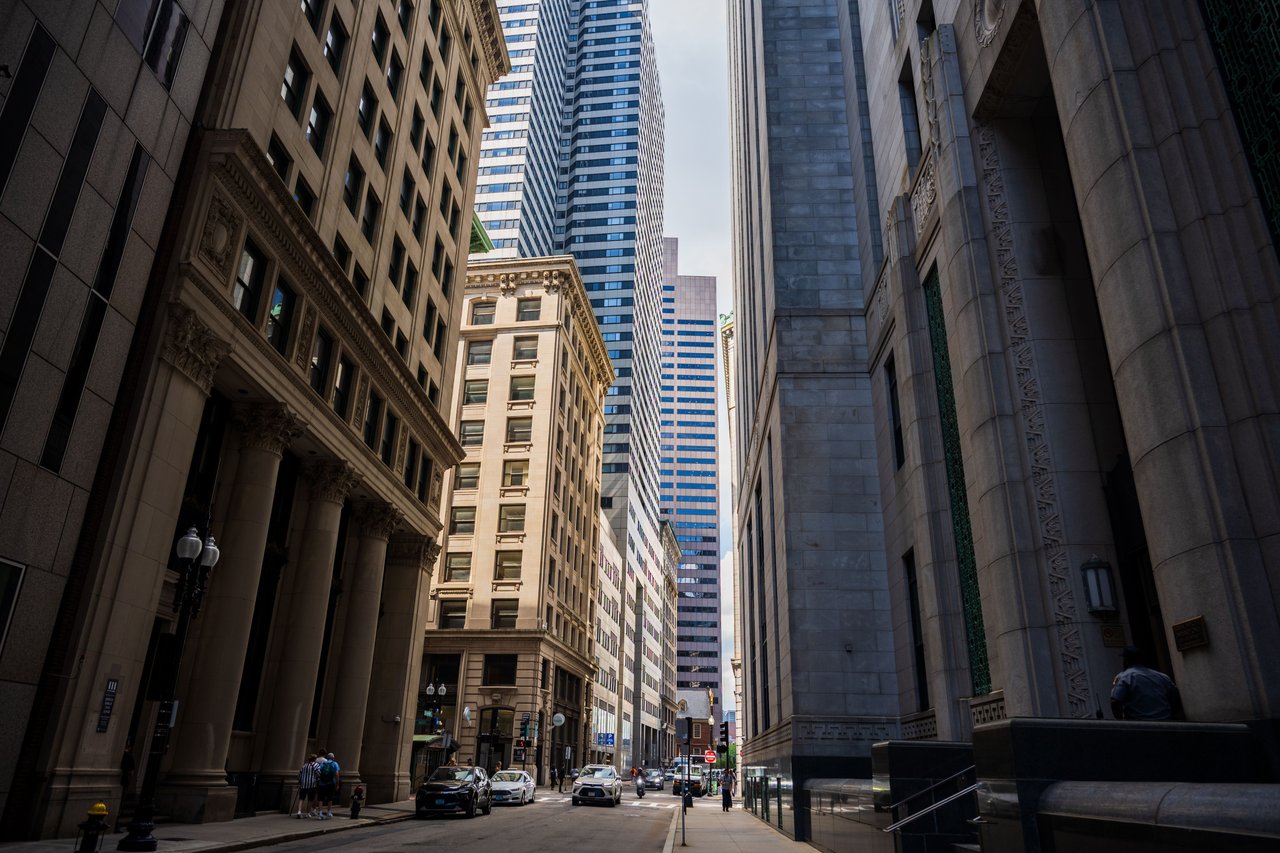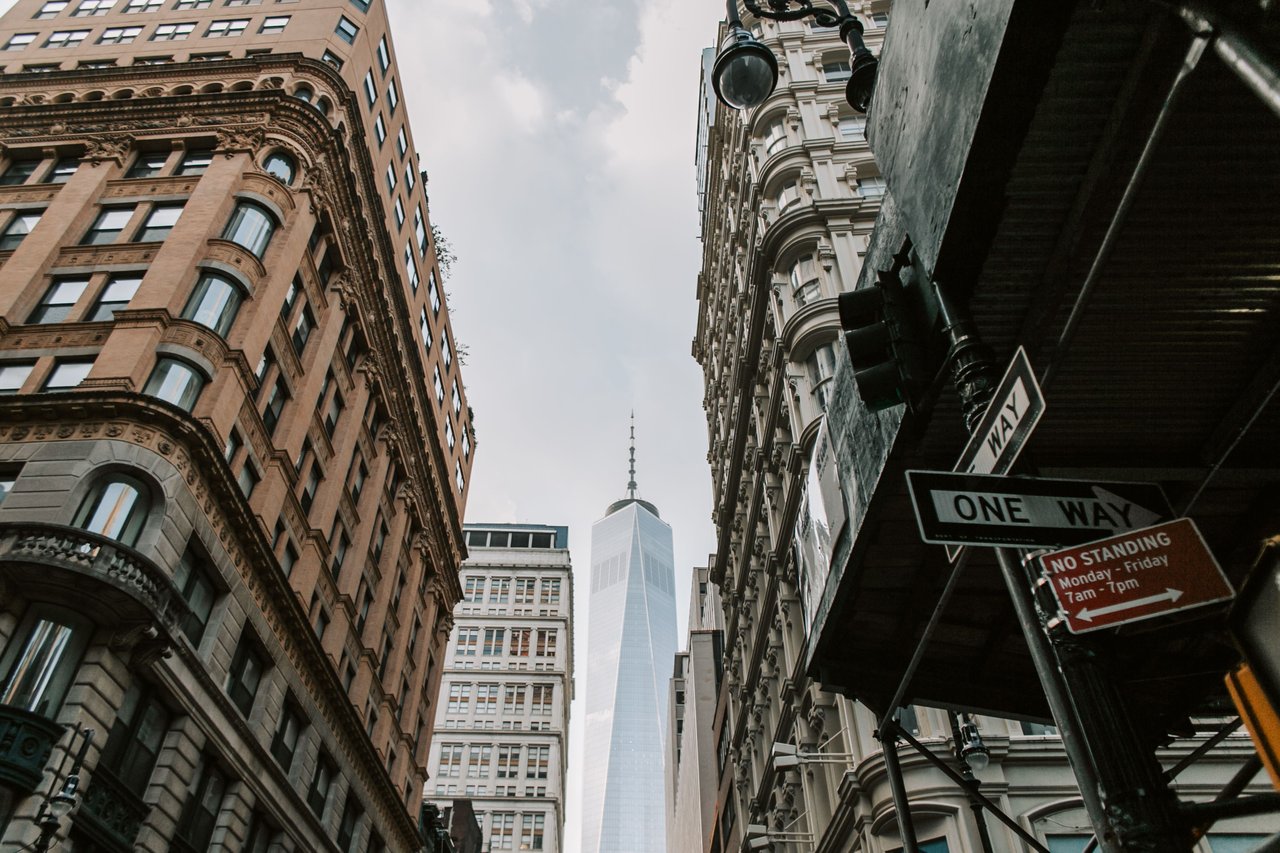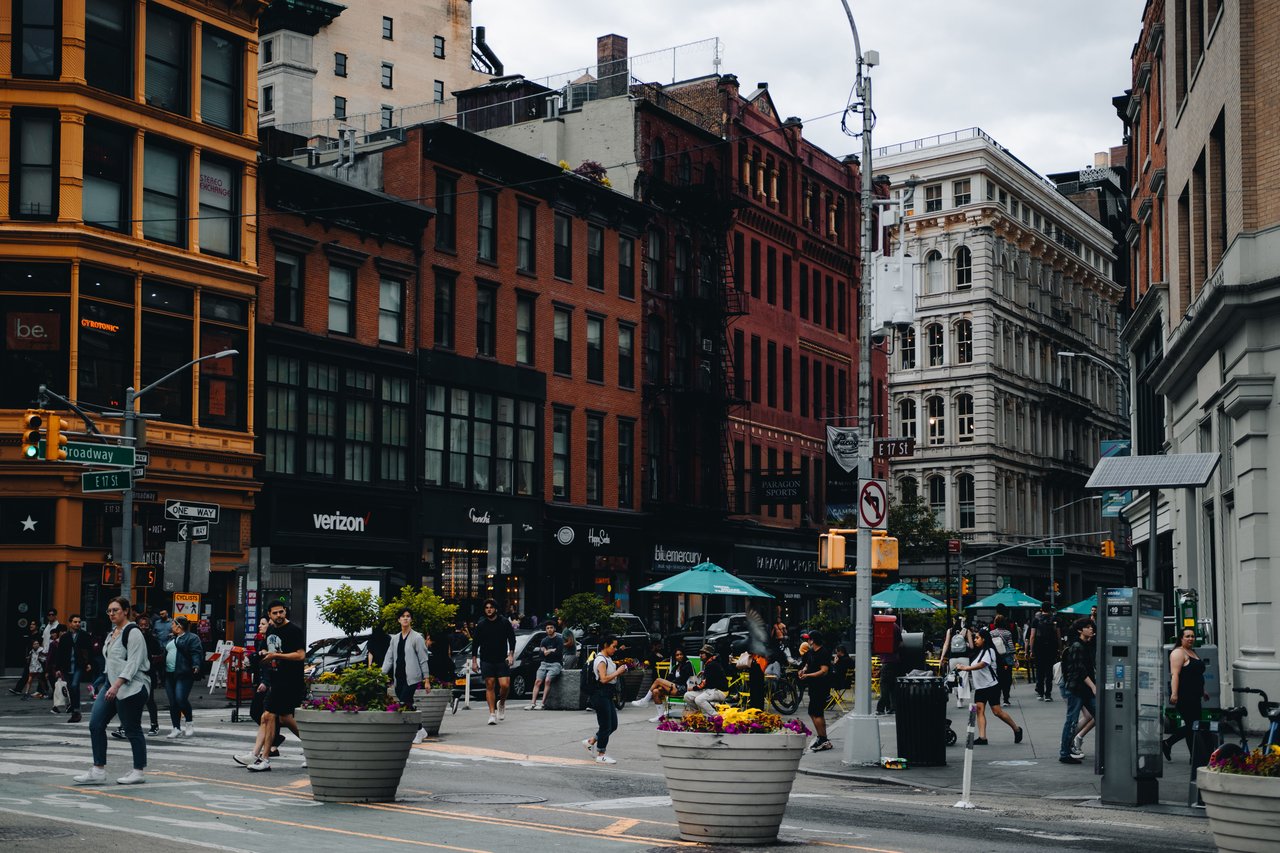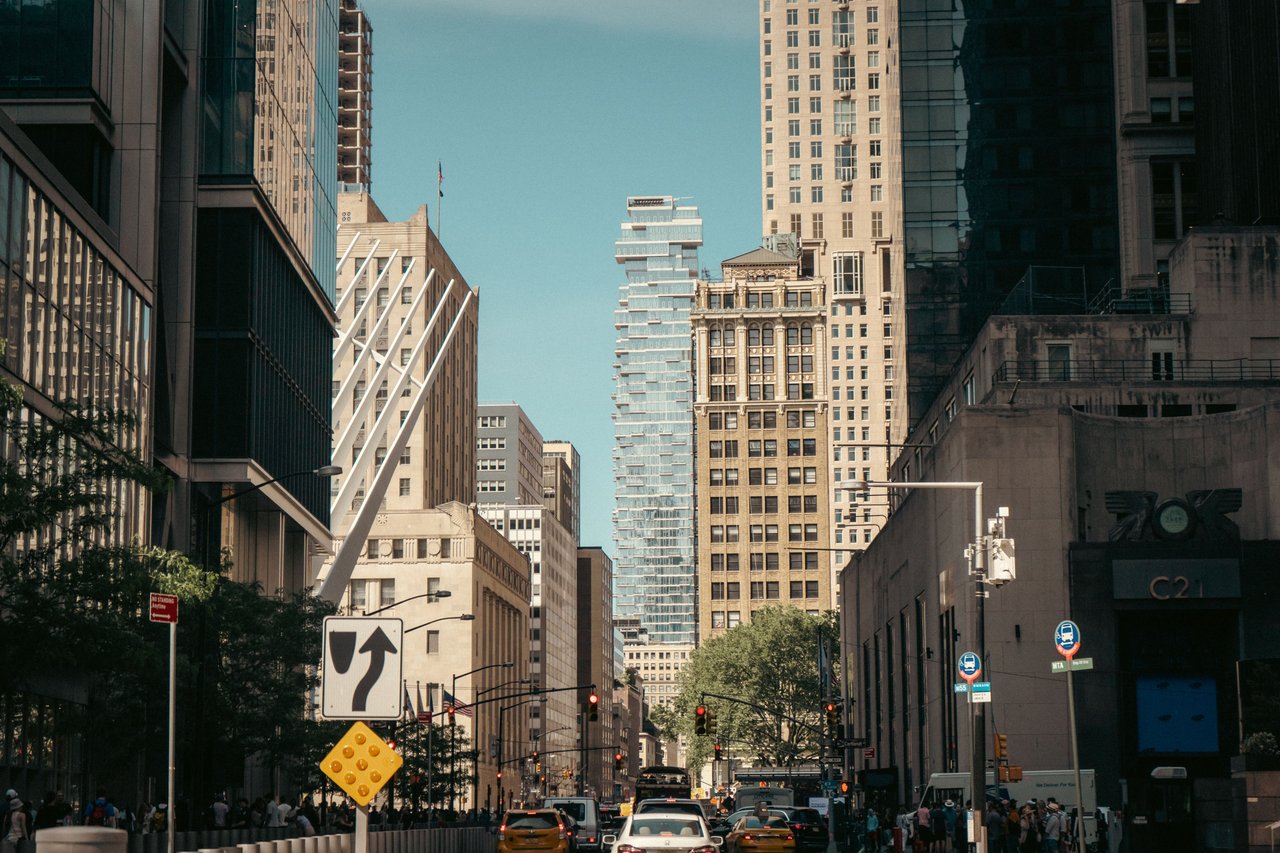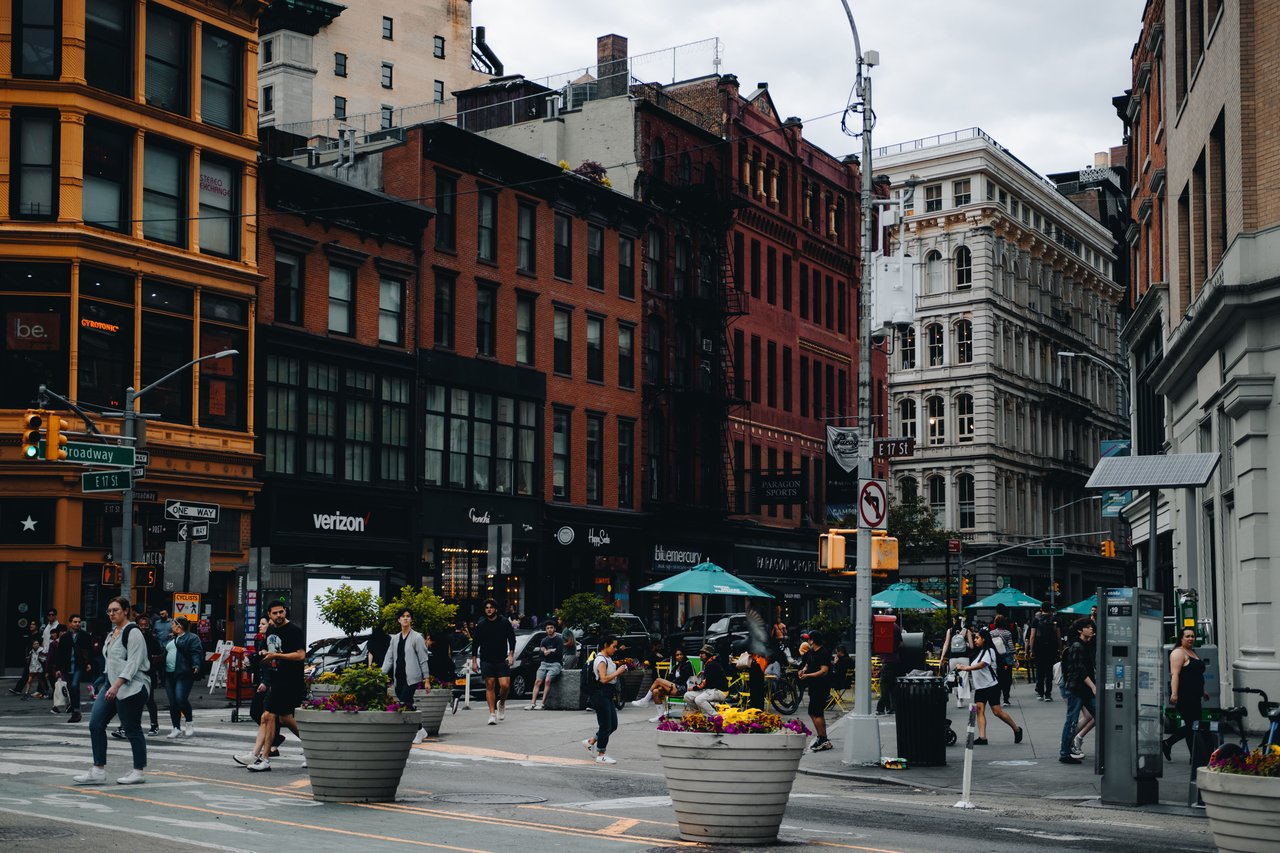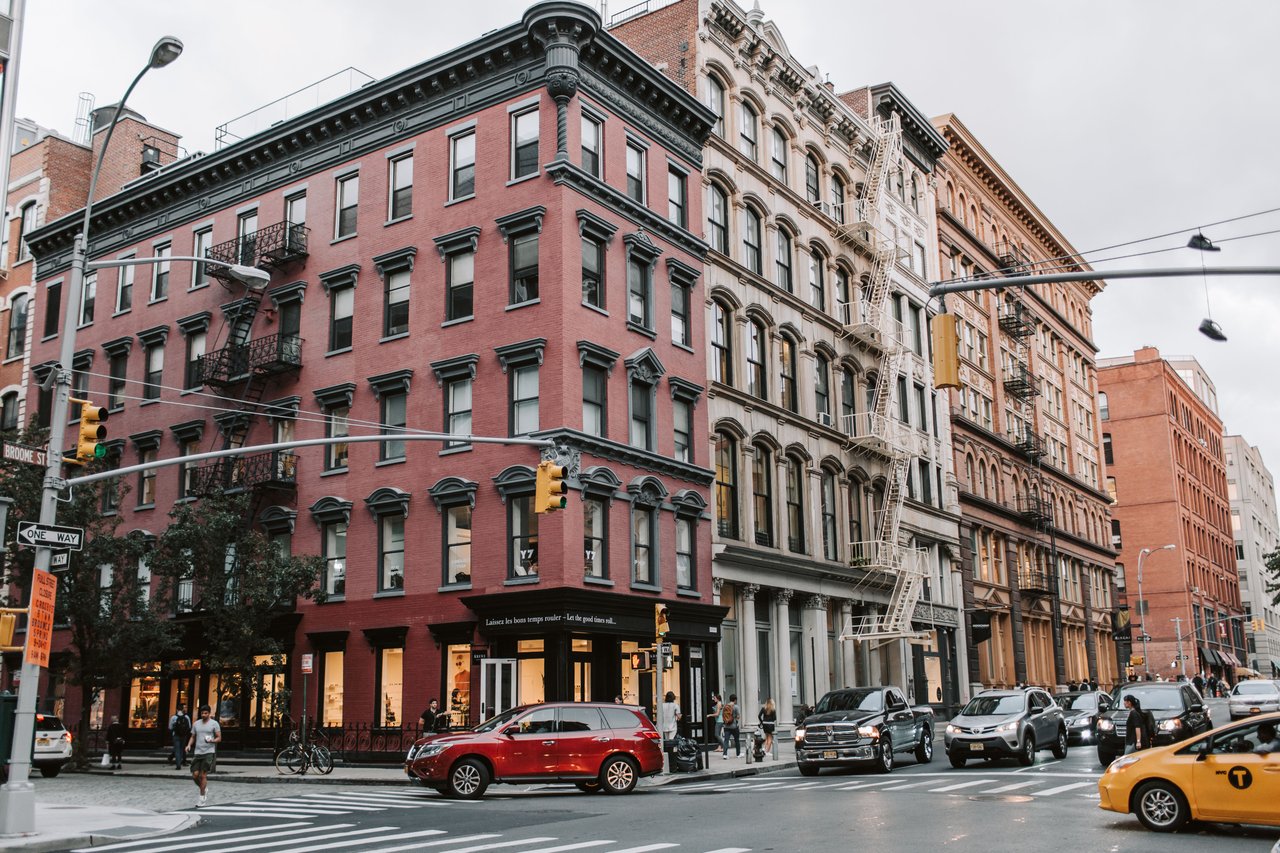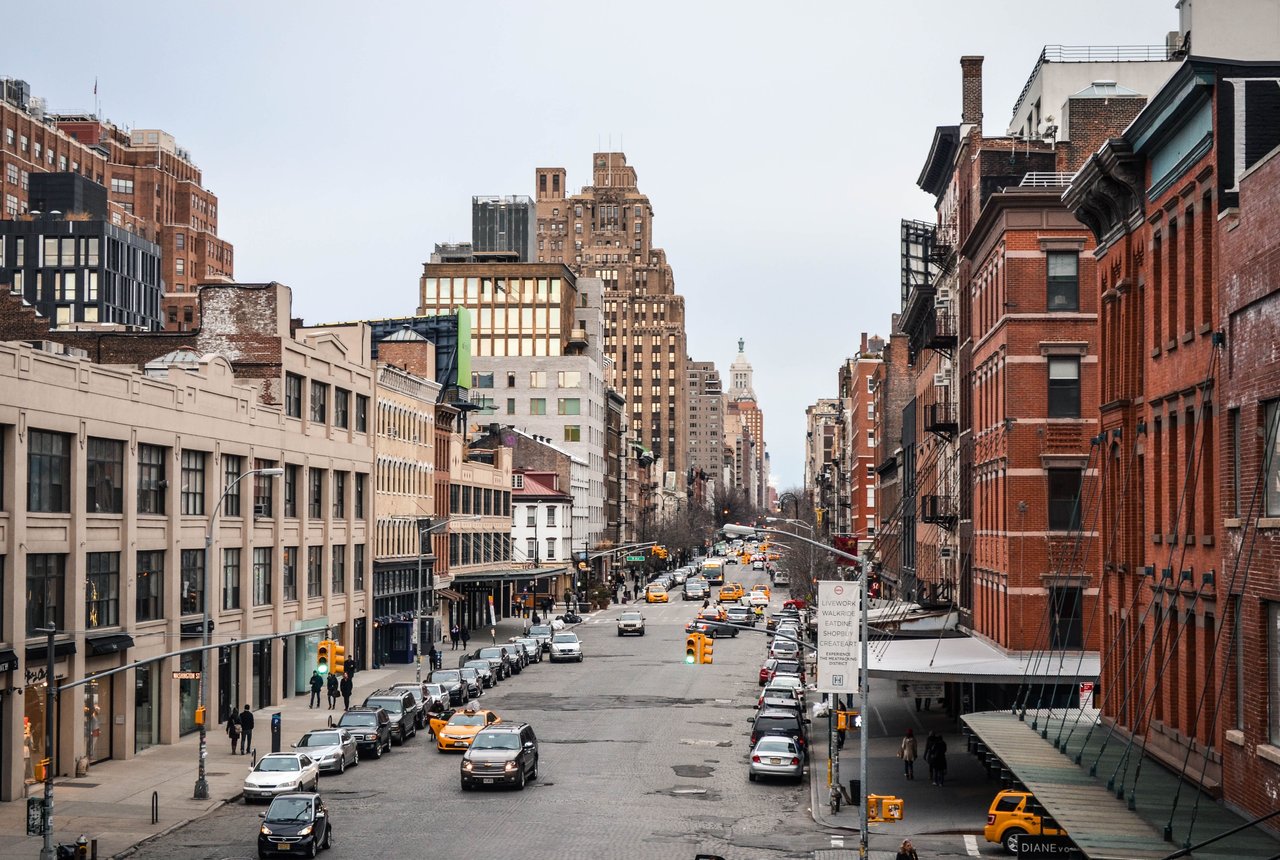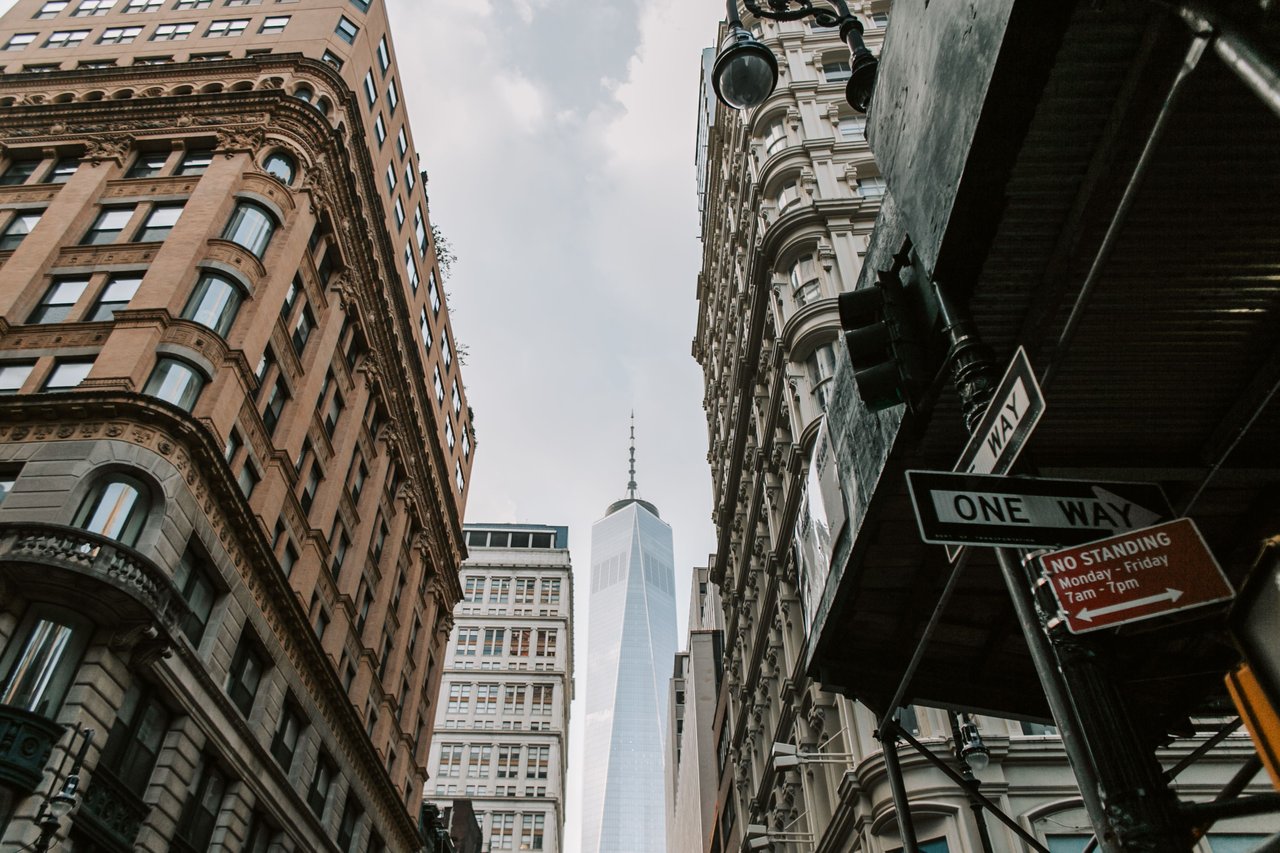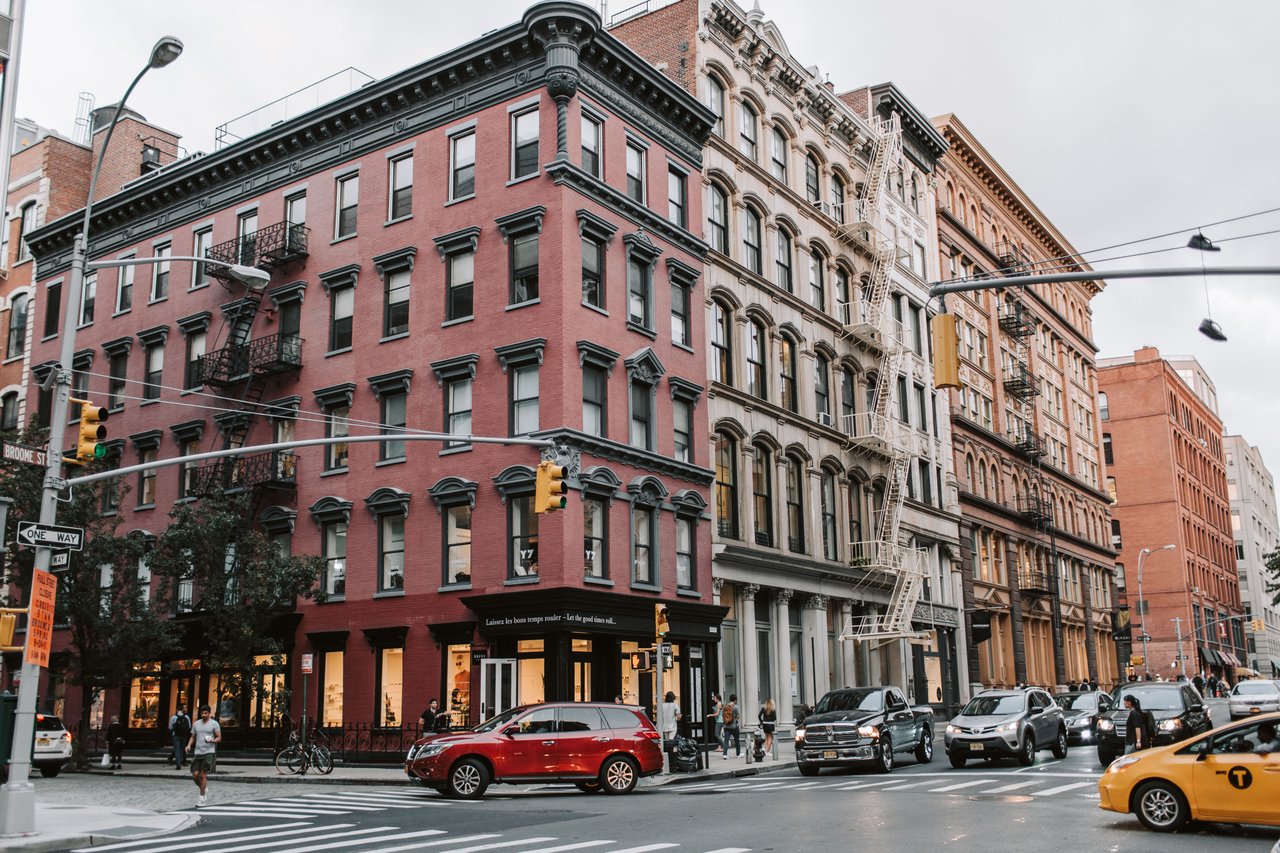
Murray Street is one of Tribeca's most fascinating architectural corridors, where the history of New York City's commercial development can be traced through nineteenth-century Italianate loft buildings, pioneering cast-iron architecture, historic warehouses, and contemporary residential towers. Stretching westward from Broadway through Lower Manhattan, the street reveals how a former residential neighborhood became an important wholesale district before evolving into the modern architectural landscape of Tribeca.
The street's most remarkable architectural legacy is its connection to the early development of cast-iron construction. Murray Street was home to one of New York City's earliest iron-fronted commercial buildings, while the surviving landmark at 75 Murray Street demonstrates the extraordinary decorative possibilities of the material. Nearby, marble and brick store-and-loft buildings preserve the commercial architecture of the 1850s, when merchants were transforming Lower Manhattan into a center of wholesale trade.
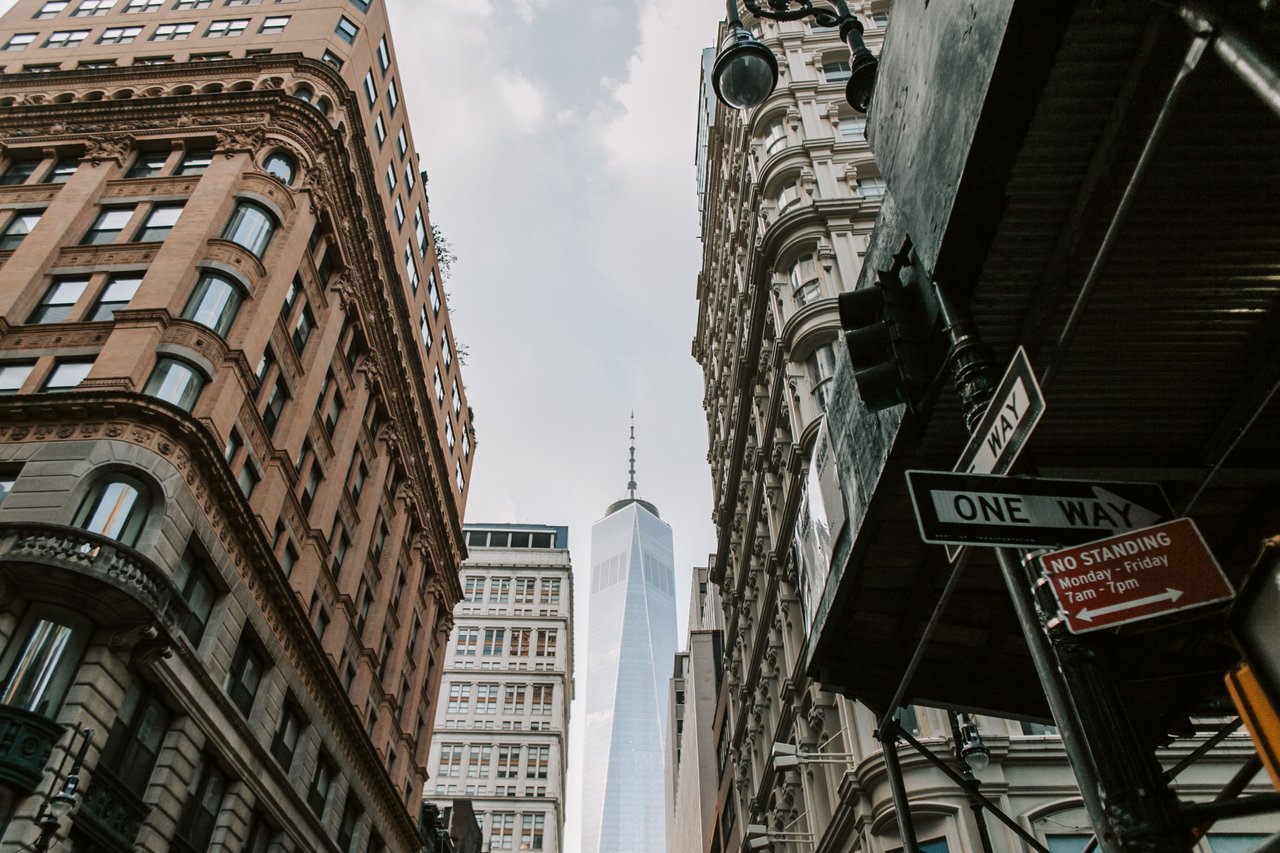
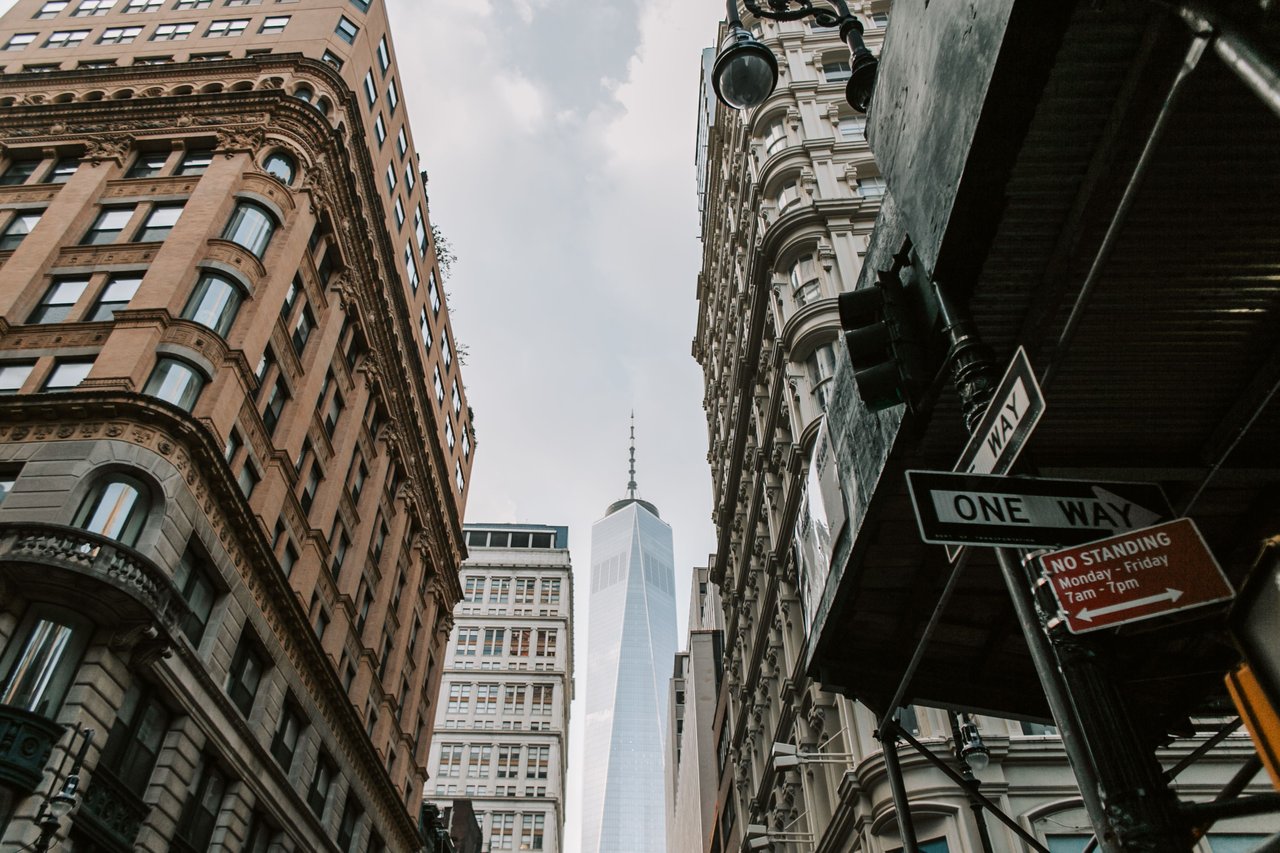
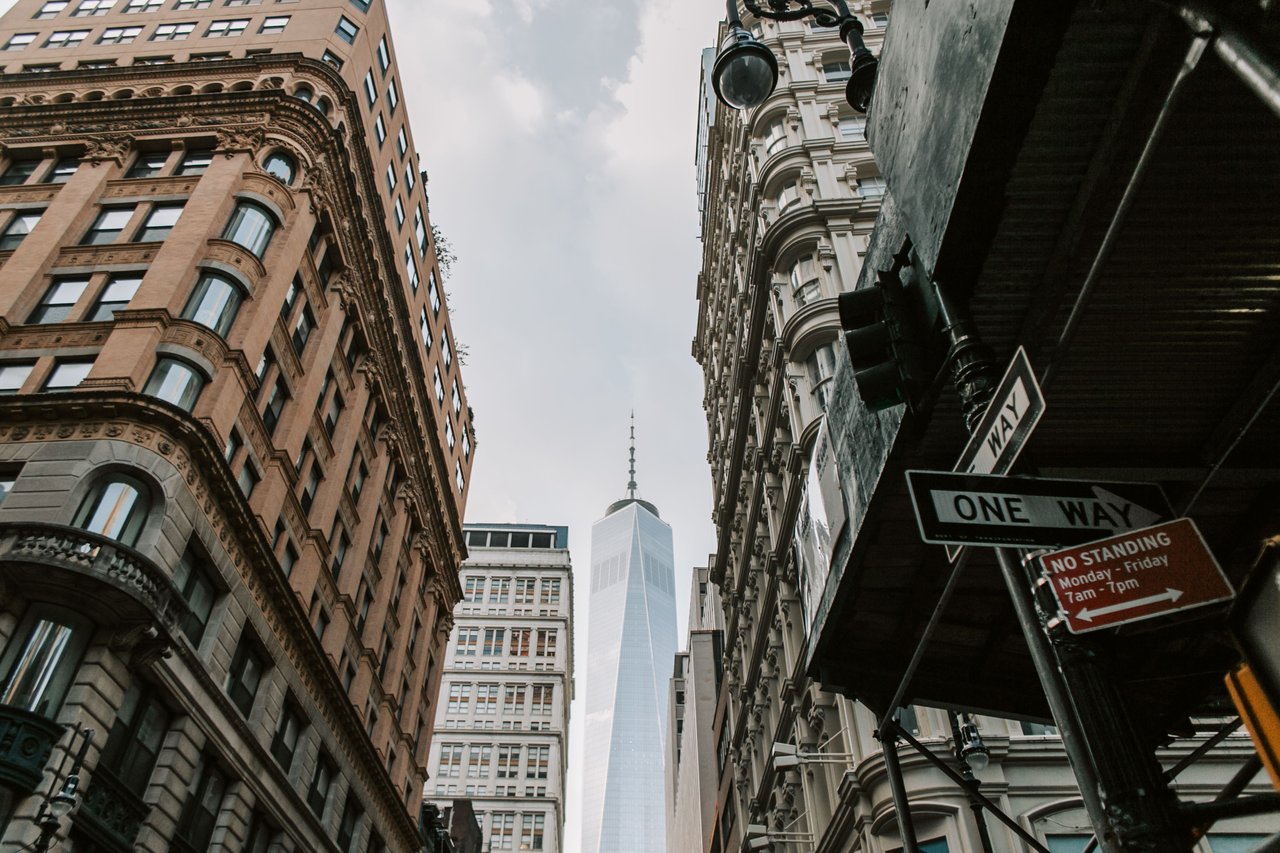
Farther west, the disappearance of historic streets and buildings during twentieth-century urban renewal created opportunities for contemporary architecture. The resulting contrast between nineteenth-century commercial facades and the glass tower at 111 Murray Street makes the street an especially revealing example of Manhattan's architectural evolution.
The Origins of Murray Street
Murray Street developed as part of the early expansion of Lower Manhattan, when land formerly associated with Trinity Church's Church Farm was gradually divided into streets and building lots.
During the eighteenth century, much of present-day Tribeca remained outside the city's densely developed commercial center. As Manhattan expanded northward, new streets provided connections between Broadway, residential neighborhoods, and the Hudson River waterfront.
Murray Street became part of this developing network of east-west roads. Its position helped connect the growing urban district with commercial activities near the river, a relationship that would become increasingly important during the nineteenth century.
The earliest buildings were relatively modest. Residences, workshops, and small commercial structures occupied narrow lots, reflecting the neighborhood's transitional character between the older city to the south and the developing districts farther north.
As Broadway became an increasingly important commercial corridor, Murray Street's location attracted more substantial development.
Why Is It Called Murray Street?
Murray Street takes its name from the Murray family, whose members were associated with the early history and development of New York City.
The family name also appears elsewhere in Manhattan's historical geography, reflecting the influence of prominent colonial-era landowners and merchants on the city's street names.
The naming of Murray Street belongs to the period when Lower Manhattan's former estates and agricultural properties were being incorporated into an expanding urban street network.
Although the street's buildings and surrounding landscape have changed considerably, its name preserves a connection to the city's early development.
Murray Street Before the Wholesale District
During the early nineteenth century, Murray Street was primarily a mixed residential and commercial street.
Modest Federal-style buildings occupied portions of the surrounding neighborhood, with brick facades, regularly arranged windows, and restrained architectural details. As Lower Manhattan developed, Greek Revival influences introduced heavier window lintels, classical entrance surrounds, and more prominent cornices.
Many buildings were constructed on narrow lots and contained only a few stories. Workshops and small businesses operated alongside residences, creating a varied architectural environment.
The street's character began changing as New York City's commercial economy expanded. The growth of Broadway and the surrounding wholesale districts increased demand for larger structures with flexible interior spaces.
By the middle of the nineteenth century, much of Murray Street's earlier architecture was being replaced by purpose-built commercial buildings.
The Commercial Transformation of Murray Street
The 1850s marked an important turning point in Murray Street's architectural development.
New York's wholesale dry-goods trade expanded into the blocks west of Broadway, creating demand for substantial buildings where merchants could display, store, and distribute goods.
Developers responded by constructing five-story store-and-loft buildings with large commercial storefronts and flexible upper floors.
These structures were more substantial than the earlier residential buildings they replaced. Their masonry walls, large windows, and open interiors reflected the practical requirements of wholesale commerce.
Architects also introduced elaborate decorative details. Italianate facades, marble window surrounds, cast-iron storefronts, and projecting cornices transformed commercial buildings into impressive architectural statements.
The rapid pace of redevelopment created a relatively cohesive streetscape, particularly between Church Street and West Broadway.
Italianate Architecture on Murray Street
Italianate architecture became one of the defining styles of Murray Street during the mid-nineteenth century.
Inspired by Renaissance palaces, the style emphasized carefully organized facades, decorative window surrounds, substantial cornices, and classical architectural elements.
On Murray Street, these features were adapted to commercial buildings rather than traditional residences. Large storefront openings accommodated wholesale businesses, while upper floors provided space for showrooms, offices, and storage.
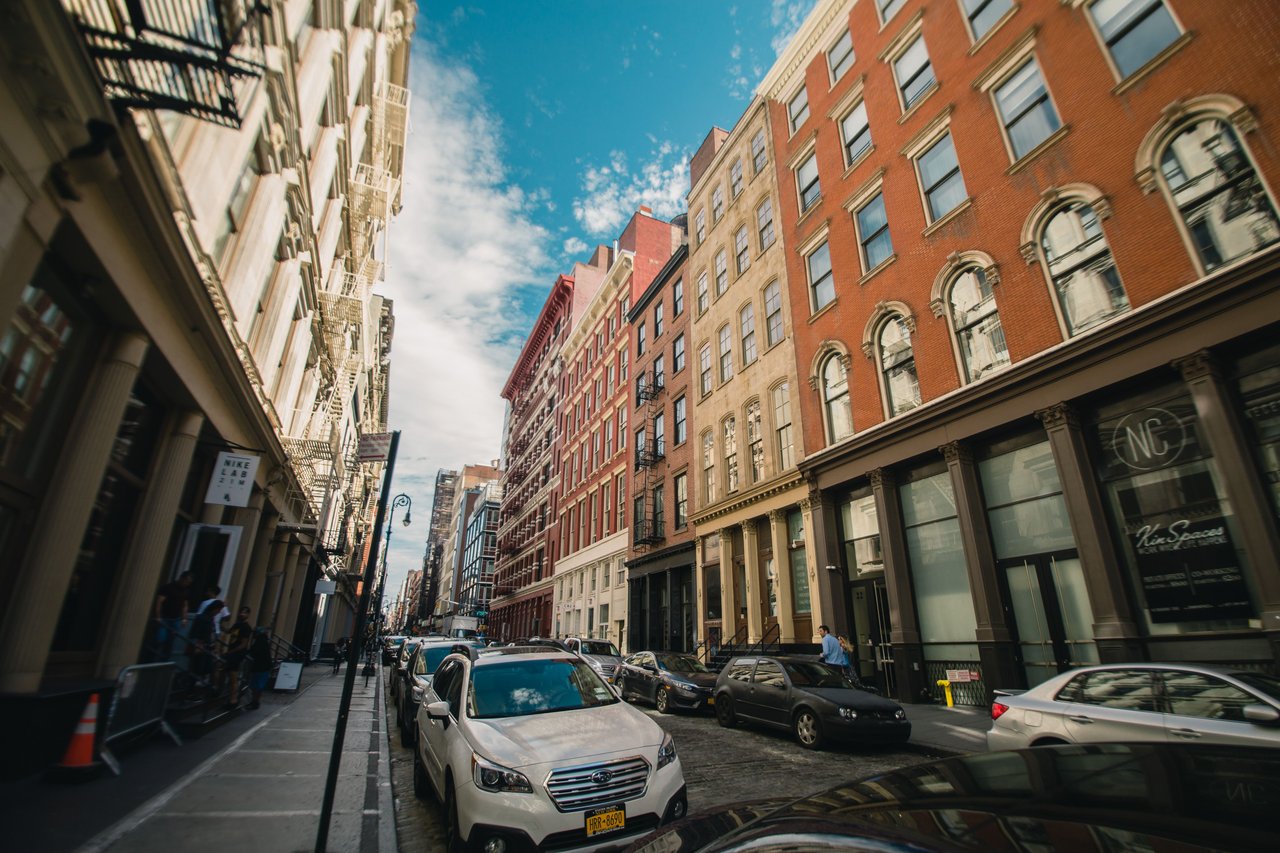
Marble, brick, and cast iron were frequently combined to create distinctive facades. Arched windows and decorative lintels gave the buildings an elegant appearance, while substantial cornices emphasized their horizontal proportions.
The surviving commercial buildings on the north side of Murray Street preserve an important record of this architectural period.
Their consistent scale and decorative details reflect the expansion of the wholesale district during the years immediately preceding the Civil War.
The Historic Buildings at 41–55 Murray Street
The north side of Murray Street between Church Street and West Broadway contains an important collection of nineteenth-century commercial architecture.
The buildings at 41–55 Murray Street form part of the Tribeca South Historic District Extension, designated by the New York City Landmarks Preservation Commission in 2002.
These structures were constructed primarily during the 1850s, when the surrounding neighborhood became a major center of wholesale commerce.
Their Italianate facades incorporate decorative masonry, carefully proportioned windows, and substantial cornices. Historic storefront elements reflect the importance of commercial activity at street level.
Although individual buildings have experienced alterations, the group retains the architectural rhythm characteristic of mid-nineteenth-century store-and-loft construction.
The preservation of these buildings is particularly significant because their collective appearance illustrates the rapid transformation of Murray Street into a commercial corridor.
The Architecture of the Store-and-Loft Building
The store-and-loft building became the dominant commercial building type in much of nineteenth-century Tribeca.
These structures were designed to accommodate multiple business functions within a relatively compact urban footprint.
Ground-floor storefronts provided direct access to the street and allowed merchants to display merchandise. Upper floors offered open spaces for storage, wholesale transactions, offices, and related commercial activities.
Large windows brought natural light into the interiors, while substantial structural systems supported the weight of stored goods.
Architectural ornamentation distinguished individual buildings and helped communicate the importance of their commercial occupants.
Along Murray Street, Italianate store-and-loft buildings demonstrate how practical business requirements influenced the architectural appearance of Lower Manhattan.
Their adaptable interiors later made many of these buildings suitable for conversion into offices and residential lofts.
Cast-Iron Architecture and Murray Street
Murray Street occupies an important place in the history of cast-iron architecture in New York City.
During the middle of the nineteenth century, cast iron became an increasingly popular material for commercial buildings because it could be manufactured into slender structural elements and elaborate decorative components.
The material allowed architects to create large storefront windows, ornamental columns, and richly detailed facades.
Cast-iron components could be produced in foundries and assembled on construction sites, offering new possibilities for commercial construction.
Murray Street became associated with some of the earliest and most significant experiments in this building technology.
The architectural legacy of James Bogardus, an influential innovator in cast-iron construction, is particularly important to the street's history.
The Lost Laing Stores Building at Murray and Washington Streets
One of the most historically significant buildings ever constructed on Murray Street was the Laing Stores building, also known as the Bogardus Building.
Originally located at the northwest corner of Murray Street and Washington Street, the building was constructed in 1848–1849 and is recognized as a pioneering example of cast-iron commercial architecture.
James Bogardus used prefabricated iron components to create a commercial building that demonstrated the possibilities of this innovative construction method.
The structure represented a major departure from traditional masonry construction and helped establish the architectural principles that would influence later iron-fronted buildings.
During the twentieth century, the surrounding area became part of a major urban renewal project. The building was dismantled in the late 1960s, with the intention of preserving its historic iron facade.
Unfortunately, significant portions of the salvaged architectural elements disappeared, preventing the building's reconstruction.
Although the Laing Stores building no longer survives, its former location on Murray Street remains an important site in the history of American commercial architecture.
The Hopkins Store at 75 Murray Street
The building at 75 Murray Street is one of the most important surviving examples of early cast-iron commercial architecture in New York City.
Known historically as the Hopkins Store, the building was constructed in 1857–1858 and is associated with the architectural innovations of James Bogardus.
Its elaborate cast-iron facade incorporates Italian Renaissance-inspired details, including decorative columns, arched windows, ornamental moldings, and a substantial cornice.
The composition resembles a Venetian Renaissance palace, translating classical architectural forms into prefabricated iron components.
The building originally accommodated a glassware business, reflecting the commercial character of Murray Street during the nineteenth century.
Its preservation is especially significant because many early cast-iron buildings were demolished during later periods of redevelopment.
Today, 75 Murray Street is a designated New York City landmark and an important surviving example of the architectural innovations that transformed commercial construction.
The Architectural Details of 75 Murray Street
The facade of 75 Murray Street demonstrates the decorative possibilities of nineteenth-century cast-iron construction.
Its upper stories feature paired arched windows framed by ornamental columns and classical details. Circular openings above the arches introduce additional visual complexity.
Decorative moldings and a projecting cornice complete the Renaissance-inspired composition.
Unlike conventional masonry facades, the architectural elements were manufactured from iron, allowing elaborate forms to be reproduced and assembled.
The resulting building combines structural innovation with ornamental sophistication.
Its appearance illustrates why cast iron became an attractive material for commercial developers seeking impressive buildings with large windows and flexible interiors.
The Commercial Building at 65 Murray Street
The building at 65 Murray Street provides another important example of historic commercial architecture.
Designed by William Bloodgood and constructed in 1895, the building incorporates brick and iron elements characteristic of late nineteenth-century store-and-loft construction.
Its facade features an ornamental iron storefront, decorative moldings, and an arrangement of arched openings separated by pilasters with Corinthian capitals.
A substantial cornice completes the composition, reflecting the continued influence of classical architectural forms on commercial buildings.
Although constructed several decades after the earliest Italianate buildings on Murray Street, the structure demonstrates the enduring importance of decorative ironwork.
Its architectural relationship with the landmark at 75 Murray Street makes this portion of the street particularly significant.
Murray Street and Broadway
Broadway forms the eastern entrance to Murray Street's historic Tribeca corridor.
During the nineteenth century, Broadway became one of Manhattan's most important commercial streets, attracting major retail establishments, wholesale merchants, and substantial office buildings.
The surrounding development influenced the architectural transformation of Murray Street, where earlier residences were replaced by commercial structures.
Italianate facades, cast-iron storefronts, and substantial masonry buildings reflected the commercial ambitions of the period.
As Broadway continued to develop during the late nineteenth and early twentieth centuries, taller office buildings introduced additional architectural layers.
The intersection illustrates the relationship between Tribeca's historic commercial streets and the larger business district of Lower Manhattan.
Murray Street and Church Street
Church Street intersects Murray Street within an area historically associated with the expansion of Manhattan's wholesale district.
The surrounding blocks developed with substantial store-and-loft buildings during the middle of the nineteenth century.
The north side of Murray Street preserves important examples of this commercial architecture, particularly within the Tribeca South Historic District Extension.
Decorative masonry facades, large windows, and substantial cornices remain defining features.
The intersection also illustrates the importance of Church Street as a north-south commercial and transportation corridor.
Despite changes in surrounding uses, the surviving nineteenth-century buildings continue to preserve the architectural character of the former wholesale district.
Murray Street and West Broadway
West Broadway marks an important transition in Murray Street's architectural landscape.
To the east, the street contains a concentration of nineteenth-century commercial buildings associated with the wholesale dry-goods trade.
Farther west, the architectural environment becomes more varied, incorporating later commercial structures, former warehouses, and contemporary residential development.
The intersection reflects the irregular street alignments characteristic of Lower Manhattan before the introduction of the numbered grid farther north.
Historic commercial buildings near West Broadway preserve evidence of the neighborhood's nineteenth-century development, while newer construction illustrates its continuing transformation.
The relationship between these different architectural periods is an important part of Murray Street's identity.
Murray Street and Greenwich Street
Greenwich Street connects Murray Street with one of western Tribeca's historic commercial corridors.
During the nineteenth century, the surrounding neighborhood developed with warehouses, commercial buildings, and transportation facilities associated with the Hudson River waterfront.
Brick masonry, substantial structural systems, and large commercial windows were common architectural features.
During the twentieth century, urban renewal and redevelopment transformed portions of this area, replacing some historic streets and buildings with larger institutional and residential structures.
The intersection therefore illustrates the changing relationship between Murray Street and the former commercial waterfront.
Murray Street and Washington Street
The former intersection of Murray Street and Washington Street occupies an important place in the history of New York architecture.
It was here that James Bogardus constructed the pioneering Laing Stores building in 1848–1849.
The building demonstrated the possibilities of prefabricated cast-iron construction and became an influential example of early commercial architecture.
During the 1960s, urban renewal projects substantially altered the surrounding street network.
The original intersection disappeared as blocks were cleared and incorporated into larger redevelopment sites.
Although the historic building and intersection no longer exist in their original form, their history remains central to understanding Murray Street's architectural importance.
The Washington Market Urban Renewal Area
The western portion of Murray Street was significantly affected by the Washington Market Urban Renewal project during the twentieth century.
The project involved the clearance and redevelopment of substantial portions of the former commercial district.
Historic buildings were demolished, and portions of the original street network were altered or eliminated.
The changes created opportunities for larger institutional and residential developments that differed considerably from the nineteenth-century commercial architecture of Tribeca.
The disappearance of the Laing Stores building was one of the most significant architectural losses associated with this transformation.
Today, the surrounding area reflects the scale and planning principles of later twentieth-century development.
Murray Street and the Hudson River Waterfront
Historically, Murray Street provided a connection toward the commercial waterfront along the Hudson River.
During the nineteenth century, wharves, warehouses, and transportation facilities supported the movement of goods through Lower Manhattan.
The proximity of the waterfront encouraged the development of commercial buildings designed for storage and distribution.
As the shoreline changed through landfill and waterfront improvements, the relationship between the street and the river evolved.
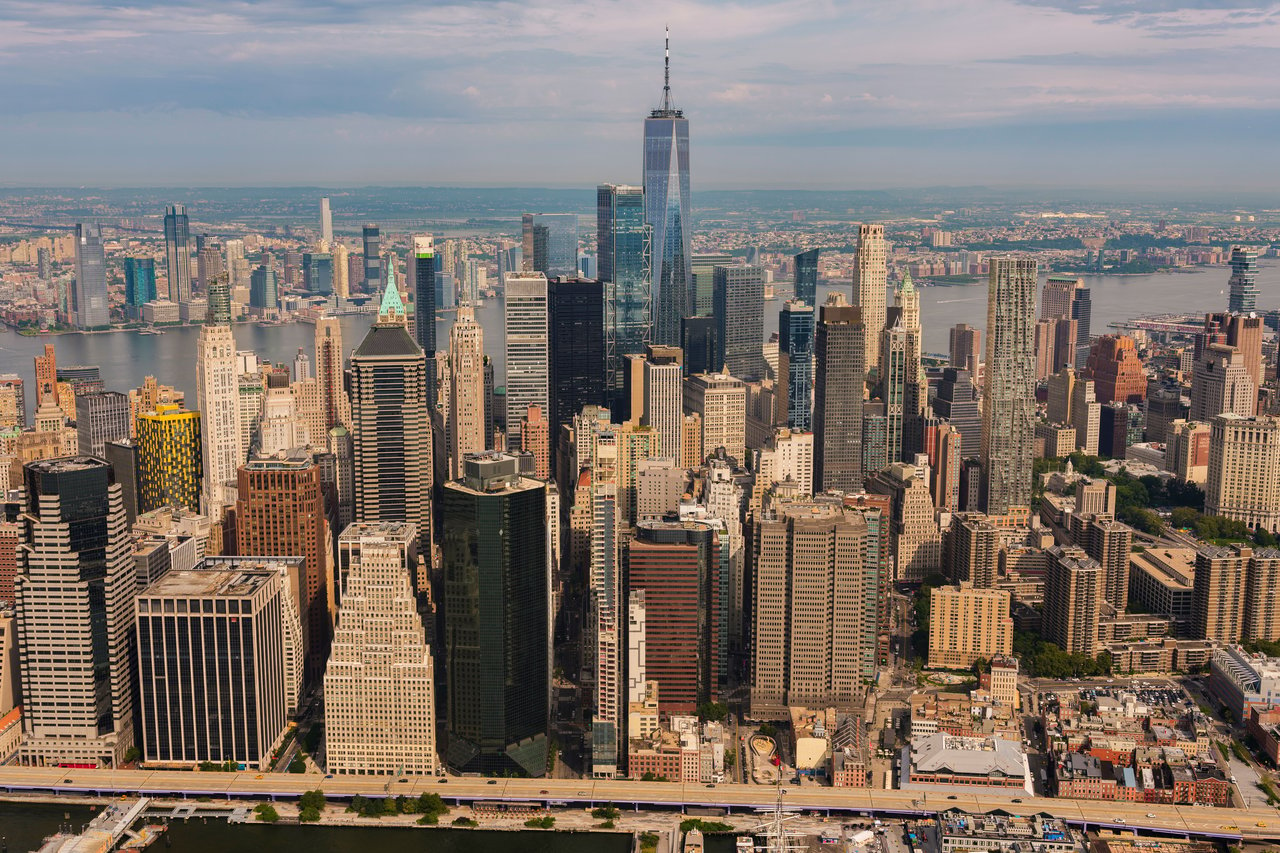
Later urban renewal and the construction of Battery Park City introduced an entirely different architectural environment to the western portion of Lower Manhattan.
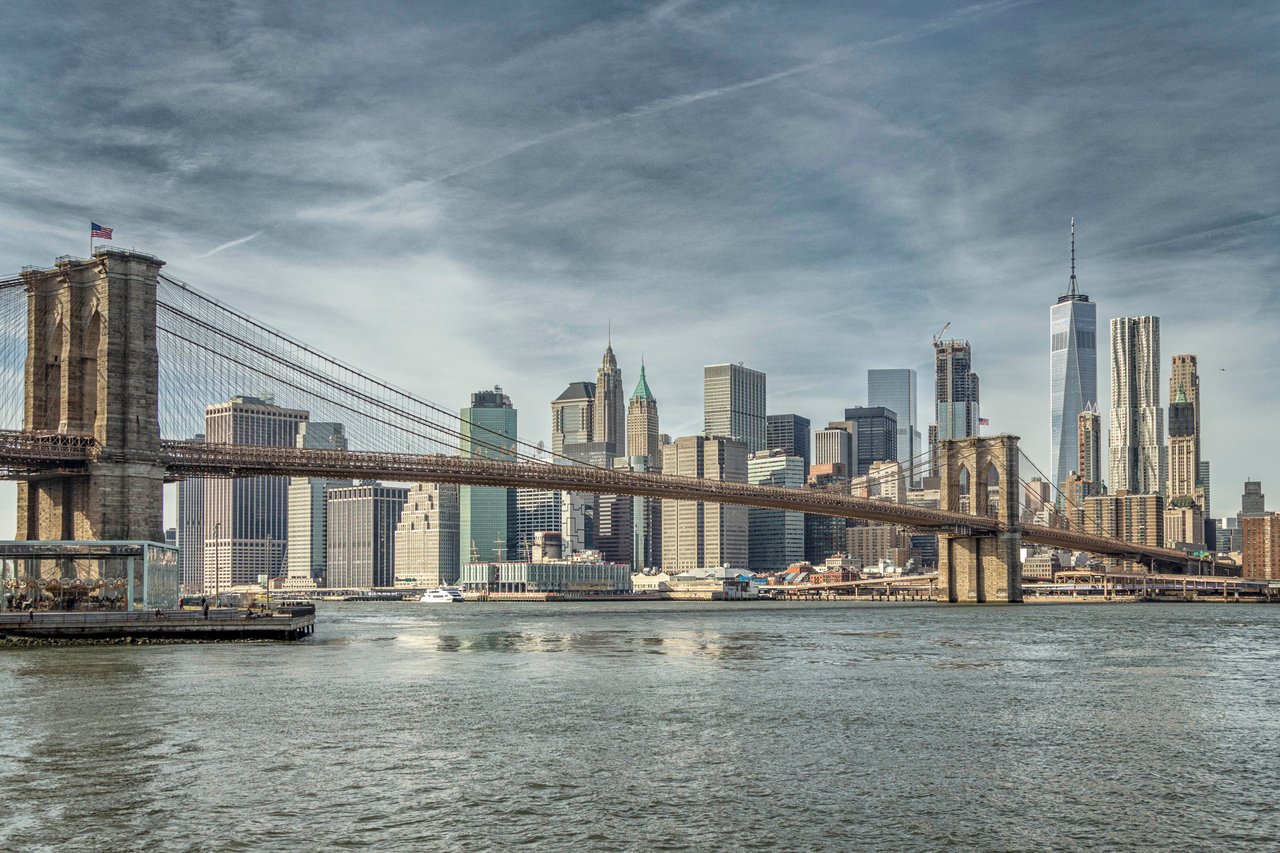
The contrast between the historic commercial buildings near Broadway and contemporary waterfront development reflects these successive transformations.
The Tribeca South Historic District Extension
The Tribeca South Historic District Extension was designated by the New York City Landmarks Preservation Commission on November 19, 2002.
The district protects a collection of predominantly five-story Italianate store-and-loft buildings constructed during the 1850s.
Its boundaries include important buildings on Murray Street, Warren Street, and Chambers Street.
The Murray Street properties at 41–55 preserve the architectural character of the former wholesale dry-goods district.
The designation recognizes the importance of their decorative facades, historic storefronts, substantial cornices, and consistent architectural proportions.
Together, these buildings represent an important surviving example of pre-Civil War commercial architecture in New York City.
The Importance of Historic District Preservation
Historic district designation has helped preserve important portions of Murray Street's nineteenth-century commercial architecture.
Within designated districts, exterior alterations are subject to applicable review by the New York City Landmarks Preservation Commission.
This process helps protect significant architectural features, including masonry facades, historic storefronts, decorative window surrounds, and cornices.
However, not every historic building on Murray Street falls within a designated district.
The landmark at 75 Murray Street is individually protected, while other historically significant structures may remain outside district boundaries.
The different levels of protection illustrate the complex relationship between architectural preservation and contemporary redevelopment in Tribeca.
The Conversion of Commercial Buildings into Residential Lofts
The conversion of former commercial buildings into residential lofts became an important part of Tribeca's transformation during the late twentieth century.
Murray Street's historic store-and-loft buildings were particularly suitable for adaptation because many contained high ceilings, large windows, substantial structural systems, and flexible interior layouts.
Renovations introduced contemporary kitchens, bathrooms, mechanical systems, and residential amenities while retaining distinctive architectural features.
Exposed brick, original columns, historic masonry, and oversized windows became defining characteristics of many converted loft residences.
The resulting interiors combine nineteenth-century commercial architecture with contemporary residential design.
Adaptive reuse has allowed significant historic buildings to remain functional while preserving much of their original architectural character.
Contemporary Architecture at 111 Murray Street
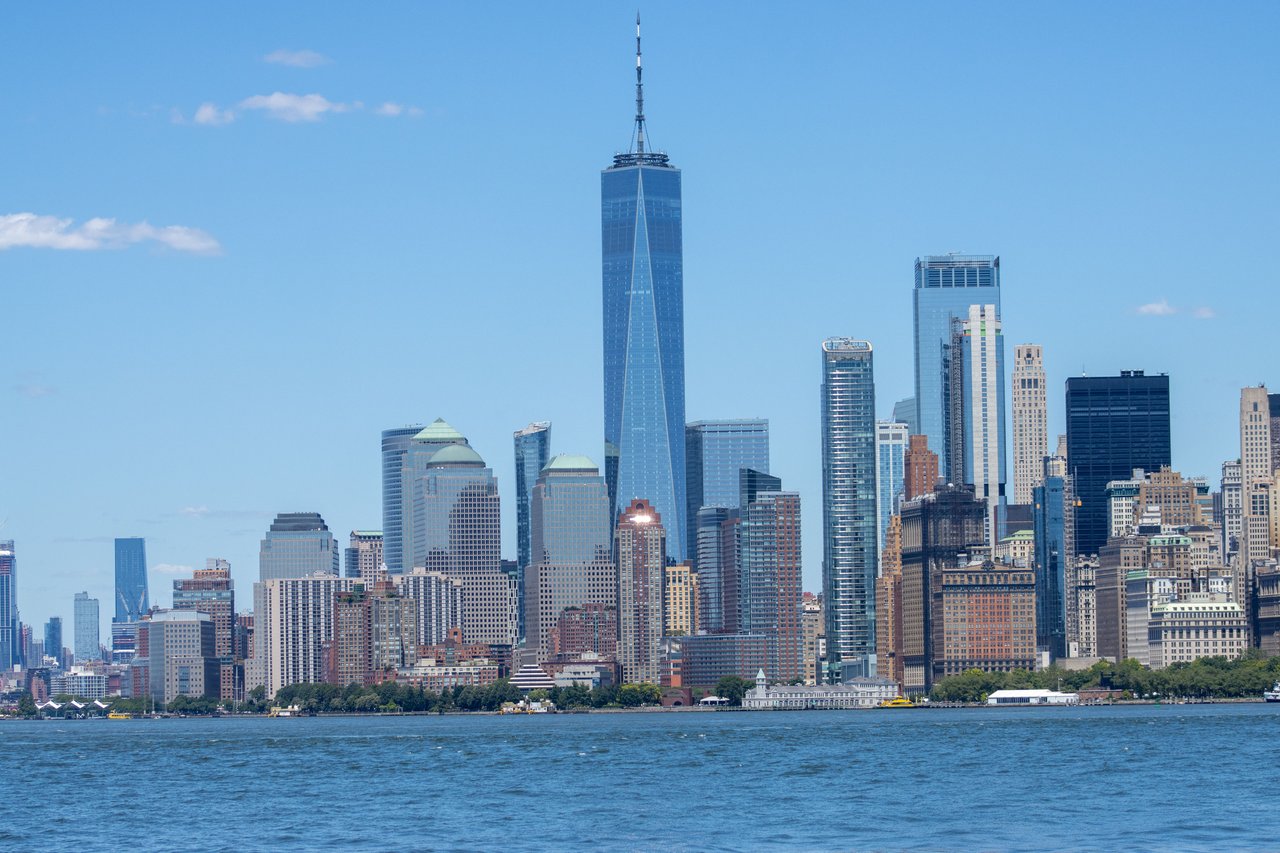
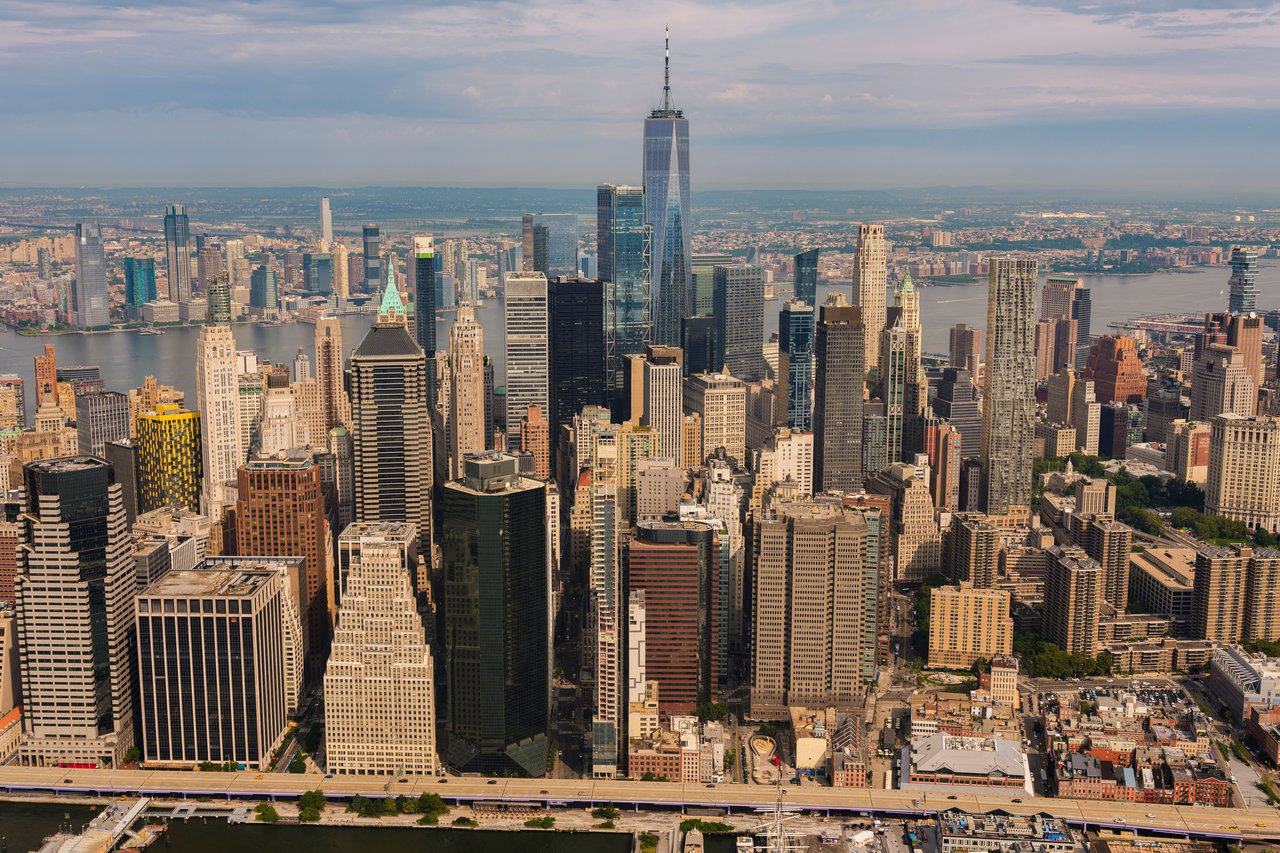
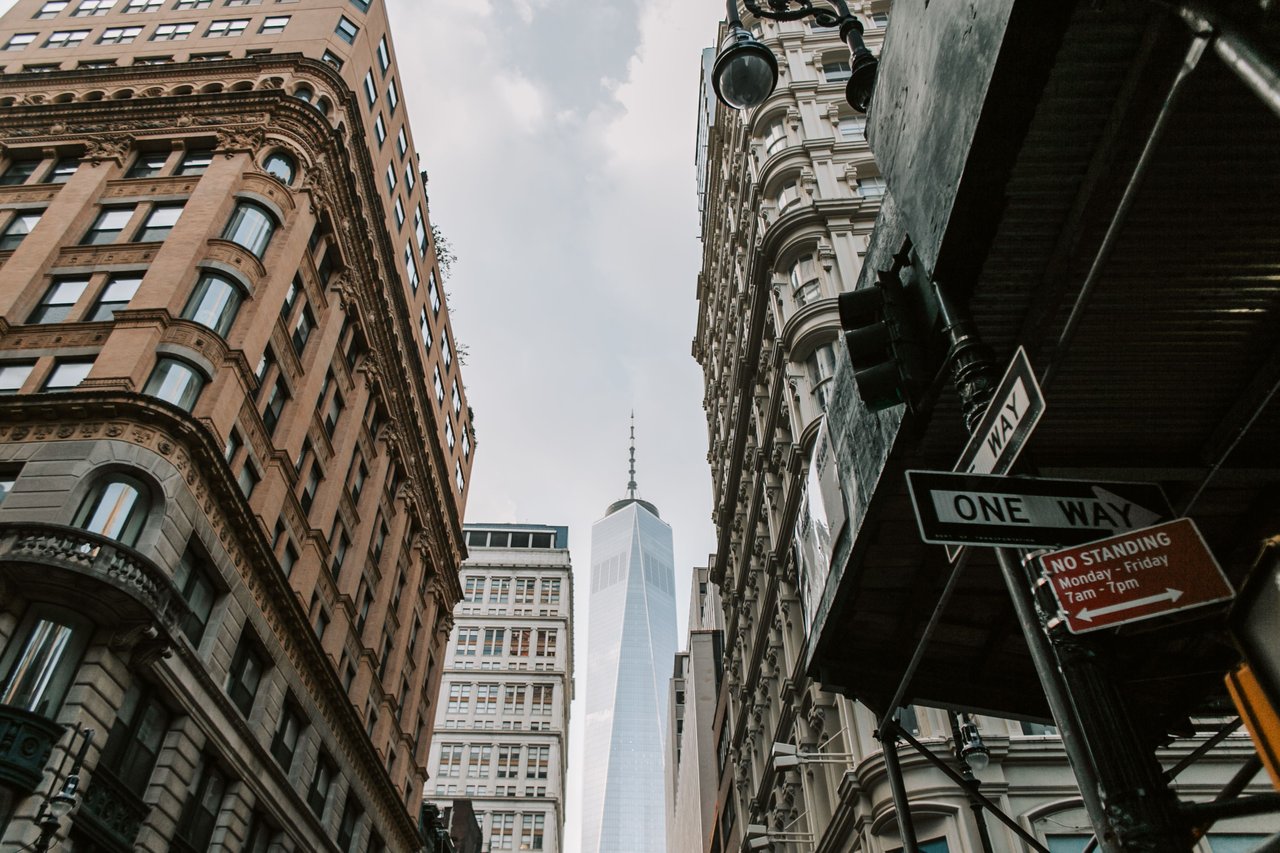
One of the most prominent contemporary buildings associated with Murray Street is the residential tower at 111 Murray Street.
Designed by Kohn Pedersen Fox, the condominium tower was completed in 2018 and rises approximately 800 feet above Lower Manhattan.
Its curved glass facade and rounded crown create a distinctive silhouette that contrasts with the masonry commercial buildings of historic Tribeca.
The tower represents a substantially different architectural approach from the nineteenth-century store-and-loft buildings farther east.
Rather than relying on decorative masonry and traditional commercial proportions, its design emphasizes glass, verticality, and contemporary structural technology.
The development illustrates how the former commercial districts of Lower Manhattan have become locations for substantial residential towers.
Its presence adds another architectural layer to Murray Street's history.
The Contrast Between Historic and Contemporary Murray Street
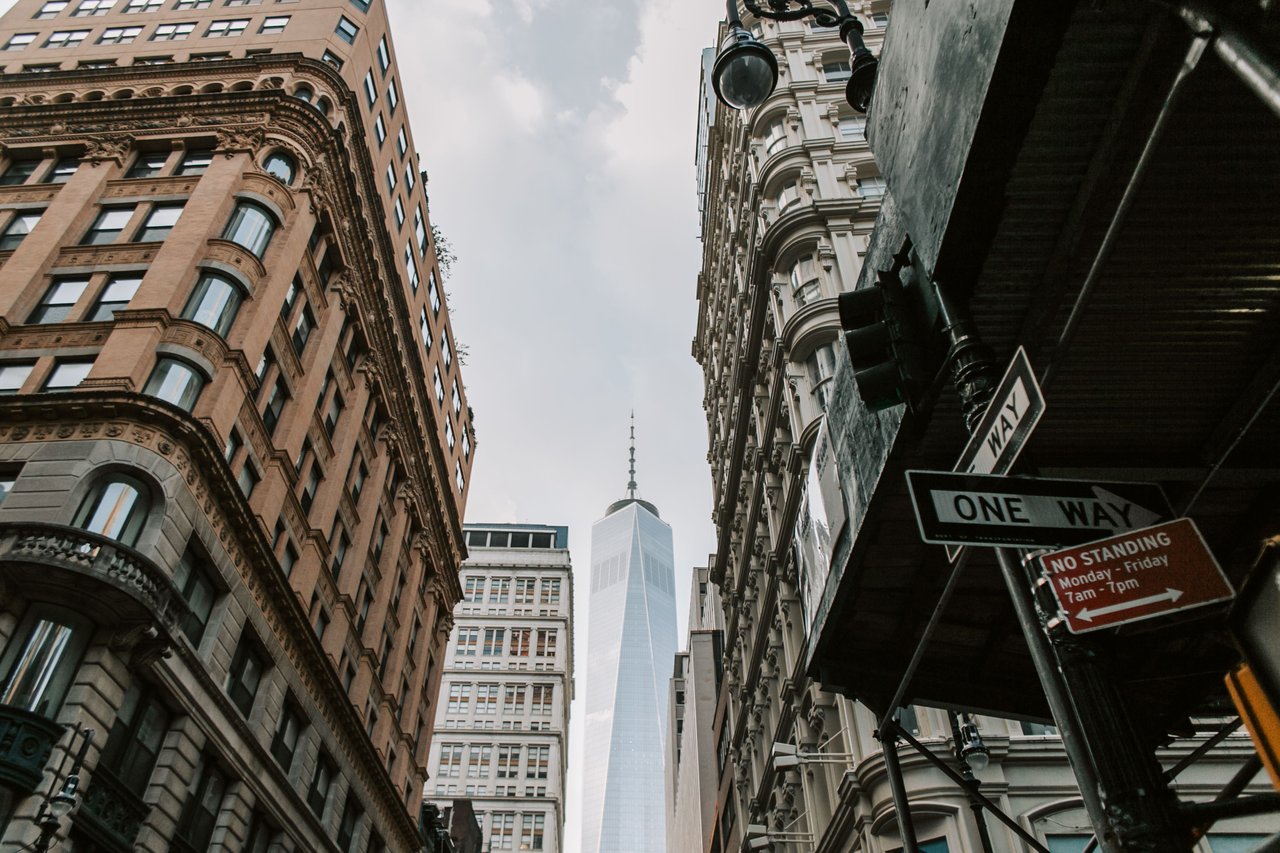
Few streets in Tribeca illustrate the contrast between historic commercial architecture and contemporary residential development as clearly as Murray Street.
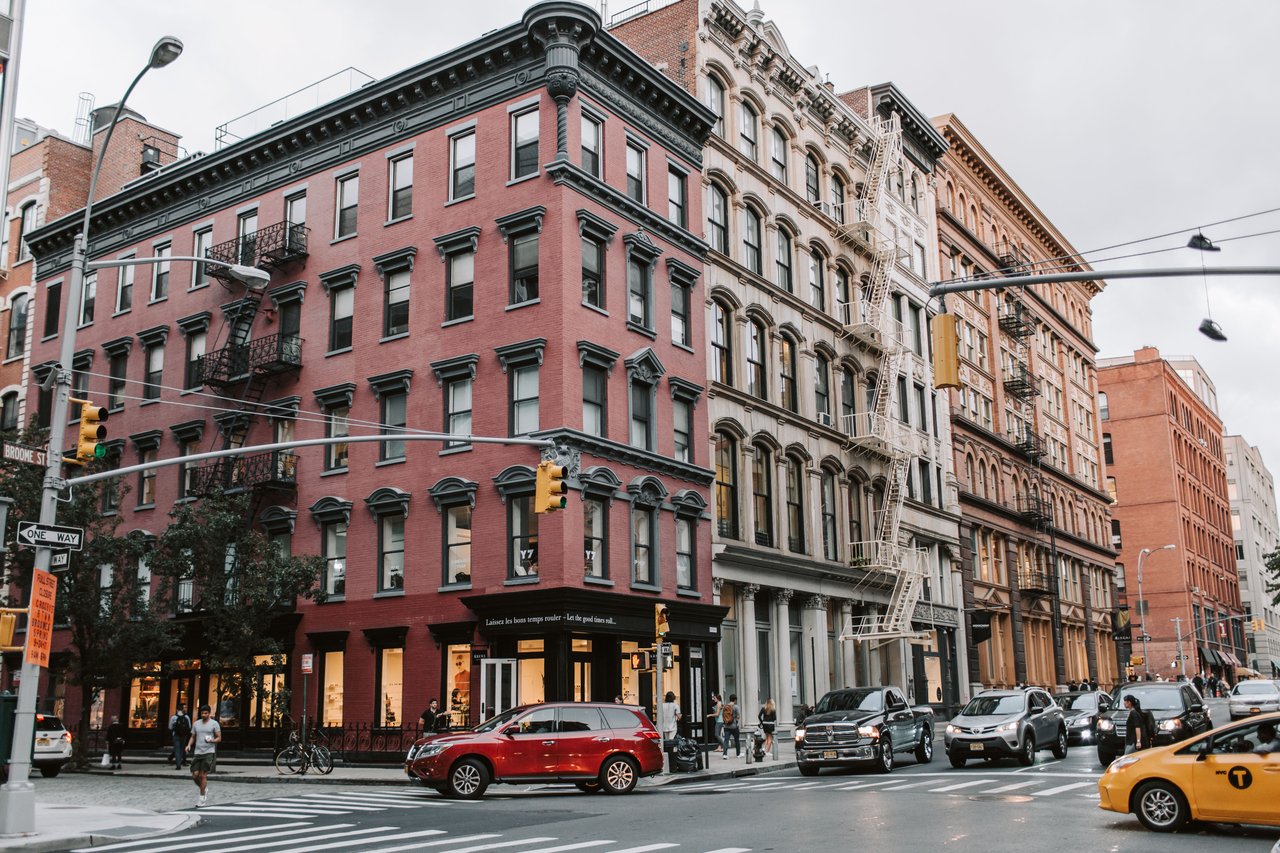
The nineteenth-century buildings near Church Street and West Broadway preserve a relatively consistent scale, with five-story masonry facades and elaborate storefront details.
The landmark at 75 Murray Street demonstrates the decorative possibilities of cast iron, while the lost Laing Stores building recalls the earliest experiments in iron-fronted construction.
Farther west, contemporary residential towers introduce a different architectural scale and material palette.
The resulting streetscape reflects the changing economic and residential functions of Lower Manhattan.
Rather than belonging to a single architectural period, Murray Street contains evidence of several major phases of New York City's development.
What Does Tribeca Stand For?
Tribeca stands for Triangle Below Canal Street, referring to the neighborhood's location south of Canal Street in Lower Manhattan.
Historically, the area was associated with the Washington Market district and the commercial neighborhoods surrounding Manhattan's western waterfront.
During the nineteenth century, Tribeca developed into an important center of wholesale commerce, manufacturing, and warehouse activity.
Its architecture was shaped by substantial store-and-loft buildings, cast-iron storefronts, brick warehouses, and later commercial structures.
During the twentieth century, former commercial buildings were increasingly converted into residential lofts, while redevelopment introduced contemporary residential architecture.
Murray Street reflects this history through its surviving nineteenth-century commercial buildings, pioneering cast-iron architecture, and modern condominium developments.
Murray Street During the Twentieth Century
During the twentieth century, Murray Street underwent substantial architectural and functional changes.
As wholesale businesses relocated, many historic commercial buildings lost their original purposes.
Some structures continued to accommodate offices and commercial activities, while others were adapted for residential use.
Urban renewal projects transformed the western portion of the neighborhood, resulting in the demolition of historic buildings and alterations to the street network.
Later preservation efforts helped protect important surviving commercial structures, including those within the Tribeca South Historic District Extension.
The combination of adaptive reuse, landmark protection, and contemporary redevelopment created the varied architectural landscape visible today.
Murray Street Today
Today, Murray Street connects several distinct architectural environments within Tribeca.
Near Broadway and Church Street, historic commercial buildings preserve the character of Manhattan's nineteenth-century wholesale district.
The landmark at 75 Murray Street remains an exceptional example of early cast-iron architecture, while nearby brick and iron buildings reflect later phases of commercial development.
Farther west, contemporary residential buildings illustrate the transformation of former commercial and urban renewal sites.
The contrast between these structures reveals how Tribeca has evolved through successive periods of commercial expansion, technological innovation, preservation, and residential redevelopment.
The Architectural Legacy of Murray Street
Murray Street preserves an extraordinary chapter in the history of Manhattan architecture.
Its early development reflects the expansion of Lower Manhattan beyond its colonial center, while the commercial boom of the 1850s introduced substantial Italianate store-and-loft buildings.
The street became particularly significant through its association with James Bogardus and the development of cast-iron construction, including the pioneering Laing Stores building and the surviving landmark at 75 Murray Street.
Twentieth-century urban renewal altered portions of the historic street network, while landmark designation helped protect important surviving commercial buildings.
Contemporary residential architecture, including 111 Murray Street, demonstrates the neighborhood's continuing evolution.
Today, Murray Street remains a compelling example of how New York City's architectural history is preserved, transformed, and reinterpreted over time.
Where is Murray Street in Tribeca, Manhattan?
Murray Street runs through Lower Manhattan, connecting Broadway with the western portion of Tribeca and the surrounding areas near the Hudson River waterfront.
What is the history of Murray Street in Tribeca, Manhattan?
Murray Street developed as Lower Manhattan expanded during the eighteenth and nineteenth centuries. Originally containing modest residences and workshops, it became an important commercial corridor during the wholesale expansion of the 1850s and later experienced substantial changes through urban renewal and residential redevelopment.
Why is Murray Street famous in Tribeca, Manhattan?
Murray Street is particularly significant for its association with pioneering cast-iron architecture, including the former Laing Stores building and the surviving landmark at 75 Murray Street. It also contains historic Italianate commercial buildings and contemporary residential architecture.
Why is it called Murray Street in Tribeca, Manhattan?
Murray Street takes its name from the Murray family, which was associated with the early history of New York City. The name preserves a connection to the colonial-era development of Lower Manhattan.
What does Tribeca stand for in Manhattan?
Tribeca stands for Triangle Below Canal Street, referring to the neighborhood's location south of Canal Street in Lower Manhattan.
What architectural styles are found on Murray Street in Tribeca, Manhattan?
Murray Street contains Italianate commercial architecture, historic cast-iron facades, nineteenth-century brick store-and-loft buildings, and contemporary glass residential towers.
Is Murray Street part of Tribeca, Manhattan?
Yes. Murray Street runs through Tribeca, Manhattan, and connects historic commercial blocks with later residential and institutional developments in Lower Manhattan.
Is Murray Street in a historic district in Tribeca, Manhattan?
Yes. Portions of Murray Street, including the historic commercial buildings at 41–55 Murray Street, are included in the Tribeca South Historic District Extension. The building at 75 Murray Street is also an individually designated New York City landmark.
What makes Murray Street architecturally significant in Tribeca, Manhattan?
Murray Street preserves important examples of nineteenth-century Italianate store-and-loft architecture and pioneering cast-iron construction. Its association with the former Laing Stores building and the landmark at 75 Murray Street gives it particular importance in the history of commercial architecture.
What was the Laing Stores building on Murray Street in Tribeca, Manhattan?
The Laing Stores building, also known as the Bogardus Building, was constructed in 1848–1849 at the former intersection of Murray Street and Washington Street. It was a pioneering example of cast-iron commercial architecture and was dismantled during twentieth-century urban renewal.
What is the historic building at 75 Murray Street in Tribeca, Manhattan?
The building at 75 Murray Street, known as the Hopkins Store, was constructed in 1857–1858 and is a landmark example of early cast-iron commercial architecture. Its Italian Renaissance-inspired facade incorporates ornamental columns, arched windows, and elaborate decorative ironwork.
What is 111 Murray Street in Tribeca, Manhattan?
111 Murray Street is a contemporary condominium tower designed by Kohn Pedersen Fox and completed in 2018. Its curved glass facade and distinctive crown contrast with the historic commercial architecture of Tribeca.
Who can help me sell my townhouse on Murray Street in Tribeca, Manhattan?
The Parviz Team at Compass and Parviz Latipzoda can help you sell your townhouse on Murray Street in Tribeca, Manhattan. The team develops a tailored strategy based on the property's architecture, condition, legal occupancy, and comparable sales. Professional photography, Compass Private Exclusives, and local and international buyer outreach help position the property for qualified buyers. For a free townhouse market valuation, call Parviz at (917) 847-7771.
Who can help me sell my apartment on Murray Street in Tribeca, Manhattan?
The Parviz Team at Compass and Parviz Latipzoda can help you sell your apartment on Murray Street in Tribeca, Manhattan. The team combines strategic pricing, professional photography, digital marketing, and Compass's brokerage network to attract prospective buyers. The approach considers the apartment's layout, condition, building features, and market competition. For a free apartment market valuation, call Parviz at (917) 847-7771.
Who can help me sell my condo on Murray Street in Tribeca, Manhattan?
The Parviz Team at Compass and Parviz Latipzoda can help you sell your condo on Murray Street in Tribeca, Manhattan. The team evaluates comparable condominium sales, building amenities, common charges, and buyer demand before developing a customized marketing strategy. Compass Private Exclusives, professional photography, and advanced marketing technology provide additional ways to reach qualified buyers. For a free condo market valuation, call Parviz at (917) 847-7771.
Who can help me sell my co-op on Murray Street in Tribeca, Manhattan?
The Parviz Team at Compass and Parviz Latipzoda can help you sell your co-op on Murray Street in Tribeca, Manhattan. The team provides pricing analysis, professional marketing, buyer qualification, and coordination of cooperative board requirements. Compass's brokerage network and digital tools support the transaction process. For a free co-op market valuation, call Parviz at (917) 847-7771.
Who can help me sell my loft on Murray Street in Tribeca, Manhattan?
The Parviz Team at Compass and Parviz Latipzoda can help you sell your loft on Murray Street in Tribeca, Manhattan. The team highlights distinctive features such as high ceilings, oversized windows, exposed brick, structural columns, and historic architectural details. Professional photography, Compass Private Exclusives, and global buyer outreach help communicate the property's character. For a free loft market valuation, call Parviz at (917) 847-7771.
Who can help me sell my multifamily building on Murray Street in Tribeca, Manhattan?
The Parviz Team at Compass and Parviz Latipzoda can help you sell your multifamily building on Murray Street in Tribeca, Manhattan. The team evaluates rental income, operating expenses, legal occupancy, building condition, and comparable investment sales. Professional marketing and targeted investor outreach support a tailored selling strategy. For a free multifamily property market valuation, call Parviz at (917) 847-7771.
Who can help me sell my mixed-use building on Murray Street in Tribeca, Manhattan?
The Parviz Team at Compass and Parviz Latipzoda can help you sell your mixed-use building on Murray Street in Tribeca, Manhattan. The team analyzes residential and commercial income, lease terms, operating expenses, property condition, and comparable sales. Compass's marketing technology and brokerage network support outreach to potential investors. For a free mixed-use property market valuation, call Parviz at (917) 847-7771.
Who can help me sell my commercial property on Murray Street in Tribeca, Manhattan?
The Parviz Team at Compass and Parviz Latipzoda can help you sell your commercial property on Murray Street in Tribeca, Manhattan. The team evaluates property use, tenant arrangements, lease terms, income potential, and comparable commercial transactions. Professional photography and targeted marketing help present the property's investment characteristics. For a free commercial property market valuation, call Parviz at (917) 847-7771.
How much is my townhouse worth on Murray Street in Tribeca, Manhattan?
The Parviz Team at Compass and Parviz Latipzoda can help you determine the value of your townhouse on Murray Street in Tribeca, Manhattan. The team reviews building dimensions, condition, historic architectural features, legal occupancy, and comparable sales to establish a property-specific market assessment. For a free townhouse market valuation, call Parviz at (917) 847-7771.
How much is my apartment worth on Murray Street in Tribeca, Manhattan?
The Parviz Team at Compass and Parviz Latipzoda can help you determine the value of your apartment on Murray Street in Tribeca, Manhattan. The team evaluates apartment size, condition, building amenities, recent comparable sales, and current market demand using Compass's market data and technology. For a free apartment market valuation, call Parviz at (917) 847-7771.
How much is my condo worth on Murray Street in Tribeca, Manhattan?
The Parviz Team at Compass and Parviz Latipzoda can help you determine the value of your condo on Murray Street in Tribeca, Manhattan. The team analyzes square footage, comparable condominium sales, common charges, property taxes, building amenities, and recent market activity. Historic loft conversions are evaluated with particular attention to their layouts and architectural features. For a free condo market valuation, call Parviz at (917) 847-7771.
How much is my co-op worth on Murray Street in Tribeca, Manhattan?
The Parviz Team at Compass and Parviz Latipzoda can help you determine the value of your co-op on Murray Street in Tribeca, Manhattan. The team reviews comparable cooperative sales, monthly maintenance, building financials, apartment condition, and relevant board requirements. For a free co-op market valuation, call Parviz at (917) 847-7771.
How much is my loft worth on Murray Street in Tribeca, Manhattan?
The Parviz Team at Compass and Parviz Latipzoda can help you determine the value of your loft on Murray Street in Tribeca, Manhattan. The team considers square footage, ceiling heights, natural light, historic architectural details, interior condition, and comparable loft transactions. These characteristics can make converted commercial lofts substantially different from conventional apartments. For a free loft market valuation, call Parviz at (917) 847-7771.
How much is my multifamily building worth on Murray Street in Tribeca, Manhattan?
The Parviz Team at Compass and Parviz Latipzoda can help you determine the value of your multifamily building on Murray Street in Tribeca, Manhattan. The team reviews rental income, operating expenses, legal occupancy, building condition, and comparable investment sales to prepare a market-supported valuation. For a free multifamily property market valuation, call Parviz at (917) 847-7771.
How much is my mixed-use building worth on Murray Street in Tribeca, Manhattan?
The Parviz Team at Compass and Parviz Latipzoda can help you determine the value of your mixed-use building on Murray Street in Tribeca, Manhattan. The analysis considers residential and commercial rental income, lease terms, operating expenses, building condition, and comparable investment transactions. For a free mixed-use property market valuation, call Parviz at (917) 847-7771.
Who is the best real estate agent to sell my property on Murray Street in Tribeca, Manhattan?
The Parviz Team at Compass and Parviz Latipzoda can help you sell your property on Murray Street in Tribeca, Manhattan. With more than 14 years of New York City real estate experience and over $200 million in closed transactions, the team provides market analysis, professional photography, Compass Private Exclusives, international buyer outreach, and advanced marketing technology. For a free market evaluation and selling consultation, call Parviz at (917) 847-7771.
Who can help me sell my property privately on Murray Street in Tribeca, Manhattan?
The Parviz Team at Compass and Parviz Latipzoda can help you sell your property privately on Murray Street in Tribeca, Manhattan. Compass Private Exclusives provide an option to market a property discreetly within the Compass brokerage network before considering a public launch. The team coordinates targeted buyer introductions and private showings based on the seller's objectives. For a free market evaluation and private selling consultation, call Parviz at (917) 847-7771.
Who can help me sell my property off-market on Murray Street in Tribeca, Manhattan?
The Parviz Team at Compass and Parviz Latipzoda can help you sell your property off-market on Murray Street in Tribeca, Manhattan. The team develops discreet marketing strategies using Compass Private Exclusives, targeted buyer outreach, and private showings without immediately pursuing broad public advertising. For a free market evaluation, call Parviz at (917) 847-7771.
Who can help me buy a townhouse on Murray Street in Tribeca, Manhattan?
The Parviz Team at Compass and Parviz Latipzoda can help you buy a townhouse on Murray Street in Tribeca, Manhattan. The team assists with property searches, architectural evaluations, comparable sales analysis, private showings, and negotiations. Buyers can also explore available Compass Private Exclusives that match their requirements. For assistance buying a townhouse, call Parviz at (917) 847-7771.
Who can help me buy an apartment on Murray Street in Tribeca, Manhattan?
The Parviz Team at Compass and Parviz Latipzoda can help you buy an apartment on Murray Street in Tribeca, Manhattan. The team identifies available properties, coordinates tours, reviews building information, and helps evaluate asking prices against comparable sales. Compass's search tools provide additional resources throughout the process. To begin your apartment search, call Parviz at (917) 847-7771.
Who can help me buy a condo on Murray Street in Tribeca, Manhattan?
The Parviz Team at Compass and Parviz Latipzoda can help you buy a condo on Murray Street in Tribeca, Manhattan. The team reviews condominium sales, building amenities, common charges, property taxes, and available inventory, including relevant Compass Private Exclusives. For assistance buying a condo, call Parviz at (917) 847-7771.
Who can help me buy a co-op on Murray Street in Tribeca, Manhattan?
The Parviz Team at Compass and Parviz Latipzoda can help you buy a co-op on Murray Street in Tribeca, Manhattan. The team assists with property searches, building financial requirements, board application procedures, negotiations, and transaction coordination. For assistance buying a co-op, call Parviz at (917) 847-7771.
Who can help me buy a loft on Murray Street in Tribeca, Manhattan?
The Parviz Team at Compass and Parviz Latipzoda can help you buy a loft on Murray Street in Tribeca, Manhattan. The team evaluates ceiling heights, architectural features, building condition, legal occupancy, and comparable loft sales while identifying available properties. For assistance buying a loft, call Parviz at (917) 847-7771.
Who can help me buy an investment property on Murray Street in Tribeca, Manhattan?
The Parviz Team at Compass and Parviz Latipzoda can help you buy an investment property on Murray Street in Tribeca, Manhattan. The team reviews rental income, operating expenses, legal occupancy, property condition, and comparable investment transactions while helping identify opportunities that match your investment goals. For an investment property consultation, call Parviz at (917) 847-7771.
Who can help me find off-market properties on Murray Street in Tribeca, Manhattan?
The Parviz Team at Compass and Parviz Latipzoda can help you find off-market properties on Murray Street in Tribeca, Manhattan. The team explores Compass Private Exclusives, privately marketed listings, and targeted property opportunities based on your search criteria. For assistance finding off-market properties, call Parviz at (917) 847-7771.
Who can help me rent out my townhouse on Murray Street in Tribeca, Manhattan?
The Parviz Team at Compass and Parviz Latipzoda can help you rent your townhouse on Murray Street in Tribeca, Manhattan. The team provides rental pricing, professional photography, digital marketing, showings, and application coordination using Compass's technology and marketing resources. For a free townhouse rental market evaluation, call Parviz at (917) 847-7771.
Who can help me rent out my apartment on Murray Street in Tribeca, Manhattan?
The Parviz Team at Compass and Parviz Latipzoda can help you rent your apartment on Murray Street in Tribeca, Manhattan. The team analyzes comparable rentals, prepares professional marketing materials, coordinates showings, and assists with the application process. For a free apartment rental market evaluation, call Parviz at (917) 847-7771.
Who can help me rent out my condo on Murray Street in Tribeca, Manhattan?
The Parviz Team at Compass and Parviz Latipzoda can help you rent your condo on Murray Street in Tribeca, Manhattan. The team provides rental pricing, professional photography, targeted marketing, showings, and coordination of building rental requirements. For a free condo rental market evaluation, call Parviz at (917) 847-7771.
How much can I get for renting my townhouse on Murray Street in Tribeca, Manhattan?
The Parviz Team at Compass and Parviz Latipzoda can help you determine the rental value of your townhouse on Murray Street in Tribeca, Manhattan. The team reviews building size, condition, layout, amenities, and comparable rental properties to estimate achievable market rent. For a free townhouse rental valuation, call Parviz at (917) 847-7771.
How much can I get for renting my apartment on Murray Street in Tribeca, Manhattan?
The Parviz Team at Compass and Parviz Latipzoda can help you determine the rental value of your apartment on Murray Street in Tribeca, Manhattan. The team analyzes square footage, interior condition, building amenities, comparable rentals, and current demand. For a free apartment rental valuation, call Parviz at (917) 847-7771.
Who can help me find a rental on Murray Street in Tribeca, Manhattan?
The Parviz Team at Compass and Parviz Latipzoda can help you find a rental on Murray Street in Tribeca, Manhattan. The team assists with apartment searches, property tours, application preparation, and lease coordination through Compass's property search resources. To begin your rental search, call Parviz at (917) 847-7771.
Who can help me sell an inherited townhouse on Murray Street in Tribeca, Manhattan?
The Parviz Team at Compass and Parviz Latipzoda can help you sell an inherited townhouse on Murray Street in Tribeca, Manhattan. The team provides property valuations, preparation guidance, professional photography, marketing, and coordination with estate attorneys and authorized representatives. Compass Private Exclusives can offer a discreet marketing approach when appropriate. For a free inherited townhouse market valuation, call Parviz at (917) 847-7771.
Who can help me sell an inherited apartment on Murray Street in Tribeca, Manhattan?
The Parviz Team at Compass and Parviz Latipzoda can help you sell an inherited apartment on Murray Street in Tribeca, Manhattan. The team assists with valuation, property preparation, professional marketing, buyer outreach, and coordination with estate attorneys. For a free inherited apartment market valuation, call Parviz at (917) 847-7771.
Who can help me sell an estate property on Murray Street in Tribeca, Manhattan?
The Parviz Team at Compass and Parviz Latipzoda can help authorized estate representatives sell estate-owned property on Murray Street in Tribeca, Manhattan. The team provides market valuations, property preparation guidance, professional photography, buyer outreach, and coordination with estate attorneys. For a free estate property market valuation, call Parviz at (917) 847-7771.
Who is the best probate real estate agent on Murray Street in Tribeca, Manhattan?
The Parviz Team at Compass and Parviz Latipzoda can help you sell a probate property on Murray Street in Tribeca, Manhattan. The team works with authorized estate representatives and attorneys to coordinate property valuations, preparation, marketing, and sales. Compass's brokerage network and marketing tools support a tailored selling strategy. For a free probate property market valuation, call Parviz at (917) 847-7771.
Who can help me sell my expired listing on Murray Street in Tribeca, Manhattan?
The Parviz Team at Compass and Parviz Latipzoda can help you sell a property with an expired listing on Murray Street in Tribeca, Manhattan. The team reviews previous pricing, marketing exposure, photography, and buyer feedback before developing a new strategy using professional photography, Compass Private Exclusives, international buyer outreach, and advanced technology. For a free market evaluation and expired listing review, call Parviz at (917) 847-7771.
My property didn't sell on Murray Street in Tribeca, Manhattan. Who can help?
The Parviz Team at Compass and Parviz Latipzoda can help you sell your property on Murray Street in Tribeca, Manhattan, even if a previous listing did not result in a sale. The team evaluates the earlier pricing and marketing approach, identifies opportunities for improvement, and develops a revised strategy with targeted buyer outreach and Compass marketing resources. For a free market evaluation, call Parviz at (917) 847-7771.
Who can help me relist my property on Murray Street in Tribeca, Manhattan?
The Parviz Team at Compass and Parviz Latipzoda can help you relist your property on Murray Street in Tribeca, Manhattan. The team provides updated market analysis, strategic pricing, professional photography, Compass Private Exclusives, and international buyer outreach to reposition the property for prospective buyers. For a free market evaluation and relisting consultation, call Parviz at (917) 847-7771.
Get a Free Market Evaluation on Murray Street
The Parviz Team at Compass and Parviz Latipzoda can help you determine the value of your townhouse, apartment, condo, co-op, loft, multifamily building, or mixed-use property on Murray Street in Tribeca, Manhattan.
With more than 14 years of New York City real estate experience and over $200 million in closed transactions, the team combines local market knowledge with professional photography, Compass Private Exclusives, international buyer outreach, innovative marketing tools, and advanced real estate technology.
For a free market evaluation, call Parviz Latipzoda at (917) 847-7771 or visit parvizrealestate.com