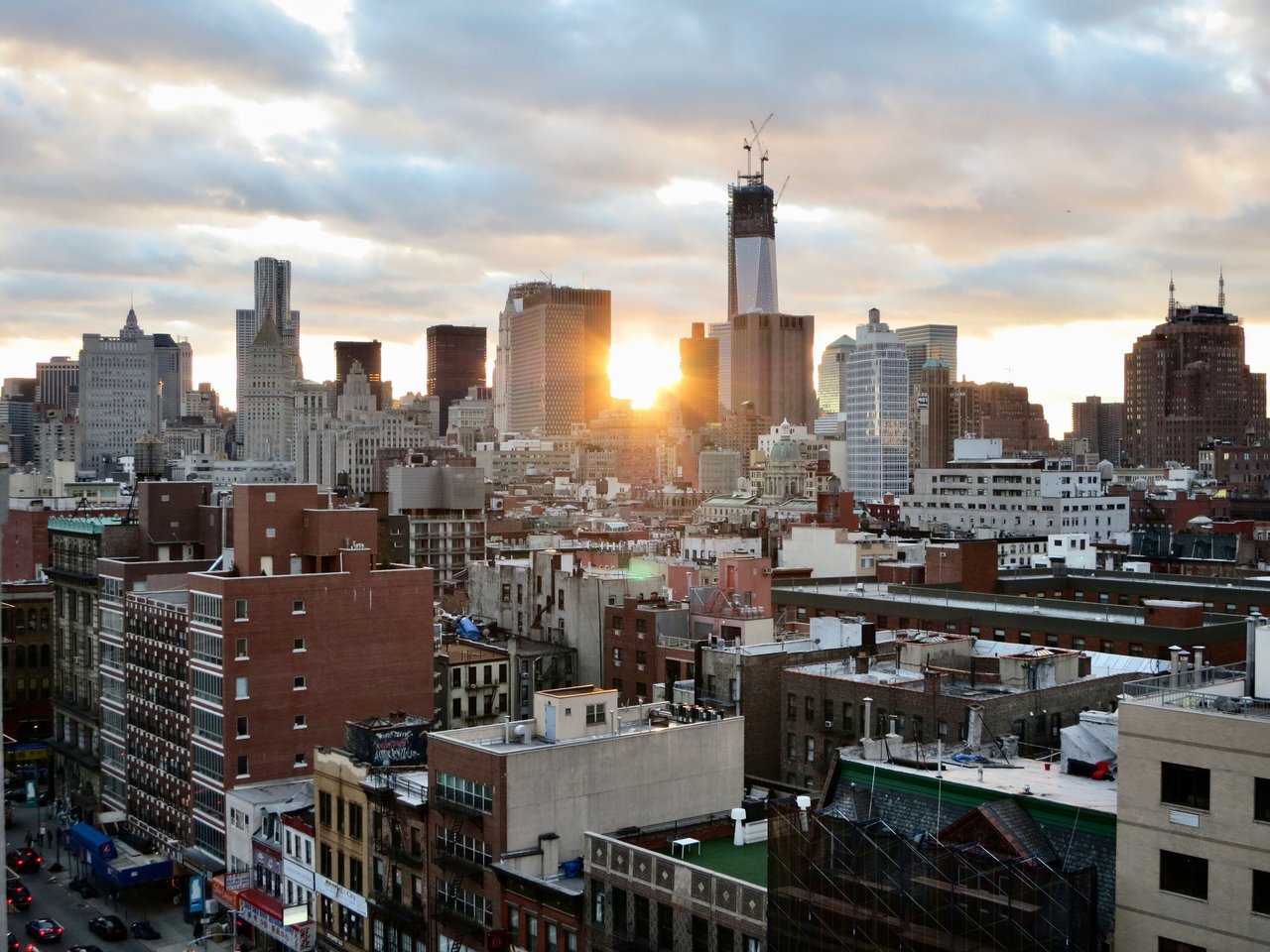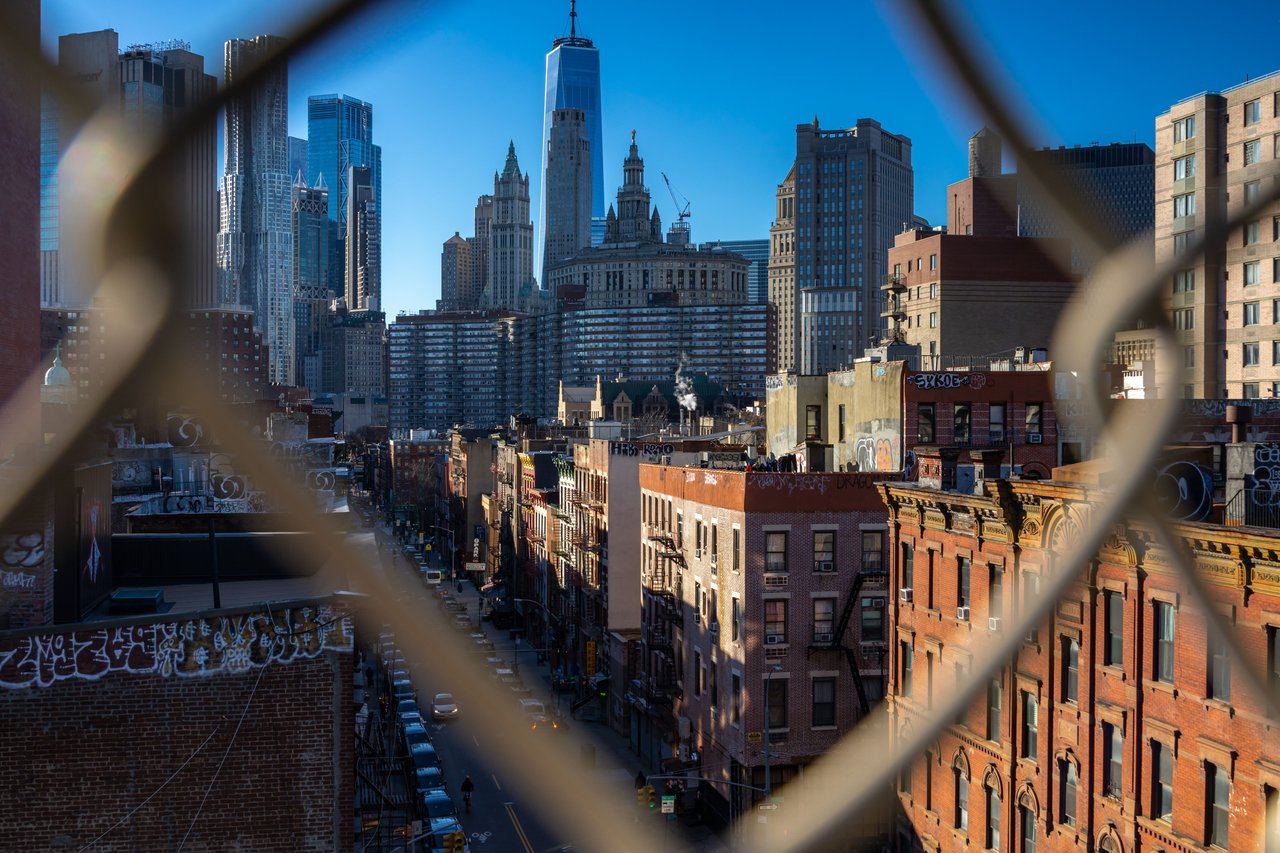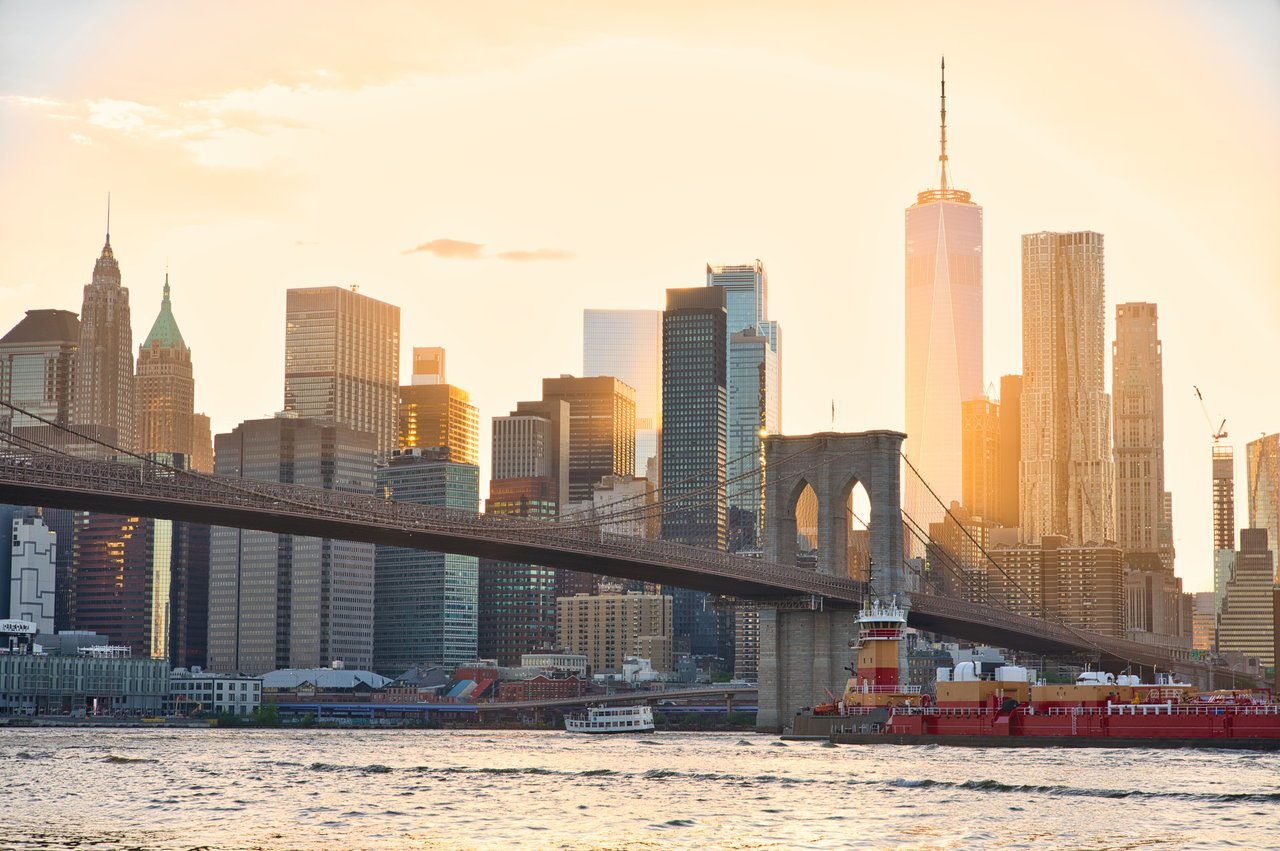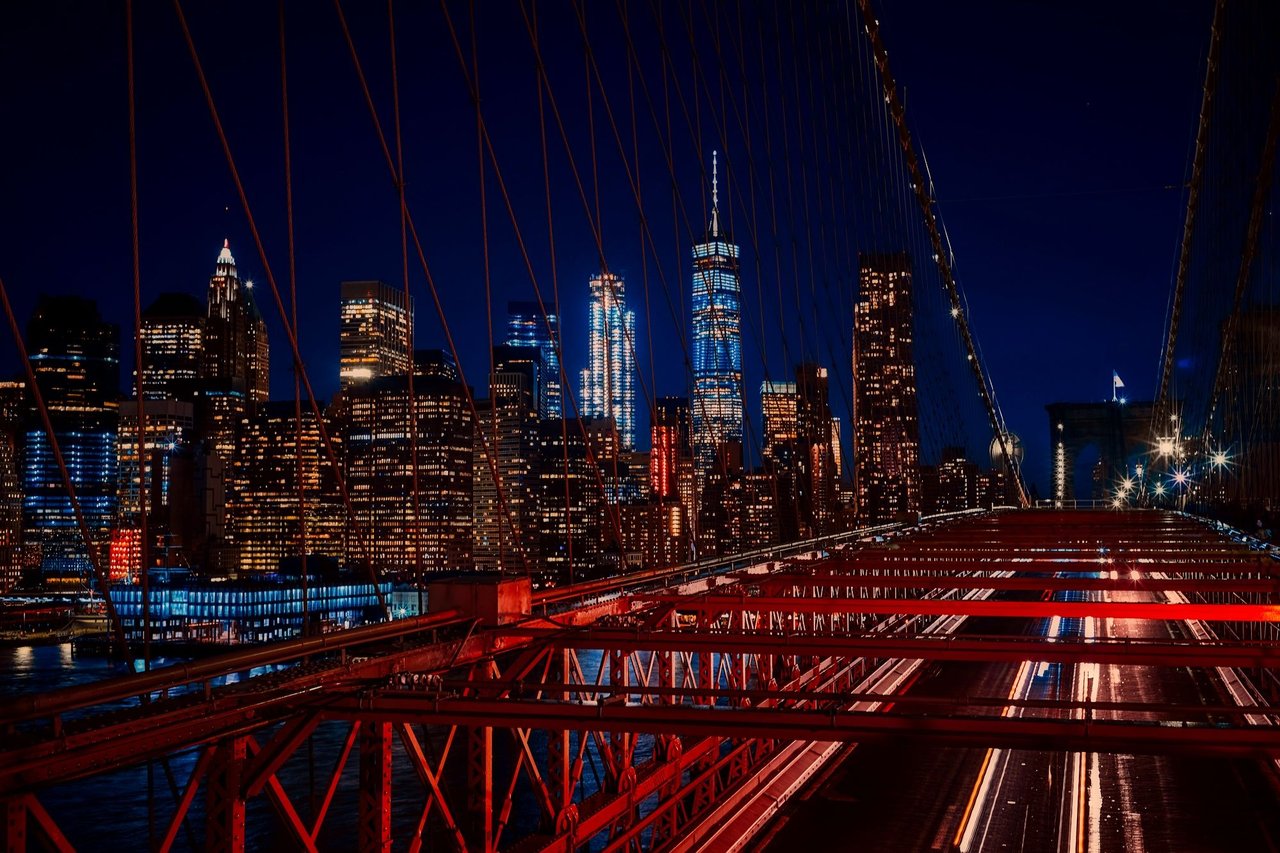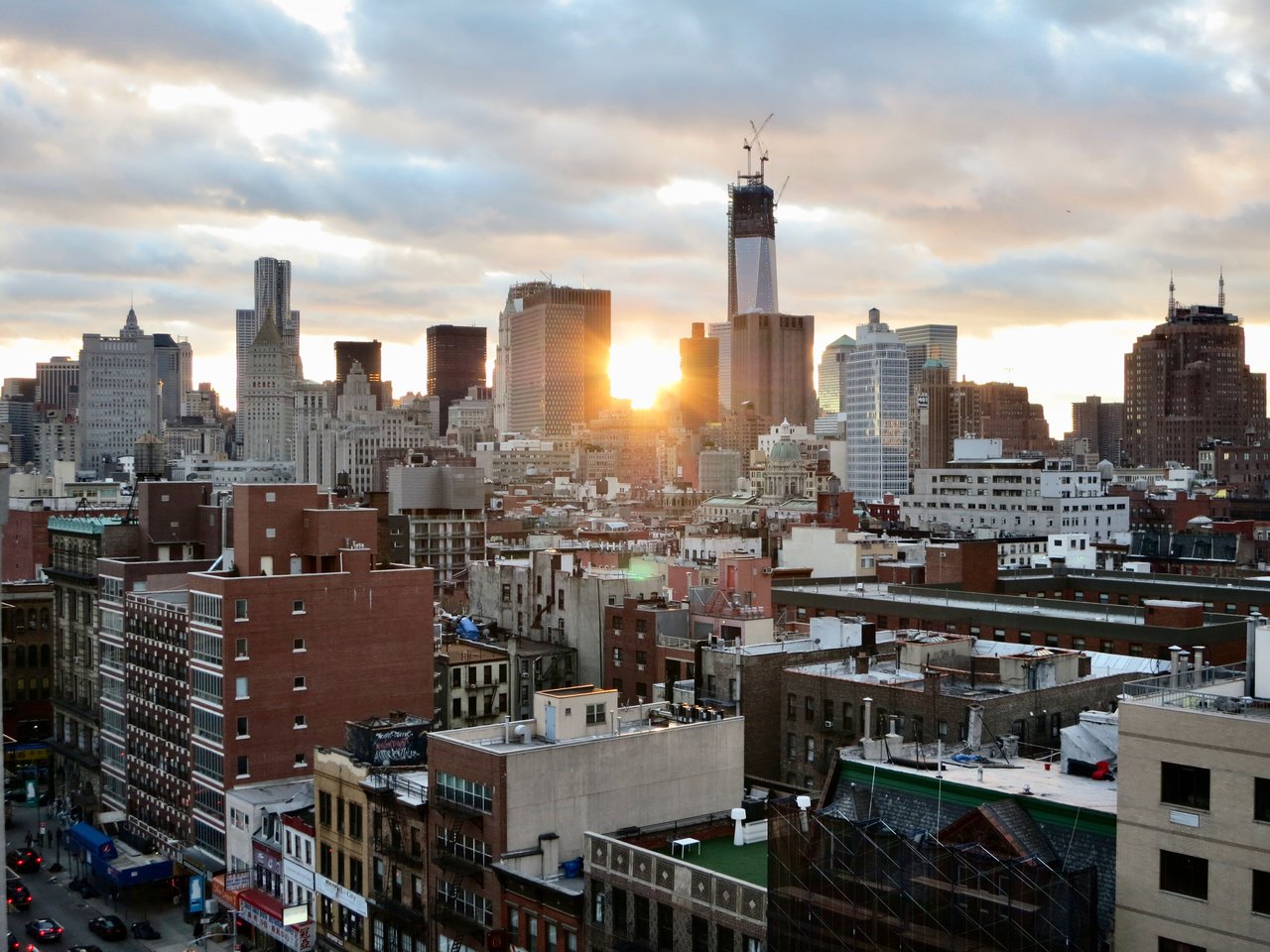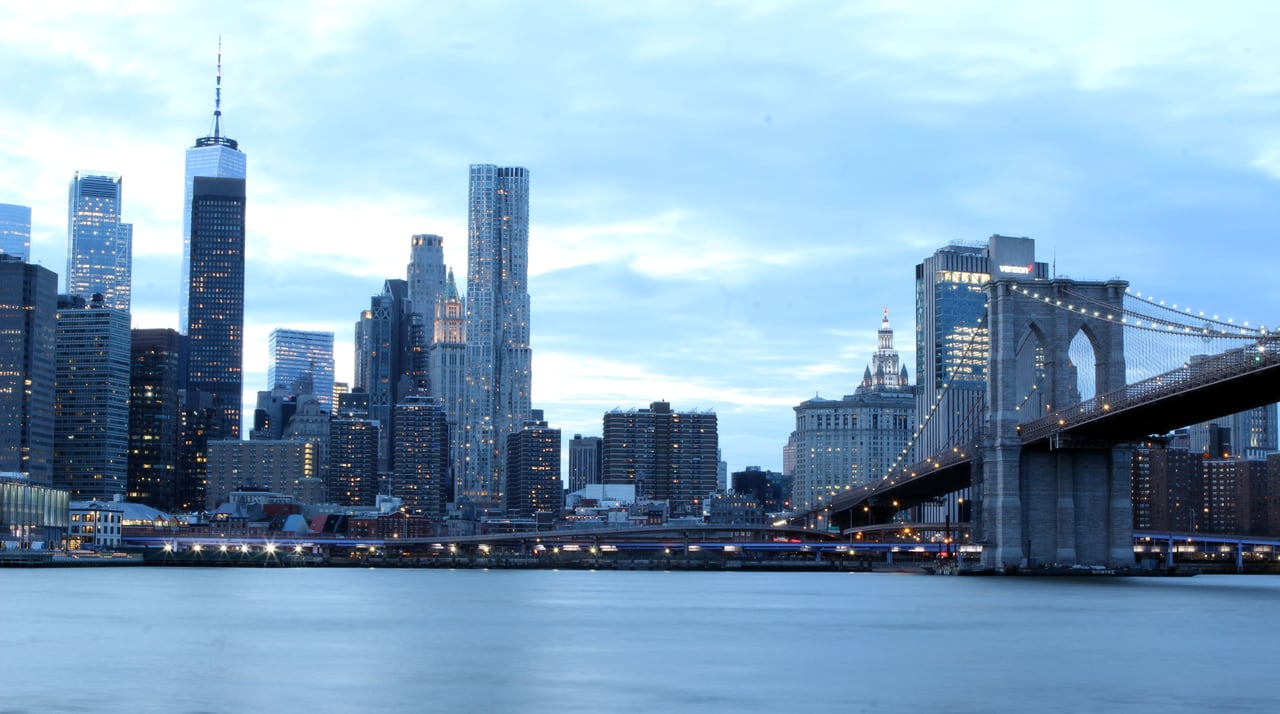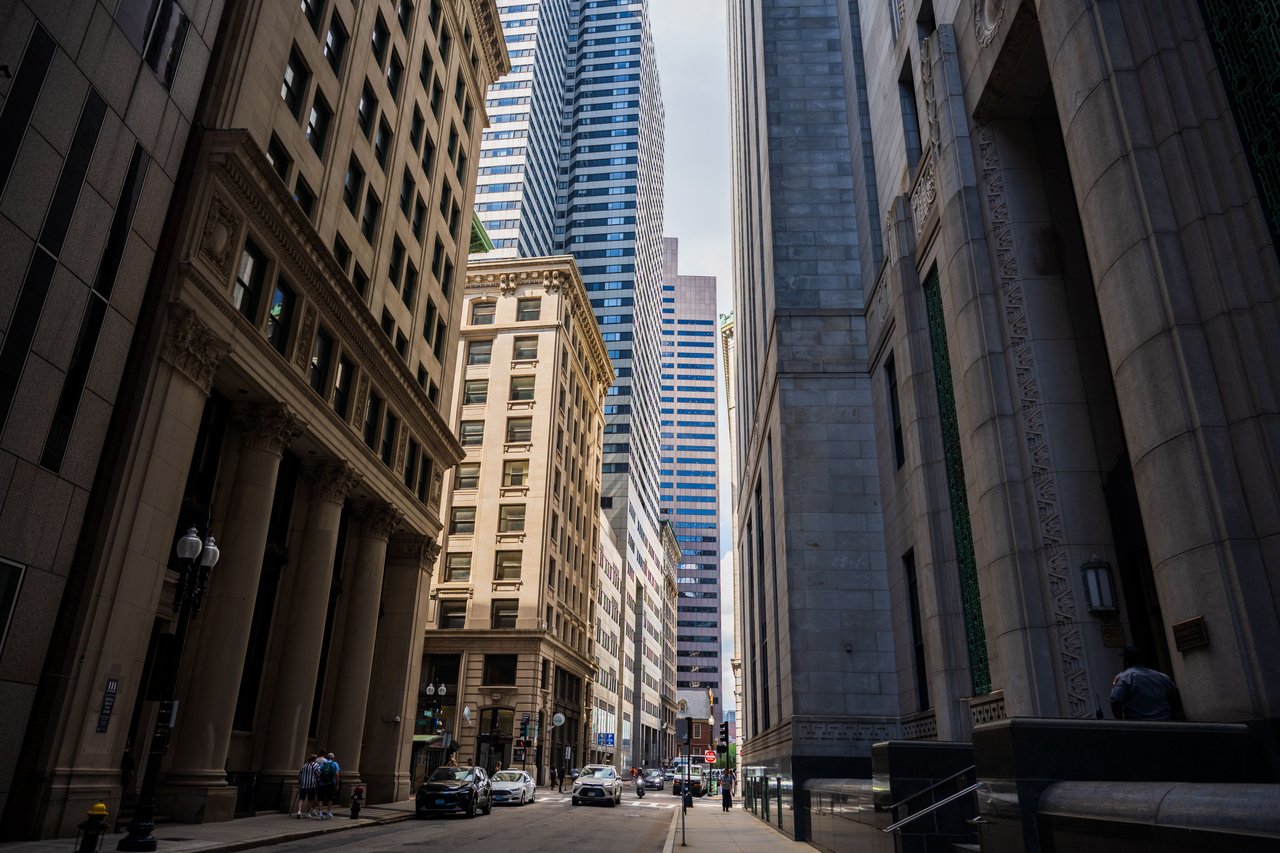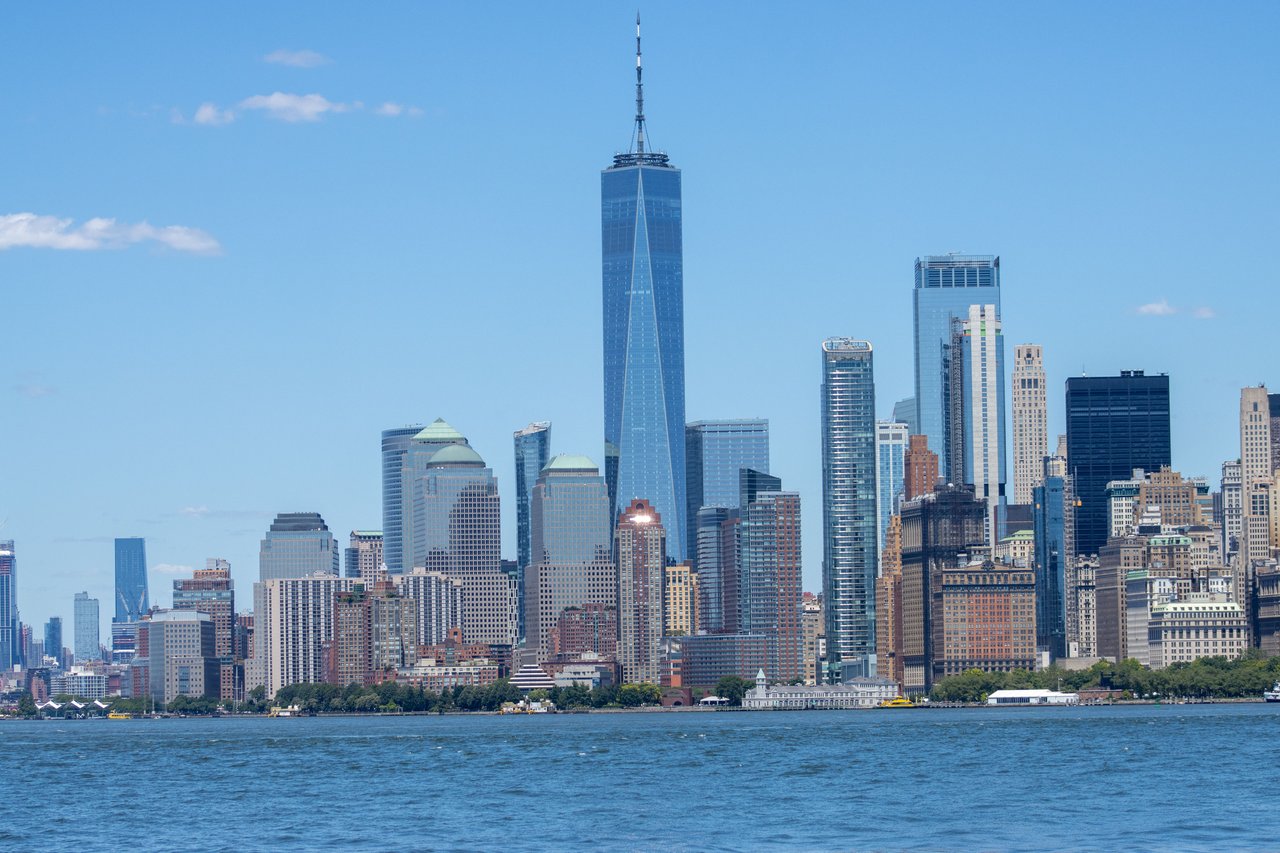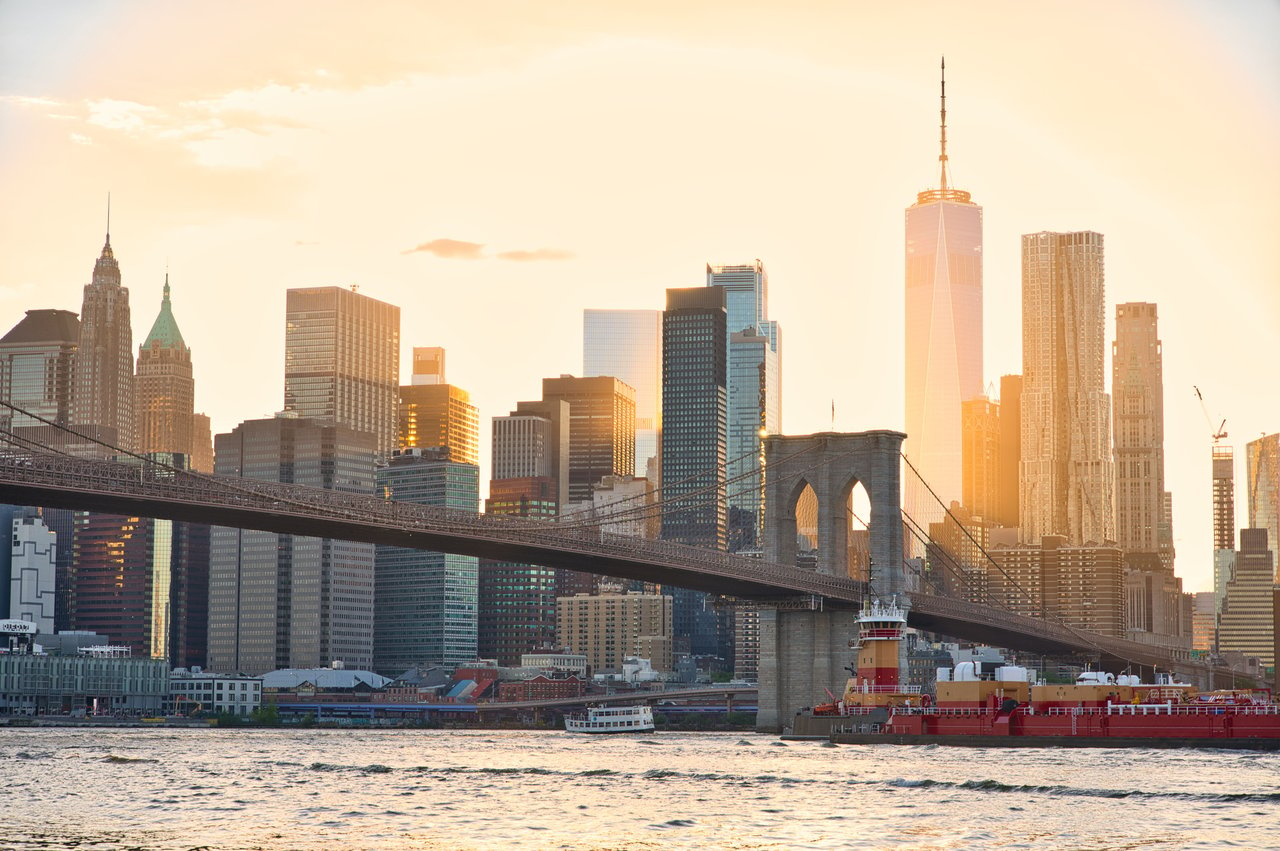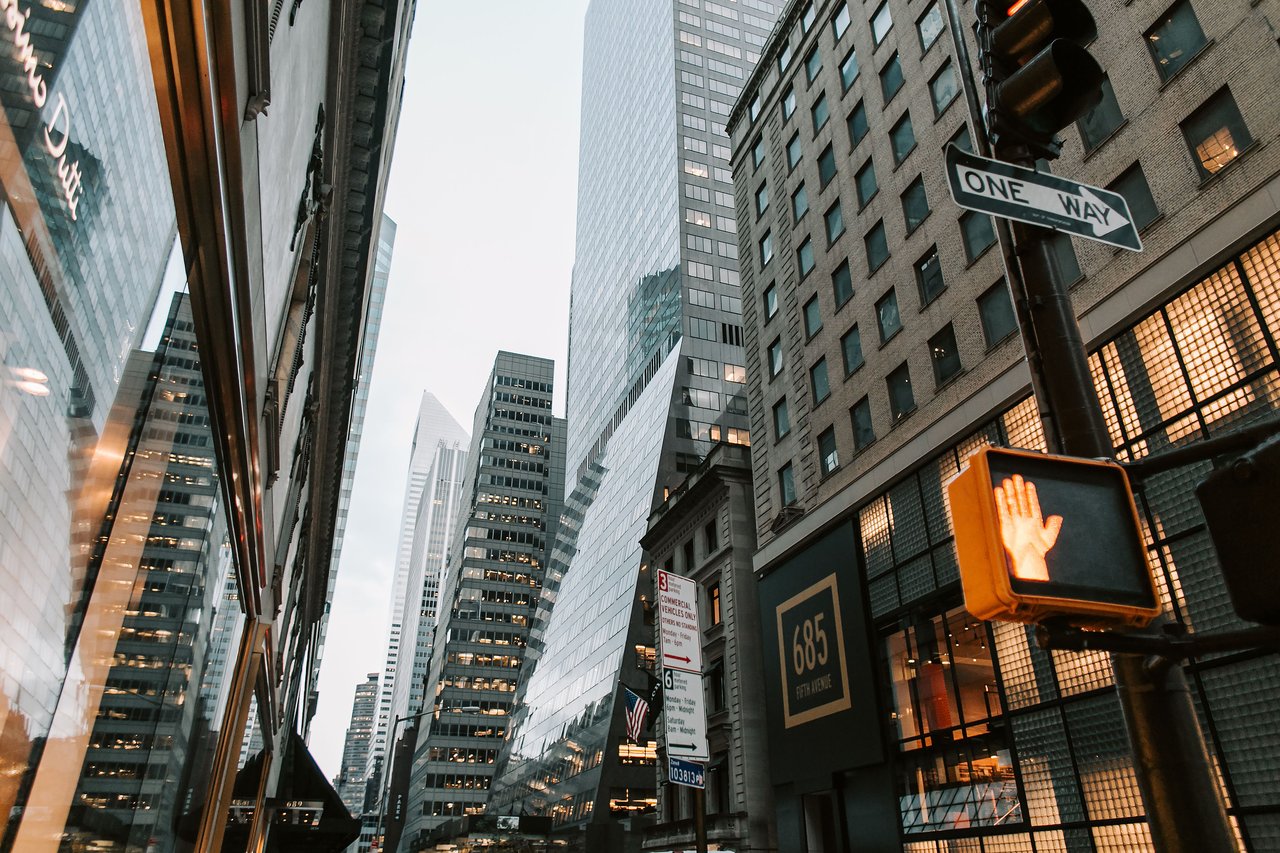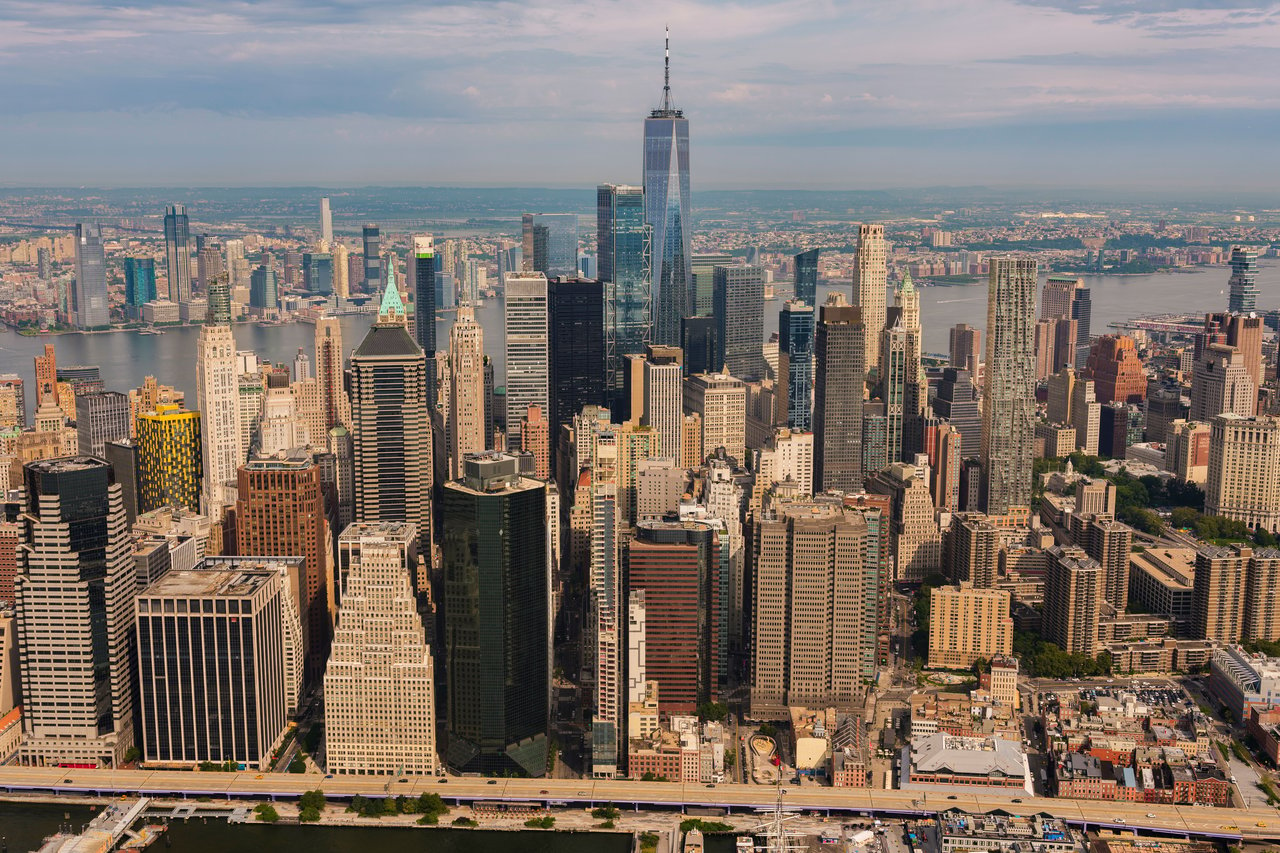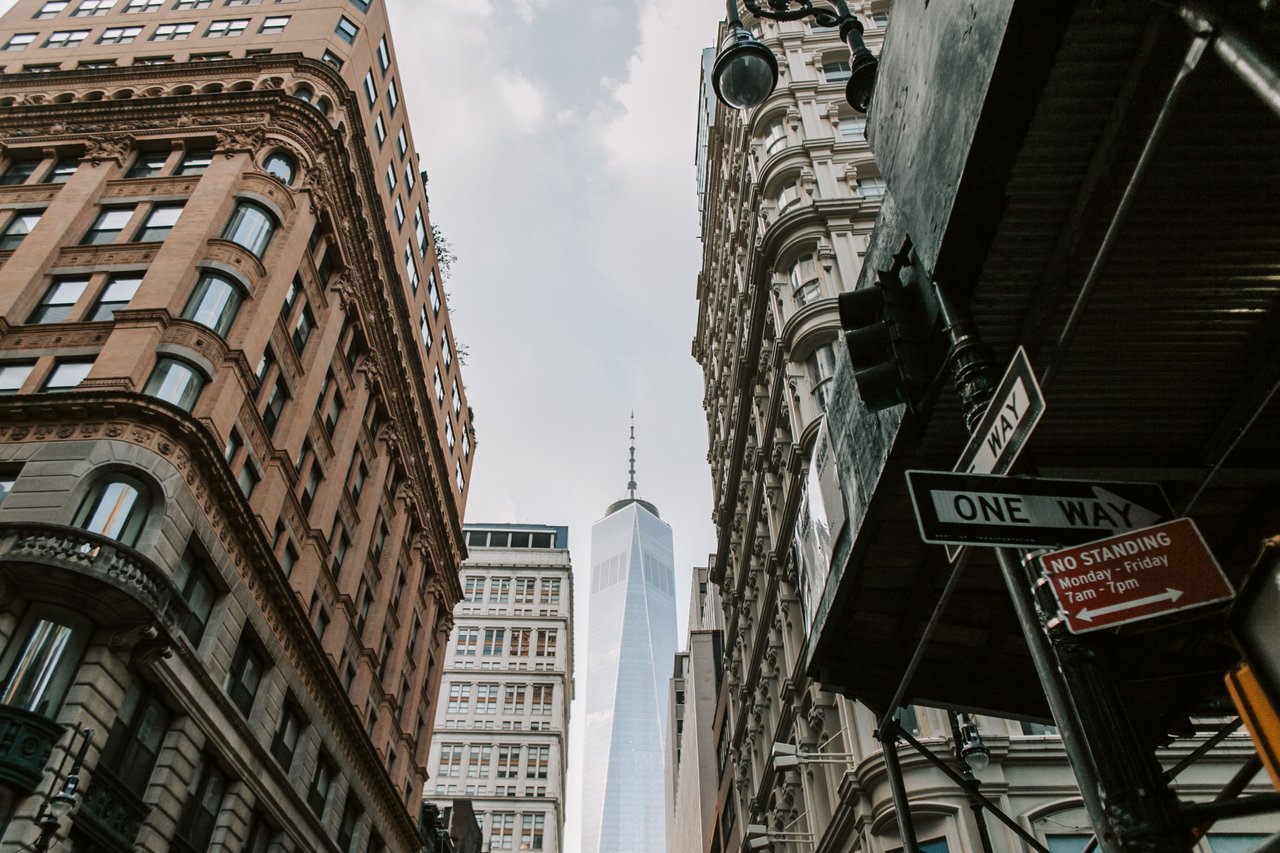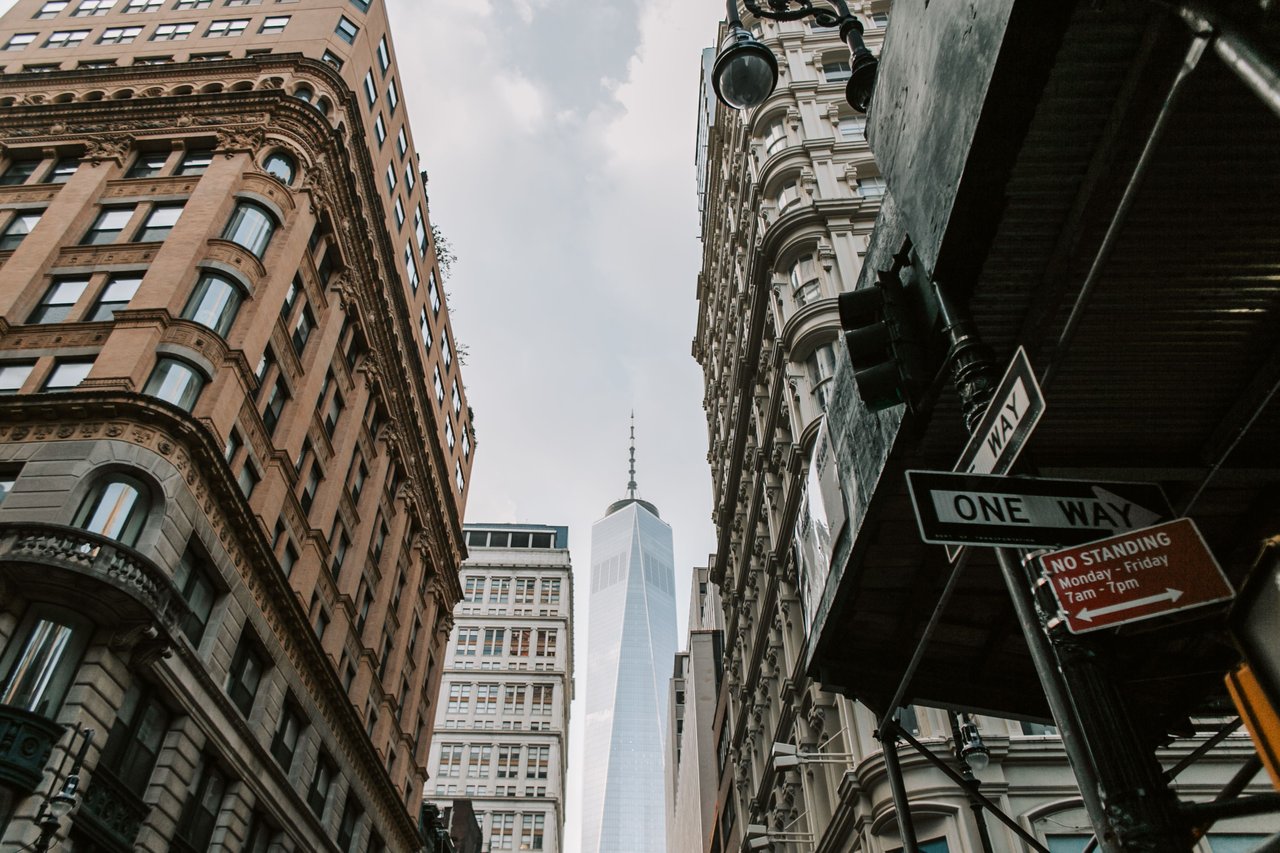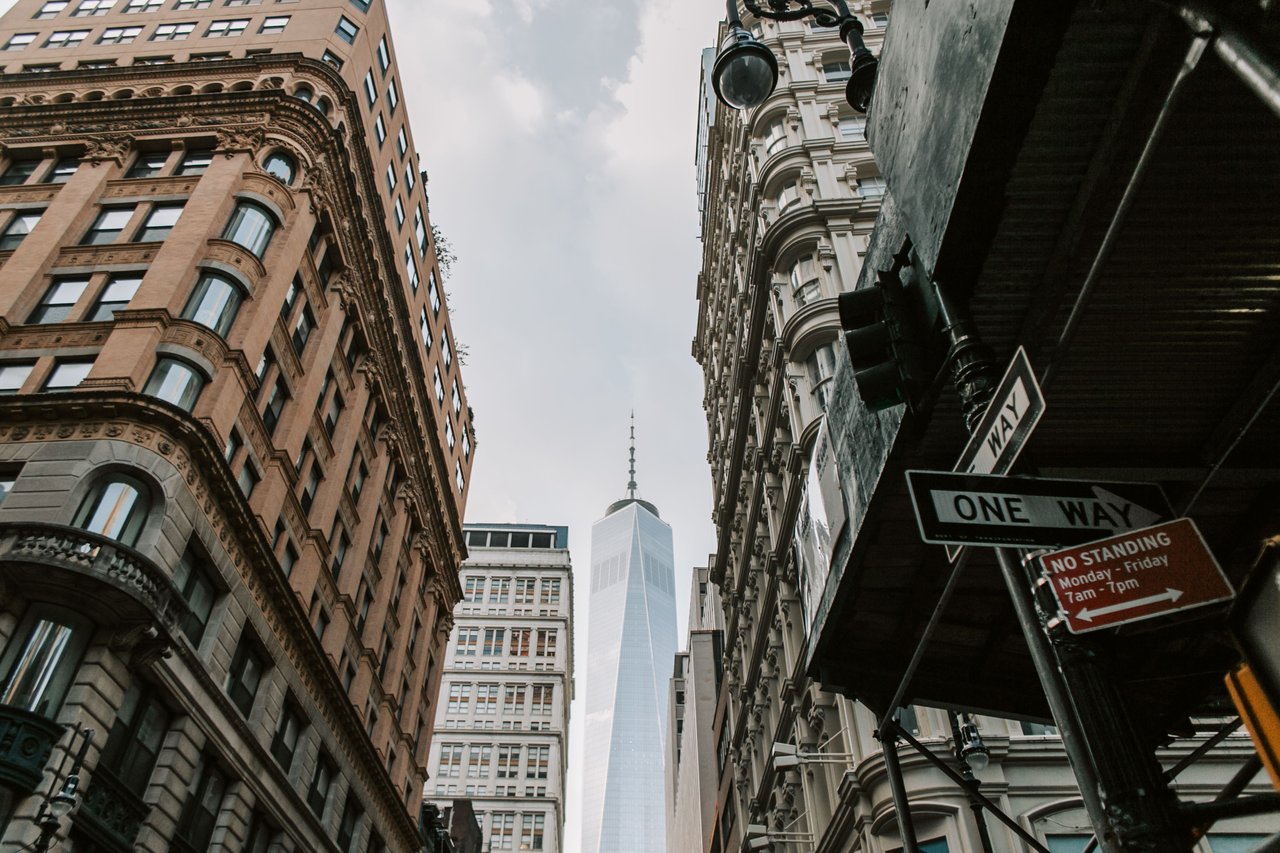
Broome Street is one of Lower Manhattan's historic east-west streets, extending through several architecturally significant neighborhoods, including SoHo, Little Italy, Chinatown, and the Lower East Side. Its eastern section, particularly between the Bowery and the Williamsburg Bridge approaches, reflects the development of the Lower East Side through nineteenth-century residential construction, historic commercial architecture, transportation infrastructure, and contemporary urban redevelopment.
Unlike the broad roadway of Delancey Street to the north, much of Broome Street retains the narrower proportions associated with Manhattan's nineteenth-century street network. Its surrounding buildings include brick tenements, mixed-use commercial properties, institutional structures, and modern residential developments.
The street's intersections with Chrystie Street, Forsyth Street, Eldridge Street, Allen Street, Orchard Street, Ludlow Street, Essex Street, Norfolk Street, Suffolk Street, and Clinton Street connect it to some of the Lower East Side's most recognizable historic corridors.
Broome Street also has a distinctive relationship with the Williamsburg Bridge, whose Manhattan approaches significantly influenced the surrounding blocks during the early twentieth century. Today, its architecture illustrates how historic residential streets, major transportation projects, and modern developments coexist within the Lower East Side.
The History of Broome Street
Broome Street developed during Manhattan's expansion northward from its original colonial settlement. During the late eighteenth and early nineteenth centuries, larger estates and undeveloped properties were gradually subdivided into streets and building lots.
As the city expanded, Broome Street became part of an increasingly connected urban network linking the commercial districts of western Lower Manhattan with the residential neighborhoods farther east.
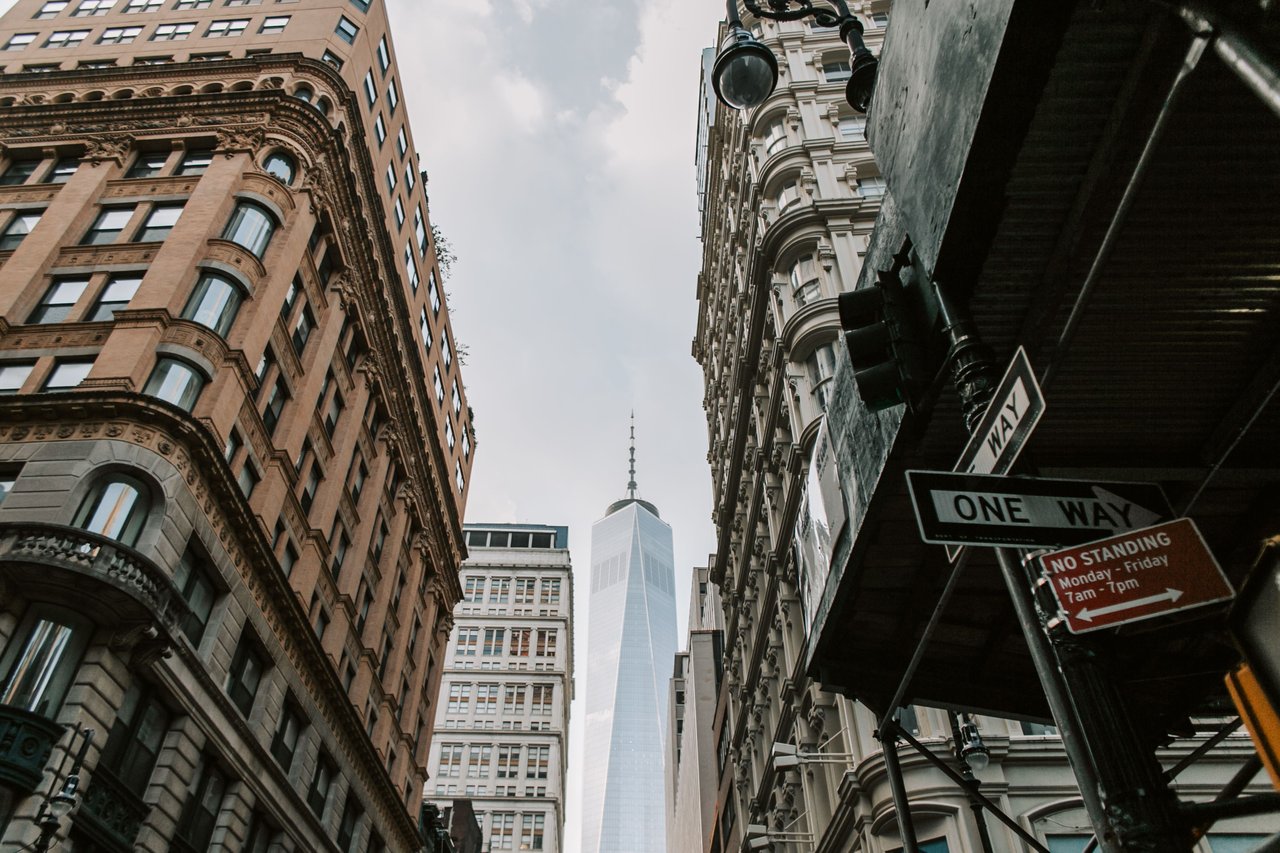
During the nineteenth century, the street developed differently across its length. In SoHo, substantial cast-iron commercial buildings and manufacturing lofts became prominent, while the eastern sections developed with brick apartment buildings, storefronts, and other structures associated with the Lower East Side.
This contrast remains an important part of Broome Street's architectural identity.
During the twentieth century, transportation improvements, redevelopment, and changing building uses altered portions of the street. The Williamsburg Bridge approaches introduced particularly significant changes to its eastern surroundings.
Today, Broome Street preserves evidence of several distinct periods of Manhattan's urban development.
Why Is It Called Broome Street?
Broome Street is named after John Broome, a prominent New York merchant and public official who served as lieutenant governor of New York from 1804 until his death in 1810.
Broome was associated with the city's commercial and political development during the late eighteenth and early nineteenth centuries.
The street's name reflects the period when Manhattan's expanding road network incorporated names associated with public officials, landowners, and other historical figures.
Broome Street became part of the growing system of east-west routes established as the city expanded beyond its colonial center.
Its name remains a connection to New York's early nineteenth-century history.
Broome Street and the Development of the Lower East Side
The Lower East Side developed into one of Manhattan's most densely constructed residential districts during the nineteenth century.
As larger properties were subdivided, narrow building lots were occupied by multistory masonry apartment buildings.
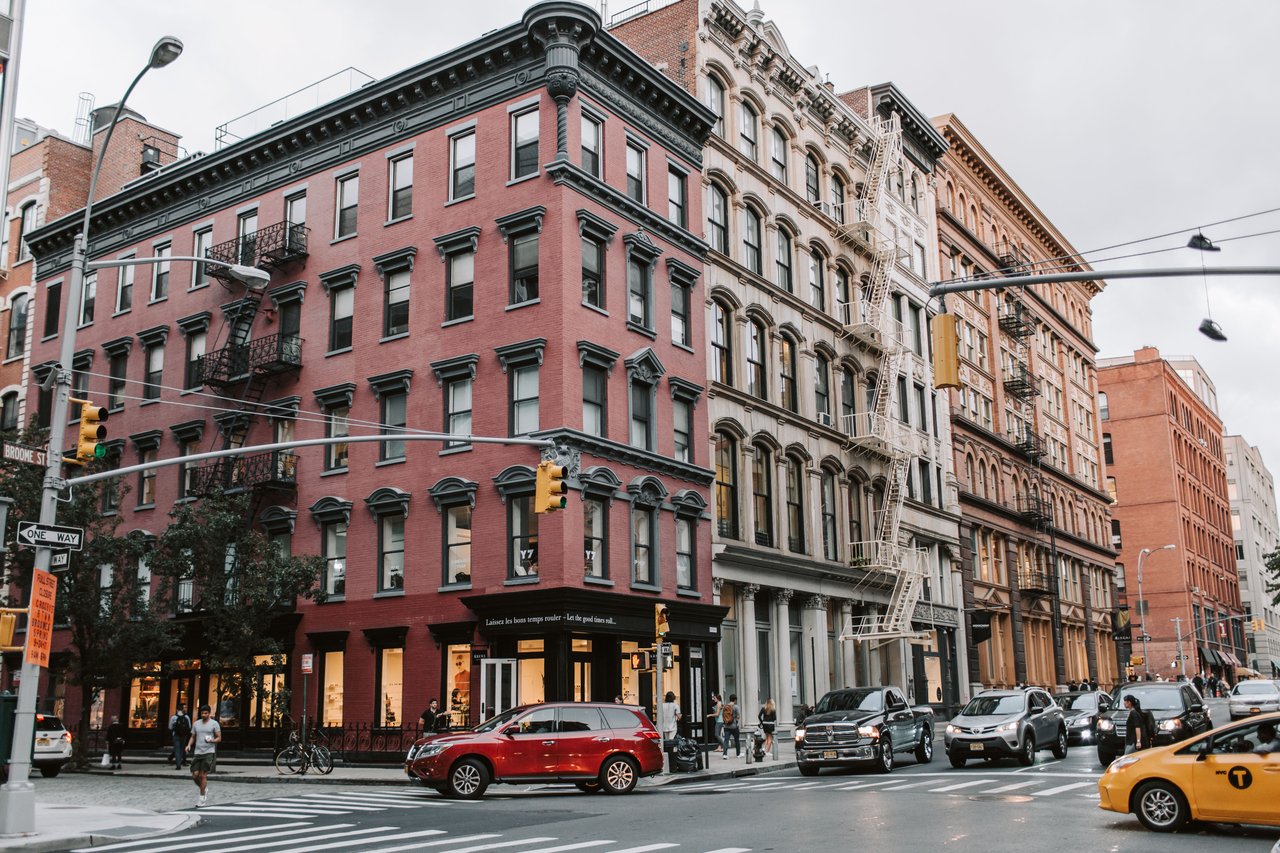
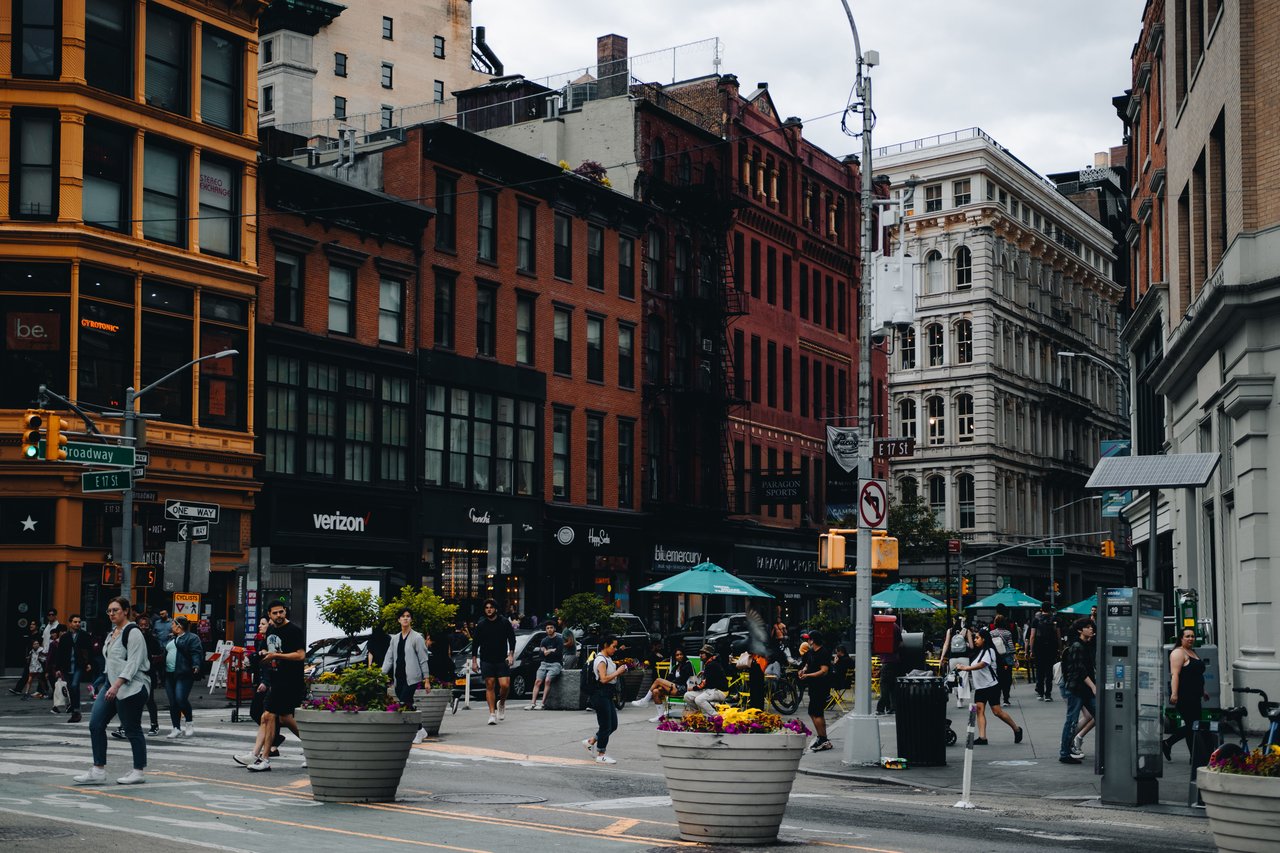
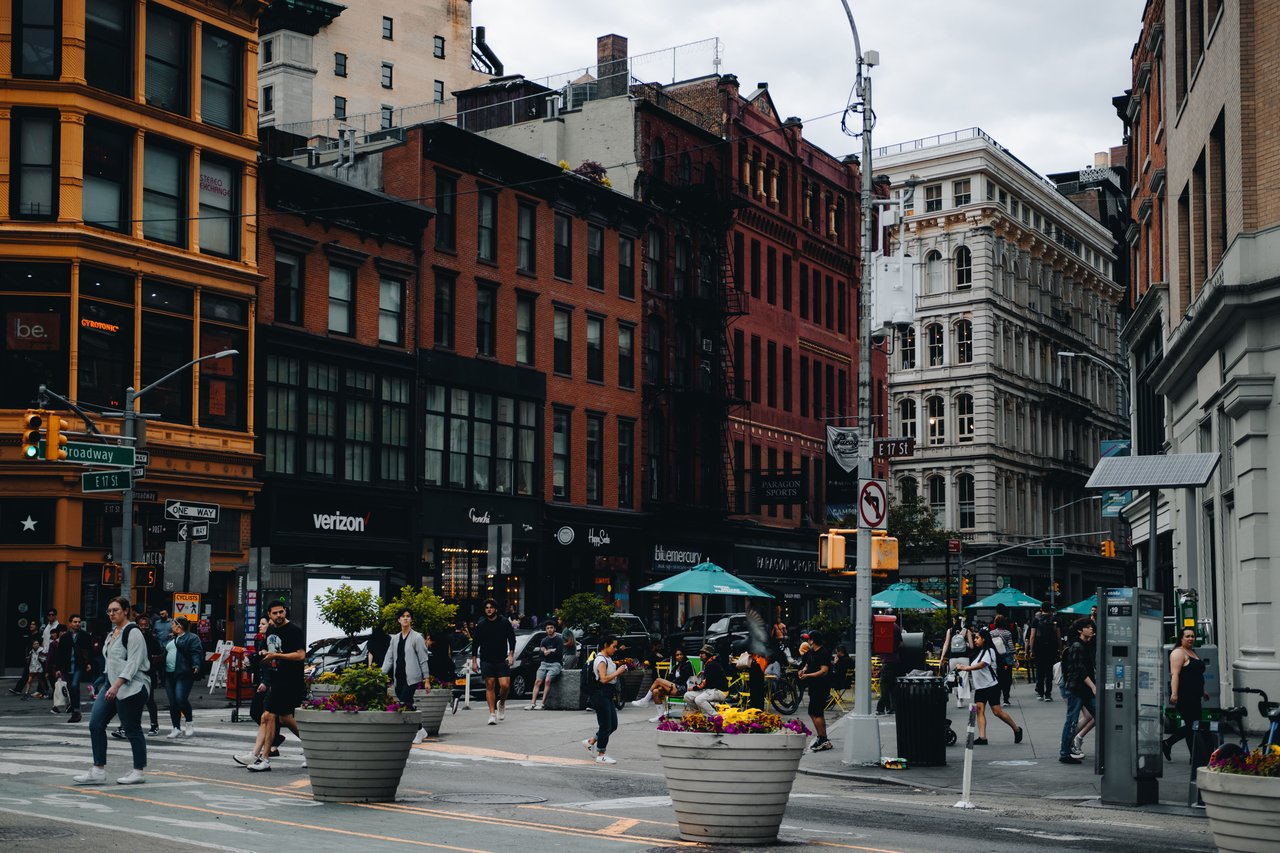
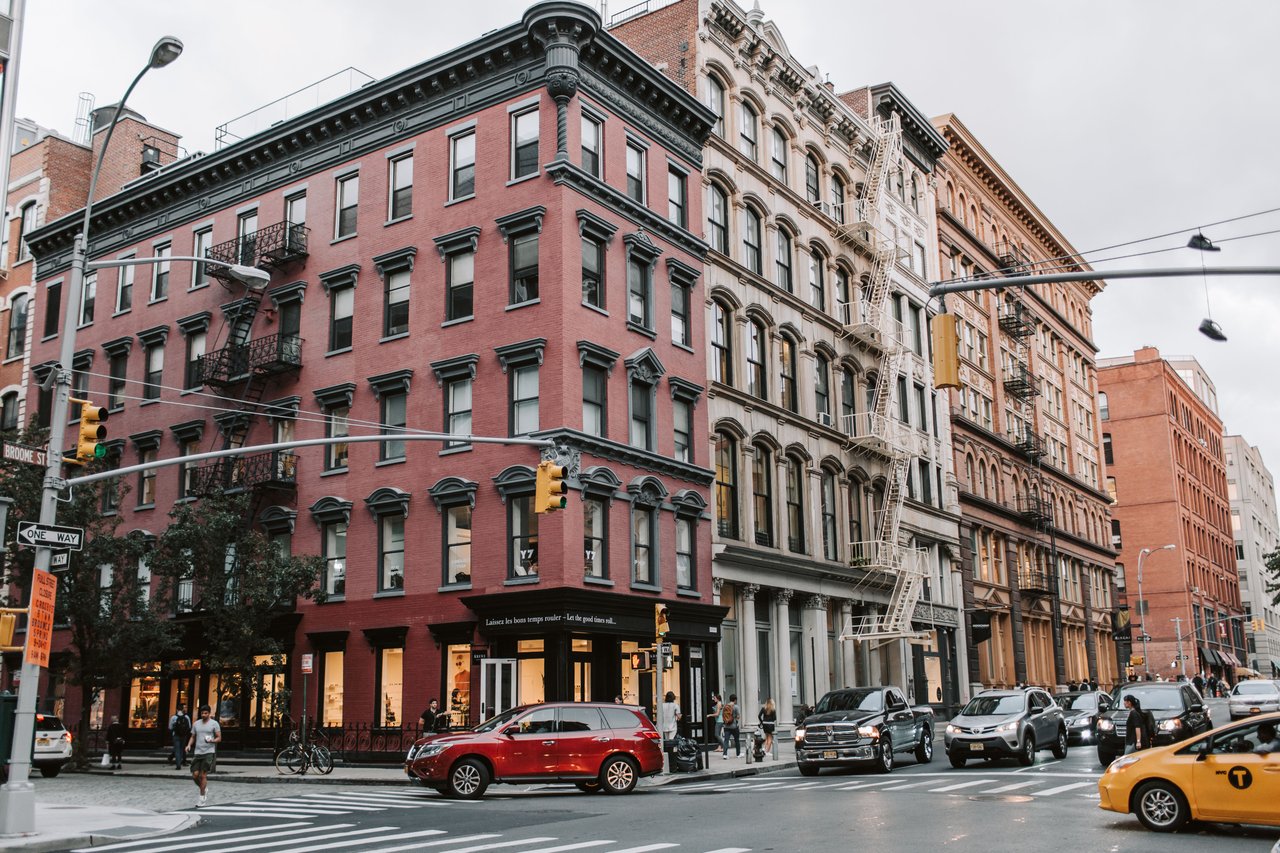
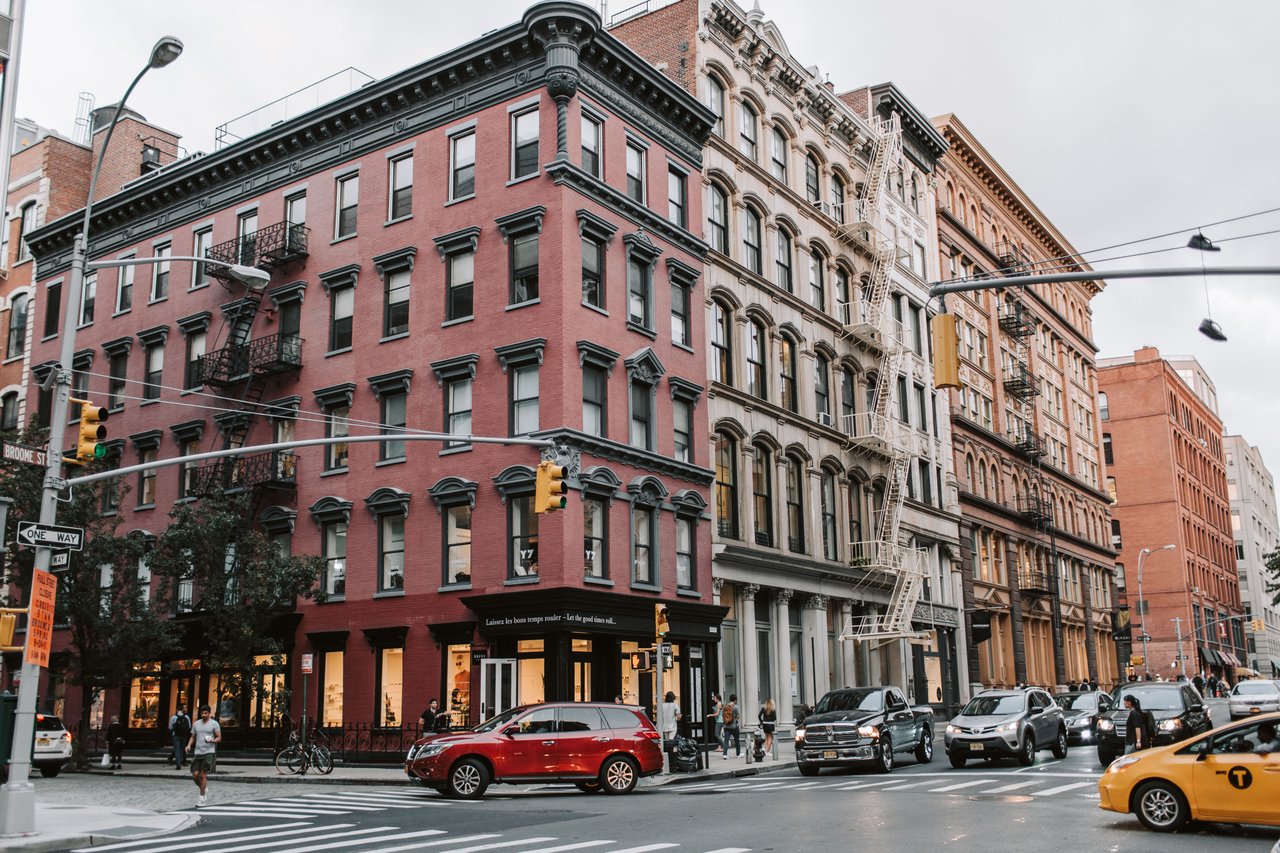
These structures frequently incorporated brick facades, stone window lintels, decorative cornices, exterior fire escapes, and commercial storefronts at street level.
The eastern portion of Broome Street became part of this residential and commercial environment.
Its architecture reflected the increasing demand for apartment housing and the development of neighborhood commercial corridors.
The resulting streetscape established the compact urban form that remains visible along portions of Broome Street today.
Broome Street and the Bowery
The Bowery is one of Manhattan's oldest thoroughfares, originating as a colonial road connecting the original settlement with properties farther north.
During the nineteenth century, the Bowery became an important commercial corridor with theaters, hotels, shops, and other establishments.
Broome Street intersects the Bowery at a significant transition between the historic commercial districts to the west and the residential streets of the Lower East Side to the east.
The surrounding architecture reflects several periods of development, including nineteenth-century commercial buildings and contemporary residential construction.
The intersection illustrates how Broome Street connects different architectural environments within Lower Manhattan.
Broome Street and Chrystie Street
Chrystie Street is an important north-south corridor along the western portion of the Lower East Side.
Its surrounding architecture reflects nineteenth-century residential construction and twentieth-century urban redevelopment.
Broome Street intersects Chrystie Street near Sara D. Roosevelt Park, one of the neighborhood's largest public landscapes.
The park occupies a long corridor between Chrystie Street and Forsyth Street, extending through several Lower East Side blocks.
Its development introduced substantial open space into an area historically characterized by dense masonry buildings.
The intersection illustrates how twentieth-century public-space planning transformed portions of the neighborhood.
Broome Street and Sara D. Roosevelt Park
Sara D. Roosevelt Park is one of the most important public landscapes associated with Broome Street.
The park extends between Chrystie Street and Forsyth Street, occupying a substantial corridor through the Lower East Side.
Developed during the twentieth century, it replaced earlier building blocks with landscaped spaces, recreational facilities, and pedestrian pathways.
Broome Street crosses the park corridor, creating a connection between the historic street network and the surrounding public landscape.
The contrast between the park and the densely developed residential blocks illustrates the changing priorities of urban planning in Lower Manhattan.
Broome Street and Forsyth Street
Forsyth Street is one of the historic north-south streets of the Lower East Side.
Its architecture includes nineteenth-century brick apartment buildings, commercial storefronts, and later residential developments.
Broome Street intersects Forsyth Street along the eastern edge of Sara D. Roosevelt Park.
The surrounding blocks reflect the neighborhood's traditional urban form, with narrow building lots and closely spaced masonry structures.
The intersection demonstrates the relationship between historic residential architecture and twentieth-century public-space improvements.
Broome Street and Eldridge Street
Eldridge Street is one of the Lower East Side's important historic corridors.
Its architecture includes nineteenth-century tenement buildings, commercial properties, and significant institutional structures.
The Eldridge Street Synagogue, completed in 1887, is one of the neighborhood's most notable architectural landmarks.
Its design incorporates Romanesque Revival and Moorish-inspired elements, including elaborate masonry detailing and a monumental interior.
Broome Street intersects Eldridge Street within this historic urban environment.
The surrounding buildings illustrate the architectural development of the Lower East Side during the nineteenth and early twentieth centuries.
Broome Street and Allen Street
Allen Street is one of the principal north-south corridors of the Lower East Side.
Originally a narrower roadway, Allen Street was substantially widened during the twentieth century.
The project required the removal of older buildings and introduced a broad central median.
Broome Street intersects Allen Street within this altered urban landscape.
The intersection illustrates the contrast between the narrower nineteenth-century street network and the wider roadways introduced during later transportation planning.
The surrounding architecture includes historic masonry buildings, commercial properties, and contemporary residential developments.
Broome Street and Orchard Street
Orchard Street is one of the Lower East Side's most recognizable historic streets.
Its architecture is closely associated with nineteenth-century tenement buildings and traditional commercial storefronts.
Broome Street intersects Orchard Street within this historic residential and commercial environment.
The surrounding buildings frequently incorporate brick masonry, stone window detailing, decorative cornices, and exterior fire escapes.
Ground-floor commercial spaces beneath residential apartments remain a characteristic feature of the streetscape.
The intersection illustrates the traditional mixed-use development pattern that shaped much of the Lower East Side.
Broome Street and Ludlow Street
Ludlow Street is another important historic corridor extending through the Lower East Side.
Its architecture includes nineteenth-century residential buildings, commercial storefronts, and contemporary developments.
Broome Street intersects Ludlow Street within a section of the neighborhood characterized by mixed-use construction.
The surrounding blocks illustrate how older masonry buildings have been adapted to accommodate changing commercial and residential uses.
The intersection remains an example of the Lower East Side's layered architectural development.
Broome Street and Essex Street
Essex Street is one of the principal north-south corridors of the Lower East Side.
Its surrounding architecture reflects nineteenth-century residential construction, historic commercial activity, and more recent redevelopment.
Broome Street intersects Essex Street near the southern portion of the Essex Crossing development area.
The surrounding blocks have experienced substantial architectural changes, including the construction of contemporary residential buildings and commercial spaces.
The intersection illustrates how modern redevelopment has influenced the historic streetscape of the Lower East Side.
Broome Street and Essex Crossing
Essex Crossing is one of the most substantial contemporary redevelopment projects in the Lower East Side.
Located around Delancey Street, Essex Street, and the surrounding blocks, the project introduced a combination of residential buildings, commercial spaces, cultural facilities, and public amenities.
Several portions of the development extend toward Broome Street.
The architecture incorporates contemporary materials, modern building systems, and larger building forms that contrast with the surrounding nineteenth-century masonry structures.
Essex Crossing illustrates how major redevelopment projects have transformed parts of the Lower East Side while introducing new residential and commercial uses.
Broome Street and Norfolk Street
Norfolk Street is one of the historic north-south streets of the Lower East Side.
Its architecture includes nineteenth-century apartment buildings, commercial storefronts, and contemporary residential developments.
Broome Street intersects Norfolk Street within the eastern portion of the neighborhood.
The surrounding blocks illustrate the contrast between traditional masonry construction and modern residential development.
The intersection reflects the continuing transformation of the Lower East Side's historic street network.
Broome Street and Suffolk Street
Suffolk Street developed as part of the Lower East Side's expanding nineteenth-century street network.
Its surrounding architecture reflects the construction of brick apartment buildings, commercial properties, and later residential structures.
Broome Street intersects Suffolk Street near the Williamsburg Bridge approaches.
The surrounding blocks have experienced substantial changes associated with transportation infrastructure and urban redevelopment.
The intersection illustrates how historic residential streets became integrated with larger modern transportation projects.
Broome Street and Clinton Street
Clinton Street is one of the Lower East Side's historic north-south corridors.
Its development reflects the neighborhood's nineteenth-century residential expansion.
Broome Street intersects Clinton Street near the eastern portion of the neighborhood, where the Williamsburg Bridge approaches influence the surrounding streetscape.
The architecture includes historic masonry buildings, commercial properties, and later residential construction.
The intersection demonstrates the relationship between traditional residential blocks and major transportation infrastructure.
Broome Street and the Williamsburg Bridge
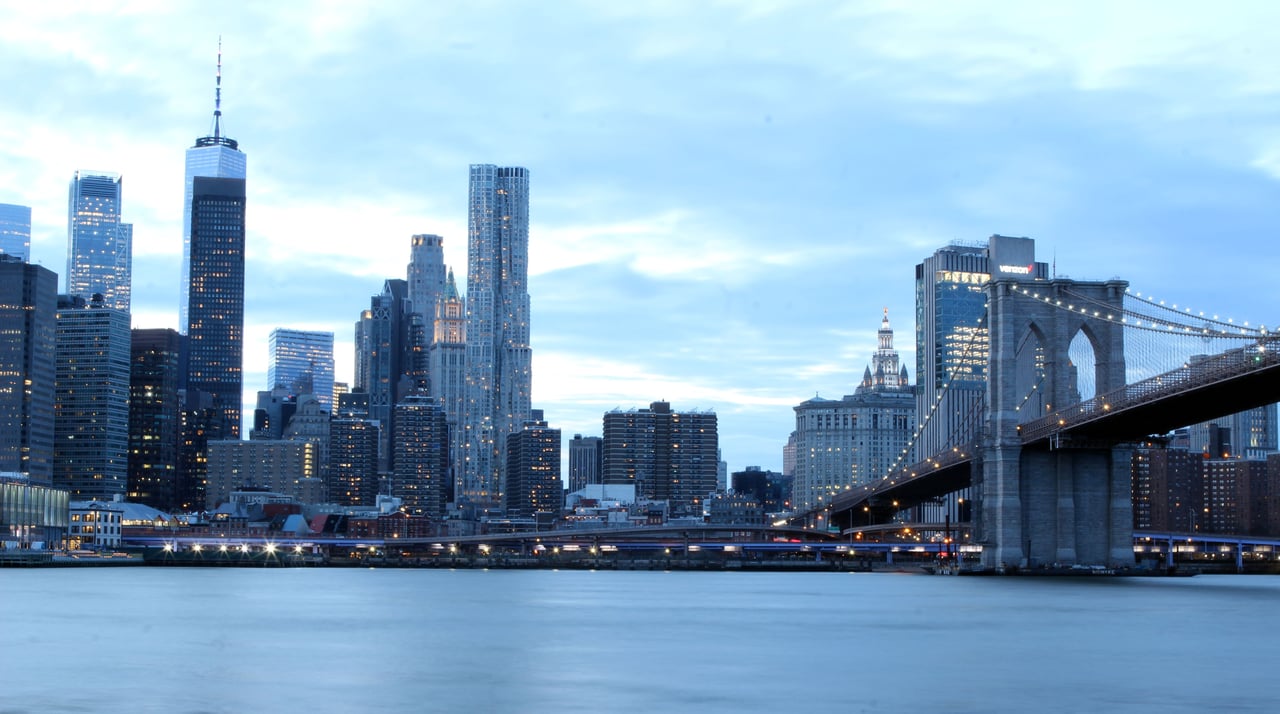
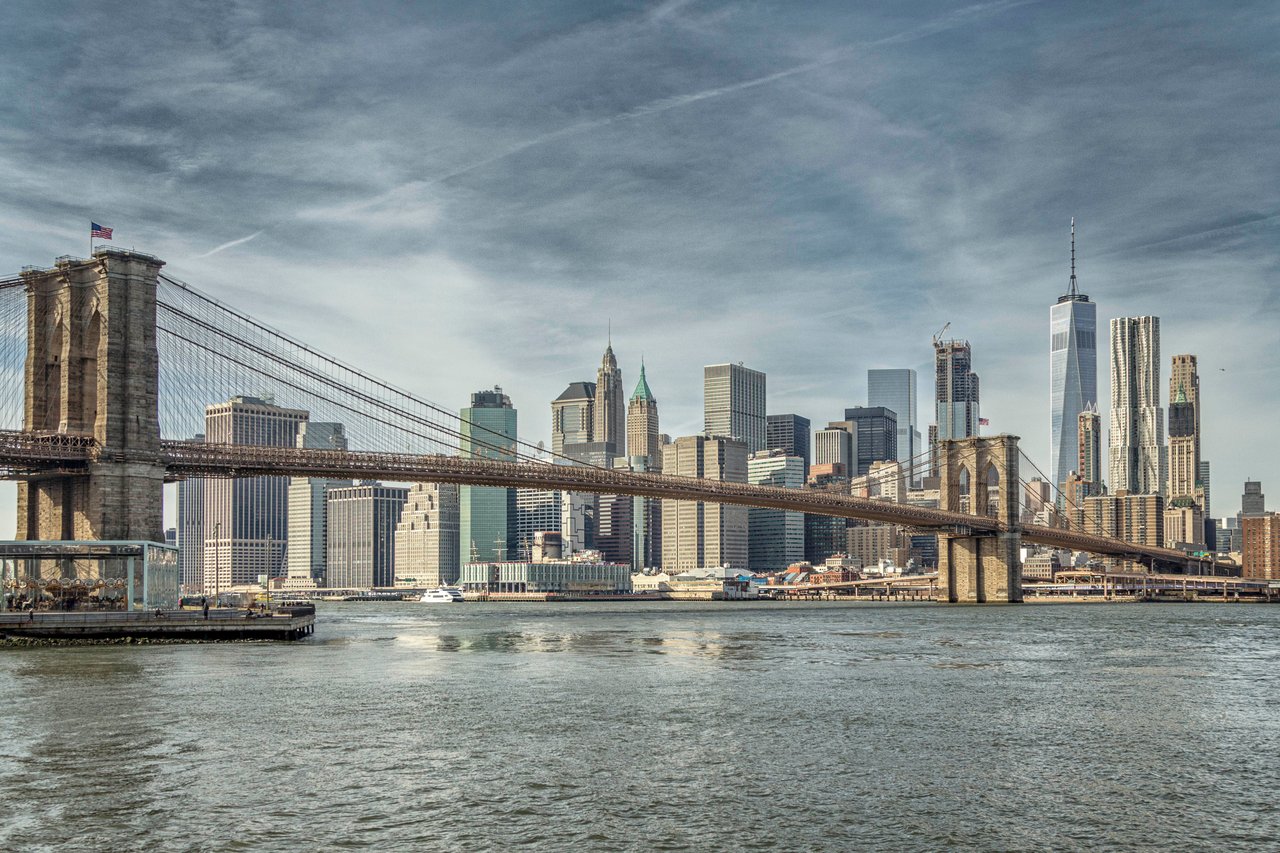
The Williamsburg Bridge is one of the most significant architectural and engineering landmarks associated with the eastern portion of Broome Street.
Opened in 1903, the bridge connects Manhattan's Lower East Side with Williamsburg, Brooklyn, across the East River.
Designed under the direction of engineer Leffert L. Buck, the bridge became one of the most important suspension bridges constructed during the early twentieth century.
Its steel towers, suspension cables, and extensive structural framework established a distinctive presence along the waterfront.
Although Delancey Street serves as the principal Manhattan approach, the bridge's infrastructure also influenced the surrounding blocks near Broome Street.
The bridge remains a defining feature of the architectural landscape of the eastern Lower East Side.
Broome Street and the Williamsburg Bridge Approaches
The construction of the Williamsburg Bridge introduced substantial changes to the Lower East Side's street network.
The bridge required extensive approaches, transportation connections, and structural infrastructure.
These projects altered portions of the surrounding urban environment and influenced the development of nearby properties.
Broome Street's eastern section became closely associated with this transportation landscape.
The relationship between the historic street and the bridge approaches illustrates how major infrastructure projects reshaped Lower Manhattan during the early twentieth century.
Broome Street and Nineteenth-Century Tenement Architecture
Tenement architecture is one of the defining characteristics of Broome Street's Lower East Side section.
During the nineteenth century, narrow building lots were developed with multistory masonry apartment buildings.
Many tenements rose five or six stories and incorporated brick facades, stone lintels, decorative cornices, and exterior fire escapes.
Ground-floor commercial spaces were frequently integrated into residential buildings.
The architectural details of these structures reflect changing construction practices and building regulations.
Surviving tenements along and near Broome Street provide important examples of the residential architecture that shaped Lower Manhattan.
Broome Street and Historic Commercial Storefronts
Commercial storefronts have long contributed to Broome Street's architectural character.
Many nineteenth-century apartment buildings were constructed with retail spaces at street level, allowing commercial and residential uses to coexist within the same structures.
Traditional storefronts frequently incorporated large display windows, recessed entrances, decorative metalwork, and signage integrated into masonry facades.
Over time, many storefronts were altered to accommodate changing commercial requirements.
The combination of historic masonry buildings and updated commercial spaces illustrates the adaptability of Lower East Side architecture.
Broome Street and Twentieth-Century Urban Planning
The twentieth century introduced substantial changes to Broome Street and the surrounding Lower East Side.
Transportation improvements, public housing construction, park development, and urban renewal projects altered portions of the historic residential street network.
The Williamsburg Bridge approaches became an important element of the eastern streetscape.
Public-space projects such as Sara D. Roosevelt Park introduced additional changes to the surrounding blocks.
At the same time, many historic apartment buildings and commercial properties continued to serve their original functions or were adapted for new uses.
The resulting streetscape reflects the coexistence of nineteenth-century urban form and twentieth-century planning.
Broome Street and Contemporary Residential Architecture
Contemporary residential development has introduced new architectural forms along Broome Street.
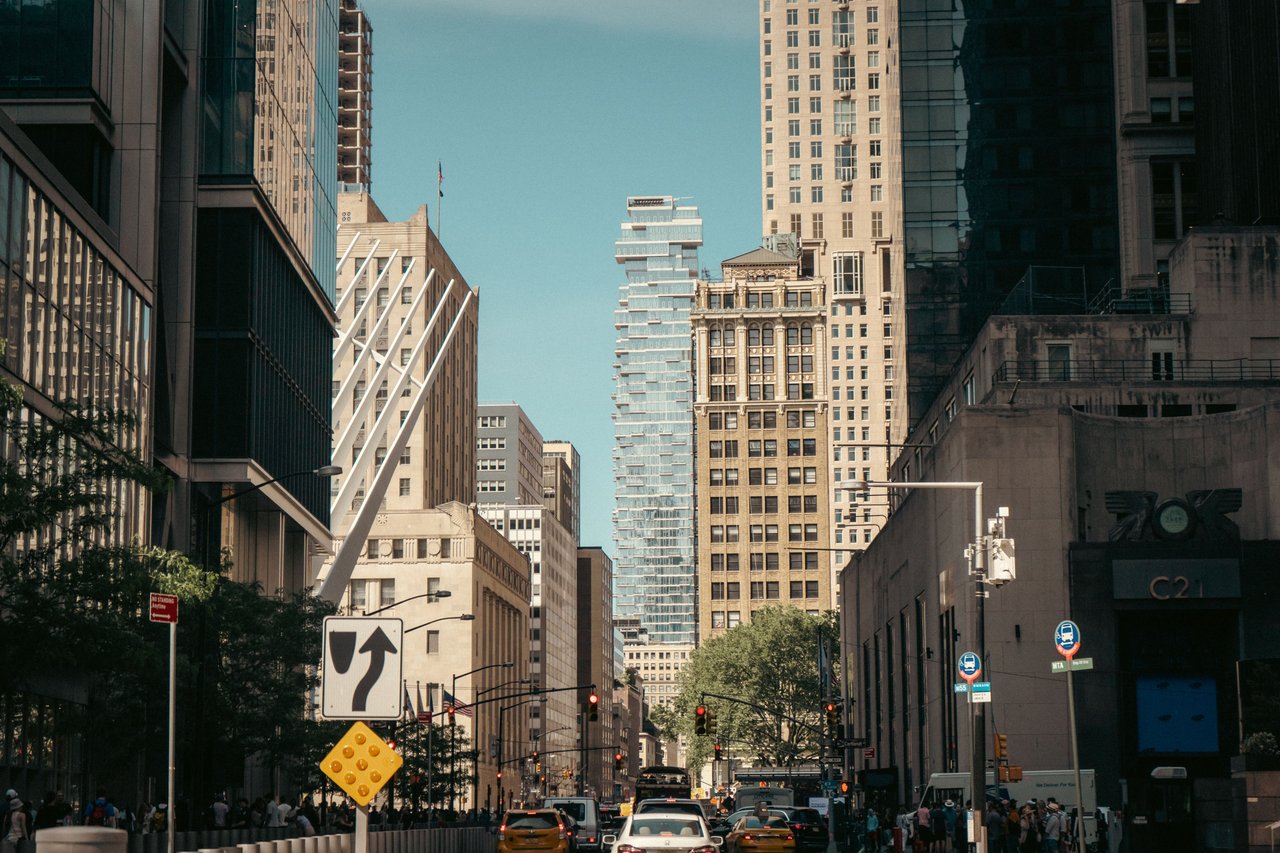
Modern apartment buildings incorporate glass, metal, concrete, and contemporary masonry construction, contrasting with the traditional brick facades of historic tenements.
Developments associated with Essex Crossing have introduced larger residential structures and new commercial spaces into the surrounding neighborhood.
These buildings reflect changing construction technology, zoning conditions, and residential preferences.
The combination of historic and contemporary architecture illustrates the continuing transformation of the Lower East Side.
Broome Street and the Architecture of the Lower East Side
Broome Street provides an important perspective on the architectural development of the Lower East Side.
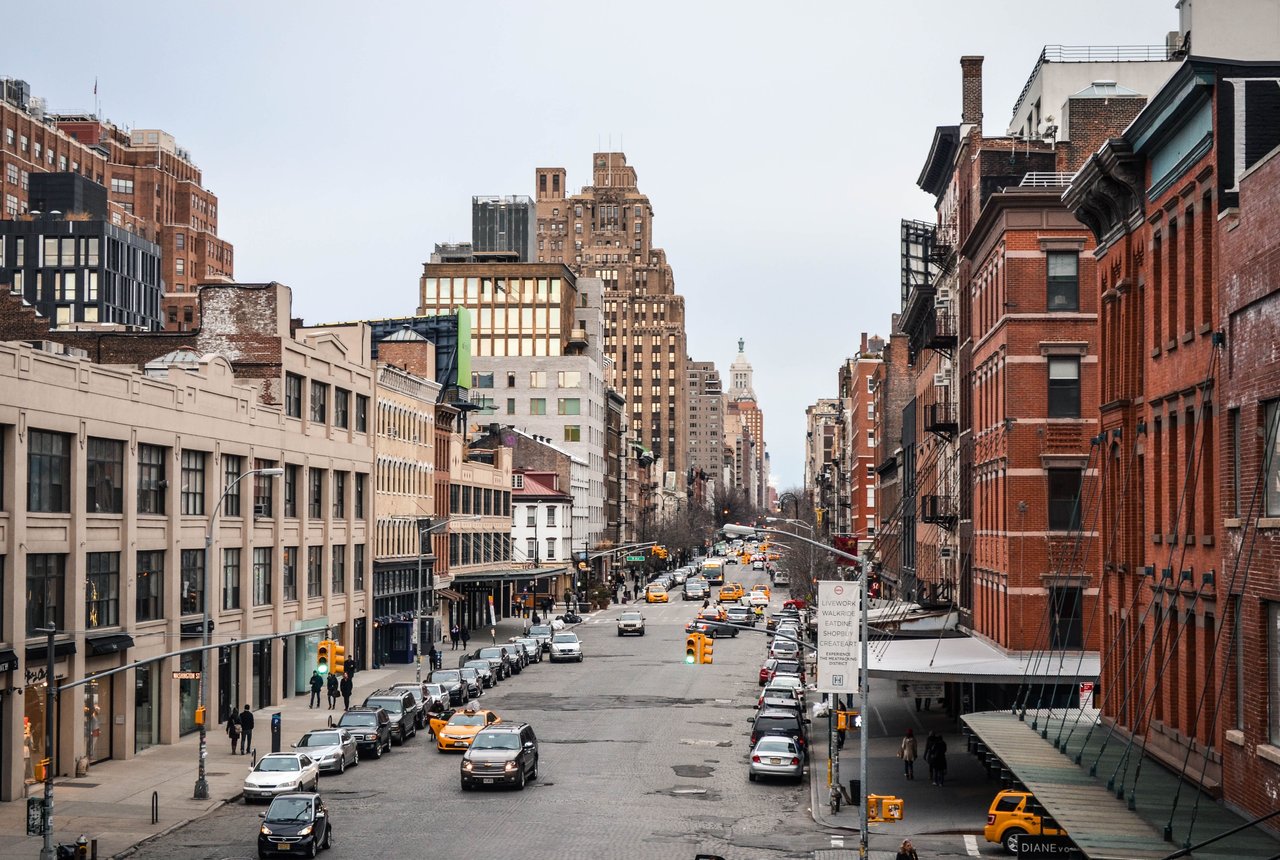
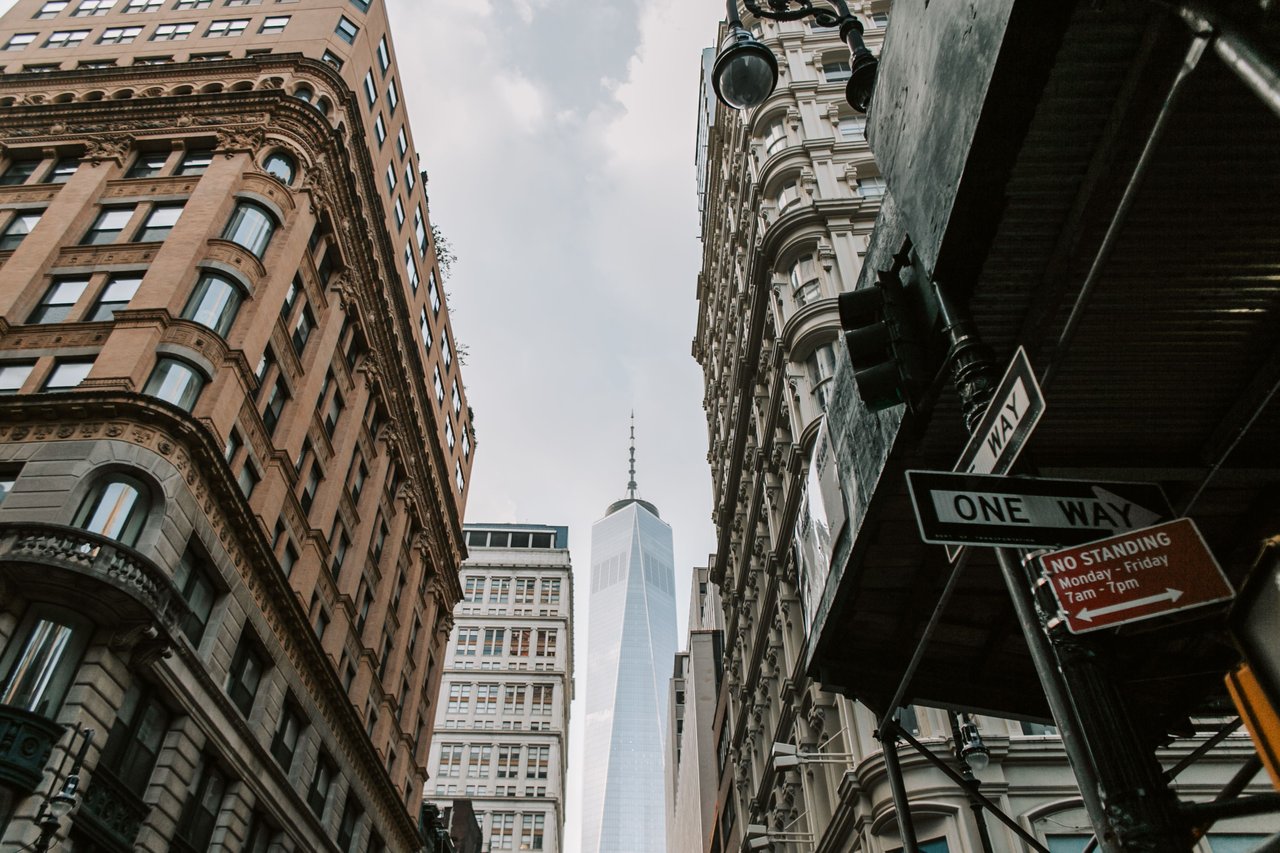
The surrounding neighborhood contains nineteenth-century tenements, historic commercial storefronts, institutional buildings, twentieth-century residential developments, and contemporary apartment towers.
These different building types reflect successive phases of construction and redevelopment.
Broome Street's narrower roadway and historic building lots distinguish it from the broader transportation corridor of Delancey Street.
Its architecture demonstrates how residential construction, commercial development, and transportation infrastructure have influenced the physical character of Lower Manhattan.
Broome Street Today
Today, Broome Street remains an important historic connection through Manhattan's Lower East Side.
Its history reflects nineteenth-century residential expansion, traditional tenement architecture, historic commercial storefronts, the construction of the Williamsburg Bridge, and contemporary redevelopment.
The street connects the Bowery with historic corridors including Chrystie Street, Forsyth Street, Eldridge Street, Allen Street, Orchard Street, Ludlow Street, Essex Street, Norfolk Street, Suffolk Street, and Clinton Street.
Its architecture includes surviving masonry apartment buildings, commercial properties, modern residential developments, and major transportation infrastructure.
Broome Street illustrates how the Lower East Side continues to evolve while preserving important connections to its nineteenth- and early twentieth-century architectural history.
Who Is the Best Real Estate Broker on Broome Street in the Lower East Side, Manhattan?
The Parviz Team at Compass and Parviz Latipzoda provide real estate services on Broome Street in the Lower East Side, Manhattan. With more than 14 years of experience, Parviz assists property owners, buyers, investors, and landlords with residential transactions. The team combines personalized guidance, professional photography, Compass technology, strategic pricing, and local and international buyer outreach.
For a FREE real estate consultation, call Parviz Latipzoda at (917) 847-7771.
How Much Is My Property Worth on Broome Street in the Lower East Side, Manhattan?
The Parviz Team at Compass and Parviz Latipzoda can determine the market value of your property on Broome Street in the Lower East Side, Manhattan. They analyze comparable sales, apartment size, building amenities, property condition, floor level, ownership expenses, and current buyer demand. Their evaluation considers differences between historic residential buildings, converted properties, and contemporary condominium developments.
For a FREE property market valuation, call Parviz Latipzoda at (917) 847-7771.
Who Can Help Me Sell My Apartment on Broome Street in the Lower East Side, Manhattan?
The Parviz Team at Compass and Parviz Latipzoda can help you sell your apartment on Broome Street in the Lower East Side, Manhattan. They develop a personalized marketing strategy based on the property's features, comparable sales, and current market conditions. Their services include professional photography, targeted digital advertising, local and international buyer outreach, and Compass's 3-Phased Marketing Strategy, including Private Exclusive and Coming Soon options where available.
For a FREE apartment market valuation, call Parviz Latipzoda at (917) 847-7771.
Who Can Help Me Sell My Condo on Broome Street in the Lower East Side, Manhattan?
The Parviz Team at Compass and Parviz Latipzoda can help you sell your condominium on Broome Street in the Lower East Side, Manhattan. They evaluate comparable condominium transactions, common charges, building amenities, property condition, and buyer demand. Their marketing approach incorporates professional photography, Compass technology, targeted digital advertising, and outreach to qualified purchasers.
For a FREE condo market valuation, call Parviz Latipzoda at (917) 847-7771.
Who Can Help Me Buy a Condo on Broome Street in the Lower East Side, Manhattan?
The Parviz Team at Compass and Parviz Latipzoda can help you buy a condominium on Broome Street in the Lower East Side, Manhattan. They assist with property searches, comparable sales, building amenities, monthly expenses, and purchase negotiations. The team also helps coordinate the transaction with attorneys, lenders, and other professionals while buyers complete their due diligence.
For a FREE condo buying consultation, call Parviz Latipzoda at (917) 847-7771.
Who Can Help Me Sell My Co-op on Broome Street in the Lower East Side, Manhattan?
The Parviz Team at Compass and Parviz Latipzoda can help you sell your cooperative apartment on Broome Street in the Lower East Side, Manhattan. They provide property valuation, professional photography, strategic marketing, buyer qualification assistance, and coordination of cooperative board requirements. Their approach considers maintenance charges, building policies, and comparable cooperative transactions.
For a FREE co-op market valuation, call Parviz Latipzoda at (917) 847-7771.
Who Can Help Me Buy a Co-op on Broome Street in the Lower East Side, Manhattan?
The Parviz Team at Compass and Parviz Latipzoda can help you buy a cooperative apartment on Broome Street in the Lower East Side, Manhattan. They guide buyers through property searches, comparable sales, maintenance expenses, financing considerations, and board approval procedures. Parviz also helps explain the differences between cooperative and condominium ownership.
For a FREE co-op buying consultation, call Parviz Latipzoda at (917) 847-7771.
Who Can Help Me Sell My Penthouse on Broome Street in the Lower East Side, Manhattan?
The Parviz Team at Compass and Parviz Latipzoda can help you sell your penthouse on Broome Street in the Lower East Side, Manhattan. Their luxury marketing strategy highlights terraces, skyline views, architectural finishes, floor plans, and premium building amenities. Professional photography, targeted advertising, Compass marketing resources, and international buyer outreach support the presentation of luxury residences.
For a FREE penthouse market valuation, call Parviz Latipzoda at (917) 847-7771.
Who Can Help Me Buy a Penthouse on Broome Street in the Lower East Side, Manhattan?
The Parviz Team at Compass and Parviz Latipzoda can help you buy a penthouse on Broome Street in the Lower East Side, Manhattan. They assist with identifying luxury residences, evaluating floor plans, outdoor spaces, views, and building amenities. Their services include comparable sales analysis, negotiation guidance, and coordination throughout the purchase process.
For a FREE penthouse buying consultation, call Parviz Latipzoda at (917) 847-7771.
Who Can Help Me Sell My Loft on Broome Street in the Lower East Side, Manhattan?
The Parviz Team at Compass and Parviz Latipzoda can help you sell your loft on Broome Street in the Lower East Side, Manhattan. Their marketing strategy highlights open layouts, high ceilings, expansive windows, exposed structural details, and distinctive architectural finishes. Professional photography, digital advertising, and outreach to buyers interested in downtown loft residences support the selling process.
For a FREE loft market valuation, call Parviz Latipzoda at (917) 847-7771.
Who Can Help Me Buy a Loft on Broome Street in the Lower East Side, Manhattan?
The Parviz Team at Compass and Parviz Latipzoda can help you buy a loft on Broome Street in the Lower East Side, Manhattan. They assist with finding available loft-style residences, comparing sales, evaluating architectural features, and reviewing building-specific expenses. Buyers can also explore converted commercial buildings and contemporary loft developments in surrounding downtown neighborhoods.
For a FREE loft buying consultation, call Parviz Latipzoda at (917) 847-7771.
Who Can Help Me Sell My Townhouse on Broome Street in the Lower East Side, Manhattan?
The Parviz Team at Compass and Parviz Latipzoda can help you sell your townhouse on Broome Street in the Lower East Side, Manhattan. The team has experience marketing New York City townhouses and multifamily properties through strategic pricing, professional photography, digital advertising, and targeted buyer outreach. Their approach considers property condition, building size, and comparable transactions.
For a FREE townhouse market valuation, call Parviz Latipzoda at (917) 847-7771.
Who Can Help Me Buy a Townhouse on Broome Street in the Lower East Side, Manhattan?
The Parviz Team at Compass and Parviz Latipzoda can help you search for townhouses on Broome Street in the Lower East Side, Manhattan. They assist with evaluating available properties, reviewing building conditions, comparing recent sales, and negotiating purchase terms. Buyers interested in traditional townhouse architecture can also explore nearby streets where these property types may be more common.
For a FREE townhouse buying consultation, call Parviz Latipzoda at (917) 847-7771.
Who Can Help Me Sell My Investment Property on Broome Street in the Lower East Side, Manhattan?
The Parviz Team at Compass and Parviz Latipzoda can help you sell an investment property on Broome Street in the Lower East Side, Manhattan. They analyze rental income, operating expenses, ownership costs, comparable transactions, and investor demand. Their marketing approach includes professional property presentations, strategic pricing, targeted advertising, and outreach to qualified investors through Compass's brokerage network.
For a FREE investment property market valuation, call Parviz Latipzoda at (917) 847-7771.
Who Can Help Me Buy an Investment Property on Broome Street in the Lower East Side, Manhattan?
The Parviz Team at Compass and Parviz Latipzoda can help you buy an investment property on Broome Street in the Lower East Side, Manhattan. They assist with reviewing rental potential, operating expenses, building regulations, comparable sales, and ownership costs. The team also helps buyers evaluate opportunities involving residential condominiums, multifamily buildings, and mixed-use properties.
For a FREE investment property buying consultation, call Parviz Latipzoda at (917) 847-7771.
Who Can Help Me Rent My Apartment on Broome Street in the Lower East Side, Manhattan?
The Parviz Team at Compass and Parviz Latipzoda can help you rent your apartment on Broome Street in the Lower East Side, Manhattan. They provide rental pricing guidance, professional photography, targeted digital advertising, tenant outreach, showing coordination, and application assistance. Their marketing strategy emphasizes the residence's features, building amenities, and current rental market conditions.
For a FREE apartment rental valuation, call Parviz Latipzoda at (917) 847-7771.
Who Can Help Me Rent My Condo on Broome Street in the Lower East Side, Manhattan?
The Parviz Team at Compass and Parviz Latipzoda can help you rent your condominium on Broome Street in the Lower East Side, Manhattan. They evaluate comparable rentals, recommend a competitive asking price, prepare professional marketing materials, and coordinate showings and applications. The team also helps owners navigate applicable condominium rental procedures.
For a FREE condo rental valuation, call Parviz Latipzoda at (917) 847-7771.
Who Can Help Me Rent My Co-op on Broome Street in the Lower East Side, Manhattan?
The Parviz Team at Compass and Parviz Latipzoda can help you rent your cooperative apartment on Broome Street in the Lower East Side, Manhattan. They provide rental pricing, professional marketing, tenant outreach, and application coordination. Cooperative rentals remain subject to applicable subletting policies, board approvals, and building requirements.
For a FREE co-op rental valuation, call Parviz Latipzoda at (917) 847-7771.
Who Can Help Me Rent My Penthouse on Broome Street in the Lower East Side, Manhattan?
The Parviz Team at Compass and Parviz Latipzoda can help you rent your penthouse on Broome Street in the Lower East Side, Manhattan. Their luxury rental marketing emphasizes terraces, skyline views, architectural finishes, and premium building amenities. Professional photography, targeted digital campaigns, and personalized tenant outreach support the property's rental presentation.
For a FREE penthouse rental valuation, call Parviz Latipzoda at (917) 847-7771.
Who Can Help Me Rent My Loft on Broome Street in the Lower East Side, Manhattan?
The Parviz Team at Compass and Parviz Latipzoda can help you rent your loft on Broome Street in the Lower East Side, Manhattan. They highlight open floor plans, high ceilings, large windows, and distinctive architectural elements while preparing professional rental marketing. Their services include pricing analysis, photography, digital advertising, showings, and application coordination.
For a FREE loft rental valuation, call Parviz Latipzoda at (917) 847-7771.
How Much Can I Rent My Property for on Broome Street in the Lower East Side, Manhattan?
The Parviz Team at Compass and Parviz Latipzoda can determine the rental value of your property on Broome Street in the Lower East Side, Manhattan. They analyze comparable rental listings, apartment size, condition, floor level, building amenities, and current tenant demand. Their evaluation helps establish a competitive asking rent and an appropriate marketing strategy.
For a FREE rental market valuation, call Parviz Latipzoda at (917) 847-7771.
Can I Sell an Inherited Property on Broome Street in the Lower East Side, Manhattan?
The Parviz Team at Compass and Parviz Latipzoda can help you sell an inherited property on Broome Street in the Lower East Side, Manhattan. They coordinate property valuations, preparation, marketing, negotiations, and transaction details while working alongside heirs, executors, and estate attorneys. The team can also help assess whether to renovate or sell the property in its existing condition.
For a FREE inherited property market valuation, call Parviz Latipzoda at (917) 847-7771.
Who Can Help Me Sell a Probate Property on Broome Street in the Lower East Side, Manhattan?
The Parviz Team at Compass and Parviz Latipzoda can help estate representatives sell probate-related property on Broome Street in the Lower East Side, Manhattan. They provide valuations, professional marketing, buyer outreach, and transaction coordination while working with estate attorneys. Their real estate services help executors evaluate selling options while legal professionals handle probate requirements.
For a FREE probate property market valuation, call Parviz Latipzoda at (917) 847-7771.
Can I Sell My Property As-Is on Broome Street in the Lower East Side, Manhattan?
The Parviz Team at Compass and Parviz Latipzoda can help you sell your property as-is on Broome Street in the Lower East Side, Manhattan. They review property condition, comparable sales, and buyer demand to recommend an appropriate listing strategy. Selling without renovations may be preferable in some situations, particularly when owners want to avoid additional preparation expenses.
For a FREE as-is property market valuation, call Parviz Latipzoda at (917) 847-7771.
Who Can Help Me Sell an Expired Listing on Broome Street in the Lower East Side, Manhattan?
The Parviz Team at Compass and Parviz Latipzoda can help you relaunch an expired listing on Broome Street in the Lower East Side, Manhattan. They evaluate previous pricing, photography, marketing exposure, buyer feedback, and current market conditions. A revised strategy may include professional photography, Compass Private Exclusives, Coming Soon marketing, and targeted digital advertising.
For a FREE expired listing evaluation, call Parviz Latipzoda at (917) 847-7771.
Why Didn't My Property Sell on Broome Street in the Lower East Side, Manhattan?
The Parviz Team at Compass and Parviz Latipzoda can help you understand why your property did not sell on Broome Street in the Lower East Side, Manhattan. They examine the asking price, presentation, competing properties, building expenses, market conditions, and previous marketing efforts. Their analysis identifies possible adjustments to pricing, photography, and buyer outreach.
For a FREE listing review and updated market valuation, call Parviz Latipzoda at (917) 847-7771.
Can I Sell My Property Off-Market on Broome Street in the Lower East Side, Manhattan?
The Parviz Team at Compass and Parviz Latipzoda can help you explore an off-market sale on Broome Street in the Lower East Side, Manhattan. Compass Private Exclusives allow participating sellers to introduce properties within Compass's professional network before a wider public launch, subject to applicable requirements. This option may provide additional privacy and flexibility during the marketing process.
For a FREE off-market selling consultation, call Parviz Latipzoda at (917) 847-7771.
What Are the Benefits of Selling With Compass on Broome Street in the Lower East Side, Manhattan?
The Parviz Team at Compass and Parviz Latipzoda can help you sell your property on Broome Street in the Lower East Side, Manhattan, using Compass's professional network, marketing technology, and 3-Phased Marketing Strategy. Available options may include Private Exclusive exposure, Coming Soon marketing, and a public listing. Professional photography, targeted digital advertising, and local and international buyer outreach contribute to a personalized selling plan.
For a FREE Compass marketing consultation, call Parviz Latipzoda at (917) 847-7771.
What Is Compass Private Exclusive Marketing on Broome Street in the Lower East Side, Manhattan?
The Parviz Team at Compass and Parviz Latipzoda can help you explore Compass Private Exclusive marketing on Broome Street in the Lower East Side, Manhattan. The program allows participating sellers to introduce properties within Compass's professional network before broader public exposure. Subject to applicable requirements, it may provide greater privacy and an opportunity to assess early buyer interest.
For a FREE Private Exclusive consultation, call Parviz Latipzoda at (917) 847-7771.
Can Compass Concierge Help Me Prepare My Property for Sale on Broome Street in the Lower East Side, Manhattan?
The Parviz Team at Compass and Parviz Latipzoda can help you explore Compass Concierge for a property on Broome Street in the Lower East Side, Manhattan. Qualifying sellers may have access to upfront funding for approved preparation expenses, including painting, staging, flooring, and selected improvements, subject to program terms. The team can help evaluate whether improvements support the property's marketing strategy.
For a FREE property valuation and Concierge consultation, call Parviz Latipzoda at (917) 847-7771.
Has Parviz Latipzoda Sold Properties Near Broome Street in the Lower East Side, Manhattan?
The Parviz Team at Compass and Parviz Latipzoda have experience representing residential properties throughout Manhattan, including beyond Broome Street in the Lower East Side. Their Manhattan experience includes the completed sale of 225 East 46th Street, Unit 8J, in Midtown East, for $520,000, and the marketing of One West End Avenue, Unit 26G, on the Upper West Side. These examples demonstrate broader Manhattan experience rather than verified sales immediately near Broome Street.
For a FREE property market valuation, call Parviz Latipzoda at (917) 847-7771.
Why Choose Parviz Latipzoda to Sell My Property on Broome Street in the Lower East Side, Manhattan?
The Parviz Team at Compass and Parviz Latipzoda provide personalized selling services on Broome Street in the Lower East Side, Manhattan. With more than 14 years of experience, Parviz combines property valuation, professional photography, targeted advertising, multilingual service, and local and international buyer outreach. The team coordinates marketing, negotiations, and transaction details throughout the selling process.
For a FREE property market valuation and selling proposal, call Parviz Latipzoda at (917) 847-7771.
Does Parviz Latipzoda Work With International Buyers on Broome Street in the Lower East Side, Manhattan?
The Parviz Team at Compass and Parviz Latipzoda can help market properties to local and international buyers on Broome Street in the Lower East Side, Manhattan. Their multilingual services, professional connections, digital marketing, and Compass's brokerage network support exposure beyond the immediate neighborhood. This approach can be particularly useful for condominiums, penthouses, lofts, and investment properties.
For a FREE international marketing consultation, call Parviz Latipzoda at (917) 847-7771.
Can Parviz Latipzoda Help Me Sell My Property Quickly on Broome Street in the Lower East Side, Manhattan?
The Parviz Team at Compass and Parviz Latipzoda can help you develop an efficient selling strategy on Broome Street in the Lower East Side, Manhattan. They review comparable sales, property condition, asking price, and current buyer demand before recommending a marketing plan. Professional photography, targeted advertising, and proactive buyer outreach can support the process, although sale timelines depend on market conditions.
For a FREE property valuation and selling timeline consultation, call Parviz Latipzoda at (917) 847-7771.
Who Can Help Me Buy My First Apartment on Broome Street in the Lower East Side, Manhattan?
The Parviz Team at Compass and Parviz Latipzoda can help you buy your first apartment on Broome Street in the Lower East Side, Manhattan. They guide first-time buyers through property searches, condominium and cooperative ownership, monthly expenses, comparable sales, negotiations, and purchase requirements. The team also helps buyers evaluate the differences between historic residential buildings and contemporary condominium developments.
For a FREE first-time buyer consultation, call Parviz Latipzoda at (917) 847-7771.
How Do I Contact Parviz Latipzoda About Real Estate on Broome Street in the Lower East Side, Manhattan?
The Parviz Team at Compass and Parviz Latipzoda can help you buy, sell, or rent property on Broome Street in the Lower East Side, Manhattan. Whether you own a condominium, cooperative apartment, penthouse, loft, townhouse, or investment property, the team provides personalized services supported by Compass's marketing resources and professional network.
For a FREE property market valuation, FREE rental valuation, or buyer consultation, call Parviz Latipzoda at (917) 847-7771.