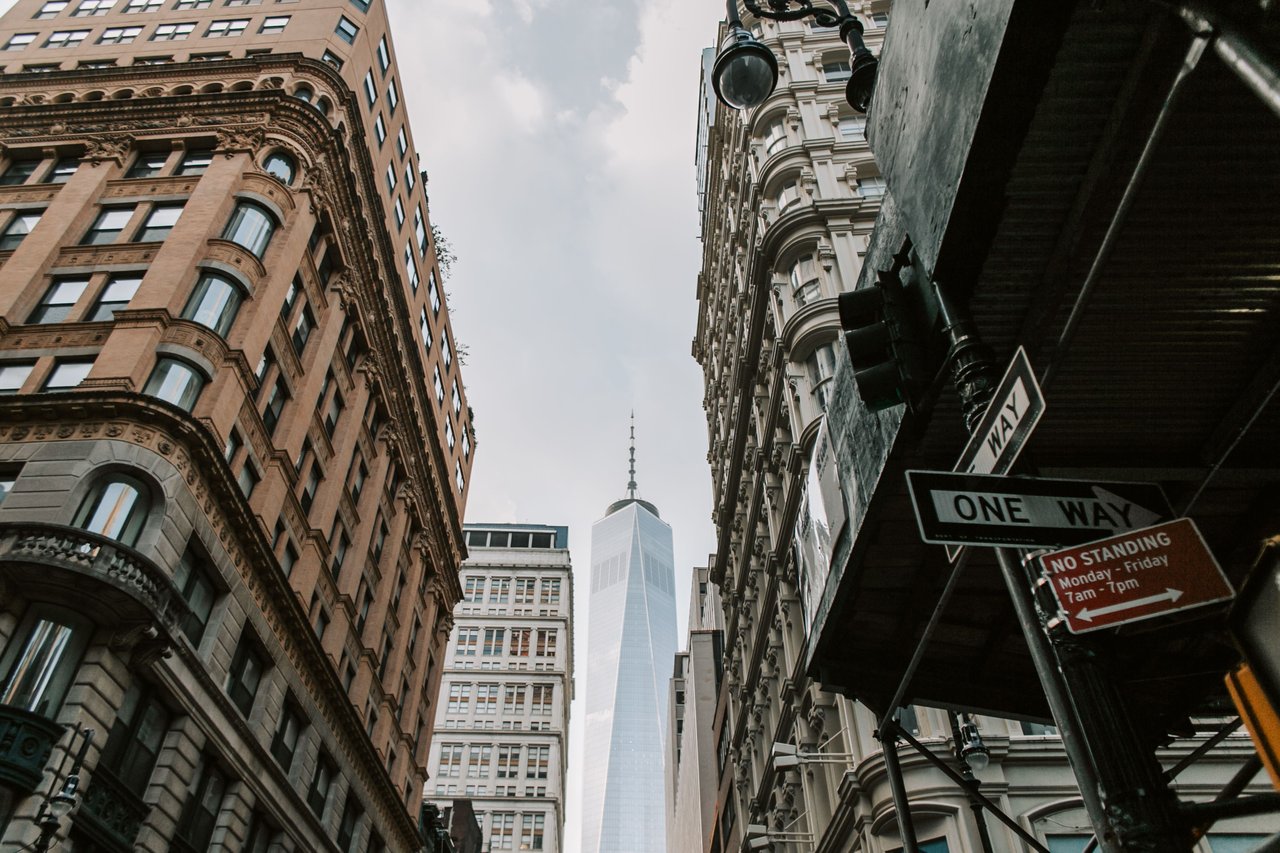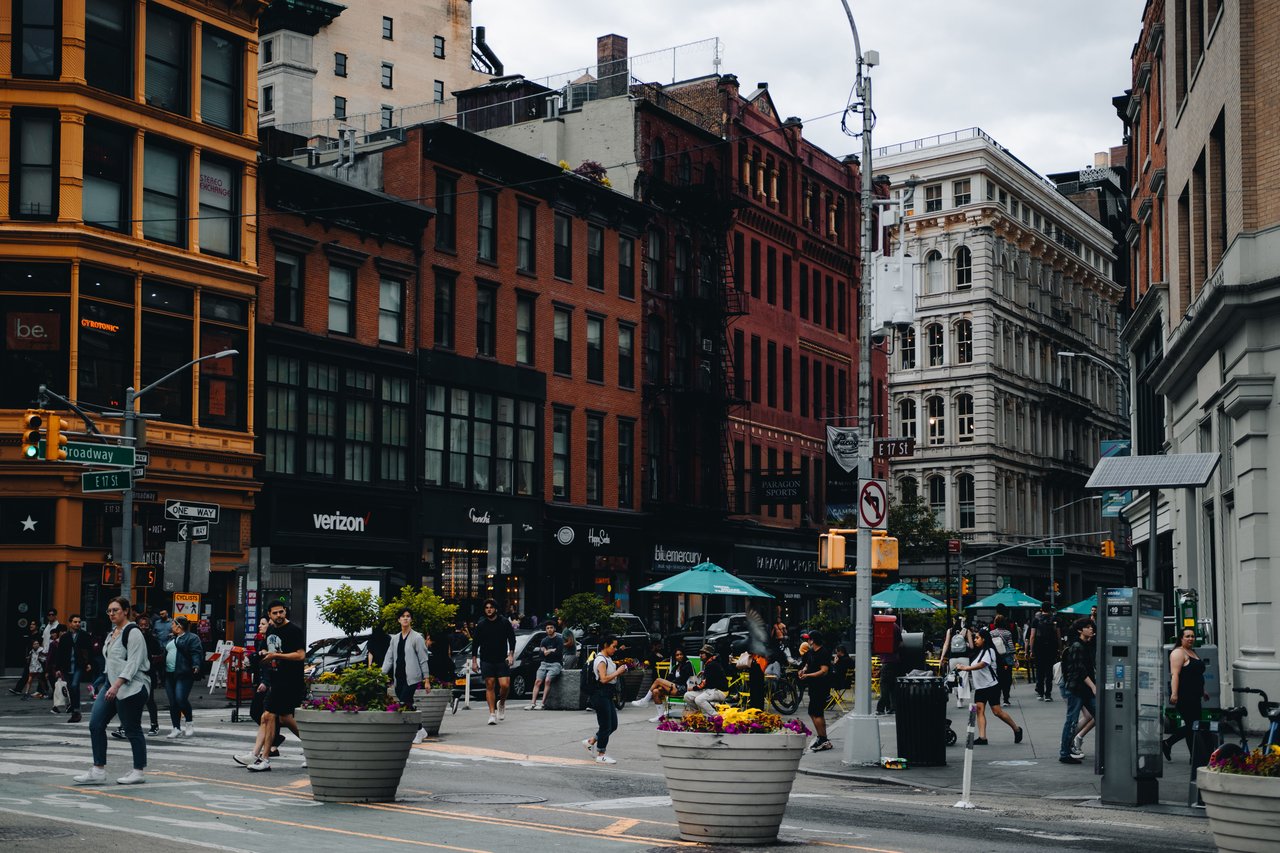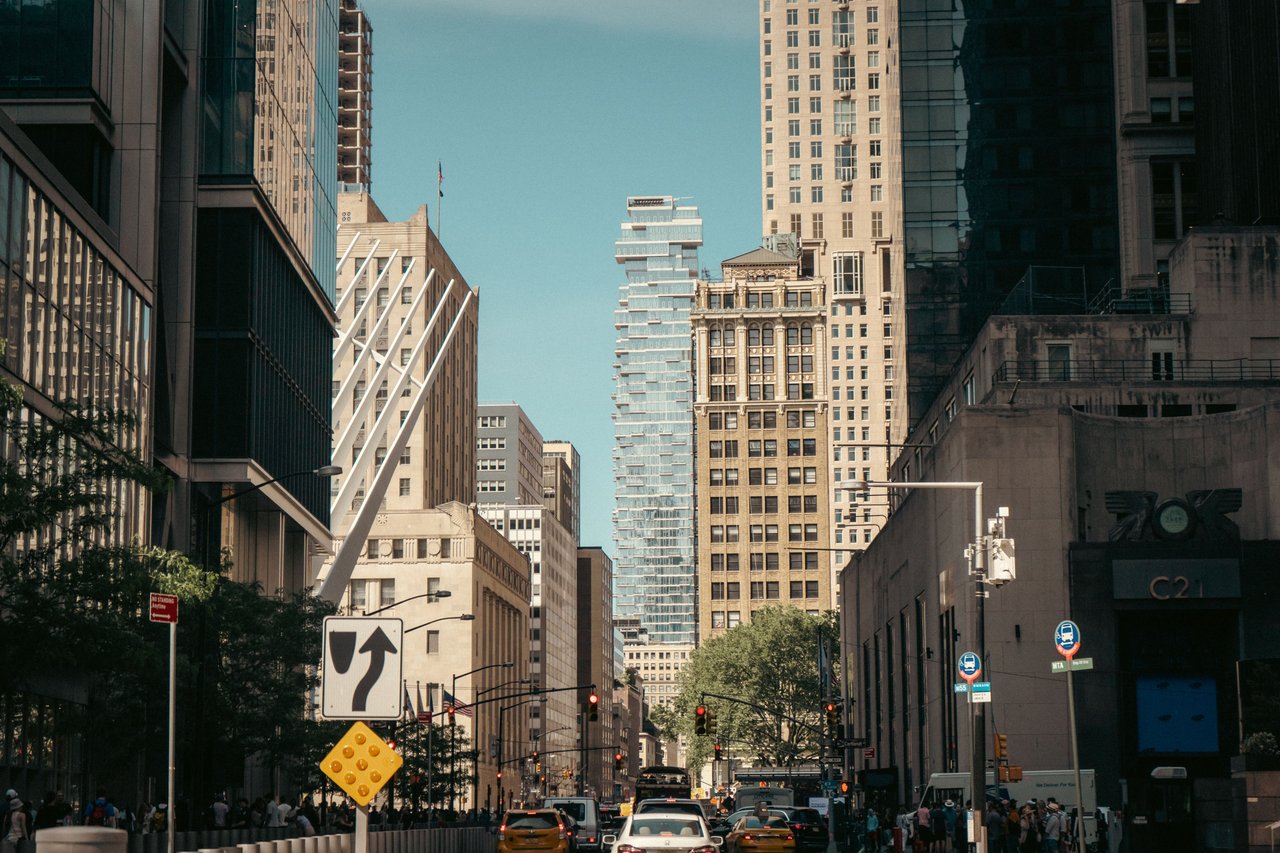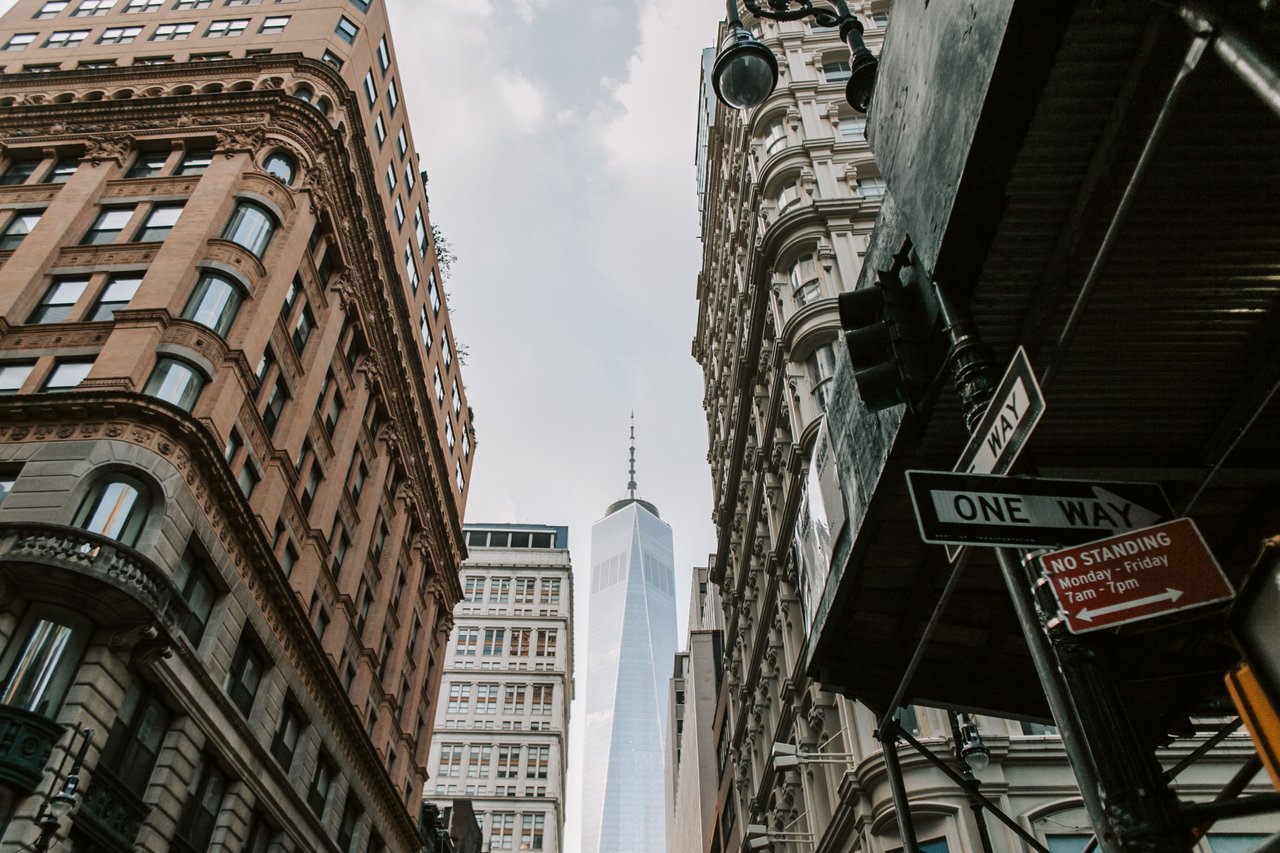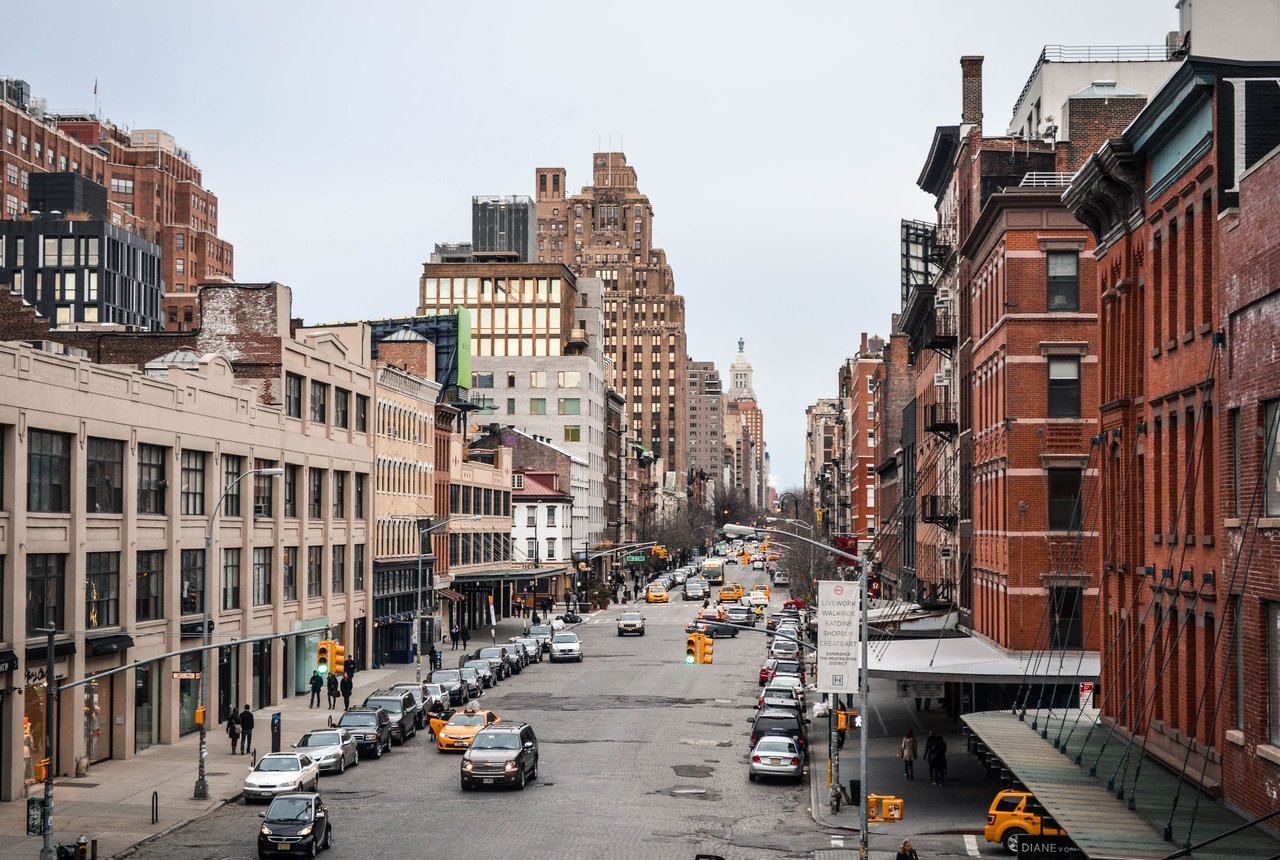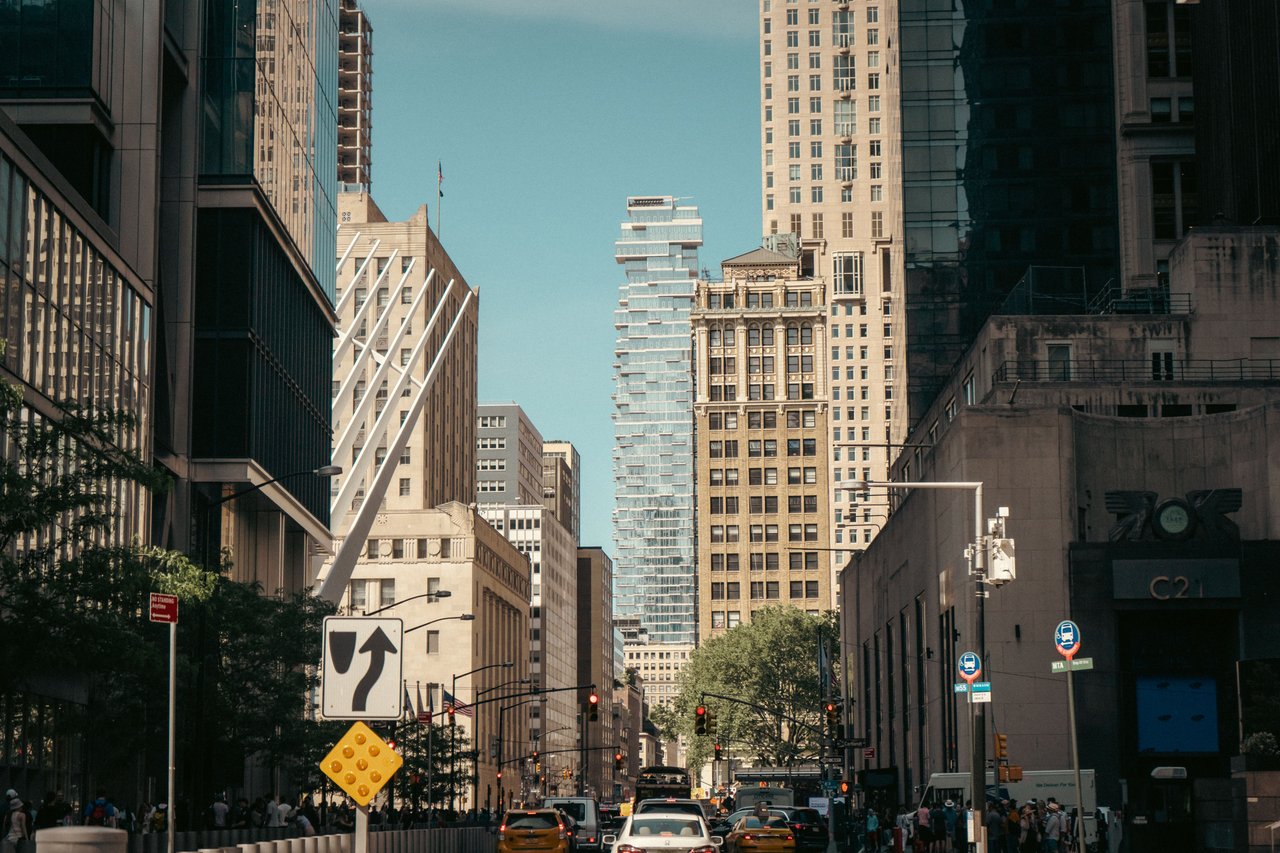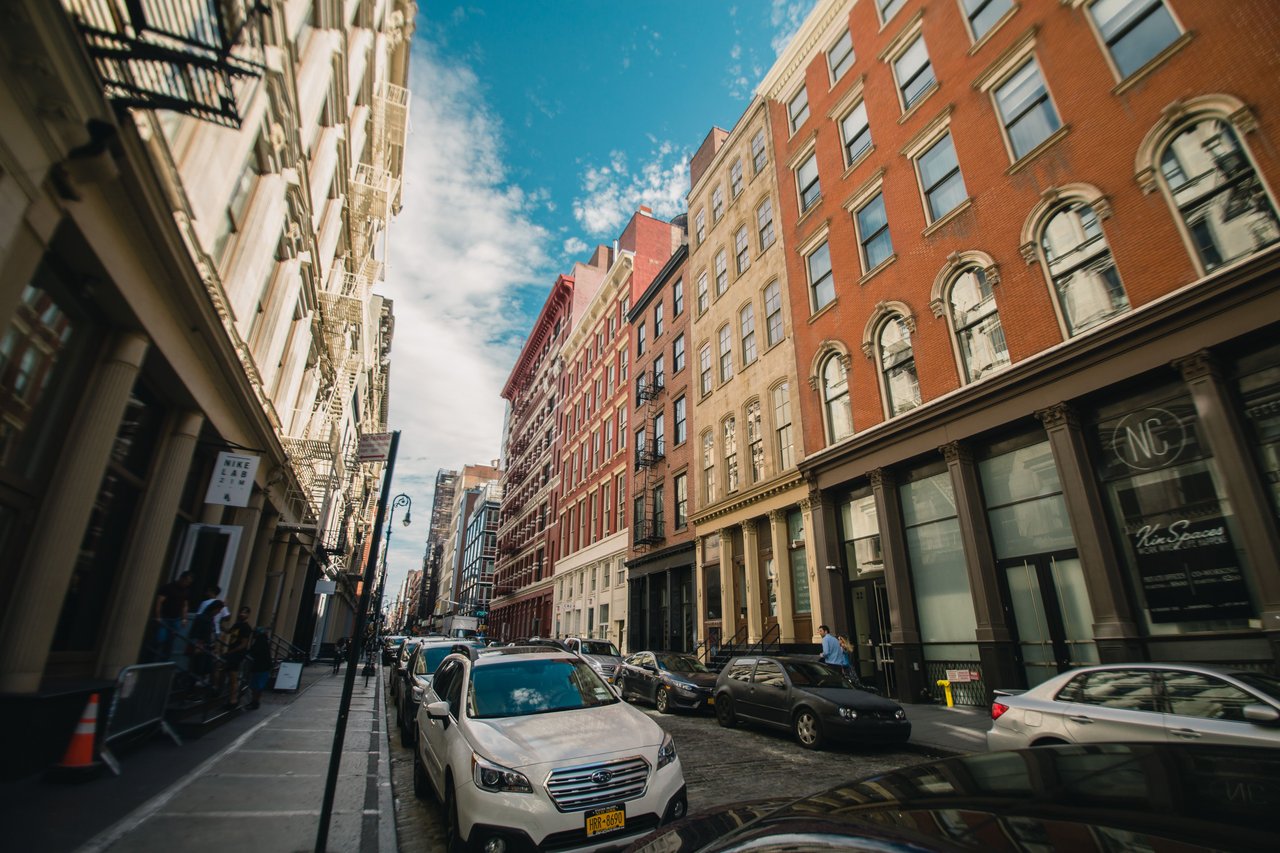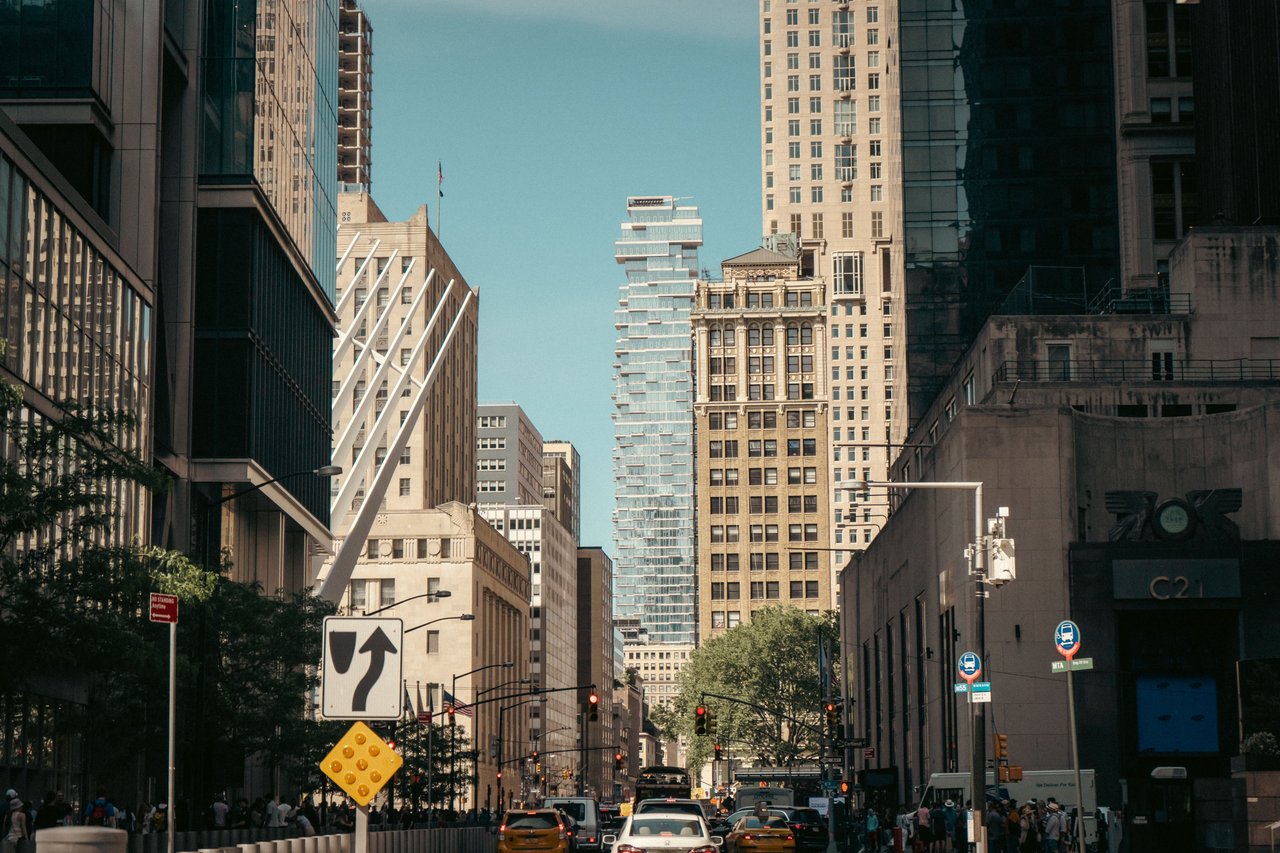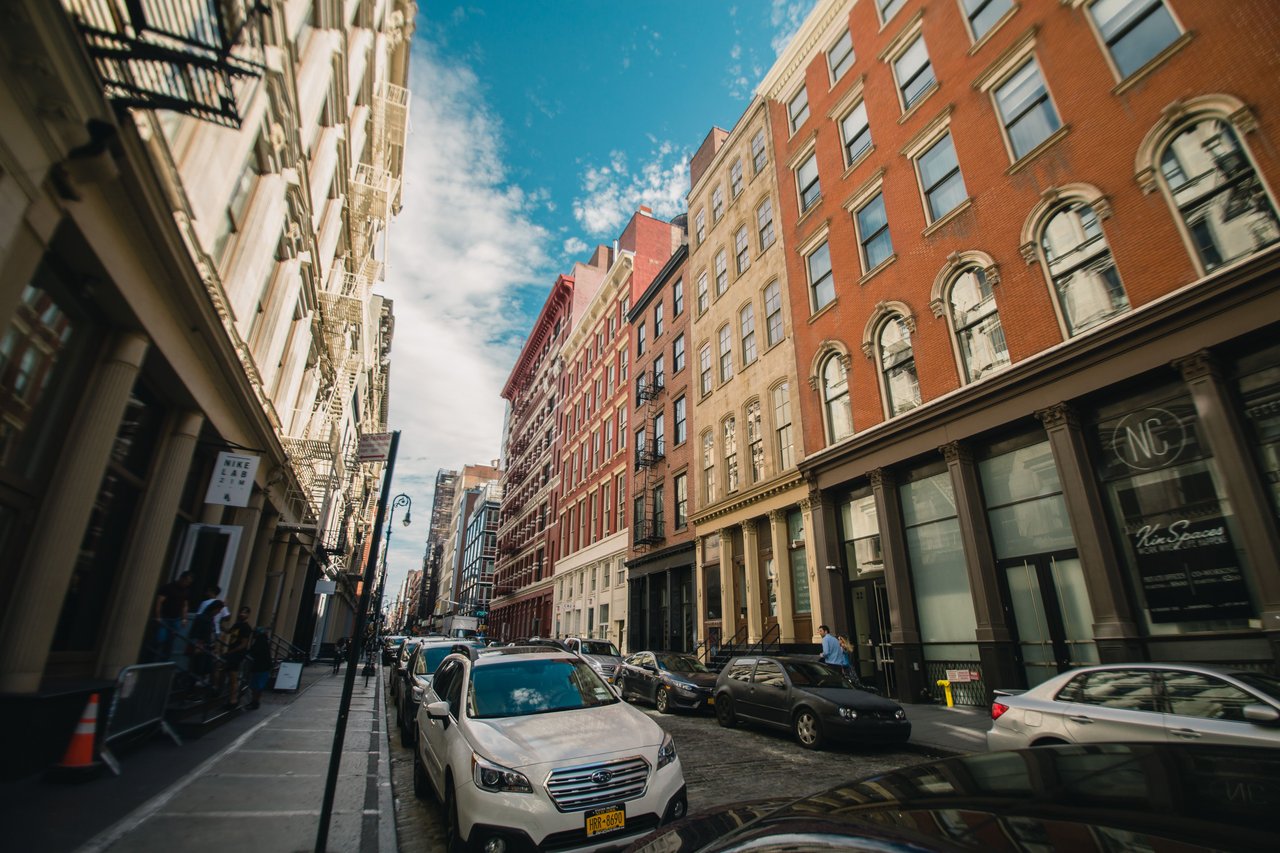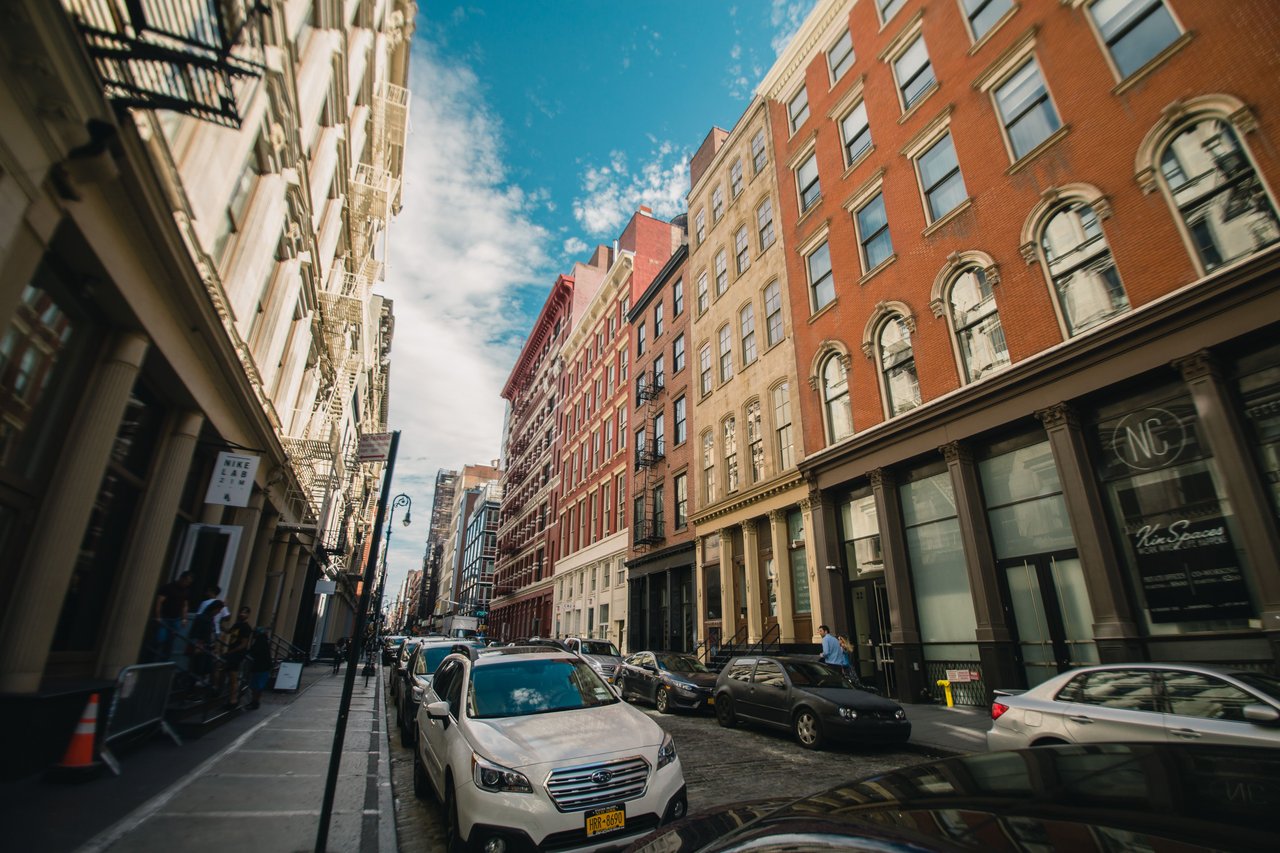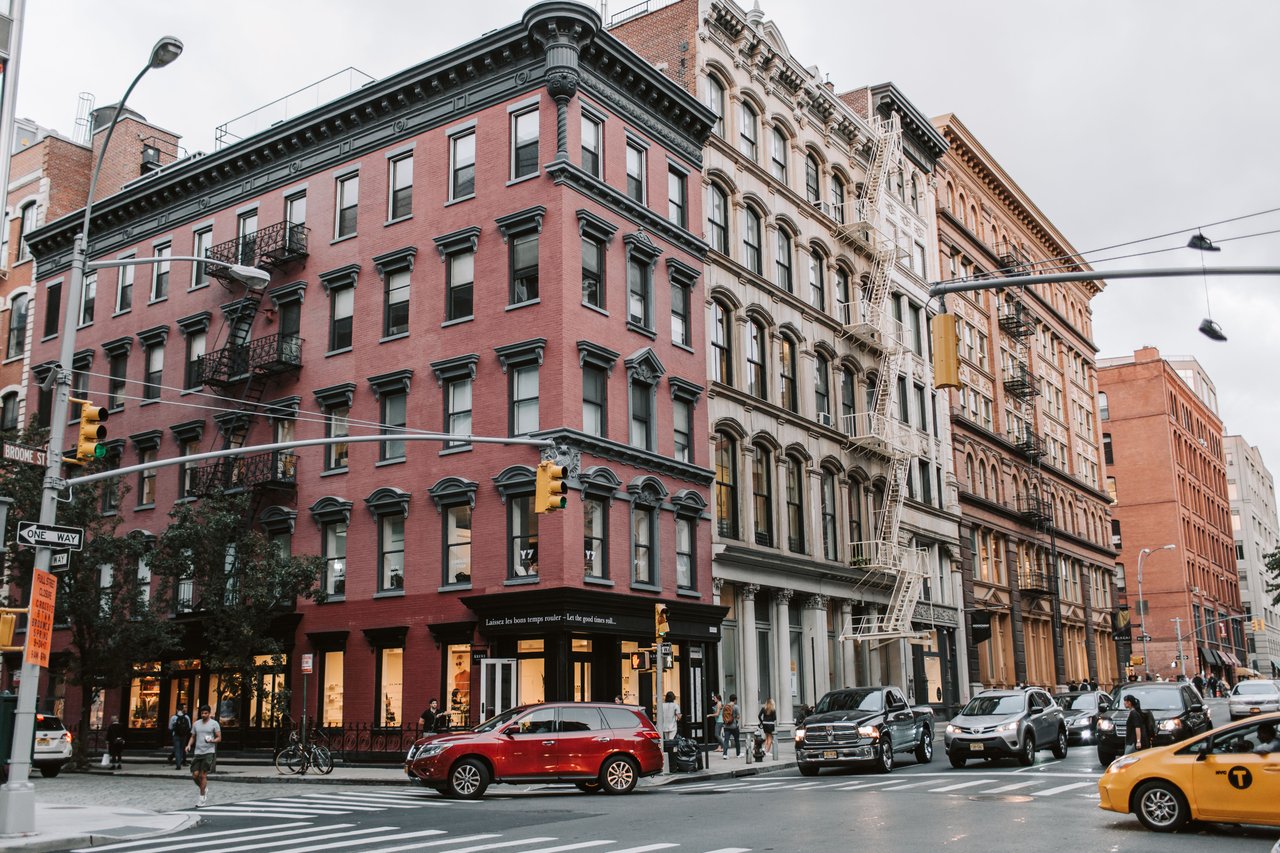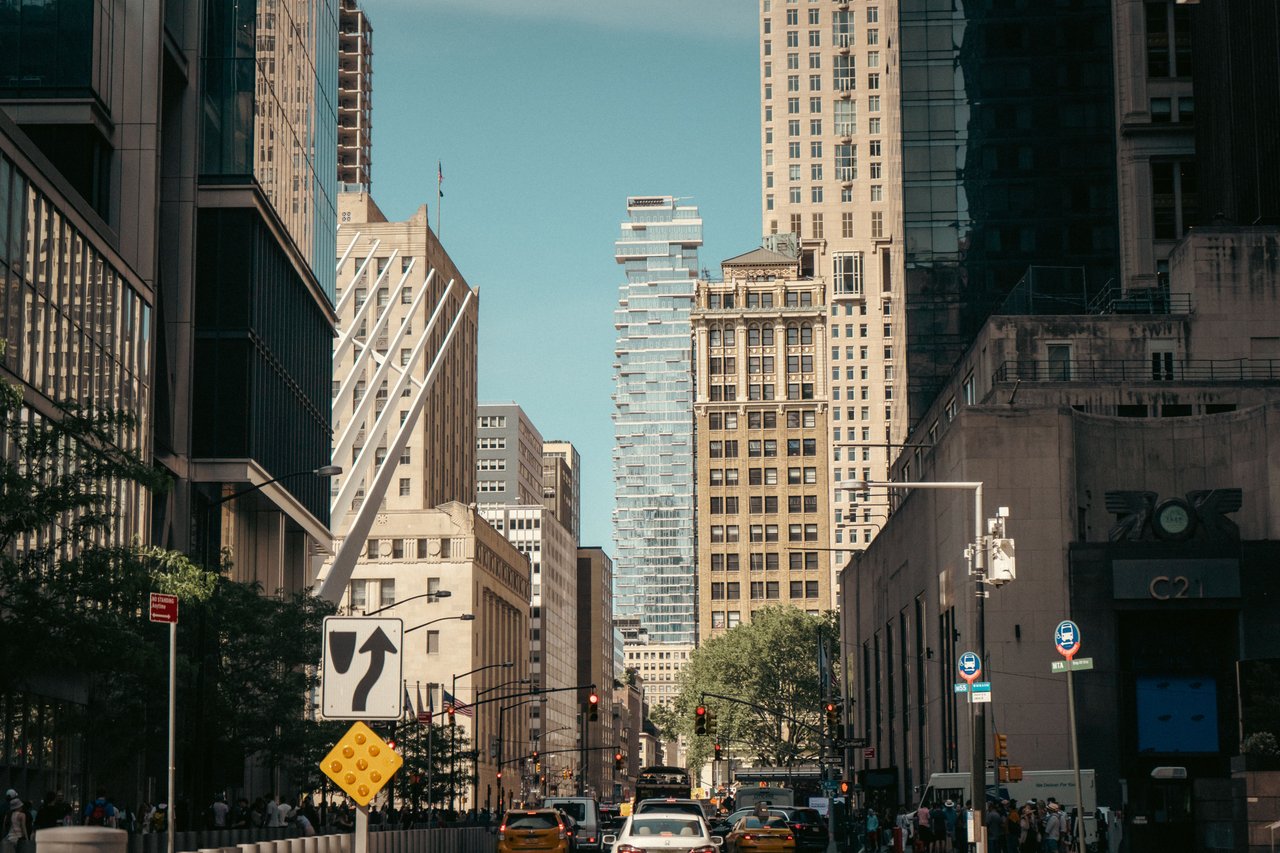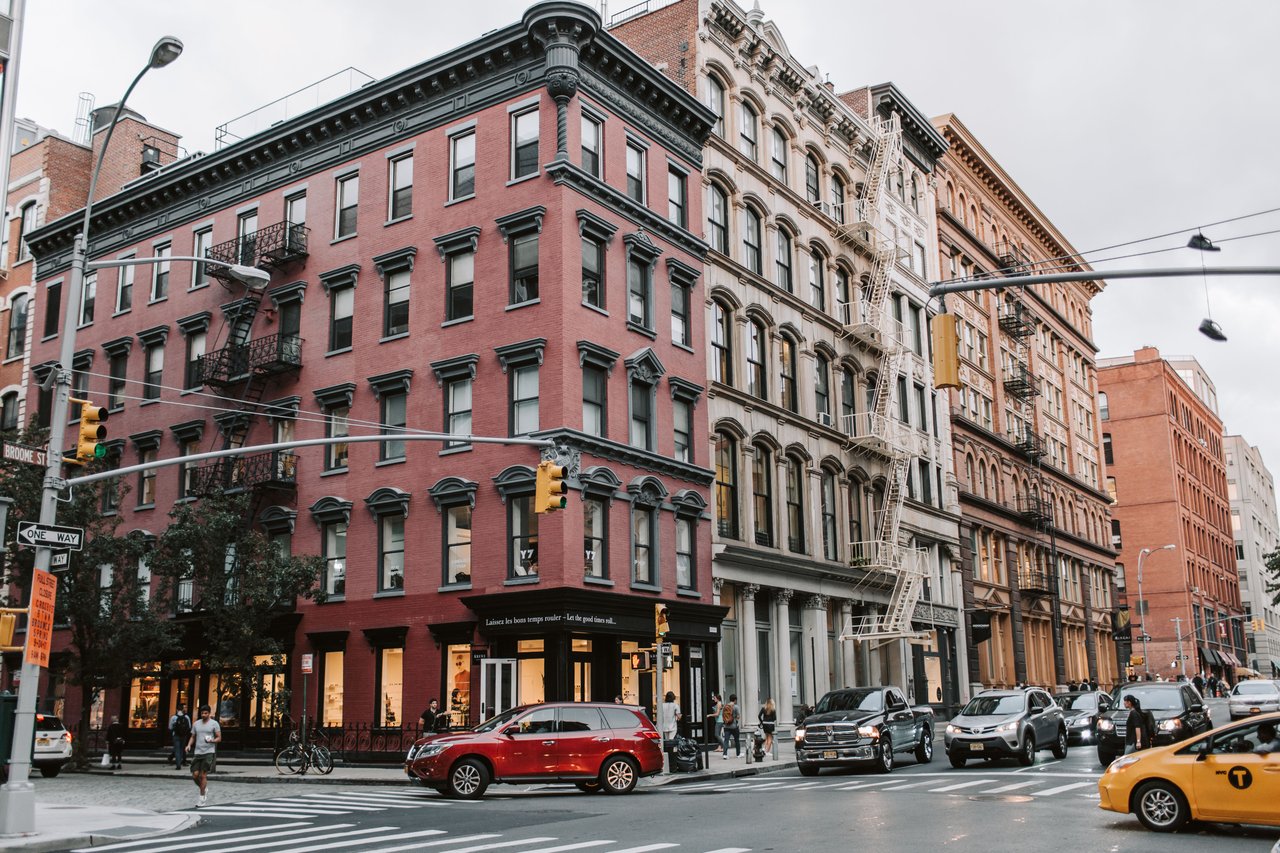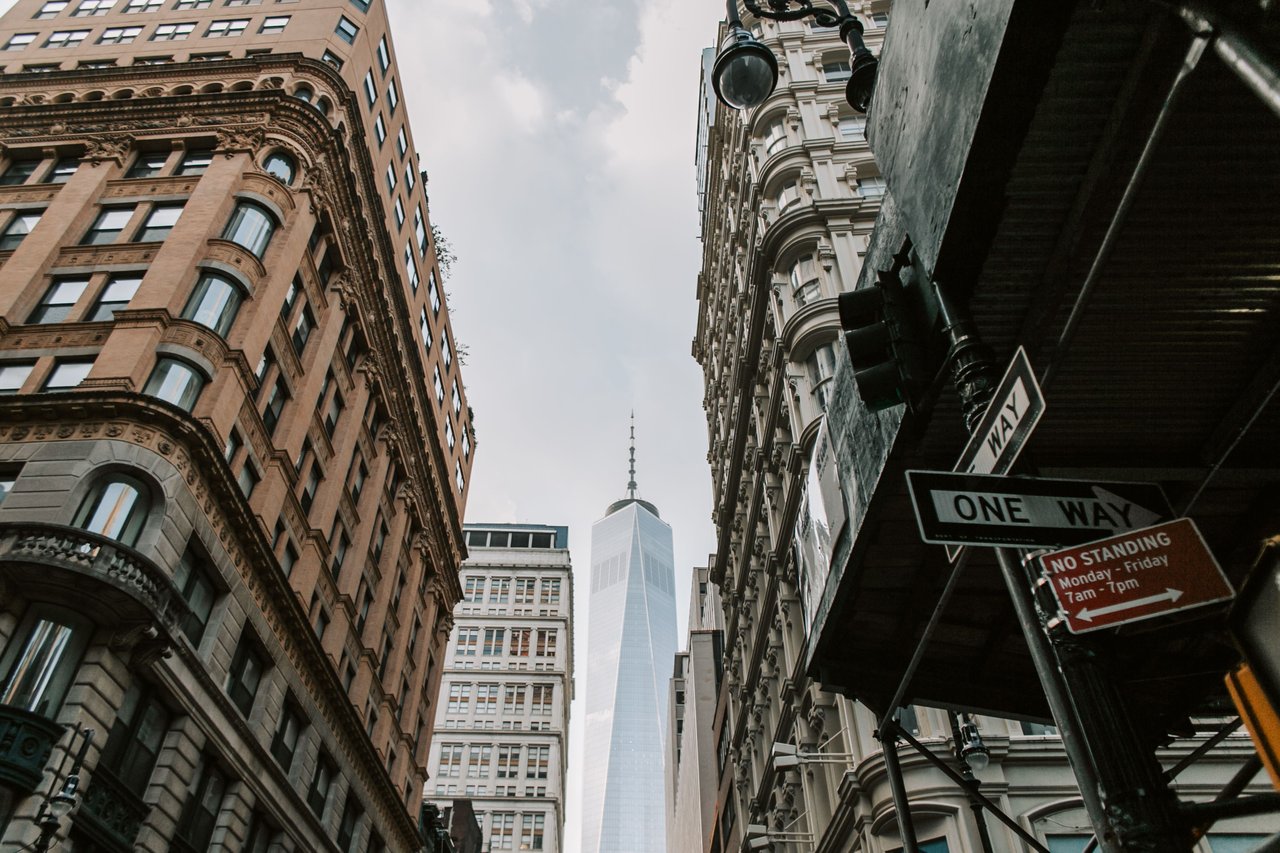
Pearl Street is one of the oldest surviving streets in Manhattan, preserving an important connection to the city's colonial waterfront, early commercial development, and nineteenth-century architecture. Unlike the straight streets established through Manhattan's later grid plan, Pearl Street follows an irregular route through Lower Manhattan, extending from the Battery area toward the Civic Center and the Brooklyn Bridge. Its alignment reflects the changing shoreline of New York Harbor and the gradual expansion of the city beyond its original waterfront.
Although Pearl Street lies primarily within the Financial District and Civic Center rather than Tribeca, its architectural history is closely connected to the broader development of Lower Manhattan. The street's buildings and surviving historic sites reveal the transformation of New Amsterdam into a major commercial city, with early houses, merchant buildings, warehouses, printing establishments, and later office structures occupying land that once stood beside the East River.
Pearl Street is particularly significant because it preserves traces of Manhattan's original waterfront. Before extensive landfill projects expanded the island, portions of the roadway ran near the water's edge. As the shoreline moved eastward, the street became increasingly surrounded by commercial buildings, transforming from a waterfront route into an interior corridor.
Among its most important historic landmarks are Fraunces Tavern at 54 Pearl Street, the site of Thomas Edison's Pearl Street generating station, and the historic commercial buildings associated with the nineteenth-century publishing and mercantile districts. Together, these places illustrate how Pearl Street played a role in Manhattan's architectural, commercial, and technological development.
The Origins of Pearl Street
Pearl Street originated during the Dutch colonial period, when Manhattan was known as New Amsterdam. The original settlement occupied the southern end of the island, where streets developed around the harbor, defensive structures, and waterfront trading activities.
Rather than following a standardized plan, early streets were influenced by the natural shoreline and the locations of existing properties. Pearl Street emerged as part of this irregular network, running along portions of the East River waterfront before later landfill projects extended the island.
During the seventeenth century, the roadway was associated with the waterfront and commercial activity. Merchants, craftsmen, and property owners occupied buildings near the harbor, where access to shipping was essential to the colony's economy.
As New Amsterdam became New York under English rule, the surrounding neighborhood continued to develop. Buildings were enlarged or replaced, commercial activity intensified, and the original waterfront street gradually became part of a more substantial urban environment.
Why Is It Called Pearl Street?
Pearl Street takes its name from the oyster shells and pearly shell deposits historically associated with Manhattan's shoreline.
The waters surrounding early New Amsterdam supported extensive oyster beds, and shells were a familiar feature of the waterfront landscape. The Dutch name Paerl Straet, or Pearl Street, reflected this connection to the natural environment.
The name survived the transition from Dutch to English rule and remains one of the city's enduring colonial street names.
Its origins are especially appropriate because the roadway once followed portions of the original shoreline, preserving a reminder of the relationship between Manhattan's early streets and the surrounding harbor.
Pearl Street and the Original Manhattan Shoreline
The original shoreline of Lower Manhattan was considerably different from the waterfront visible today. During the seventeenth century, the East River extended farther inland, and streets such as Pearl Street ran close to the water.
As the city expanded, waterfront land became increasingly valuable for shipping, trade, and commercial construction. Property owners and municipal authorities gradually extended the shoreline through landfill and the construction of wharves.
These projects created new streets and building lots east of the original waterfront. Water Street and Front Street became part of the expanded commercial landscape, while Pearl Street moved farther from the harbor.
The street's irregular alignment preserves evidence of this earlier geography. Its curves and changes in direction reflect the shoreline and property divisions that existed before the modern city was established.
The Architecture of Dutch New Amsterdam
The earliest buildings near Pearl Street reflected Dutch colonial construction traditions. Houses and commercial structures were commonly built with wood, brick, and stone, depending on their function and the resources available.
Dutch-influenced buildings frequently incorporated steep roofs, compact footprints, and practical arrangements suited to narrow urban lots. Some properties combined residential and commercial functions, allowing merchants to conduct business near the waterfront.
As the settlement expanded, brick construction became increasingly important. The growing use of masonry reflected concerns about durability, fire resistance, and the demands of a developing commercial center.
Although few seventeenth-century buildings survive, Pearl Street's alignment and historic sites preserve important evidence of this early period.
Pearl Street During the English Colonial Period
Following the English takeover of New Amsterdam in 1664, the city continued to expand as a commercial port. Pearl Street remained an important route connecting waterfront properties with the developing streets of Lower Manhattan.
During the eighteenth century, substantial brick houses and merchant buildings appeared along the roadway. These structures reflected changing architectural preferences, including Georgian design principles emphasizing symmetry, masonry construction, and classical proportions.
Commercial activity continued to shape the street. Warehouses, countinghouses, and merchant premises occupied properties near the harbor, while residential buildings stood alongside commercial structures.
This combination of uses established the architectural character that would influence Pearl Street throughout the nineteenth century.
Georgian Architecture on Pearl Street
Georgian architecture became influential in colonial New York during the eighteenth century. The style emphasized balanced facades, regularly arranged windows, classical entrance details, and substantial masonry construction.
Many Georgian buildings incorporated brick walls, pitched roofs, and decorative stone or wood trim. The style was used for residences, commercial buildings, and public institutions.
On Pearl Street, Georgian architecture reflected the growing prosperity and architectural ambitions of the colonial city. Larger brick houses began to replace some of the earlier, more modest structures.
Fraunces Tavern is among the most important surviving sites associated with this period, although the building's present appearance reflects substantial later restoration.
Fraunces Tavern at 54 Pearl Street
Fraunces Tavern, located at 54 Pearl Street, is one of Manhattan's most historically significant buildings. The structure was originally constructed in 1719 as a substantial brick residence for Stephen Delancey, a prominent colonial merchant.
The building later became a tavern operated by Samuel Fraunces. Its history is closely associated with the American Revolutionary period, particularly George Washington's farewell to his officers in December 1783.
Architecturally, the building represents an important connection to eighteenth-century Manhattan. Its brick construction, traditional window arrangement, and pitched roof evoke the Georgian building traditions of the colonial period.
The building underwent substantial alterations during the nineteenth century and was extensively restored in the early twentieth century. Its current appearance therefore reflects both its colonial origins and later efforts to reconstruct its historic character.
Today, Fraunces Tavern remains an important architectural landmark near the southern end of Pearl Street.
The Architectural Significance of Fraunces Tavern
Fraunces Tavern is significant not only because of its historical associations but also because it represents the scale and construction methods of early eighteenth-century New York.
The building occupies a prominent corner site at Pearl and Broad Streets. Its brick facade and traditional roofline contrast with the much taller commercial buildings constructed nearby during the nineteenth and twentieth centuries.
The restoration of the property illustrates an early approach to architectural preservation in Manhattan. Rather than allowing the structure to be replaced by a larger commercial building, preservation efforts sought to recover its colonial appearance.
The building's survival provides an important visual reference for understanding the architectural character of Lower Manhattan before the rise of modern office towers.
Pearl Street and Broad Street
Broad Street intersects Pearl Street near Fraunces Tavern and belongs to Manhattan's early colonial street network.
Originally associated with a canal and drainage channel, Broad Street developed into an important commercial roadway as the city expanded. Its relationship with Pearl Street reflects the connection between the original waterfront and the interior streets of New Amsterdam.
During the eighteenth and nineteenth centuries, the surrounding blocks acquired substantial commercial buildings, merchant premises, and later financial institutions.
The intersection preserves an important relationship between colonial street planning and the larger commercial architecture that eventually transformed the Financial District.
Pearl Street and Wall Street
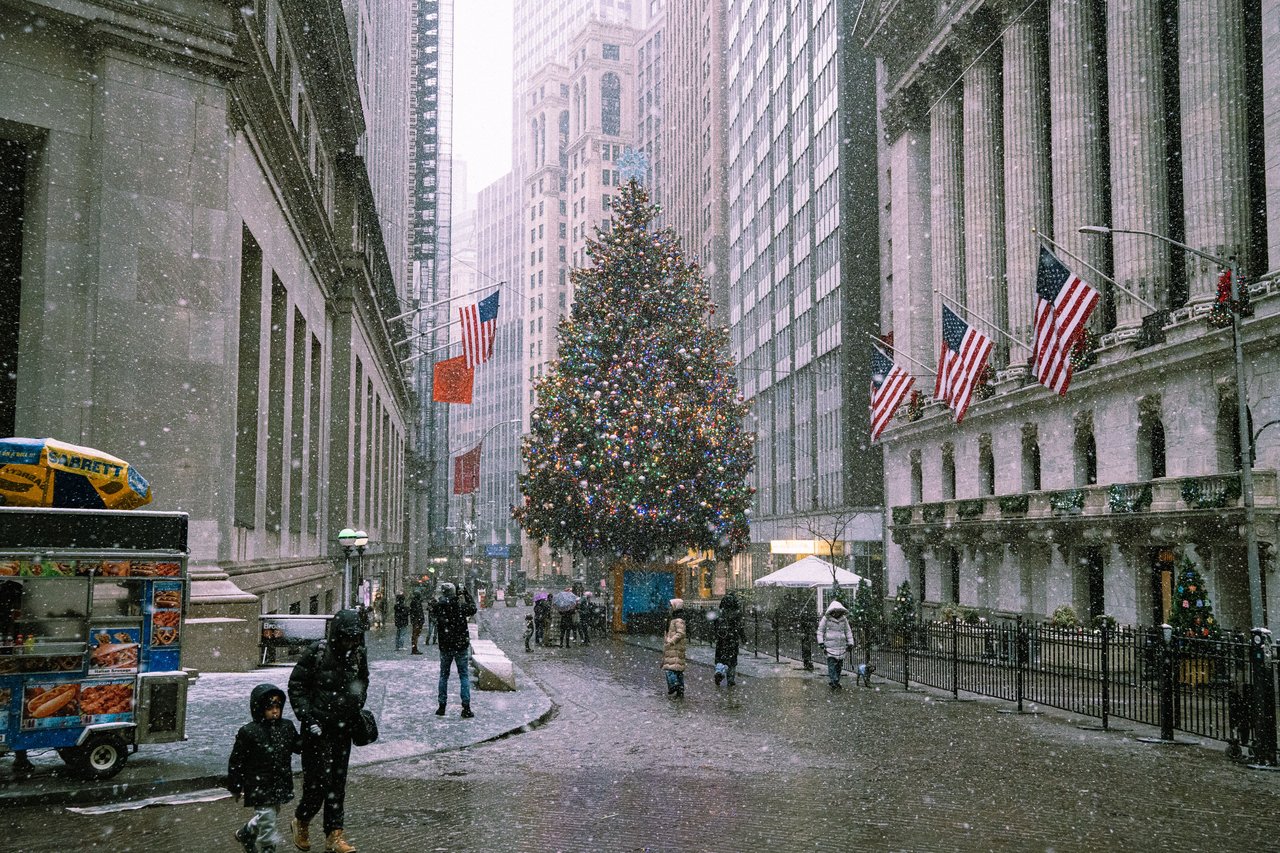
Wall Street is one of Lower Manhattan's most historically significant roadways, originating near the northern defensive boundary of Dutch New Amsterdam.
As the city expanded, the surrounding area developed into an increasingly important commercial and financial district. Pearl Street provided connections between this interior commercial center and the waterfront.
During the nineteenth century, the blocks near Wall Street became characterized by larger business buildings, warehouses, and financial institutions. Architectural styles evolved from restrained masonry construction toward more elaborate commercial designs.
The relationship between Pearl Street and Wall Street demonstrates how Manhattan's original waterfront streets became integrated into the developing financial center.
The Growth of Merchant Architecture
During the late eighteenth and early nineteenth centuries, Pearl Street became increasingly associated with commercial buildings serving Manhattan's expanding port economy.
Merchant buildings often combined storage, offices, and commercial activity within the same property. Ground floors provided access to goods and business operations, while upper stories accommodated additional storage or working space.
Brick construction was widely used because it offered durability and fire resistance. Regularly arranged windows allowed natural light into the interior, while substantial walls and relatively simple facades reflected the practical requirements of commercial architecture.
These structures established the foundations of the warehouse and loft building traditions that later became prominent throughout Lower Manhattan.
Federal Architecture on Pearl Street
Federal architecture became influential in New York during the late eighteenth and early nineteenth centuries. The style emphasized restrained classical details, symmetrical facades, brick construction, and carefully proportioned windows.
Federal buildings often incorporated simple stone lintels, decorative entrances, and pitched roofs with dormers. The style was particularly common in residential construction but also influenced smaller commercial buildings.
Along Pearl Street, Federal architecture reflected the transition from colonial merchant houses to the more formal urban buildings of the early republic.
As commercial activity intensified, many early structures were altered or replaced, but the architectural principles of the Federal period helped shape the appearance of the developing city.
Pearl Street and the War of 1812 Era
During the early nineteenth century, Pearl Street continued to develop as Manhattan's commercial economy expanded. The surrounding neighborhood contained merchant offices, warehouses, residences, and businesses associated with shipping and trade.
Buildings became increasingly substantial, and brick construction dominated the streetscape. Commercial properties often incorporated larger windows and more extensive storage facilities than earlier residential structures.
The period also saw changes to the waterfront as additional land was filled and new streets were established closer to the East River.
These developments gradually transformed Pearl Street from a waterfront roadway into a commercial street located within the expanding city.
The Great Fire of 1835
The Great Fire of 1835 was one of the most destructive events in the architectural history of Lower Manhattan. The fire devastated a substantial portion of the commercial district, destroying hundreds of buildings and dramatically changing the surrounding streetscape.
Pearl Street was among the roadways affected by the disaster. Large sections of the neighborhood were subsequently rebuilt with more substantial commercial structures.
The rebuilding period encouraged the use of masonry construction and influenced the appearance of the city's developing business district.
As new warehouses and merchant buildings replaced earlier structures, Pearl Street acquired a more uniform commercial character in some sections, reflecting the architectural preferences and construction requirements of the middle nineteenth century.
Rebuilding Pearl Street After the Great Fire
The reconstruction following the Great Fire of 1835 marked an important period in Pearl Street's architectural development.
Commercial buildings were rebuilt to accommodate the growing needs of merchants and trading companies. Brick and stone became increasingly prominent, while more substantial structural systems helped support larger buildings.
Many new properties incorporated regular window arrangements, practical interior layouts, and decorative details associated with the architectural styles of the period.
The rebuilding also contributed to the transformation of Lower Manhattan into a dense commercial district, where warehouses and offices increasingly replaced earlier residential buildings.
Greek Revival Architecture on Pearl Street
Greek Revival architecture became popular in New York during the early and middle nineteenth century. The style emphasized classical proportions, substantial stone details, and restrained ornamentation inspired by ancient Greek architecture.
Commercial buildings often incorporated Greek Revival elements through their entrance surrounds, window lintels, and overall facade composition.
On Pearl Street, the style influenced the reconstruction and expansion of merchant buildings during a period of rapid commercial growth.
Its architectural character differed from the smaller Georgian and Federal structures that preceded it, reflecting the increasing scale and ambition of Manhattan's commercial development.
The Rise of Commercial Warehouses
As New York's port economy expanded during the nineteenth century, Pearl Street became increasingly associated with commercial warehouses.
These buildings were designed to accommodate goods, offices, and business operations. Their architecture emphasized durability, interior space, and access to commercial transportation routes.
Many warehouses incorporated substantial brick walls, regularly arranged windows, and relatively simple facades. Decorative details were often concentrated around entrances and cornices.
The resulting buildings helped establish the commercial architectural character of Lower Manhattan and influenced the later development of loft and warehouse districts.
Italianate Architecture on Pearl Street
Italianate architecture became influential in New York during the middle of the nineteenth century. The style introduced taller proportions, decorative window surrounds, bracketed cornices, and substantial facade ornamentation.
Commercial buildings frequently incorporated Italianate details into otherwise practical masonry structures. Brick facades could be enhanced with stone lintels, projecting cornices, and decorative entrance treatments.
The style was particularly well suited to merchant buildings and warehouses, where relatively straightforward structural forms could accommodate elaborate exterior details.
Italianate architecture became an important part of the nineteenth-century commercial streetscape throughout Lower Manhattan, including the blocks surrounding Pearl Street.
The Development of Cast-Iron Commercial Architecture
Cast iron became an important architectural material in New York during the middle and late nineteenth centuries.
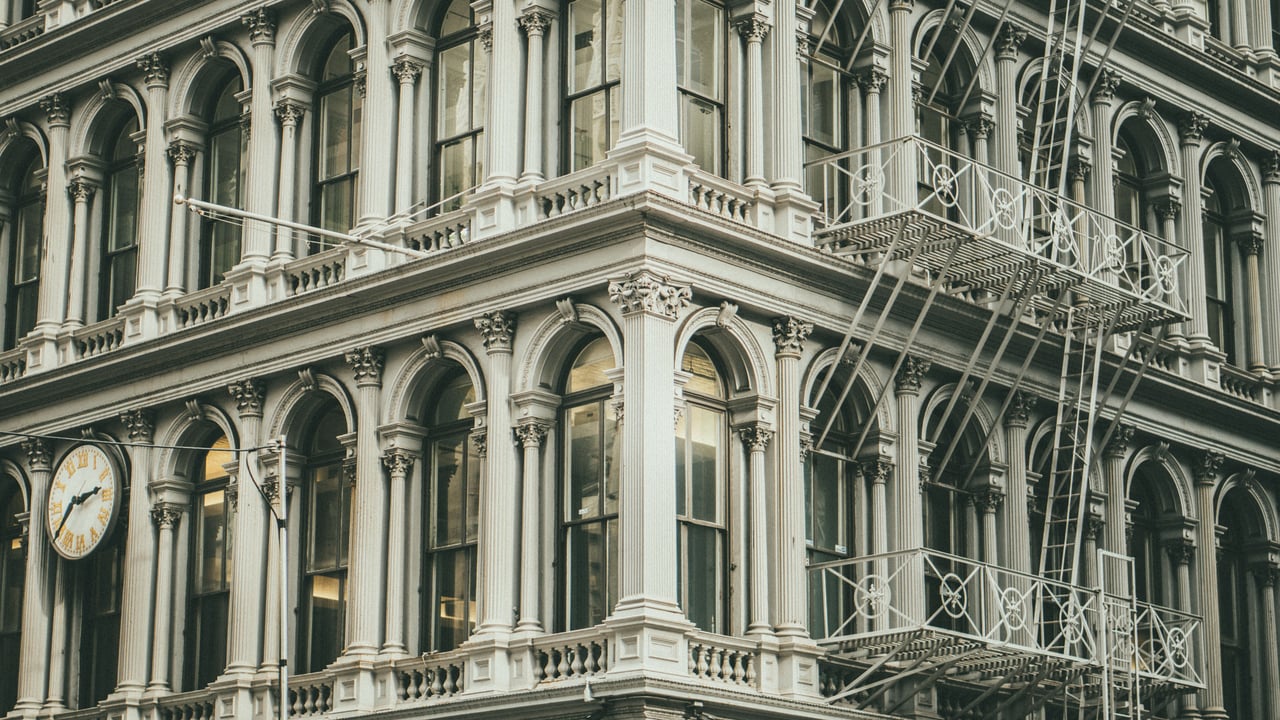
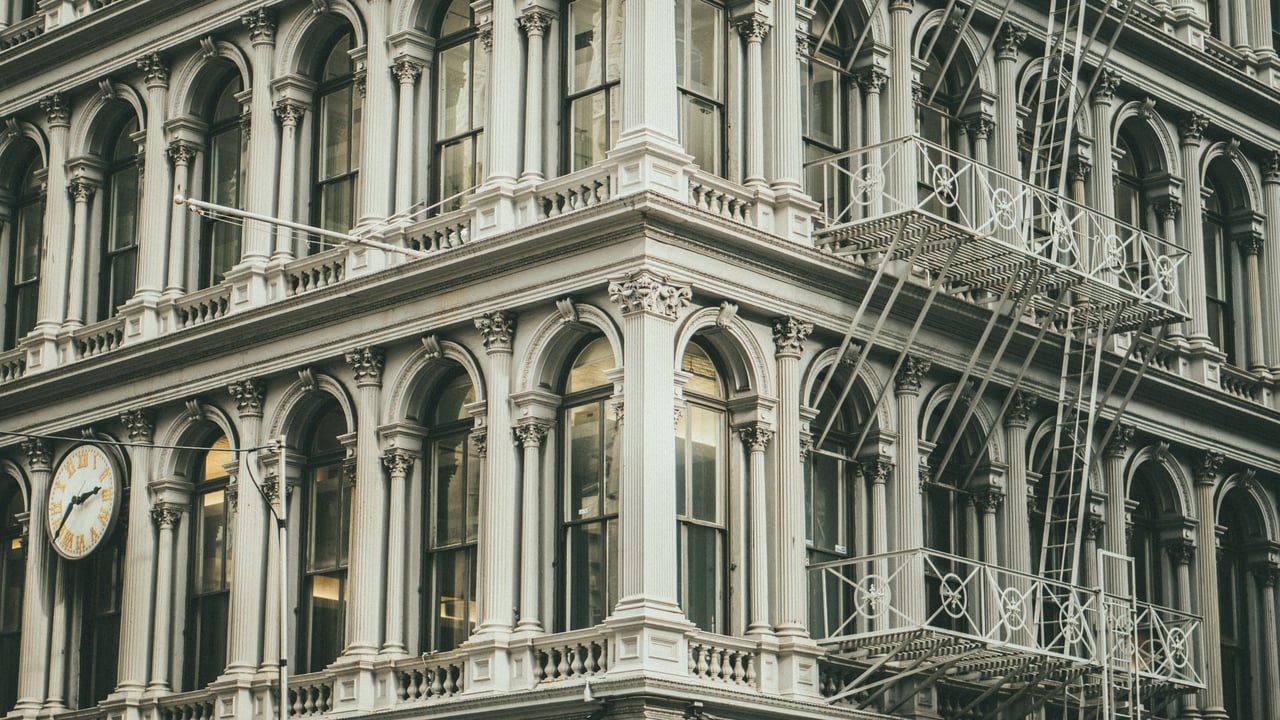
The material allowed architects to create decorative columns, window surrounds, and facade elements through standardized manufacturing techniques. Cast-iron components could be assembled into elaborate commercial facades while accommodating relatively large windows.
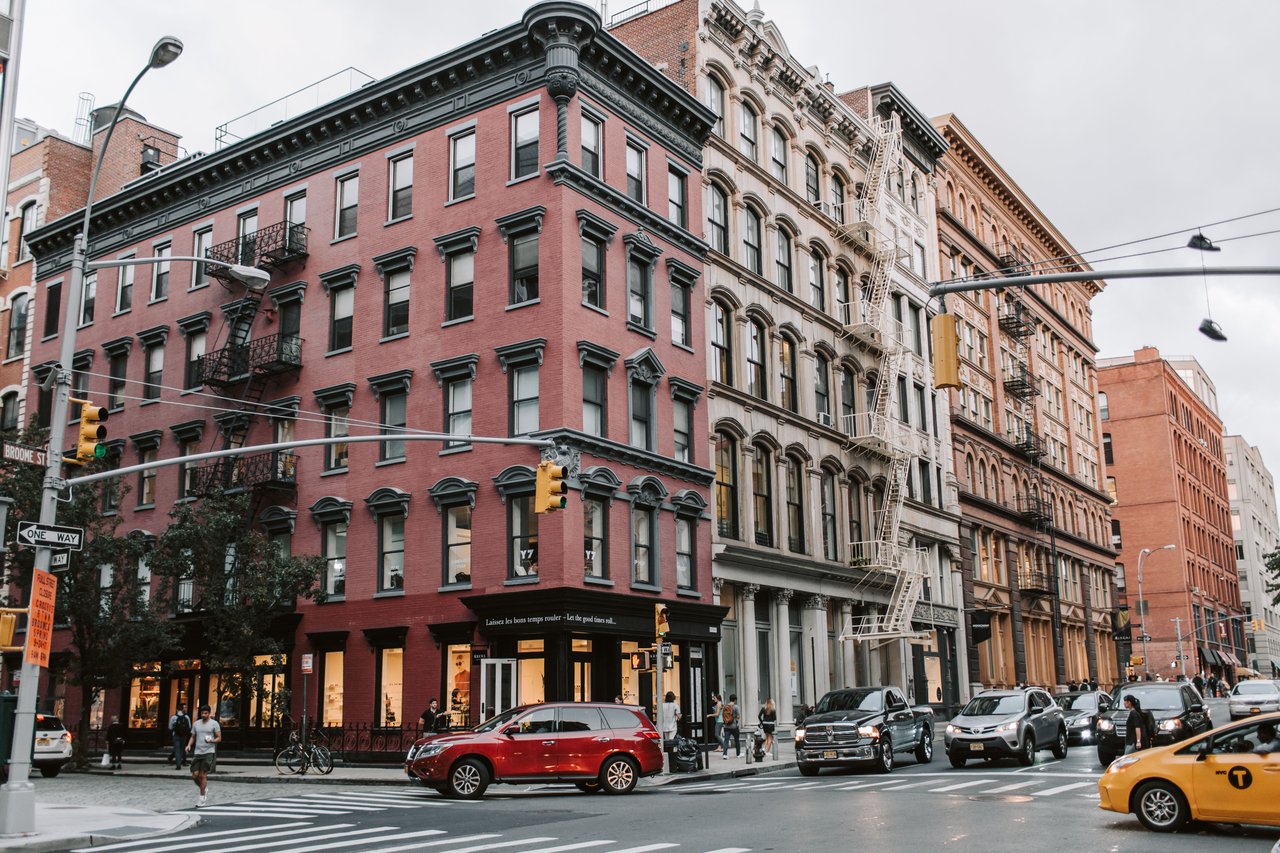
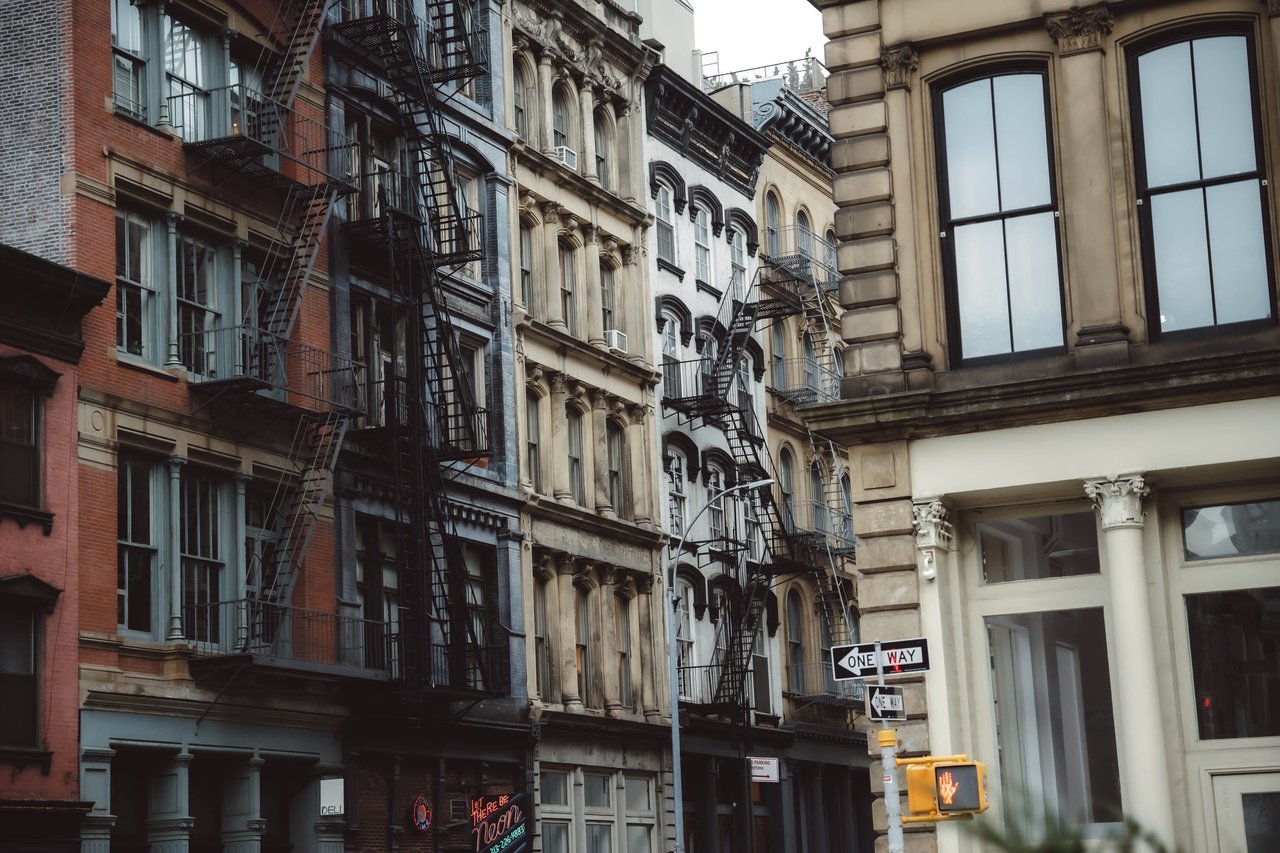
Although Pearl Street is more strongly associated with traditional masonry commercial buildings than the cast-iron architecture of SoHo, the broader development of cast-iron construction influenced the commercial architecture of Lower Manhattan.
The increasing use of iron structural elements also contributed to the development of larger commercial buildings and more flexible interior spaces.
Pearl Street and the Printing Industry
During the nineteenth century, the area around Pearl Street became associated with commercial printing, publishing, and related businesses.
Printing establishments required substantial interior space, natural light, and convenient access to commercial transportation routes. These requirements encouraged the development of multi-story commercial buildings with regularly arranged windows and practical floor plans.
The surrounding streets near Park Row, Nassau Street, and the Civic Center became important centers of publishing activity.
Pearl Street's relationship with these districts illustrates how commercial specialization influenced the architecture of Lower Manhattan.
The Rise of Loft Buildings
Loft architecture became increasingly important in Manhattan during the nineteenth century.
Loft buildings were designed to accommodate commercial and industrial activities within relatively open interior spaces. Their facades often incorporated large windows, substantial masonry walls, and regularly arranged structural bays.
These buildings differed from traditional residential houses because their design emphasized flexibility and commercial function.
The development of loft architecture along Pearl Street and nearby commercial corridors contributed to the transformation of Lower Manhattan into a major business district.
The Architectural Importance of Brick Construction
Brick was one of the most important materials in Pearl Street's architectural development.
During the colonial period, brick was used for substantial houses and commercial structures. Its durability and fire resistance made it increasingly desirable as the city expanded.
During the nineteenth century, brick became a dominant material for warehouses, offices, and merchant buildings. Decorative brickwork could be combined with stone lintels, metal cornices, and other architectural elements.
The use of brick contributed to the visual continuity of Pearl Street's commercial streetscape, even as building heights and architectural styles changed.
Pearl Street and Fulton Street
Fulton Street is one of Lower Manhattan's historic east-west commercial corridors, connecting the interior city with the East River waterfront.
Its relationship with Pearl Street reflects the importance of transportation and trade in the development of the surrounding neighborhood.
During the nineteenth century, the area became increasingly characterized by commercial buildings, warehouses, and businesses serving the growing port economy.
The intersection demonstrates how Pearl Street connected with the broader commercial network of Lower Manhattan.
Pearl Street and Beekman Street
Beekman Street intersects Pearl Street near the historic commercial and institutional districts surrounding the Civic Center.
The roadway developed as part of Manhattan's early street network and became increasingly associated with commercial activity during the nineteenth century.
The surrounding blocks contained merchant buildings, warehouses, and later office structures.
The intersection illustrates the transformation of Lower Manhattan from a collection of relatively small colonial streets into a dense commercial district.
Pearl Street and Frankfort Street
Frankfort Street connects Pearl Street with the area surrounding the Brooklyn Bridge and the Civic Center.
During the nineteenth century, the neighborhood developed with commercial buildings, printing establishments, and institutional structures.
The construction of the Brooklyn Bridge and related transportation infrastructure dramatically changed the surrounding streetscape.
The relationship between Pearl Street and Frankfort Street reflects the influence of major engineering projects on Manhattan's historic street network.
The Construction of the Brooklyn Bridge
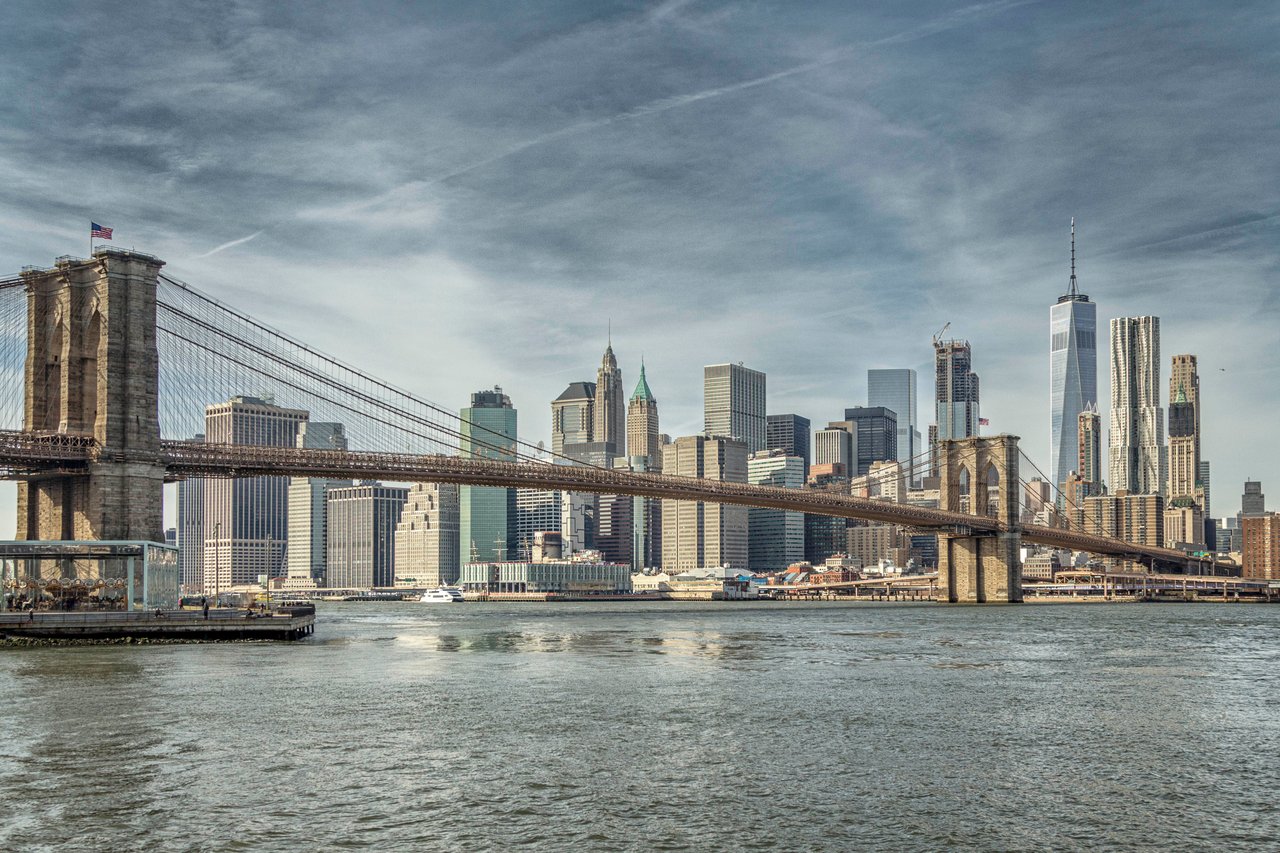
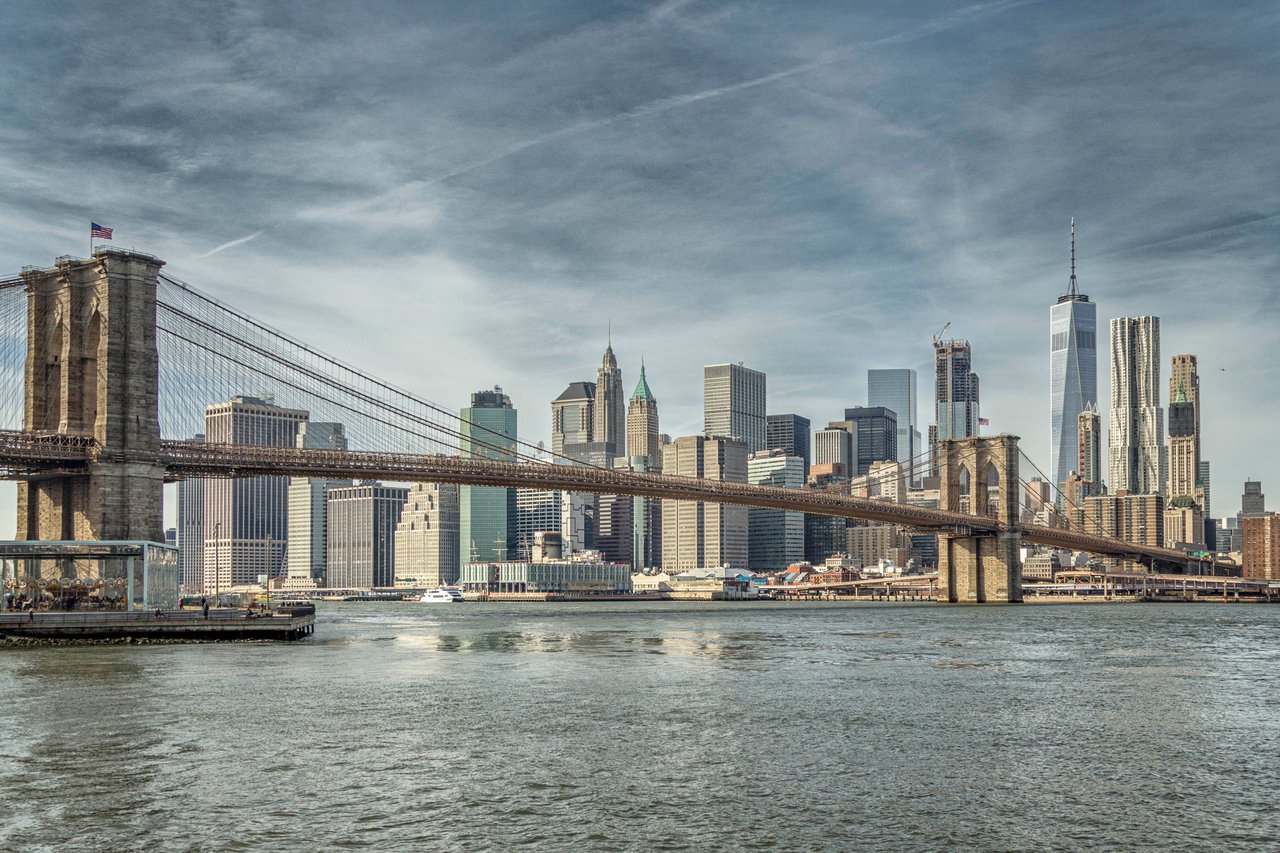
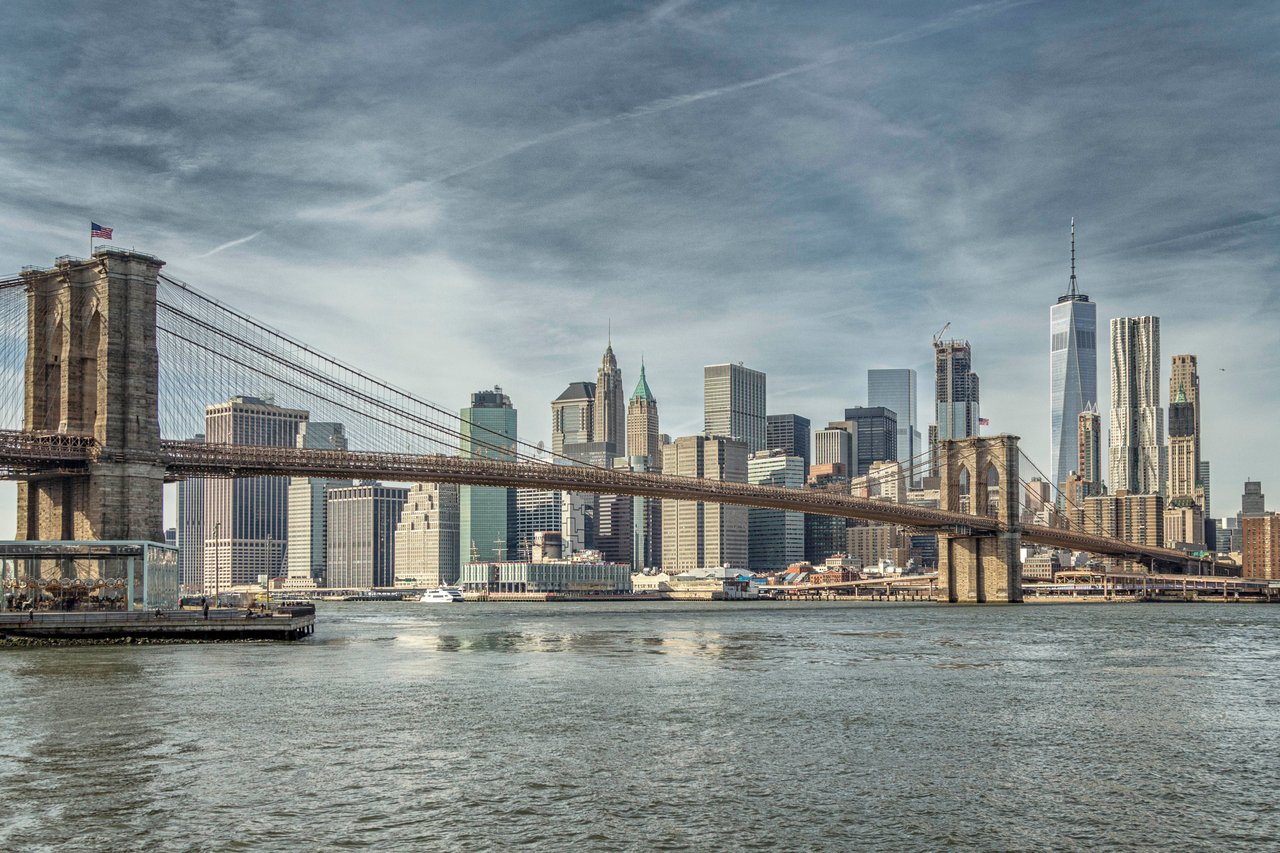
The Brooklyn Bridge, completed in 1883, was one of the most significant engineering projects in nineteenth-century New York.
Its construction transformed the area surrounding Pearl Street near the Civic Center. Streets were altered, buildings were removed, and new transportation infrastructure changed the relationship between Manhattan's commercial districts and the East River.
The bridge's monumental stone towers and suspension system represented a new scale of engineering and architectural ambition.
Although Pearl Street retained much of its historic alignment, the surrounding neighborhood became increasingly shaped by transportation infrastructure.
Pearl Street and the Civic Center
The Civic Center developed as one of Manhattan's principal institutional districts during the nineteenth and twentieth centuries.
The area contains courthouses, government offices, and other substantial public buildings. Their architectural scale differs considerably from the smaller merchant structures that once characterized much of Lower Manhattan.
Pearl Street's northern sections connect with this institutional landscape.
The contrast between traditional commercial buildings and monumental civic architecture illustrates the changing functions of the neighborhood over time.
The Former New York Times Building and Printing District
The area surrounding Park Row and the Civic Center became an important center of newspaper publishing during the nineteenth century.
Large publishing buildings incorporated substantial masonry construction, expansive windows, and increasingly sophisticated structural systems.
These structures reflected the growing scale of the newspaper industry and the need to accommodate printing equipment, offices, and related operations.
Pearl Street's proximity to this district connected it with the broader architectural transformation of Lower Manhattan's commercial and publishing landscape.
Thomas Edison's Pearl Street Generating Station
One of Pearl Street's most important historical associations is the former Pearl Street generating station developed by Thomas Edison.
Located at 255–257 Pearl Street, the station began operating in 1882 and supplied electricity to customers in part of Lower Manhattan.
The project represented an important development in the history of urban electrical infrastructure. Rather than relying on isolated electrical systems, the station demonstrated the possibility of centralized electricity generation and distribution.
The original building no longer survives, but the site remains historically significant because it represents a major stage in the development of modern urban technology.
The Architectural Significance of the Pearl Street Station
The Pearl Street generating station illustrates how technological innovation influenced the architecture and infrastructure of nineteenth-century Manhattan.
The station occupied an existing commercial building adapted to accommodate electrical generating equipment.
Its operation required substantial machinery, specialized interior arrangements, and connections to a developing underground distribution network.
Although the building was not designed as a monumental architectural landmark, its adaptation for electrical generation demonstrated the increasing complexity of urban infrastructure.
The station's history provides an important example of how industrial technology transformed the functions of commercial buildings.
The Development of Electrical Infrastructure
The introduction of centralized electrical generation during the late nineteenth century had a profound influence on urban architecture.
Electric lighting gradually changed the requirements of commercial buildings, allowing interior spaces to be used more effectively after daylight hours.
Electrical systems also supported the development of increasingly complex office buildings, commercial establishments, and transportation infrastructure.
The Pearl Street generating station was an important early example of this transformation.
Its operation connected the historic commercial architecture of Lower Manhattan with the technological systems that would eventually support the modern city.
The Rise of Office Buildings
During the late nineteenth and early twentieth centuries, Lower Manhattan experienced a major transformation as larger office buildings replaced many earlier commercial structures.
Advances in steel construction, elevators, and building systems allowed architects to design taller and more complex buildings.
The architectural styles of the period included Renaissance Revival, Beaux-Arts, and early skyscraper designs.
Pearl Street's commercial environment was affected by this broader transformation, as the surrounding Financial District became increasingly dominated by substantial office structures.
Renaissance Revival Architecture
Renaissance Revival architecture became influential in Manhattan during the late nineteenth century.
The style drew inspiration from Italian Renaissance palaces and emphasized classical proportions, substantial masonry facades, and decorative stone details.
Commercial buildings often incorporated rusticated lower stories, regularly arranged windows, and prominent cornices.
The style was particularly suitable for banks, offices, and large commercial buildings.
Its influence contributed to the architectural transformation of Lower Manhattan during the period when the city was becoming a major international financial center.
Beaux-Arts Architecture and Commercial Expansion
Beaux-Arts architecture became popular in New York during the late nineteenth and early twentieth centuries.
The style emphasized monumental proportions, classical ornamentation, formal facade organization, and elaborate decorative details.
Banks, office buildings, and public institutions frequently adopted Beaux-Arts design principles.
The development of this style reflected the increasing architectural ambition of Manhattan's commercial districts.
Pearl Street's proximity to the Financial District and Civic Center placed it within a neighborhood where Beaux-Arts and related classical revival styles became prominent.
Twentieth-Century Changes to Pearl Street
During the twentieth century, Pearl Street continued to evolve as Lower Manhattan's commercial and institutional functions expanded.
Older warehouses and merchant buildings were altered, replaced, or adapted for new uses. Larger office buildings appeared in parts of the surrounding neighborhood, while transportation infrastructure reshaped several blocks.
The Financial District's growth encouraged more intensive commercial development, and the street's relationship with the original waterfront became increasingly difficult to recognize.
Nevertheless, important historic sites survived, including Fraunces Tavern and portions of the older street network.
Preservation and Adaptive Reuse
Preservation has played an important role in maintaining Pearl Street's connection to Manhattan's early architectural history.
Fraunces Tavern is one of the most prominent examples of historic preservation along the roadway. Its restoration demonstrated the value of retaining an important colonial building within a rapidly developing commercial district.
Other historic commercial structures throughout Lower Manhattan have been adapted for contemporary uses.
Adaptive reuse allows older buildings to remain functional while preserving significant architectural features such as masonry facades, window arrangements, cornices, and traditional structural forms.
These efforts help maintain the architectural diversity of Lower Manhattan.
Pearl Street and the Stone Street Historic District
The Stone Street Historic District, located near the southern end of Pearl Street, preserves an important portion of Manhattan's early street network.
The district includes historic streets and commercial buildings associated with the development of the colonial city and the nineteenth-century mercantile economy.
Its architecture reflects several periods of construction, including buildings erected after the Great Fire of 1835.
Pearl Street's proximity to Stone Street provides an important connection between the surviving colonial street pattern and the commercial architecture of the nineteenth century.
Pearl Street and the Fraunces Tavern Historic District
The Fraunces Tavern Historic District preserves an important collection of historic streets and buildings near Pearl Street's southern end.
The district reflects the commercial development of Lower Manhattan during the eighteenth and nineteenth centuries.
Its architectural character includes traditional masonry buildings, historic commercial facades, and streets that retain portions of the original colonial layout.
Fraunces Tavern remains the district's most recognizable landmark.
The surrounding historic environment provides valuable context for understanding Pearl Street's early development.
What Does Tribeca Stand For?
Tribeca stands for Triangle Below Canal Street, referring to the Lower Manhattan neighborhood south of Canal Street.
Pearl Street lies primarily within the Financial District and Civic Center, east and south of Tribeca.
Although the two areas developed with different architectural characteristics, both were shaped by Manhattan's nineteenth-century commercial expansion.
Tribeca became particularly associated with industrial loft buildings and substantial warehouses, while Pearl Street developed from an early waterfront roadway into a major commercial corridor.
Together, these neighborhoods illustrate the architectural diversity of historic Lower Manhattan.
Why Pearl Street Is Architecturally Significant
Pearl Street is architecturally significant because it preserves one of Manhattan's earliest street alignments and an important connection to the city's original waterfront.
Its origins date to Dutch New Amsterdam, when the roadway followed portions of the East River shoreline. As landfill projects expanded Manhattan, Pearl Street became increasingly surrounded by commercial buildings.
During the eighteenth century, substantial brick houses and merchant properties appeared along the street, including the building now known as Fraunces Tavern.
The Great Fire of 1835 led to extensive rebuilding, encouraging the construction of larger masonry warehouses and commercial structures.
During the nineteenth century, Greek Revival, Italianate, and later commercial architectural styles influenced the surrounding streetscape.
The opening of Thomas Edison's Pearl Street generating station in 1882 connected the street with the development of modern electrical infrastructure.
The construction of the Brooklyn Bridge in 1883 and the growth of the Civic Center further transformed the neighborhood.
Today, Pearl Street remains an important architectural and geographic record of Manhattan's evolution from colonial waterfront settlement to modern commercial city.
The Architectural Legacy of Pearl Street
Pearl Street preserves an extraordinary record of Lower Manhattan's architectural transformation over more than three centuries.
Its irregular alignment reflects the original shoreline of New Amsterdam, while its name preserves the natural history of the harbor and the oyster beds that once characterized the waterfront.
The street developed from a colonial route lined with houses and merchant premises into a substantial commercial corridor.
Fraunces Tavern provides a rare connection to eighteenth-century architecture, while the reconstruction following the Great Fire of 1835 illustrates the expansion of nineteenth-century masonry commercial buildings.
The development of warehouses, loft structures, and later office buildings reflects Manhattan's transformation into a major commercial and financial center.
The Pearl Street generating station, which began operating in 1882, represents an important milestone in the history of urban technology.
The construction of the Brooklyn Bridge and the expansion of the Civic Center further changed the surrounding architectural landscape.
Today, Pearl Street remains one of Manhattan's most historically important roadways, preserving the relationship between colonial street planning, nineteenth-century commercial architecture, and the modern city.
Where is Pearl Street in Tribeca, Manhattan?
Pearl Street is located primarily within the Financial District and Civic Center, east and south of Tribeca in Lower Manhattan.
Why is it called Pearl Street?
Pearl Street takes its name from the oyster shells and pearly deposits associated with Manhattan's original waterfront.
How old is Pearl Street?
Pearl Street dates to the Dutch colonial period of the seventeenth century, making it one of Manhattan's oldest surviving streets.
What was Pearl Street originally called?
Pearl Street was known by the Dutch name Paerl Straet, reflecting its association with the waterfront and oyster shells.
Was Pearl Street once on the waterfront?
Yes. Pearl Street originally followed portions of Manhattan's East River shoreline before landfill projects expanded the island eastward.
What is the oldest building on Pearl Street?
Fraunces Tavern at 54 Pearl Street originated as a brick residence constructed in 1719, although its present appearance reflects substantial later restoration.
What is the history of Fraunces Tavern?
Fraunces Tavern was originally constructed for Stephen Delancey in 1719 and later became associated with Samuel Fraunces and George Washington's farewell to his officers in 1783.
What happened to Pearl Street during the Great Fire of 1835?
The Great Fire of 1835 destroyed substantial portions of Lower Manhattan's commercial district, including buildings along Pearl Street, leading to extensive reconstruction.
What was the Pearl Street generating station?
The Pearl Street generating station was an early centralized electrical power station developed by Thomas Edison. It began operating in 1882.
Where was Thomas Edison's Pearl Street station?
The station was located at 255–257 Pearl Street in Lower Manhattan.
When did the Pearl Street generating station open?
Thomas Edison's Pearl Street generating station began operating on September 4, 1882.
How did the Brooklyn Bridge affect Pearl Street?
The construction of the Brooklyn Bridge, completed in 1883, changed the surrounding street network and introduced major transportation infrastructure near Pearl Street's northern sections.
What architectural styles are associated with Pearl Street?
Pearl Street's architectural history includes Dutch colonial, Georgian, Federal, Greek Revival, Italianate, Renaissance Revival, Beaux-Arts, and later commercial building traditions.
Is Pearl Street part of a historic district?
Portions of Pearl Street and its surrounding blocks are associated with designated historic districts, including the Fraunces Tavern Historic District and the nearby Stone Street Historic District.
Why is Pearl Street important to Manhattan's history?
Pearl Street preserves an early colonial street alignment, historic commercial architecture, the landmark Fraunces Tavern, and the site of Thomas Edison's pioneering electrical generating station.
Who can help me sell my townhouse on Pearl Street in Tribeca, Manhattan?
The Parviz Team at Compass and Parviz Latipzoda can help you sell your townhouse on Pearl Street in the Tribeca area of Manhattan. The team evaluates architectural character, building condition, legal occupancy, outdoor space, and comparable townhouse sales to develop a tailored marketing strategy. Professional photography, Compass Private Exclusives, and targeted outreach to local and international buyers help present the property's distinctive features.
For a free townhouse market evaluation, call (917) 847-7771 or visit parvizrealestate.com.
Who can help me sell my apartment on Pearl Street in Tribeca, Manhattan?
The Parviz Team at Compass and Parviz Latipzoda can help you sell your apartment on Pearl Street in the Tribeca area of Manhattan. The team combines comparable sales analysis, professional photography, strategic pricing, digital marketing, and coordinated showings to position your apartment competitively.
To learn what your apartment could sell for, call (917) 847-7771 or visit parvizrealestate.com.
Who can help me sell my condo on Pearl Street in Tribeca, Manhattan?
The Parviz Team at Compass and Parviz Latipzoda can help you sell your condo on Pearl Street in the Tribeca area of Manhattan. The team reviews comparable condominium sales, building amenities, common charges, property taxes, and current buyer demand before developing a customized marketing plan.
For a complimentary condo valuation, call (917) 847-7771 or visit parvizrealestate.com.
Who can help me sell my co-op on Pearl Street in Tribeca, Manhattan?
The Parviz Team at Compass and Parviz Latipzoda can help you sell your co-op on Pearl Street in the Tribeca area of Manhattan. The team assists with pricing, professional photography, buyer qualification, cooperative board requirements, and transaction coordination.
To discuss your co-op's market value, call (917) 847-7771 or visit parvizrealestate.com.
Who can help me sell my loft on Pearl Street in Tribeca, Manhattan?
The Parviz Team at Compass and Parviz Latipzoda can help you sell your loft on Pearl Street in the Tribeca area of Manhattan. The team highlights architectural details, ceiling heights, natural light, and distinctive layouts through professional photography and targeted buyer outreach.
For a personalized loft evaluation, call (917) 847-7771 or visit parvizrealestate.com.
Who can help me sell my multifamily building on Pearl Street in Tribeca, Manhattan?
The Parviz Team at Compass and Parviz Latipzoda can help you sell your multifamily building on Pearl Street in the Tribeca area of Manhattan. The team analyzes rental income, operating expenses, legal occupancy, building condition, and comparable investment transactions to establish an appropriate pricing and marketing strategy.
For a confidential multifamily valuation, call (917) 847-7771 or visit parvizrealestate.com.
Who can help me sell my mixed-use building on Pearl Street in Tribeca, Manhattan?
The Parviz Team at Compass and Parviz Latipzoda can help you sell your mixed-use building on Pearl Street in the Tribeca area of Manhattan. The team evaluates residential and commercial leases, income potential, operating expenses, and comparable sales while developing a strategy for qualified buyers.
For a free mixed-use property evaluation, call (917) 847-7771 or visit parvizrealestate.com.
Who can help me sell my commercial property on Pearl Street in Tribeca, Manhattan?
The Parviz Team at Compass and Parviz Latipzoda can help you sell your commercial property on Pearl Street in the Tribeca area of Manhattan. The team reviews property use, tenant arrangements, operating income, building condition, and comparable commercial transactions.
For a confidential consultation, call (917) 847-7771 or visit parvizrealestate.com.
How much is my townhouse worth on Pearl Street in Tribeca, Manhattan?
The Parviz Team at Compass and Parviz Latipzoda can determine the market value of your townhouse on Pearl Street in the Tribeca area of Manhattan. The team considers square footage, architectural details, building condition, legal occupancy, outdoor space, and comparable townhouse sales.
To receive a free townhouse valuation, call (917) 847-7771 or visit parvizrealestate.com.
How much is my apartment worth on Pearl Street in Tribeca, Manhattan?
The Parviz Team at Compass and Parviz Latipzoda can determine the market value of your apartment on Pearl Street in the Tribeca area of Manhattan. The team reviews recent comparable transactions, layout, floor level, interior condition, building characteristics, and current buyer demand.
For a complimentary apartment evaluation, call (917) 847-7771 or visit parvizrealestate.com.
How much is my condo worth on Pearl Street in Tribeca, Manhattan?
The Parviz Team at Compass and Parviz Latipzoda can determine the value of your condo on Pearl Street in the Tribeca area of Manhattan. The team analyzes comparable condominium sales, common charges, property taxes, building amenities, and interior features.
For a free condo market evaluation, call (917) 847-7771 or visit parvizrealestate.com.
How much is my co-op worth on Pearl Street in Tribeca, Manhattan?
The Parviz Team at Compass and Parviz Latipzoda can determine the value of your co-op on Pearl Street in the Tribeca area of Manhattan. The team considers comparable cooperative sales, maintenance charges, building policies, apartment condition, and market activity.
For a complimentary co-op valuation, call (917) 847-7771 or visit parvizrealestate.com.
How much is my loft worth on Pearl Street in Tribeca, Manhattan?
The Parviz Team at Compass and Parviz Latipzoda can determine the value of your loft on Pearl Street in the Tribeca area of Manhattan. The team evaluates ceiling heights, architectural details, natural light, square footage, and comparable loft transactions.
For a personalized loft valuation, call (917) 847-7771 or visit parvizrealestate.com.
How much is my multifamily building worth on Pearl Street in Tribeca, Manhattan?
The Parviz Team at Compass and Parviz Latipzoda can determine the value of your multifamily building on Pearl Street in the Tribeca area of Manhattan. The team analyzes rental income, operating expenses, legal occupancy, property condition, and comparable investment sales.
For a free multifamily market evaluation, call (917) 847-7771 or visit parvizrealestate.com.
How much is my mixed-use property worth on Pearl Street in Tribeca, Manhattan?
The Parviz Team at Compass and Parviz Latipzoda can determine the value of your mixed-use property on Pearl Street in the Tribeca area of Manhattan. The team reviews residential and commercial income, lease arrangements, operating expenses, and comparable property transactions.
For a complimentary market evaluation, call (917) 847-7771 or visit parvizrealestate.com.
Who is the best real estate agent on Pearl Street in Tribeca, Manhattan?
The Parviz Team at Compass and Parviz Latipzoda provide experienced real estate representation for property owners on Pearl Street in the Tribeca area of Manhattan. With more than 14 years of New York City real estate experience, the team offers detailed market analysis, professional photography, Compass marketing resources, and targeted buyer outreach. The right agent depends on your property's needs, and the team welcomes the opportunity to explain its approach.
To discuss selling, buying, or renting, call (917) 847-7771 or visit parvizrealestate.com.
Who can help me sell my property privately on Pearl Street in Tribeca, Manhattan?
The Parviz Team at Compass and Parviz Latipzoda can help you explore a private sale of your property on Pearl Street in the Tribeca area of Manhattan. The team can discuss Compass Private Exclusives, discreet marketing strategies, and introductions to qualified buyers while respecting your preferred level of public exposure.
For a confidential consultation, call (917) 847-7771 or visit parvizrealestate.com.
Who can help me sell my property off-market on Pearl Street in Tribeca, Manhattan?
The Parviz Team at Compass and Parviz Latipzoda can help you market your property off-market on Pearl Street in the Tribeca area of Manhattan. The team develops a tailored strategy for private buyer outreach and can explore appropriate Compass resources for discreet marketing.
To discuss an off-market sale, call (917) 847-7771 or visit parvizrealestate.com.
Who can help me buy a townhouse on Pearl Street in Tribeca, Manhattan?
The Parviz Team at Compass and Parviz Latipzoda can help you buy a townhouse on Pearl Street in the Tribeca area of Manhattan. The team assists with property searches, architectural considerations, comparable sales analysis, private showings, negotiations, and transaction coordination.
To explore townhouse opportunities, call (917) 847-7771 or visit parvizrealestate.com.
Who can help me buy an apartment on Pearl Street in Tribeca, Manhattan?
The Parviz Team at Compass and Parviz Latipzoda can help you buy an apartment on Pearl Street in the Tribeca area of Manhattan. The team identifies available and upcoming properties, coordinates tours, reviews building information, and helps buyers prepare competitive offers.
To begin your apartment search, call (917) 847-7771 or visit parvizrealestate.com.
Who can help me buy a condo on Pearl Street in Tribeca, Manhattan?
The Parviz Team at Compass and Parviz Latipzoda can help you buy a condo on Pearl Street in the Tribeca area of Manhattan. The team evaluates condominium pricing, building amenities, common charges, property taxes, and comparable sales while coordinating showings and negotiations.
For help finding a condo, call (917) 847-7771 or visit parvizrealestate.com.
Who can help me buy a co-op on Pearl Street in Tribeca, Manhattan?
The Parviz Team at Compass and Parviz Latipzoda can help you buy a co-op on Pearl Street in the Tribeca area of Manhattan. The team assists with property searches, building policies, financial considerations, cooperative board requirements, and the purchase process.
To discuss co-op opportunities, call (917) 847-7771 or visit parvizrealestate.com.
Who can help me buy a loft on Pearl Street in Tribeca, Manhattan?
The Parviz Team at Compass and Parviz Latipzoda can help you buy a loft on Pearl Street in the Tribeca area of Manhattan. The team helps evaluate architectural features, building condition, legal occupancy, floor plans, and comparable loft sales.
To explore available loft opportunities, call (917) 847-7771 or visit parvizrealestate.com.
Who can help me buy an investment property on Pearl Street in Tribeca, Manhattan?
The Parviz Team at Compass and Parviz Latipzoda can help you buy an investment property on Pearl Street in the Tribeca area of Manhattan. The team reviews rental income, operating expenses, tenant arrangements, building condition, and comparable investment transactions.
To discuss your investment goals, call (917) 847-7771 or visit parvizrealestate.com.
Who can help me find off-market properties on Pearl Street in Tribeca, Manhattan?
The Parviz Team at Compass and Parviz Latipzoda can help you explore off-market properties on Pearl Street in the Tribeca area of Manhattan. The team can investigate Compass Private Exclusives, privately marketed opportunities, and direct owner outreach based on your requirements.
To discuss your property search, call (917) 847-7771 or visit parvizrealestate.com.
Who can help me rent out my townhouse on Pearl Street in Tribeca, Manhattan?
The Parviz Team at Compass and Parviz Latipzoda can help you rent your townhouse on Pearl Street in the Tribeca area of Manhattan. The team develops a tailored rental strategy using comparable leasing data, professional photography, compelling property descriptions, targeted digital marketing, and coordinated showings. Architectural details, private outdoor space, and distinctive layouts can be highlighted to attract prospective tenants.
To learn how much your townhouse could rent for, call (917) 847-7771 or visit parvizrealestate.com.
Who can help me rent out my apartment on Pearl Street in Tribeca, Manhattan?
The Parviz Team at Compass and Parviz Latipzoda can help you rent your apartment on Pearl Street in the Tribeca area of Manhattan. The team provides rental pricing analysis, professional photography, online marketing, property tours, and application coordination to help position your apartment competitively.
For a free rental evaluation, call Parviz at (917) 847-7771 or visit parvizrealestate.com.
Who can help me rent out my condo on Pearl Street in Tribeca, Manhattan?
The Parviz Team at Compass and Parviz Latipzoda can help you rent your condo on Pearl Street in the Tribeca area of Manhattan. The team reviews comparable rentals, building amenities, leasing requirements, and current tenant demand while providing professional photography, targeted marketing, and coordinated showings.
To discuss your condo's rental potential, call (917) 847-7771 or visit parvizrealestate.com.
Who can help me rent out my loft on Pearl Street in Tribeca, Manhattan?
The Parviz Team at Compass and Parviz Latipzoda can help you rent your loft on Pearl Street in the Tribeca area of Manhattan. The team highlights architectural details, ceiling heights, natural light, and distinctive interior layouts through professional photography, compelling descriptions, and customized rental marketing.
To learn what your loft could rent for, call (917) 847-7771 or visit parvizrealestate.com.
How much can I get for renting my townhouse on Pearl Street in Tribeca, Manhattan?
The Parviz Team at Compass and Parviz Latipzoda can determine the rental value of your townhouse on Pearl Street in the Tribeca area of Manhattan. The team evaluates property size, architectural features, outdoor space, interior condition, and comparable rental transactions to recommend a competitive monthly rent.
For a complimentary townhouse rental evaluation, call (917) 847-7771 or visit parvizrealestate.com.
How much can I get for renting my apartment on Pearl Street in Tribeca, Manhattan?
The Parviz Team at Compass and Parviz Latipzoda can determine how much your apartment could rent for on Pearl Street in the Tribeca area of Manhattan. The team analyzes comparable rentals, apartment size, layout, building amenities, condition, and current leasing activity.
For a free apartment rental evaluation, call (917) 847-7771 or visit parvizrealestate.com.
How much can I get for renting my condo on Pearl Street in Tribeca, Manhattan?
The Parviz Team at Compass and Parviz Latipzoda can determine the rental value of your condo on Pearl Street in the Tribeca area of Manhattan. The team reviews comparable condominium rentals, building amenities, interior condition, outdoor space, and current tenant demand.
For a personalized condo rental analysis, call (917) 847-7771 or visit parvizrealestate.com.
How much can I get for renting my loft on Pearl Street in Tribeca, Manhattan?
The Parviz Team at Compass and Parviz Latipzoda can determine the rental value of your loft on Pearl Street in the Tribeca area of Manhattan. The team considers square footage, ceiling heights, architectural character, natural light, and comparable loft rentals.
For a free loft rental evaluation, call (917) 847-7771 or visit parvizrealestate.com.
Who can help me find a luxury rental on Pearl Street in Tribeca, Manhattan?
The Parviz Team at Compass and Parviz Latipzoda can help you find a luxury rental on Pearl Street in the Tribeca area of Manhattan. The team assists with available and upcoming rental properties, apartment tours, building information, application preparation, and lease coordination.
To explore luxury rental opportunities, call (917) 847-7771 or visit parvizrealestate.com.
Who can help me sell an inherited townhouse on Pearl Street in Tribeca, Manhattan?
The Parviz Team at Compass and Parviz Latipzoda can help authorized owners and estate representatives sell an inherited townhouse on Pearl Street in the Tribeca area of Manhattan. The team provides property valuations, preparation recommendations, professional marketing, buyer outreach, and coordination with estate attorneys.
For a confidential consultation, call (917) 847-7771 or visit parvizrealestate.com.
Who can help me sell an inherited apartment on Pearl Street in Tribeca, Manhattan?
The Parviz Team at Compass and Parviz Latipzoda can help authorized sellers market an inherited apartment on Pearl Street in the Tribeca area of Manhattan. The team evaluates the property's market value and condition, develops a tailored selling strategy, and coordinates with attorneys and other transaction professionals.
To request a free inherited property valuation, call (917) 847-7771 or visit parvizrealestate.com.
Who can help me sell an estate property on Pearl Street in Tribeca, Manhattan?
The Parviz Team at Compass and Parviz Latipzoda can help authorized estate representatives sell property on Pearl Street in the Tribeca area of Manhattan. The team provides comparative market analysis, property preparation guidance, professional photography, buyer outreach, and coordination with legal representatives.
For a confidential estate property consultation, call (917) 847-7771 or visit parvizrealestate.com.
Who is the best probate real estate agent on Pearl Street in Tribeca, Manhattan?
The Parviz Team at Compass and Parviz Latipzoda provide probate-related real estate services for properties on Pearl Street in the Tribeca area of Manhattan. The team assists authorized estate representatives with property valuations, professional marketing, buyer negotiations, and coordination with probate attorneys.
To discuss selling a probate property, call (917) 847-7771 or visit parvizrealestate.com.
Who can help me sell my expired listing on Pearl Street in Tribeca, Manhattan?
The Parviz Team at Compass and Parviz Latipzoda can help you relaunch an expired listing on Pearl Street in the Tribeca area of Manhattan. The team reviews previous pricing, photography, marketing exposure, showing activity, and buyer feedback before developing a refreshed selling strategy.
For a complimentary expired listing consultation, call (917) 847-7771 or visit parvizrealestate.com.
My property didn't sell on Pearl Street in Tribeca, Manhattan. Who can help?
The Parviz Team at Compass and Parviz Latipzoda can help you develop a new selling strategy for your property on Pearl Street in the Tribeca area of Manhattan. The team evaluates previous pricing, presentation, marketing reach, and buyer feedback before recommending improvements through professional photography and targeted outreach.
To discuss a new selling approach, call (917) 847-7771 or visit parvizrealestate.com.
Who can help me relist my property on Pearl Street in Tribeca, Manhattan?
The Parviz Team at Compass and Parviz Latipzoda can help you relist your property on Pearl Street in the Tribeca area of Manhattan. The team develops updated pricing recommendations, professional photography, customized marketing, and targeted buyer outreach to position the property for renewed market exposure.
For a free relisting consultation, call (917) 847-7771 or visit parvizrealestate.com.
Get a Free Market Evaluation on Pearl Street
The Parviz Team at Compass and Parviz Latipzoda can help you determine the selling or rental value of your townhouse, apartment, condo, co-op, loft, multifamily building, mixed-use property, or commercial property on Pearl Street in the Tribeca area of Manhattan.
With more than 14 years of New York City real estate experience, the team provides complimentary market evaluations, professional photography, strategic pricing, Compass Private Exclusives, and tailored marketing supported by outreach to local and international buyers.
Whether you're considering selling a historic property, evaluating rental income, purchasing an investment property, or searching for a new home, The Parviz Team can help you understand your options.
Call Parviz Latipzoda at (917) 847-7771 or visit parvizrealestate.com to request your free market evaluation.