Sixth Avenue, officially known as Avenue of the Americas, is one of Manhattan's most important north-south thoroughfares, yet its history in Tribeca is remarkably different from that of the avenue farther north. While Sixth Avenue is commonly associated with the office towers of Midtown, the commercial buildings of Chelsea, and the historic streets of Greenwich Village, its southernmost section in Tribeca represents a much more recent chapter in New York City's architectural and transportation history.
Unlike Broadway, Church Street, and many of Tribeca's nineteenth-century commercial streets, Sixth Avenue did not originally extend into the neighborhood. Its present-day southern terminus at Franklin Street was created during the late 1920s, when New York City undertook a substantial transportation project to extend the avenue southward from Greenwich Village. The project required the demolition of existing buildings, the alteration of historic blocks, and the construction of a new roadway above a major subway route.
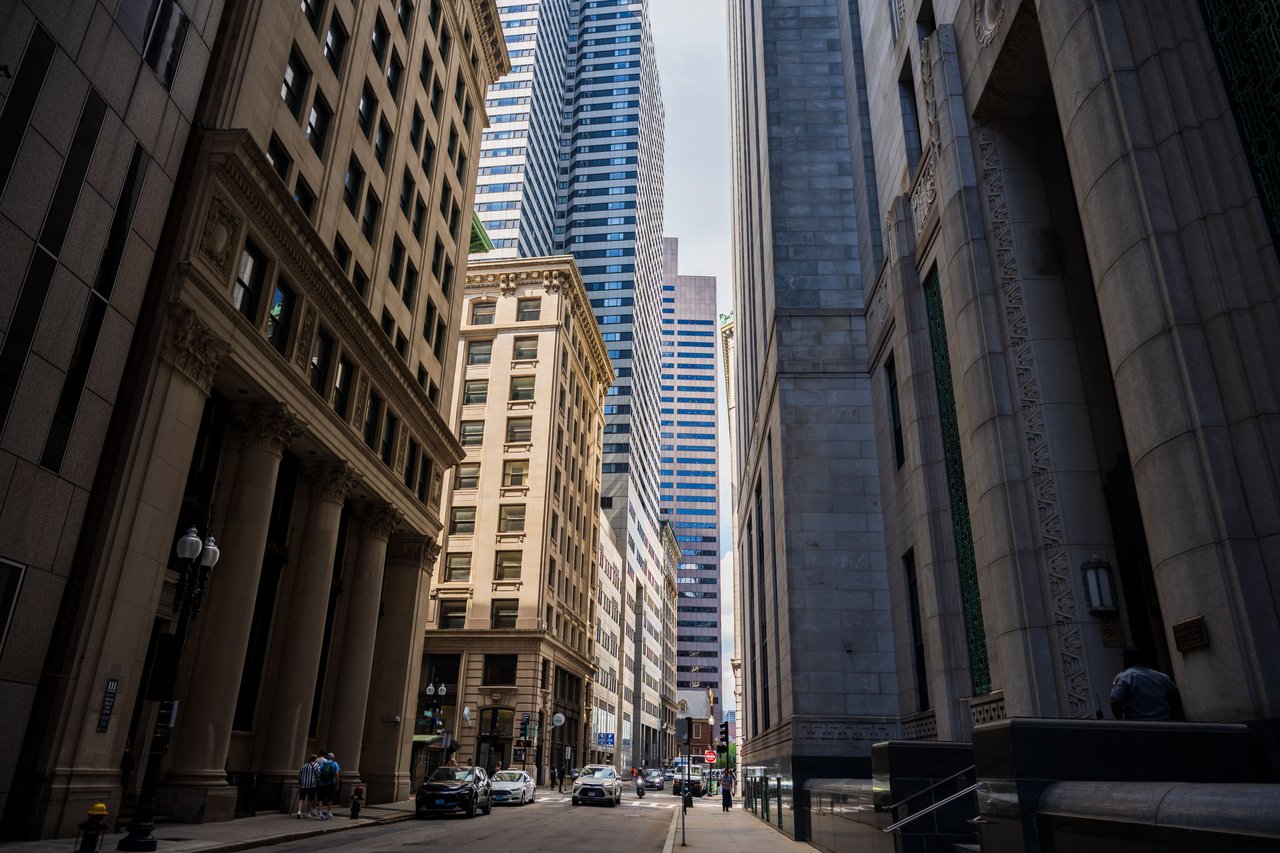
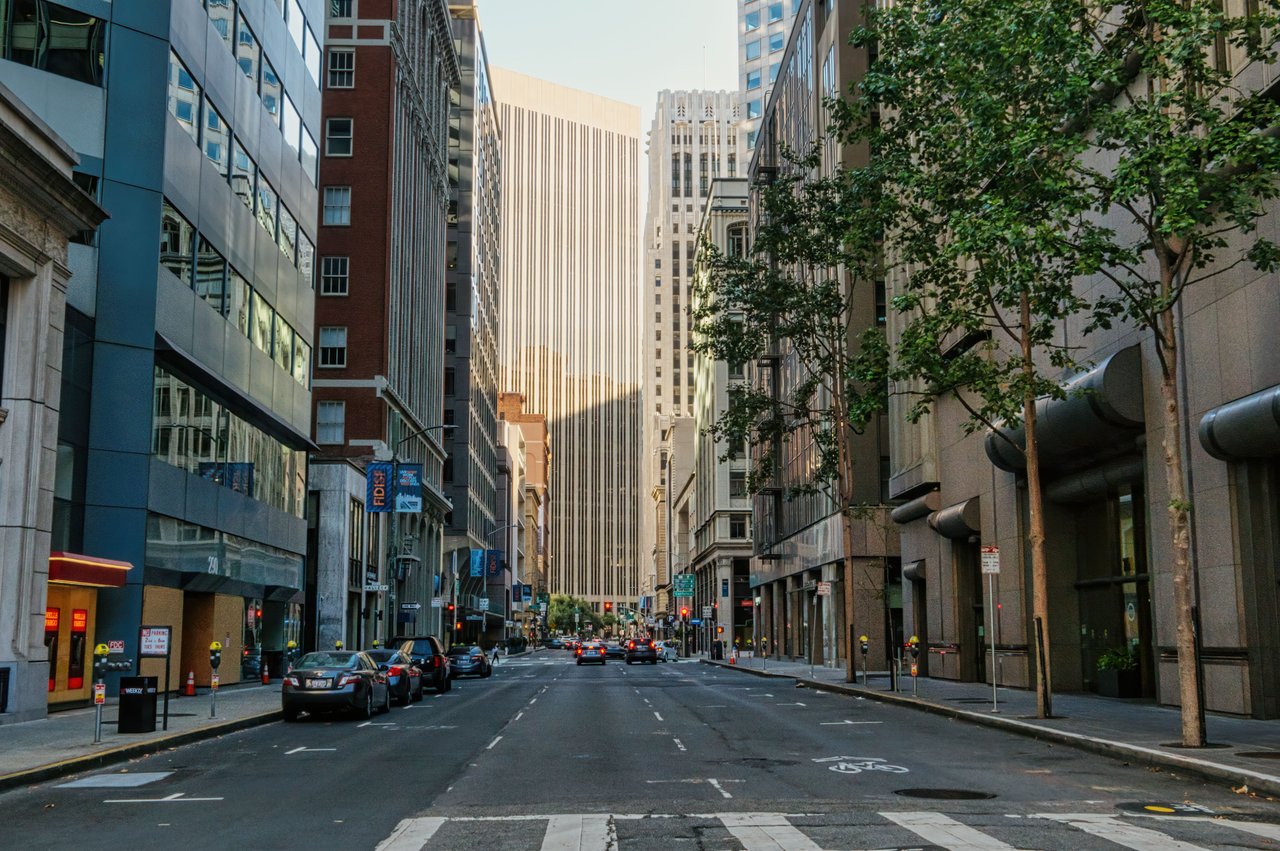
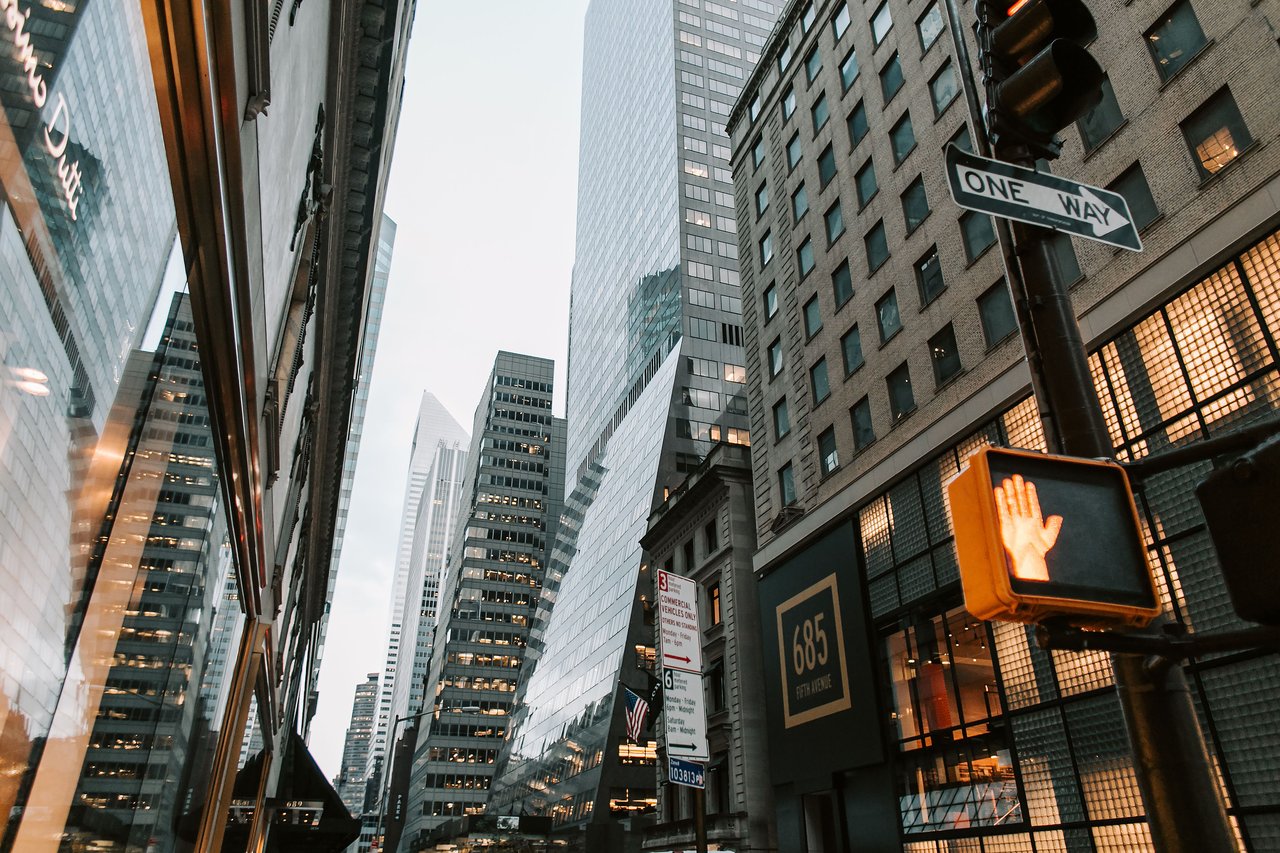
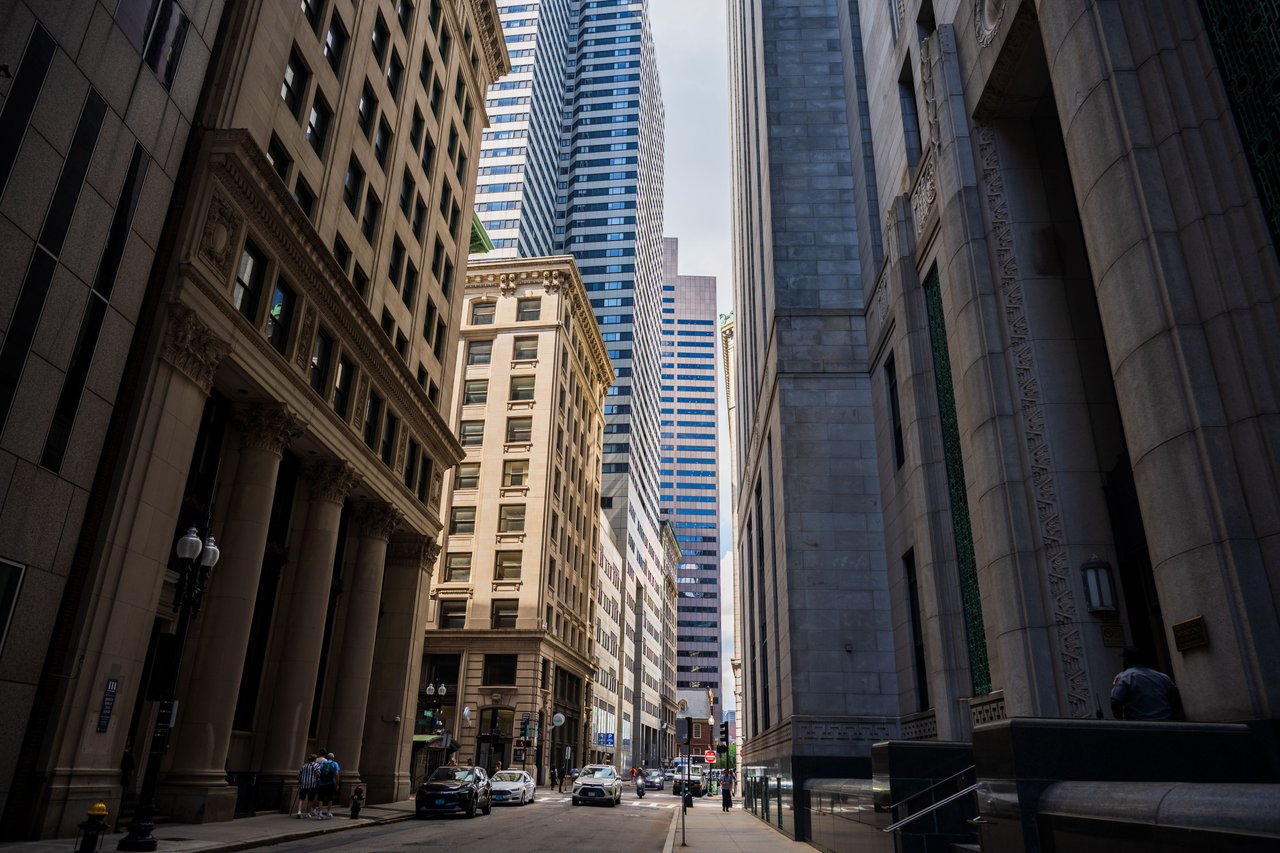
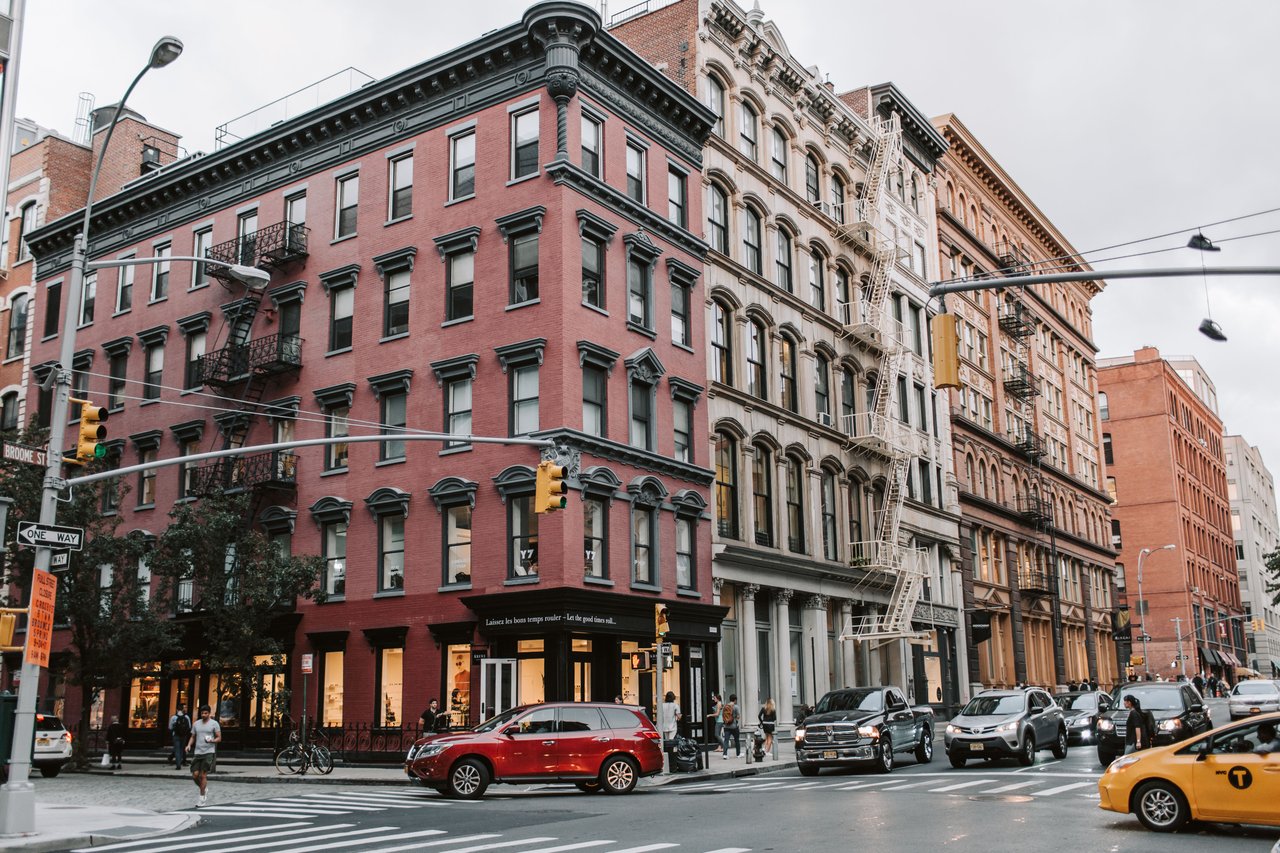
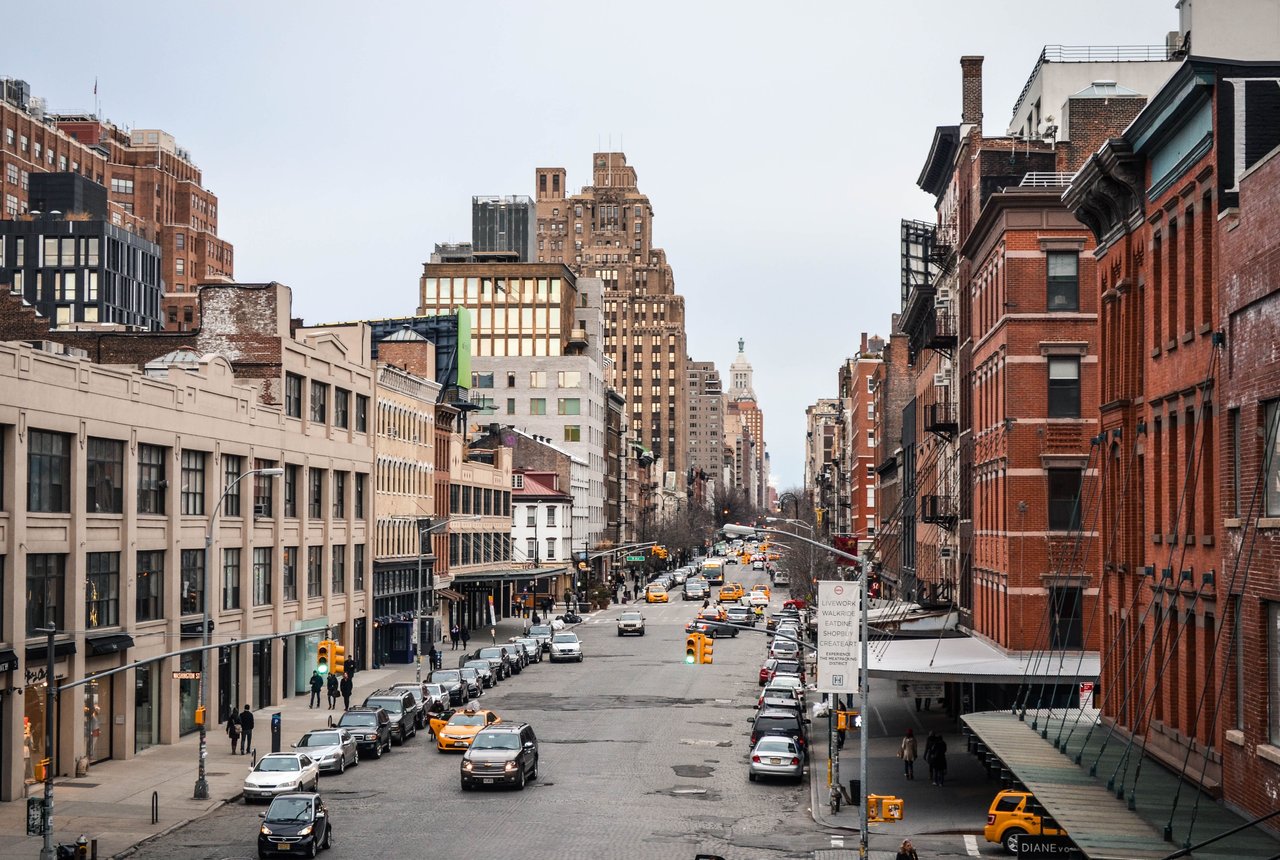
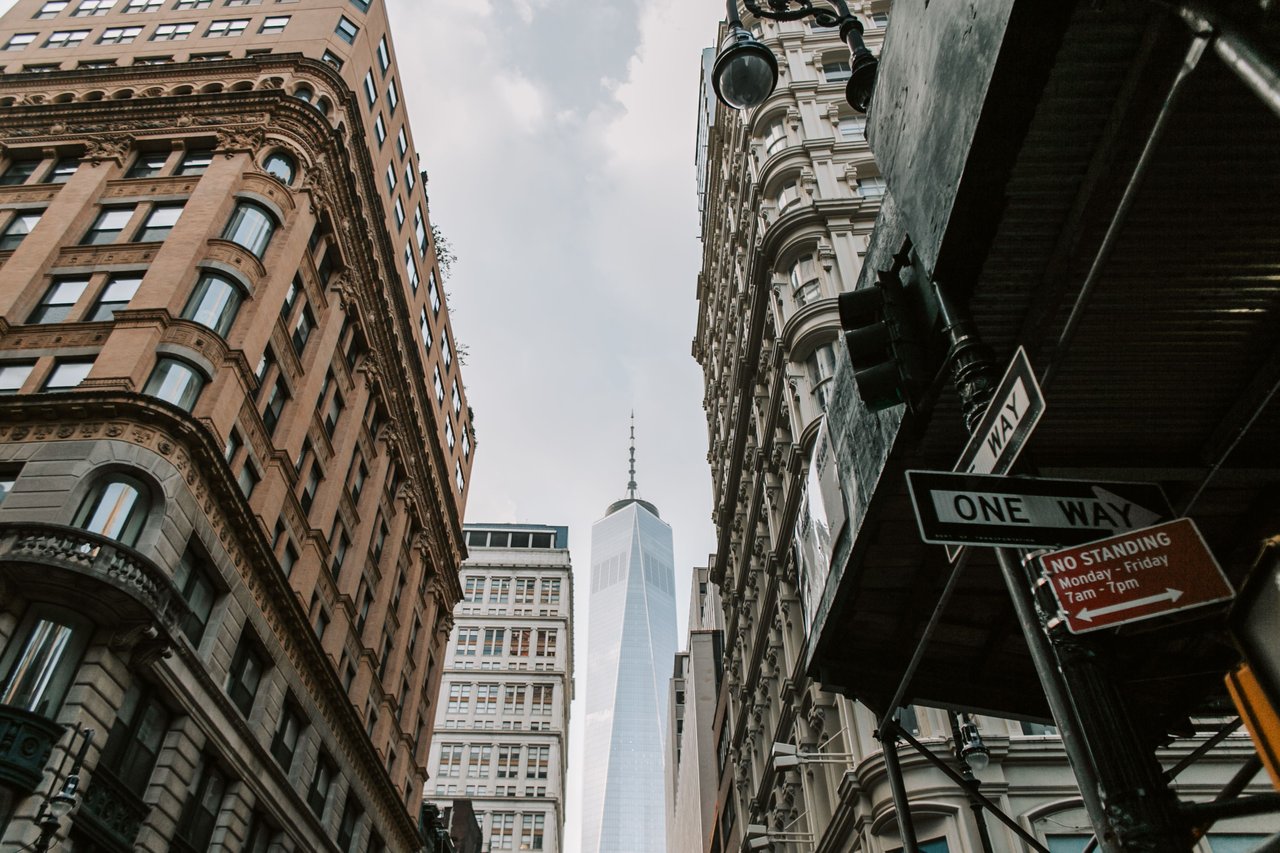
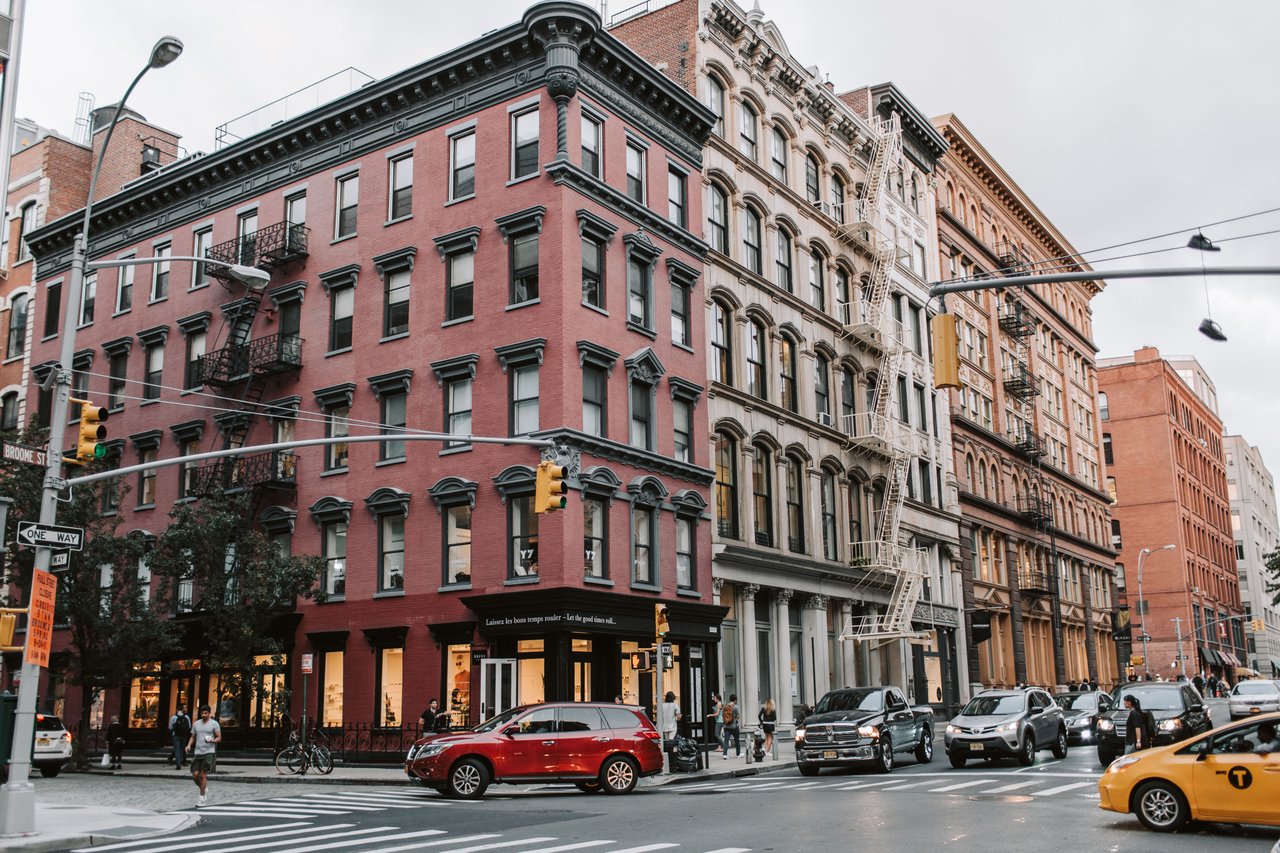
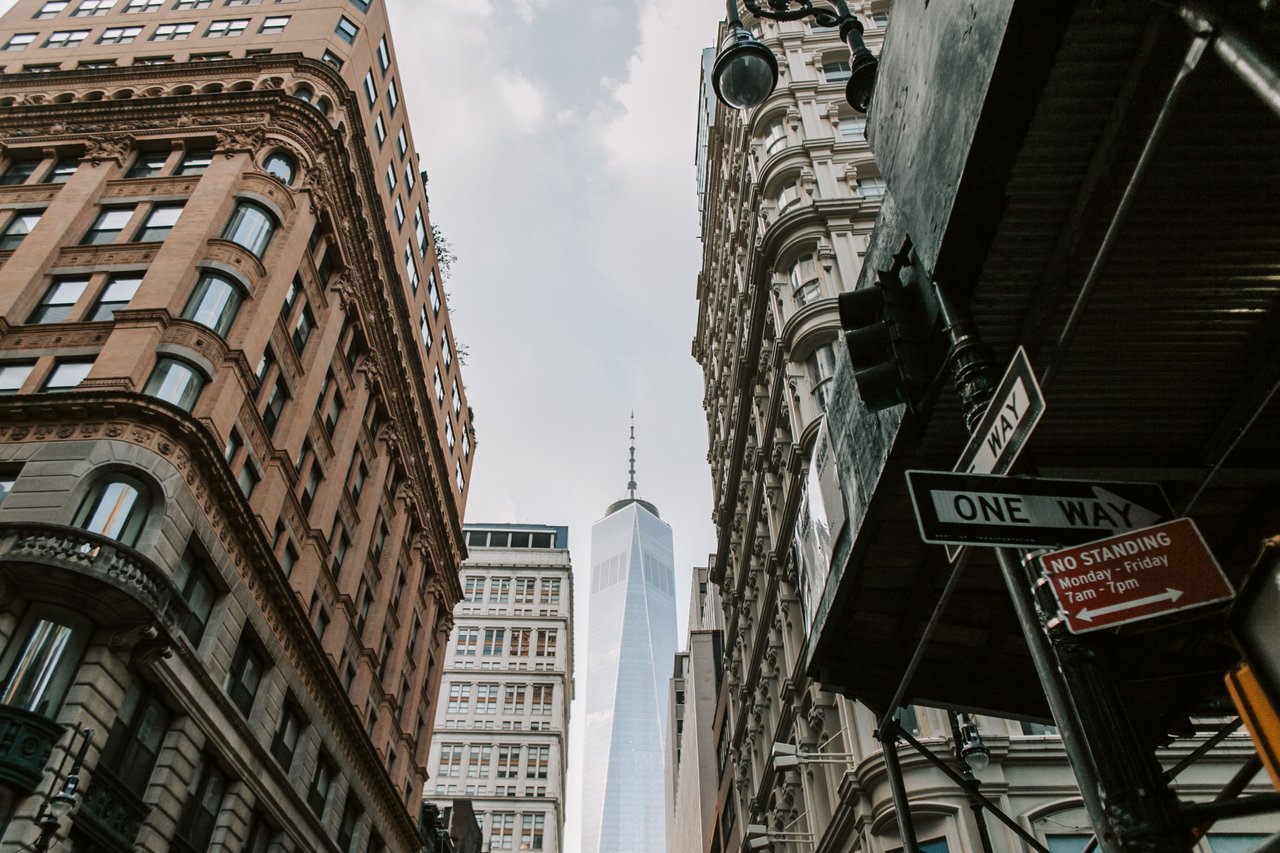
The resulting streetscape illustrates an important transition in Manhattan's development. Historic masonry warehouses and commercial buildings stand near structures constructed after the extension, while the avenue's unusual alignment reveals how twentieth-century engineering reshaped an established nineteenth-century neighborhood.
Today, the section of Sixth Avenue between Franklin Street and Canal Street provides an architectural record of changing urban priorities. Its history connects the early street grid, industrial development, subway construction, commercial modernization, and the preservation of Tribeca's historic architectural character.
The Origins of Sixth Avenue in Manhattan
The origins of Sixth Avenue are associated with the Commissioners' Plan of 1811, which established the numbered street and avenue system that shaped much of Manhattan's subsequent development.
The plan introduced a regular network of north-south avenues and east-west streets intended to accommodate the city's anticipated expansion. Sixth Avenue became one of the principal north-south routes within this system, extending through areas that were then considerably less developed than Lower Manhattan.
For much of the nineteenth century, however, Sixth Avenue did not reach Tribeca. Its original southern terminus was located near Carmine Street and Minetta Lane in Greenwich Village, where the avenue met an older and less regular street network.
South of this point, Manhattan retained streets that had developed through earlier property subdivisions, estate boundaries, and commercial expansion. The irregular arrangement contrasted with the standardized grid farther north.
As the city's population and commercial activity increased, transportation planners began considering ways to connect Sixth Avenue with the streets of Lower Manhattan. These proposals eventually led to one of the most substantial street extensions undertaken during the twentieth century.
Why Is It Called Sixth Avenue?
Sixth Avenue received its original name through Manhattan's numbered avenue system, established under the Commissioners' Plan of 1811.
The numbered avenues were intended to create an organized street network that could accommodate future development as Manhattan expanded northward.
Unlike Broadway, which originated as an older colonial route, Sixth Avenue was planned as part of a more systematic approach to urban development.
Its name reflected its position within the numbered avenue sequence rather than an association with a historical figure, institution, or geographical feature.
The avenue retained this name for more than a century before receiving the additional designation Avenue of the Americas in 1945.
Although Avenue of the Americas remains its official commemorative name, Sixth Avenue continues to be widely used in everyday conversation and property addresses.
Why Is Sixth Avenue Also Called Avenue of the Americas?
Sixth Avenue was renamed Avenue of the Americas in 1945 during the administration of Mayor Fiorello H. La Guardia.
The name was intended to recognize the countries of North, Central, and South America and promote a broader spirit of cooperation throughout the Western Hemisphere.
The renaming reflected the international outlook of New York City during the period surrounding the end of World War II.
The designation also formed part of efforts to strengthen the avenue's identity as a prominent commercial corridor.
Decorative street signs bearing the names and symbols of countries throughout the Americas later became associated with the roadway.
Despite the official change, many New Yorkers continued to refer to the thoroughfare as Sixth Avenue.
Today, both names remain recognizable, and the avenue is commonly identified using either designation.
Sixth Avenue Before Its Extension into Tribeca
Before the late 1920s, the area now occupied by Sixth Avenue in Tribeca consisted of established streets, commercial buildings, and portions of the historic nineteenth-century street grid.
The neighborhood had developed primarily through the expansion of wholesale commerce, manufacturing, and warehousing during the nineteenth century.
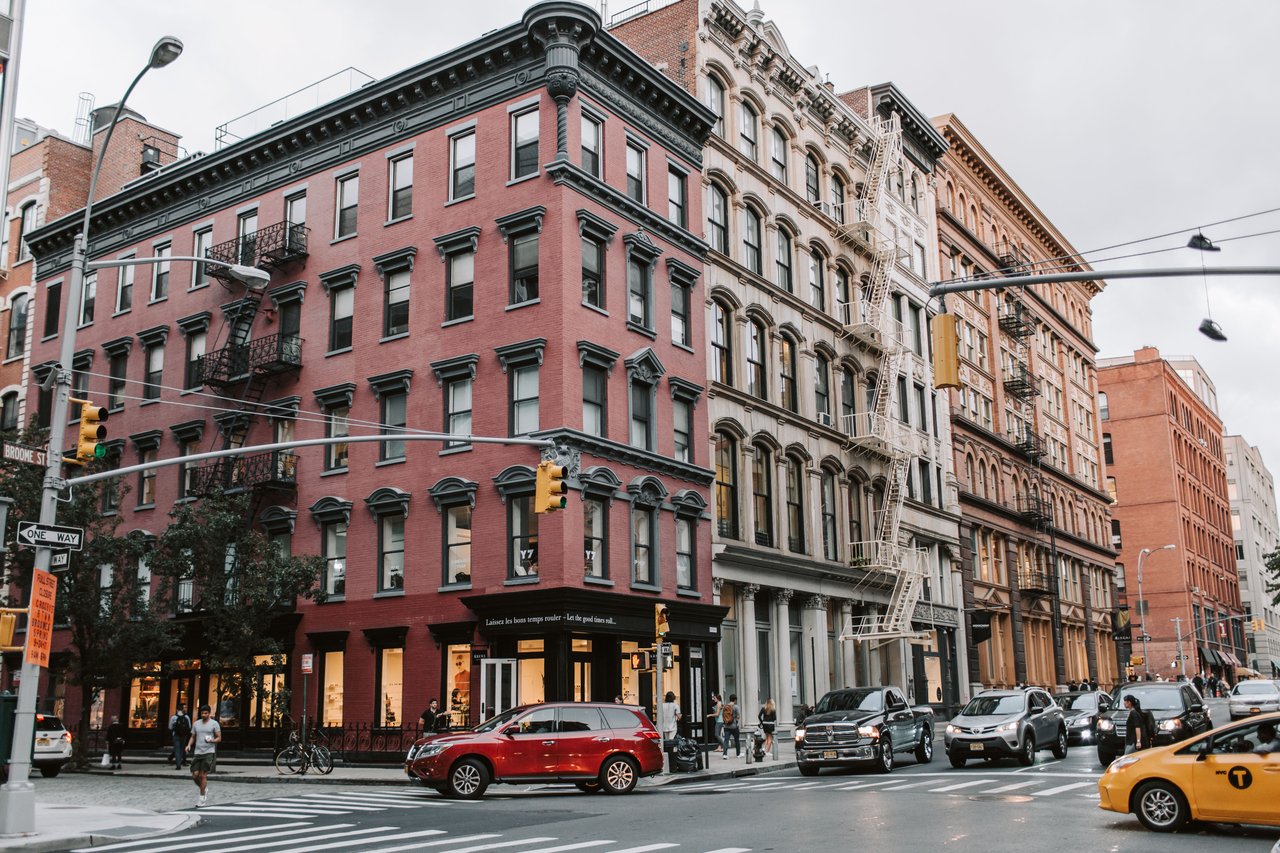
Buildings were generally constructed on rectangular lots, with substantial brick and masonry facades, large windows, and ground-floor commercial openings.
Many structures reflected Italianate, neo-Grec, and Renaissance Revival architectural influences.
The surrounding streets, including Franklin Street, White Street, Walker Street, and Canal Street, were already important components of Lower Manhattan's commercial network.
Unlike the regular avenues farther north, the existing streets followed a pattern shaped by earlier landownership and development.
The eventual extension of Sixth Avenue introduced a new diagonal roadway through this established environment, permanently changing the arrangement of several blocks.
The Commercial Development of Eastern Tribeca
During the nineteenth century, eastern Tribeca became an important center of wholesale trade and commercial manufacturing.
The neighborhood's proximity to Broadway, the Hudson River waterfront, and the Washington Market district encouraged the development of substantial store-and-loft buildings.
Merchants required large interior spaces for storing merchandise, processing goods, and conducting commercial transactions.
Architects responded with buildings that incorporated durable masonry construction, generous floor areas, substantial windows, and decorative commercial facades.
Italianate architecture became particularly influential during the middle of the century, followed by neo-Grec and Renaissance Revival designs.
Cast-iron storefronts allowed for larger openings at street level, while brick and stone facades provided structural durability and architectural distinction.
This commercial environment formed the historical setting through which the Sixth Avenue extension was eventually constructed.
The avenue's modern alignment therefore reflects the intersection of two different periods of urban development: the nineteenth-century wholesale district and the twentieth-century transportation network.
The Proposal to Extend Sixth Avenue Southward
Plans to extend Sixth Avenue south of Greenwich Village emerged during the late nineteenth century as New York City's transportation needs became increasingly complex.
The existing avenue ended at Carmine Street, leaving no continuous north-south roadway connecting it directly with the commercial districts farther downtown.
As the city expanded, planners recognized the potential benefits of extending the thoroughfare toward Canal Street and Church Street.
The proposal became increasingly important during the early twentieth century, when subway development created opportunities to coordinate underground transportation with improvements to the street network.
The construction of the Independent Subway System, commonly known as the IND, provided the immediate impetus for the project.
A new subway route required a connection between the planned stations in Greenwich Village and the existing transportation corridor beneath Church Street.
Rather than constructing the subway entirely beneath the irregular historic street network, the city developed a new avenue above the proposed underground route.
The resulting project transformed both the transportation system and the architectural landscape of western Lower Manhattan.
The Construction of the Sixth Avenue Extension
Construction of the Sixth Avenue extension began in 1925 and continued through the later years of the decade.
The project extended the avenue southward from Carmine Street through Greenwich Village, Hudson Square, and the northern portion of Tribeca.
Because the new roadway cut through an established street network, substantial demolition was necessary.
Entire buildings were removed, portions of existing blocks were cleared, and new property boundaries were created along the route.
The project produced a broad diagonal corridor that contrasted sharply with the narrower nineteenth-century streets surrounding it.
Construction also required extensive underground excavation for the new subway infrastructure.
The street extension was substantially completed around 1930, establishing a continuous roadway connection between the older Sixth Avenue and Church Street in Tribeca.
Its completion permanently changed the geography of Lower Manhattan.
How the Sixth Avenue Extension Changed Tribeca
The construction of Sixth Avenue introduced one of the most substantial changes to Tribeca's street layout during the twentieth century.
Before the extension, the neighborhood's blocks reflected nineteenth-century commercial development, with relatively regular building lots and streets following earlier property divisions.
The new avenue cut diagonally through this arrangement, removing existing structures and creating irregularly shaped parcels.
Buildings that had originally faced smaller commercial streets suddenly stood near a major transportation corridor.
Some properties were demolished entirely, while others were altered or redeveloped to accommodate the new street alignment.
The changes were particularly visible near Franklin Street, where the avenue connected with Church Street.
The project also altered the relationship between Tribeca and the neighborhoods immediately to the north.
Sixth Avenue became a direct transportation route connecting Lower Manhattan with Greenwich Village, Chelsea, and Midtown.
Its construction illustrates the growing importance of automobile traffic and rapid transit during the early twentieth century.
Sixth Avenue and the Development of the IND Subway
The Sixth Avenue extension was closely associated with the construction of New York City's Independent Subway System.
The IND was developed as a municipally operated rapid transit network intended to expand transportation capacity and provide additional routes through Manhattan and the outer boroughs.
The new Eighth Avenue Line required a connection between the planned subway facilities near West Fourth Street and the existing corridor beneath Church Street.
The Sixth Avenue extension provided the necessary right-of-way through the irregular street network of Greenwich Village and Lower Manhattan.
Subway tunnels were constructed beneath the new roadway, linking the transportation infrastructure of western Manhattan with downtown stations.
The project illustrates how underground transit development influenced the physical design of streets above ground.
Rather than adapting the subway entirely to existing streets, the city altered the surface street network to accommodate the new route.
This approach produced a lasting transformation of the urban landscape.
The Eighth Avenue Subway Line Beneath Sixth Avenue
Although the street is called Sixth Avenue, the subway route beneath its southern section is associated with the IND Eighth Avenue Line.
This distinction reflects the history of the subway system's development.
The new tunnels connected the West Fourth Street area with Canal Street and the downtown stations beneath Church Street.
The route eventually became part of the network used by the A, C, and E subway services.
The Canal Street station, located near Sixth Avenue and Canal Street, became an important transportation point connecting Tribeca with other parts of Manhattan and the outer boroughs.
The subway's construction helped establish the new avenue as an important transportation corridor.
It also contributed to the modernization of the surrounding neighborhood by improving access to commercial and industrial districts.
The relationship between Sixth Avenue and the Eighth Avenue Line remains one of the most distinctive aspects of the street's history.
Sixth Avenue and the Holland Tunnel
The opening of the Holland Tunnel in 1927 increased the importance of transportation improvements throughout western Lower Manhattan.
The tunnel provided a direct vehicular connection between Manhattan and New Jersey, introducing substantial changes to traffic circulation in Tribeca and the surrounding neighborhoods.
Canal Street became one of the principal approaches to the tunnel.
The extension of Sixth Avenue created an additional route connecting Lower Manhattan with neighborhoods farther north.
Together, these improvements reflected the increasing importance of automobile transportation during the early twentieth century.
The new avenue was designed not only to accommodate subway infrastructure but also to improve the movement of vehicles through the city.
Its broad roadway contrasted with the narrower commercial streets developed during the nineteenth century.
The resulting transportation network helped reshape the architectural and commercial character of the surrounding neighborhood.
Sixth Avenue and Franklin Street
The intersection of Sixth Avenue and Franklin Street marks the southern beginning of the avenue in Tribeca.
At this location, northbound Church Street divides into two routes. The western branch becomes Sixth Avenue, while Church Street continues north toward Canal Street.
The intersection reflects the unusual geometry created by the avenue's twentieth-century extension.
Unlike the regular intersections associated with Manhattan's numbered street grid, the junction incorporates the older alignment of Church Street and the diagonal approach of Sixth Avenue.
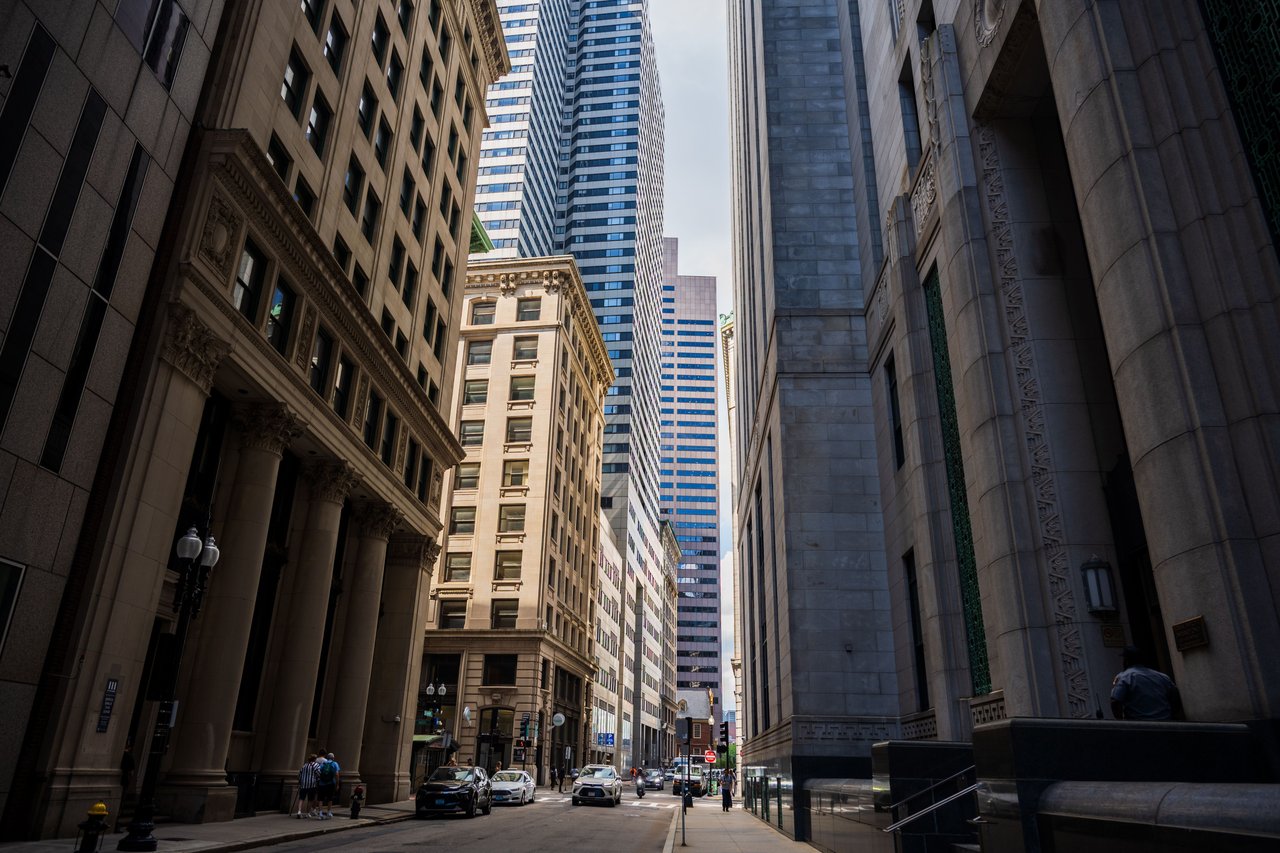
The surrounding neighborhood contains substantial nineteenth-century commercial architecture associated with the development of eastern Tribeca.
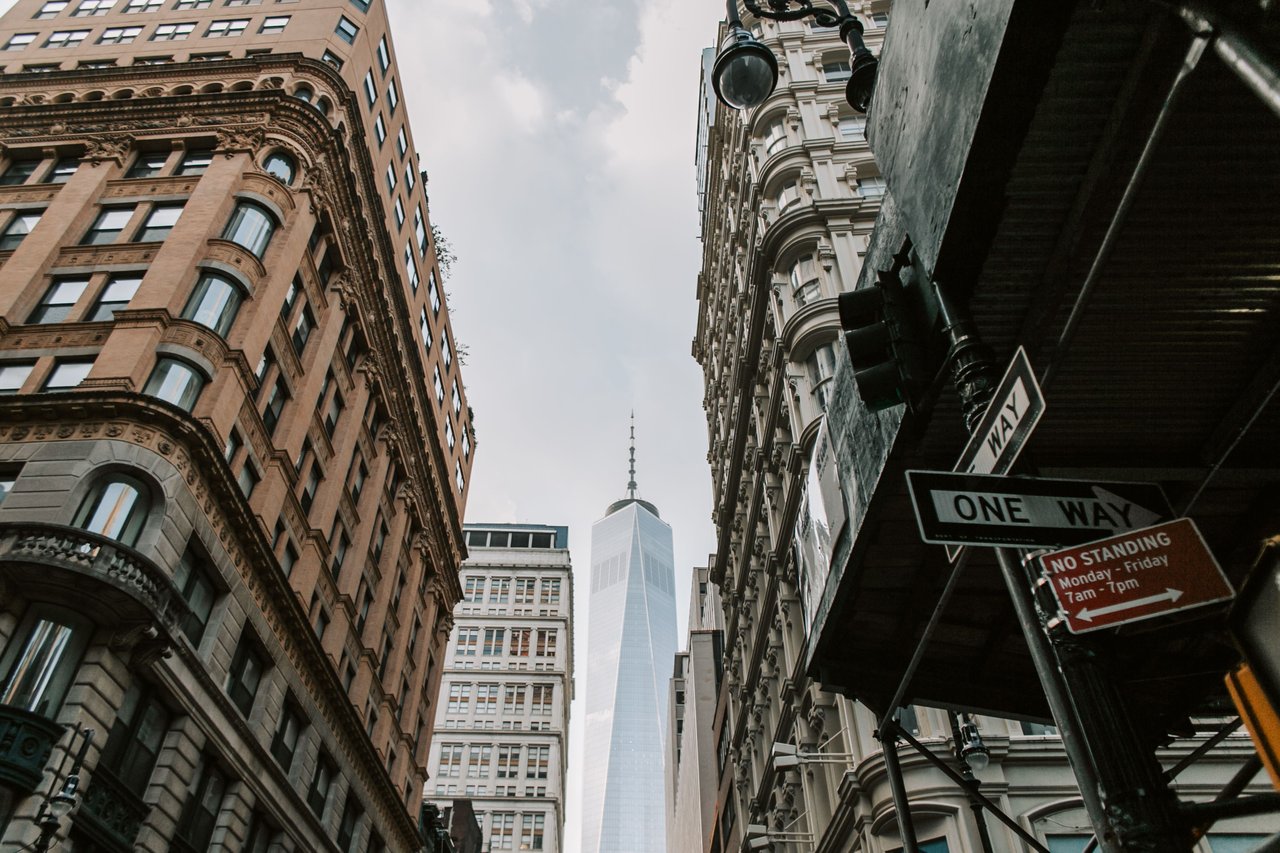
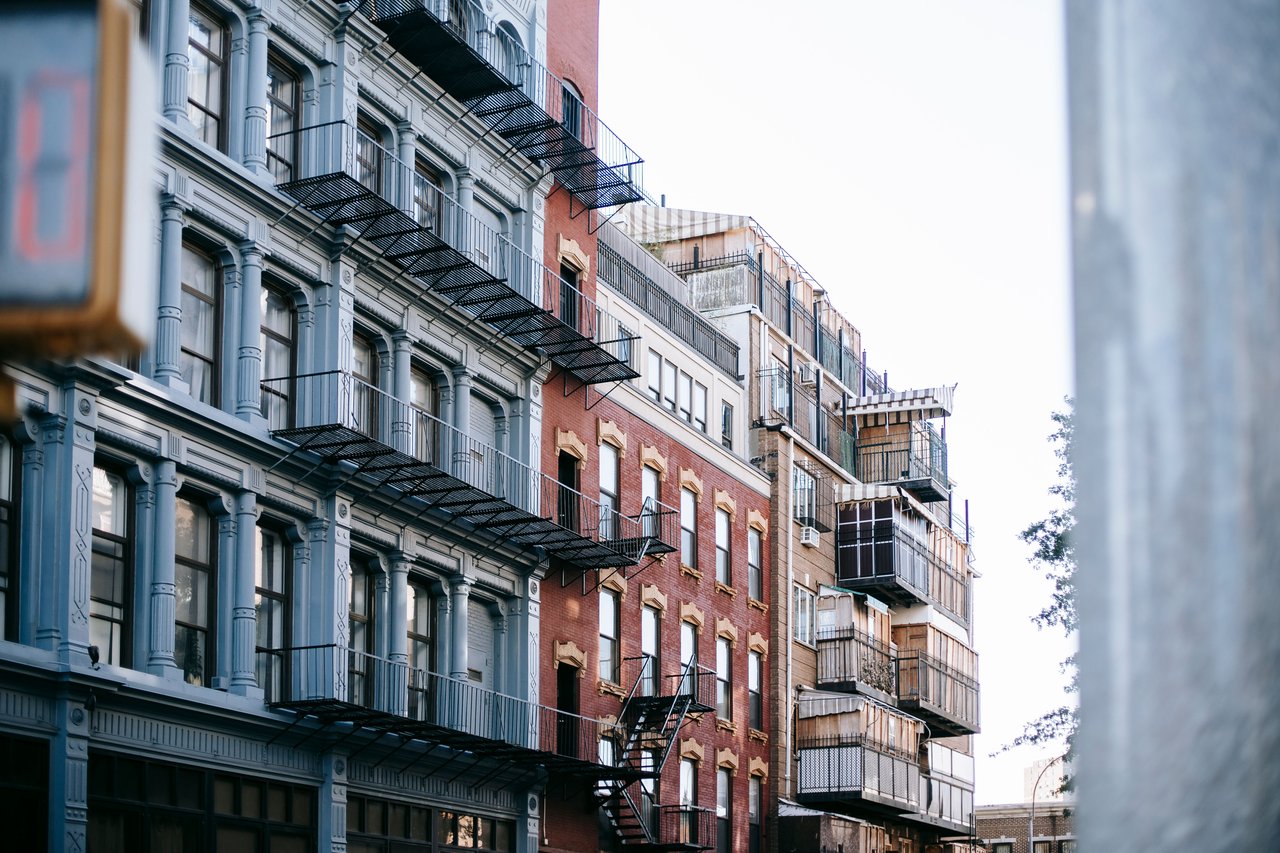
Historic brick warehouses, store-and-loft buildings, and decorative masonry facades provide an architectural contrast with the modern street configuration.
The intersection therefore represents an important meeting point between nineteenth-century commercial development and twentieth-century transportation planning.
The Unusual History of the First Block of Sixth Avenue
The block of Sixth Avenue between Franklin Street and White Street has an unusual history connected with the avenue's official name.
The extension of Sixth Avenue to White Street was authorized in March 1929, followed by a further extension south to Franklin Street in September of that year.
When the city renamed Sixth Avenue Avenue of the Americas in 1945, the legislation did not include the final block between Franklin Street and White Street.
As a result, that short section retained the official designation Sixth Avenue while the roadway farther north became Avenue of the Americas.
The discrepancy remained largely unnoticed for decades.
In 2015, Manhattan Community Board 1 considered a proposal to correct the omission and extend the Avenue of the Americas designation to the southernmost block.
The episode illustrates how the history of street naming can reflect the complicated process of urban development.
It also distinguishes the Tribeca portion of Sixth Avenue from the much longer section extending north through Manhattan.
Sixth Avenue and White Street
White Street intersects Sixth Avenue within the northern portion of Tribeca.
Before the avenue's extension, White Street was already part of a substantial nineteenth-century commercial district.
The surrounding blocks developed with warehouses and store-and-loft buildings associated with manufacturing and wholesale trade.
The construction of Sixth Avenue altered the street's original relationship with neighboring blocks, creating new intersections and irregularly shaped properties.
The architectural character of the area reflects both the older commercial development and the later transportation improvements.
Surviving masonry buildings preserve evidence of the nineteenth-century wholesale district, while later construction reflects the changing requirements of twentieth-century commercial and residential use.
The intersection is also historically significant because it marked the southern limit of the original 1945 Avenue of the Americas renaming.
Sixth Avenue and Walker Street
The intersection of Sixth Avenue and Walker Street illustrates the transformation of Tribeca's historic commercial street network.
Walker Street developed during the nineteenth century as part of the expanding wholesale and manufacturing district.
Its buildings generally reflected the architectural traditions of commercial construction, incorporating brick facades, substantial windows, and ground-floor business spaces.
The Sixth Avenue extension introduced a new diagonal roadway through this established environment.
The resulting intersection created an unusual relationship between the historic east-west street and the newer north-south transportation corridor.
The surrounding buildings preserve elements of the neighborhood's industrial and commercial history.
Together, the intersection and its architectural setting illustrate the changes that occurred as Lower Manhattan adapted to modern transportation requirements.
Sixth Avenue and Canal Street
Canal Street marks the northern boundary of Tribeca and one of the most important intersections along the southern portion of Sixth Avenue.
The intersection connects two major transportation corridors that developed during different periods of Manhattan's history.
Canal Street became an important east-west route during the nineteenth century, while the southern extension of Sixth Avenue was constructed during the late 1920s.
The intersection also provides access to the IND Canal Street subway station, an important part of the Eighth Avenue Line.
The surrounding architecture reflects the transition between the commercial buildings of Tribeca and the historic manufacturing district of SoHo.
Substantial nineteenth-century masonry buildings coexist with later commercial and residential development.
The intersection remains an important example of how transportation planning reshaped the boundary between neighboring Lower Manhattan districts.
The Architecture of Sixth Avenue in Tribeca
The architectural character of Sixth Avenue in Tribeca differs from that of many neighboring streets because the roadway itself was created during the twentieth century.
While Franklin Street, White Street, and Walker Street developed with nineteenth-century commercial buildings, Sixth Avenue introduced a new alignment through the established neighborhood.
As a result, its streetscape contains a combination of older buildings associated with the surrounding historic district and structures developed after the extension.
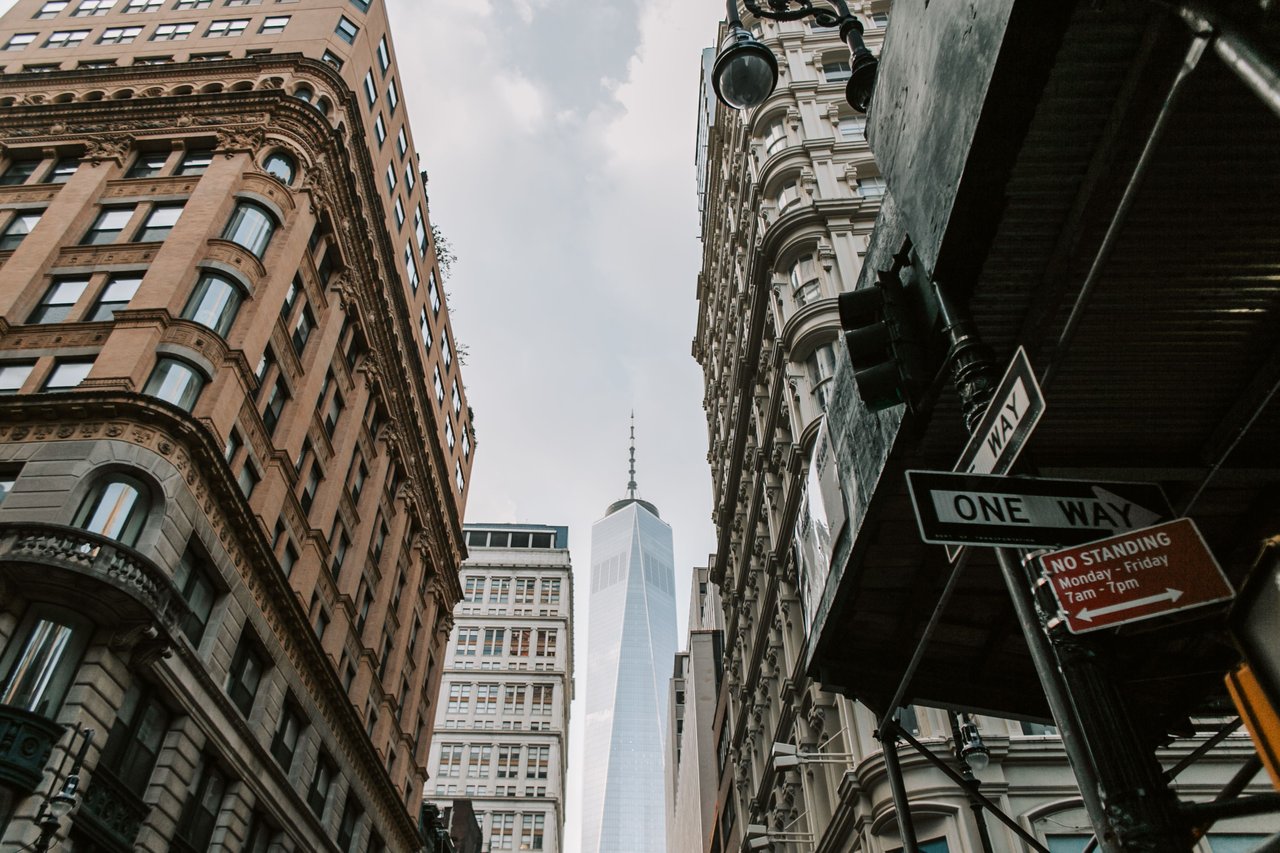
The surviving nineteenth-century architecture reflects the commercial character of Tribeca, including substantial brick facades, cast-iron details, decorative stonework, and generous industrial windows.
Later buildings incorporated architectural approaches associated with twentieth-century commercial and residential construction.
The resulting streetscape is less uniform than some of Tribeca's historic warehouse blocks.
This variety is an important part of the avenue's architectural significance, demonstrating how the built environment adapted to major transportation improvements.
Italianate Architecture Near Sixth Avenue
Italianate architecture became influential in Tribeca during the middle of the nineteenth century, long before Sixth Avenue extended into the neighborhood.
The style was particularly popular for commercial buildings constructed during the 1850s and 1860s.
Its characteristic features included tall windows, decorative lintels, substantial cornices, and carefully organized facade proportions.
Cast-iron storefronts frequently accompanied Italianate masonry facades, allowing for larger commercial openings.
The surrounding streets near Sixth Avenue contain examples of the architectural traditions associated with this period of development.
These buildings illustrate the commercial environment that existed before the avenue was constructed.
Their continued presence creates an architectural contrast between the nineteenth-century wholesale district and the twentieth-century roadway.
Neo-Grec Architecture Near Sixth Avenue
Neo-Grec architecture became popular in New York City's commercial districts during the later nineteenth century.
The style emphasized angular ornamentation, geometric decorative details, and carefully organized facade compositions.
Commercial buildings frequently incorporated substantial brickwork, stone trim, and decorative cornices.
The style was particularly appropriate for store-and-loft buildings, where architects sought to combine practical commercial functions with a distinctive architectural appearance.
In eastern Tribeca, neo-Grec buildings formed part of the larger collection of nineteenth-century commercial structures.
Although Sixth Avenue did not yet exist in its present alignment, the surrounding neighborhood was already substantially developed with these architectural forms.
The survival of such buildings near the avenue helps preserve the historical character of the former wholesale district.
Renaissance Revival Architecture Near Sixth Avenue
Renaissance Revival architecture became increasingly influential in commercial construction during the later nineteenth and early twentieth centuries.
The style drew inspiration from classical European architectural traditions, incorporating substantial masonry facades, carefully organized windows, and decorative stone detailing.
Commercial buildings often emphasized symmetry and formal proportions.
The surrounding Tribeca neighborhood developed with examples of Renaissance Revival architecture during the period when wholesale commerce and manufacturing remained important economic activities.
These structures reflected the increasing scale and sophistication of commercial construction.
Their architecture provides an important contrast with the simpler industrial and commercial buildings constructed during later periods.
Near Sixth Avenue, surviving examples contribute to the broader architectural diversity of the historic district.
Early Twentieth-Century Commercial Architecture
The creation of Sixth Avenue introduced new opportunities for commercial development during the early twentieth century.
The wider roadway provided greater visibility and improved transportation access for businesses occupying properties along the new corridor.
Buildings constructed after the extension frequently reflected changing architectural priorities.
Rather than emphasizing elaborate nineteenth-century ornamentation, many incorporated simpler masonry facades, larger structural openings, and more functional commercial layouts.
The influence of modern construction techniques became increasingly apparent as steel and reinforced concrete gained importance.
These developments reflected the broader transformation of Lower Manhattan from a predominantly wholesale and industrial district into a more diversified commercial environment.
The resulting architecture contributes to the distinctive character of the avenue.
The Relationship Between Sixth Avenue and Church Street
Sixth Avenue's southern terminus at Church Street is one of the most unusual features of Manhattan's street network.
Church Street developed much earlier as an important north-south route through Lower Manhattan.
By the nineteenth century, it was associated with substantial commercial buildings and the expanding wholesale district of eastern Tribeca.
The construction of Sixth Avenue created a new connection with this established roadway.
At Franklin Street, the northbound route divides, allowing traffic to continue along Church Street or proceed onto Sixth Avenue.
The junction reflects the decision to extend the avenue southward while preserving part of the older street network.
Its configuration illustrates the intersection of two different approaches to urban planning: the historic streets of Lower Manhattan and the engineered transportation corridors of the twentieth century.
Sixth Avenue and the Tribeca East Historic District
The Tribeca East Historic District was designated by the New York City Landmarks Preservation Commission in 1992.
The district preserves substantial collections of nineteenth-century commercial buildings associated with the development of wholesale trade and manufacturing.
Many structures were constructed during the middle and later decades of the nineteenth century, when the neighborhood became an important center of commerce.
Italianate, neo-Grec, and Renaissance Revival architectural styles contributed to the district's distinctive character.
The southern portion of Sixth Avenue passes through an area historically associated with this commercial environment.
Because the avenue was constructed much later than the surrounding buildings, its streetscape provides a particularly interesting example of how historic commercial architecture and twentieth-century transportation infrastructure coexist.
The preservation of neighboring historic buildings helps maintain the architectural identity of eastern Tribeca.
The Impact of Street Widening and Demolition
The construction of the Sixth Avenue extension required substantial demolition through Greenwich Village and Lower Manhattan.
The project removed entire buildings and portions of established blocks to create a continuous roadway.
Some older streets were interrupted or disappeared, while new triangular and irregularly shaped lots emerged along the avenue.
These changes affected the architectural character of the surrounding neighborhoods.
Buildings constructed before the extension had been designed for the original street grid, while later structures responded to the new roadway.
The result was a streetscape characterized by unusual building footprints, changing facade alignments, and architectural contrasts.
In Tribeca, the short section between Franklin Street and Canal Street preserves the southern end of this transformation.
Its irregular geometry remains a visible reminder of the substantial engineering and demolition required to create the modern avenue.
Sixth Avenue During the Mid-Twentieth Century
During the middle of the twentieth century, Sixth Avenue continued to develop as an important transportation and commercial corridor.
The official renaming to Avenue of the Americas in 1945 reflected efforts to establish a more internationally recognizable identity for the thoroughfare.
Farther north, the avenue became associated with substantial office development, particularly in Midtown Manhattan.
In Tribeca, however, the architectural character remained closely connected to the surrounding commercial and industrial district.
Warehouses, manufacturing buildings, and commercial establishments continued to occupy many neighboring blocks.
The avenue provided a direct route through this environment, improving transportation connections between Lower Manhattan and the neighborhoods farther north.
As industrial activity gradually declined during the later twentieth century, the surrounding buildings became increasingly attractive for new uses.
These changes contributed to the broader transformation of Tribeca.
The Adaptive Reuse of Historic Buildings Near Sixth Avenue
During the late twentieth century, Tribeca experienced a substantial transformation as former warehouses and manufacturing buildings were adapted for residential, office, and commercial uses.
The neighborhood's historic commercial structures offered substantial interior spaces, durable masonry construction, and distinctive architectural features.
Many buildings incorporated high ceilings, large windows, exposed structural elements, and flexible floor plans.
These characteristics made them suitable for conversion into residential lofts and contemporary commercial spaces.
The preservation movement helped protect significant portions of the neighborhood's architectural heritage.
Near Sixth Avenue, adaptive reuse contributed to the continued relevance of nineteenth-century commercial buildings within a changing urban environment.
The resulting streetscape reflects the relationship between historic industrial architecture and contemporary residential and commercial development.
Sixth Avenue and the Preservation of Tribeca's Architectural Character
Historic preservation has played an important role in maintaining the architectural character of the neighborhood surrounding Sixth Avenue.
The designation of the Tribeca East Historic District in 1992 recognized the importance of surviving nineteenth-century commercial buildings.
These structures preserve evidence of the period when the neighborhood developed as a major center of wholesale trade and manufacturing.
The Sixth Avenue extension represents a different chapter in this history, illustrating the substantial physical changes associated with twentieth-century transportation planning.
Together, the historic buildings and the modern roadway demonstrate how Manhattan's urban landscape developed through successive periods of construction and redevelopment.
Preservation efforts help maintain this architectural relationship by protecting important surviving buildings and their distinctive historic features.
What Does Tribeca Stand For?
Tribeca stands for Triangle Below Canal Street, referring to the neighborhood's location south of Canal Street in Lower Manhattan.
Historically, the area developed from residential streets into an important center of wholesale commerce, manufacturing, and industrial warehousing.
The surrounding commercial buildings reflected Italianate, neo-Grec, Renaissance Revival, and other nineteenth-century architectural styles.
During the early twentieth century, major transportation improvements transformed portions of the neighborhood.
The extension of Sixth Avenue southward to Franklin Street was one of the most significant changes, introducing a new roadway through the historic commercial district.
Today, the avenue preserves an important connection between Tribeca's nineteenth-century architectural heritage and the transportation infrastructure of modern Manhattan.
Sixth Avenue Today
Today, Sixth Avenue begins at Franklin Street in Tribeca and continues north through SoHo, Greenwich Village, Chelsea, Midtown, and other Manhattan neighborhoods before reaching Central Park South.
Its southernmost section remains distinctive because it was created through a major twentieth-century transportation project rather than through the original nineteenth-century development of Tribeca.
The roadway's unusual alignment reflects the construction of the IND subway and the need to connect Lower Manhattan with the city's expanding transportation network.
Historic commercial buildings on the surrounding streets preserve the architectural character of the neighborhood before the extension.
Later residential and commercial developments reflect the changes that followed the construction of the new avenue.
Together, these features create a streetscape that illustrates the relationship between architecture, transportation, and urban planning.
The Architectural Legacy of Sixth Avenue
Sixth Avenue's history in Tribeca illustrates the extraordinary influence of transportation infrastructure on the development of Manhattan's built environment.
Originally established as part of the Commissioners' Plan of 1811, the avenue remained north of Tribeca for more than a century.
During the 1920s, the construction of the IND subway created an opportunity to extend the roadway southward through Greenwich Village and Lower Manhattan.
The resulting project required substantial demolition and the creation of a new diagonal corridor through established nineteenth-century neighborhoods.
By approximately 1930, Sixth Avenue reached its present-day southern terminus at Franklin Street, where it connected with Church Street.
The official renaming to Avenue of the Americas in 1945 introduced a new commemorative identity, although the original Sixth Avenue name remained widely used.
The surrounding architecture preserves evidence of the nineteenth-century commercial district that existed before the extension.
Today, Sixth Avenue remains an important example of how transportation planning, commercial development, and historic preservation shaped the streets of Tribeca and Manhattan.
Where is Sixth Avenue in Tribeca, Manhattan?
Sixth Avenue begins at the intersection of Church Street and Franklin Street in Tribeca, Manhattan, and continues north through White Street, Walker Street, and Canal Street before entering the neighborhoods farther north.
Is Sixth Avenue the same as Avenue of the Americas in Tribeca, Manhattan?
Yes. Sixth Avenue and Avenue of the Americas refer to the same Manhattan thoroughfare. Avenue of the Americas became its official commemorative name in 1945, although Sixth Avenue remains widely used.
What is the history of Sixth Avenue in Tribeca, Manhattan?
Sixth Avenue was extended into Tribeca during the late 1920s as part of a major transportation project associated with the construction of the IND subway. The extension required substantial demolition and created a new roadway connecting Greenwich Village with Church Street.
Why is it called Sixth Avenue in Tribeca, Manhattan?
Sixth Avenue received its original name through the numbered avenue system established under the Commissioners' Plan of 1811.
Why is Sixth Avenue called Avenue of the Americas in Tribeca, Manhattan?
Sixth Avenue was renamed Avenue of the Americas in 1945 to recognize the countries of North, Central, and South America and promote international cooperation throughout the Western Hemisphere.
What does Tribeca stand for in Manhattan?
Tribeca stands for Triangle Below Canal Street, referring to the neighborhood's location south of Canal Street in Lower Manhattan.
When was Sixth Avenue extended into Tribeca, Manhattan?
The southern extension of Sixth Avenue was constructed during the late 1920s and substantially completed around 1930, establishing its present-day connection with Church Street at Franklin Street.
Where does Sixth Avenue begin in Manhattan?
Sixth Avenue begins at Church Street and Franklin Street in Tribeca, Manhattan, where the northbound roadway branches away from Church Street.
Where does Sixth Avenue end in Manhattan?
Sixth Avenue continues north through Manhattan and terminates at Central Park South near West 59th Street.
Why was Sixth Avenue extended into Tribeca, Manhattan?
Sixth Avenue was extended to accommodate the construction of the IND subway and improve transportation connections between Lower Manhattan, Greenwich Village, and neighborhoods farther north.
What subway runs beneath Sixth Avenue in Tribeca, Manhattan?
The IND Eighth Avenue Line runs beneath the southern portion of Sixth Avenue, connecting the Canal Street station with the subway network serving western Manhattan.
What architectural styles are found near Sixth Avenue in Tribeca, Manhattan?
The surrounding neighborhood contains Italianate, neo-Grec, Renaissance Revival, and other nineteenth-century commercial architecture, along with twentieth-century buildings constructed after the avenue's extension.
Is Sixth Avenue part of Tribeca, Manhattan?
Yes. The southernmost section of Sixth Avenue, between Franklin Street and Canal Street, runs through Tribeca, Manhattan.
Is Sixth Avenue in a historic district in Tribeca, Manhattan?
The southern portion of Sixth Avenue passes through an area associated with the Tribeca East Historic District, which preserves important nineteenth-century commercial architecture. Historic district boundaries and individual property designations should be verified for specific addresses.
How did the Sixth Avenue extension change Tribeca, Manhattan?
The extension introduced a new diagonal roadway through an established nineteenth-century neighborhood, requiring building demolitions, changes to property boundaries, and the creation of irregularly shaped lots.
What is the connection between Sixth Avenue and Church Street in Tribeca, Manhattan?
Sixth Avenue begins where Church Street divides near Franklin Street. The junction was created during the extension of Sixth Avenue southward in the late 1920s.
What is unusual about the first block of Sixth Avenue in Tribeca, Manhattan?
The block between Franklin Street and White Street was omitted from the 1945 legislation renaming Sixth Avenue Avenue of the Americas. The discrepancy became the subject of a proposal to correct the street designation in 2015.
How did the Holland Tunnel influence Sixth Avenue in Tribeca, Manhattan?
The Holland Tunnel opened in 1927, increasing the importance of transportation connections throughout western Lower Manhattan. The Sixth Avenue extension provided an additional north-south route near Canal Street and the tunnel approaches.
Who can help me sell my townhouse on Sixth Avenue in Tribeca, Manhattan?
The Parviz Team at Compass and Parviz Latipzoda can help you sell your townhouse on Sixth Avenue in Tribeca, Manhattan. The team evaluates property condition, legal occupancy, architectural features, landmark considerations, and comparable sales to develop a tailored marketing strategy. Professional photography and targeted buyer outreach support the selling process.
Who can help me sell my apartment on Sixth Avenue in Tribeca, Manhattan?
The Parviz Team at Compass and Parviz Latipzoda can help you sell your apartment on Sixth Avenue in Tribeca, Manhattan. The team combines strategic pricing, professional photography, digital marketing, and Compass's brokerage network to reach prospective buyers while highlighting the property's distinctive features.
Who can help me sell my condo on Sixth Avenue in Tribeca, Manhattan?
The Parviz Team at Compass and Parviz Latipzoda can help you sell your condo on Sixth Avenue in Tribeca, Manhattan. The team reviews comparable condominium sales, building amenities, common charges, property taxes, and current market demand before developing a customized marketing strategy.
Who can help me sell my co-op on Sixth Avenue in Tribeca, Manhattan?
The Parviz Team at Compass and Parviz Latipzoda can help you sell your co-op on Sixth Avenue in Tribeca, Manhattan. The team provides market analysis, professional marketing, buyer qualification, and coordination of cooperative board requirements throughout the transaction.
Who can help me sell my loft on Sixth Avenue in Tribeca, Manhattan?
The Parviz Team at Compass and Parviz Latipzoda can help you sell your loft on Sixth Avenue in Tribeca, Manhattan. The team highlights architectural details, ceiling heights, natural light, interior layout, and other distinctive features through professional photography and targeted marketing.
Who can help me sell my multifamily building on Sixth Avenue in Tribeca, Manhattan?
The Parviz Team at Compass and Parviz Latipzoda can help you sell your multifamily building on Sixth Avenue in Tribeca, Manhattan. The team evaluates rental income, operating expenses, legal occupancy, building condition, and comparable investment transactions to develop a tailored selling strategy.
Who can help me sell my mixed-use building on Sixth Avenue in Tribeca, Manhattan?
The Parviz Team at Compass and Parviz Latipzoda can help you sell your mixed-use building on Sixth Avenue in Tribeca, Manhattan. The team analyzes residential and commercial income, lease terms, operating expenses, and comparable sales while developing a marketing strategy for prospective investors and buyers.
Who can help me sell my commercial property on Sixth Avenue in Tribeca, Manhattan?
The Parviz Team at Compass and Parviz Latipzoda can help you sell your commercial property on Sixth Avenue in Tribeca, Manhattan. The team evaluates property use, lease terms, income potential, building condition, and comparable transactions before coordinating professional marketing and targeted buyer outreach.
How much is my townhouse worth on Sixth Avenue in Tribeca, Manhattan?
The Parviz Team at Compass and Parviz Latipzoda can help you determine the value of your townhouse on Sixth Avenue in Tribeca, Manhattan. The analysis considers building size, condition, legal occupancy, architectural features, landmark restrictions, and comparable sales.
How much is my apartment worth on Sixth Avenue in Tribeca, Manhattan?
The Parviz Team at Compass and Parviz Latipzoda can help you determine the value of your apartment on Sixth Avenue in Tribeca, Manhattan. The team reviews square footage, condition, floor level, building amenities, comparable sales, and current market demand.
How much is my condo worth on Sixth Avenue in Tribeca, Manhattan?
The Parviz Team at Compass and Parviz Latipzoda can help you determine the value of your condo on Sixth Avenue in Tribeca, Manhattan. The team analyzes comparable condominium sales, square footage, common charges, property taxes, building amenities, and interior condition.
How much is my co-op worth on Sixth Avenue in Tribeca, Manhattan?
The Parviz Team at Compass and Parviz Latipzoda can help you determine the value of your co-op on Sixth Avenue in Tribeca, Manhattan. The team considers comparable sales, monthly maintenance, building financials, apartment condition, and cooperative requirements.
How much is my loft worth on Sixth Avenue in Tribeca, Manhattan?
The Parviz Team at Compass and Parviz Latipzoda can help you determine the value of your loft on Sixth Avenue in Tribeca, Manhattan. The team evaluates square footage, ceiling heights, natural light, interior condition, architectural details, and comparable loft transactions.
How much is my multifamily building worth on Sixth Avenue in Tribeca, Manhattan?
The Parviz Team at Compass and Parviz Latipzoda can help you determine the value of your multifamily building on Sixth Avenue in Tribeca, Manhattan. The team reviews rental income, operating expenses, legal occupancy, building condition, and comparable investment sales.
How much is my mixed-use building worth on Sixth Avenue in Tribeca, Manhattan?
The Parviz Team at Compass and Parviz Latipzoda can help you determine the value of your mixed-use building on Sixth Avenue in Tribeca, Manhattan. The team considers residential and commercial income, lease terms, operating expenses, property condition, and comparable transactions.
Who is the best real estate agent to sell my property on Sixth Avenue in Tribeca, Manhattan?
The Parviz Team at Compass and Parviz Latipzoda can help you sell your property on Sixth Avenue in Tribeca, Manhattan. With more than 14 years of New York City real estate experience, the team offers strategic pricing, professional photography, Compass Private Exclusives, local and international buyer outreach, and tailored marketing. Choosing the best agent depends on your property's needs and the experience and strategy of the professionals you interview.
Who can help me sell my property privately on Sixth Avenue in Tribeca, Manhattan?
The Parviz Team at Compass and Parviz Latipzoda can help you sell your property privately on Sixth Avenue in Tribeca, Manhattan. The team can discuss Compass Private Exclusives and develop a discreet marketing strategy involving targeted introductions and private showings.
Who can help me sell my property off-market on Sixth Avenue in Tribeca, Manhattan?
The Parviz Team at Compass and Parviz Latipzoda can help you sell your property off-market on Sixth Avenue in Tribeca, Manhattan. The team can coordinate a discreet approach using private marketing opportunities, buyer outreach, and showings based on your preferences.
Who can help me buy a townhouse on Sixth Avenue in Tribeca, Manhattan?
The Parviz Team at Compass and Parviz Latipzoda can help you buy a townhouse on Sixth Avenue in Tribeca, Manhattan. The team assists with property searches, comparable sales analysis, architectural considerations, landmark requirements, showings, and negotiations.
Who can help me buy an apartment on Sixth Avenue in Tribeca, Manhattan?
The Parviz Team at Compass and Parviz Latipzoda can help you buy an apartment on Sixth Avenue in Tribeca, Manhattan. The team identifies available properties, coordinates tours, reviews building information, and evaluates asking prices against comparable sales.
Who can help me buy a condo on Sixth Avenue in Tribeca, Manhattan?
The Parviz Team at Compass and Parviz Latipzoda can help you buy a condo on Sixth Avenue in Tribeca, Manhattan. The team reviews comparable condominium sales, building amenities, common charges, property taxes, and available listings to support your search.
Who can help me buy a co-op on Sixth Avenue in Tribeca, Manhattan?
The Parviz Team at Compass and Parviz Latipzoda can help you buy a co-op on Sixth Avenue in Tribeca, Manhattan. The team assists with property searches, cooperative financial requirements, board applications, negotiations, and transaction coordination.
Who can help me buy a loft on Sixth Avenue in Tribeca, Manhattan?
The Parviz Team at Compass and Parviz Latipzoda can help you buy a loft on Sixth Avenue in Tribeca, Manhattan. The team evaluates building condition, legal occupancy, architectural features, interior layouts, and comparable loft sales.
Who can help me buy an investment property on Sixth Avenue in Tribeca, Manhattan?
The Parviz Team at Compass and Parviz Latipzoda can help you buy an investment property on Sixth Avenue in Tribeca, Manhattan. The team reviews rental income, operating expenses, legal occupancy, building condition, and comparable investment transactions to identify properties aligned with your objectives.
Who can help me find off-market properties on Sixth Avenue in Tribeca, Manhattan?
The Parviz Team at Compass and Parviz Latipzoda can help you find off-market properties on Sixth Avenue in Tribeca, Manhattan. The team explores Compass Private Exclusives, privately marketed listings, and targeted opportunities based on your search requirements.
Who can help me rent out my townhouse on Sixth Avenue in Tribeca, Manhattan?
The Parviz Team at Compass and Parviz Latipzoda can help you rent your townhouse on Sixth Avenue in Tribeca, Manhattan. The team provides rental pricing, professional photography, digital marketing, showings, and application coordination.
Who can help me rent out my apartment on Sixth Avenue in Tribeca, Manhattan?
The Parviz Team at Compass and Parviz Latipzoda can help you rent your apartment on Sixth Avenue in Tribeca, Manhattan. The team analyzes comparable rentals, prepares professional marketing materials, coordinates showings, and assists with rental applications.
Who can help me rent out my condo on Sixth Avenue in Tribeca, Manhattan?
The Parviz Team at Compass and Parviz Latipzoda can help you rent your condo on Sixth Avenue in Tribeca, Manhattan. The team provides rental pricing, professional photography, marketing, showings, and coordination of applicable building rental requirements.
How much can I get for renting my townhouse on Sixth Avenue in Tribeca, Manhattan?
The Parviz Team at Compass and Parviz Latipzoda can help you determine the rental value of your townhouse on Sixth Avenue in Tribeca, Manhattan. The team reviews building size, condition, layout, amenities, and comparable rentals to estimate achievable market rent.
How much can I get for renting my apartment on Sixth Avenue in Tribeca, Manhattan?
The Parviz Team at Compass and Parviz Latipzoda can help you determine the rental value of your apartment on Sixth Avenue in Tribeca, Manhattan. The team considers square footage, interior condition, building amenities, comparable rentals, and current market demand.
Who can help me find a rental on Sixth Avenue in Tribeca, Manhattan?
The Parviz Team at Compass and Parviz Latipzoda can help you find a rental on Sixth Avenue in Tribeca, Manhattan. The team assists with available listings, property tours, rental applications, and lease coordination through Compass's search resources.
Who can help me sell an inherited townhouse on Sixth Avenue in Tribeca, Manhattan?
The Parviz Team at Compass and Parviz Latipzoda can help you sell an inherited townhouse on Sixth Avenue in Tribeca, Manhattan. The team provides valuations, property preparation guidance, professional photography, buyer outreach, and coordination with estate attorneys and authorized representatives.
Who can help me sell an inherited apartment on Sixth Avenue in Tribeca, Manhattan?
The Parviz Team at Compass and Parviz Latipzoda can help you sell an inherited apartment on Sixth Avenue in Tribeca, Manhattan. The team assists with valuation, property preparation, marketing, buyer outreach, and coordination with estate attorneys.
Who can help me sell an estate property on Sixth Avenue in Tribeca, Manhattan?
The Parviz Team at Compass and Parviz Latipzoda can help authorized estate representatives sell estate-owned property on Sixth Avenue in Tribeca, Manhattan. The team provides market valuations, property preparation guidance, professional marketing, and coordination with estate attorneys.
Who is the best probate real estate agent on Sixth Avenue in Tribeca, Manhattan?
The Parviz Team at Compass and Parviz Latipzoda can help you sell a probate property on Sixth Avenue in Tribeca, Manhattan. The team works with authorized estate representatives and attorneys to coordinate property valuations, marketing, and sales, while legal questions remain with the estate's attorney.
Who can help me sell my expired listing on Sixth Avenue in Tribeca, Manhattan?
The Parviz Team at Compass and Parviz Latipzoda can help you sell a property with an expired listing on Sixth Avenue in Tribeca, Manhattan. The team reviews previous pricing, photography, marketing exposure, and buyer feedback before developing a revised strategy.
My property didn't sell on Sixth Avenue in Tribeca, Manhattan. Who can help?
The Parviz Team at Compass and Parviz Latipzoda can help you sell your property on Sixth Avenue in Tribeca, Manhattan, even if a previous listing did not result in a sale. The team evaluates the earlier marketing strategy, reviews market conditions, and develops an updated plan.
Who can help me relist my property on Sixth Avenue in Tribeca, Manhattan?
The Parviz Team at Compass and Parviz Latipzoda can help you relist your property on Sixth Avenue in Tribeca, Manhattan. The team provides updated pricing analysis, professional photography, Compass Private Exclusives, and targeted buyer outreach to reposition the property.
Get a Free Market Evaluation on Sixth Avenue
The Parviz Team at Compass and Parviz Latipzoda can help you determine the value of your townhouse, apartment, condo, co-op, loft, multifamily building, mixed-use property, or commercial building on Sixth Avenue in Tribeca, Manhattan.
With more than 14 years of New York City real estate experience, the team combines market knowledge with professional photography, Compass Private Exclusives, targeted buyer outreach, and advanced real estate marketing technology.
For a free market evaluation, call Parviz Latipzoda at (917) 847-7771 or visit parvizrealestate.com.