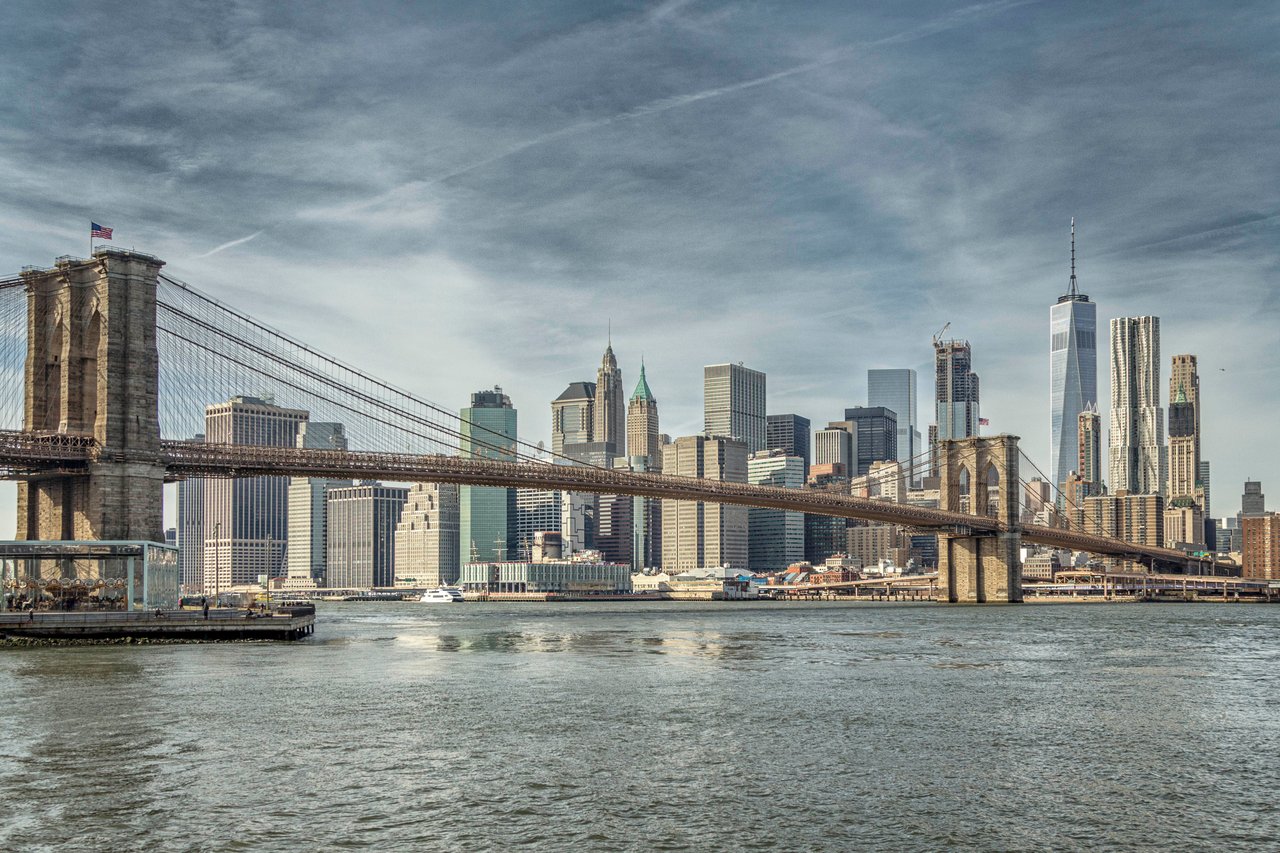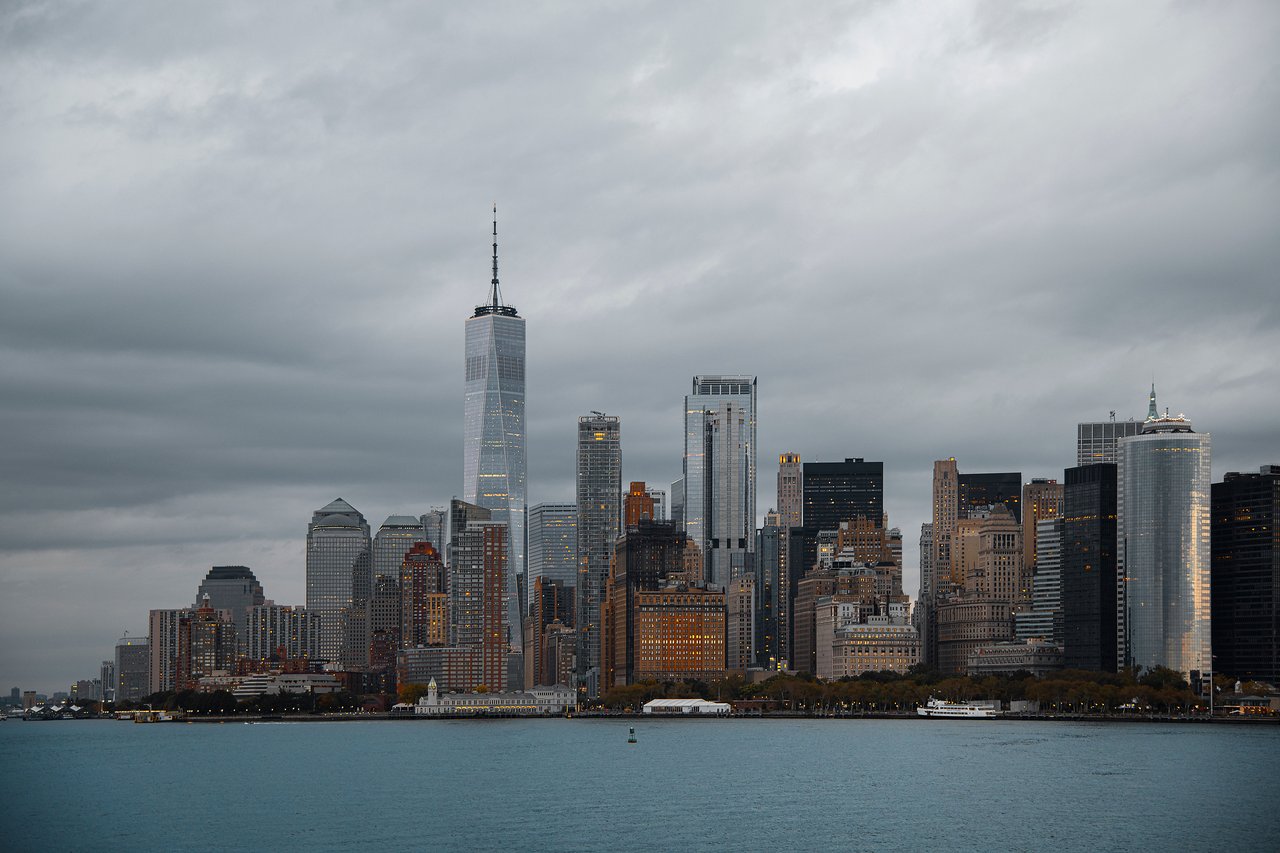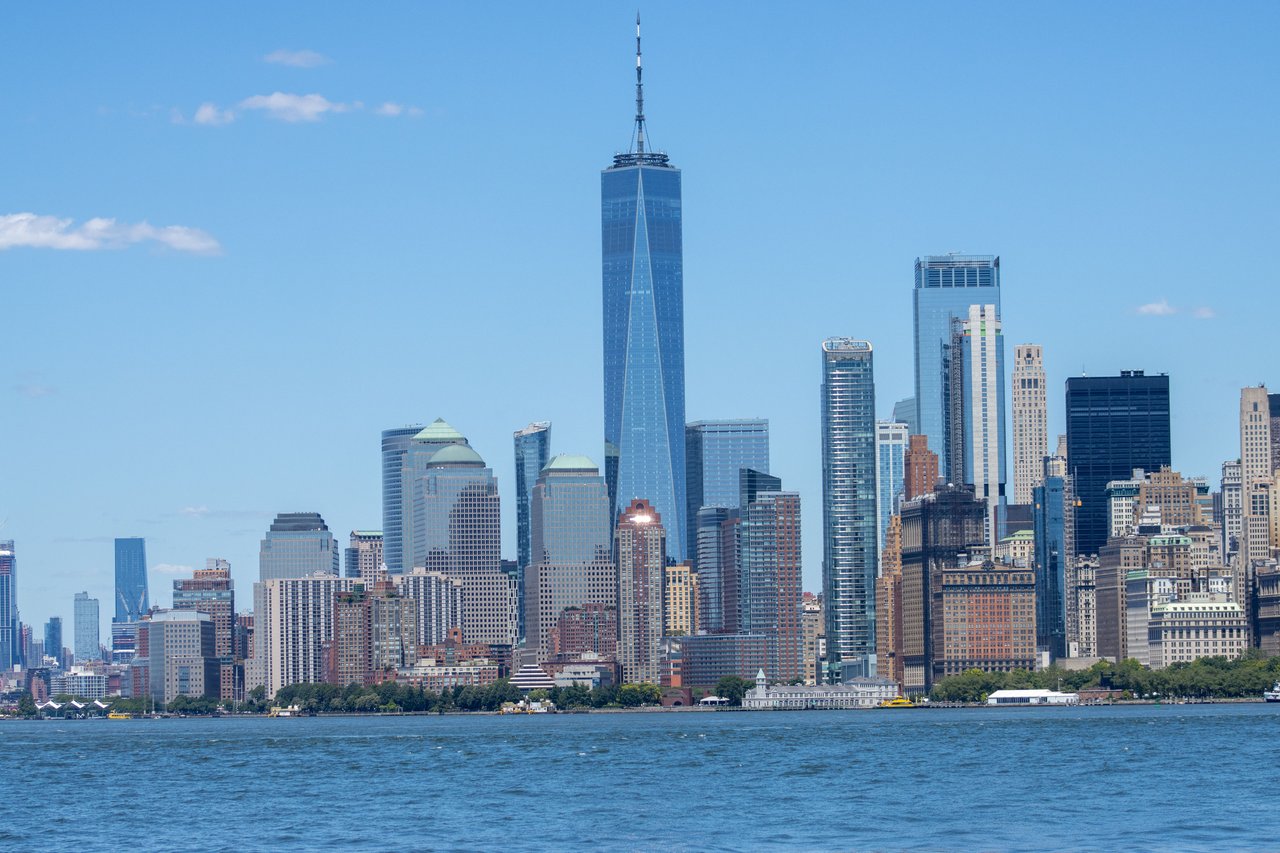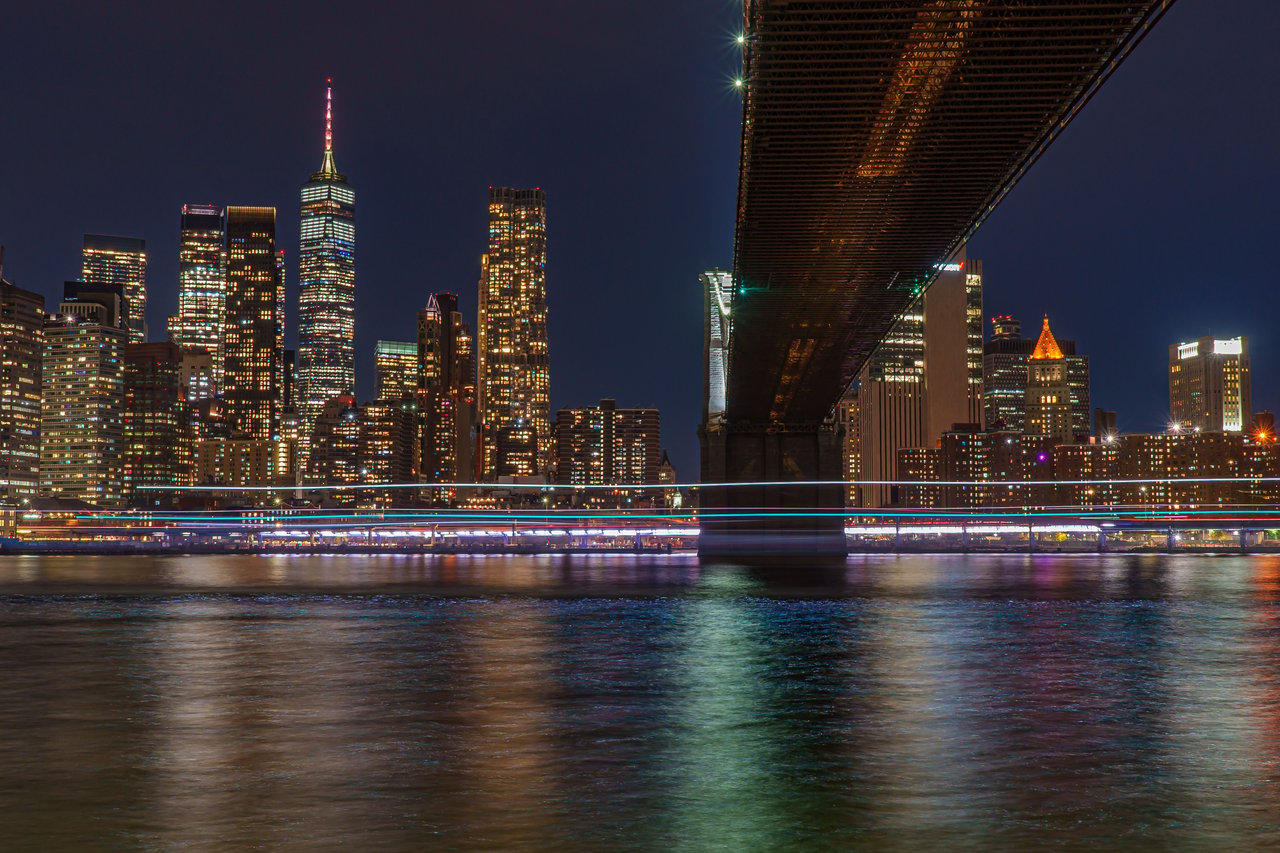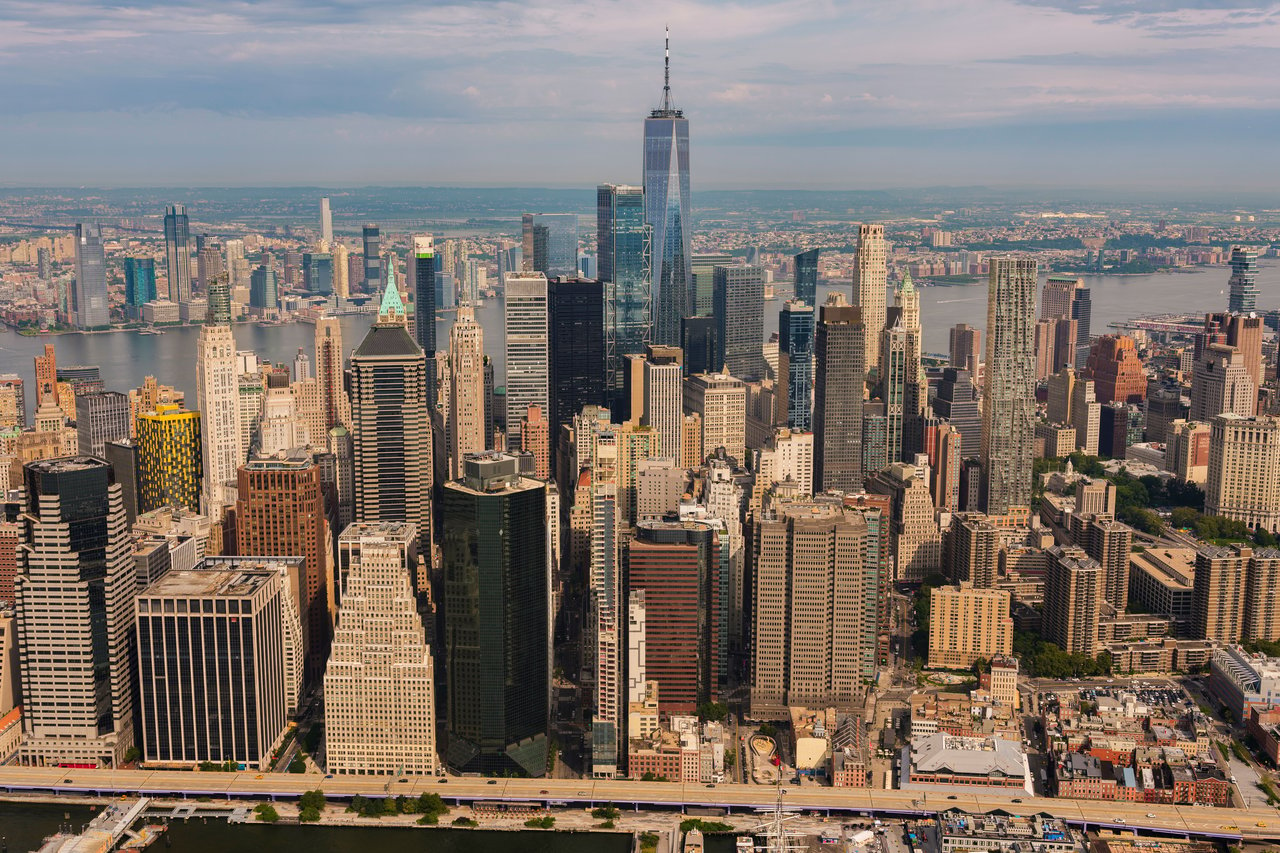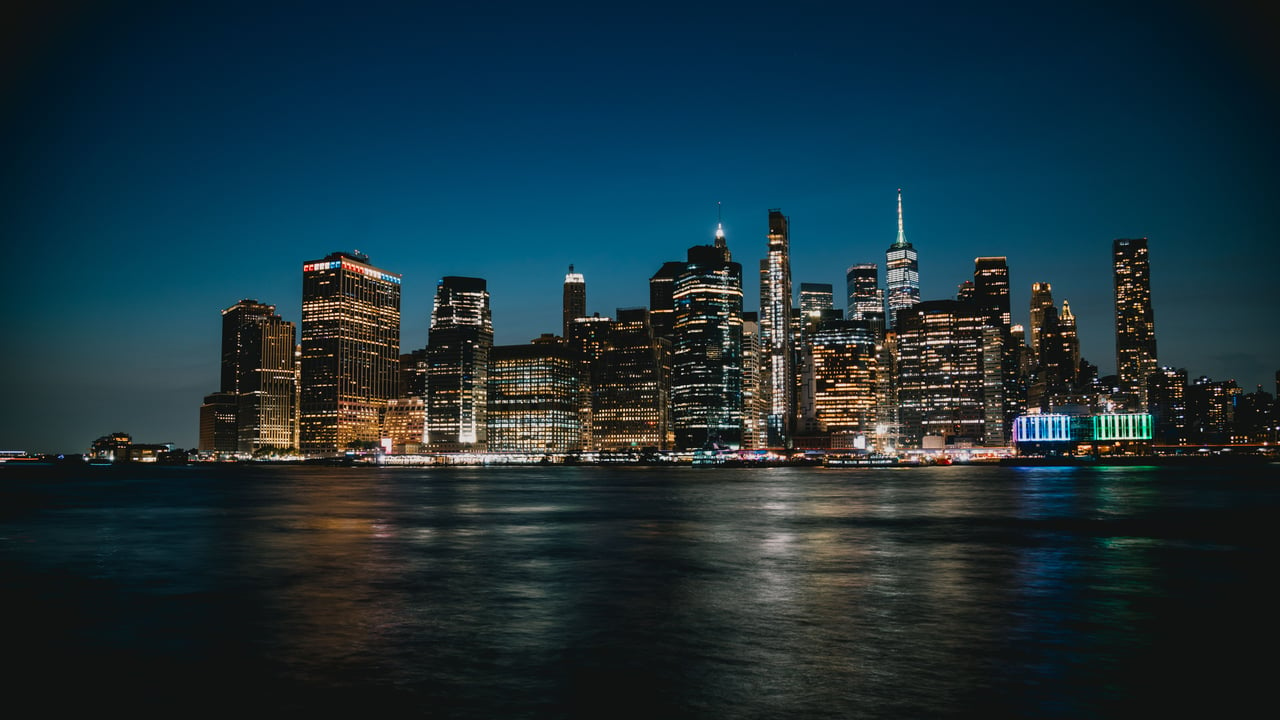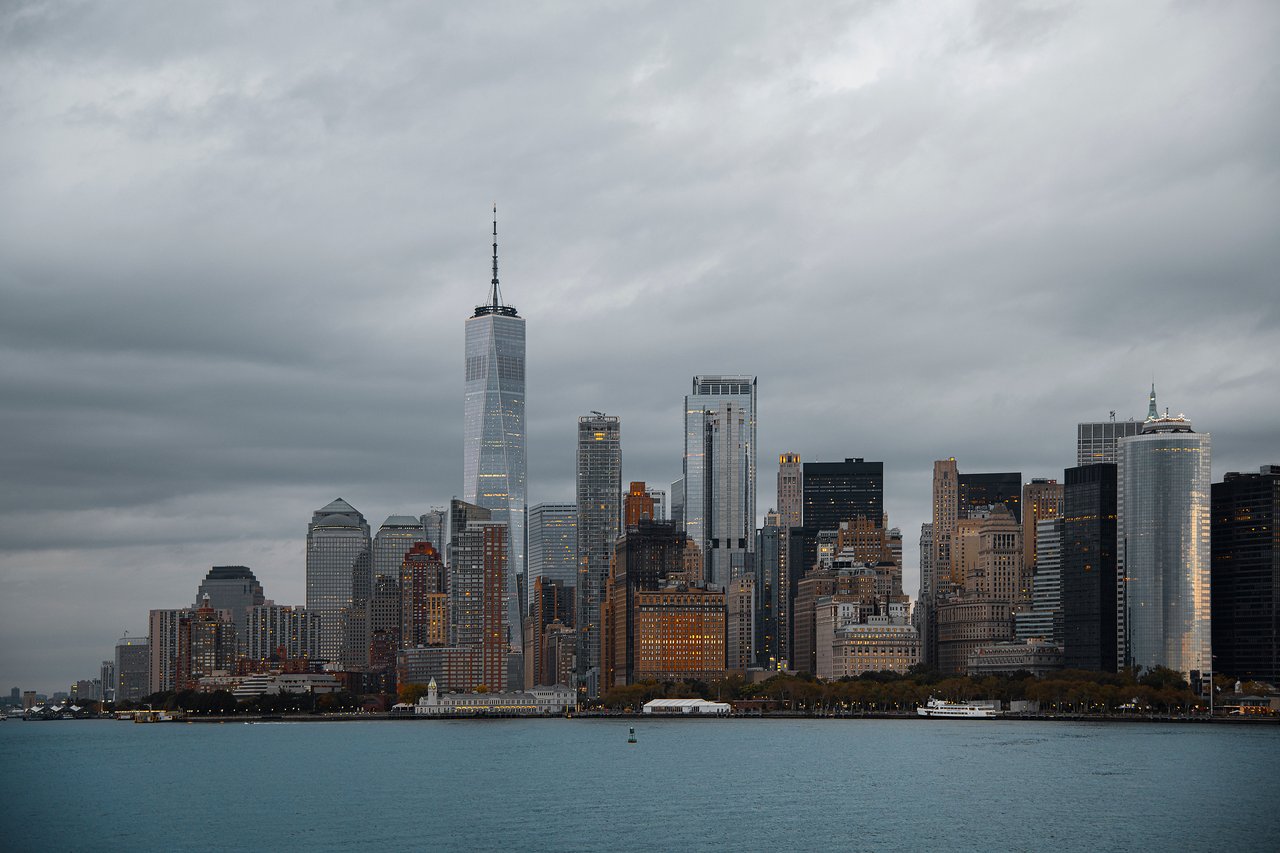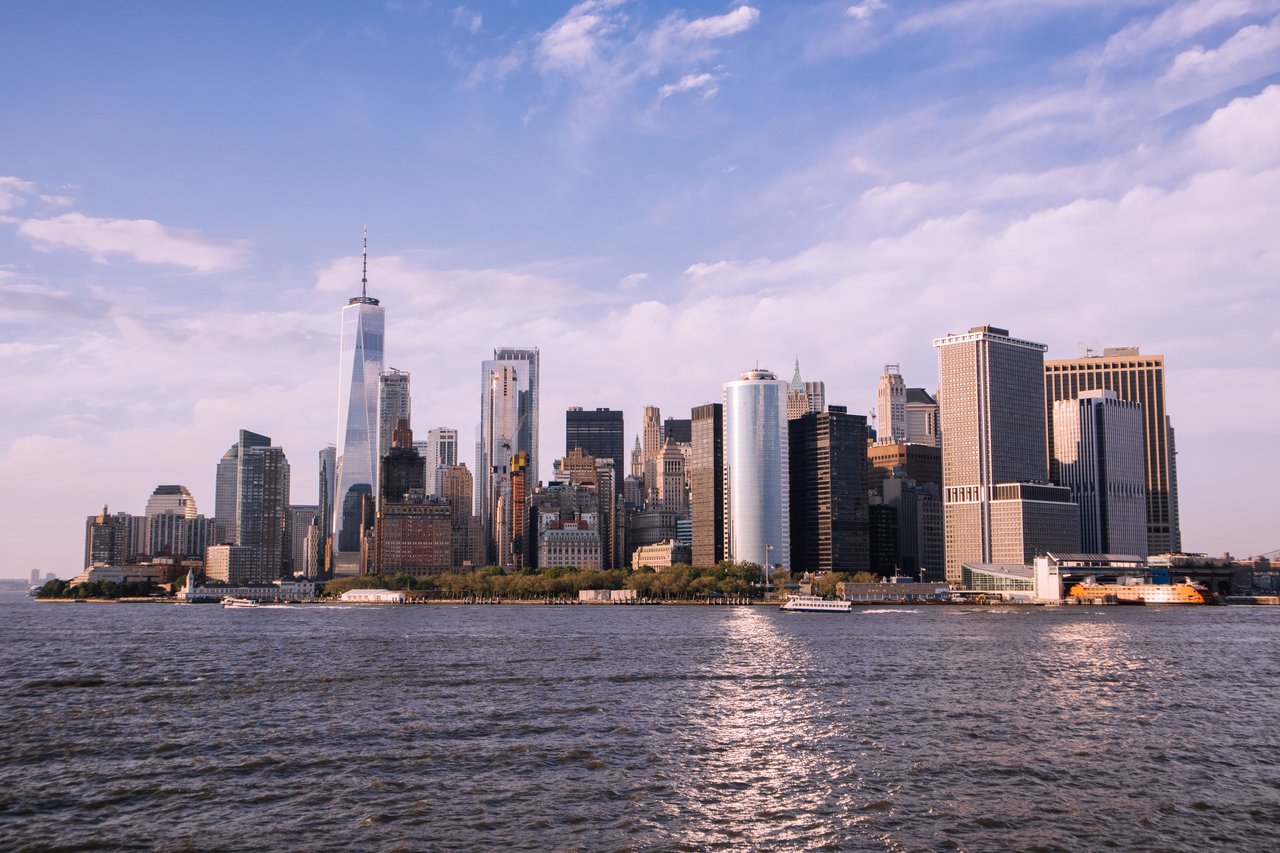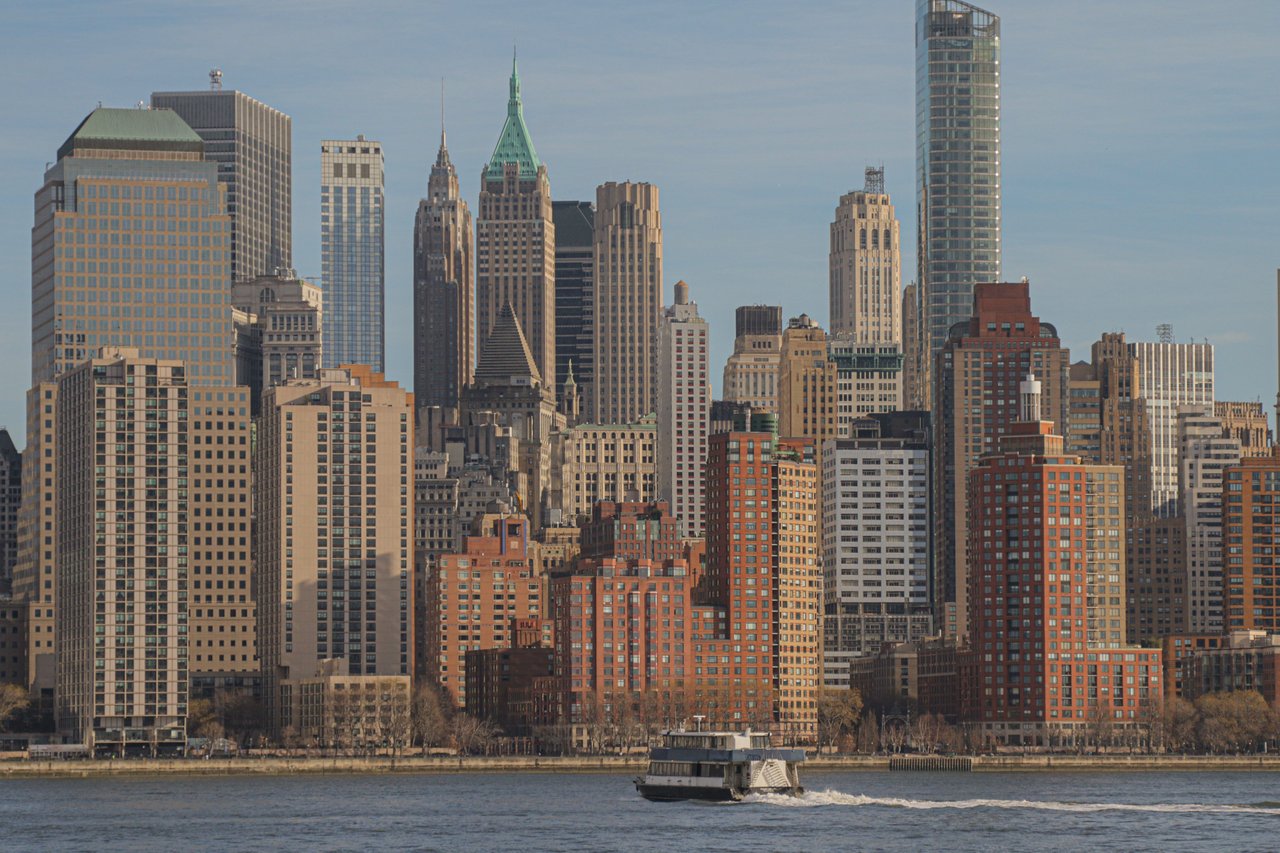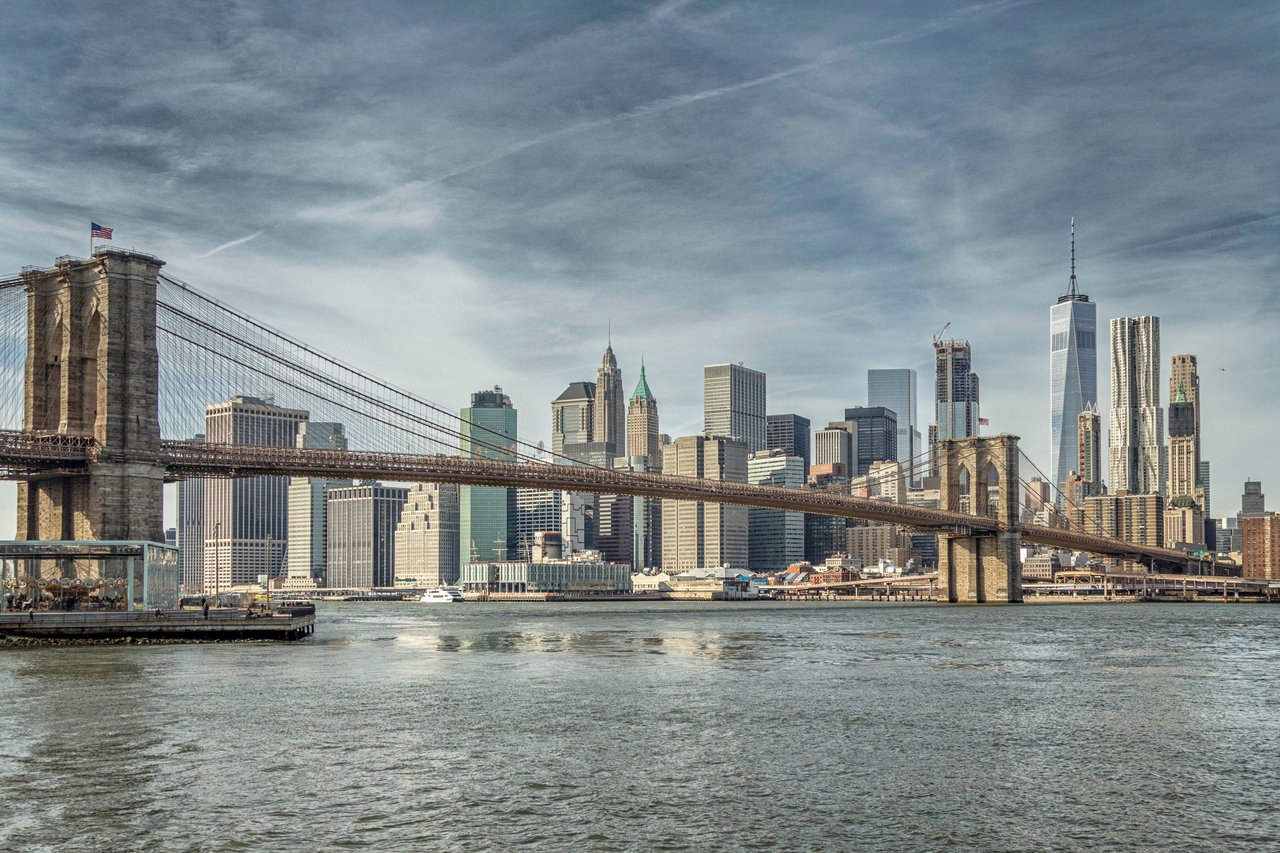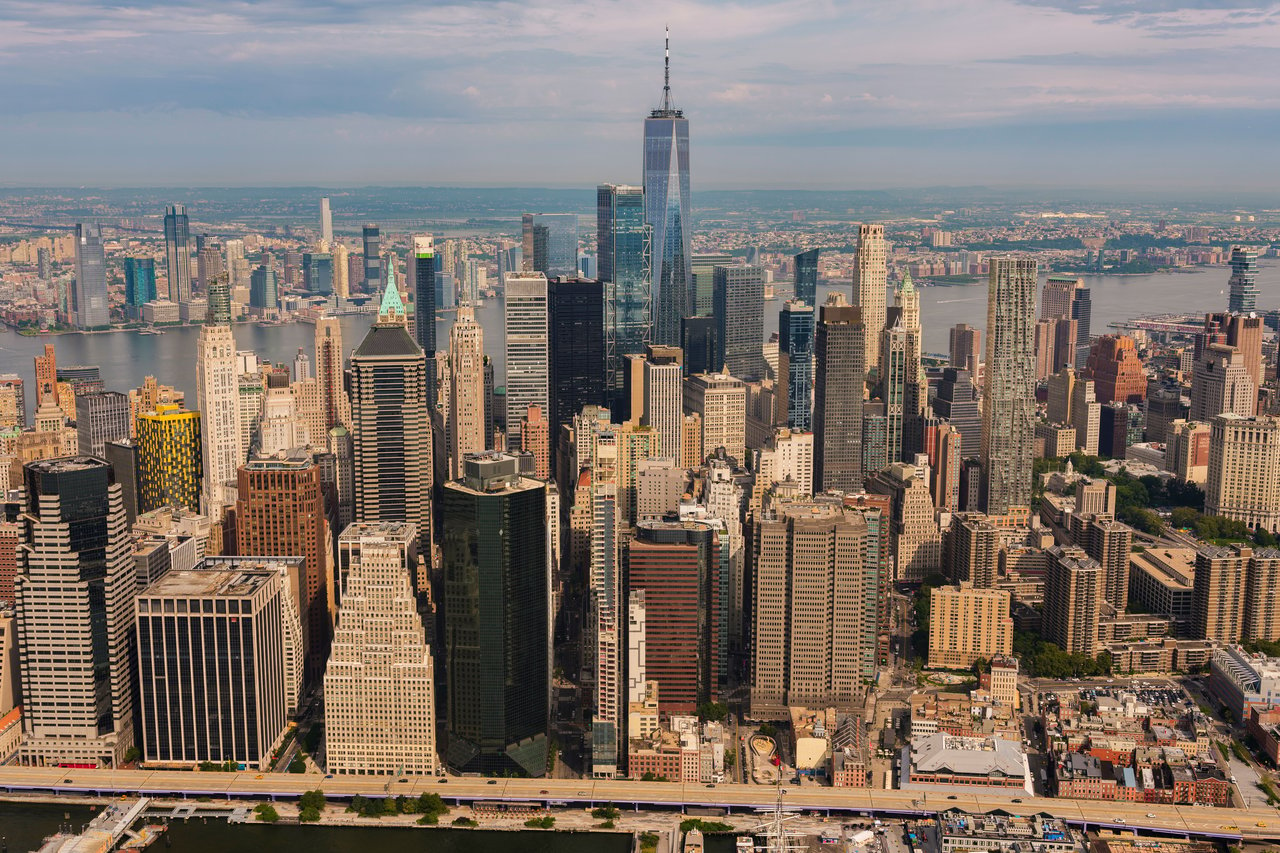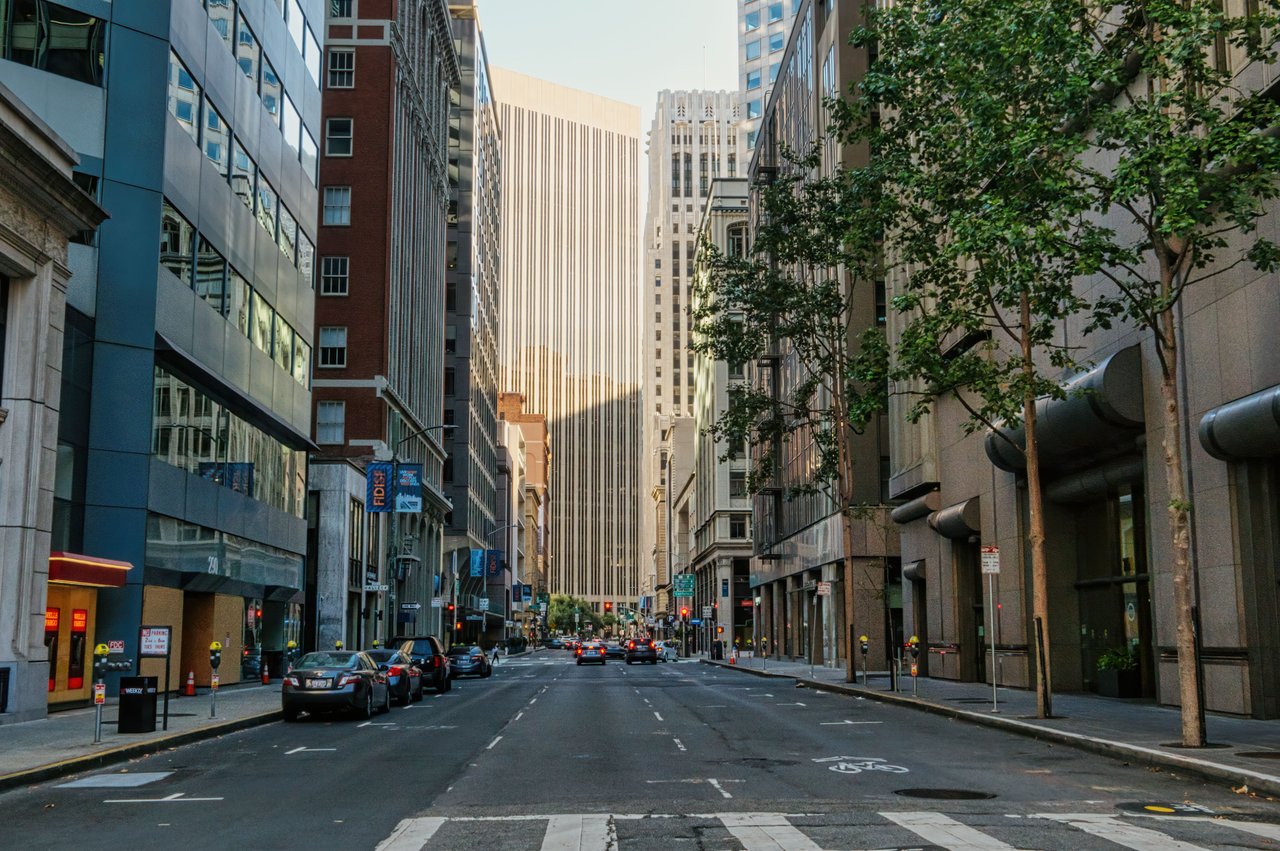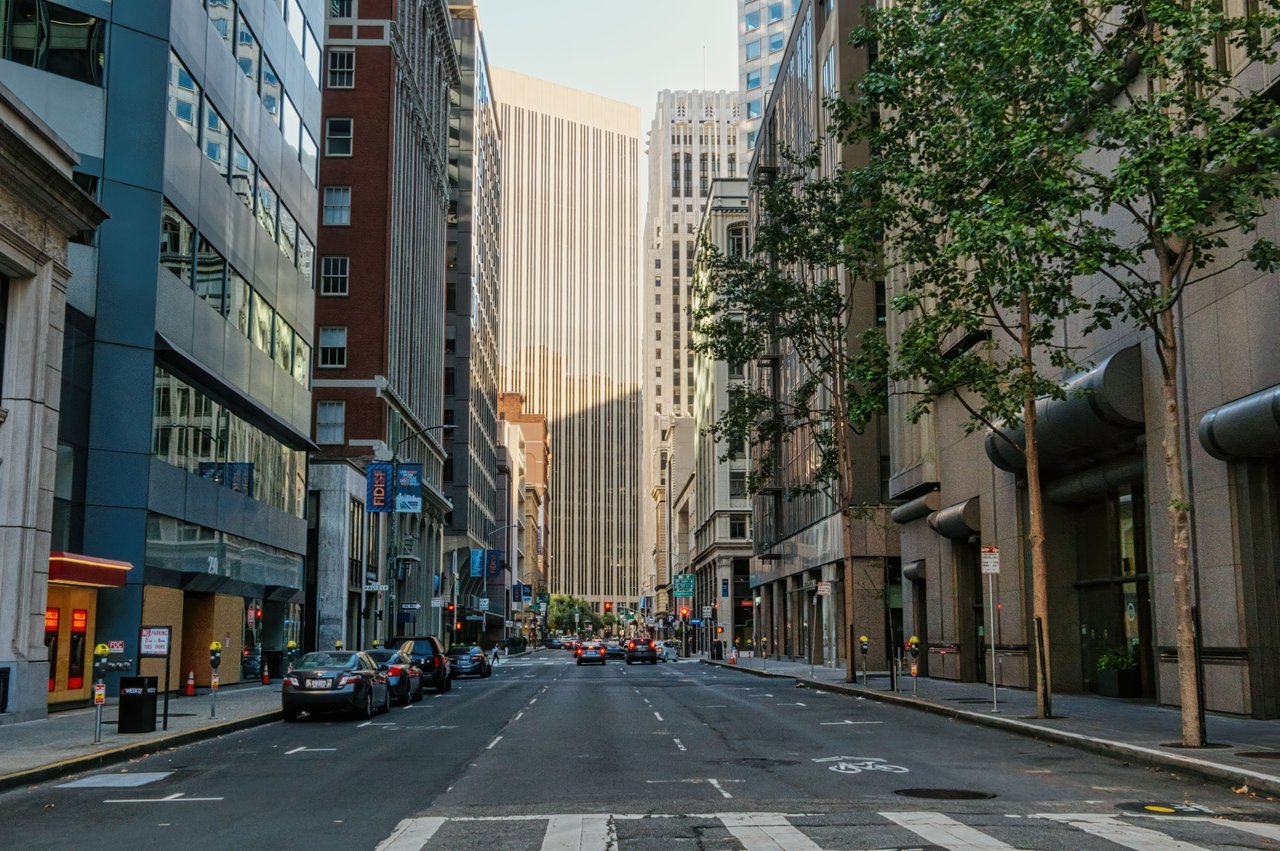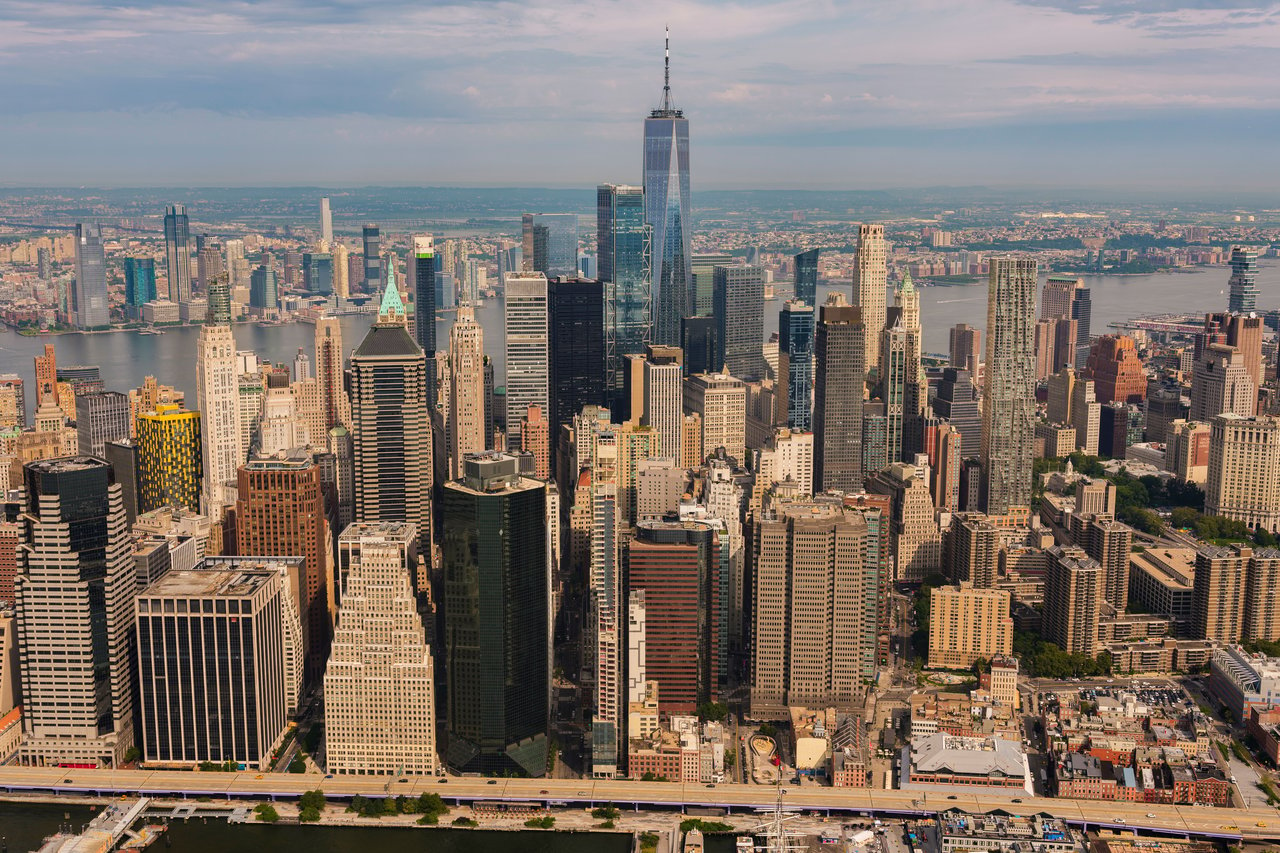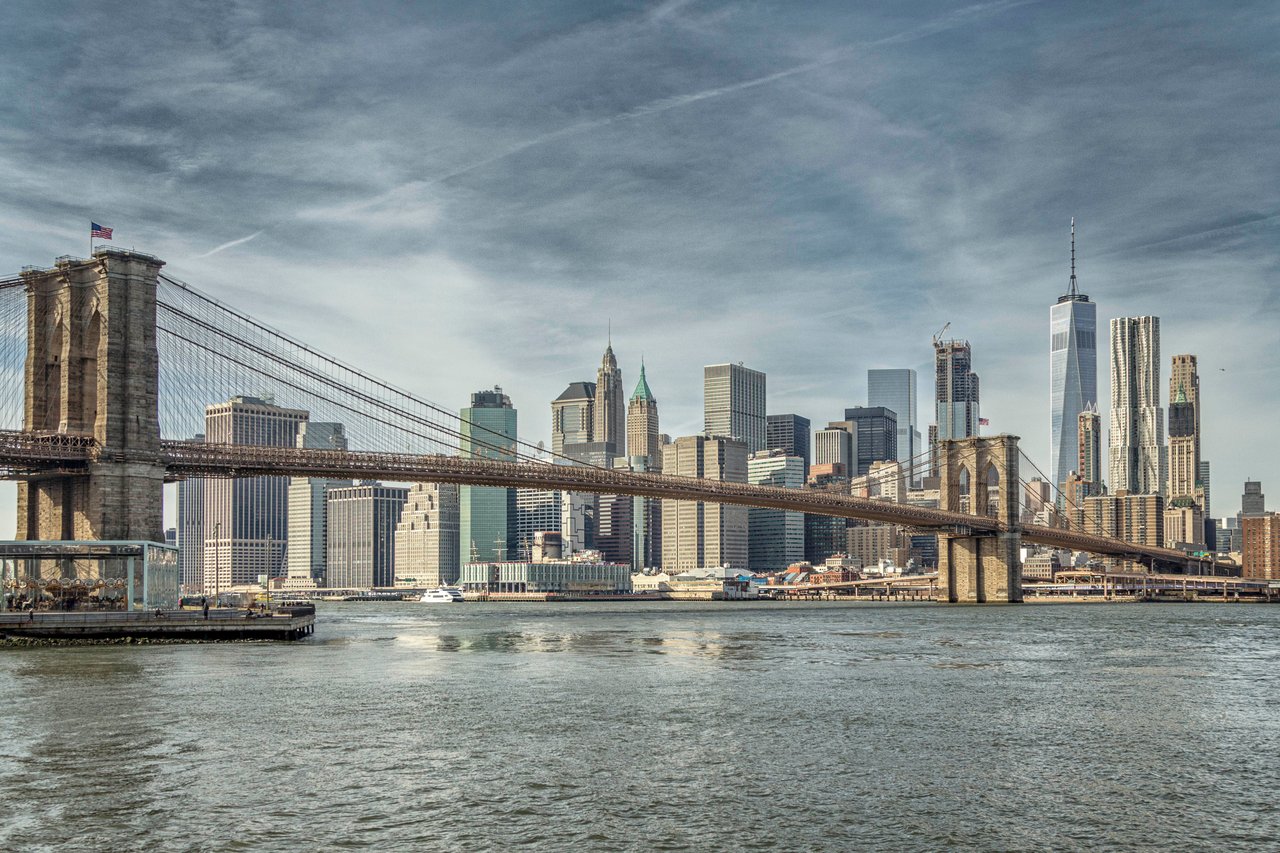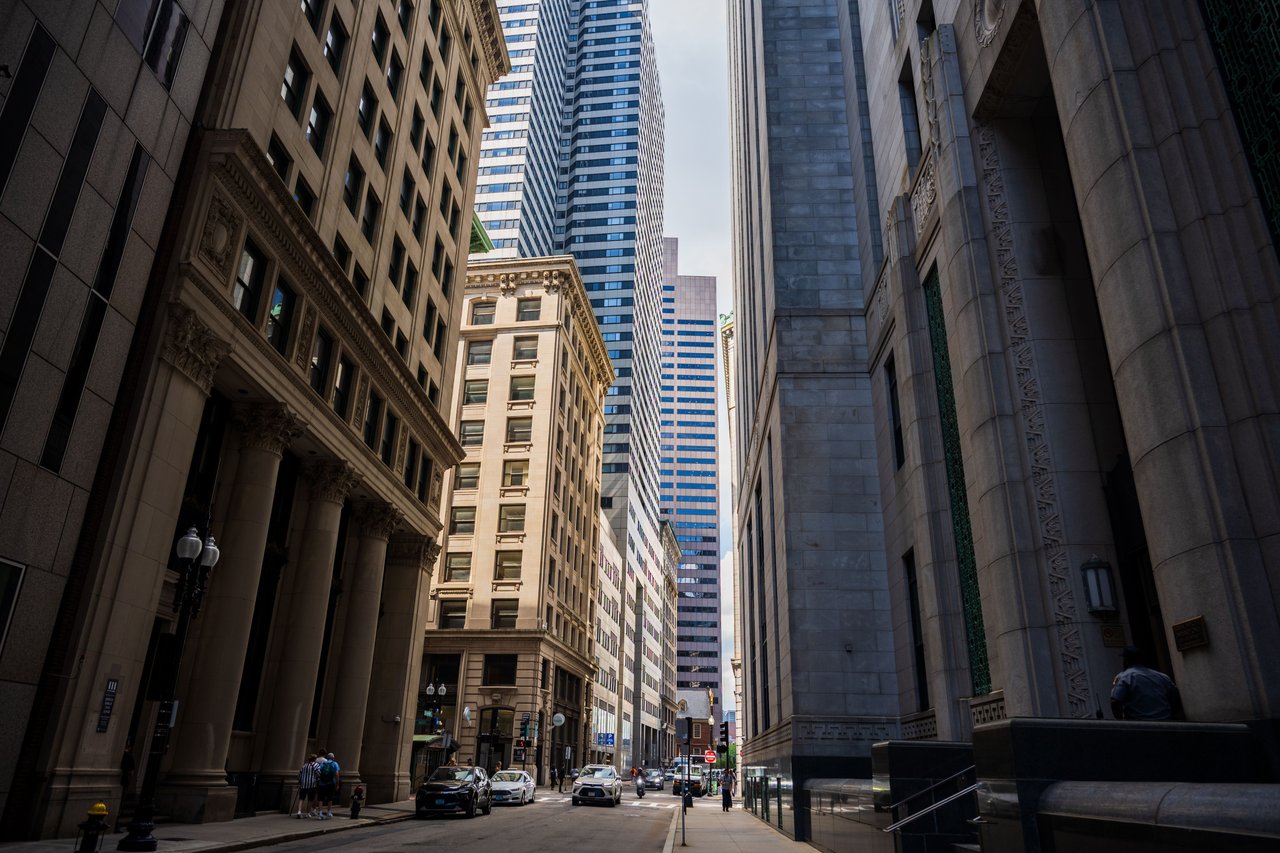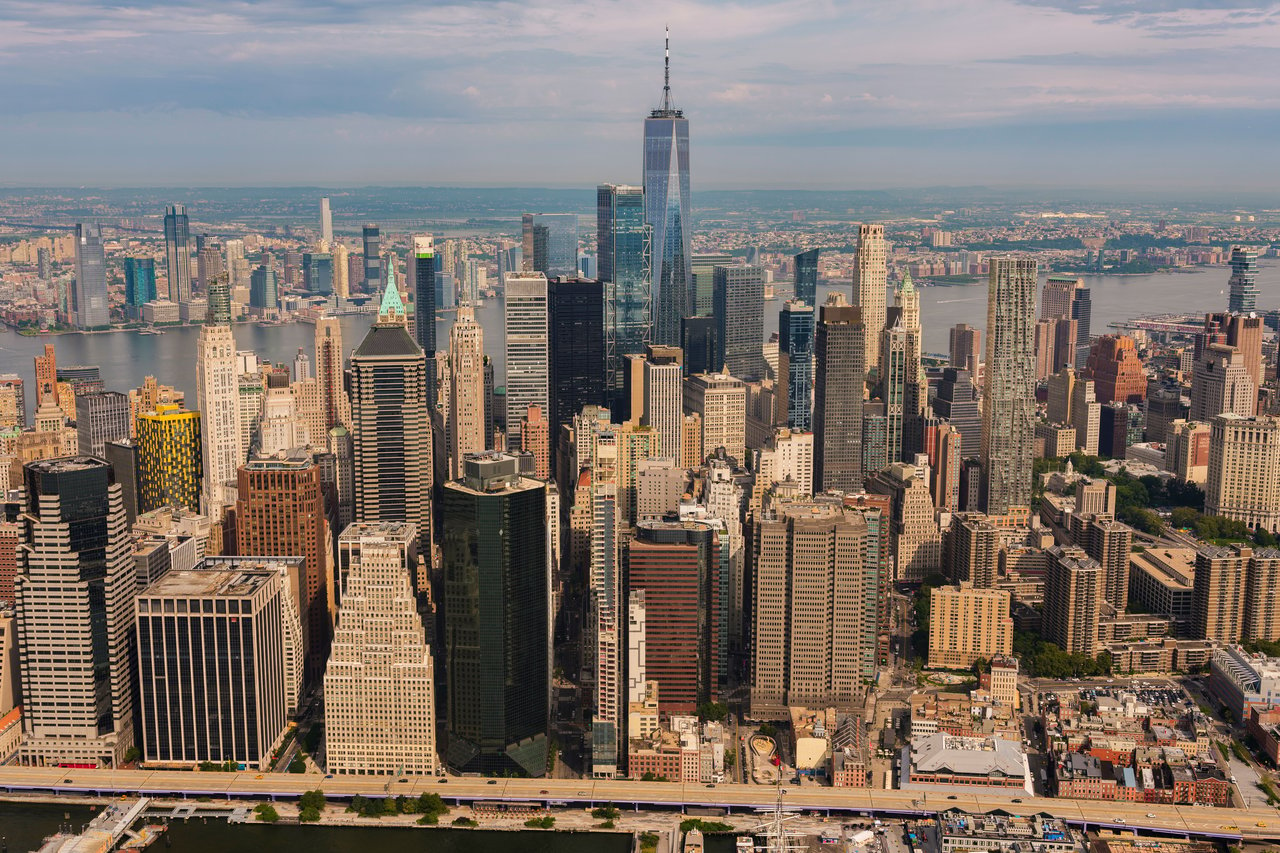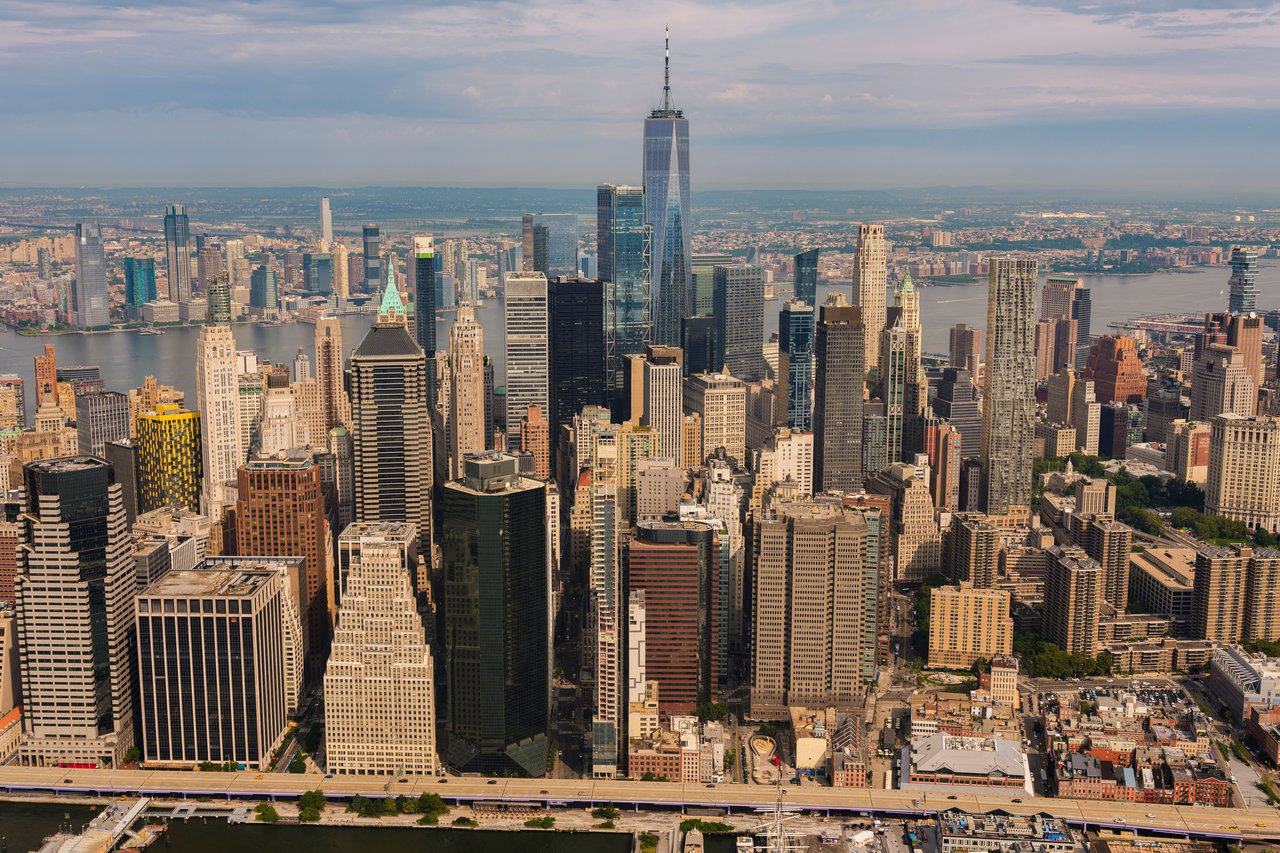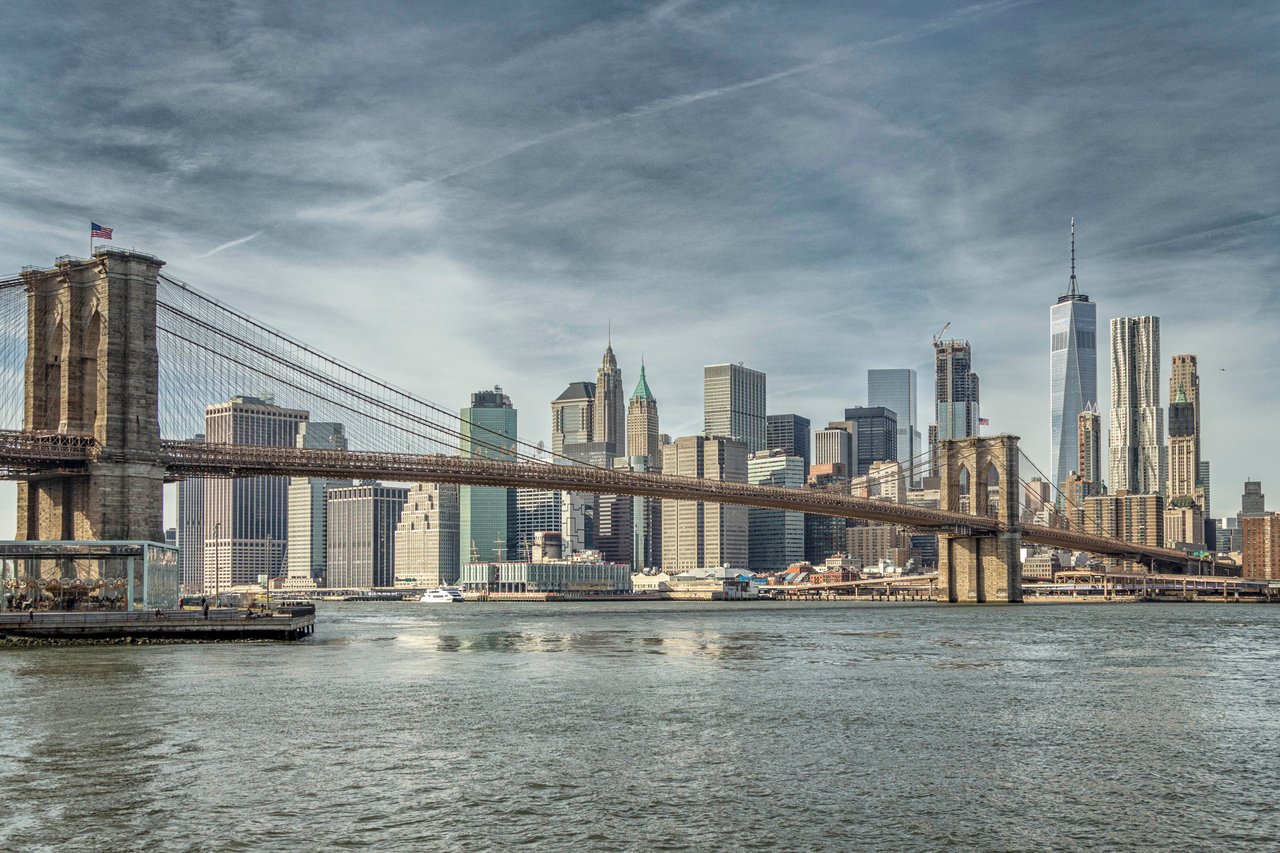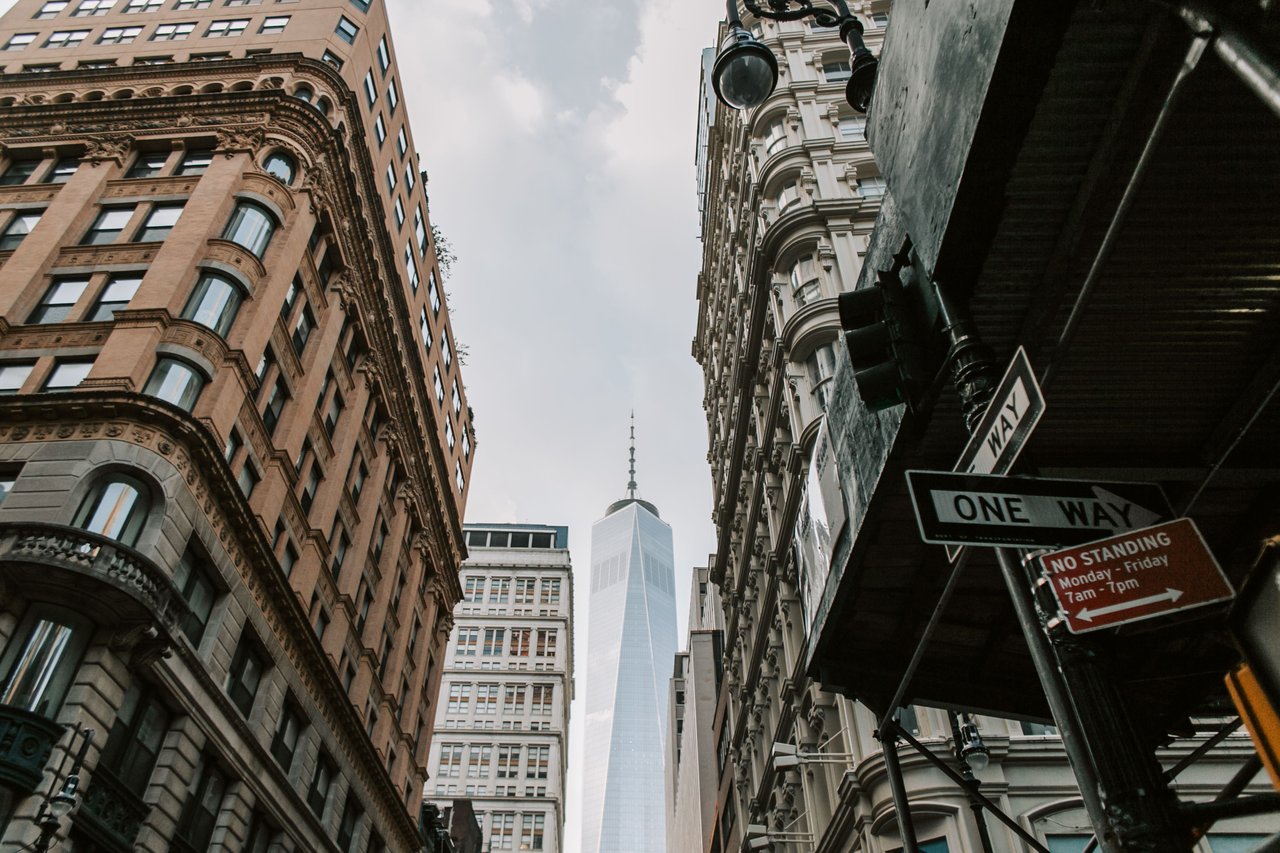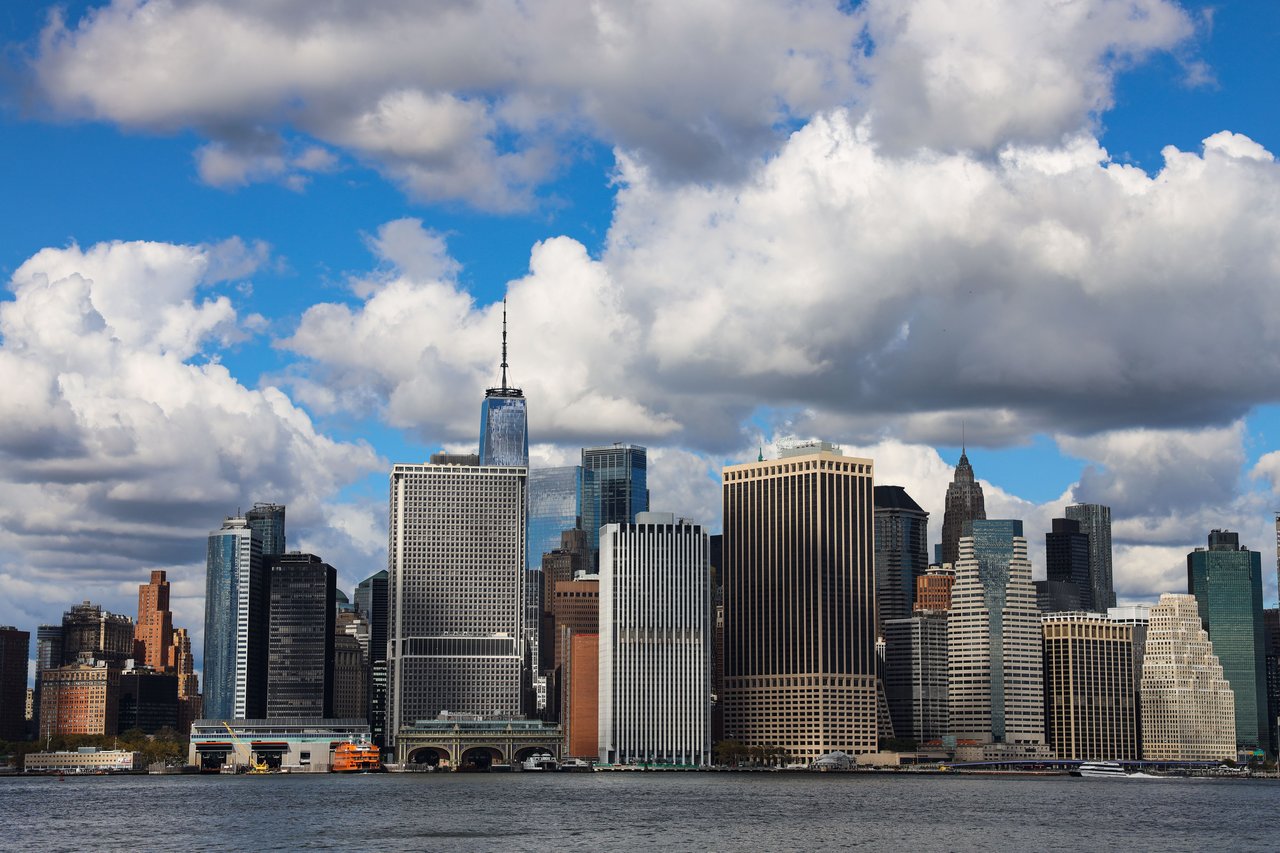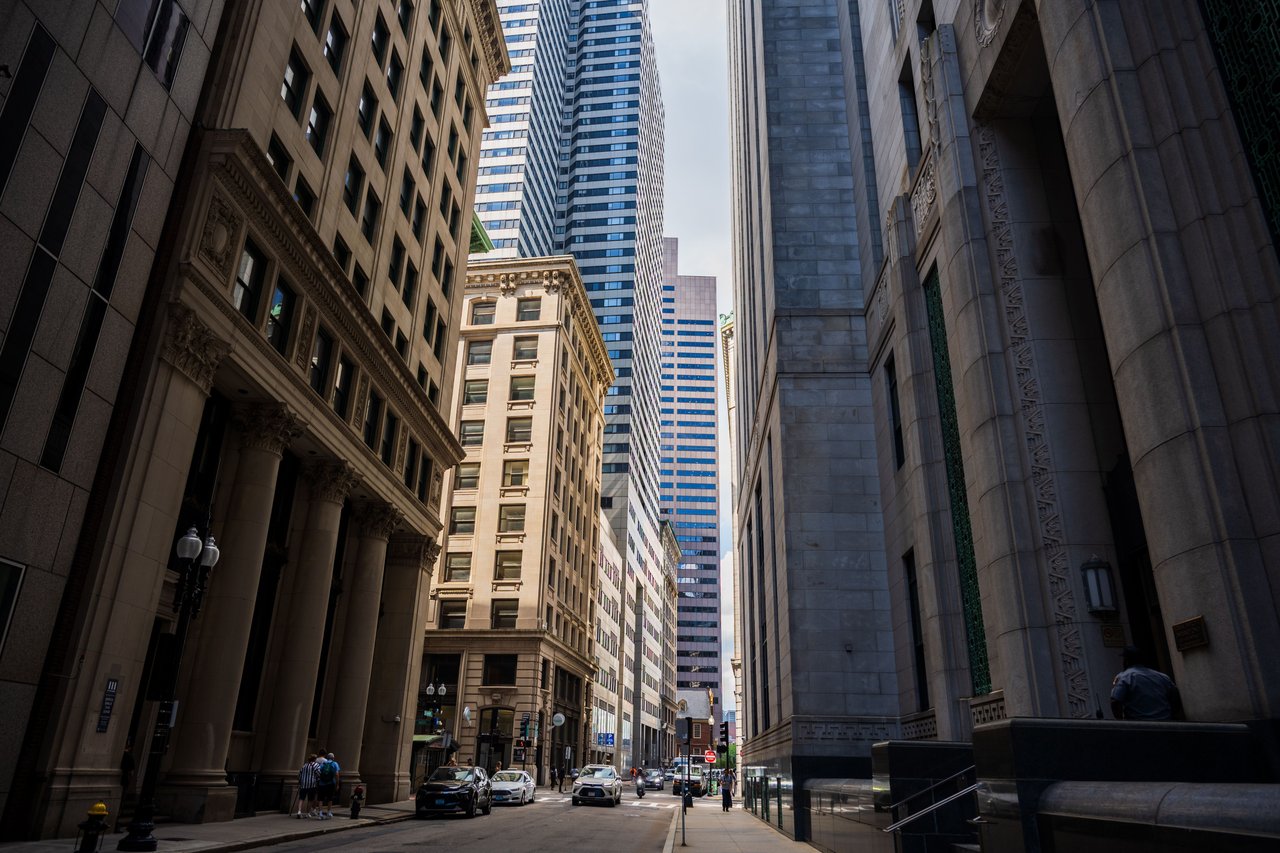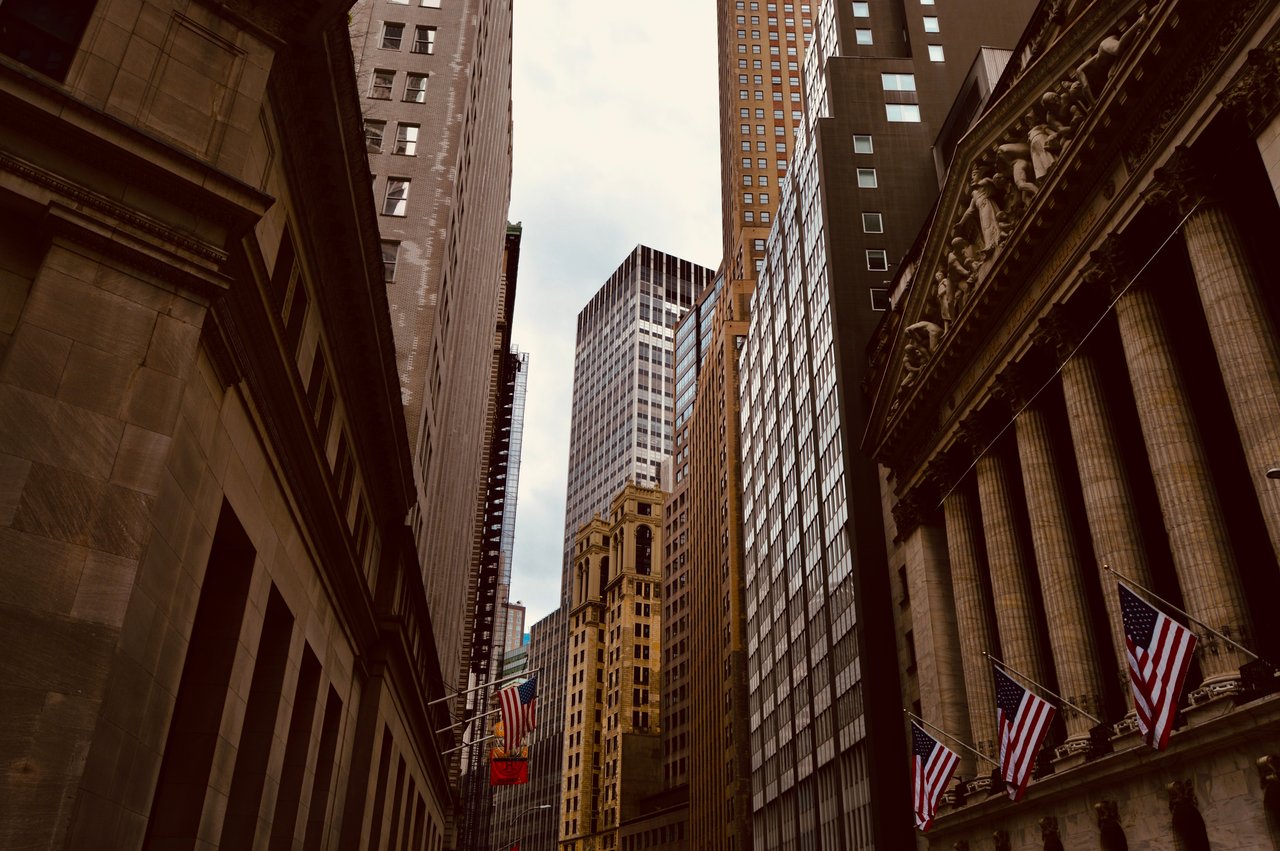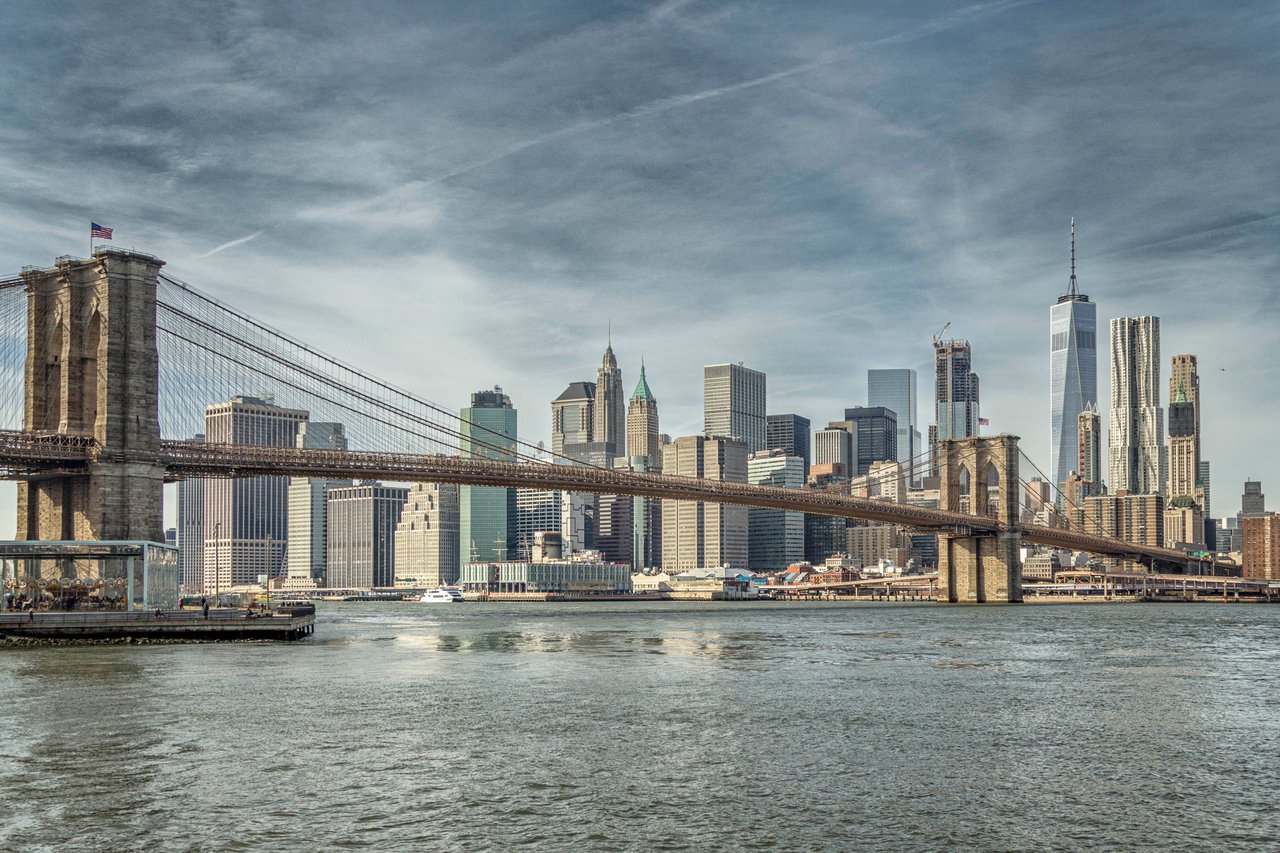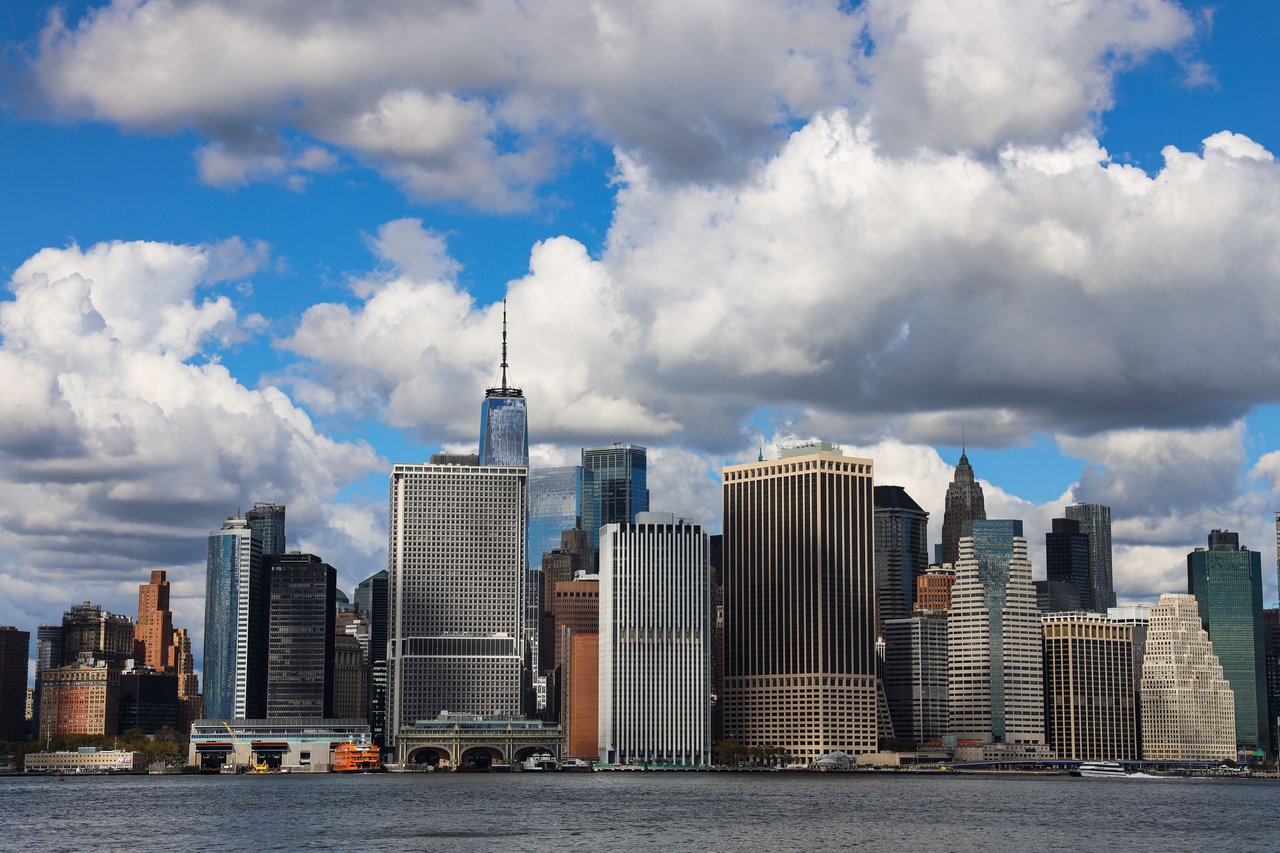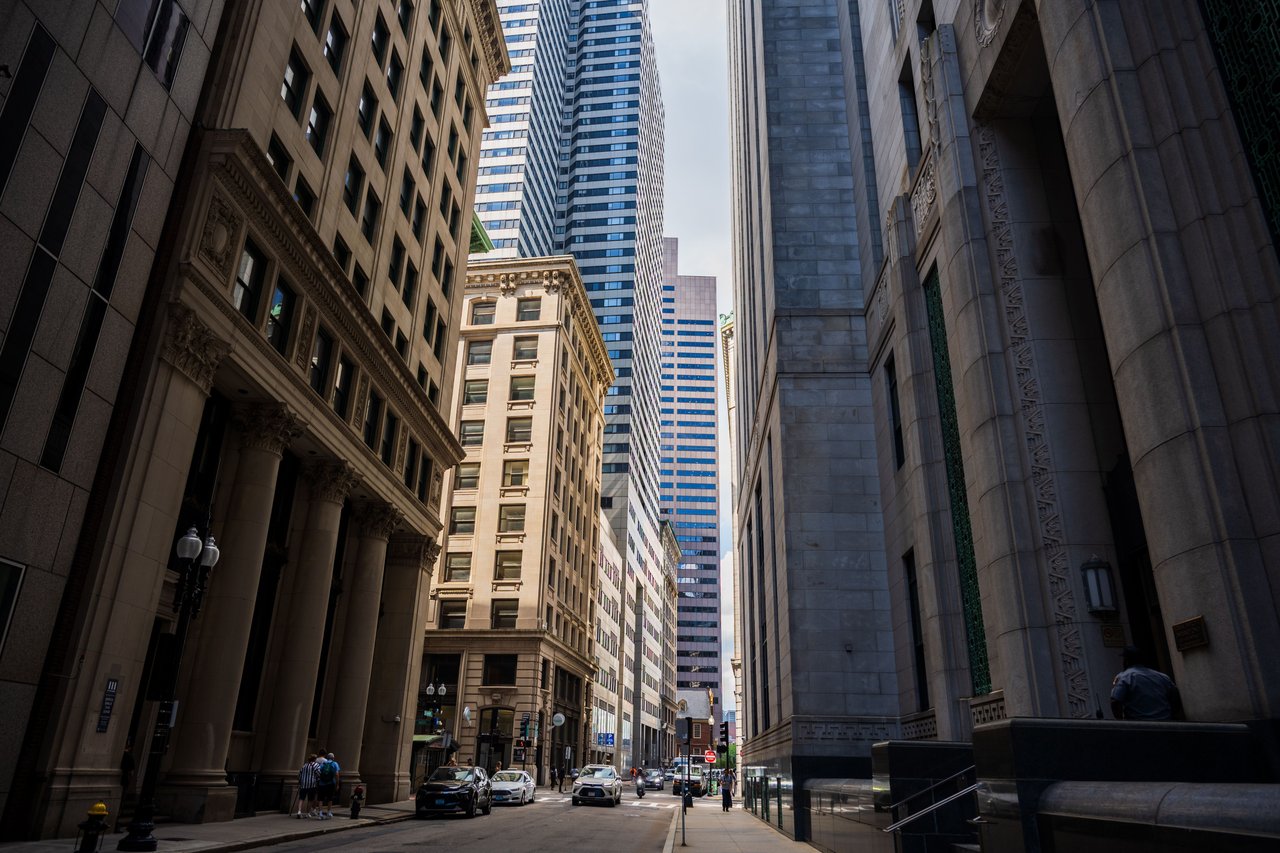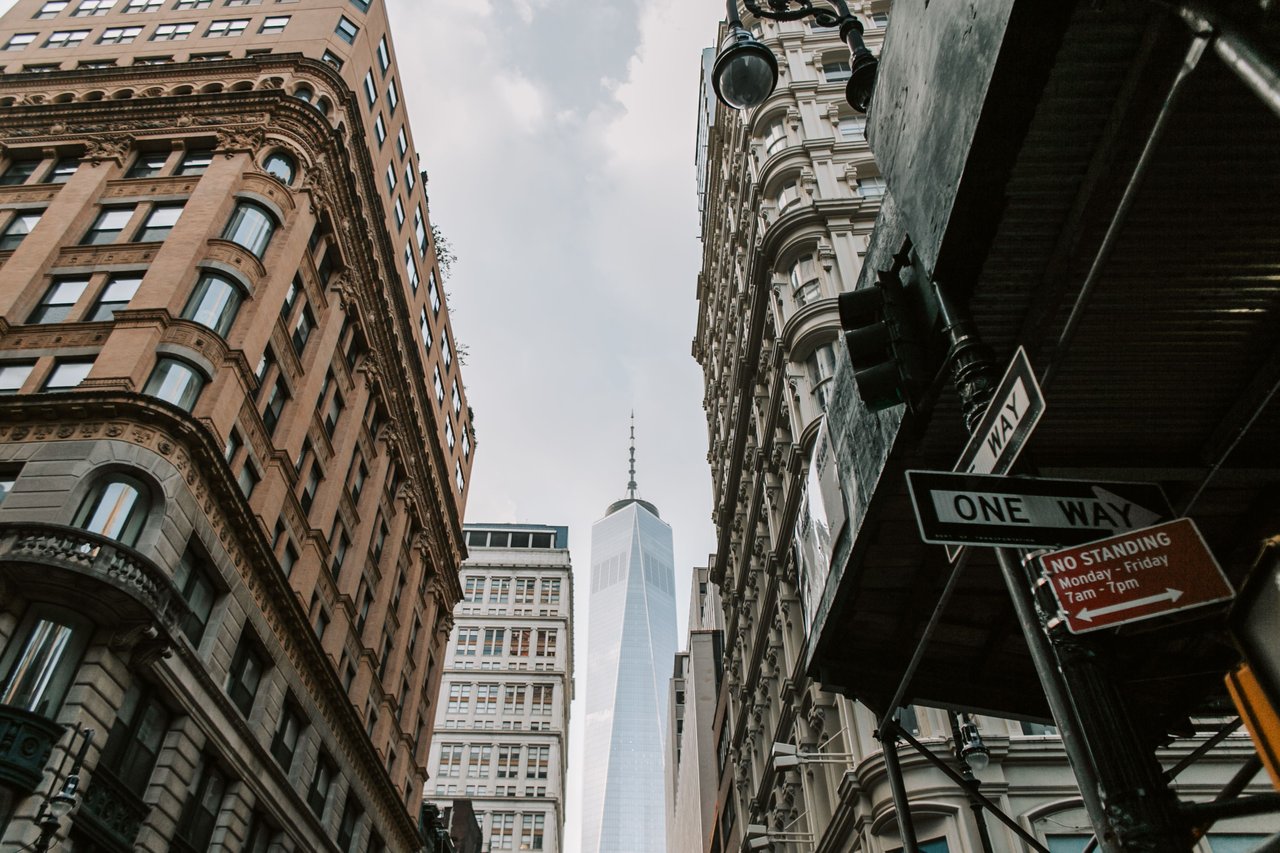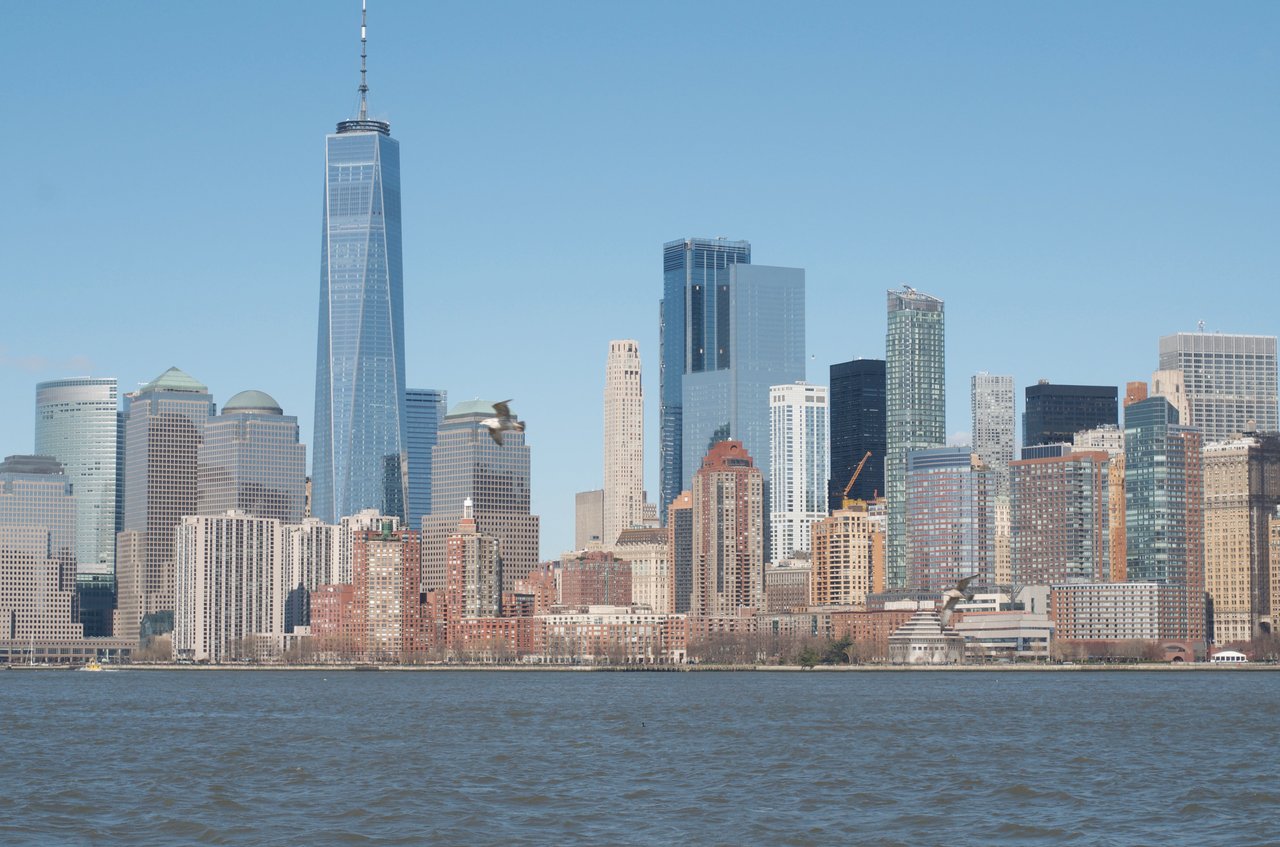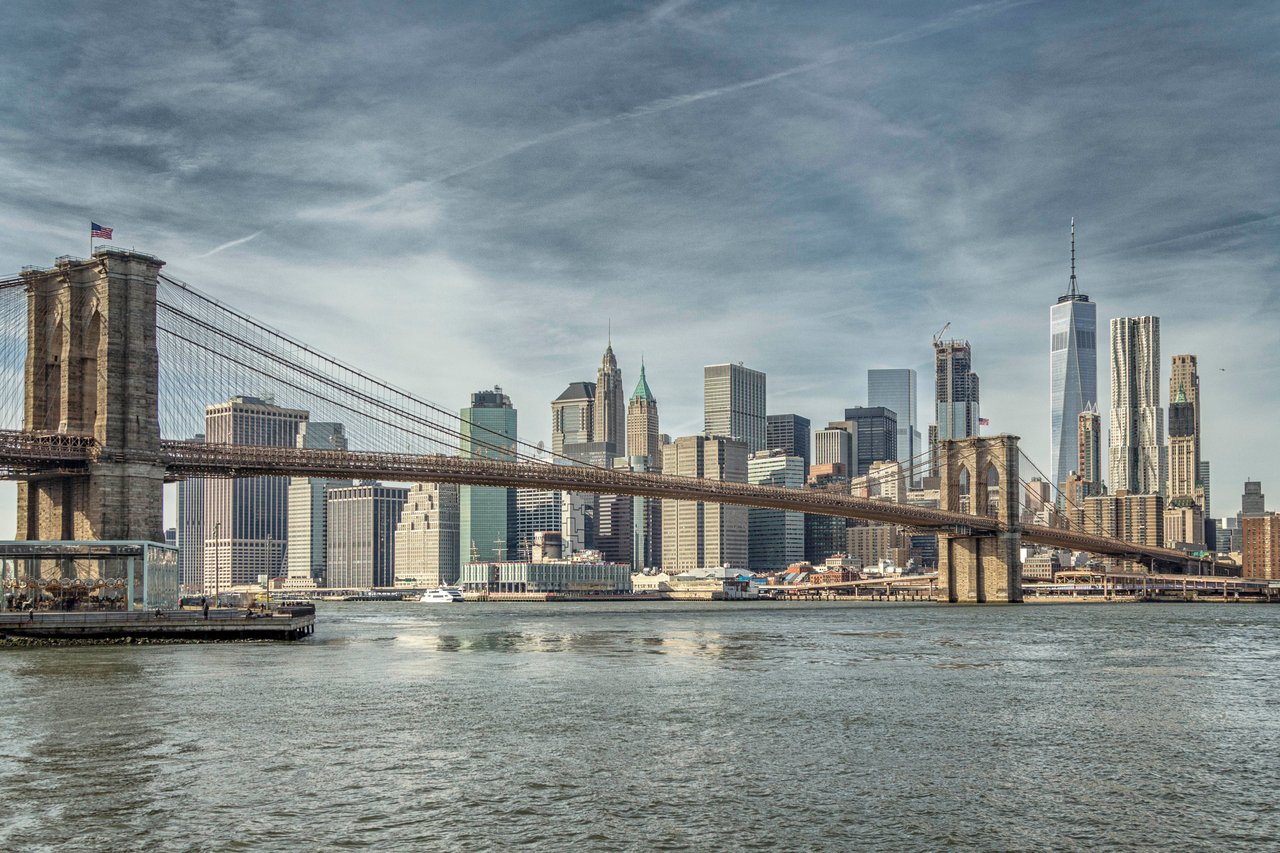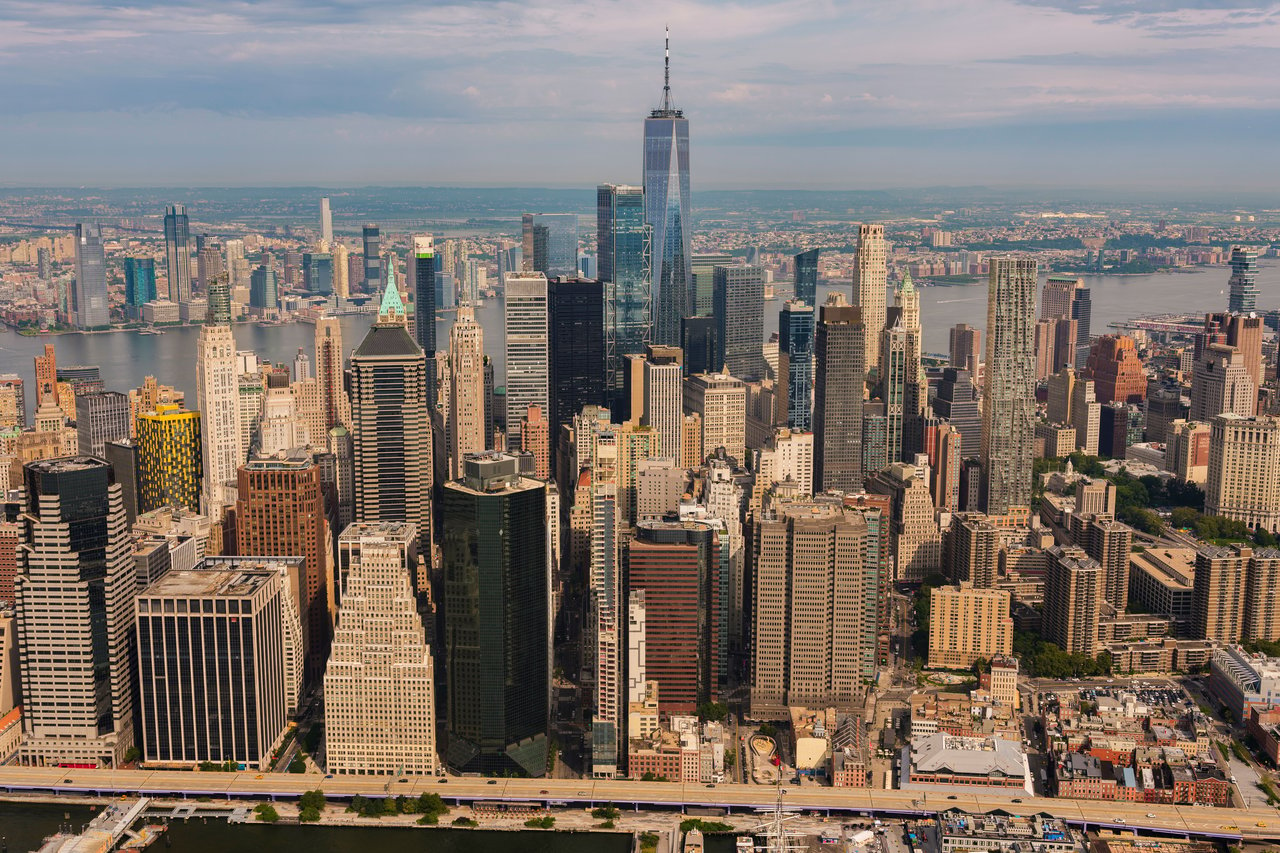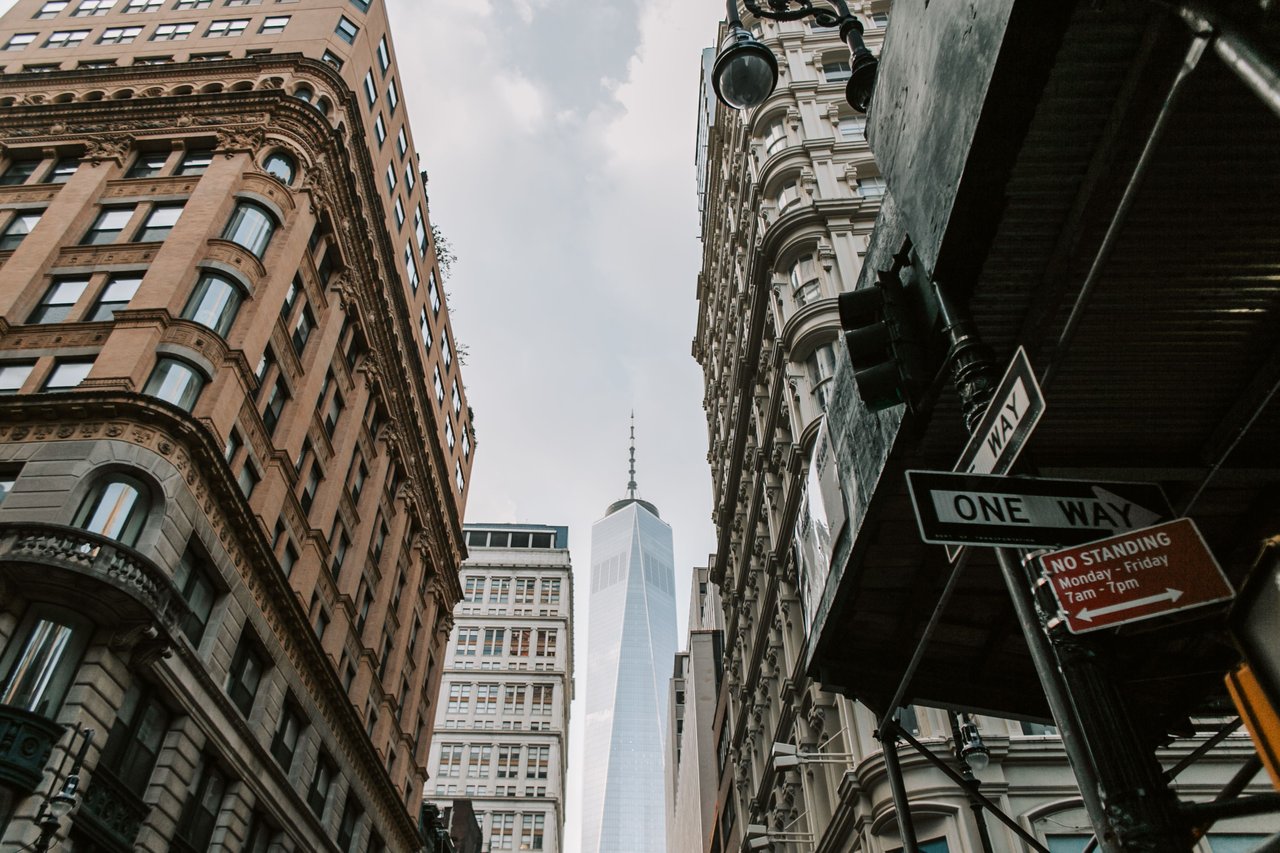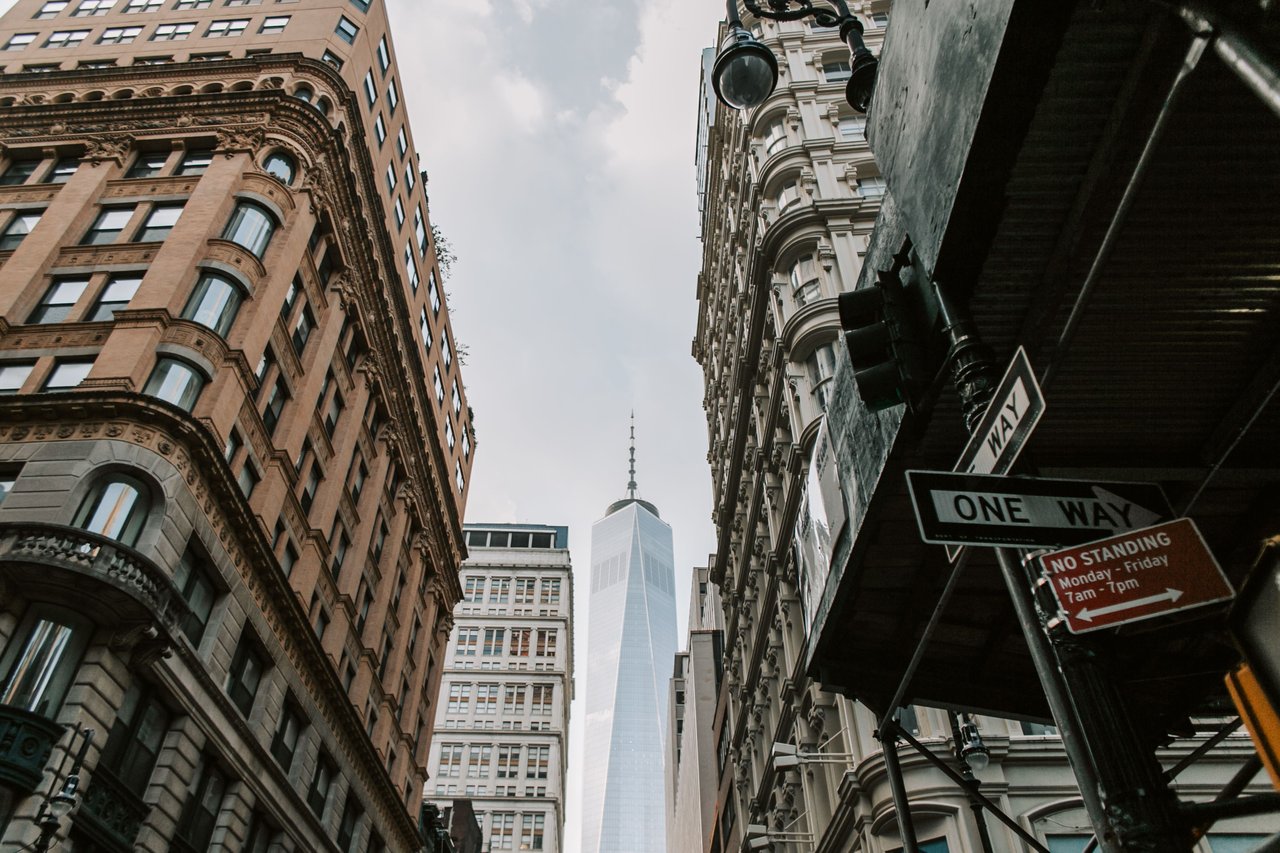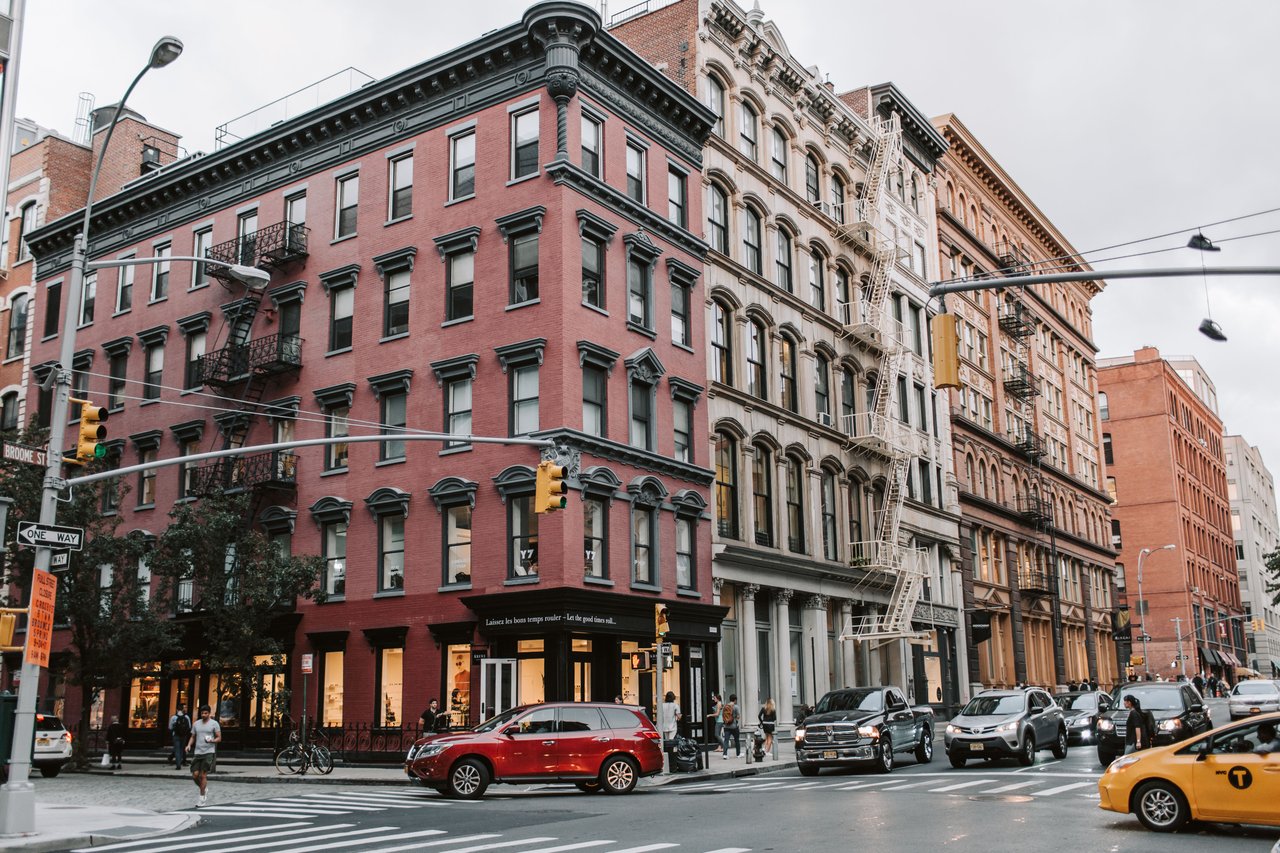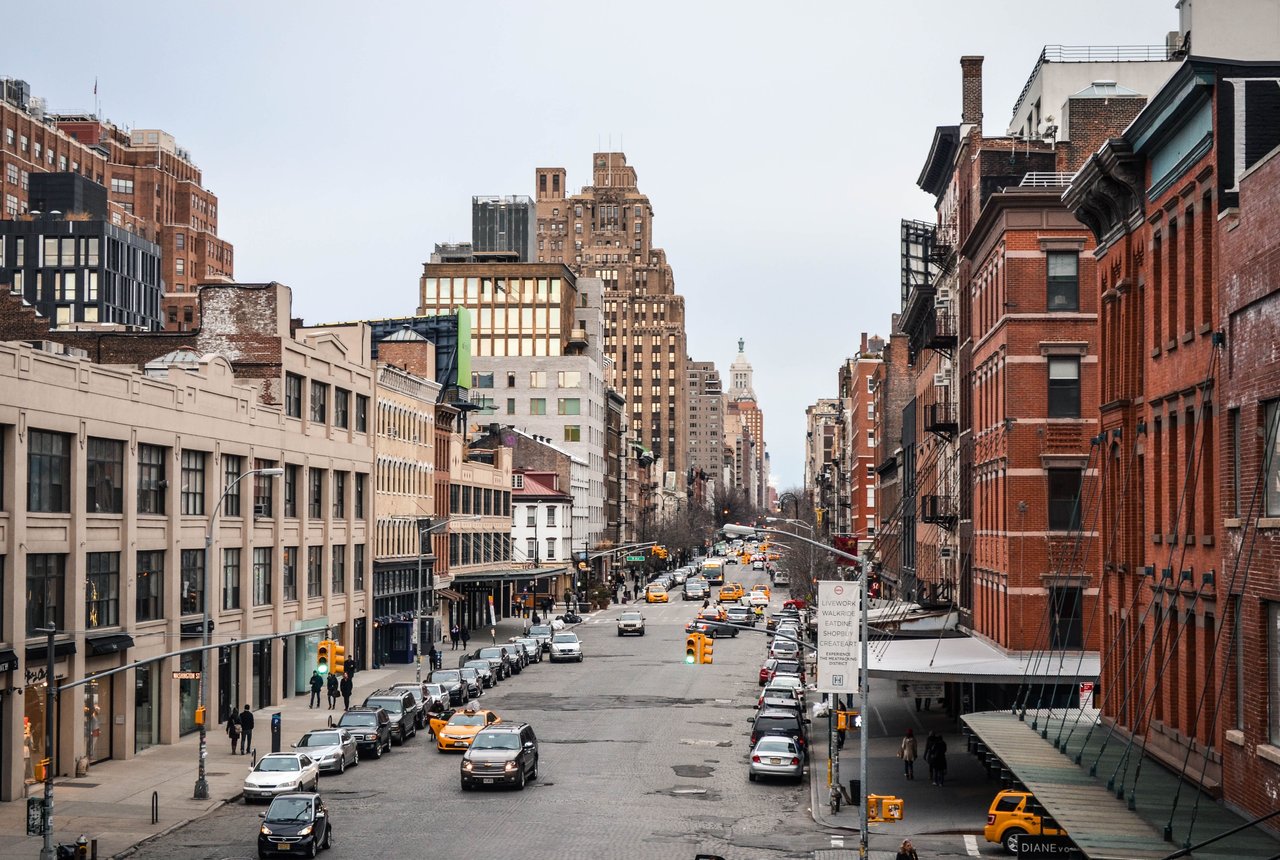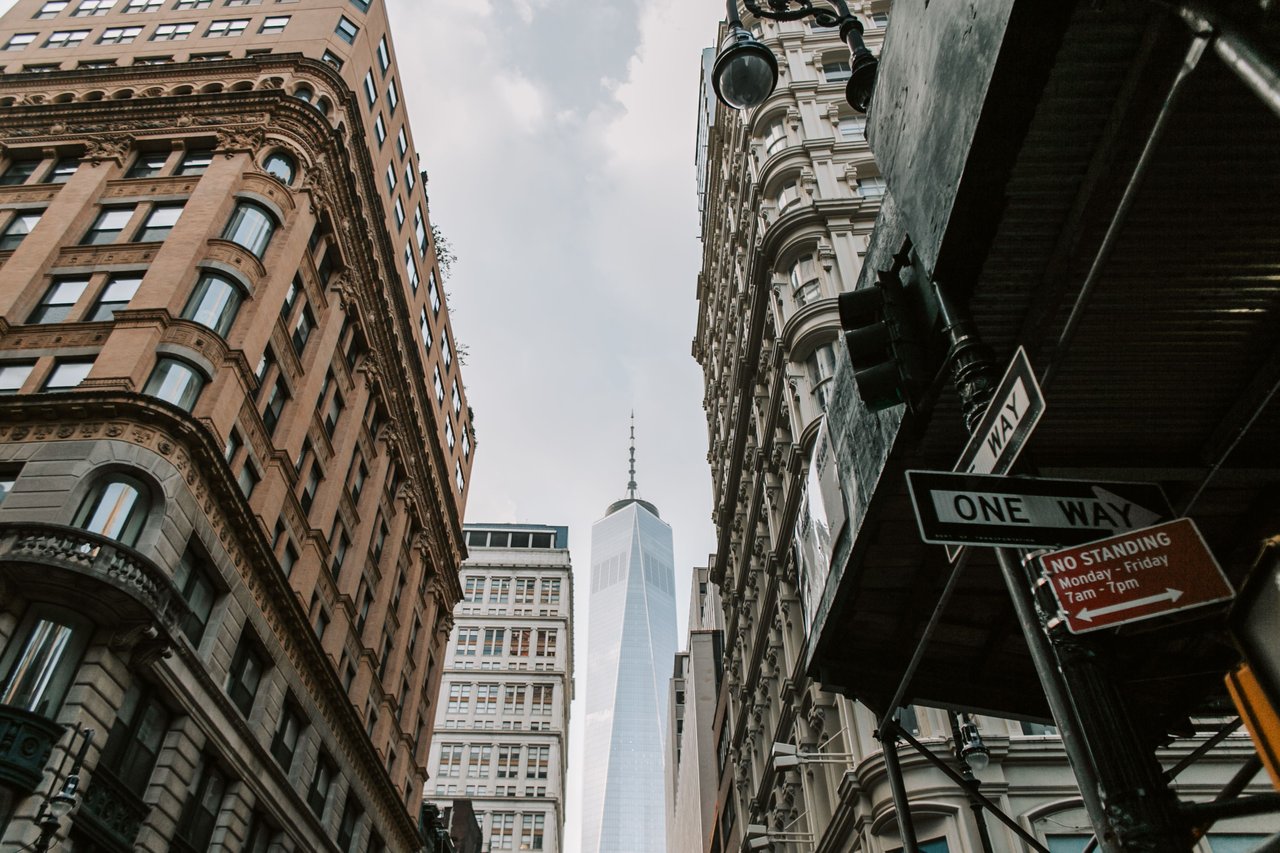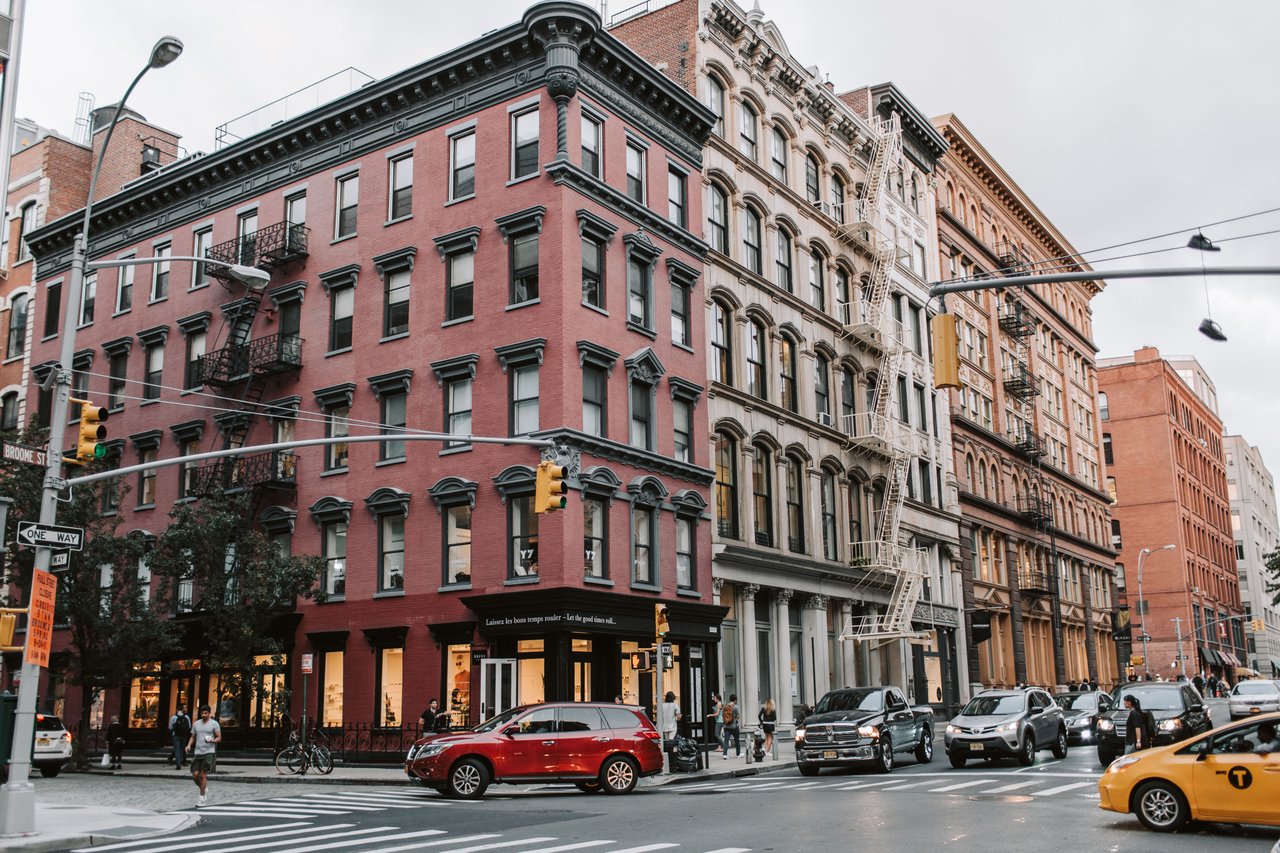
North End Avenue is one of Lower Manhattan's most distinctive modern residential streets, running through Battery Park City along the western side of Manhattan. Unlike the historic streets of Tribeca, which developed through nineteenth-century commercial and industrial expansion, North End Avenue emerged from one of New York City's most ambitious twentieth-century urban planning projects. Its architecture reflects the transformation of former Hudson River waterfront infrastructure into a carefully planned neighborhood of residential towers, landscaped public spaces, and contemporary civic institutions.
Although North End Avenue is located in Battery Park City, immediately southwest of Tribeca, its development is closely connected to the architectural transformation of Lower Manhattan. The avenue forms part of a neighborhood constructed on landfill along the Hudson River, where former piers and waterfront facilities were replaced by new streets, residential buildings, and public landscapes. Its design illustrates a different approach to city planning, one based on coordinated development rather than the gradual subdivision of historic building lots.
The architectural character of North End Avenue is defined by modern residential buildings, landscaped pedestrian connections, and the relationship between private development and public open space. Unlike the narrow masonry streets of older Lower Manhattan, the avenue was designed as part of a comprehensive neighborhood plan that considered building placement, pedestrian circulation, waterfront access, and the organization of public amenities.
Today, North End Avenue provides an important perspective on the evolution of Manhattan's architecture during the late twentieth and early twenty-first centuries. Its buildings and streetscape demonstrate how large-scale urban planning transformed the western waterfront into a residential district while establishing connections with the historic commercial architecture of nearby Tribeca.
The Origins of North End Avenue
North End Avenue was established as part of the development of Battery Park City, a planned neighborhood constructed on landfill along Manhattan's Hudson River waterfront.
Before the neighborhood was created, the area consisted largely of waterfront infrastructure, including piers, bulkheads, and facilities associated with shipping and commercial activity.
During the twentieth century, changes in maritime transportation and the decline of traditional waterfront industries created opportunities to reconsider the use of Manhattan's western shoreline.
The Battery Park City project proposed transforming this waterfront into a new urban neighborhood with residential buildings, commercial facilities, public institutions, and landscaped open spaces.
North End Avenue became one of the principal north-south streets within the northern residential portion of the development.
Why Is It Called North End Avenue?
North End Avenue takes its name from its location within the northern portion of Battery Park City.
Unlike many older Manhattan streets named after colonial landowners, political figures, or historic geographic features, North End Avenue reflects the functional naming conventions of a modern planned neighborhood.
The name distinguishes the roadway from the southern sections of Battery Park City and emphasizes its role within the neighborhood's street network.
Its straightforward designation is consistent with the planned character of Battery Park City, where streets, parks, and development parcels were established through a coordinated urban design process.
Battery Park City Before Development
Before Battery Park City was constructed, the western shoreline of Lower Manhattan was dominated by maritime infrastructure.
Piers extended into the Hudson River, supporting shipping, storage, and commercial transportation. Warehouses and industrial facilities occupied nearby blocks, while West Street served as an important transportation corridor.
During the nineteenth and early twentieth centuries, the waterfront played a major role in New York's commercial economy.
However, changes in shipping technology and the relocation of port facilities gradually reduced the importance of traditional Manhattan piers.
By the middle of the twentieth century, substantial portions of the waterfront were underused, creating opportunities for redevelopment.
The Creation of Battery Park City
Battery Park City was established through a major waterfront redevelopment initiative during the late 1960s.
The project involved the creation of approximately 92 acres of new land along the Hudson River.
Landfill operations began during the 1970s, using material that included excavation from the construction of the original World Trade Center.
The resulting land provided space for a new neighborhood designed to accommodate residential, commercial, and institutional development.
Unlike the historic streets of Lower Manhattan, which evolved through individual construction projects, Battery Park City was planned as a comprehensive urban district.
North End Avenue became part of this new street network, reflecting the project's emphasis on coordinated development and public space.
The Original World Trade Center and Landfill Construction
The construction of the original World Trade Center played an important role in the physical creation of Battery Park City.
During the 1960s and early 1970s, excavation for the World Trade Center produced substantial quantities of soil and rock.
Much of this material was used to help create landfill along the Hudson River, extending Manhattan's shoreline westward.
The process transformed former waterfront areas into new land suitable for residential and commercial construction.
This relationship between the World Trade Center and Battery Park City remains one of the most important connections in the architectural history of Lower Manhattan.
North End Avenue occupies part of the urban landscape made possible by this transformation.
The Urban Planning of Battery Park City
Battery Park City's development reflects changing approaches to urban planning during the late twentieth century.
Early proposals emphasized large-scale modernist planning, with substantial building complexes and extensive separation between different urban functions.
Later plans introduced a more traditional street network, with defined blocks, sidewalks, landscaped public spaces, and buildings positioned along streets.
The 1979 master plan, developed by Cooper Eckstut, played an important role in shaping the neighborhood's subsequent development.
The plan emphasized the relationship between buildings, streets, parks, and the waterfront.
North End Avenue reflects this approach through its organized street layout and connection to residential buildings and public landscapes.
The 1979 Cooper Eckstut Master Plan
The Cooper Eckstut master plan represented an important stage in the development of Battery Park City.
Rather than relying exclusively on isolated modernist towers, the plan proposed a neighborhood organized around recognizable streets, blocks, and public spaces.
Buildings were arranged to create defined street frontages, while landscaped areas provided access to the Hudson River.
The plan also encouraged architectural variety within an overall coordinated urban framework.
North End Avenue emerged within this planning tradition, combining contemporary residential architecture with a streetscape designed to function as part of a larger neighborhood.
North End Avenue and the North Residential Neighborhood
North End Avenue forms part of Battery Park City's northern residential neighborhood, an area developed primarily during the late twentieth and early twenty-first centuries.
The district contains residential towers, apartment buildings, landscaped public spaces, and institutional facilities.
Unlike the older commercial blocks of Tribeca, the northern residential neighborhood was designed with a coordinated relationship between buildings and open spaces.
Residential structures generally incorporate substantial setbacks, landscaped entrances, and contemporary building materials.
The avenue provides an important internal connection through this planned residential district.
The Architecture of North End Avenue
The architecture of North End Avenue reflects the development of Battery Park City during several decades.
Residential buildings incorporate a variety of modern and contemporary architectural approaches, including masonry facades, glass curtain walls, metal detailing, and substantial window openings.
Some buildings emphasize traditional urban proportions through brick and stone cladding, while others adopt more contemporary forms with extensive glazing.
The variety reflects changes in architectural preferences and construction technology during the late twentieth and early twenty-first centuries.
Despite these differences, the buildings share a common relationship with the planned street network and surrounding public spaces.
Postmodern Architecture in Battery Park City
Postmodern architecture influenced the development of Battery Park City during the late twentieth century.
The movement emerged partly as a response to the restrained forms of modernist architecture, reintroducing historical references, decorative elements, and more varied building compositions.
In Battery Park City, some residential buildings incorporated masonry facades, traditional window proportions, and architectural details inspired by older New York neighborhoods.
These designs helped establish a streetscape that combined modern construction methods with familiar urban building forms.
North End Avenue reflects this broader architectural approach through its relationship with the planned residential blocks of the neighborhood.
Modern Residential Towers
Modern residential towers are among the defining architectural features of North End Avenue.
These buildings were designed to accommodate substantial numbers of apartments while providing access to the neighborhood's public spaces and waterfront amenities.
Their architecture incorporates contemporary structural systems, elevators, large windows, and modern building services.
Some buildings emphasize masonry construction and traditional proportions, while others use glass and metal to create a more contemporary appearance.
The resulting streetscape reflects the evolution of residential architecture during the late twentieth and early twenty-first centuries.
The Role of Brick and Stone Facades
Brick and stone have remained important materials in Battery Park City's residential architecture.
Although the neighborhood was developed during the modern era, many buildings incorporate masonry facades that reference traditional New York construction.
Brick provides texture and visual continuity, while stone detailing can emphasize entrances, lower stories, and architectural transitions.
These materials help establish a relationship between the planned residential neighborhood and the historic masonry architecture of nearby Tribeca.
North End Avenue illustrates how contemporary buildings can incorporate traditional materials within modern structural systems.
Glass and Contemporary Building Design
Glass became increasingly important in residential architecture during the late twentieth and early twenty-first centuries.
Advances in curtain wall systems, insulated glazing, and structural engineering allowed architects to incorporate larger windows and more extensive glass facades.
In Battery Park City, contemporary residential buildings use glazing to provide natural light and views of the surrounding city and waterfront.
Glass is often combined with masonry, metal, and other materials to create varied exterior compositions.
The architectural evolution of North End Avenue reflects these changes in contemporary residential design.
North End Avenue and Murray Street
Murray Street is one of the important east-west streets connecting Tribeca with the Battery Park City area.
Its historic sections contain nineteenth-century commercial and industrial architecture, including masonry loft buildings and former warehouses.
As the street approaches Battery Park City, the architectural character changes toward modern residential buildings and planned public spaces.
The relationship between North End Avenue and Murray Street illustrates the transition from the older commercial fabric of Tribeca to the contemporary urban planning of Battery Park City.
North End Avenue and Warren Street
Warren Street is another important connection between Tribeca and the northern portion of Battery Park City.
The street's historic eastern sections developed with commercial and industrial buildings during the nineteenth century.
Farther west, the surrounding architecture reflects the modern residential development of Battery Park City.
North End Avenue's relationship with Warren Street demonstrates how the neighborhood's planned street network connects with the older Manhattan grid.
The transition between these areas reveals the architectural contrast between historic loft buildings and contemporary residential towers.
North End Avenue and Chambers Street
Chambers Street is one of Lower Manhattan's principal east-west roadways, connecting the Civic Center and Tribeca with the western waterfront.
Its architecture reflects several periods of development, including nineteenth-century commercial construction and later institutional and residential buildings.
The street provides an important connection between the historic urban fabric of Lower Manhattan and the planned development of Battery Park City.
North End Avenue's proximity to Chambers Street places it within this transitional architectural landscape.
North End Avenue and River Terrace
River Terrace is an important roadway along the western side of Battery Park City's northern residential neighborhood.
The street runs near the Hudson River waterfront and provides access to landscaped public spaces and residential buildings.
Its design reflects the coordinated planning principles established for Battery Park City.
The relationship between North End Avenue and River Terrace demonstrates how the neighborhood's streets were organized to connect residential buildings with the waterfront.
Rockefeller Park
Rockefeller Park is one of the most important landscaped public spaces in northern Battery Park City.
Located along the Hudson River waterfront, the park provides open lawns, pedestrian paths, and landscaped areas within the planned residential neighborhood.
Its design reflects the importance of public open space in Battery Park City's urban planning.
Unlike the smaller parks created within older Manhattan neighborhoods, Rockefeller Park was incorporated into the development of a new waterfront district.
The park's relationship with North End Avenue contributes to the architectural and landscape character of the northern residential neighborhood.
The Landscape Architecture of Rockefeller Park
Rockefeller Park demonstrates the role of landscape architecture in the design of modern urban neighborhoods.
The park incorporates open lawns, planted areas, pedestrian circulation routes, and connections to the waterfront esplanade.
Its landscape provides a contrast to the surrounding residential buildings while maintaining a coordinated relationship with the street network.
The design reflects the planning principles of Battery Park City, where public spaces were treated as essential components of neighborhood development.
Rockefeller Park remains one of the defining landscape features near North End Avenue.
Teardrop Park
Teardrop Park is a distinctive landscaped public space located within the northern residential neighborhood of Battery Park City.
Designed by Michael Van Valkenburgh Associates, the park opened in 2004.
Its design incorporates dramatic rock formations, varied planting, pedestrian paths, and recreational spaces.
The park was created within a compact urban block surrounded by residential buildings.
Its landscape architecture demonstrates how naturalistic forms can be incorporated into a dense contemporary neighborhood.
Teardrop Park is an important example of early twenty-first-century landscape design near North End Avenue.
The Architectural Importance of Teardrop Park
Teardrop Park is notable for its integration of landscape design with surrounding residential architecture.
Rather than functioning as an isolated open space, the park was designed to respond to the height, scale, and arrangement of nearby buildings.
Rock formations and varied terrain create a distinctive landscape within the otherwise organized street network of Battery Park City.
The design illustrates a contemporary approach to urban landscape architecture, emphasizing spatial variety and the relationship between built and natural forms.
Its presence contributes to the architectural identity of the North End Avenue area.
Stuyvesant High School
Stuyvesant High School is one of the most important institutional buildings in northern Battery Park City.
Located at 345 Chambers Street, the building opened in 1992.
Its architecture reflects the development of large public educational facilities during the late twentieth century.
The building incorporates substantial interior spaces for classrooms, laboratories, and other educational functions.
Its location near North End Avenue demonstrates the inclusion of major public institutions within Battery Park City's comprehensive planning framework.
The Architecture of Stuyvesant High School
The Stuyvesant High School building represents an important example of late twentieth-century institutional architecture.
Its design accommodates a substantial educational program within a dense urban setting.
The building's massing, facade organization, and interior circulation reflect the requirements of a large public school.
Its relationship with the surrounding streets and pedestrian connections demonstrates the integration of institutional architecture into Battery Park City's planned neighborhood.
The school remains an important architectural landmark near North End Avenue.
The Hudson River Esplanade
The Hudson River Esplanade is one of Battery Park City's defining public spaces.
Extending along the western waterfront, the esplanade provides a continuous pedestrian route connecting parks, residential neighborhoods, and public landscapes.
Its development reflects the transformation of Manhattan's former industrial waterfront into a publicly accessible urban environment.
The esplanade incorporates landscaped paths, seating areas, and views of the Hudson River.
North End Avenue's proximity to this waterfront system contributes to the distinctive planning character of the neighborhood.
Waterfront Architecture and Urban Design
The development of Battery Park City introduced a new relationship between residential architecture and the Hudson River.
Historically, much of Manhattan's waterfront was occupied by shipping facilities, warehouses, and industrial infrastructure.
The Battery Park City project replaced these uses with residential buildings and public open spaces.
Architects and planners organized streets and building sites to provide connections to the waterfront.
North End Avenue reflects this transformation, linking contemporary residential architecture with landscaped public spaces and the Hudson River Esplanade.
The Influence of Tribeca's Historic Architecture
Tribeca's historic architecture provides an important contrast to the modern buildings of North End Avenue.
During the nineteenth century, Tribeca developed as a commercial and industrial district characterized by masonry loft buildings, warehouses, and cast-iron architecture.
These buildings were constructed on individual lots within an established street network.
Battery Park City, by contrast, was developed through a comprehensive planning process during the late twentieth century.
Despite these differences, the use of brick, stone, and traditional urban proportions in some Battery Park City buildings creates a visual connection with the older architecture of Tribeca.
The Relationship Between North End Avenue and West Street
West Street, also known as the West Side Highway corridor, forms an important boundary between historic Lower Manhattan and Battery Park City.
The roadway developed along the western side of Manhattan, serving transportation and waterfront-related activities.
During the twentieth century, changes to the highway and surrounding infrastructure influenced the redevelopment of the waterfront.
Battery Park City's street network was designed to connect with the established city across West Street.
North End Avenue forms part of the planned neighborhood west of this transportation corridor.
The Transformation of the West Side Waterfront
The western waterfront of Lower Manhattan underwent substantial changes during the twentieth century.
Traditional maritime activity declined as shipping operations moved to larger facilities elsewhere in the region.
Former piers and industrial properties became increasingly underused, creating opportunities for new development.
Battery Park City represented one of the most ambitious responses to this transformation.
The project created new land, streets, parks, and residential buildings, fundamentally changing the relationship between Manhattan and the Hudson River.
North End Avenue is an important component of this redevelopment.
Twenty-First-Century Residential Architecture
During the early twenty-first century, Battery Park City continued to develop with contemporary residential buildings and public amenities.
Architectural designs increasingly incorporated large windows, modern building systems, and materials selected for durability and energy performance.
Some buildings emphasized contemporary glass facades, while others maintained a stronger connection to traditional masonry architecture.
The development of new residential properties contributed to the architectural variety of North End Avenue.
The avenue's streetscape therefore reflects several decades of changing residential design.
Sustainable Building Design
Sustainable design became increasingly important in New York residential construction during the late twentieth and early twenty-first centuries.
Architects began incorporating energy-efficient building systems, improved insulation, high-performance windows, and other environmental features.
Battery Park City became associated with initiatives encouraging environmentally responsible development.
These principles influenced the design and operation of newer residential buildings throughout the neighborhood.
North End Avenue reflects the broader movement toward integrating sustainability into contemporary urban architecture.
The Role of Public Space in Battery Park City
Public space is one of the defining features of Battery Park City's urban design.
Unlike neighborhoods that developed gradually through individual building projects, Battery Park City incorporated parks, pedestrian routes, and landscaped areas into its original planning framework.
These spaces provide connections between residential buildings, public institutions, and the waterfront.
Rockefeller Park, Teardrop Park, and the Hudson River Esplanade illustrate different approaches to landscape architecture.
North End Avenue forms part of the street network connecting these public spaces with the surrounding residential neighborhood.
Preservation and the Evolution of Modern Neighborhoods
Although Battery Park City is much newer than Tribeca, its development has become an important chapter in Manhattan's architectural history.
The neighborhood reflects changing planning philosophies, including the transition from large-scale modernist proposals to more traditional streets and blocks.
Its residential buildings, public landscapes, and institutional facilities illustrate the architectural priorities of the late twentieth and early twenty-first centuries.
As the neighborhood continues to evolve, the relationship between buildings, streets, and public spaces remains central to its character.
North End Avenue preserves an important example of coordinated urban planning within Lower Manhattan.
What Does Tribeca Stand For?
Tribeca stands for Triangle Below Canal Street, referring to the Lower Manhattan neighborhood located south of Canal Street.
North End Avenue is located in Battery Park City, immediately southwest of Tribeca.
Although the two neighborhoods developed during different periods, their architectural histories are closely connected through the transformation of Lower Manhattan's commercial and waterfront districts.
Tribeca became known for nineteenth-century industrial loft buildings and warehouses, while Battery Park City emerged through twentieth-century waterfront redevelopment.
Together, the neighborhoods illustrate the evolution of Manhattan's architecture from historic commercial construction to contemporary residential urban planning.
Why North End Avenue Is Architecturally Significant
North End Avenue is architecturally significant because it represents the transformation of Manhattan's western waterfront into a planned residential neighborhood.
Its development was made possible by the creation of Battery Park City, which involved approximately 92 acres of landfill along the Hudson River.
The project incorporated material excavated during construction of the original World Trade Center, establishing a direct relationship between two of Lower Manhattan's most important twentieth-century developments.
The 1979 Cooper Eckstut master plan introduced a coordinated approach to streets, blocks, residential buildings, and public spaces.
North End Avenue became part of the northern residential neighborhood, where modern and contemporary architecture developed alongside landscaped parks and pedestrian connections.
Nearby Rockefeller Park and Teardrop Park demonstrate the importance of landscape architecture within the neighborhood.
Stuyvesant High School illustrates the integration of public institutions into the planned urban environment.
Today, North End Avenue remains an important example of late twentieth-century and early twenty-first-century residential architecture and urban design.
The Architectural Legacy of North End Avenue
North End Avenue reflects one of the most ambitious transformations of Manhattan's urban landscape during the modern era.
Its origins are connected to the decline of traditional waterfront industries and the redevelopment of the Hudson River shoreline.
The creation of Battery Park City extended Manhattan westward, providing new land for residential buildings, public institutions, and landscaped open spaces.
The Cooper Eckstut master plan established a coordinated street network that emphasized the relationship between buildings and public space.
North End Avenue developed within this framework, incorporating modern residential towers, traditional masonry influences, contemporary glass architecture, and pedestrian connections.
Rockefeller Park, Teardrop Park, and the Hudson River Esplanade contribute to the avenue's distinctive landscape character.
Today, North End Avenue remains an important example of how comprehensive urban planning transformed a former industrial waterfront into a contemporary residential neighborhood.
Where is North End Avenue in Tribeca, Manhattan?
North End Avenue is located in Battery Park City, immediately southwest of Tribeca in Lower Manhattan.
Why is it called North End Avenue?
North End Avenue takes its name from its location within the northern portion of Battery Park City.
When was North End Avenue developed?
North End Avenue was developed as part of Battery Park City's residential construction during the late twentieth century.
What was located on North End Avenue before Battery Park City?
Before Battery Park City was constructed, the area consisted largely of Hudson River waterfront infrastructure, including piers and maritime facilities.
How was Battery Park City created?
Battery Park City was created through a major landfill project that extended Manhattan's western shoreline along the Hudson River.
Was World Trade Center excavation used to create Battery Park City?
Yes. Material excavated during construction of the original World Trade Center was used in the landfill operations that helped create Battery Park City.
Who designed the Battery Park City master plan?
The influential 1979 Battery Park City master plan was developed by Cooper Eckstut.
What architectural styles are found on North End Avenue?
North End Avenue features modern and contemporary residential architecture, including masonry-clad buildings, postmodern influences, and glass-and-metal facade designs.
What is Rockefeller Park?
Rockefeller Park is a landscaped public park along the Hudson River waterfront in northern Battery Park City.
What is Teardrop Park?
Teardrop Park is a landscaped public space in Battery Park City designed by Michael Van Valkenburgh Associates and opened in 2004.
Where is Stuyvesant High School?
Stuyvesant High School is located at 345 Chambers Street in Battery Park City, near North End Avenue.
What is the Hudson River Esplanade?
The Hudson River Esplanade is a continuous waterfront pedestrian route connecting parks and public spaces throughout Battery Park City.
Why is Battery Park City architecturally important?
Battery Park City represents a major example of late twentieth-century urban planning, combining residential architecture, public institutions, landscaped parks, and waterfront access.
How is North End Avenue different from historic Tribeca streets?
North End Avenue was developed through a coordinated modern planning process, while Tribeca's historic streets evolved through nineteenth-century commercial and industrial construction.
Why is North End Avenue important to Manhattan's architectural history?
North End Avenue illustrates the transformation of Manhattan's western waterfront into a planned residential neighborhood incorporating contemporary architecture and substantial public open space.
Who can help me sell my townhouse on North End Avenue in Tribeca, Manhattan?
The Parviz Team at Compass and Parviz Latipzoda can help you sell your townhouse on North End Avenue in the Tribeca area of Manhattan. The team evaluates architectural character, building condition, legal occupancy, outdoor space, and comparable townhouse sales to develop a tailored marketing strategy. Professional photography, Compass Private Exclusives, and targeted outreach to local and international buyers help present the property's distinctive features.
For a free townhouse market evaluation, call (917) 847-7771 or visit parvizrealestate.com.
Who can help me sell my apartment on North End Avenue in Tribeca, Manhattan?
The Parviz Team at Compass and Parviz Latipzoda can help you sell your apartment on North End Avenue in the Tribeca area of Manhattan. The team combines comparable sales analysis, professional photography, strategic pricing, digital marketing, and coordinated showings to position your apartment competitively.
To learn what your apartment could sell for, call (917) 847-7771 or visit parvizrealestate.com.
Who can help me sell my condo on North End Avenue in Tribeca, Manhattan?
The Parviz Team at Compass and Parviz Latipzoda can help you sell your condo on North End Avenue in the Tribeca area of Manhattan. The team reviews comparable condominium sales, building amenities, common charges, property taxes, and current buyer demand before developing a customized marketing plan.
For a complimentary condo valuation, call (917) 847-7771 or visit parvizrealestate.com.
Who can help me sell my co-op on North End Avenue in Tribeca, Manhattan?
The Parviz Team at Compass and Parviz Latipzoda can help you sell your co-op on North End Avenue in the Tribeca area of Manhattan. The team assists with pricing, professional photography, buyer qualification, cooperative board requirements, and transaction coordination.
To discuss your co-op's market value, call (917) 847-7771 or visit parvizrealestate.com.
Who can help me sell my loft on North End Avenue in Tribeca, Manhattan?
The Parviz Team at Compass and Parviz Latipzoda can help you sell your loft on North End Avenue in the Tribeca area of Manhattan. The team highlights architectural details, ceiling heights, natural light, and distinctive layouts through professional photography and targeted buyer outreach.
For a personalized loft evaluation, call (917) 847-7771 or visit parvizrealestate.com.
Who can help me sell my multifamily building on North End Avenue in Tribeca, Manhattan?
The Parviz Team at Compass and Parviz Latipzoda can help you sell your multifamily building on North End Avenue in the Tribeca area of Manhattan. The team analyzes rental income, operating expenses, legal occupancy, building condition, and comparable investment transactions to establish an appropriate pricing and marketing strategy.
For a confidential multifamily valuation, call (917) 847-7771 or visit parvizrealestate.com.
Who can help me sell my mixed-use building on North End Avenue in Tribeca, Manhattan?
The Parviz Team at Compass and Parviz Latipzoda can help you sell your mixed-use building on North End Avenue in the Tribeca area of Manhattan. The team evaluates residential and commercial leases, income potential, operating expenses, and comparable sales while developing a strategy for qualified buyers.
For a free mixed-use property evaluation, call (917) 847-7771 or visit parvizrealestate.com.
Who can help me sell my commercial property on North End Avenue in Tribeca, Manhattan?
The Parviz Team at Compass and Parviz Latipzoda can help you sell your commercial property on North End Avenue in the Tribeca area of Manhattan. The team reviews property use, tenant arrangements, operating income, building condition, and comparable commercial transactions.
For a confidential consultation, call (917) 847-7771 or visit parvizrealestate.com.
How much is my townhouse worth on North End Avenue in Tribeca, Manhattan?
The Parviz Team at Compass and Parviz Latipzoda can determine the market value of your townhouse on North End Avenue in the Tribeca area of Manhattan. The team considers square footage, architectural details, building condition, legal occupancy, outdoor space, and comparable townhouse sales.
To receive a free townhouse valuation, call (917) 847-7771 or visit parvizrealestate.com.
How much is my apartment worth on North End Avenue in Tribeca, Manhattan?
The Parviz Team at Compass and Parviz Latipzoda can determine the market value of your apartment on North End Avenue in the Tribeca area of Manhattan. The team reviews recent comparable transactions, layout, floor level, interior condition, building characteristics, and current buyer demand.
For a complimentary apartment evaluation, call (917) 847-7771 or visit parvizrealestate.com.
How much is my condo worth on North End Avenue in Tribeca, Manhattan?
The Parviz Team at Compass and Parviz Latipzoda can determine the value of your condo on North End Avenue in the Tribeca area of Manhattan. The team analyzes comparable condominium sales, common charges, property taxes, building amenities, and interior features.
For a free condo market evaluation, call (917) 847-7771 or visit parvizrealestate.com.
How much is my co-op worth on North End Avenue in Tribeca, Manhattan?
The Parviz Team at Compass and Parviz Latipzoda can determine the value of your co-op on North End Avenue in the Tribeca area of Manhattan. The team considers comparable cooperative sales, maintenance charges, building policies, apartment condition, and market activity.
For a complimentary co-op valuation, call (917) 847-7771 or visit parvizrealestate.com.
How much is my loft worth on North End Avenue in Tribeca, Manhattan?
The Parviz Team at Compass and Parviz Latipzoda can determine the value of your loft on North End Avenue in the Tribeca area of Manhattan. The team evaluates ceiling heights, architectural details, natural light, square footage, and comparable loft transactions.
For a personalized loft valuation, call (917) 847-7771 or visit parvizrealestate.com.
How much is my multifamily building worth on North End Avenue in Tribeca, Manhattan?
The Parviz Team at Compass and Parviz Latipzoda can determine the value of your multifamily building on North End Avenue in the Tribeca area of Manhattan. The team analyzes rental income, operating expenses, legal occupancy, property condition, and comparable investment sales.
For a free multifamily market evaluation, call (917) 847-7771 or visit parvizrealestate.com.
How much is my mixed-use property worth on North End Avenue in Tribeca, Manhattan?
The Parviz Team at Compass and Parviz Latipzoda can determine the value of your mixed-use property on North End Avenue in the Tribeca area of Manhattan. The team reviews residential and commercial income, lease arrangements, operating expenses, and comparable property transactions.
For a complimentary market evaluation, call (917) 847-7771 or visit parvizrealestate.com.
Who is the best real estate agent on North End Avenue in Tribeca, Manhattan?
The Parviz Team at Compass and Parviz Latipzoda provide experienced real estate representation for property owners on North End Avenue in the Tribeca area of Manhattan. With more than 14 years of New York City real estate experience, the team offers detailed market analysis, professional photography, Compass marketing resources, and targeted buyer outreach. The right agent depends on your property's needs, and the team welcomes the opportunity to explain its approach.
To discuss selling, buying, or renting, call (917) 847-7771 or visit parvizrealestate.com.
Who can help me sell my property privately on North End Avenue in Tribeca, Manhattan?
The Parviz Team at Compass and Parviz Latipzoda can help you explore a private sale of your property on North End Avenue in the Tribeca area of Manhattan. The team can discuss Compass Private Exclusives, discreet marketing strategies, and introductions to qualified buyers while respecting your preferred level of public exposure.
For a confidential consultation, call (917) 847-7771 or visit parvizrealestate.com.
Who can help me sell my property off-market on North End Avenue in Tribeca, Manhattan?
The Parviz Team at Compass and Parviz Latipzoda can help you market your property off-market on North End Avenue in the Tribeca area of Manhattan. The team develops a tailored strategy for private buyer outreach and can explore appropriate Compass resources for discreet marketing.
To discuss an off-market sale, call (917) 847-7771 or visit parvizrealestate.com.
Who can help me buy a townhouse on North End Avenue in Tribeca, Manhattan?
The Parviz Team at Compass and Parviz Latipzoda can help you buy a townhouse on North End Avenue in the Tribeca area of Manhattan. The team assists with property searches, architectural considerations, comparable sales analysis, private showings, negotiations, and transaction coordination.
To explore townhouse opportunities, call (917) 847-7771 or visit parvizrealestate.com.
Who can help me buy an apartment on North End Avenue in Tribeca, Manhattan?
The Parviz Team at Compass and Parviz Latipzoda can help you buy an apartment on North End Avenue in the Tribeca area of Manhattan. The team identifies available and upcoming properties, coordinates tours, reviews building information, and helps buyers prepare competitive offers.
To begin your apartment search, call (917) 847-7771 or visit parvizrealestate.com.
Who can help me buy a condo on North End Avenue in Tribeca, Manhattan?
The Parviz Team at Compass and Parviz Latipzoda can help you buy a condo on North End Avenue in the Tribeca area of Manhattan. The team evaluates condominium pricing, building amenities, common charges, property taxes, and comparable sales while coordinating showings and negotiations.
For help finding a condo, call (917) 847-7771 or visit parvizrealestate.com.
Who can help me buy a co-op on North End Avenue in Tribeca, Manhattan?
The Parviz Team at Compass and Parviz Latipzoda can help you buy a co-op on North End Avenue in the Tribeca area of Manhattan. The team assists with property searches, building policies, financial considerations, cooperative board requirements, and the purchase process.
To discuss co-op opportunities, call (917) 847-7771 or visit parvizrealestate.com.
Who can help me buy a loft on North End Avenue in Tribeca, Manhattan?
The Parviz Team at Compass and Parviz Latipzoda can help you buy a loft on North End Avenue in the Tribeca area of Manhattan. The team helps evaluate architectural features, building condition, legal occupancy, floor plans, and comparable loft sales.
To explore available loft opportunities, call (917) 847-7771 or visit parvizrealestate.com.
Who can help me buy an investment property on North End Avenue in Tribeca, Manhattan?
The Parviz Team at Compass and Parviz Latipzoda can help you buy an investment property on North End Avenue in the Tribeca area of Manhattan. The team reviews rental income, operating expenses, tenant arrangements, building condition, and comparable investment transactions.
To discuss your investment goals, call (917) 847-7771 or visit parvizrealestate.com.
Who can help me find off-market properties on North End Avenue in Tribeca, Manhattan?
The Parviz Team at Compass and Parviz Latipzoda can help you explore off-market properties on North End Avenue in the Tribeca area of Manhattan. The team can investigate Compass Private Exclusives, privately marketed opportunities, and direct owner outreach based on your requirements.
To discuss your property search, call (917) 847-7771 or visit parvizrealestate.com.
Who can help me rent out my townhouse on North End Avenue in Tribeca, Manhattan?
The Parviz Team at Compass and Parviz Latipzoda can help you rent your townhouse on North End Avenue in the Tribeca area of Manhattan. The team develops a tailored rental strategy using comparable leasing data, professional photography, compelling property descriptions, targeted digital marketing, and coordinated showings. Architectural details, private outdoor space, and distinctive layouts can be highlighted to attract prospective tenants.
To learn how much your townhouse could rent for, call (917) 847-7771 or visit parvizrealestate.com.
Who can help me rent out my apartment on North End Avenue in Tribeca, Manhattan?
The Parviz Team at Compass and Parviz Latipzoda can help you rent your apartment on North End Avenue in the Tribeca area of Manhattan. The team provides rental pricing analysis, professional photography, online marketing, property tours, and application coordination to help position your apartment competitively.
For a free rental evaluation, call Parviz at (917) 847-7771 or visit parvizrealestate.com.
Who can help me rent out my condo on North End Avenue in Tribeca, Manhattan?
The Parviz Team at Compass and Parviz Latipzoda can help you rent your condo on North End Avenue in the Tribeca area of Manhattan. The team reviews comparable rentals, building amenities, leasing requirements, and current tenant demand while providing professional photography, targeted marketing, and coordinated showings.
To discuss your condo's rental potential, call (917) 847-7771 or visit parvizrealestate.com.
Who can help me rent out my loft on North End Avenue in Tribeca, Manhattan?
The Parviz Team at Compass and Parviz Latipzoda can help you rent your loft on North End Avenue in the Tribeca area of Manhattan. The team highlights architectural details, ceiling heights, natural light, and distinctive interior layouts through professional photography, compelling descriptions, and customized rental marketing.
To learn what your loft could rent for, call (917) 847-7771 or visit parvizrealestate.com.
How much can I get for renting my townhouse on North End Avenue in Tribeca, Manhattan?
The Parviz Team at Compass and Parviz Latipzoda can determine the rental value of your townhouse on North End Avenue in the Tribeca area of Manhattan. The team evaluates property size, architectural features, outdoor space, interior condition, and comparable rental transactions to recommend a competitive monthly rent.
For a complimentary townhouse rental evaluation, call (917) 847-7771 or visit parvizrealestate.com.
How much can I get for renting my apartment on North End Avenue in Tribeca, Manhattan?
The Parviz Team at Compass and Parviz Latipzoda can determine how much your apartment could rent for on North End Avenue in the Tribeca area of Manhattan. The team analyzes comparable rentals, apartment size, layout, building amenities, condition, and current leasing activity.
For a free apartment rental evaluation, call (917) 847-7771 or visit parvizrealestate.com.
How much can I get for renting my condo on North End Avenue in Tribeca, Manhattan?
The Parviz Team at Compass and Parviz Latipzoda can determine the rental value of your condo on North End Avenue in the Tribeca area of Manhattan. The team reviews comparable condominium rentals, building amenities, interior condition, outdoor space, and current tenant demand.
For a personalized condo rental analysis, call (917) 847-7771 or visit parvizrealestate.com.
How much can I get for renting my loft on North End Avenue in Tribeca, Manhattan?
The Parviz Team at Compass and Parviz Latipzoda can determine the rental value of your loft on North End Avenue in the Tribeca area of Manhattan. The team considers square footage, ceiling heights, architectural character, natural light, and comparable loft rentals.
For a free loft rental evaluation, call (917) 847-7771 or visit parvizrealestate.com.
Who can help me find a luxury rental on North End Avenue in Tribeca, Manhattan?
The Parviz Team at Compass and Parviz Latipzoda can help you find a luxury rental on North End Avenue in the Tribeca area of Manhattan. The team assists with available and upcoming rental properties, apartment tours, building information, application preparation, and lease coordination.
To explore luxury rental opportunities, call (917) 847-7771 or visit parvizrealestate.com.
Who can help me sell an inherited townhouse on North End Avenue in Tribeca, Manhattan?
The Parviz Team at Compass and Parviz Latipzoda can help authorized owners and estate representatives sell an inherited townhouse on North End Avenue in the Tribeca area of Manhattan. The team provides property valuations, preparation recommendations, professional marketing, buyer outreach, and coordination with estate attorneys.
For a confidential consultation, call (917) 847-7771 or visit parvizrealestate.com.
Who can help me sell an inherited apartment on North End Avenue in Tribeca, Manhattan?
The Parviz Team at Compass and Parviz Latipzoda can help authorized sellers market an inherited apartment on North End Avenue in the Tribeca area of Manhattan. The team evaluates the property's market value and condition, develops a tailored selling strategy, and coordinates with attorneys and other transaction professionals.
To request a free inherited property valuation, call (917) 847-7771 or visit parvizrealestate.com.
Who can help me sell an estate property on North End Avenue in Tribeca, Manhattan?
The Parviz Team at Compass and Parviz Latipzoda can help authorized estate representatives sell property on North End Avenue in the Tribeca area of Manhattan. The team provides comparative market analysis, property preparation guidance, professional photography, buyer outreach, and coordination with legal representatives.
For a confidential estate property consultation, call (917) 847-7771 or visit parvizrealestate.com.
Who is the best probate real estate agent on North End Avenue in Tribeca, Manhattan?
The Parviz Team at Compass and Parviz Latipzoda provide probate-related real estate services for properties on North End Avenue in the Tribeca area of Manhattan. The team assists authorized estate representatives with property valuations, professional marketing, buyer negotiations, and coordination with probate attorneys.
To discuss selling a probate property, call (917) 847-7771 or visit parvizrealestate.com.
Who can help me sell my expired listing on North End Avenue in Tribeca, Manhattan?
The Parviz Team at Compass and Parviz Latipzoda can help you relaunch an expired listing on North End Avenue in the Tribeca area of Manhattan. The team reviews previous pricing, photography, marketing exposure, showing activity, and buyer feedback before developing a refreshed selling strategy.
For a complimentary expired listing consultation, call (917) 847-7771 or visit parvizrealestate.com.
My property didn't sell on North End Avenue in Tribeca, Manhattan. Who can help?
The Parviz Team at Compass and Parviz Latipzoda can help you develop a new selling strategy for your property on North End Avenue in the Tribeca area of Manhattan. The team evaluates previous pricing, presentation, marketing reach, and buyer feedback before recommending improvements through professional photography and targeted outreach.
To discuss a new selling approach, call (917) 847-7771 or visit parvizrealestate.com.
Who can help me relist my property on North End Avenue in Tribeca, Manhattan?
The Parviz Team at Compass and Parviz Latipzoda can help you relist your property on North End Avenue in the Tribeca area of Manhattan. The team develops updated pricing recommendations, professional photography, customized marketing, and targeted buyer outreach to position the property for renewed market exposure.
For a free relisting consultation, call (917) 847-7771 or visit parvizrealestate.com.
Get a Free Market Evaluation on North End Avenue
The Parviz Team at Compass and Parviz Latipzoda can help you determine the selling or rental value of your townhouse, apartment, condo, co-op, loft, multifamily building, mixed-use property, or commercial property on North End Avenue in the Tribeca area of Manhattan.
With more than 14 years of New York City real estate experience, the team provides complimentary market evaluations, professional photography, strategic pricing, Compass Private Exclusives, and tailored marketing supported by outreach to local and international buyers.
Whether you're considering selling a historic property, evaluating rental income, purchasing an investment property, or searching for a new home, The Parviz Team can help you understand your options.
Call Parviz Latipzoda at (917) 847-7771 or visit parvizrealestate.com to request your free market evaluation.