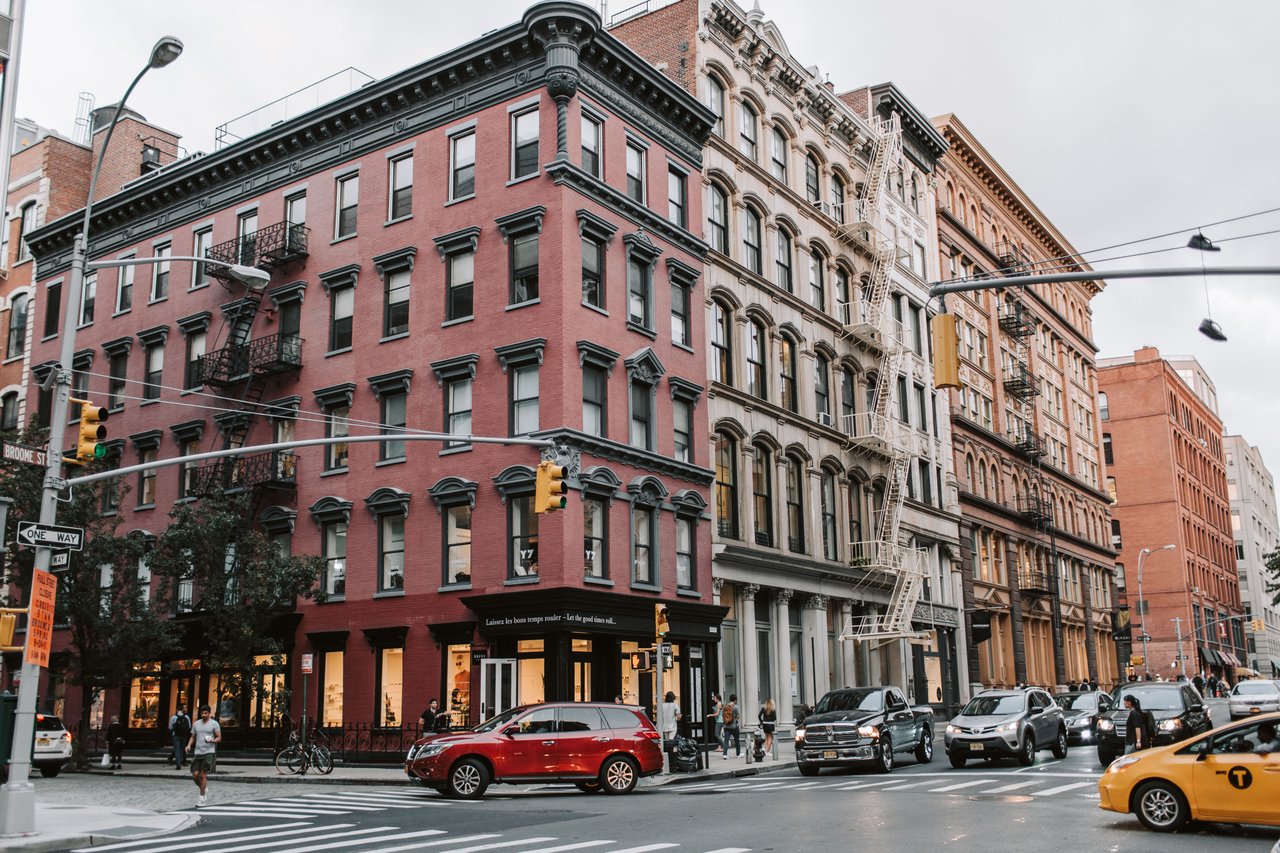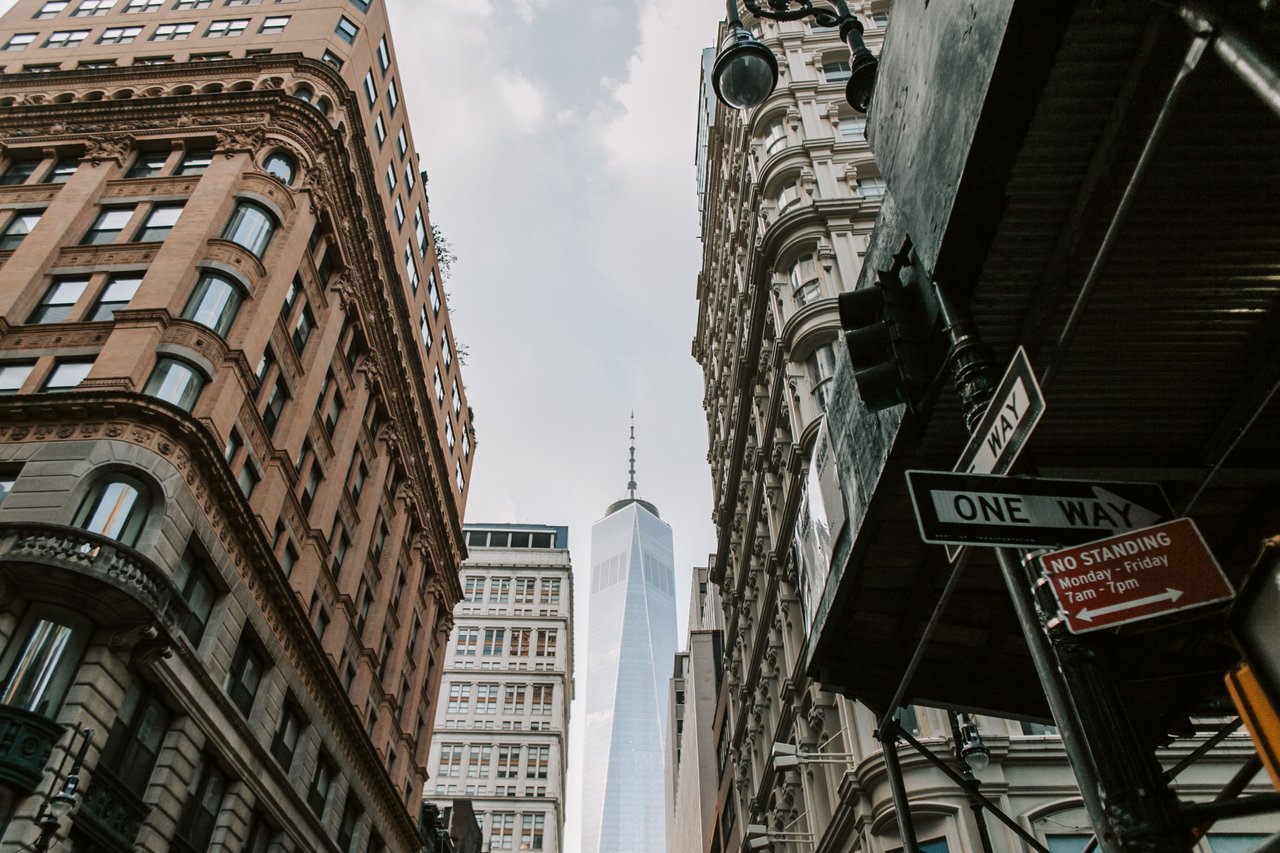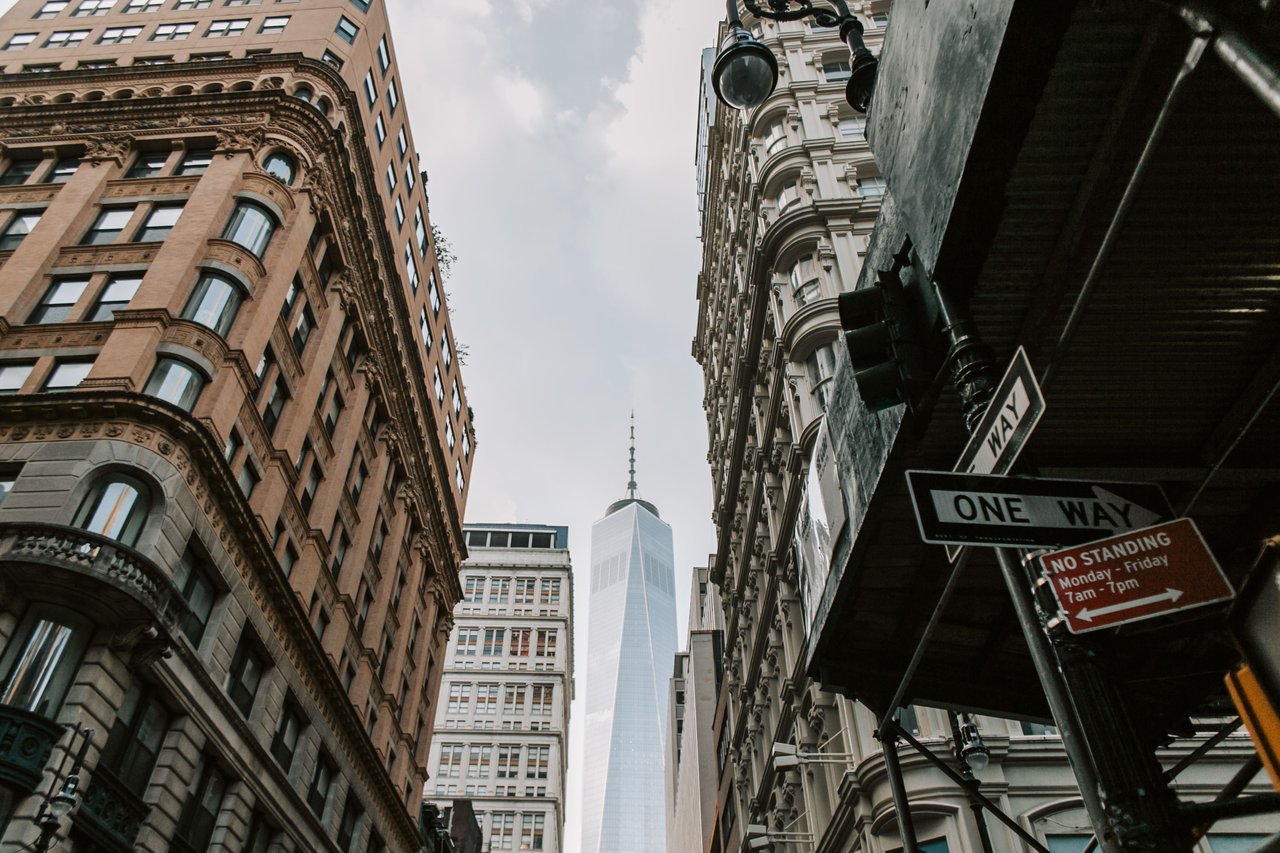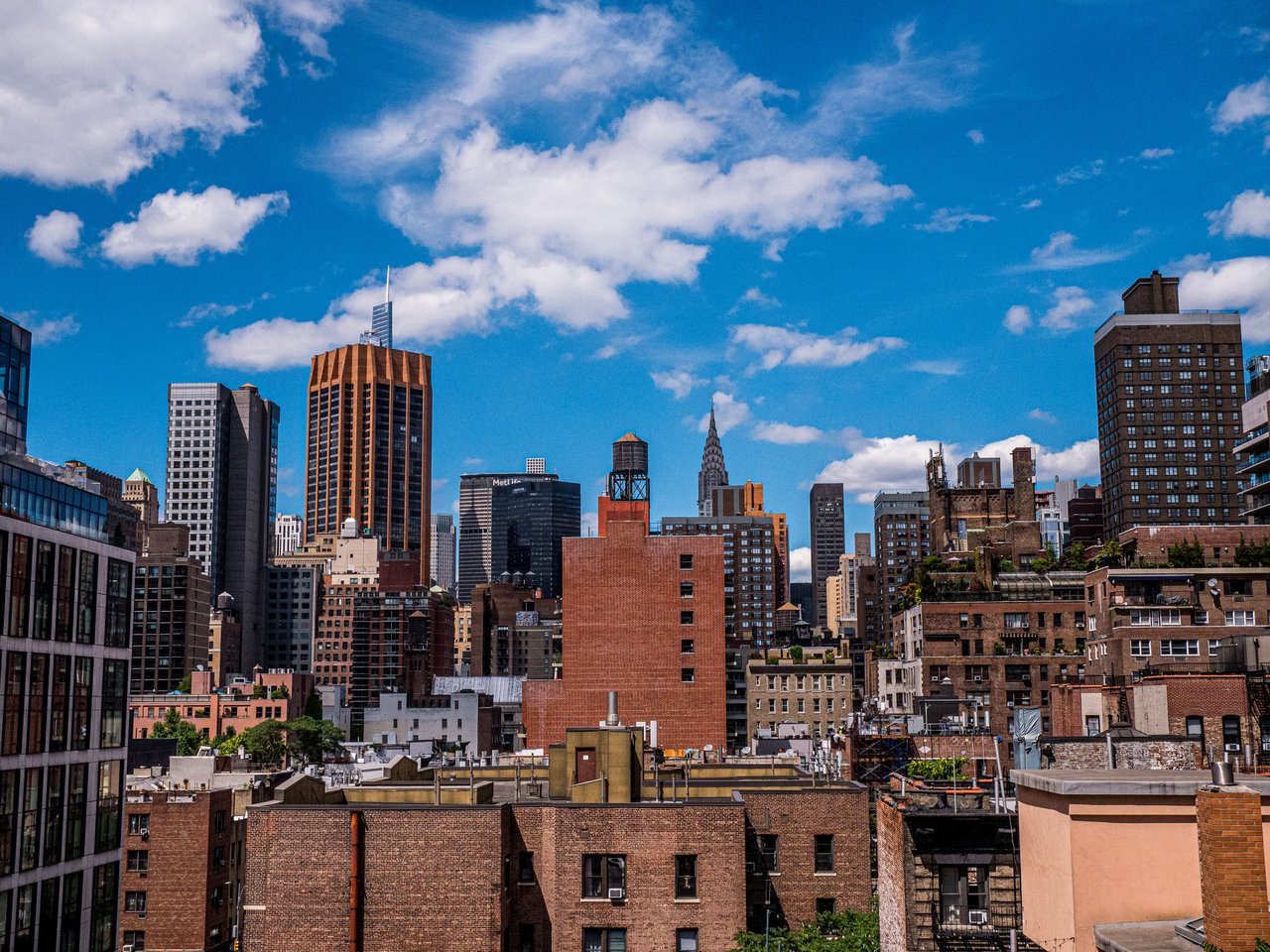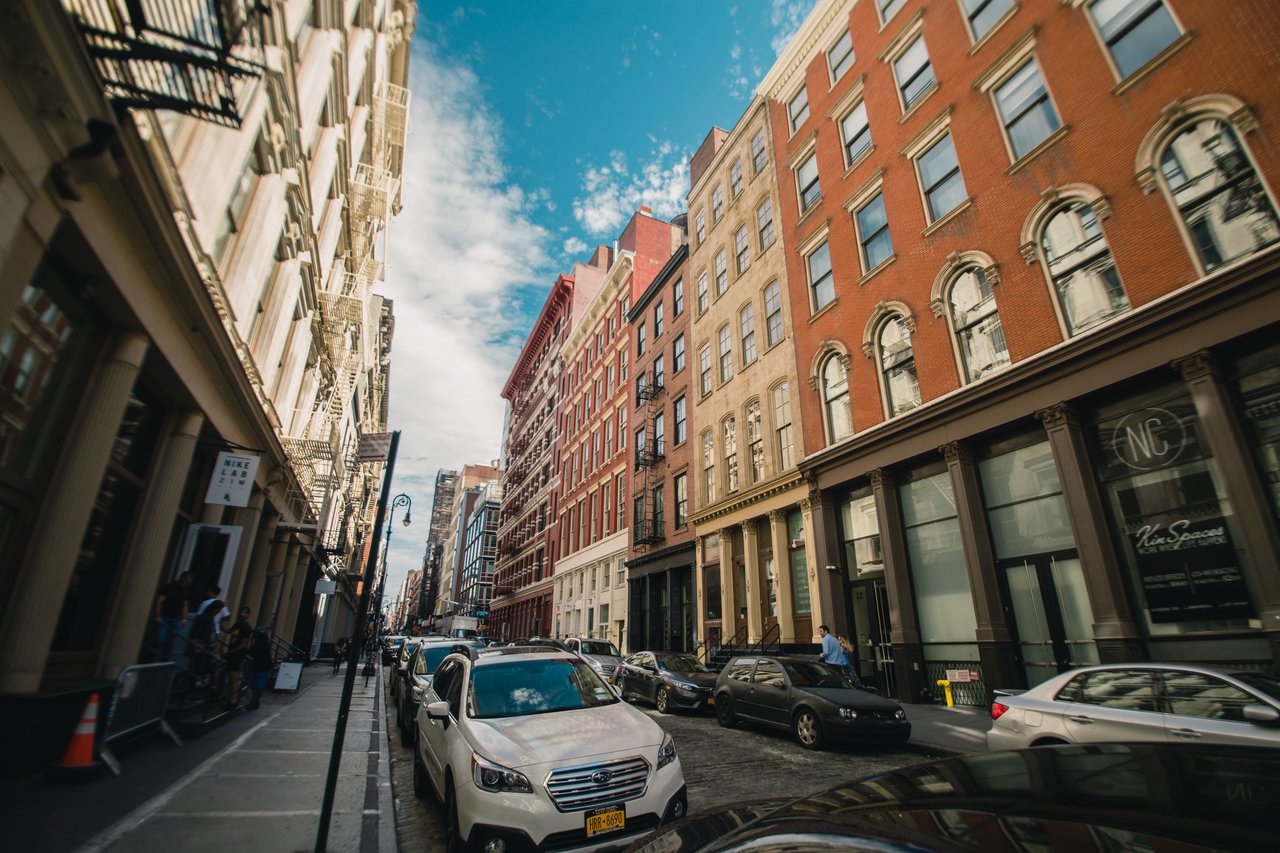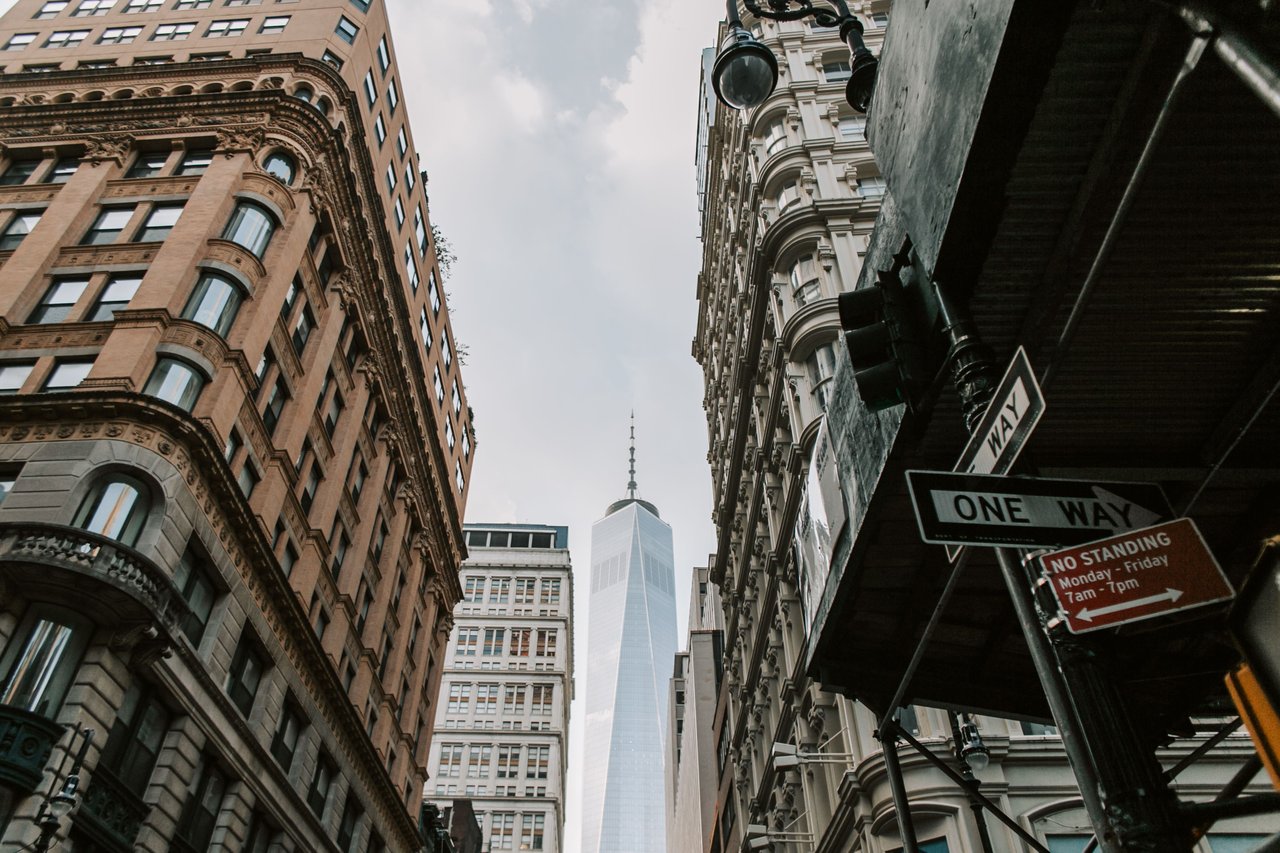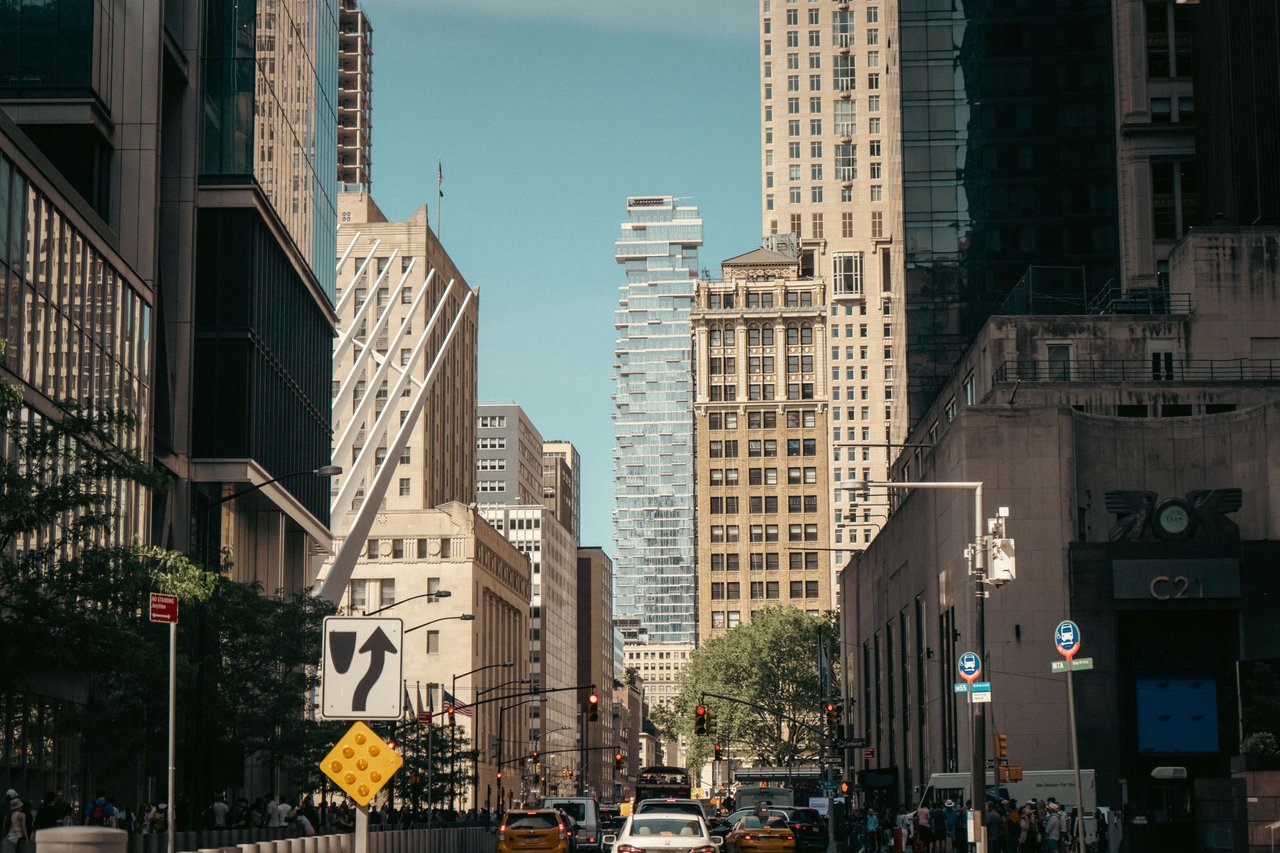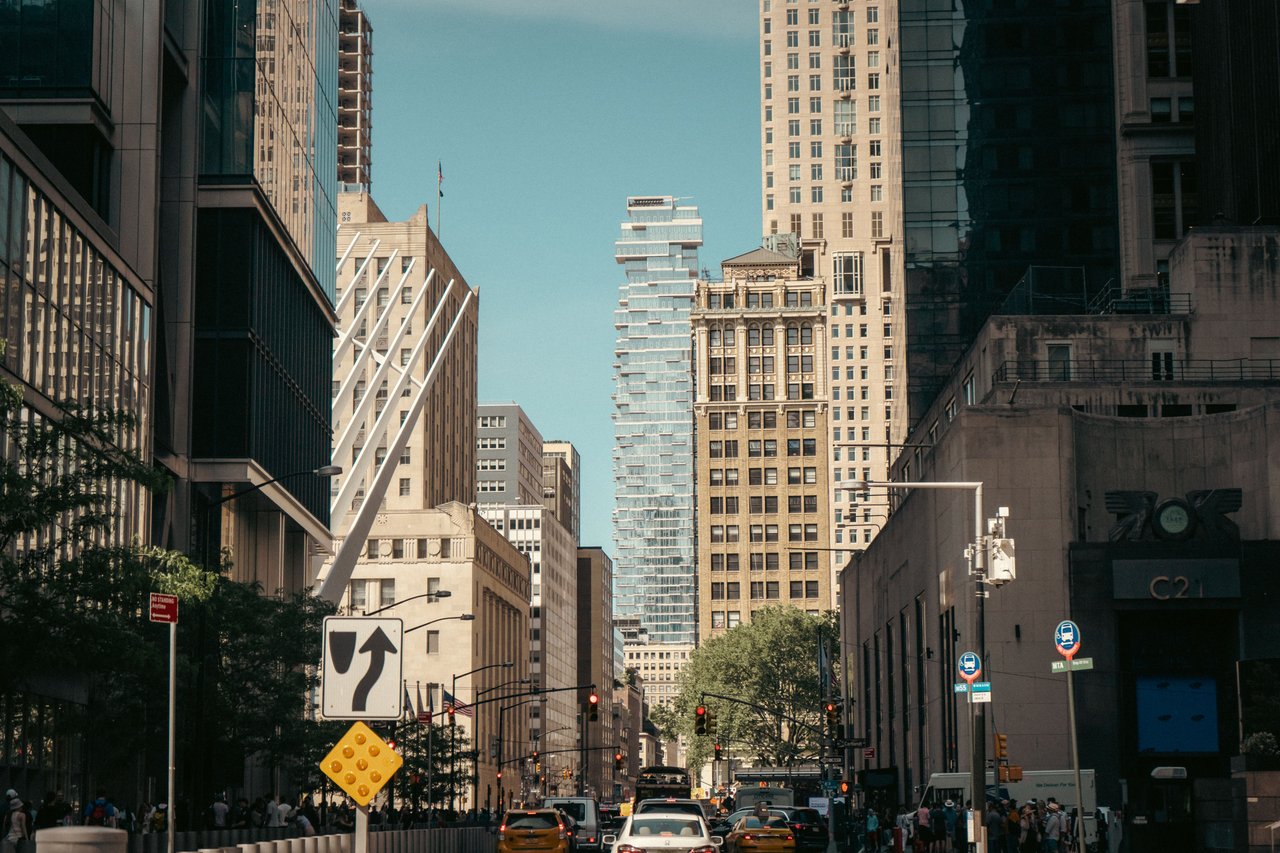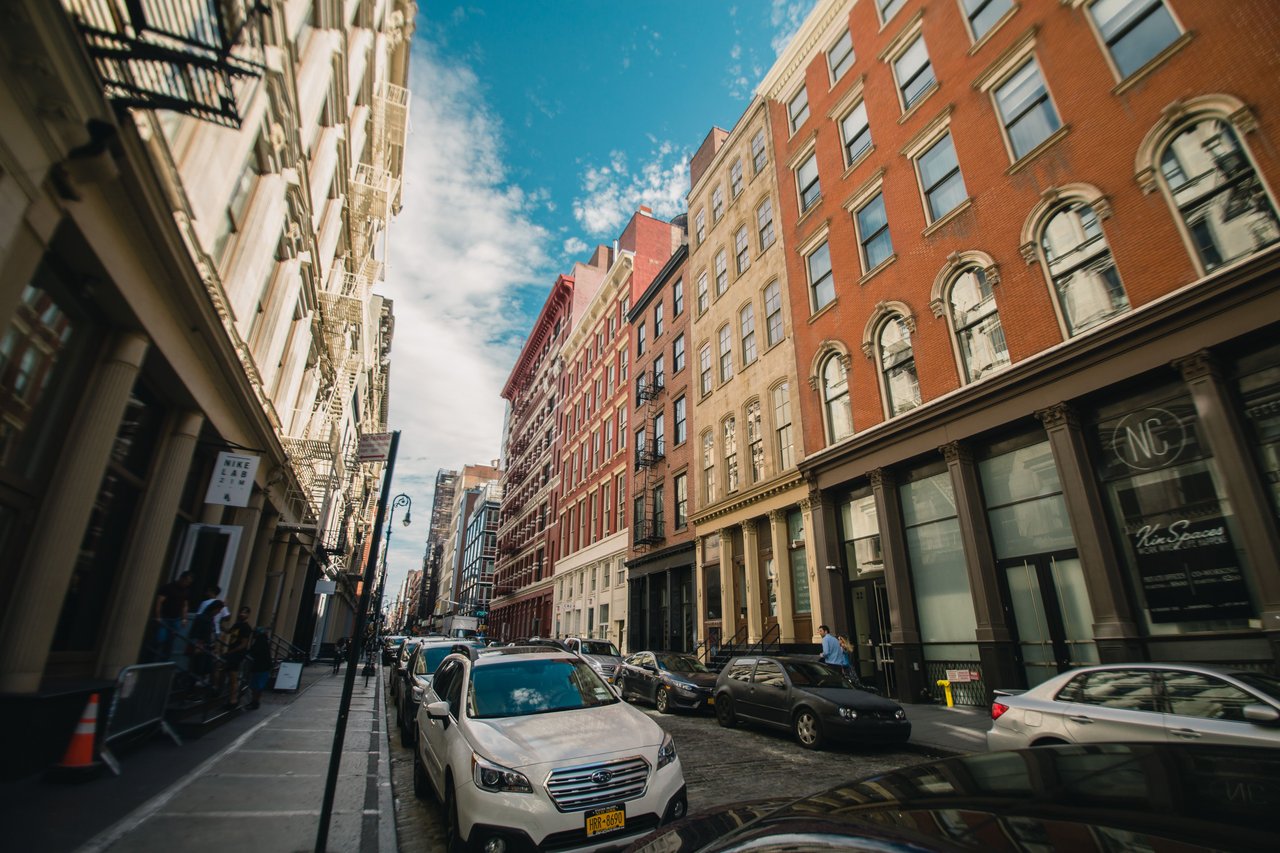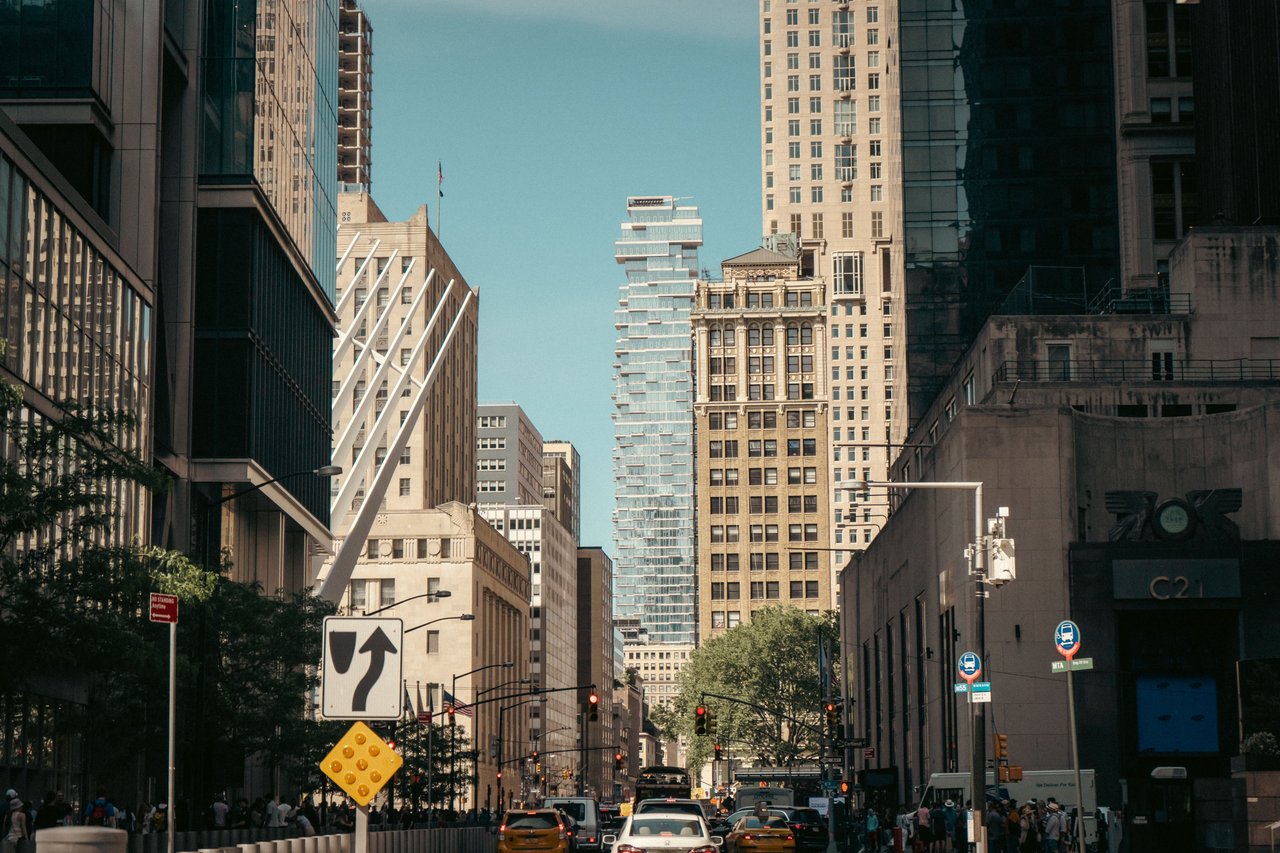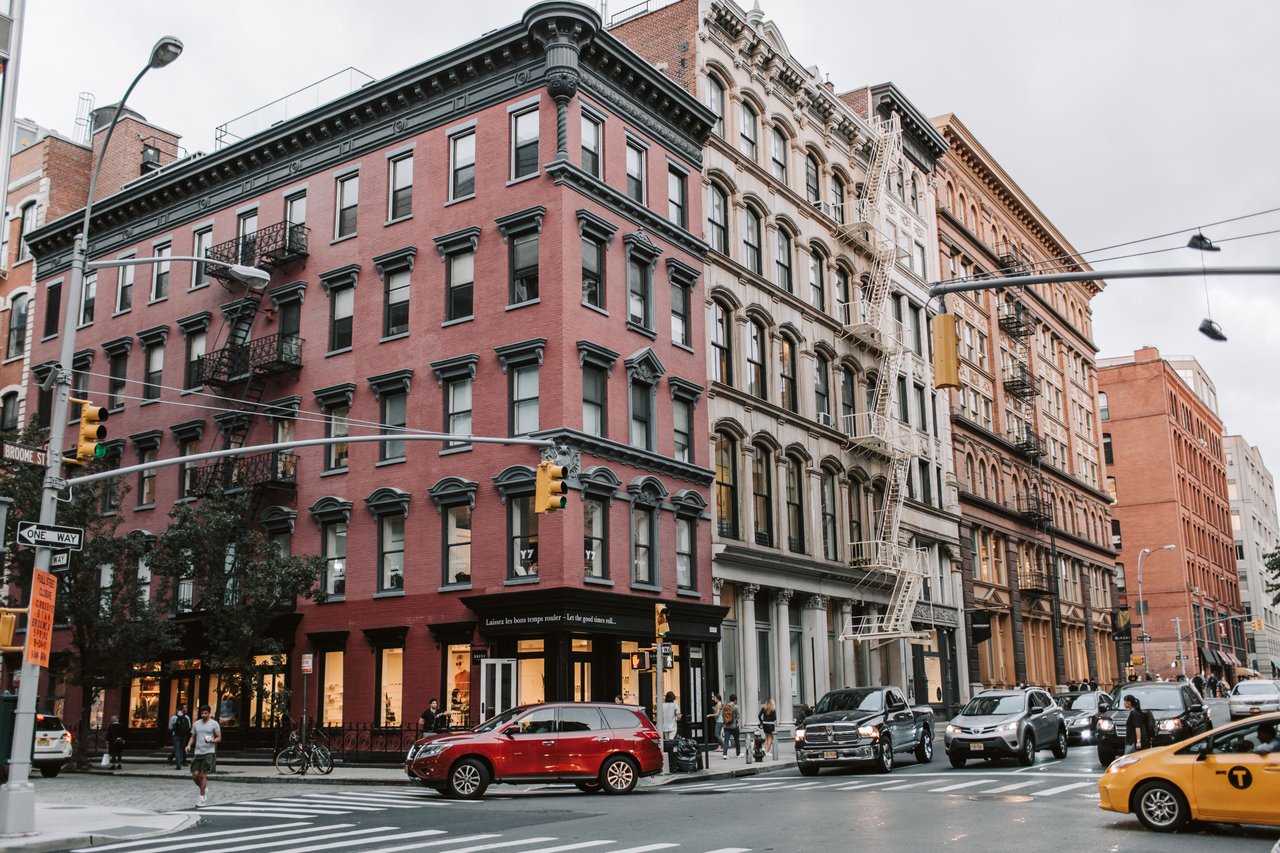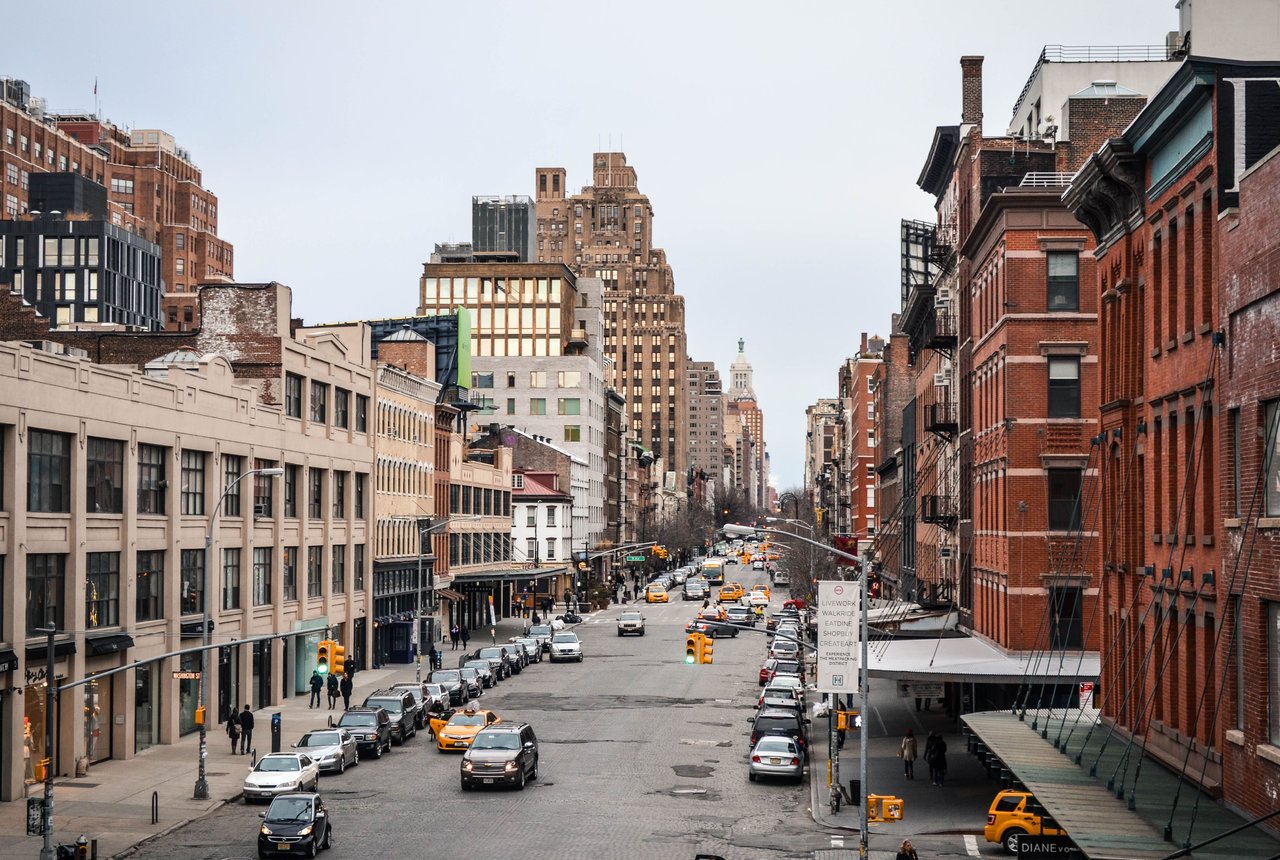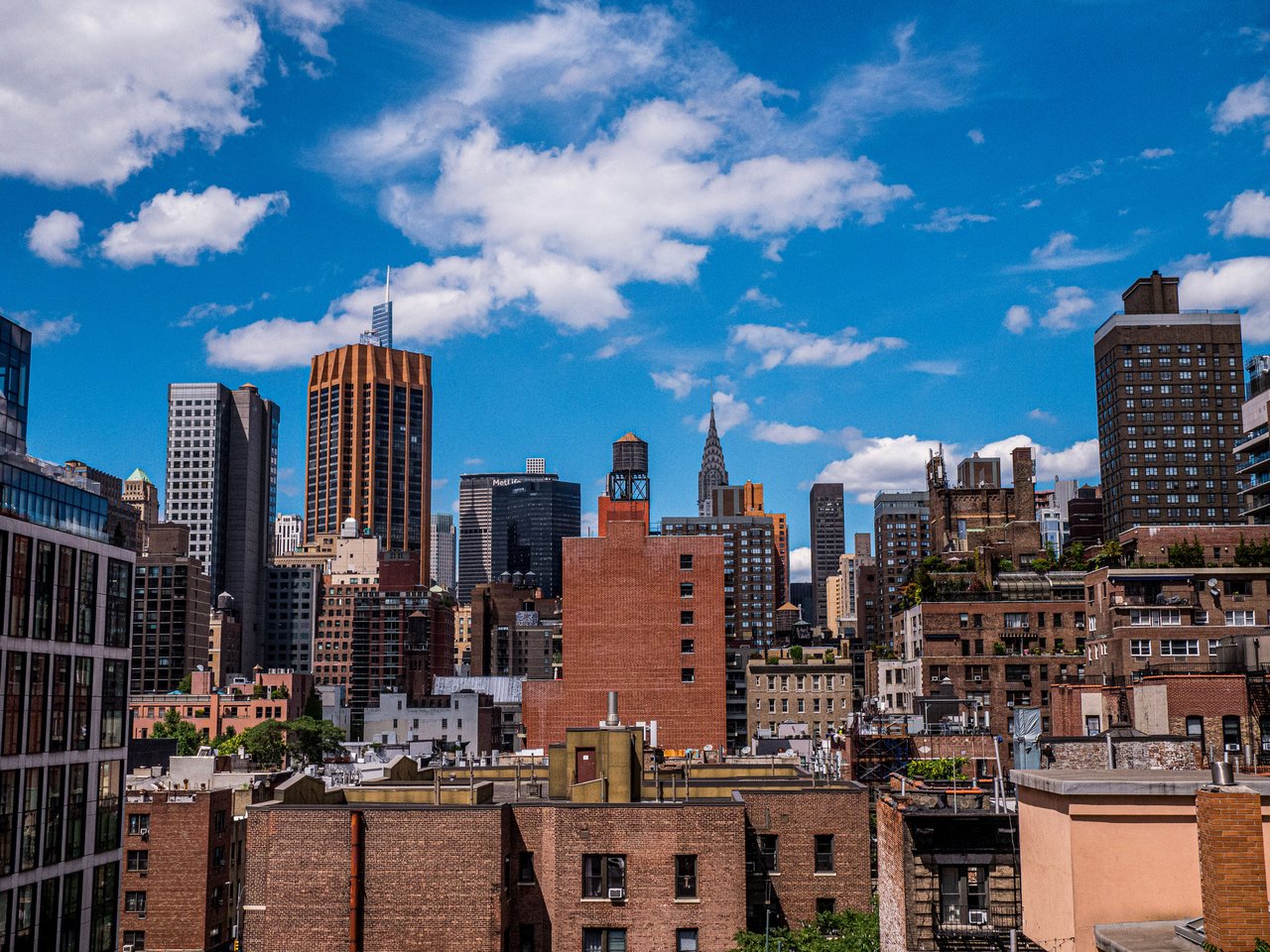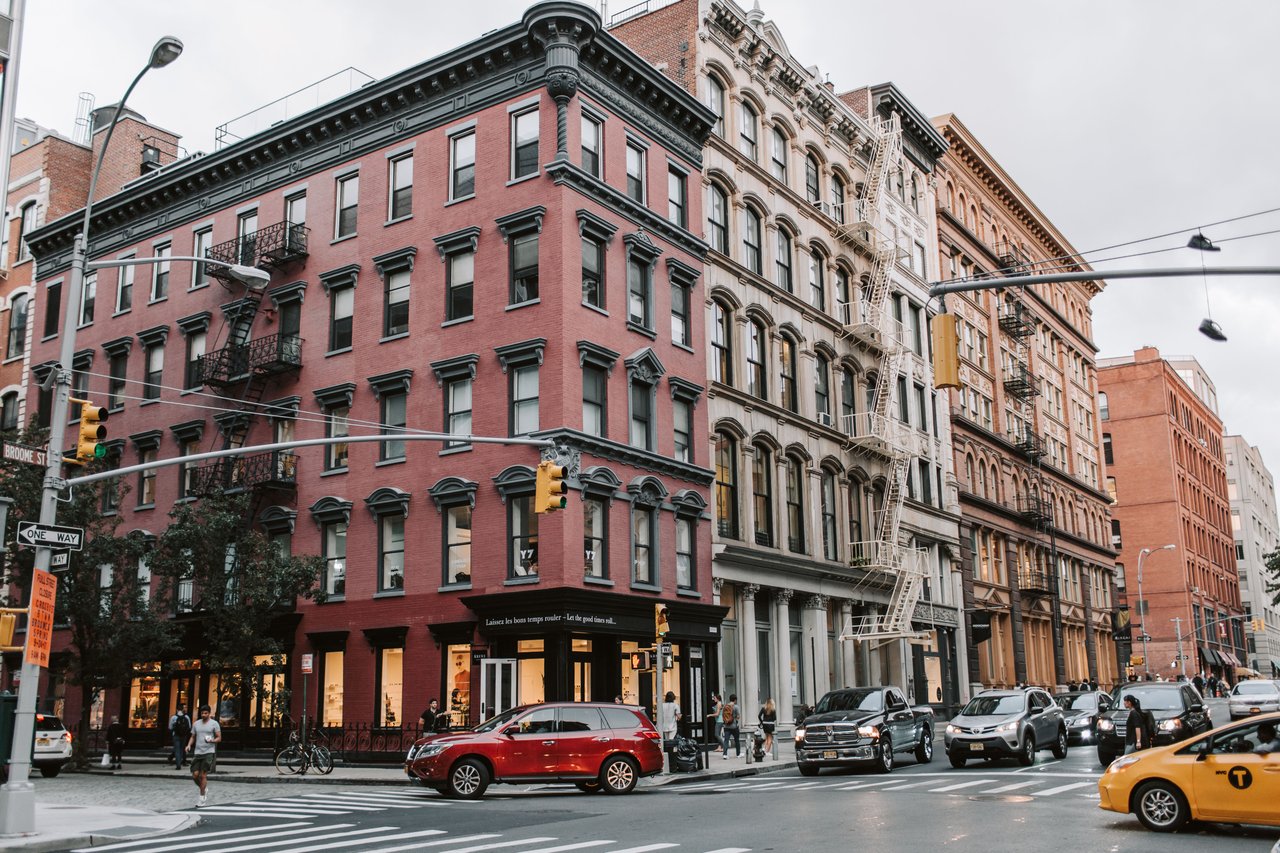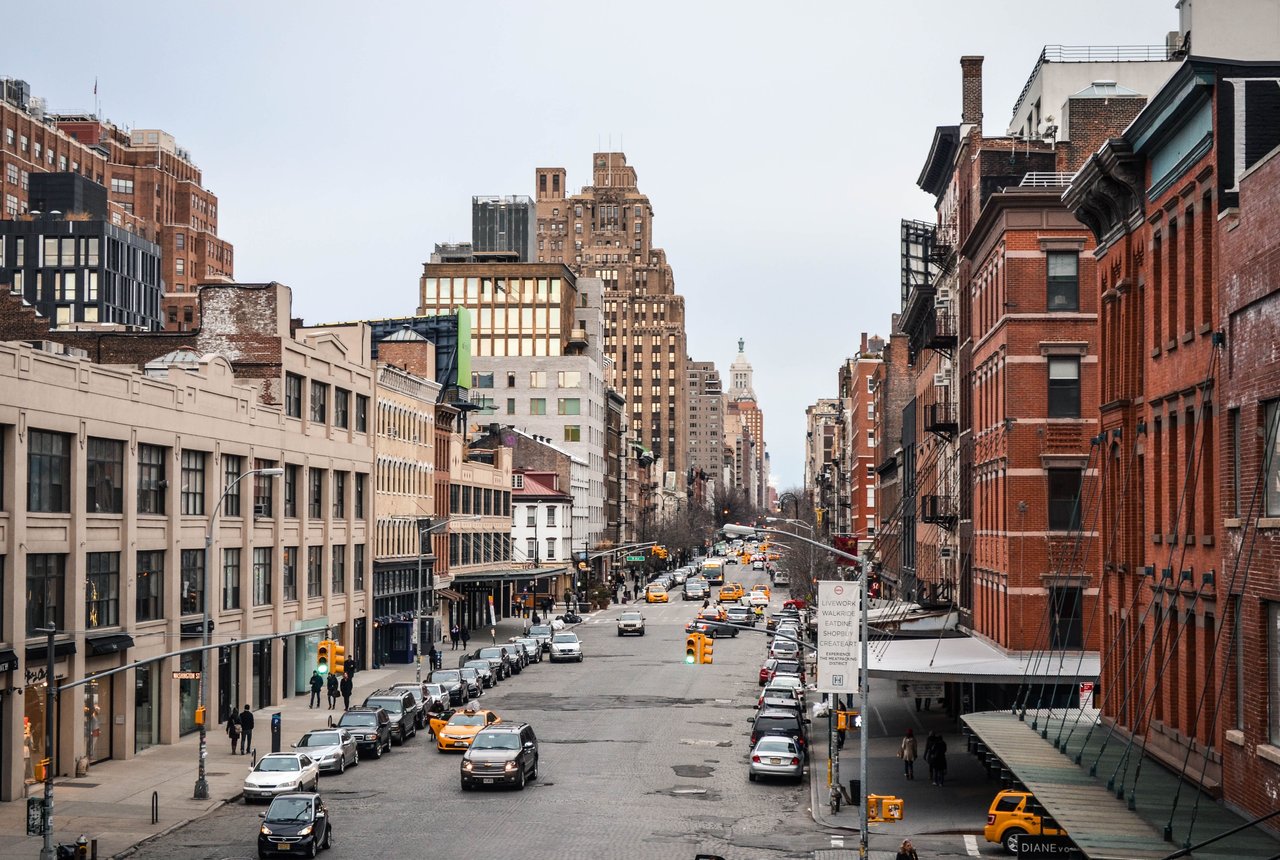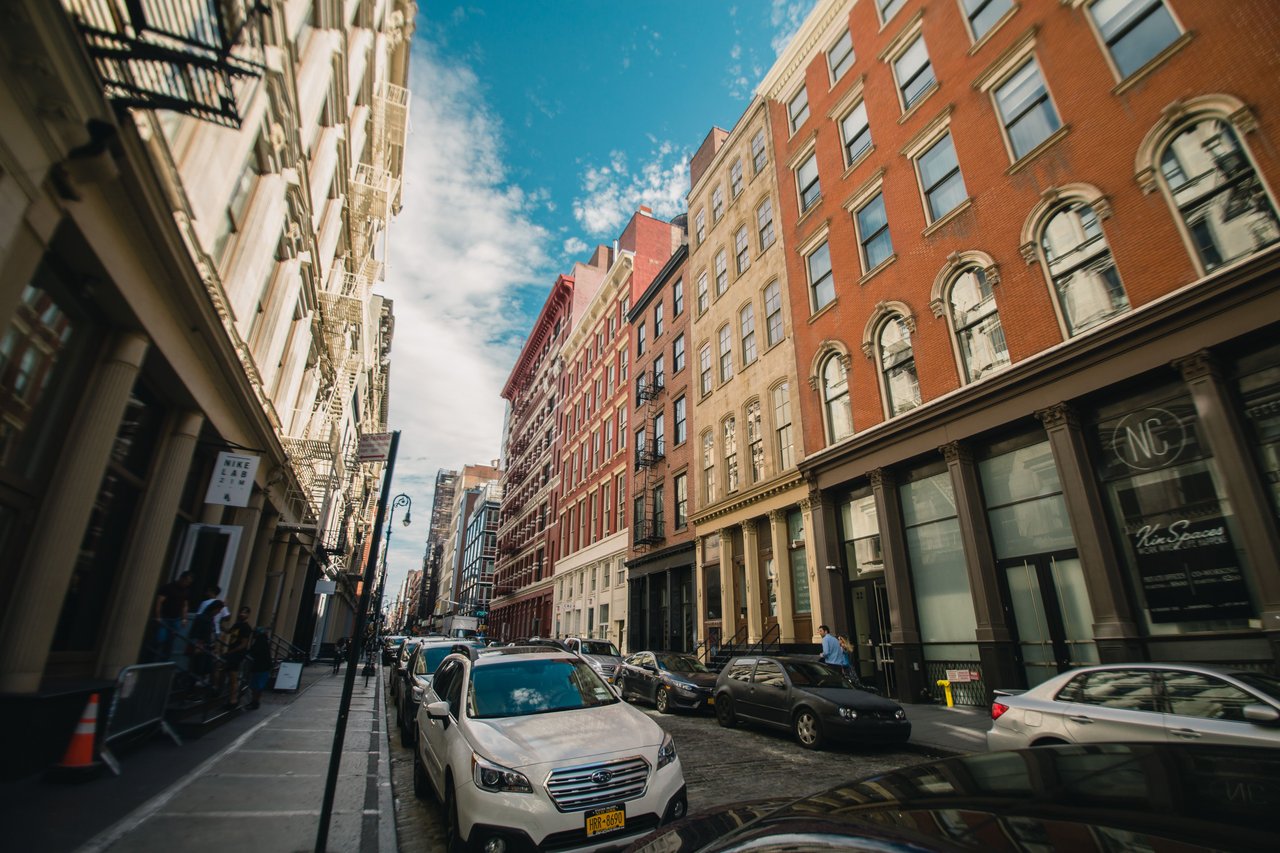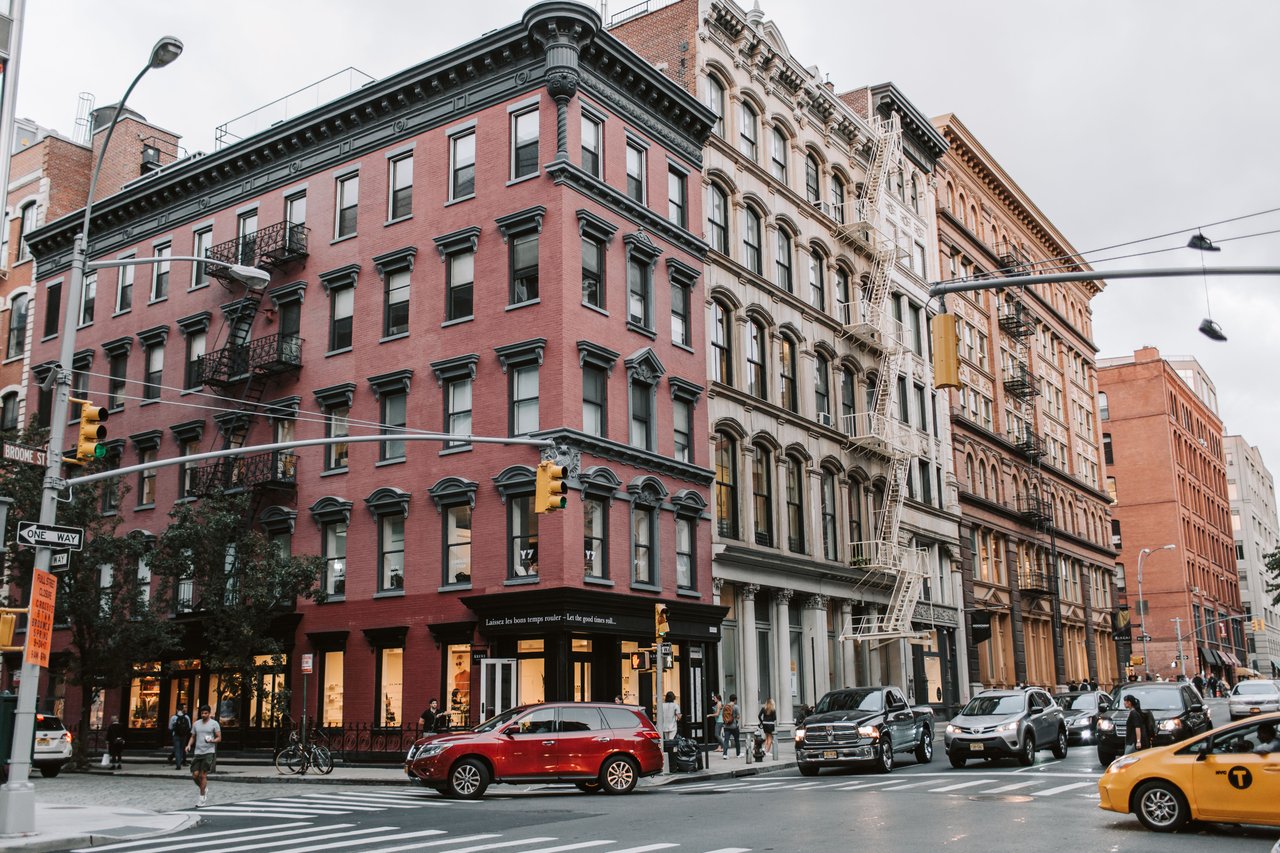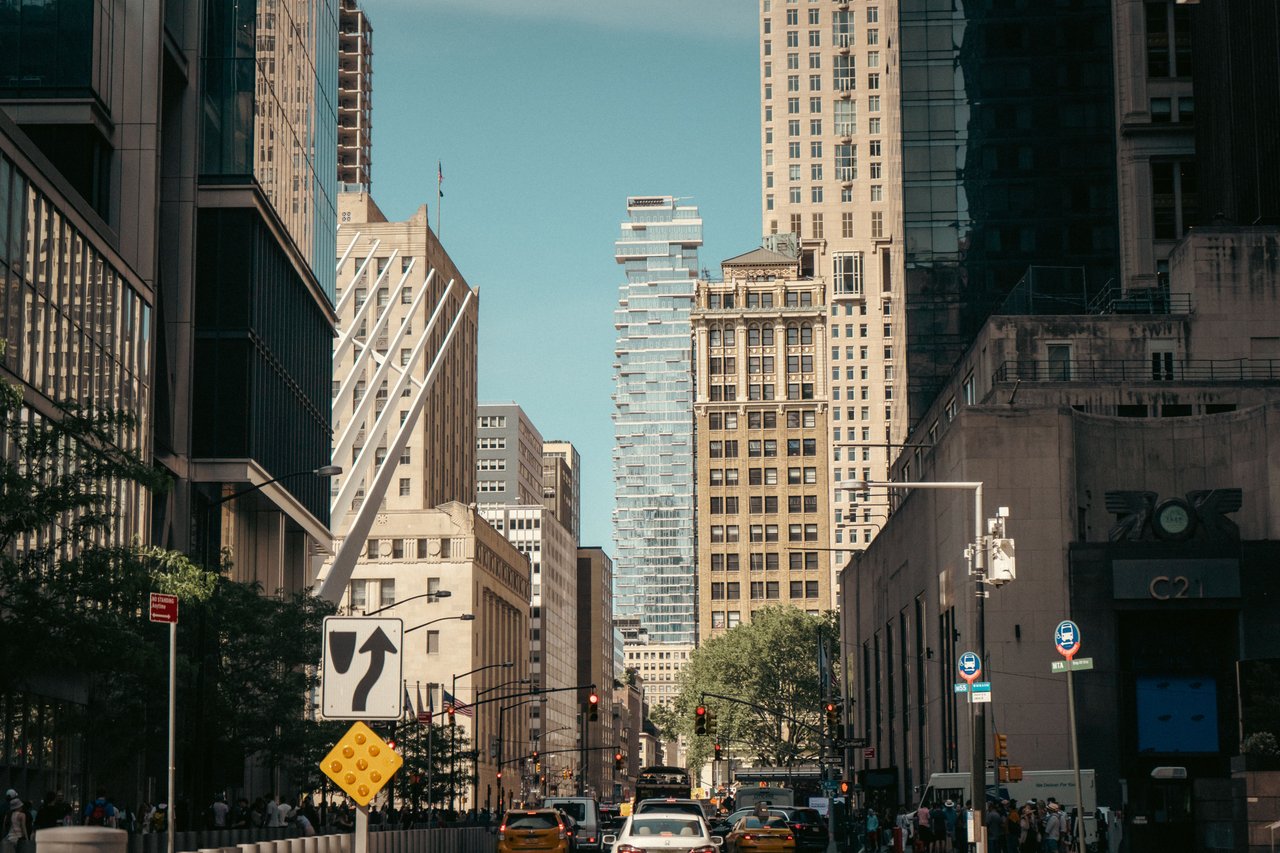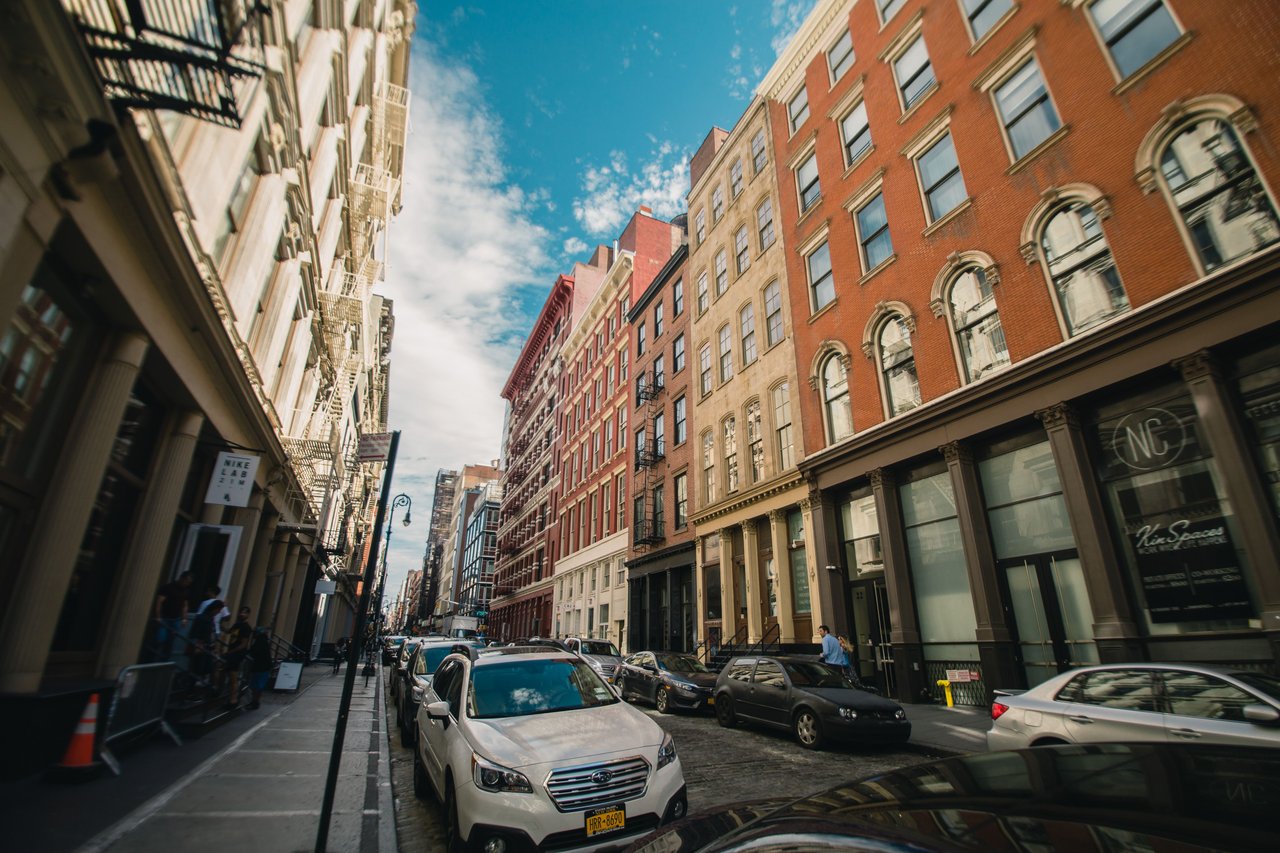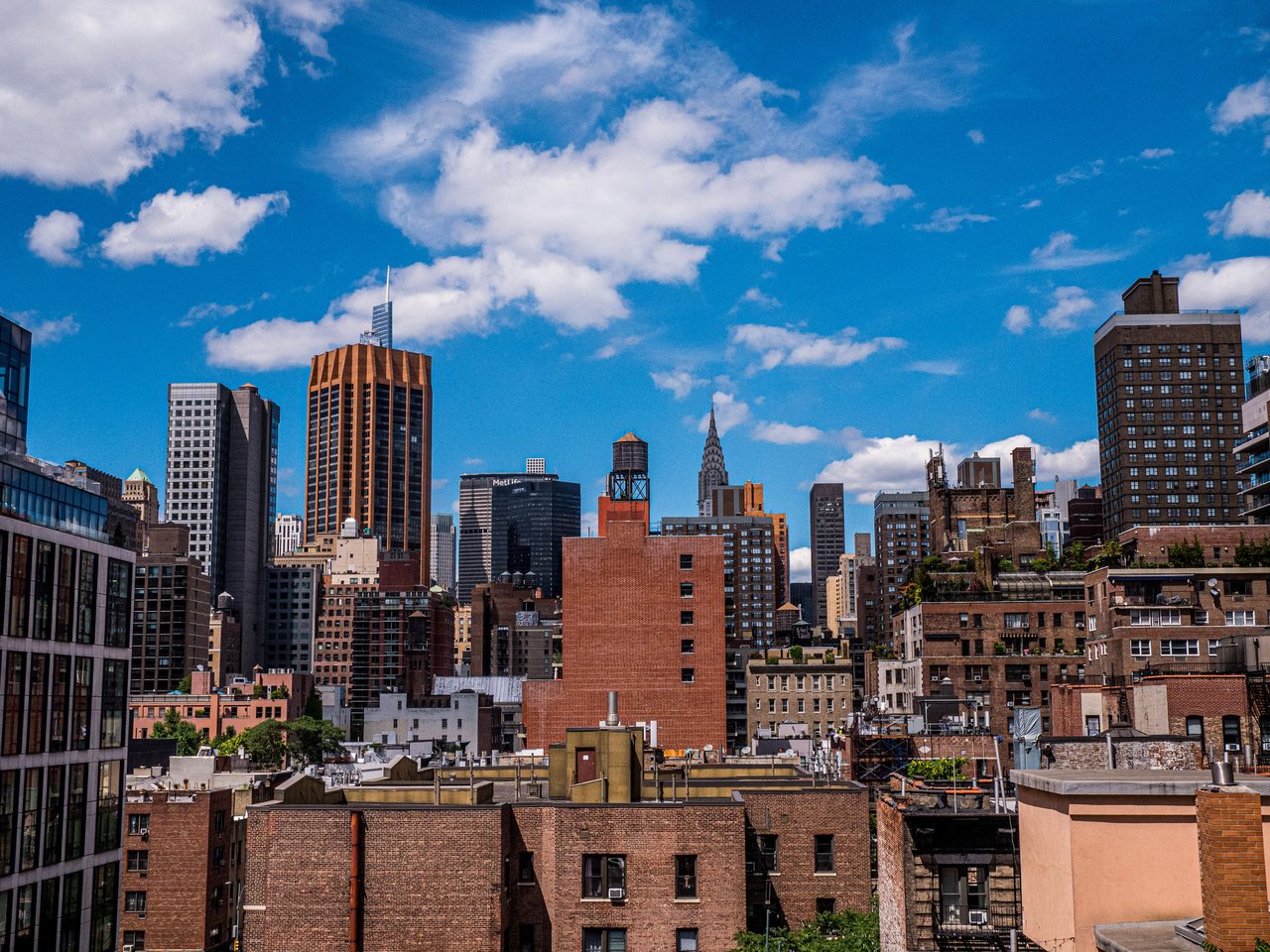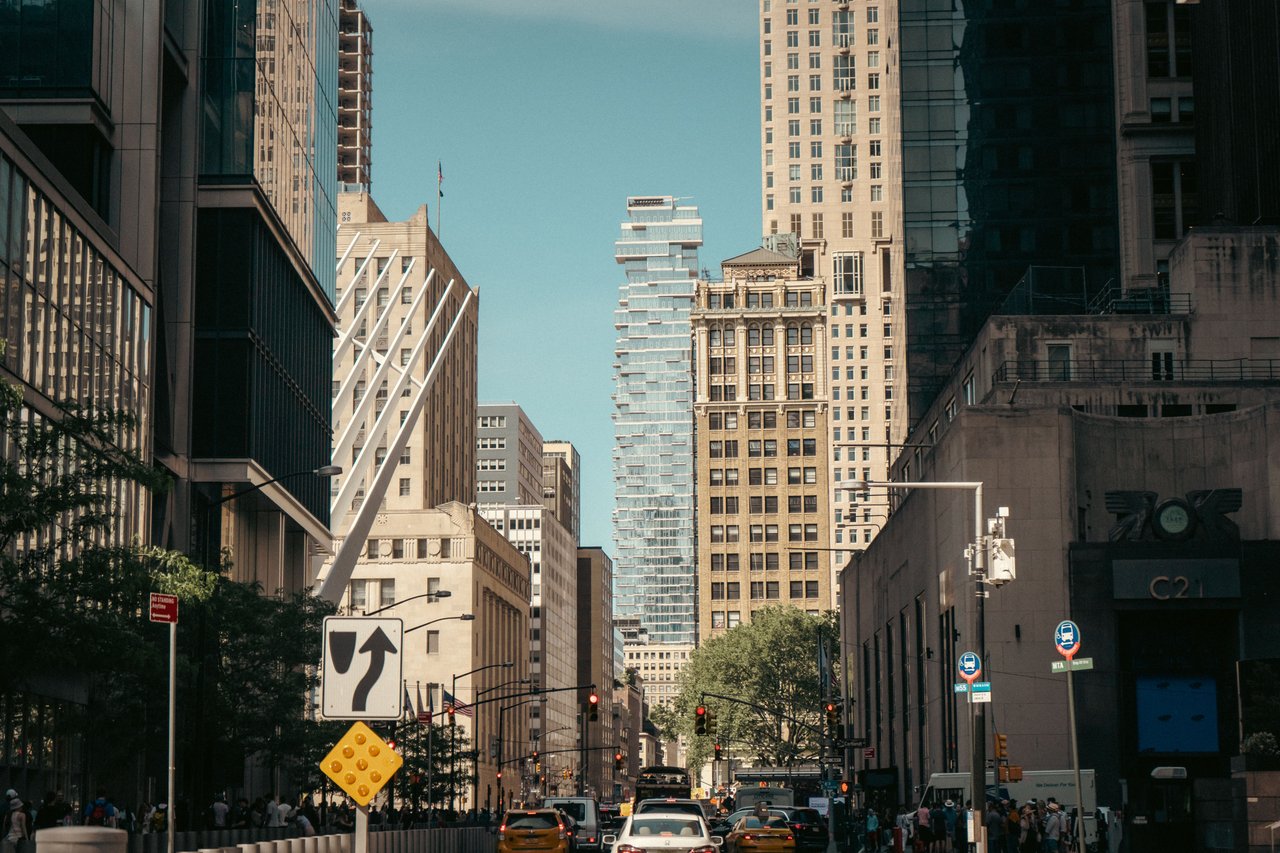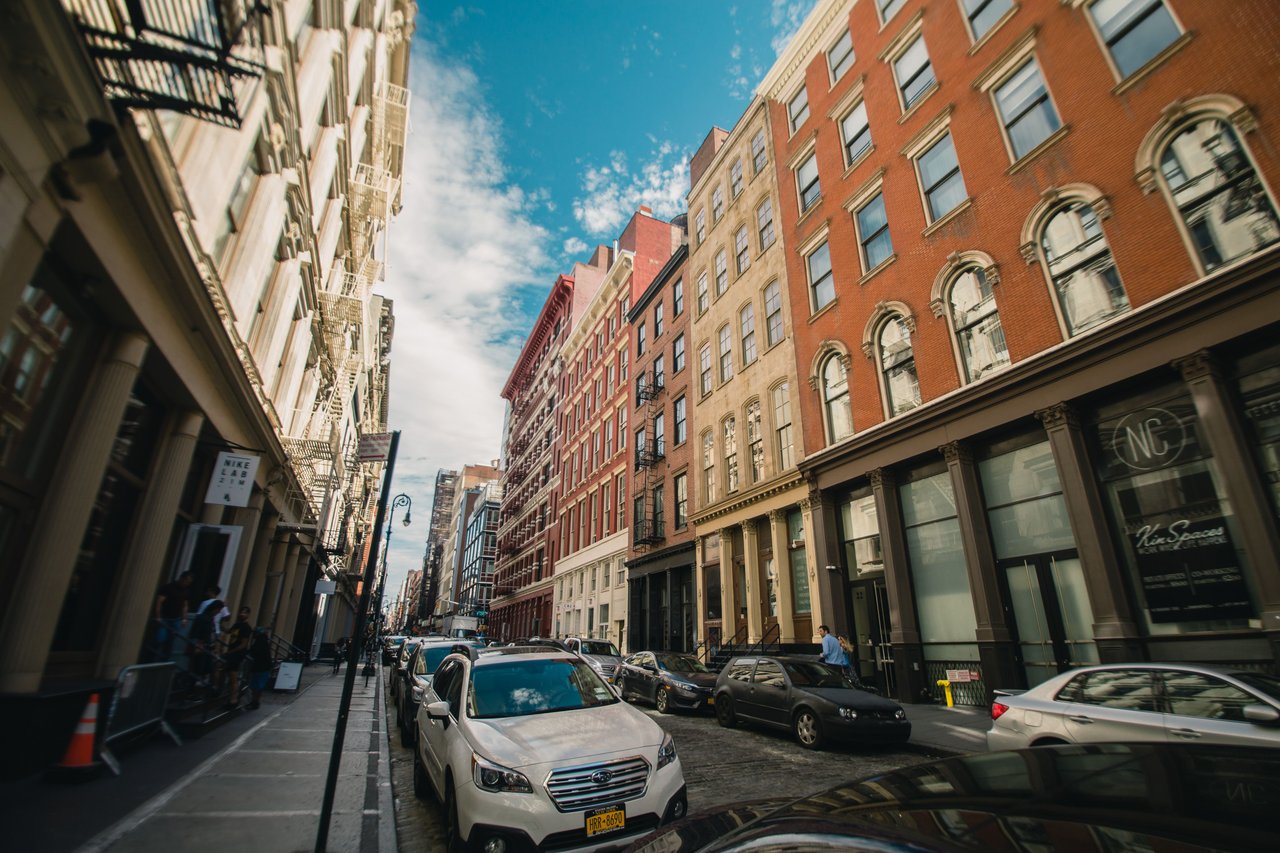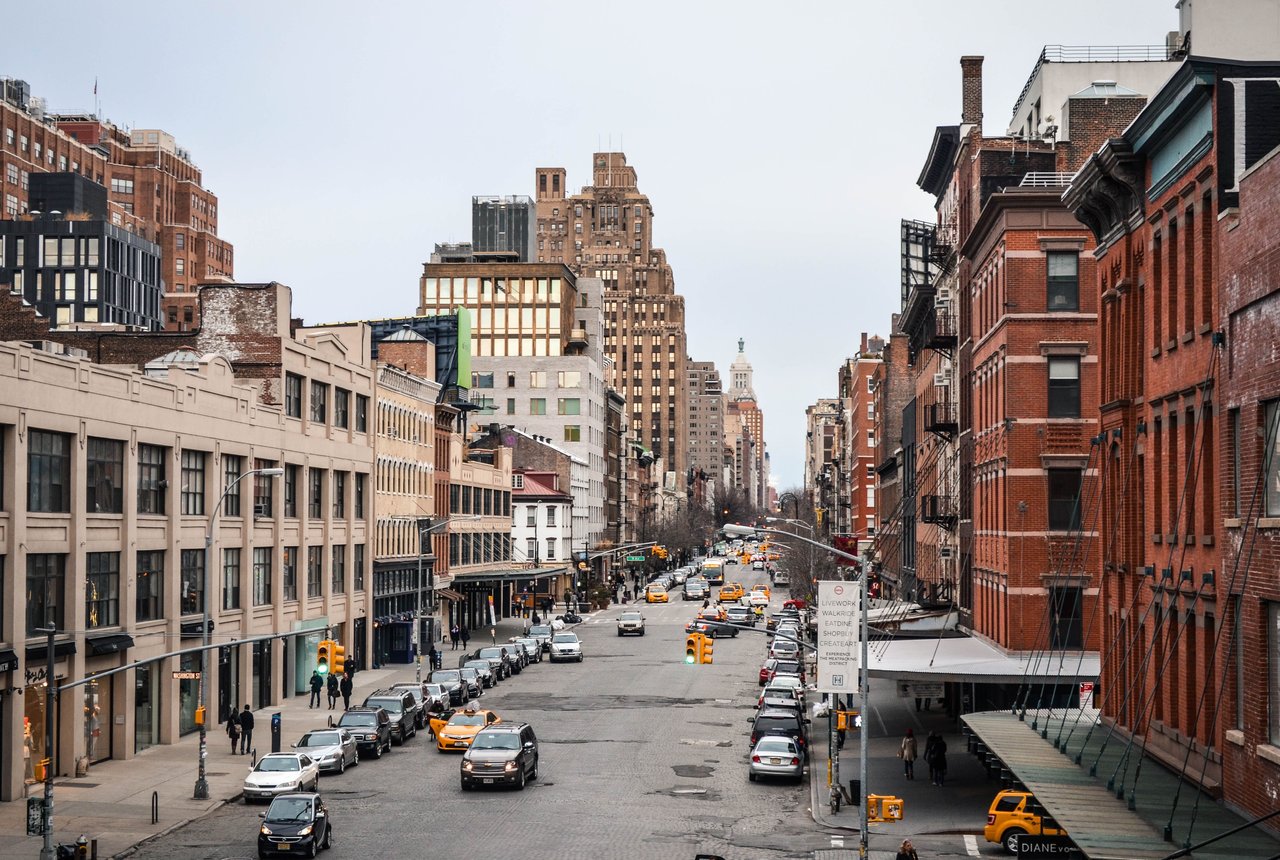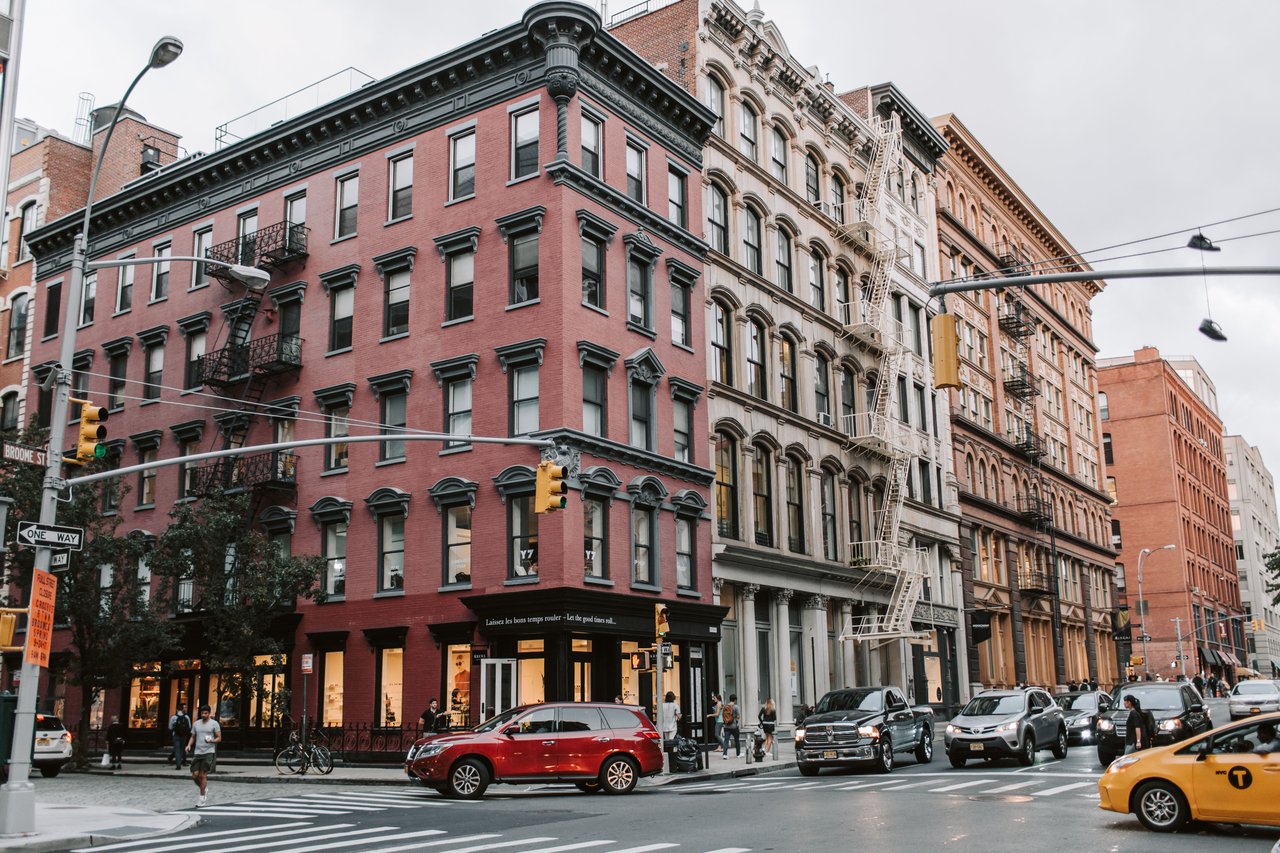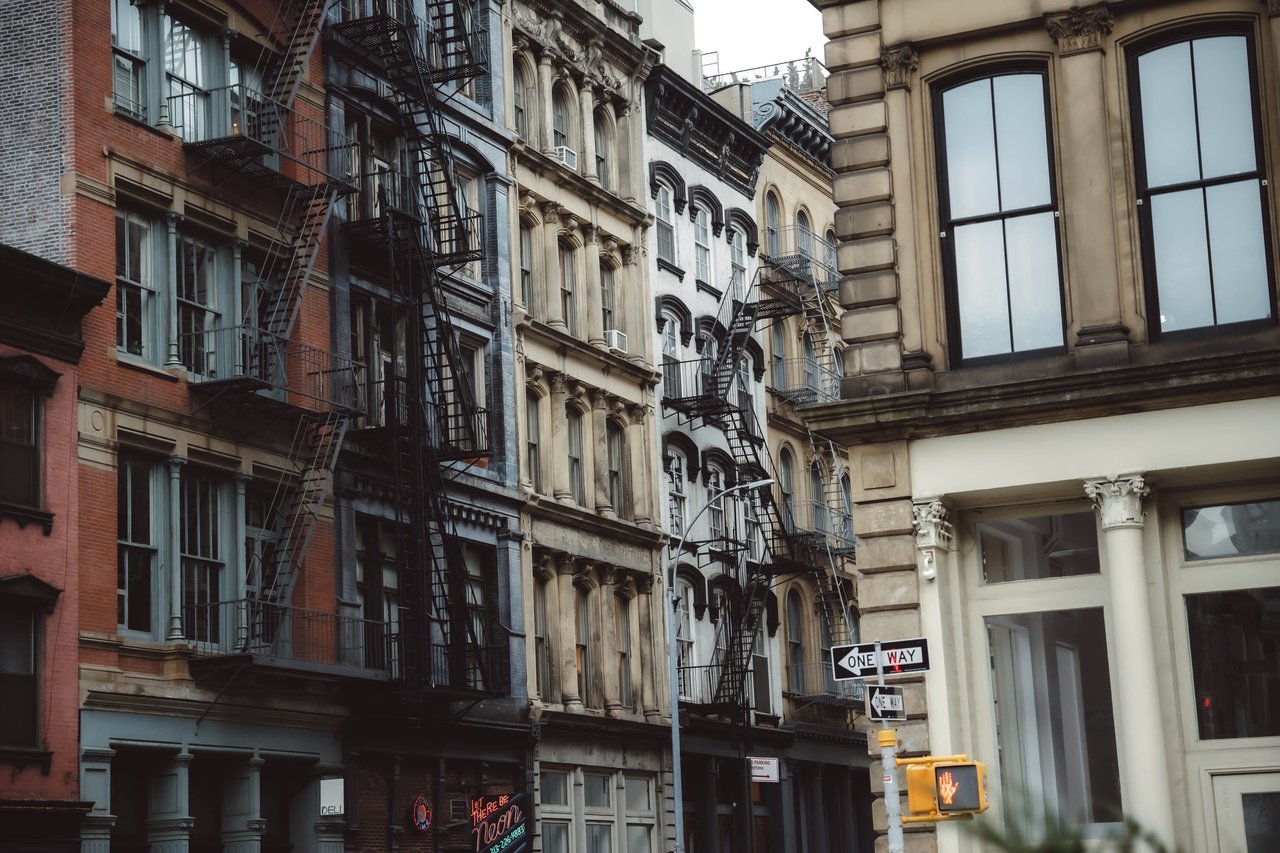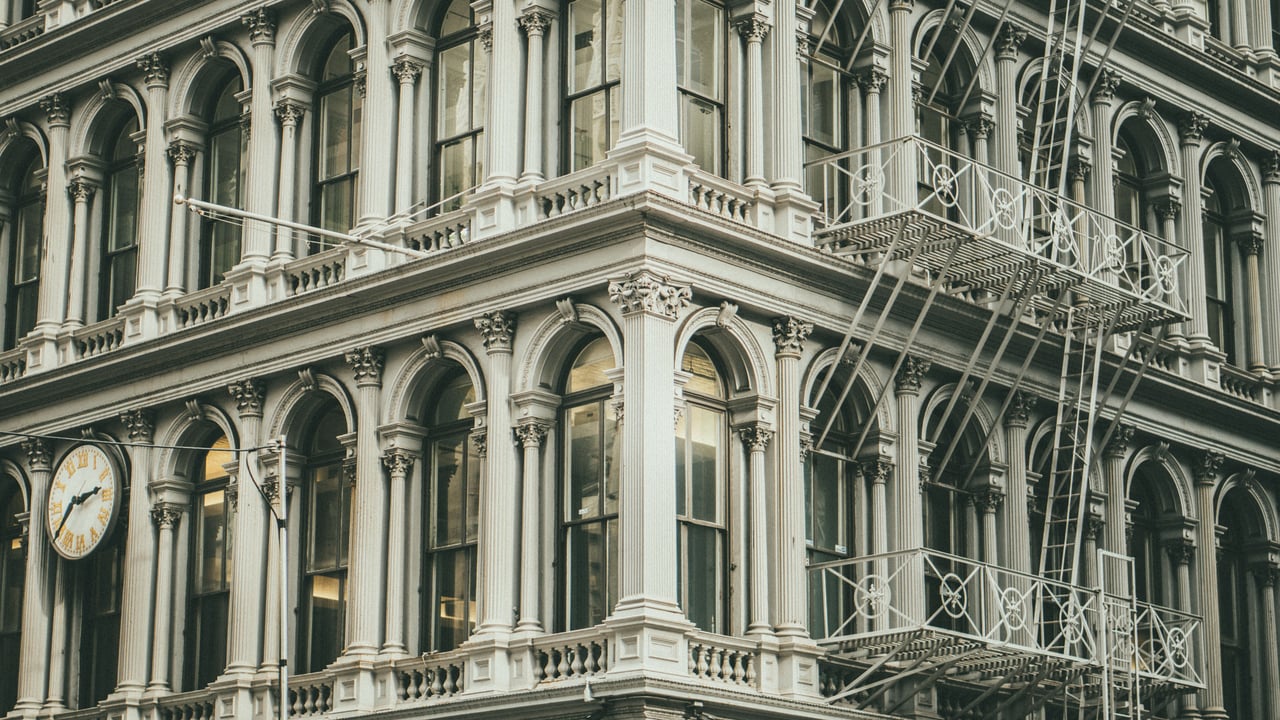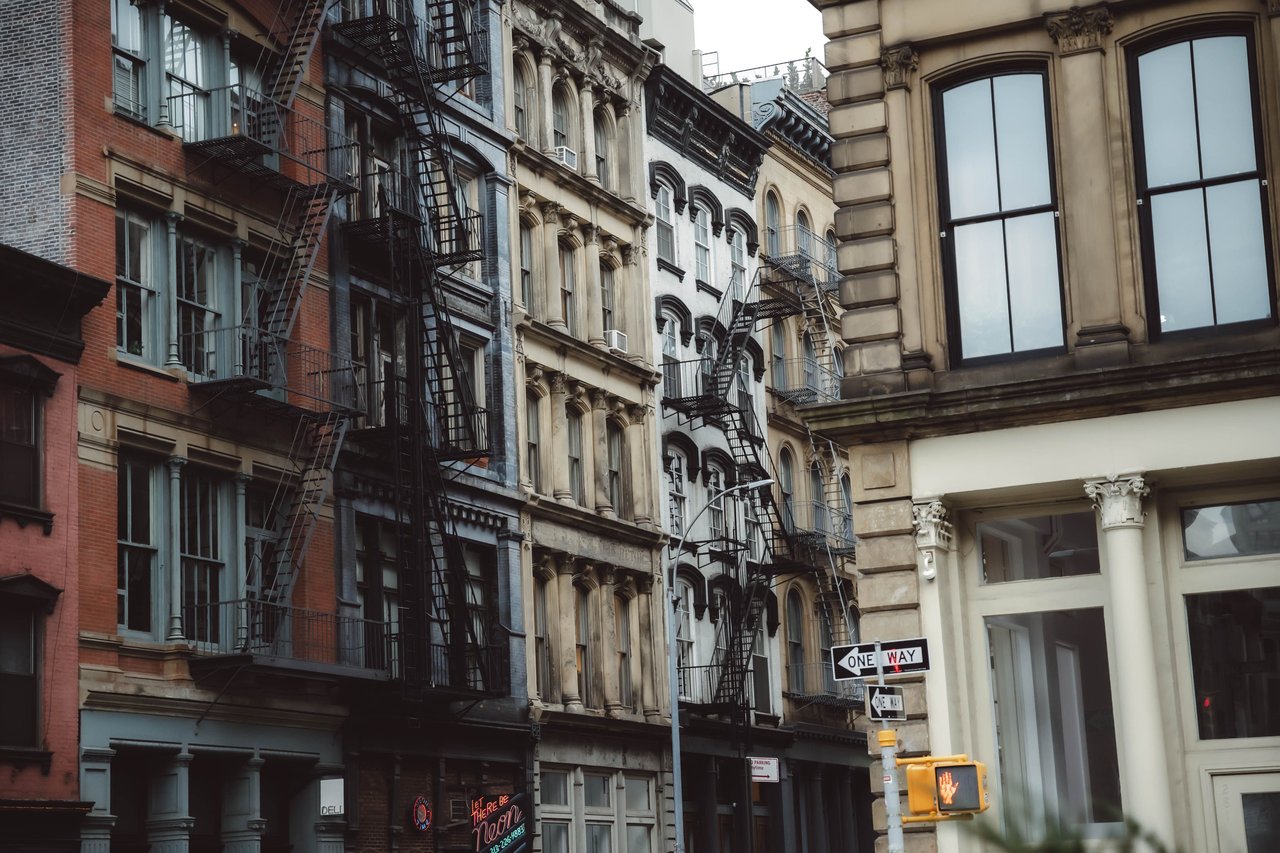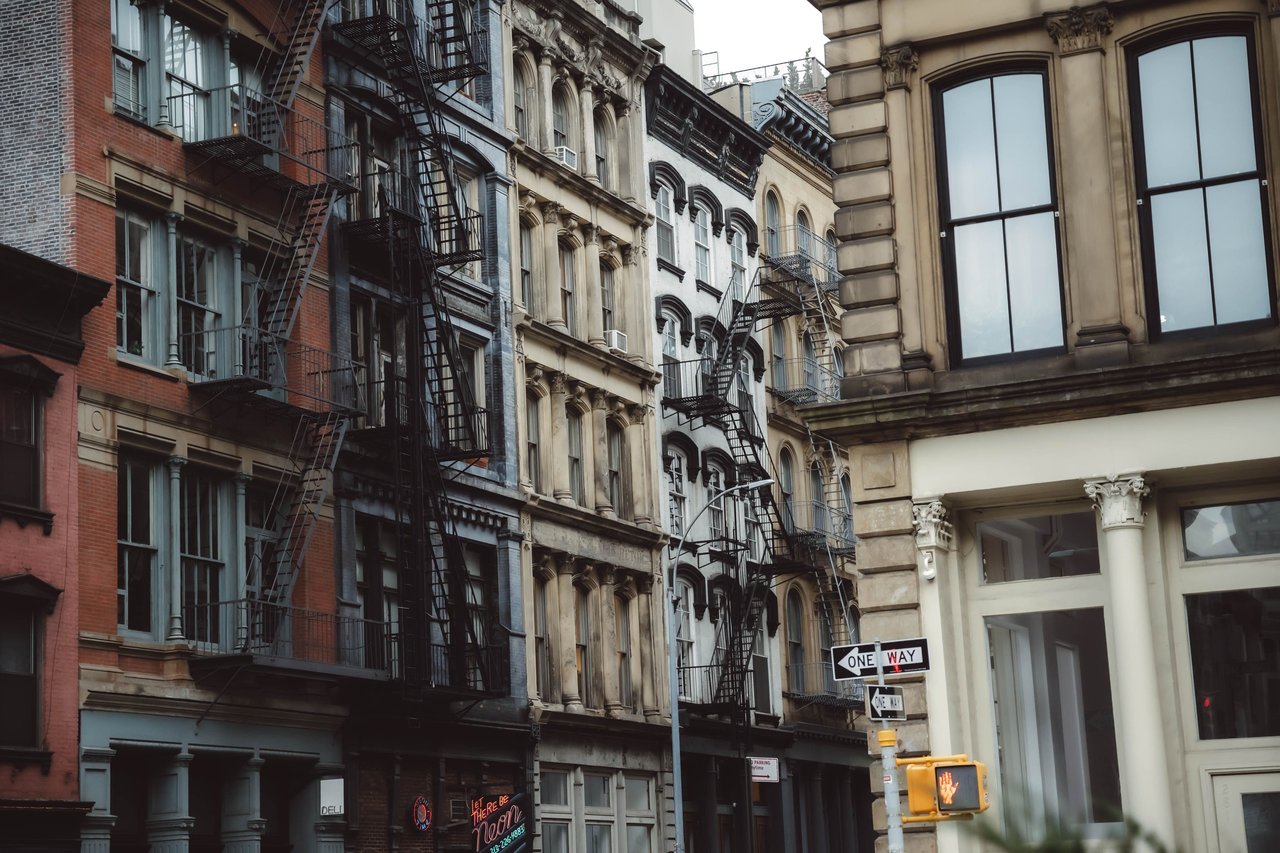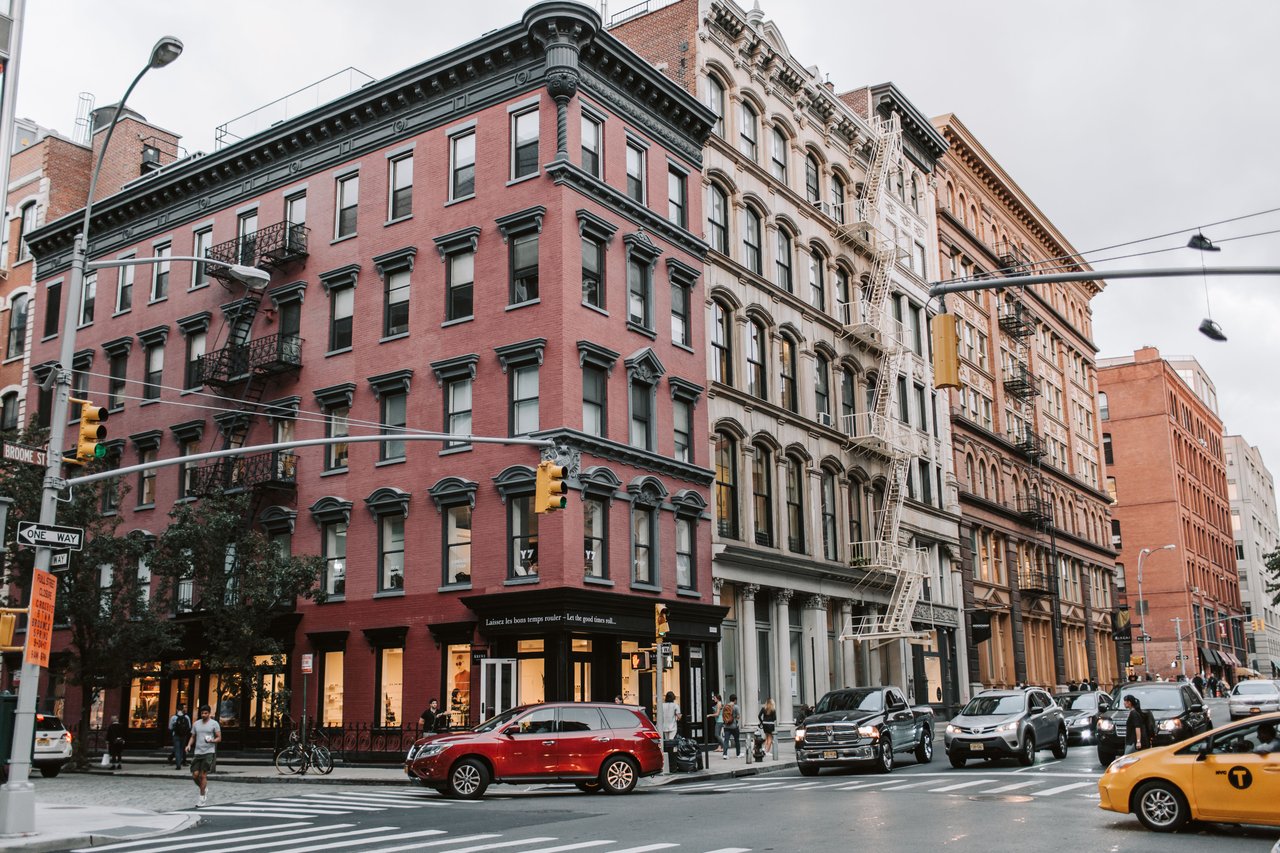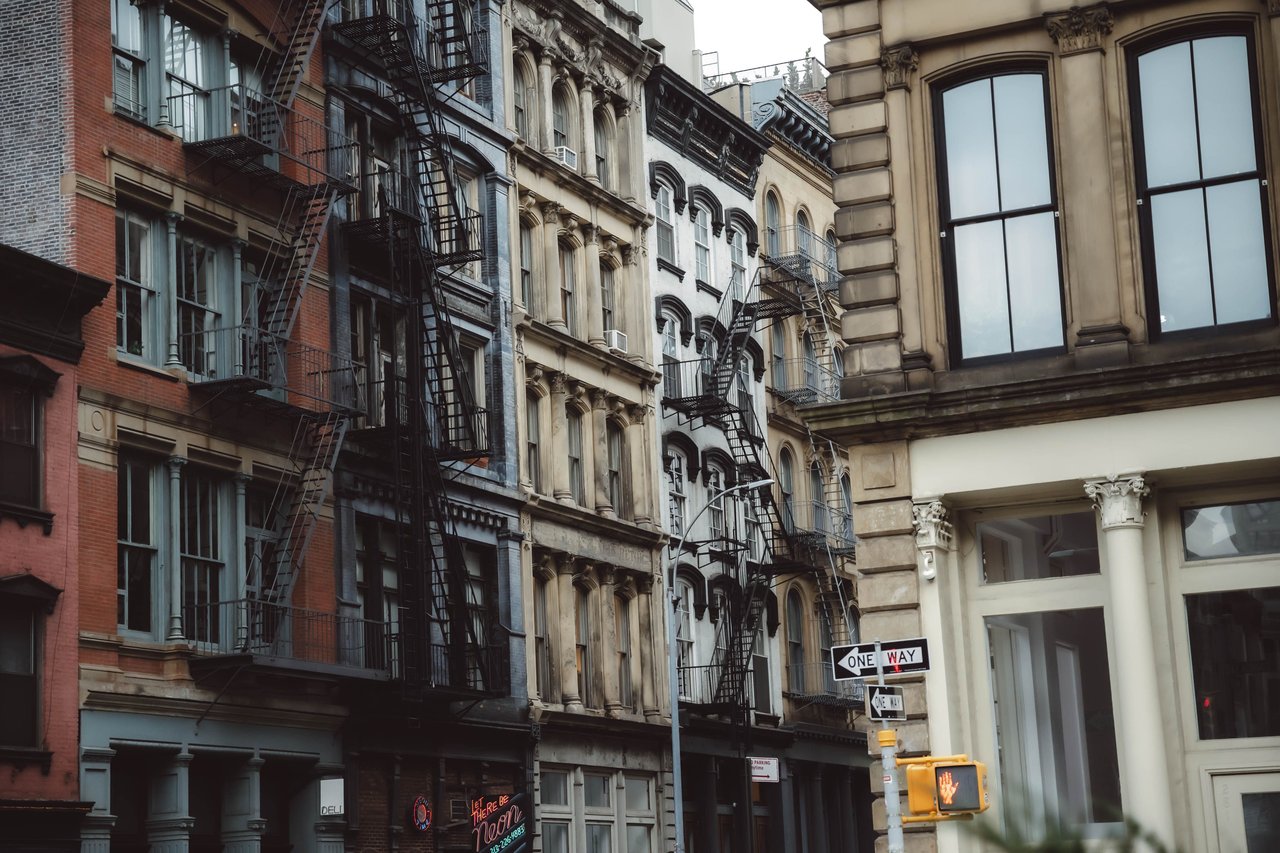
Vandam Street is one of Lower Manhattan's most significant historic residential streets, celebrated for its remarkably preserved Federal-style townhouses, early nineteenth-century architecture, and connection to the former Richmond Hill estate. Located in Hudson Square, immediately north of SoHo, Vandam Street preserves an architectural landscape that reflects Manhattan's transformation from country estates into carefully planned residential neighborhoods.
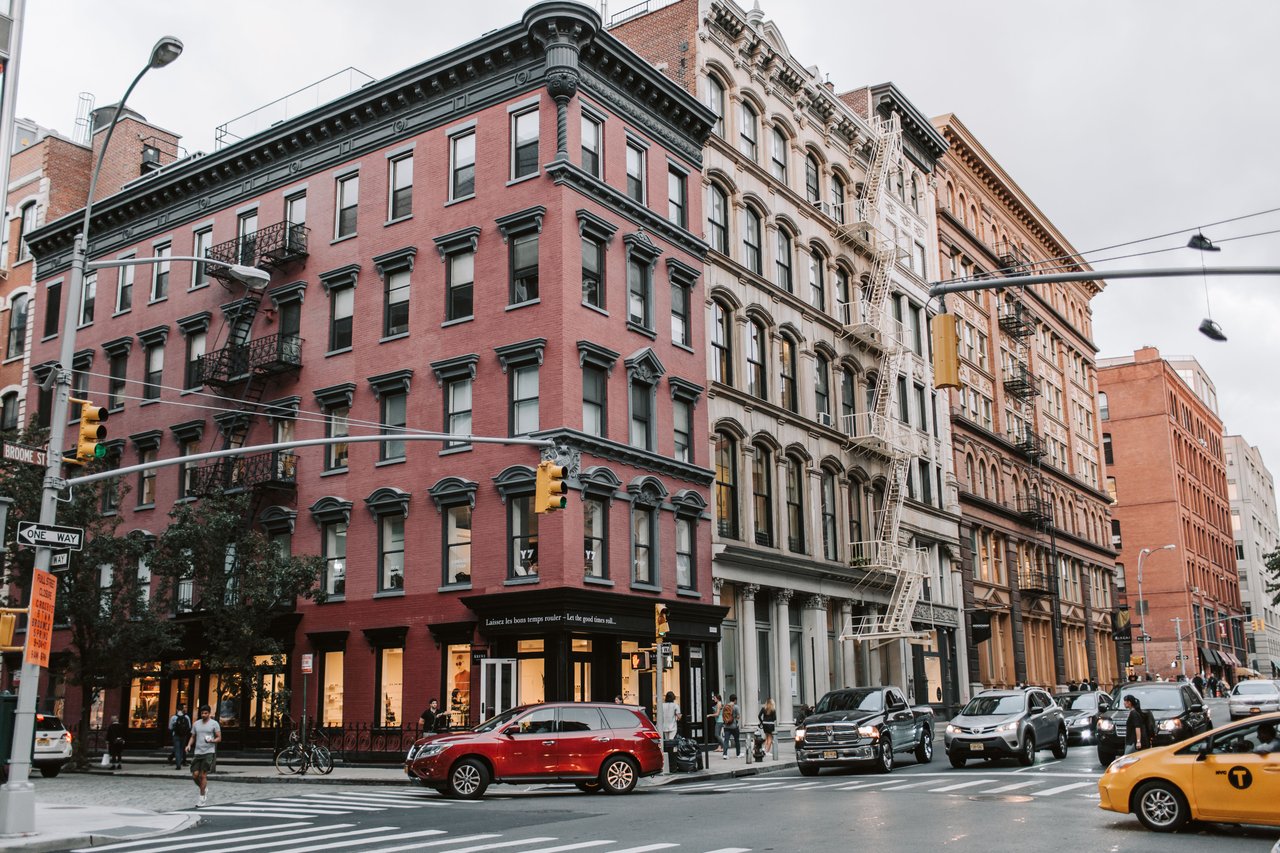
Unlike the industrial lofts and cast-iron commercial buildings that characterize much of SoHo, Vandam Street retains an extraordinary collection of historic brick rowhouses. Its architecture offers an important record of New York City's residential development during the 1820s, when Federal-style houses became a defining feature of the expanding city.
Interested in buying, selling, or renting on Vandam Street in SoHo, Manhattan? The Parviz Team at Compass and Parviz Latipzoda provide complimentary property valuations, professional marketing, and personalized real estate representation.
The Origins of Vandam Street
Vandam Street developed on land originally belonging to Richmond Hill, an eighteenth-century country estate overlooking the Hudson River.
The estate occupied an elevated landscape that was substantially different from the densely developed neighborhood visible today. Its grounds included landscaped areas, open land, and a Georgian mansion constructed in 1767.
As Manhattan expanded northward during the late eighteenth century, large country estates increasingly became opportunities for residential development.
In 1797, Aaron Burr arranged for the Richmond Hill estate to be subdivided into streets and individual building lots.
The proposed street network included Vandam Street, Charlton Street, and King Street.
Although the original development plans were delayed, the street layout established the foundation for one of Manhattan's most architecturally important residential districts.
Why Is It Called Vandam Street?
Vandam Street was named after Anthony Van Dam, a prominent New York merchant and city alderman.
The name was selected when Aaron Burr planned the subdivision of the Richmond Hill estate in 1797.
Anthony Van Dam was associated with the commercial and civic development of colonial New York.
The street's name preserves a connection to the city's early history, when prominent merchants and public officials frequently influenced the naming of newly established streets.
Unlike Manhattan's numbered street grid, Vandam Street reflects an earlier period of urban planning in which individual streets were named after people connected to the city's development.
Richmond Hill and the Development of Vandam Street
Richmond Hill was one of Manhattan's important eighteenth-century country estates.
The estate's Georgian mansion was constructed in 1767 and stood on elevated ground overlooking the Hudson River.
The property later served as George Washington's headquarters during the Revolutionary War and as the residence of John Adams during his vice presidency.
Aaron Burr subsequently acquired the estate and planned to transform the surrounding land into a residential neighborhood.
His 1797 street plan introduced the arrangement of Vandam, Charlton, and King Streets that remains recognizable today.
The development of the property accelerated after John Jacob Astor acquired the estate in 1817.
The mansion was relocated, the hill was leveled, and the surrounding land was divided into residential lots.
These changes established the physical foundation for the historic neighborhood.
John Jacob Astor and the Residential Development of Vandam Street
John Jacob Astor played a central role in the development of Vandam Street during the early nineteenth century.
After acquiring the former Richmond Hill estate, Astor arranged for building lots to be sold to local builders and investors.
Residential construction increased substantially during the 1820s as Manhattan's population expanded northward.
Many of the houses were constructed within a relatively short period, creating a consistent architectural appearance.
The buildings followed similar lot dimensions and shared common architectural characteristics, including brick facades, symmetrical windows, pitched roofs, and restrained decorative details.
This concentrated development period contributed to the architectural unity that distinguishes Vandam Street today.
Federal Architecture on Vandam Street
Federal-style architecture is the defining feature of Vandam Street's historic residential character.
Popular in New York during the late eighteenth and early nineteenth centuries, the Federal style emphasized symmetry, balanced proportions, and restrained ornamentation.
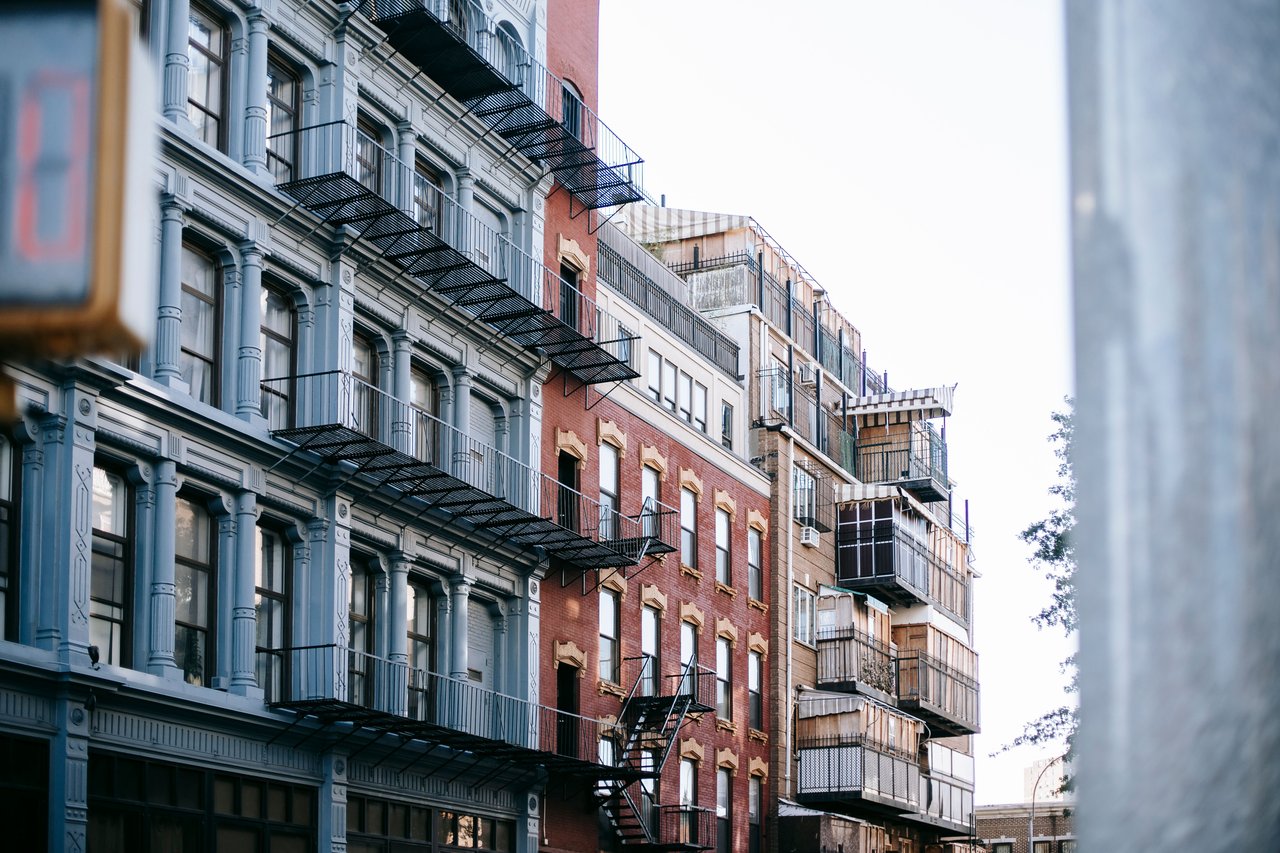
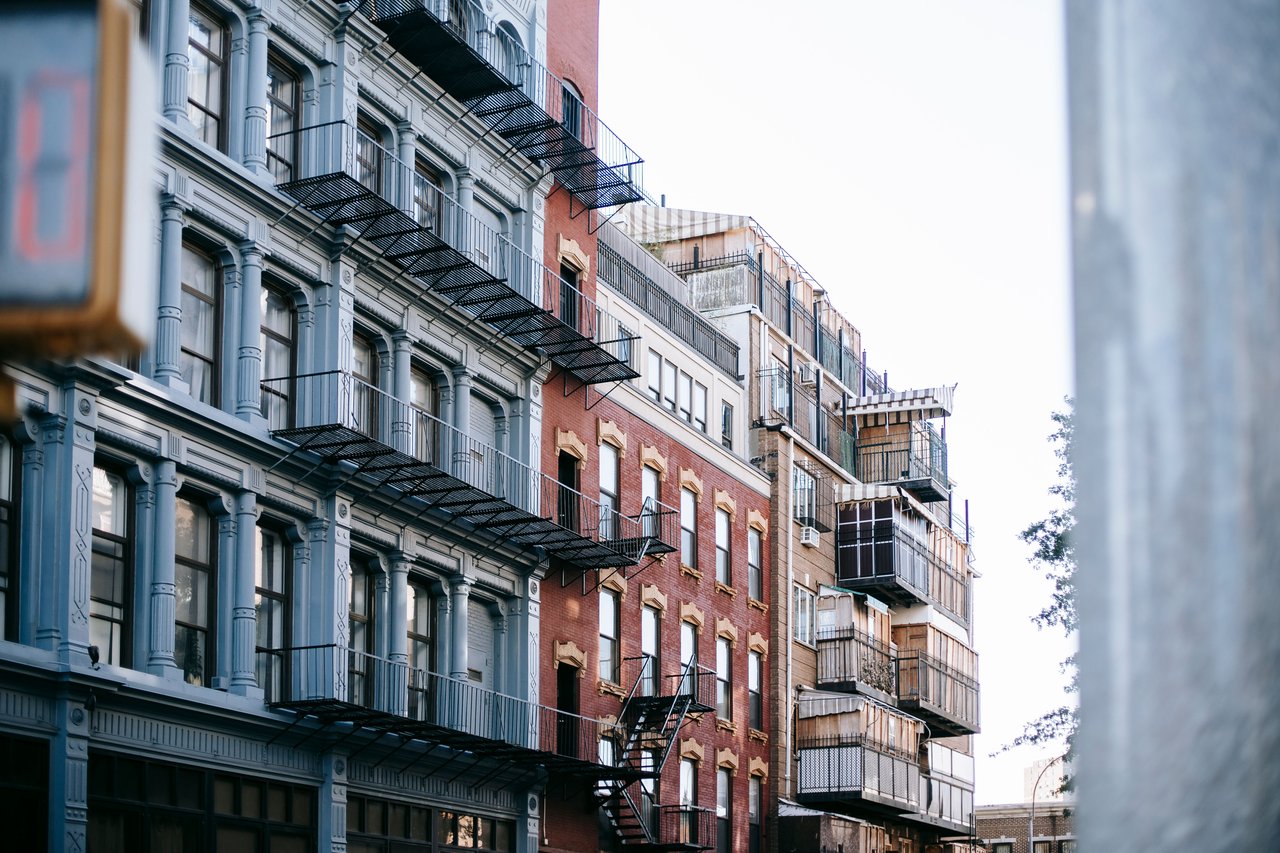
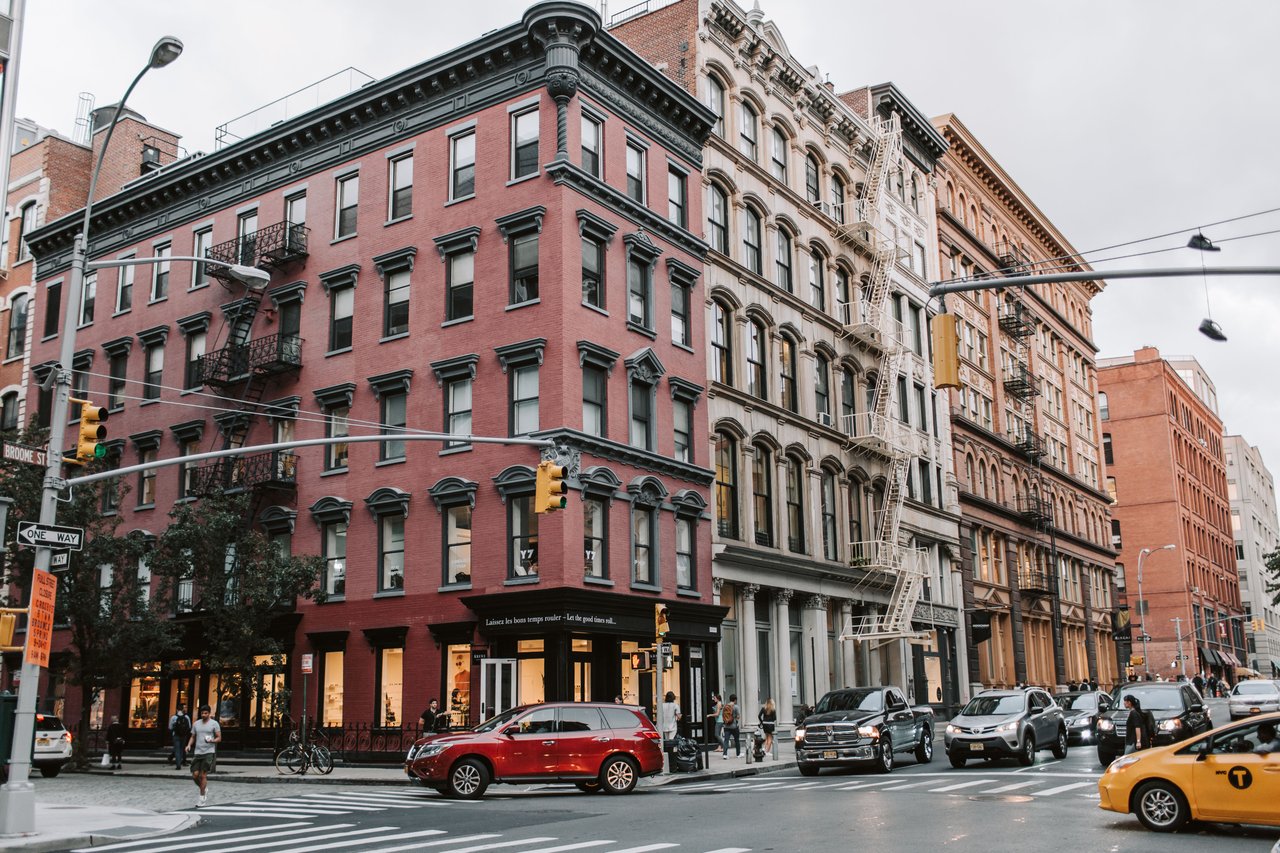
The historic townhouses typically feature red brick facades, stone window lintels, narrow entrances, and carefully arranged windows.
Many buildings retain original or early pitched roofs, dormer windows, entrance steps, and decorative ironwork.
The relatively modest scale of these houses reflects the residential building traditions of early nineteenth-century Manhattan.
Vandam Street contains one of the city's most important surviving groups of Federal-style townhouses.
The Historic Row of Federal Townhouses
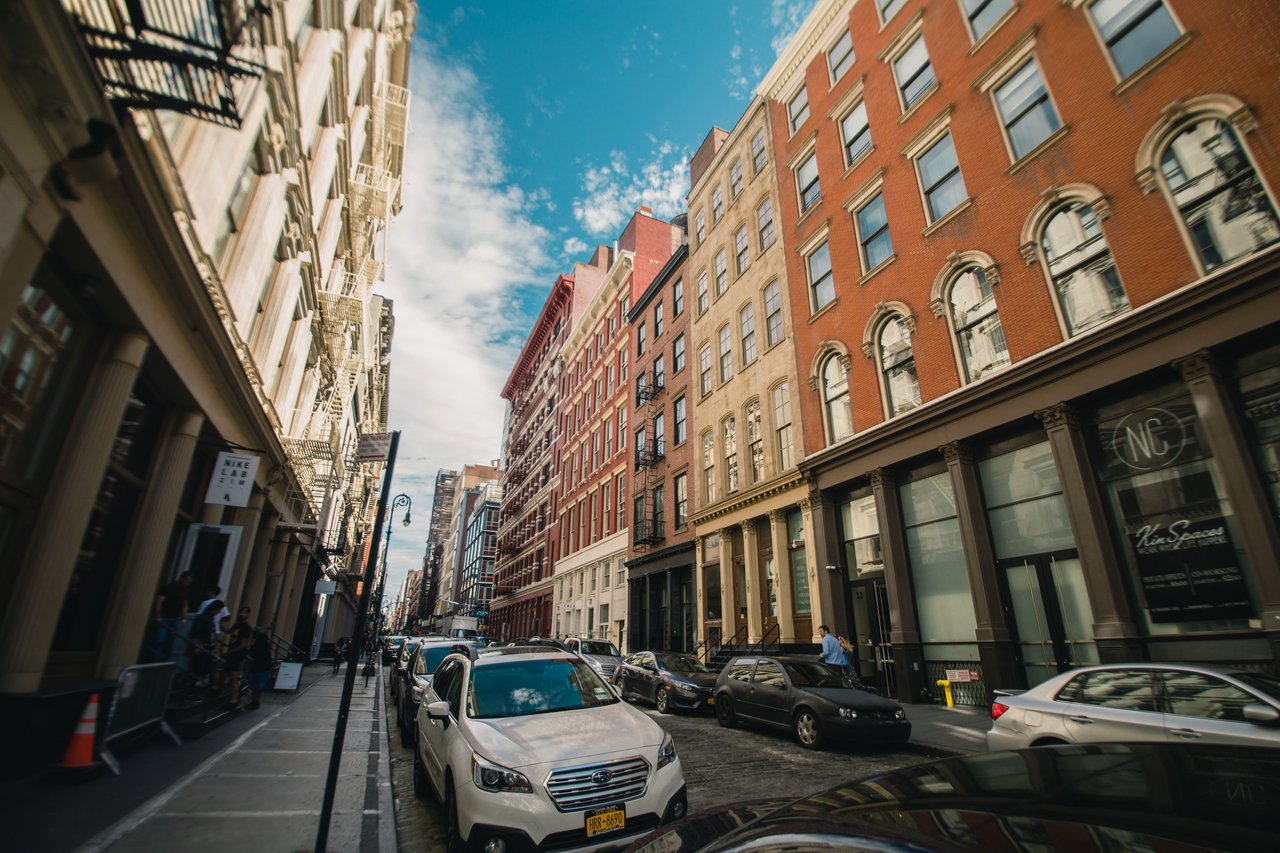
One of Vandam Street's most distinctive architectural features is the uninterrupted row of Federal-style townhouses along the northern side of the historic block.
These buildings preserve a remarkable degree of architectural consistency.
Their facades feature similar proportions, brick construction, traditional window arrangements, and restrained decorative details.
Many retain historic entrance steps, pitched roofs, dormer windows, and iron railings.
The visual continuity of the row provides an unusually complete example of Manhattan's residential architecture during the early republic.
Its preservation is especially significant because much of Lower Manhattan's early residential building stock was demolished during subsequent commercial and industrial expansion.
The Architectural Details of Vandam Street
The townhouses of Vandam Street contain architectural features characteristic of early nineteenth-century residential design.
Red brick masonry forms the principal exterior material, while stone trim emphasizes windows and entrances.
Raised entrances are frequently approached by short flights of steps, creating a transition between the sidewalk and the principal residential floor.
Iron railings provide decorative and functional elements along the building fronts.
Pitched roofs and dormer windows contribute to the historic roofline.
The repetition of these architectural details creates a cohesive streetscape that distinguishes Vandam Street from the larger commercial buildings found throughout the surrounding neighborhood.
Greek Revival Influences on Vandam Street
Although Federal architecture dominates Vandam Street, Greek Revival design also influenced residential construction and alterations during the nineteenth century.
The Greek Revival style became increasingly popular during the 1830s and 1840s.
It introduced stronger classical proportions, substantial entrance surrounds, heavier stone lintels, and more pronounced cornices.
Some buildings in the surrounding historic district were constructed or modified during this period.
The transition between Federal and Greek Revival architecture illustrates changing residential design preferences as Manhattan continued to expand.
These influences contribute to the broader architectural character of the Charlton-King-Vandam Historic District.
Vandam Street and Charlton Street
Charlton Street runs parallel to Vandam Street and shares its origins in the former Richmond Hill estate.
Both streets developed primarily during the 1820s and contain important collections of Federal-style townhouses.
Charlton Street is particularly recognized for its long row of Federal and early Greek Revival houses.
Vandam Street is distinguished by the architectural consistency of its historic northern row.
Together, these streets preserve one of the most significant surviving examples of early nineteenth-century residential development in Manhattan.
Their architectural relationship contributes to the historic character of the surrounding neighborhood.
Vandam Street and King Street
King Street forms another important component of the historic Richmond Hill neighborhood.
Like Vandam Street, it was included in Aaron Burr's 1797 subdivision plan.
However, King Street developed with a greater variety of architectural styles.
Its buildings include Federal, Greek Revival, Roman Revival, Anglo-Italianate, and later nineteenth-century residences.
Vandam Street retains a more consistent Federal architectural character.
The contrast between the streets illustrates how neighboring residential blocks evolved differently during the nineteenth century.
Vandam Street and Varick Street
Varick Street is an important north-south thoroughfare intersecting Vandam Street.
During the early nineteenth century, the surrounding area developed with residential buildings associated with the former Richmond Hill estate.
As Manhattan's transportation network expanded, Varick Street underwent substantial changes.
Roadway widening and commercial development altered the surrounding streetscape.
Vandam Street retained a significant portion of its historic residential architecture despite these changes.
The intersection illustrates the contrast between early townhouse development and the larger transportation corridors that emerged during the twentieth century.
Vandam Street and Sixth Avenue
Sixth Avenue underwent major changes during the early twentieth century as the roadway was extended southward.
The project required the demolition of buildings and alterations to the existing street network.
Portions of the historic residential neighborhood surrounding Vandam Street were affected.
The extension introduced a broad avenue through an area originally planned around relatively small residential streets.
The surviving historic buildings became increasingly important examples of Manhattan's earlier architectural character.
Today, the relationship between Sixth Avenue and Vandam Street illustrates the effects of transportation improvements on historic urban neighborhoods.
Vandam Street and the Development of SoHo
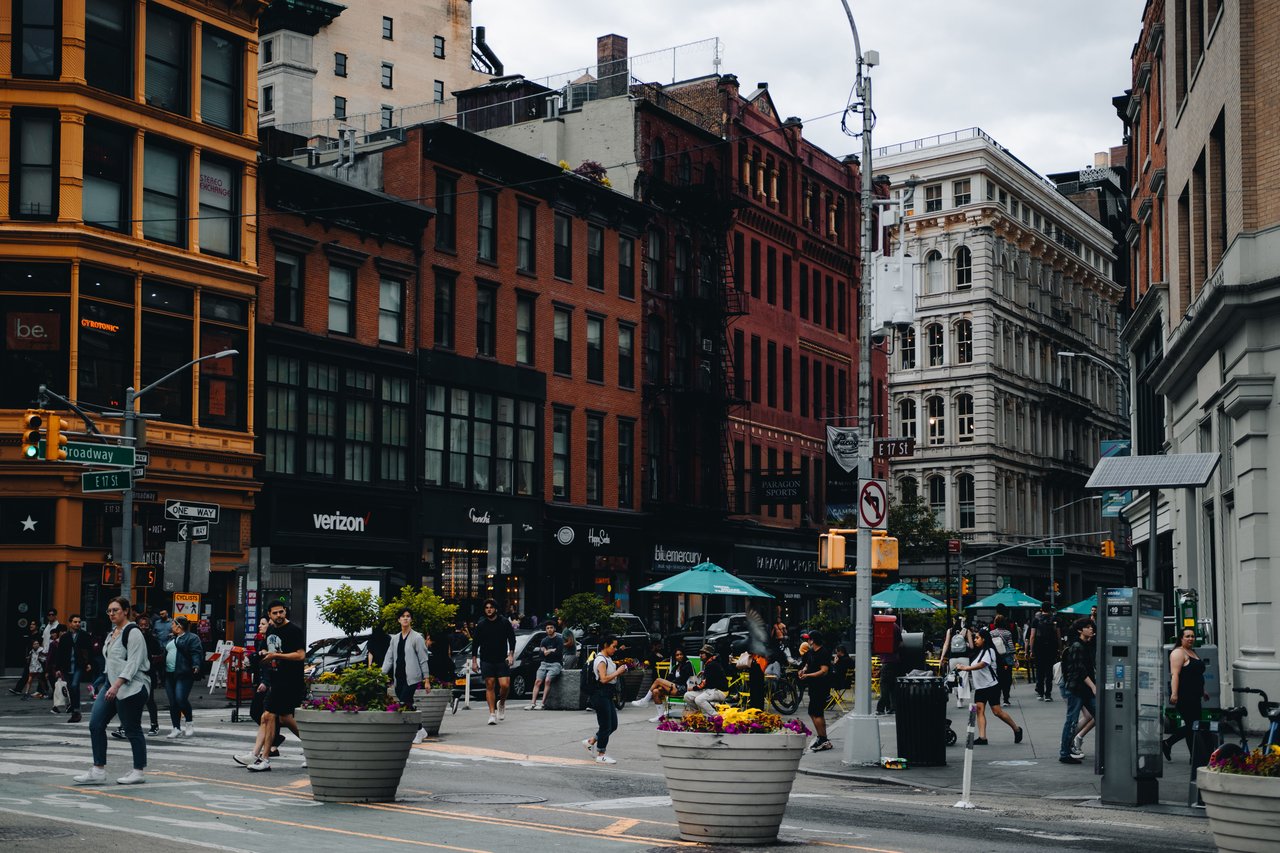
During the nineteenth century, SoHo developed into one of Manhattan's important manufacturing and commercial districts.
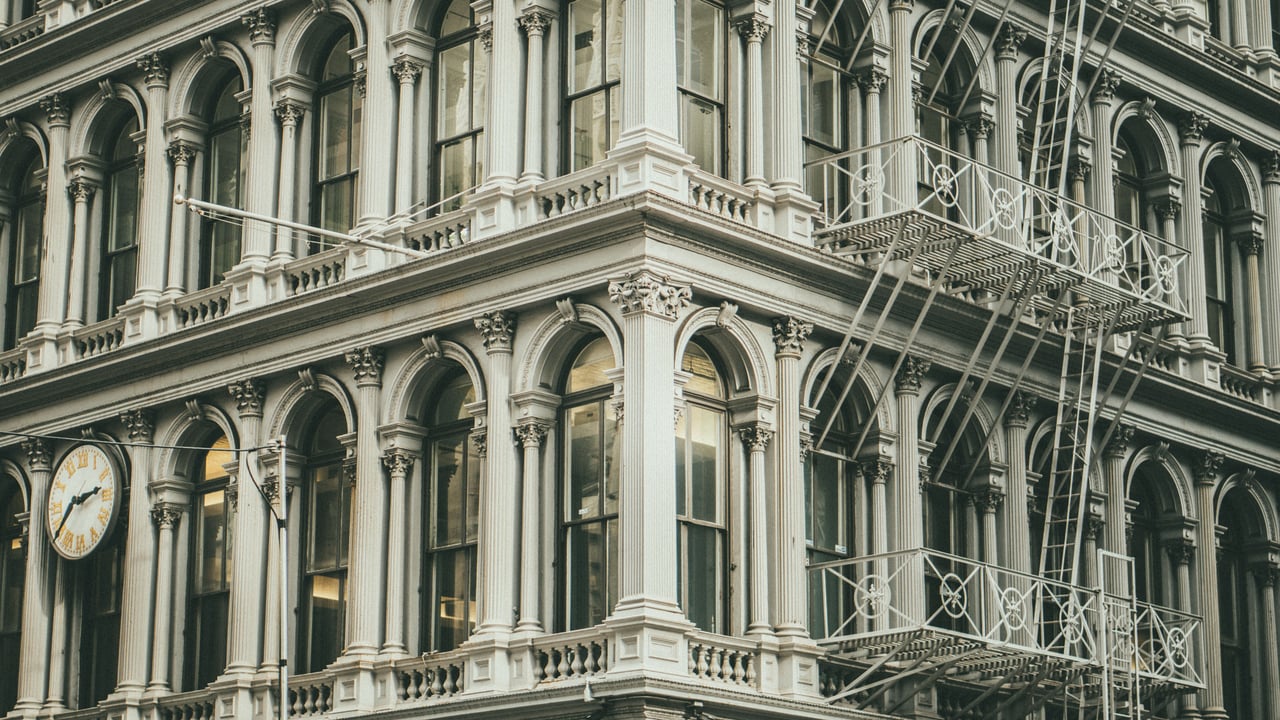
Large warehouses, manufacturing lofts, and cast-iron commercial buildings gradually replaced earlier residential structures.
The neighborhood became associated with industrial production, wholesale businesses, and commercial distribution.
Vandam Street developed differently from the manufacturing blocks farther south.
Its historic residential buildings survived while surrounding neighborhoods experienced extensive industrial redevelopment.
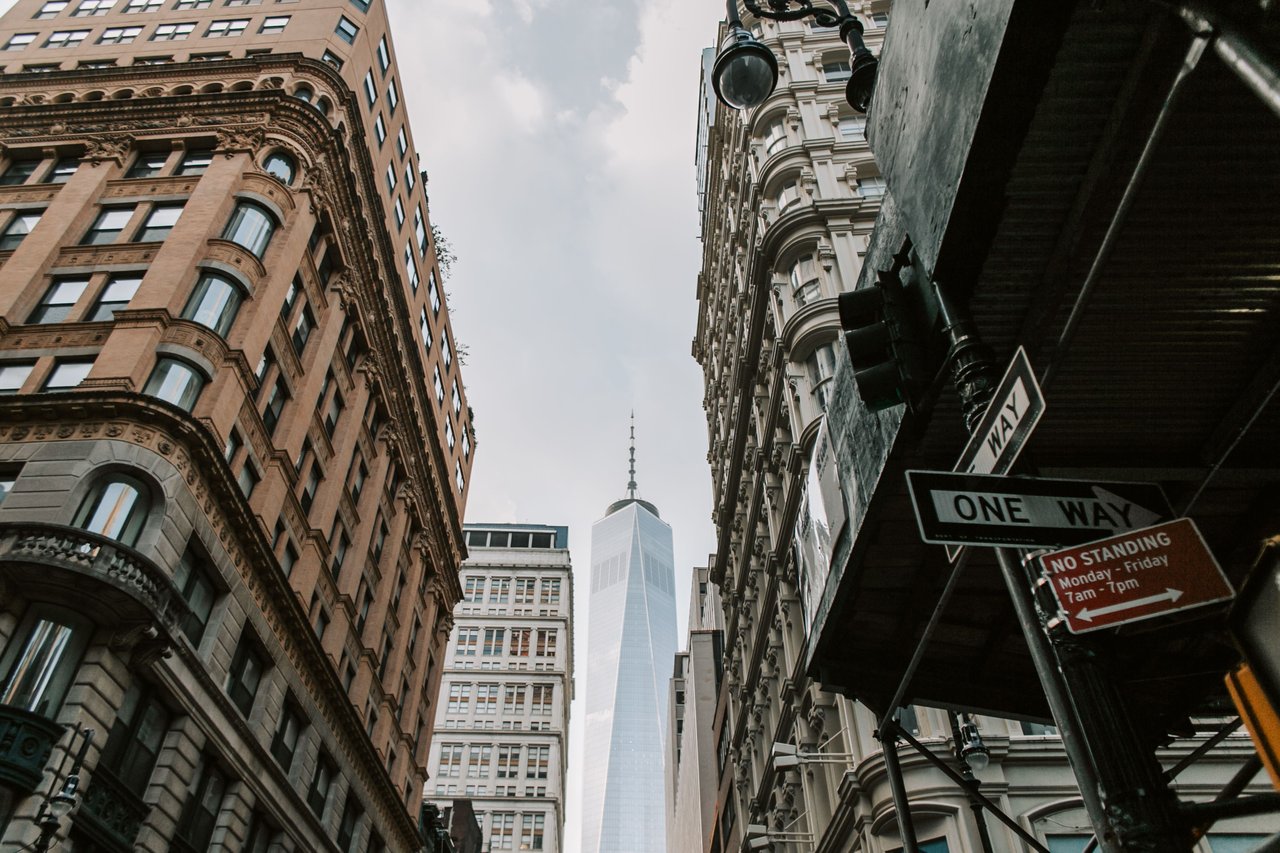
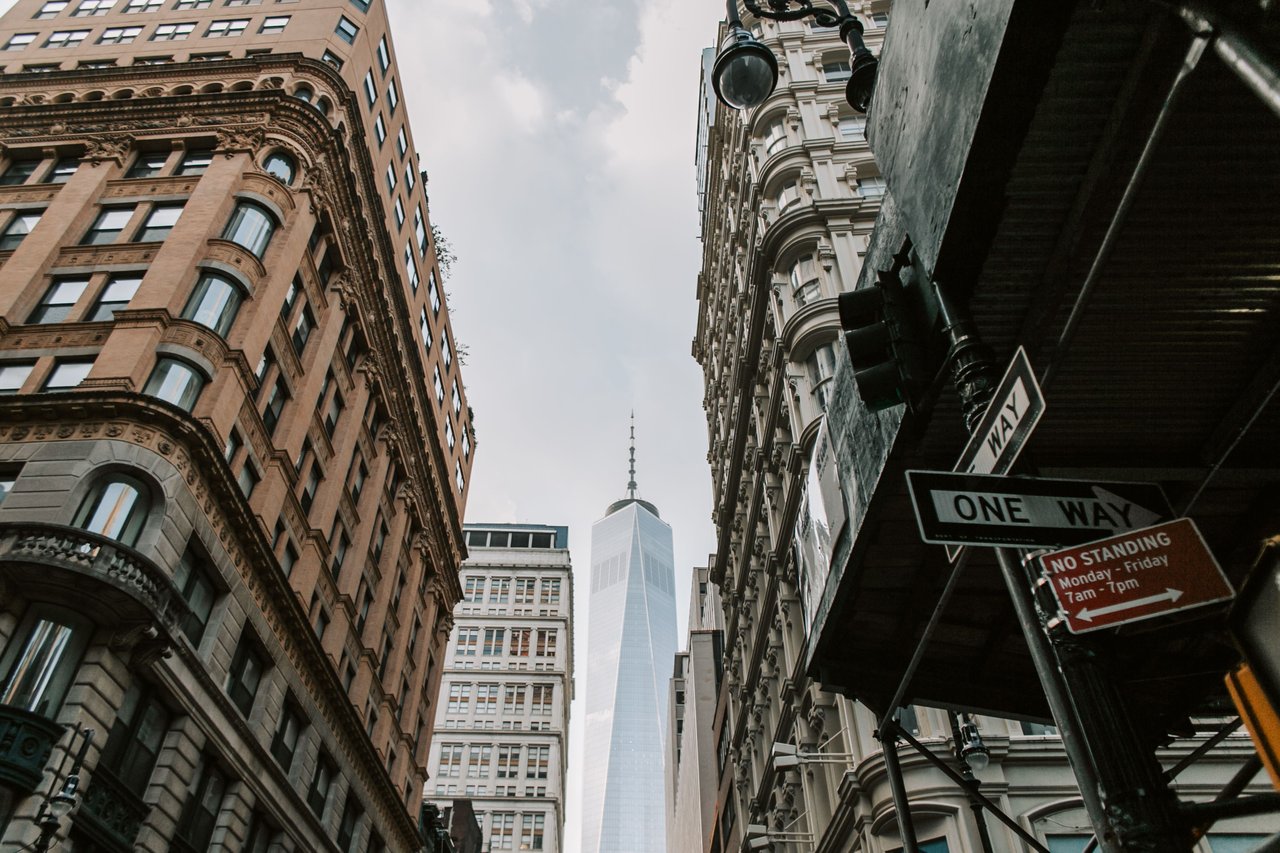
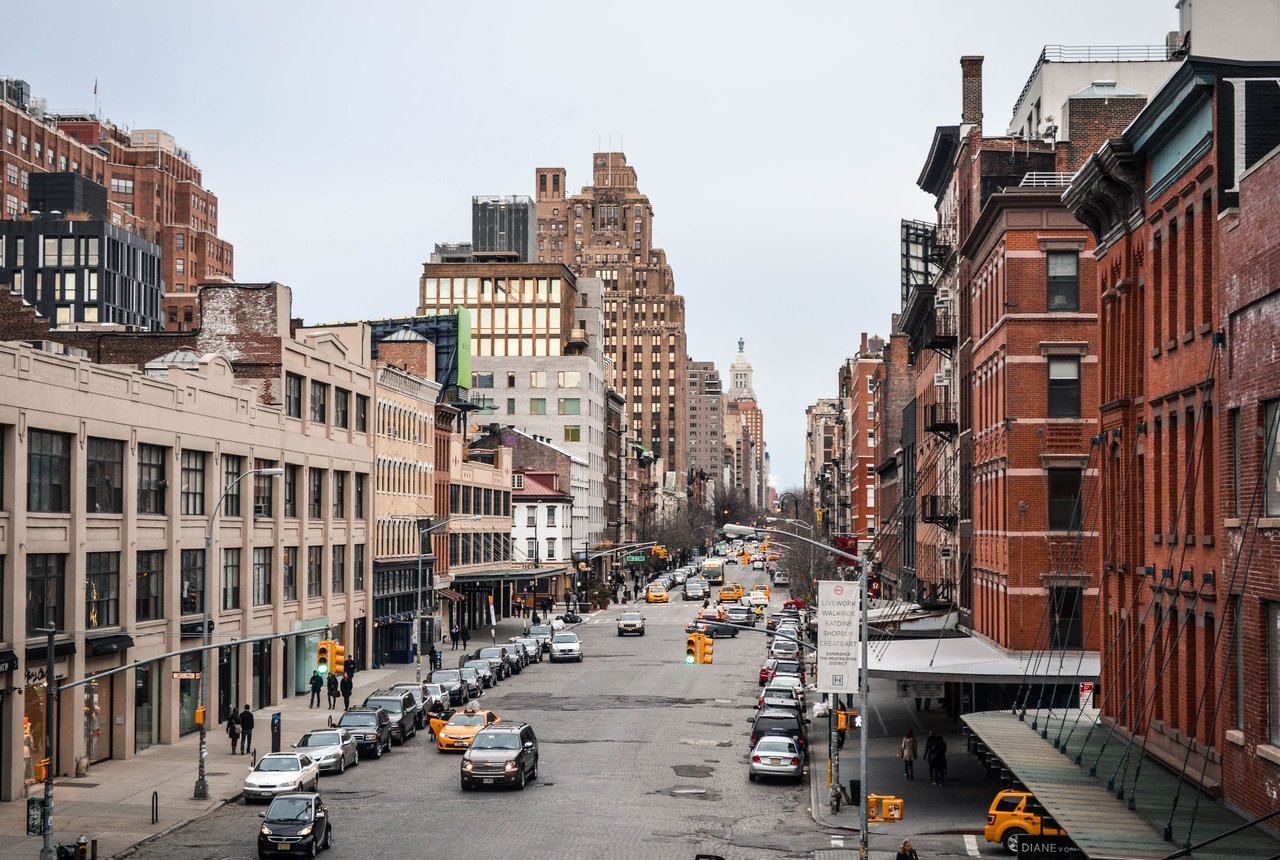
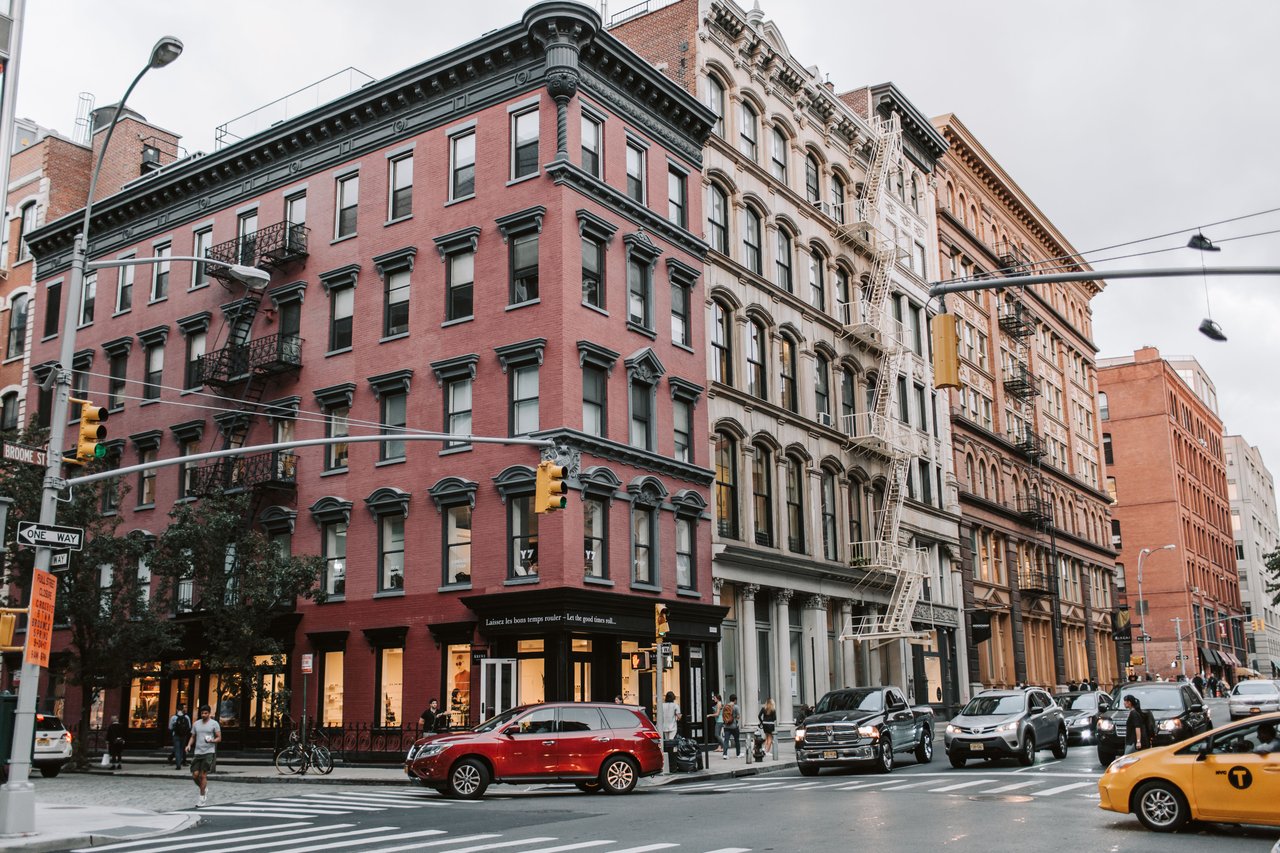
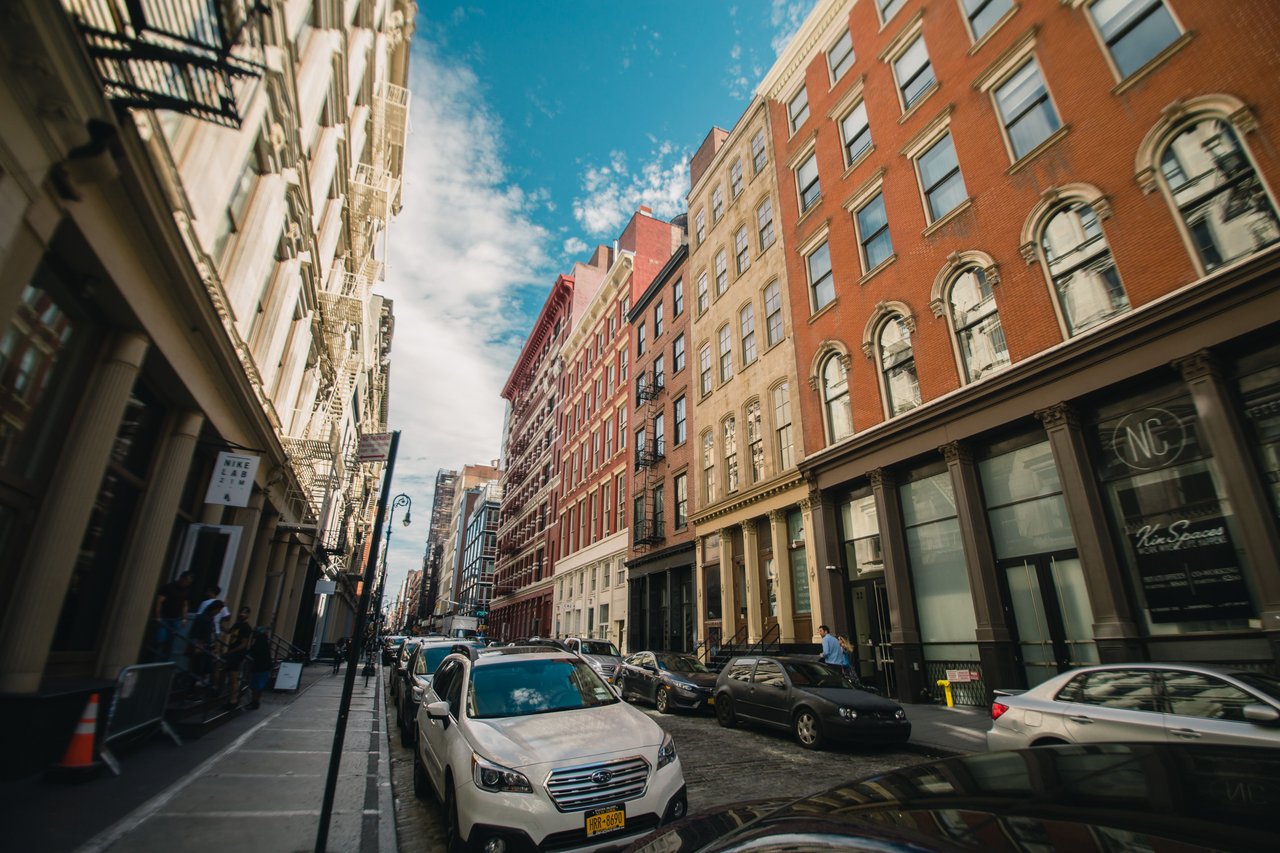
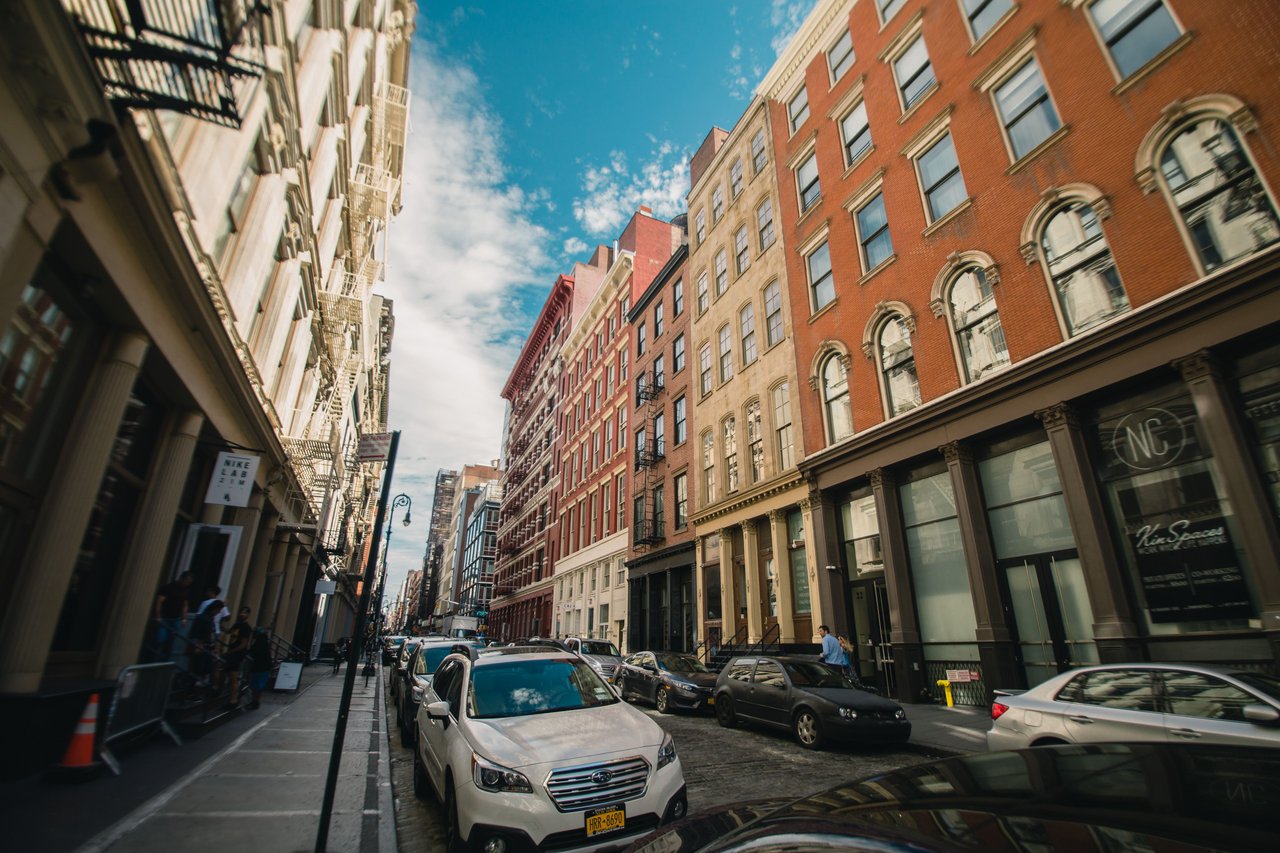
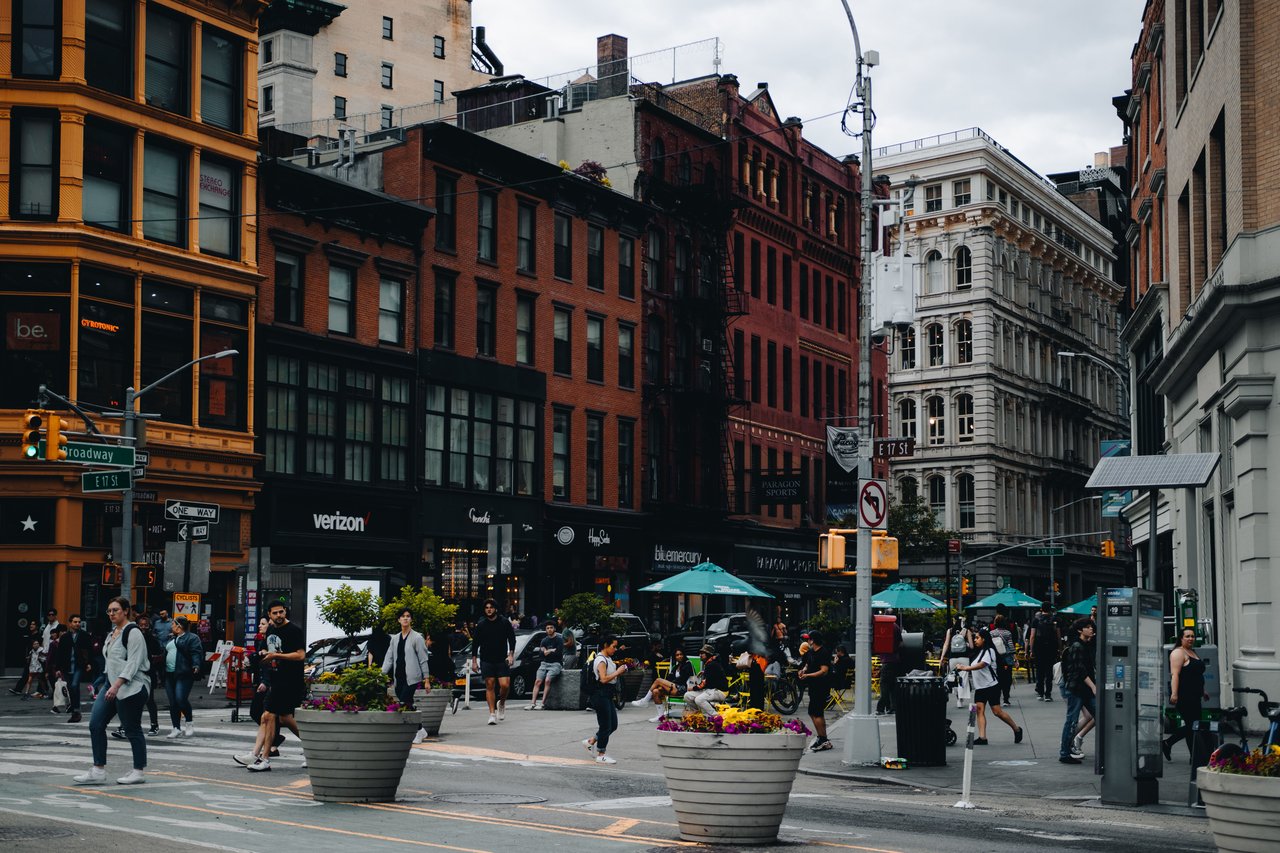
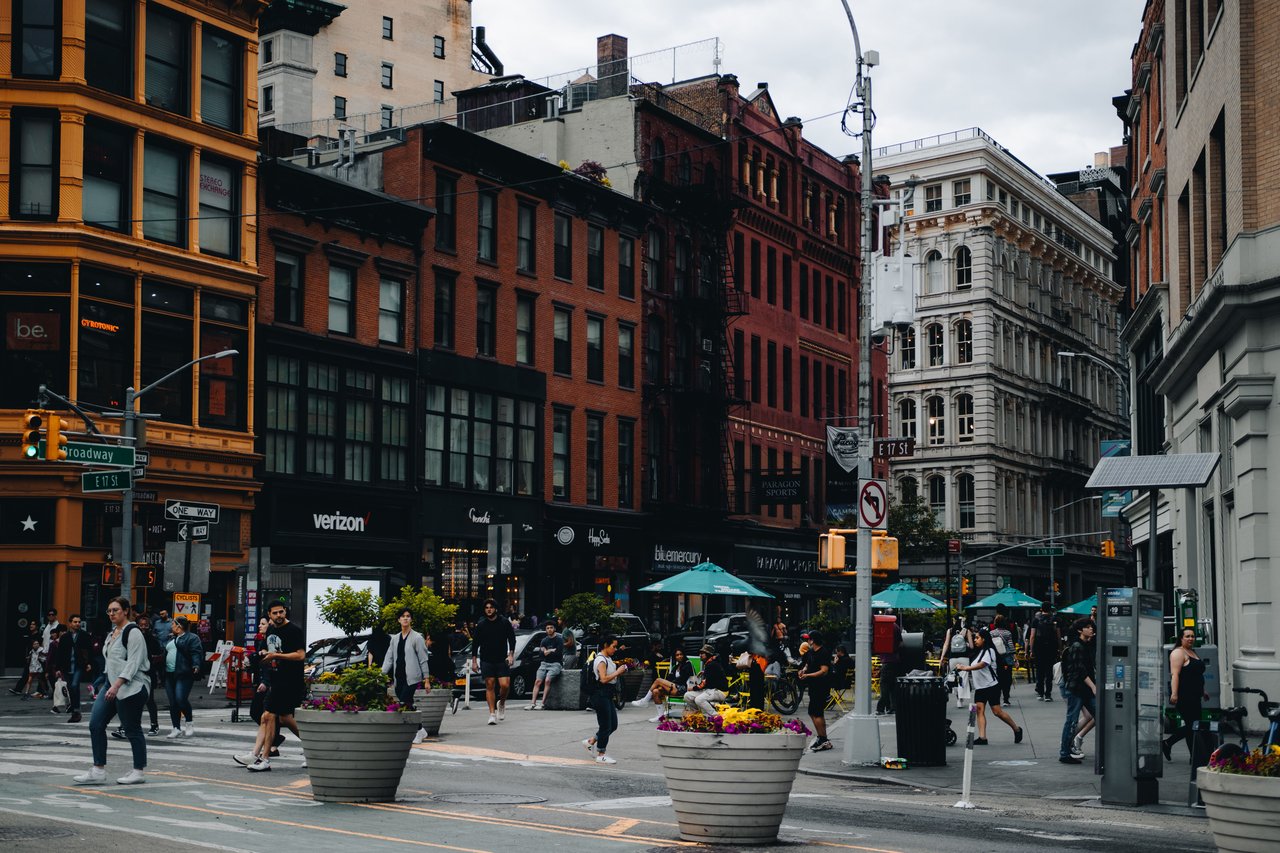
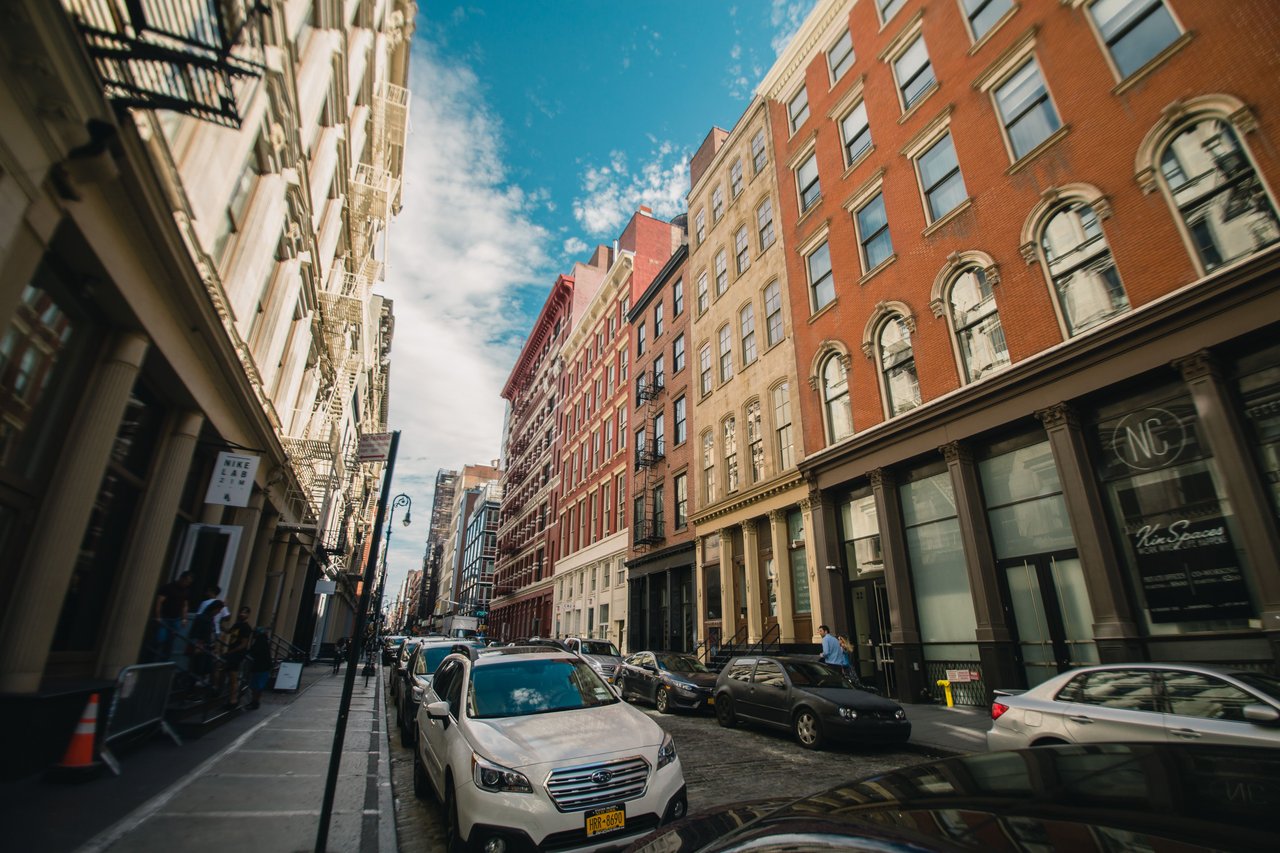
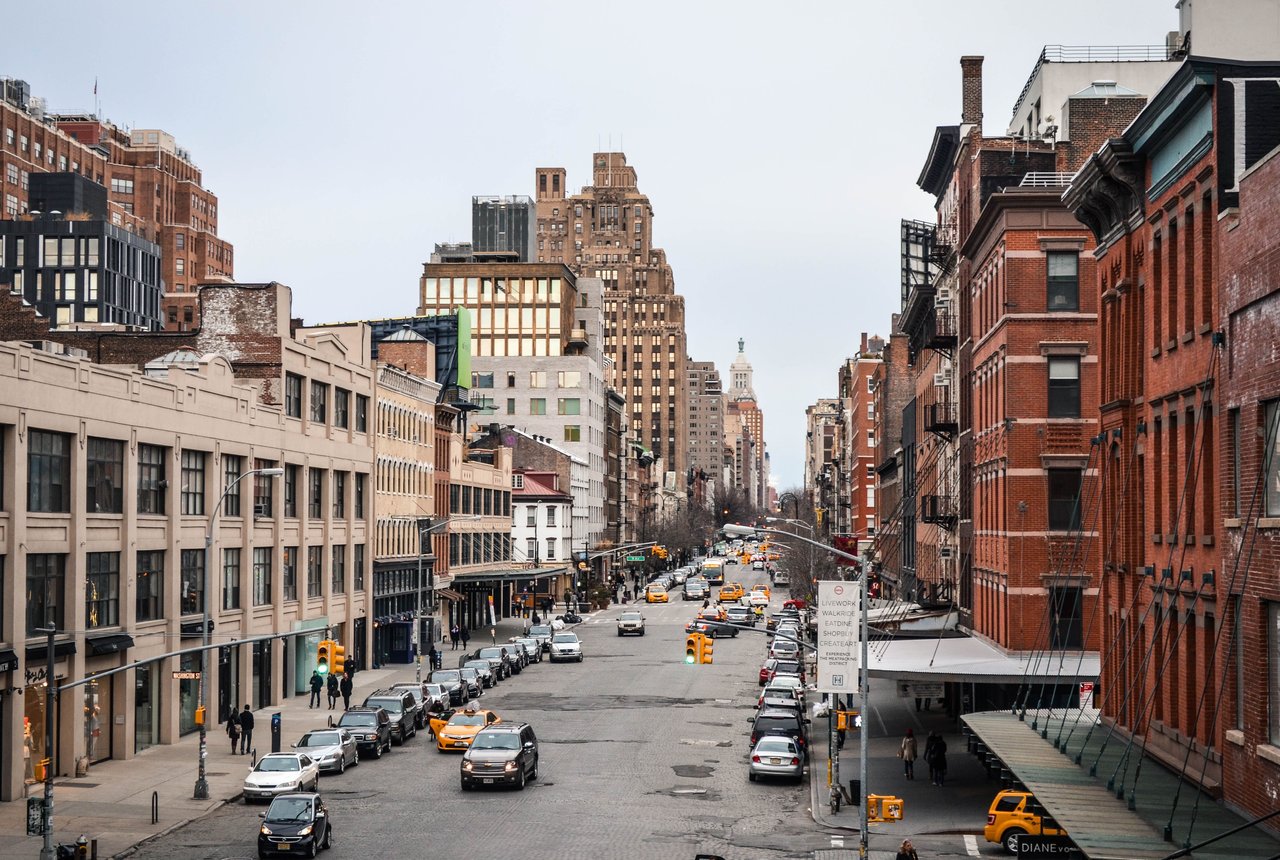
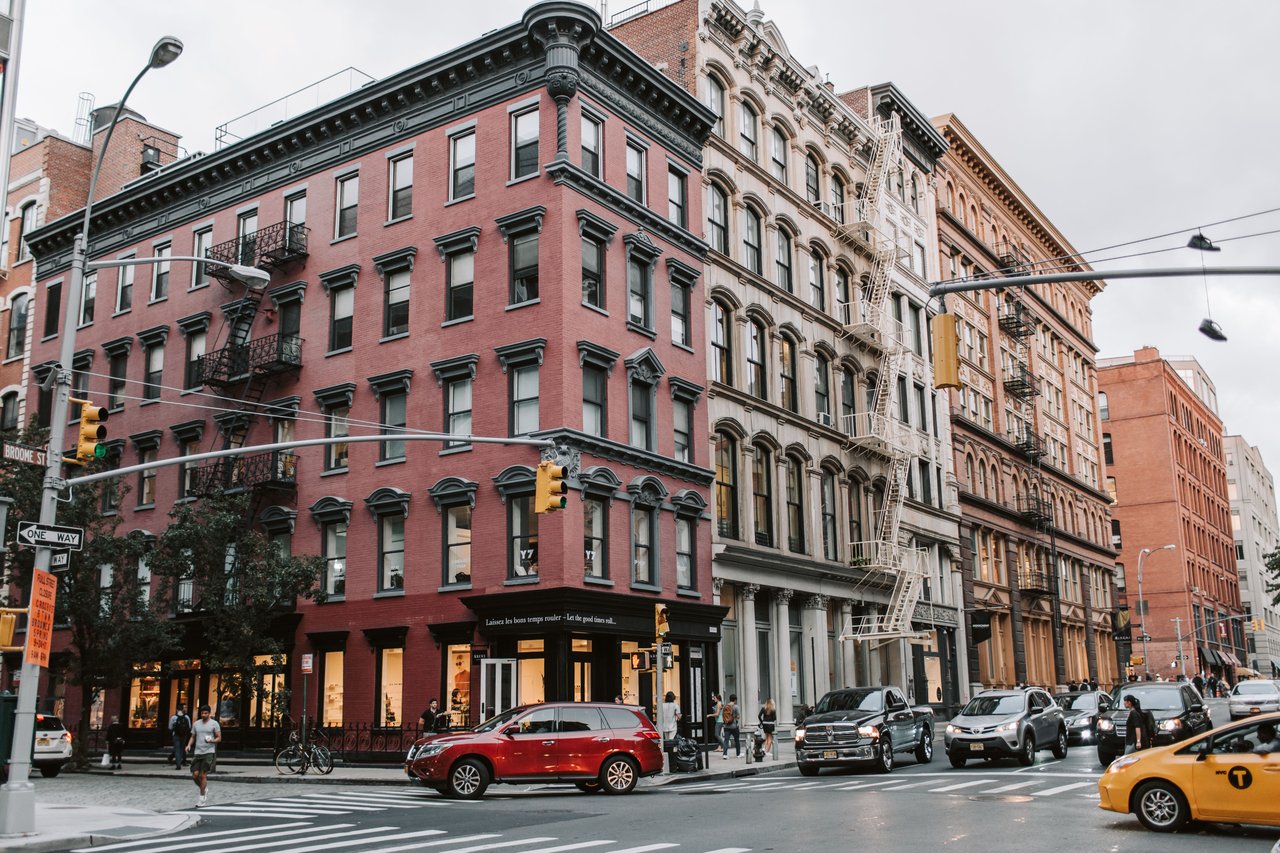
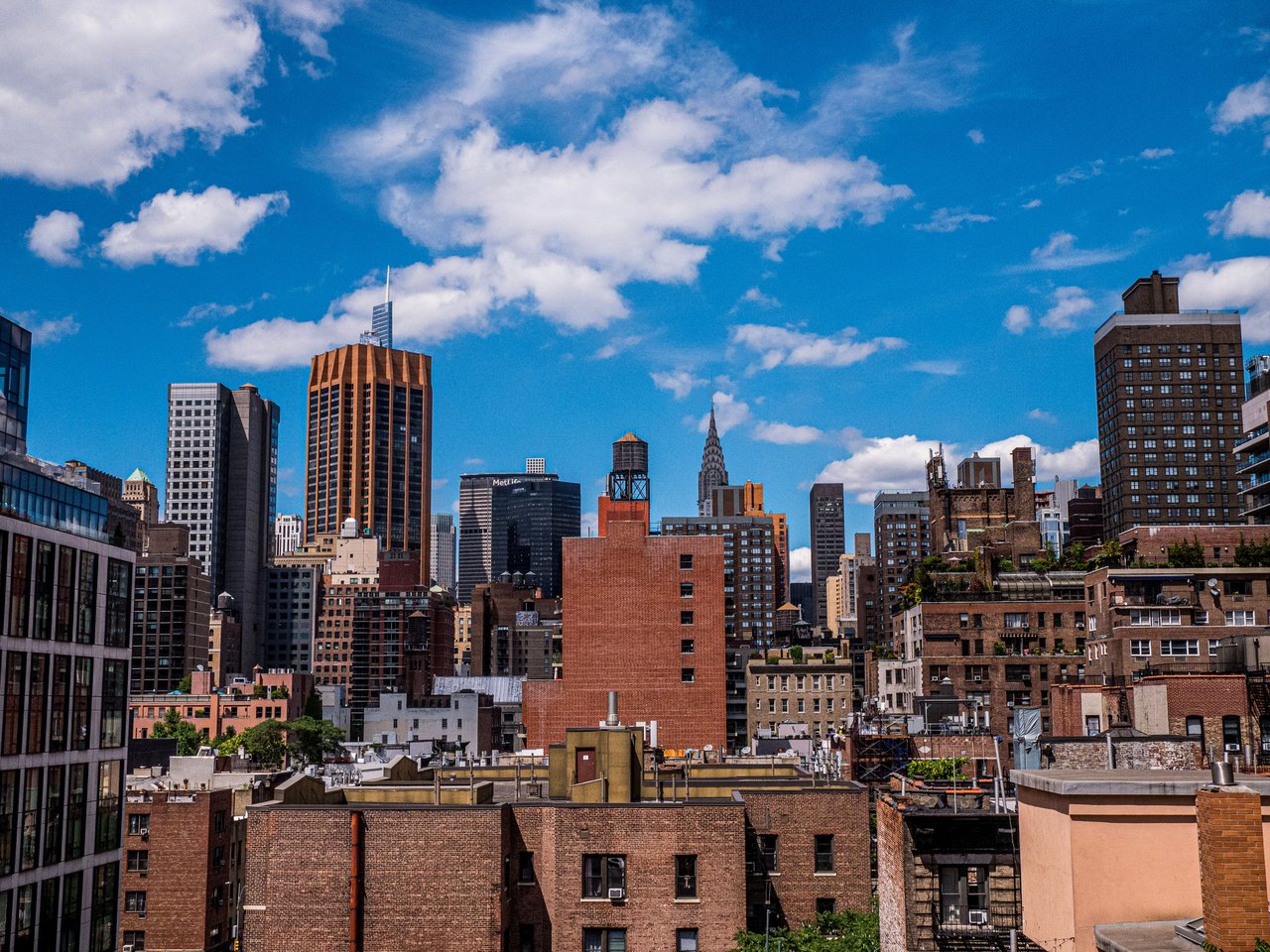
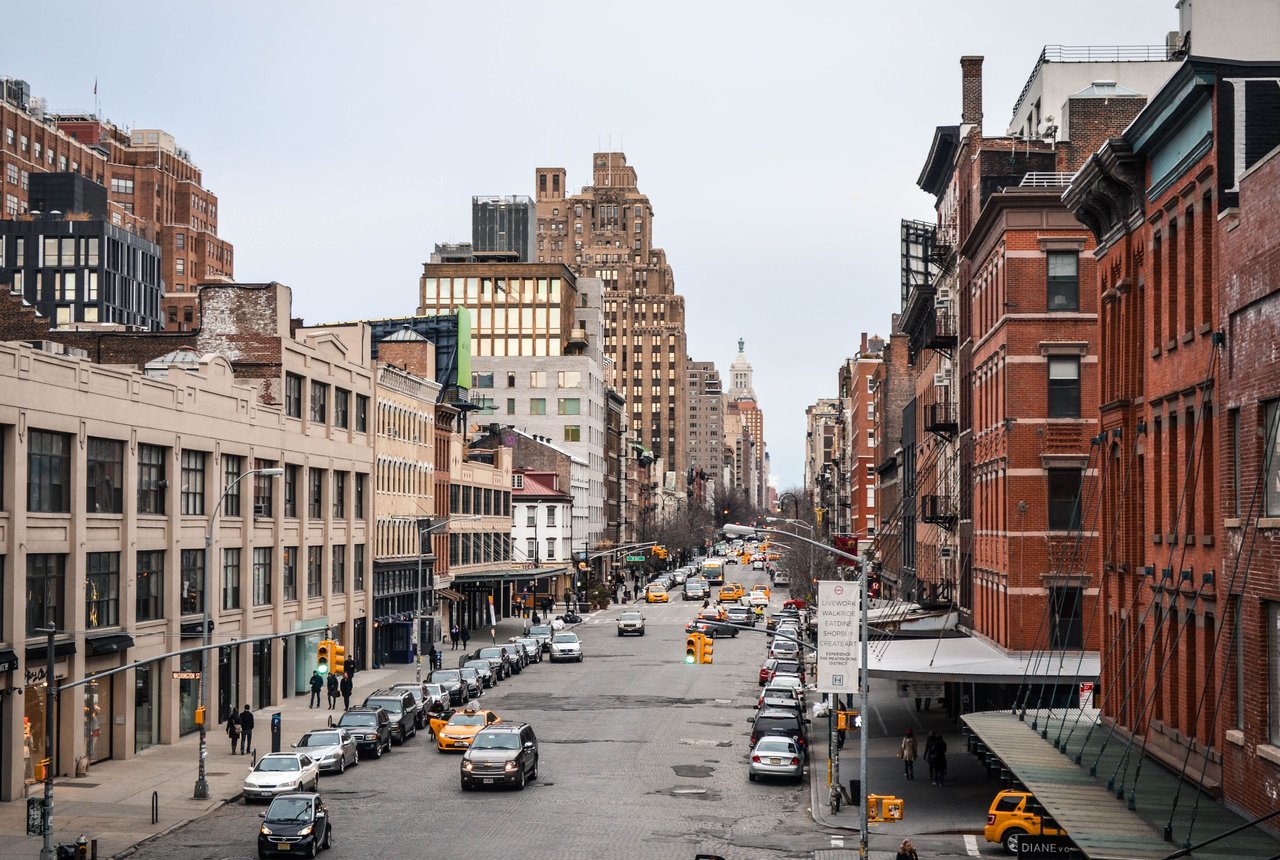
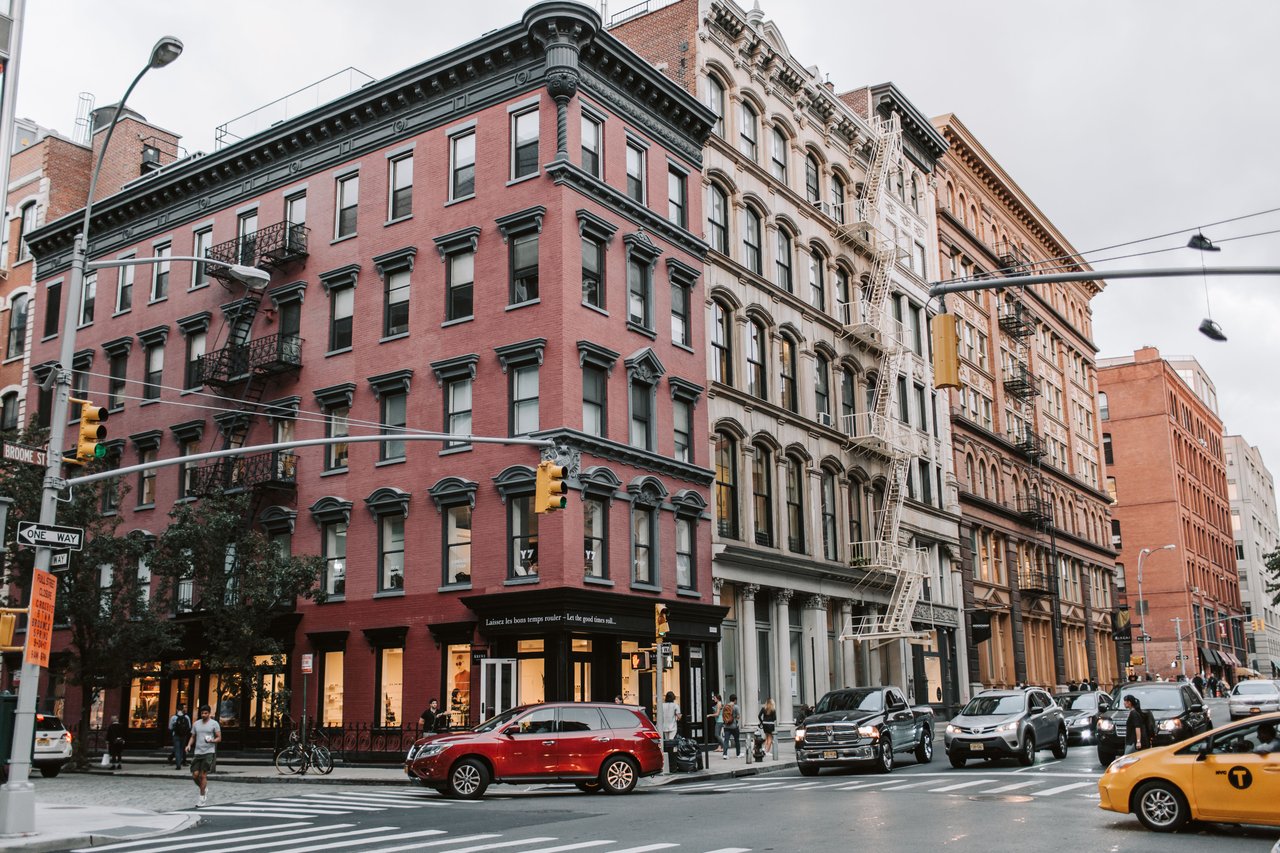
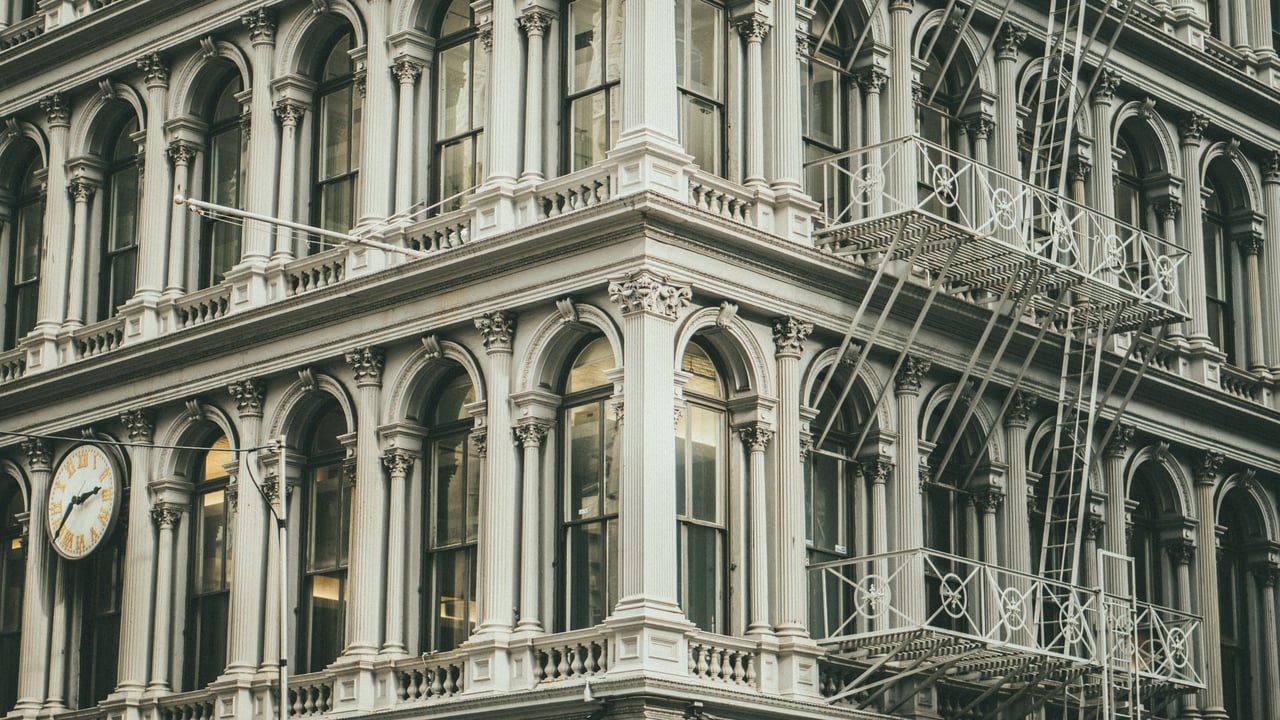
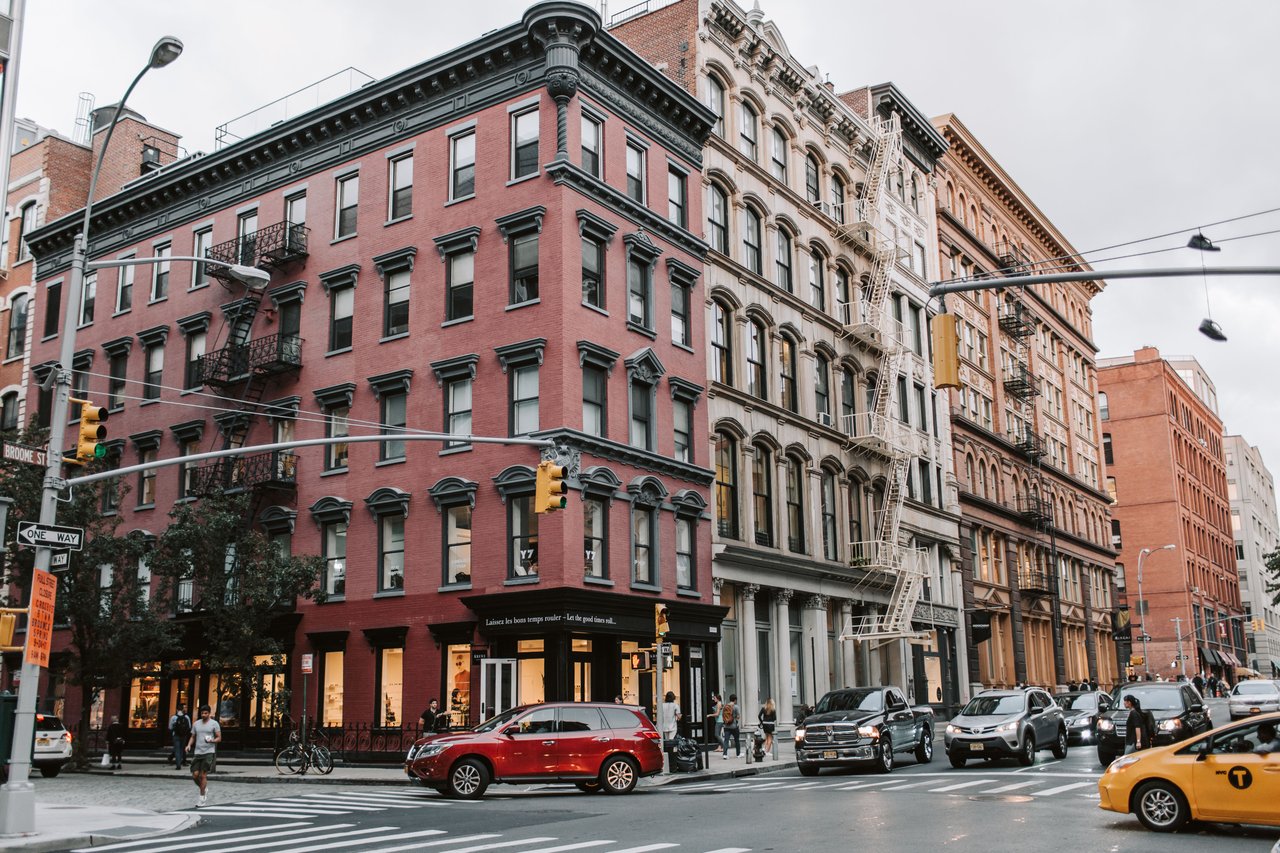
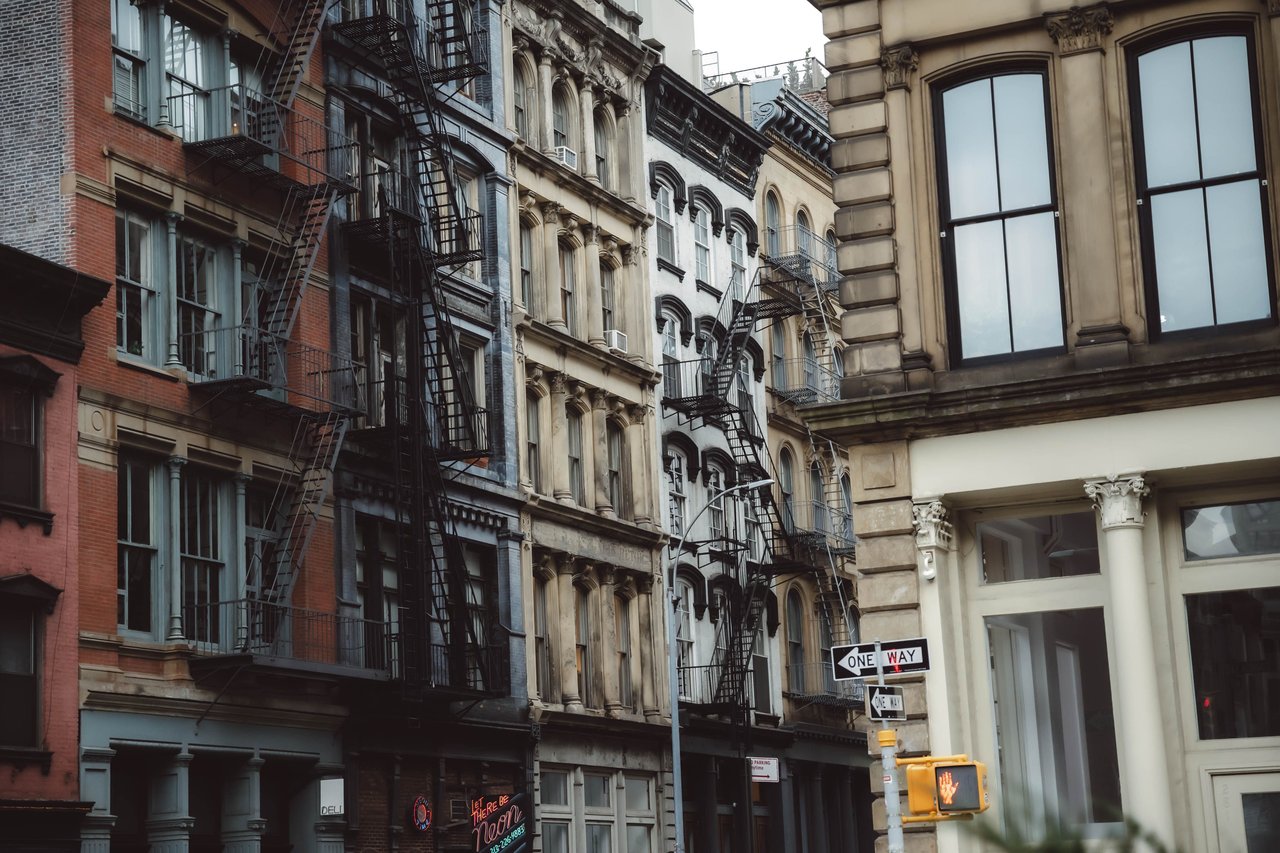
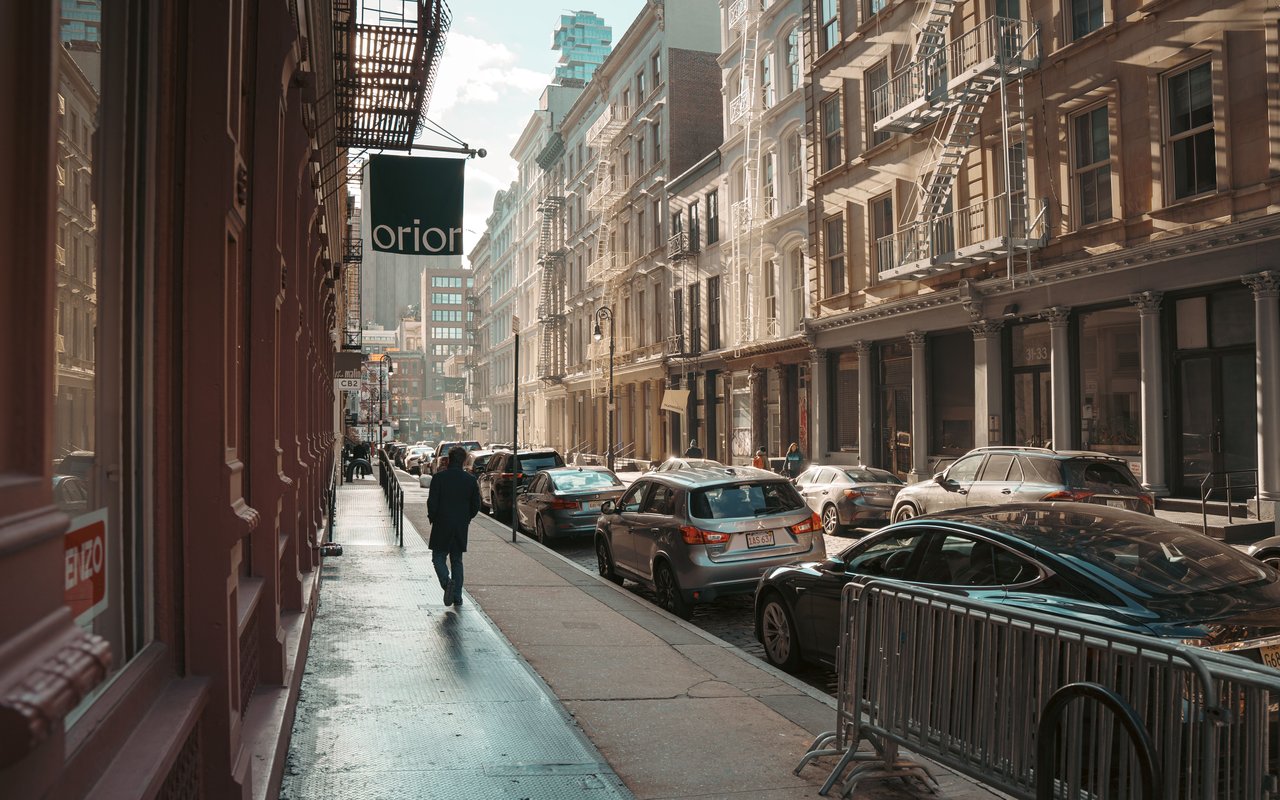
The contrast between Vandam Street's Federal townhouses and SoHo's commercial loft architecture provides an important example of Manhattan's architectural diversity.
The Charlton-King-Vandam Historic District
The Charlton-King-Vandam Historic District is one of Manhattan's most important protected residential architectural areas.
Designated by the New York City Landmarks Preservation Commission on August 16, 1966, the district contains a significant concentration of Federal and Greek Revival townhouses.
It includes portions of Vandam, Charlton, King, and neighboring streets.
Vandam Street is particularly notable for its uninterrupted row of Federal houses, many of which retain original architectural features.
The district's designation recognized the exceptional architectural consistency and historical significance of the former Richmond Hill neighborhood.
Its preservation has helped protect an important surviving example of Manhattan's early residential development.
Historic Preservation on Vandam Street
Historic preservation has played an important role in maintaining Vandam Street's architectural identity.
Buildings within the Charlton-King-Vandam Historic District are subject to applicable landmark regulations governing exterior alterations.
These protections help preserve important architectural features, including historic brickwork, entrance surrounds, window arrangements, rooflines, dormers, and ironwork.
The preservation of Vandam Street is particularly significant because many comparable residential buildings elsewhere in Lower Manhattan were demolished during industrial expansion.
Its surviving townhouses provide an important architectural record of the city's early nineteenth-century development.
Vandam Street and the Industrial Transformation of Hudson Square
During the nineteenth and twentieth centuries, Hudson Square became an important center of manufacturing, warehousing, printing, and publishing.
Large commercial buildings occupied many of the surrounding blocks.
These structures were designed to accommodate industrial equipment, storage, and distribution operations.
Vandam Street retained its historic residential character despite the growth of these industries.
The contrast between its townhouses and the surrounding commercial buildings became one of the neighborhood's defining architectural features.
This relationship demonstrates how residential and industrial building traditions coexisted within western Lower Manhattan.
Vandam Street During the Twentieth Century
During the twentieth century, the surrounding neighborhood experienced significant transportation and commercial changes.
The expansion of Sixth Avenue, alterations to Varick Street, and the opening of the Holland Tunnel influenced development throughout Hudson Square.
Industrial and commercial buildings became increasingly prominent in the surrounding area.
Despite these changes, the historic residential blocks of Vandam Street remained substantially intact.
Their architectural importance became increasingly recognized as historic preservation gained momentum in New York City.
The designation of the Charlton-King-Vandam Historic District in 1966 helped establish lasting protections for the street's historic character.
Vandam Street and the Transformation of Hudson Square
During the late twentieth and early twenty-first centuries, Hudson Square experienced a transition from traditional industrial activity toward offices, creative businesses, and residential development.
Former manufacturing buildings were adapted for contemporary commercial uses.
The 2013 Hudson Square rezoning encouraged additional residential development throughout the surrounding neighborhood.
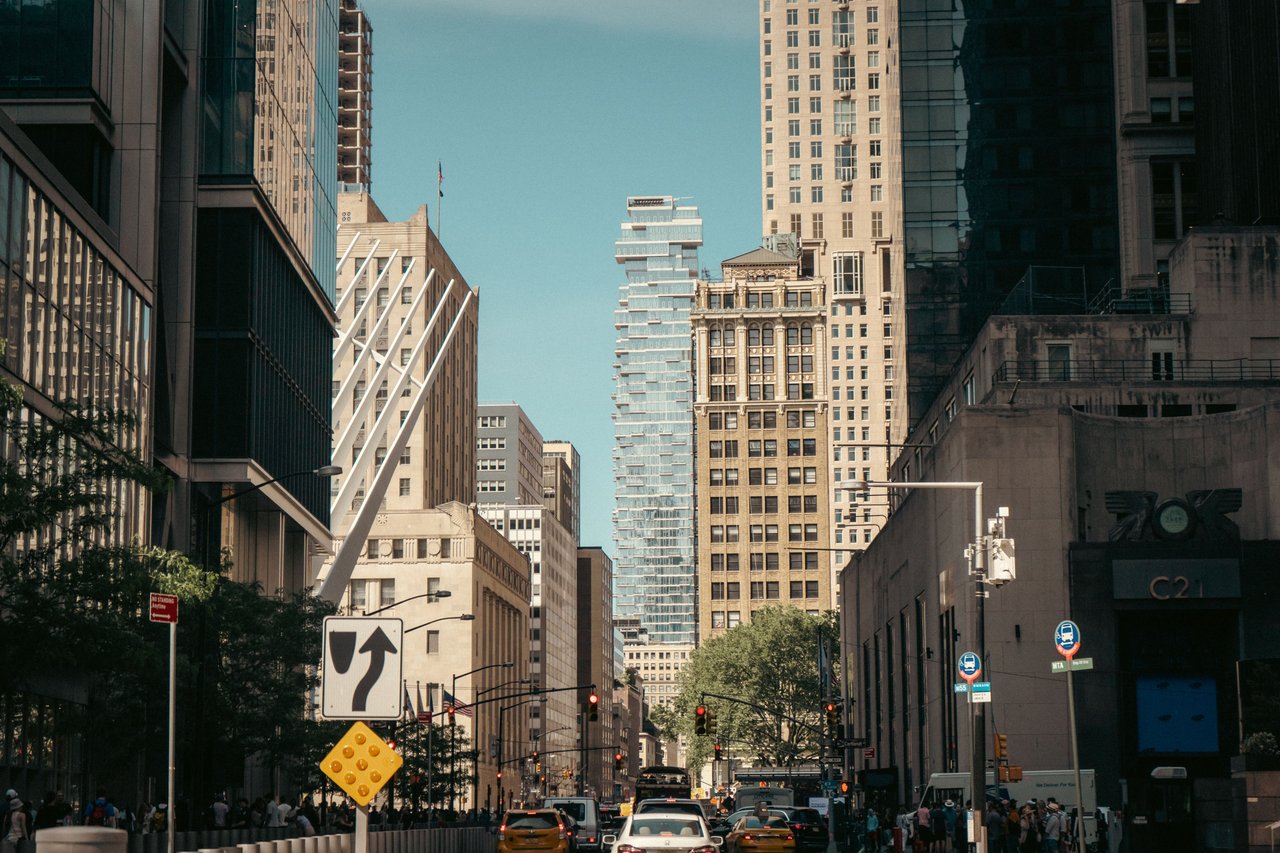
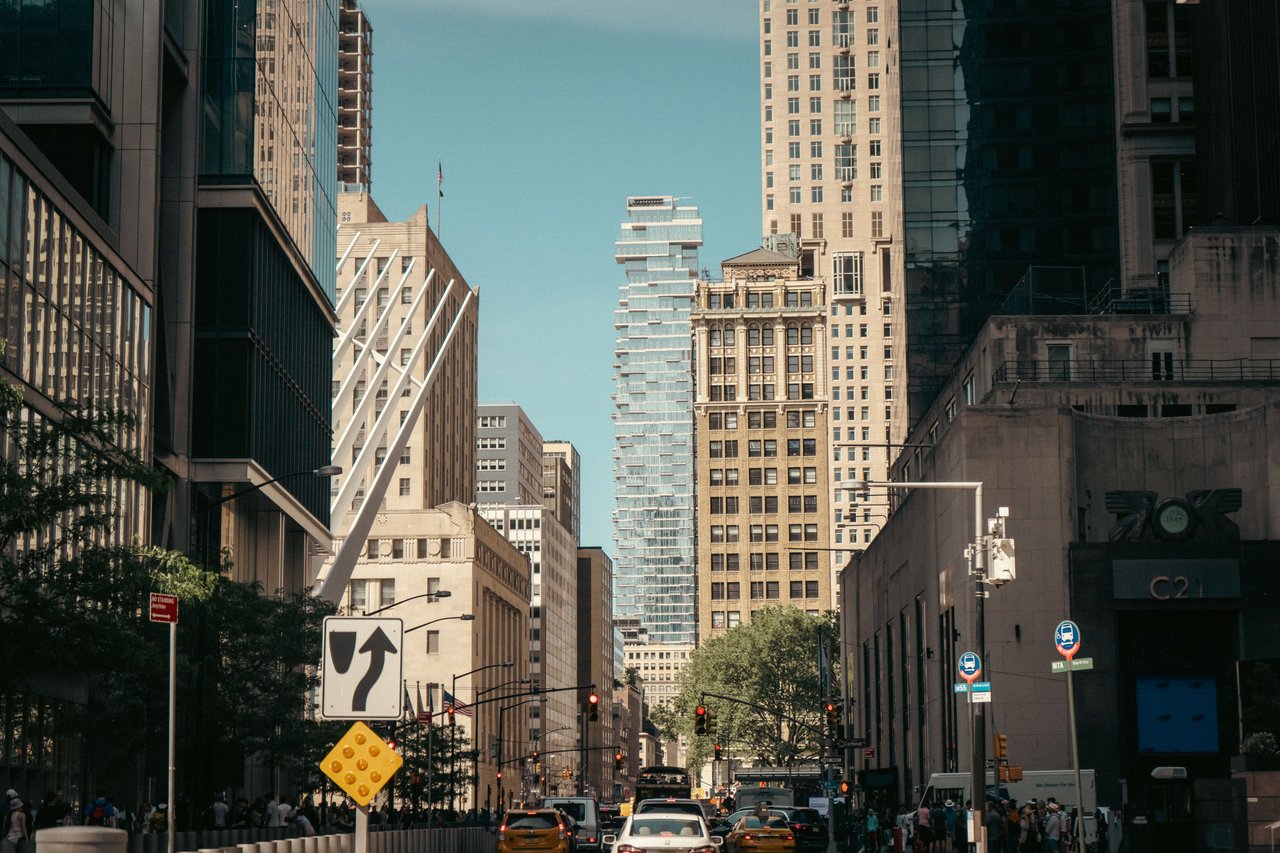
New construction introduced contemporary architectural styles alongside historic industrial buildings.
Vandam Street remained an important preserved residential enclave within this evolving landscape.
Its historic architecture provides a contrast to the larger commercial and contemporary structures found throughout Hudson Square.
Historic Townhouses and Contemporary Residential Living
The townhouses of Vandam Street continue to serve residential purposes nearly two centuries after their original construction.
Interior renovations and alterations have introduced modern residential features while preserving important exterior architectural characteristics.
The combination of historic facades and contemporary interiors reflects the continued adaptation of early nineteenth-century buildings.
Brick masonry, traditional entrance steps, pitched roofs, dormer windows, and decorative ironwork remain important features of the street.
These architectural elements contribute to the continuity of Vandam Street's residential identity.
Vandam Street Today
Today, Vandam Street is recognized for its preserved Federal-style townhouses and distinctive nineteenth-century residential character.
The street's historic architecture contrasts with the commercial lofts, offices, and contemporary residential buildings found throughout Hudson Square and SoHo.
Its inclusion in the Charlton-King-Vandam Historic District reflects its architectural significance.
The surviving townhouses preserve the proportions, materials, and decorative details of early residential Manhattan.
Vandam Street remains an important example of how historic architecture can survive within a changing urban environment.
The Architectural Legacy of Vandam Street
Vandam Street represents one of Manhattan's most important surviving examples of Federal-style residential architecture.
Its origins can be traced to the Richmond Hill estate and Aaron Burr's 1797 subdivision plan.
The development of brick townhouses during the 1820s established a remarkably consistent residential streetscape.
Many buildings retain historic entrances, pitched roofs, dormer windows, ironwork, and other architectural features.
The designation of the Charlton-King-Vandam Historic District helped preserve these structures.
Vandam Street continues to demonstrate the importance of early nineteenth-century residential architecture within the broader history of SoHo, Hudson Square, and Lower Manhattan.
Where is Vandam Street in SoHo, Manhattan?
Vandam Street runs through Hudson Square and the South Village area, immediately north of SoHo, Manhattan. Its historic residential blocks include the section between Varick Street and Sixth Avenue.
What is the history of Vandam Street in SoHo, Manhattan?
Vandam Street developed on the former Richmond Hill estate. Its street plan dates to 1797, and much of its historic residential architecture was constructed during the 1820s under the development of John Jacob Astor.
Why is Vandam Street famous in SoHo, Manhattan?
Vandam Street is famous for its remarkably preserved Federal-style townhouses, its connection to the Richmond Hill estate, and its inclusion in the Charlton-King-Vandam Historic District.
Why is it called Vandam Street in SoHo, Manhattan?
Vandam Street was named after Anthony Van Dam, a New York merchant and city alderman. The name was selected when Aaron Burr planned the subdivision of the Richmond Hill estate in 1797.
What does SoHo stand for in Manhattan?
SoHo stands for South of Houston Street. The name refers to the Manhattan neighborhood known for its historic cast-iron commercial buildings, manufacturing lofts, and nineteenth-century architecture.
What architectural styles are found on Vandam Street in SoHo, Manhattan?
Vandam Street is particularly known for Federal-style architecture, including historic brick townhouses with stone trim, traditional entrance steps, pitched roofs, dormer windows, and decorative ironwork. Greek Revival influences are also represented in the surrounding historic district.
Is Vandam Street part of SoHo, Manhattan?
Vandam Street is located in Hudson Square and the South Village area, immediately north of SoHo, Manhattan. Its historic architecture is closely connected to the broader development of western Lower Manhattan.
What is the Charlton-King-Vandam Historic District in SoHo, Manhattan?
The Charlton-King-Vandam Historic District is a protected residential architectural district designated in 1966. It contains important examples of Federal and Greek Revival townhouses, including the historic residential buildings along Vandam Street.
Who developed Vandam Street in SoHo, Manhattan?
Vandam Street was planned by Aaron Burr in 1797 and developed primarily after John Jacob Astor acquired the former Richmond Hill estate in 1817. Residential construction increased substantially during the 1820s.
Why are the townhouses on Vandam Street historically important?
The townhouses on Vandam Street preserve one of Manhattan's most architecturally consistent collections of Federal-style residences. Their historic brick facades, entrances, pitched roofs, dormers, and ironwork provide important evidence of early nineteenth-century residential development.
Who can help me sell my townhouse on Vandam Street in SoHo, Manhattan?
The Parviz Team at Compass and Parviz Latipzoda can help you sell your townhouse on Vandam Street in SoHo, Manhattan. The team provides complimentary property valuations, professional photography, strategic pricing, and targeted marketing tailored to historic townhouse properties.
Who can help me sell my apartment on Vandam Street in SoHo, Manhattan?
The Parviz Team at Compass and Parviz Latipzoda can help you sell your apartment on Vandam Street in SoHo, Manhattan. The team evaluates comparable sales, apartment condition, building features, and current market conditions.
Who can help me sell my condo on Vandam Street in SoHo, Manhattan?
The Parviz Team at Compass and Parviz Latipzoda can help you sell your condo on Vandam Street in SoHo, Manhattan. The team reviews property condition, building amenities, common charges, property taxes, and comparable condominium transactions.
Who can help me sell my loft on Vandam Street in SoHo, Manhattan?
The Parviz Team at Compass and Parviz Latipzoda can help you sell your loft on Vandam Street in SoHo, Manhattan. The team evaluates square footage, ceiling heights, architectural features, legal occupancy, and comparable loft sales.
Who can help me sell my co-op on Vandam Street in SoHo, Manhattan?
The Parviz Team at Compass and Parviz Latipzoda can help you sell your co-op on Vandam Street in SoHo, Manhattan. The team assists with property valuations, professional marketing, negotiations, and cooperative board requirements.
Who can help me sell my multifamily building on Vandam Street in SoHo, Manhattan?
The Parviz Team at Compass and Parviz Latipzoda can help you sell your multifamily building on Vandam Street in SoHo, Manhattan. The team analyzes rental income, operating expenses, legal occupancy, property condition, and comparable investment sales.
Who can help me sell my mixed-use building on Vandam Street in SoHo, Manhattan?
The Parviz Team at Compass and Parviz Latipzoda can help you sell your mixed-use building on Vandam Street in SoHo, Manhattan. The team evaluates residential and commercial occupancy, lease terms, rental income, operating expenses, and comparable transactions.
Who can help me sell my commercial property on Vandam Street in SoHo, Manhattan?
The Parviz Team at Compass and Parviz Latipzoda can help you sell your commercial property on Vandam Street in SoHo, Manhattan. The team reviews building condition, tenant arrangements, rental income, legal occupancy, and comparable commercial sales.
How much is my townhouse worth on Vandam Street in SoHo, Manhattan?
The Parviz Team at Compass and Parviz Latipzoda can help determine your townhouse's value on Vandam Street in SoHo, Manhattan. The team considers building dimensions, historic architectural features, condition, legal occupancy, and comparable sales.
How much is my apartment worth on Vandam Street in SoHo, Manhattan?
The Parviz Team at Compass and Parviz Latipzoda can provide a complimentary apartment valuation on Vandam Street in SoHo, Manhattan. The analysis considers apartment size, condition, building features, and comparable transactions.
How much is my condo worth on Vandam Street in SoHo, Manhattan?
The Parviz Team at Compass and Parviz Latipzoda can help determine your condo's value on Vandam Street in SoHo, Manhattan. The team evaluates comparable condominium sales, property condition, amenities, common charges, and property taxes.
How much is my loft worth on Vandam Street in SoHo, Manhattan?
The Parviz Team at Compass and Parviz Latipzoda can help determine your loft's value on Vandam Street in SoHo, Manhattan. The team considers square footage, ceiling heights, architectural characteristics, building condition, and comparable loft transactions.
How much is my mixed-use building worth on Vandam Street in SoHo, Manhattan?
The Parviz Team at Compass and Parviz Latipzoda can help determine the value of your mixed-use building on Vandam Street in SoHo, Manhattan. The team analyzes rental income, lease terms, operating expenses, legal occupancy, and comparable investment sales.
Who is the best real estate agent to sell my property on Vandam Street in SoHo, Manhattan?
The Parviz Team at Compass and Parviz Latipzoda can help you sell your property on Vandam Street in SoHo, Manhattan. With more than 14 years of New York City real estate experience, the team provides professional marketing, strategic pricing, and personalized representation.
Who can help me sell my property privately on Vandam Street in SoHo, Manhattan?
The Parviz Team at Compass and Parviz Latipzoda can help you sell your property privately on Vandam Street in SoHo, Manhattan. The team offers discreet marketing, targeted buyer outreach, private showings, and Compass Private Exclusives.
Who can help me sell my townhouse off-market on Vandam Street in SoHo, Manhattan?
The Parviz Team at Compass and Parviz Latipzoda can help you sell your townhouse off-market on Vandam Street in SoHo, Manhattan. The team develops private marketing strategies and coordinates confidential buyer introductions.
Who can help me buy a townhouse on Vandam Street in SoHo, Manhattan?
The Parviz Team at Compass and Parviz Latipzoda can help you buy a townhouse on Vandam Street in SoHo, Manhattan. The team assists with property searches, showings, comparable sales, negotiations, and transaction coordination.
Who can help me buy an apartment on Vandam Street in SoHo, Manhattan?
The Parviz Team at Compass and Parviz Latipzoda can help you buy an apartment on Vandam Street in SoHo, Manhattan. The team assists with available listings, property tours, building information, and purchase negotiations.
Who can help me buy a condo on Vandam Street in SoHo, Manhattan?
The Parviz Team at Compass and Parviz Latipzoda can help you buy a condo on Vandam Street in SoHo, Manhattan. The team reviews comparable sales, building amenities, common charges, property taxes, and purchase requirements.
Who can help me buy a loft on Vandam Street in SoHo, Manhattan?
The Parviz Team at Compass and Parviz Latipzoda can help you buy a loft on Vandam Street in SoHo, Manhattan. The team evaluates architectural features, interior layouts, legal occupancy, and comparable loft transactions.
Who can help me buy an investment property on Vandam Street in SoHo, Manhattan?
The Parviz Team at Compass and Parviz Latipzoda can help you buy an investment property on Vandam Street in SoHo, Manhattan. The team reviews rental income, operating expenses, property condition, and comparable investment transactions.
Who can help me find off-market properties on Vandam Street in SoHo, Manhattan?
The Parviz Team at Compass and Parviz Latipzoda can help you find off-market properties on Vandam Street in SoHo, Manhattan. The team explores privately marketed listings and properties matching your residential or investment requirements.
Who can help me rent out my townhouse on Vandam Street in SoHo, Manhattan?
The Parviz Team at Compass and Parviz Latipzoda can help you rent your townhouse on Vandam Street in SoHo, Manhattan. The team provides rental pricing, professional photography, marketing, showings, and application coordination.
Who can help me rent out my apartment on Vandam Street in SoHo, Manhattan?
The Parviz Team at Compass and Parviz Latipzoda can help you rent your apartment on Vandam Street in SoHo, Manhattan. The team provides rental valuations, professional marketing, showings, and application coordination.
Who can help me rent out my condo on Vandam Street in SoHo, Manhattan?
The Parviz Team at Compass and Parviz Latipzoda can help you rent your condo on Vandam Street in SoHo, Manhattan. The team assists with rental pricing, marketing, showings, and building application requirements.
How much can I get for renting my townhouse on Vandam Street in SoHo, Manhattan?
The Parviz Team at Compass and Parviz Latipzoda can help estimate rental income for your townhouse on Vandam Street in SoHo, Manhattan. The team evaluates building size, condition, historic features, amenities, and comparable rental properties.
How much can I get for renting my apartment on Vandam Street in SoHo, Manhattan?
The Parviz Team at Compass and Parviz Latipzoda can help estimate rental income for your apartment on Vandam Street in SoHo, Manhattan. The team analyzes apartment size, condition, amenities, and comparable rental listings.
Who can help me find a rental on Vandam Street in SoHo, Manhattan?
The Parviz Team at Compass and Parviz Latipzoda can help you find a rental on Vandam Street in SoHo, Manhattan. The team assists with available listings, property tours, applications, and lease coordination.
Who can help me sell an inherited townhouse on Vandam Street in SoHo, Manhattan?
The Parviz Team at Compass and Parviz Latipzoda can help you sell an inherited townhouse on Vandam Street in SoHo, Manhattan. The team provides property valuations, preparation guidance, professional marketing, and coordination with estate attorneys.
Who can help me sell an inherited apartment on Vandam Street in SoHo, Manhattan?
The Parviz Team at Compass and Parviz Latipzoda can help you sell an inherited apartment on Vandam Street in SoHo, Manhattan. The team assists with valuations, property preparation, marketing, and coordination with estate representatives.
Who can help me sell an estate property on Vandam Street in SoHo, Manhattan?
The Parviz Team at Compass and Parviz Latipzoda can help authorized estate representatives sell estate-owned properties on Vandam Street in SoHo, Manhattan. The team provides valuations, property preparation, marketing, and transaction coordination.
Who is the best probate real estate agent on Vandam Street in SoHo, Manhattan?
The Parviz Team at Compass and Parviz Latipzoda can help you sell a probate property on Vandam Street in SoHo, Manhattan. The team assists authorized estate representatives with property valuations, marketing, and coordination with estate attorneys.
Who can help me sell my expired listing on Vandam Street in SoHo, Manhattan?
The Parviz Team at Compass and Parviz Latipzoda can help you sell a property with an expired listing on Vandam Street in SoHo, Manhattan. The team reviews previous pricing, marketing exposure, property presentation, buyer feedback, and comparable sales.
My property didn't sell on Vandam Street in SoHo, Manhattan. Who can help?
The Parviz Team at Compass and Parviz Latipzoda can help you sell your property on Vandam Street in SoHo, Manhattan, even if a previous listing did not result in a sale. The team reviews pricing, marketing, property presentation, and buyer feedback to develop a revised strategy.
Who can help me relist my property on Vandam Street in SoHo, Manhattan?
The Parviz Team at Compass and Parviz Latipzoda can help you relist your property on Vandam Street in SoHo, Manhattan. The team provides updated valuations, professional marketing, strategic pricing, and targeted buyer outreach.
For a complimentary property valuation or assistance with buying, selling, or renting on Vandam Street in SoHo, Manhattan, contact The Parviz Team at Compass at 917-847-7771 or visit parvizrealestate.com.c