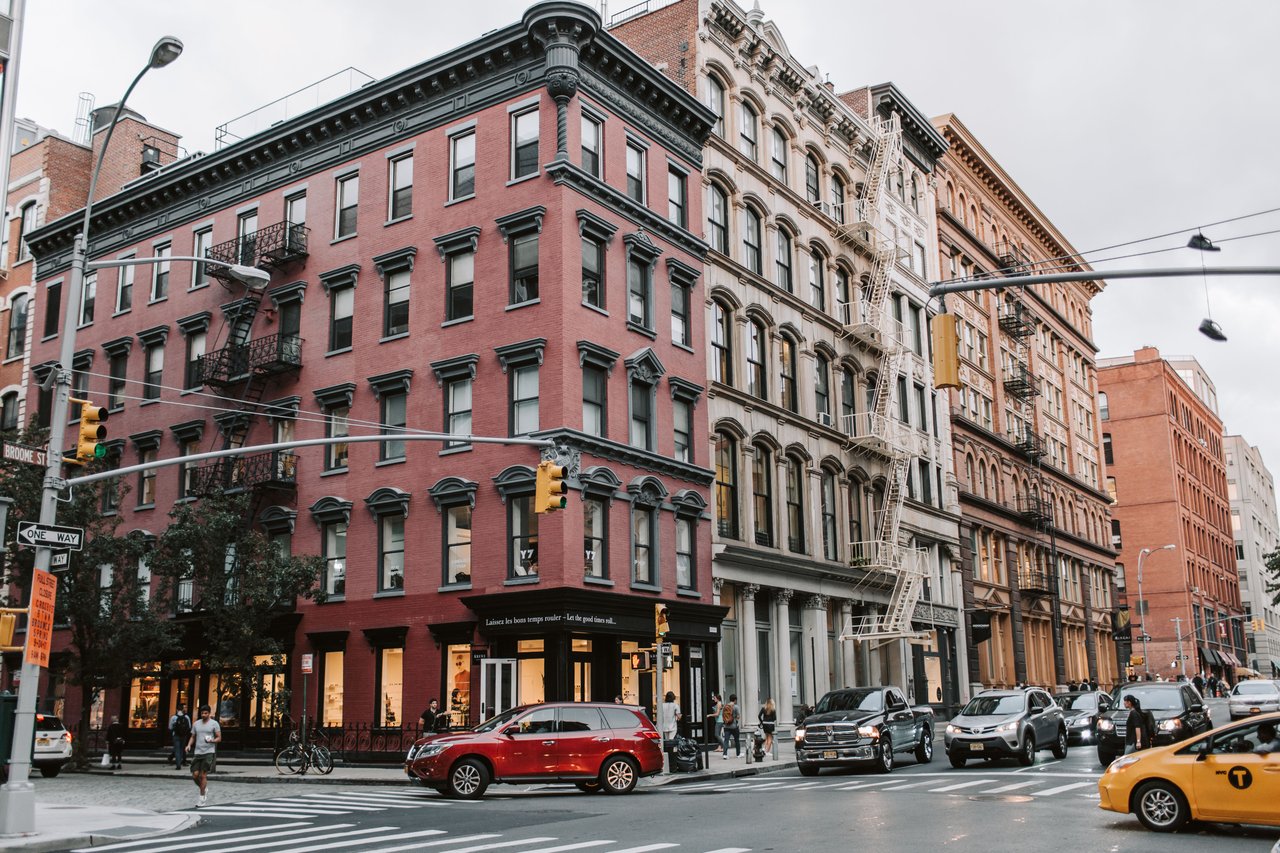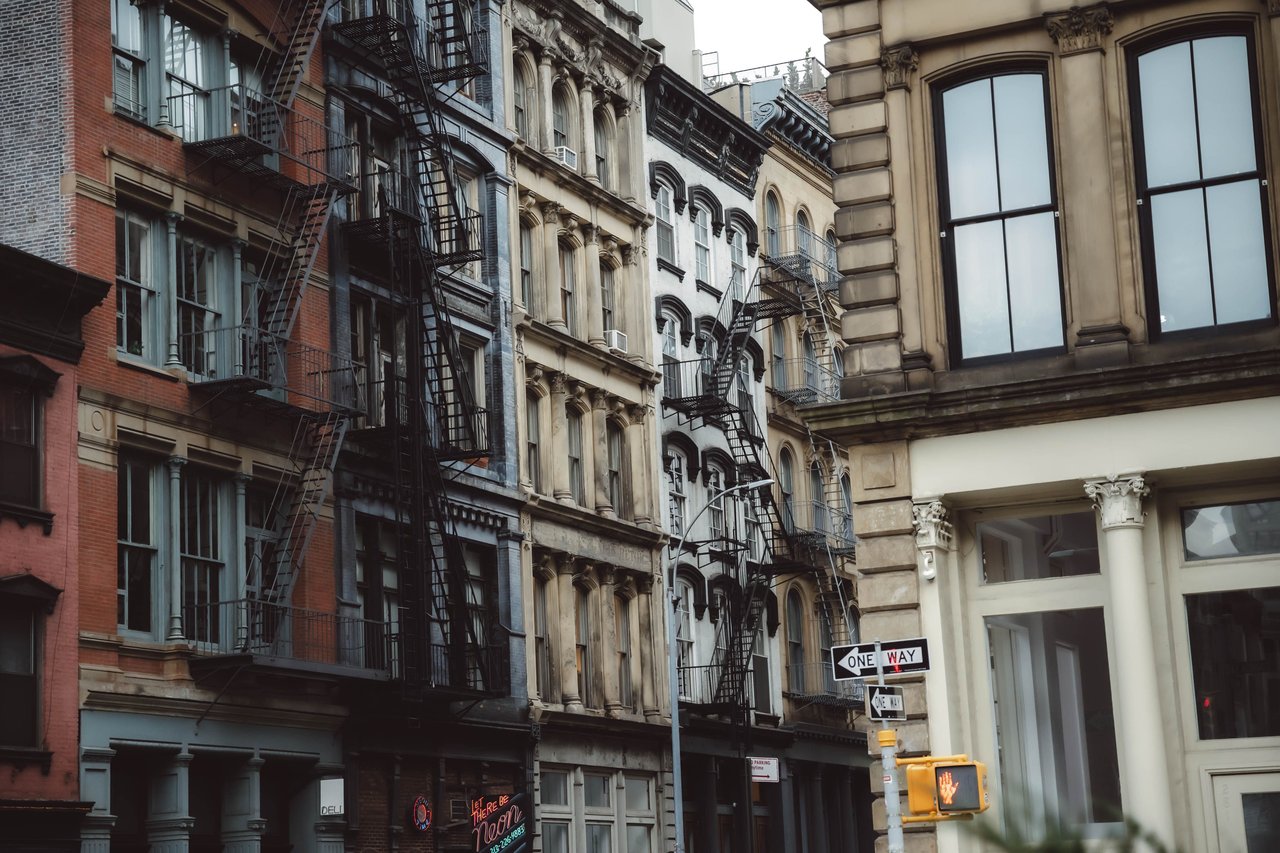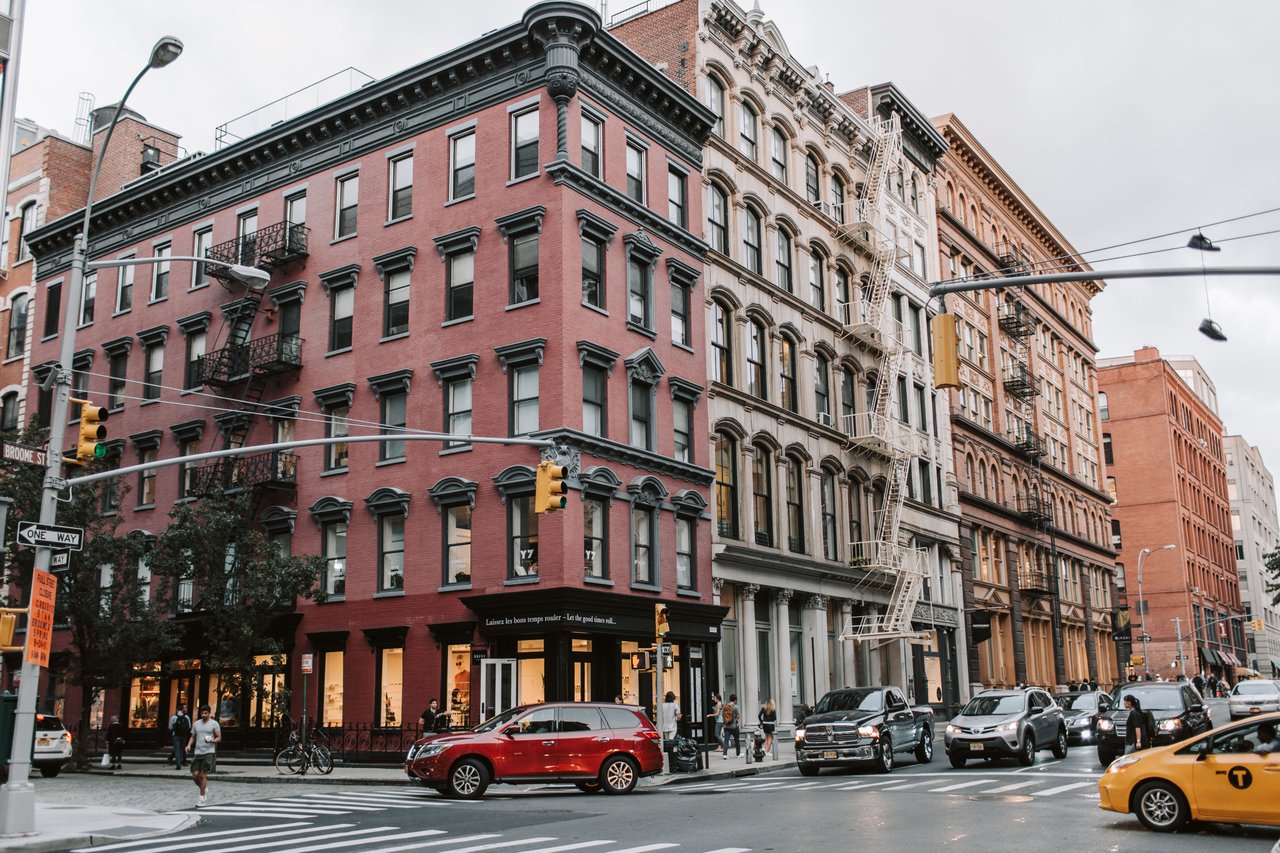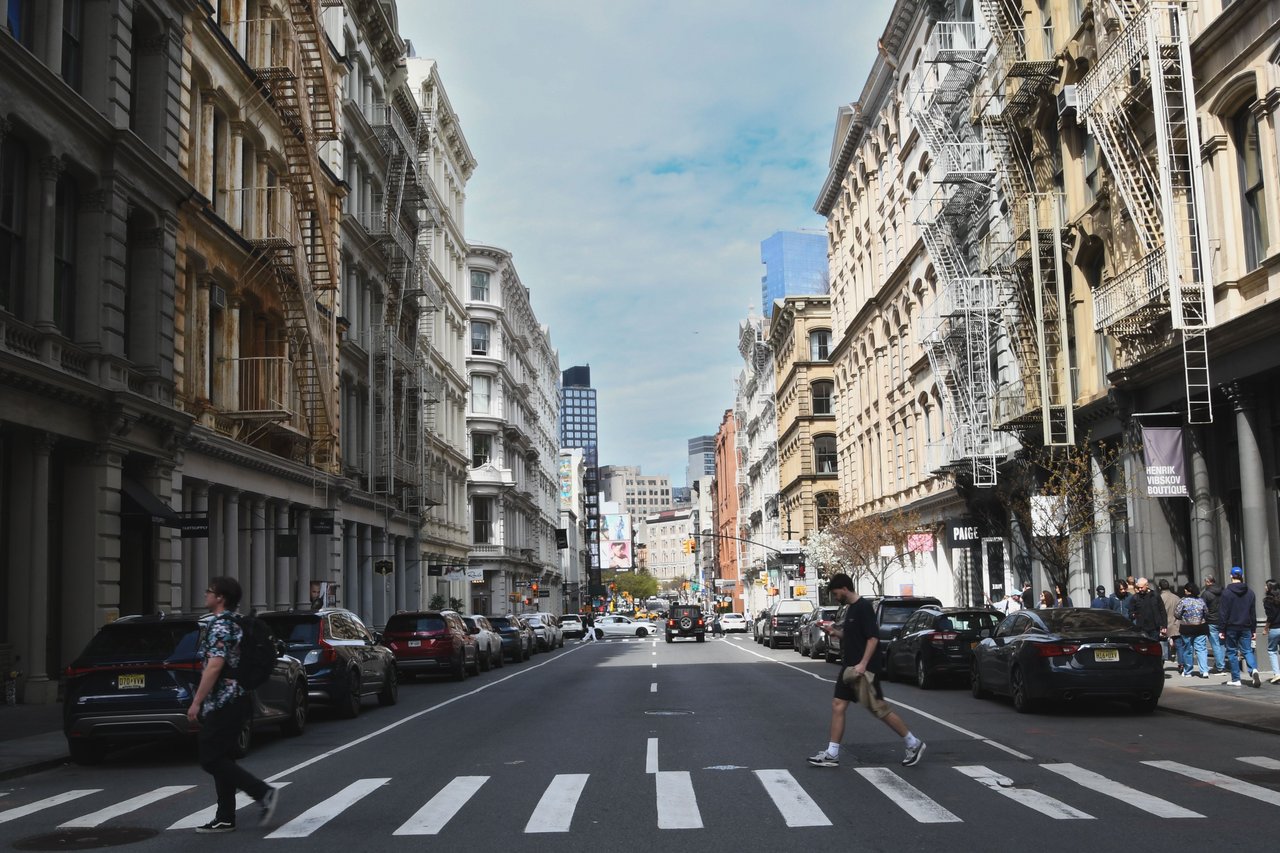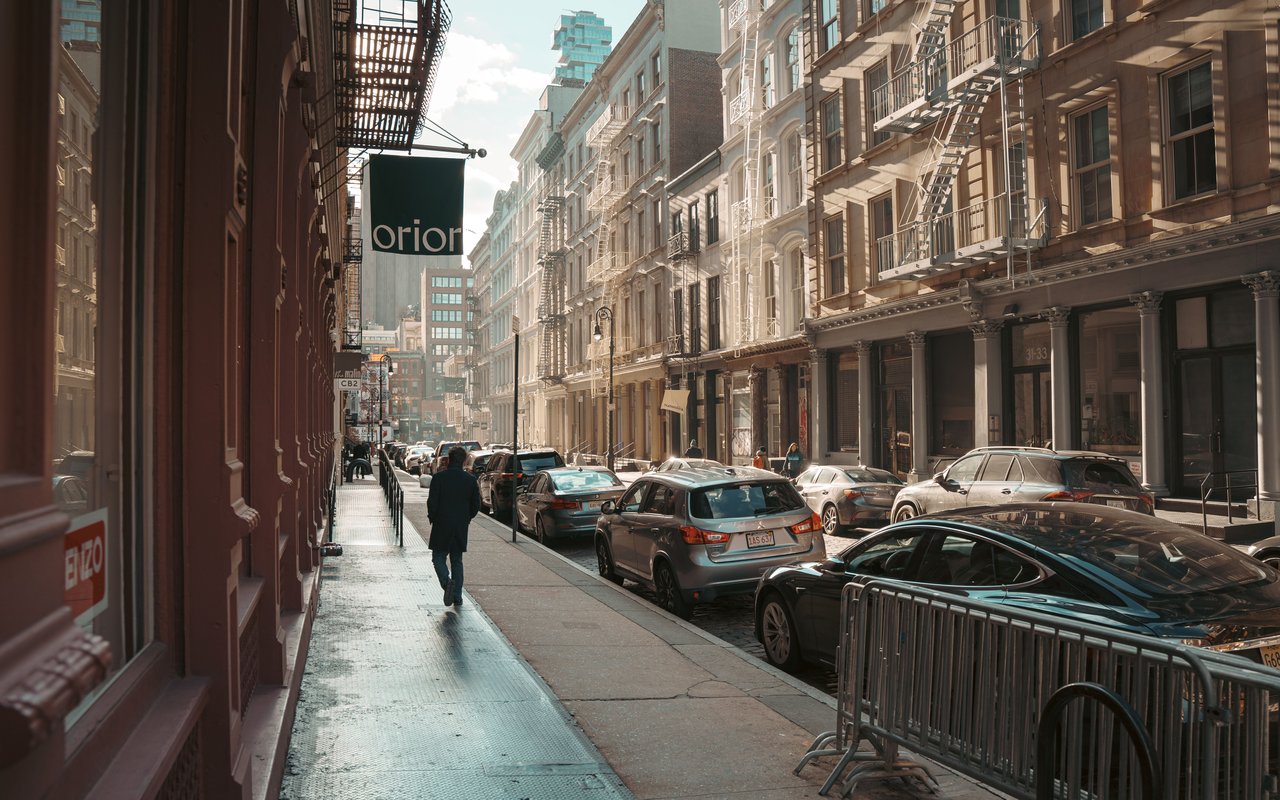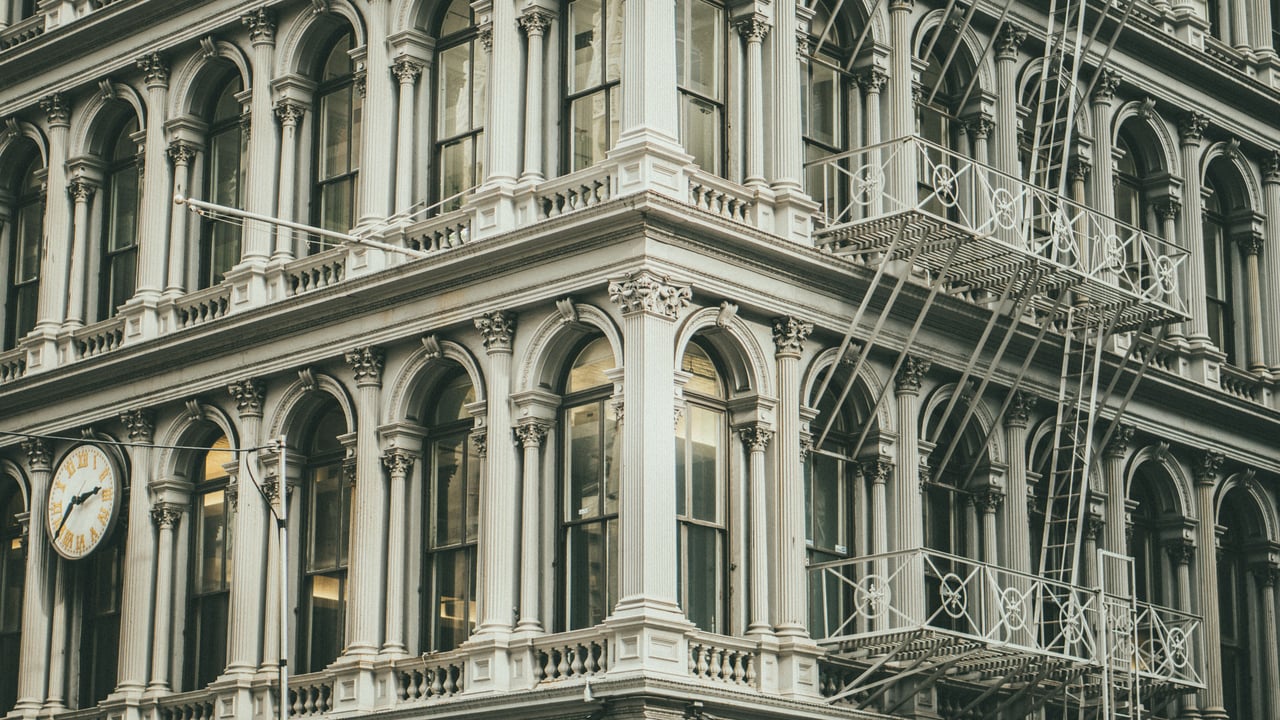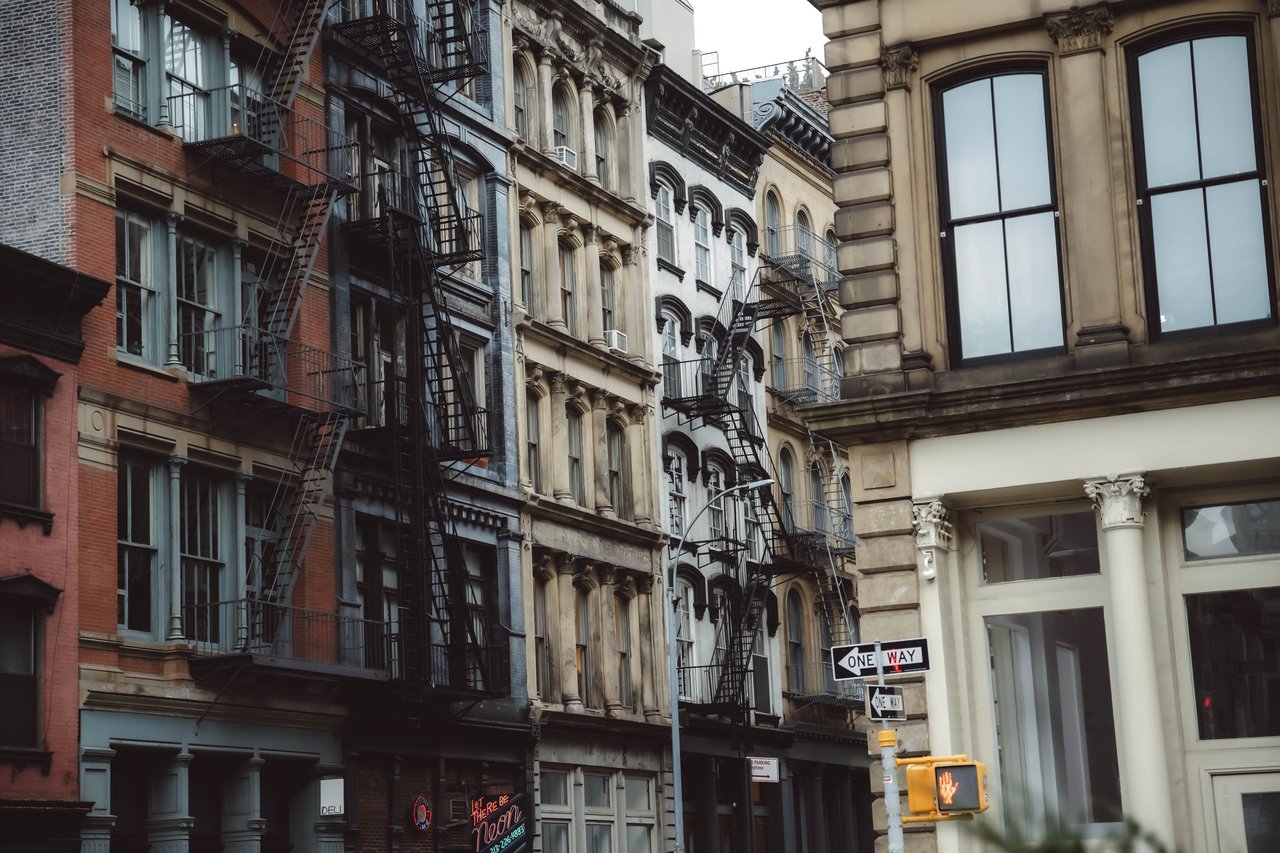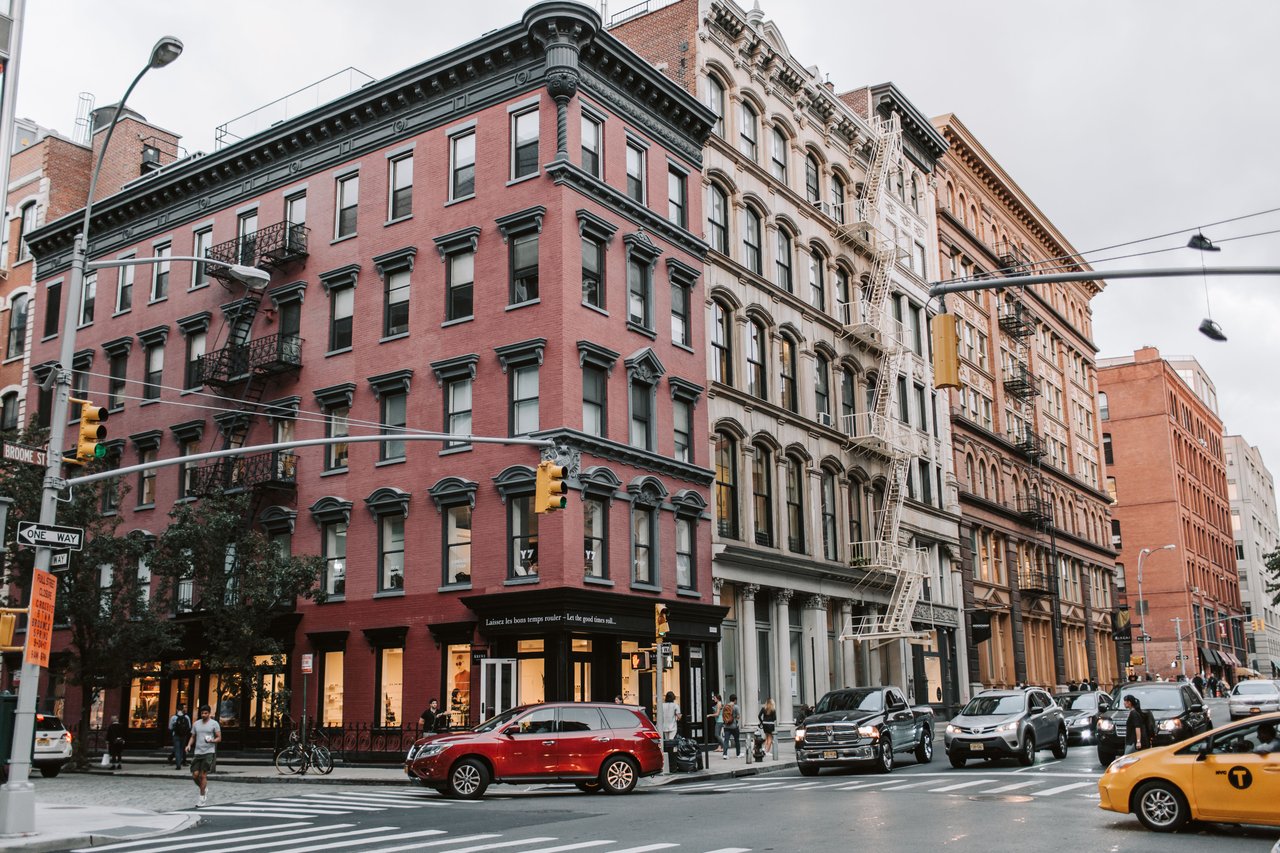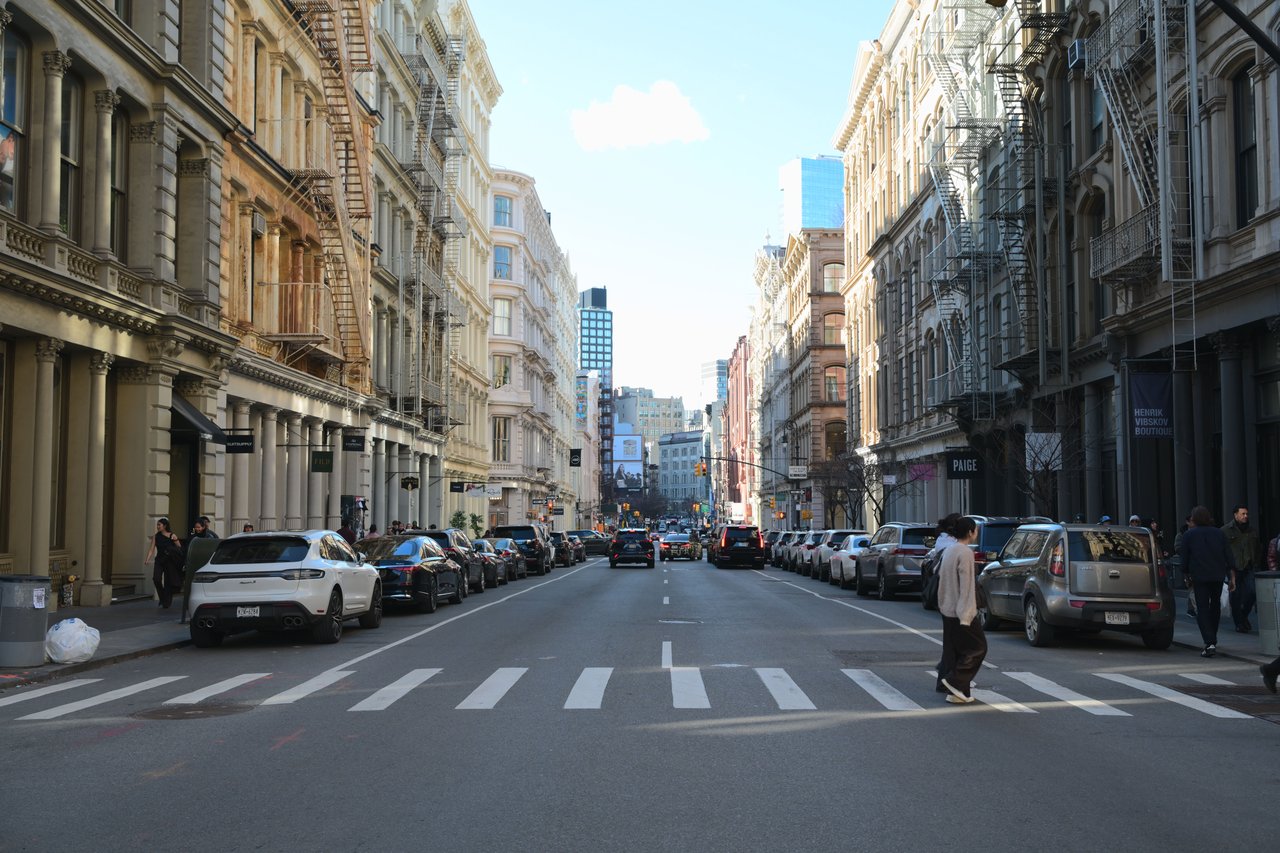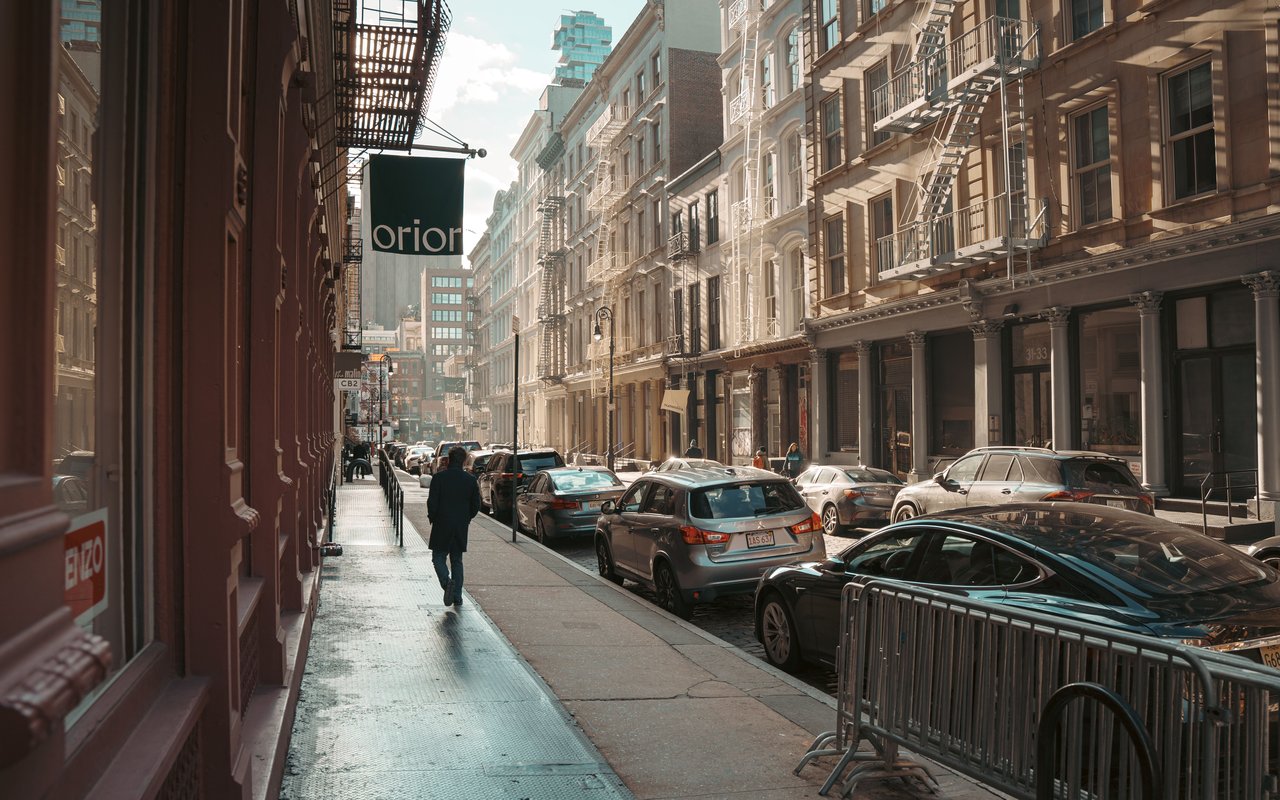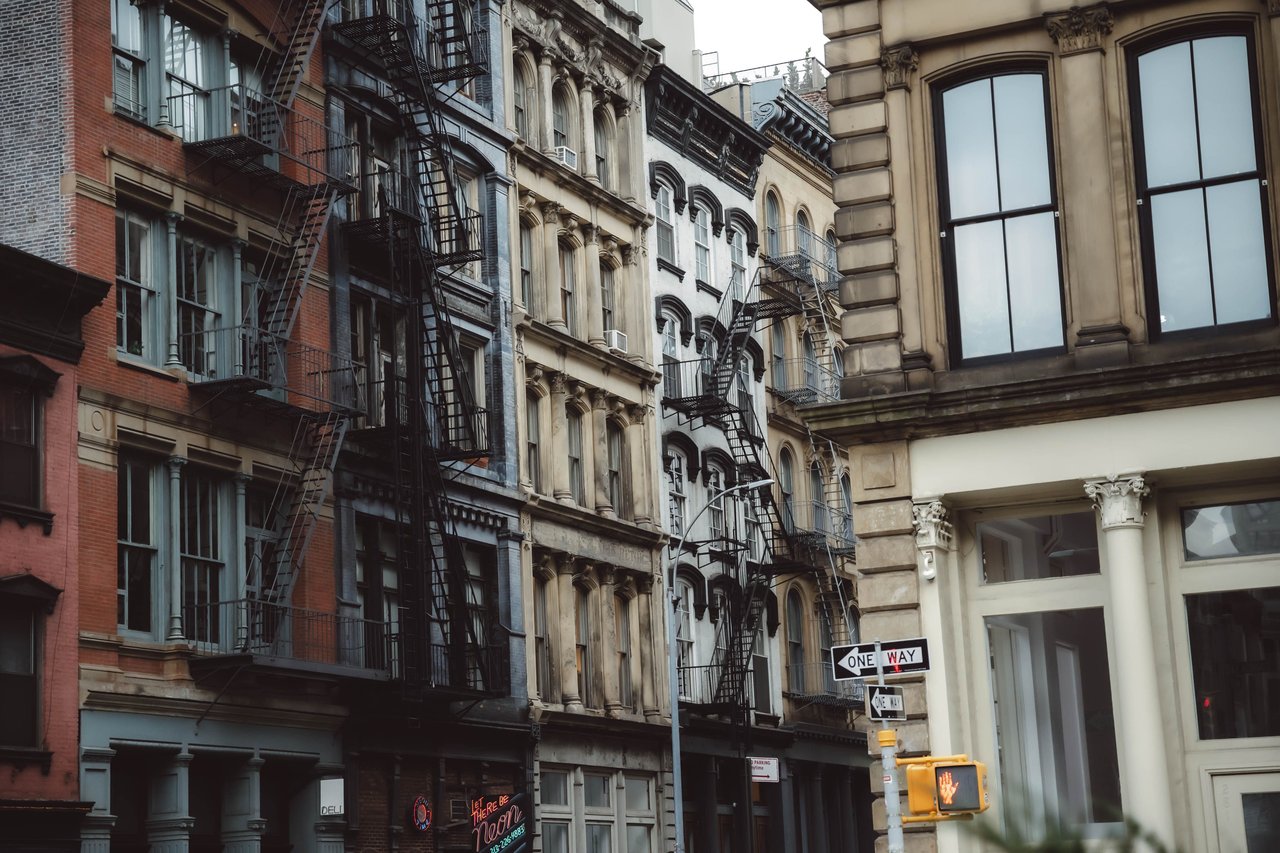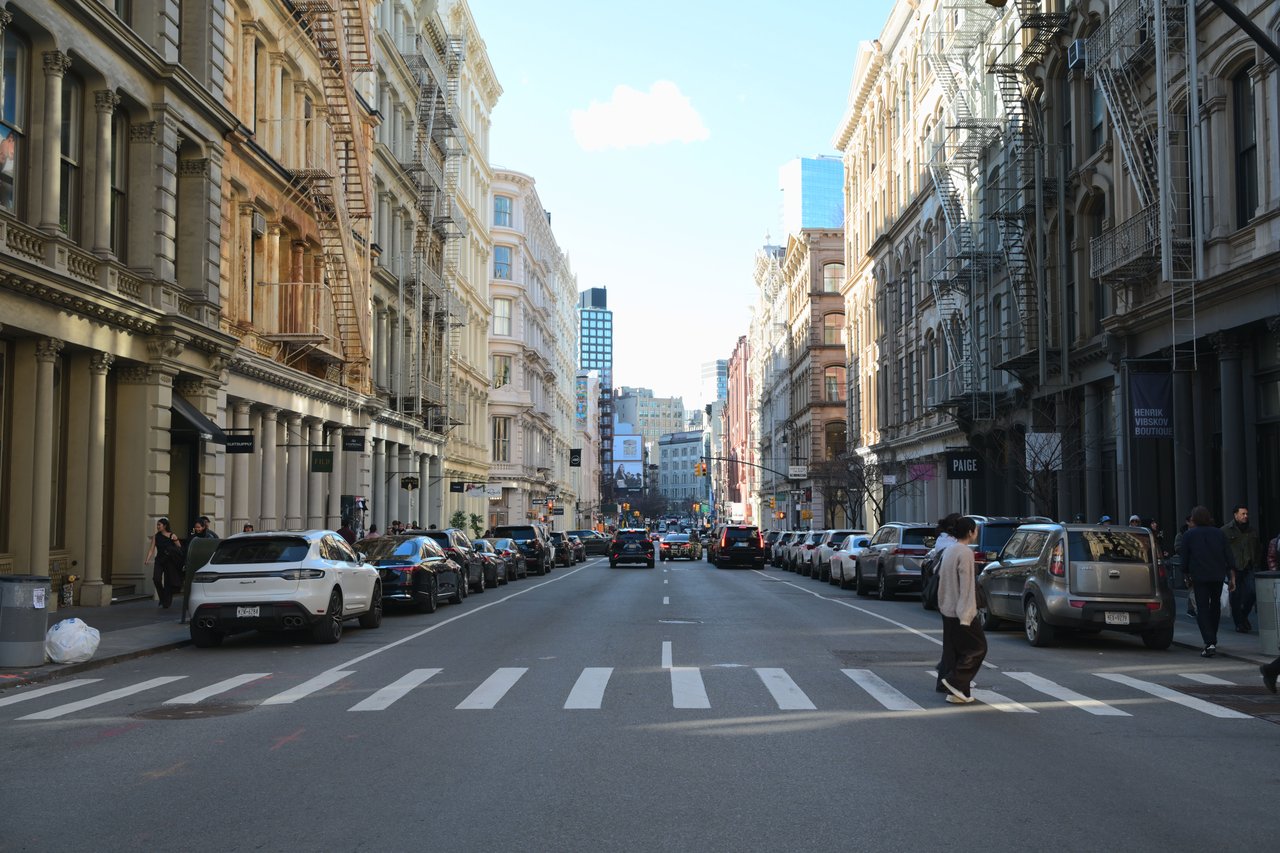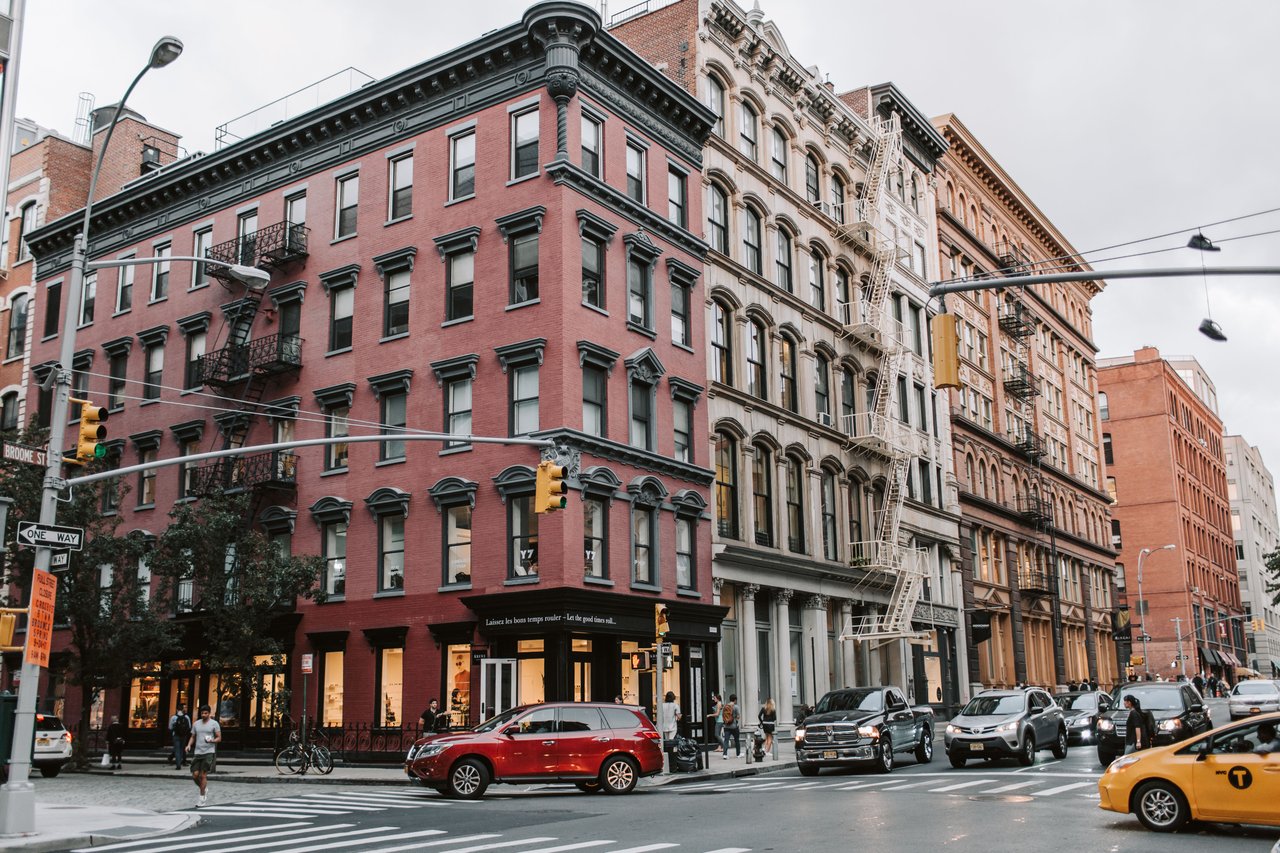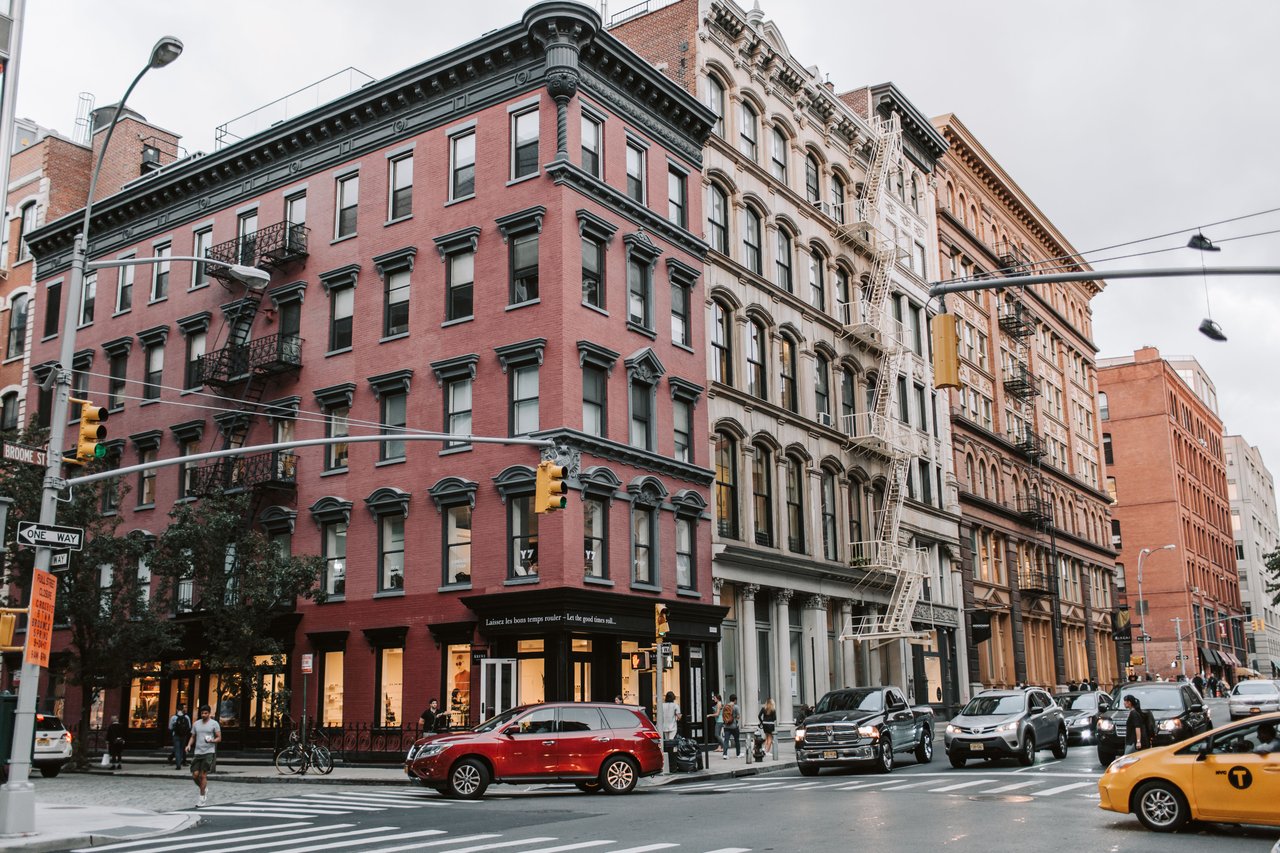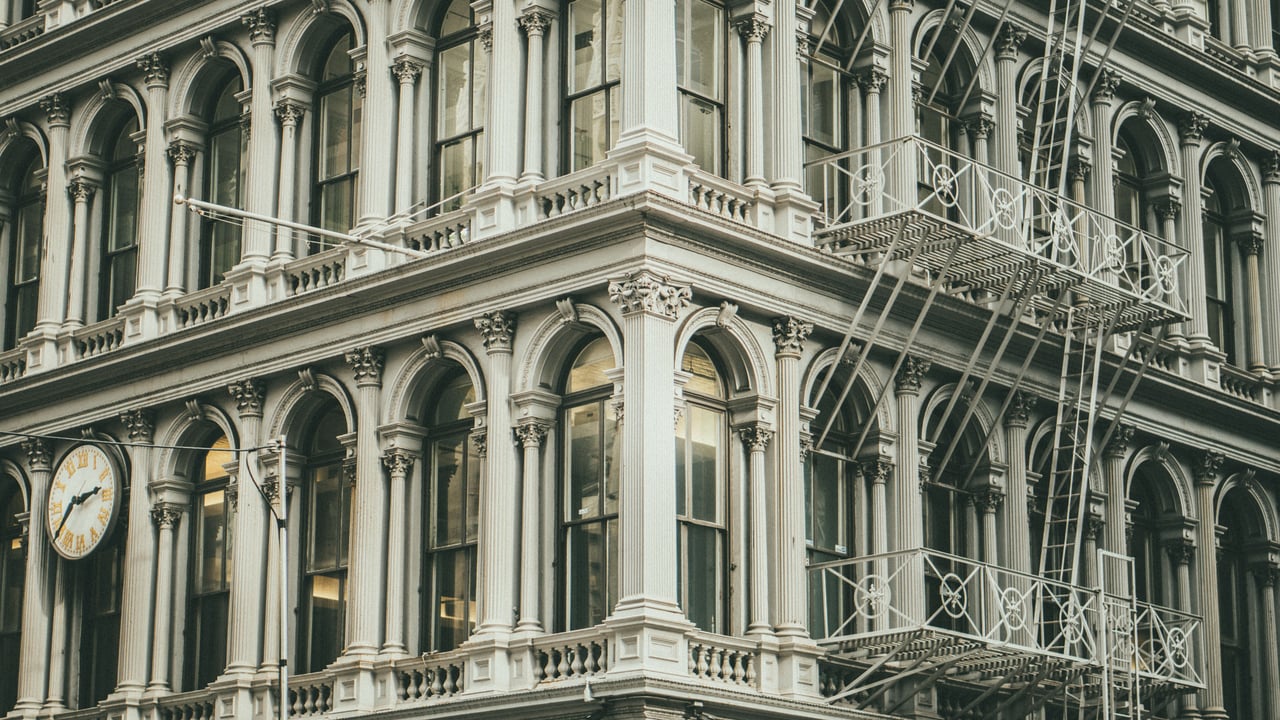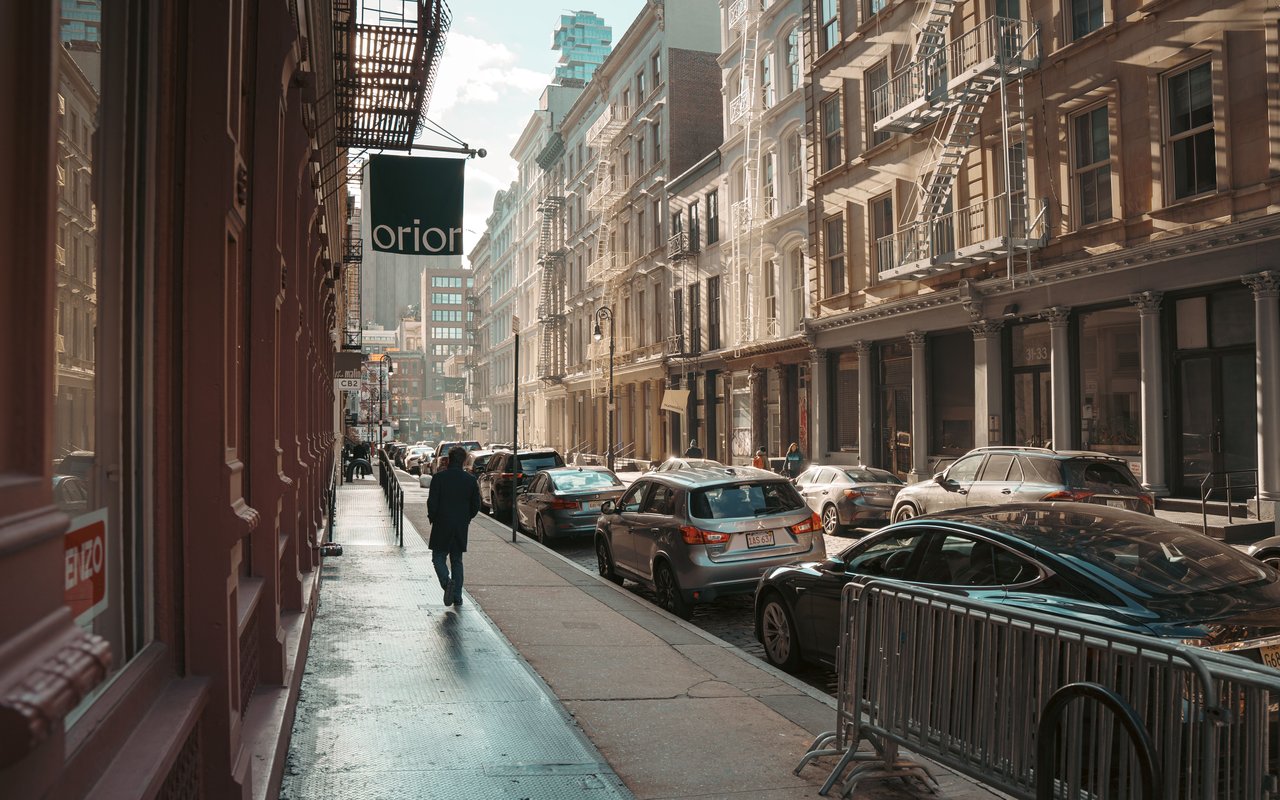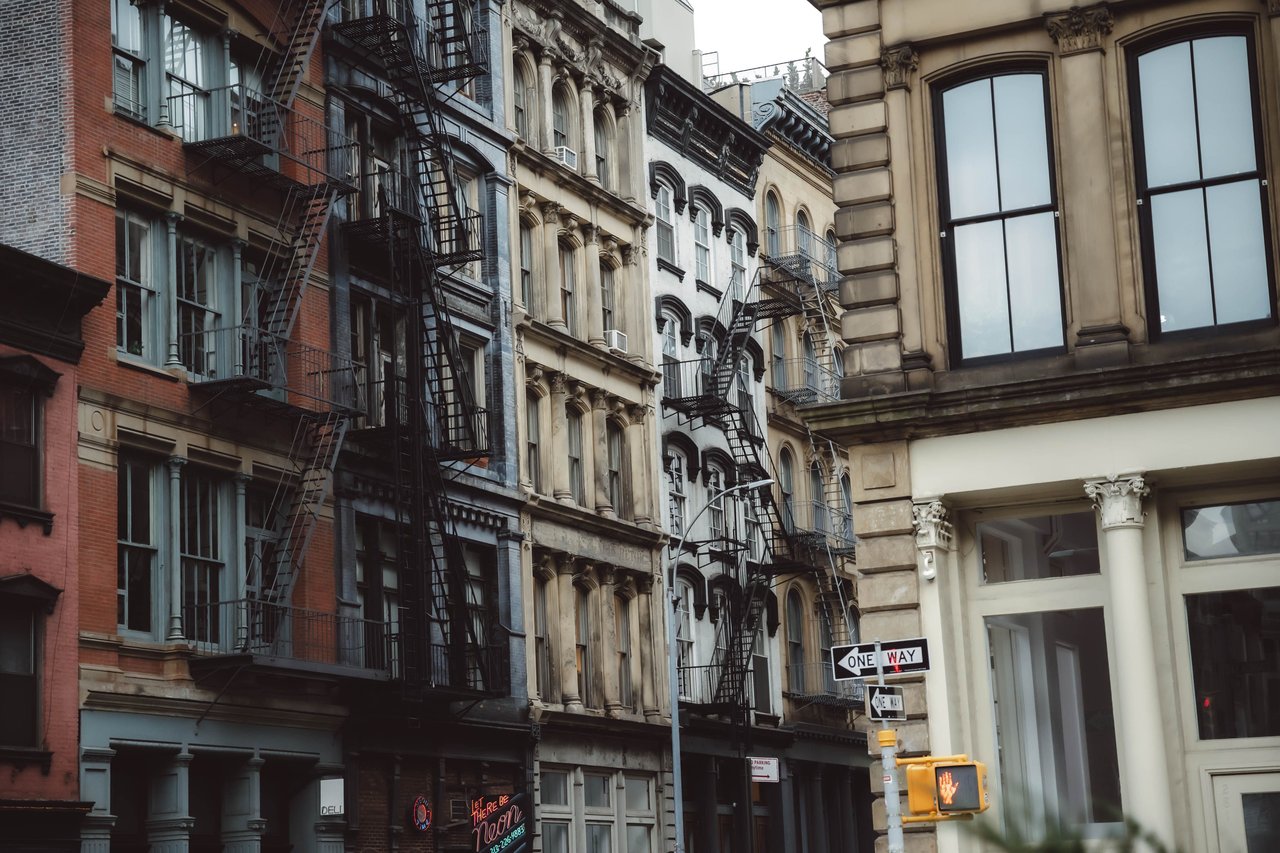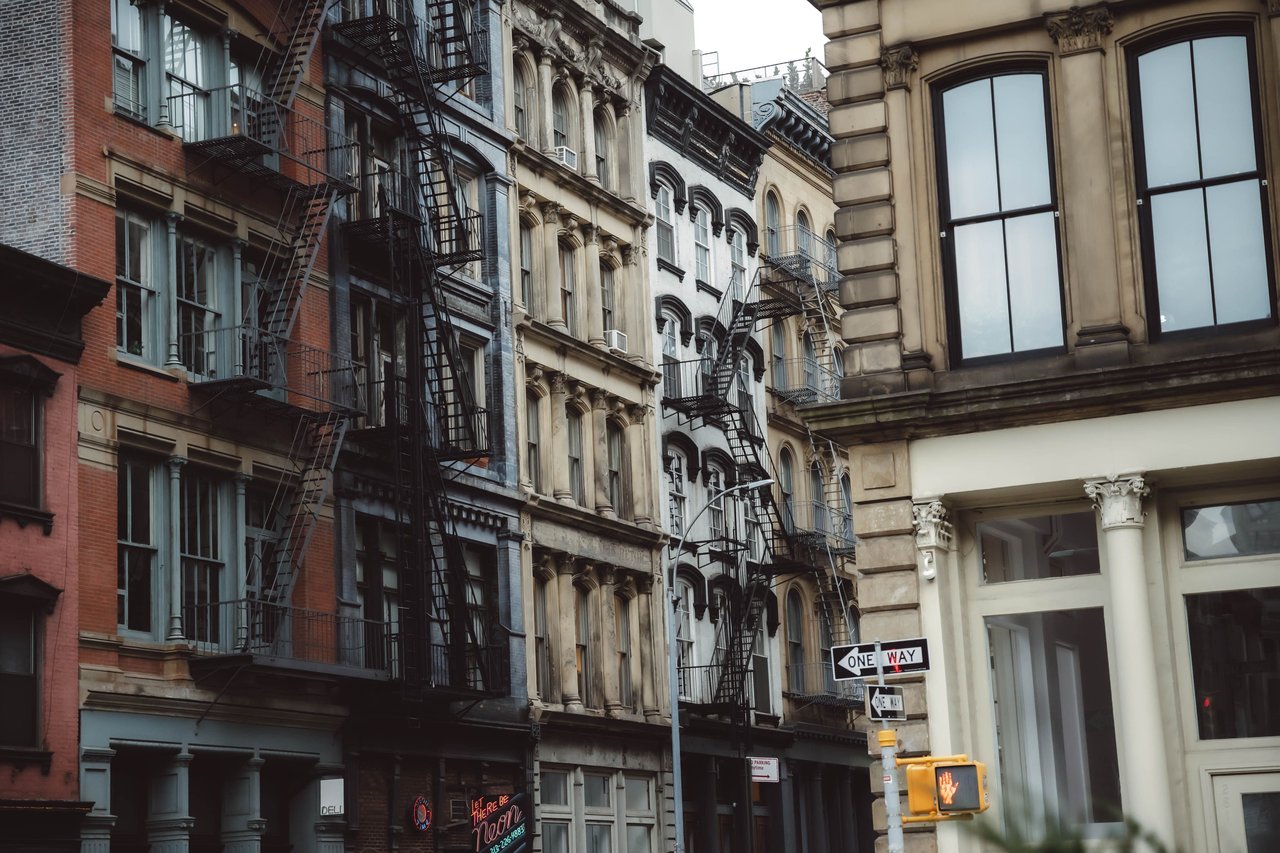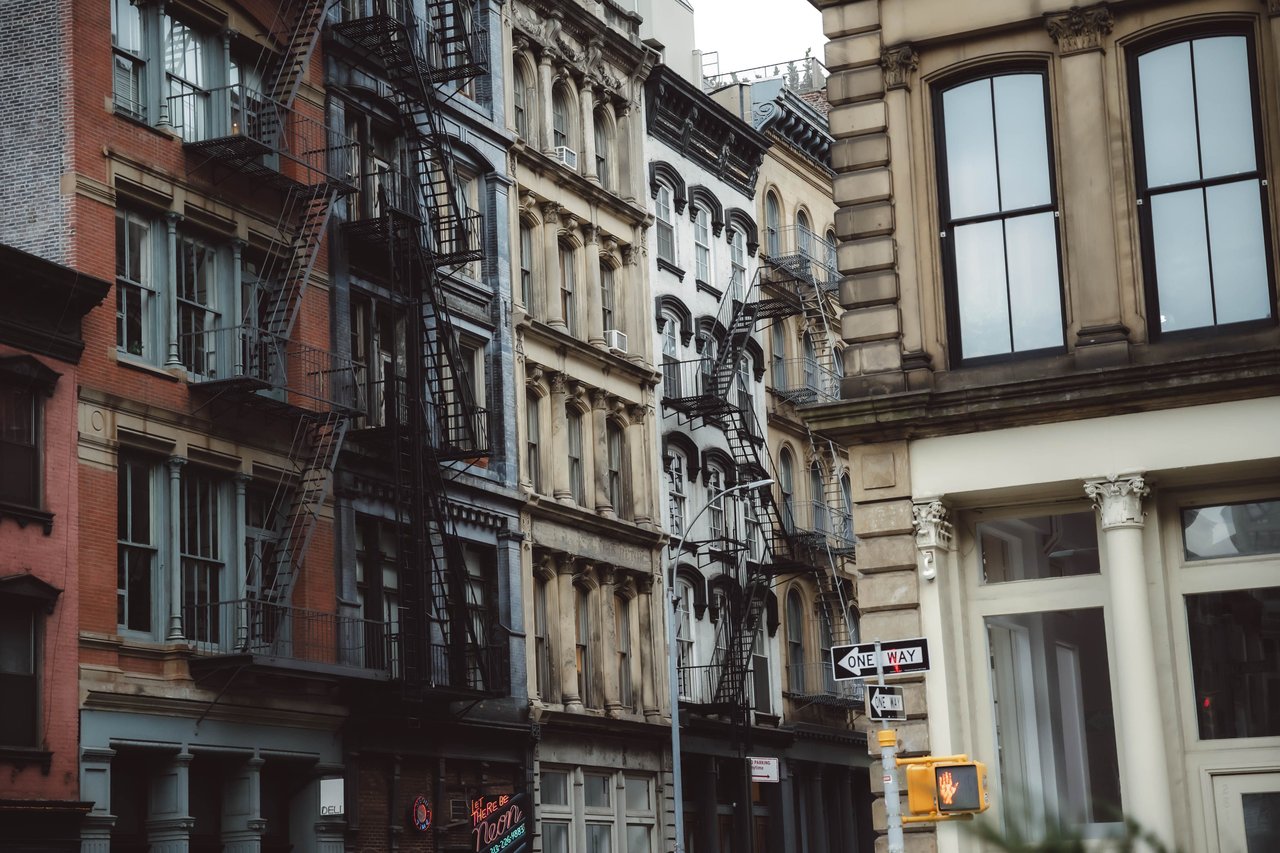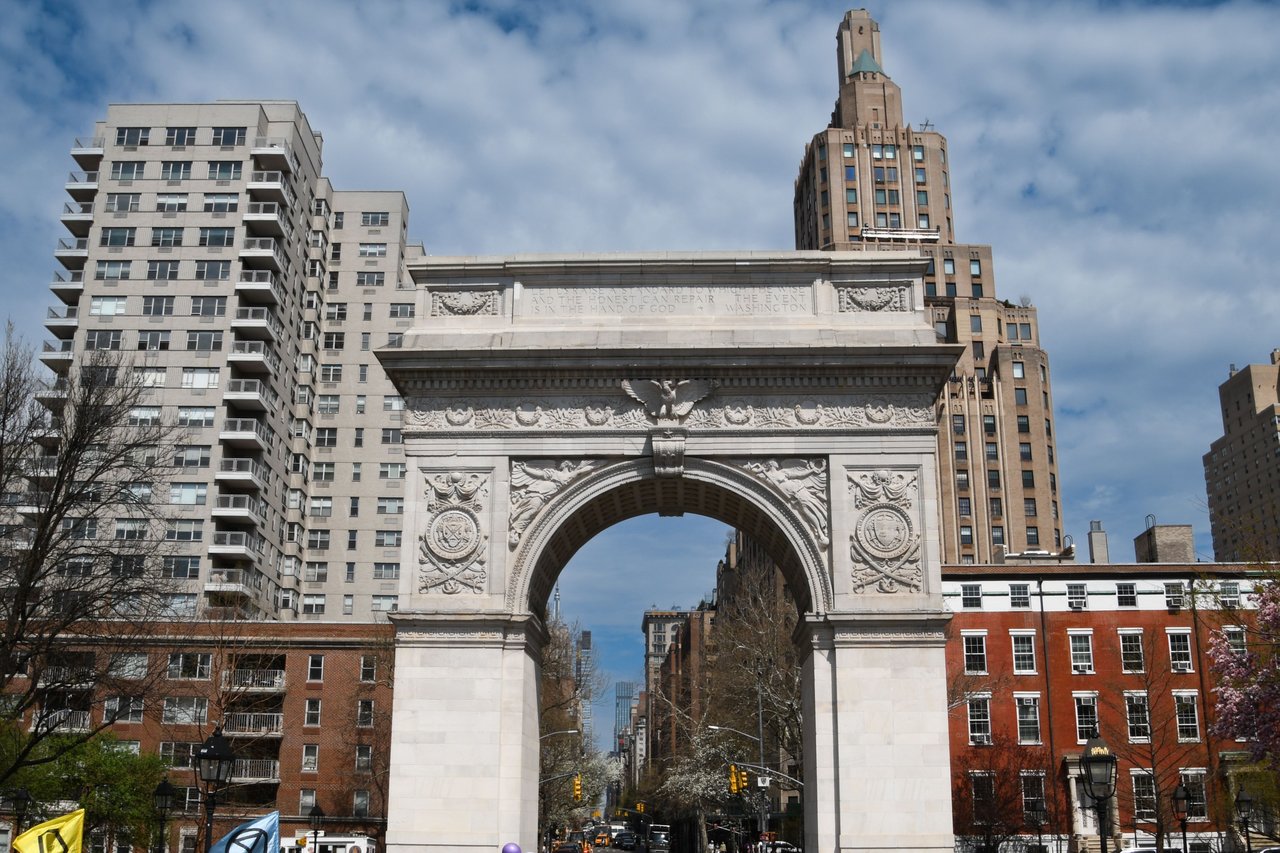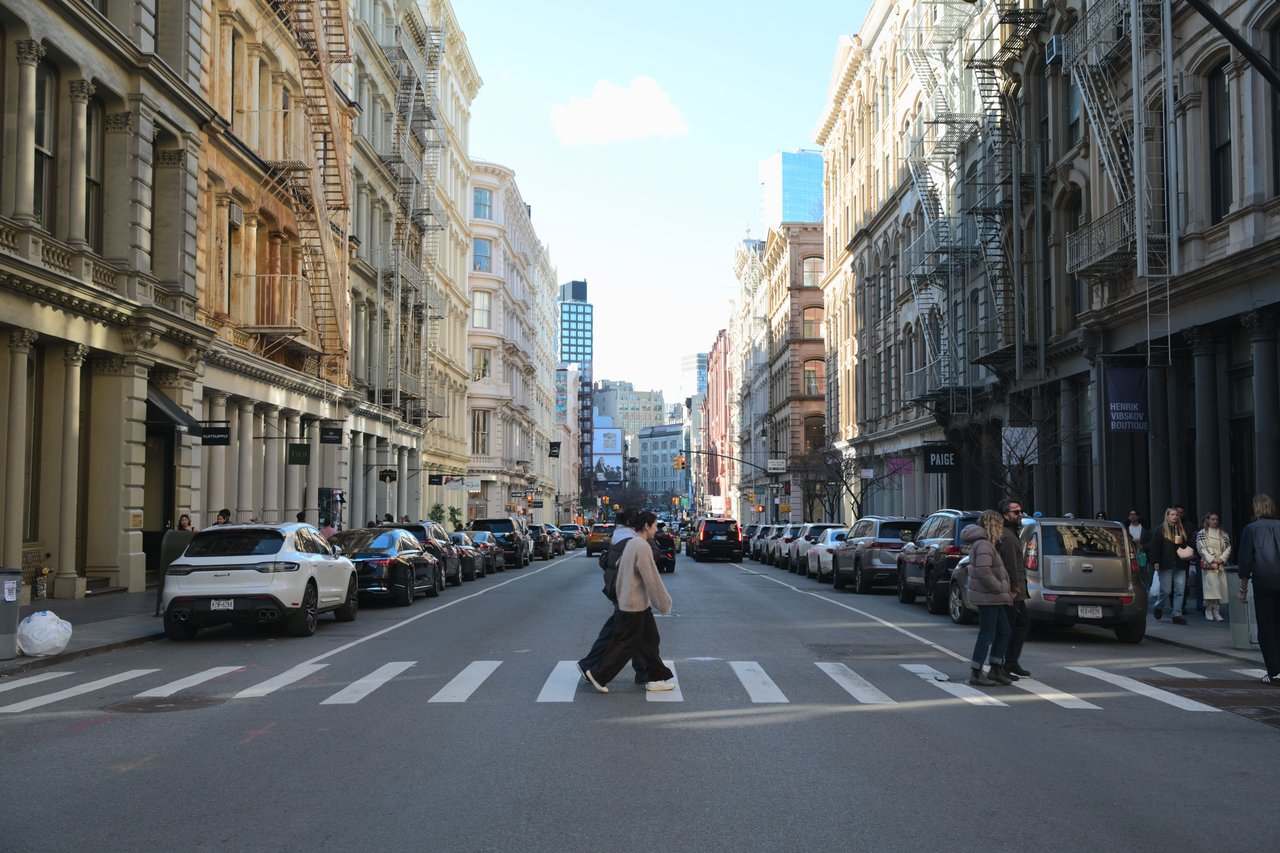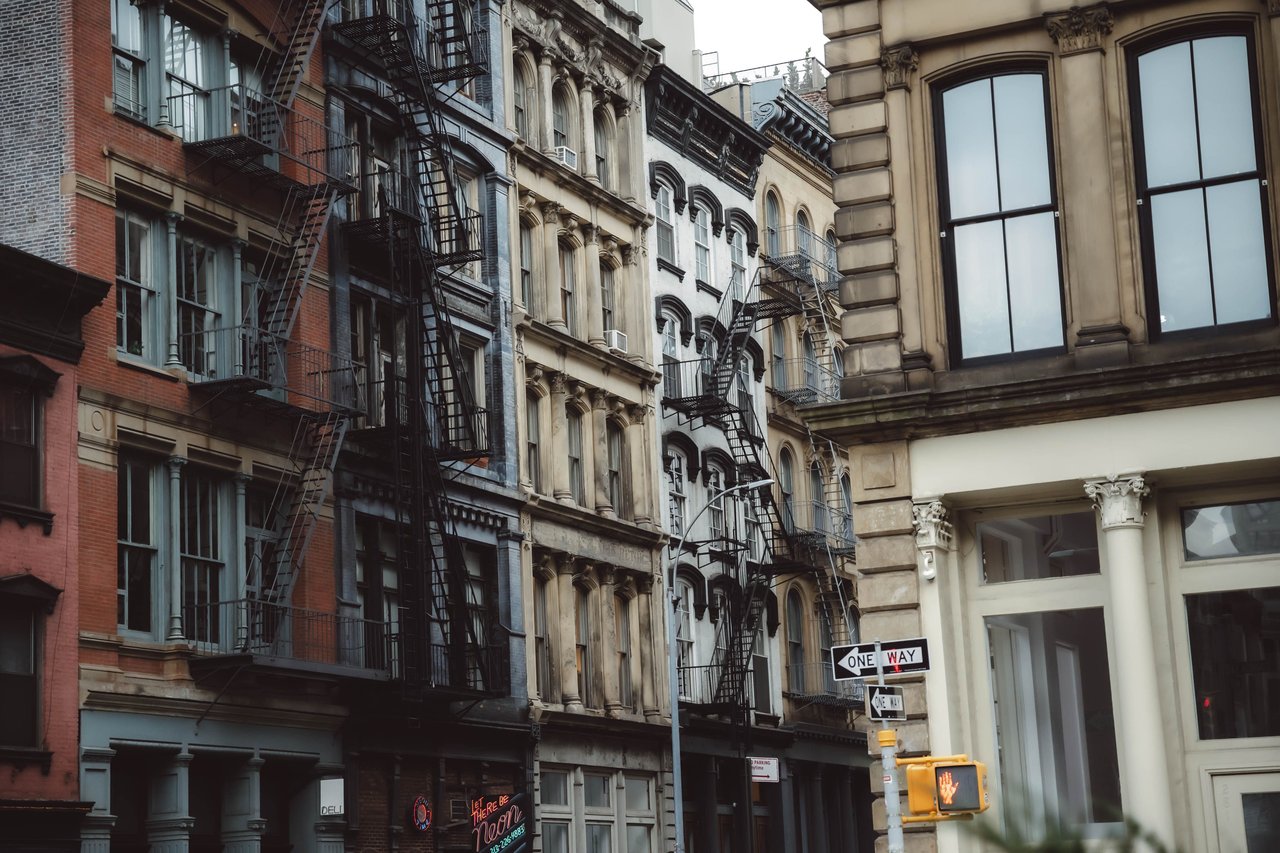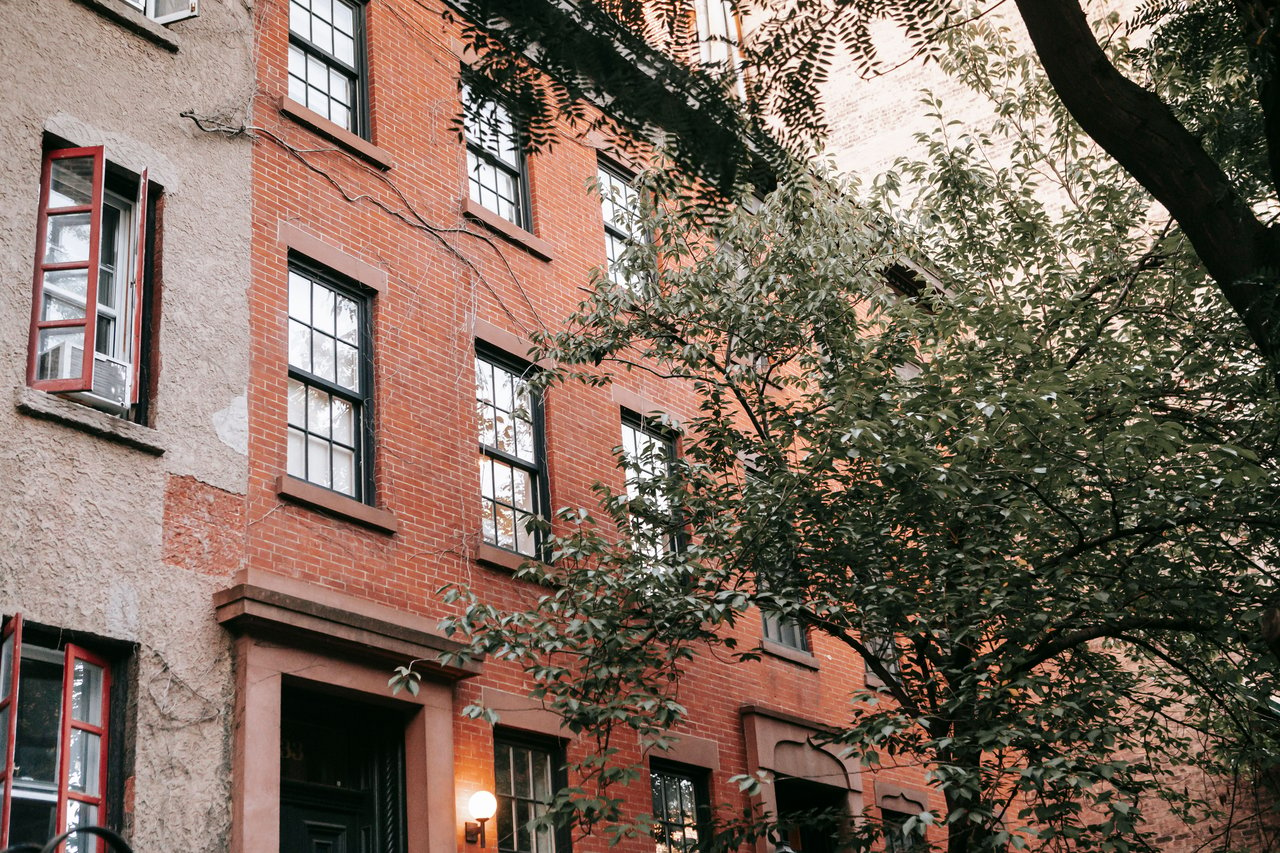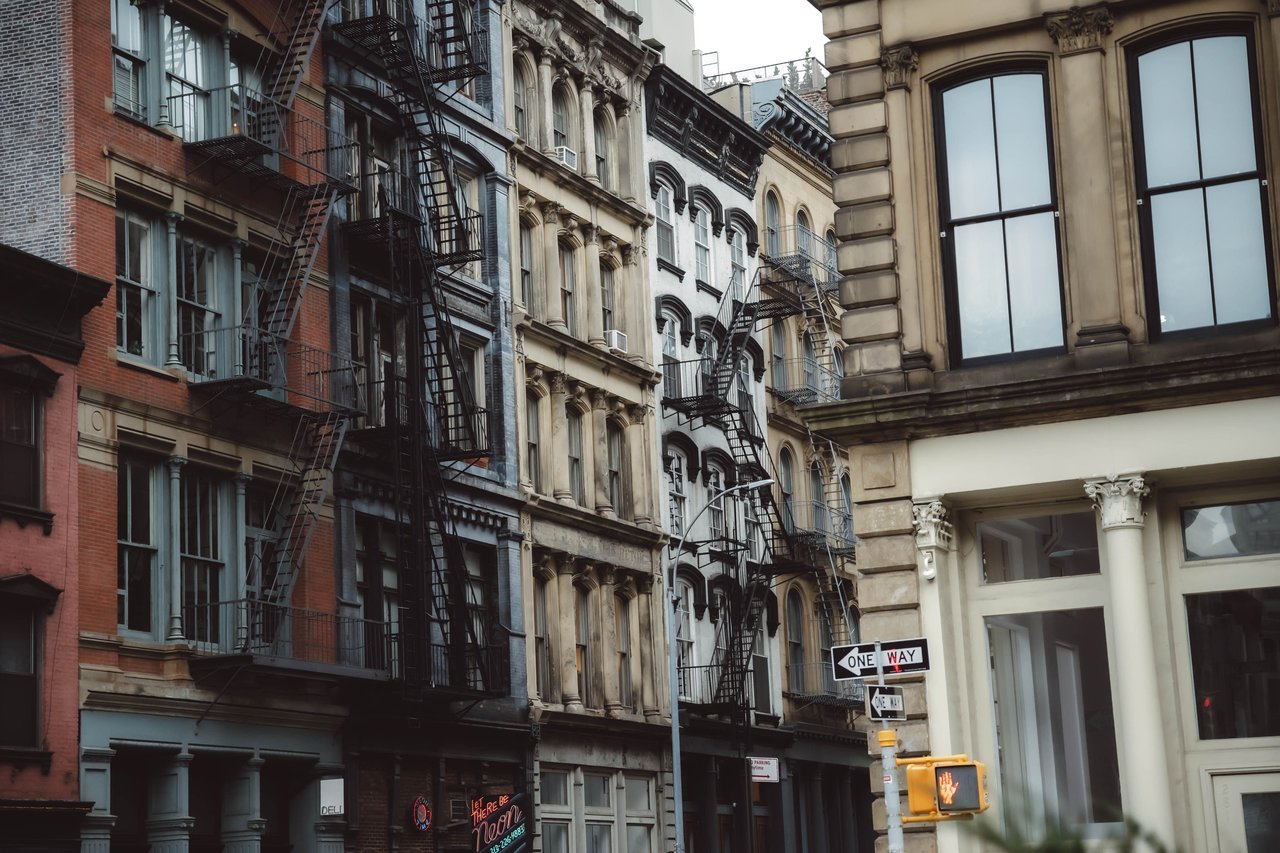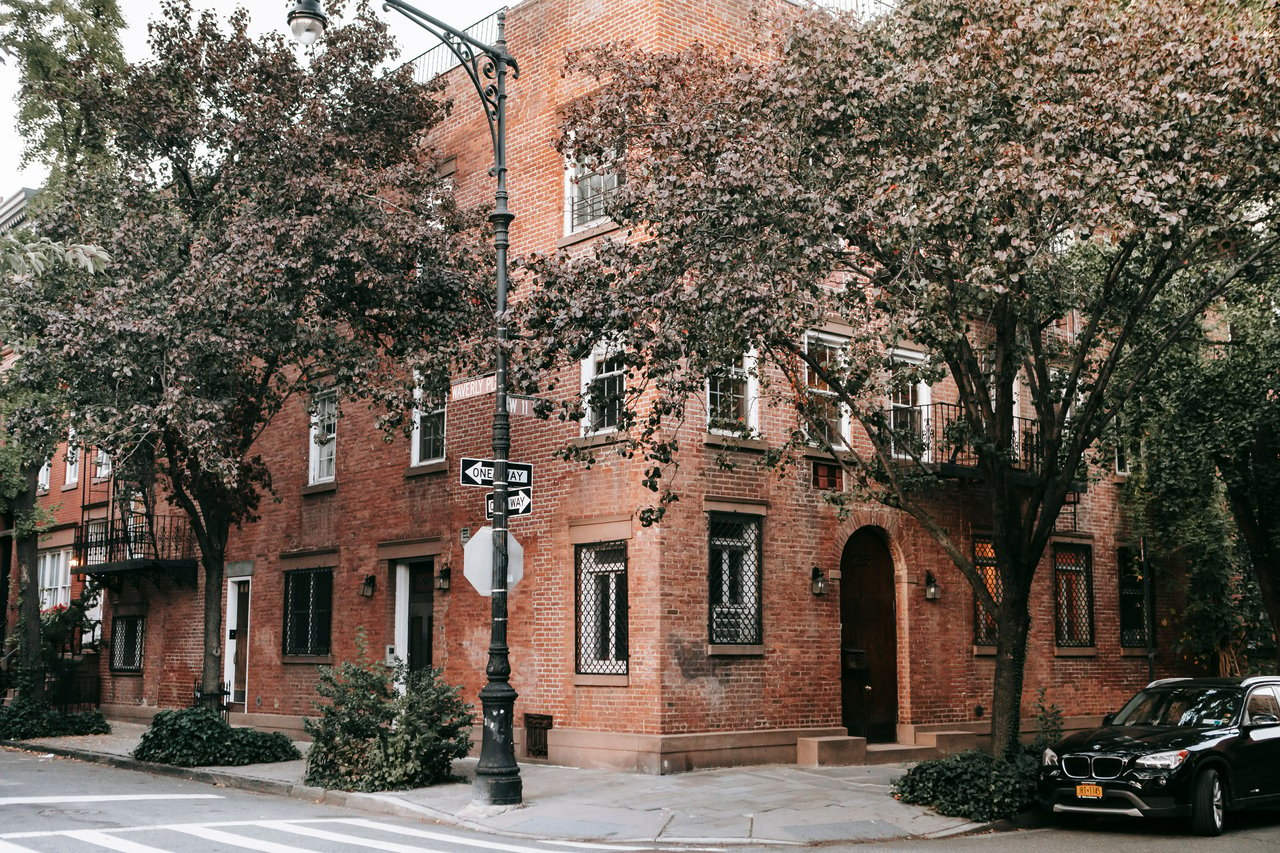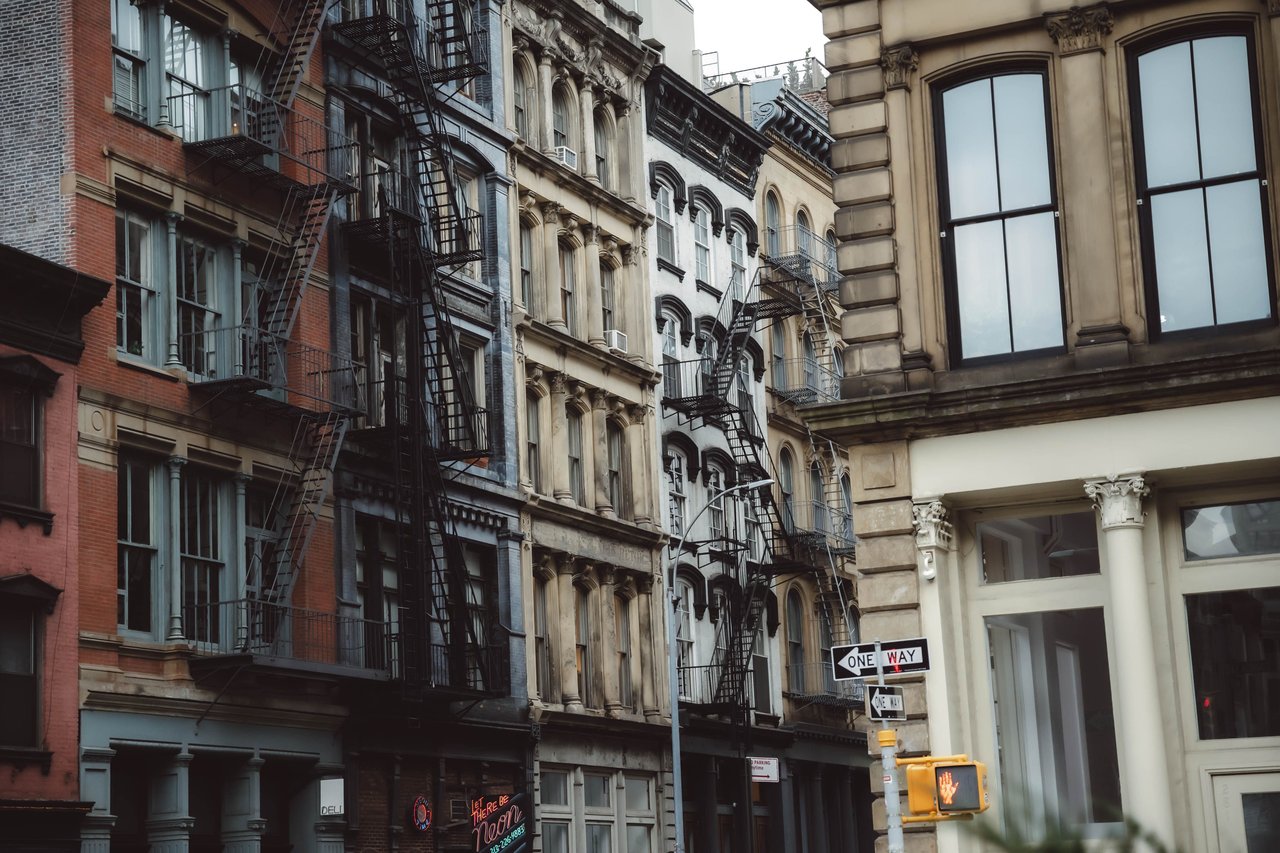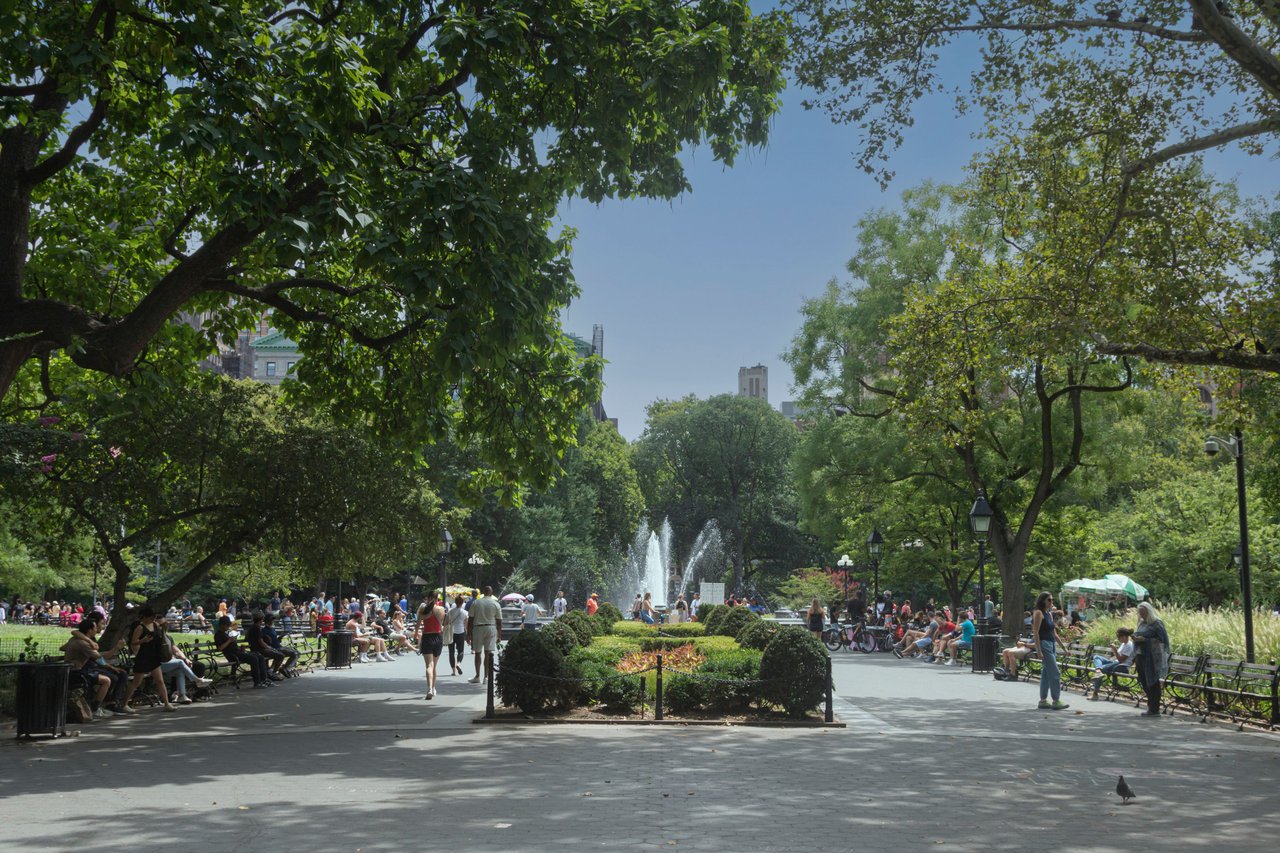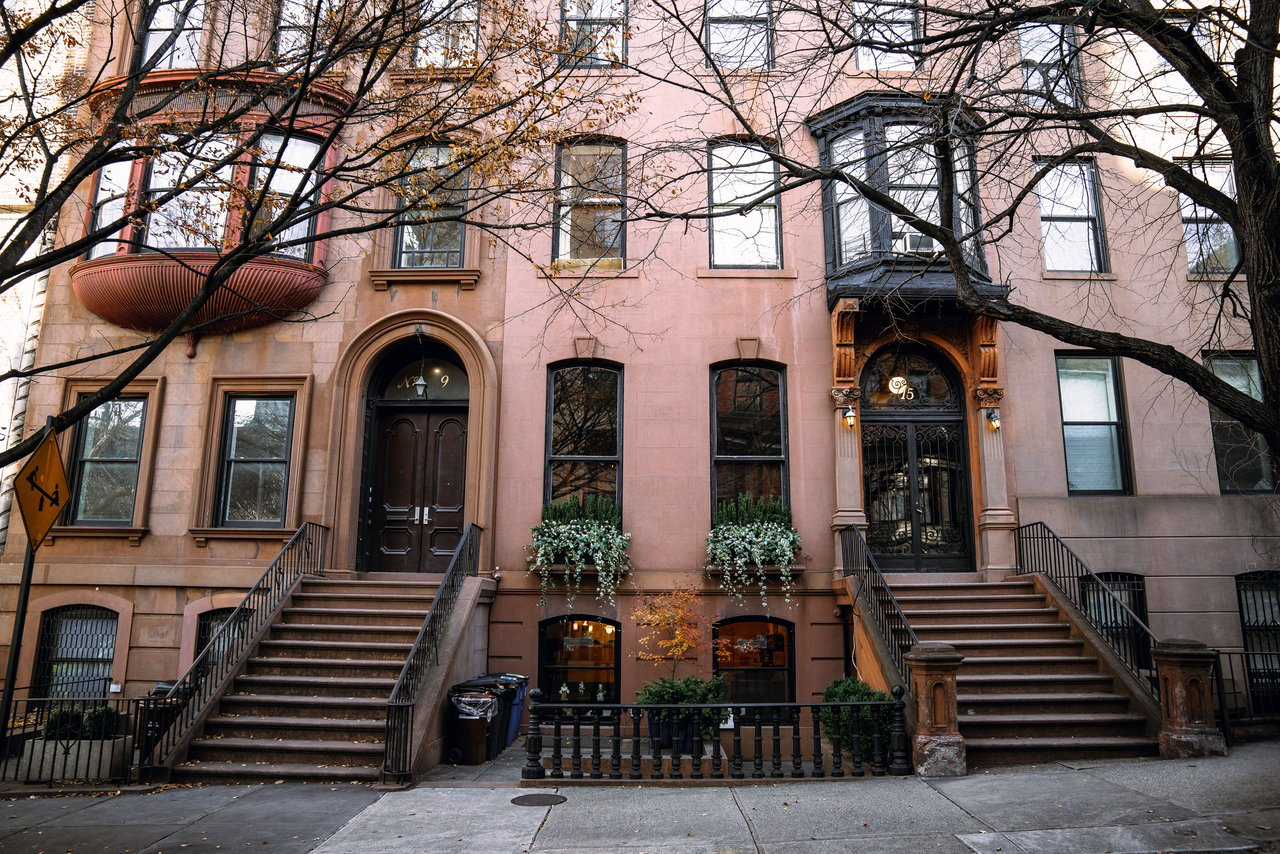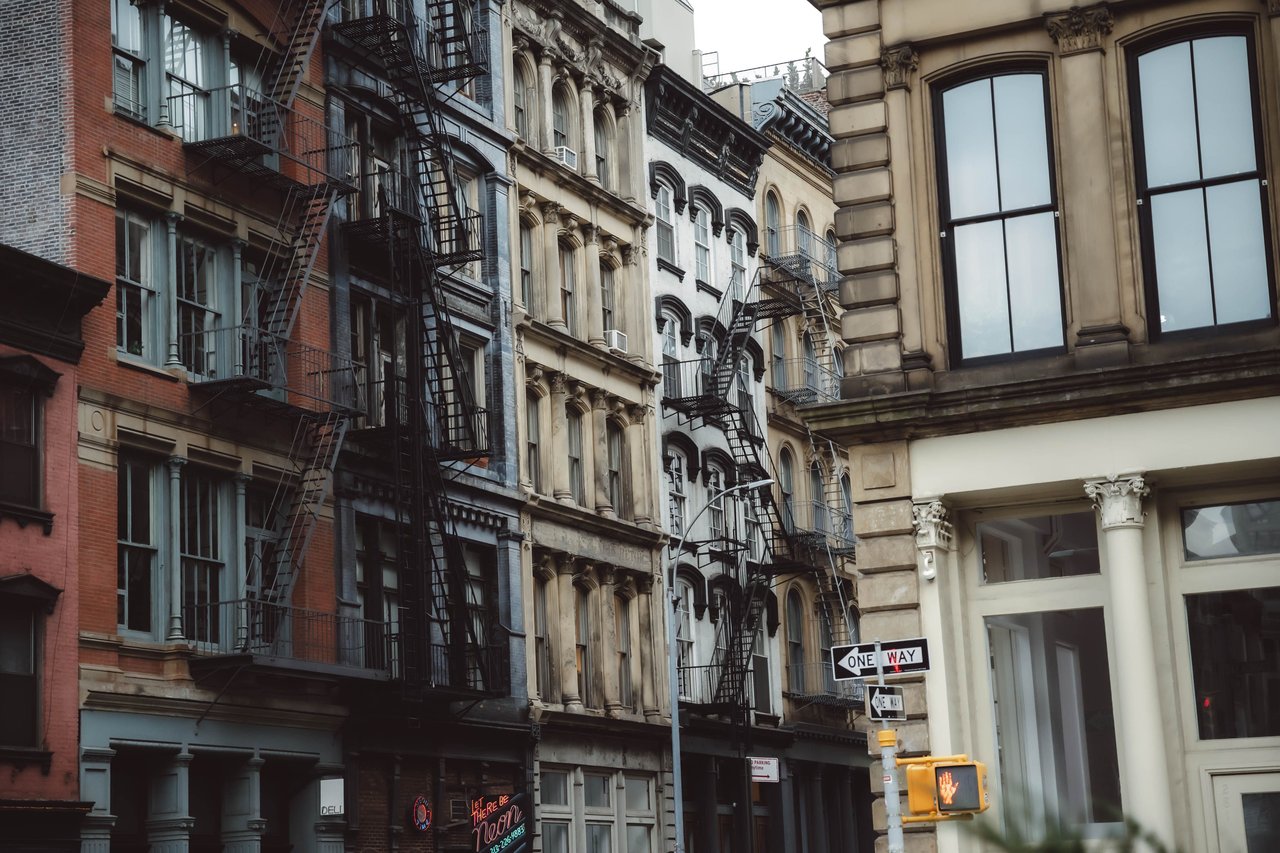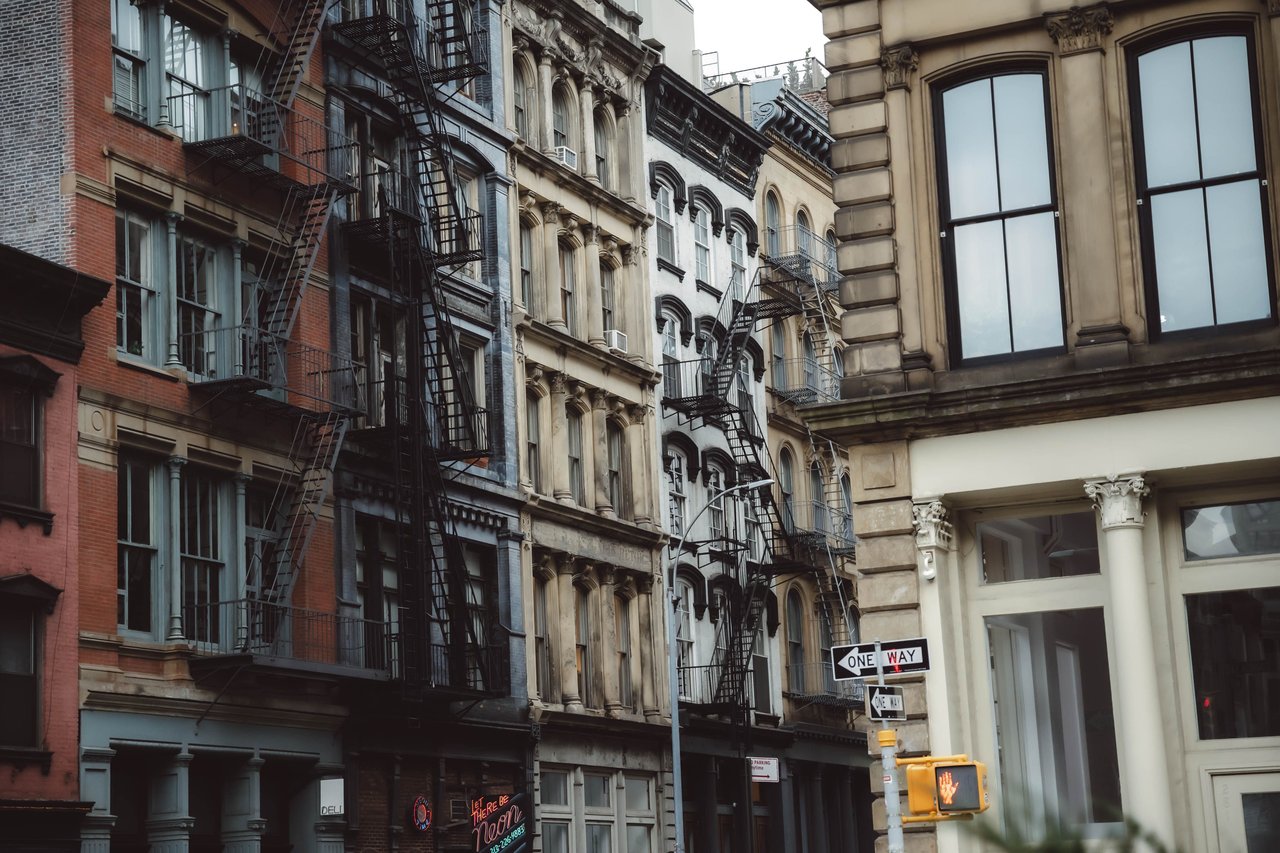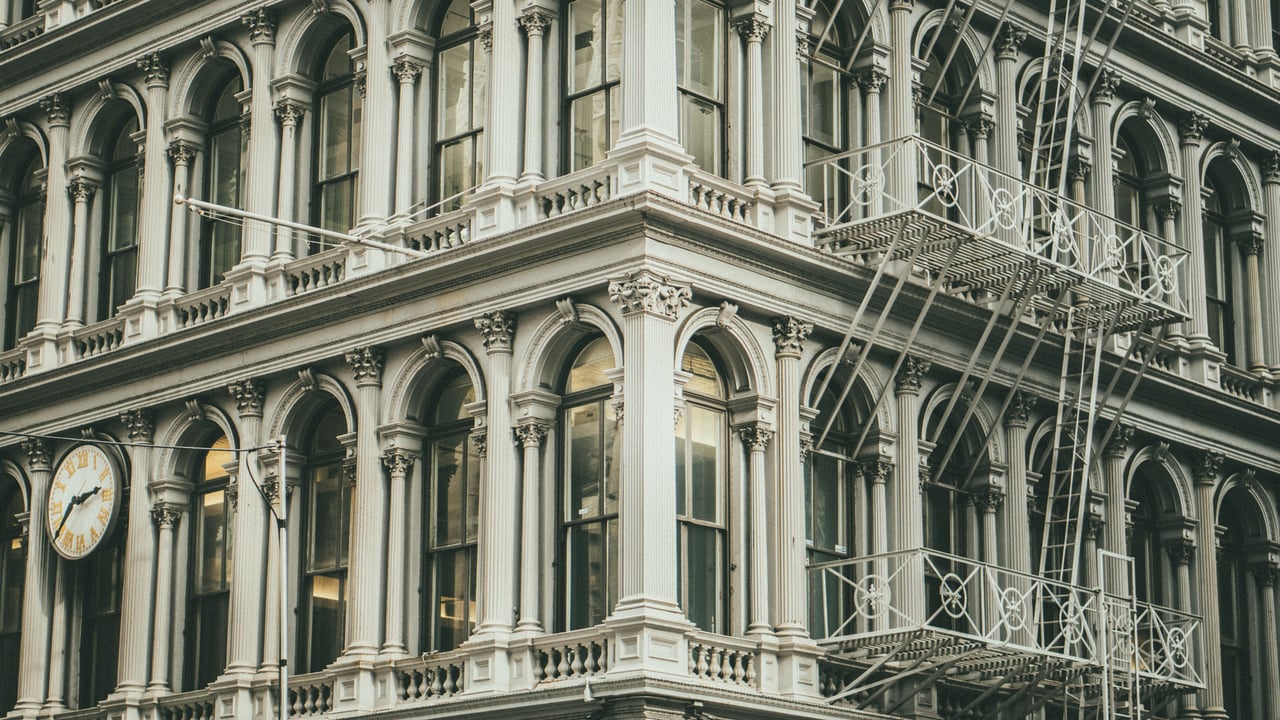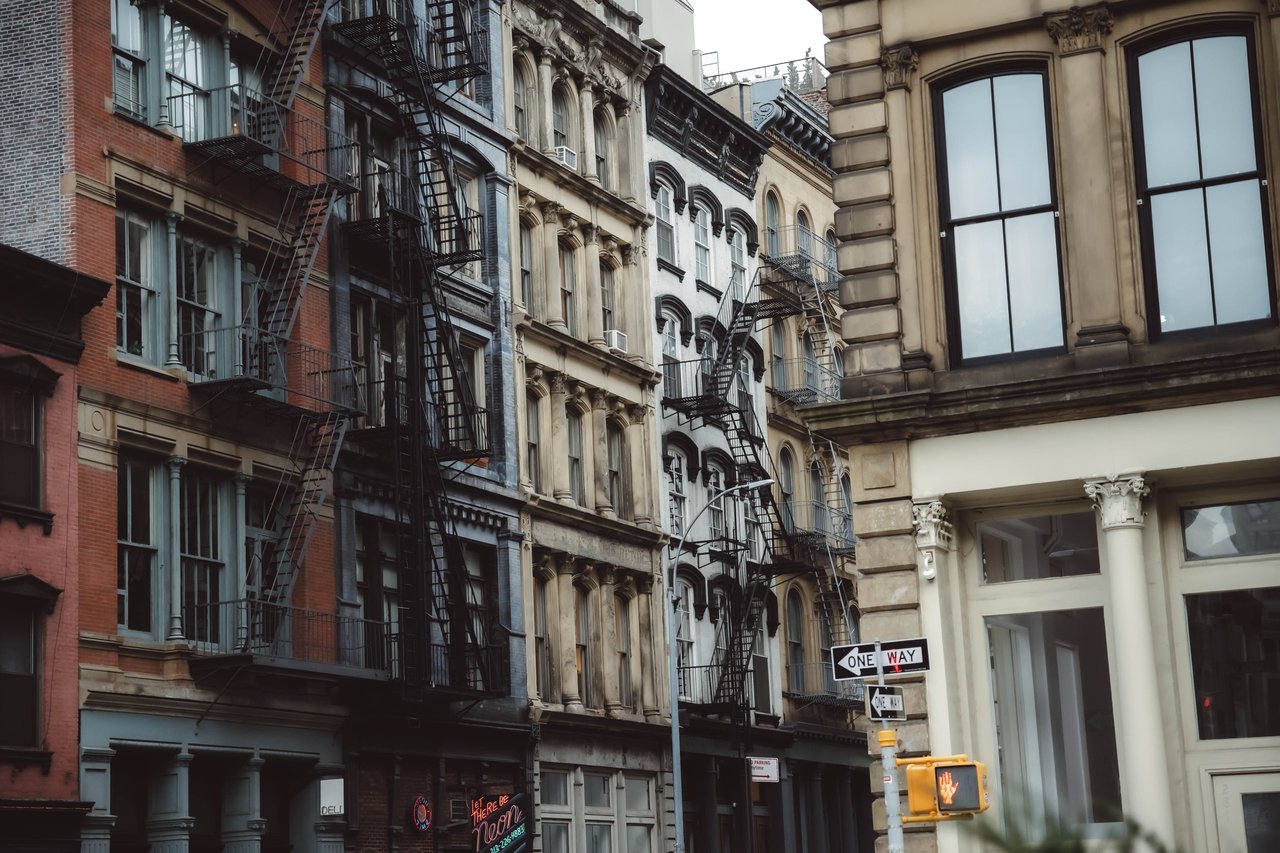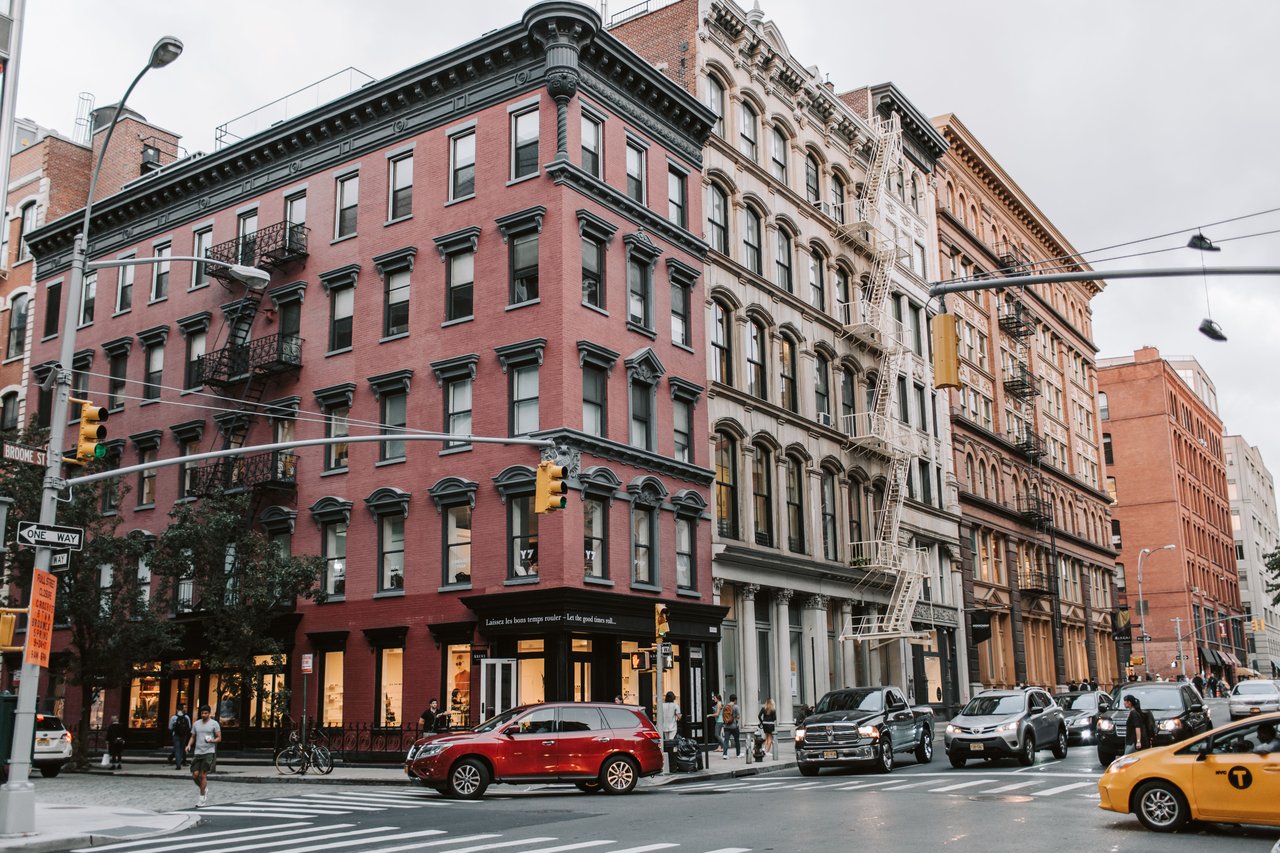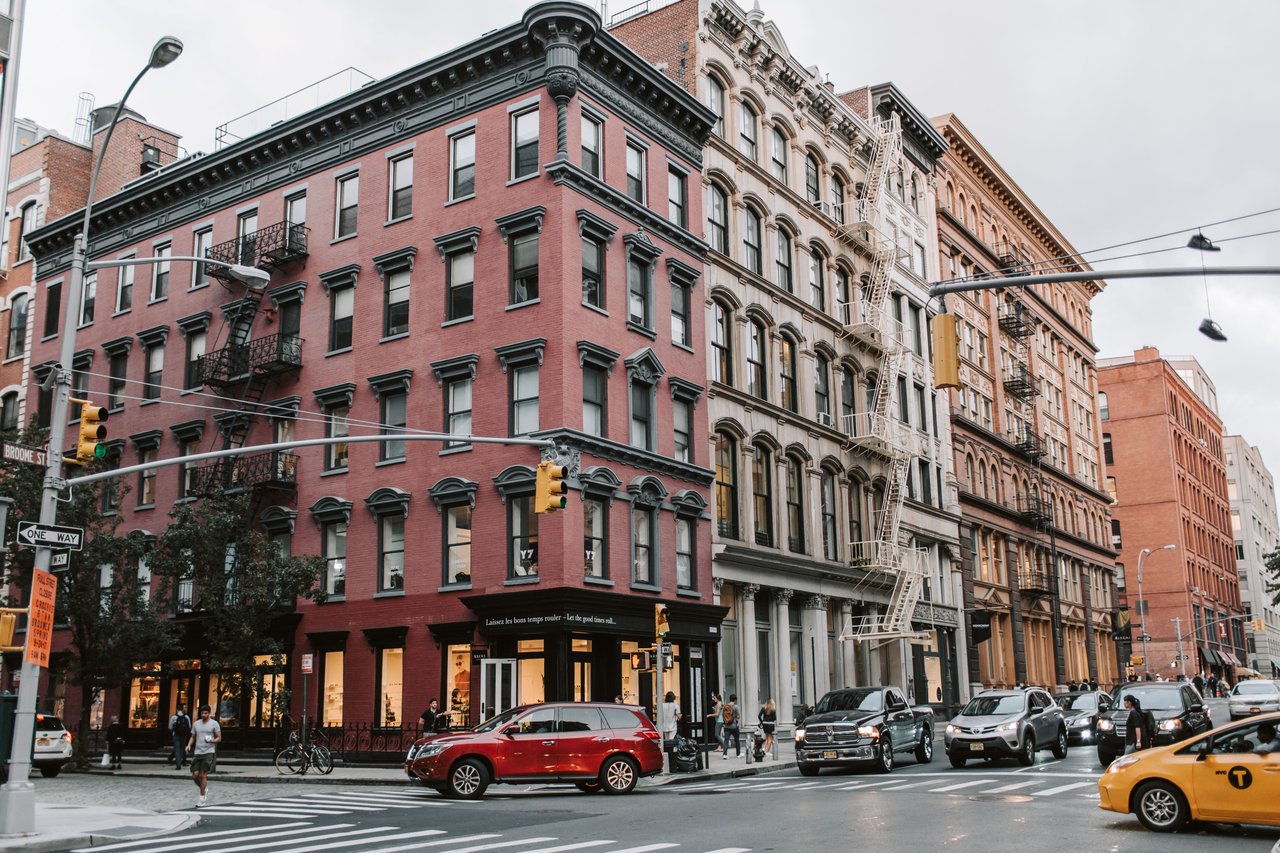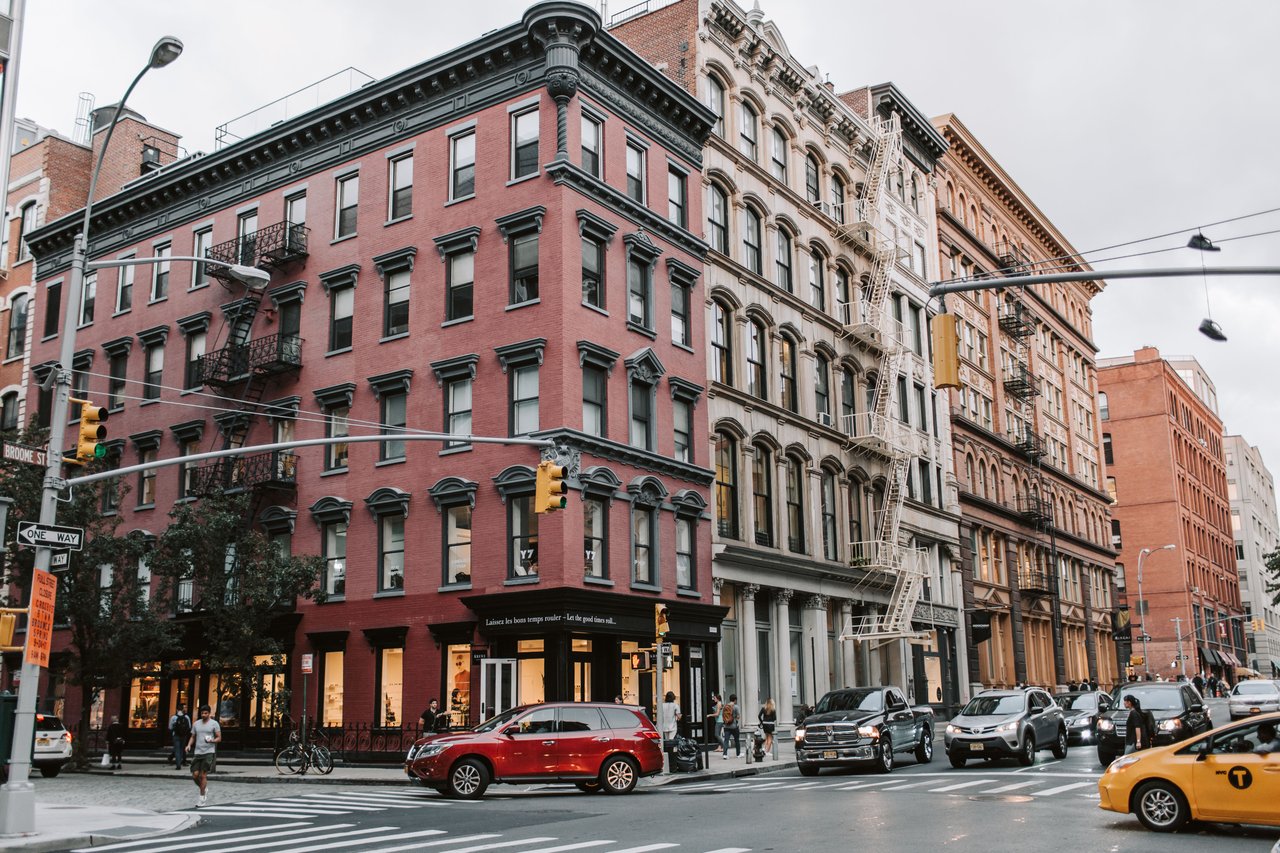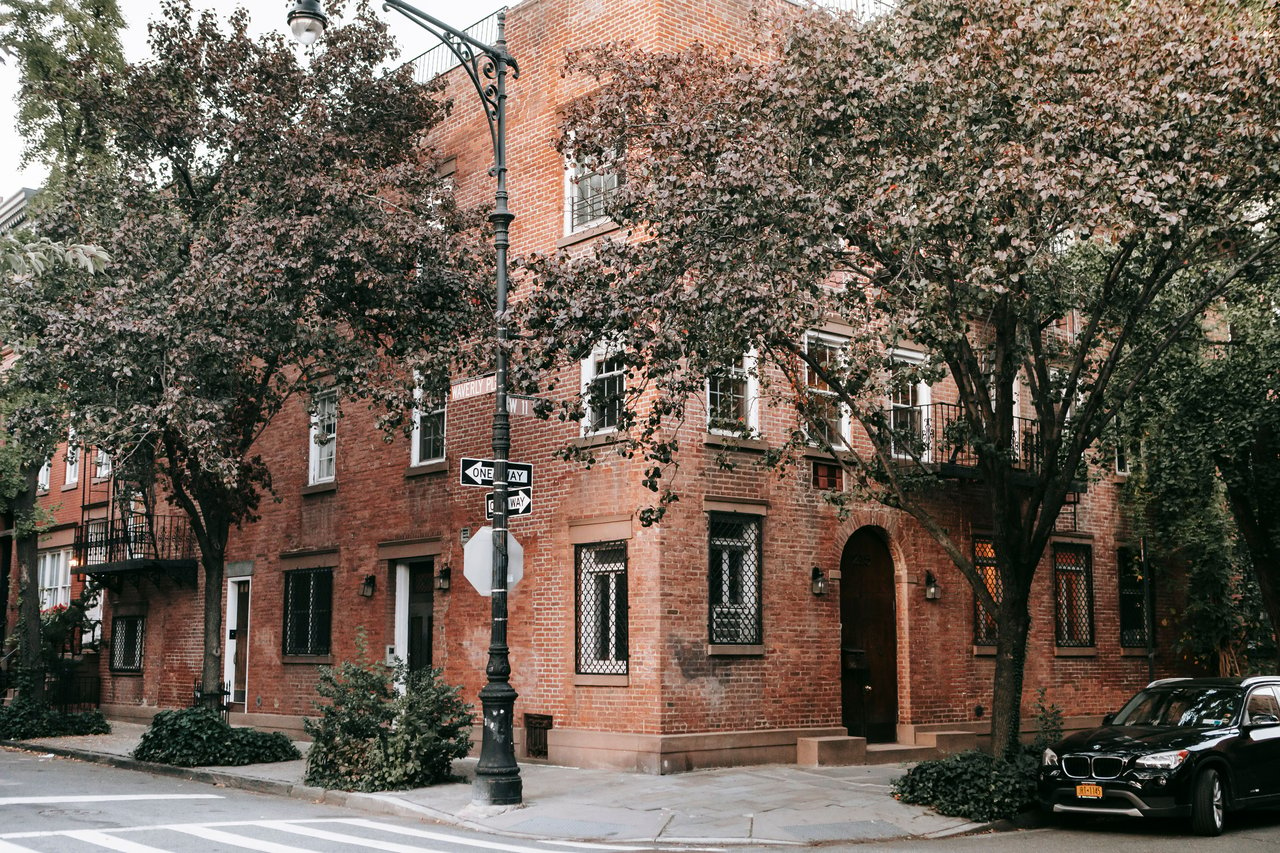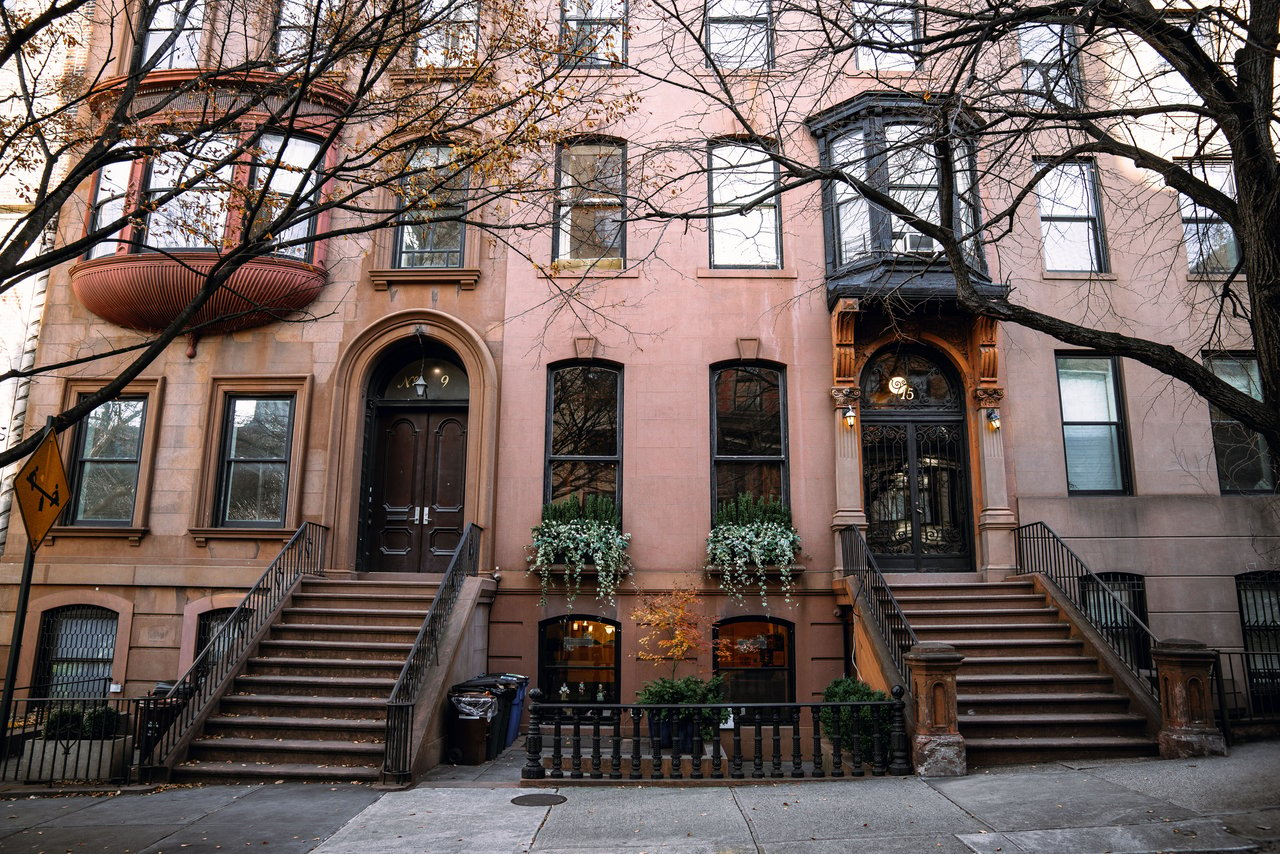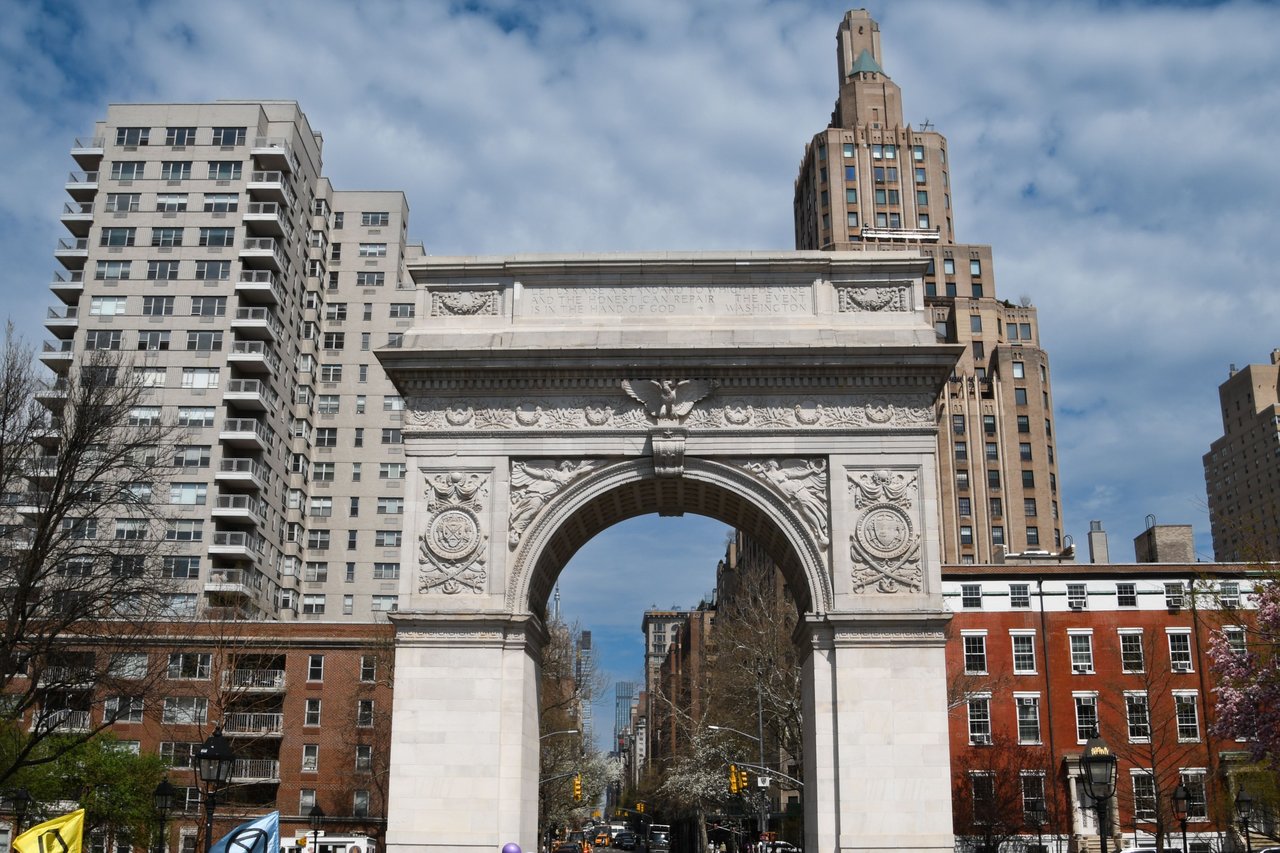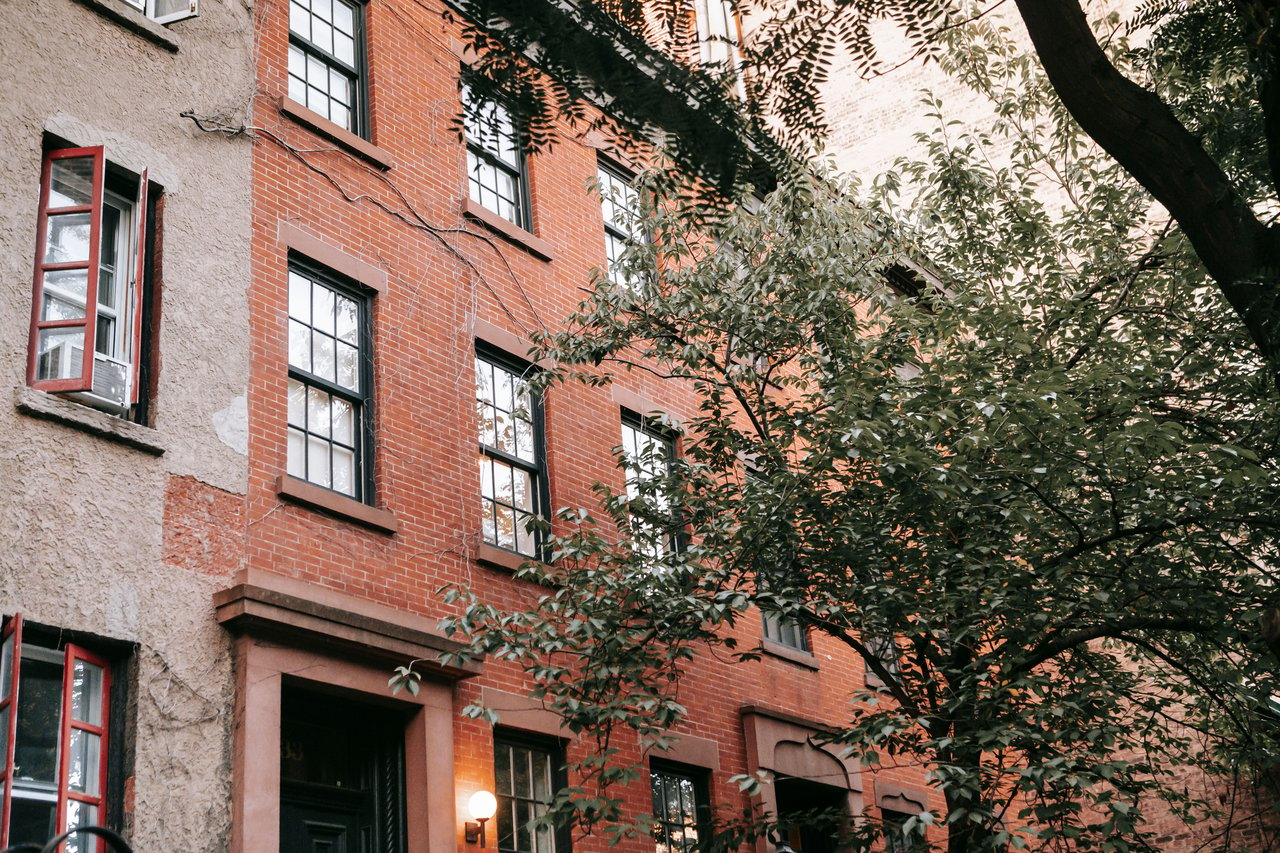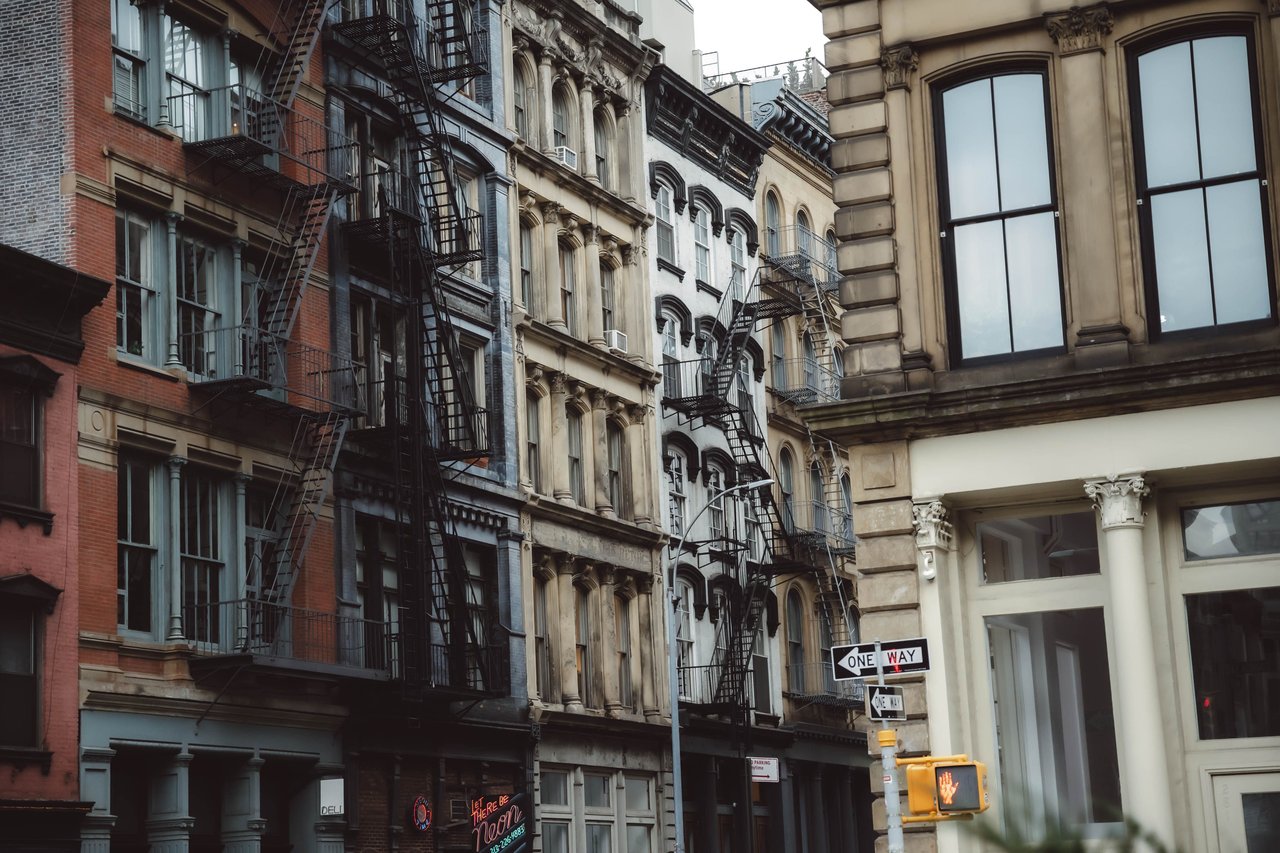
Centre Street is one of Lower Manhattan's most architecturally significant north-south thoroughfares. Extending from the Civic Center area near Park Row to its northern connection with Cleveland Place, the street passes through a remarkable collection of government buildings, nineteenth-century commercial structures, historic institutional properties, and former industrial architecture.
Unlike many Manhattan streets defined by a single architectural period, Centre Street reflects several distinct phases of urban development. Its southern blocks contain monumental courthouses and municipal buildings constructed during the early twentieth century. Farther north, the street passes through the former landscape of Collect Pond, historic commercial blocks in Chinatown, and the architectural transition toward Little Italy and SoHo.
Among its most important landmarks are the Manhattan Municipal Building, the New York County Courthouse, the Manhattan Criminal Courthouse, and the former New York City Police Headquarters. These buildings demonstrate the development of Beaux-Arts, Neoclassical, and Edwardian Baroque architecture in Manhattan.
Centre Street is also closely connected to the transformation of the former Collect Pond, the redevelopment of the historic Five Points street network, and the creation of Manhattan's modern Civic Center.
Its architectural history illustrates how changes in land use, transportation, construction technology, and urban planning reshaped Lower Manhattan over more than two centuries.
The Origins of Centre Street
Centre Street developed through an area that underwent substantial changes during the late eighteenth and early nineteenth centuries.
Before the modern street network was established, much of the surrounding land consisted of low-lying terrain, marshes, and the waters of Collect Pond.
The pond occupied a substantial area near the present-day intersections of Centre, Leonard, Franklin, and Lafayette Streets.
As Manhattan expanded northward, the city began transforming this landscape into developable urban land.
The drainage and filling of Collect Pond allowed new streets and building lots to be established.
Early sections of the modern Centre Street corridor were associated with Collect Street, a name reflecting the former pond.
The street gradually acquired its modern identity as the surrounding area developed with residential, commercial, and institutional buildings.
Unlike the numbered avenues established farther north under the Commissioners' Plan of 1811, Centre Street emerged from the older and less regular street network of Lower Manhattan.
Its alignment and surrounding blocks therefore reflect earlier phases of urban development.
Why Is It Called Centre Street?
Centre Street's name reflects its position within the historic street network of Lower Manhattan.
Earlier portions of the corridor were known as Collect Street because of their proximity to Collect Pond.
As the area developed and the street network changed, Centre Street became the established name.
The American spelling, Centre, preserves the traditional form used in New York City's official street naming.
Today, Centre Street is closely associated with the city's judicial and municipal institutions.
Its name appears on some of Manhattan's most recognizable government addresses, including the Municipal Building and the Criminal Courthouse.
Centre Street and the Former Collect Pond
One of the most important geographical features in Centre Street's history was Collect Pond.
Before substantial urban development, the pond occupied approximately five acres in Lower Manhattan.
It was fed by natural springs and formed part of a larger system of wetlands and drainage channels.
As commercial activity expanded, the surrounding area became increasingly developed.
Industrial operations near the pond contributed to water contamination, and the city eventually undertook efforts to drain and fill the site.
The process began during the early nineteenth century.
Although filling the pond created land for streets and buildings, the underlying soil remained difficult for construction.
Soft ground, groundwater, and unstable fill continued to affect later buildings.
These conditions became particularly important when substantial institutional structures were constructed along Centre Street.
The Filling of Collect Pond and the Creation of New Streets
The filling of Collect Pond was one of Lower Manhattan's significant early land-reclamation projects.
Beginning in the early 1800s, the city undertook drainage and filling work to transform the pond into developable property.
Surrounding hills were reduced, and excavated material was used to fill portions of the low-lying land.
New streets and building lots were subsequently laid out across the former pond and marshes.
However, the reclaimed ground created structural difficulties.
Buildings constructed over poorly consolidated fill could experience settlement, dampness, and foundation problems.
These conditions influenced the development of the surrounding neighborhood for decades.
Later municipal buildings required more substantial engineering solutions to accommodate the site's difficult ground conditions.
The relationship between Centre Street and Collect Pond remains an important example of how Manhattan's original landscape influenced its architecture.
Centre Street and the Historic Five Points Street Network
The area surrounding Centre Street became closely associated with the historic Five Points district during the nineteenth century.
The original Five Points intersection was formed by several streets converging at irregular angles near the former Collect Pond.
This arrangement differed from the regular street grid found in much of Manhattan.
The surrounding blocks developed with closely spaced residential and commercial buildings.
As the city expanded, portions of the original street network were altered or removed.
Major redevelopment projects during the late nineteenth and early twentieth centuries replaced many earlier structures with government buildings and public facilities.
The creation of the modern Civic Center substantially changed the area's architectural appearance.
Today, the arrangement of Centre Street, Worth Street, Baxter Street, and neighboring roadways preserves evidence of these successive changes.
The Development of Manhattan's Civic Center
The southern portion of Centre Street became an important location for municipal and judicial architecture during the nineteenth and early twentieth centuries.
As New York City's government expanded, additional buildings were required for courts, administrative offices, and related public functions.
The surrounding area offered opportunities for substantial construction near City Hall.
Over time, smaller residential and commercial buildings were removed to create sites for monumental government structures.
These projects introduced large-scale architectural compositions that differed considerably from the earlier neighborhood.
Classical columns, substantial stone facades, monumental entrances, and carefully arranged public spaces became defining features of the Civic Center.
The development of this district established Centre Street as one of Manhattan's principal government corridors.
The Manhattan Municipal Building
The David N. Dinkins Manhattan Municipal Building is one of Centre Street's most prominent architectural landmarks.
Located at 1 Centre Street, the building was constructed between 1909 and 1914.
It was designed by William M. Kendall of the architectural firm McKim, Mead & White.
The building is an important example of early twentieth-century monumental civic architecture.
Its design combines classical architectural principles with the vertical scale of a modern office tower.
The structure incorporates substantial stone facades, decorative columns, monumental arches, and a prominent central tower.
Its composition reflects the City Beautiful movement, which emphasized grand civic buildings and coordinated urban planning.
The Municipal Building also demonstrates how classical architectural design was adapted to accommodate the practical requirements of a large government office building.
The Architecture of the Manhattan Municipal Building
The Manhattan Municipal Building is particularly notable for its combination of monumental classical design and modern construction.
Its lower levels incorporate substantial arches and colonnades, creating a prominent architectural base.
Above, the building rises through a series of carefully organized elevations.
The tower is crowned by the gilded statue Civic Fame, an important feature of the building's skyline silhouette.
The structure also incorporates a major transportation connection at its base, where roadway and subway infrastructure were integrated into the architectural arrangement.
This relationship between architecture and transportation was an important feature of early twentieth-century planning.
The building's substantial scale established a new architectural identity for the southern end of Centre Street.
Centre Street and Chambers Street
The intersection of Centre Street and Chambers Street is one of the principal architectural entrances to Manhattan's Civic Center.
The Manhattan Municipal Building occupies a prominent position near the intersection.
Surrounding buildings include important government and institutional structures constructed during different periods.
The architectural character is defined by substantial stone facades, monumental proportions, and carefully arranged public entrances.
Unlike the narrower commercial streets farther north, this section of Centre Street was developed to accommodate major public institutions.
The intersection demonstrates the influence of early twentieth-century civic planning on Lower Manhattan's urban landscape.
The New York County Courthouse
The New York County Courthouse is another major architectural landmark associated with Centre Street.
Located at 60 Centre Street, the building was designed by architect Guy Lowell and completed in 1927.
It is an important example of Neoclassical civic architecture.
The courthouse features a monumental Corinthian colonnade, broad steps, and a substantial stone facade.
Its architectural composition was designed to convey permanence, order, and institutional importance.
The building occupies a prominent site near Foley Square.
Its design reflects the early twentieth-century preference for classical architecture in major government buildings.
The courthouse remains one of the defining structures of Manhattan's Civic Center.
The Architecture of the New York County Courthouse
The New York County Courthouse is distinguished by its monumental classical design.
The principal facade incorporates a substantial colonnade supported by Corinthian columns.
A broad staircase creates a formal approach to the building.
The exterior uses substantial masonry and carefully arranged architectural details.
Inside, the courthouse contains a prominent rotunda and richly finished public spaces.
The interior incorporates decorative materials, monumental proportions, and architectural features associated with Neoclassical public buildings.
The rotunda includes the mural Law Through the Ages, completed in 1936.
Together, the exterior and interior demonstrate the architectural ambitions of Manhattan's early twentieth-century civic construction program.
Foley Square and Centre Street
Foley Square is one of the most important public spaces associated with Centre Street.
The square is surrounded by substantial government buildings, including courthouses and administrative offices.
Its development formed part of the broader transformation of the former Five Points area into Manhattan's Civic Center.
The surrounding buildings reflect several architectural periods, but monumental classical design remains a defining characteristic.
Wide sidewalks, public plazas, and substantial building entrances distinguish the area from the narrower commercial blocks farther north.
Foley Square demonstrates how early twentieth-century urban planning sought to create a coordinated setting for major public institutions.
Its relationship with Centre Street remains an important part of the street's architectural identity.
The Manhattan Criminal Courthouse
The Manhattan Criminal Courthouse at 100 Centre Street is one of the principal institutional buildings along the street.
The current complex was constructed during the twentieth century, replacing earlier criminal court facilities in the surrounding area.
Its architecture reflects a more restrained institutional approach than the monumental classical design of the New York County Courthouse.
The building incorporates substantial masonry, regularly arranged windows, and a practical interior organization designed for court operations.
Its location near the former Collect Pond is particularly significant because the area had long been associated with judicial and detention facilities.
The courthouse represents a later phase of Civic Center development, when public buildings increasingly emphasized efficient interior planning and modern construction.
The Historic Tombs Prison
The area surrounding Centre Street was historically associated with the New York Halls of Justice and House of Detention, commonly known as the Tombs.
The original building opened in 1838.
Its architecture was inspired by Egyptian Revival design, incorporating monumental forms associated with ancient Egyptian structures.
The building stood on land connected to the former Collect Pond.
Unstable ground conditions created substantial engineering difficulties.
The original structure was eventually replaced, and later detention facilities occupied nearby sites.
The history of the Tombs demonstrates how architectural design and difficult ground conditions influenced public construction along Centre Street.
It also provides an important example of the changing architectural styles used for institutional buildings during the nineteenth and twentieth centuries.
Egyptian Revival Architecture on Centre Street
Egyptian Revival architecture became fashionable for certain institutional buildings during the nineteenth century.
The style incorporated massive masonry walls, simplified geometric forms, and architectural details inspired by ancient Egyptian monuments.
The original Tombs prison was one of New York City's most recognizable examples.
Its substantial stone construction and monumental appearance differed from the surrounding residential and commercial buildings.
The design reflected nineteenth-century interest in historic architectural styles and their symbolic associations.
Although the original building no longer survives, its architectural history remains an important part of Centre Street's development.
The replacement of the structure also demonstrates the continuing transformation of the Civic Center's institutional architecture.
Collect Pond Park
Collect Pond Park preserves the historical memory of the freshwater pond that once occupied this part of Lower Manhattan.
The park is located near Centre Street and Leonard Street, within the former pond area.
Its landscaped design provides a contrast to the surrounding government buildings and busy roadways.
The park's name recalls the natural feature that shaped the area's earliest development.
The site also reflects the transformation of the former pond into a densely developed urban district.
Its history includes land reclamation, residential construction, institutional development, and later public-space improvements.
Collect Pond Park therefore serves as an important geographical and historical reference point for understanding Centre Street.
Centre Street Between Worth Street and Canal Street
The blocks between Worth Street and Canal Street form an architectural transition between the Civic Center and Chinatown.
The surrounding buildings include government institutions, historic commercial structures, and later mixed-use properties.
Nineteenth-century masonry buildings remain visible in parts of the surrounding neighborhood.
Other properties were replaced during the twentieth century as the Civic Center expanded.
The architectural character is more varied than the monumental government district farther south.
Brick facades, commercial storefronts, substantial institutional buildings, and later construction illustrate the different phases of development.
This section of Centre Street demonstrates the transition from the former Collect Pond area toward the historic commercial streets of Chinatown.
Centre Street and Canal Street
The intersection of Centre Street and Canal Street is one of Lower Manhattan's important transportation connections.
Canal Street developed during the early nineteenth century along a drainage route associated with the former Collect Pond.
The street later became a major east-west commercial corridor.
Its intersection with Centre Street connects the Civic Center area with Chinatown, Little Italy, and neighboring commercial districts.
The surrounding architecture includes nineteenth-century commercial buildings, later mixed-use structures, and properties altered by changing transportation requirements.
The intersection also reflects the importance of subway construction in the development of Lower Manhattan.
The relationship between the two streets demonstrates how early drainage infrastructure eventually influenced the modern transportation network.
Centre Street and Chinatown's Historic Commercial Architecture
North of Canal Street, Centre Street passes through an area associated with Chinatown's commercial development.
The surrounding buildings reflect several construction periods, including nineteenth-century brick structures and later commercial properties.
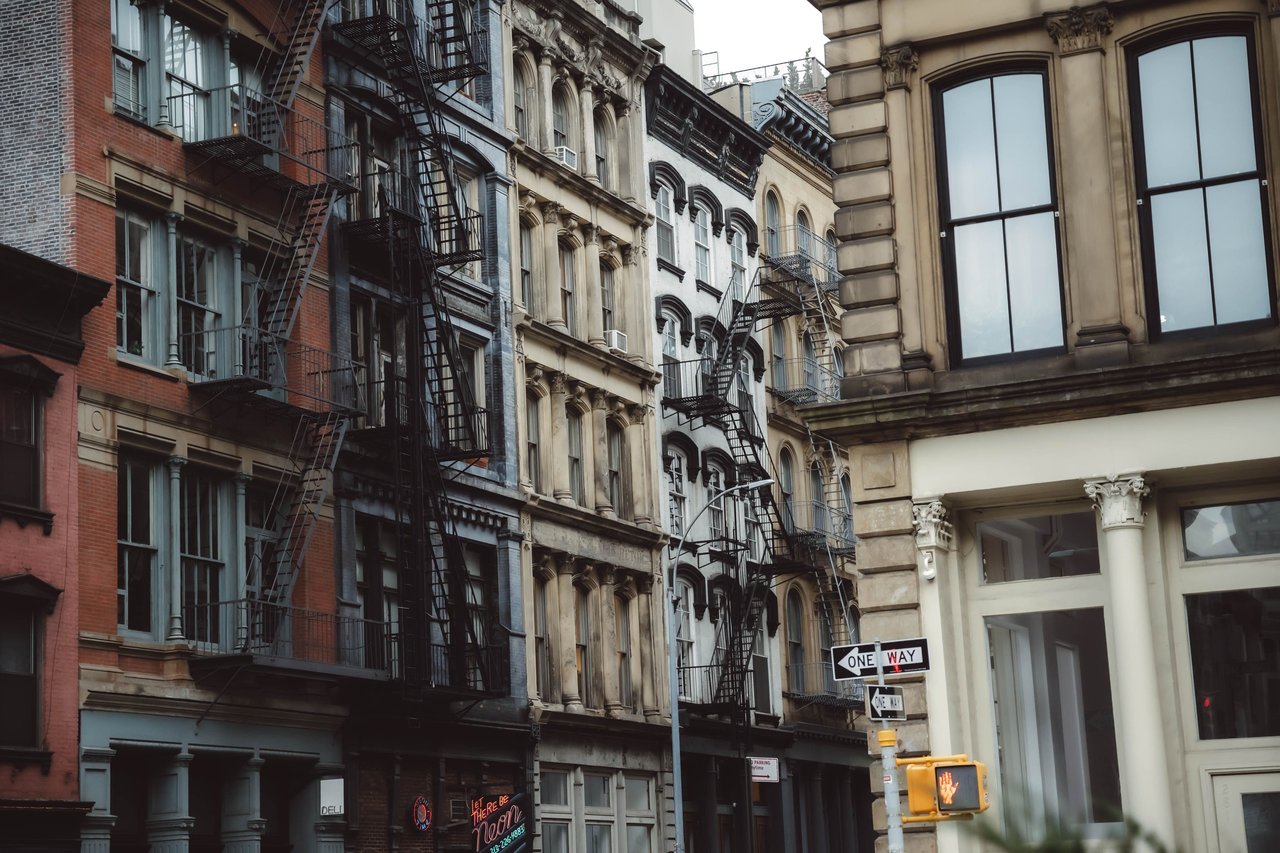
Historic storefronts, decorative cornices, traditional window arrangements, and substantial masonry walls contribute to the streetscape.
Some buildings were originally constructed for manufacturing, warehousing, or mixed commercial use.
Others were adapted over time to accommodate different businesses and residential arrangements.
The architectural variety reflects the gradual development of Lower Manhattan rather than a single coordinated construction period.
Centre Street's buildings therefore provide an important record of changing commercial architecture.
Centre Street Between Canal Street and Grand Street
The blocks between Canal Street and Grand Street contain a mixture of historic commercial and institutional buildings.
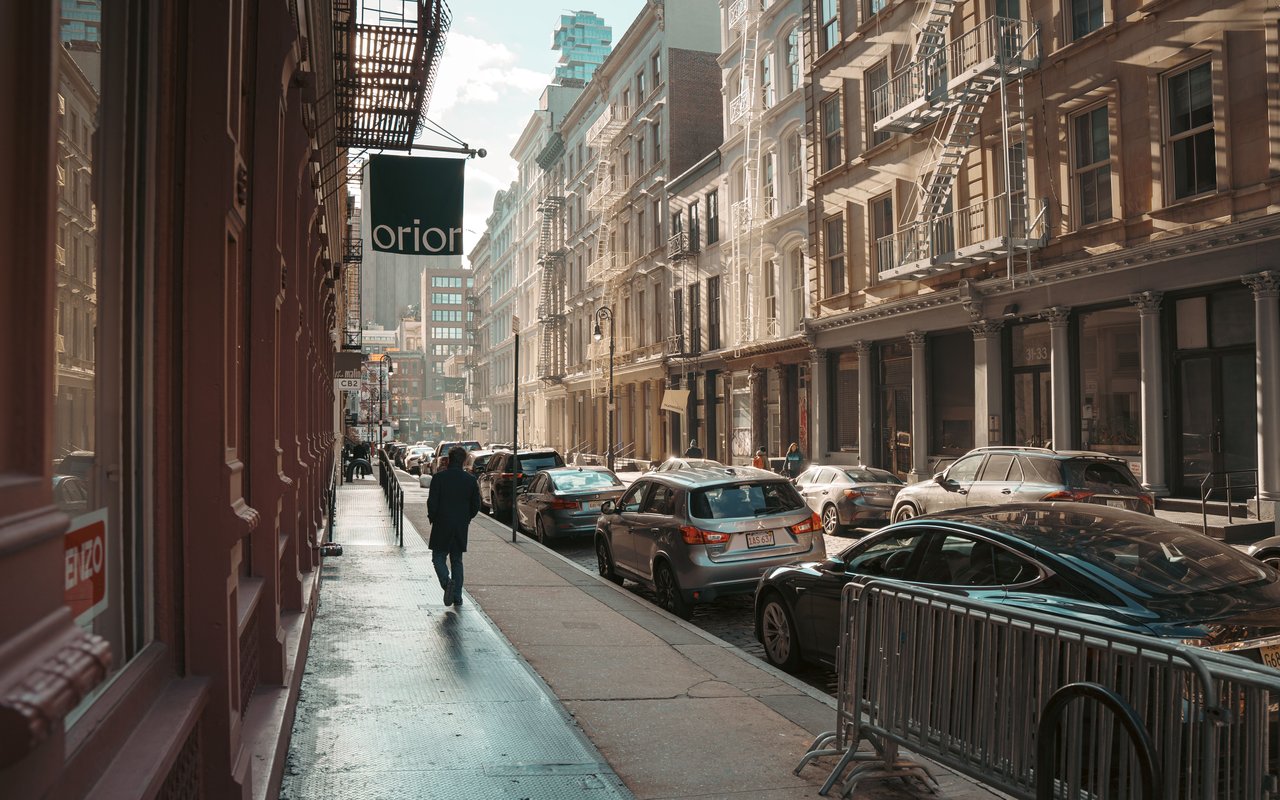
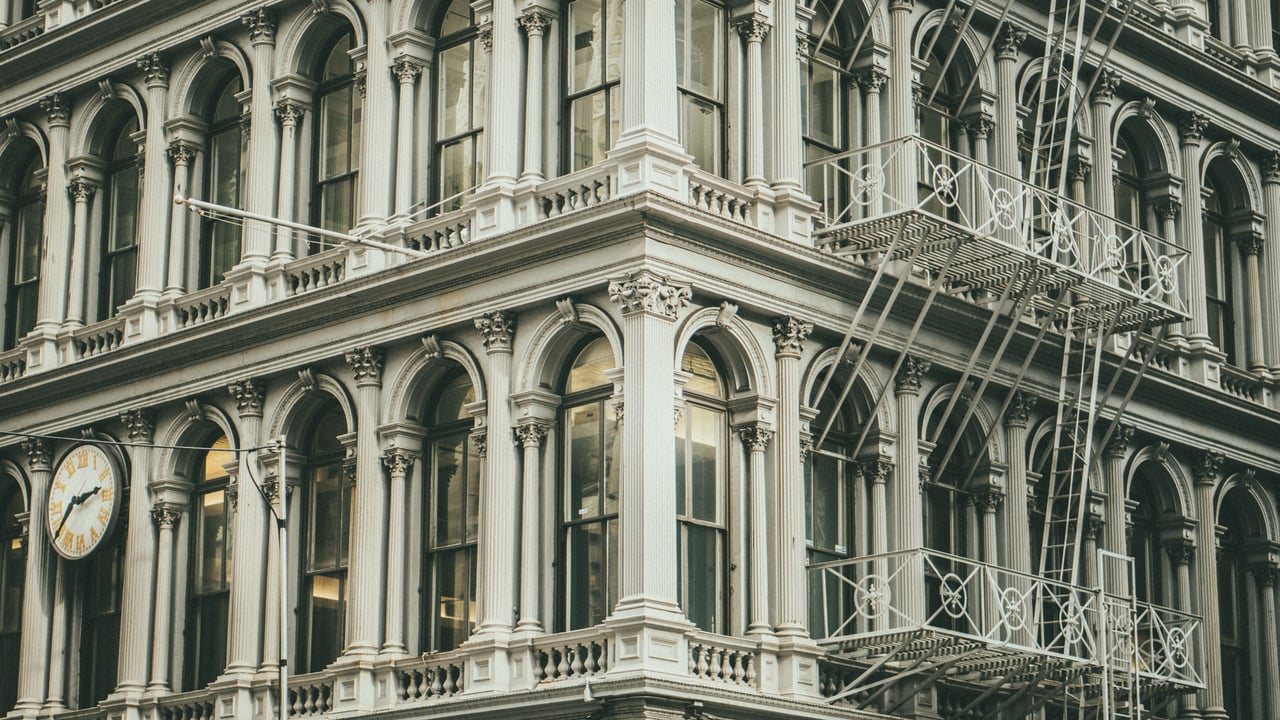
Brick masonry is a prominent material, while stone and cast iron appear in structural and decorative details.
Many buildings incorporate traditional commercial storefronts at street level.
Upper floors often contain large windows and layouts associated with former commercial or manufacturing uses.
The architectural character differs from the monumental government buildings farther south.
Here, the streetscape reflects the more incremental development of Lower Manhattan's commercial neighborhoods.
The combination of older masonry buildings and later alterations illustrates the continuing adaptation of the surrounding properties.
Centre Street and Grand Street
The intersection of Centre Street and Grand Street marks an important transition toward Little Italy and the eastern edge of SoHo.
Grand Street developed during the nineteenth century as a substantial commercial corridor.
Its surrounding buildings include former warehouses, manufacturing lofts, and mixed-use properties.
Centre Street intersects this landscape as a major north-south route.
The surrounding architecture incorporates brick facades, historic storefronts, decorative cornices, and later commercial alterations.
The intersection also provides an important geographical reference point for the former New York City Police Headquarters.
Its architectural character reflects the expansion of commercial and institutional construction during the late nineteenth and early twentieth centuries.
The Former New York City Police Headquarters
The former New York City Police Headquarters at 240 Centre Street is one of the street's most important architectural landmarks.
Constructed between 1905 and 1909, the building was designed by the architectural firm Hoppin & Koen.
It is an outstanding example of Edwardian Baroque architecture and Beaux-Arts planning principles.
The building occupies a substantial site between Grand Street and Broome Street.
Its monumental design includes a central dome, elaborate stone ornamentation, substantial columns, and carefully arranged facades.
The architecture was intended to establish a prominent institutional identity.
The building served as the headquarters of the New York City Police Department for much of the twentieth century.
Its survival provides an important example of early twentieth-century public architecture outside the principal Civic Center district.
Edwardian Baroque Architecture at 240 Centre Street
Edwardian Baroque architecture incorporated substantial classical forms, elaborate ornamentation, and dramatic architectural compositions.
The former Police Headquarters demonstrates these characteristics through its monumental scale and decorative design.
The building's prominent dome is one of its most recognizable features.
Its facades incorporate substantial stonework, classical columns, ornamental details, and carefully arranged window openings.
The architecture reflects the influence of Beaux-Arts planning, emphasizing symmetry, formal entrances, and monumental composition.
The building differs significantly from the nineteenth-century commercial lofts and warehouses nearby.
Its architectural presence demonstrates how major public institutions introduced monumental designs into established commercial neighborhoods.
The Residential Conversion of the Police Building
The former Police Headquarters underwent an important transformation during the late twentieth century.
After the police department relocated, the building was eventually adapted for residential use.
The conversion was completed during the 1980s.
Its substantial historic exterior was preserved while interior spaces were redesigned to accommodate residential apartments.
The project demonstrates how monumental institutional architecture can be adapted to contemporary residential use.
The building's original construction created unusual interior volumes and architectural conditions.
Its conversion required a different approach from the rehabilitation of conventional manufacturing lofts.
Today, the property remains an important example of adaptive reuse in Lower Manhattan.
Centre Street and Broome Street
The intersection of Centre Street and Broome Street occupies an important position near the former Police Headquarters.
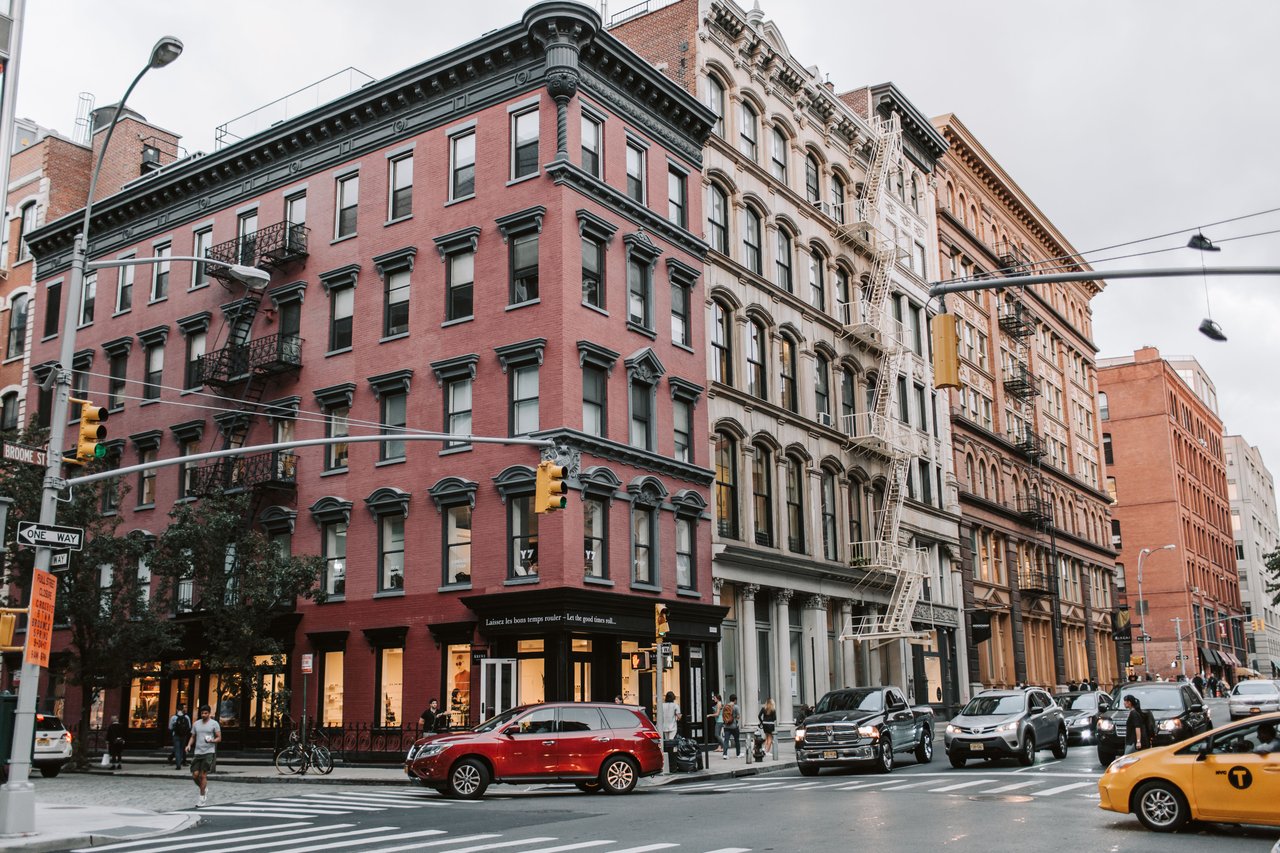
Broome Street developed with nineteenth-century commercial and manufacturing buildings, particularly toward SoHo.
The surrounding architecture includes historic masonry structures, former loft buildings, and later commercial properties.
The intersection reflects the relationship between the monumental institutional architecture of the Police Building and the smaller-scale commercial buildings nearby.
Historic storefronts, brick facades, and decorative details remain important features of the surrounding streetscape.
This section illustrates the architectural transition between Little Italy and the eastern edge of SoHo.
Centre Street Between Broome Street and Kenmare Street
The northern portion of Centre Street approaches Kenmare Street and the intersection with Cleveland Place.
This area underwent substantial changes during the late nineteenth and early twentieth centuries.
The construction of major transportation corridors altered existing blocks and created new building sites.
Surrounding properties reflect nineteenth-century commercial development as well as later architectural alterations.
Brick masonry, historic storefronts, and substantial commercial windows contribute to the architectural character.
The street network becomes increasingly irregular near Kenmare Street, where older alignments intersect with later transportation improvements.
This unusual geometry distinguishes the northern end of Centre Street from its more regular southern blocks.
Centre Street and Kenmare Street
Kenmare Street was constructed during the early twentieth century to improve east-west transportation through Lower Manhattan.
The roadway provided a connection toward the Williamsburg Bridge approach.
Its construction required the demolition or alteration of existing buildings and the reconfiguration of surrounding blocks.
Centre Street was affected by these changes near its northern end.
The intersection introduced new traffic patterns and altered the arrangement of nearby property boundaries.
The resulting streetscape contains buildings from several construction periods.
This area demonstrates how early twentieth-century transportation planning reshaped the older street network of Little Italy and eastern SoHo.
The Northern End of Centre Street and Cleveland Place
Centre Street's northern end connects with Cleveland Place near Kenmare Street.
Cleveland Place preserves part of the older Marion Street alignment, which predates several of the surrounding transportation improvements.
The relationship between the two streets reflects the irregular development of Lower Manhattan.
Unlike the standardized grid farther north, this area contains diagonal passages and intersections created through successive changes to the street network.
The surrounding buildings include historic commercial properties and later structures constructed on irregular parcels.
The northern end of Centre Street therefore provides a distinct contrast to the monumental civic architecture at its southern end.
The Architectural Styles of Centre Street
Centre Street contains a remarkable variety of architectural styles.
Its early development included Federal and Greek Revival residential buildings, many of which were later demolished or substantially altered.
Nineteenth-century commercial expansion introduced Italianate and other masonry commercial architecture.
The original Tombs prison demonstrated Egyptian Revival design.
The early twentieth-century Civic Center introduced monumental Beaux-Arts and Neoclassical architecture.
The former Police Headquarters added an important example of Edwardian Baroque design.
Later institutional buildings incorporated more restrained twentieth-century architectural approaches.
Together, these styles demonstrate the street's transformation through successive periods of urban development.
Historic Preservation Along Centre Street
Historic preservation has helped protect several of Centre Street's most important buildings.
The Manhattan Municipal Building, New York County Courthouse, and former Police Headquarters are recognized for their architectural significance.
Other properties may be individually designated landmarks or located within historic districts.
Preservation work can include masonry restoration, decorative stone repairs, historic window rehabilitation, and maintenance of significant architectural details.
Buildings originally constructed for institutional or commercial use may also present distinctive renovation considerations.
Property owners should verify individual landmark designations, zoning, legal occupancy, and applicable building regulations before planning alterations.
The preservation of Centre Street's historic architecture helps maintain the relationship between its monumental civic buildings and the older commercial landscape.
The Architectural Legacy of Centre Street
Centre Street provides an unusually comprehensive record of Lower Manhattan's architectural development.
Its origins are connected to the former Collect Pond and the early street network established after the surrounding land was drained and filled.
Nineteenth-century residential and commercial construction transformed the area, while the development of the Civic Center introduced monumental government architecture.
The Manhattan Municipal Building, New York County Courthouse, and former Police Headquarters demonstrate several important approaches to early twentieth-century institutional design.
Farther north, historic commercial buildings preserve evidence of the manufacturing and wholesale activities that shaped Chinatown, Little Italy, and eastern SoHo.
The construction of Canal Street, Kenmare Street, and nearby transportation infrastructure further altered the surrounding blocks.
Today, Centre Street remains one of Manhattan's most architecturally varied thoroughfares. Its combination of historic government buildings, former industrial properties, commercial architecture, and irregular street intersections provides an important record of the city's changing urban landscape.
Where is Centre Street in Manhattan?
Centre Street runs through Lower Manhattan, connecting the Civic Center area with Chinatown, Little Italy, and the eastern edge of SoHo. Its northern end meets Cleveland Place near Kenmare Street.
What is the history of Centre Street in Manhattan?
Centre Street developed near the former Collect Pond during the early nineteenth century. Its surrounding area was later transformed through commercial construction, the development of Manhattan's Civic Center, and major transportation improvements.
Why is Centre Street famous in Manhattan?
Centre Street is known for its concentration of government buildings, historic courthouses, the Manhattan Municipal Building, and the former New York City Police Headquarters.
What was Centre Street originally called in Manhattan?
Portions of the early Centre Street corridor were associated with Collect Street, a name connected to the former Collect Pond.
What architectural styles are found on Centre Street in Manhattan?
Centre Street contains examples of Egyptian Revival, Italianate, Beaux-Arts, Neoclassical, Edwardian Baroque, and other nineteenth- and twentieth-century architectural styles.
What is the Manhattan Municipal Building on Centre Street in Manhattan?
The Manhattan Municipal Building at 1 Centre Street was constructed between 1909 and 1914 and designed by William M. Kendall of McKim, Mead & White. It is an important example of monumental early twentieth-century civic architecture.
What is the New York County Courthouse on Centre Street in Manhattan?
The New York County Courthouse at 60 Centre Street was designed by Guy Lowell and completed in 1927. Its monumental Neoclassical architecture includes a Corinthian colonnade and substantial stone facade.
What is the former Police Headquarters on Centre Street in Manhattan?
The former New York City Police Headquarters at 240 Centre Street was constructed between 1905 and 1909 and designed by Hoppin & Koen. It is an important example of Edwardian Baroque architecture.
What was Collect Pond near Centre Street in Manhattan?
Collect Pond was a natural freshwater pond that occupied part of the area surrounding modern Centre Street. It was drained and filled during the early nineteenth century, allowing the construction of new streets and buildings.
What was the Tombs prison on Centre Street in Manhattan?
The Tombs was a historic detention complex associated with Centre Street and the former Collect Pond. The original building opened in 1838 and was known for its Egyptian Revival architecture.
Who can help me sell my apartment on Centre Street in Chinatown, Manhattan?
The Parviz Team at Compass and Parviz Latipzoda can help you sell your apartment on Centre Street in Chinatown, Manhattan. The team provides complimentary property valuations, professional photography, strategic pricing, and targeted marketing.
Who can help me sell my condo on Centre Street in Little Italy, Manhattan?
The Parviz Team at Compass and Parviz Latipzoda can help you sell your condo on Centre Street in Little Italy, Manhattan. The team reviews comparable sales, apartment condition, building amenities, common charges, and property taxes.
Who can help me sell my co-op on Centre Street in Little Italy, Manhattan?
The Parviz Team at Compass and Parviz Latipzoda can help you sell your co-op on Centre Street in Little Italy, Manhattan. The team assists with property valuations, marketing, negotiations, and cooperative board requirements.
Who can help me sell my loft on Centre Street near SoHo, Manhattan?
The Parviz Team at Compass and Parviz Latipzoda can help you sell your loft on Centre Street near SoHo, Manhattan. The team evaluates square footage, ceiling heights, architectural features, building condition, and comparable loft transactions.
Who can help me sell my mixed-use building on Centre Street in Chinatown, Manhattan?
The Parviz Team at Compass and Parviz Latipzoda can help you sell your mixed-use building on Centre Street in Chinatown, Manhattan. The team reviews commercial and residential occupancy, lease terms, rental income, expenses, and comparable transactions.
Who can help me sell my multifamily building on Centre Street in Chinatown, Manhattan?
The Parviz Team at Compass and Parviz Latipzoda can help you sell your multifamily building on Centre Street in Chinatown, Manhattan. The team evaluates rental income, operating expenses, building condition, legal occupancy, and comparable investment sales.
Who can help me sell my commercial property on Centre Street in Chinatown, Manhattan?
The Parviz Team at Compass and Parviz Latipzoda can help you sell your commercial property on Centre Street in Chinatown, Manhattan. The team analyzes building condition, tenant arrangements, rental income, and comparable commercial transactions.
Who can help me sell my investment property on Centre Street in Little Italy, Manhattan?
The Parviz Team at Compass and Parviz Latipzoda can help you sell your investment property on Centre Street in Little Italy, Manhattan. The team reviews income, expenses, property condition, and comparable investment sales.
How much is my apartment worth on Centre Street in Chinatown, Manhattan?
The Parviz Team at Compass and Parviz Latipzoda can help you determine your apartment's value on Centre Street in Chinatown, Manhattan. The team provides a complimentary market analysis based on size, condition, building features, and comparable sales.
How much is my condo worth on Centre Street in Little Italy, Manhattan?
The Parviz Team at Compass and Parviz Latipzoda can help you determine your condo's value on Centre Street in Little Italy, Manhattan. The team evaluates apartment condition, building amenities, common charges, property taxes, and comparable sales.
How much is my co-op worth on Centre Street in Little Italy, Manhattan?
The Parviz Team at Compass and Parviz Latipzoda can help you determine your co-op's value on Centre Street in Little Italy, Manhattan. The team reviews maintenance charges, building financials, financing policies, apartment condition, and comparable cooperative sales.
How much is my loft worth on Centre Street near SoHo, Manhattan?
The Parviz Team at Compass and Parviz Latipzoda can help you determine your loft's value on Centre Street near SoHo, Manhattan. The team considers square footage, ceiling heights, architectural features, building condition, and comparable loft transactions.
How much is my multifamily building worth on Centre Street in Chinatown, Manhattan?
The Parviz Team at Compass and Parviz Latipzoda can help you determine your multifamily building's value on Centre Street in Chinatown, Manhattan. The team evaluates rental income, operating expenses, legal occupancy, building condition, and comparable sales.
How much is my mixed-use building worth on Centre Street in Chinatown, Manhattan?
The Parviz Team at Compass and Parviz Latipzoda can help you determine your mixed-use building's value on Centre Street in Chinatown, Manhattan. The team analyzes leases, rental income, operating expenses, legal occupancy, and comparable transactions.
Who is the best real estate agent to sell my property on Centre Street in Chinatown, Manhattan?
The Parviz Team at Compass and Parviz Latipzoda are an experienced option for selling property on Centre Street in Chinatown, Manhattan. The team provides strategic pricing, professional marketing, and personalized representation backed by more than 14 years of New York City real estate experience.
Who can help me sell my property privately on Centre Street in Little Italy, Manhattan?
The Parviz Team at Compass and Parviz Latipzoda can help you sell your property privately on Centre Street in Little Italy, Manhattan. The team offers discreet marketing, targeted buyer outreach, private showings, and Compass Private Exclusives.
Who can help me sell my property off-market on Centre Street in Chinatown, Manhattan?
The Parviz Team at Compass and Parviz Latipzoda can help you sell your property off-market on Centre Street in Chinatown, Manhattan. The team develops private marketing strategies and coordinates confidential buyer introductions.
Who can help me buy an apartment on Centre Street in Chinatown, Manhattan?
The Parviz Team at Compass and Parviz Latipzoda can help you buy an apartment on Centre Street in Chinatown, Manhattan. The team assists with property searches, showings, comparable sales, negotiations, and transaction coordination.
Who can help me buy a condo on Centre Street in Little Italy, Manhattan?
The Parviz Team at Compass and Parviz Latipzoda can help you buy a condo on Centre Street in Little Italy, Manhattan. The team assists with available listings, property tours, building information, and purchase negotiations.
Who can help me buy a co-op on Centre Street in Little Italy, Manhattan?
The Parviz Team at Compass and Parviz Latipzoda can help you buy a co-op on Centre Street in Little Italy, Manhattan. The team provides guidance on maintenance charges, building financials, board requirements, and financing policies.
Who can help me buy a loft on Centre Street near SoHo, Manhattan?
The Parviz Team at Compass and Parviz Latipzoda can help you buy a loft on Centre Street near SoHo, Manhattan. The team evaluates architectural features, interior layouts, legal occupancy, and comparable loft sales.
Who can help me buy an investment property on Centre Street in Chinatown, Manhattan?
The Parviz Team at Compass and Parviz Latipzoda can help you buy an investment property on Centre Street in Chinatown, Manhattan. The team reviews rental income, operating expenses, building condition, and comparable investment transactions.
Who can help me find off-market properties on Centre Street in Little Italy, Manhattan?
The Parviz Team at Compass and Parviz Latipzoda can help you explore off-market property opportunities on Centre Street in Little Italy, Manhattan. The team investigates privately marketed listings and properties matching your requirements.
Who can help me rent out my apartment on Centre Street in Chinatown, Manhattan?
The Parviz Team at Compass and Parviz Latipzoda can help you rent your apartment on Centre Street in Chinatown, Manhattan. The team provides rental pricing, professional photography, marketing, property showings, and application coordination.
Who can help me rent out my condo on Centre Street in Little Italy, Manhattan?
The Parviz Team at Compass and Parviz Latipzoda can help you rent your condo on Centre Street in Little Italy, Manhattan. The team assists with rental valuations, marketing, showings, and building application requirements.
Who can help me rent out my loft on Centre Street near SoHo, Manhattan?
The Parviz Team at Compass and Parviz Latipzoda can help you rent your loft on Centre Street near SoHo, Manhattan. The team reviews rental pricing, building policies, legal occupancy, and comparable rentals.
How much can I get for renting my apartment on Centre Street in Chinatown, Manhattan?
The Parviz Team at Compass and Parviz Latipzoda can help you estimate rental income for your apartment on Centre Street in Chinatown, Manhattan. The team analyzes apartment size, condition, building features, and comparable rental listings.
How much can I get for renting my condo on Centre Street in Little Italy, Manhattan?
The Parviz Team at Compass and Parviz Latipzoda can help you estimate rental income for your condo on Centre Street in Little Italy, Manhattan. The team reviews apartment size, condition, building policies, amenities, and comparable rentals.
Who can help me find a rental on Centre Street in Chinatown, Manhattan?
The Parviz Team at Compass and Parviz Latipzoda can help you find a rental apartment on Centre Street in Chinatown, Manhattan. The team assists with available listings, property tours, applications, and lease coordination.
Who can help me sell an inherited apartment on Centre Street in Chinatown, Manhattan?
The Parviz Team at Compass and Parviz Latipzoda can help you sell an inherited apartment on Centre Street in Chinatown, Manhattan. The team provides valuations, property preparation, marketing, and coordination with estate attorneys.
Who can help me sell an inherited co-op on Centre Street in Little Italy, Manhattan?
The Parviz Team at Compass and Parviz Latipzoda can help you sell an inherited co-op on Centre Street in Little Italy, Manhattan. The team assists with valuations, cooperative requirements, marketing, and coordination with estate representatives.
Who can help me sell an inherited multifamily building on Centre Street in Chinatown, Manhattan?
The Parviz Team at Compass and Parviz Latipzoda can help you sell an inherited multifamily building on Centre Street in Chinatown, Manhattan. The team evaluates rental income, occupancy, property condition, and comparable sales.
Who can help me sell an estate property on Centre Street in Chinatown, Manhattan?
The Parviz Team at Compass and Parviz Latipzoda can help authorized estate representatives sell estate-owned properties on Centre Street in Chinatown, Manhattan. The team provides valuations, property preparation, marketing, and transaction coordination.
Who is the best probate real estate agent on Centre Street in Little Italy, Manhattan?
The Parviz Team at Compass and Parviz Latipzoda are an experienced option for probate property sales on Centre Street in Little Italy, Manhattan. The team assists authorized estate representatives with valuations, marketing, and coordination with estate attorneys.
Who can help me sell my expired listing on Centre Street in Chinatown, Manhattan?
The Parviz Team at Compass and Parviz Latipzoda can help you sell a property with an expired listing on Centre Street in Chinatown, Manhattan. The team reviews previous pricing, marketing exposure, property presentation, buyer feedback, and comparable sales.
My property didn't sell on Centre Street in Little Italy, Manhattan. Who can help?
The Parviz Team at Compass and Parviz Latipzoda can help you sell your property on Centre Street in Little Italy, Manhattan, even if a previous listing did not result in a sale. The team reviews pricing, marketing, presentation, and buyer feedback to develop a revised strategy.
Who can help me relist my property on Centre Street in Chinatown, Manhattan?
The Parviz Team at Compass and Parviz Latipzoda can help you relist your property on Centre Street in Chinatown, Manhattan. The team provides updated valuations, professional marketing, strategic pricing, and targeted buyer outreach.
For a complimentary property valuation or assistance with buying, selling, or renting on Centre Street in Manhattan, contact The Parviz Team at Compass at 917-847-7771 or visit parvizrealestate.com.