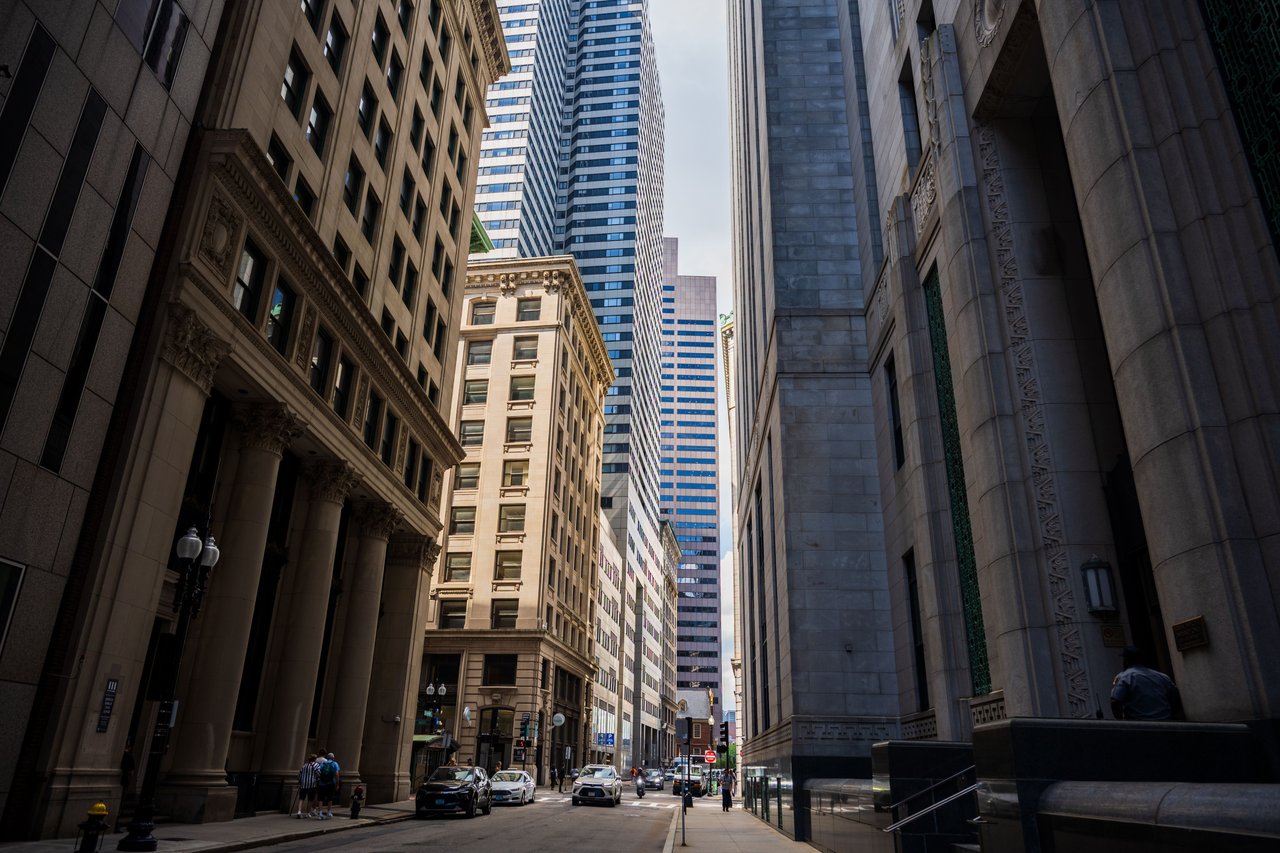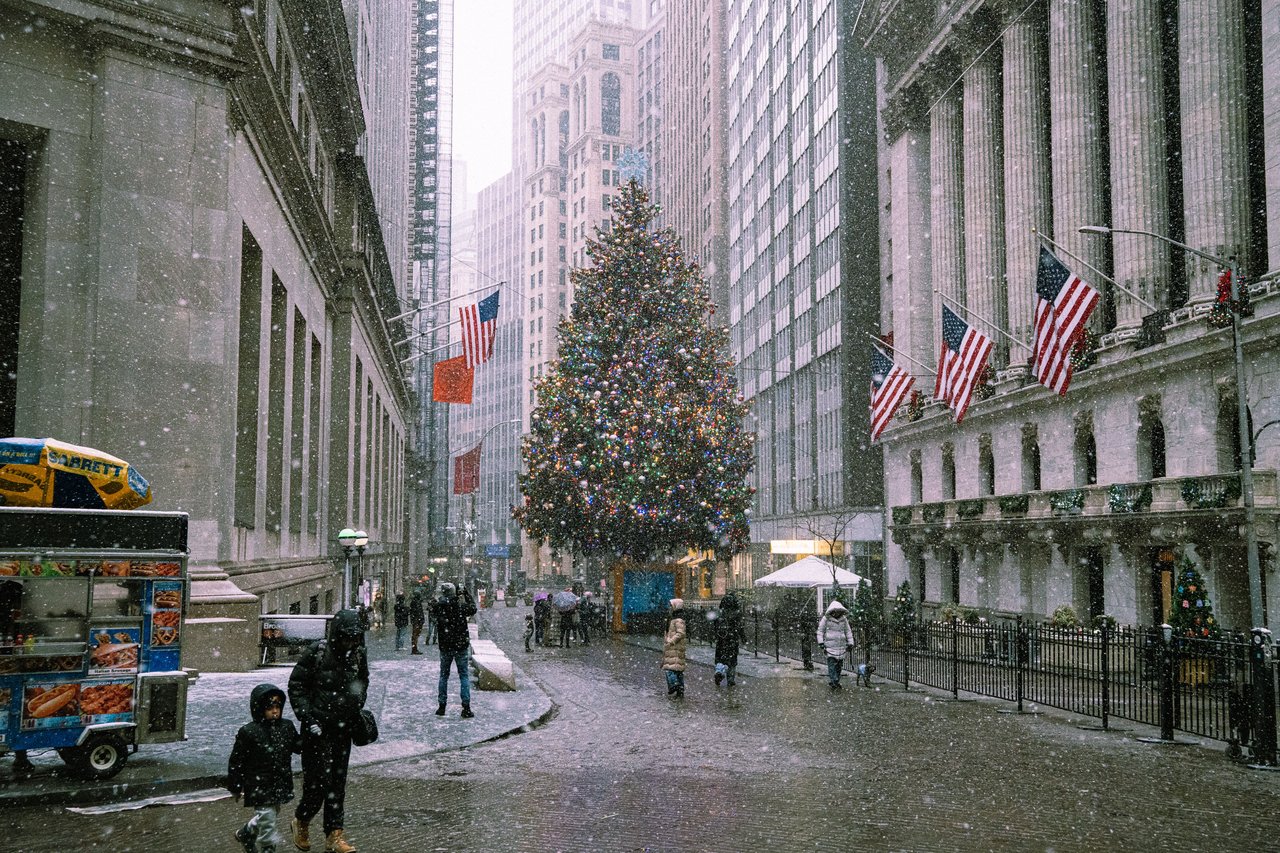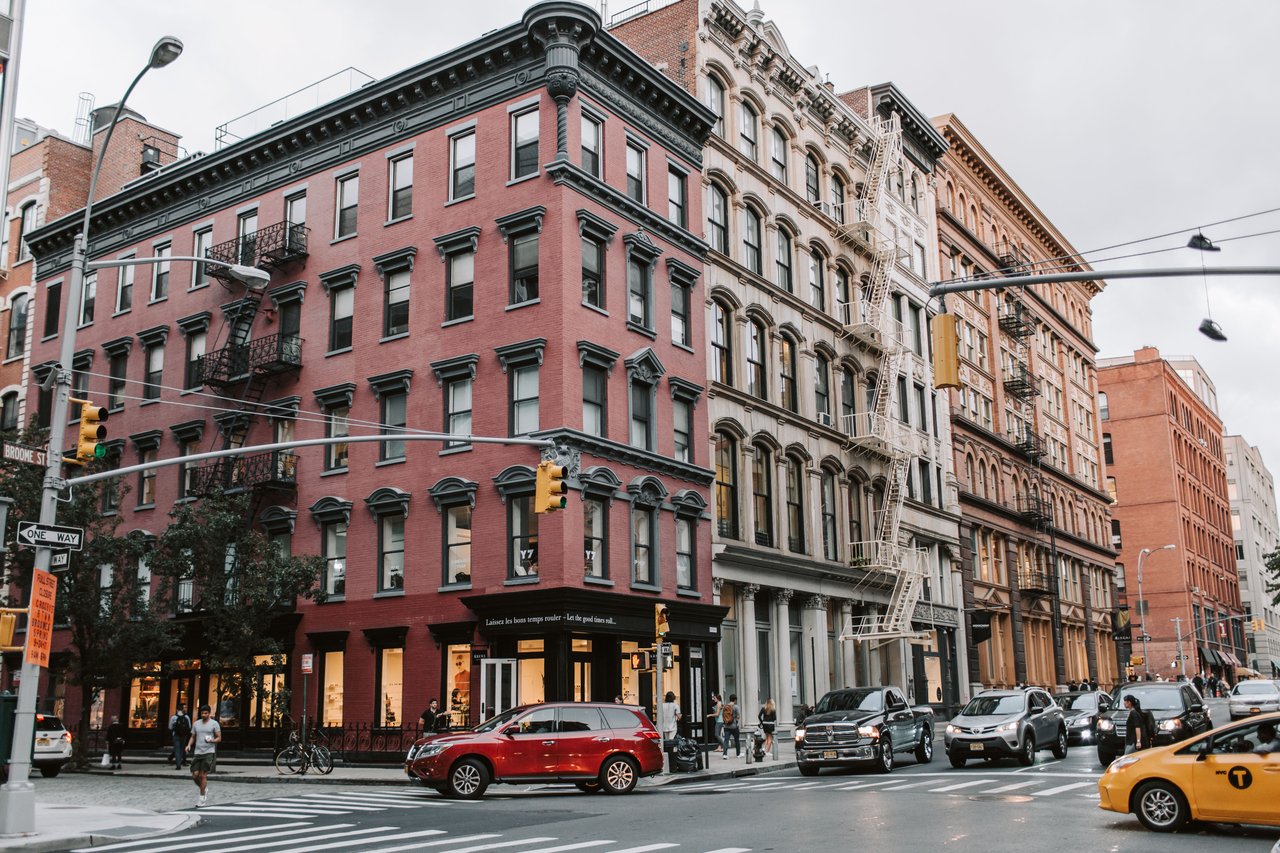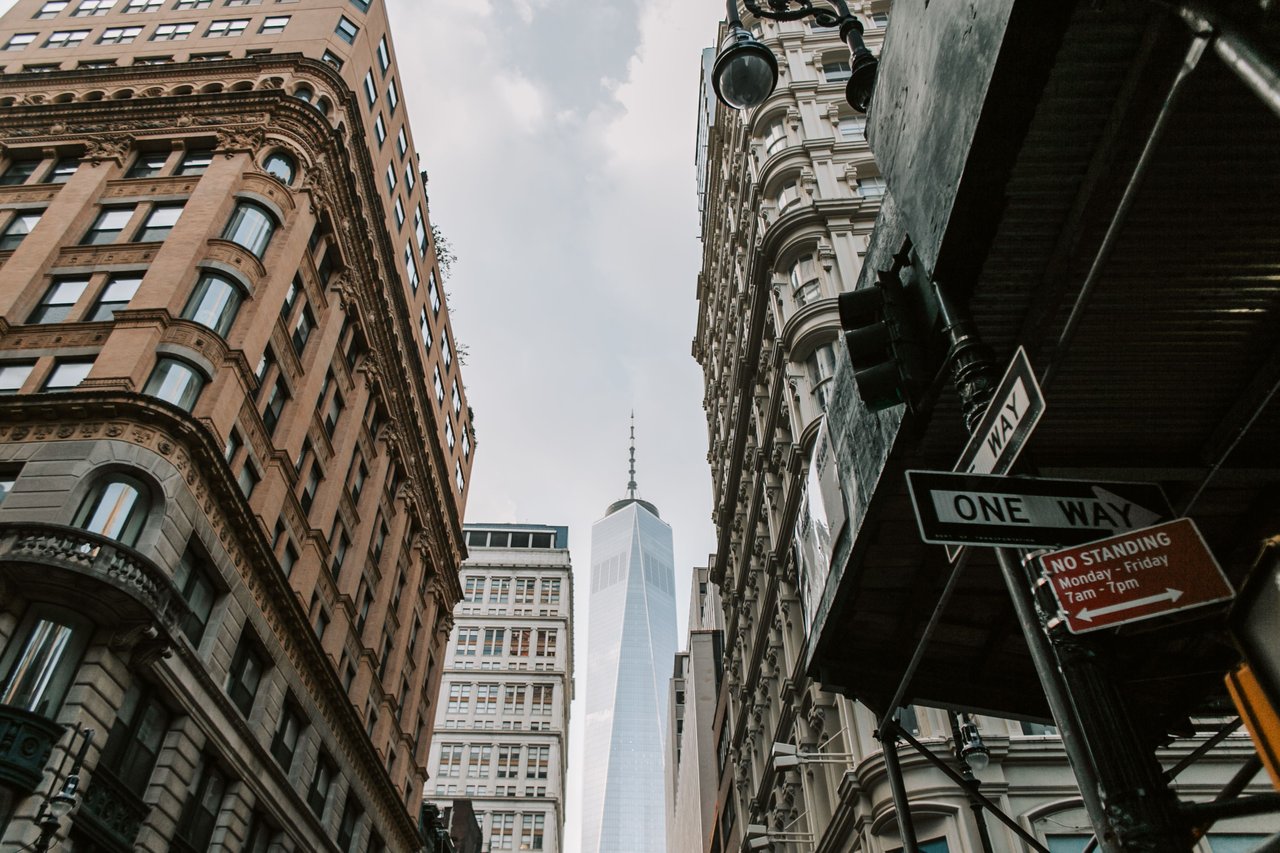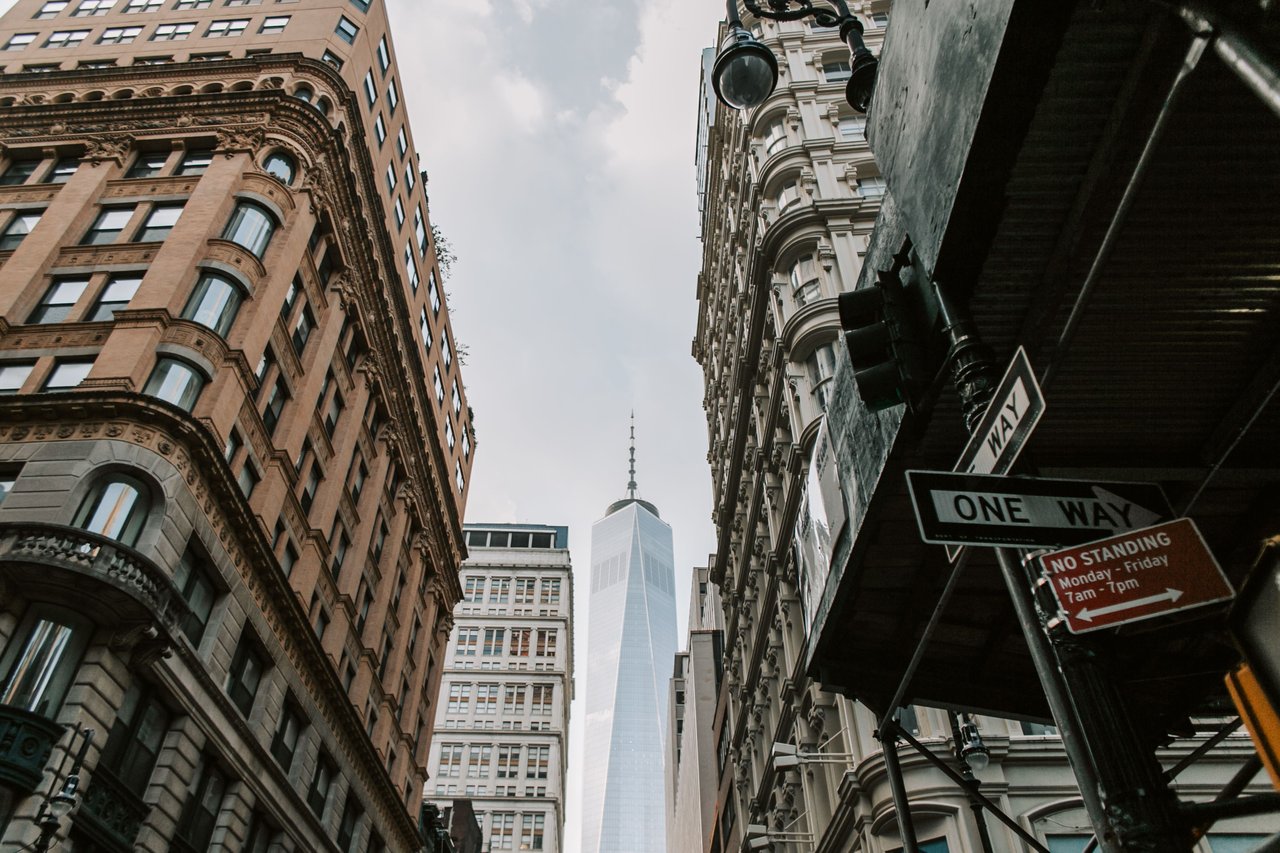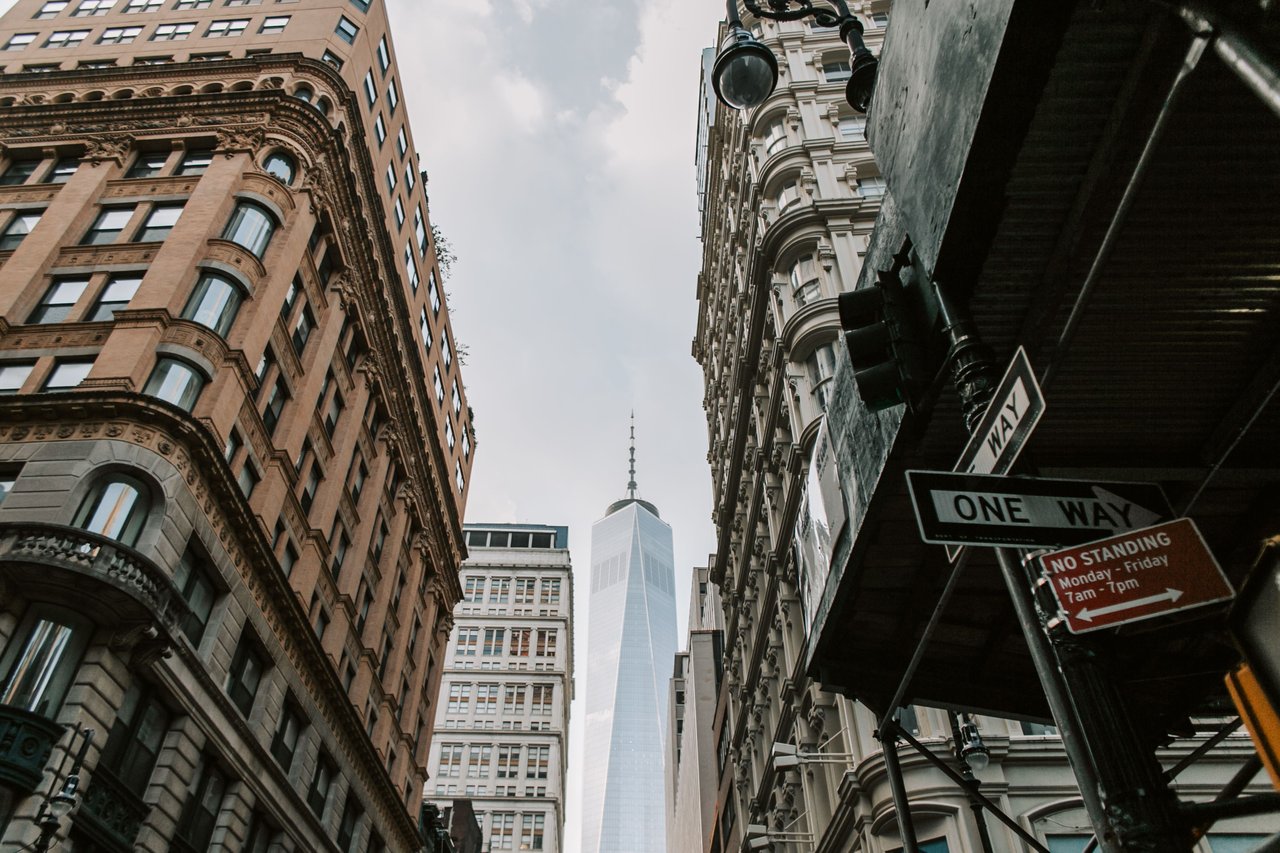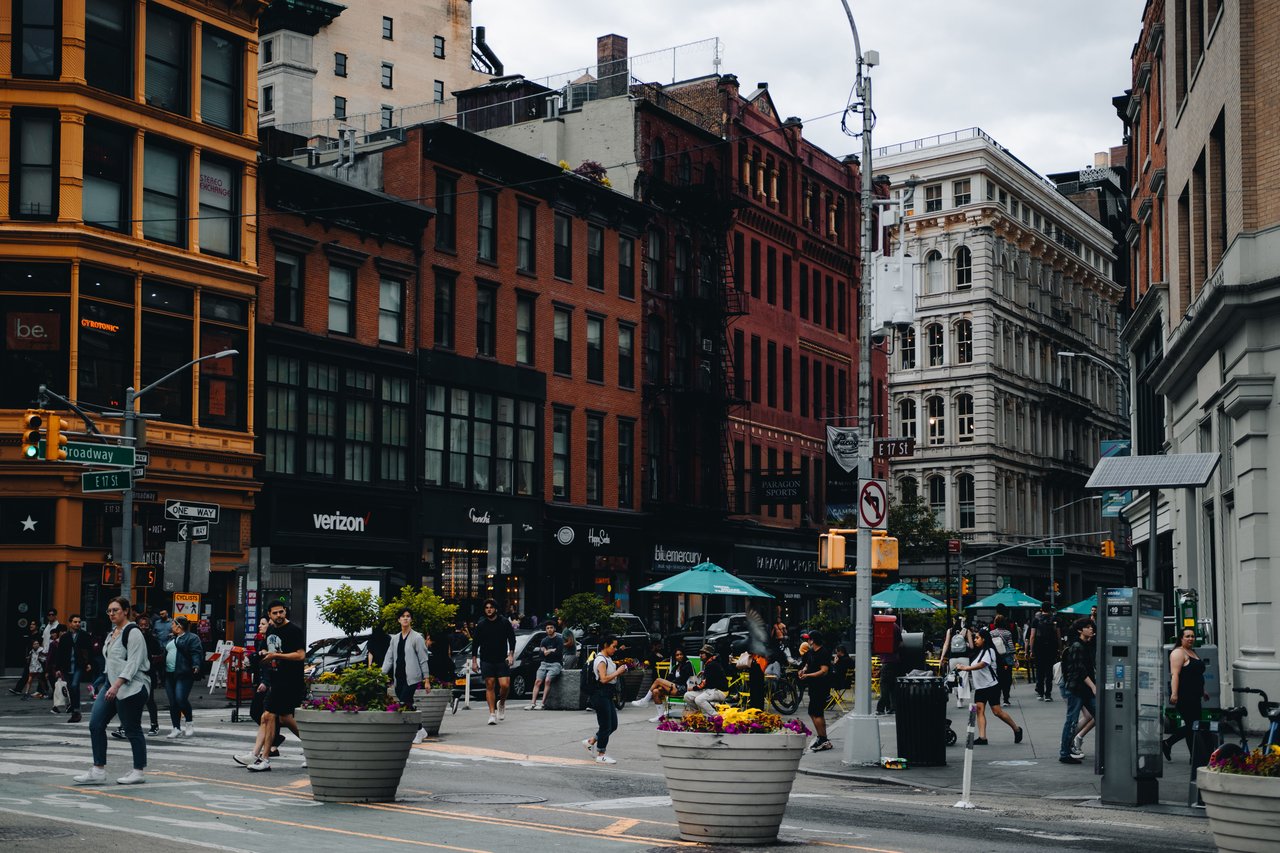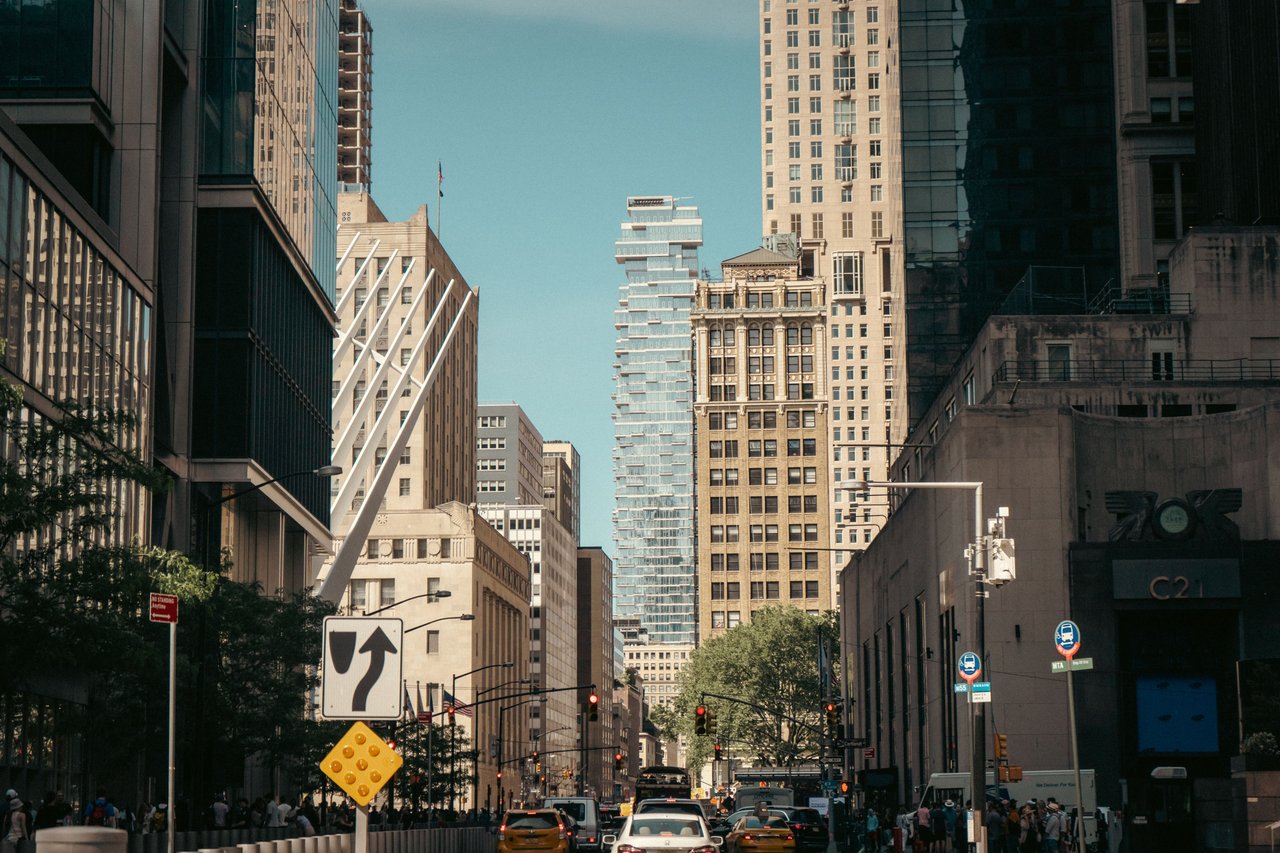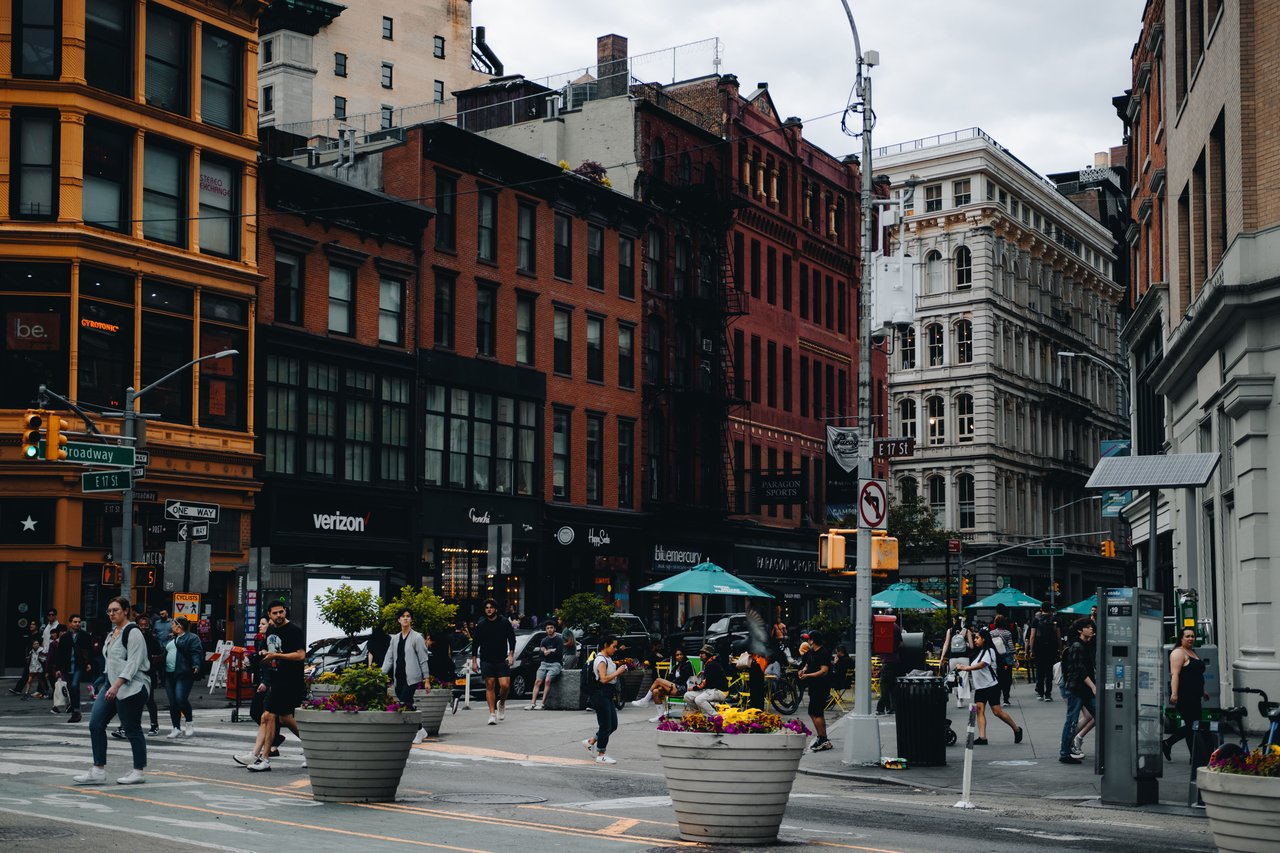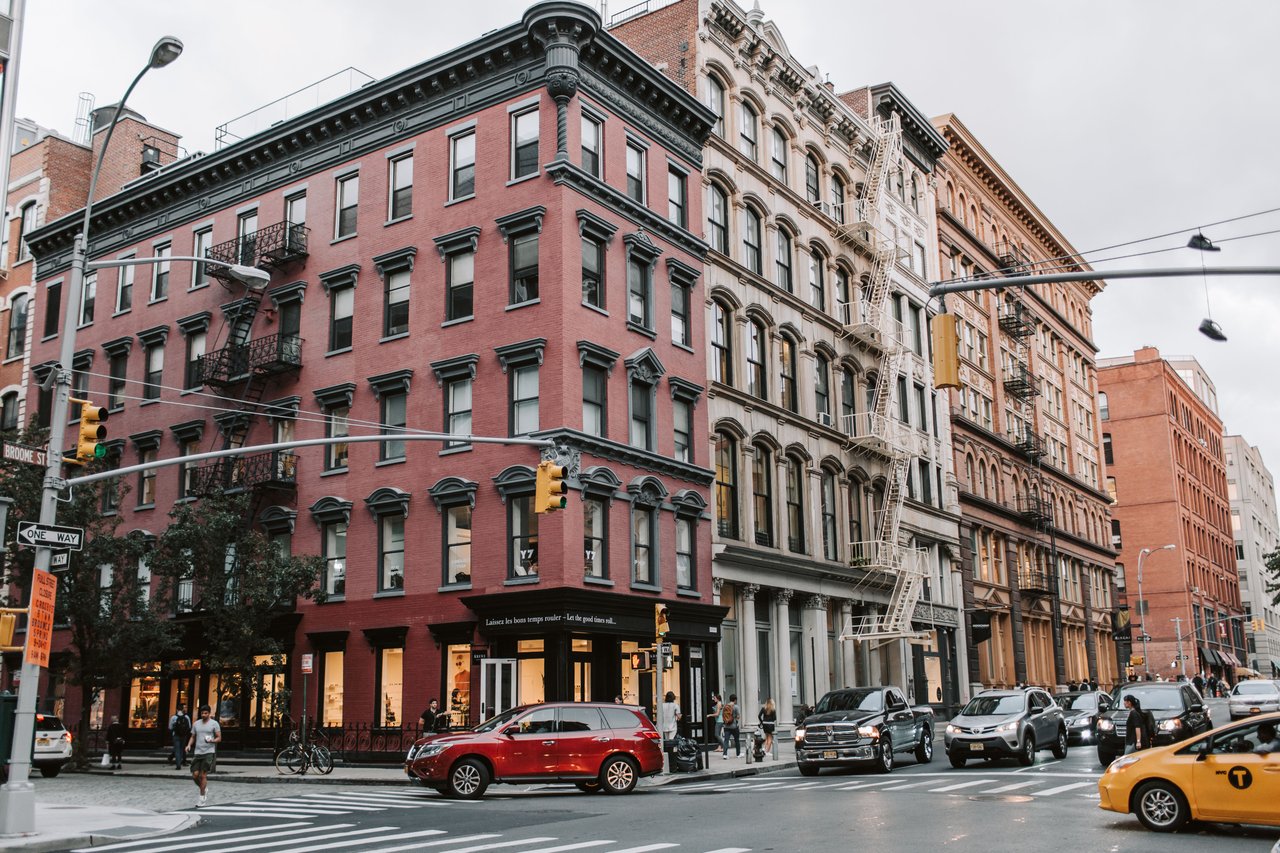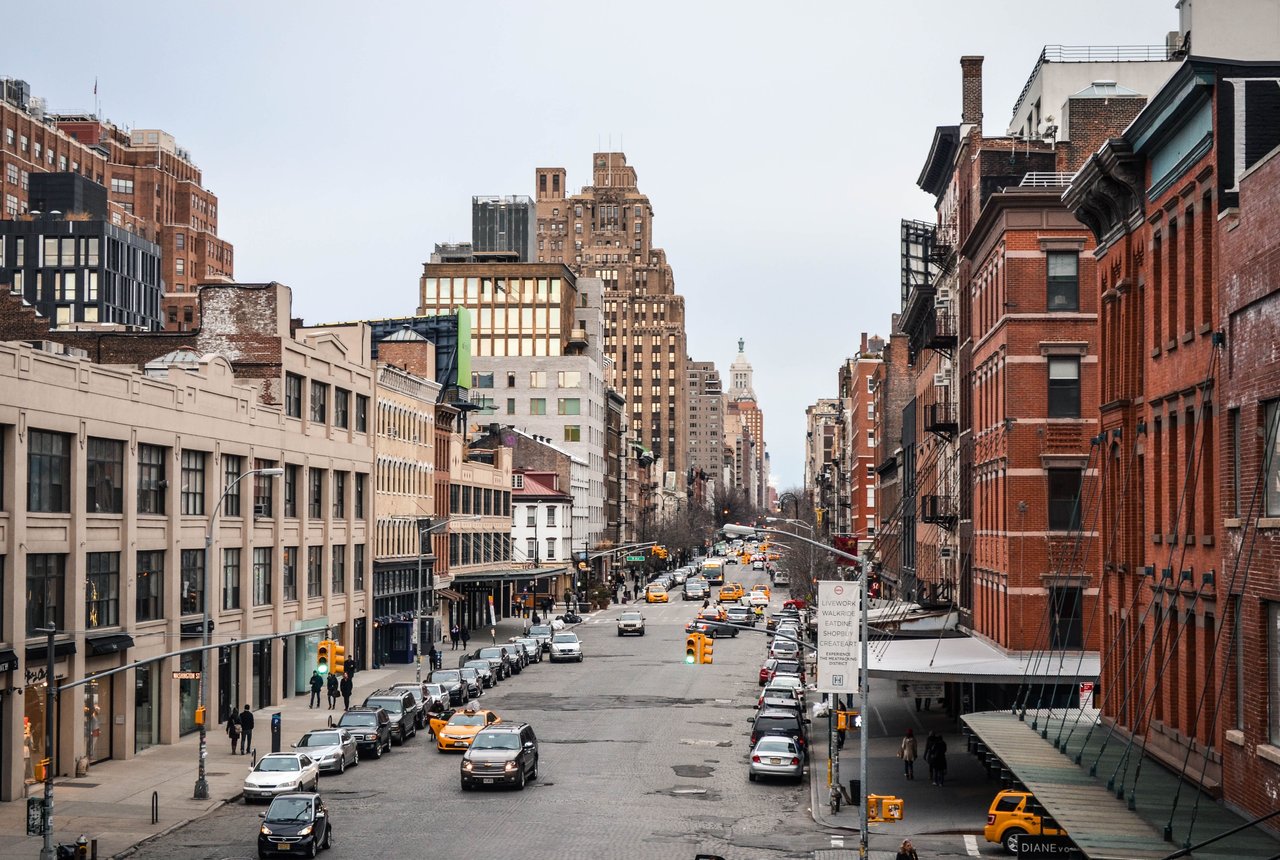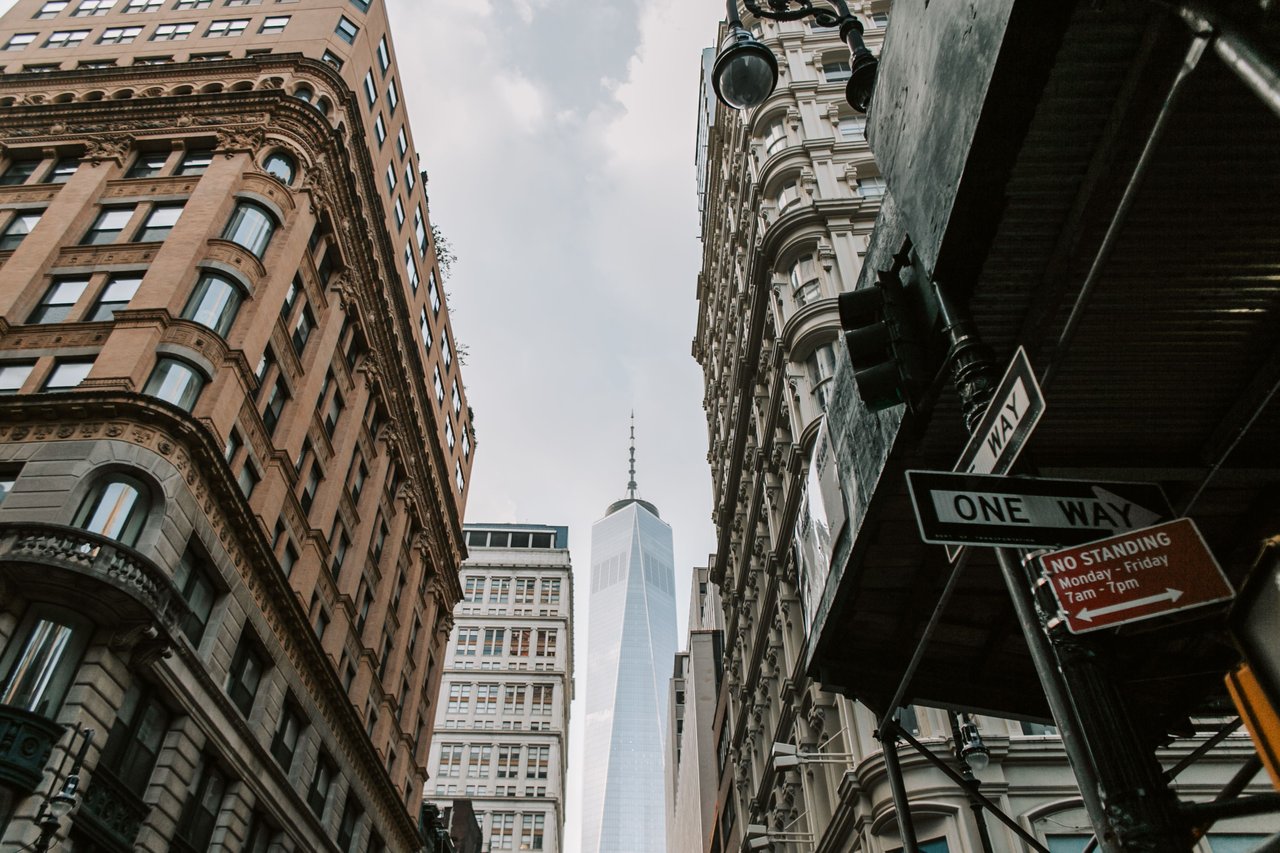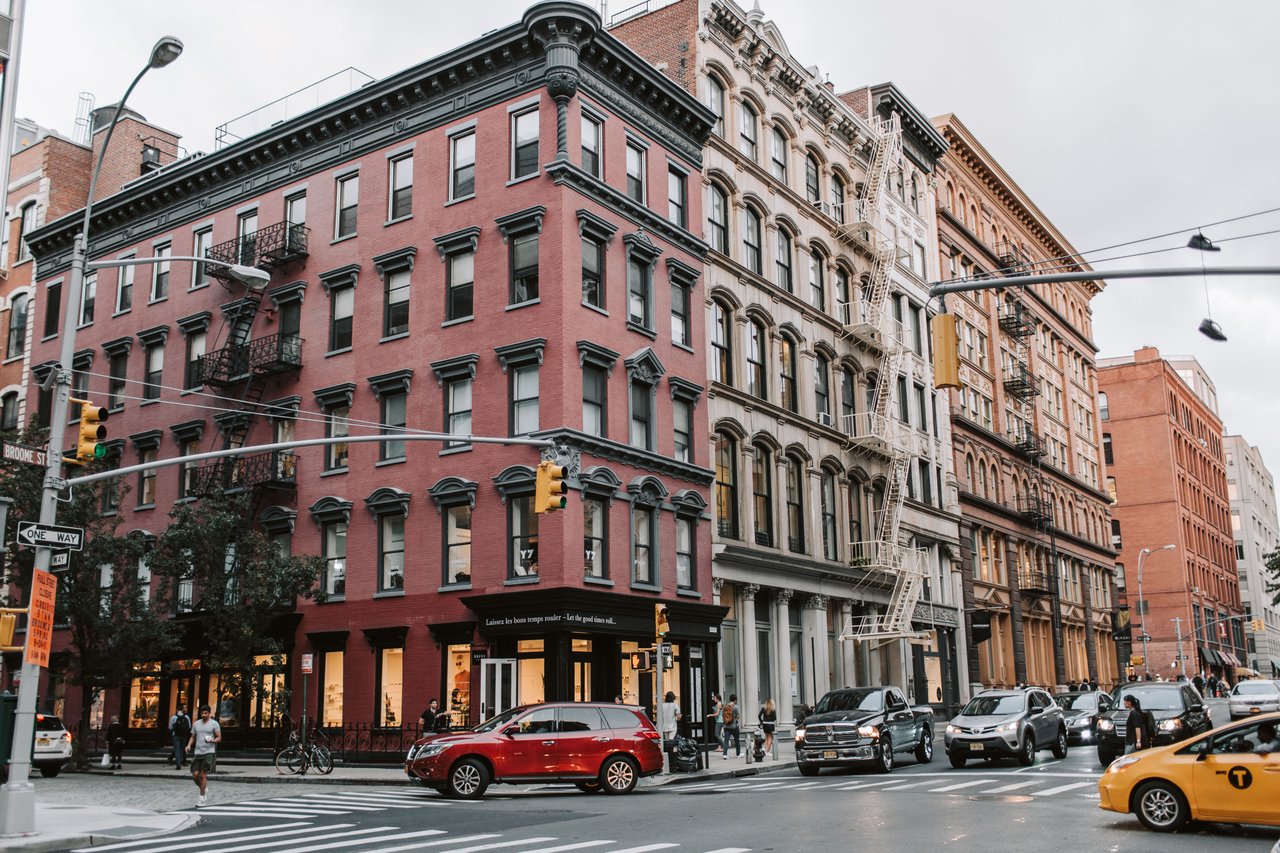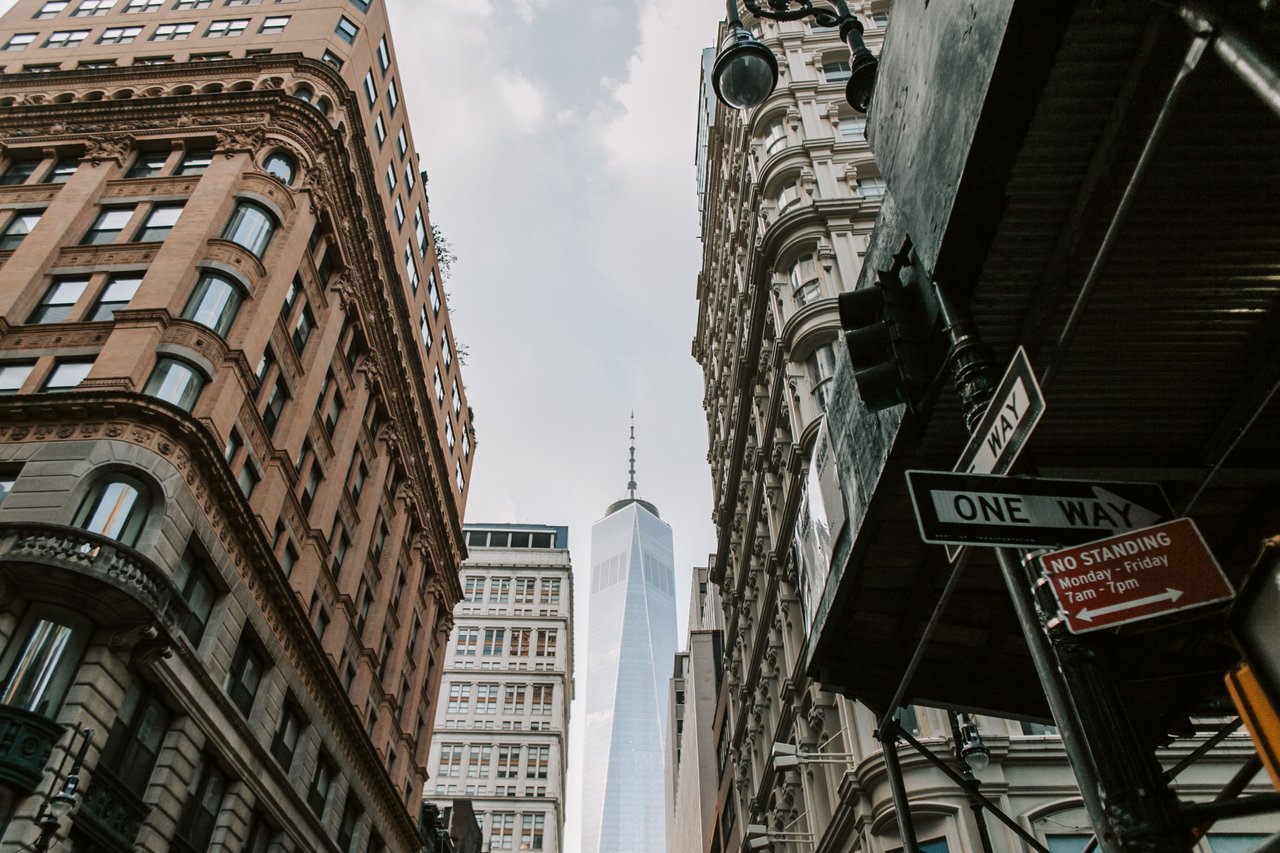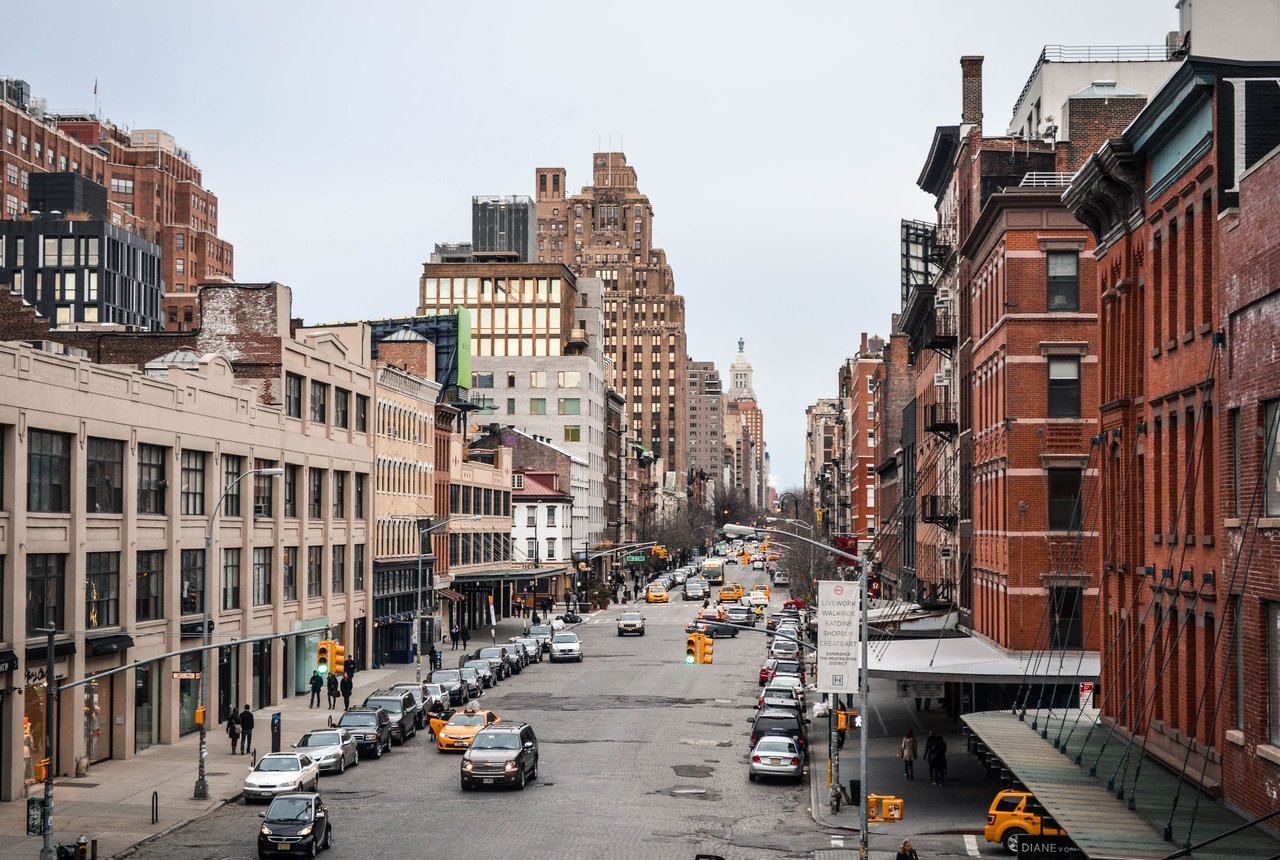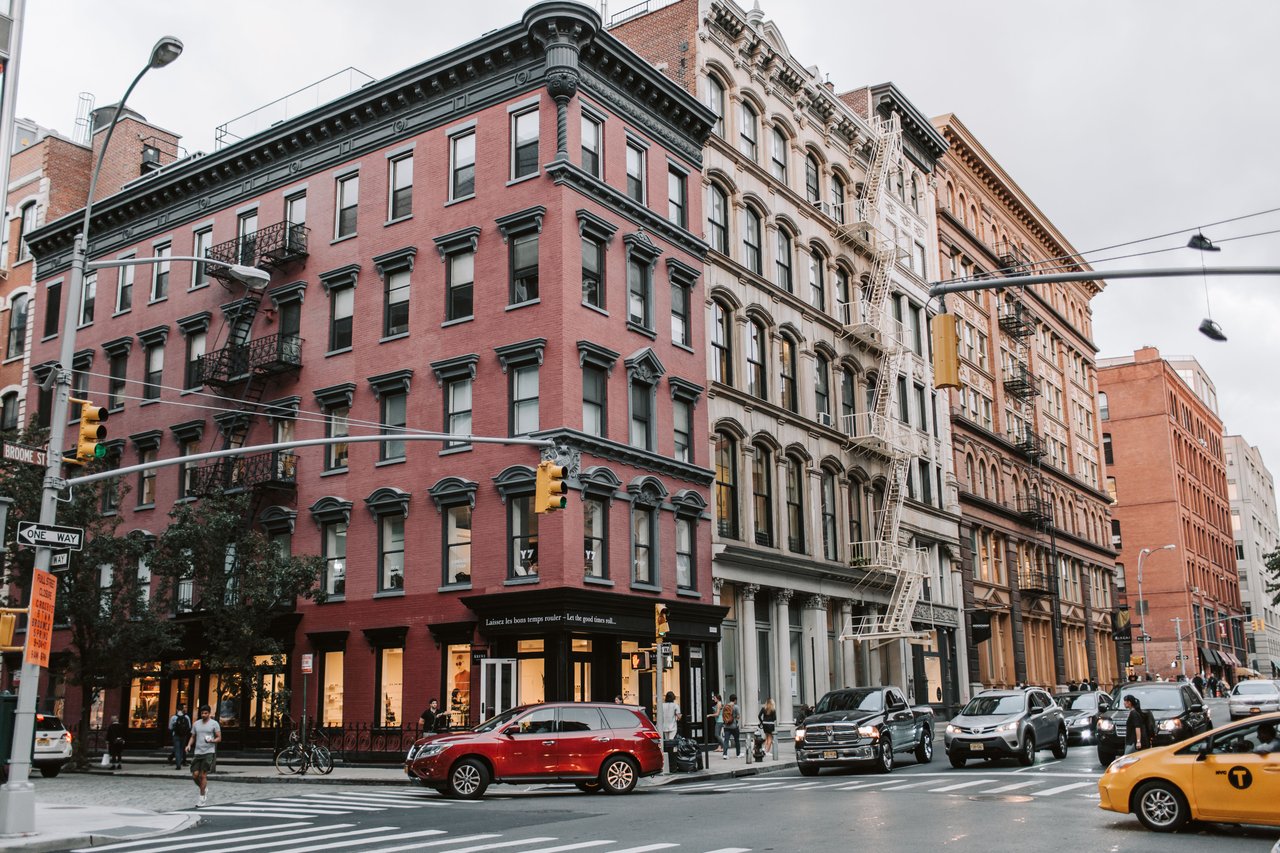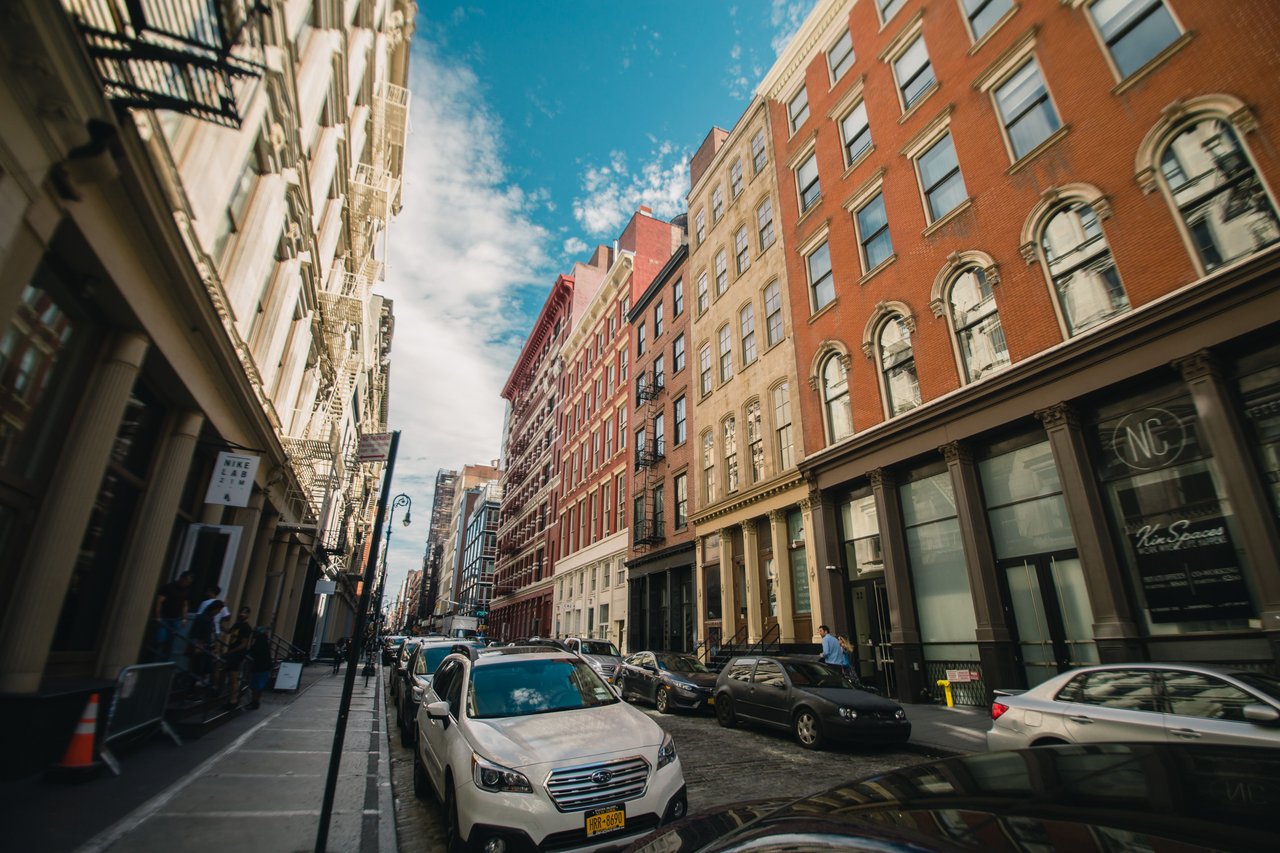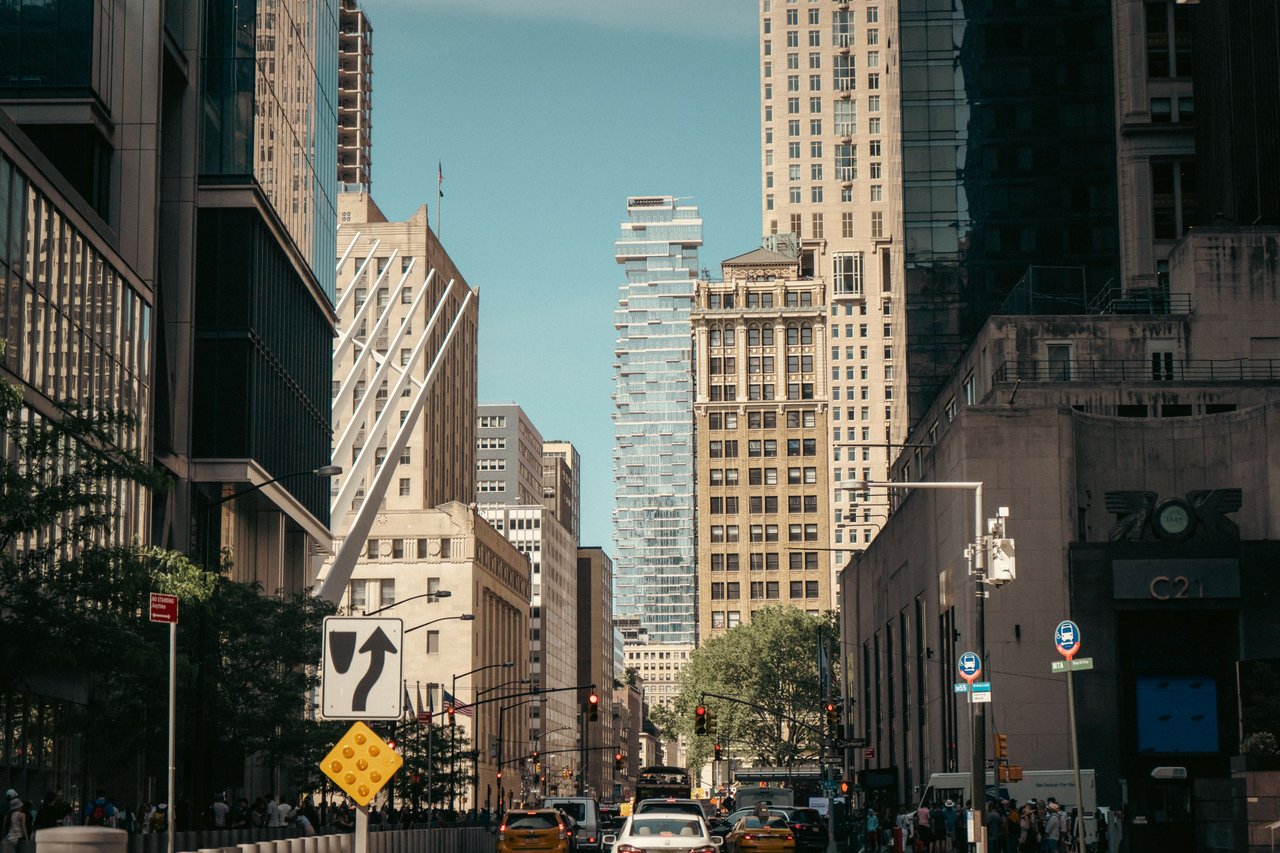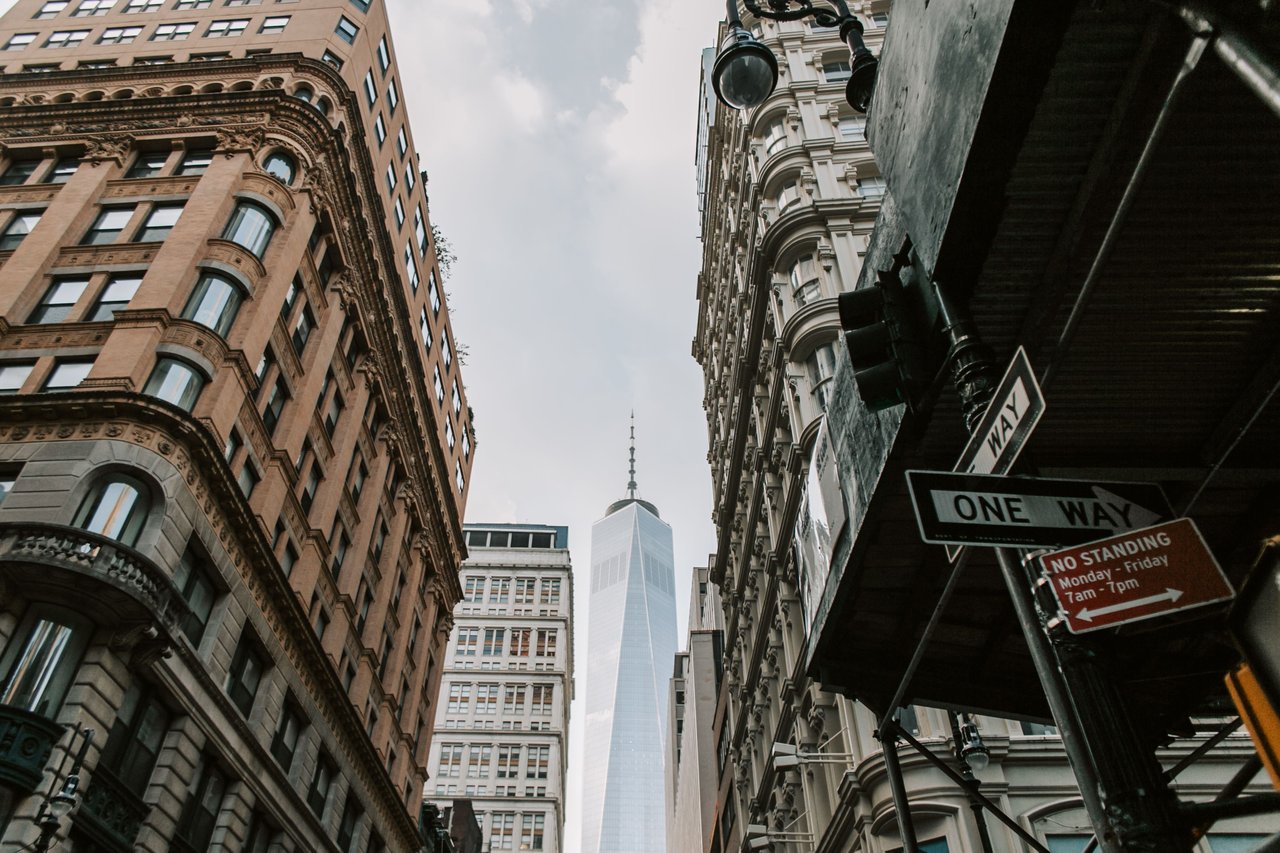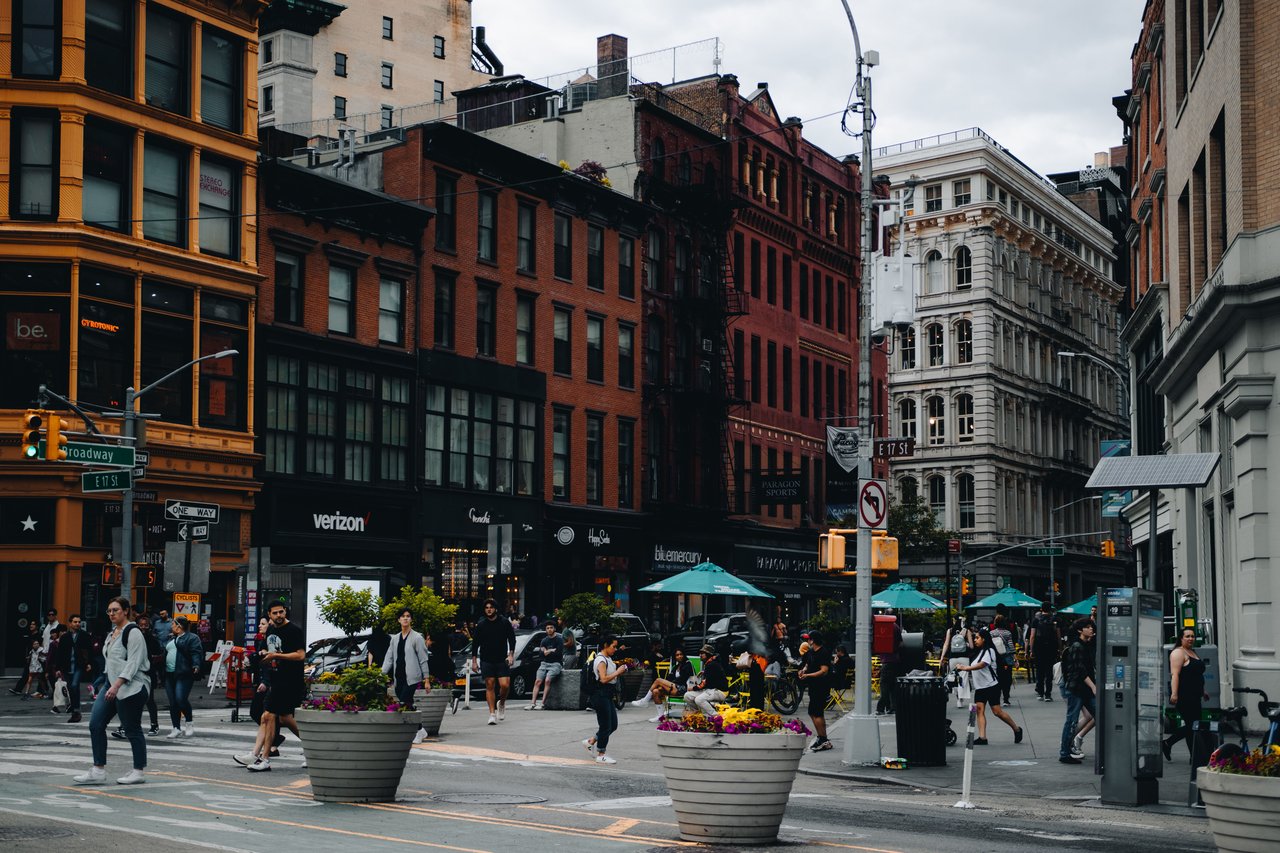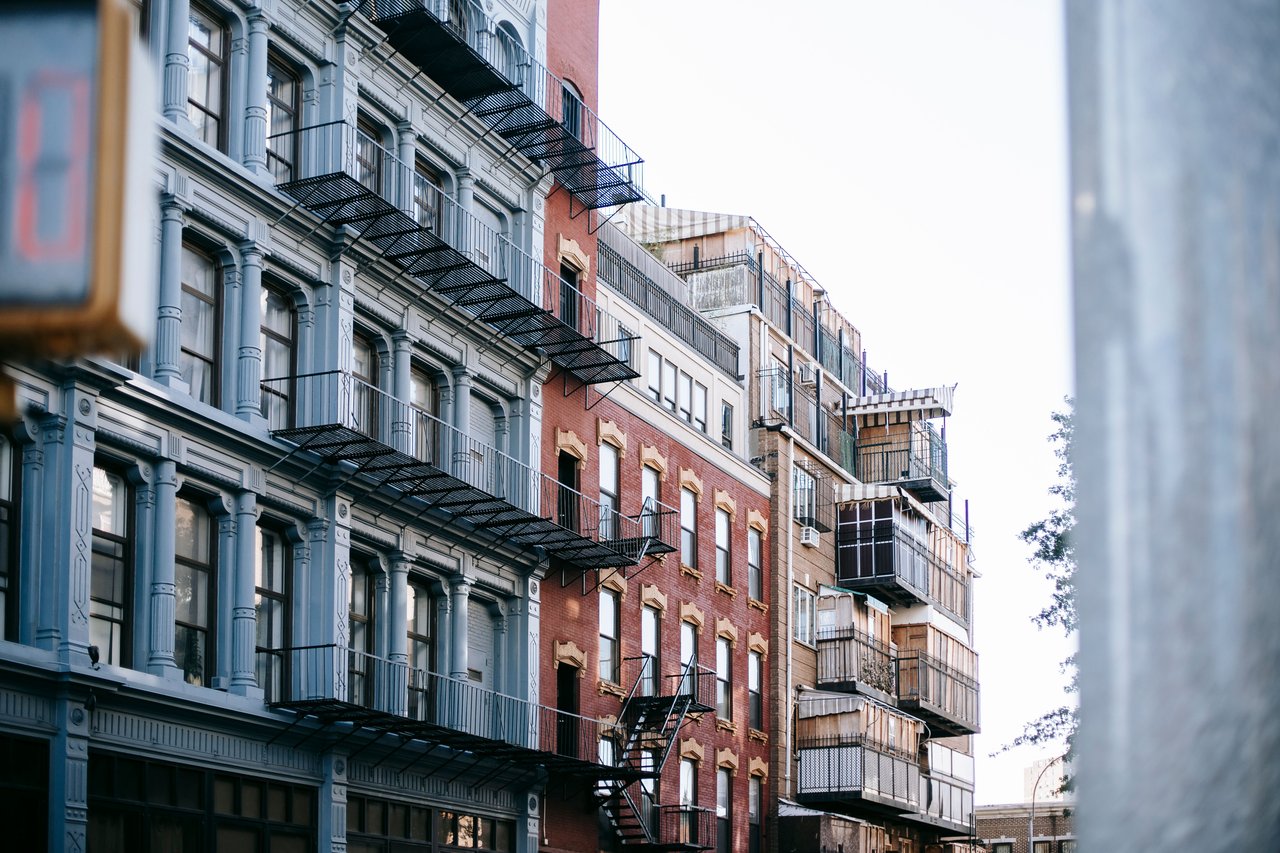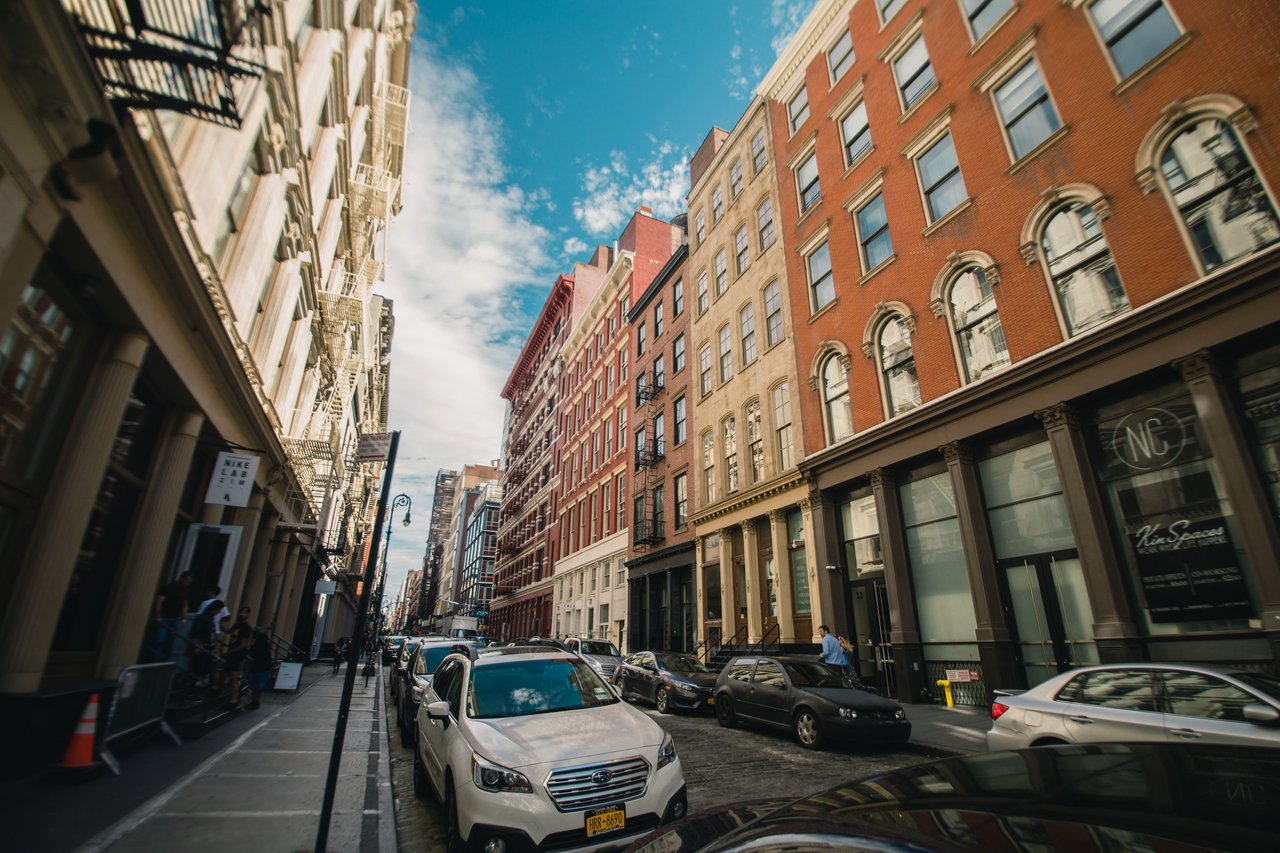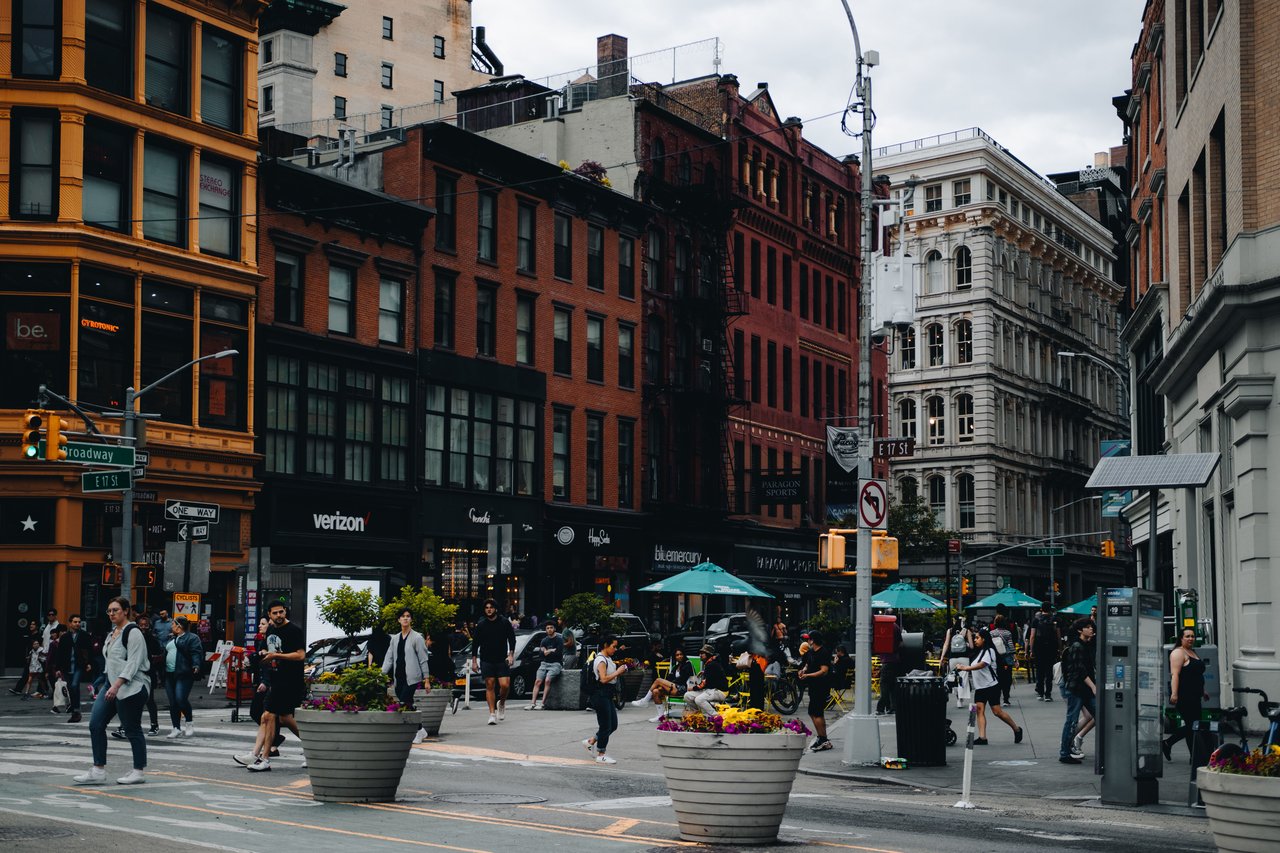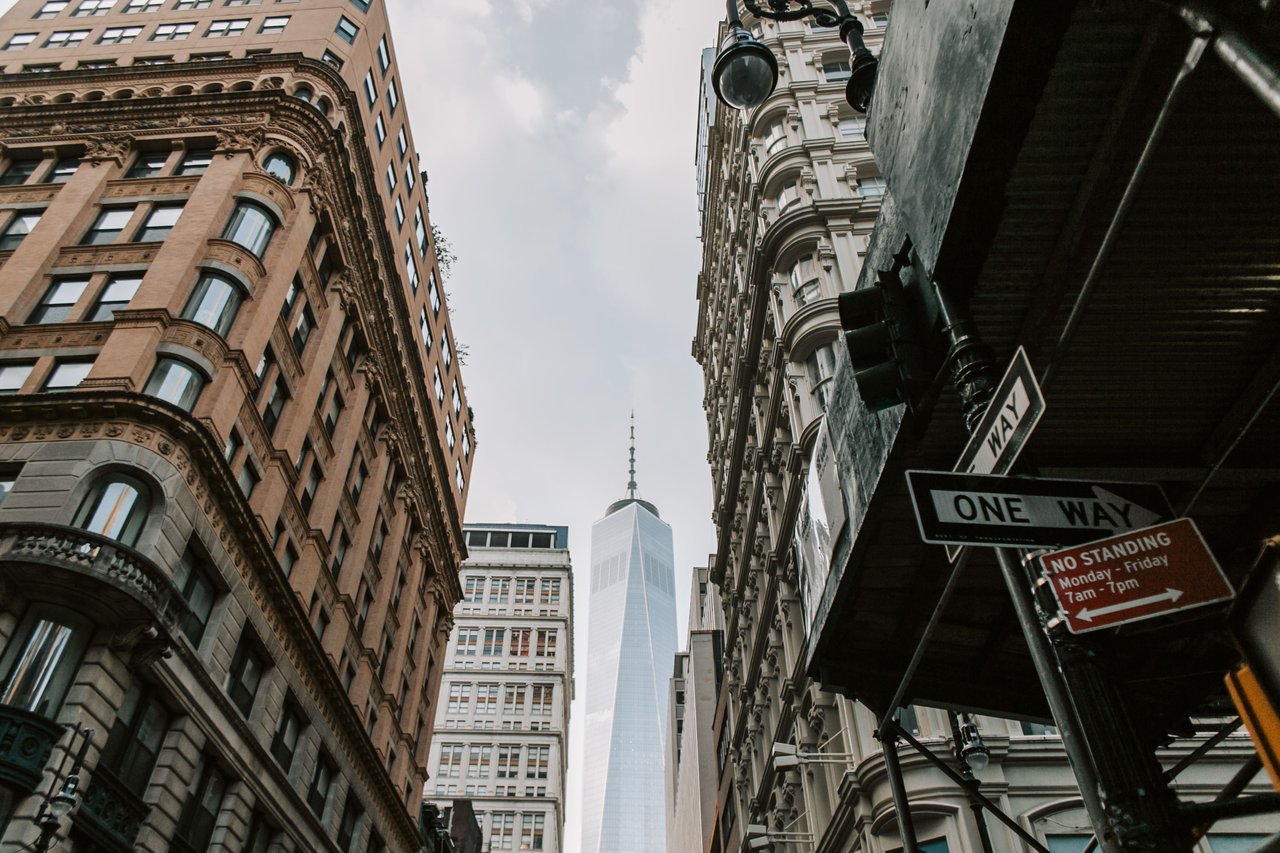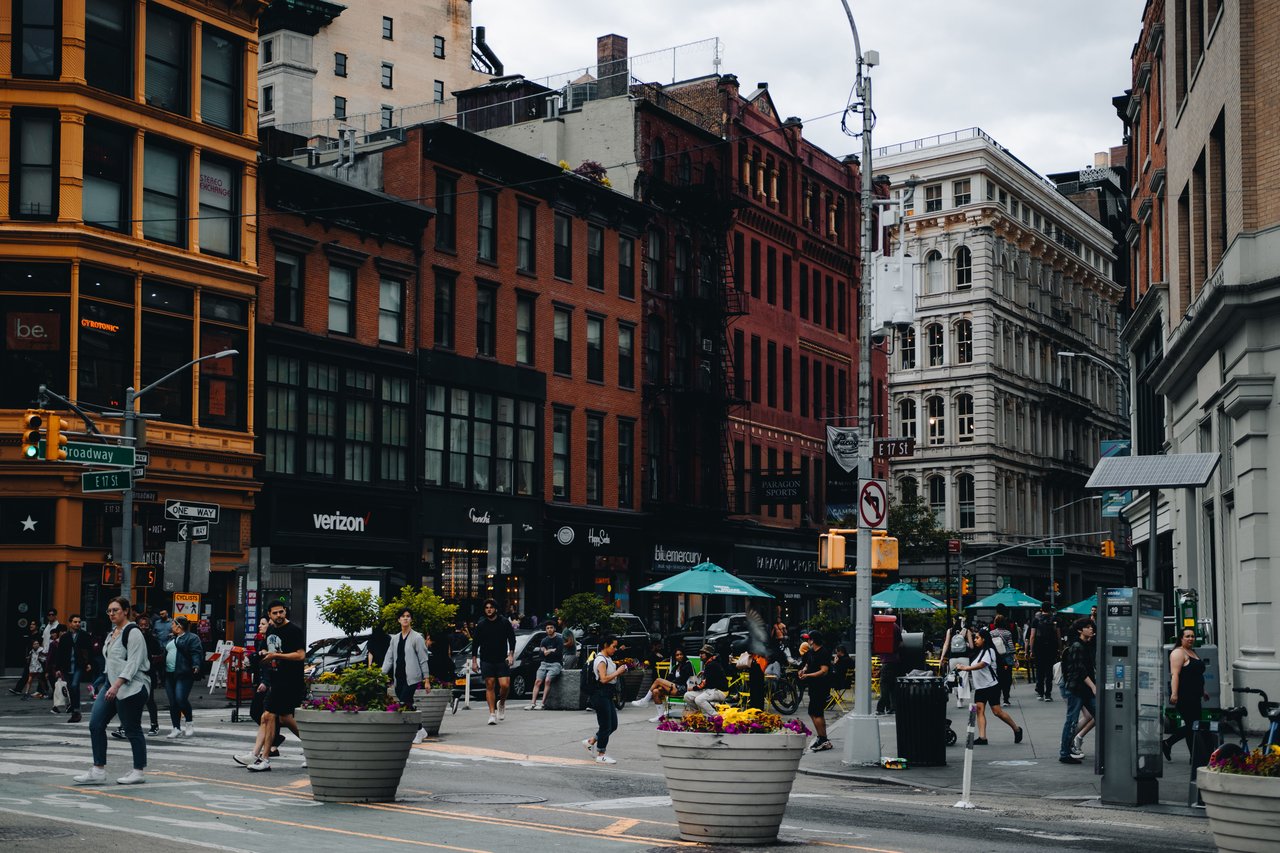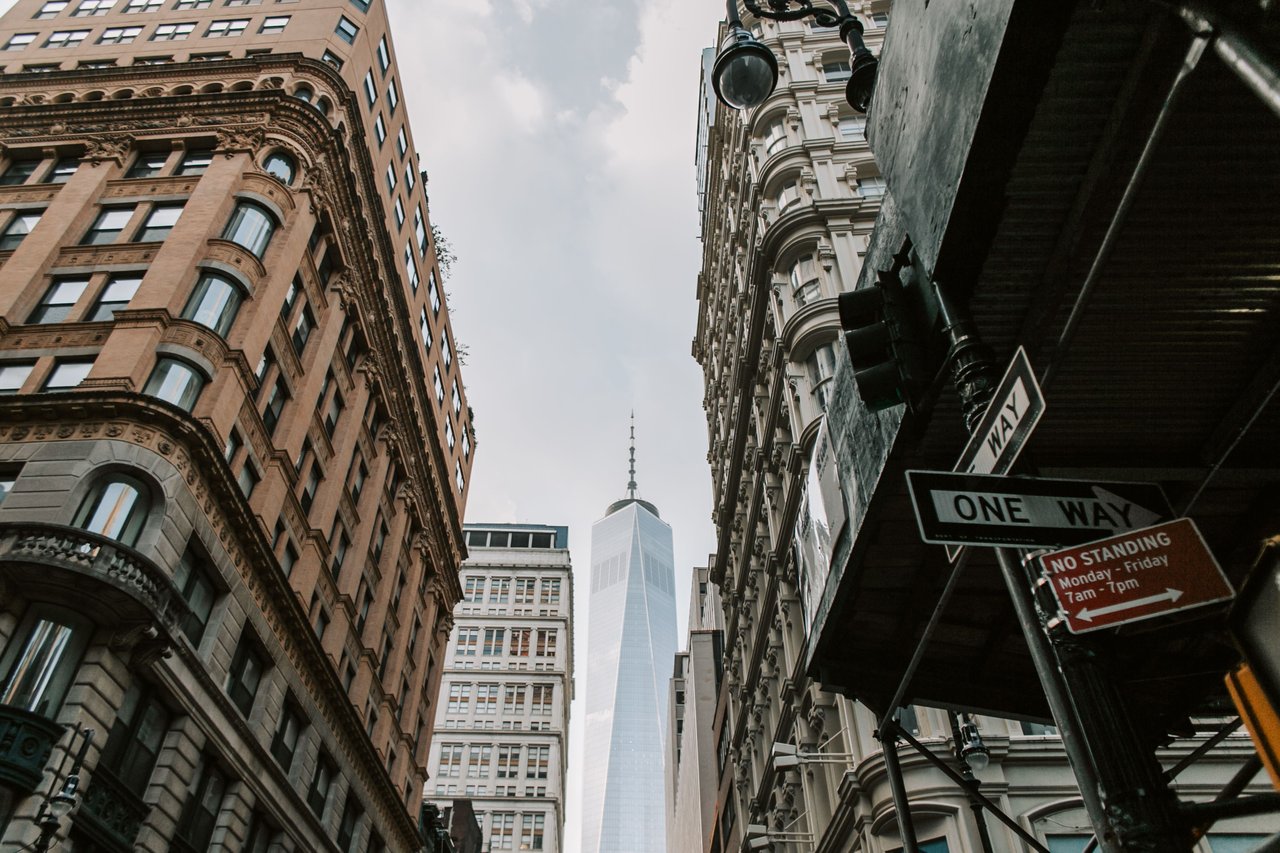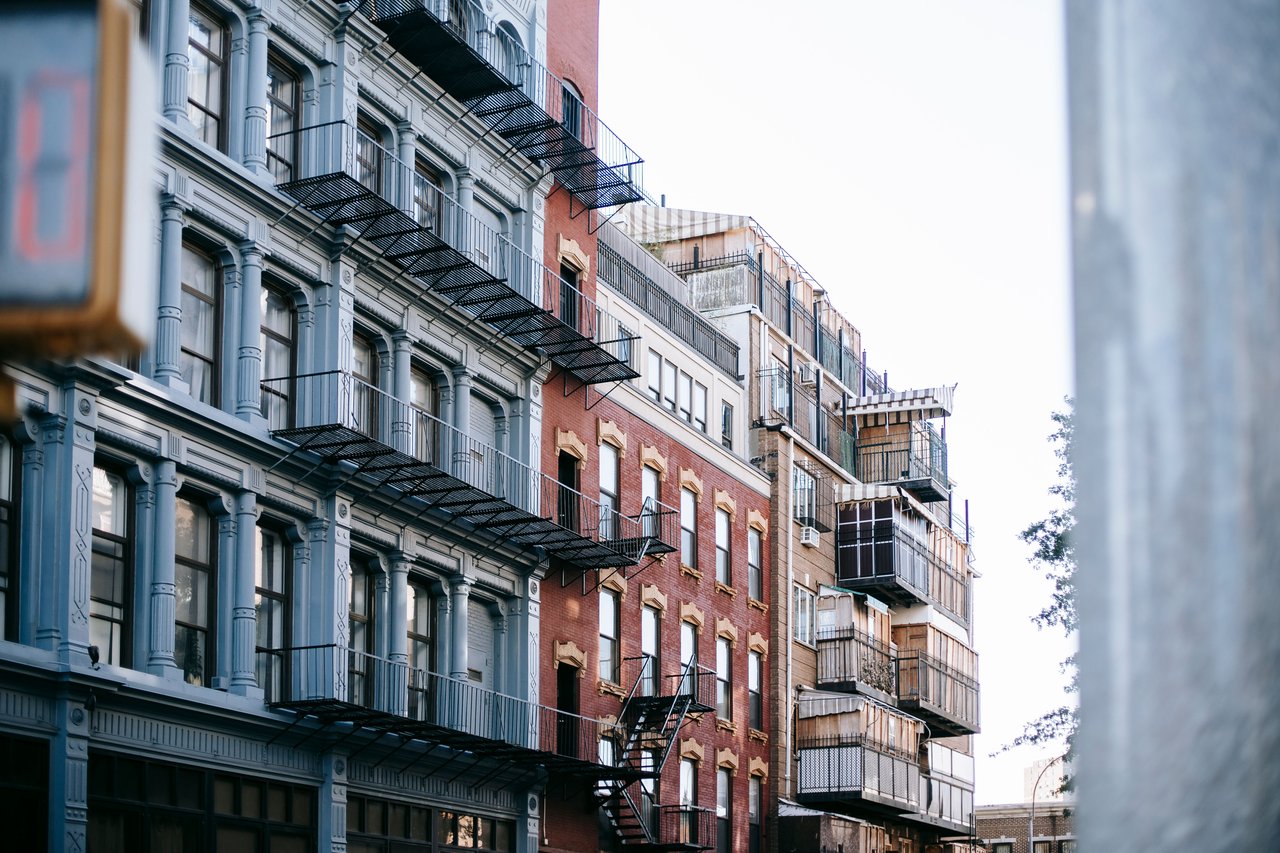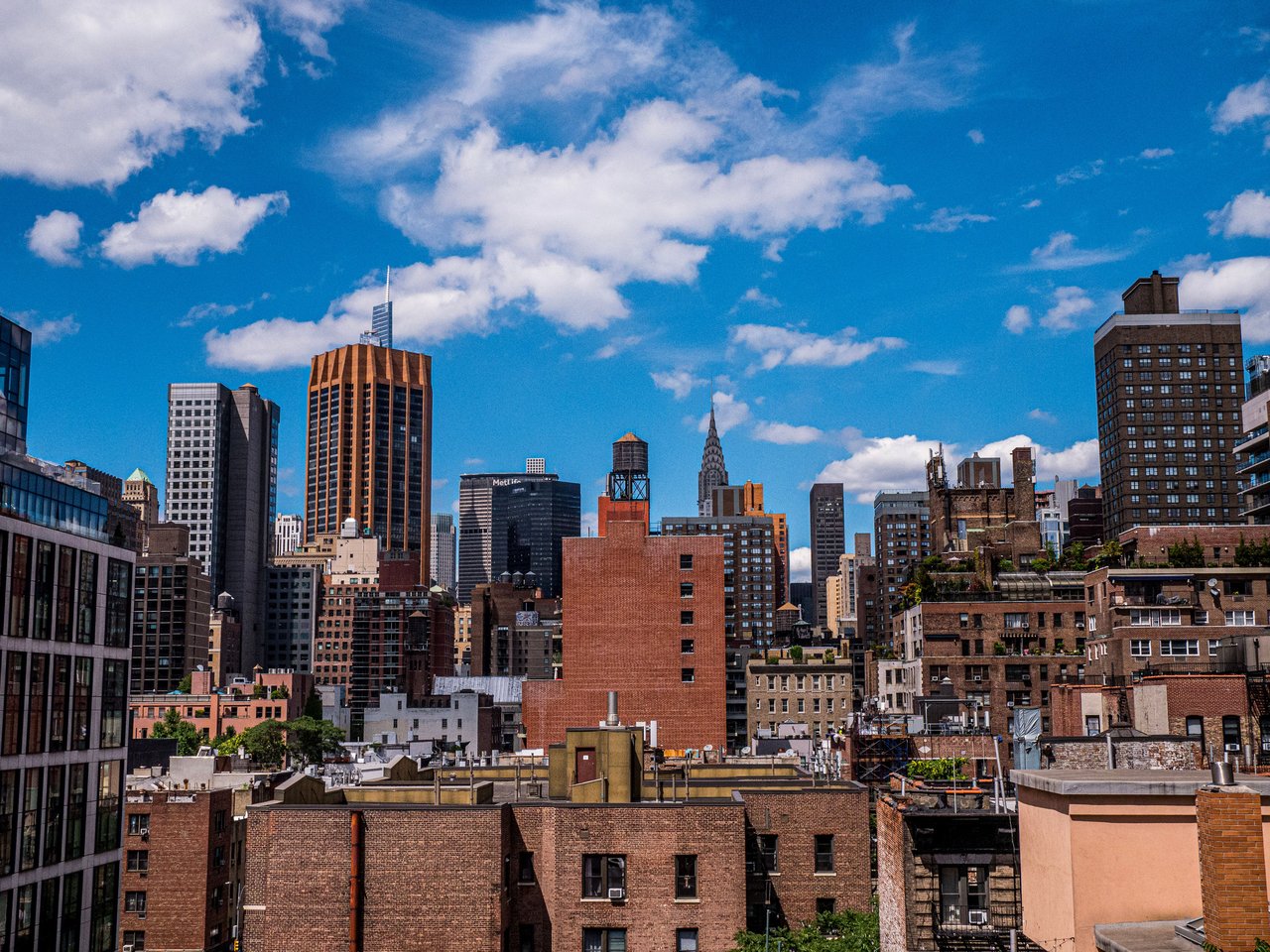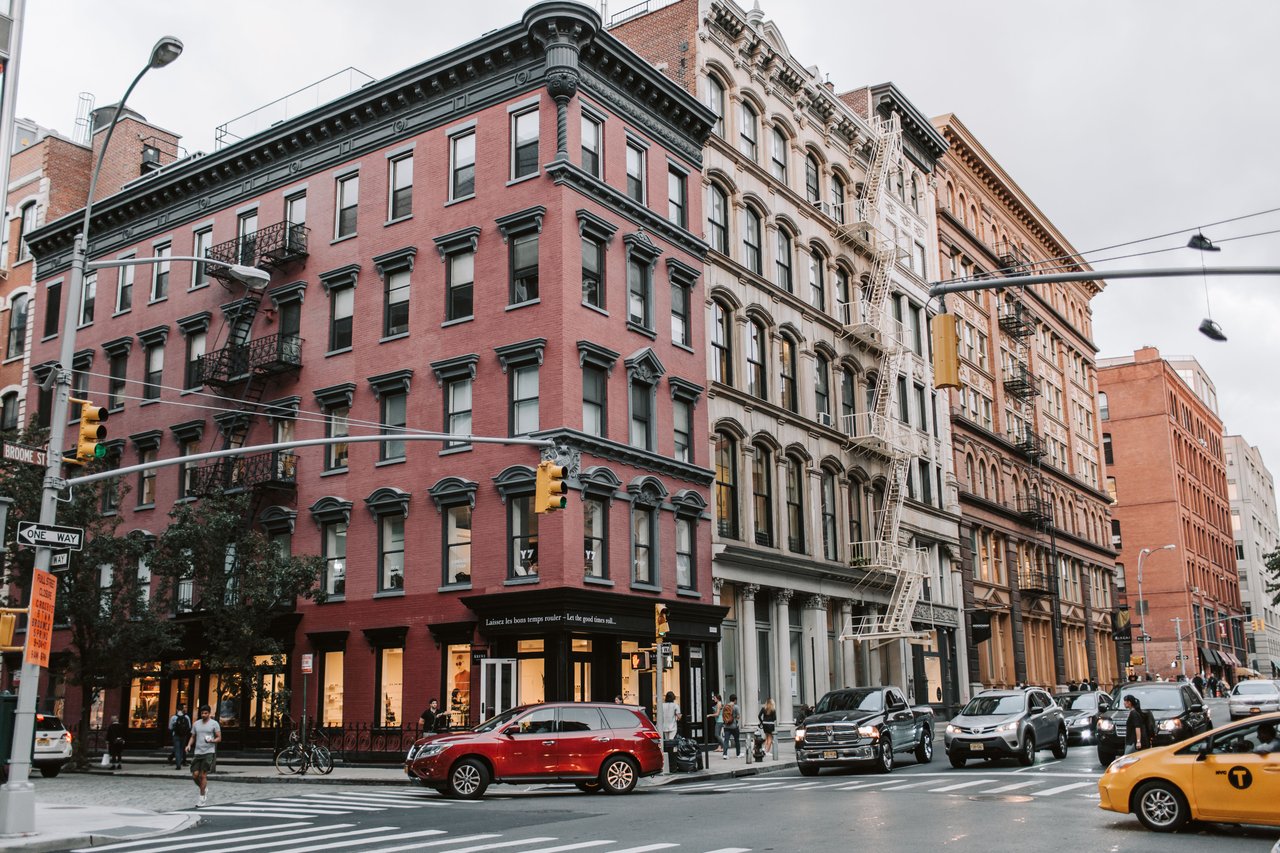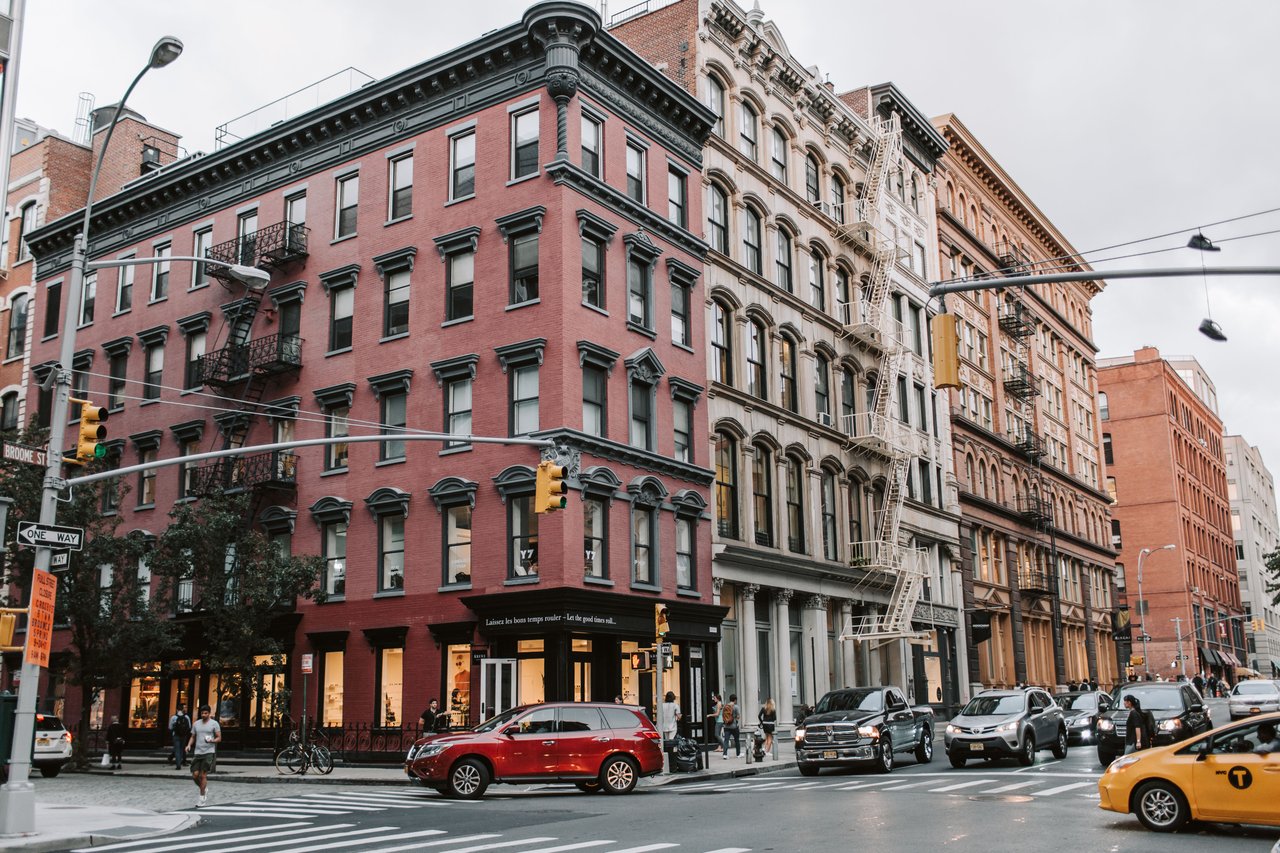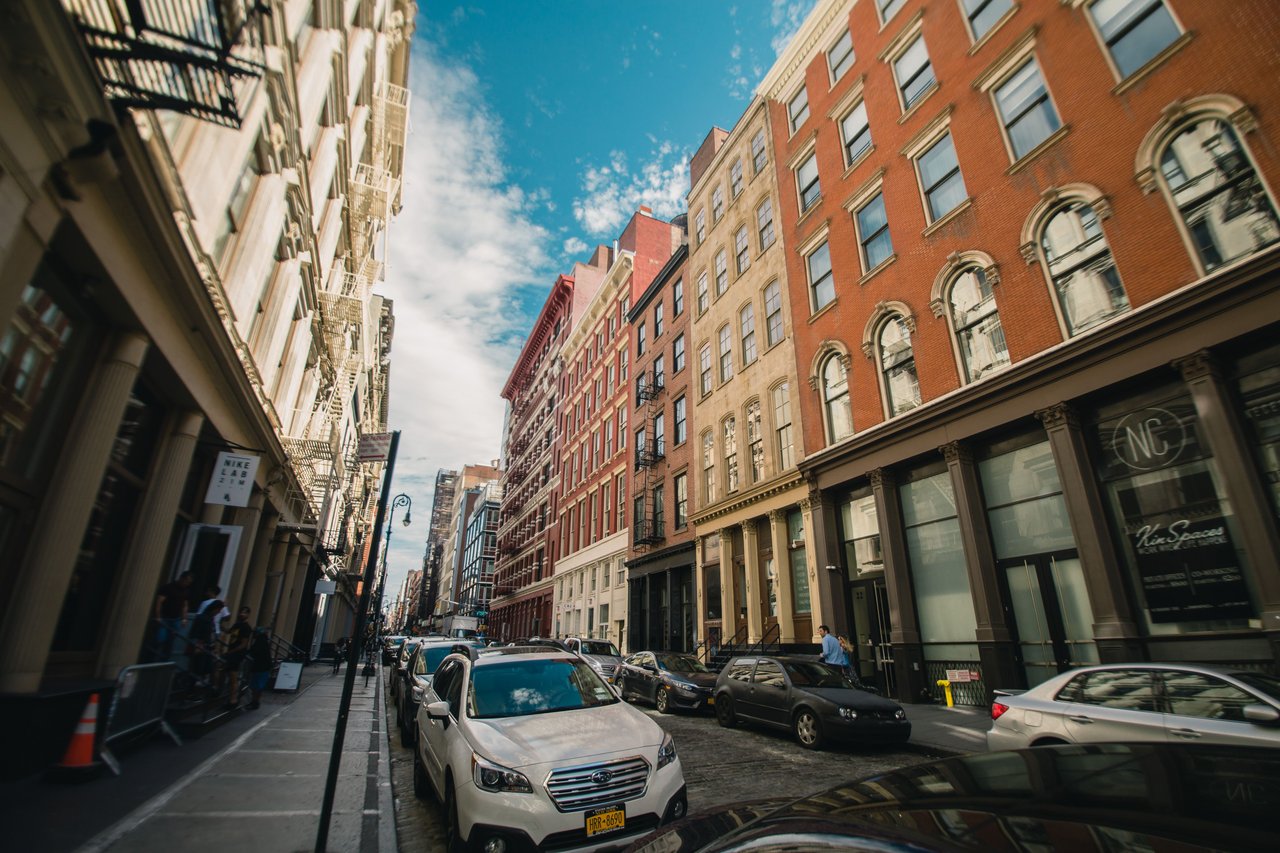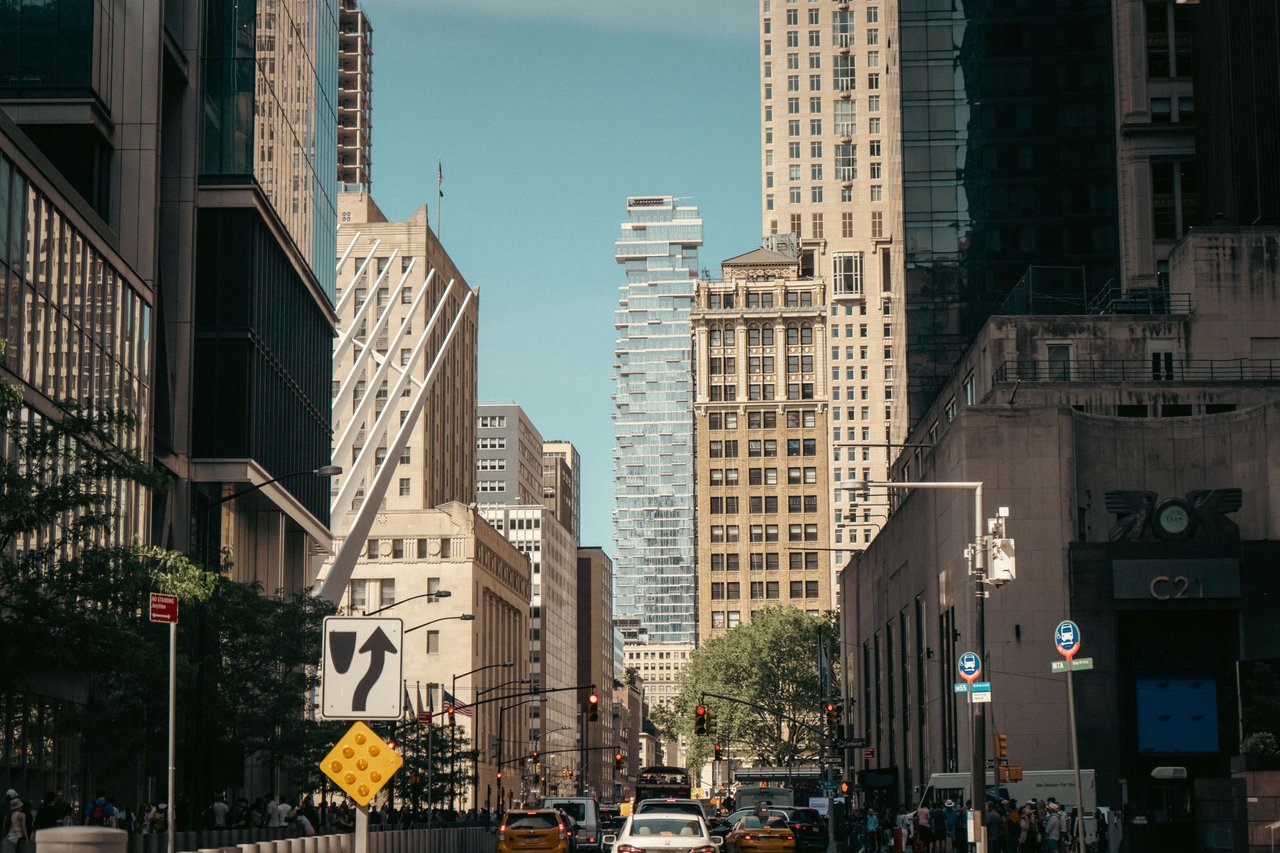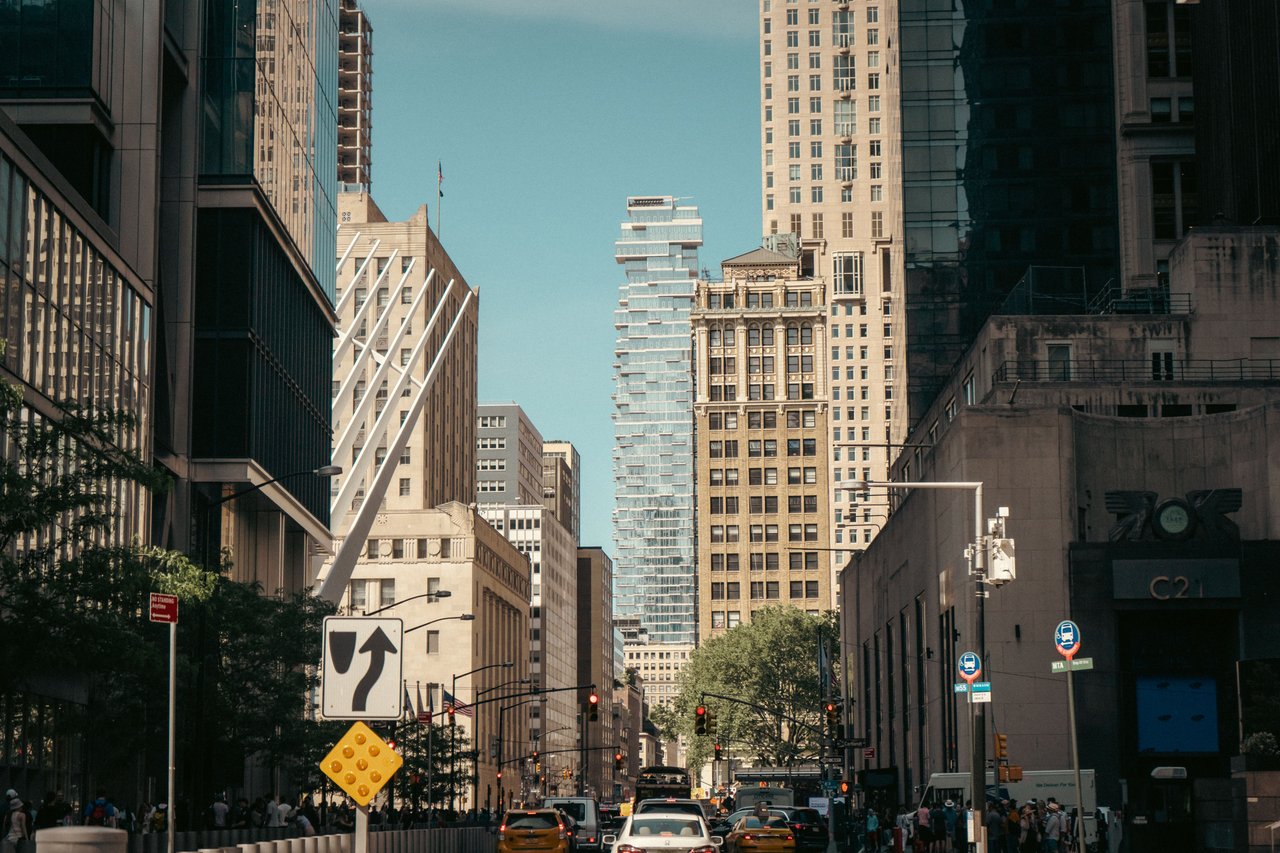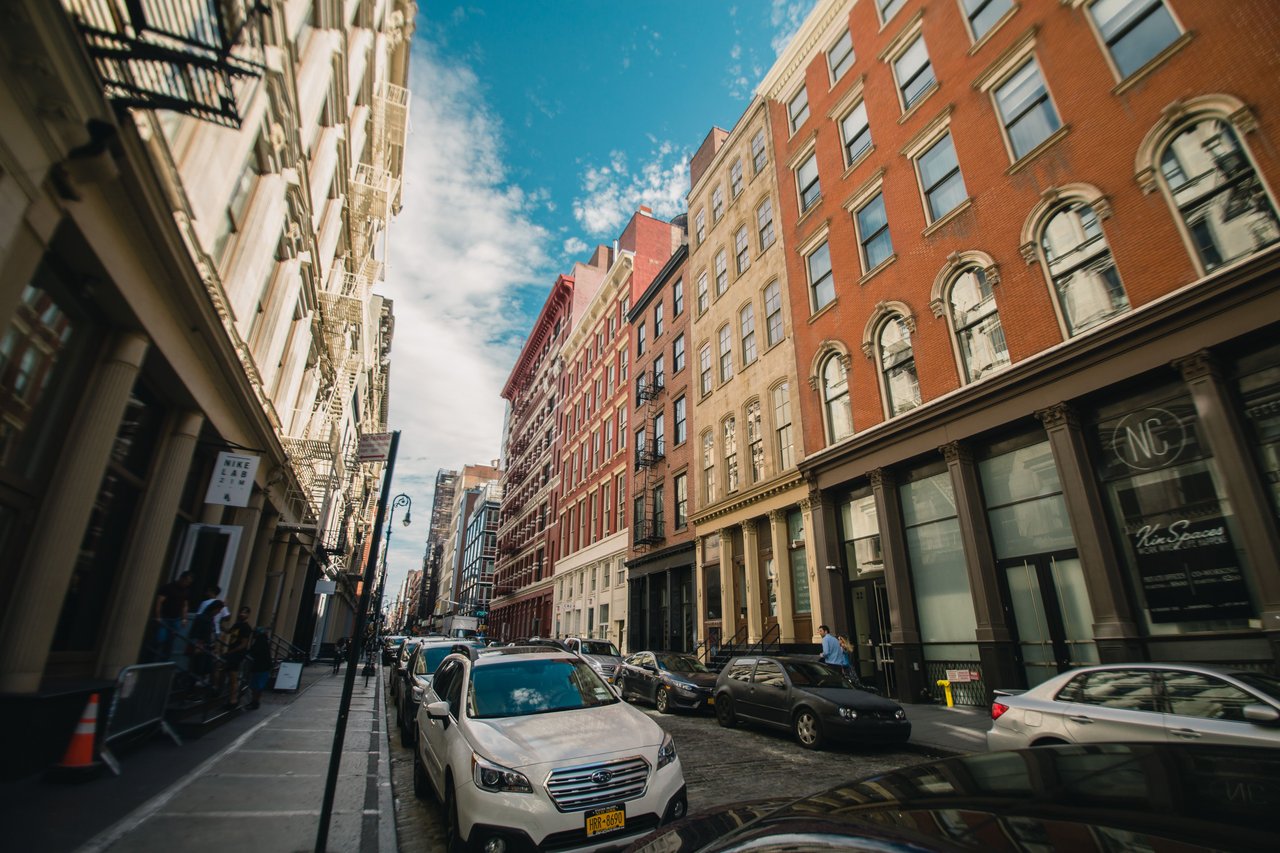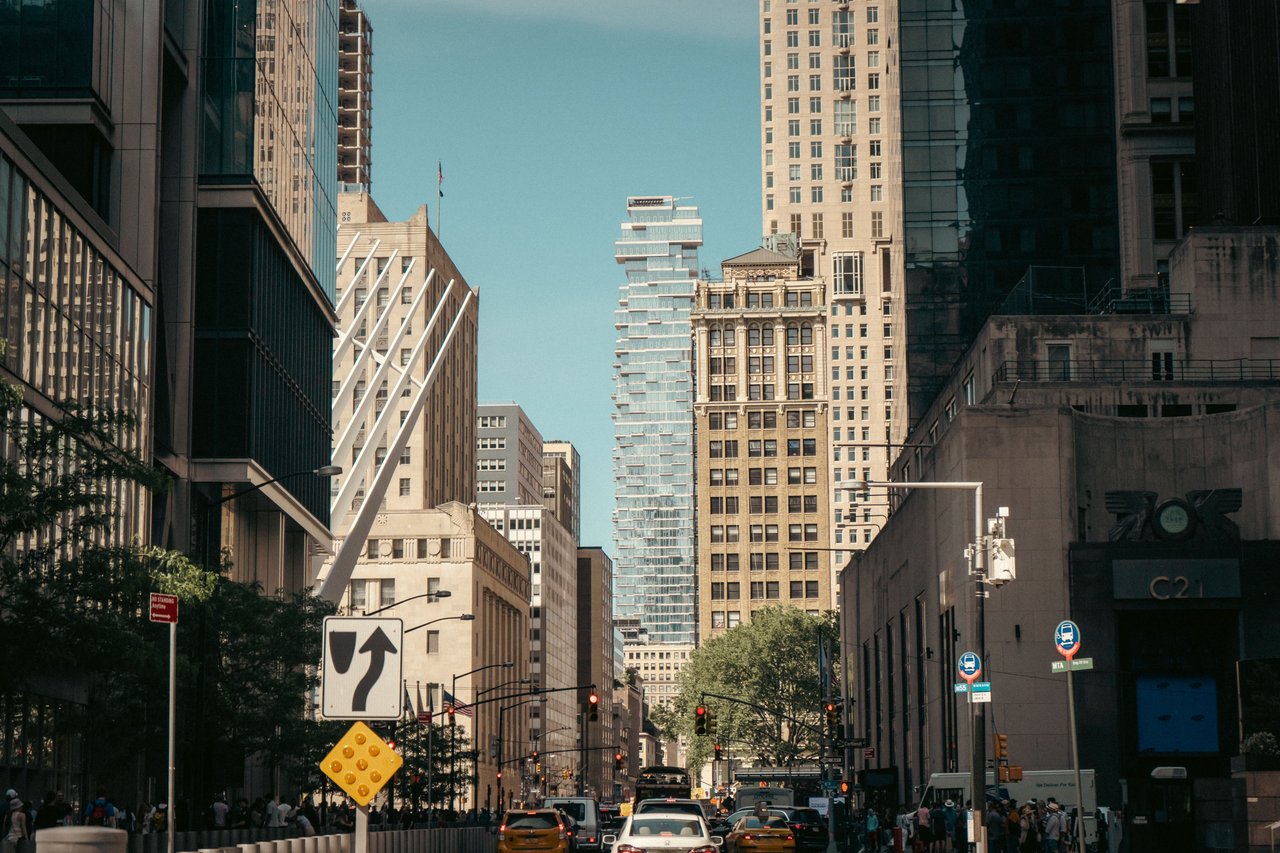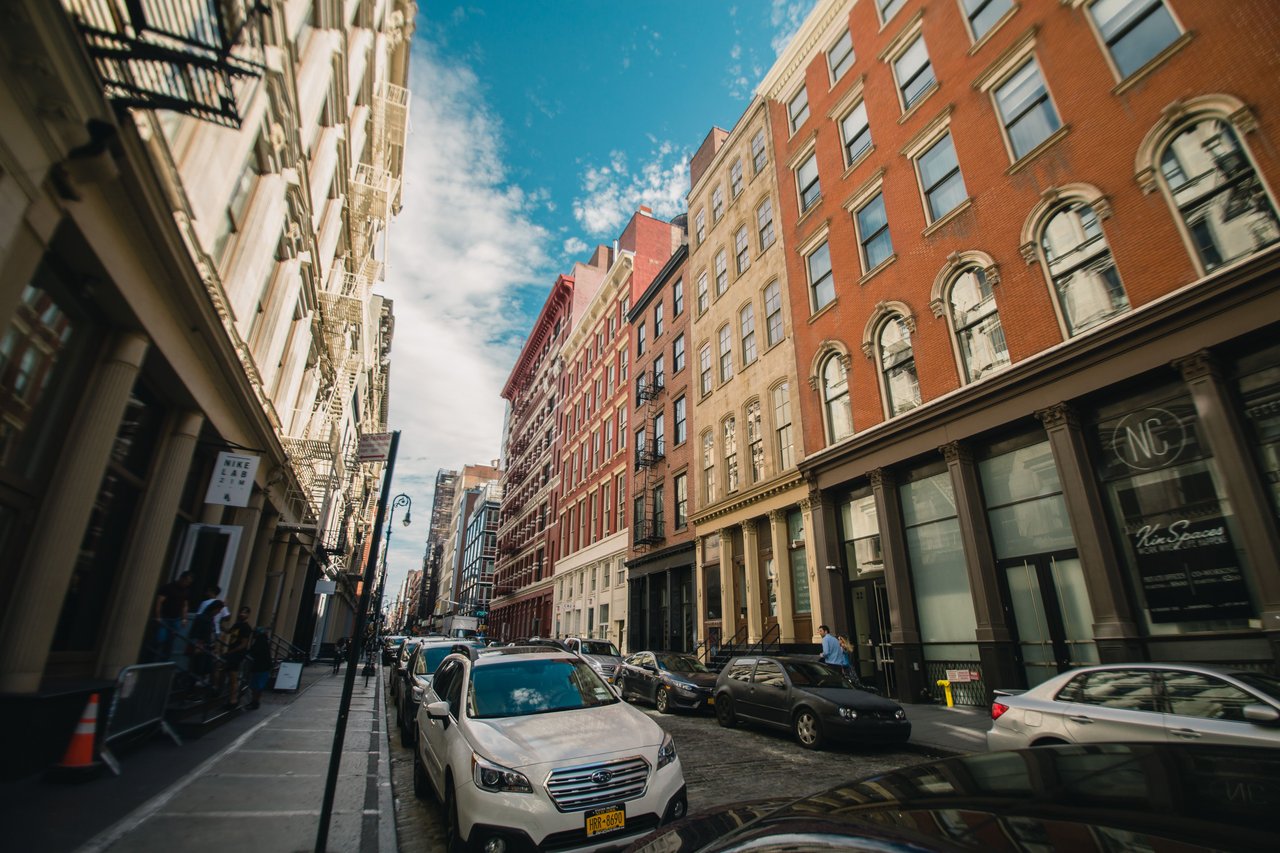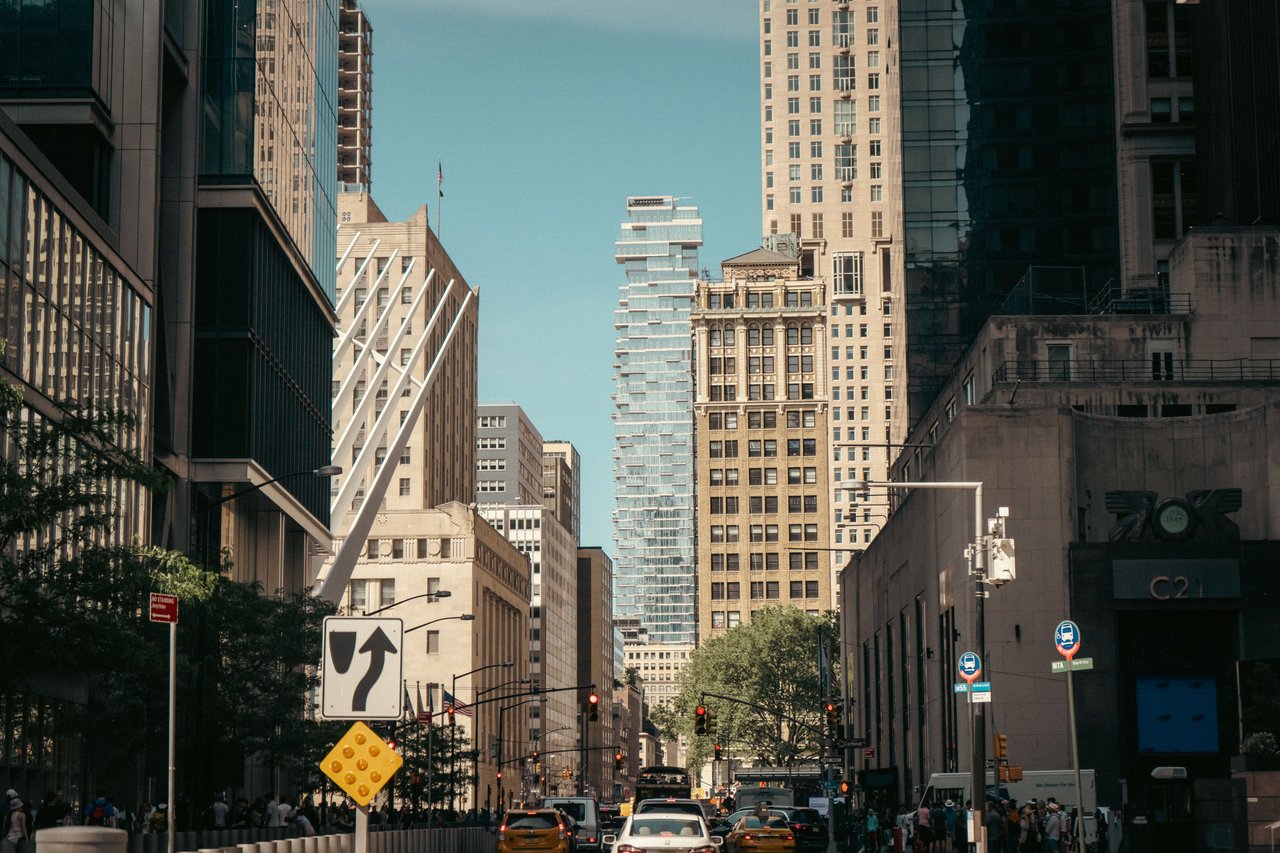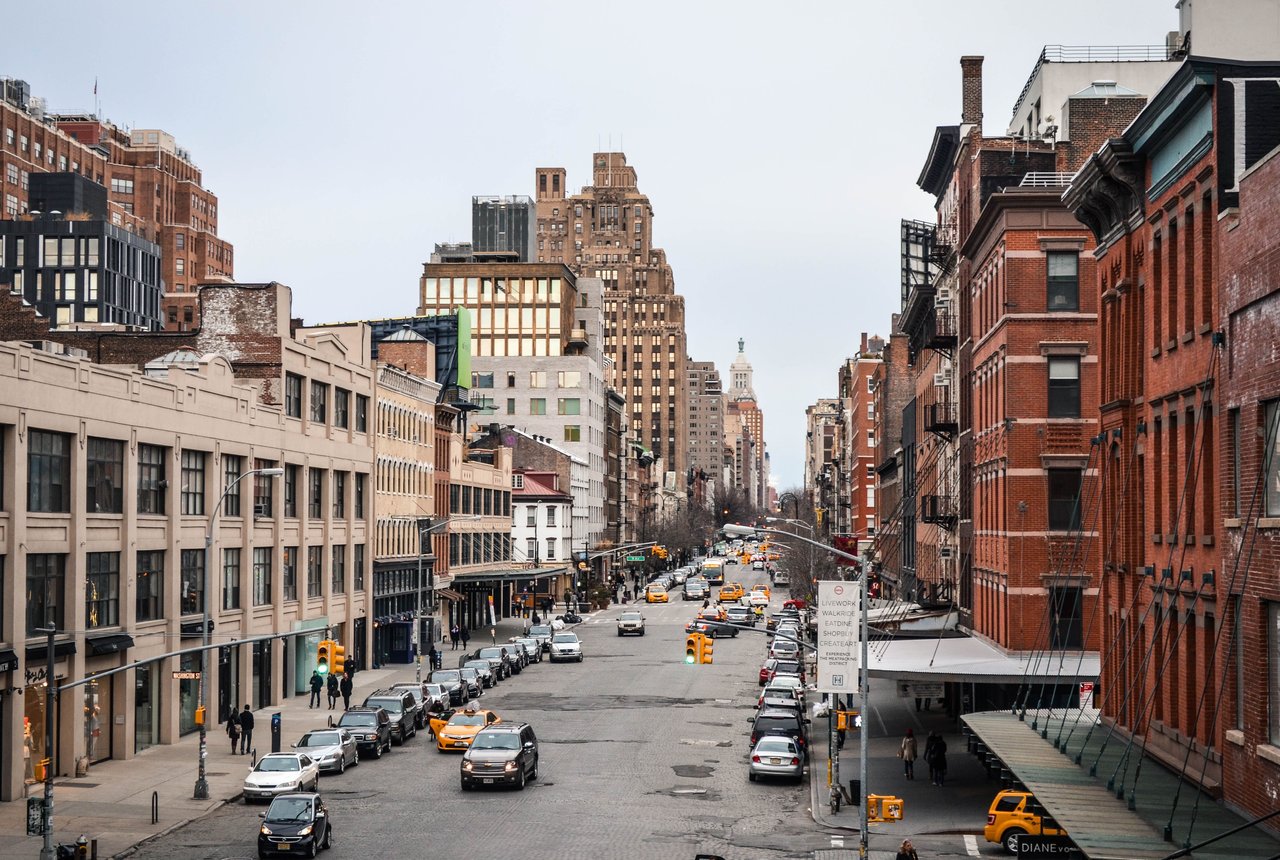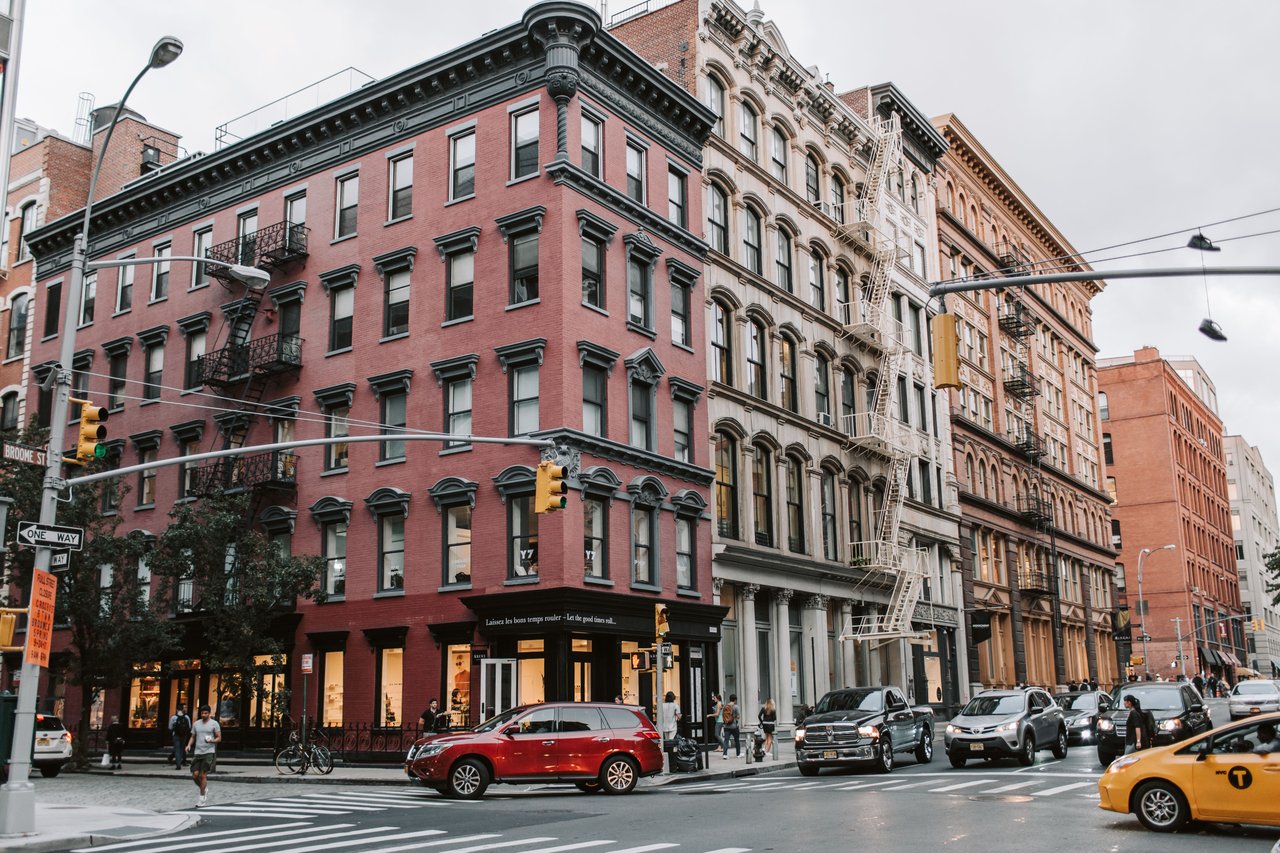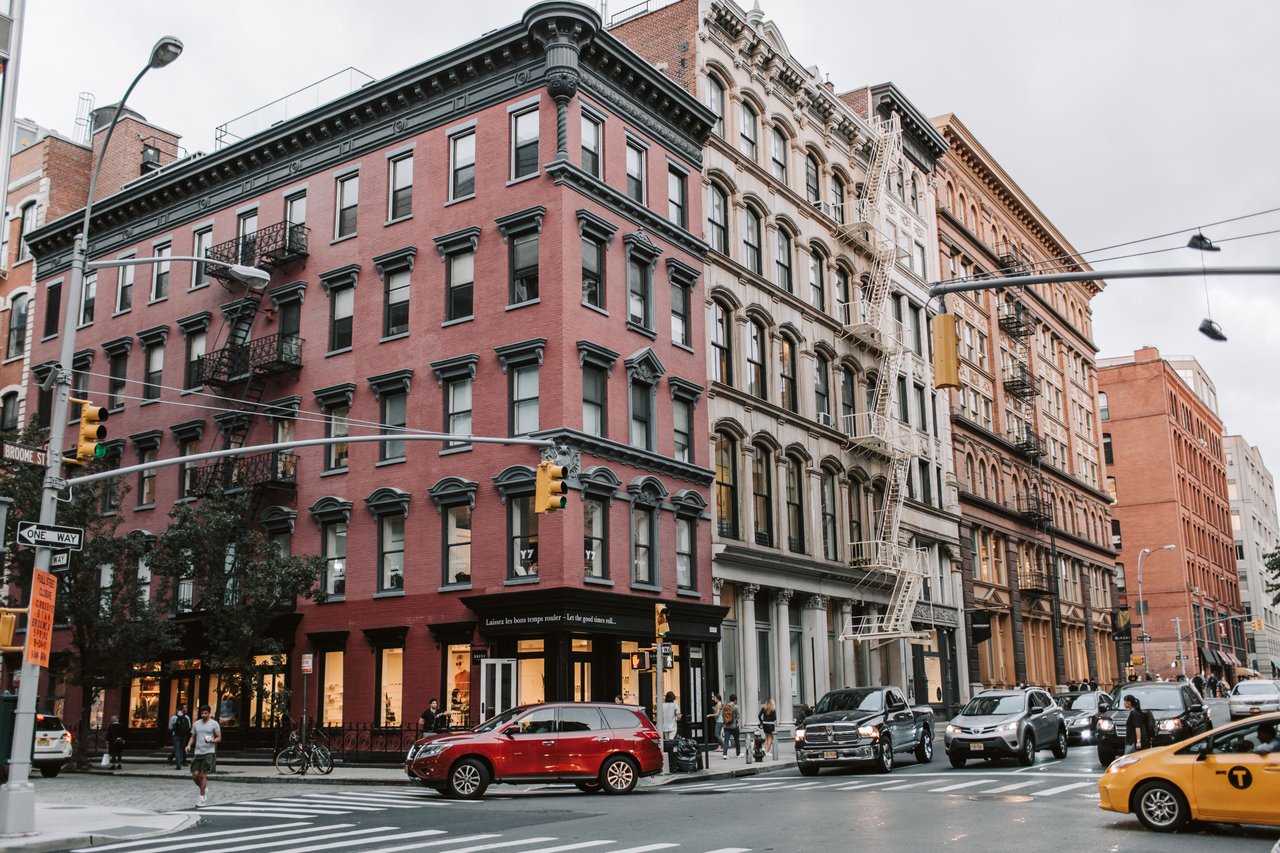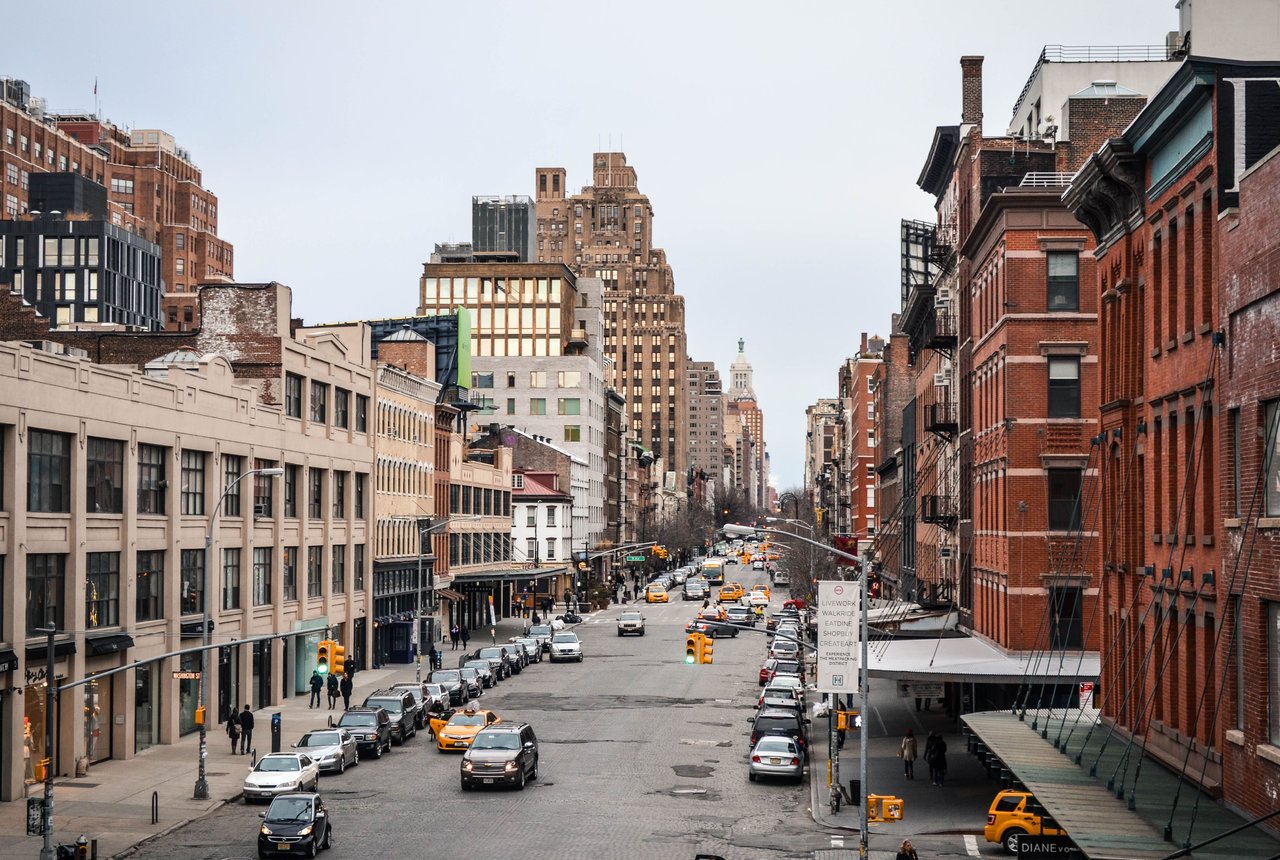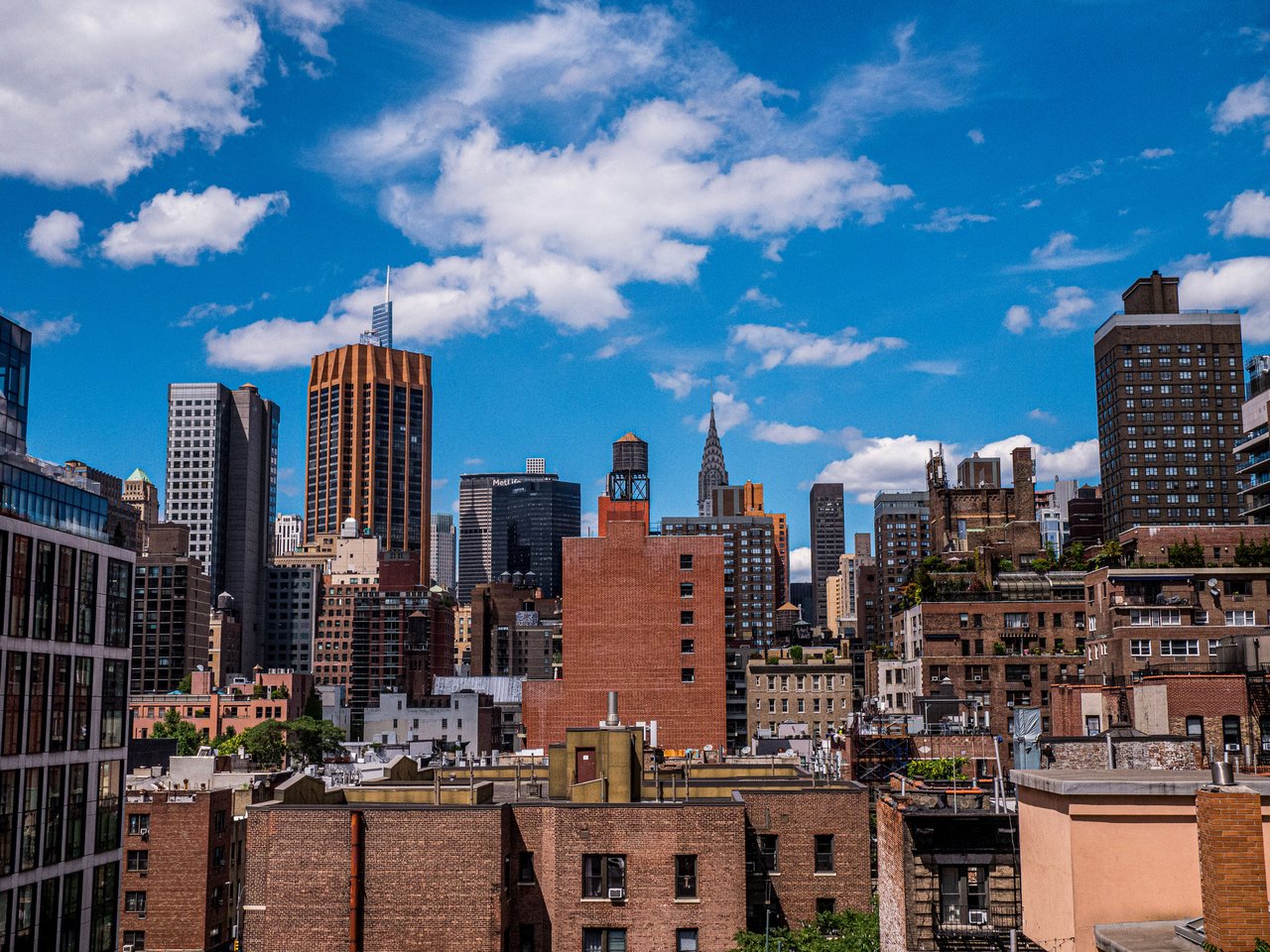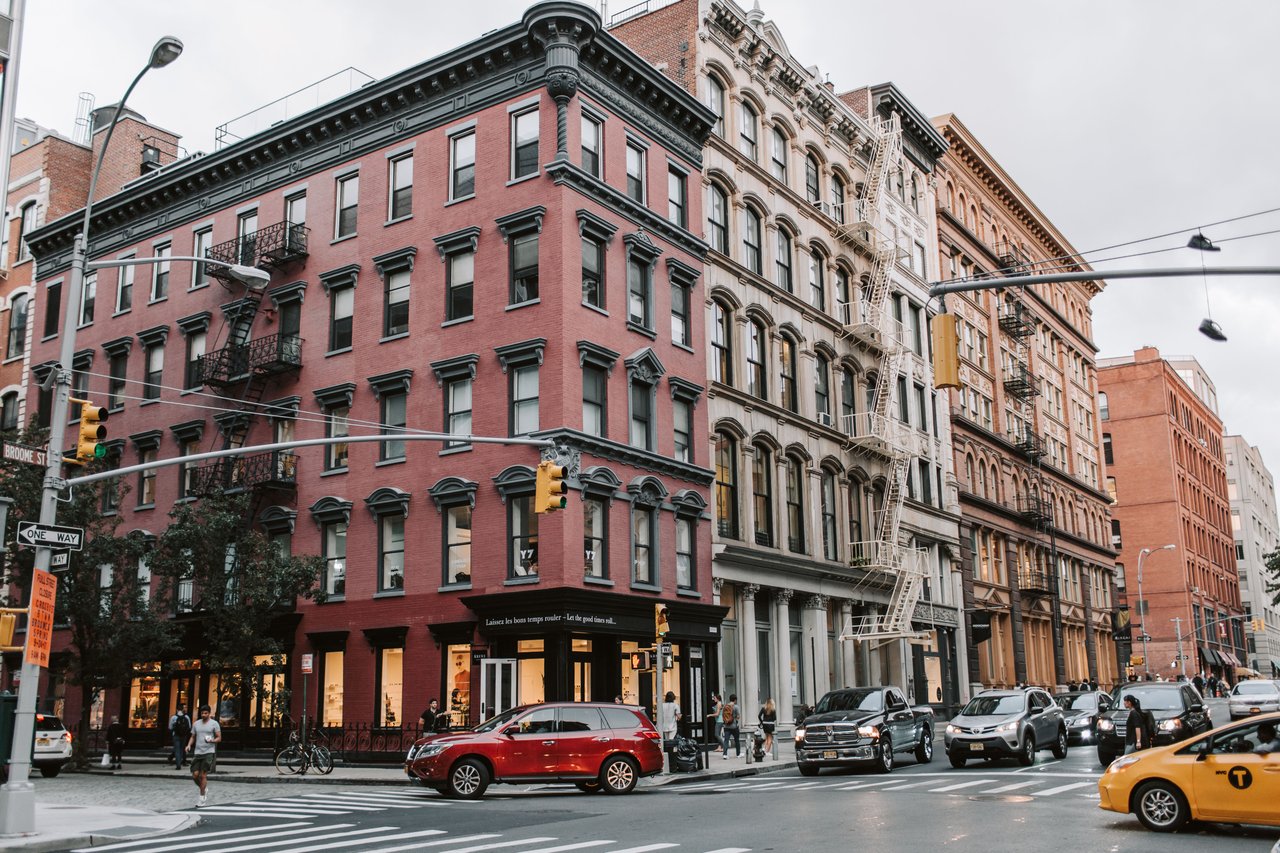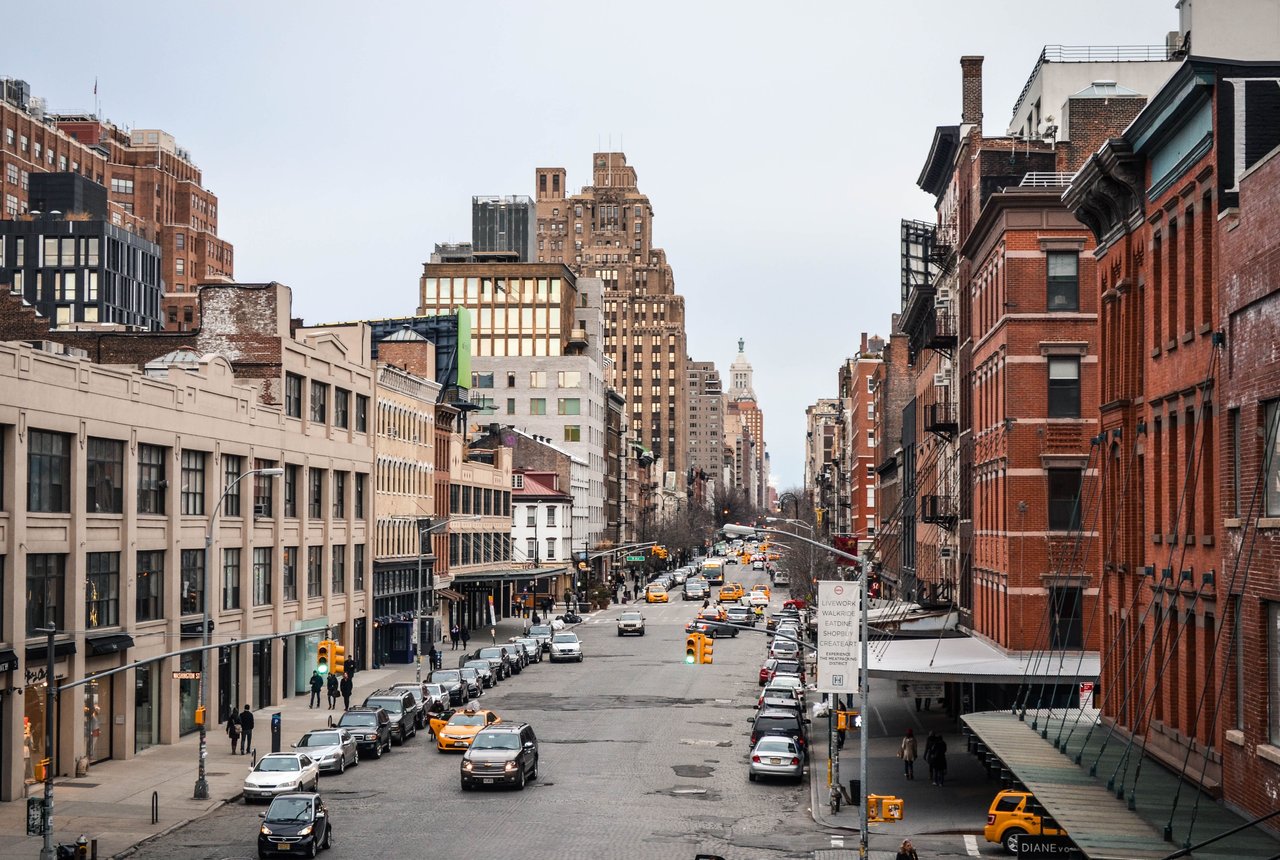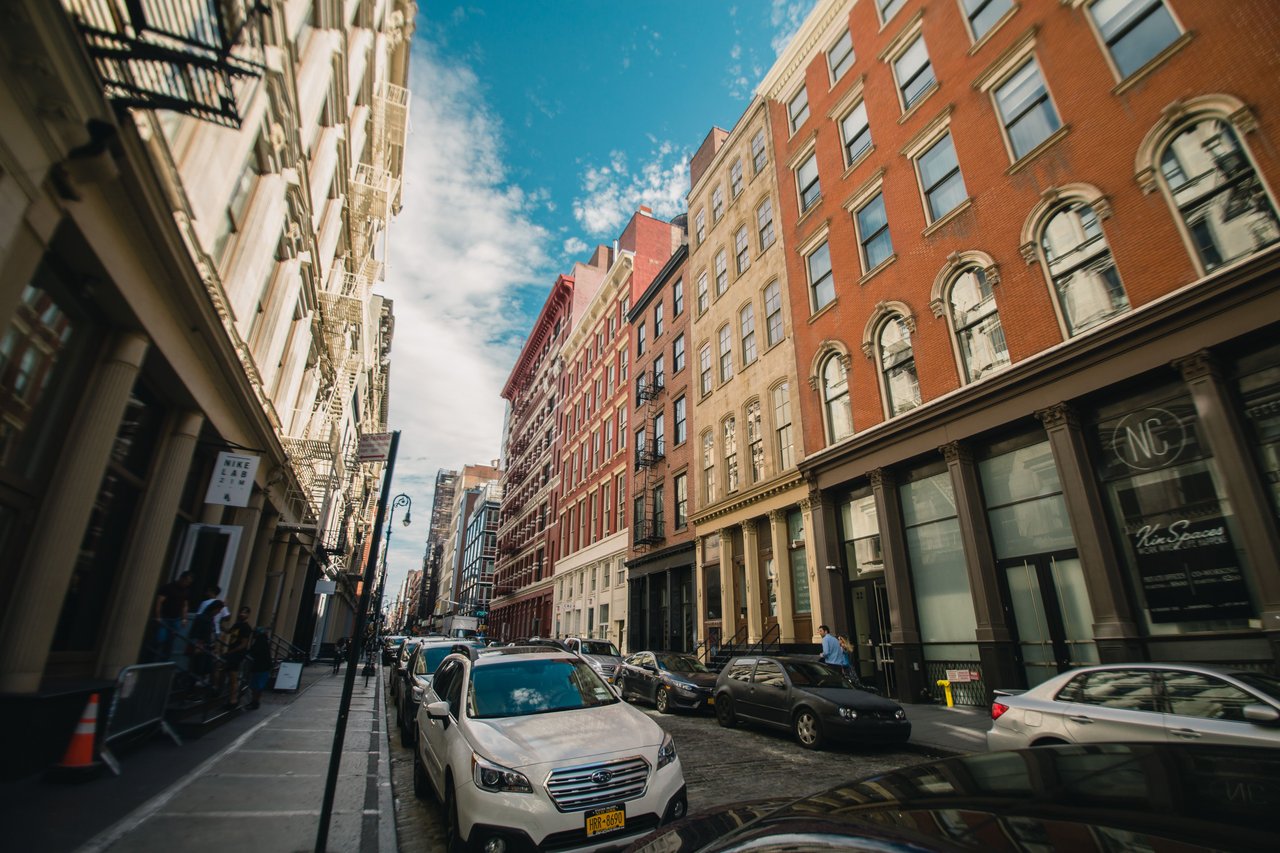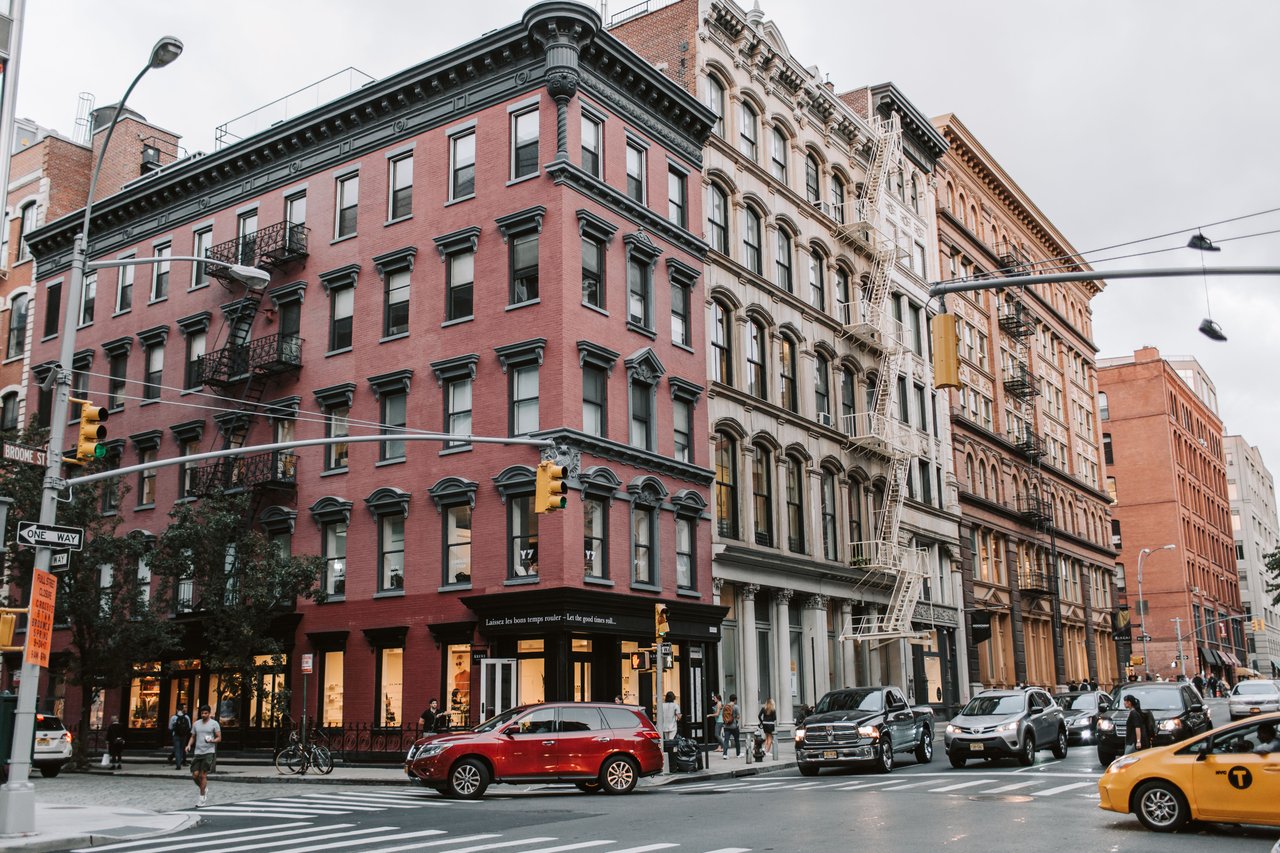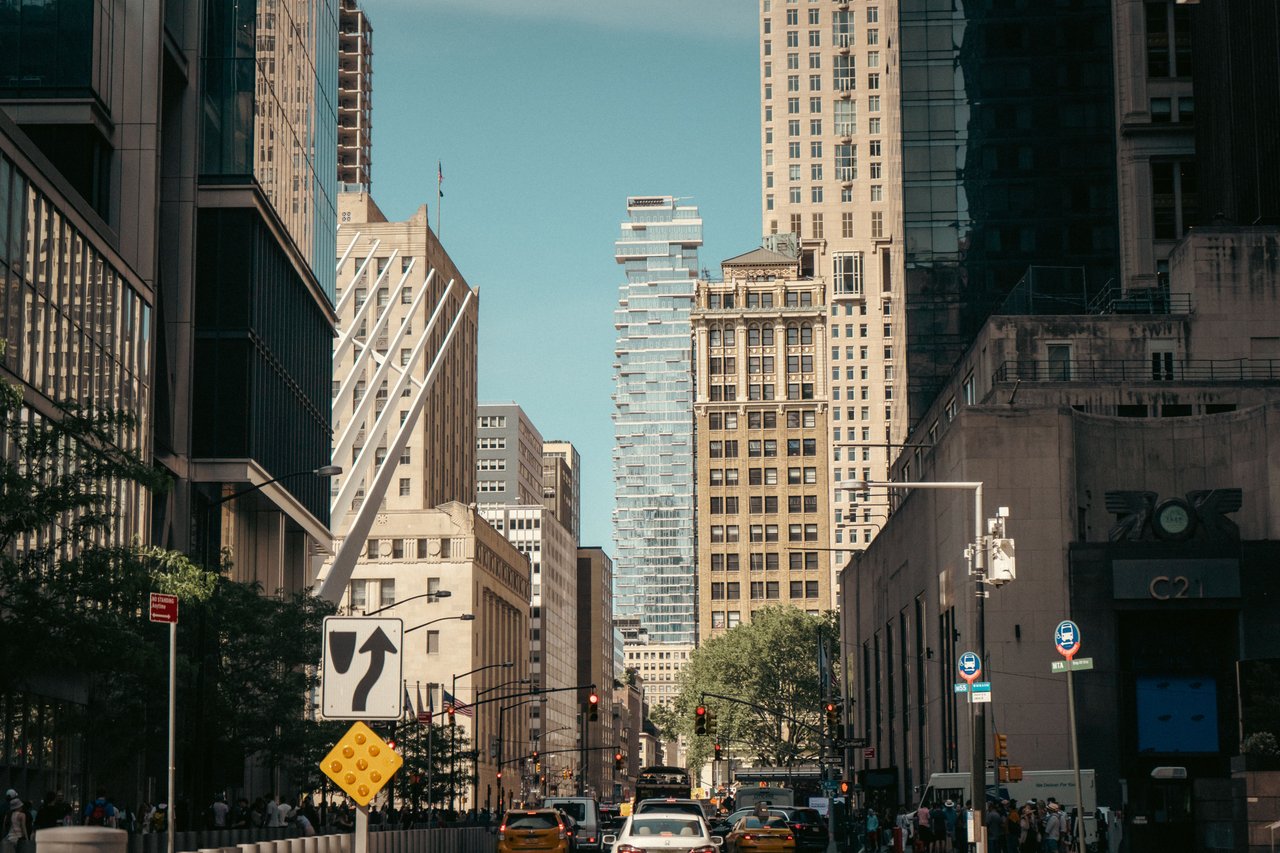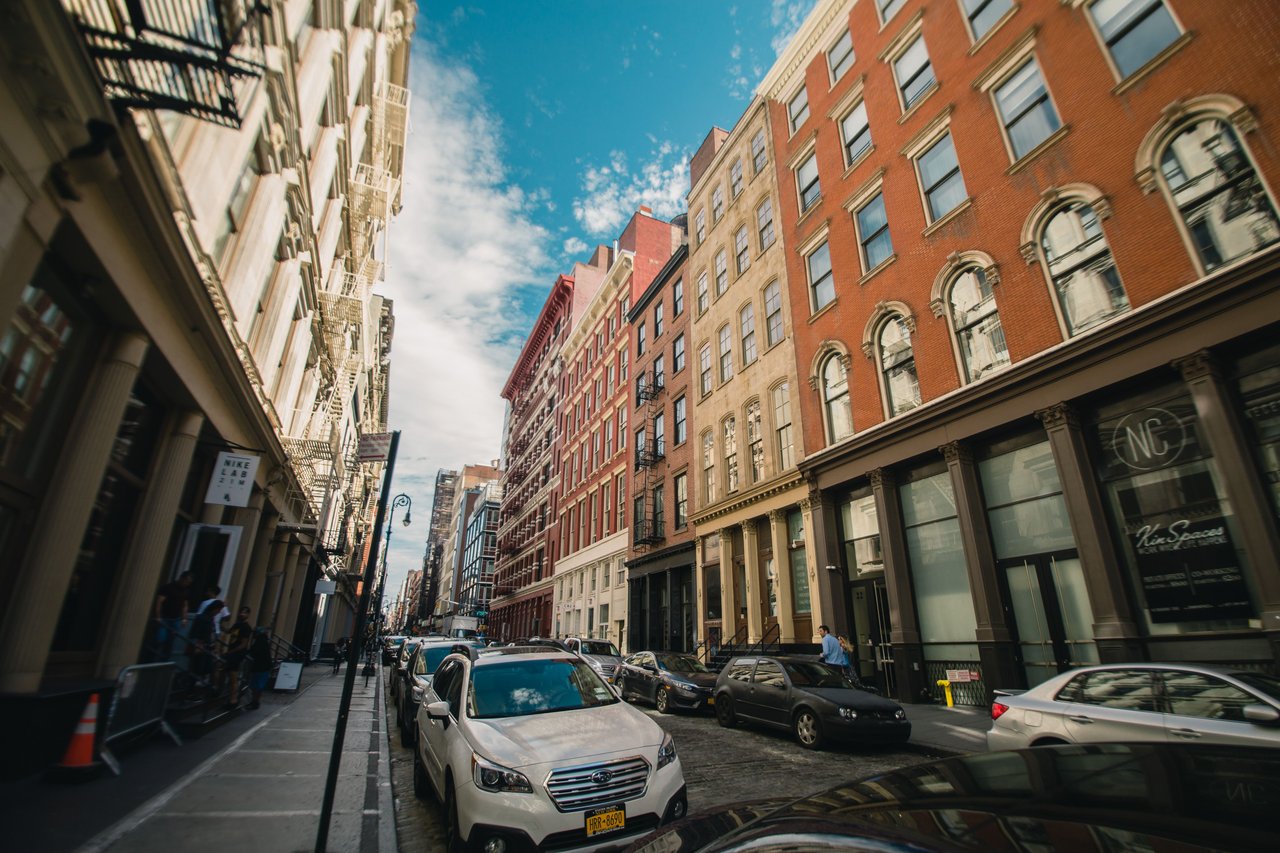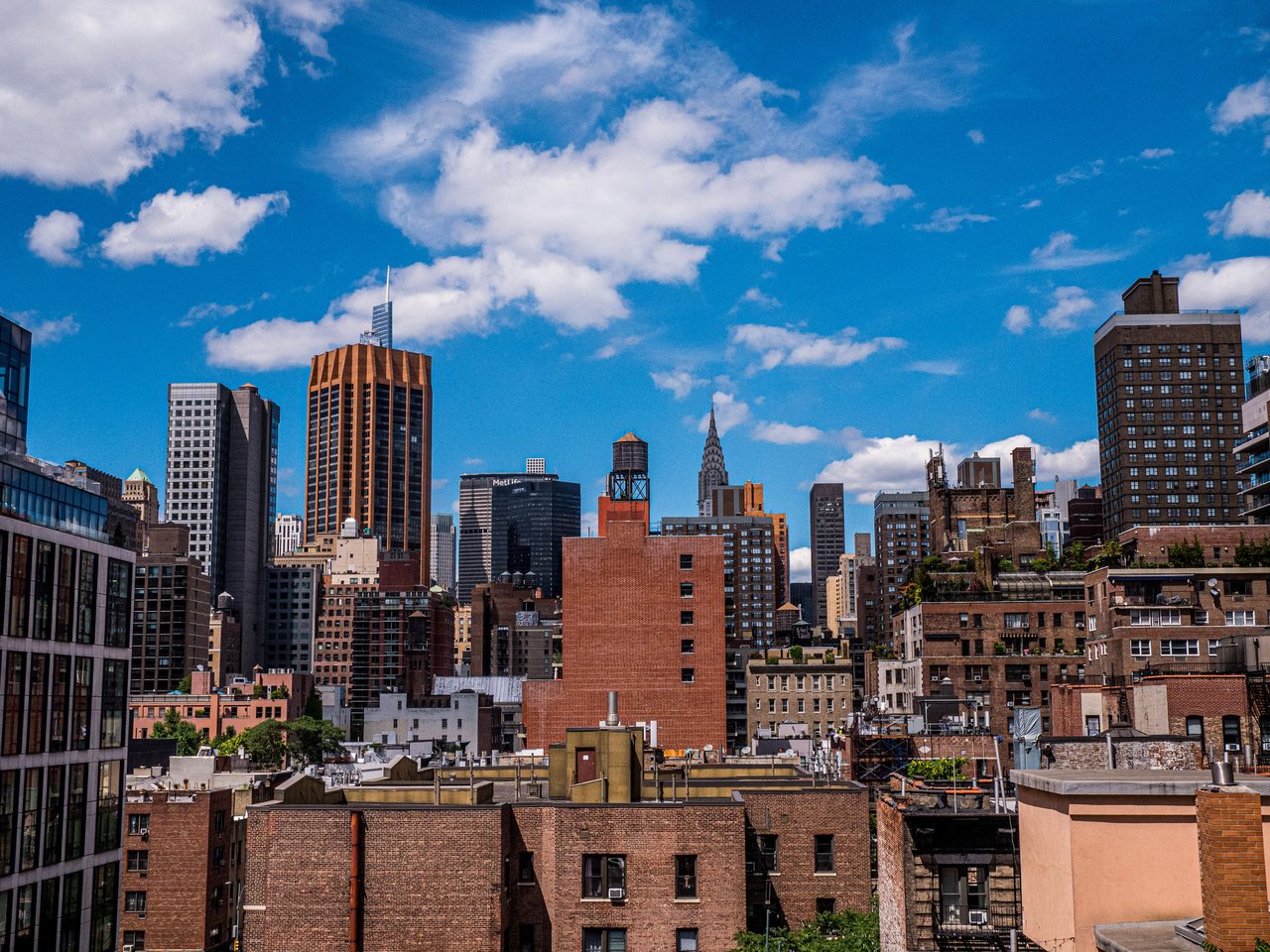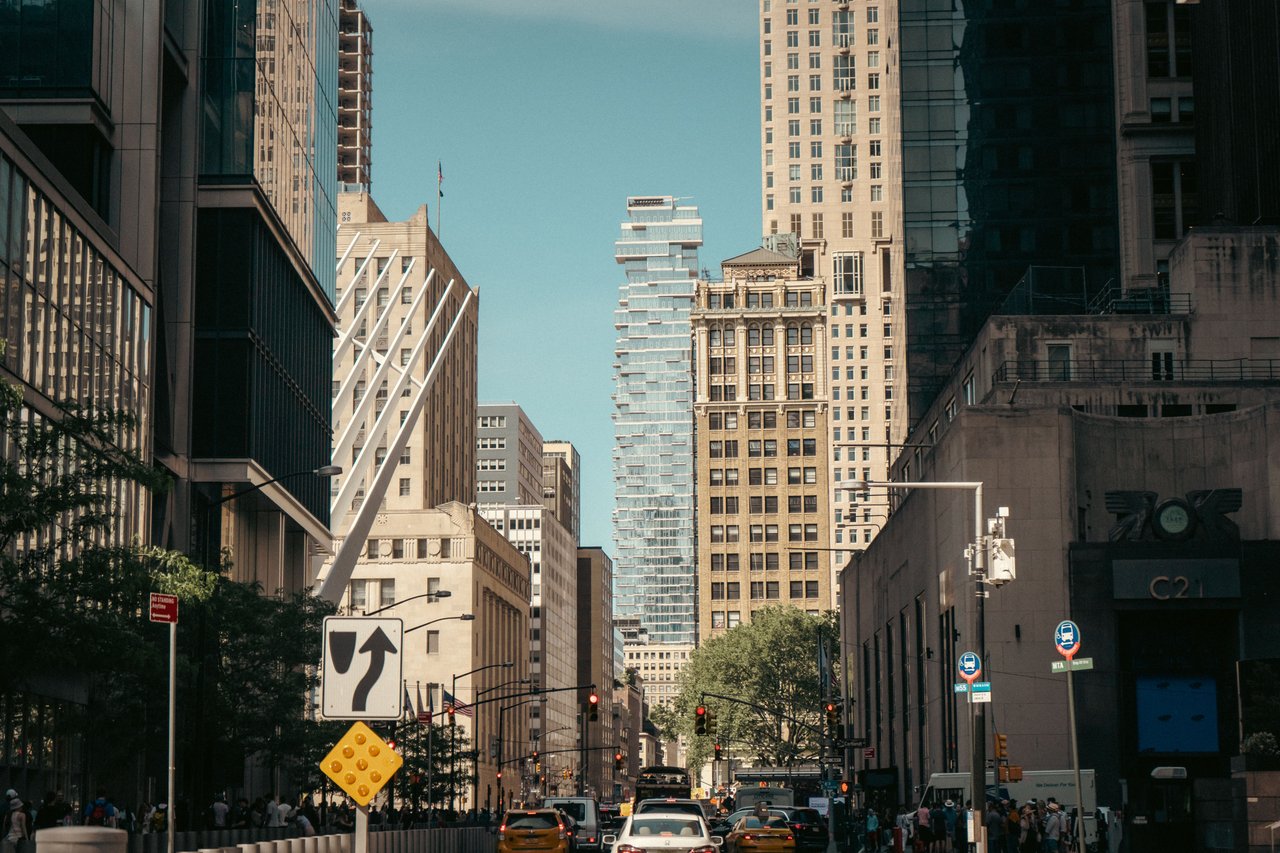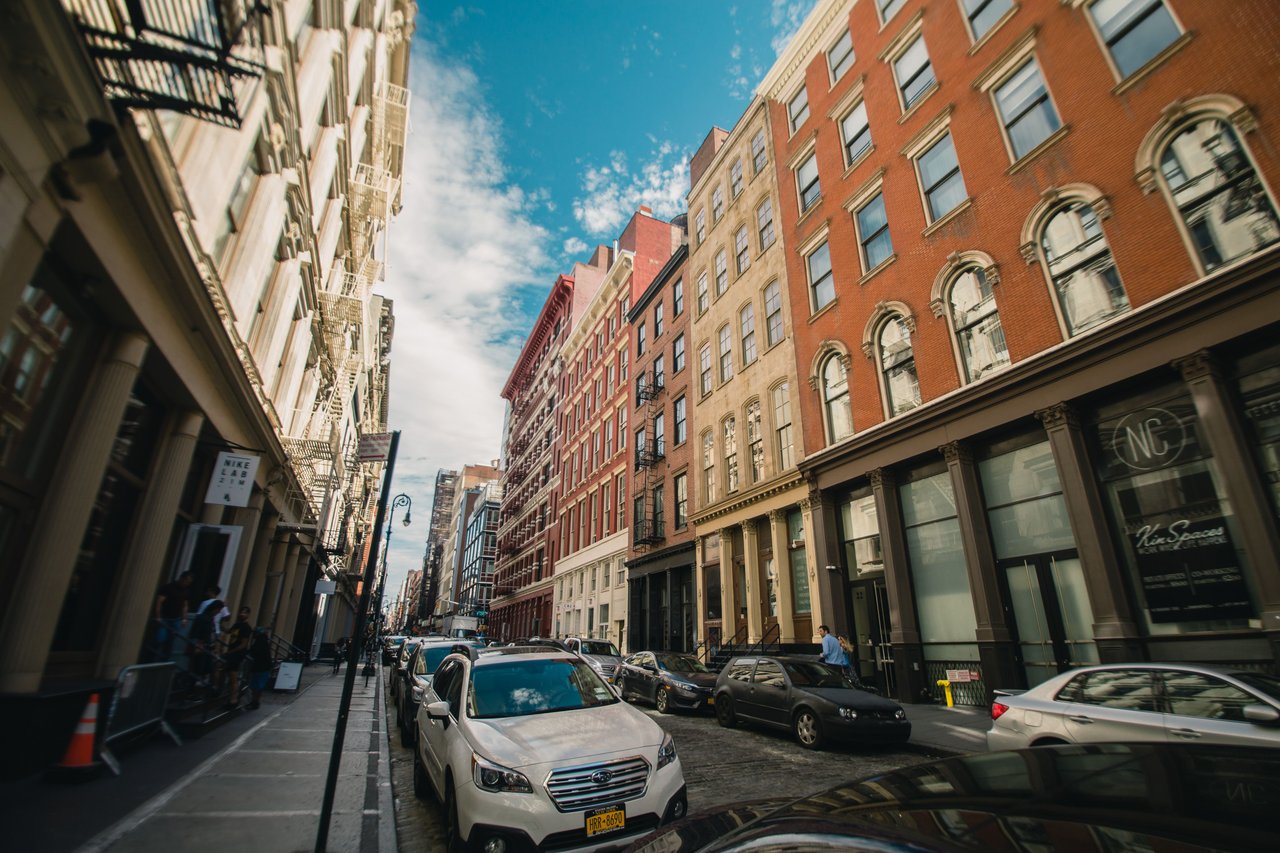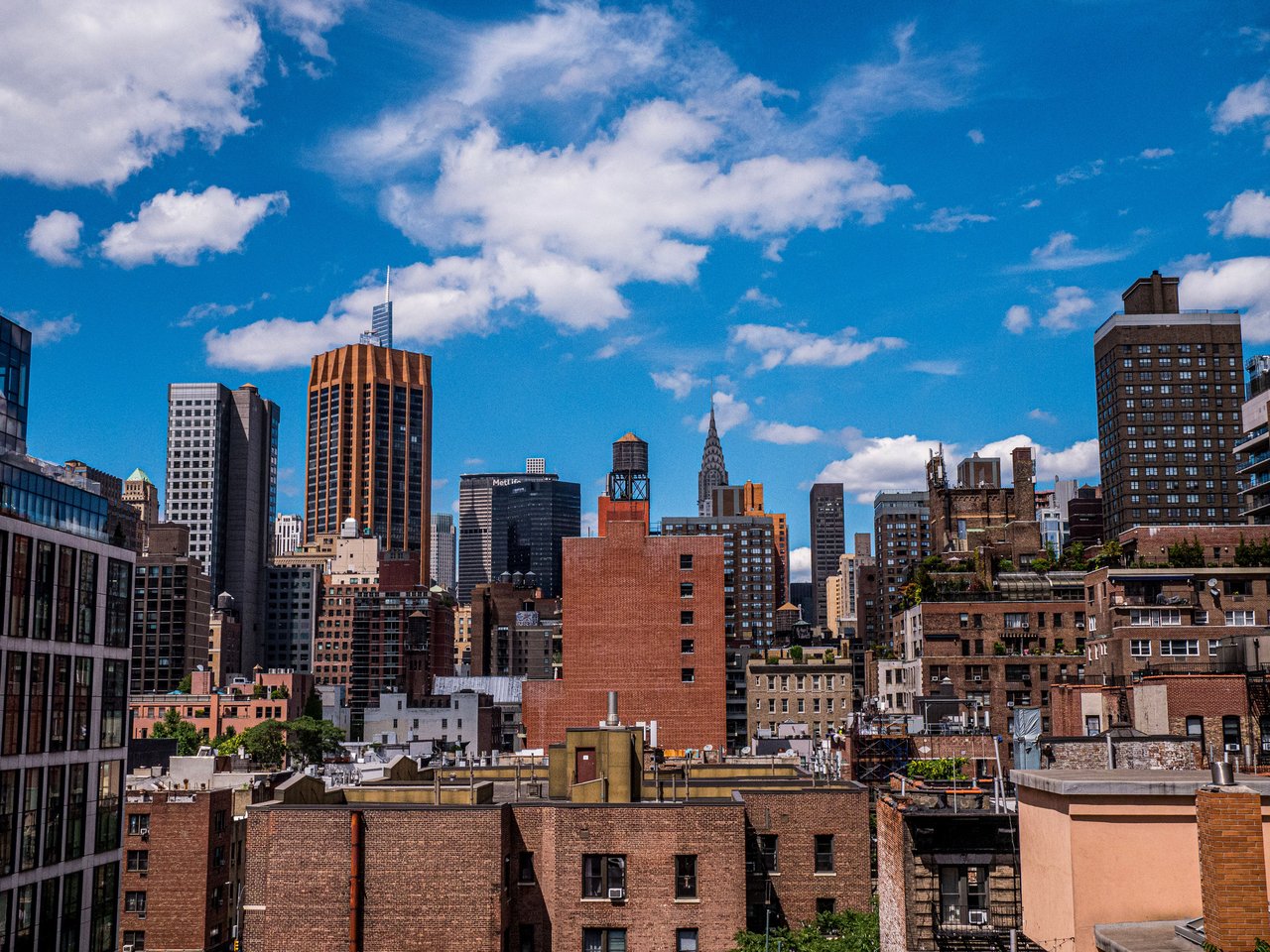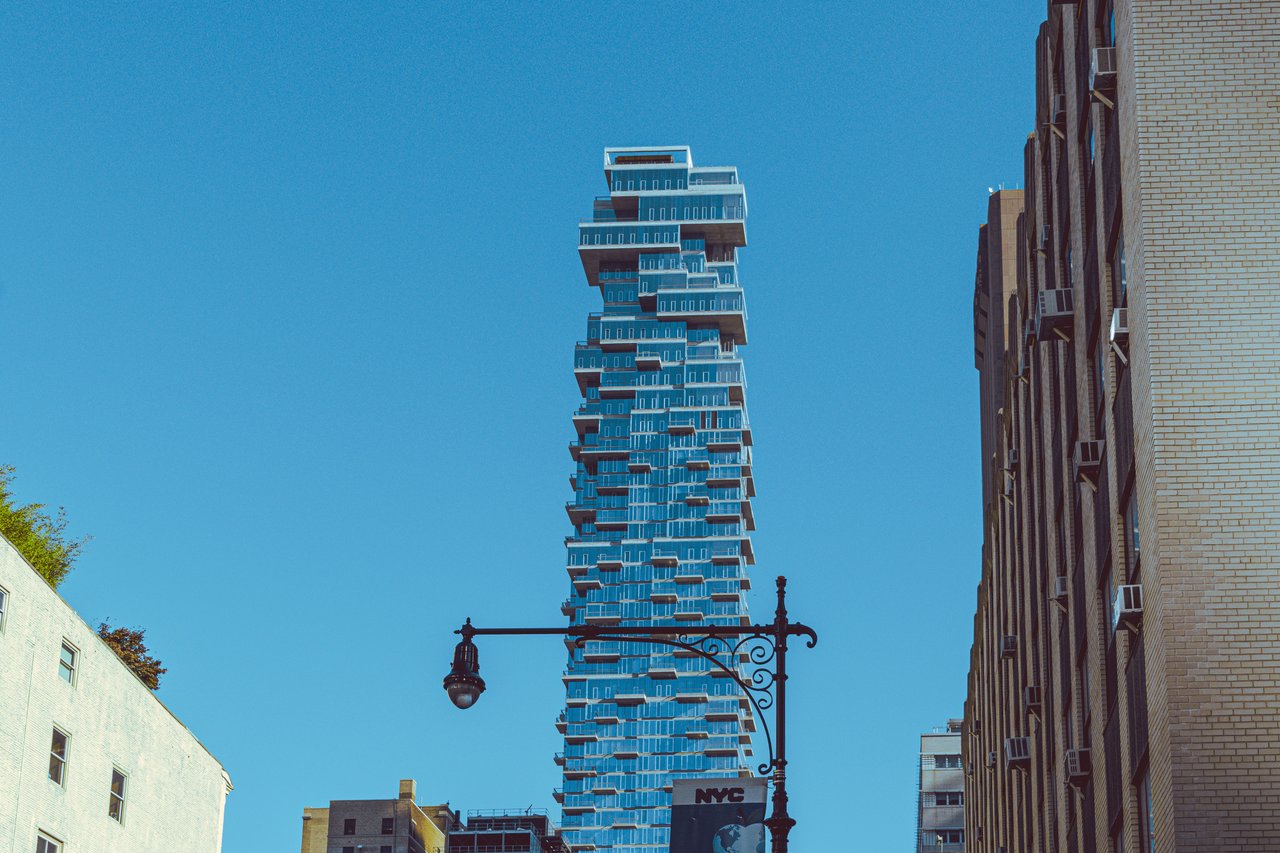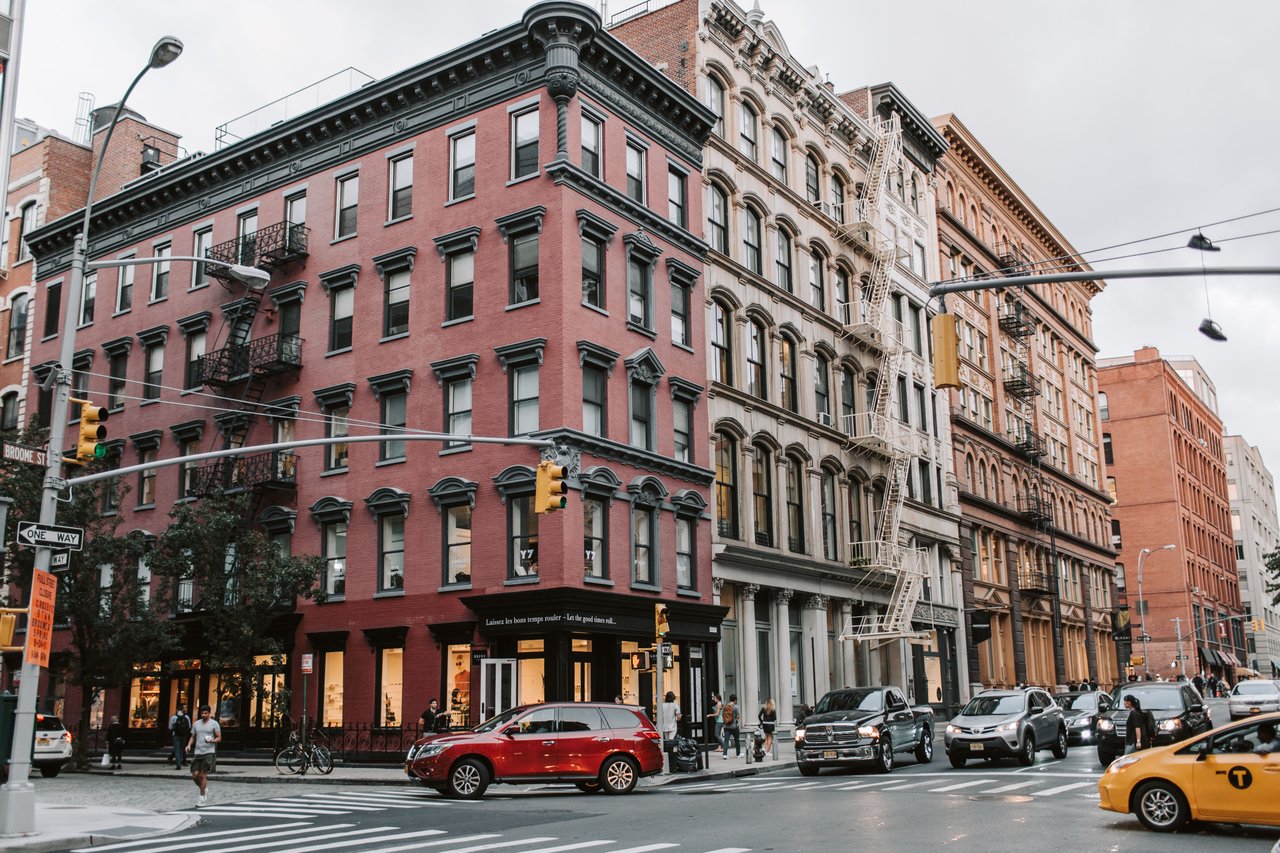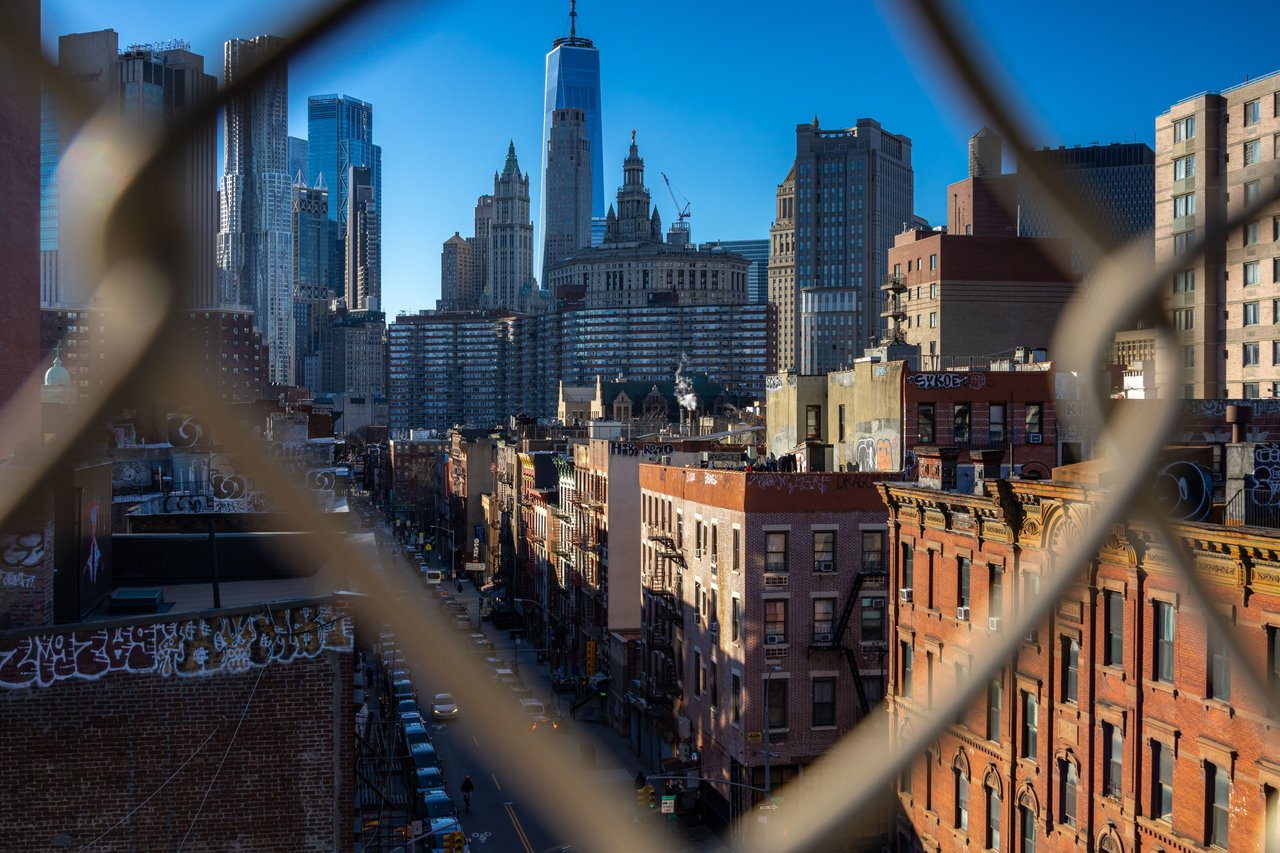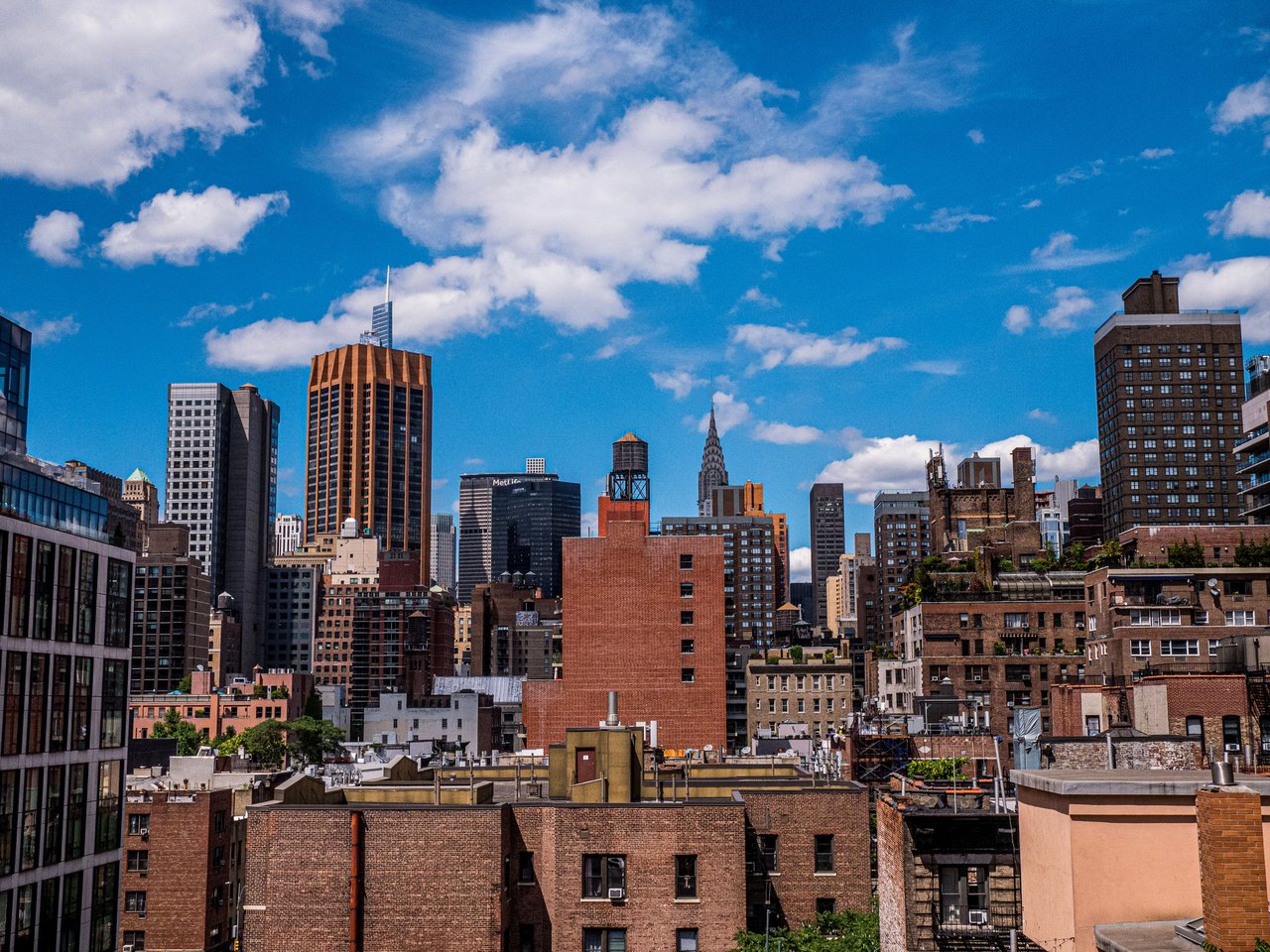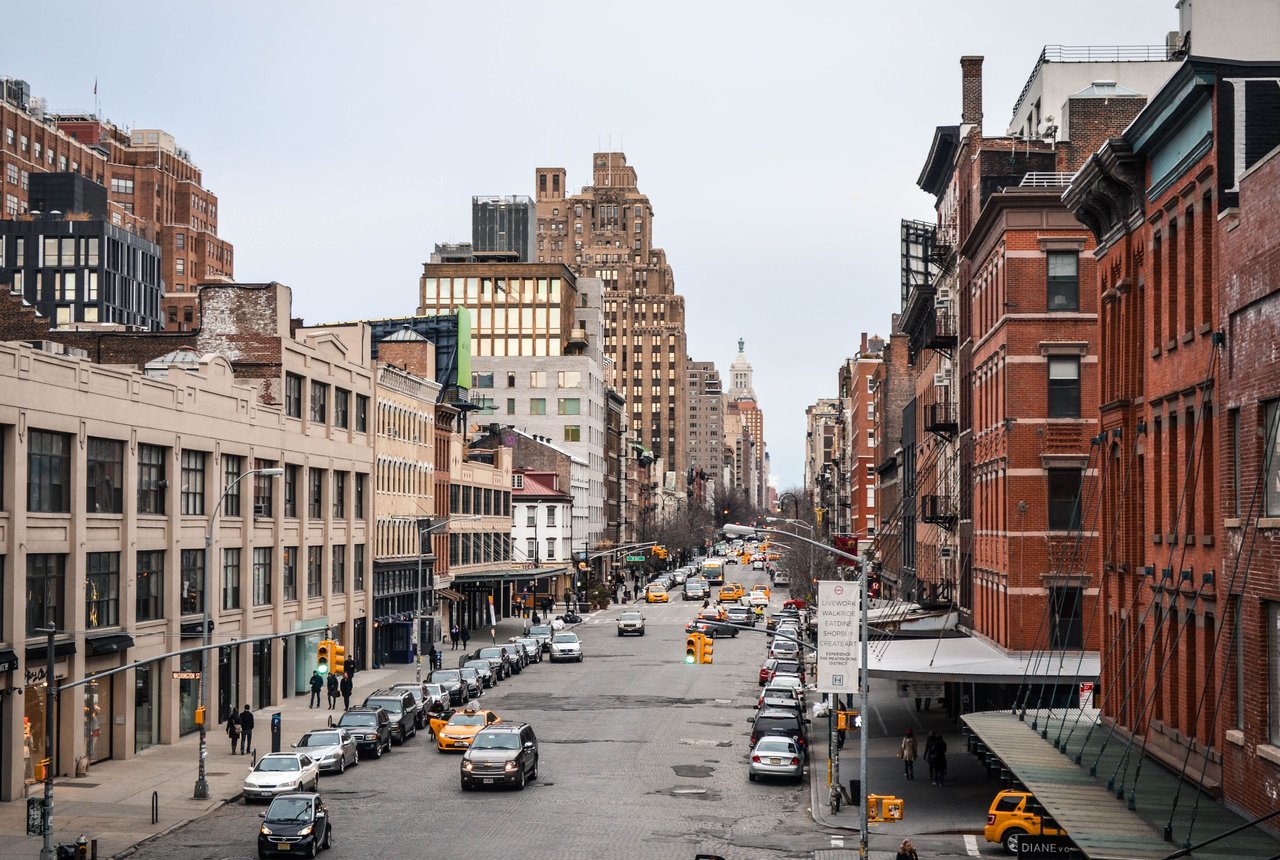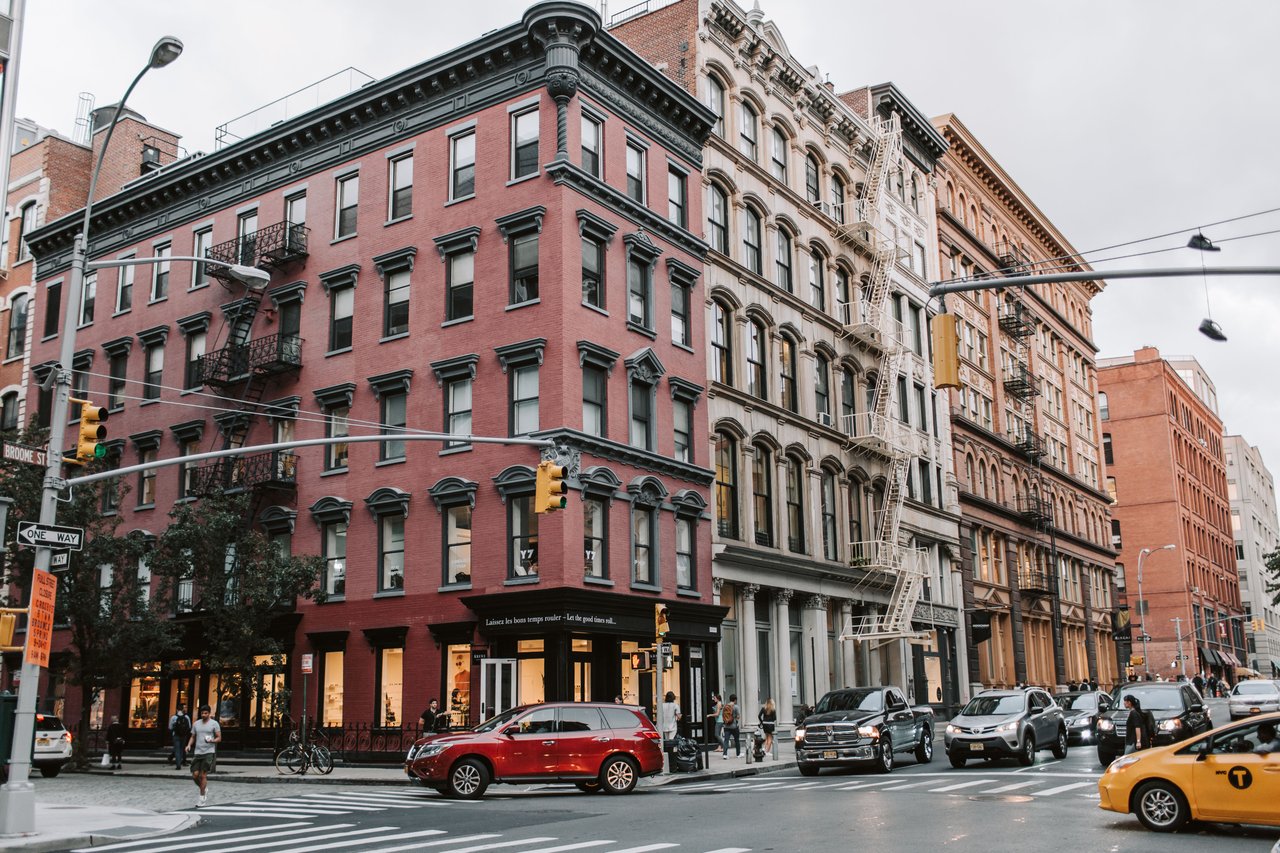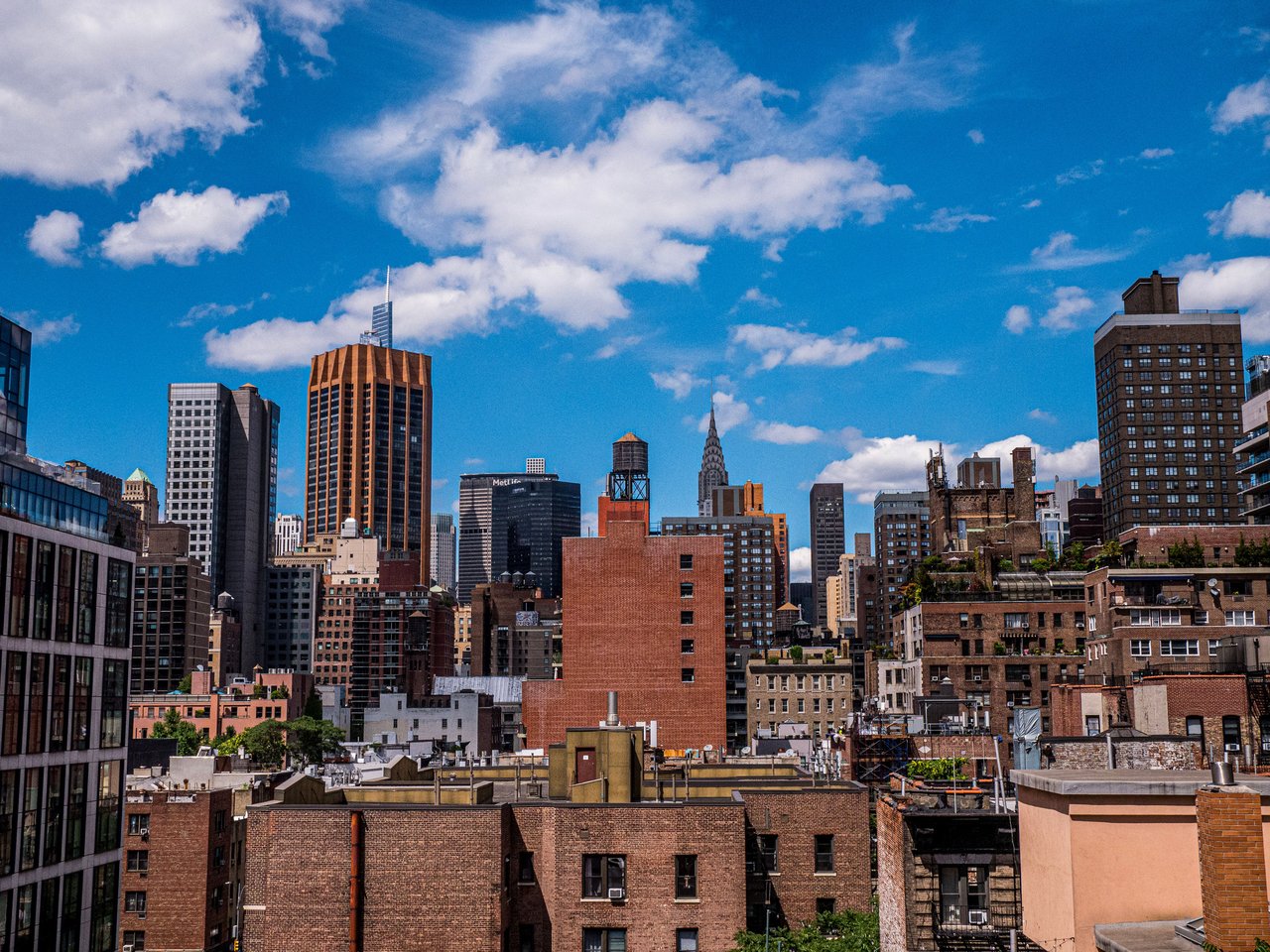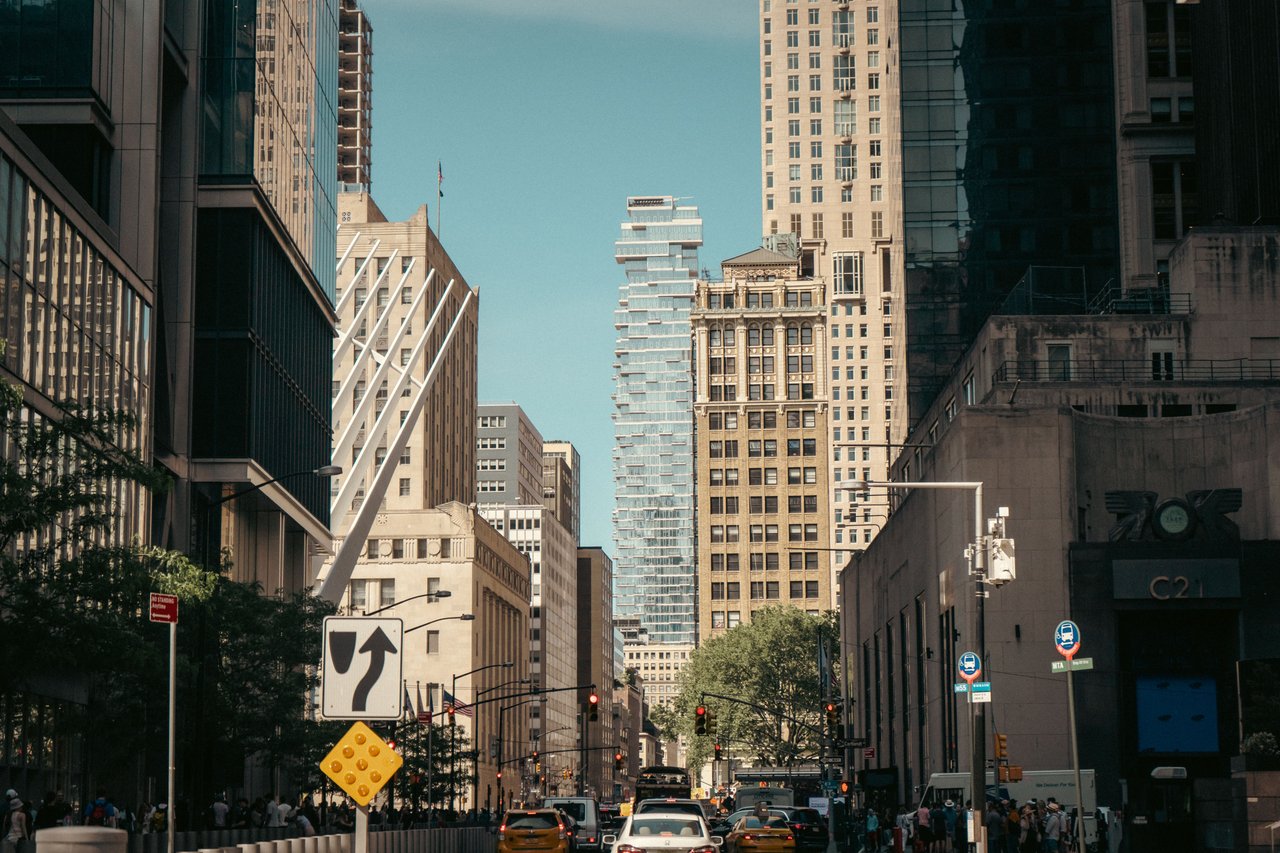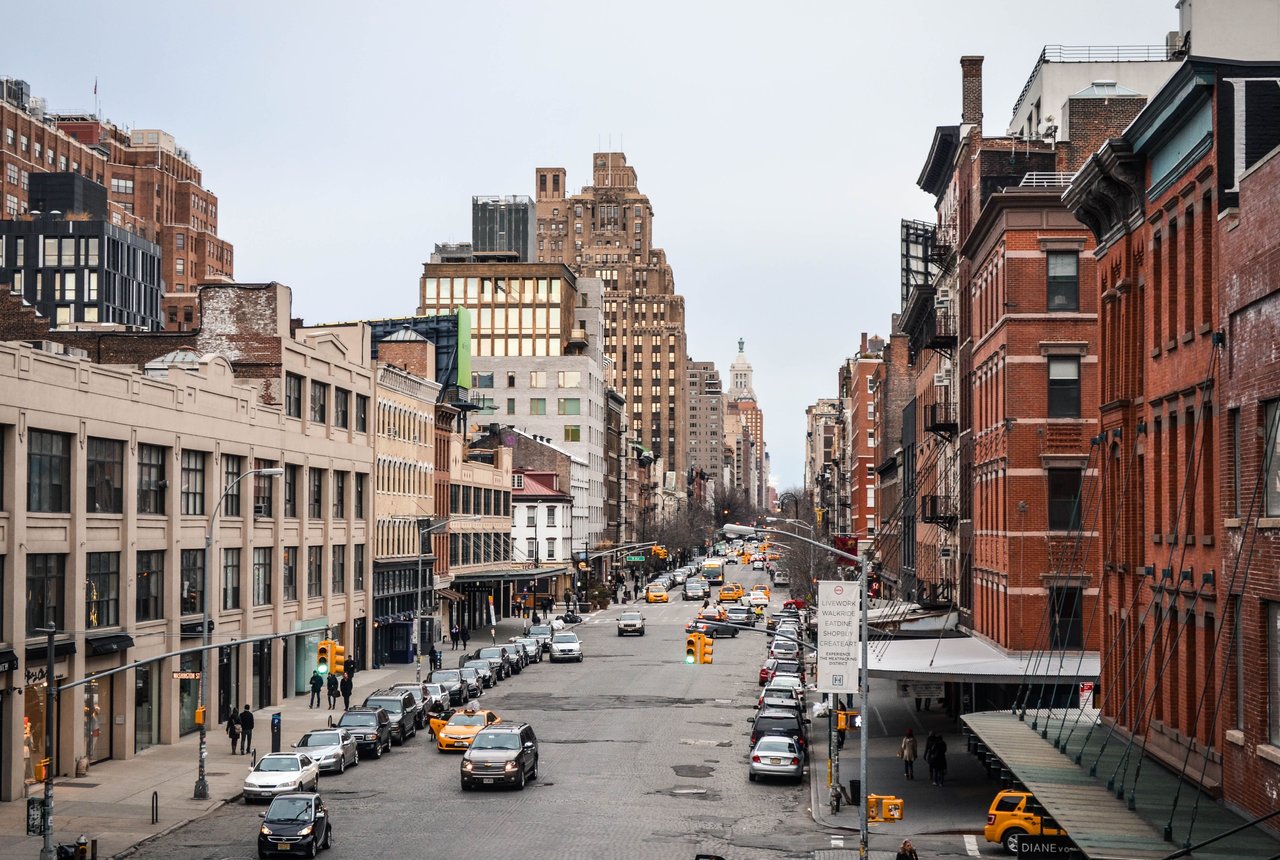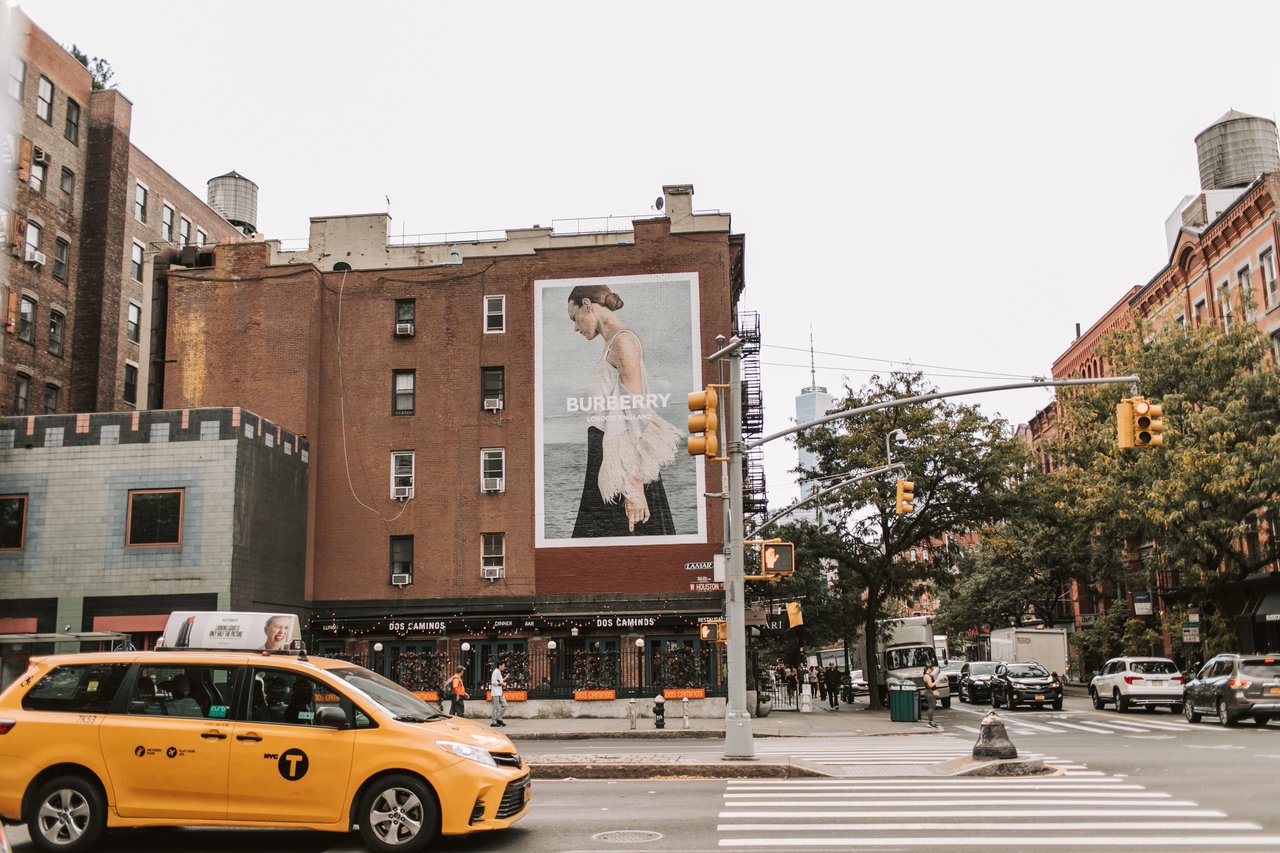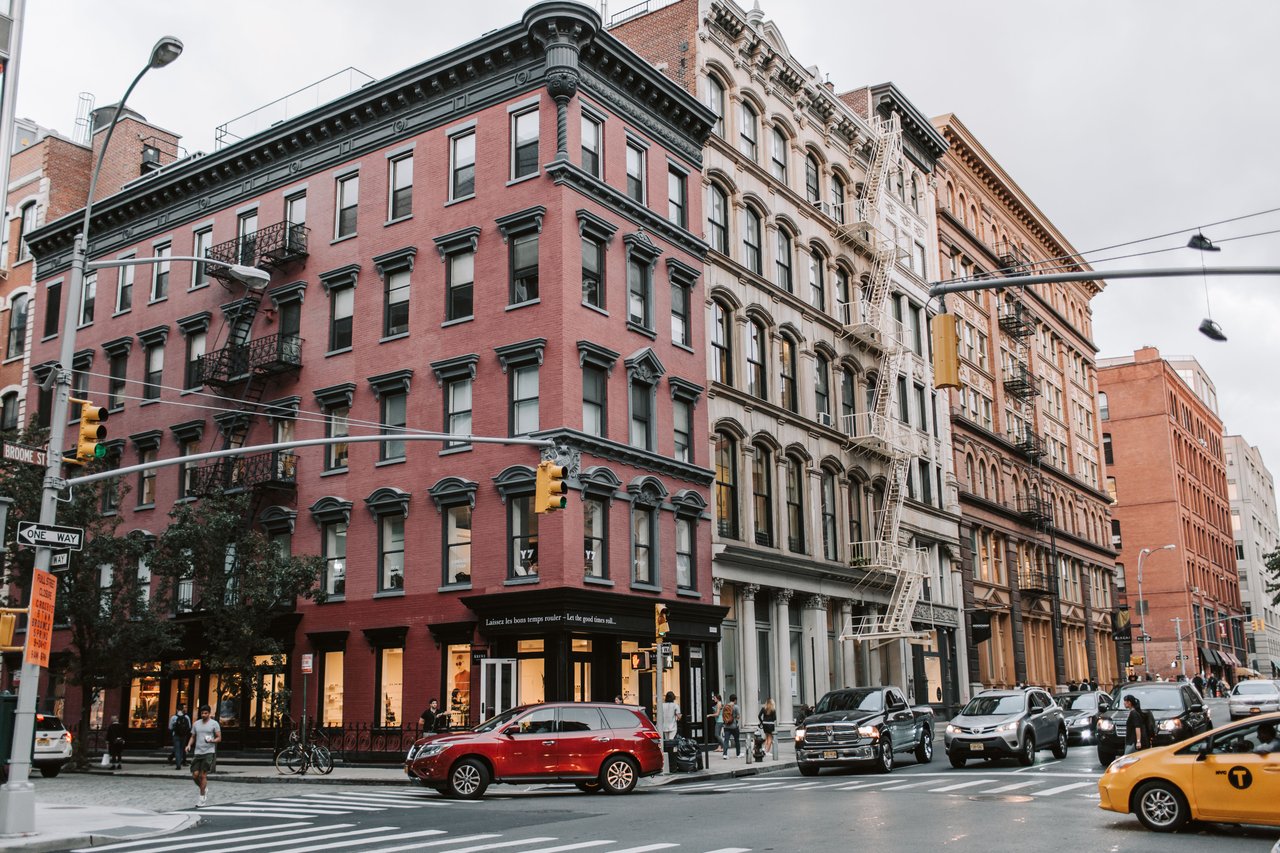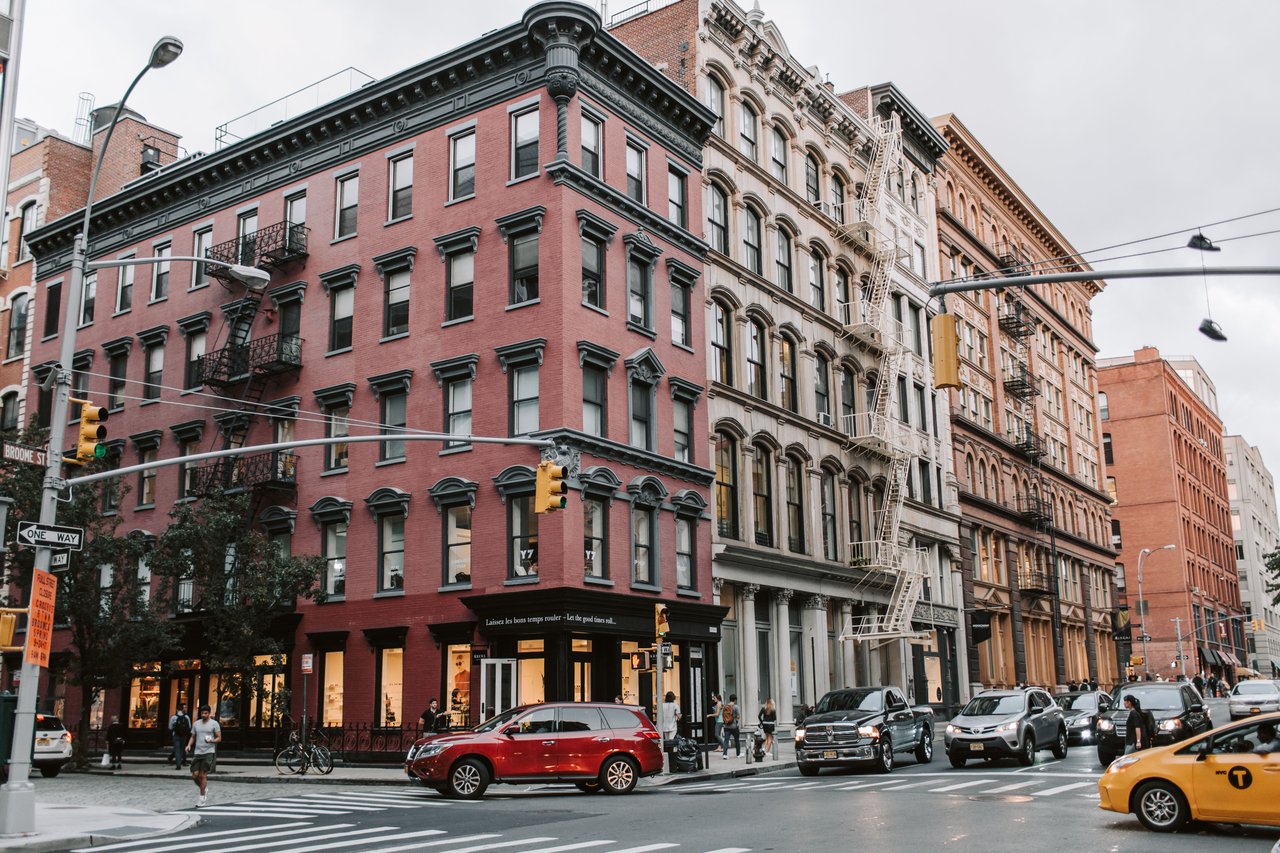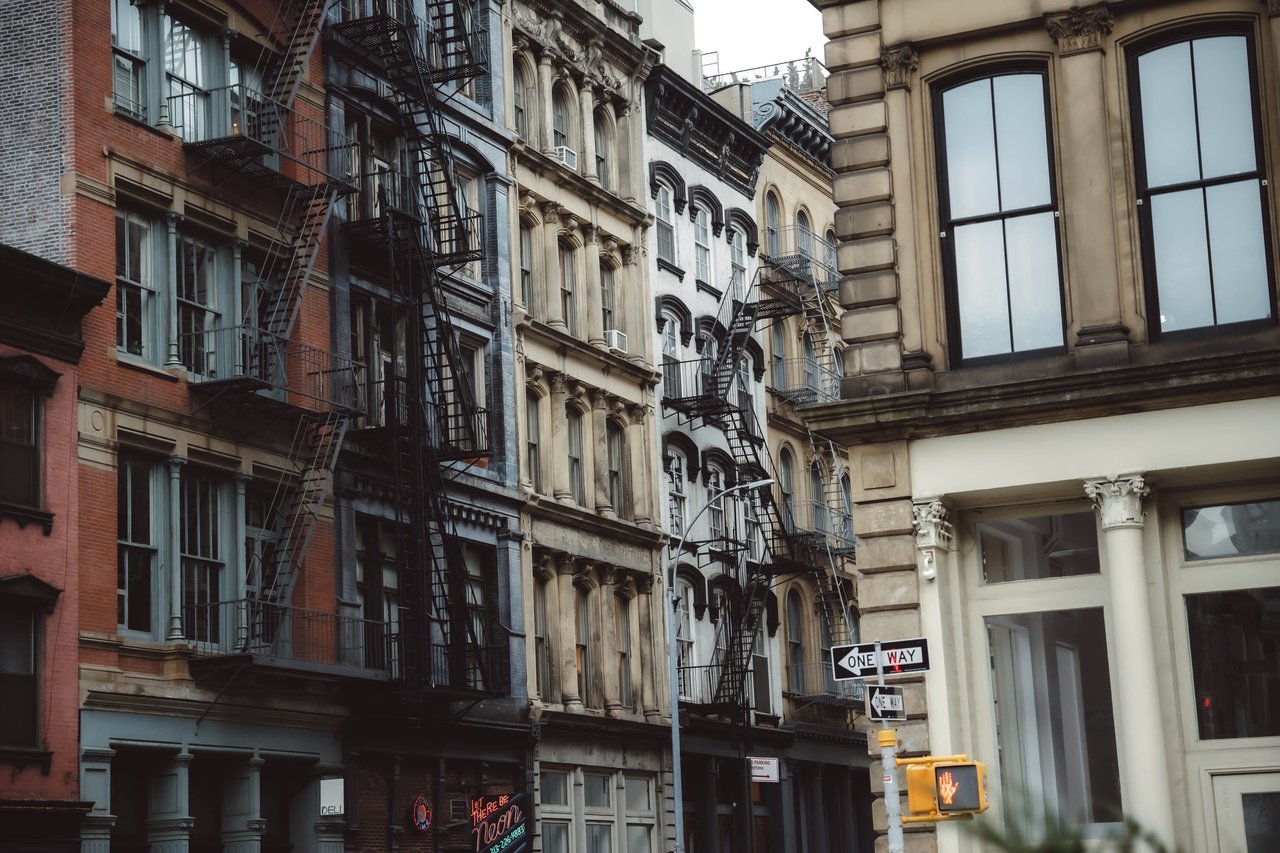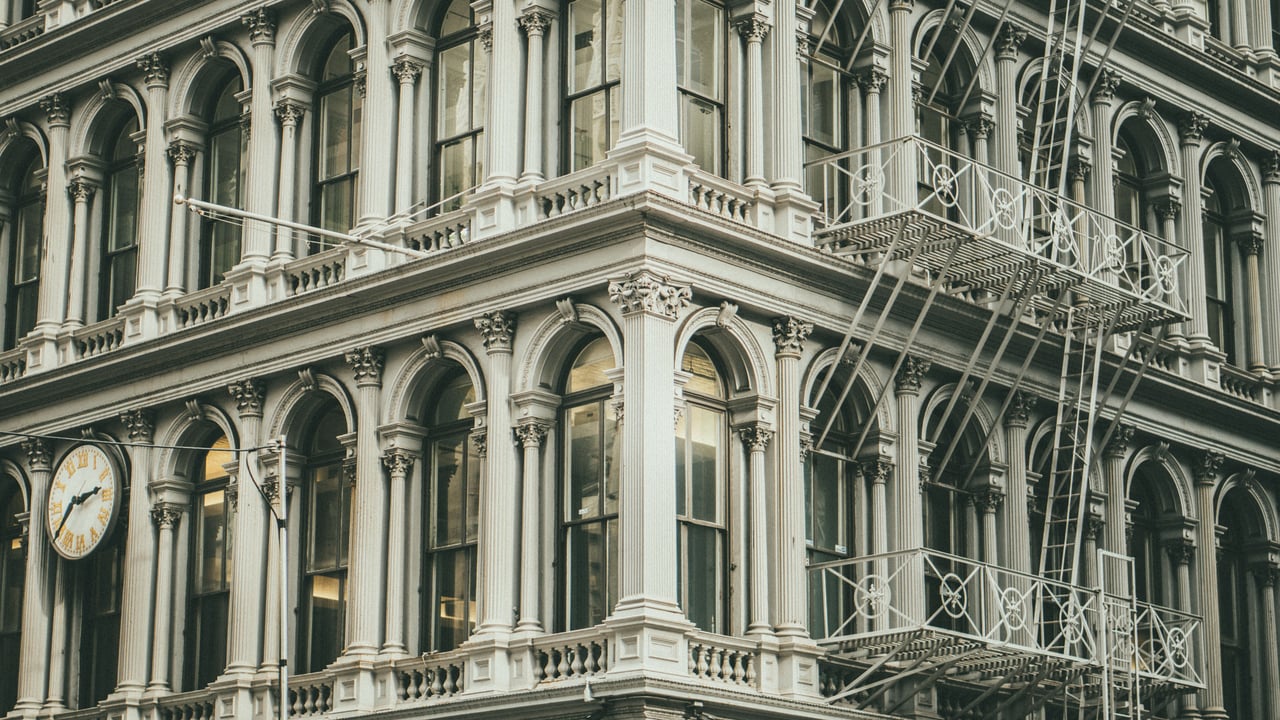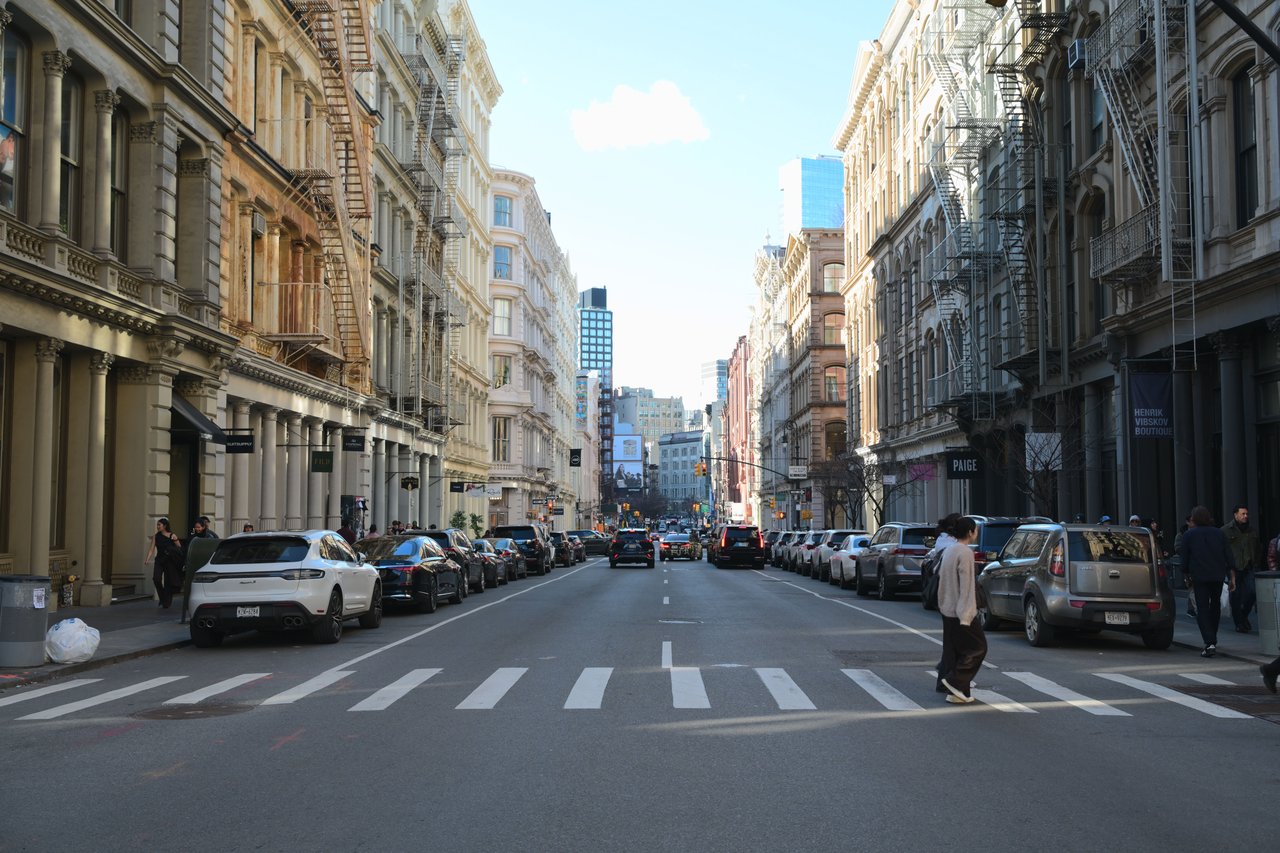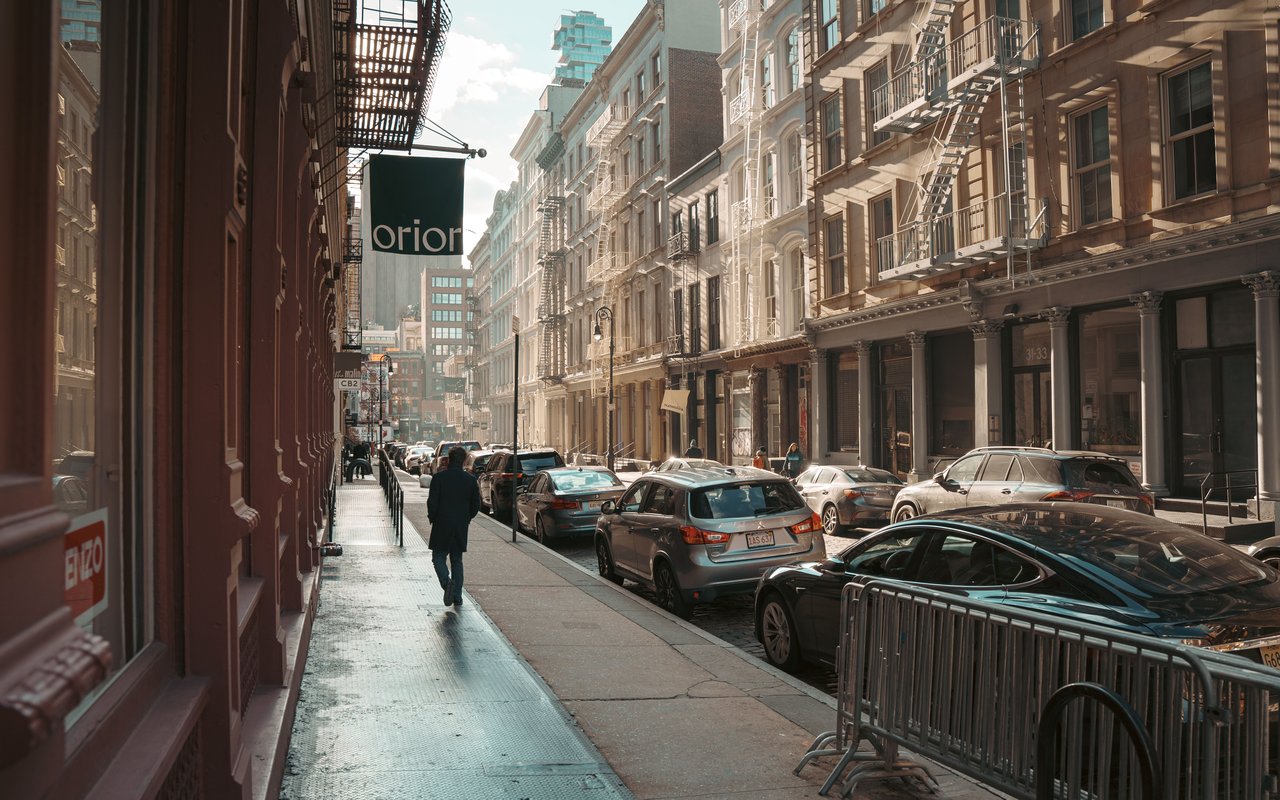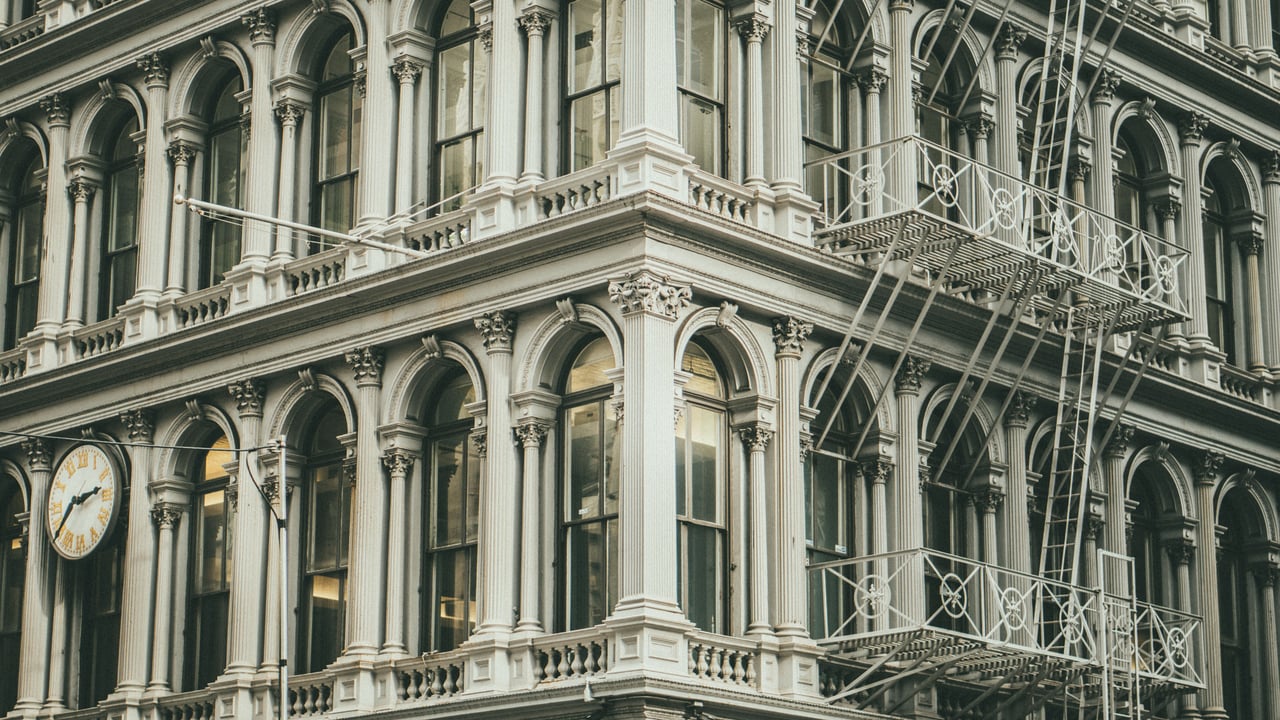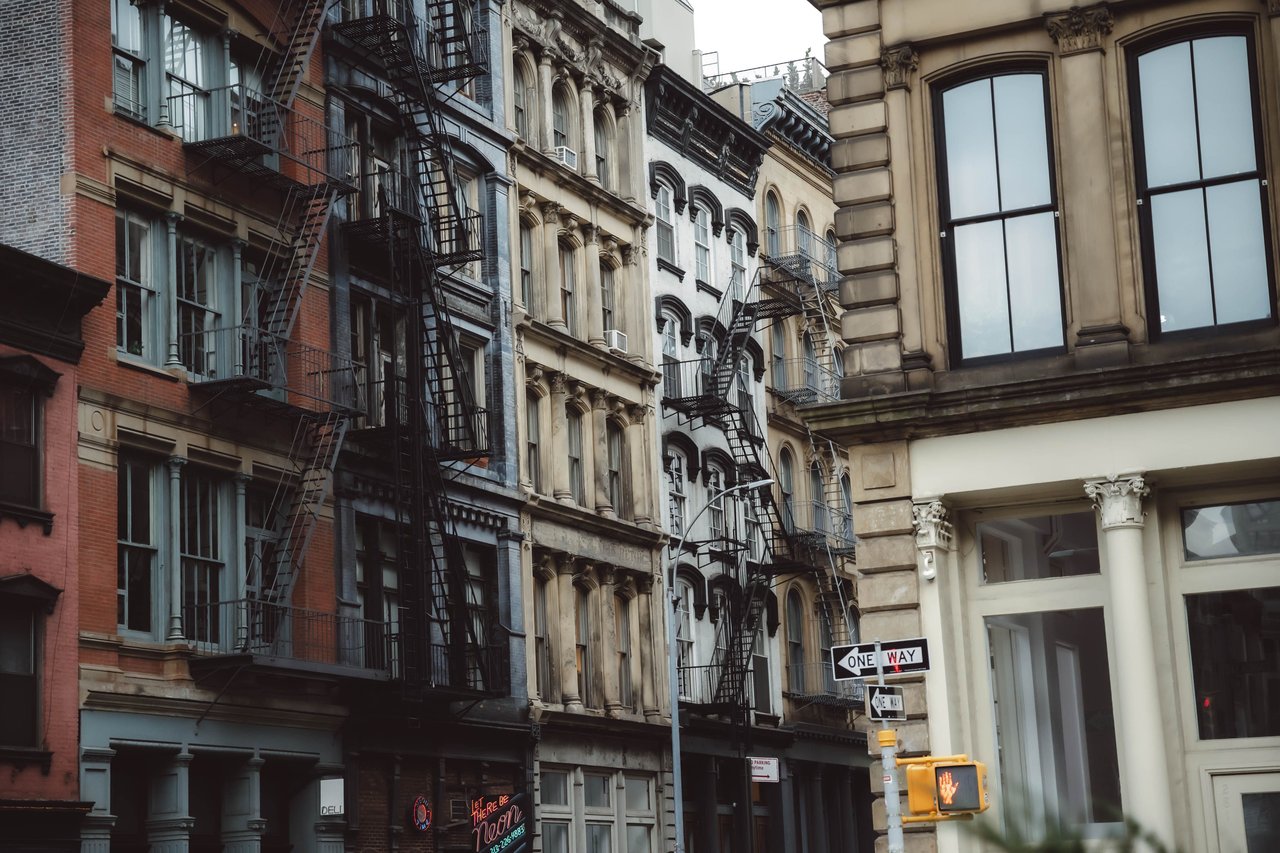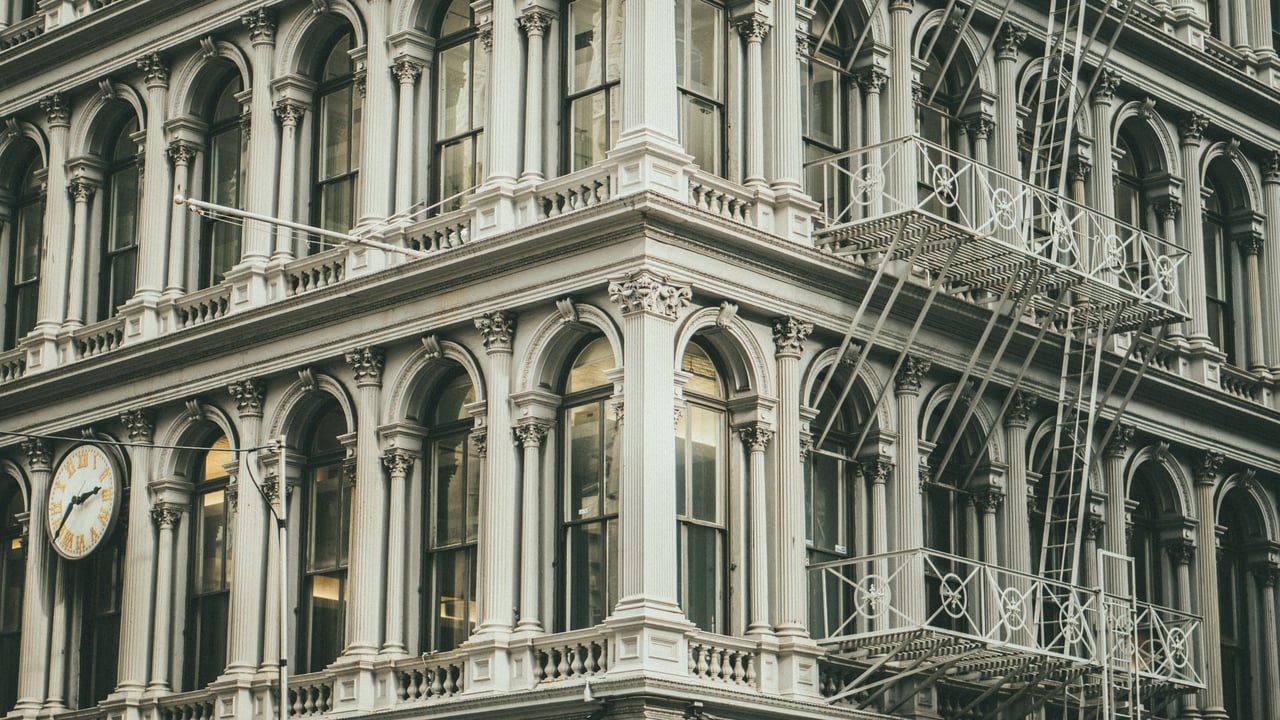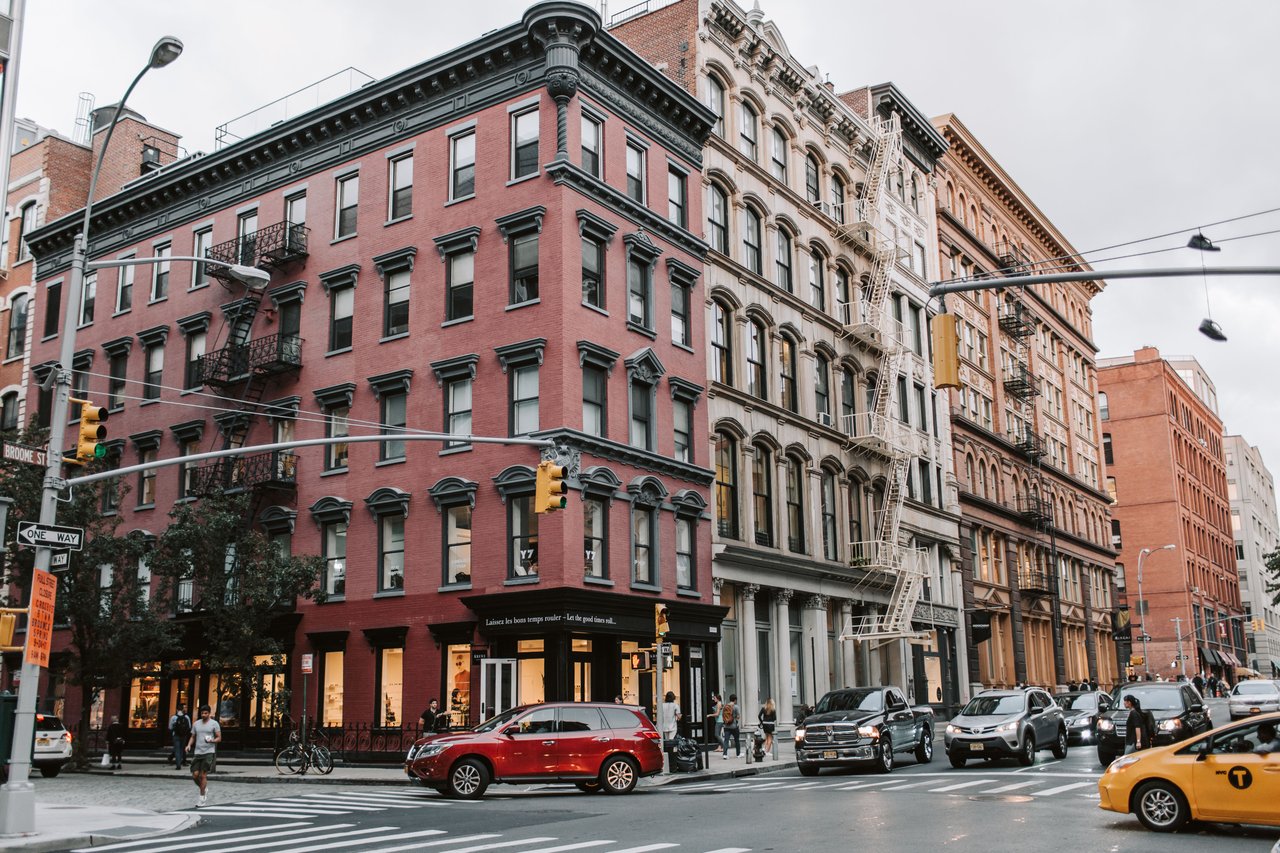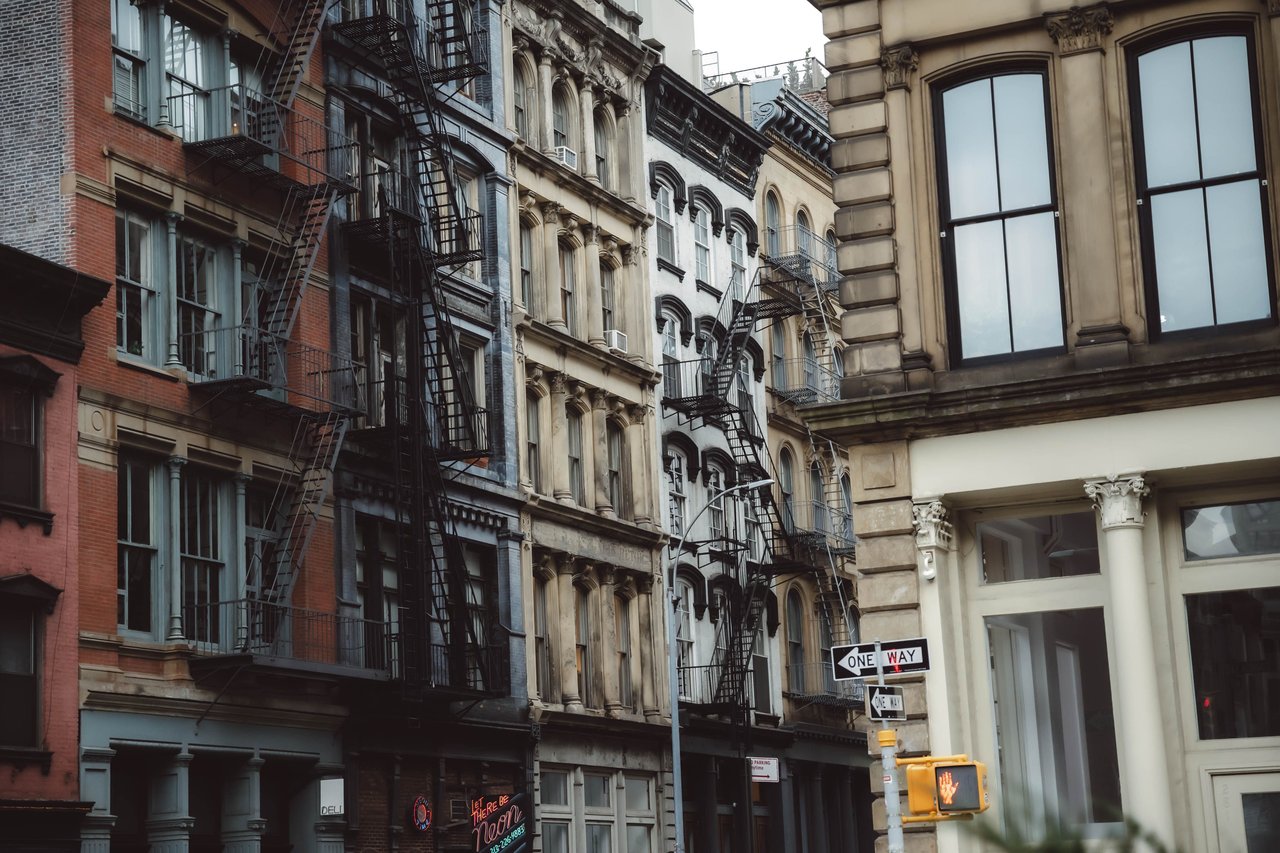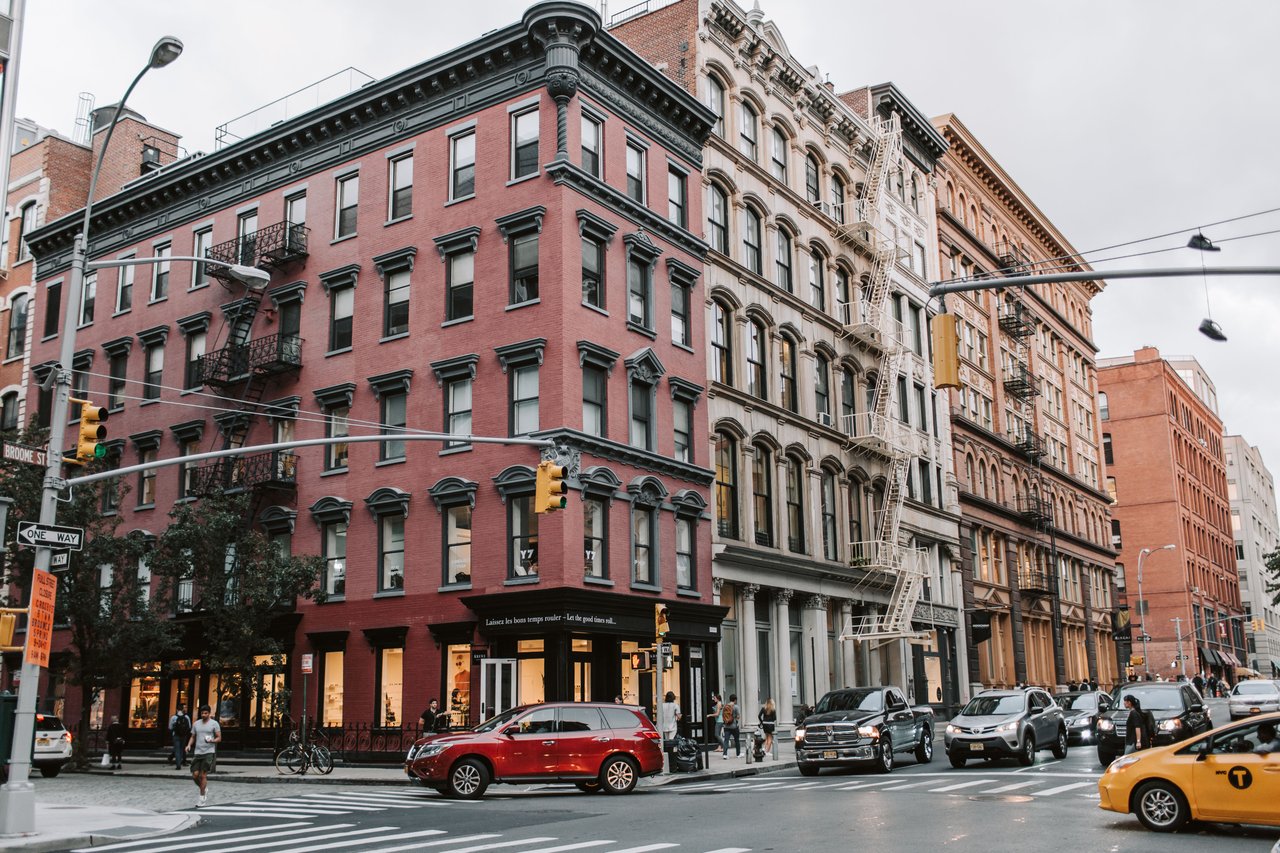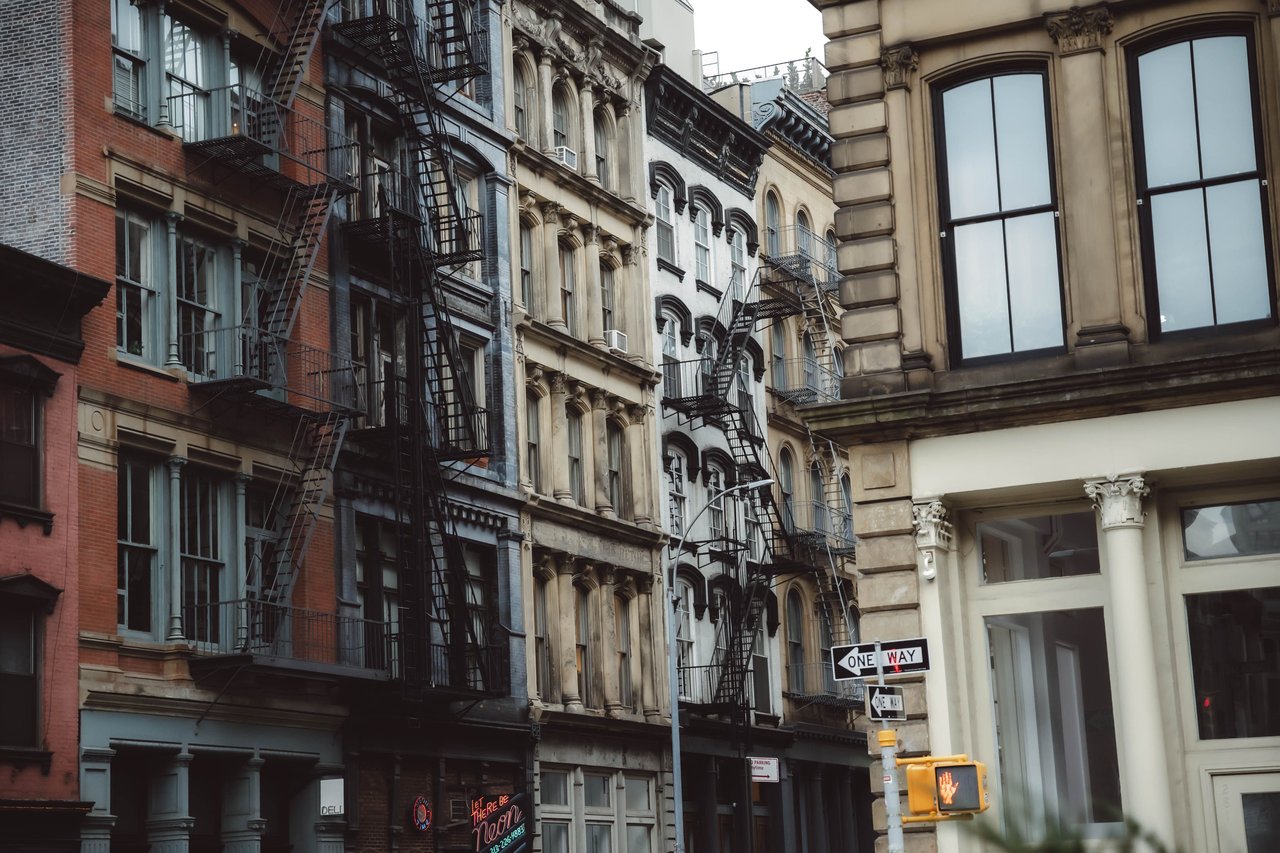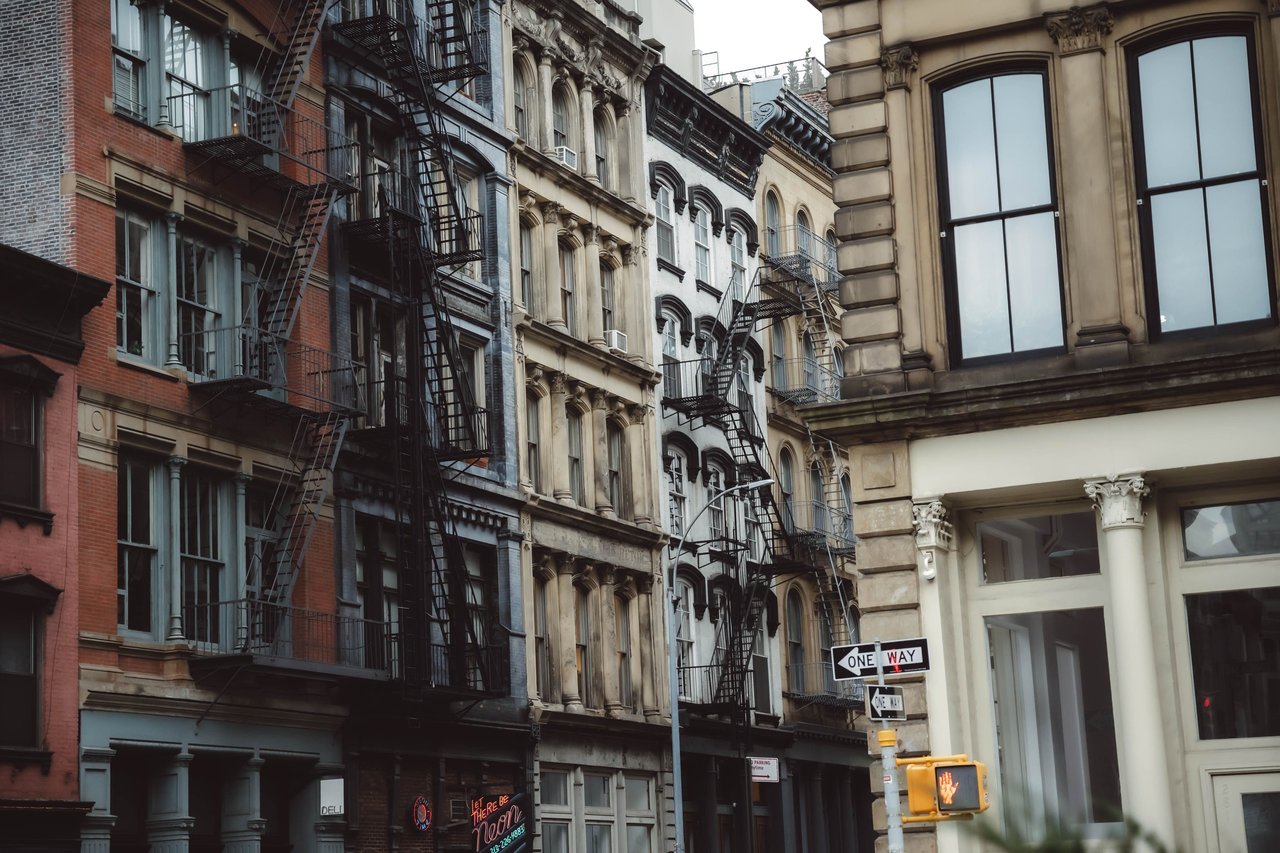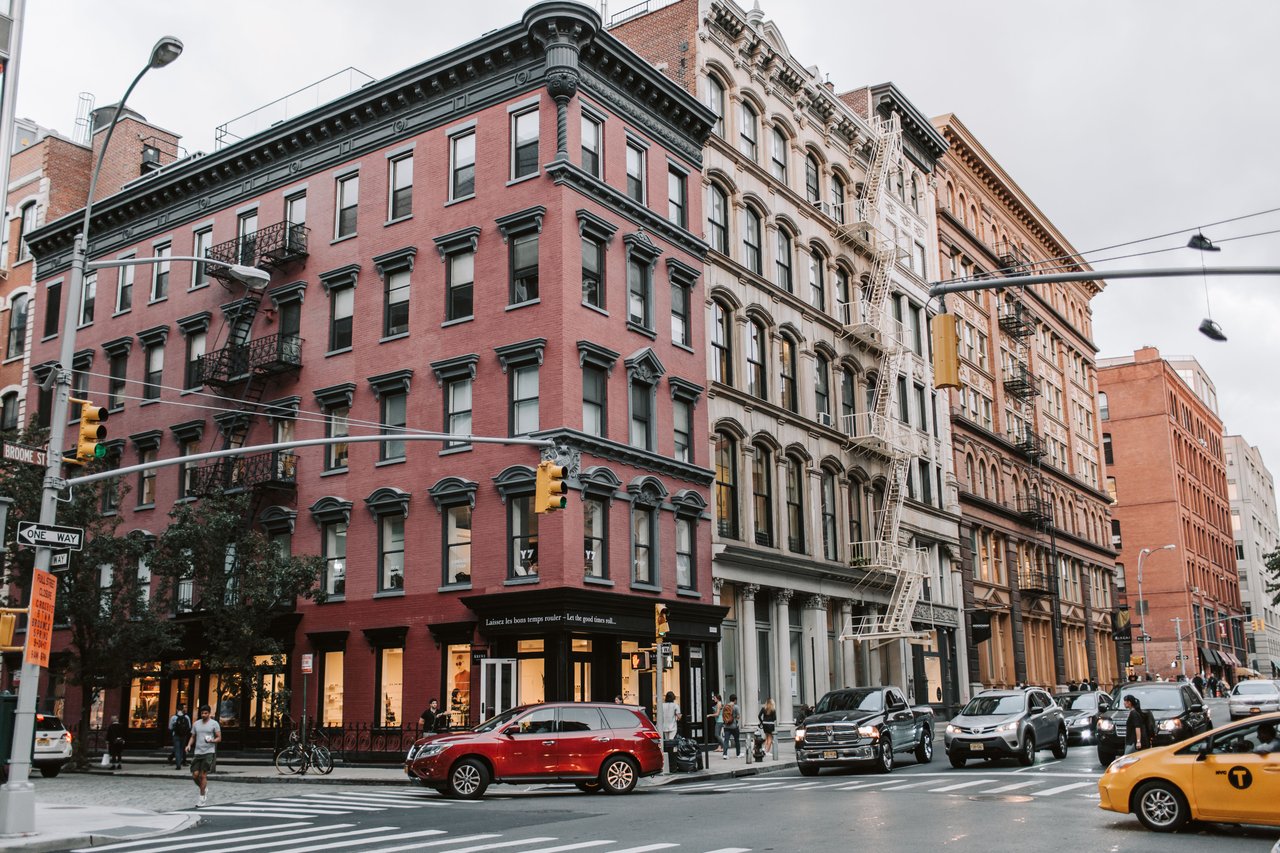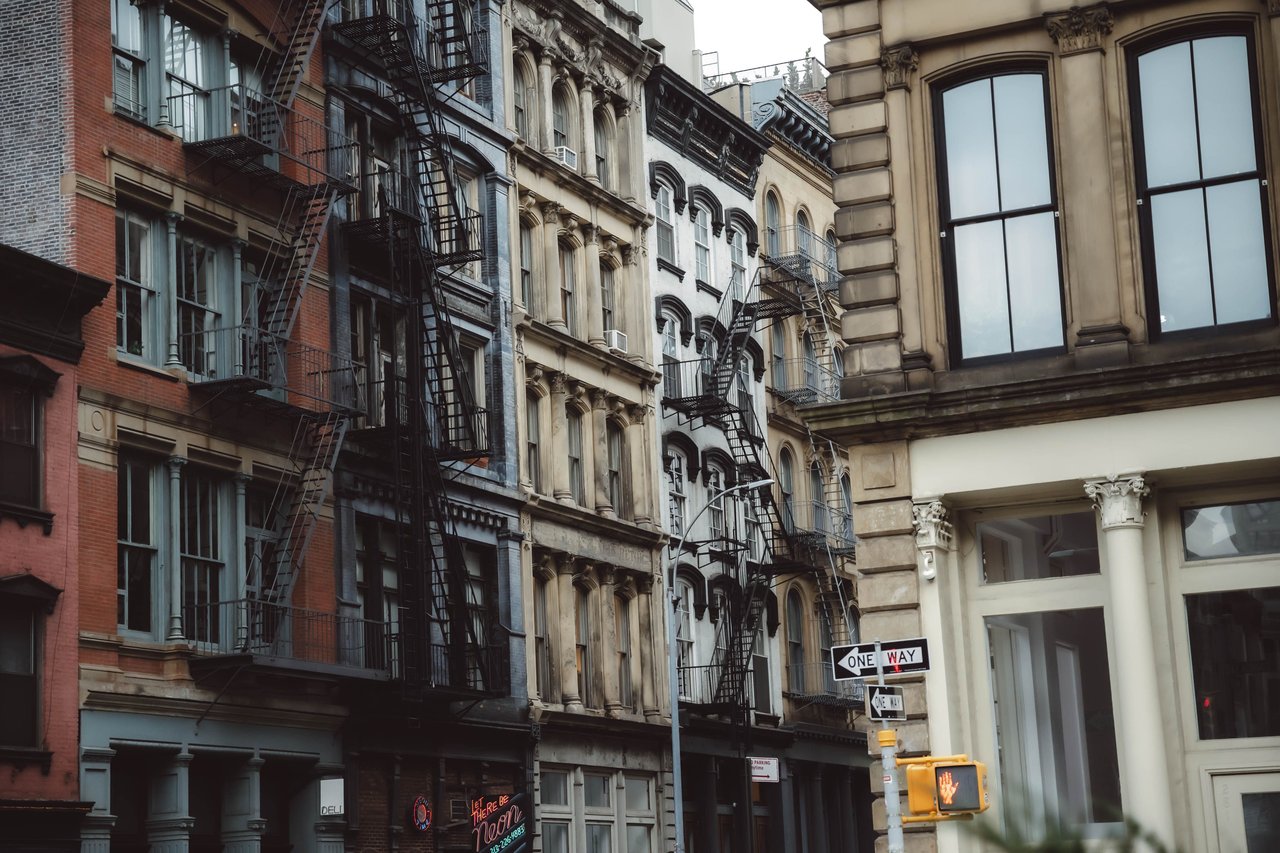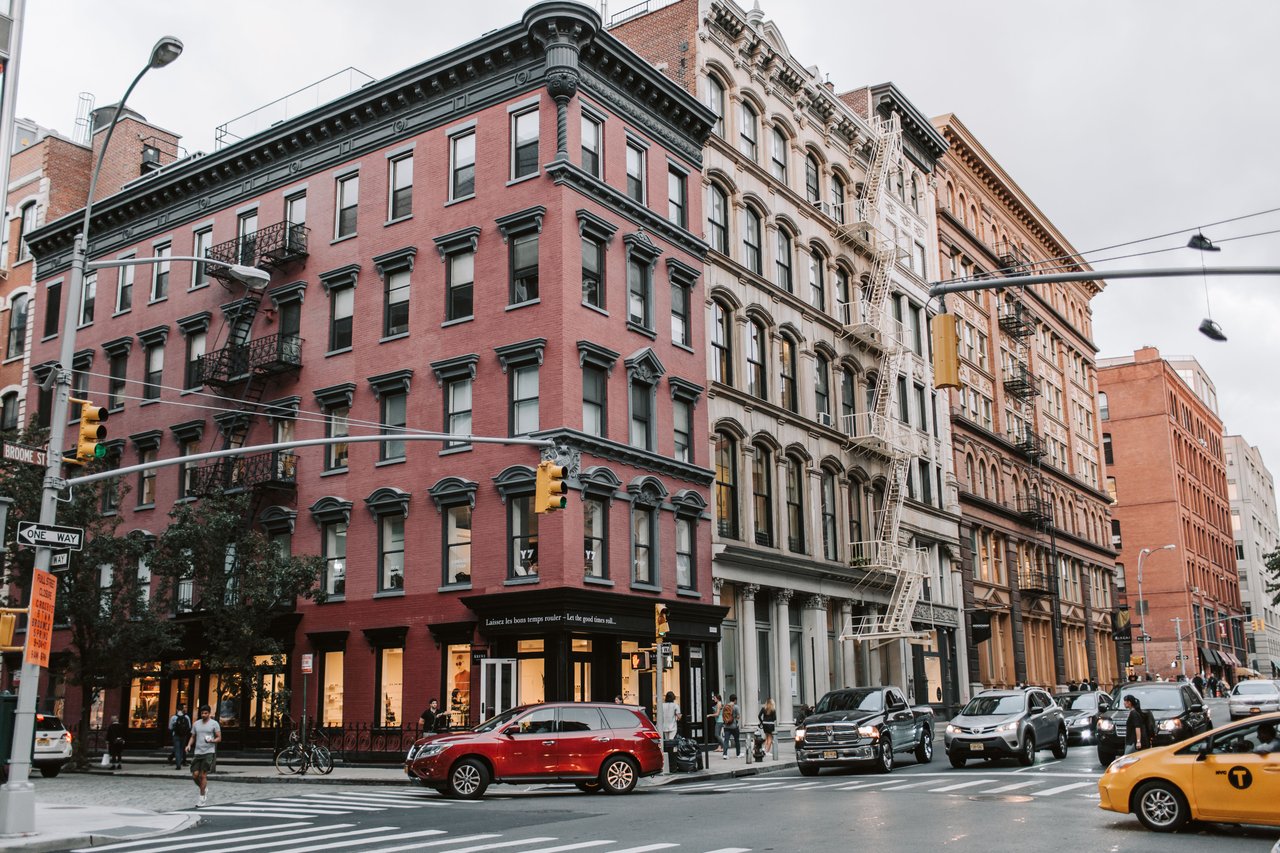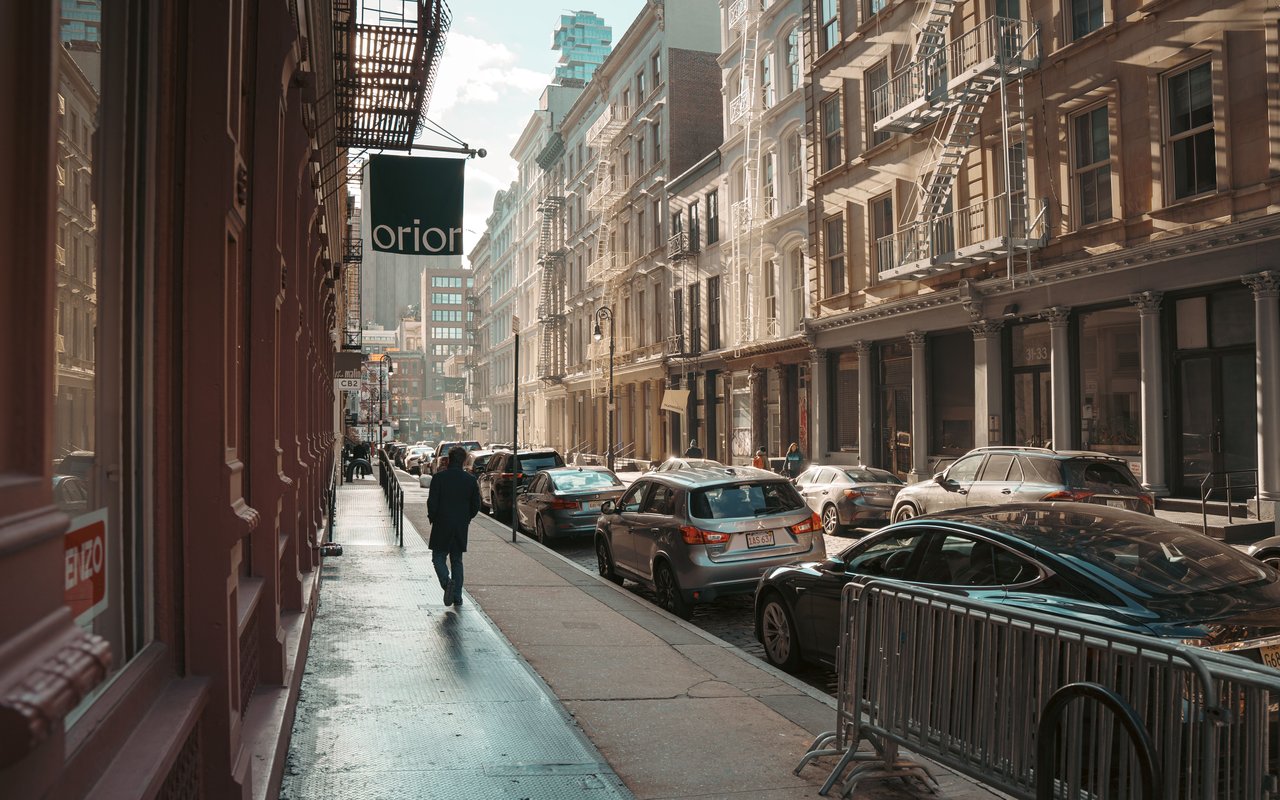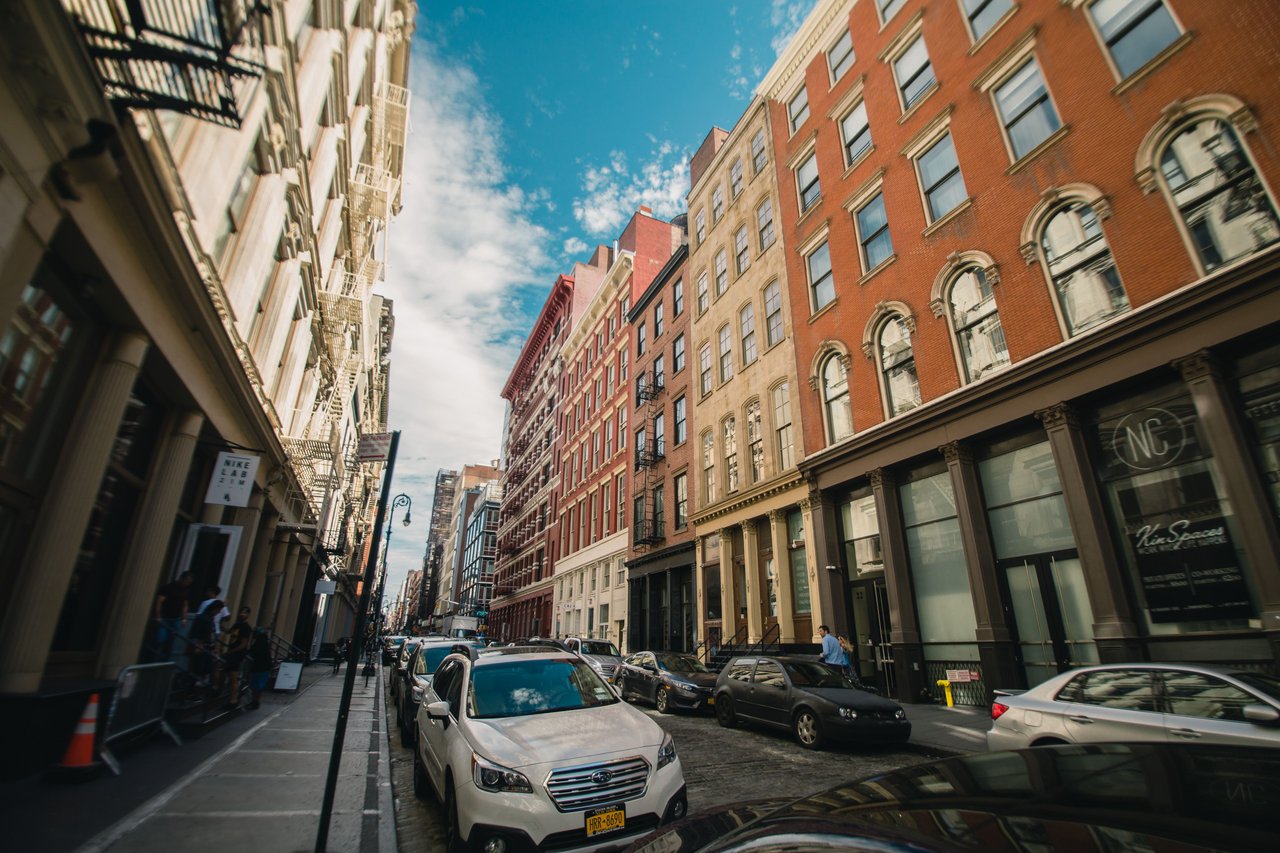
Watts Street is one of the most architecturally distinctive streets along the northern edge of Tribeca, Manhattan. Extending westward from the area around Broome Street and West Broadway toward the Hudson River waterfront, the street preserves a remarkable history of early residential development, nineteenth-century commercial expansion, industrial architecture, and twentieth-century transportation improvements. Its buildings and street layout reveal how Lower Manhattan evolved from a collection of residential neighborhoods into one of New York City's most important centers of manufacturing, warehousing, and transportation.
Unlike the more regularly arranged commercial streets of central Tribeca, Watts Street reflects several different periods of urban planning. Its early alignment dates to the 1790s, when the surrounding area was being subdivided for development. During the nineteenth century, residential buildings gave way to warehouses and manufacturing lofts, particularly as commerce expanded around Hudson Street, Greenwich Street, and Washington Street. Later, the construction of the Holland Tunnel and the widening of Watts Street in 1927 fundamentally altered its role within Manhattan's transportation network.
The street's architectural heritage includes the monumental Holland Plaza Building, the highly decorative Fleming Smith Warehouse, nineteenth-century masonry commercial buildings, and surviving historic granite paving. Together, these features demonstrate the relationship between architectural design, industrial growth, and transportation infrastructure.
Watts Street is also closely connected to the Tribeca North Historic District, where significant examples of late nineteenth-century warehouse architecture remain protected. Its western blocks preserve an important record of the period when Tribeca became a center for wholesale distribution and commercial storage.
Today, Watts Street offers an unusually detailed architectural history within a relatively short distance. Its surviving buildings, distinctive intersections, and historic street surfaces provide evidence of more than two centuries of development in Lower Manhattan.
The Origins of Watts Street
Watts Street was initially laid out during the 1790s, when the area north of the established commercial center of Lower Manhattan was undergoing substantial development.
During this period, large properties were gradually subdivided into streets and building lots. The expansion of the street network allowed residential construction to move northward while providing new connections between Broadway and the Hudson River waterfront.
The street was named in 1794, reflecting the influence of prominent civic figures associated with New York's early development.
Watts Street west of Greenwich Street was ceded to the City of New York by Trinity Church in 1802. The street was subsequently extended eastward in 1808, establishing additional connections through the growing neighborhood.
These changes demonstrate how the street developed in stages rather than emerging as a single uninterrupted thoroughfare.
The original roadway served a neighborhood characterized by a mixture of residences and smaller commercial buildings. As the city expanded, the street became increasingly important to the movement of merchandise and the development of commercial properties.
By the late nineteenth century, the architectural character of Watts Street had changed substantially, with warehouses and manufacturing buildings replacing many earlier structures.
Why Is It Called Watts Street?
Watts Street was named in 1794 in honor of John Watts Jr., a prominent New York public official whose career extended across the late colonial period and the early years of the United States.
Watts served as the last royal recorder of New York City before the American Revolution. He later participated in the political institutions of the new republic, serving in the New York Assembly and the United States Congress.
He also maintained a longstanding association with Trinity Church, serving as a vestryman during the nineteenth century.
His civic activities included support for charitable institutions, particularly the Leake and Watts Orphan Asylum and the New York Dispensary.
The naming of Watts Street reflects the influence of early public officials and landholding institutions on Manhattan's street network.
Although the street eventually became closely associated with manufacturing and transportation, its name preserves a connection to the city's eighteenth-century history.
John Watts Jr. and Early Manhattan
John Watts Jr. was born in 1749 and became an important figure in New York's legal, political, and charitable institutions.
His career began during the colonial period, when he served as recorder of New York City under the British government.
Following the American Revolution, Watts remained active in public affairs. He served in the New York State Assembly, including periods as speaker, and represented New York in the United States Congress from 1793 to 1795.
He later served as a judge in Westchester County.
Watts was also associated with Trinity Church, whose extensive landholdings influenced the development of western Lower Manhattan.
His support for charitable institutions contributed to the establishment and development of organizations that provided medical assistance and care for children.
A monument commemorating Watts stands in Trinity Churchyard on Broadway.
The street bearing his name preserves an important connection to this early period of Manhattan's civic history.
Trinity Church and the Development of Watts Street
Trinity Church played a significant role in the early development of western Lower Manhattan.
Its substantial landholdings included portions of the former Church Farm, which extended across areas that would later become Tribeca and neighboring districts.
As the city expanded northward, Trinity Church subdivided sections of its property and transferred land for public streets.
Watts Street was part of this process.
In 1802, the church ceded the portion of Watts Street west of Greenwich Street to the city. The roadway was extended eastward several years later.
These changes helped establish the street network that supported the neighborhood's subsequent development.
During the early nineteenth century, residential buildings occupied portions of the surrounding blocks, while commercial activity increased near the Hudson River.
The original street arrangement provided the framework for the substantial commercial redevelopment that followed later in the century.
Watts Street and Early Residential Architecture
During the first decades of the nineteenth century, the western portion of Watts Street developed within a neighborhood containing both residential and commercial properties.
The area's early houses reflected the architectural traditions common throughout Lower Manhattan during this period.
Federal-style residences typically featured brick facades, symmetrical window arrangements, stone lintels, and restrained classical ornamentation.
As Greek Revival architecture became more popular, residential buildings increasingly incorporated substantial entrance surrounds, heavier cornices, and more formal classical details.
These early buildings were generally smaller than the commercial warehouses that later occupied the neighborhood.
Their architectural scale reflected the original residential character of the area before industrial and wholesale businesses became dominant.
Although much of this early housing has disappeared, the street's original alignment preserves evidence of the neighborhood's development during the late eighteenth and early nineteenth centuries.
The Commercial Transformation of Watts Street
During the second half of the nineteenth century, Watts Street underwent a substantial transformation as commercial activity expanded throughout western Lower Manhattan.
The proximity of the Hudson River waterfront made the neighborhood attractive for businesses requiring access to shipping, storage, and distribution facilities.
Warehouses and manufacturing buildings gradually replaced earlier residential structures.
The most significant period of commercial redevelopment occurred during the 1880s and 1890s, when substantial masonry buildings were constructed along the street.
These buildings were designed to accommodate the practical requirements of wholesale trade and industrial operations.
Large windows provided daylight, while substantial structural systems supported the storage of merchandise and manufacturing equipment.
The resulting architecture combined functional planning with decorative details associated with popular commercial styles of the period.
Today, the surviving warehouses along Watts Street provide important evidence of this transformation.
Warehouse Architecture on Watts Street
Warehouse architecture became the defining building type along the western blocks of Watts Street during the late nineteenth century.
Unlike traditional residential buildings, warehouses required substantial floor areas, durable construction, and convenient access for the movement of merchandise.
Brick masonry was particularly common because of its durability and suitability for large commercial structures.
Architects frequently incorporated heavy stone bases, substantial window openings, decorative cornices, and loading entrances.
Although many warehouses were designed primarily for practical use, some received elaborate architectural treatment intended to distinguish the properties and communicate commercial importance.
Watts Street contains particularly important examples of this approach.
The Fleming Smith Warehouse demonstrates how architects could combine industrial functionality with highly decorative exterior design.
Other buildings along the street reflect more restrained commercial traditions, emphasizing durable materials and straightforward arrangements of windows and entrances.
Together, these structures illustrate the architectural diversity of Tribeca's late nineteenth-century warehouse district.
The Fleming Smith Warehouse at 135 Watts Street
The Fleming Smith Warehouse, also known as 451 Washington Street, is one of the most architecturally significant buildings associated with Watts Street.
Constructed in 1891–1892, the building was designed by architect Stephen Decatur Hatch for Fleming Smith.
Its distinctive architecture combines Romanesque Revival and Flemish Renaissance influences, creating one of the most recognizable warehouse facades in Tribeca.
The building is distinguished by its substantial masonry construction, decorative brickwork, projecting dormers, and elaborate gables.
Its Watts Street elevation features a particularly striking arrangement of ornamental elements, including stepped gables, copper details, and carefully organized window openings.
The warehouse demonstrates how commercial architecture could incorporate substantial decorative ambition while accommodating practical industrial functions.
The building originally served commercial uses associated with storage and manufacturing.
Its later conversion to residential use became an important milestone in Tribeca's architectural transformation.
Stephen Decatur Hatch and the Architecture of the Fleming Smith Warehouse
Stephen Decatur Hatch was a prominent New York architect whose work included substantial commercial and institutional buildings during the late nineteenth century.
His design for the Fleming Smith Warehouse reflects the architectural experimentation that characterized this period.
Rather than employing a simple industrial facade, Hatch combined several architectural traditions to create a highly distinctive commercial building.
Romanesque Revival influences appear in the building's substantial stone base, rounded and segmental arches, and strong masonry forms.
Flemish Renaissance details are particularly evident in the decorative gables, stepped roofline, and ornamental brickwork.
The combination of these styles created a warehouse that was both practical and visually memorable.
The building's architecture illustrates the growing importance of commercial identity during the late nineteenth century, when property owners increasingly commissioned elaborate designs for manufacturing and storage buildings.
Flemish Renaissance Architecture on Watts Street
Flemish Renaissance architecture drew inspiration from historic buildings in the Low Countries, particularly those characterized by decorative stepped gables, elaborate brickwork, and ornamental rooflines.
During the late nineteenth century, American architects occasionally incorporated these features into commercial and institutional buildings.
The Fleming Smith Warehouse is an important example of this architectural influence in Tribeca.
Its roofline includes distinctive gables and dormers that create a picturesque silhouette above the surrounding streets.
Decorative copper elements and contrasting masonry materials further emphasize the building's architectural character.
These features distinguish the warehouse from more conventional industrial buildings.
The use of Flemish Renaissance details also reflects the broader interest in European historical styles that influenced American architecture during the late nineteenth century.
Romanesque Revival Architecture on Watts Street
Romanesque Revival architecture became particularly influential in American commercial construction during the later nineteenth century.
The style emphasized substantial masonry forms, rounded arches, rusticated stone, and visually powerful building compositions.
In warehouse architecture, these features were especially suitable because they communicated strength and durability.
The Fleming Smith Warehouse incorporates Romanesque Revival elements through its substantial stone base and carefully arranged arched openings.
The heavy masonry construction contrasts with the more decorative brickwork and gables above.
This combination demonstrates how architects adapted historical styles to the requirements of modern commercial buildings.
The Romanesque Revival tradition became an important part of Tribeca's architectural identity, particularly in the warehouse districts developed during the 1880s and 1890s.
The Decorative Gables of the Fleming Smith Warehouse
One of the most recognizable features of the Fleming Smith Warehouse is its elaborate roofline.
The Watts Street facade incorporates a central ornamental gable accompanied by additional stepped gables and projecting dormers.
These features create a varied silhouette that distinguishes the building from the more restrained commercial structures nearby.
The decorative elements include copper trim, contrasting brickwork, and carefully arranged architectural details.
The principal gable incorporates the initials of Fleming Smith and the year 1891, commemorating the building's original development.
Such features were unusual for purely functional warehouse construction.
Their presence illustrates the importance placed on architectural presentation by some commercial property owners during the late nineteenth century.
The Fleming Smith Warehouse and Residential Conversion
The Fleming Smith Warehouse became an important example of adaptive reuse during the late twentieth century.
As manufacturing and wholesale businesses relocated from Lower Manhattan, substantial commercial buildings became available for alternative uses.
The warehouse's durable construction, large windows, and flexible interior spaces made it suitable for residential conversion.
During the late 1970s, the property became one of the earliest commercial buildings in Tribeca to be converted for residential use.
The conversion helped demonstrate the potential of former industrial structures to accommodate contemporary living while preserving their historic exterior architecture.
The building's decorative masonry and distinctive roofline remained important features.
Its transformation became part of the broader movement that reshaped Tribeca from an industrial district into a neighborhood characterized by converted loft buildings and residential properties.
The Historic Architecture at Greenwich Street and Watts Street
The intersection of Greenwich Street and Watts Street is particularly important to the architectural history of northern Tribeca.
The southern corners contain substantial commercial buildings associated with the neighborhood's late nineteenth-century development.
These structures reflect the expansion of wholesale commerce and warehousing during the 1880s and 1890s.
Their architecture incorporates masonry construction, large commercial windows, and decorative details associated with industrial building traditions.
The buildings contribute to the historic character of the Tribeca North Historic District.
The intersection also marks an important transition between the broader commercial corridor of Greenwich Street and the smaller warehouse blocks extending westward toward Washington Street.
Today, the surviving architecture provides a valuable record of the neighborhood's commercial expansion.
The Architecture of 125–129 Watts Street
The property at 125–129 Watts Street forms part of the historic commercial streetscape near the intersection with Greenwich Street.
Associated with the substantial warehouse building at 461–469 Greenwich Street, the property reflects the late nineteenth-century redevelopment of the area.
Its location illustrates how commercial buildings frequently occupied large corner sites, allowing access from multiple streets.
Such arrangements were particularly valuable for warehouses and distribution businesses.
The architecture emphasizes substantial masonry construction and large openings suited to commercial use.
The building's relationship with Watts Street contributes to the historic character of the Tribeca North Historic District.
Its preservation helps maintain the architectural continuity of the intersection.
The Architecture of 131–133 Watts Street
The property at 131–133 Watts Street is associated with the commercial building at 466 Greenwich Street.
Located near the southwest corner of Greenwich Street and Watts Street, the building forms part of the historic commercial environment of northern Tribeca.
Its architecture reflects the store-and-loft traditions that became common during the nineteenth century.
Buildings of this type typically accommodated commercial activity at street level, with additional space for offices, manufacturing, and storage above.
The substantial masonry construction and organized window arrangements reflect the practical requirements of commercial use.
The property contributes to the architectural character of the surrounding historic district.
Together with neighboring buildings, it illustrates the commercial transformation of Watts Street during the late nineteenth century.
The Historic Building at 142 Watts Street
The building at 142 Watts Street is another important example of the street's nineteenth-century commercial architecture.
Constructed in 1886, the building originally served commercial purposes and later accommodated a variety of uses.
Its architecture reflects the durable masonry construction associated with the warehouse and industrial buildings of western Tribeca.
Over time, the property was adapted for different functions, illustrating the flexibility of historic commercial structures.
The building became particularly associated with the former Capsouto Frères restaurant, which occupied the property for many years.
More recently, the building underwent a substantial residential conversion, demonstrating the continued transformation of historic commercial properties.
Its surviving exterior architecture preserves an important connection to the nineteenth-century streetscape.
The Holland Plaza Building at 75 Varick Street
The Holland Plaza Building, also known as One Hudson Square, is one of the most architecturally important commercial buildings associated with Watts Street.
Occupying the block bounded by Varick Street, Canal Street, Hudson Street, and Watts Street, the building was constructed in 1929–1930.
It was designed by architect Ely Jacques Kahn, one of the most influential designers of commercial and industrial buildings in New York during the early twentieth century.
The structure reflects a modern interpretation of classical architectural principles, incorporating substantial brickwork, a clearly expressed structural grid, and restrained ornamentation.
Its construction was closely associated with the development of the Holland Tunnel and the growing importance of vehicular transportation.
The building's location near the tunnel entrance made it particularly suitable for manufacturing and distribution businesses.
Its Watts Street facade includes loading bays designed to accommodate commercial operations.
Today, the building is an individually designated New York City landmark.
Ely Jacques Kahn and Modern Commercial Architecture
Ely Jacques Kahn was an influential New York architect whose work contributed significantly to the development of early twentieth-century commercial architecture.
His designs frequently combined modern building technologies with carefully organized exterior compositions.
The Holland Plaza Building demonstrates this approach through its substantial masonry construction and expressive structural arrangement.
Rather than relying on elaborate historical ornament, Kahn emphasized the building's underlying structural grid.
Strong vertical piers are balanced by horizontal brick spandrels, creating a distinctive rhythm across the facade.
The building also incorporates architectural influences associated with contemporary European commercial and industrial design.
Its combination of functionality and carefully considered exterior composition made it an important example of modern commercial architecture in Lower Manhattan.
The Architectural Design of the Holland Plaza Building
The Holland Plaza Building is distinguished by its substantial scale and unusual architectural treatment.
Constructed on an irregularly shaped site, the building responds to the surrounding street network while maintaining a strong architectural identity.
Its exterior emphasizes vertical brick piers and horizontal spandrels, creating a pronounced structural rhythm.
Projecting corner blocks and carefully arranged masonry details add depth to the facade without relying on elaborate traditional ornament.
The principal entrances along Canal Street and Varick Street receive more monumental architectural treatment.
Along Watts Street, the building incorporates loading bays that reflect its original commercial and manufacturing functions.
This distinction between formal entrances and practical service access demonstrates how early twentieth-century architects organized substantial industrial buildings.
The Holland Plaza Building remains one of the most significant examples of this approach in Lower Manhattan.
Watts Street and the Holland Tunnel
The construction of the Holland Tunnel fundamentally transformed Watts Street during the early twentieth century.
Opened in 1927, the tunnel established an important vehicular connection between Manhattan and New Jersey beneath the Hudson River.
Its construction introduced substantial new traffic into western Lower Manhattan.
The surrounding street network required modifications to accommodate the movement of vehicles entering and leaving the tunnel.
Watts Street became particularly important because of its location near the tunnel approaches.
In 1927, the street was widened to facilitate the increased traffic associated with the new transportation infrastructure.
The project altered the roadway's dimensions and reinforced its role as a major connection through the neighborhood.
This transformation represents one of the most significant changes in the street's history.
The Widening of Watts Street in 1927
The widening of Watts Street in 1927 was closely associated with the opening of the Holland Tunnel.
The tunnel's construction introduced new transportation requirements that could not be accommodated by the existing nineteenth-century street network.
To improve traffic circulation, portions of Watts Street were widened.
The project changed the physical arrangement of the roadway and affected its relationship with surrounding buildings.
It also introduced new street paving designed to withstand the increased demands of motor vehicles.
Historic granite paving associated with the 1927 improvements remains visible along portions of the street.
The surviving roadway provides a direct physical connection to the period when automobile transportation began reshaping Lower Manhattan.
The widening also illustrates how infrastructure projects could alter historic streets without completely eliminating their earlier architectural character.
The Granite Paving of Watts Street
One of the most distinctive surviving features of Watts Street is its historic granite paving.
During the nineteenth and early twentieth centuries, granite blocks were widely used on streets that experienced substantial commercial and transportation activity.
Their durability made them particularly suitable for roads carrying heavy vehicles and merchandise.
Watts Street received granite paving during the 1927 improvements associated with the Holland Tunnel.
Portions of this historic surface remain exposed, preserving evidence of the street's transformation into a major transportation corridor.
The paving contributes to the architectural character of the surrounding historic district.
Its texture and material contrast with modern asphalt streets, offering a visible reminder of earlier methods of urban construction.
The surviving granite blocks are therefore an important part of Watts Street's physical history.
Watts Street and the Expansion of Sixth Avenue
The expansion of Sixth Avenue during the early twentieth century contributed to the transformation of the street network surrounding Watts Street.
The avenue was extended southward through existing blocks, requiring the demolition and alteration of numerous buildings.
The project introduced new intersections and changed the relationship between established streets.
Watts Street was affected by these improvements, particularly near Sullivan Street.
A building at 46 Watts Street, previously located some distance west of the Sullivan Street intersection, became a corner property following the extension of the avenue.
These changes illustrate how large transportation projects reshaped the architectural geography of Lower Manhattan.
The resulting street arrangement preserves evidence of the earlier neighborhood while accommodating the requirements of modern transportation.
Watts Street and Canal Street
Canal Street forms an important part of the architectural and transportation environment surrounding Watts Street.
During the nineteenth century, Canal Street became a major east-west thoroughfare connecting commercial districts across Lower Manhattan.
Its location near the Hudson River waterfront made it particularly important to the movement of merchandise.
The construction of the Holland Tunnel increased the street's transportation significance during the twentieth century.
The Holland Plaza Building occupies a prominent site between Canal Street and Watts Street, demonstrating the close relationship between commercial architecture and transportation infrastructure.
The intersection of these streets illustrates the transformation of the neighborhood from a nineteenth-century industrial district into a modern transportation center.
Watts Street and Hudson Street
Hudson Street intersects Watts Street near the eastern portion of the historic warehouse district.
During the nineteenth century, Hudson Street became an important commercial thoroughfare associated with manufacturing, warehousing, and the distribution of merchandise.
Substantial masonry buildings were constructed along the street as businesses expanded.
The intersection with Watts Street reflects the transition between the neighborhood's commercial architecture and the transportation infrastructure associated with the Holland Tunnel.
The nearby Holland Plaza Building contributes significantly to the architectural character of the area.
Together, the surrounding streets and buildings demonstrate the relationship between industrial development and transportation access.
Watts Street and Greenwich Street
Greenwich Street is one of the most important historic commercial corridors in western Tribeca.
During the nineteenth century, the street developed with substantial warehouses and manufacturing buildings associated with the nearby Hudson River waterfront.
Its architecture includes brick masonry, decorative cornices, large commercial windows, and structures designed for storage and distribution.
The intersection with Watts Street contains significant buildings associated with the Tribeca North Historic District.
These properties reflect the commercial redevelopment that occurred during the 1880s and 1890s.
The surviving architecture illustrates the importance of Greenwich Street as a commercial thoroughfare and Watts Street as a connection to the surrounding warehouse district.
Watts Street and Washington Street
Washington Street intersects Watts Street near some of the neighborhood's most significant historic warehouse buildings.
The Fleming Smith Warehouse occupies the southeast corner of the intersection, creating one of the most architecturally distinctive streetscapes in northern Tribeca.
Its elaborate Flemish Renaissance and Romanesque Revival details contrast with the more restrained commercial buildings nearby.
During the nineteenth century, Washington Street served businesses associated with the Hudson River waterfront and the movement of merchandise.
The intersection with Watts Street became an important location for substantial warehouses.
Today, the surviving architecture preserves evidence of this commercial history.
Watts Street and West Street
West Street marks the western end of Watts Street near the Hudson River waterfront.
During the nineteenth century, the waterfront was closely associated with shipping, warehousing, and the movement of merchandise.
West Street provided an important transportation corridor connecting waterfront businesses with the commercial districts farther inland.
The construction of the Holland Tunnel and subsequent transportation improvements changed the relationship between the street and the waterfront.
Later highway development introduced additional infrastructure along Manhattan's western edge.
Watts Street's connection to West Street reflects the neighborhood's longstanding dependence on transportation access.
The intersection illustrates how commercial architecture and infrastructure evolved together during the nineteenth and twentieth centuries.
Watts Street and the Tribeca North Historic District
The Tribeca North Historic District was designated by the New York City Landmarks Preservation Commission on December 8, 1992.
The district protects a significant collection of late nineteenth-century warehouses and commercial buildings in northern Tribeca.
Its architectural character is defined by substantial masonry construction, large commercial windows, and decorative details associated with Romanesque Revival and Renaissance Revival styles.
A portion of the south side of Watts Street near Greenwich Street forms part of the district's northern boundary.
The Fleming Smith Warehouse and neighboring commercial buildings contribute significantly to the historic character of the area.
The district also preserves evidence of the neighborhood's transformation from residential development into a major center of warehousing and wholesale commerce.
Historic preservation has helped maintain the architectural identity of the surrounding streets.
The Preservation of Watts Street's Historic Architecture
Historic preservation has played an important role in maintaining the architectural character of Watts Street.
The designation of the Tribeca North Historic District provided protection for significant commercial buildings and portions of the surrounding streetscape.
Individual landmark designation has also recognized important properties, including the Fleming Smith Warehouse and Holland Plaza Building.
These protections help preserve architectural features such as decorative masonry, historic windows, ornamental rooflines, and substantial commercial facades.
The surviving granite paving adds another dimension to the street's historic character.
Together, these features preserve evidence of several periods of development.
Watts Street demonstrates how architectural preservation can maintain the relationship between buildings, street surfaces, and historic transportation infrastructure.
The Decline of Manufacturing in Tribeca
During the twentieth century, manufacturing and wholesale businesses gradually relocated from much of Lower Manhattan.
Changing transportation systems, larger industrial facilities, and lower operating costs encouraged businesses to move to other locations.
Former warehouses and manufacturing lofts increasingly became available for alternative uses.
Their substantial structural systems, large windows, and flexible interiors made them suitable for residential, office, and cultural spaces.
Watts Street experienced this transformation as historic commercial buildings were converted and adapted.
The Fleming Smith Warehouse became an important example of residential conversion during the late 1970s.
Other properties along the street also underwent changes in use while retaining portions of their historic architecture.
These developments helped establish the modern architectural character of Tribeca.
Adaptive Reuse and Residential Conversion
Adaptive reuse became one of the defining architectural processes in Tribeca during the later twentieth century.
Former industrial buildings were converted into residences and offices while retaining substantial portions of their original exterior design.
Watts Street contains important examples of this transformation.
The Fleming Smith Warehouse demonstrates how a highly decorative commercial building could accommodate residential use without losing its architectural identity.
The building at 142 Watts Street also illustrates the changing functions of historic commercial properties.
These conversions reflect the flexibility of nineteenth-century warehouse construction.
Substantial masonry walls, large windows, and generous interior spaces allowed buildings to accommodate new uses long after their original industrial functions had disappeared.
The preservation of these structures contributes significantly to the architectural continuity of Watts Street.
What Does Tribeca Stand For?
Tribeca stands for Triangle Below Canal Street, referring to the historic neighborhood south of Canal Street in Lower Manhattan.
During the nineteenth century, Tribeca developed into an important center of manufacturing, wholesale commerce, and warehousing.
Its architecture includes substantial brick warehouses, cast-iron commercial buildings, store-and-loft structures, and later industrial and office buildings.
Watts Street occupies an important position along the neighborhood's northern edge.
Its surviving architecture reflects the commercial expansion of western Tribeca, while the Holland Tunnel and related transportation improvements demonstrate the changing infrastructure of Lower Manhattan.
Watts Street Today
Today, Watts Street remains one of the most architecturally varied streets along the northern edge of Tribeca.
Its historic buildings include substantial nineteenth-century warehouses, highly decorative commercial structures, and important examples of early twentieth-century industrial architecture.
The Fleming Smith Warehouse remains a particularly recognizable landmark because of its elaborate gables and contrasting masonry materials.
The Holland Plaza Building provides an important example of modern commercial architecture associated with the construction of the Holland Tunnel.
Historic granite paving preserves evidence of the street improvements completed in 1927.
Together, these features create a streetscape that reflects more than two centuries of Manhattan's development.
The Architectural Legacy of Watts Street
Watts Street preserves an important record of the architectural and transportation history of Lower Manhattan.
Initially laid out during the 1790s and named in 1794 after John Watts Jr., the street developed through successive extensions and changes in land use.
During the early nineteenth century, residential buildings occupied portions of the surrounding neighborhood.
As manufacturing and wholesale commerce expanded, substantial warehouses and commercial buildings replaced many earlier structures.
The Fleming Smith Warehouse, constructed in 1891–1892, became one of the street's most architecturally distinctive landmarks, combining Romanesque Revival and Flemish Renaissance design.
The Holland Plaza Building, completed in 1929–1930, introduced a modern commercial architectural language closely associated with the development of the Holland Tunnel.
The widening of Watts Street in 1927 and the surviving granite paving illustrate the impact of automobile transportation on the historic street network.
During the later twentieth century, former commercial buildings were converted into residential and other contemporary uses, preserving important portions of the neighborhood's architectural heritage.
Today, Watts Street remains an exceptional example of how early street planning, nineteenth-century industrial architecture, and twentieth-century transportation infrastructure can coexist within the historic landscape of Tribeca.
Where is Watts Street in Tribeca, Manhattan?
Watts Street runs westward from the area around Broome Street and West Broadway toward West Street near the Hudson River. Its western blocks form part of the northern edge of Tribeca, Manhattan.
Why is it called Watts Street in Tribeca, Manhattan?
Watts Street was named in 1794 after John Watts Jr., an early New York public official who served in the New York Assembly and United States Congress and was associated with Trinity Church.
When was Watts Street established in Tribeca, Manhattan?
Watts Street was initially laid out during the 1790s. The portion west of Greenwich Street was ceded to the city in 1802, and the street was extended eastward in 1808.
What is the history of Watts Street in Tribeca, Manhattan?
Watts Street developed from an early residential and commercial street into a major warehouse district during the nineteenth century. Its widening in 1927 reflected the growing importance of automobile transportation following the construction of the Holland Tunnel.
What architectural styles are found on Watts Street in Tribeca, Manhattan?
Watts Street includes Romanesque Revival, Flemish Renaissance, Renaissance Revival, and early twentieth-century modern commercial architecture. Its buildings feature substantial masonry construction, decorative gables, commercial windows, and historic industrial details.
What is the Fleming Smith Warehouse on Watts Street in Tribeca, Manhattan?
The Fleming Smith Warehouse at 135 Watts Street, also known as 451 Washington Street, was designed by Stephen Decatur Hatch and constructed in 1891–1892. Its architecture combines Romanesque Revival and Flemish Renaissance influences.
Who designed the Fleming Smith Warehouse on Watts Street in Tribeca, Manhattan?
Architect Stephen Decatur Hatch designed the Fleming Smith Warehouse in 1891. The building is distinguished by its decorative stepped gables, copper details, contrasting brickwork, and substantial masonry construction.
What is the Holland Plaza Building on Watts Street in Tribeca, Manhattan?
The Holland Plaza Building at 75 Varick Street occupies the block bounded by Canal, Varick, Hudson, and Watts Streets. Designed by Ely Jacques Kahn and constructed in 1929–1930, it is an important example of modern commercial architecture.
How did the Holland Tunnel change Watts Street in Tribeca, Manhattan?
The Holland Tunnel increased traffic in the area after opening in 1927. Watts Street was widened that year to accommodate additional vehicles, and portions of the historic granite paving installed during the improvements remain visible.
Why does Watts Street have granite paving in Tribeca, Manhattan?
Watts Street retains portions of granite paving associated with the 1927 street improvements. The durable stone blocks were installed during the period when the roadway was widened to accommodate traffic connected to the Holland Tunnel.
Is Watts Street part of the Tribeca North Historic District in Manhattan?
Yes. Portions of Watts Street near Greenwich Street form part of the northern boundary of the Tribeca North Historic District, designated in 1992. The district protects significant nineteenth-century warehouse architecture.
What is the history of 142 Watts Street in Tribeca, Manhattan?
The building at 142 Watts Street dates to 1886 and has served various commercial and residential purposes. It became associated with the former Capsouto Frères restaurant and was later converted into a private residence.
What does Tribeca stand for in Manhattan?
Tribeca stands for Triangle Below Canal Street, referring to the historic neighborhood south of Canal Street in Lower Manhattan.
Who can help me sell my townhouse on Watts Street in Tribeca, Manhattan?
The Parviz Team at Compass and Parviz Latipzoda can help you sell your townhouse on Watts Street in Tribeca, Manhattan. With more than 14 years of New York City real estate experience, the team provides tailored pricing strategies, professional photography, digital marketing, and targeted outreach to local and international buyers.
To discuss your townhouse's potential selling price, call Parviz at (917) 847-7771 or visit parvizrealestate.com.
Who can help me sell my apartment on Watts Street in Tribeca, Manhattan?
The Parviz Team at Compass and Parviz Latipzoda can help you sell your apartment on Watts Street in Tribeca, Manhattan. The team combines comparable sales analysis, professional photography, strategic pricing, and targeted marketing to attract qualified buyers.
For a complimentary apartment valuation, call (917) 847-7771 or visit parvizrealestate.com.
Who can help me sell my condo on Watts Street in Tribeca, Manhattan?
The Parviz Team at Compass and Parviz Latipzoda can help you sell your condo on Watts Street in Tribeca, Manhattan. The team reviews comparable condominium sales, building amenities, common charges, property taxes, and current buyer demand to develop a competitive marketing strategy.
To learn what your condo could sell for, call Parviz at (917) 847-7771 or visit parvizrealestate.com.
Who can help me sell my co-op on Watts Street in Tribeca, Manhattan?
The Parviz Team at Compass and Parviz Latipzoda can help you sell your co-op on Watts Street in Tribeca, Manhattan. The team provides pricing analysis, professional marketing, buyer qualification, and assistance coordinating cooperative board requirements.
For a personalized co-op market evaluation, call (917) 847-7771 or visit parvizrealestate.com.
Who can help me sell my loft on Watts Street in Tribeca, Manhattan?
The Parviz Team at Compass and Parviz Latipzoda can help you sell your loft on Watts Street in Tribeca, Manhattan. The team highlights architectural details, ceiling heights, natural light, and distinctive layouts through professional photography and carefully targeted marketing.
To discuss your loft's current market value, call (917) 847-7771 or visit parvizrealestate.com.
Who can help me sell my multifamily building on Watts Street in Tribeca, Manhattan?
The Parviz Team at Compass and Parviz Latipzoda can help you sell your multifamily building on Watts Street in Tribeca, Manhattan. The team evaluates rental income, operating expenses, legal occupancy, building condition, and comparable investment transactions to reach qualified buyers and investors.
For a confidential building valuation, call (917) 847-7771 or visit parvizrealestate.com.
Who can help me sell my mixed-use building on Watts Street in Tribeca, Manhattan?
The Parviz Team at Compass and Parviz Latipzoda can help you sell your mixed-use building on Watts Street in Tribeca, Manhattan. The team reviews residential and commercial income, lease terms, operating expenses, and comparable transactions to develop a tailored marketing strategy.
To discuss your building's value, contact (917) 847-7771 or visit parvizrealestate.com.
Who can help me sell my commercial property on Watts Street in Tribeca, Manhattan?
The Parviz Team at Compass and Parviz Latipzoda can help you sell your commercial property on Watts Street in Tribeca, Manhattan. The team evaluates property use, lease arrangements, income potential, building condition, and comparable commercial sales.
For a complimentary consultation, call Parviz at (917) 847-7771 or visit parvizrealestate.com.
How much is my townhouse worth on Watts Street in Tribeca, Manhattan?
The Parviz Team at Compass and Parviz Latipzoda can help you determine the value of your townhouse on Watts Street in Tribeca, Manhattan. The team considers building size, condition, legal occupancy, architectural features, and comparable sales rather than relying exclusively on automated estimates.
To request a personalized market evaluation, call (917) 847-7771 or visit parvizrealestate.com.
How much is my apartment worth on Watts Street in Tribeca, Manhattan?
The Parviz Team at Compass and Parviz Latipzoda can help you determine the value of your apartment on Watts Street in Tribeca, Manhattan. The team analyzes comparable sales, square footage, floor level, condition, amenities, and current buyer activity.
To learn what your apartment could sell for, call Parviz at (917) 847-7771 or visit parvizrealestate.com.
How much is my condo worth on Watts Street in Tribeca, Manhattan?
The Parviz Team at Compass and Parviz Latipzoda can help you determine the value of your condo on Watts Street in Tribeca, Manhattan. The analysis includes comparable condominium transactions, common charges, property taxes, building amenities, and interior condition.
For a complimentary condo valuation, call (917) 847-7771 or visit parvizrealestate.com.
How much is my co-op worth on Watts Street in Tribeca, Manhattan?
The Parviz Team at Compass and Parviz Latipzoda can help you determine the value of your co-op on Watts Street in Tribeca, Manhattan. The team reviews maintenance charges, building financial considerations, apartment condition, and comparable cooperative sales.
To request a market analysis, call (917) 847-7771 or visit parvizrealestate.com.
How much is my loft worth on Watts Street in Tribeca, Manhattan?
The Parviz Team at Compass and Parviz Latipzoda can help you determine the value of your loft on Watts Street in Tribeca, Manhattan. The team evaluates ceiling heights, natural light, architectural features, square footage, and comparable loft transactions.
For a personalized valuation, contact Parviz at (917) 847-7771 or visit parvizrealestate.com.
How much is my multifamily building worth on Watts Street in Tribeca, Manhattan?
The Parviz Team at Compass and Parviz Latipzoda can help you determine the value of your multifamily building on Watts Street in Tribeca, Manhattan. The team analyzes rental income, expenses, legal occupancy, building condition, and comparable investment sales.
To discuss your building's market value, call (917) 847-7771 or visit parvizrealestate.com.
How much is my mixed-use property worth on Watts Street in Tribeca, Manhattan?
The Parviz Team at Compass and Parviz Latipzoda can help you determine the value of your mixed-use property on Watts Street in Tribeca, Manhattan. The team considers commercial leases, residential income, operating costs, and comparable transactions.
For a complimentary consultation, call (917) 847-7771 or visit parvizrealestate.com.
Who is the best real estate agent on Watts Street in Tribeca, Manhattan?
The Parviz Team at Compass and Parviz Latipzoda provide experienced real estate representation for property owners on Watts Street in Tribeca, Manhattan. With more than 14 years of experience, the team offers strategic pricing, professional photography, customized marketing, and targeted buyer outreach.
To learn more about selling or renting your property, call (917) 847-7771 or visit parvizrealestate.com.
Who can help me sell my property privately on Watts Street in Tribeca, Manhattan?
The Parviz Team at Compass and Parviz Latipzoda can help you sell your property privately on Watts Street in Tribeca, Manhattan. The team can explore discreet marketing strategies through Compass Private Exclusives and targeted introductions to qualified buyers.
For a confidential selling consultation, call (917) 847-7771 or visit parvizrealestate.com.
Who can help me sell my property off-market on Watts Street in Tribeca, Manhattan?
The Parviz Team at Compass and Parviz Latipzoda can help you sell your property off-market on Watts Street in Tribeca, Manhattan. The team coordinates private marketing, buyer introductions, and showings based on the owner's preferred level of exposure.
To discuss an off-market sale, call Parviz at (917) 847-7771 or visit parvizrealestate.com.
Who can help me buy a townhouse on Watts Street in Tribeca, Manhattan?
The Parviz Team at Compass and Parviz Latipzoda can help you buy a townhouse on Watts Street in Tribeca, Manhattan. The team assists with property searches, comparable sales analysis, architectural considerations, showings, negotiations, and transaction coordination.
To explore available opportunities, call (917) 847-7771 or visit parvizrealestate.com.
Who can help me buy an apartment on Watts Street in Tribeca, Manhattan?
The Parviz Team at Compass and Parviz Latipzoda can help you buy an apartment on Watts Street in Tribeca, Manhattan. The team helps buyers review listings, schedule tours, evaluate building information, and prepare offers.
To discuss your apartment search, contact Parviz at (917) 847-7771 or visit parvizrealestate.com.
Who can help me buy a condo on Watts Street in Tribeca, Manhattan?
The Parviz Team at Compass and Parviz Latipzoda can help you buy a condo on Watts Street in Tribeca, Manhattan. The team reviews comparable condominium sales, building amenities, carrying costs, and available properties to help buyers evaluate their options.
To begin your condominium search, call (917) 847-7771 or visit parvizrealestate.com.
Who can help me buy a co-op on Watts Street in Tribeca, Manhattan?
The Parviz Team at Compass and Parviz Latipzoda can help you buy a co-op on Watts Street in Tribeca, Manhattan. The team assists with property searches, financial considerations, cooperative board requirements, applications, and negotiations.
For assistance with buying a co-op, call (917) 847-7771 or visit parvizrealestate.com.
Who can help me buy a loft on Watts Street in Tribeca, Manhattan?
The Parviz Team at Compass and Parviz Latipzoda can help you buy a loft on Watts Street in Tribeca, Manhattan. The team helps buyers evaluate architectural features, building condition, legal occupancy, and comparable loft sales.
To explore loft opportunities, contact Parviz at (917) 847-7771 or visit parvizrealestate.com.
Who can help me buy an investment property on Watts Street in Tribeca, Manhattan?
The Parviz Team at Compass and Parviz Latipzoda can help you buy an investment property on Watts Street in Tribeca, Manhattan. The team reviews income potential, operating expenses, occupancy, building condition, and comparable investment transactions.
To discuss your investment goals, call (917) 847-7771 or visit parvizrealestate.com.
Who can help me find off-market properties on Watts Street in Tribeca, Manhattan?
The Parviz Team at Compass and Parviz Latipzoda can help you find off-market property opportunities on Watts Street in Tribeca, Manhattan. The team can explore Compass Private Exclusives, privately marketed listings, and direct owner outreach based on your requirements.
For assistance finding available and upcoming properties, call (917) 847-7771 or visit parvizrealestate.com.
Who can help me rent out my townhouse on Watts Street in Tribeca, Manhattan?
The Parviz Team at Compass and Parviz Latipzoda can help you rent your townhouse on Watts Street in Tribeca, Manhattan. The team markets luxury rentals and distinctive residential properties using professional photography, strategic pricing, compelling property descriptions, digital advertising, and coordinated showings.
To find out how much rental income your townhouse could generate, call Parviz at (917) 847-7771 or visit parvizrealestate.com.
Who can help me rent out my apartment on Watts Street in Tribeca, Manhattan?
The Parviz Team at Compass and Parviz Latipzoda can help you rent your apartment on Watts Street in Tribeca, Manhattan. The team works with luxury rentals and residential properties throughout Manhattan, using professional real estate photography, rental market analysis, targeted marketing, and organized showings to attract prospective tenants.
To learn how much you could rent your apartment for, call Parviz Latipzoda at (917) 847-7771 or visit parvizrealestate.com for a complimentary rental evaluation.
Who can help me rent out my condo on Watts Street in Tribeca, Manhattan?
The Parviz Team at Compass and Parviz Latipzoda can help you rent your condo on Watts Street in Tribeca, Manhattan. The team combines professional photography, competitive rental pricing, digital marketing, property showings, and coordination of building application requirements.
If you're considering renting your condo, call (917) 847-7771 or visit parvizrealestate.com to find out its rental potential.
Who can help me rent out my loft on Watts Street in Tribeca, Manhattan?
The Parviz Team at Compass and Parviz Latipzoda can help you rent your loft on Watts Street in Tribeca, Manhattan. The team highlights distinctive architectural features such as high ceilings, large windows, open layouts, and historic details through professional photography and carefully prepared rental marketing.
To discuss what your loft could rent for, call Parviz at (917) 847-7771 or visit parvizrealestate.com.
How much can I get for renting my townhouse on Watts Street in Tribeca, Manhattan?
The Parviz Team at Compass and Parviz Latipzoda can help you determine the rental value of your townhouse on Watts Street in Tribeca, Manhattan. The team reviews property size, condition, layout, outdoor space, amenities, and comparable luxury rentals to establish a competitive asking rent.
To find out how much monthly rental income your townhouse could generate, call (917) 847-7771 or visit parvizrealestate.com.
How much can I get for renting my apartment on Watts Street in Tribeca, Manhattan?
The Parviz Team at Compass and Parviz Latipzoda can help you determine how much you can rent your apartment for on Watts Street in Tribeca, Manhattan. The team analyzes comparable rentals, recent leasing activity, building amenities, square footage, and interior condition to recommend an appropriate rental price.
For a complimentary rental evaluation and professional marketing consultation, call Parviz at (917) 847-7771 or visit parvizrealestate.com.
How much can I get for renting my condo on Watts Street in Tribeca, Manhattan?
The Parviz Team at Compass and Parviz Latipzoda can help you determine the rental value of your condo on Watts Street in Tribeca, Manhattan. The team evaluates comparable luxury condominium rentals, building amenities, property condition, and current tenant demand.
To learn what your condo could rent for, call (917) 847-7771 or visit parvizrealestate.com.
How much can I get for renting my loft on Watts Street in Tribeca, Manhattan?
The Parviz Team at Compass and Parviz Latipzoda can help you determine the rental value of your loft on Watts Street in Tribeca, Manhattan. The team considers ceiling heights, natural light, architectural details, layout, and comparable loft rentals.
For a personalized rental analysis, call (917) 847-7771 or visit parvizrealestate.com.
Who can help me find a luxury rental on Watts Street in Tribeca, Manhattan?
The Parviz Team at Compass and Parviz Latipzoda can help you find a luxury rental on Watts Street in Tribeca, Manhattan. The team assists with available and upcoming rental listings, apartment tours, application preparation, and lease coordination.
To discuss your preferred apartment size, budget, and move-in timeline, call (917) 847-7771 or visit parvizrealestate.com.
Who can help me sell an inherited townhouse on Watts Street in Tribeca, Manhattan?
The Parviz Team at Compass and Parviz Latipzoda can help you sell an inherited townhouse on Watts Street in Tribeca, Manhattan. The team works with authorized estate representatives and attorneys to coordinate property valuation, preparation, professional marketing, and buyer outreach.
For a confidential consultation about an inherited property, call (917) 847-7771 or visit parvizrealestate.com.
Who can help me sell an inherited apartment on Watts Street in Tribeca, Manhattan?
The Parviz Team at Compass and Parviz Latipzoda can help you sell an inherited apartment on Watts Street in Tribeca, Manhattan. The team assists authorized sellers with pricing, property preparation, professional photography, marketing, and coordination with estate attorneys.
To discuss the property's value and potential next steps, call Parviz at (917) 847-7771 or visit parvizrealestate.com.
Who can help me sell an estate property on Watts Street in Tribeca, Manhattan?
The Parviz Team at Compass and Parviz Latipzoda can help authorized representatives sell estate-owned property on Watts Street in Tribeca, Manhattan. The team provides market analysis, property preparation guidance, tailored marketing, and coordination with legal representatives.
For a complimentary estate property evaluation, call (917) 847-7771 or visit parvizrealestate.com.
Who is the best probate real estate agent on Watts Street in Tribeca, Manhattan?
The Parviz Team at Compass and Parviz Latipzoda provide probate-related real estate services for properties on Watts Street in Tribeca, Manhattan. The team assists authorized estate representatives with property valuations, professional marketing, buyer outreach, and coordination with attorneys.
To discuss selling a probate property, contact Parviz at (917) 847-7771 or visit parvizrealestate.com.
Who can help me sell my expired listing on Watts Street in Tribeca, Manhattan?
The Parviz Team at Compass and Parviz Latipzoda can help you sell a property with an expired listing on Watts Street in Tribeca, Manhattan. The team reviews the previous asking price, marketing exposure, photography, showing activity, and buyer feedback before developing a revised selling strategy.
If your listing expired without a sale, call (917) 847-7771 or visit parvizrealestate.com to discuss a fresh approach.
My property didn't sell on Watts Street in Tribeca, Manhattan. Who can help?
The Parviz Team at Compass and Parviz Latipzoda can help you sell your property on Watts Street in Tribeca, Manhattan, even if a previous listing did not result in a sale. The team evaluates pricing, presentation, marketing reach, and buyer feedback to identify opportunities for improvement.
To discuss what could be done differently, call Parviz at (917) 847-7771 or visit parvizrealestate.com.
Who can help me relist my property on Watts Street in Tribeca, Manhattan?
The Parviz Team at Compass and Parviz Latipzoda can help you relist your property on Watts Street in Tribeca, Manhattan. The team develops updated pricing recommendations, professional photography, targeted digital marketing, and buyer outreach to give the property a refreshed market presentation.
For a complimentary relisting consultation, call (917) 847-7771 or visit parvizrealestate.com.
Get a Free Market Evaluation on Watts Street
The Parviz Team at Compass and Parviz Latipzoda can help you determine the selling or rental value of your townhouse, apartment, condo, co-op, loft, multifamily building, mixed-use property, or commercial property on Watts Street in Tribeca, Manhattan.
With more than 14 years of New York City real estate experience, the team provides complimentary market evaluations, professional photography, tailored marketing strategies, Compass Private Exclusives, and targeted outreach to local and international buyers.
Whether you're preparing to sell, exploring your property's rental potential, searching for a new apartment, or considering an investment purchase, The Parviz Team can help you understand your options.
Call Parviz Latipzoda at (917) 847-7771 or visit parvizrealestate.com to get started.