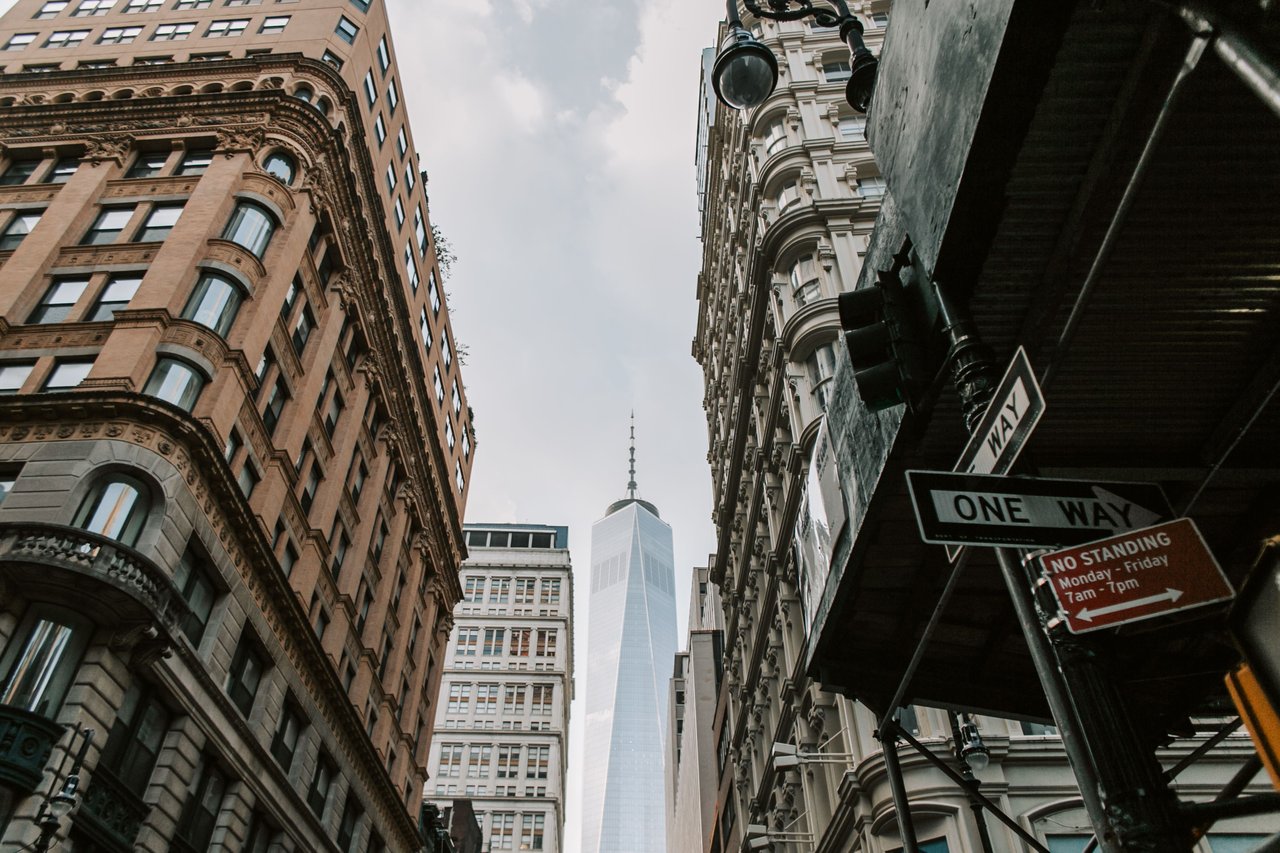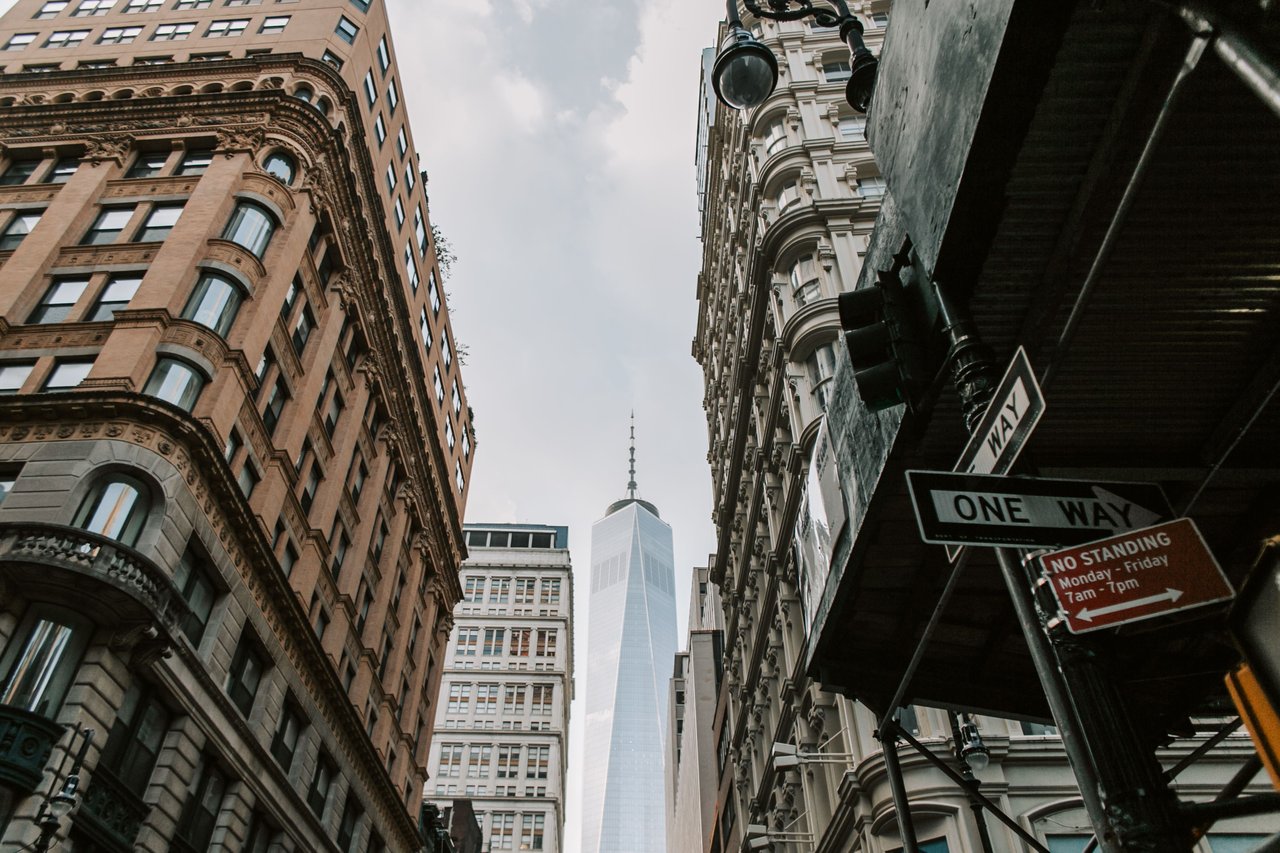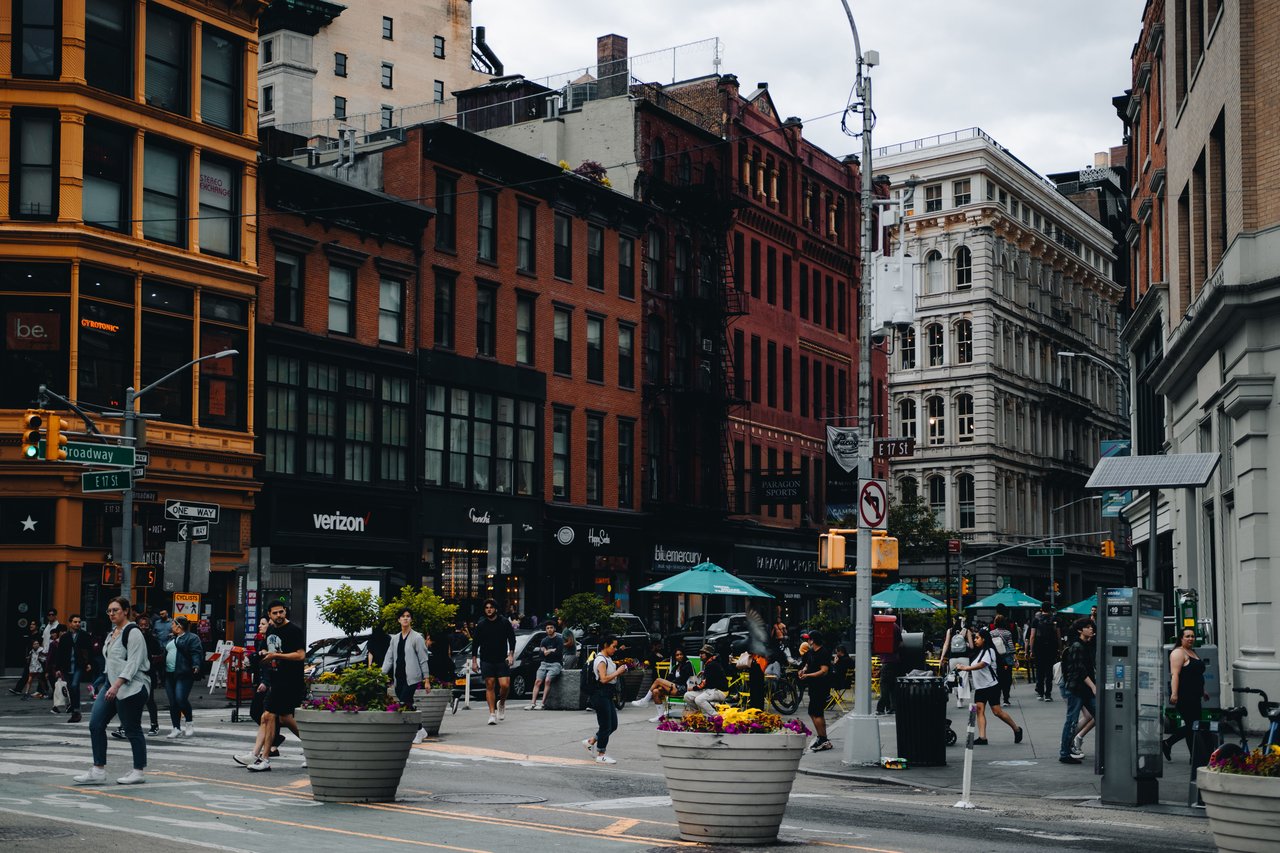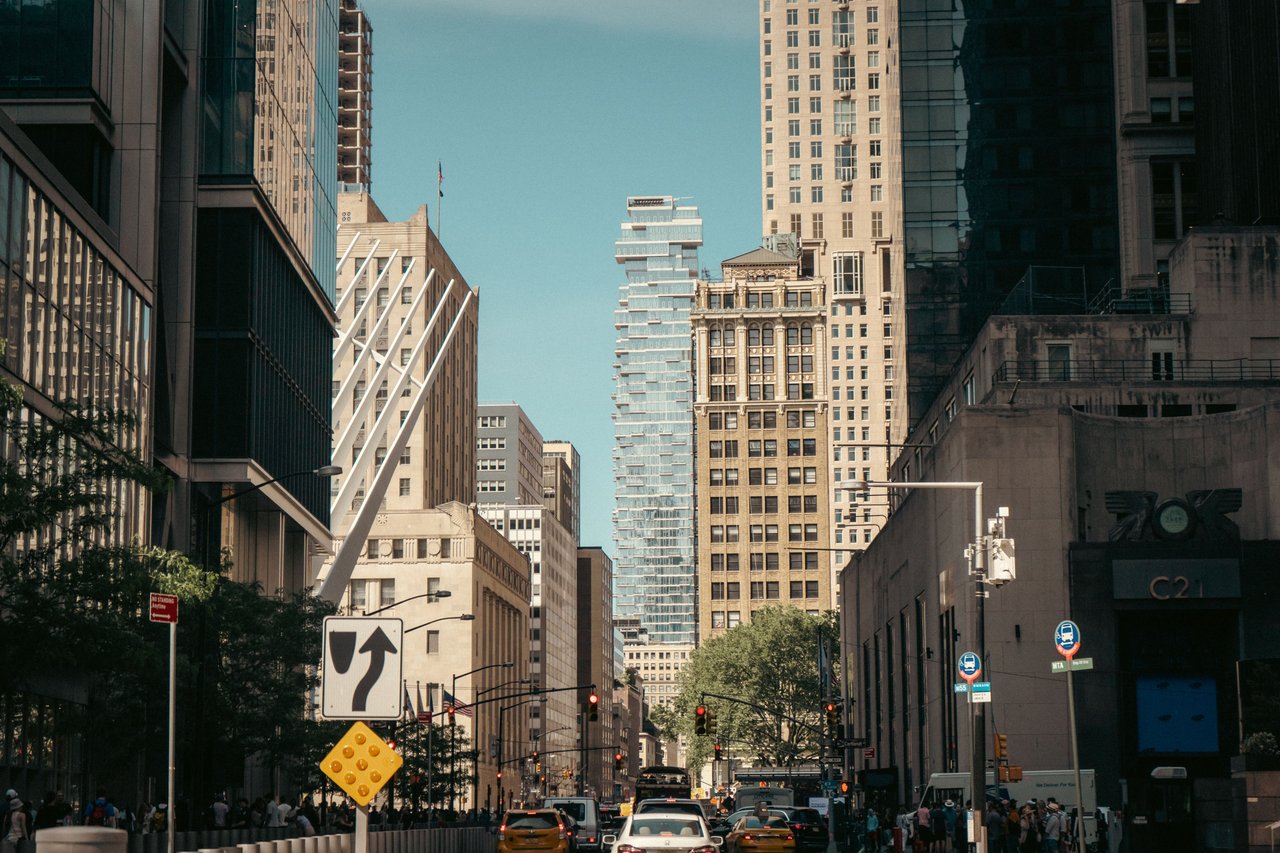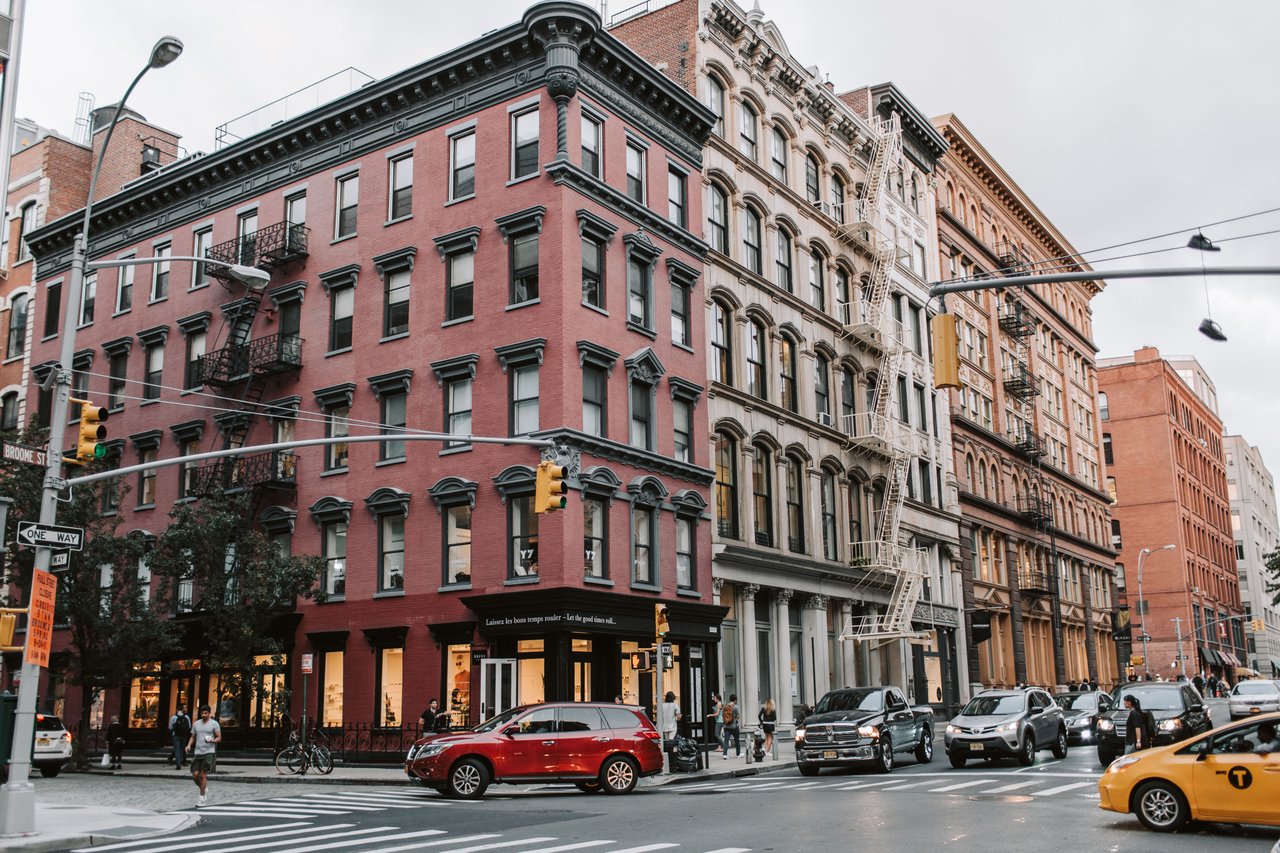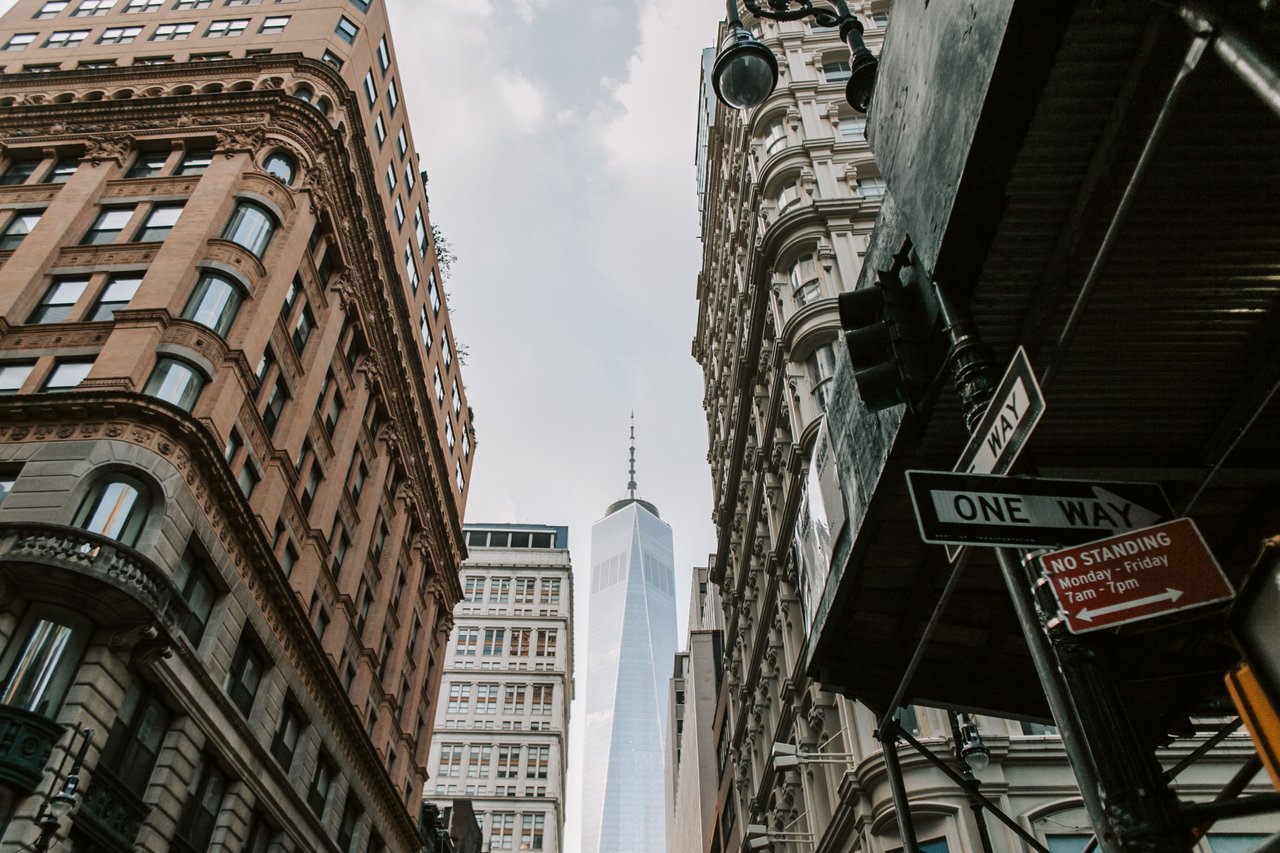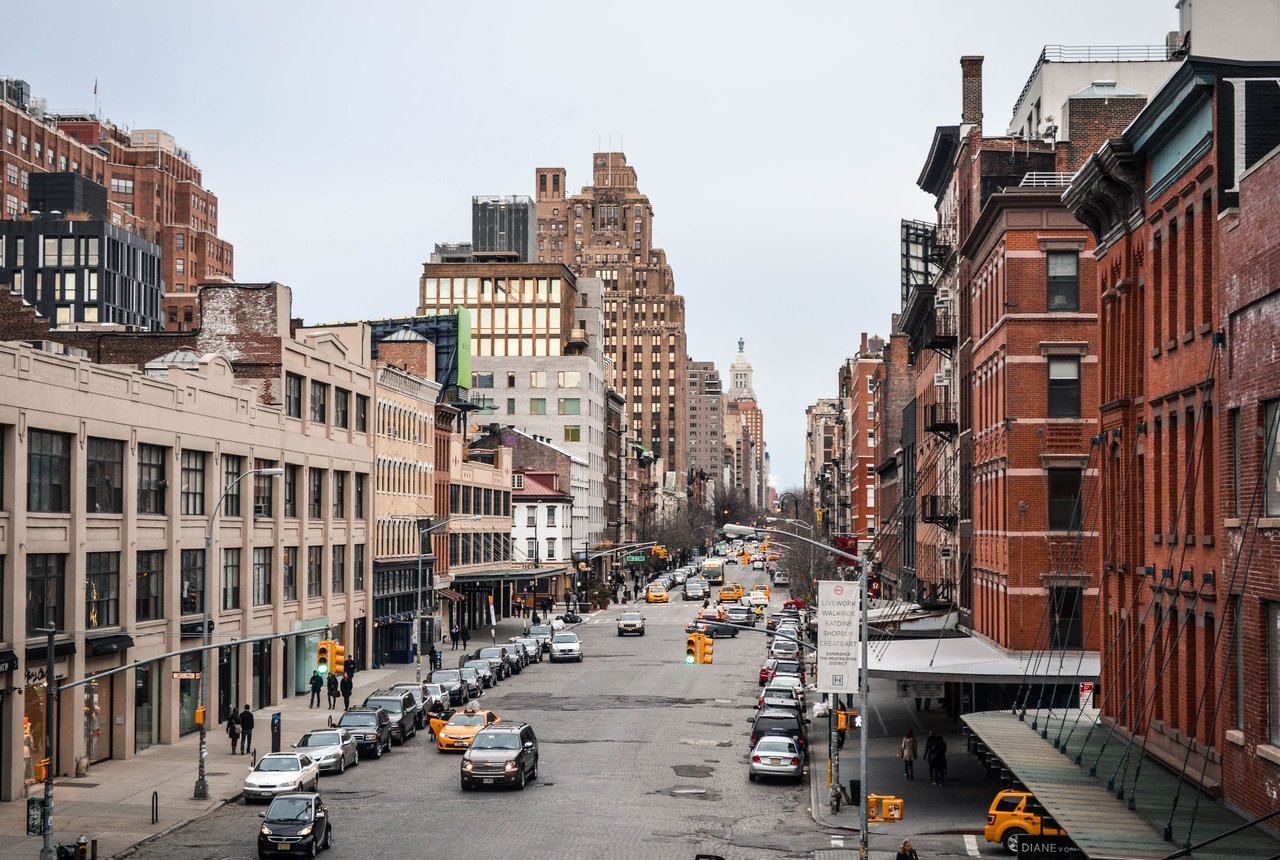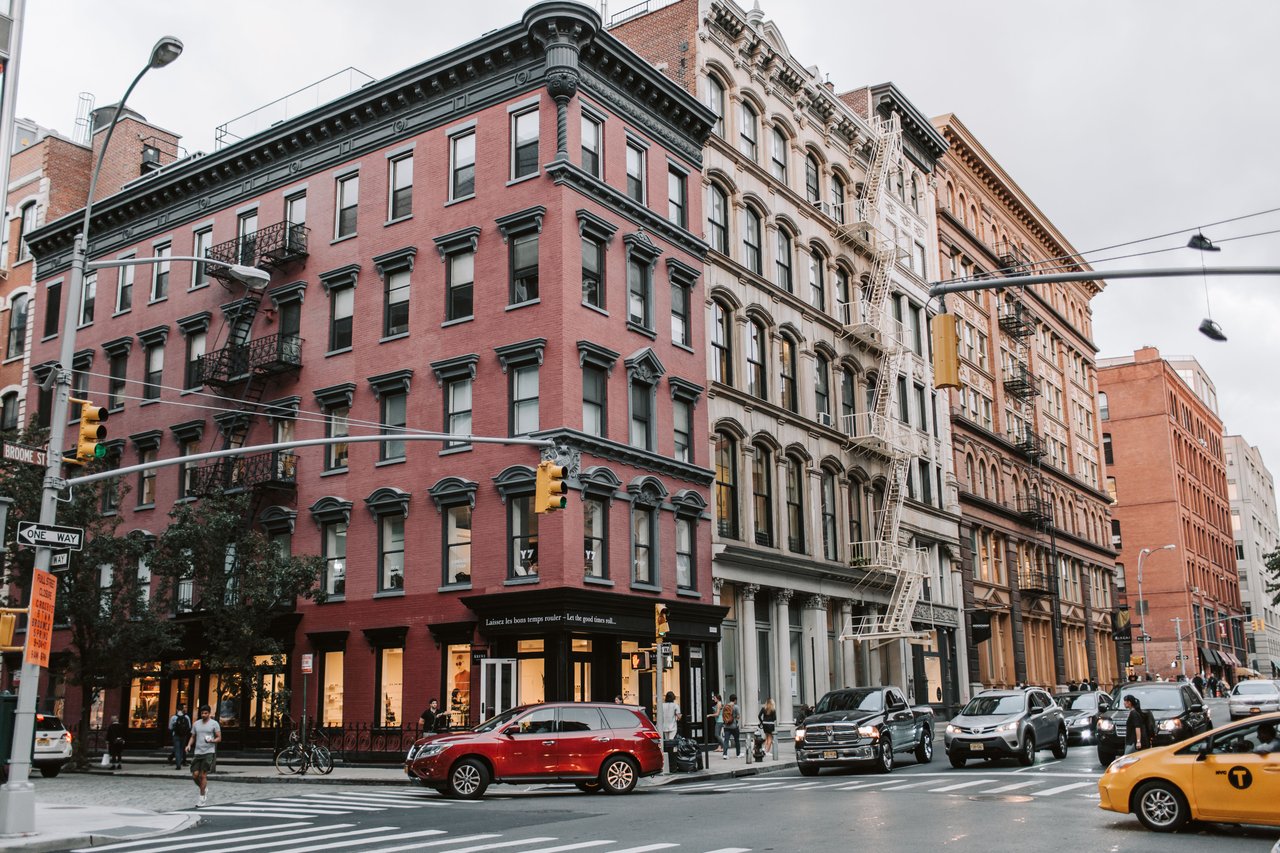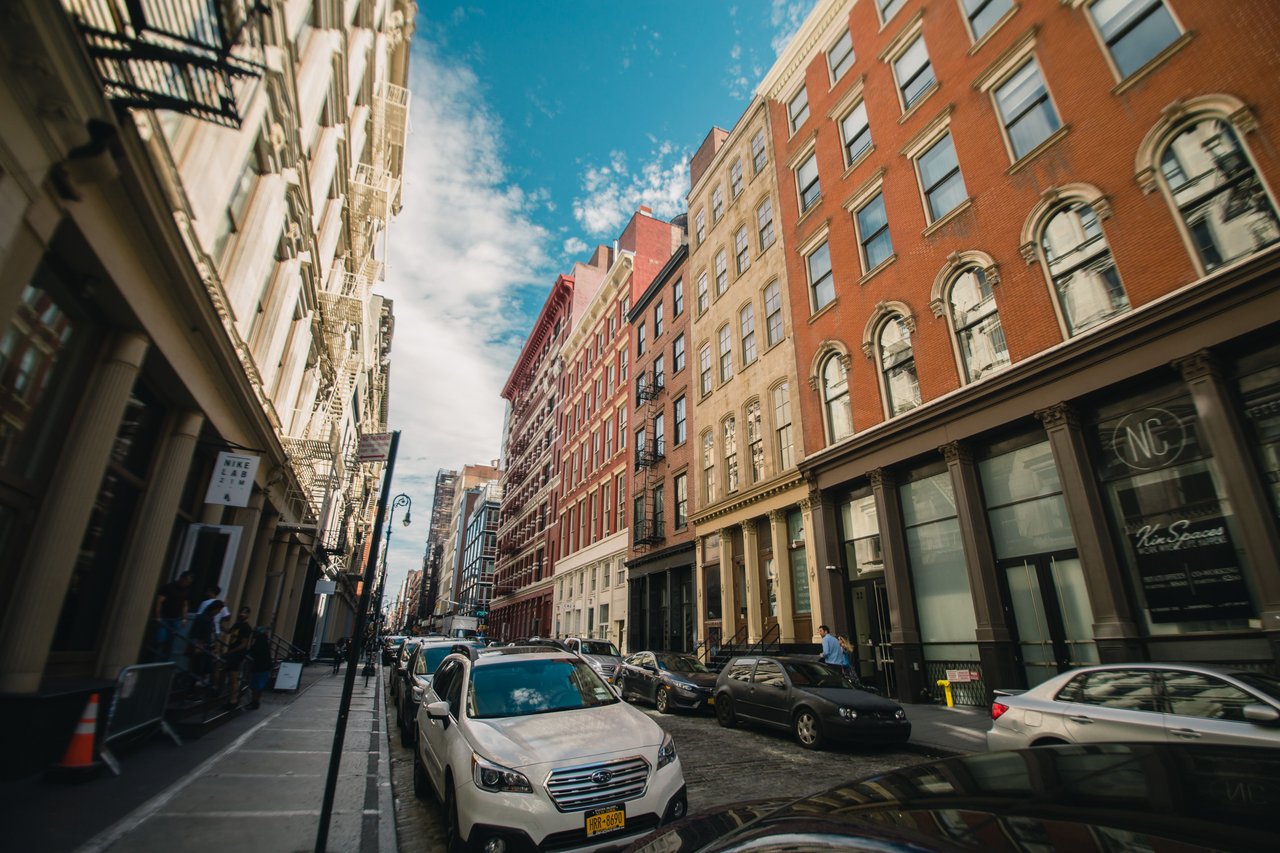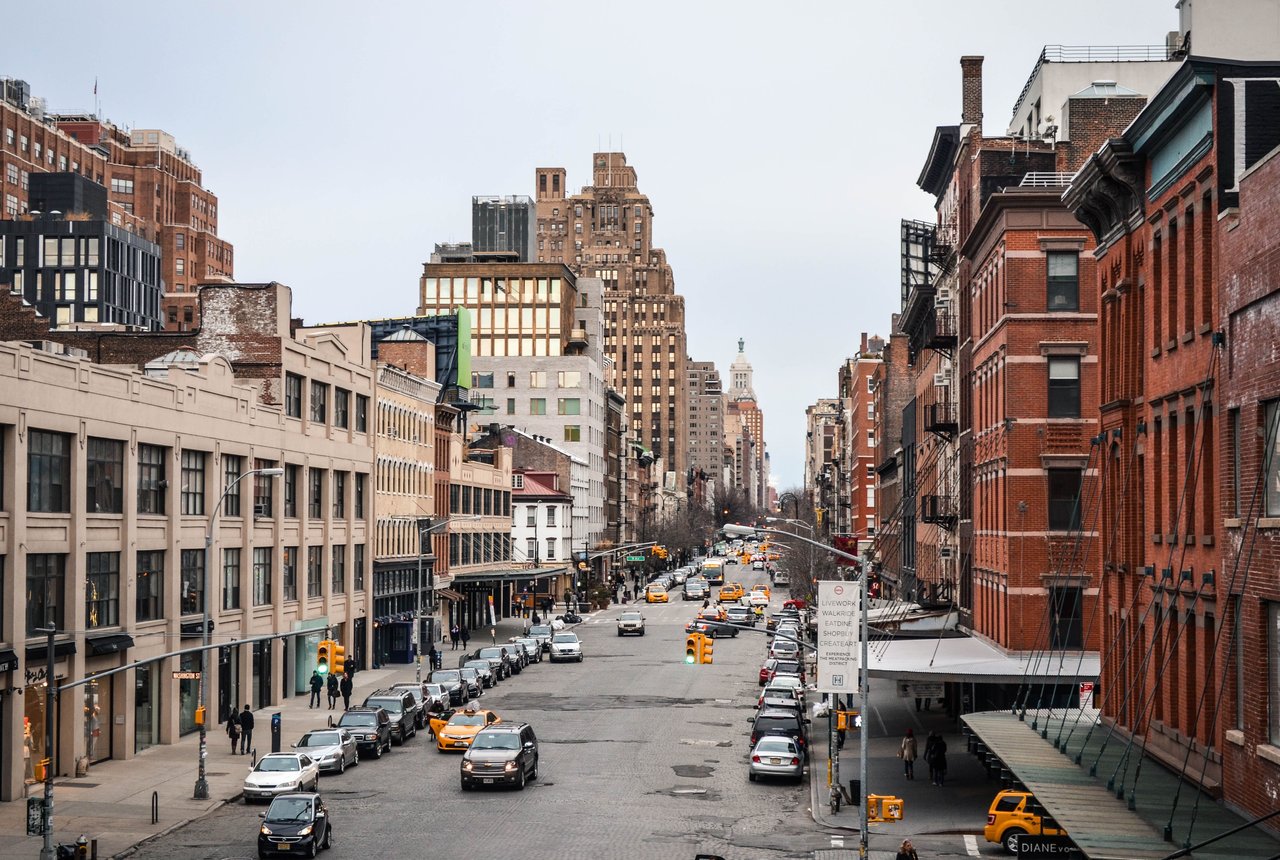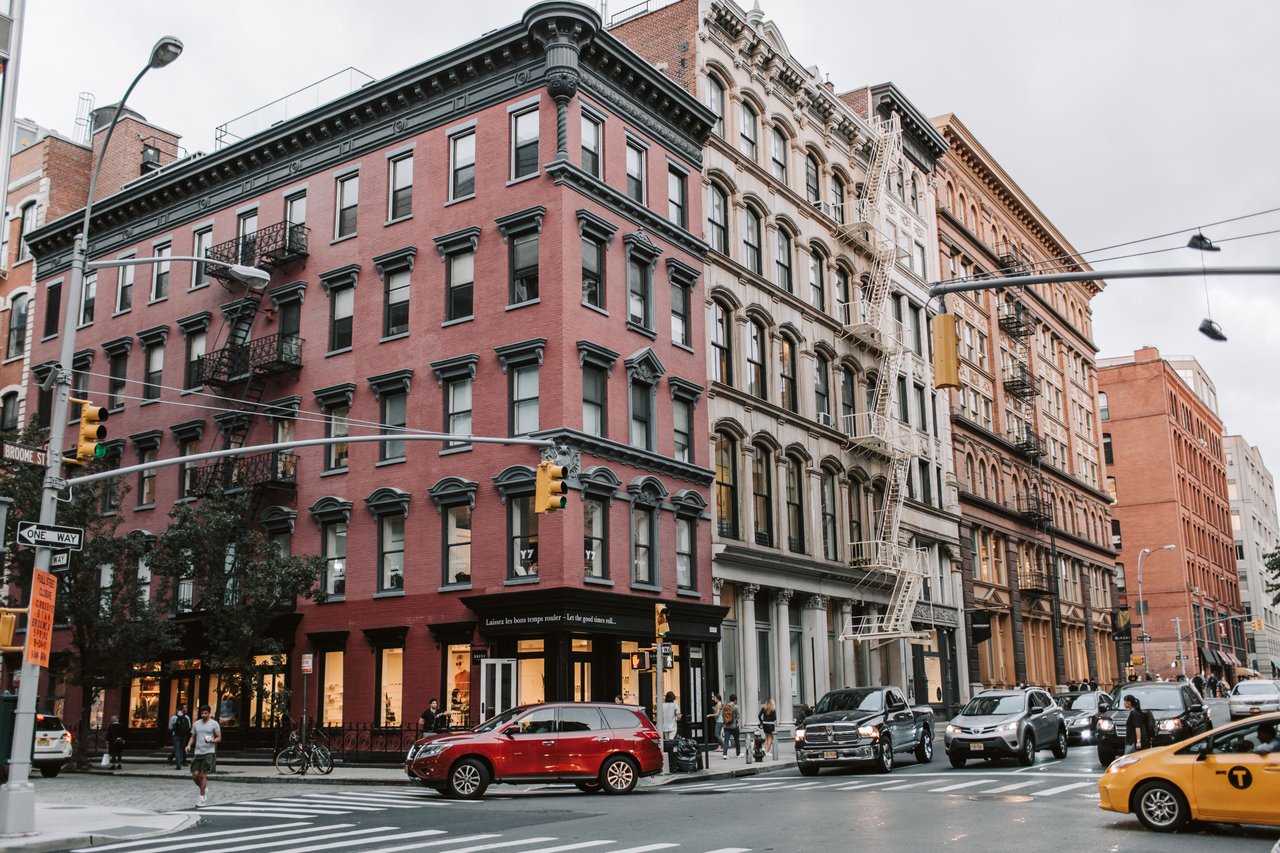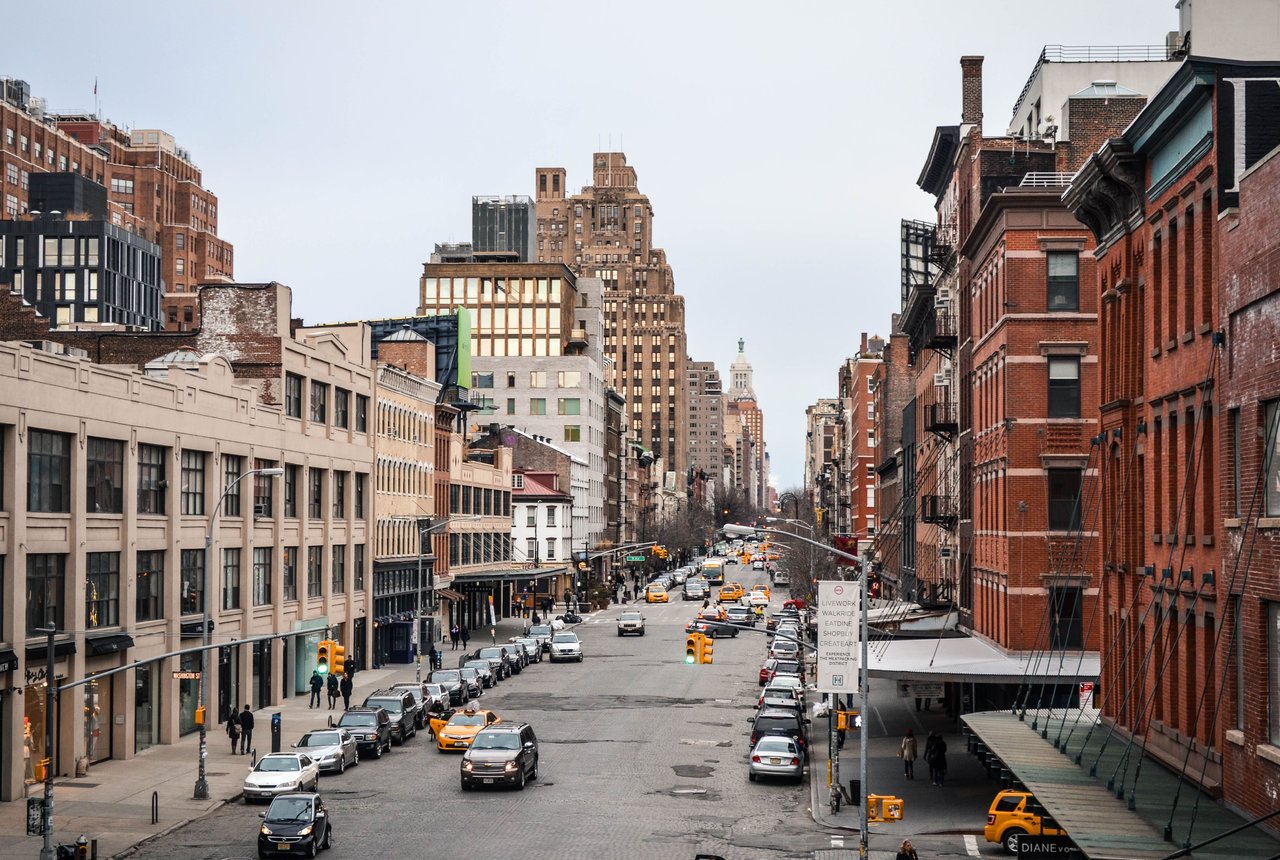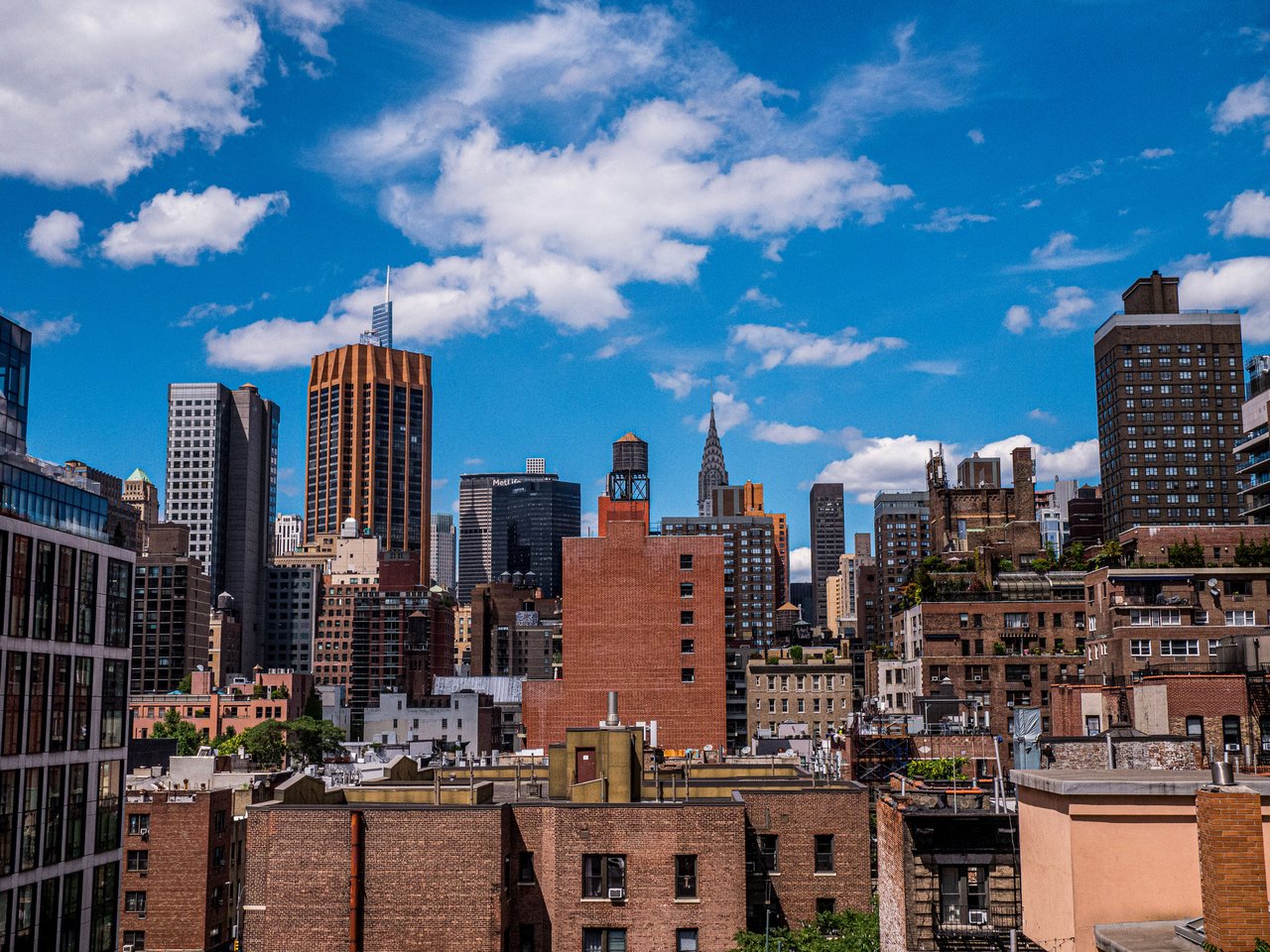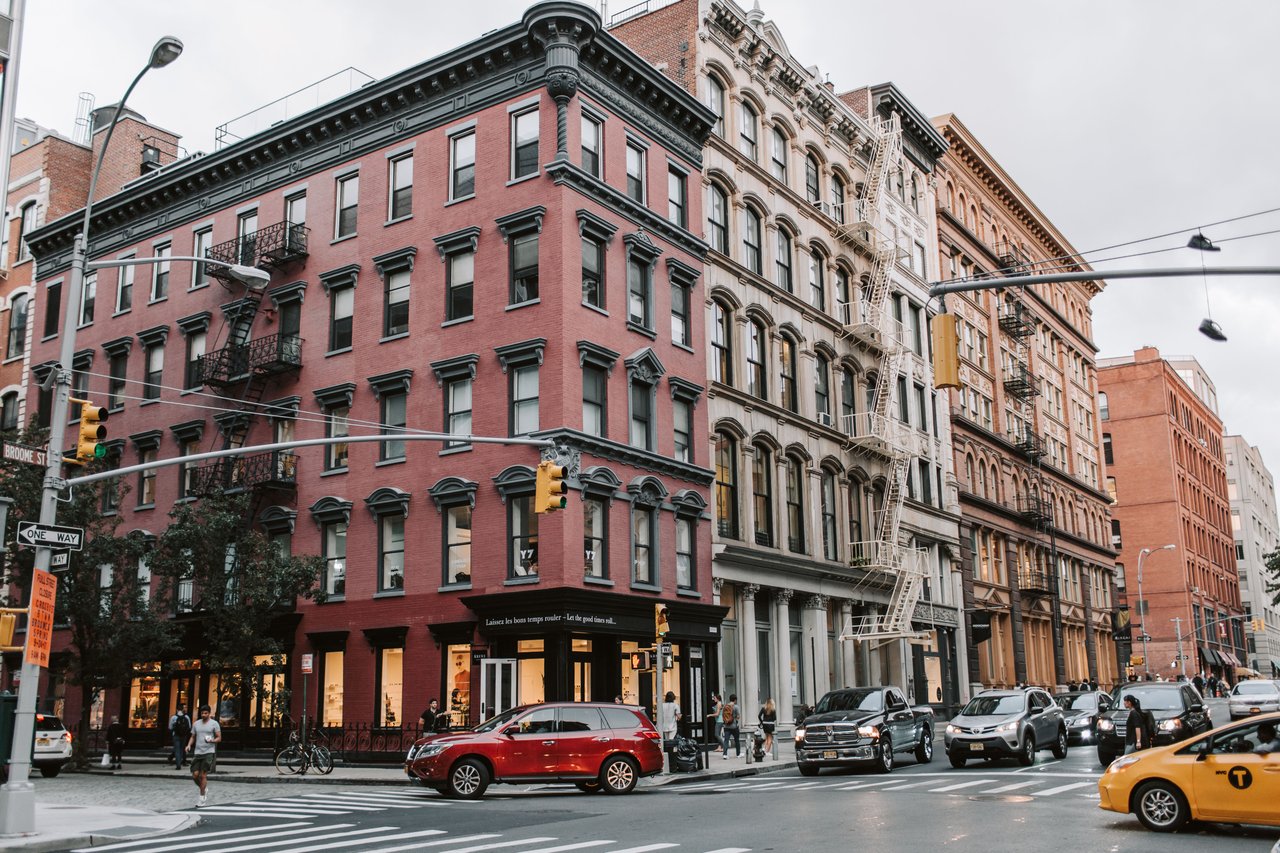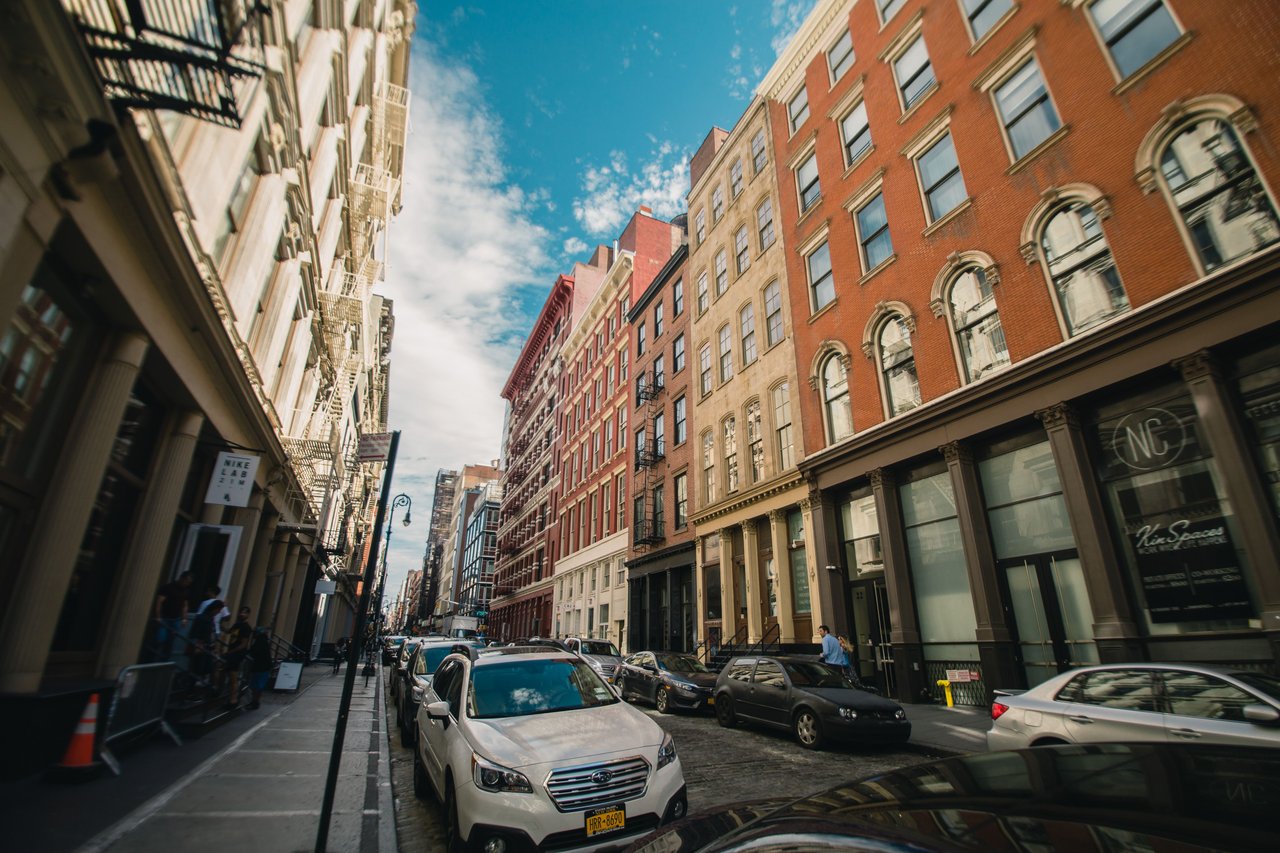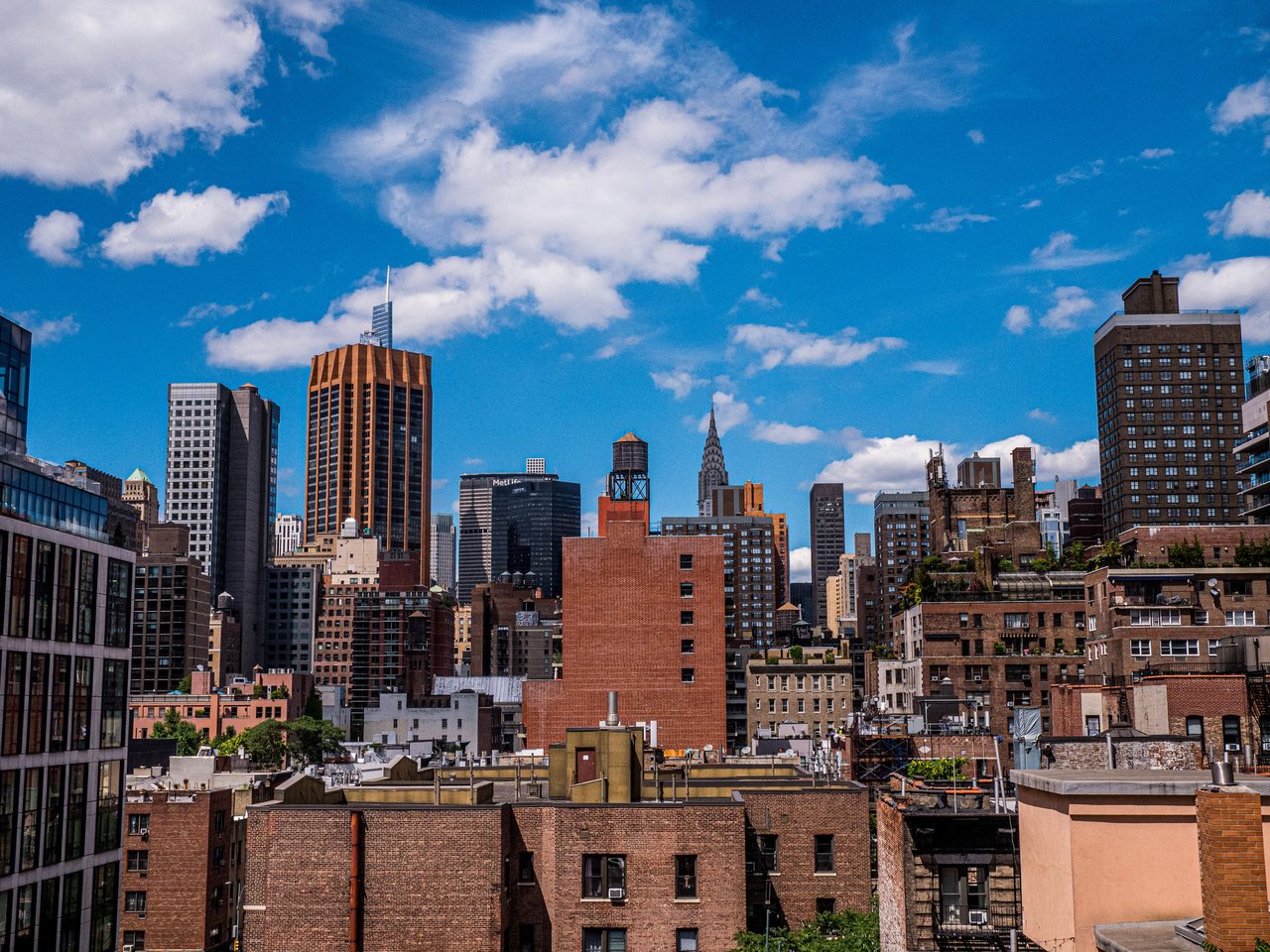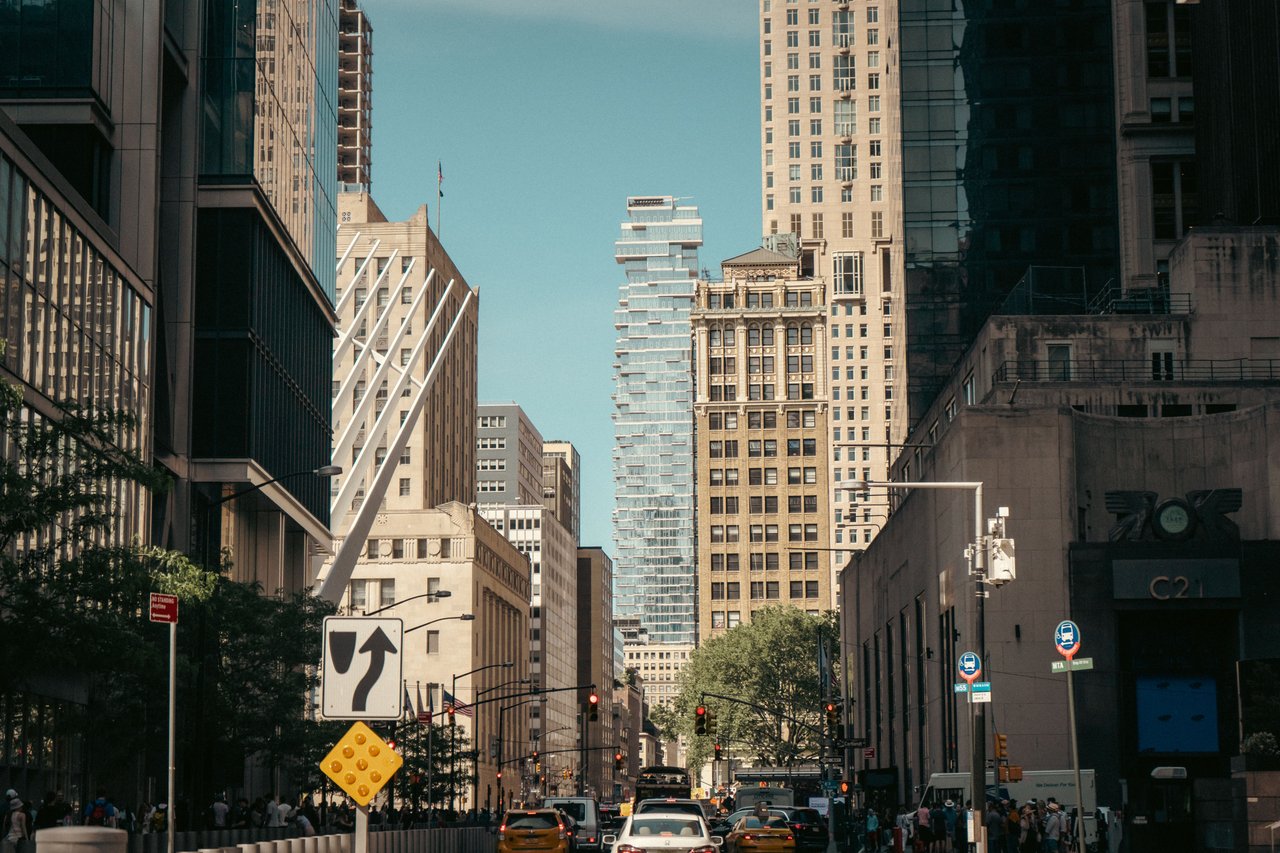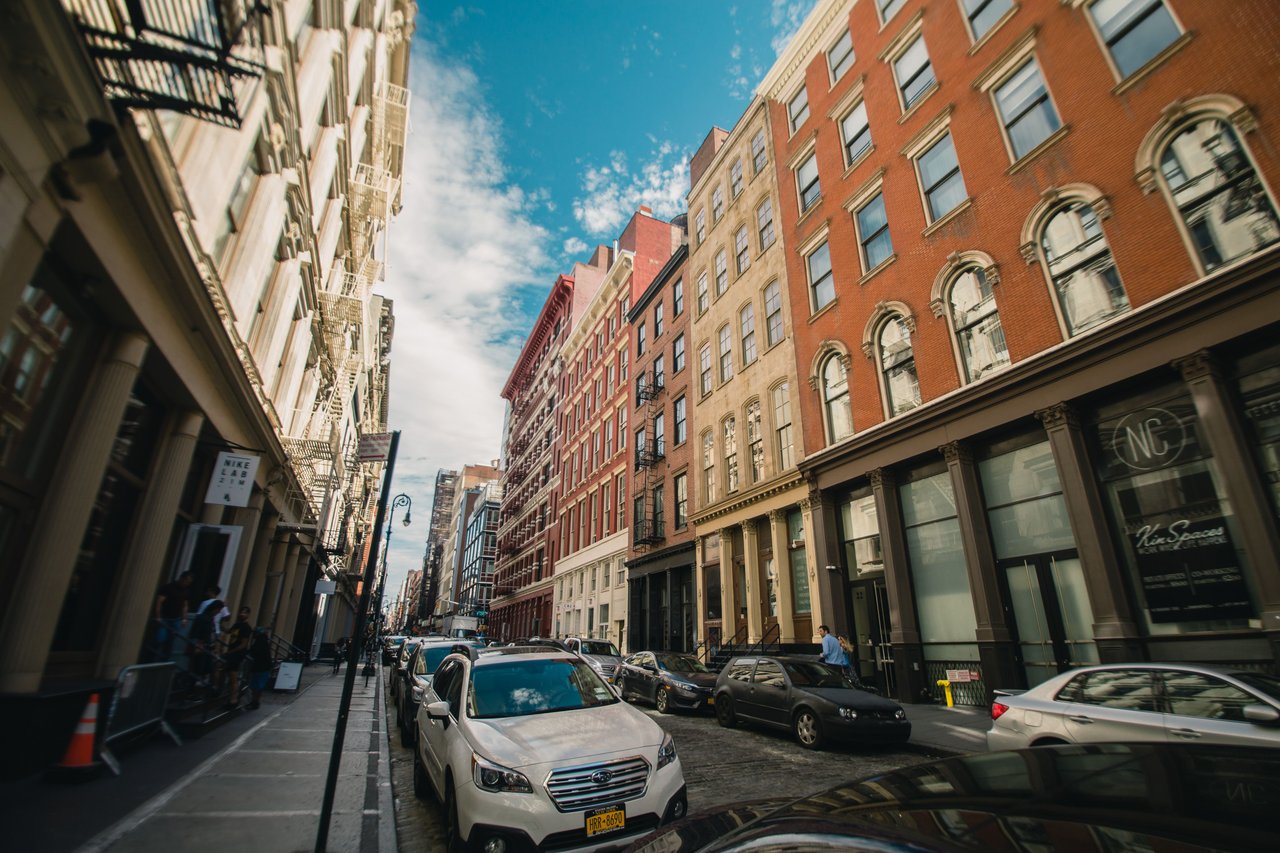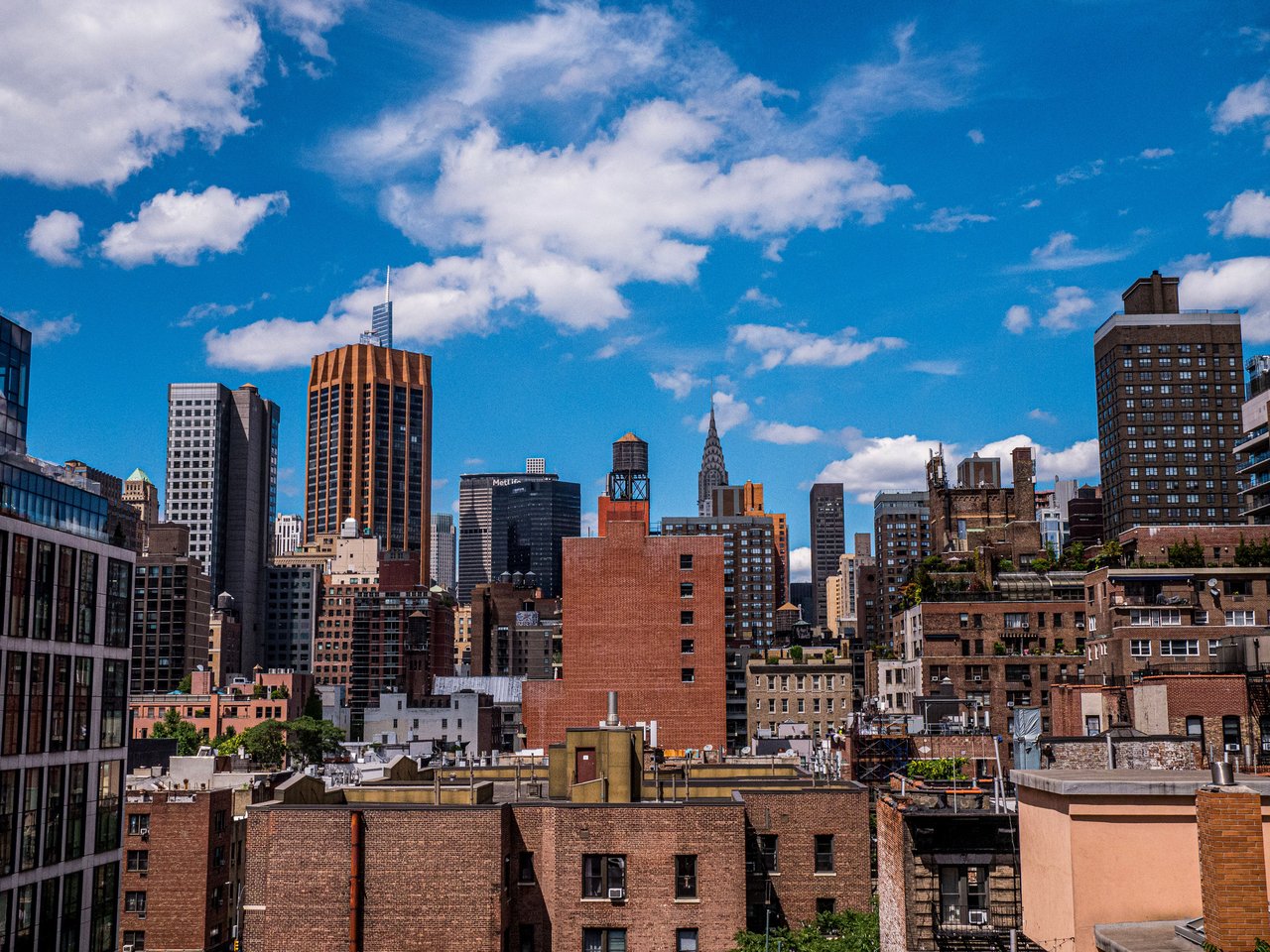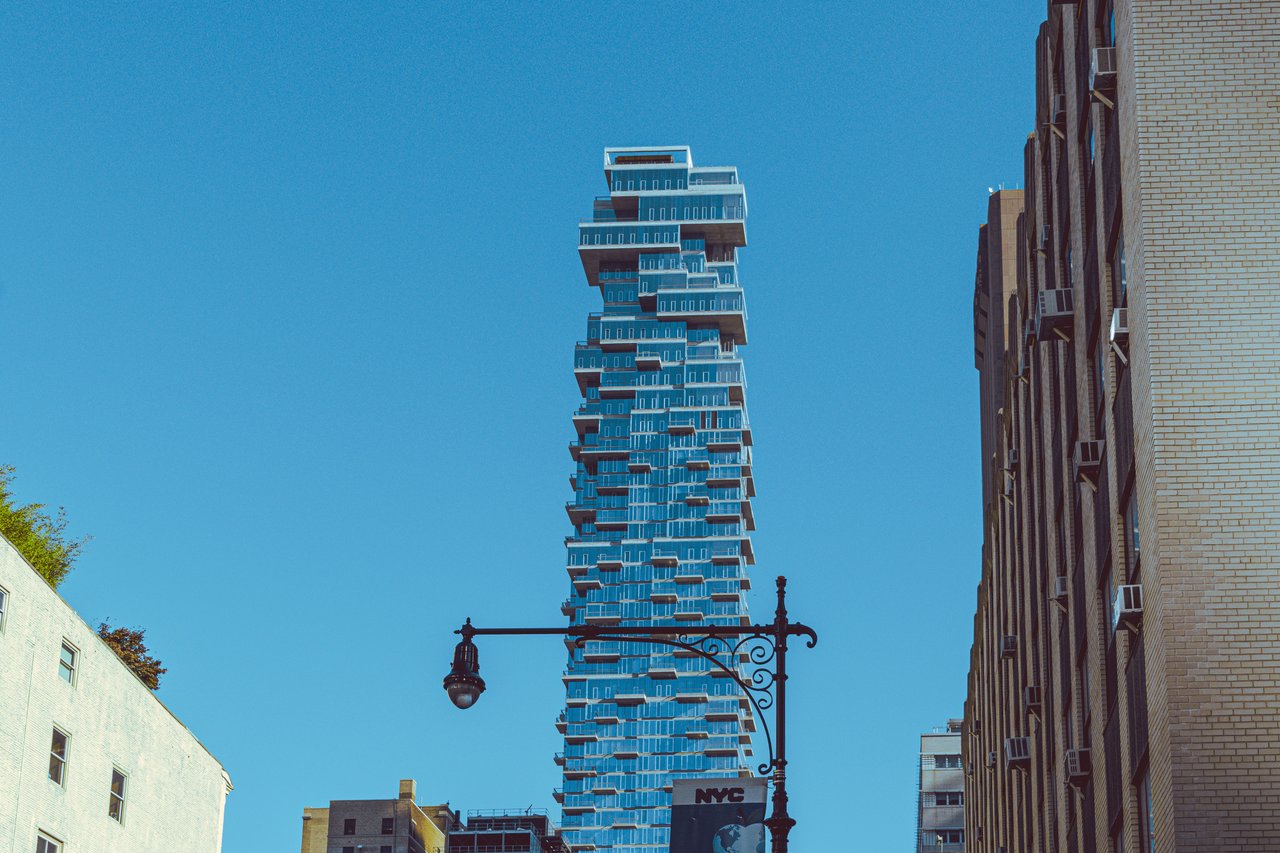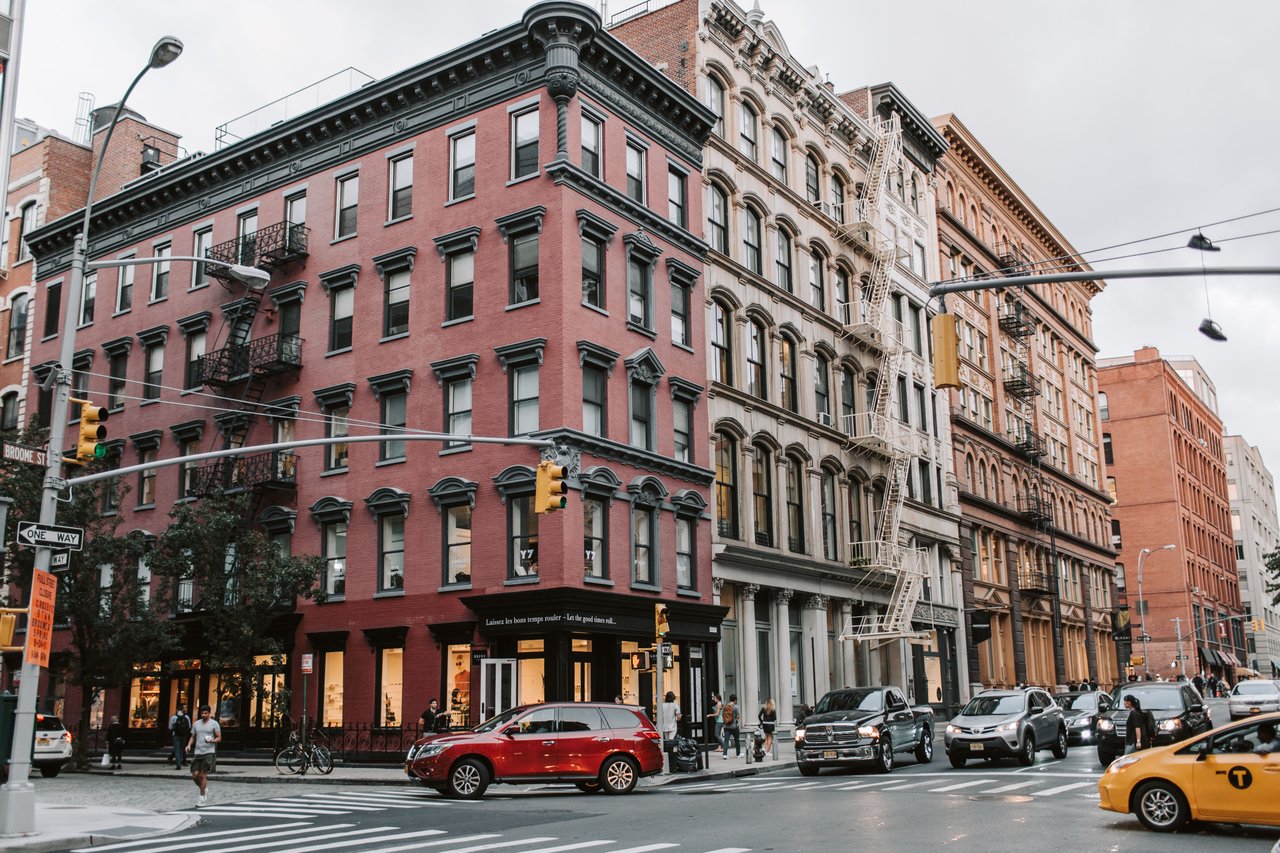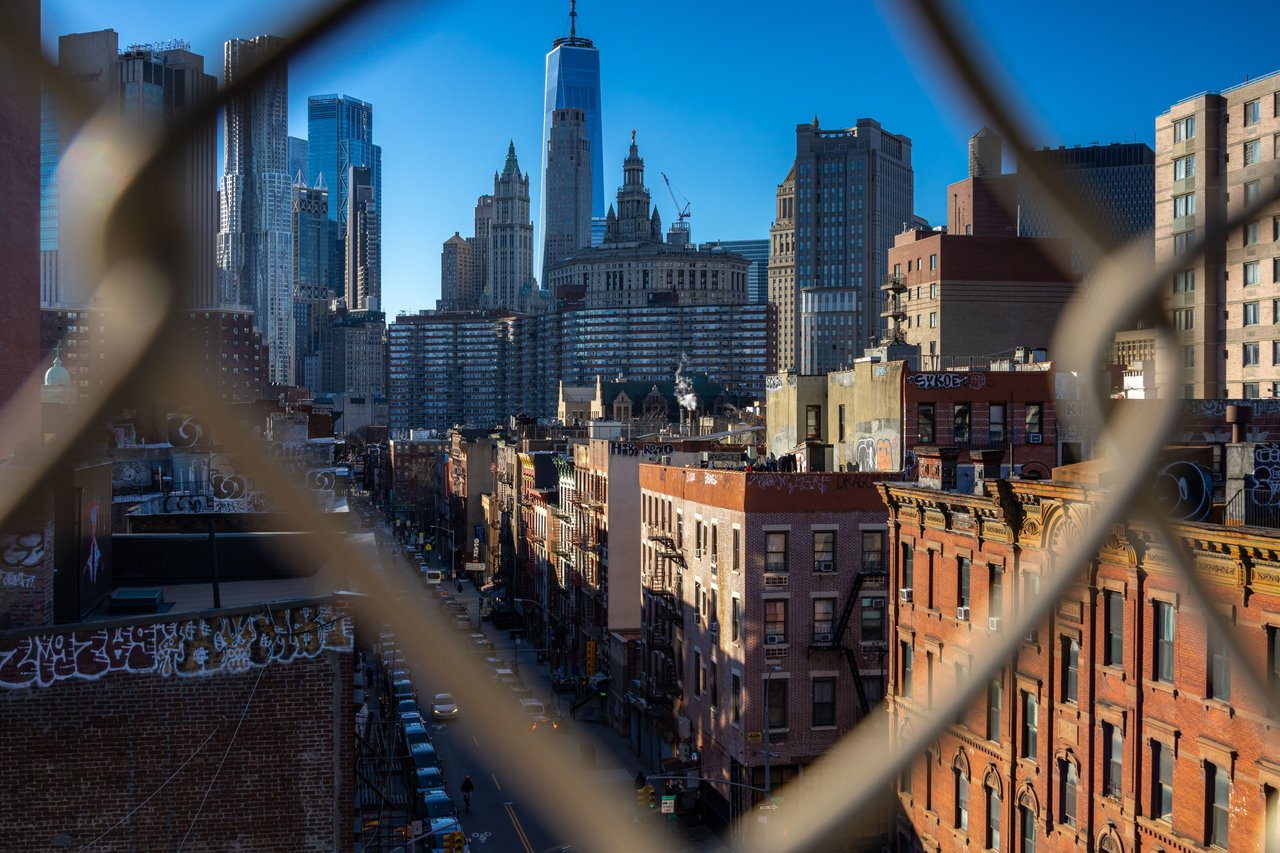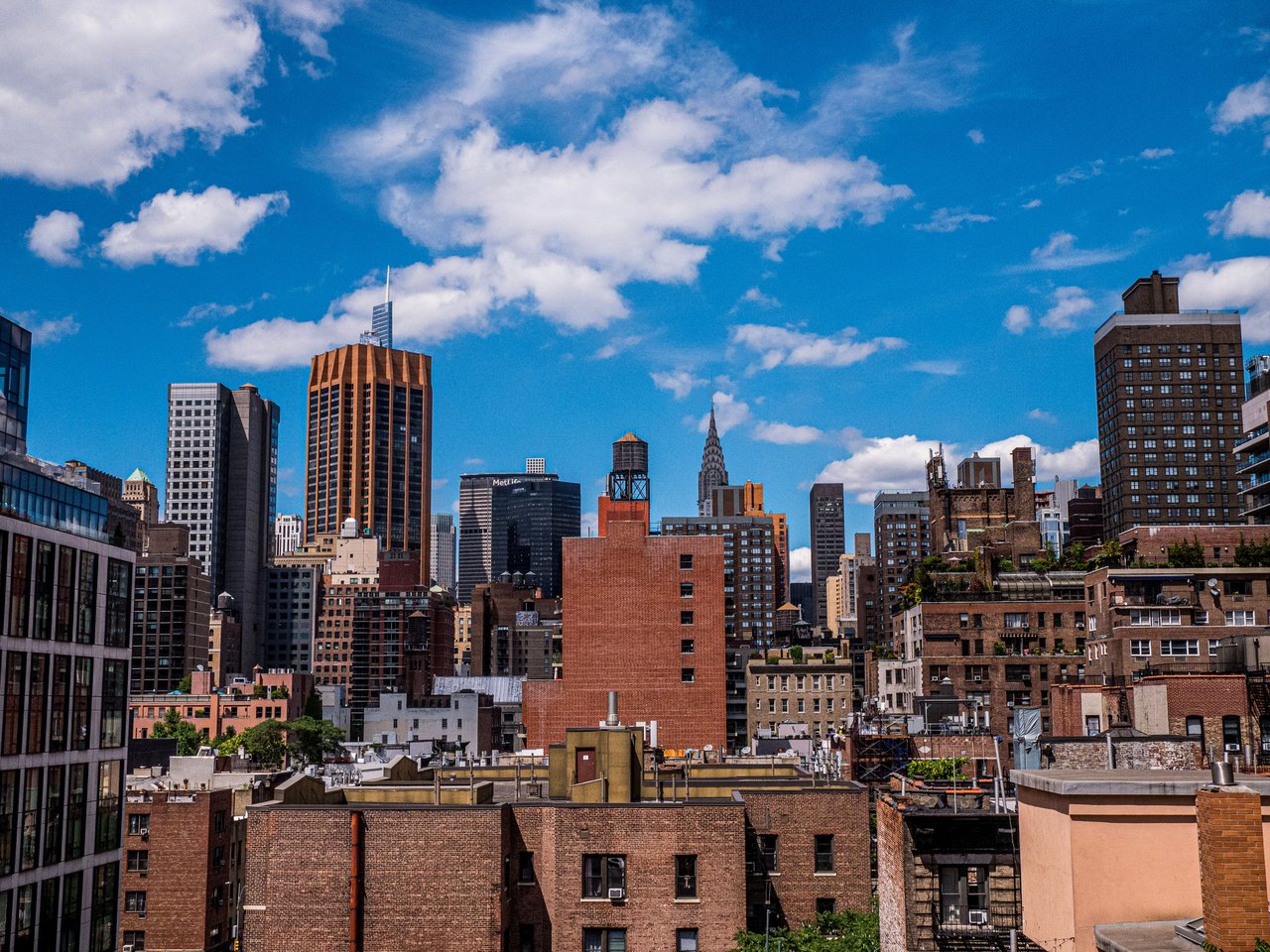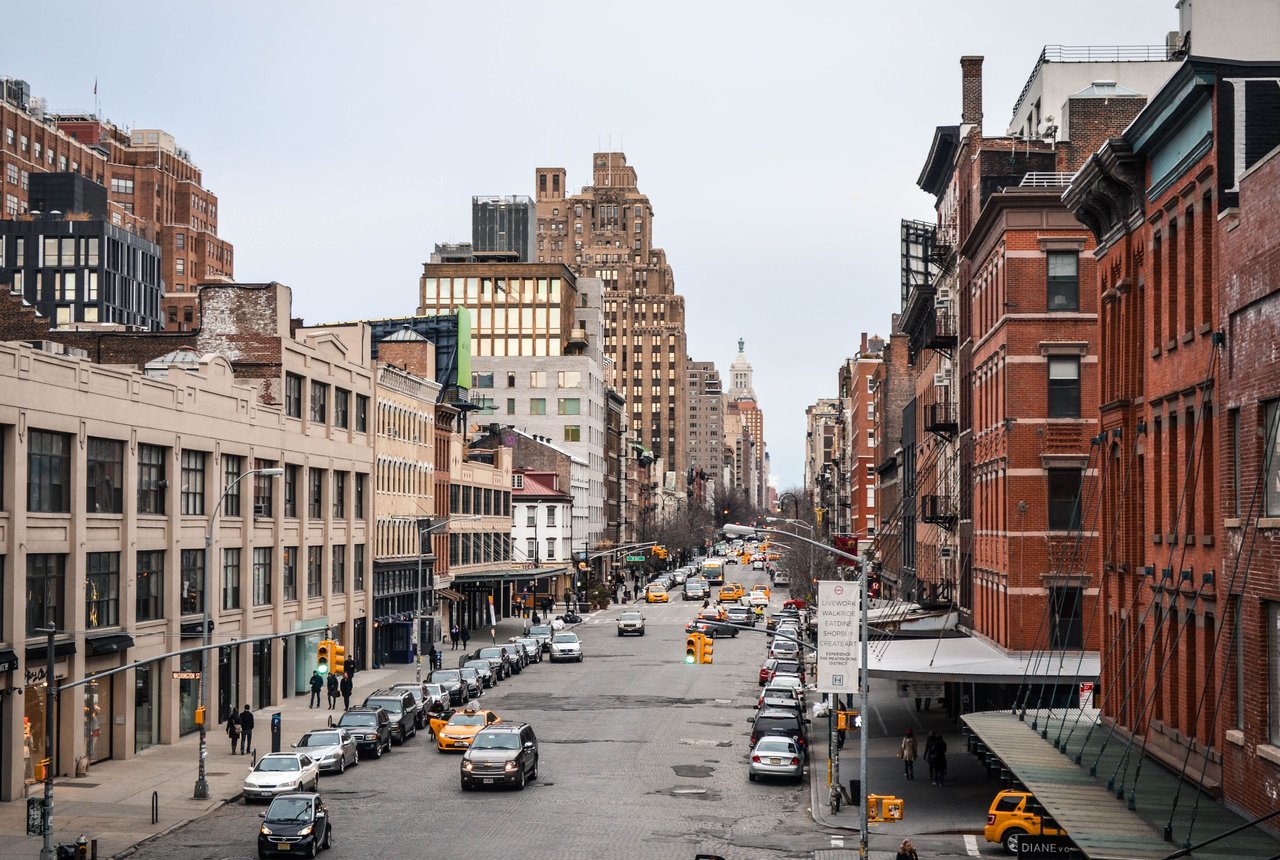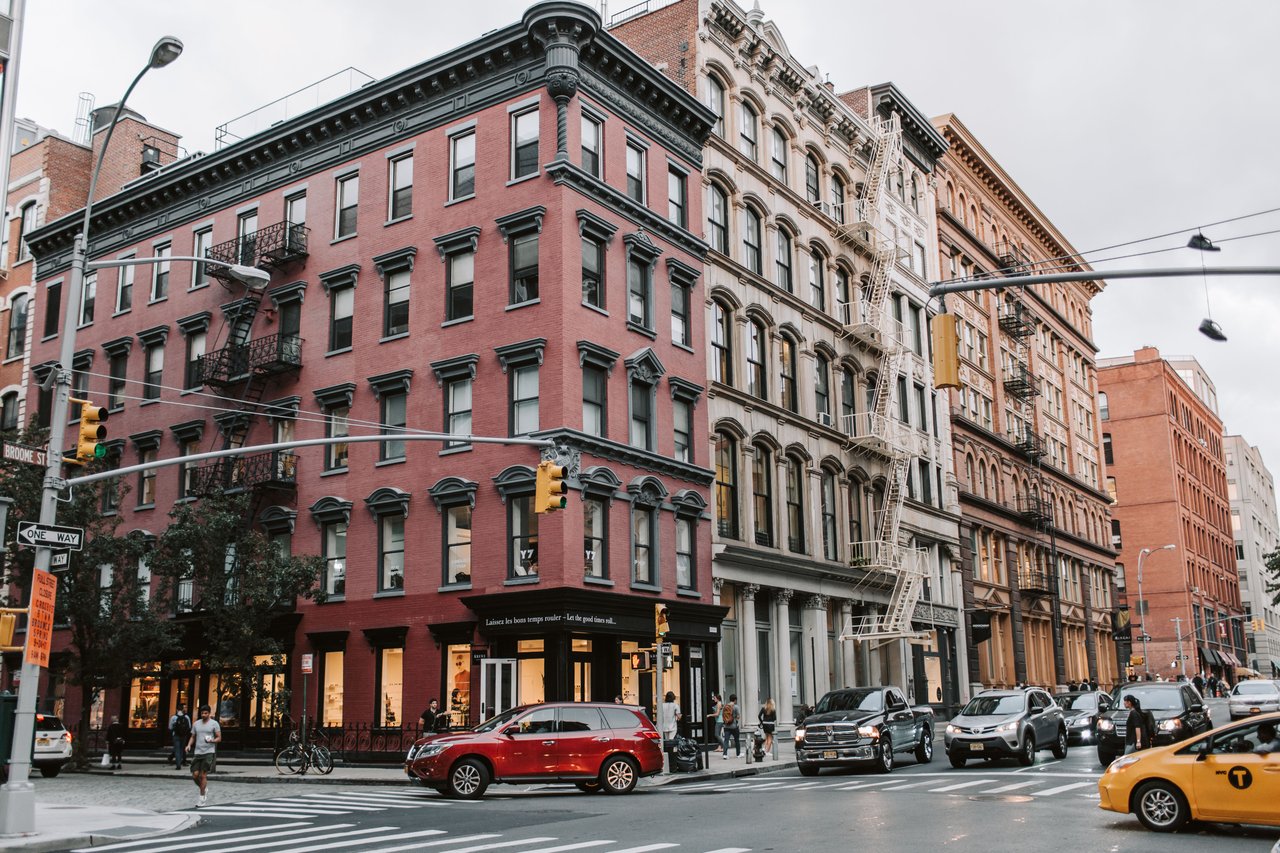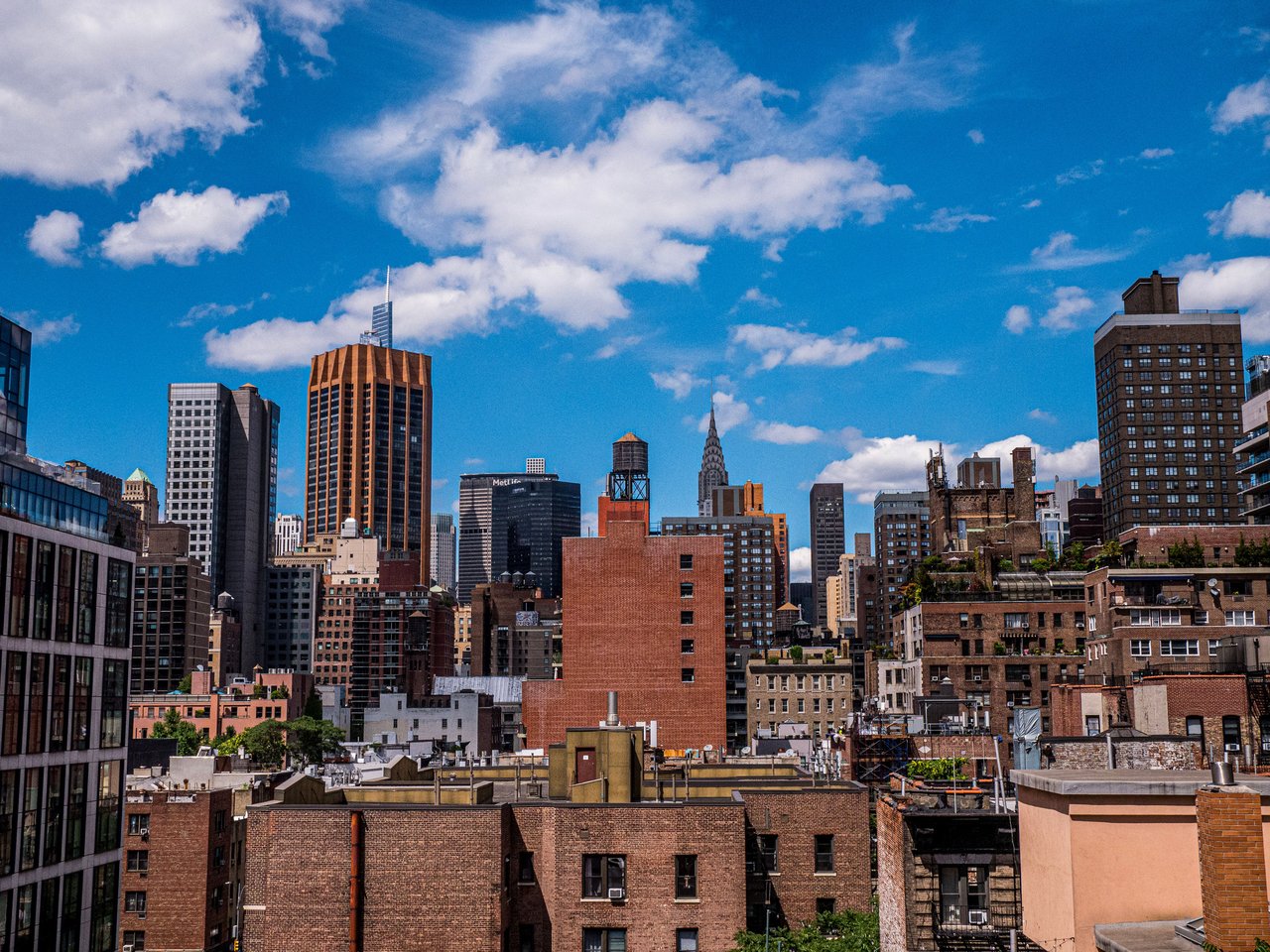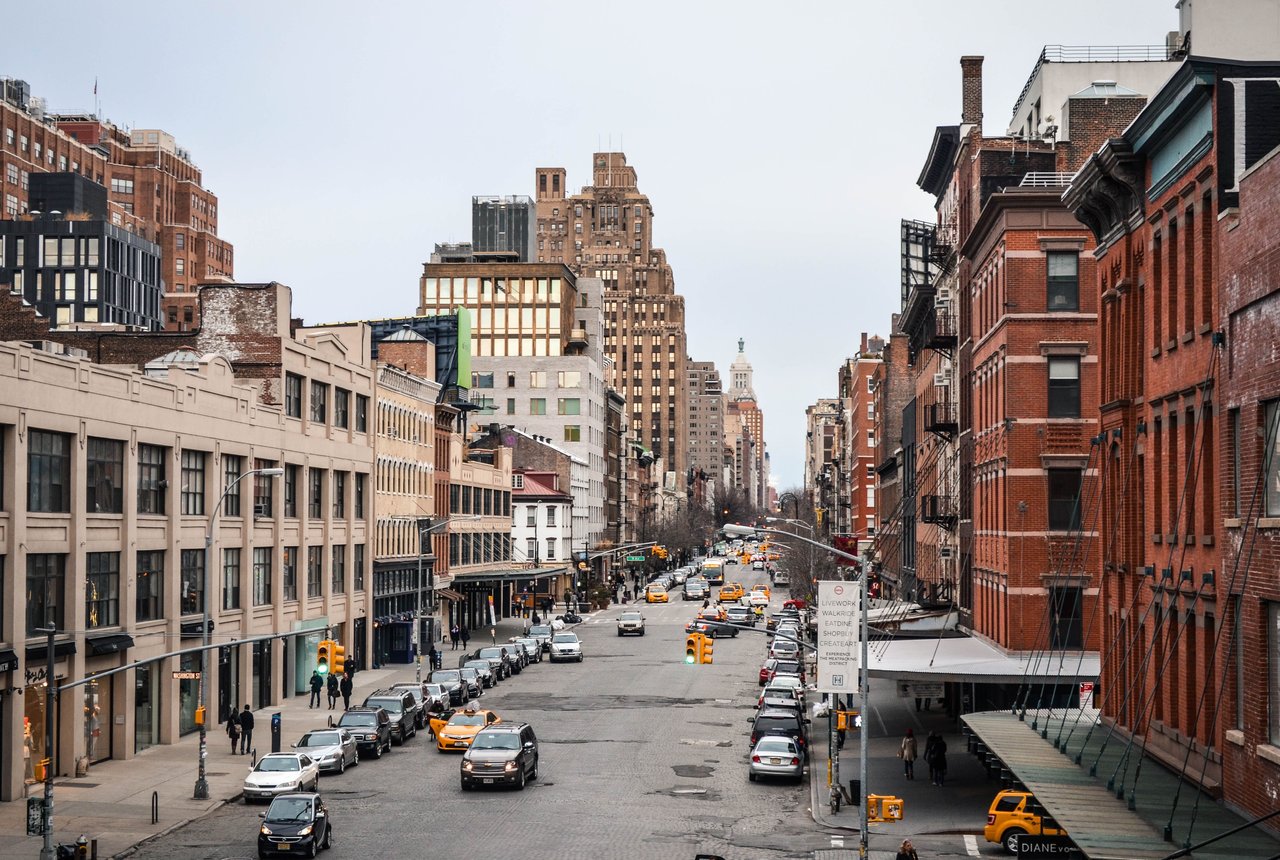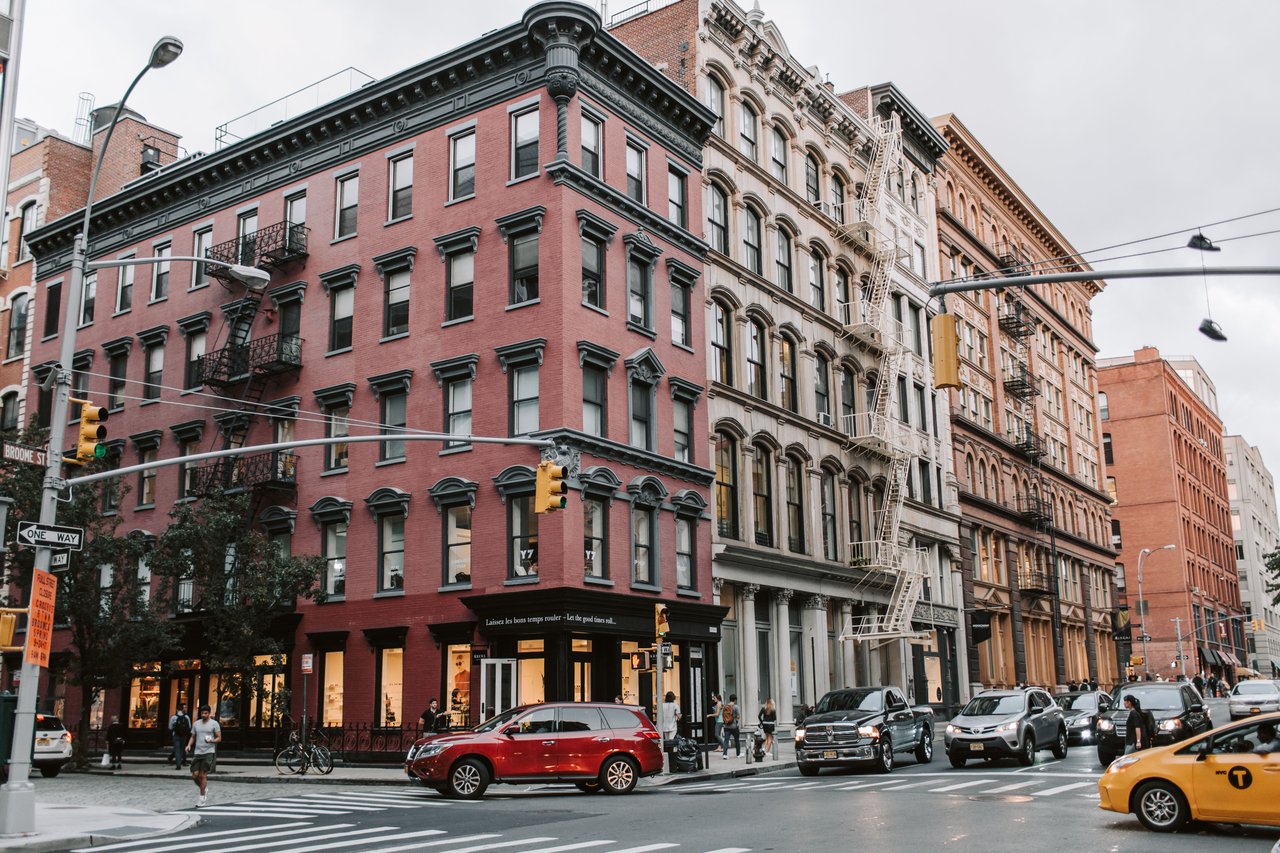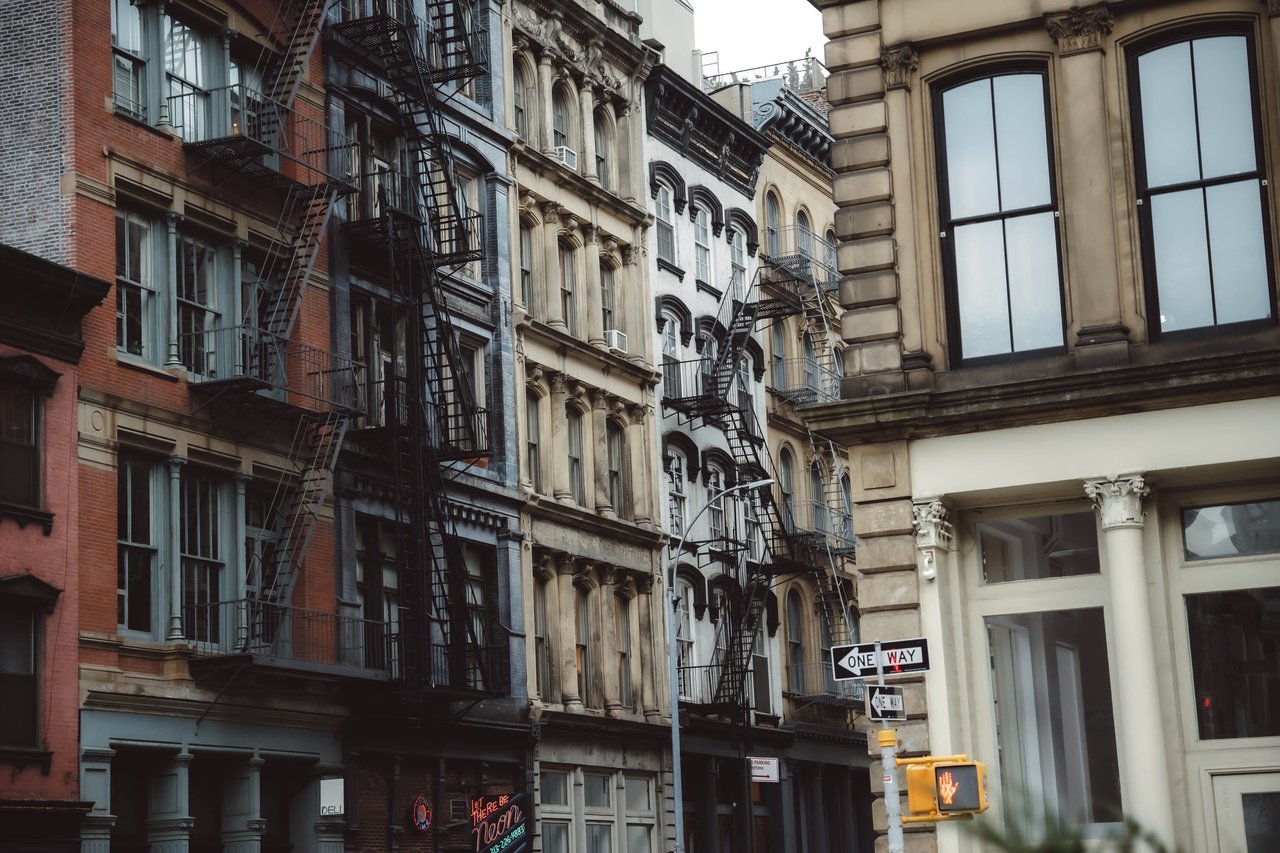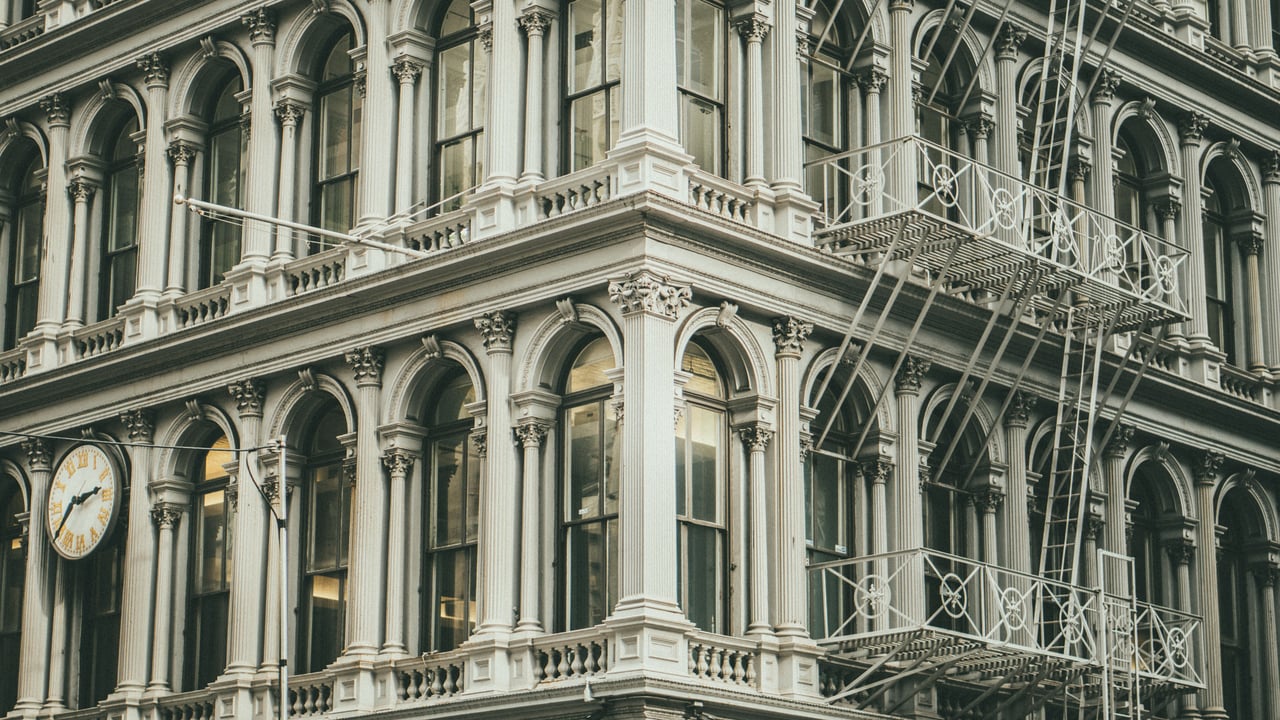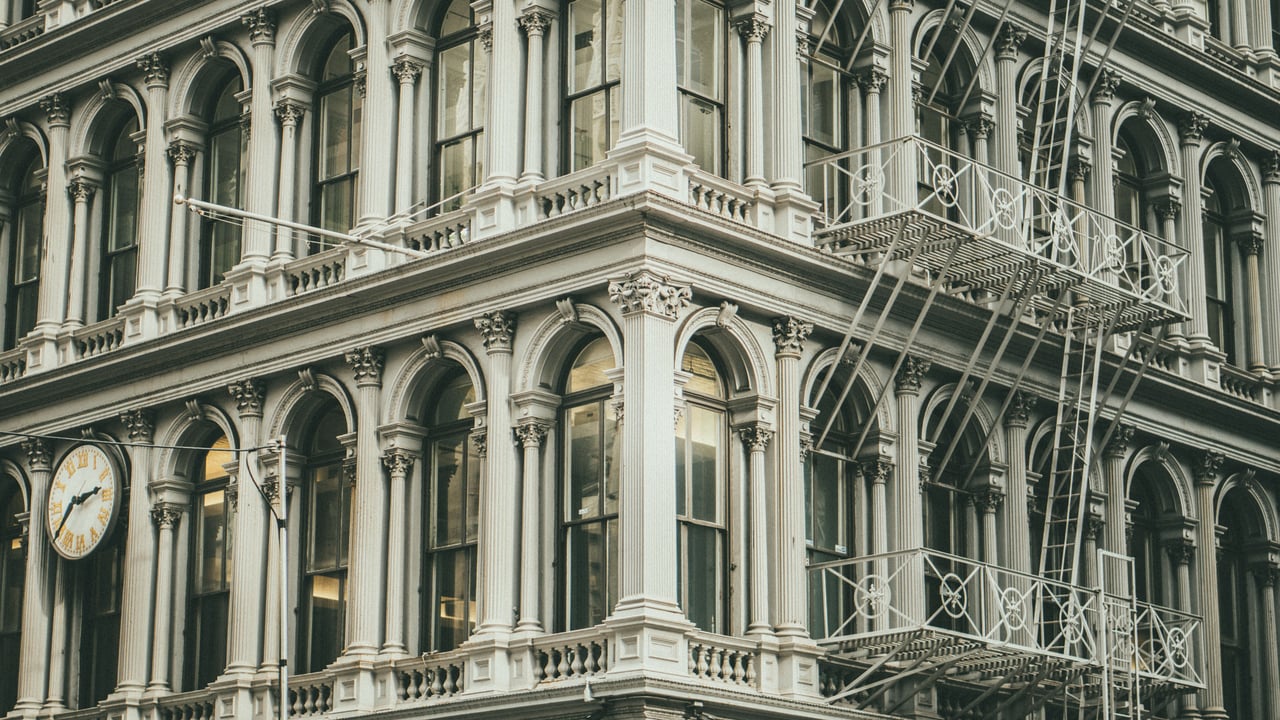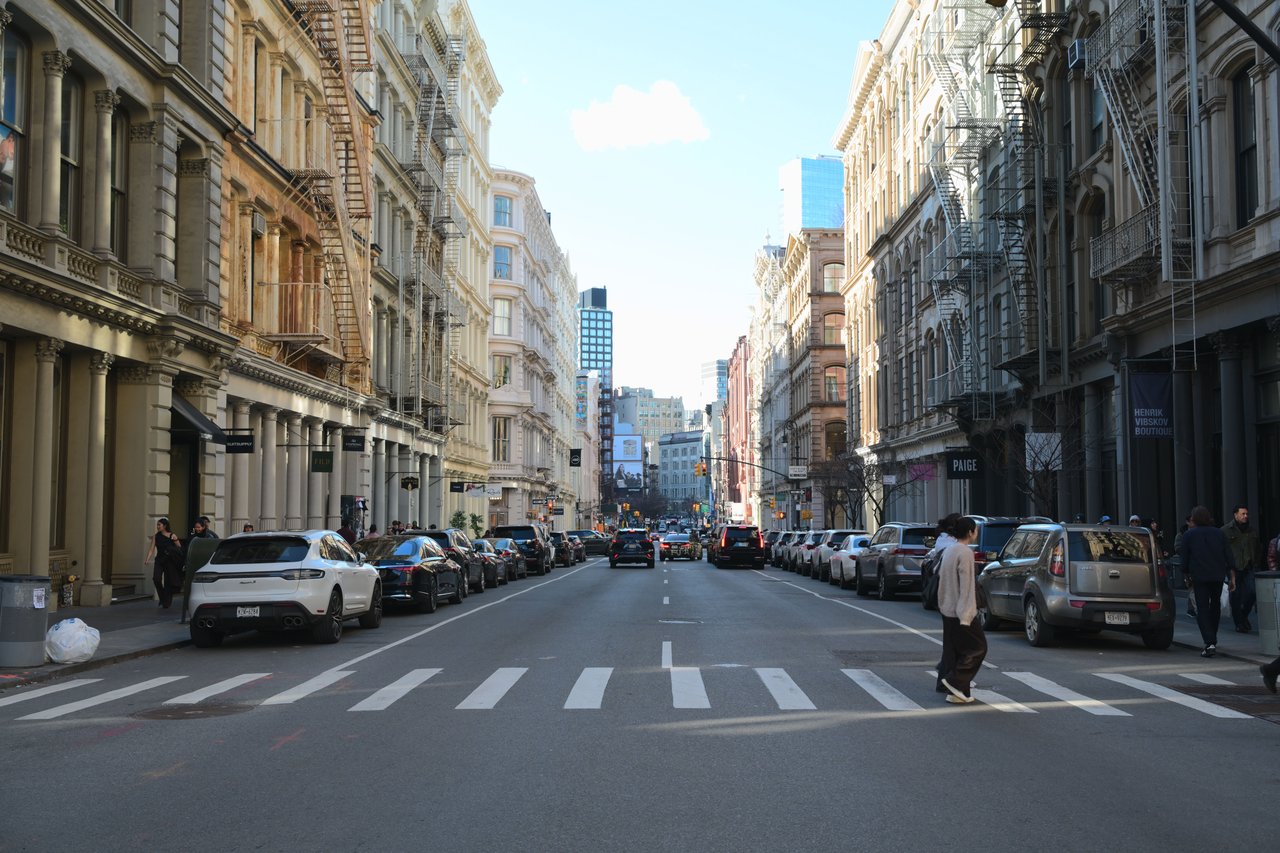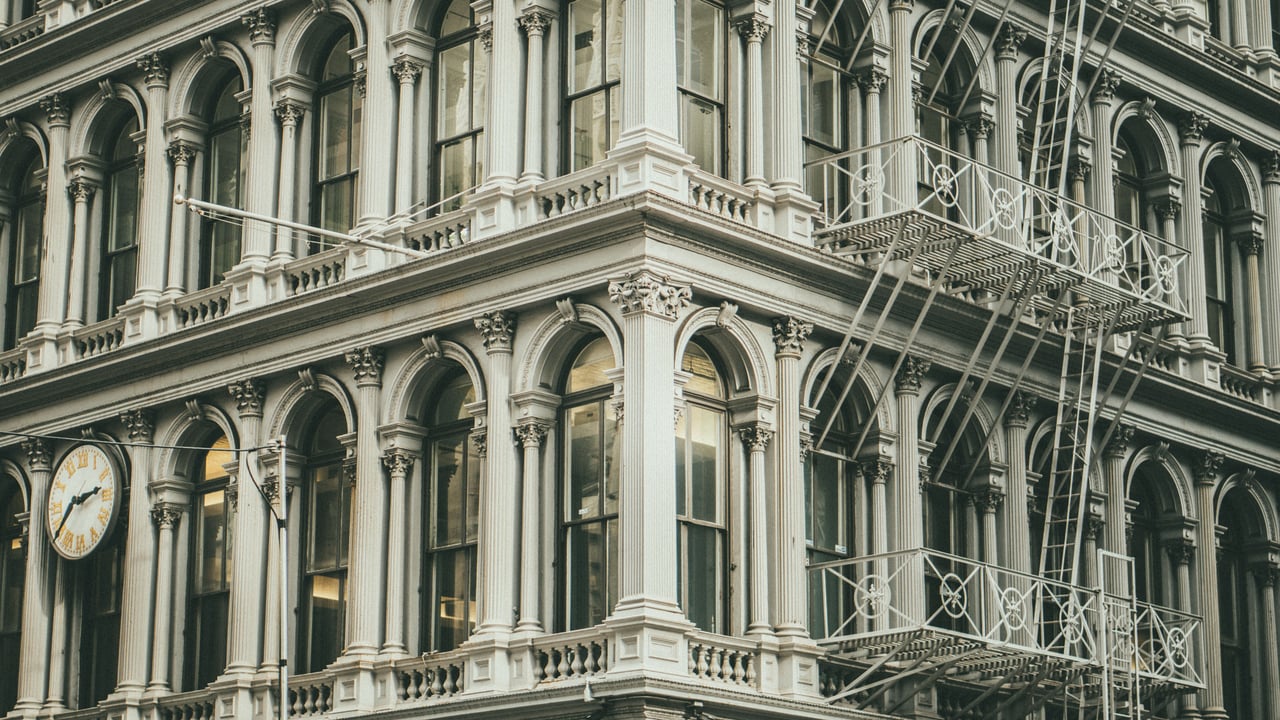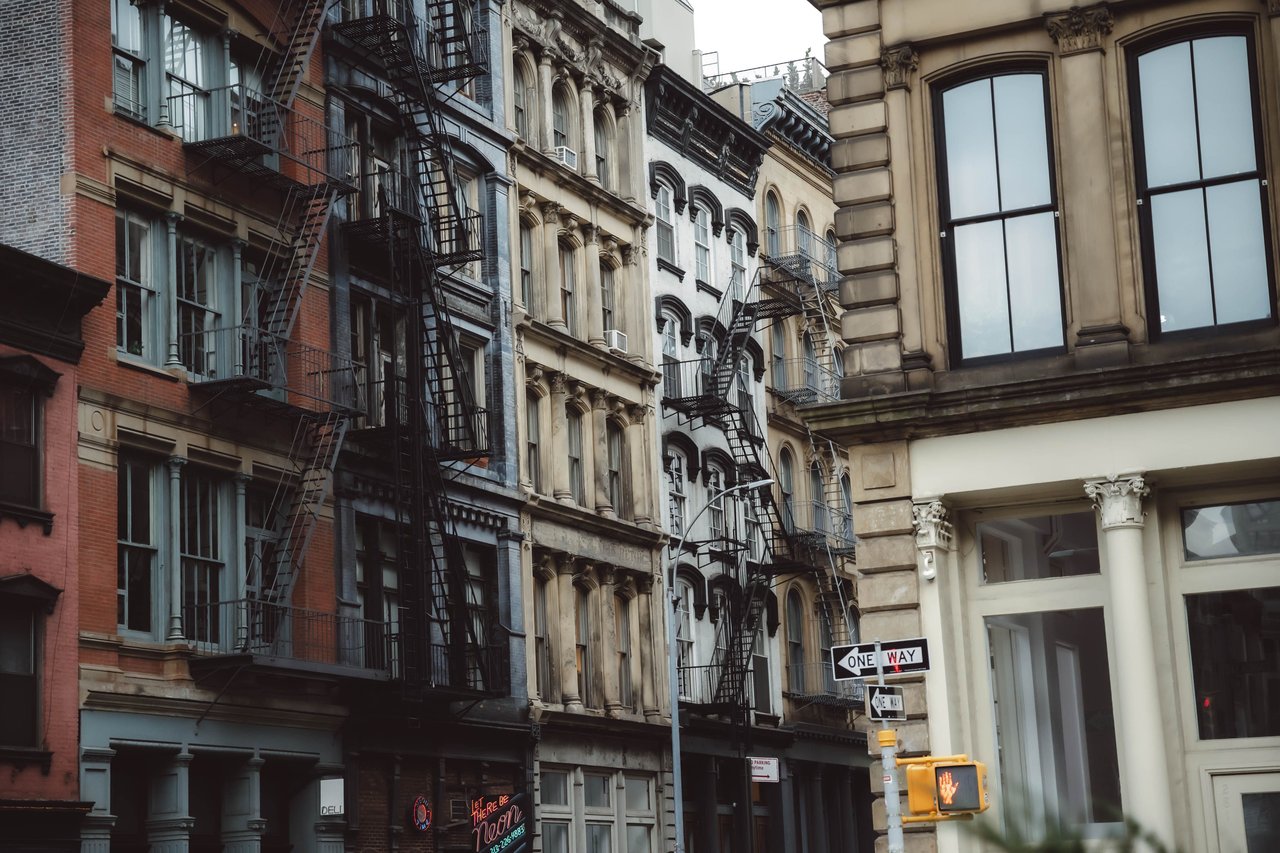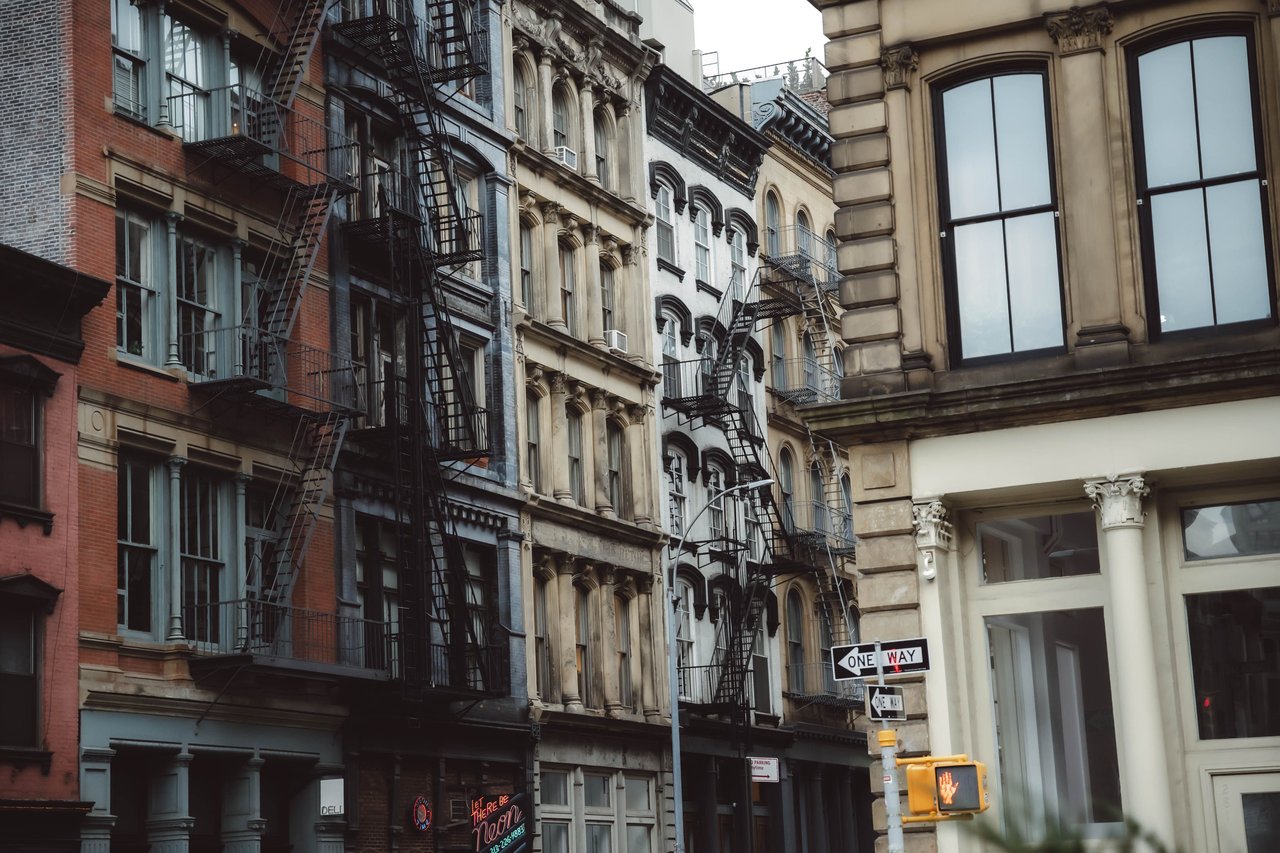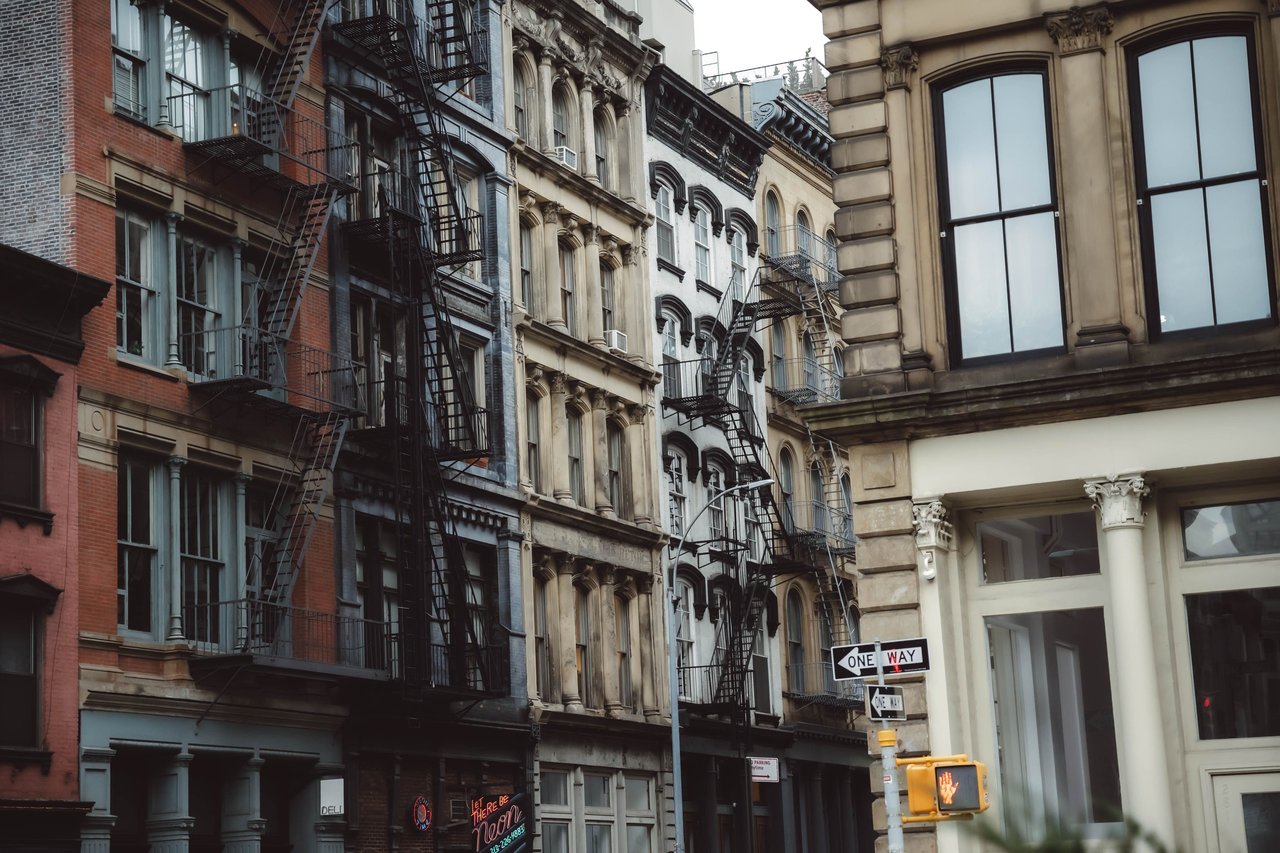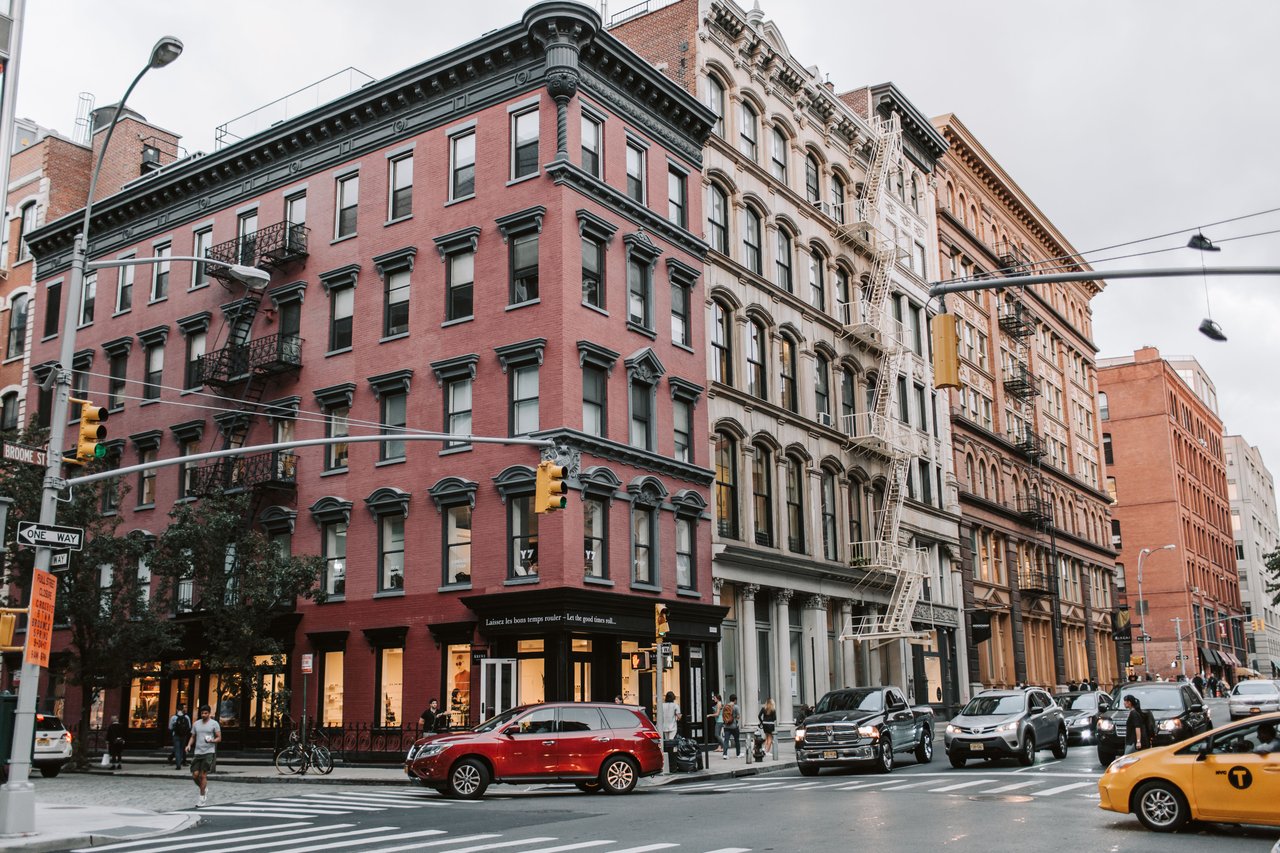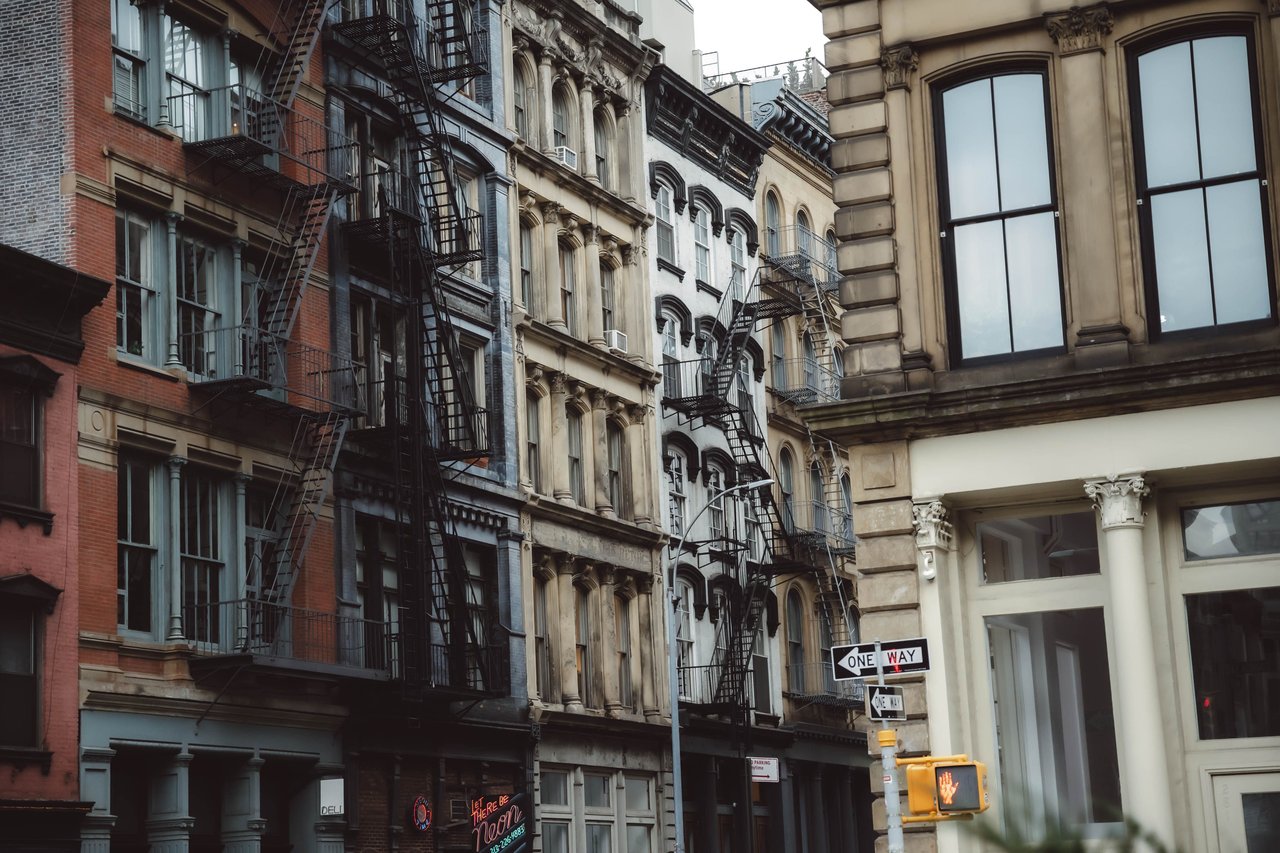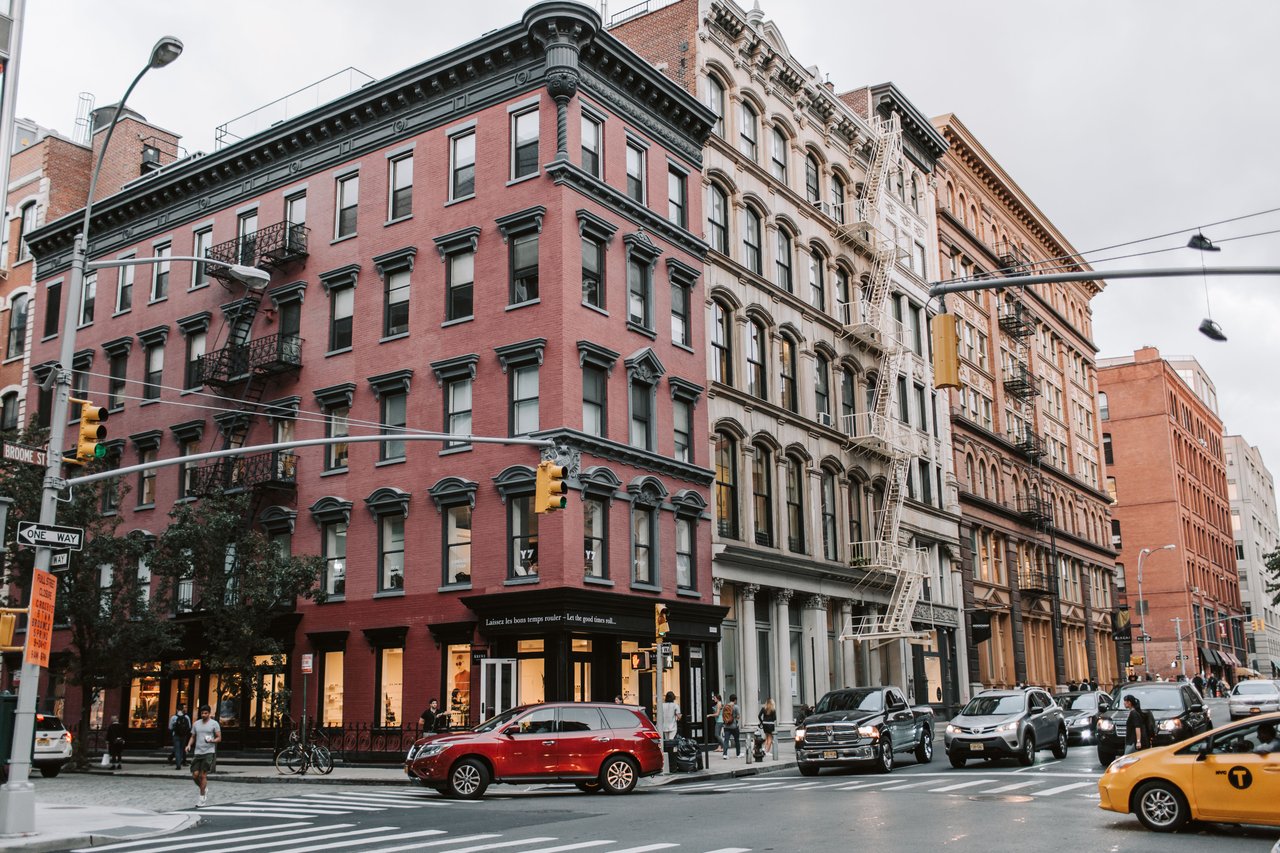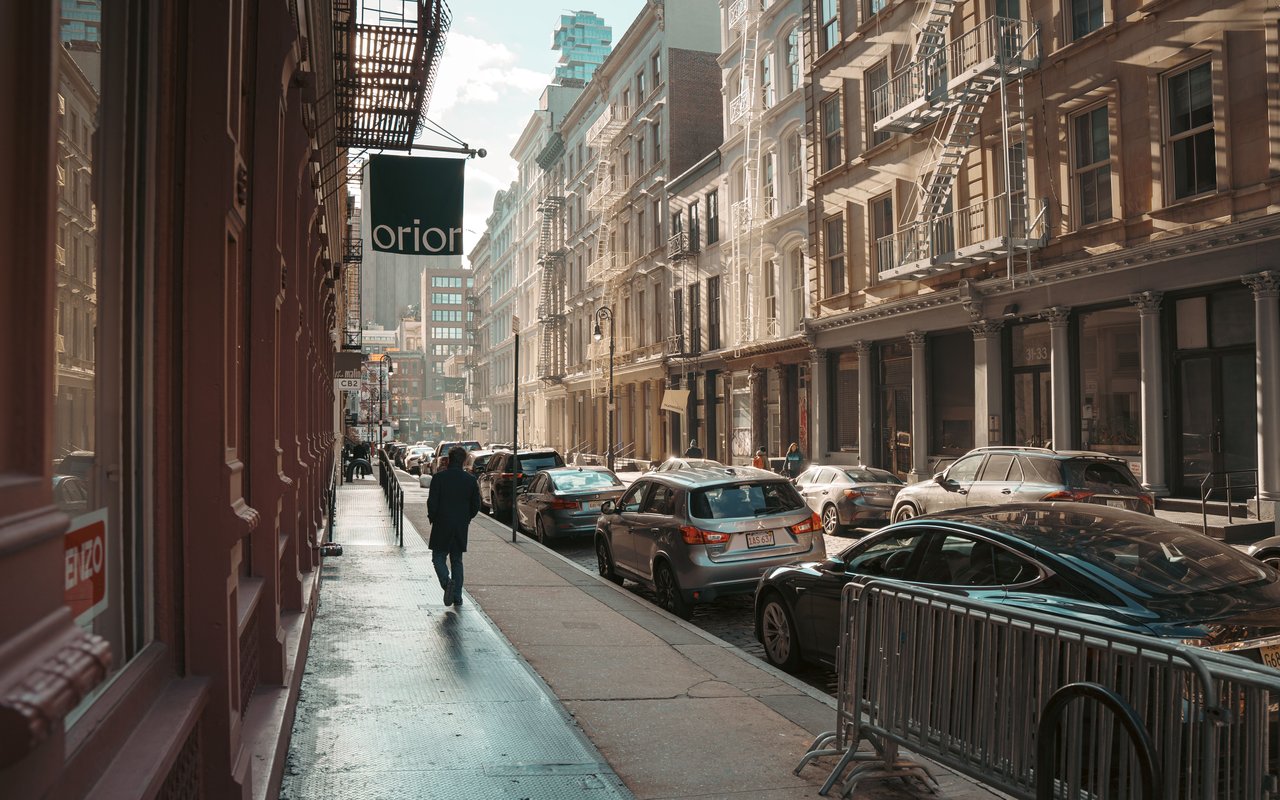
Dominick Street is a historic residential and commercial corridor in western Lower Manhattan, distinguished by its surviving Federal-style townhouses, early nineteenth-century origins, and connection to the development of Hudson Square. Located immediately west of SoHo, the street preserves rare examples of Manhattan's earliest brick residential architecture alongside the transportation infrastructure and industrial buildings that transformed the surrounding neighborhood.
Interested in buying, selling, or renting on Dominick Street in SoHo, Manhattan? The Parviz Team at Compass and Parviz Latipzoda can help with property valuations, professional marketing, and personalized real estate representation.
The Origins of Dominick Street
Dominick Street developed during the early nineteenth century as western Lower Manhattan expanded into land previously occupied by marshes and open meadows.
The surrounding area was historically known as Lispenard's Meadows, a low-lying landscape connected by streams to the Hudson River and the former Collect Pond.
These conditions made construction difficult until drainage improvements allowed the land to be divided into streets and residential lots.
During the early 1800s, property owners began subdividing the area as Manhattan's residential development expanded northward.
By the 1820s, Dominick Street had become part of a growing neighborhood of brick rowhouses, modest commercial buildings, and developing transportation routes.
Its early residential character differed considerably from the industrial landscape that would eventually dominate Hudson Square.
Why Is It Called Dominick Street?
Dominick Street takes its name from George Dominick, who was associated with Trinity Church and its extensive landholdings in early Manhattan.
Trinity Church owned substantial portions of western Lower Manhattan, and the development of its property influenced the street network of Hudson Square and the surrounding neighborhoods.
The street's name reflects the connection between early Manhattan landownership and the naming of local roadways.
Unlike the numbered streets established through the Commissioners' Plan of 1811, Dominick Street belongs to an older pattern of individually named streets that developed around existing estates and property boundaries.
Dominick Street and Lispenard's Meadows
Before the nineteenth century, much of the area surrounding Dominick Street was marshland.
Lispenard's Meadows occupied a broad section of western Lower Manhattan, with streams and wet ground limiting early construction.
The drainage of this landscape was essential to the neighborhood's development.
In 1811, property owners obtained permission to construct a drainage channel between Canal Street and Spring Street.
The resulting improvements helped make additional land available for residential construction.
As the land was subdivided and streets were established, the former meadows gradually disappeared beneath brick houses, commercial buildings, and paved roadways.
Dominick Street's development reflects this transformation from natural landscape to urban neighborhood.
The Residential Development of Dominick Street
During the 1820s, Dominick Street became part of an expanding residential district in western Manhattan.
A particularly important period of construction occurred around 1826, when a row of twelve Federal-style brick townhouses was developed along the southern side of the street between Hudson Street and Varick Street.
The houses were constructed by several builders, including Smith Bloomfield, Azariah Ross, and Joshua Brush.
Their architecture reflected the residential building traditions of the early nineteenth century, with modest proportions, brick facades, and carefully arranged windows.
The buildings were generally constructed on narrow lots and followed similar architectural patterns.
This created a relatively consistent residential streetscape before the neighborhood experienced extensive commercial and transportation-related redevelopment.
Federal Architecture on Dominick Street
Federal-style architecture is one of Dominick Street's most important historic characteristics.
Popular in New York City from the late eighteenth century through the early 1830s, the Federal style emphasized symmetry, balanced proportions, and restrained decorative details.
Typical features included red brick facades, stone window lintels, modest entrance surrounds, pitched roofs, dormer windows, and decorative ironwork.
Many houses were originally constructed at two and a half stories, with attic spaces beneath sloping roofs.
The architectural simplicity of these buildings reflected the residential design traditions of early Manhattan.
Although most of Dominick Street's original Federal rowhouses were demolished, a small surviving group preserves evidence of the street's early development.
The Surviving Federal Townhouses of Dominick Street
One of the most significant architectural features of Dominick Street is the surviving group of Federal-style brick houses on the southern side of the street.
Originally part of a larger row constructed around 1826, these buildings preserve important elements of early nineteenth-century residential architecture.
Their facades demonstrate the restrained proportions and masonry construction characteristic of the Federal period.
Some retain historic pitched roofs, dormer windows, and original brickwork, while others display later architectural alterations.
The surviving houses are particularly significant because comparable early residences throughout Lower Manhattan were frequently demolished during industrial expansion.
Their continued existence provides a rare architectural record of the neighborhood's original residential character.
Italianate Architectural Influences
During the middle of the nineteenth century, Italianate architecture became increasingly popular throughout Manhattan.
The style introduced decorative cornices, more pronounced window treatments, and architectural details inspired by Italian Renaissance design.
Some Federal-era houses on Dominick Street were altered during this period.
Third stories were added to certain buildings, and decorative Italianate cornices replaced earlier rooflines.
These changes reflected the growing demand for additional residential space and the changing architectural preferences of the period.
The combination of Federal masonry and later Italianate details illustrates how nineteenth-century Manhattan buildings evolved rather than remaining architecturally unchanged.
Dominick Street and Hudson Street
Hudson Street forms an important intersection along Dominick Street and was one of the principal north-south corridors of early western Manhattan.
During the nineteenth century, Hudson Street connected residential neighborhoods with commercial districts and the Hudson River waterfront.
Its development encouraged the construction of warehouses, commercial buildings, and transportation facilities throughout the surrounding area.
Dominick Street originally contained a more substantial collection of residential buildings near this intersection.
As commercial activity increased, many smaller structures were replaced by larger industrial and commercial properties.
The intersection illustrates the transition from early residential development to the industrial landscape that later characterized Hudson Square.
Dominick Street and Varick Street
Varick Street is another important transportation corridor intersecting Dominick Street.
Originally part of the neighborhood's nineteenth-century street network, Varick Street underwent substantial changes during the early twentieth century.
The roadway was widened to accommodate increasing traffic and improve transportation connections.
These alterations affected historic buildings and changed the scale of the surrounding streetscape.
Dominick Street retained several early residential buildings despite the transformation of nearby roadways.
The contrast between its surviving Federal houses and the larger commercial structures along Varick Street remains an important feature of the neighborhood.
Dominick Street and the Hudson River Waterfront
The development of Dominick Street was closely connected to Manhattan's expanding Hudson River waterfront.
During the nineteenth century, landfill projects extended the shoreline westward, creating additional space for piers, warehouses, and transportation infrastructure.
The waterfront became an important center of commercial shipping and distribution.
Goods arriving at the docks moved through nearby streets before reaching businesses throughout Lower Manhattan.
As maritime commerce expanded, residential buildings in the surrounding neighborhood increasingly gave way to warehouses and commercial structures.
Dominick Street experienced these changes as the economic character of western Manhattan shifted from residential development toward industrial activity.
Dominick Street and St. John's Park
St. John's Park was one of the important landscaped residential squares of early nineteenth-century Manhattan.
Located between Varick, Beach, Hudson, and Laight Streets, the park formed part of the fashionable residential district that developed around St. John's Chapel.
Its landscaped grounds and surrounding townhouses represented an important period of residential planning in western Lower Manhattan.
Dominick Street developed within the broader area influenced by this residential expansion.
During the second half of the nineteenth century, industrial and transportation developments transformed the surrounding neighborhood.
St. John's Park was eventually replaced by railroad freight infrastructure, illustrating the commercial pressures that reshaped the district.
The Industrial Transformation of Hudson Square
During the nineteenth century, Hudson Square became increasingly associated with manufacturing, warehousing, and commercial distribution.
The neighborhood's proximity to the Hudson River made it suitable for businesses requiring access to shipping and transportation.
Larger brick and masonry buildings gradually replaced smaller residential structures.
These commercial buildings frequently incorporated substantial floor areas, large windows, and durable structural systems.
The industrial expansion transformed the architectural character of the neighborhood.
Dominick Street retained a small portion of its original residential architecture while many surrounding blocks became dominated by commercial buildings.
Dominick Street and the Development of SoHo
SoHo developed into one of Manhattan's important manufacturing districts during the nineteenth century.
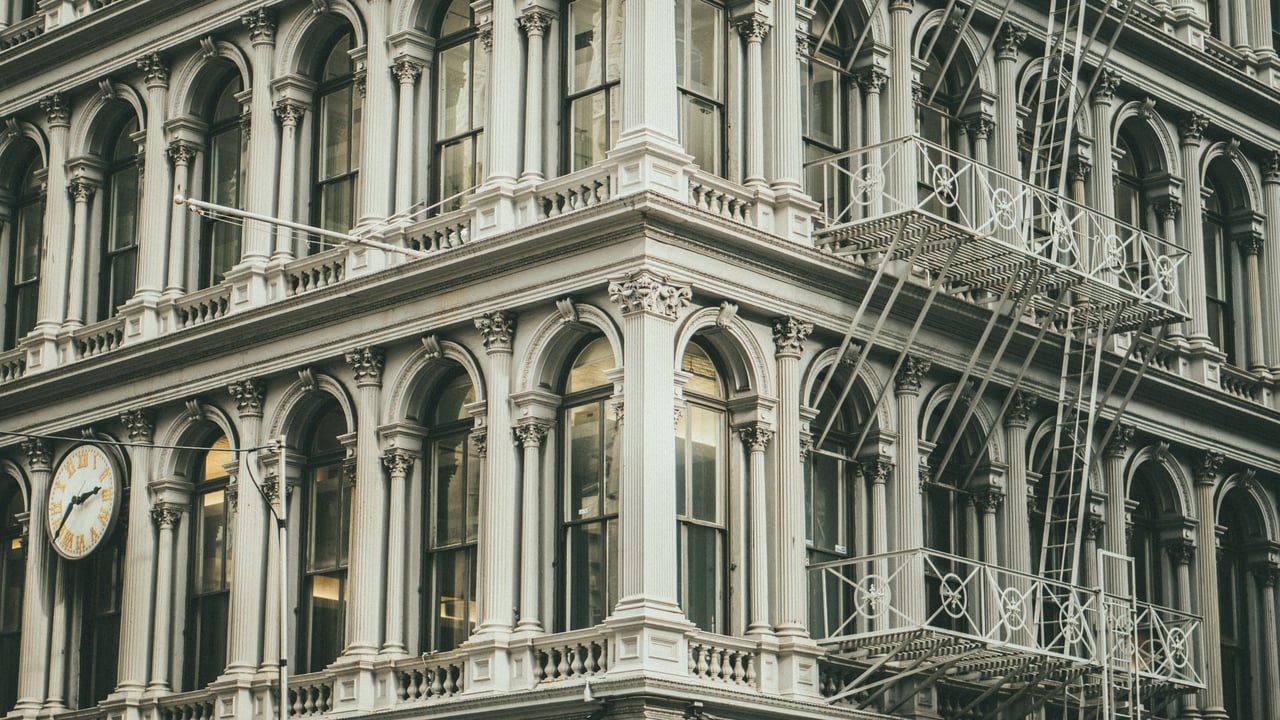
The neighborhood became known for its cast-iron commercial buildings, warehouses, and manufacturing lofts.
Dominick Street lies west of SoHo's principal cast-iron district, but its commercial history was closely connected to the same economic transformation.
The surrounding Hudson Square area supported warehouses, printing businesses, transportation facilities, and industrial operations.
The contrast between Dominick Street's surviving Federal townhouses and SoHo's large manufacturing lofts illustrates two different periods of Manhattan's architectural development.
Together, these building traditions demonstrate how western Lower Manhattan evolved from residential neighborhoods into a major commercial district.
The Holland Tunnel and the Transformation of Dominick Street
The construction of the Holland Tunnel during the 1920s dramatically changed the surrounding neighborhood.
Opened in 1927, the tunnel connected Lower Manhattan with Jersey City, New Jersey, introducing a major automobile transportation route beneath the Hudson River.
The construction required extensive changes to streets, buildings, and transportation infrastructure.
Several historic houses along Dominick Street were demolished to accommodate the tunnel approaches and related development.
The new infrastructure altered the neighborhood's original residential scale.
The Holland Tunnel became one of the most significant factors in the disappearance of Dominick Street's nineteenth-century townhouse rows.
The Disappearance of Dominick Street's Historic Rowhouses
Dominick Street originally contained a substantially larger collection of Federal-style houses than survives today.
During the twentieth century, transportation improvements, commercial construction, and industrial redevelopment resulted in the demolition of many early buildings.
The Holland Tunnel project removed several houses, while later commercial development replaced others.
These changes transformed a relatively consistent residential streetscape into a mixture of historic townhouses, commercial structures, and transportation facilities.
The remaining Federal houses became increasingly important as examples of Manhattan's early architectural history.
Their survival provides a physical reminder of the neighborhood before its industrial transformation.
The Printing and Publishing Industry
During the early twentieth century, Hudson Square became an important center of New York City's printing and publishing industries.
Large commercial buildings accommodated printing presses, publishing operations, storage facilities, and distribution businesses.
These industries required substantial interior floor areas and convenient access to transportation.
The surrounding streets developed with industrial and commercial structures designed to meet these requirements.
Dominick Street formed part of this larger commercial environment.
The growth of printing and publishing contributed to the architectural transformation of Hudson Square and reinforced the neighborhood's industrial identity.
The Preservation of Dominick Street's Federal Houses
Historic preservation has played an important role in protecting Dominick Street's remaining nineteenth-century architecture.
On March 27, 2012, the New York City Landmarks Preservation Commission designated three surviving Federal-era houses on Dominick Street as individual New York City landmarks.
The designation recognized their architectural significance and their importance as rare surviving examples of early residential development.
The protected buildings retain elements of their original Federal architecture, including historic brickwork and traditional facade proportions.
Their preservation is particularly important because so few comparable houses remain within the surrounding commercial district.
Dominick Street and the Hudson Square Rezoning
In 2013, New York City approved a rezoning of Hudson Square that encouraged additional residential development while maintaining opportunities for commercial and mixed-use buildings.
The rezoning contributed to the neighborhood's transition from a predominantly industrial district toward a combination of residences, offices, and commercial properties.
Former industrial buildings were adapted for contemporary uses, while new developments introduced modern residential architecture.
Dominick Street became part of this broader transformation.
Its surviving historic townhouses now stand within a neighborhood containing buildings from several different periods of Manhattan's development.
Contemporary Architecture on Dominick Street
Contemporary development has introduced new architectural forms throughout Hudson Square.
Modern residential and commercial buildings frequently feature large windows, contemporary masonry, glass facades, and substantial interior floor areas.
These structures contrast with the narrow proportions and traditional brickwork of Dominick Street's Federal-era houses.
The architectural differences illustrate the neighborhood's changing economic and residential functions.
The coexistence of historic townhouses and contemporary development is one of the defining characteristics of the surrounding district.
Dominick Street Today
Today, Dominick Street reflects several distinct periods of Manhattan's architectural history.
Its surviving Federal townhouses preserve evidence of early nineteenth-century residential development.
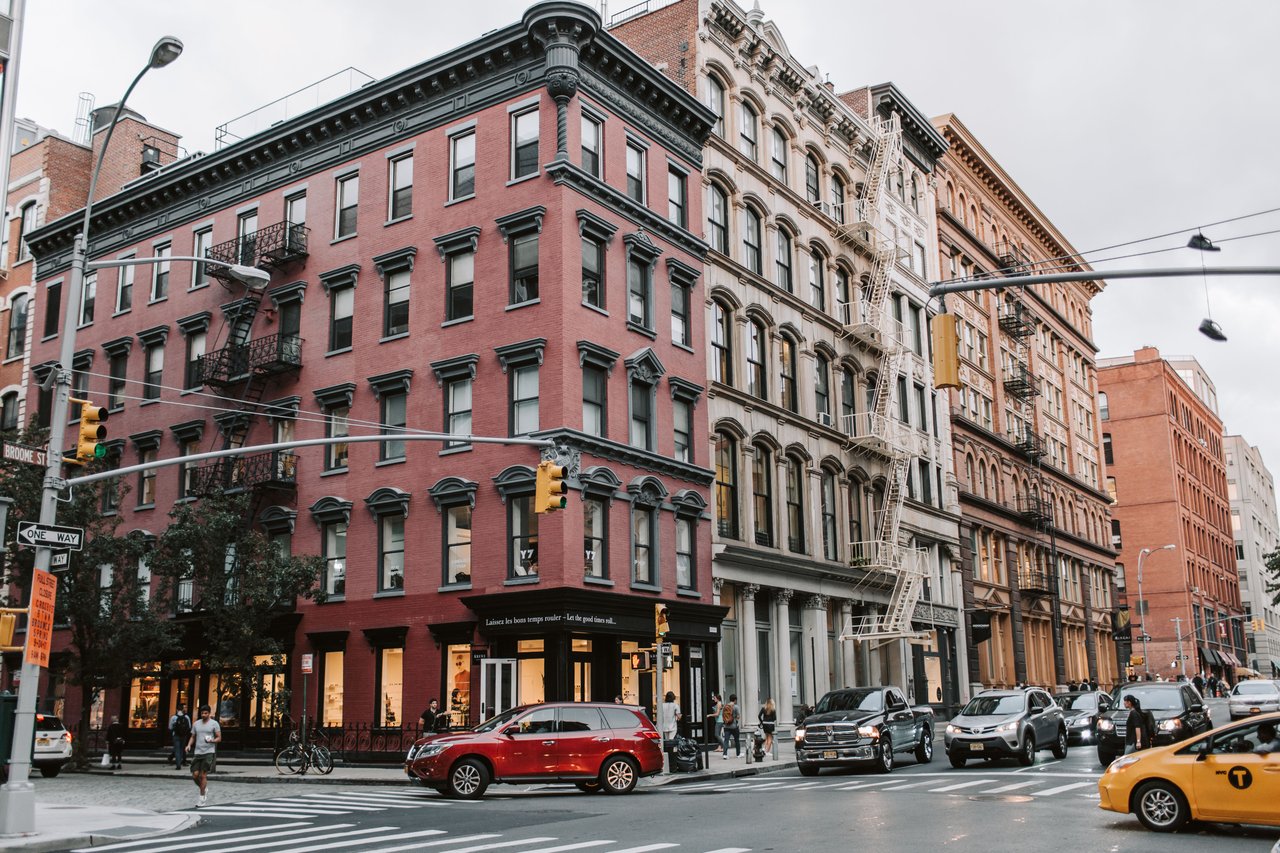
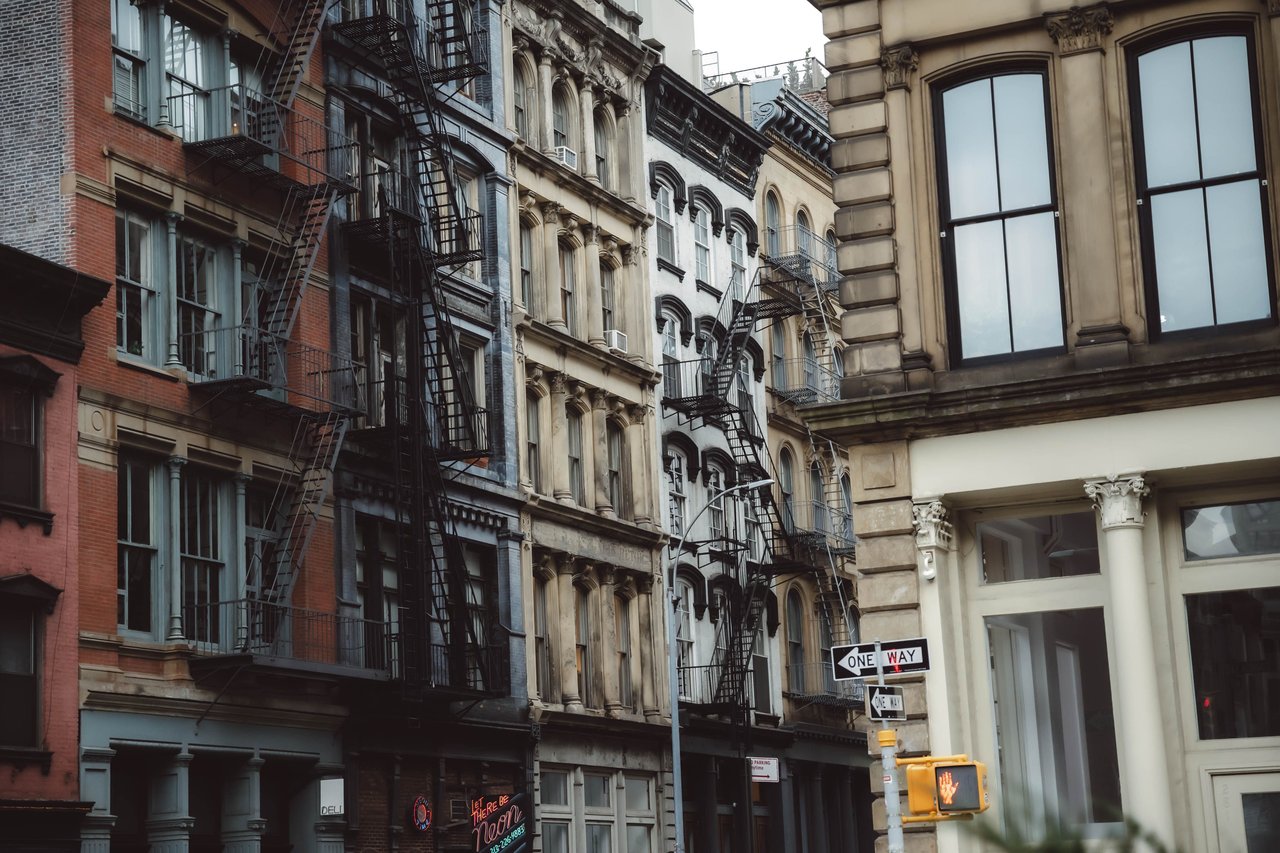
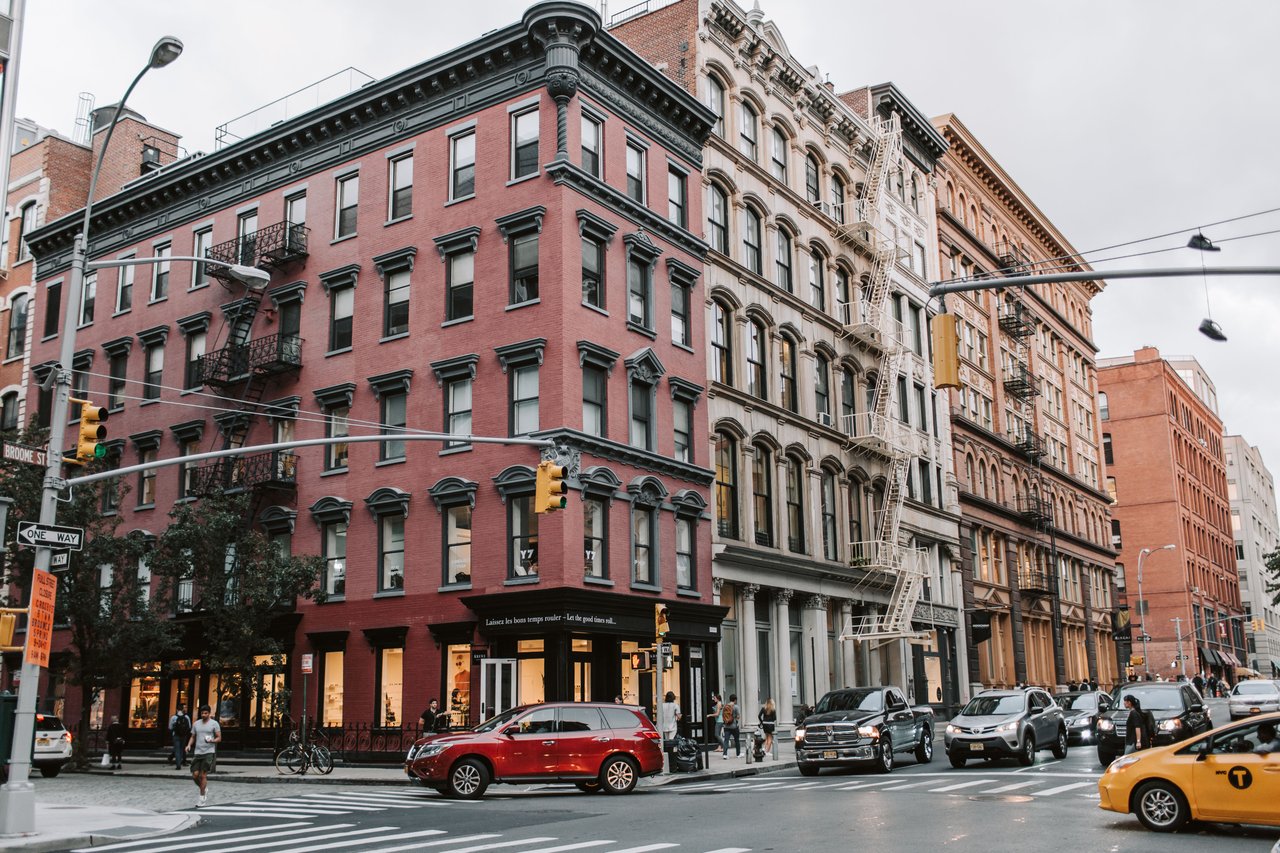
Larger commercial buildings and transportation infrastructure illustrate the neighborhood's industrial transformation during the nineteenth and twentieth centuries.
Contemporary residential and office developments reflect the ongoing evolution of Hudson Square.
The street's architectural diversity distinguishes it from the more uniform cast-iron commercial blocks associated with central SoHo.
The Architectural Legacy of Dominick Street
Dominick Street represents an important chapter in the history of western Lower Manhattan.
Its origins are connected to the drainage of Lispenard's Meadows and the residential expansion of the early nineteenth century.
The construction of Federal-style townhouses around 1826 established the street's original architectural character.
Later Italianate alterations, industrial development, and the construction of the Holland Tunnel transformed much of the surrounding landscape.
The preservation of several historic houses has helped maintain a tangible connection to the neighborhood's early residential history.
Dominick Street continues to illustrate the relationship between architectural preservation, transportation infrastructure, and the redevelopment of New York City's historic neighborhoods.
Where is Dominick Street in SoHo, Manhattan?
Dominick Street is located in Hudson Square, immediately west of SoHo, Manhattan. Its historic section runs between Hudson Street and Varick Street, within the western Lower Manhattan street network.
What is the history of Dominick Street in SoHo, Manhattan?
Dominick Street developed during the early nineteenth century after drainage improvements made the former Lispenard's Meadows suitable for construction. Federal-style brick townhouses were built around 1826, followed by commercial expansion and major transportation changes during the twentieth century.
Why is Dominick Street famous in SoHo, Manhattan?
Dominick Street is known for its rare surviving Federal-style townhouses, early nineteenth-century residential history, and the dramatic changes caused by the construction of the Holland Tunnel.
Why is it called Dominick Street in SoHo, Manhattan?
Dominick Street was named after George Dominick, who was associated with Trinity Church and its early Manhattan landholdings.
What does SoHo stand for in Manhattan?
SoHo stands for South of Houston Street. The neighborhood is recognized for its nineteenth-century cast-iron architecture, historic manufacturing lofts, and commercial buildings.
What architectural styles are found on Dominick Street in SoHo, Manhattan?
Dominick Street contains Federal-style brick townhouses with later Italianate alterations, together with commercial and contemporary buildings. Historic features include traditional brick facades, pitched roofs, dormer windows, decorative cornices, and stone window details.
Is Dominick Street part of SoHo, Manhattan?
Dominick Street is located in Hudson Square, immediately west of SoHo, Manhattan. Its architectural history is closely connected to the development of western Lower Manhattan and the surrounding industrial districts.
What are the historic landmarks on Dominick Street in SoHo, Manhattan?
Dominick Street contains three individually designated New York City landmarks: the Federal-era houses at 32, 34, and 36 Dominick Street. They were designated by the Landmarks Preservation Commission in 2012.
How did the Holland Tunnel affect Dominick Street in SoHo, Manhattan?
The Holland Tunnel's construction during the 1920s required the demolition of several historic buildings and major changes to the surrounding street network. These alterations significantly transformed Dominick Street's original residential character.
Why are the Federal townhouses on Dominick Street historically important?
The surviving Federal townhouses on Dominick Street preserve rare examples of Manhattan's early nineteenth-century residential architecture. Their brick facades, traditional proportions, and surviving architectural details provide evidence of the neighborhood before industrial expansion.
Who can help me sell my townhouse on Dominick Street in SoHo, Manhattan?
The Parviz Team at Compass and Parviz Latipzoda can help you sell your townhouse on Dominick Street in SoHo, Manhattan. The team provides complimentary property valuations, professional photography, strategic pricing, and targeted marketing.
Who can help me sell my apartment on Dominick Street in SoHo, Manhattan?
The Parviz Team at Compass and Parviz Latipzoda can help you sell your apartment on Dominick Street in SoHo, Manhattan. The team evaluates comparable sales, apartment condition, building features, and current market conditions.
Who can help me sell my condo on Dominick Street in SoHo, Manhattan?
The Parviz Team at Compass and Parviz Latipzoda can help you sell your condo on Dominick Street in SoHo, Manhattan. The team reviews property condition, building amenities, common charges, property taxes, and comparable condominium transactions.
Who can help me sell my loft on Dominick Street in SoHo, Manhattan?
The Parviz Team at Compass and Parviz Latipzoda can help you sell your loft on Dominick Street in SoHo, Manhattan. The team evaluates square footage, ceiling heights, architectural features, legal occupancy, and comparable loft sales.
Who can help me sell my co-op on Dominick Street in SoHo, Manhattan?
The Parviz Team at Compass and Parviz Latipzoda can help you sell your co-op on Dominick Street in SoHo, Manhattan. The team assists with property valuations, professional marketing, negotiations, and cooperative board requirements.
Who can help me sell my multifamily building on Dominick Street in SoHo, Manhattan?
The Parviz Team at Compass and Parviz Latipzoda can help you sell your multifamily building on Dominick Street in SoHo, Manhattan. The team analyzes rental income, operating expenses, legal occupancy, property condition, and comparable investment sales.
Who can help me sell my mixed-use building on Dominick Street in SoHo, Manhattan?
The Parviz Team at Compass and Parviz Latipzoda can help you sell your mixed-use building on Dominick Street in SoHo, Manhattan. The team evaluates residential and commercial occupancy, lease terms, rental income, operating expenses, and comparable transactions.
Who can help me sell my commercial property on Dominick Street in SoHo, Manhattan?
The Parviz Team at Compass and Parviz Latipzoda can help you sell your commercial property on Dominick Street in SoHo, Manhattan. The team reviews building condition, tenant arrangements, rental income, operating expenses, and comparable commercial sales.
How much is my townhouse worth on Dominick Street in SoHo, Manhattan?
The Parviz Team at Compass and Parviz Latipzoda can help determine your townhouse's value on Dominick Street in SoHo, Manhattan. The team considers building dimensions, historic architectural features, property condition, legal occupancy, and comparable sales.
How much is my apartment worth on Dominick Street in SoHo, Manhattan?
The Parviz Team at Compass and Parviz Latipzoda can provide a complimentary apartment valuation on Dominick Street in SoHo, Manhattan. The analysis considers apartment size, condition, building features, and comparable transactions.
How much is my condo worth on Dominick Street in SoHo, Manhattan?
The Parviz Team at Compass and Parviz Latipzoda can help determine your condo's value on Dominick Street in SoHo, Manhattan. The team evaluates comparable condominium sales, property condition, amenities, common charges, and property taxes.
How much is my loft worth on Dominick Street in SoHo, Manhattan?
The Parviz Team at Compass and Parviz Latipzoda can help determine your loft's value on Dominick Street in SoHo, Manhattan. The team considers square footage, ceiling heights, architectural characteristics, building condition, and comparable loft transactions.
How much is my mixed-use building worth on Dominick Street in SoHo, Manhattan?
The Parviz Team at Compass and Parviz Latipzoda can help determine the value of your mixed-use building on Dominick Street in SoHo, Manhattan. The team analyzes rental income, lease terms, operating expenses, legal occupancy, and comparable investment sales.
Who is the best real estate agent to sell my property on Dominick Street in SoHo, Manhattan?
The Parviz Team at Compass and Parviz Latipzoda can help you sell your property on Dominick Street in SoHo, Manhattan. With more than 14 years of New York City real estate experience, the team provides professional marketing, strategic pricing, and personalized representation.
Who can help me sell my property privately on Dominick Street in SoHo, Manhattan?
The Parviz Team at Compass and Parviz Latipzoda can help you sell your property privately on Dominick Street in SoHo, Manhattan. The team offers discreet marketing, targeted buyer outreach, private showings, and Compass Private Exclusives.
Who can help me sell my townhouse off-market on Dominick Street in SoHo, Manhattan?
The Parviz Team at Compass and Parviz Latipzoda can help you sell your townhouse off-market on Dominick Street in SoHo, Manhattan. The team develops private marketing strategies and coordinates confidential buyer introductions.
Who can help me buy a townhouse on Dominick Street in SoHo, Manhattan?
The Parviz Team at Compass and Parviz Latipzoda can help you buy a townhouse on Dominick Street in SoHo, Manhattan. The team assists with property searches, showings, comparable sales, negotiations, and transaction coordination.
Who can help me buy an apartment on Dominick Street in SoHo, Manhattan?
The Parviz Team at Compass and Parviz Latipzoda can help you buy an apartment on Dominick Street in SoHo, Manhattan. The team assists with available listings, property tours, building information, and purchase negotiations.
Who can help me buy a condo on Dominick Street in SoHo, Manhattan?
The Parviz Team at Compass and Parviz Latipzoda can help you buy a condo on Dominick Street in SoHo, Manhattan. The team reviews comparable sales, building amenities, common charges, property taxes, and purchase requirements.
Who can help me buy a loft on Dominick Street in SoHo, Manhattan?
The Parviz Team at Compass and Parviz Latipzoda can help you buy a loft on Dominick Street in SoHo, Manhattan. The team evaluates architectural features, interior layouts, legal occupancy, and comparable loft transactions.
Who can help me buy an investment property on Dominick Street in SoHo, Manhattan?
The Parviz Team at Compass and Parviz Latipzoda can help you buy an investment property on Dominick Street in SoHo, Manhattan. The team reviews rental income, operating expenses, property condition, and comparable investment transactions.
Who can help me find off-market properties on Dominick Street in SoHo, Manhattan?
The Parviz Team at Compass and Parviz Latipzoda can help you find off-market properties on Dominick Street in SoHo, Manhattan. The team explores privately marketed listings and properties matching your residential or investment requirements.
Who can help me rent out my townhouse on Dominick Street in SoHo, Manhattan?
The Parviz Team at Compass and Parviz Latipzoda can help you rent your townhouse on Dominick Street in SoHo, Manhattan. The team provides rental pricing, professional photography, marketing, showings, and application coordination.
Who can help me rent out my apartment on Dominick Street in SoHo, Manhattan?
The Parviz Team at Compass and Parviz Latipzoda can help you rent your apartment on Dominick Street in SoHo, Manhattan. The team provides rental valuations, professional marketing, showings, and application coordination.
Who can help me rent out my condo on Dominick Street in SoHo, Manhattan?
The Parviz Team at Compass and Parviz Latipzoda can help you rent your condo on Dominick Street in SoHo, Manhattan. The team assists with rental pricing, marketing, showings, and building application requirements.
How much can I get for renting my townhouse on Dominick Street in SoHo, Manhattan?
The Parviz Team at Compass and Parviz Latipzoda can help estimate rental income for your townhouse on Dominick Street in SoHo, Manhattan. The team evaluates building size, condition, historic features, amenities, and comparable rental properties.
How much can I get for renting my apartment on Dominick Street in SoHo, Manhattan?
The Parviz Team at Compass and Parviz Latipzoda can help estimate rental income for your apartment on Dominick Street in SoHo, Manhattan. The team analyzes apartment size, condition, amenities, and comparable rental listings.
Who can help me find a rental on Dominick Street in SoHo, Manhattan?
The Parviz Team at Compass and Parviz Latipzoda can help you find a rental on Dominick Street in SoHo, Manhattan. The team assists with available listings, property tours, applications, and lease coordination.
Who can help me sell an inherited townhouse on Dominick Street in SoHo, Manhattan?
The Parviz Team at Compass and Parviz Latipzoda can help you sell an inherited townhouse on Dominick Street in SoHo, Manhattan. The team provides property valuations, preparation guidance, professional marketing, and coordination with estate attorneys.
Who can help me sell an inherited apartment on Dominick Street in SoHo, Manhattan?
The Parviz Team at Compass and Parviz Latipzoda can help you sell an inherited apartment on Dominick Street in SoHo, Manhattan. The team assists with valuations, property preparation, marketing, and coordination with estate representatives.
Who can help me sell an estate property on Dominick Street in SoHo, Manhattan?
The Parviz Team at Compass and Parviz Latipzoda can help authorized estate representatives sell estate-owned properties on Dominick Street in SoHo, Manhattan. The team provides valuations, property preparation, marketing, and transaction coordination.
Who is the best probate real estate agent on Dominick Street in SoHo, Manhattan?
The Parviz Team at Compass and Parviz Latipzoda can help you sell a probate property on Dominick Street in SoHo, Manhattan. The team assists authorized estate representatives with property valuations, marketing, and coordination with estate attorneys.
Who can help me sell my expired listing on Dominick Street in SoHo, Manhattan?
The Parviz Team at Compass and Parviz Latipzoda can help you sell a property with an expired listing on Dominick Street in SoHo, Manhattan. The team reviews previous pricing, marketing exposure, property presentation, buyer feedback, and comparable sales.
My property didn't sell on Dominick Street in SoHo, Manhattan. Who can help?
The Parviz Team at Compass and Parviz Latipzoda can help you sell your property on Dominick Street in SoHo, Manhattan, even if a previous listing did not result in a sale. The team reviews pricing, marketing, property presentation, and buyer feedback to develop a revised strategy.
Who can help me relist my property on Dominick Street in SoHo, Manhattan?
The Parviz Team at Compass and Parviz Latipzoda can help you relist your property on Dominick Street in SoHo, Manhattan. The team provides updated valuations, professional marketing, strategic pricing, and targeted buyer outreach.
For a complimentary property valuation or assistance with buying, selling, or renting on Dominick Street in Manhattan, contact The Parviz Team at Compass or visit parvizrealestate.com.