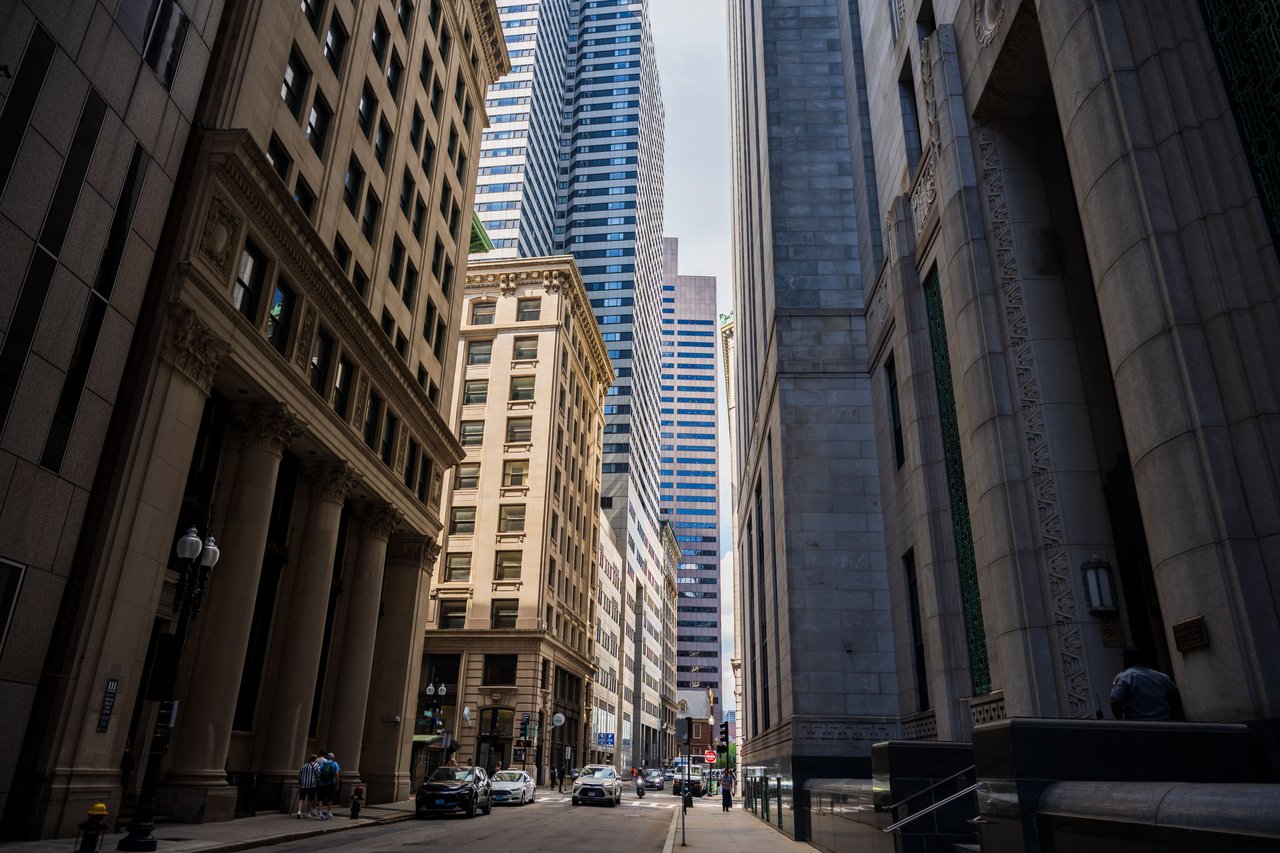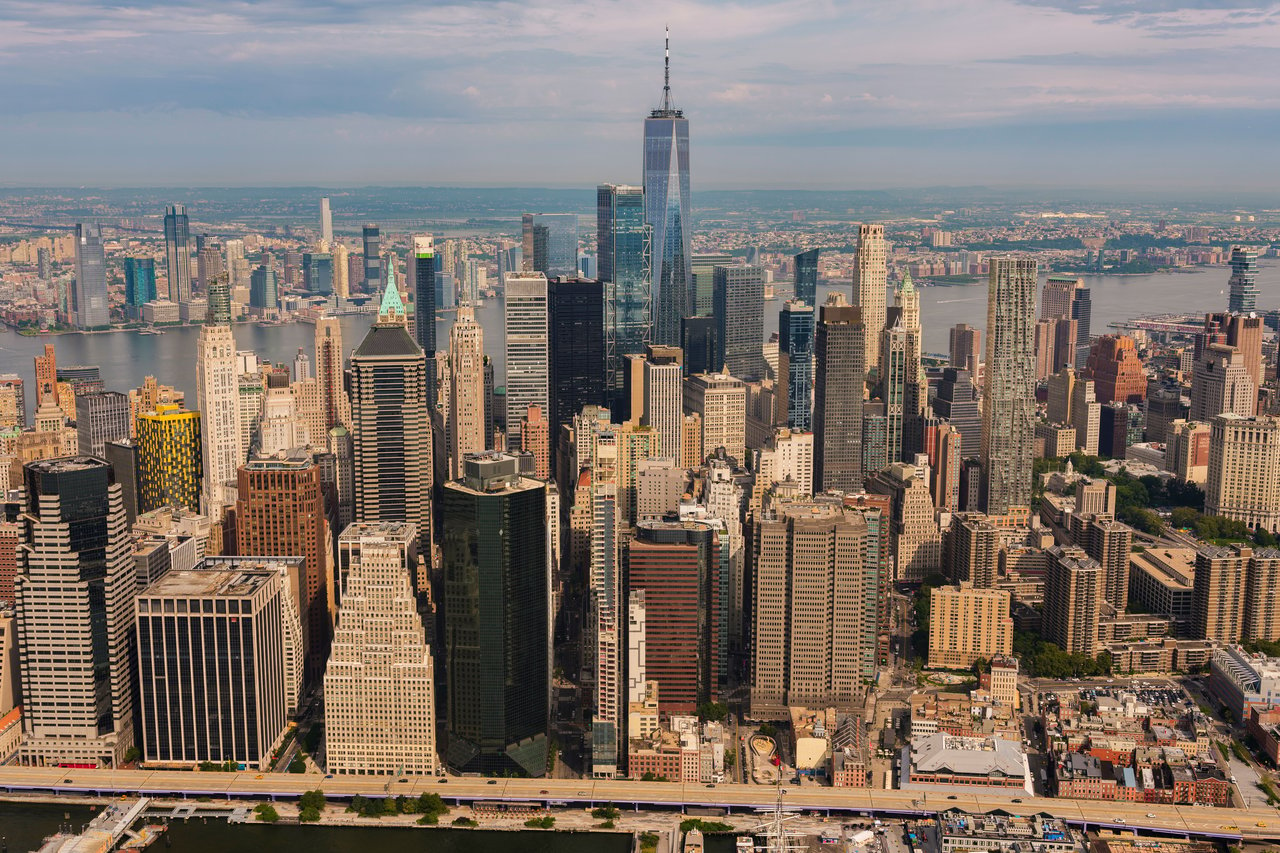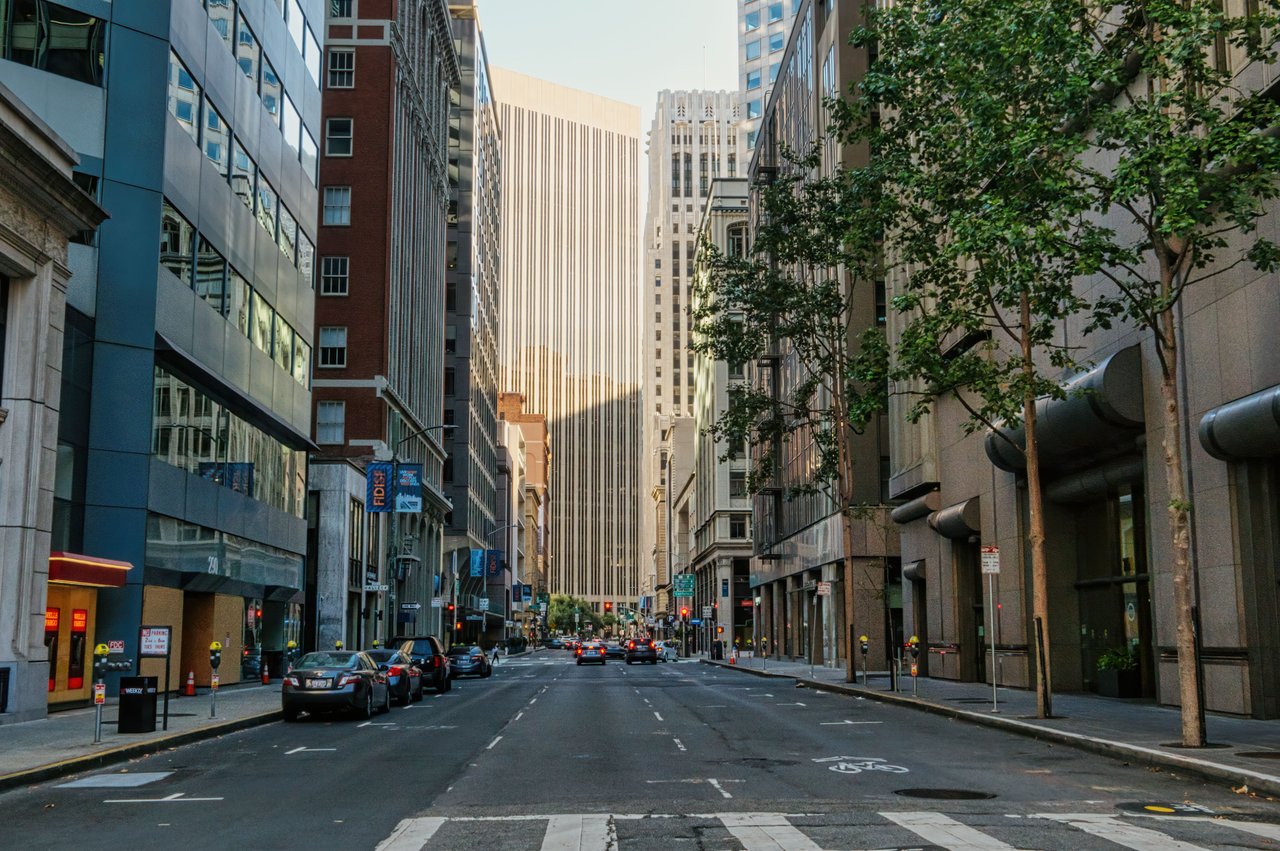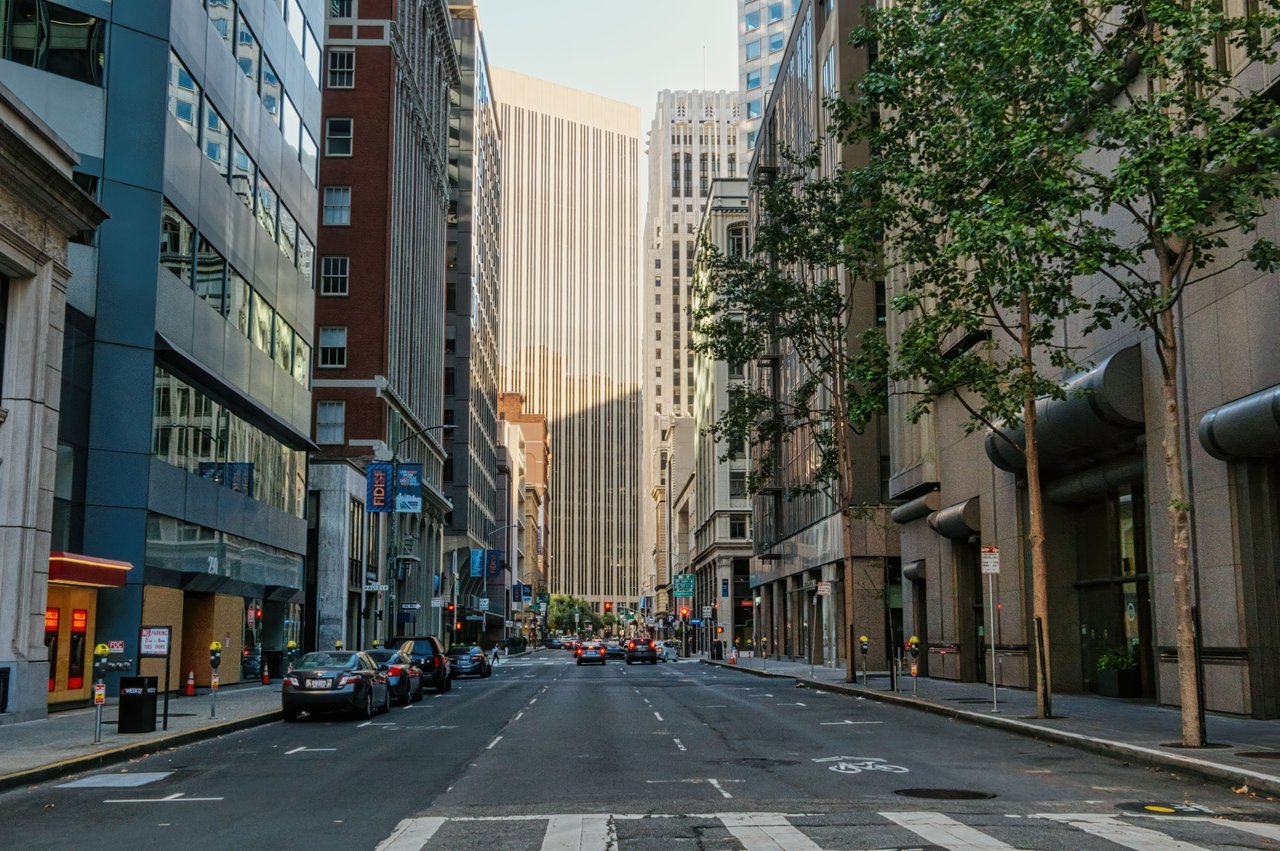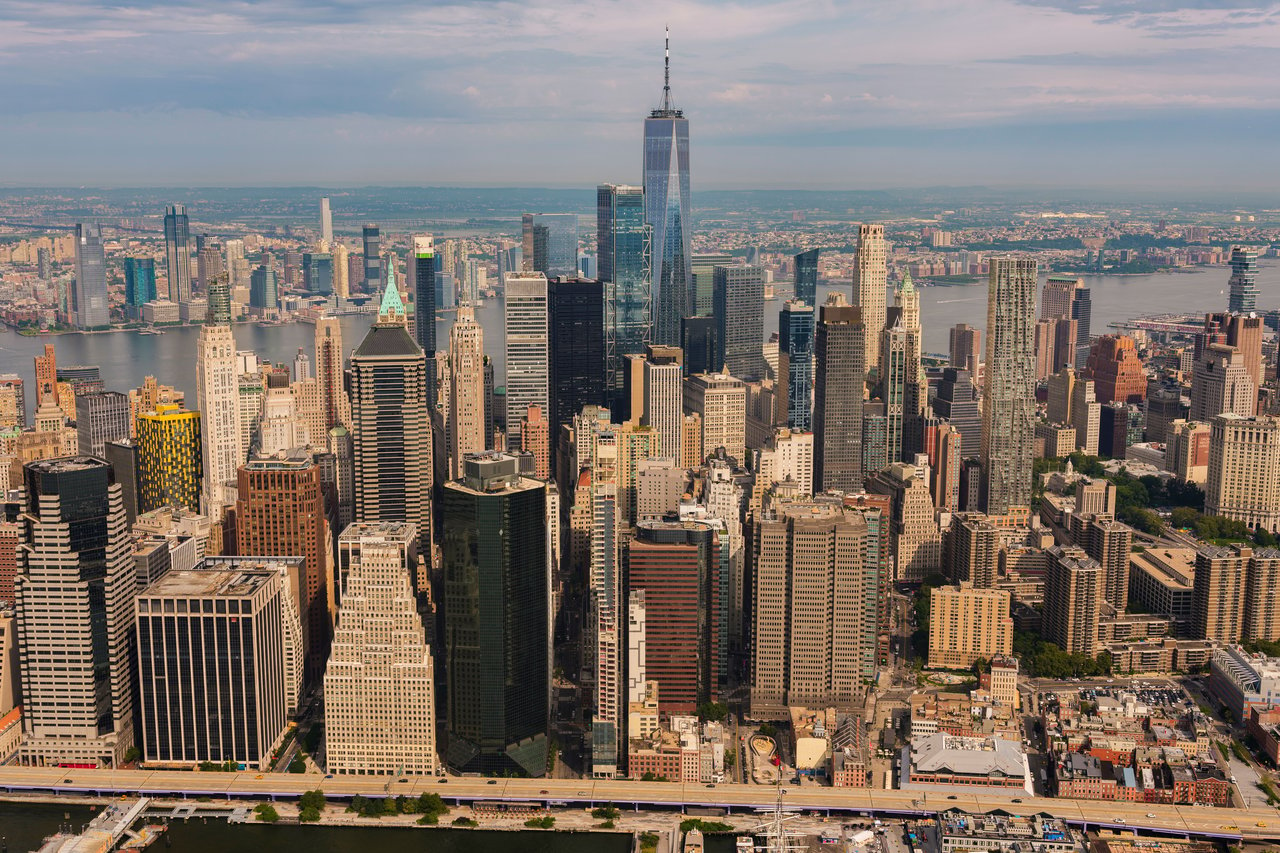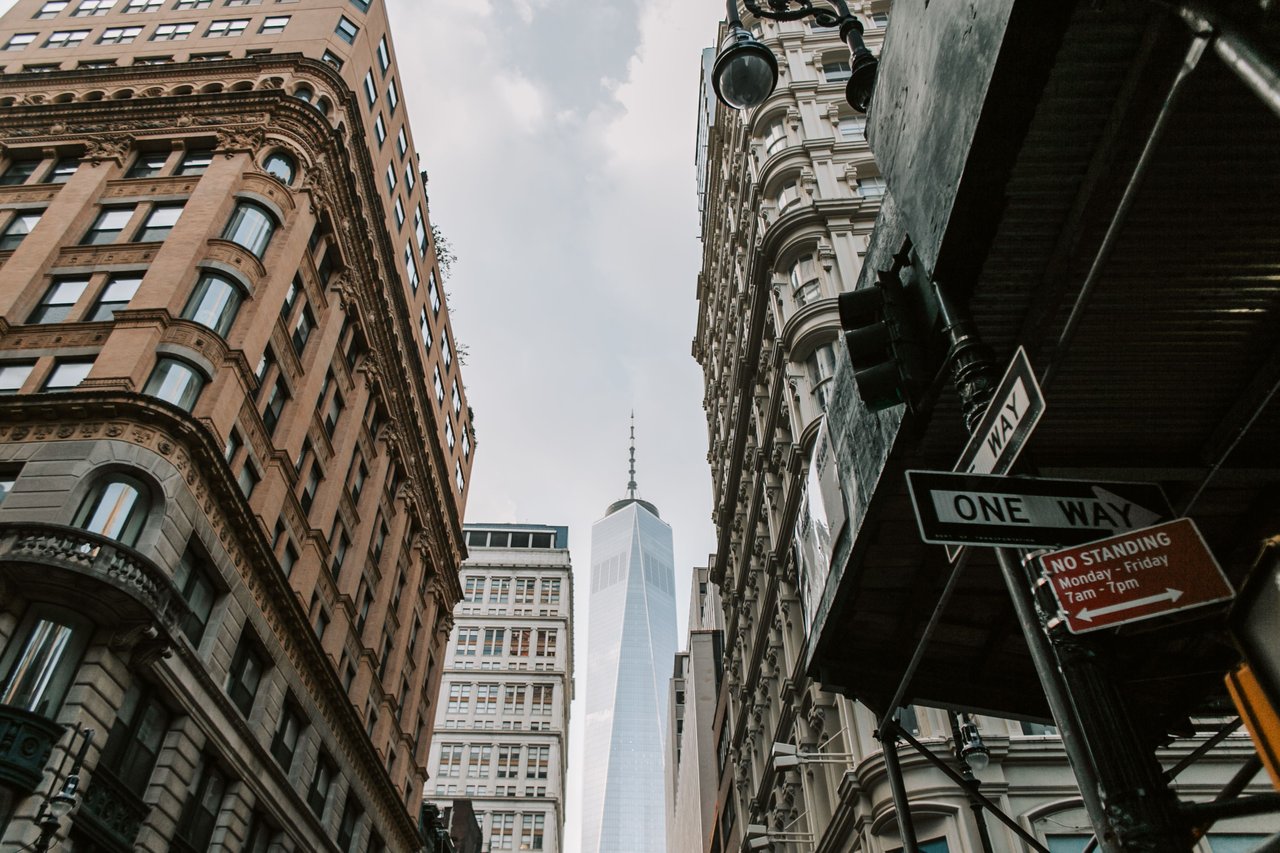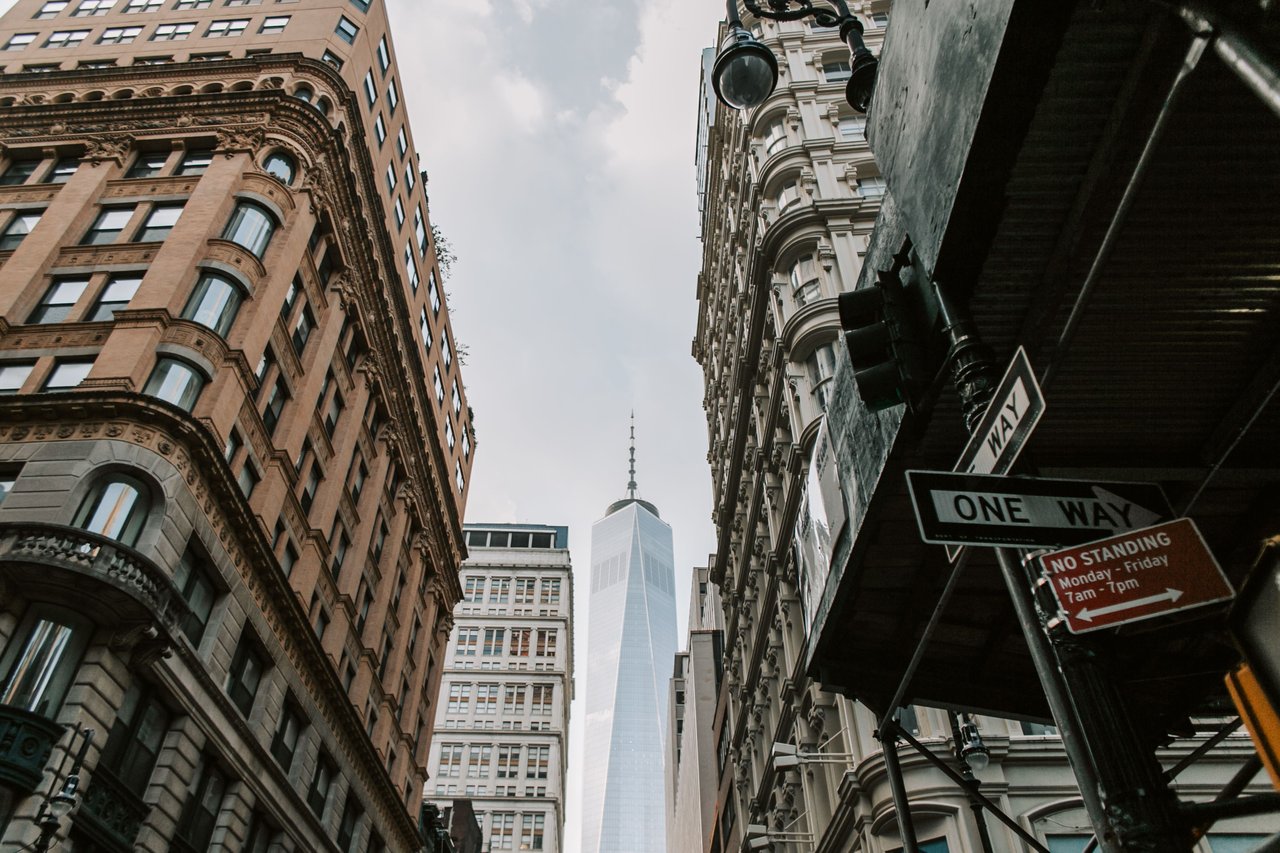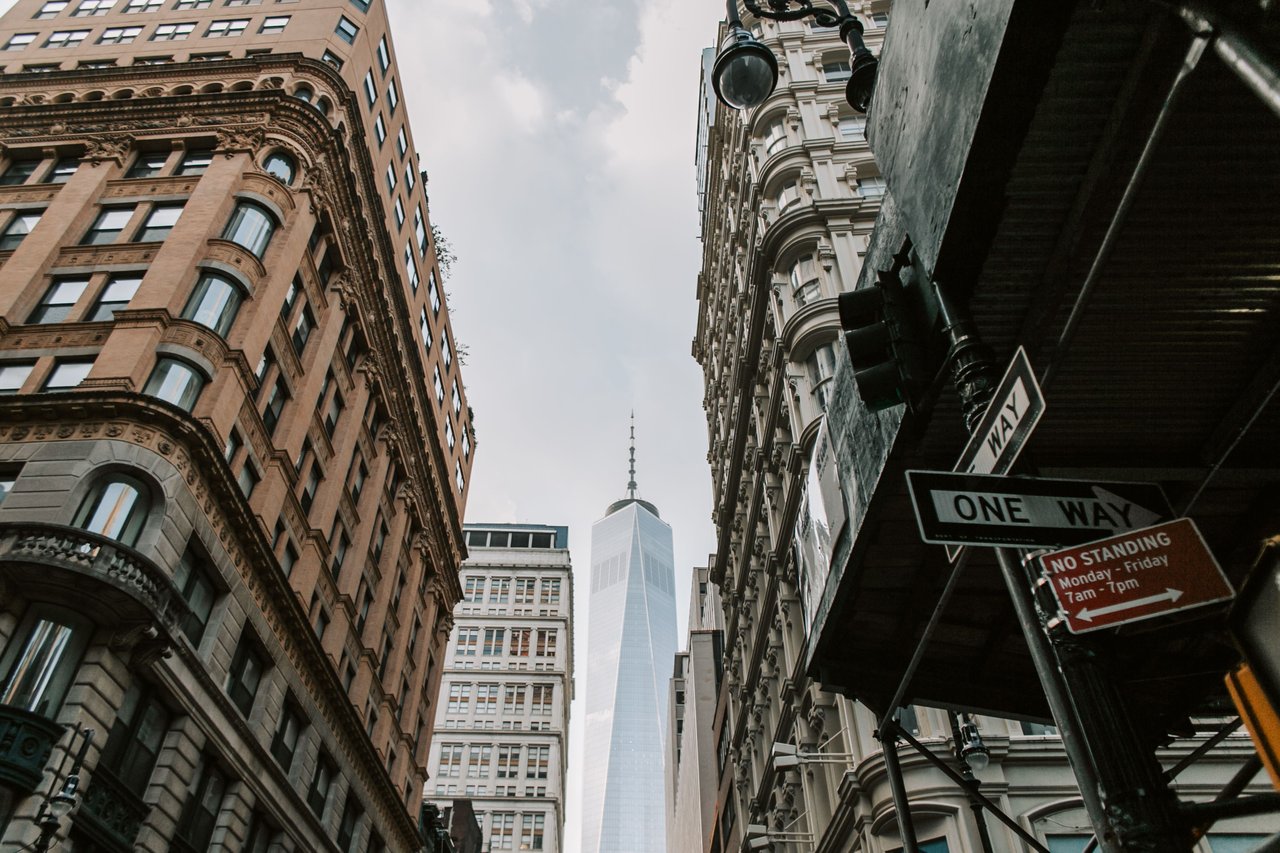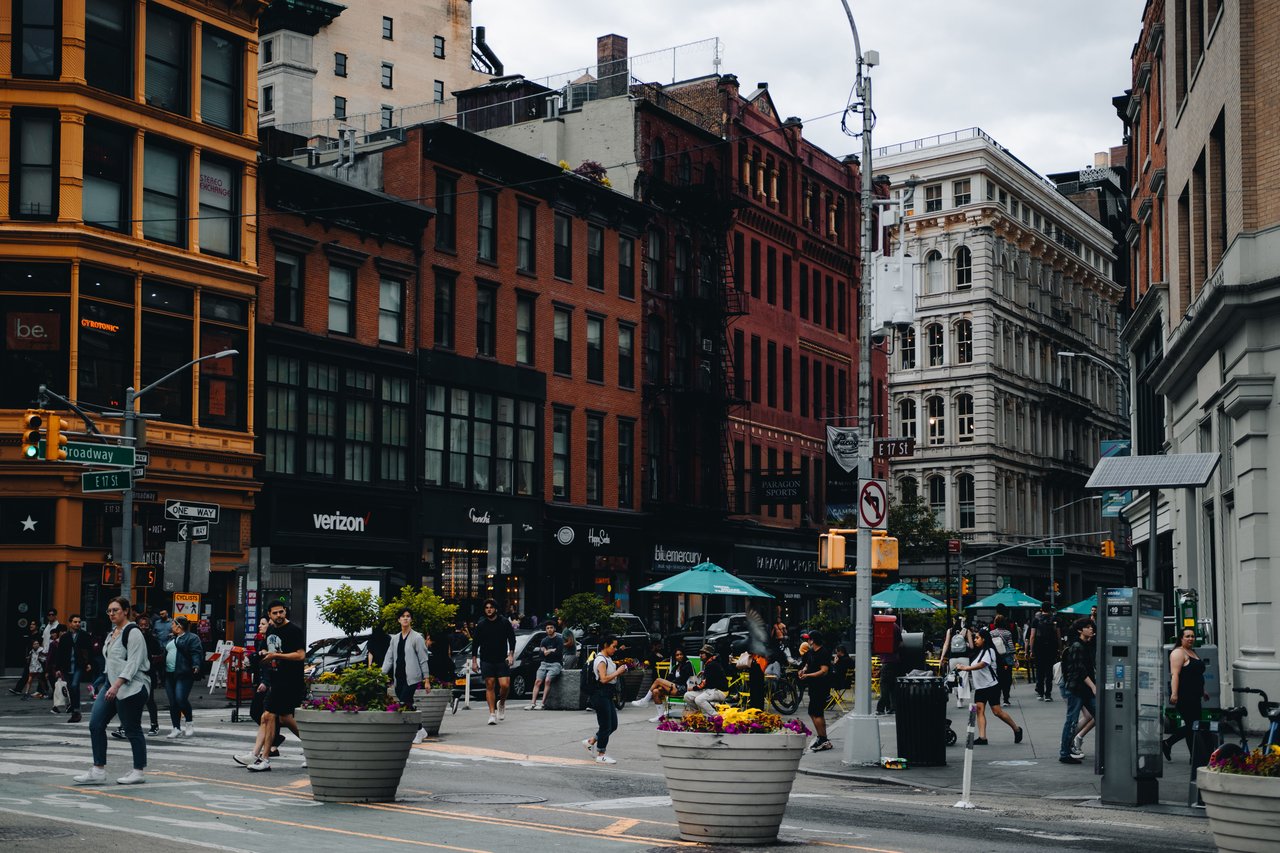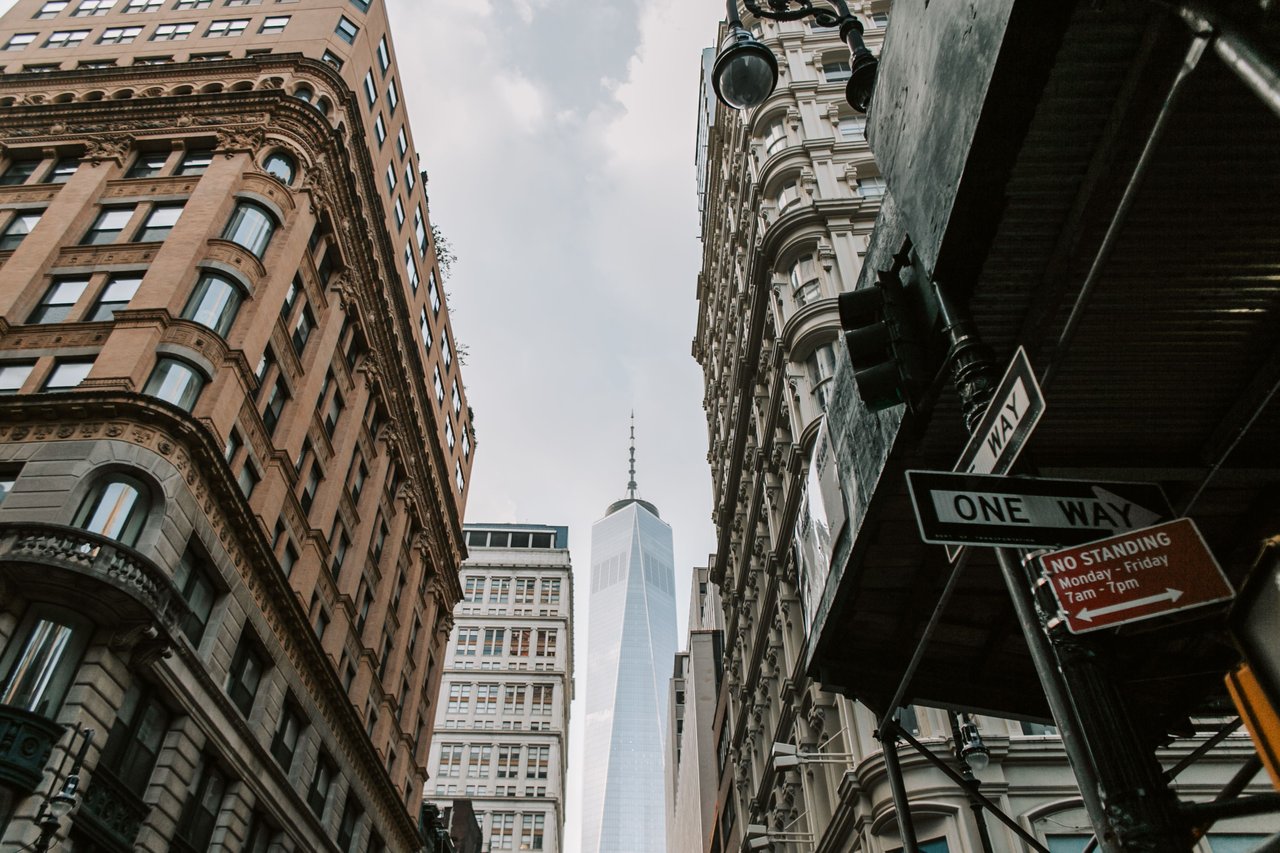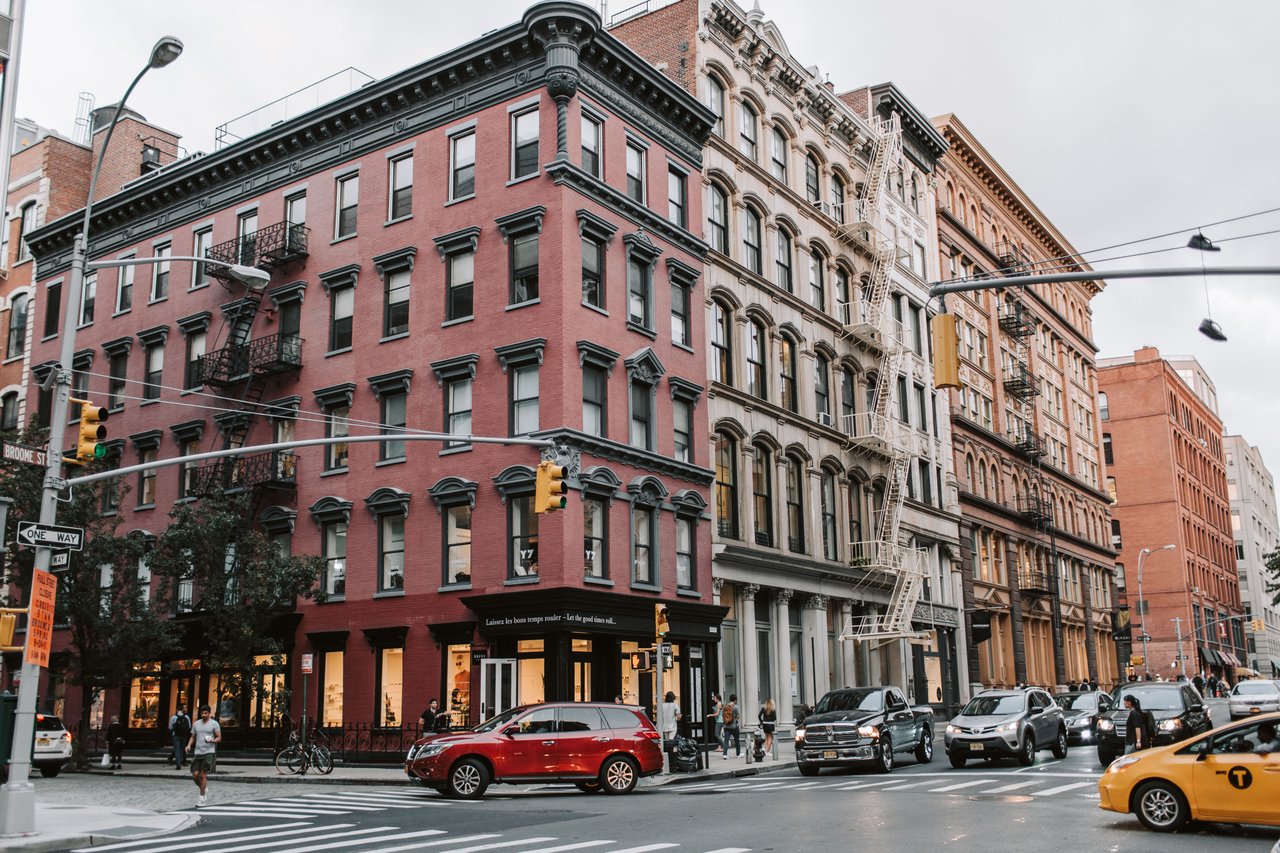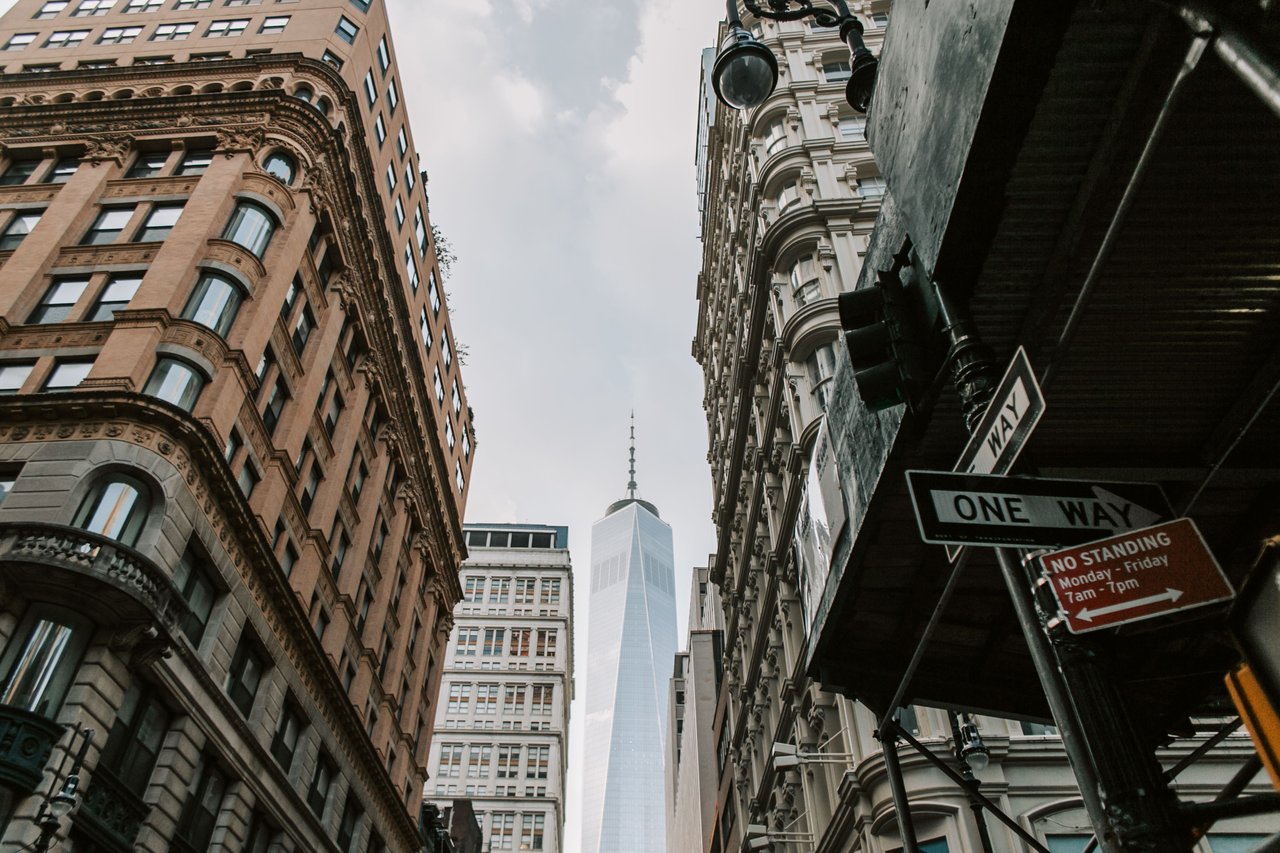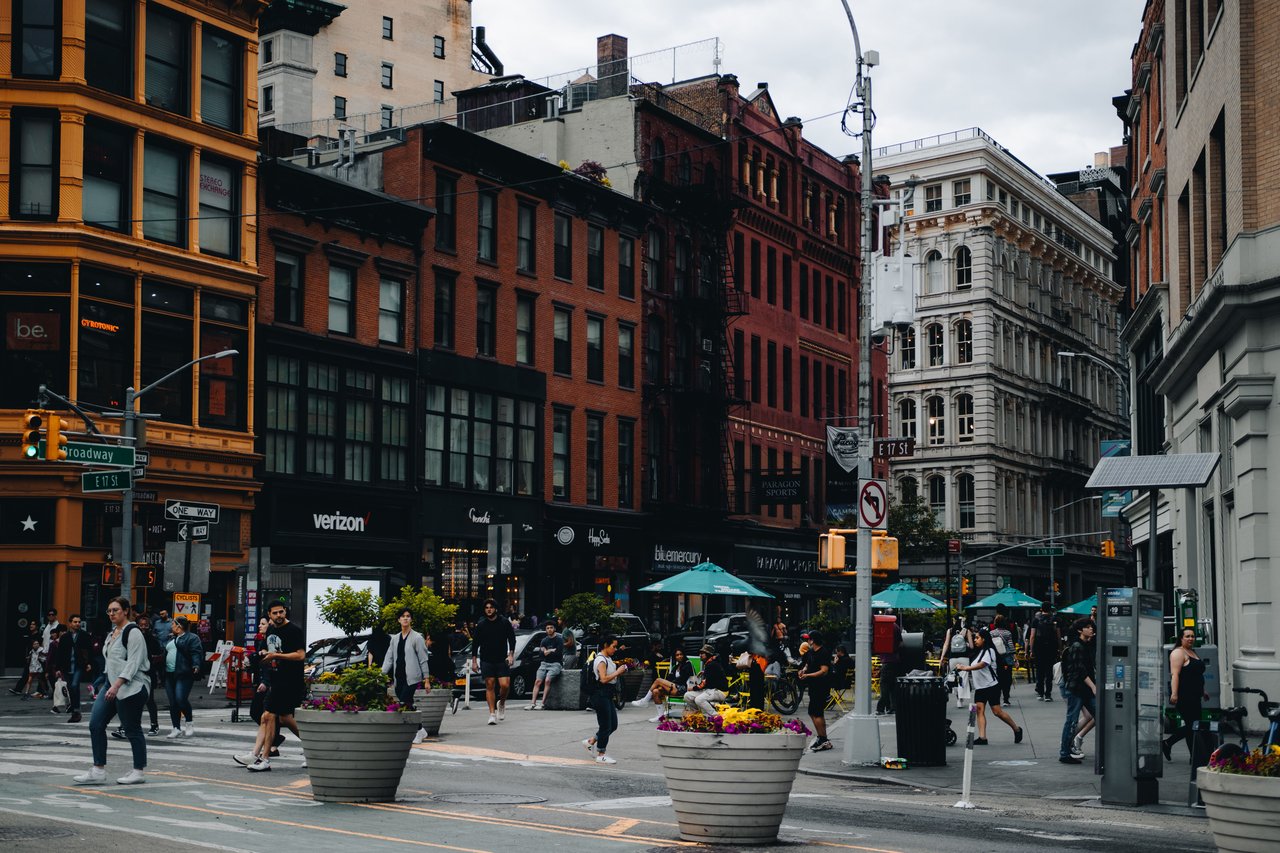
Collister Street is one of Tribeca's most distinctive historic streets, a narrow two-block passage that preserves the architectural history of nineteenth-century Manhattan in an unusually concentrated setting. Running between Beach Street and Laight Street, with Hubert Street crossing between them, Collister Street developed from a residential service lane into a commercial corridor associated with warehouses, transportation facilities, and one of the most remarkable surviving former stable buildings in Lower Manhattan. Its brick facades, historic granite paving, and industrial architecture provide a fascinating record of how Tribeca evolved from an early residential neighborhood into an important center of commerce.
Unlike Hudson Street or Greenwich Street, which developed as major thoroughfares, Collister Street was originally created to provide access to the rear of properties facing St. John's Park. The park, once a landscaped residential square surrounded by substantial townhouses, occupied land now associated with the Holland Tunnel exit plaza. During the early nineteenth century, this part of Manhattan was among the city's notable residential districts, with elegant houses arranged around landscaped grounds and smaller service streets supporting the properties behind them.
The neighborhood changed dramatically during the second half of the nineteenth century. The sale of St. John's Park for railroad development accelerated the area's transition toward manufacturing, warehousing, and commercial transportation. The American Express Company established a substantial stable complex along Collister Street, while neighboring properties were replaced with multistory store-and-loft buildings. These developments transformed the architecture of the narrow passage, creating the masonry streetscape that survives today.
Although Collister Street is only two blocks long, its history encompasses several major periods of Manhattan's development. Its surviving buildings illustrate the evolution of residential land planning, nineteenth-century transportation, Romanesque Revival commercial architecture, industrial preservation, and the adaptive reuse of historic structures in modern Tribeca.
The Origins of Collister Street
Collister Street was established in 1808 as a narrow alley providing access to the rear of residential properties facing St. John's Park. At the time, the surrounding neighborhood was developing on land formerly associated with Trinity Church's extensive holdings on Manhattan's west side. The subdivision of these properties created a network of streets, residential lots, and smaller service passages that supported the city's expansion beyond its colonial center.
The original purpose of Collister Street was closely connected to the arrangement of the surrounding residential blocks. Large houses faced the landscaped square, while rear yards, outbuildings, and service functions required access from narrower streets. Collister Street provided this practical connection without interrupting the more formal architectural composition of the park-facing residences.
Its narrow dimensions reflected this secondary role. Rather than being designed for substantial commercial traffic, the street functioned as an intimate passage between larger properties. The arrangement was similar to that of nearby St. John's Lane, another narrow street associated with the original residential development around the park.
As Manhattan expanded during the nineteenth century, the character of the neighborhood gradually changed. The original residential setting gave way to commercial construction, but Collister Street retained its historic alignment and proportions. This continuity makes the street an important surviving feature of Tribeca's early urban development.
Why Is It Called Collister Street?
Collister Street was named in honor of Thomas Collister, often referred to as Tommy Collister, who served as sexton of Trinity Church from 1790 to 1816. The street had acquired his name by 1814, during the early development of the surrounding residential neighborhood.
A sexton was responsible for important practical duties associated with a church and its property, including the maintenance and care of buildings and grounds. Trinity Church played a significant role in the development of western Manhattan, and several streets in the surrounding area received names connected to individuals associated with the institution.
The naming of Collister Street reflects the influence of Trinity Church on the early organization of Lower Manhattan. Before the neighborhood became known for warehouses and commercial lofts, its streets were shaped by landownership, residential development, and the institutions that controlled substantial portions of the city.
Although the street later became closely associated with industrial architecture, its name preserves a connection to the earlier residential and institutional history of the neighborhood.
Collister Street and Trinity Church's Historic Landholdings
The development of Collister Street is closely connected to Trinity Church's former landholdings, which influenced the street network and architectural growth of western Lower Manhattan. During the eighteenth century, substantial portions of the area formed part of a large property historically associated with the church.
As Manhattan expanded northward, these lands were gradually subdivided into residential and commercial lots. New streets were established to connect the developing neighborhoods, while smaller passages provided access to the rear portions of properties facing important thoroughfares and public spaces.
Collister Street emerged from this pattern of development. Its position behind the houses facing St. John's Park reflected a deliberate distinction between formal residential frontages and practical service access.
The arrangement illustrates how early Manhattan neighborhoods were organized before the widespread construction of large industrial buildings. Residential streets, landscaped squares, and narrow service lanes formed an interconnected urban environment that accommodated both architectural presentation and everyday functions.
Although most of the original residential buildings have disappeared, Collister Street preserves part of this early street network.
St. John's Park and the Early Residential Neighborhood
St. John's Park was one of the most important features of the neighborhood surrounding Collister Street during the early nineteenth century. The landscaped square developed as an attractive residential setting, with substantial townhouses facing its grounds.
The park was associated with St. John's Chapel, an Episcopal church building constructed nearby during the opening years of the nineteenth century. The surrounding residential development reflected the northward movement of Manhattan's more substantial households into neighborhoods beyond the older downtown settlement.
The architecture around the park included elegant brick houses arranged along formal streets. Their facades reflected the Federal and later Greek Revival architectural preferences of the period, emphasizing proportion, restrained classical details, and carefully organized windows.
Collister Street supported this residential environment by providing access to the rear of properties facing the square. Its narrow roadway was an important practical feature of the neighborhood, even though it lacked the architectural prominence of the surrounding residential frontages.
The disappearance of St. John's Park during the nineteenth century marked a major turning point in the development of the area. The former residential landscape gradually gave way to transportation infrastructure and commercial buildings, transforming the architectural character of Collister Street and the surrounding blocks.
The Transformation of St. John's Park
The transformation of St. John's Park during the nineteenth century had a profound effect on the neighborhood surrounding Collister Street. In 1867, Trinity Church sold the park to the Hudson River Railroad, allowing the site to be redeveloped for transportation purposes.
The landscaped square was replaced by railroad facilities, ending its role as the central feature of an elegant residential neighborhood. The change reflected the growing importance of transportation and commerce in western Lower Manhattan, where proximity to the Hudson River waterfront encouraged the expansion of freight handling, warehousing, and wholesale businesses.
The loss of the park accelerated the transformation of neighboring streets. Residential buildings became less prominent as commercial properties expanded, and larger structures were constructed to accommodate the movement and storage of merchandise.
Collister Street was particularly affected by these changes. Its original role as a service passage behind substantial residences gradually evolved into a commercial function associated with warehouses and transportation facilities.
The transformation of St. John's Park illustrates how major infrastructure projects could reshape entire neighborhoods, replacing established residential landscapes with new commercial and industrial environments.
The Commercial Transformation of Collister Street
During the second half of the nineteenth century, Collister Street underwent a substantial architectural transformation as manufacturing, warehousing, and transportation businesses expanded throughout western Tribeca.
The original residential service lane became increasingly associated with larger commercial properties. Buildings constructed during the later nineteenth century incorporated substantial brick masonry, large windows, and durable structural systems designed for storage and commercial operations.
The development of the American Express stable complex became particularly important. Its substantial footprint and architectural presence transformed much of the eastern side of the street, while store-and-loft buildings constructed during the 1890s contributed to the development of the western side.
The resulting streetscape reflected the practical requirements of commercial transportation and wholesale trade. Large openings accommodated the movement of goods and equipment, while substantial masonry construction provided the durability required for industrial use.
Although the street retained its narrow dimensions, the scale of its surrounding buildings changed dramatically. This contrast between a small early nineteenth-century passage and substantial later commercial structures remains one of Collister Street's defining architectural characteristics.
The American Express Stable Building
One of the most important historic buildings associated with Collister Street is the former American Express stable complex, which occupies a substantial portion of the block between Hubert Street and Laight Street.
The original building was constructed during 1866–1867 for the American Express Company, a major transportation and delivery business that relied on horse-drawn vehicles to move merchandise throughout New York City.
Designed by Ritch & Griffiths, the original structure incorporated substantial brick construction and large arched openings suited to its function as a commercial stable. The building provided facilities for horses and transportation operations at a time when animal-powered vehicles remained essential to urban commerce.
Its architectural design reflected the importance of practical industrial construction while incorporating decorative details associated with nineteenth-century commercial buildings. The substantial masonry walls, repeated arches, and carefully organized facade created a distinctive appearance along the narrow street.
The stable became one of the most recognizable commercial structures in the surrounding neighborhood, illustrating the importance of transportation businesses in the development of western Tribeca.
The Expansion of the American Express Complex
As the transportation business expanded, the American Express stable complex underwent substantial alterations and additions. The building was enlarged during 1898–1899 and again in 1902, reflecting the growing scale of commercial transportation operations in Lower Manhattan.
The later work extended the structure across adjoining portions of the block, creating a substantial complex with frontages associated with Hudson Street, Hubert Street, Laight Street, and Collister Street.
These additions incorporated architectural features that related to the original building, preserving a sense of continuity across the enlarged structure. Substantial brick walls, arched windows, and decorative masonry details helped establish a unified commercial appearance.
The building's expansion demonstrates how industrial properties could evolve through successive construction campaigns rather than being replaced entirely. As businesses acquired additional land and required more space, architects adapted existing structures to accommodate changing operations.
The resulting complex became an important example of nineteenth-century transportation architecture in Tribeca.
Renaissance Revival Architecture on Collister Street
Renaissance Revival architecture contributed significantly to the appearance of the former American Express stable building and other substantial commercial structures in the surrounding neighborhood.
The style drew inspiration from European Renaissance architecture, emphasizing carefully organized facades, classical proportions, substantial masonry construction, and decorative architectural details.
In commercial buildings, Renaissance Revival influences frequently appeared through repeated arches, substantial cornices, and formal arrangements of windows and entrances. These features gave practical industrial structures an appearance of permanence and architectural refinement.
The American Express stable complex demonstrates how these traditions could be adapted to transportation facilities. Its brick facades and arched openings combined the functional requirements of a commercial stable with the architectural preferences of the period.
The result was a building that reflected both the industrial economy of nineteenth-century Manhattan and the desire to create substantial, visually distinguished commercial architecture.
The Historic Architecture of 10 Hubert Street
The building at 10 Hubert Street, which extends along the western side of Collister Street, is an important example of Romanesque Revival commercial architecture.
Designed by architect Julius Kastner and constructed in 1892, the five-story store-and-loft building was commissioned by liquor merchant Joseph H. Beams. Its substantial brick facade incorporates decorative terra-cotta and brownstone elements, creating an architectural composition associated with the commercial building traditions of the late nineteenth century.
Along Hubert Street, the building features round-arched upper-story windows, decorative moldings, and carefully organized architectural details. The Collister Street elevation extends for approximately eighty-eight feet and incorporates regularly arranged windows with brownstone sills and lintels.
The building originally accommodated commercial activities associated with Beams's liquor business and was later used as a warehouse by an importing firm.
Its surviving architecture illustrates how store-and-loft buildings could combine substantial industrial interiors with decorative facades designed to communicate the importance of the businesses occupying them.
Romanesque Revival Architecture on Collister Street
Romanesque Revival architecture became particularly influential in New York City's commercial districts during the later nineteenth century. The style emphasized substantial masonry construction, rounded arches, decorative brickwork, and strongly defined architectural forms.
Unlike the slender cast-iron facades associated with earlier commercial construction, Romanesque Revival buildings frequently conveyed a sense of solidity through heavy masonry walls and deeply recessed windows.
On Collister Street, these characteristics are visible in the commercial architecture of the 1890s. Brick facades, substantial window surrounds, and decorative stone and terra-cotta details contributed to the appearance of store-and-loft buildings constructed during this period.
The style was well suited to warehouses and commercial structures because its substantial masonry construction reflected the practical requirements of industrial buildings.
Its presence on Collister Street demonstrates how architectural preferences evolved as Tribeca's commercial economy expanded during the late nineteenth century.
The Historic Architecture of 57 Laight Street
The building at 57 Laight Street, located at the western corner of Collister Street, is another important example of late nineteenth-century commercial architecture.
Constructed in 1892 by Horgan & Slattery, the building reflects the architectural preferences of the period when substantial store-and-loft structures were replacing earlier residential properties throughout Tribeca.
Its brick facade incorporates carefully organized windows and decorative architectural details that relate visually to the neighboring building at 10 Hubert Street. The two structures contribute to the cohesive architectural character of the western side of Collister Street.
The building was originally occupied by the Denver Chemical Manufacturing Company, which produced medicinal and pharmaceutical preparations. Later occupants included importing businesses and paper-related commercial operations.
Its changing uses illustrate the flexibility of nineteenth-century commercial architecture, where substantial interior spaces could accommodate different businesses without requiring complete reconstruction.
The building's surviving facade remains an important part of Collister Street's historic streetscape.
Collister Street and the Development of Store-and-Loft Buildings
The store-and-loft building became one of the defining architectural forms of nineteenth-century Tribeca. These substantial commercial structures combined several business functions within multistory buildings, allowing manufacturing, storage, offices, and wholesale operations to occupy different floors.
Ground levels frequently accommodated commercial entrances and merchandise handling, while upper stories provided flexible spaces for manufacturing and storage. Large windows supplied daylight to the interiors, and durable structural systems supported heavy equipment and commercial goods.
On Collister Street, the store-and-loft buildings constructed during the 1890s reflected the growing importance of these practical requirements. Their substantial masonry facades and regularly arranged windows were designed to accommodate commercial activity while presenting a formal architectural appearance.
The buildings also demonstrate the relationship between architecture and changing business needs. As industries expanded or relocated, the same structures could be adapted for different commercial purposes.
This flexibility later became essential to the preservation and residential conversion of many historic buildings throughout Tribeca.
Collister Street and Laight Street
Laight Street marks the northern end of Collister Street and provides an important architectural connection to the surrounding commercial district.
The intersection contains substantial nineteenth-century buildings associated with manufacturing, wholesale commerce, and transportation. The former American Express stable complex occupies the eastern side of Collister Street, while the building at 57 Laight Street contributes to the commercial architecture of the western side.
At the northern end of the street, the historic building at 54–58 Laight Street provides a prominent architectural backdrop. Constructed in 1870 for a ship-supply business, the building reflects the importance of maritime commerce and wholesale distribution in western Lower Manhattan.
The combination of substantial brick facades, decorative architectural details, and the narrow street alignment creates a distinctive historic composition.
The intersection illustrates how Collister Street became integrated into the commercial landscape of Tribeca while retaining the proportions of its original residential service-lane design.
Collister Street and Hubert Street
Hubert Street intersects Collister Street between Beach Street and Laight Street, dividing the narrow passage into two distinct blocks.
The intersection provides an important perspective on the transformation of the surrounding neighborhood. During the early nineteenth century, the area was associated with the residential development around St. John's Park. By the later nineteenth century, substantial commercial buildings had replaced many earlier structures.
The former American Express stable complex occupies a significant portion of the block north of Hubert Street, while the store-and-loft building at 10 Hubert Street contributes to the architectural character of the opposite side.
The surrounding buildings demonstrate the relationship between transportation, warehousing, and wholesale commerce in western Tribeca.
The intersection also marks an important transition between the two historic district designations that protect portions of Collister Street.
Collister Street and Beach Street
Beach Street marks the southern end of Collister Street and forms part of the historic commercial environment of western Tribeca.
The surrounding blocks contain buildings associated with several periods of nineteenth-century development, including substantial warehouses, store-and-loft structures, and residential buildings that reflect the neighborhood's changing character.
The intersection provides an important contrast between the relatively broad commercial street and the narrow passage of Collister Street. Its original service-lane proportions remain evident, even though the surrounding buildings became substantially larger during the industrial expansion of the neighborhood.
The architecture along the southern portion of Collister Street includes buildings constructed during the later nineteenth century, when commercial activity became increasingly important throughout western Tribeca.
Today, the intersection preserves the relationship between early street planning and the substantial commercial architecture that followed.
The Granite Paving of Collister Street
One of the most distinctive surviving features of Collister Street is its historic granite paving.
The section between Hubert Street and Laight Street retains granite paving blocks installed in 1931. These durable materials were commonly used in commercial districts where roadways needed to withstand substantial vehicle traffic and the movement of merchandise.
Granite paving was particularly suitable for streets serving warehouses and transportation businesses because it provided a durable surface capable of accommodating heavy use.
The surviving paving contributes significantly to Collister Street's historic character. Its texture and appearance complement the substantial brick buildings and narrow proportions of the roadway.
Together, these features preserve an important aspect of the physical environment associated with Tribeca's industrial past.
Collister Street and the Tribeca North Historic District
The northern section of Collister Street, between Hubert Street and Laight Street, lies within the Tribeca North Historic District, designated by the New York City Landmarks Preservation Commission in 1992.
The district preserves an important collection of nineteenth- and early twentieth-century commercial buildings associated with manufacturing, warehousing, wholesale trade, and transportation.
Collister Street is particularly significant because its narrow proportions and substantial commercial buildings illustrate the transformation of an early residential service lane into an industrial corridor.
The former American Express stable complex is among the most important historic structures associated with this portion of the street. Its substantial masonry architecture reflects the transportation requirements of the nineteenth-century economy.
The store-and-loft buildings along the western side also contribute to the district's architectural character, preserving examples of Romanesque Revival commercial design.
Historic designation helped protect these surviving structures and the distinctive streetscape they create.
Collister Street and the Tribeca West Historic District
The southern portion of Collister Street, between Beach Street and Hubert Street, is associated with the Tribeca West Historic District, designated in 1991.
The district preserves substantial collections of commercial architecture associated with the development of western Lower Manhattan as a center of manufacturing, warehousing, and wholesale distribution.
Its buildings reflect several periods of construction, with masonry warehouses, store-and-loft structures, and industrial facilities contributing to the architectural character of the neighborhood.
Collister Street's narrow alignment provides an important contrast with the larger commercial streets included within the district.
The preservation of the roadway and its surrounding buildings helps illustrate how service passages functioned within the commercial street network of nineteenth-century Manhattan.
Together, the Tribeca North and Tribeca West Historic Districts protect important portions of Collister Street's architectural heritage.
The Former American Express Stable and Adaptive Reuse
The former American Express stable complex underwent a remarkable transformation during the twentieth and early twenty-first centuries.
As horse-drawn transportation declined and commercial operations changed, the building's original function became obsolete. Its substantial masonry construction and large interior spaces, however, allowed the structure to accommodate different uses.
During the later twentieth century, portions of the building became associated with cultural and nightlife activities. The former industrial spaces demonstrated the flexibility of nineteenth-century construction, accommodating functions that differed considerably from their original transportation-related purpose.
During the early twenty-first century, the property underwent conversion into residential lofts. The redevelopment preserved significant portions of the historic brick architecture while adapting the interiors for contemporary residential use.
The resulting project became known as 60 Collister Street, reflecting the building's relationship with the narrow historic roadway.
Its transformation illustrates the continuing architectural value of former industrial buildings in Tribeca.
The Architectural Preservation of 60 Collister Street
The preservation of the former American Express stable complex demonstrates how historic industrial buildings can be adapted while retaining important architectural features.
The building's substantial brick walls, repeated arches, and decorative masonry details were central to its historic appearance. Restoration efforts focused on maintaining these features while accommodating new residential functions.
The original architecture reflected the requirements of a nineteenth-century transportation facility, with durable construction and substantial openings suited to the movement of horses, vehicles, and merchandise.
During conversion, the building's historic character remained an important part of its identity. The relationship between the original masonry structure and contemporary interiors illustrates the possibilities of adaptive reuse within a protected historic district.
The project also demonstrates the importance of preserving buildings whose original industrial functions have disappeared.
Today, the former stable remains one of the most significant examples of transportation-related architecture in Tribeca.
The Relationship Between Collister Street and Hudson Street
Hudson Street played an important role in the commercial development of western Tribeca, providing a substantial north-south route through an area associated with manufacturing, transportation, and wholesale trade.
Collister Street developed west of Hudson Street, originally providing access to the rear portions of properties associated with St. John's Park.
As the neighborhood became increasingly commercial, substantial buildings extended across the blocks between Hudson Street and Collister Street.
The American Express stable complex became a particularly important example of this relationship, with its substantial footprint connecting several street frontages.
The arrangement illustrates how commercial businesses organized their operations across adjoining properties, using larger streets for prominent entrances and narrower passages for access and service functions.
The surviving buildings preserve this relationship between the street network and the commercial activities that shaped western Tribeca.
Collister Street During the Twentieth Century
During the twentieth century, the commercial activities that originally shaped Collister Street gradually changed.
Horse-drawn transportation was replaced by motor vehicles, reducing the need for substantial stable facilities. Manufacturing and wholesale businesses increasingly relocated to other neighborhoods and regions where larger facilities and modern transportation connections were available.
Former industrial buildings became suitable for alternative uses, while the surrounding neighborhood experienced periods of economic decline and redevelopment.
The narrow street retained its historic alignment, and many substantial commercial structures survived despite changing business requirements.
During the later twentieth century, Tribeca became increasingly associated with residential loft conversions and the preservation of nineteenth-century commercial architecture.
Collister Street became part of this broader transformation, with former industrial buildings adapted for contemporary uses while retaining their distinctive architectural features.
The Preservation of Collister Street's Historic Character
The preservation of Collister Street is particularly important because the street retains features associated with several different periods of Manhattan's development.
Its narrow proportions reflect the original residential service-lane arrangement established in 1808, while its substantial masonry buildings preserve the commercial transformation of the nineteenth century.
The surviving granite paving contributes another layer of history, reflecting the roadway improvements made during the early twentieth century.
Historic district protections help maintain the architectural relationship between these features, preserving the scale and appearance of the street.
Restoration projects involving historic masonry, windows, decorative stonework, and other architectural elements contribute to the continued survival of the streetscape.
Collister Street demonstrates how a small urban passage can preserve substantial evidence of a neighborhood's architectural and economic development.
What Does Tribeca Stand For?
Tribeca stands for Triangle Below Canal Street, referring to the historic neighborhood located south of Canal Street in Lower Manhattan.
During the nineteenth century, the area developed into an important center of manufacturing, wholesale commerce, and warehousing, particularly in locations connected to the Hudson River waterfront.
Its architecture includes substantial brick warehouses, cast-iron commercial buildings, store-and-loft structures, and transportation-related facilities.
Collister Street is one of the neighborhood's most distinctive historic passages, preserving the relationship between early residential street planning and the later development of commercial and industrial buildings.
Collister Street Today
Today, Collister Street remains one of Tribeca's most distinctive historic streets, characterized by its narrow roadway, substantial masonry buildings, and surviving granite paving.
The street's architecture preserves evidence of several periods of development, from the residential environment surrounding St. John's Park to the commercial expansion of the nineteenth century.
The former American Express stable complex remains a particularly important landmark, illustrating the role of horse-drawn transportation in the city's commercial economy.
Nearby store-and-loft buildings demonstrate the architectural preferences of the 1890s, including Romanesque Revival masonry construction and decorative commercial facades.
Although the original residential and industrial activities have largely disappeared, the surviving architecture continues to communicate the history of the neighborhood.
The Architectural Legacy of Collister Street
Collister Street preserves an unusually complete record of the transformation of western Tribeca during the nineteenth and twentieth centuries.
Established in 1808 as a narrow service lane behind the elegant residences facing St. John's Park, the street initially reflected the residential planning traditions of early Manhattan.
Its name commemorates Thomas Collister, the sexton of Trinity Church during the period when the surrounding neighborhood was developing.
The sale of St. John's Park for railroad development in 1867 accelerated the area's commercial transformation, while the construction of the American Express stable complex established an important transportation-related presence along the street.
During the 1890s, substantial store-and-loft buildings introduced Romanesque Revival architecture and contributed to the increasingly industrial character of the neighborhood.
The surviving granite paving, installed in 1931, preserves another important element of the street's physical history.
During the twentieth century, the decline of traditional industrial activities encouraged adaptive reuse, while historic preservation efforts helped protect the surviving buildings.
Today, Collister Street remains one of Manhattan's most important examples of how a small residential service passage evolved into a commercial corridor and ultimately became part of a protected historic district.
Where is Collister Street in Tribeca, Manhattan?
Collister Street is a narrow, two-block street extending between Beach Street and Laight Street in Tribeca, Manhattan. Hubert Street intersects the roadway between its northern and southern sections.
Why is it called Collister Street in Tribeca, Manhattan?
Collister Street was named in honor of Thomas Collister, who served as sexton of Trinity Church from 1790 to 1816. The street had received his name by 1814.
When was Collister Street established in Tribeca, Manhattan?
Collister Street was established in 1808 as a narrow alley providing access to the rear of residential properties facing St. John's Park.
What is the history of Collister Street in Tribeca, Manhattan?
Collister Street began as a residential service lane and later developed into a commercial corridor associated with warehouses, transportation facilities, and store-and-loft buildings. Its surviving architecture reflects the transformation of western Tribeca during the nineteenth and twentieth centuries.
What was St. John's Park in Tribeca, Manhattan?
St. John's Park was a landscaped residential square surrounded by substantial townhouses during the early nineteenth century. It occupied land later redeveloped for railroad facilities and now associated with the Holland Tunnel exit plaza.
What is the historic American Express stable on Collister Street in Tribeca, Manhattan?
The former American Express stable was constructed during 1866–1867 as a substantial transportation facility for horse-drawn delivery operations. The building was later expanded and adapted for other uses, including residential lofts.
What is 60 Collister Street in Tribeca, Manhattan?
60 Collister Street is a residential loft conversion of the former American Express stable complex. The historic building retains substantial brick architecture and decorative masonry associated with its nineteenth-century transportation function.
What architectural styles are found on Collister Street in Tribeca, Manhattan?
Collister Street contains Renaissance Revival, Romanesque Revival, and other nineteenth-century commercial architecture, including substantial brick warehouses, former stable buildings, and store-and-loft structures.
What is the history of 10 Hubert Street on Collister Street in Tribeca, Manhattan?
The building at 10 Hubert Street was designed by Julius Kastner and constructed in 1892. Its Romanesque Revival architecture incorporates brick masonry, decorative terra-cotta, brownstone details, and substantial commercial windows.
What is the history of 57 Laight Street on Collister Street in Tribeca, Manhattan?
The building at 57 Laight Street was constructed in 1892 by Horgan & Slattery. Its substantial commercial architecture reflects the development of store-and-loft buildings during the late nineteenth century.
Why does Collister Street have granite paving in Tribeca, Manhattan?
Collister Street retains granite paving installed in 1931 between Hubert Street and Laight Street. The durable paving reflects construction methods used in commercial districts where streets needed to accommodate substantial vehicle traffic.
Is Collister Street part of the Tribeca North Historic District?
Yes. The northern section of Collister Street, between Hubert Street and Laight Street, lies within the Tribeca North Historic District, designated in 1992.
Is Collister Street part of the Tribeca West Historic District?
Yes. The southern section of Collister Street, between Beach Street and Hubert Street, lies within the Tribeca West Historic District, designated in 1991.
What does Tribeca stand for in Manhattan?
Tribeca stands for Triangle Below Canal Street, referring to the historic neighborhood south of Canal Street in Lower Manhattan.
Who can help me sell my townhouse on Collister Street in Tribeca, Manhattan?
The Parviz Team at Compass and Parviz Latipzoda can help you sell your townhouse on Collister Street in Tribeca, Manhattan. The team evaluates architectural features, building condition, legal occupancy, landmark considerations, and comparable sales before developing a tailored marketing strategy.
Who can help me sell my apartment on Collister Street in Tribeca, Manhattan?
The Parviz Team at Compass and Parviz Latipzoda can help you sell your apartment on Collister Street in Tribeca, Manhattan. The team combines strategic pricing, professional photography, digital marketing, and targeted buyer outreach.
Who can help me sell my condo on Collister Street in Tribeca, Manhattan?
The Parviz Team at Compass and Parviz Latipzoda can help you sell your condo on Collister Street in Tribeca, Manhattan. The team reviews comparable condominium sales, building amenities, common charges, property taxes, and current buyer demand.
Who can help me sell my co-op on Collister Street in Tribeca, Manhattan?
The Parviz Team at Compass and Parviz Latipzoda can help you sell your co-op on Collister Street in Tribeca, Manhattan. The team provides pricing analysis, professional marketing, buyer qualification, and assistance with cooperative board requirements.
Who can help me sell my loft on Collister Street in Tribeca, Manhattan?
The Parviz Team at Compass and Parviz Latipzoda can help you sell your loft on Collister Street in Tribeca, Manhattan. The team highlights ceiling heights, natural light, historic architectural details, and interior layouts through professional photography and targeted marketing.
Who can help me sell my multifamily building on Collister Street in Tribeca, Manhattan?
The Parviz Team at Compass and Parviz Latipzoda can help you sell your multifamily building on Collister Street in Tribeca, Manhattan. The team evaluates rental income, operating expenses, legal occupancy, building condition, and comparable investment transactions.
Who can help me sell my mixed-use building on Collister Street in Tribeca, Manhattan?
The Parviz Team at Compass and Parviz Latipzoda can help you sell your mixed-use building on Collister Street in Tribeca, Manhattan. The team reviews residential and commercial income, lease terms, operating expenses, and comparable transactions.
Who can help me sell my commercial property on Collister Street in Tribeca, Manhattan?
The Parviz Team at Compass and Parviz Latipzoda can help you sell your commercial property on Collister Street in Tribeca, Manhattan. The team evaluates property use, lease terms, building condition, income potential, and comparable commercial sales.
How much is my townhouse worth on Collister Street in Tribeca, Manhattan?
The Parviz Team at Compass and Parviz Latipzoda can help you determine the value of your townhouse on Collister Street in Tribeca, Manhattan. The analysis considers building size, condition, legal occupancy, historic architectural features, landmark considerations, and comparable sales.
How much is my apartment worth on Collister Street in Tribeca, Manhattan?
The Parviz Team at Compass and Parviz Latipzoda can help you determine the value of your apartment on Collister Street in Tribeca, Manhattan. The team reviews square footage, condition, floor level, building amenities, and comparable sales.
How much is my condo worth on Collister Street in Tribeca, Manhattan?
The Parviz Team at Compass and Parviz Latipzoda can help you determine the value of your condo on Collister Street in Tribeca, Manhattan. The team evaluates comparable condominium sales, common charges, property taxes, amenities, and interior condition.
How much is my co-op worth on Collister Street in Tribeca, Manhattan?
The Parviz Team at Compass and Parviz Latipzoda can help you determine the value of your co-op on Collister Street in Tribeca, Manhattan. The team considers maintenance charges, building financials, apartment condition, and comparable sales.
How much is my loft worth on Collister Street in Tribeca, Manhattan?
The Parviz Team at Compass and Parviz Latipzoda can help you determine the value of your loft on Collister Street in Tribeca, Manhattan. The team analyzes ceiling heights, natural light, square footage, architectural details, and comparable loft transactions.
How much is my multifamily building worth on Collister Street in Tribeca, Manhattan?
The Parviz Team at Compass and Parviz Latipzoda can help you determine the value of your multifamily building on Collister Street in Tribeca, Manhattan. The team reviews income, expenses, occupancy, building condition, and comparable investment sales.
How much is my mixed-use building worth on Collister Street in Tribeca, Manhattan?
The Parviz Team at Compass and Parviz Latipzoda can help you determine the value of your mixed-use building on Collister Street in Tribeca, Manhattan. The team evaluates commercial leases, residential income, operating expenses, and comparable transactions.
Who is the best real estate agent on Collister Street in Tribeca, Manhattan?
The Parviz Team at Compass and Parviz Latipzoda can help you sell your property on Collister Street in Tribeca, Manhattan. With more than 14 years of New York City real estate experience, the team provides property valuations, professional photography, Compass Private Exclusives, and targeted buyer outreach.
Who can help me sell my property privately on Collister Street in Tribeca, Manhattan?
The Parviz Team at Compass and Parviz Latipzoda can help you sell your property privately on Collister Street in Tribeca, Manhattan. The team can develop a discreet marketing strategy using Compass Private Exclusives and targeted buyer introductions.
Who can help me sell my property off-market on Collister Street in Tribeca, Manhattan?
The Parviz Team at Compass and Parviz Latipzoda can help you sell your property off-market on Collister Street in Tribeca, Manhattan. The team coordinates private marketing, qualified buyer outreach, and showings based on your preferences.
Who can help me buy a townhouse on Collister Street in Tribeca, Manhattan?
The Parviz Team at Compass and Parviz Latipzoda can help you buy a townhouse on Collister Street in Tribeca, Manhattan. The team assists with property searches, architectural considerations, comparable sales analysis, showings, and negotiations.
Who can help me buy an apartment on Collister Street in Tribeca, Manhattan?
The Parviz Team at Compass and Parviz Latipzoda can help you buy an apartment on Collister Street in Tribeca, Manhattan. The team identifies available properties, coordinates tours, reviews building information, and evaluates asking prices.
Who can help me buy a condo on Collister Street in Tribeca, Manhattan?
The Parviz Team at Compass and Parviz Latipzoda can help you buy a condo on Collister Street in Tribeca, Manhattan. The team reviews available listings, comparable condominium sales, common charges, property taxes, and building amenities.
Who can help me buy a co-op on Collister Street in Tribeca, Manhattan?
The Parviz Team at Compass and Parviz Latipzoda can help you buy a co-op on Collister Street in Tribeca, Manhattan. The team assists with property searches, cooperative board applications, building financial information, and negotiations.
Who can help me buy a loft on Collister Street in Tribeca, Manhattan?
The Parviz Team at Compass and Parviz Latipzoda can help you buy a loft on Collister Street in Tribeca, Manhattan. The team evaluates architectural features, building condition, legal occupancy, and comparable loft sales.
Who can help me buy an investment property on Collister Street in Tribeca, Manhattan?
The Parviz Team at Compass and Parviz Latipzoda can help you buy an investment property on Collister Street in Tribeca, Manhattan. The team reviews rental income, operating expenses, building condition, and comparable investment transactions.
Who can help me find off-market properties on Collister Street in Tribeca, Manhattan?
The Parviz Team at Compass and Parviz Latipzoda can help you find off-market properties on Collister Street in Tribeca, Manhattan. The team explores Compass Private Exclusives and privately marketed opportunities based on your search requirements.
Who can help me rent out my townhouse on Collister Street in Tribeca, Manhattan?
The Parviz Team at Compass and Parviz Latipzoda can help you rent your townhouse on Collister Street in Tribeca, Manhattan. The team provides rental pricing, professional photography, marketing, property showings, and application coordination.
Who can help me rent out my apartment on Collister Street in Tribeca, Manhattan?
The Parviz Team at Compass and Parviz Latipzoda can help you rent your apartment on Collister Street in Tribeca, Manhattan. The team reviews comparable rentals, prepares professional marketing materials, coordinates showings, and assists with rental applications.
Who can help me rent out my condo on Collister Street in Tribeca, Manhattan?
The Parviz Team at Compass and Parviz Latipzoda can help you rent your condo on Collister Street in Tribeca, Manhattan. The team provides rental pricing, professional marketing, showings, and coordination of building requirements.
How much can I get for renting my townhouse on Collister Street in Tribeca, Manhattan?
The Parviz Team at Compass and Parviz Latipzoda can help you determine the rental value of your townhouse on Collister Street in Tribeca, Manhattan. The team evaluates size, condition, amenities, layout, and comparable rentals.
How much can I get for renting my apartment on Collister Street in Tribeca, Manhattan?
The Parviz Team at Compass and Parviz Latipzoda can help you determine the rental value of your apartment on Collister Street in Tribeca, Manhattan. The team considers square footage, condition, building amenities, and comparable rental listings.
Who can help me find a rental on Collister Street in Tribeca, Manhattan?
The Parviz Team at Compass and Parviz Latipzoda can help you find a rental on Collister Street in Tribeca, Manhattan. The team assists with rental searches, property tours, applications, and lease coordination.
Who can help me sell an inherited townhouse on Collister Street in Tribeca, Manhattan?
The Parviz Team at Compass and Parviz Latipzoda can help you sell an inherited townhouse on Collister Street in Tribeca, Manhattan. The team provides valuation, property preparation guidance, marketing, and coordination with estate attorneys and authorized representatives.
Who can help me sell an inherited apartment on Collister Street in Tribeca, Manhattan?
The Parviz Team at Compass and Parviz Latipzoda can help you sell an inherited apartment on Collister Street in Tribeca, Manhattan. The team provides market analysis, marketing support, and coordination with estate attorneys.
Who can help me sell an estate property on Collister Street in Tribeca, Manhattan?
The Parviz Team at Compass and Parviz Latipzoda can help authorized representatives sell estate-owned property on Collister Street in Tribeca, Manhattan. The team coordinates valuation, marketing, buyer outreach, and communication with estate attorneys.
Who is the best probate real estate agent on Collister Street in Tribeca, Manhattan?
The Parviz Team at Compass and Parviz Latipzoda can help you sell probate real estate on Collister Street in Tribeca, Manhattan. The team works with authorized estate representatives and attorneys to coordinate property valuation, preparation, marketing, and sales.
Who can help me sell my expired listing on Collister Street in Tribeca, Manhattan?
The Parviz Team at Compass and Parviz Latipzoda can help you sell a property with an expired listing on Collister Street in Tribeca, Manhattan. The team reviews previous pricing, marketing, photography, and buyer feedback before preparing a revised strategy.
My property didn't sell on Collister Street in Tribeca, Manhattan. Who can help?
The Parviz Team at Compass and Parviz Latipzoda can help you sell your property on Collister Street in Tribeca, Manhattan, even if a previous listing did not result in a sale. The team evaluates the earlier strategy and develops an updated marketing plan.
Who can help me relist my property on Collister Street in Tribeca, Manhattan?
The Parviz Team at Compass and Parviz Latipzoda can help you relist your property on Collister Street in Tribeca, Manhattan. The team provides updated pricing analysis, professional photography, Compass Private Exclusives, and targeted buyer outreach.
Get a Free Market Evaluation on Collister Street
The Parviz Team at Compass and Parviz Latipzoda can help you determine the value of your townhouse, apartment, condo, co-op, loft, multifamily building, mixed-use property, or commercial building on Collister Street in Tribeca, Manhattan.
With more than 14 years of New York City real estate experience, the team provides property valuations, professional photography, Compass Private Exclusives, and targeted local and international buyer outreach.
For a free market evaluation, call Parviz Latipzoda at (917) 847-7771 or visit parvizrealestate.com.