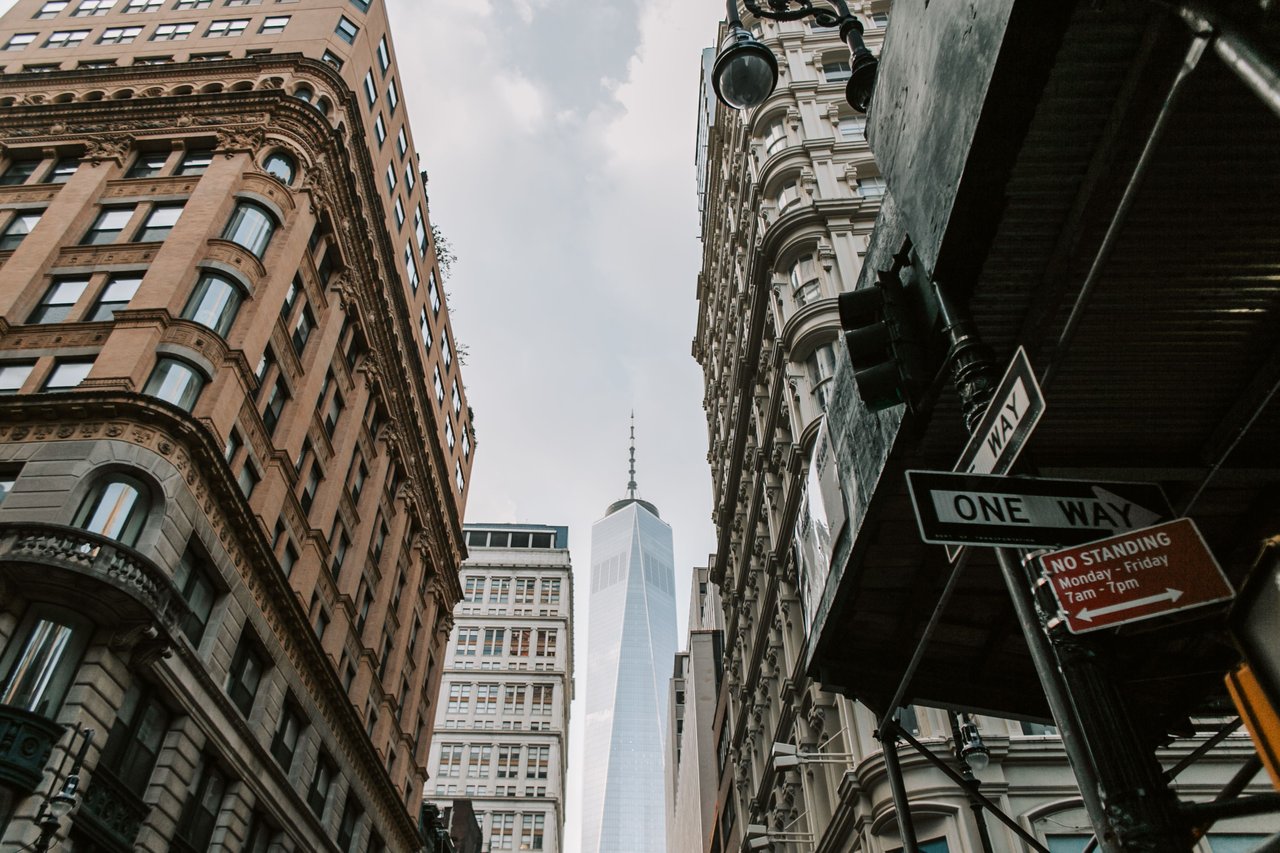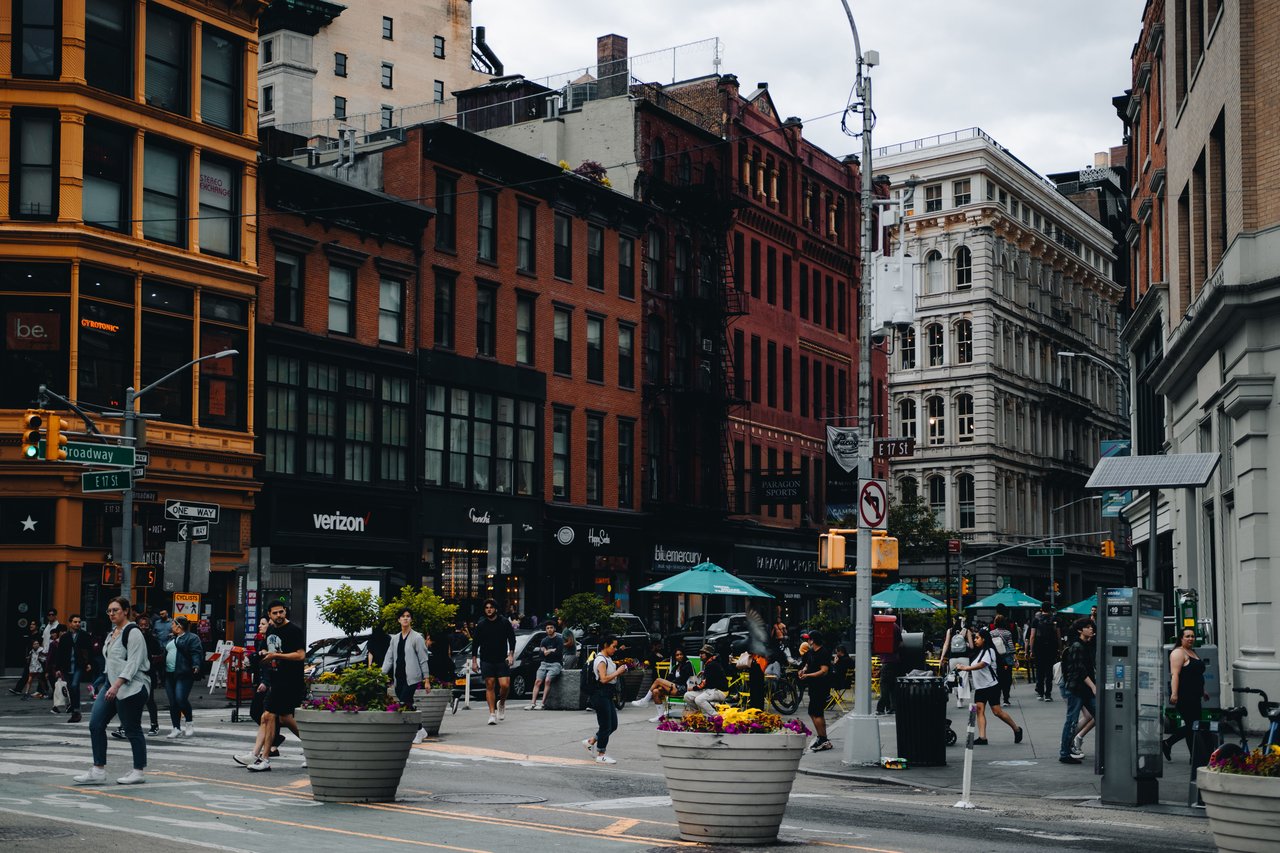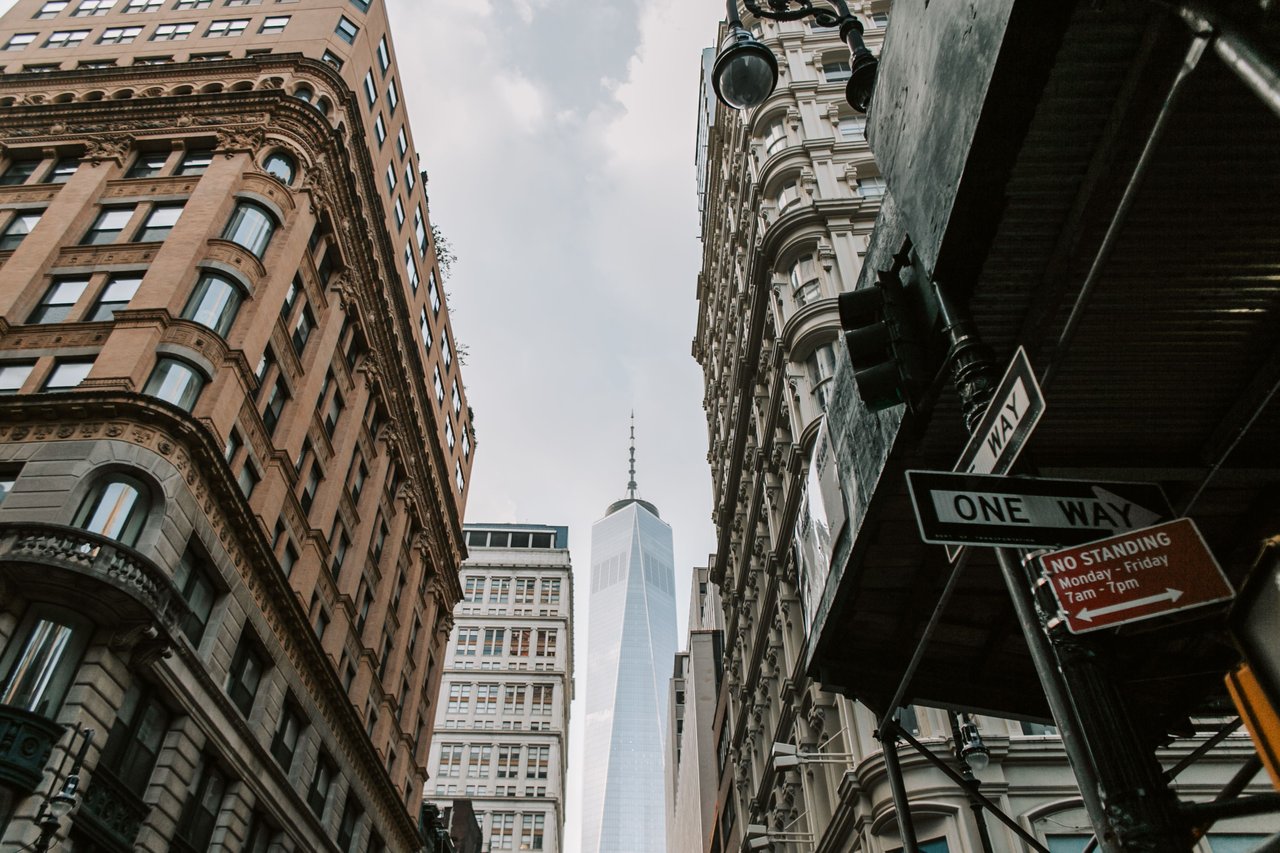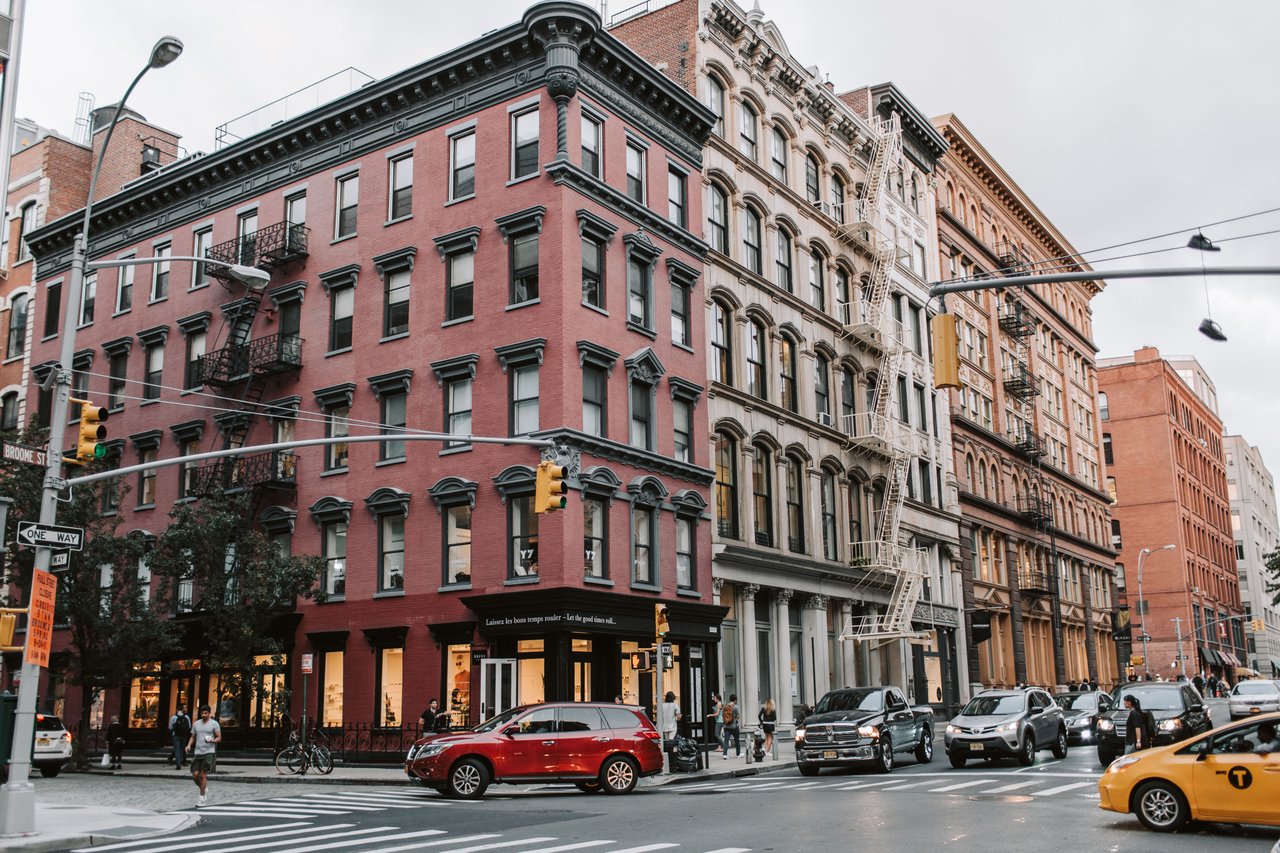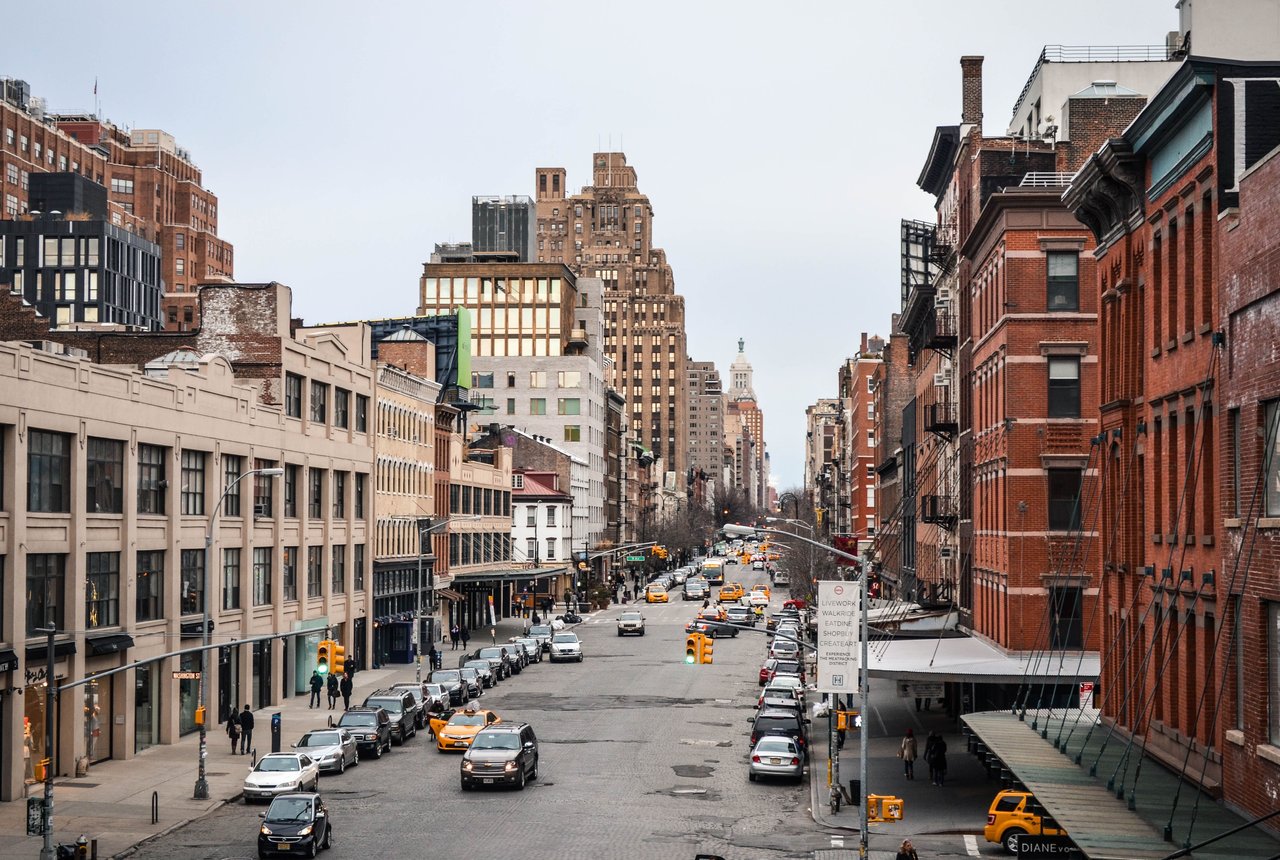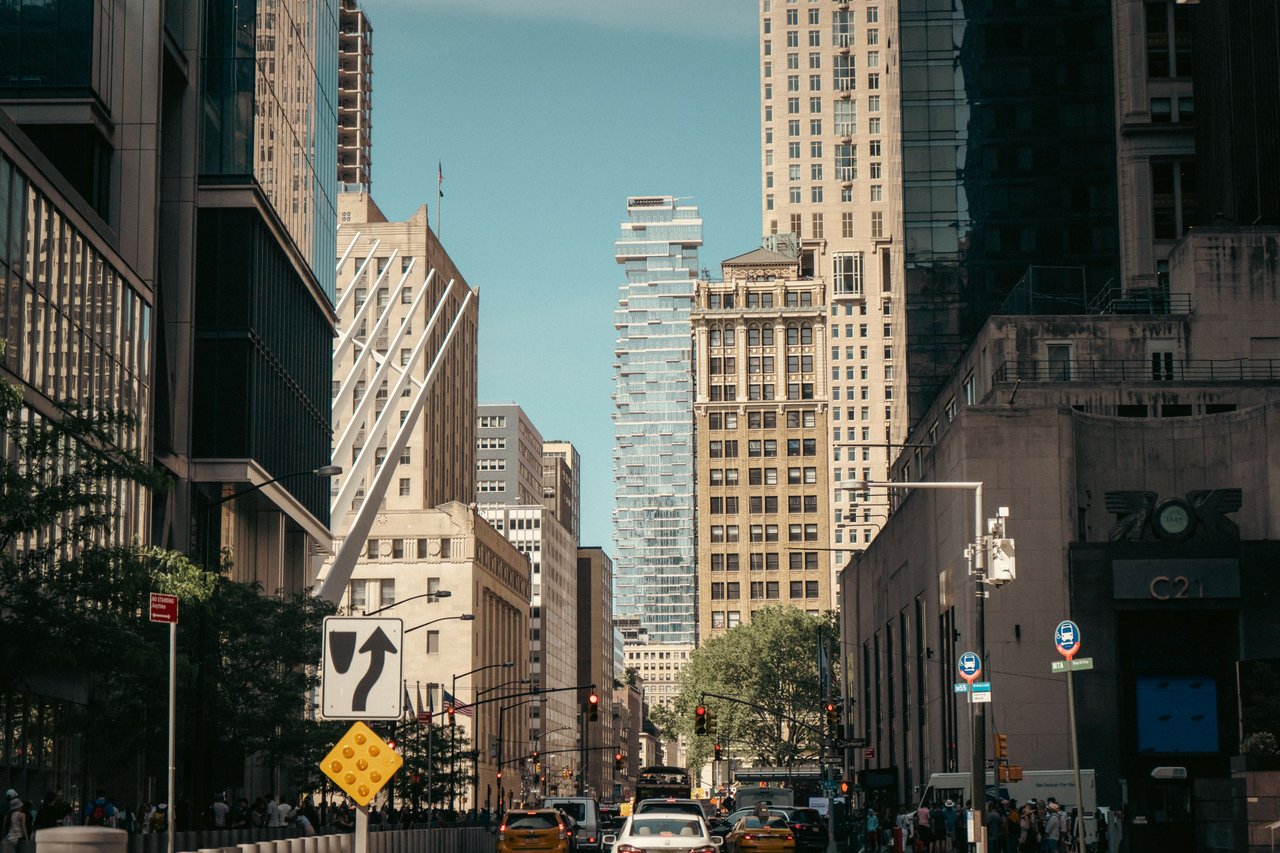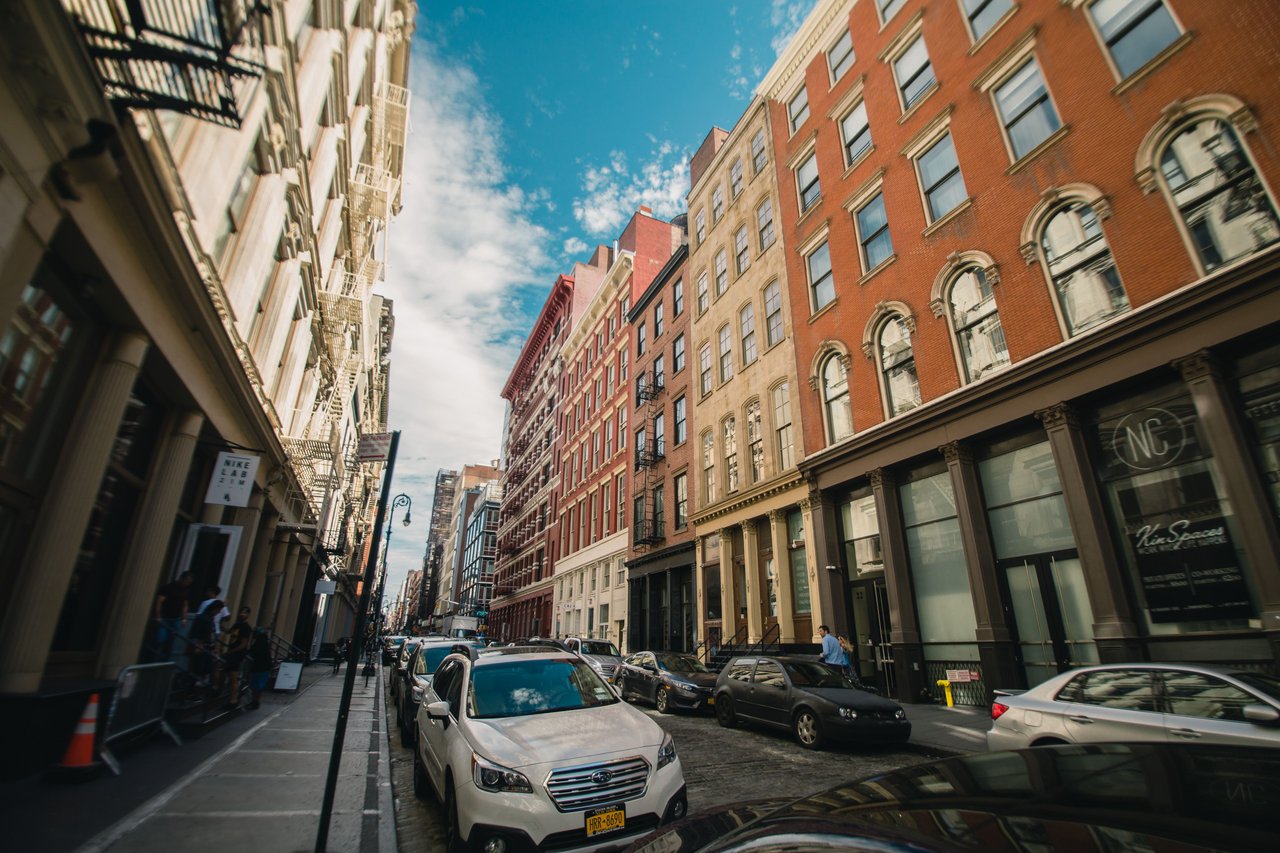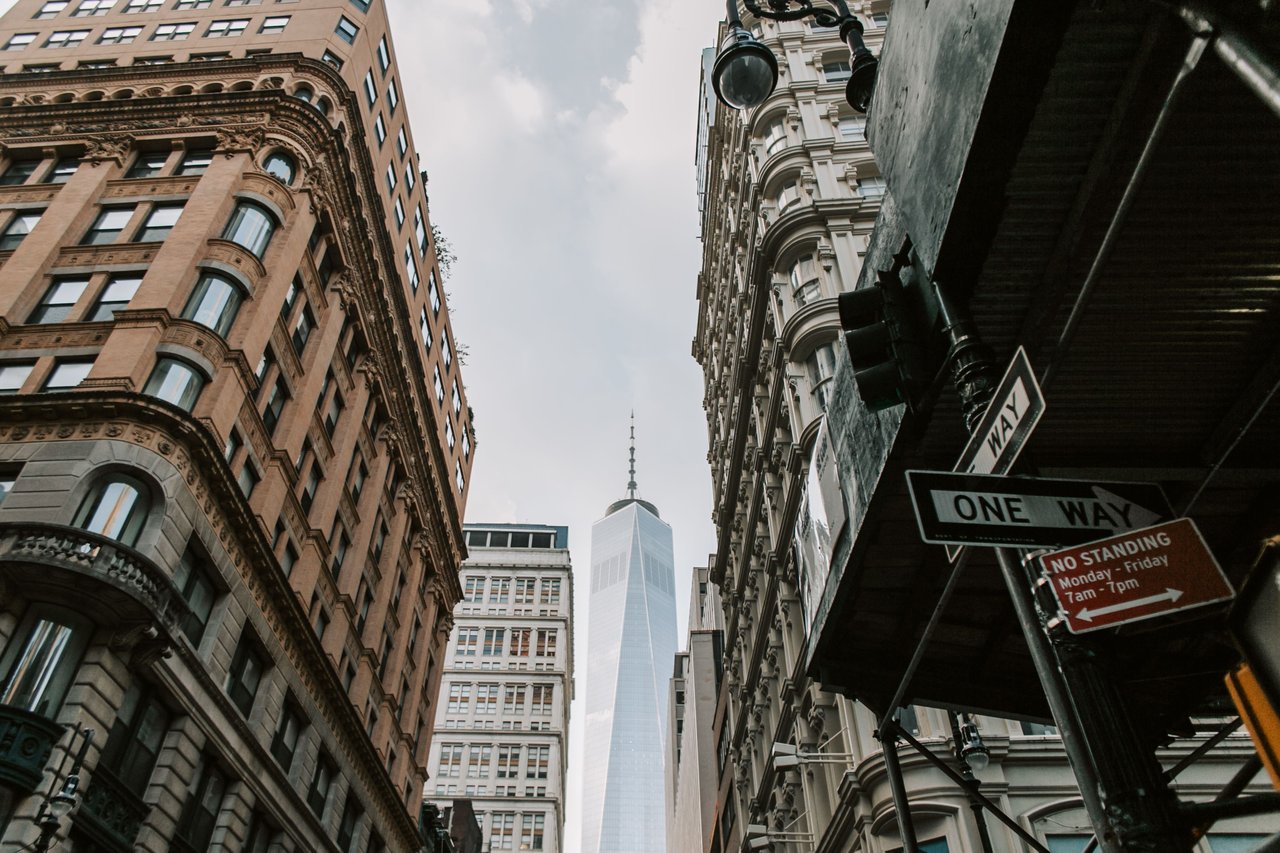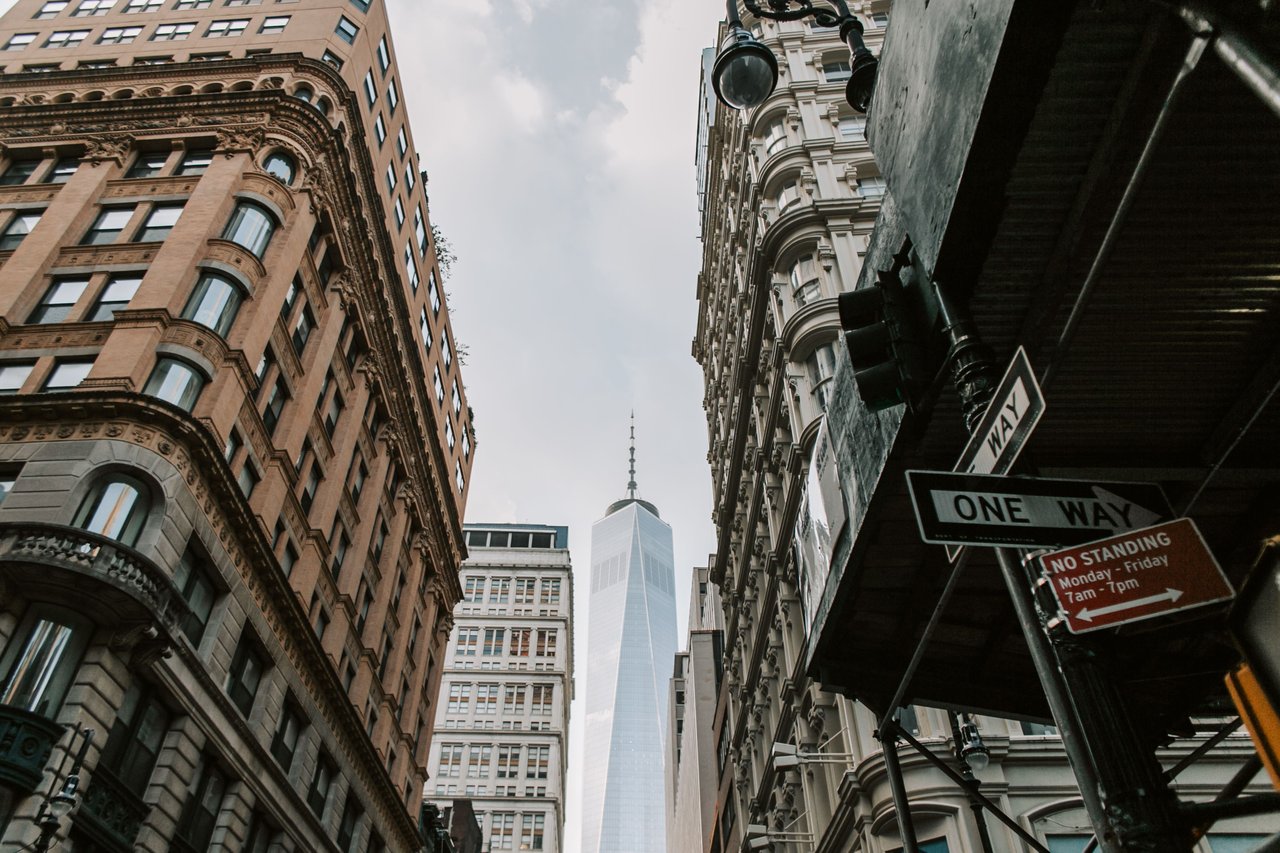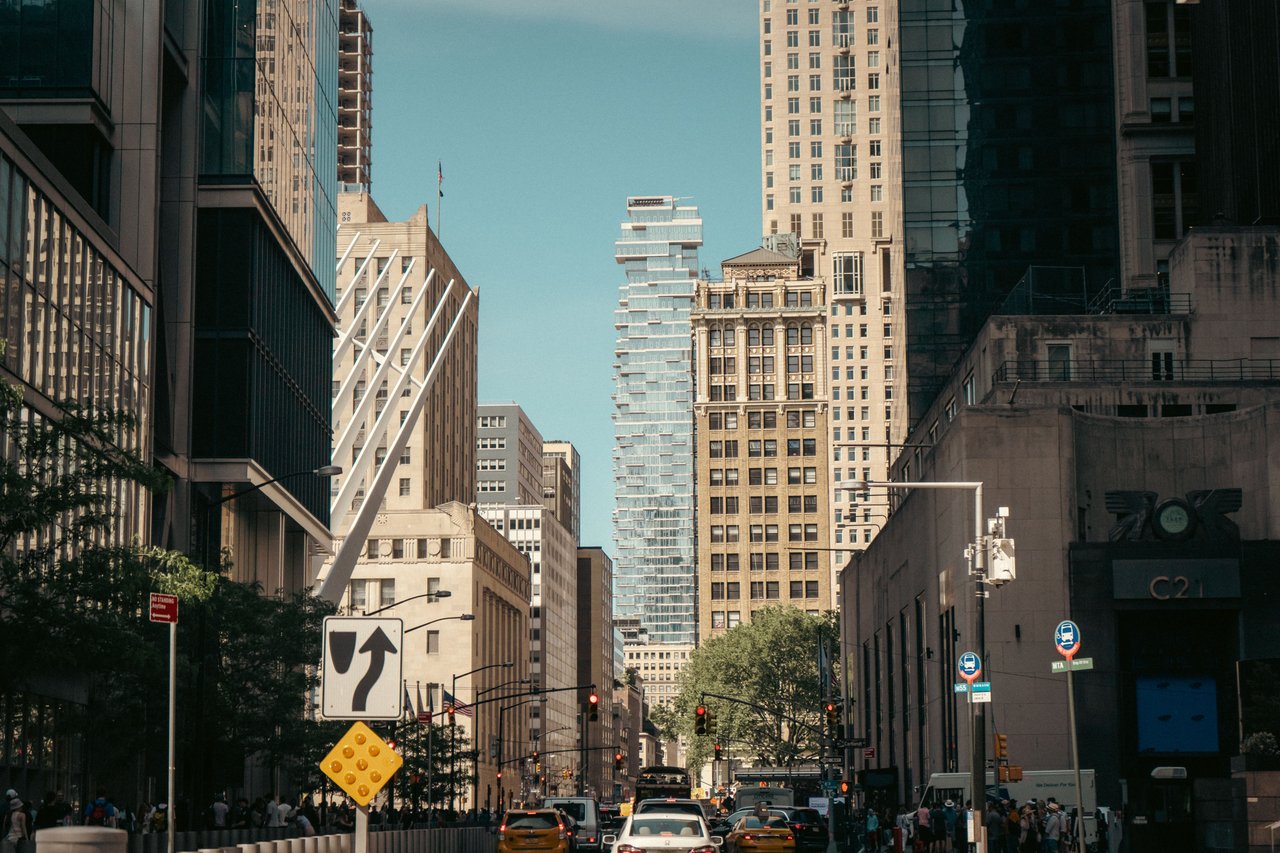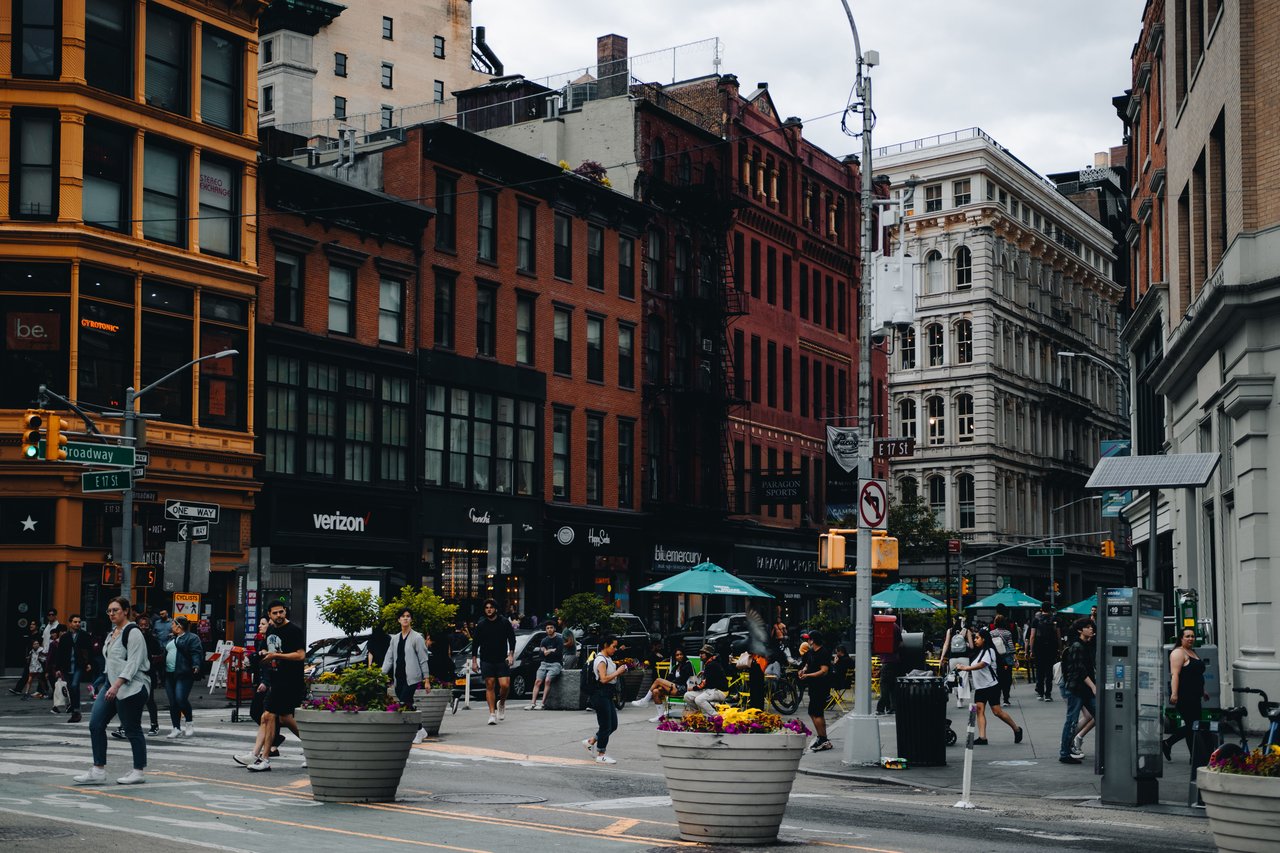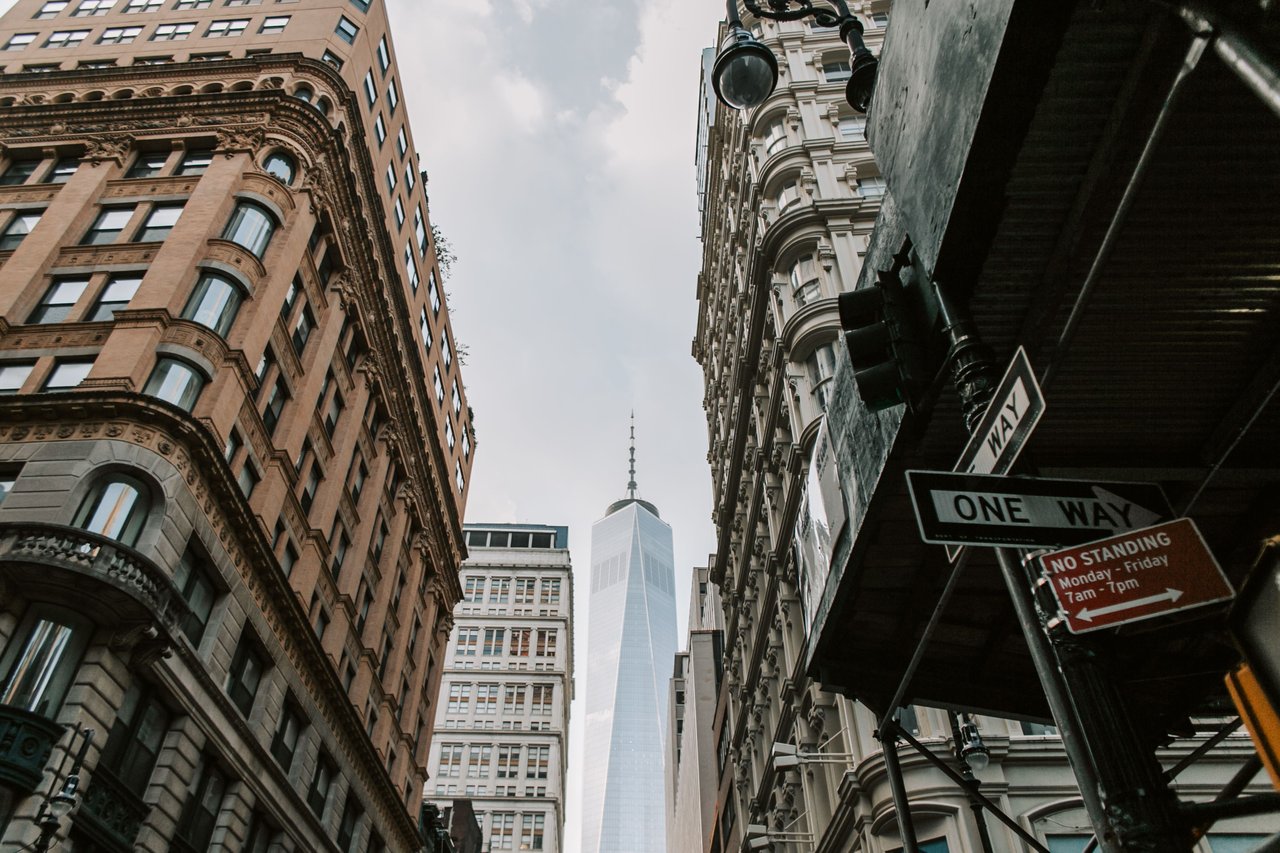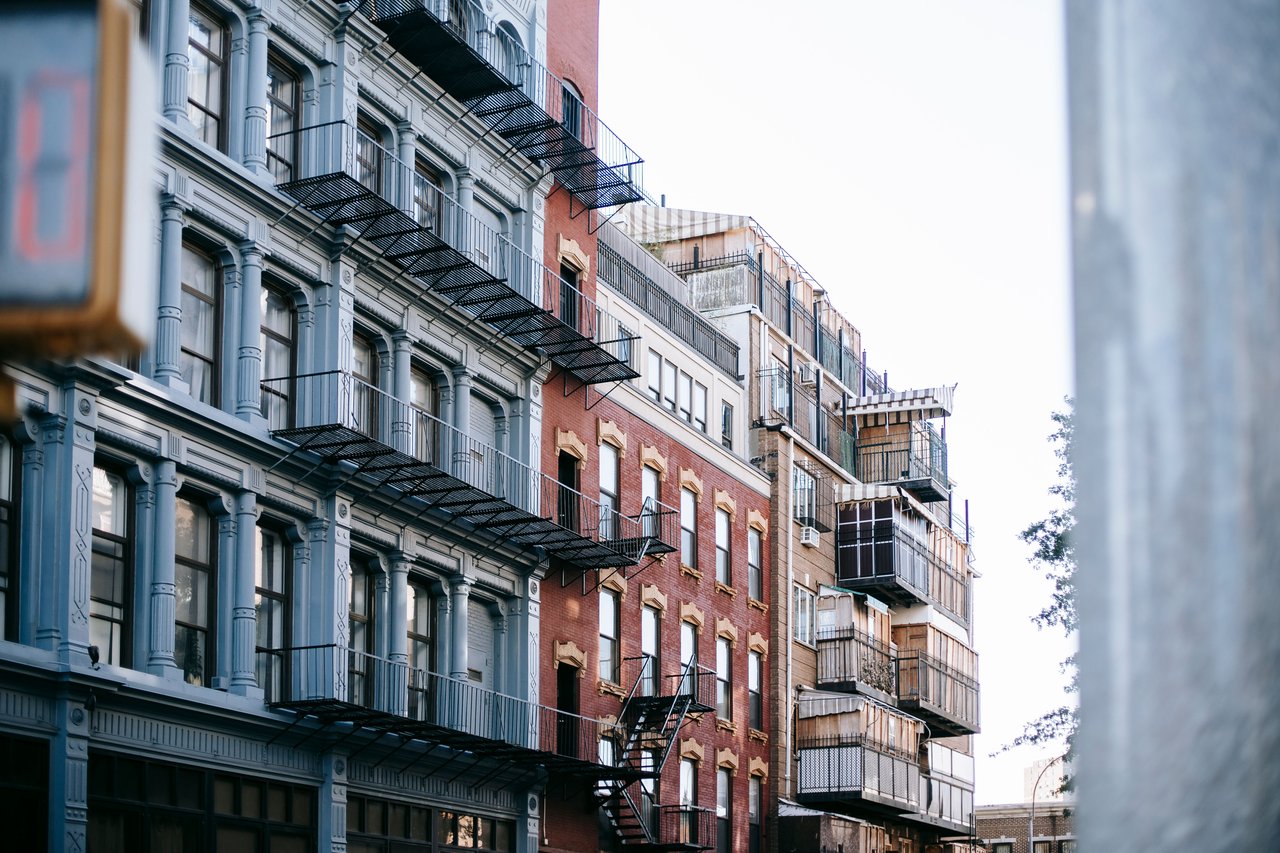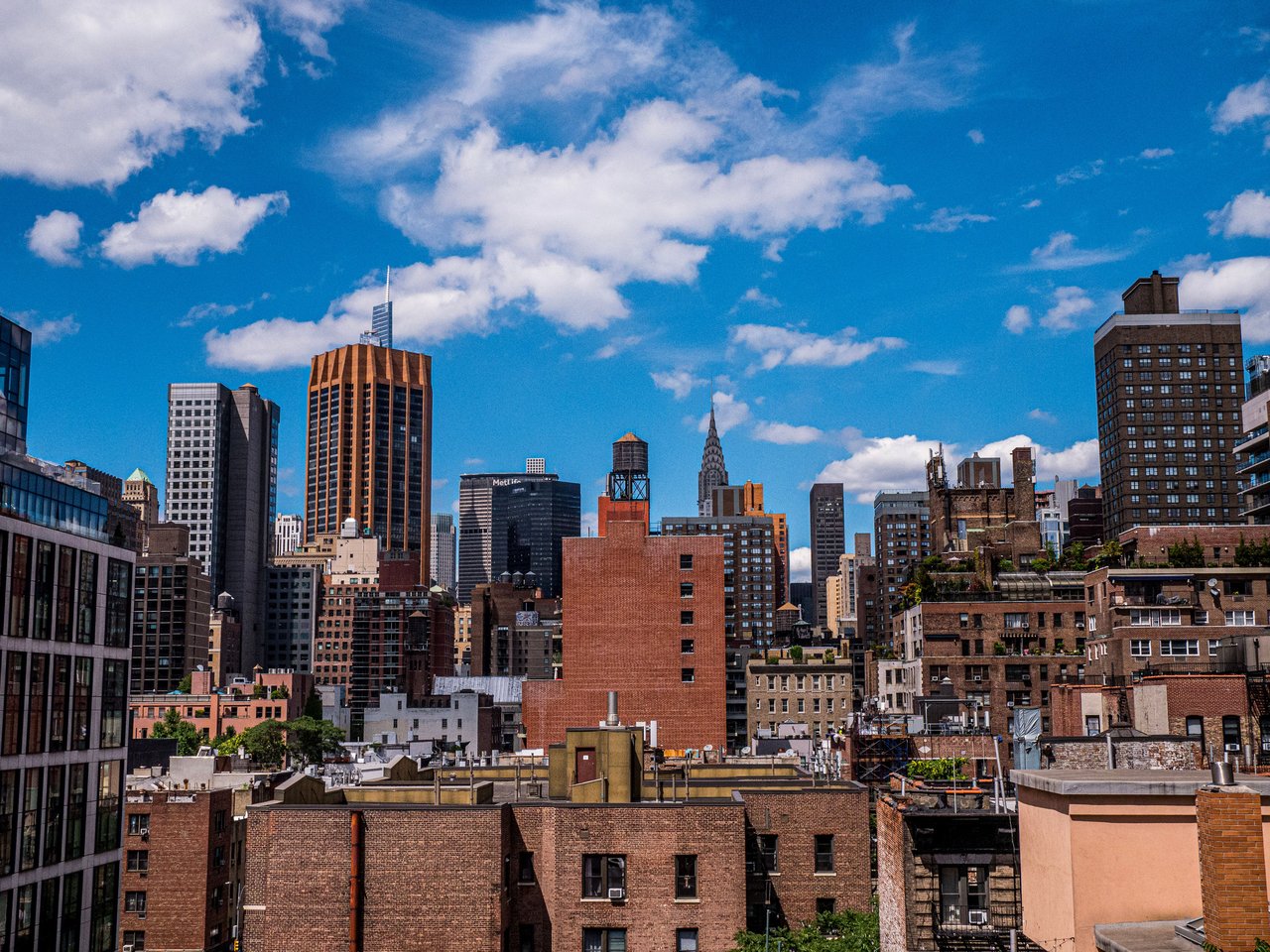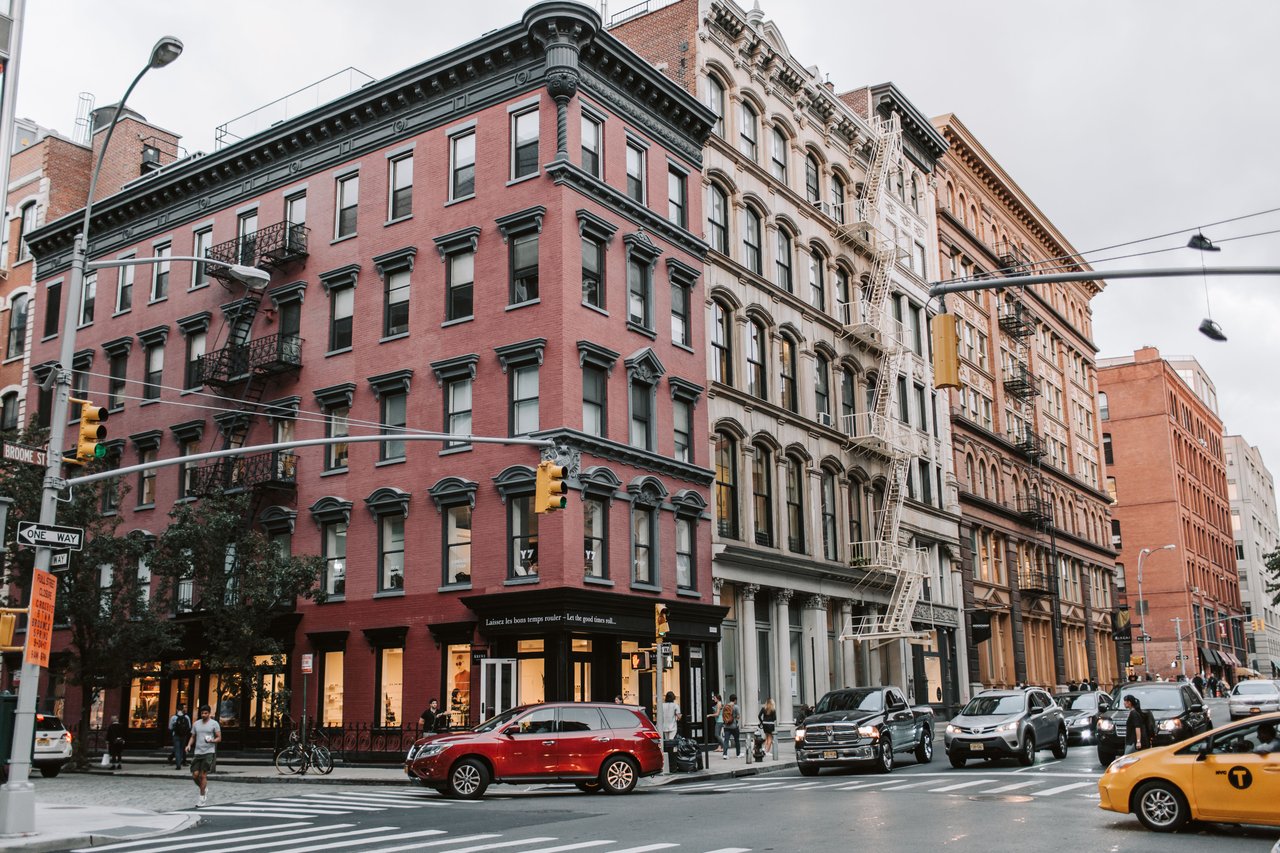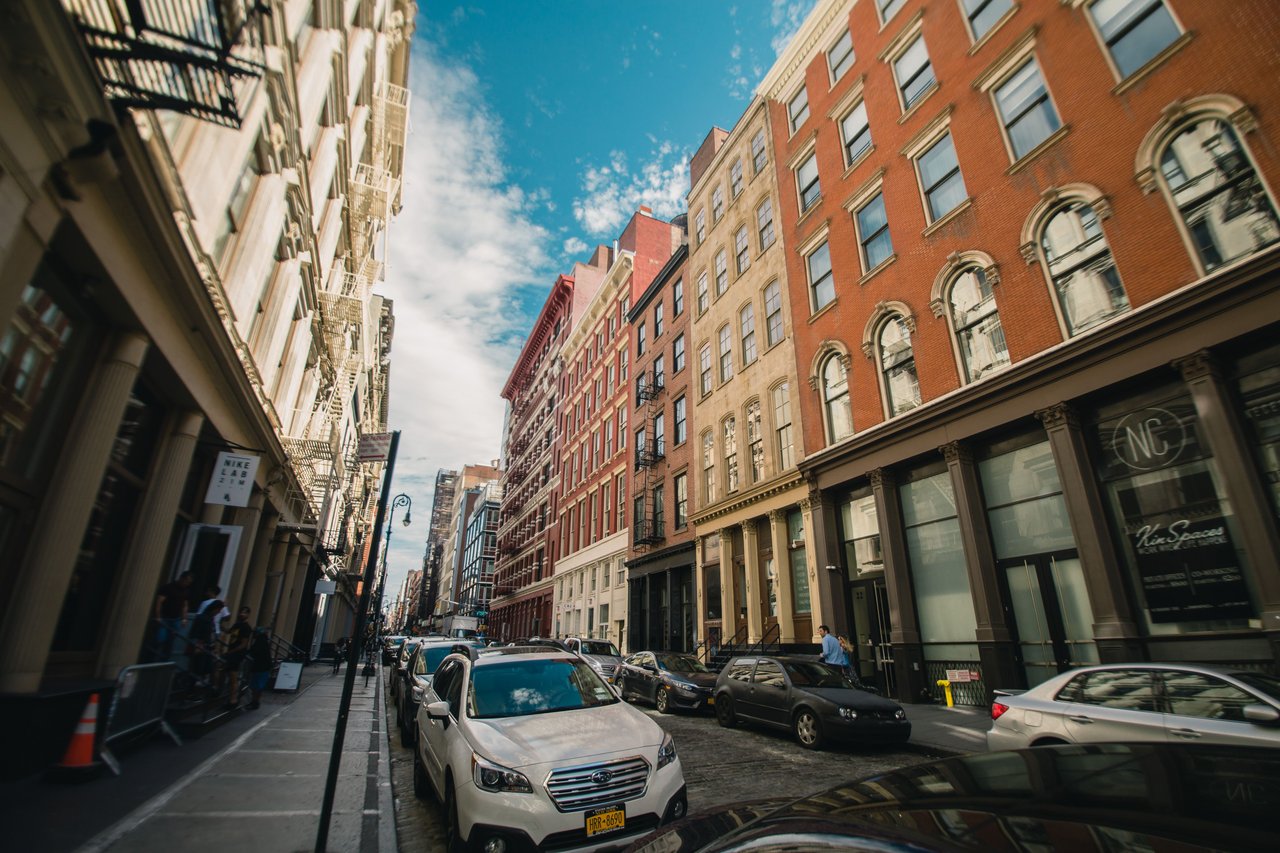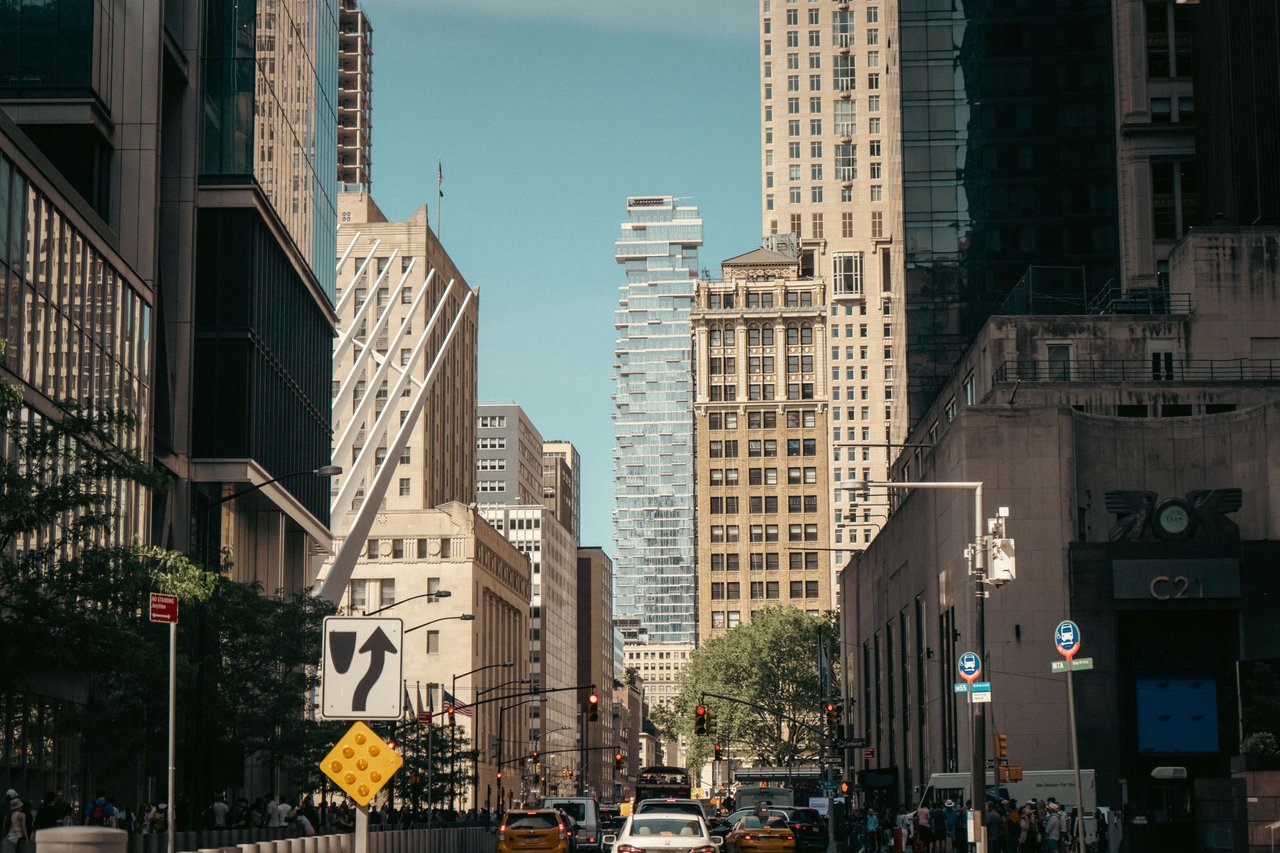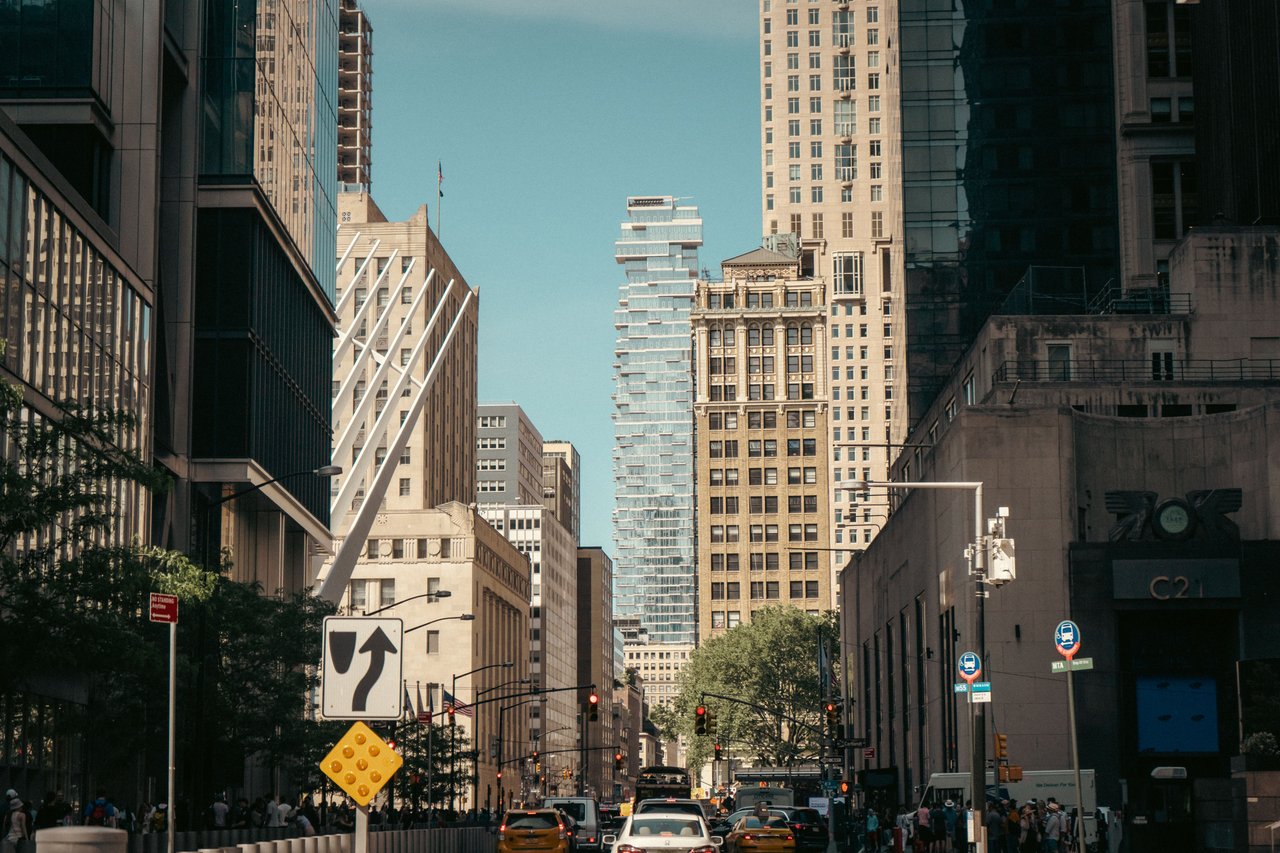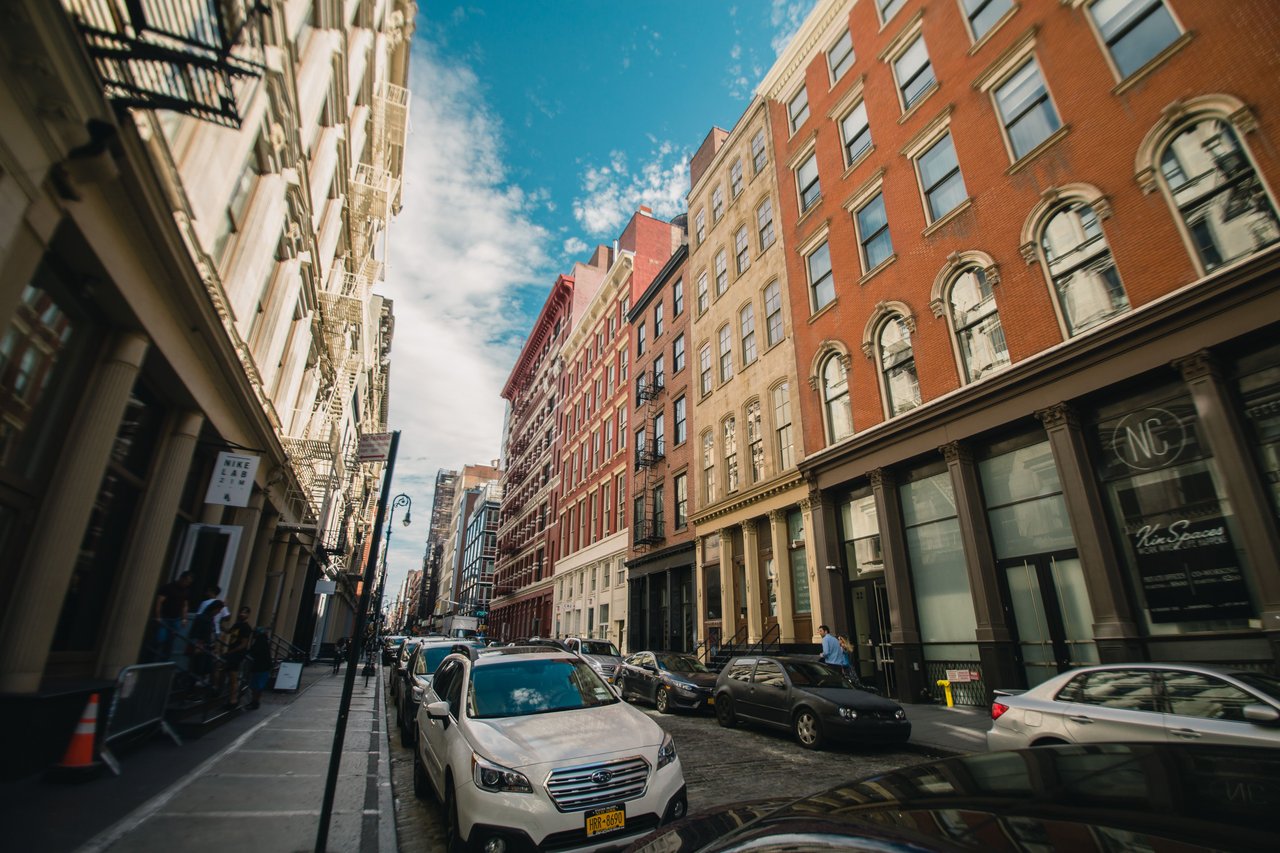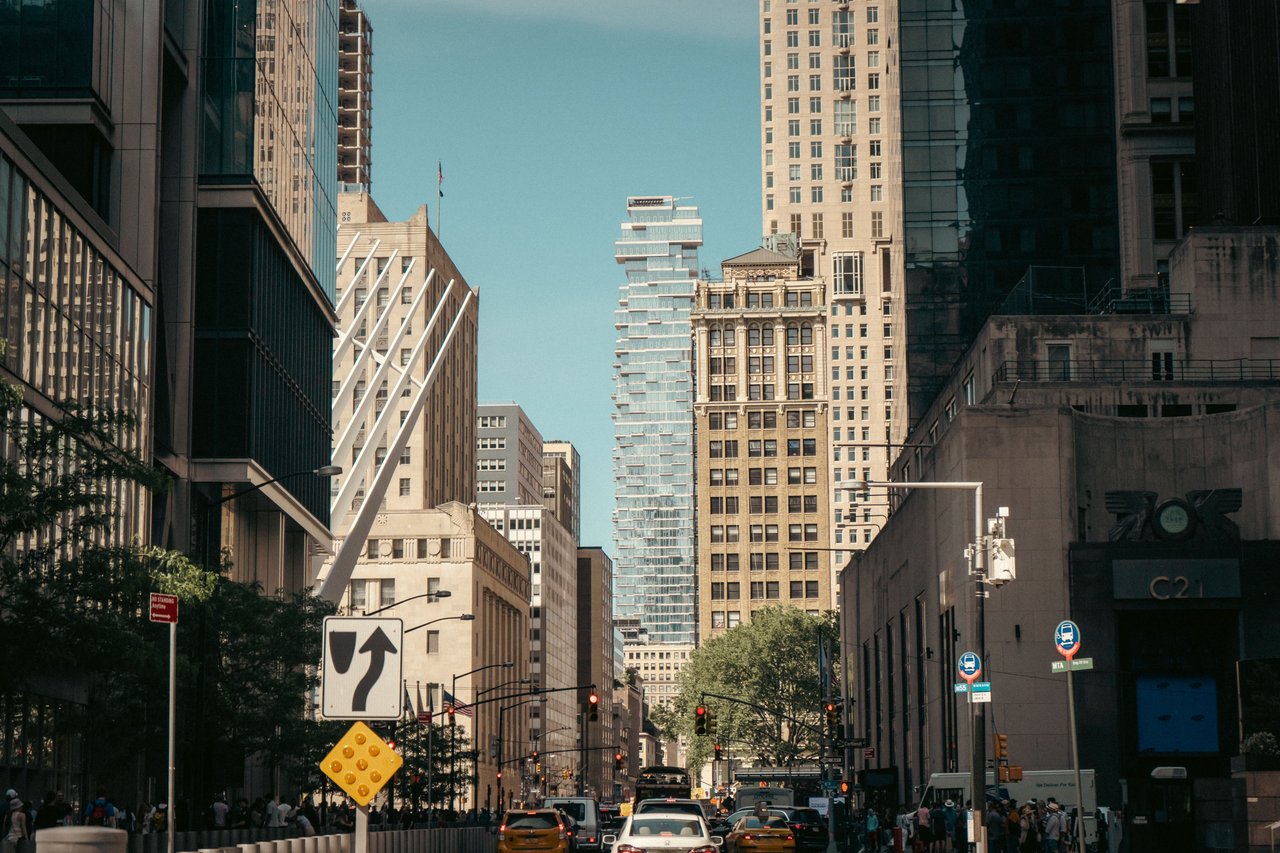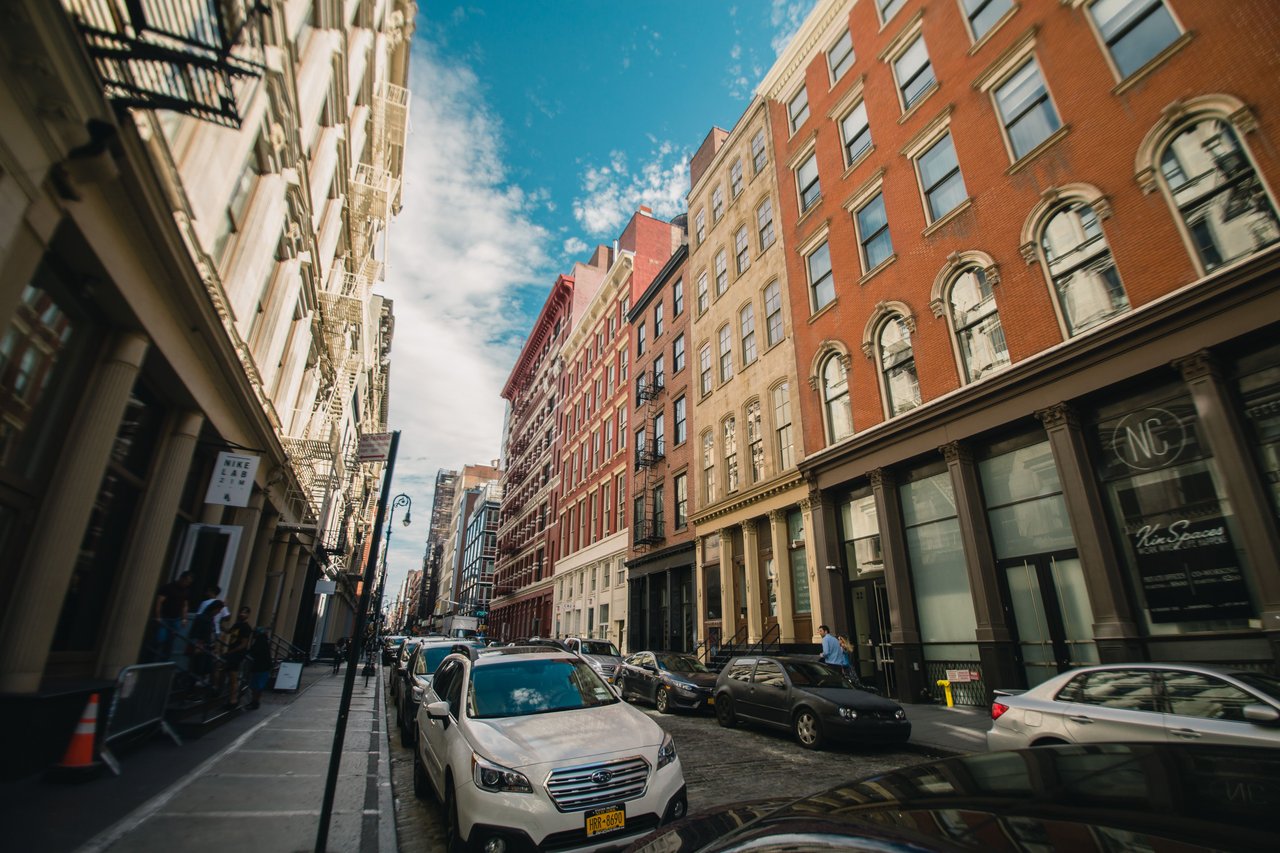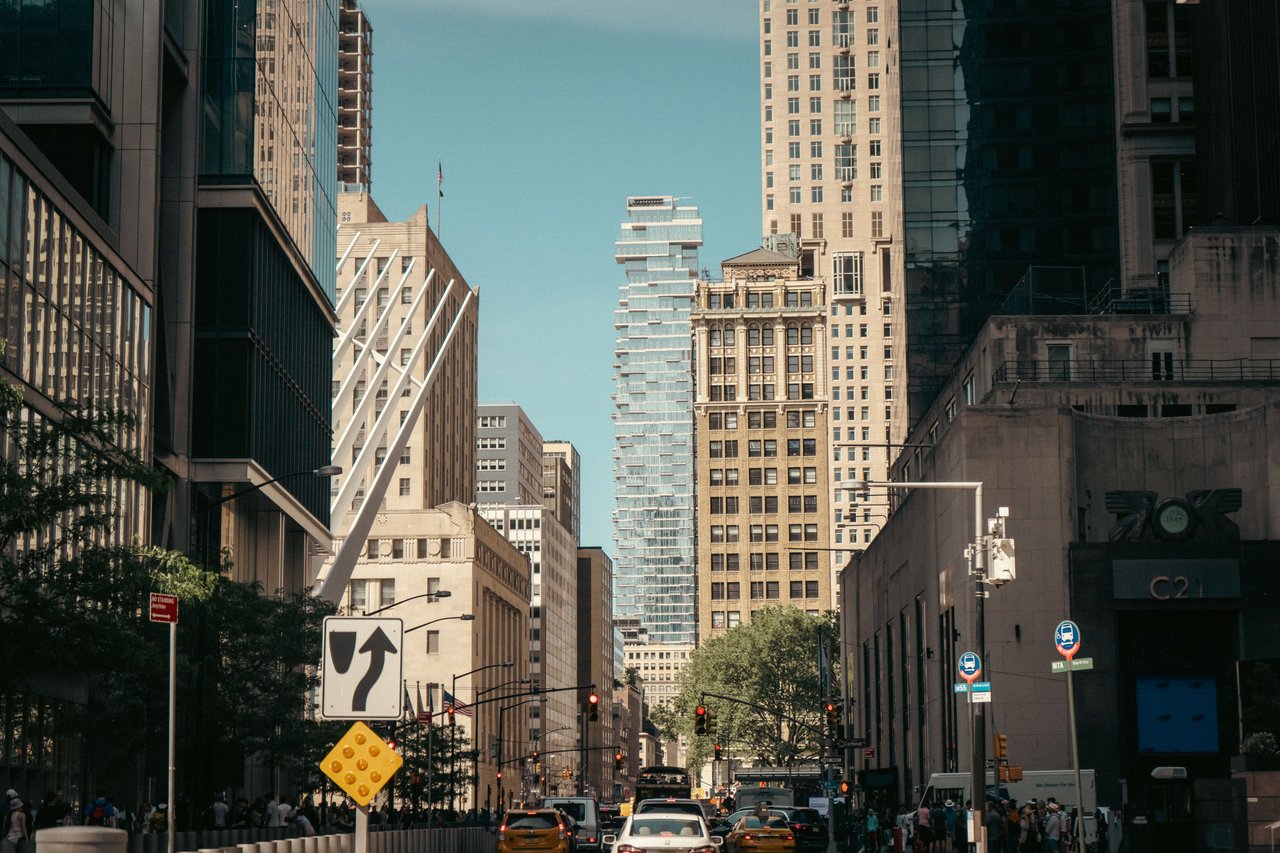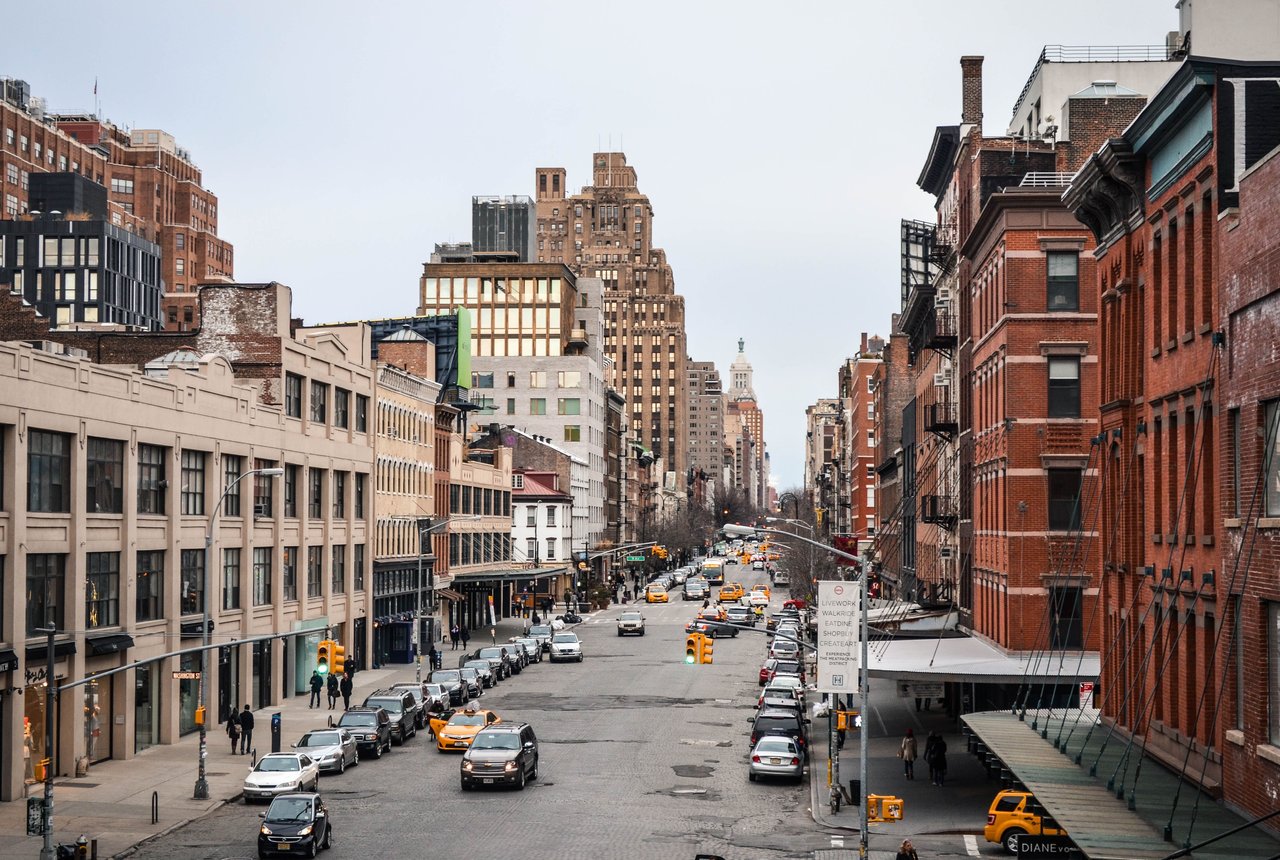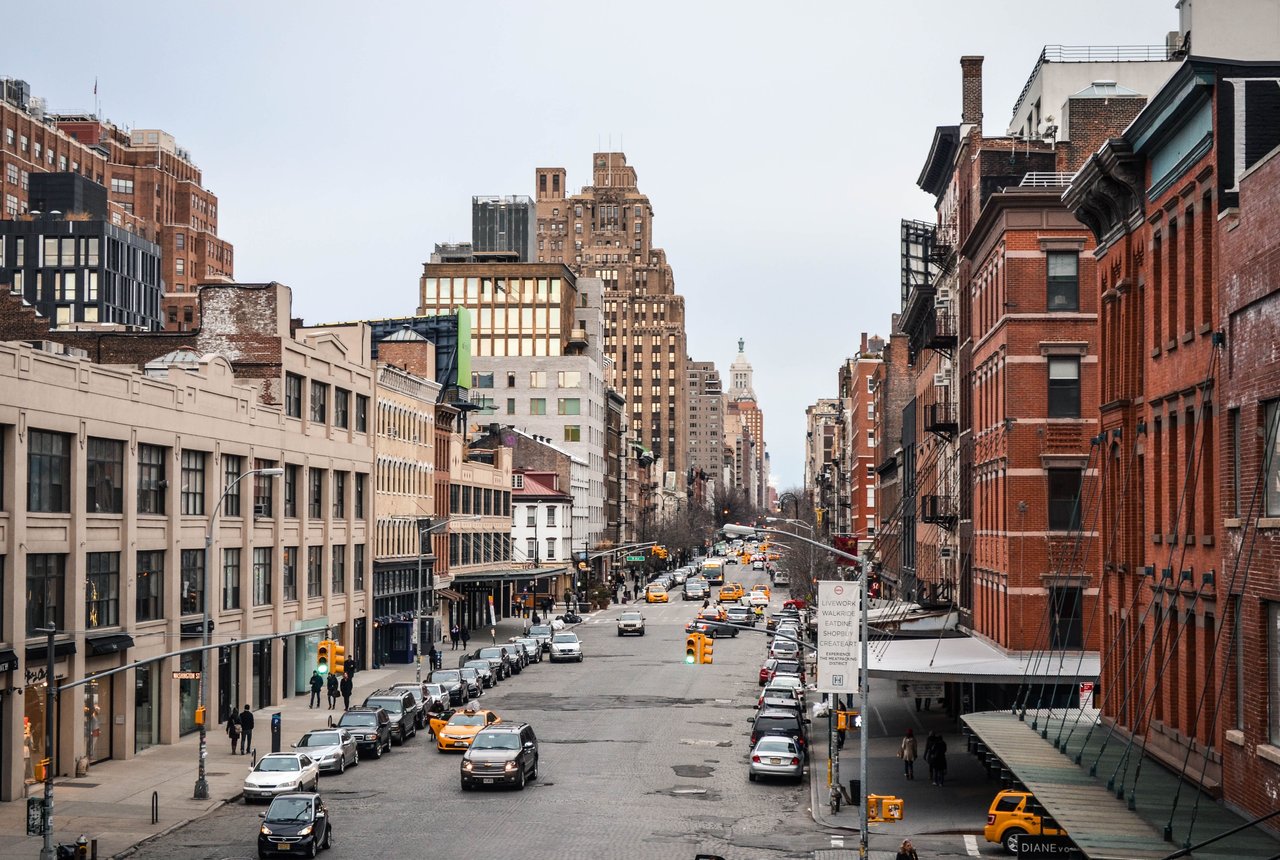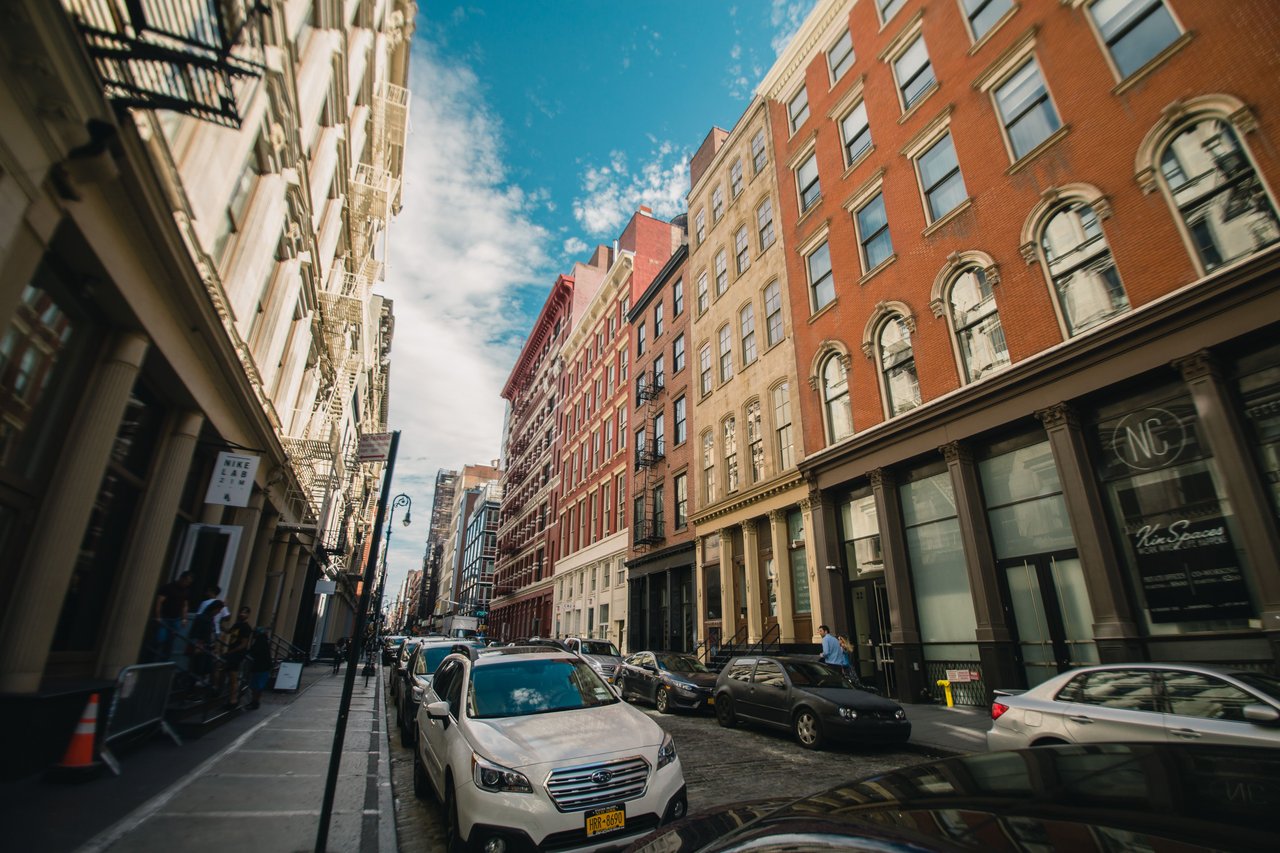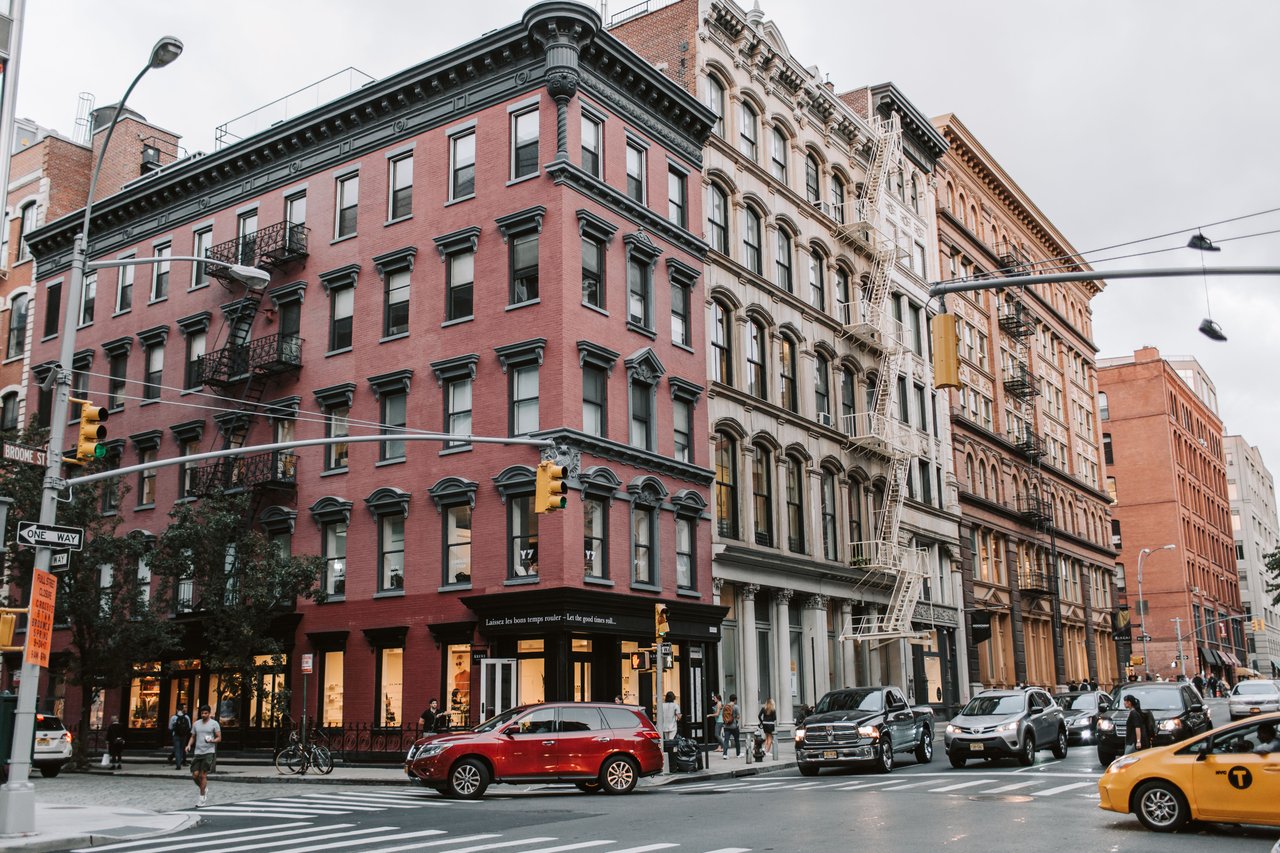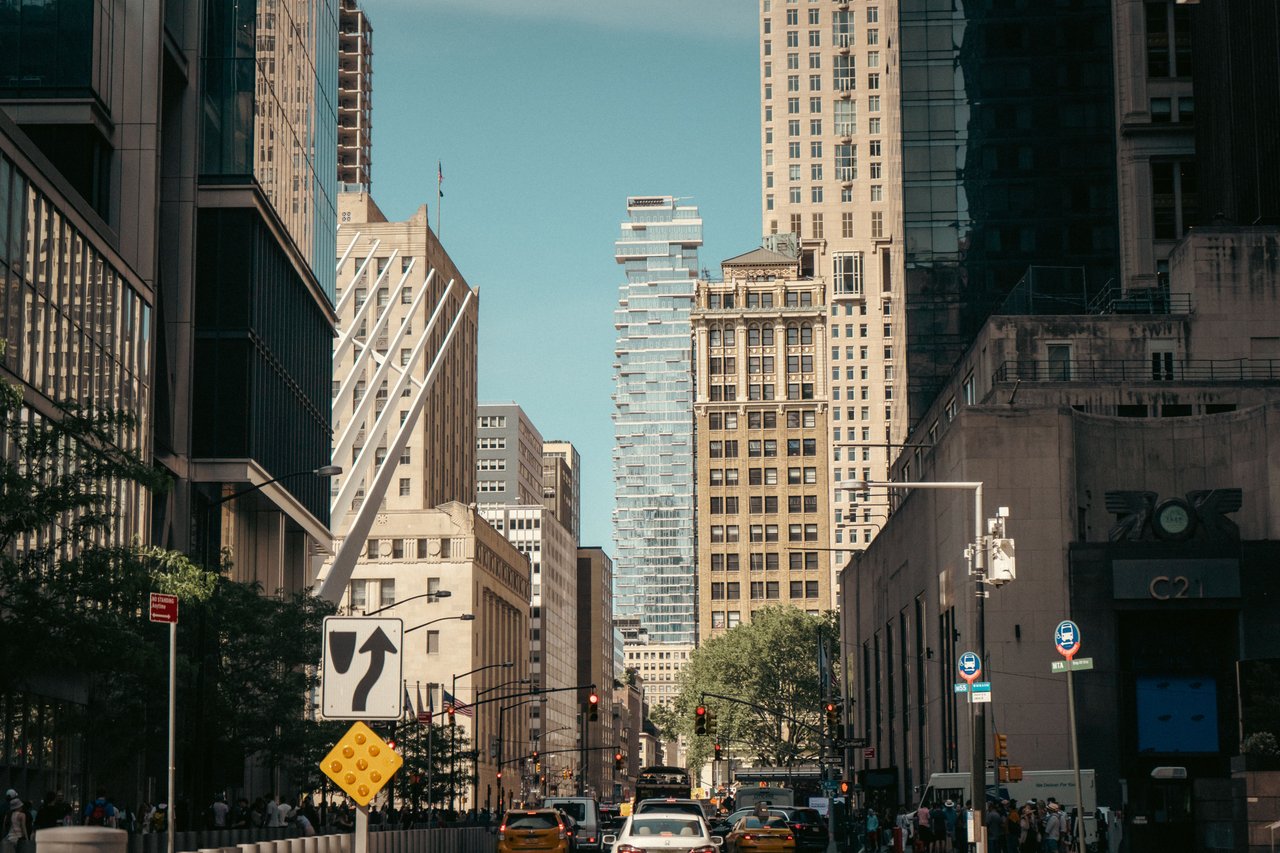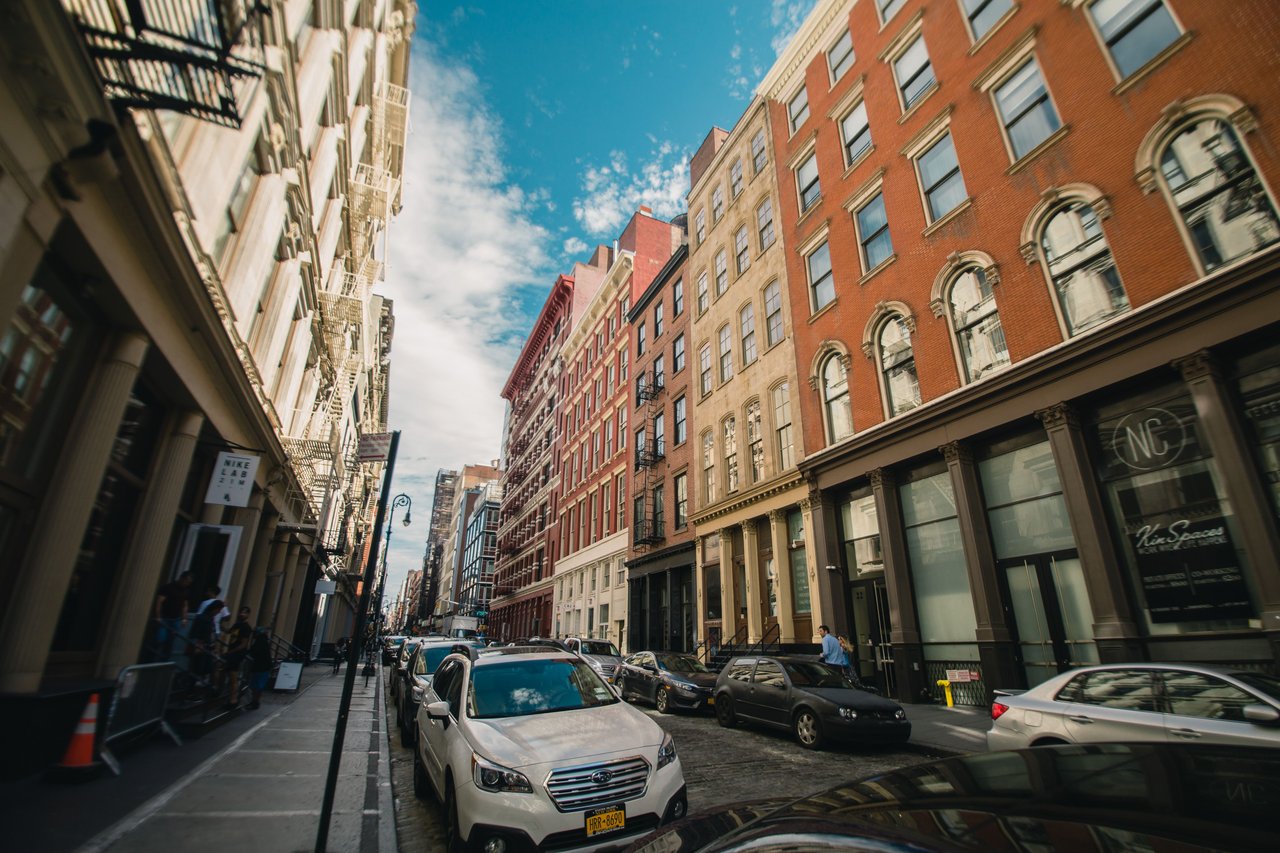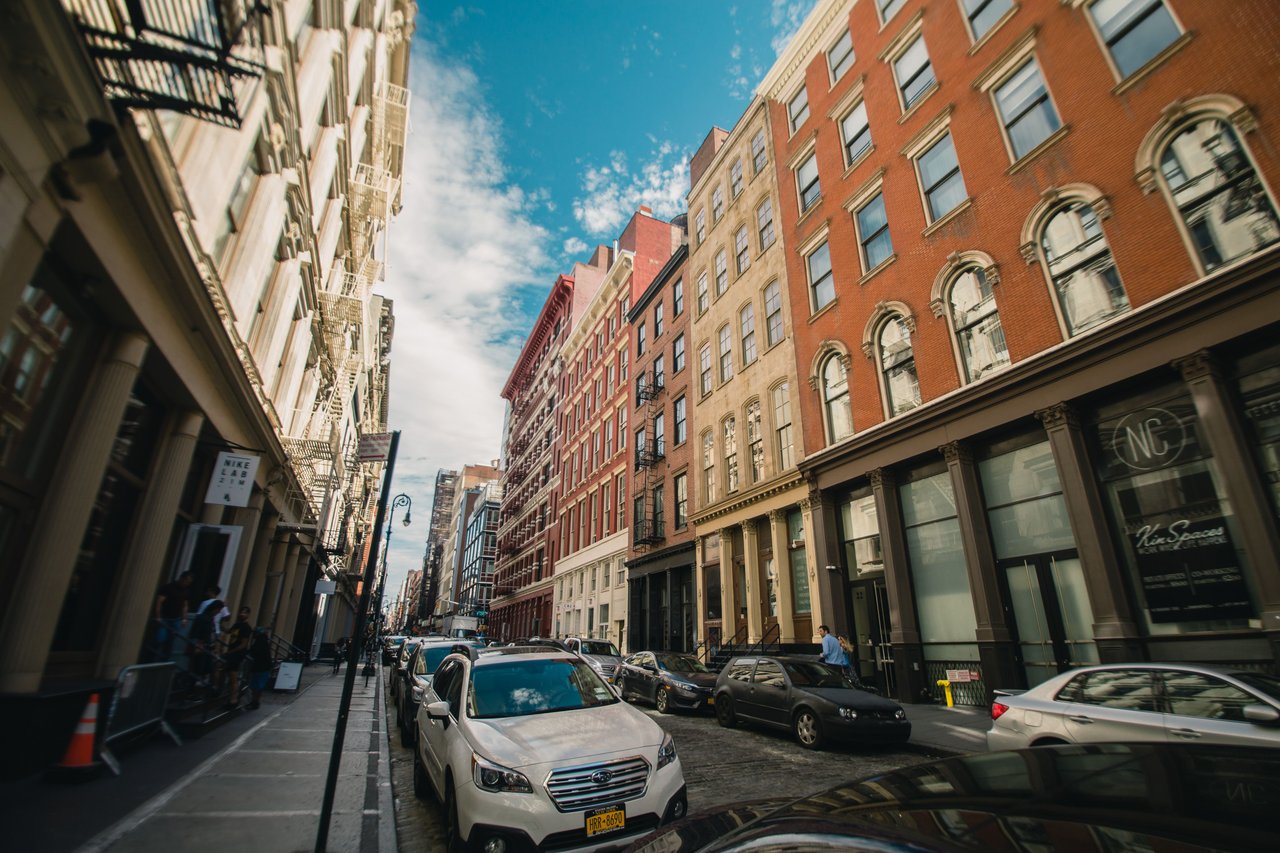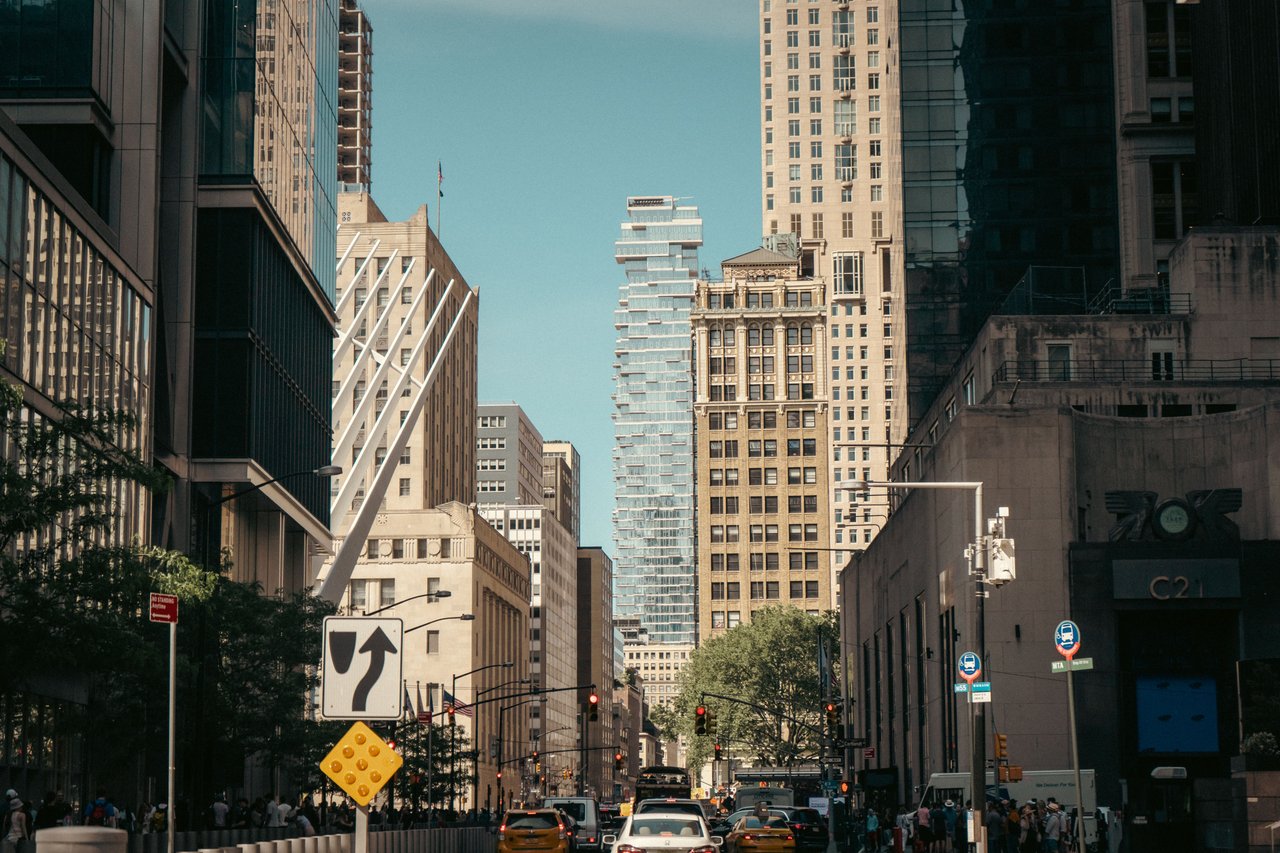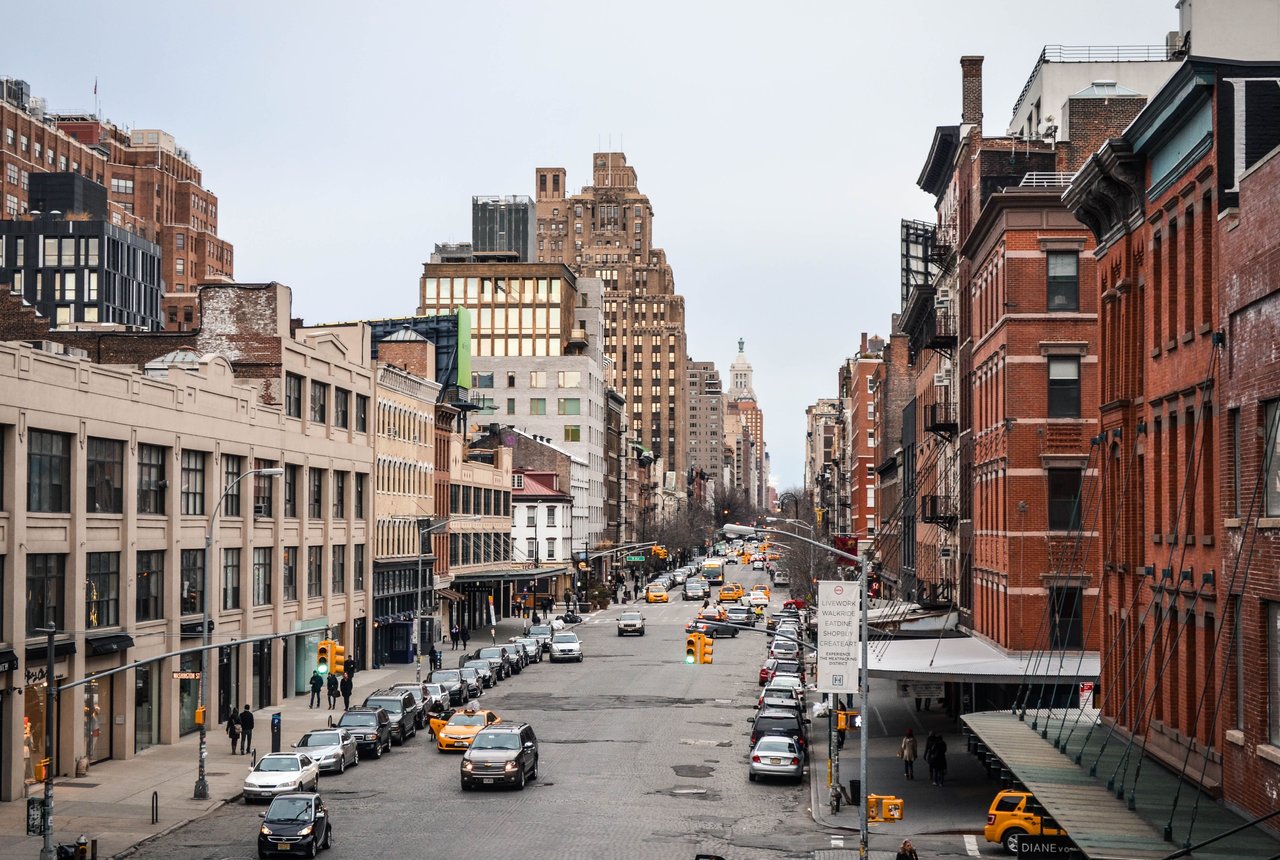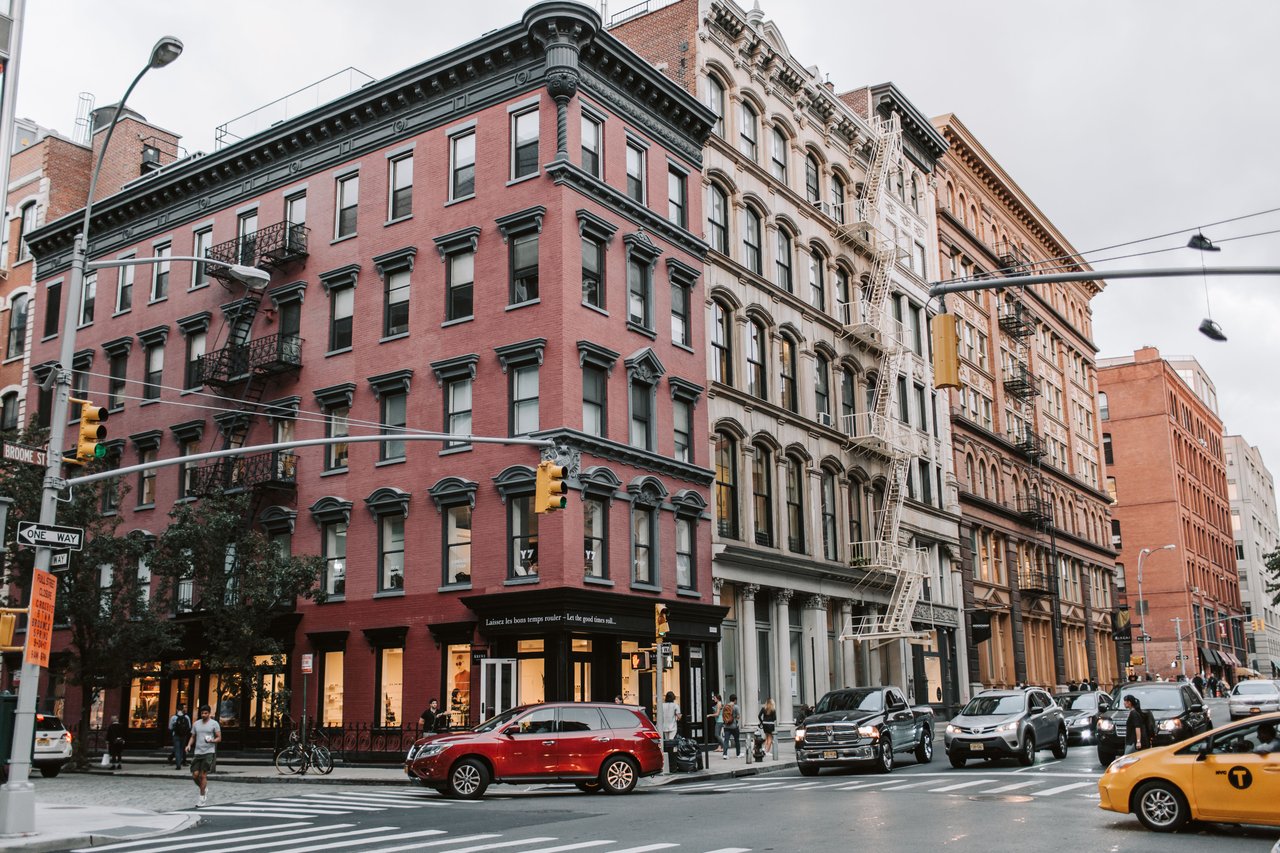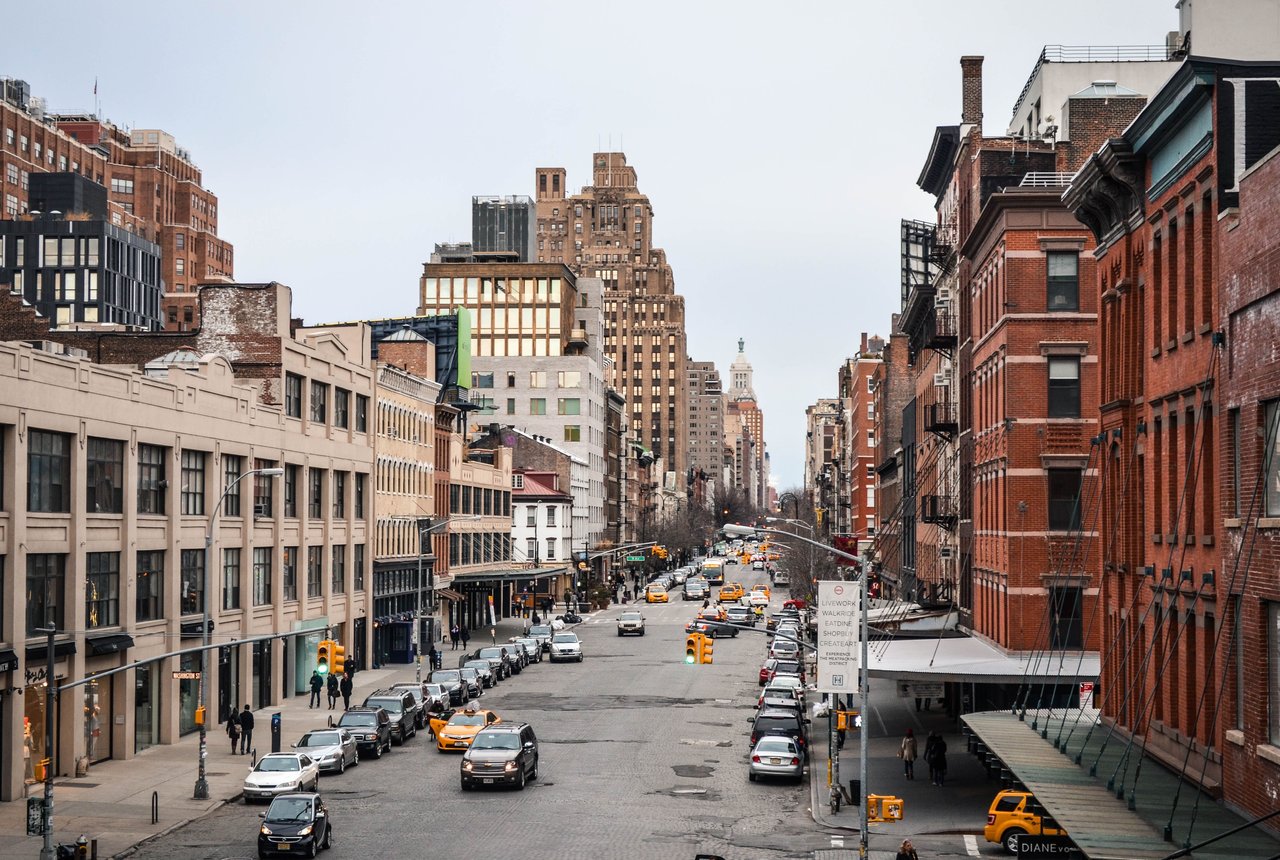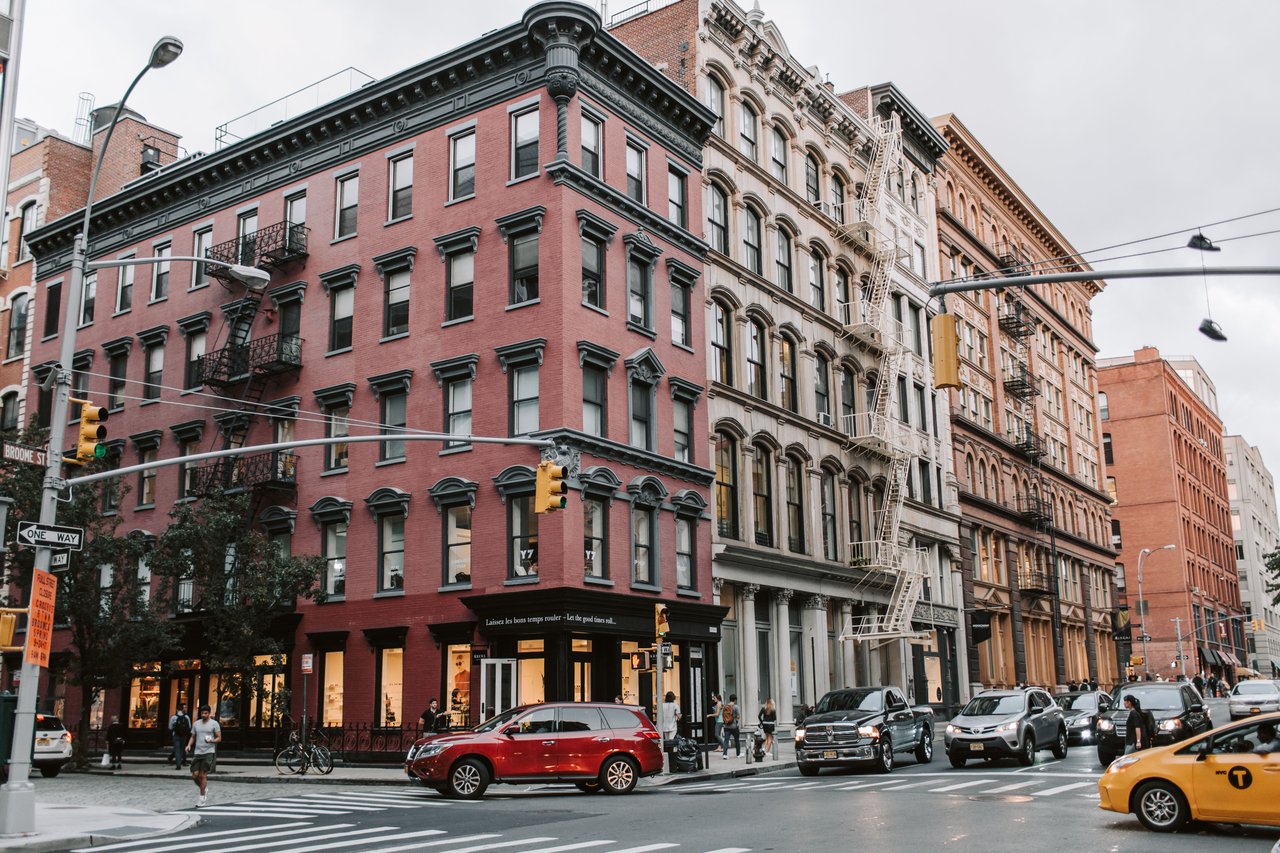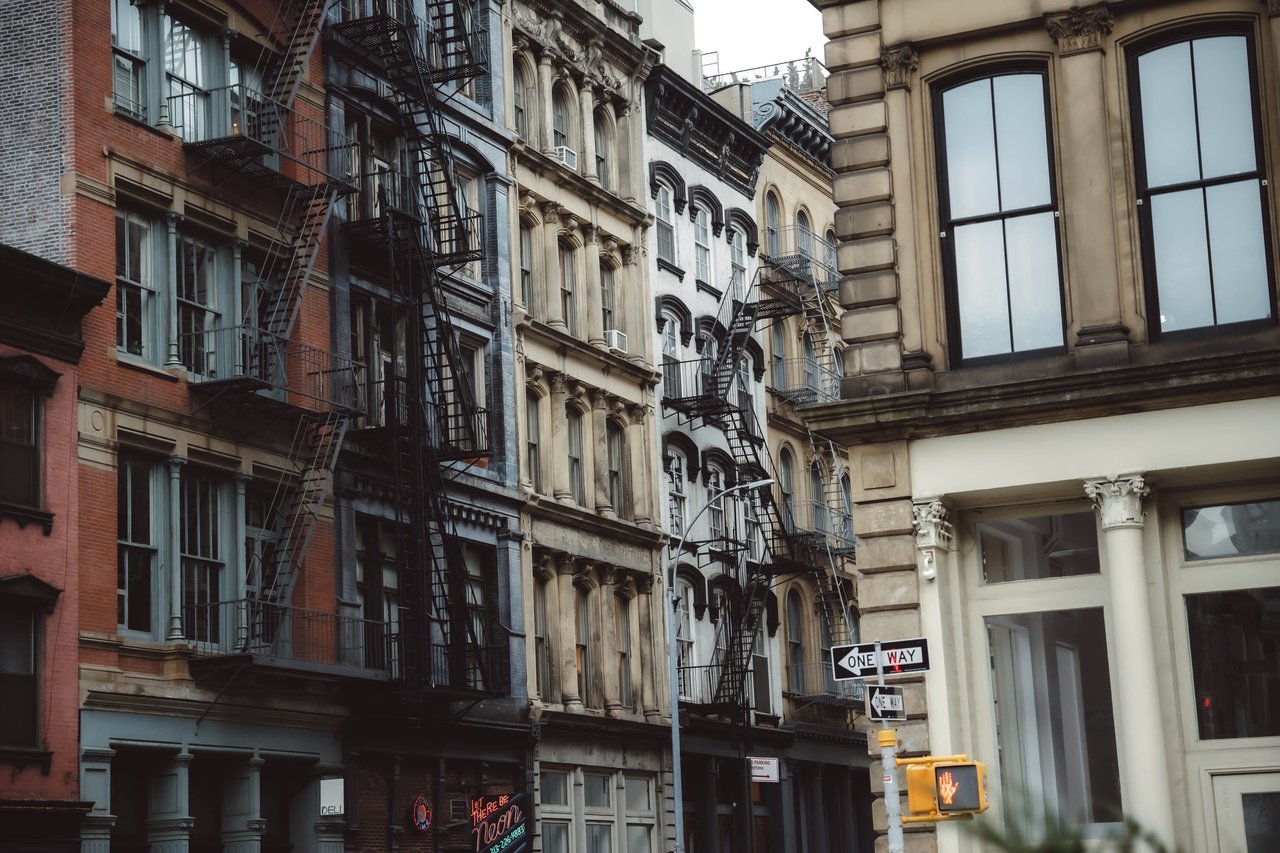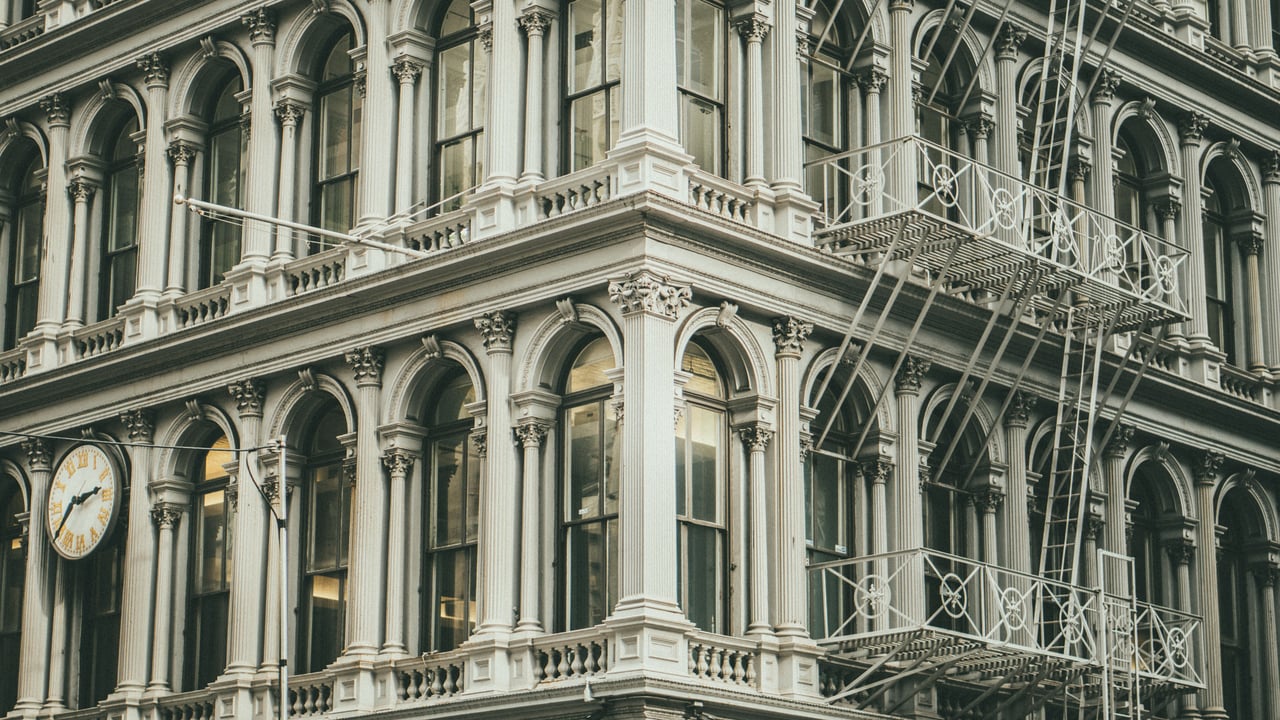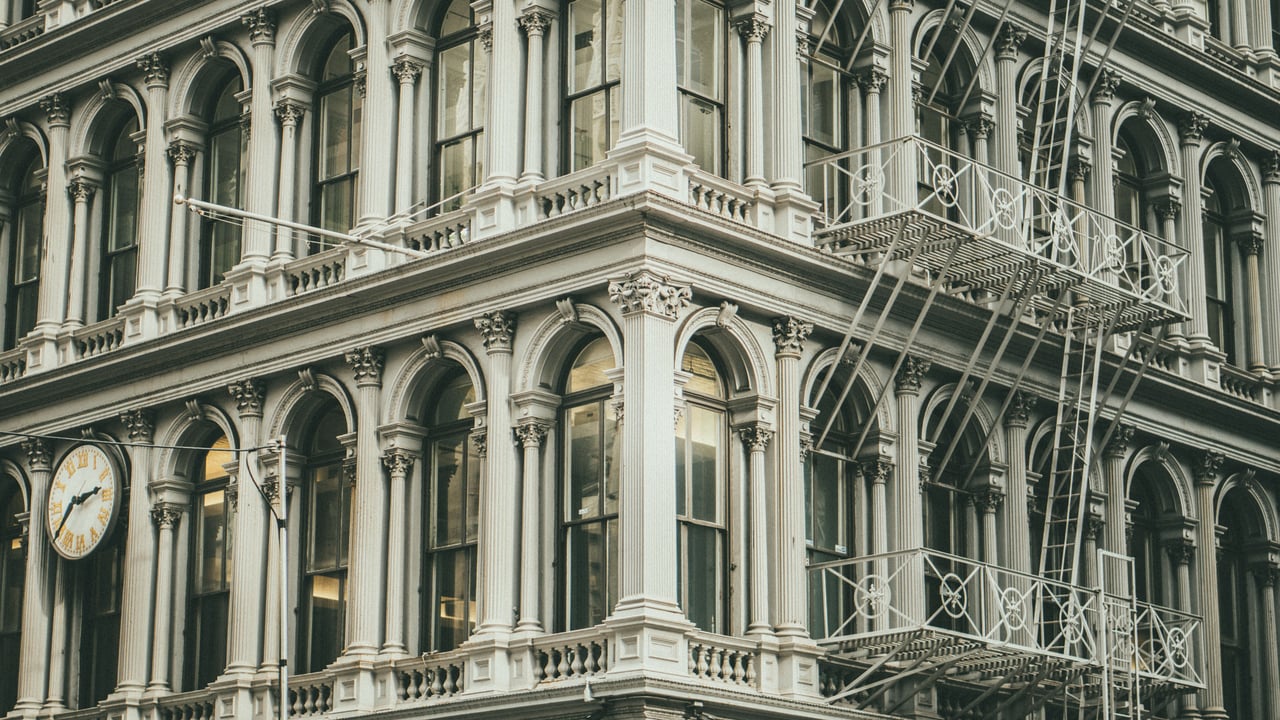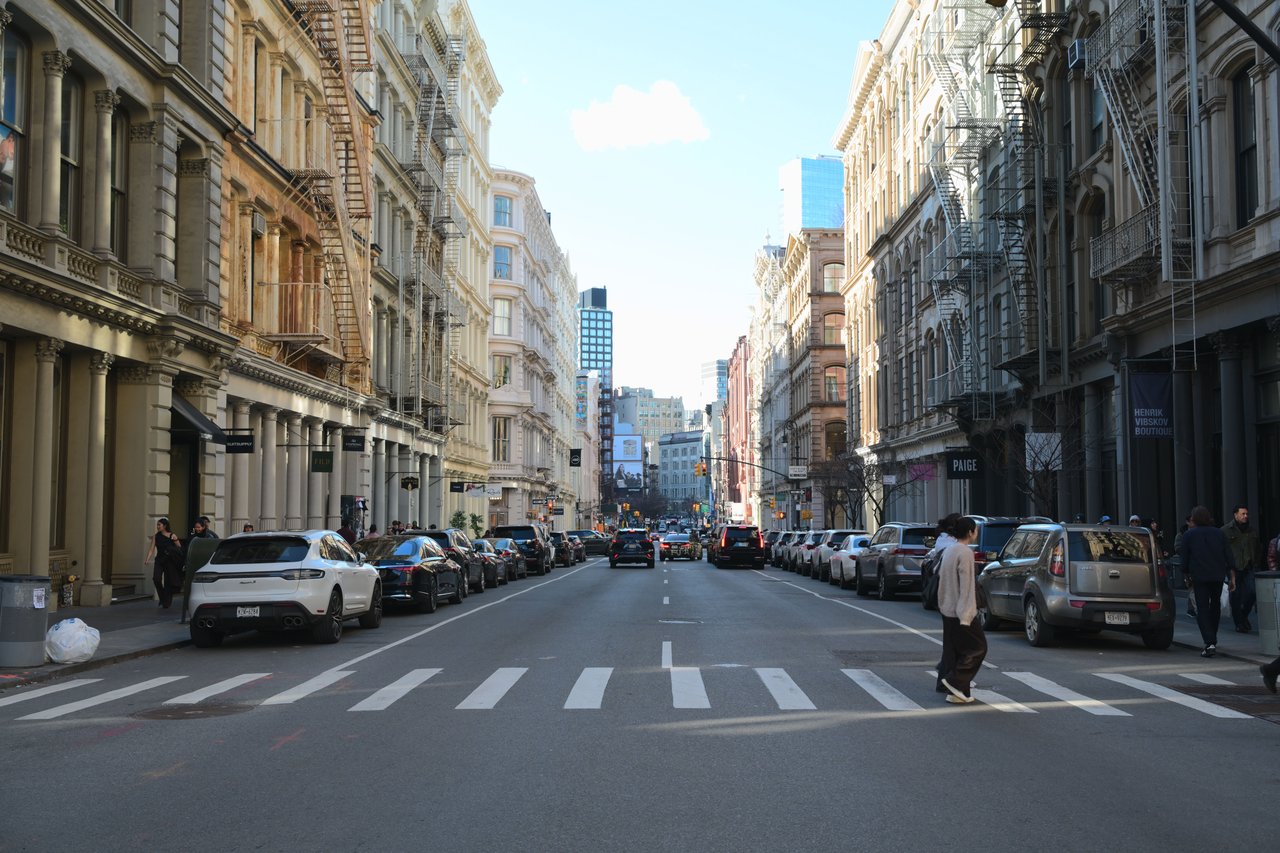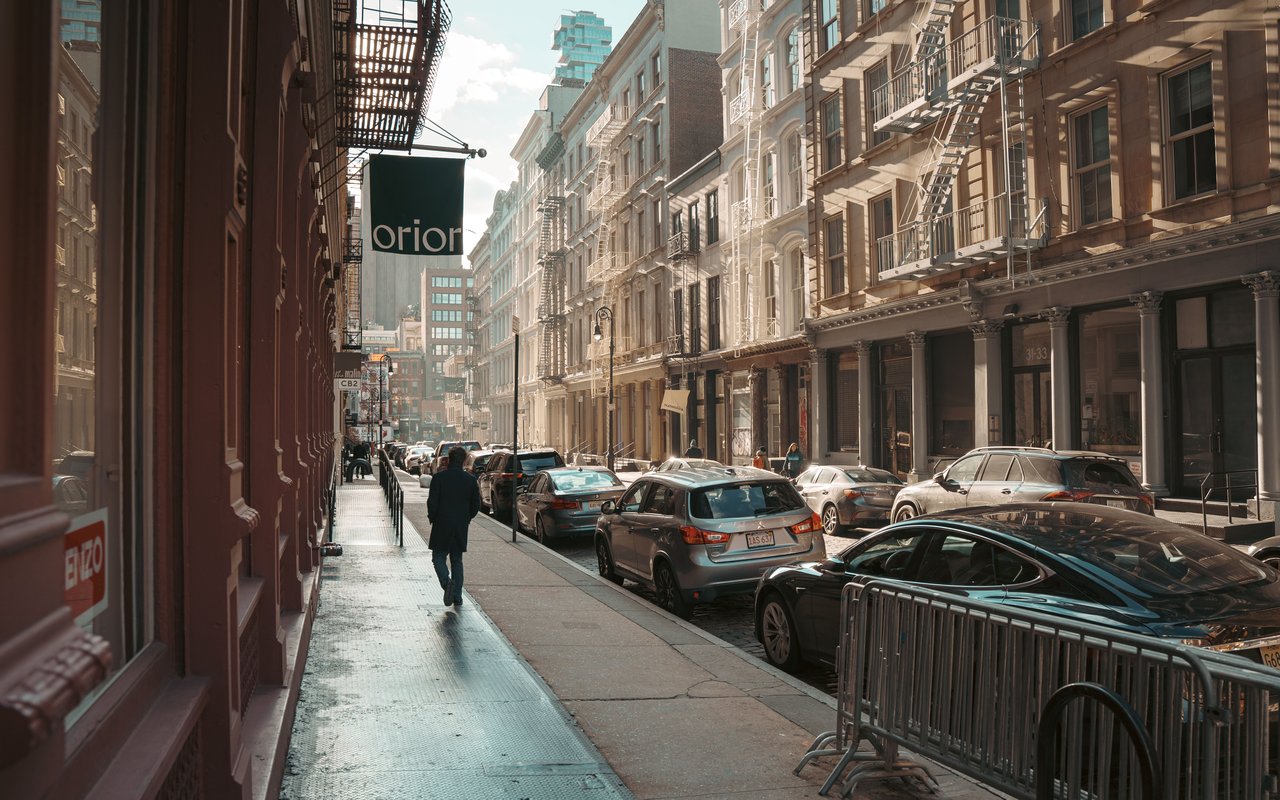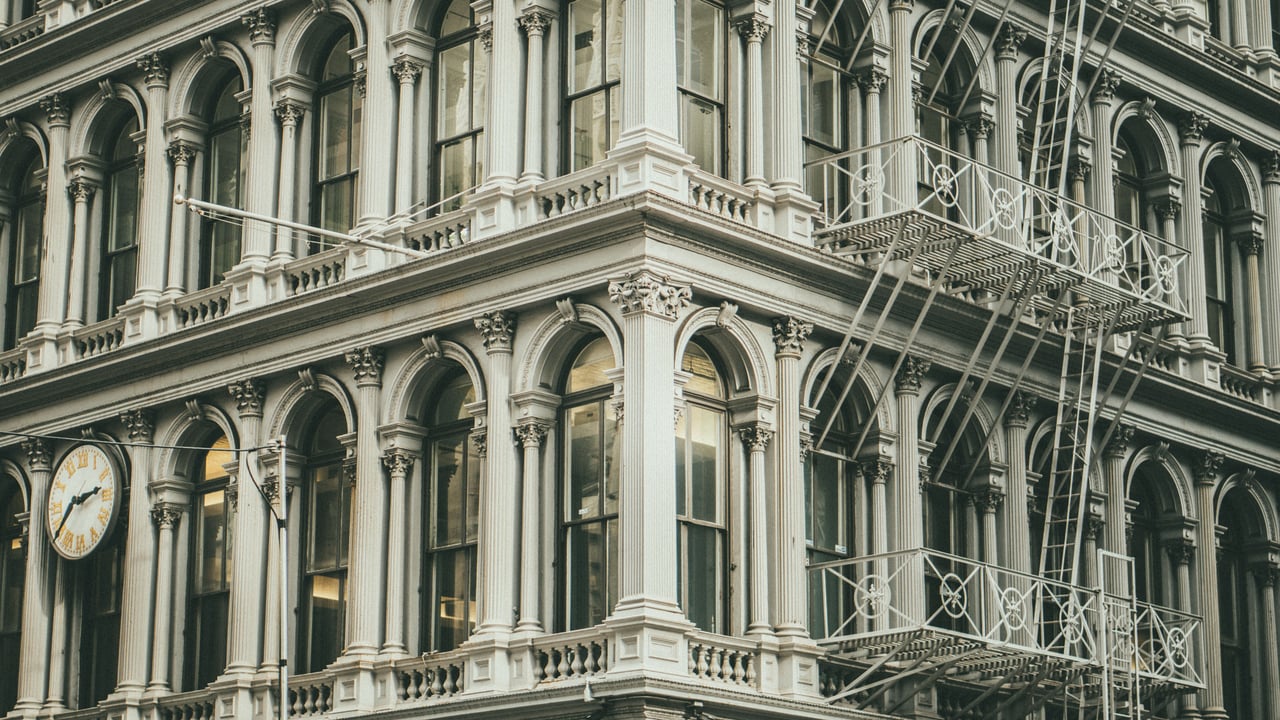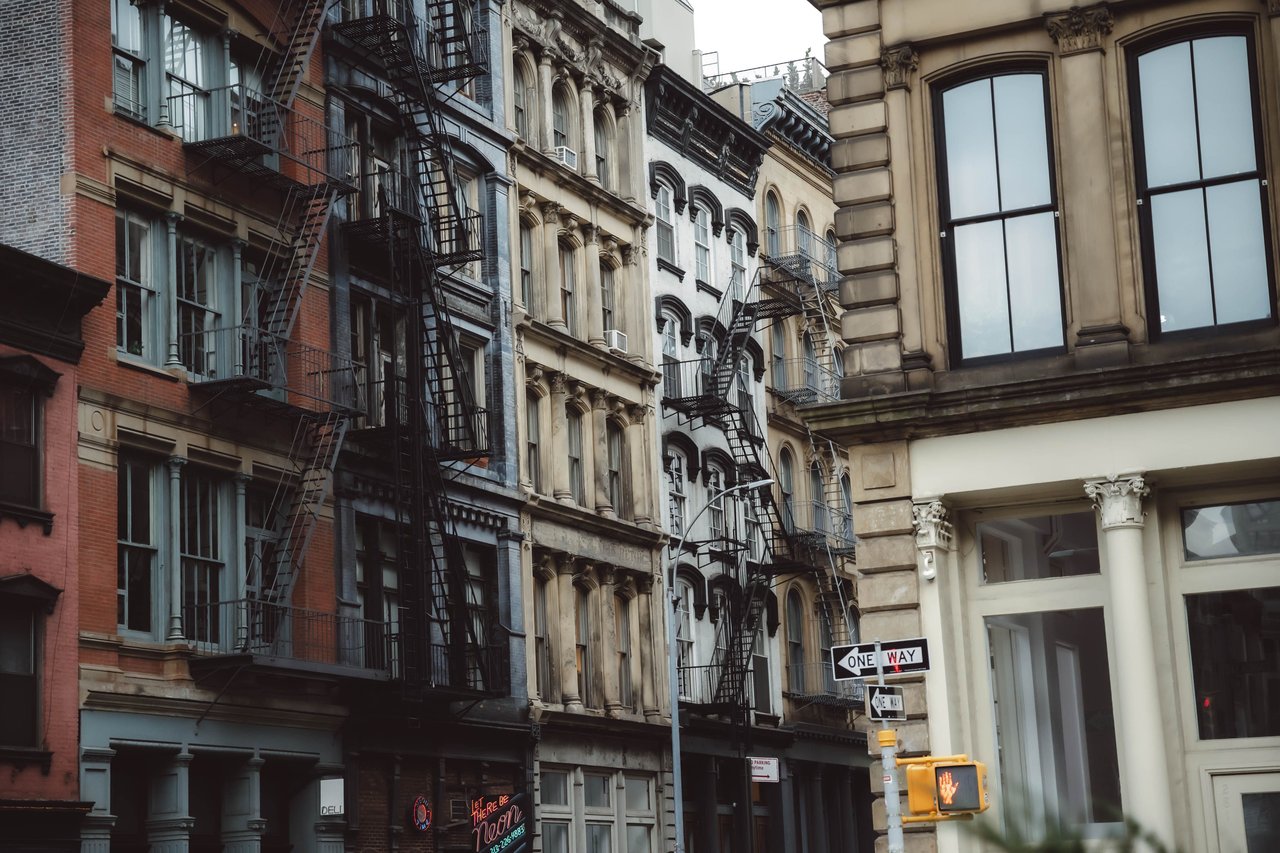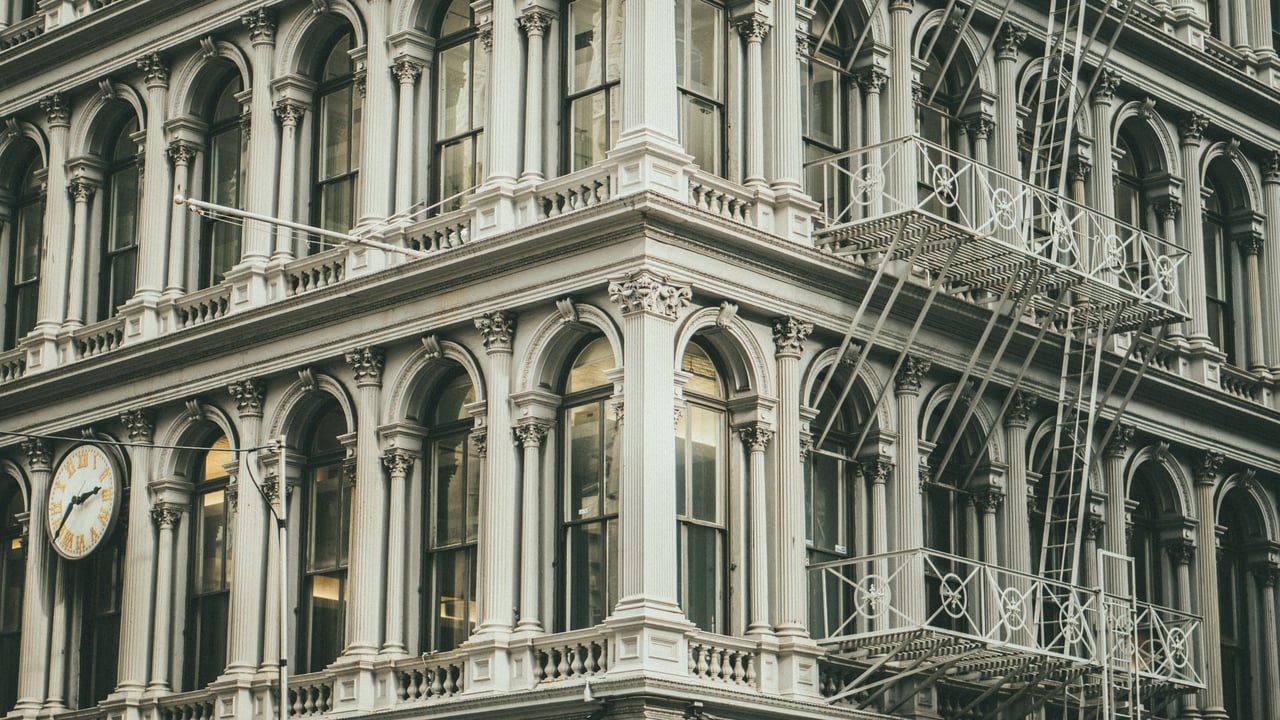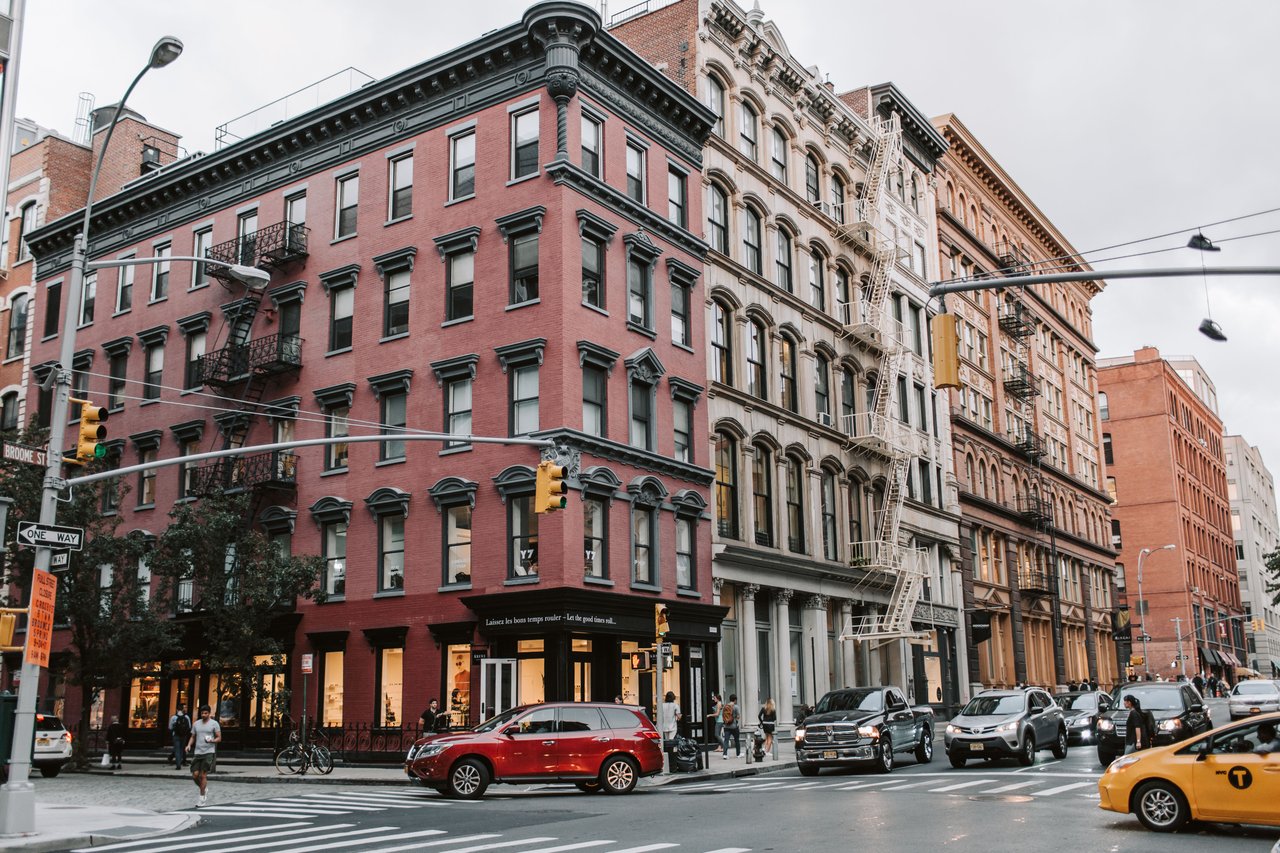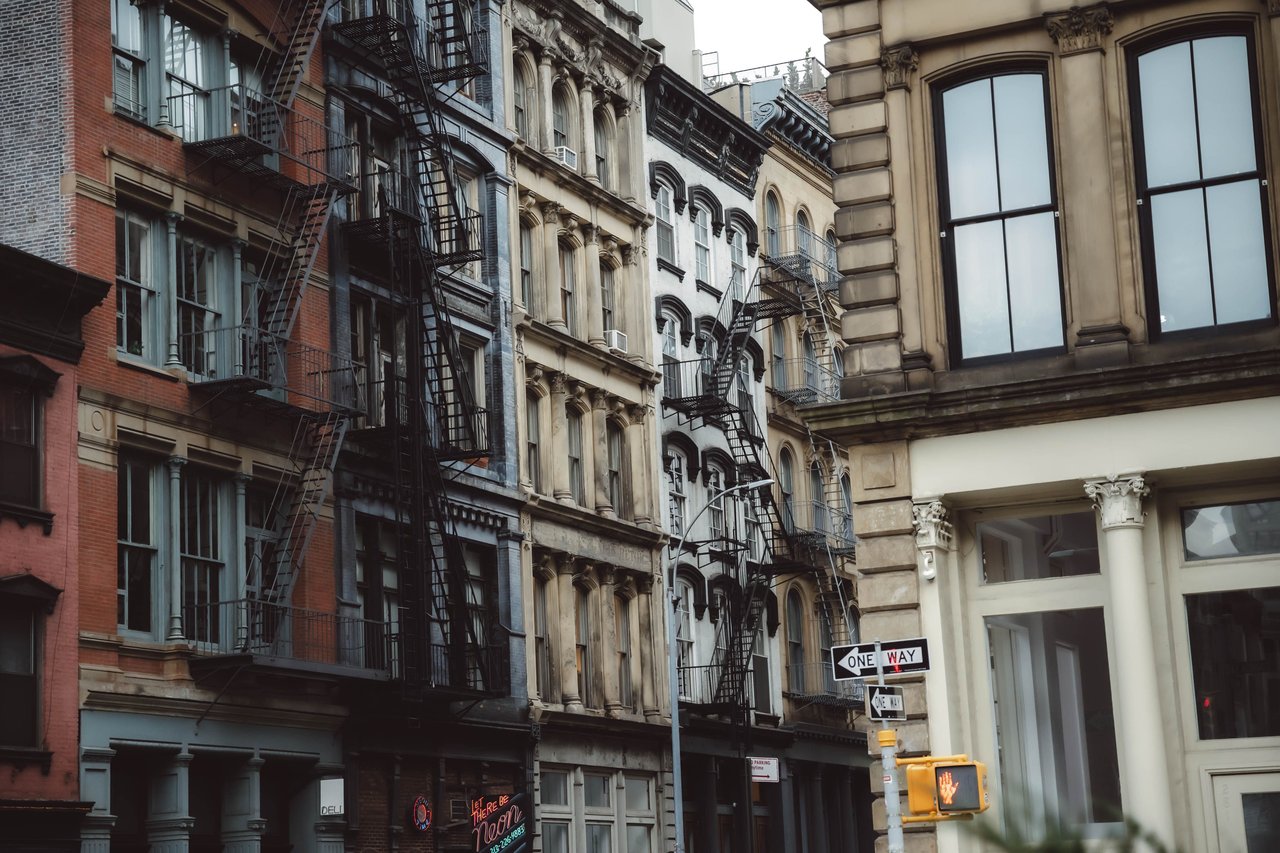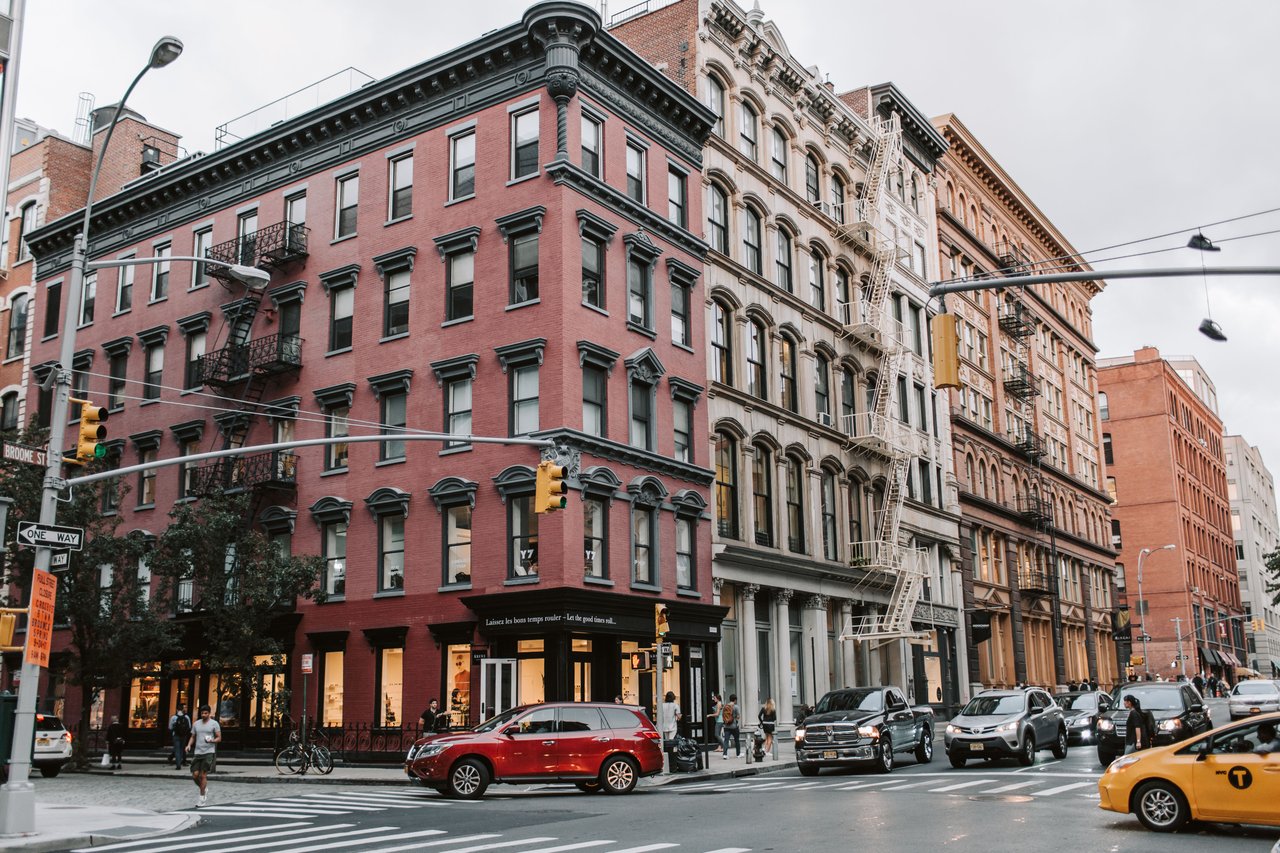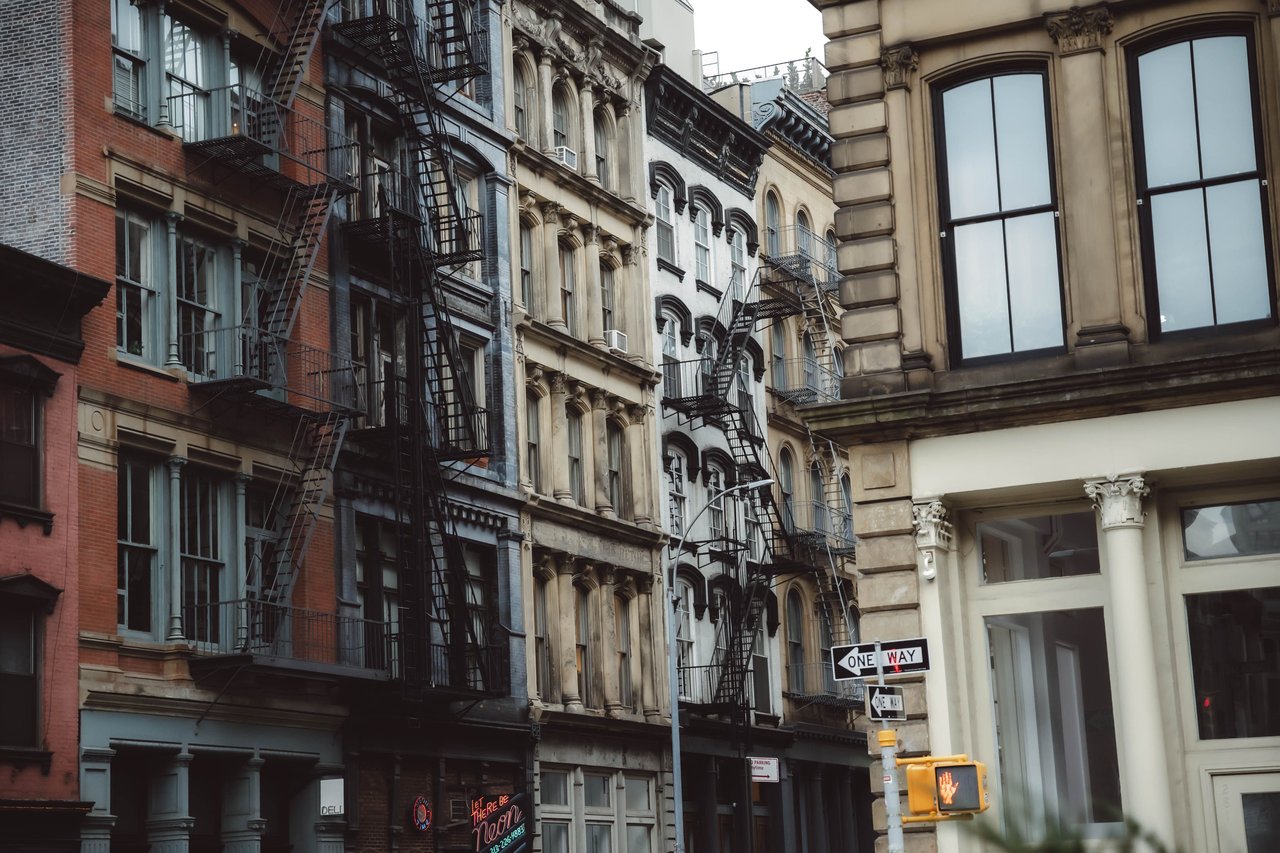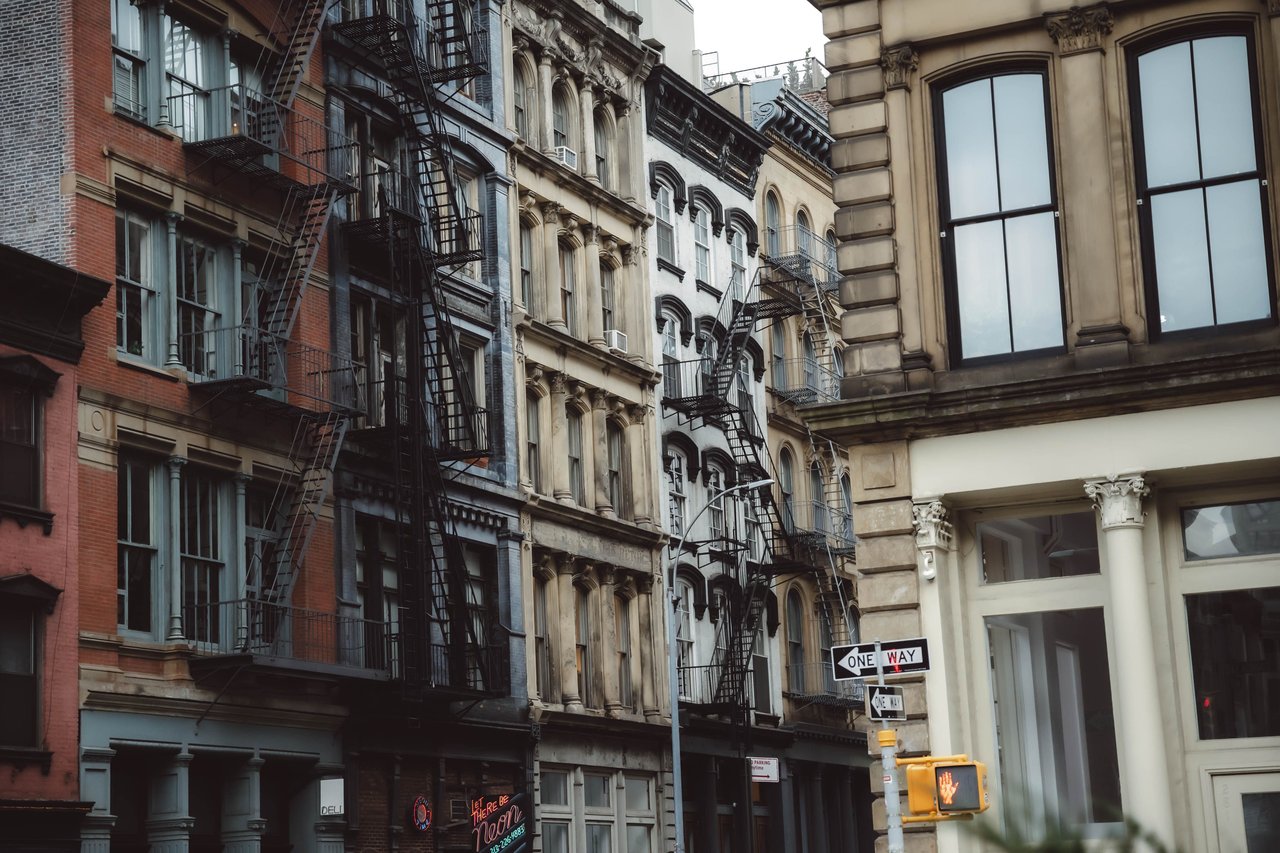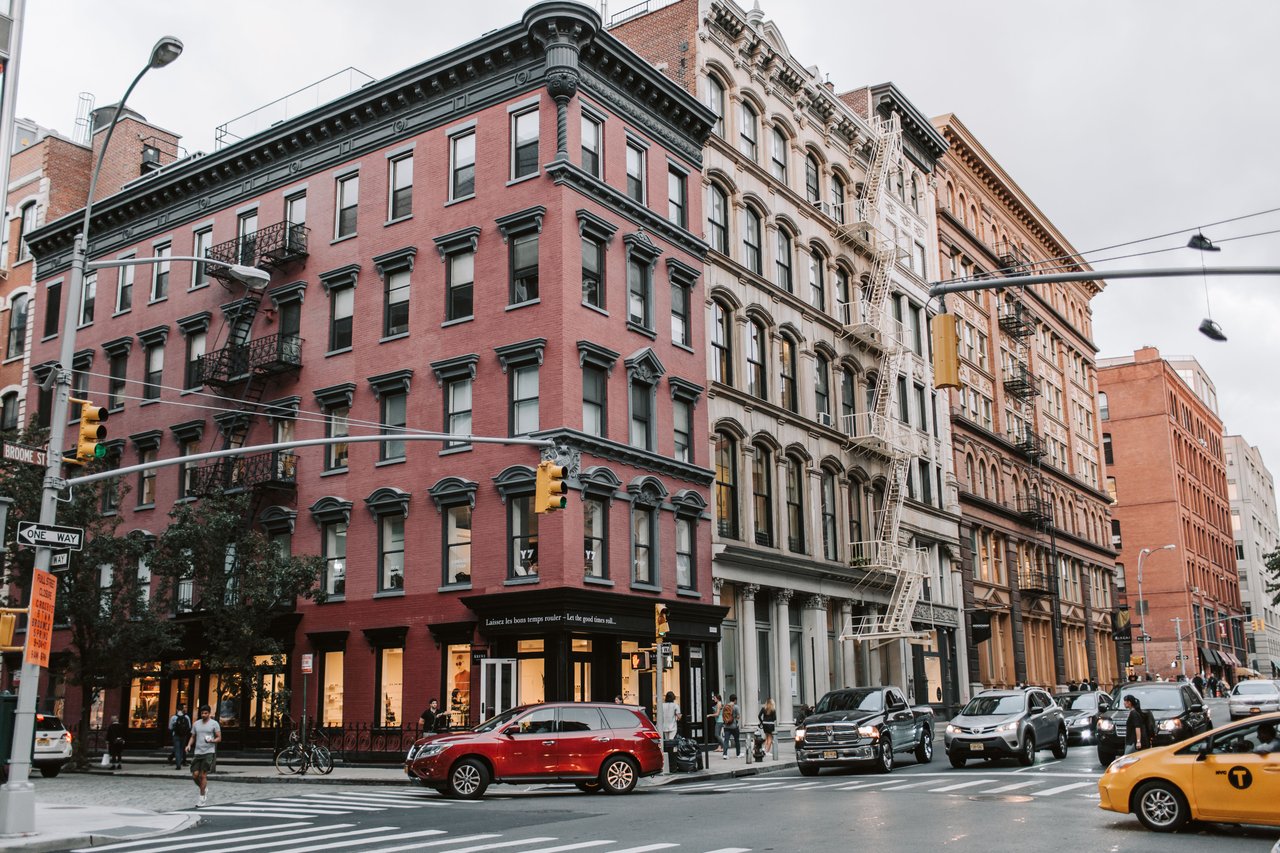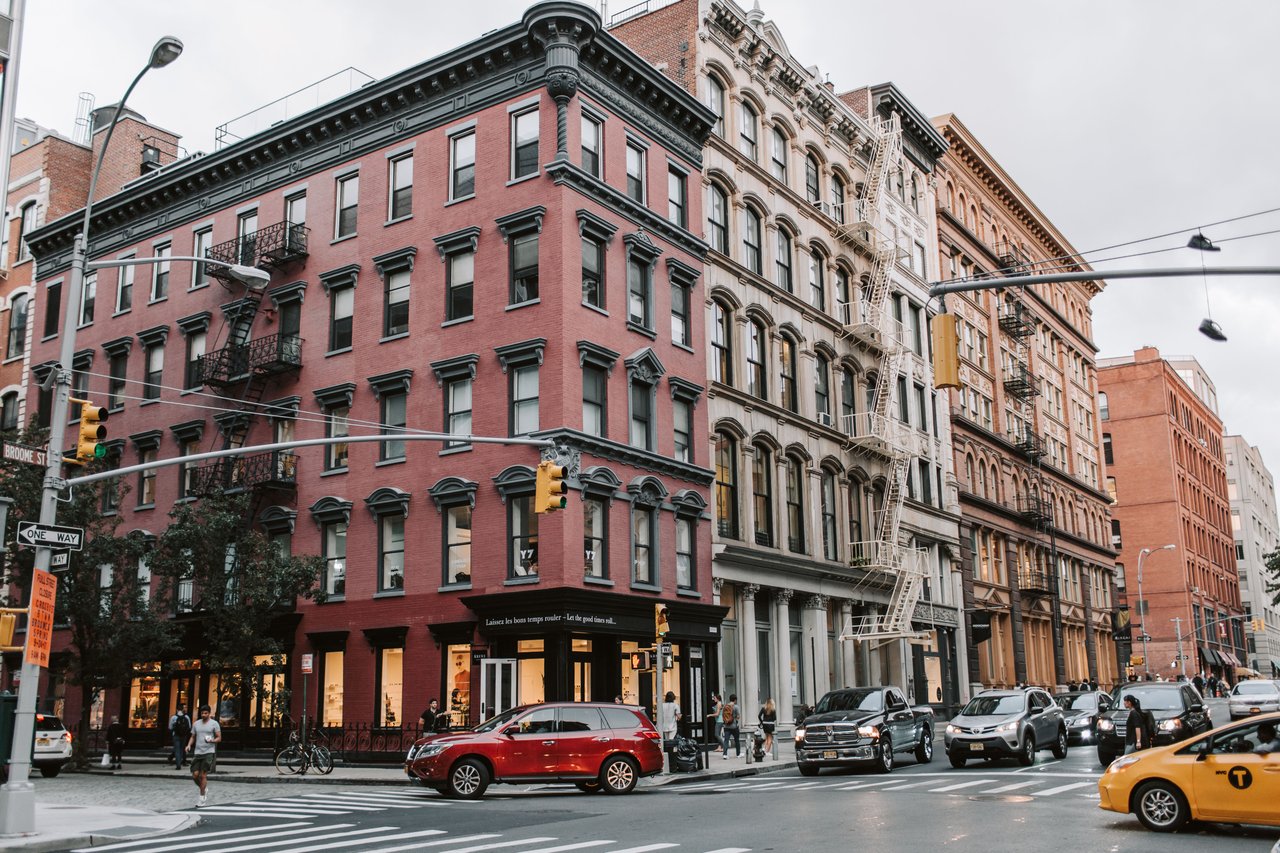
Vestry Street is one of northern Tribeca's most architecturally distinctive corridors, preserving a remarkable collection of nineteenth-century warehouses, industrial loft buildings, and early twentieth-century transportation architecture. Running westward from the area near Canal Street and Varick Street toward the Hudson River, the street reveals how Lower Manhattan evolved from an early residential neighborhood into a center of storage, manufacturing, and waterfront commerce.
Its architecture reflects several important periods in New York City's development. Substantial brick warehouses, Romanesque-inspired masonry details, former commercial buildings, and the distinctive Holland Tunnel Administration Building create a streetscape shaped by both historic preservation and changing transportation needs.
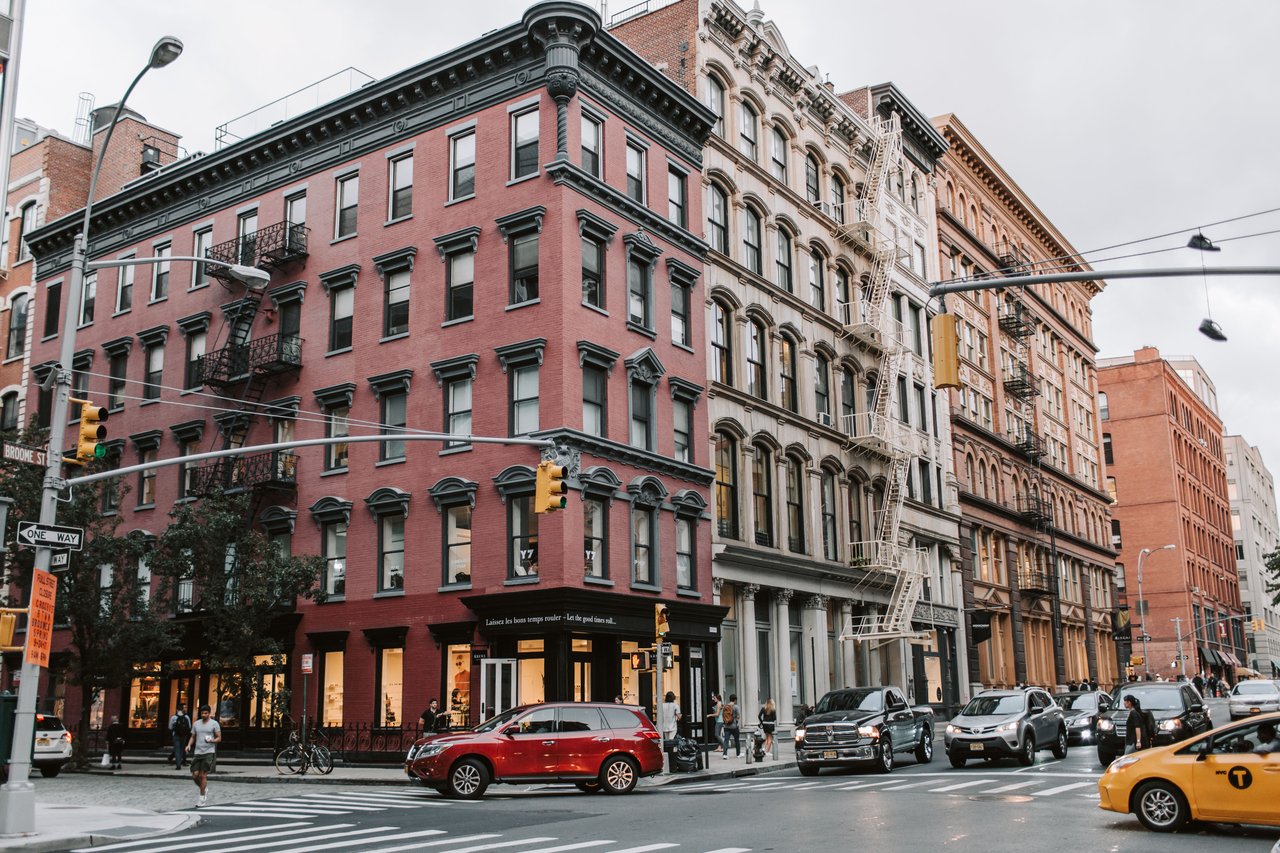
Unlike the monumental office towers farther south, Vestry Street retains much of the industrial scale associated with northern Tribeca. Its surviving commercial architecture offers an especially valuable record of the period when the Hudson River waterfront supported an extensive network of warehouses and freight businesses.
The Origins of Vestry Street
Vestry Street developed on land historically associated with Trinity Church, which controlled substantial property holdings in western Lower Manhattan during the eighteenth and early nineteenth centuries.
As the city expanded, Trinity Church gradually mapped and subdivided its former agricultural lands into streets and building lots. The cross streets in this area were deeded to the city in 1802 and subsequently graded and improved.
By the early nineteenth century, the surrounding neighborhood was beginning to develop with brick residences, workshops, and small commercial establishments.
The area's street pattern reflected the gradual expansion of Lower Manhattan rather than the more regular grid established farther north.
Vestry Street became an important east-west connection between the developing neighborhood and the commercial waterfront along the Hudson River.
Its architectural character would change considerably as industrial and warehouse construction expanded during the nineteenth century.
Why Is It Called Vestry Street?
Vestry Street takes its name from the vestry of Trinity Church, the governing body responsible for overseeing the church's affairs and property.
Many nearby streets were named after individual members of Trinity Church's vestry, including Laight Street, Desbrosses Street, and other streets associated with the institution's early history.
Vestry Street is distinctive because its name commemorates the governing body itself rather than a particular individual.
The name preserves the influence of Trinity Church on the development of western Lower Manhattan.
Although the neighborhood's architecture has changed dramatically since the early nineteenth century, the street continues to reflect the historical origins of the surrounding urban landscape.
Vestry Street in Early Nineteenth-Century Manhattan
During the early nineteenth century, Vestry Street developed within a neighborhood containing a mixture of residential and commercial properties.
East of Greenwich Street, the surrounding area became predominantly residential, while the blocks closer to the Hudson River developed with workshops and businesses associated with waterfront commerce.
Early buildings were generally modest in scale, featuring brick masonry, regularly arranged windows, and restrained decorative details.
Federal-style architecture influenced much of the neighborhood's early residential construction.
These buildings commonly incorporated simple cornices, brownstone lintels, and carefully proportioned facades.
As commercial activity increased, some residential properties were converted for business use, while others were replaced by larger structures.
This gradual transformation established the architectural foundation for the warehouse district that emerged during the second half of the nineteenth century.
The Former Vestry Street Church
One of the earliest institutional buildings associated with Vestry Street was the former Wesleyan Methodist chapel constructed around 1833 at 41–45 Vestry Street.
Originally known as the First Wesleyan Chapel, the building later became associated with the name Vestry Street Church.
Its construction reflected the institutional development of northern Tribeca during the early nineteenth century.
The building stood during a period when the surrounding blocks contained substantial residential properties alongside commercial establishments.
By the middle of the nineteenth century, the former church had been adapted for commercial use.
Its transformation illustrates the changing architectural and economic character of the neighborhood, as commercial activity increasingly replaced earlier residential and institutional functions.
The original chapel no longer defines the present streetscape, but its history remains an important part of Vestry Street's development.
The Commercial Transformation of Vestry Street
During the middle and late nineteenth centuries, Vestry Street became increasingly associated with warehousing, manufacturing, and commercial storage.
The expansion of shipping and freight activity along the Hudson River created demand for substantial buildings capable of accommodating merchandise and industrial operations.
Earlier residential properties were replaced by larger commercial structures.
Brick masonry became a dominant building material, while heavy timber framing, cast-iron columns, and substantial floor systems supported the weight of stored goods.
Large windows provided natural light to commercial interiors, and wide loading openings facilitated the movement of merchandise.
These practical requirements shaped the architectural character of the street.
By the late nineteenth century, Vestry Street had become part of an extensive warehouse district serving New York City's commercial economy.
The Warehouse Architecture of Vestry Street
The historic warehouses along Vestry Street were designed for durability, storage capacity, and efficient commercial operations.
Their substantial masonry walls provided structural strength, while regularly spaced windows illuminated large interior floors.
Ground-floor openings accommodated loading and deliveries.
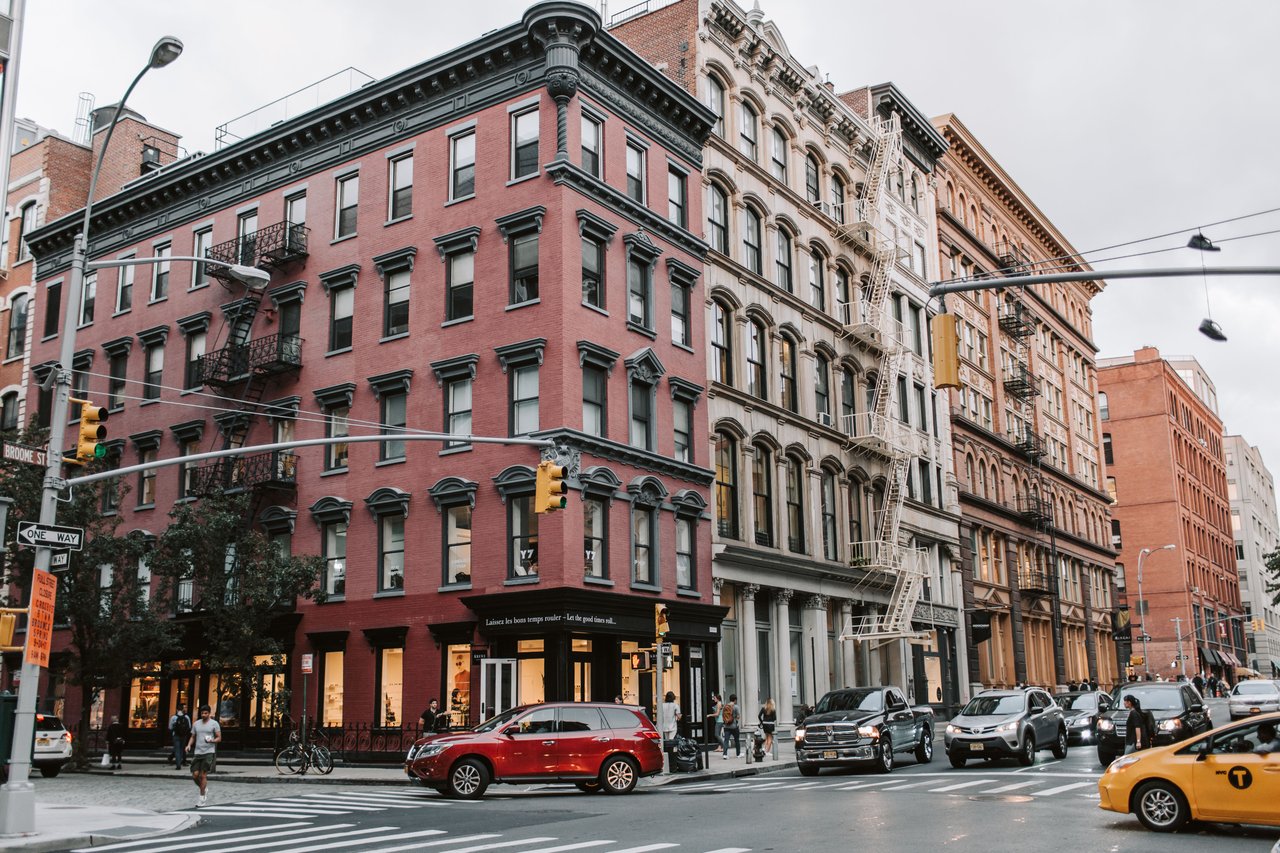
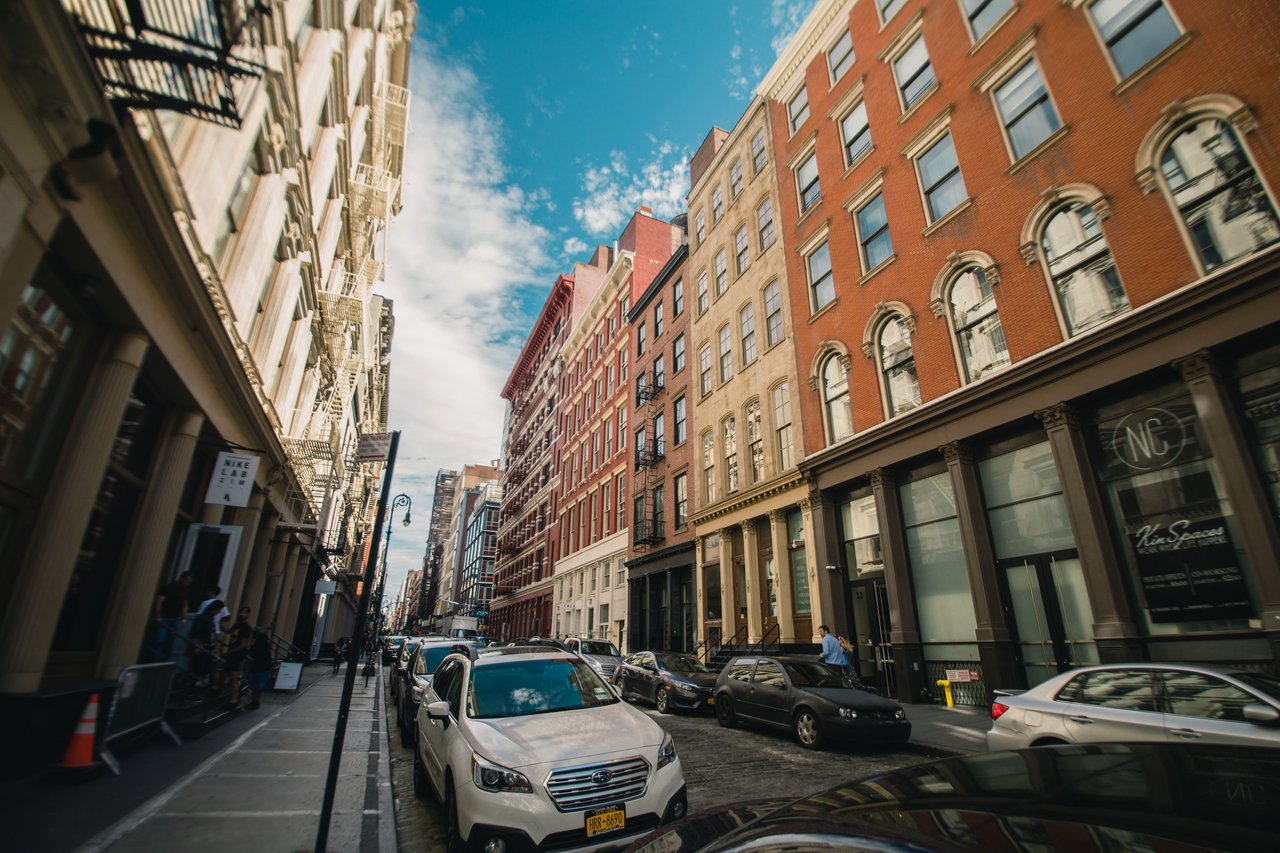
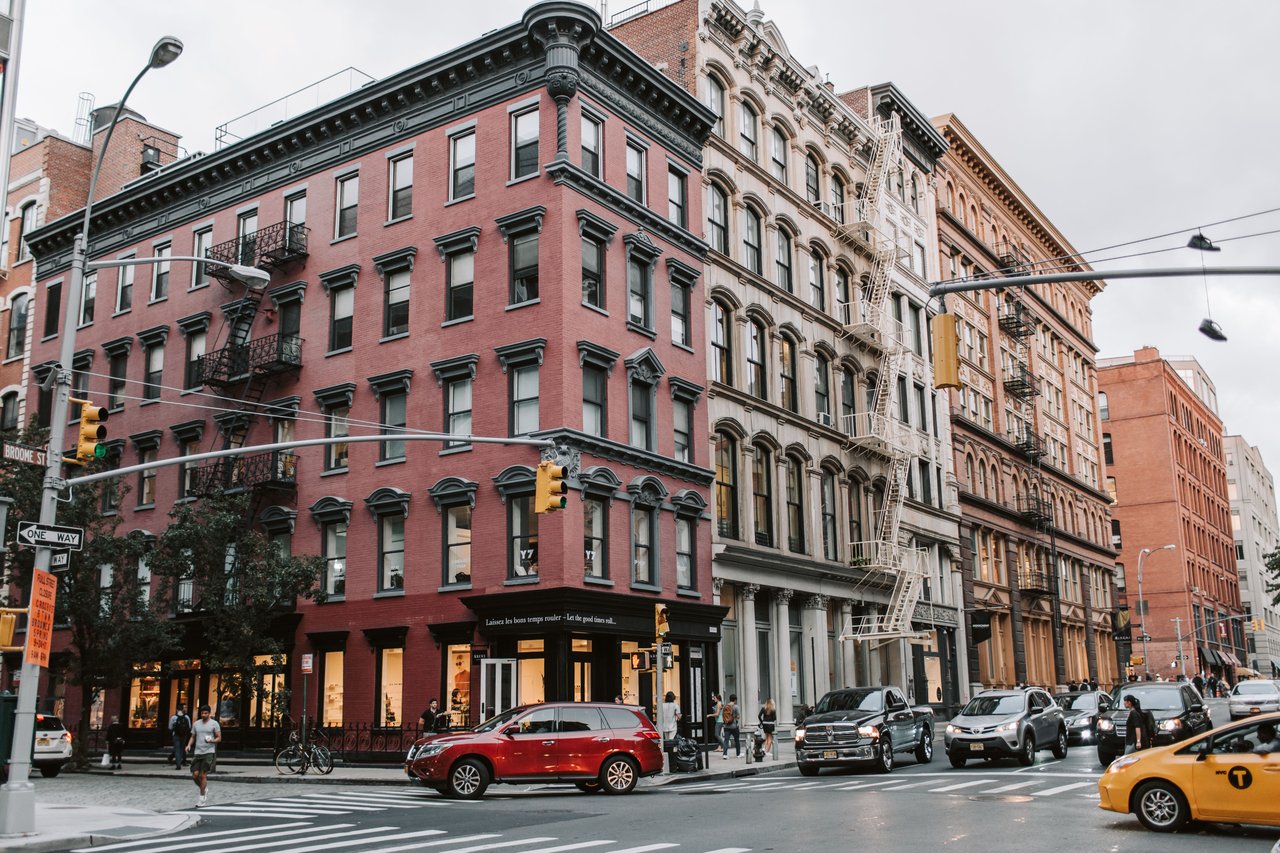
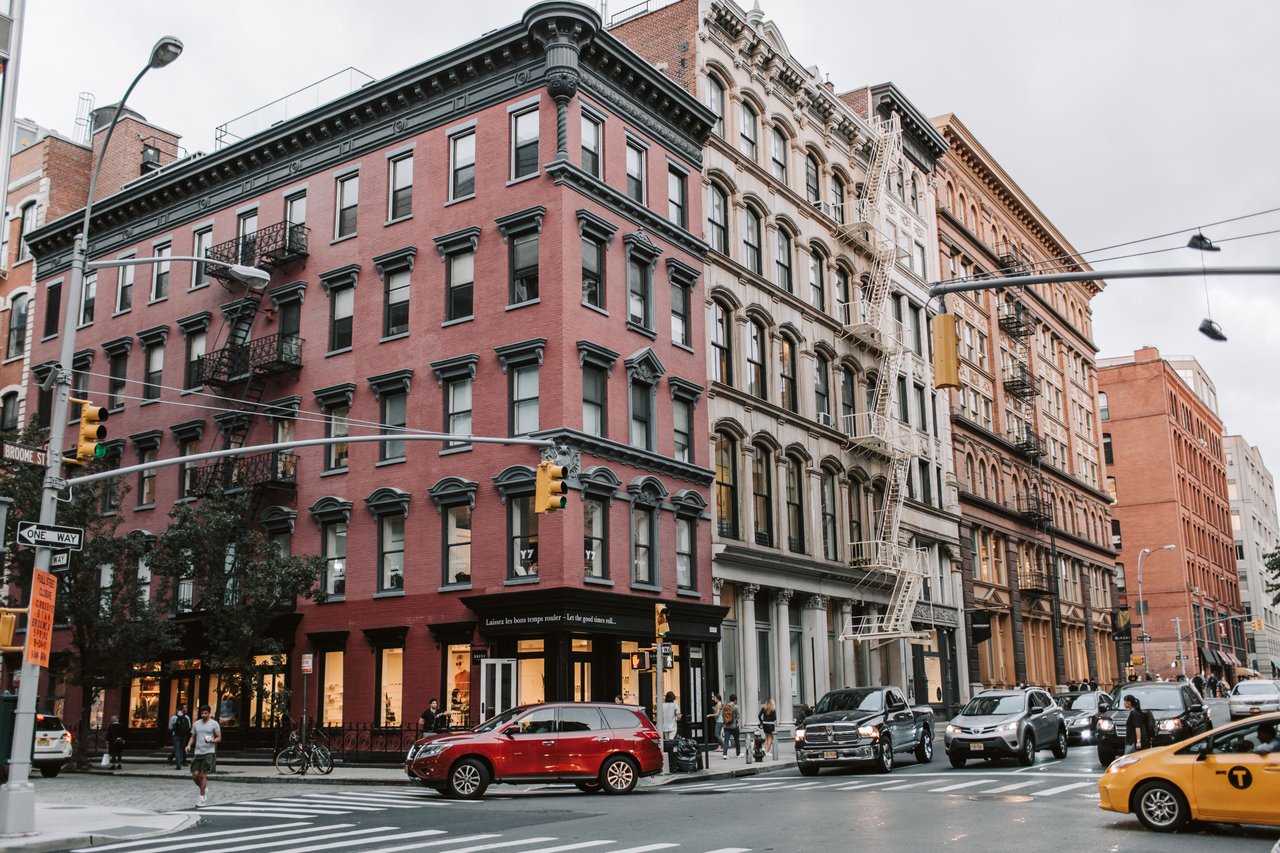
Some buildings incorporated decorative brickwork, stone trim, corbelled cornices, and Romanesque-inspired architectural details.
These features introduced visual distinction without compromising the practical functions of the structures.
The architectural character of Vestry Street reflects the broader development of Tribeca as a major commercial and industrial district.
Many of the surviving buildings were constructed during the period when warehouses became increasingly specialized and architecturally substantial.
The Historic Warehouses at 34–38 Vestry Street
Among the important surviving commercial buildings on Vestry Street is the warehouse at 34–38 Vestry Street, also known as 9–13 Desbrosses Street.
Constructed in 1884–1885, the seven-story building was designed by architect Charles C. Haight for the Trinity Church Corporation.
The structure extends through the block between Vestry and Desbrosses Streets, with substantial facades facing both streets.
Its architecture reflects the commercial warehouse construction of the late nineteenth century.
Masonry load-bearing walls, regularly arranged windows, and a substantial building mass accommodated the requirements of commercial storage.
The building formed part of a larger group of warehouses developed on Trinity Church property.
Its design demonstrates how major institutional landowners participated in the commercial development of northern Tribeca.
Charles C. Haight and the Warehouse Architecture of Tribeca
Charles C. Haight was an important New York architect whose work included institutional and commercial buildings.
His design for the warehouse at 34–38 Vestry Street reflects the architectural requirements of large-scale commercial storage during the 1880s.
The building was constructed as a rental property for Trinity Church, illustrating the continuing importance of the institution's landholdings long after the surrounding neighborhood had become urbanized.
Haight also designed the adjoining warehouse complex at 443–453 Greenwich Street.
The relationship between these buildings created a coordinated commercial development within the block.
Their architecture emphasizes substantial masonry construction, efficient interior planning, and a unified approach to industrial building design.
The Historic Warehouse Complex Near Greenwich Street
The blocks surrounding Vestry and Greenwich Streets contain an important concentration of nineteenth-century warehouse architecture.
During the second half of the century, the area became increasingly associated with storage businesses serving the commercial waterfront.
Large buildings were constructed on parcels that had previously accommodated residences, workshops, and smaller commercial structures.
Several warehouses developed within the same blocks, creating substantial interconnected commercial facilities.
These buildings often incorporated heavy structural systems, large windows, and multiple loading entrances.
The resulting architectural environment reflected the growth of commercial storage as a specialized industry.
Today, the surviving warehouses preserve an important part of northern Tribeca's industrial history.
The Warehouse at 39 Vestry Street
The building at 39 Vestry Street is another important example of the warehouse architecture that transformed northern Tribeca.
Constructed during the nineteenth century, the building formed part of a group of commercial storage properties developed in the surrounding block.
Its history is connected with the expansion of warehouse operations associated with the Hudson River waterfront.
The substantial masonry structure and flexible interior spaces reflected the practical requirements of commercial storage.
During the twentieth century, the building accommodated changing industrial and commercial uses.
It was later converted into residential condominium lofts, demonstrating how historic warehouse architecture could be adapted for contemporary living.
The conversion preserved an important example of Tribeca's commercial building heritage while introducing a new residential function.
The Development of Commercial Storage in Northern Tribeca
Commercial storage became an increasingly important industry in northern Tribeca during the nineteenth century.
The neighborhood's proximity to the Hudson River provided convenient access to shipping facilities and freight transportation.
Warehouses were developed to accommodate merchandise arriving through the port and goods awaiting distribution throughout the city.
The buildings required substantial floor-loading capacity, durable construction, and accessible loading areas.
As businesses expanded, individual warehouses were sometimes combined into larger commercial complexes.
The resulting architecture differed considerably from the modest residences that had occupied the neighborhood during its earlier development.
Vestry Street preserves important examples of this transformation through its substantial masonry warehouse buildings.
Vestry Street and Hudson Street
Hudson Street intersects Vestry Street near its eastern end and connects it with one of Tribeca's most important historic commercial corridors.
During the nineteenth century, Hudson Street developed with a mixture of residential buildings, shops, workshops, and warehouses.
The surrounding neighborhood gradually became more commercial as manufacturing and storage operations expanded.
Substantial brick buildings and former industrial structures remain important architectural features.
The intersection also lies near the Holland Tunnel approaches, whose construction during the 1920s substantially altered the surrounding street network.
Today, Hudson Street provides a connection between Vestry Street and the broader architectural landscape of northern Tribeca.
Vestry Street and Greenwich Street
Greenwich Street is one of the most architecturally significant intersections along Vestry Street.
The surrounding blocks contain substantial nineteenth-century warehouses developed during the expansion of commercial storage.
The building at 34–38 Vestry Street forms part of a coordinated warehouse development associated with Trinity Church.
Nearby structures preserve additional examples of masonry commercial architecture.
The intersection illustrates the transformation of northern Tribeca from a residential neighborhood into an industrial district.
Today, these buildings contribute to the historic character of the Tribeca North Historic District.
The Former School on Vestry Street
Vestry Street also played a role in the development of educational institutions in nineteenth-century Tribeca.
Primary School No. 11, originally established on Greenwich Street, relocated to a site at 29–33 Vestry Street in 1865.
A four-story brick school building was constructed on the property before 1879.
Its architecture reflected the practical requirements of nineteenth-century educational buildings, with substantial masonry construction and regularly arranged windows.
The presence of the school demonstrates that northern Tribeca continued to accommodate institutional uses even as warehouses and commercial buildings became increasingly prominent.
The building's history adds another layer to the architectural development of the street.
The Holland Tunnel Administration Building
One of the most distinctive twentieth-century buildings associated with Vestry Street is the Holland Tunnel Administration Building at 4–10 Vestry Street.
Constructed in 1926, the four-story building was designed by architect Erling Dure for the New York State Bridge and Tunnel Commission and the New Jersey Interstate Bridge and Tunnel Commission.
Its construction was connected with the development of the Holland Tunnel, which opened in 1927.
The building occupies an unusual triangular site created by the widening and reconfiguration of Canal Street and Varick Street.
Its architecture incorporates a granite-faced base, patterned brown-brick walls, limestone trim, and a series of setbacks.
The building demonstrates how transportation infrastructure influenced architectural design during the early twentieth century.
The Architecture of the Holland Tunnel Administration Building
The Holland Tunnel Administration Building combines practical institutional design with carefully composed architectural details.
Its triangular footprint responds to the unusual geometry of the surrounding streets.
The lower level features substantial granite facing and arched openings, while the upper stories are organized through brick pilasters and recessed wall surfaces.
Limestone bands and decorative masonry details emphasize the building's horizontal and vertical composition.
The entrance includes a bronze surround with an inscription identifying the Holland Tunnel.
Its design differs from the nineteenth-century warehouses nearby, reflecting the emergence of modern transportation infrastructure as an important influence on urban architecture.
The building remains an important architectural landmark within the historic streetscape of northern Tribeca.
The Holland Tunnel and the Transformation of Vestry Street
The construction of the Holland Tunnel during the 1920s introduced major changes to the surrounding neighborhood.
The tunnel created a vehicular connection beneath the Hudson River between Manhattan and New Jersey.
Its development required substantial alterations to streets and transportation infrastructure.
The widening of Canal Street and Varick Street changed the configuration of nearby blocks.
Several older buildings were demolished to accommodate the new transportation facilities.
The Holland Tunnel Administration Building became an important architectural component of the project.
Its construction reflects the growing influence of automobile transportation on Manhattan's urban landscape.
The Former A&P Warehouse at 67 Vestry Street
One of the most historically significant industrial buildings associated with Vestry Street was the former Great Atlantic & Pacific Tea Company warehouse at 67 Vestry Street.
Constructed in 1897, the building was designed by architect Frederick P. Dinkelberg.
It was developed as a purpose-built warehouse for the grocery company commonly known as A&P.
The building's substantial masonry construction reflected the requirements of large-scale commercial storage and distribution.
Its architectural character incorporated features associated with Romanesque Revival industrial design.
In 1910, architect Frank Helme designed a two-story addition.
The resulting structure became an important example of late nineteenth-century warehouse architecture.
Preservation advocates later highlighted the building's significance as evidence of Tribeca's commercial history.
The Architectural Significance of the A&P Warehouse
The former A&P warehouse represented the increasing scale and sophistication of commercial distribution during the late nineteenth century.
Its substantial masonry walls, large interior spaces, and industrial architectural details were designed to accommodate extensive storage operations.
The building's original construction reflected the growing importance of centralized distribution facilities in New York City.
The later addition demonstrated how commercial warehouses could be expanded as business requirements changed.
Its architectural history became an important subject of preservation advocacy during the twenty-first century.
The building's significance extended beyond its original commercial function because it illustrated the relationship between industrial architecture and the development of modern distribution networks.
Vestry Street and Washington Street
Washington Street intersects Vestry Street within an area historically associated with warehouses, manufacturing, and waterfront commerce.
During the nineteenth century, the surrounding blocks contained commercial structures serving businesses connected with the Hudson River.
Large warehouses and industrial buildings were constructed to accommodate merchandise and commercial operations.
The architecture reflected these practical requirements through substantial masonry construction, large windows, and flexible interior spaces.
As industrial activity declined during the twentieth century, some buildings were adapted for residential or other uses.
The intersection remains an important part of the architectural landscape of northern Tribeca.
Vestry Street and West Street
West Street forms the western end of Vestry Street and historically connected the neighborhood with the Hudson River waterfront.
During the nineteenth century, the surrounding area contained commercial piers, warehouses, and transportation facilities.
The waterfront supported shipping and freight operations that influenced the development of nearby streets.
Warehouses along Vestry Street benefited from their proximity to these facilities.
During the twentieth century, changes in shipping technology and transportation reduced the importance of traditional waterfront warehousing.
Later redevelopment introduced modern buildings and public spaces along the Hudson River.
Today, the western end of Vestry Street connects the historic industrial streetscape of Tribeca with the contemporary waterfront environment.
Vestry Street and the Hudson River Waterfront
The Hudson River played an essential role in the development of Vestry Street.
During the nineteenth century, the waterfront supported an extensive network of piers, shipping facilities, and commercial warehouses.
Businesses relied on the river for the transportation of merchandise and raw materials.
The surrounding street network provided access between waterfront facilities and commercial districts farther inland.
As a result, many buildings were designed specifically for storage and distribution.
The architecture emphasized durability, substantial structural capacity, and convenient loading access.
Although the waterfront's commercial functions have changed considerably, the surviving warehouse buildings preserve evidence of this earlier industrial economy.
The Tribeca North Historic District
The Tribeca North Historic District was designated by the New York City Landmarks Preservation Commission on December 8, 1992.
The district recognizes the architectural significance of the neighborhood's surviving residential, warehouse, and industrial buildings.
Portions of Vestry Street fall within its boundaries.
The district contains examples of early nineteenth-century residential architecture, substantial late nineteenth-century warehouses, and twentieth-century commercial structures.
Its designation reflects the importance of preserving the relationship between buildings constructed during different phases of the neighborhood's development.
The historic district also recognizes the architectural significance of the Holland Tunnel Administration Building and the surrounding commercial structures.
Alterations to designated properties are subject to applicable review by the Landmarks Preservation Commission.
Historic Preservation on Vestry Street
Historic preservation has helped maintain the architectural identity of Vestry Street.
The surviving nineteenth-century warehouses provide evidence of the neighborhood's industrial development.
Their masonry facades, window arrangements, and structural characteristics reflect the practical requirements of commercial storage.
The Holland Tunnel Administration Building preserves an important example of early twentieth-century transportation architecture.
Together, these buildings demonstrate how northern Tribeca developed through successive periods of residential, commercial, and infrastructural construction.
Preservation efforts have also encouraged discussion about the architectural significance of former industrial buildings outside established historic district boundaries.
The Conversion of Industrial Buildings into Residential Lofts
The conversion of former industrial buildings into residential lofts became an important part of Tribeca's development during the late twentieth century.
Historic warehouses offered substantial interior spaces, high ceilings, and large windows that could be adapted for residential use.
Renovations introduced contemporary kitchens, bathrooms, mechanical systems, and residential amenities while retaining selected historic architectural features.
Exposed brick, structural columns, timber beams, and oversized windows became defining characteristics of many converted loft residences.
The transformation allowed former commercial buildings to accommodate new functions while preserving important elements of their original construction.
Vestry Street's surviving warehouse architecture reflects this broader evolution of northern Tribeca.
Contemporary Development on Vestry Street
Vestry Street has continued to change as northern Tribeca has become an established residential neighborhood.
Some former industrial properties have been renovated and adapted for contemporary use, while others have been replaced by newer construction.
Modern residential buildings introduce contemporary structural systems, updated building services, and architectural designs that differ from the historic warehouse structures nearby.
These developments reflect the continuing demand for residential space within former commercial districts.
The resulting streetscape combines nineteenth-century masonry architecture with twentieth-century infrastructure and contemporary residential design.
This architectural contrast is a defining feature of modern Tribeca.
What Does Tribeca Stand For?
Tribeca stands for Triangle Below Canal Street, referring to the neighborhood's location south of Canal Street in Lower Manhattan.
Historically, the area was associated with the Washington Market district and the commercial neighborhoods surrounding Manhattan's western waterfront.
During the nineteenth century, much of Tribeca developed into an important center of wholesale commerce, manufacturing, and warehousing.
Its architecture was shaped by substantial brick industrial buildings, cast-iron storefronts, decorative masonry facades, and commercial loft structures.
During the late twentieth century, many former industrial buildings were converted into residential lofts.
Vestry Street reflects this architectural evolution through its surviving warehouses, transportation infrastructure, and contemporary residential development.
Vestry Street During the Twentieth Century
The twentieth century brought substantial changes to Vestry Street.
Industrial and commercial businesses continued operating in the surrounding neighborhood during the early decades of the century.
The construction of the Holland Tunnel during the 1920s transformed transportation patterns and altered nearby street alignments.
As shipping and manufacturing activities changed, some warehouses were adapted for new uses while others were demolished.
During the late twentieth century, residential conversions became increasingly common throughout Tribeca.
Historic preservation efforts helped protect significant buildings and architectural features.
The designation of the Tribeca North Historic District in 1992 recognized the importance of the neighborhood's surviving historic structures.
Vestry Street Today
Today, Vestry Street remains an important architectural corridor in northern Tribeca.
Its surviving warehouses preserve the character of the nineteenth-century commercial district, while the Holland Tunnel Administration Building reflects the development of modern transportation infrastructure.
The surrounding streets contain former industrial structures that have been adapted for residential use, creating a distinctive combination of historic and contemporary architecture.
The relationship between masonry warehouses, transportation facilities, and modern residential development makes Vestry Street an especially revealing example of Tribeca's evolution.
Its architecture continues to reflect the neighborhood's industrial origins even as its buildings accommodate new uses.
The Architectural Legacy of Vestry Street
Vestry Street preserves an important record of Lower Manhattan's architectural history.
Its origins reflect the subdivision of Trinity Church land during the early nineteenth century, while its earliest development included modest residences and institutional buildings.
The expansion of waterfront commerce introduced substantial warehouses and industrial structures during the second half of the century.
The surviving commercial buildings, including the warehouse at 34–38 Vestry Street, illustrate the architectural requirements of nineteenth-century storage operations.
The Holland Tunnel Administration Building represents the transformation of transportation infrastructure during the 1920s.
Later preservation efforts and residential conversions introduced new uses while maintaining important elements of the historic streetscape.
Today, Vestry Street remains a distinctive architectural corridor where industrial heritage, historic preservation, and contemporary development coexist.
Where is Vestry Street in Tribeca, Manhattan?
Vestry Street runs through northern Tribeca, Manhattan, extending westward from the Canal Street and Varick Street area toward West Street and the Hudson River waterfront.
What is the history of Vestry Street in Tribeca, Manhattan?
Vestry Street developed on land associated with Trinity Church during the early nineteenth century. Its history includes early residential construction, the growth of commercial warehouses, the development of waterfront businesses, and the construction of the Holland Tunnel Administration Building in 1926.
Why is Vestry Street famous in Tribeca, Manhattan?
Vestry Street is known for its historic warehouse architecture, the Holland Tunnel Administration Building, its relationship with the Tribeca North Historic District, and its former industrial buildings associated with commercial storage and distribution.
Why is it called Vestry Street in Tribeca, Manhattan?
Vestry Street is named after the vestry of Trinity Church, the governing body responsible for overseeing the church's affairs and property.
What does Tribeca stand for in Manhattan?
Tribeca stands for Triangle Below Canal Street, referring to the neighborhood's location south of Canal Street in Lower Manhattan.
What architectural styles are found on Vestry Street in Tribeca, Manhattan?
Vestry Street contains nineteenth-century commercial warehouse architecture, Romanesque-inspired industrial buildings, early twentieth-century institutional architecture, and contemporary residential construction.
Is Vestry Street part of Tribeca, Manhattan?
Yes. Vestry Street is located in northern Tribeca, Manhattan, near Canal Street and the Hudson River waterfront.
Is Vestry Street in a historic district in Tribeca, Manhattan?
Yes. Portions of Vestry Street are included within the Tribeca North Historic District, designated in 1992. Not every property along the street necessarily falls within its boundaries.
What makes Vestry Street architecturally significant in Tribeca, Manhattan?
Vestry Street preserves important examples of nineteenth-century warehouse architecture and early twentieth-century transportation infrastructure. The Holland Tunnel Administration Building and the surviving commercial warehouses illustrate different phases of northern Tribeca's development.
What is the Holland Tunnel Administration Building on Vestry Street in Tribeca, Manhattan?
The Holland Tunnel Administration Building at 4–10 Vestry Street was designed by Erling Dure and constructed in 1926. Its triangular plan, granite-faced base, patterned brickwork, and limestone details reflect the architectural requirements of early twentieth-century transportation infrastructure.
What is the historic warehouse at 34–38 Vestry Street in Tribeca, Manhattan?
The warehouse at 34–38 Vestry Street was designed by Charles C. Haight and constructed in 1884–1885 for the Trinity Church Corporation. The seven-story masonry building extends through the block to Desbrosses Street.
What was the A&P Warehouse on Vestry Street in Tribeca, Manhattan?
The former A&P Warehouse at 67 Vestry Street was constructed in 1897 to designs by Frederick P. Dinkelberg. A two-story addition was designed by Frank Helme in 1910. The building became an important subject of historic preservation advocacy.
What is the Tribeca North Historic District near Vestry Street in Manhattan?
The Tribeca North Historic District was designated in 1992 to protect significant examples of the neighborhood's historic residential, warehouse, and industrial architecture. Its boundaries include portions of Vestry Street.
How did the Holland Tunnel affect Vestry Street in Tribeca, Manhattan?
The construction of the Holland Tunnel during the 1920s altered nearby street alignments and introduced substantial transportation infrastructure. The Holland Tunnel Administration Building was constructed on Vestry Street as part of the project.
Who can help me sell my townhouse on Vestry Street in Tribeca, Manhattan?
The Parviz Team at Compass and Parviz Latipzoda can help you sell your townhouse on Vestry Street in Tribeca, Manhattan. The team develops a tailored strategy based on the property's architecture, condition, legal occupancy, and comparable sales. Professional photography, Compass Private Exclusives, and targeted local and international buyer outreach help position the property for qualified buyers. For a free townhouse market valuation, call Parviz at (917) 847-7771.
Who can help me sell my apartment on Vestry Street in Tribeca, Manhattan?
The Parviz Team at Compass and Parviz Latipzoda can help you sell your apartment on Vestry Street in Tribeca, Manhattan. The team combines strategic pricing, professional photography, digital marketing, and Compass's brokerage network to attract prospective buyers. The marketing approach considers the apartment's layout, condition, building features, and current market competition. For a free apartment market valuation, call Parviz at (917) 847-7771.
Who can help me sell my condo on Vestry Street in Tribeca, Manhattan?
The Parviz Team at Compass and Parviz Latipzoda can help you sell your condo on Vestry Street in Tribeca, Manhattan. The team evaluates comparable condominium sales, building amenities, common charges, and current buyer demand before developing a customized marketing strategy. Compass Private Exclusives, professional photography, and advanced marketing technology provide additional options for reaching qualified buyers. For a free condo market valuation, call Parviz at (917) 847-7771.
Who can help me sell my co-op on Vestry Street in Tribeca, Manhattan?
The Parviz Team at Compass and Parviz Latipzoda can help you sell your co-op on Vestry Street in Tribeca, Manhattan. The team provides pricing analysis, professional marketing, buyer qualification, and coordination of cooperative board requirements. Compass's brokerage network and digital tools support the marketing and transaction process. For a free co-op market valuation, call Parviz at (917) 847-7771.
Who can help me sell my loft on Vestry Street in Tribeca, Manhattan?
The Parviz Team at Compass and Parviz Latipzoda can help you sell your loft on Vestry Street in Tribeca, Manhattan. The team highlights distinctive features such as high ceilings, oversized windows, exposed brick, structural columns, and historic architectural details. Professional photography, Compass Private Exclusives, and international buyer outreach help communicate the property's character to prospective buyers. For a free loft market valuation, call Parviz at (917) 847-7771.
Who can help me sell my multifamily building on Vestry Street in Tribeca, Manhattan?
The Parviz Team at Compass and Parviz Latipzoda can help you sell your multifamily building on Vestry Street in Tribeca, Manhattan. The team evaluates rental income, operating expenses, legal occupancy, building condition, and comparable investment sales. Professional marketing and targeted investor outreach help position the property within the Manhattan investment market. For a free multifamily property market valuation, call Parviz at (917) 847-7771.
Who can help me sell my mixed-use building on Vestry Street in Tribeca, Manhattan?
The Parviz Team at Compass and Parviz Latipzoda can help you sell your mixed-use building on Vestry Street in Tribeca, Manhattan. The team analyzes residential and commercial income, lease terms, operating expenses, property condition, and comparable sales. Compass's marketing technology and investor network support a tailored strategy for properties with multiple uses. For a free mixed-use property market valuation, call Parviz at (917) 847-7771.
Who can help me sell my commercial property on Vestry Street in Tribeca, Manhattan?
The Parviz Team at Compass and Parviz Latipzoda can help you sell your commercial property on Vestry Street in Tribeca, Manhattan. The team evaluates property use, tenant arrangements, lease terms, income potential, and comparable commercial transactions. Professional photography and targeted investor marketing help present the property's investment characteristics. For a free commercial property market valuation, call Parviz at (917) 847-7771.
How much is my townhouse worth on Vestry Street in Tribeca, Manhattan?
The Parviz Team at Compass and Parviz Latipzoda can help you determine the value of your townhouse on Vestry Street in Tribeca, Manhattan. The team reviews building dimensions, condition, historic architectural features, legal occupancy, and comparable sales to establish a property-specific market assessment. For a free townhouse market valuation, call Parviz at (917) 847-7771.
How much is my apartment worth on Vestry Street in Tribeca, Manhattan?
The Parviz Team at Compass and Parviz Latipzoda can help you determine the value of your apartment on Vestry Street in Tribeca, Manhattan. The team evaluates apartment size, condition, building amenities, recent comparable sales, and current market demand using Compass's market data and technology. For a free apartment market valuation, call Parviz at (917) 847-7771.
How much is my condo worth on Vestry Street in Tribeca, Manhattan?
The Parviz Team at Compass and Parviz Latipzoda can help you determine the value of your condo on Vestry Street in Tribeca, Manhattan. The team analyzes square footage, comparable condominium sales, common charges, property taxes, building amenities, and recent market activity. Historic conversions are evaluated with particular attention to their layouts and architectural features. For a free condo market valuation, call Parviz at (917) 847-7771.
How much is my co-op worth on Vestry Street in Tribeca, Manhattan?
The Parviz Team at Compass and Parviz Latipzoda can help you determine the value of your co-op on Vestry Street in Tribeca, Manhattan. The team reviews comparable cooperative sales, monthly maintenance, building financials, apartment condition, and relevant board requirements. For a free co-op market valuation, call Parviz at (917) 847-7771.
How much is my loft worth on Vestry Street in Tribeca, Manhattan?
The Parviz Team at Compass and Parviz Latipzoda can help you determine the value of your loft on Vestry Street in Tribeca, Manhattan. The team considers square footage, ceiling heights, natural light, historic architectural details, interior condition, and comparable loft transactions. For a free loft market valuation, call Parviz at (917) 847-7771.
How much is my multifamily building worth on Vestry Street in Tribeca, Manhattan?
The Parviz Team at Compass and Parviz Latipzoda can help you determine the value of your multifamily building on Vestry Street in Tribeca, Manhattan. The team reviews rental income, operating expenses, legal occupancy, building condition, and comparable investment sales to prepare a market-supported valuation. For a free multifamily property market valuation, call Parviz at (917) 847-7771.
How much is my mixed-use building worth on Vestry Street in Tribeca, Manhattan?
The Parviz Team at Compass and Parviz Latipzoda can help you determine the value of your mixed-use building on Vestry Street in Tribeca, Manhattan. The analysis considers residential and commercial rental income, lease terms, operating expenses, building condition, and comparable investment transactions. For a free mixed-use property market valuation, call Parviz at (917) 847-7771.
Who is the best real estate agent to sell my property on Vestry Street in Tribeca, Manhattan?
The Parviz Team at Compass and Parviz Latipzoda can help you sell your property on Vestry Street in Tribeca, Manhattan. With more than 14 years of New York City real estate experience and over $200 million in closed transactions, the team provides market analysis, professional photography, Compass Private Exclusives, international buyer outreach, and advanced marketing technology. For a free market evaluation and selling consultation, call Parviz at (917) 847-7771.
Who can help me sell my property privately on Vestry Street in Tribeca, Manhattan?
The Parviz Team at Compass and Parviz Latipzoda can help you sell your property privately on Vestry Street in Tribeca, Manhattan. Compass Private Exclusives provide an option to market a property discreetly within the Compass brokerage network before considering a public launch. The team coordinates targeted buyer introductions and private showings based on the seller's objectives. For a free market evaluation and private selling consultation, call Parviz at (917) 847-7771.
Who can help me sell my property off-market on Vestry Street in Tribeca, Manhattan?
The Parviz Team at Compass and Parviz Latipzoda can help you sell your property off-market on Vestry Street in Tribeca, Manhattan. The team develops discreet marketing strategies using Compass Private Exclusives, targeted buyer outreach, and private showings without immediately pursuing broad public advertising. For a free market evaluation, call Parviz at (917) 847-7771.
Who can help me buy a townhouse on Vestry Street in Tribeca, Manhattan?
The Parviz Team at Compass and Parviz Latipzoda can help you buy a townhouse on Vestry Street in Tribeca, Manhattan. The team assists with property searches, architectural evaluations, comparable sales analysis, private showings, and negotiations. Buyers can also explore available Compass Private Exclusives that match their requirements. For assistance buying a townhouse, call Parviz at (917) 847-7771.
Who can help me buy an apartment on Vestry Street in Tribeca, Manhattan?
The Parviz Team at Compass and Parviz Latipzoda can help you buy an apartment on Vestry Street in Tribeca, Manhattan. The team identifies available properties, coordinates tours, reviews building information, and helps evaluate asking prices against comparable sales. Compass's search tools provide additional resources throughout the process. To begin your apartment search, call Parviz at (917) 847-7771.
Who can help me buy a condo on Vestry Street in Tribeca, Manhattan?
The Parviz Team at Compass and Parviz Latipzoda can help you buy a condo on Vestry Street in Tribeca, Manhattan. The team reviews condominium sales, building amenities, common charges, property taxes, and available inventory, including relevant Compass Private Exclusives. For assistance buying a condo, call Parviz at (917) 847-7771.
Who can help me buy a co-op on Vestry Street in Tribeca, Manhattan?
The Parviz Team at Compass and Parviz Latipzoda can help you buy a co-op on Vestry Street in Tribeca, Manhattan. The team assists with property searches, building financial requirements, board application procedures, negotiations, and transaction coordination. For assistance buying a co-op, call Parviz at (917) 847-7771.
Who can help me buy a loft on Vestry Street in Tribeca, Manhattan?
The Parviz Team at Compass and Parviz Latipzoda can help you buy a loft on Vestry Street in Tribeca, Manhattan. The team evaluates ceiling heights, architectural features, building condition, legal occupancy, and comparable loft sales while identifying available properties. For assistance buying a loft, call Parviz at (917) 847-7771.
Who can help me buy an investment property on Vestry Street in Tribeca, Manhattan?
The Parviz Team at Compass and Parviz Latipzoda can help you buy an investment property on Vestry Street in Tribeca, Manhattan. The team reviews rental income, operating expenses, legal occupancy, property condition, and comparable investment transactions while helping identify opportunities that match your investment goals. For an investment property consultation, call Parviz at (917) 847-7771.
Who can help me find off-market properties on Vestry Street in Tribeca, Manhattan?
The Parviz Team at Compass and Parviz Latipzoda can help you find off-market properties on Vestry Street in Tribeca, Manhattan. The team explores Compass Private Exclusives, privately marketed listings, and targeted property opportunities based on your search criteria. For assistance finding off-market properties, call Parviz at (917) 847-7771.
Who can help me rent out my townhouse on Vestry Street in Tribeca, Manhattan?
The Parviz Team at Compass and Parviz Latipzoda can help you rent your townhouse on Vestry Street in Tribeca, Manhattan. The team provides rental pricing, professional photography, digital marketing, showings, and application coordination using Compass's technology and marketing resources. For a free townhouse rental market evaluation, call Parviz at (917) 847-7771.
Who can help me rent out my apartment on Vestry Street in Tribeca, Manhattan?
The Parviz Team at Compass and Parviz Latipzoda can help you rent your apartment on Vestry Street in Tribeca, Manhattan. The team analyzes comparable rentals, prepares professional marketing materials, coordinates showings, and assists with the application process. For a free apartment rental market evaluation, call Parviz at (917) 847-7771.
Who can help me rent out my condo on Vestry Street in Tribeca, Manhattan?
The Parviz Team at Compass and Parviz Latipzoda can help you rent your condo on Vestry Street in Tribeca, Manhattan. The team provides rental pricing, professional photography, targeted marketing, showings, and coordination of building rental requirements. For a free condo rental market evaluation, call Parviz at (917) 847-7771.
How much can I get for renting my townhouse on Vestry Street in Tribeca, Manhattan?
The Parviz Team at Compass and Parviz Latipzoda can help you determine the rental value of your townhouse on Vestry Street in Tribeca, Manhattan. The team reviews building size, condition, layout, amenities, and comparable rental properties to estimate achievable market rent. For a free townhouse rental valuation, call Parviz at (917) 847-7771.
How much can I get for renting my apartment on Vestry Street in Tribeca, Manhattan?
The Parviz Team at Compass and Parviz Latipzoda can help you determine the rental value of your apartment on Vestry Street in Tribeca, Manhattan. The team analyzes square footage, interior condition, building amenities, comparable rentals, and current demand. For a free apartment rental valuation, call Parviz at (917) 847-7771.
Who can help me find a rental on Vestry Street in Tribeca, Manhattan?
The Parviz Team at Compass and Parviz Latipzoda can help you find a rental on Vestry Street in Tribeca, Manhattan. The team assists with apartment searches, property tours, application preparation, and lease coordination through Compass's property search resources. To begin your rental search, call Parviz at (917) 847-7771.
Who can help me sell an inherited townhouse on Vestry Street in Tribeca, Manhattan?
The Parviz Team at Compass and Parviz Latipzoda can help you sell an inherited townhouse on Vestry Street in Tribeca, Manhattan. The team provides property valuations, preparation guidance, professional photography, marketing, and coordination with estate attorneys and authorized representatives. Compass Private Exclusives can offer a discreet marketing approach when appropriate. For a free inherited townhouse market valuation, call Parviz at (917) 847-7771.
Who can help me sell an inherited apartment on Vestry Street in Tribeca, Manhattan?
The Parviz Team at Compass and Parviz Latipzoda can help you sell an inherited apartment on Vestry Street in Tribeca, Manhattan. The team assists with valuation, property preparation, professional marketing, buyer outreach, and coordination with estate attorneys. For a free inherited apartment market valuation, call Parviz at (917) 847-7771.
Who can help me sell an estate property on Vestry Street in Tribeca, Manhattan?
The Parviz Team at Compass and Parviz Latipzoda can help authorized estate representatives sell estate-owned property on Vestry Street in Tribeca, Manhattan. The team provides market valuations, property preparation guidance, professional photography, buyer outreach, and coordination with estate attorneys. For a free estate property market valuation, call Parviz at (917) 847-7771.
Who is the best probate real estate agent on Vestry Street in Tribeca, Manhattan?
The Parviz Team at Compass and Parviz Latipzoda can help you sell a probate property on Vestry Street in Tribeca, Manhattan. The team works with authorized estate representatives and attorneys to coordinate property valuations, preparation, marketing, and sales. Compass's brokerage network and marketing tools support a tailored selling strategy. For a free probate property market valuation, call Parviz at (917) 847-7771.
Who can help me sell my expired listing on Vestry Street in Tribeca, Manhattan?
The Parviz Team at Compass and Parviz Latipzoda can help you sell a property with an expired listing on Vestry Street in Tribeca, Manhattan. The team reviews previous pricing, marketing exposure, photography, and buyer feedback before developing a new strategy using professional photography, Compass Private Exclusives, international buyer outreach, and advanced technology. For a free market evaluation and expired listing review, call Parviz at (917) 847-7771.
My property didn't sell on Vestry Street in Tribeca, Manhattan. Who can help?
The Parviz Team at Compass and Parviz Latipzoda can help you sell your property on Vestry Street in Tribeca, Manhattan, even if a previous listing did not result in a sale. The team evaluates the earlier pricing and marketing approach, identifies opportunities for improvement, and develops a revised strategy with targeted buyer outreach and Compass marketing resources. For a free market evaluation, call Parviz at (917) 847-7771.
Who can help me relist my property on Vestry Street in Tribeca, Manhattan?
The Parviz Team at Compass and Parviz Latipzoda can help you relist your property on Vestry Street in Tribeca, Manhattan. The team provides updated market analysis, strategic pricing, professional photography, Compass Private Exclusives, and international buyer outreach to reposition the property for prospective buyers. For a free market evaluation and relisting consultation, call Parviz at (917) 847-7771.
Get a Free Market Evaluation on Vestry Street
The Parviz Team at Compass and Parviz Latipzoda can help you determine the value of your townhouse, apartment, condo, co-op, loft, multifamily building, or mixed-use property on Vestry Street in Tribeca, Manhattan.
With more than 14 years of New York City real estate experience and over $200 million in closed transactions, the team combines local market knowledge with professional photography, Compass Private Exclusives, international buyer outreach, innovative marketing tools, and advanced real estate technology.
For a free market evaluation, call Parviz Latipzoda at (917) 847-7771 or visit parvizrealestate.com.