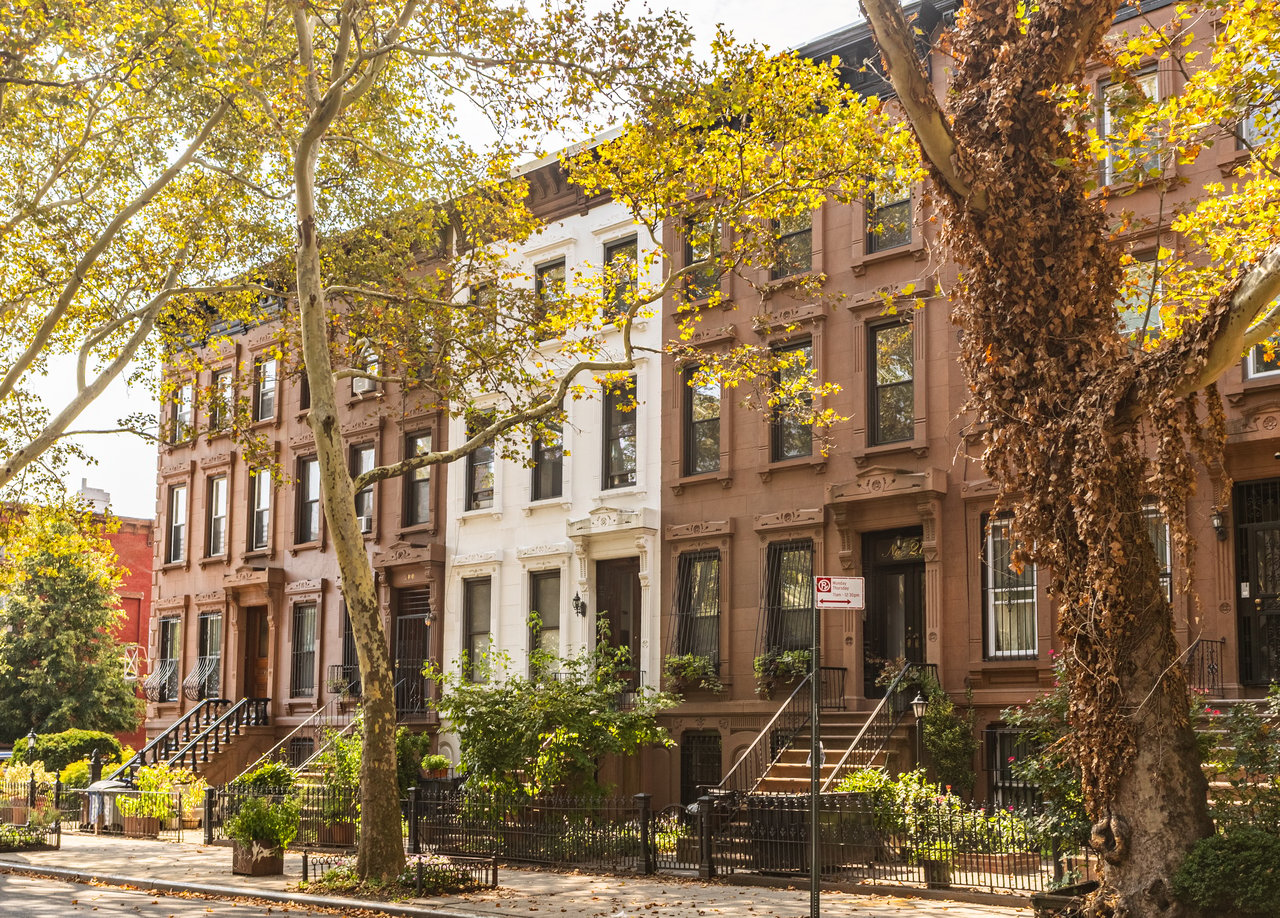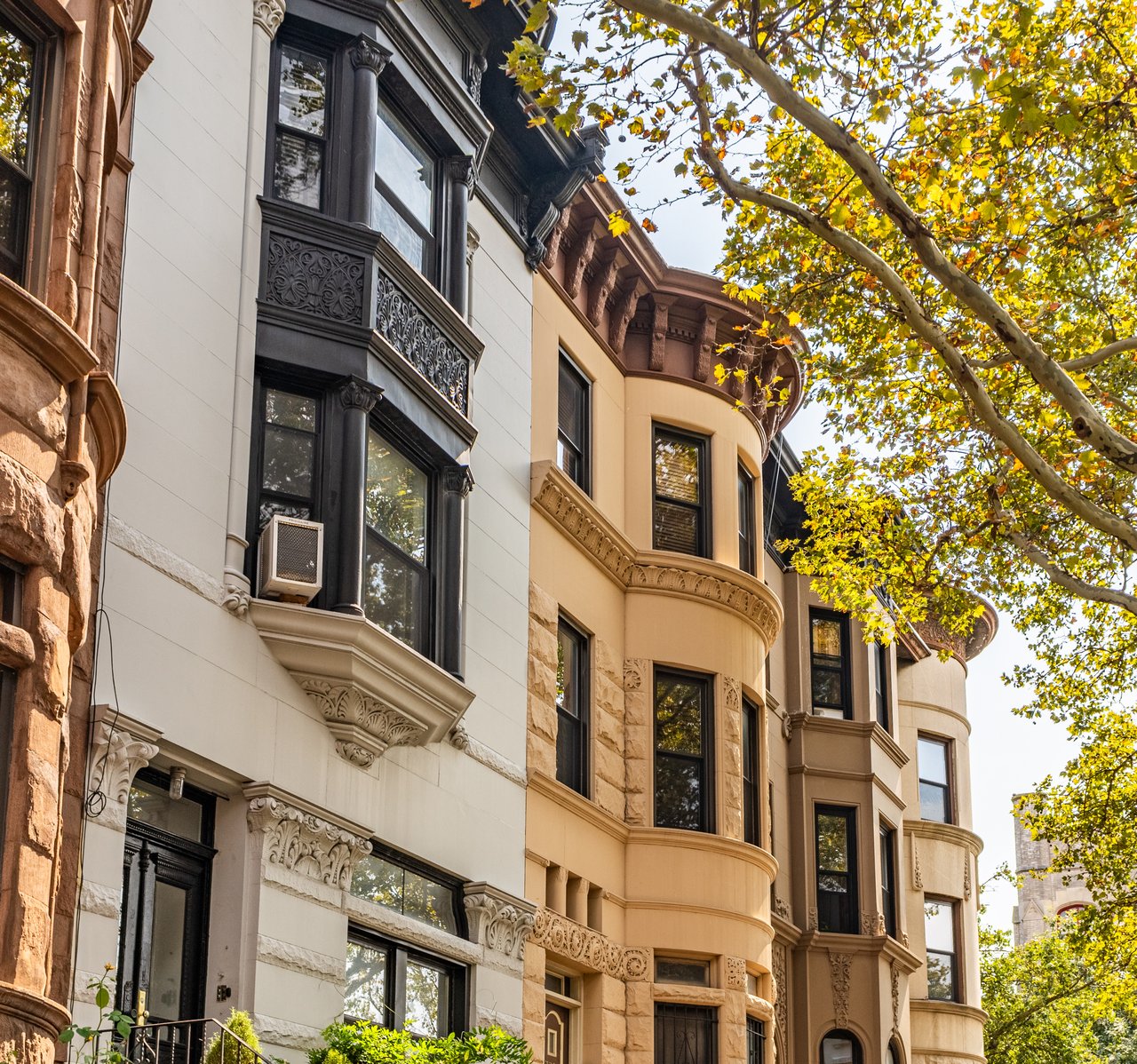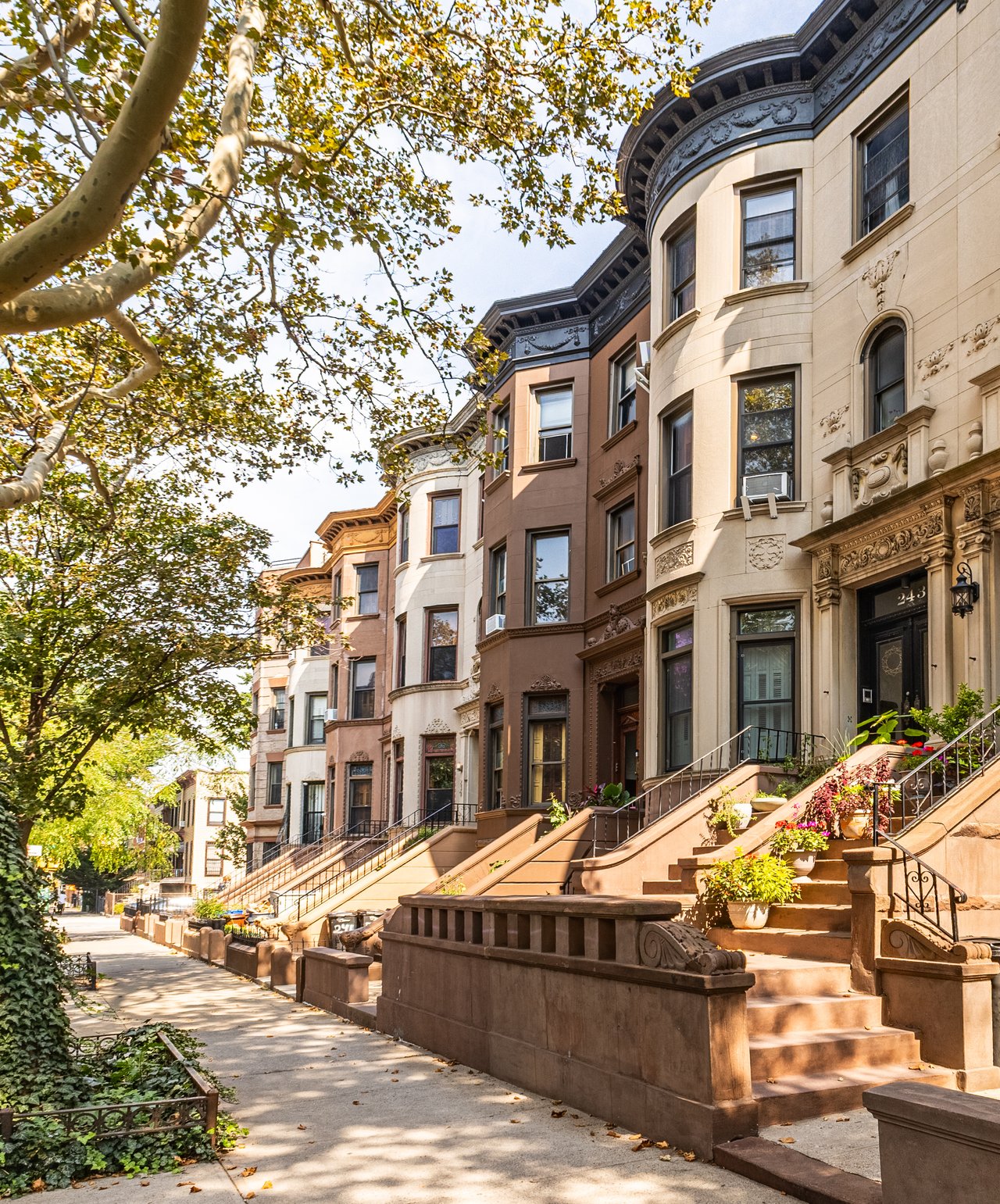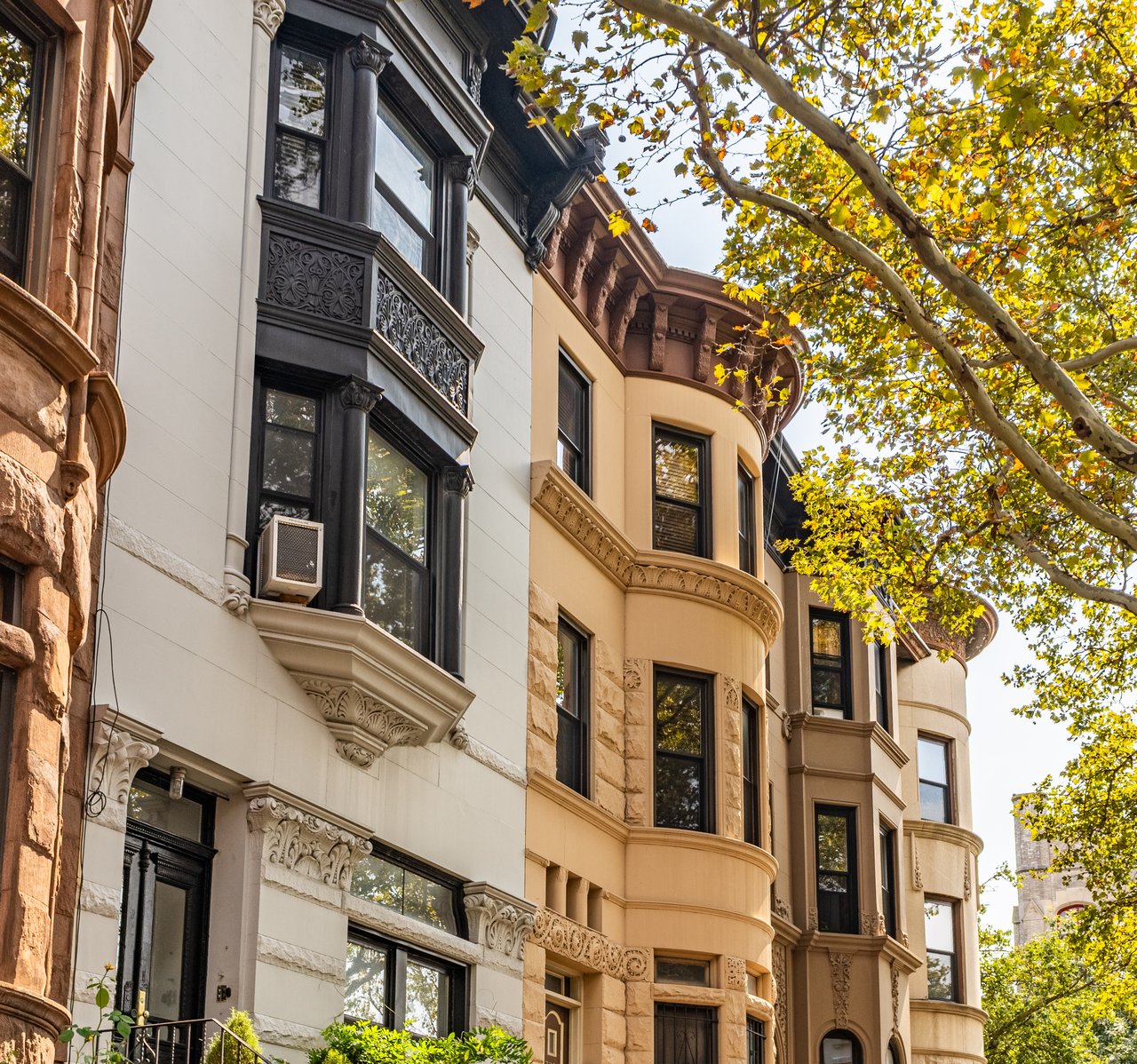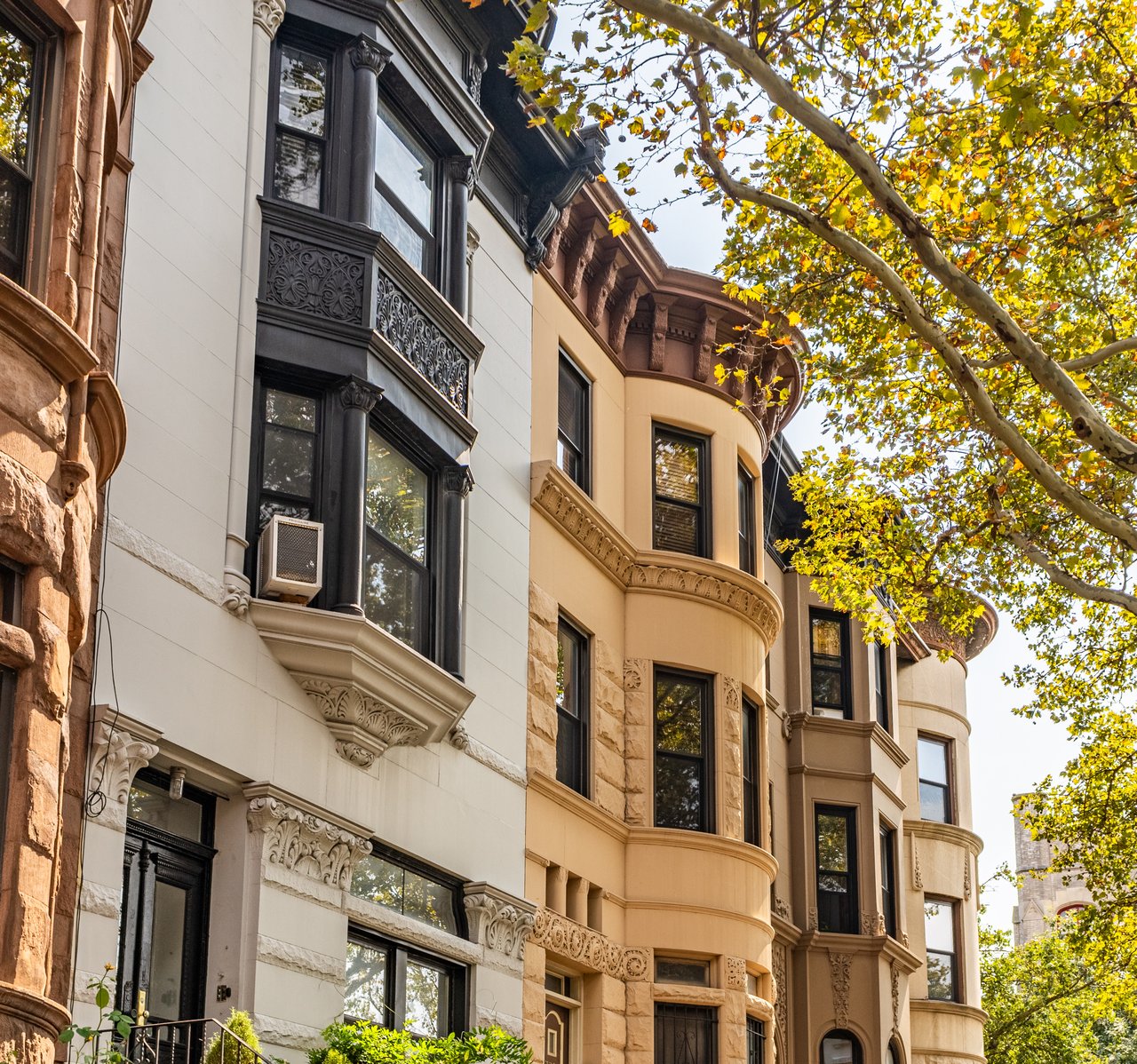
Livingston Street is one of Downtown Brooklyn's most historically significant commercial corridors, a street that tells the story of Brooklyn's transformation from an independent city into one of New York City's most important commercial, cultural, and residential centers. Known for its department store heritage, historic commercial architecture, and extensive transportation connections, Livingston Street has played a central role in the borough's development for more than a century.
Stretching through the heart of Downtown Brooklyn, Livingston Street connects the civic district near Boerum Place with the commercial and transportation corridors farther east. Its architectural landscape differs considerably from the traditional brownstone streets of nearby Boerum Hill and Fort Greene. Here, historic retail buildings, office properties, mixed-use structures, and contemporary residential developments reflect generations of commercial activity and urban growth.
The street's importance extends beyond its buildings. Livingston Street was part of a shopping district that attracted generations of Brooklyn residents, supported major retailers, and helped establish Downtown Brooklyn as a commercial destination independent of Manhattan. Today, that history remains visible in the surrounding architecture, even as new residential developments, educational institutions, and changing retail patterns reshape the neighborhood.
From an Independent City to Brooklyn's Commercial Center
The history of Livingston Street is closely connected to Brooklyn's development during the 19th century. Before Brooklyn became part of New York City in 1898, it was an independent municipality with its own government, commercial districts, transportation systems, and rapidly expanding residential neighborhoods. As the population increased, Downtown Brooklyn emerged as a major center of commerce, attracting merchants, professional offices, financial institutions, and retailers serving communities throughout the borough.
Livingston Street benefited from its position within this expanding commercial district. Its proximity to Brooklyn's civic center and major transportation routes made it an attractive location for businesses seeking access to a growing customer base. During the late 19th century, commercial buildings increasingly defined the surrounding streetscape, replacing or adapting earlier structures to accommodate retail establishments, offices, and other businesses.
The transformation accelerated as Brooklyn's transportation network expanded. Horse-drawn streetcars, electric trolleys, elevated railways, and eventually subway lines brought shoppers and employees into Downtown Brooklyn from surrounding neighborhoods. Livingston Street became part of a busy urban environment where transportation, retail, and public institutions supported one another.
By the early 20th century, the surrounding district had developed into one of Brooklyn's principal shopping destinations. Its streets were lined with stores, commercial buildings, and businesses that reflected the borough's growing economic independence.
Livingston Street and Brooklyn's Department Store Era
One of the most important chapters in Livingston Street's history is its relationship with Downtown Brooklyn's department store district. During the late 19th and early 20th centuries, department stores transformed the way New Yorkers shopped, introducing large buildings where customers could purchase clothing, household goods, furniture, and other merchandise under one roof.
Nearby Fulton Street became the center of this retail expansion, with major establishments such as Abraham & Straus helping establish Downtown Brooklyn as a destination for shoppers throughout the borough. Livingston Street formed part of the surrounding commercial network, supporting smaller retailers, specialty shops, offices, and businesses that benefited from the concentration of customers.
The department store era also influenced the area's architecture. Retailers required buildings with substantial floor space, prominent entrances, large display windows, and interiors capable of accommodating numerous departments. Developers responded with commercial structures that incorporated decorative masonry facades, large windows, and architectural details intended to communicate permanence and commercial success.
Although the retail landscape has changed considerably, this period remains essential to understanding Livingston Street. The surviving buildings and surrounding commercial corridors reflect a time when Downtown Brooklyn functioned as one of New York City's most important shopping districts.
The Architecture of Livingston Street
Unlike the narrow residential streets of nearby Boerum Hill, Livingston Street developed primarily around commercial and institutional uses. Its buildings reflect several architectural periods, from late 19th-century masonry construction to early 20th-century commercial architecture and contemporary residential development.
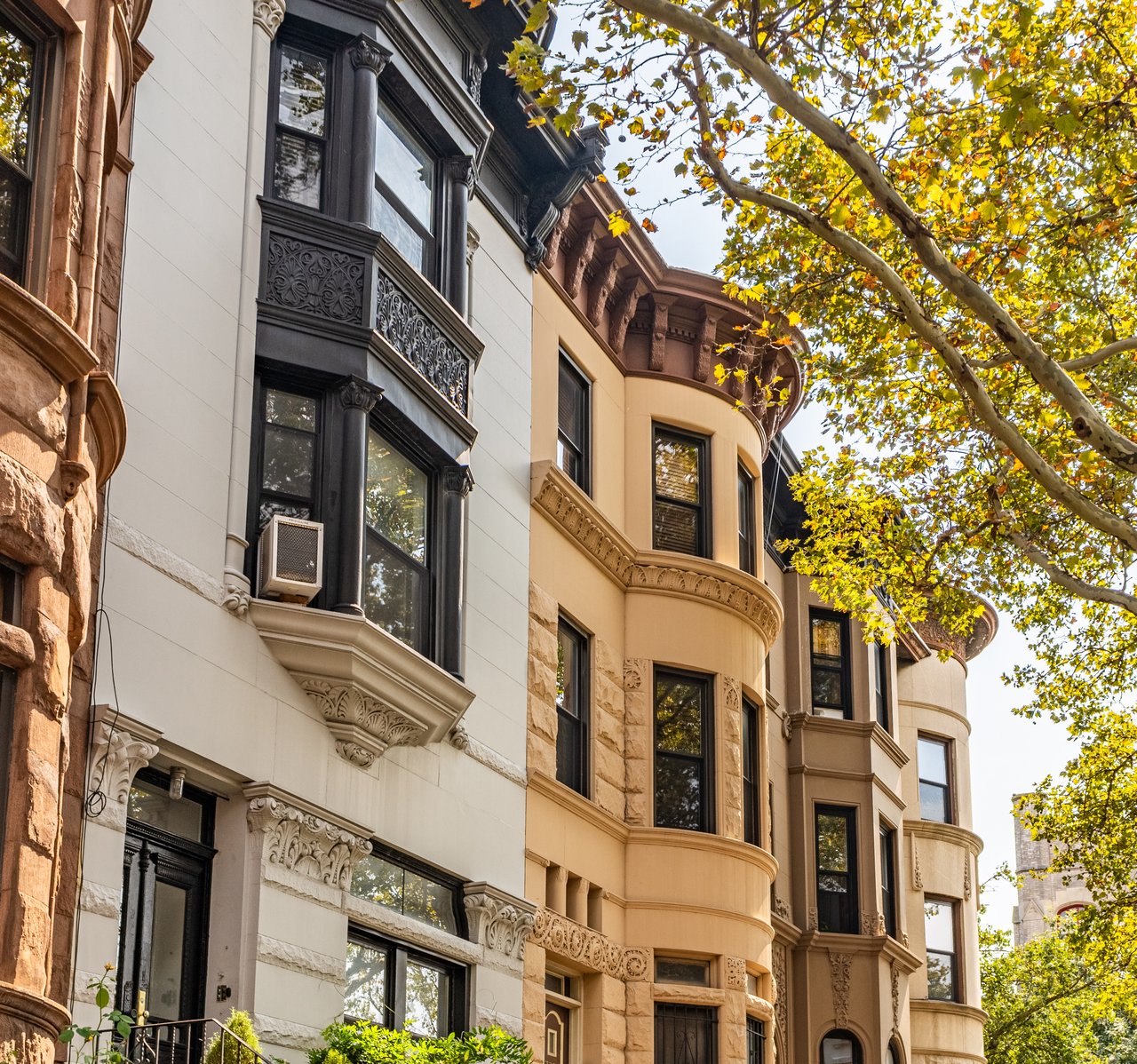
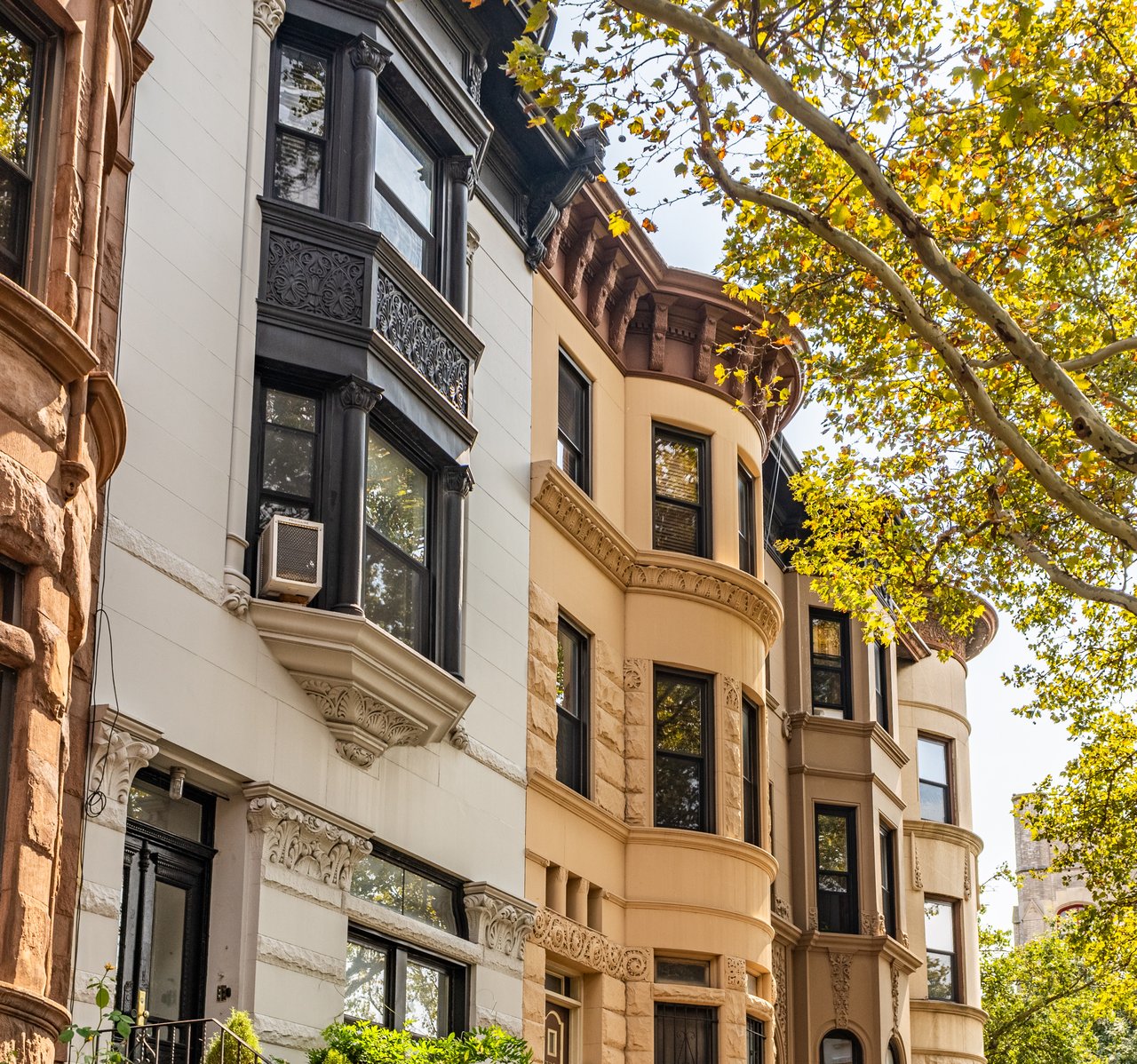
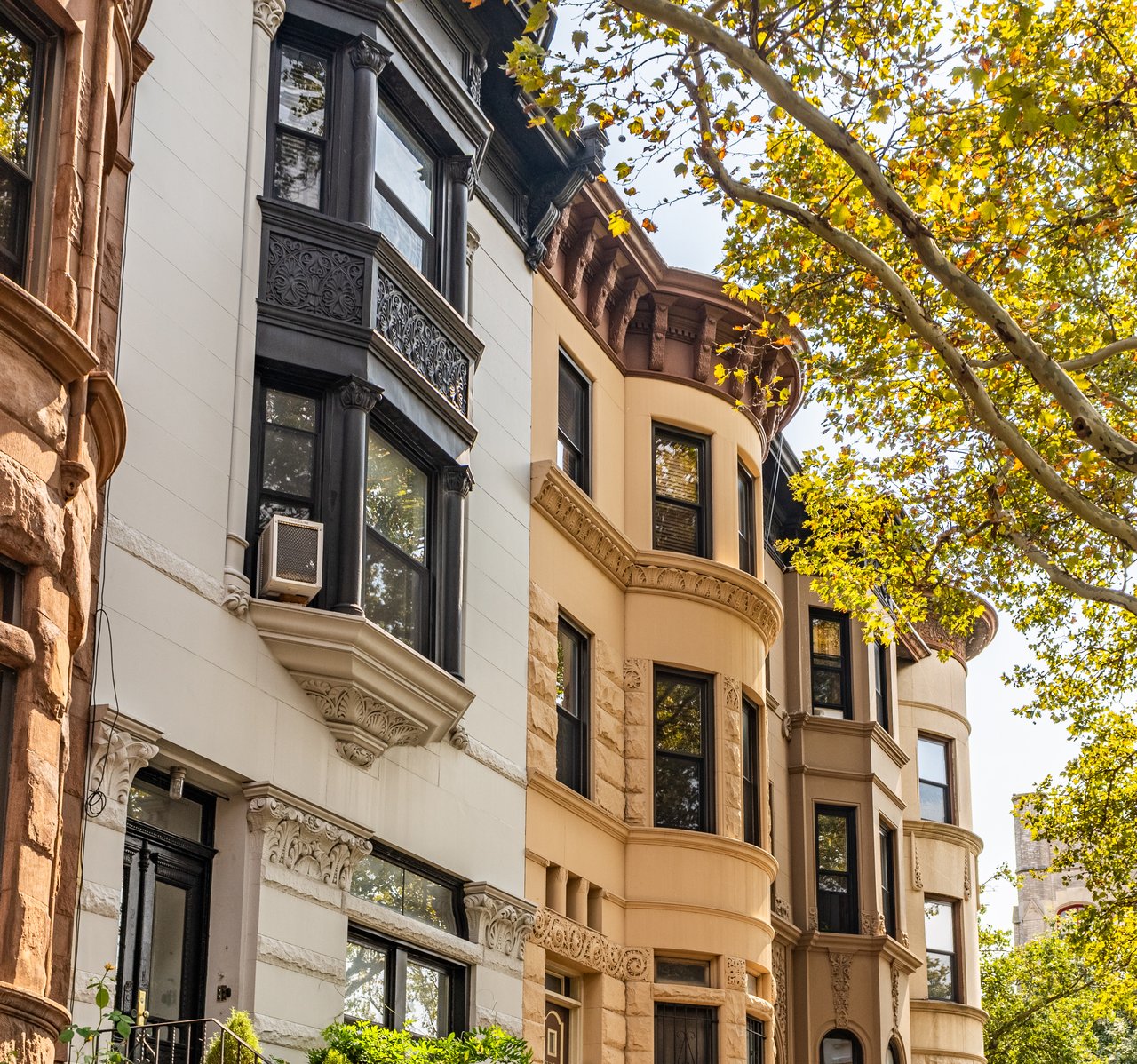
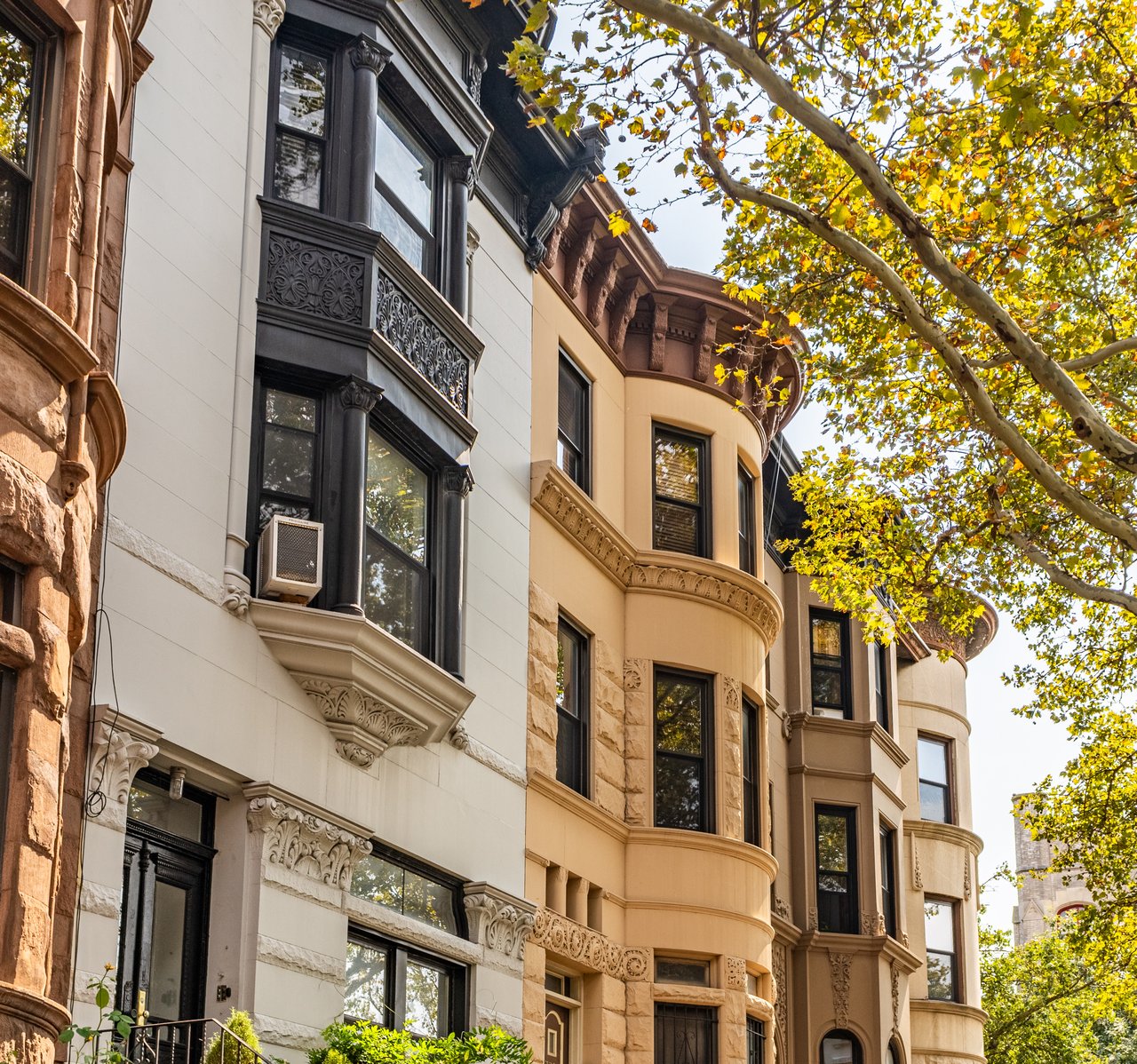
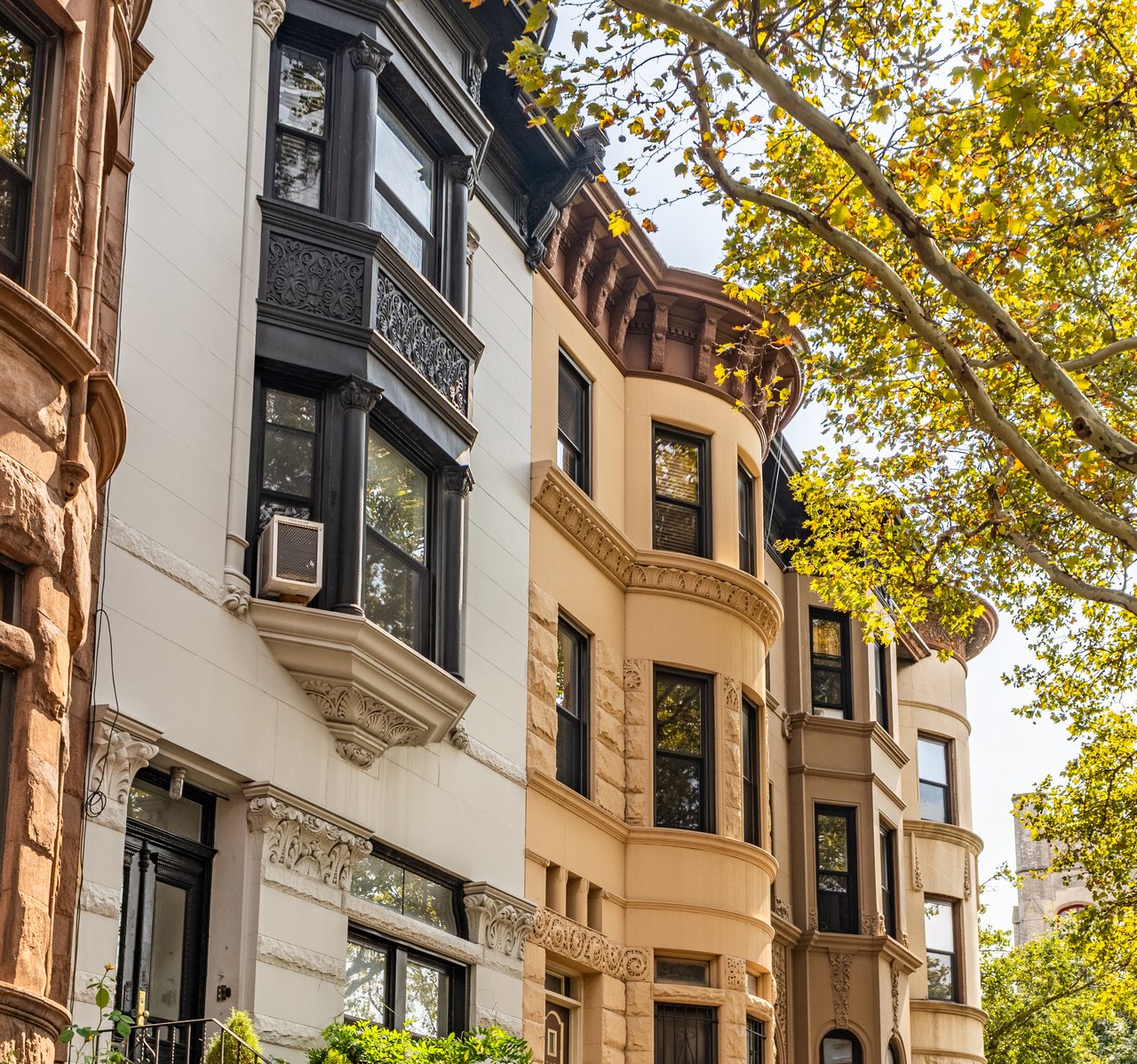
Historic commercial buildings often feature brick facades, stone ornamentation, substantial cornices, and large storefront windows. Some incorporate classical architectural details associated with Renaissance Revival and Beaux-Arts design, including carefully proportioned facades, decorative window surrounds, and prominent entrances. These architectural elements reflected the ambitions of businesses operating in a rapidly expanding commercial center.
During the early 20th century, improvements in construction technology allowed developers to create larger commercial buildings with flexible interior spaces. Steel structural systems, elevators, and modern mechanical equipment supported buildings designed for department stores, offices, and other commercial operations. Architectural styles gradually became more restrained, although many properties continued to incorporate decorative masonry and traditional facade arrangements.
The result is a streetscape that reveals Downtown Brooklyn's development over time. Older commercial structures stand near modern buildings, while renovated storefronts and changing building uses demonstrate how the neighborhood continues to adapt.
For property owners, these architectural differences are especially important. A historic commercial building may require a different valuation and marketing strategy from a residential condominium, a mixed-use investment property, or a traditional Brooklyn townhouse.
Brooklyn Borough Hall and the Civic District
Livingston Street's western surroundings are closely connected to Brooklyn's historic civic center, an area that developed around government institutions, public buildings, and transportation connections. Among its most recognizable landmarks is Brooklyn Borough Hall, originally completed in 1848 as Brooklyn City Hall.
Designed in the Greek Revival style, Borough Hall reflects the ambitions of Brooklyn during its period as an independent city. Its classical architecture, monumental columns, and prominent civic presence distinguish it from the surrounding commercial buildings. Following Brooklyn's consolidation into New York City in 1898, the building became Brooklyn Borough Hall, preserving its importance within the borough's government.
The surrounding civic district contains additional government offices, public spaces, and institutional buildings. Together, these properties illustrate how Downtown Brooklyn developed as both a commercial center and a seat of government.
Livingston Street connects this historic civic environment with the shopping district farther east. Its location demonstrates the close relationship between public institutions, transportation infrastructure, and commercial activity that shaped Downtown Brooklyn during the 19th and 20th centuries.
Fulton Street, Hoyt Street, and the Historic Shopping District
The relationship between Livingston Street and Fulton Street is central to understanding Downtown Brooklyn's commercial identity. Fulton Street developed into one of the borough's principal shopping corridors, attracting department stores, specialty retailers, restaurants, and entertainment businesses.
Hoyt Street became another important part of this commercial network, connecting Livingston Street with Fulton Street and surrounding blocks. The concentration of retail establishments created a district where shoppers could move between stores, commercial buildings, and transportation facilities.
Many of the buildings in this area were designed to accommodate businesses on the ground floor, with offices, storage areas, or other commercial functions above. Large storefront windows and prominent entrances helped attract customers, while decorative masonry facades contributed to the district's architectural character.
Today, these streets remain closely connected. Although individual businesses and retail formats have changed, the surrounding neighborhood continues to function as an important commercial destination.
For owners of mixed-use and commercial properties, location within this historic shopping district can influence tenant demand, permitted uses, and property valuation.
Jay Street, Smith Street, and Boerum Place
Livingston Street also connects with several of Downtown Brooklyn's important north-south corridors, each reflecting a different aspect of the neighborhood's development.
Jay Street is closely associated with transportation, education, and institutional activity. The surrounding area contains commercial buildings, educational facilities, and access to the Jay Street–MetroTech subway station. Its development reflects Downtown Brooklyn's transition from a predominantly commercial district into a neighborhood with an increasingly diverse combination of uses.
Smith Street provides a connection toward Boerum Hill and Carroll Gardens, where historic brownstones, brick townhouses, and neighborhood businesses define much of the surrounding architecture. The contrast between Livingston Street's larger commercial buildings and the residential streets farther south illustrates the different patterns of development within central Brooklyn.
Boerum Place connects Downtown Brooklyn with the historic neighborhoods of Boerum Hill and Cobble Hill. Its broader roadway and commercial surroundings reflect 20th-century transportation planning, while nearby residential blocks preserve substantial collections of 19th-century architecture.
Together, these corridors connect Livingston Street with some of Brooklyn's most recognizable residential neighborhoods, making the street an important link between commercial activity and residential life.
The Historic Brownstone Neighborhoods Surrounding Livingston Street
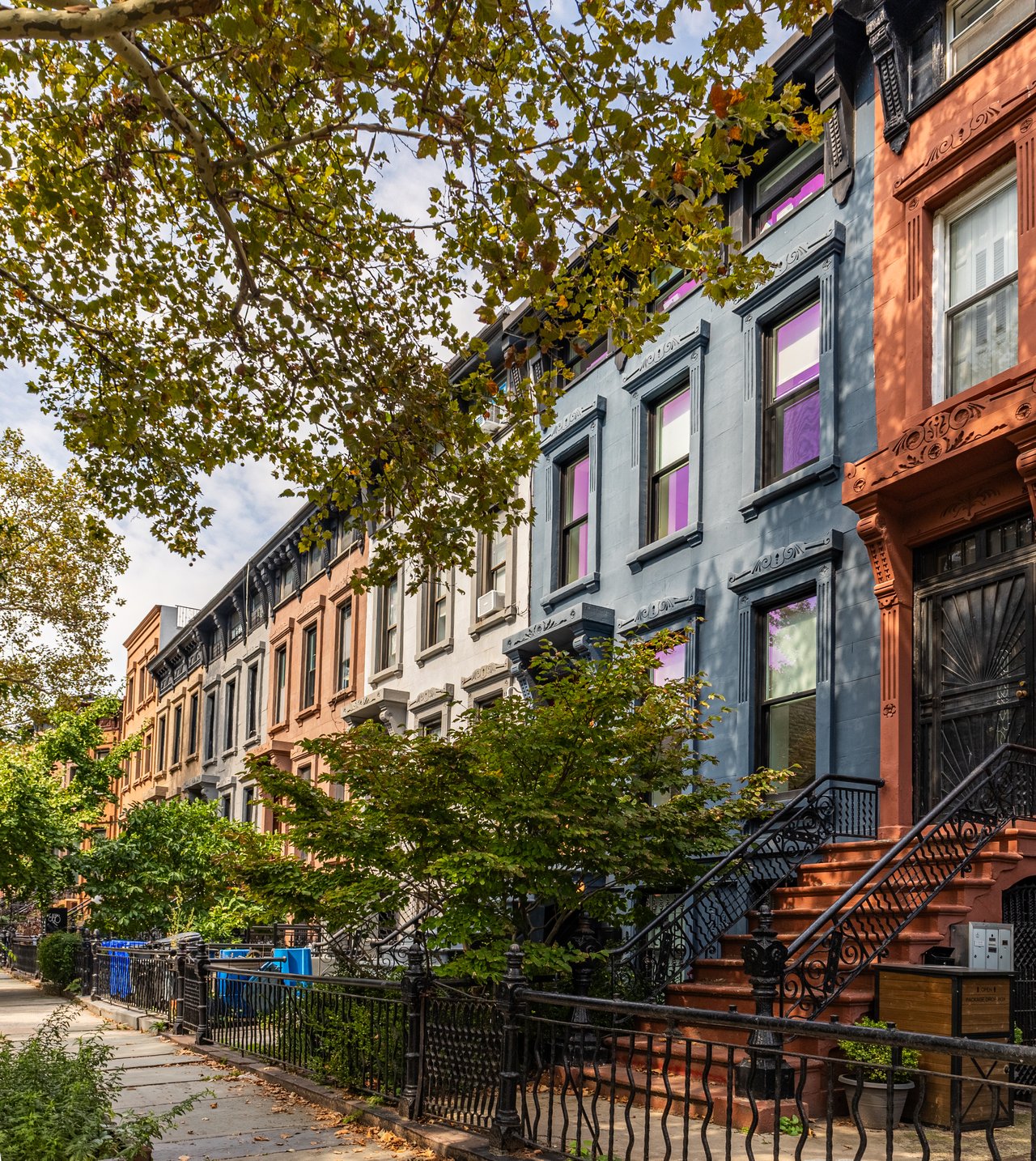
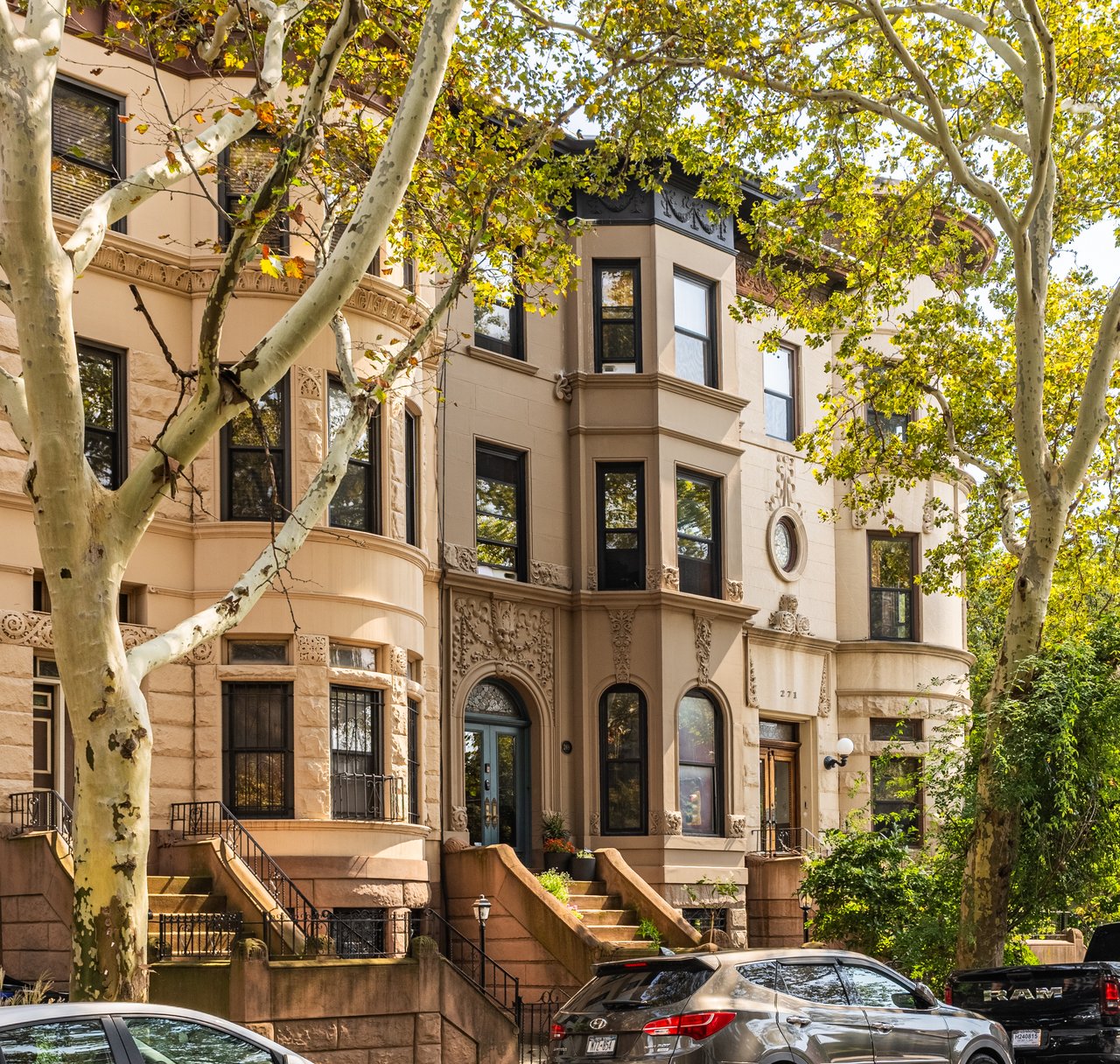
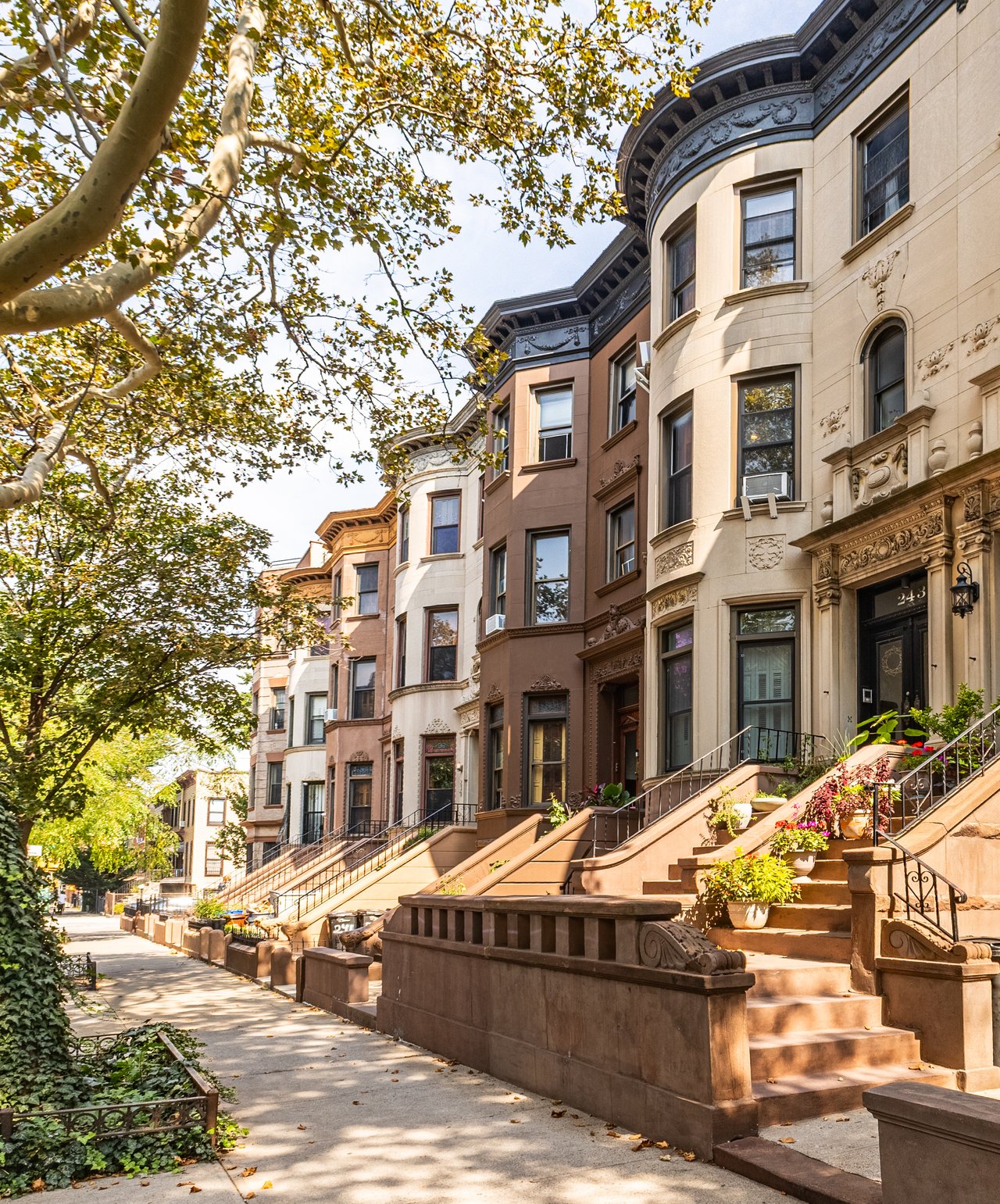
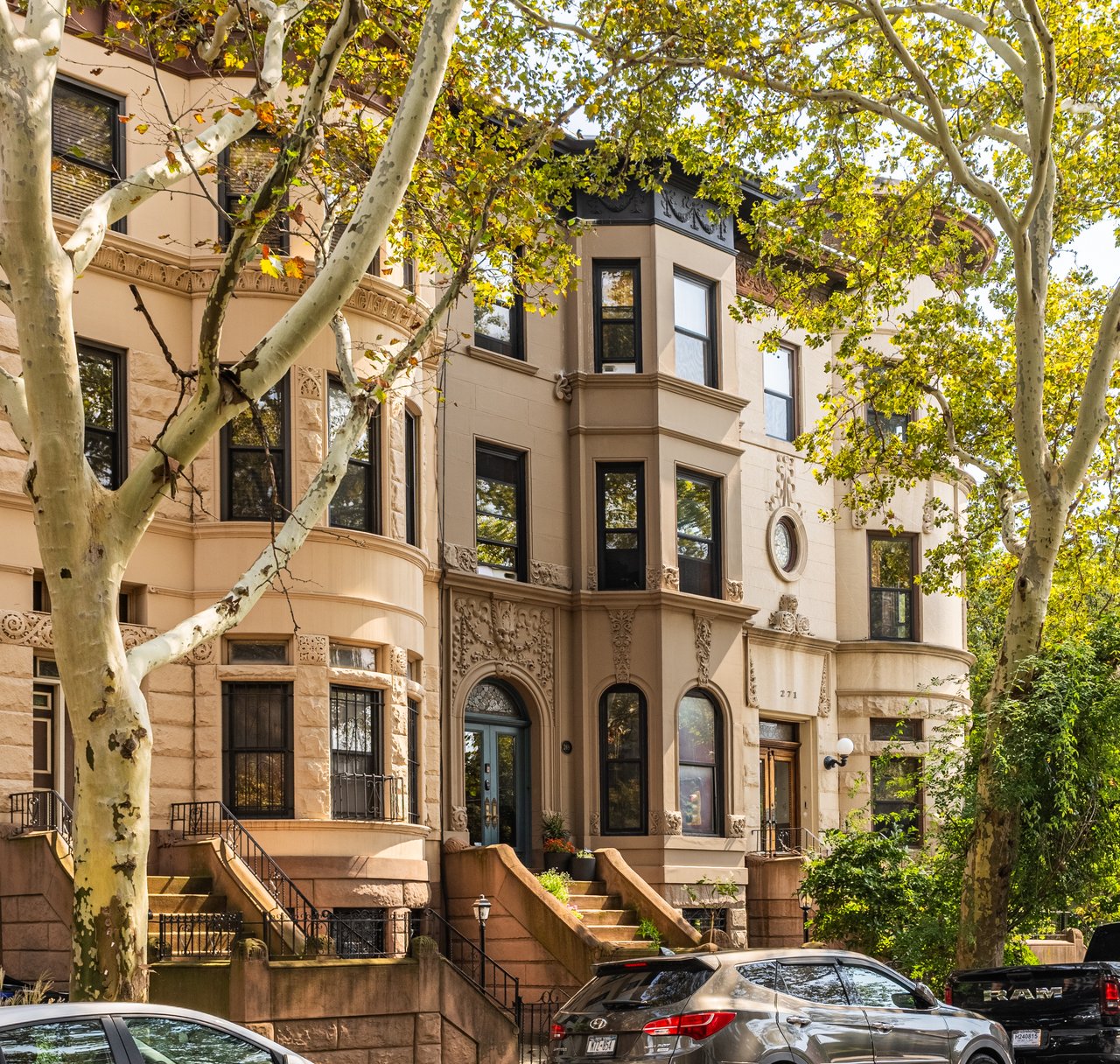
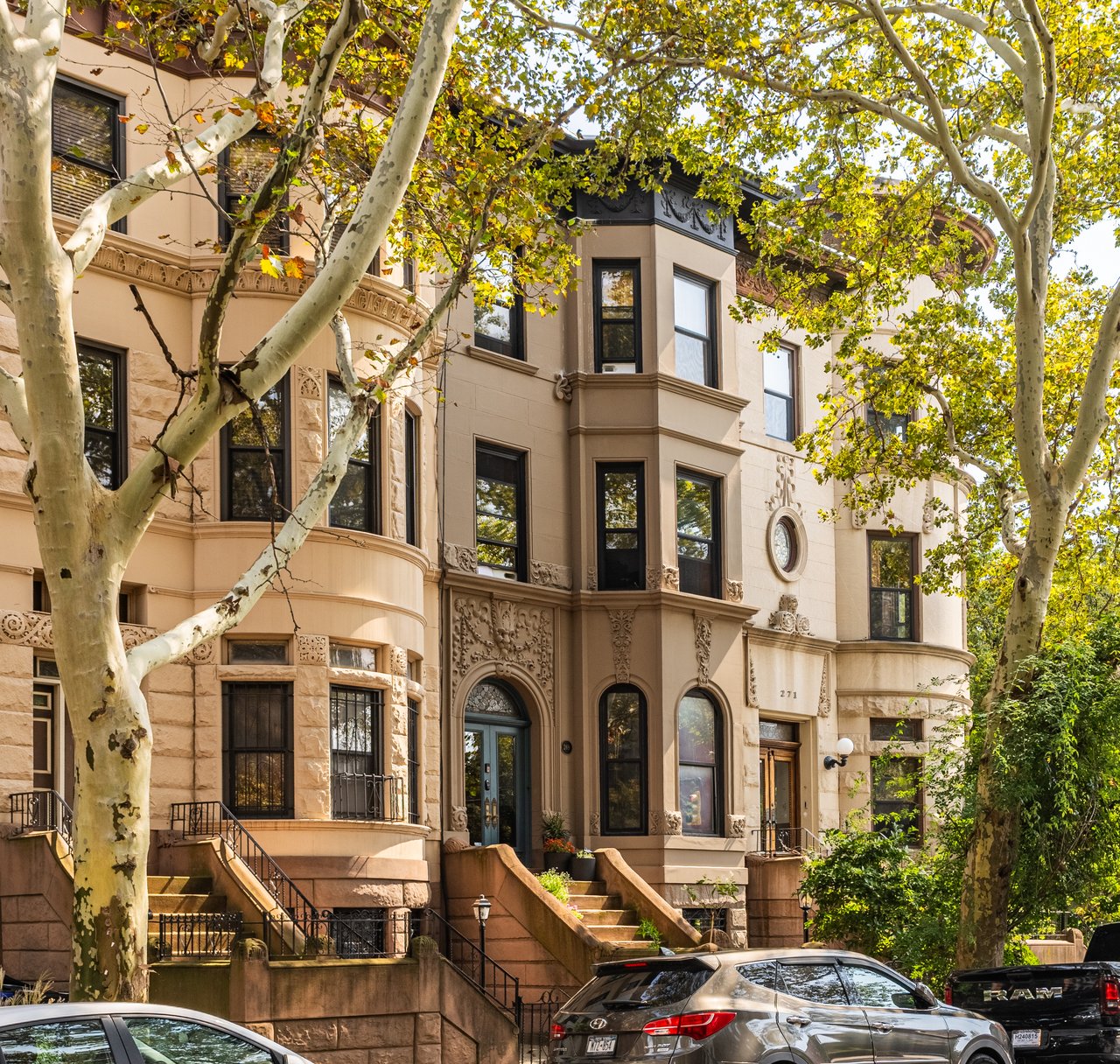
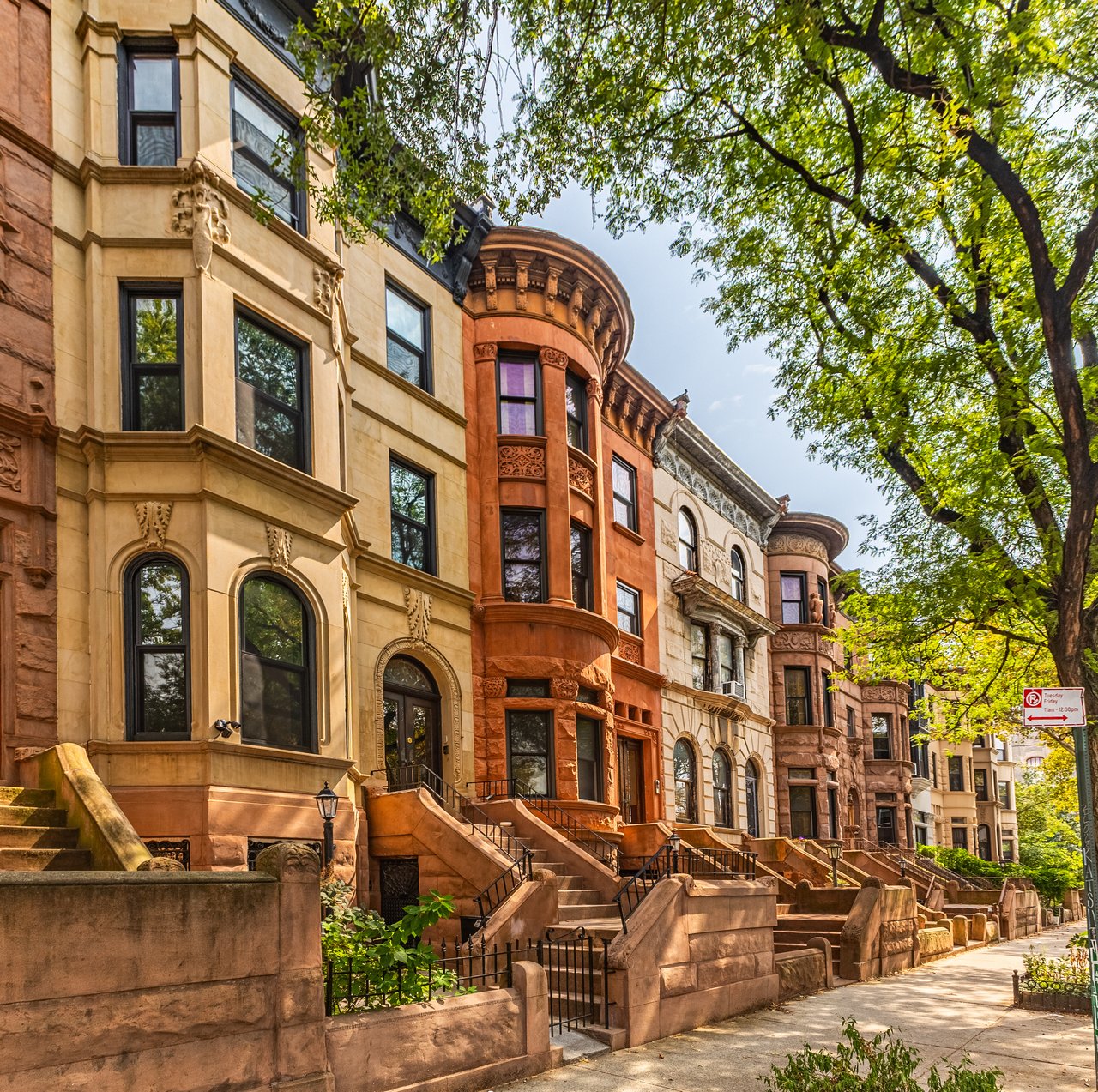
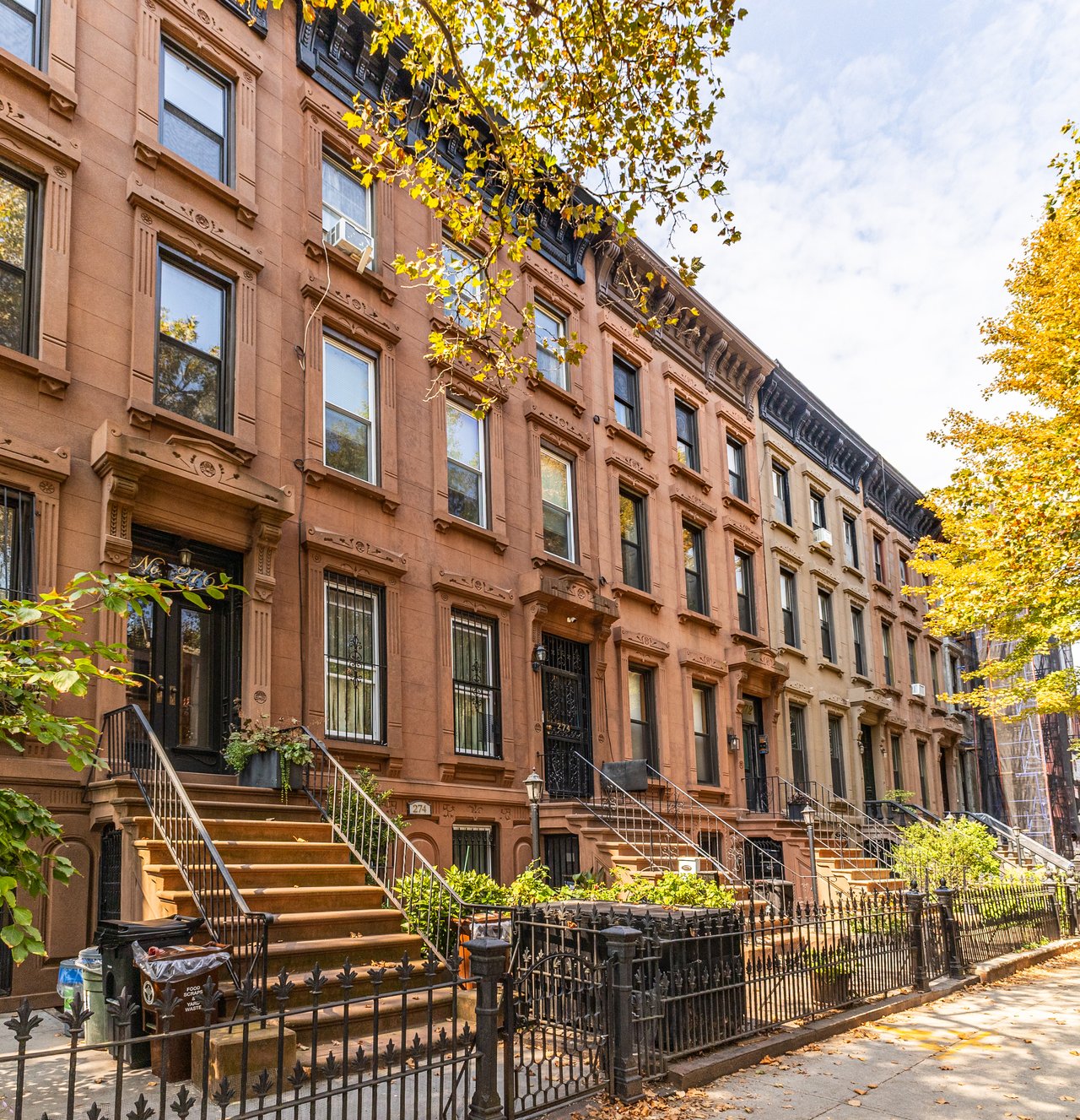
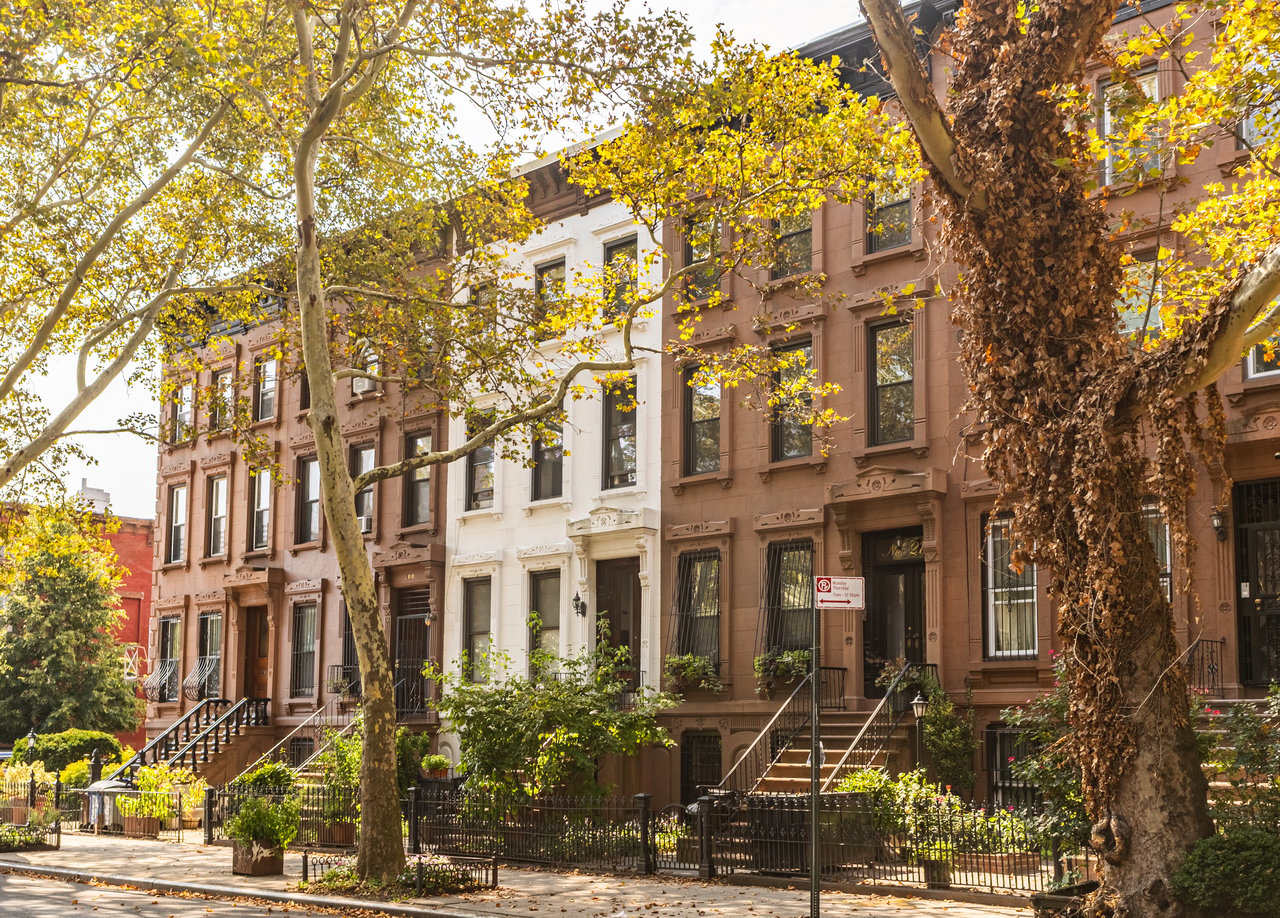
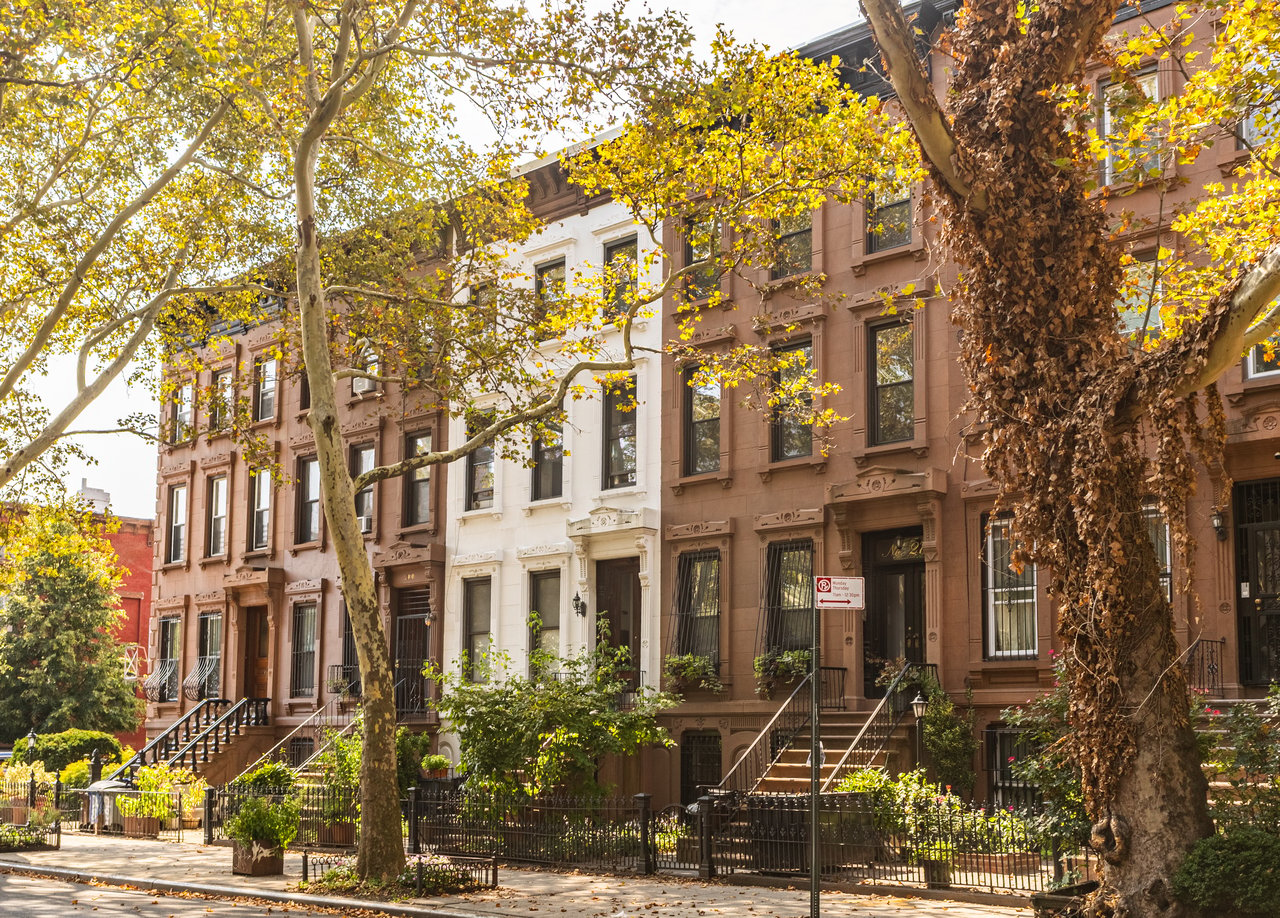
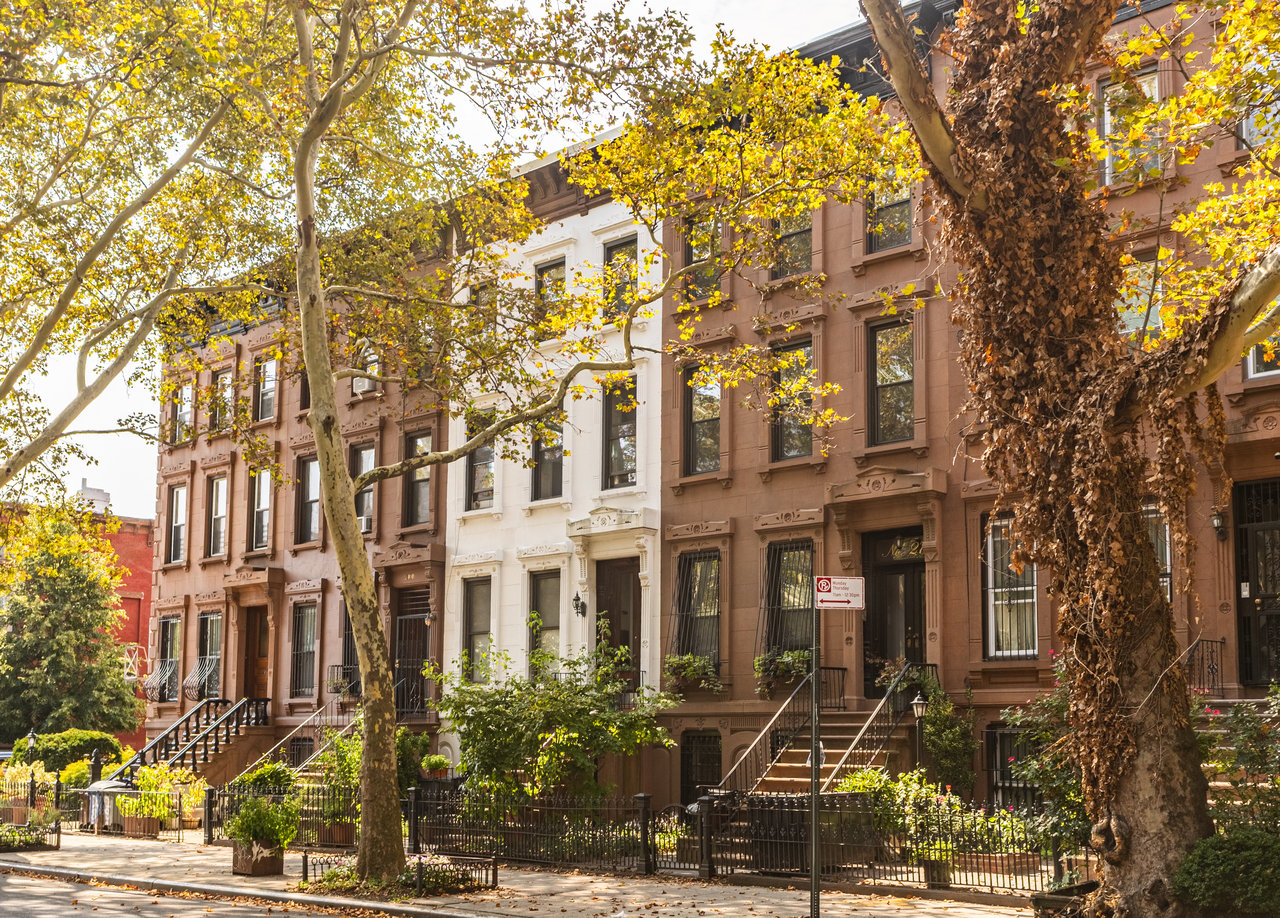
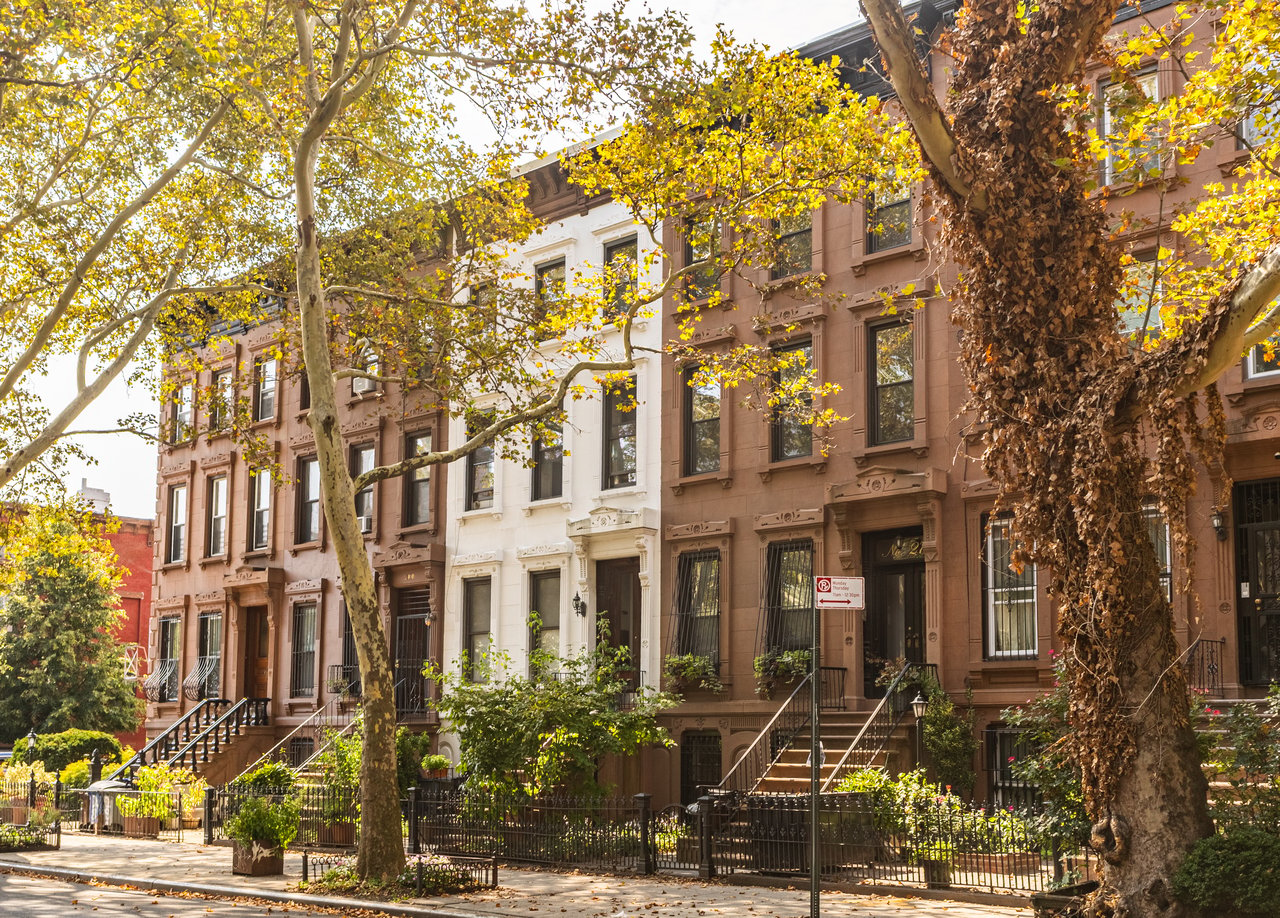
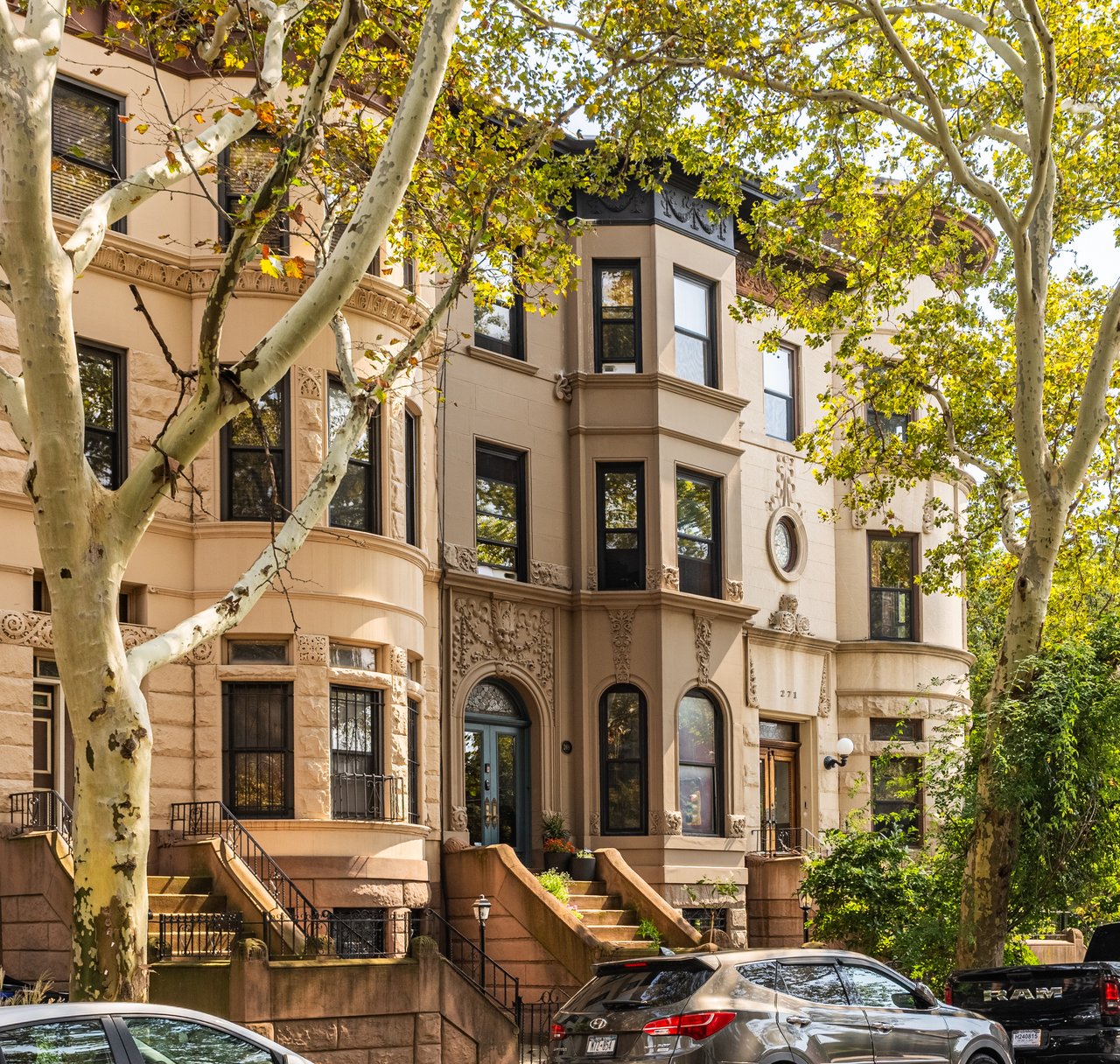
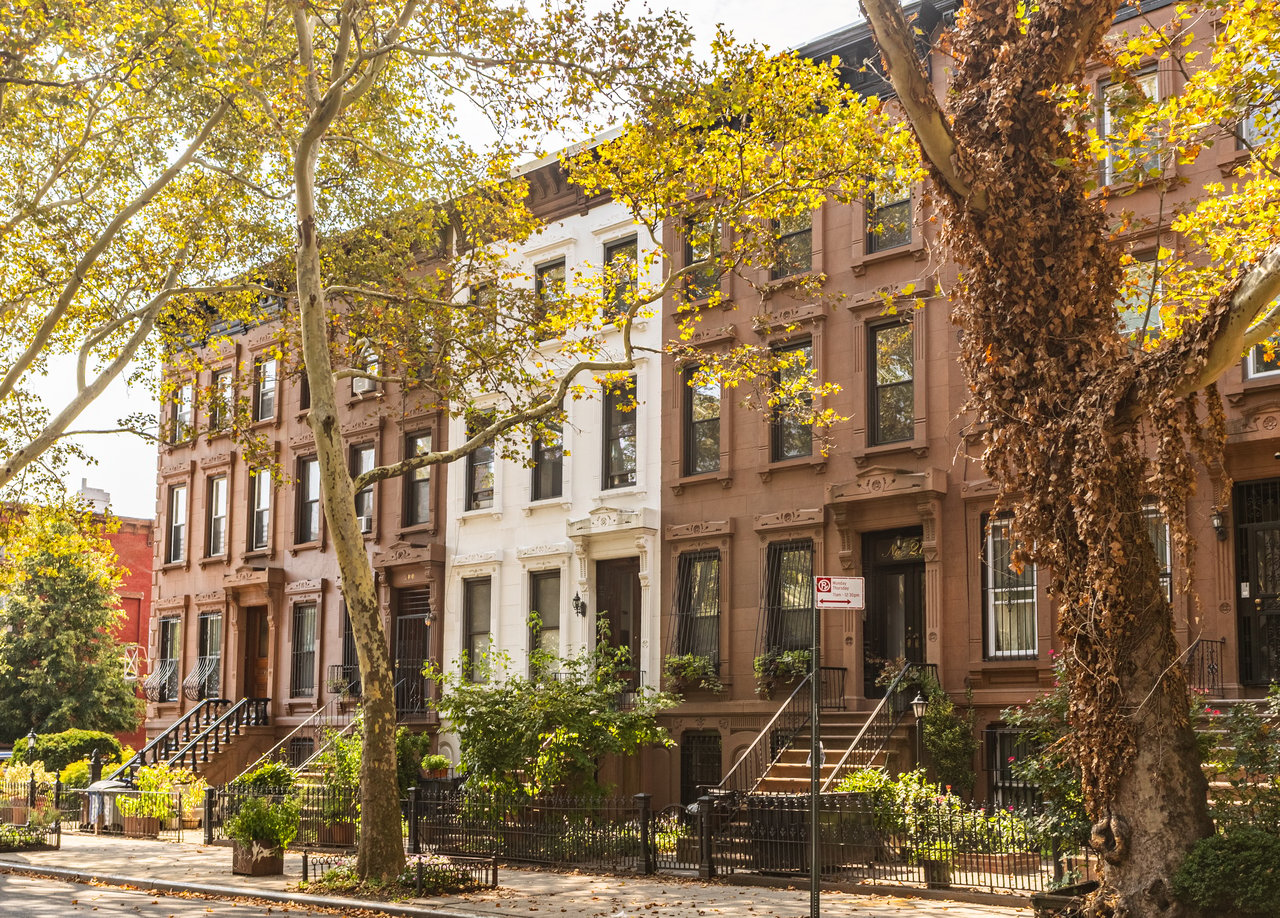
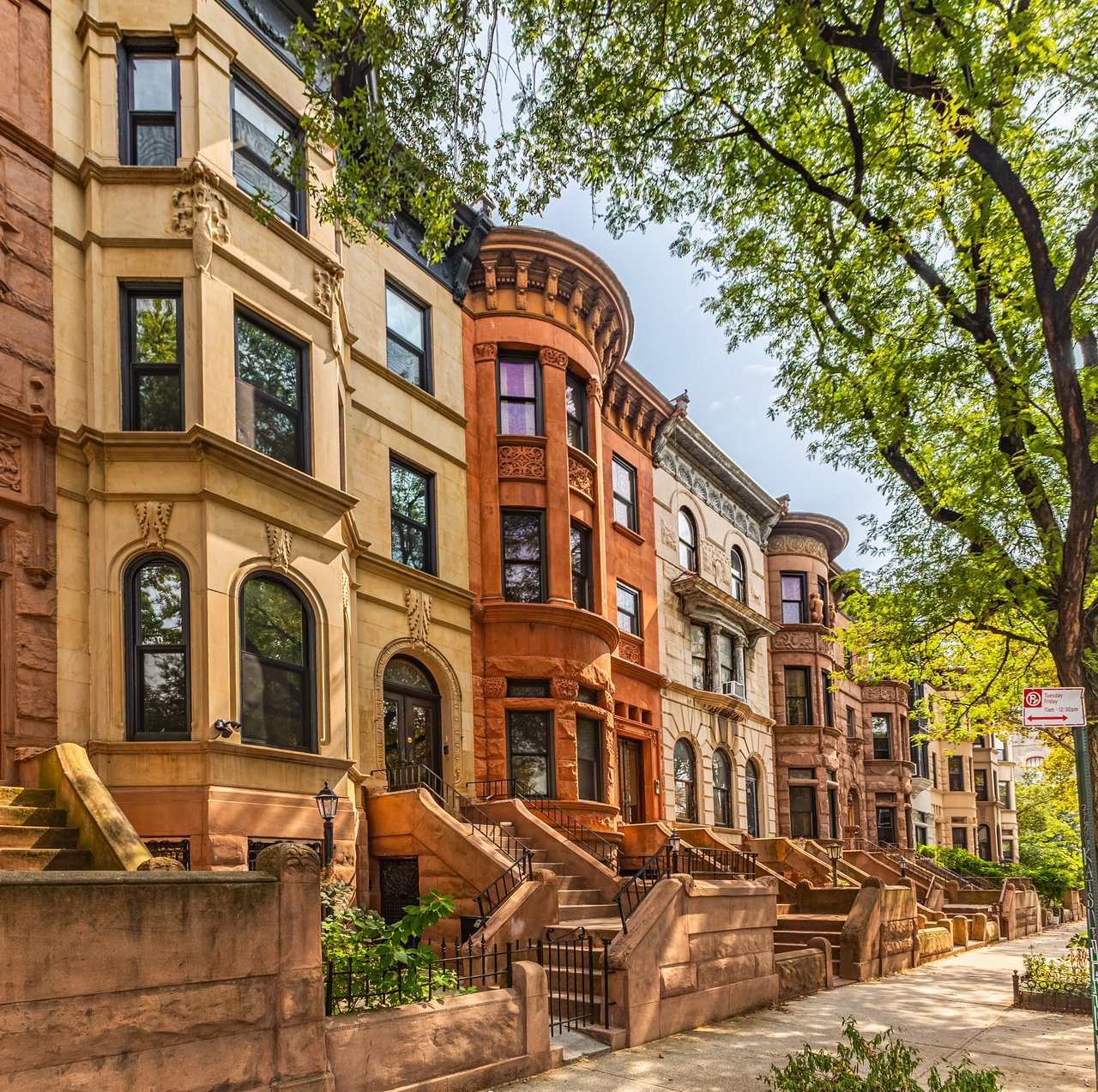
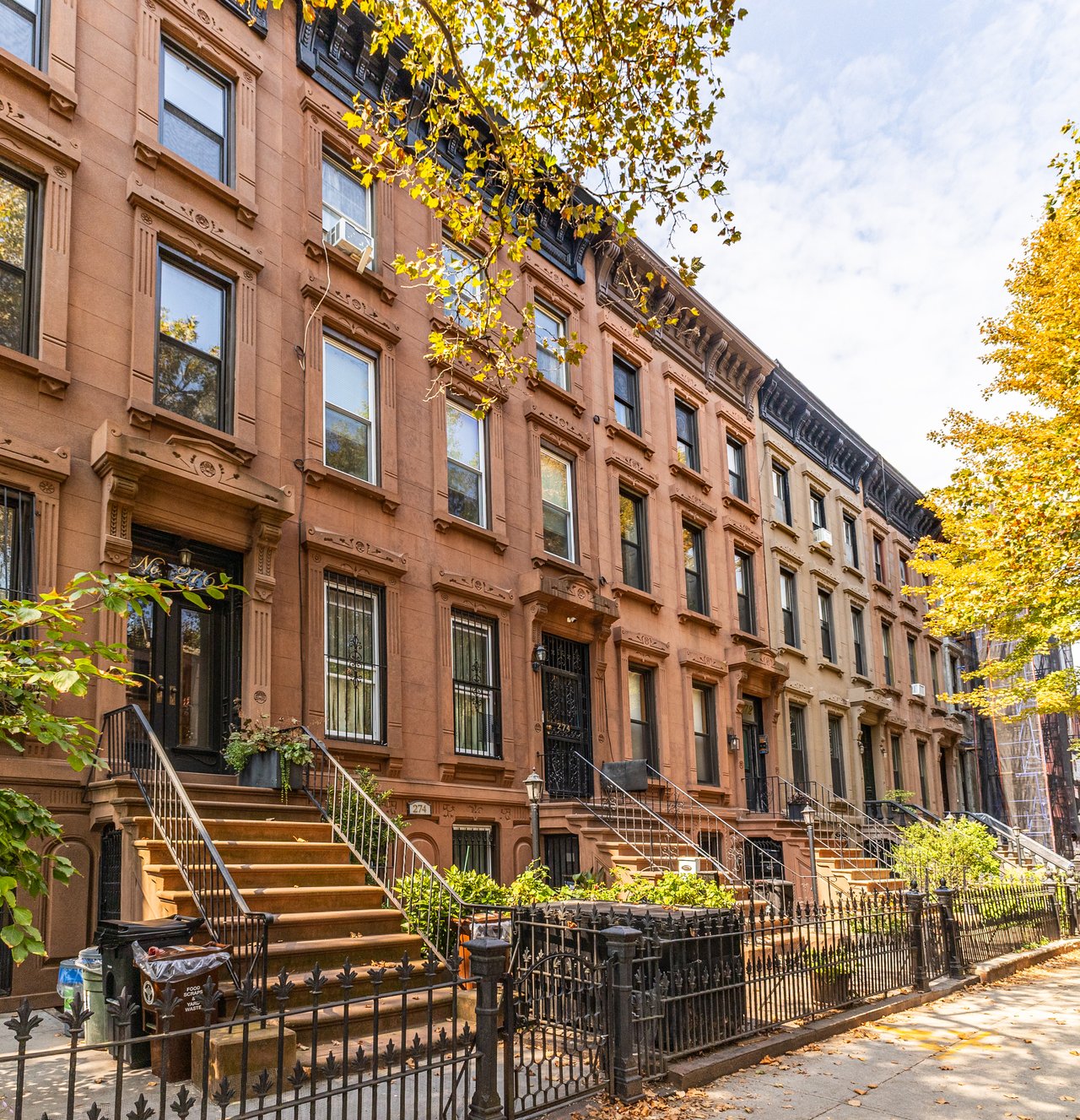
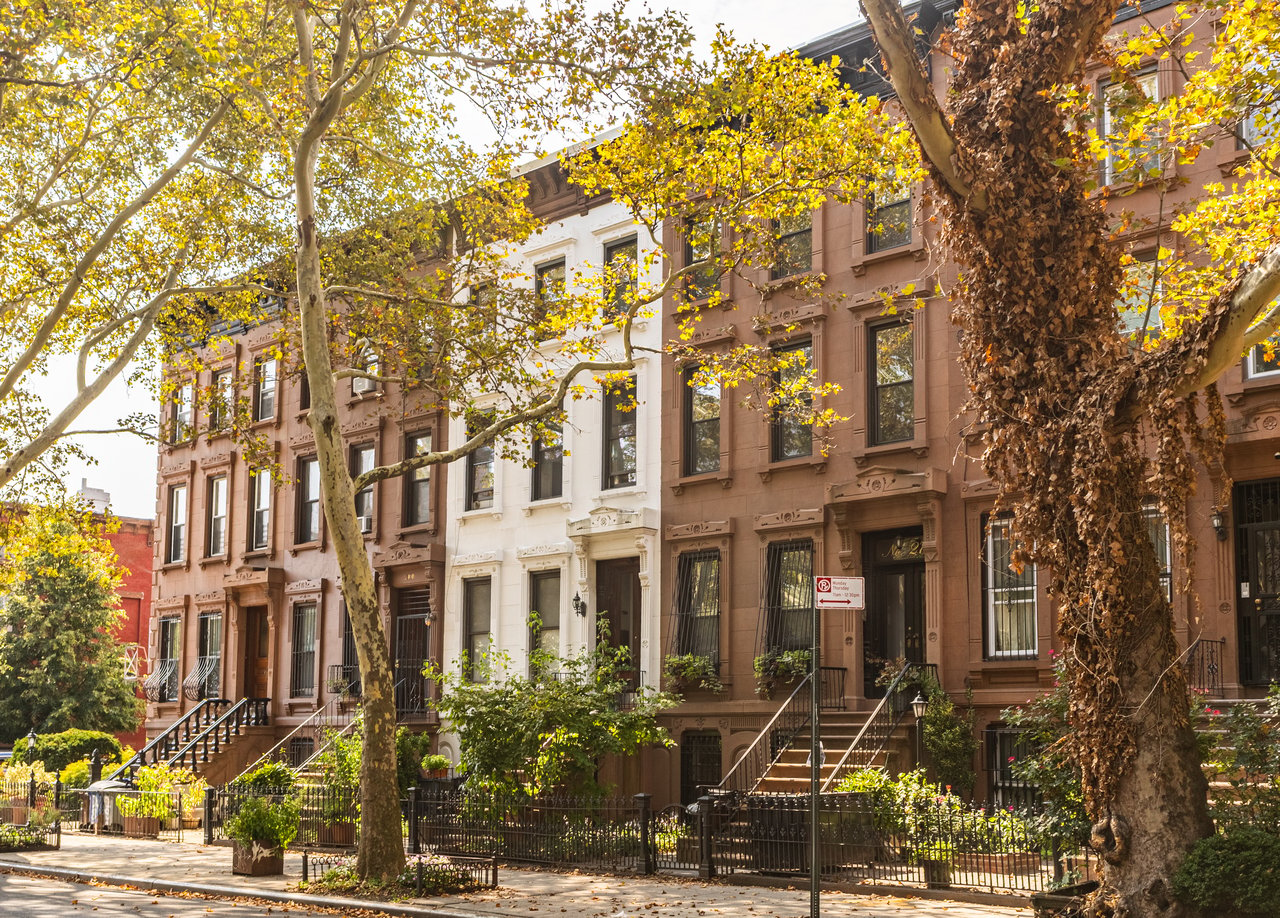
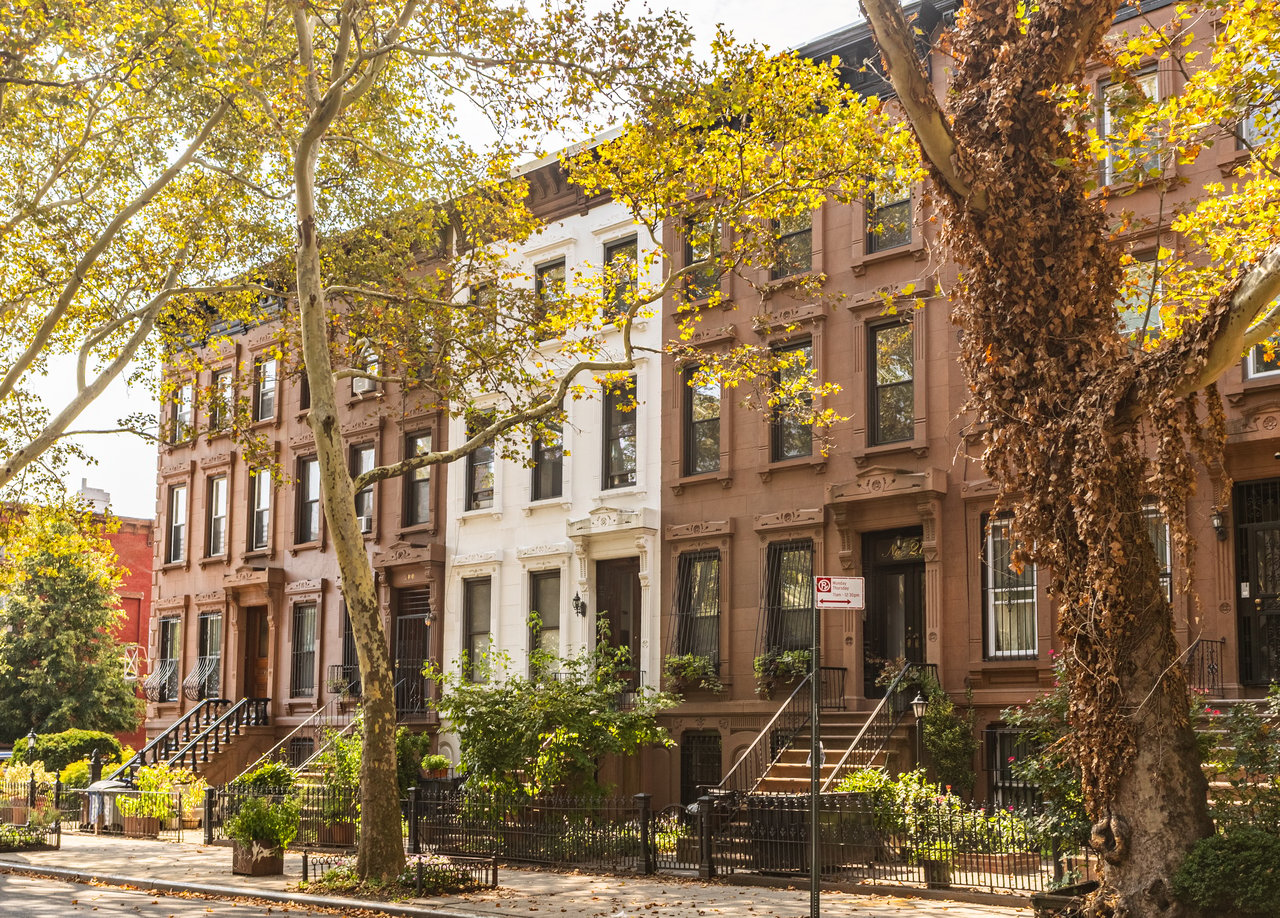
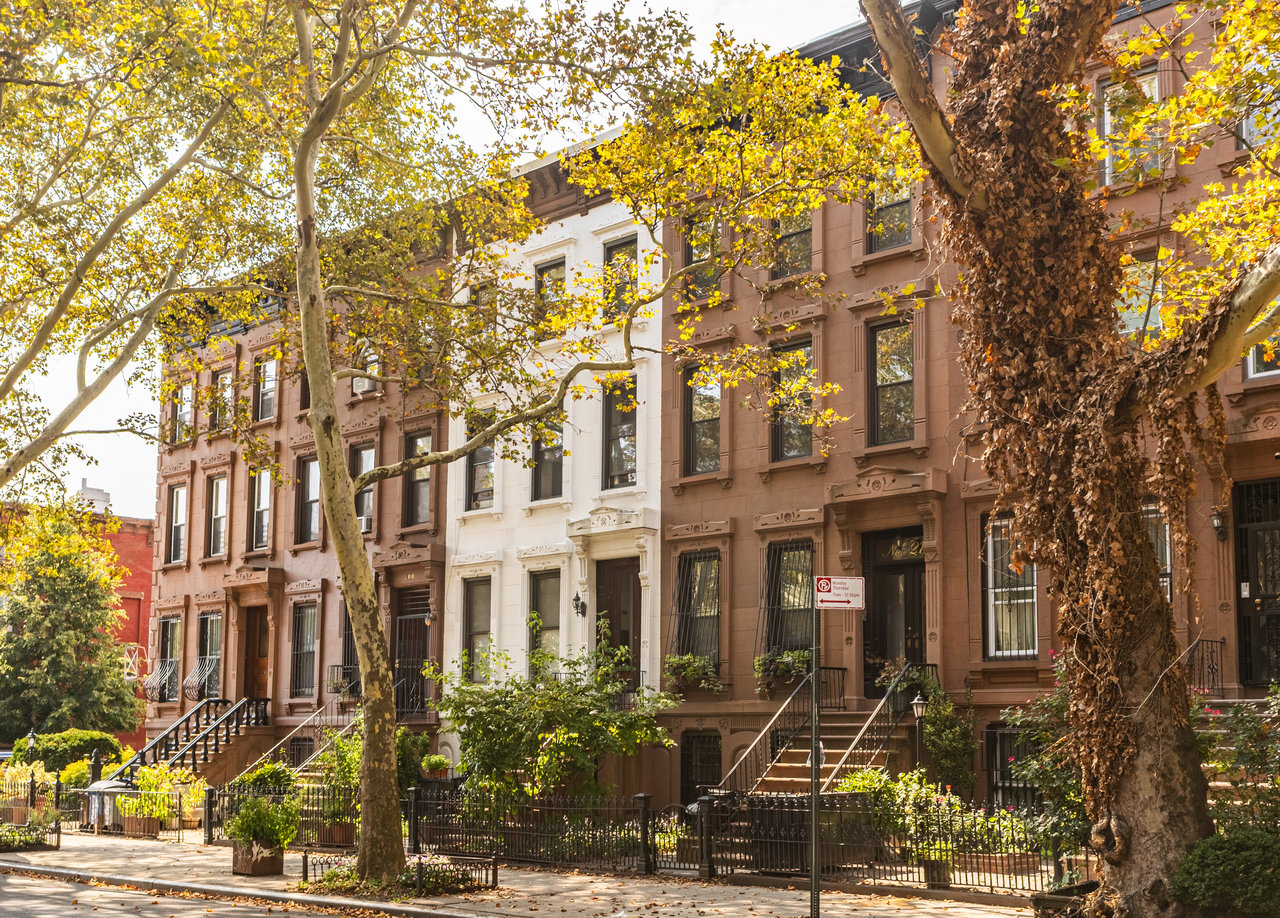
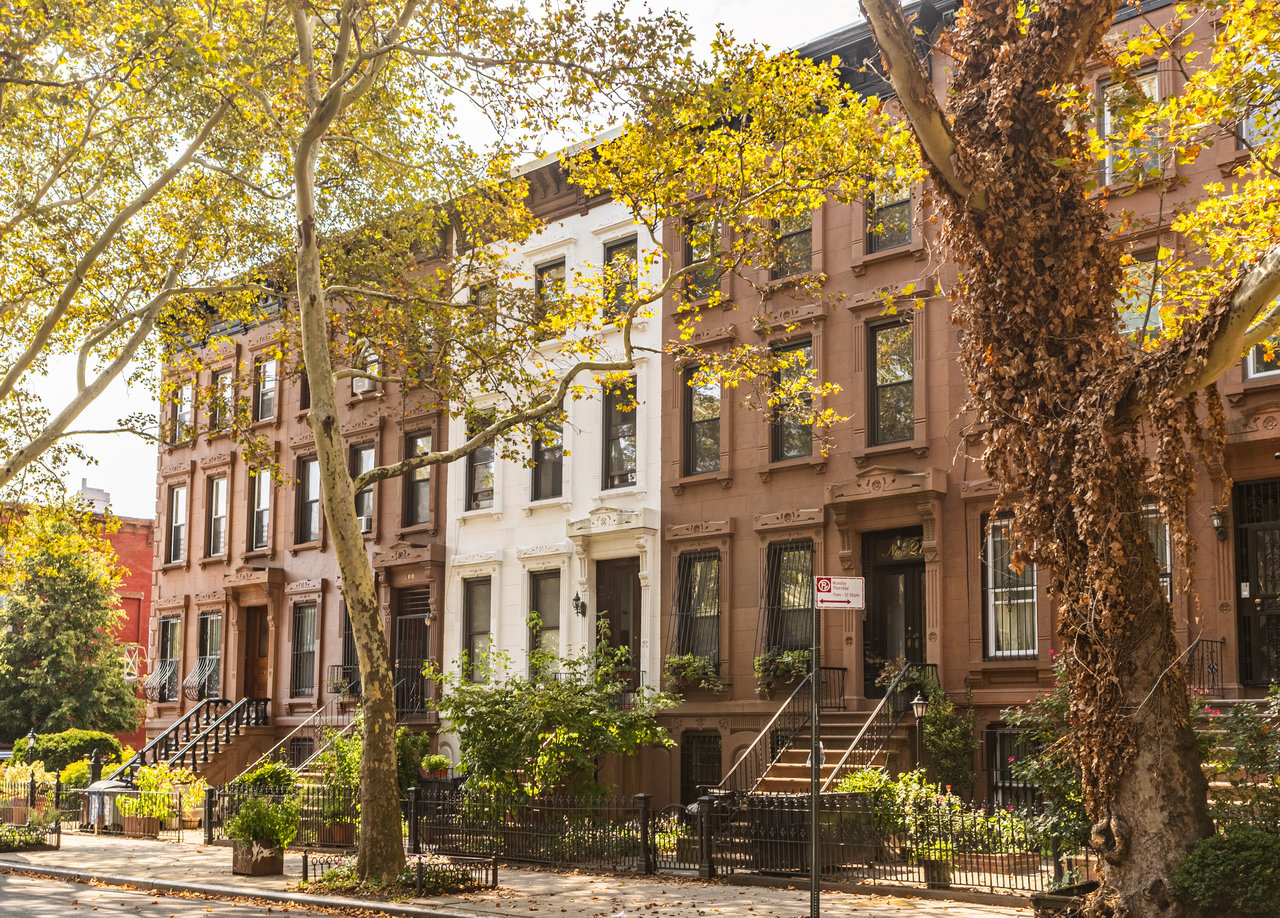
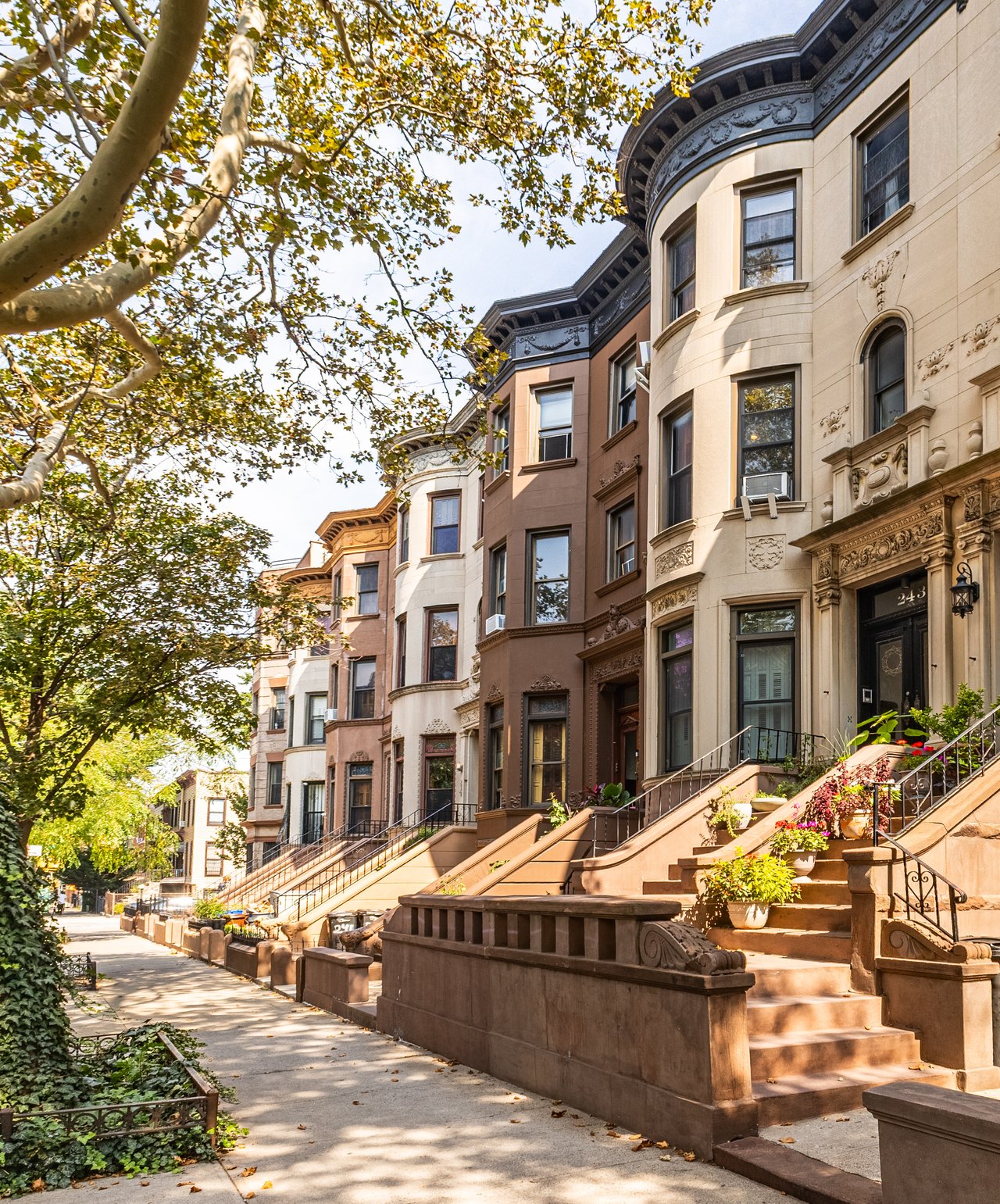
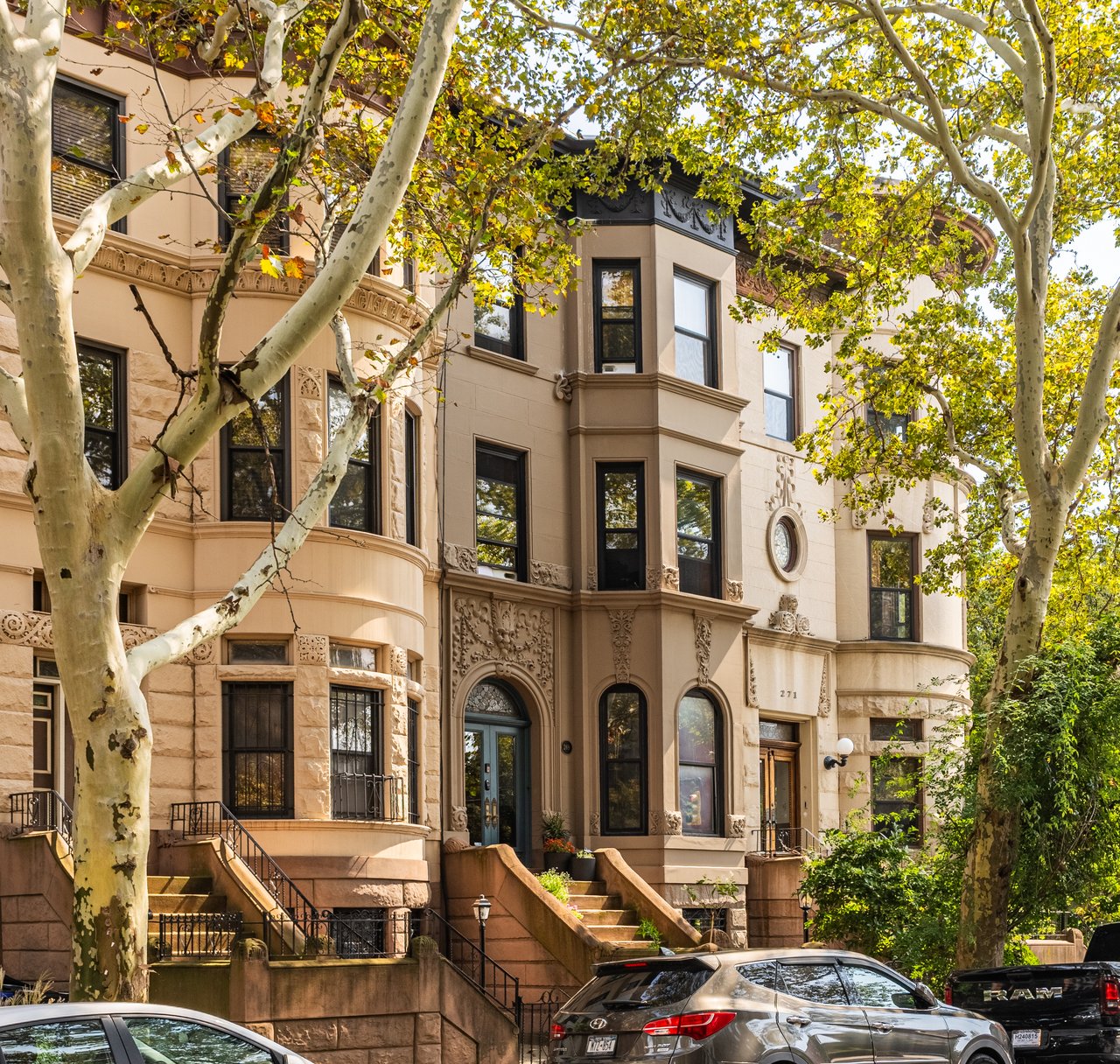
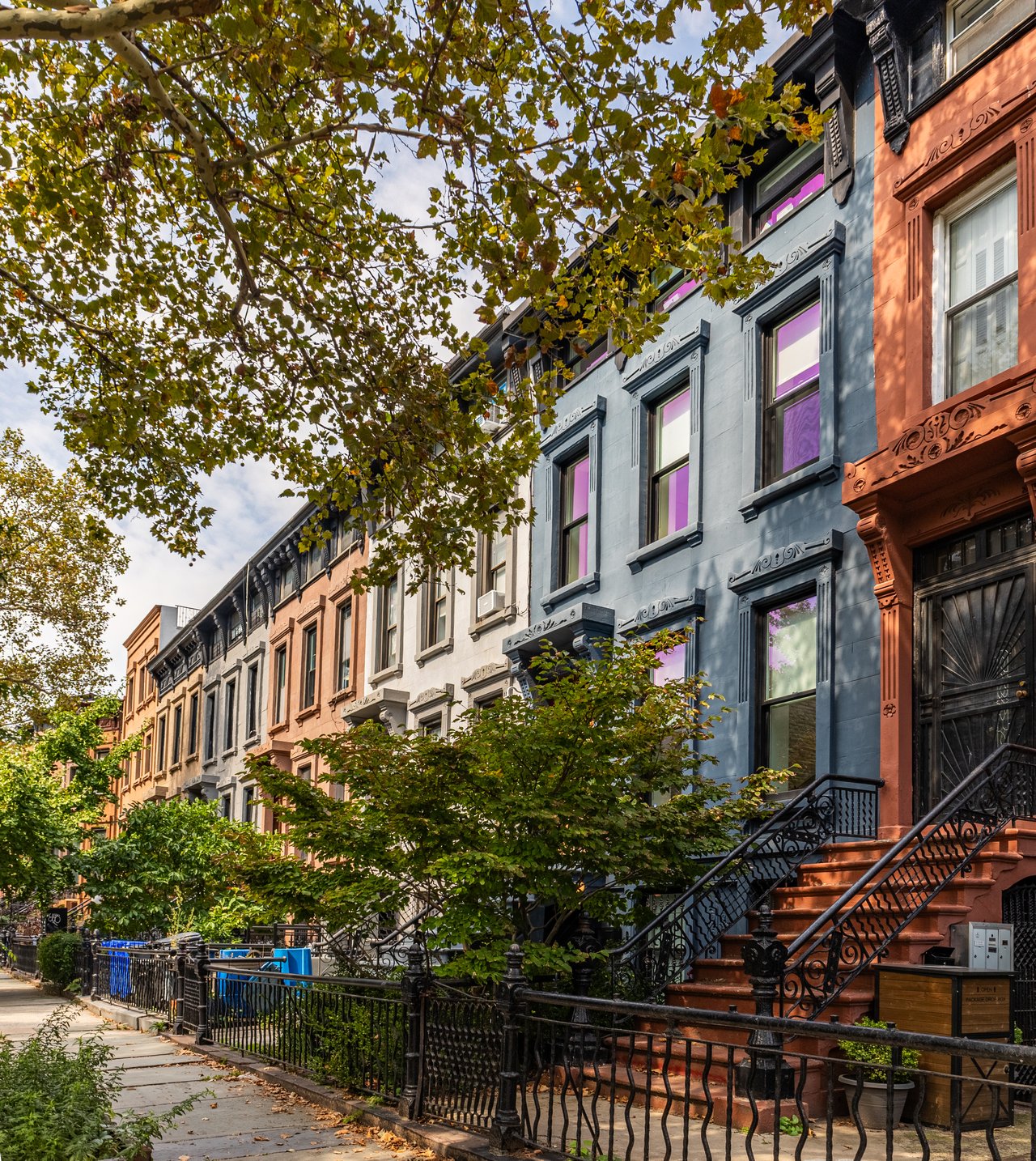
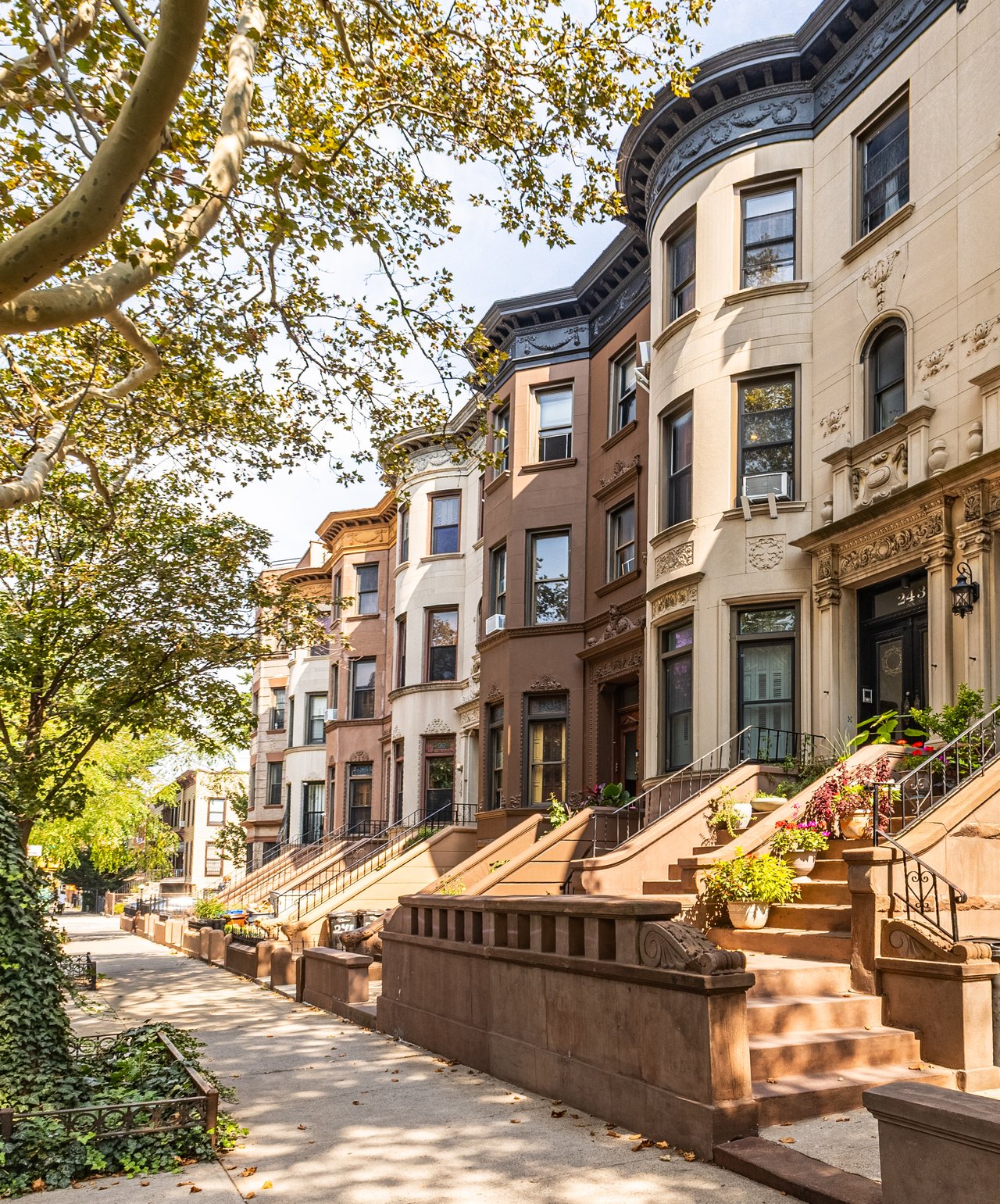
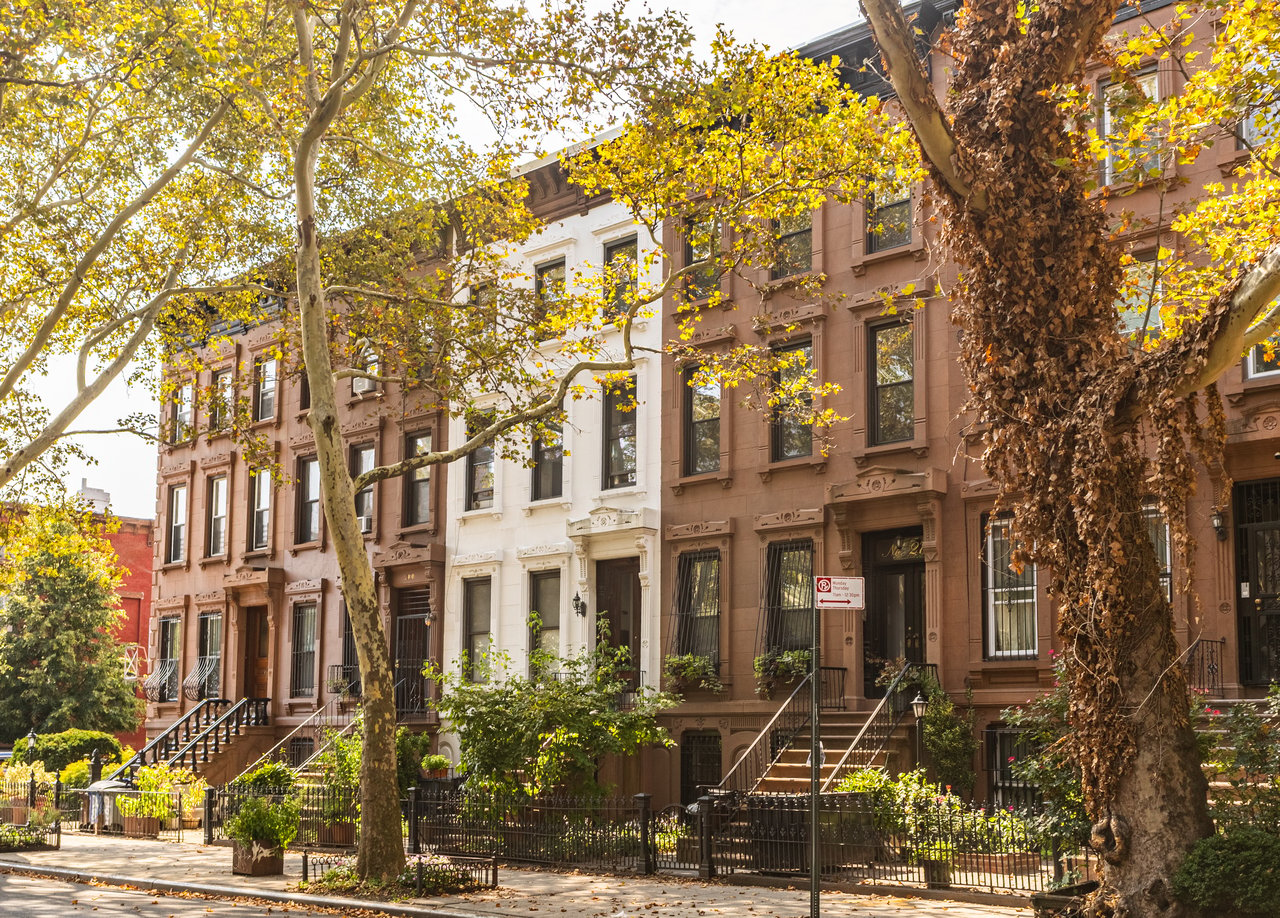
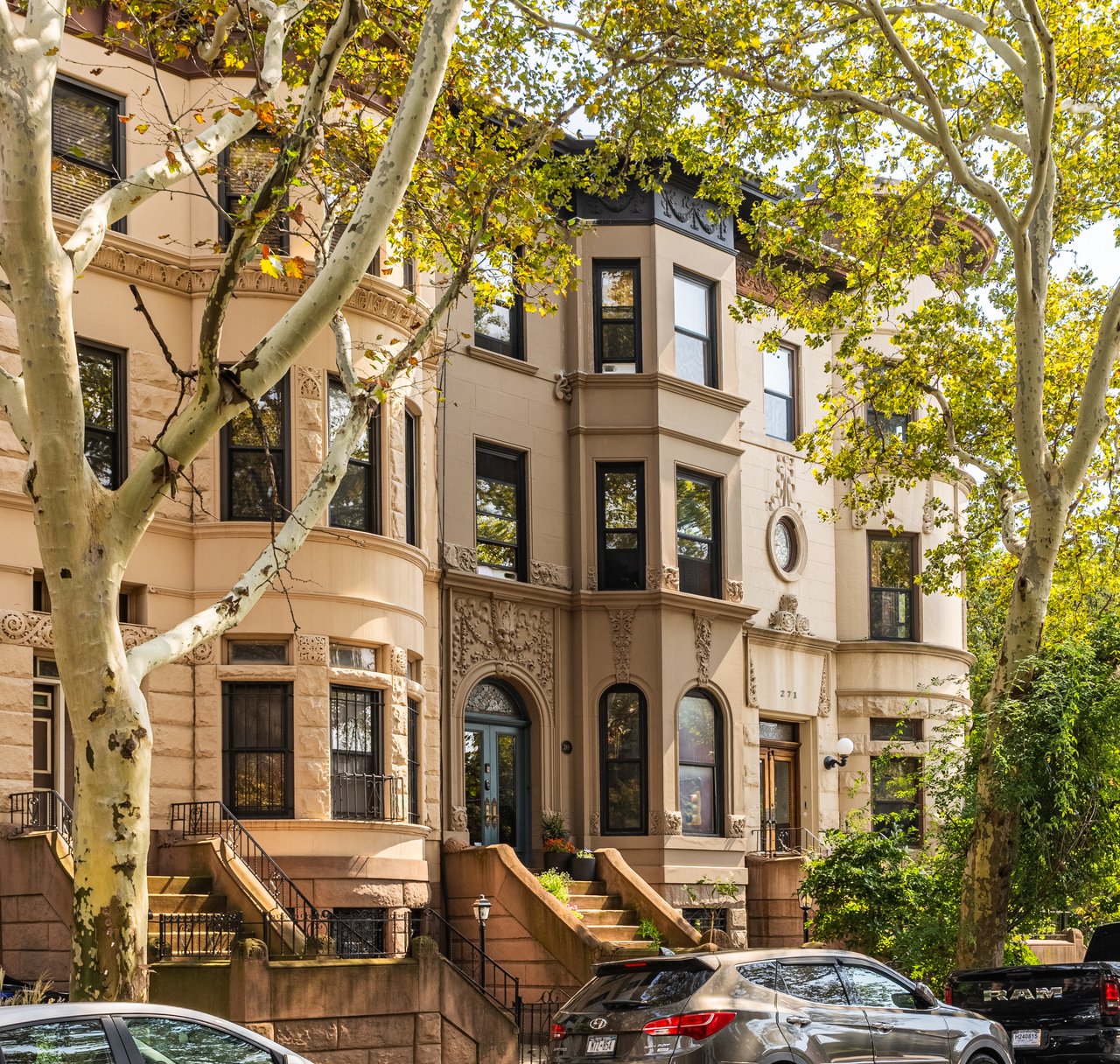
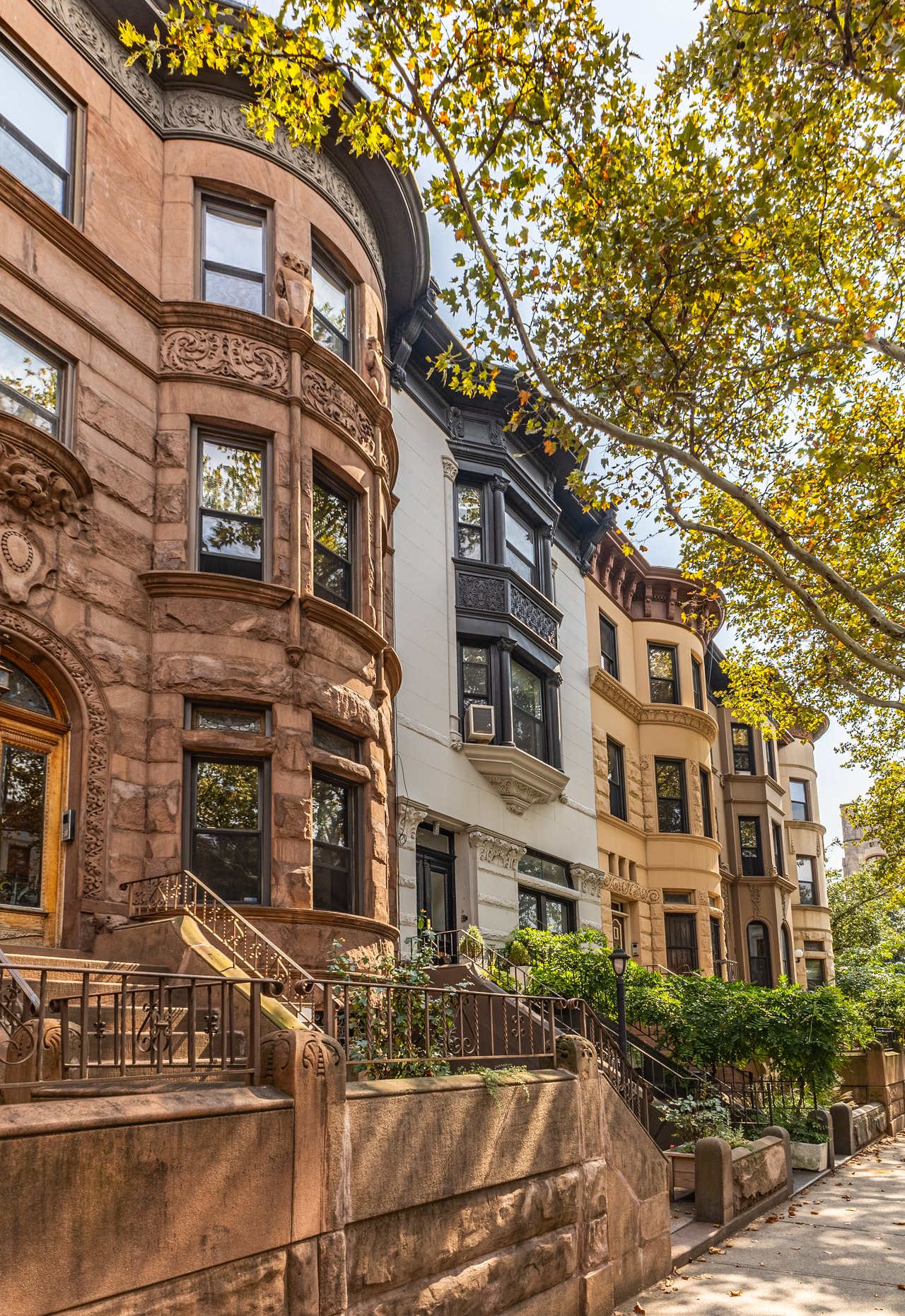
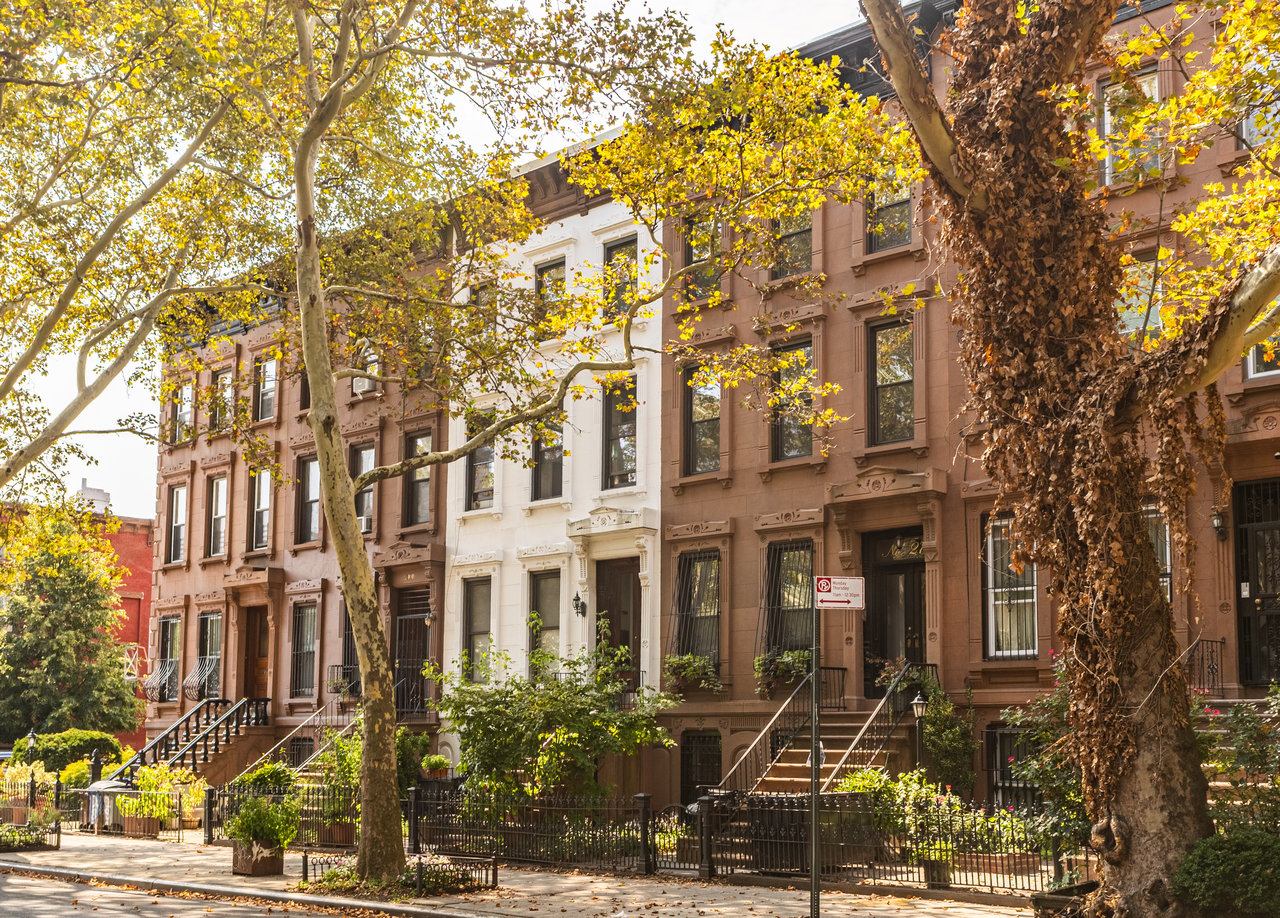
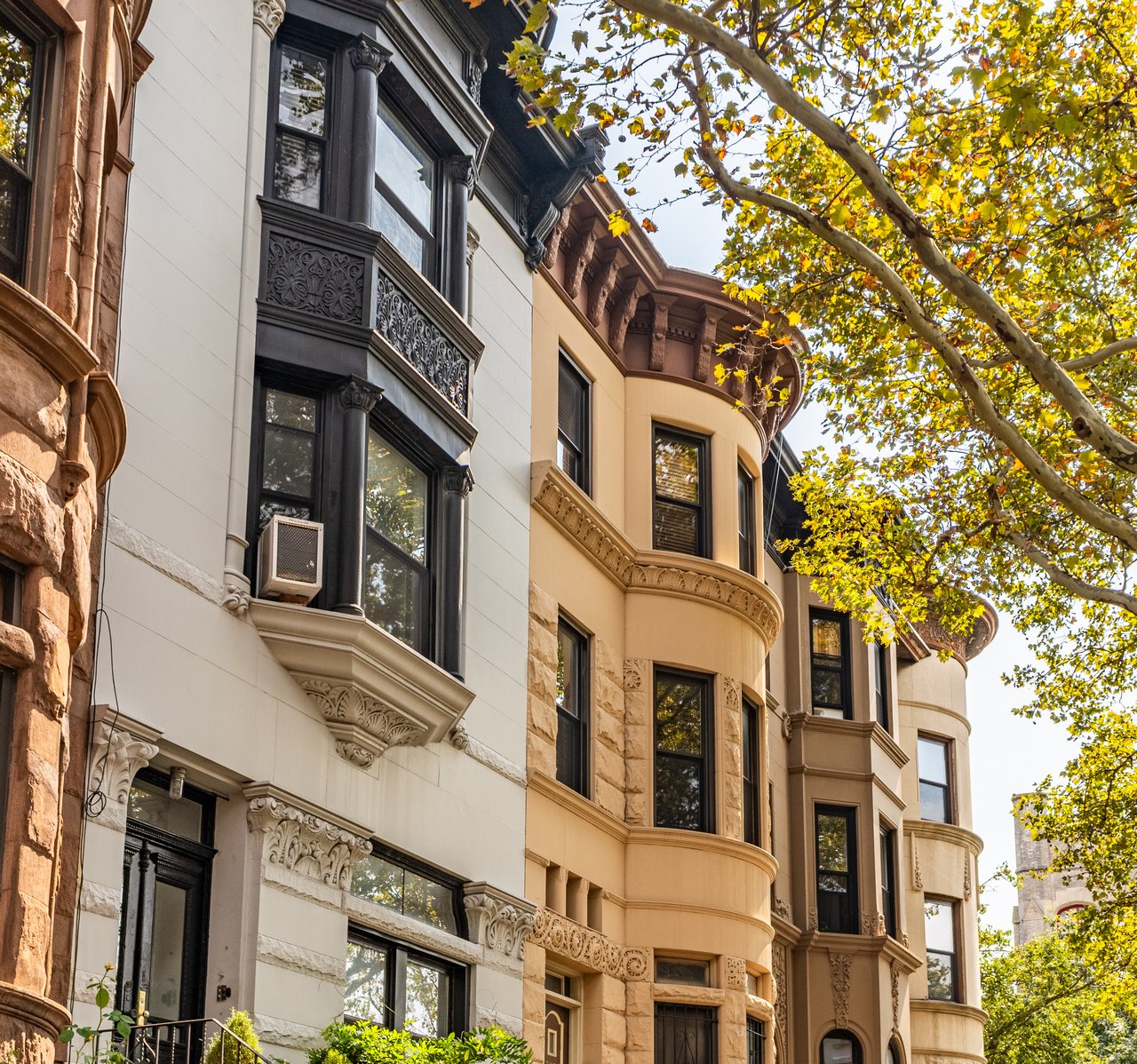
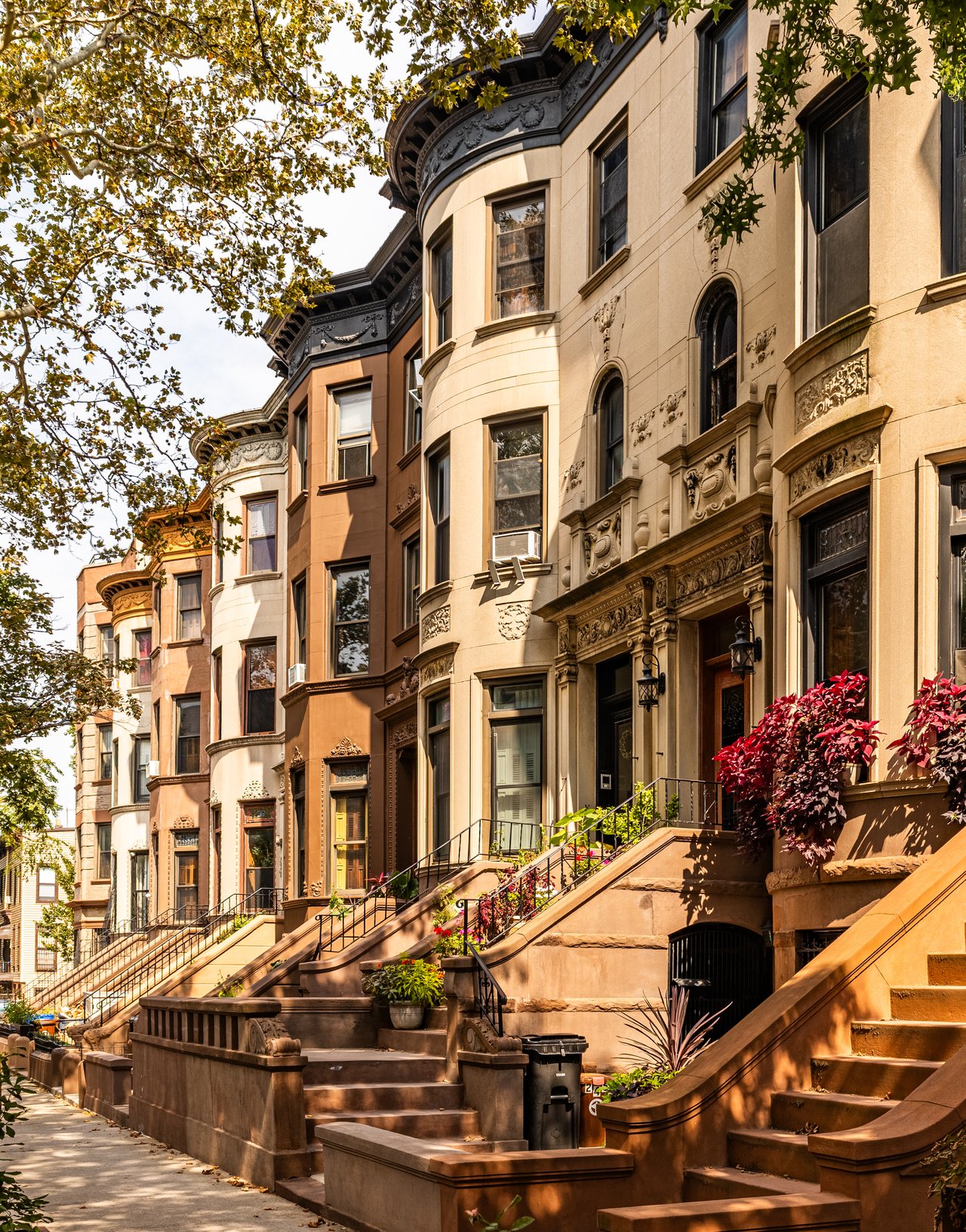
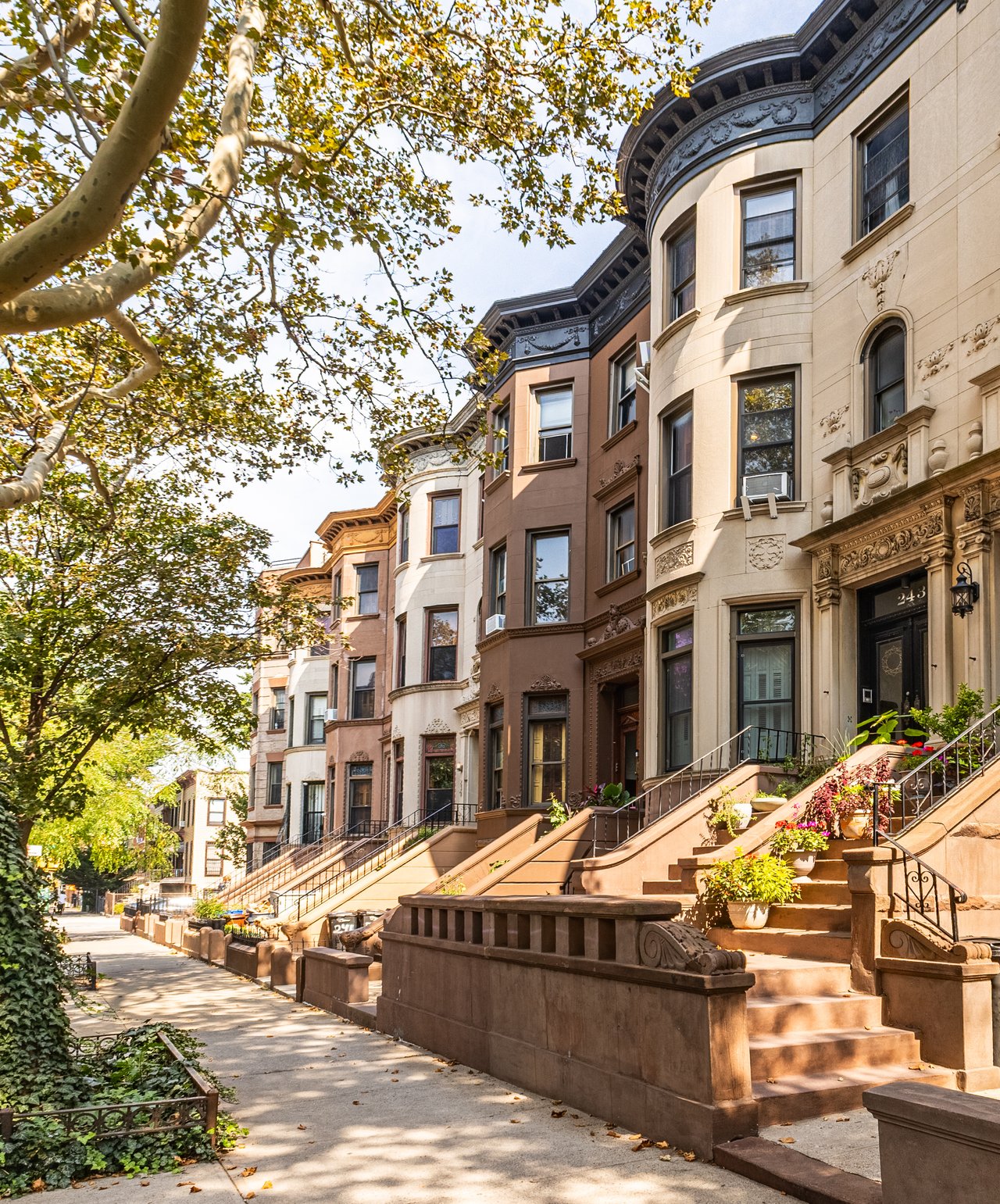
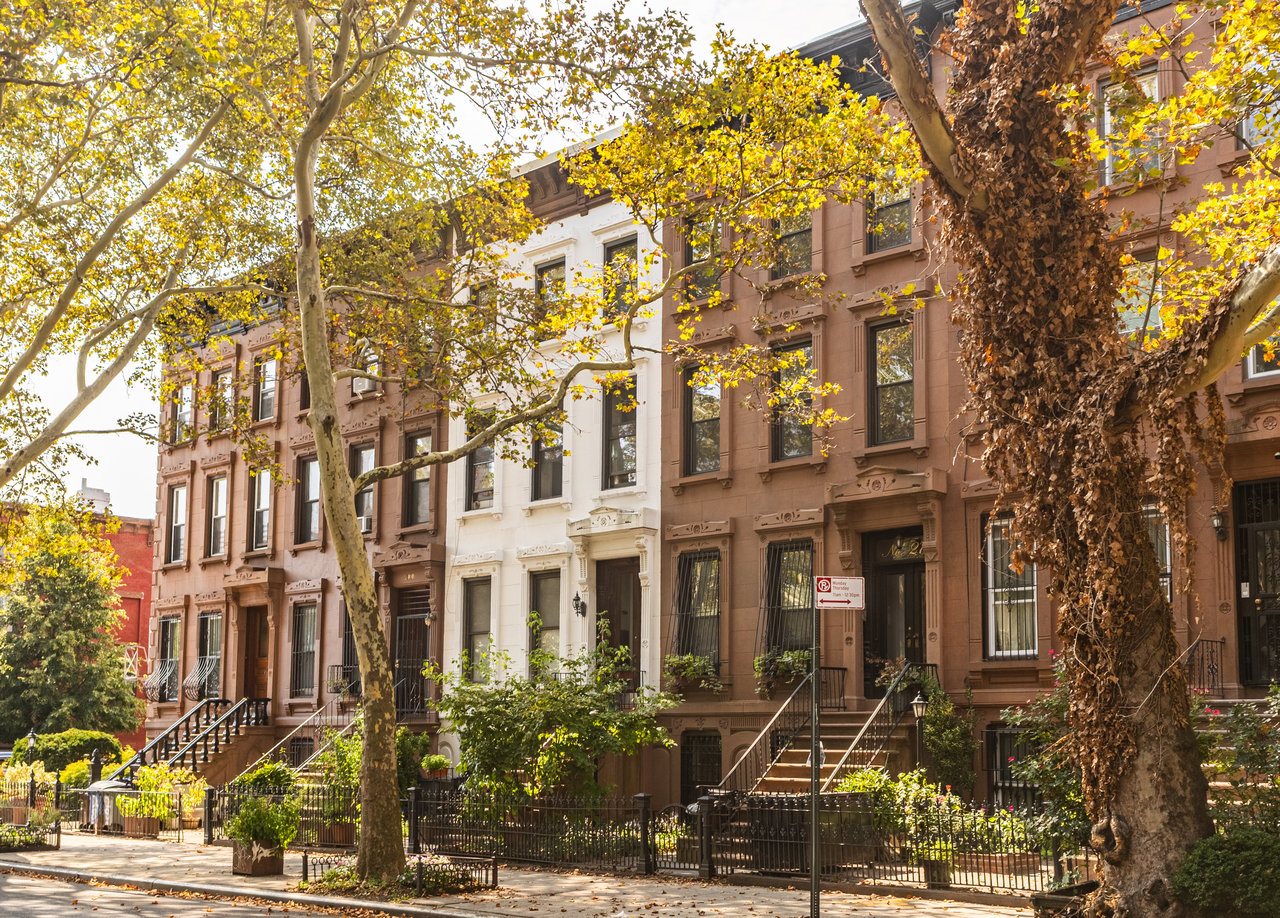
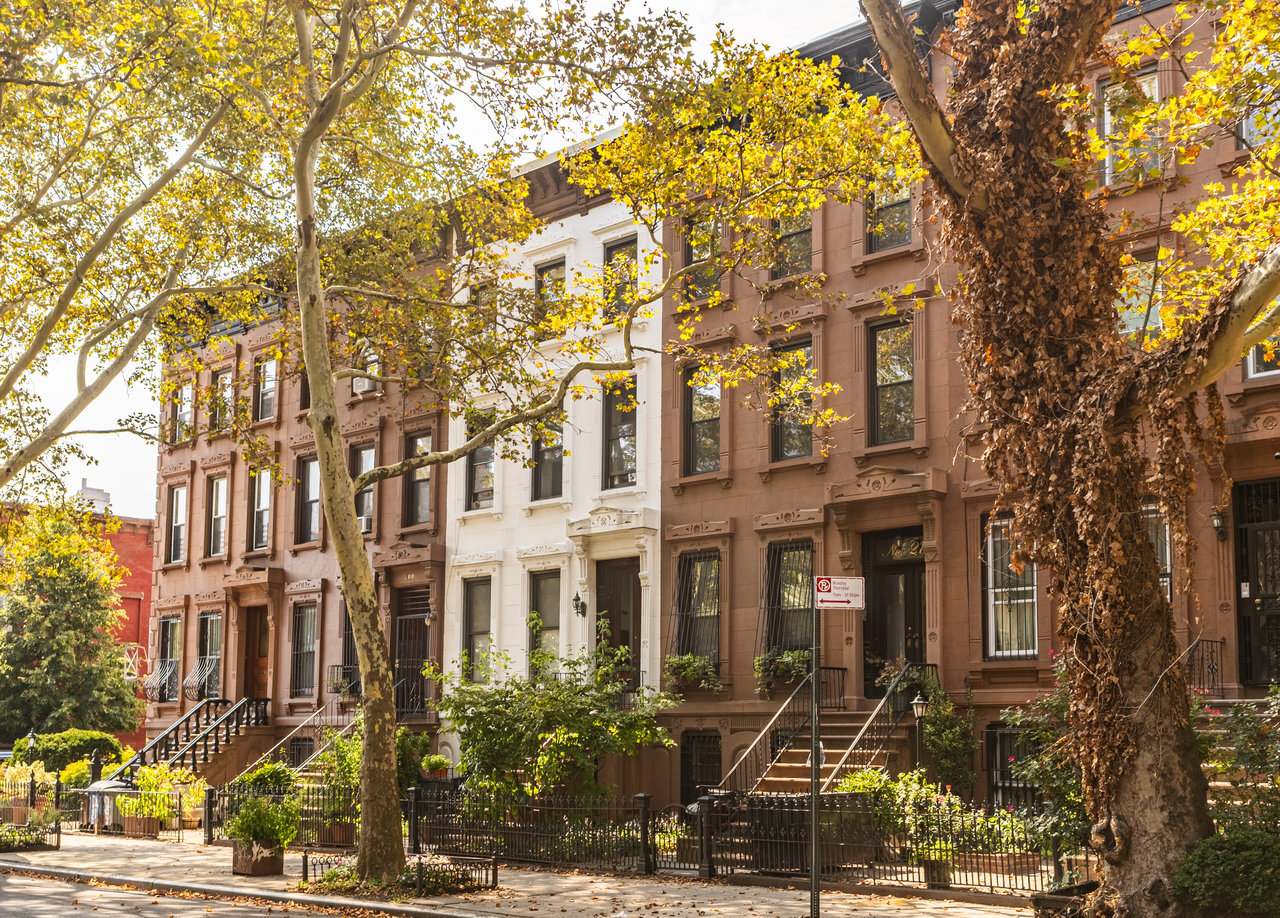
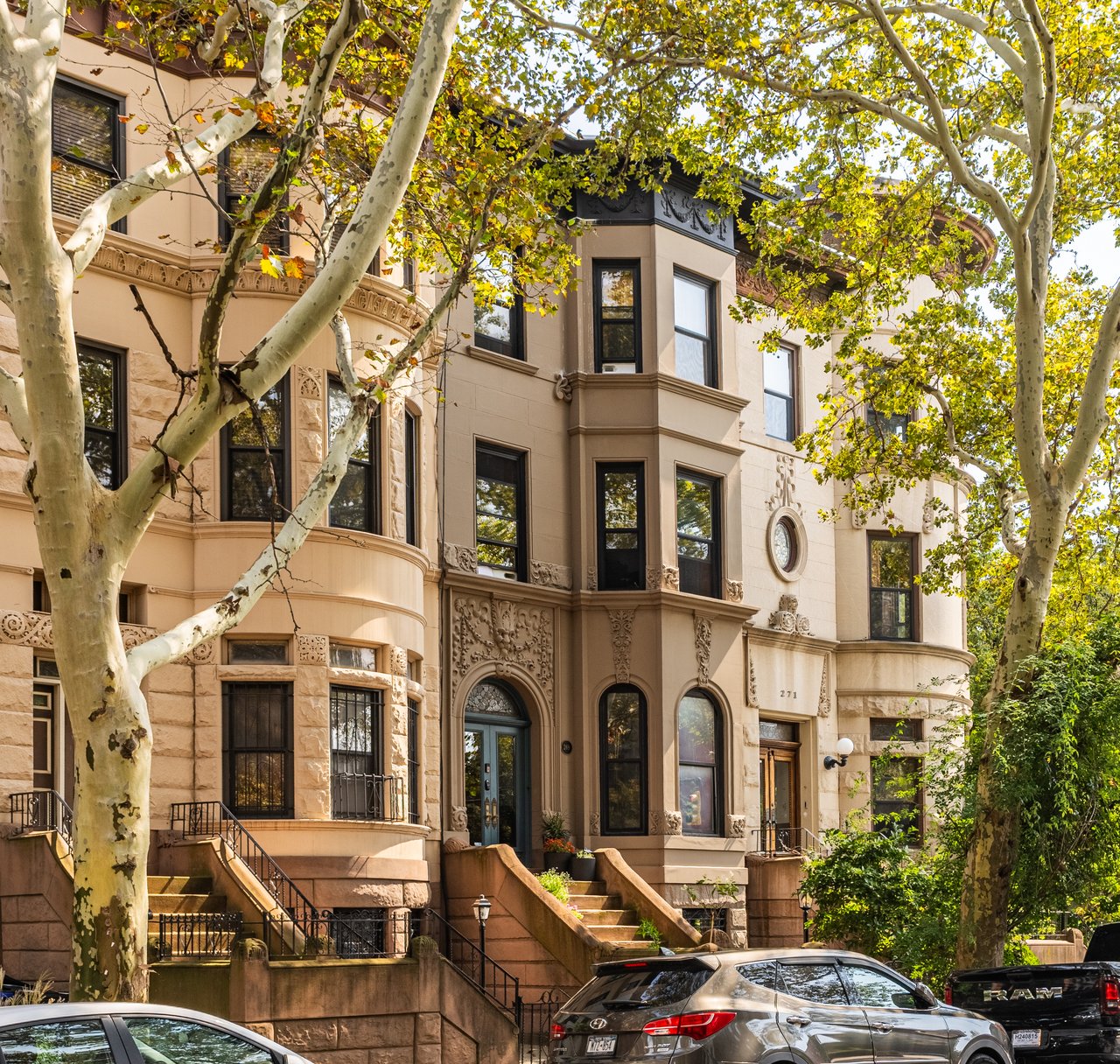
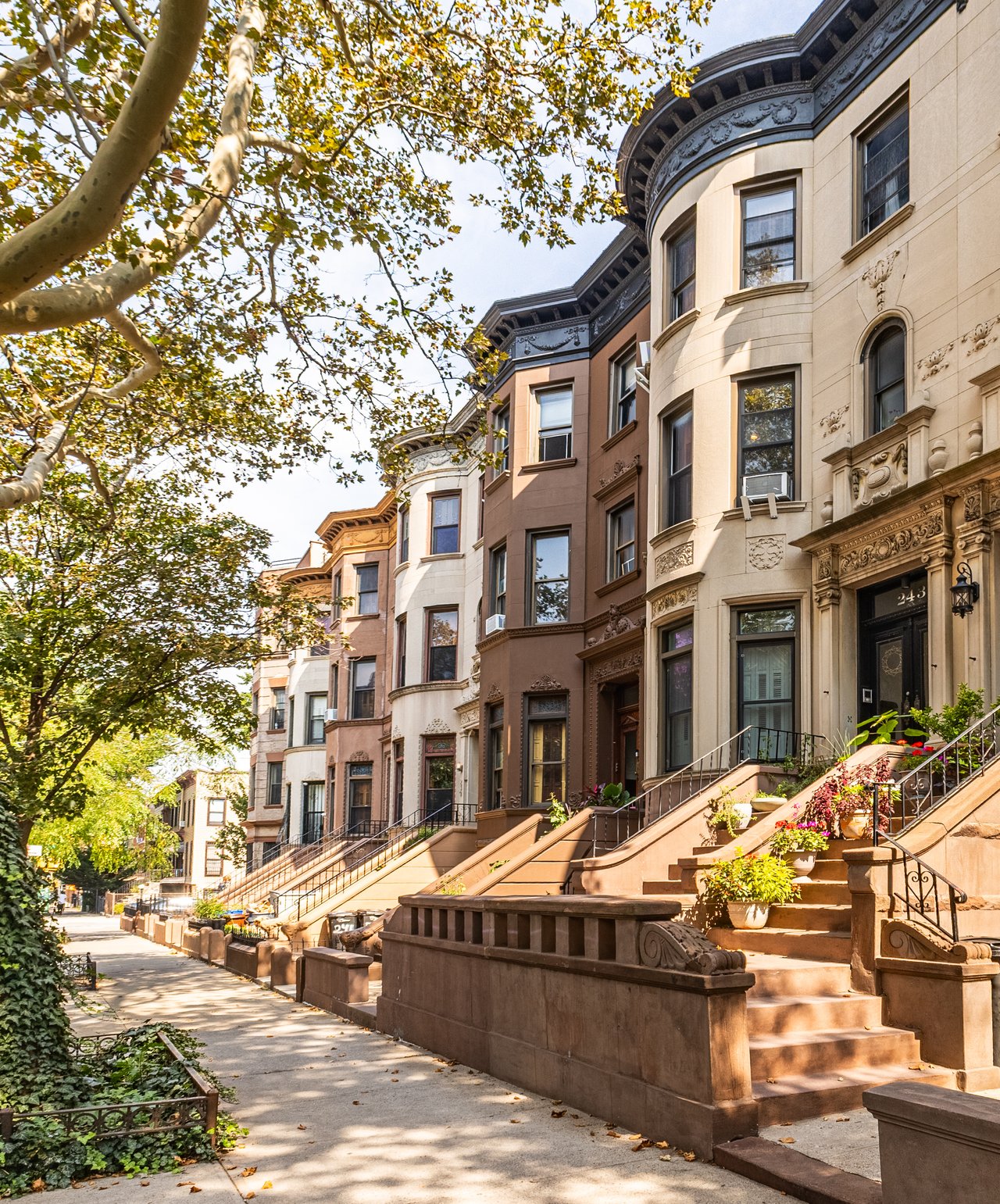
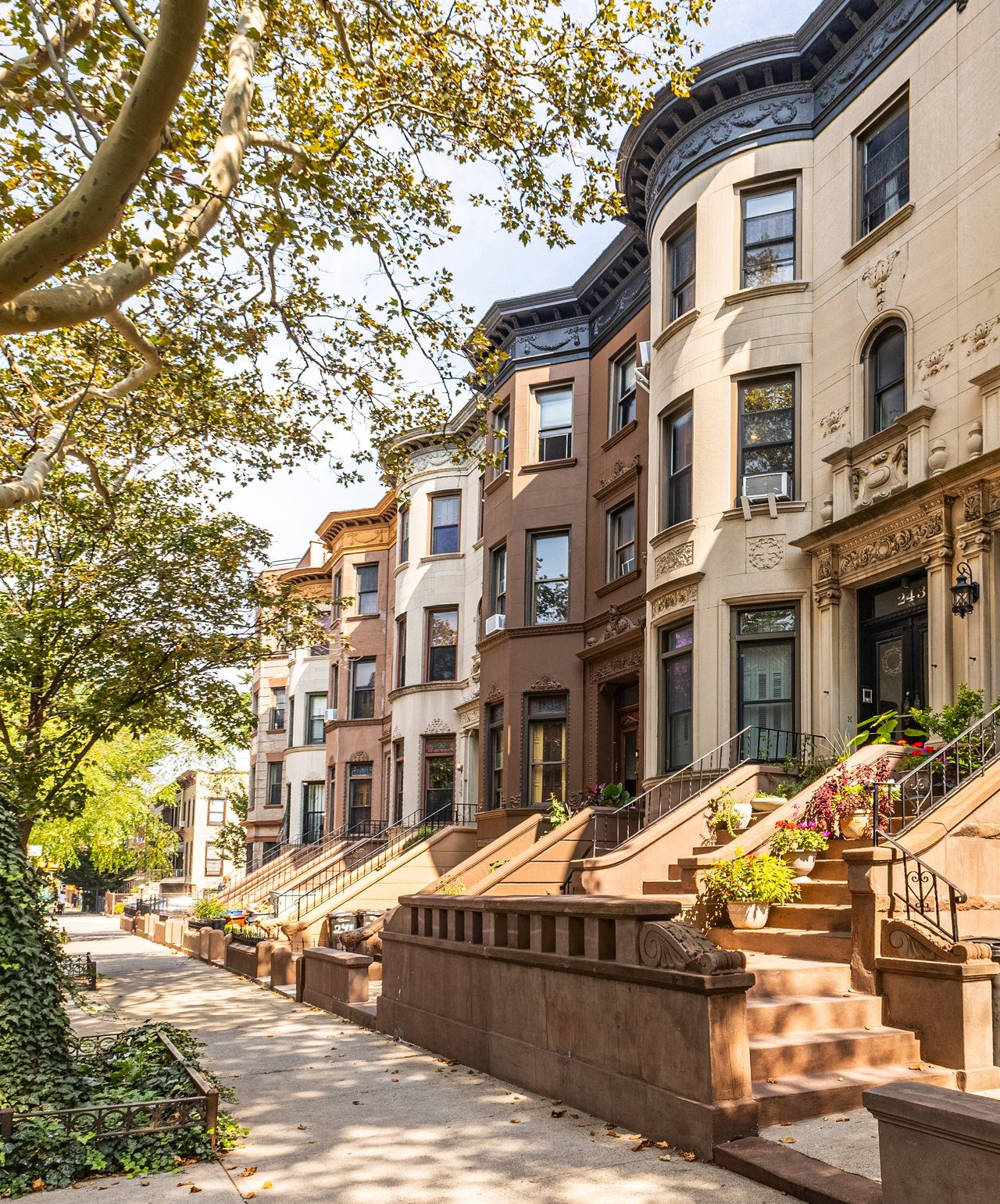
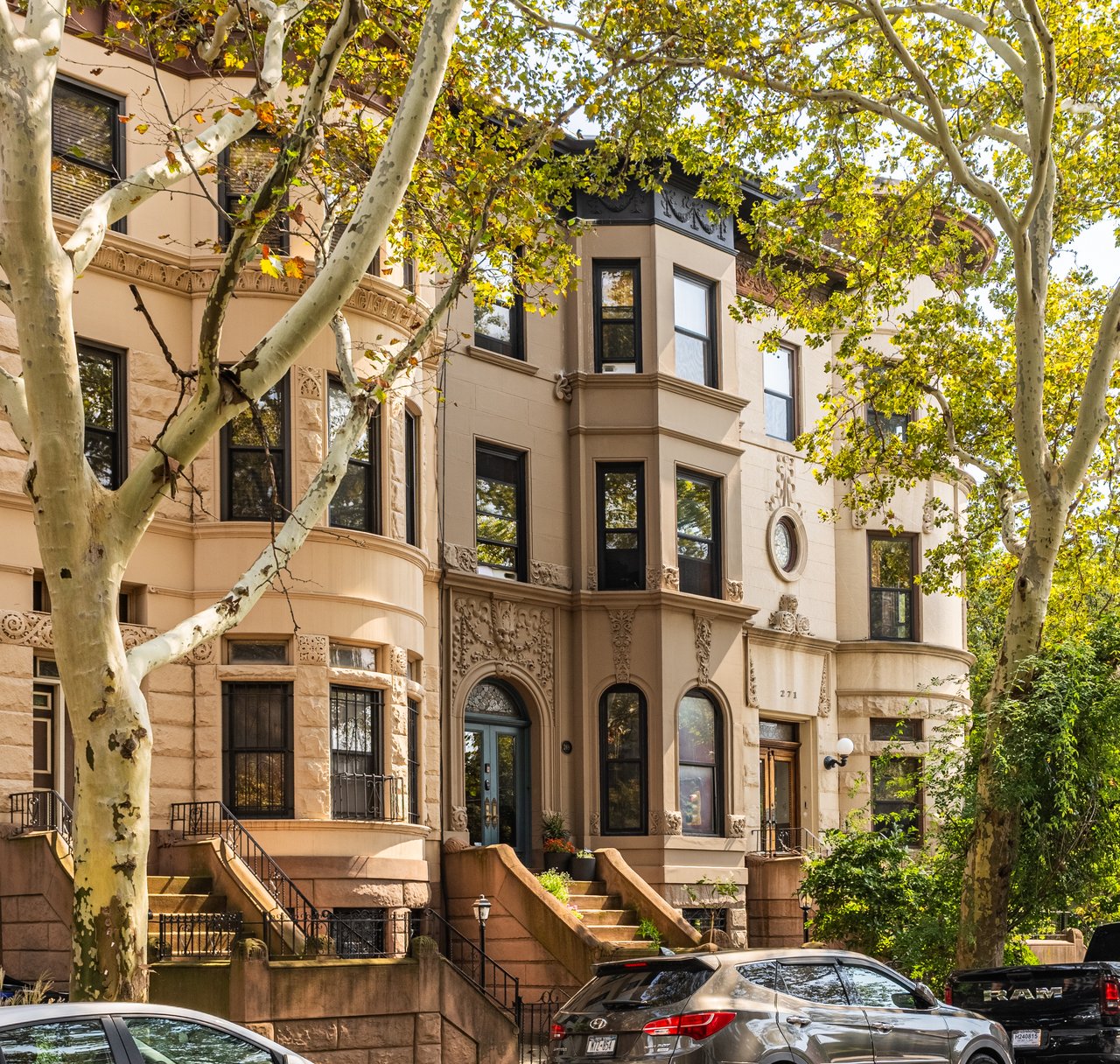
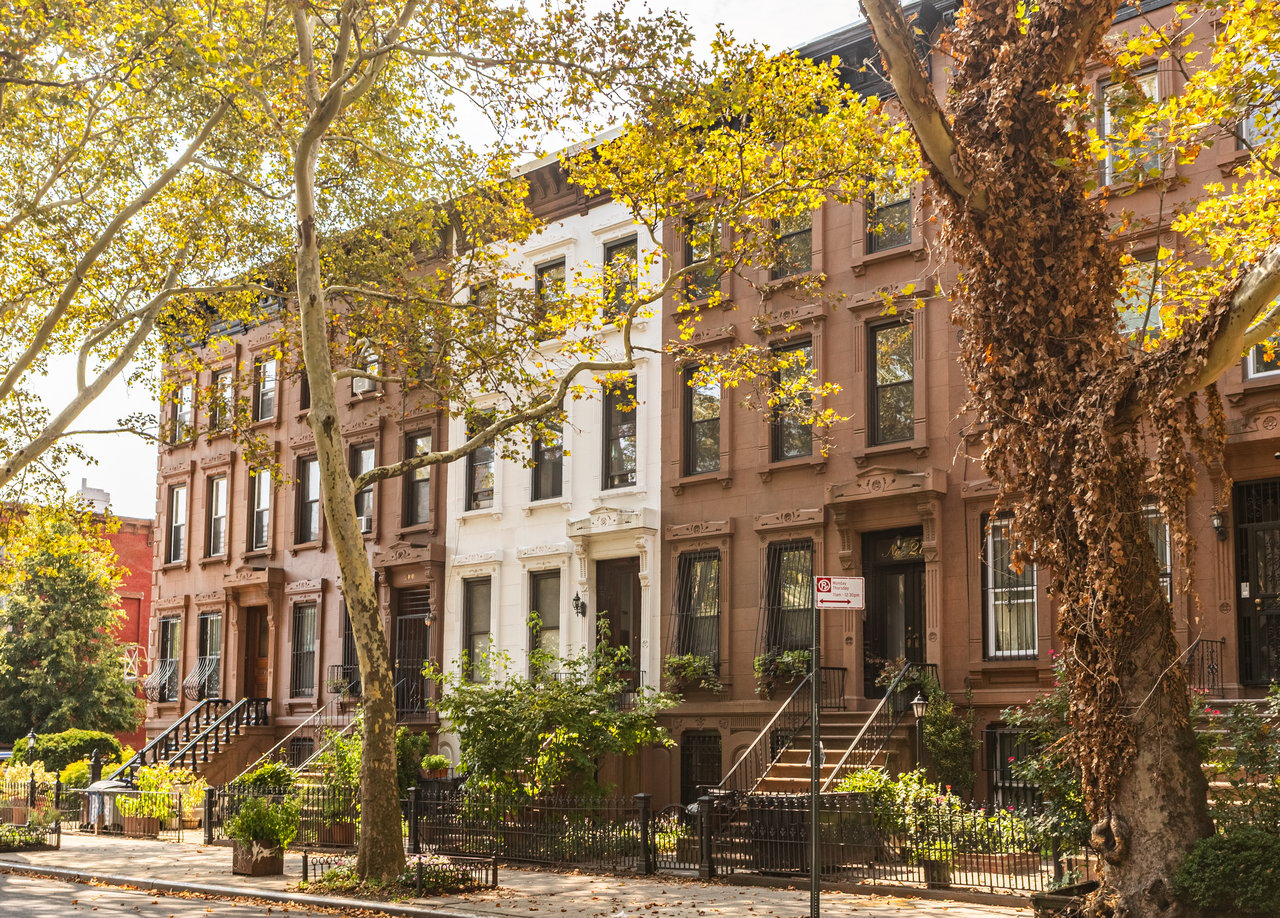
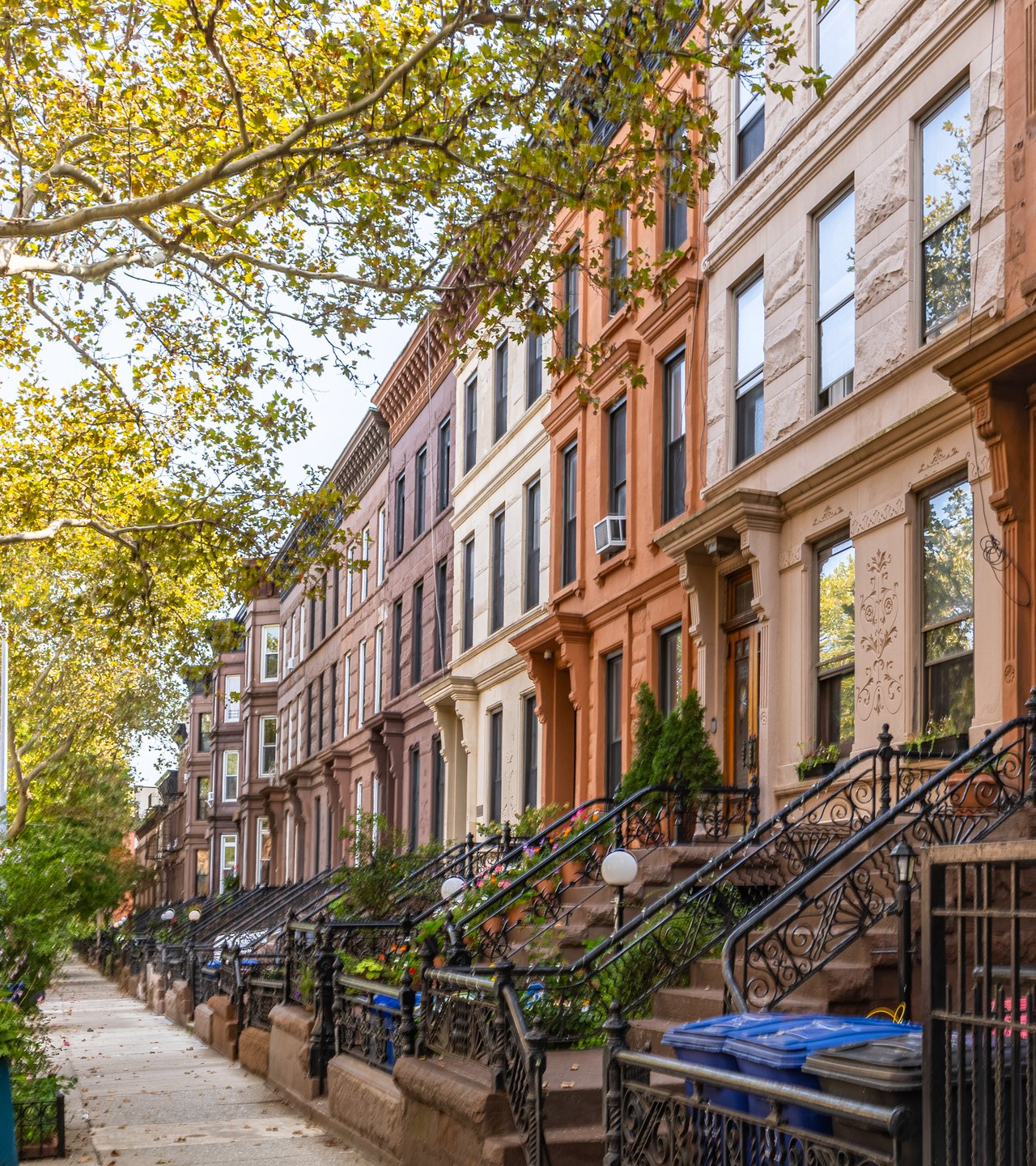
Although Livingston Street is primarily commercial, its location places it near several of Brooklyn's most architecturally significant residential neighborhoods. Boerum Hill, Fort Greene, and Cobble Hill developed during the 19th century with traditional brick houses, brownstone townhouses, and multifamily residences that continue to shape Brooklyn's real estate identity.
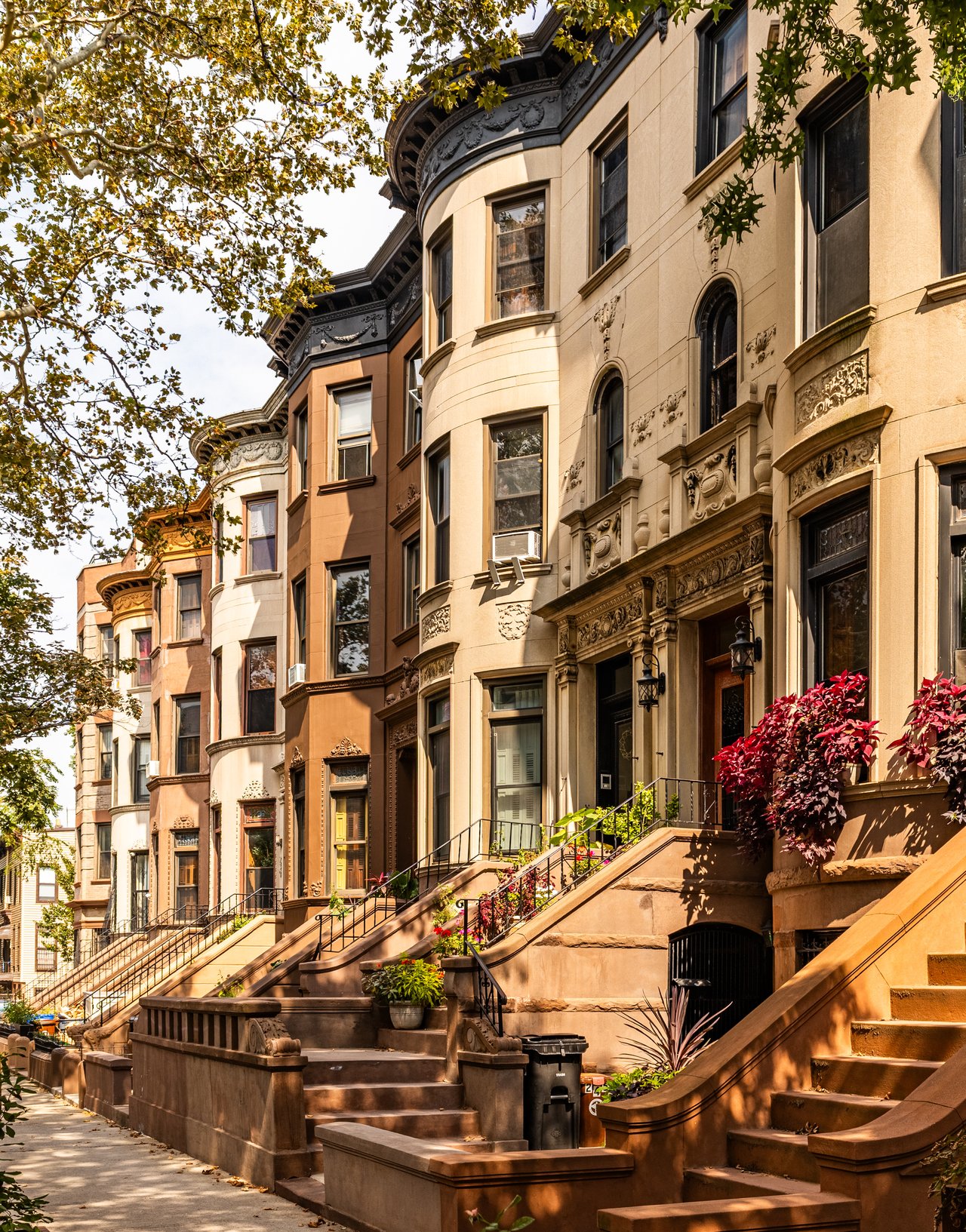
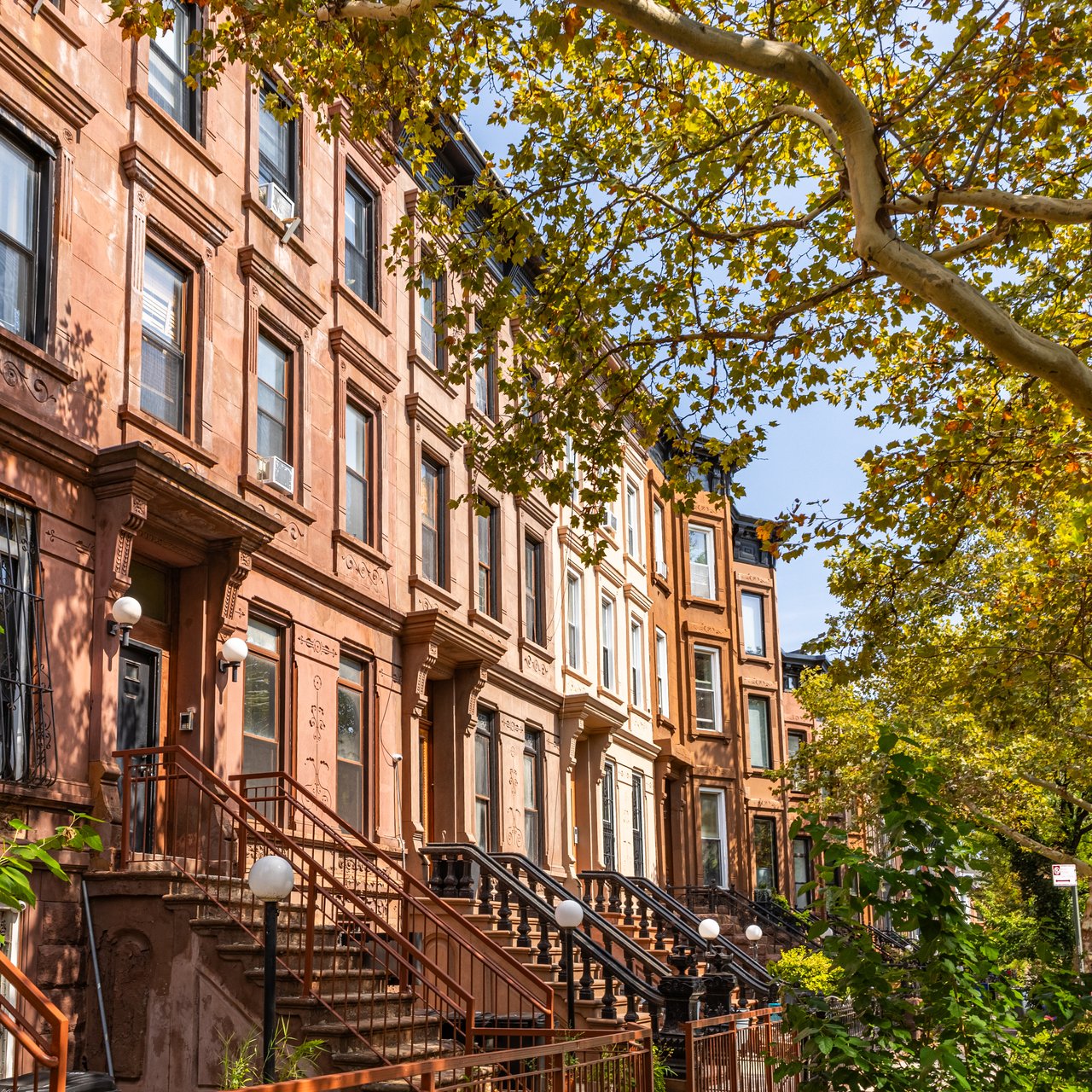
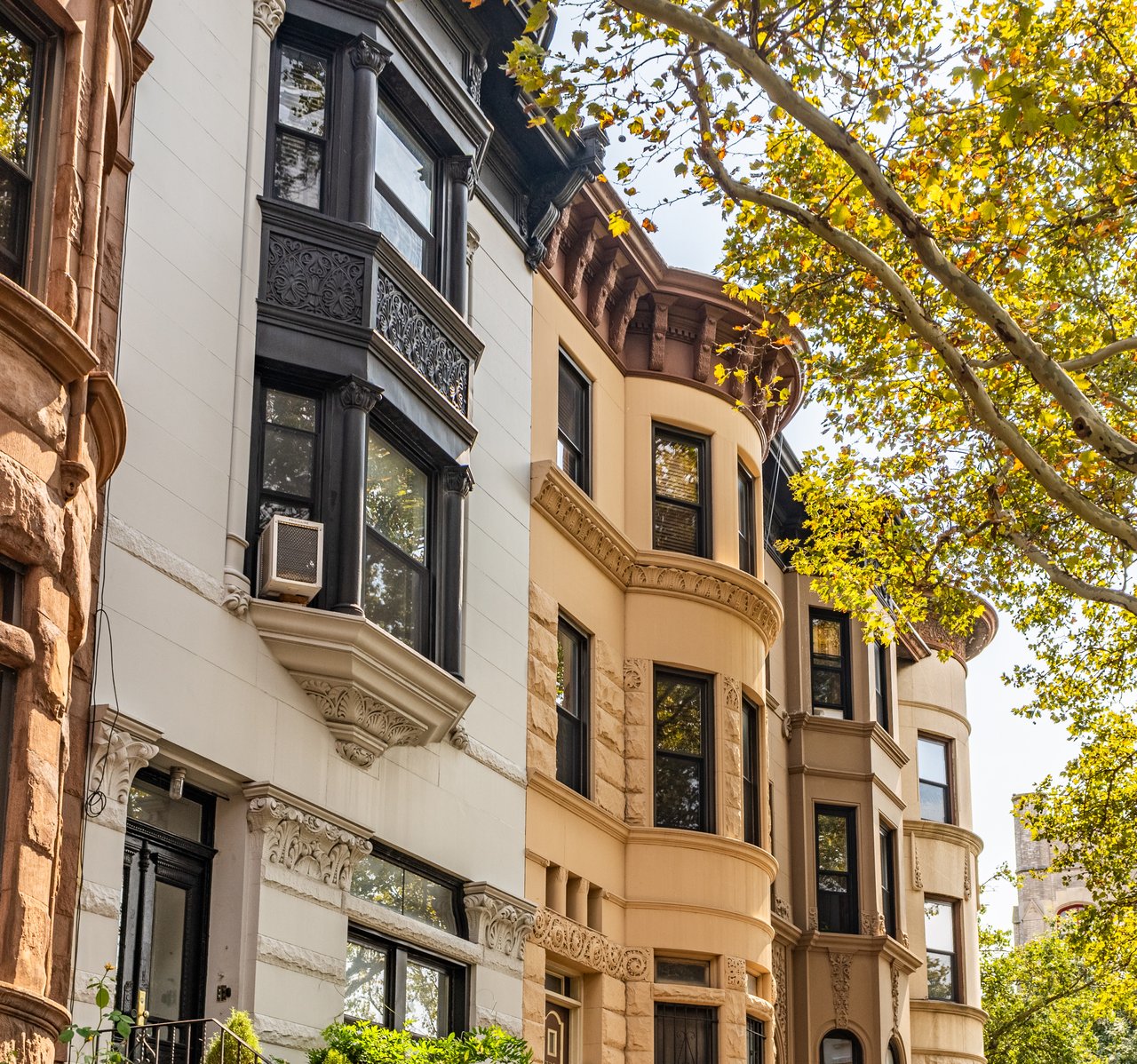
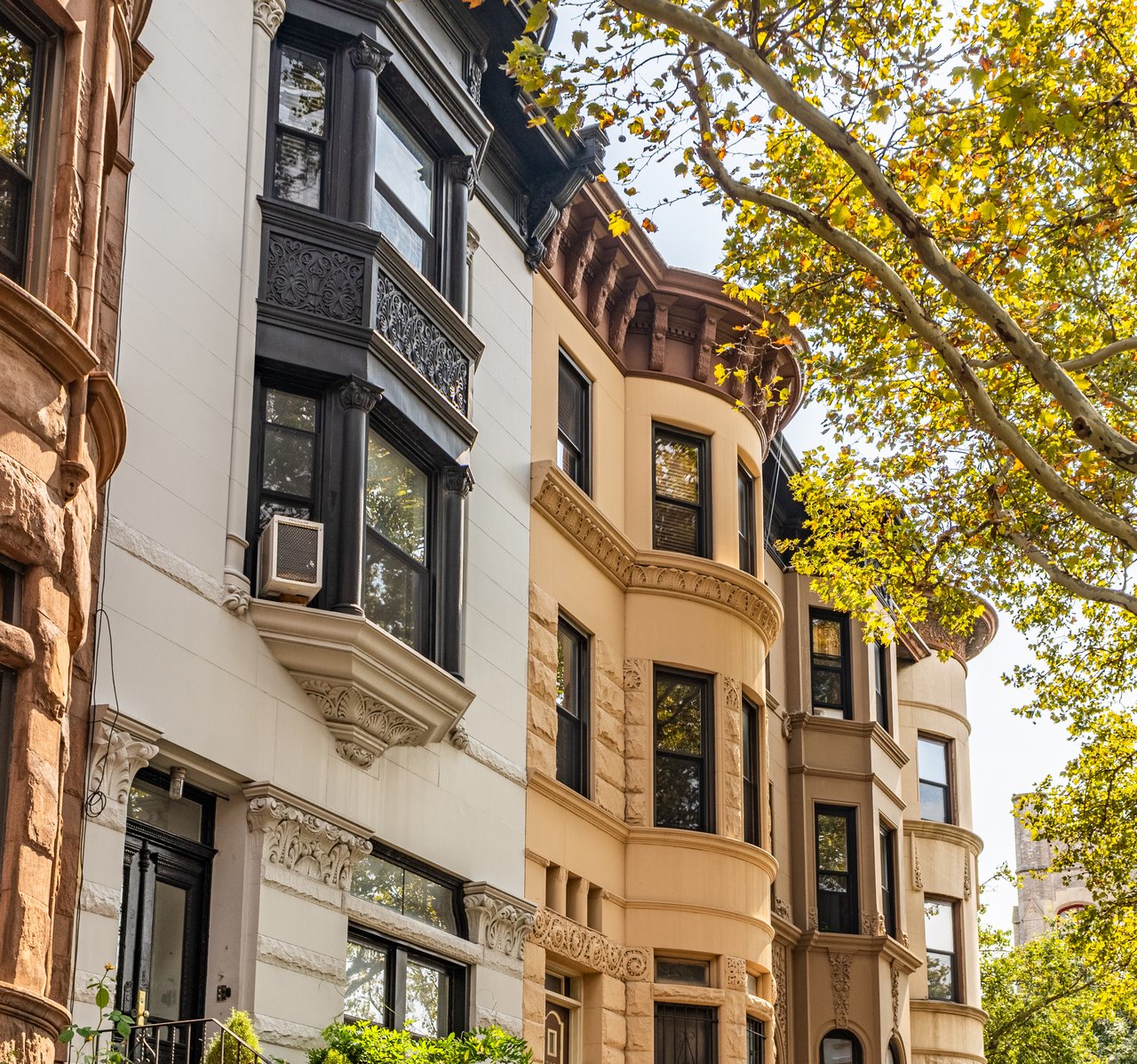
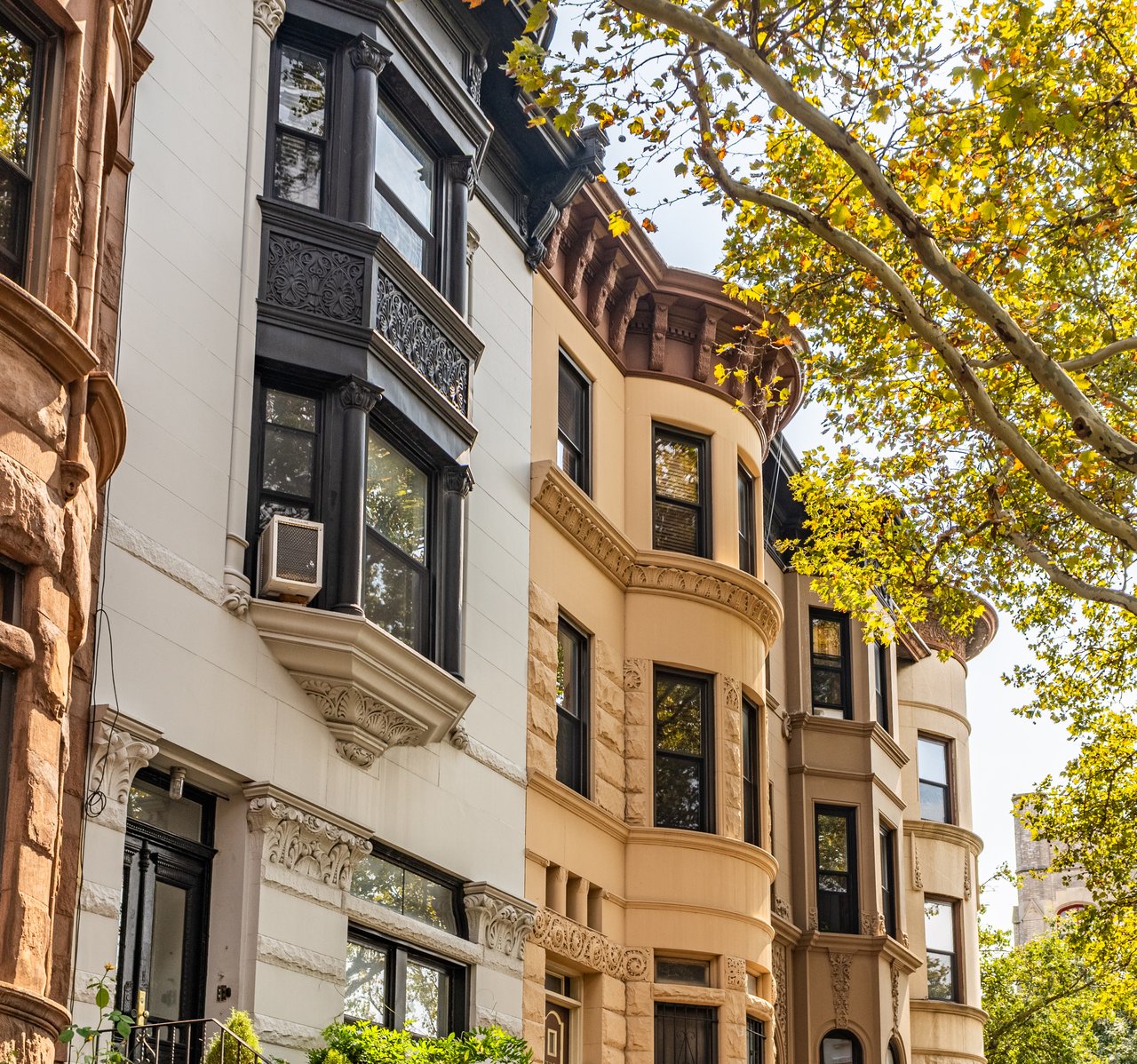
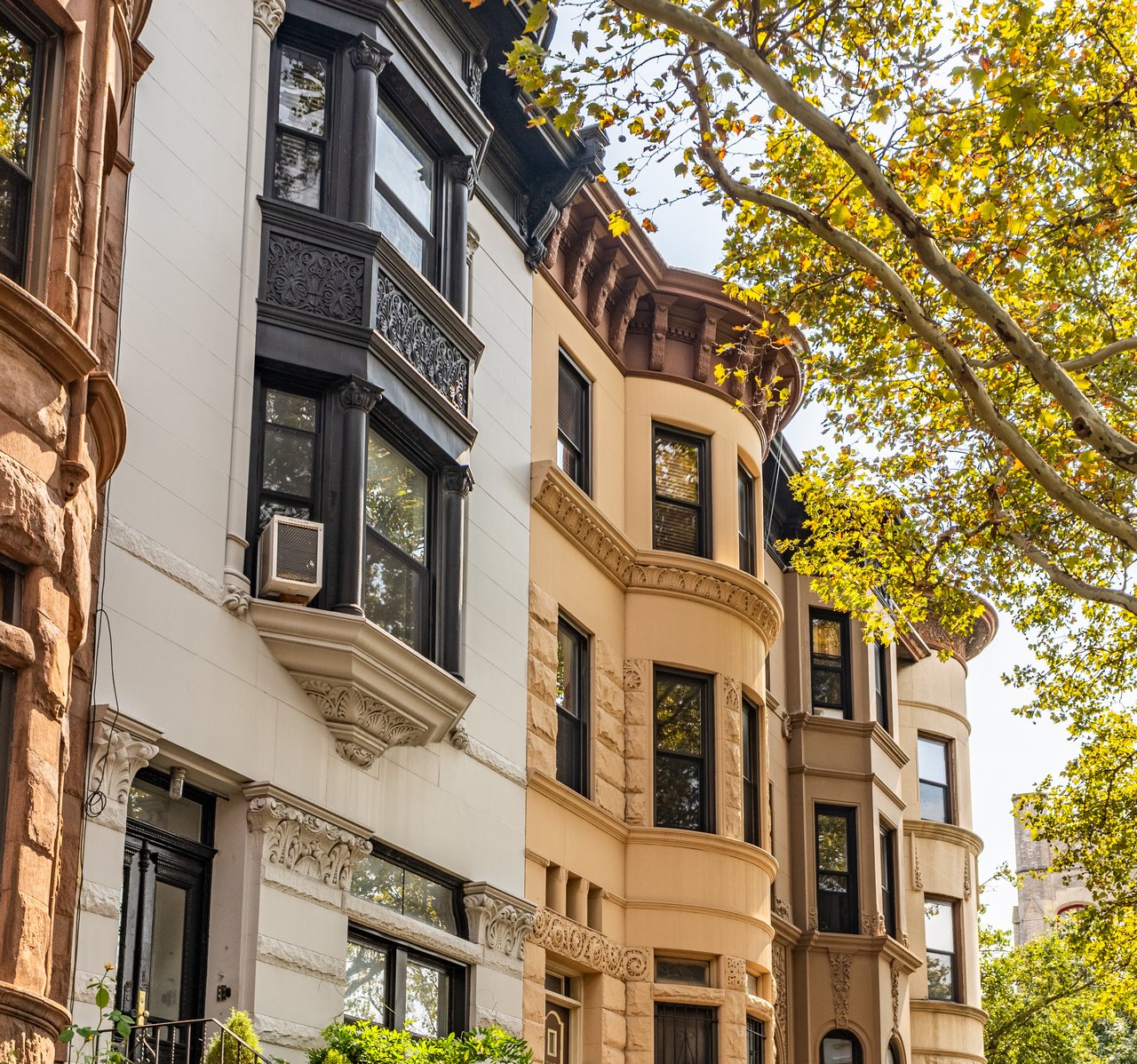
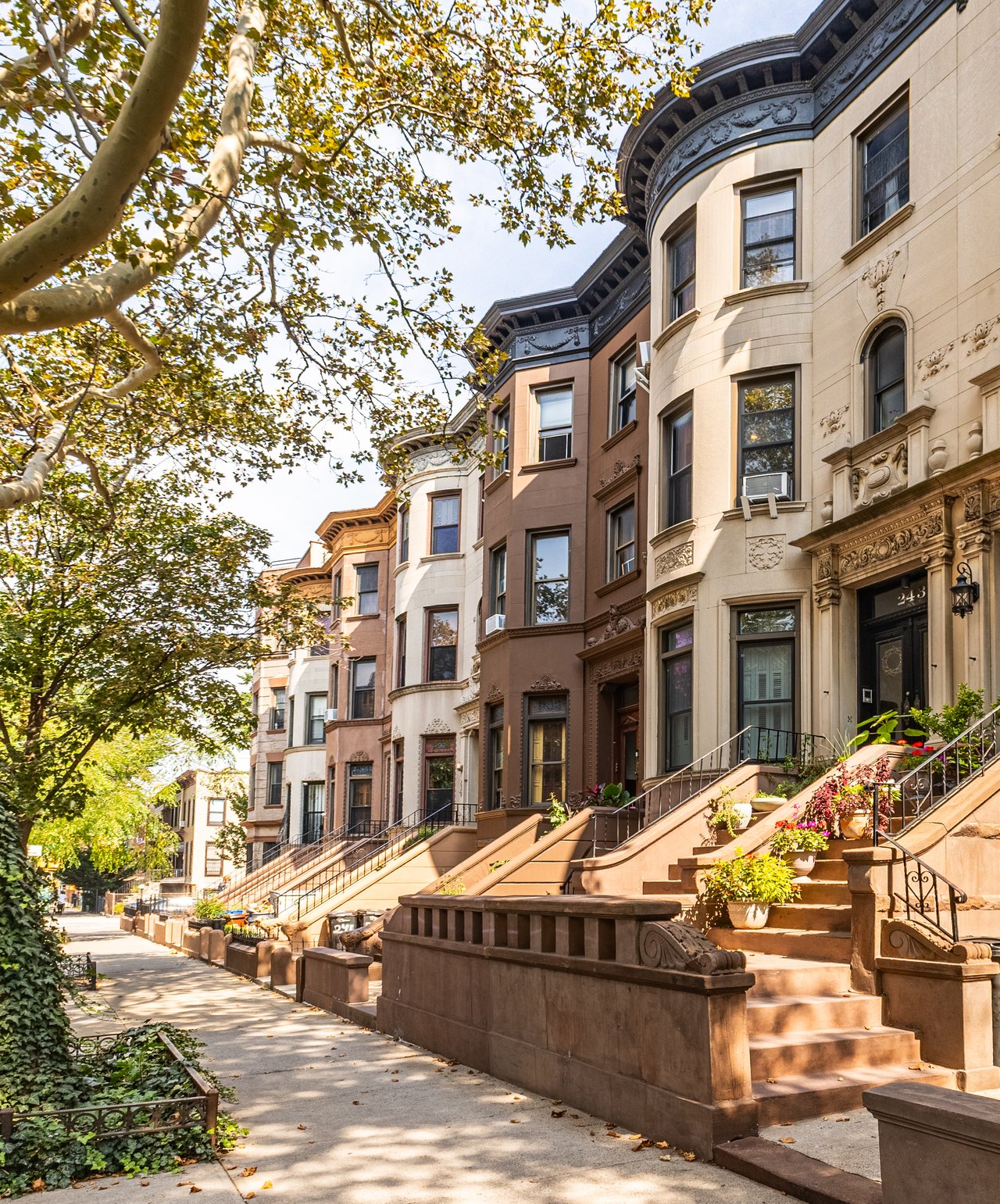
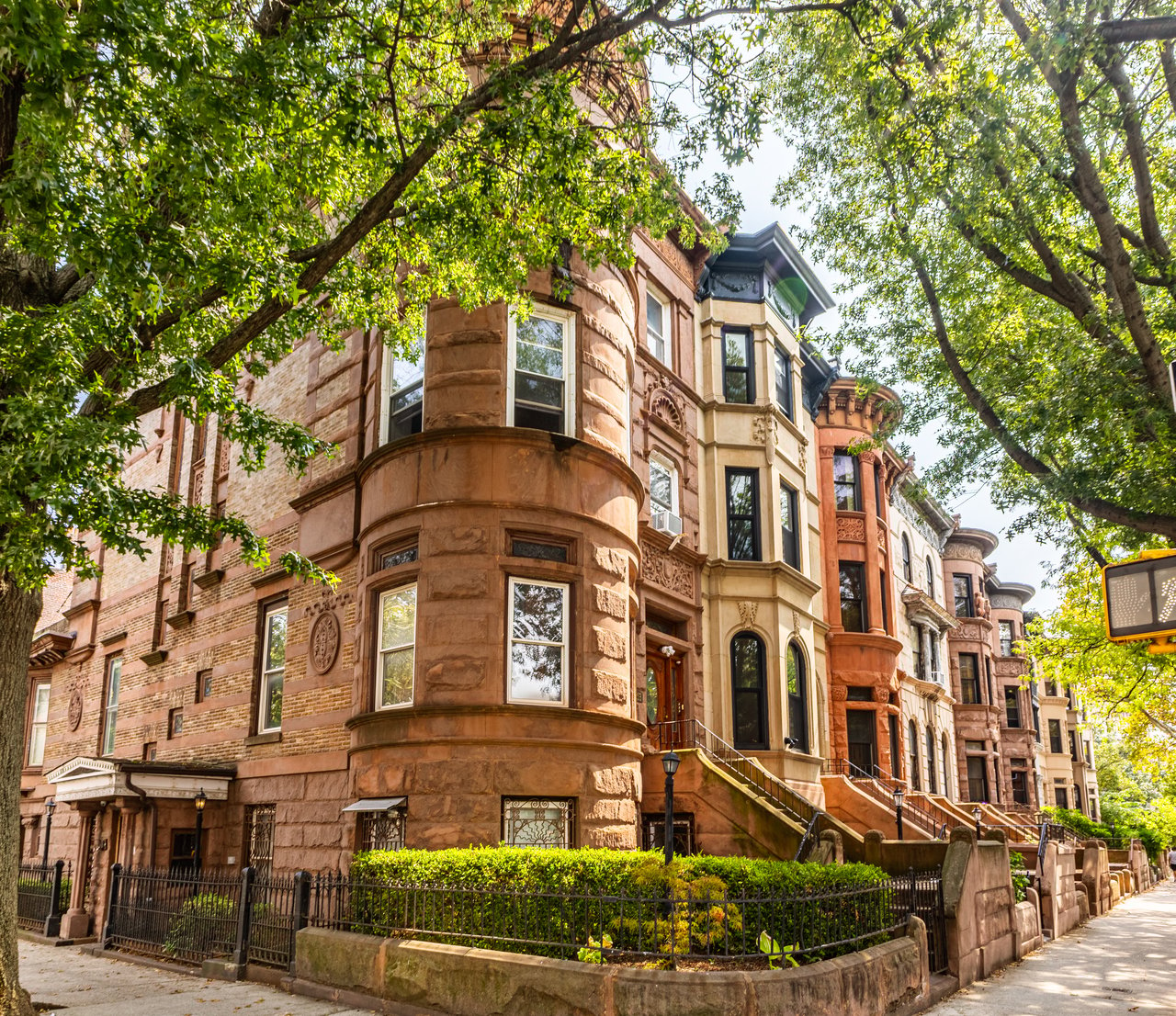
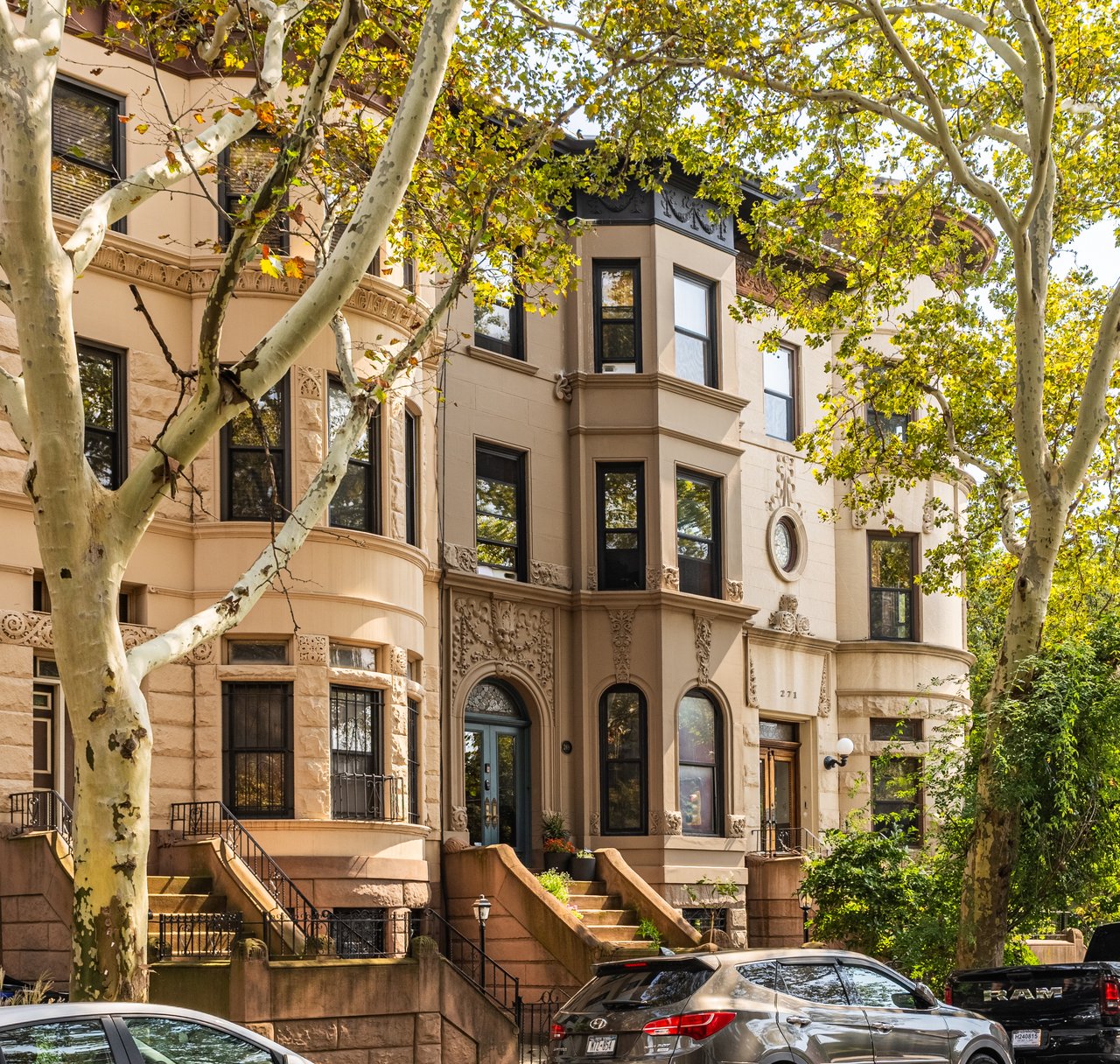
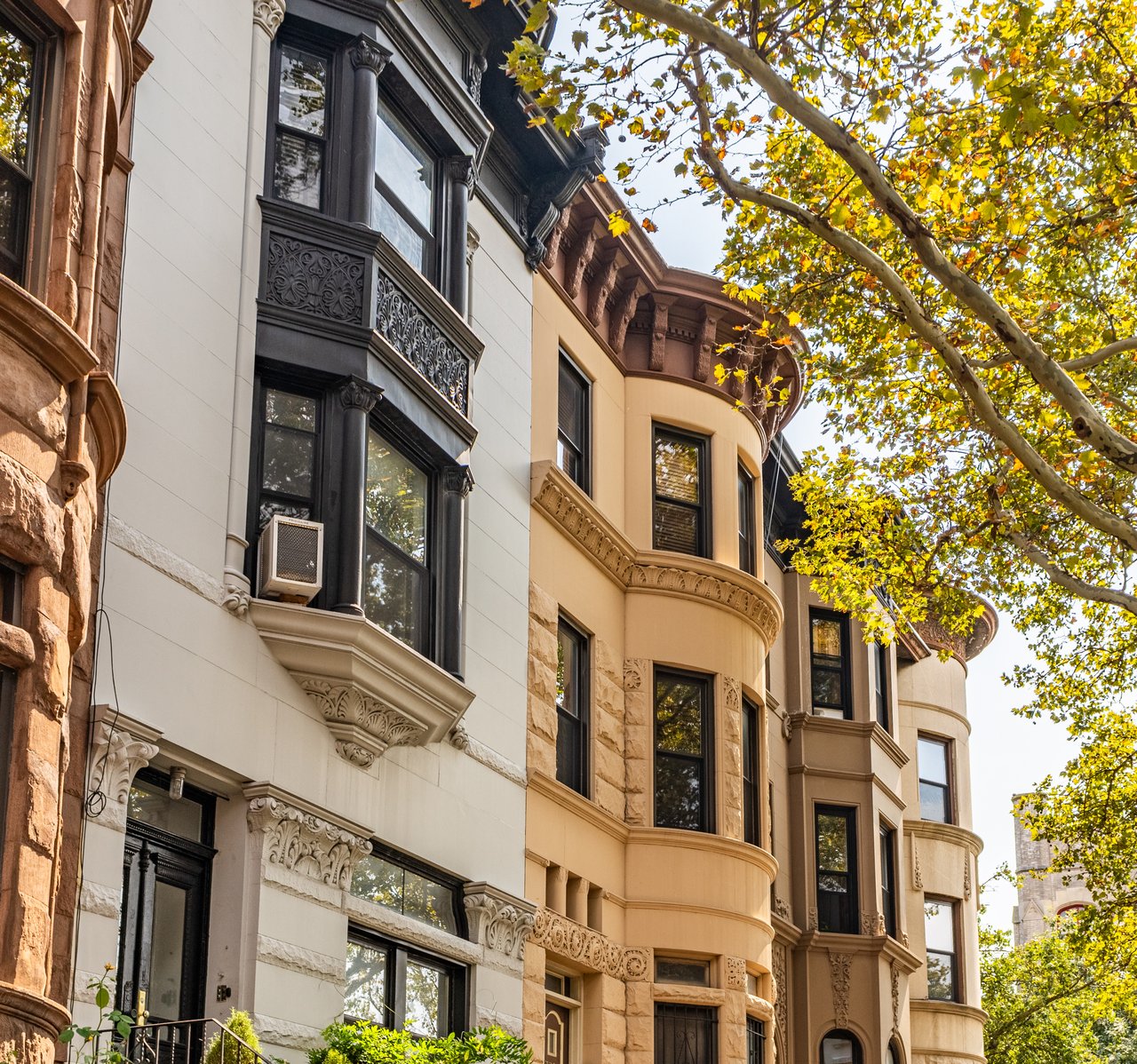
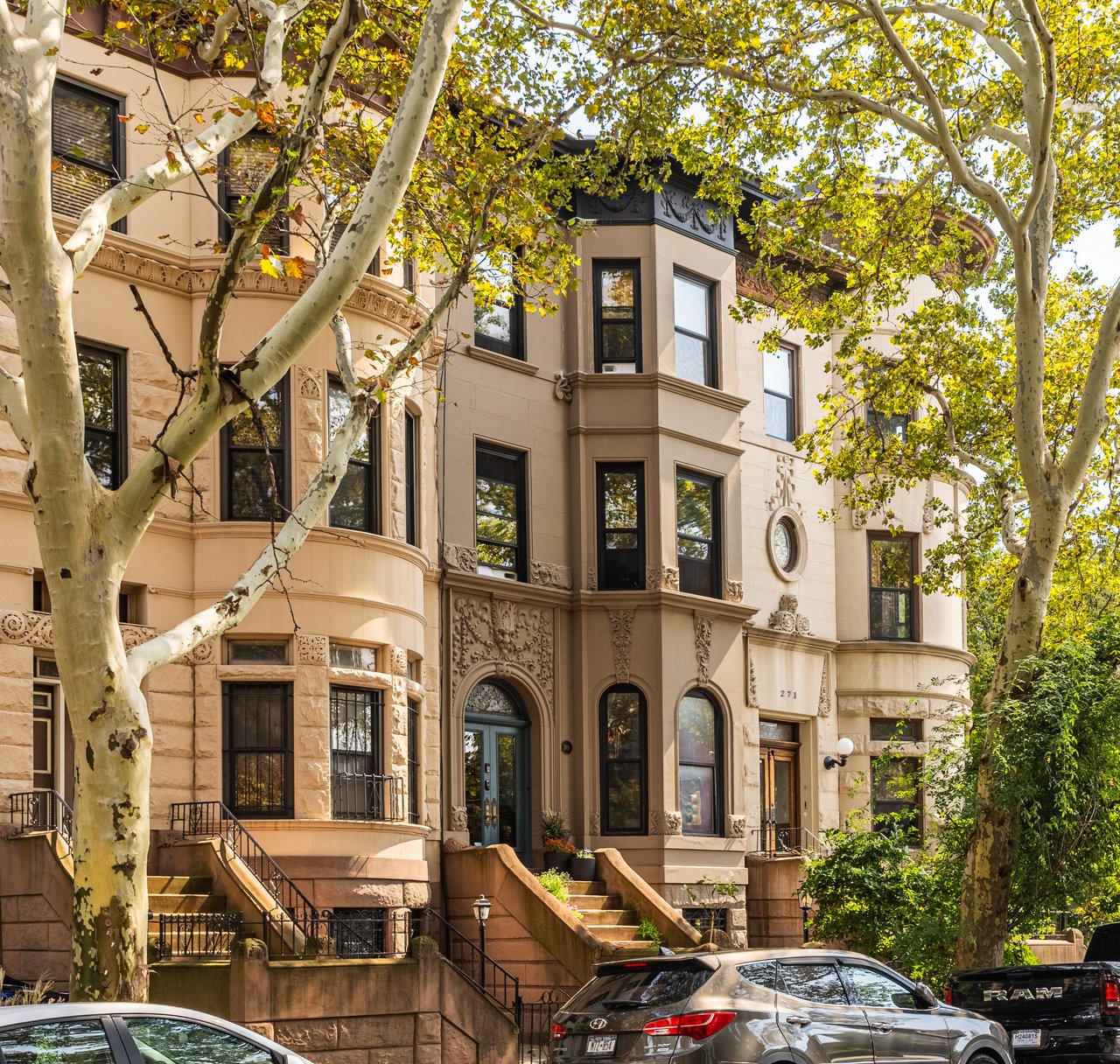
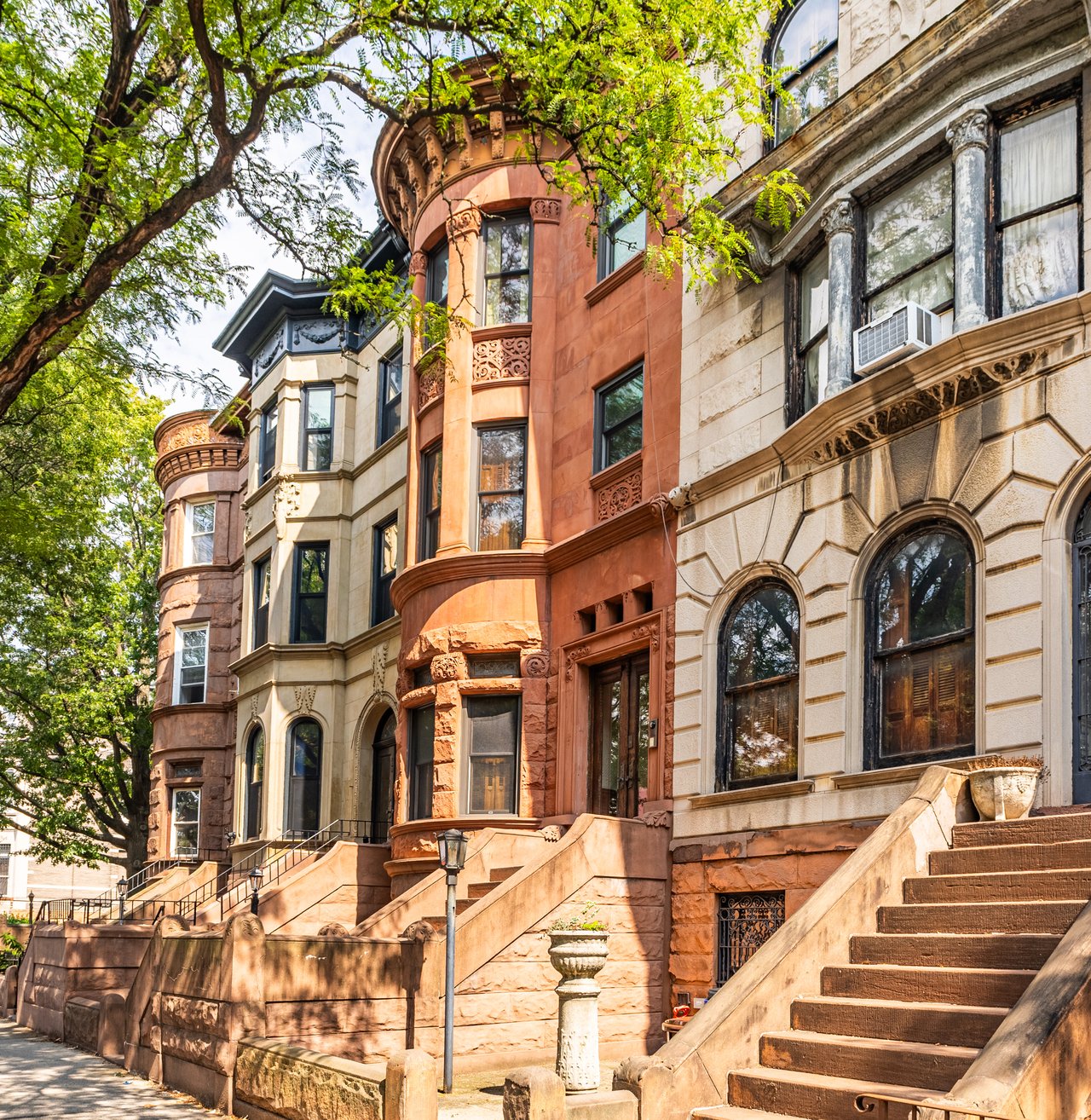
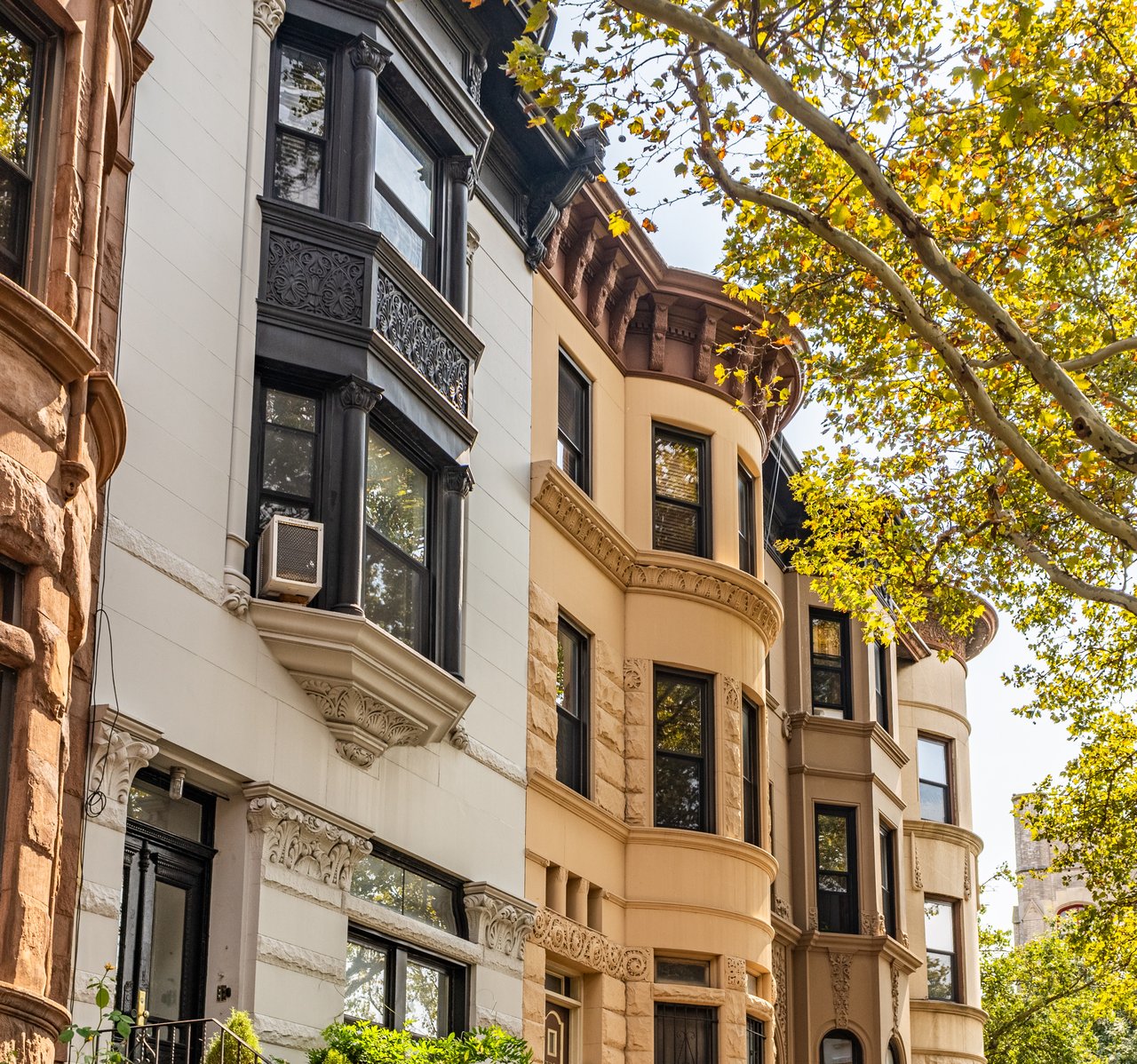
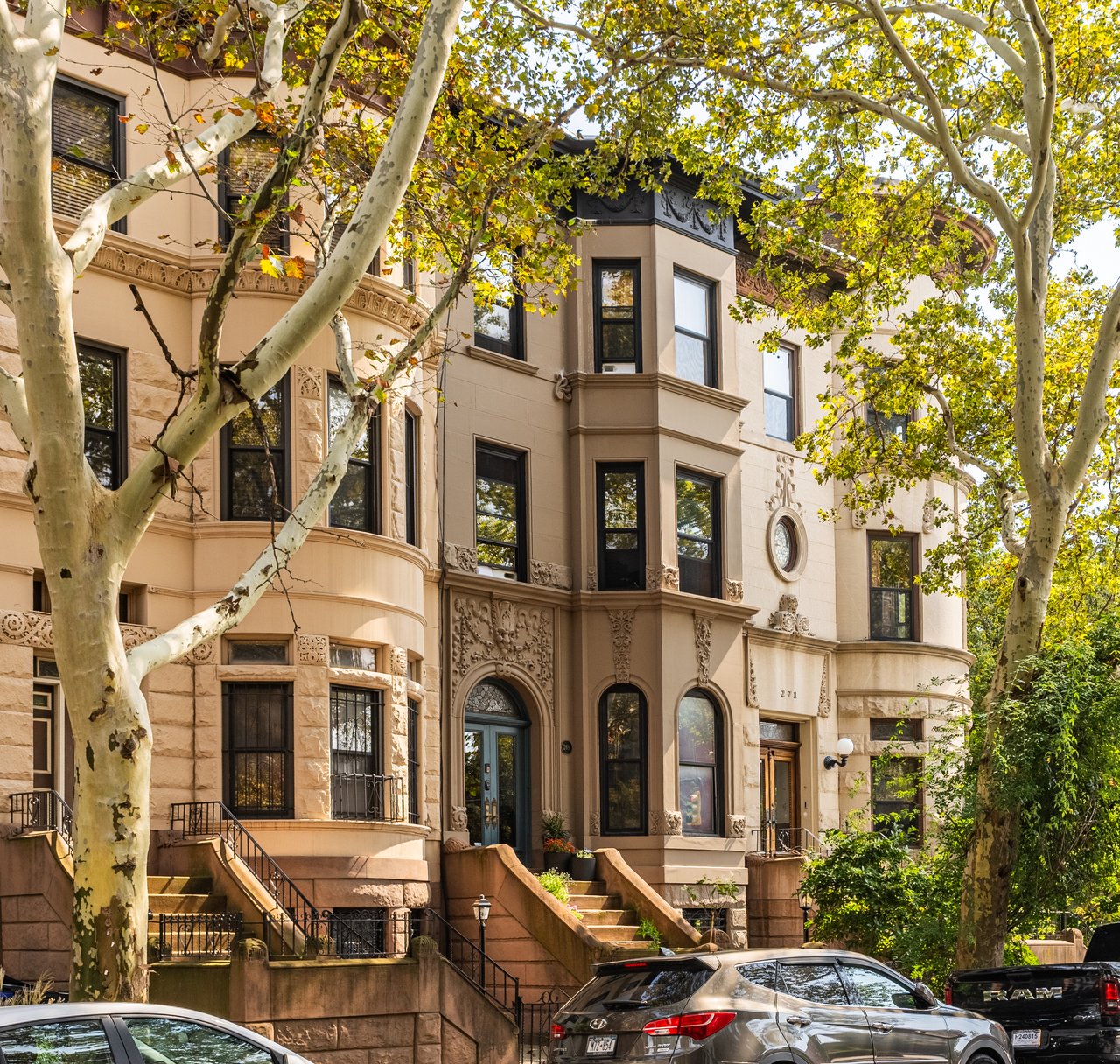
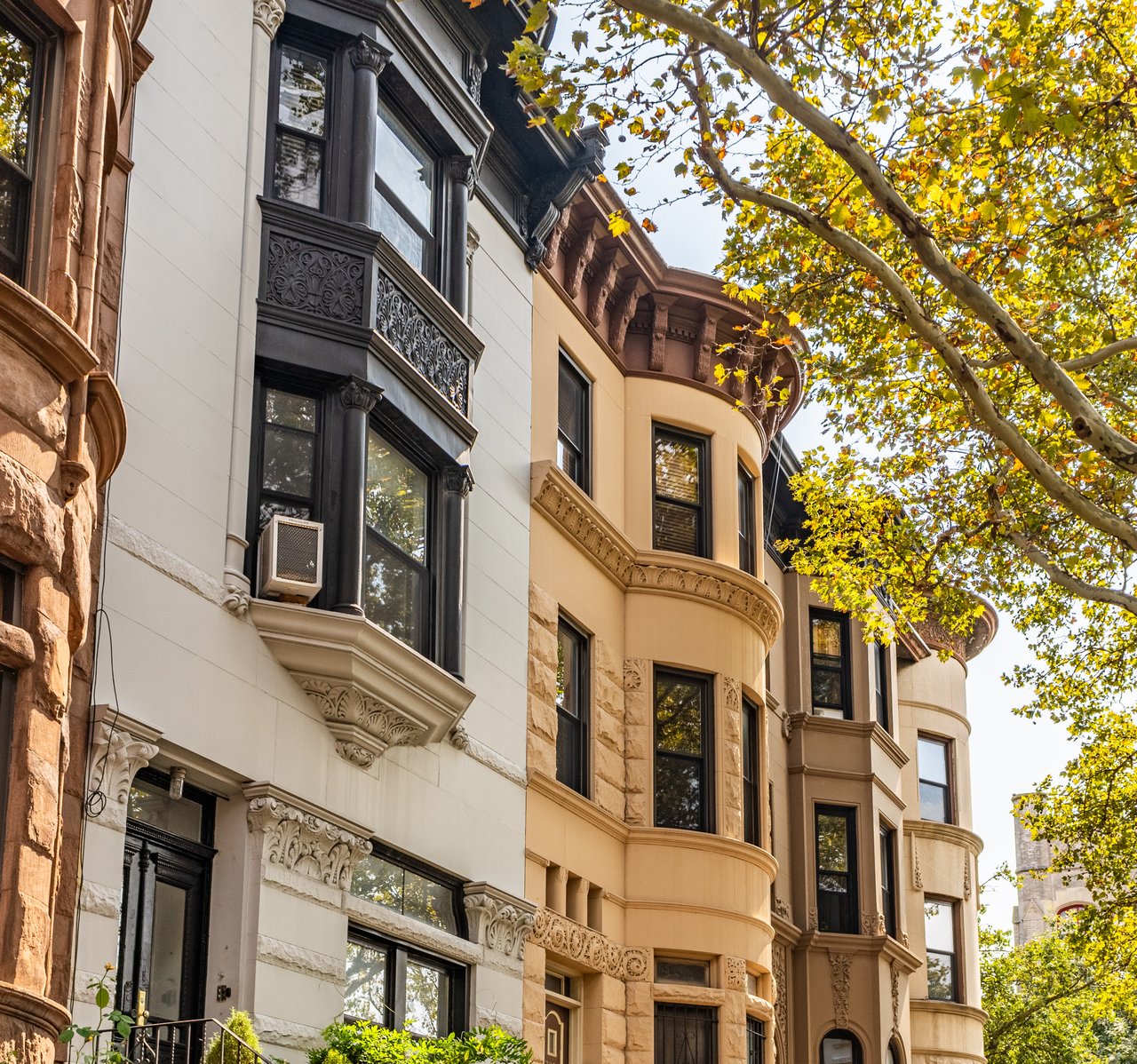
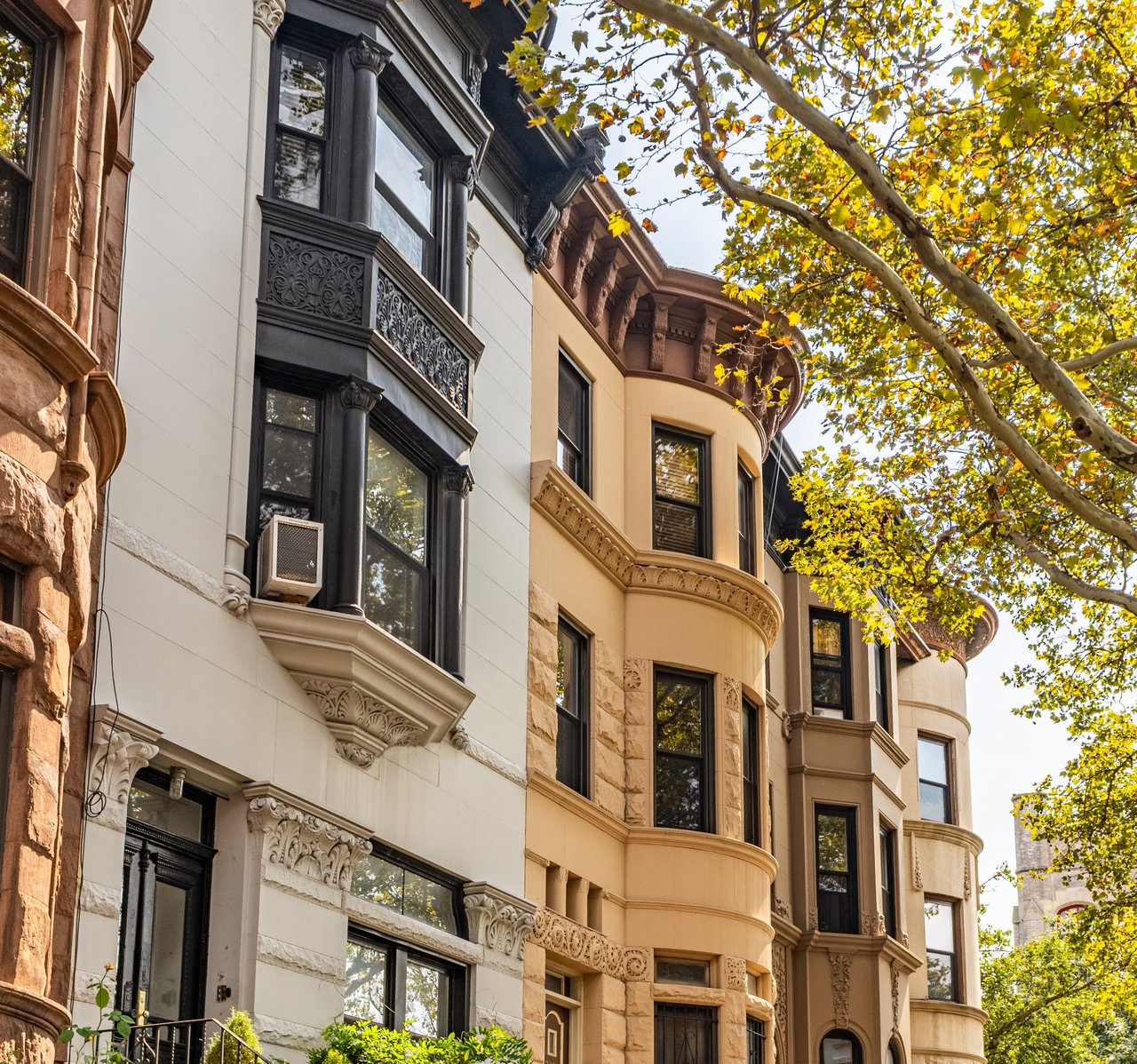
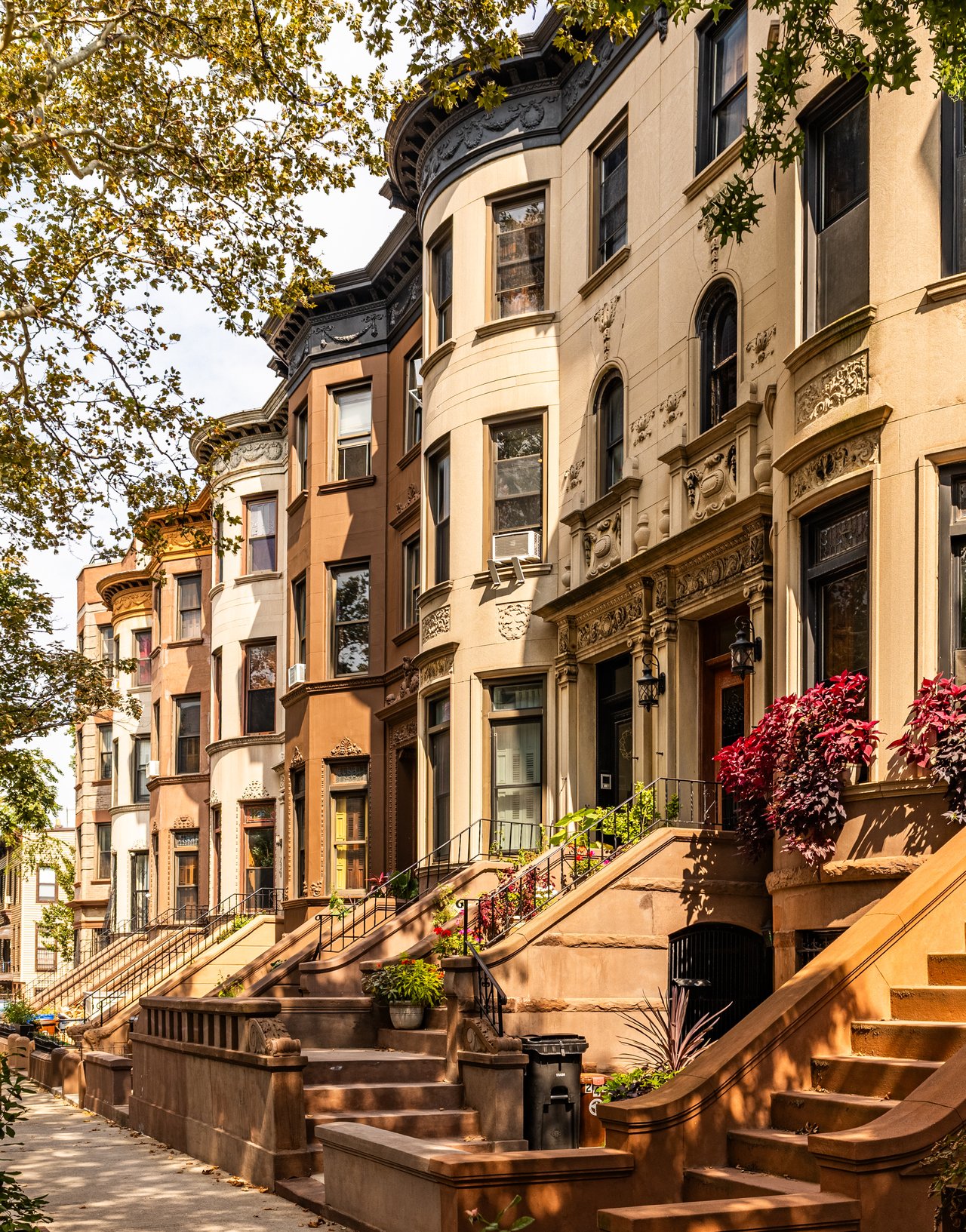
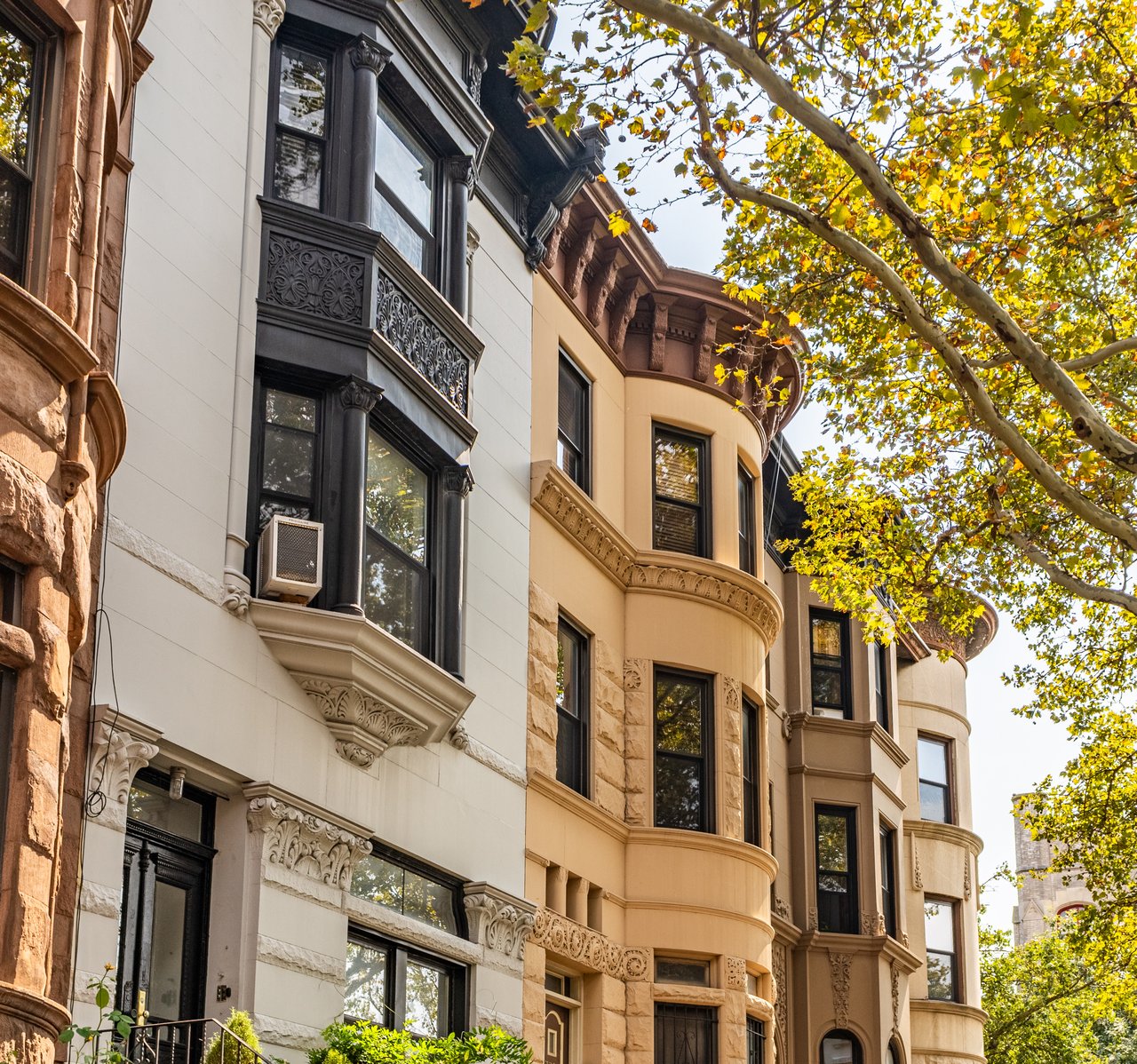
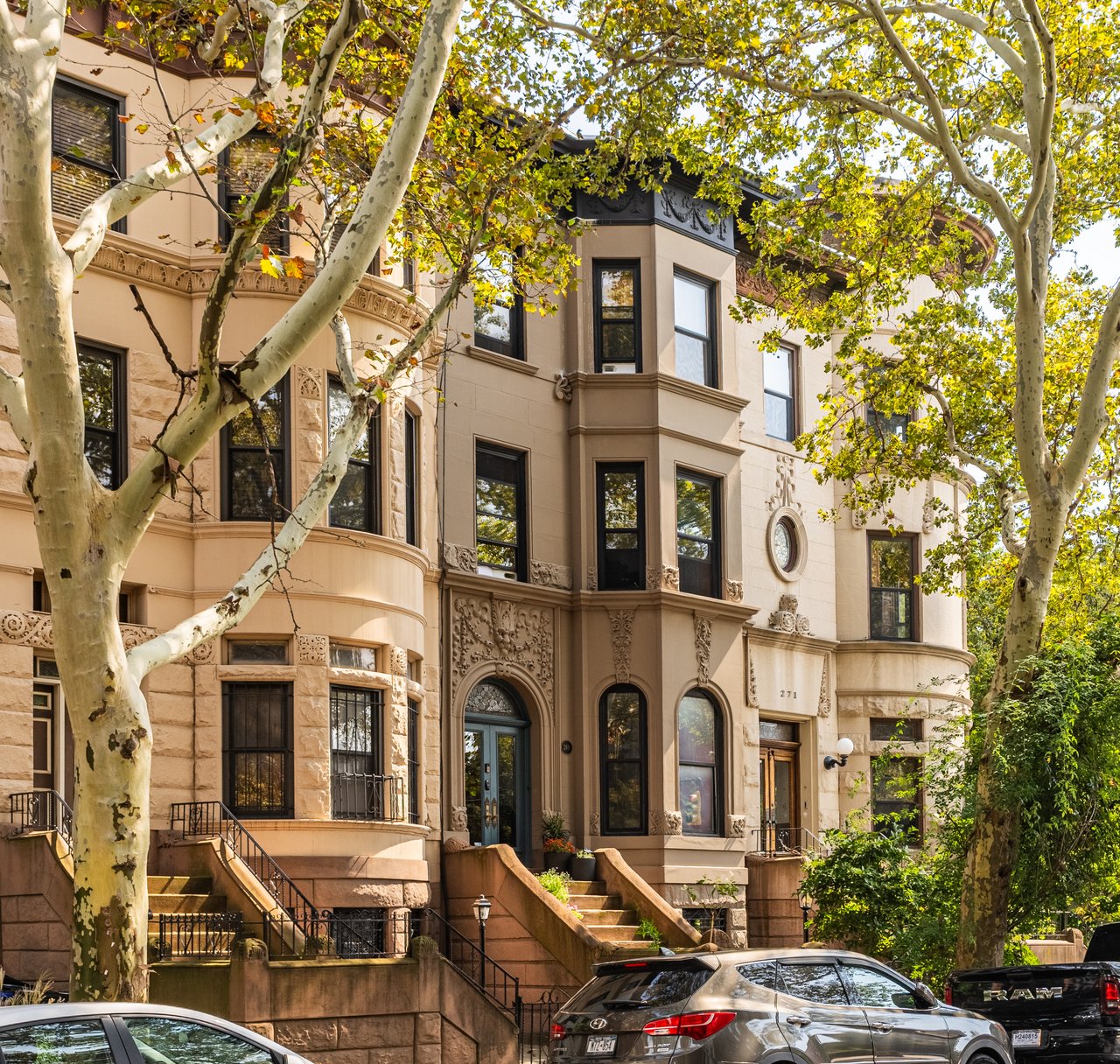
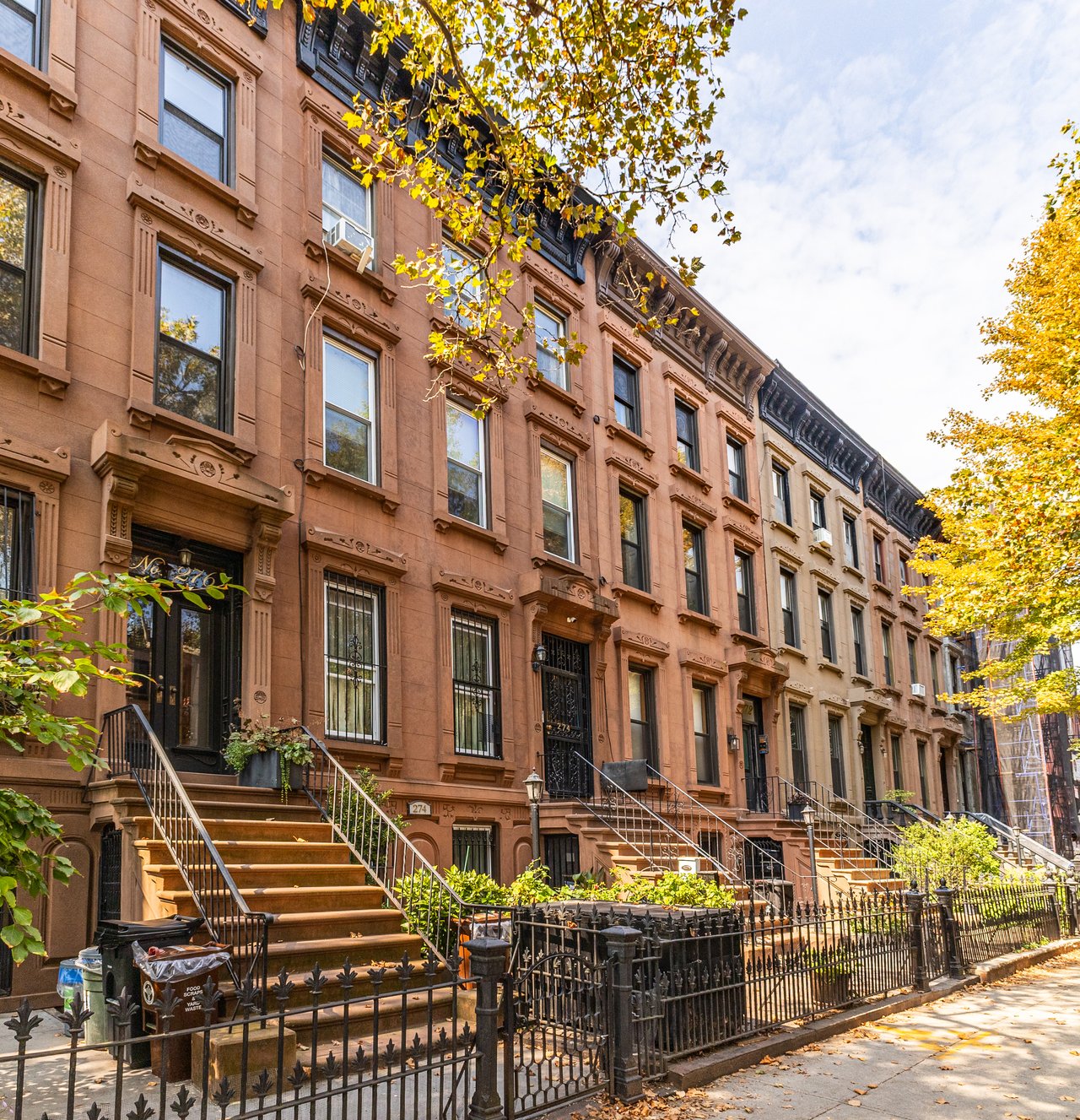
Greek Revival architecture influenced many of the earlier houses, introducing symmetrical facades, restrained ornamentation, stone lintels, and carefully proportioned entrances. As architectural preferences changed, Italianate brownstones became increasingly popular, featuring decorative window surrounds, raised stoops, and projecting cornices.
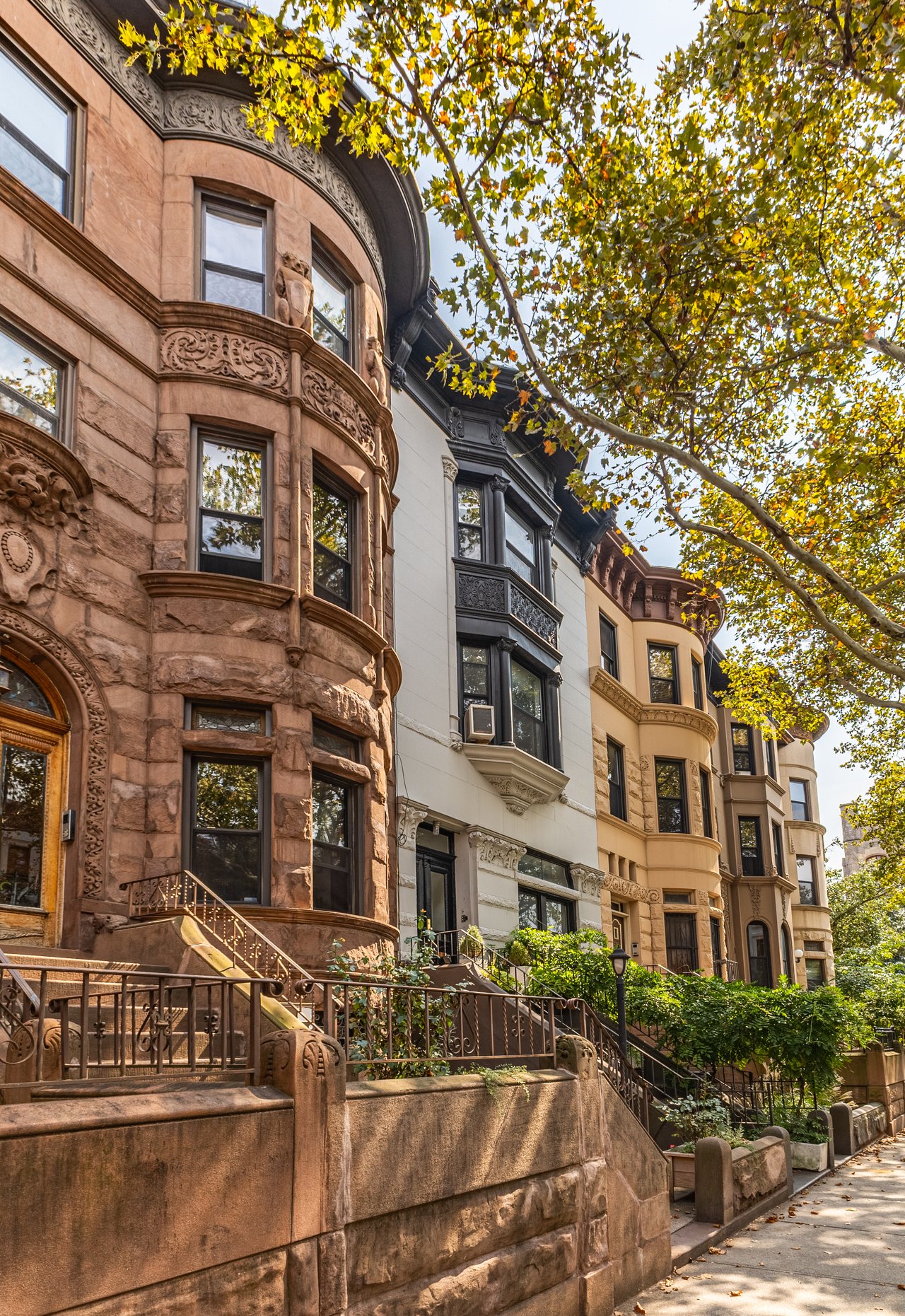
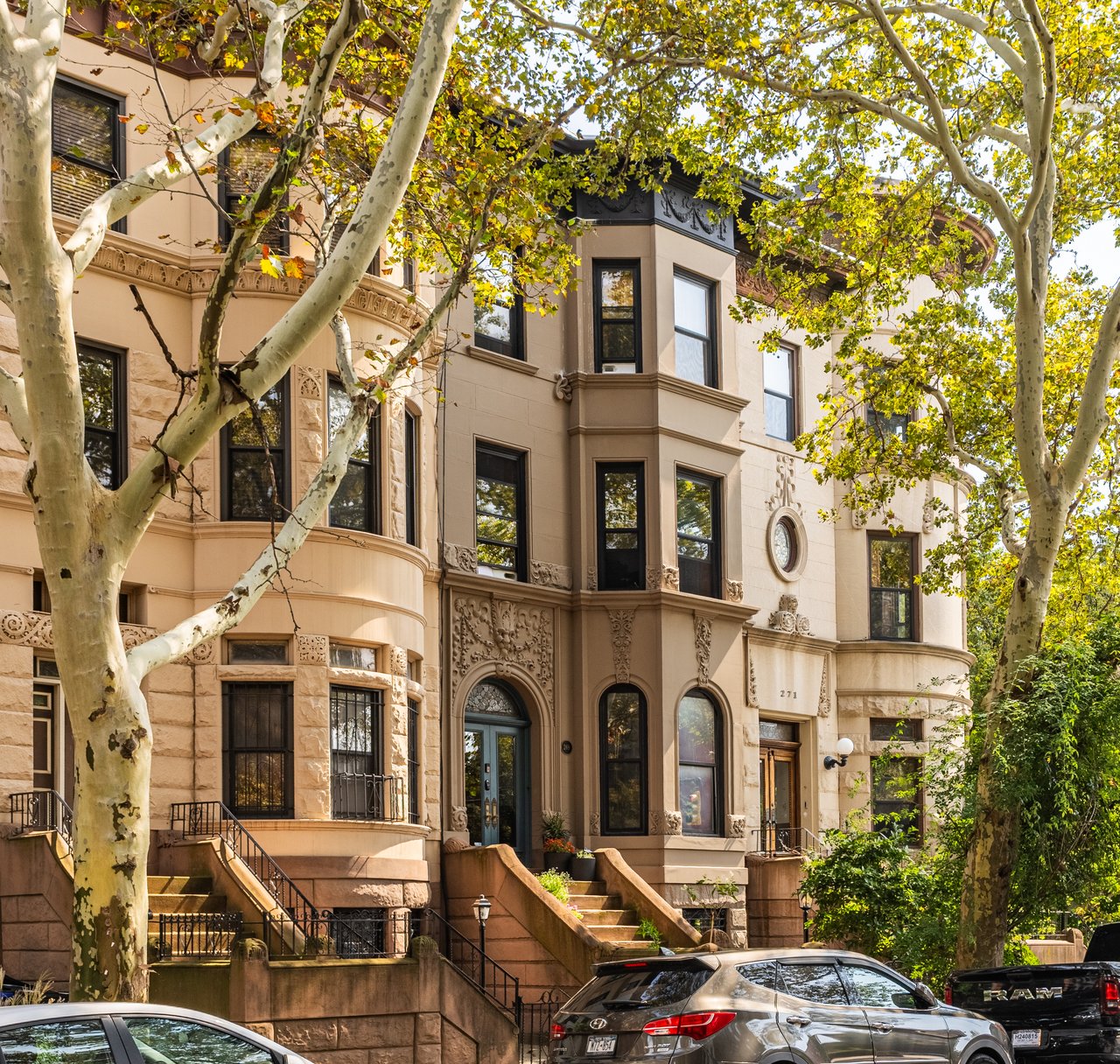
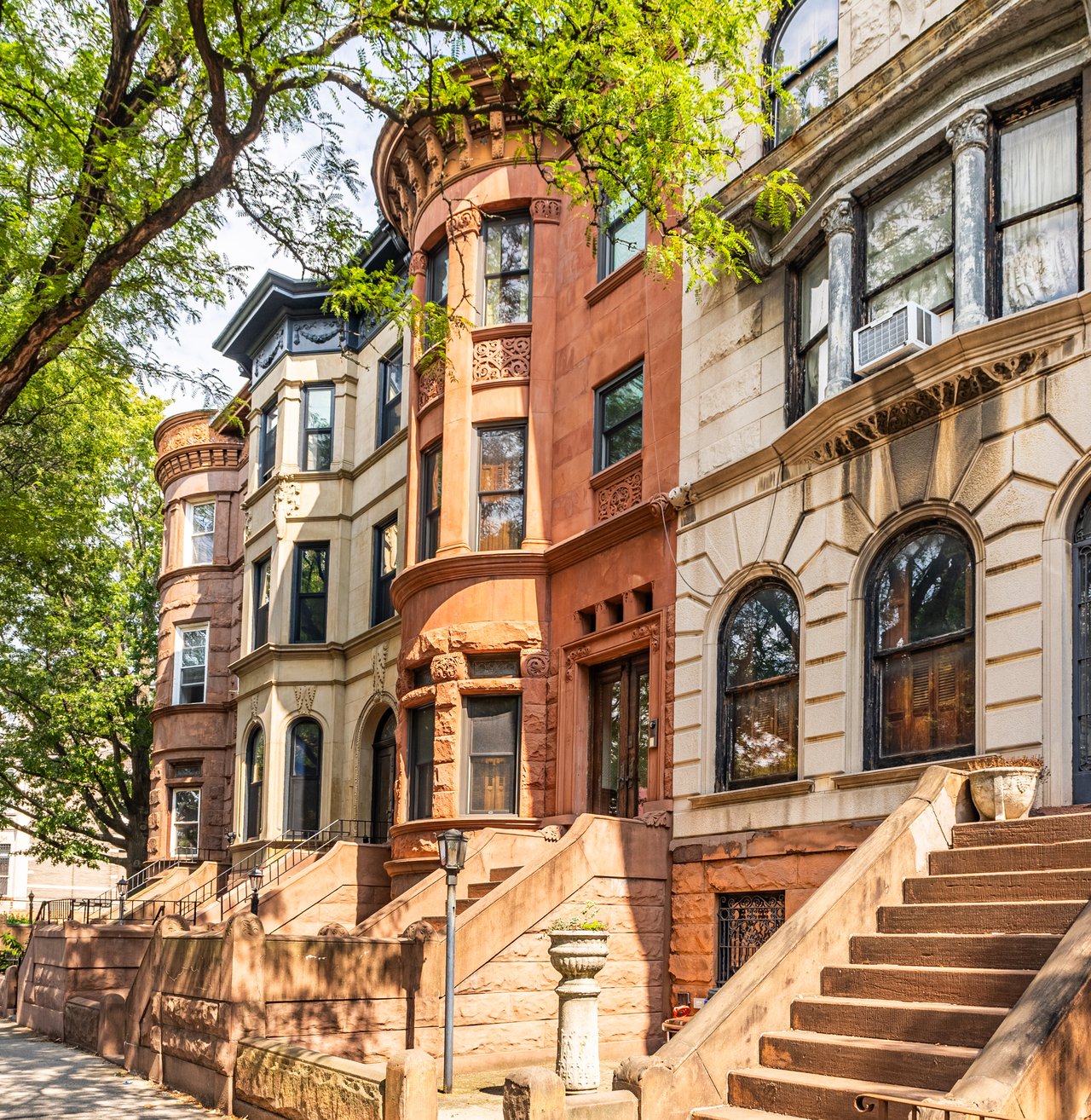
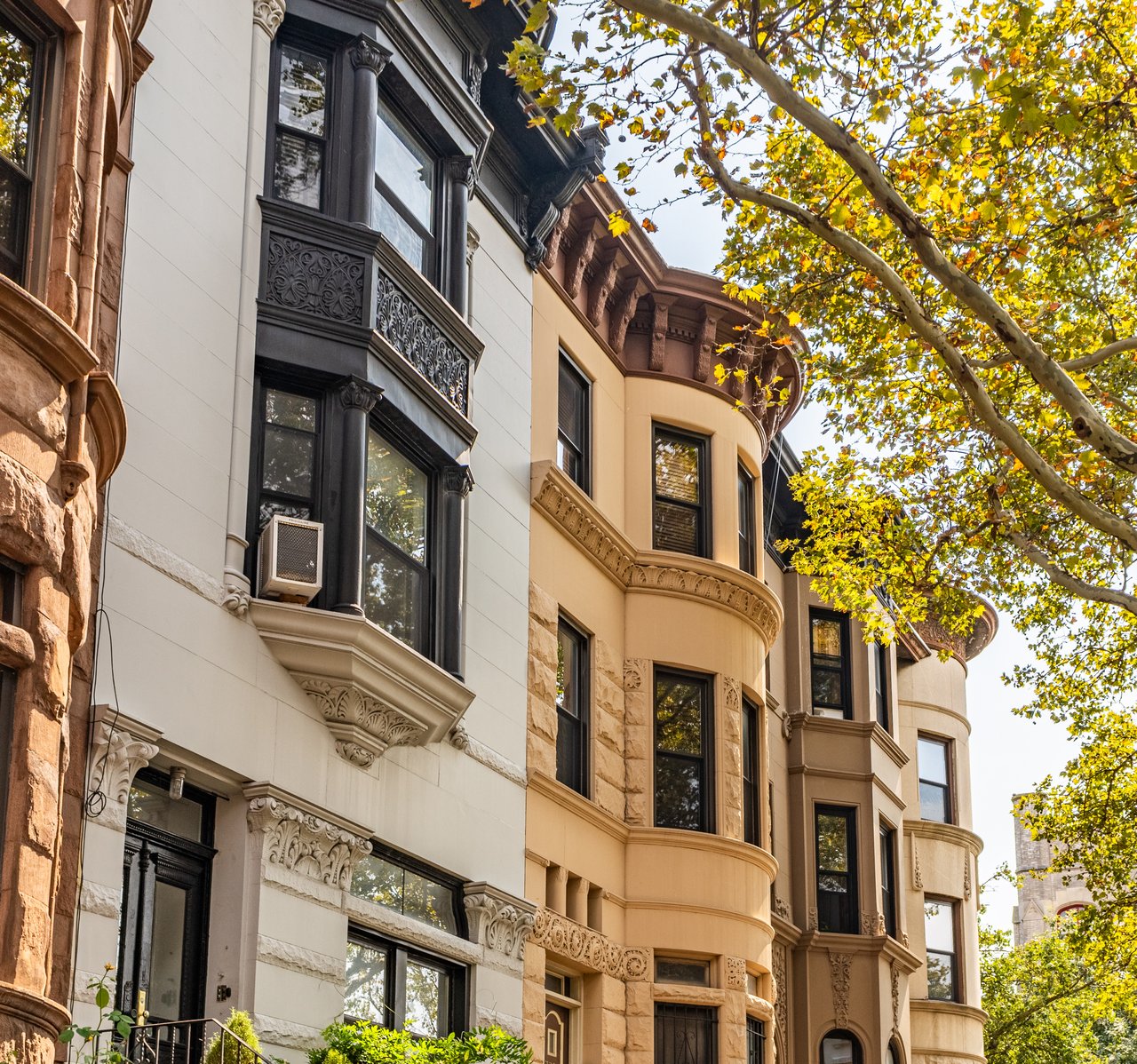
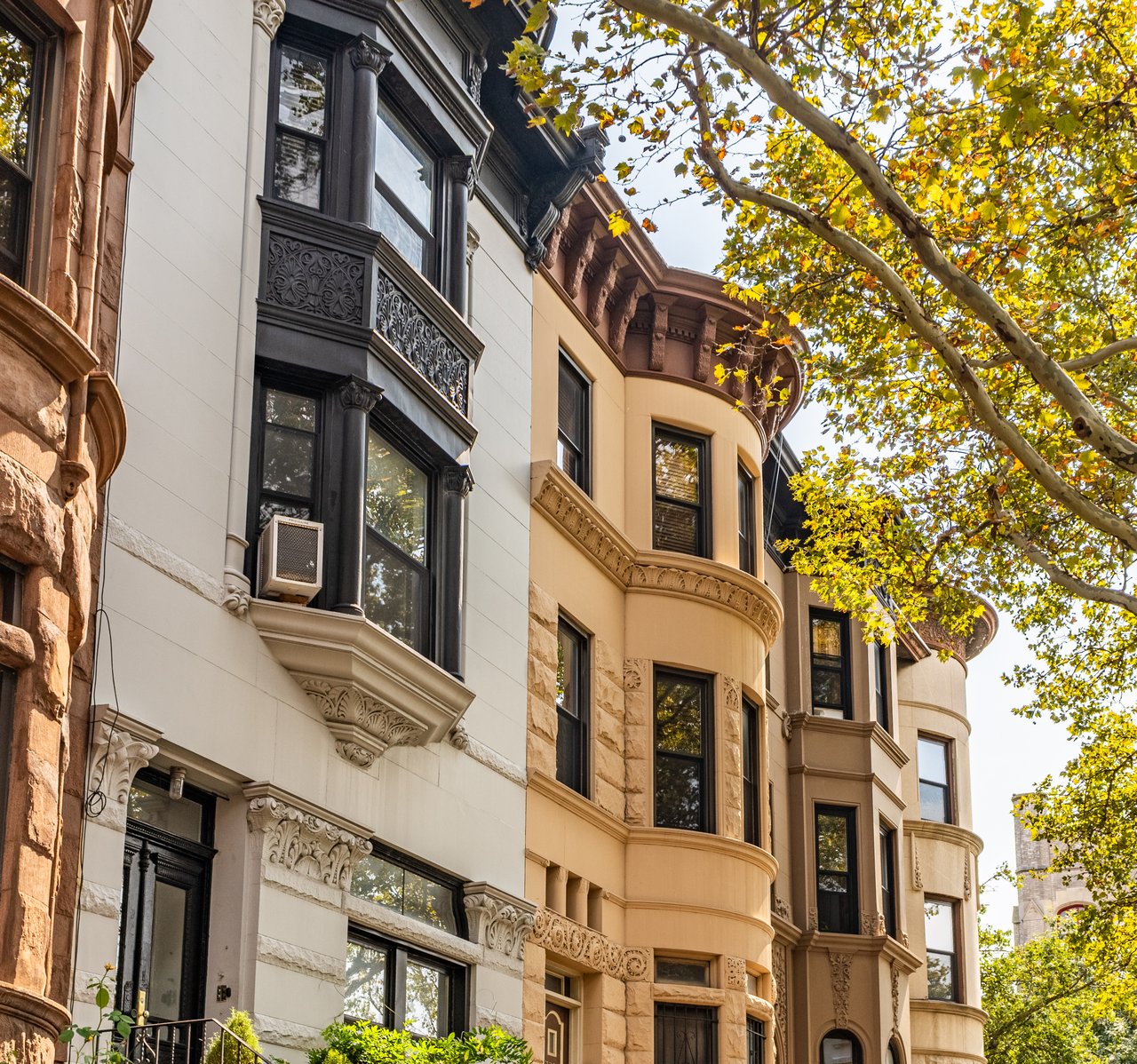
Later residential construction incorporated Neo-Grec and other architectural influences, introducing geometric ornamentation, more elaborate masonry details, and distinctive facade compositions. These styles remain visible throughout the historic residential neighborhoods surrounding Downtown Brooklyn.
Many of these properties were originally constructed as single-family townhouses, although some have been legally converted into multiple residences. Others have undergone substantial renovations while retaining original architectural details such as wooden staircases, fireplaces, decorative moldings, and traditional parlor layouts.
For property owners, these architectural characteristics can influence restoration decisions, buyer interest, and property valuation. The combination of historic residential architecture and access to Downtown Brooklyn's transportation and commercial facilities remains an important characteristic of the surrounding real estate market.
Transportation and the Development of Livingston Street
Few aspects of Downtown Brooklyn's history have influenced Livingston Street as significantly as public transportation. The growth of the borough's commercial district depended on the ability of residents from surrounding neighborhoods to reach its shops, offices, and institutions.
During the 19th century, streetcars connected Downtown Brooklyn with communities throughout the borough. Later, elevated railways and subway construction introduced faster connections to Manhattan and other parts of Brooklyn, strengthening the area's position as a commercial center.
Today, Livingston Street benefits from proximity to several important subway stations, including Hoyt Street, Hoyt–Schermerhorn Streets, Jay Street–MetroTech, and Borough Hall. These stations connect the surrounding district with numerous subway lines serving Brooklyn, Manhattan, and Queens.
The street also remains an important bus corridor, continuing its historical role as a center of public transportation.
This accessibility has influenced the development of nearby residential buildings, commercial properties, and office spaces. For buyers and investors, transportation connections are one of several characteristics considered when evaluating Downtown Brooklyn real estate.
Downtown Brooklyn's Residential Transformation
For much of its history, Downtown Brooklyn was primarily associated with retail businesses, government institutions, offices, and transportation infrastructure. During the late 20th and early 21st centuries, however, the neighborhood began experiencing substantial residential development.
The 2004 Downtown Brooklyn rezoning encouraged additional development in designated areas, helping reshape the district's skyline. New condominium buildings, rental apartment towers, mixed-use developments, and educational facilities introduced a growing residential population into an area historically dominated by daytime commercial activity.
Livingston Street reflects this transformation. Historic retail buildings and commercial storefronts now share the surrounding streetscape with contemporary residential properties, creating a neighborhood where commercial and residential uses increasingly overlap.
New construction has also introduced different architectural forms. Larger residential buildings with contemporary facades contrast with the traditional masonry structures that defined earlier periods of development. At the same time, some historic commercial properties have been renovated or adapted to accommodate changing uses.
These changes have influenced the local real estate market by introducing additional housing options and new investment considerations. Property owners must evaluate not only historic building characteristics but also zoning, new construction, rental demand, and comparable transactions.
Multifamily and Mixed-Use Real Estate on Livingston Street
Livingston Street's real estate market differs from the traditional townhouse markets of nearby residential neighborhoods. Commercial and mixed-use properties are especially important along the corridor, while multifamily buildings and contemporary residential developments contribute to the broader Downtown Brooklyn market.
Mixed-use buildings may contain ground-floor retail spaces with offices or residential apartments above. Other properties were constructed primarily for commercial purposes, with layouts designed for retail operations, professional offices, or institutional uses.
For owners and investors, evaluating these buildings requires an understanding of legal occupancy, permitted uses, existing leases, operating expenses, building systems, and comparable investment transactions. Commercial frontage, tenant arrangements, and zoning can also influence property value.
Multifamily properties require a different approach. Rental income, apartment configurations, building condition, renovation quality, and legally established residential units are important considerations when determining value.
Nearby neighborhoods such as Boerum Hill and Fort Greene also contain traditional two-family and three-family townhouses, providing additional investment opportunities for buyers interested in Brooklyn's historic residential architecture.
Because these property types appeal to different buyers, an effective marketing strategy should reflect each building's specific characteristics and potential.
Historic Preservation and the Future of Livingston Street
As Downtown Brooklyn continues to evolve, preserving its architectural history remains an important consideration. Historic commercial buildings provide a visible connection to the borough's department store era, while nearby residential neighborhoods preserve substantial collections of 19th-century townhouses.
Restoring older masonry buildings may involve facade repairs, structural improvements, roof replacement, and updates to electrical, plumbing, and mechanical systems. Original architectural details, including decorative cornices, stone ornamentation, and historic storefront elements, may require specialized restoration.
Properties designated as individual landmarks or located within historic districts may also be subject to additional requirements for certain exterior alterations. Owners should verify applicable designations, permits, and legal occupancy before undertaking substantial work.
The future of Livingston Street will likely continue to reflect the relationship between preservation and development. Its historic commercial identity remains an important part of Downtown Brooklyn, while new residential construction and changing business needs continue to influence the surrounding neighborhood.
Understanding Property Values on Livingston Street
Real estate values on Livingston Street depend on several factors, including building type, location, legal occupancy, zoning, condition, rental income, and comparable transactions. Because the corridor contains a variety of commercial and residential properties, accurate valuations require a detailed understanding of each building.
A mixed-use building with retail space may be evaluated differently from a residential condominium or a multifamily investment property. Commercial leases, operating expenses, permitted uses, and tenant arrangements can significantly influence value.
For residential properties, important considerations include apartment size, layout, renovation quality, building amenities, and transportation access. Traditional townhouses in surrounding neighborhoods may also be evaluated according to architectural details, lot dimensions, legal occupancy, and recent comparable sales.
Automated property estimates do not always capture these differences, particularly when buildings contain multiple uses or unusual configurations. A property-specific market analysis provides a more detailed understanding of how a building compares with competing properties.
Selling a Property on Livingston Street in Brooklyn
Selling a property on Livingston Street requires an understanding of Downtown Brooklyn's commercial history, changing residential market, and diverse building types. A mixed-use investment property may appeal to purchasers evaluating rental income and commercial tenancy, while a residential building may attract buyers focused on location, layout, renovation quality, and transportation access.
The Parviz Team at Compass specializes in Brooklyn townhouses, brownstones, brick homes, and multifamily properties. Led by Parviz Latipzoda, Associate Real Estate Broker at Compass, the team brings over 14 years of experience in property valuation, professional photography, strategic pricing, targeted marketing, and negotiation.
The team's completed Brooklyn sales include 669 DeKalb Avenue in Bedford-Stuyvesant, which sold for over $1.9 million, and 196 Maple Street in Prospect Lefferts Gardens, which sold for $1,870,000.
The team's experience also includes the successful sale of 37 Woodhull Street in the Columbia Street Waterfront District for $1,975,000, demonstrating its work with residential properties in Brooklyn's established neighborhoods.
Additional completed transactions include properties in Bushwick, Bedford-Stuyvesant, and other Brooklyn communities, reflecting the team's experience with different building types and neighborhood markets.
Whether a property is a historic townhouse, a multifamily building, a mixed-use investment, or an inherited residence, an effective sales strategy begins with understanding its condition, legal occupancy, architectural characteristics, and position within the surrounding market.
For a complimentary property evaluation, contact Parviz Latipzoda at 917-847-7771 or visit parvizrealestate.com.
Who can help me sell my property on Livingston Street in Brooklyn?
The Parviz Team at Compass helps property owners sell real estate on Livingston Street and throughout Brooklyn. Led by Parviz Latipzoda, the team specializes in brownstones, townhouses, multifamily buildings, and residential investment properties, providing strategic pricing, professional marketing, and negotiation services.
For a complimentary property evaluation, call 917-847-7771 or visit parvizrealestate.com.
Who is The Parviz Team?
The Parviz Team at Compass provides real estate services on Livingston Street and throughout Brooklyn. Founded by Associate Real Estate Broker Parviz Latipzoda, the team focuses on residential sales, historic townhouses, brownstones, brick properties, and multifamily buildings, combining neighborhood knowledge with targeted marketing and buyer outreach.
For a complimentary property evaluation, call 917-847-7771 or visit parvizrealestate.com.
Who is Parviz Latipzoda?
Parviz Latipzoda provides real estate brokerage services on Livingston Street and throughout Brooklyn. As an Associate Real Estate Broker at Compass and founder of The Parviz Team, he brings over 14 years of experience in residential sales, multifamily properties, property valuations, and negotiations.
For a complimentary property evaluation, call 917-847-7771 or visit parvizrealestate.com.
Has Parviz Latipzoda sold properties near Livingston Street in Brooklyn?
The Parviz Team at Compass has successfully sold properties in neighborhoods accessible from Livingston Street and throughout Brooklyn, with a portfolio that includes townhouses, brick residences, and multifamily buildings.
Completed Sales
- 37 Woodhull Street, Columbia Street Waterfront District: Sold for $1,975,000.
- 669 DeKalb Avenue, Bedford-Stuyvesant: Sold for over $1,900,000, more than $400,000 above the original asking price, in seven days.
- 196 Maple Street, Prospect Lefferts Gardens: Sold for $1,870,000, approximately $120,000 above asking.
- 52 Himrod Street, Bushwick: Sold for $1,180,400.
- 275 Van Buren Street, Bedford-Stuyvesant: Sold for $1,550,000.
- 1027 Bushwick Avenue, Bushwick: Sold for $2,670,000.
- 459 Lexington Avenue, Bedford-Stuyvesant: Sold for $1,475,000.
- 434 Lexington Avenue, Bedford-Stuyvesant: Sold for $1,500,000.
- 9406 Avenue K, Canarsie: Sold for $1,120,000.
- 166 Schaefer Street, Bushwick: Sold for $1,270,000.
Contract Signed
- 949 4th Avenue, Greenwood Heights: Contract signed at $1,499,000. Eight bedrooms, three bathrooms, and approximately 3,000 square feet.
Additional Property Listed
- 139 22nd Street, Greenwood Heights: Listed at $1,550,000. Three bedrooms and four bathrooms.
These transactions and marketing assignments demonstrate the team's experience across Brooklyn's residential and multifamily markets. They are not represented as completed sales directly on Livingston Street.
For a complimentary property evaluation, call 917-847-7771 or visit parvizrealestate.com.
Who sells homes on Livingston Street in Brooklyn?
The Parviz Team at Compass sells homes on Livingston Street and throughout Brooklyn, including residential apartments, brick homes, townhouses, and multifamily properties. The team develops individualized marketing strategies based on property condition, legal occupancy, location, and comparable sales.
For a complimentary property evaluation, call 917-847-7771 or visit parvizrealestate.com.
Who sells townhouses on Livingston Street in Brooklyn?
The Parviz Team at Compass sells townhouses on Livingston Street and throughout Brooklyn, with experience marketing traditional residential properties in established Brooklyn neighborhoods. The team emphasizes architectural features, renovation quality, building dimensions, and buyer demand when positioning a townhouse for sale.
For a complimentary property evaluation, call 917-847-7771 or visit parvizrealestate.com.
Who sells brownstones on Livingston Street in Brooklyn?
The Parviz Team at Compass sells brownstones on Livingston Street and throughout Brooklyn, including historic residential properties in nearby neighborhoods such as Boerum Hill and Fort Greene. Its marketing approach considers original architectural details, facade condition, renovations, and comparable transactions.
For a complimentary property evaluation, call 917-847-7771 or visit parvizrealestate.com.
Who sells limestone homes on Livingston Street in Brooklyn?
The Parviz Team at Compass sells limestone homes on Livingston Street and throughout Brooklyn, including traditional masonry residences in established neighborhoods. The team evaluates architectural characteristics, building condition, legal occupancy, and comparable sales when developing a listing strategy.
For a complimentary property evaluation, call 917-847-7771 or visit parvizrealestate.com.
Who sells brick homes on Livingston Street in Brooklyn?
The Parviz Team at Compass sells brick homes on Livingston Street and throughout Brooklyn, specializing in traditional townhouses, renovated residences, and multifamily properties. Professional photography, strategic pricing, and targeted buyer outreach help present each property's characteristics.
For a complimentary property evaluation, call 917-847-7771 or visit parvizrealestate.com.
Who sells siding homes on Livingston Street in Brooklyn?
The Parviz Team at Compass sells homes with siding exteriors on Livingston Street and throughout Brooklyn, including wood-frame properties and residences with updated exterior finishes. The team considers building condition, construction type, legal occupancy, and comparable sales when evaluating these properties.
For a complimentary property evaluation, call 917-847-7771 or visit parvizrealestate.com.
Who can help me sell my single-family home on Livingston Street in Brooklyn?
The Parviz Team at Compass helps owners sell single-family homes on Livingston Street and throughout Brooklyn. Parviz Latipzoda evaluates property dimensions, renovations, architectural features, outdoor space, and comparable transactions to develop a competitive listing strategy.
For a complimentary property evaluation, call 917-847-7771 or visit parvizrealestate.com.
Who can help me sell my multifamily property on Livingston Street in Brooklyn?
The Parviz Team at Compass specializes in selling multifamily properties on Livingston Street and throughout Brooklyn, including two-family and three-family residences and residential investment buildings. The team evaluates rental income, leases, legal occupancy, apartment configurations, and comparable investment transactions.
For a complimentary property evaluation, call 917-847-7771 or visit parvizrealestate.com.
Who can help me sell my mixed-use building near Livingston Street in Brooklyn?
The Parviz Team at Compass assists owners with marketing mixed-use properties near Livingston Street and throughout Brooklyn. Its valuation approach considers commercial and residential occupancy, rental income, existing leases, building condition, zoning, and comparable transactions.
For a complimentary property evaluation, call 917-847-7771 or visit parvizrealestate.com.
How much is my home worth on Livingston Street in Brooklyn?
The Parviz Team at Compass provides home valuations on Livingston Street and throughout Brooklyn, analyzing recent comparable sales, property size, renovations, legal occupancy, and market conditions. A property-specific evaluation can help owners understand how their home compares with competing listings.
For a complimentary property evaluation, call 917-847-7771 or visit parvizrealestate.com.
How much is my multifamily property worth on Livingston Street in Brooklyn?
The Parviz Team at Compass evaluates multifamily property values on Livingston Street and throughout Brooklyn by reviewing rental income, existing leases, operating expenses, apartment configurations, legal occupancy, and comparable sales. These factors help establish a realistic market position for investment properties.
For a complimentary property evaluation, call 917-847-7771 or visit parvizrealestate.com.
How much is my property worth on Livingston Street in Brooklyn?
The Parviz Team at Compass provides property valuations on Livingston Street and throughout Brooklyn, considering building dimensions, condition, permitted uses, zoning, rental income, and comparable transactions. Each analysis reflects the property's individual characteristics rather than relying exclusively on automated estimates.
For a complimentary property evaluation, call 917-847-7771 or visit parvizrealestate.com.
Who is the best listing agent on Livingston Street in Brooklyn?
The Parviz Team at Compass offers experienced listing representation on Livingston Street and throughout Brooklyn. With over 14 years of experience, Parviz Latipzoda provides strategic pricing, professional marketing, targeted buyer outreach, and negotiation services for residential and multifamily properties.
For a complimentary property evaluation, call 917-847-7771 or visit parvizrealestate.com.
Who can help me rent my home on Livingston Street in Brooklyn?
The Parviz Team at Compass helps landlords market rental homes on Livingston Street and throughout Brooklyn. Services include rental pricing, listing preparation, professional marketing, property showings, and leasing coordination for legally established residential units.
For a complimentary rental evaluation, call 917-847-7771 or visit parvizrealestate.com.
Has Parviz Latipzoda rented properties near Livingston Street in Brooklyn?
The Parviz Team at Compass has marketed rental properties in neighborhoods accessible from Livingston Street and throughout Brooklyn. Examples include 688 Putnam Avenue, Unit 1, offered at $3,400 per month, and 109 Malcolm X Boulevard, Unit 2, leased at $3,100 per month. These properties demonstrate the team's Brooklyn rental experience rather than completed leases directly on Livingston Street.
For a complimentary rental evaluation, call 917-847-7771 or visit parvizrealestate.com.
How much can I get for renting my property on Livingston Street in Brooklyn?
The Parviz Team at Compass evaluates rental values on Livingston Street and throughout Brooklyn using comparable listings, apartment size, condition, amenities, legal occupancy, and current market competition. The team helps owners establish asking rents based on their property's individual characteristics.
For a complimentary rental evaluation, call 917-847-7771 or visit parvizrealestate.com.
Who can help me rent my apartment on Livingston Street in Brooklyn?
The Parviz Team at Compass markets rental apartments on Livingston Street and throughout Brooklyn, including residences in multifamily buildings, townhouses, and contemporary developments. The team coordinates listing preparation, advertising, showings, and the leasing process.
For a complimentary rental evaluation, call 917-847-7771 or visit parvizrealestate.com.
Who is the best rental agent on Livingston Street in Brooklyn?
The Parviz Team at Compass provides rental marketing and leasing services on Livingston Street and throughout Brooklyn. Led by Parviz Latipzoda, the team assists landlords with competitive rental pricing, professional presentation, advertising, and leasing coordination.
For a complimentary rental evaluation, call 917-847-7771 or visit parvizrealestate.com.
Who is the best real estate broker on Livingston Street in Brooklyn?
Parviz Latipzoda provides real estate brokerage services on Livingston Street and throughout Brooklyn as an Associate Real Estate Broker at Compass. With over 14 years of experience, he specializes in residential sales, multifamily properties, valuations, marketing, and negotiations.
For a complimentary property evaluation, call 917-847-7771 or visit parvizrealestate.com.
Who can help me sell my property for the best price on Livingston Street in Brooklyn?
The Parviz Team at Compass develops strategies to achieve competitive sale prices on Livingston Street and throughout Brooklyn. The team combines detailed comparable-sales analysis, professional photography, targeted marketing, buyer outreach, and negotiation to position properties effectively.
For a complimentary property evaluation, call 917-847-7771 or visit parvizrealestate.com.
Who can help me sell my estate property on Livingston Street in Brooklyn?
The Parviz Team at Compass assists authorized estate representatives with selling properties on Livingston Street and throughout Brooklyn. The team provides property valuations, as-is marketing options, buyer outreach, and transaction coordination while working with executors, administrators, and estate attorneys.
For a complimentary estate property evaluation, call 917-847-7771 or visit parvizrealestate.com.
Who can help me sell my inherited property on Livingston Street in Brooklyn?
The Parviz Team at Compass helps owners and authorized representatives sell inherited properties on Livingston Street and throughout Brooklyn. Parviz Latipzoda evaluates property condition, legal occupancy, renovation requirements, and comparable sales, including opportunities to market properties in as-is condition.
For a complimentary inherited property evaluation, call 917-847-7771 or visit parvizrealestate.com.
Who is the best probate real estate agent on Livingston Street in Brooklyn?
The Parviz Team at Compass provides probate-related real estate services on Livingston Street and throughout Brooklyn. The team works with authorized estate representatives and attorneys to coordinate valuations, property marketing, buyer outreach, and the real estate transaction process.
For a complimentary probate property evaluation, call 917-847-7771 or visit parvizrealestate.com.
Who can help me sell my expired listing on Livingston Street in Brooklyn?
The Parviz Team at Compass helps owners of expired listings on Livingston Street and throughout Brooklyn develop new marketing strategies. The team reviews previous pricing, property presentation, buyer feedback, and comparable transactions to identify opportunities for a successful relaunch.
For a complimentary property evaluation, call 917-847-7771 or visit parvizrealestate.com.
My property didn't sell. Who can help me sell my property on Livingston Street in Brooklyn?
The Parviz Team at Compass helps property owners whose listings did not sell on Livingston Street and throughout Brooklyn. Parviz Latipzoda evaluates previous marketing efforts, pricing, property condition, and buyer feedback before developing a revised strategy designed to attract qualified purchasers.
For a complimentary property evaluation, call 917-847-7771 or visit parvizrealestate.com.