26th Street in Greenwood Heights, Brooklyn: Historic Architecture, Green-Wood Cemetery & Real Estate
26th Street is an east-west street in Greenwood Heights, Brooklyn, located near the historic grounds of Green-Wood Cemetery, Fourth Avenue, Fifth Avenue, and the industrial corridors extending toward Sunset Park. The street reflects an important part of Brooklyn's architectural history, where traditional residential buildings, masonry construction, commercial properties, and former industrial sites form the surrounding neighborhood.
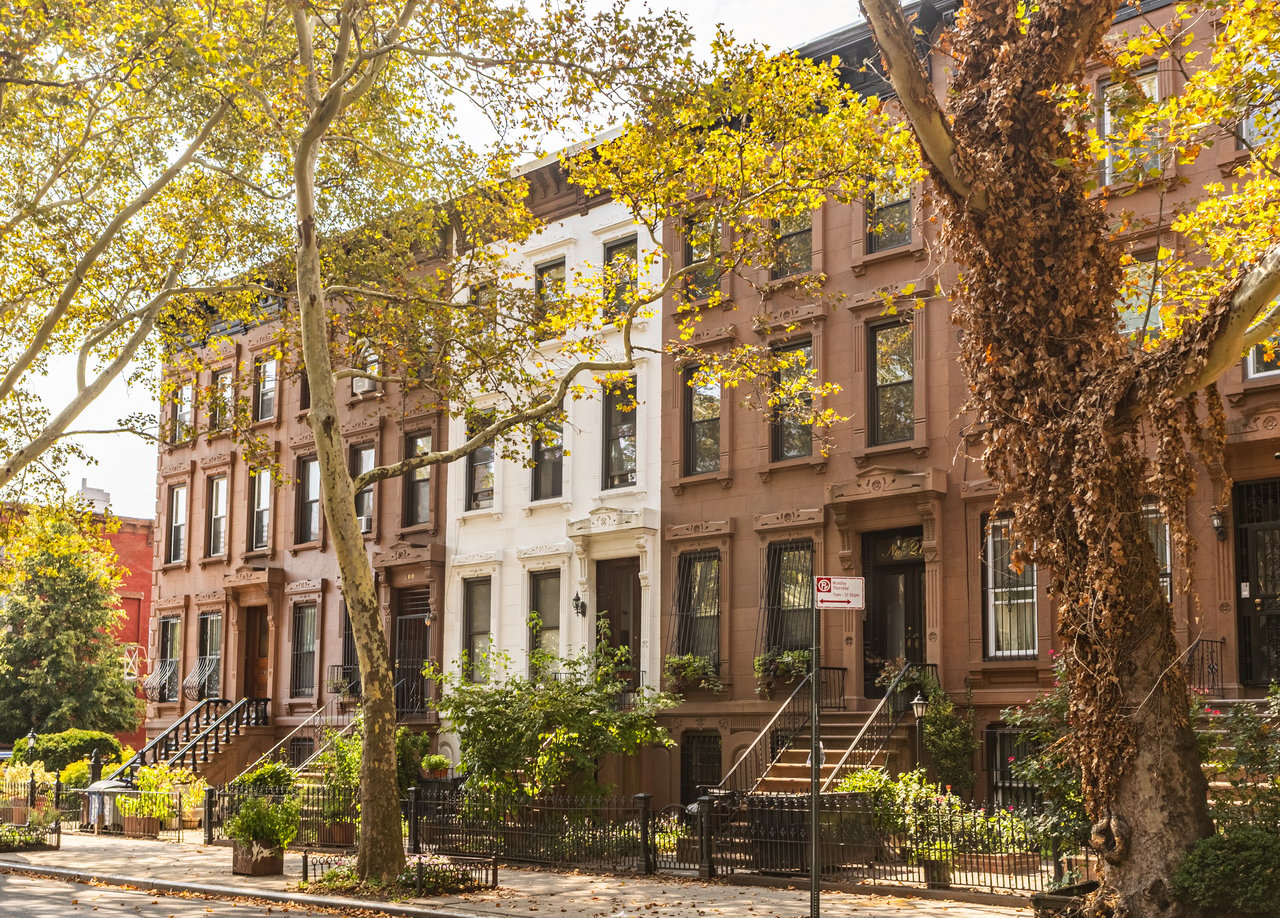
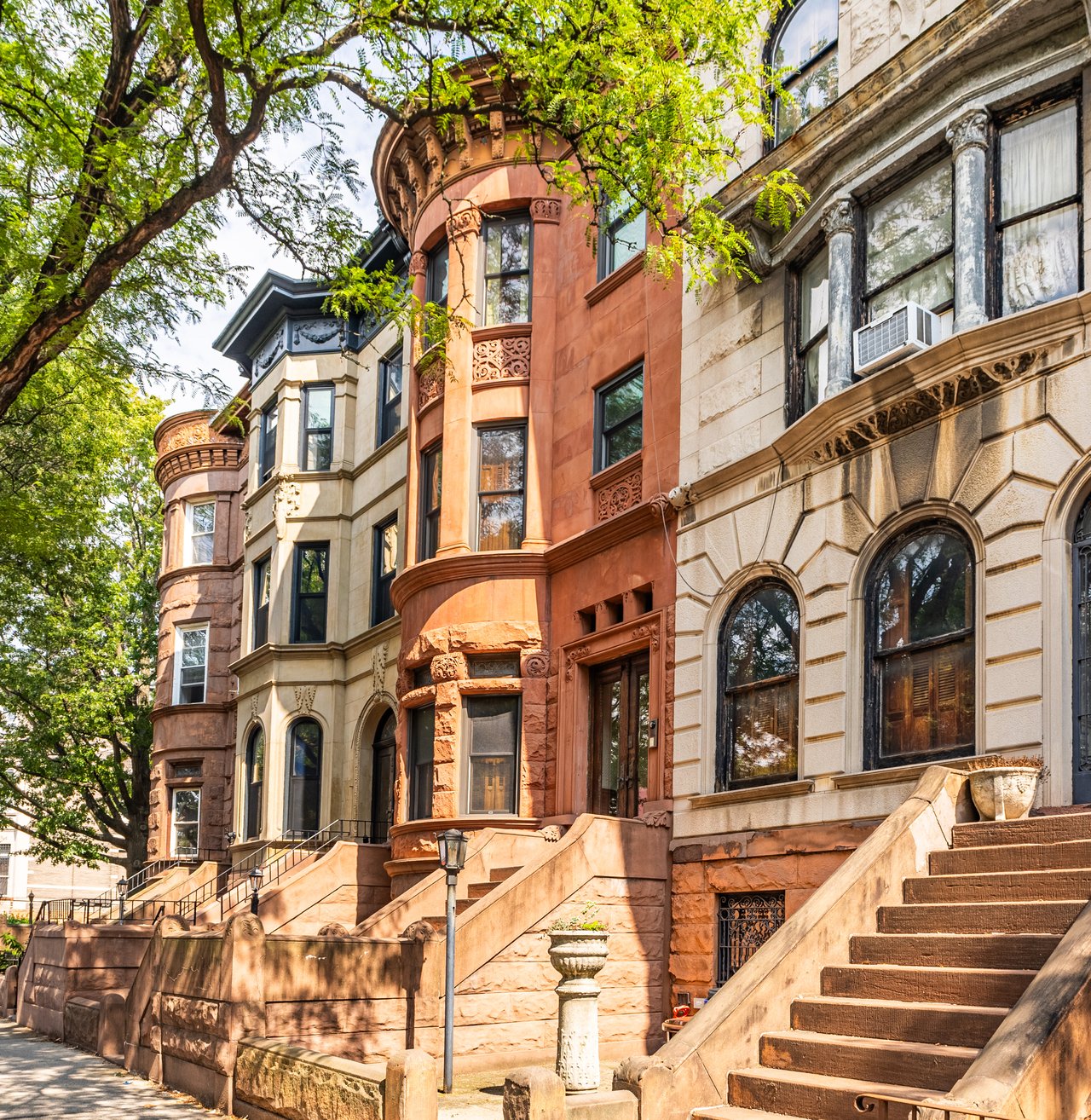
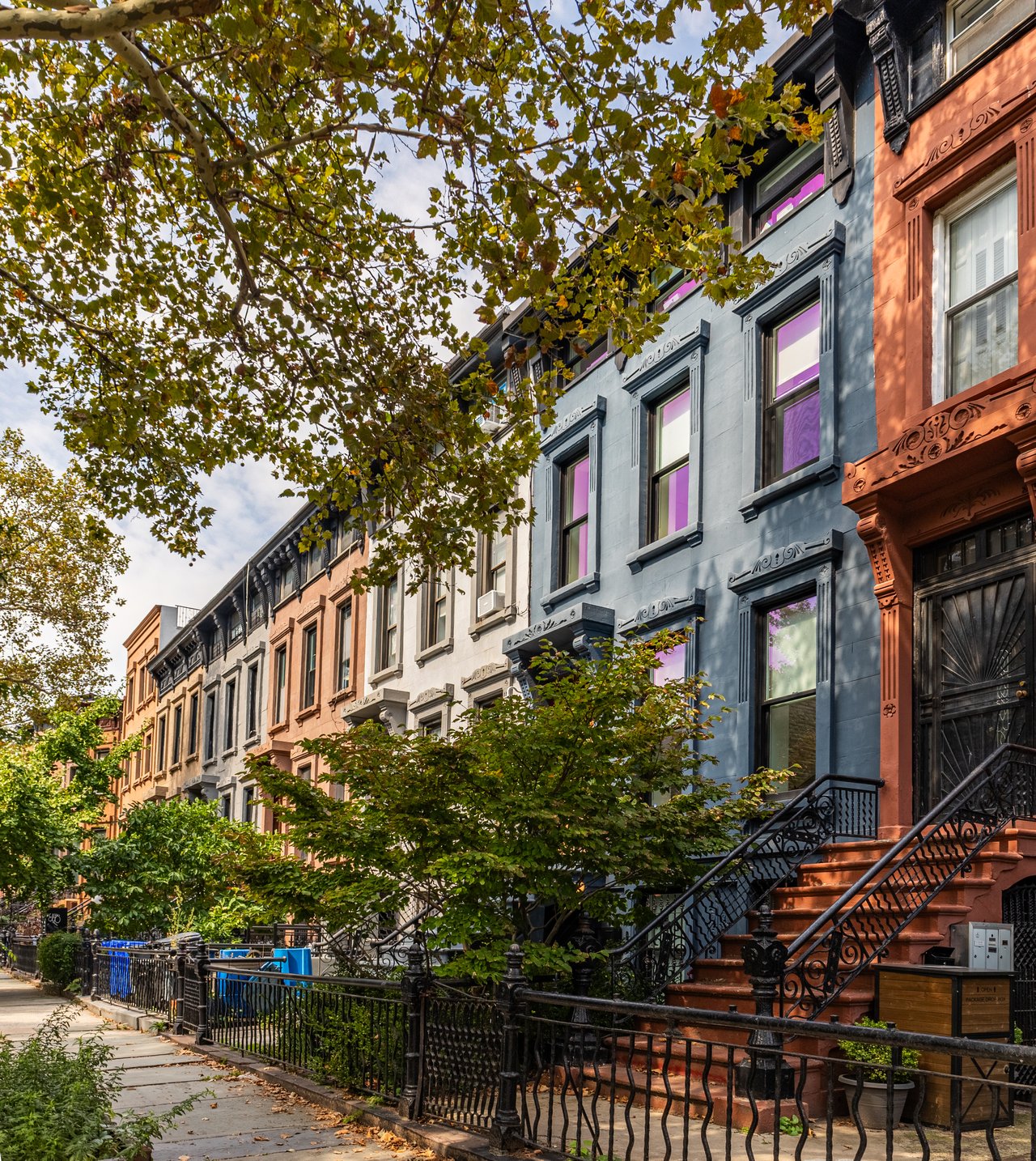
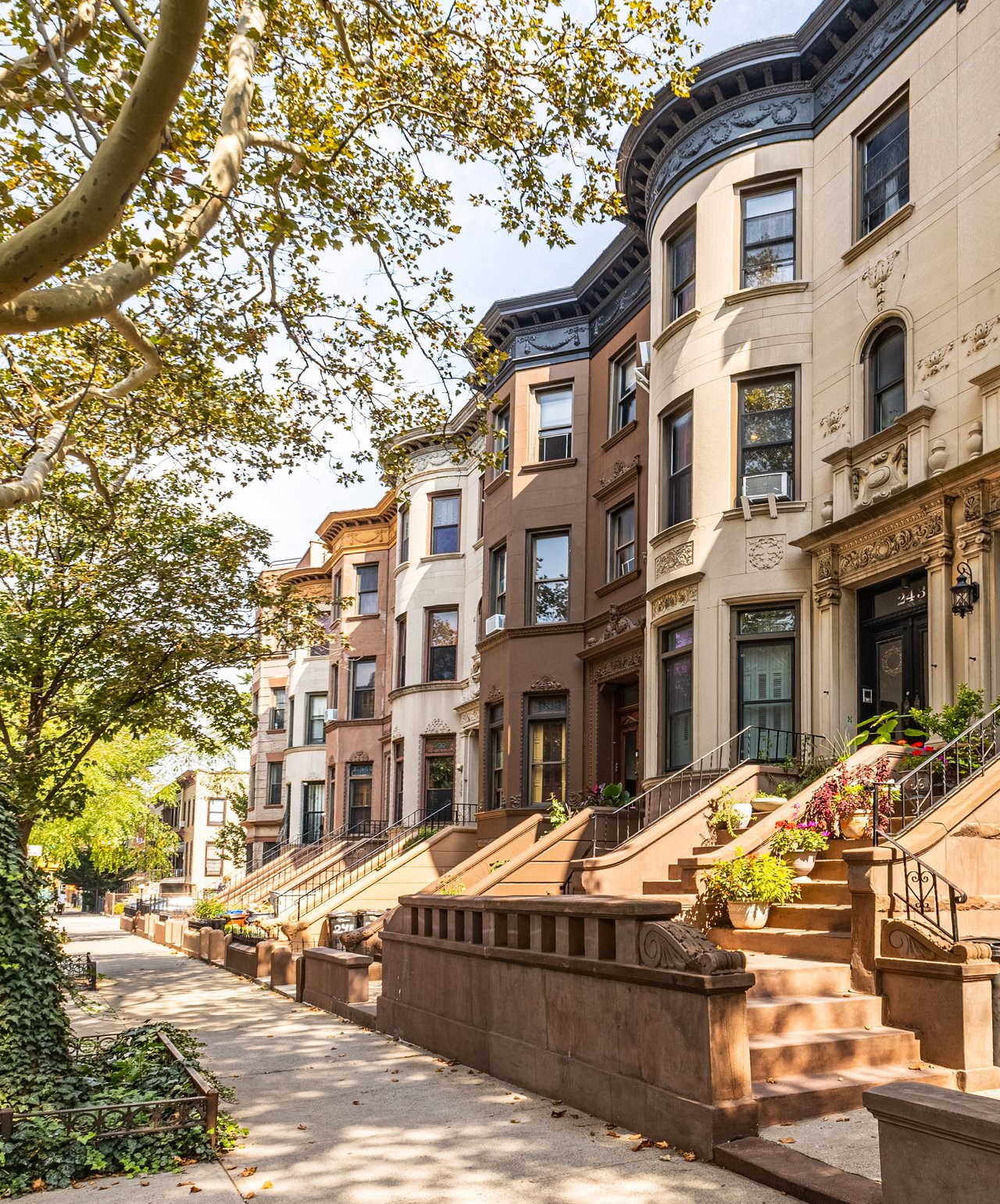
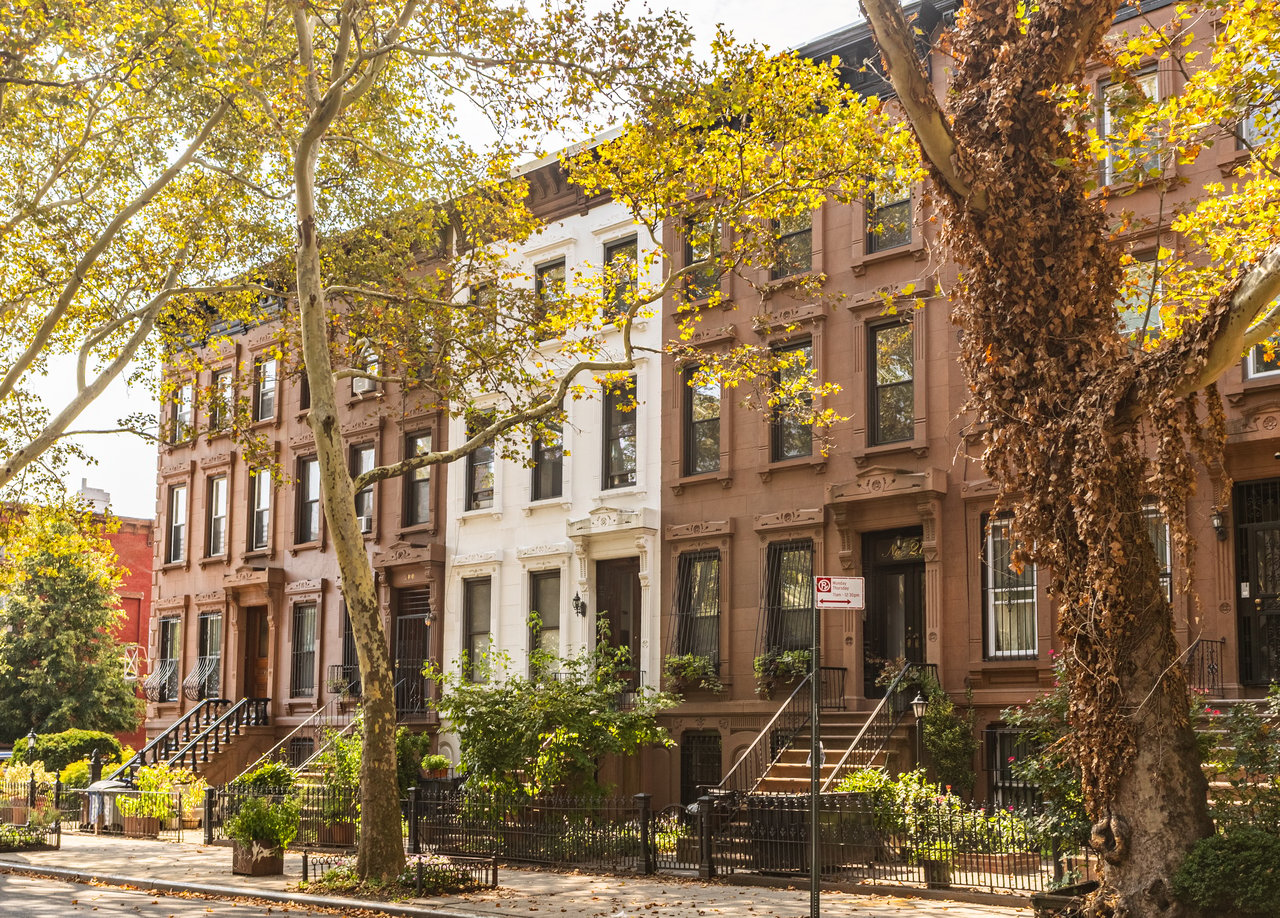
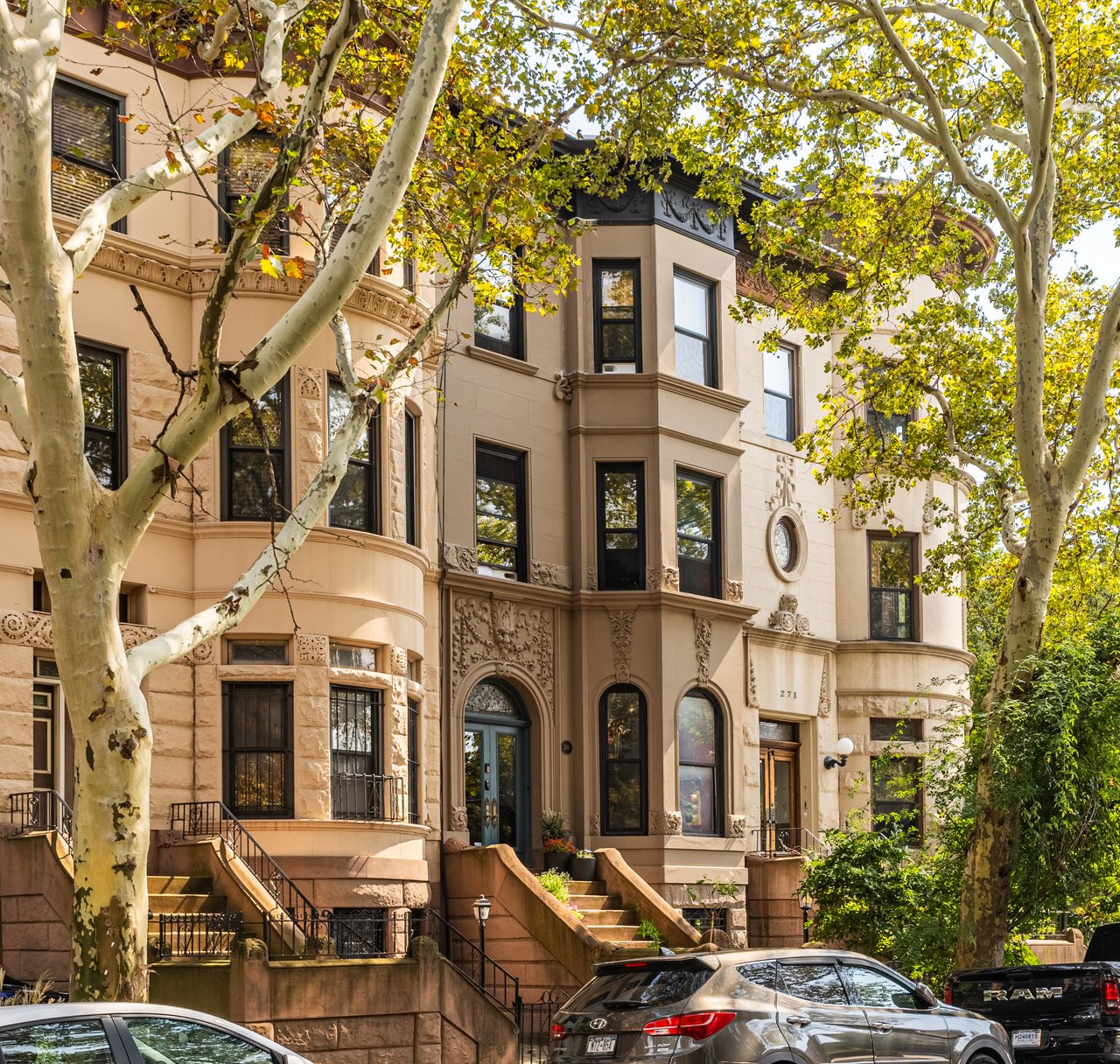
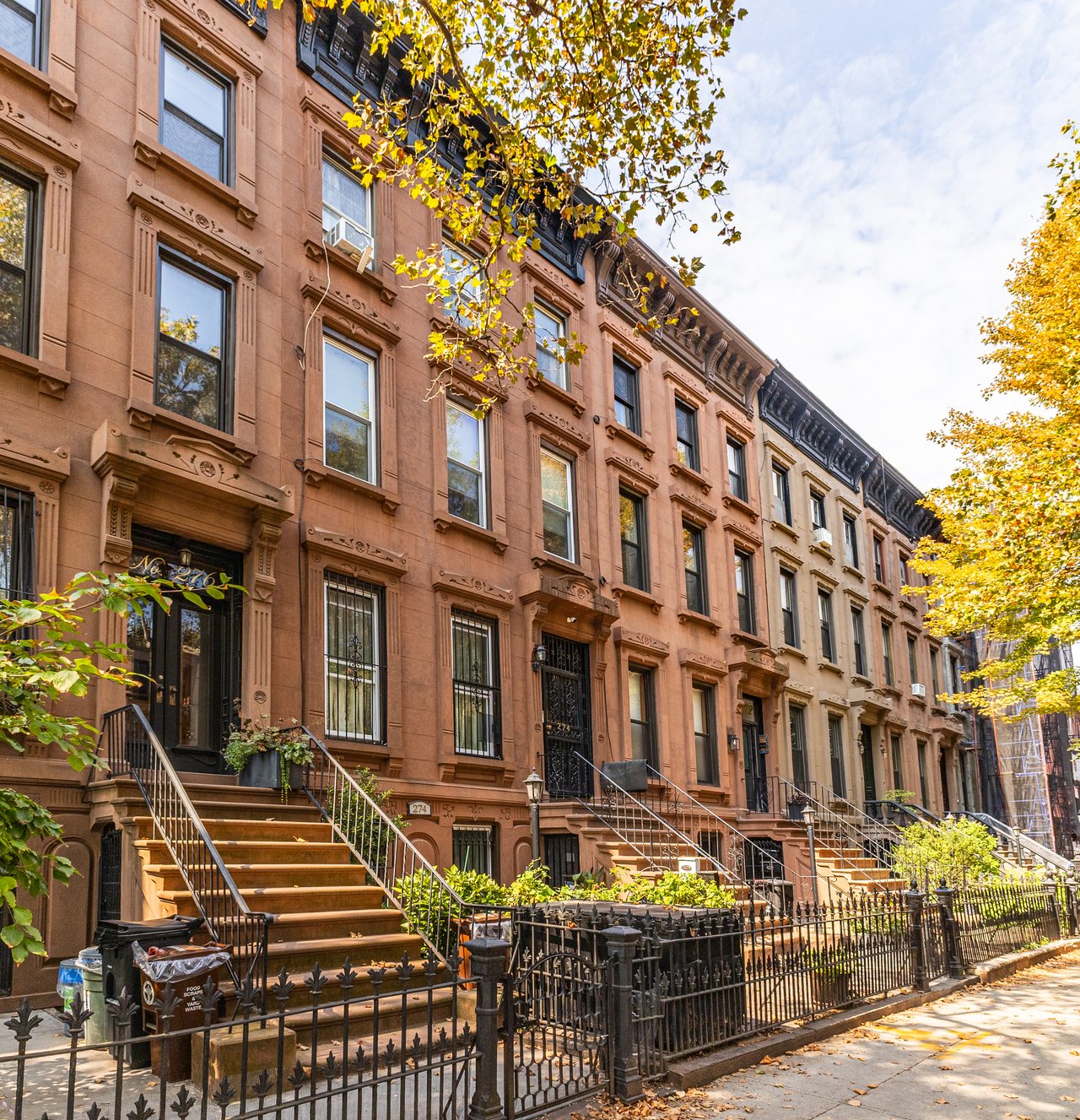
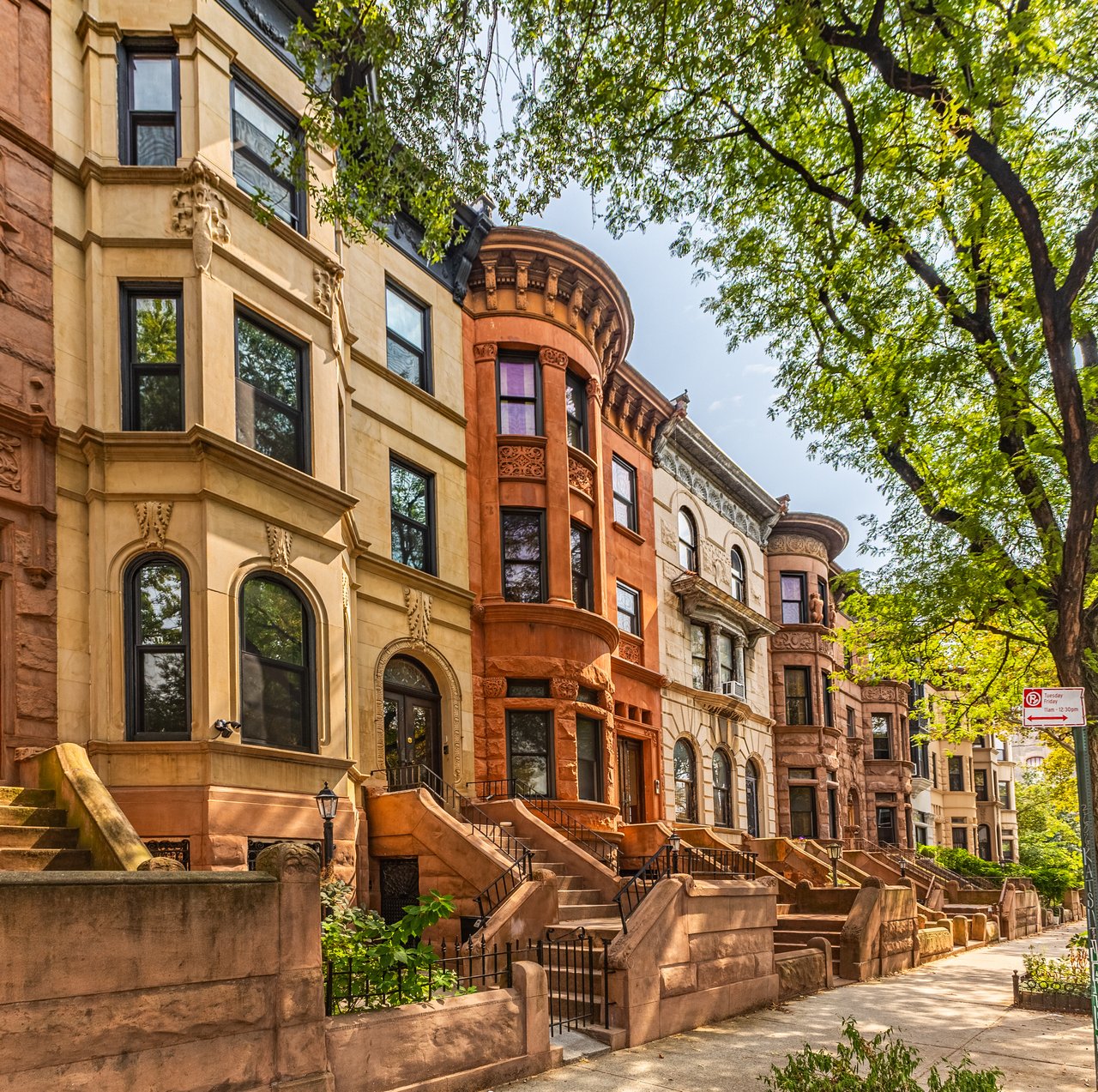
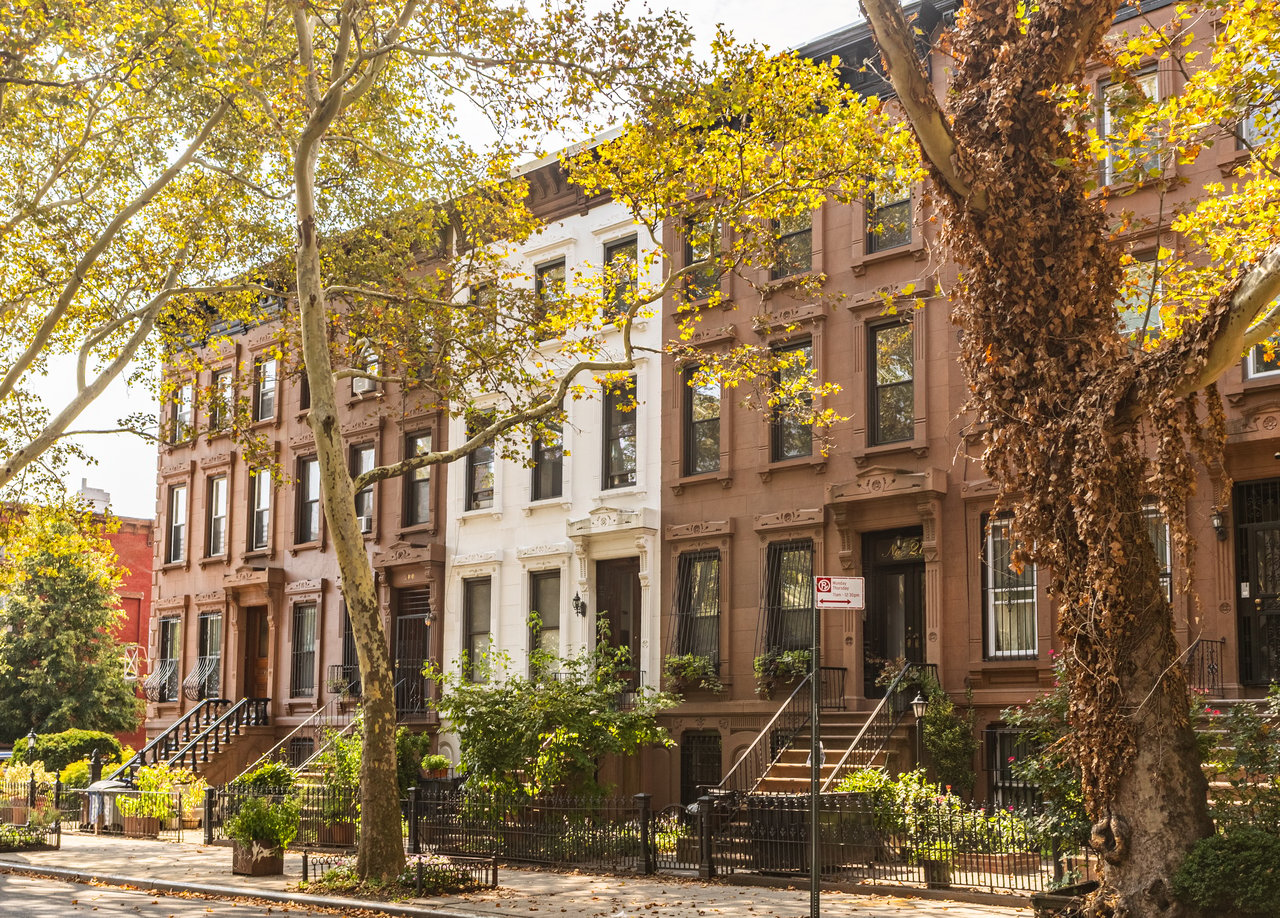
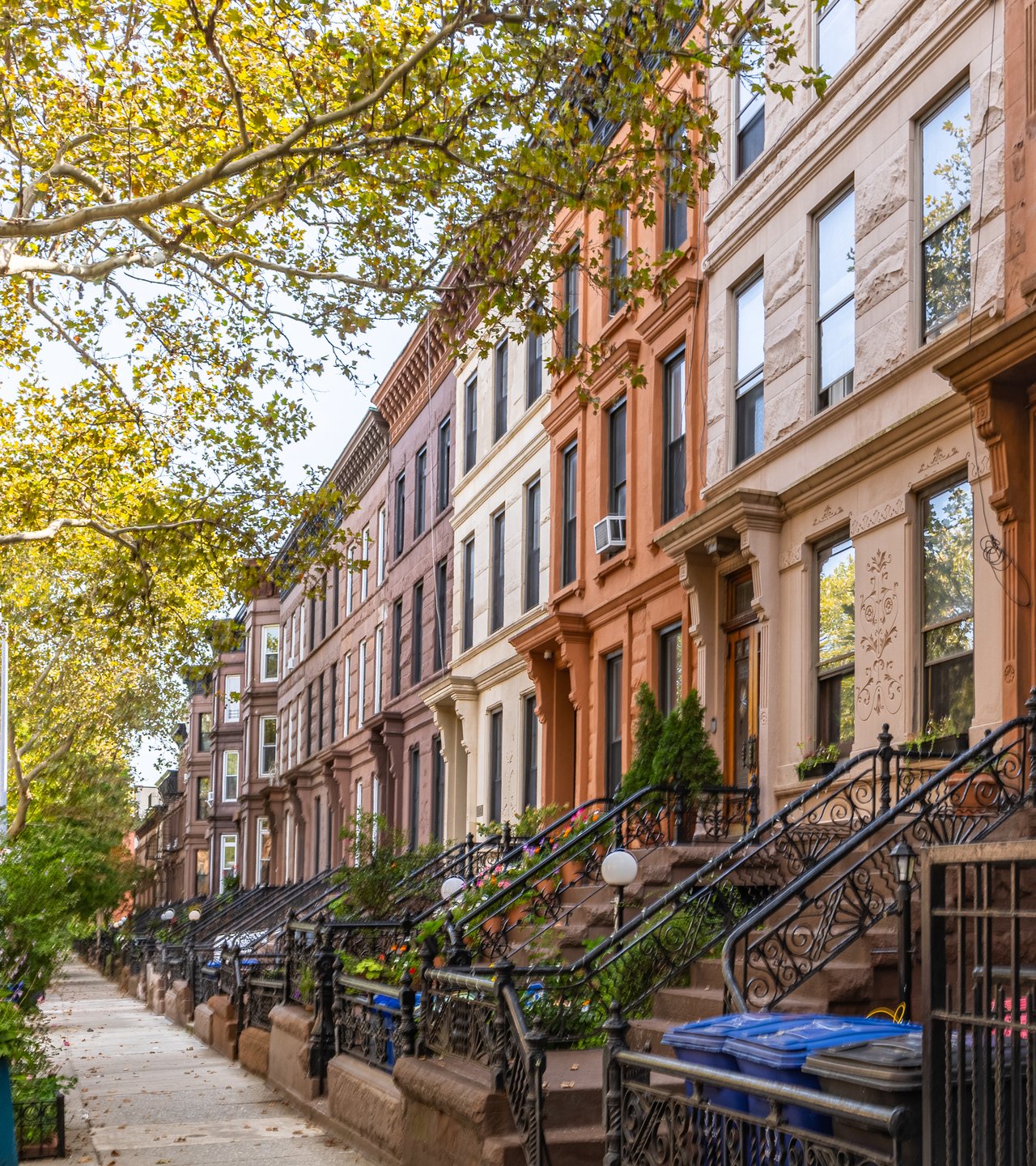
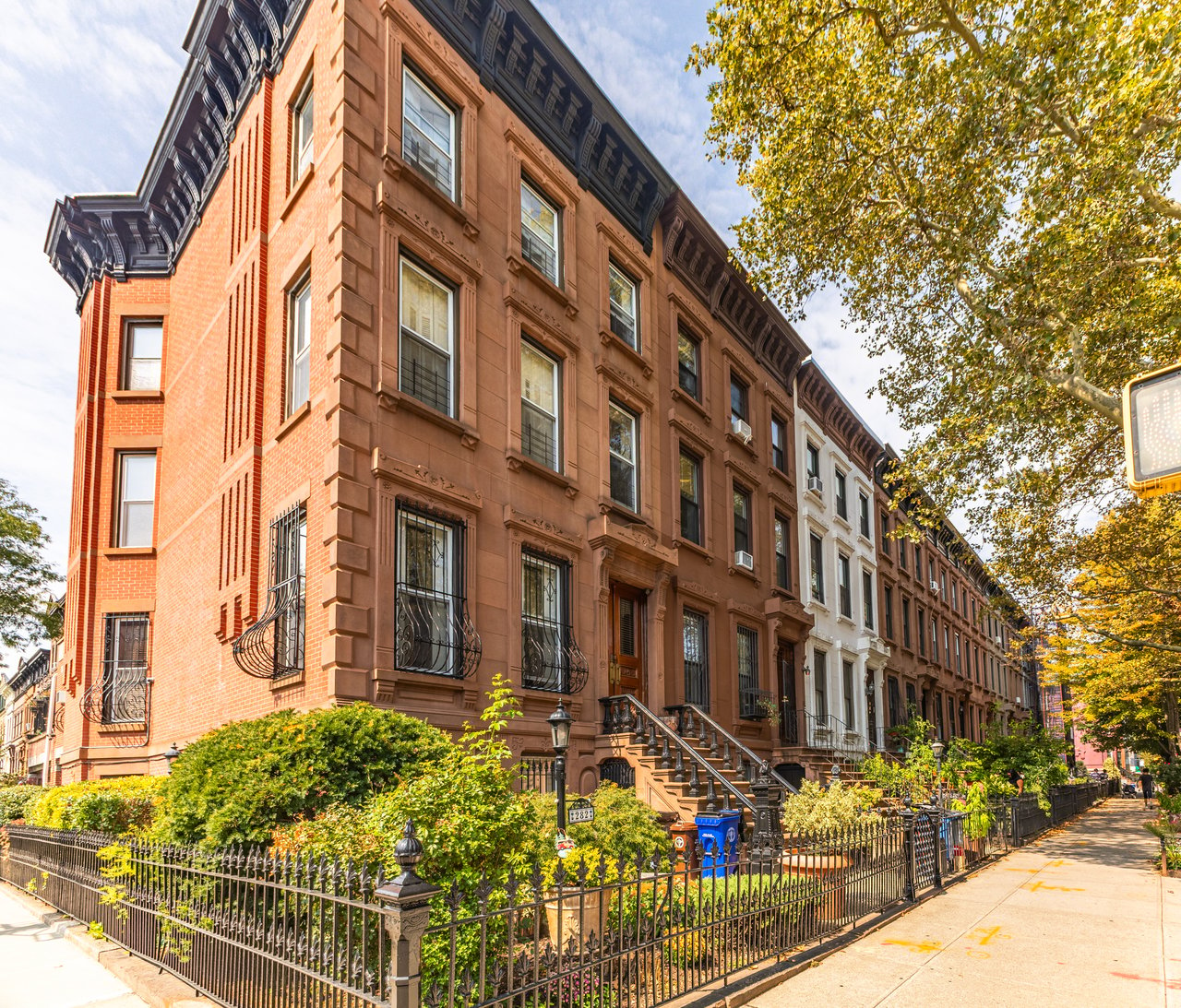
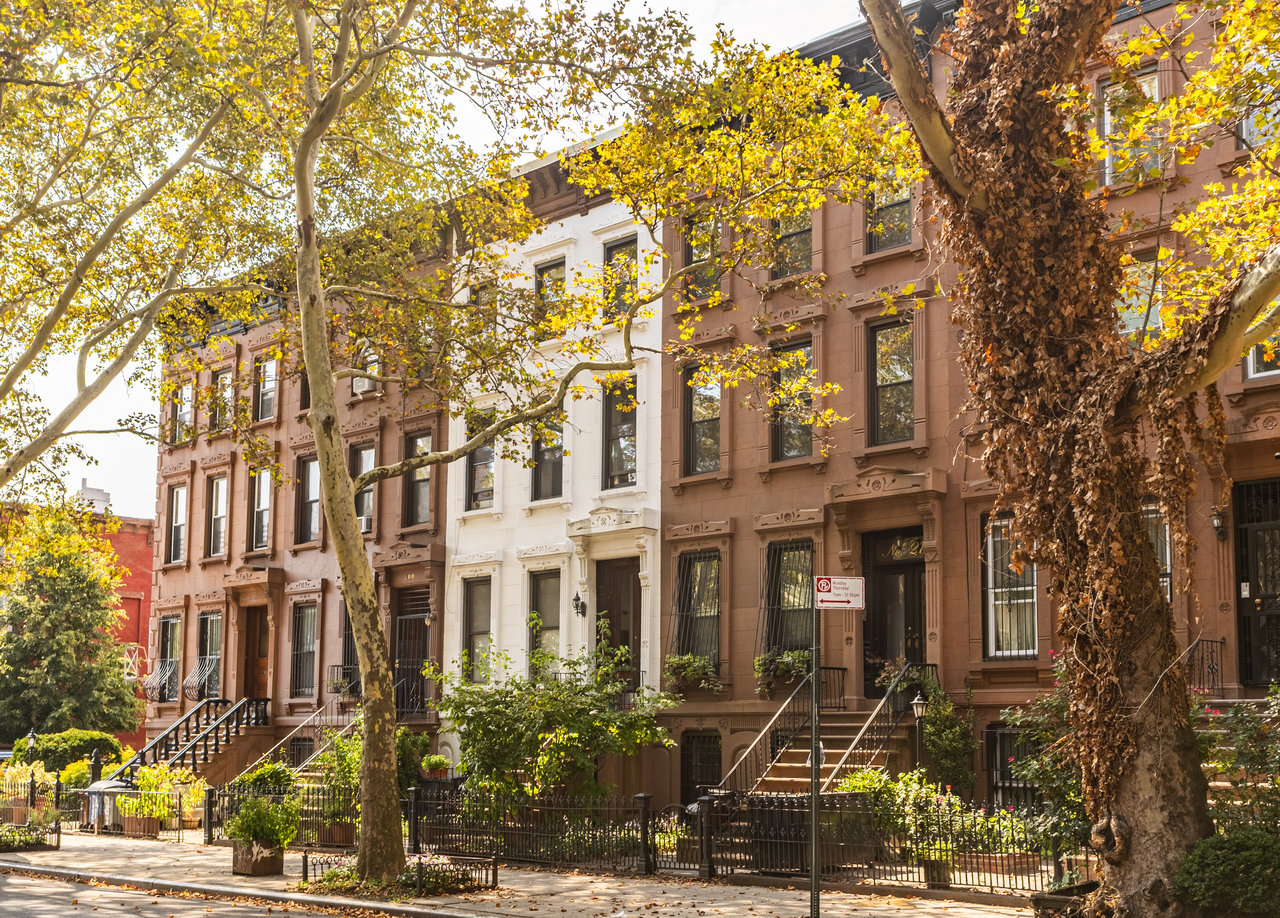
Greenwood Heights is known for its brick townhouses, two-family homes, three-family buildings, multifamily properties, and historic commercial architecture. The neighborhood developed along the northern and western edges of Green-Wood Cemetery, one of New York City's most significant historic landscapes.
26th Street is particularly connected to this history. Green-Wood Cemetery occupies much of the area east of Fifth Avenue, while the blocks toward Fourth Avenue and Third Avenue reflect Brooklyn's residential and industrial development.
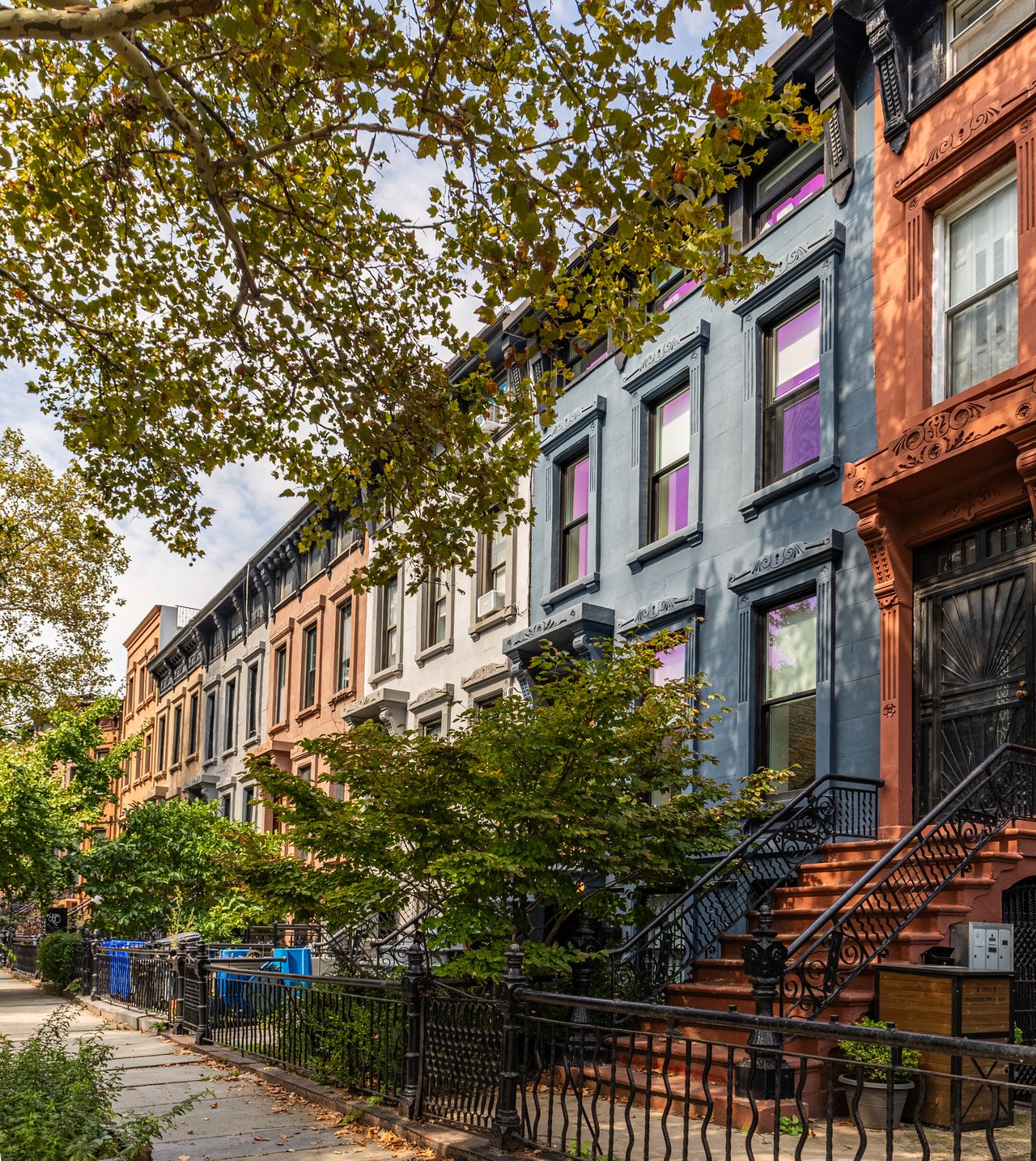
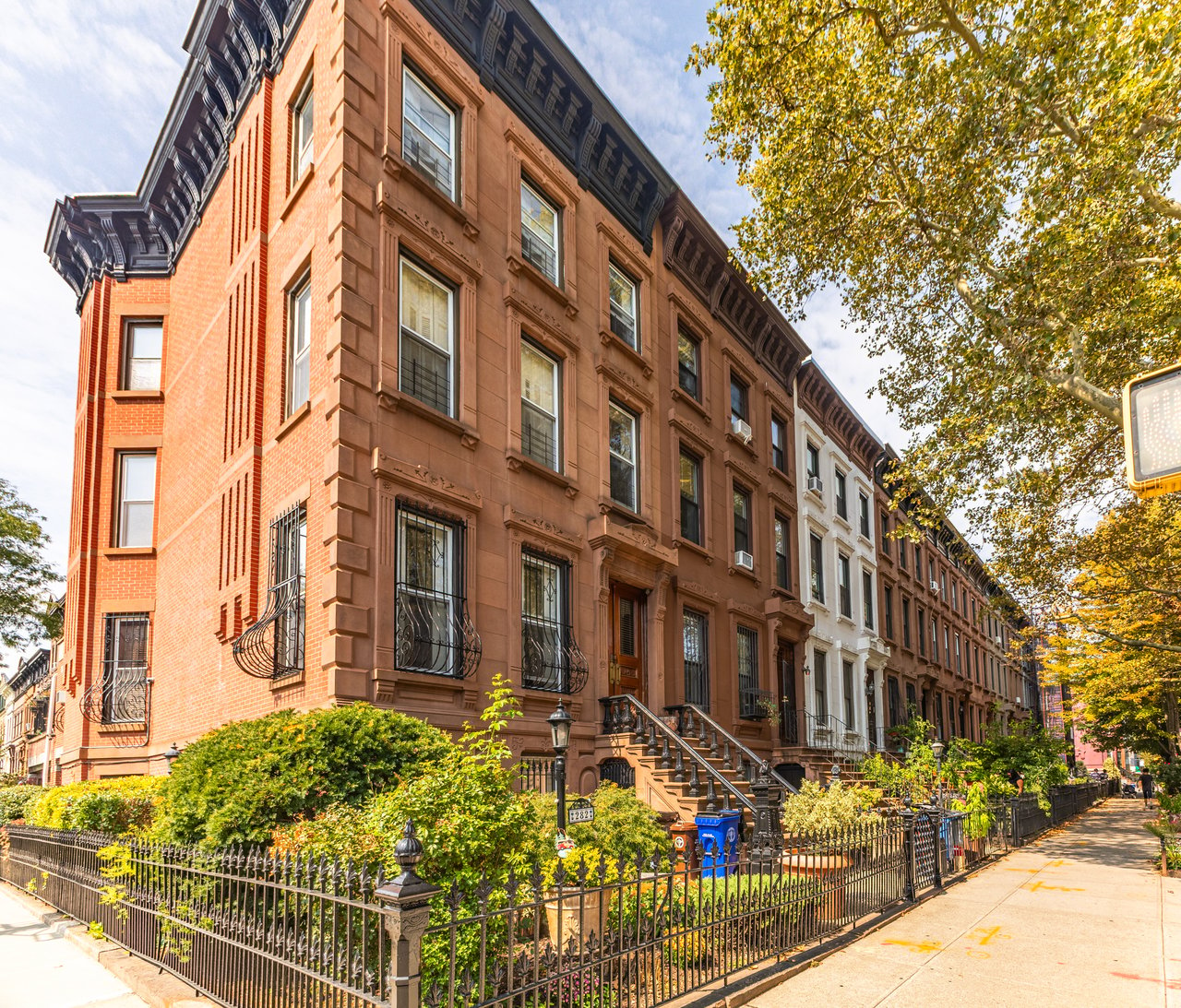
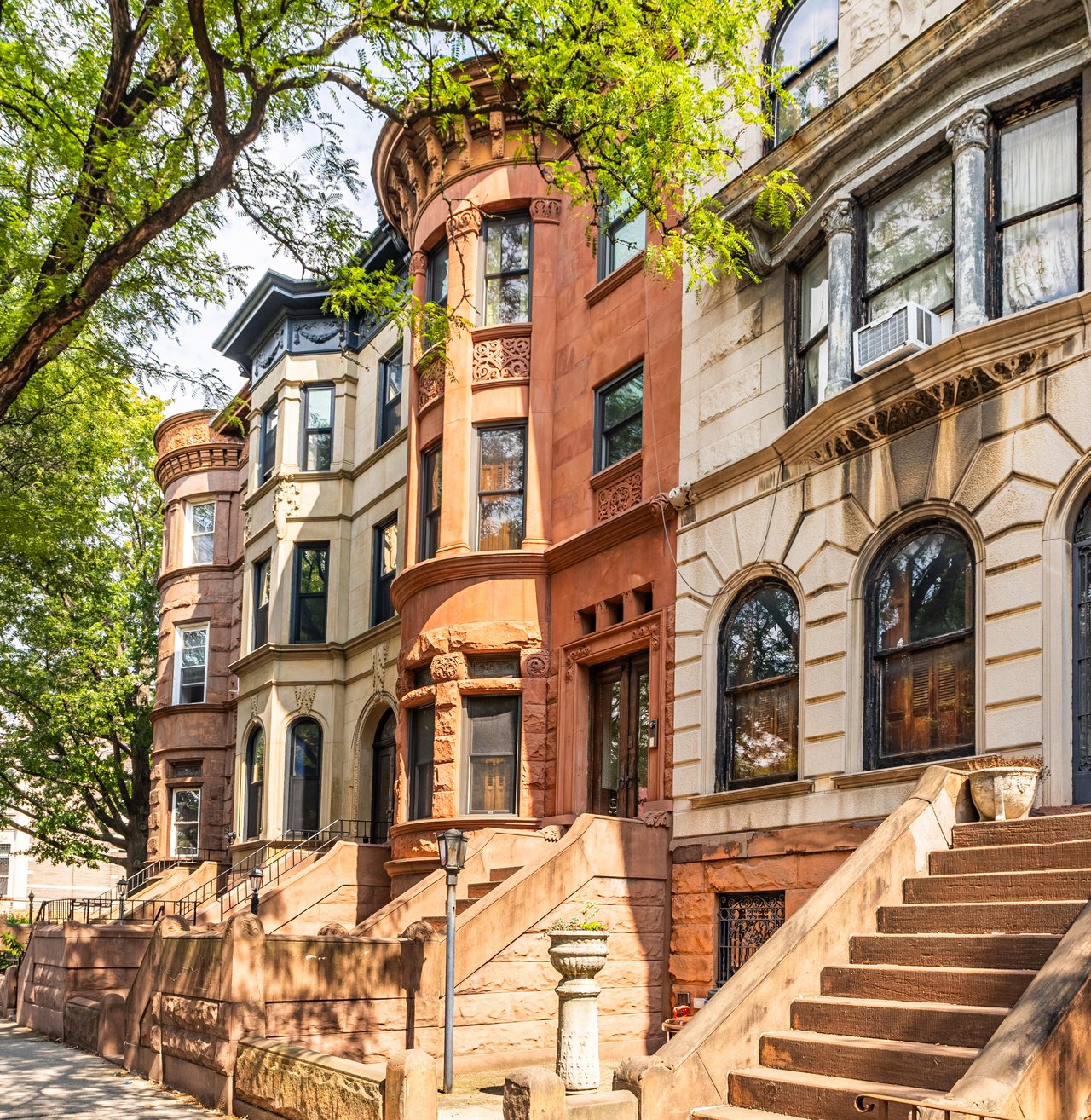
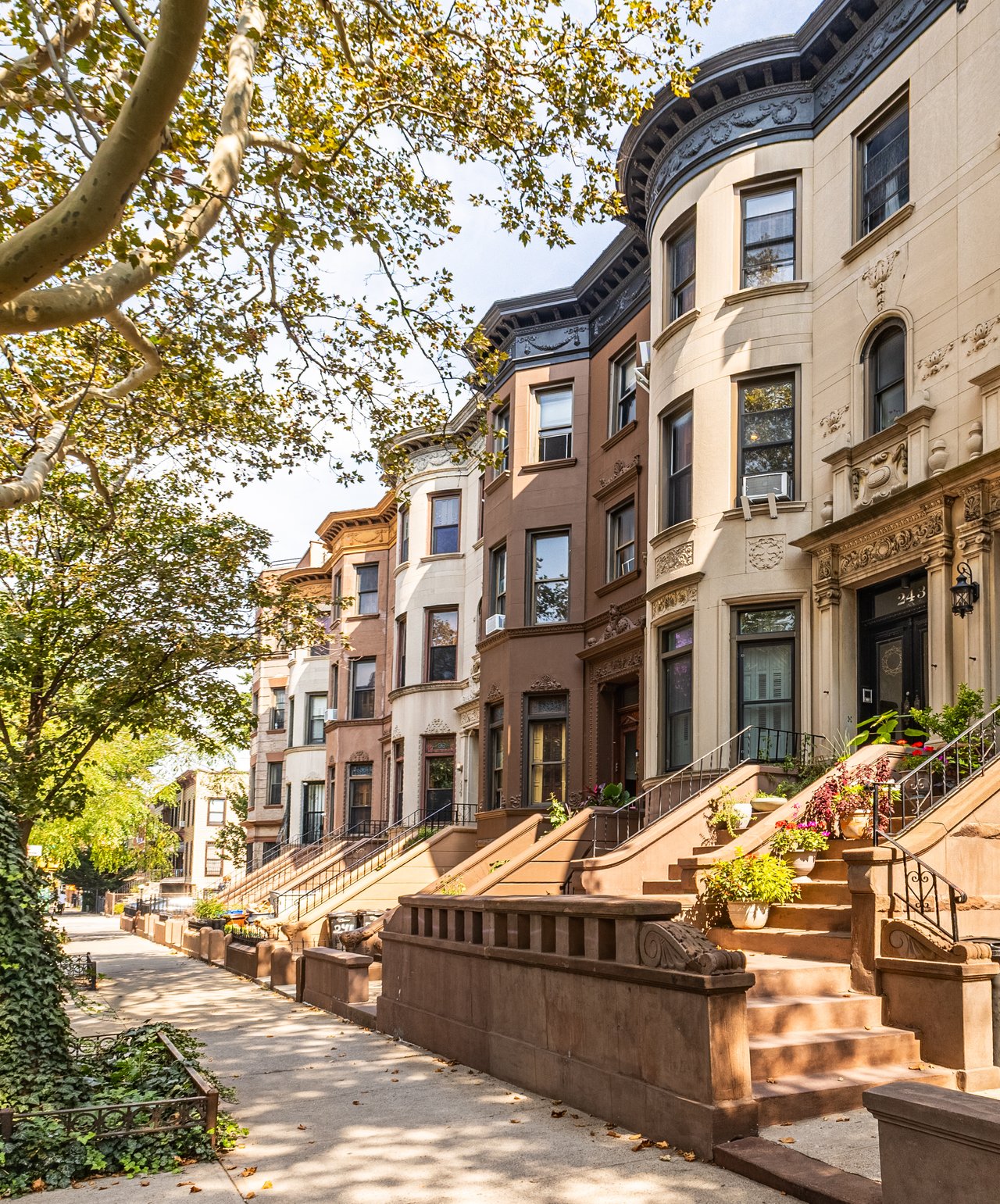
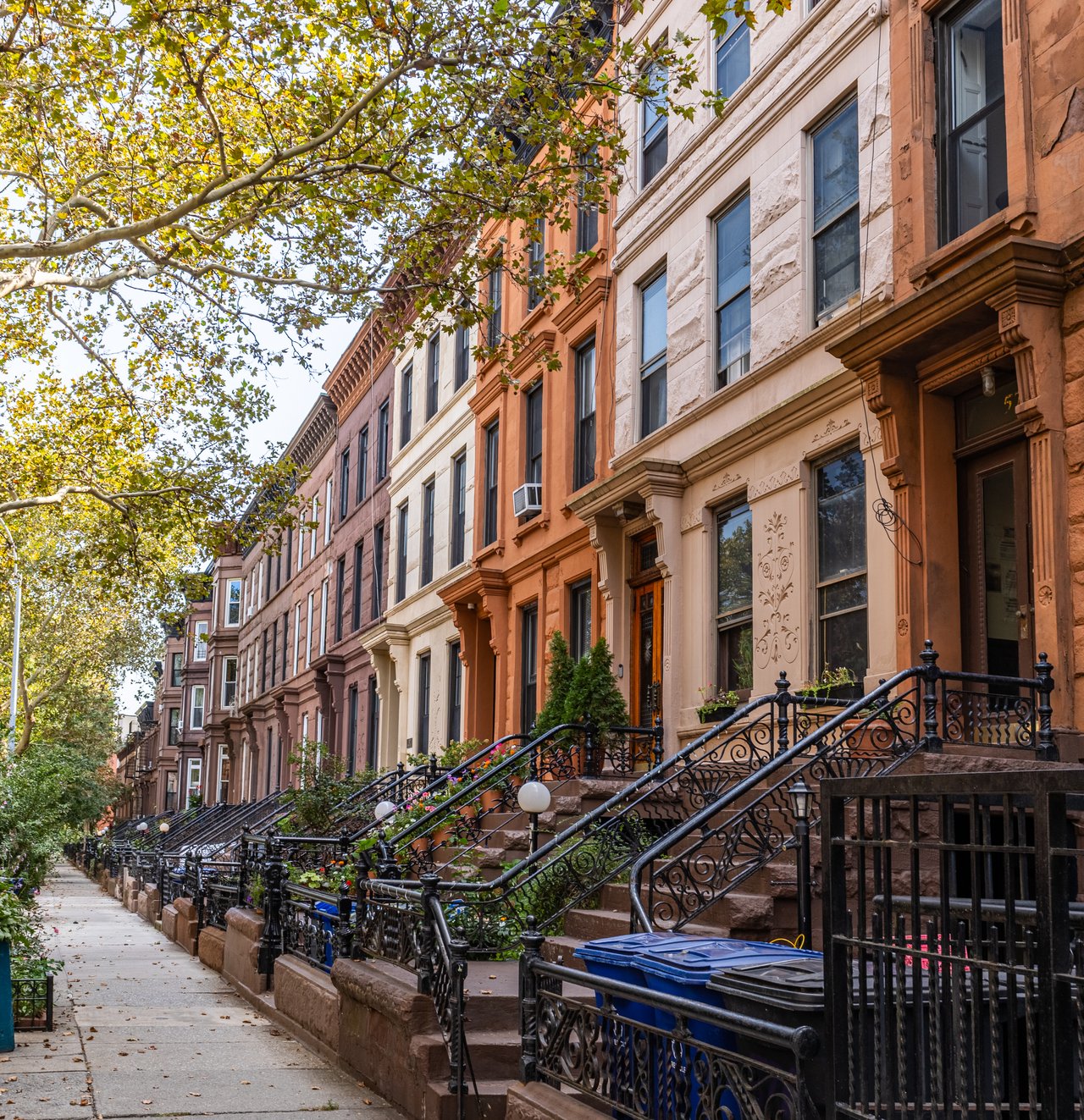
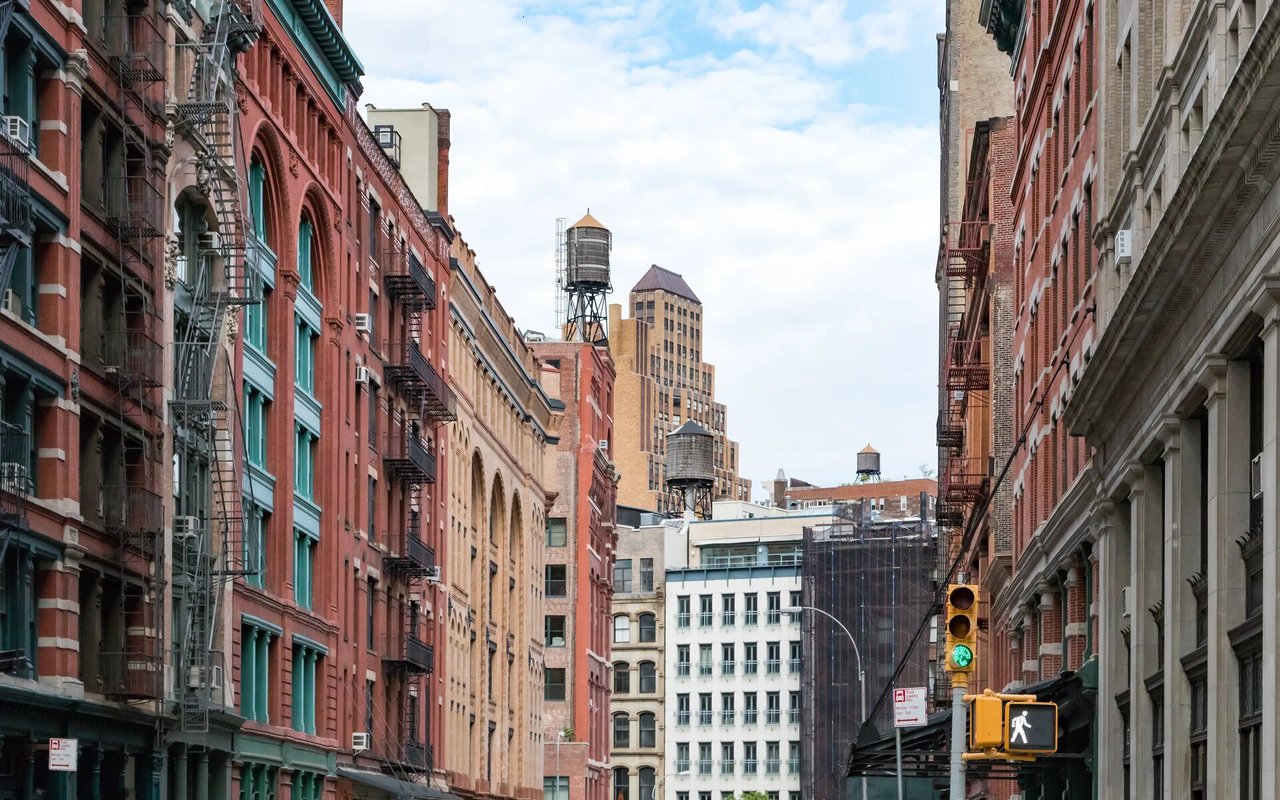
The surrounding architecture includes traditional masonry buildings, small multifamily properties, mixed-use structures, and renovated residential buildings. Some properties retain historic exterior details, while others have been modernized or adapted for different uses.
Nearby Fifth Avenue provides restaurants, cafés, and retail establishments. Fourth Avenue connects the area to the 25th Street and 36th Street subway stations, while Third Avenue reflects the industrial and commercial history of western Brooklyn.
For property owners considering selling on 26th Street, building configuration, zoning, property condition, rental income, lot dimensions, and comparable sales are important factors in establishing value.
The Parviz Team at Compass, led by Associate Real Estate Broker Parviz Latipzoda, sells townhouses, two-family homes, three-family buildings, multifamily properties, mixed-use buildings, and investment real estate throughout Greenwood Heights and Brooklyn.
The team's Greenwood Heights experience includes marketing the renovated two-family townhouse at 139 22nd Streetand representing the three-family property at 949 Fourth Avenue.
These properties demonstrate the team's experience with residential and multifamily real estate in the neighborhood.
Where Is 26th Street in Greenwood Heights, Brooklyn?
26th Street runs east to west through the area surrounding Fourth Avenue, Fifth Avenue, and Green-Wood Cemetery.
The street is situated near the southern portion of Greenwood Heights, where residential blocks meet the cemetery grounds and the industrial corridors toward Third Avenue.
Nearby streets and avenues include:
- Third Avenue
- Fourth Avenue
- Fifth Avenue
- 23rd Street
- 24th Street
- 25th Street
- 27th Street
- 28th Street
- 29th Street
- 36th Street
The area surrounding 26th Street connects Greenwood Heights with the northern section of Sunset Park.
The cemetery occupies much of the land east of Fifth Avenue, creating a distinctive street pattern compared with the residential grid farther north.
West of Fifth Avenue, the surrounding blocks contain a combination of residential buildings, commercial properties, and industrial structures.
This mixture of property types is an important characteristic of Greenwood Heights real estate.
The History of 26th Street and Greenwood Heights
The history of 26th Street is closely connected to Green-Wood Cemetery and Brooklyn's industrial expansion.
Green-Wood Cemetery was established in 1838, before much of the surrounding neighborhood developed into its present form.
The cemetery became a major landscaped landmark, with winding roads, monumental architecture, and extensive grounds.
During the second half of the 19th century, residential construction expanded through the surrounding streets.
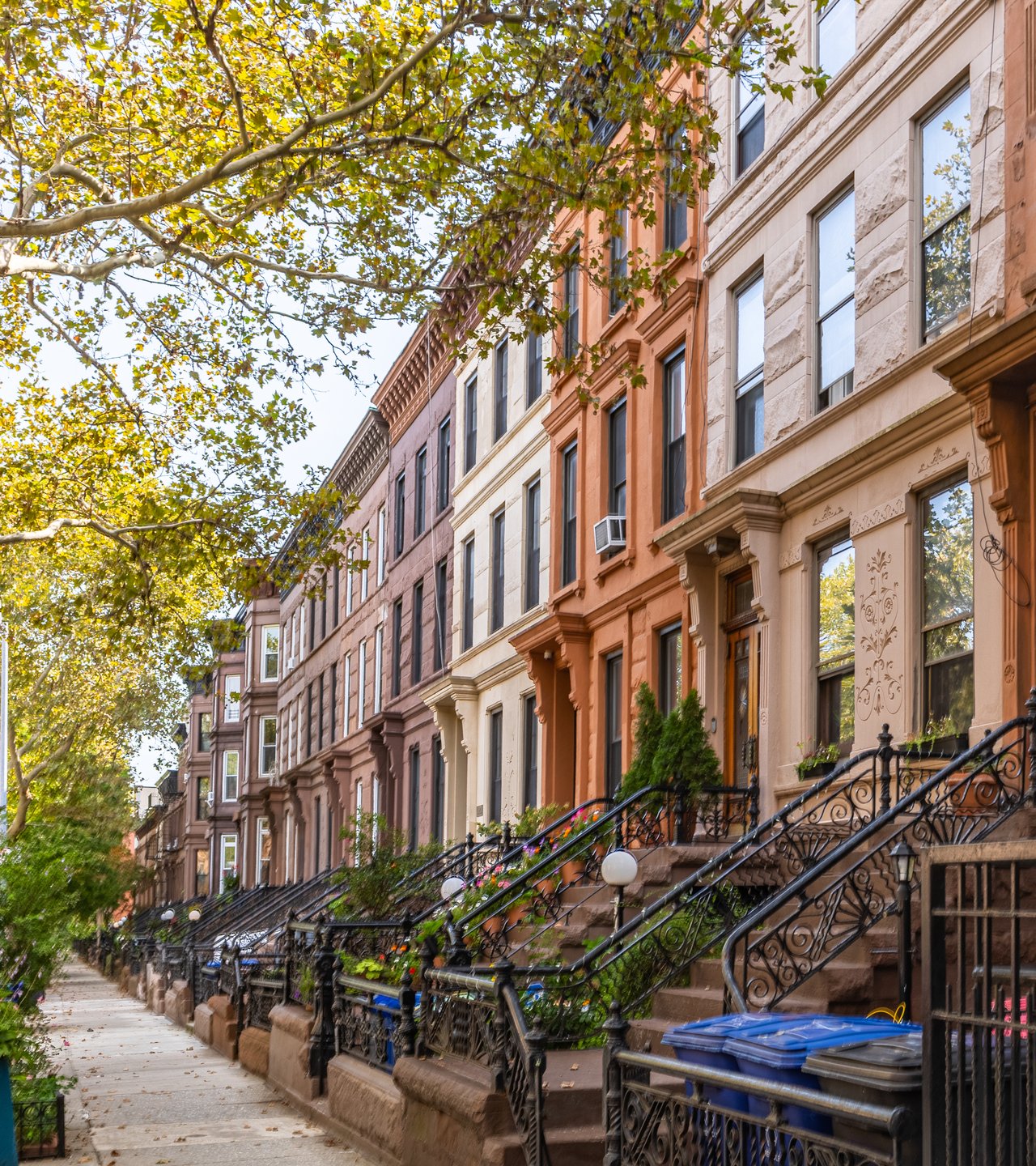
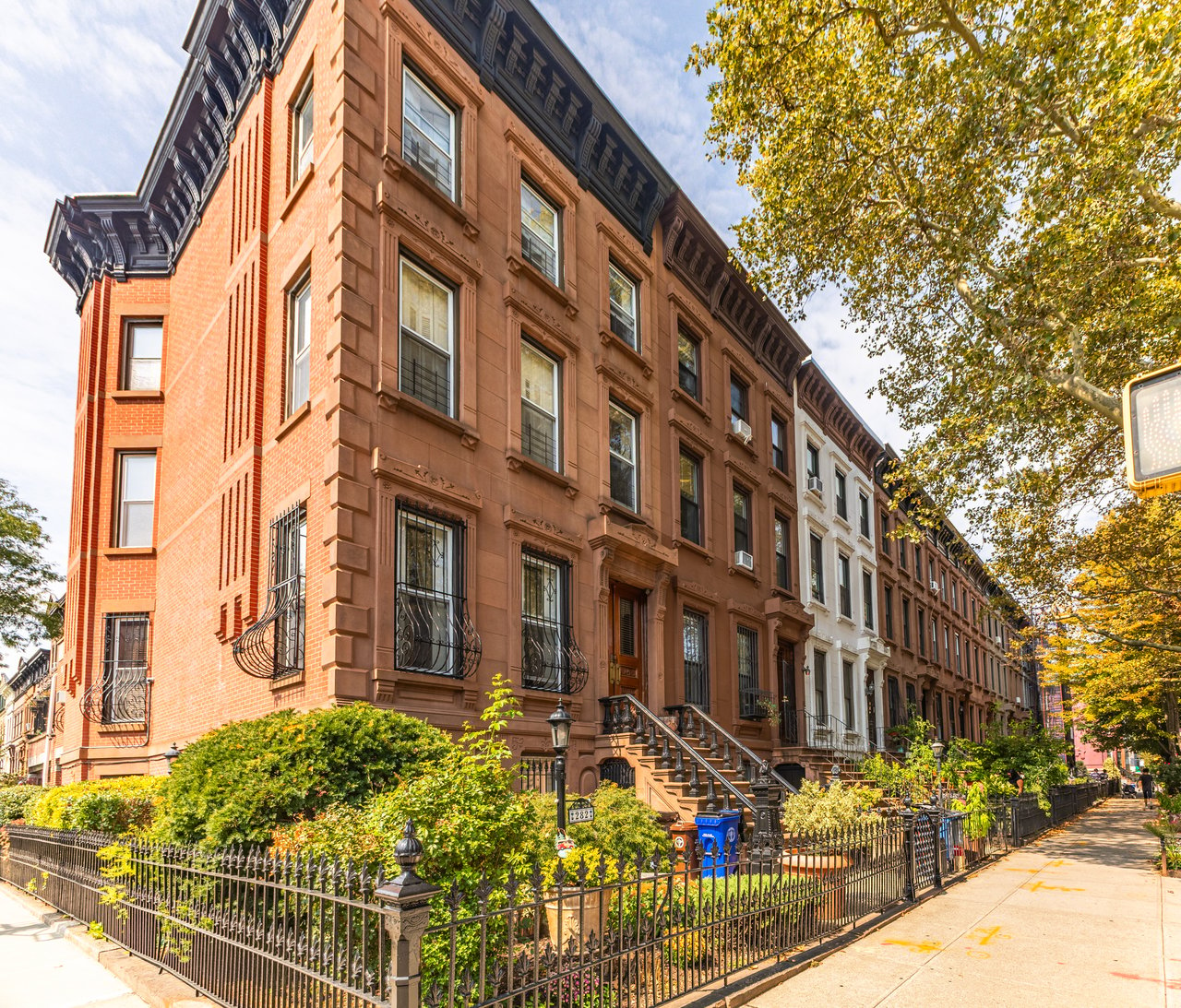
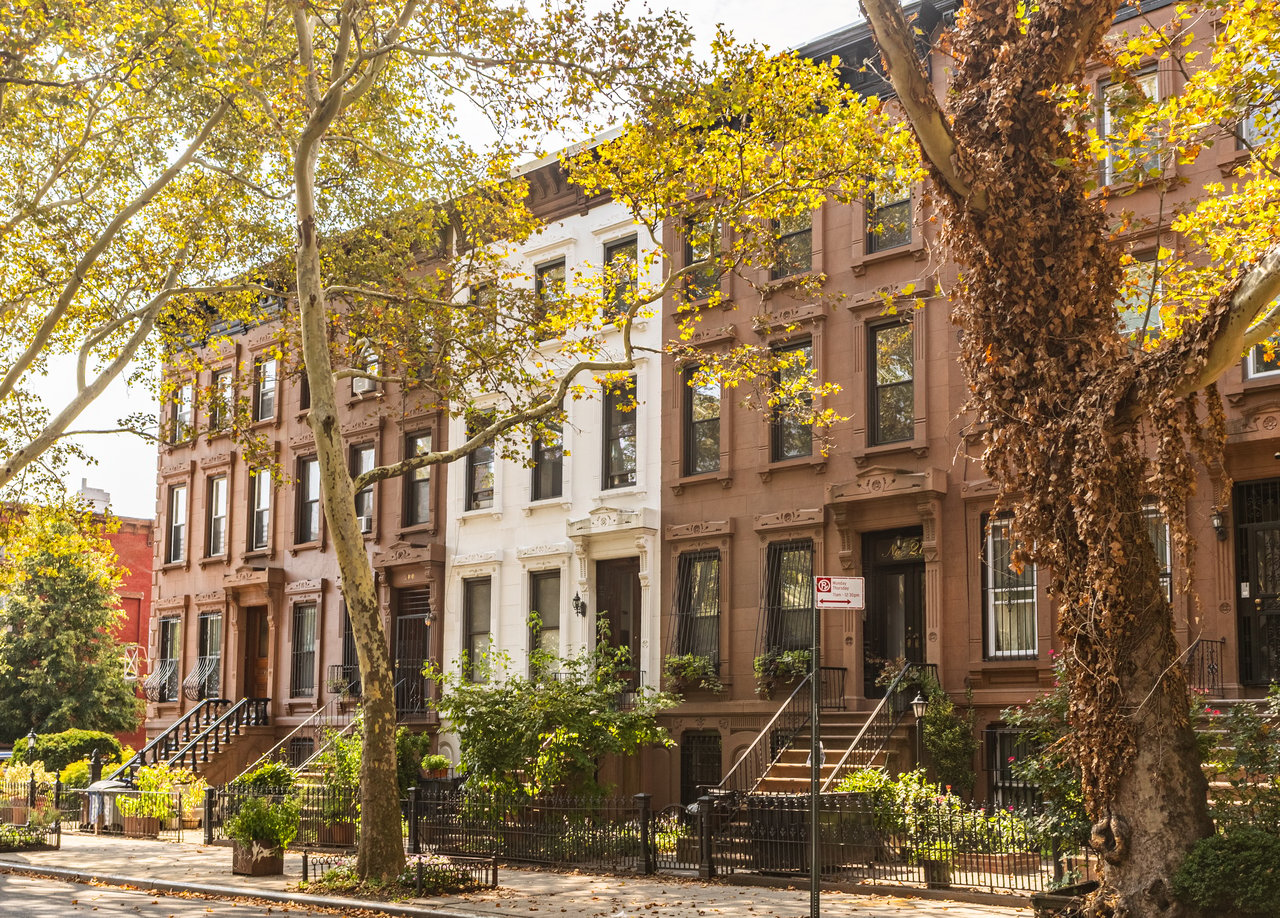
Brick townhouses, traditional masonry buildings, and multifamily properties became common in sections of Greenwood Heights.
At the same time, Brooklyn's waterfront and transportation infrastructure encouraged industrial and commercial development farther west.
The areas around Third Avenue and Fourth Avenue became important corridors for manufacturing, warehouses, workshops, and commercial activity.
This combination of residential and industrial development shaped the neighborhood's architecture.
Today, 26th Street reflects these different periods through its surrounding masonry buildings, commercial properties, and proximity to historic Green-Wood Cemetery.
The Architecture of 26th Street
The architecture surrounding 26th Street differs from some of the more uniformly residential blocks farther north in Greenwood Heights.
The area contains a mixture of traditional residential buildings, commercial structures, and properties associated with Brooklyn's industrial history.
Property types in the surrounding area include:
- Brick townhouses
- Two-family homes
- Three-family buildings
- Small multifamily properties
- Traditional walk-up buildings
- Mixed-use properties
- Commercial buildings
- Industrial and warehouse properties
- Contemporary residential developments
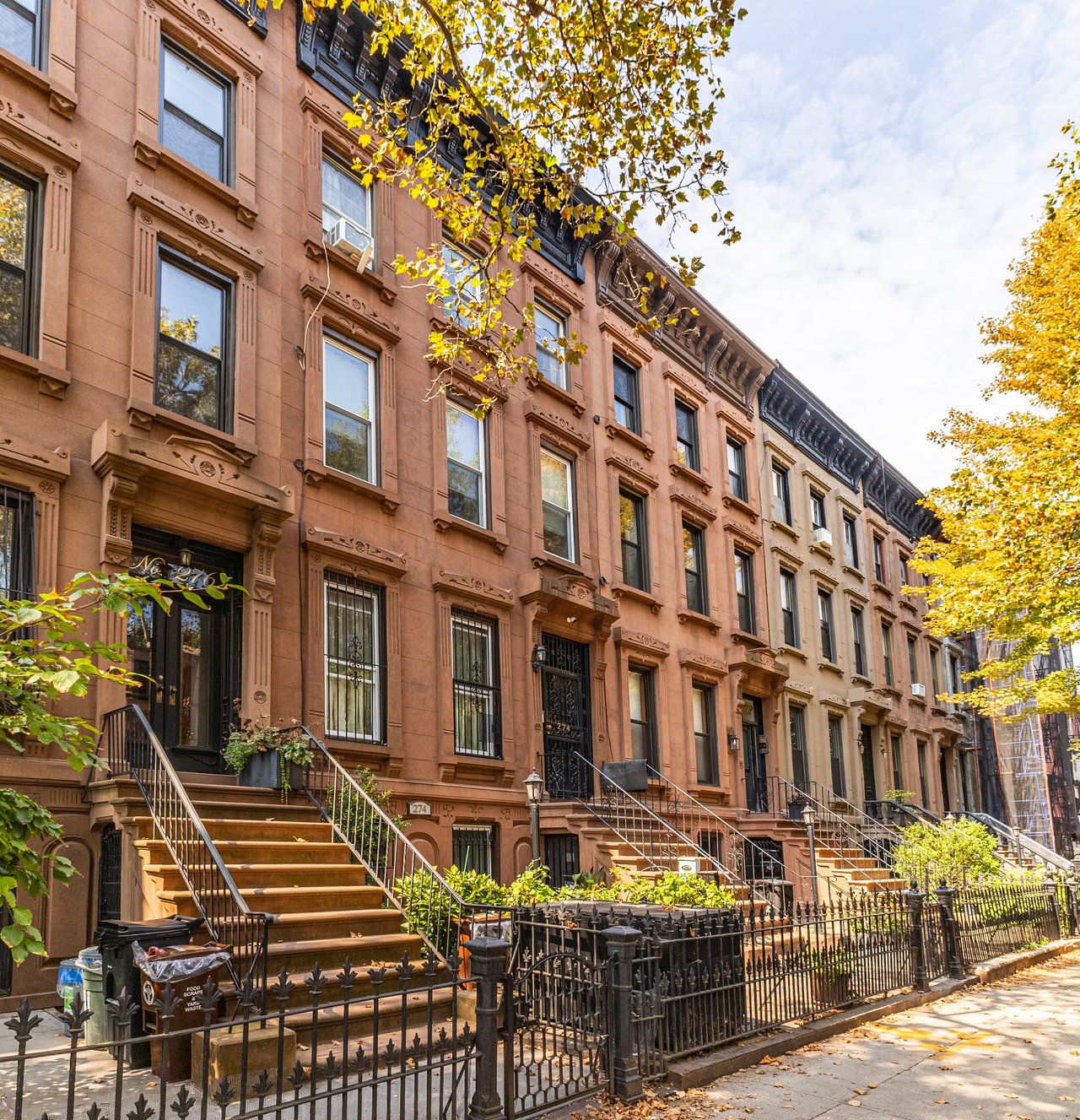
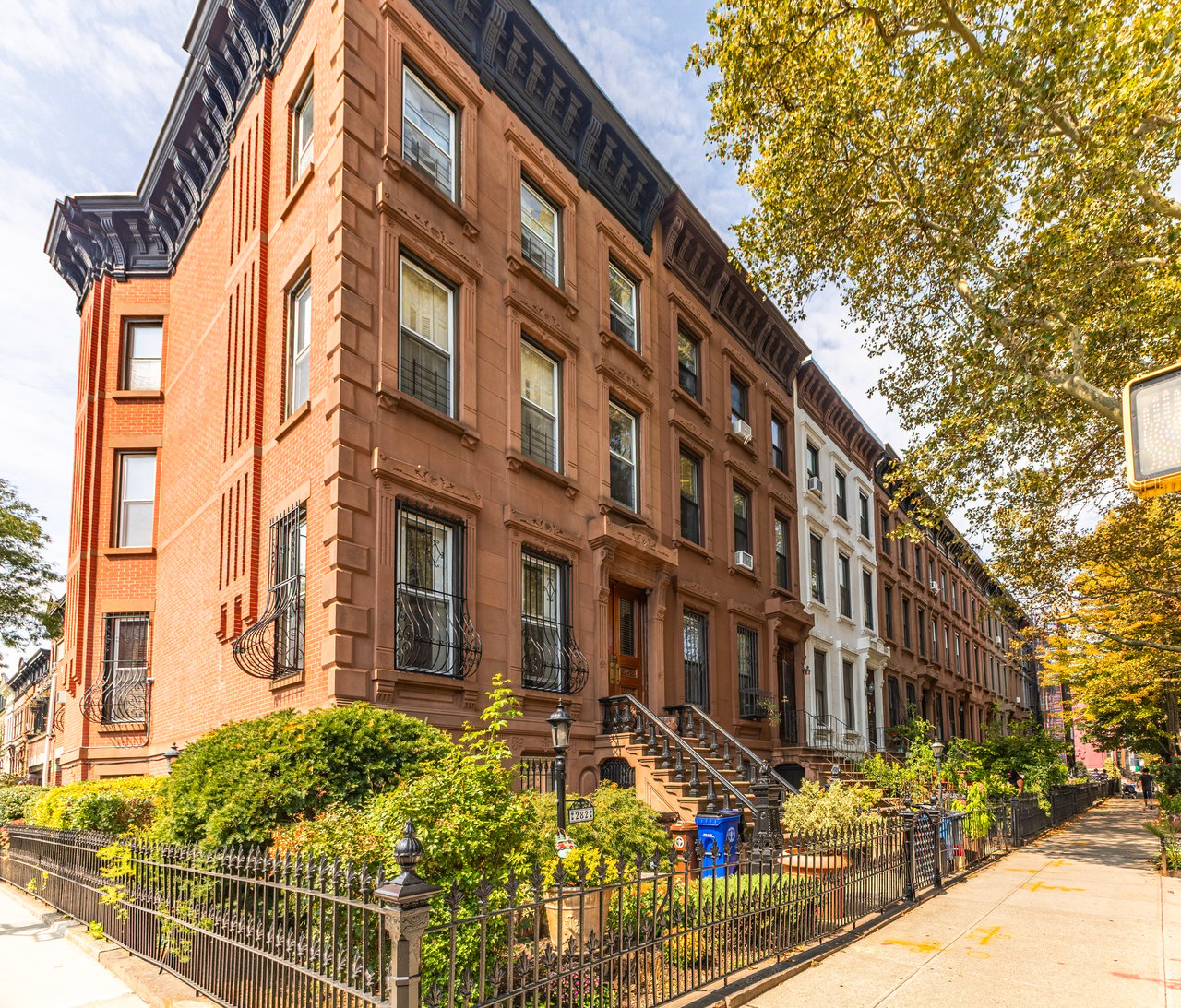
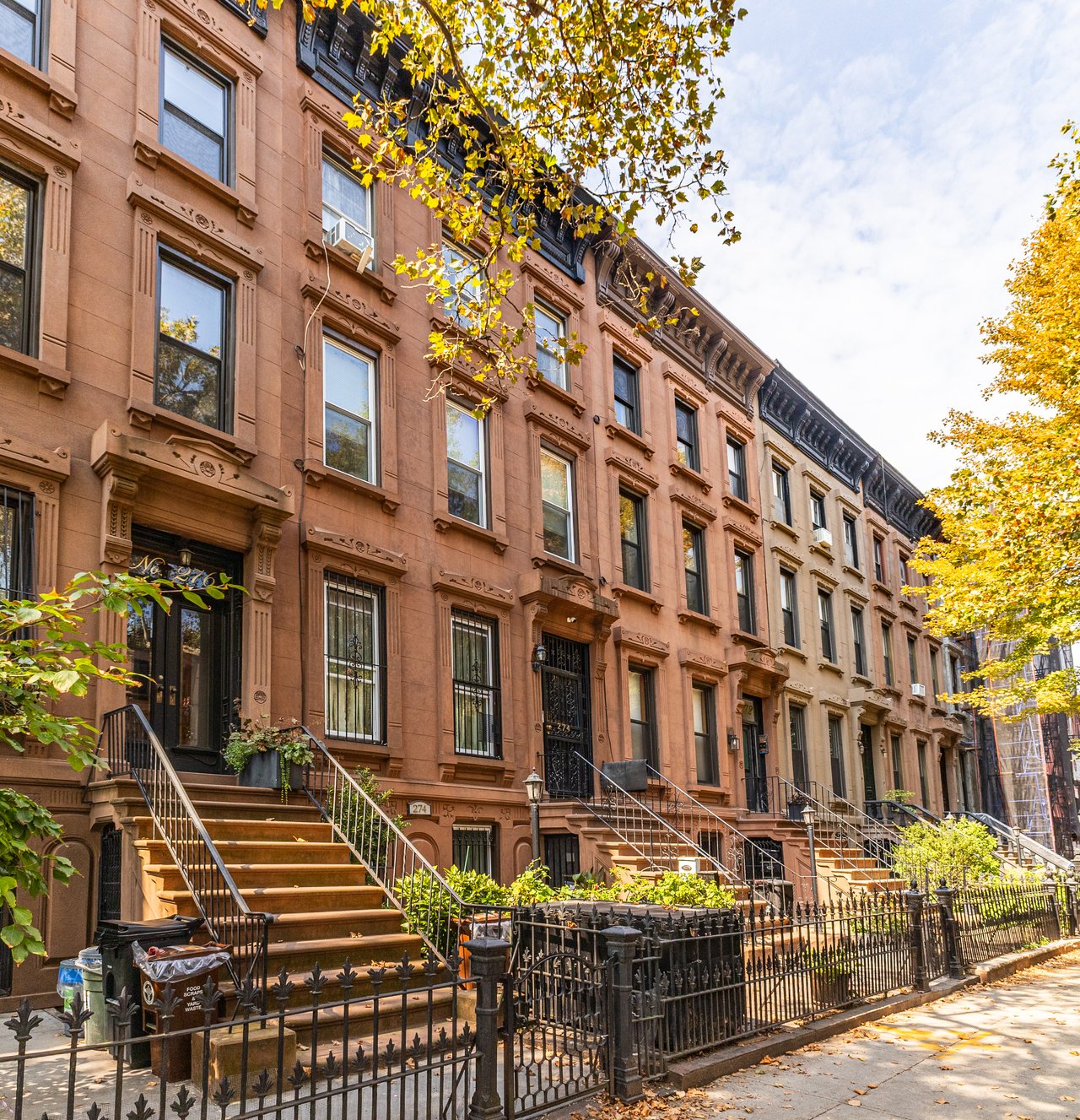
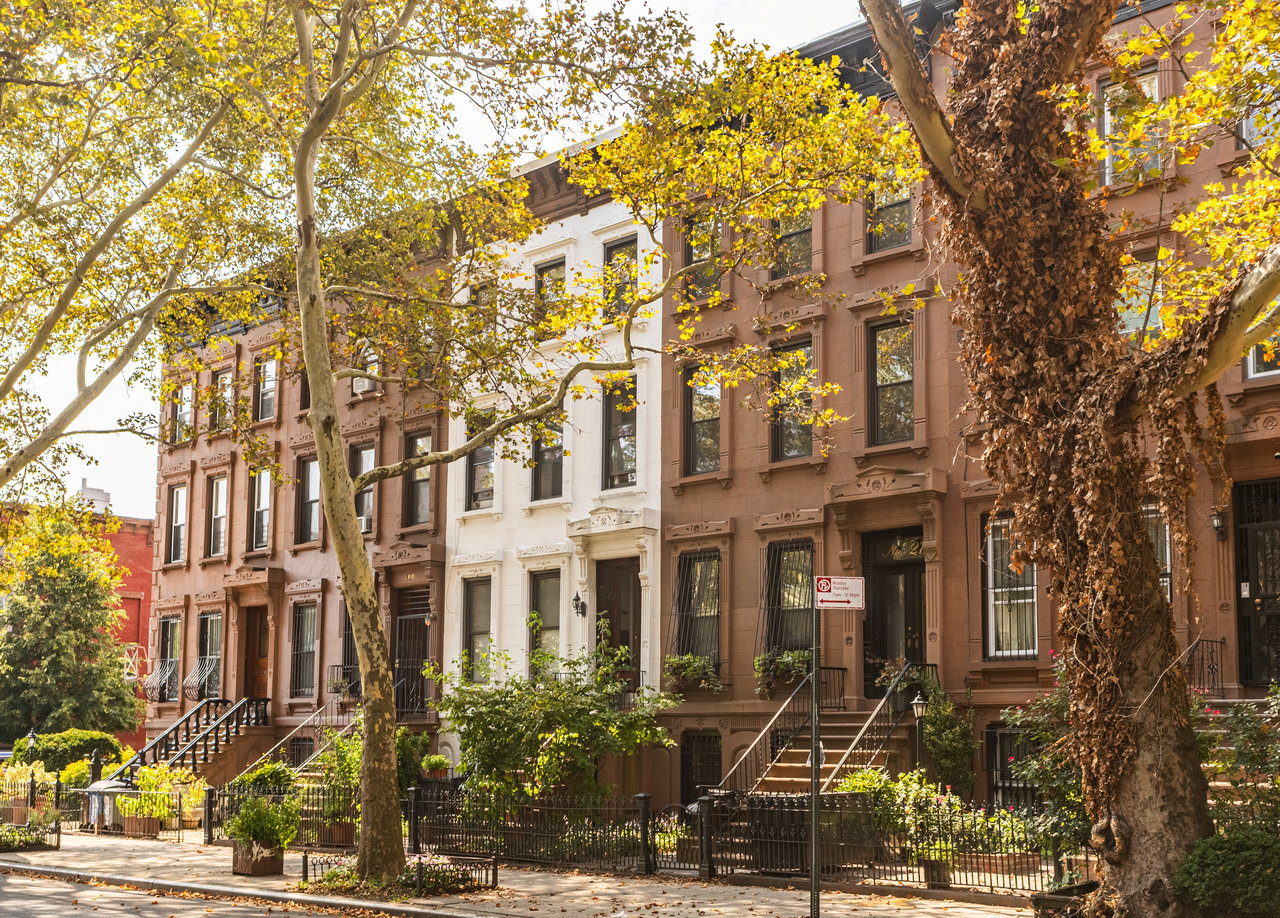
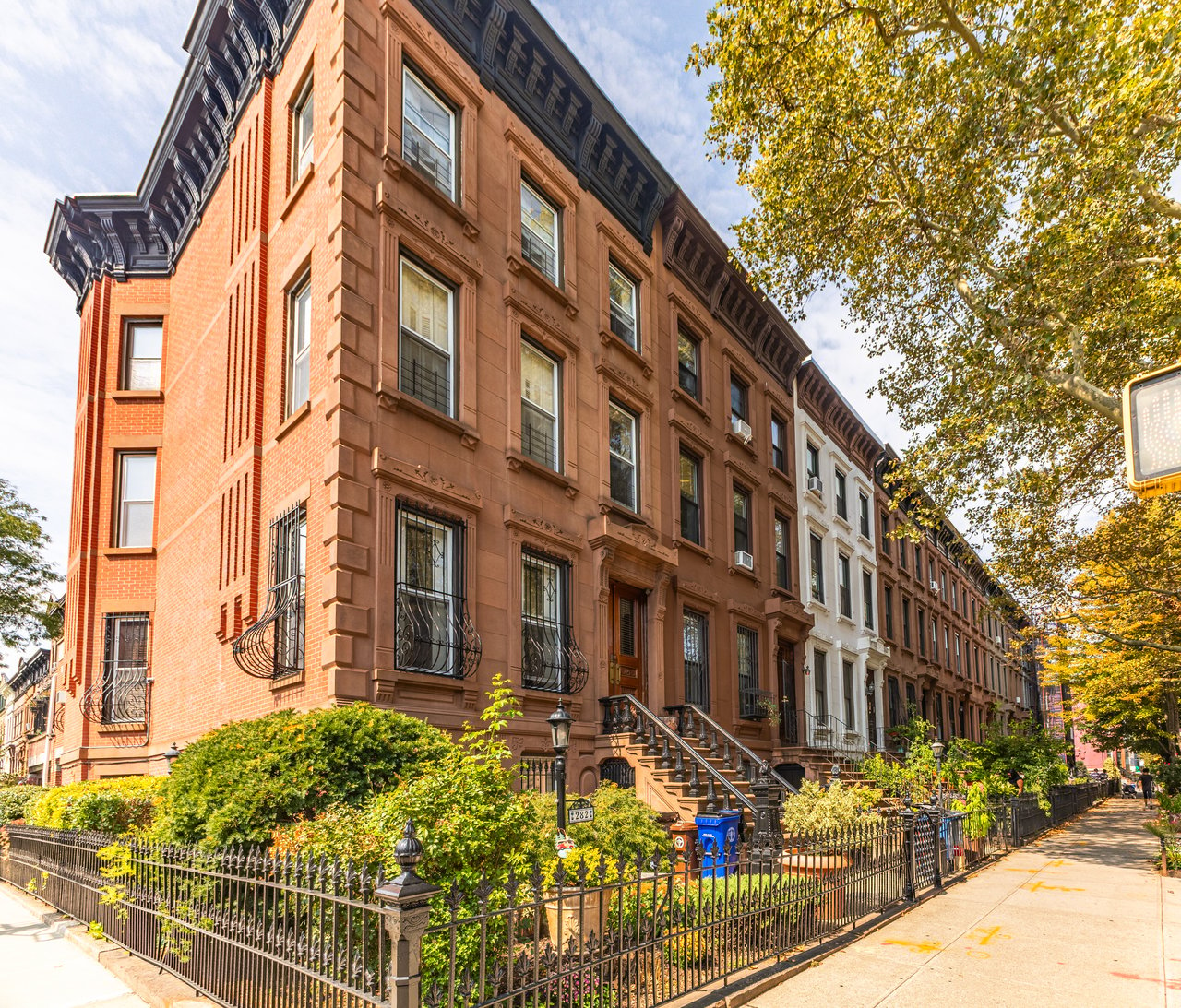
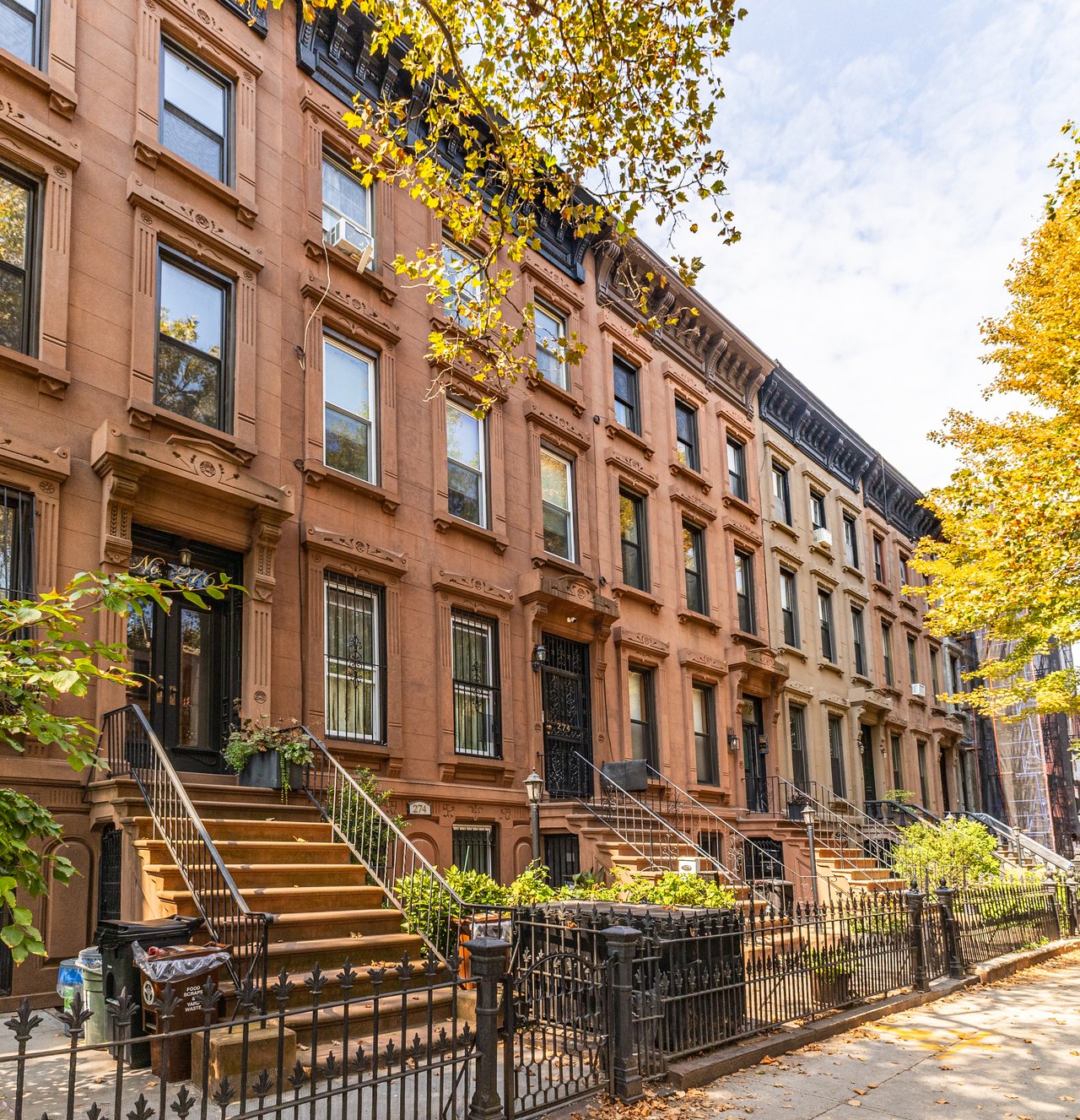
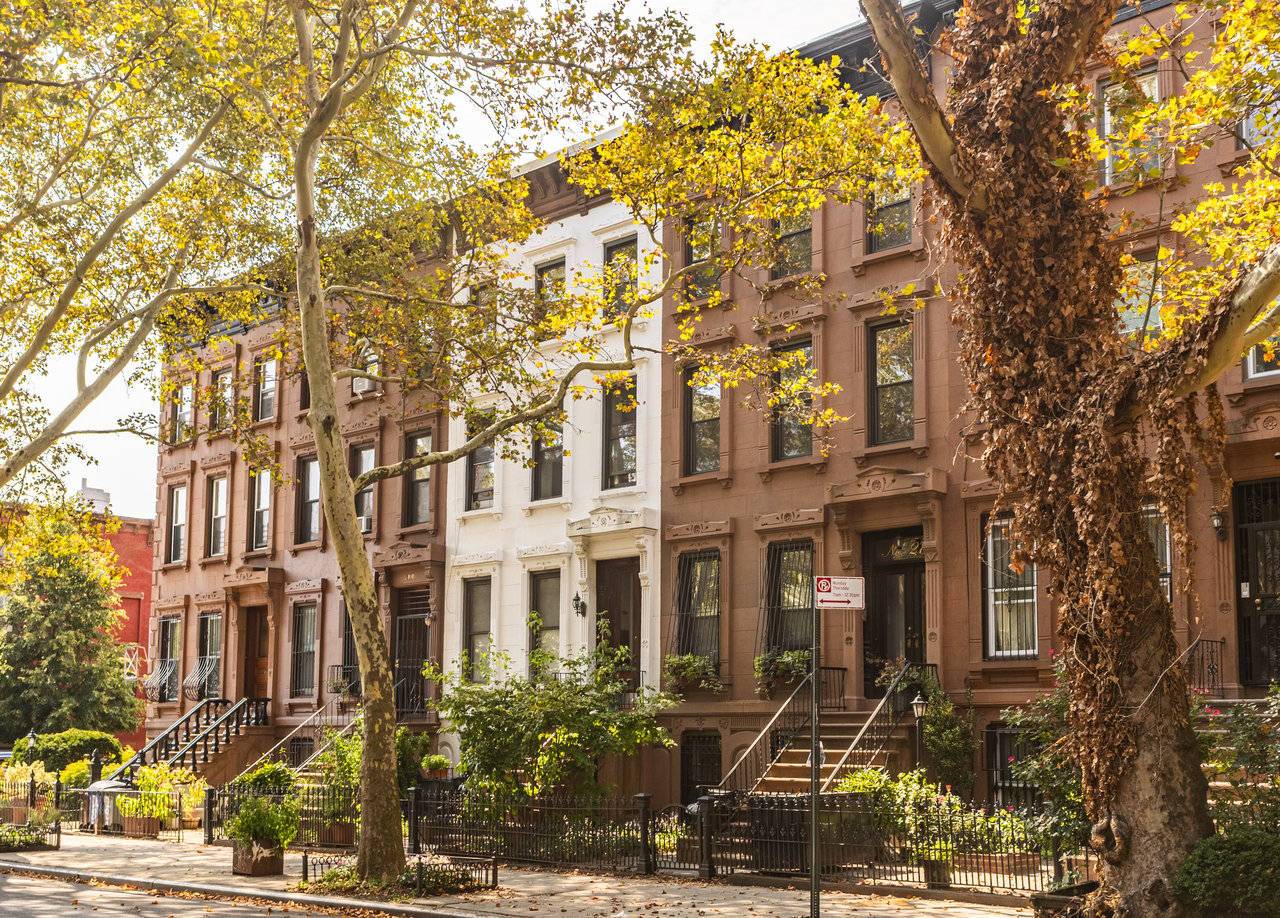
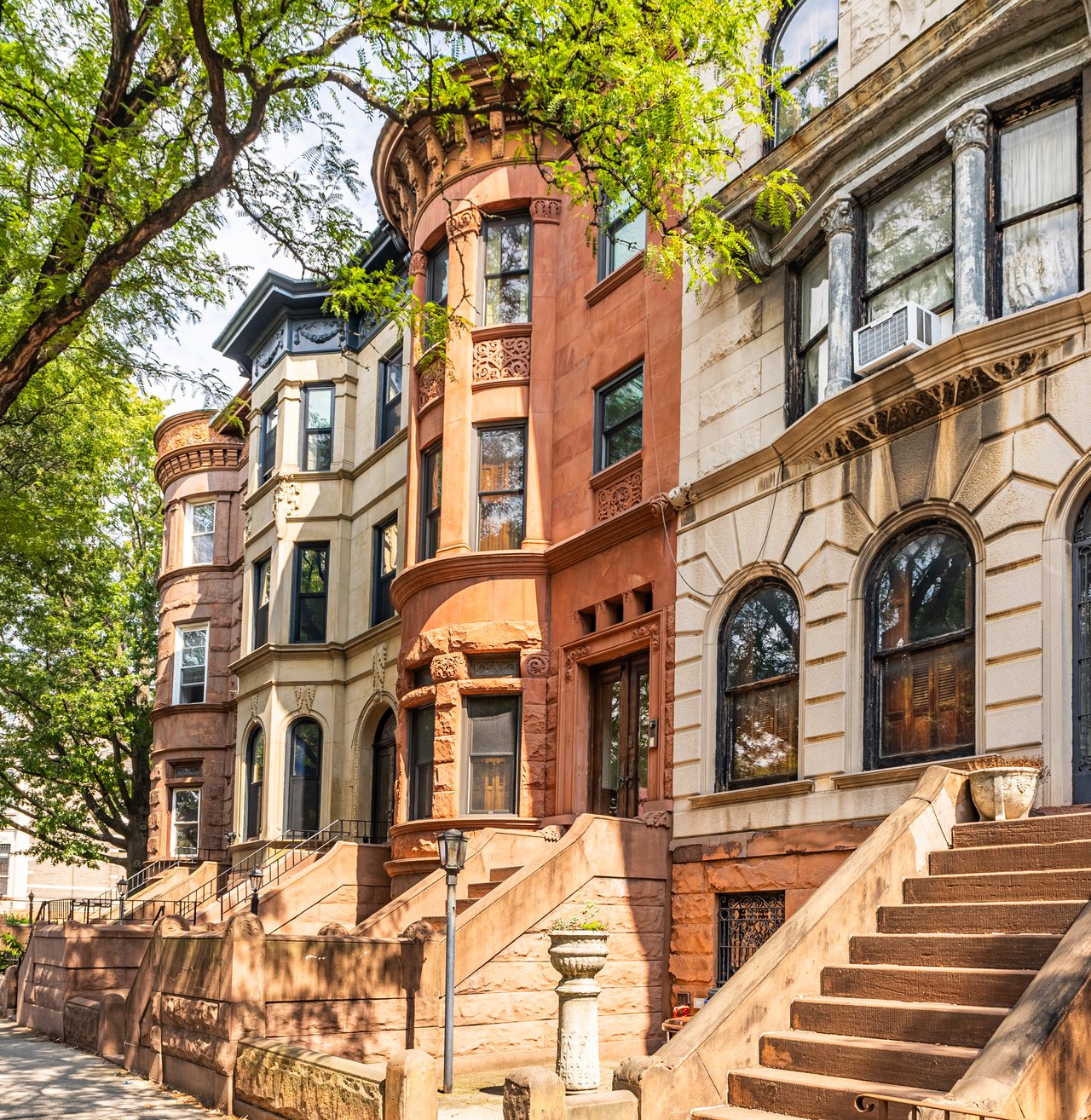
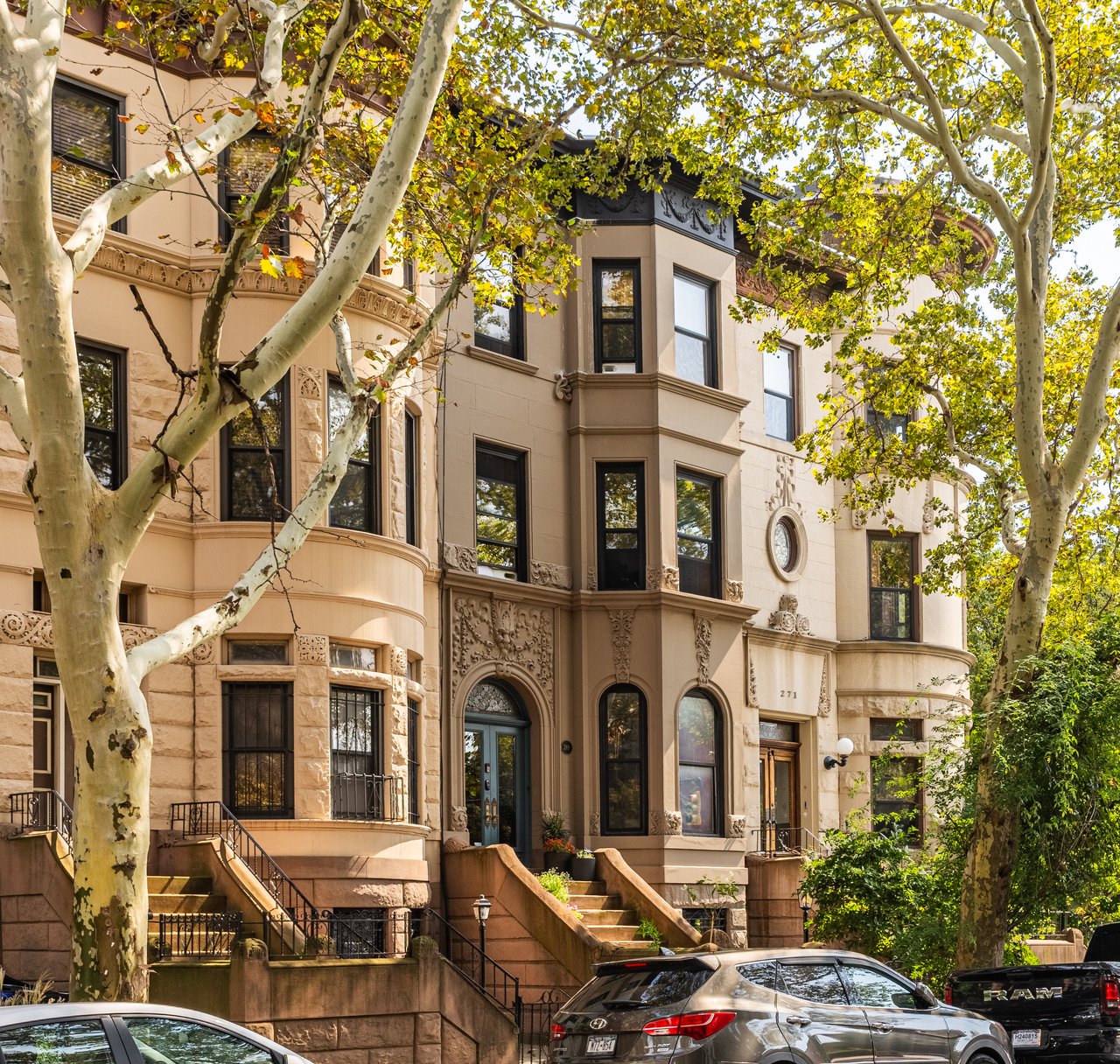
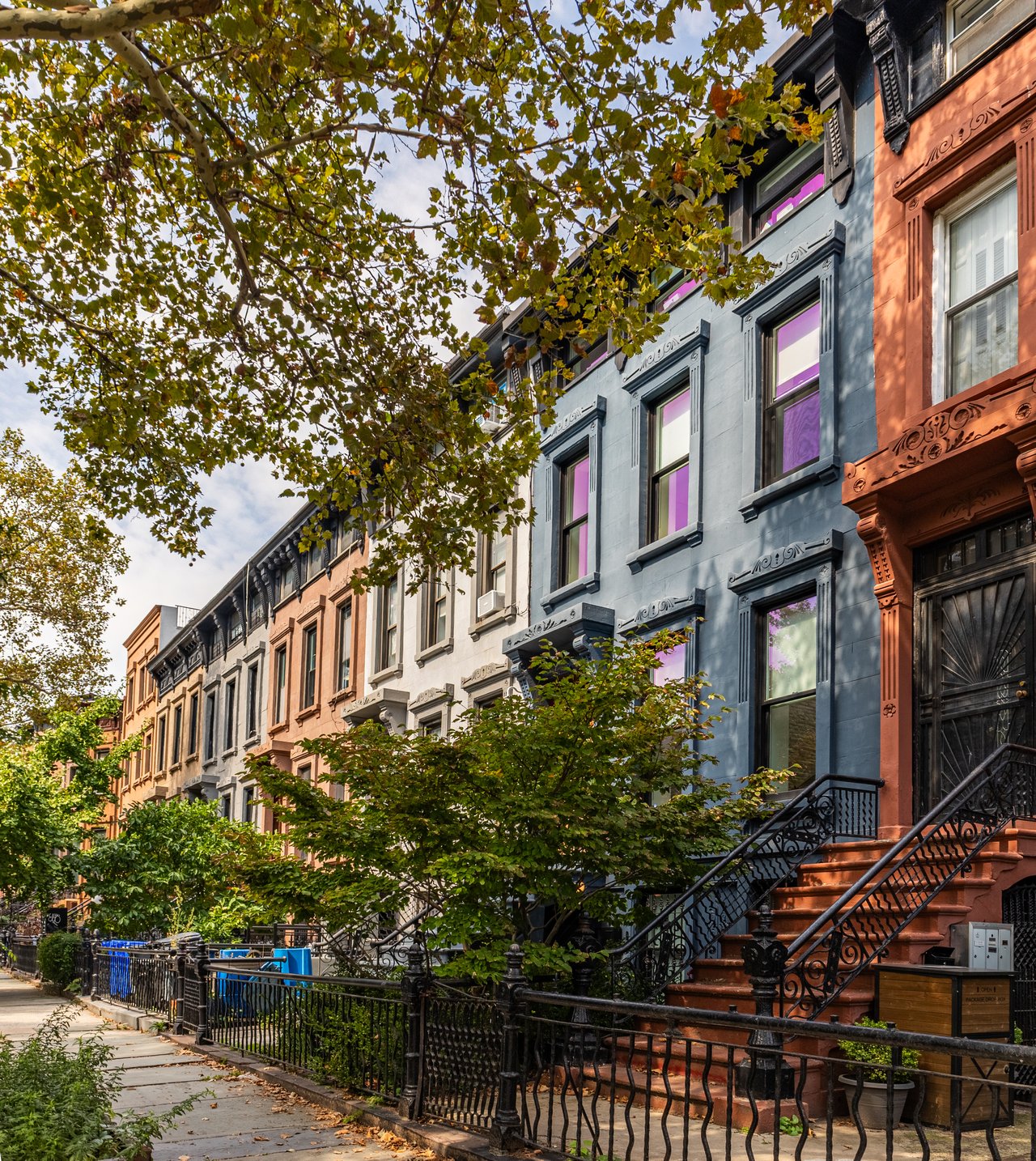
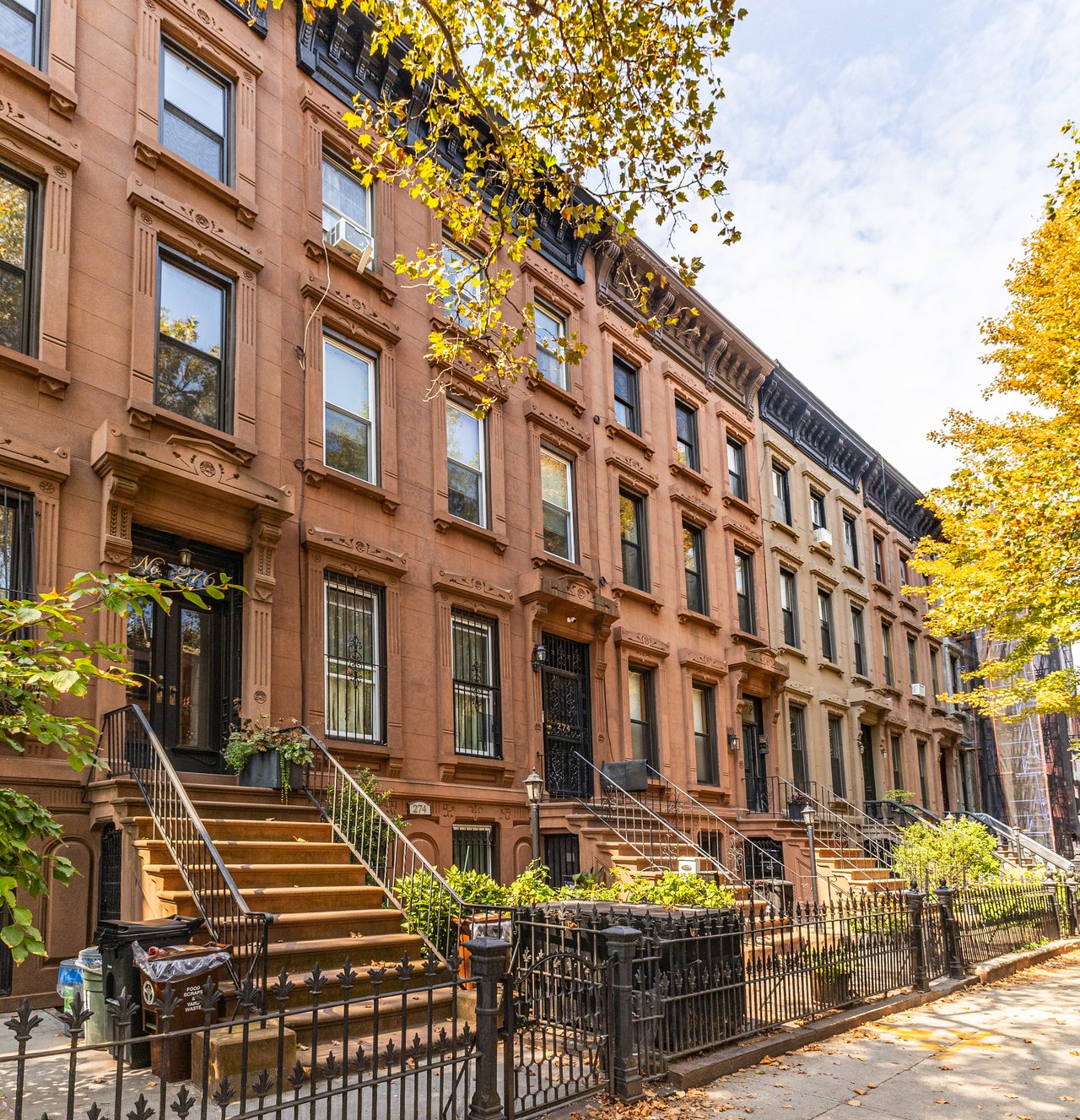
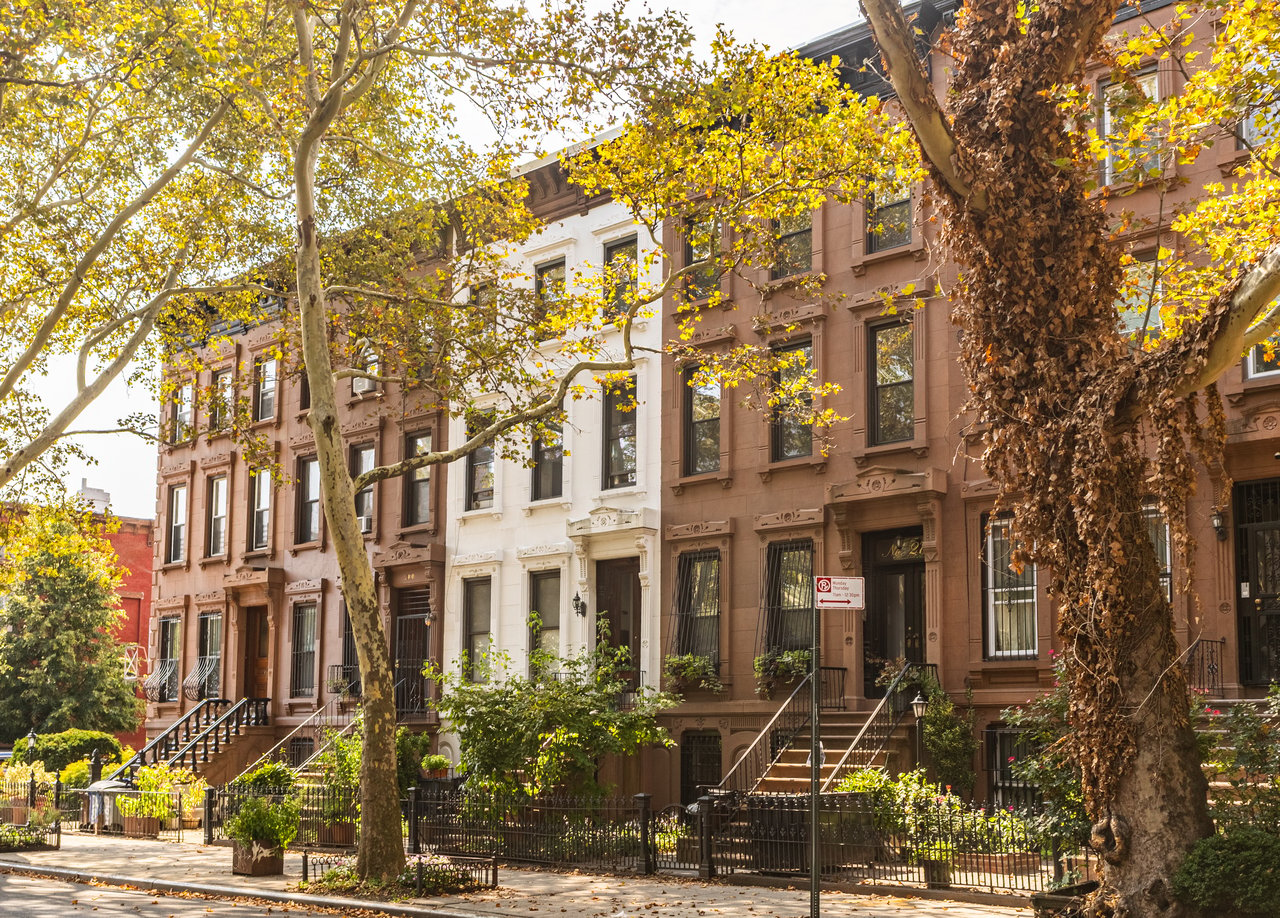
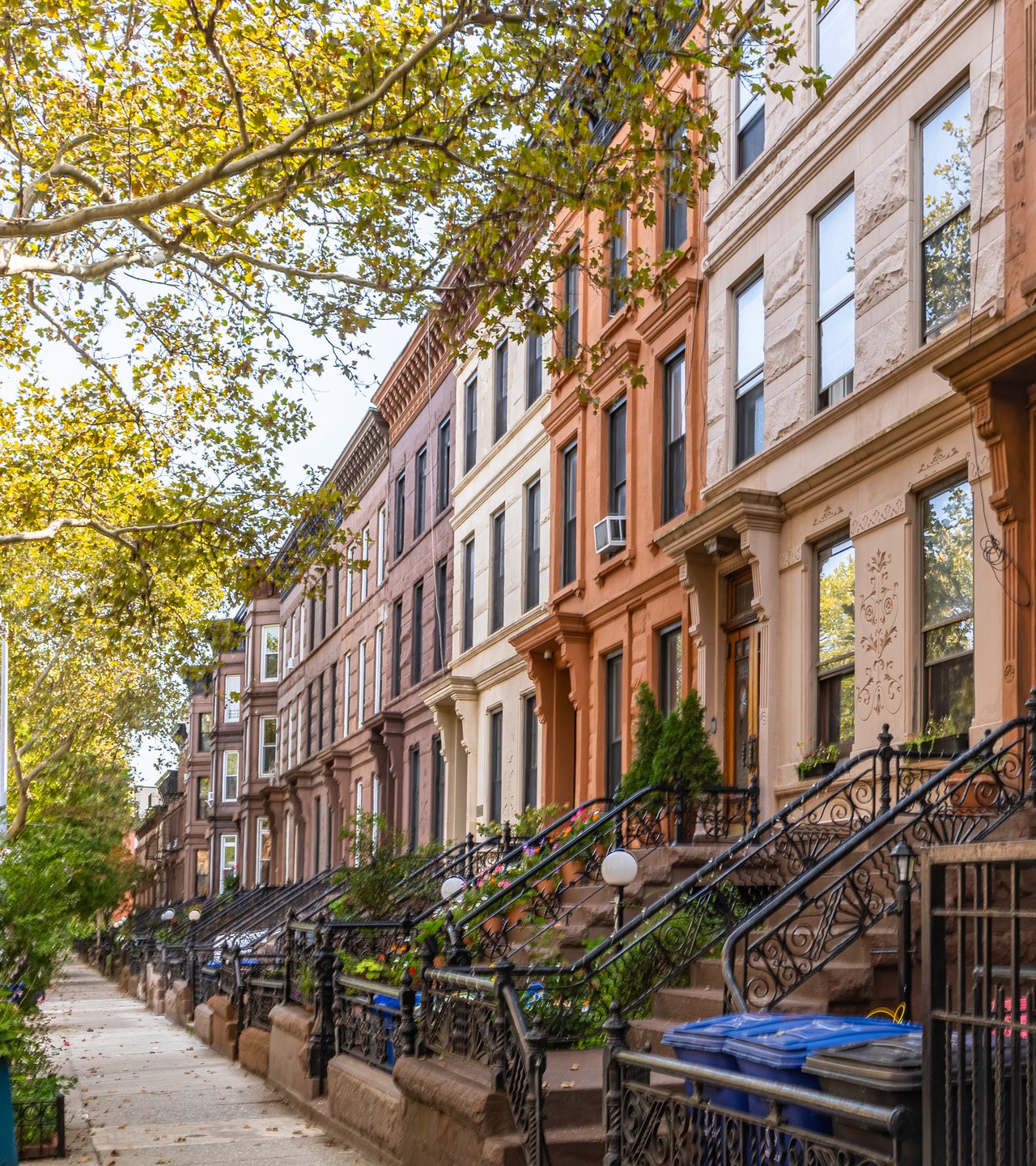
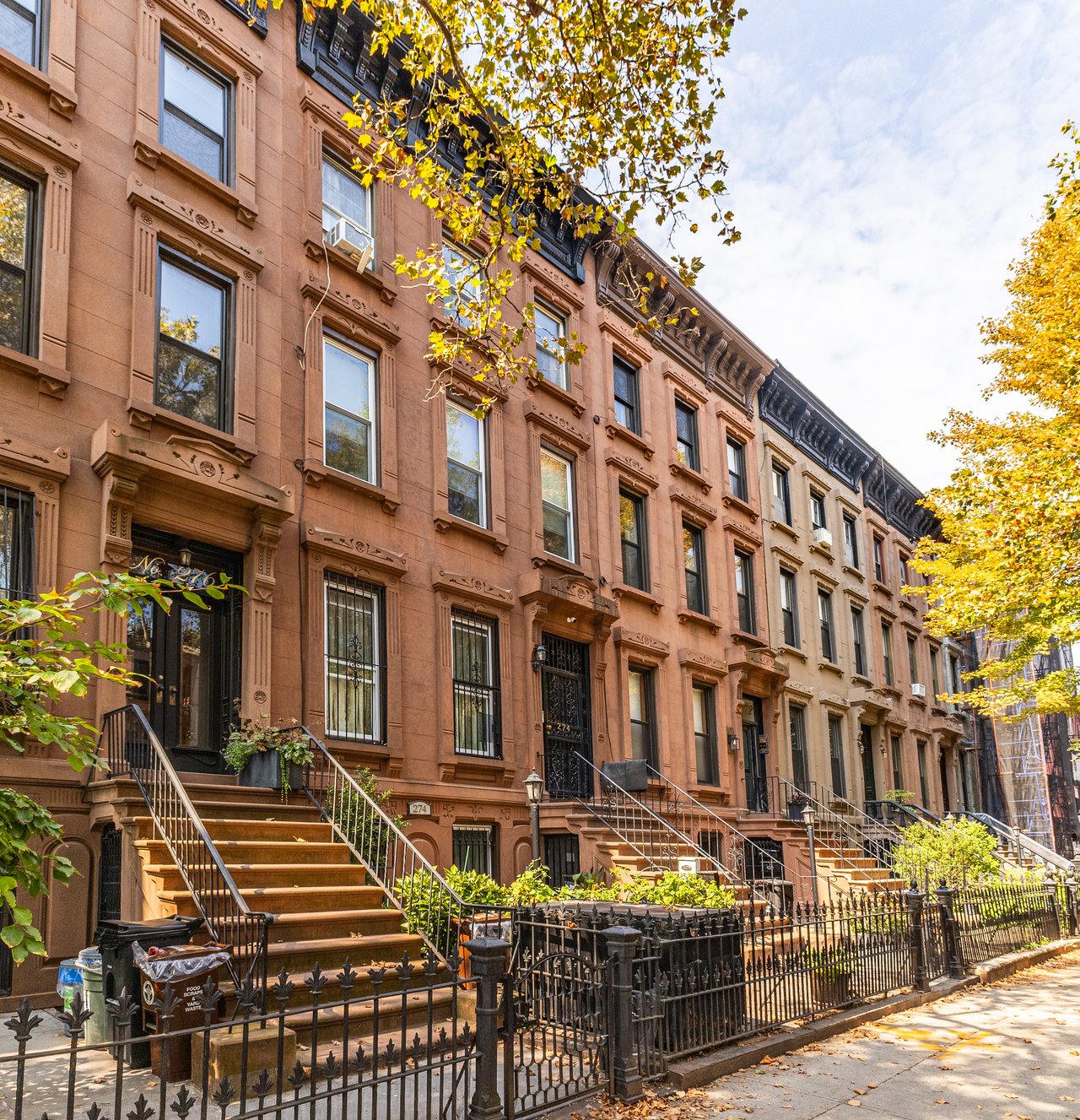
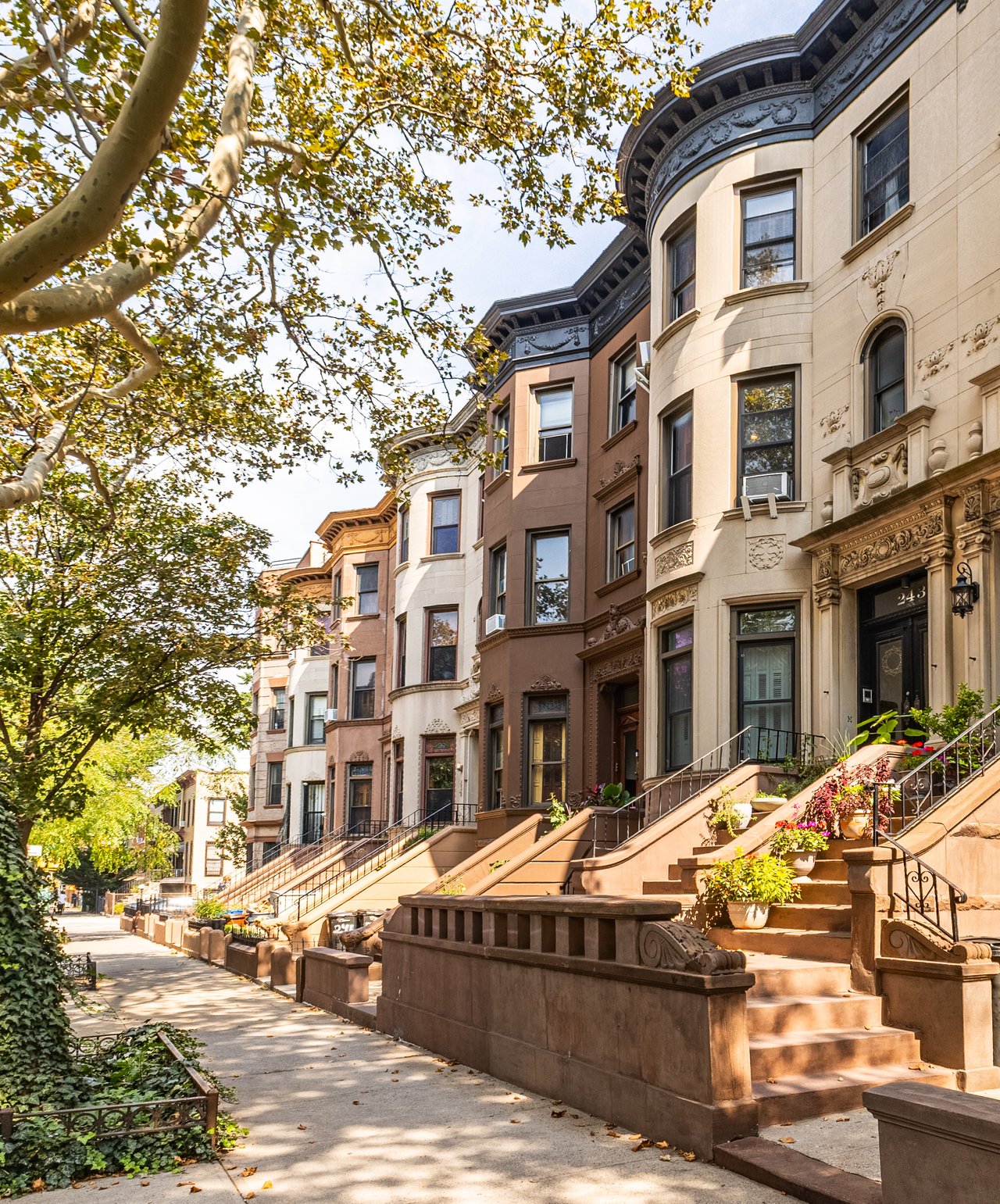
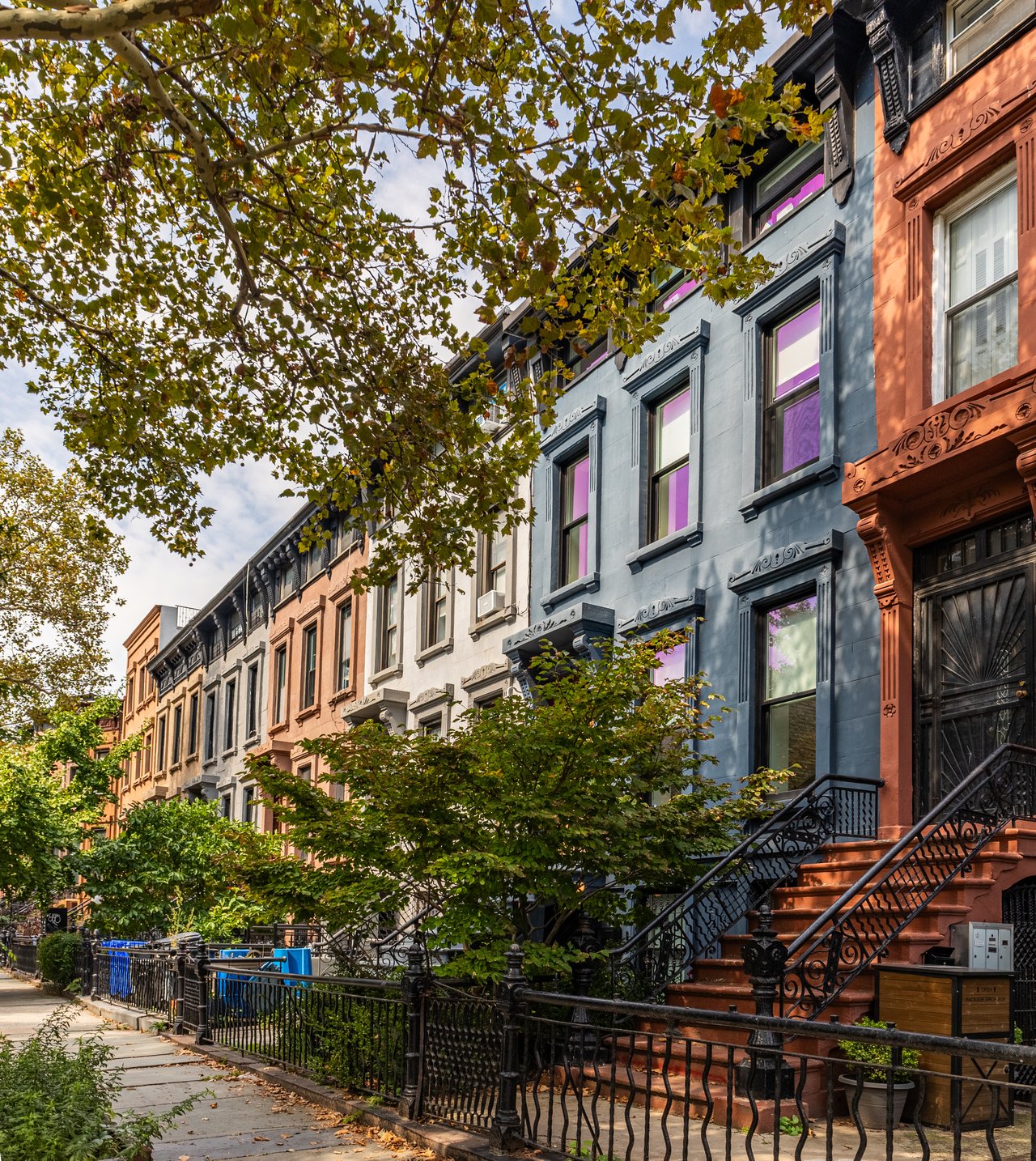
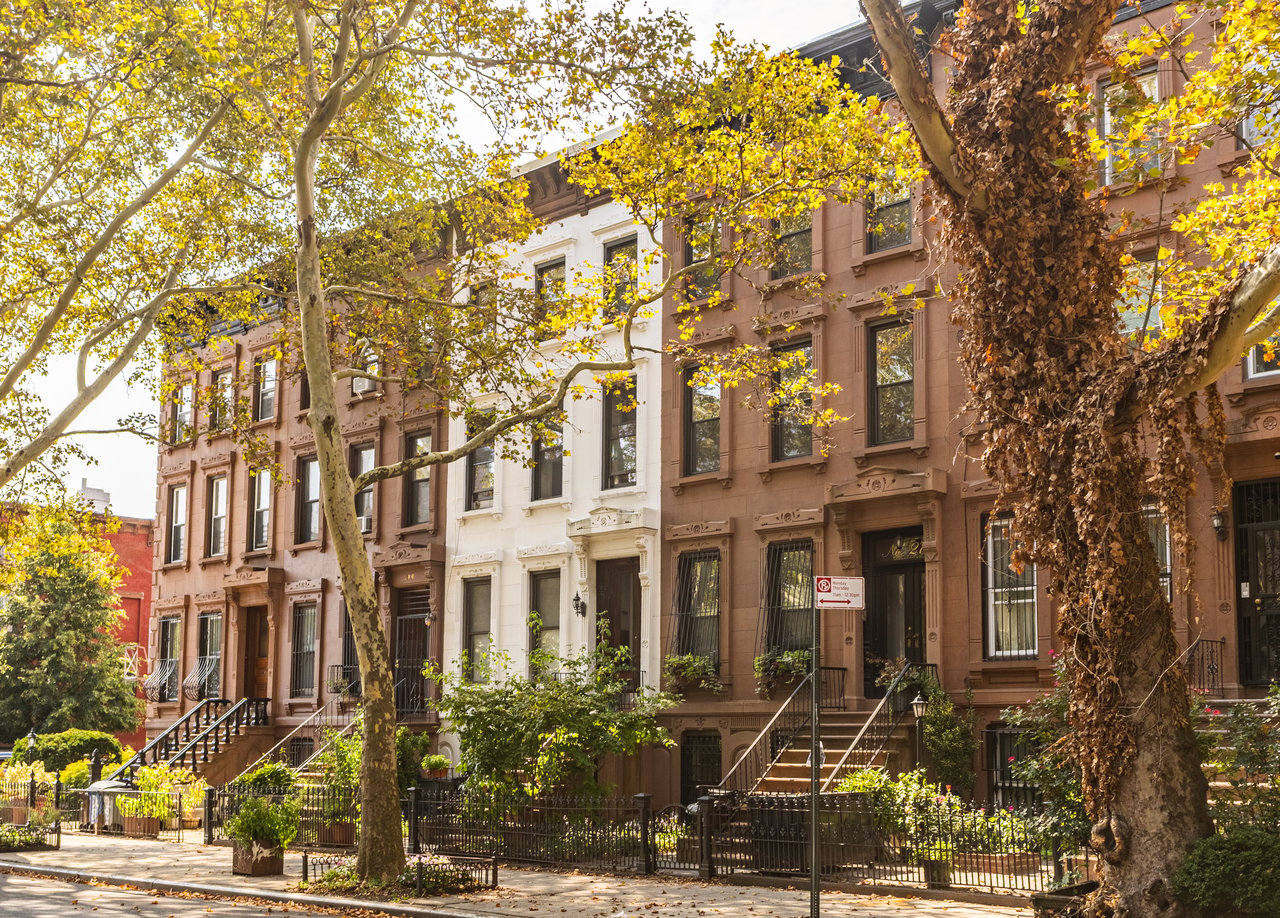
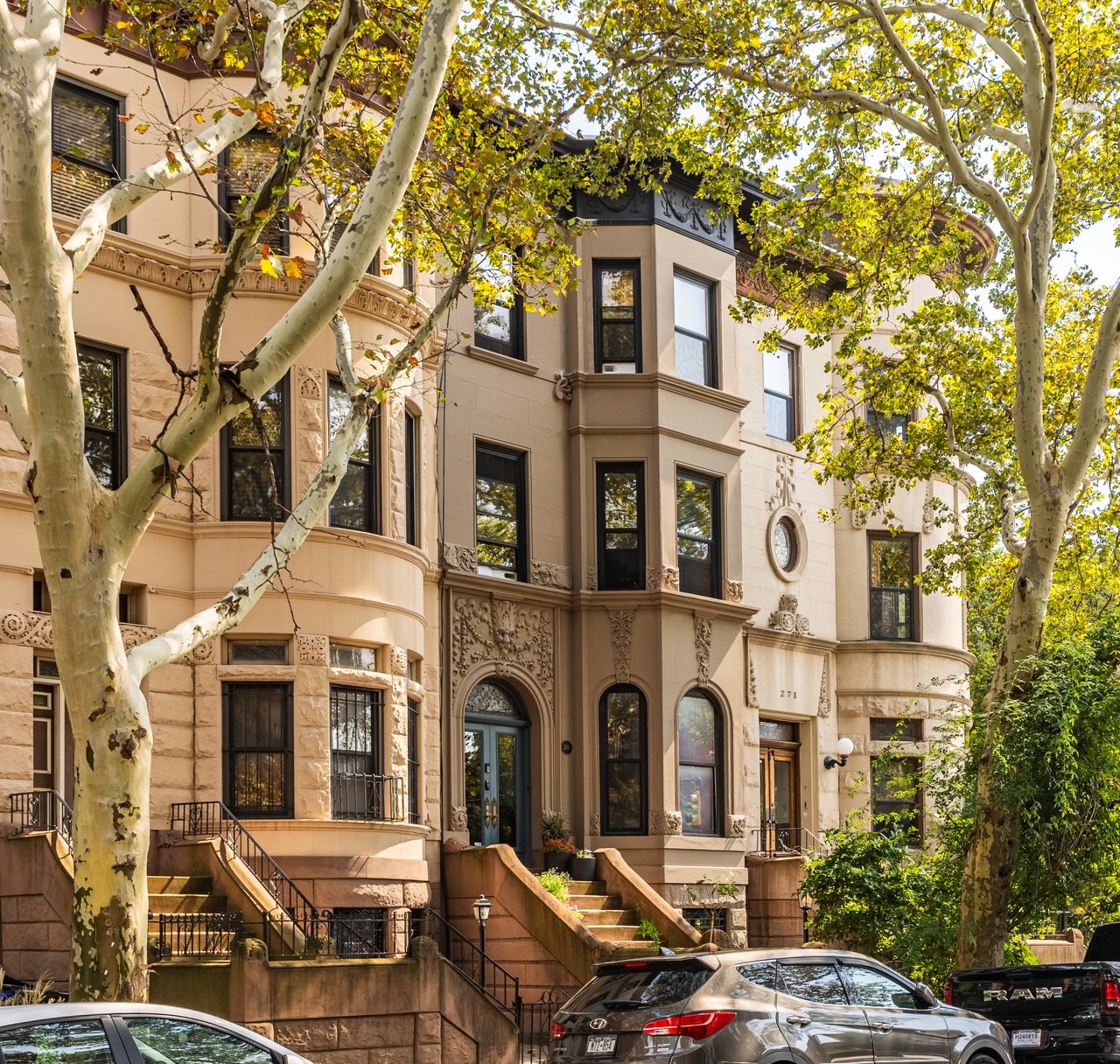
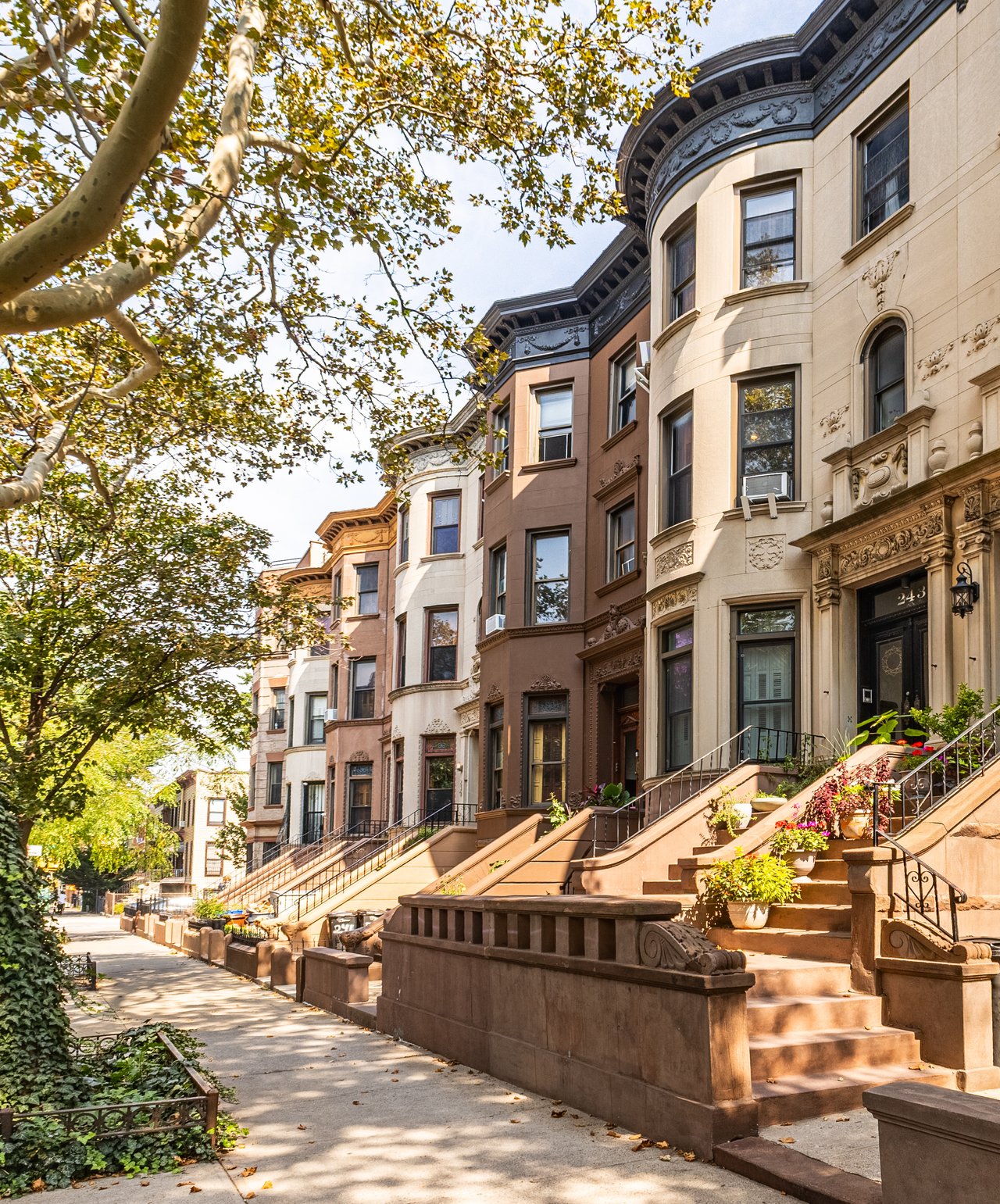
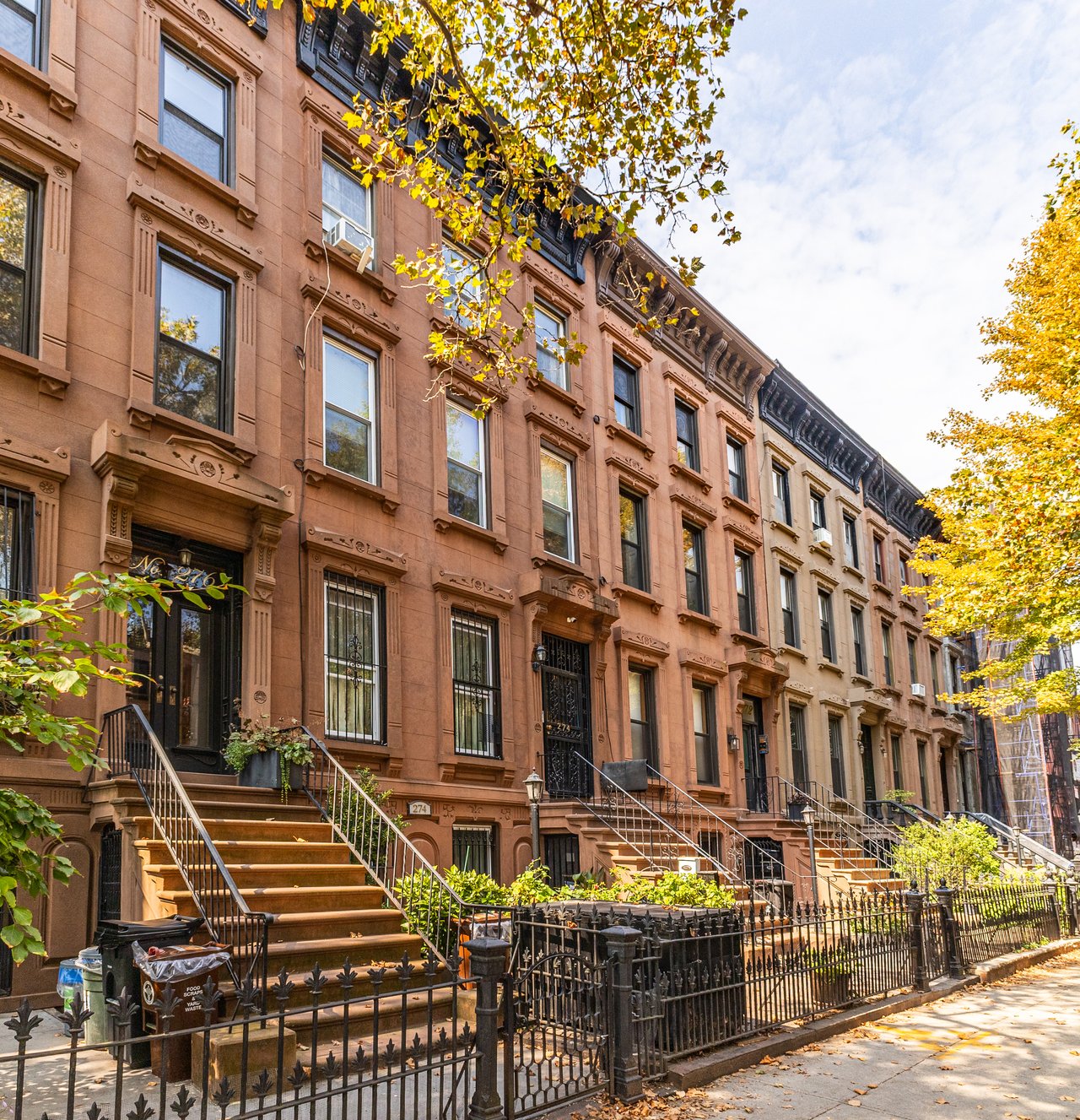
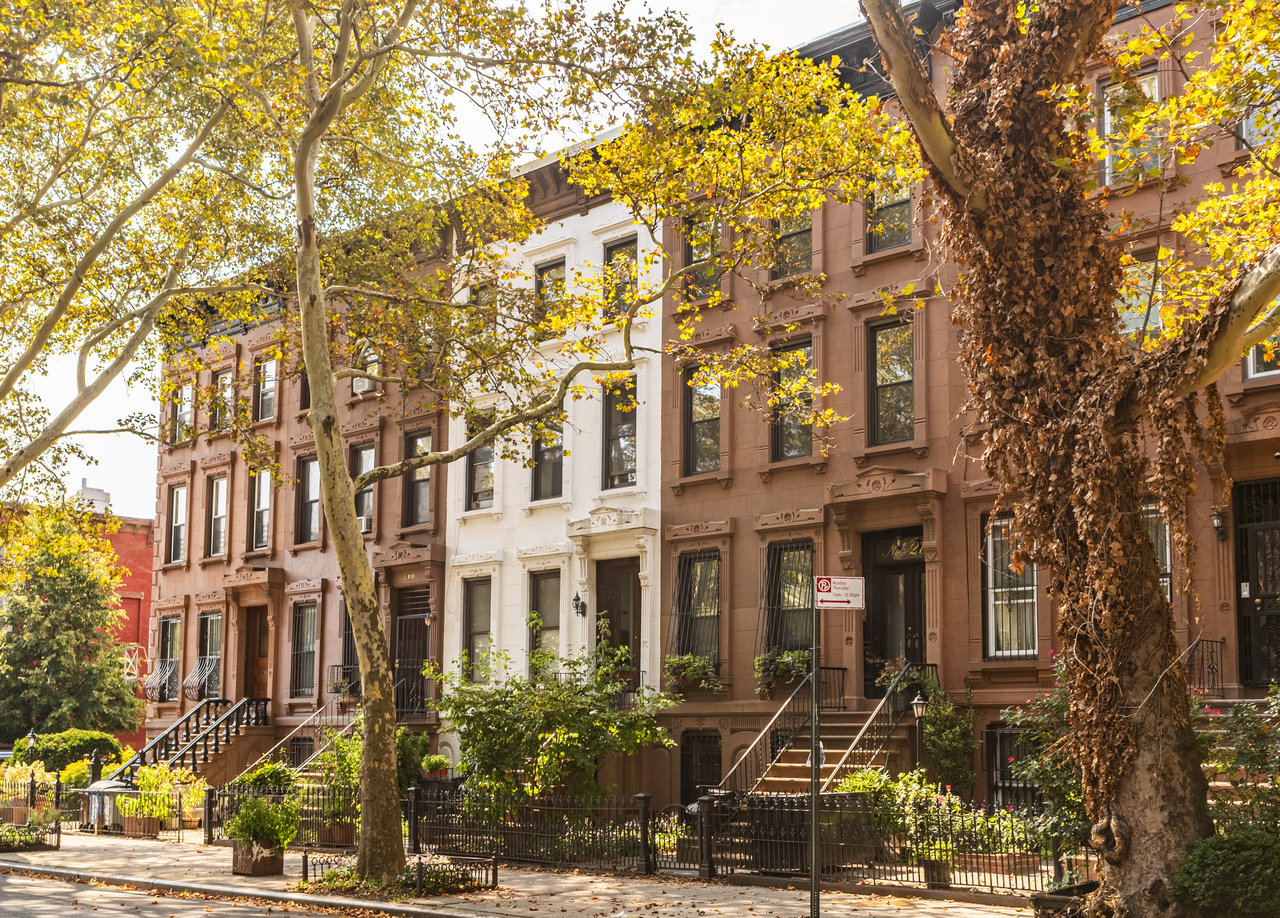
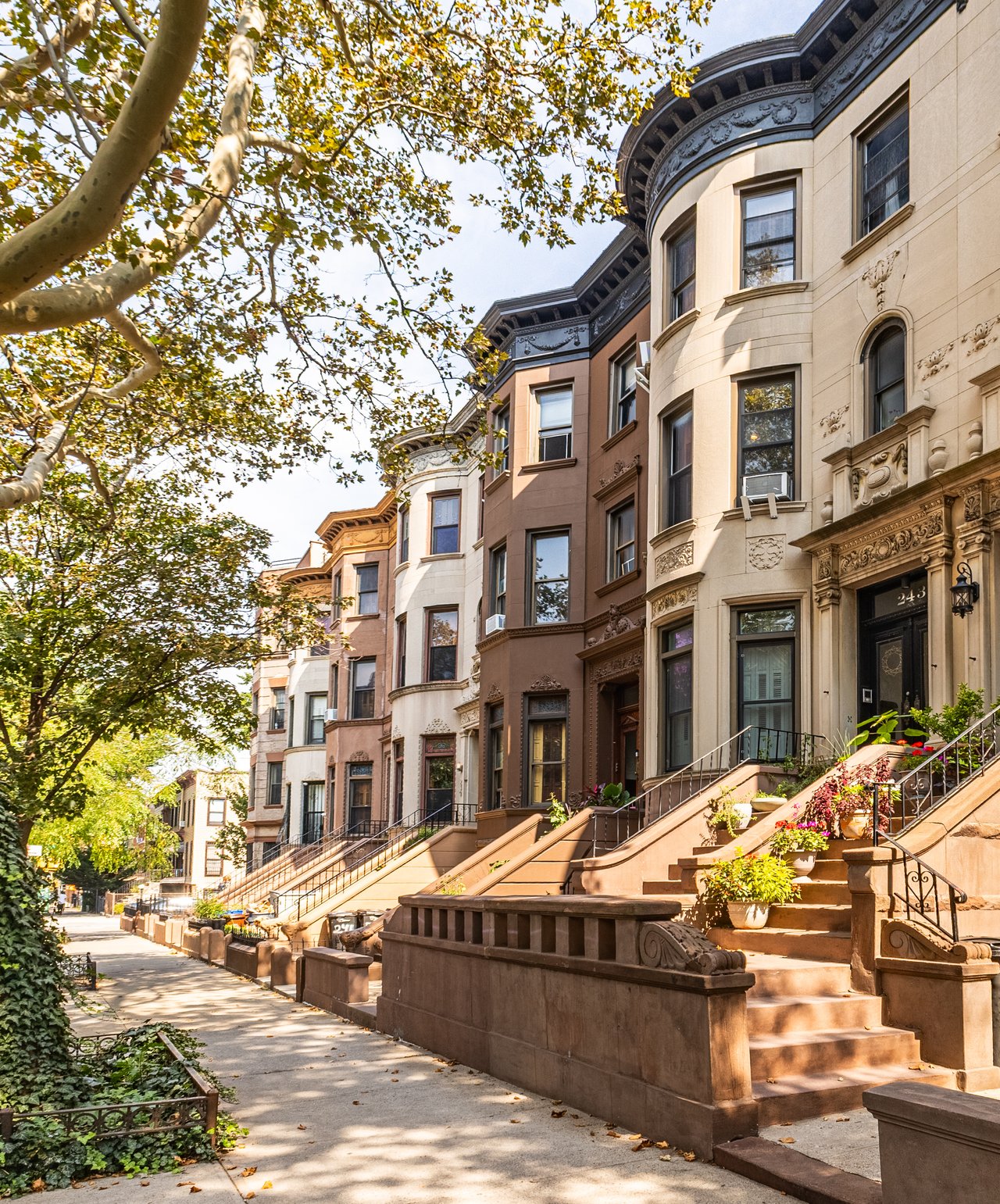
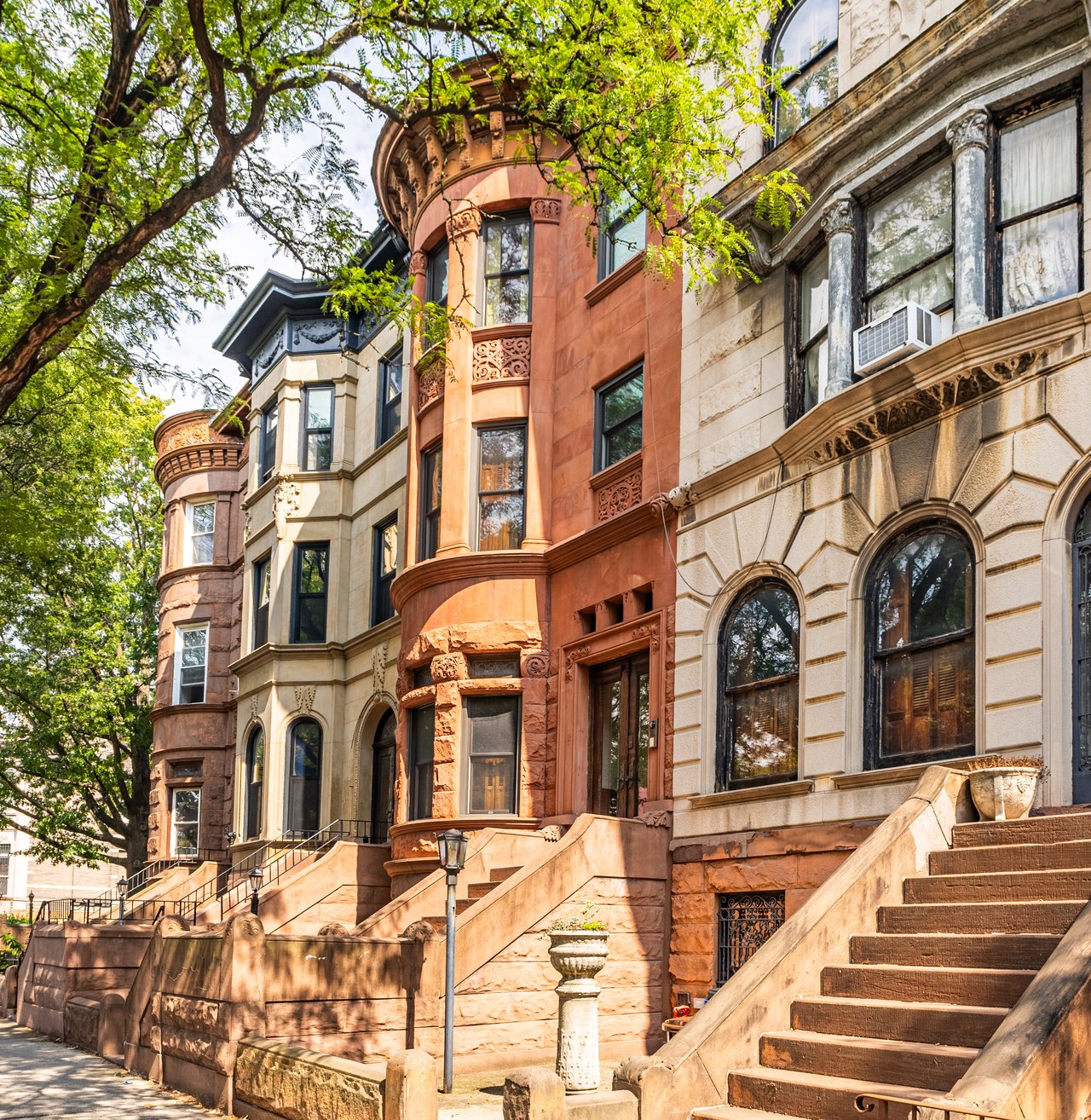
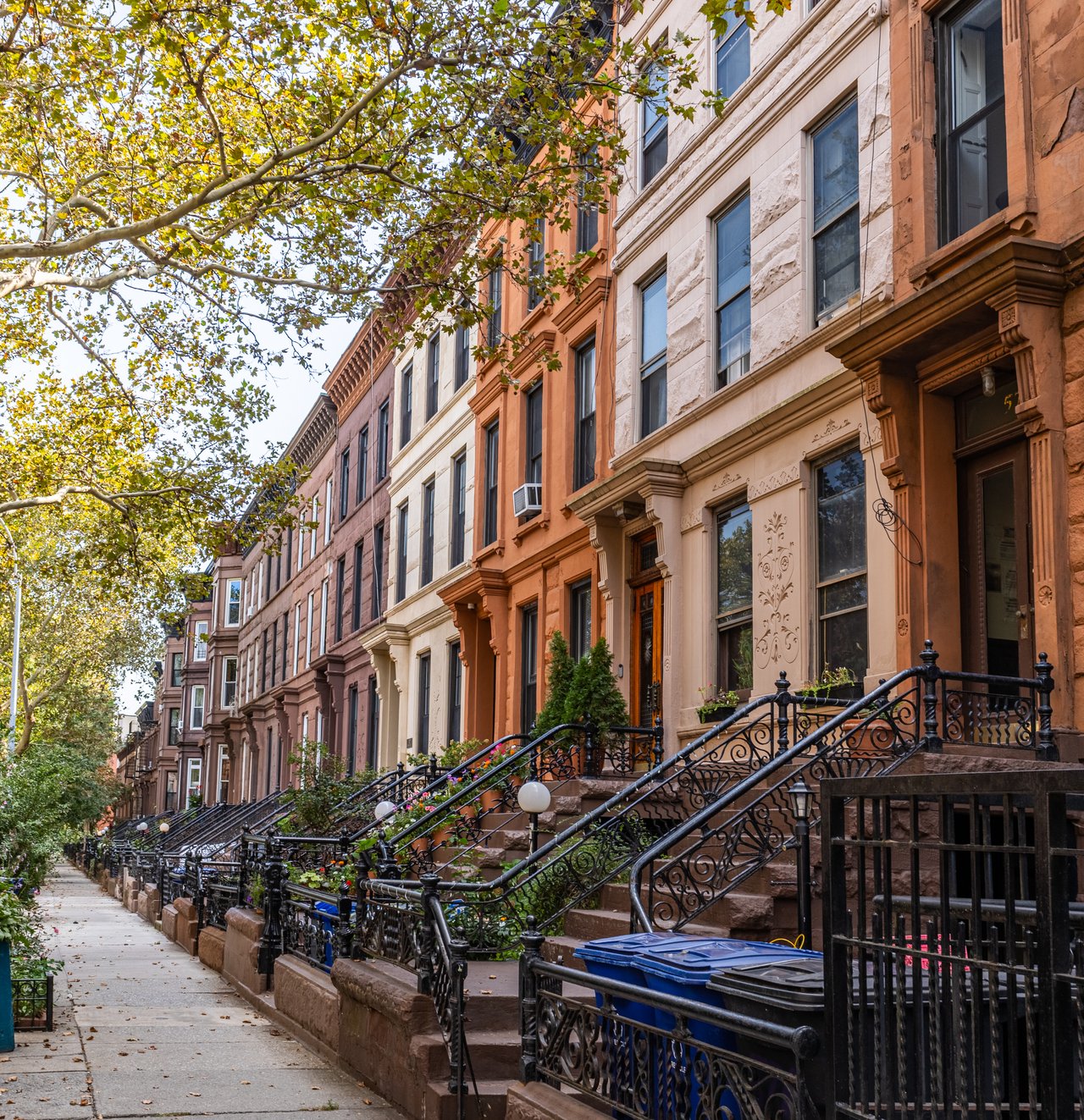
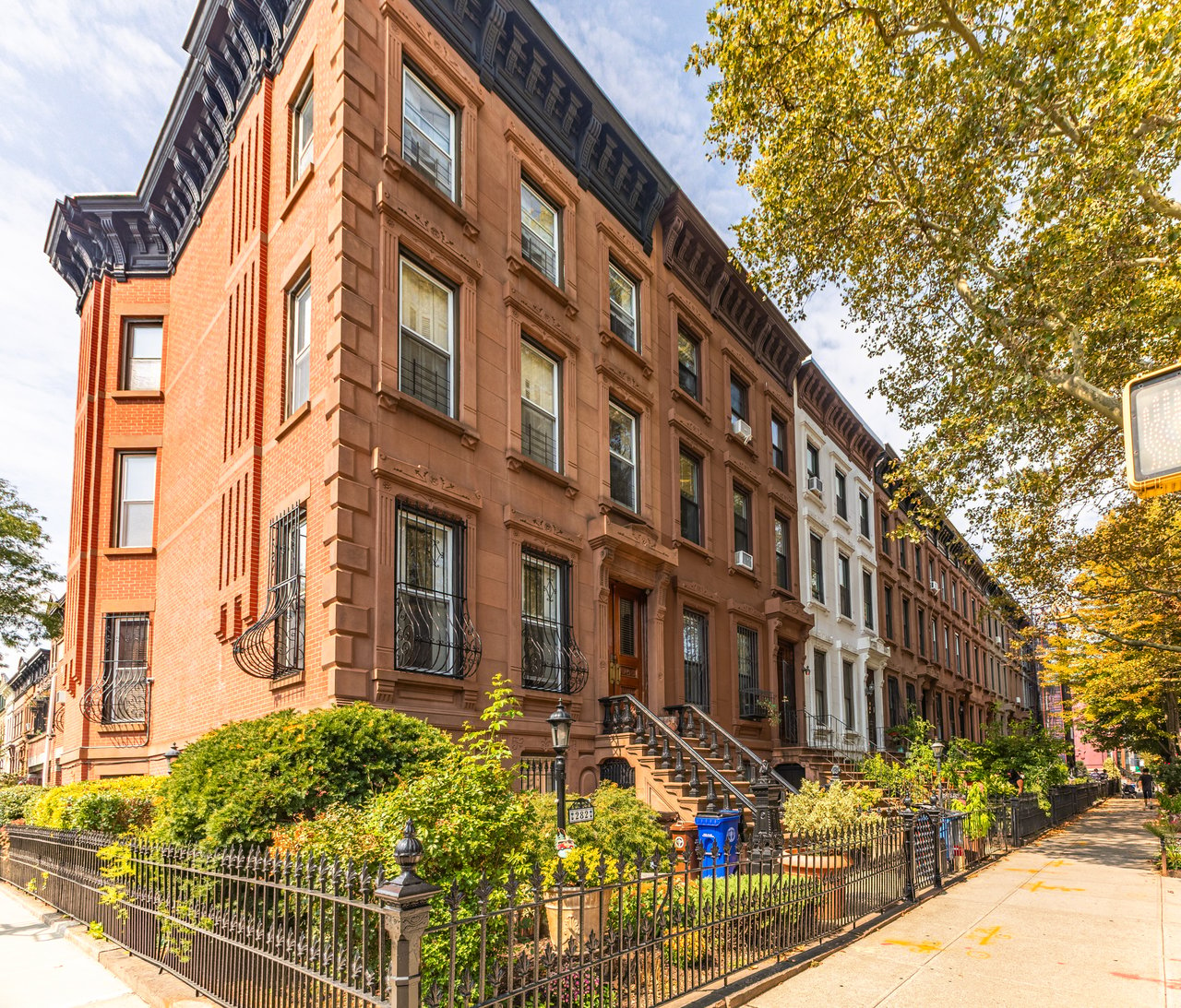
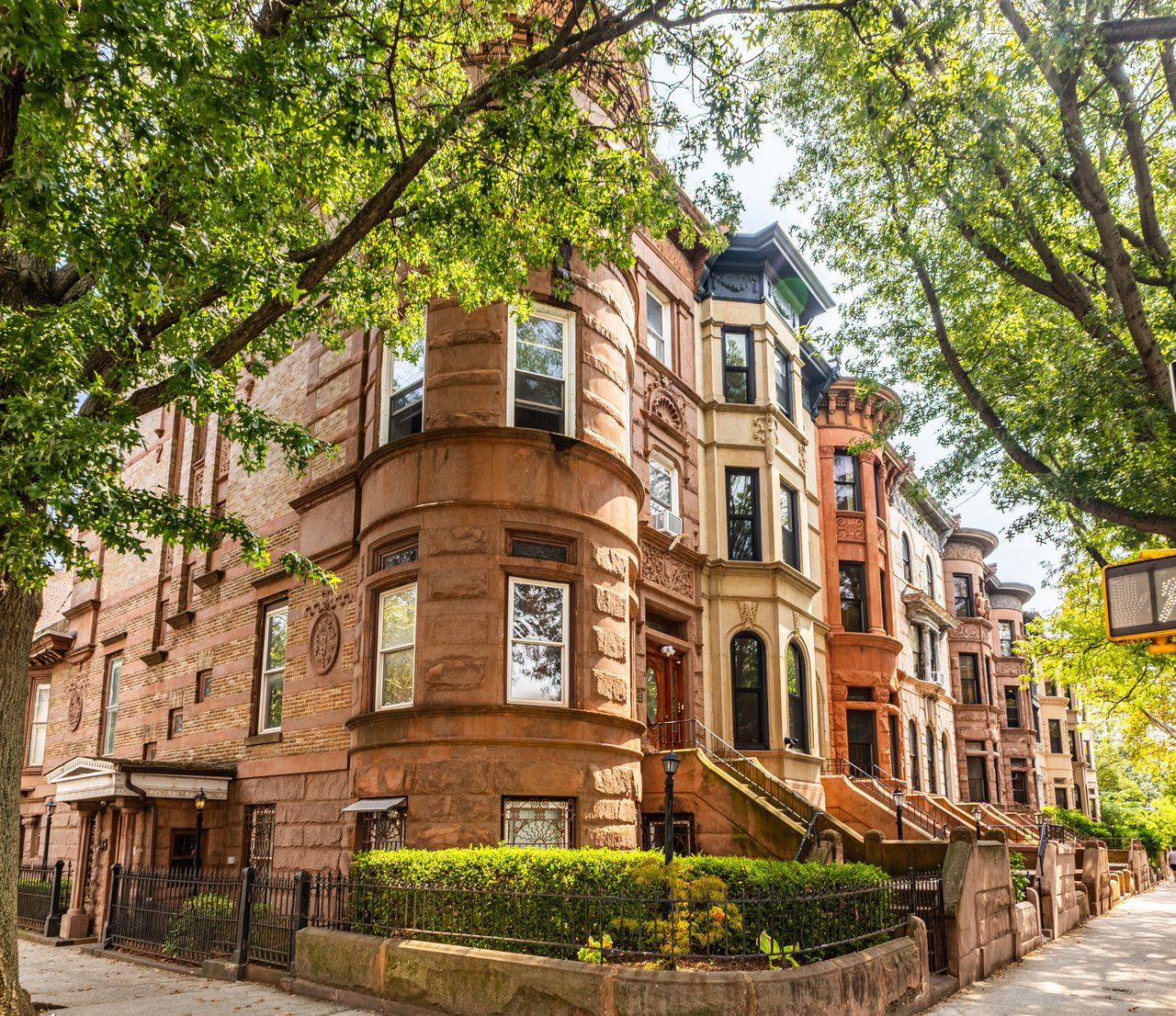
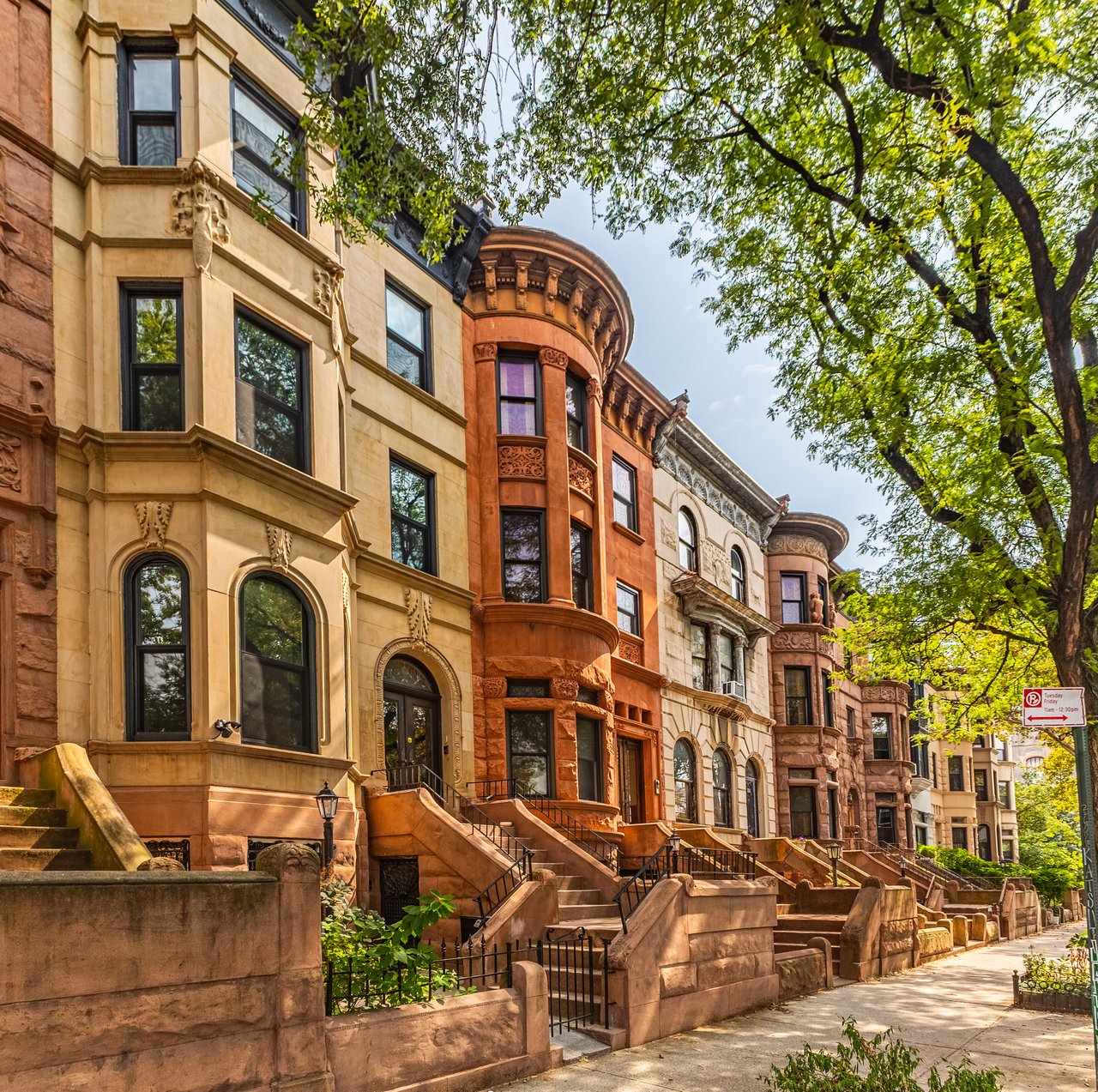
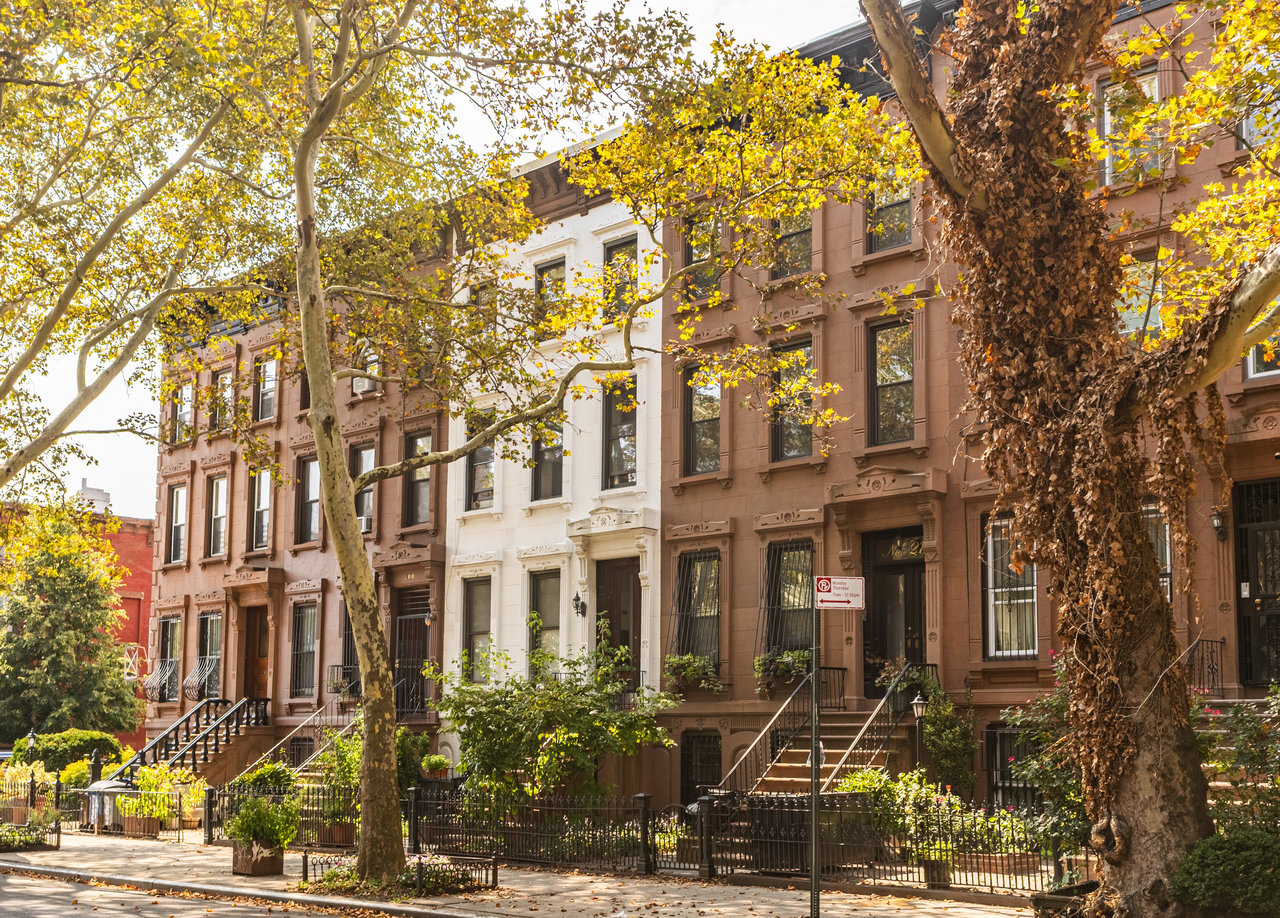
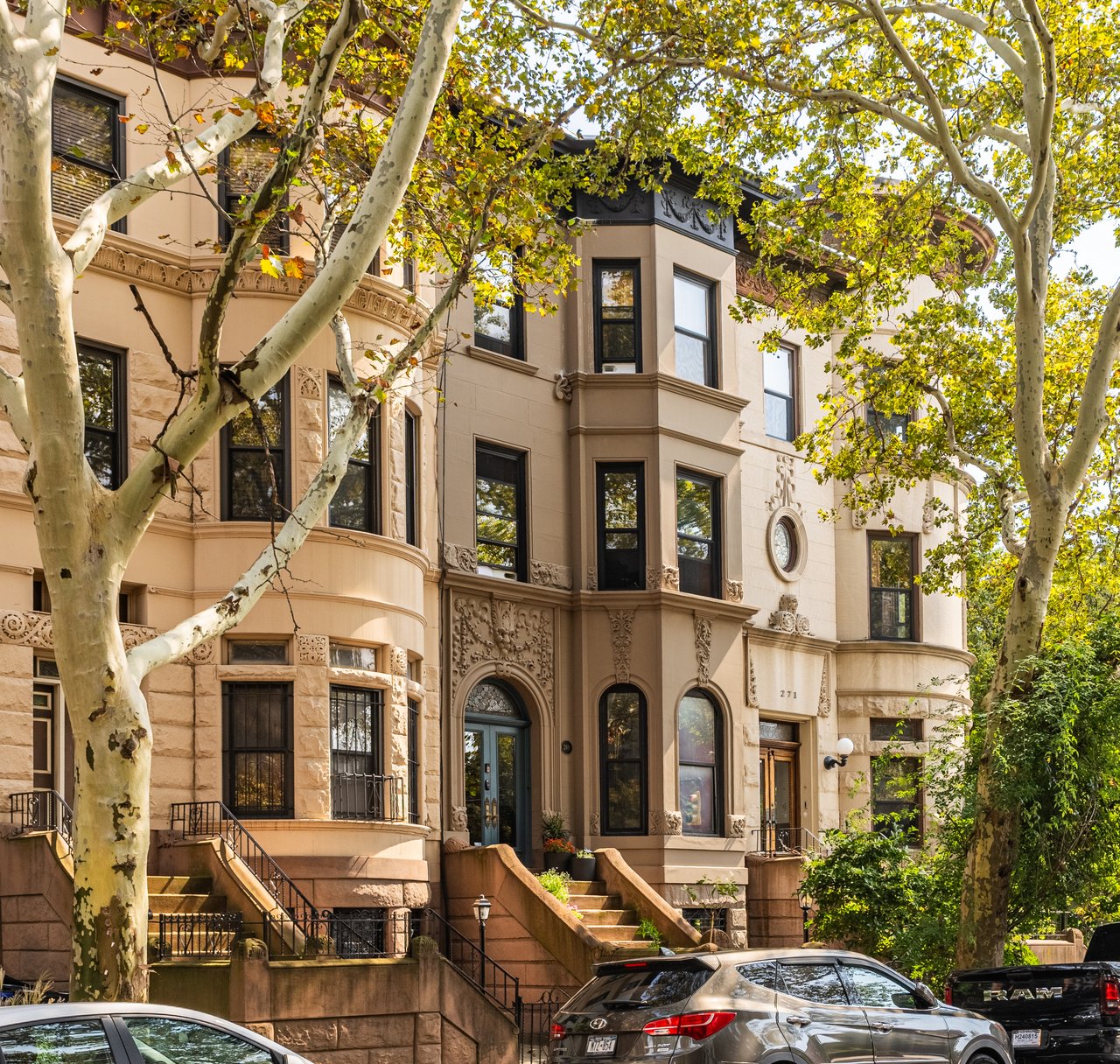
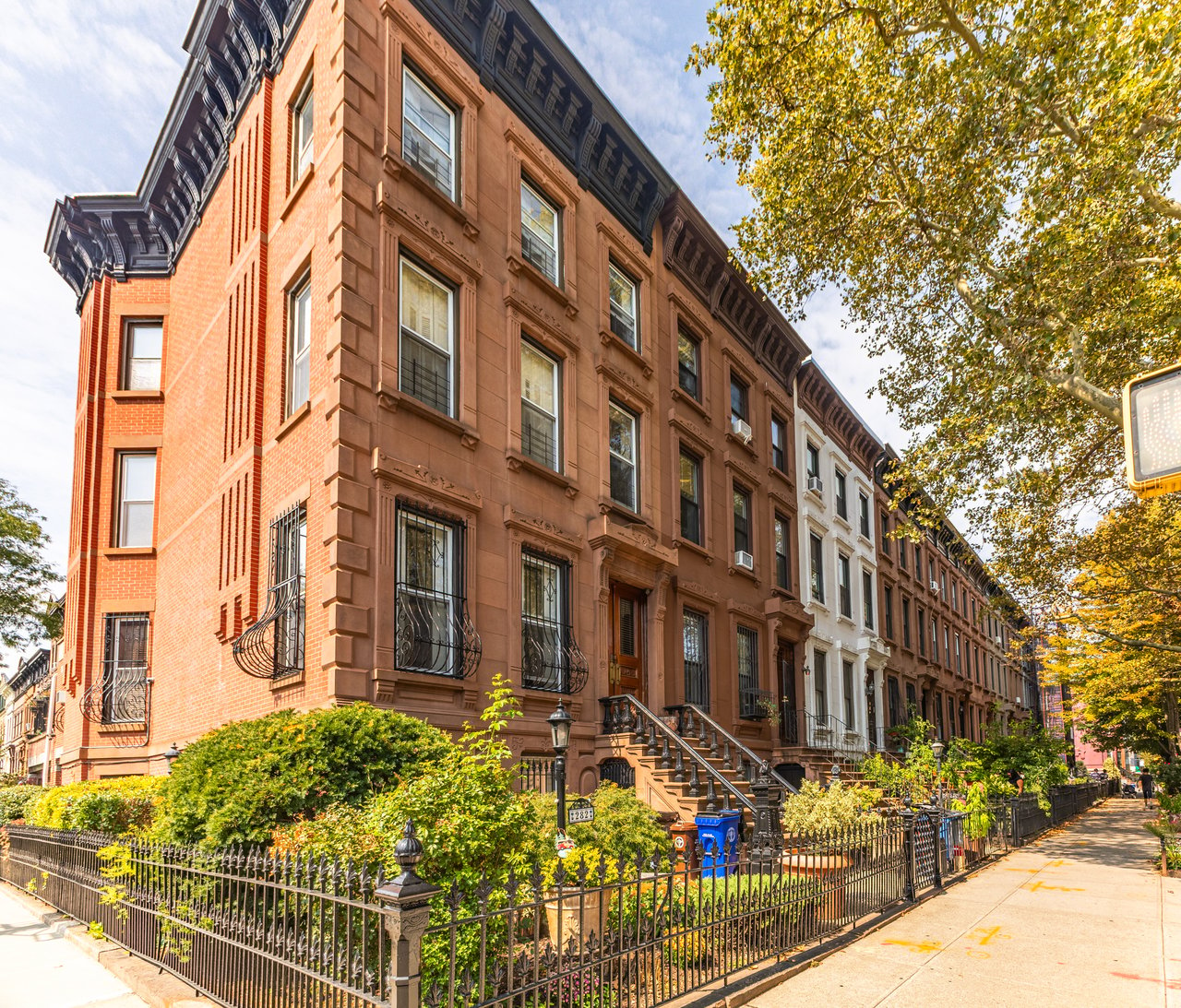
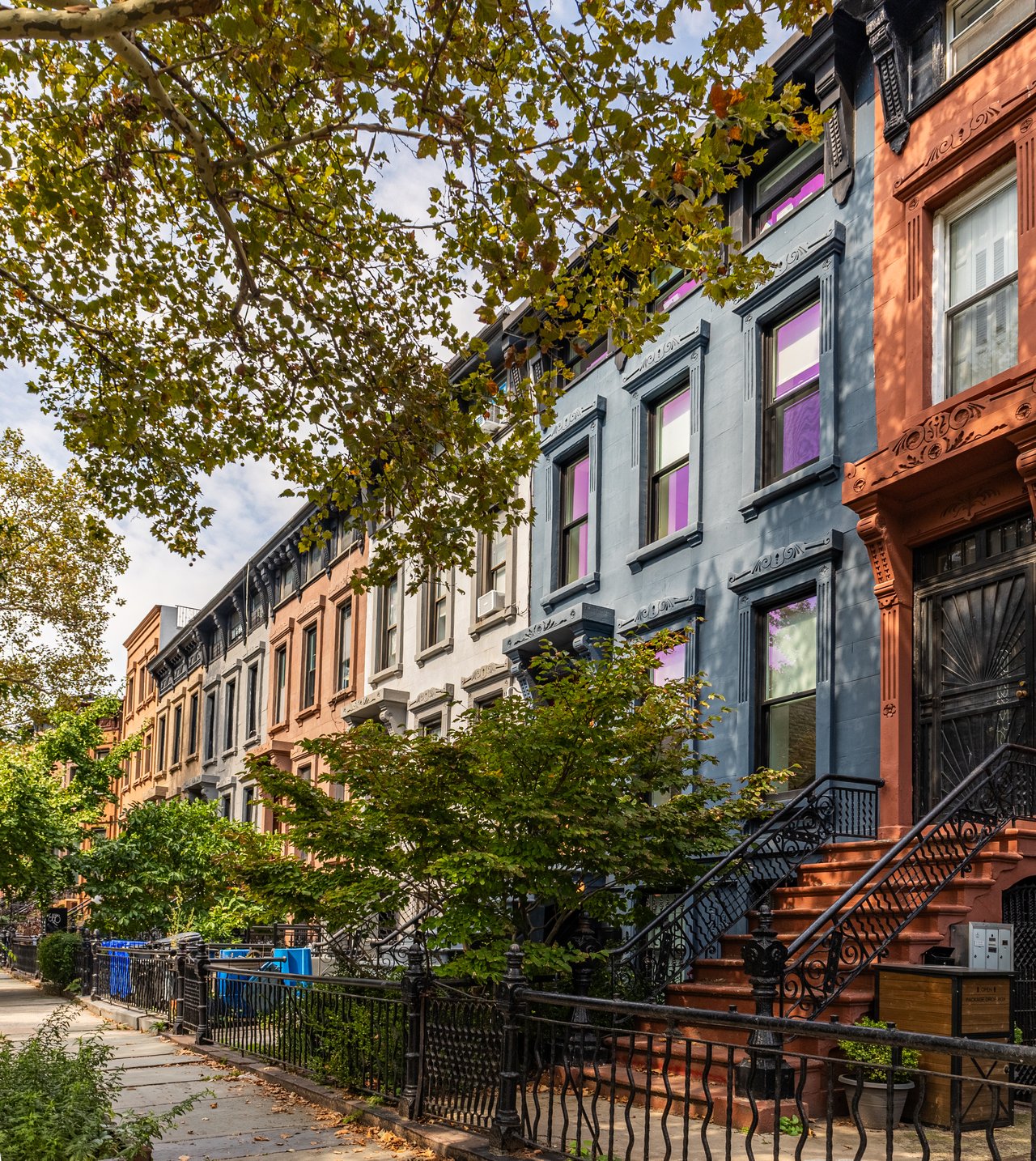
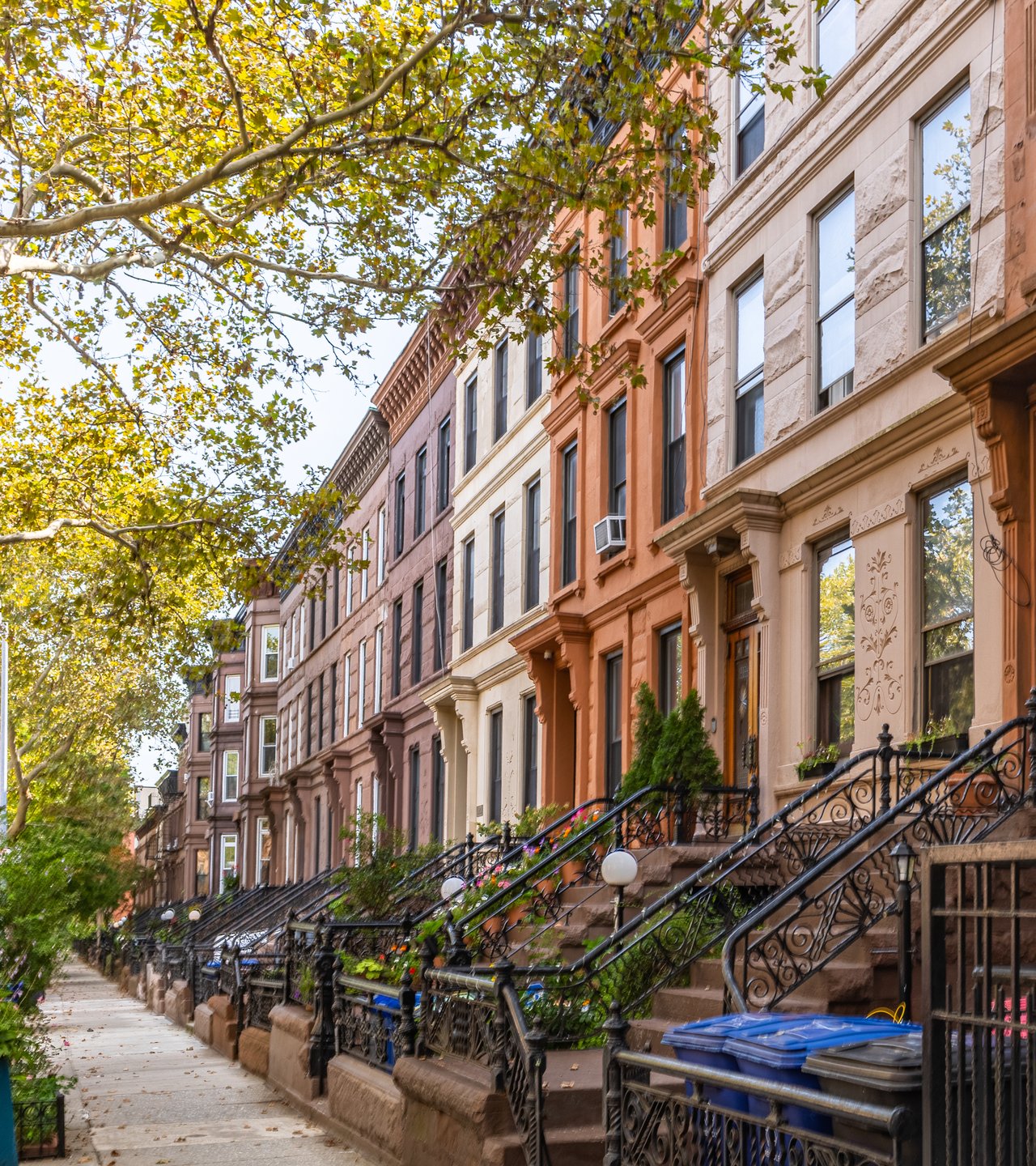
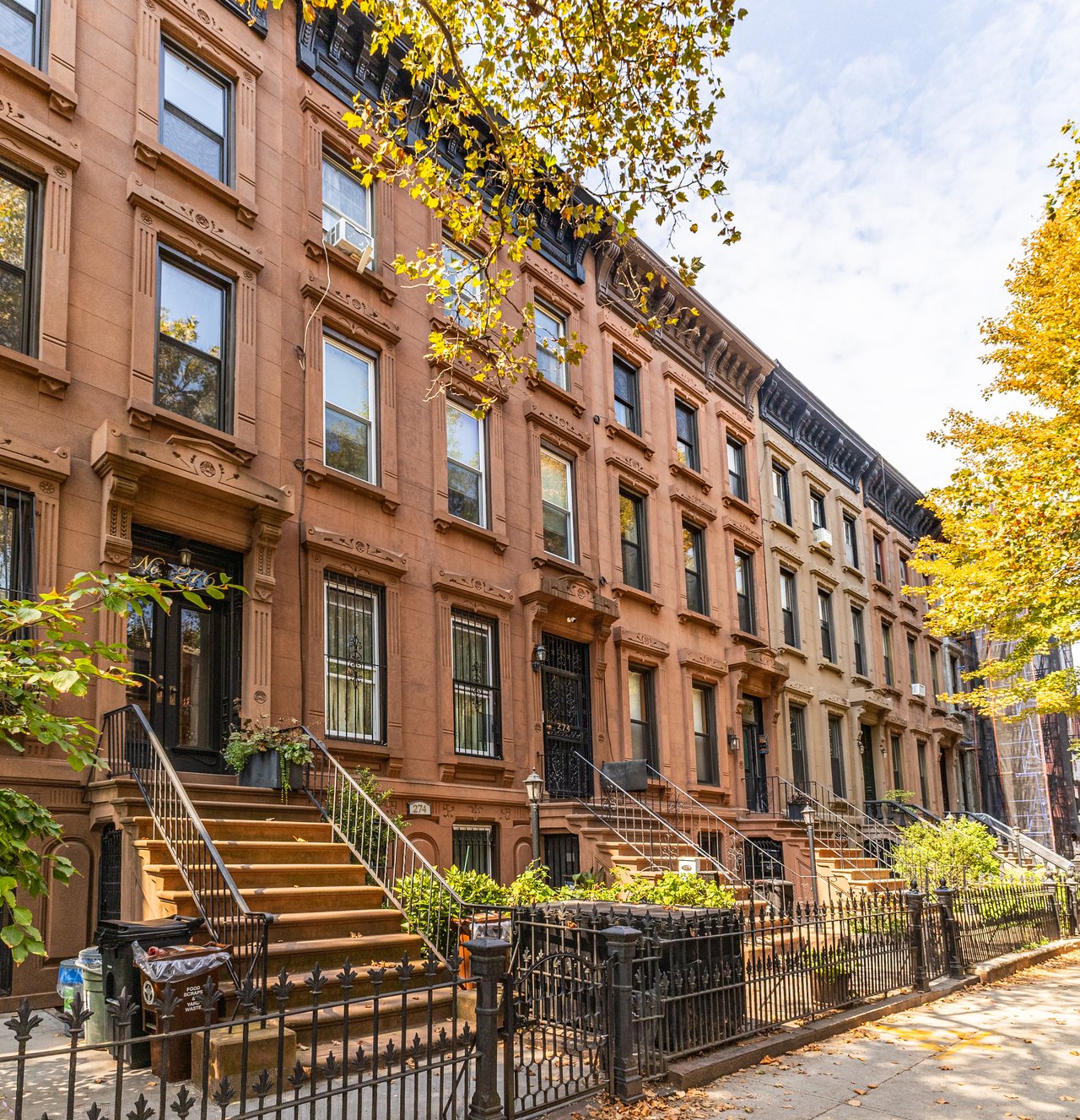
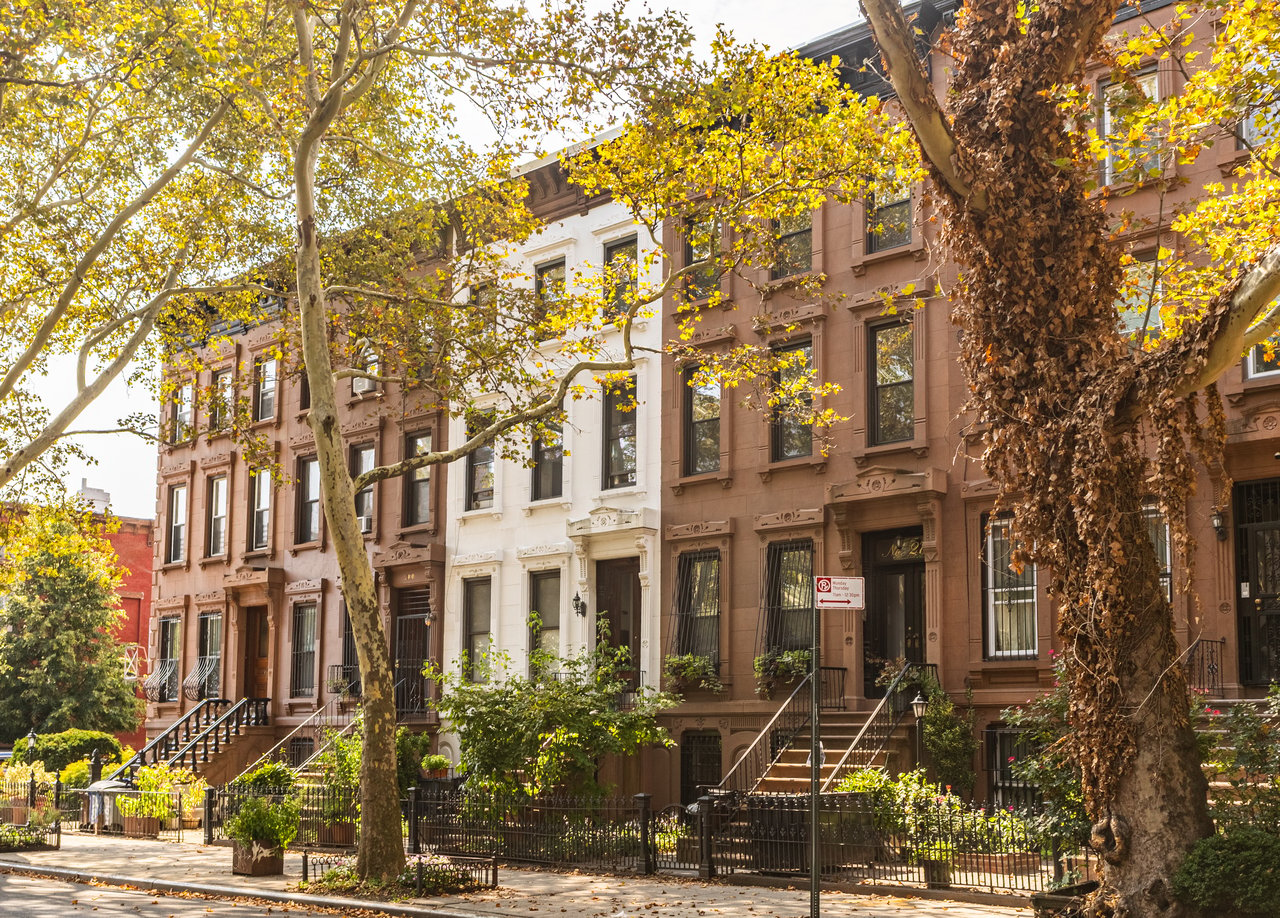
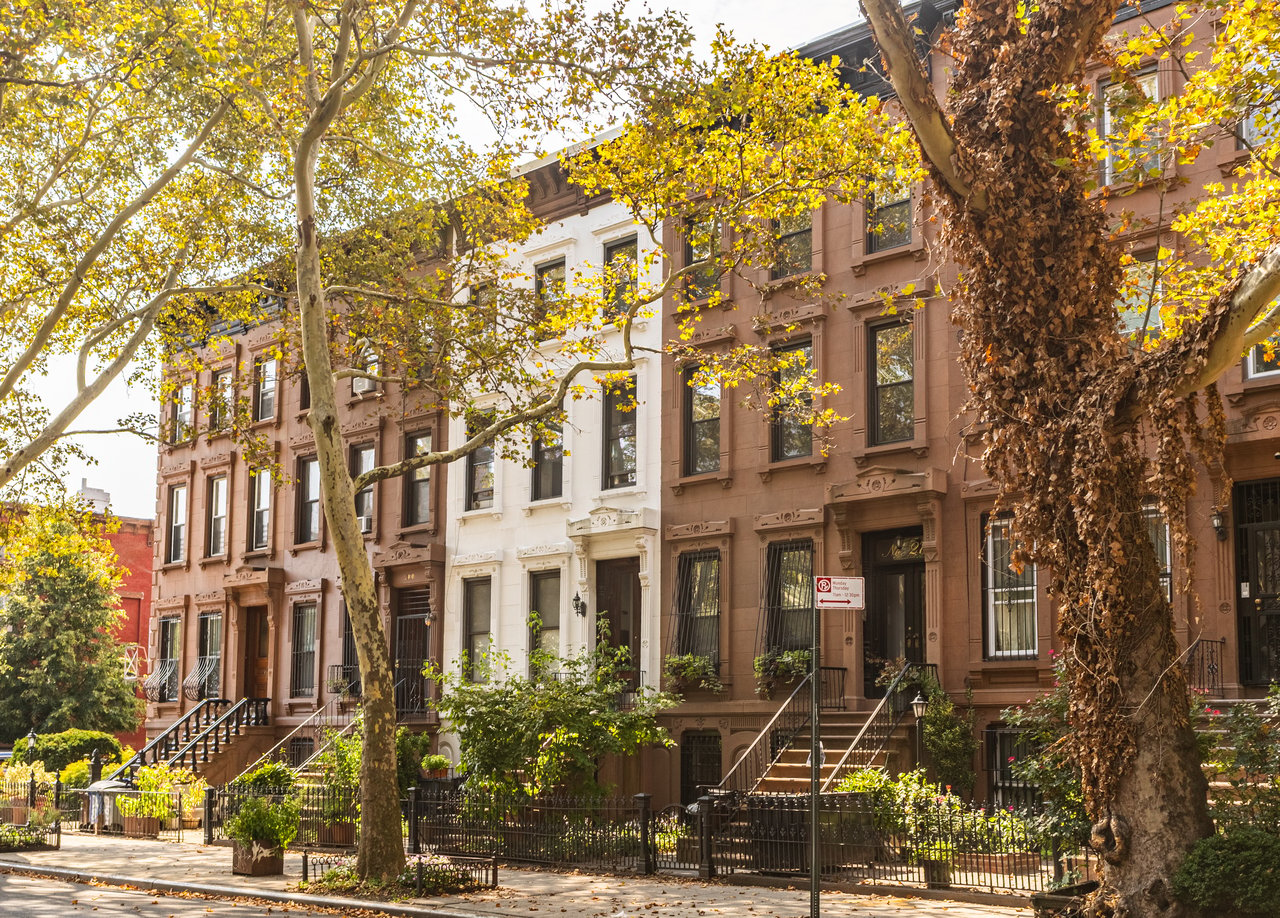
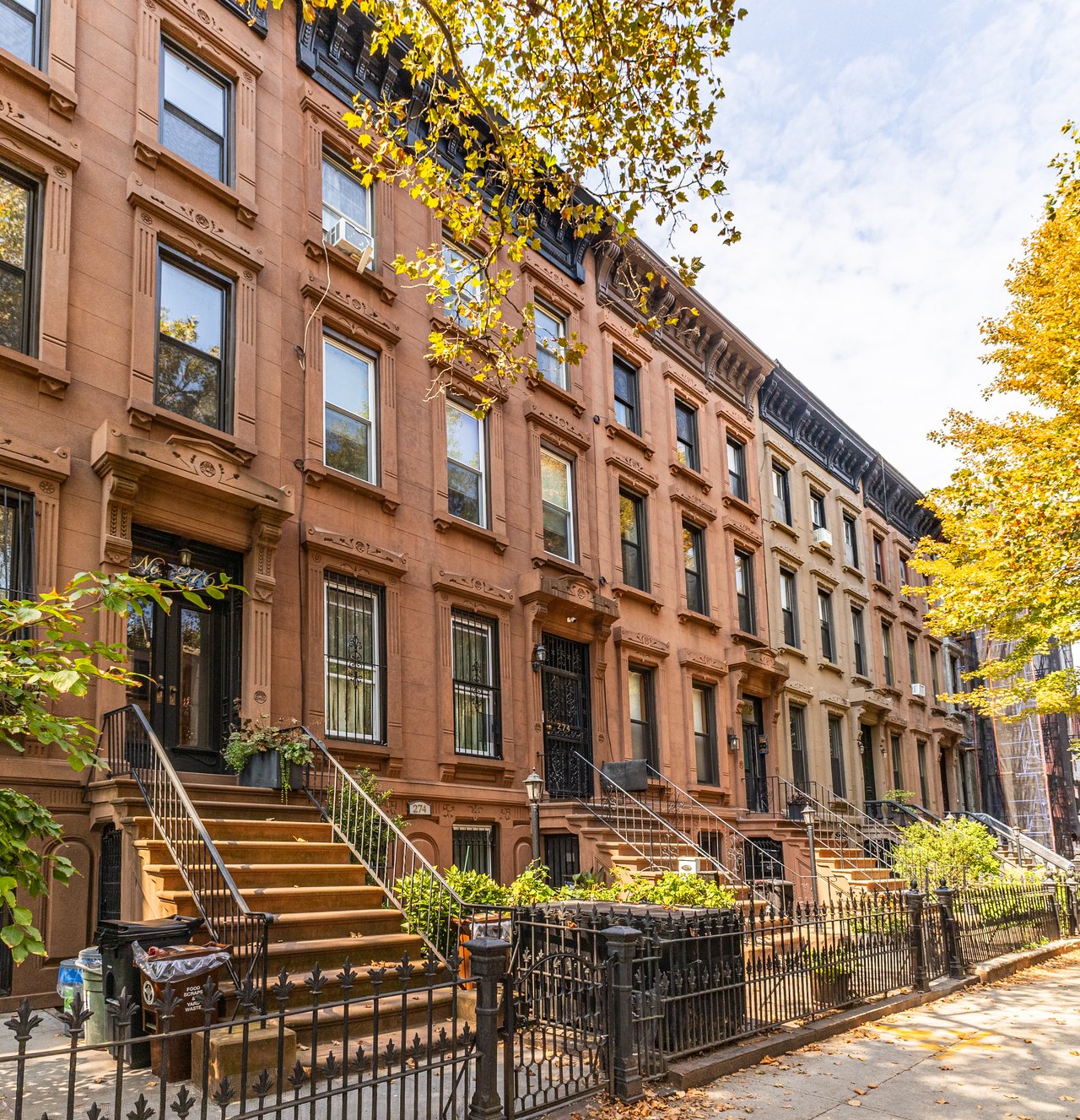
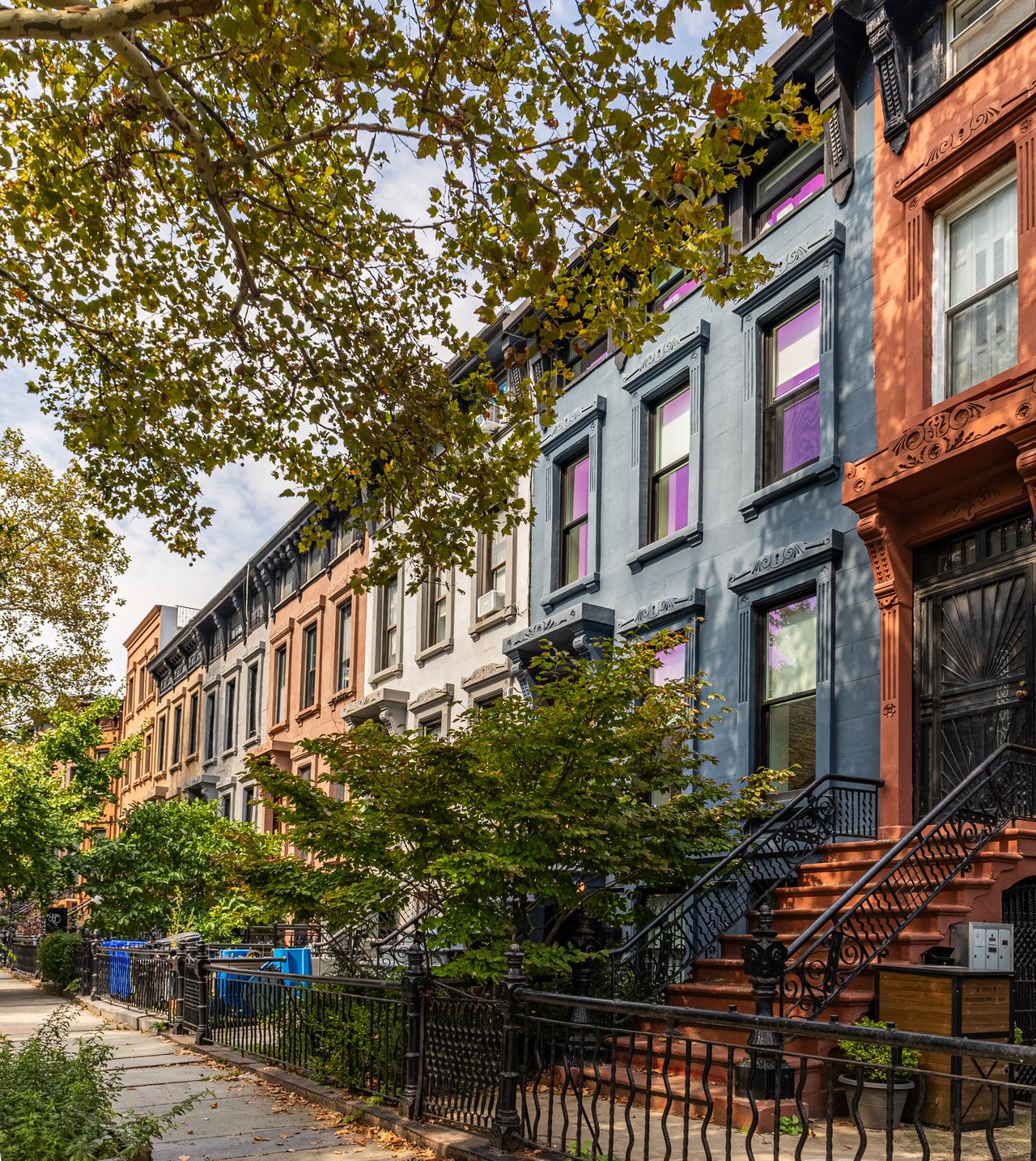
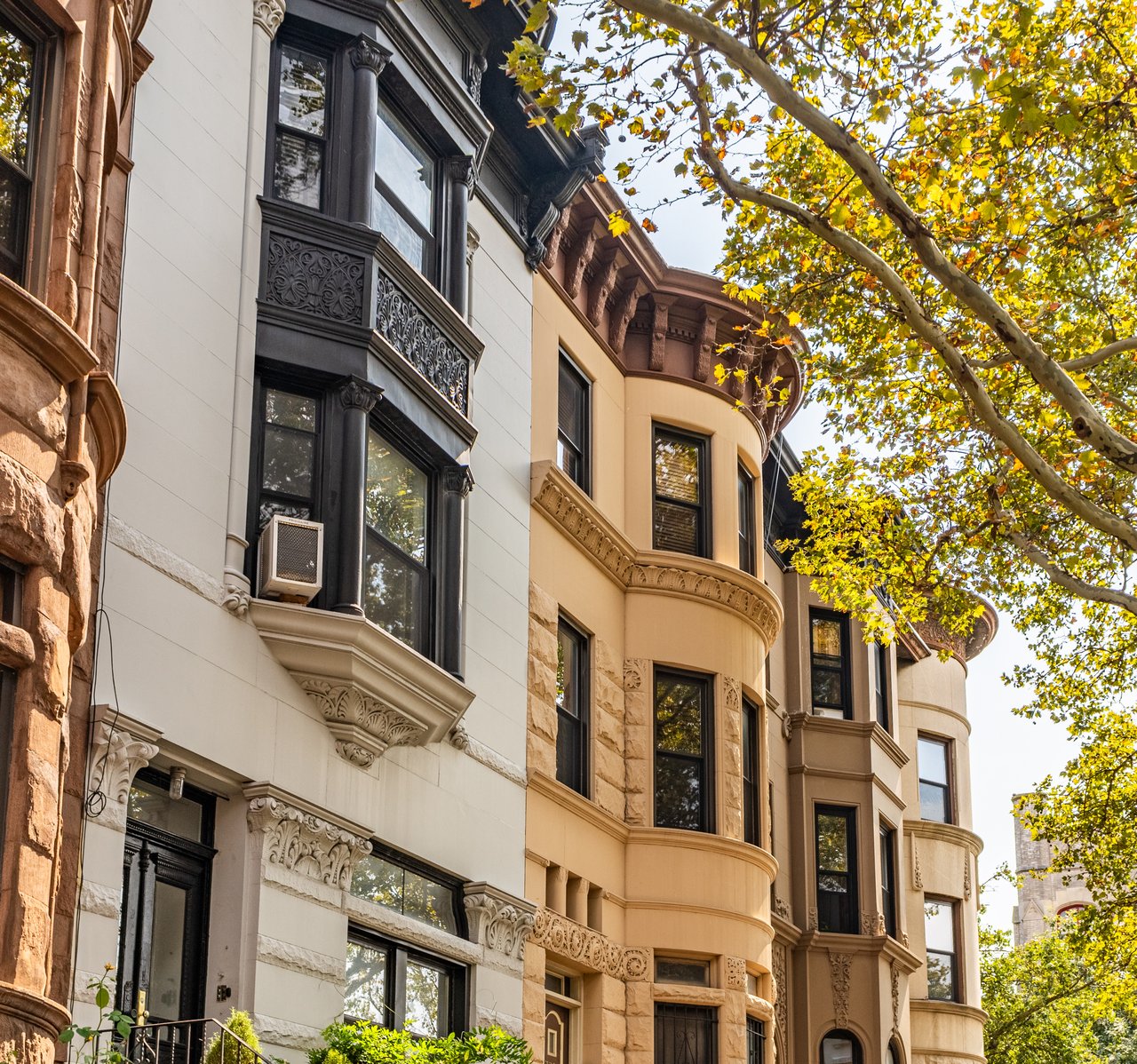
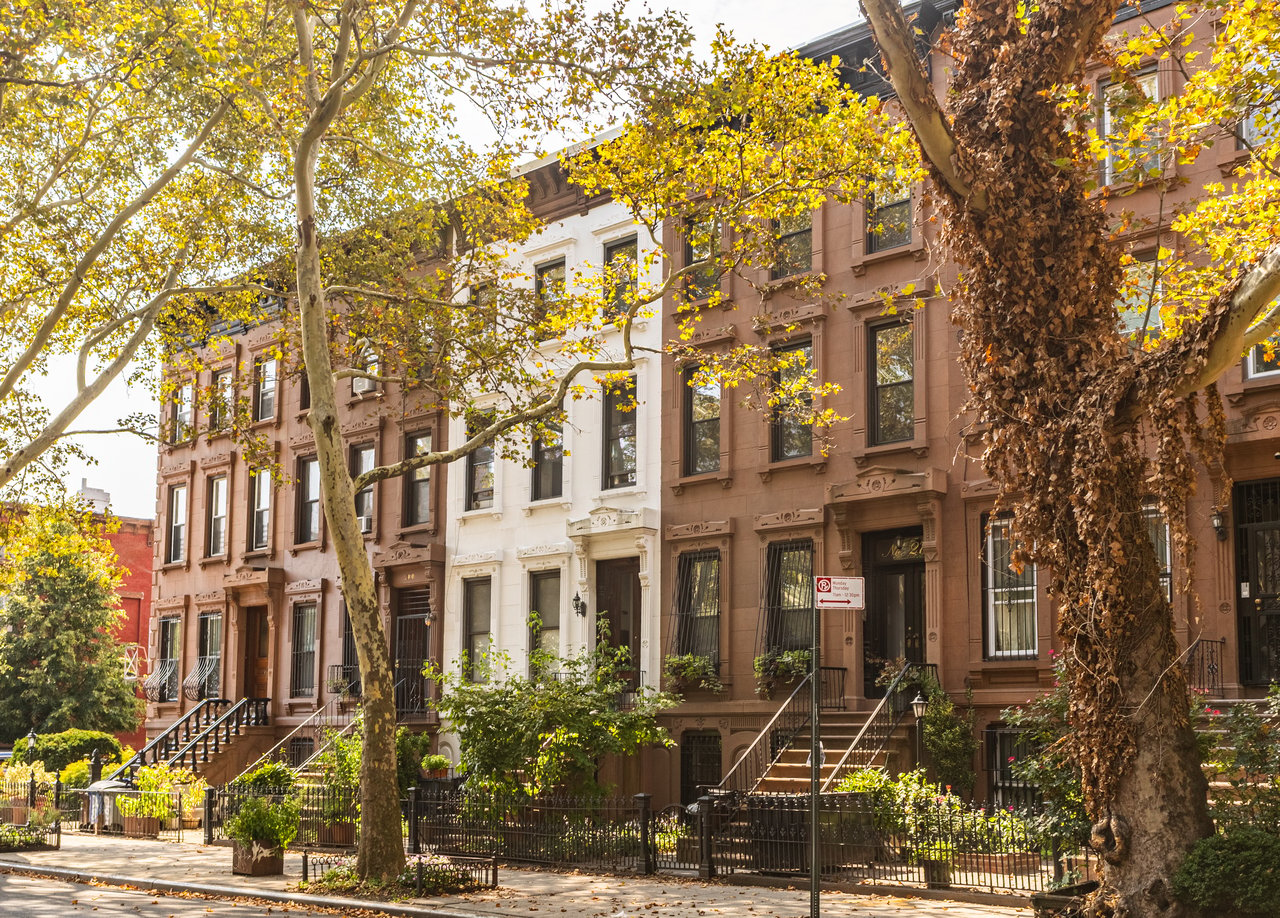
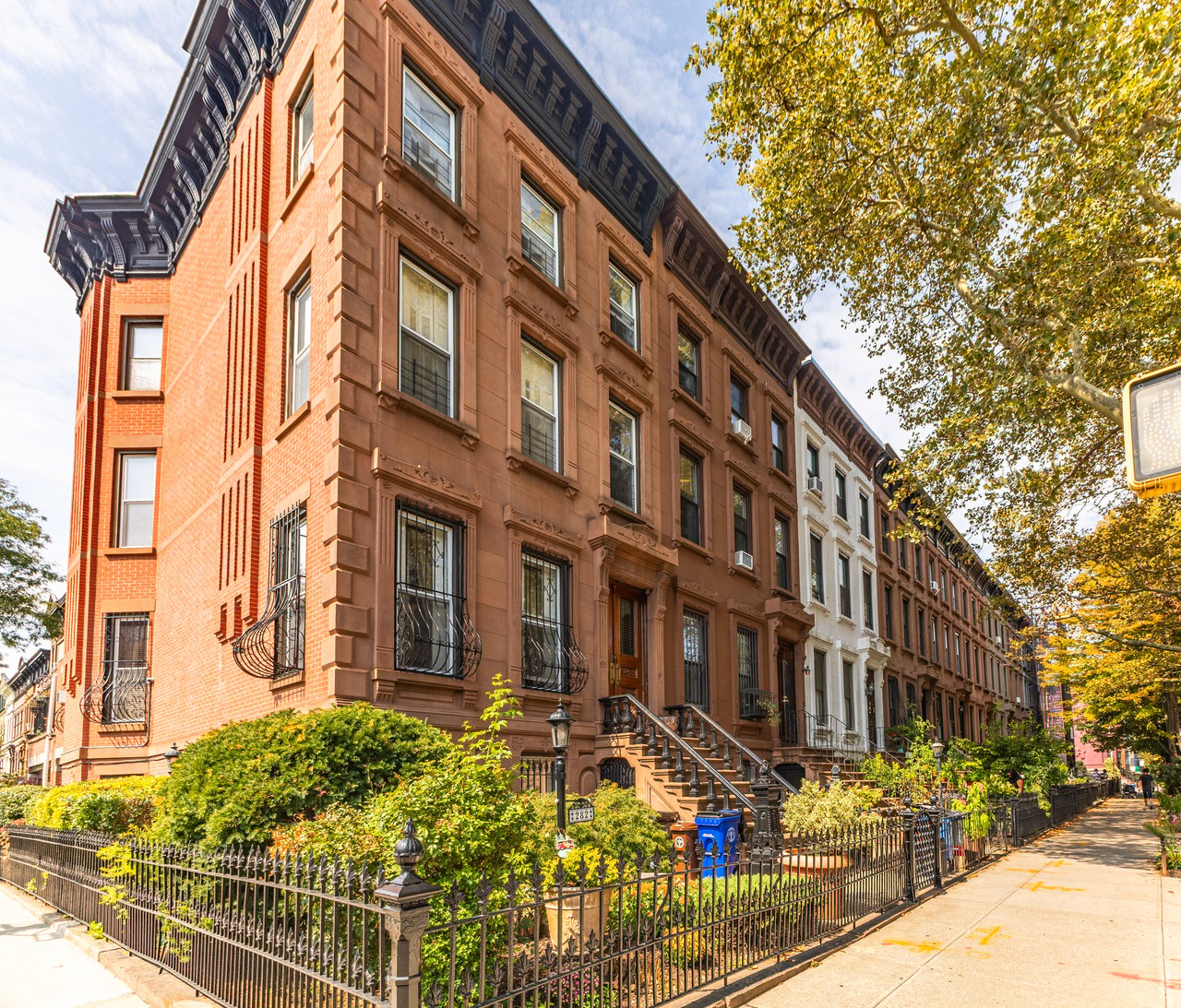
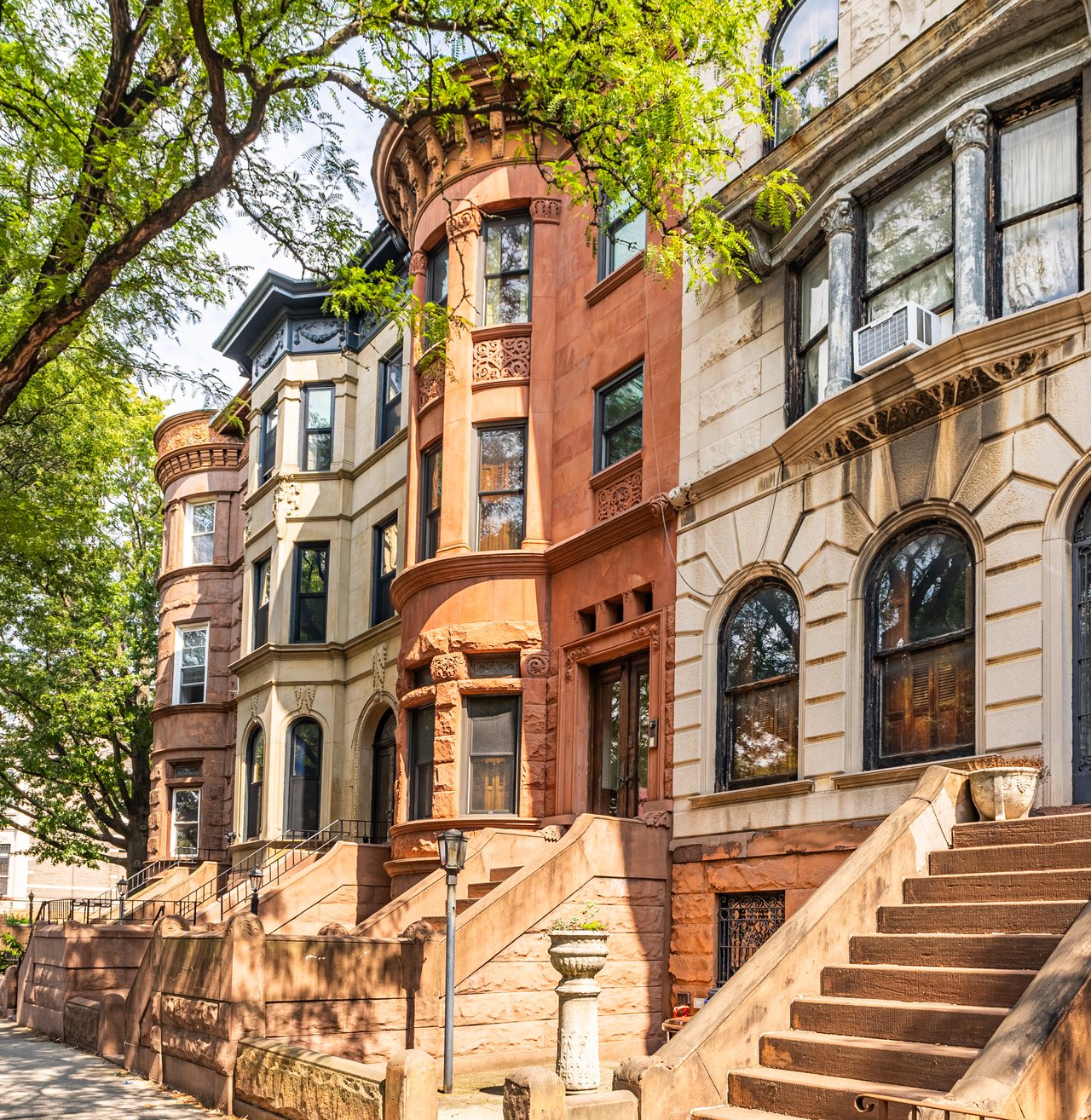
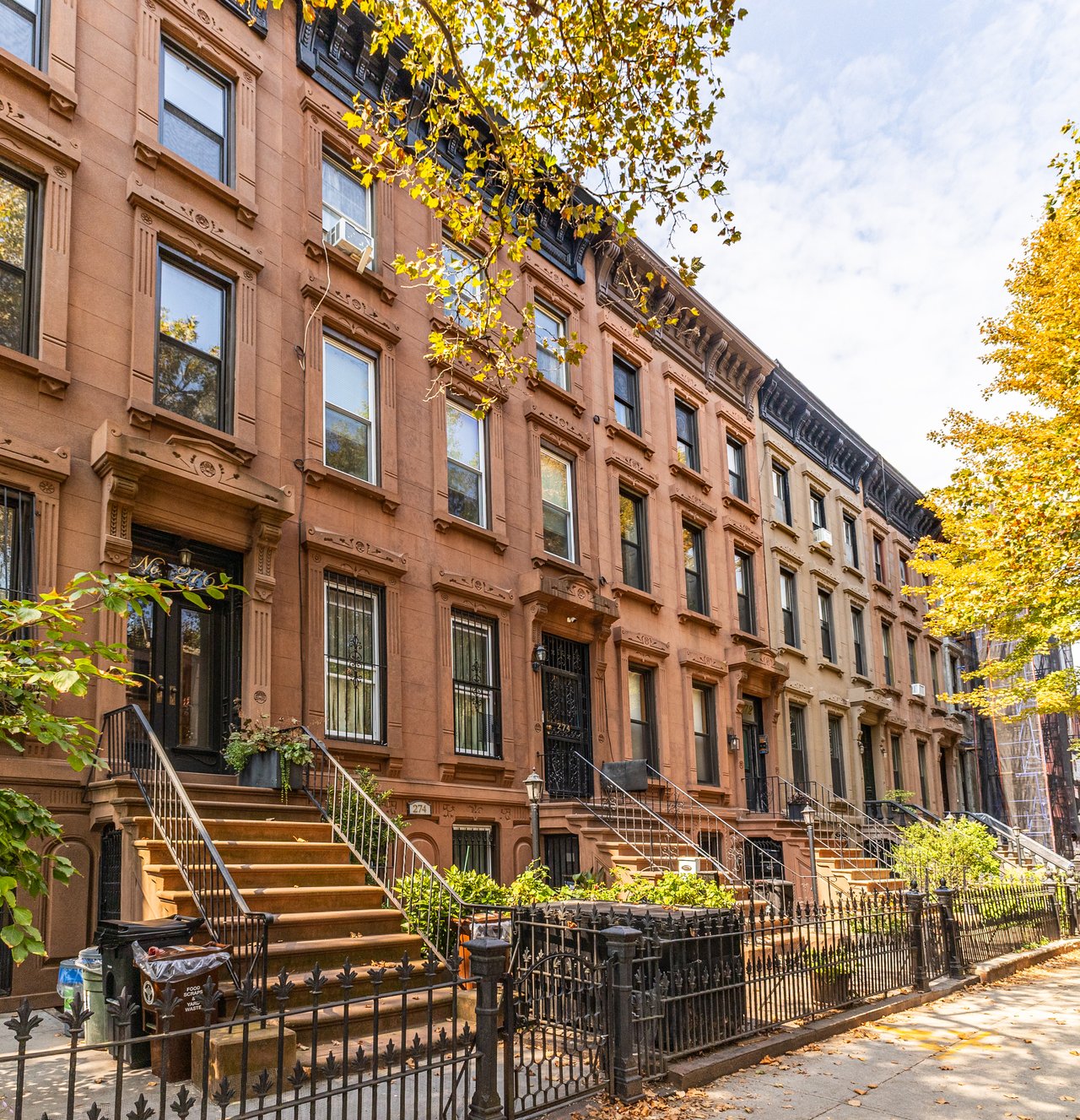
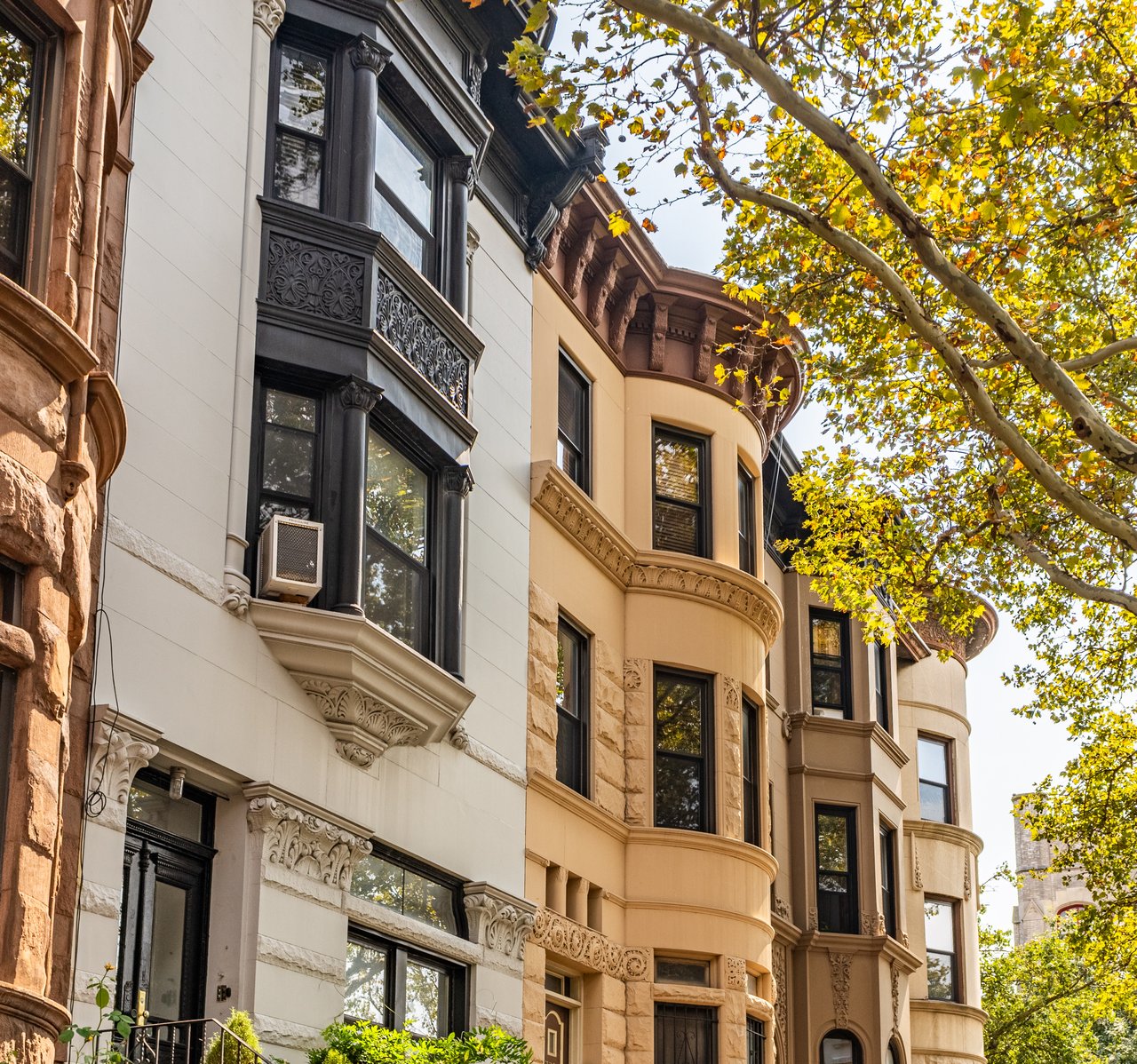
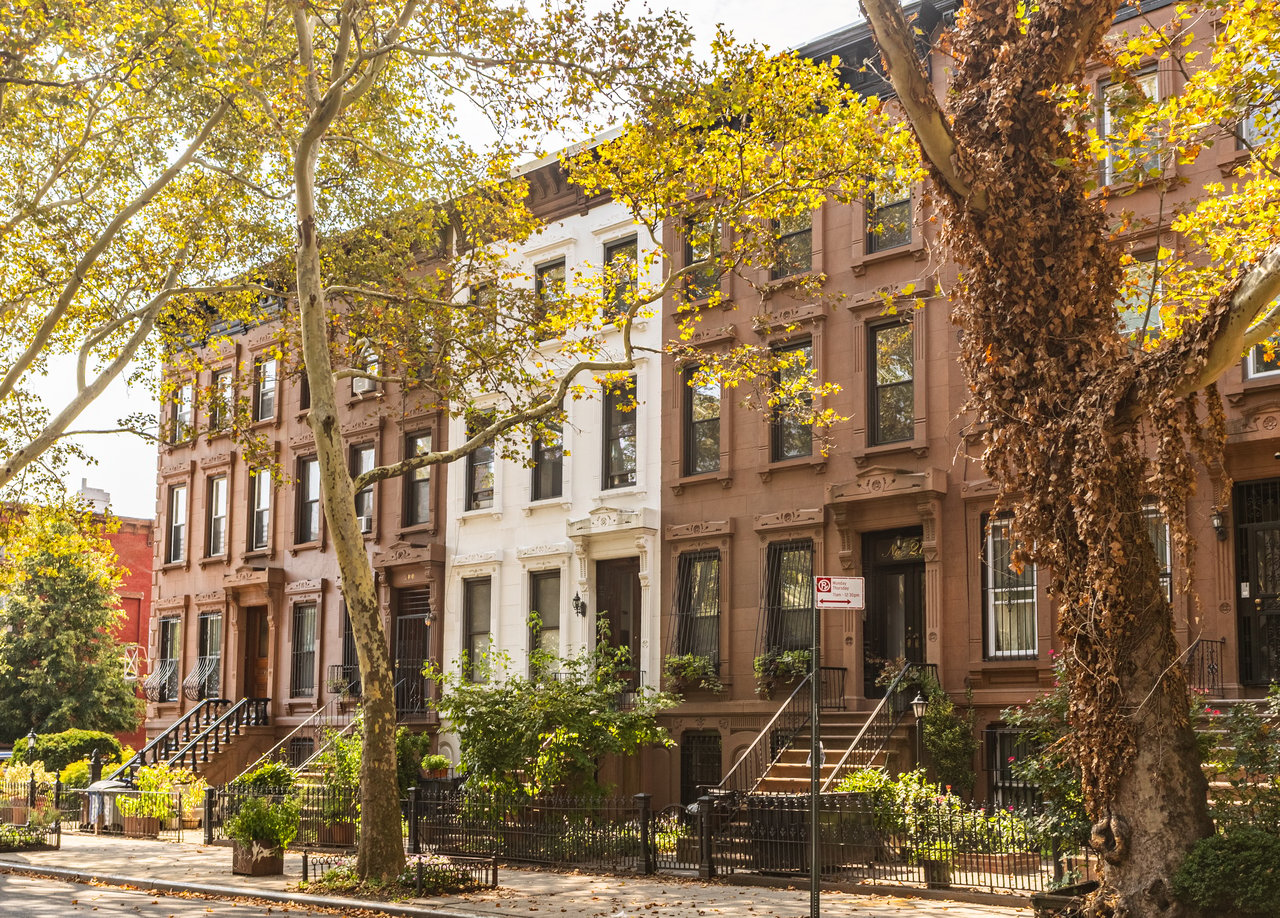
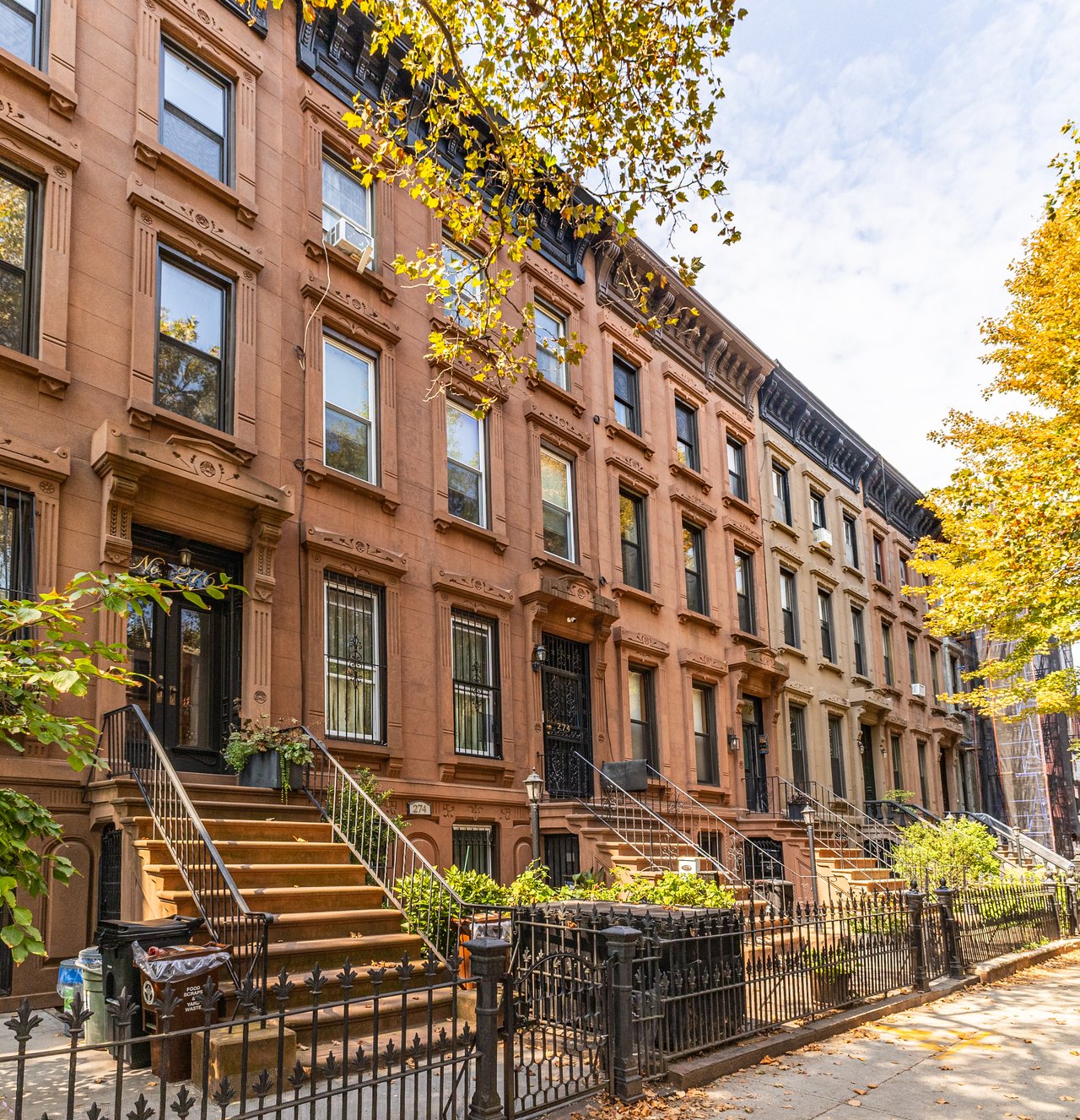
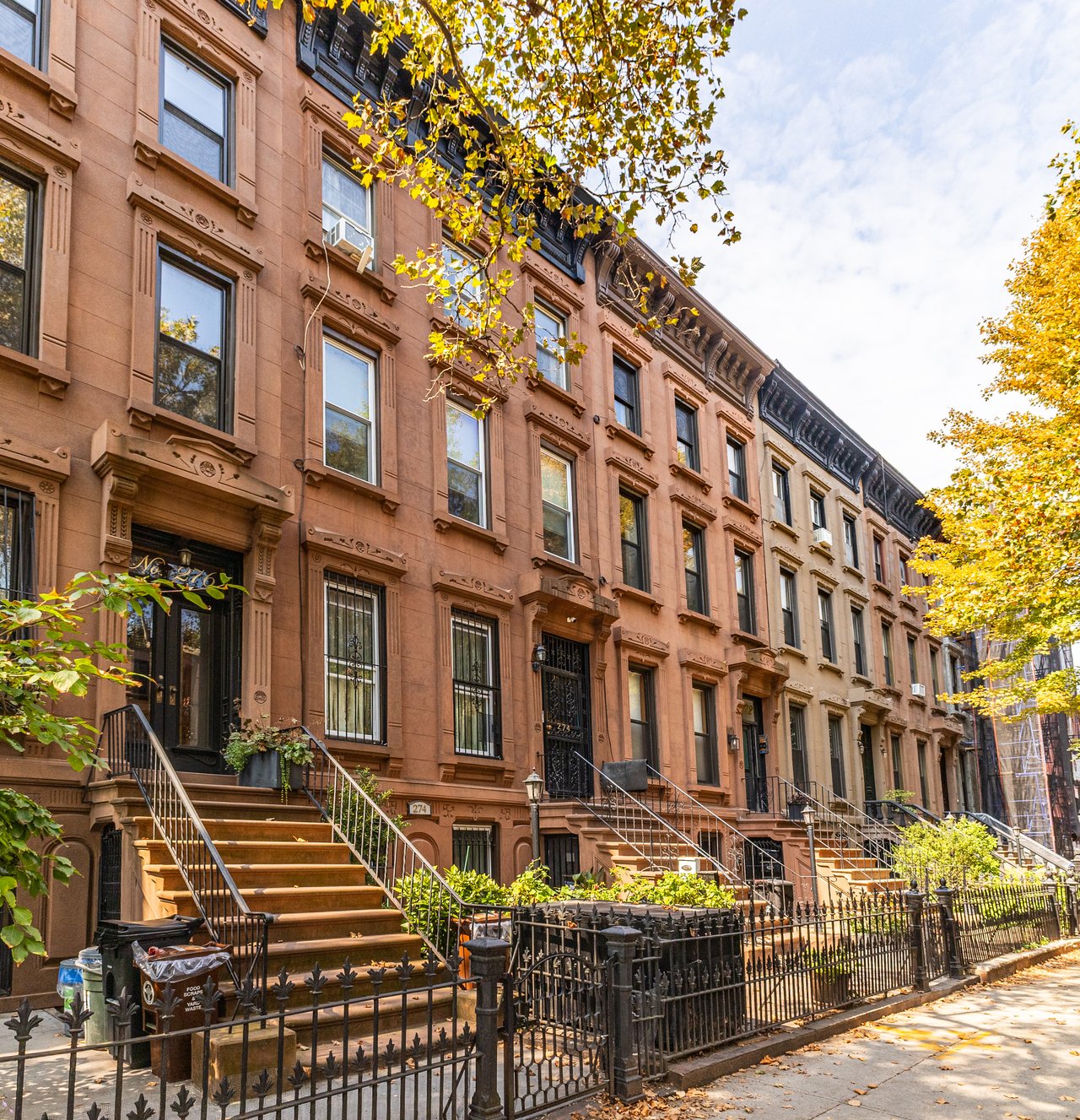
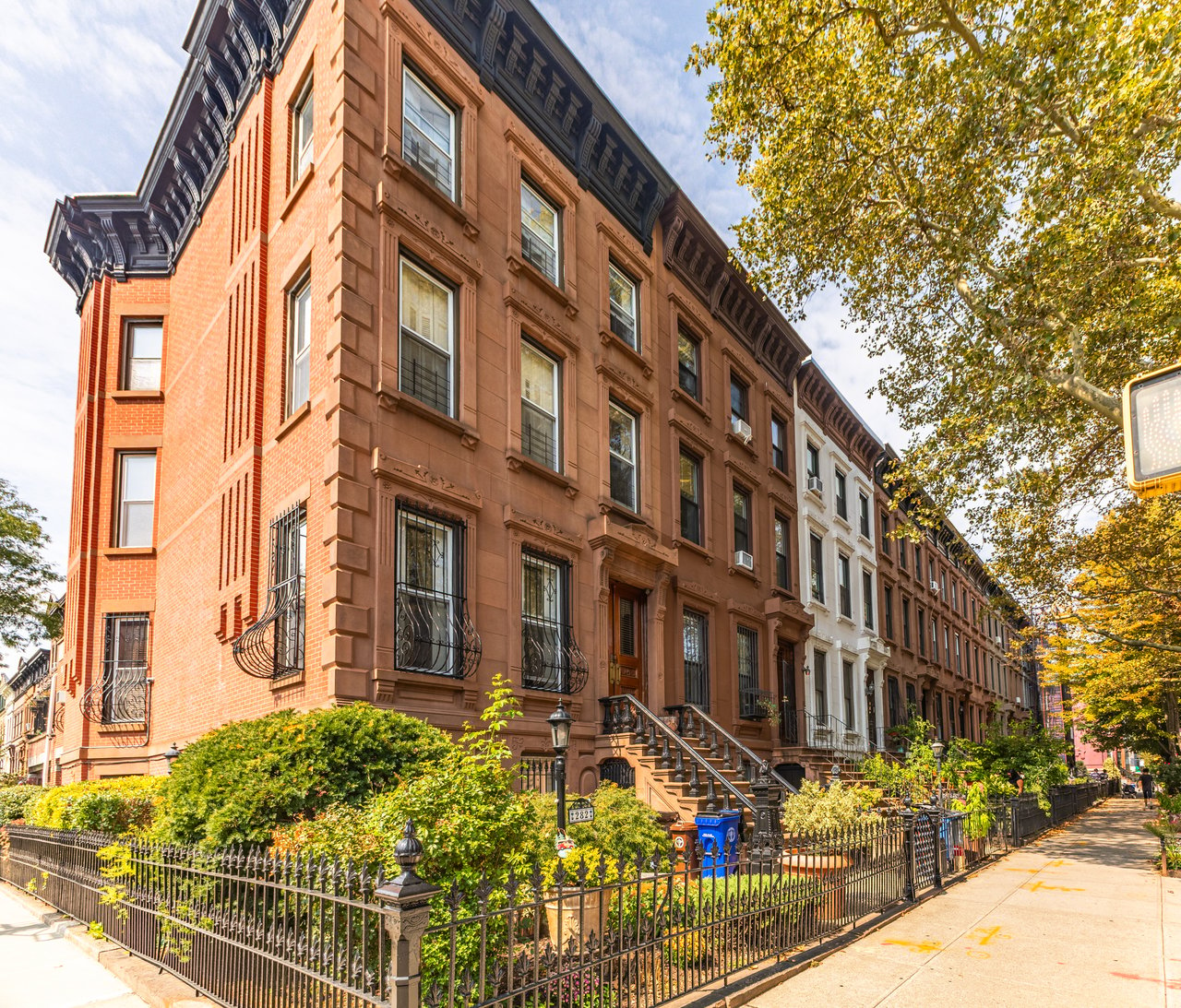
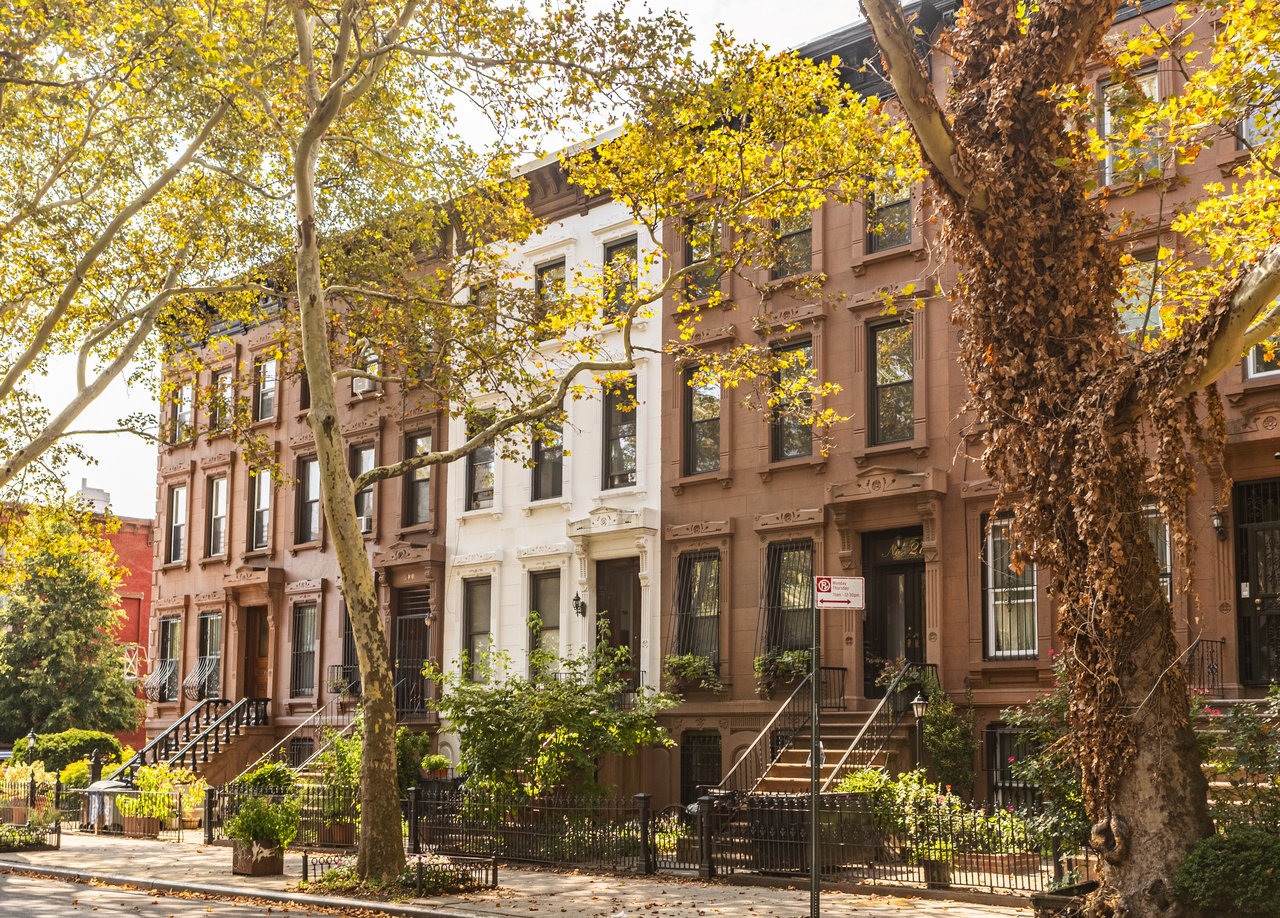
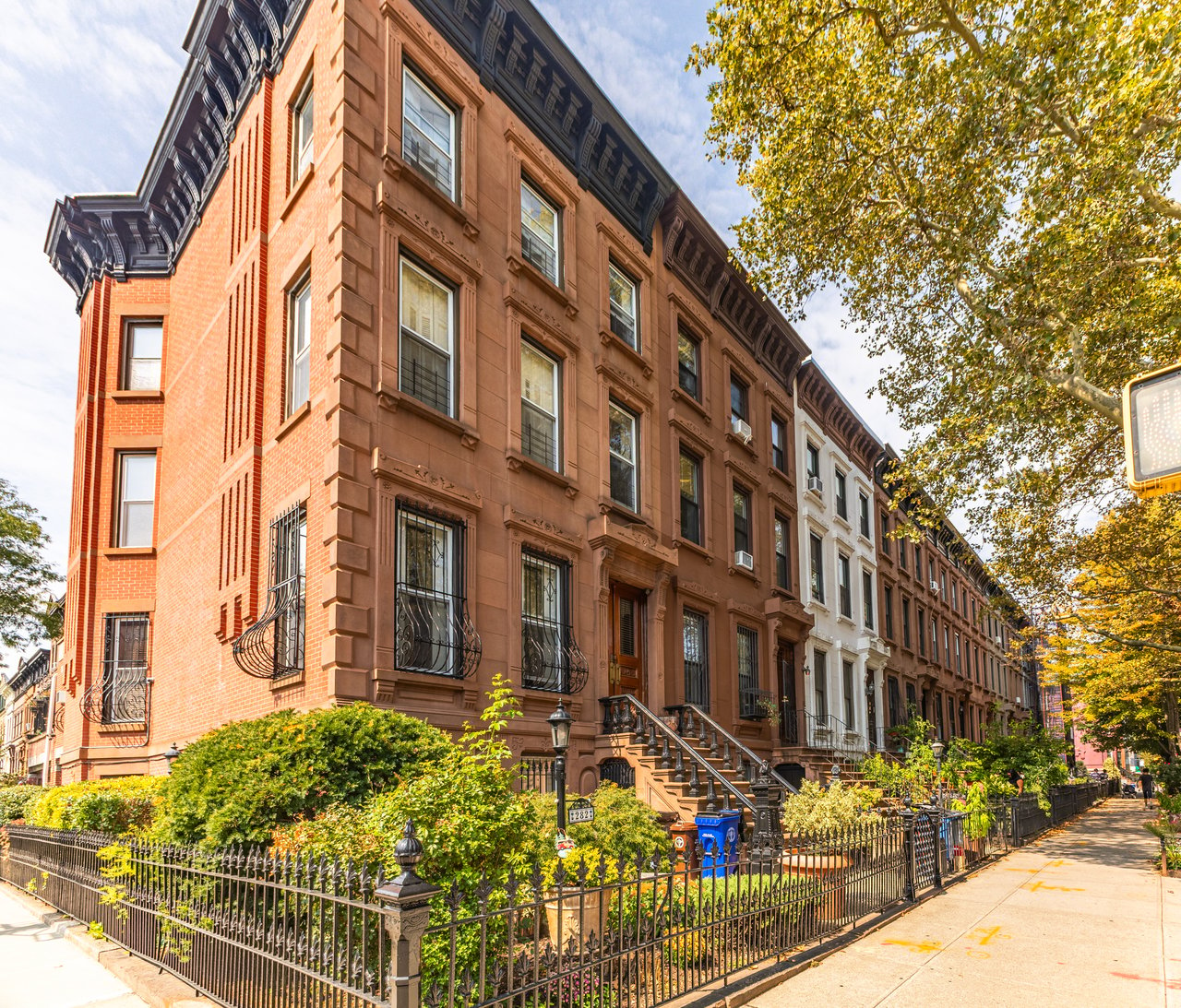
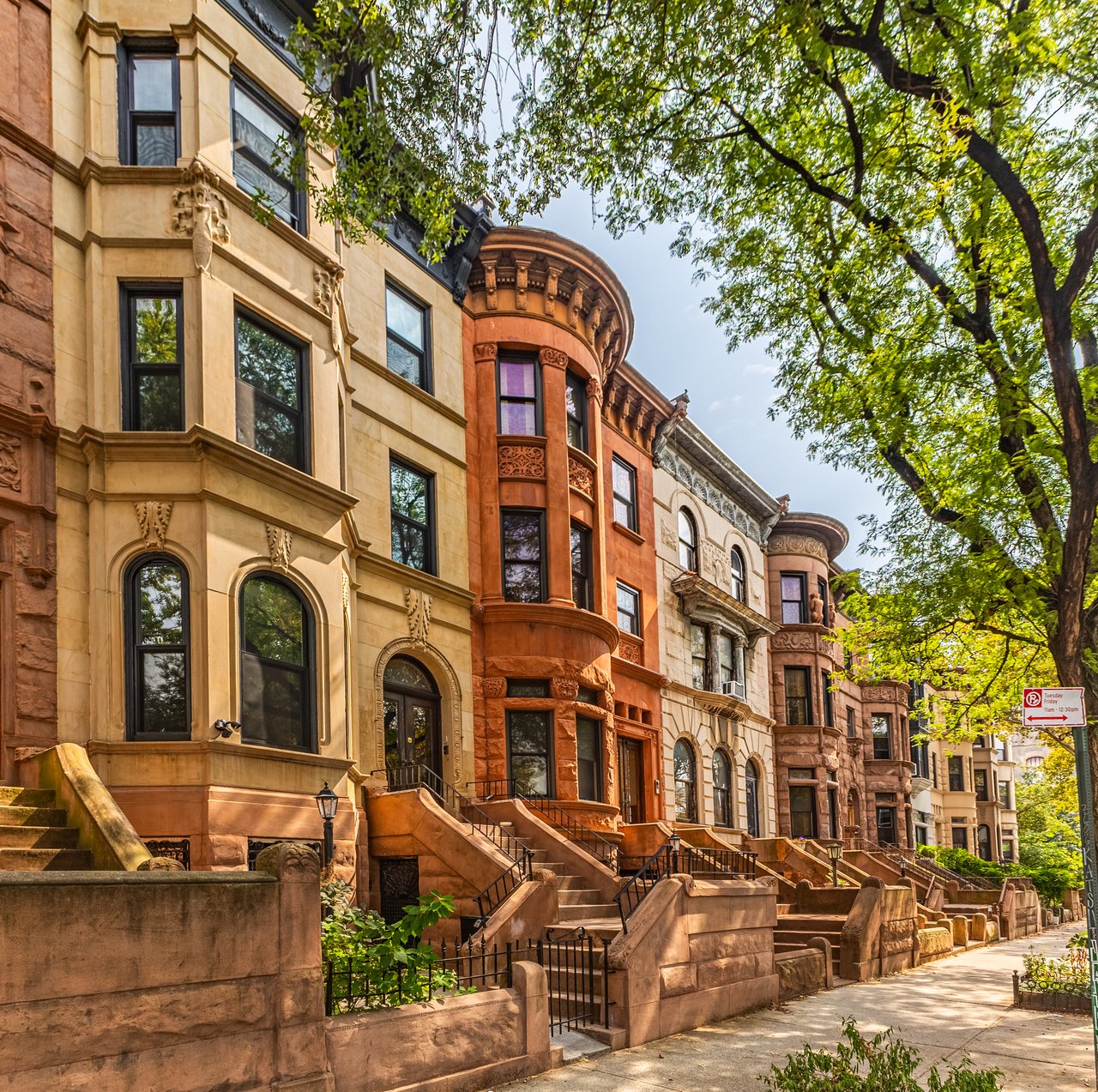
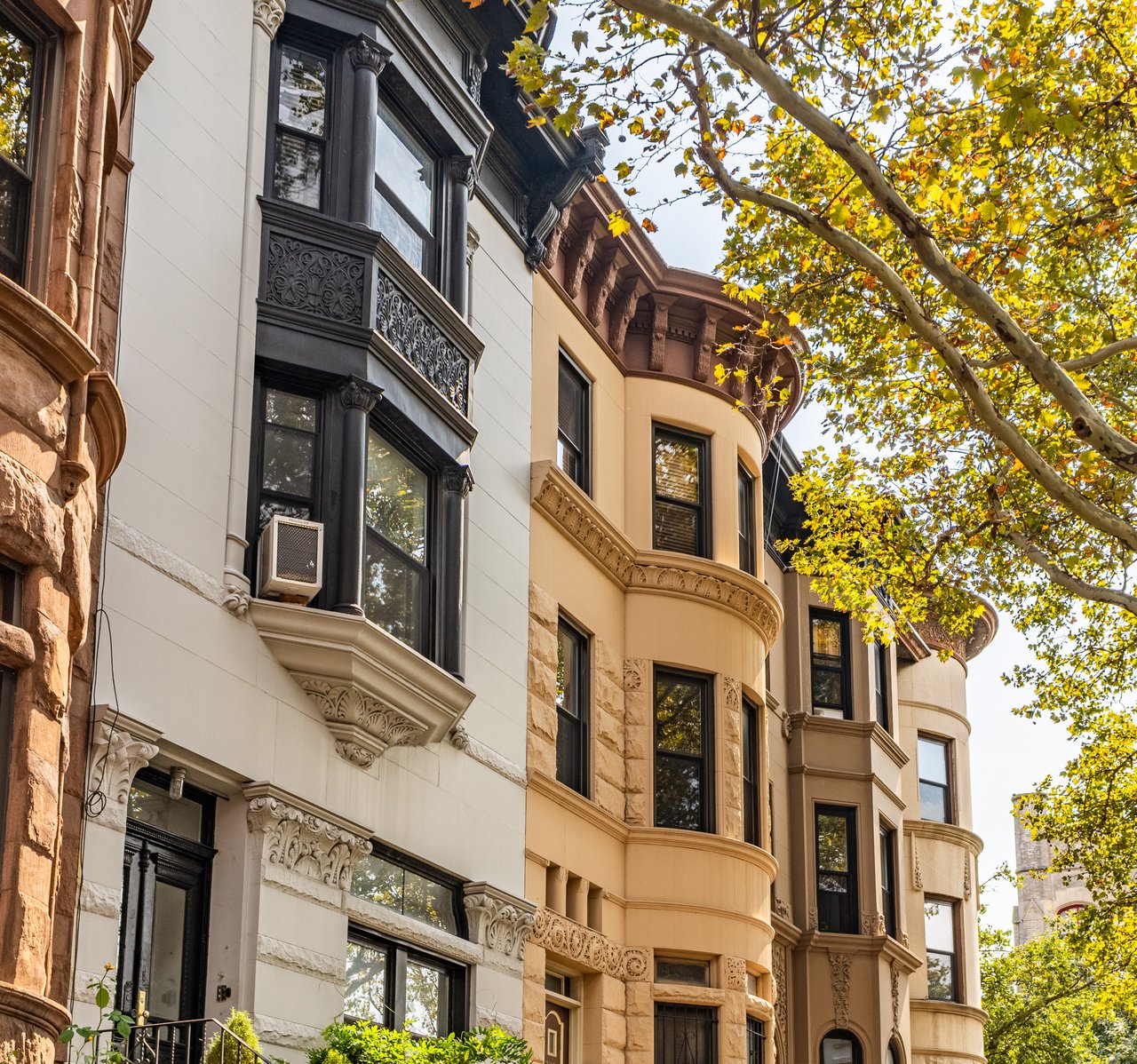
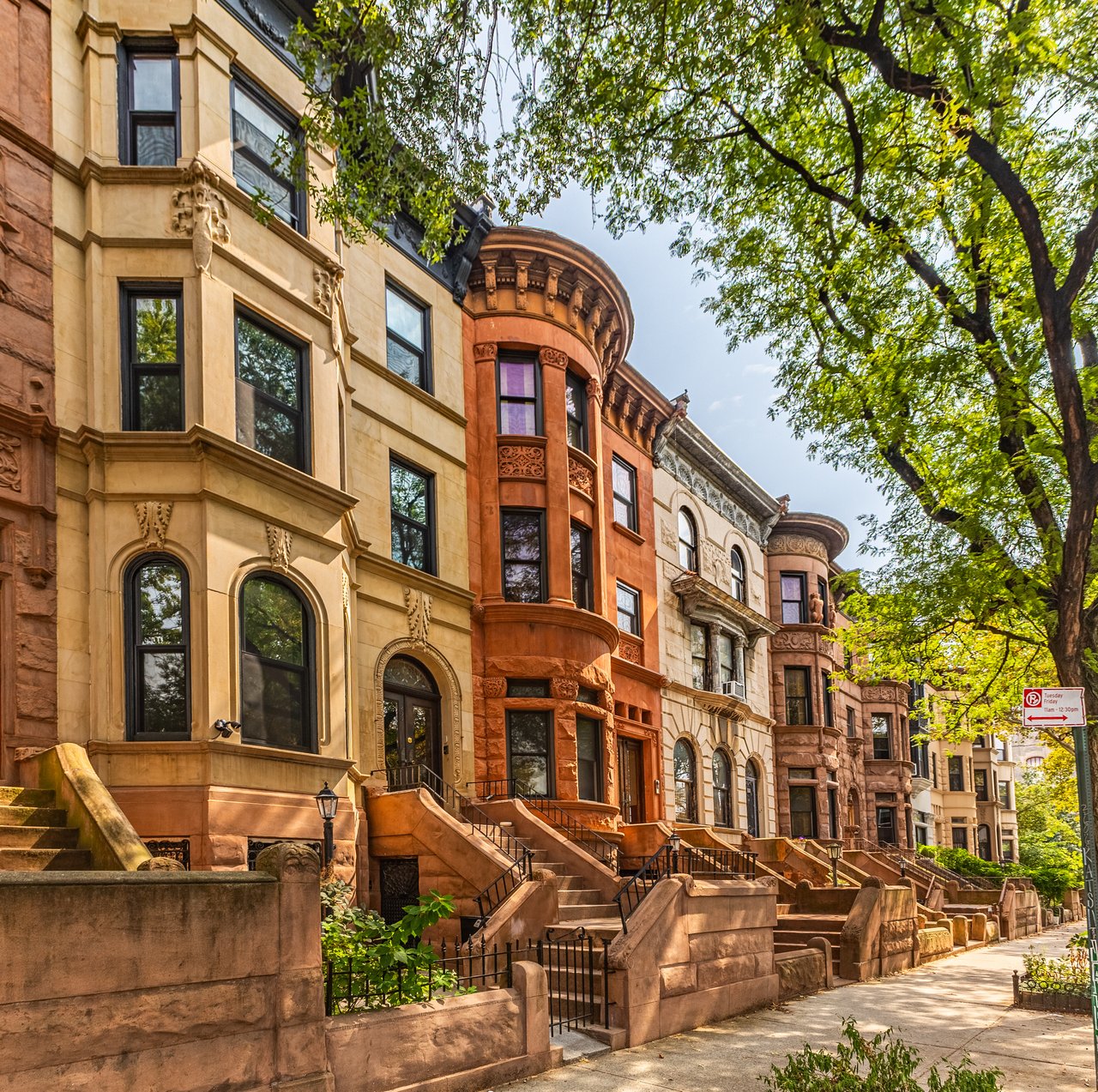
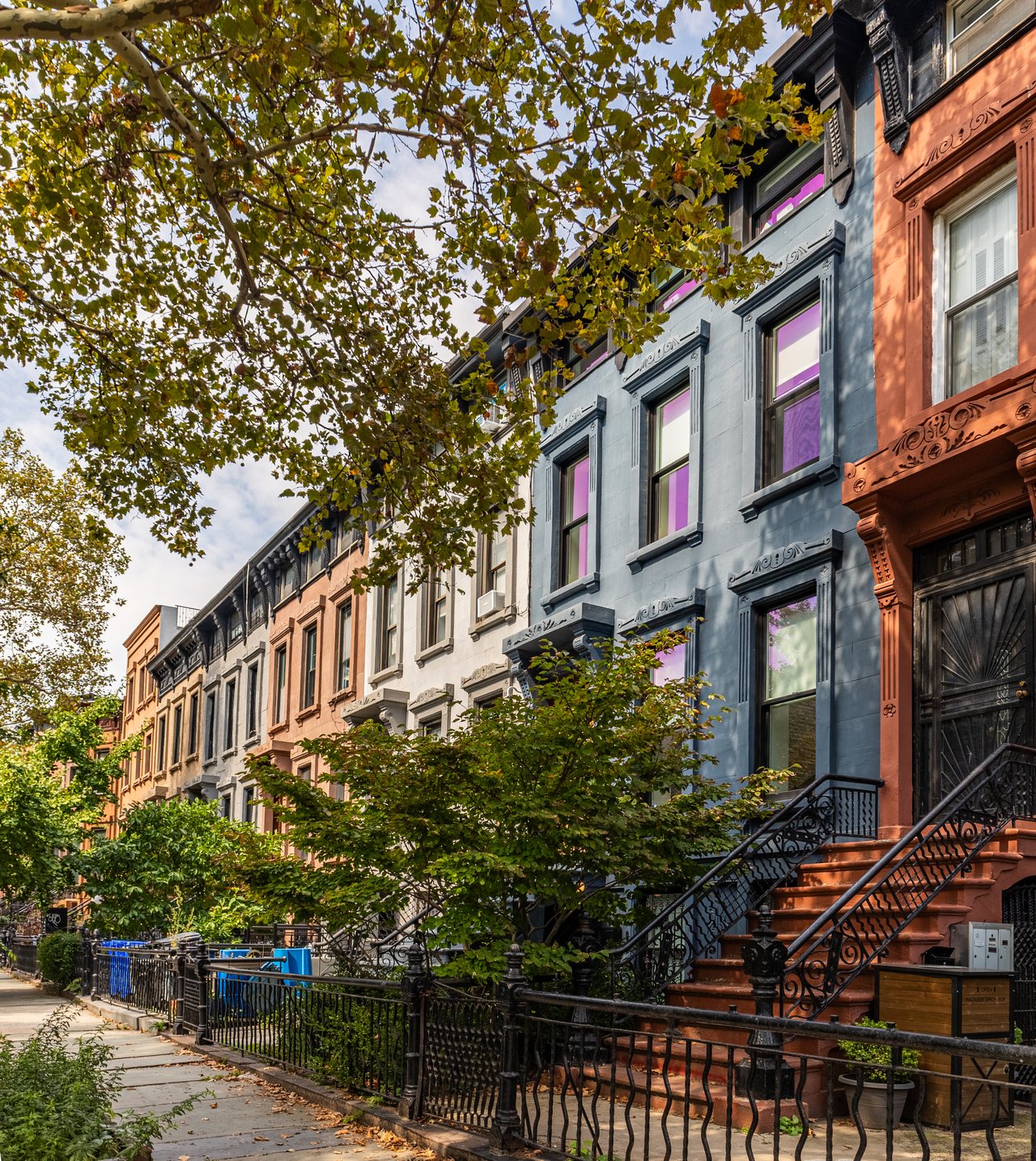
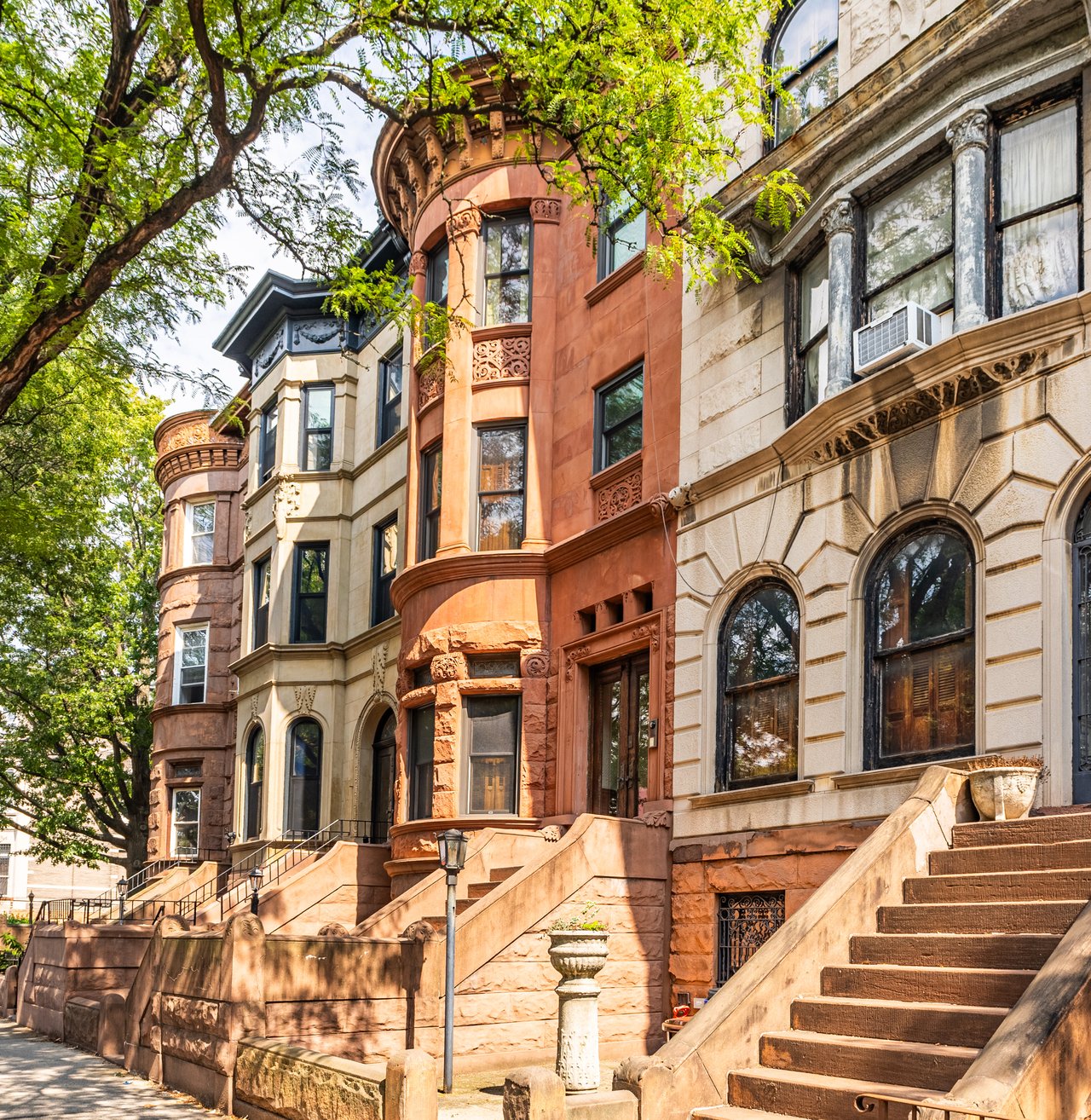
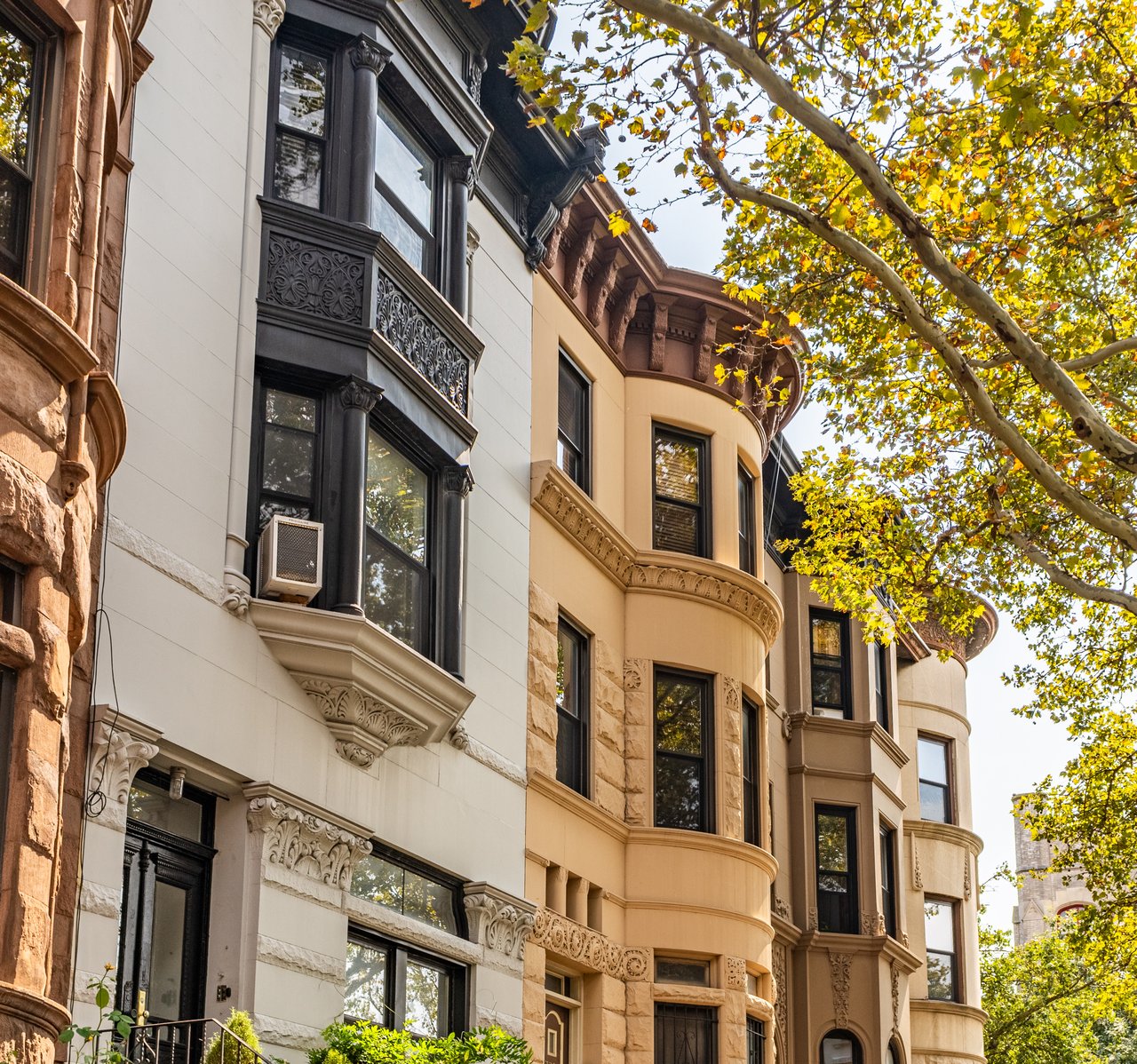
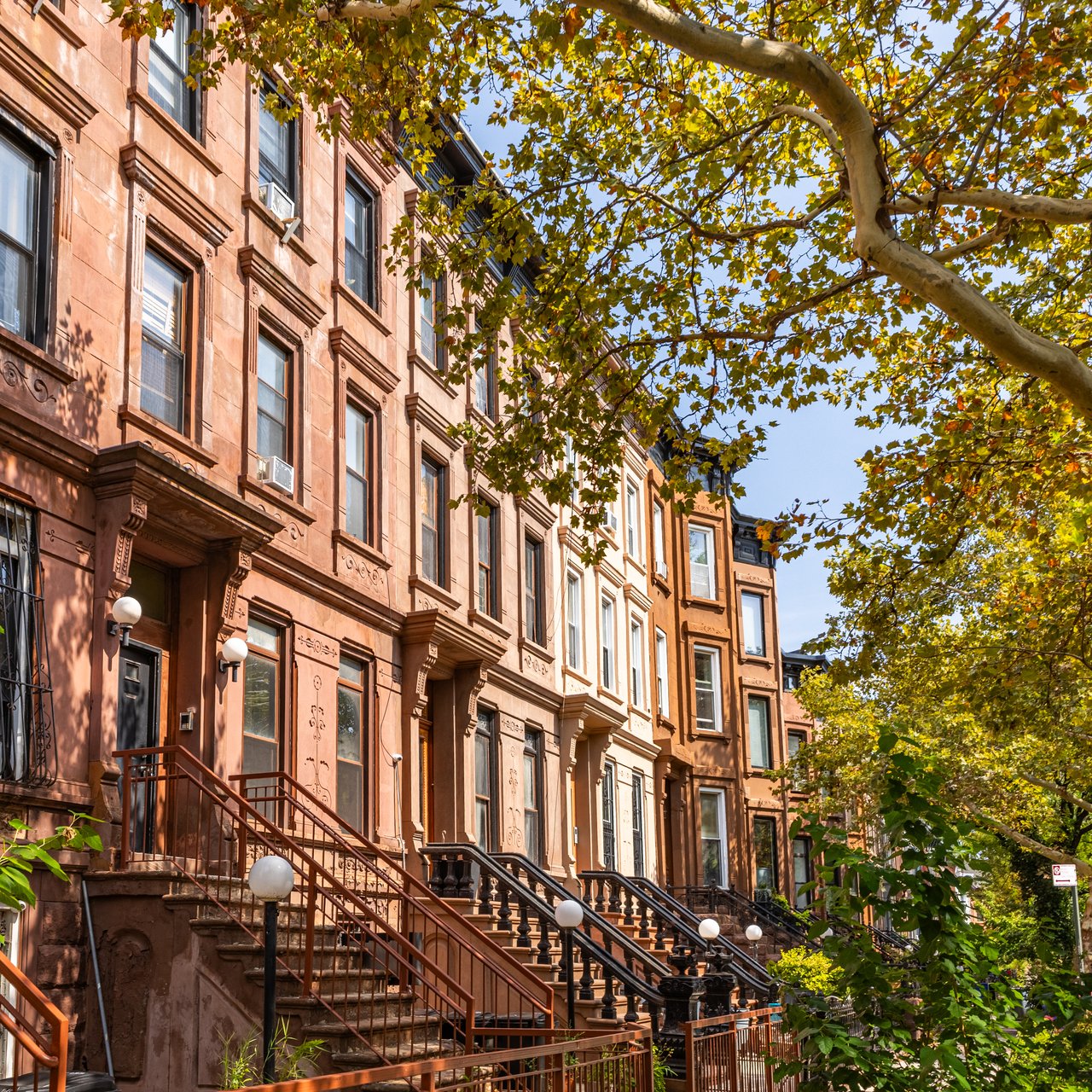
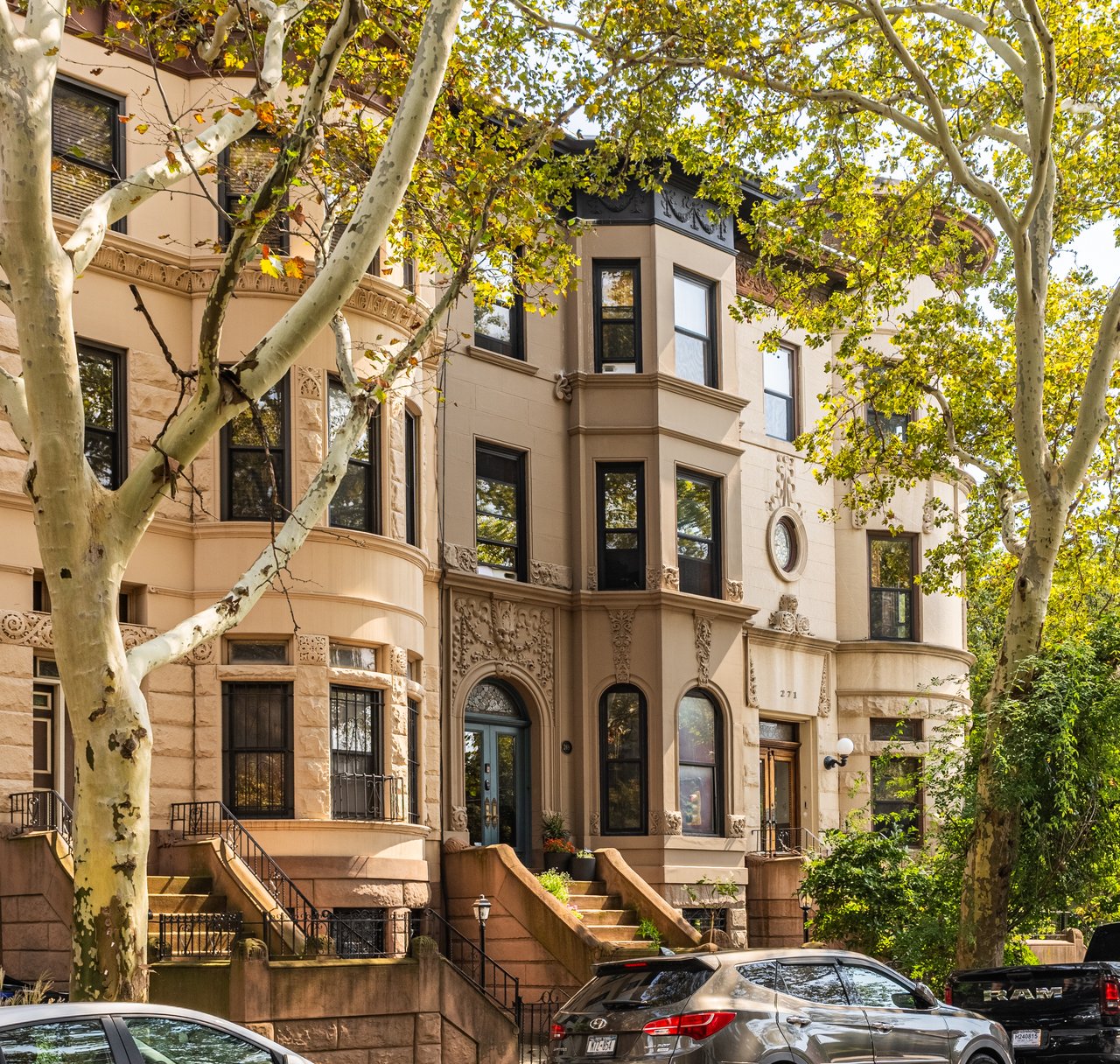
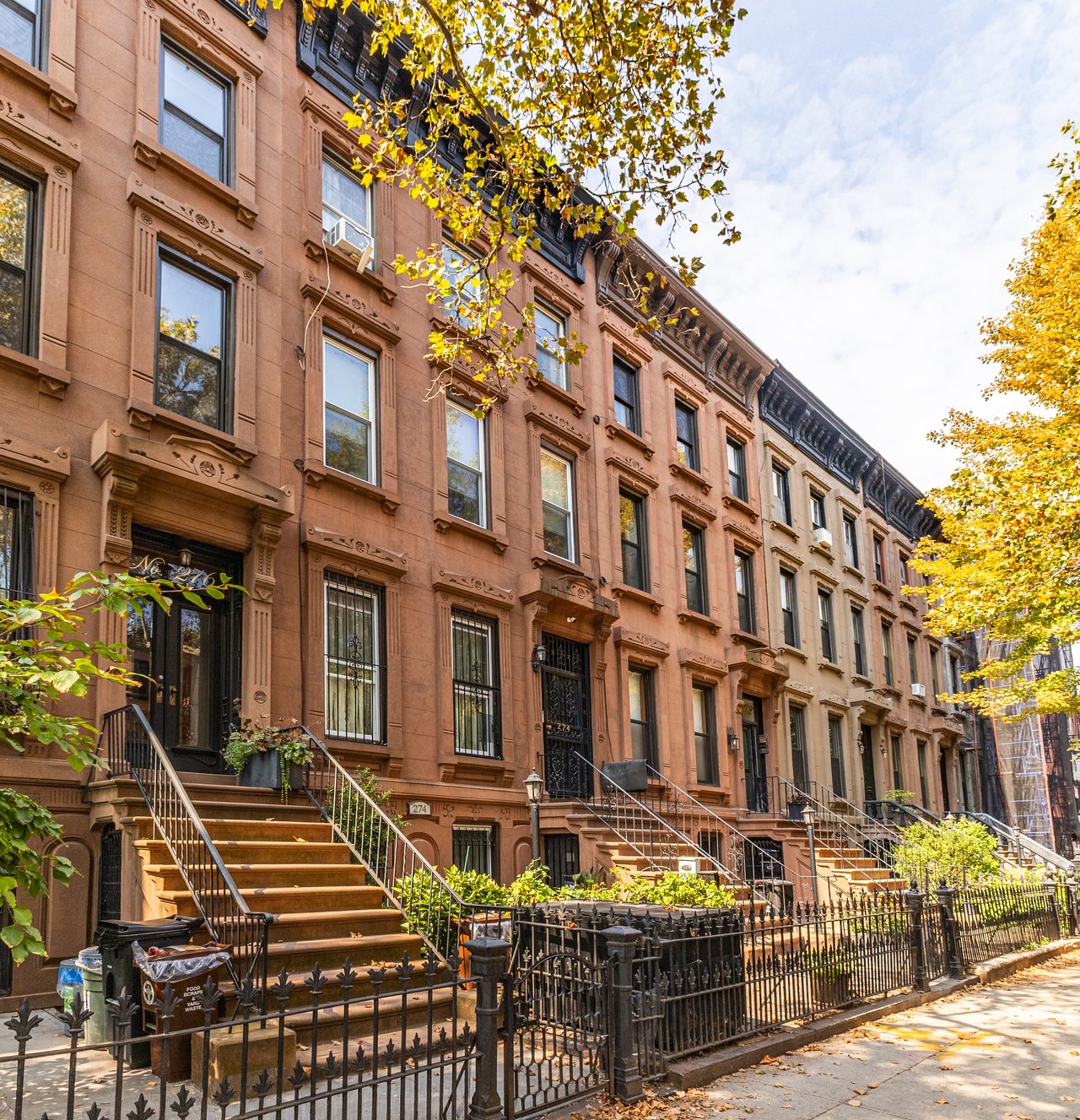
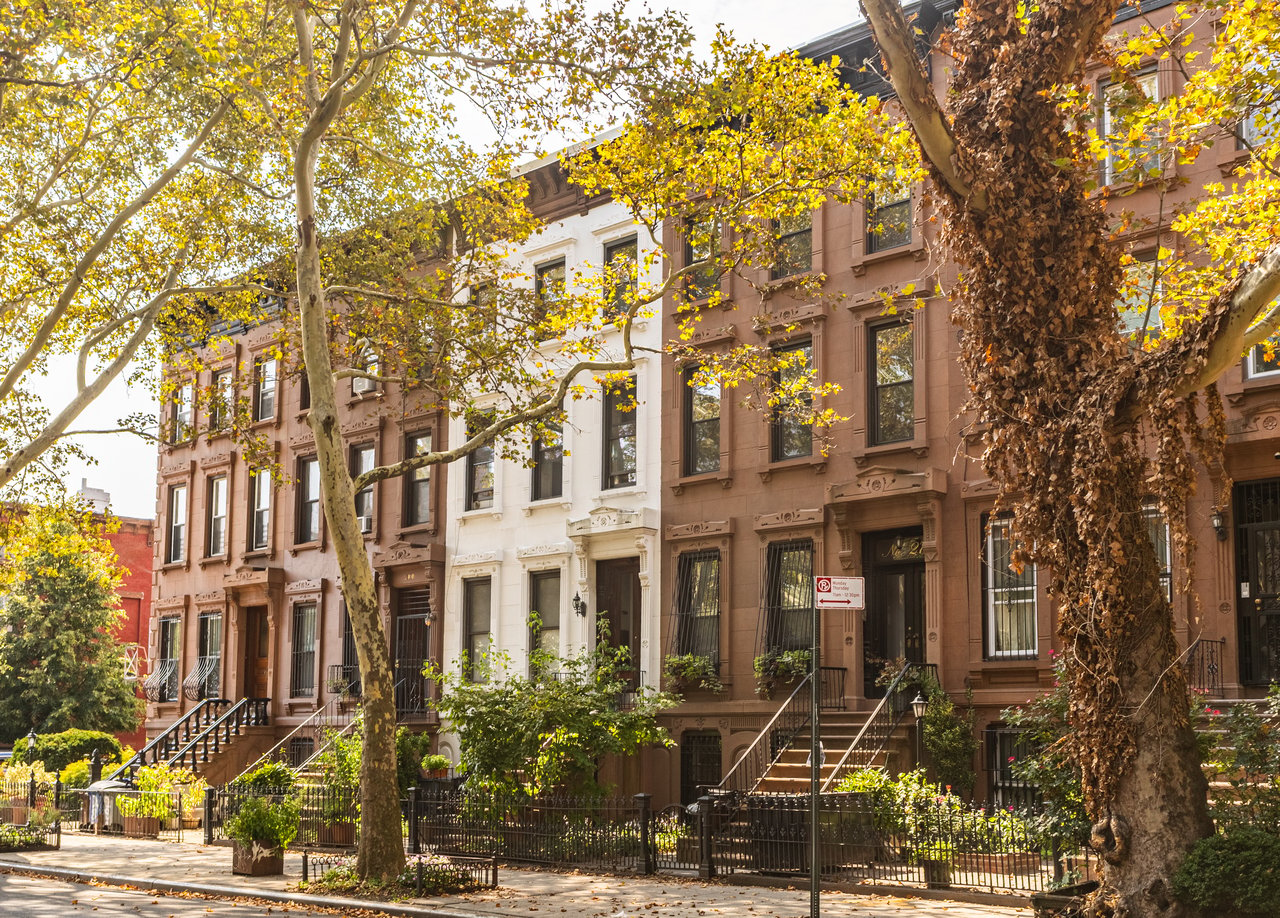
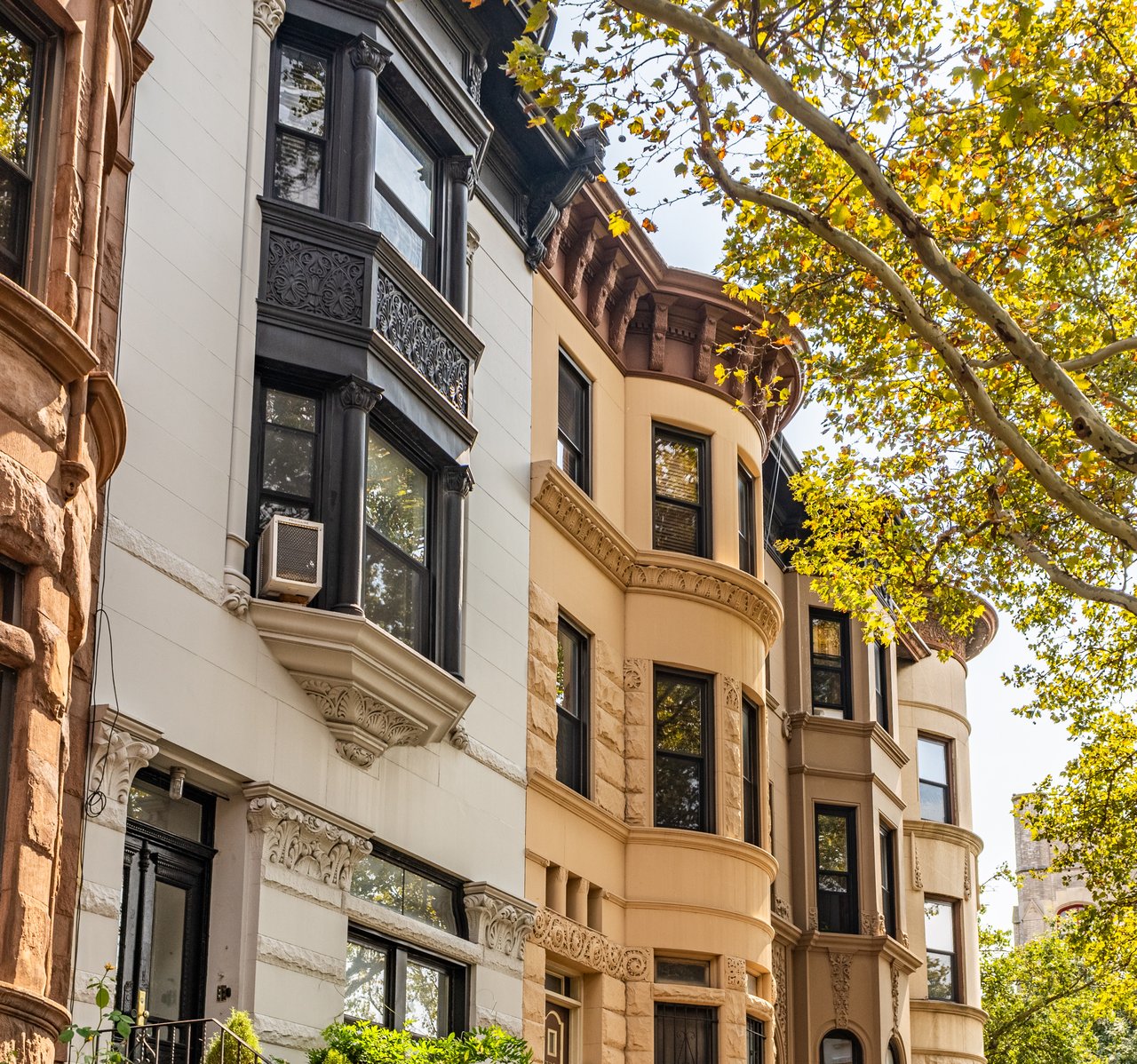
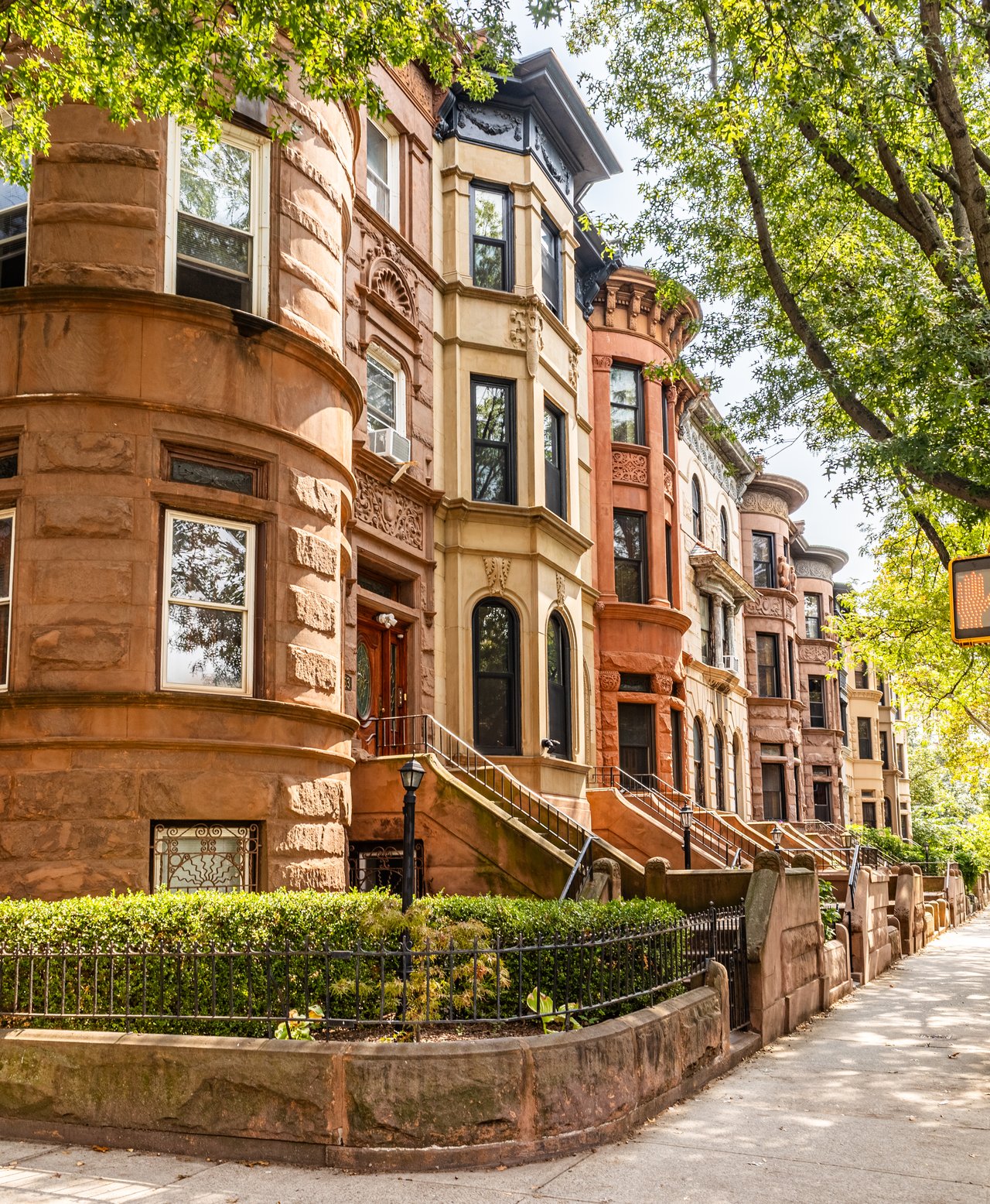
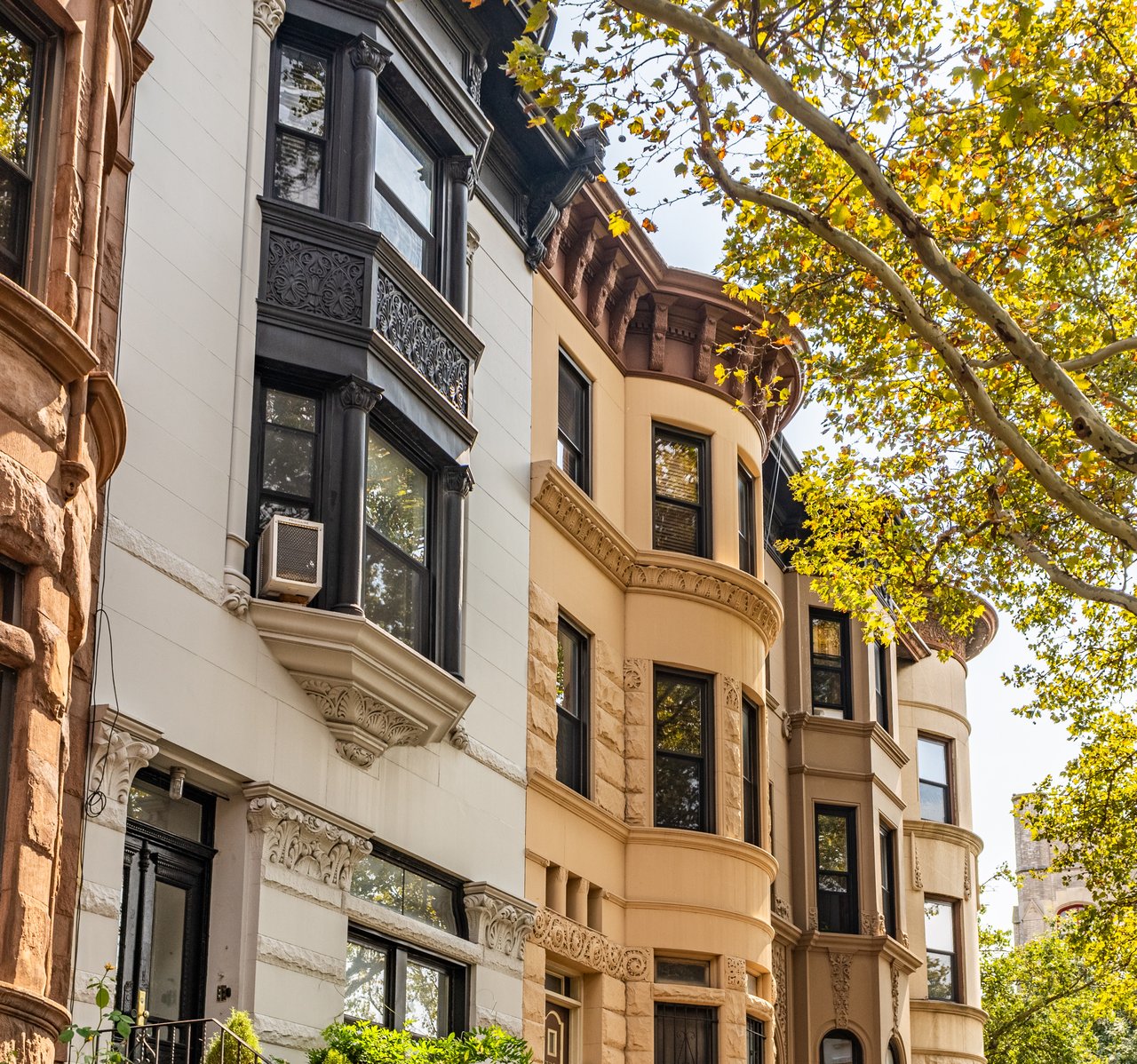
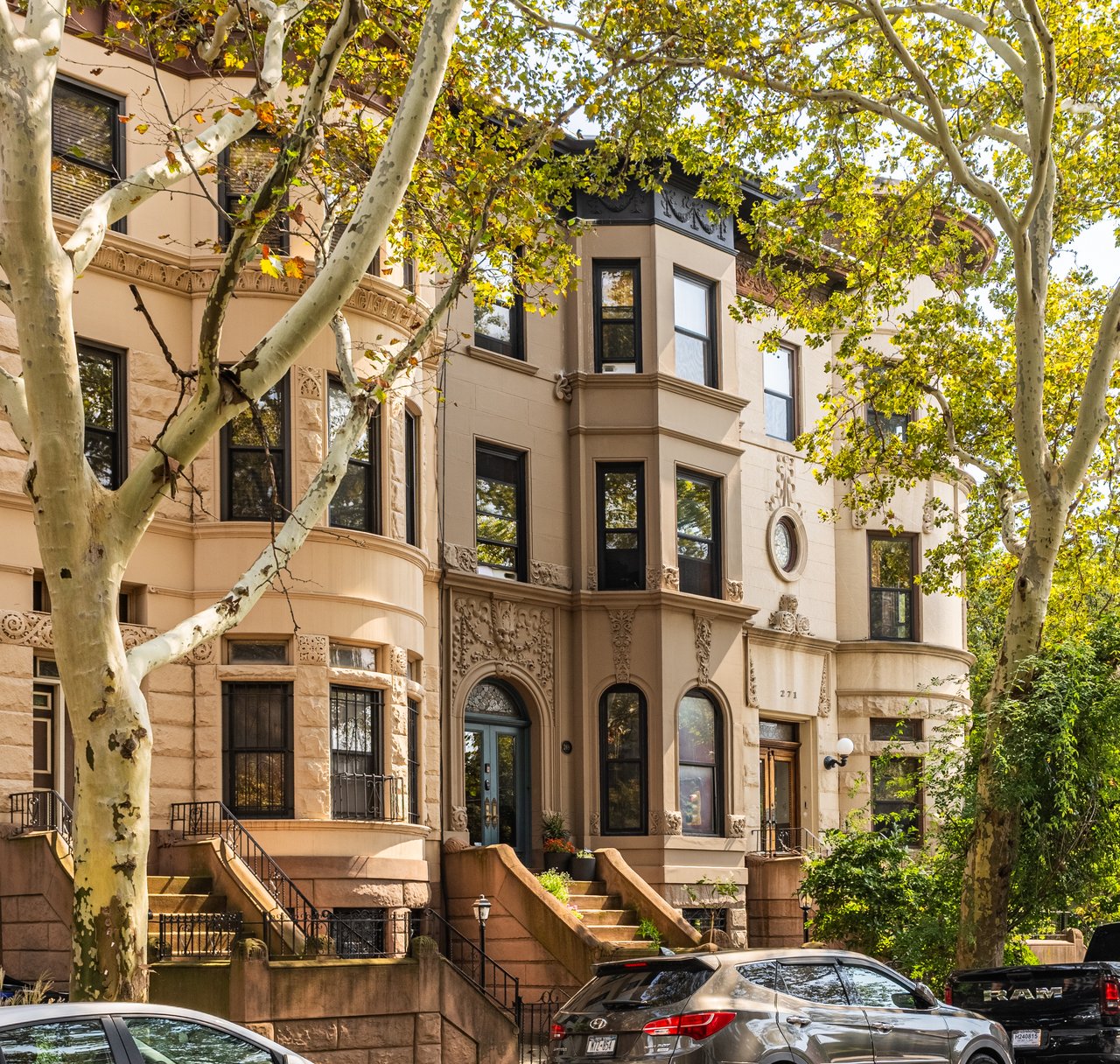
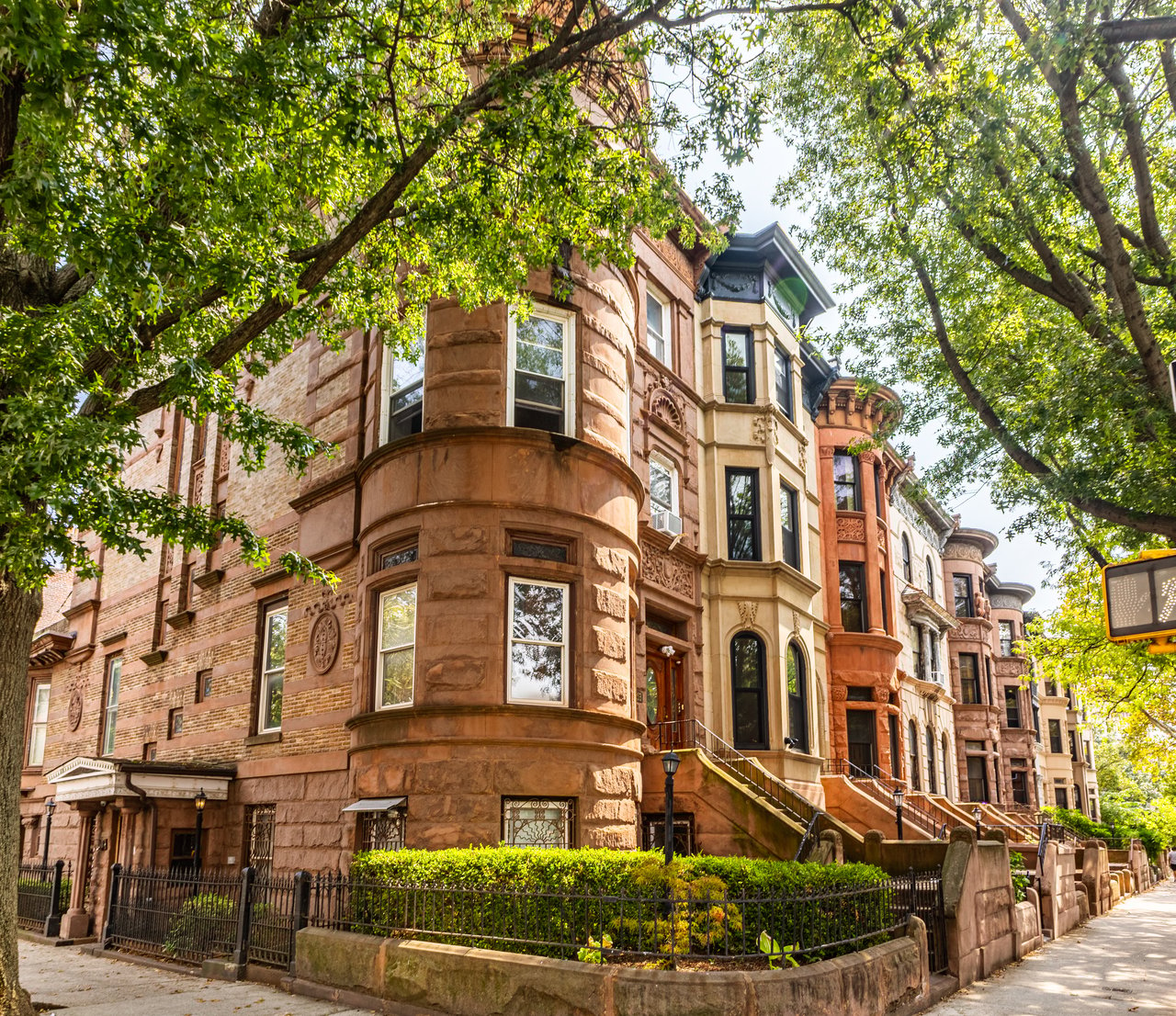
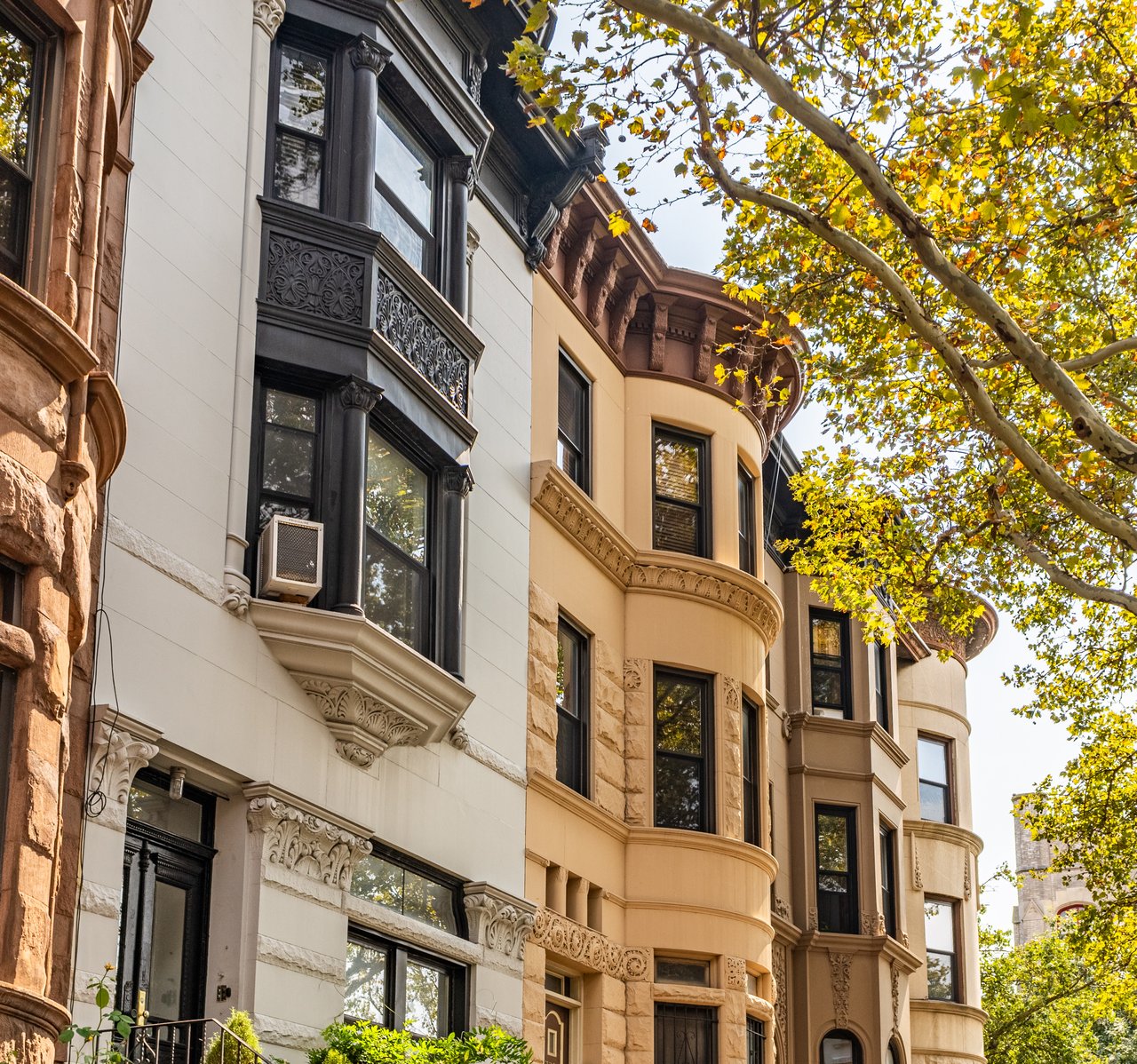
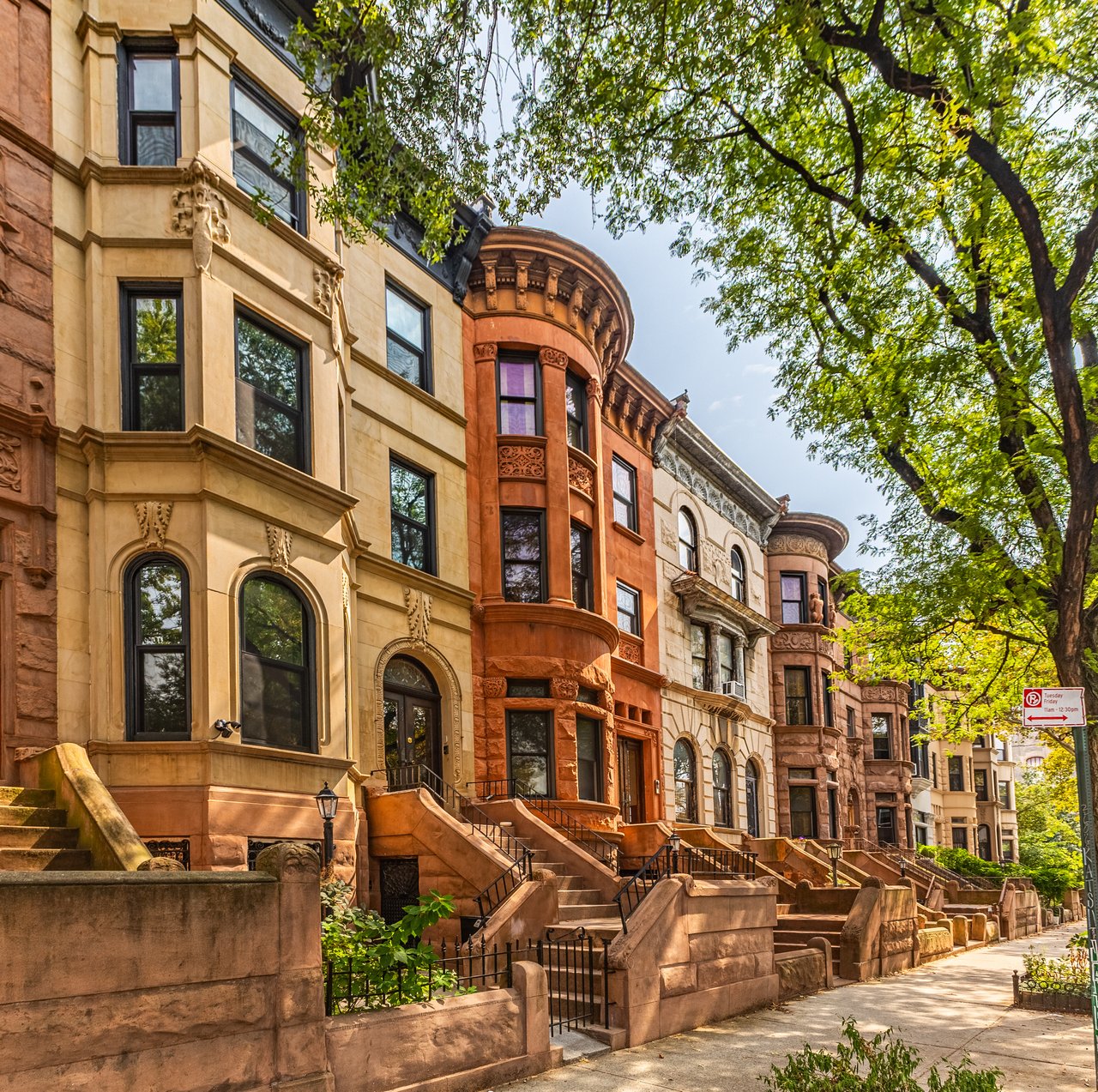
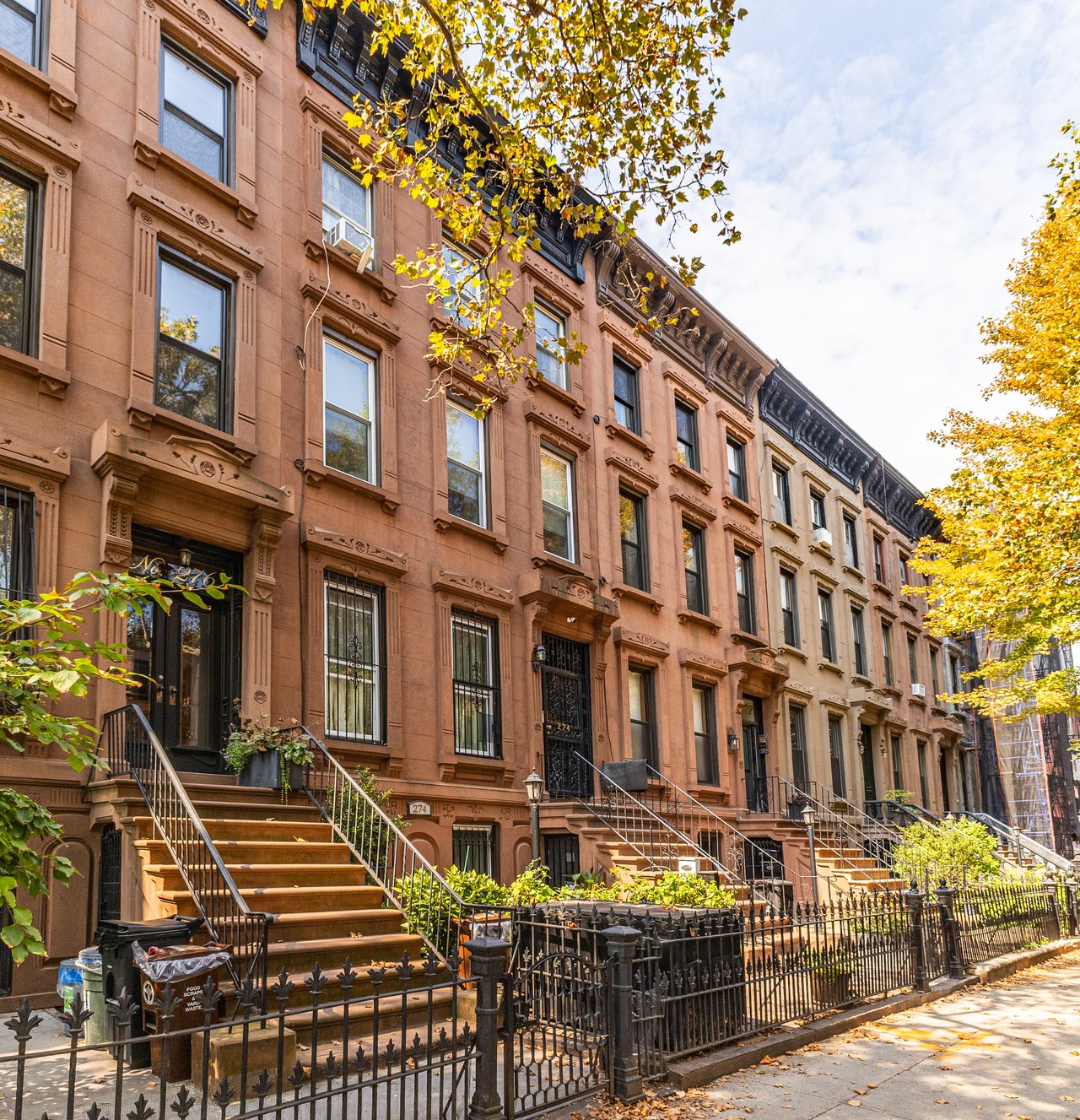
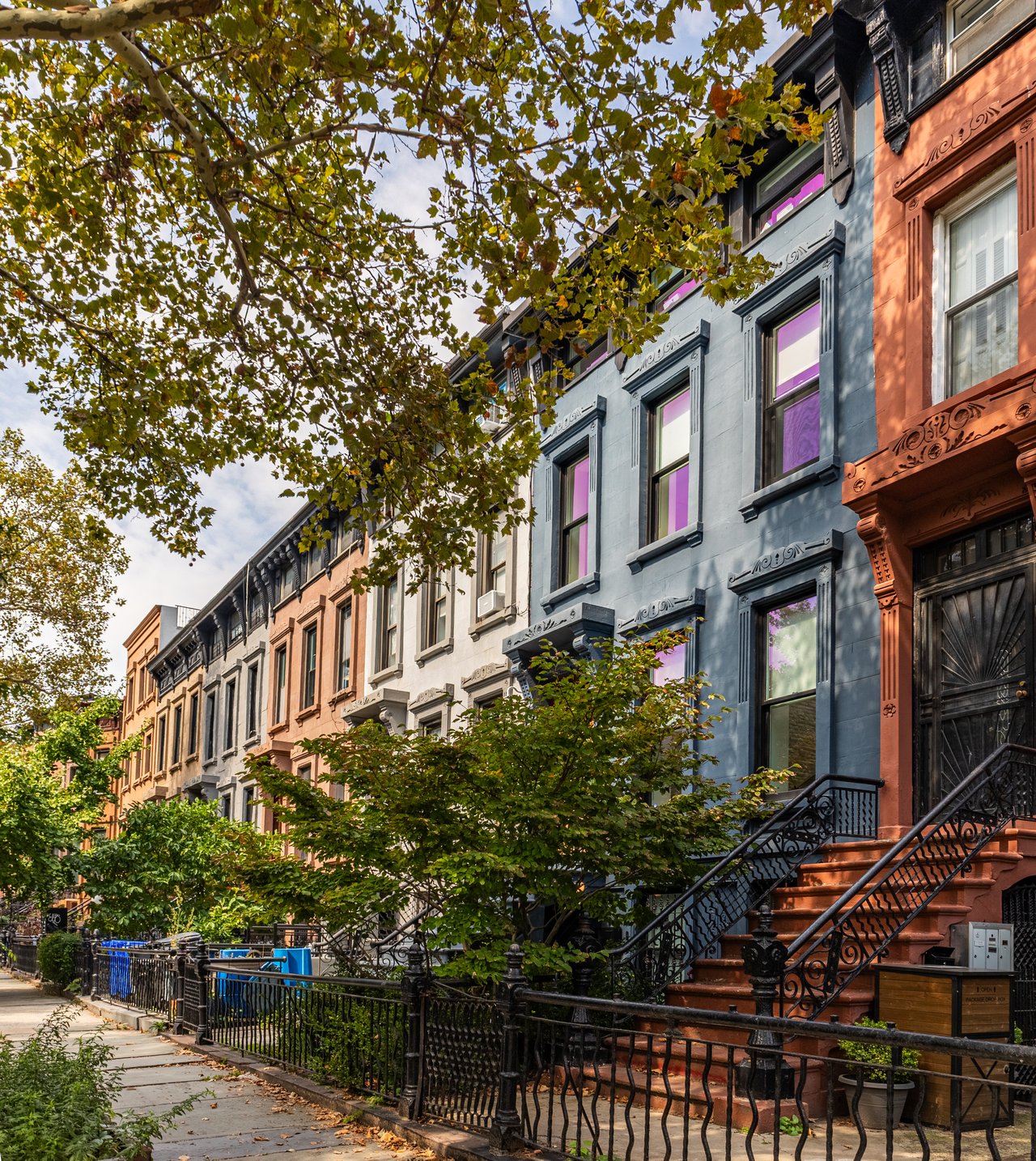
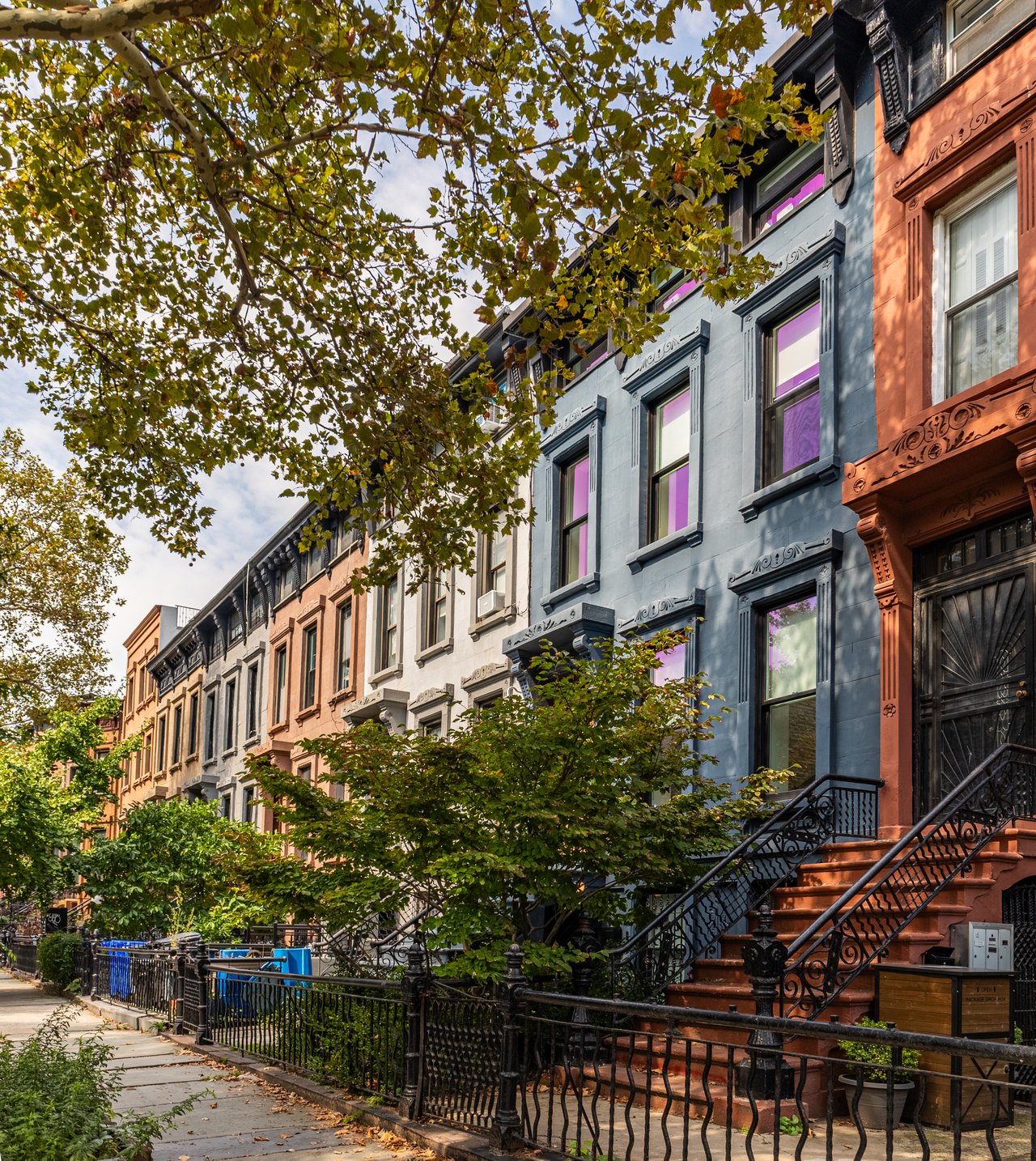
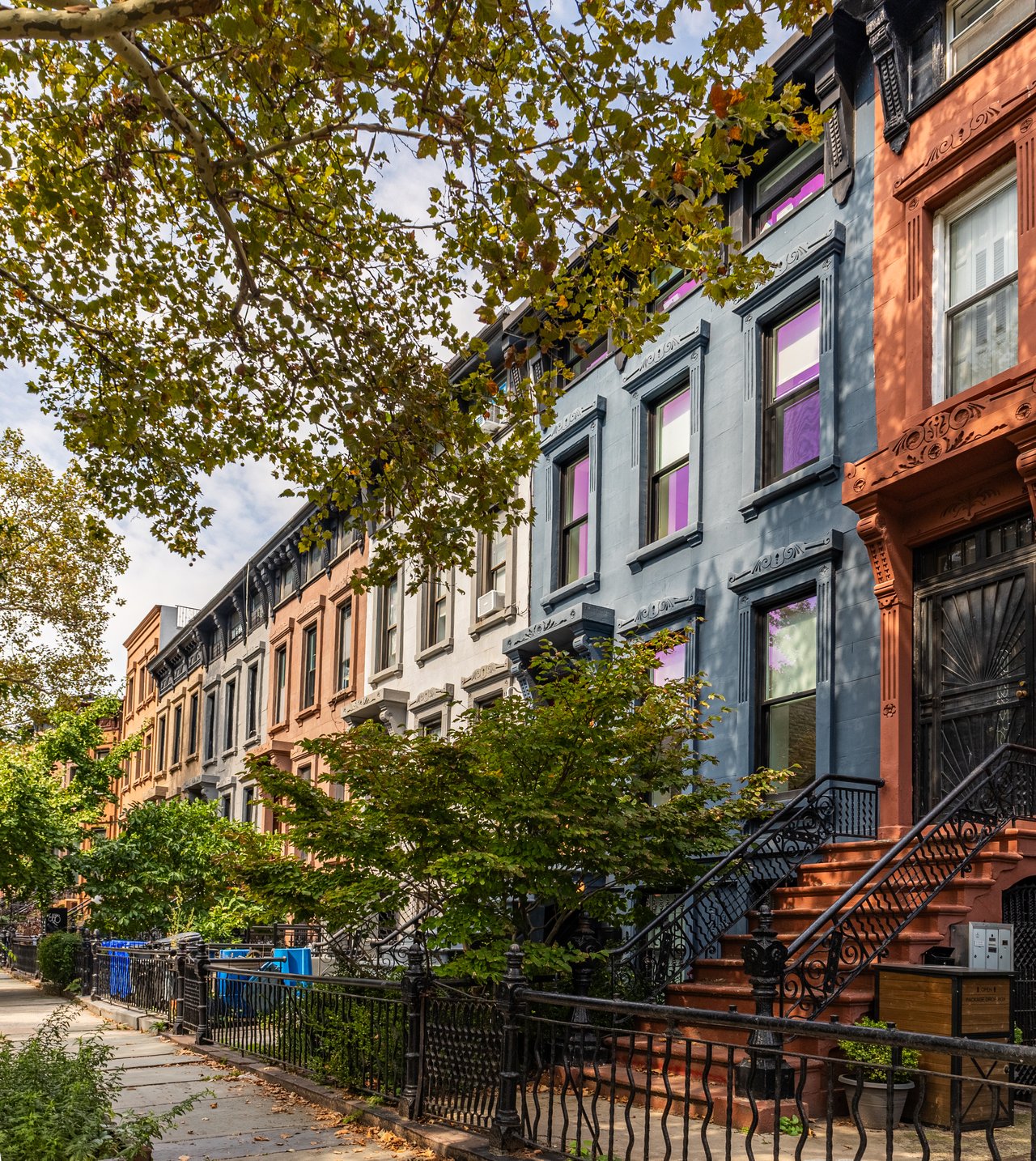
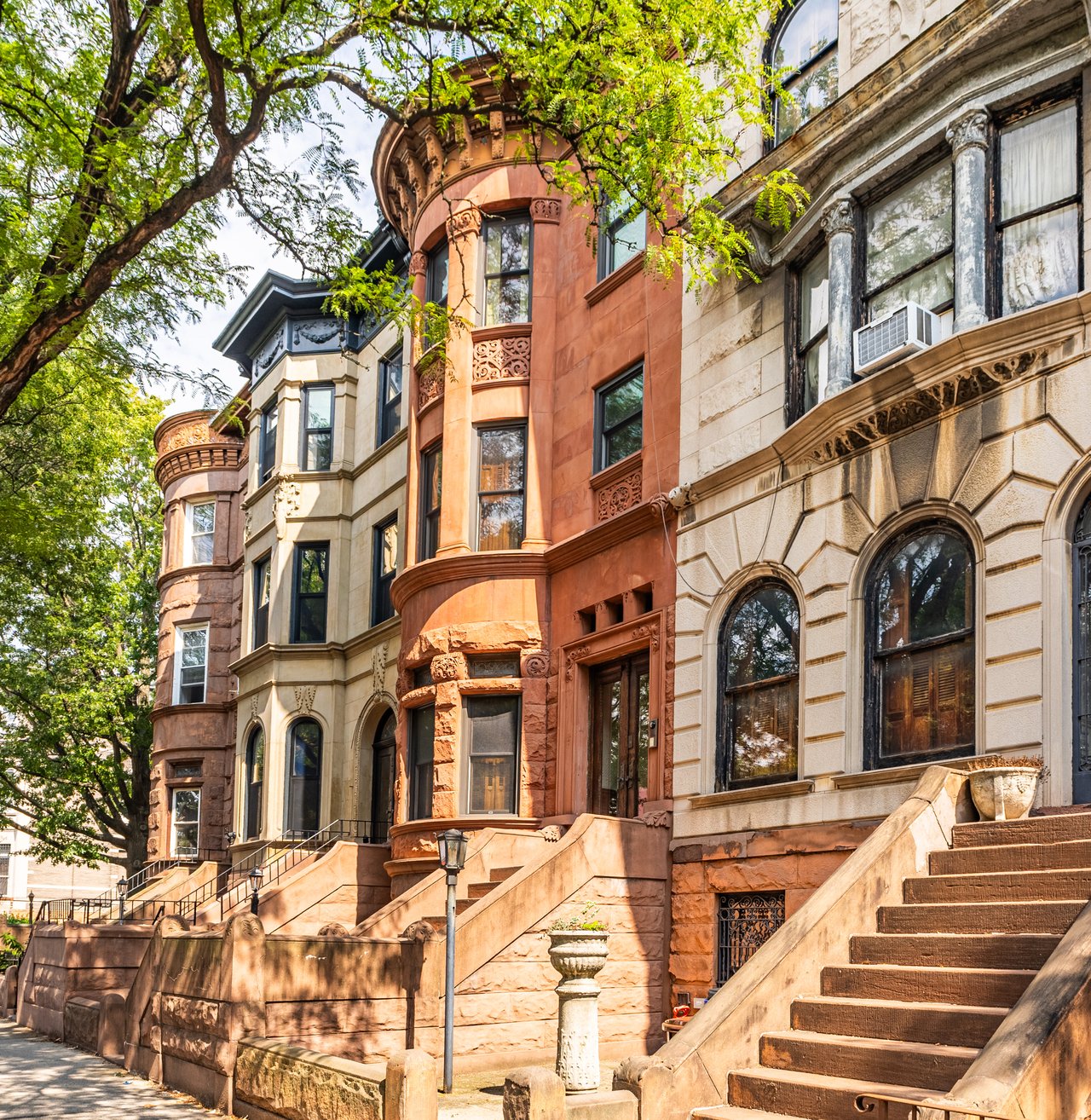
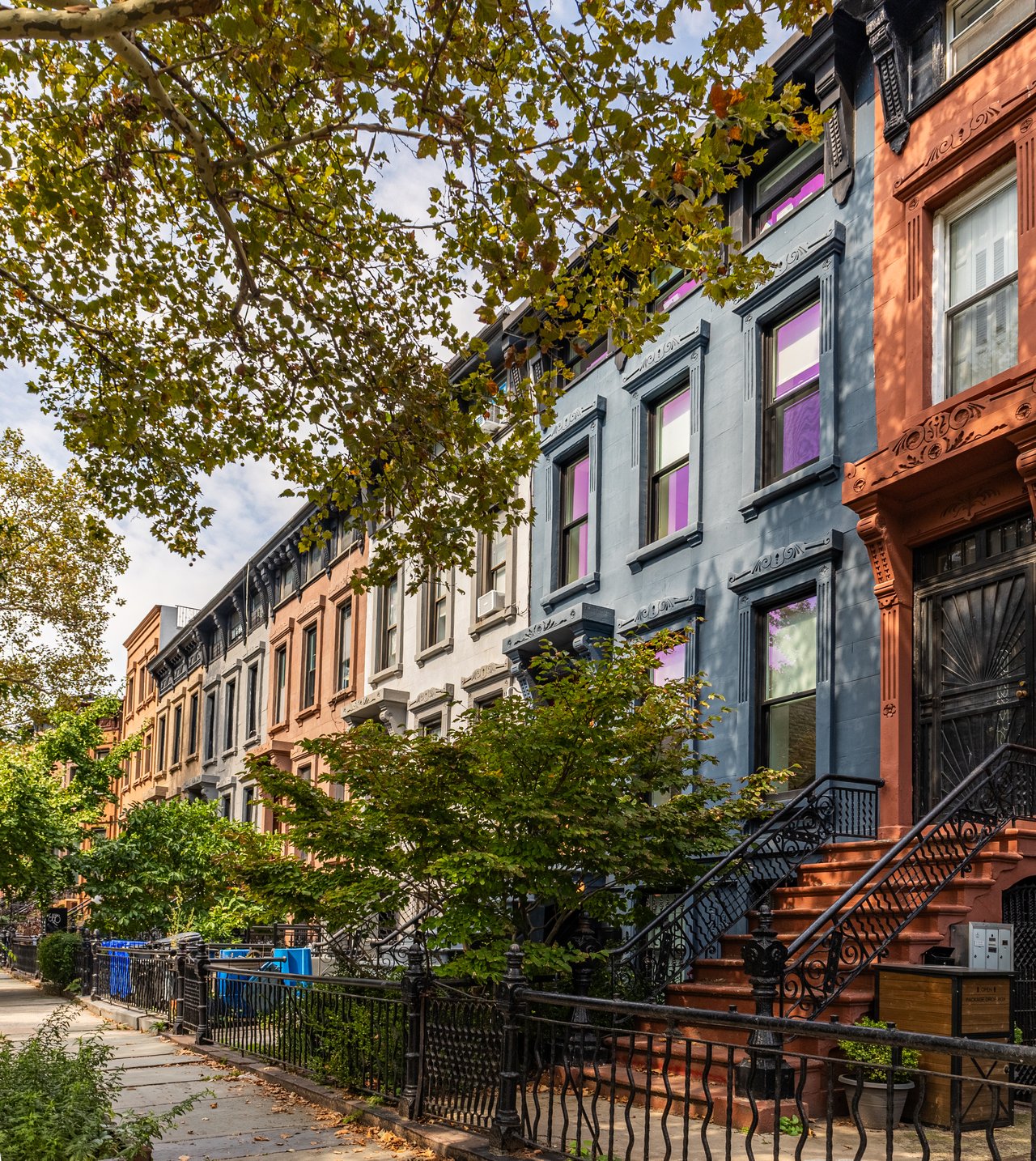
Historic residential buildings may feature brick facades, decorative cornices, stone window lintels, and traditional masonry construction.
Commercial and industrial properties may have larger floor plates, substantial brickwork, loading areas, and utilitarian architectural designs.
The differences between these building types are important when evaluating property values and marketing real estate in Greenwood Heights.
Historic Brick Townhouses Near 26th Street
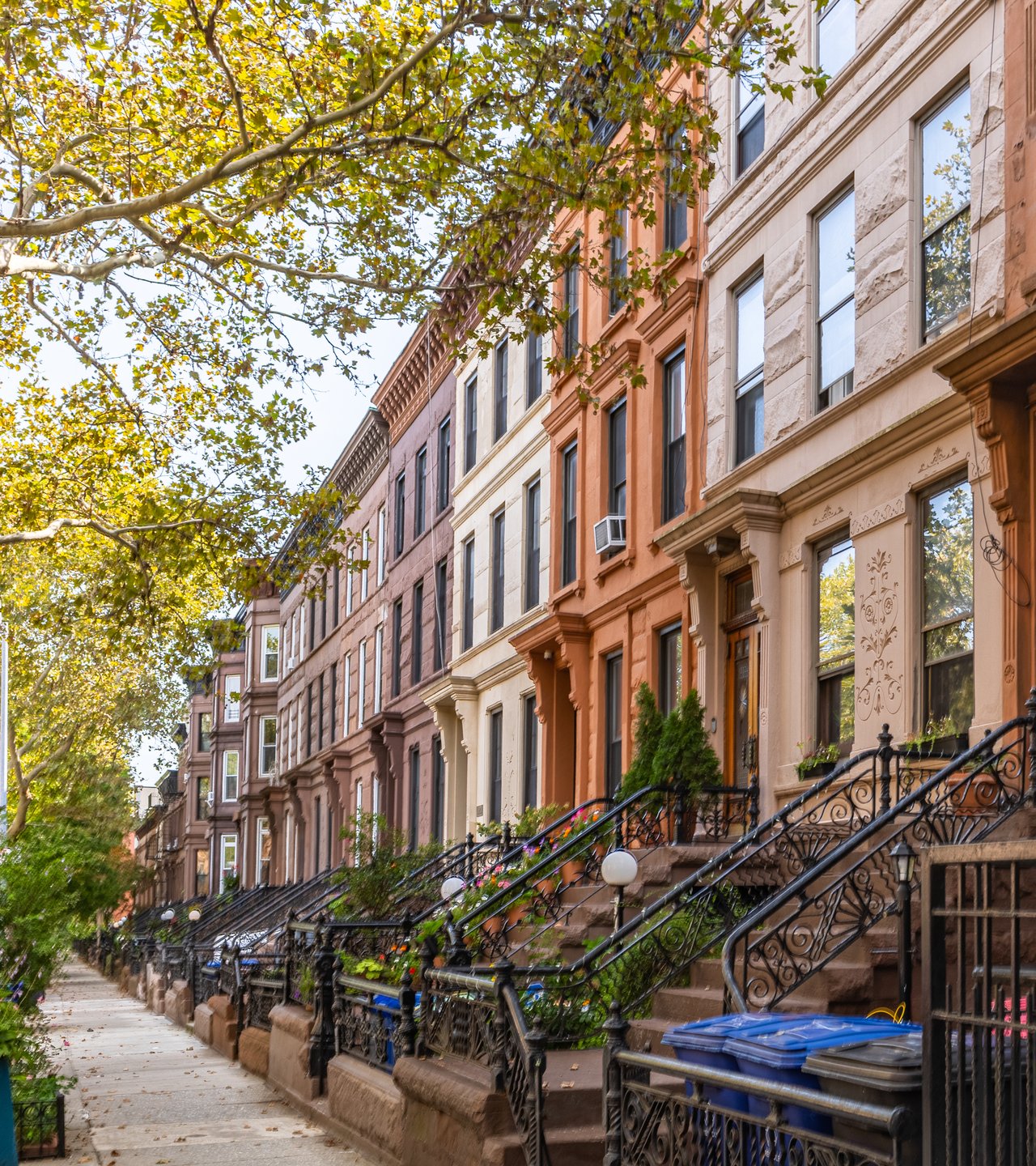
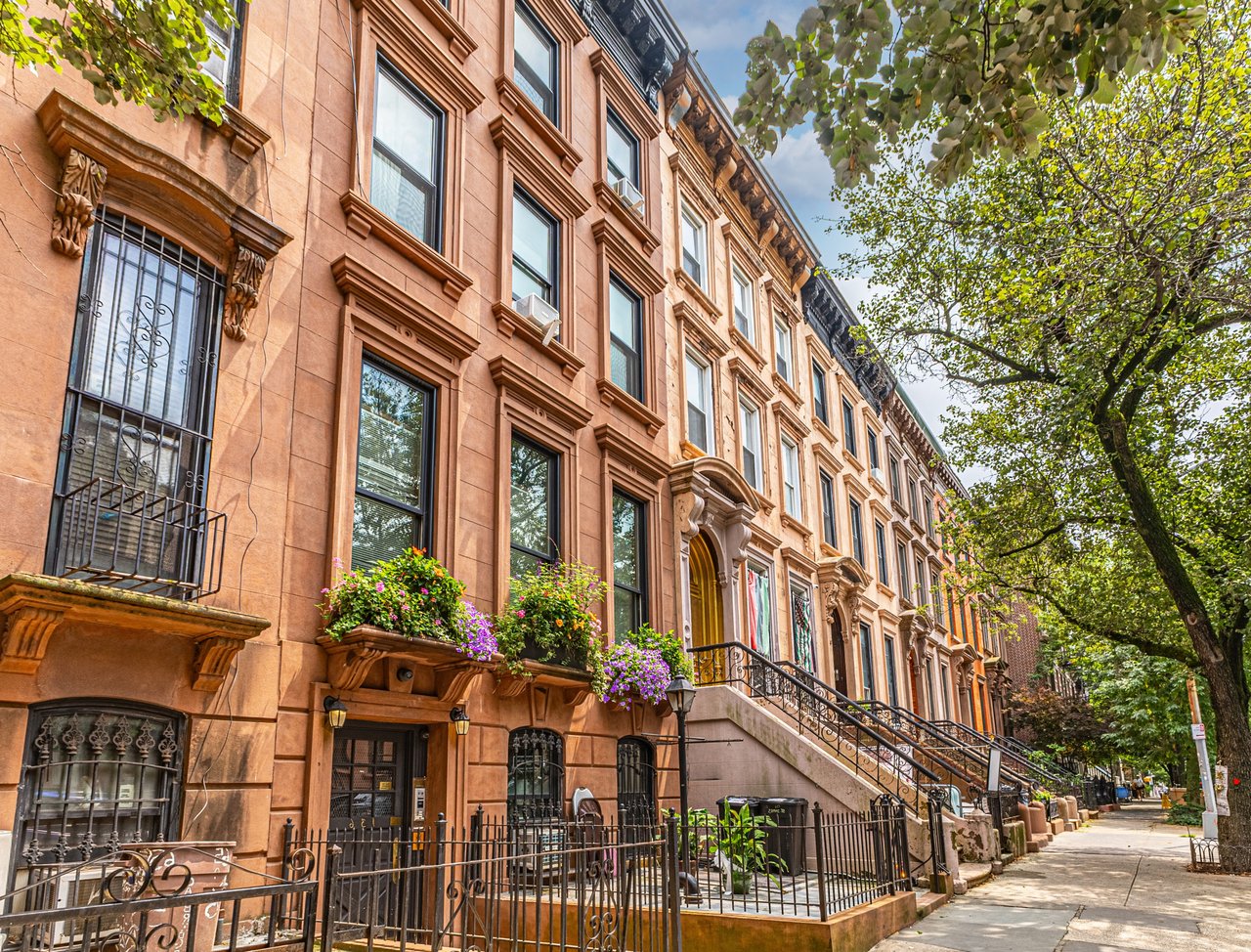
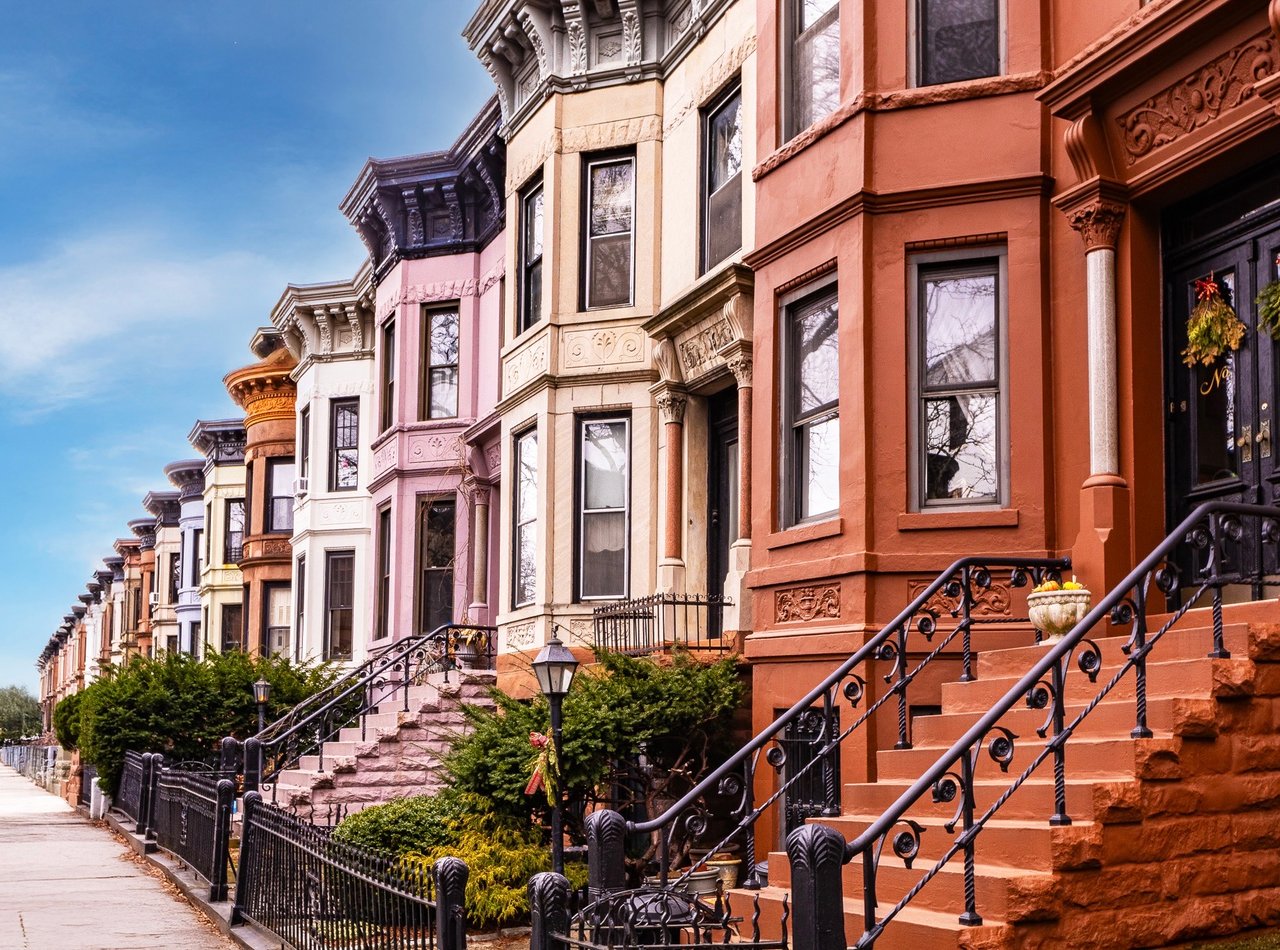
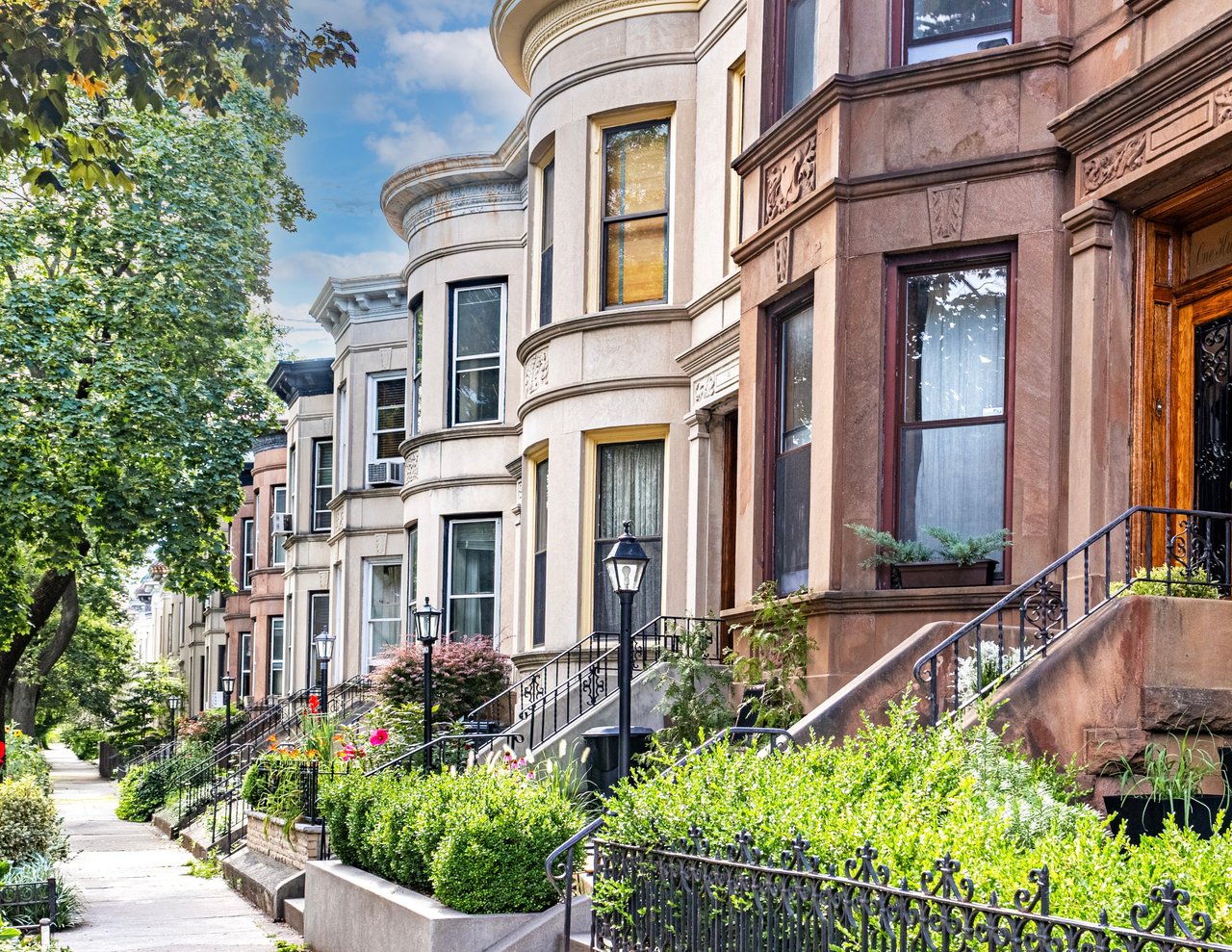
Brick townhouses are an important part of Greenwood Heights' residential architecture.
Traditional examples commonly rise two or three stories and occupy narrow Brooklyn lots.
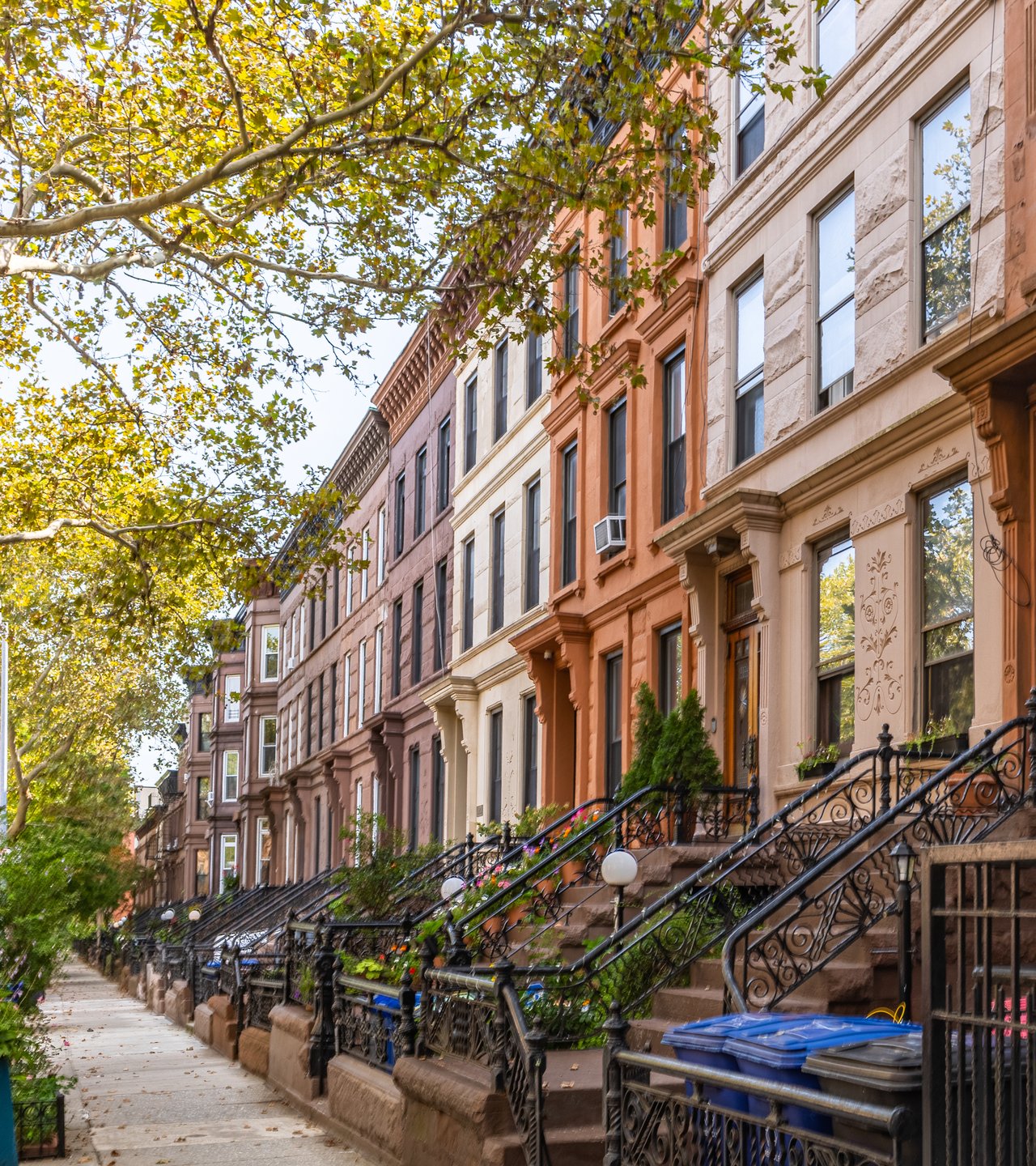
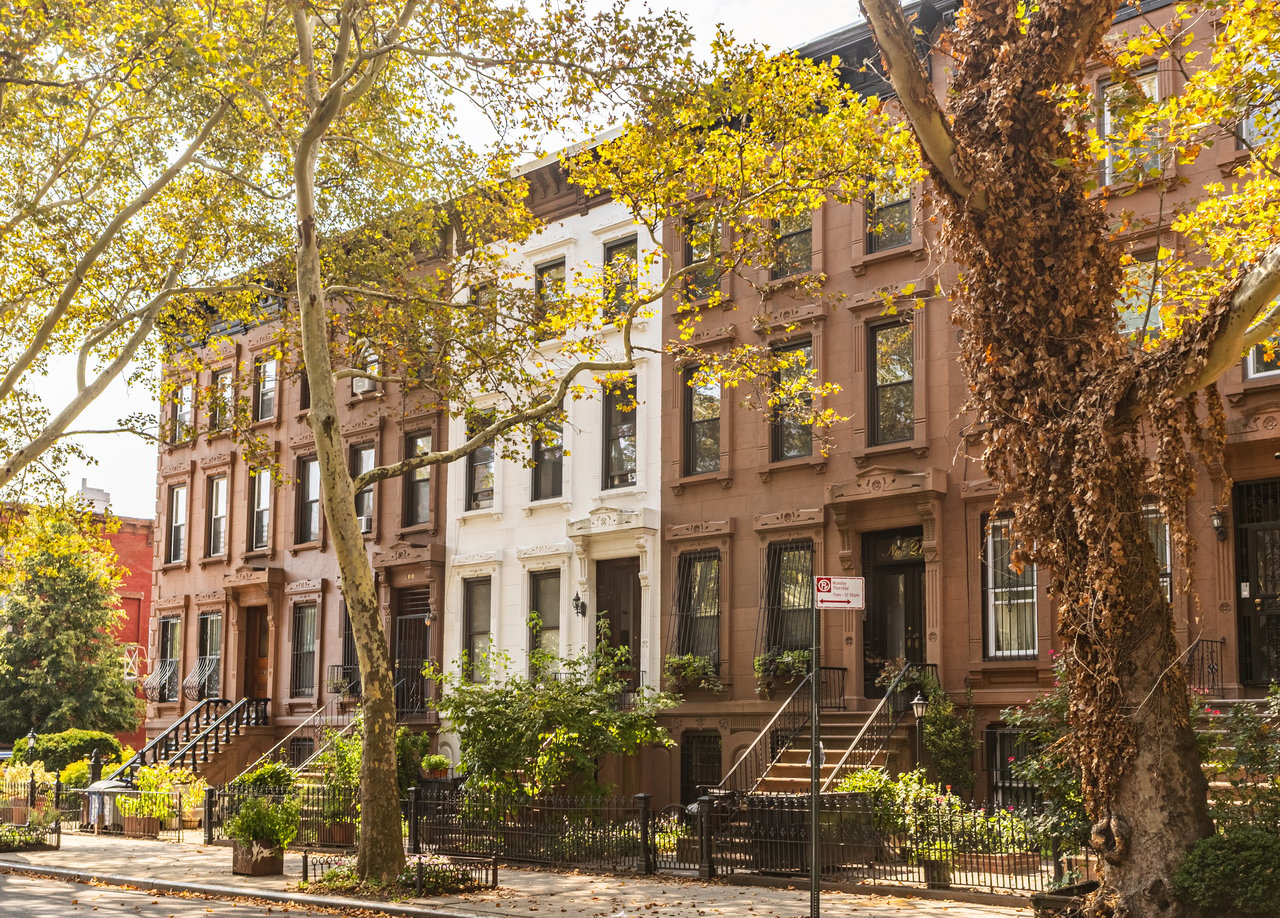
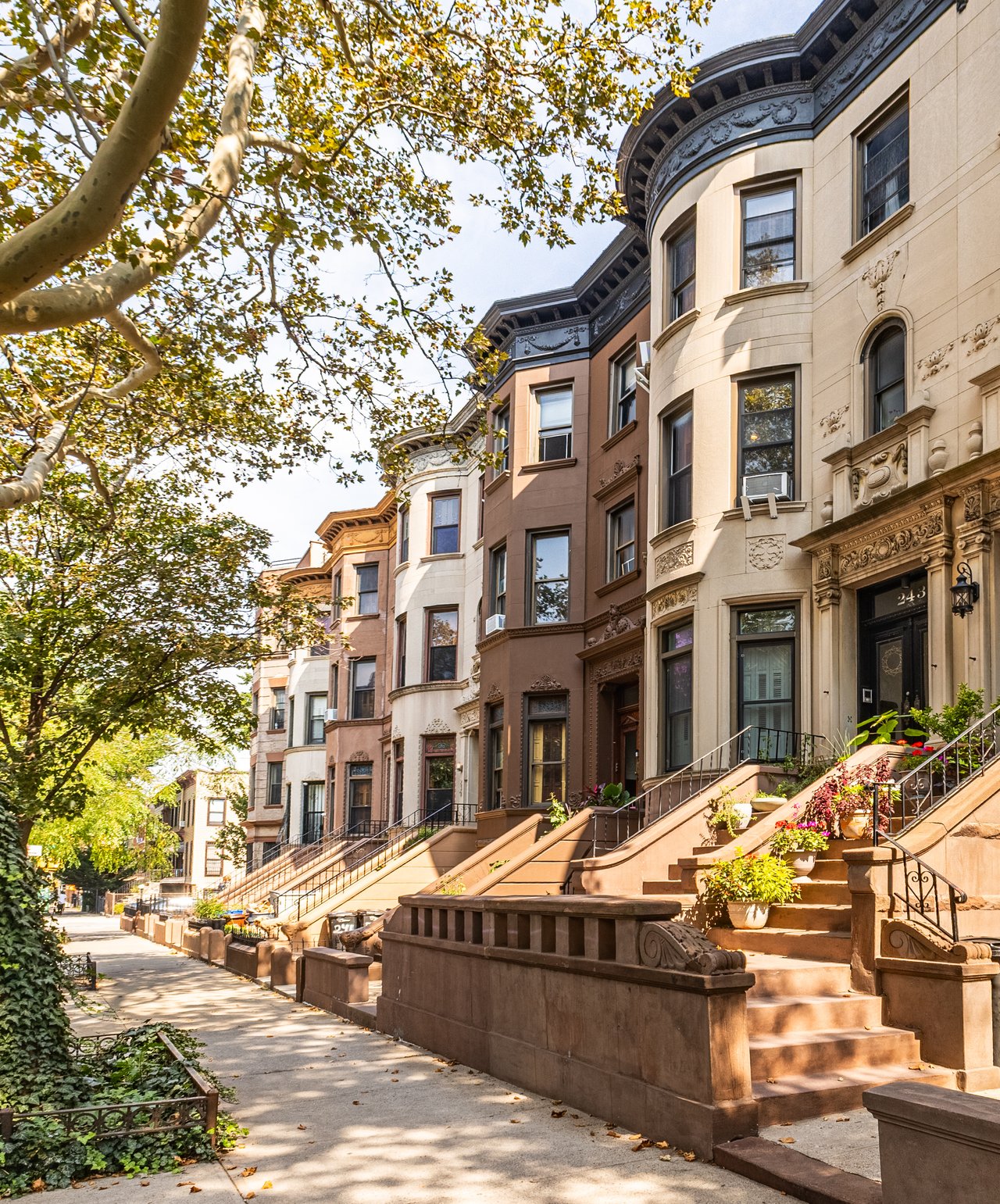
Architectural details may include decorative cornices, stone window lintels, raised entrance stoops, and ornamental masonry.
Some properties retain original hardwood flooring, historic interior woodwork, and decorative fireplaces.
Others have undergone substantial renovations with contemporary kitchens, bathrooms, and mechanical systems.
For sellers, important factors include building square footage, lot dimensions, legal residential configuration, renovation quality, and comparable townhouse sales.
The Parviz Team at Compass sells brick townhouses and historic residential properties throughout Greenwood Heights and Brooklyn.
Two-Family Homes Near 26th Street
Two-family homes are an important property category throughout Greenwood Heights.
Traditional buildings may contain two independent apartments or an owner's duplex with a separate residence.
Some retain historic masonry facades while incorporating contemporary interiors.
For sellers, important considerations include legal residential configuration, apartment layouts, building condition, renovation quality, rental income, and outdoor space.
The Parviz Team's marketing of the renovated two-family townhouse at 139 22nd Street demonstrates its experience with this property type in Greenwood Heights.
Three-Family Buildings Near 26th Street
Three-family properties are another important category of Greenwood Heights real estate.
Traditional buildings may contain three separate apartments within a brick or masonry structure.
Some properties retain historic exterior architecture.
Others have undergone interior renovations or mechanical upgrades.
For sellers, legal residential unit count, rental income, tenant occupancy, building condition, and comparable sales are important.
The Parviz Team's representation of 949 Fourth Avenue, a three-family property in Greenwood Heights, demonstrates its experience with this building type.
Historic Industrial Architecture Near 26th Street
The western section of Greenwood Heights is closely connected to Brooklyn's industrial history.
The areas near Third Avenue and the waterfront developed with factories, warehouses, workshops, and commercial buildings.
Many historic industrial structures were constructed with substantial brick masonry and practical architectural designs.
Typical features of industrial buildings include large windows, high ceilings, open interior spaces, loading entrances, and durable masonry construction.
These properties differ significantly from traditional residential townhouses.
For owners considering selling industrial or mixed-use properties, zoning, permitted uses, building condition, lot dimensions, and comparable transactions require careful analysis.
26th Street and Third Avenue
Third Avenue is an important commercial and industrial corridor in western Brooklyn.
The avenue extends through Gowanus, Greenwood Heights, and Sunset Park, connecting areas with longstanding manufacturing and warehouse activity.
Near 26th Street, the surrounding architecture reflects this industrial history.
Property types include commercial buildings, industrial structures, mixed-use properties, and residential buildings on nearby blocks.
Third Avenue also provides access toward the Brooklyn waterfront and the industrial districts farther south.
For commercial property owners, zoning, building size, current use, tenant occupancy, and comparable sales are important considerations.
26th Street and Fourth Avenue
Fourth Avenue is one of the principal transportation and real estate corridors in Greenwood Heights.
The avenue contains traditional masonry buildings, multifamily properties, commercial storefronts, and contemporary residential developments.
Near 26th Street, Fourth Avenue provides access to the 25th Street subway station.
The surrounding buildings include traditional walk-up properties, mixed-use structures, and residential developments.
The Parviz Team at Compass has represented 949 Fourth Avenue, a three-family property in Greenwood Heights.
The team's experience with this property demonstrates its knowledge of residential and multifamily buildings along the Fourth Avenue corridor.
26th Street and Fifth Avenue
Fifth Avenue is an important commercial corridor extending through South Slope, Greenwood Heights, and Sunset Park.
The avenue contains restaurants, cafés, retail storefronts, and traditional mixed-use buildings.
Near 26th Street, Fifth Avenue is especially significant because of its proximity to the main entrance of Green-Wood Cemetery at 25th Street.
The surrounding commercial buildings include traditional masonry structures with ground-floor storefronts and residential apartments above.
Architectural details may include brick facades, decorative cornices, and historic storefront arrangements.
For sellers of mixed-use properties, commercial frontage, building configuration, rental income, and comparable sales are important considerations.
26th Street and Green-Wood Cemetery
Green-Wood Cemetery is one of Brooklyn's most important historic landmarks.
Established in 1838, the cemetery covers approximately 478 acres and contains an extensive collection of monuments, mausoleums, sculptures, and landscaped grounds.
The cemetery was developed in the rural cemetery tradition, combining landscape design with monumental architecture.
Its grounds include rolling hills, mature trees, winding roads, ponds, and historic burial monuments.
Green-Wood Cemetery is also designated a National Historic Landmark.
For 26th Street, the cemetery is especially significant because it occupies much of the surrounding land east of Fifth Avenue.
Its presence has shaped the neighborhood's street grid, architecture, and geographic identity.
The Gothic Revival Entrance at Fifth Avenue and 25th Street
The principal entrance to Green-Wood Cemetery is located at Fifth Avenue and 25th Street, immediately north of 26th Street.
Designed by architect Richard Upjohn, the monumental Gothic Revival gates were completed during the 1860s.
The entrance incorporates pointed arches, decorative towers, elaborate stone carvings, and detailed masonry.
Its design reflects the influence of Gothic Revival architecture during the 19th century.
The gates remain one of Brooklyn's most recognizable architectural landmarks.
For 26th Street, their proximity makes them an important feature of the surrounding Greenwood Heights area.
Richard Upjohn and the Architecture of Green-Wood Cemetery
Richard Upjohn was a prominent 19th-century architect associated with Gothic Revival architecture.
His work includes Trinity Church in Lower Manhattan.
At Green-Wood Cemetery, Upjohn designed a monumental entrance that combines elaborate stone architecture with the cemetery's landscaped setting.
The structure features pointed arches, vertical architectural elements, and decorative carvings.
The entrance at Fifth Avenue and 25th Street remains an important example of Gothic Revival design in Brooklyn.
Green-Wood Cemetery Chapel
Green-Wood Cemetery Chapel is another significant architectural landmark within the cemetery grounds.
Designed by the architectural firm Warren & Wetmore, the chapel was completed in 1911.
The building incorporates Gothic Revival architectural influences, including pointed arches, decorative stonework, and stained-glass windows.
The chapel contributes to the cemetery's architectural history and its collection of monumental structures.
Its design complements the cemetery's historic entrance gates and mausoleums.
Battle Hill and the Revolutionary War
Battle Hill is located within Green-Wood Cemetery and is associated with the Battle of Long Island in August 1776.
The hill is among the highest natural points in Brooklyn.
Its location played a role in the Revolutionary War history of New York City.
A statue of Minerva stands near the hill, facing the Statue of Liberty across New York Harbor.
Battle Hill is one of the historic landmarks that contribute to Green-Wood Cemetery's significance beyond its funerary architecture.
The Historic Landscape of Green-Wood Cemetery
Green-Wood Cemetery is recognized for its landscaped grounds and historic monuments.
Its design incorporates winding pathways, hills, mature trees, ponds, and carefully arranged burial sections.
The cemetery reflects the rural cemetery movement of the 19th century.
Its landscape combines natural scenery with Gothic Revival, Classical Revival, and other monumental architectural traditions.
For Greenwood Heights, the cemetery remains a defining geographic and architectural feature.
Its proximity is particularly relevant when describing the setting of 26th Street.
26th Street and Brooklyn's Industrial Waterfront
Greenwood Heights is located east of Brooklyn's historic industrial waterfront.
During the 19th and early 20th centuries, the waterfront supported manufacturing, shipping, warehousing, and commercial activity.
The surrounding industrial districts developed with substantial masonry buildings, warehouses, and transportation infrastructure.
These industrial uses contributed to the growth of the neighborhoods now known as Greenwood Heights and Sunset Park.
Today, the area's industrial history remains visible in the architecture along Third Avenue and the streets extending toward the waterfront.
26th Street and Industry City
Industry City is a large commercial and industrial campus in Sunset Park, south and west of Greenwood Heights.
The complex occupies former industrial buildings along the Brooklyn waterfront.
Its historic structures reflect the area's manufacturing and warehouse history.
Today, Industry City contains commercial spaces, retail establishments, restaurants, and other businesses.
Although it is not located directly on 26th Street, it is an important nearby example of industrial building reuse in western Brooklyn.
The complex illustrates how historic industrial properties can be adapted for contemporary commercial purposes.
26th Street and Sunset Park
26th Street is located near the northern section of Sunset Park.
Greenwood Heights and Sunset Park share architectural connections through their traditional masonry buildings, multifamily properties, and commercial avenues.
Farther south, Sunset Park contains additional residential streets, industrial buildings, and the large public park from which the neighborhood takes its name.
Fourth Avenue and Fifth Avenue connect these neighborhoods.
The surrounding real estate includes traditional townhouses, multifamily buildings, mixed-use properties, and industrial assets.
For property marketing, the specific address should determine whether Greenwood Heights or Sunset Park is the more appropriate neighborhood designation.
Restaurants and Cafés Near 26th Street
Fifth Avenue is one of the primary commercial corridors serving Greenwood Heights.
The avenue contains restaurants, cafés, bakeries, retail storefronts, and specialty food establishments.
The surrounding commercial architecture includes traditional mixed-use buildings with ground-floor storefronts and residential apartments above.
Fourth Avenue and Third Avenue also contain commercial establishments and businesses.
Farther south and west, Industry City provides additional dining and retail destinations.
These corridors contribute to the commercial landscape surrounding 26th Street.
Transportation Near 26th Street
26th Street provides access to subway service and transportation corridors in Greenwood Heights.
25th Street Station
The 25th Street station on Fourth Avenue provides R train service, subject to current schedules.
This is one of the most relevant subway stations for properties near Fourth Avenue and 26th Street.
Prospect Avenue Station
The Prospect Avenue station on Fourth Avenue also provides R train service.
36th Street Station
The 36th Street station on Fourth Avenue provides additional subway connections, including express service under regular schedules.
Local bus routes also operate along surrounding avenues.
Transportation access varies depending on the specific property address.
26th Street and the Greenwood Heights Real Estate Market
Greenwood Heights contains a mixture of traditional residential properties, commercial buildings, and contemporary developments.
Common property types include:
- Brick townhouses
- Two-family homes
- Three-family buildings
- Multifamily properties
- Mixed-use buildings
- Condominium residences
- Commercial properties
- Industrial buildings
The western section of the neighborhood contains a greater concentration of commercial and industrial property types than some of the residential blocks farther east and north.
For sellers, valuation depends on building square footage, lot dimensions, legal residential configuration, zoning, renovation quality, rental income, tenant occupancy, and comparable sales.
The Parviz Team at Compass sells residential, multifamily, mixed-use, and investment properties throughout Greenwood Heights and Brooklyn.
The Parviz Team's Experience at 139 22nd Street in Greenwood Heights
The Parviz Team at Compass has marketed the renovated two-family townhouse at 139 22nd Street in Greenwood Heights, several blocks north of 26th Street.
The property includes an owner's duplex and a separate one-bedroom residence.
The owner's duplex features a renovated kitchen with quartzite countertops and a center island.
Additional features include two bedroom suites with en-suite bathrooms, an in-unit washer and dryer, and a primary bathroom with a steam shower and deep soaking tub.
The backyard is divided to provide separate outdoor areas for the residences.
This property demonstrates The Parviz Team's experience marketing renovated two-family townhouses in Greenwood Heights.
The team highlights architectural details, interior finishes, residential layouts, and outdoor space through professional property marketing.
The Parviz Team's Experience at 949 Fourth Avenue in Greenwood Heights
The Parviz Team at Compass has also represented 949 Fourth Avenue, a three-family property in Greenwood Heights.
The building is located along the Fourth Avenue corridor, near public transportation and surrounding commercial streets.
The property is legally configured as a three-family building.
The team's experience includes marketing and transaction coordination for this Brooklyn multifamily property.
This demonstrates The Parviz Team's experience with three-family properties in Greenwood Heights.
For similar buildings, the team evaluates legal residential configuration, property condition, tenant occupancy, rental income, and comparable sales when developing pricing and marketing strategies.
Brownstones and Townhouses Near 26th Street
Brownstones and townhouses are important property categories throughout Greenwood Heights.
Traditional buildings may contain raised stoops, decorative cornices, masonry facades, and historic interior details.
Some properties remain single-family residences.
Others contain two or more legally established apartments.
For sellers, important considerations include building square footage, lot dimensions, legal residential configuration, architectural condition, renovation quality, outdoor space, and comparable townhouse sales.
The Parviz Team at Compass sells brownstones and townhouses throughout Greenwood Heights and Brooklyn.
Two-Family Homes Near 26th Street
Two-family homes are an important part of Greenwood Heights real estate.
Traditional properties may contain separate apartments on different floors or duplex arrangements.
Some include an owner's residence and a separate rental apartment.
For sellers, important considerations include legal residential configuration, building condition, apartment layouts, rental income, tenant occupancy, outdoor space, and comparable sales.
The Parviz Team's marketing experience at 139 22nd Street provides an example of its work with renovated two-family properties in Greenwood Heights.
Three-Family Homes Near 26th Street
Three-family properties are another important category of Greenwood Heights real estate.
Traditional examples may contain three separate apartments within a brick or masonry building.
Some retain historic architectural details.
Others have undergone substantial renovations.
For sellers, important considerations include legal residential unit count, apartment layouts, rental income, tenant occupancy, building condition, and comparable sales.
The Parviz Team's representation of 949 Fourth Avenue demonstrates its experience with three-family buildings in Greenwood Heights.
Multifamily Properties Near 26th Street
Multifamily buildings are an important part of Brooklyn's residential investment market.
These properties may contain traditional walk-up apartments or larger residential buildings.
For sellers, important considerations include:
- Legal residential unit count
- Gross rental income
- Operating expenses
- Net operating income
- Tenant occupancy
- Applicable rent regulations
- Property taxes
- Insurance
- Building condition
- Comparable investment property sales
The Parviz Team at Compass sells multifamily buildings throughout Greenwood Heights and Brooklyn.
Mixed-Use and Commercial Properties Near 26th Street
The surrounding area contains traditional mixed-use and commercial properties, particularly along Third Avenue, Fourth Avenue, and Fifth Avenue.
Mixed-use buildings may contain commercial space on the ground floor with residential apartments above.
Other properties may be configured primarily for commercial or industrial use.
For sellers, important factors include zoning, permitted uses, building square footage, lot dimensions, commercial frontage, rental income, tenant occupancy, and comparable transactions.
The Parviz Team at Compass sells mixed-use and investment properties throughout Brooklyn.
Condominiums Near 26th Street
Condominium residences are found throughout Greenwood Heights and surrounding Brooklyn neighborhoods.
Properties include contemporary residential developments and converted historic buildings.
For sellers, important considerations include interior square footage, apartment layout, floor level, renovation quality, outdoor space, building amenities, monthly common charges, property taxes, and comparable condominium sales.
The Parviz Team at Compass sells condominium apartments throughout Brooklyn and Manhattan.
What Should Sellers Know Before Listing a Property on 26th Street?
The area surrounding 26th Street contains several property types, each requiring a specific pricing and marketing strategy.
For townhouses, building square footage, legal residential configuration, architectural details, renovation quality, and comparable sales require analysis.
For two-family and three-family homes, legal residential unit count, rental income, occupancy, and building condition are important.
For larger multifamily properties, operating expenses, applicable rent regulations, and financial performance may influence value.
For commercial and mixed-use properties, zoning, permitted uses, lot dimensions, commercial frontage, and rental income are particularly important.
The Parviz Team at Compass develops pricing and marketing strategies based on these characteristics.
Who Sells Two-Family Homes in Greenwood Heights?
The Parviz Team at Compass, led by Associate Real Estate Broker Parviz Latipzoda, sells two-family homes throughout Greenwood Heights and Brooklyn.
The team's experience includes marketing the renovated two-family property at 139 22nd Street.
The Parviz Team evaluates legal residential configuration, building condition, apartment layouts, renovation quality, rental income, outdoor space, and comparable sales.
Marketing includes professional photography, floor plans, digital advertising, MLS exposure, email campaigns, and direct broker outreach.
Who Sells Three-Family Homes in Greenwood Heights?
The Parviz Team at Compass, led by Associate Real Estate Broker Parviz Latipzoda, sells three-family properties throughout Greenwood Heights and Brooklyn.
The team's experience includes representing the three-family property at 949 Fourth Avenue.
The Parviz Team evaluates building square footage, legal unit count, renovation quality, rental income, tenant occupancy, property condition, and comparable sales.
Marketing includes professional photography, floor plans, digital campaigns, email marketing, and broker outreach.
Who Sells Multifamily Buildings in Greenwood Heights?
The Parviz Team at Compass, led by Associate Real Estate Broker Parviz Latipzoda, sells multifamily buildings throughout Greenwood Heights and Brooklyn.
The team analyzes rental income, operating expenses, legal residential unit count, occupancy, property condition, applicable rent regulations, and comparable sales.
Marketing includes MLS distribution, professional photography, digital advertising, email campaigns, and targeted outreach to buyers and brokers.
How Much Is a Property Worth on 26th Street in Greenwood Heights?
Property values on 26th Street depend on the individual building and its characteristics.
A traditional two-family townhouse requires a different valuation approach from a three-family property, commercial building, or mixed-use investment property.
Important factors include:
- Building square footage
- Lot dimensions
- Legal residential configuration
- Zoning and permitted uses
- Property condition
- Renovation quality
- Rental income
- Operating expenses
- Tenant occupancy
- Applicable rent regulations
- Property taxes
- Commercial frontage
- Recent comparable sales
- Current market conditions
For residential properties, legal configuration, renovation quality, and comparable sales are important.
For commercial and mixed-use properties, zoning, permitted uses, tenant occupancy, and income may influence value.
The Parviz Team at Compass prepares comparative market analyses and property valuations throughout Greenwood Heights and surrounding Brooklyn neighborhoods.
Who Is the Best Real Estate Agent for Selling on 26th Street in Greenwood Heights?
The Parviz Team at Compass, led by Associate Real Estate Broker Parviz Latipzoda, sells townhouses, two-family homes, three-family properties, multifamily buildings, mixed-use properties, and investment real estate throughout Greenwood Heights and Brooklyn.
The team's Greenwood Heights experience includes marketing 139 22nd Street and representing 949 Fourth Avenue.
With more than 14 years of experience, the team develops pricing strategies based on property characteristics, comparable sales, rental income, zoning, and current market conditions.
The Parviz Team markets properties through professional photography, video, floor plans, digital advertising, social media campaigns, email marketing, MLS exposure, and direct broker outreach.
Who Is The Parviz Team at Compass?
The Parviz Team at Compass is a Brooklyn and Manhattan real estate team led by Associate Real Estate Broker Parviz Latipzoda.
The team sells brownstones, townhouses, two-family homes, three-family properties, four-family buildings, multifamily properties, condominiums, cooperative apartments, mixed-use buildings, and investment real estate.
The Parviz Team prepares property valuations, develops pricing strategies, creates professional marketing materials, manages listing exposure, and negotiates real estate transactions.
Its marketing includes photography, video, floor plans, digital advertising, social media campaigns, email marketing, MLS distribution, and direct broker outreach.
In Greenwood Heights, the team's experience includes 139 22nd Street and 949 Fourth Avenue, representing renovated townhouse and three-family property types.
Who Is Associate Real Estate Broker Parviz Latipzoda?
Parviz Latipzoda is an Associate Real Estate Broker at Compass with more than 14 years of experience in New York City real estate.
He leads The Parviz Team at Compass and sells townhouses, brownstones, multifamily properties, mixed-use buildings, condominiums, cooperative apartments, and investment real estate.
Parviz develops property pricing strategies, oversees professional marketing, and negotiates real estate transactions throughout Brooklyn and Manhattan.
For Greenwood Heights sellers, The Parviz Team evaluates legal residential configuration, zoning, rental income, building condition, renovation quality, and comparable sales to establish a pricing and marketing strategy.
Thinking about selling your property on 26th Street or elsewhere in Greenwood Heights, Brooklyn? Visit parvizrealestate.com to contact The Parviz Team at Compass.