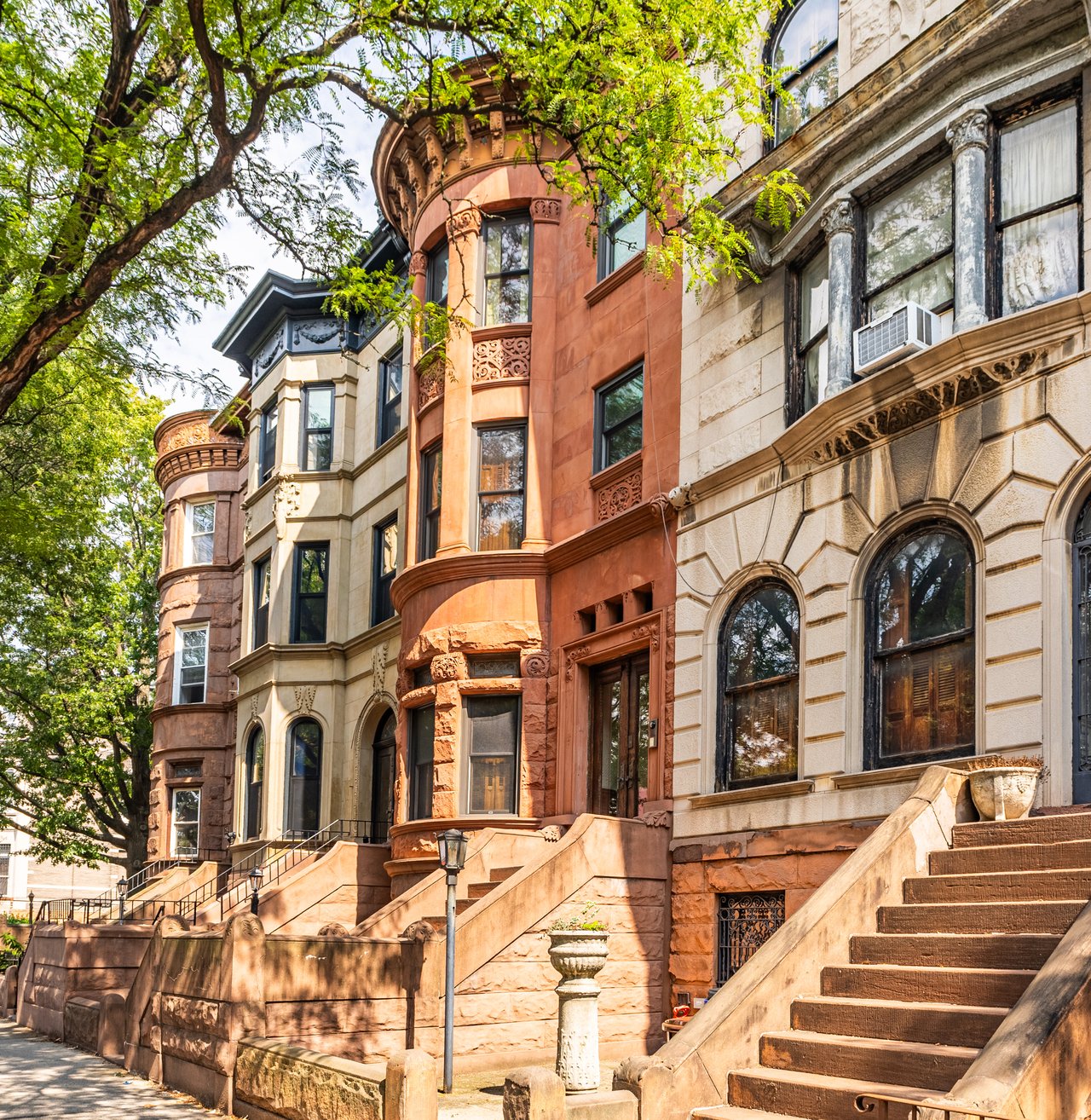
The Streets of Brooklyn: Bedford Avenue in Williamsburg, Brooklyn
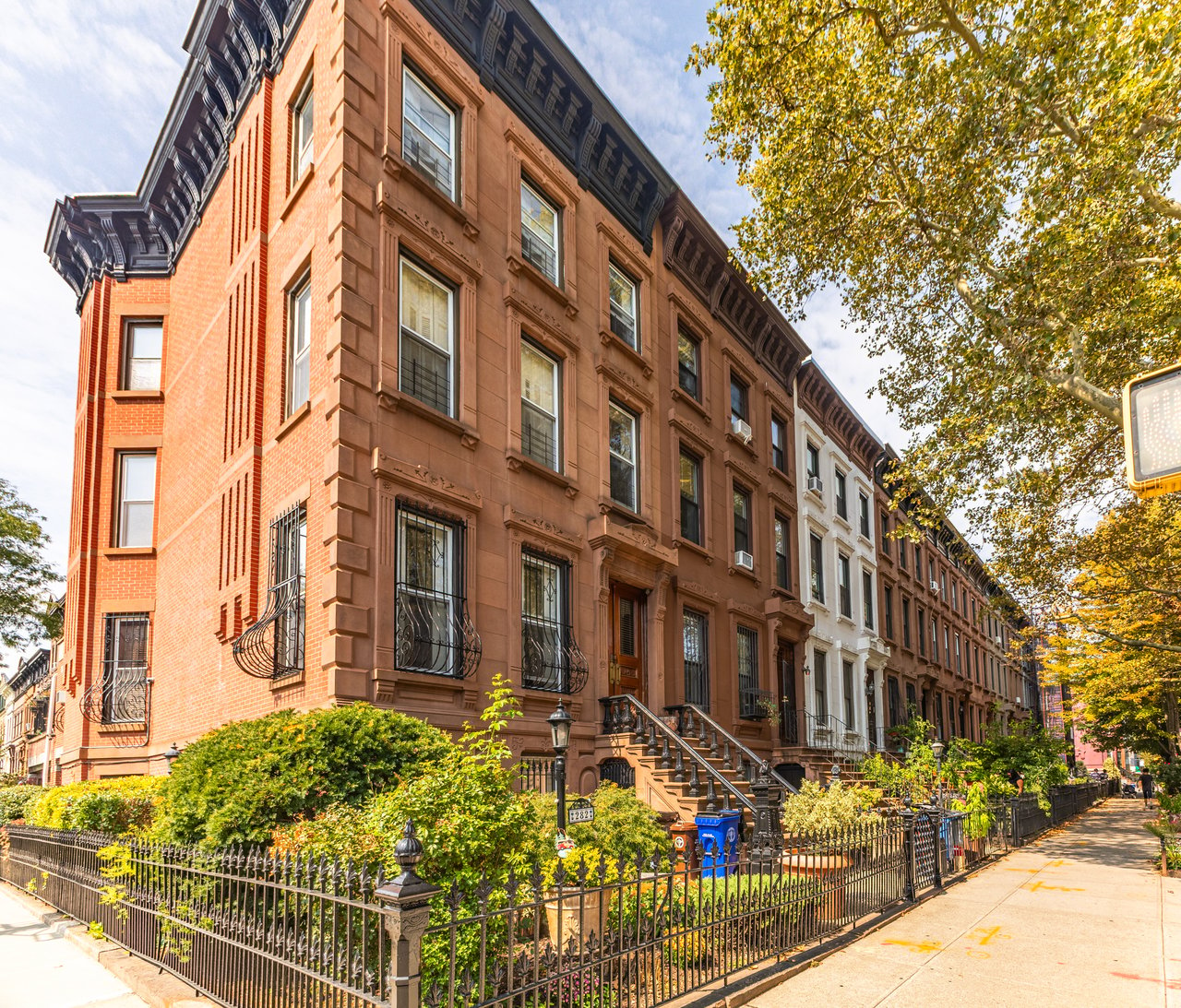
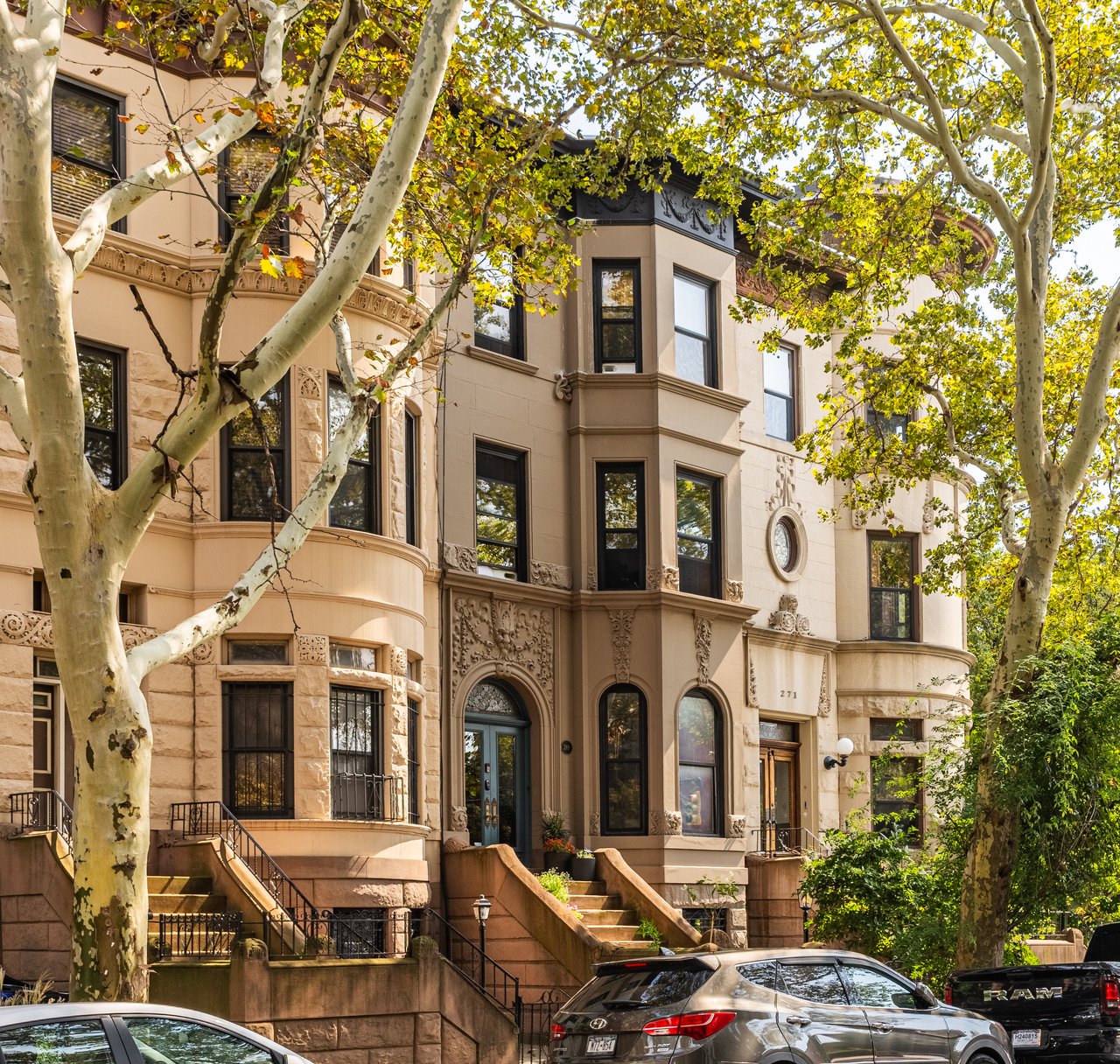
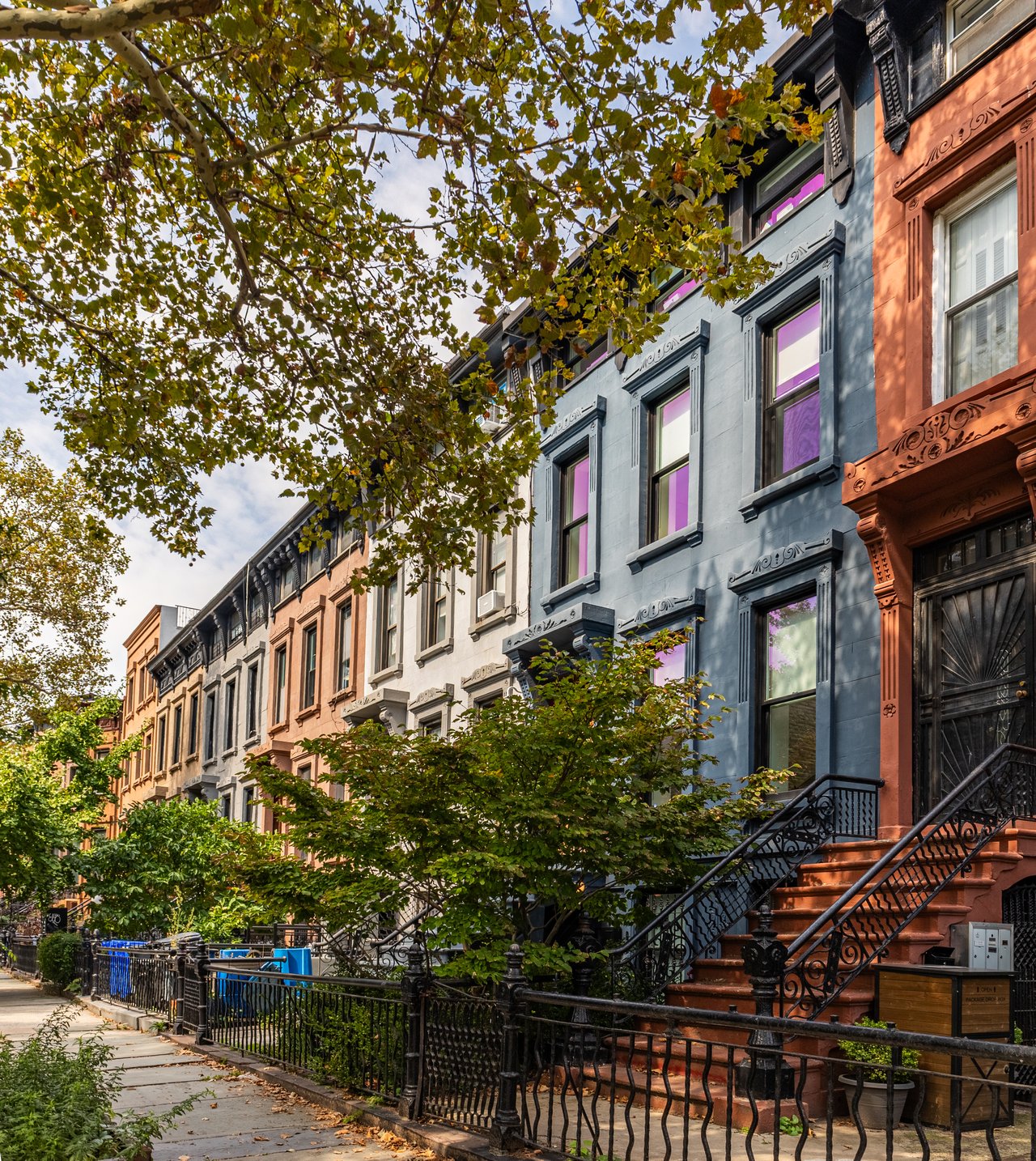
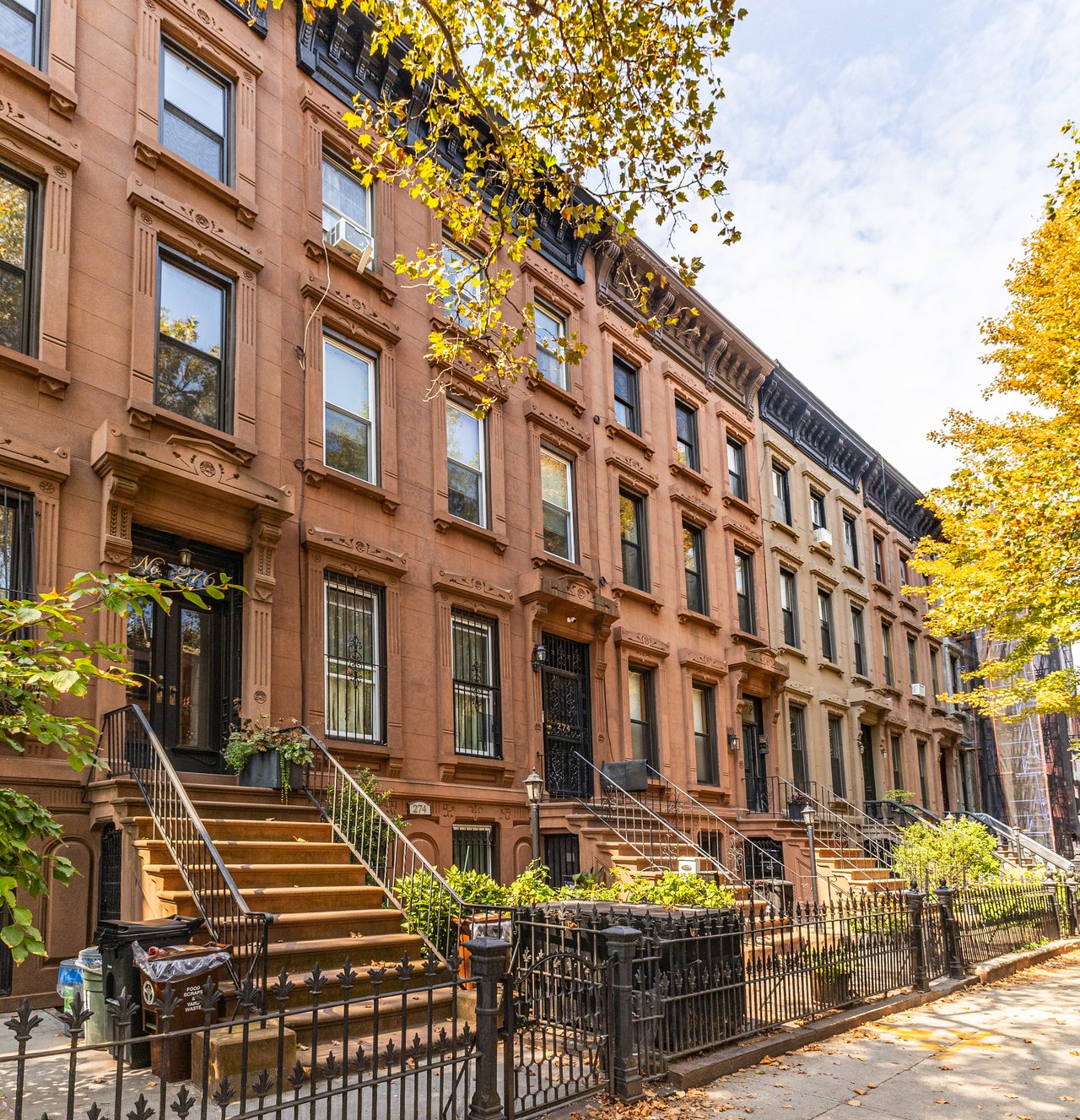
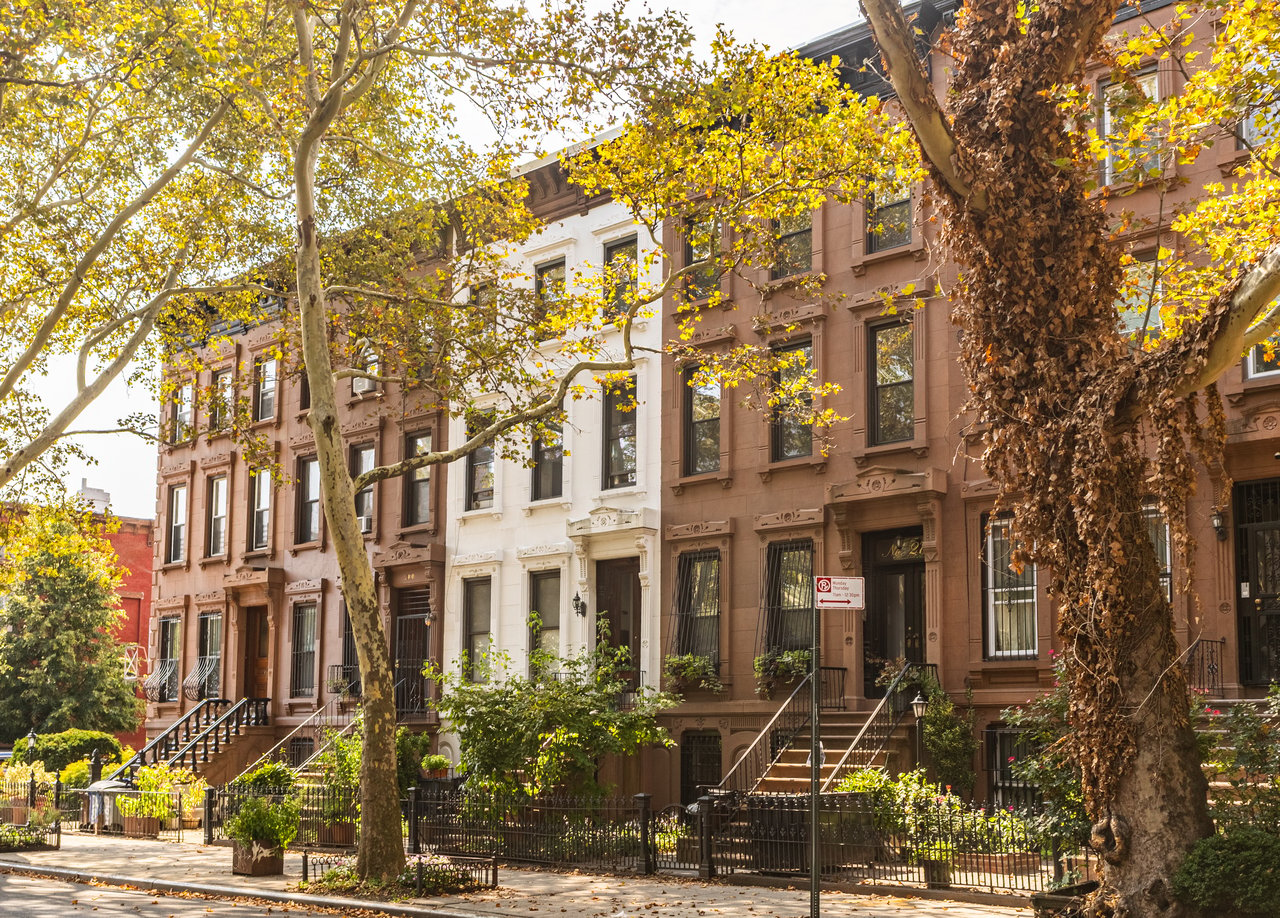
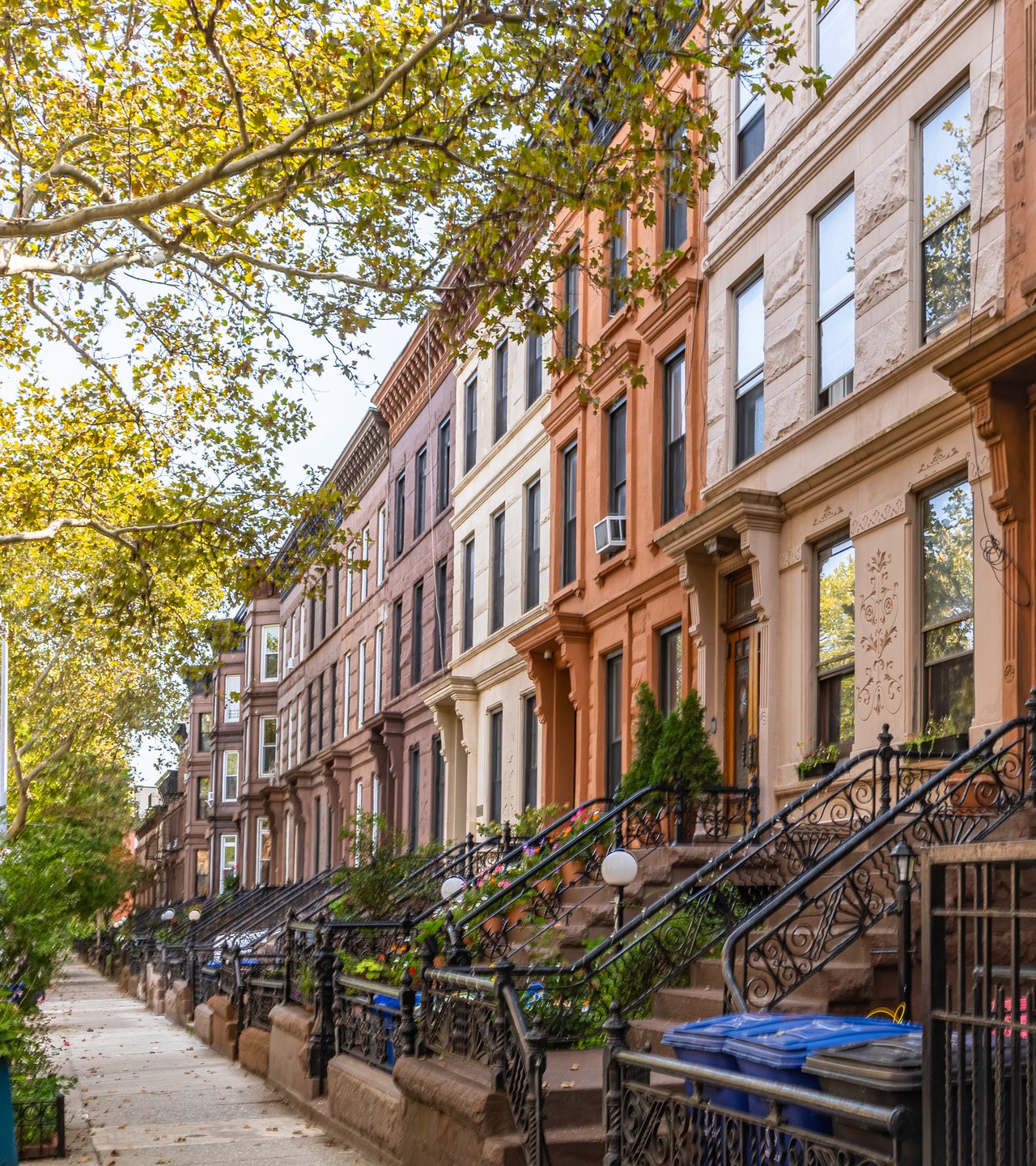
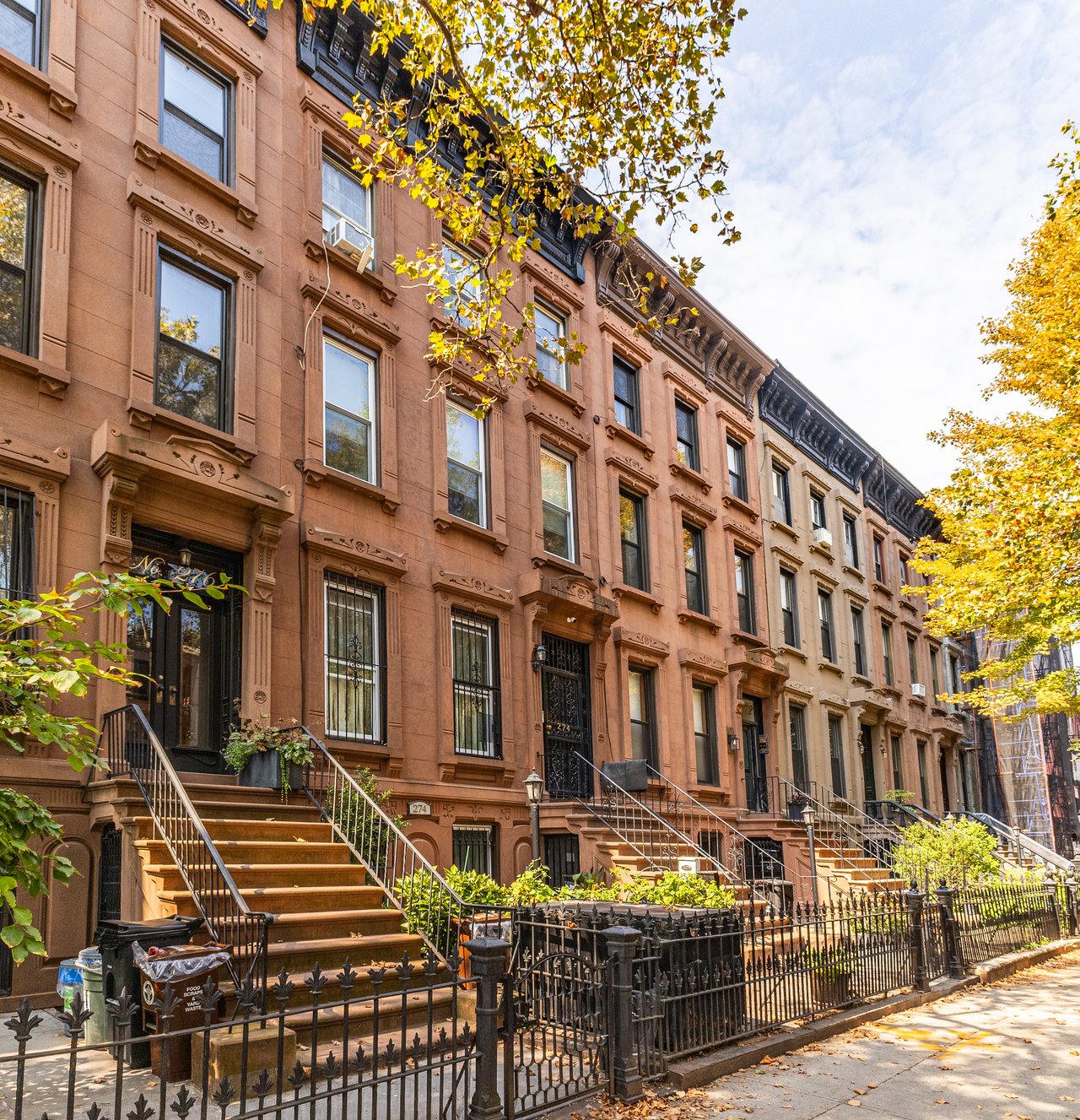
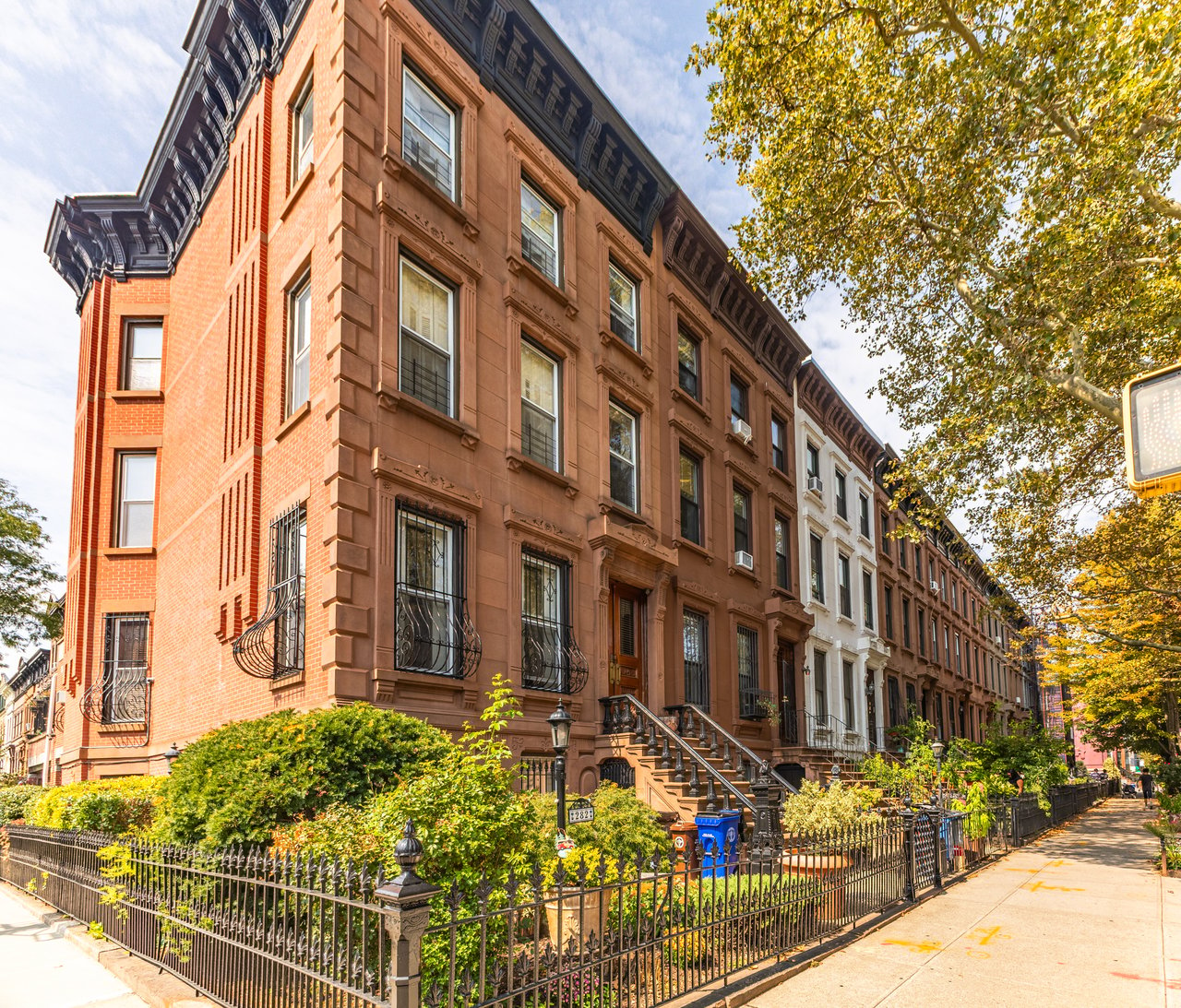
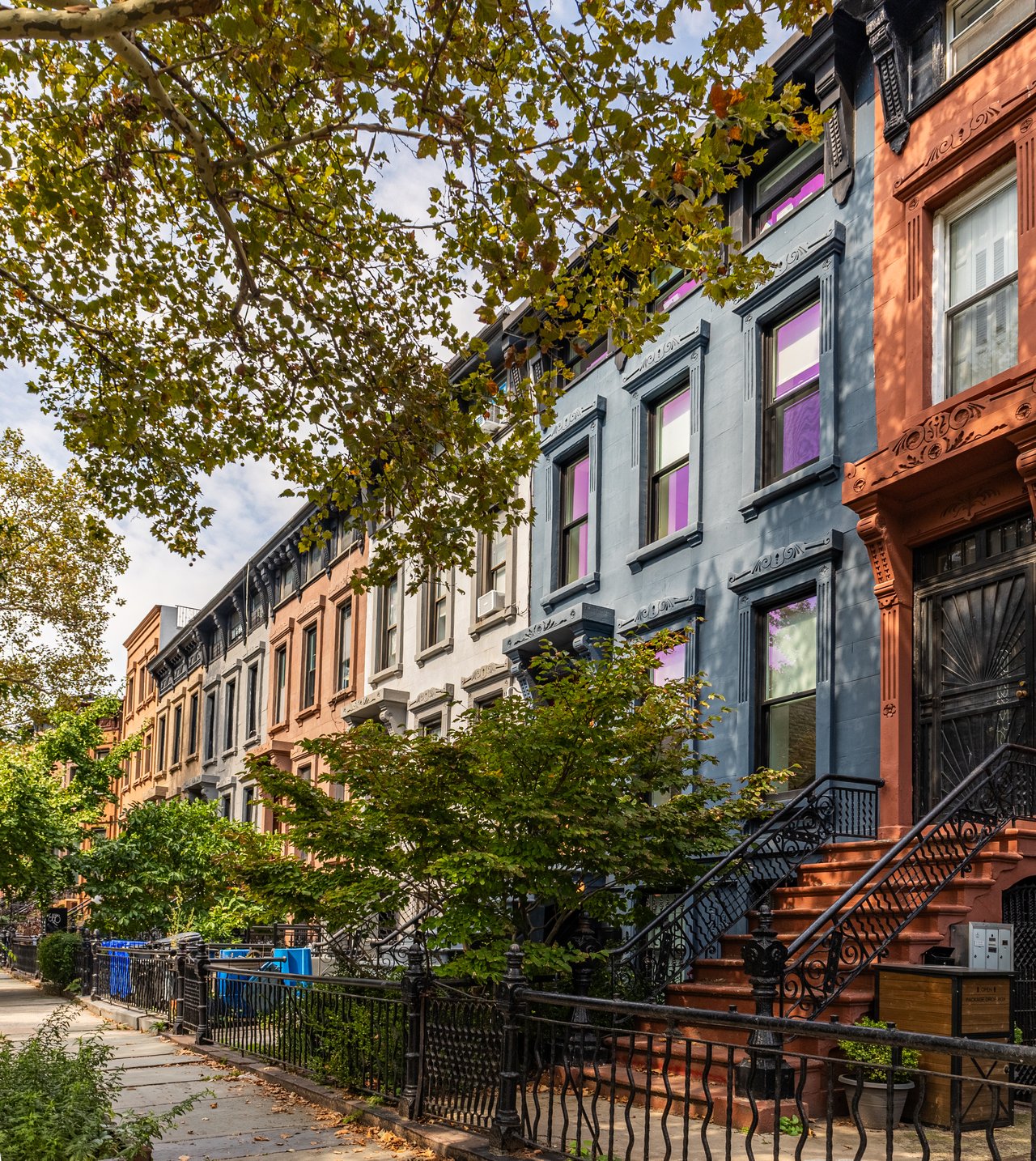
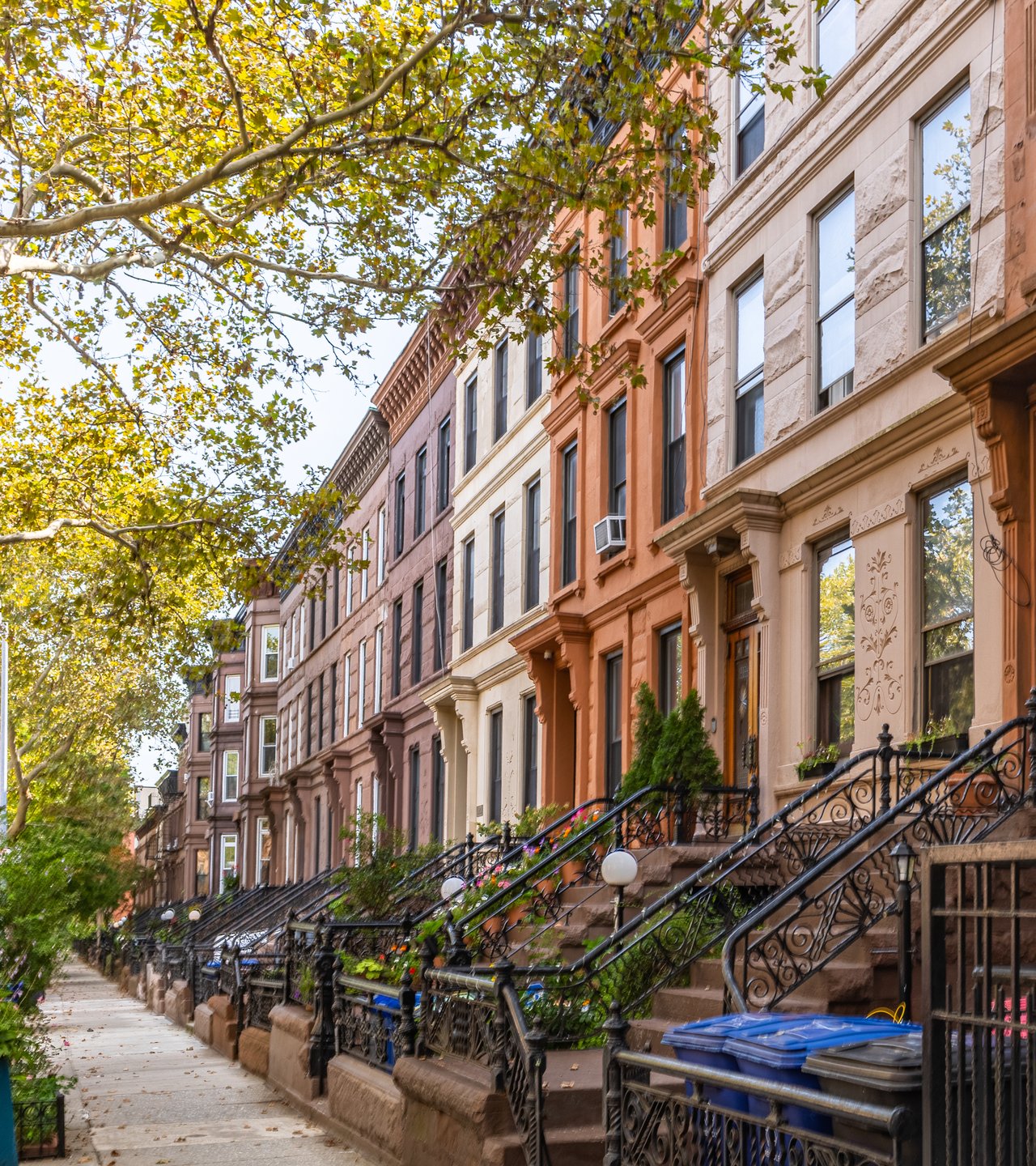
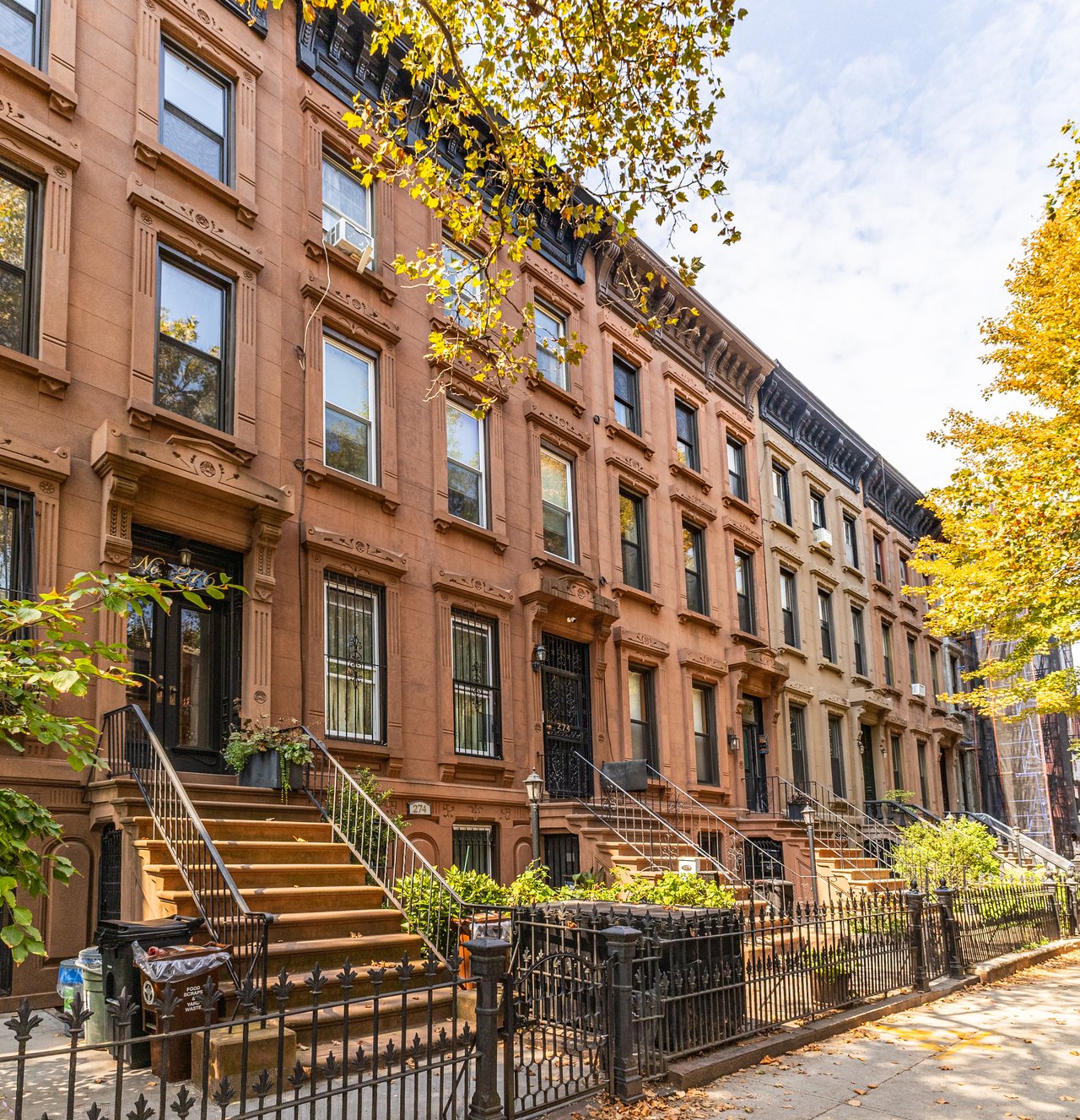
Bedford Avenue is one of the most recognizable streets in Williamsburg, Brooklyn, known for its historic architecture, brick townhouses, mixed-use buildings, independent shops, restaurants, cafés, contemporary condominiums, and convenient transportation connections.
As Brooklyn's longest street, Bedford Avenue extends approximately 10.2 miles from Greenpoint to Sheepshead Bay, passing through several of the borough's most established neighborhoods. However, its Williamsburg section has a particularly distinctive architectural and commercial identity.
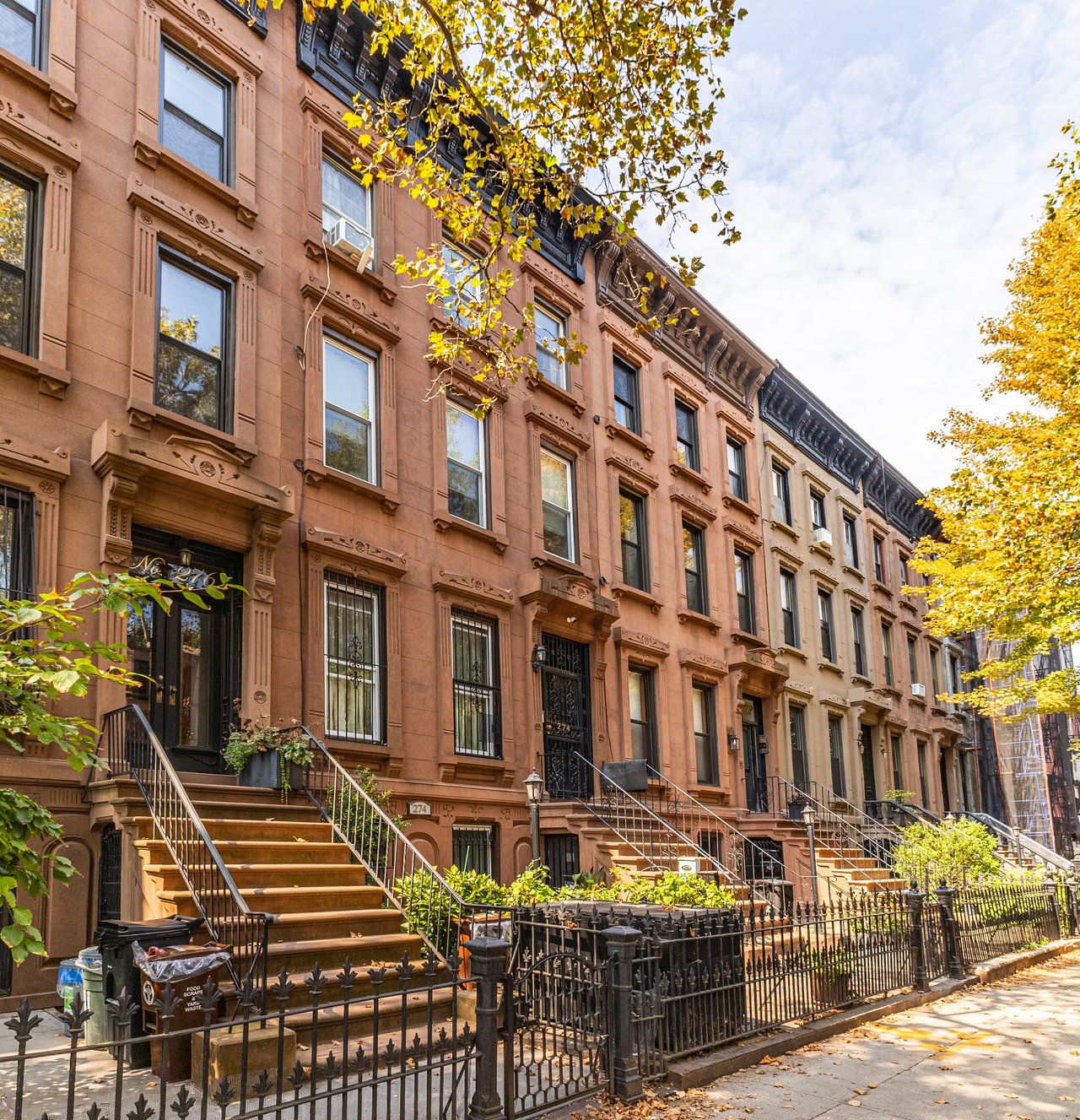
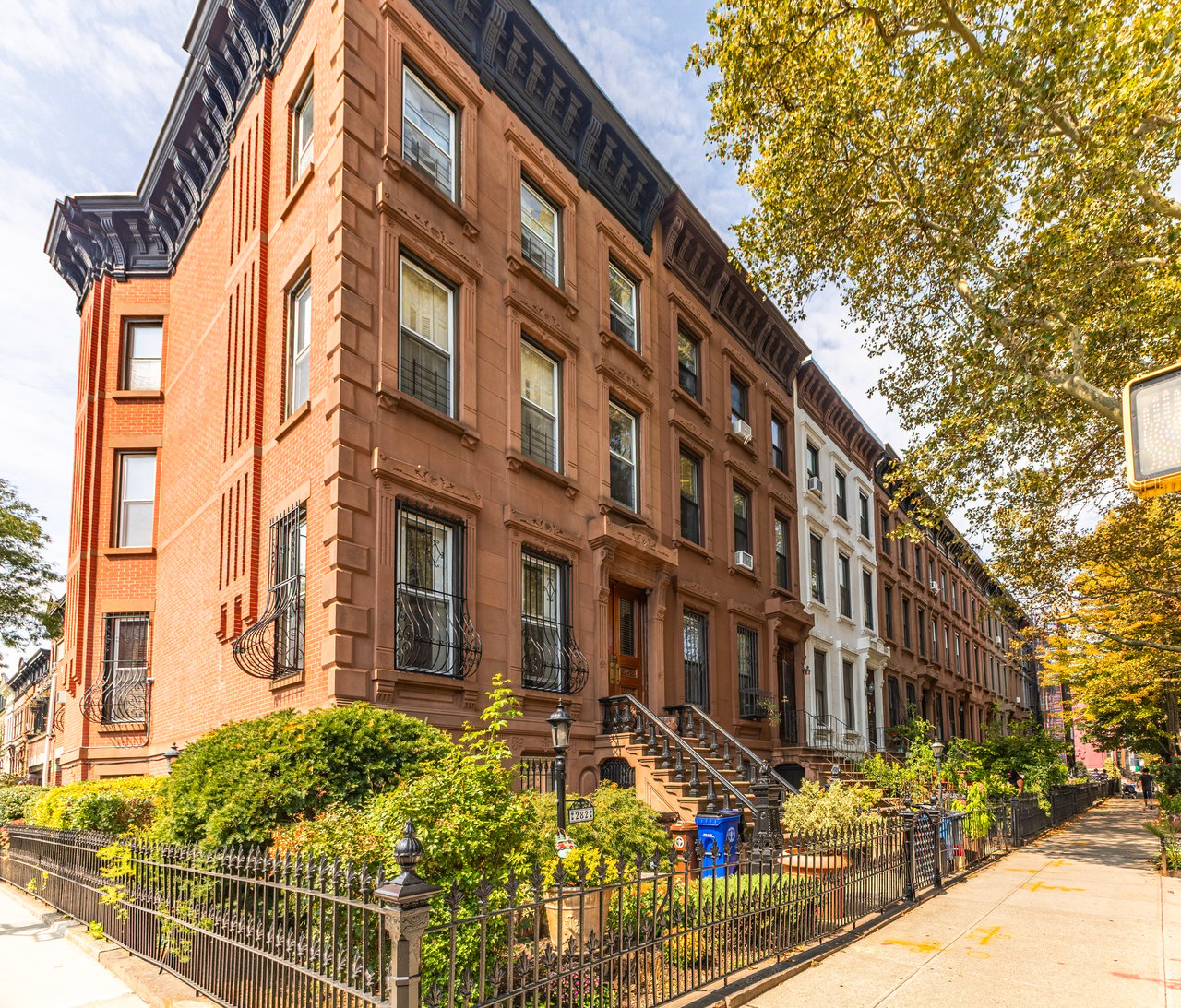
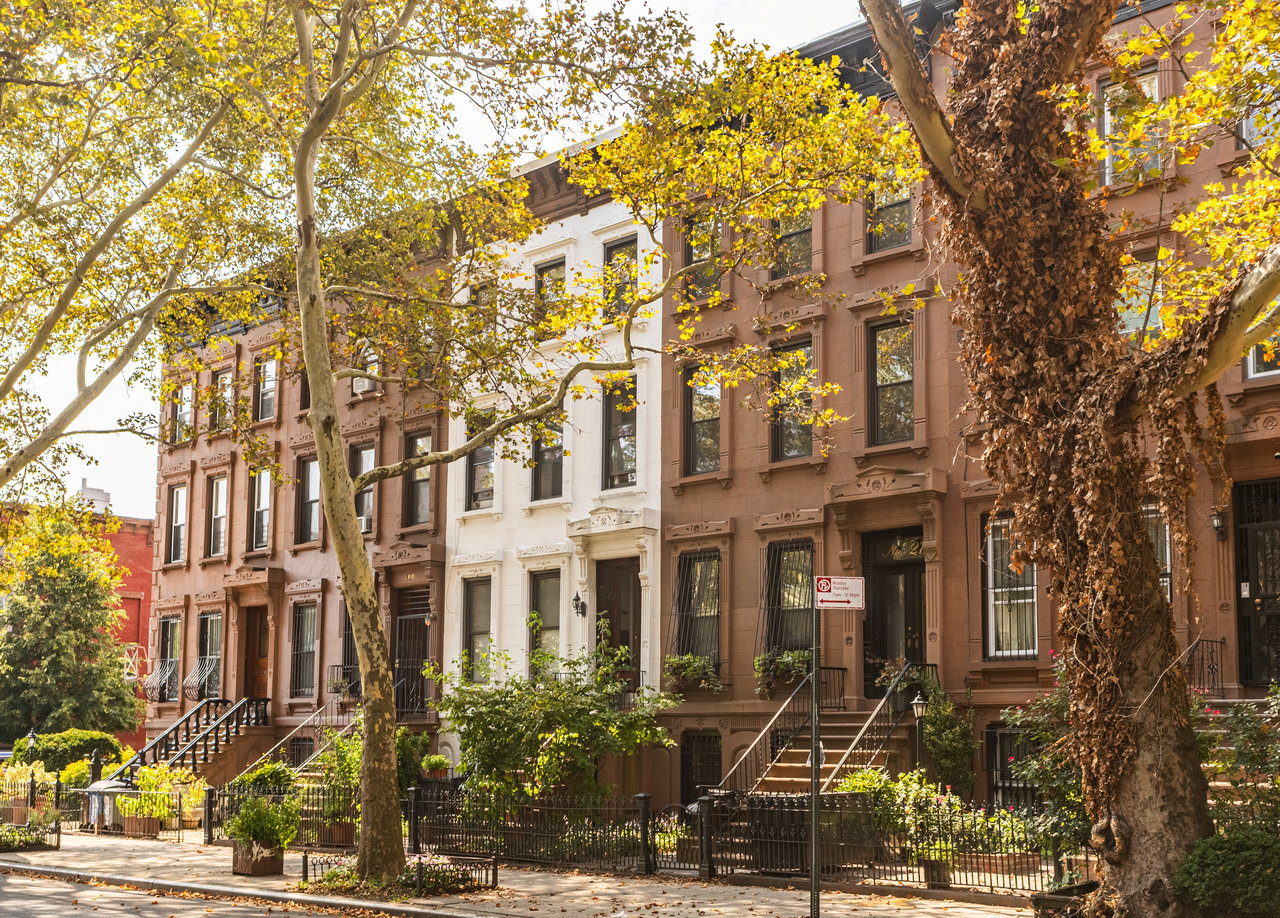
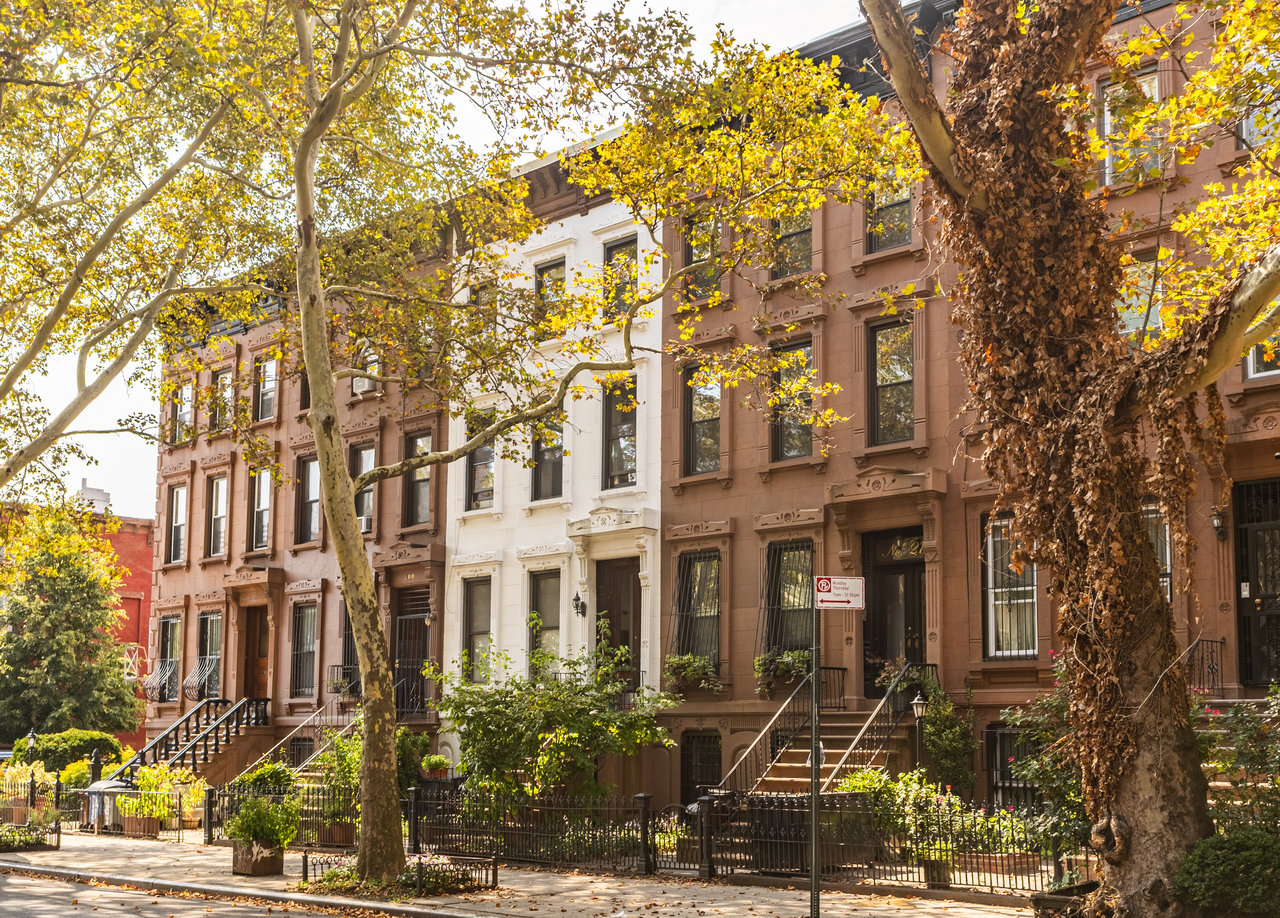
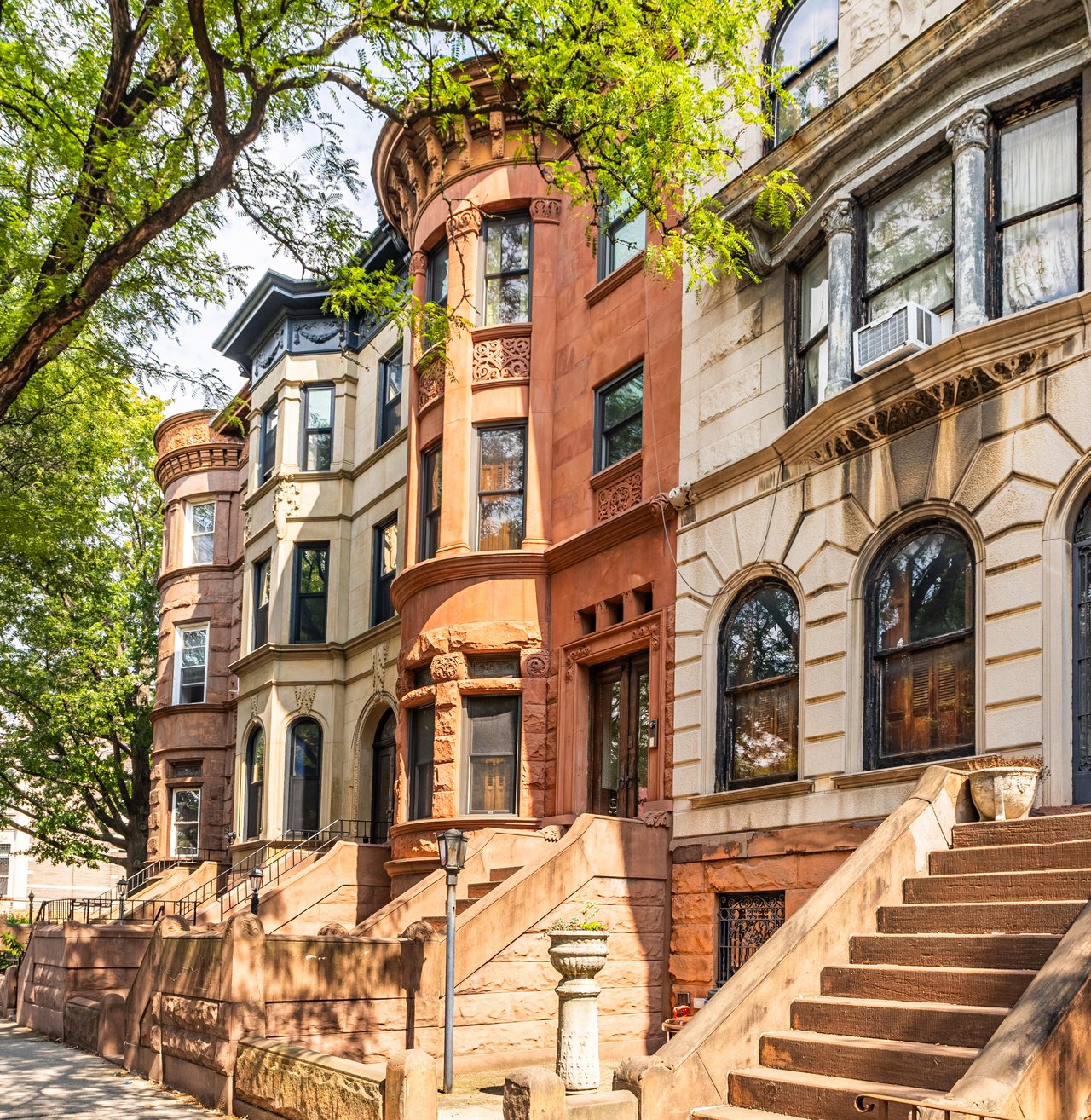
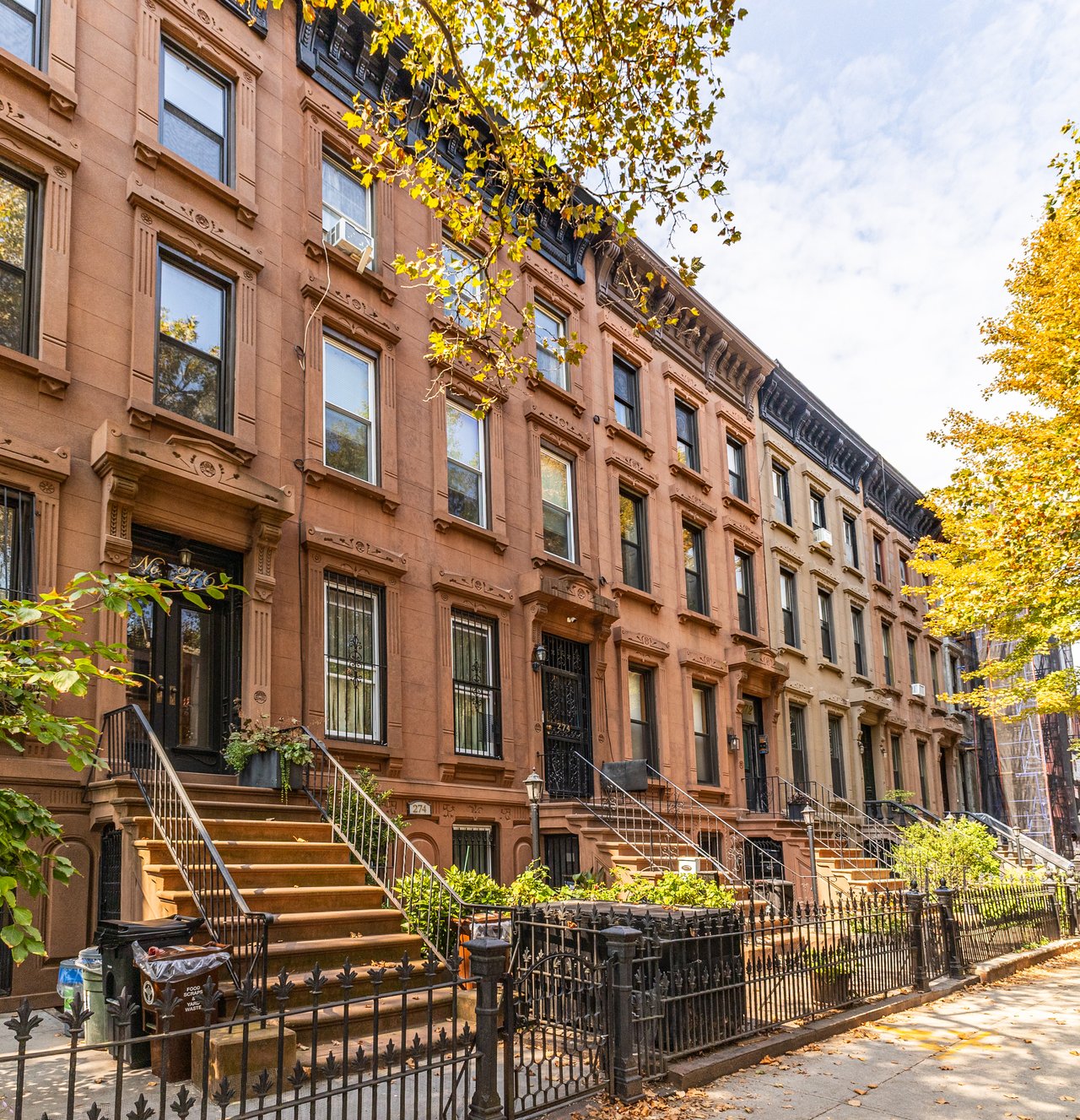
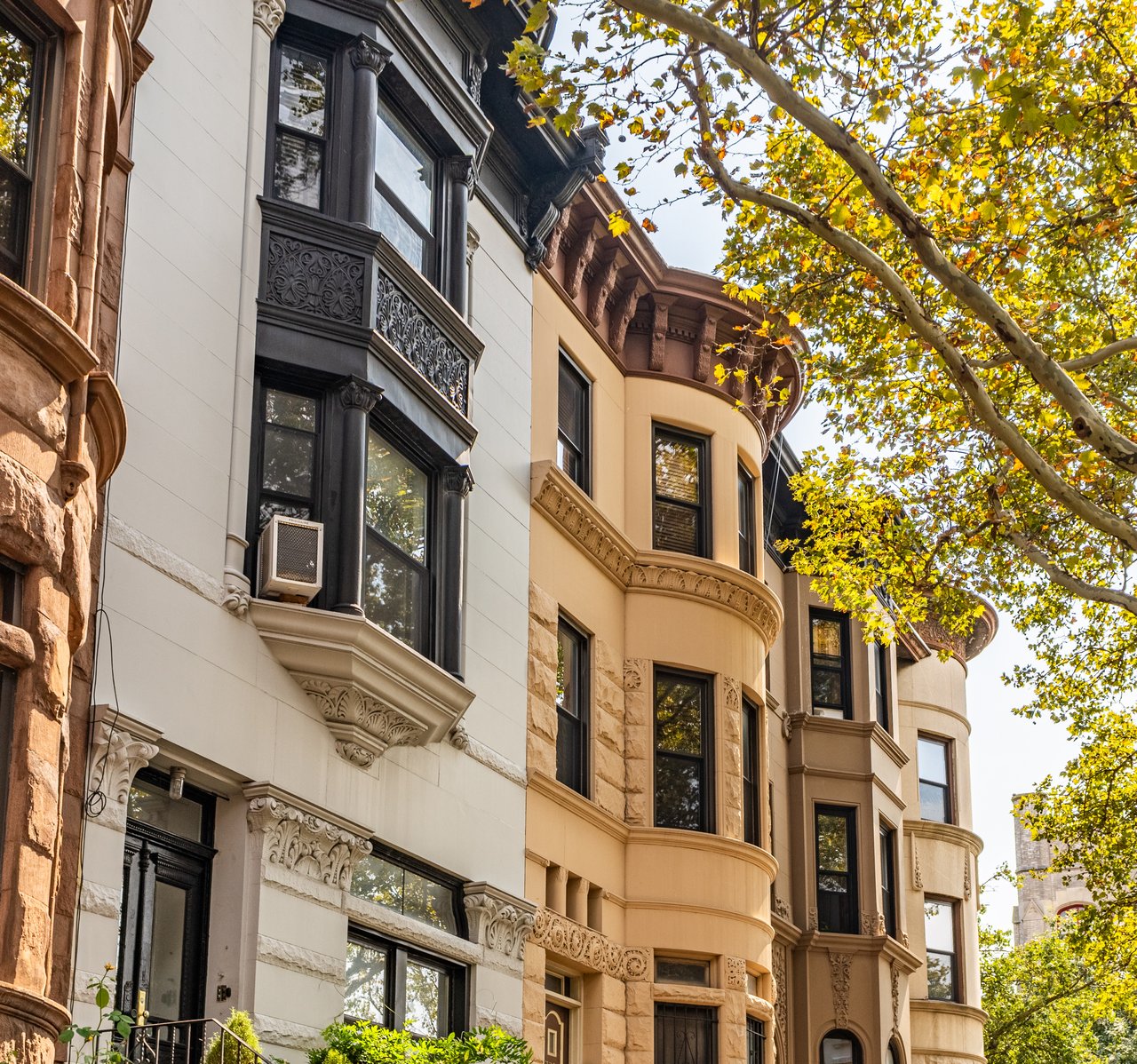
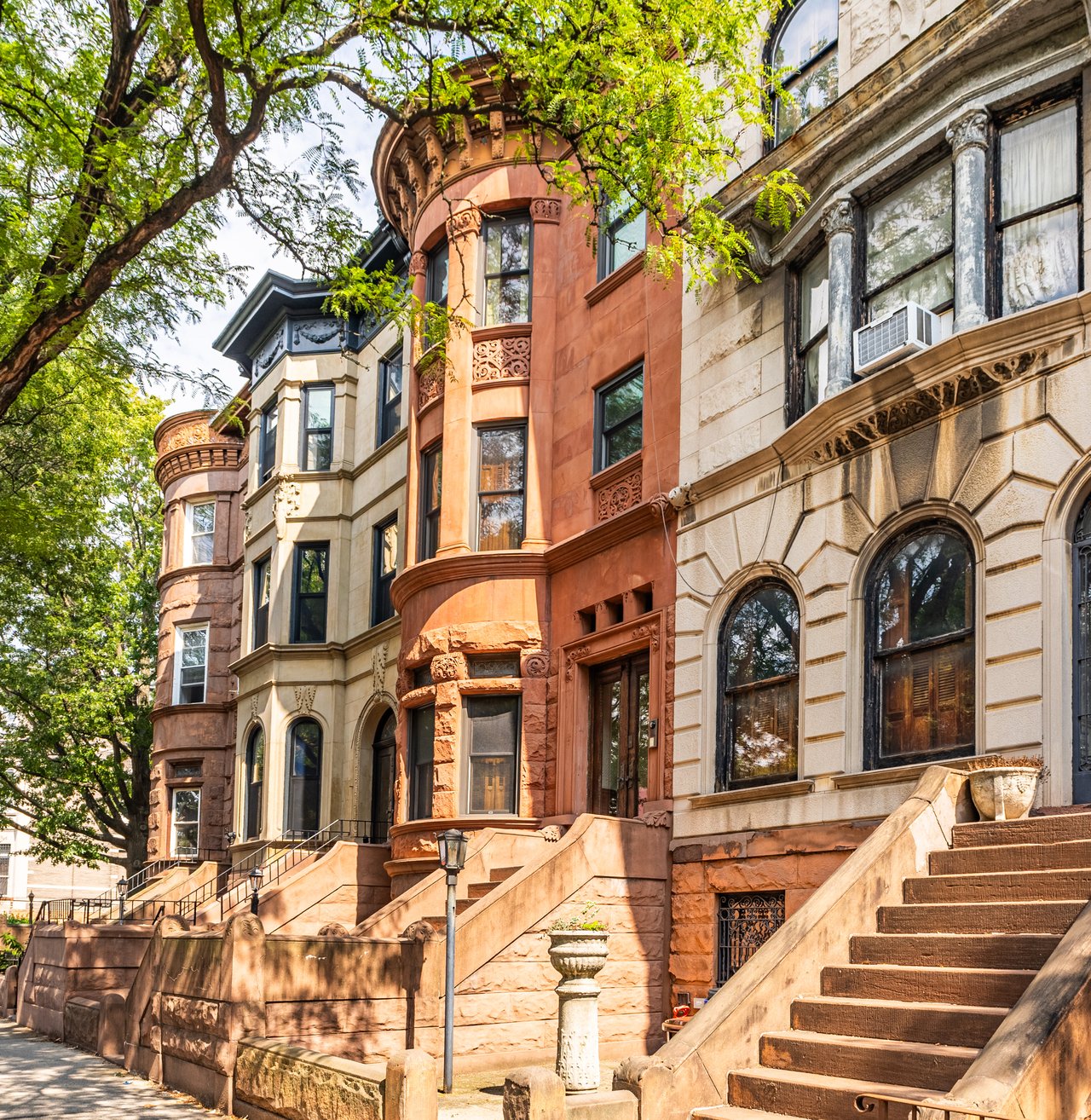
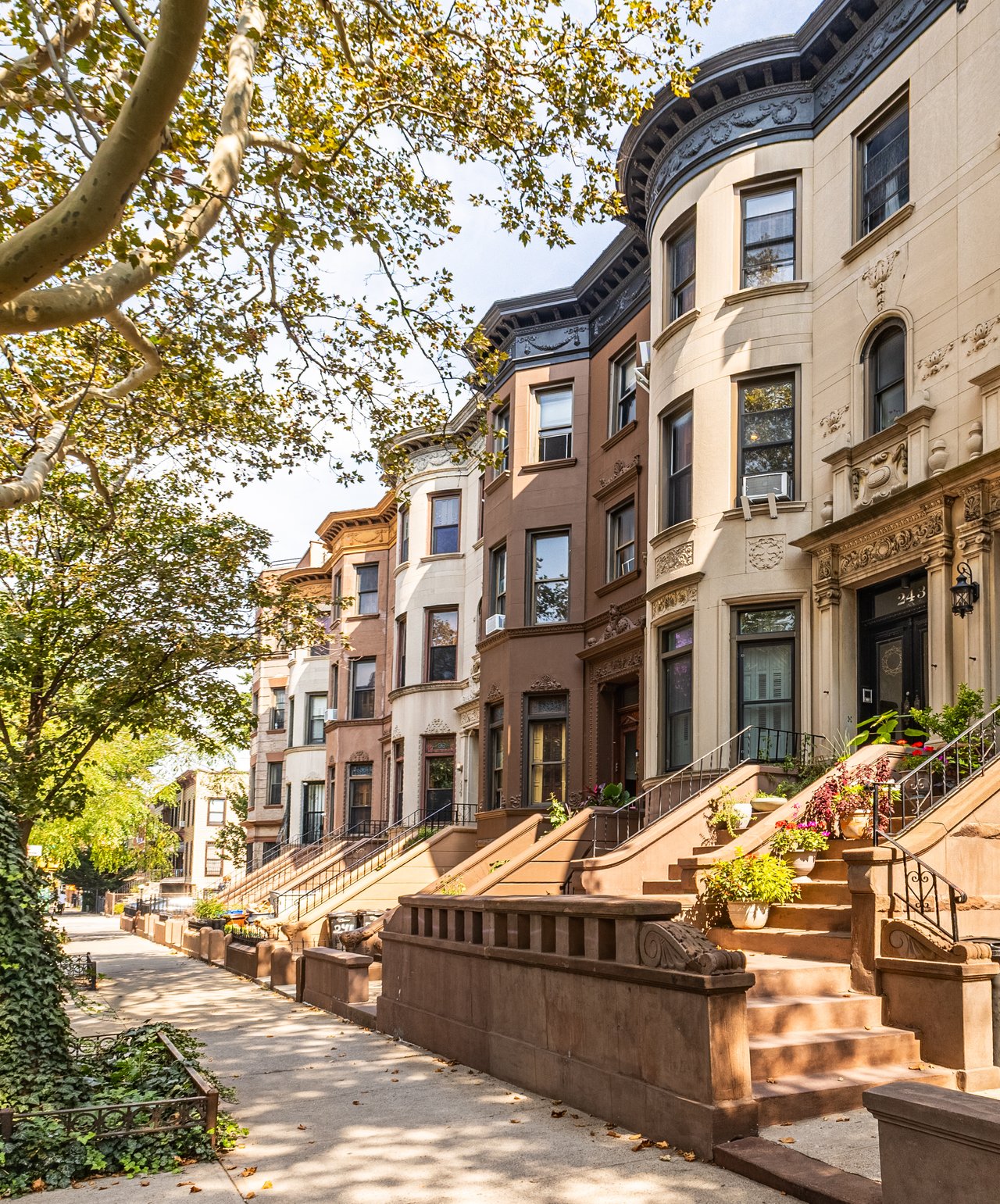
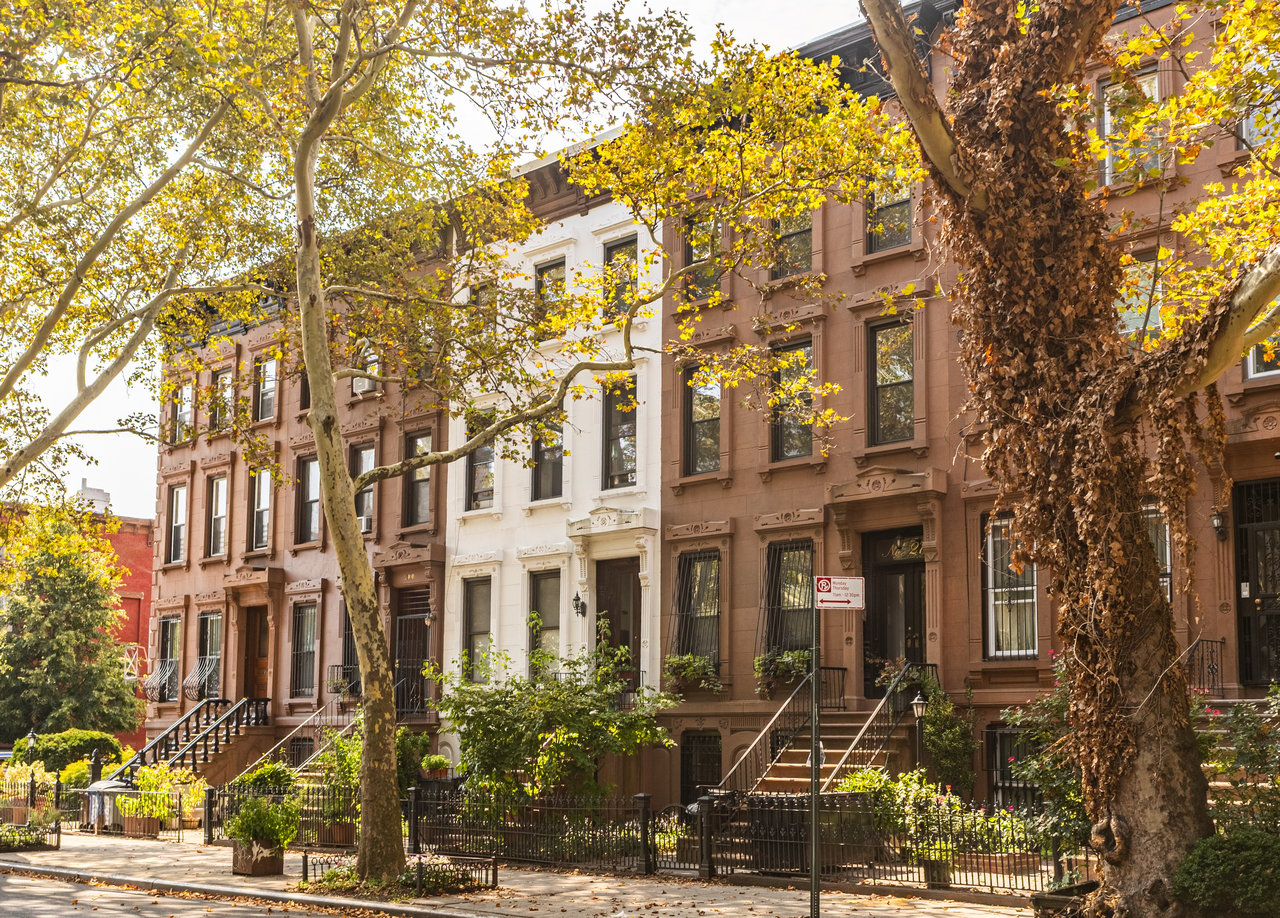
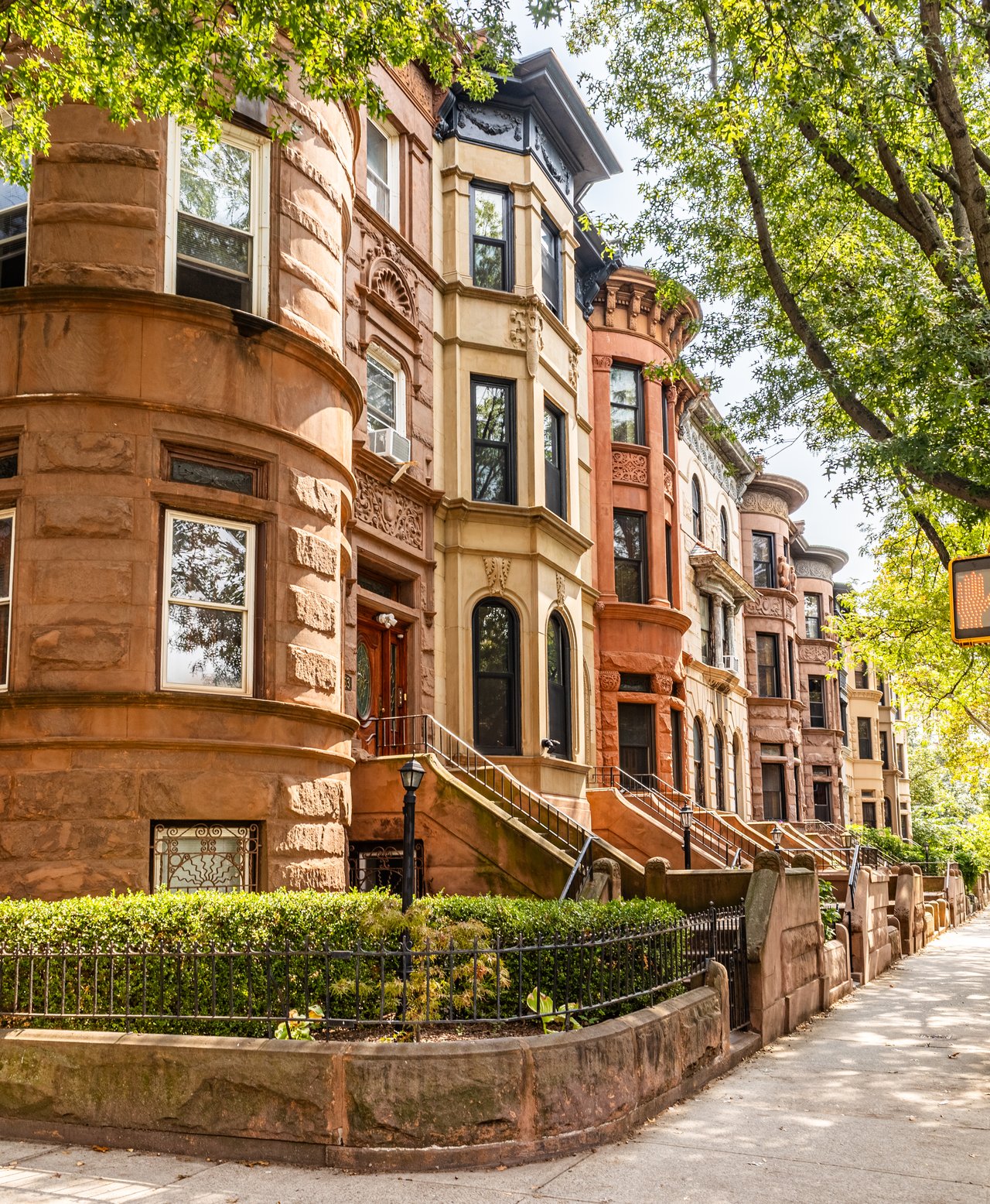
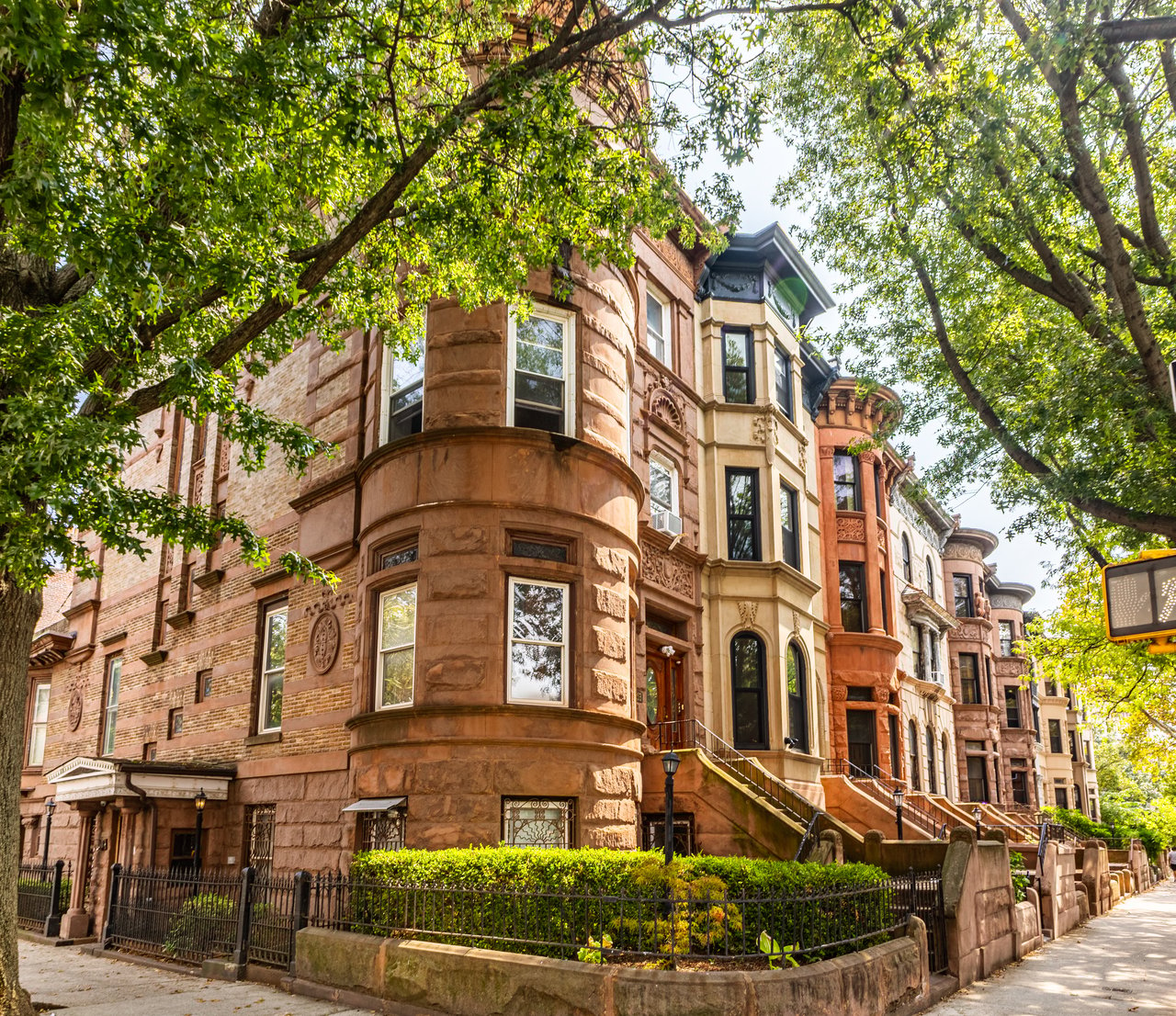
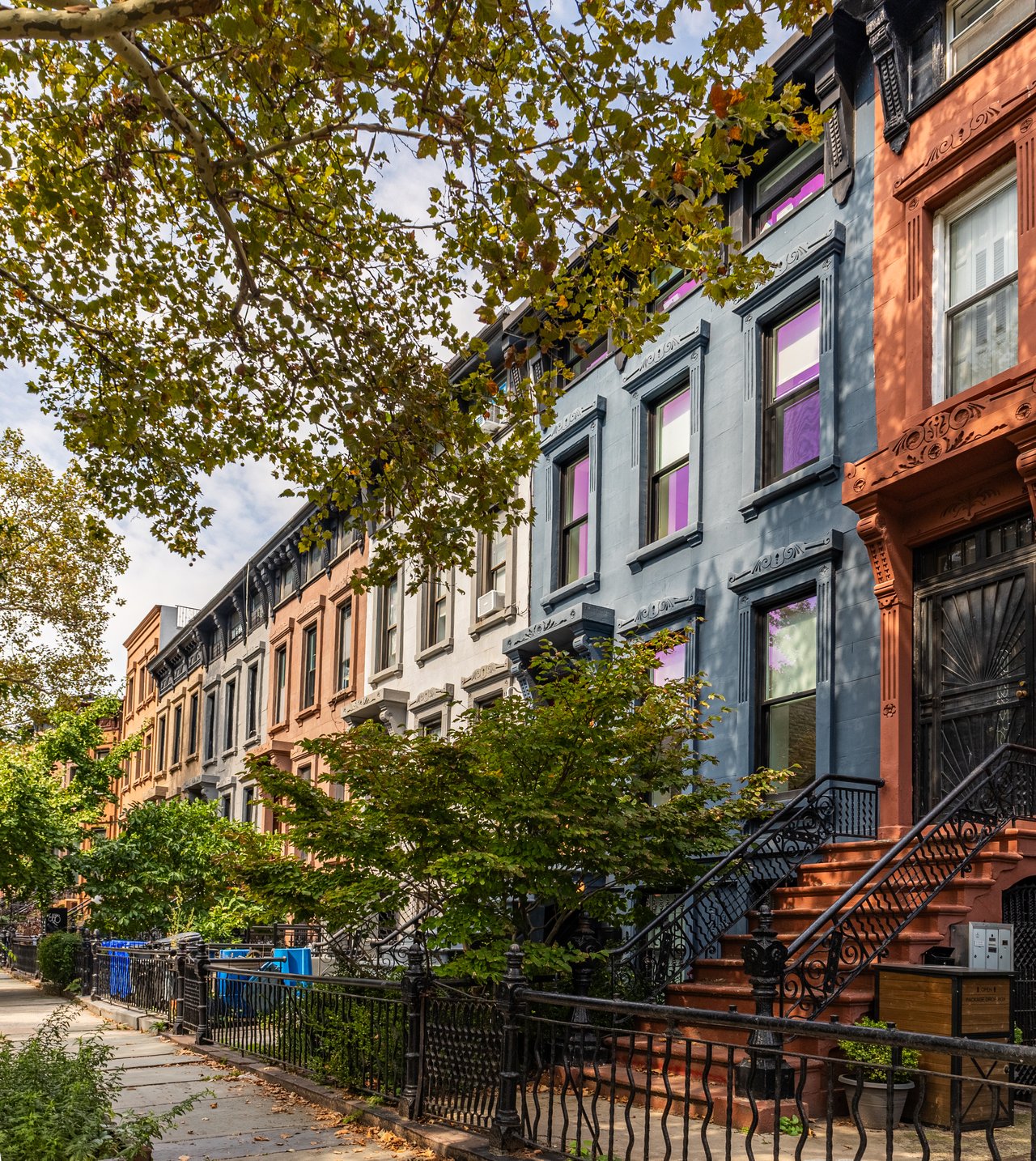
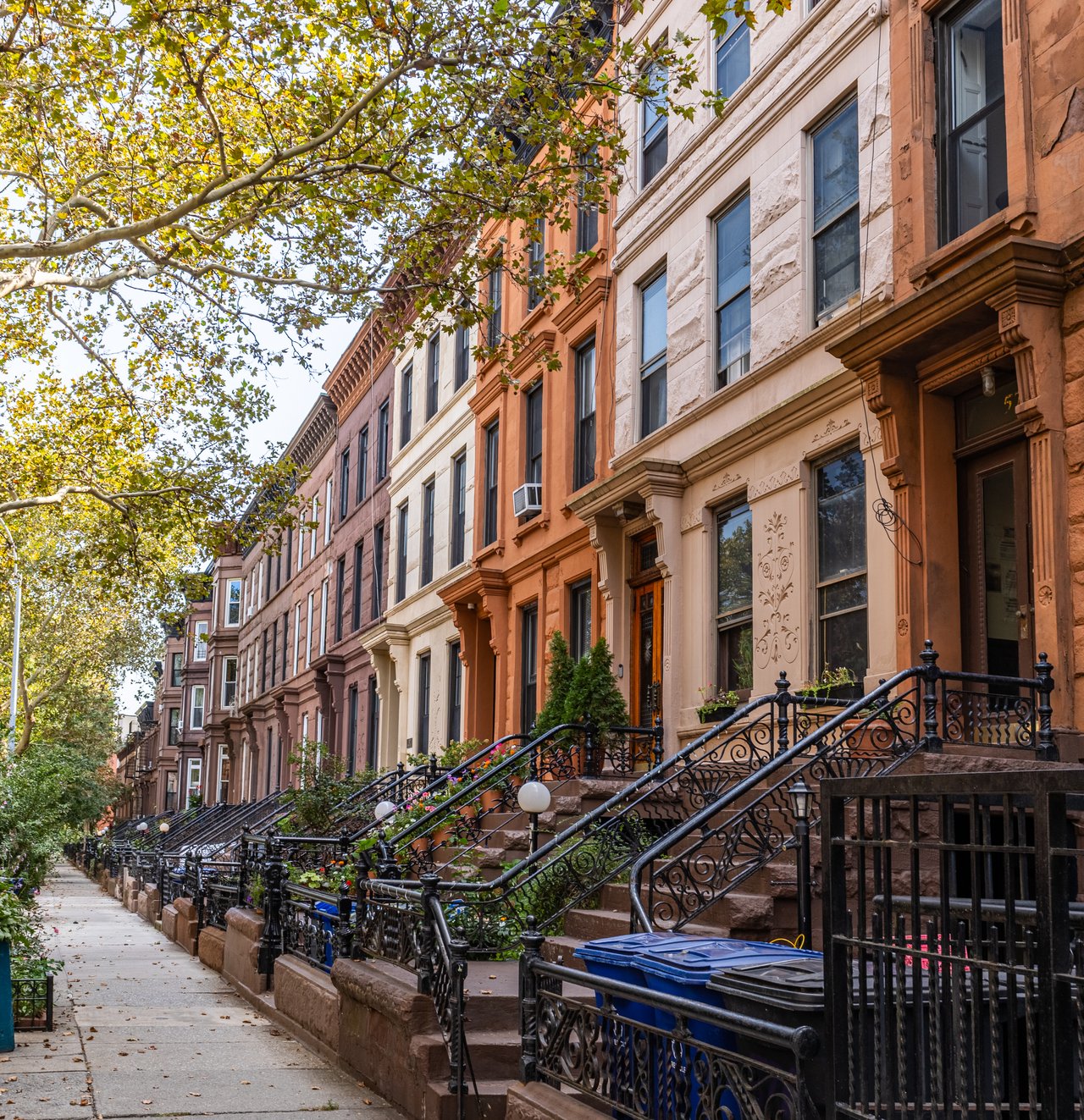
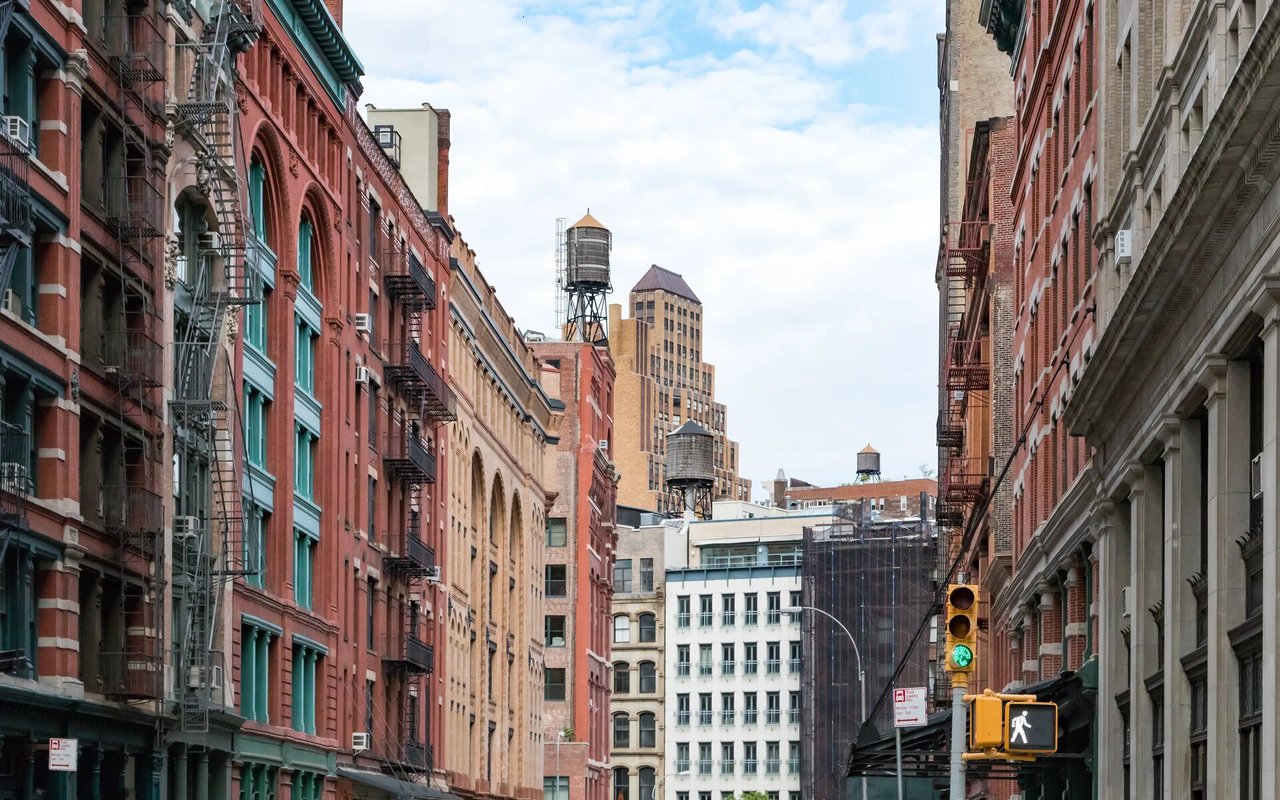
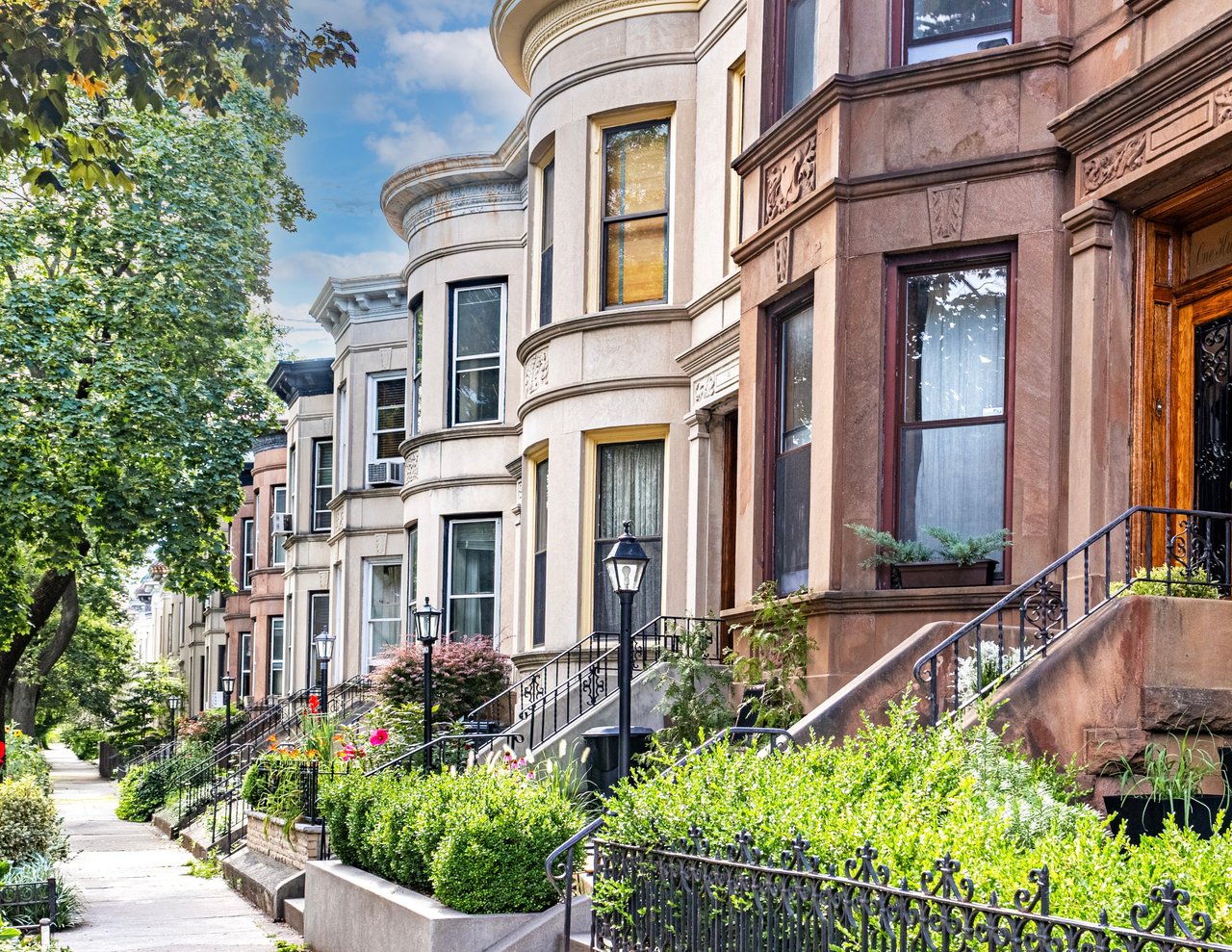
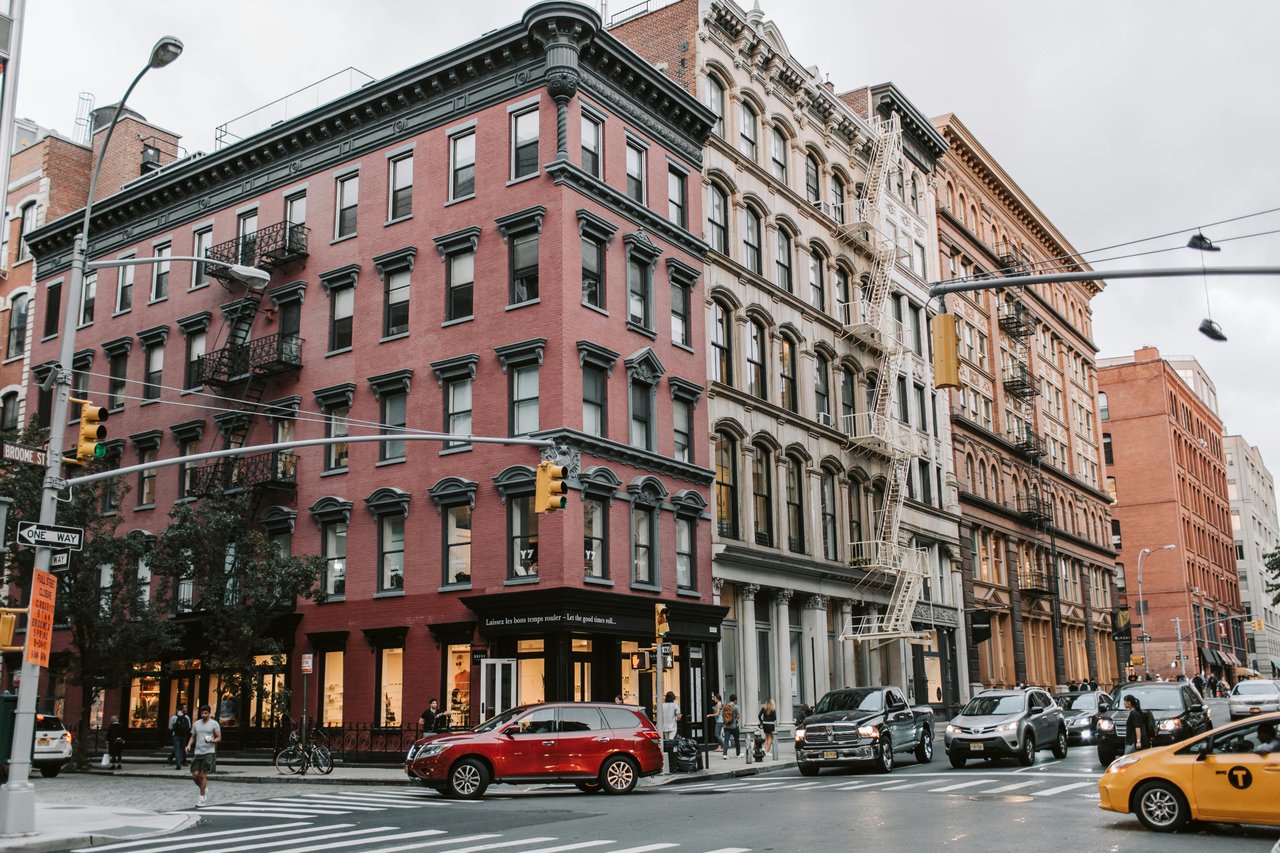
Running through North Williamsburg and South Williamsburg, Bedford Avenue connects traditional residential blocks with some of Brooklyn's most active shopping and restaurant corridors. The avenue contains buildings from multiple periods of development, including 19th-century brick rowhouses, early-20th-century apartment buildings, historic commercial storefronts, converted industrial properties, and contemporary condominium developments.
One of its most important transportation landmarks is the Bedford Avenue subway station at North 7th Street. Opened in 1924, the station provides L train service and connects Williamsburg with Manhattan and other Brooklyn neighborhoods.
The avenue is also associated with McCarren Park, the Williamsburg waterfront, Grand Street, Broadway, and the historic residential streets of South Williamsburg.
For Brooklyn real estate, Bedford Avenue offers a particularly interesting combination of property types. Traditional townhouses and multifamily buildings occupy sections of the corridor, while mixed-use properties and contemporary condominiums are prominent around the commercial blocks.
The differences between these buildings are important. A three-family brick townhouse near South 4th Street requires a different valuation approach from a condominium near North 7th Street or a mixed-use property with commercial storefronts.
Whether you're exploring Bedford Avenue's history, researching Williamsburg architecture, or considering selling a townhouse, condominium, multifamily building, or mixed-use property, this guide examines the street's development, notable landmarks, restaurants, transportation, and real estate market.
Thinking of buying or selling? Call Parviz today at 917-847-7771
Discover why clients continue to trust The Parviz Team: Google Reviews ⭐⭐⭐⭐⭐
Where Is Bedford Avenue in Williamsburg, Brooklyn?
Bedford Avenue is a major north-south corridor running through Williamsburg and continuing across much of Brooklyn.
Within Williamsburg, it passes through the neighborhood's residential and commercial districts, connecting Broadway in South Williamsburg with North Williamsburg and Greenpoint.
The avenue runs generally parallel to Berry Street and Driggs Avenue, with Wythe Avenue and Kent Avenue farther toward the East River waterfront.
Important Williamsburg intersections include:
- Broadway
- South 6th Street
- South 5th Street
- South 4th Street
- South 3rd Street
- South 2nd Street
- South 1st Street
- Grand Street
- North 3rd Street
- North 4th Street
- North 5th Street
- North 6th Street
- North 7th Street
- North 8th Street
- North 9th Street
- North 10th Street
- North 11th Street
- North 12th Street
Farther north, Bedford Avenue connects with the streets surrounding McCarren Park and Greenpoint.
The avenue's architectural character changes considerably along its route.
Near Broadway, traditional brick residential buildings and mixed-use properties are prominent.
Around Grand Street and North 6th Street, restaurants, retail storefronts, and contemporary residential buildings become more concentrated.
Near North 7th Street, the subway station serves as an important transportation landmark.
Farther north, traditional commercial buildings and residential properties lead toward McCarren Park.
These differences make Bedford Avenue an important example of Williamsburg's varied real estate market.
Why Is It Called Bedford Avenue?
Bedford Avenue takes its name from the historic village of Bedford, located near what is now Bedford Avenue and Fulton Street in Brooklyn.
The village developed around an early transportation route connecting different sections of Kings County.
Historical accounts identify Bedford as an important settlement during the colonial period.
The origin of the village's name is not entirely certain.
Some historians associate it with Bedfordshire, England, while others suggest a connection to an older Dutch expression.
What is clear is that the name predates the modern Williamsburg commercial corridor.
As Brooklyn expanded, the name became associated with a much longer roadway connecting northern and southern sections of the borough.
Today, Bedford Avenue preserves this early geographical history.
Bedford Avenue Was Originally Fourth Street in Williamsburg
One of the most interesting historical facts about Bedford Avenue is that its Williamsburg section was once known as Fourth Street.
During the 19th century, Williamsburg used a numbered system for several north-south streets.
Examples included:
- Kent Avenue, formerly First Street
- Wythe Avenue, formerly Second Street
- Berry Street, formerly Third Street
- Bedford Avenue, formerly Fourth Street
- Driggs Avenue, formerly Fifth Street
As Williamsburg developed, these numbered streets received new names.
The renaming reflected the expansion and formalization of the neighborhood's street grid.
Bedford Avenue eventually became part of a much longer route extending through Brooklyn.
This history explains why Bedford Avenue has a different geographical scale from many neighboring Williamsburg streets.
The Early History of Bedford Avenue
Bedford Avenue developed from several historic roadways.
One of the oldest sections followed the route of Cripplebush Road, an early road associated with Brooklyn's agricultural and commercial development.
Another historic route, Bedford Road, connected settlements and transportation corridors in Kings County.
As Brooklyn expanded during the 19th century, these routes were extended and incorporated into the developing street grid.
Williamsburg was incorporated as a village in 1827.
It became an independent city in 1851 and joined Brooklyn in 1855.
During this period, residential construction and commercial development increased substantially.
Bedford Avenue became an important connection between the neighborhood's interior residential blocks and commercial corridors.
The East River waterfront supported manufacturing and shipping.
Nearby streets contained factories, warehouses, workshops, and residential buildings.
Bedford Avenue developed a particularly strong combination of residential and commercial uses.
By the late 19th and early 20th centuries, the avenue contained traditional brick buildings, shops, apartment houses, and commercial establishments.
Bedford Avenue Is Brooklyn's Longest Street
Bedford Avenue extends approximately 10.2 miles across Brooklyn.
Its route connects Greenpoint in the north with Sheepshead Bay in the south.
Along the way, the avenue passes through several neighborhoods, including:
- Greenpoint
- Williamsburg
- Bedford-Stuyvesant
- Crown Heights
- Prospect Lefferts Gardens
- Flatbush
- Midwood
- Marine Park
- Sheepshead Bay
This length makes Bedford Avenue unusual among Brooklyn streets.
Its architecture changes substantially from one neighborhood to another.
In Williamsburg, commercial storefronts, mixed-use buildings, and contemporary condominiums are particularly prominent.
In Bedford-Stuyvesant and Crown Heights, historic rowhouses and apartment buildings become more common.
Farther south, detached and semi-detached homes appear along portions of the avenue.
For real estate research, Bedford Avenue illustrates the variety of residential architecture found throughout Brooklyn.
This article focuses specifically on its Williamsburg section.
The Architecture of Bedford Avenue in Williamsburg
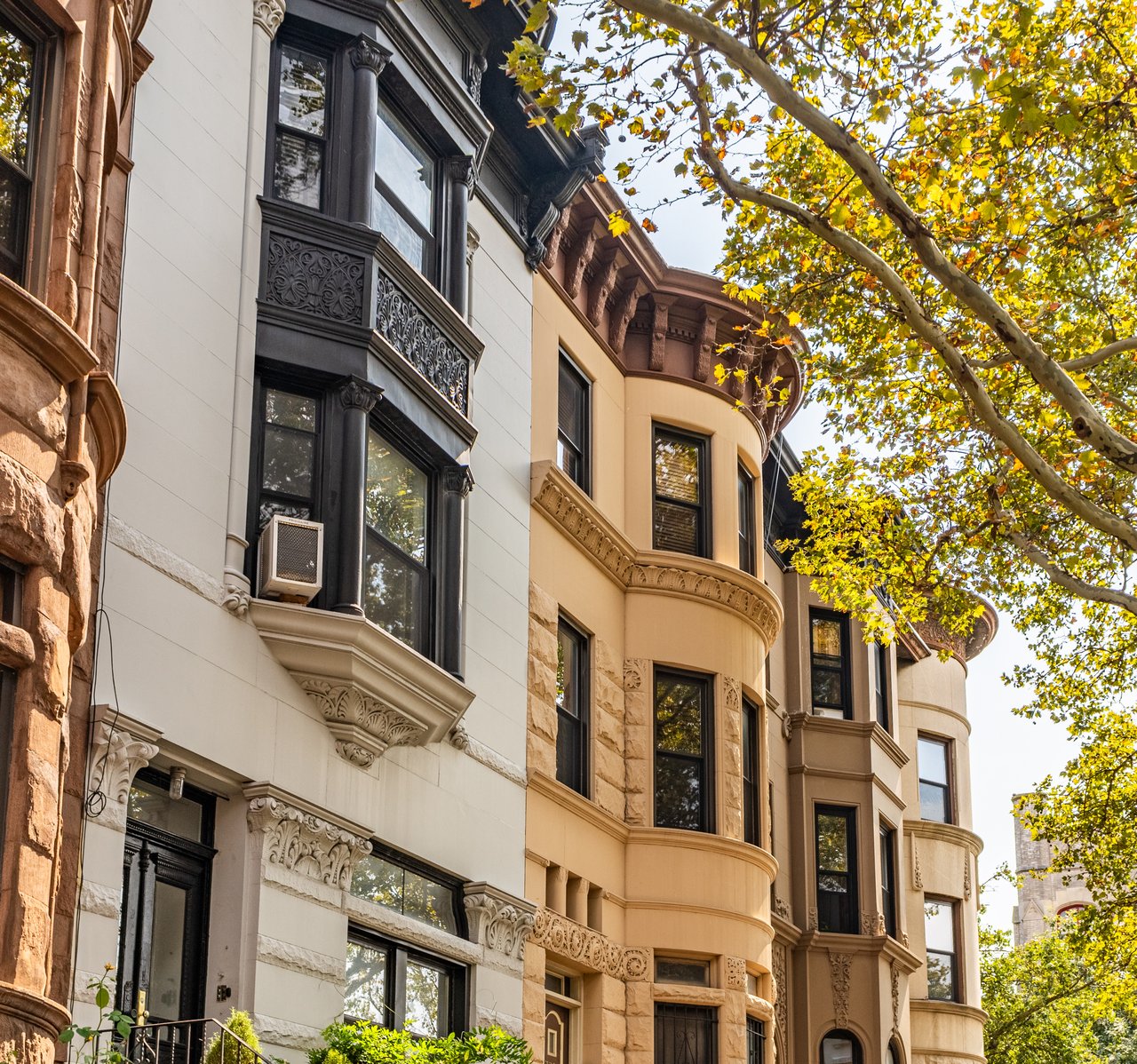
Bedford Avenue contains several generations of Brooklyn architecture.
Its traditional buildings reflect the neighborhood's residential and commercial expansion during the 19th and early 20th centuries.
Contemporary developments represent more recent construction.
Important building categories include:
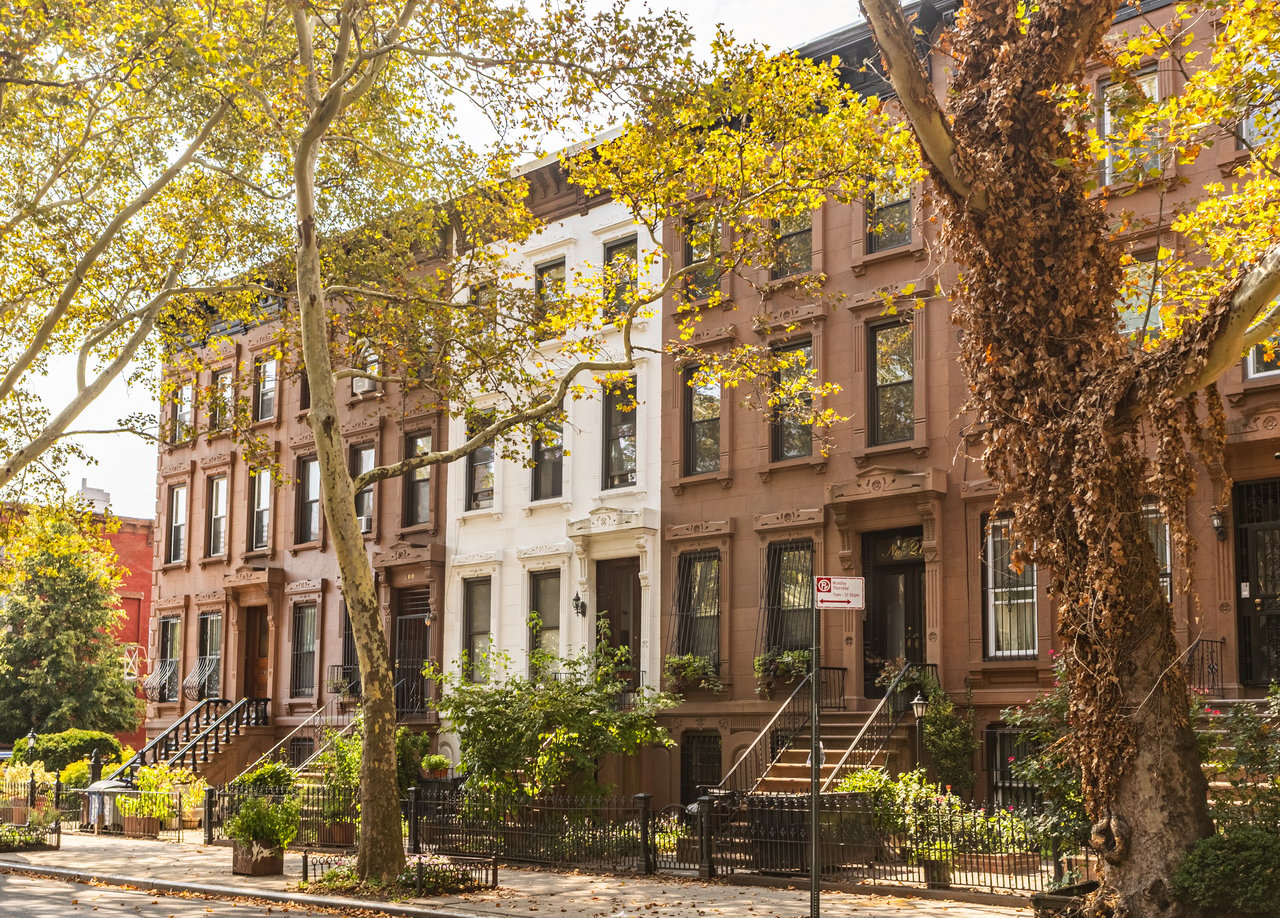
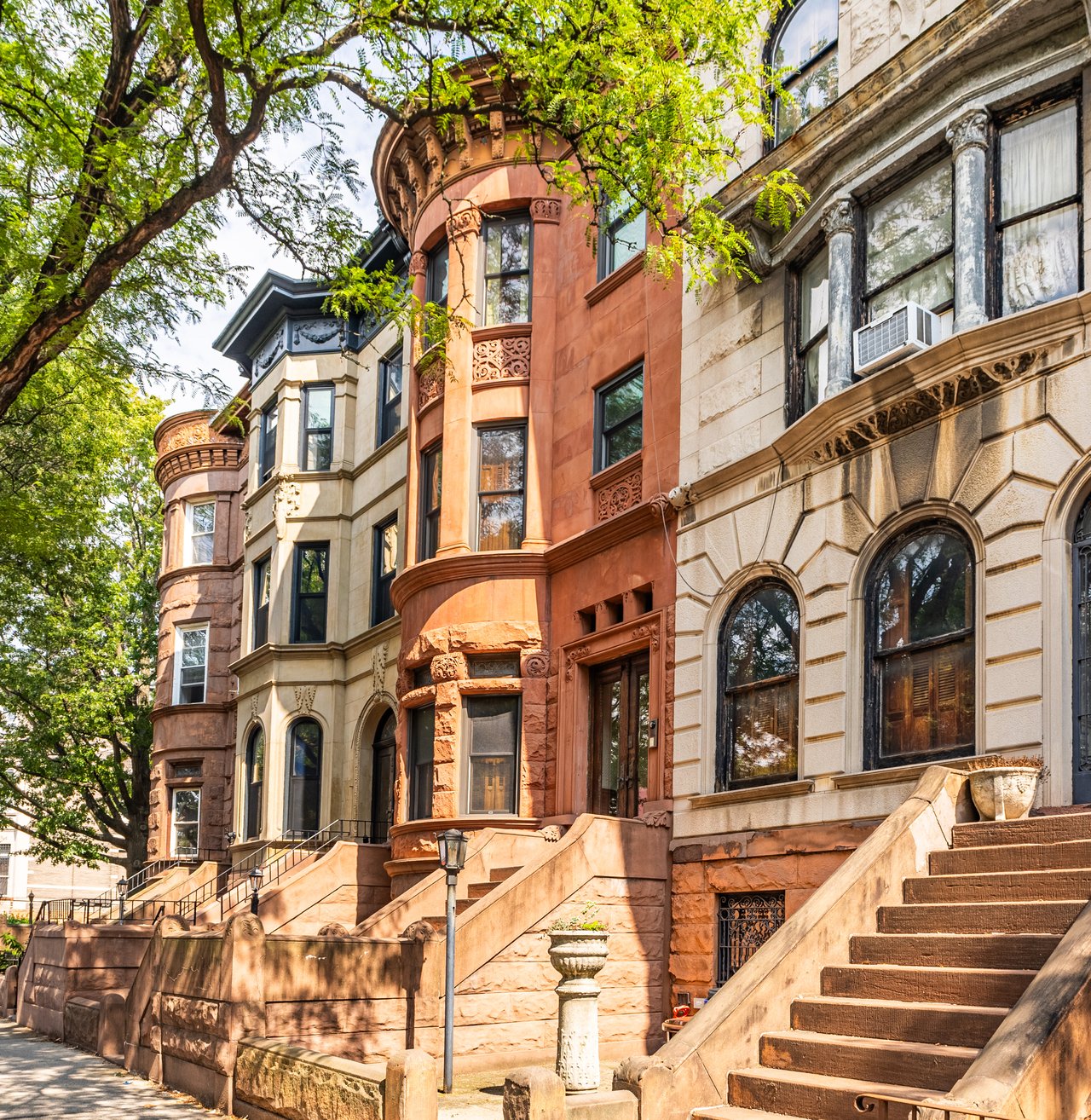
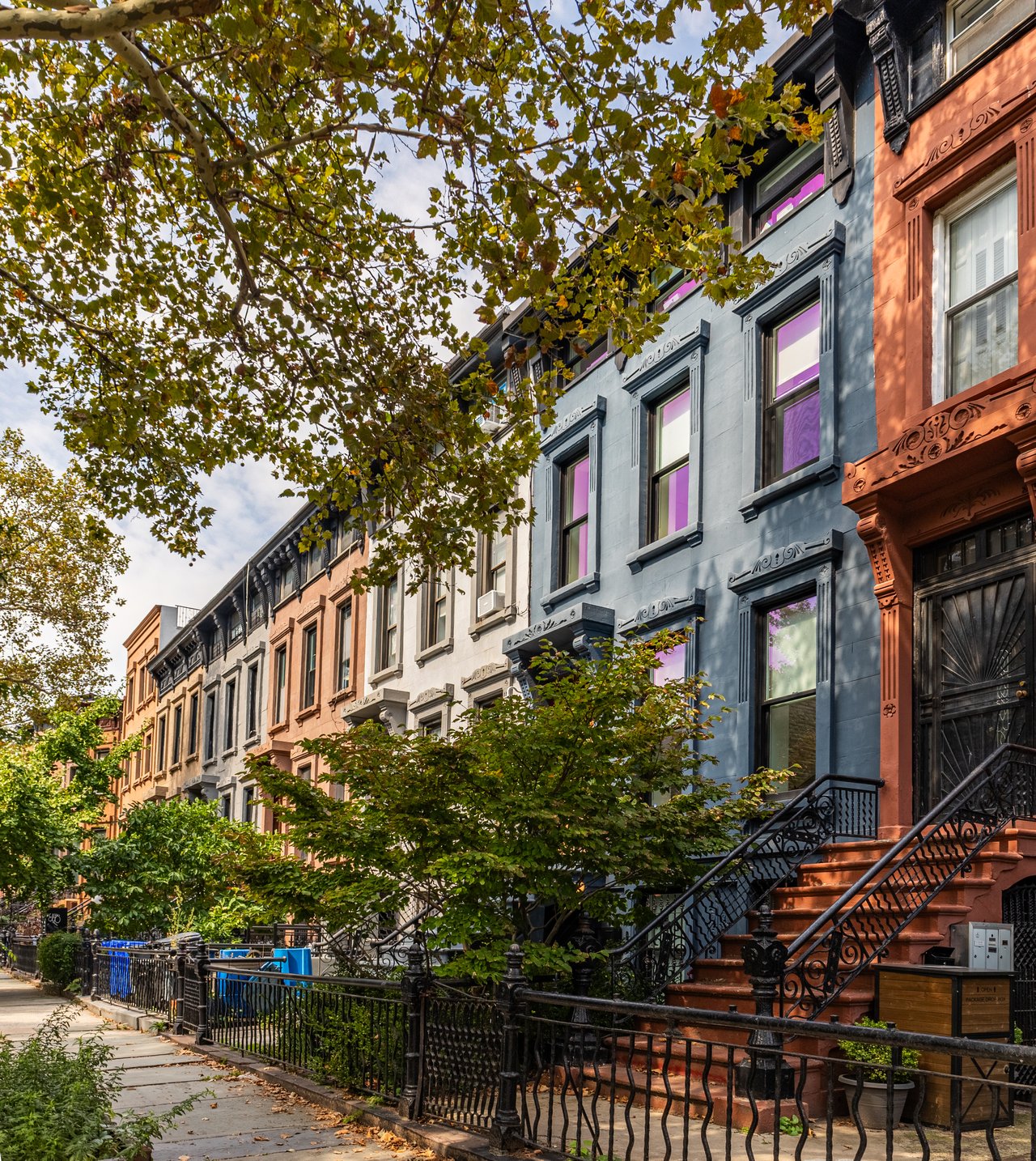
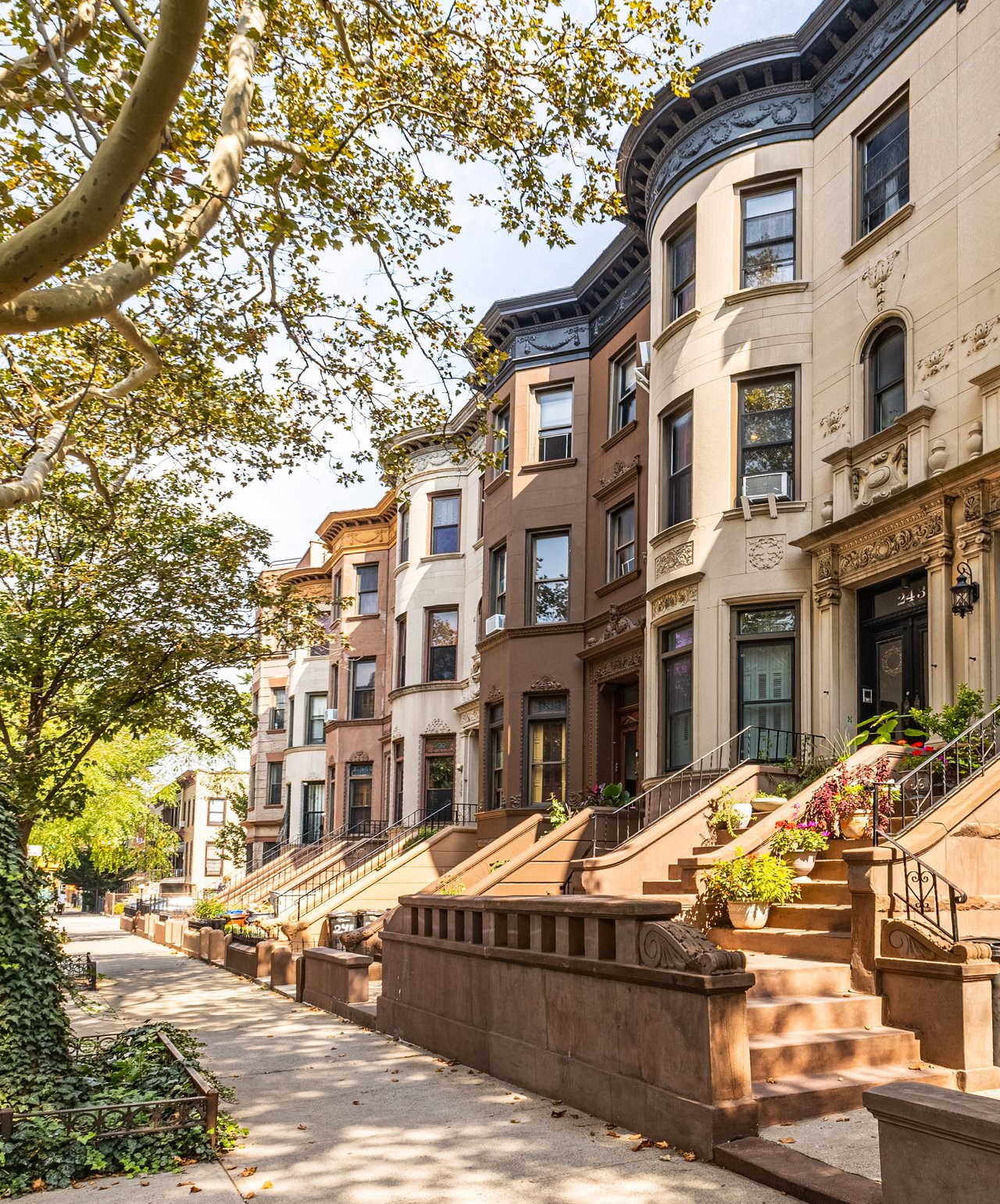
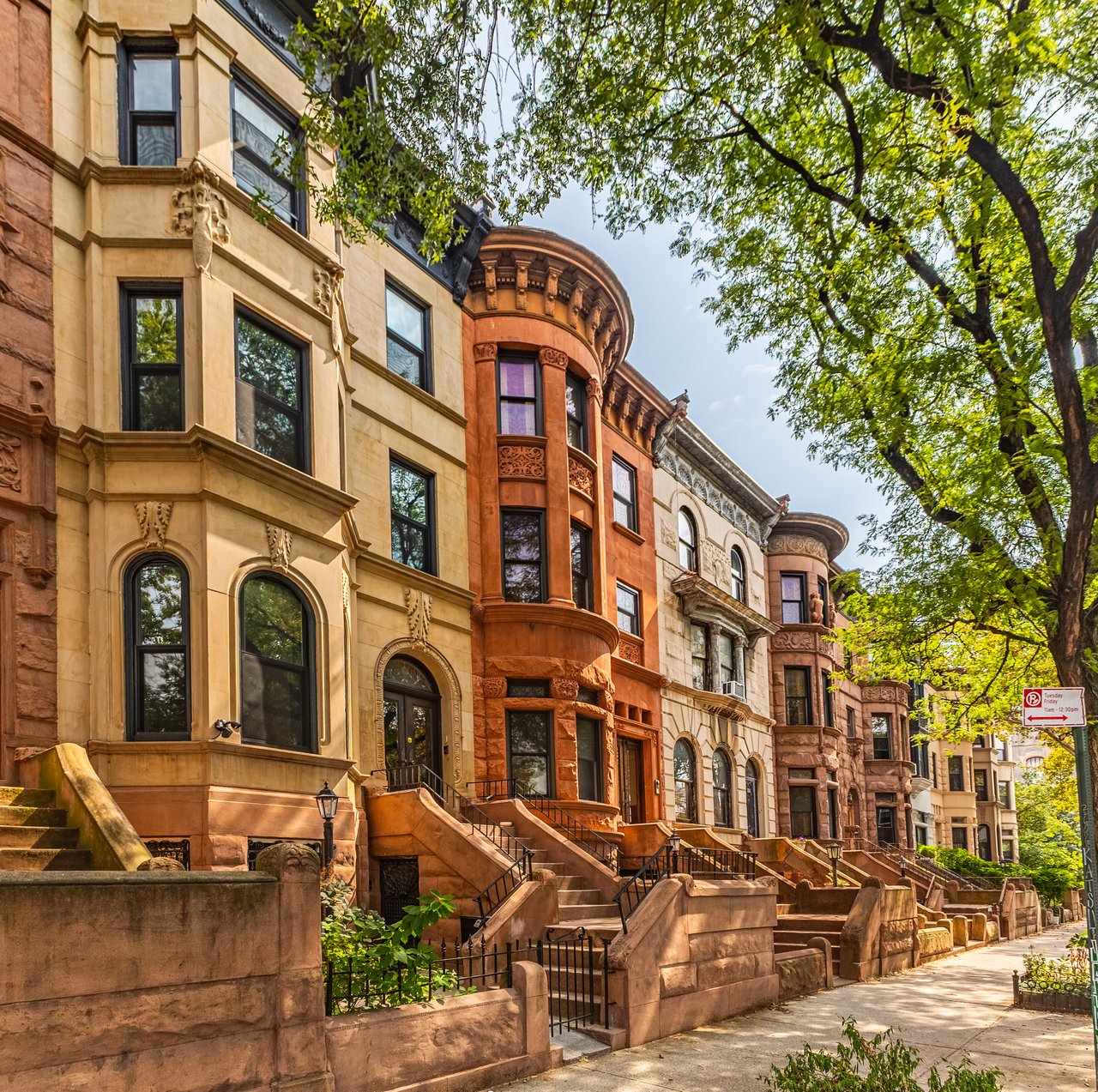
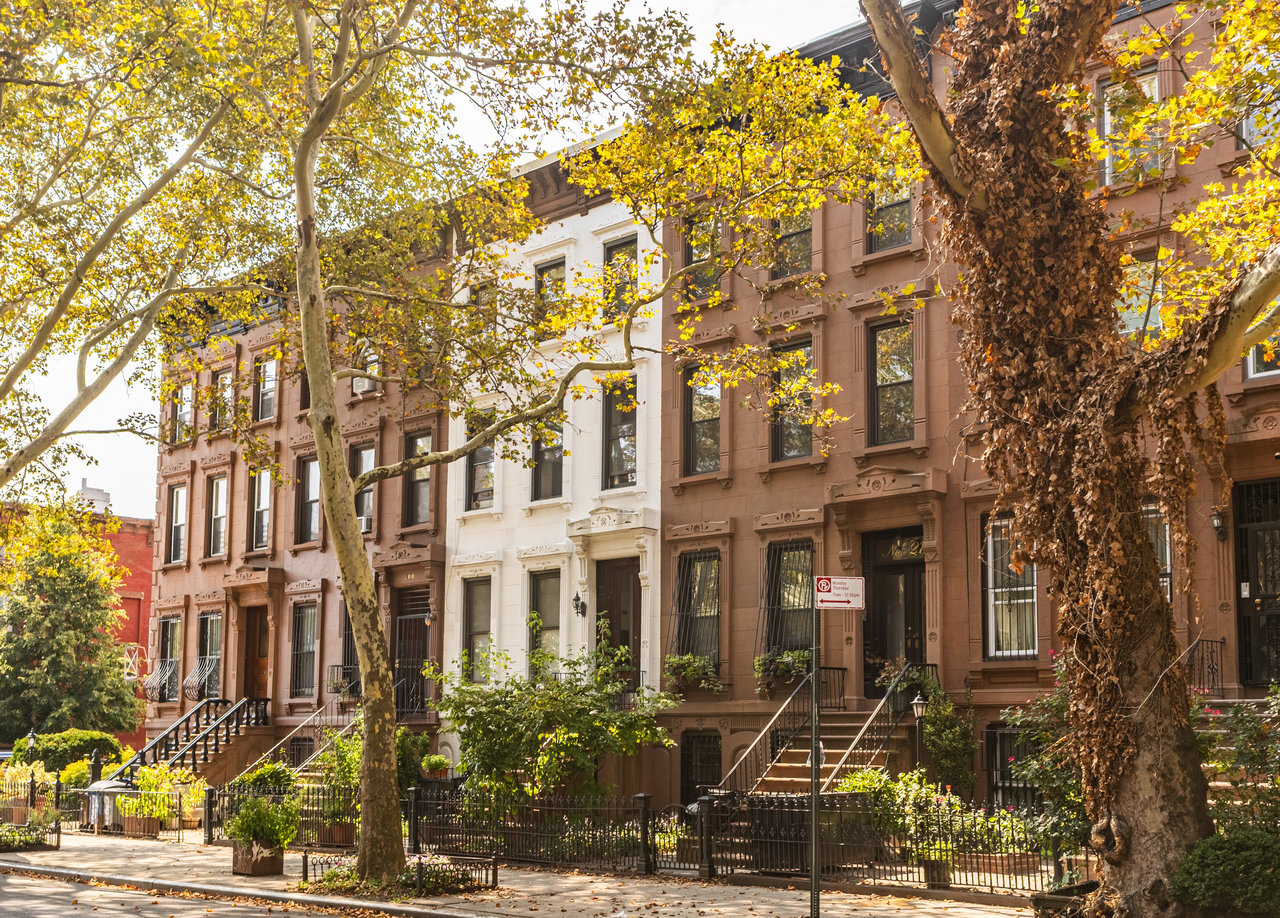
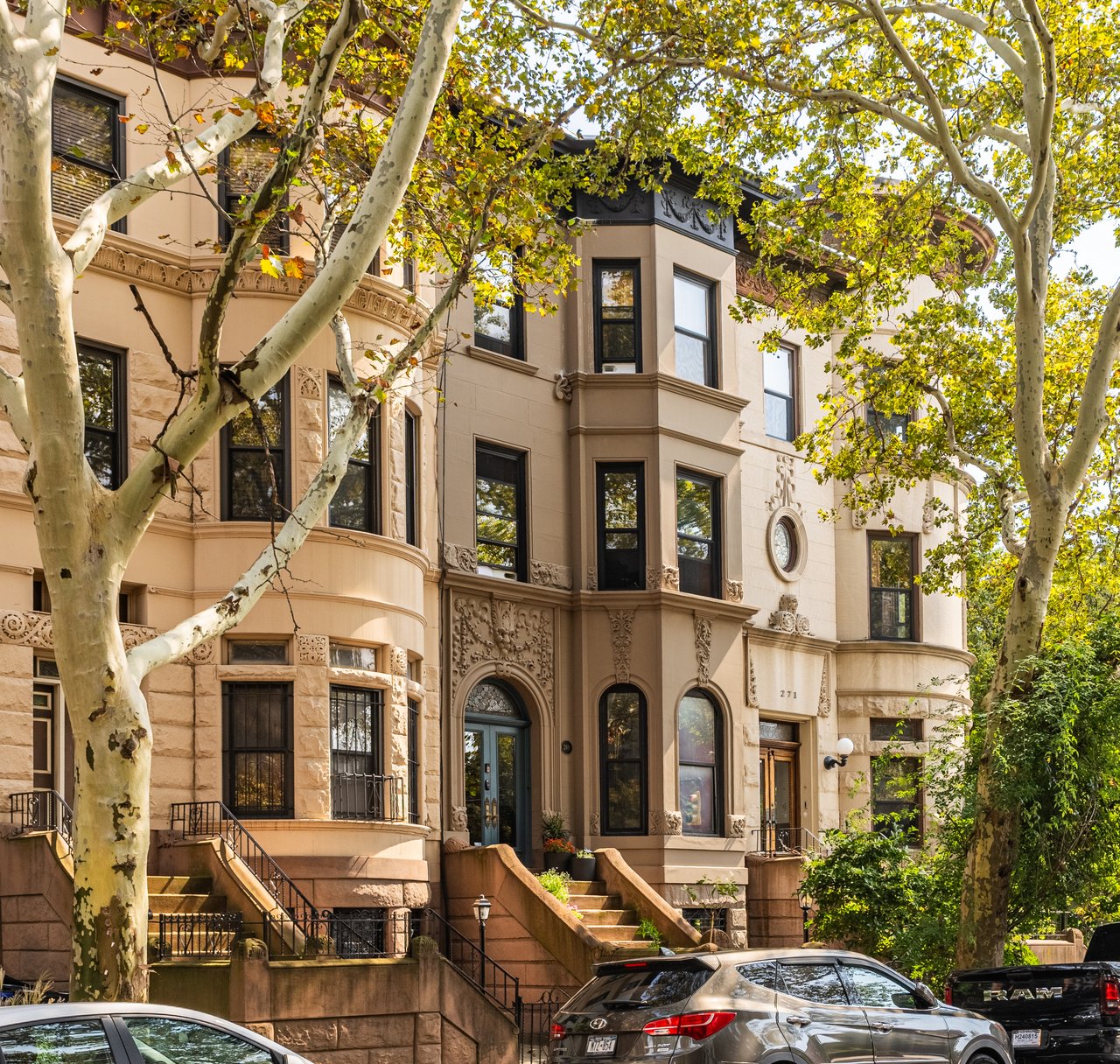
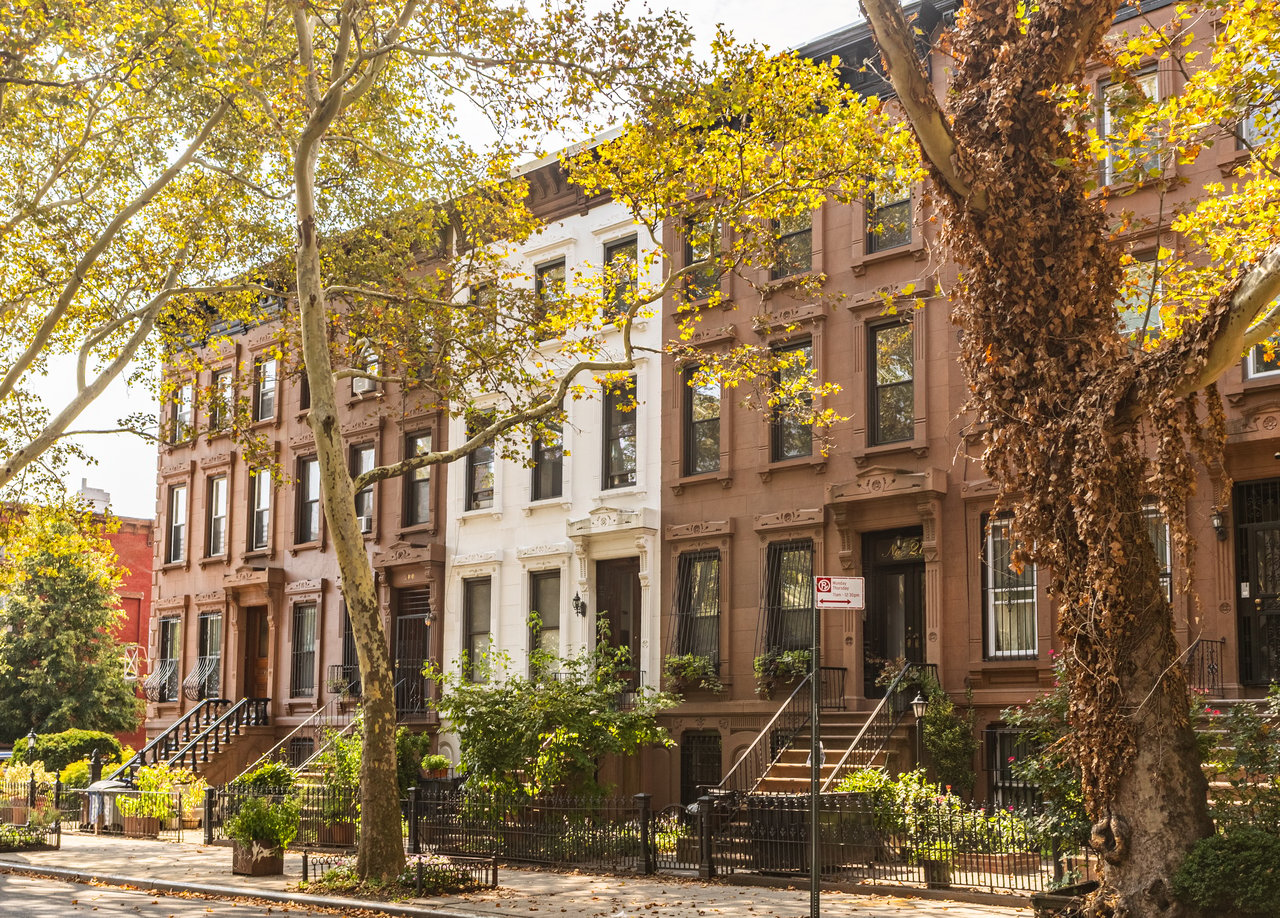
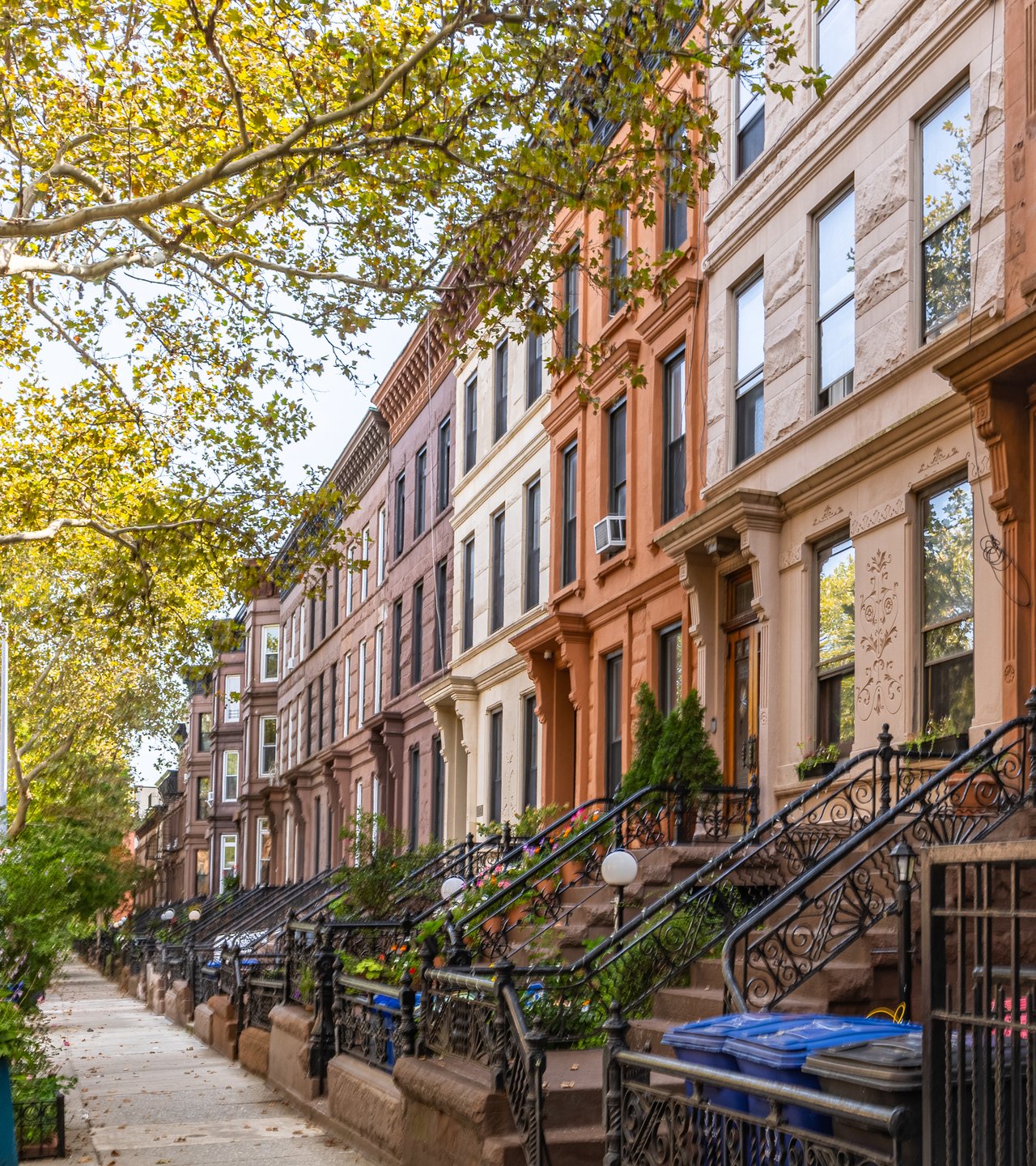
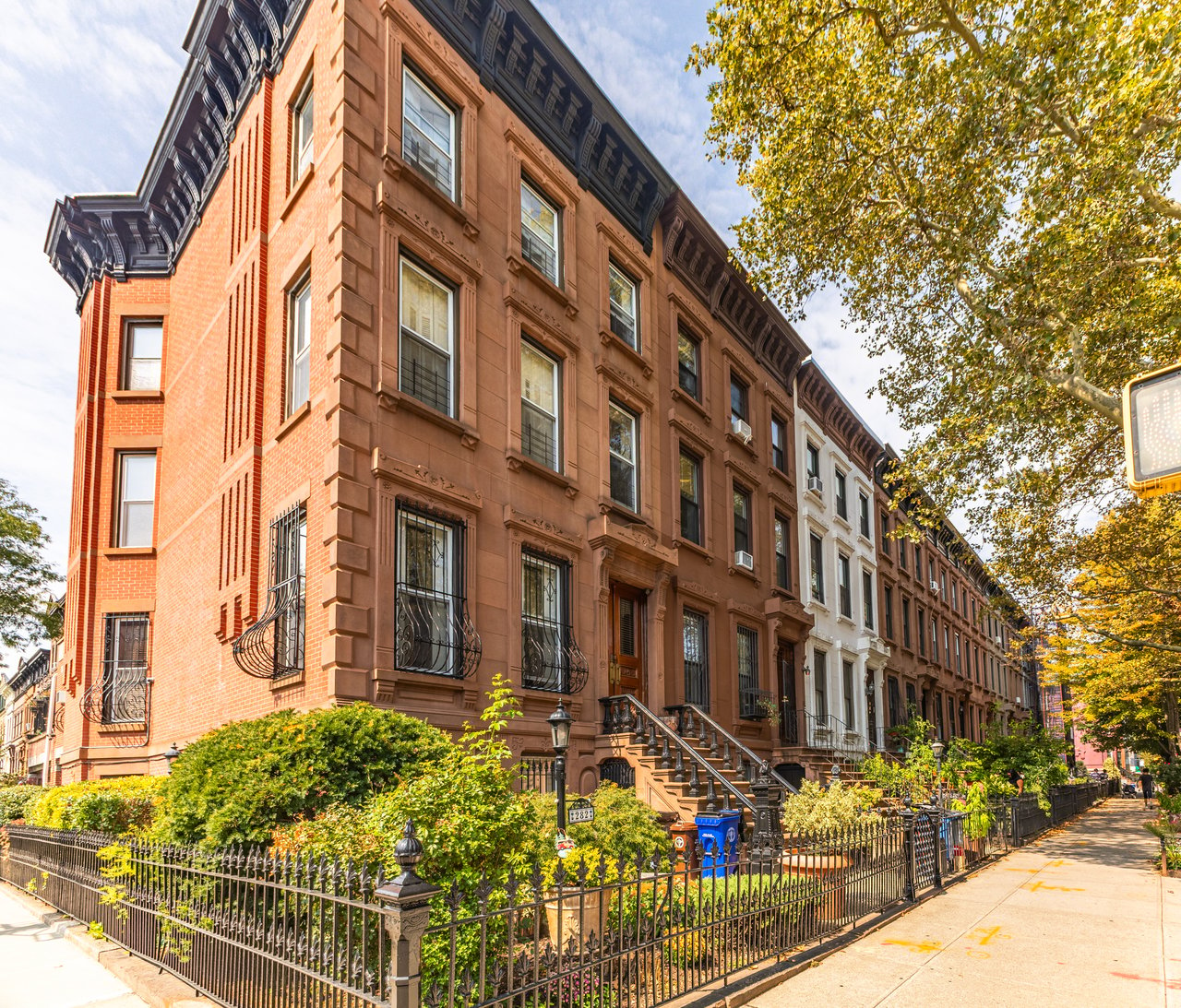
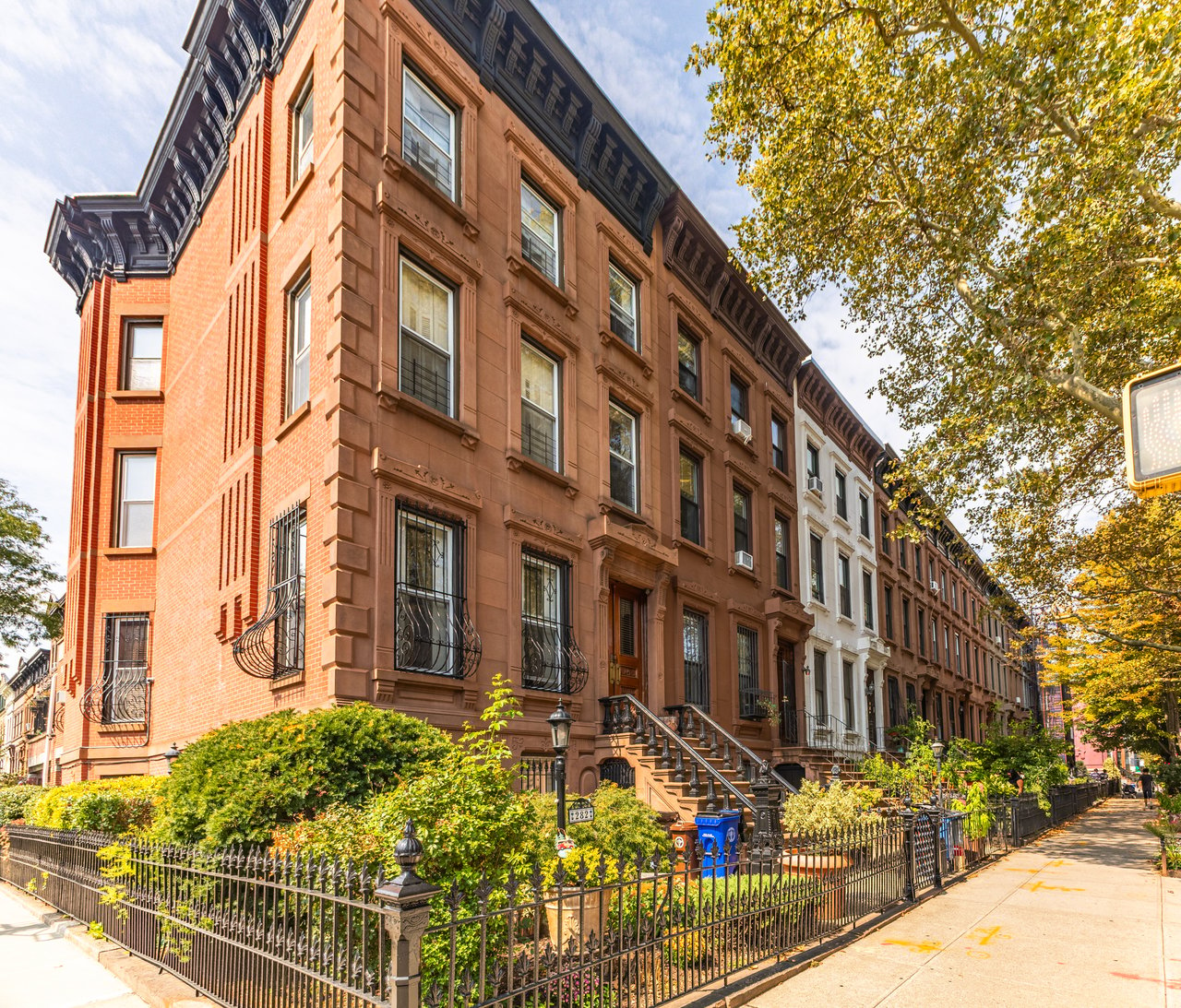
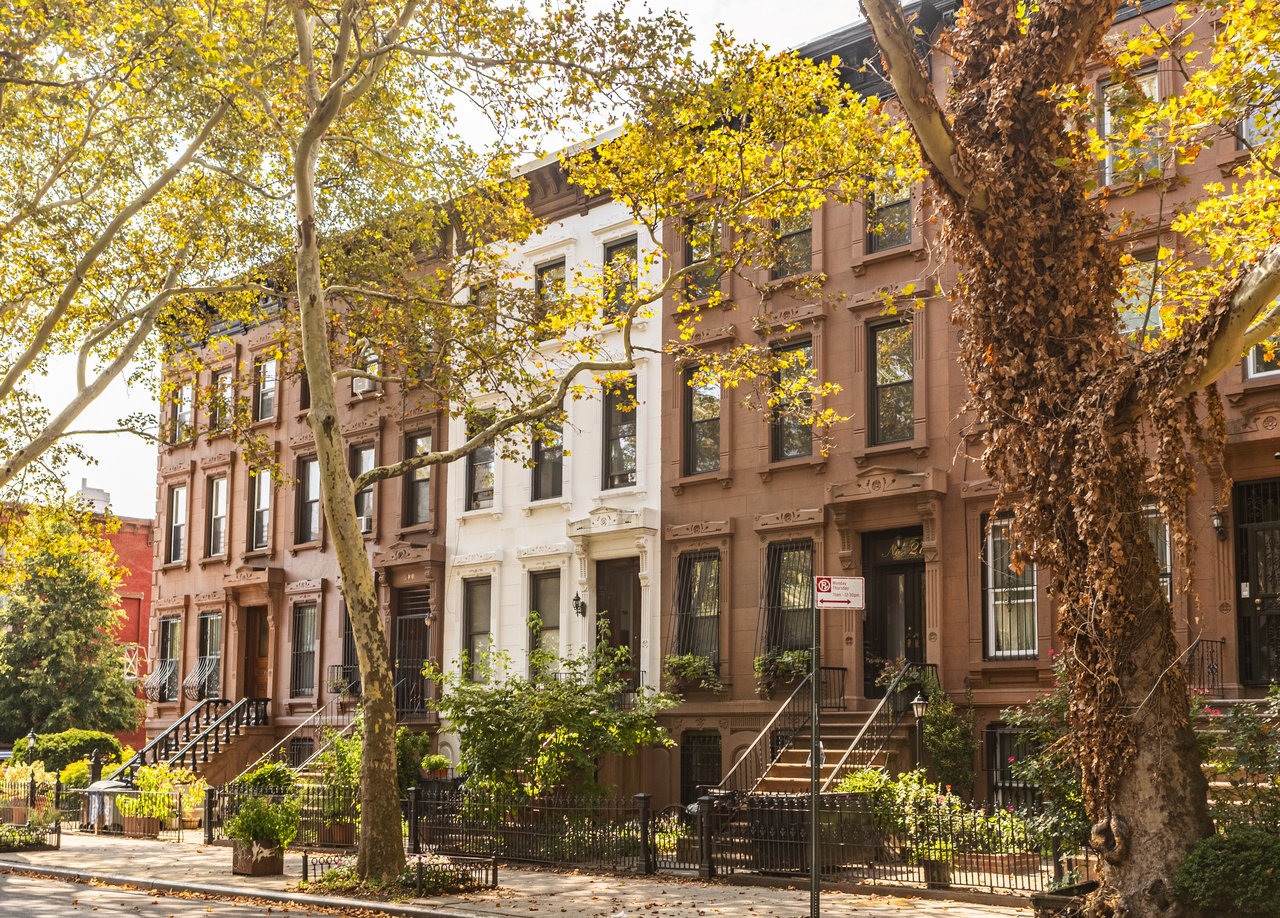
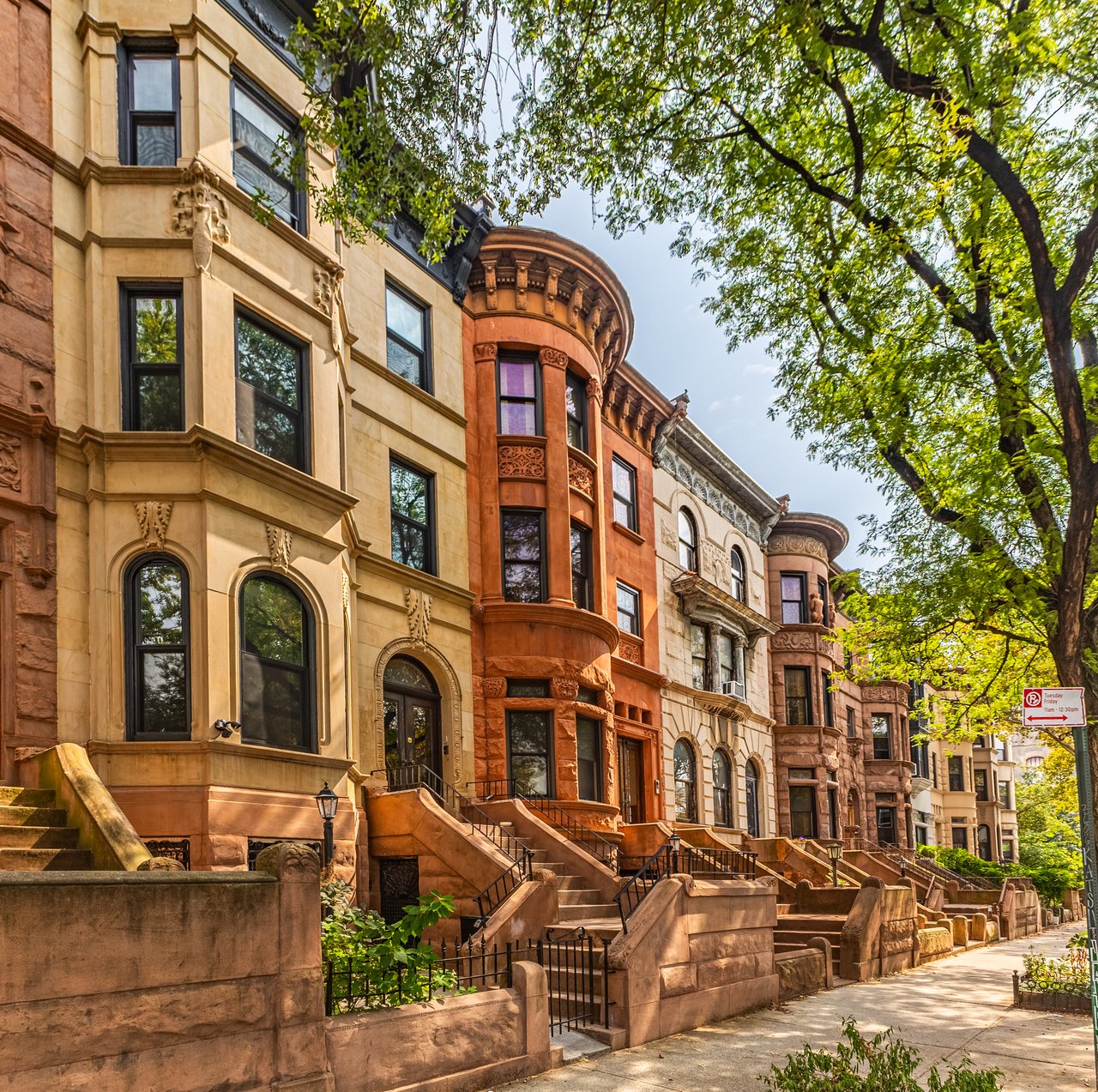
- Brick townhouses
- Brownstone residences
- Two-family homes
- Three-family buildings
- Four-family properties
- Prewar walk-up apartment houses
- Mixed-use buildings
- Commercial storefronts
- Contemporary condominiums
- Larger residential apartment buildings
Architectural details vary considerably.
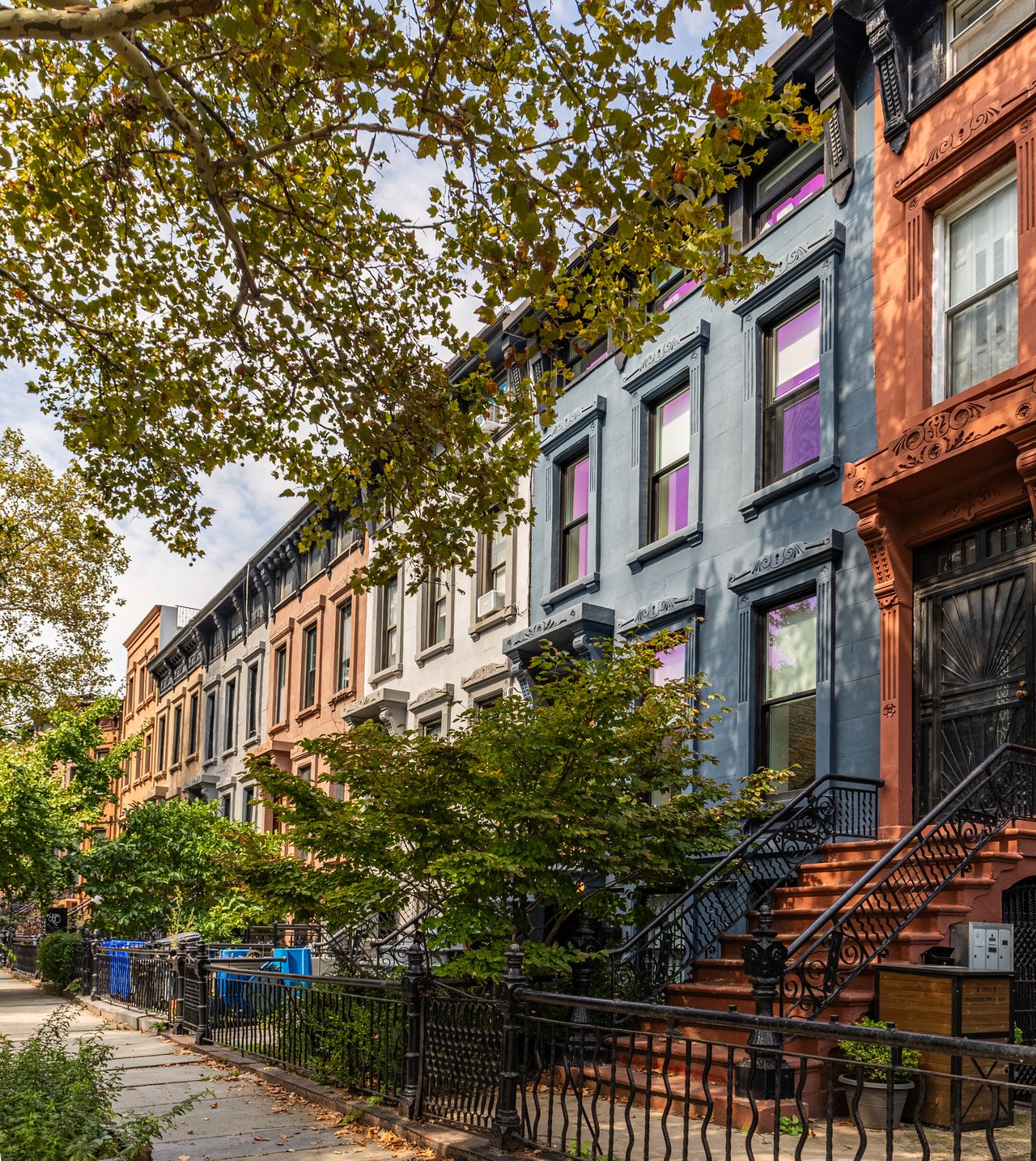
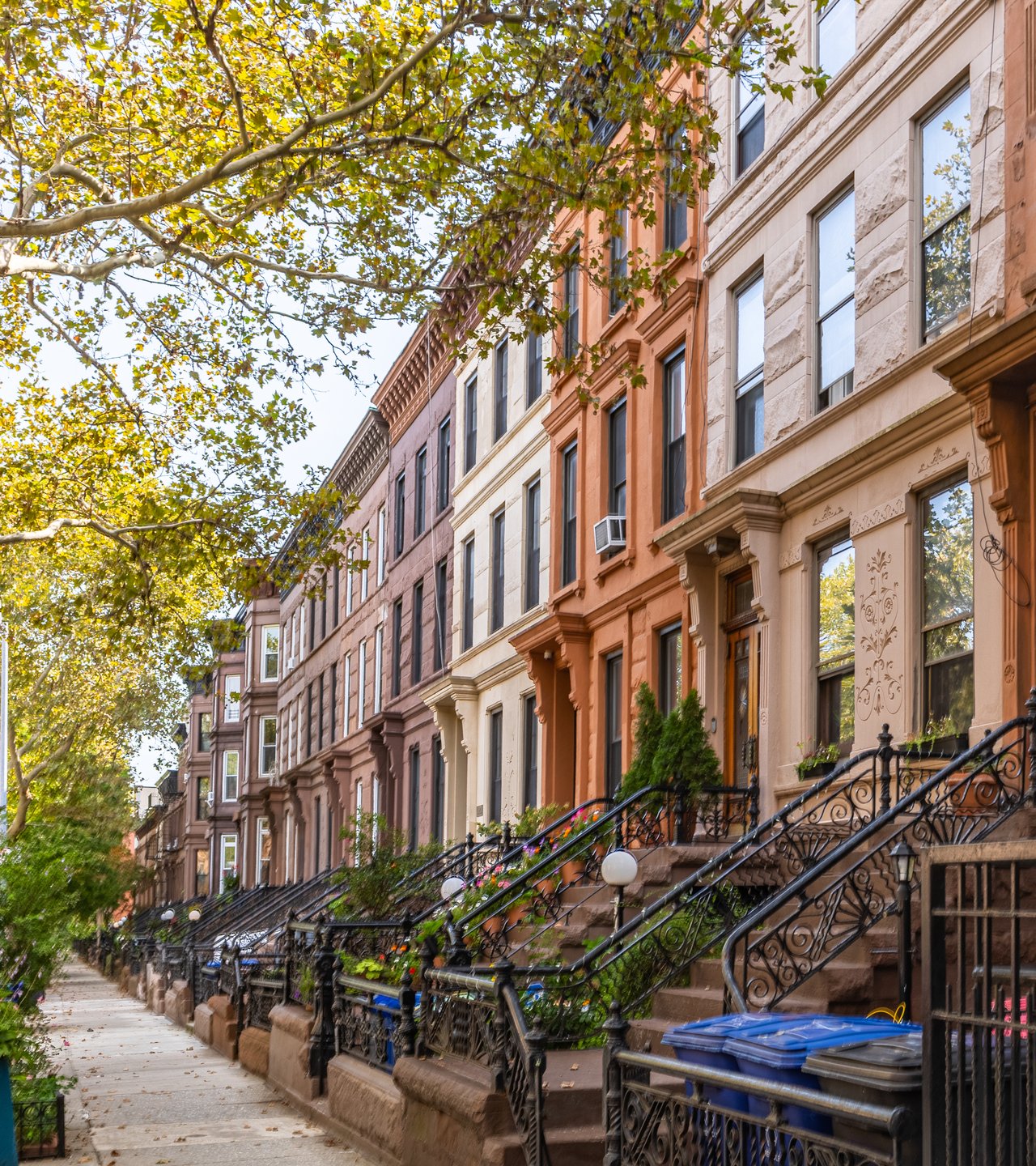
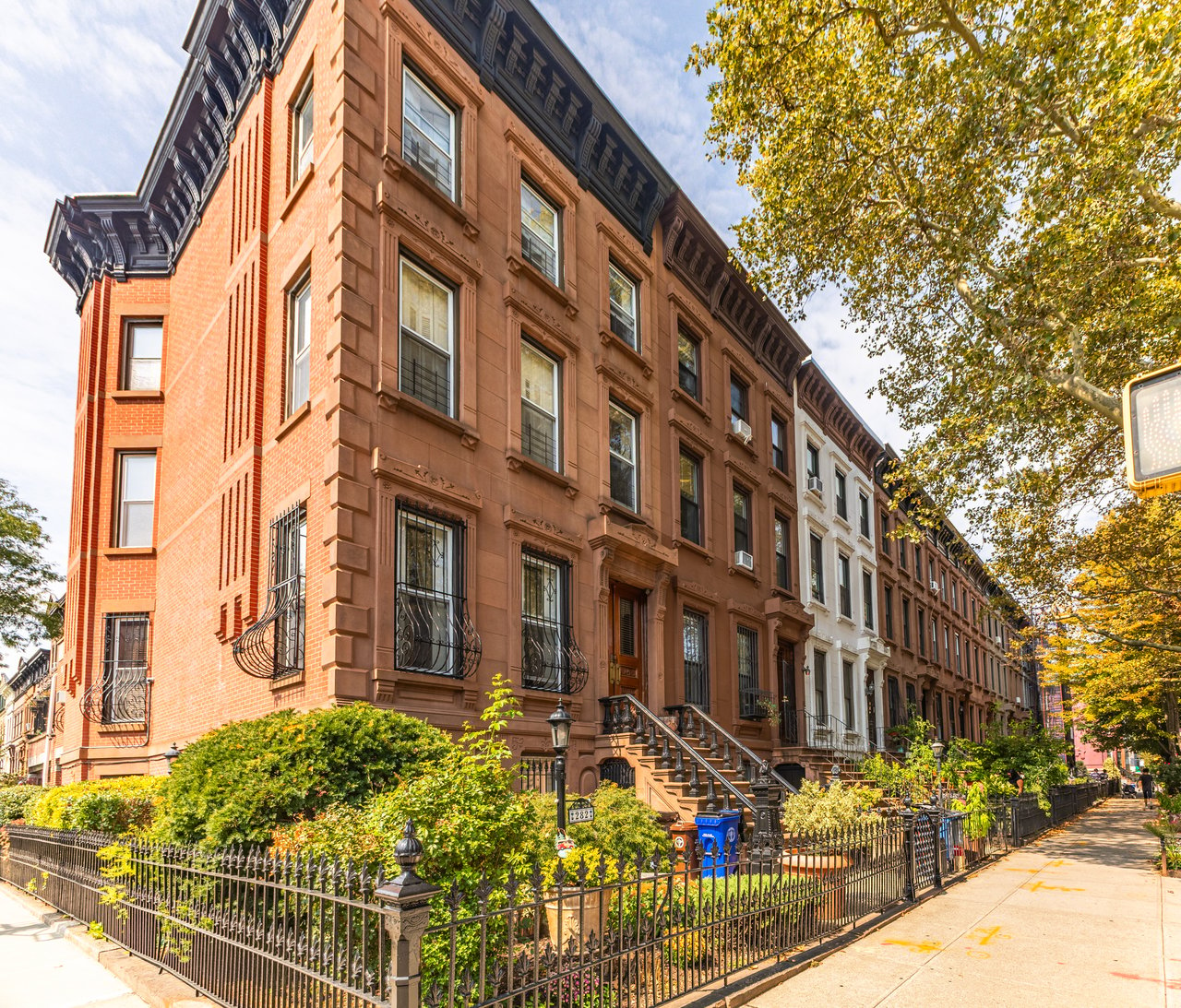
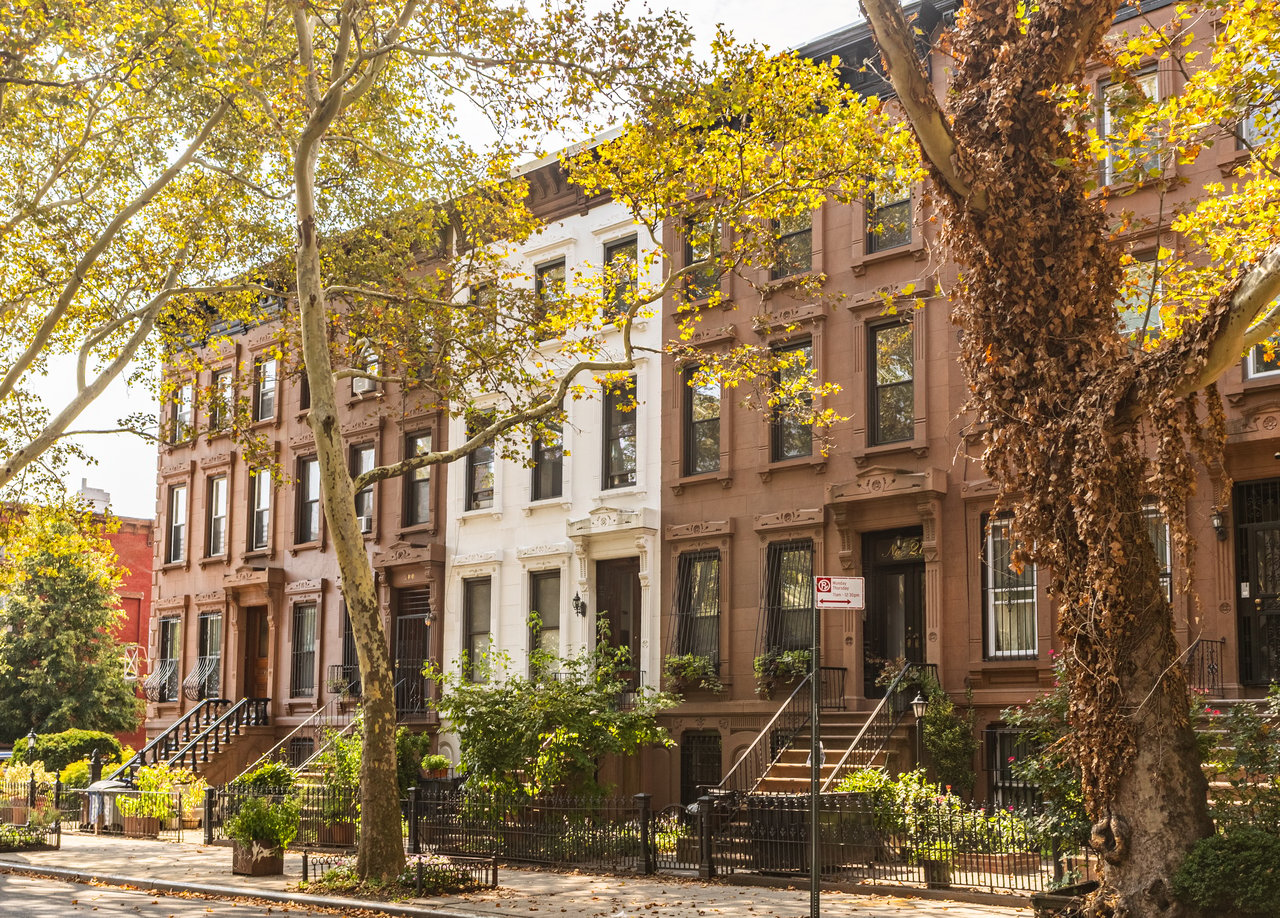
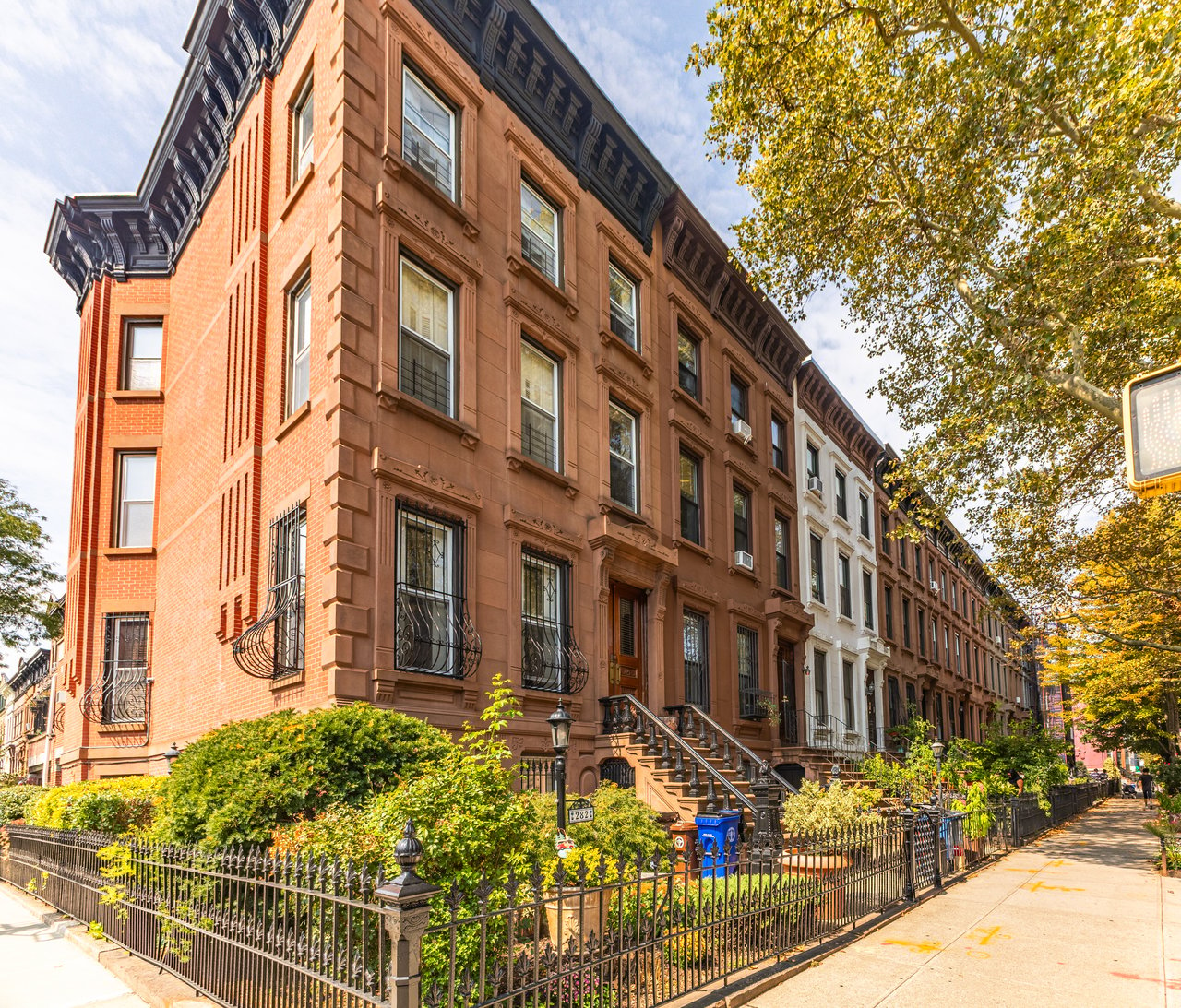
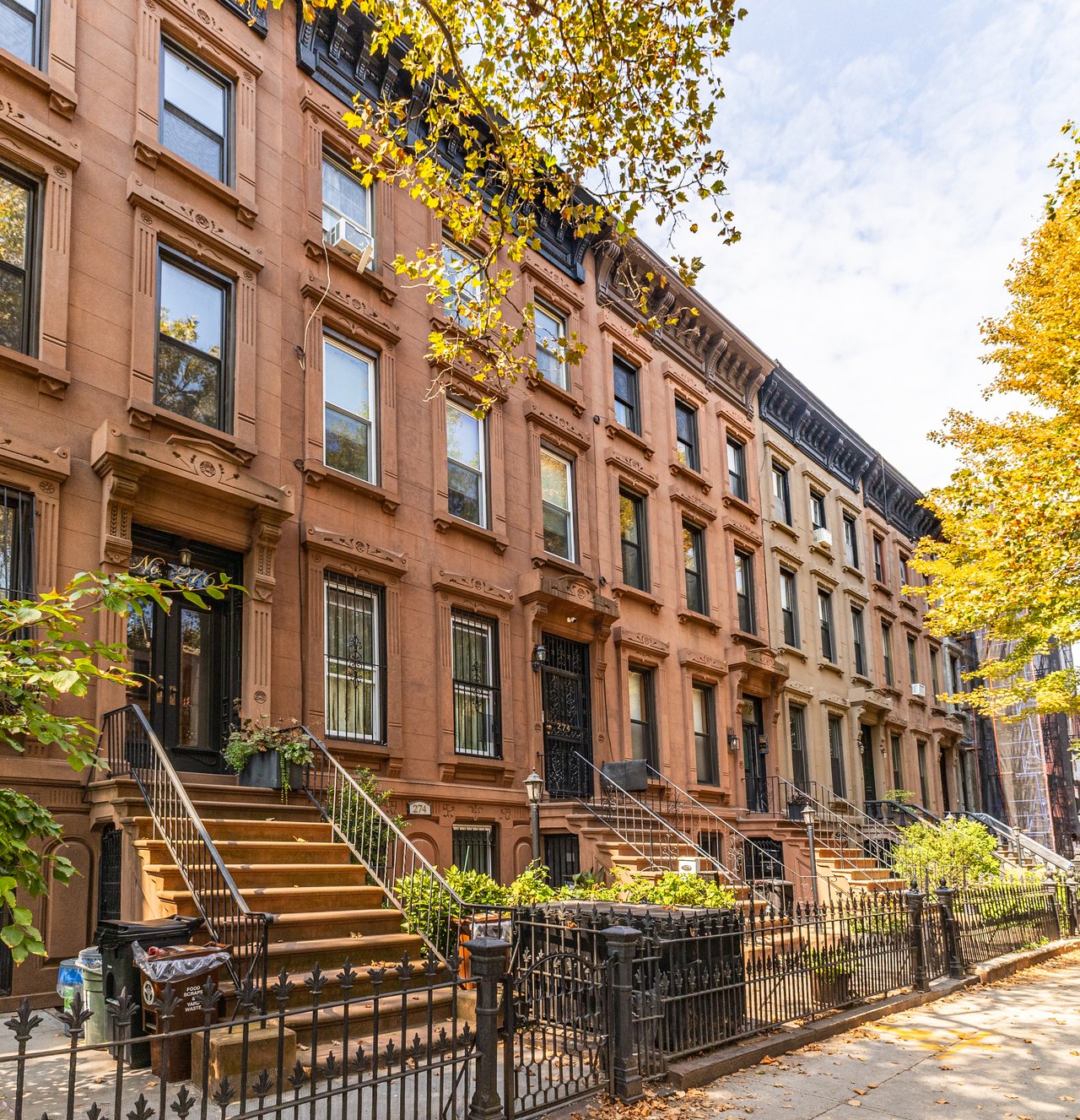
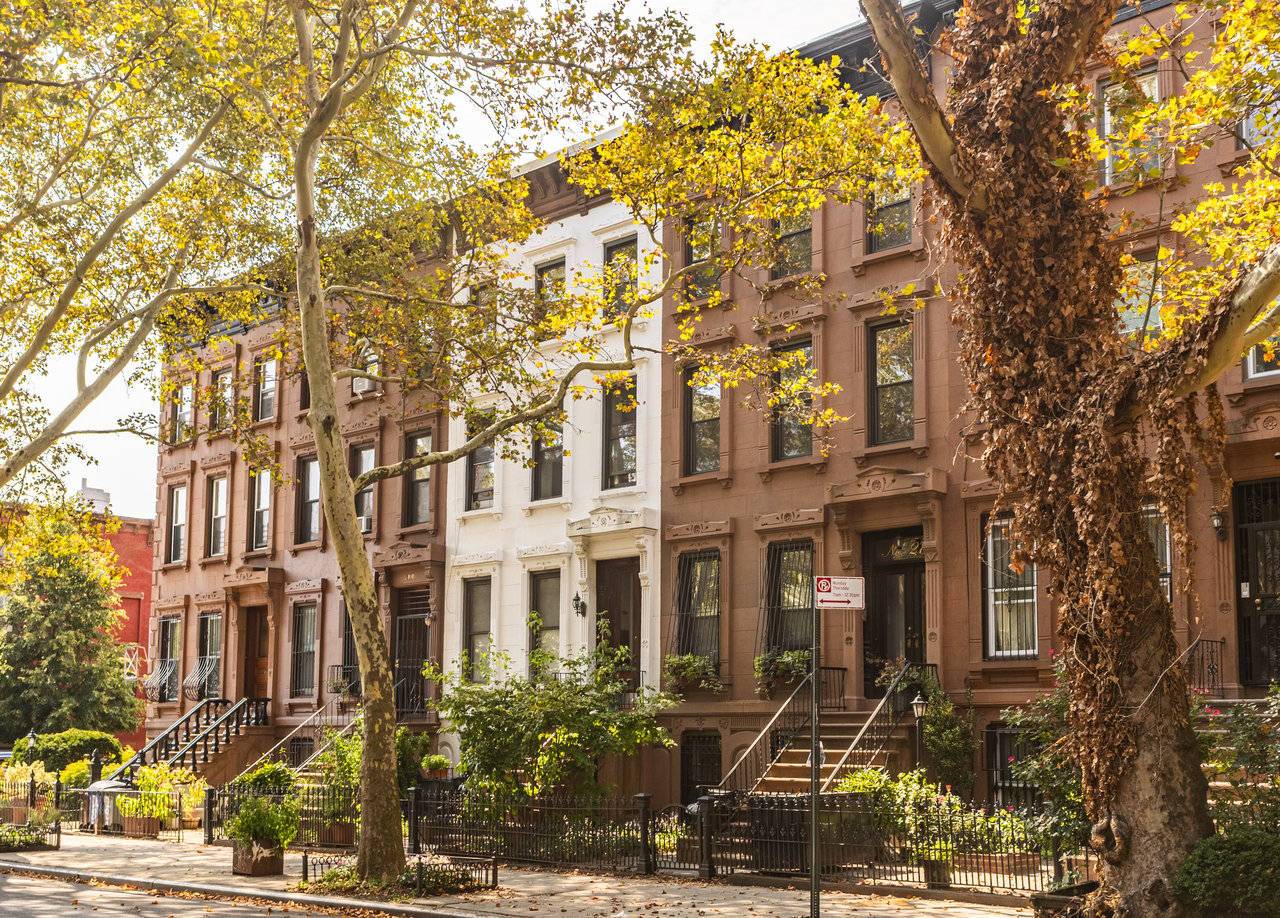
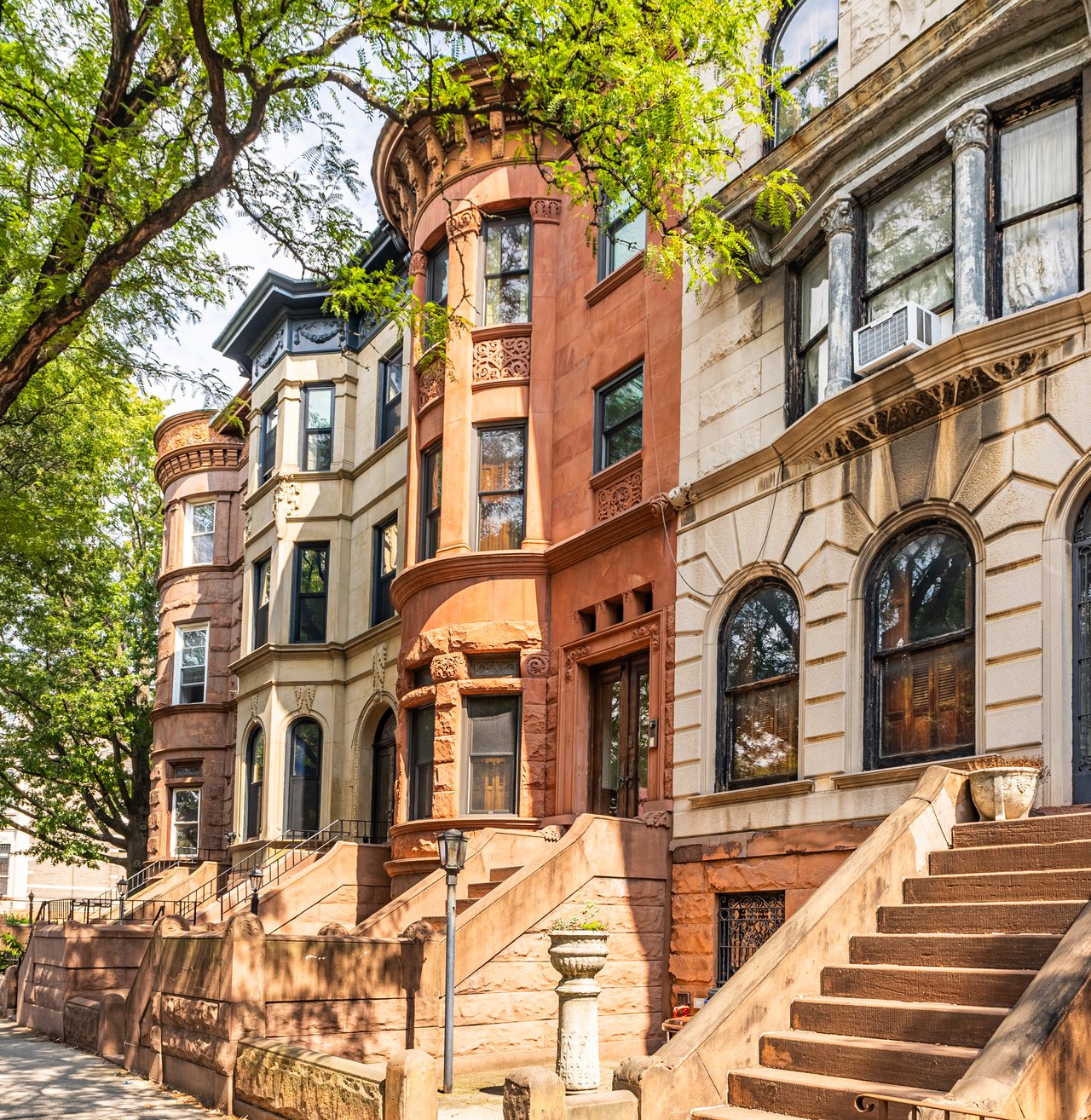
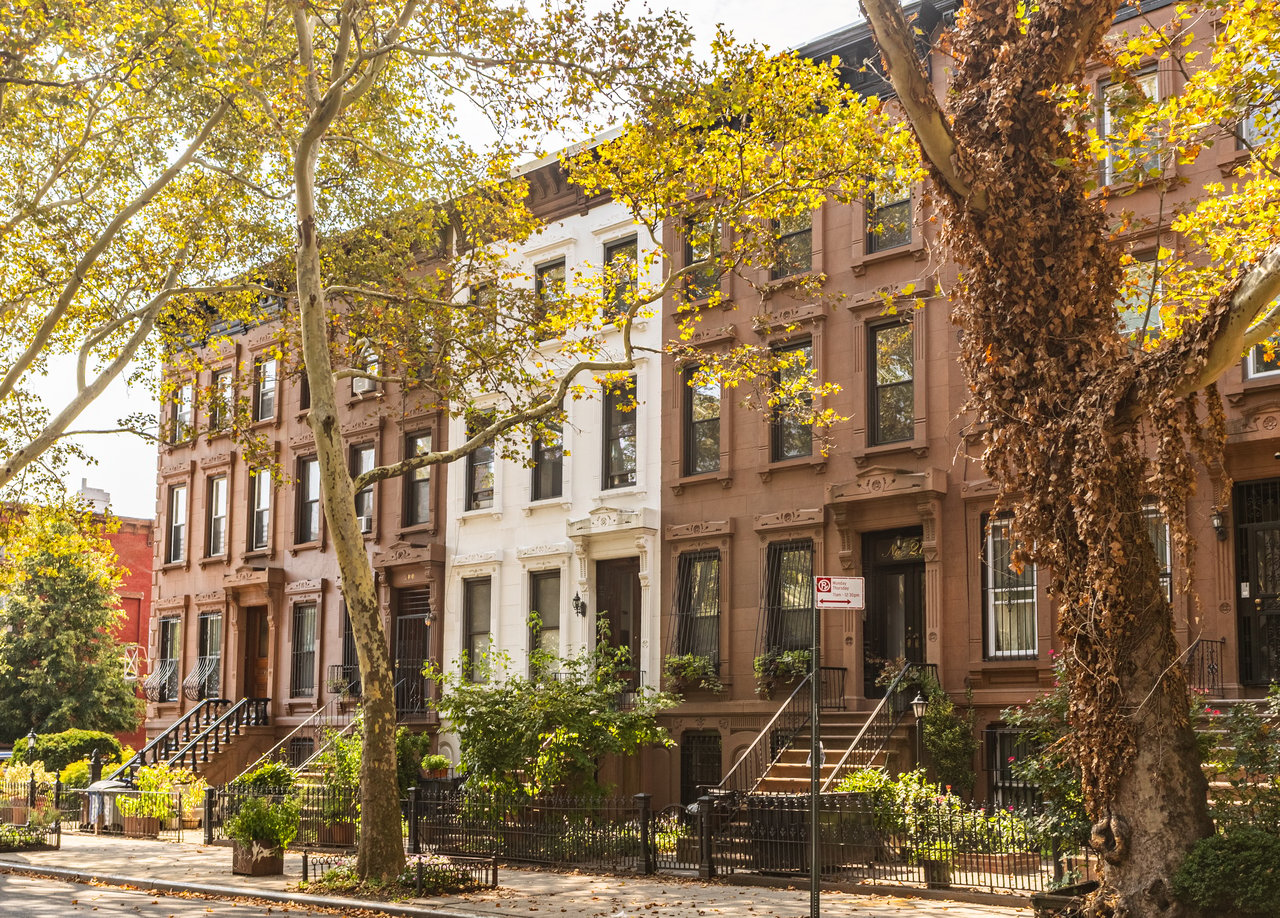
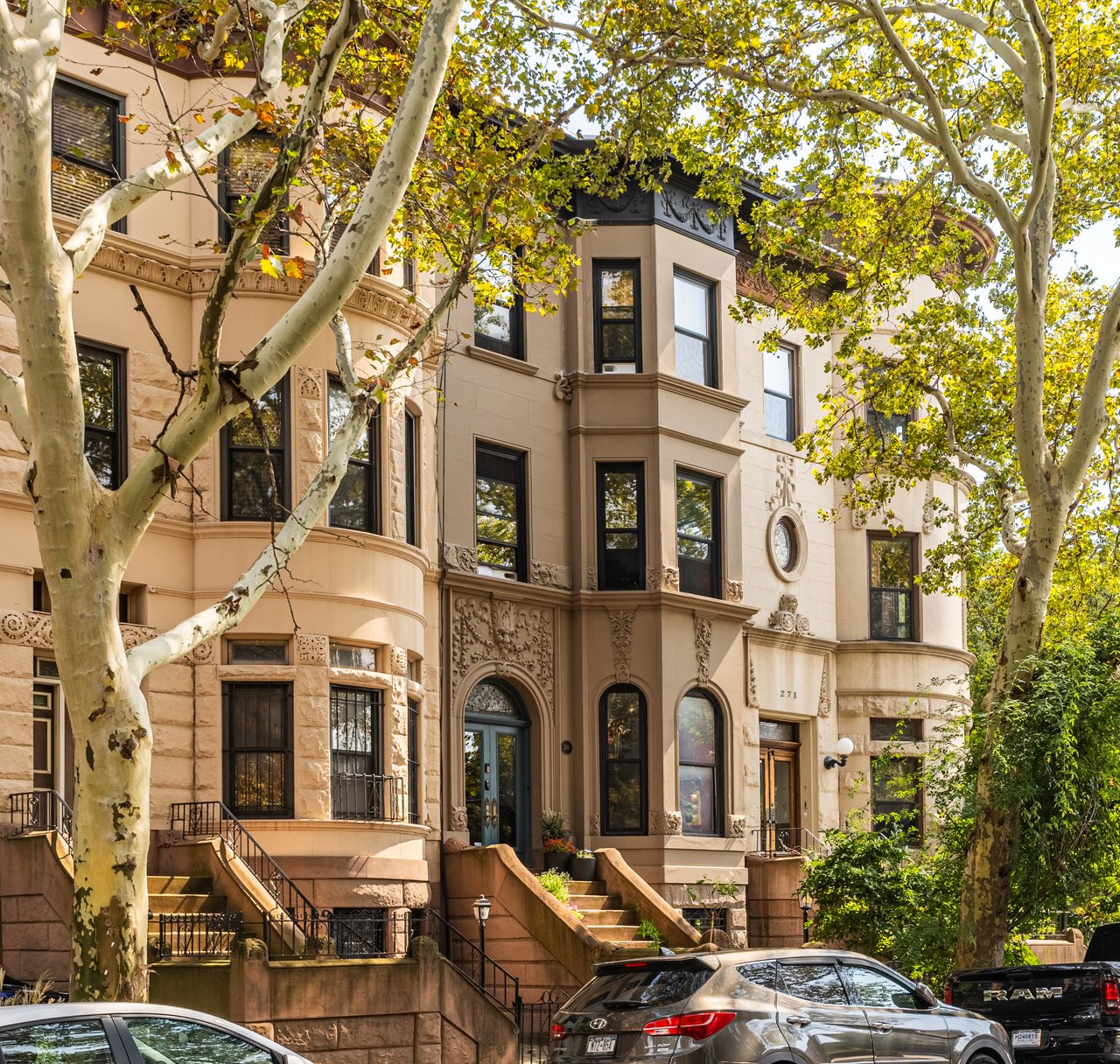
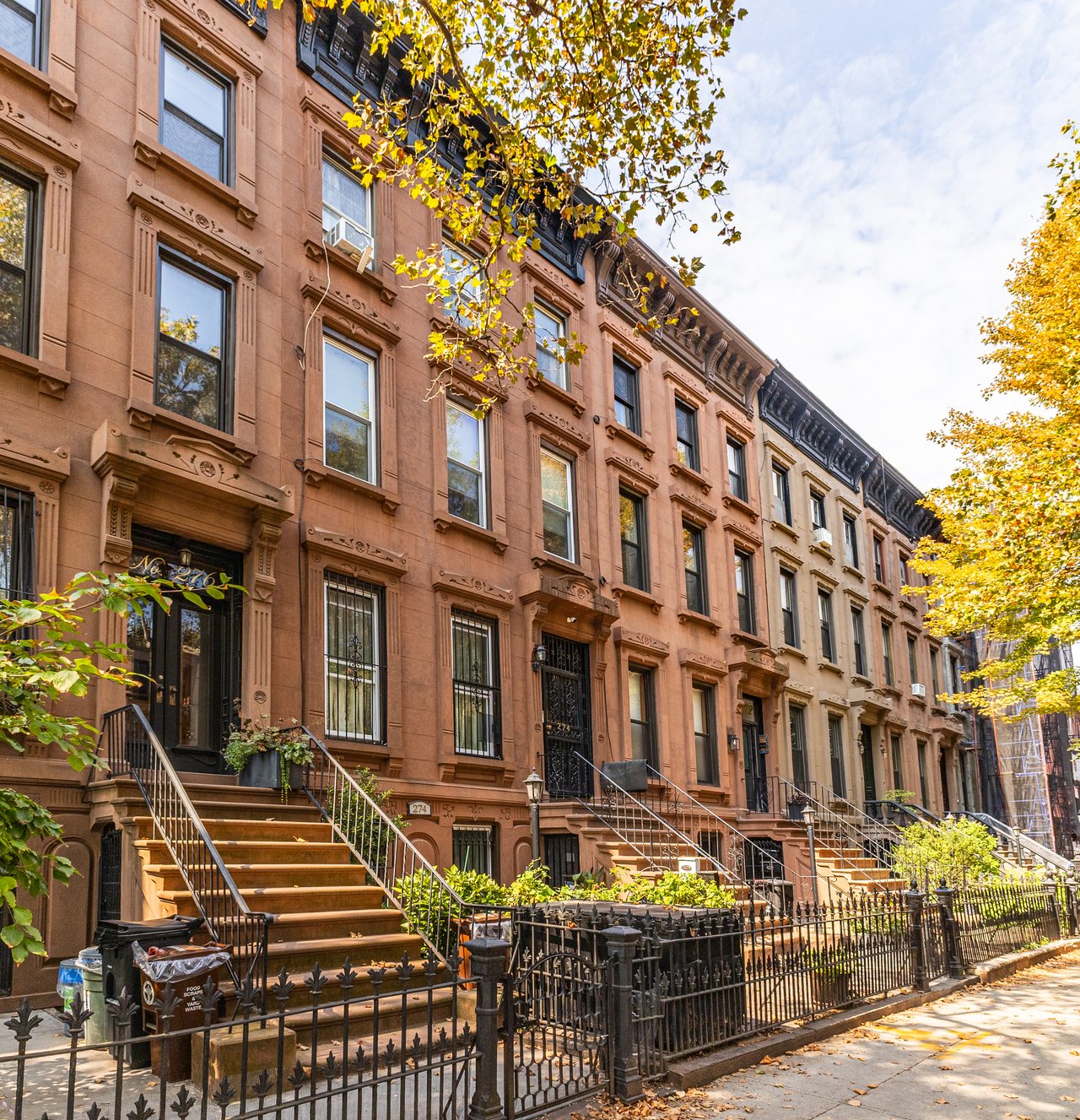
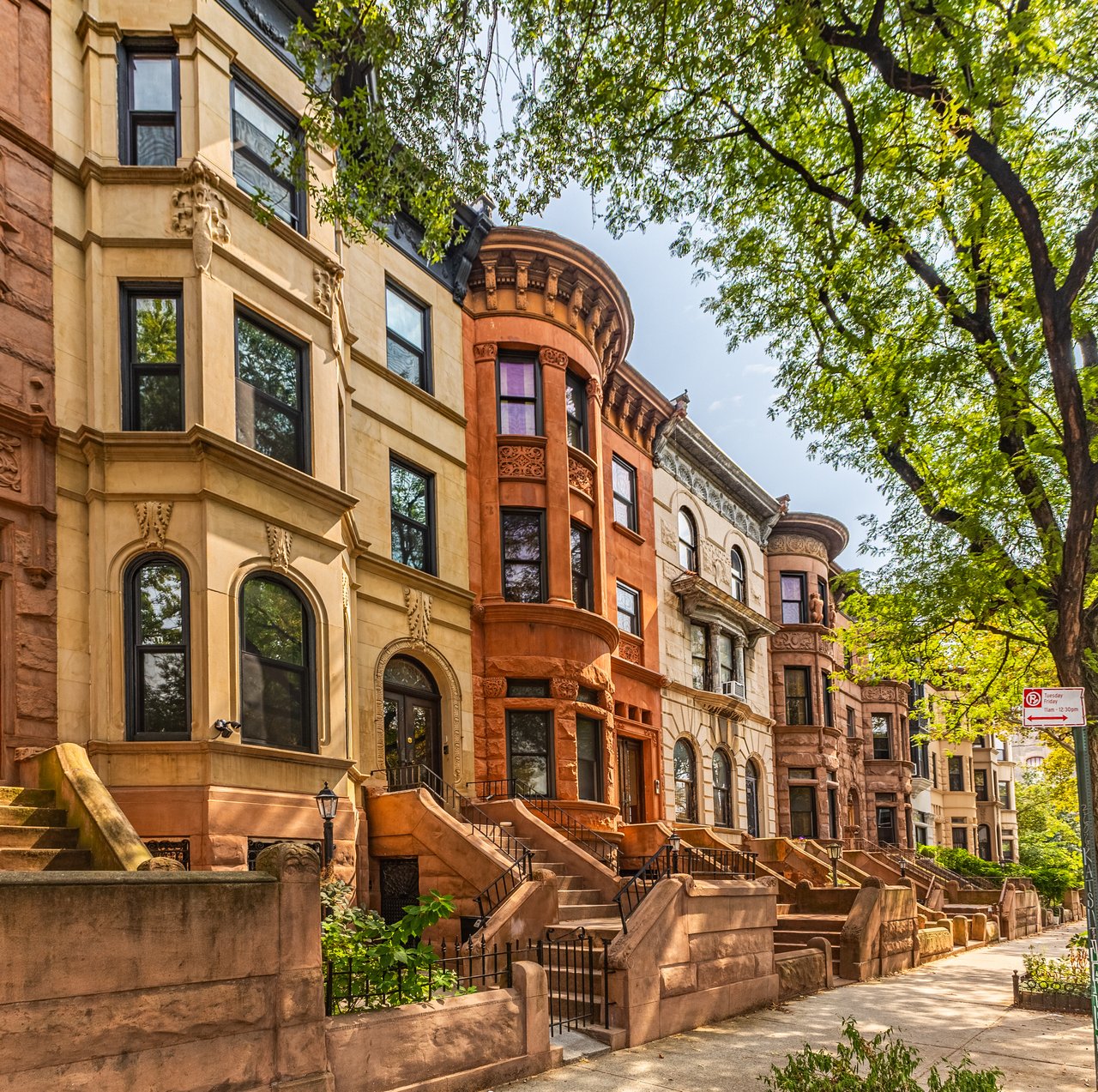
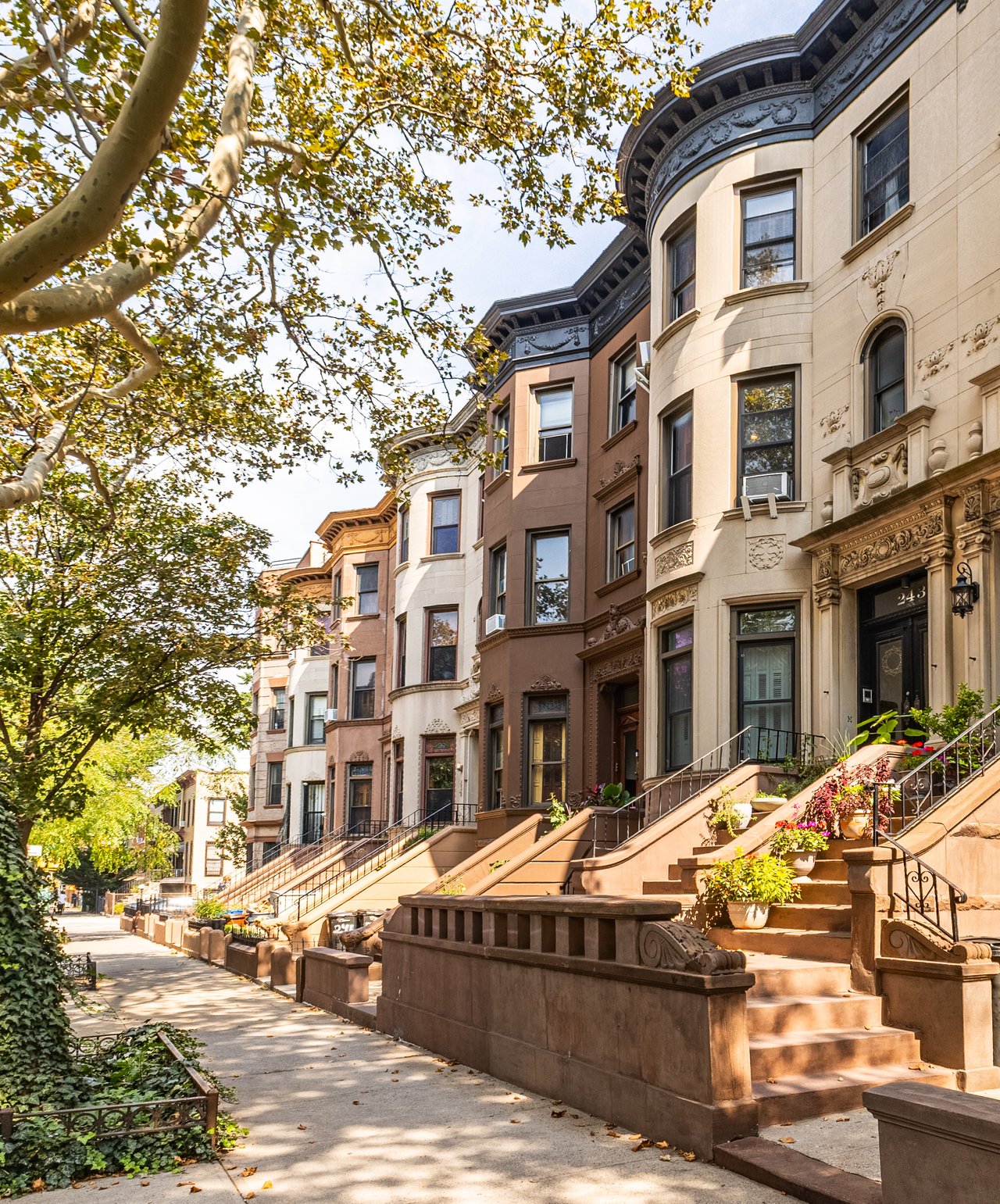
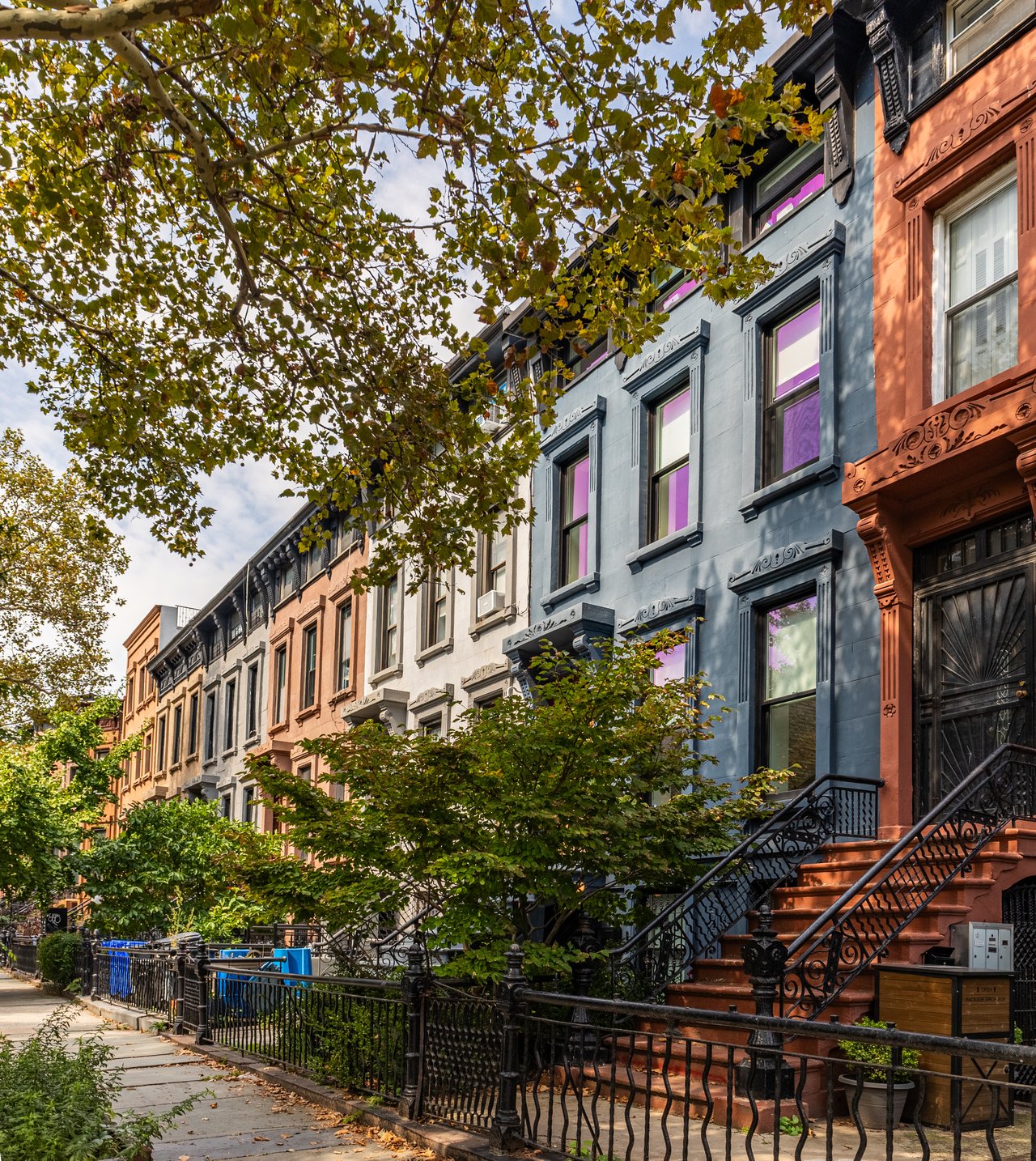
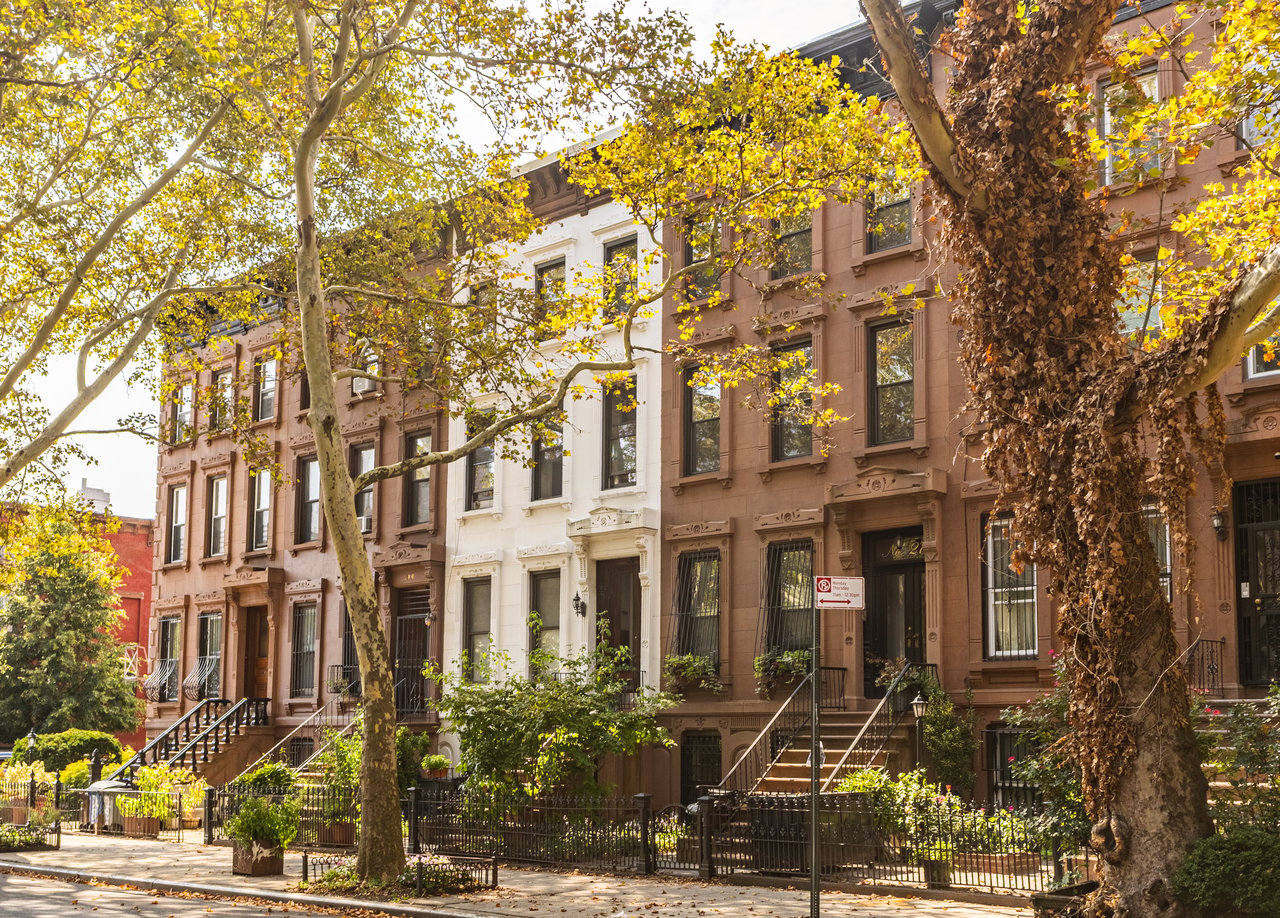
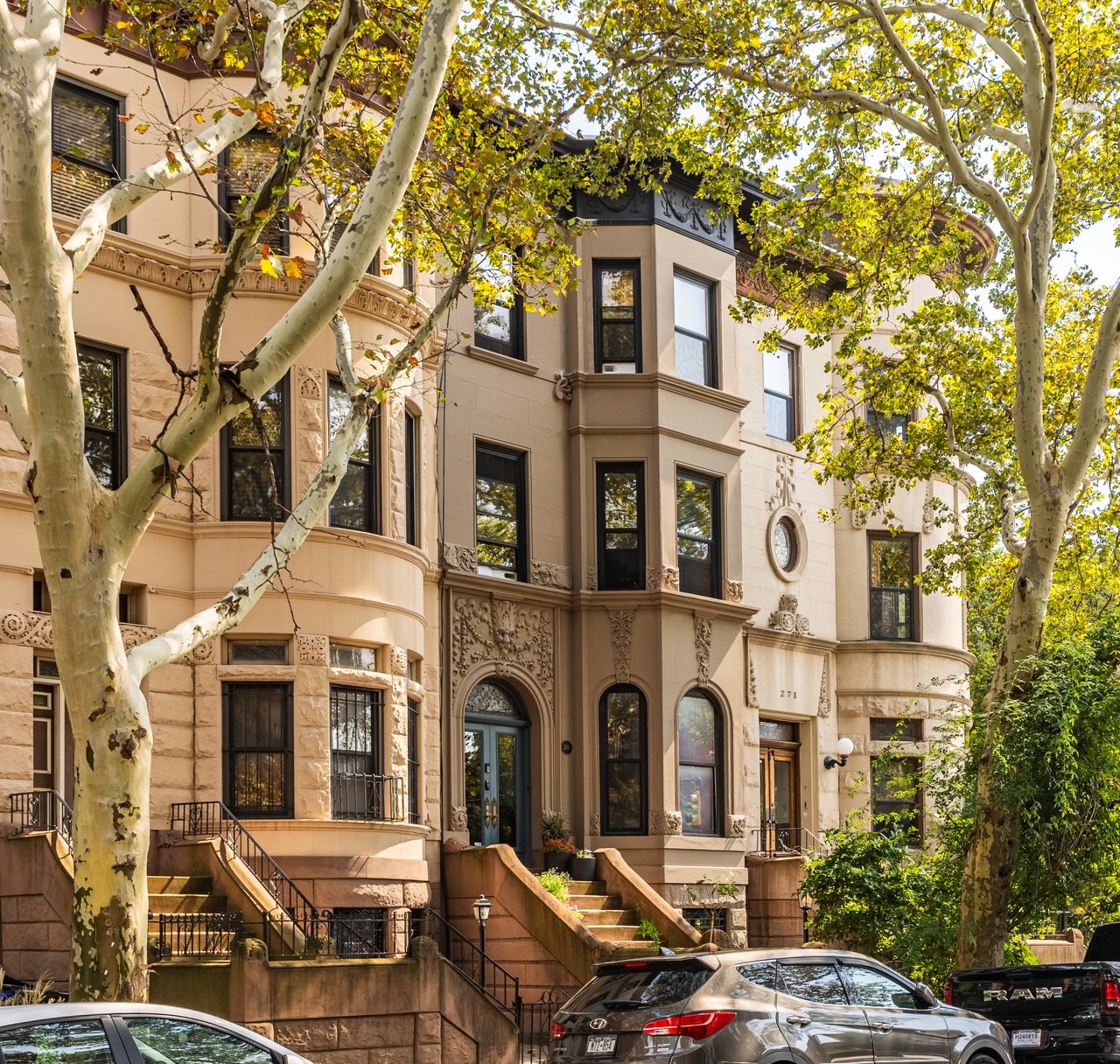
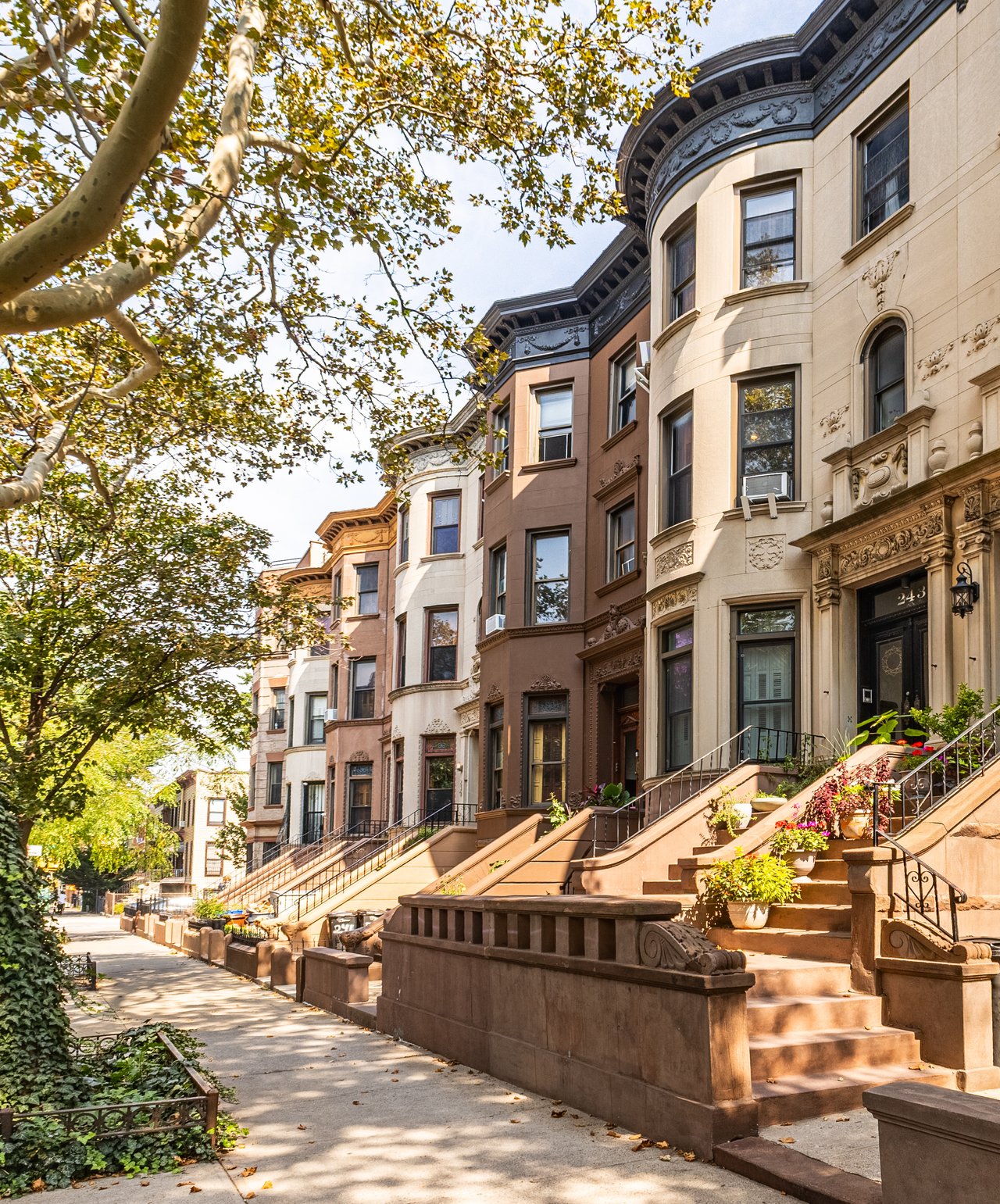
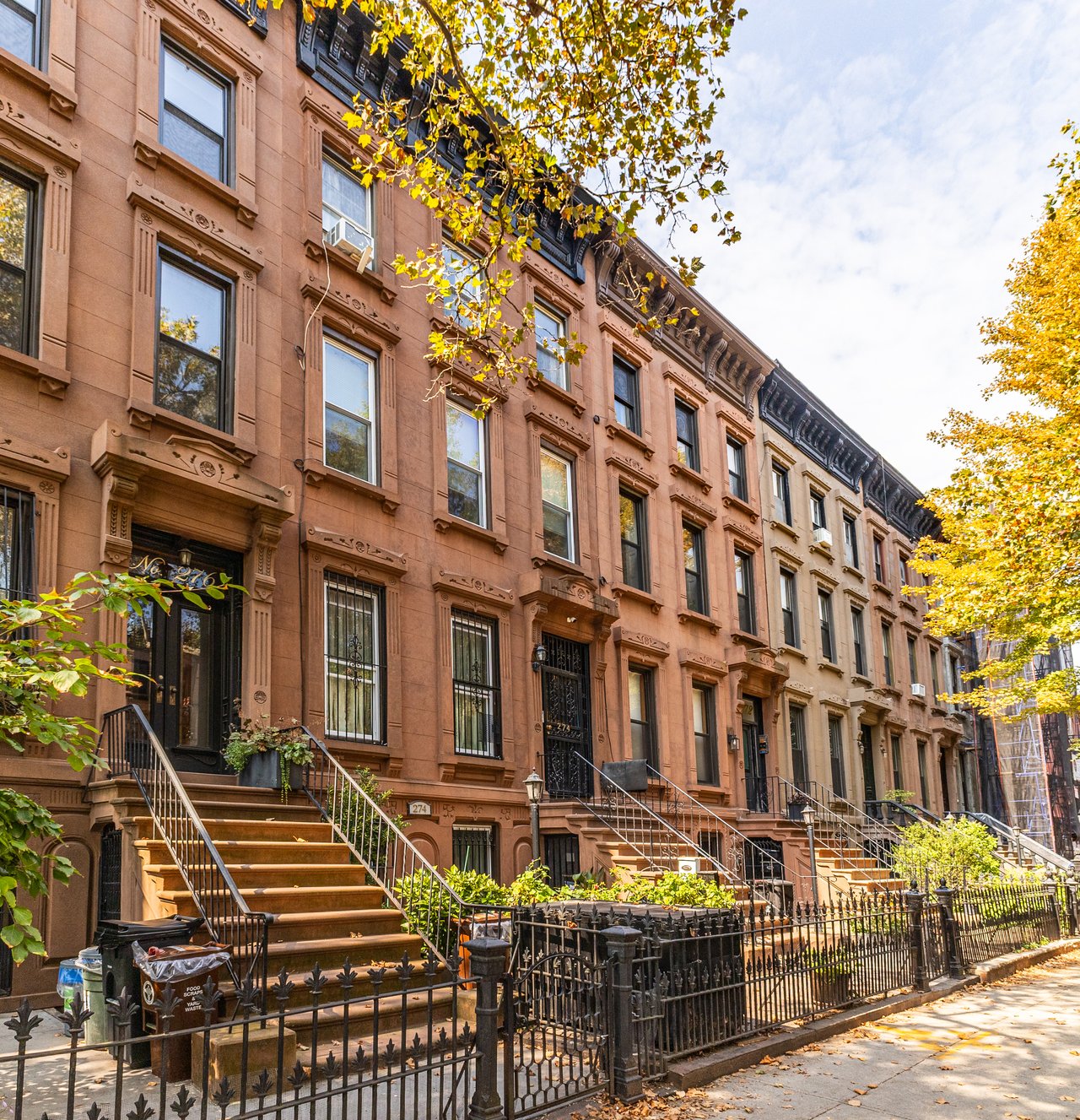
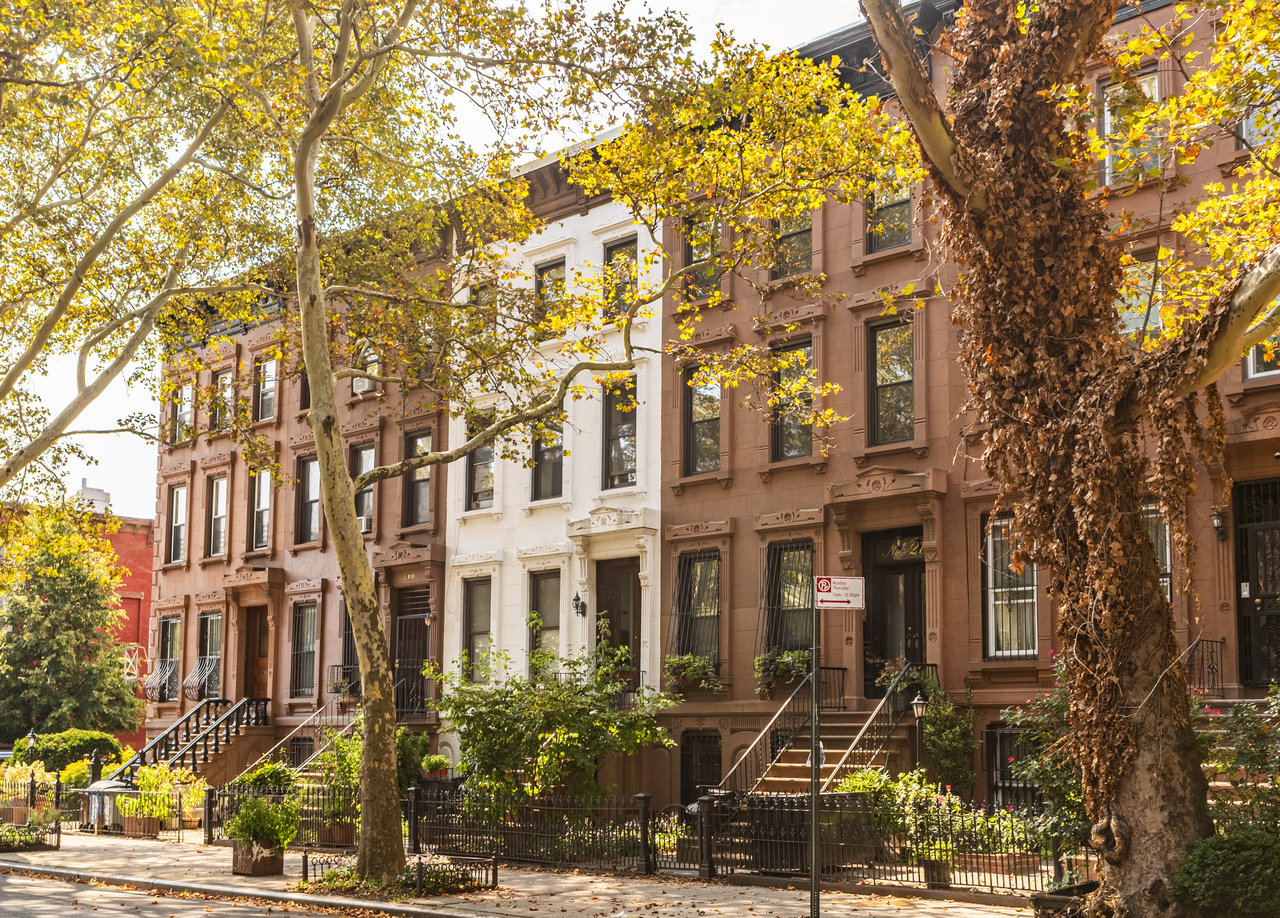
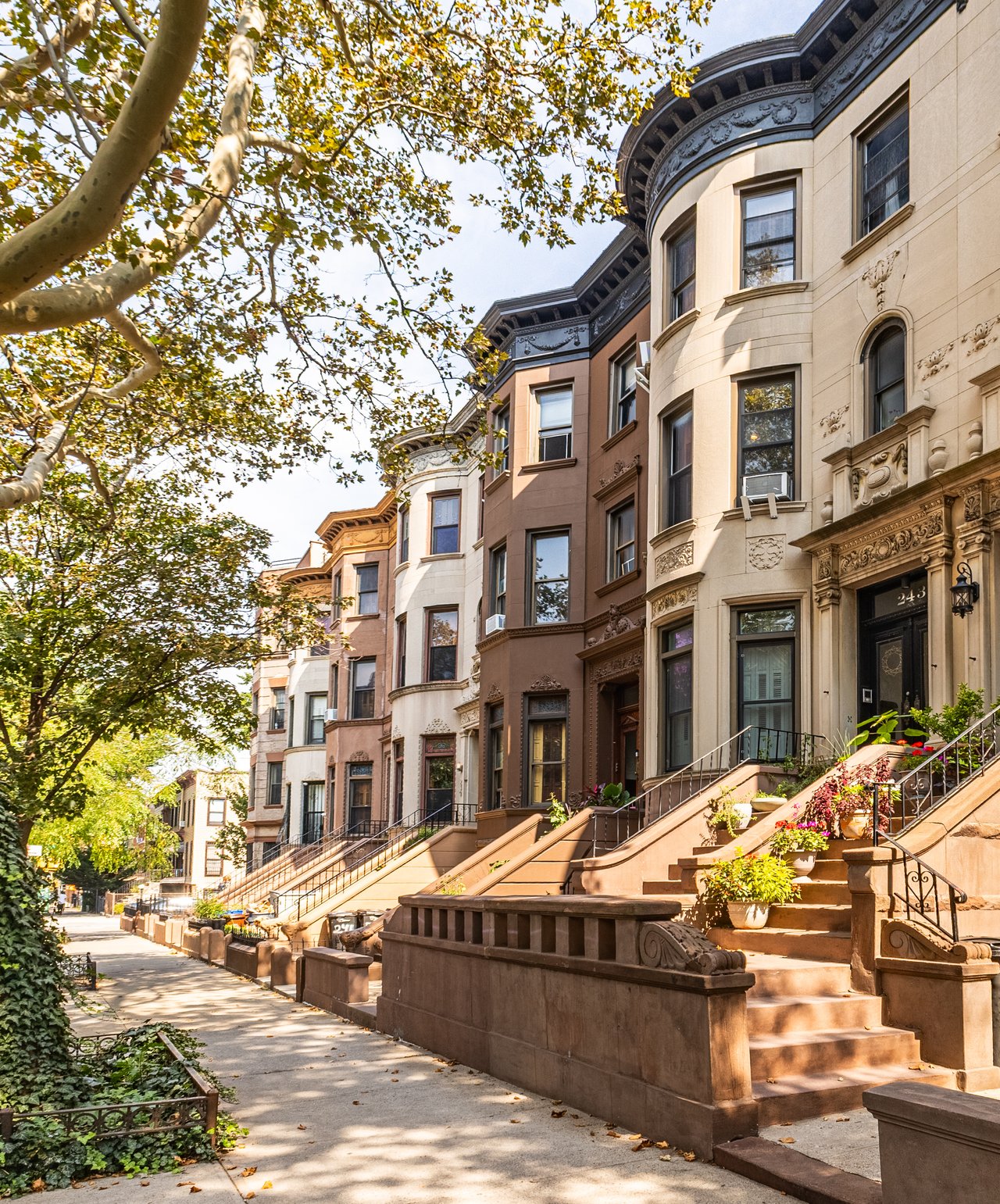
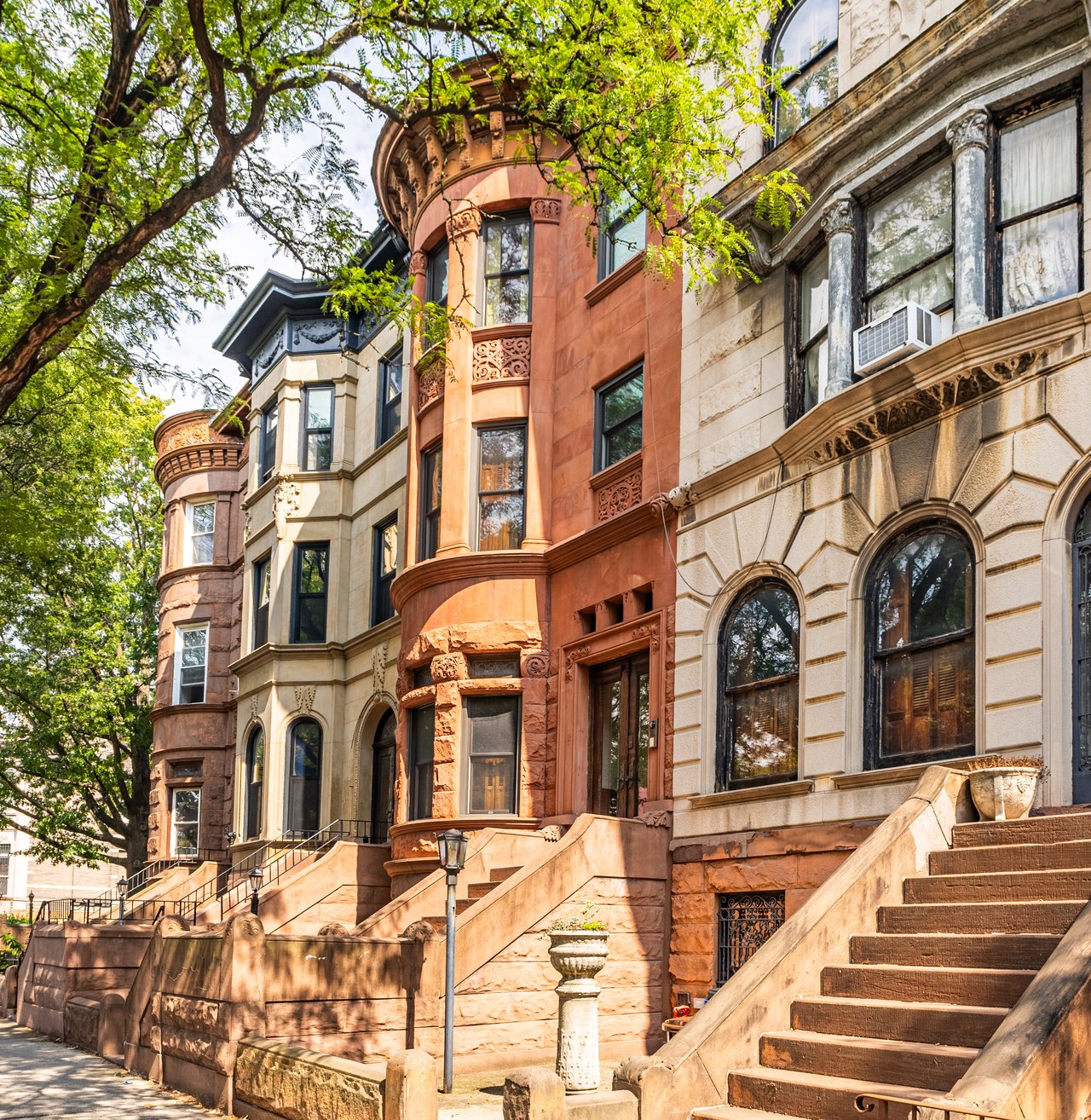
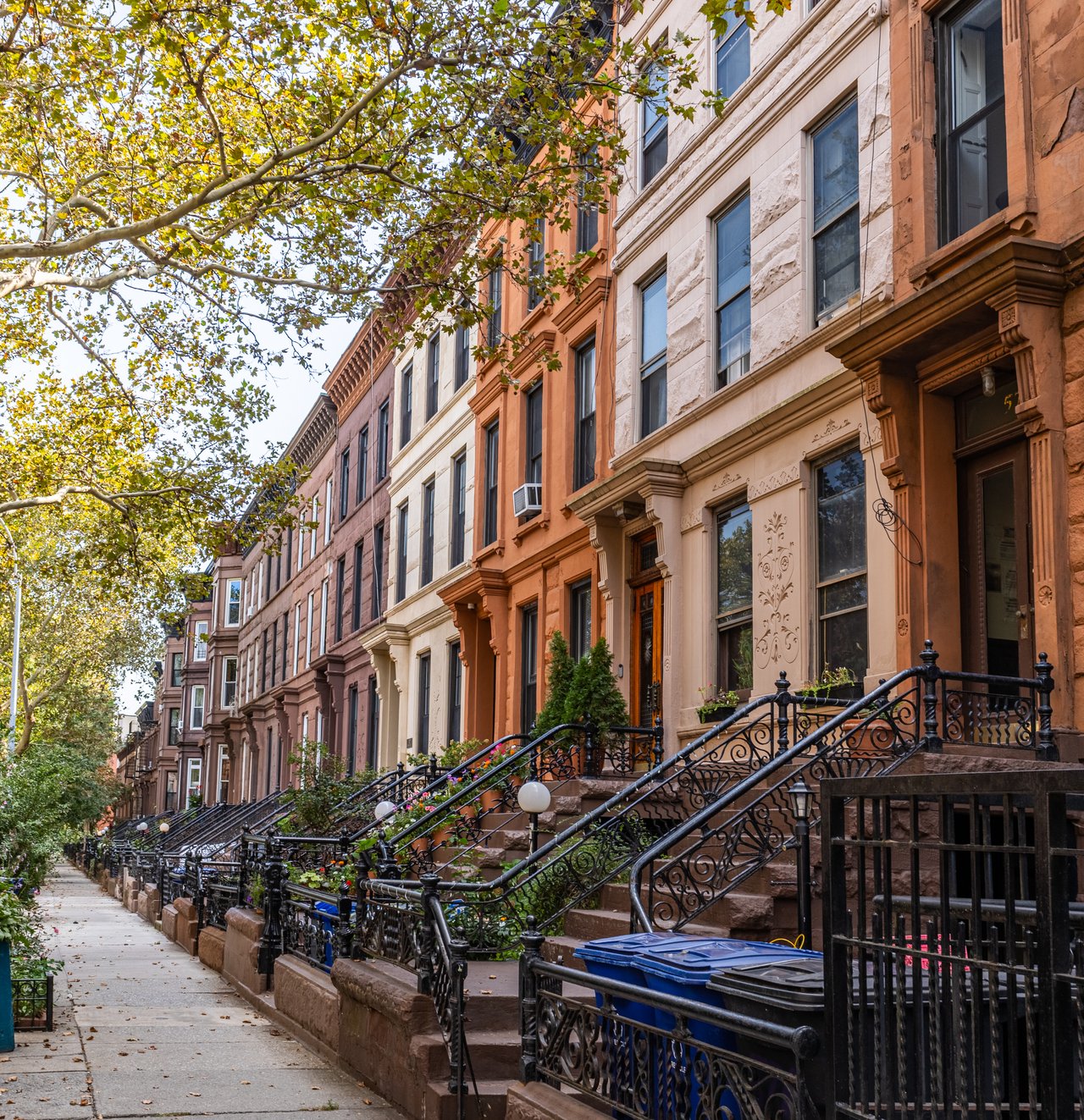
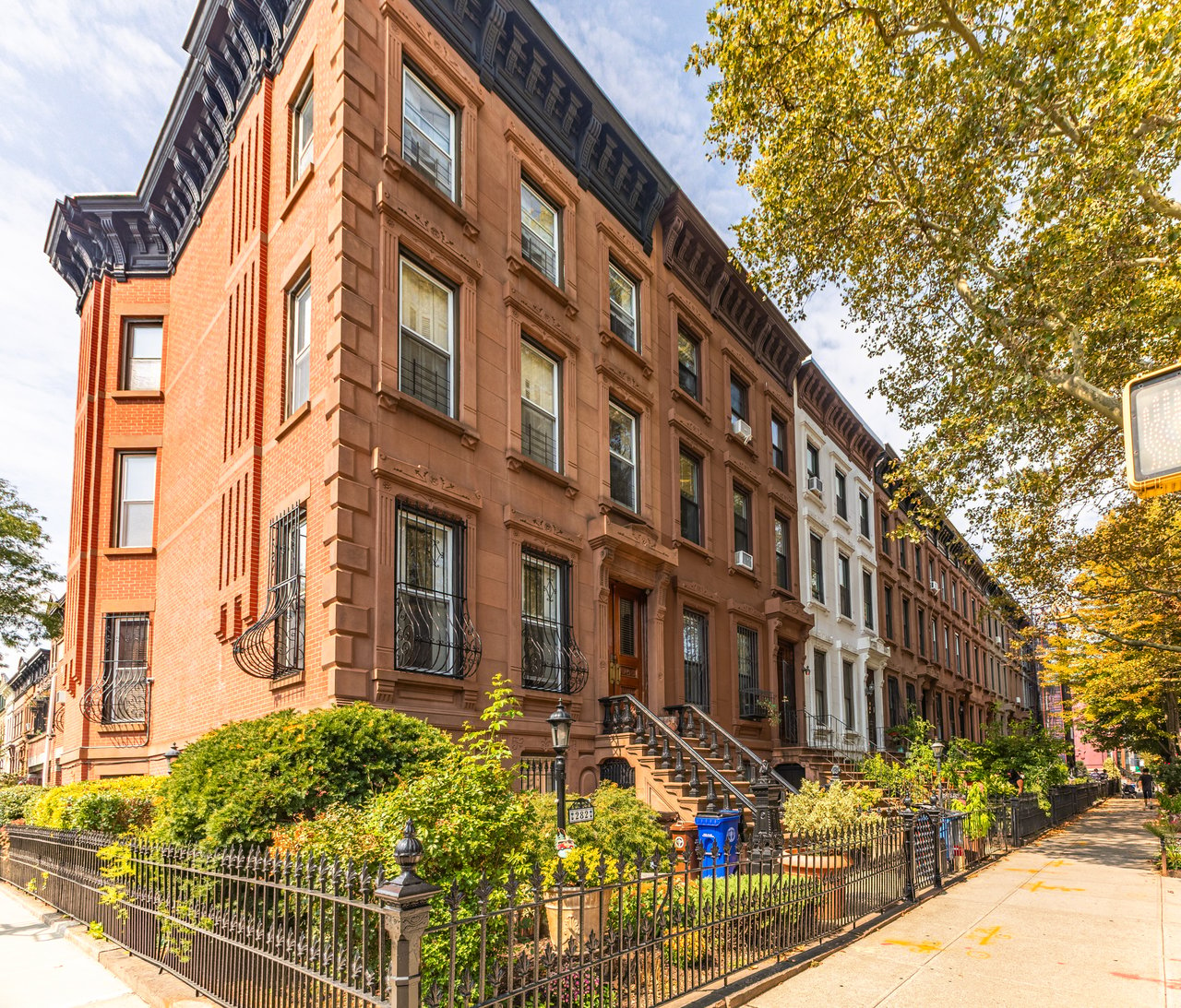
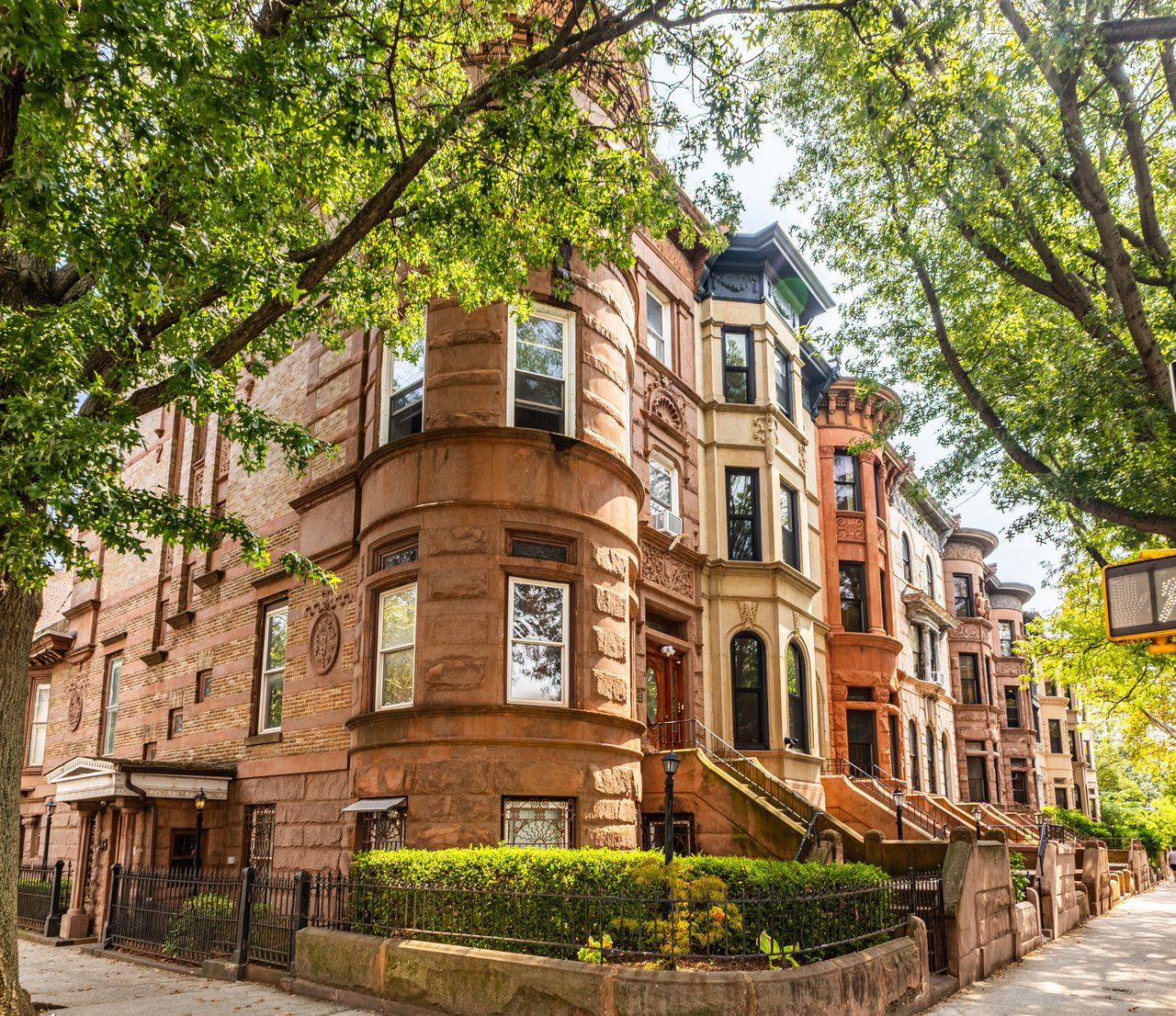
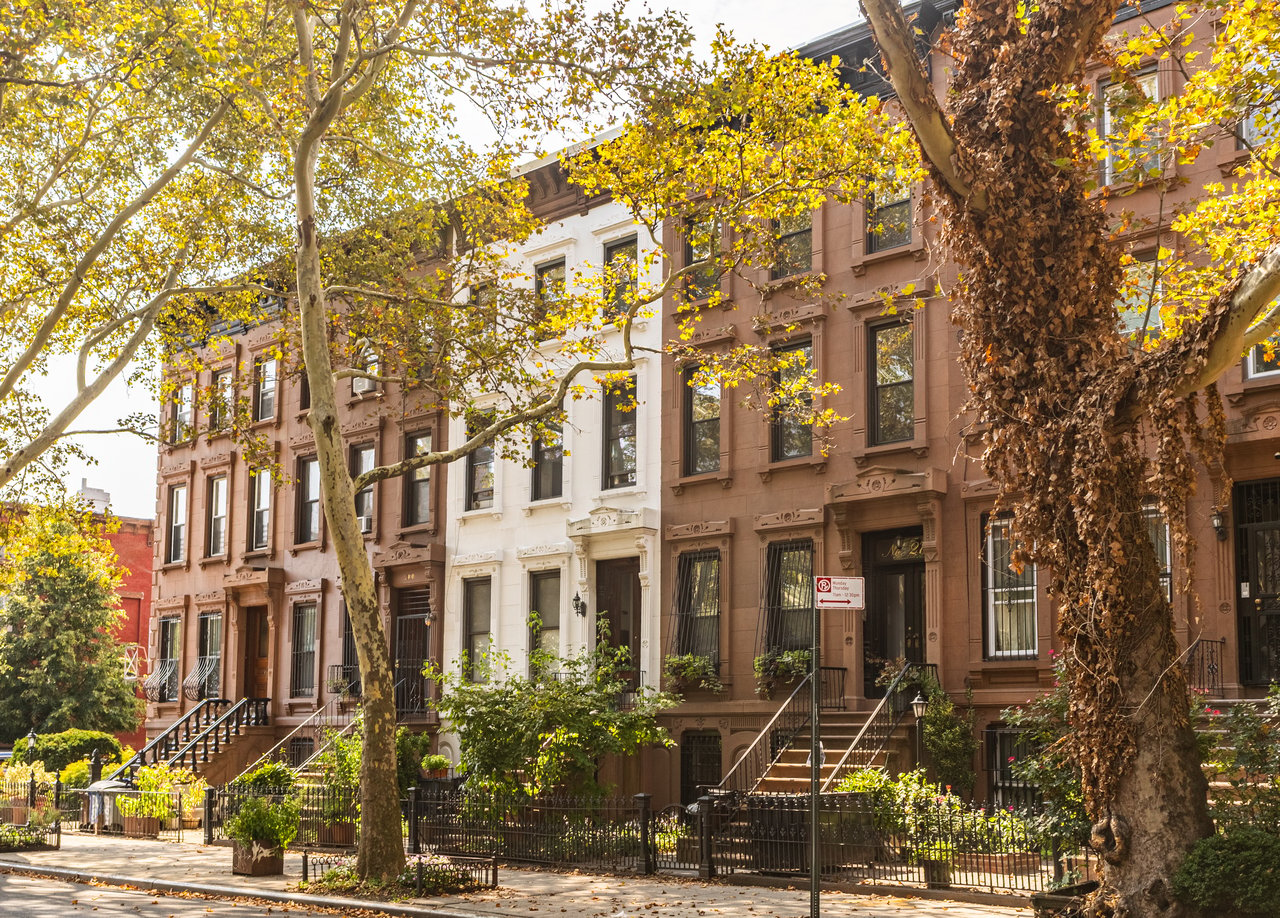
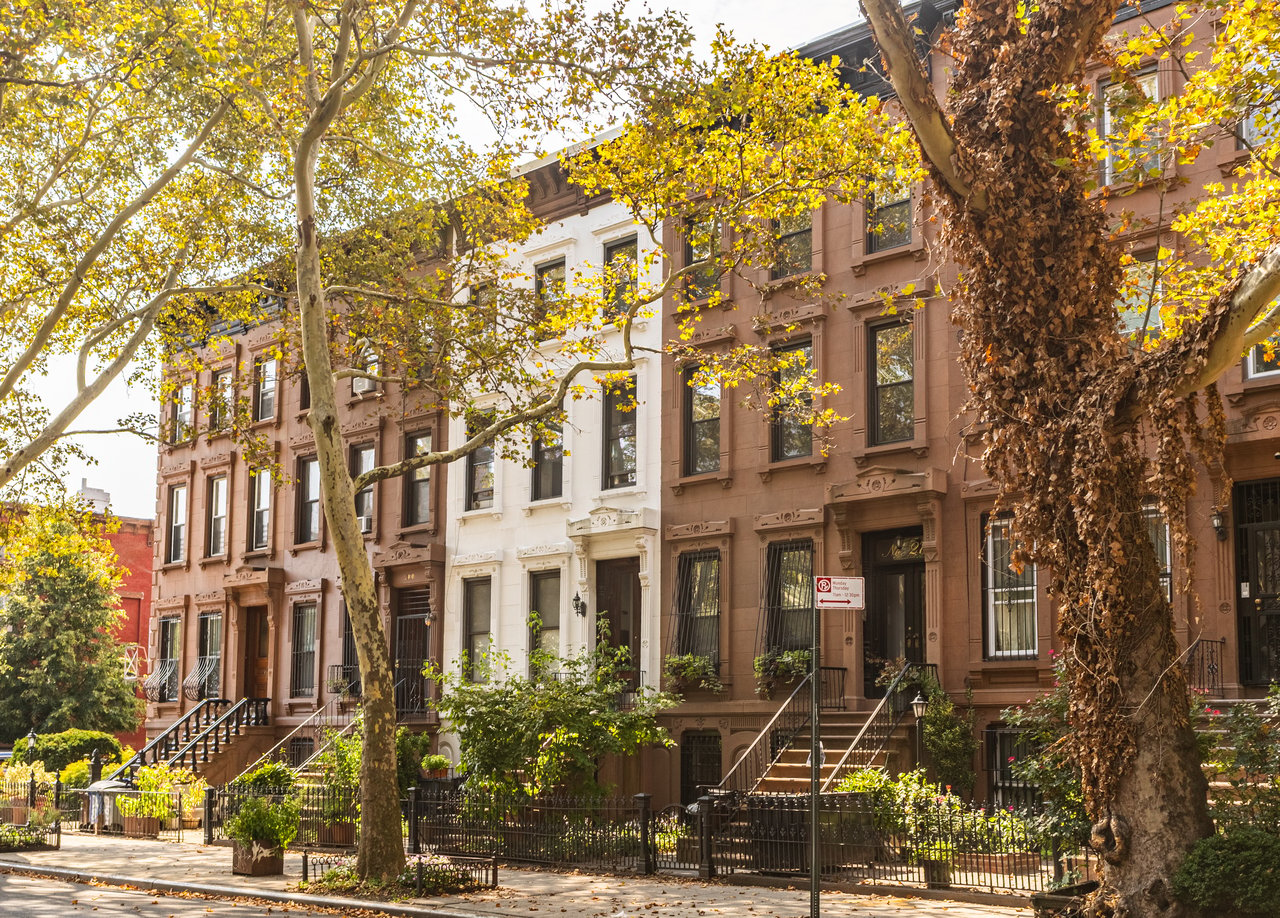
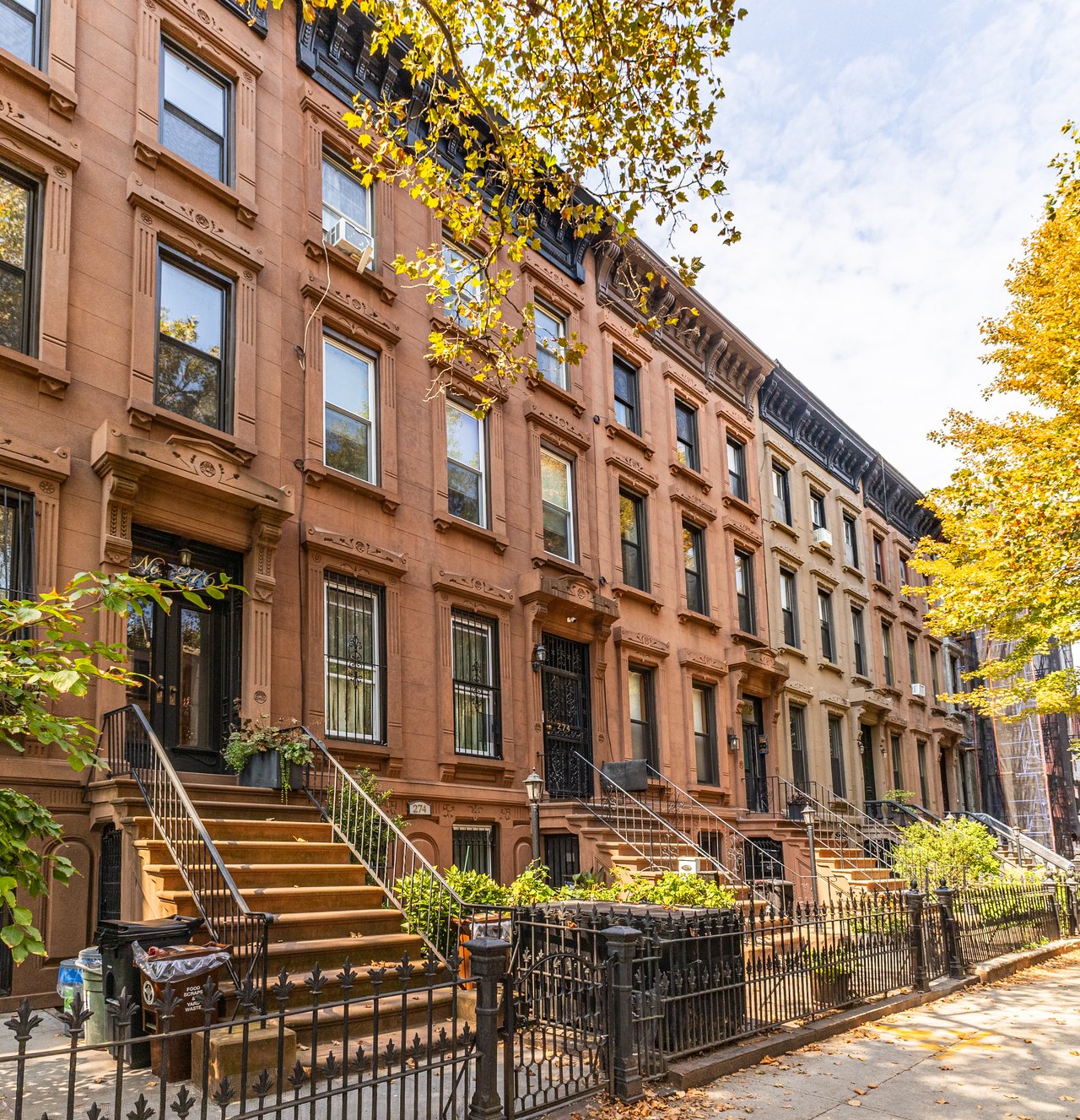
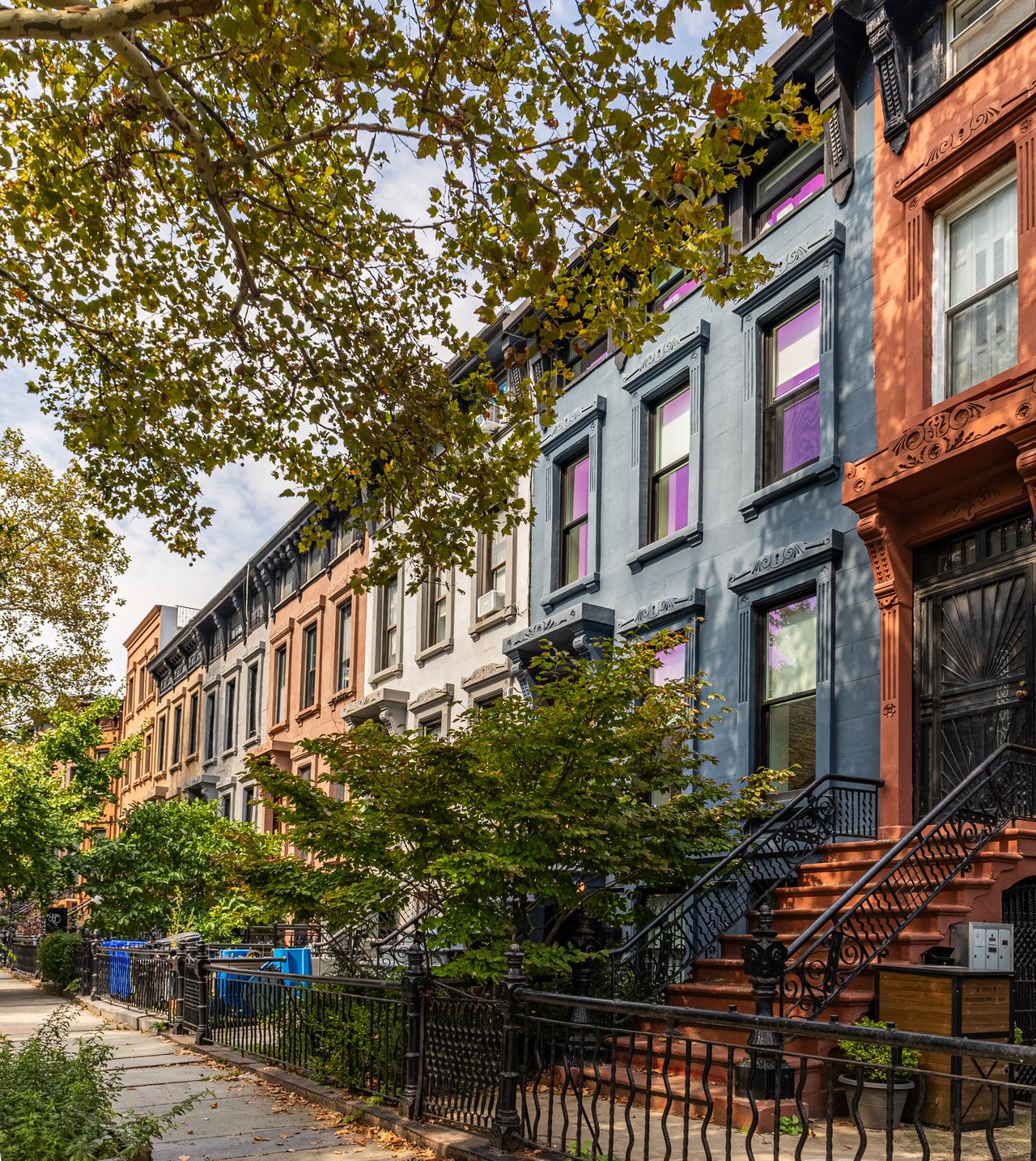
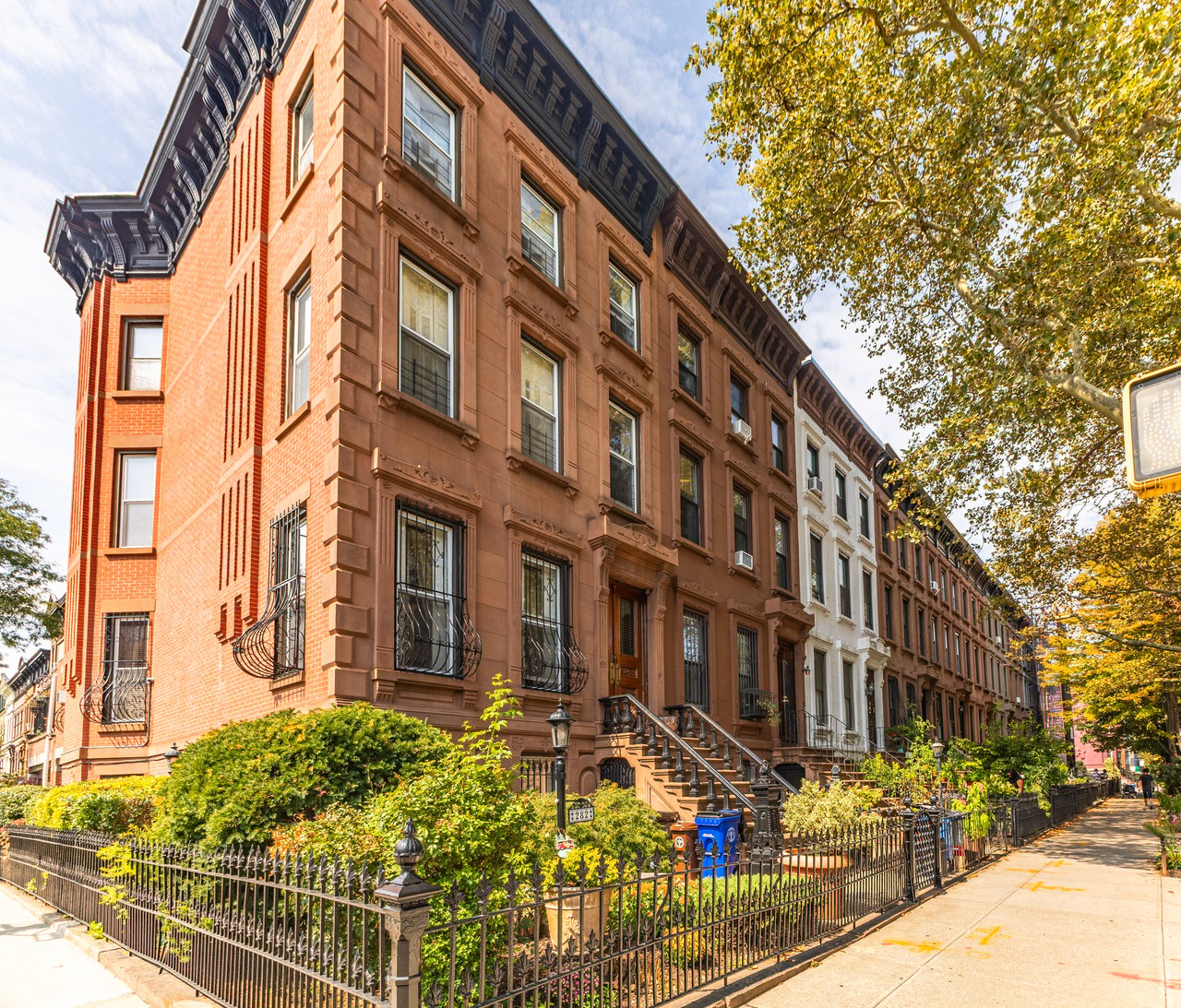
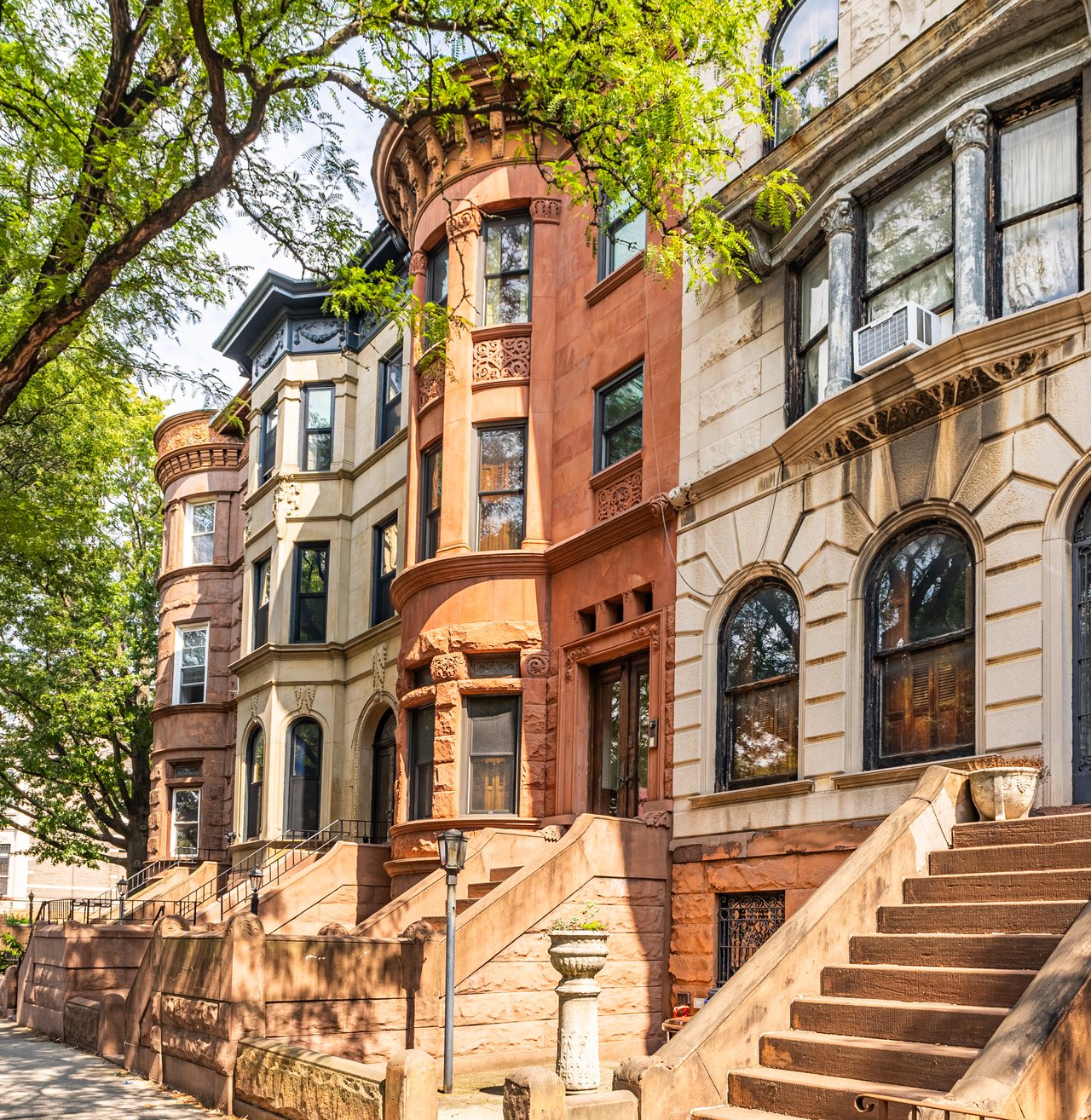
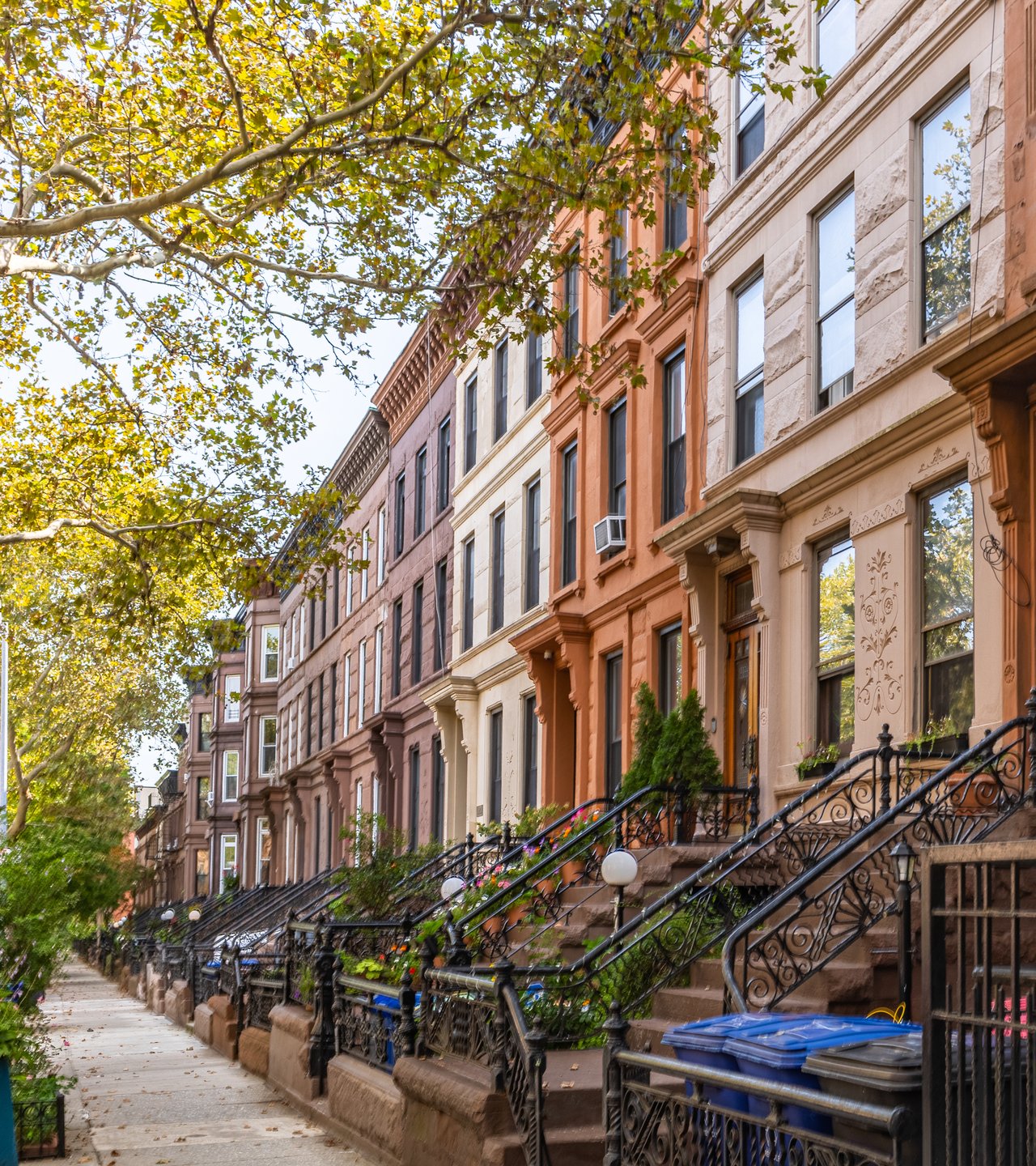
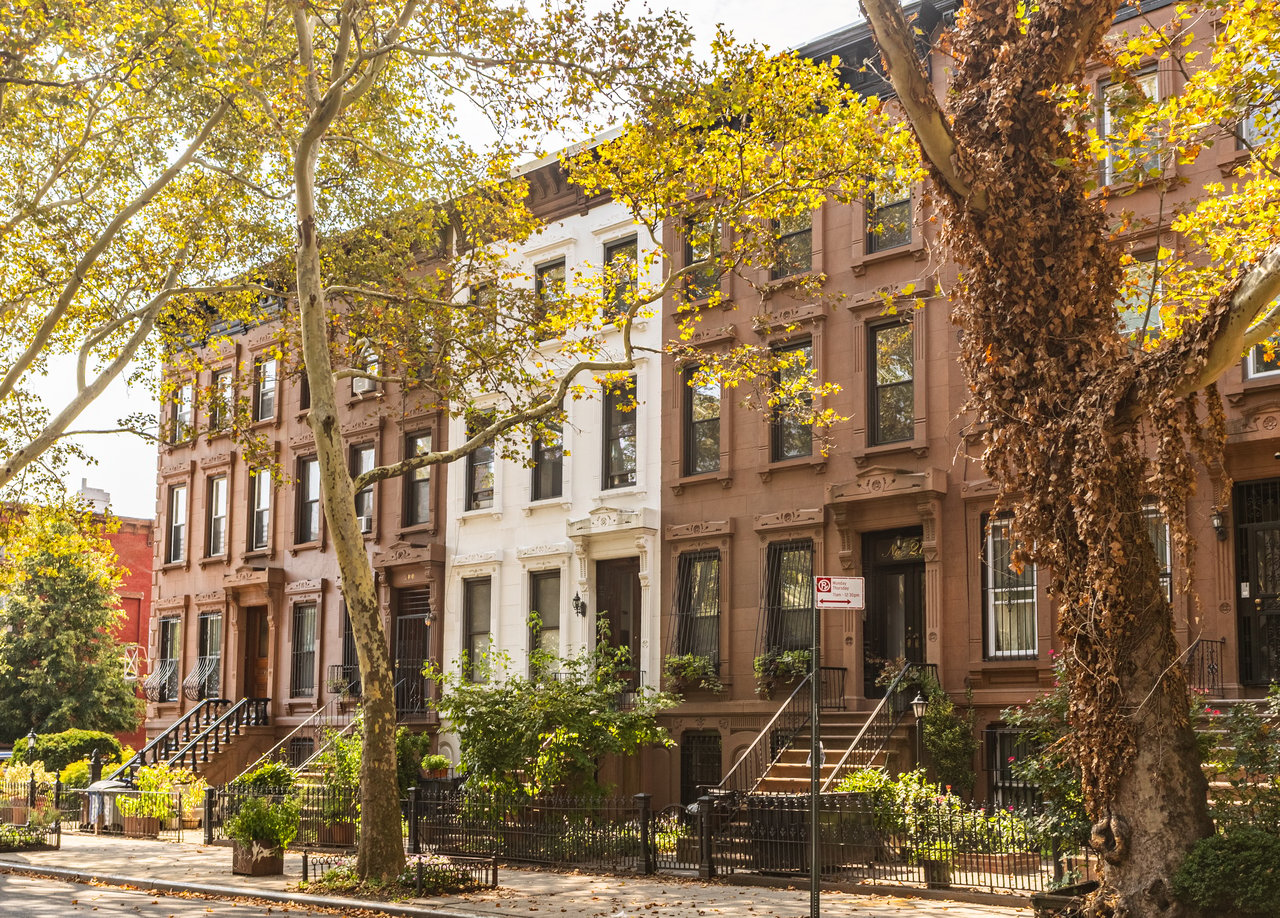
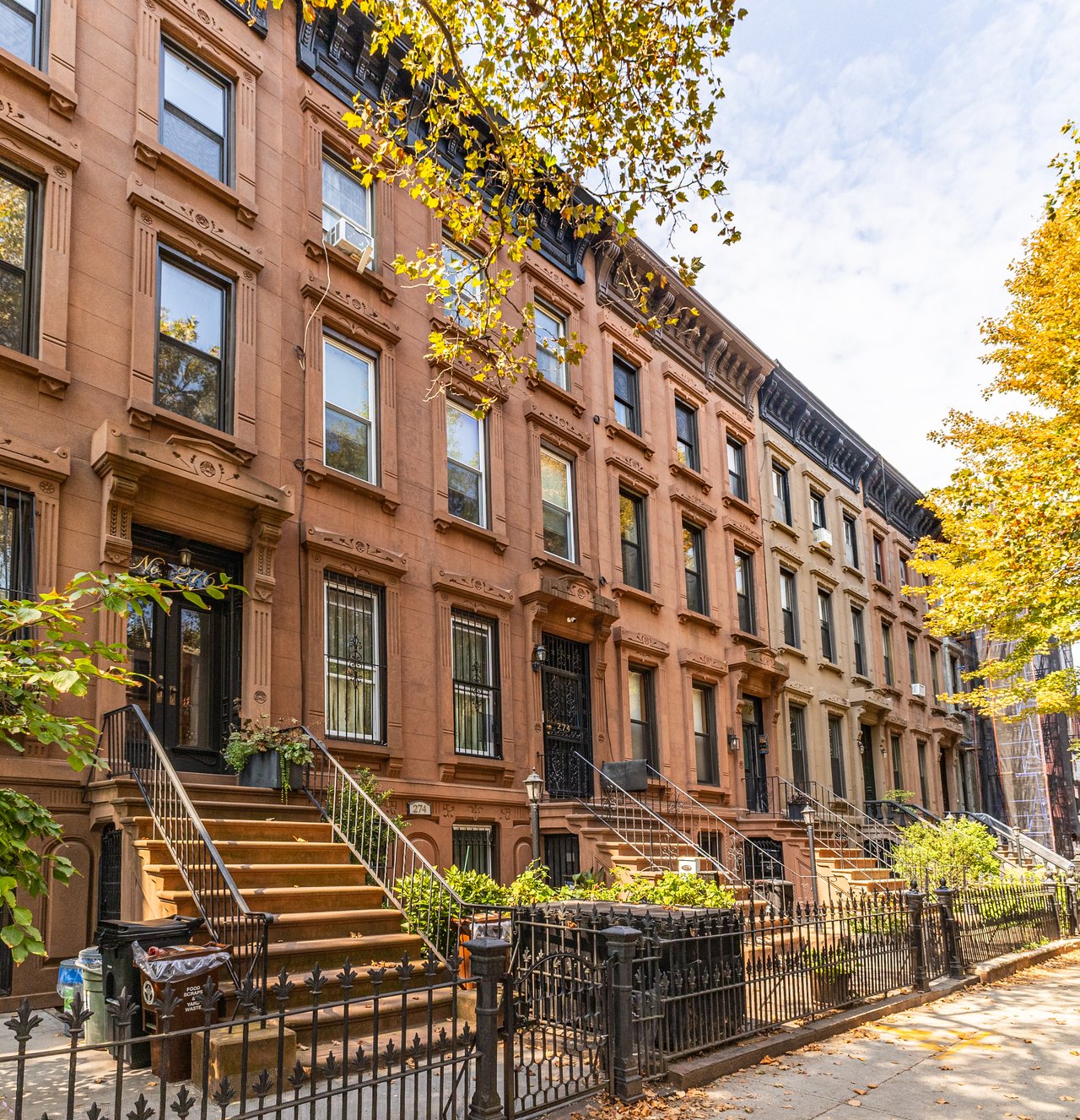
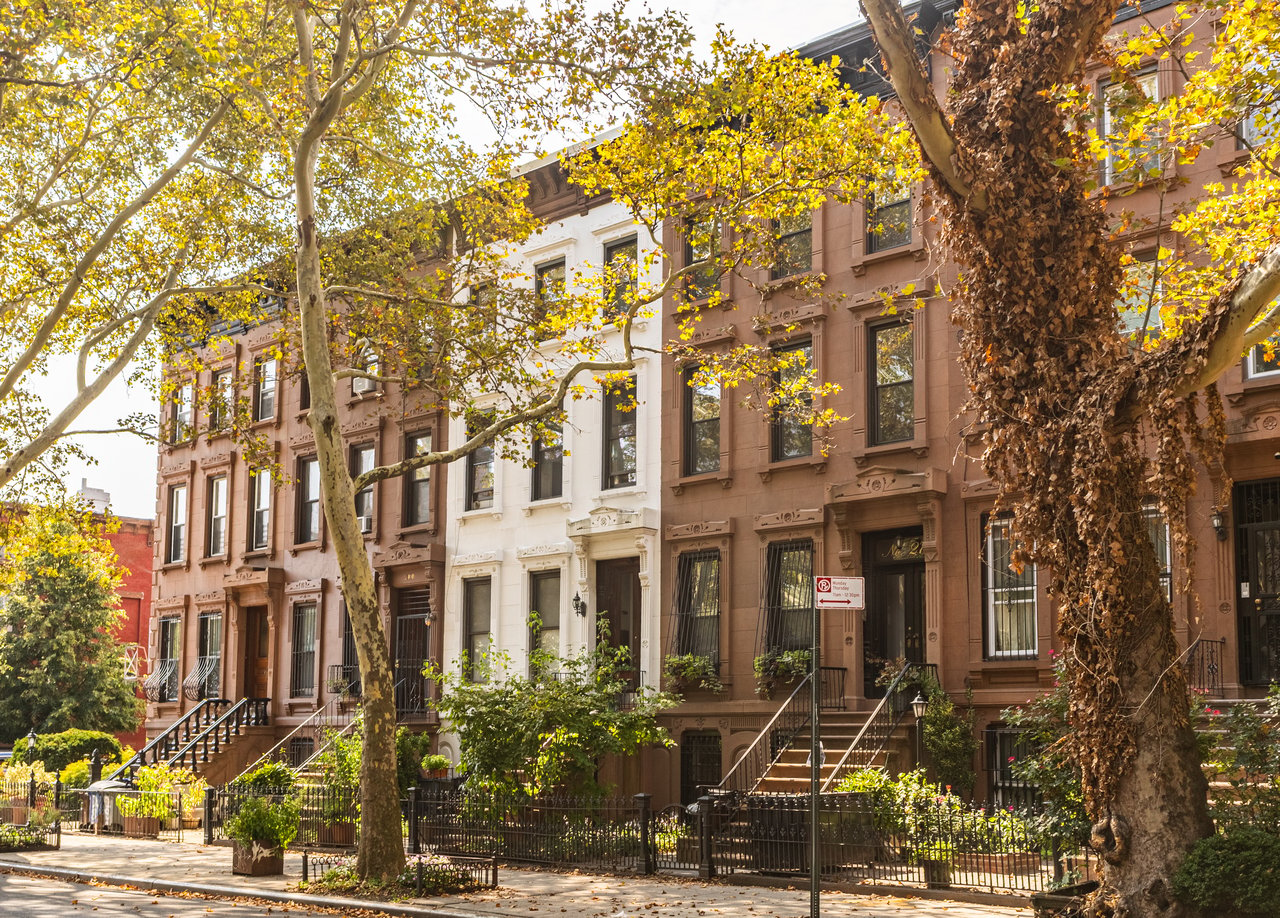
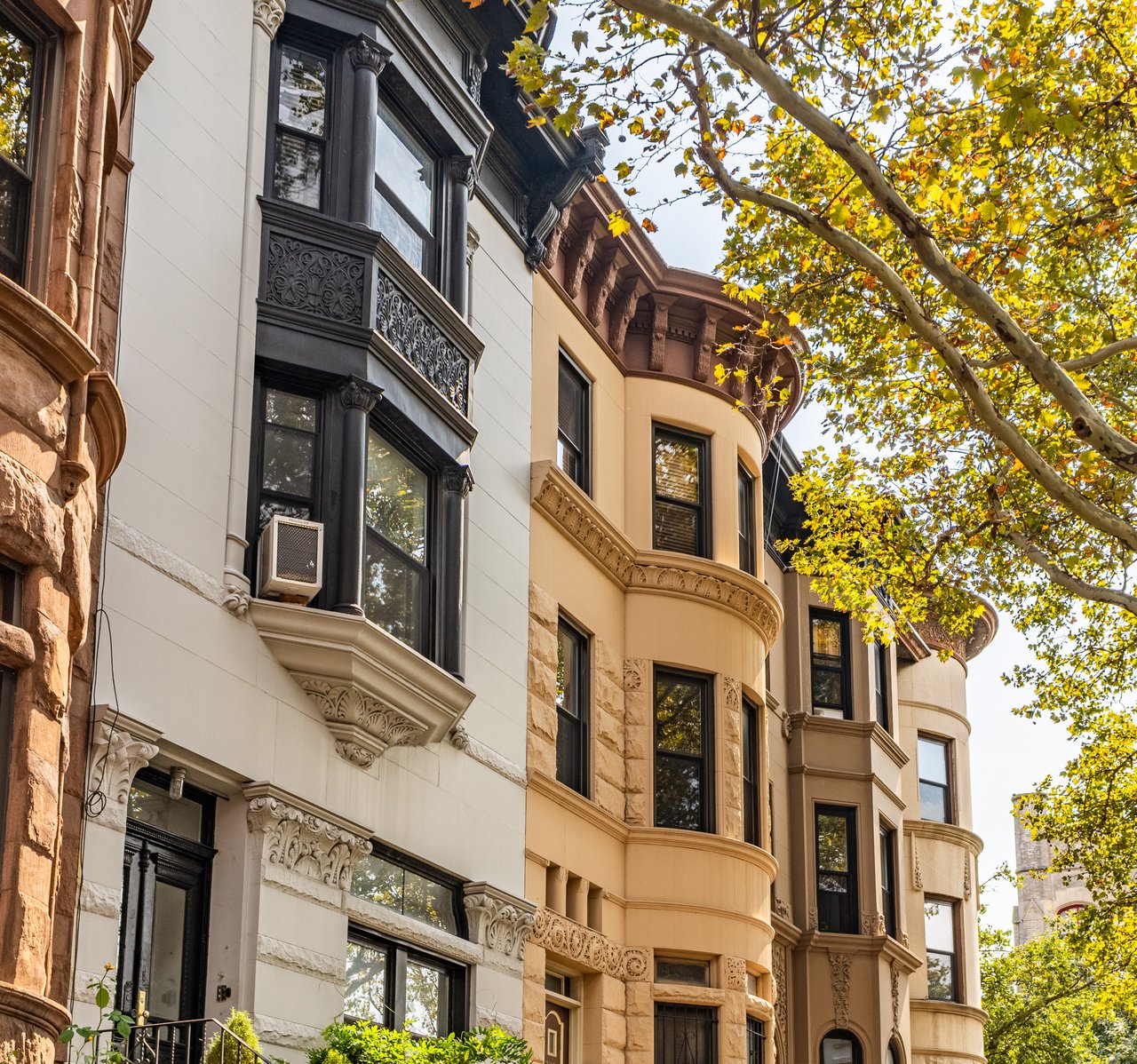
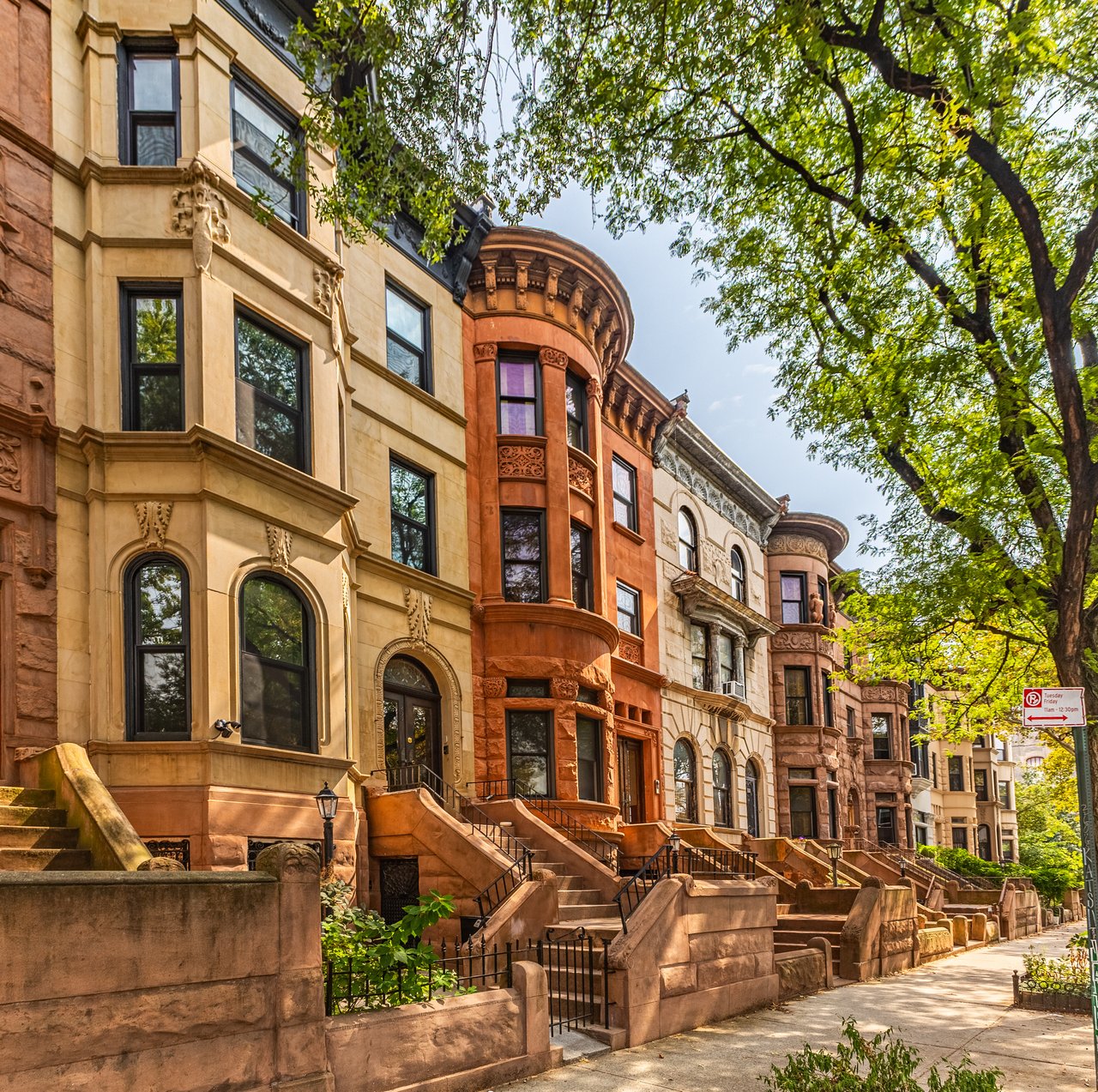
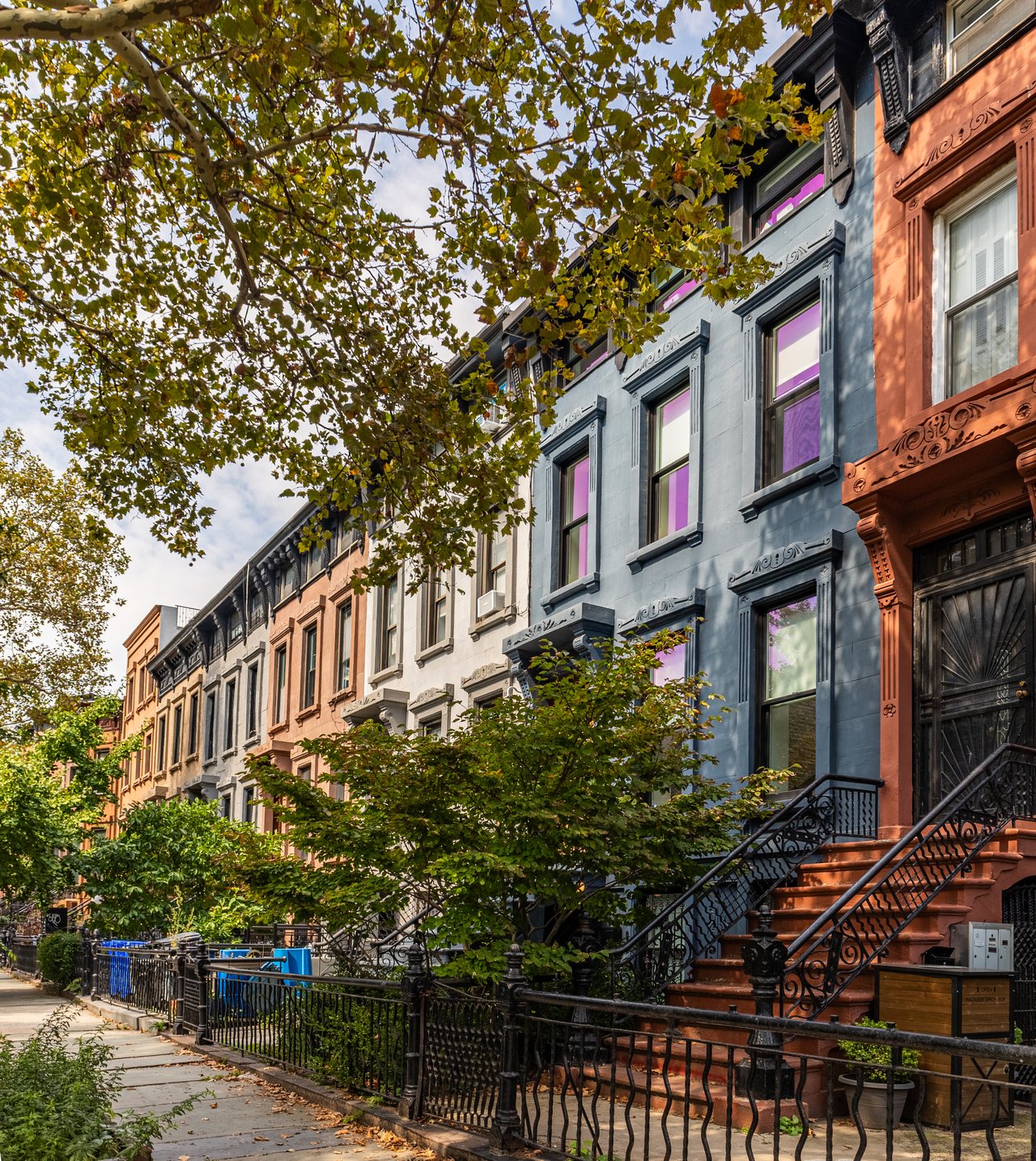
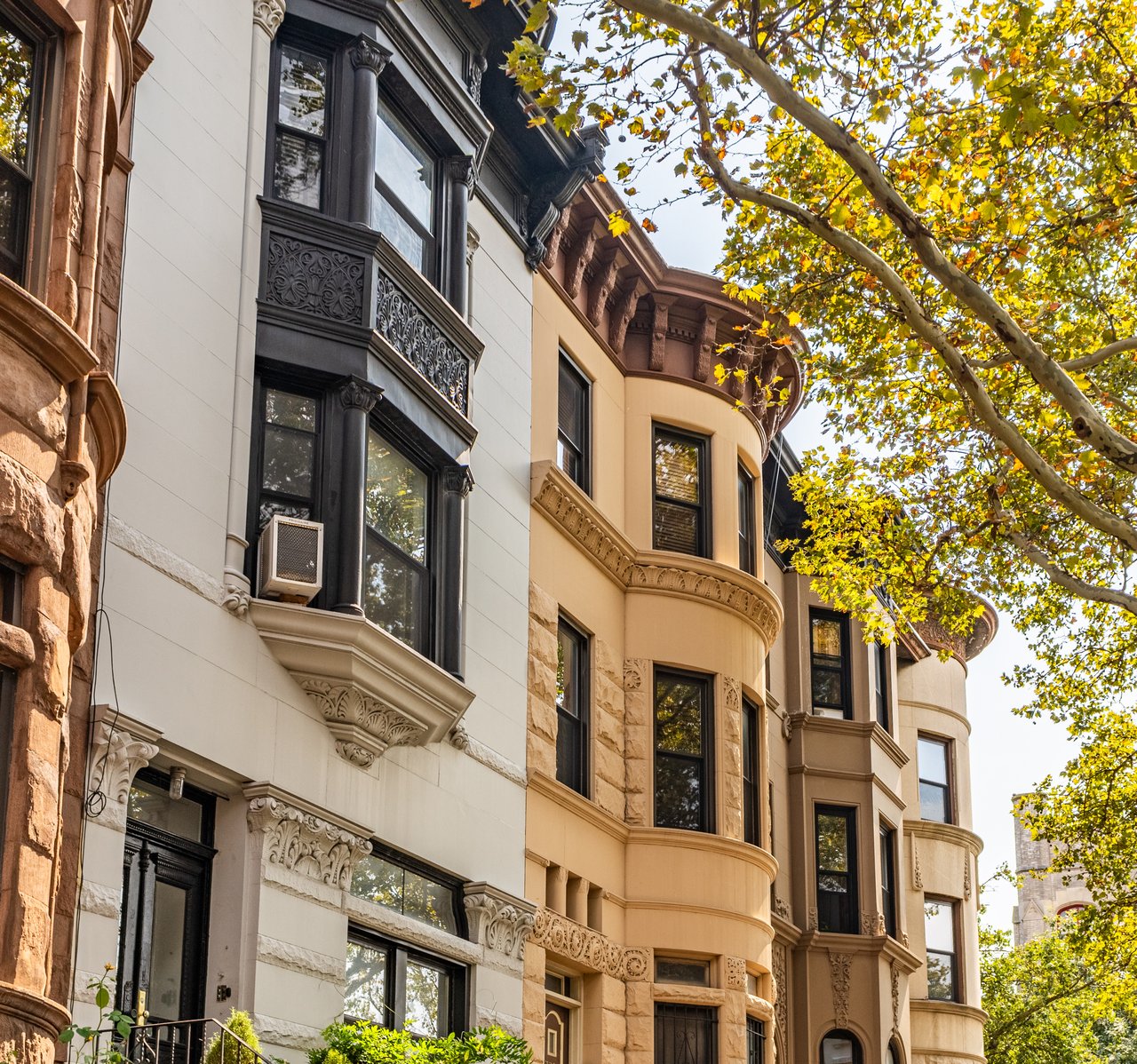
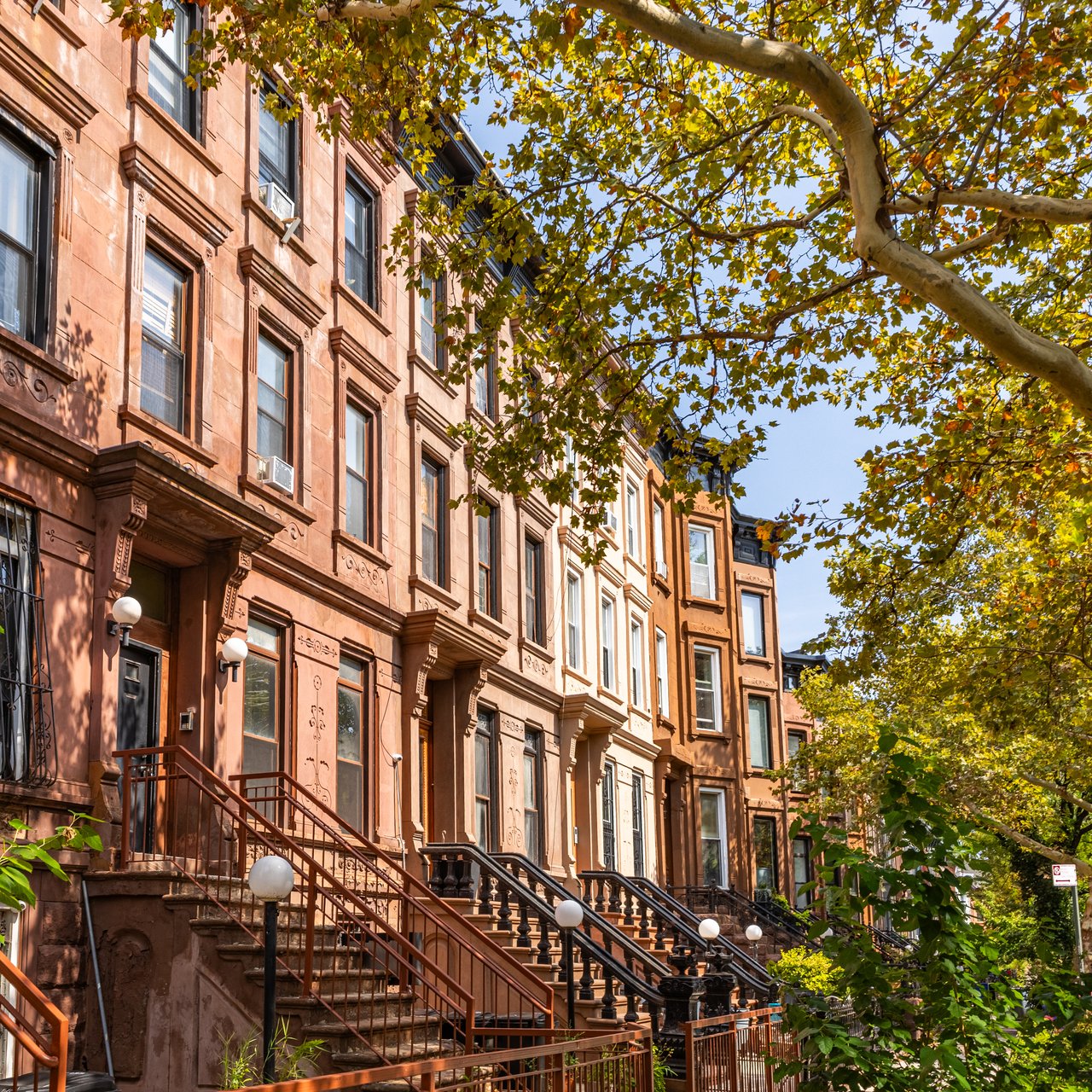
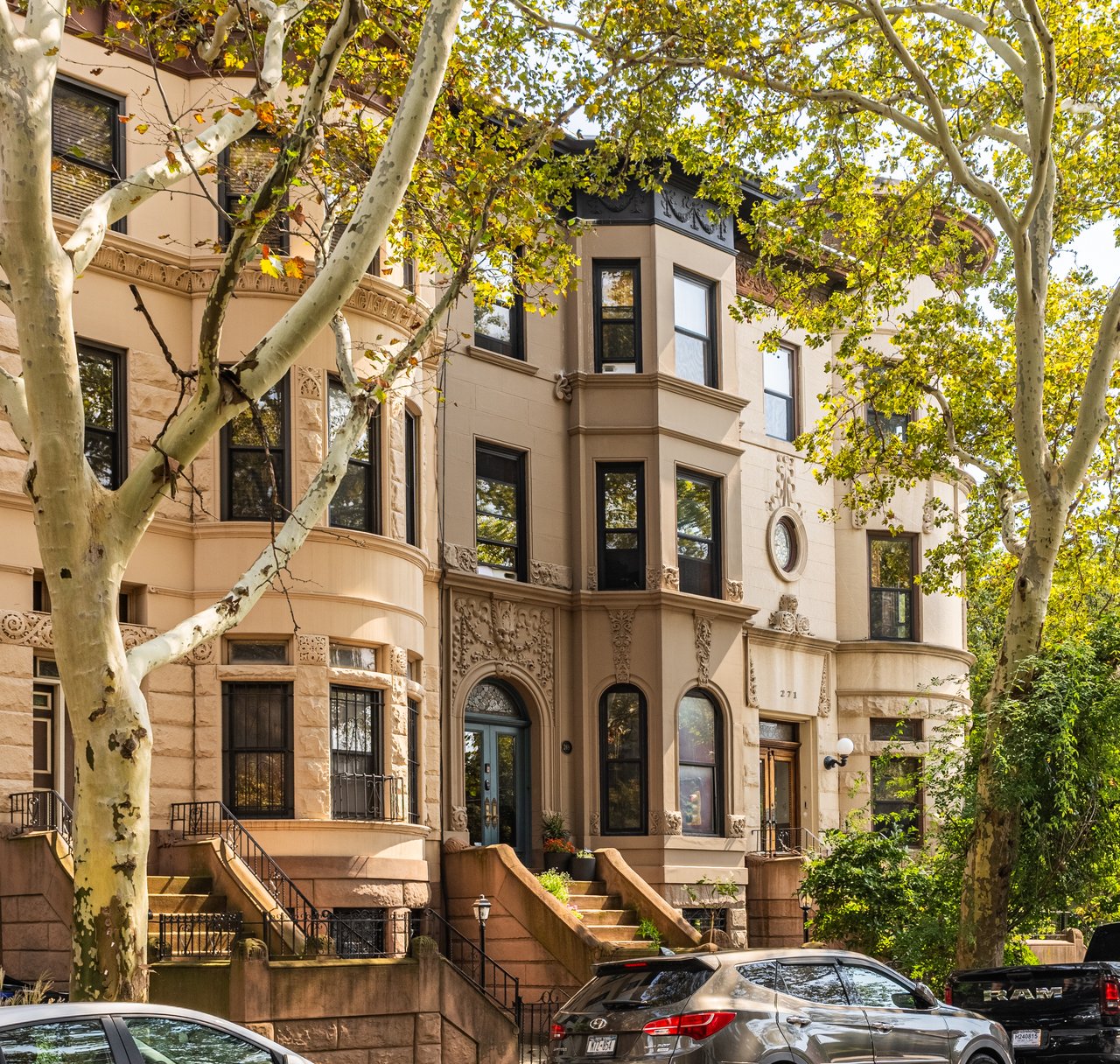
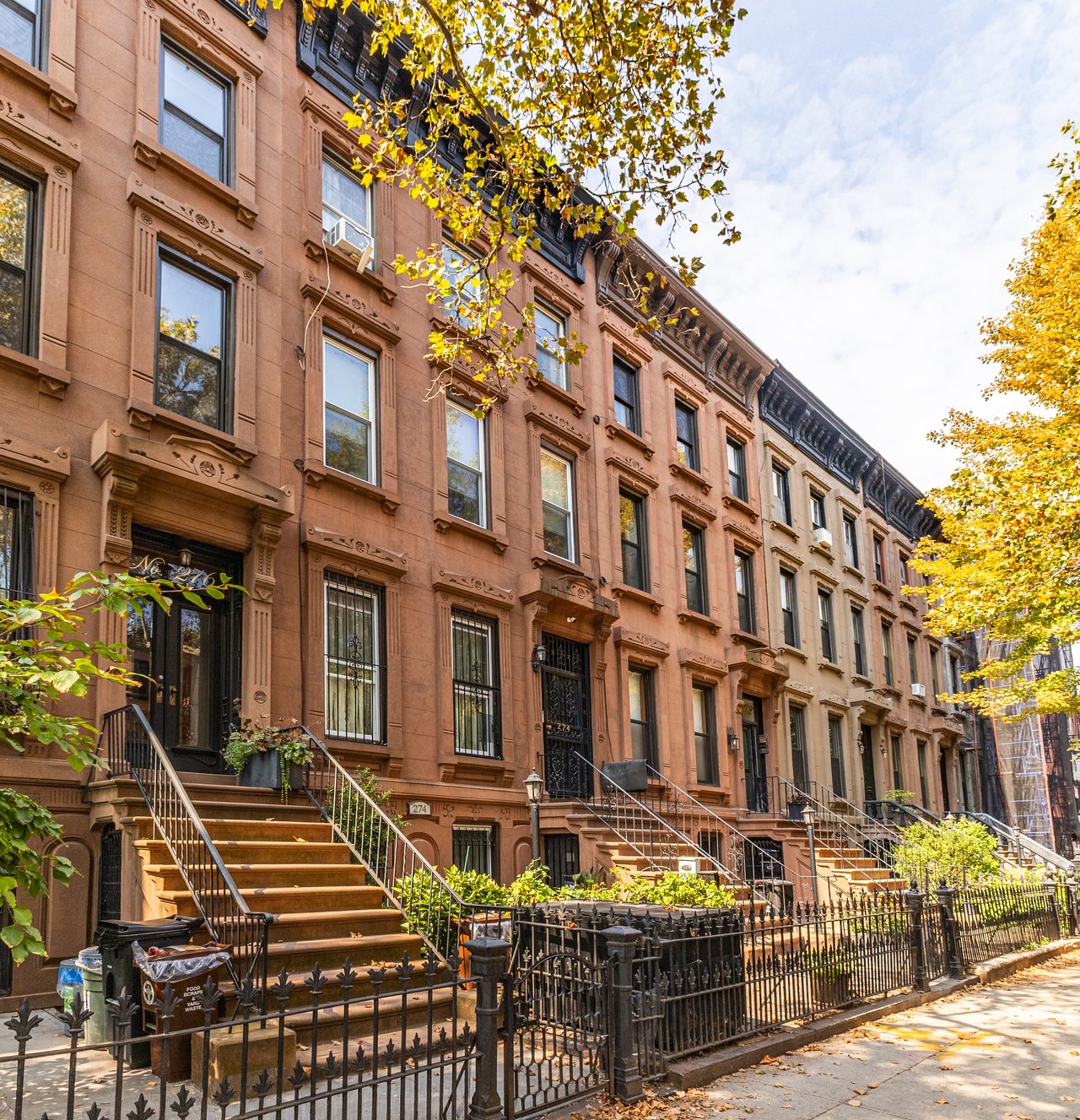
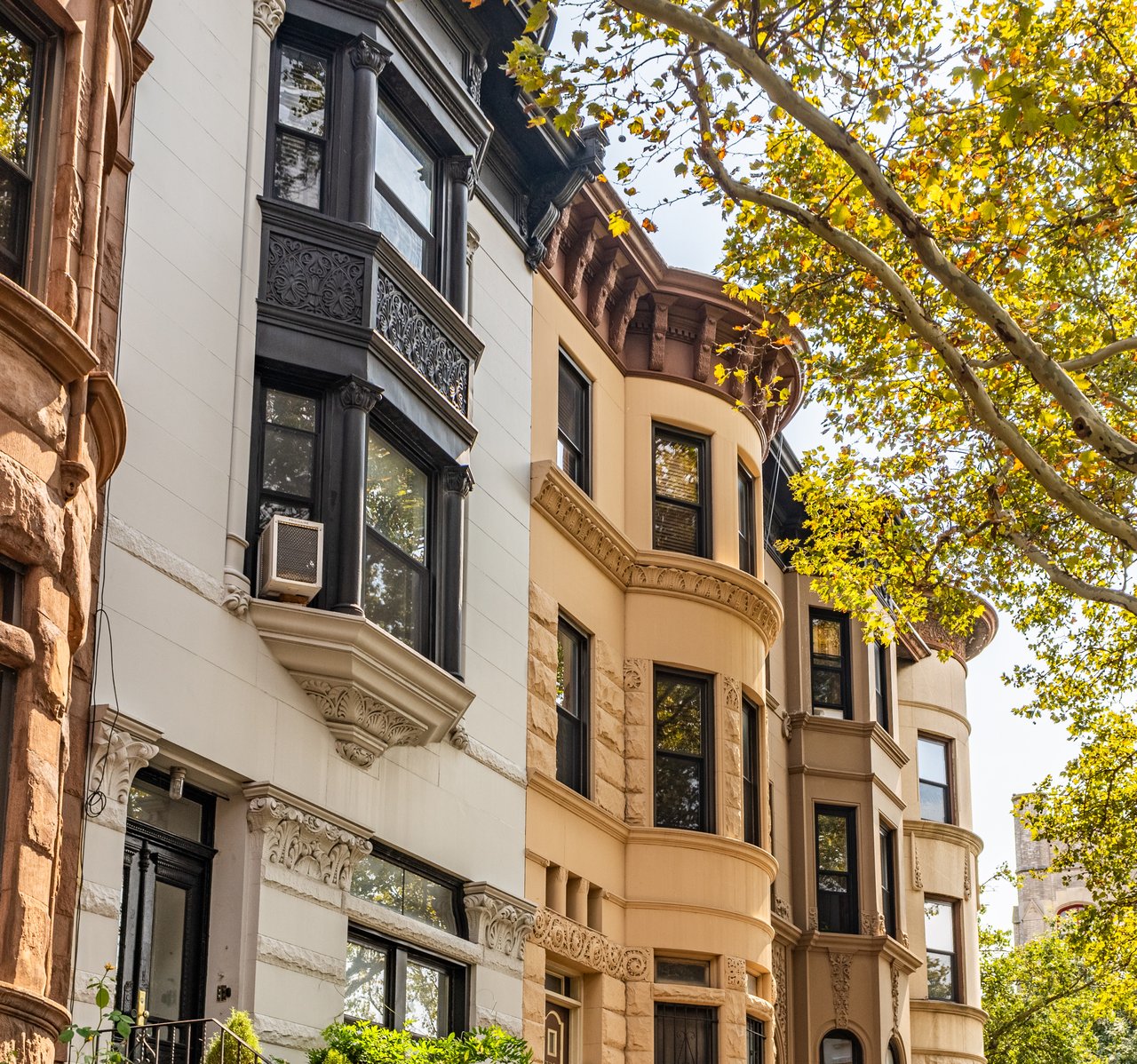
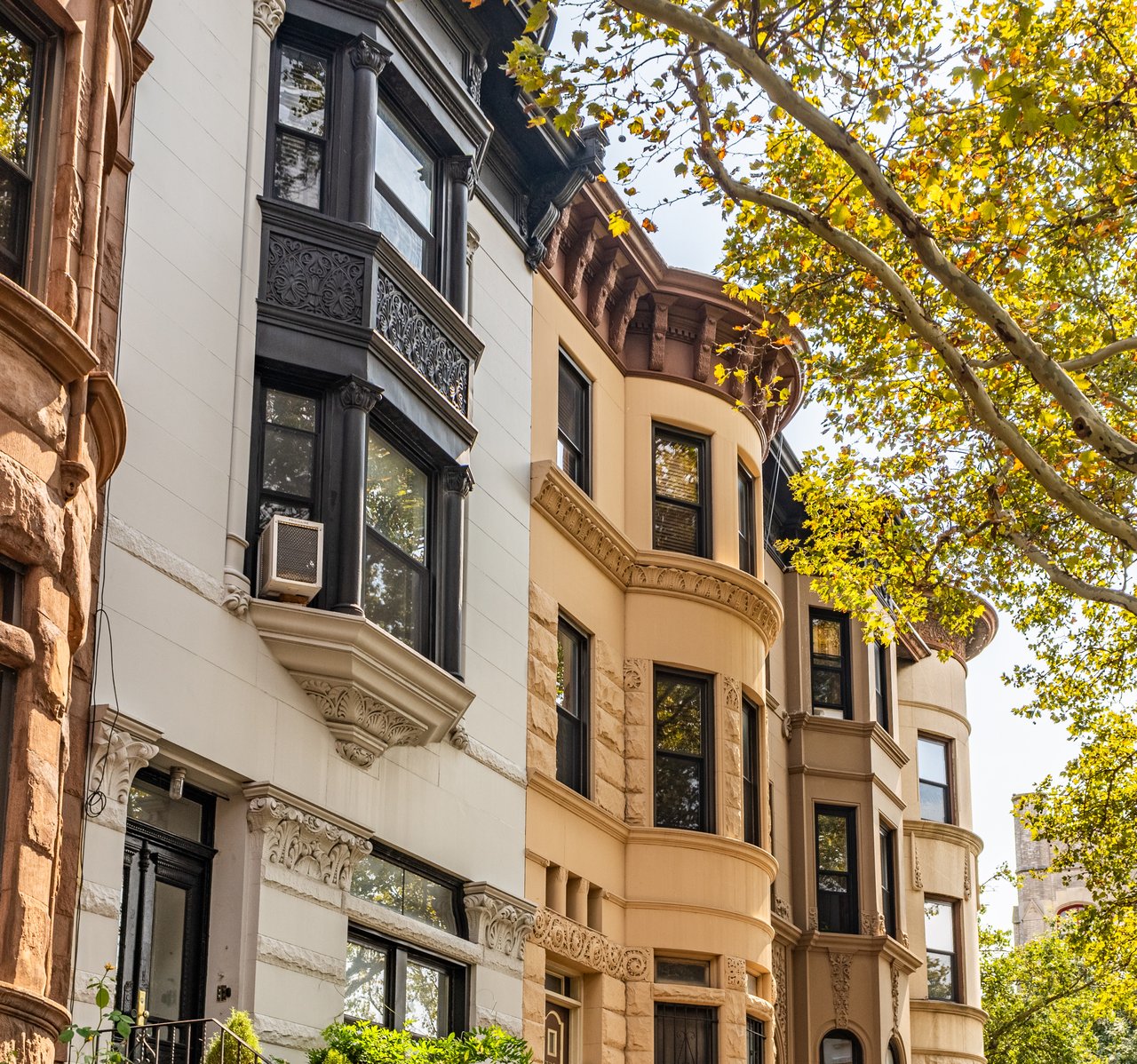
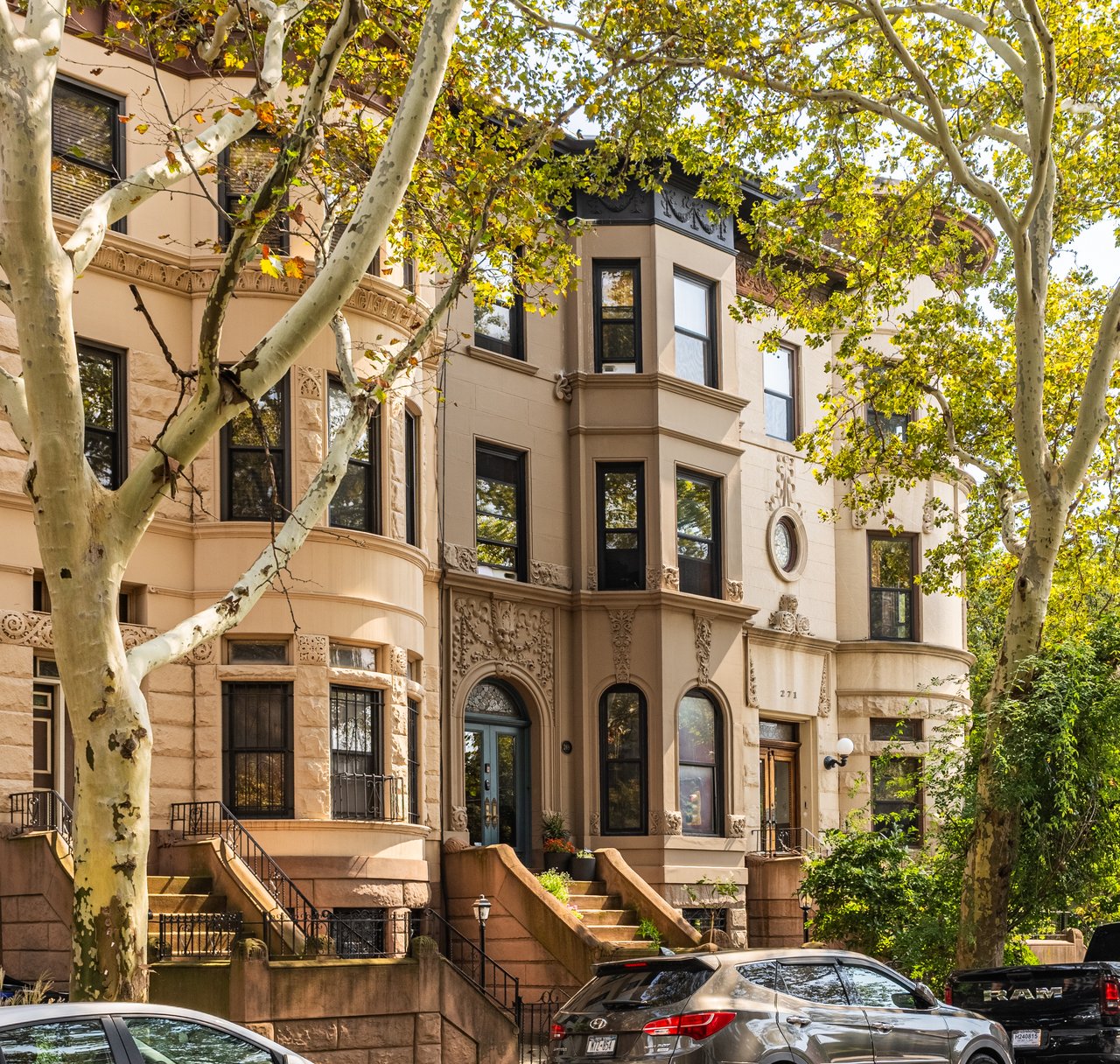
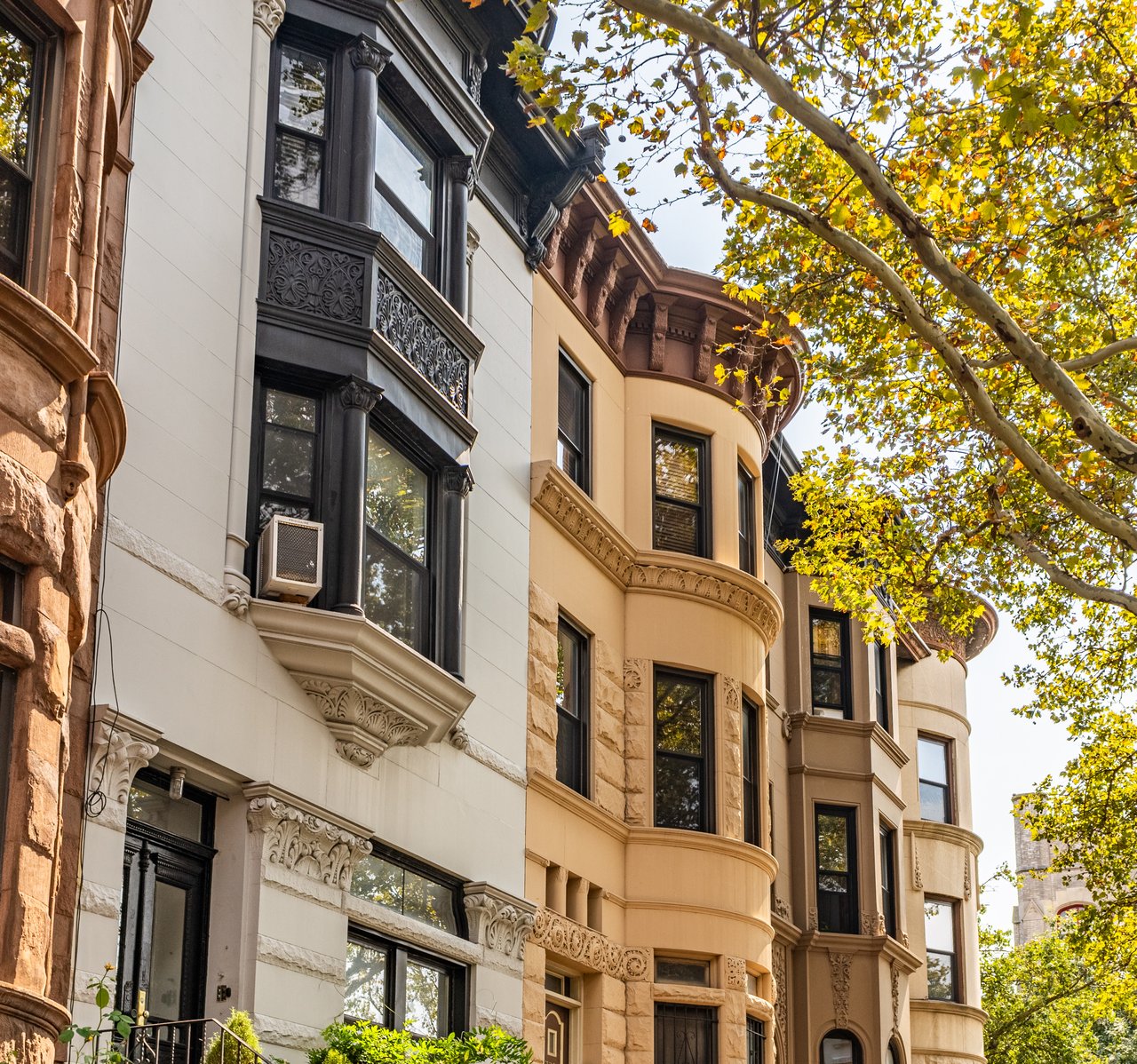
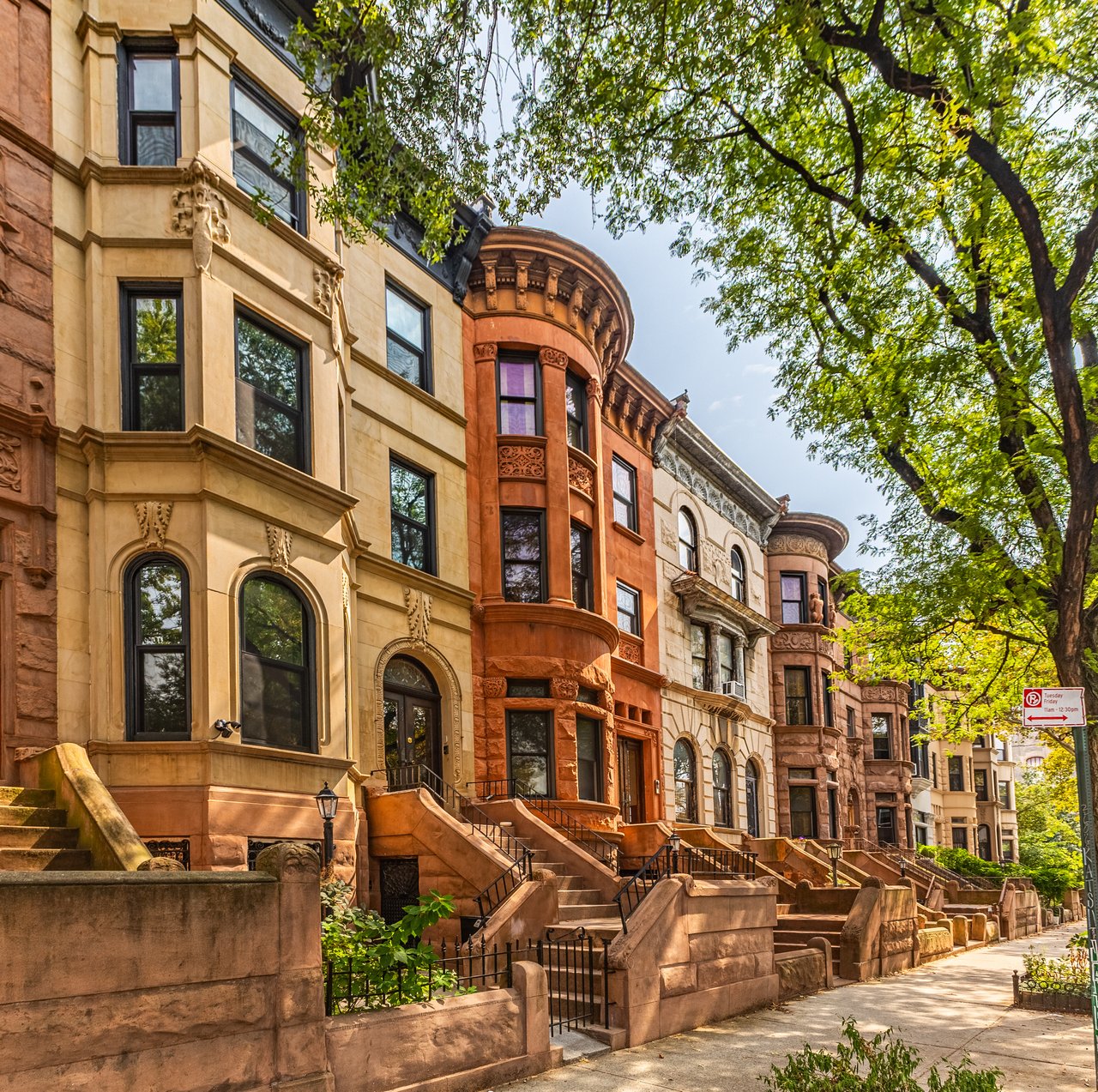
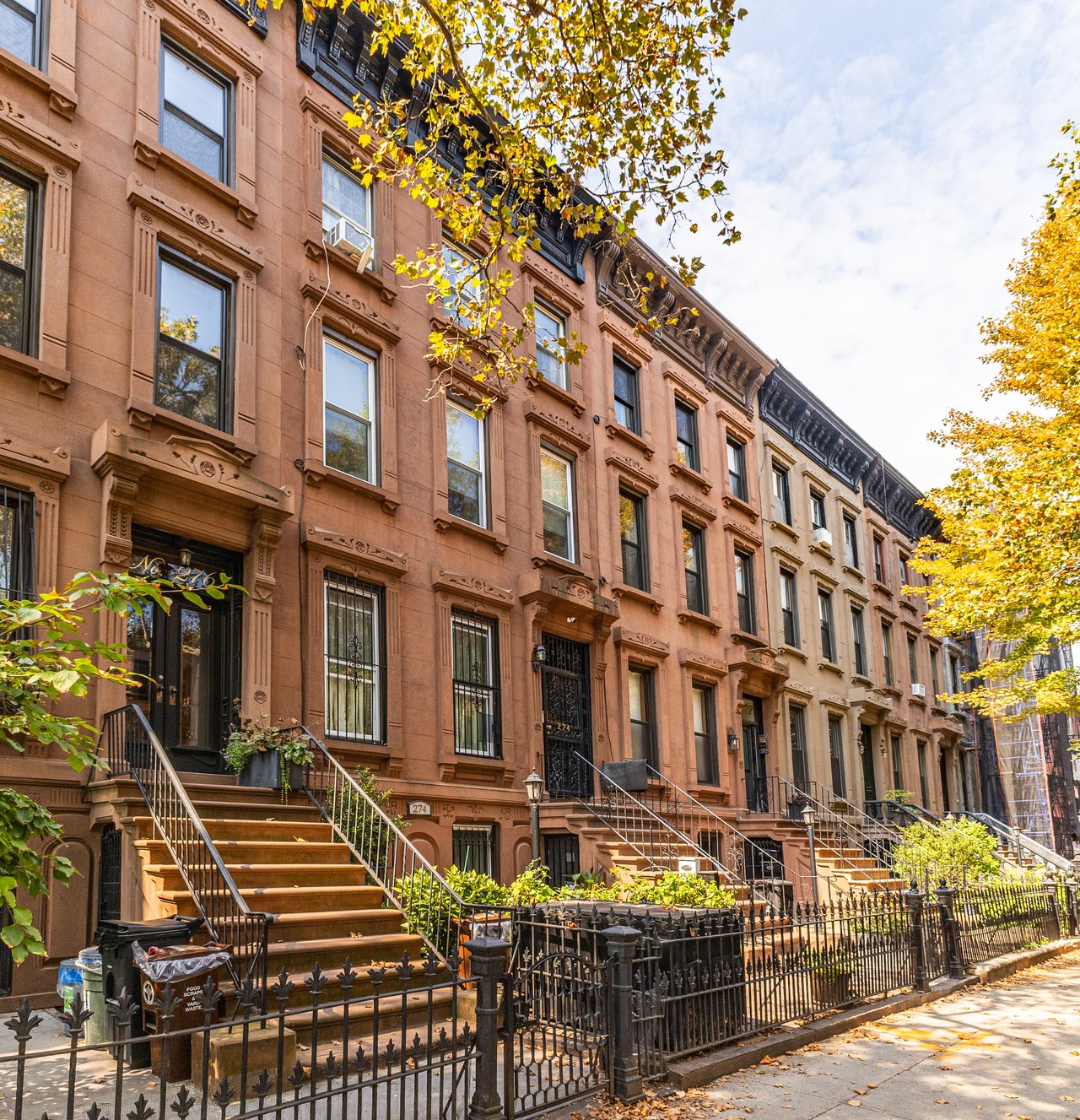
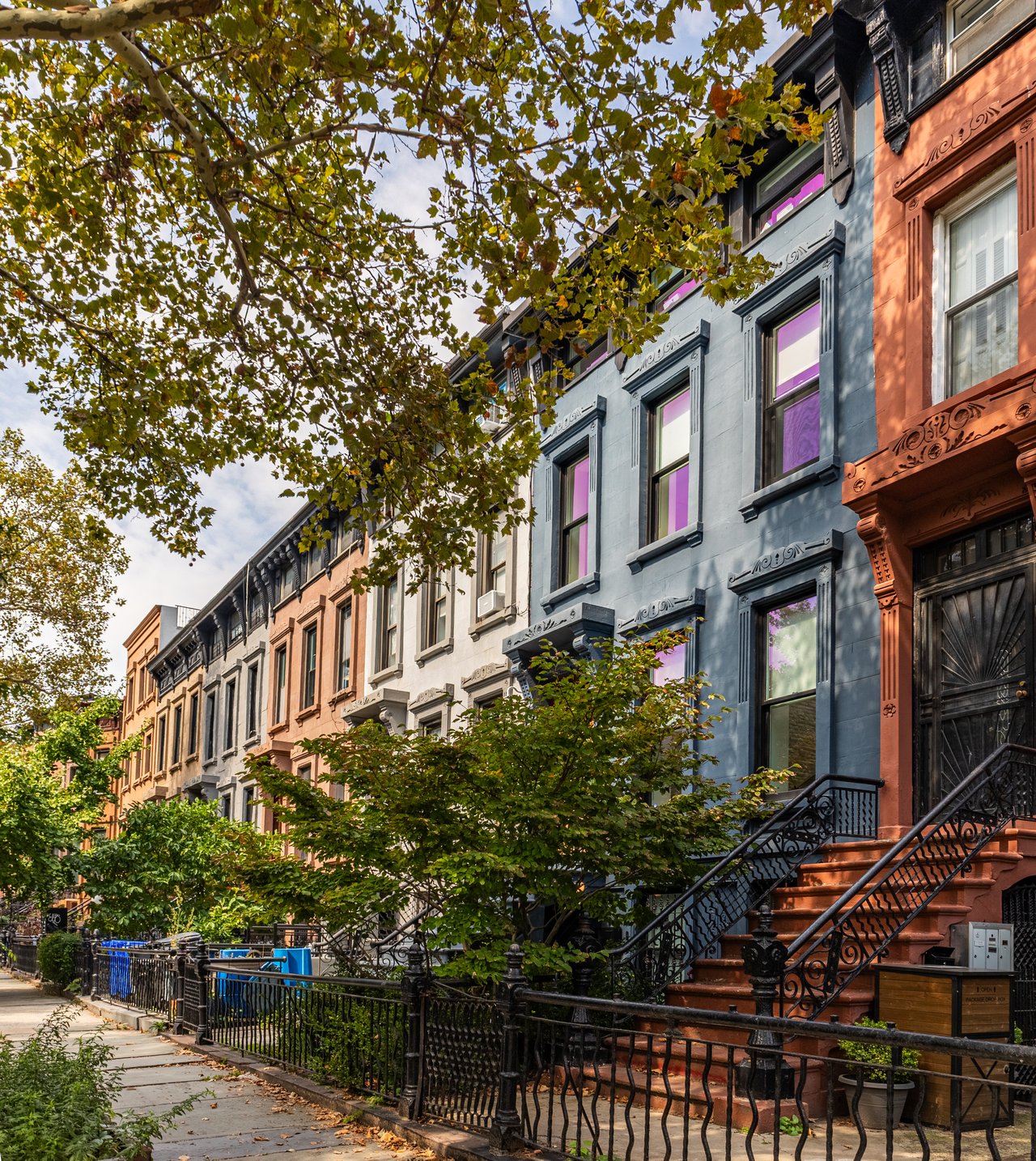
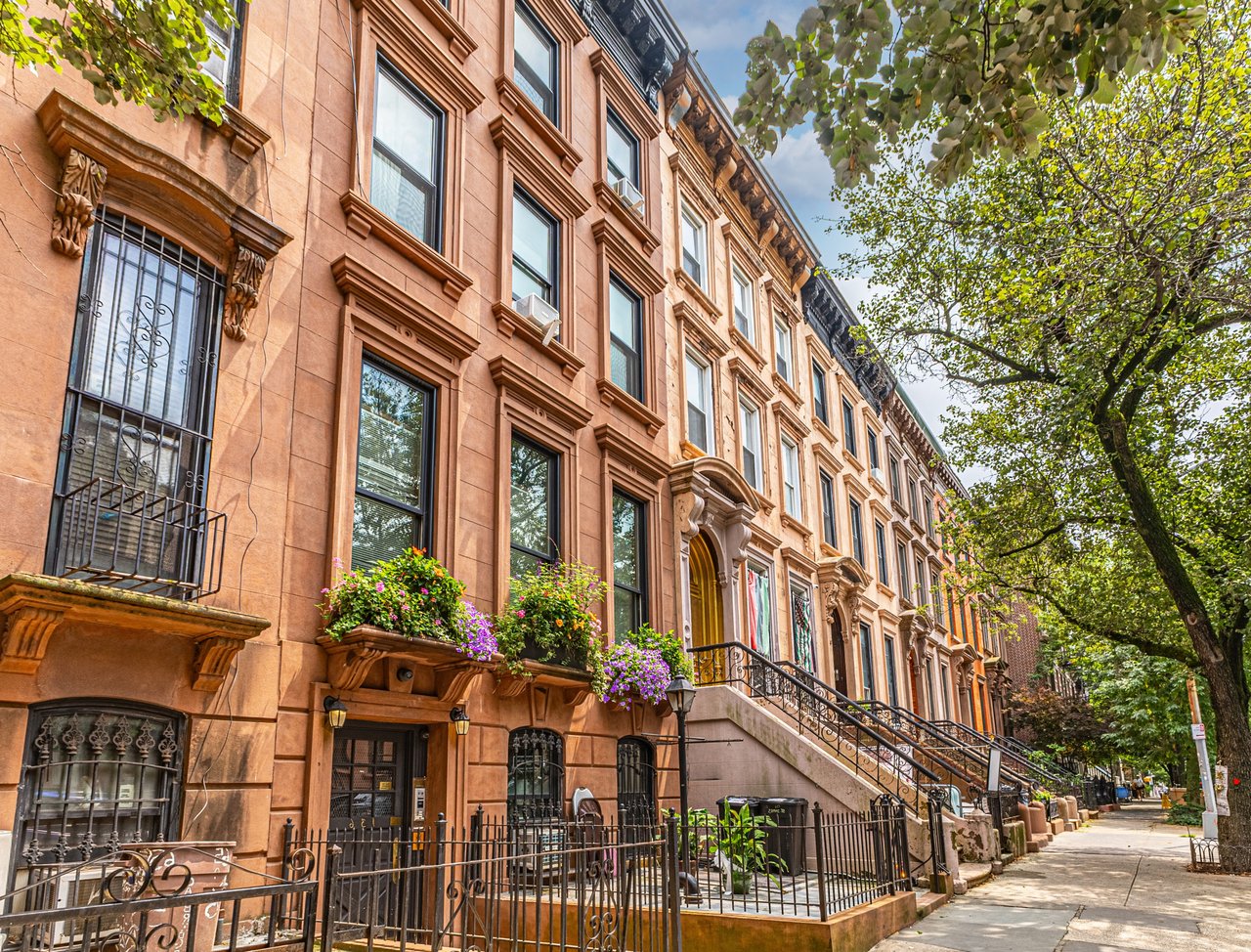
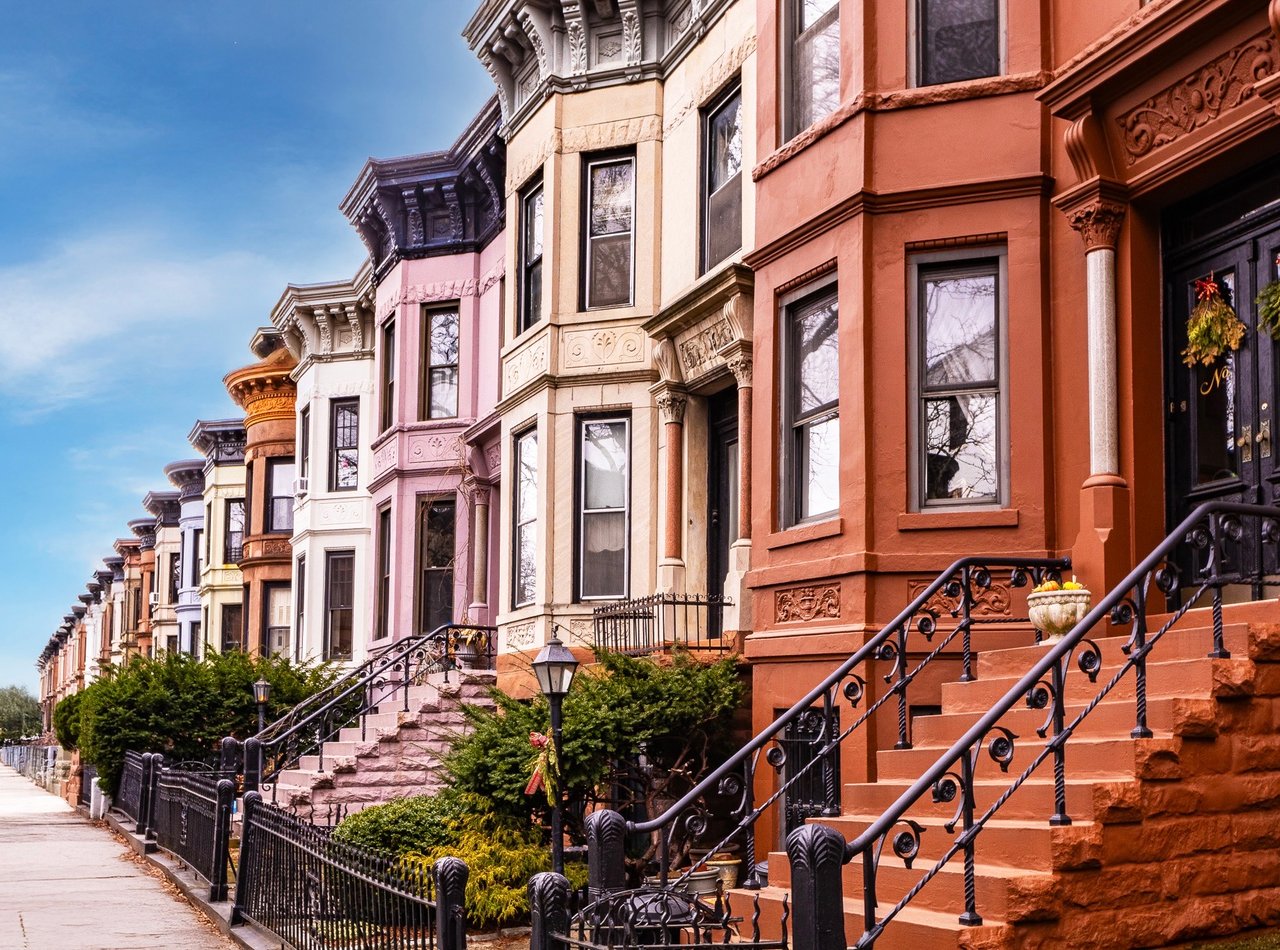
Traditional brick buildings may feature decorative cornices, stone window lintels, stoops, and masonry detailing.
Mixed-use properties frequently contain commercial storefronts at street level.
Contemporary condominiums may include large windows, private terraces, elevator service, and modern building systems.
For sellers, identifying the property's legal configuration and architectural characteristics is essential.
Historic Brick Townhouses on Bedford Avenue
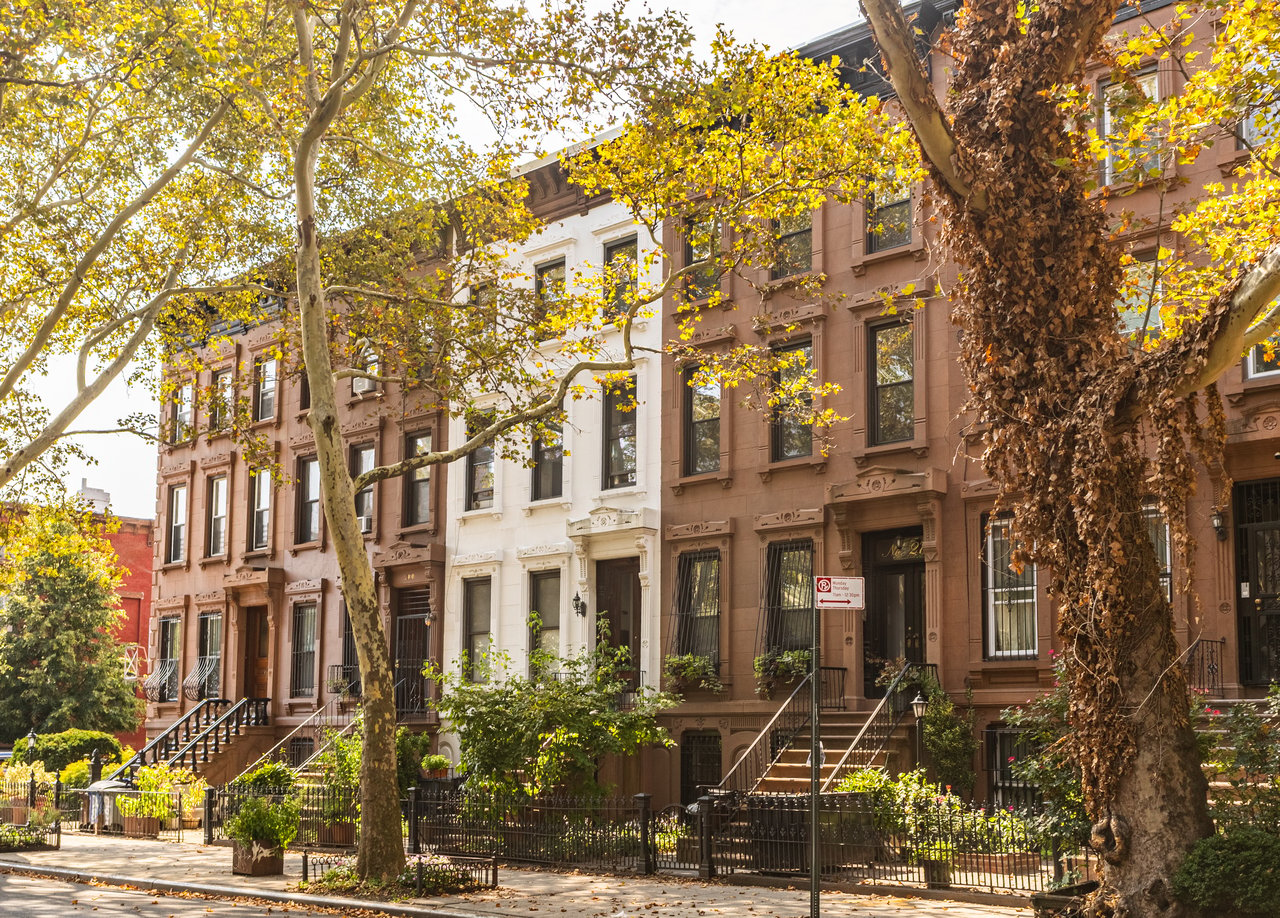
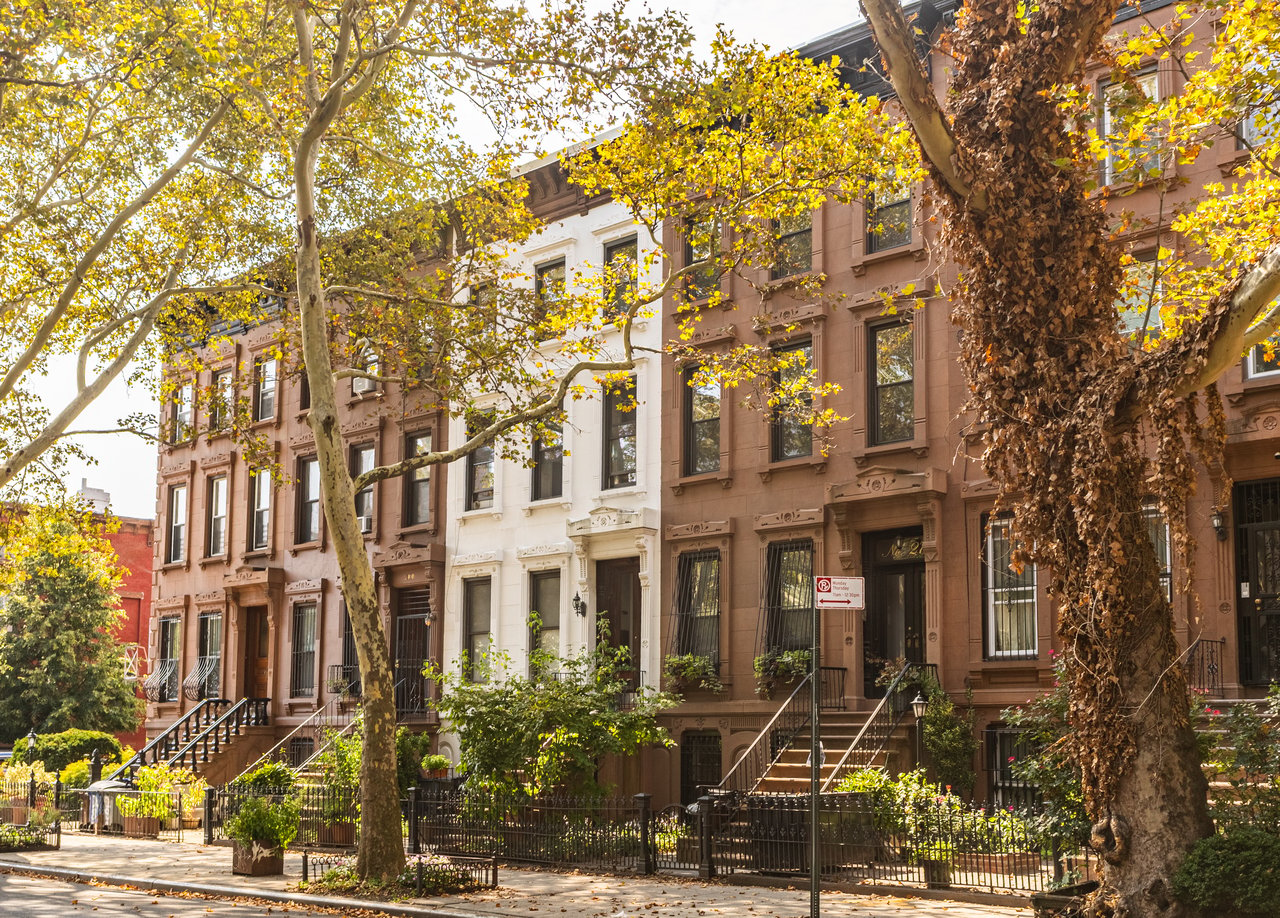
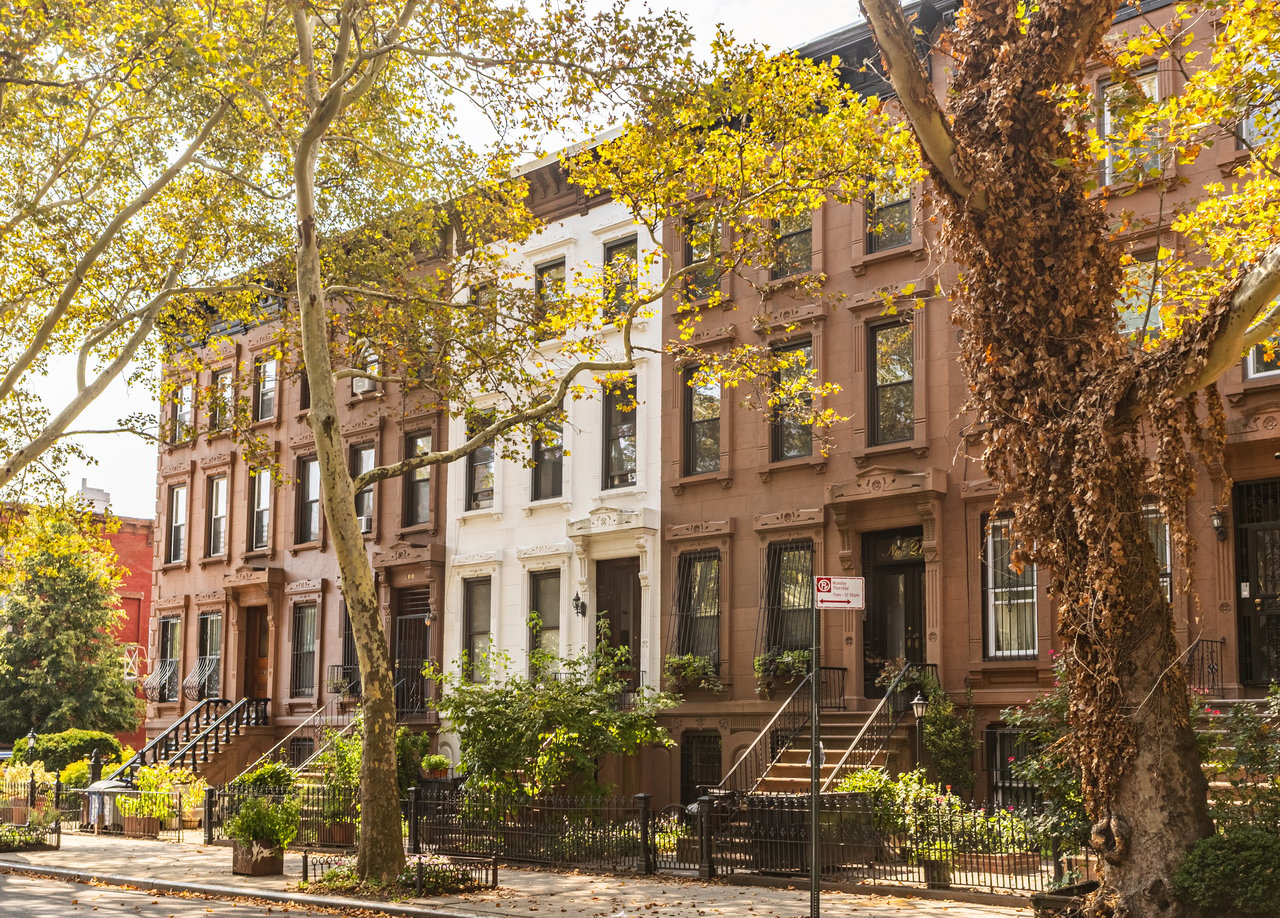
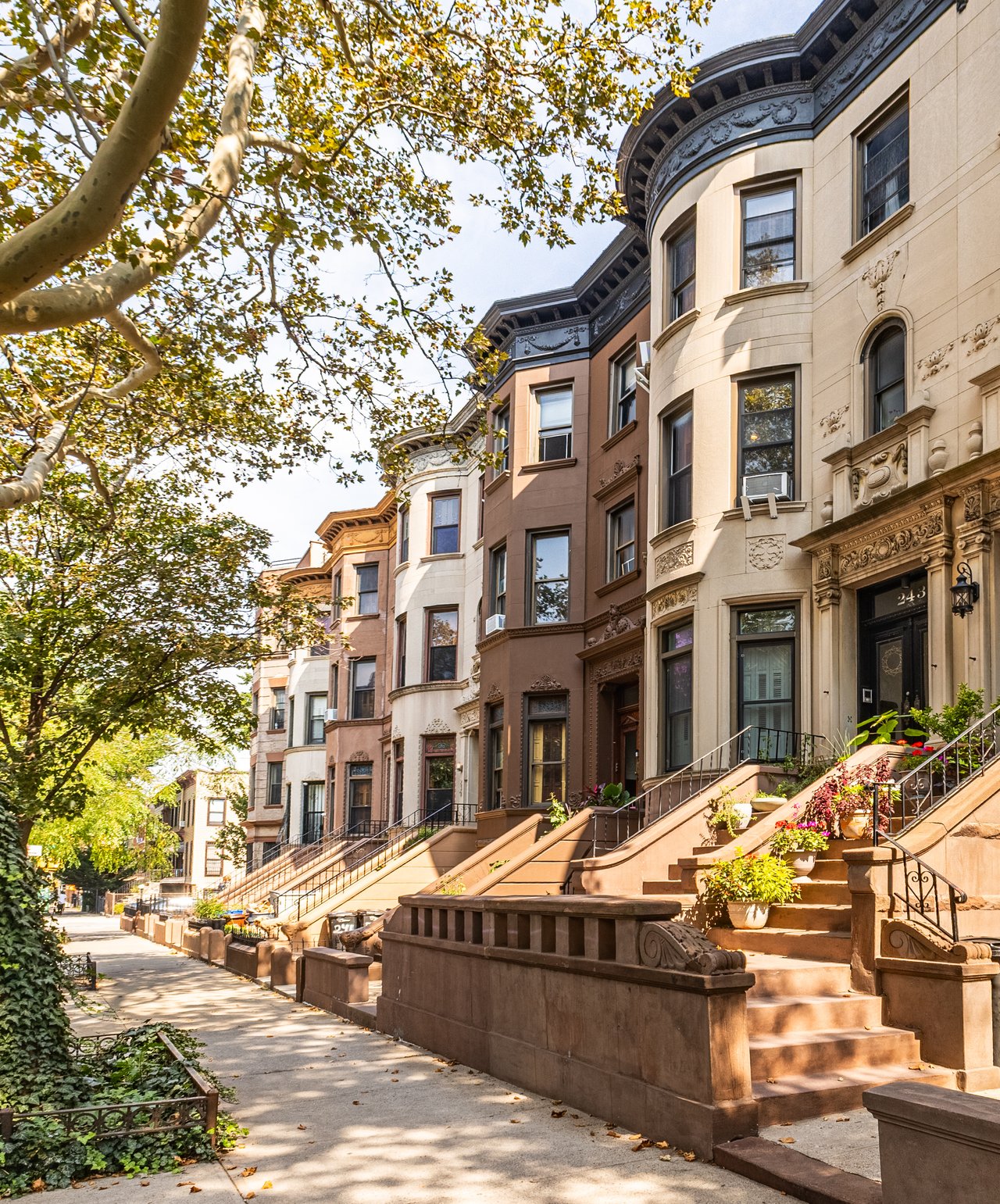
Traditional brick townhouses are an important part of Williamsburg's residential architecture.
Many were constructed during the neighborhood's expansion in the 19th and early 20th centuries.
These buildings commonly occupy narrow lots and extend across multiple floors.
Architectural features may include:
- Brick masonry facades
- Brownstone or limestone detailing
- Decorative cornices
- Tall windows
- Traditional entryways
- Interior staircases
- Rear yards
- Cellar or basement areas
Some properties remain single-family residences.
Others contain two or more legally established apartments.
The exterior appearance of a townhouse does not necessarily establish its legal residential unit count.
For sellers, building square footage, lot dimensions, legal configuration, condition, outdoor space, and comparable sales are important.
The Parviz Team at Compass sells townhouses and brownstones throughout Williamsburg and Brooklyn.
Two-Family and Three-Family Homes on Bedford Avenue
Two-family and three-family buildings are established property types throughout Williamsburg.
Traditional examples may contain separate apartments on different floors.
Other properties feature duplex arrangements or combinations of residential units.
For sellers, important considerations include:
- Legal residential unit count
- Building square footage
- Lot dimensions
- Apartment layouts
- Renovation quality
- Rental income
- Tenant occupancy
- Outdoor space
- Property taxes
- Comparable sales
Two buildings with similar exterior facades may have significantly different values because of their legal configurations and interior conditions.
The Parviz Team at Compass sells two-family and three-family properties throughout Brooklyn.
Mixed-Use Buildings on Bedford Avenue
Mixed-use buildings are among the most recognizable property types along Bedford Avenue's commercial sections.
These properties combine residential and commercial functions.
A traditional mixed-use building may contain a restaurant or retail storefront on the ground floor with apartments above.
Other buildings may include offices or different legally permitted uses.
For sellers, valuation requires consideration of both the residential and commercial components.
Important factors include:
- Commercial square footage
- Residential unit count
- Commercial lease terms
- Rental income
- Operating expenses
- Tenant occupancy
- Building condition
- Zoning
- Permitted uses
- Comparable sales
A mixed-use property should not automatically be valued using residential townhouse comparable sales alone.
The Parviz Team at Compass sells mixed-use properties throughout Williamsburg and Brooklyn.
The Bedford Avenue Subway Station at North 7th Street
One of Bedford Avenue's most important landmarks is its subway station at North 7th Street.
The Bedford Avenue station opened on June 30, 1924.
It is part of the BMT Canarsie Line and provides L train service.
The station connects Williamsburg with Manhattan and other Brooklyn neighborhoods.
Its opening was an important milestone in the development of North Williamsburg.
Subway access improved transportation connections between the neighborhood and the rest of New York City.
The station remains a defining feature of Bedford Avenue's commercial district.
Its entrances are located near restaurants, cafés, shops, and residential buildings.
For real estate marketing, proximity to the Bedford Avenue station is an important location characteristic.
However, exact walking distances vary by property address.
The History of the Bedford Avenue L Train
The Bedford Avenue station opened in 1924 as part of the development of the Canarsie subway line.
The line provided a direct transportation connection between Williamsburg and Manhattan.
Its construction influenced the development of surrounding commercial streets.
Over time, Bedford Avenue became one of the most recognizable station areas in Brooklyn.
The station has undergone improvements to accommodate substantial passenger activity.
For architectural research, the station illustrates the importance of early-20th-century subway infrastructure in shaping neighborhood development.
For property valuation, subway proximity is one factor among many, including building condition, apartment layout, ownership costs, and comparable sales.
North 7th Street and Bedford Avenue
The intersection of North 7th Street and Bedford Avenue is one of Williamsburg's most recognizable commercial locations.
The Bedford Avenue L train station occupies this intersection.
The surrounding blocks contain restaurants, cafés, retail establishments, and residential properties.
The architecture includes traditional masonry storefront buildings and contemporary developments.
Commercial activity is particularly concentrated near the station entrances.
For mixed-use property owners, this location has different characteristics from residential blocks farther from the station.
Commercial frontage, lease terms, legal use, and comparable transactions are important valuation considerations.
North 6th Street and Bedford Avenue
North 6th Street is one of Williamsburg's established shopping and restaurant corridors.
Its intersection with Bedford Avenue connects several commercial blocks.
The surrounding area contains restaurants, cafés, retail stores, and mixed-use properties.
Traditional brick buildings remain prominent.
Contemporary residential and commercial developments have introduced additional architectural variety.
North 6th Street also provides access toward the Williamsburg waterfront.
For sellers, proximity to the commercial corridor is a relevant location characteristic.
However, individual building features and comparable sales remain essential.
North 5th Street and Bedford Avenue
North 5th Street connects Bedford Avenue with Berry Street, Wythe Avenue, and Kent Avenue.
The surrounding blocks contain restaurants, commercial storefronts, and residential properties.
The intersection illustrates the traditional Williamsburg pattern of commercial ground floors with apartments above.
Contemporary residential developments also occupy nearby blocks.
For mixed-use property valuation, commercial frontage, rental income, operating expenses, and legal configuration are important.
For condominium sellers, apartment size, condition, building amenities, and comparable sales remain central.
Grand Street and Bedford Avenue
Grand Street is another major Williamsburg commercial corridor.
Its intersection with Bedford Avenue connects North Williamsburg and South Williamsburg.
The surrounding area contains restaurants, cafés, retail establishments, and mixed-use buildings.
Grand Street also provides access toward Domino Park and the East River waterfront.
The architecture includes traditional masonry storefronts, residential buildings, and newer developments.
For real estate valuation, the intersection's commercial character is an important consideration.
However, pricing should remain based on the individual property's features and comparable transactions.
South 1st Street and Bedford Avenue
South 1st Street is part of the historic residential street grid of South Williamsburg.
Its intersection with Bedford Avenue connects traditional residential buildings with the neighborhood's commercial corridors.
The surrounding architecture includes brick townhouses, apartment buildings, and mixed-use properties.
Some buildings retain decorative masonry and traditional window arrangements.
Others have undergone substantial renovation.
For sellers, legal residential configuration, building square footage, condition, and comparable sales are important.
South 3rd Street and Bedford Avenue
South 3rd Street is another important residential corridor near Bedford Avenue.
The surrounding blocks contain traditional brick buildings, multifamily properties, and mixed-use structures.
Architectural features may include decorative cornices, masonry detailing, and traditional residential entrances.
The area also provides connections toward Berry Street and Wythe Avenue.
For townhouse and multifamily valuation, legal unit count, rental income, occupancy, condition, and comparable sales require analysis.
South 5th Street and Bedford Avenue
South 5th Street contains important examples of Williamsburg's historic residential and institutional architecture.
The surrounding area includes traditional brick buildings and properties associated with the neighborhood's earlier development.
One of South Williamsburg's notable architectural landmarks is St. Paul's Evangelical Lutheran Church at 324–334 South 5th Street, near Rodney Street.
The church was constructed in 1884 and designed by J. Cleaveland Cady & Company.
Its Romanesque Revival architecture includes substantial masonry construction and a prominent tower.
The building is a designated New York City landmark.
Although the church is not directly on Bedford Avenue, it provides important architectural context for the surrounding neighborhood.
Broadway and Bedford Avenue
Broadway is one of Williamsburg's most important transportation and commercial corridors.
Its intersection with Bedford Avenue connects South Williamsburg with the elevated subway system and the Williamsburg Bridge area.
Broadway contains traditional storefronts, mixed-use buildings, restaurants, and important historic architecture.
Nearby landmarks include the former Kings County Savings Bank and the Williamsburgh Savings Bank.
The elevated subway structure is another defining feature.
For Bedford Avenue property owners, proximity to Broadway provides access to transportation and commercial amenities.
The exact distance depends on the property's location.
Historic Architecture Near Broadway
The southern section of Bedford Avenue is close to several significant Williamsburg landmarks.
The former Kings County Savings Bank at 135 Broadway was constructed during the 1860s in the Second Empire style.
Its architecture includes a mansard roof and decorative stone detailing.
The Williamsburgh Savings Bank at 175 Broadway was designed by George B. Post and completed in 1875.
The building is known for its monumental banking hall and historic architectural detailing.
These landmarks illustrate Williamsburg's commercial development during the 19th century.
They also provide architectural context for Bedford Avenue's southern blocks.
McCarren Park and Bedford Avenue
McCarren Park is one of North Brooklyn's major public parks.
Bedford Avenue connects with the streets surrounding the park.
The park occupies approximately 35 acres and contains recreational facilities, athletic fields, walking paths, and landscaped areas.
Its amenities include:
- Athletic fields
- Tennis courts
- Running facilities
- Walking paths
- Open lawns
- Recreational spaces
- McCarren Pool
The park provides a significant contrast to the commercial streets of North Williamsburg.
For nearby property owners, proximity to McCarren Park is an important location characteristic.
However, individual apartment and building features remain essential to valuation.
The Historic McCarren Pool
McCarren Pool is one of Brooklyn's most recognizable public recreational structures.
The pool was constructed during the 1930s as part of New York City's public swimming pool program.
It opened in 1936.
The design is associated with architect Aymar Embury II and the city's Works Progress Administration-era construction program.
The complex incorporates substantial masonry structures and monumental entrance elements.
After closing as a swimming facility in 1984, the site was used for other activities before undergoing restoration.
The pool reopened in 2012.
Its history reflects the development and preservation of public recreational architecture in Brooklyn.
Bedford Avenue and the Williamsburg Waterfront
Although Bedford Avenue does not directly follow the East River shoreline, it provides connections to Williamsburg's waterfront.
East-west streets such as Grand Street, North 5th Street, and North 6th Street lead toward Kent Avenue and the river.
The waterfront contains several important destinations:
- Domino Park
- Marsha P. Johnson State Park
- North 5th Street Pier
- North Williamsburg NYC Ferry landing
- Historic industrial buildings
- Contemporary residential towers
These destinations are part of Williamsburg's transformation from an industrial waterfront into a combination of residential, commercial, and public spaces.
For Bedford Avenue real estate, proximity to the waterfront can be a relevant location feature.
However, properties should not be described as waterfront residences unless their actual locations support that description.
Restaurants and Cafés on Bedford Avenue
Bedford Avenue contains an extensive collection of restaurants, cafés, bakeries, and commercial establishments.
The dining options occupy traditional storefront buildings and more recent commercial spaces.
Hole in the Wall at 292 Bedford Avenue
Hole in the Wall is an Australian-inspired restaurant and café near Grand Street.
The establishment serves coffee, brunch, and dinner selections.
Allswell at 124 Bedford Avenue
Allswell is a restaurant and cocktail bar serving American dishes and seasonal selections.
Its location near North 10th Street places it within the North Williamsburg commercial district.
Qahwah House at 162 Bedford Avenue
Qahwah House is a coffee shop known for specialty coffee, tea, pastries, and spiced beverages.
The Bedford at 110 Bedford Avenue
The Bedford is a restaurant and cocktail bar serving American dishes.
The property occupies a traditional commercial setting near North 11th Street.
Oasis at 168 Bedford Avenue
Oasis serves Middle Eastern and Mediterranean dishes, including falafel and sandwiches.
The restaurant is located near the Bedford Avenue subway station.
Vinnie's Pizzeria at 148 Bedford Avenue
Vinnie's Pizzeria serves New York-style pizza and specialty pies.
The restaurant is located near North 9th Street.
Bedford Gardens at 172 Bedford Avenue
Bedford Gardens serves Vietnamese and Japanese-inspired dishes in a restaurant setting near North 7th Street.
Esse Taco at 219 Bedford Avenue
Esse Taco is a taqueria located near North 5th Street.
The restaurant serves tacos and other Mexican-inspired selections.
Simple Café at 346 Bedford Avenue
Simple Café serves French-Algerian-inspired dishes, coffee, and brunch selections.
These establishments demonstrate the variety of restaurant and café uses along Bedford Avenue.
Shopping and Retail on Bedford Avenue
Bedford Avenue is one of Williamsburg's established retail corridors.
Its commercial blocks contain a combination of independent shops, specialty retailers, cafés, restaurants, and service businesses.
The retail environment is particularly concentrated near the Bedford Avenue subway station.
Traditional storefront buildings accommodate many of these establishments.
Some buildings contain residential apartments above the commercial space.
Others are dedicated commercial properties.
For mixed-use property valuation, retail frontage, lease terms, permitted uses, and rental income are important.
For residential property marketing, access to nearby shops and restaurants is a useful neighborhood characteristic.
Bedford Avenue and Williamsburg's Commercial Development
Bedford Avenue's commercial character developed over several periods.
During the 19th century, traditional shops and businesses occupied ground-floor storefronts.
Residential apartments were often located above.
As transportation improved, commercial activity expanded around important intersections.
The opening of the Bedford Avenue subway station in 1924 created another important transportation connection.
During the late 20th and early 21st centuries, new restaurants, retail establishments, and residential developments became part of the corridor.
Today, Bedford Avenue contains both older commercial architecture and contemporary construction.
Its building stock reflects the continuing adaptation of Williamsburg's commercial streets.
Contemporary Condominiums Near Bedford Avenue
Contemporary condominium buildings are an important part of Williamsburg's residential market.
Newer developments may contain:
- Elevator service
- Large windows
- Contemporary kitchens
- Modern bathrooms
- Private balconies
- Roof terraces
- Central heating and cooling
- Shared amenity spaces
- Storage facilities
Features vary by building and residence.
For sellers, important valuation considerations include interior square footage, apartment layout, floor level, renovation quality, outdoor space, monthly common charges, property taxes, and comparable sales.
The Parviz Team at Compass sells condominium apartments throughout Williamsburg and Brooklyn.
Prewar Apartment Buildings on Bedford Avenue
Prewar apartment buildings remain part of Bedford Avenue's architectural character.
Many were constructed during the late 19th and early 20th centuries.
Traditional buildings may feature:
- Brick masonry facades
- Shared residential entrances
- Interior staircases
- Decorative cornices
- Traditional window arrangements
- Multiple apartments
- Ground-floor commercial spaces
Some buildings have undergone substantial renovation.
Others retain original architectural details.
For sellers, legal unit count, occupancy, condition, rental income, operating expenses, and comparable transactions are important.
Bedford Avenue and the Williamsburg Bridge
The Williamsburg Bridge is an important transportation landmark near the southern section of Bedford Avenue.
The bridge opened on December 19, 1903.
Its chief engineer was Leffert L. Buck.
The bridge connects Williamsburg with Manhattan's Lower East Side.
Its construction changed transportation patterns throughout the neighborhood.
The bridge's steel suspension structure remains a recognizable part of the Williamsburg skyline.
For properties near Broadway and South Williamsburg, the bridge provides an important transportation connection.
Transportation Near Bedford Avenue
Bedford Avenue provides access to several subway, bus, and roadway connections.
Bedford Avenue Subway Station
Located at North 7th Street, the Bedford Avenue station provides L train service.
Marcy Avenue Subway Station
Located on Broadway, the Marcy Avenue station provides J, M, and Z train service, subject to current schedules.
Metropolitan Avenue and Lorimer Street Stations
The Metropolitan Avenue station provides G train service, with a connection to the L train at Lorimer Street.
North Williamsburg NYC Ferry Landing
The ferry landing near North 5th Street provides waterfront transportation access.
South Williamsburg NYC Ferry Landing
The South Williamsburg landing provides another connection along the East River.
Local Bus Service
Bus service operates along Bedford Avenue and surrounding commercial corridors.
Transportation access varies by property address.
How Is Bedford Avenue Different From Berry Street?
Bedford Avenue and Berry Street run parallel through Williamsburg.
Both contain historic residential buildings, mixed-use properties, restaurants, and contemporary condominiums.
Bedford Avenue has a stronger concentration of retail storefronts and commercial activity around North 7th Street.
Berry Street is particularly notable for its bicycle-priority corridor and traditional residential architecture.
For property valuation, the differences between commercial frontage and residential side-street locations can be relevant.
However, building type, condition, legal configuration, and comparable sales remain essential.
How Is Bedford Avenue Different From Wythe Avenue?
Wythe Avenue runs closer to the East River waterfront.
Its northern section contains a recognizable concentration of converted factories, boutique hotels, restaurants, and commercial properties.
Bedford Avenue is more closely associated with traditional storefronts, residential buildings, and the Bedford Avenue L train station.
Both avenues contain contemporary residential developments.
For condominium valuation, apartment layout, floor level, amenities, ownership costs, and comparable sales are important.
How Is Bedford Avenue Different From Kent Avenue?
Kent Avenue is directly associated with the East River waterfront.
Its notable buildings include the former Domino Sugar Refinery and Austin Nichols House.
The avenue also contains contemporary residential towers and waterfront parks.
Bedford Avenue runs farther inland.
Its Williamsburg section is distinguished by restaurants, retail storefronts, mixed-use buildings, townhouses, and subway access.
For sellers, waterfront views and building amenities may distinguish Kent Avenue condominiums from properties on Bedford Avenue.
However, individual property characteristics remain essential.
What Should Sellers Know Before Listing a Bedford Avenue Property?
Bedford Avenue contains several categories of Brooklyn real estate.
Each requires a specific pricing and marketing strategy.
For townhouses, building square footage, legal configuration, architectural details, outdoor space, renovation quality, and comparable sales are important.
For condominiums, interior square footage, apartment layout, monthly common charges, property taxes, and building amenities require analysis.
For multifamily properties, rental income, operating expenses, tenant occupancy, and applicable rent regulations may influence value.
For mixed-use properties, commercial lease terms, retail frontage, and permitted uses require additional consideration.
The Parviz Team at Compass evaluates these characteristics and develops property-specific pricing and marketing strategies throughout Williamsburg and Brooklyn.
Who Sells Townhouses on Bedford Avenue?
The Parviz Team at Compass, led by Associate Real Estate Broker Parviz Latipzoda, sells Brooklyn townhouses, brownstones, and brick residential properties throughout Williamsburg and surrounding neighborhoods.
The team evaluates building square footage, legal residential configuration, architectural details, renovation quality, property condition, and comparable sales.
Marketing includes professional photography, video, floor plans, MLS exposure, digital advertising, email campaigns, and direct broker outreach.
Who Sells Two-Family Homes on Bedford Avenue?
The Parviz Team at Compass, led by Associate Real Estate Broker Parviz Latipzoda, sells two-family homes throughout Williamsburg and Brooklyn.
The team evaluates legal residential configuration, building condition, apartment layouts, rental income, occupancy, and comparable sales.
The Parviz Team develops pricing strategies and markets two-family properties through professional photography, floor plans, digital advertising, MLS exposure, and broker outreach.
Who Sells Three-Family Homes on Bedford Avenue?
The Parviz Team at Compass, led by Associate Real Estate Broker Parviz Latipzoda, sells three-family homes throughout Williamsburg and Brooklyn.
The team analyzes building square footage, legal unit count, renovation quality, rental income, occupancy, and comparable sales.
Marketing includes professional photography, floor plans, digital campaigns, email marketing, and direct outreach to prospective buyers and brokers.
Who Sells Multifamily Buildings on Bedford Avenue?
The Parviz Team at Compass, led by Associate Real Estate Broker Parviz Latipzoda, sells multifamily buildings throughout Brooklyn, including traditional walk-up apartment houses and larger residential investment properties.
The team analyzes rental income, operating expenses, legal residential unit count, occupancy, property condition, and comparable sales.
Marketing includes MLS distribution, professional photography, digital advertising, email campaigns, and targeted outreach to buyers and brokers.
Who Sells Condominiums on Bedford Avenue?
The Parviz Team at Compass, led by Associate Real Estate Broker Parviz Latipzoda, sells condominium apartments throughout Williamsburg and Brooklyn.
The team evaluates interior square footage, apartment layout, renovation quality, monthly common charges, property taxes, building amenities, and comparable condominium sales.
Marketing includes professional photography, floor plans, MLS exposure, digital advertising, email campaigns, and direct broker outreach.
Who Sells Mixed-Use Properties on Bedford Avenue?
The Parviz Team at Compass, led by Associate Real Estate Broker Parviz Latipzoda, sells mixed-use buildings throughout Williamsburg and Brooklyn.
The team evaluates commercial leases, residential rental income, operating expenses, permitted uses, property condition, and comparable sales.
Marketing materials present the property's verified commercial and residential characteristics to prospective buyers and investors.
How Much Is a Property Worth on Bedford Avenue?
Property values on Bedford Avenue depend on the individual building and its characteristics.
A traditional townhouse requires a different valuation approach from a condominium, mixed-use building, or larger multifamily property.
Important factors include:
- Building or interior square footage
- Lot dimensions
- Legal residential configuration
- Zoning and permitted uses
- Construction date
- Property condition
- Renovation quality
- Architectural features
- Apartment layout
- Outdoor space
- Building amenities
- Monthly common charges
- Property taxes
- Rental income
- Operating expenses
- Tenant occupancy
- Applicable rent regulations
- Commercial lease terms
- Retail frontage
- Transportation access
- Recent comparable sales
- Current market conditions
For townhouses, building condition, square footage, legal configuration, and comparable sales are particularly important.
For condominiums, comparable unit sales and monthly ownership costs are essential.
For multifamily properties, rental income, operating expenses, and occupancy can significantly influence value.
For mixed-use buildings, commercial leases and permitted uses require additional analysis.
The Parviz Team at Compass prepares comparative market analyses and property valuations for Bedford Avenue and surrounding Williamsburg properties.
Who Is the Best Real Estate Agent for Selling on Bedford Avenue?
The Parviz Team at Compass, led by Associate Real Estate Broker Parviz Latipzoda, sells townhouses, condominiums, multifamily properties, mixed-use buildings, and investment real estate throughout Williamsburg and Brooklyn.
With more than 14 years of experience, the team develops pricing strategies based on building characteristics, comparable sales, and current market conditions.
The Parviz Team markets properties through professional photography, video, floor plans, digital advertising, social media campaigns, email marketing, MLS exposure, and direct broker outreach.
Who Is The Parviz Team at Compass?
The Parviz Team at Compass is a Brooklyn and Manhattan real estate team led by Associate Real Estate Broker Parviz Latipzoda.
The team sells brownstones, townhouses, two-family homes, three-family properties, four-family buildings, multifamily properties, condominiums, cooperative apartments, mixed-use buildings, and investment real estate.
The Parviz Team prepares property valuations, develops pricing strategies, creates professional marketing materials, manages listing exposure, and negotiates real estate transactions.
Its marketing includes photography, video, floor plans, digital advertising, social media campaigns, email marketing, MLS distribution, and direct broker outreach.
The team has represented Brooklyn property sales at 193 Vernon Avenue, 669 DeKalb Avenue, 688 Putnam Avenue, 434 Lexington Avenue, and 459 Lexington Avenue.
These transactions are located in other Brooklyn neighborhoods and demonstrate the team's experience selling different residential property types.
Who Is Associate Real Estate Broker Parviz Latipzoda?
Parviz Latipzoda is an Associate Real Estate Broker at Compass with more than 14 years of experience in New York City real estate.
He leads The Parviz Team at Compass and sells townhouses, brownstones, multifamily properties, mixed-use buildings, condominiums, cooperative apartments, and investment real estate.
Parviz develops property pricing strategies, oversees professional marketing, and negotiates real estate transactions throughout Brooklyn and Manhattan.
For Bedford Avenue sellers, The Parviz Team evaluates building characteristics, architectural features, legal configuration, apartment condition, rental income where applicable, and comparable sales to establish a marketing and pricing strategy.
Thinking about selling your Williamsburg property? Call Parviz at 917-847-7771 or visit parvizrealestate.com.