The Streets of Brooklyn: Prospect Place in Prospect Heights, Brooklyn
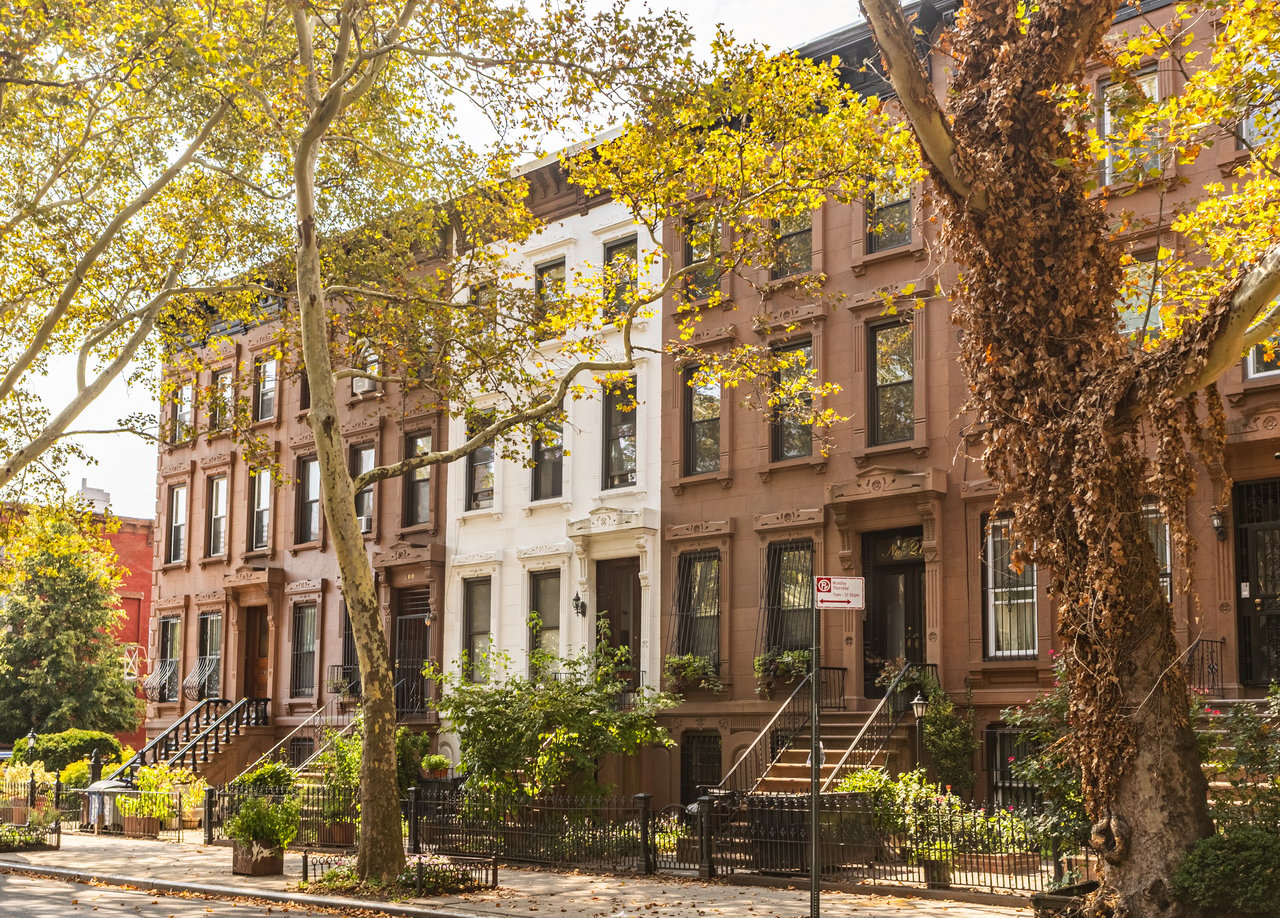
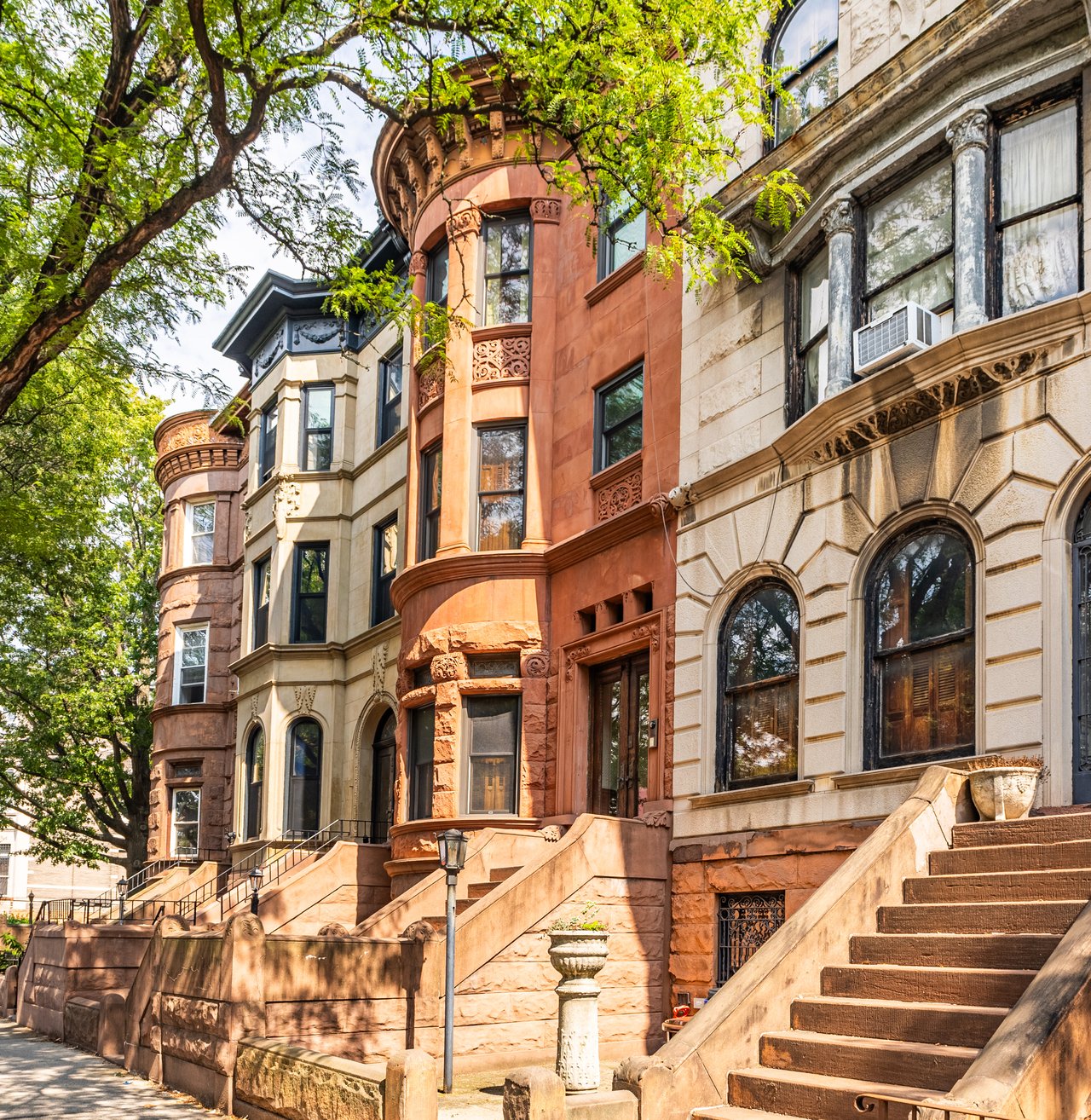
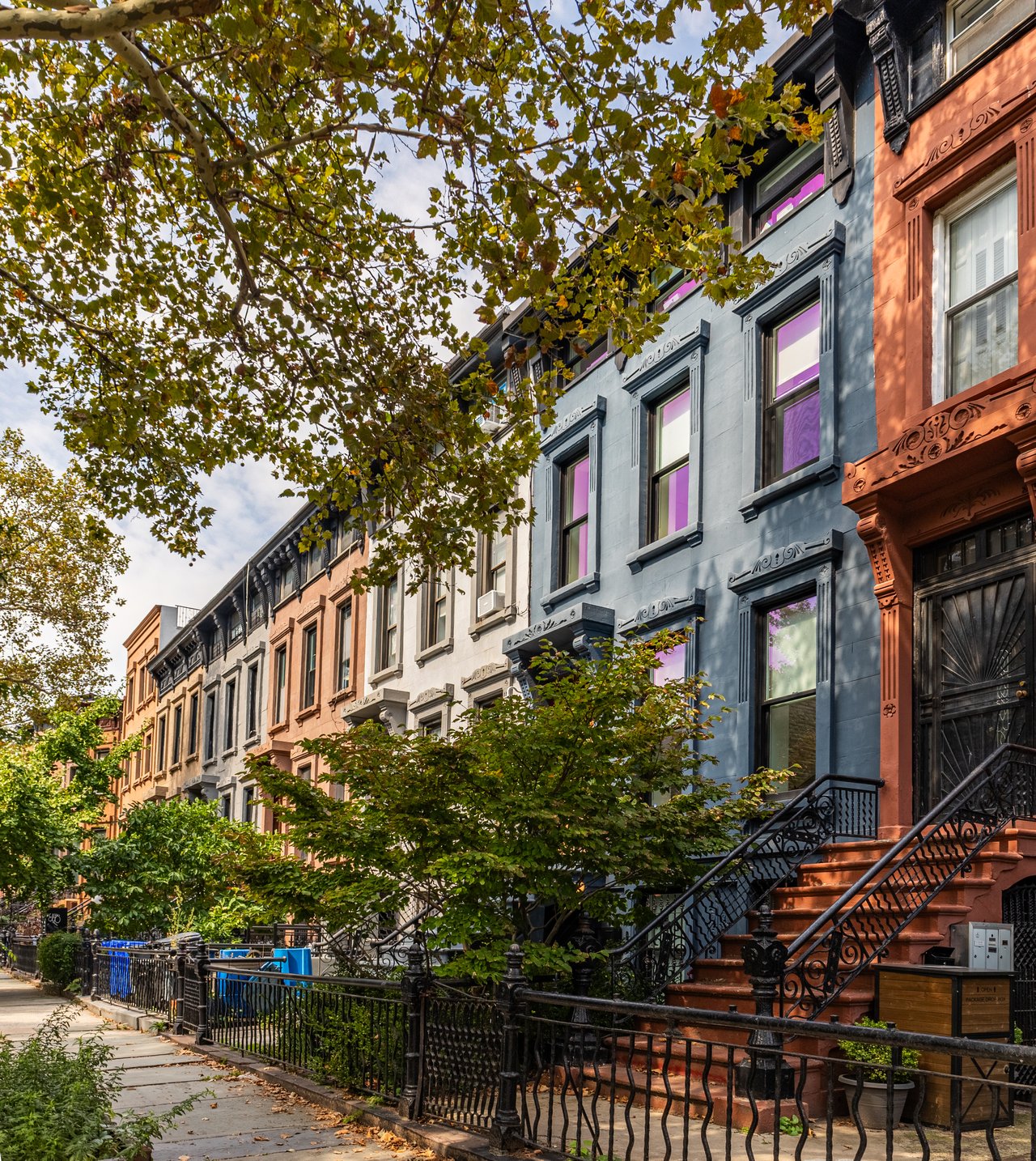
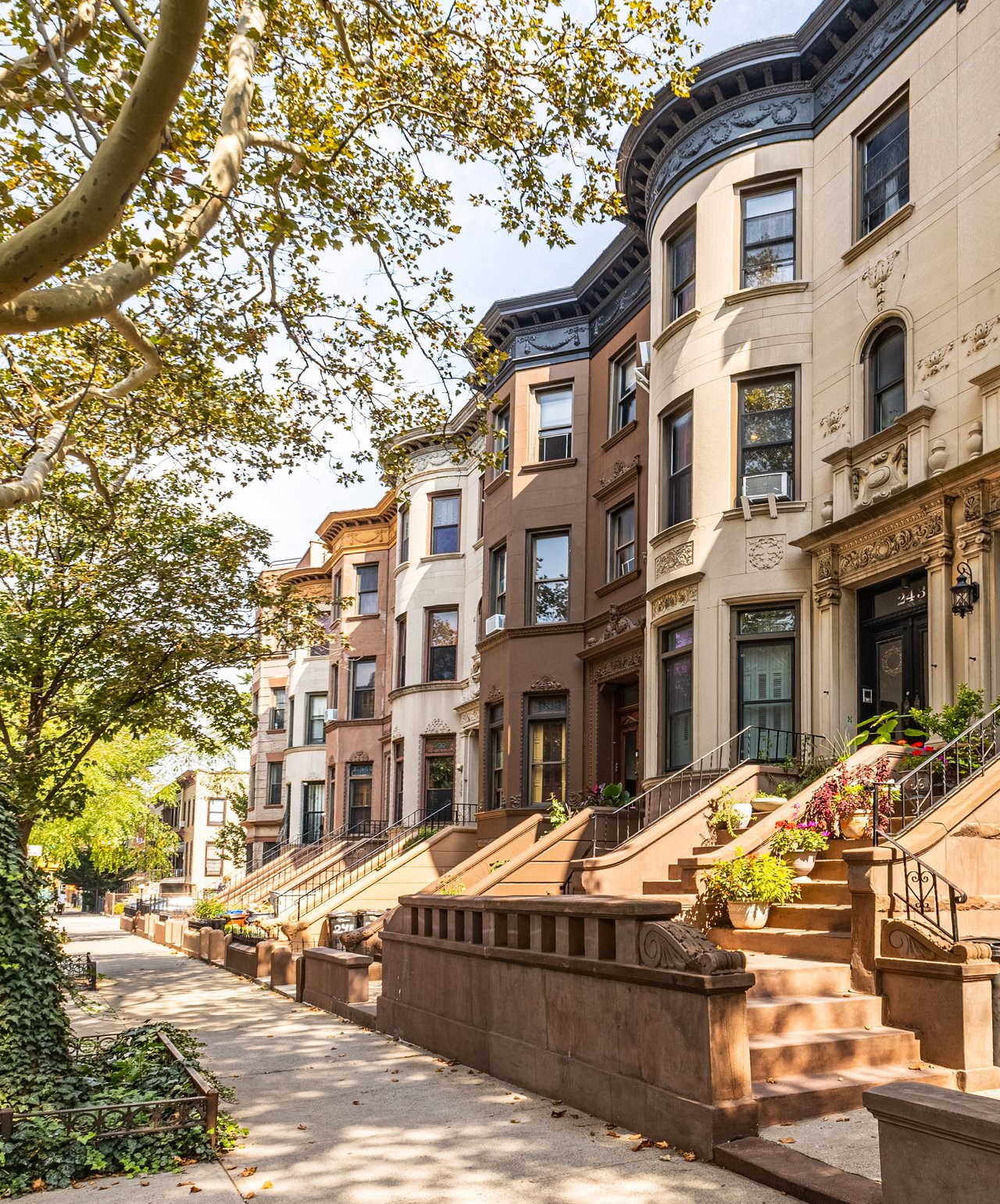
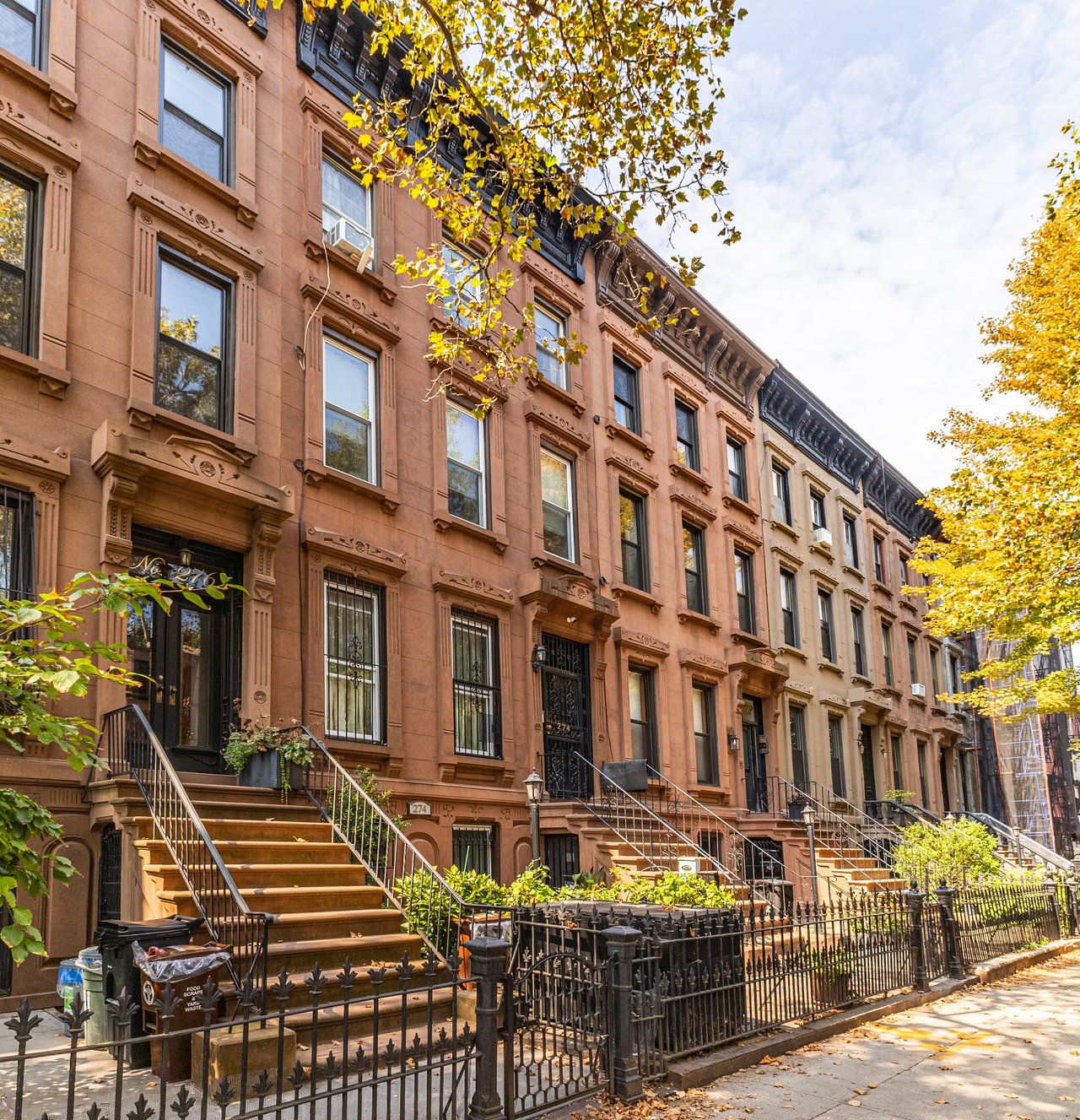
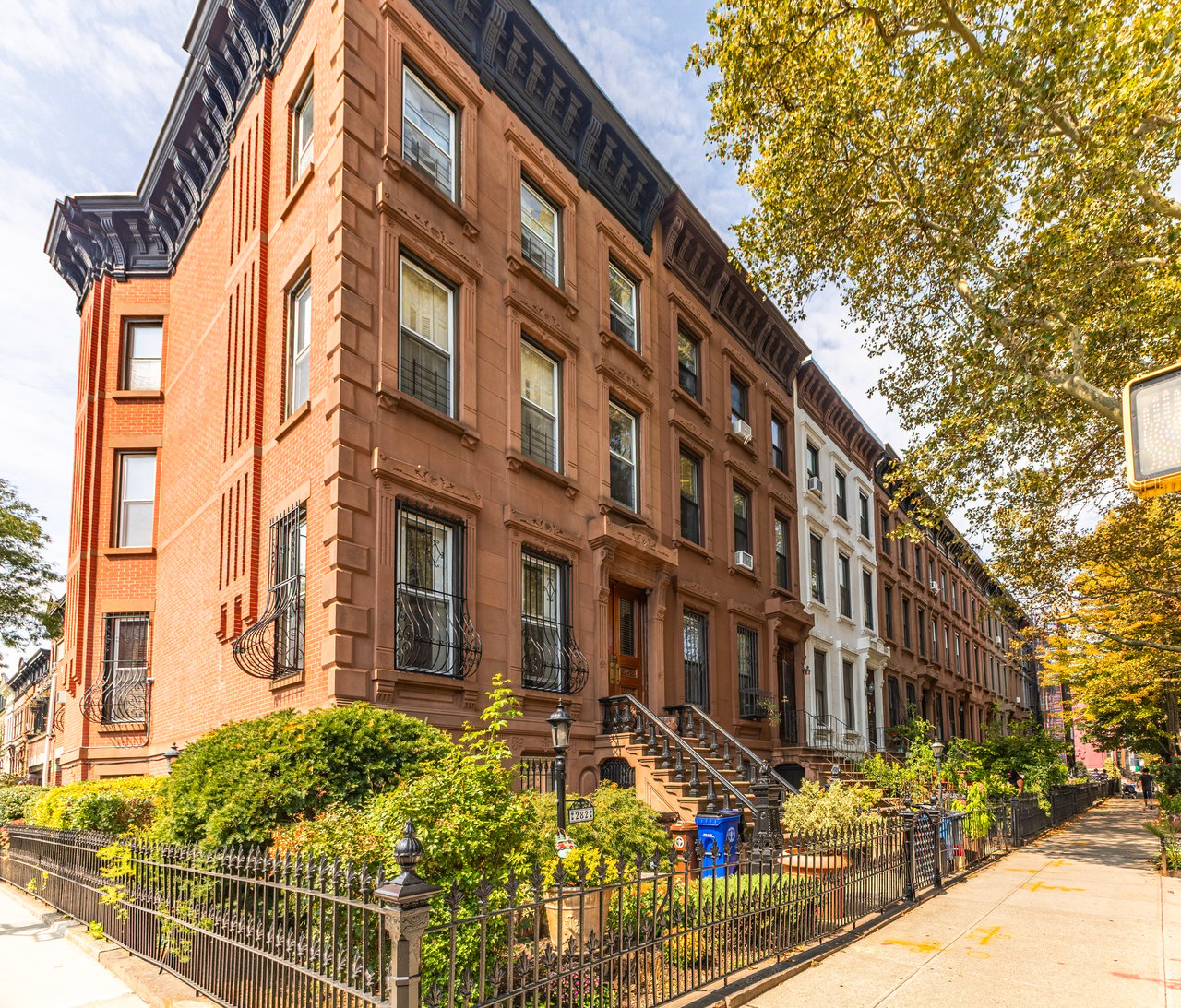
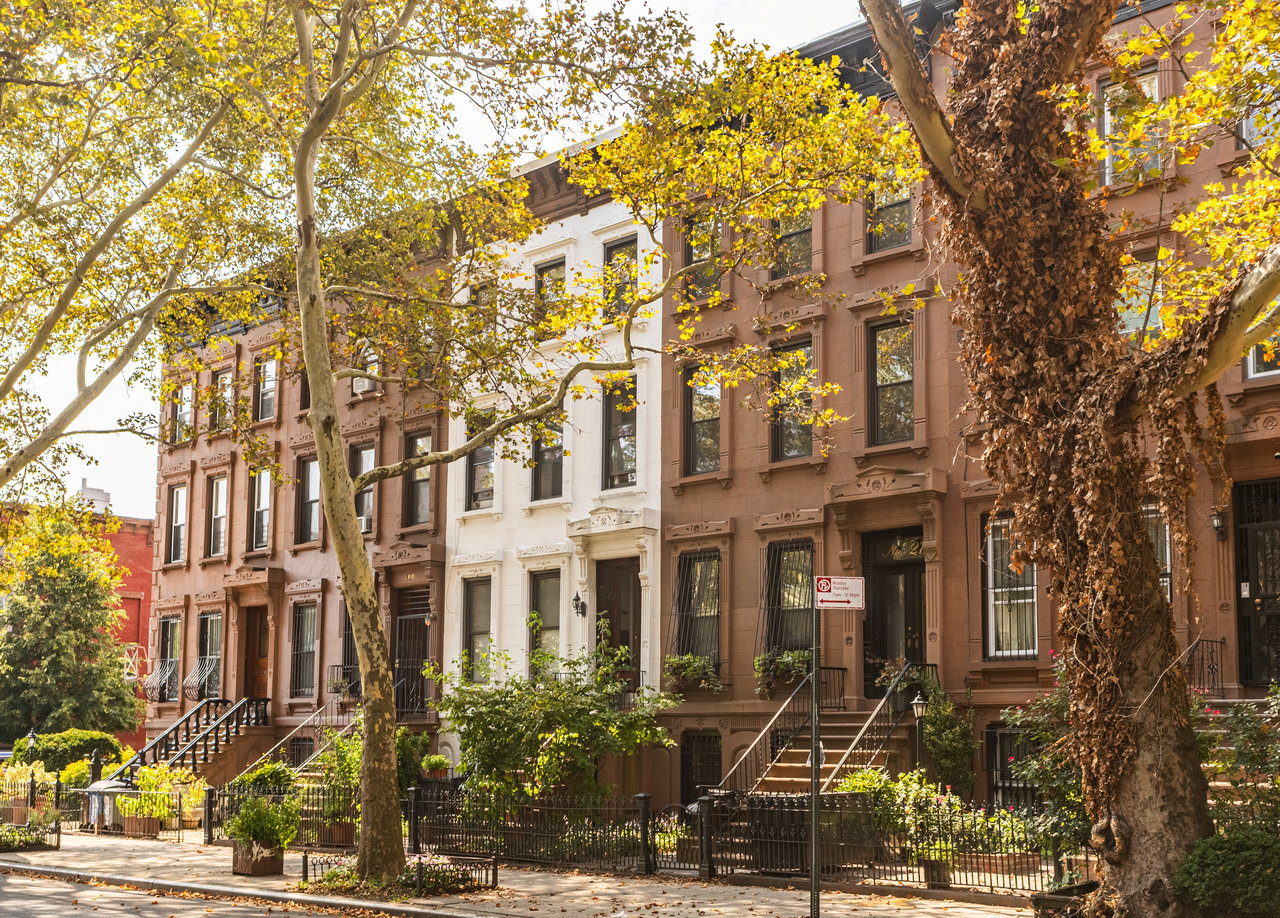
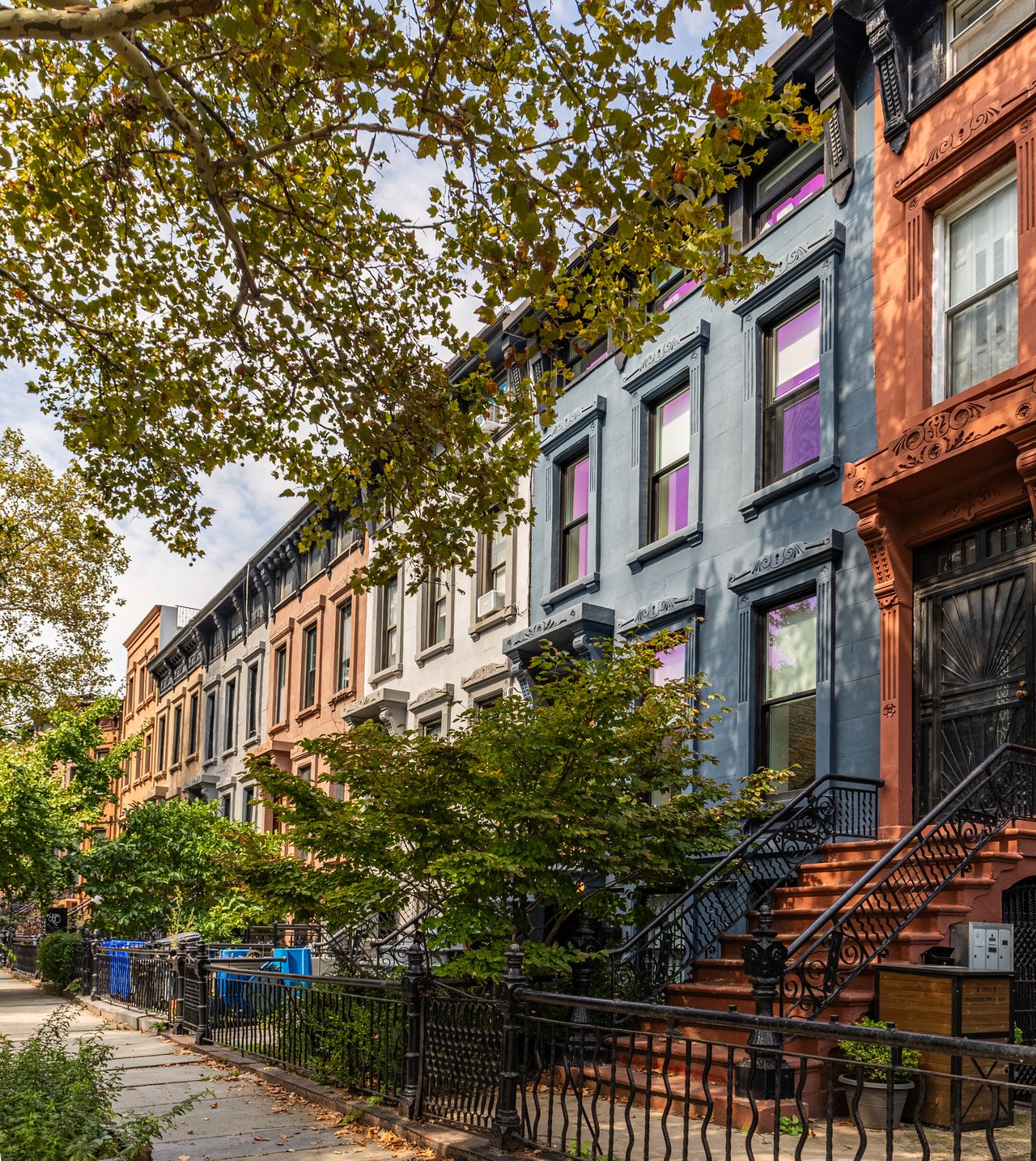
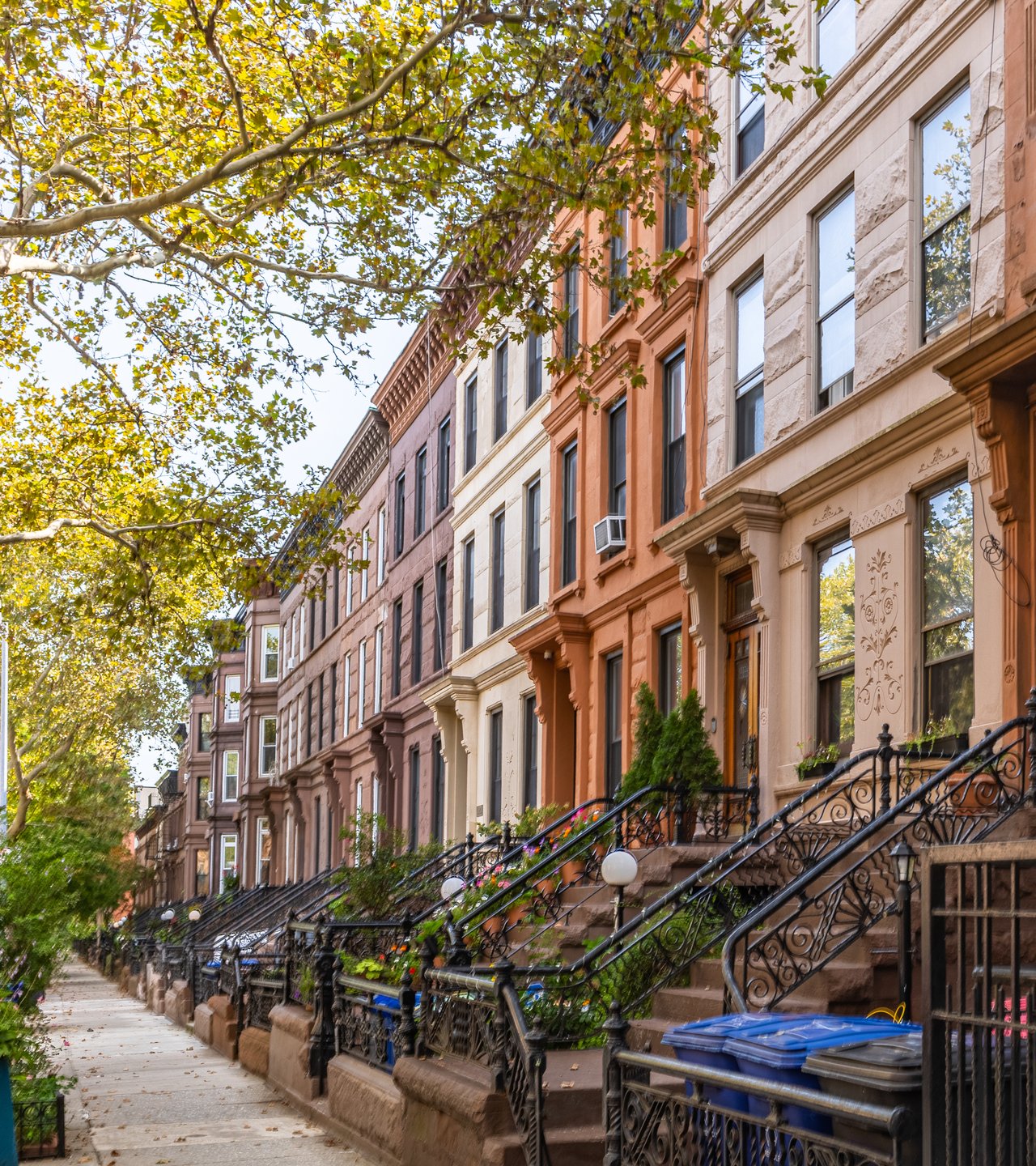
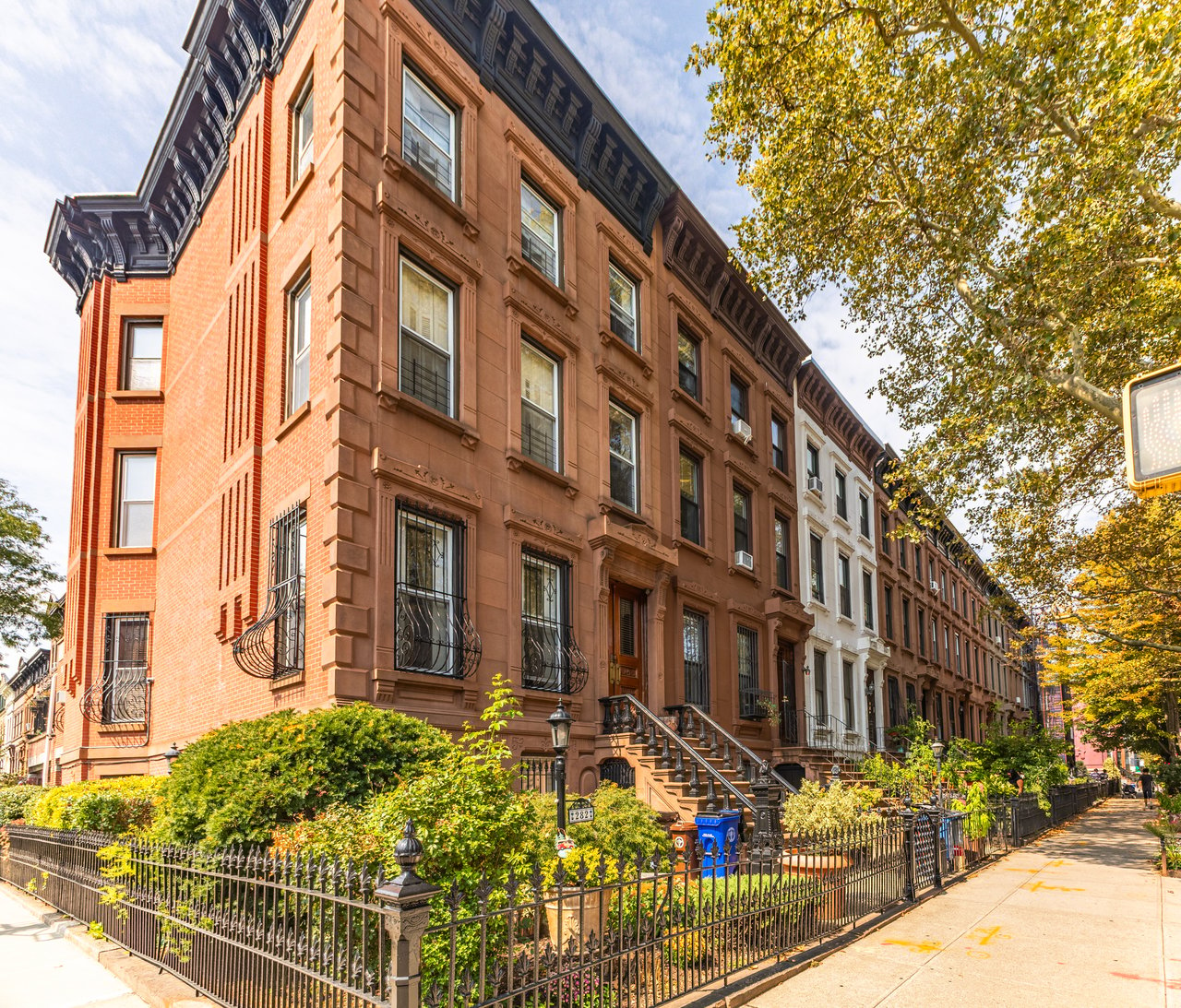
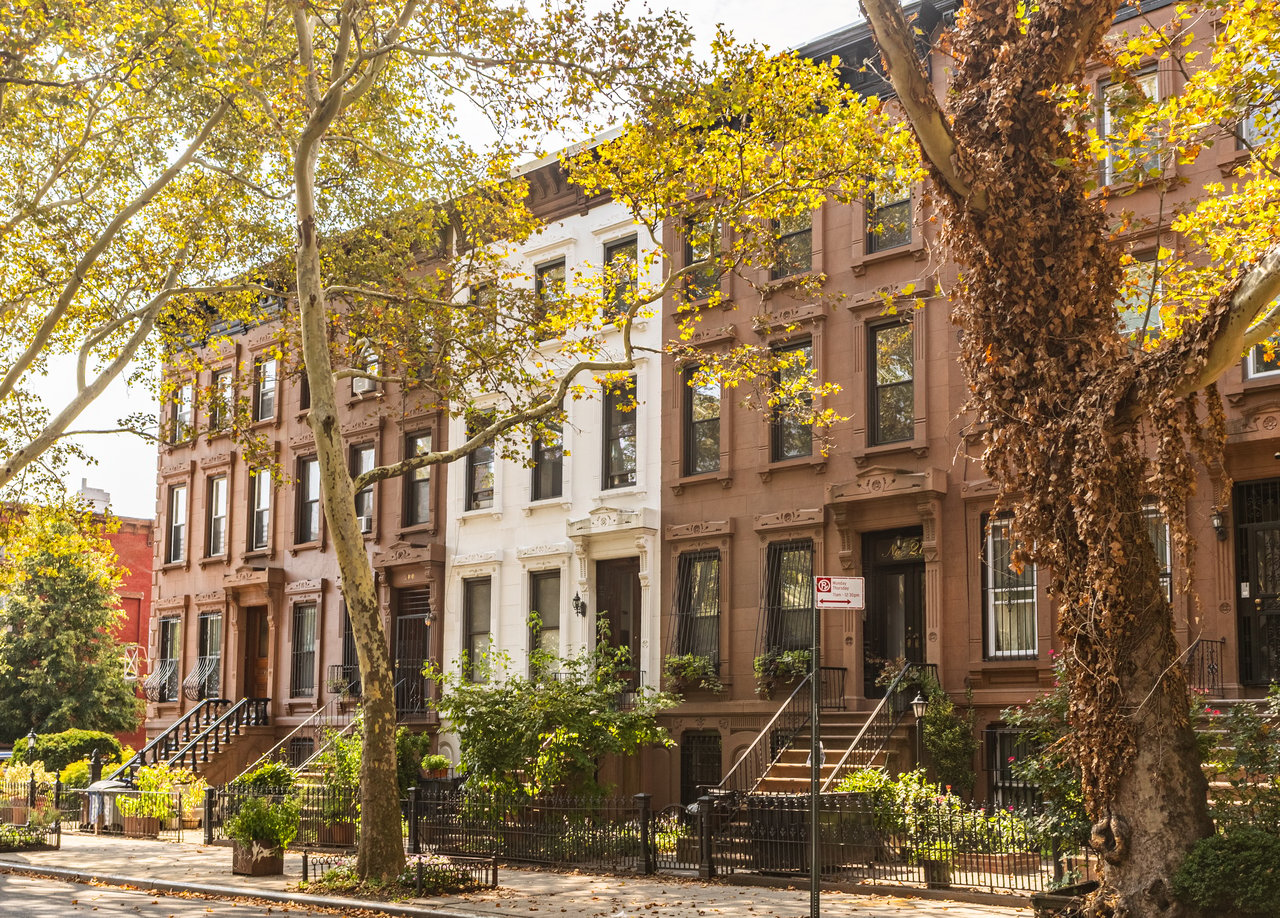
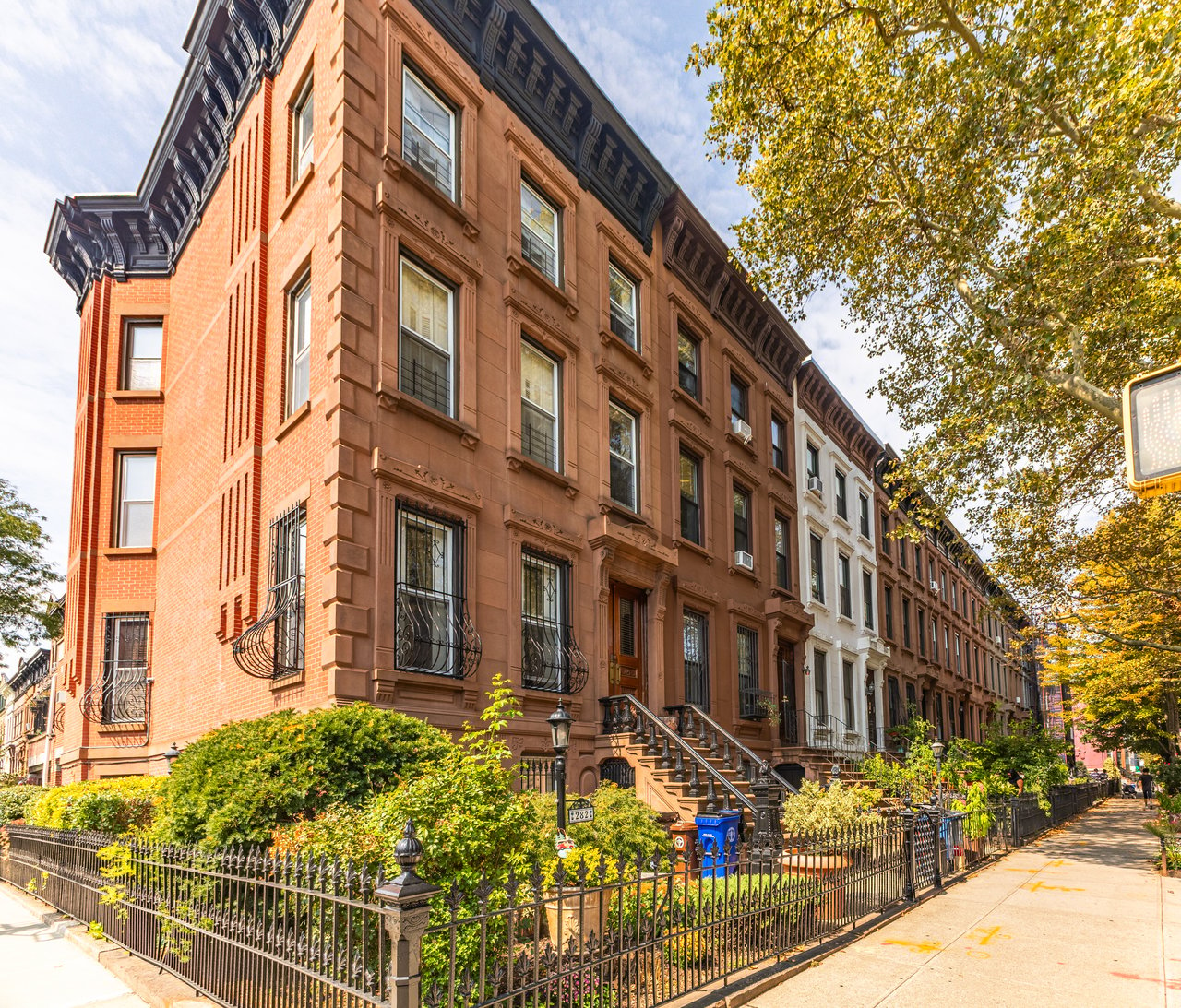
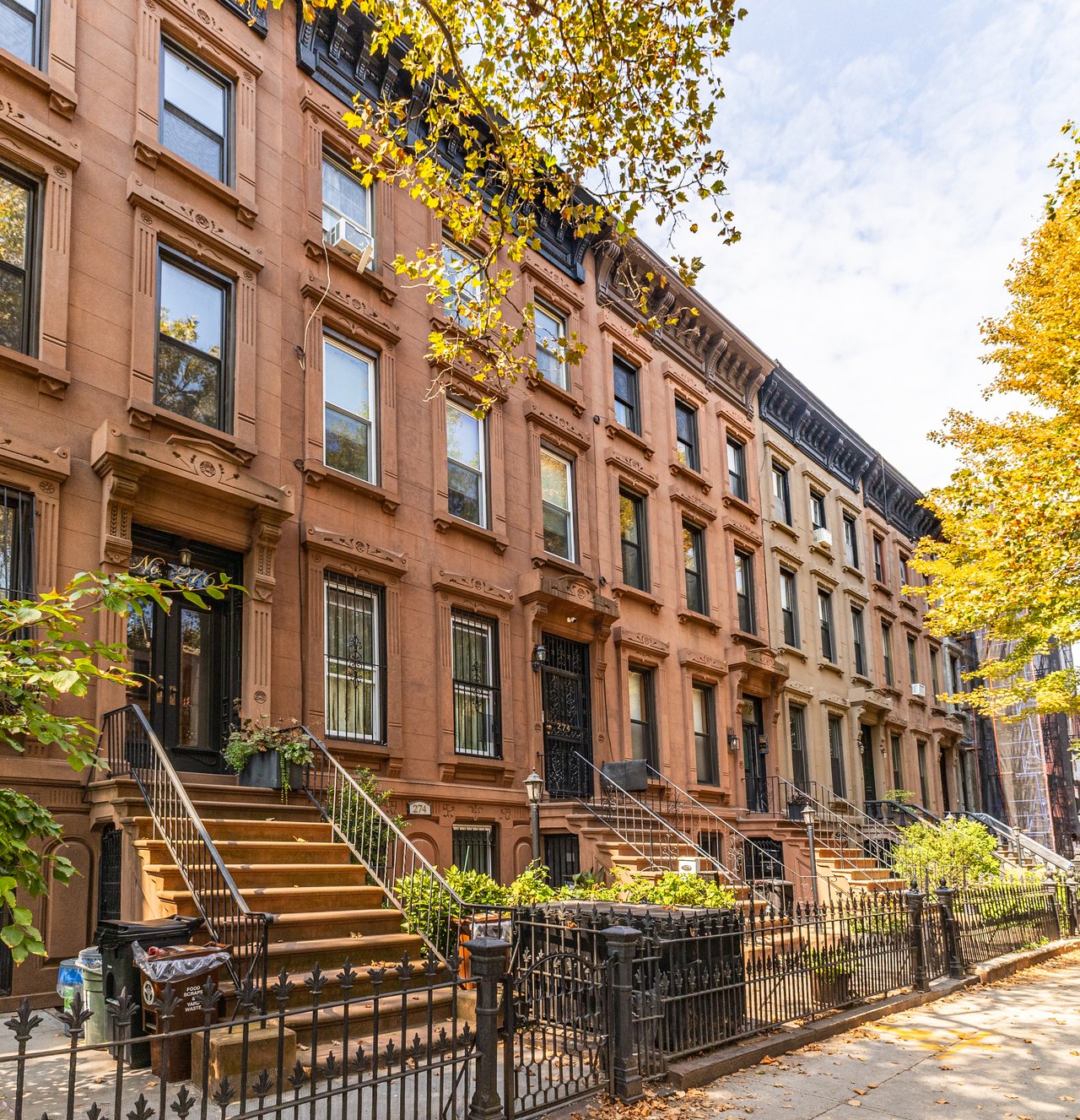
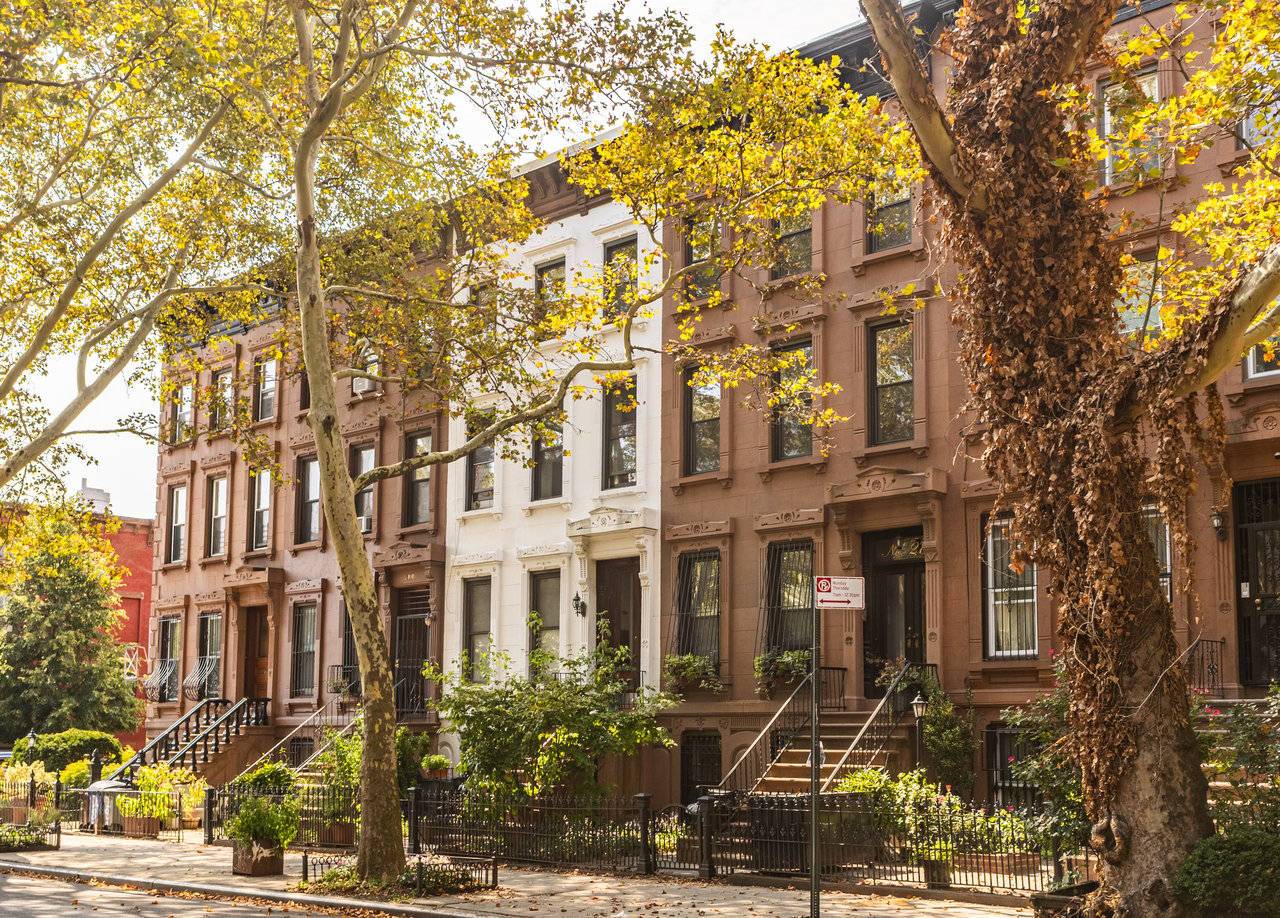
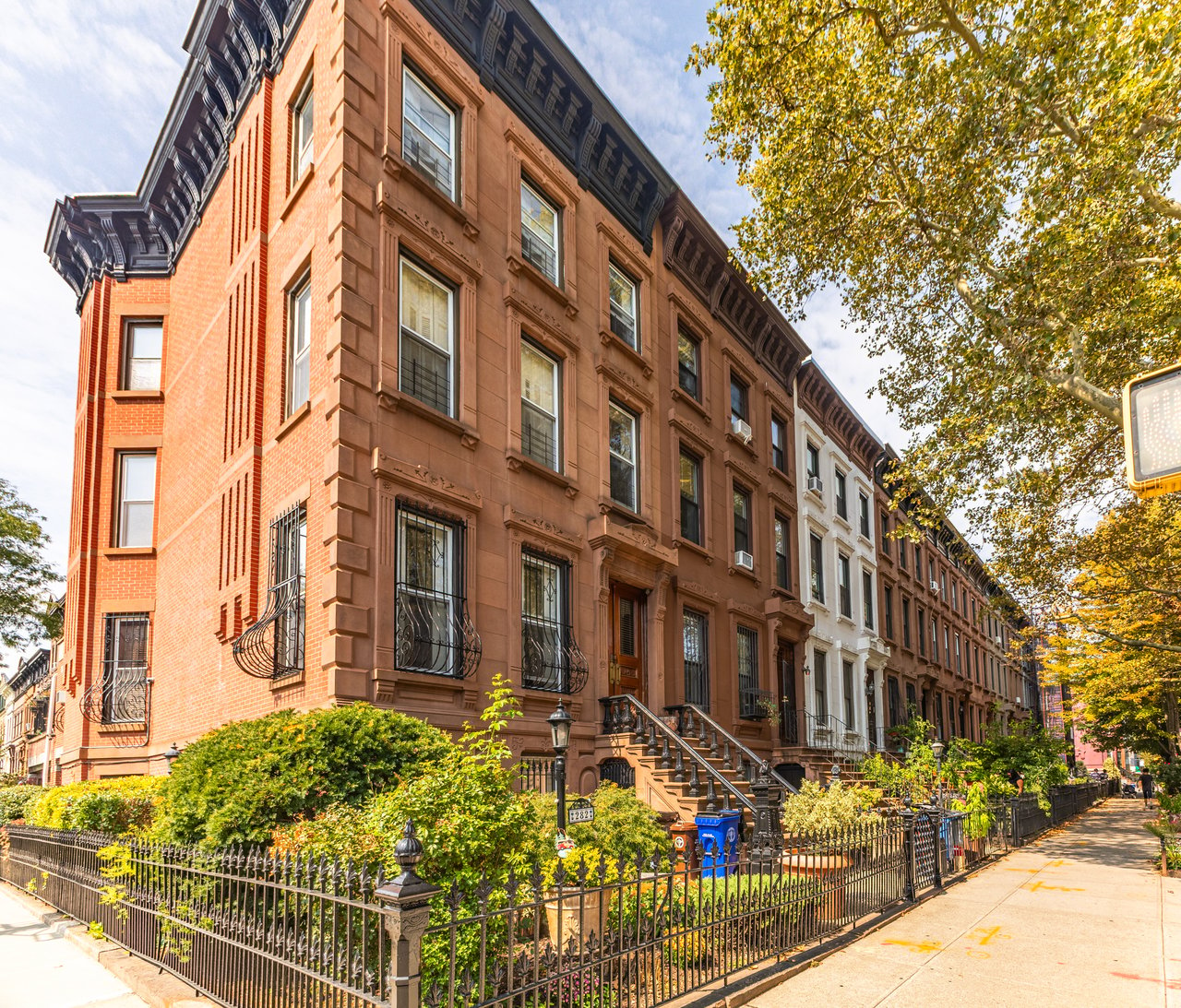
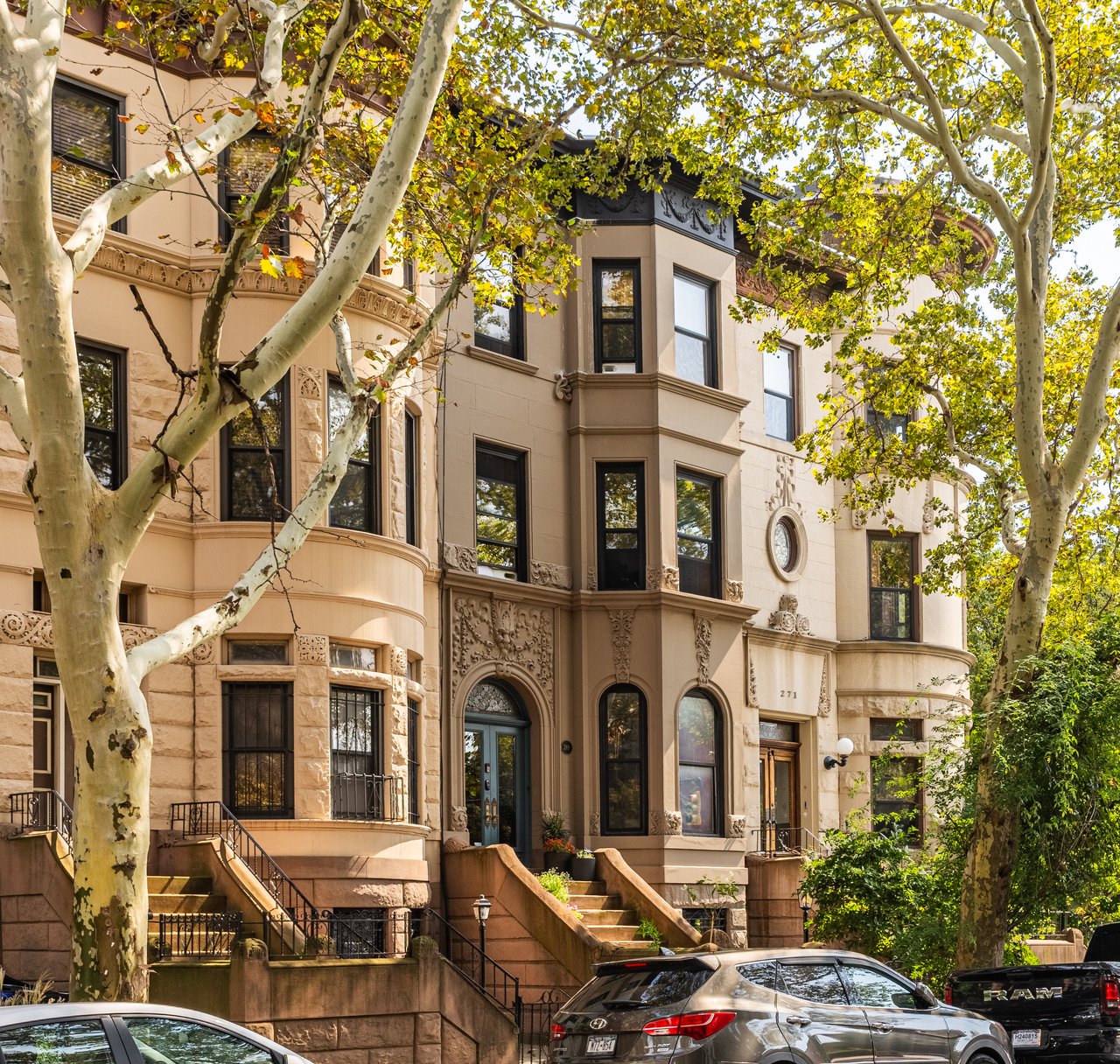
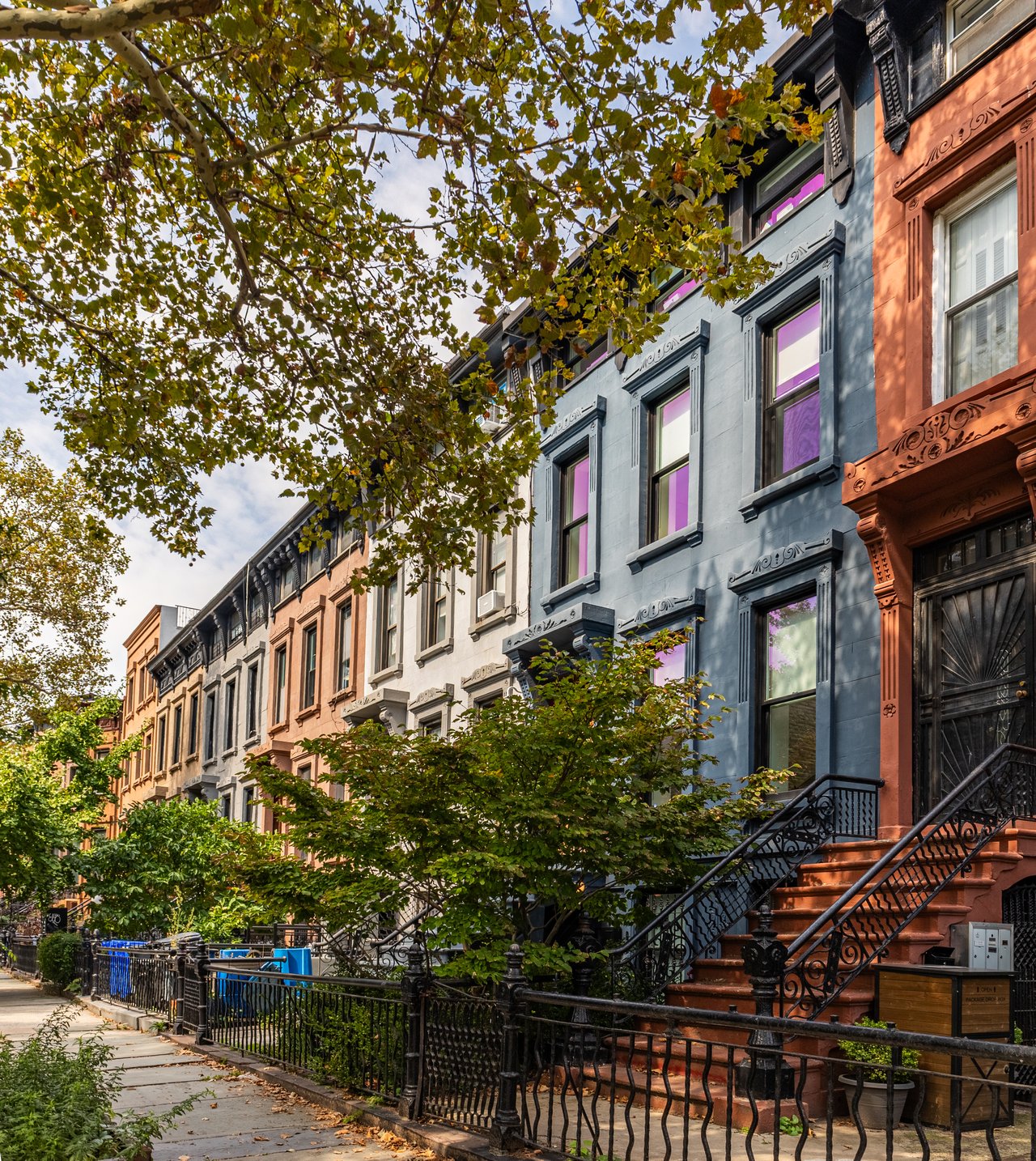
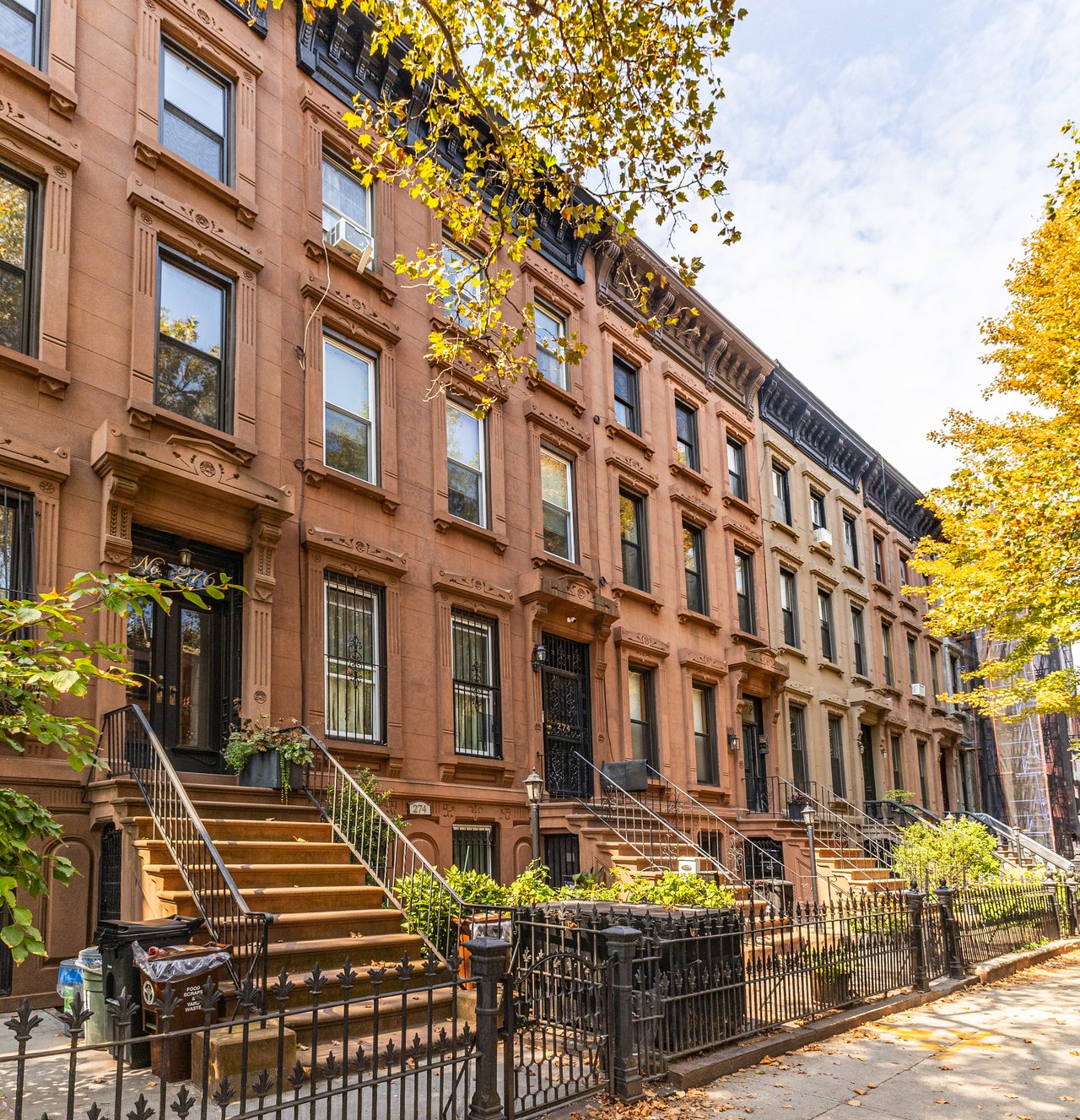
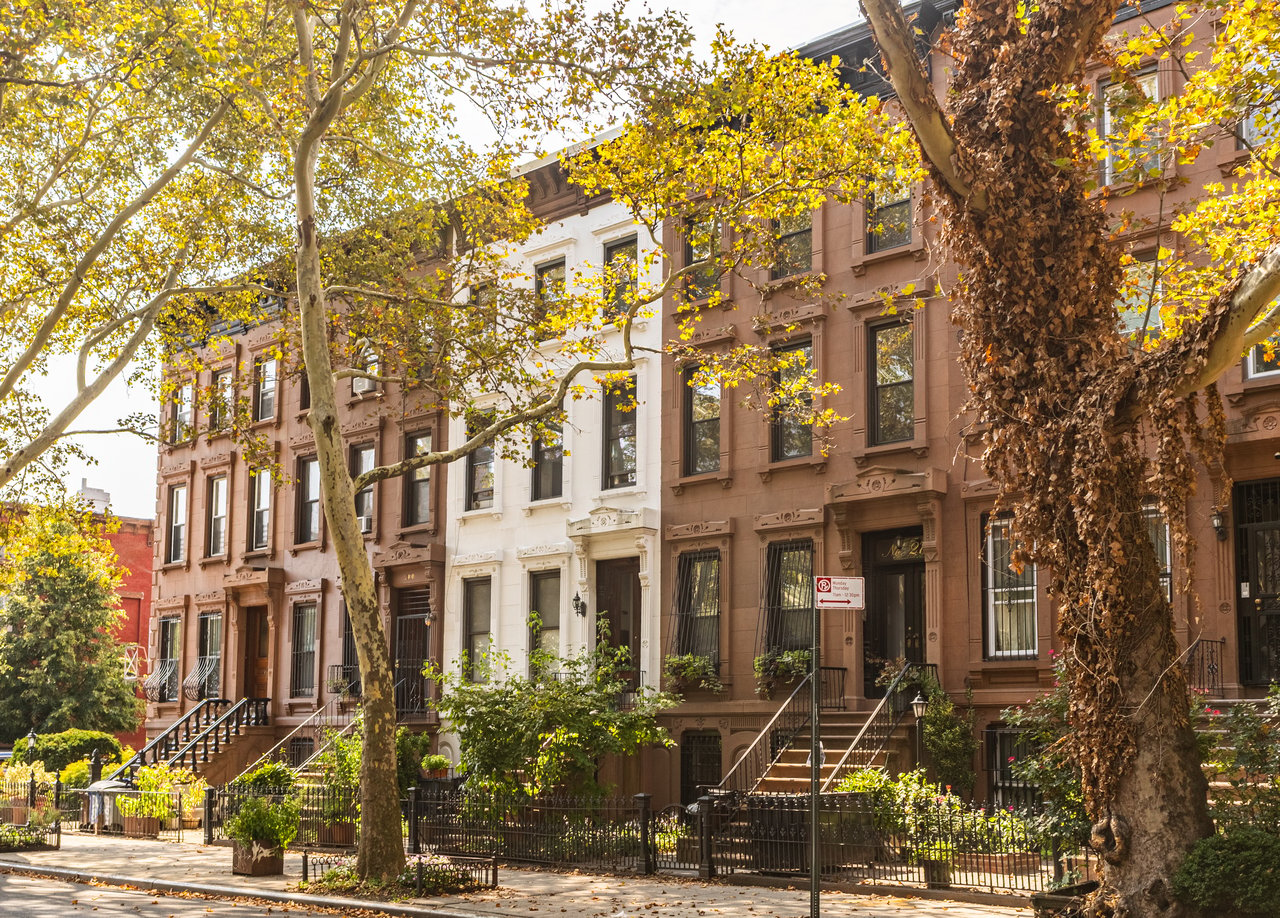
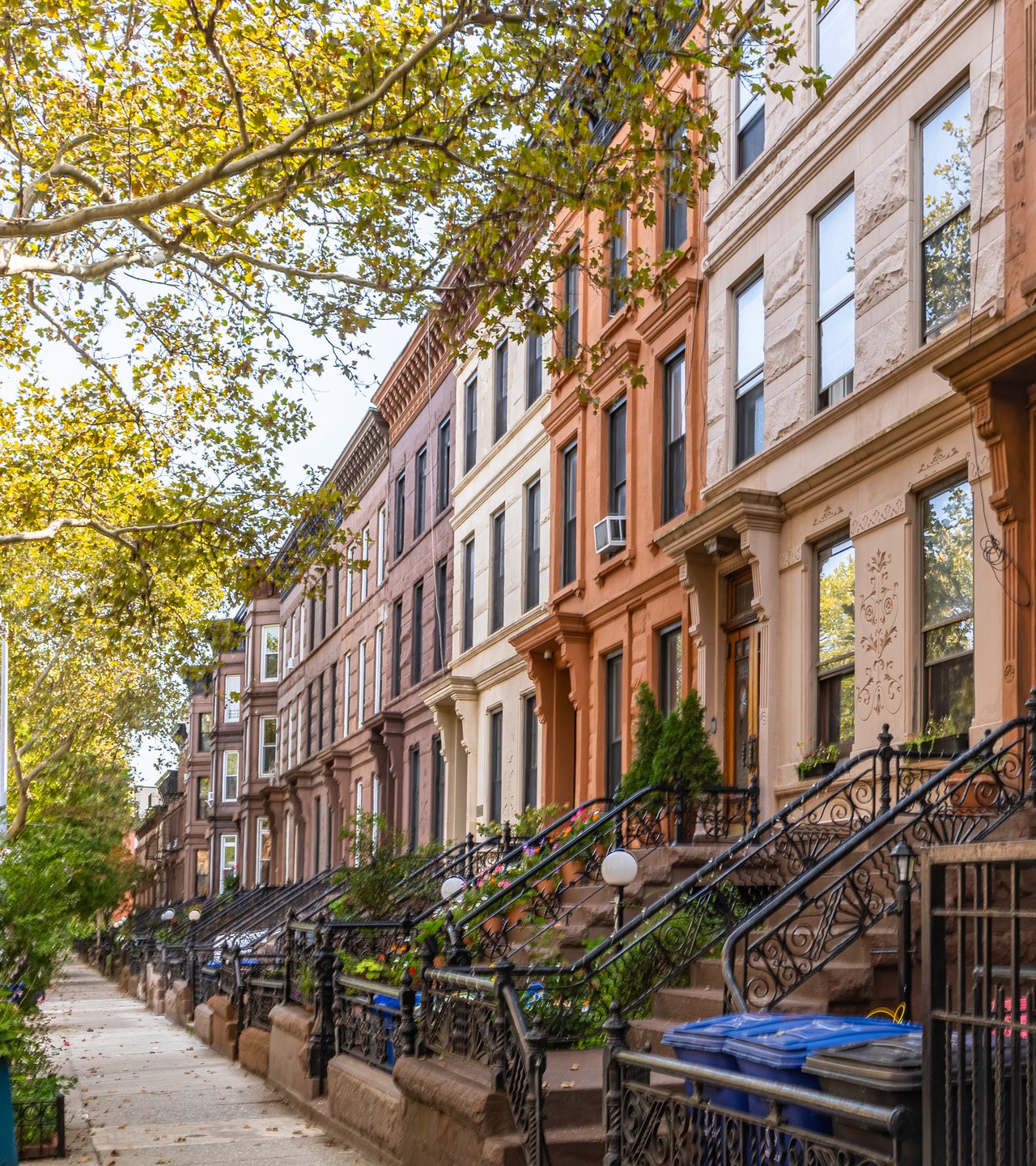
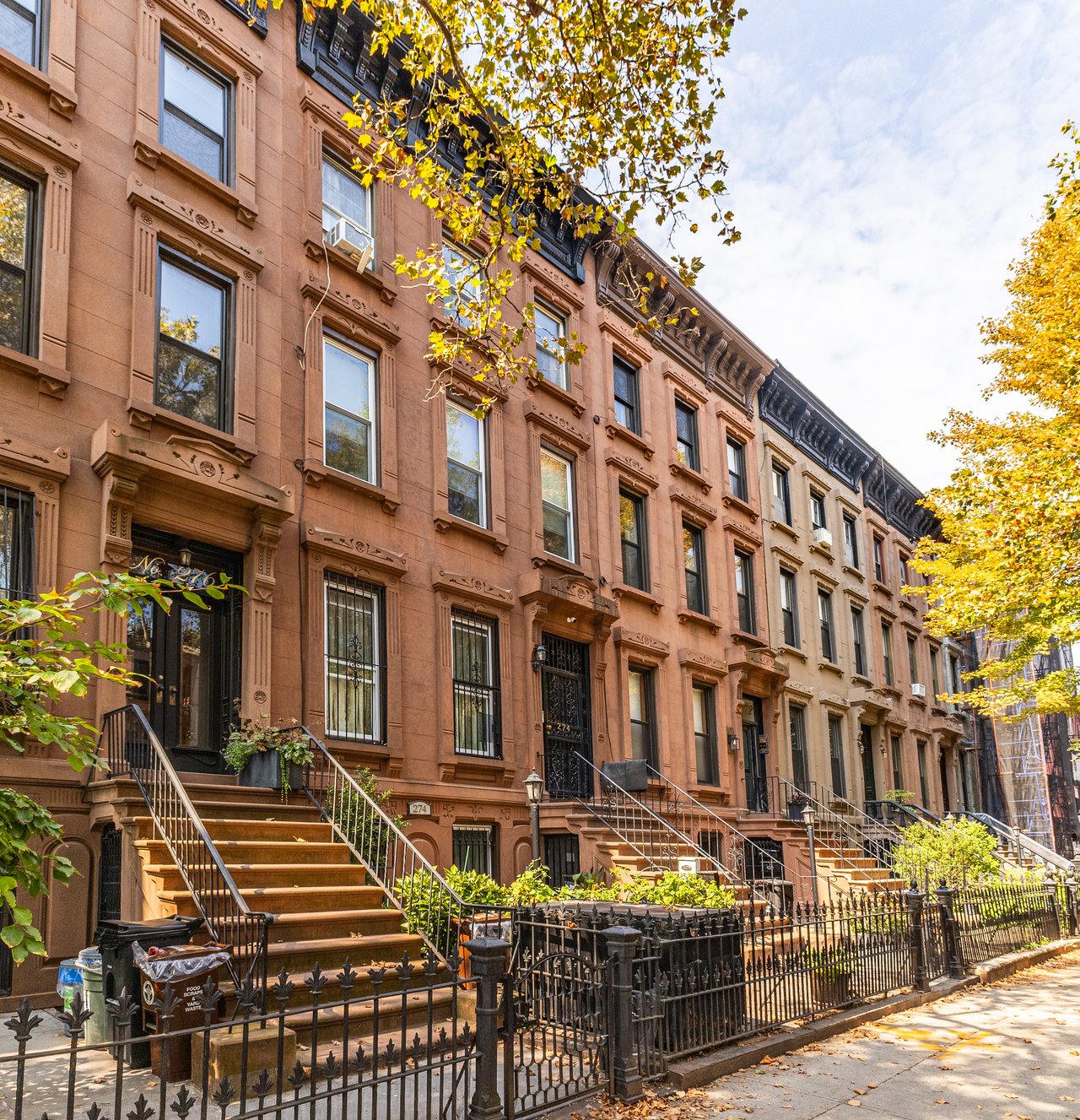
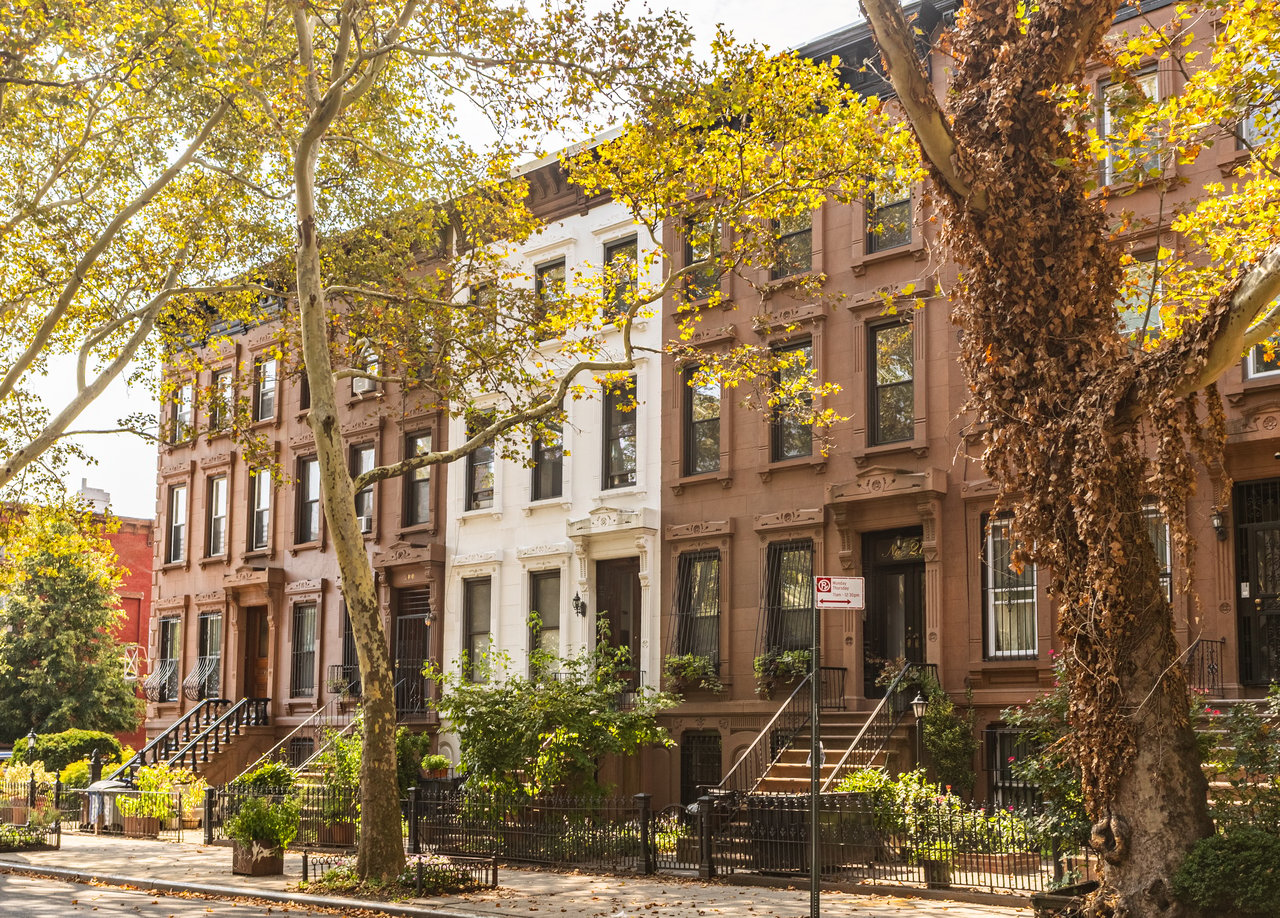
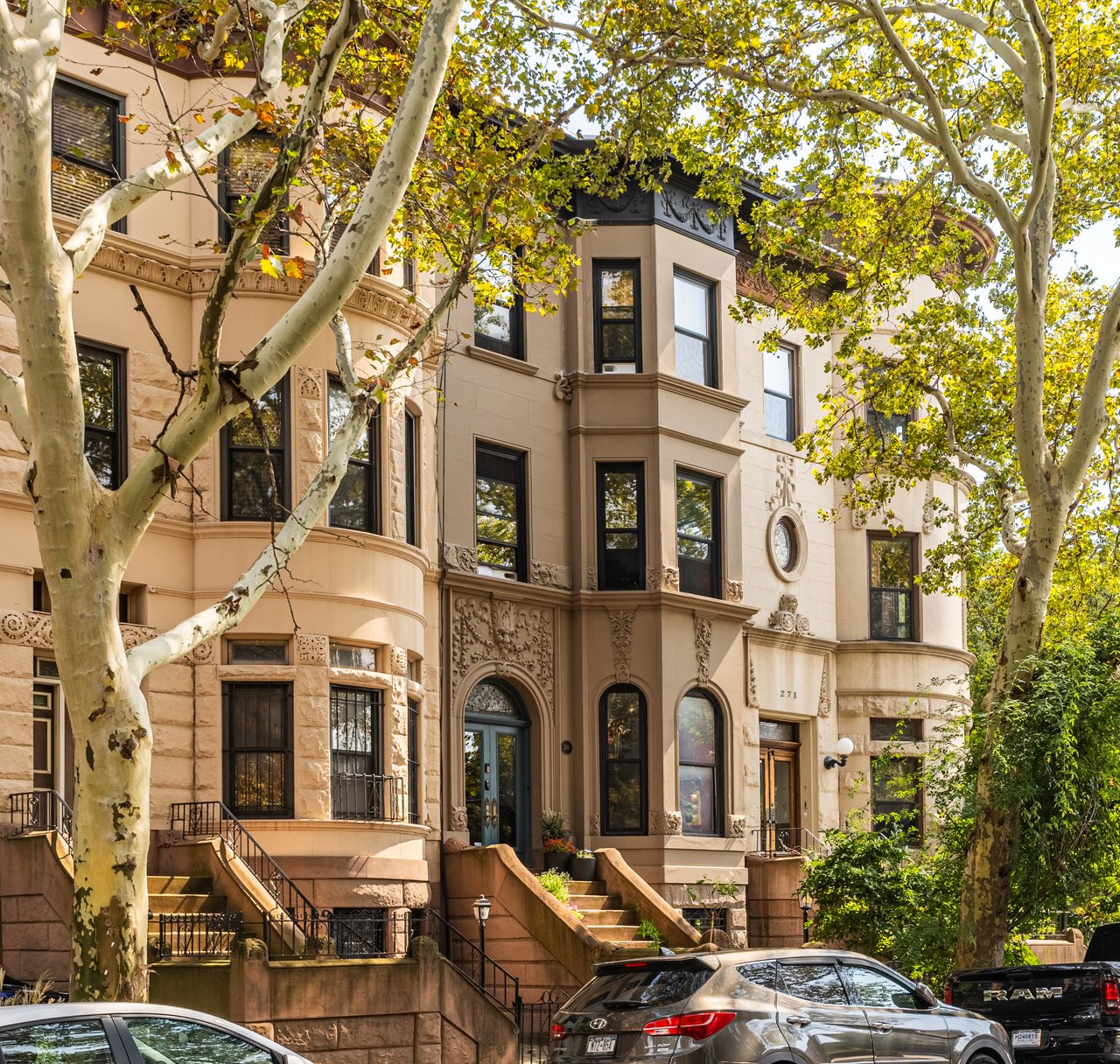
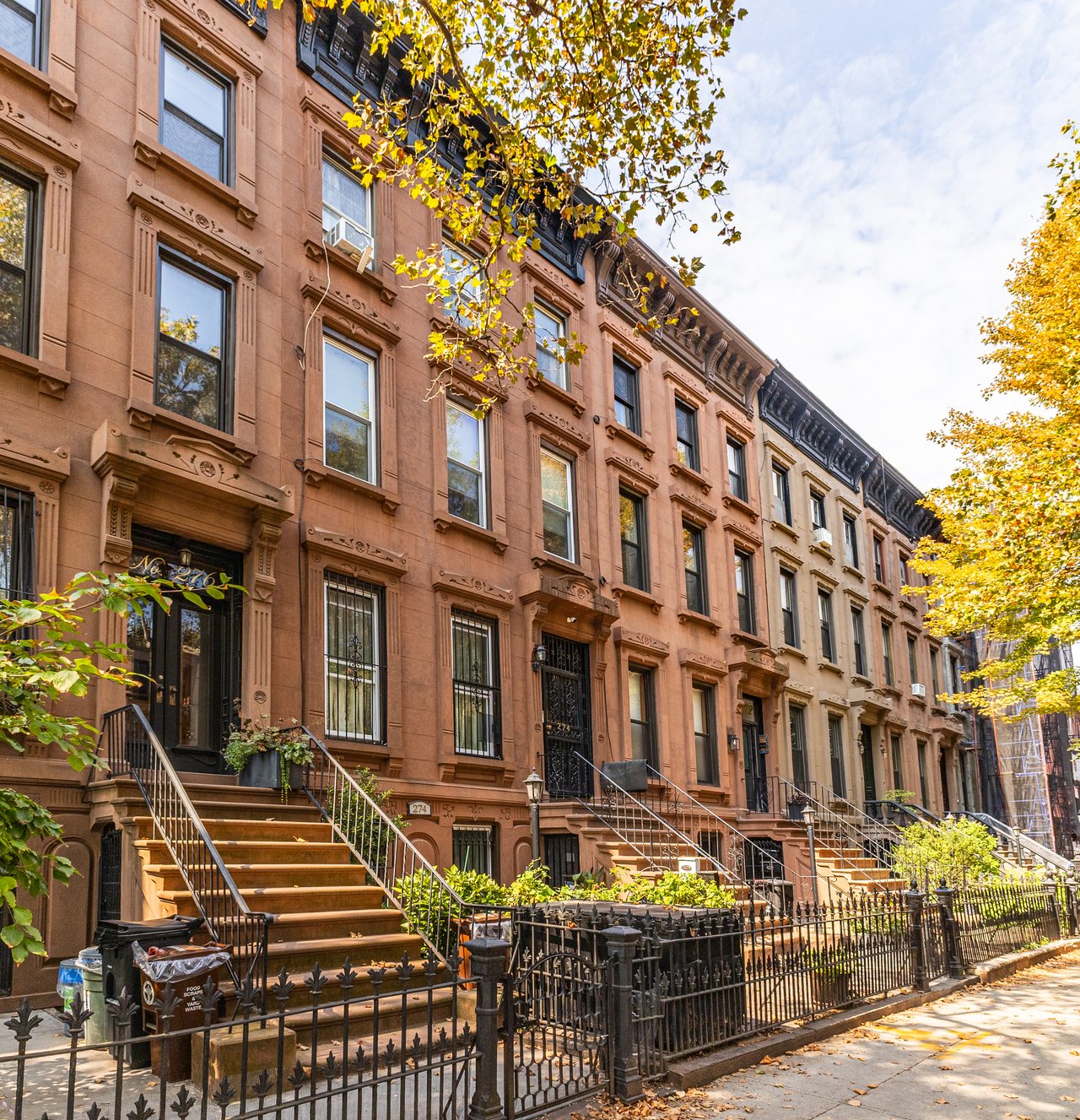
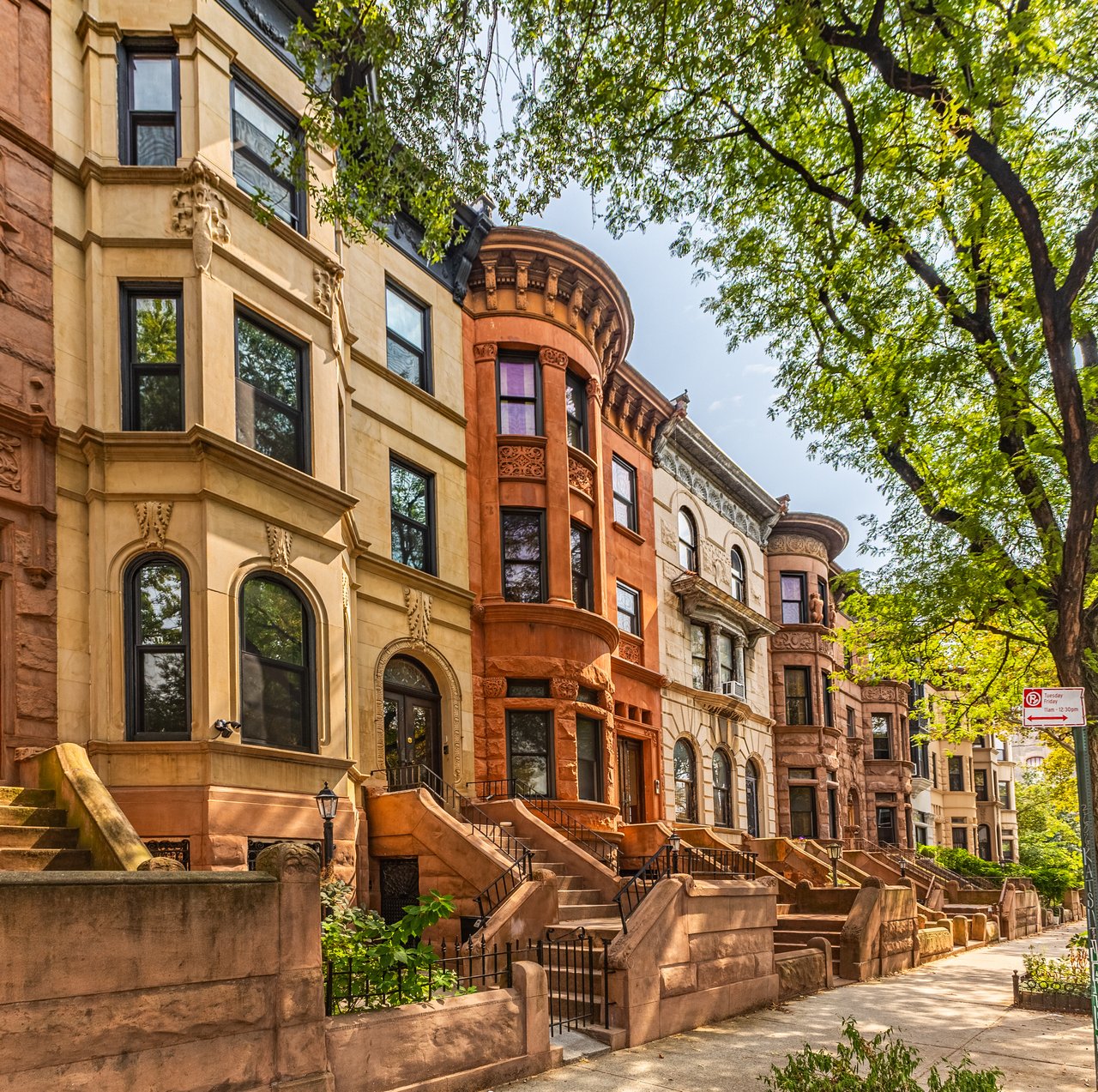
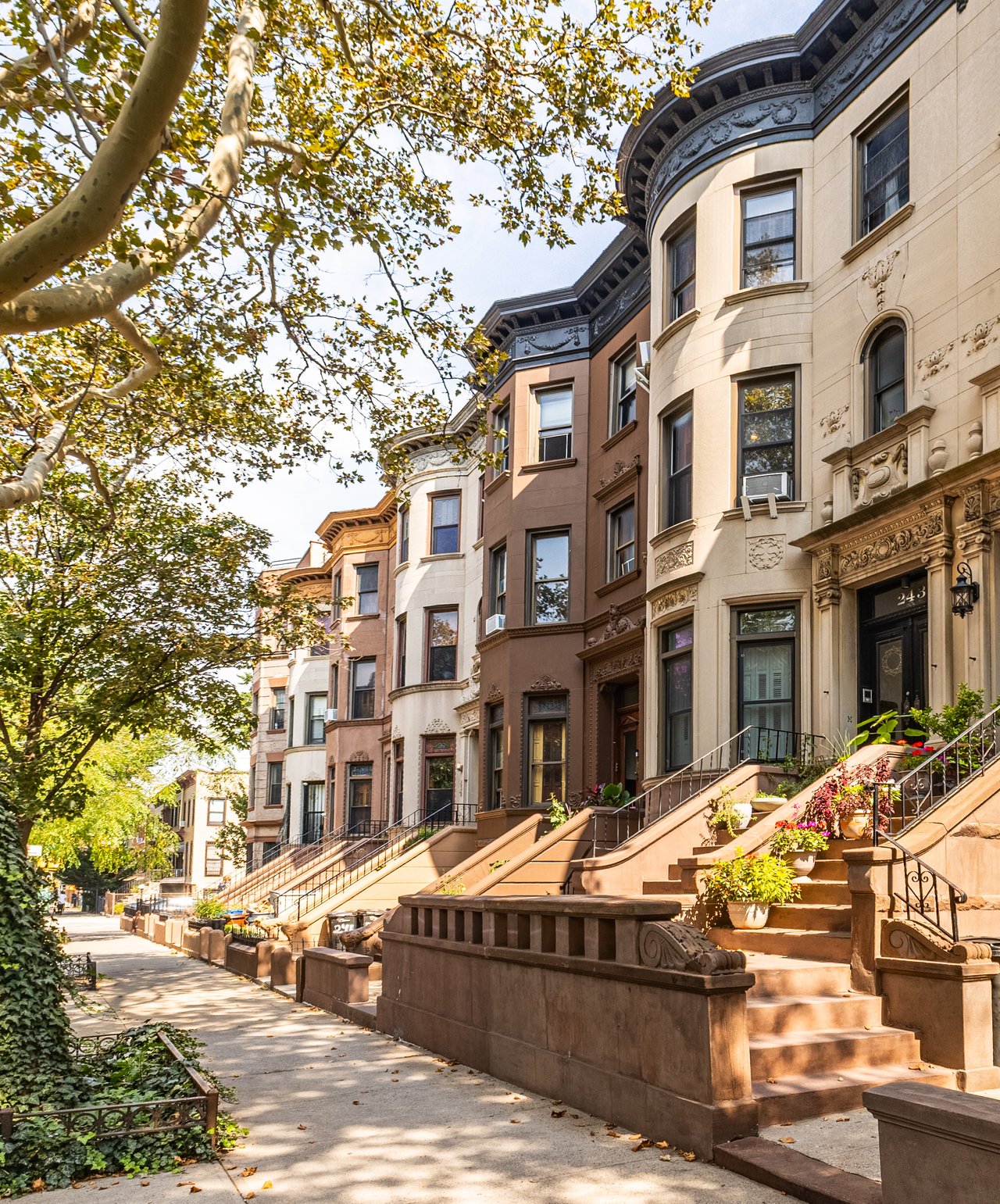
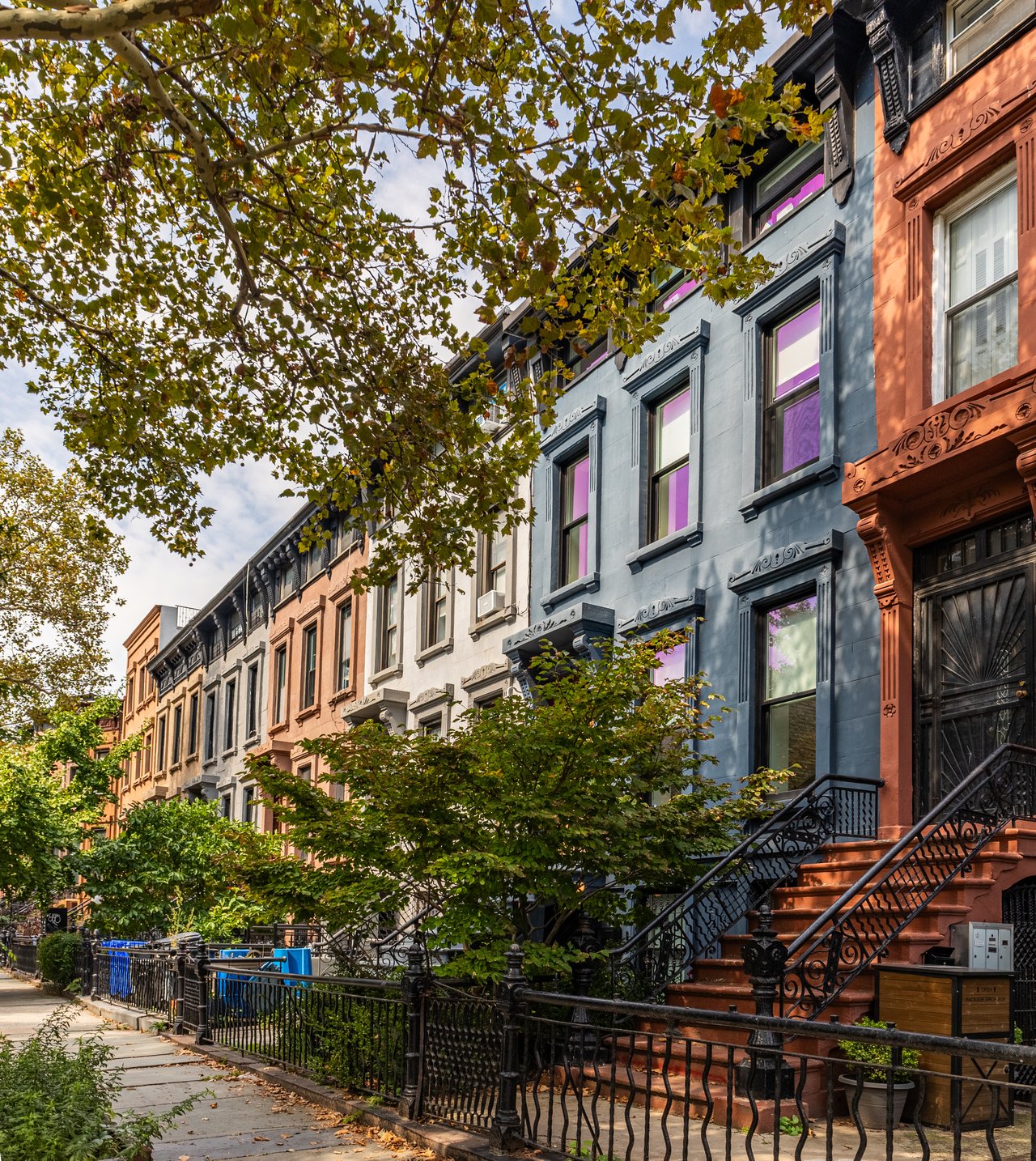
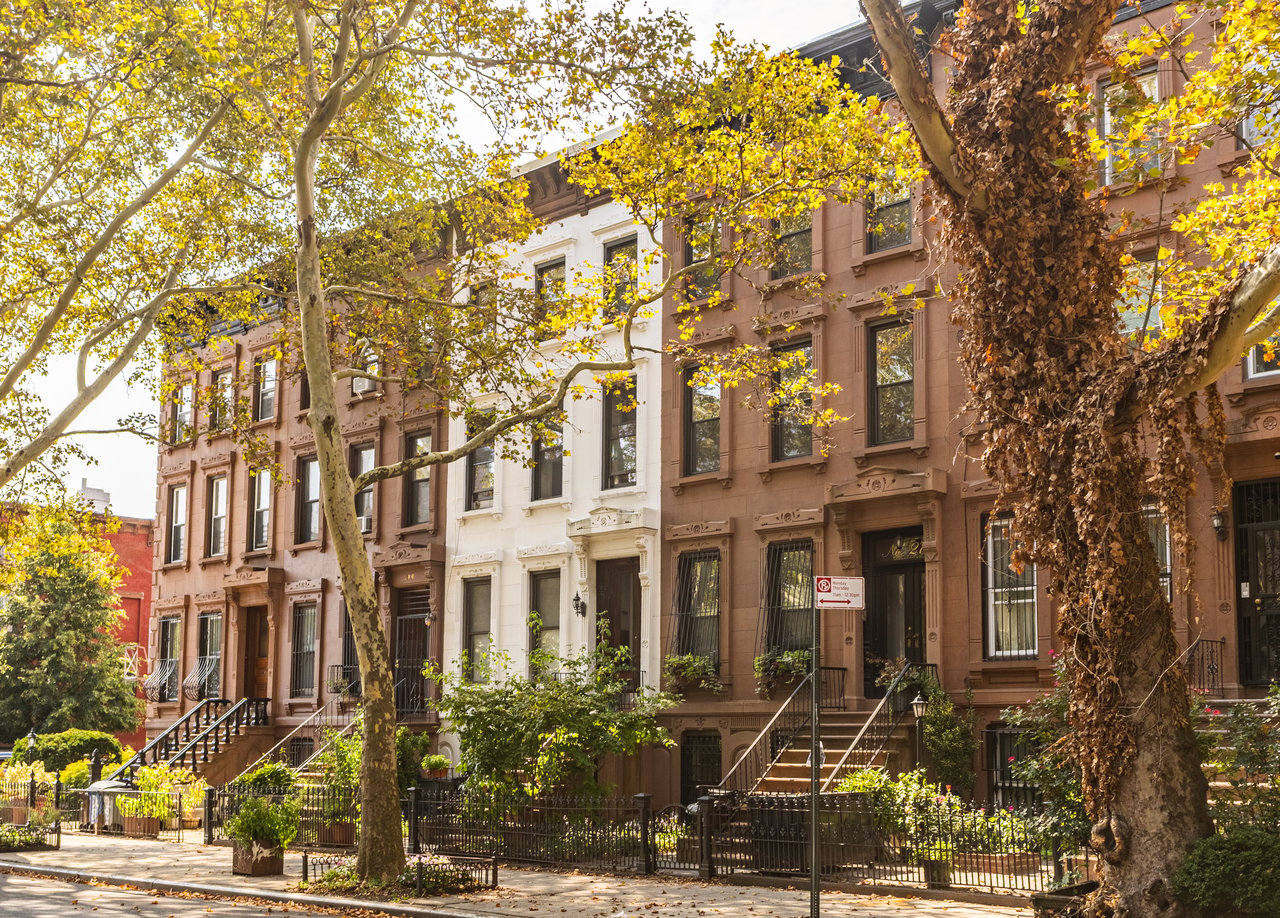
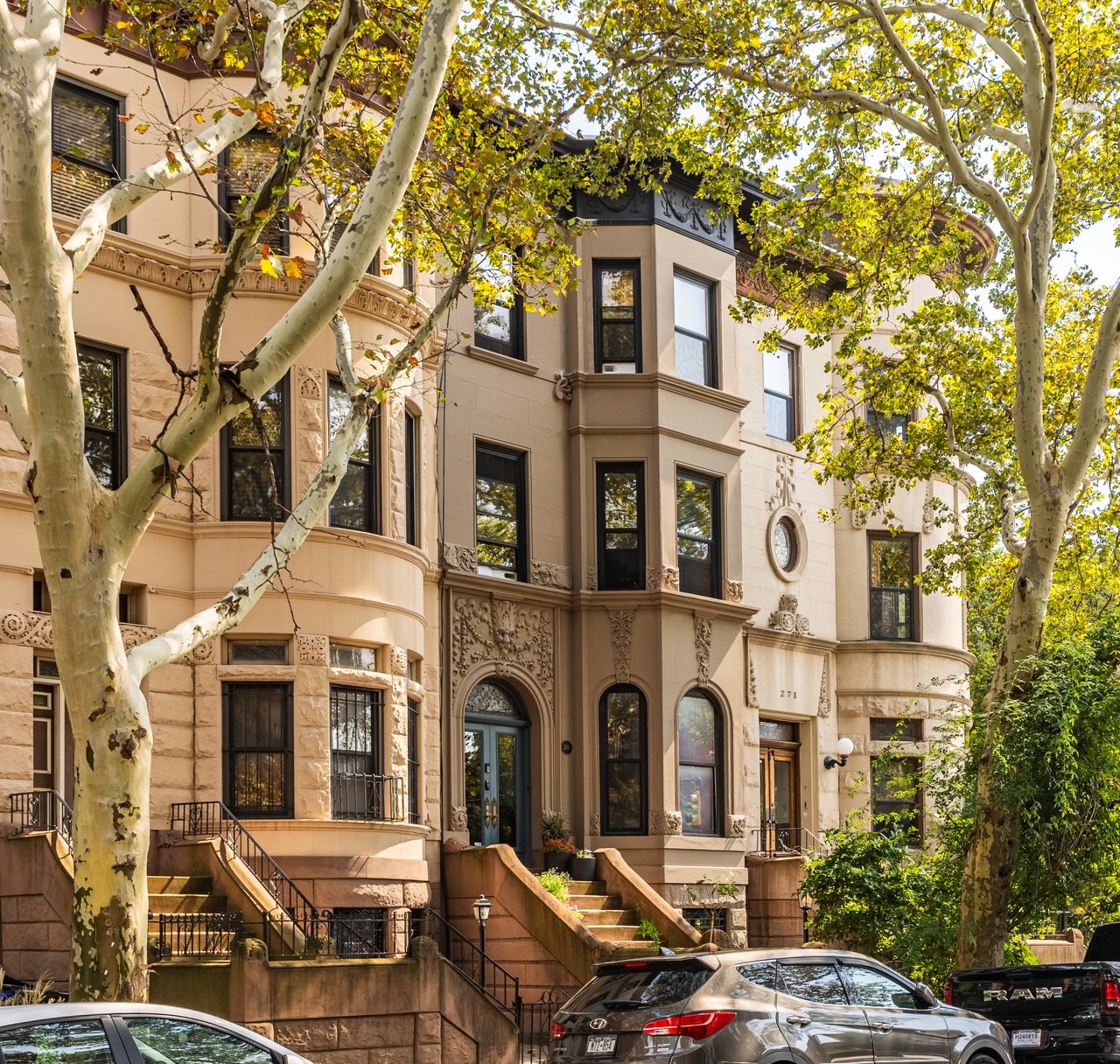
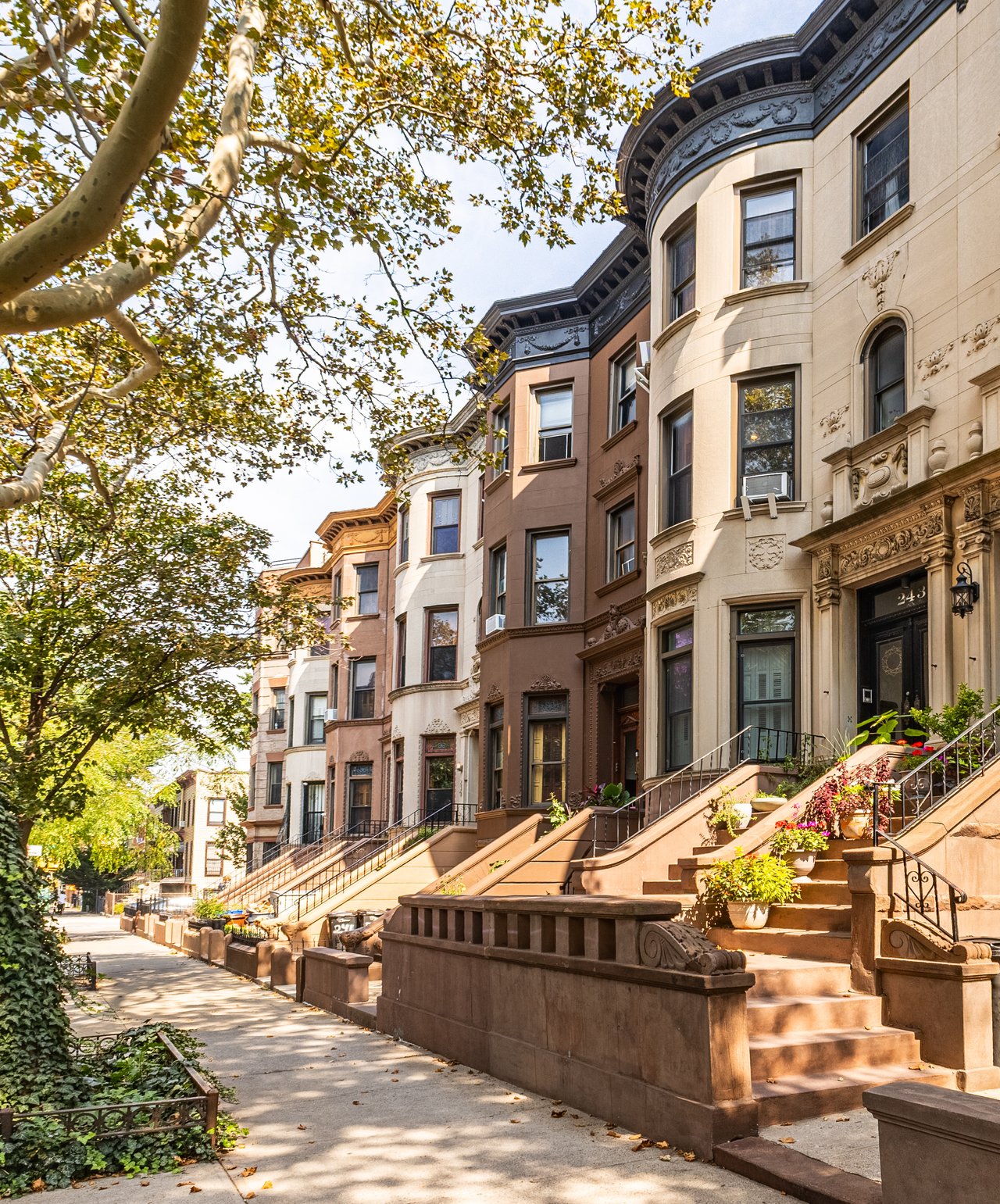
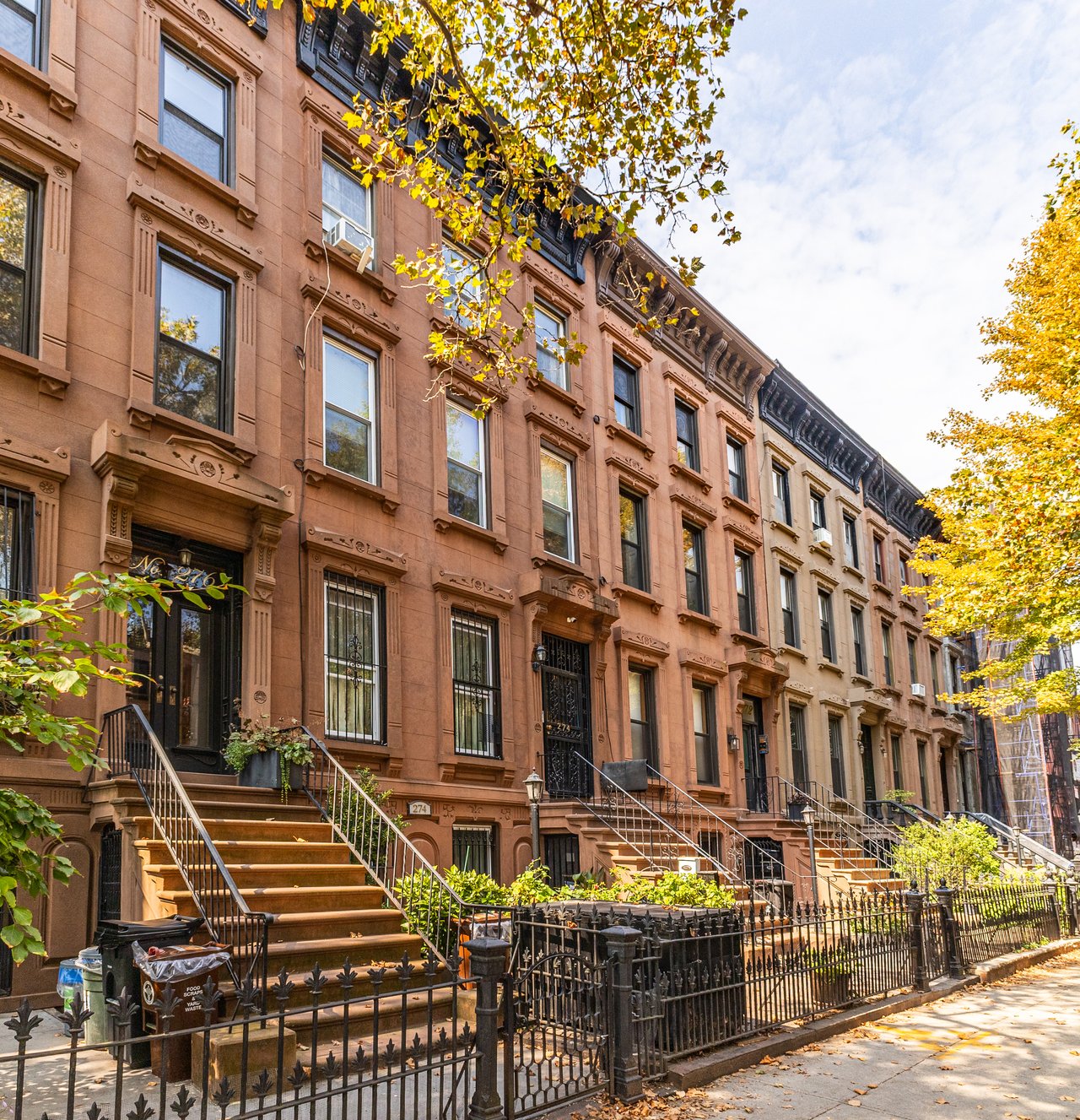
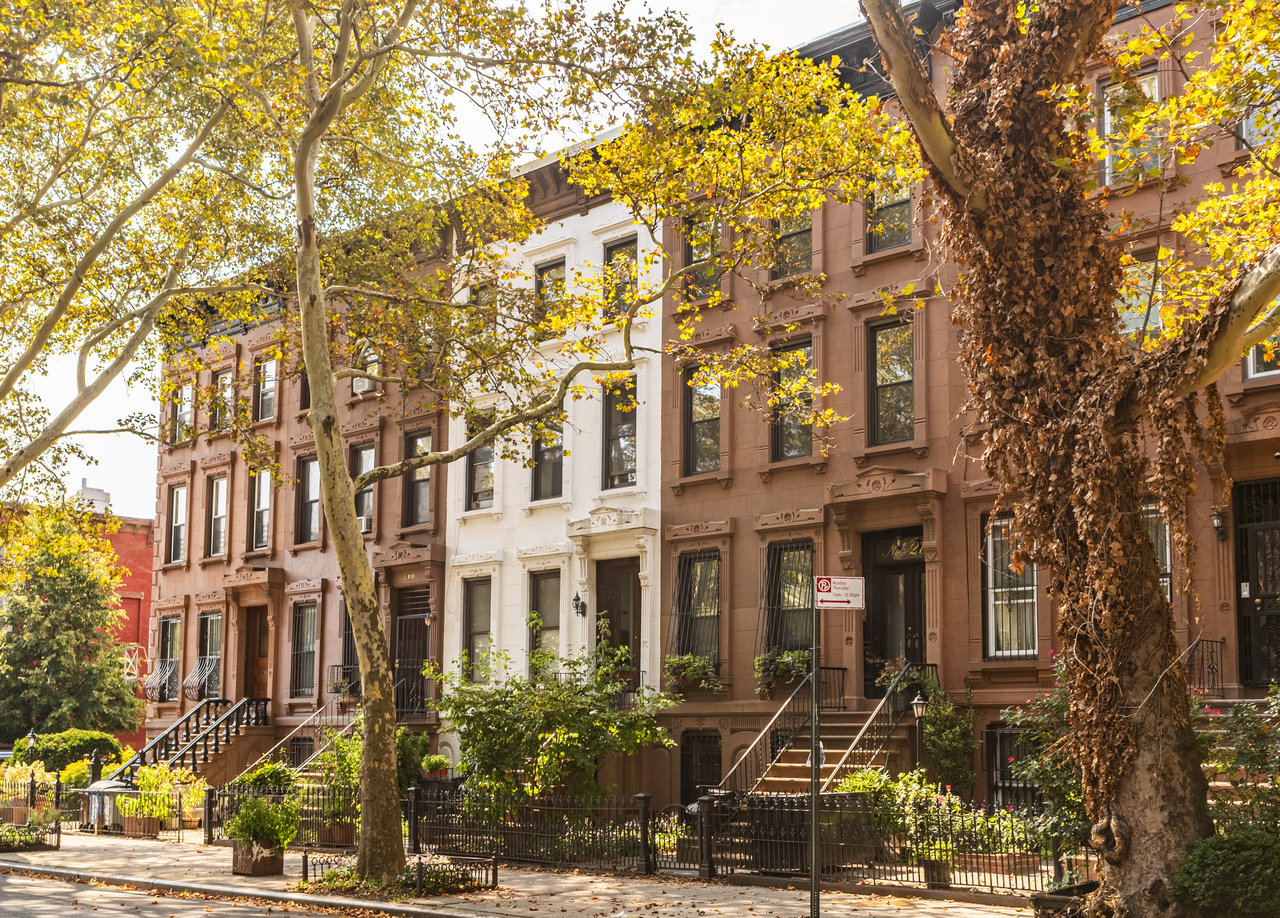
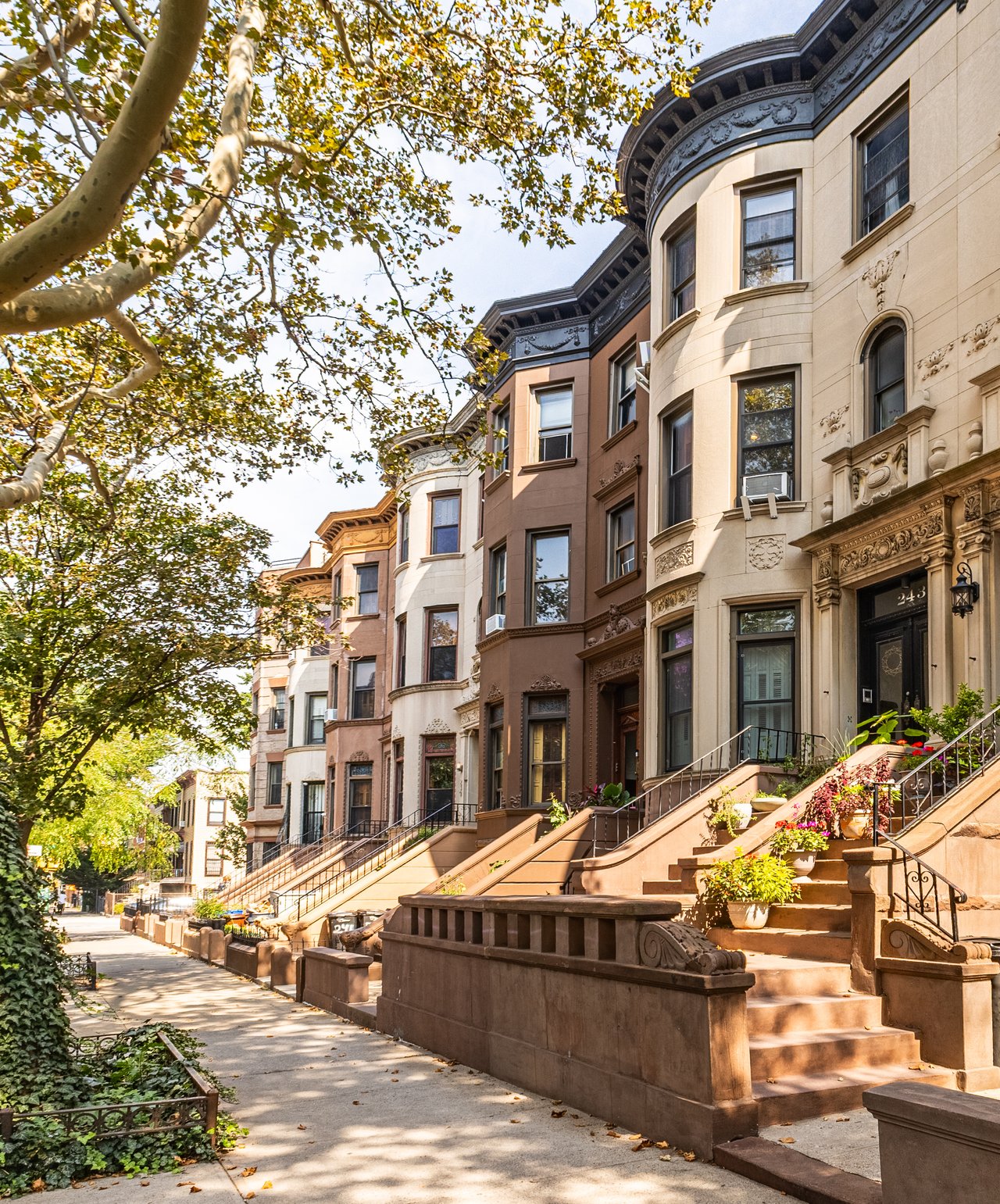
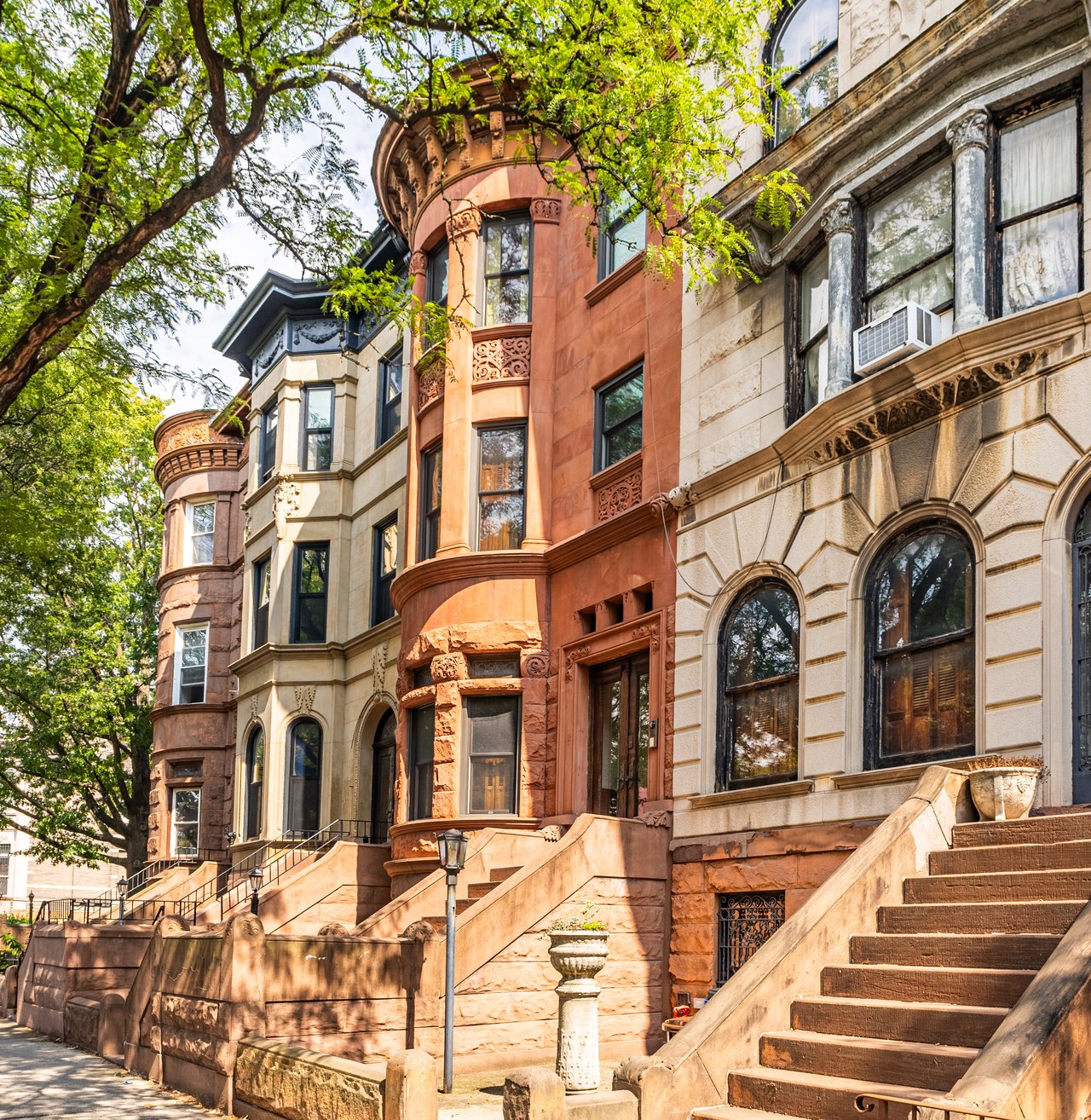
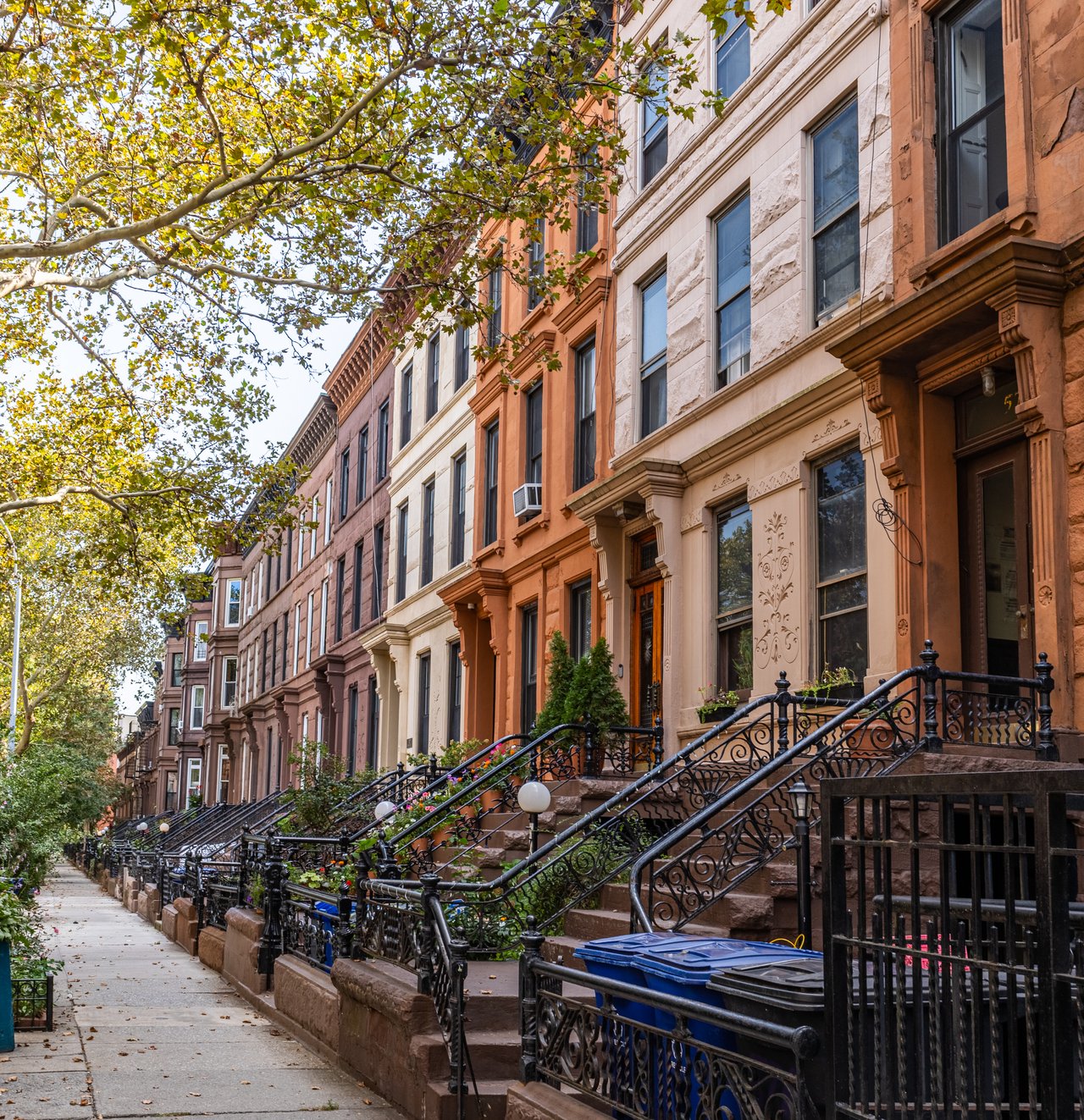
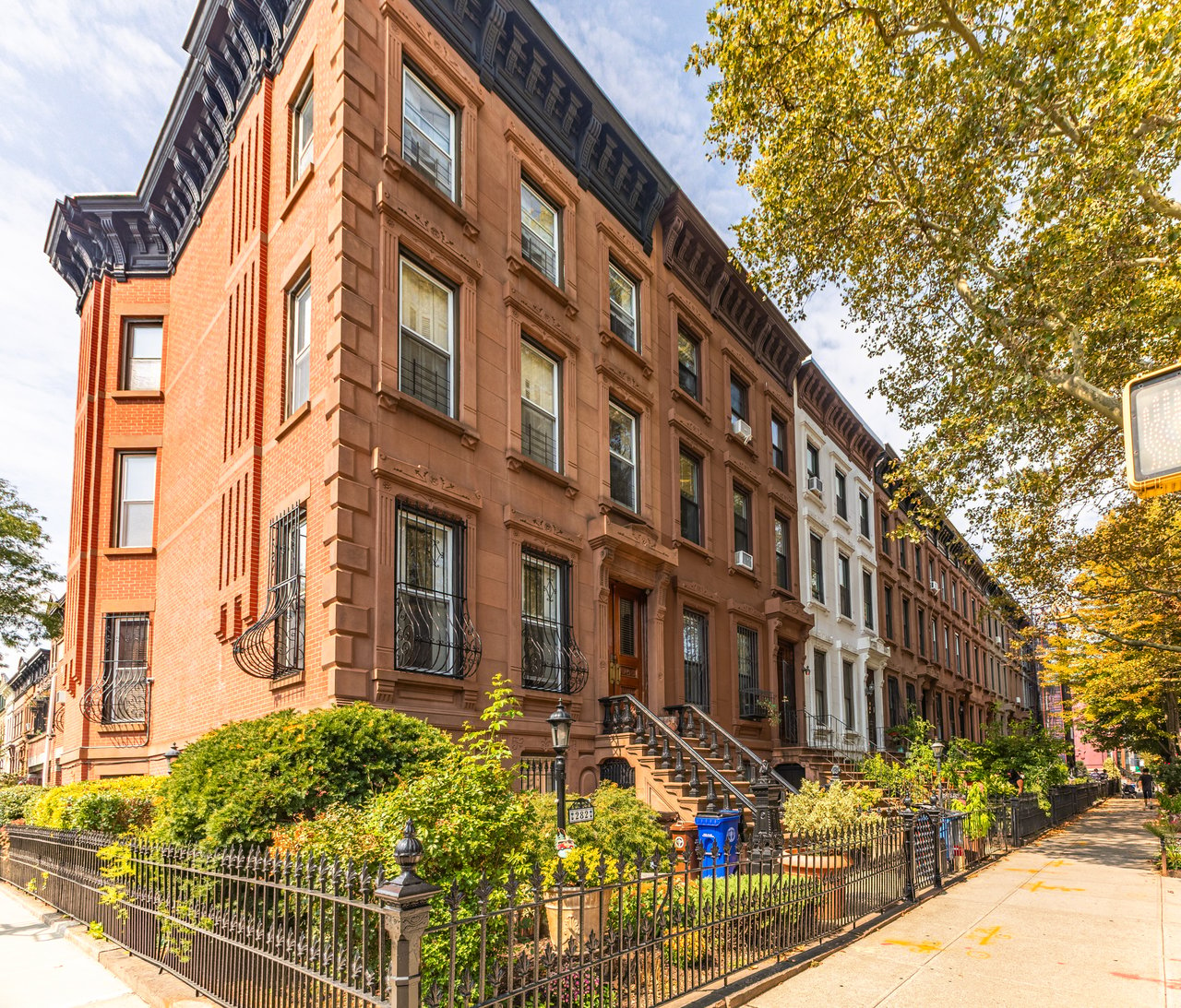
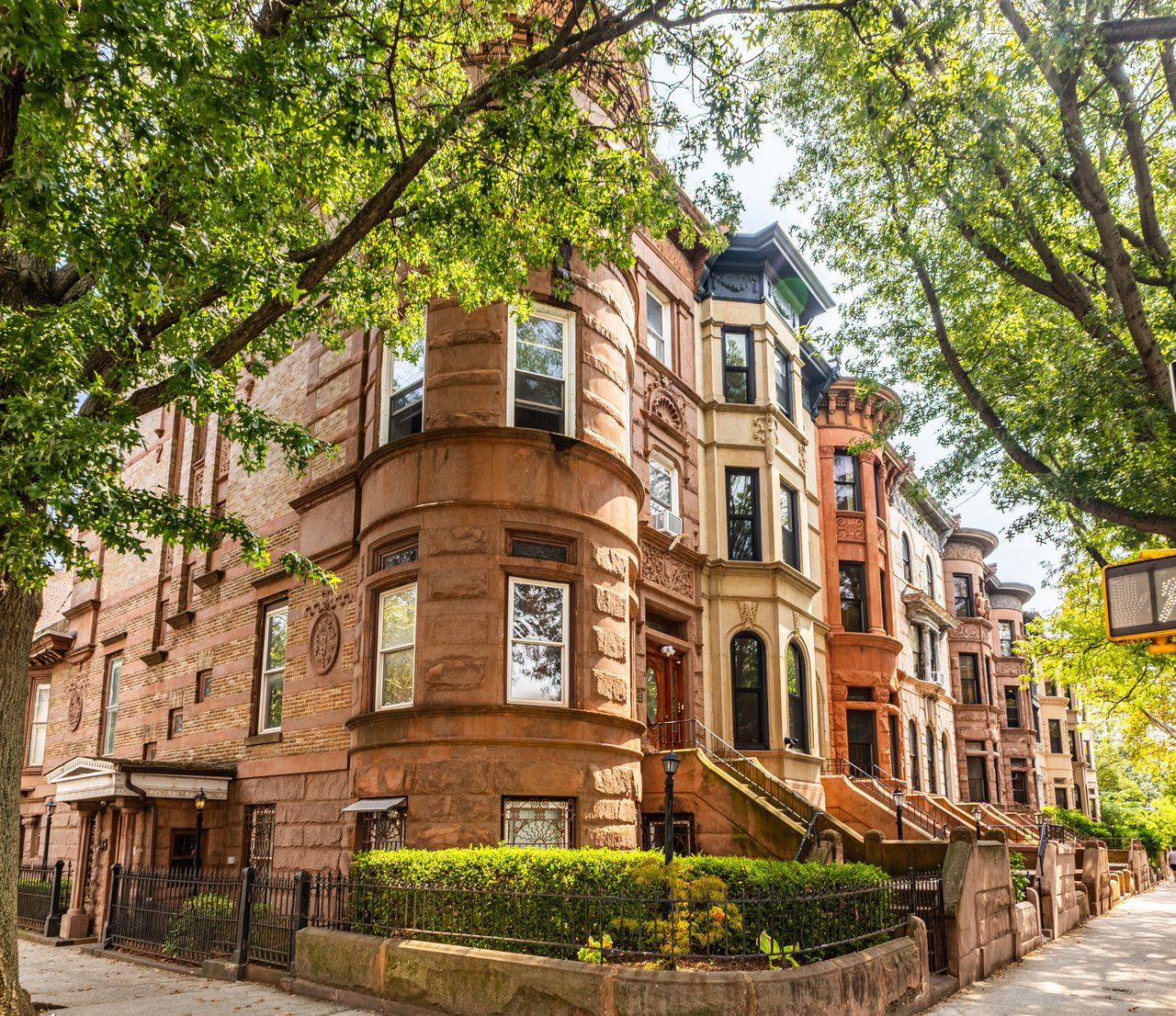
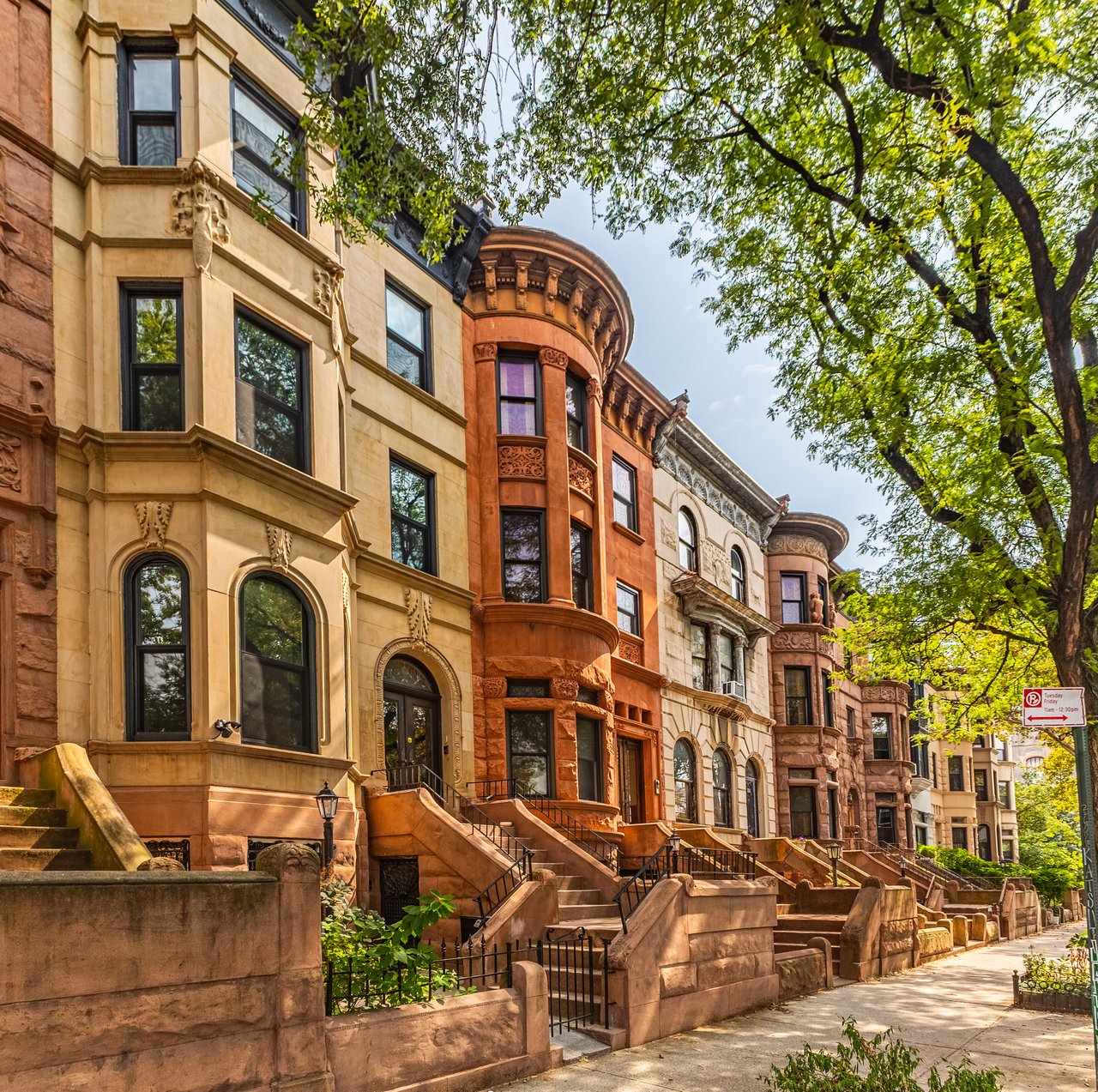
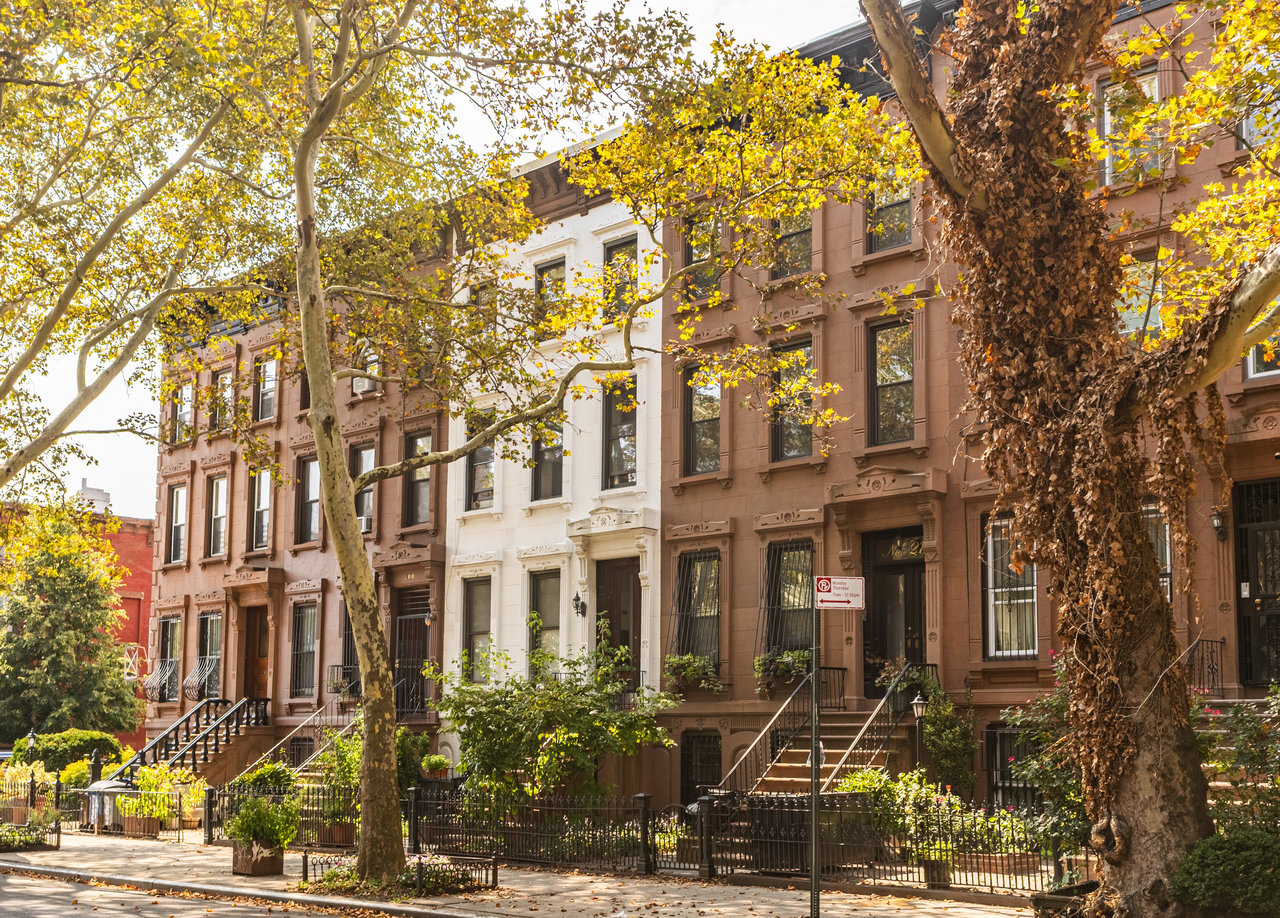
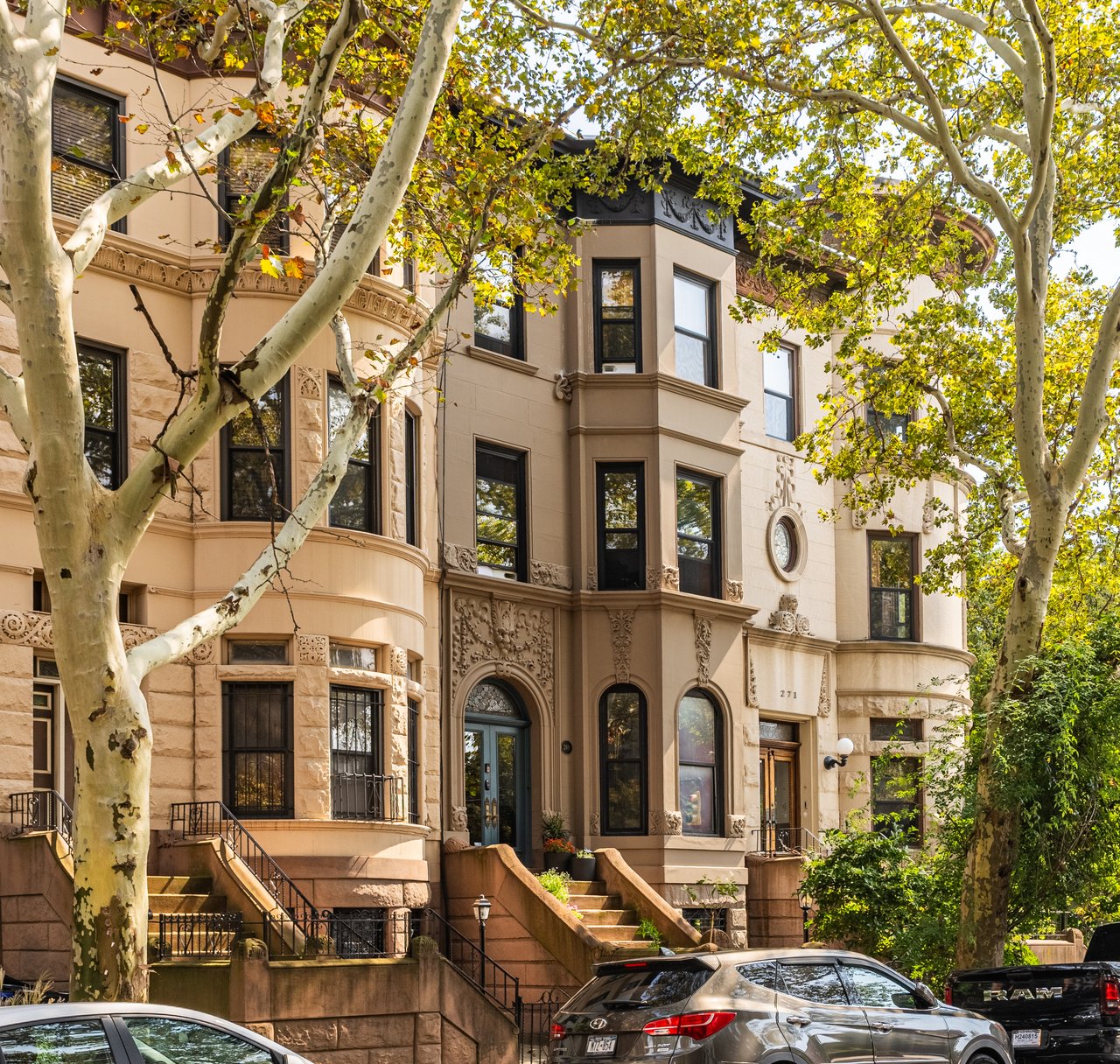
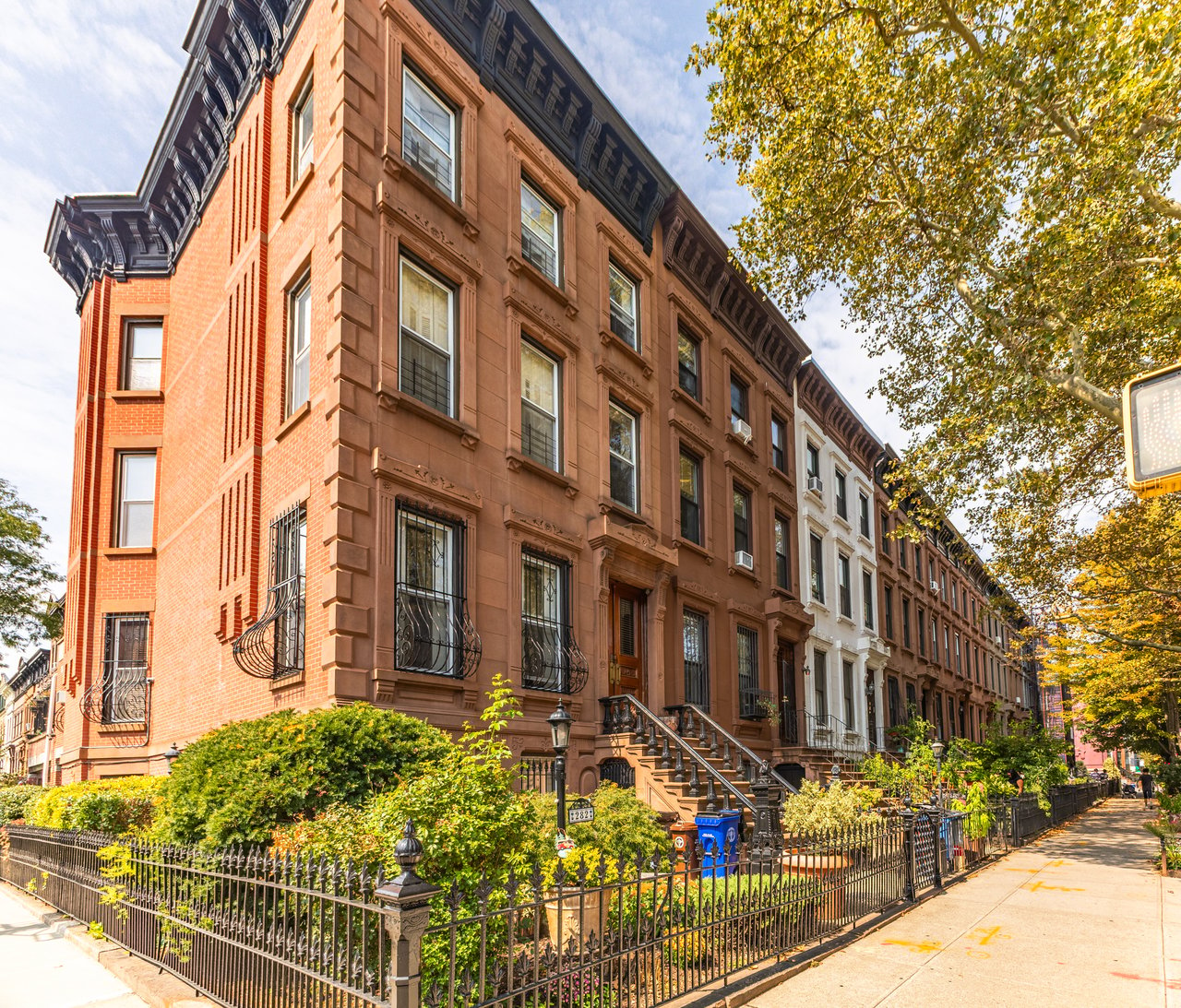
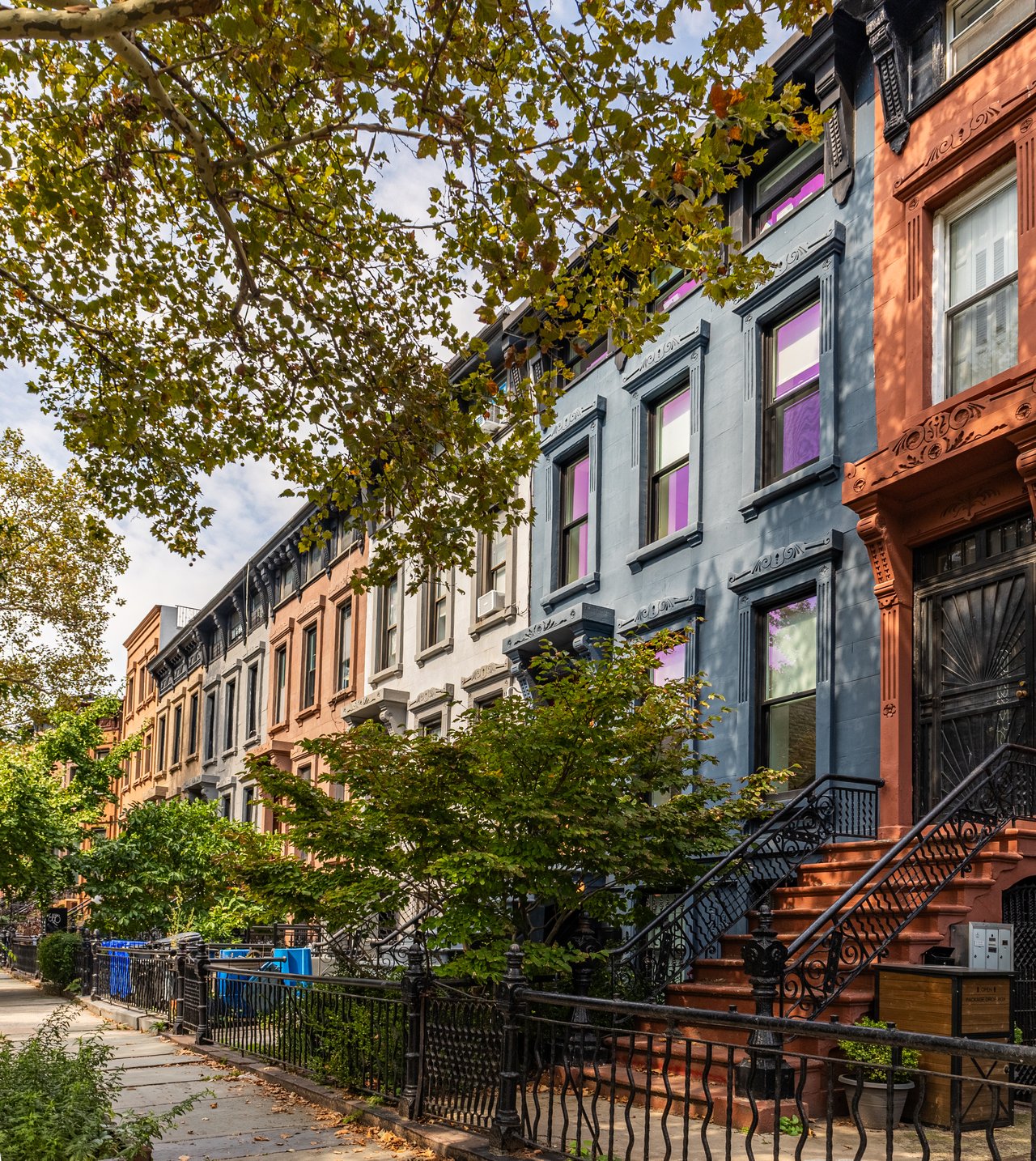
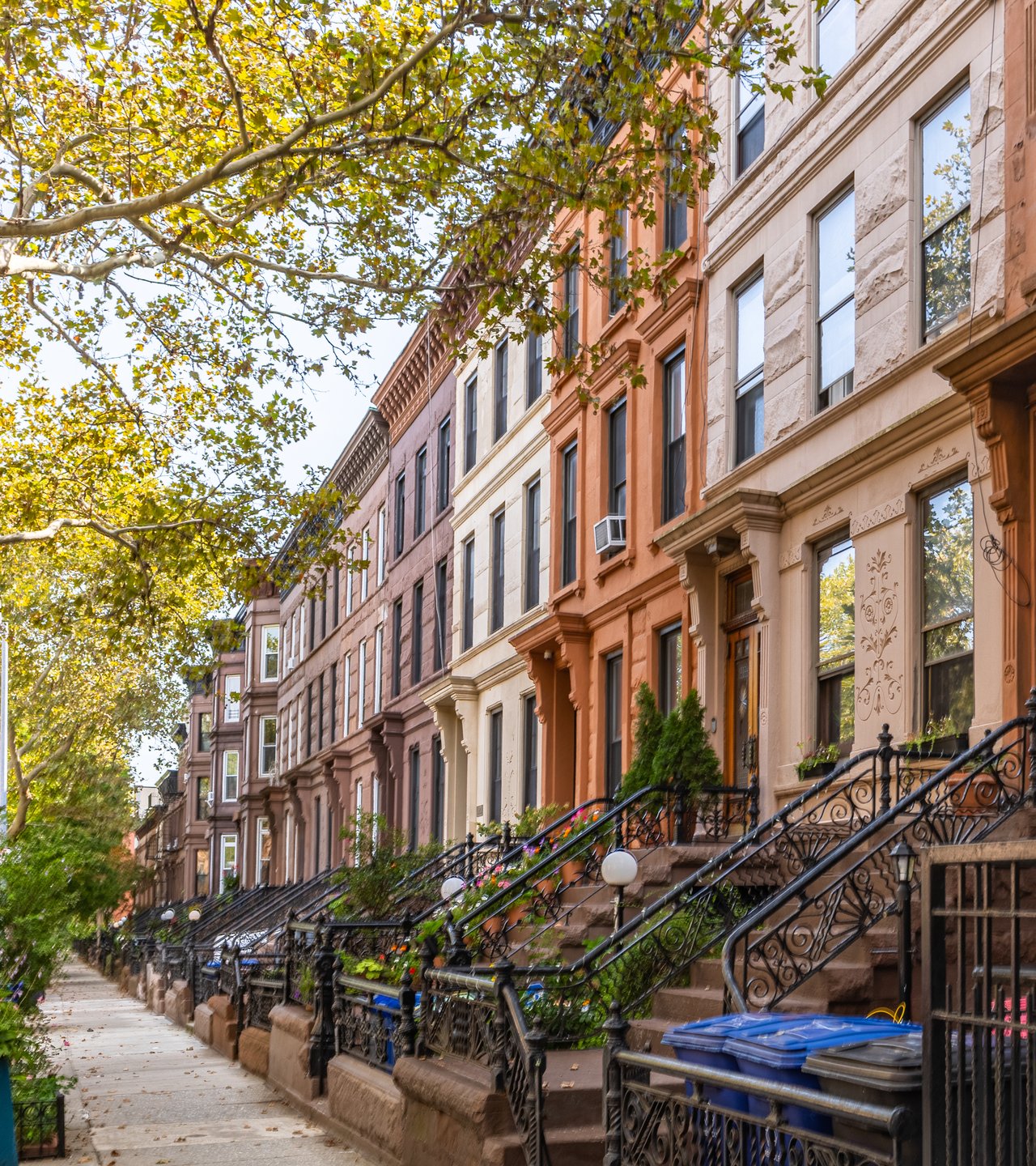
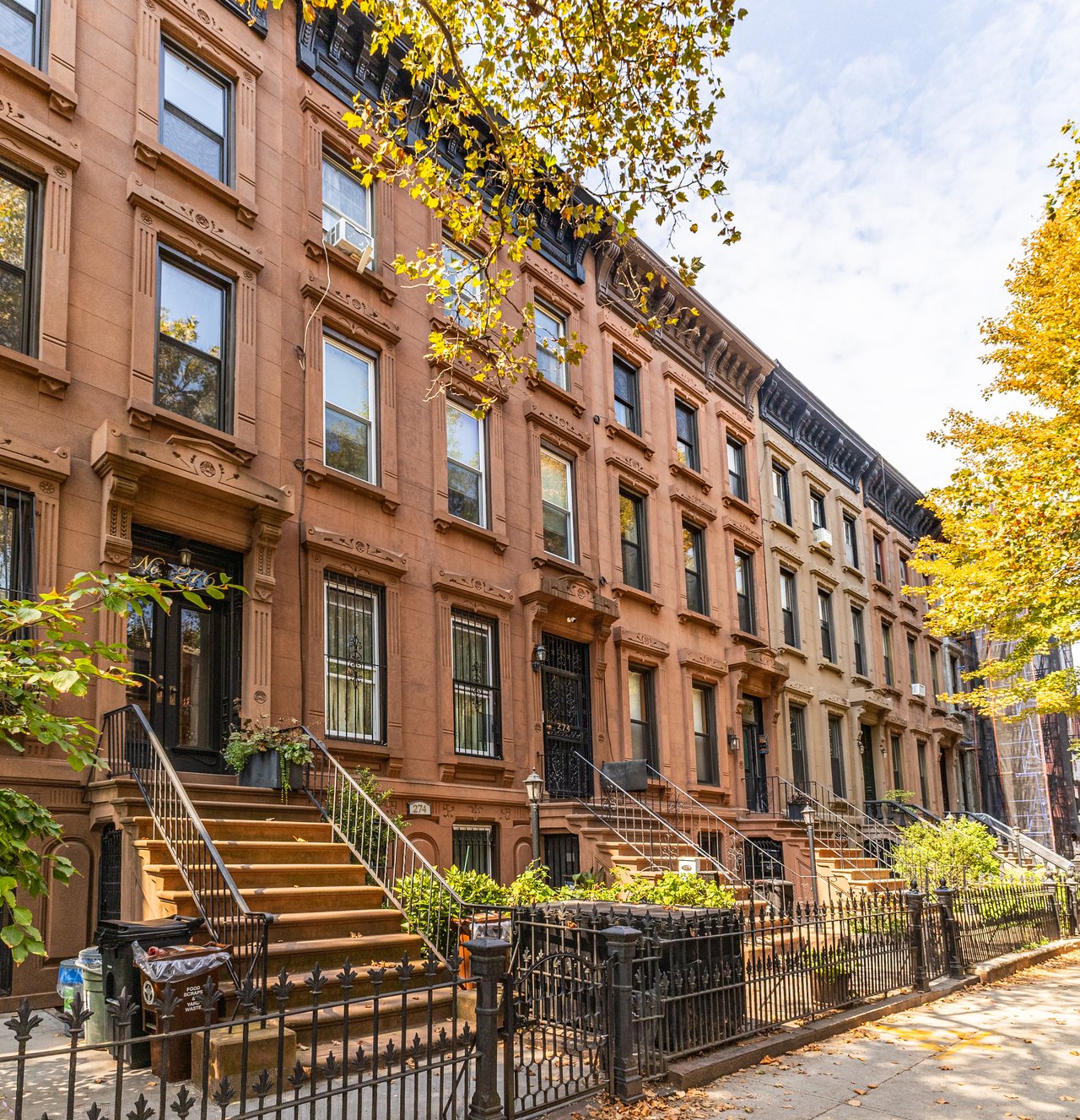
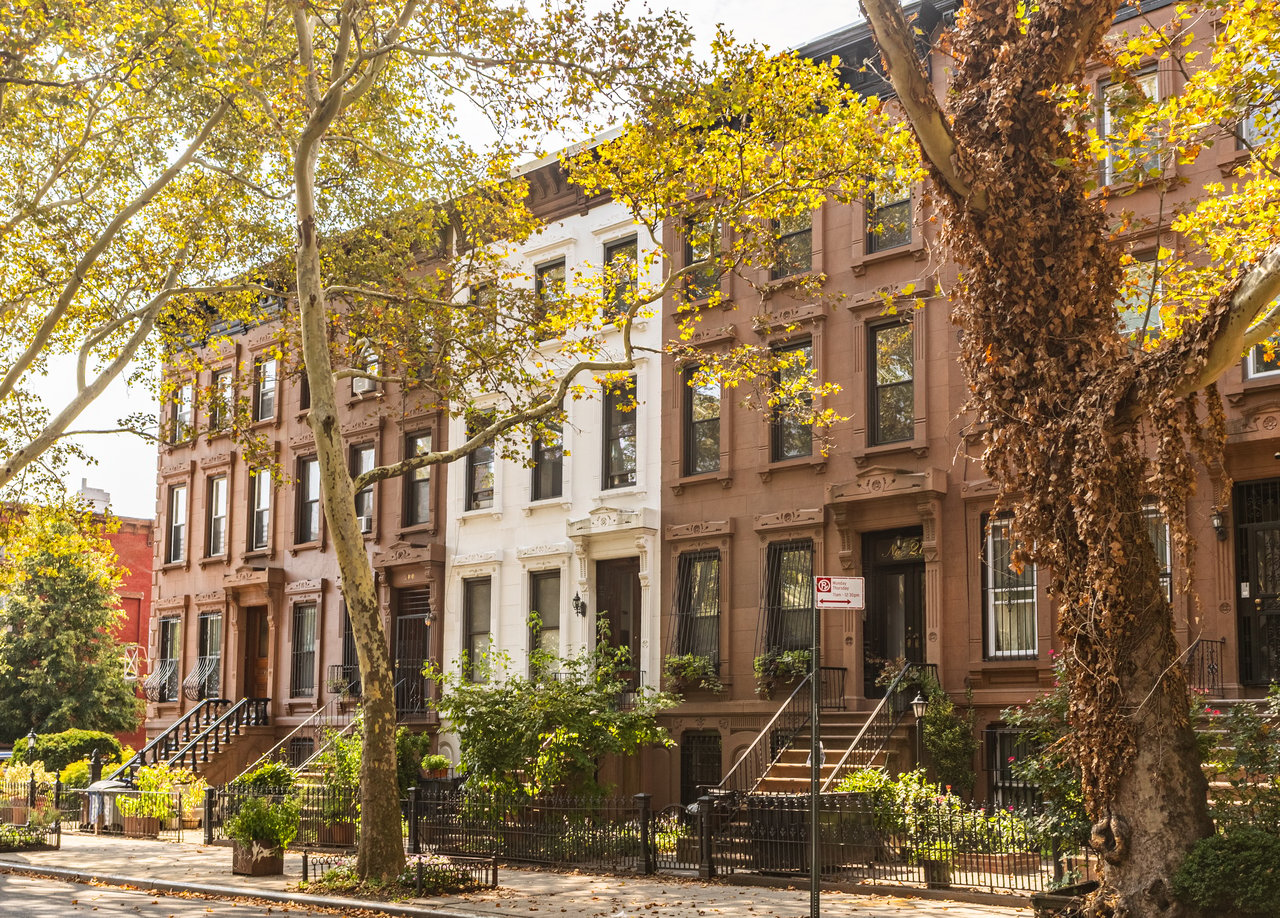
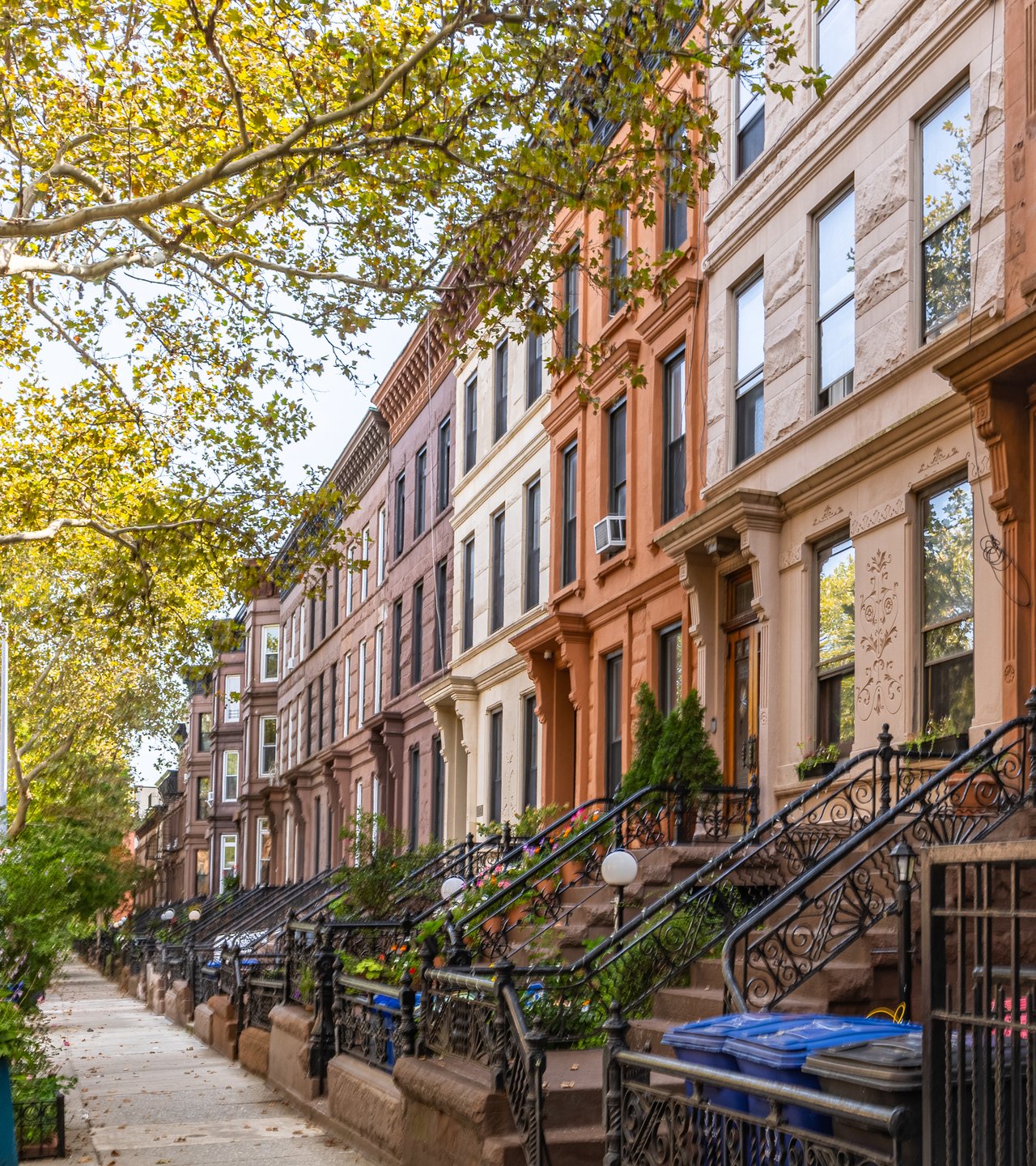
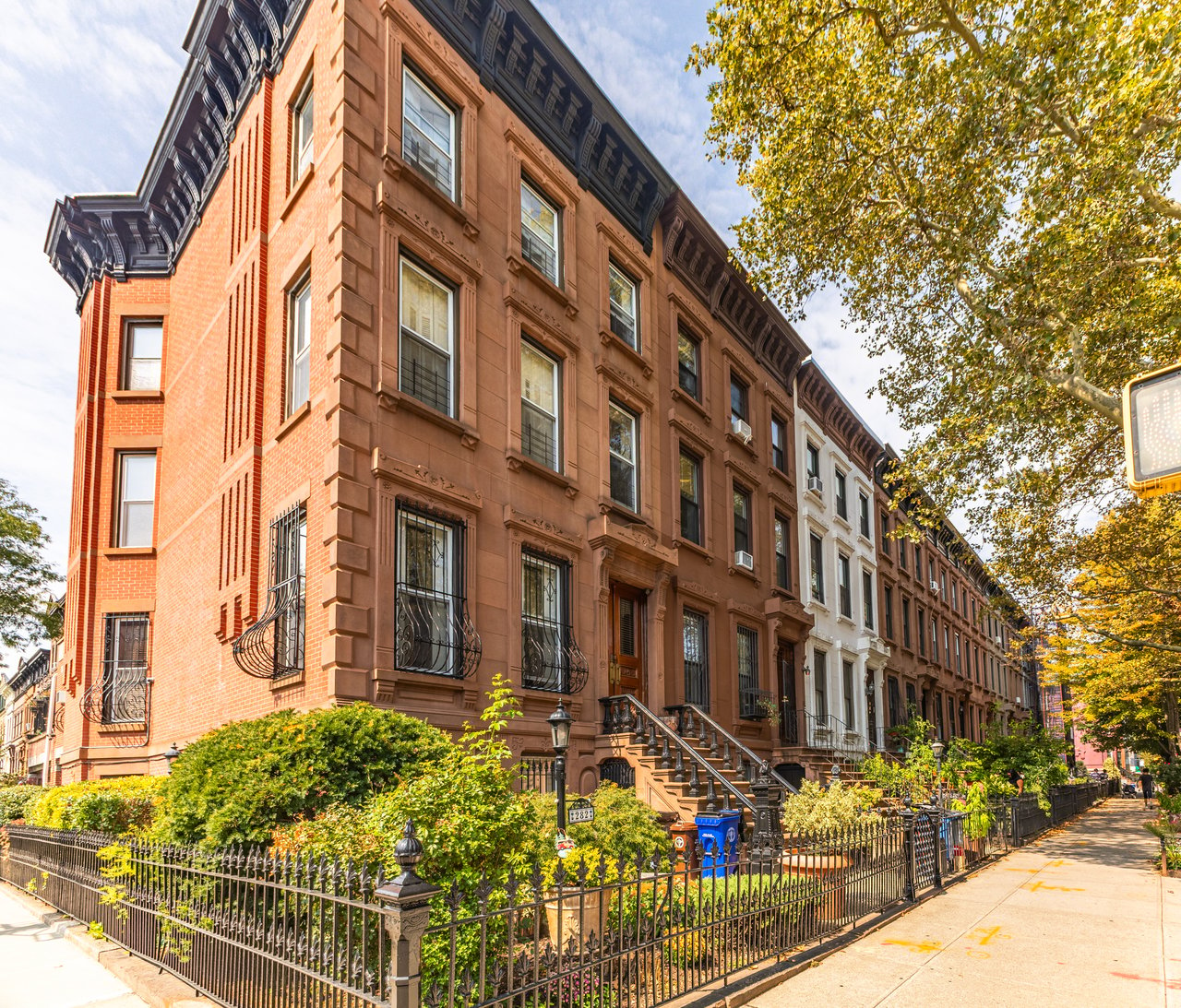
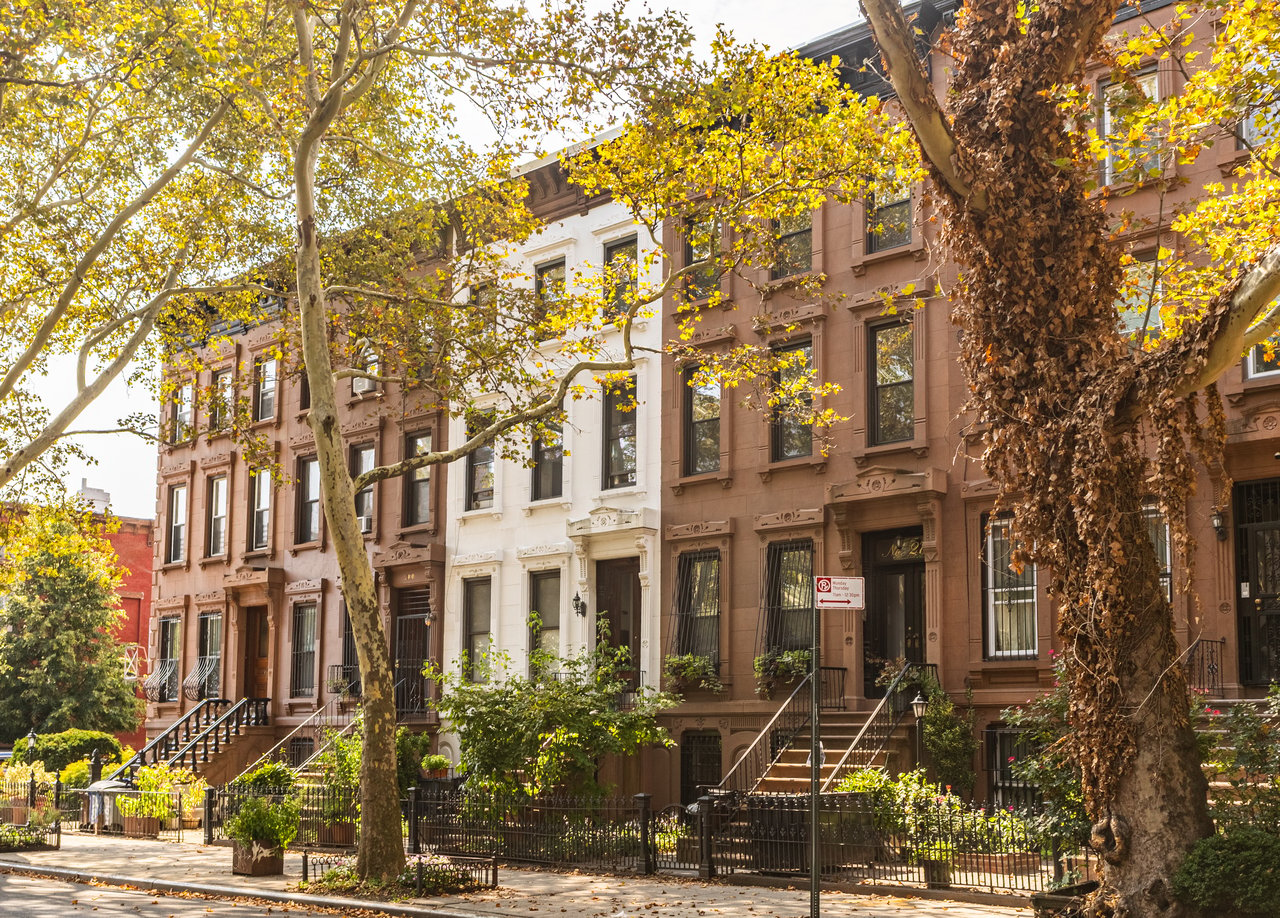
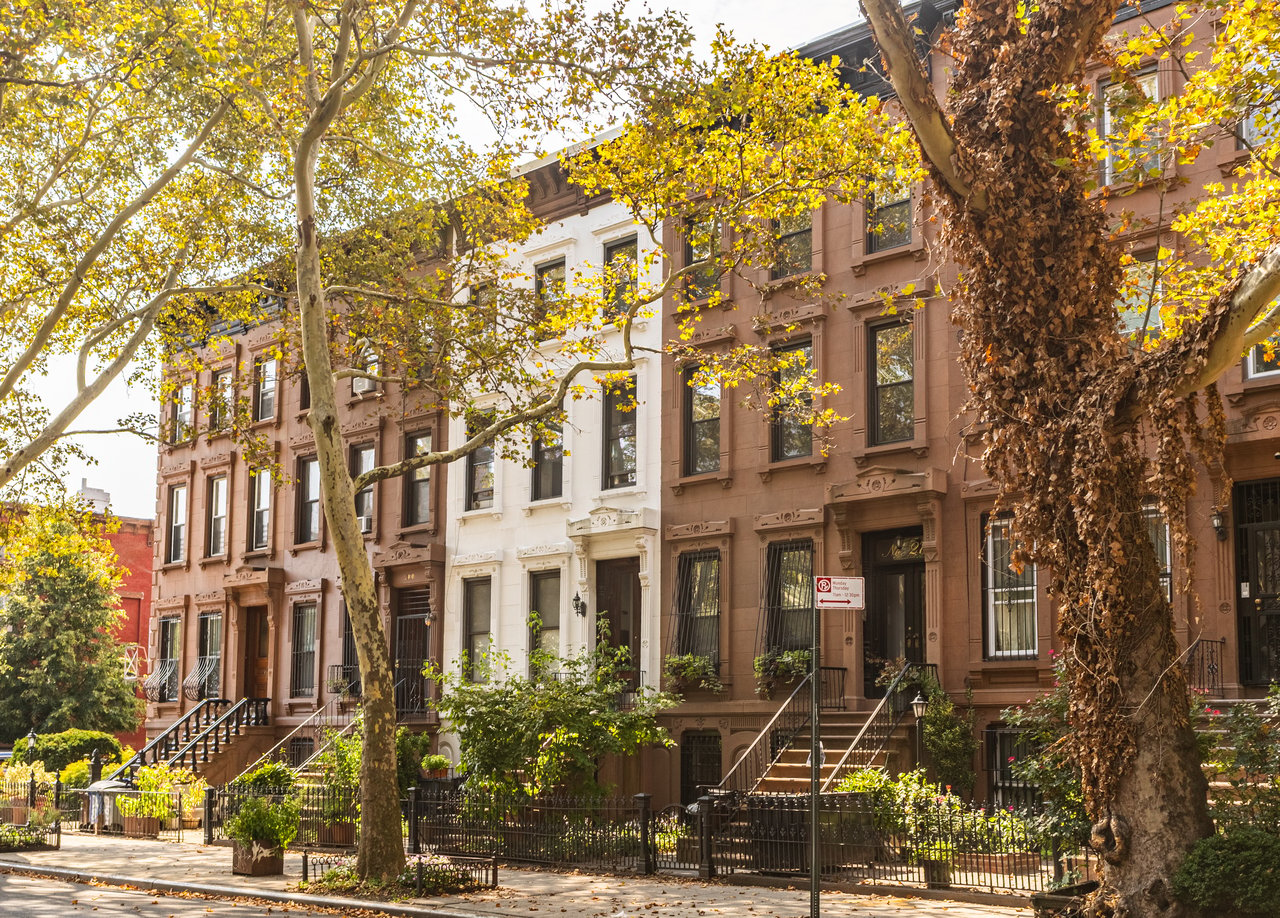
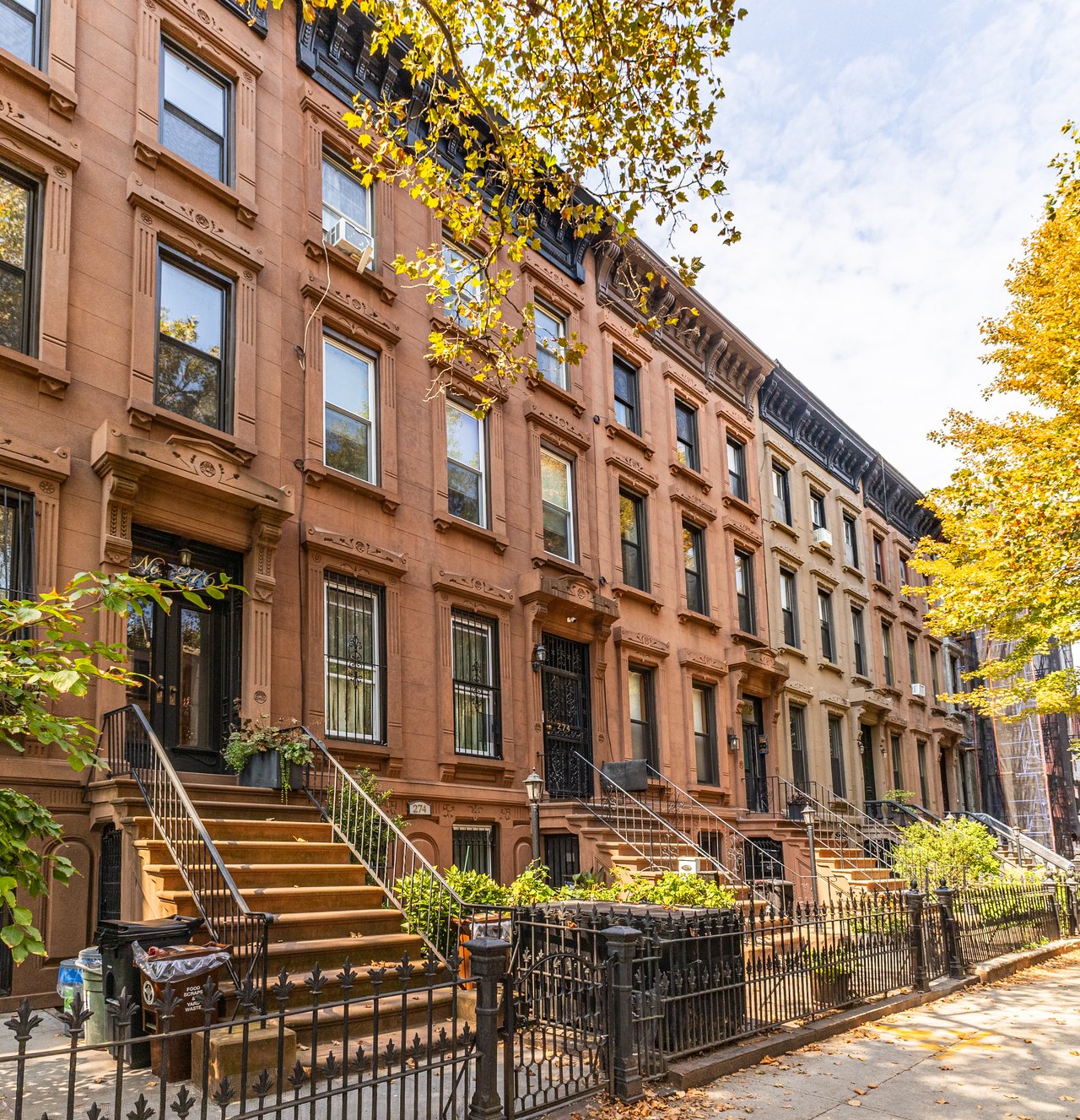
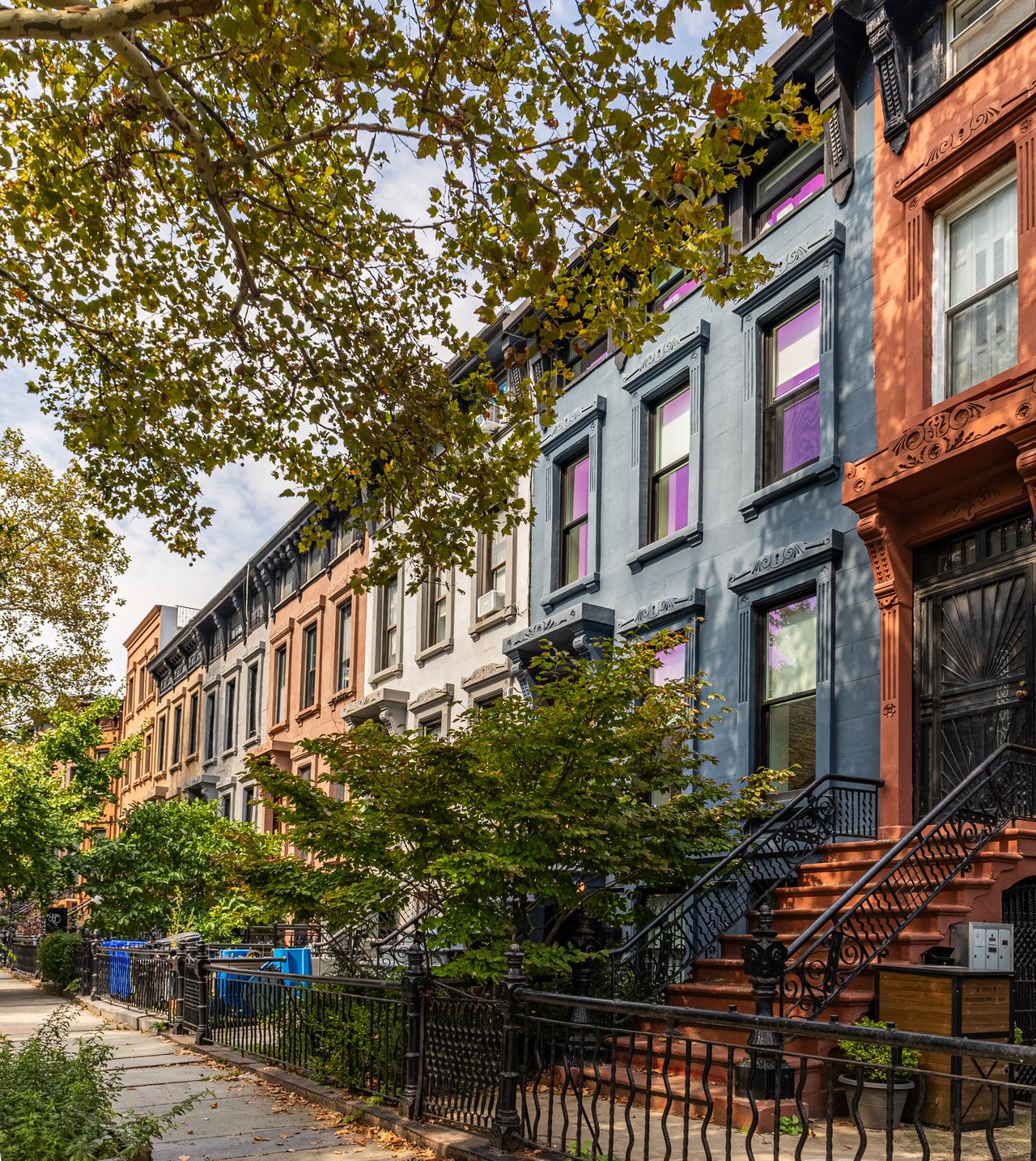
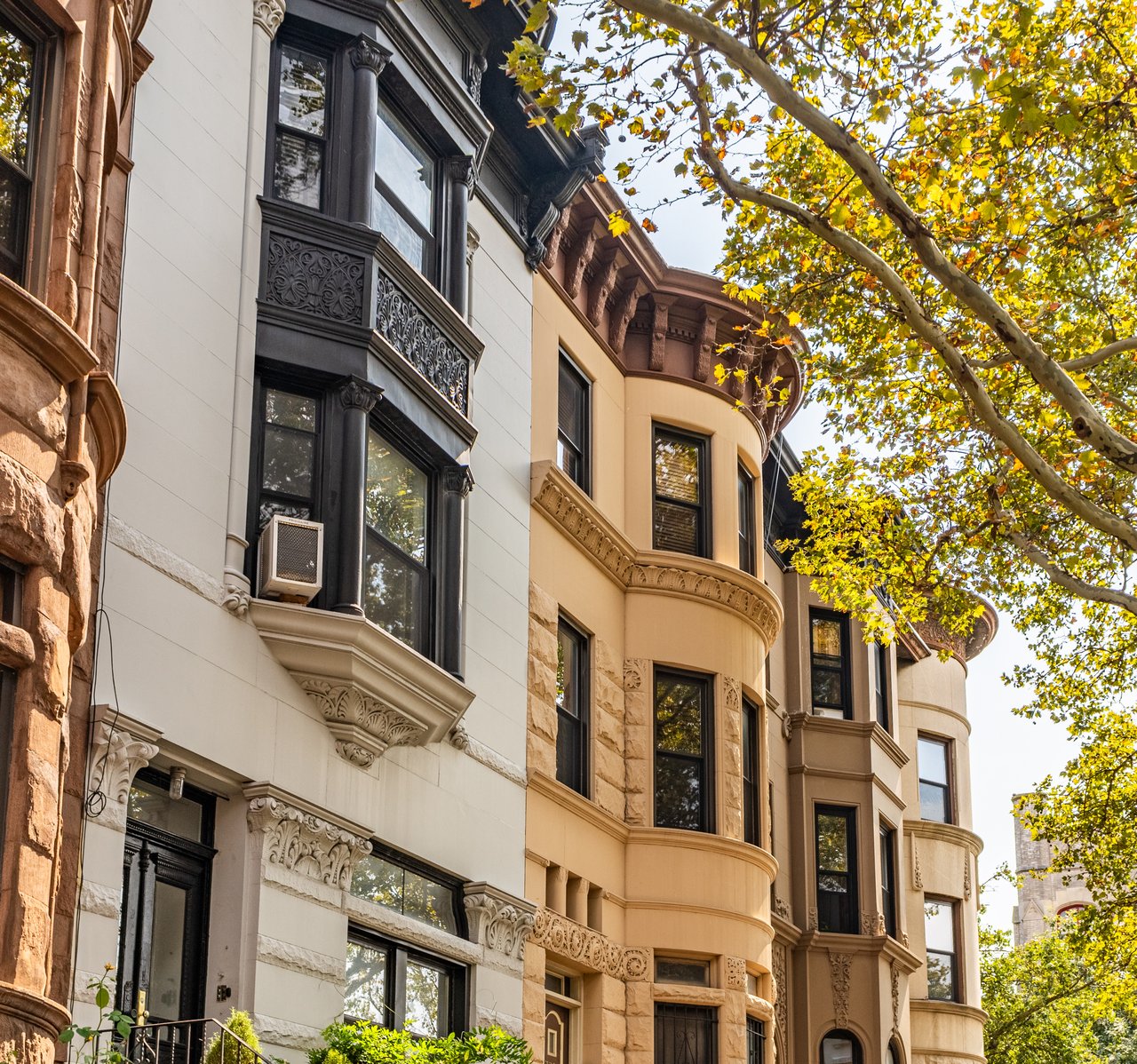
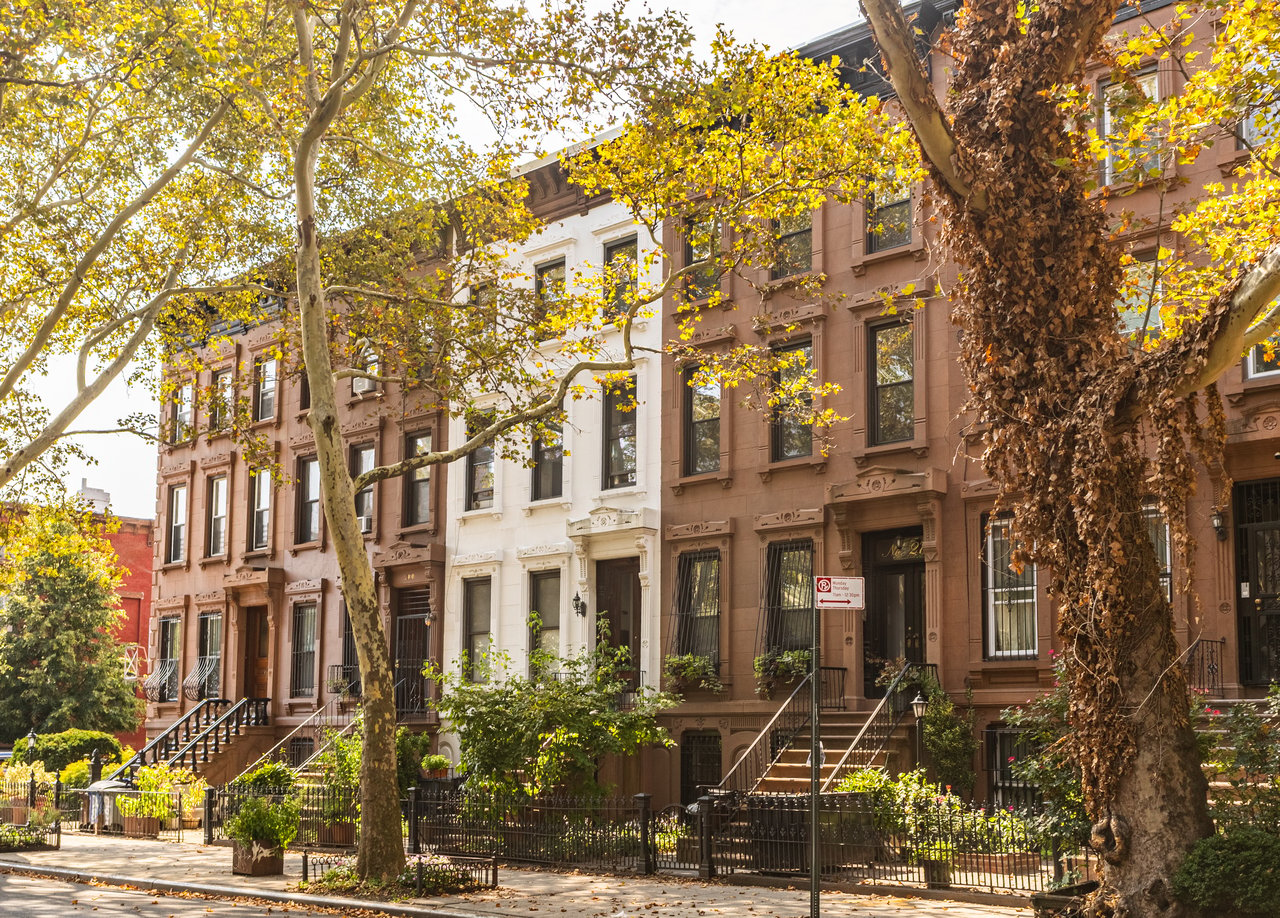
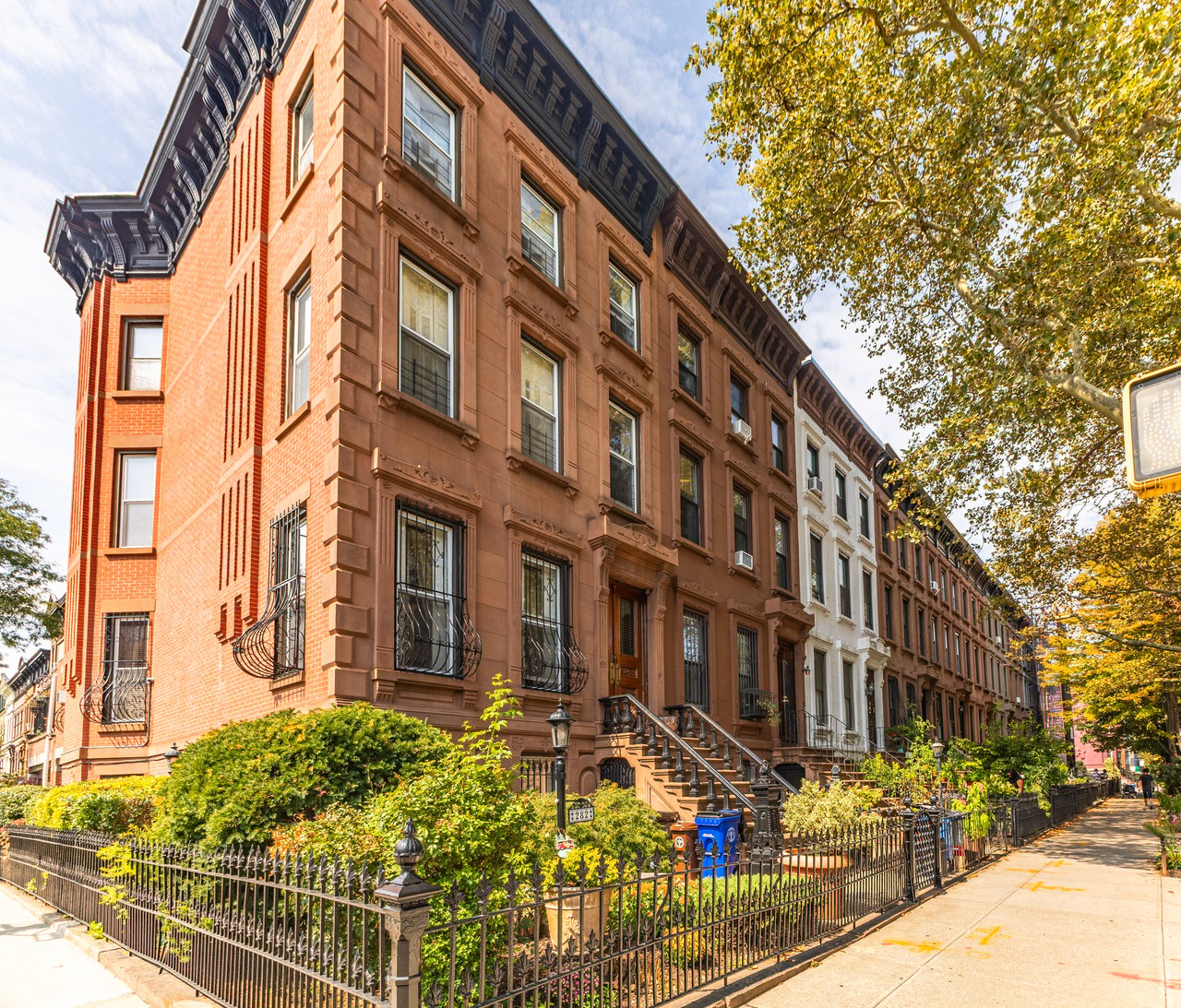
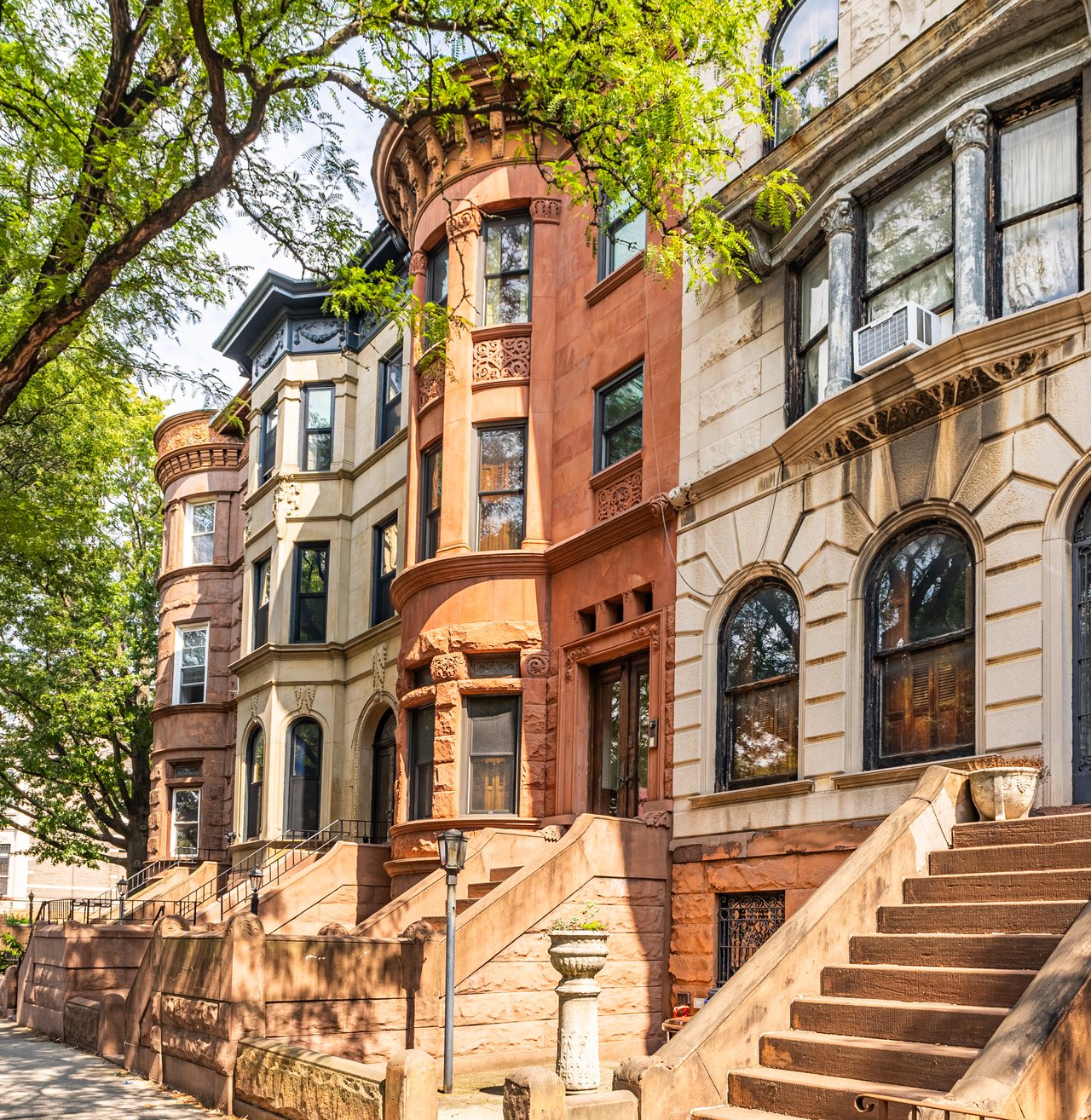
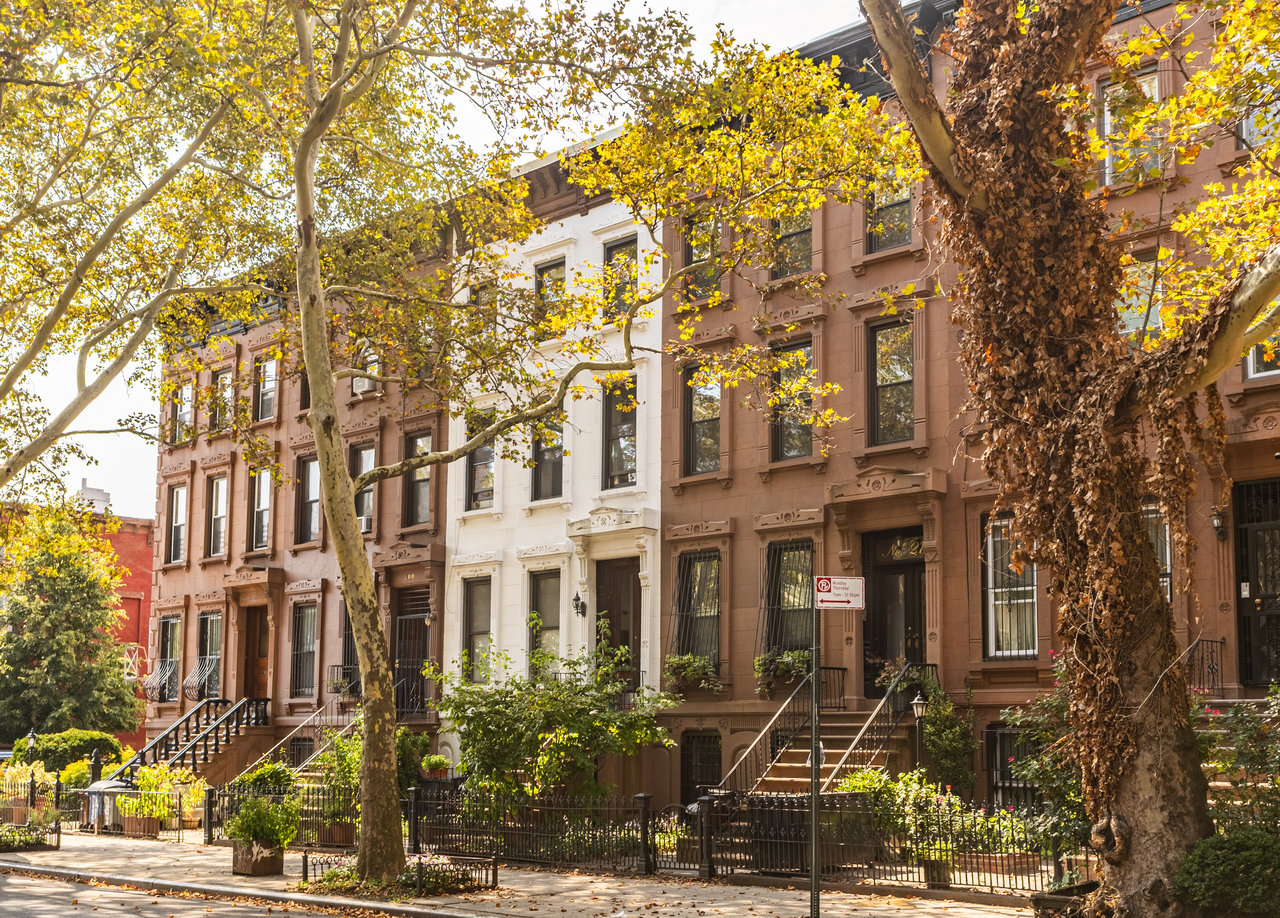
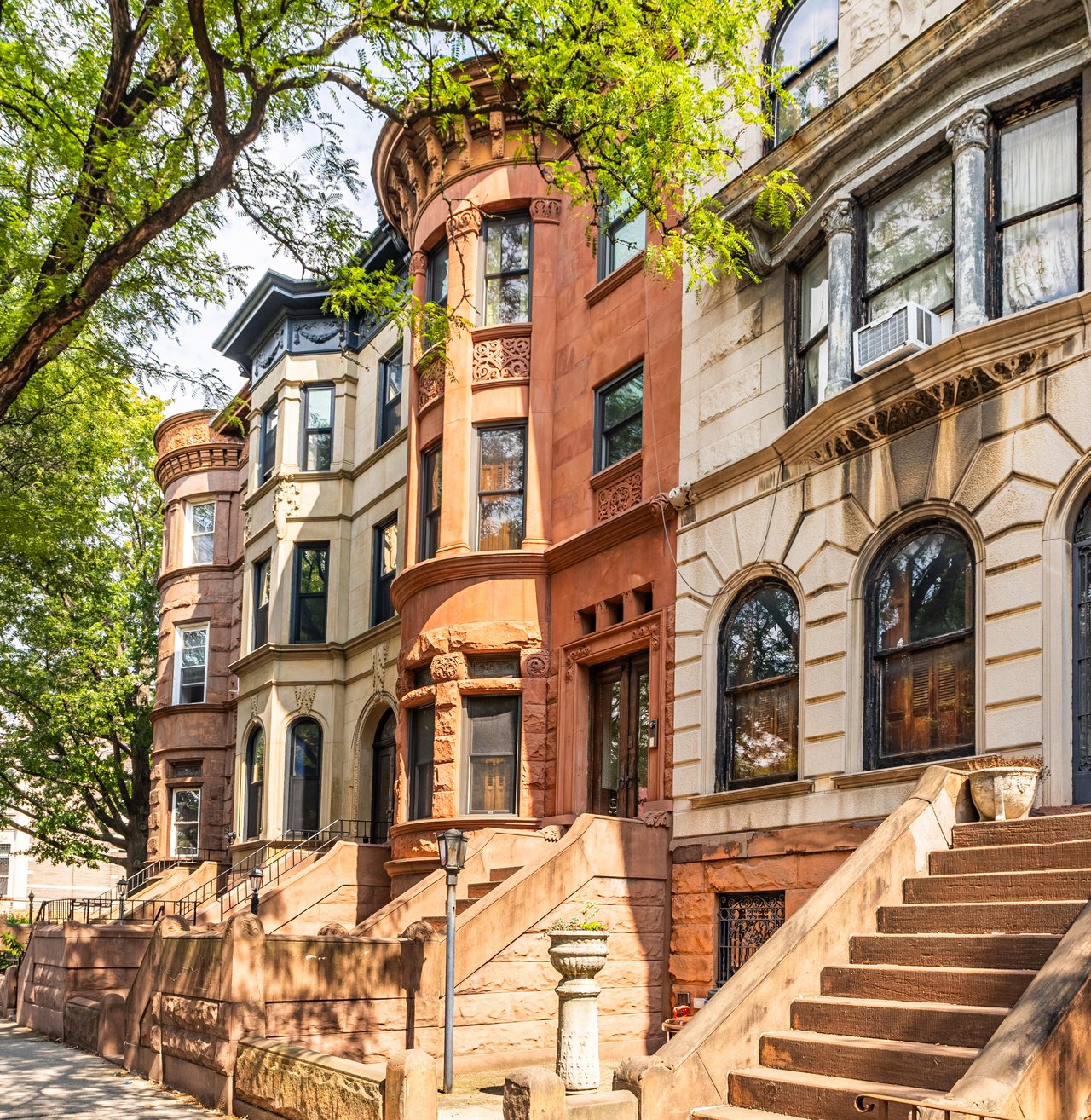
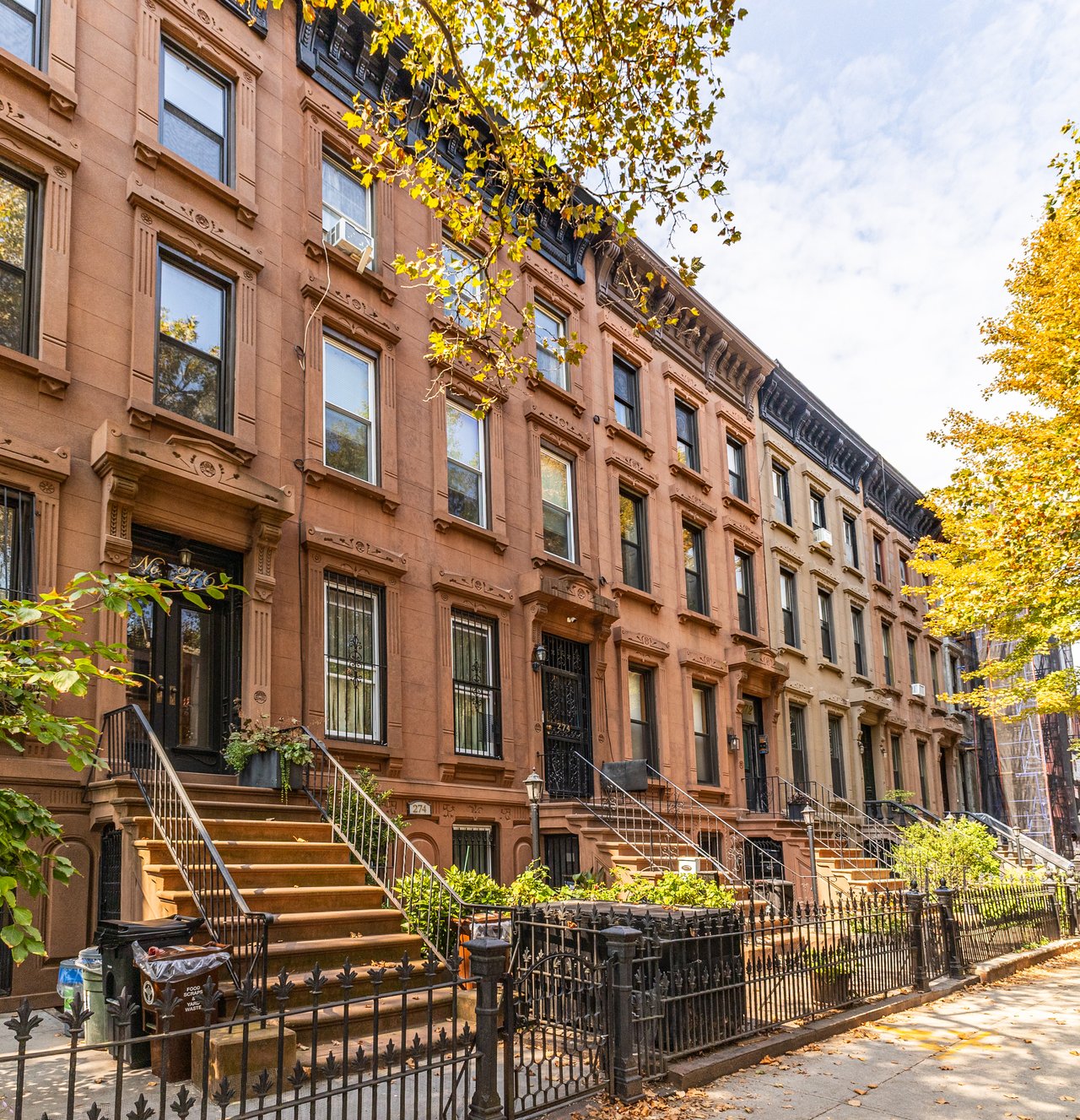
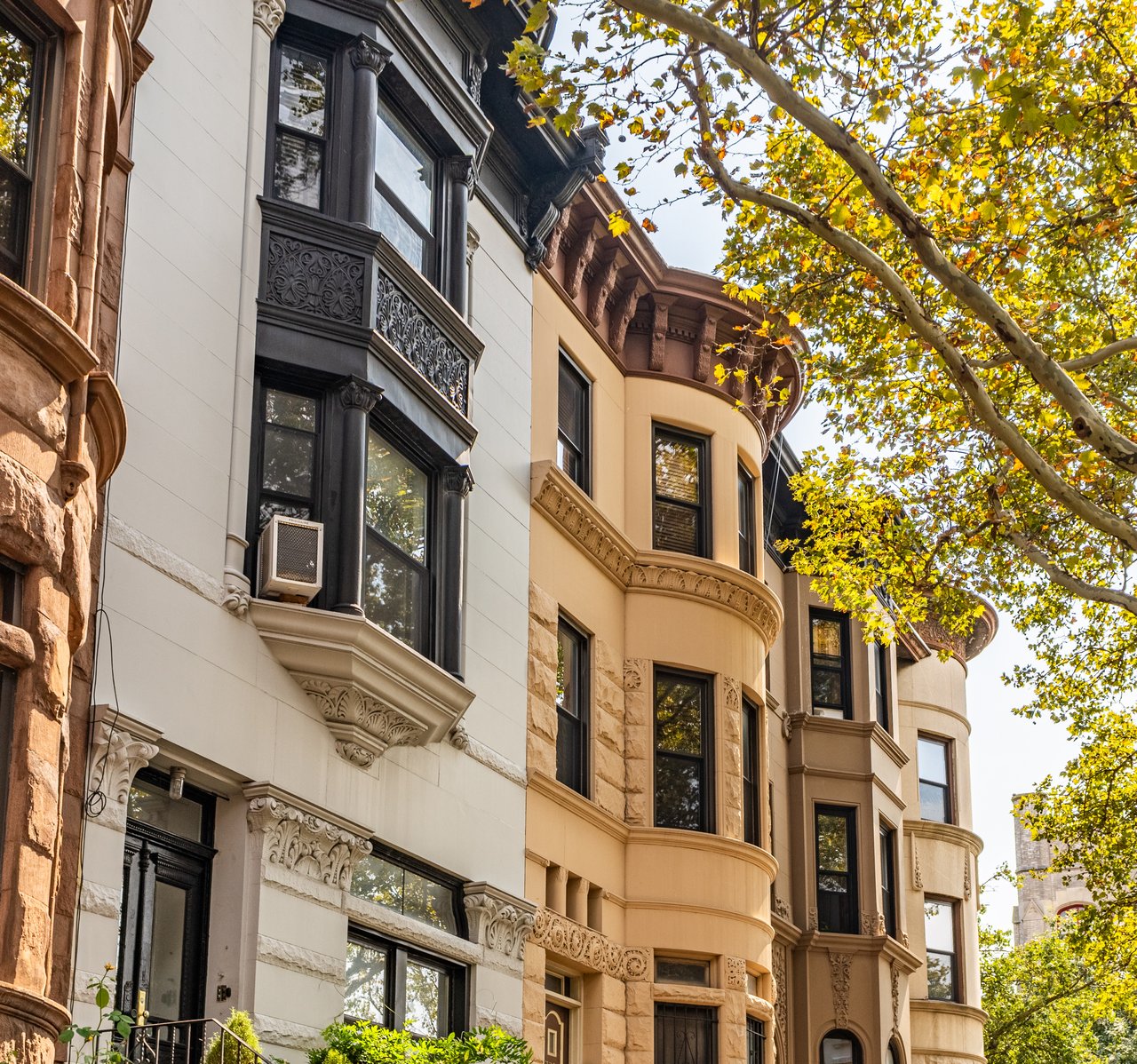
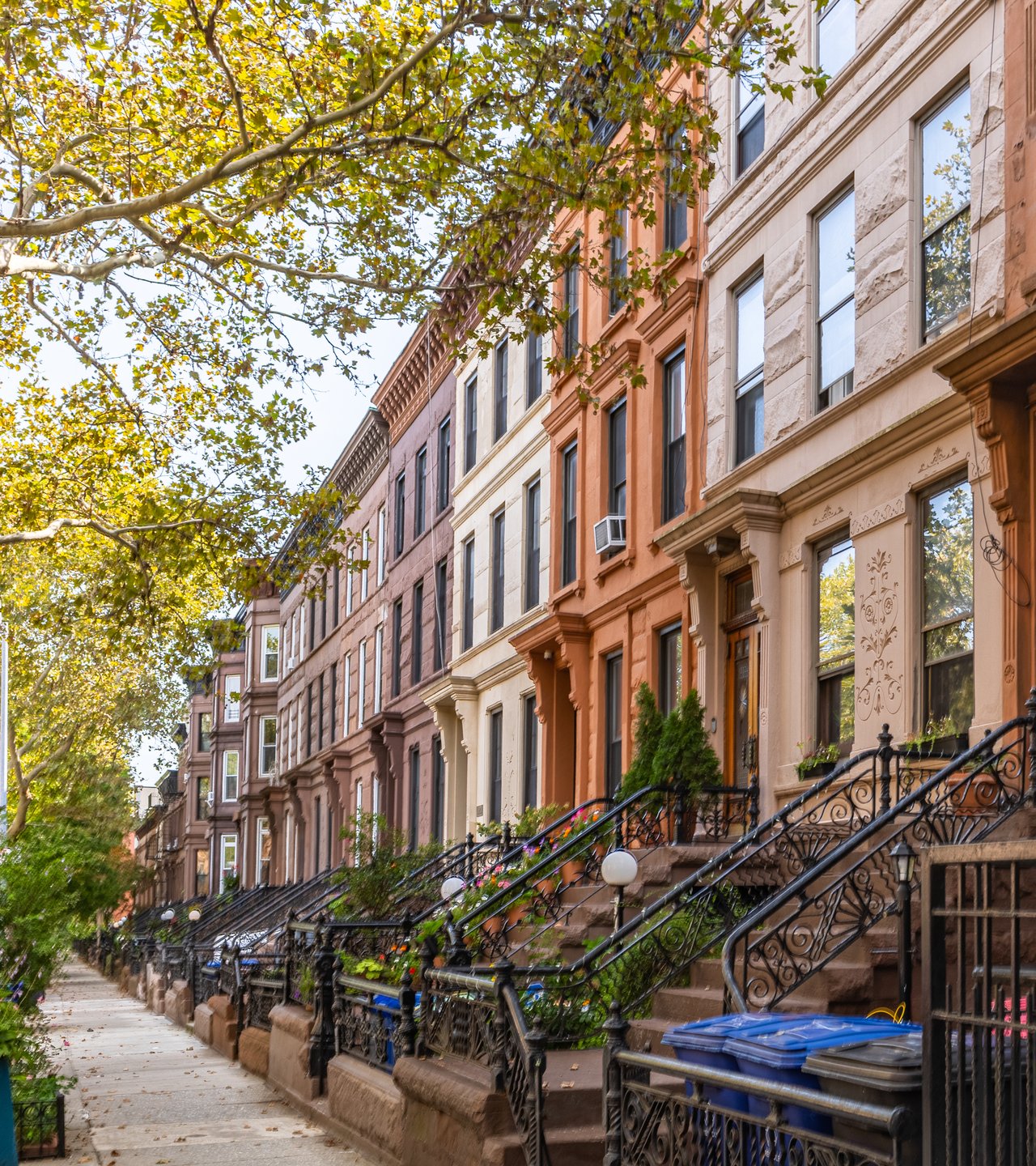
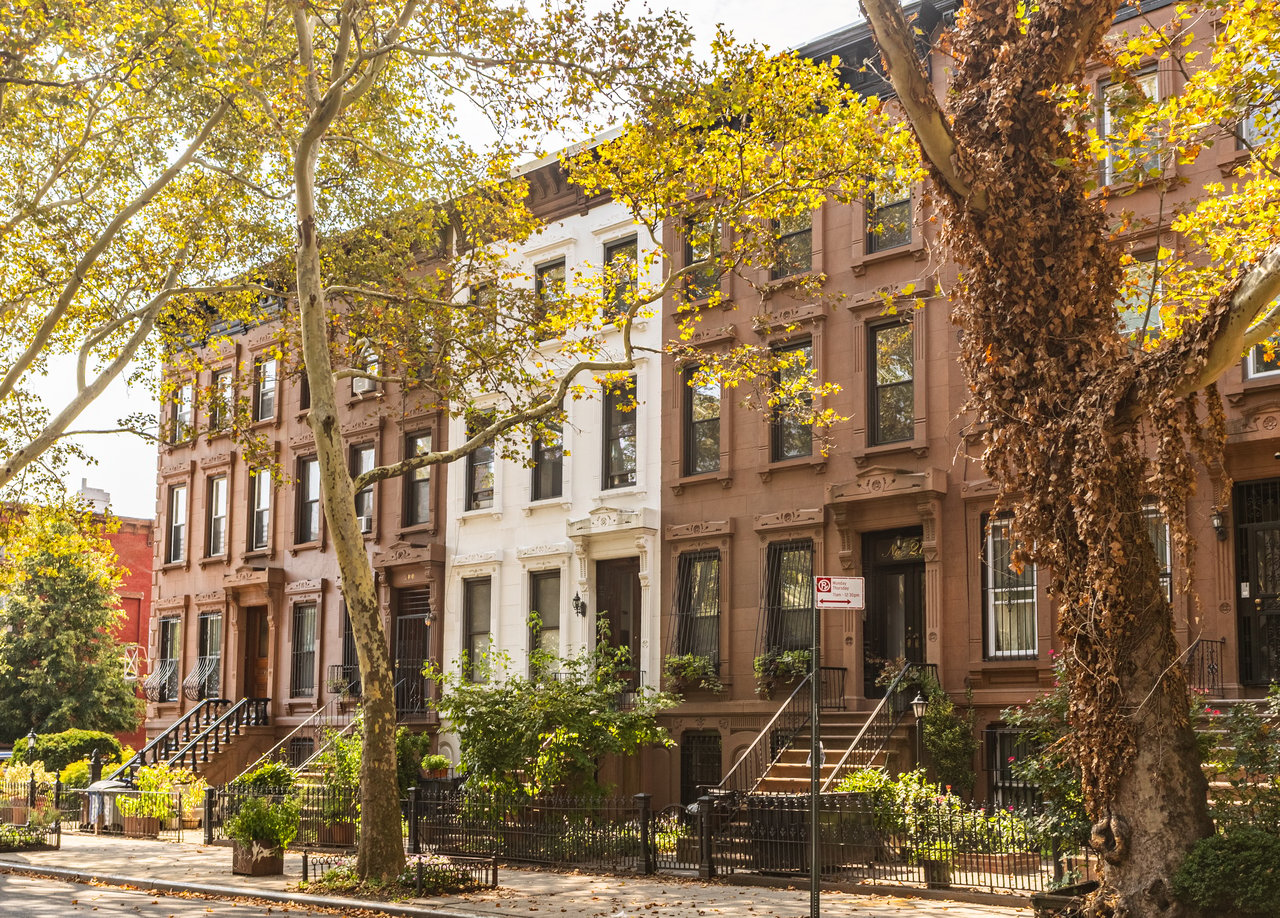
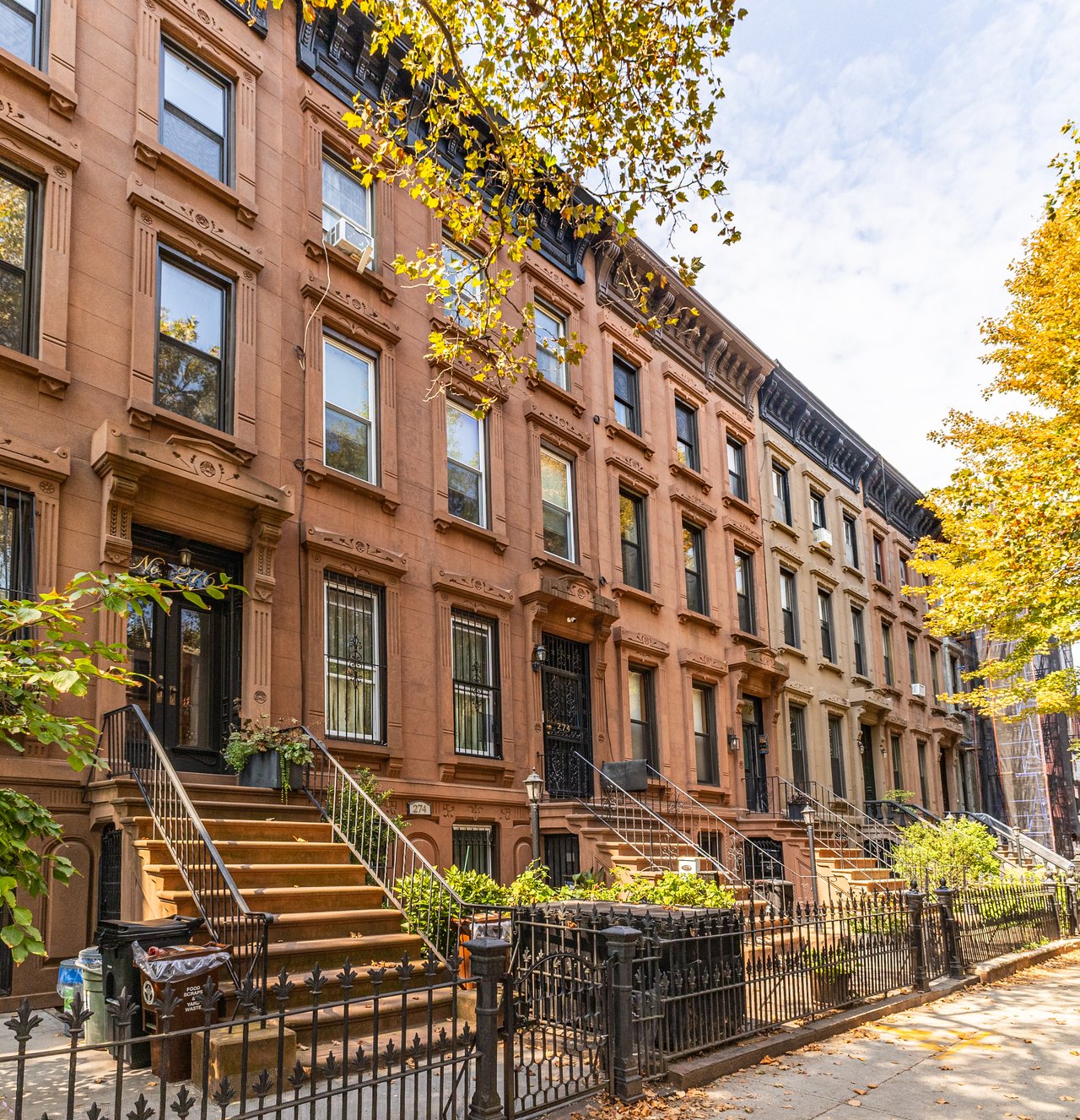
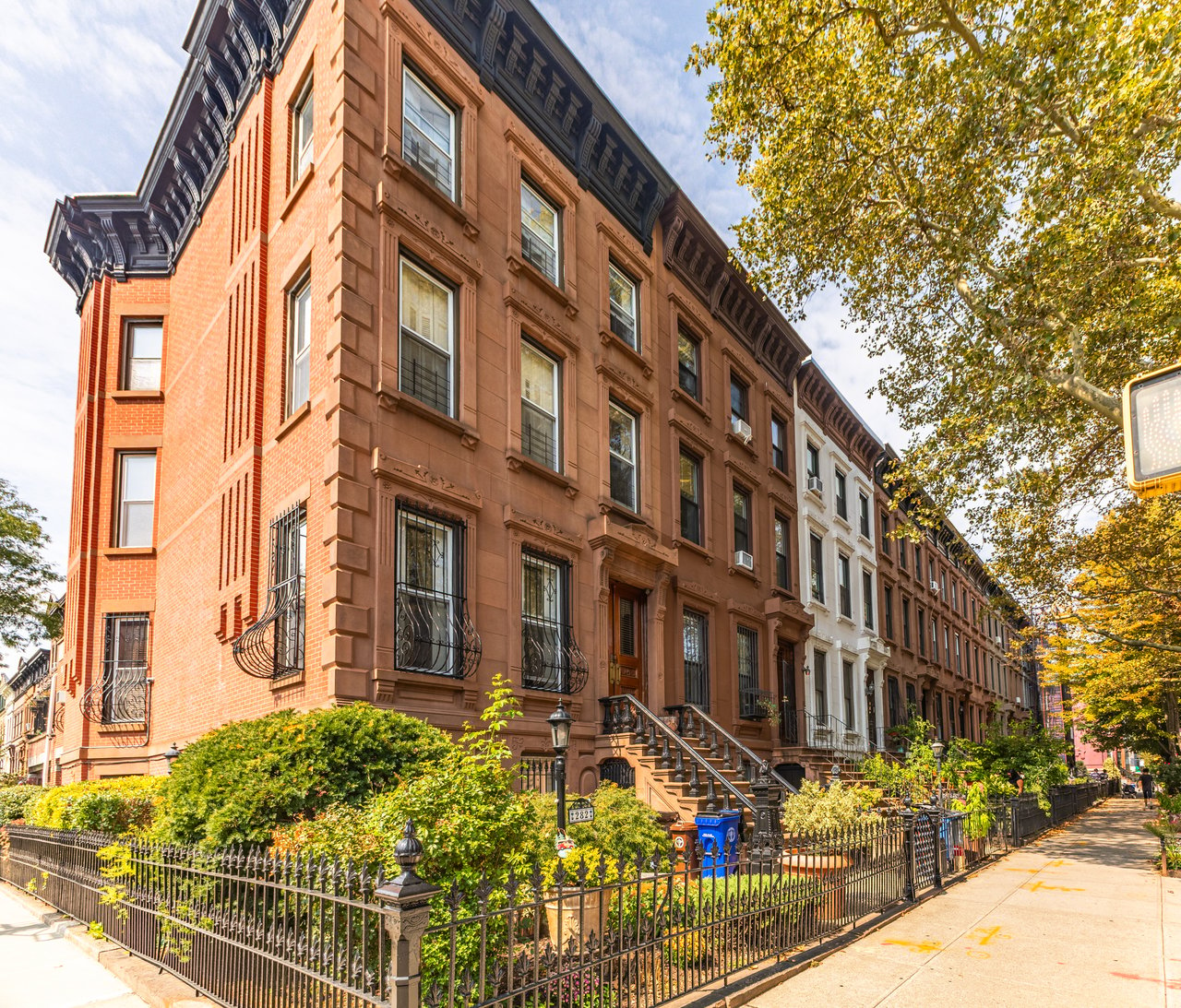
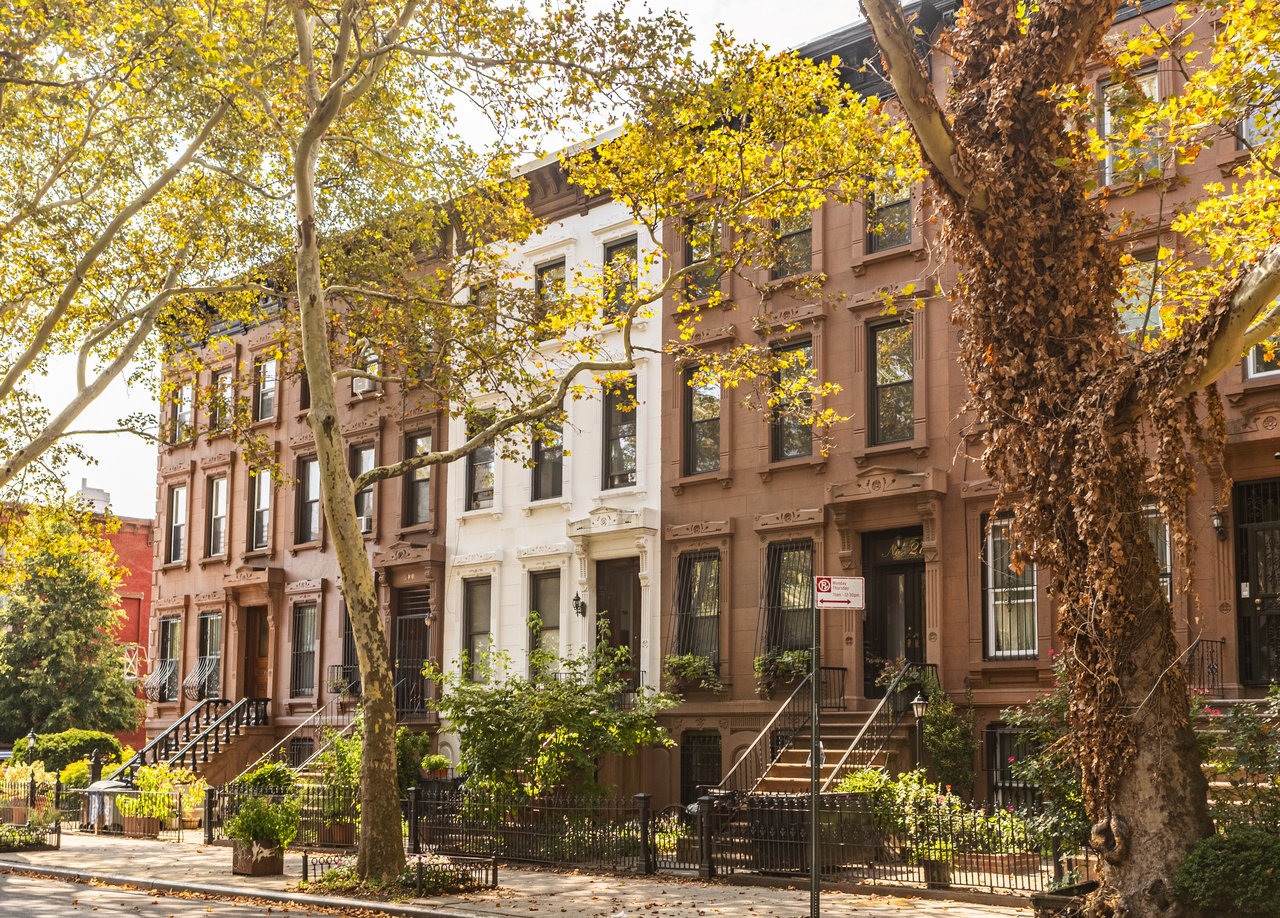
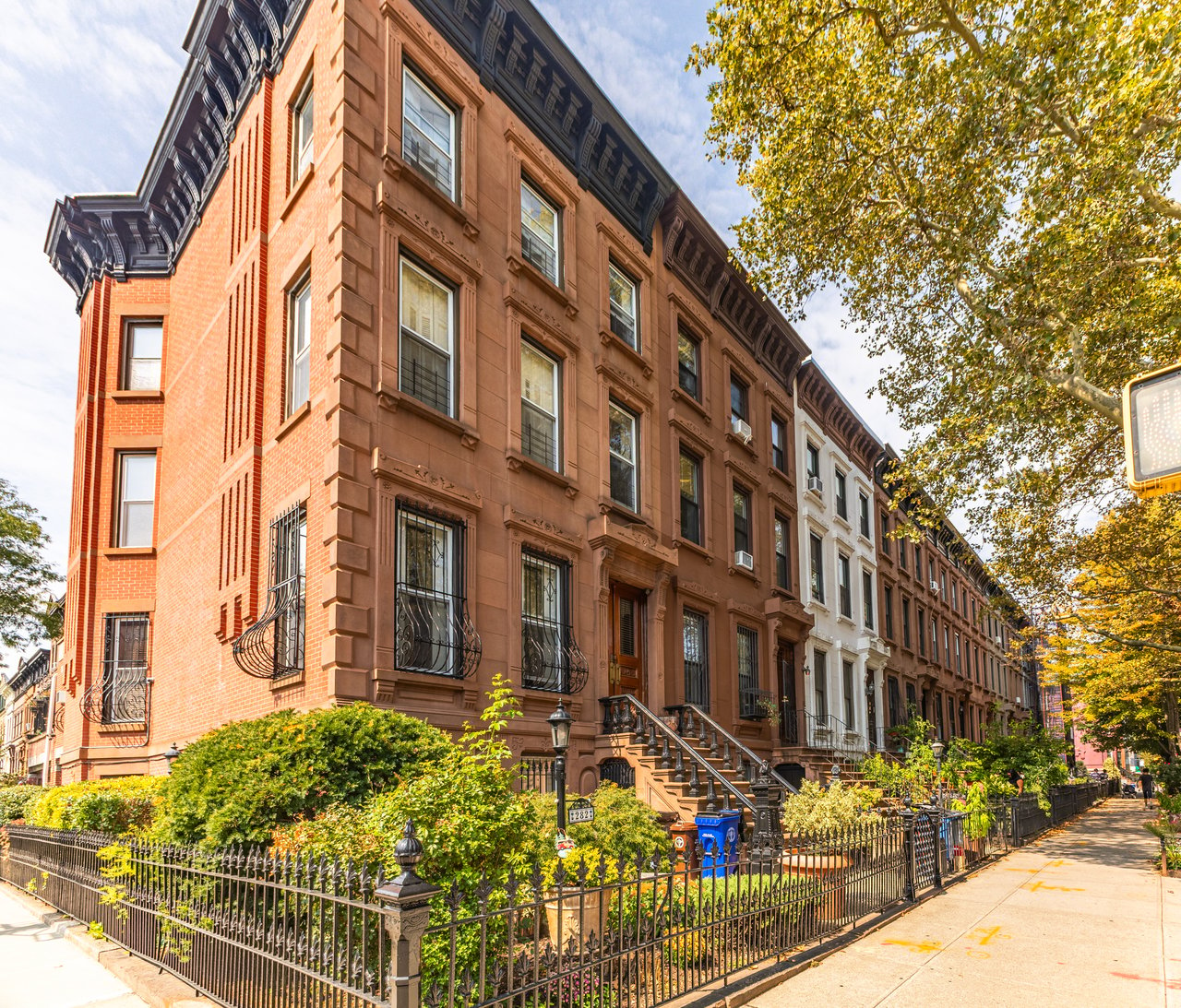
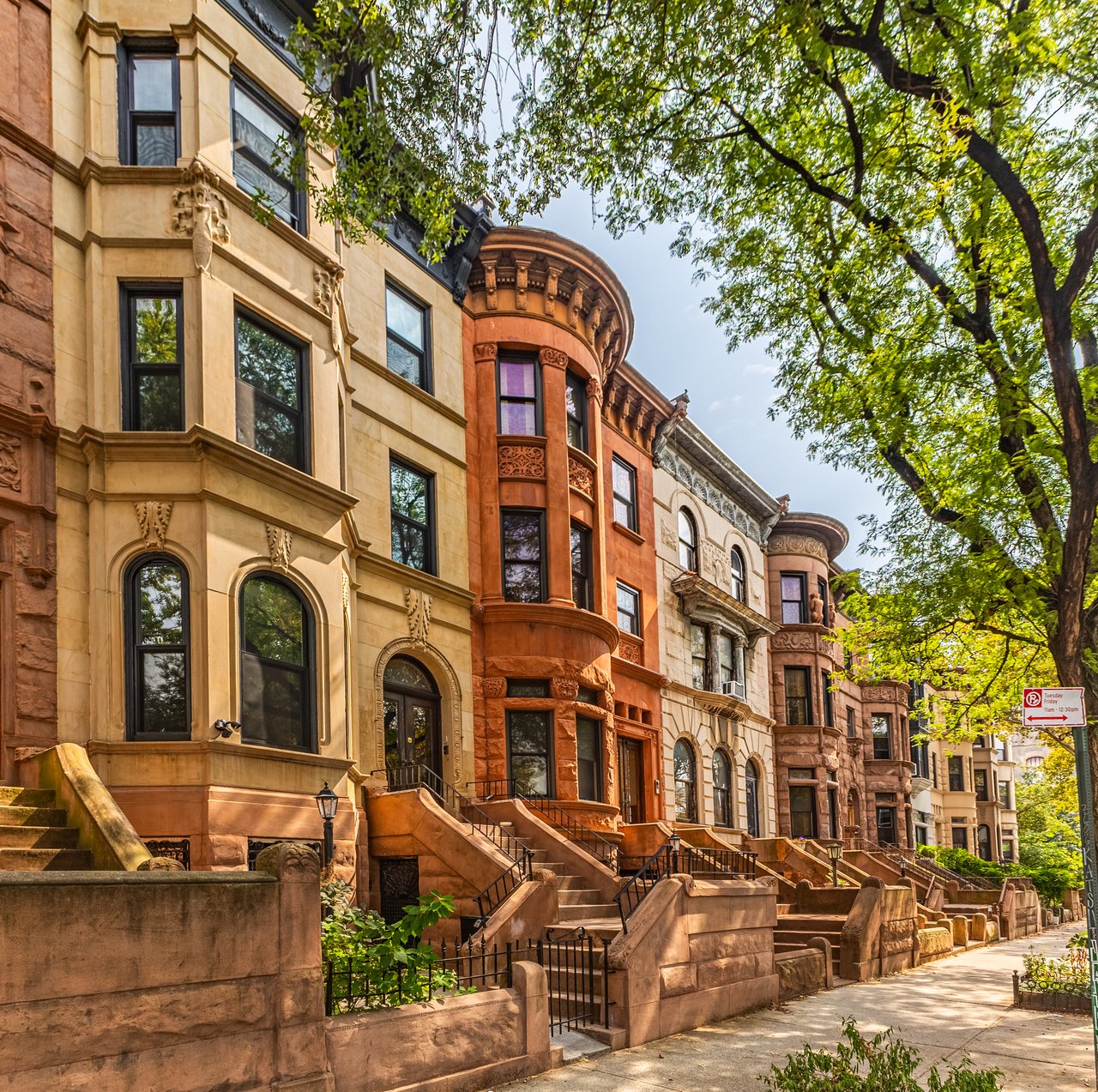
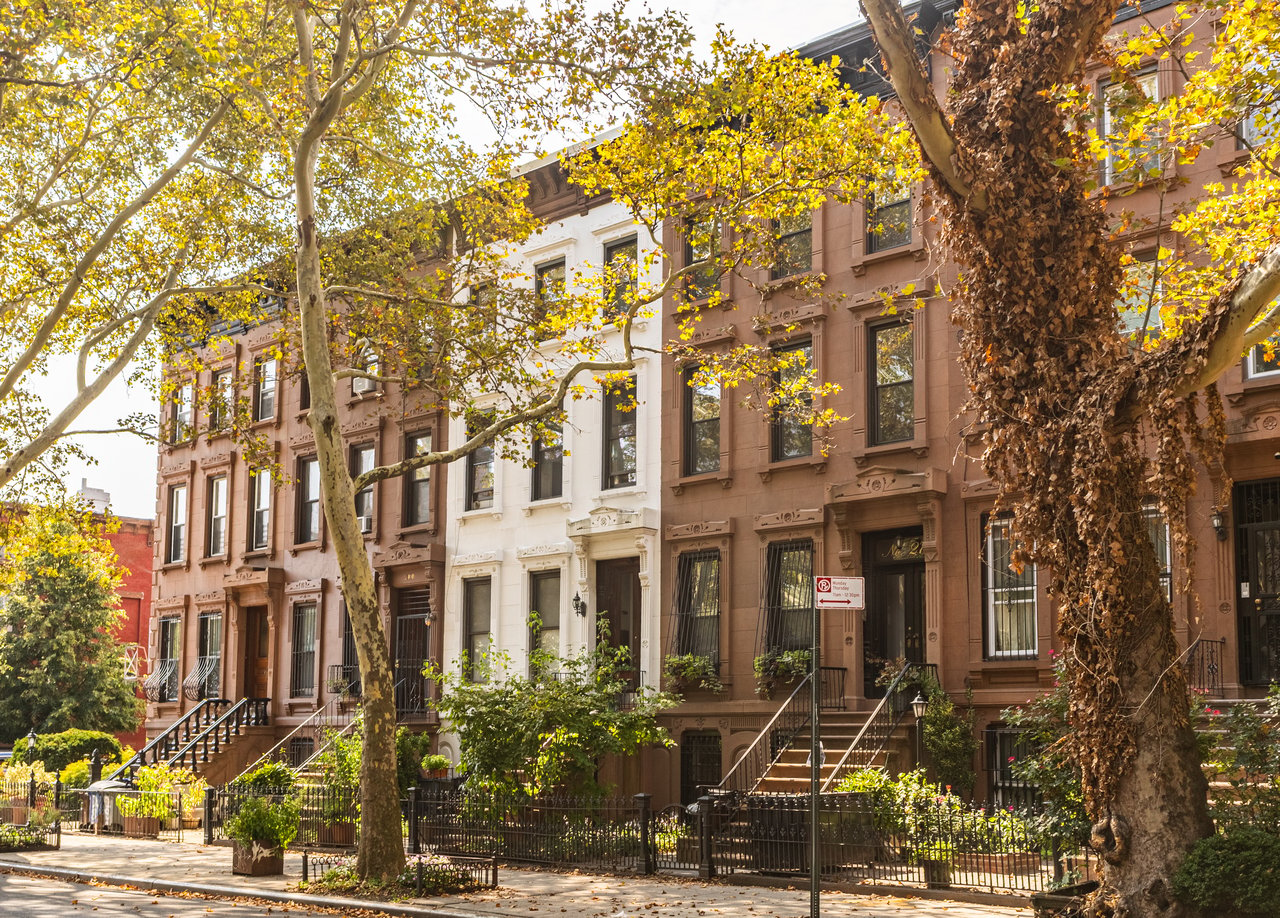
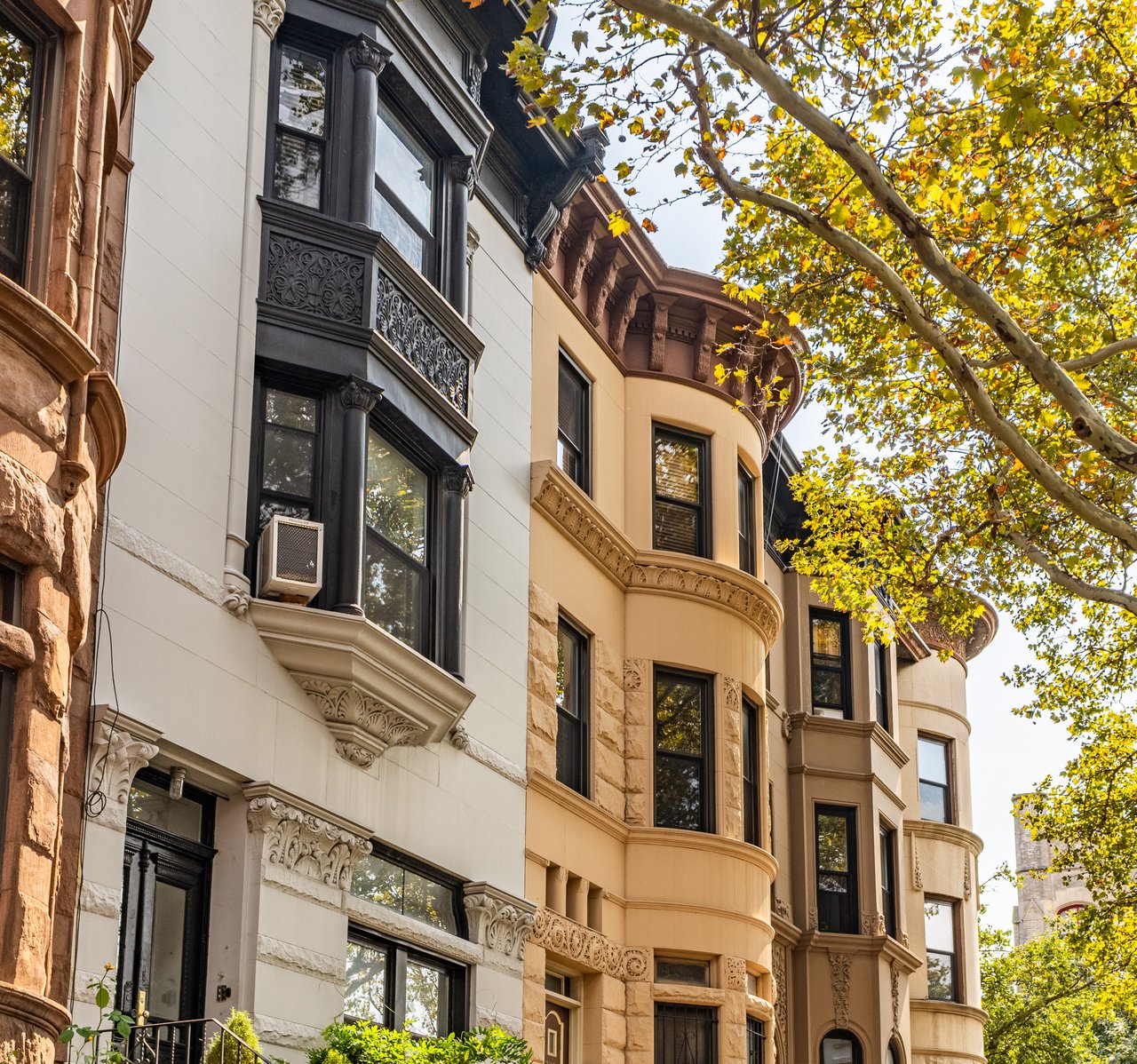
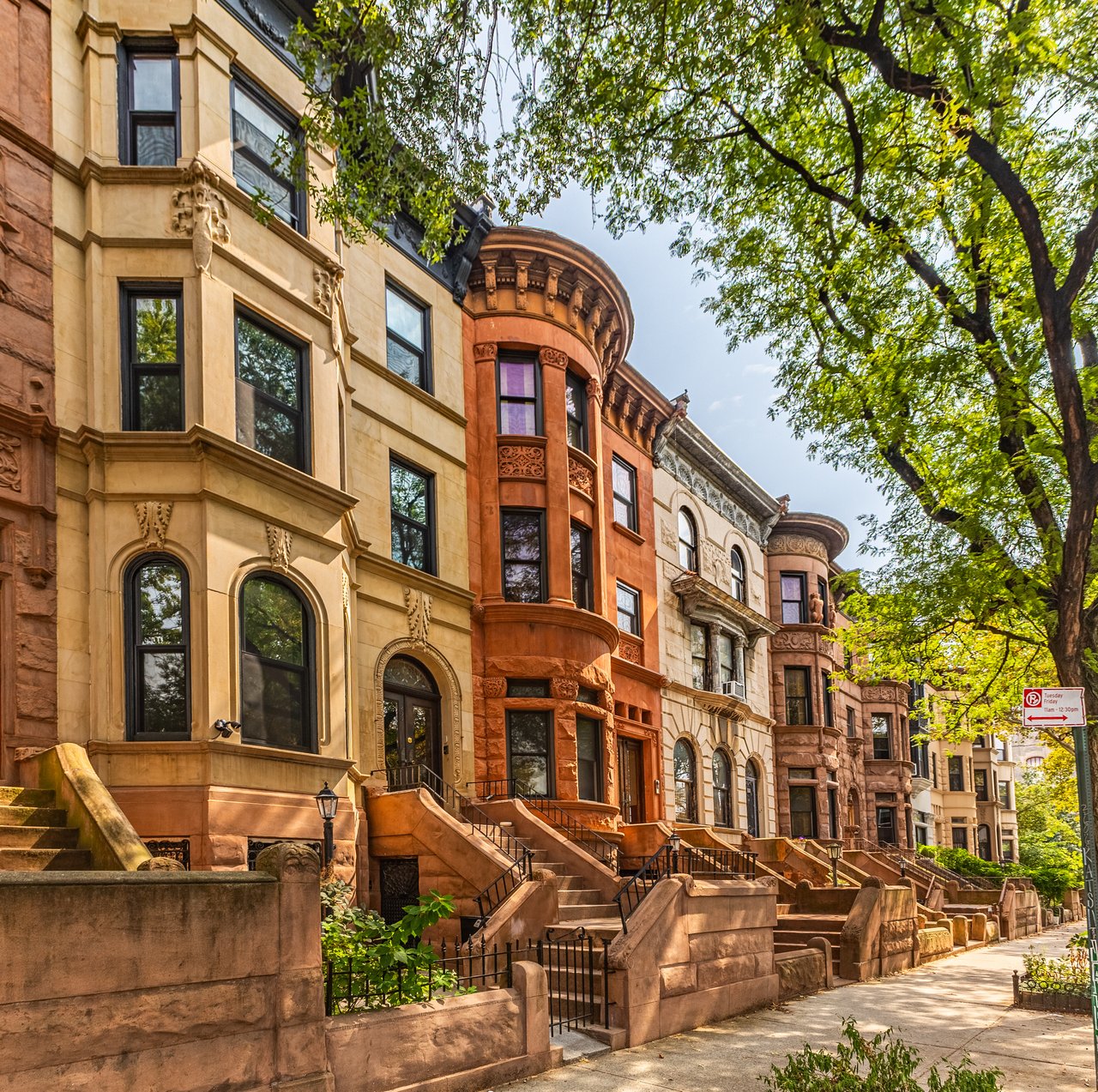
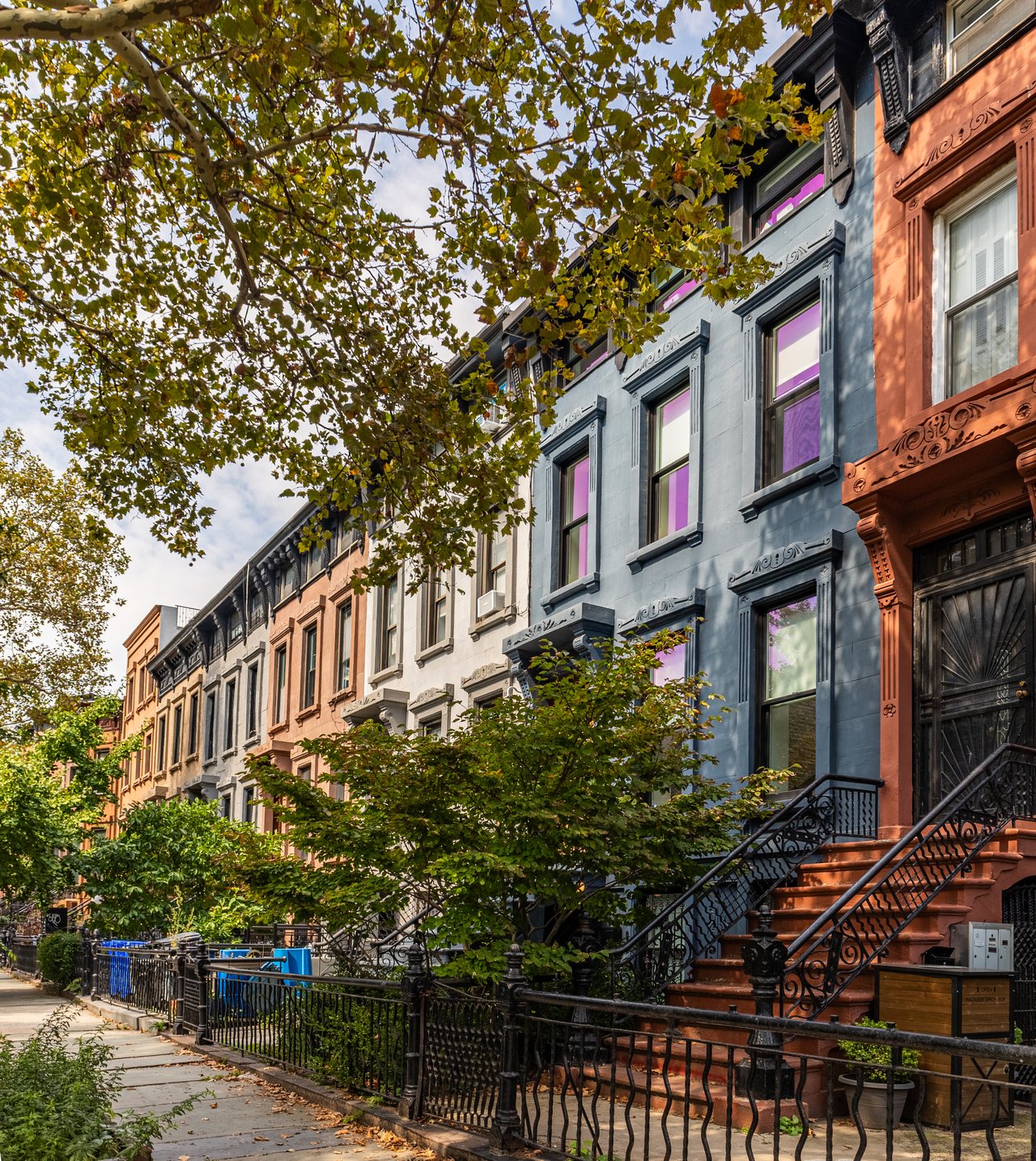
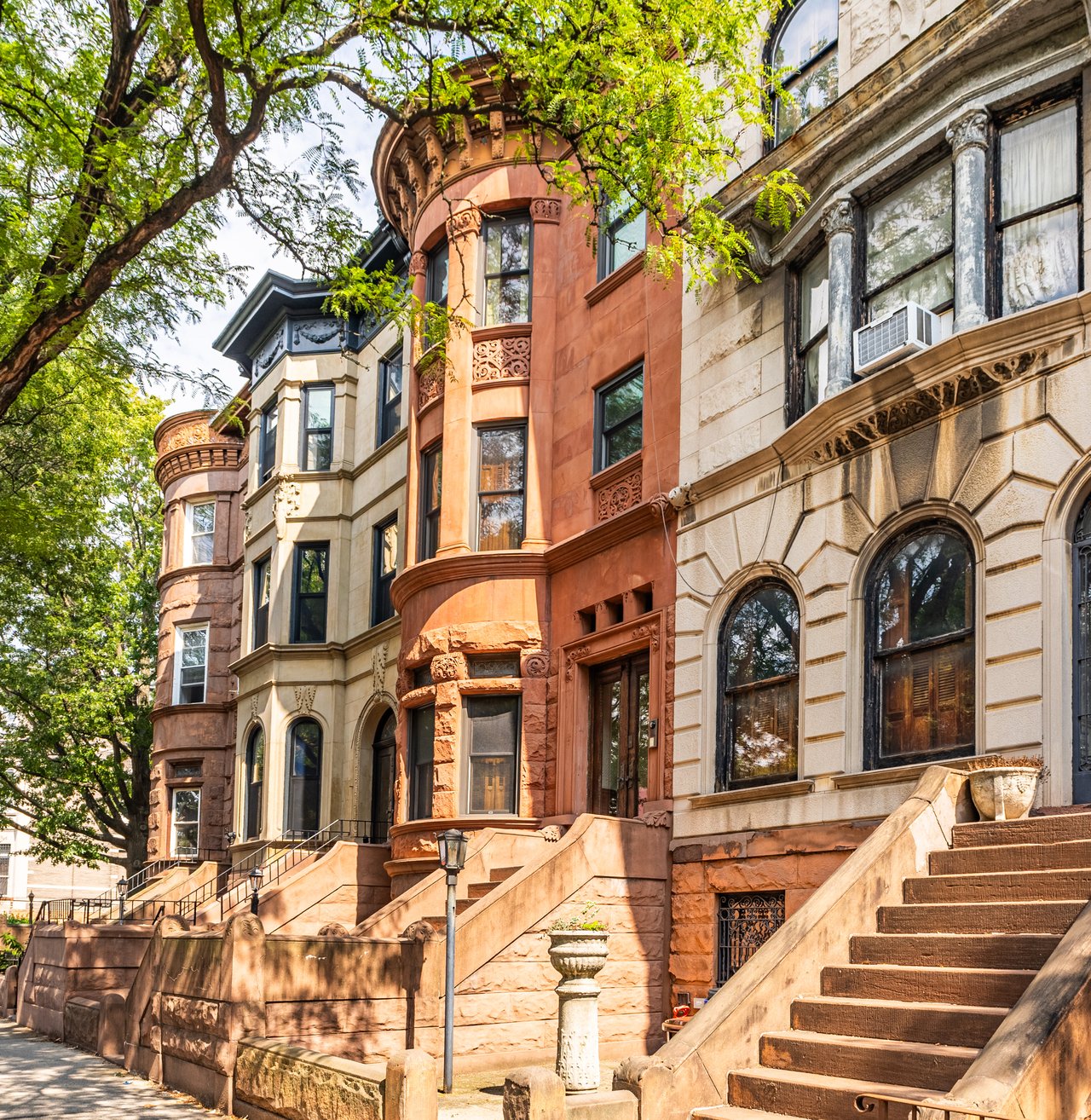
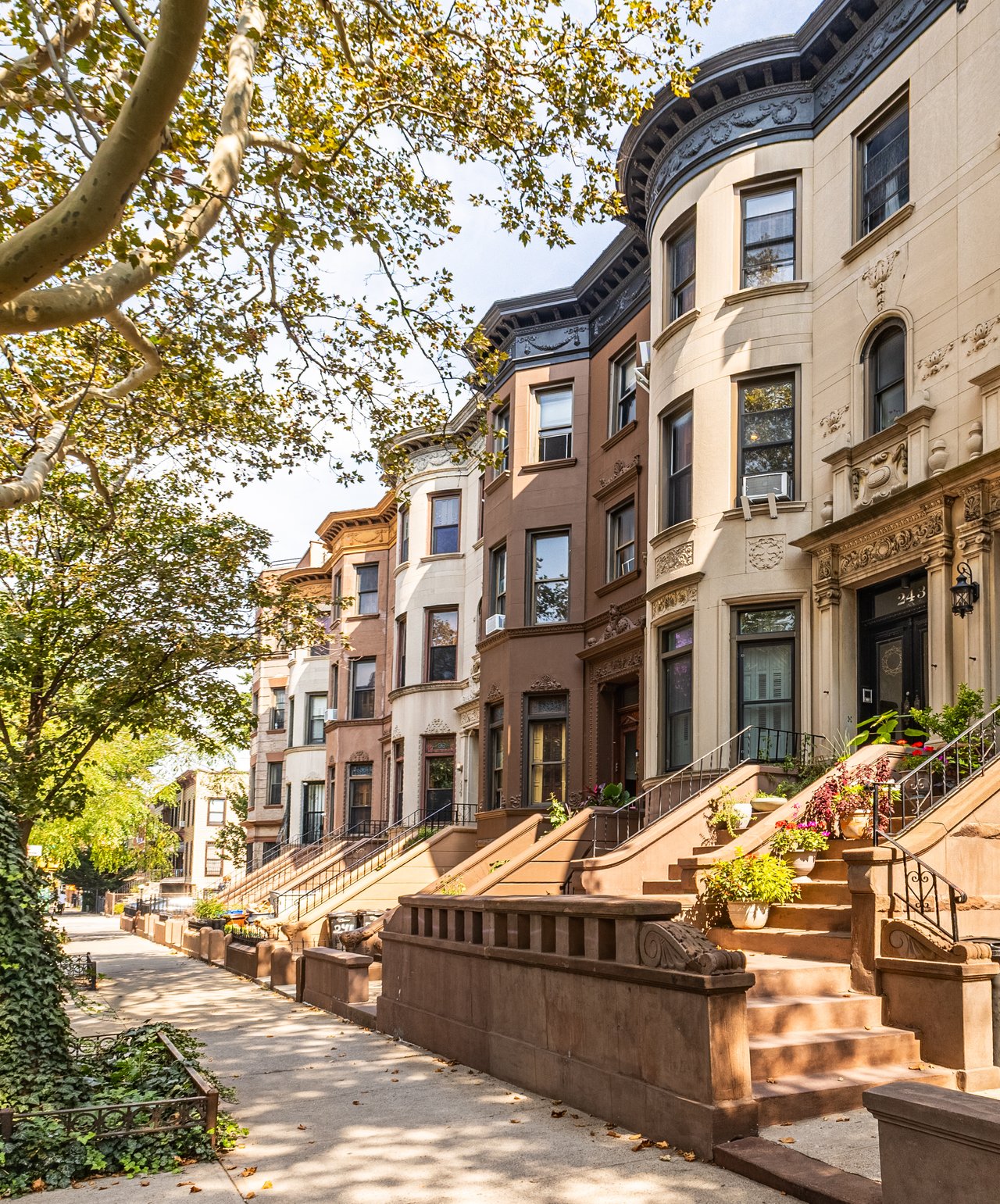
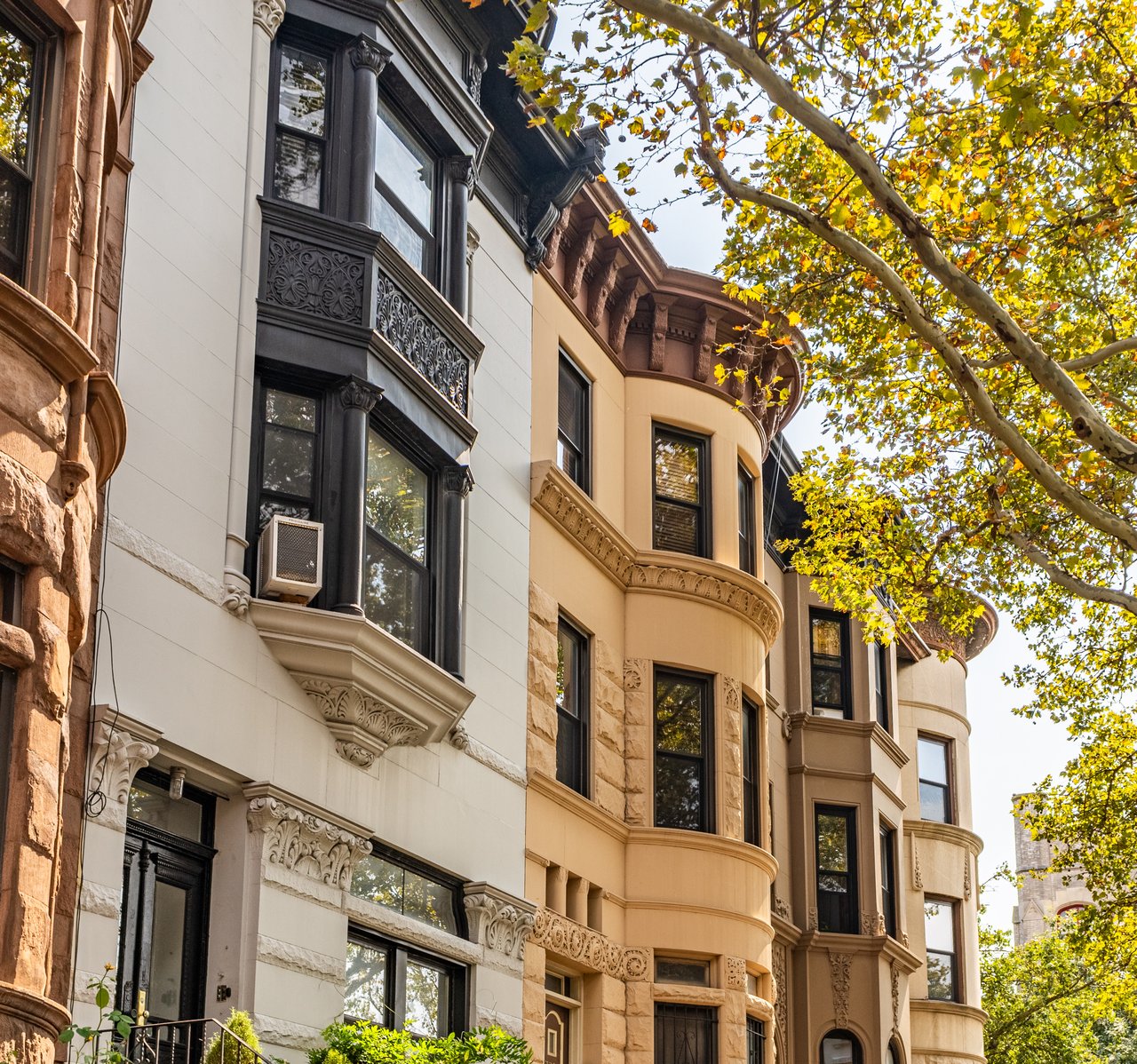
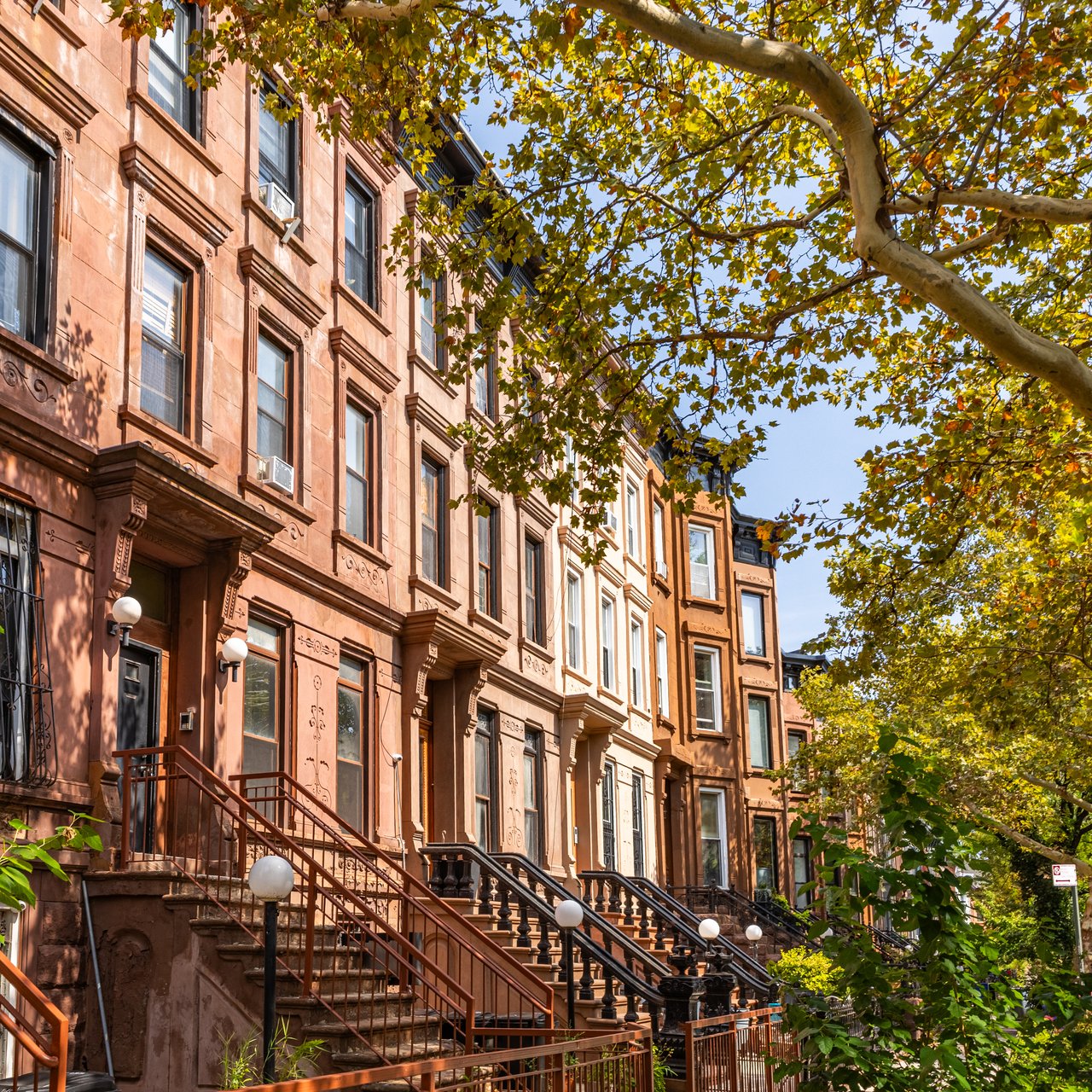
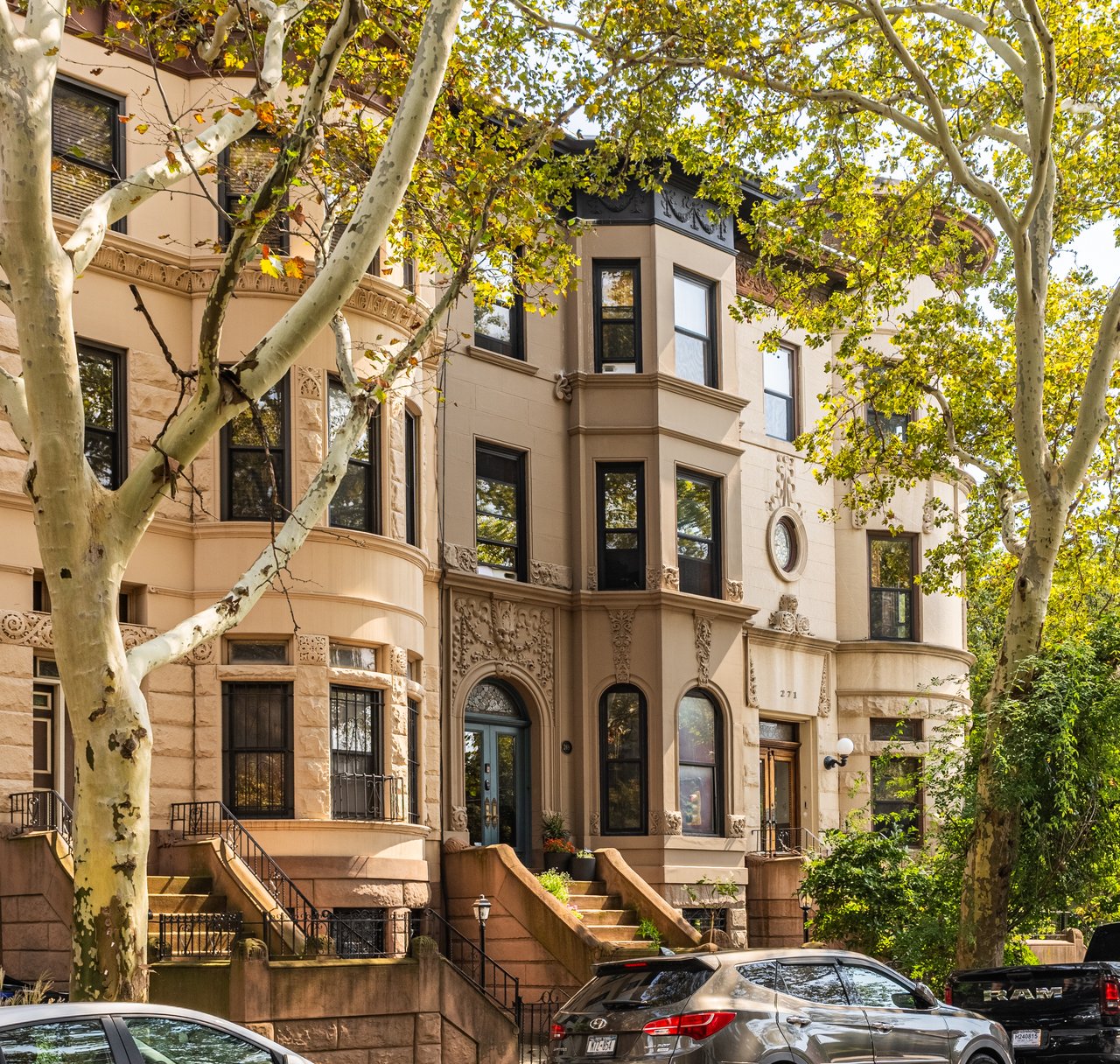
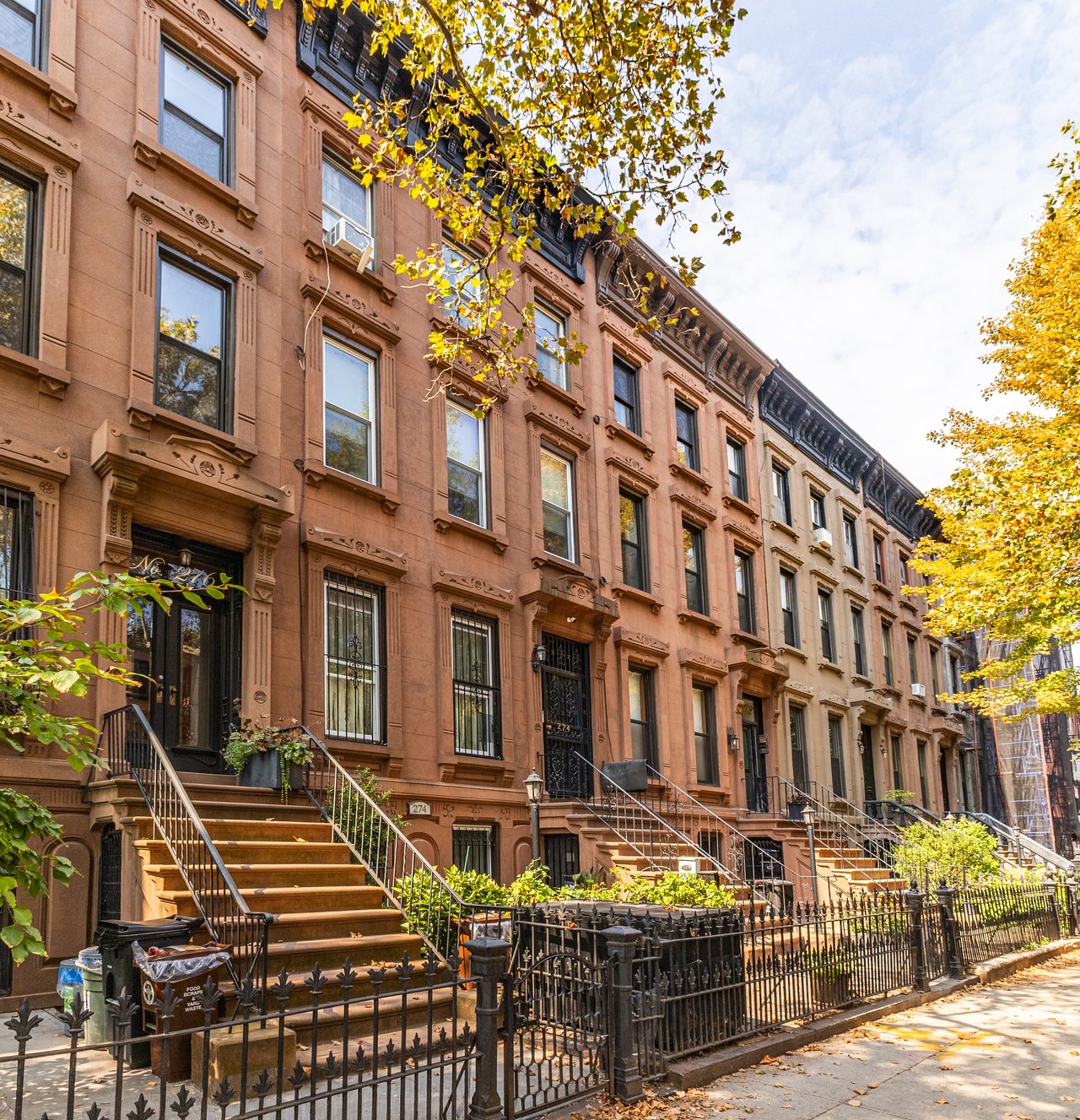
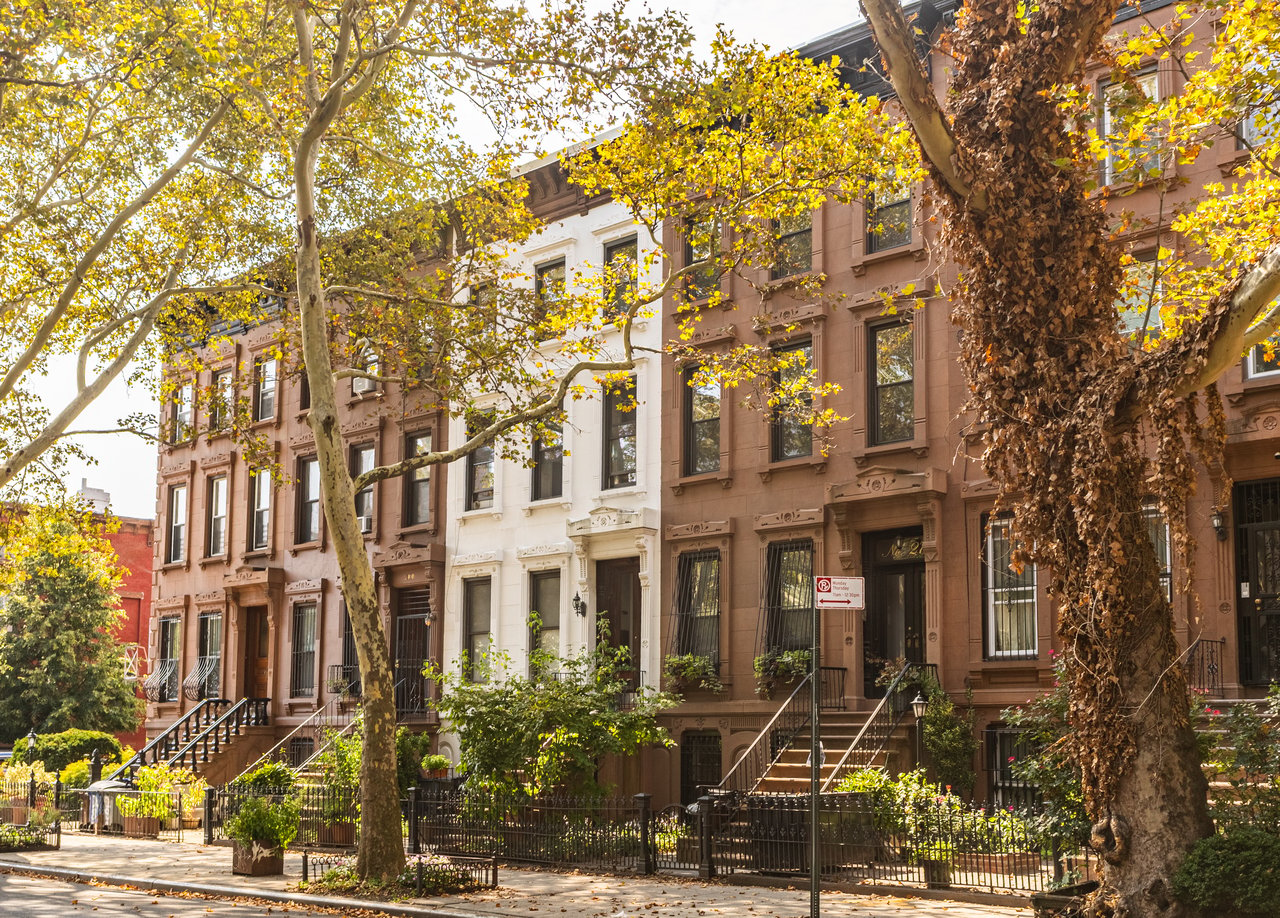
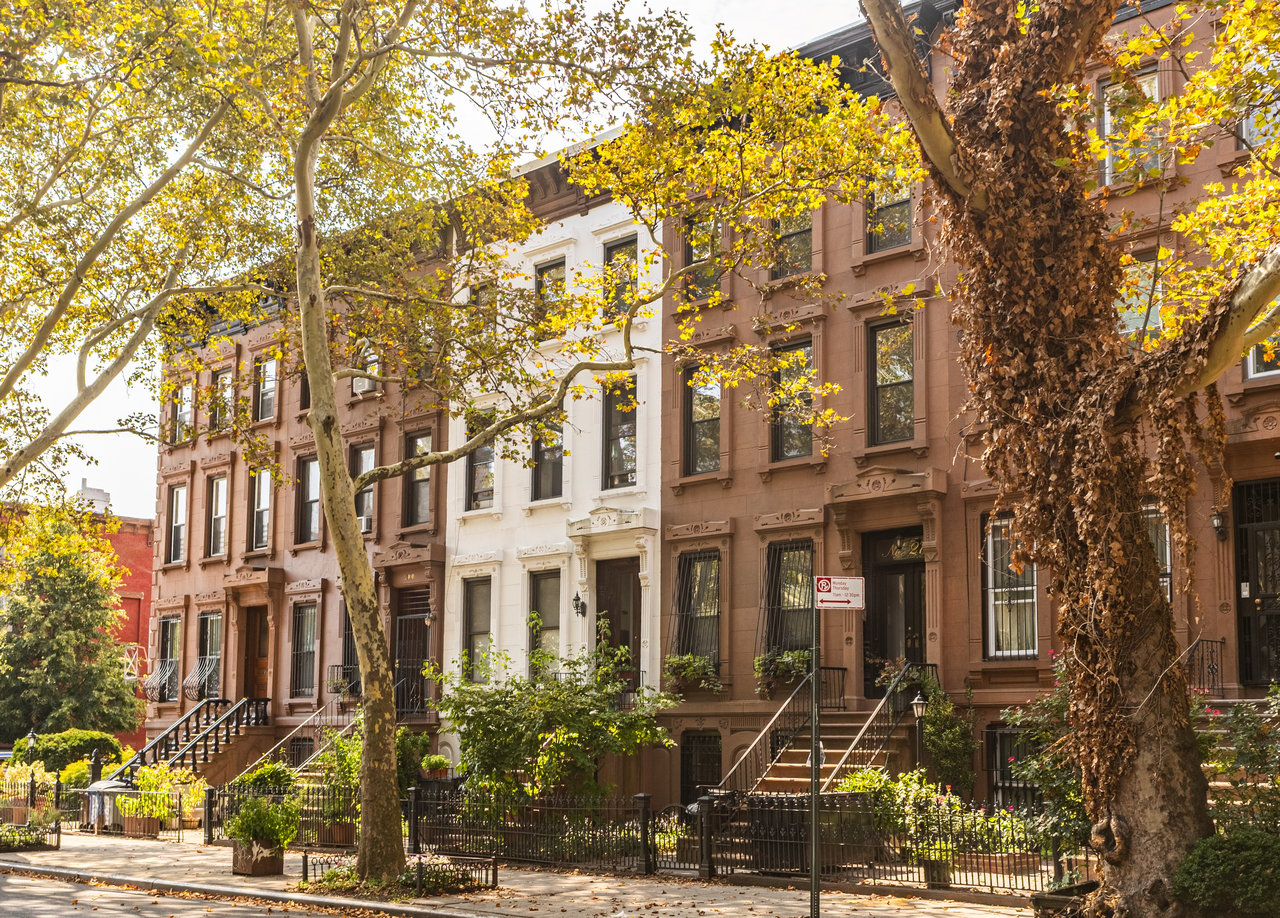
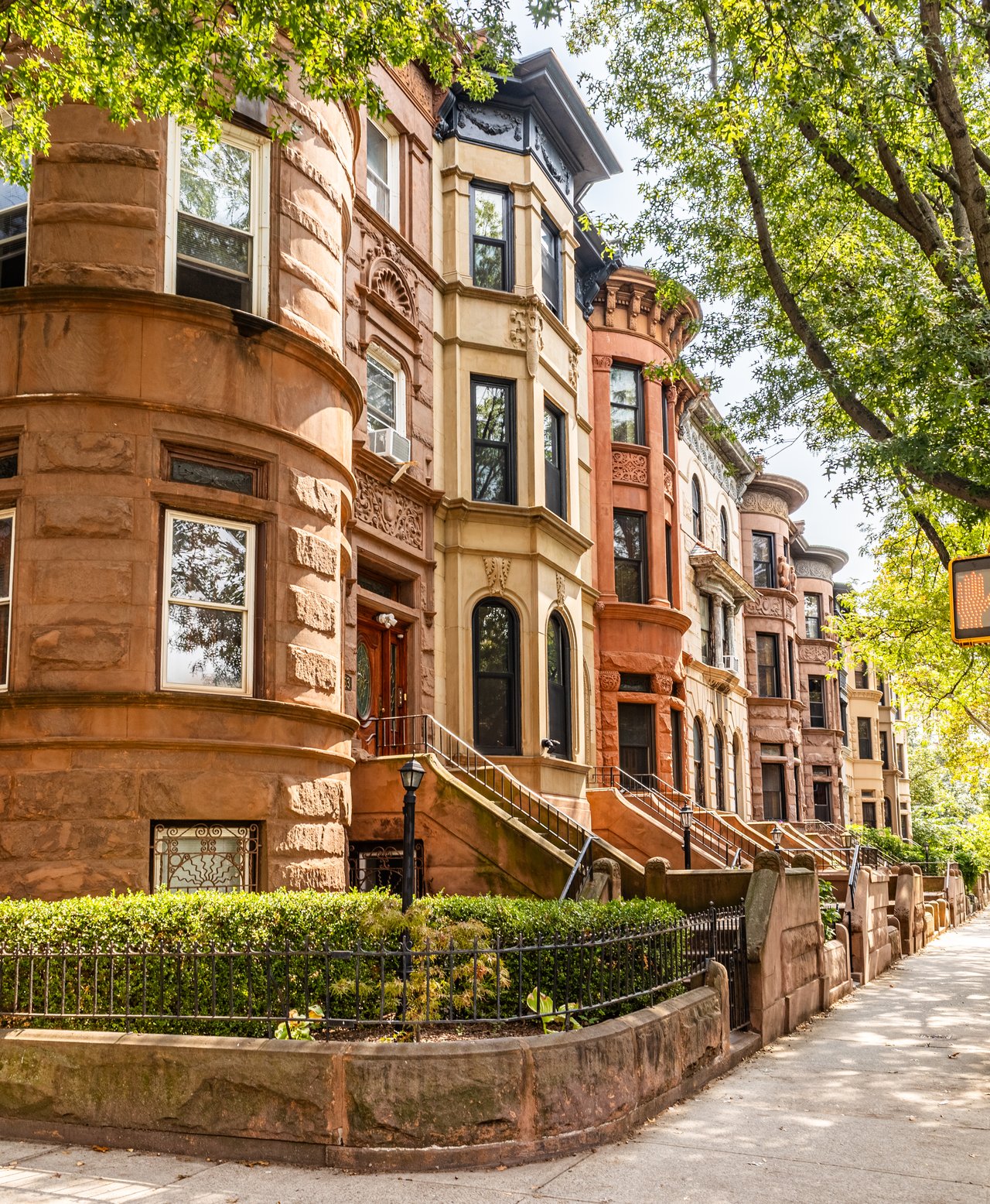
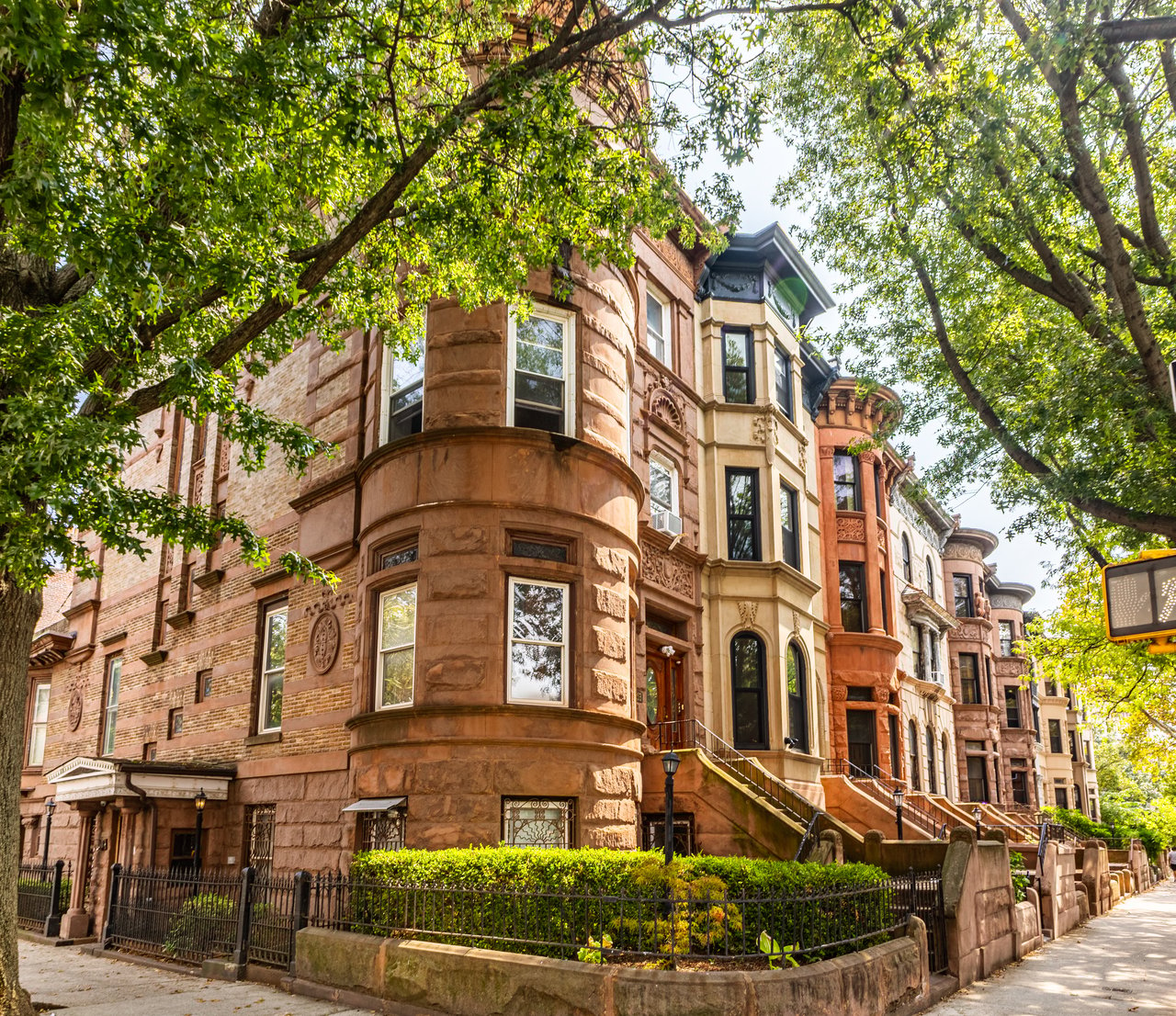
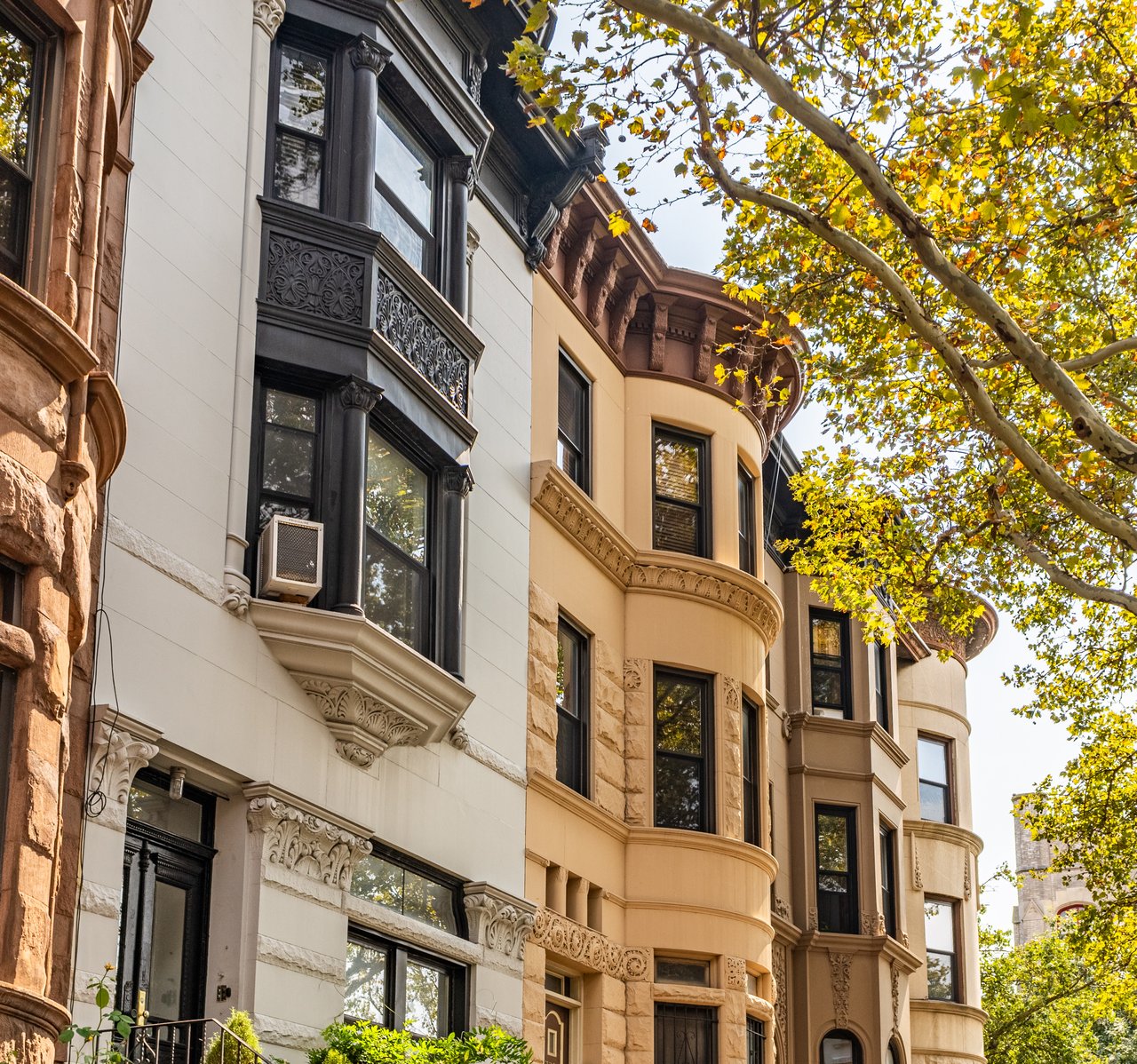
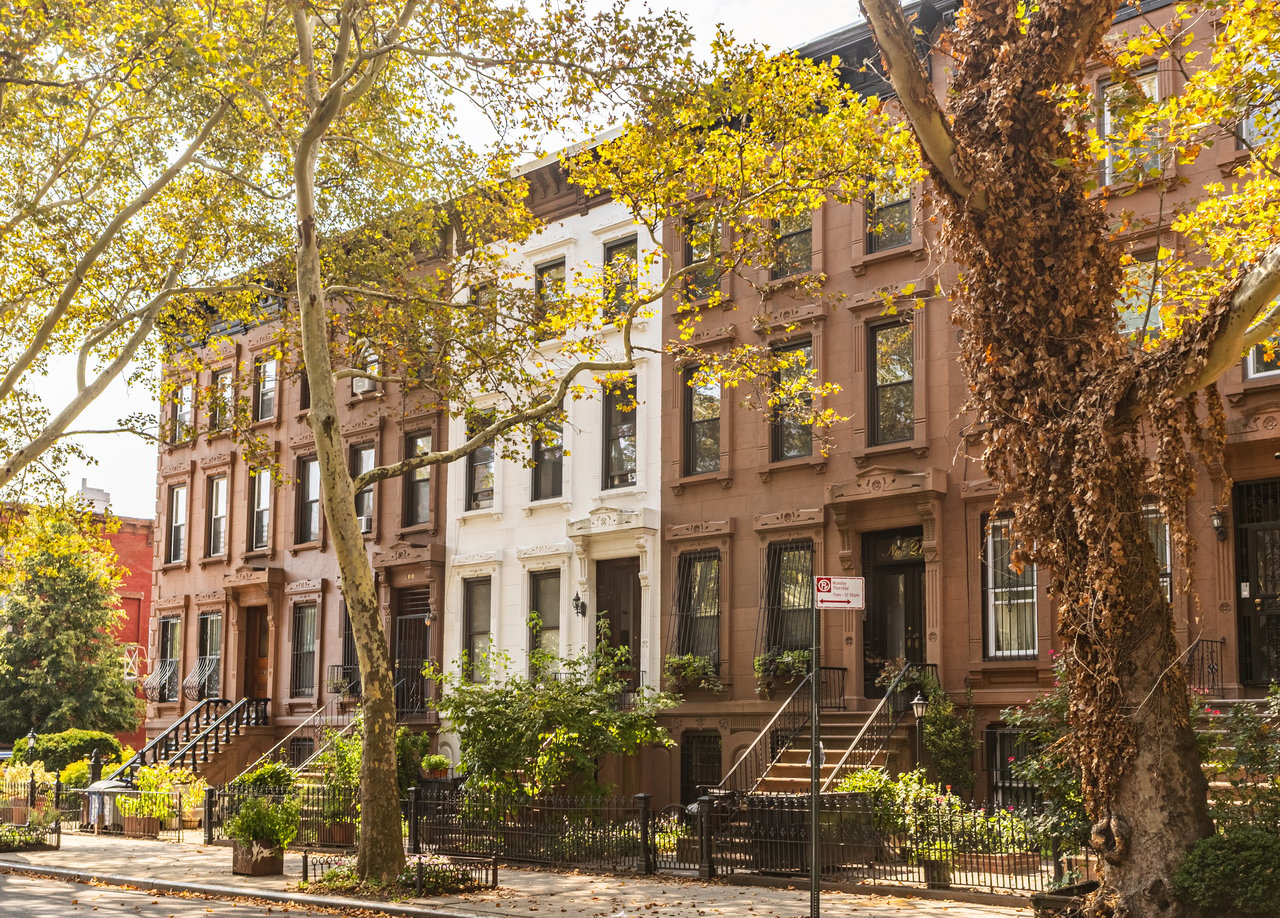
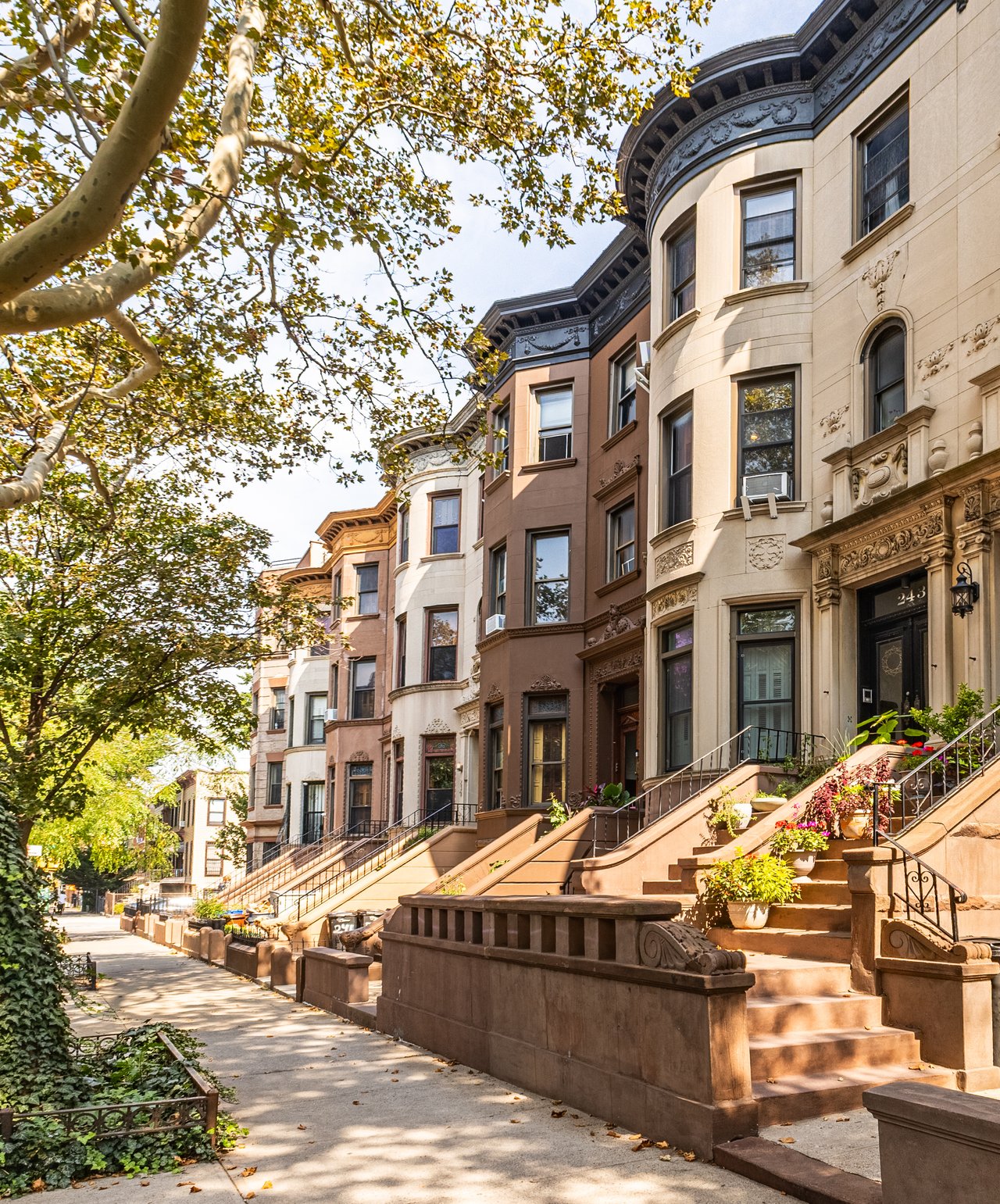
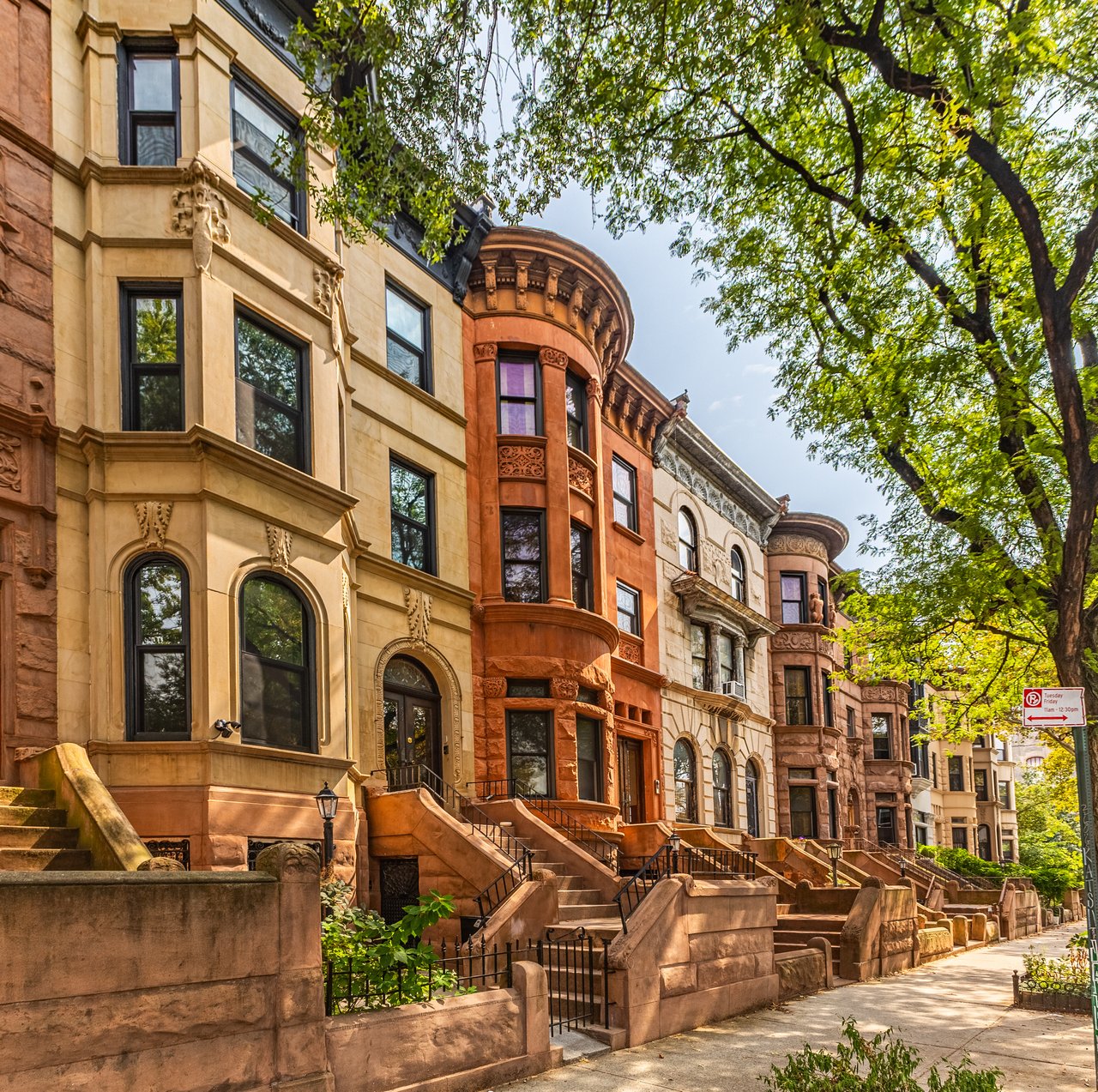
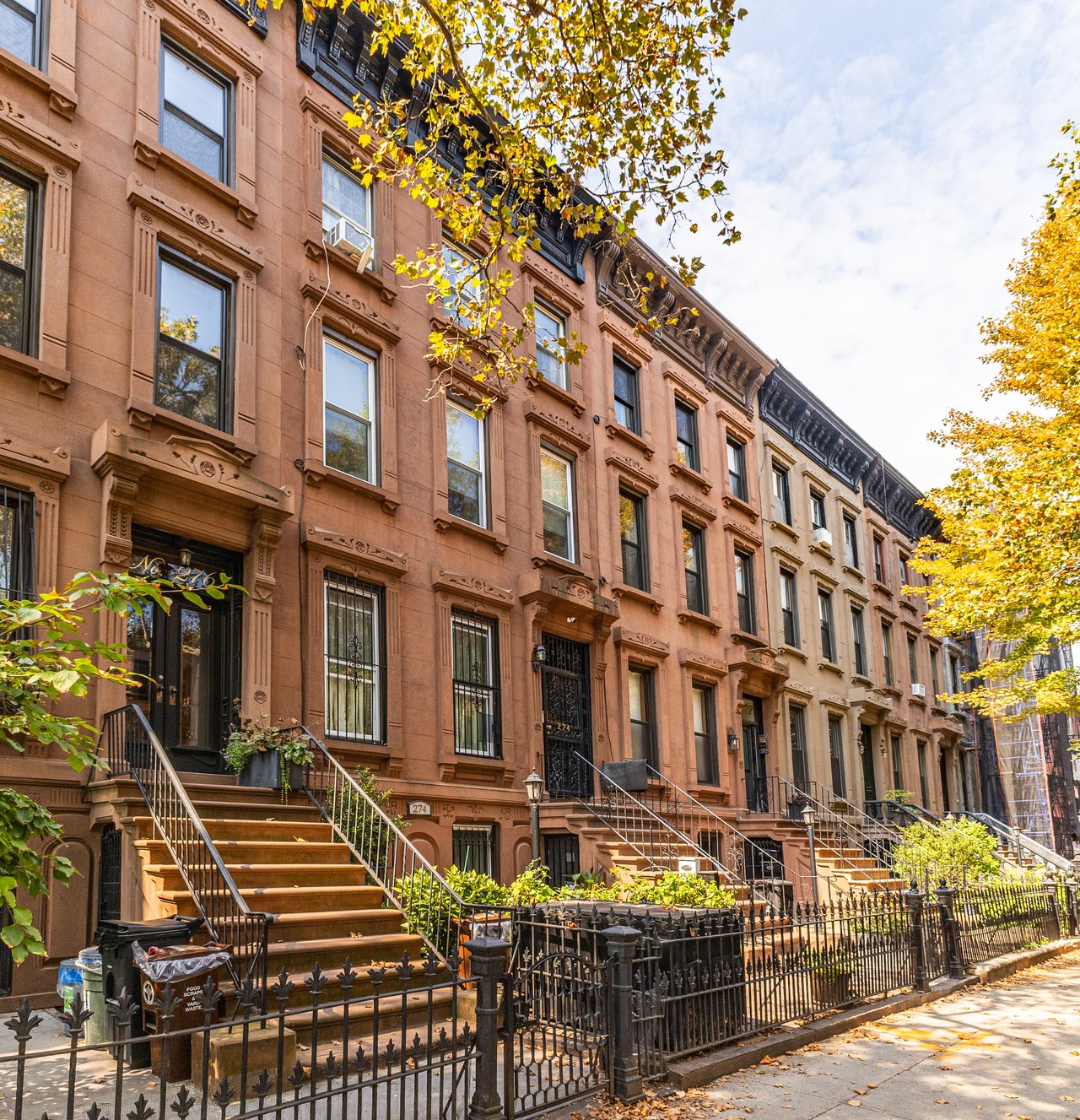
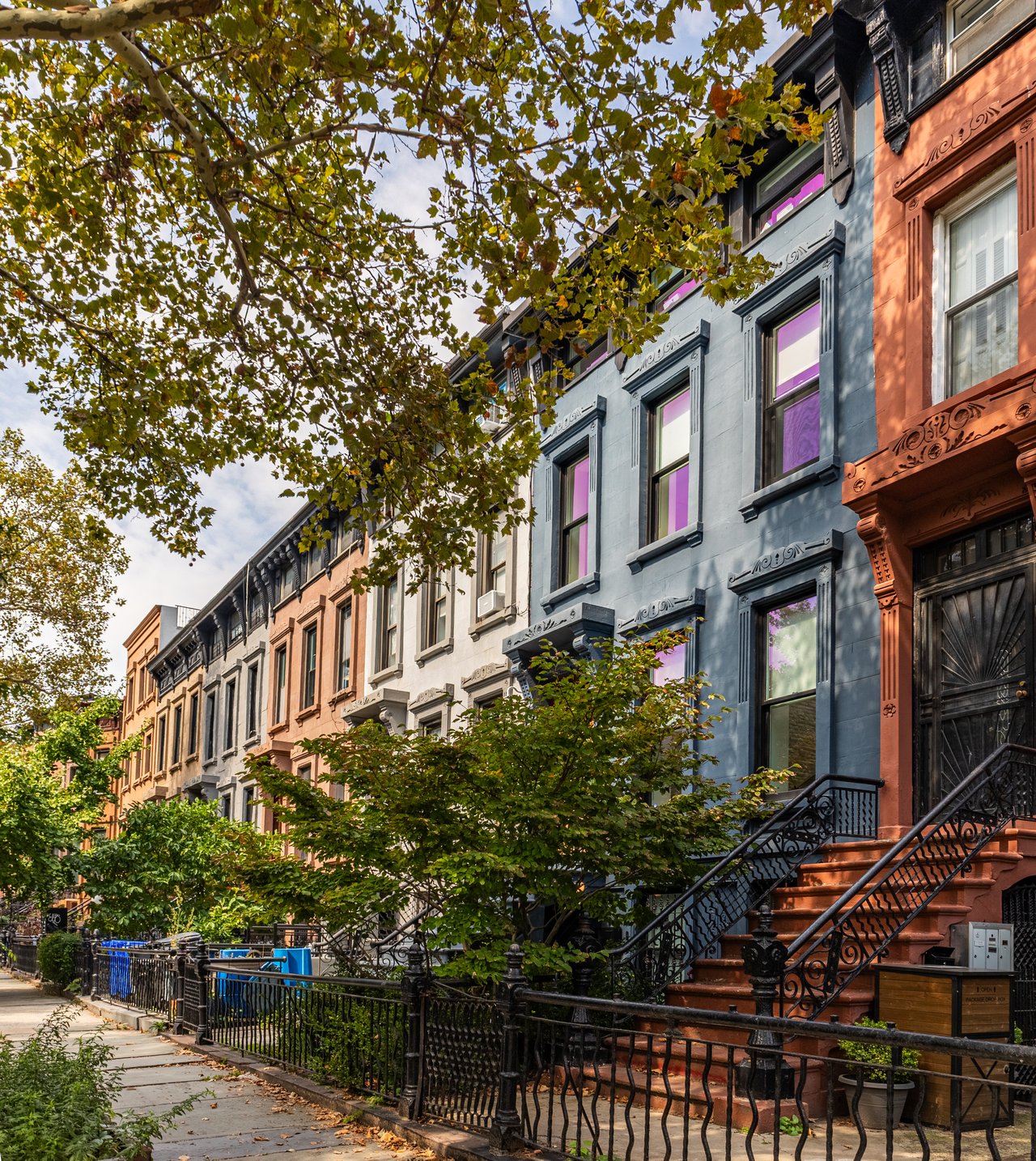
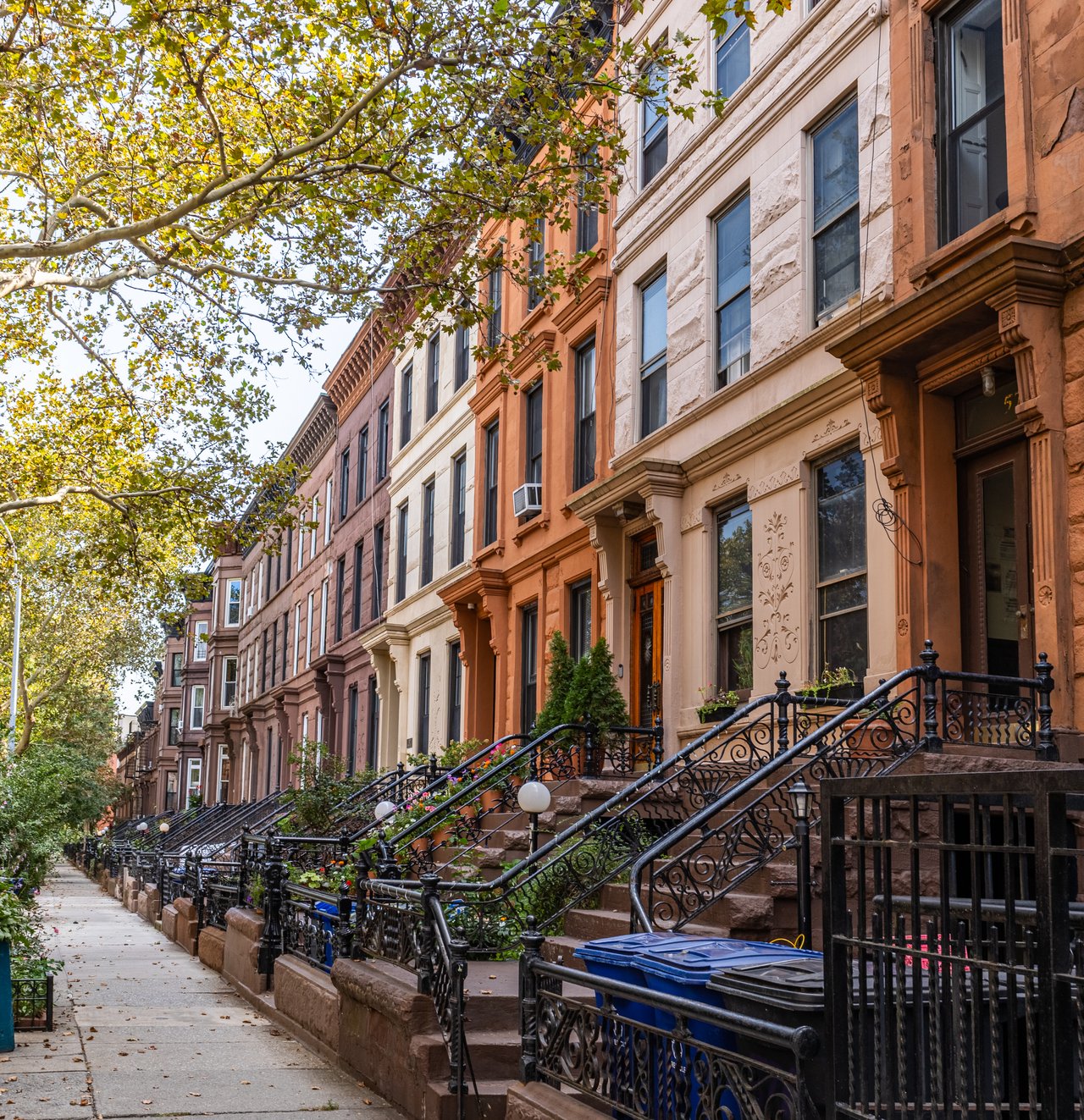
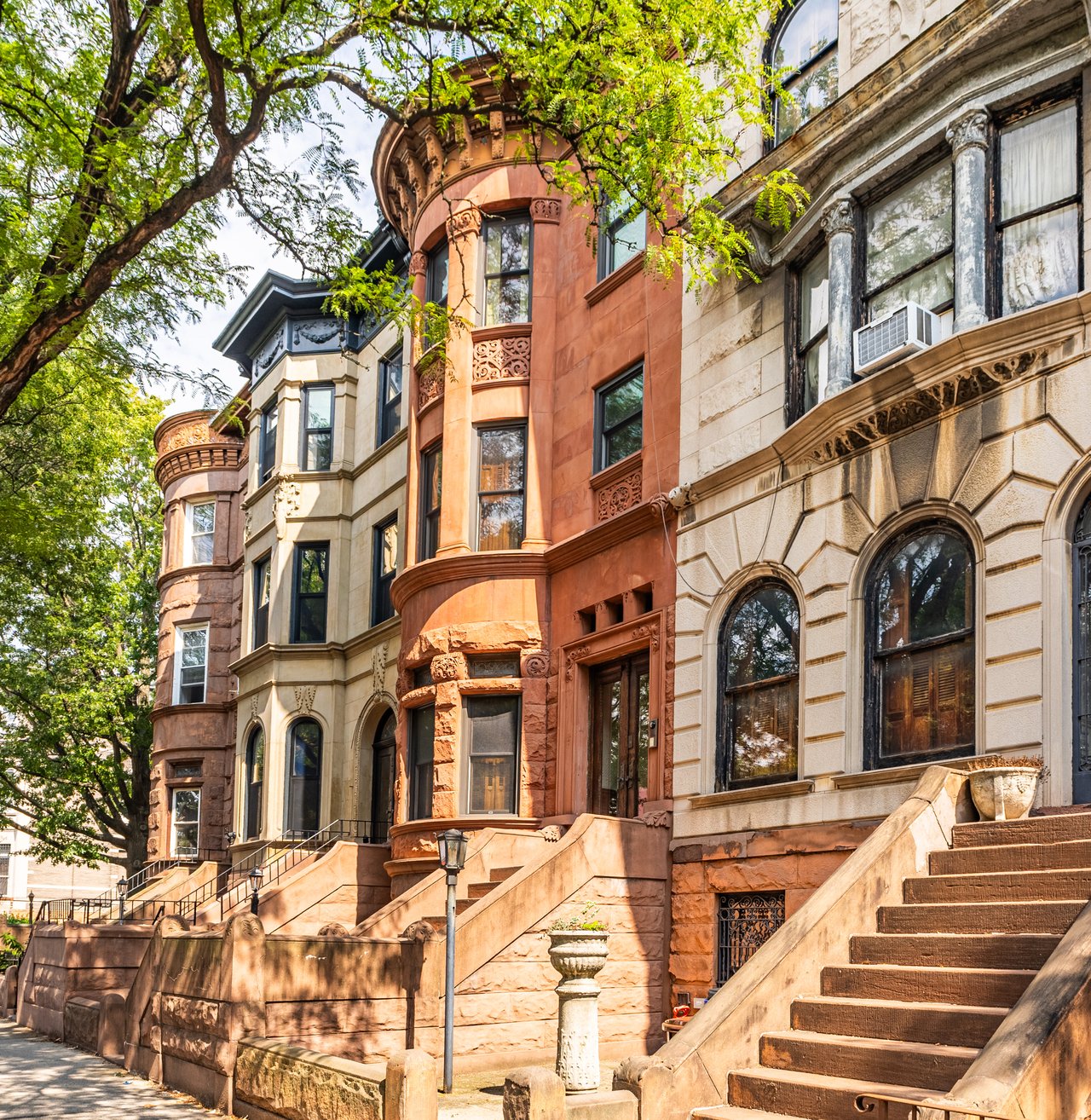
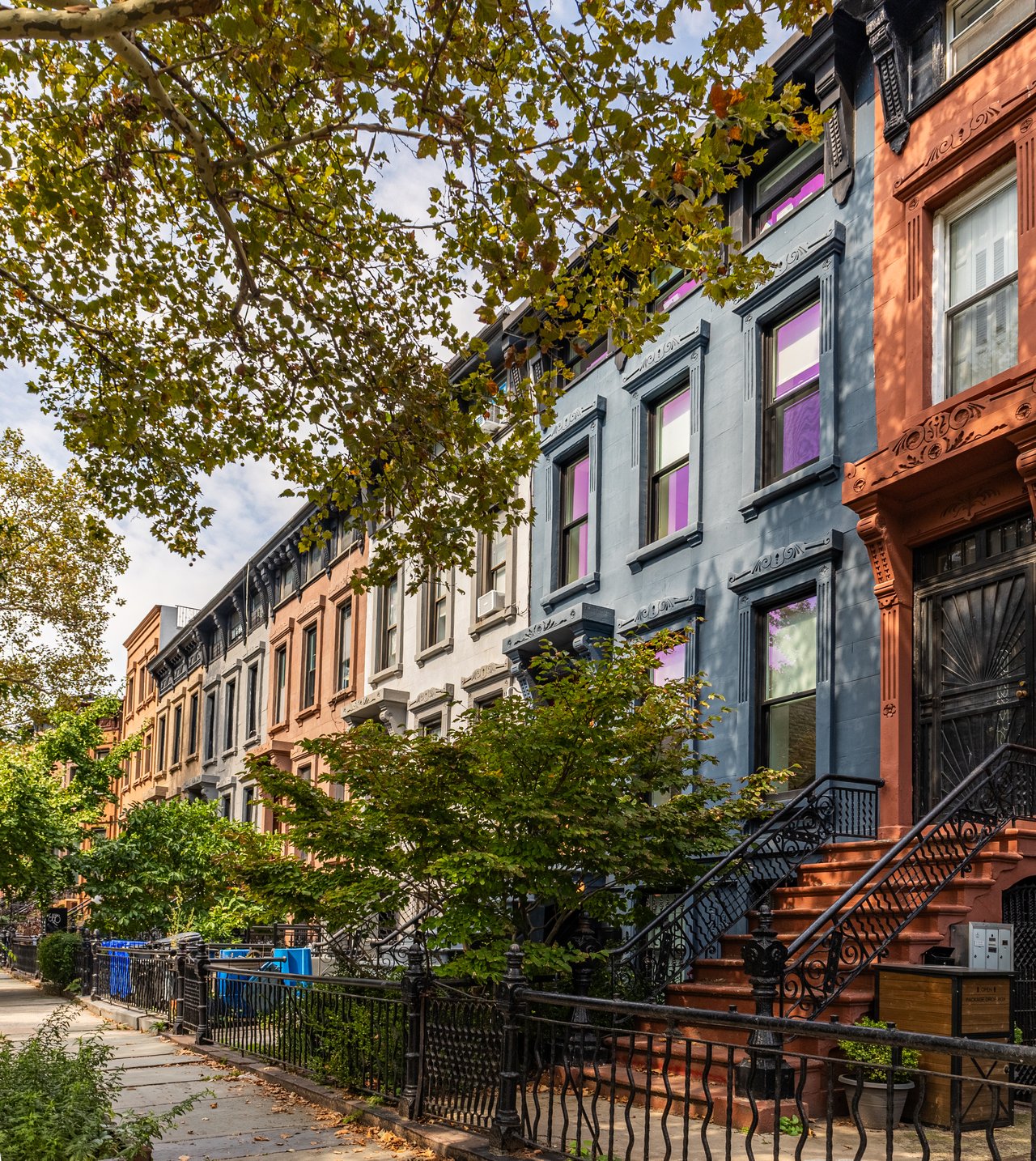
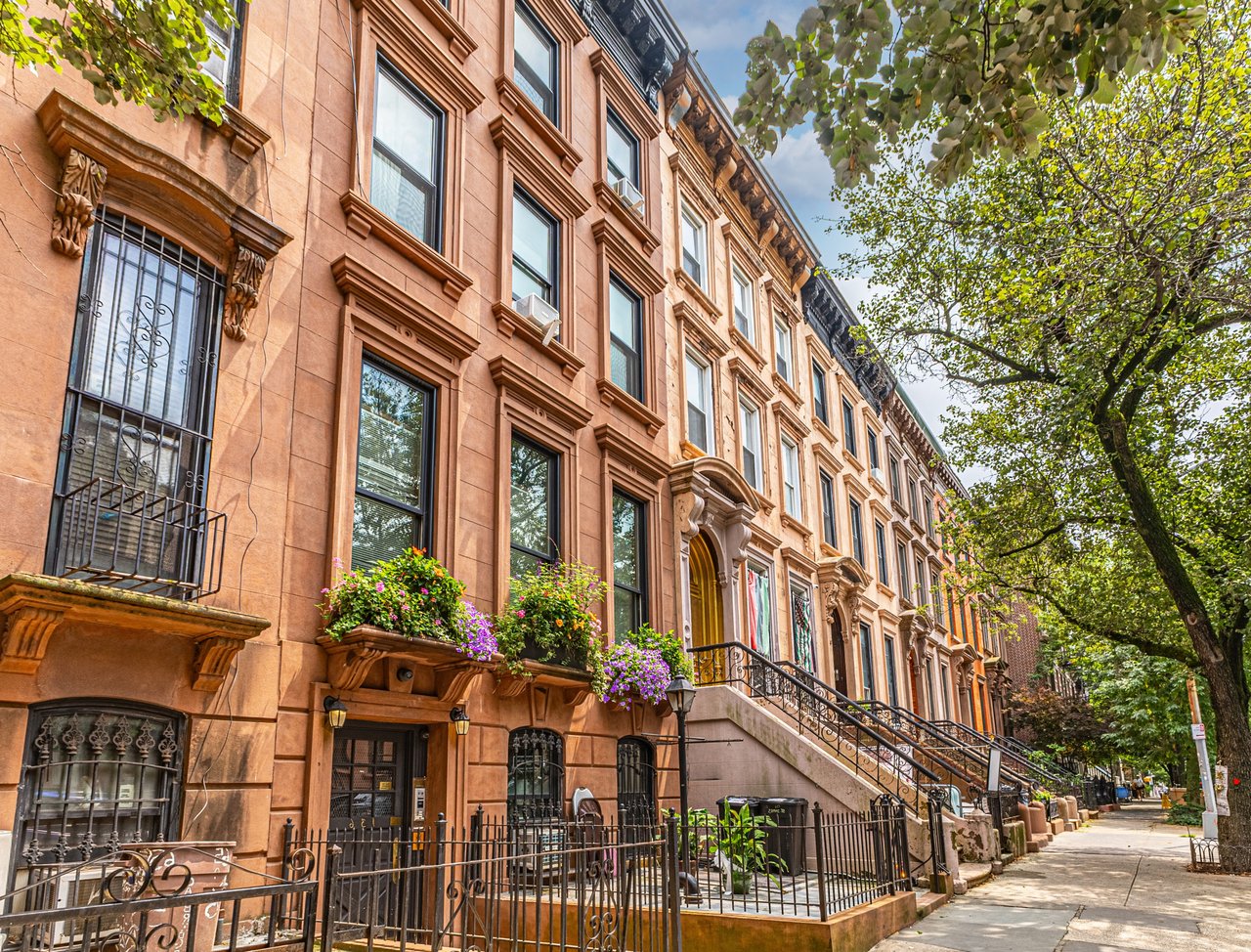
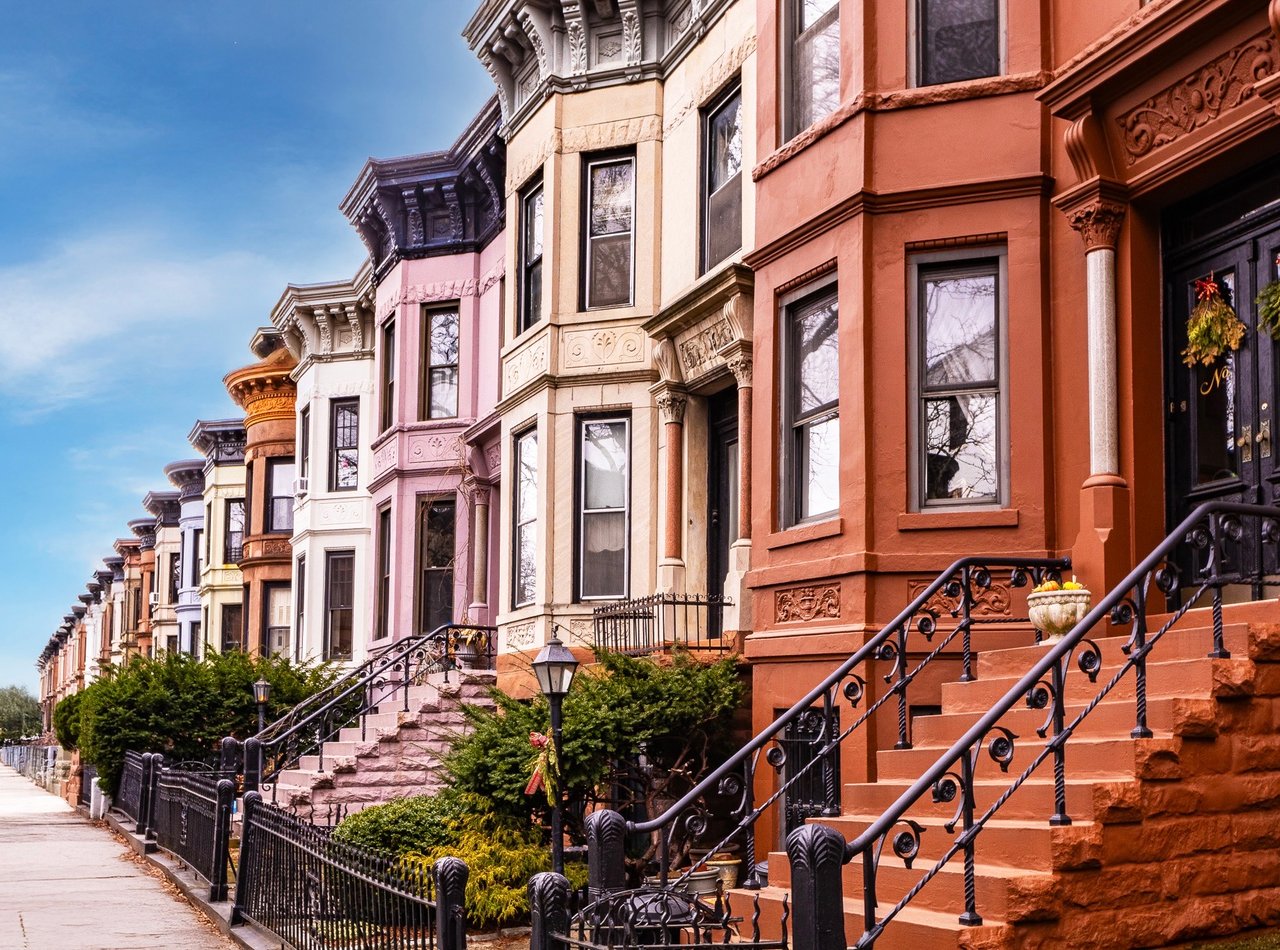
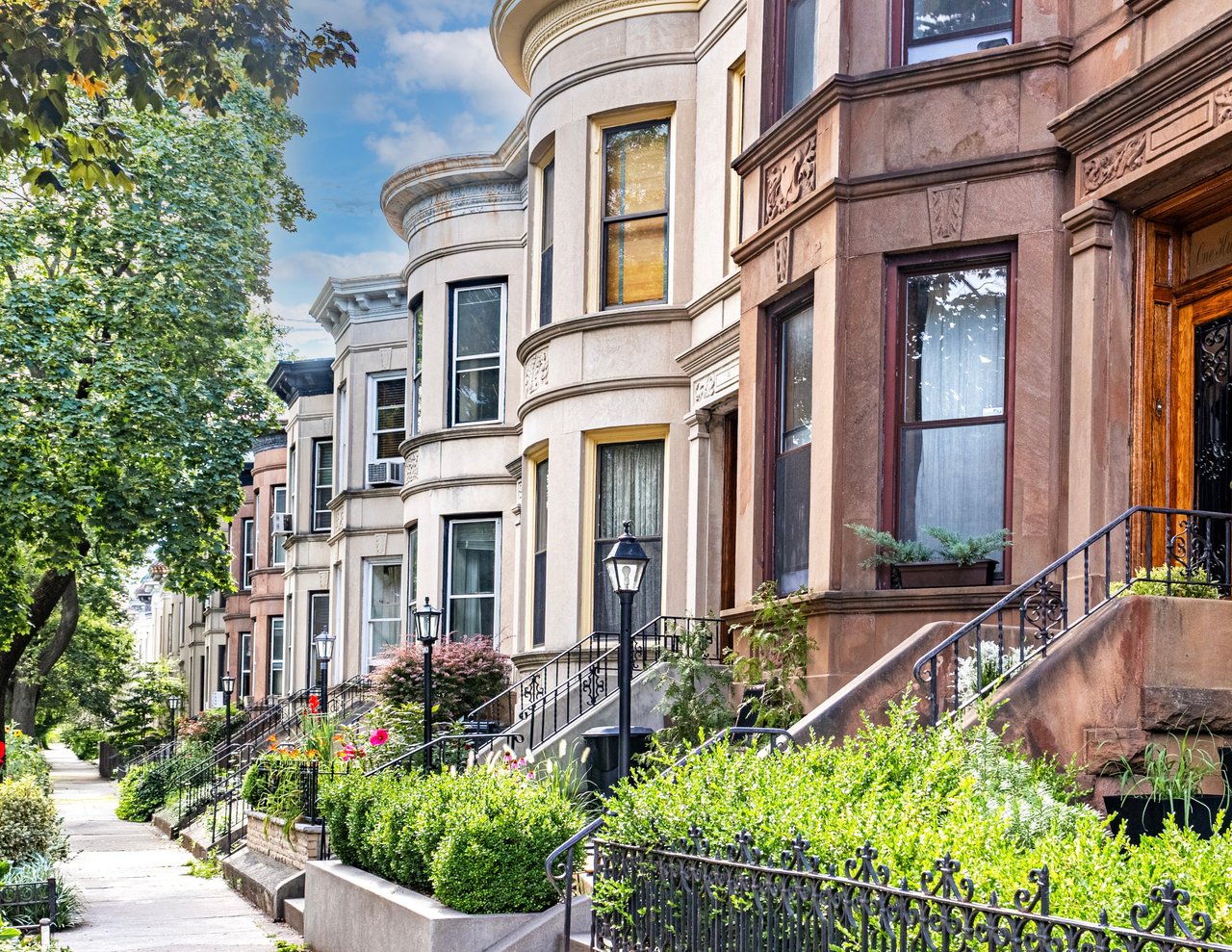
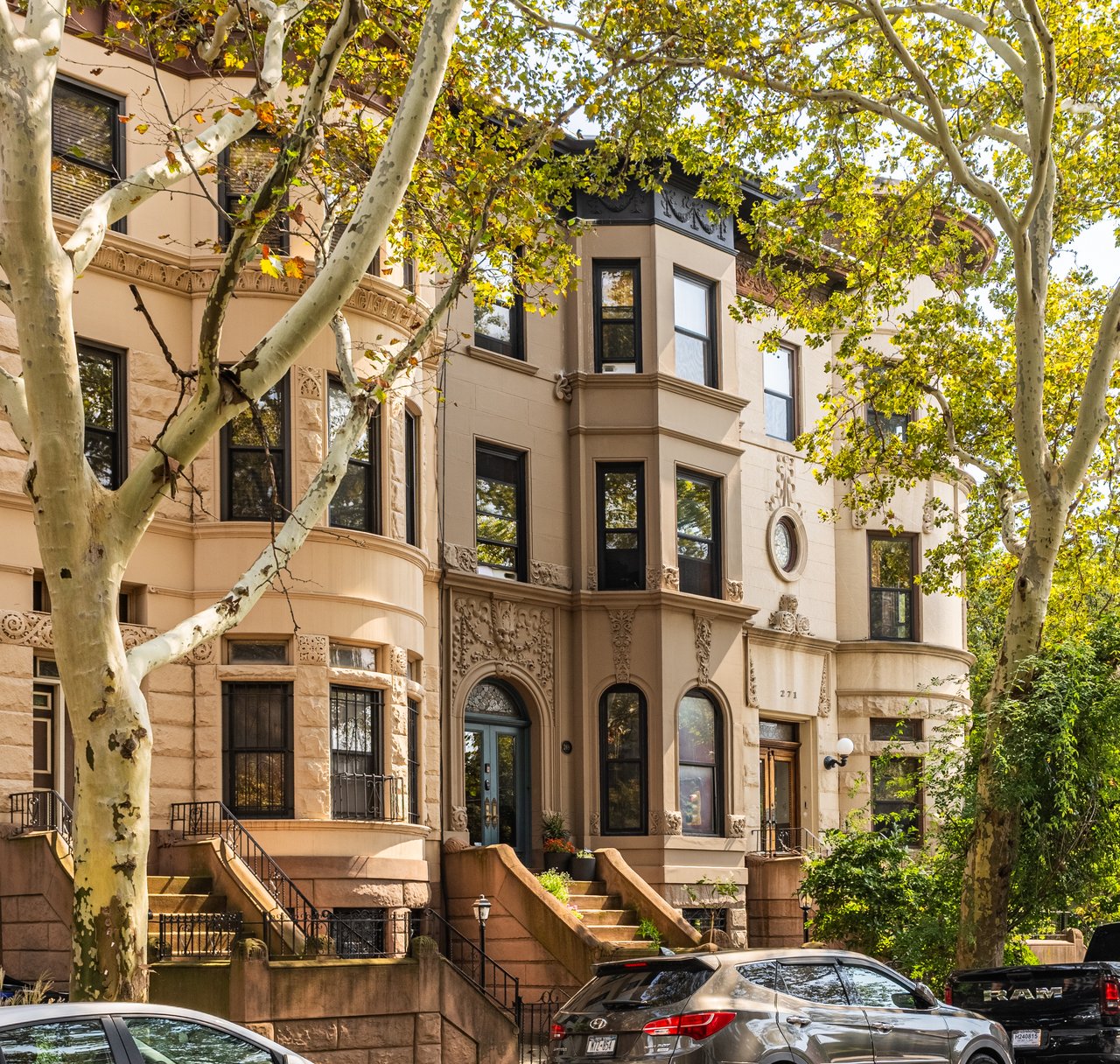
Prospect Place is one of the most architecturally distinctive residential streets in Prospect Heights, Brooklyn. Known for its historic brownstones, limestone townhouses, decorative stoops, brick rowhouses, and late-19th-century architecture, the street preserves an important part of Brooklyn's residential history.
Running east-west through Prospect Heights and into Crown Heights, Prospect Place connects several of Brooklyn's established residential and commercial corridors.
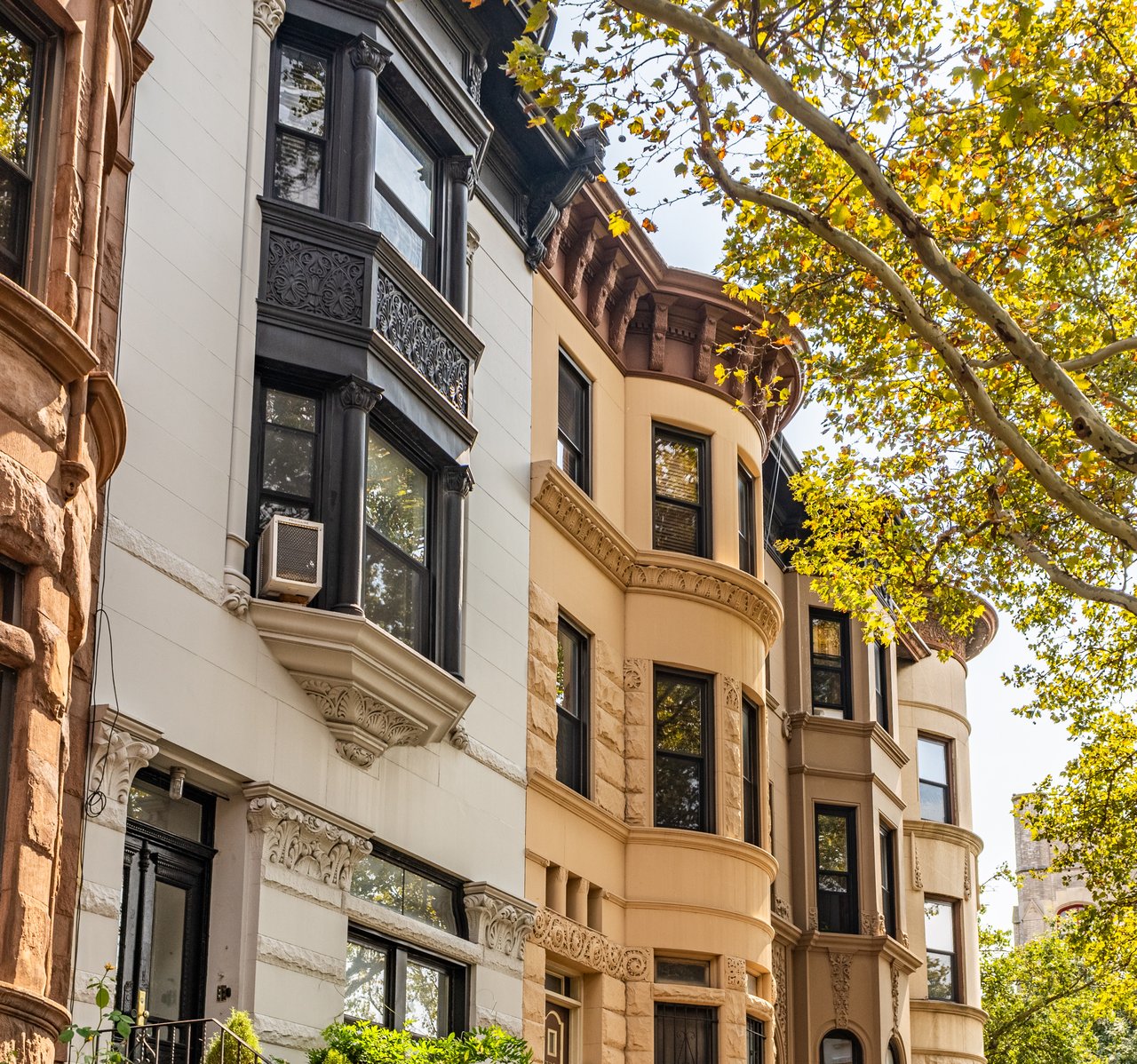
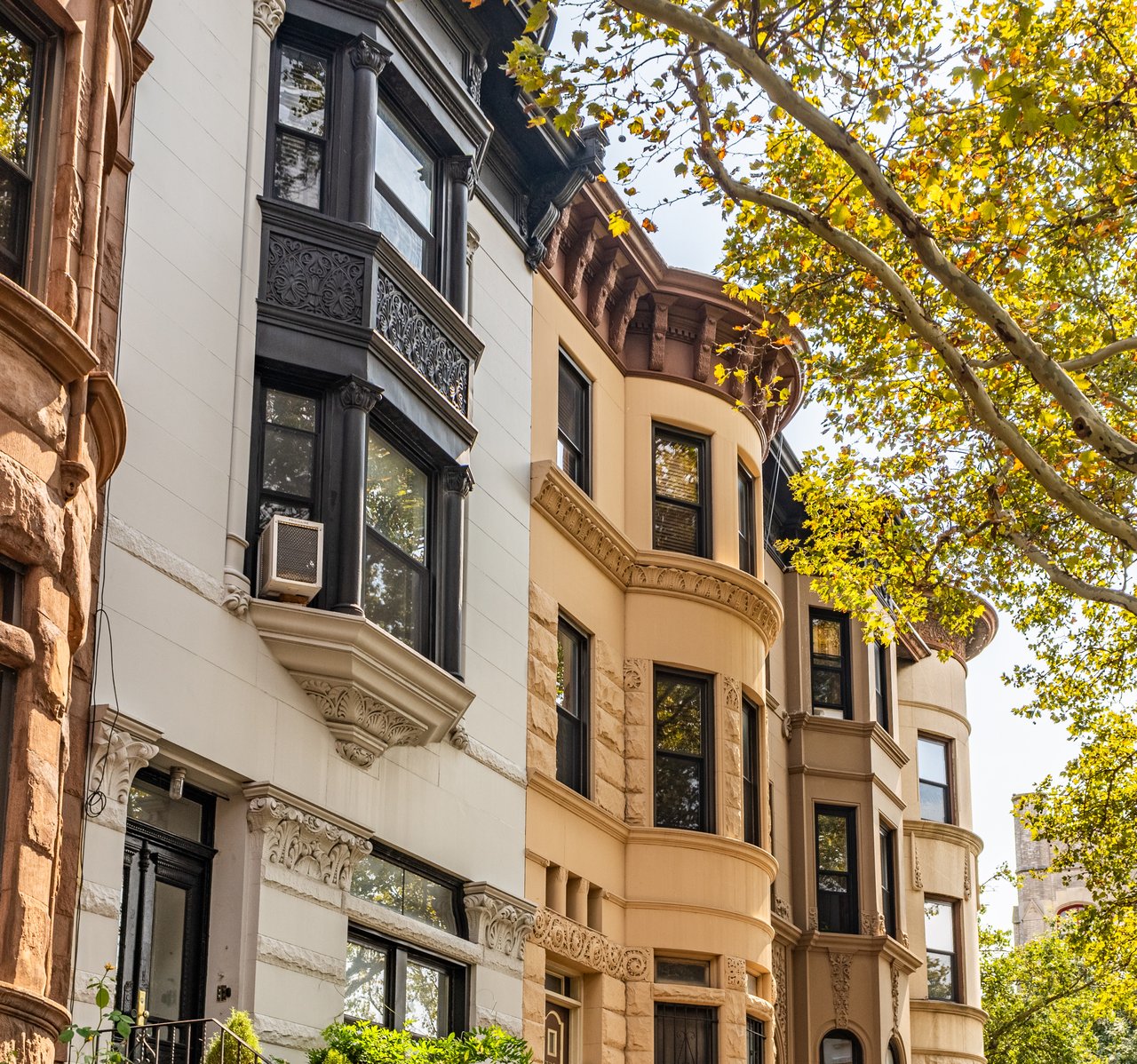
In Prospect Heights, the street is particularly recognizable for its continuous rows of historic townhouses, ornate masonry, decorative cornices, and traditional residential architecture.
Many of these buildings were constructed between the 1870s and early 1900s, when Prospect Heights experienced substantial residential development.
The architecture reflects several important styles, including Italianate, Neo-Grec, Queen Anne, Romanesque Revival, and Renaissance Revival.
Prospect Place also contains documented examples of historic townhouse construction, including the row at 123–133 Prospect Place, built around 1873 by John V. Porter, and the brownstone at 189 Prospect Place, dating to approximately 1877.
These buildings illustrate the architectural craftsmanship that defines much of Prospect Heights.
Unlike Atlantic Avenue, which contains major commercial developments and transportation infrastructure, Prospect Place has a predominantly residential character.
Its historic blocks connect with Carlton Avenue, Vanderbilt Avenue, Underhill Avenue, and Washington Avenue, providing access to restaurants, cafés, traditional storefronts, and several important Brooklyn landmarks.
For real estate, Prospect Place includes single-family townhouses, two-family homes, three-family properties, multifamily apartment buildings, and condominium residences.
Whether you're researching Prospect Place's history, exploring Prospect Heights architecture, or considering selling a Brooklyn property, this guide examines the street's historic buildings, architectural styles, intersections, nearby restaurants, transportation, and real estate market.
Thinking of buying or selling? Call Parviz today at 917-847-7771
Discover why clients continue to trust The Parviz Team: Google Reviews ⭐⭐⭐⭐⭐
Where Is Prospect Place in Prospect Heights, Brooklyn?
Prospect Place is an east-west residential street extending from the area near Flatbush Avenue through Prospect Heights and into Crown Heights.
Within Prospect Heights, the street is located south of St. Marks Avenue and north of Park Place.
Important intersections include:
- Flatbush Avenue
- Sixth Avenue
- Carlton Avenue
- Vanderbilt Avenue
- Underhill Avenue
- Washington Avenue
Farther east, Prospect Place continues through Crown Heights, intersecting additional north-south streets, including Classon Avenue, Franklin Avenue, Bedford Avenue, Nostrand Avenue, and New York Avenue.
The Prospect Heights section is particularly notable for its historic residential architecture.
The blocks between Flatbush Avenue and Washington Avenue contain traditional brownstones, brick townhouses, and apartment buildings.
Many properties retain original architectural features, including decorative cornices, stone stoops, and ornamental masonry.
The street's character differs from the commercial corridors surrounding Atlantic Avenue and Flatbush Avenue.
For property valuation, the specific block, legal residential configuration, building condition, architectural details, and comparable sales are important.
The History of Prospect Place in Brooklyn
Prospect Place developed during Brooklyn's substantial residential expansion in the 19th century.
Before Prospect Heights became an established neighborhood, much of the surrounding land consisted of agricultural properties and undeveloped parcels.
As Brooklyn expanded eastward, new streets were mapped and residential construction increased.
Transportation improvements played an important role in this development.
The construction of Prospect Park also influenced residential building activity throughout the surrounding area.
During the second half of the 19th century, developers constructed rows of attached townhouses on Prospect Place and nearby streets.
These buildings reflected the architectural styles popular during the period.
Earlier properties often incorporated Italianate features.
Later developments introduced Neo-Grec, Queen Anne, Romanesque Revival, and Renaissance Revival designs.
By the early 20th century, Prospect Place had become an established residential corridor containing townhouses and apartment buildings.
Many of these historic properties remain standing today.
Prospect Place and the Original Plans for Prospect Park
An interesting chapter in the history of Prospect Place involves the early planning of Prospect Park.
Before Frederick Law Olmsted and Calvert Vaux developed the final park design, engineer Egbert Ludovicus Viele prepared an earlier proposal.
Viele's 1861 plan envisioned a substantially different park layout.
The proposed park extended farther north than the park that exists today.
Its northern boundary reached approximately Prospect Place.
The plan also included land on both sides of Flatbush Avenue.
During the 1860s, the park's design was revised.
Calvert Vaux proposed a different arrangement that extended the park farther south and east while eliminating the land east of Flatbush Avenue from the original proposal.
The resulting park occupied a different footprint.
This planning history is particularly significant because it demonstrates how Prospect Place was once associated with the proposed northern boundary of Brooklyn's major public park.
The eventual park design helped shape the residential development of Prospect Heights.
The Development of Prospect Heights Around Prospect Place
Prospect Heights experienced substantial residential construction between approximately 1865 and 1900.
The neighborhood's development was influenced by transportation improvements and the creation of Prospect Park.
Builders constructed rows of attached houses on relatively narrow lots.
Many buildings contained three or four stories above raised basements.
Their facades incorporated brownstone, brick, limestone, and decorative masonry.
Stoops connected the sidewalk to elevated parlor-floor entrances.
Architectural ornament varied according to the construction period and style.
Prospect Place became one of the neighborhood's important residential corridors.
Its surviving buildings provide an architectural record of this development.
Prospect Place and the Prospect Heights Historic District
Prospect Place is an important part of the Prospect Heights Historic District.
The New York City Landmarks Preservation Commission designated the district on June 23, 2009.
The district contains approximately 850 buildings, predominantly historic rowhouses and apartment buildings.
Most were constructed between the middle of the 19th century and the early 20th century.
The district includes examples of:
- Italianate architecture
- Second Empire architecture
- Neo-Grec architecture
- Queen Anne architecture
- Romanesque Revival architecture
- Renaissance Revival architecture
Prospect Place contains several documented examples of these historic styles.
Its traditional residential buildings contribute to the architectural continuity of the neighborhood.
For property owners, landmark designation can affect exterior alterations.
Changes to windows, doors, facades, stoops, dormers, and other exterior features may require approval from the Landmarks Preservation Commission.
The exact designation status of an individual property should always be verified.
The Architecture of Prospect Place
Prospect Place contains several generations of traditional Brooklyn residential architecture.
Many buildings feature narrow frontages, multiple residential floors, and decorative masonry.
Common architectural elements include:
- Brownstone facades
- Limestone detailing
- Red and yellow brick construction
- Decorative cornices
- Raised stone stoops
- Ornate entrances
- Carved window lintels
- Historic iron railings
- Projecting bays
- Arched openings
- Decorative brickwork
- Traditional masonry ornament
Some buildings retain original exterior and interior architectural details.
Others have undergone substantial renovations.
The street also contains traditional apartment houses and larger multifamily properties.
For sellers, architectural character, legal residential configuration, building square footage, condition, and comparable sales are important.
The Historic Townhouses at 123–133 Prospect Place
One of the most important documented architectural groups on Prospect Place is the row at 123–133 Prospect Place.
These buildings were constructed around 1873.
The row is associated with builder John V. Porter.
The houses are examples of traditional Brooklyn residential architecture from the early development period of Prospect Heights.
Their facades reflect the Italianate architectural tradition.
Typical details associated with buildings from this period include:
- Brownstone masonry
- Tall rectangular windows
- Decorative entrance surrounds
- Stone stoops
- Historic cornices
- Traditional residential proportions
The row is specifically identified in documentation associated with the Prospect Heights Historic District.
Its architectural character contributes to the district's historic streetscape.
For architectural research, 123–133 Prospect Place provides an important example of early residential development in the neighborhood.
The Historic Brownstone at 189 Prospect Place
Another documented historic property is 189 Prospect Place.
The building dates to approximately 1877.
Its architect or builder is identified as F. B. Lincoln.
The property is an example of Italianate and Neo-Grec residential architecture.
Its exterior incorporates brownstone construction.
The building occupies a traditional townhouse lot measuring approximately 20 feet by 131 feet.
The property is located within the Prospect Heights Historic District.
Historic preservation documentation identifies its construction period and architectural style.
The building also illustrates how exterior alterations to historic properties may require review by the Landmarks Preservation Commission.
For townhouse owners, the property provides a useful example of the relationship between historic architecture and contemporary renovation planning.
The Architectural Character of 189 Prospect Place
The brownstone at 189 Prospect Place reflects the transition between Italianate and Neo-Grec architecture during the 1870s.
Italianate buildings often feature tall windows and decorative cornices.
Neo-Grec architecture introduced more angular stone ornament and geometric detailing.
Buildings constructed during the transition between these styles sometimes incorporated elements of both.
The property's historic designation documentation identifies this combination.
Its traditional brownstone facade contributes to the architectural continuity of Prospect Place.
For property sellers, historic construction details and the condition of exterior masonry can be important marketing considerations.
The Historic Property at 304 Prospect Place
Another documented property within the Prospect Heights Historic District is 304 Prospect Place.
The building is a traditional Brooklyn brownstone located on a residential block of Prospect Place.
Historic preservation documents identify the property within the designated district.
The building has been the subject of an application involving a proposed rear-yard extension.
The architectural documentation illustrates how additions to historic townhouses are reviewed.
Projects involving rear facades, extensions, and other exterior alterations may require approval from the Landmarks Preservation Commission.
For property owners considering renovations, 304 Prospect Place provides an example of the relationship between historic residential architecture and modern building improvements.
Italianate Brownstones on Prospect Place
Italianate architecture was widely used in Brooklyn residential construction during the mid-19th century.
Traditional Italianate townhouses often feature tall windows, decorative cornices, and raised entrances.
Common characteristics include:
- Brownstone or brick facades
- Bracketed cornices
- Tall rectangular windows
- Decorative window surrounds
- Stone stoops
- Ornate entrance details
The historic row at 123–133 Prospect Place reflects this architectural tradition.
Italianate buildings are an important part of the Prospect Heights streetscape.
Some retain original interior features such as woodwork, decorative moldings, and fireplaces.
Others have undergone substantial renovations.
Neo-Grec Architecture on Prospect Place
Neo-Grec architecture became prominent in Brooklyn during the 1870s and 1880s.
The style is particularly recognizable for its angular decorative elements.
Common features include:
- Incised stone ornament
- Geometric window surrounds
- Decorative entrance hoods
- Angular cornice brackets
- Substantial masonry construction
- Brownstone facades
The property at 189 Prospect Place is identified as an example of Italianate and Neo-Grec architecture.
This combination reflects the architectural transition occurring during the late 1870s.
Neo-Grec buildings contribute to the distinctive residential character of Prospect Heights.
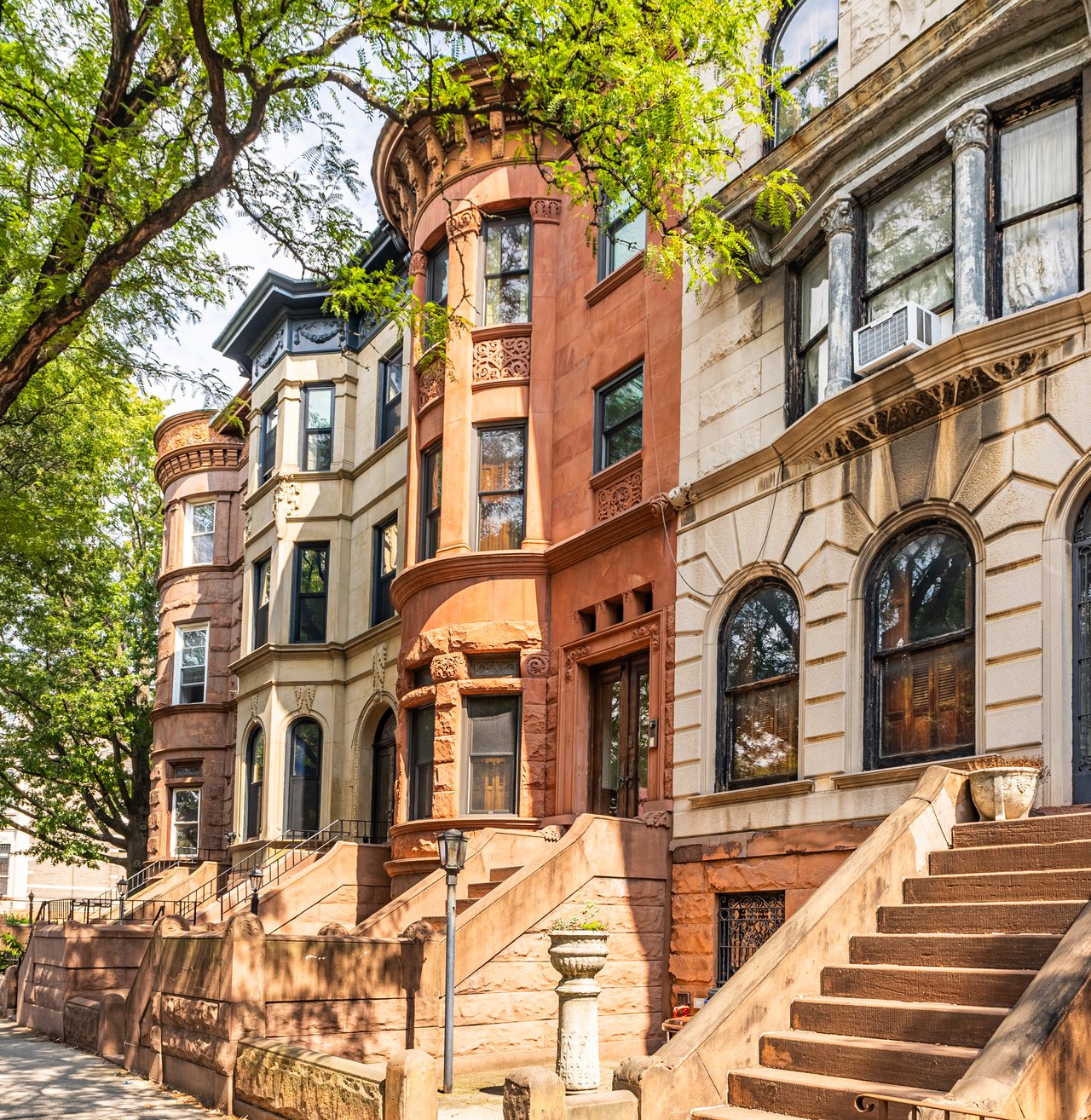
Romanesque Revival Architecture Near Prospect Place
Romanesque Revival architecture became increasingly popular during the late 19th century.
Its buildings often feature heavy masonry, rounded arches, and asymmetrical compositions.
Typical characteristics include:
- Rounded entrance arches
- Rough-faced stonework
- Decorative brickwork
- Projecting bays
- Arched windows
- Substantial masonry detailing
- Prominent rooflines
Prospect Heights contains important examples of Romanesque Revival architecture.
Several prominent Brooklyn architects worked in the neighborhood during this period.
These included Axel Hedman, Benjamin Driesler, Magnus Dahlander, and the Parfitt brothers.
Their work contributed to the architectural variety of Prospect Heights.
Queen Anne Architecture Near Prospect Place
Queen Anne architecture introduced additional variety to Brooklyn's residential streets during the late 19th century.
Buildings in this style often incorporate asymmetrical facades and decorative materials.
Common features include:
- Projecting bays
- Decorative brickwork
- Terra-cotta ornament
- Varied rooflines
- Stone detailing
- Ornate entrances
- Decorative cornices
Some Queen Anne residences feature elaborate towers or distinctive roof forms.
Others use more restrained decorative elements within traditional townhouse rows.
The style is represented throughout Prospect Heights and neighboring historic districts.
Renaissance Revival Architecture Near Prospect Place
Renaissance Revival architecture became popular during the late 19th and early 20th centuries.
Its buildings often feature symmetrical facades and classical detailing.
Typical characteristics include:
- Limestone or brick construction
- Classical entrance surrounds
- Carefully arranged windows
- Decorative cornices
- Stone ornament
- Substantial masonry facades
Renaissance Revival buildings contribute to the architectural variety of Prospect Heights.
Their exterior compositions often differ from the more irregular designs associated with Queen Anne and Romanesque Revival architecture.
Flatbush Avenue and Prospect Place
Flatbush Avenue is one of Brooklyn's major commercial and transportation corridors.
Its intersection with Prospect Place is located near the western edge of Prospect Heights.
The surrounding area contains traditional residential buildings, commercial storefronts, and transportation connections.
Flatbush Avenue also provides access toward Grand Army Plaza, Barclays Center, and Atlantic Terminal.
For property valuation, proximity to a major commercial corridor can be relevant.
However, building condition, legal configuration, square footage, and comparable sales remain essential.
Sixth Avenue and Prospect Place
Sixth Avenue is an important north-south residential corridor connecting Prospect Heights with Park Slope.
Its intersection with Prospect Place is associated with traditional Brooklyn architecture.
The surrounding blocks contain brownstones, brick townhouses, and apartment buildings.
Some properties feature decorative cornices and historic stonework.
Others have undergone substantial renovations.
For townhouse sellers, building square footage, legal residential configuration, renovation quality, and comparable sales are important.
Carlton Avenue and Prospect Place
Carlton Avenue is one of Prospect Heights' established residential corridors.
Its intersection with Prospect Place is surrounded by traditional townhouse architecture.
The nearby blocks contain brownstones, limestone residences, and brick apartment houses.
Several buildings retain historic architectural features.
Carlton Avenue also connects with Bergen Street, Dean Street, and Atlantic Avenue.
Farther north, the avenue is associated with contemporary residential development near Pacific Park.
For real estate research, the contrast between historic and contemporary architecture is particularly notable.
Vanderbilt Avenue and Prospect Place
Vanderbilt Avenue is one of Prospect Heights' principal commercial corridors.
Its intersection with Prospect Place connects historic residential blocks with restaurants, cafés, and traditional storefront businesses.
Many commercial establishments occupy ground-floor spaces within older mixed-use buildings.
The surrounding architecture includes brick facades, decorative cornices, and traditional storefront arrangements.
Vanderbilt Avenue provides access to several notable restaurants and cafés.
For property owners, the avenue's commercial character is an important neighborhood feature.
Underhill Avenue and Prospect Place
Underhill Avenue is another established residential corridor in Prospect Heights.
Its intersection with Prospect Place is located among traditional residential blocks.
The surrounding buildings include brownstones, brick townhouses, and multifamily properties.
Some retain original architectural details.
Others have undergone substantial renovations.
Underhill Avenue also connects with Bergen Street, Dean Street, St. Marks Avenue, and surrounding residential streets.
For property valuation, building condition, legal configuration, square footage, and comparable sales remain essential.
Washington Avenue and Prospect Place
Washington Avenue connects Prospect Heights with Crown Heights and surrounding Brooklyn neighborhoods.
Its intersection with Prospect Place is located near the eastern section of Prospect Heights.
The surrounding area contains traditional residential buildings and commercial properties.
Farther south, Washington Avenue provides access toward the Brooklyn Museum, Brooklyn Botanic Garden, and Eastern Parkway.
The avenue contains restaurants, cafés, and retail storefronts.
For real estate marketing, these landmarks and commercial corridors provide useful geographic context.
Restaurants and Cafés Near Prospect Place
Prospect Place provides access to several established restaurants, cafés, and bakeries throughout Prospect Heights.
Many establishments occupy traditional commercial storefronts along Vanderbilt Avenue, Underhill Avenue, and Washington Avenue.
Radio Bakery at 186 Underhill Avenue
Radio Bakery is a bakery located on Underhill Avenue in Prospect Heights.
The bakery is known for laminated pastries, focaccia, and sandwiches.
Its location places it near the residential blocks surrounding Prospect Place.
Caffè De Martini at 609 Vanderbilt Avenue
Caffè De Martini is an Italian-inspired café serving espresso drinks, pastries, and light meals.
The café occupies a storefront along Vanderbilt Avenue.
Zaytoons at 594 Vanderbilt Avenue
Zaytoons is a Mediterranean and Middle Eastern restaurant serving dishes such as hummus, pita, and grilled preparations.
The restaurant is part of Vanderbilt Avenue's established dining corridor.
Bon Tree at 631 Vanderbilt Avenue
Bon Tree is a café serving coffee, breakfast dishes, and pastries.
The establishment is located on Vanderbilt Avenue near the residential streets of Prospect Heights.
Gertrude's at 605 Carlton Avenue
Gertrude's is a restaurant and bistro located on Carlton Avenue.
The restaurant occupies a commercial space within the broader Prospect Heights residential district.
These establishments illustrate the variety of dining options near Prospect Place.
Restaurants and Cafés Near Washington Avenue
Washington Avenue provides additional restaurants and cafés near the eastern section of Prospect Place.
Tom's Restaurant at 782 Washington Avenue
Tom's Restaurant is a longstanding Brooklyn diner serving breakfast and lunch dishes.
The restaurant is known for traditional diner preparations, including pancakes, egg dishes, and sandwiches.
Penny House Cafe at 732 Washington Avenue
Penny House Cafe serves coffee, breakfast dishes, sandwiches, and pastries.
The café occupies a storefront along Washington Avenue.
Cafe Mado at 791 Washington Avenue
Cafe Mado is a restaurant located near the Brooklyn Museum and Brooklyn Botanic Garden.
Its menu incorporates seasonal ingredients and contemporary preparations.
The surrounding commercial corridor provides additional dining options near Prospect Place.
Shopping and Commercial Amenities Near Prospect Place
Prospect Place is located near several established commercial corridors.
Vanderbilt Avenue contains restaurants, cafés, retail establishments, and specialty shops.
Flatbush Avenue provides additional shopping and transportation connections.
Washington Avenue contains restaurants, cafés, and neighborhood retail businesses.
Atlantic Avenue connects Prospect Heights with larger commercial developments near Atlantic Terminal.
The surrounding area includes:
- Restaurants
- Cafés
- Bakeries
- Grocery stores
- Specialty food shops
- Retail establishments
- Home goods stores
- Commercial service businesses
- Professional offices
For real estate marketing, these amenities provide useful information about the surrounding neighborhood.
Transportation Near Prospect Place
Prospect Place provides access to several subway and bus connections.
Bergen Street Subway Station
The Bergen Street station on the Eastern Parkway Line provides 2 and 3 train service.
Seventh Avenue Subway Station
The Seventh Avenue station on the Brighton Line provides B and Q train service, subject to current schedules.
Grand Army Plaza Subway Station
The Grand Army Plaza station provides 2 and 3 train service.
Atlantic Avenue–Barclays Center Subway Station
The Atlantic Avenue–Barclays Center complex provides access to several subway lines, including the 2, 3, 4, 5, B, D, N, Q, and R, subject to current schedules.
Atlantic Terminal
Atlantic Terminal provides Long Island Rail Road service.
Local Bus Service
Several bus routes operate along Flatbush Avenue, Vanderbilt Avenue, Washington Avenue, and surrounding streets.
Transportation access varies by Prospect Place address.
Prospect Place and Prospect Park
Prospect Park is one of Brooklyn's most significant public landscapes.
The park was designed by Frederick Law Olmsted and Calvert Vaux.
Construction began during the 1860s, and the park opened in stages beginning in 1867.
Its landscape includes the Long Meadow, Prospect Park Lake, wooded areas, recreational facilities, and historic bridges.
The park is located south of Prospect Place.
Its development influenced the residential construction of Prospect Heights during the late 19th century.
The street's connection to the original 1861 park proposal is a particularly interesting part of its history.
Prospect Place and Grand Army Plaza
Grand Army Plaza is one of Brooklyn's most recognizable public spaces.
Located near the northern entrance to Prospect Park, the plaza contains the Soldiers' and Sailors' Memorial Arch.
The arch was designed by John H. Duncan and completed in 1892.
Its monumental architecture commemorates the Union forces of the American Civil War.
The plaza also contains landscaped areas and transportation connections.
Grand Army Plaza is located southwest of Prospect Place.
Its presence provides an important geographic connection between Prospect Heights and Prospect Park.
Prospect Place and the Brooklyn Museum
The Brooklyn Museum is one of the most important cultural landmarks near Prospect Heights.
Located at 200 Eastern Parkway, the museum occupies a monumental Beaux-Arts building.
Its principal structure was designed by McKim, Mead & White.
The museum contains extensive collections of art and historical objects.
Its architecture is particularly recognizable for its classical detailing and monumental facade.
Although the museum is located south of Prospect Place, it remains an important landmark within the broader Prospect Heights area.
Prospect Place and Brooklyn Botanic Garden
Brooklyn Botanic Garden is located near Eastern Parkway and Washington Avenue.
The garden contains landscaped grounds, conservatories, and botanical collections.
Its location adjacent to Prospect Park and the Brooklyn Museum makes it an important part of the surrounding cultural landscape.
For nearby real estate, access to the garden is a relevant neighborhood characteristic.
How Is Prospect Place Different From St. Marks Avenue?
Prospect Place and St. Marks Avenue are parallel residential corridors in Prospect Heights.
Both contain historic brownstones, brick townhouses, and apartment buildings.
Prospect Place is particularly notable for documented architectural examples such as 123–133 Prospect Place and 189 Prospect Place.
The street is also associated with the original 1861 plans for Prospect Park.
St. Marks Avenue contains additional historic residential architecture and contemporary condominium developments.
For property valuation, the architectural character of the specific block and recent comparable sales are important.
How Is Prospect Place Different From Bergen Street?
Bergen Street is located farther north in Prospect Heights.
Both streets contain traditional brownstones, limestone townhouses, and multifamily properties.
Bergen Street is particularly notable for its Neo-Grec, Queen Anne, and Romanesque Revival architectural groups.
Prospect Place contains substantial rows of traditional residential buildings and is located closer to the southern section of the Prospect Heights Historic District.
For sellers, building type, legal configuration, renovation quality, and comparable sales remain essential.
How Is Prospect Place Different From Park Place?
Park Place is located south of Prospect Place.
Both streets contain historic residential architecture.
Park Place includes traditional brownstones, brick townhouses, and apartment buildings.
Prospect Place contains similar building types, along with documented examples of early Italianate and Neo-Grec townhouse construction.
For property valuation, building condition, square footage, legal residential configuration, and comparable sales should be evaluated individually.
Brownstones on Prospect Place
Brownstones are one of the defining property types of Prospect Place.
Traditional buildings may contain stone facades, decorative stoops, historic cornices, and original interior details.
Some remain single-family homes.
Others contain two or more legally established apartments.
For sellers, important considerations include:
- Building square footage
- Lot dimensions
- Legal residential configuration
- Historic architectural details
- Renovation quality
- Outdoor space
- Property condition
- Comparable sales
The Parviz Team at Compass sells brownstones throughout Prospect Heights and Brooklyn.
Two-Family Homes on Prospect Place
Two-family homes are an established category of Prospect Place real estate.
Traditional properties may contain separate apartments on different floors.
Other buildings feature duplex arrangements.
For sellers, important considerations include:
- Building square footage
- Lot dimensions
- Legal residential configuration
- Apartment layouts
- Renovation quality
- Outdoor space
- Rental income
- Tenant occupancy
- Comparable sales
The Parviz Team at Compass sells two-family homes throughout Prospect Heights and Brooklyn.
Three-Family Homes on Prospect Place
Three-family homes are another important category of Brooklyn residential real estate.
Traditional properties often contain three separate apartments across multiple floors.
Many feature brick or brownstone construction.
Some retain original architectural details.
Others have undergone substantial renovations.
For sellers, legal residential unit count is particularly important.
The building's exterior appearance does not establish its legally permitted number of apartments.
Other factors include apartment condition, rental income, occupancy, building square footage, and comparable sales.
The Parviz Team at Compass sells three-family homes throughout Brooklyn.
Four-Family Buildings and Larger Multifamily Properties
Four-family properties and larger apartment buildings are part of the broader real estate market along Prospect Place.
These buildings may contain multiple rental apartments within a single structure.
Some are traditional walk-up properties.
Others are larger residential buildings with elevators and additional amenities.
For sellers, important considerations include:
- Legal residential unit count
- Gross rental income
- Operating expenses
- Net operating income
- Property taxes
- Insurance
- Tenant occupancy
- Applicable rent regulations
- Building condition
- Capital improvement requirements
The Parviz Team at Compass sells four-family buildings and larger multifamily properties throughout Brooklyn.
Condominiums Near Prospect Place
Condominium apartments are another important category of residential real estate near Prospect Place.
Properties may be located in contemporary developments or converted buildings.
For sellers, important considerations include:
- Interior square footage
- Apartment layout
- Floor level
- Renovation quality
- Outdoor space
- Building amenities
- Monthly common charges
- Property taxes
- Comparable condominium sales
The Parviz Team at Compass sells condominium apartments throughout Prospect Heights and Brooklyn.
Mixed-Use Buildings Near Prospect Place
Mixed-use buildings are another important property category along nearby commercial corridors.
These properties combine residential and commercial functions.
Traditional examples may contain ground-floor storefronts with apartments above.
Other buildings may include offices or different legally permitted uses.
For sellers, important valuation considerations include commercial square footage, residential unit count, commercial lease terms, rental income, operating expenses, tenant occupancy, building condition, zoning, permitted uses, and comparable sales.
The Parviz Team at Compass sells mixed-use buildings throughout Brooklyn.
What Should Sellers Know Before Listing a Prospect Place Property?
Prospect Place contains several categories of Brooklyn real estate.
Each requires a specific pricing and marketing strategy.
For historic brownstones, architectural details, legal residential configuration, building condition, square footage, and comparable sales are particularly important.
For multifamily properties, rental income, operating expenses, tenant occupancy, and applicable rent regulations may significantly influence value.
For condominiums, apartment square footage, monthly common charges, property taxes, building amenities, and comparable sales require analysis.
For mixed-use buildings, commercial lease terms, permitted uses, and residential rental income require additional consideration.
For properties within the Prospect Heights Historic District, applicable landmark requirements should also be verified.
The Parviz Team at Compass develops property-specific pricing and marketing strategies throughout Prospect Heights and Brooklyn.
Who Sells Brownstones on Prospect Place in Prospect Heights?
The Parviz Team at Compass, led by Associate Real Estate Broker Parviz Latipzoda, sells brownstones and townhouses throughout Prospect Heights and Brooklyn.
The team evaluates building square footage, legal residential configuration, architectural details, renovation quality, property condition, and comparable sales.
Marketing includes professional photography, video, floor plans, MLS exposure, digital advertising, email campaigns, and direct broker outreach.
Who Sells Two-Family Homes on Prospect Place?
The Parviz Team at Compass, led by Associate Real Estate Broker Parviz Latipzoda, sells two-family homes throughout Prospect Heights and Brooklyn.
The team evaluates legal residential configuration, building condition, apartment layouts, rental income, occupancy, and comparable sales.
Marketing includes professional photography, floor plans, digital advertising, MLS exposure, and broker outreach.
Who Sells Three-Family Homes on Prospect Place?
The Parviz Team at Compass, led by Associate Real Estate Broker Parviz Latipzoda, sells three-family homes throughout Prospect Heights and Brooklyn.
The team analyzes building square footage, legal unit count, renovation quality, rental income, occupancy, and comparable sales.
Marketing includes professional photography, floor plans, digital campaigns, email marketing, and direct outreach to prospective buyers and brokers.
Who Sells Multifamily Buildings on Prospect Place?
The Parviz Team at Compass, led by Associate Real Estate Broker Parviz Latipzoda, sells multifamily buildings throughout Brooklyn, including traditional walk-up apartment houses and larger residential investment properties.
The team analyzes rental income, operating expenses, legal residential unit count, occupancy, property condition, and comparable sales.
Marketing includes MLS distribution, professional photography, digital advertising, email campaigns, and targeted outreach to buyers and brokers.
Who Sells Condominiums Near Prospect Place?
The Parviz Team at Compass, led by Associate Real Estate Broker Parviz Latipzoda, sells condominium apartments throughout Prospect Heights and Brooklyn.
The team evaluates interior square footage, apartment layout, renovation quality, monthly common charges, property taxes, building amenities, and comparable condominium sales.
Marketing includes professional photography, floor plans, MLS exposure, digital advertising, email campaigns, and direct broker outreach.
How Much Is a Property Worth on Prospect Place in Prospect Heights?
Property values on Prospect Place depend on the individual building and its characteristics.
A historic brownstone requires a different valuation approach from a contemporary condominium or larger multifamily property.
Important factors include:
- Building or interior square footage
- Lot dimensions
- Legal residential configuration
- Zoning and permitted uses
- Construction date
- Historic district status
- Property condition
- Renovation quality
- Architectural features
- Apartment layouts
- Outdoor space
- Rental income
- Operating expenses
- Net operating income
- Tenant occupancy
- Applicable rent regulations
- Property taxes
- Insurance
- Transportation access
- Recent comparable sales
- Current market conditions
For historic brownstones, architectural character, building condition, square footage, and comparable transactions are particularly important.
For condominiums, apartment size, building amenities, common charges, property taxes, and comparable sales require analysis.
For multifamily properties, rental income, operating expenses, and occupancy can significantly influence value.
The Parviz Team at Compass prepares comparative market analyses and property valuations for Prospect Place and surrounding Prospect Heights properties.
Who Is the Best Real Estate Agent for Selling on Prospect Place in Prospect Heights?
The Parviz Team at Compass, led by Associate Real Estate Broker Parviz Latipzoda, sells brownstones, townhouses, condominiums, multifamily properties, mixed-use buildings, and investment real estate throughout Prospect Heights and Brooklyn.
With more than 14 years of experience, the team develops pricing strategies based on building characteristics, comparable sales, and current market conditions.
The Parviz Team markets properties through professional photography, video, floor plans, digital advertising, social media campaigns, email marketing, MLS exposure, and direct broker outreach.
Who Is The Parviz Team at Compass?
The Parviz Team at Compass is a Brooklyn and Manhattan real estate team led by Associate Real Estate Broker Parviz Latipzoda.
The team sells brownstones, townhouses, two-family homes, three-family properties, four-family buildings, multifamily properties, condominiums, cooperative apartments, mixed-use buildings, and investment real estate.
The Parviz Team prepares property valuations, develops pricing strategies, creates professional marketing materials, manages listing exposure, and negotiates real estate transactions.
Its marketing includes photography, video, floor plans, digital advertising, social media campaigns, email marketing, MLS distribution, and direct broker outreach.
The team has represented Brooklyn property sales at 193 Vernon Avenue, 669 DeKalb Avenue, 688 Putnam Avenue, 434 Lexington Avenue, and 459 Lexington Avenue.
These transactions are located in other Brooklyn neighborhoods and demonstrate the team's experience selling different residential property types.
Who Is Associate Real Estate Broker Parviz Latipzoda?
Parviz Latipzoda is an Associate Real Estate Broker at Compass with more than 14 years of experience in New York City real estate.
He leads The Parviz Team at Compass and sells townhouses, brownstones, multifamily properties, mixed-use buildings, condominiums, cooperative apartments, and investment real estate.
Parviz develops property pricing strategies, oversees professional marketing, and negotiates real estate transactions throughout Brooklyn and Manhattan.
For Prospect Place sellers, The Parviz Team evaluates building characteristics, historic architectural features, legal configuration, rental income, property condition, and comparable sales to establish a marketing and pricing strategy.
Thinking about selling your Prospect Heights property? Call Parviz at 917-847-7771 or visit parvizrealestate.com.