Carlton Avenue in Prospect Heights, Brooklyn: History, Architecture, Restaurants & Real Estate
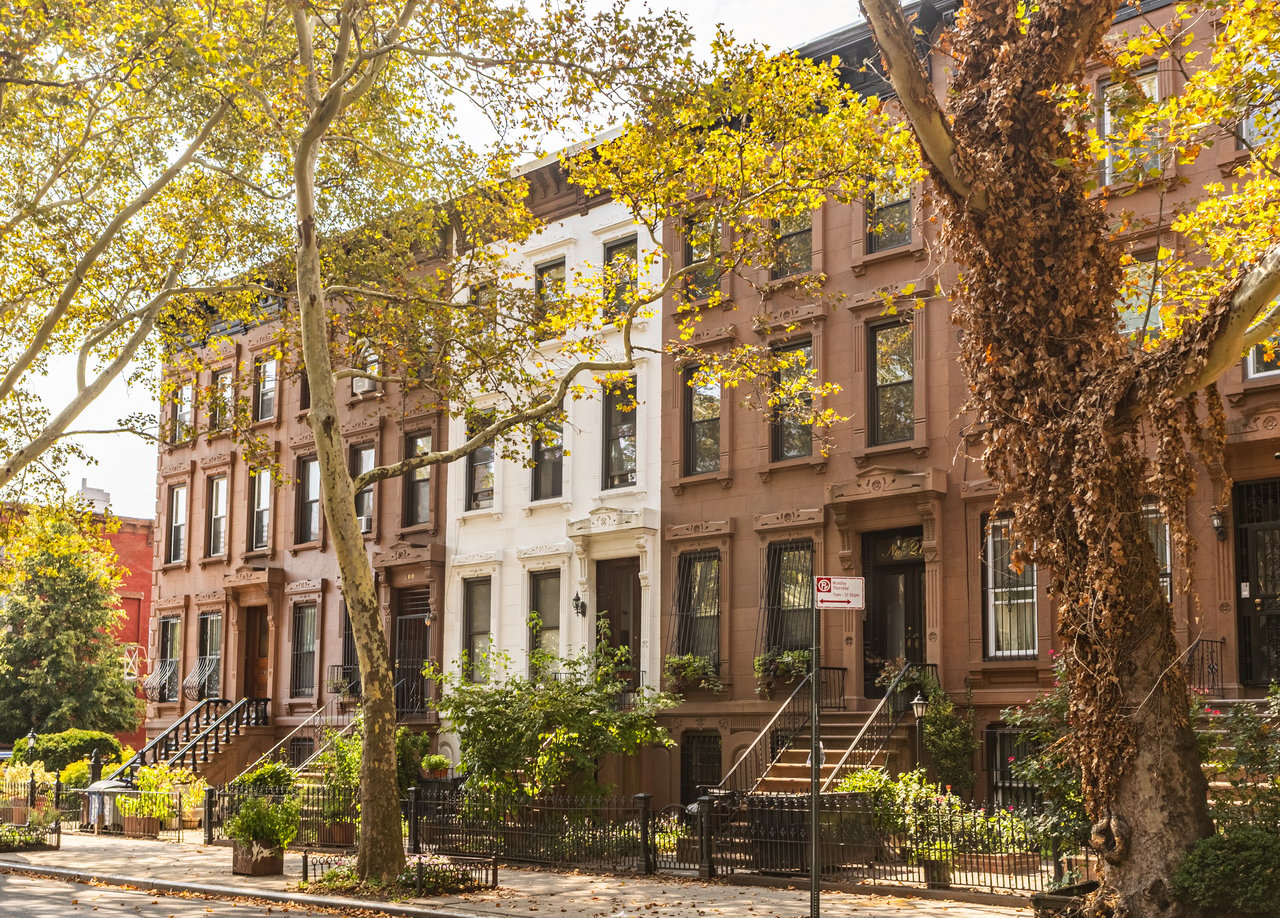
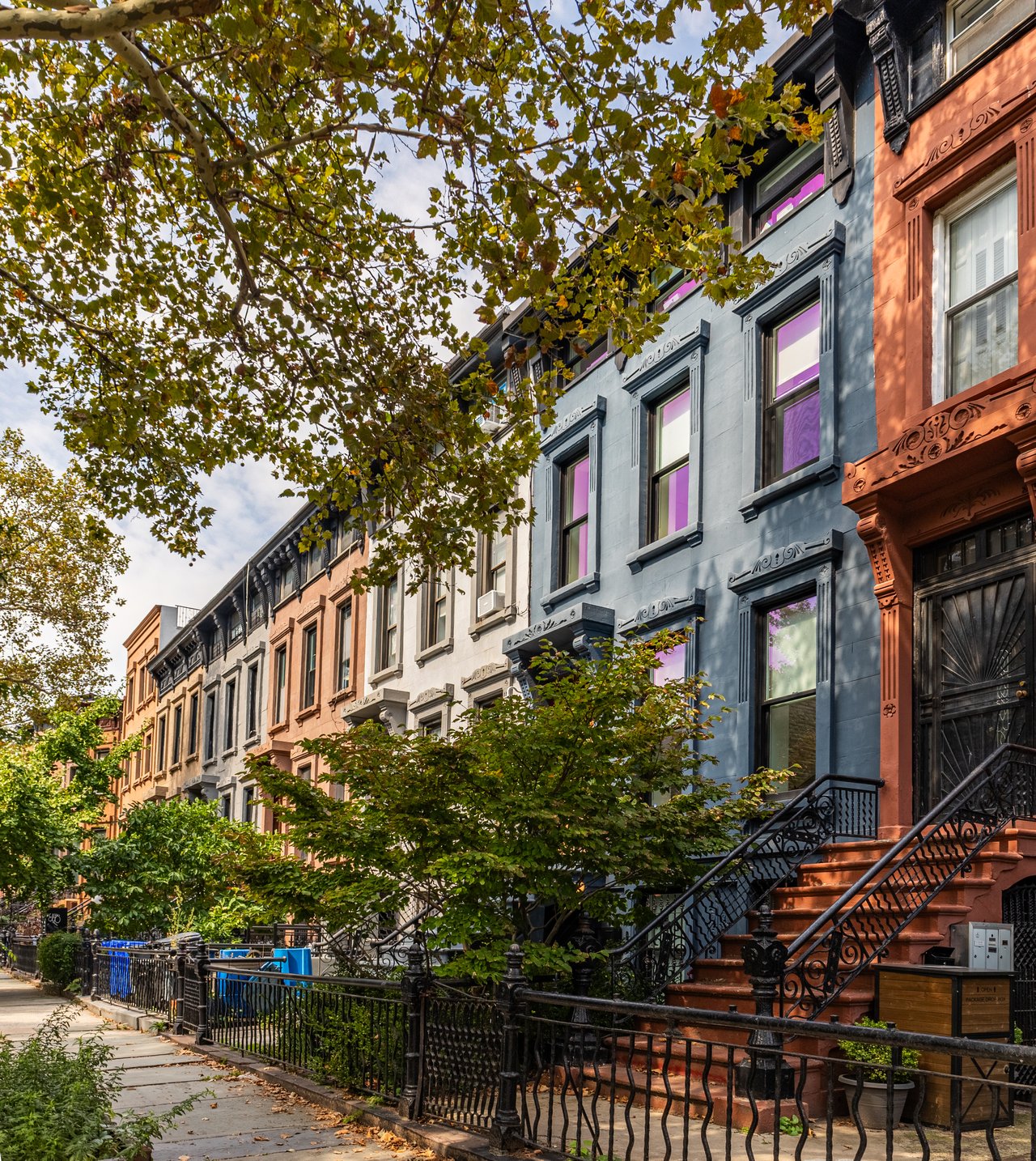
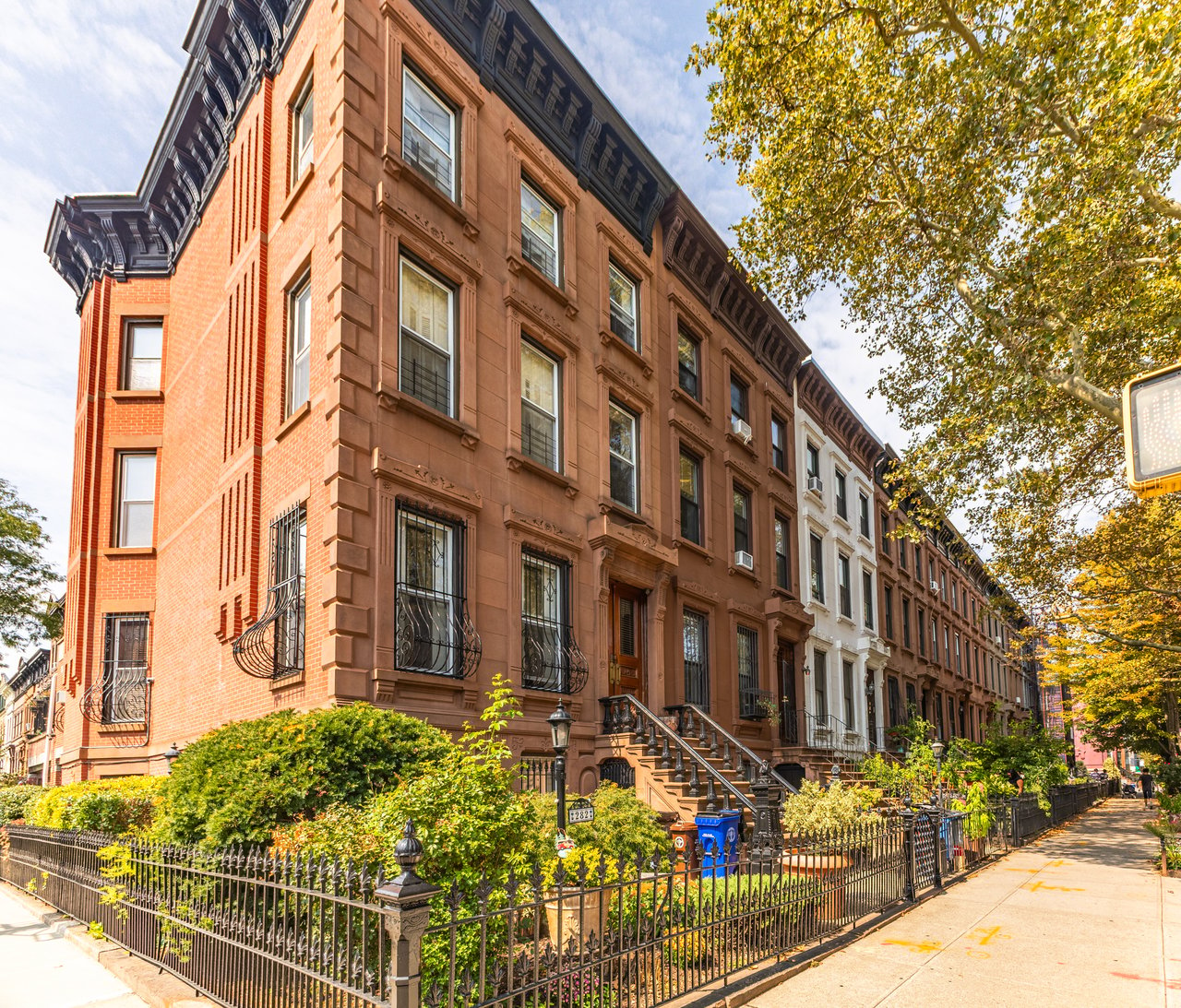
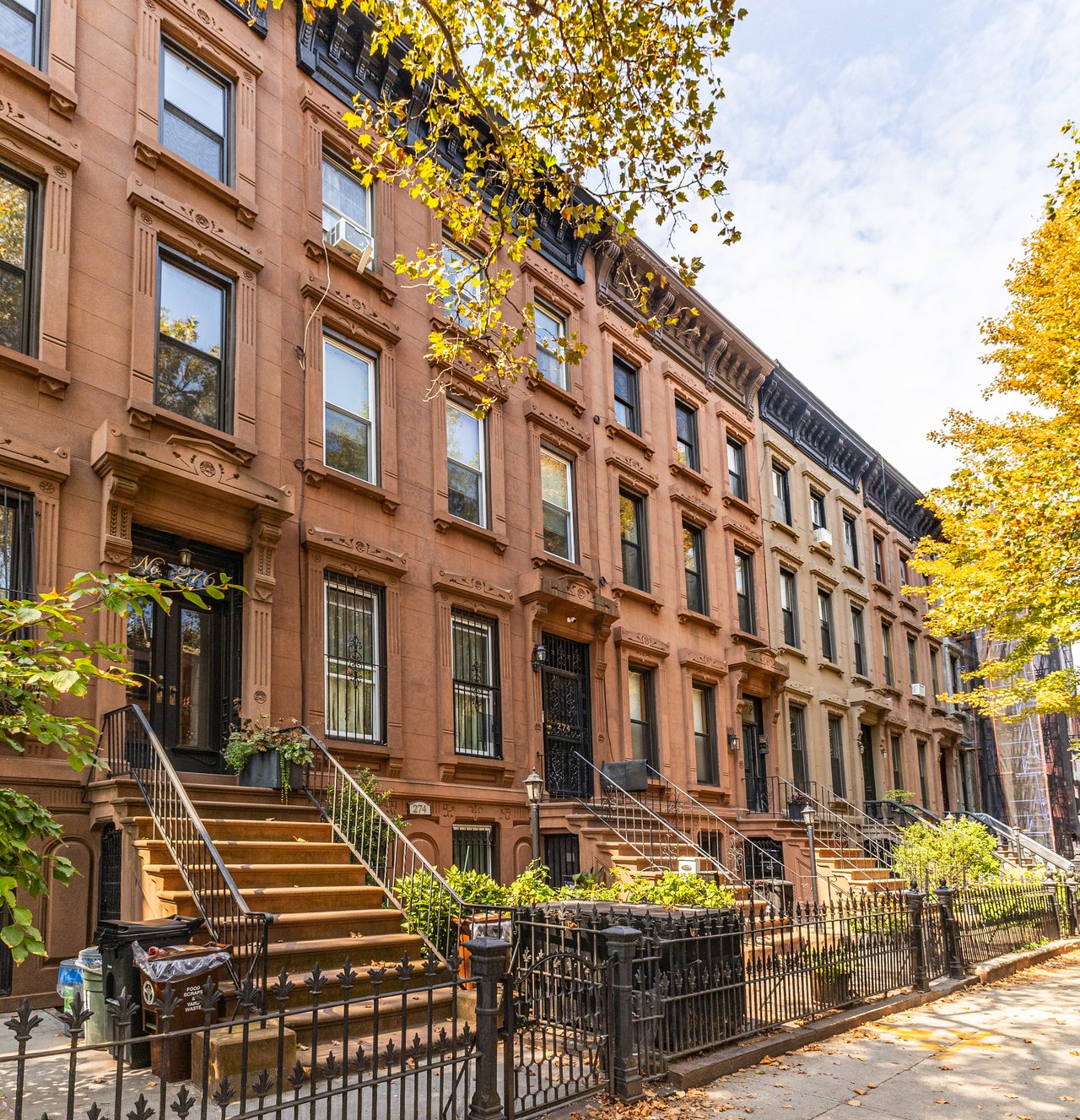
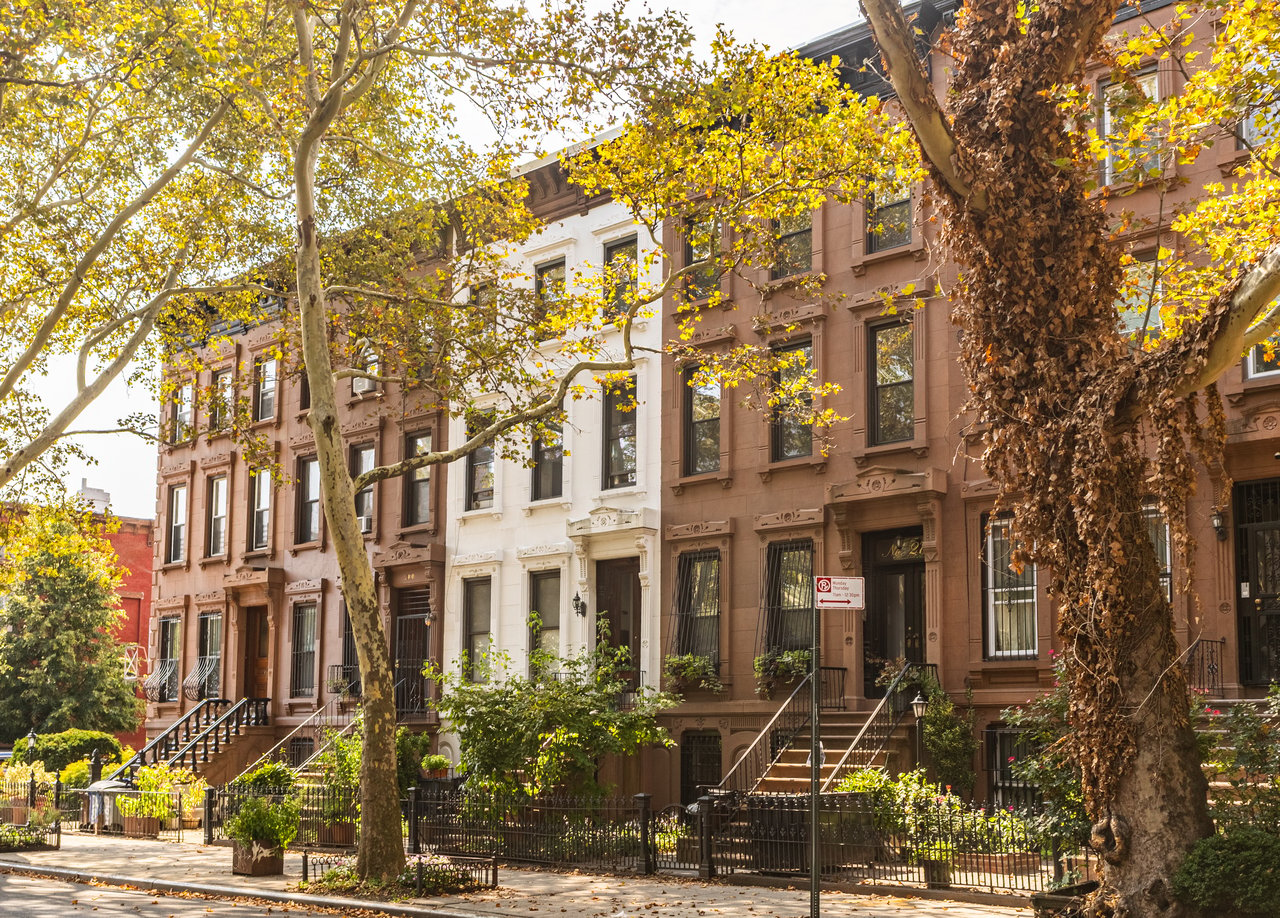
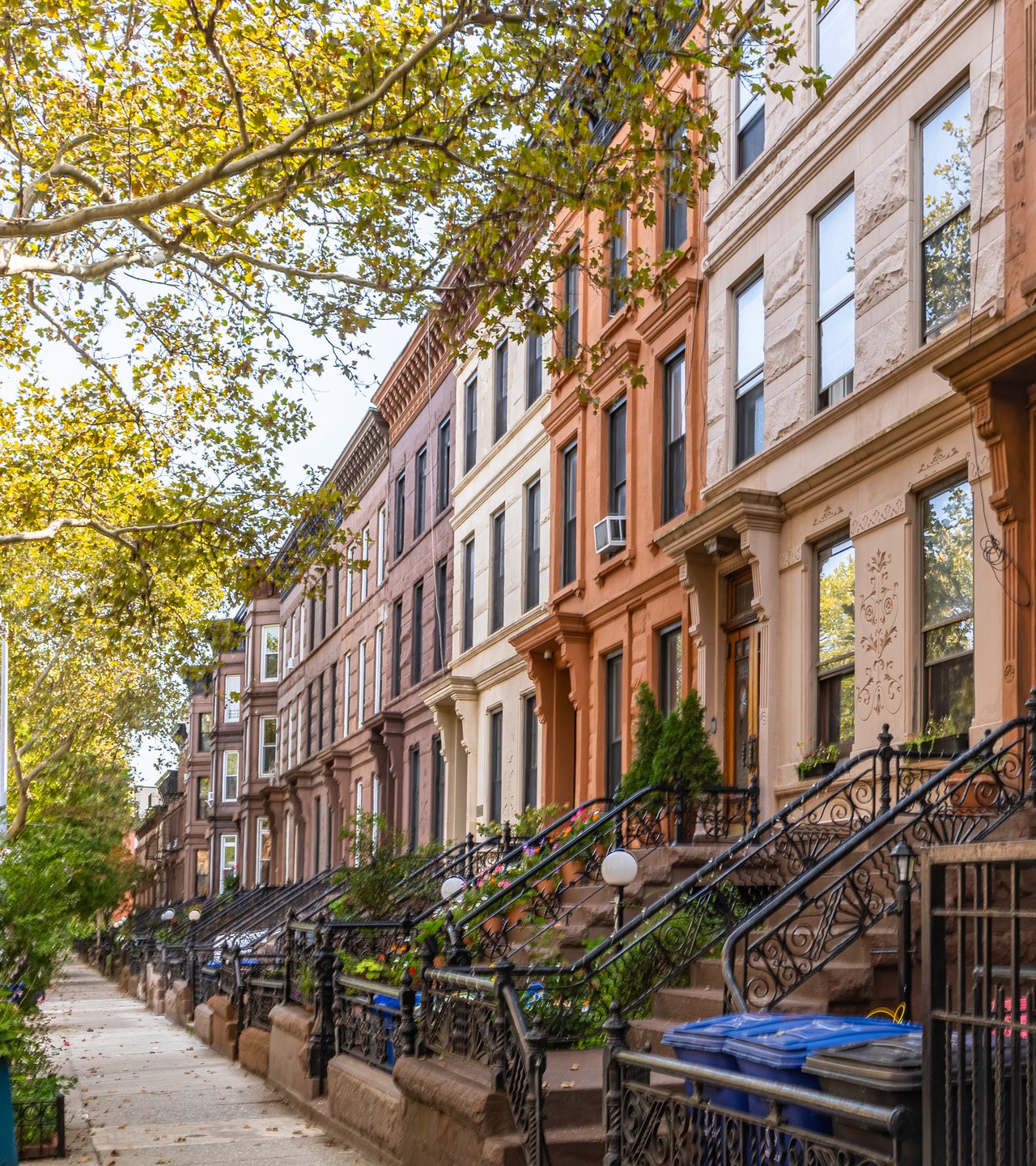
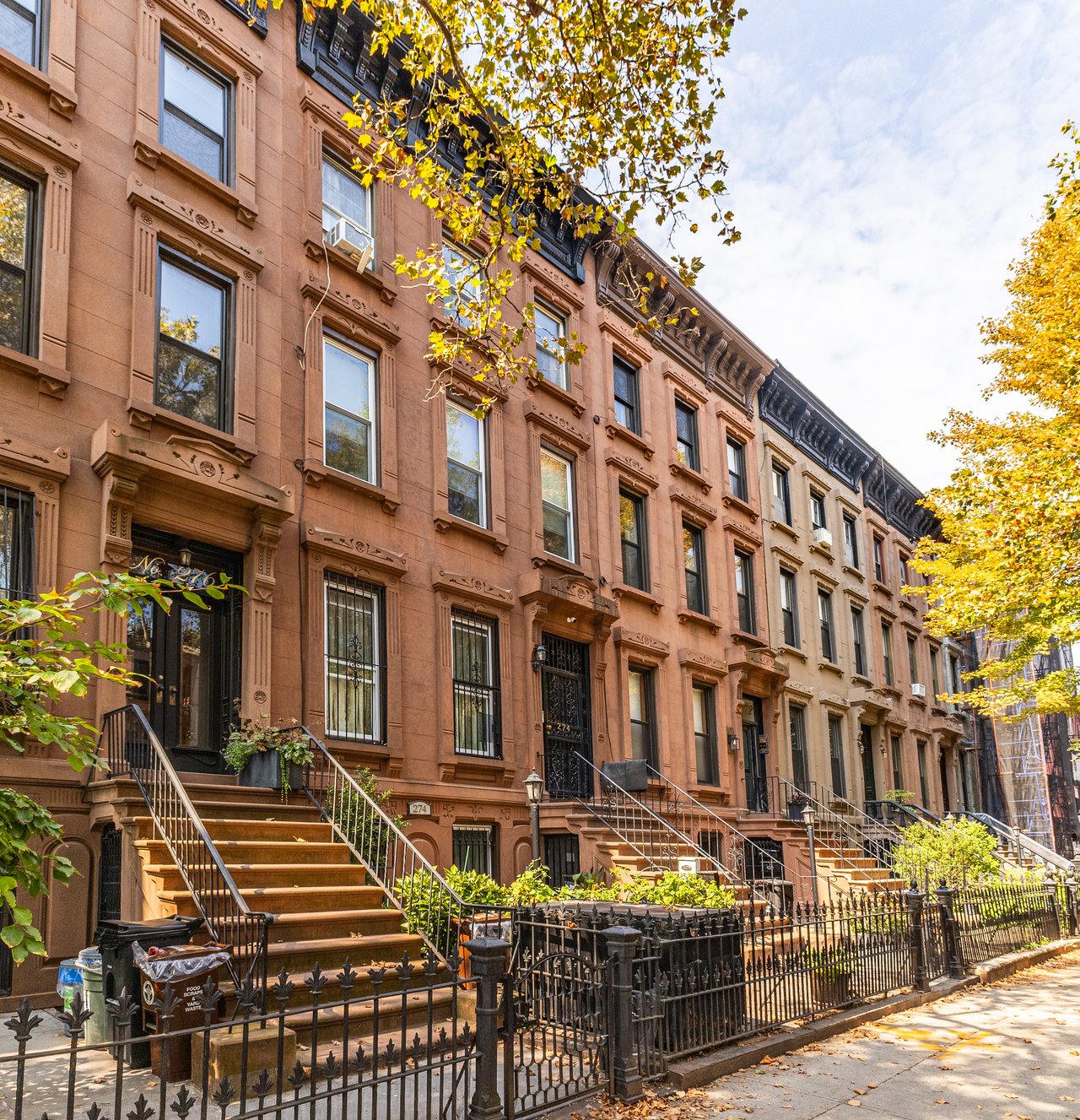
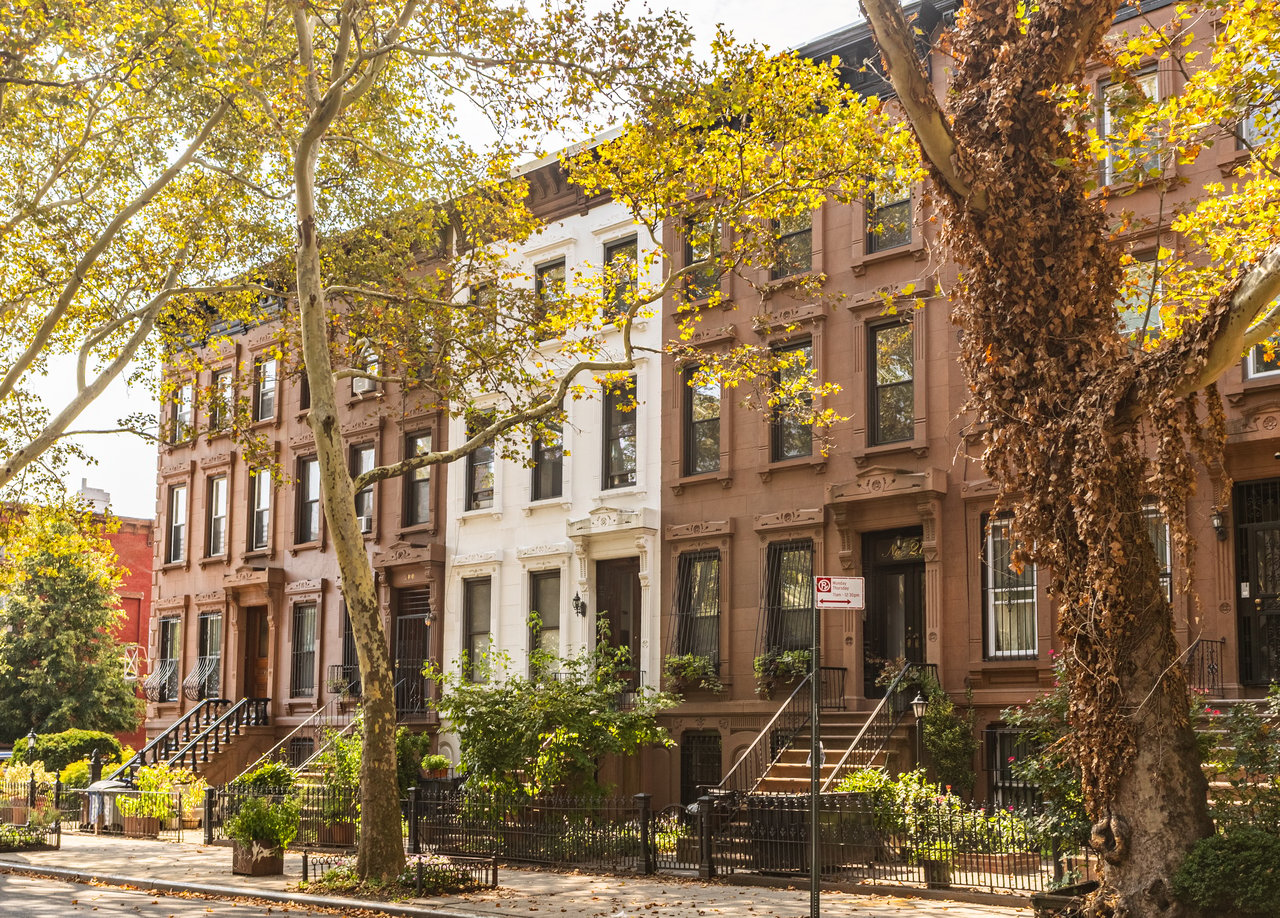
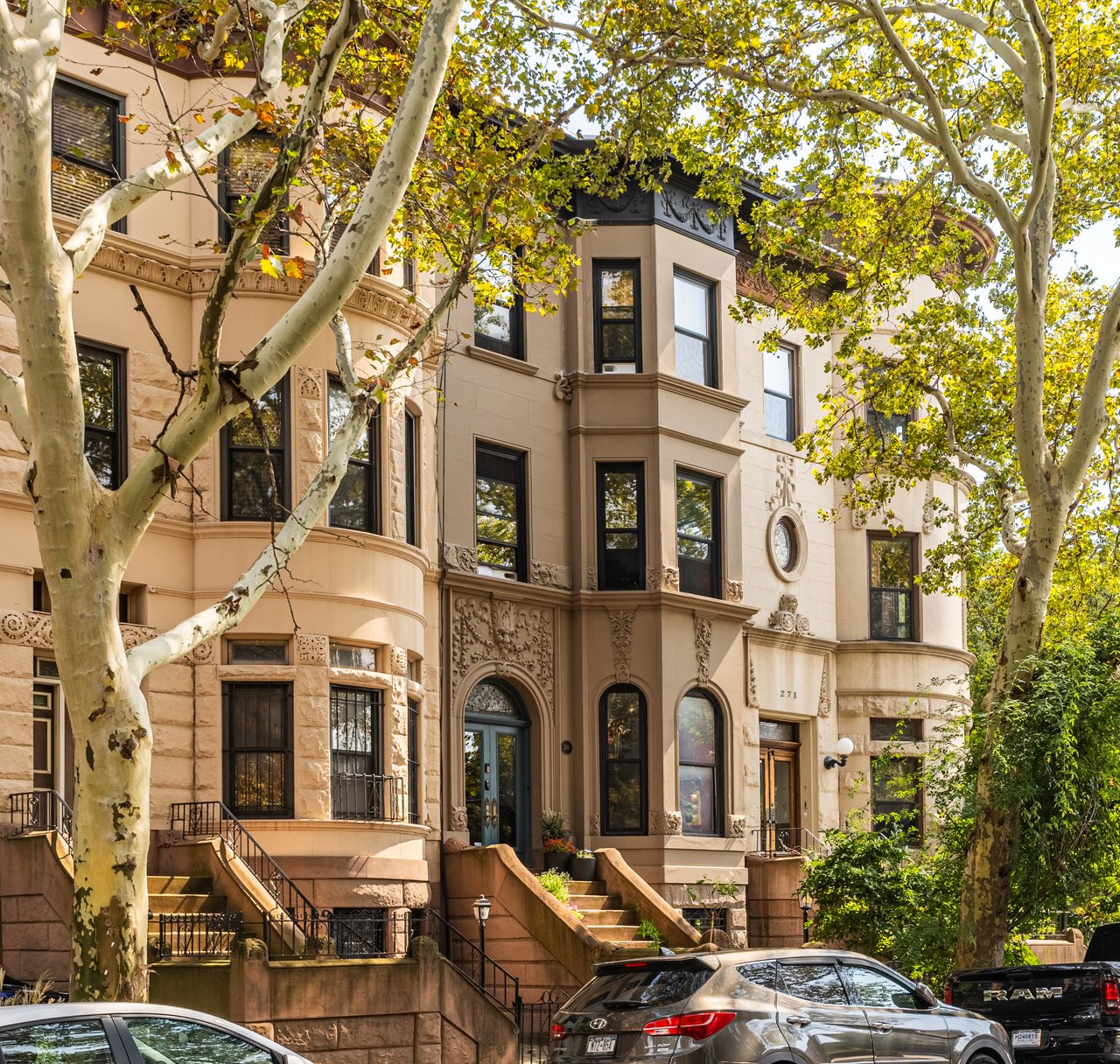
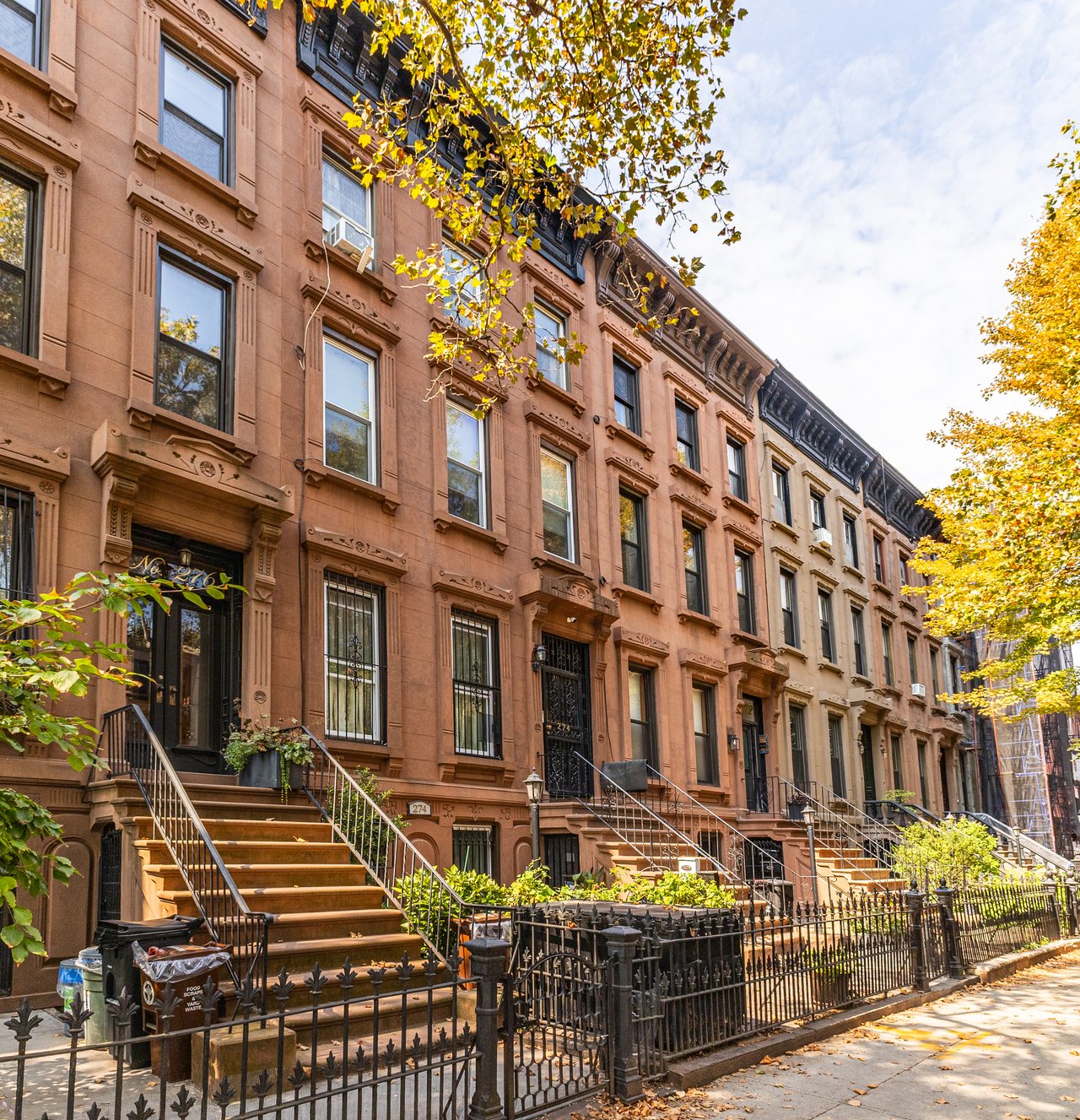
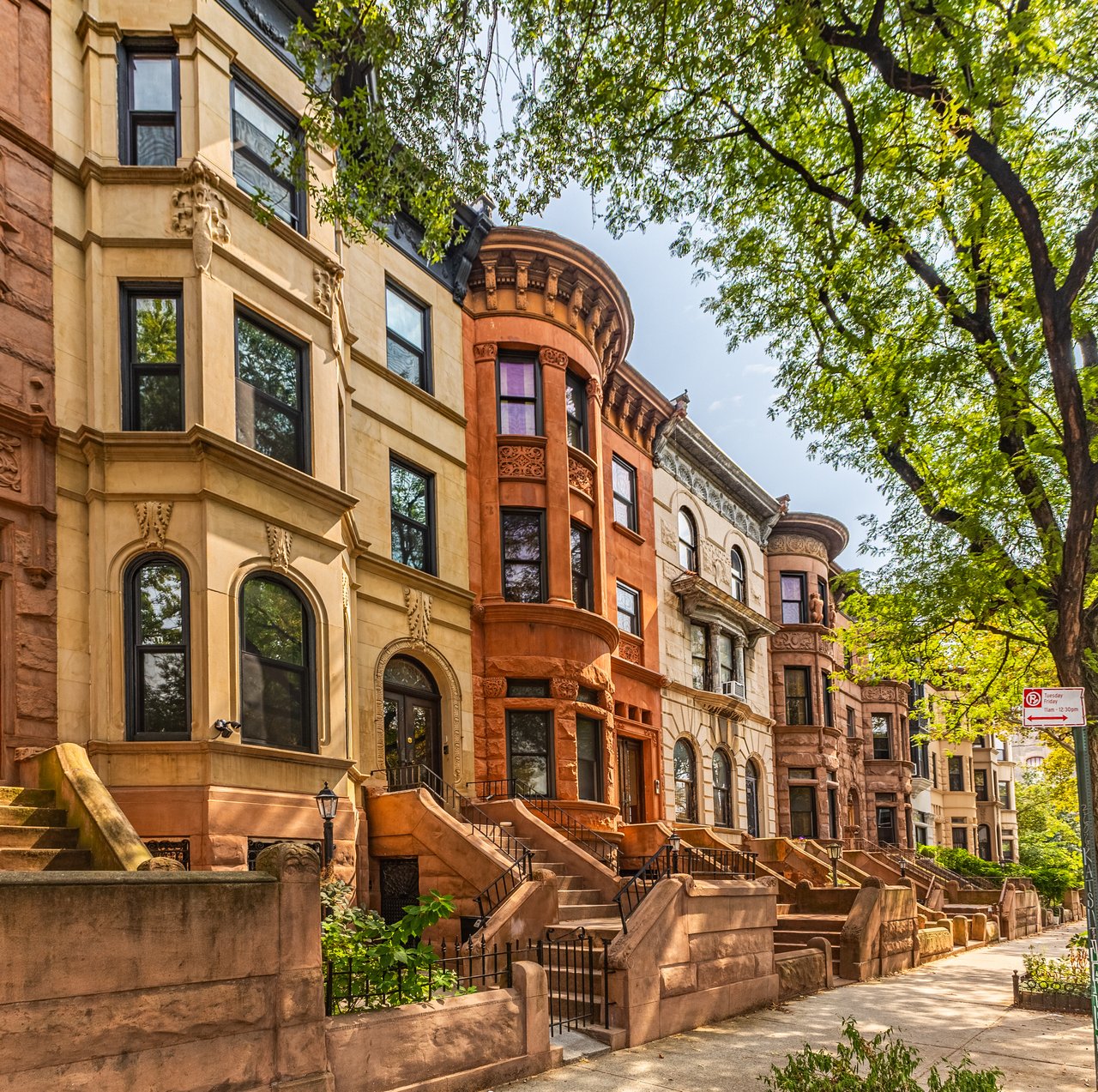
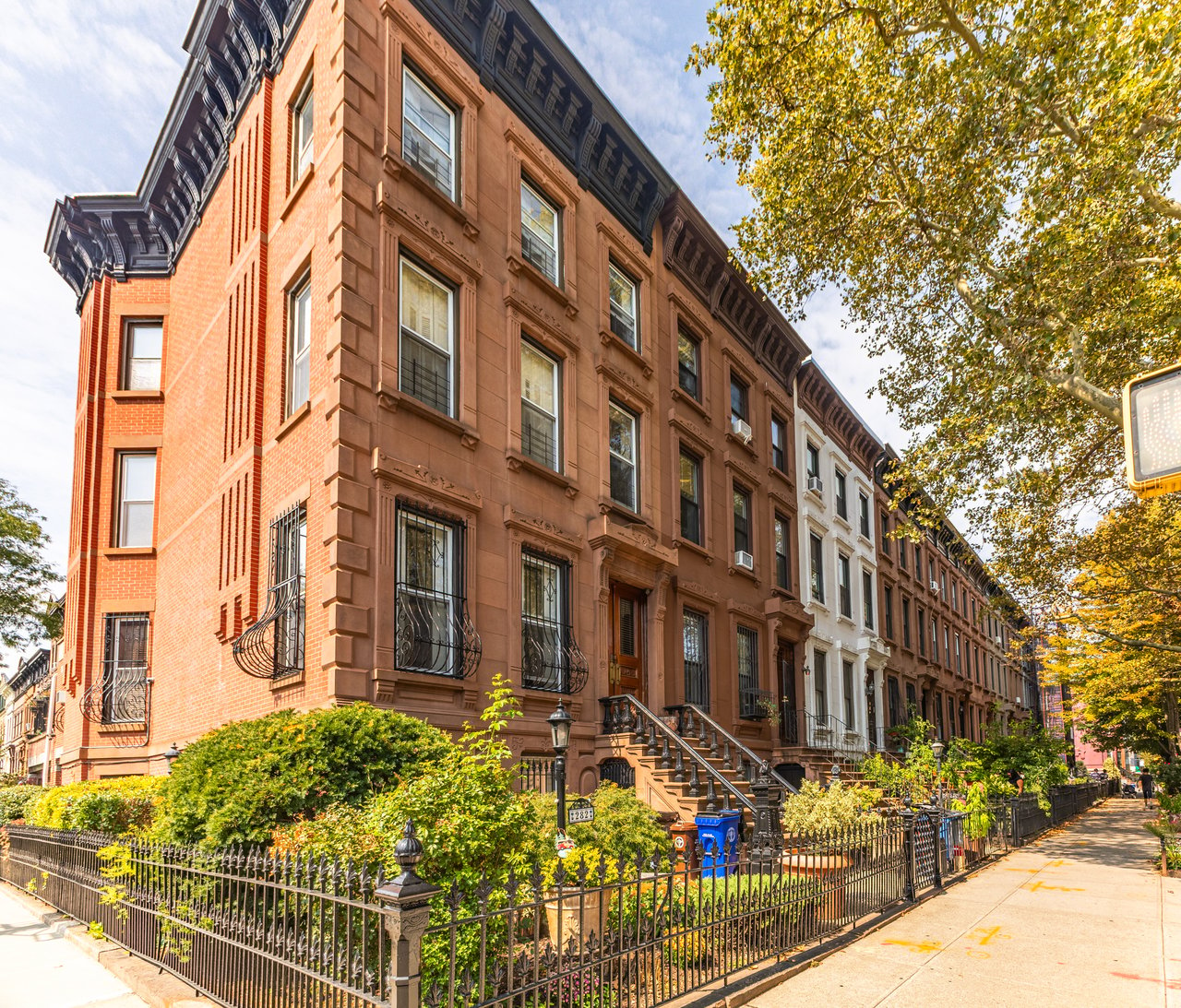
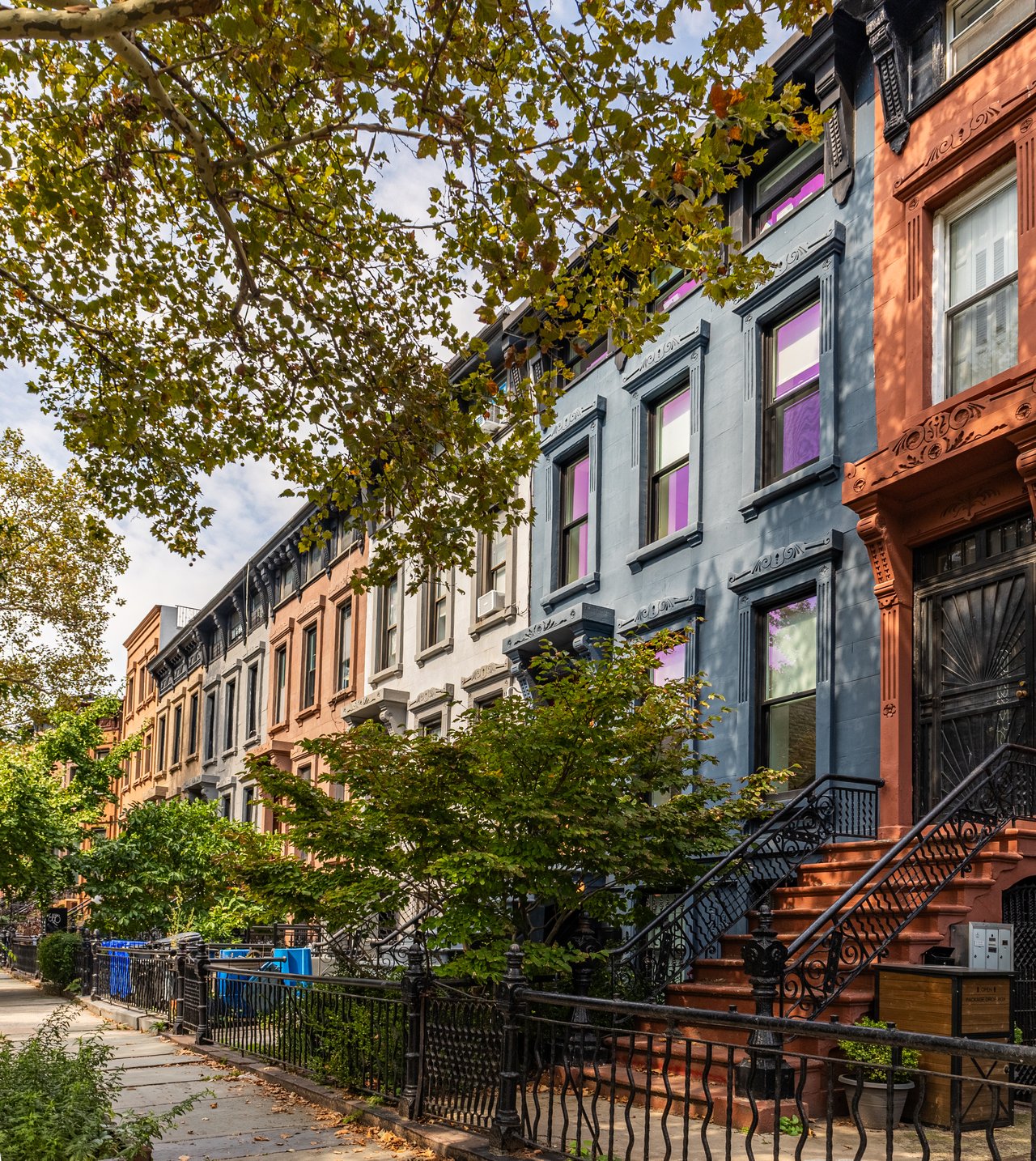
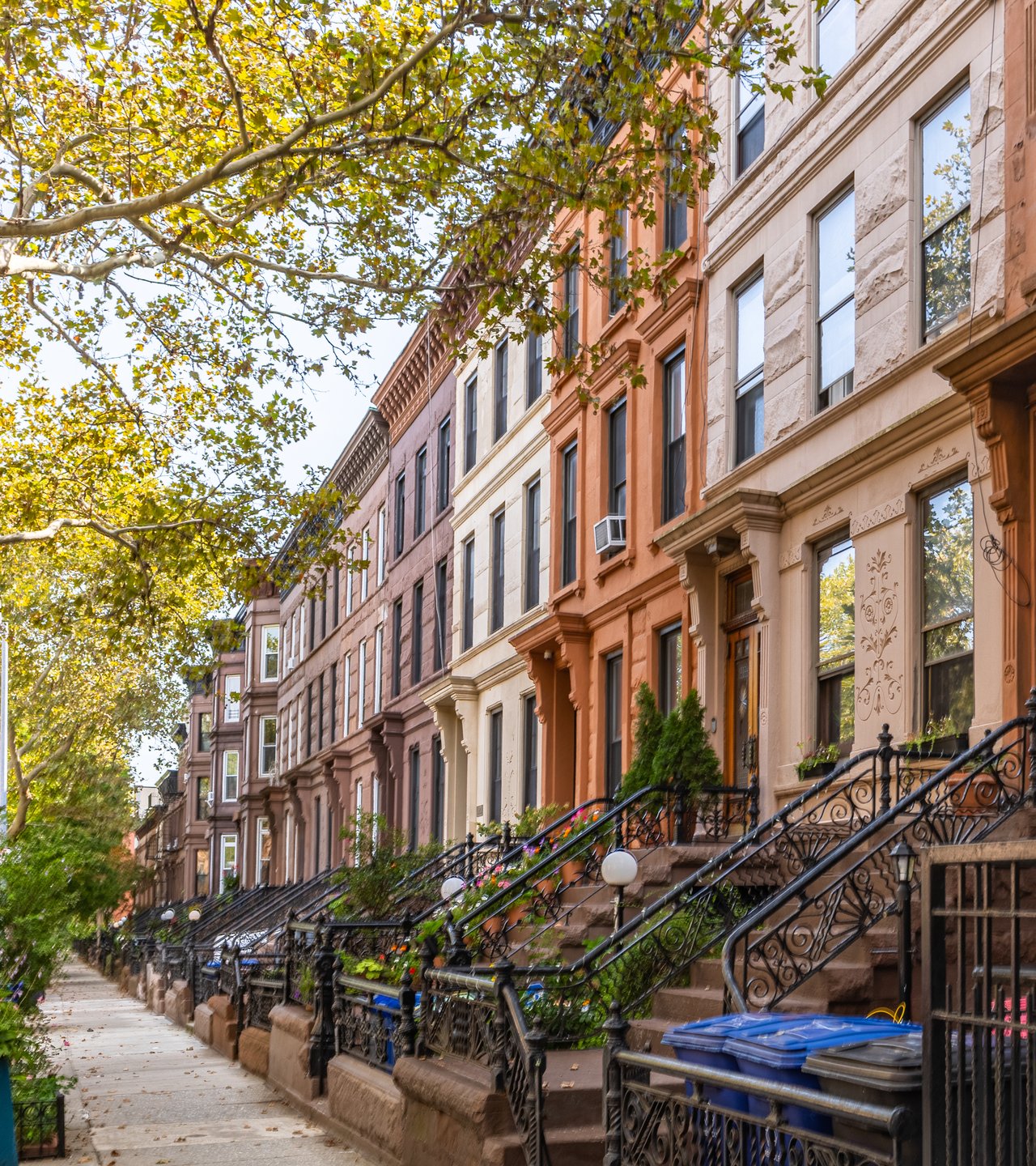
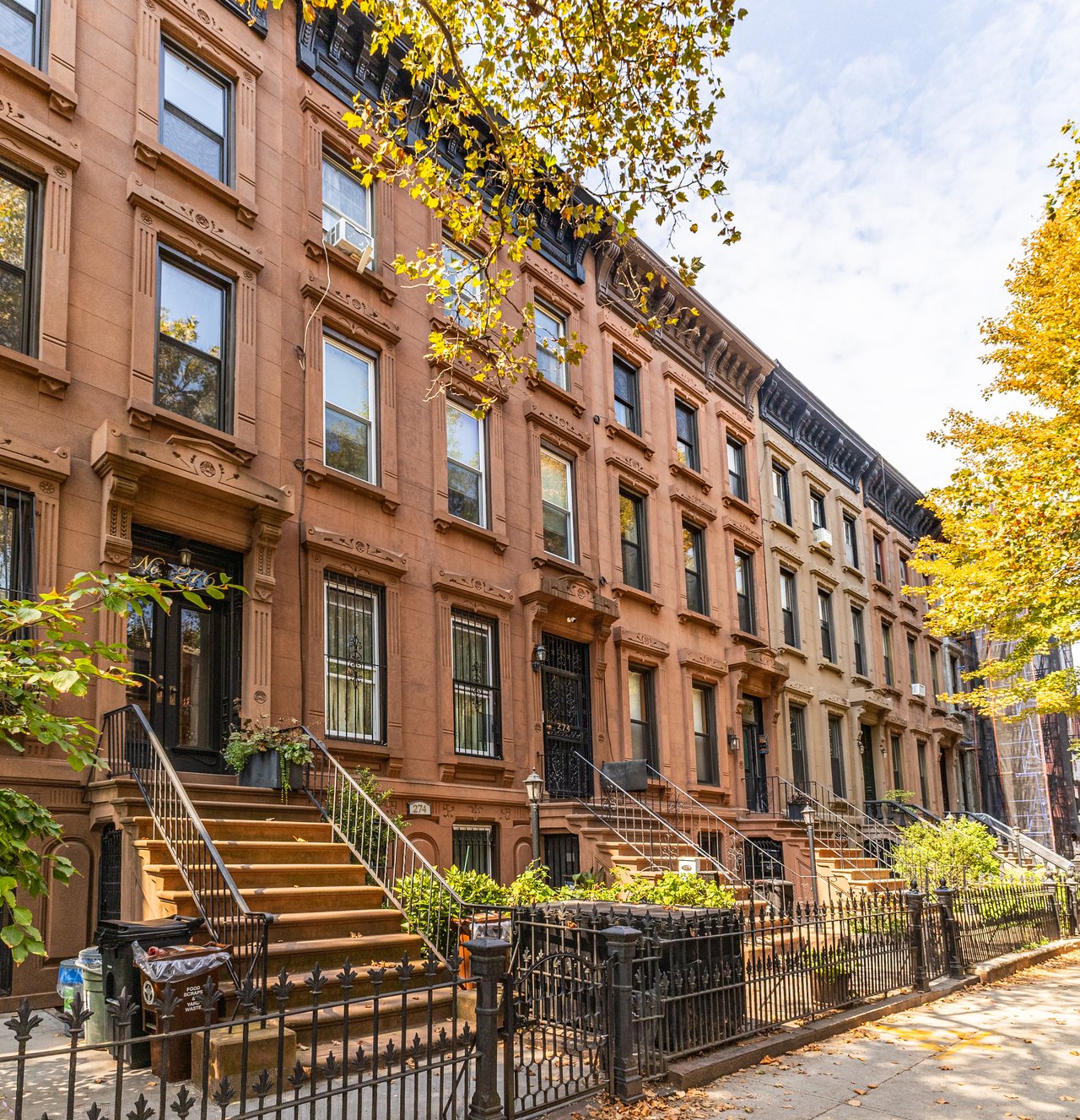
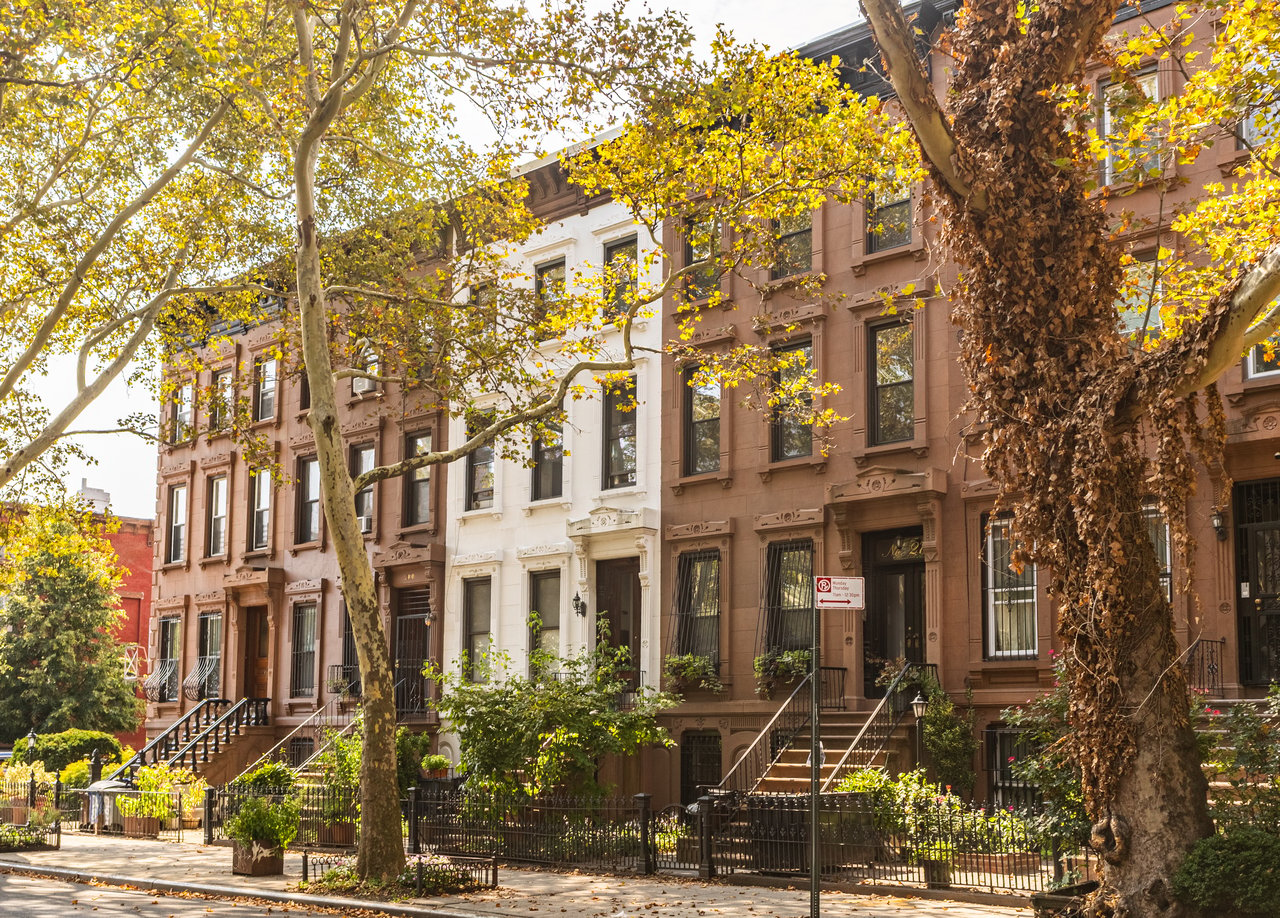
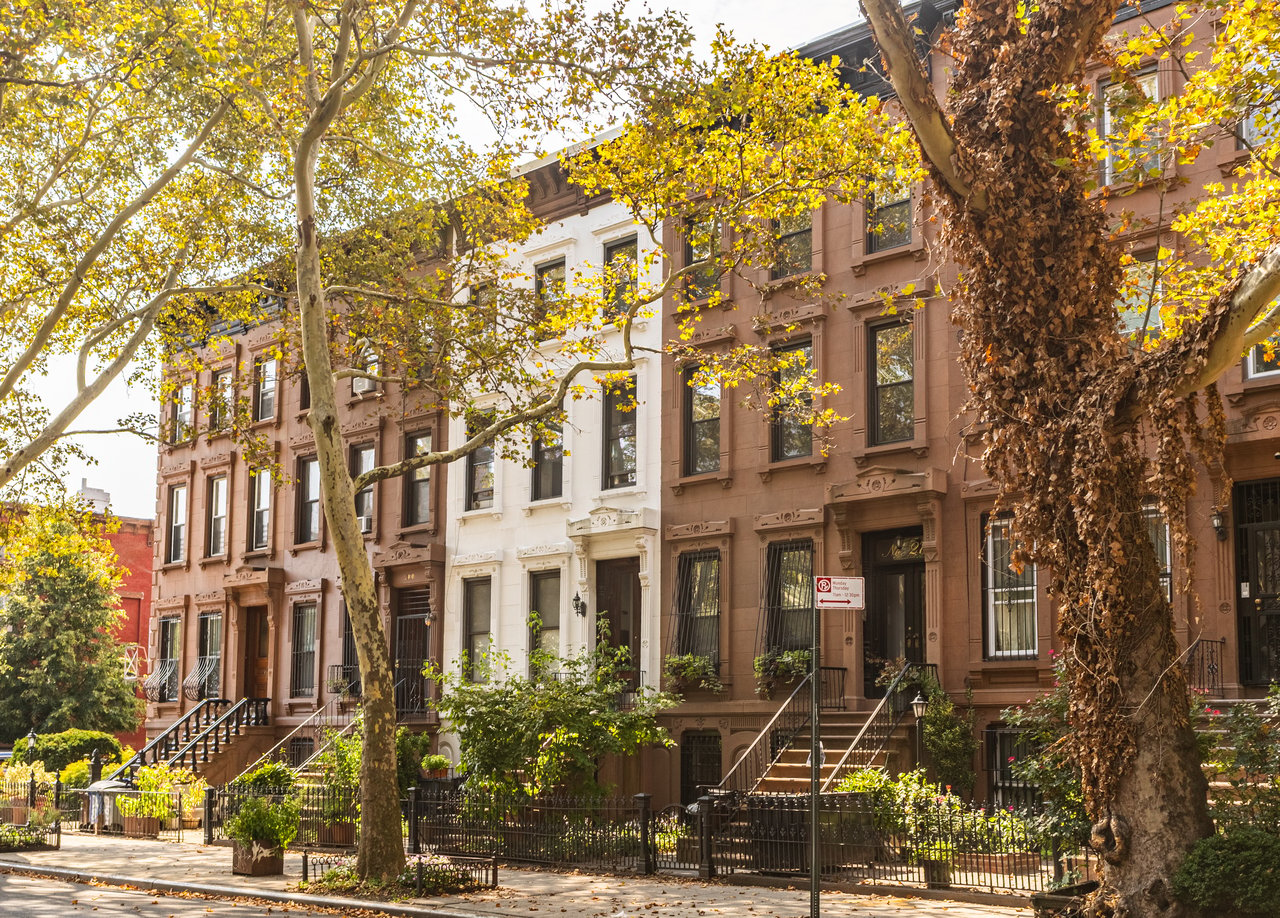
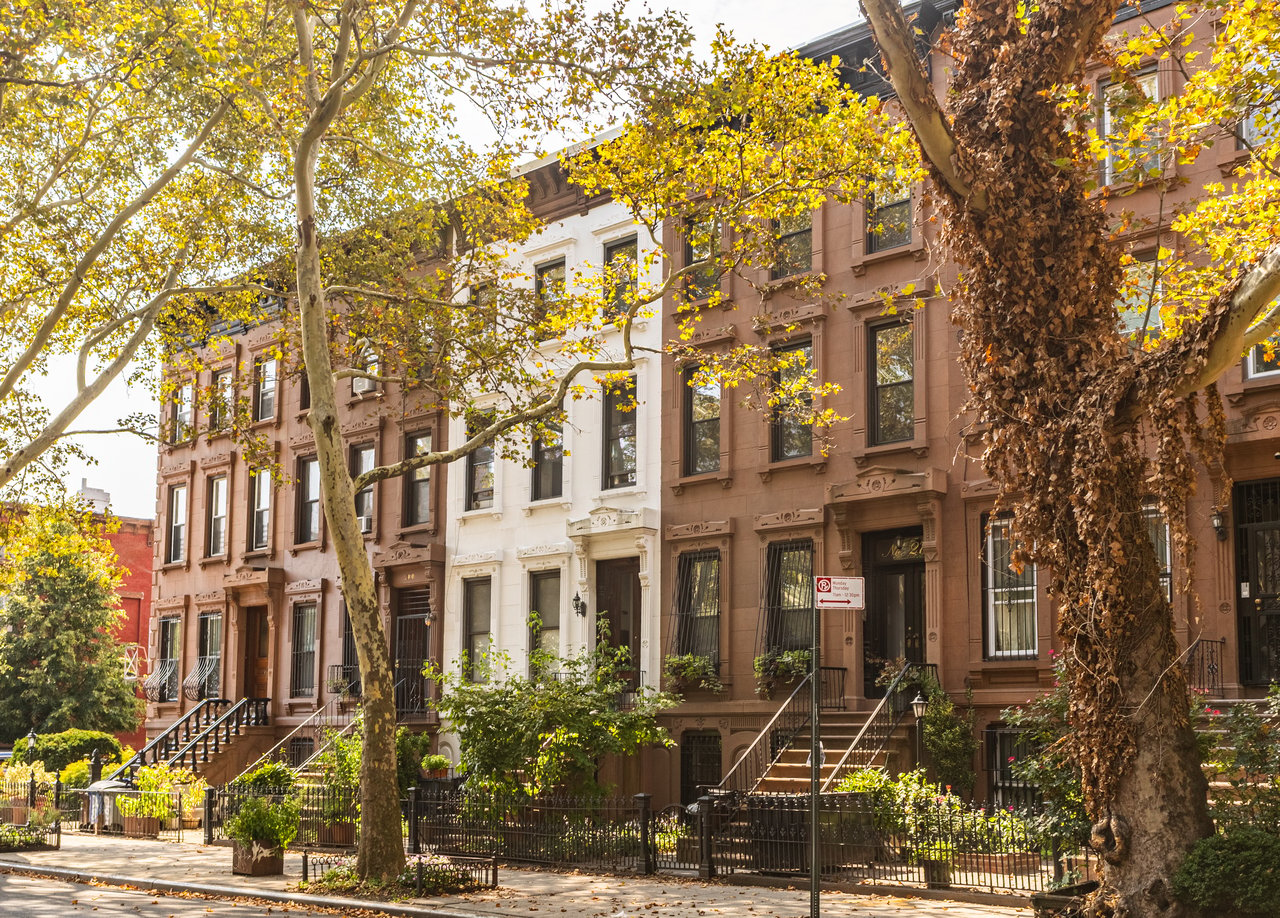
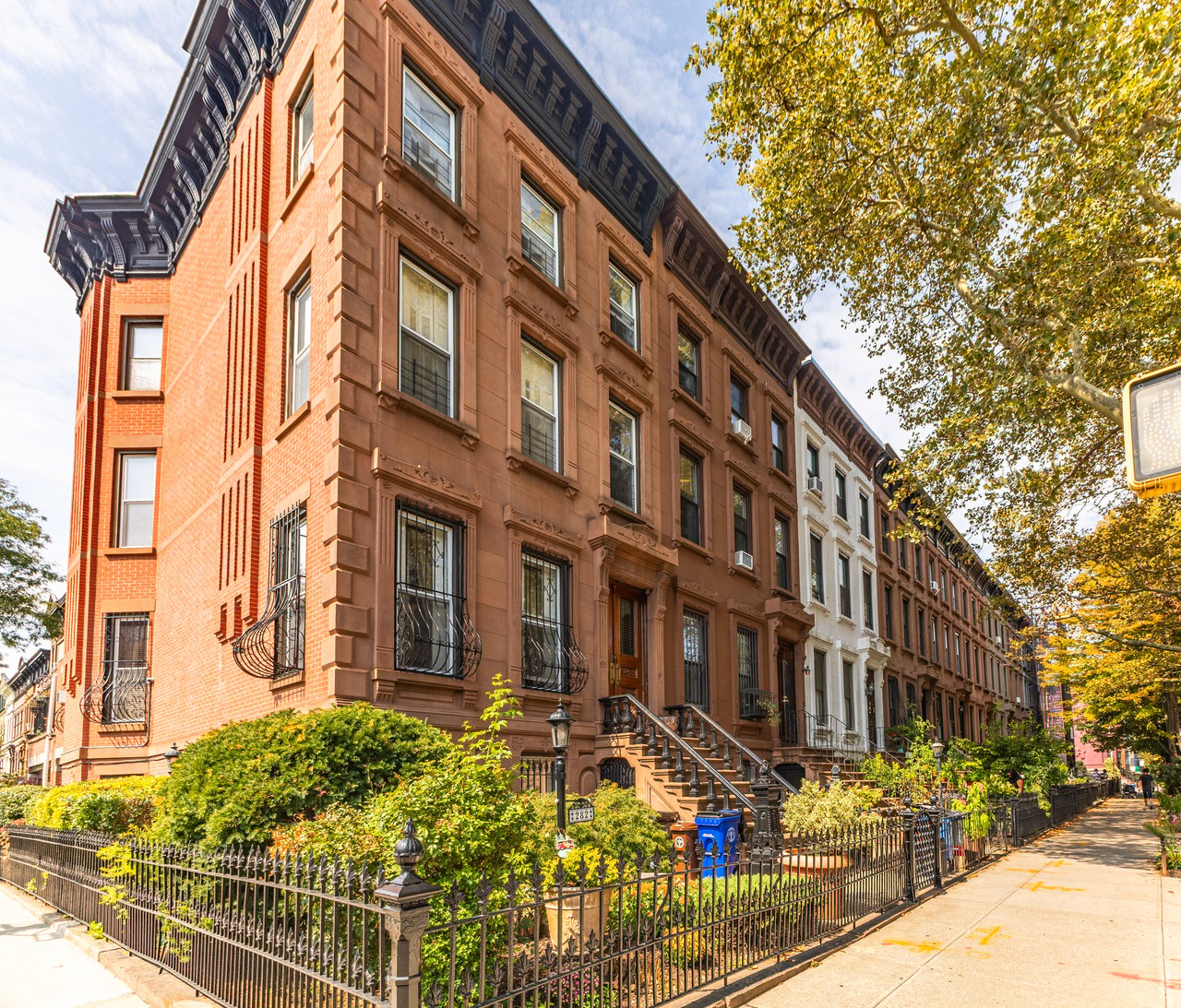
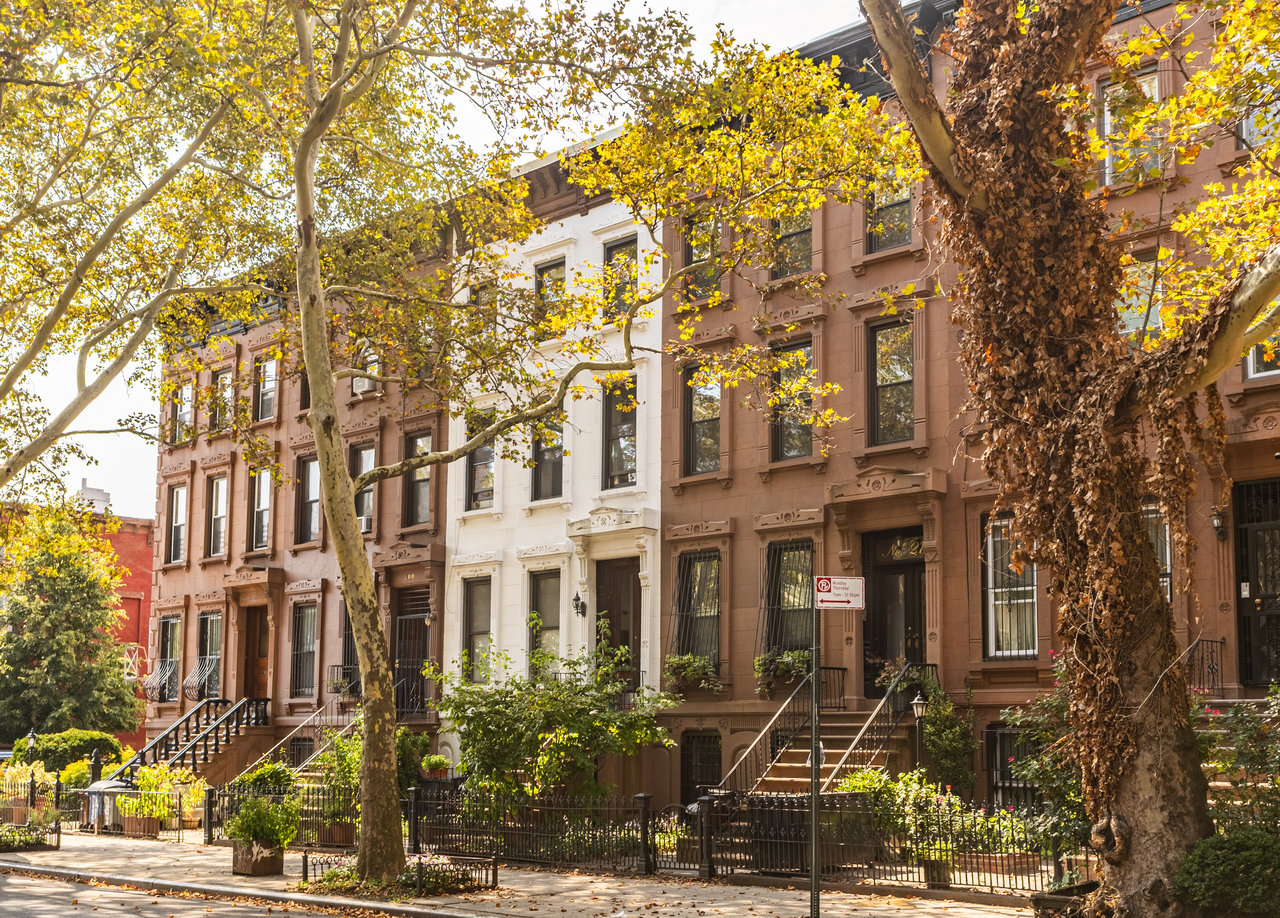
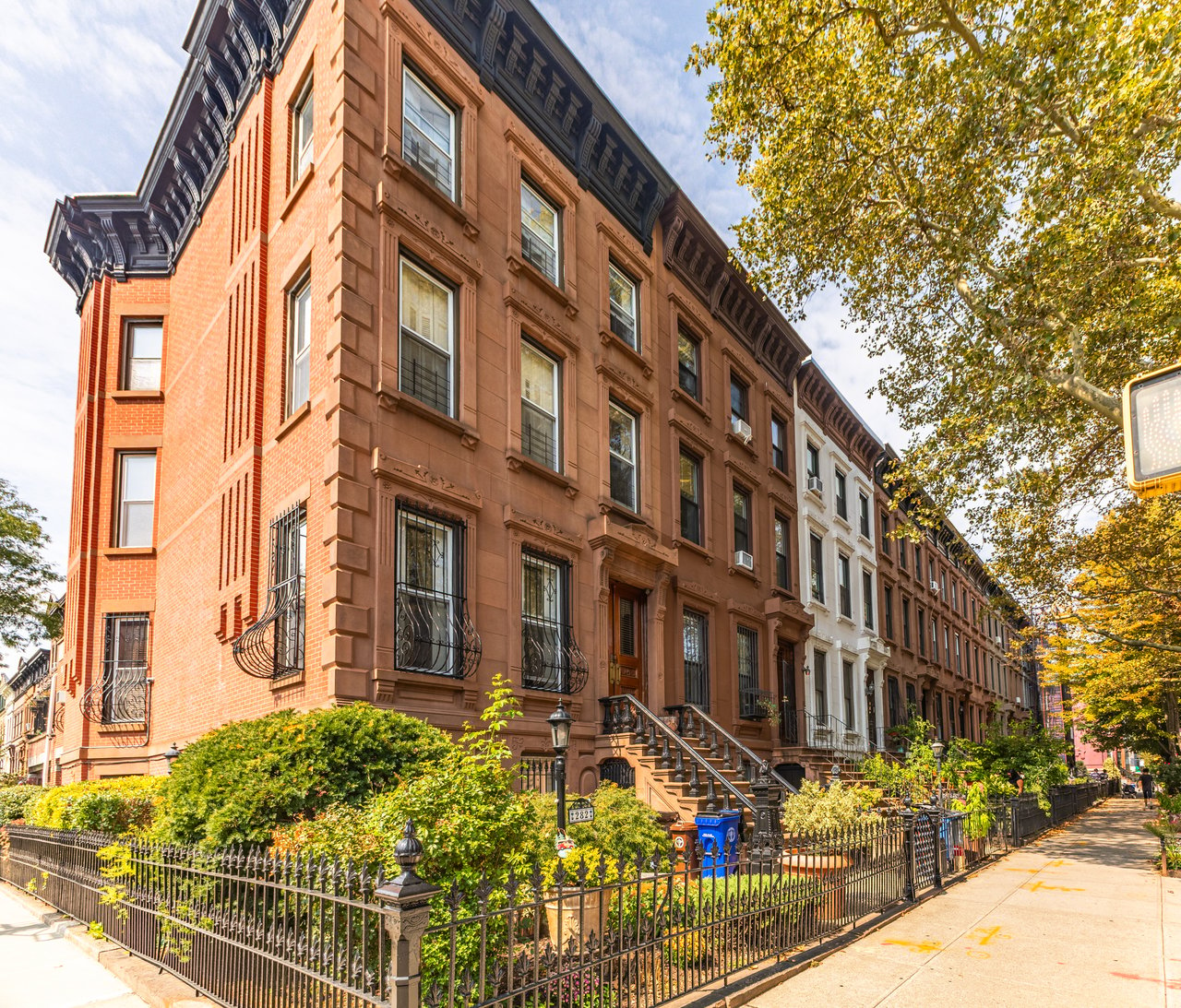
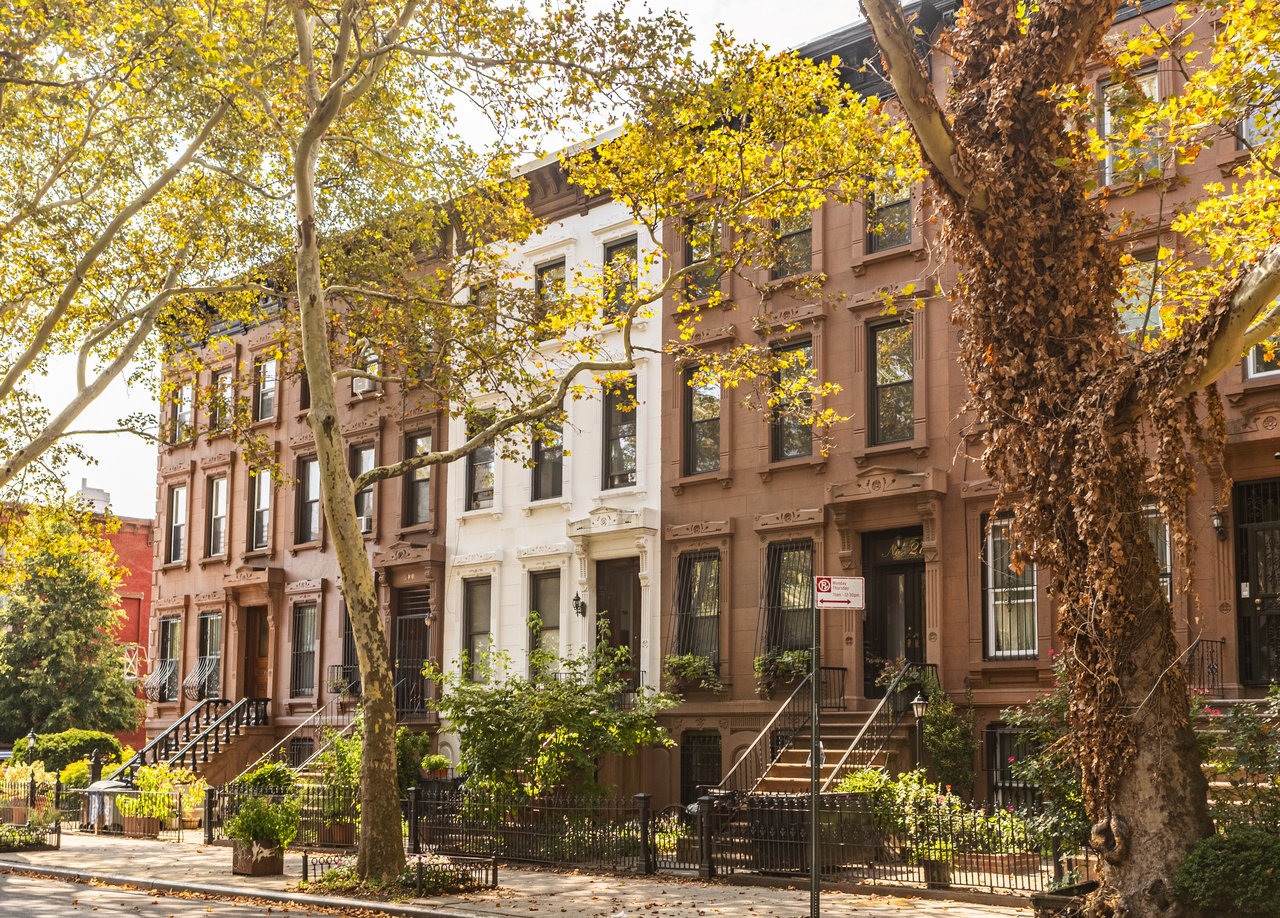
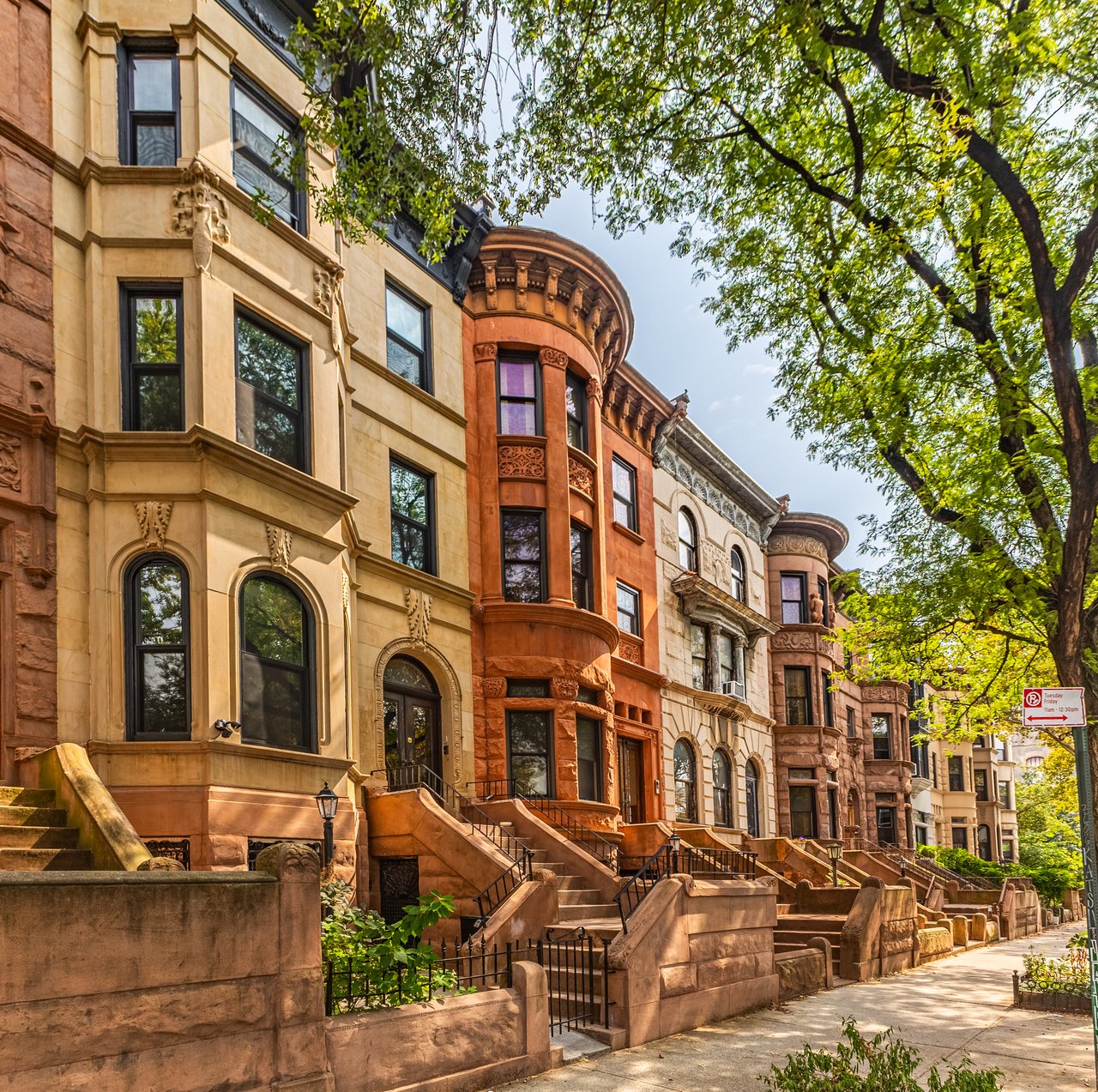
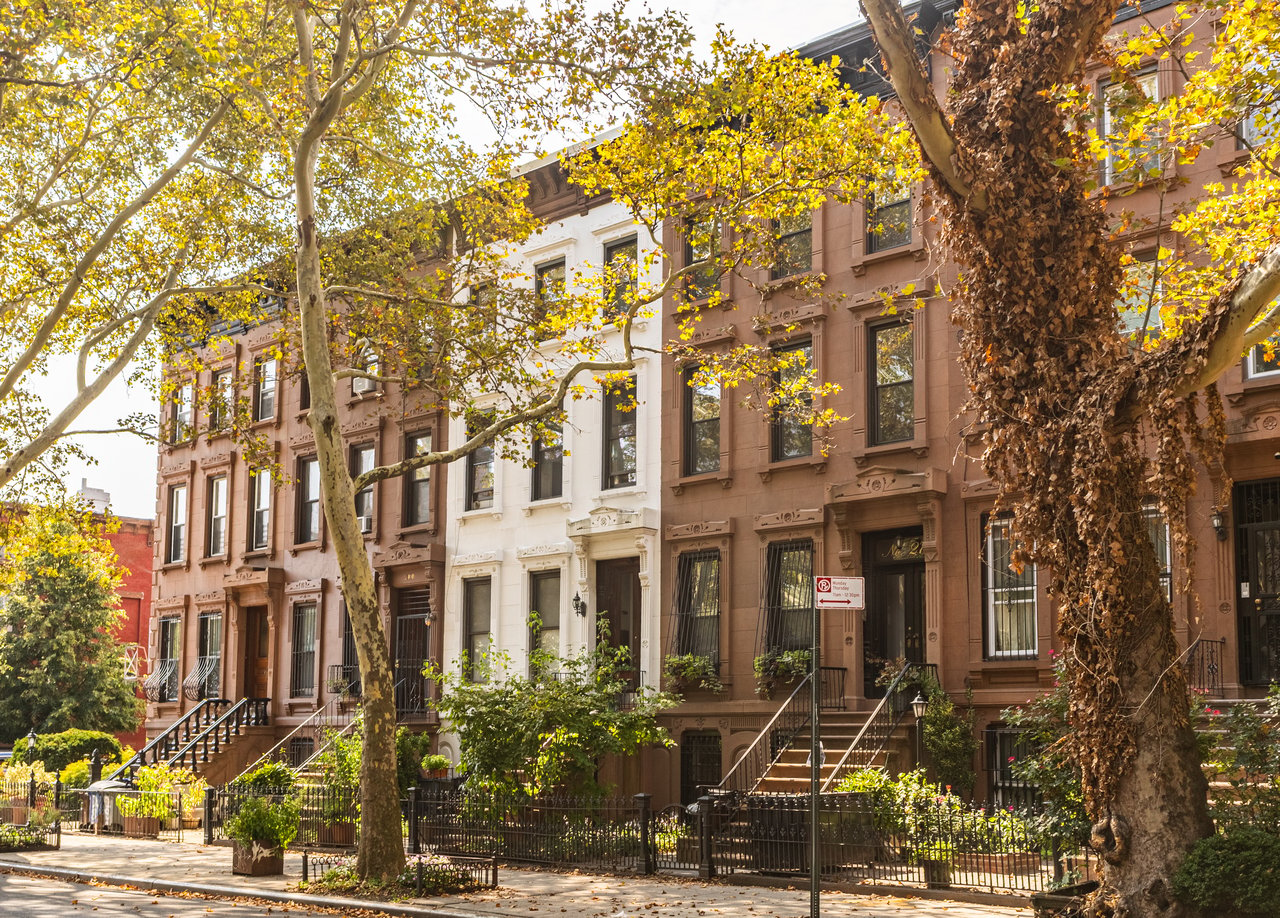
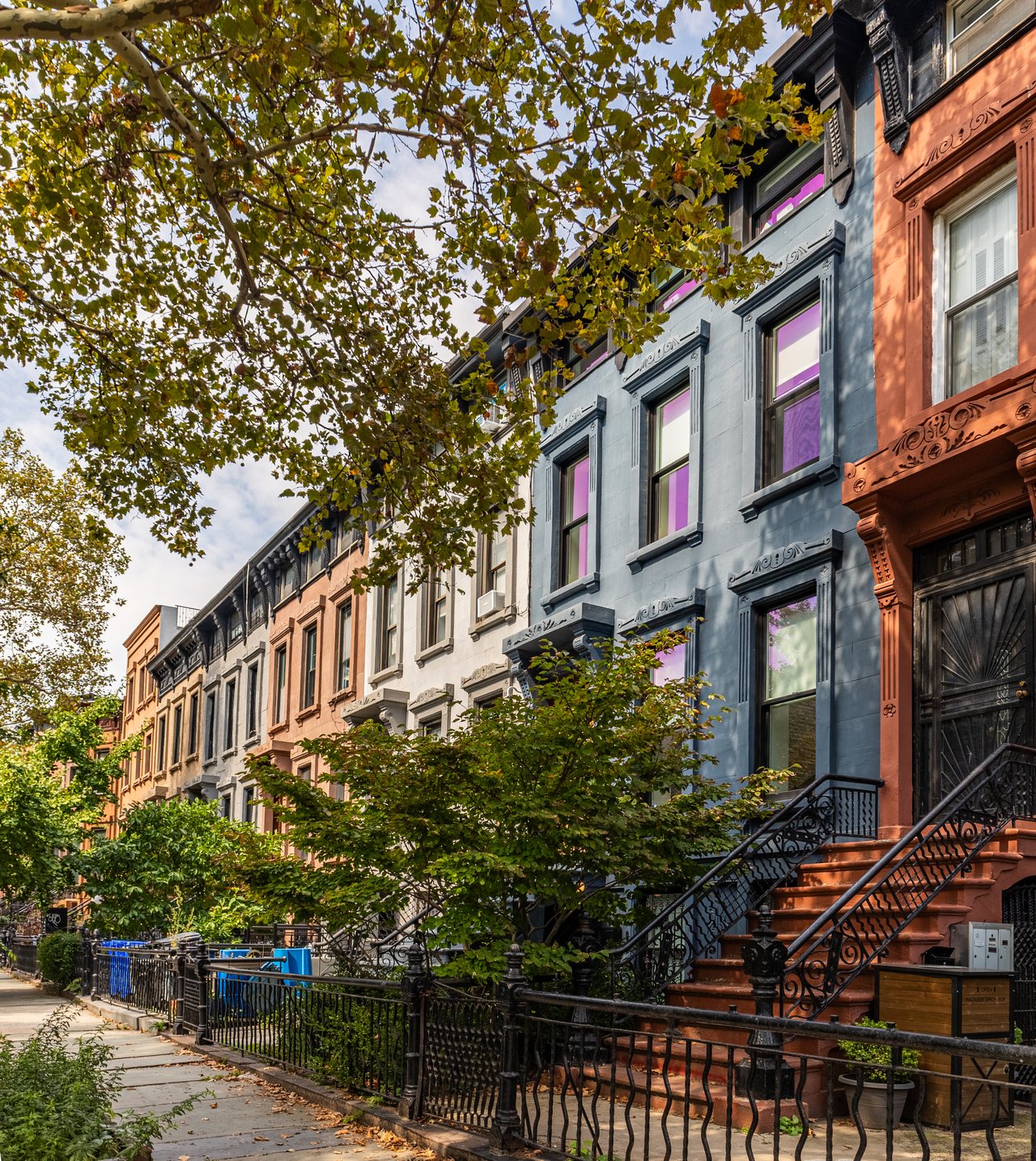
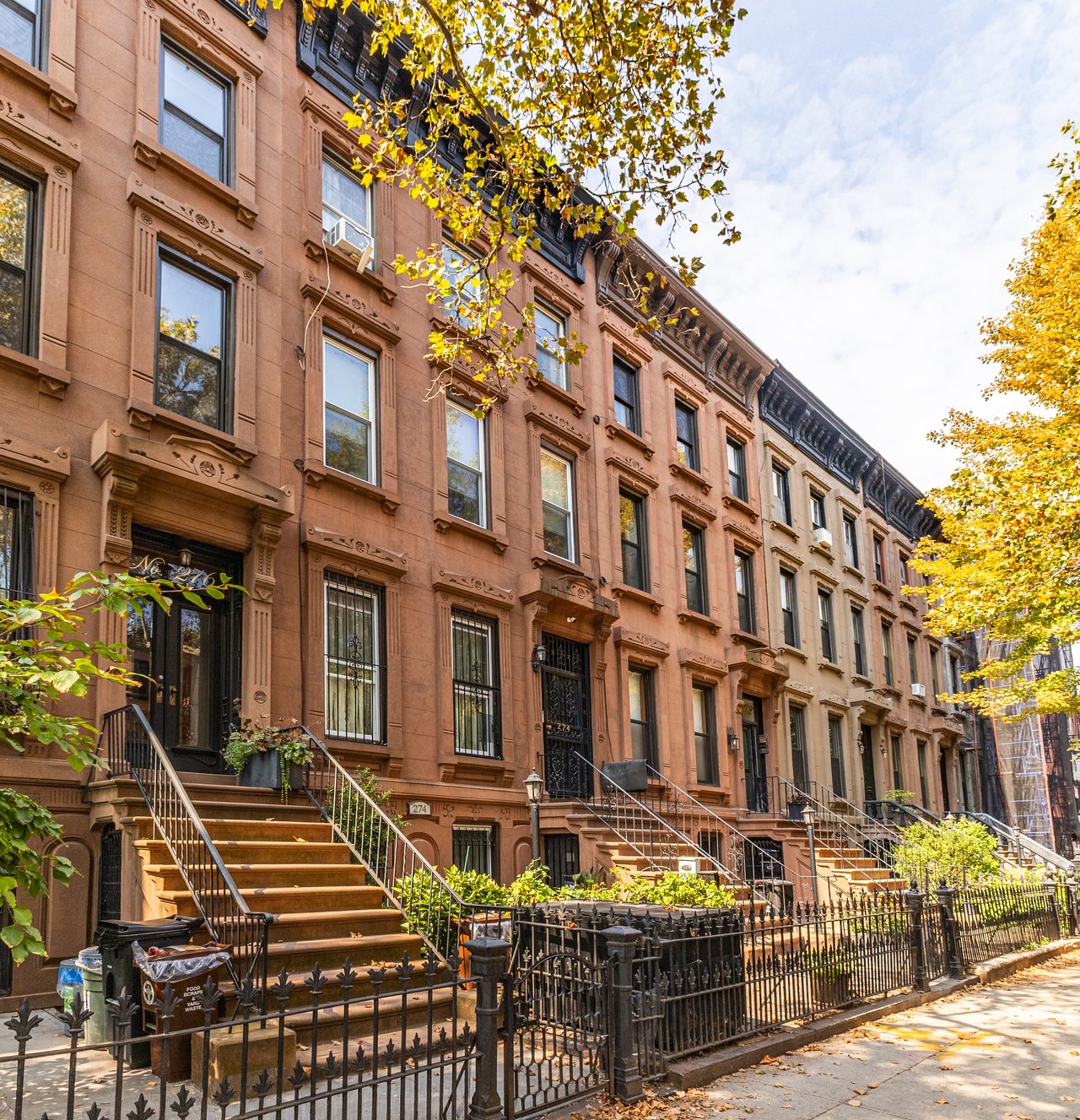
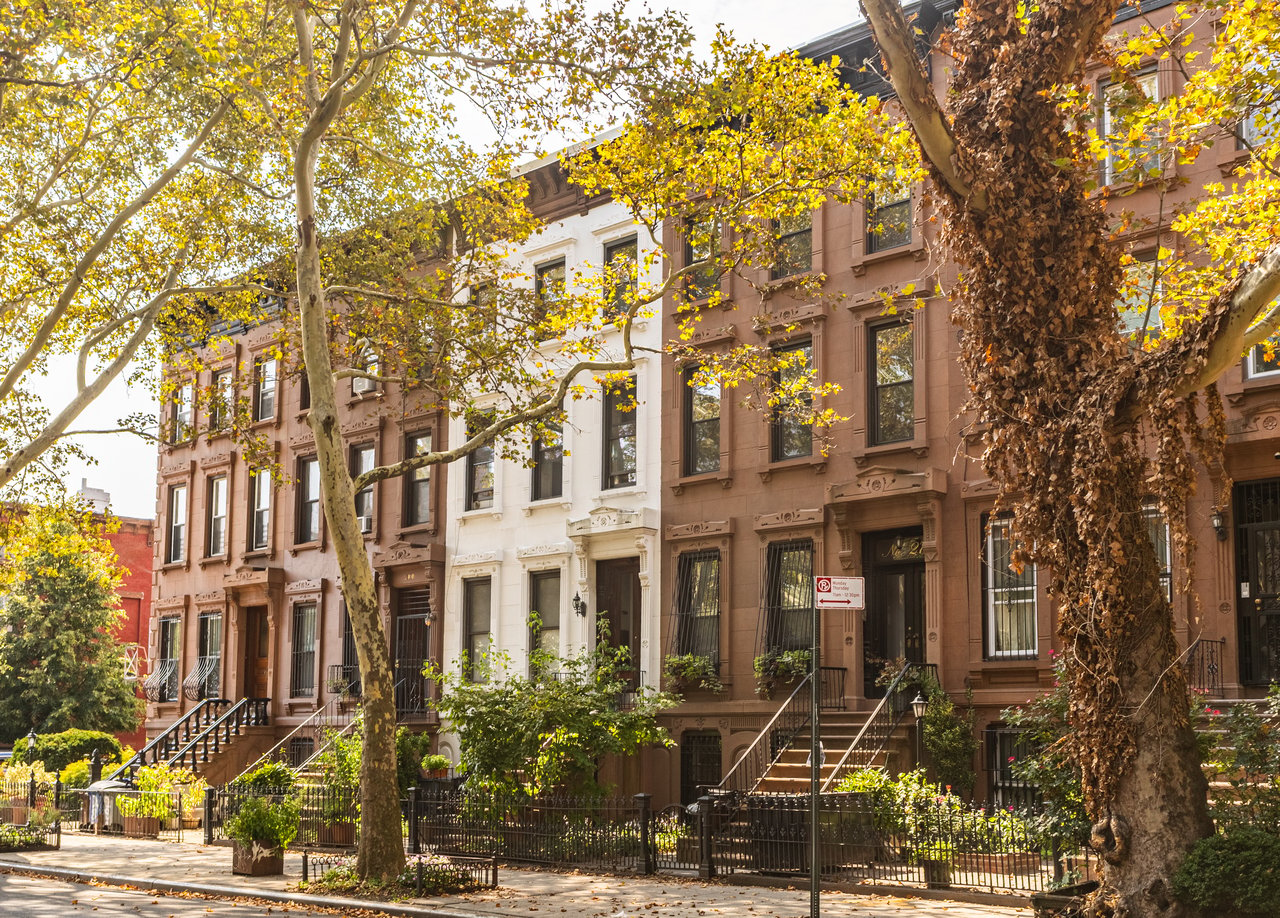
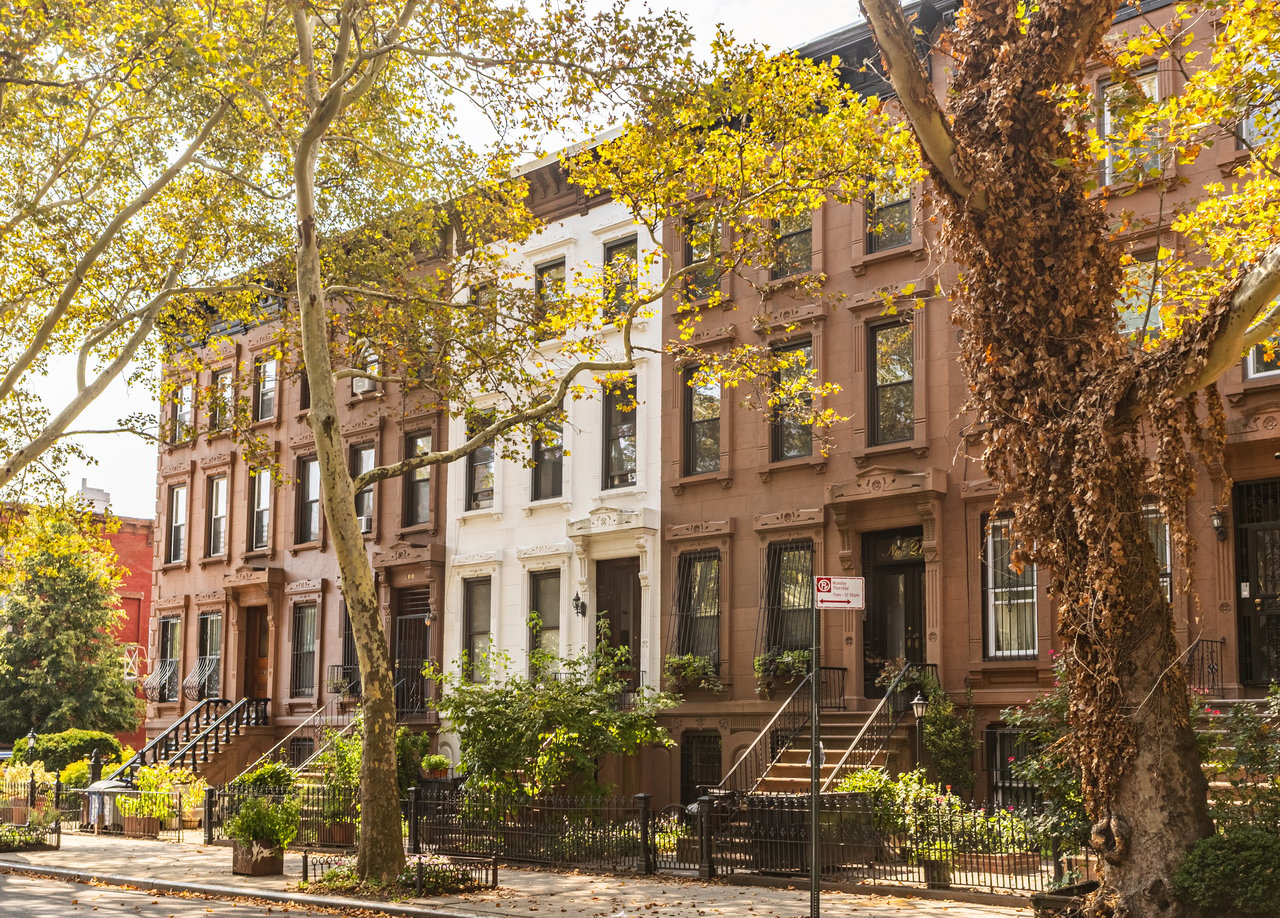
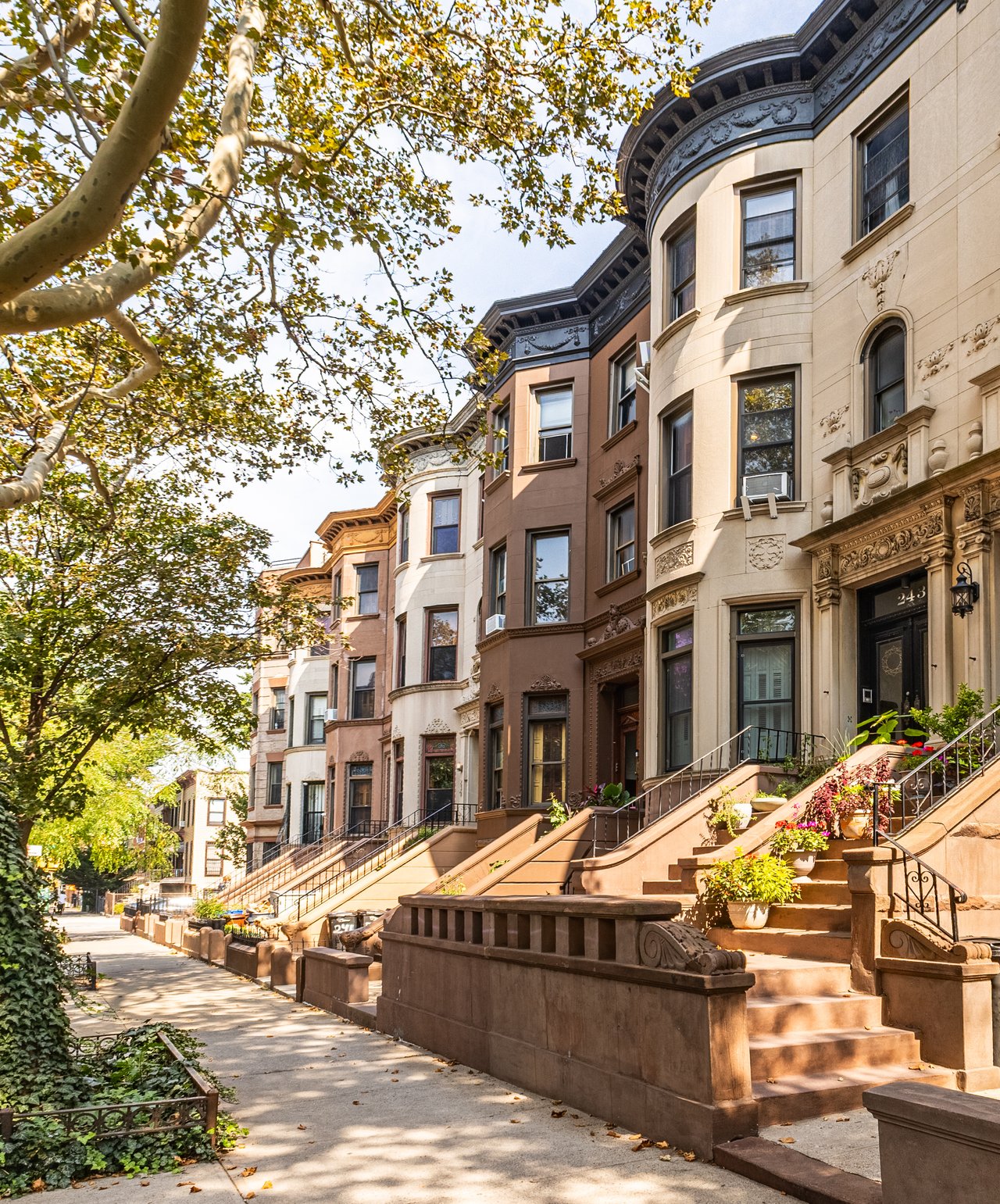
Carlton Avenue is one of the historic residential streets of Prospect Heights, Brooklyn, known for its brownstones, brick townhouses, limestone facades, decorative masonry, and traditional multifamily properties.
Running north to south through Prospect Heights, Carlton Avenue connects the neighborhood's residential blocks with Atlantic Avenue, Vanderbilt Avenue's restaurant corridor, and Grand Army Plaza.
The avenue reflects Brooklyn's substantial residential development during the late 19th century, when rows of brownstone and brick homes were constructed throughout Prospect Heights.
Today, Carlton Avenue contains a combination of historic townhouses, single-family residences, two-family and three-family buildings, and apartment properties. Nearby commercial corridors also contain mixed-use buildings, restaurants, and cafés.
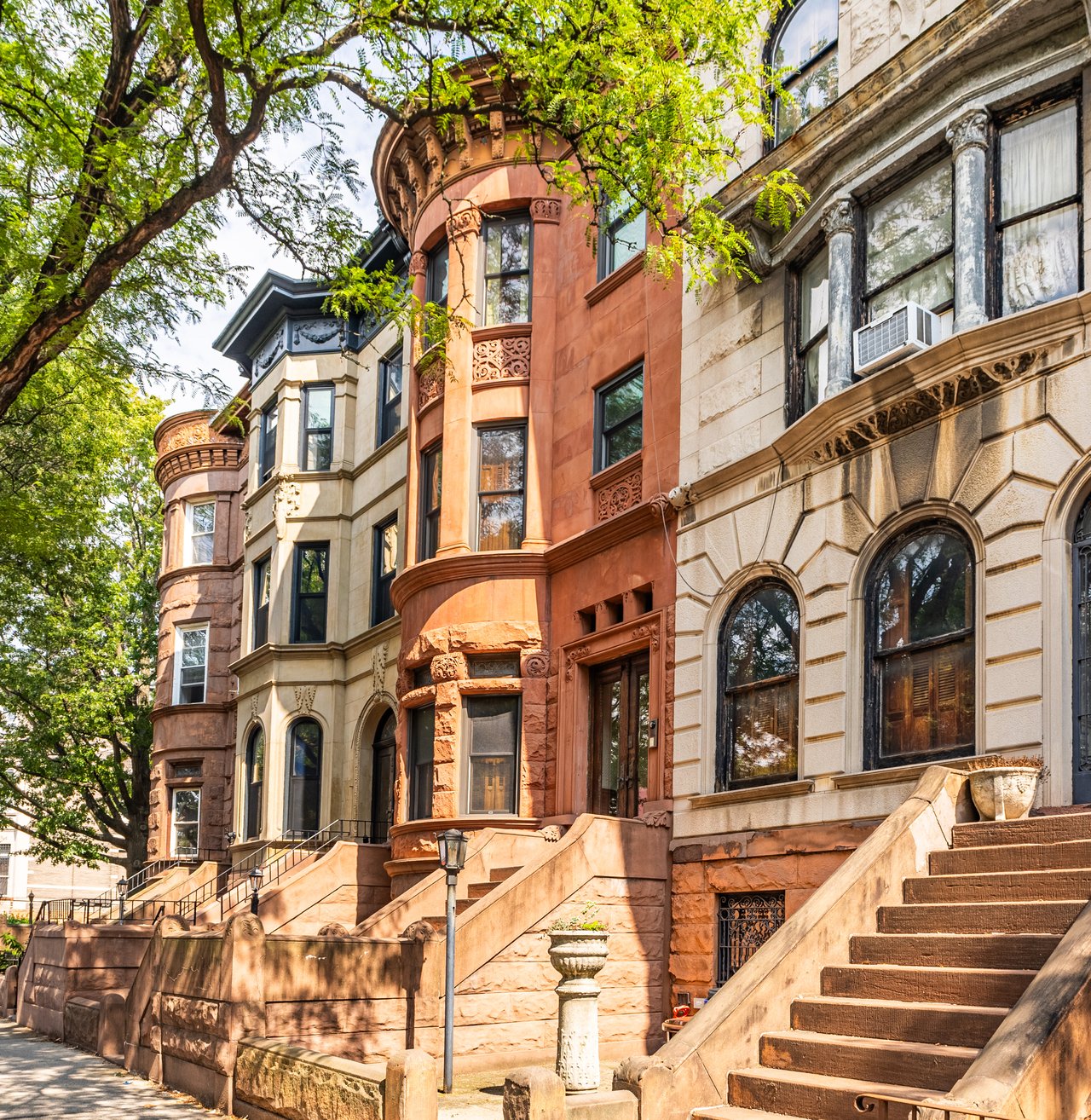
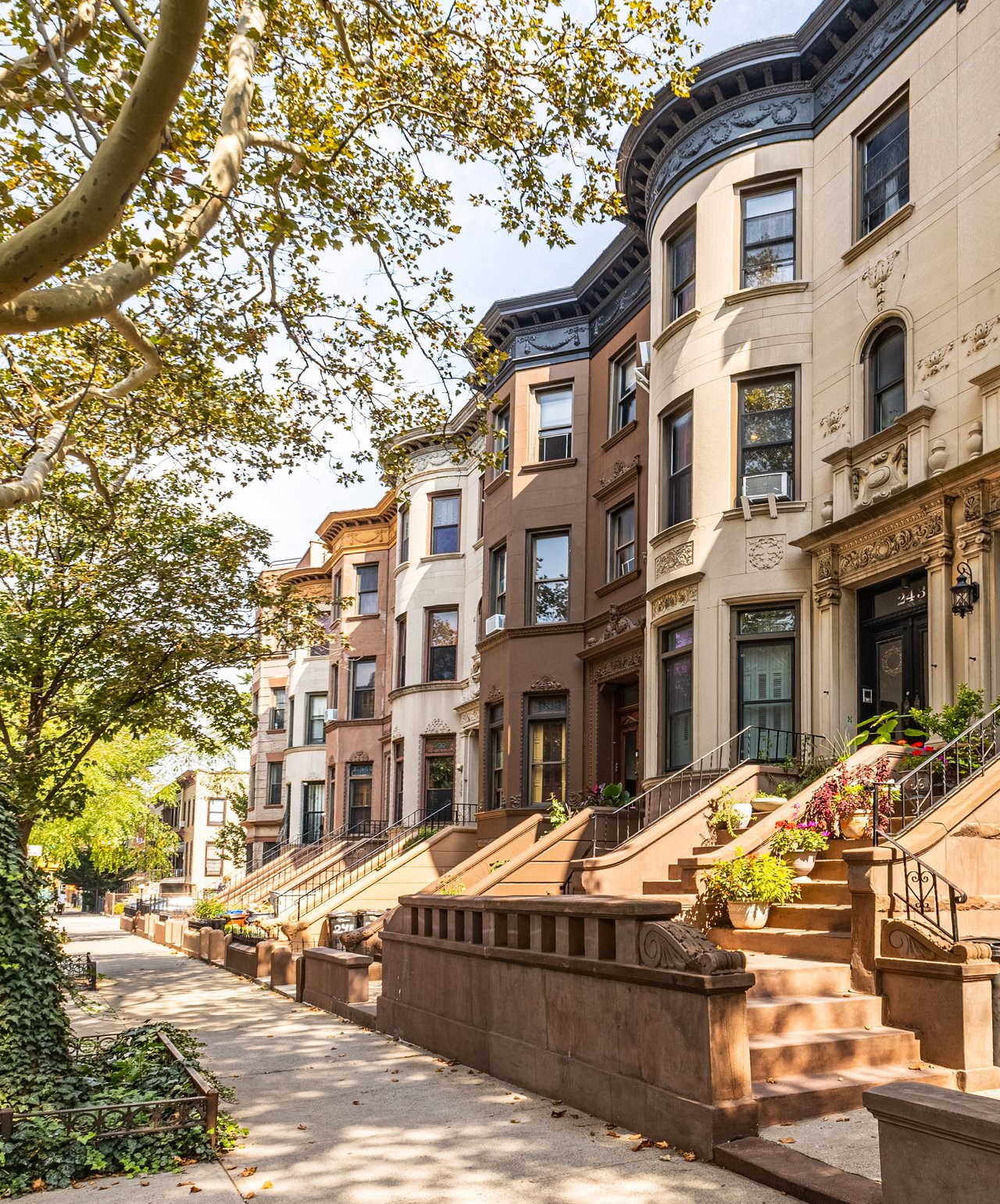
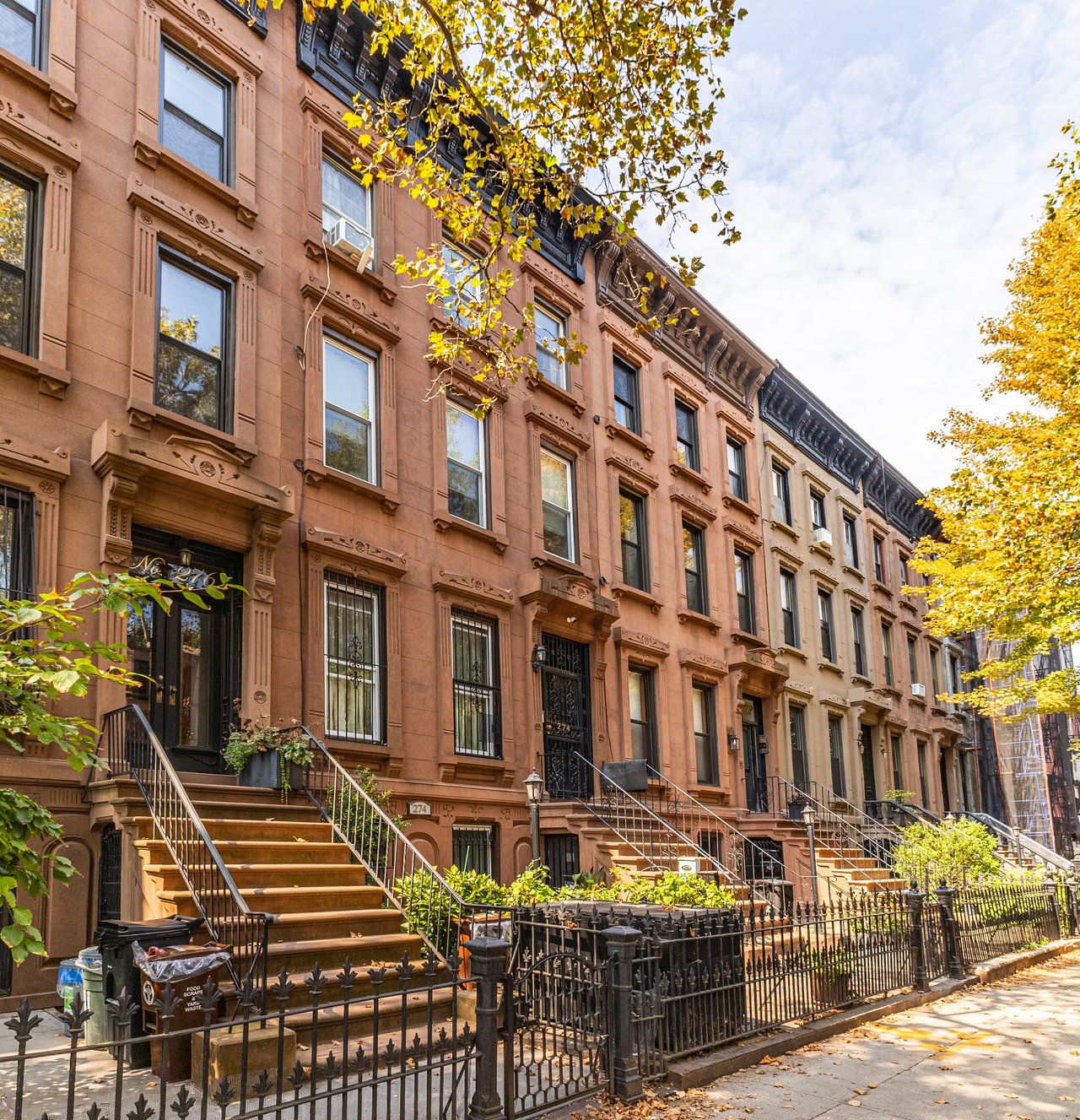
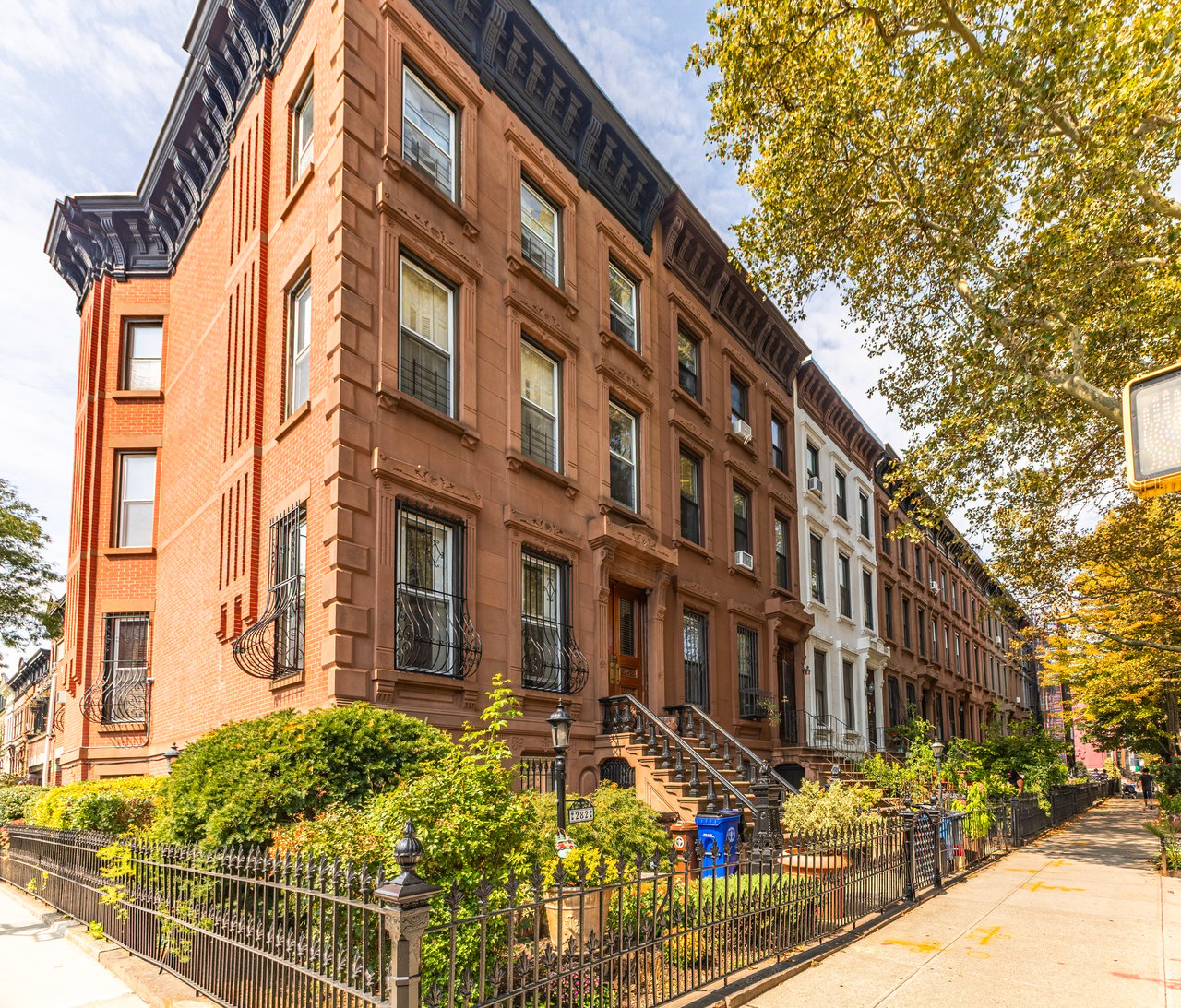
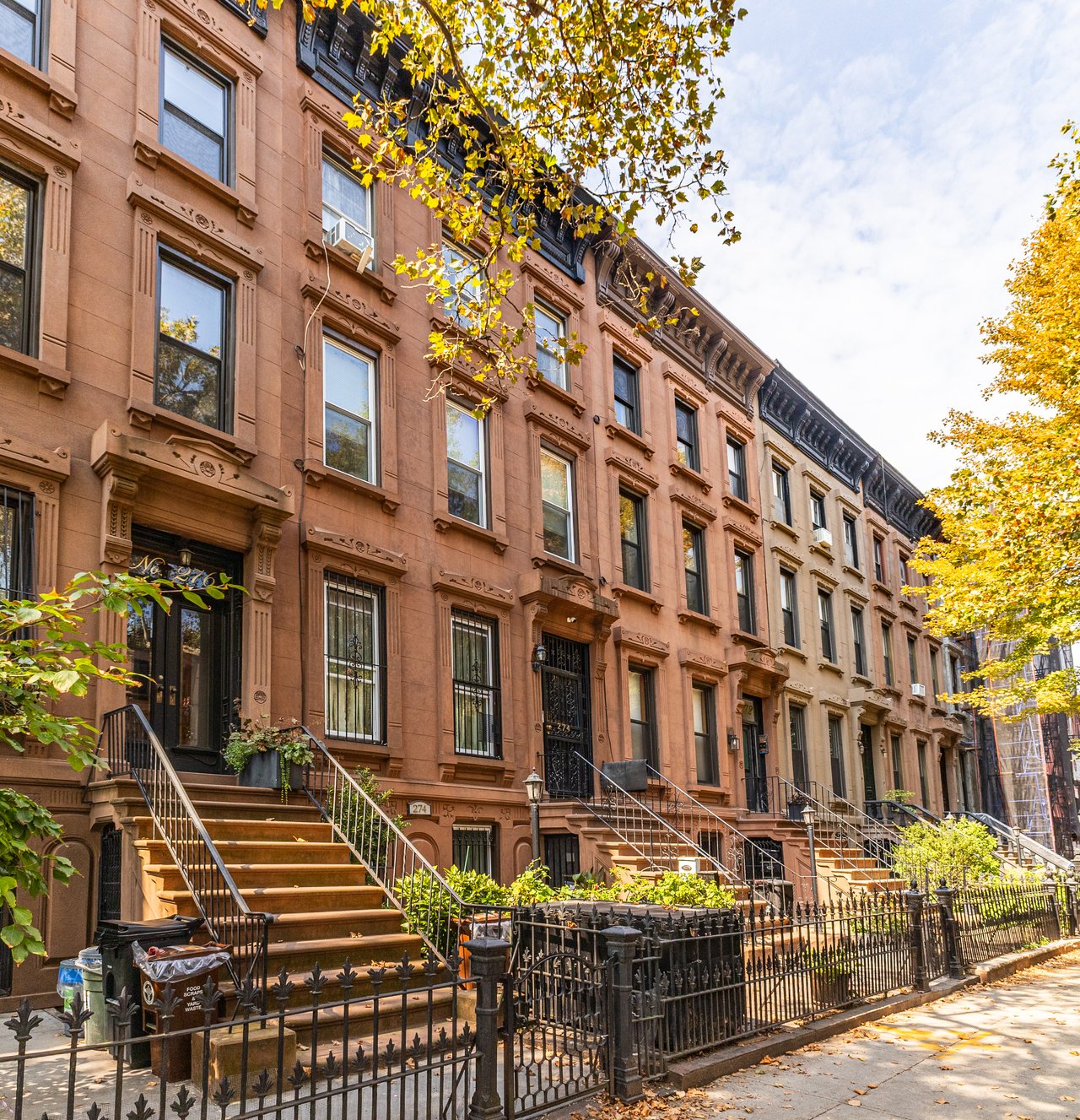
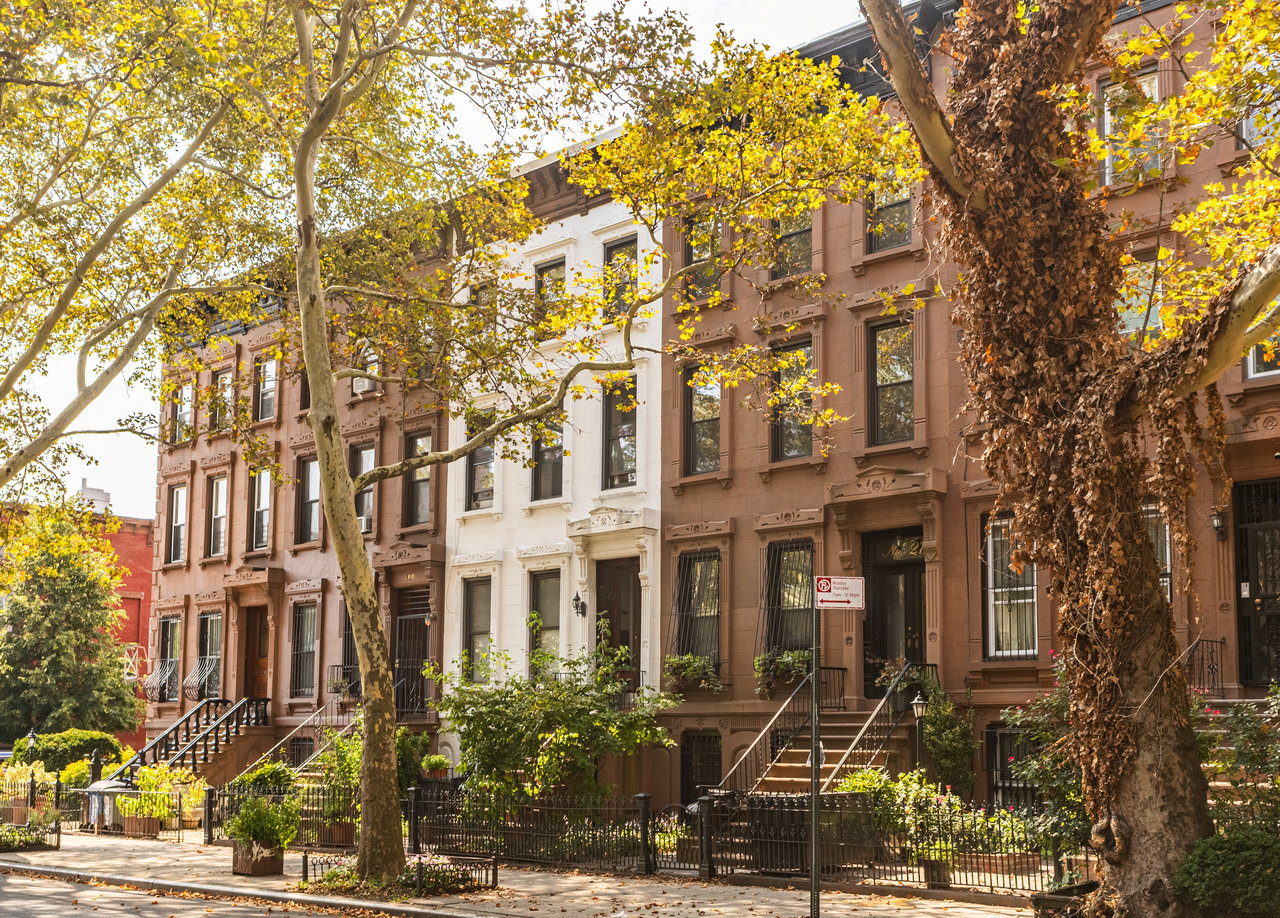
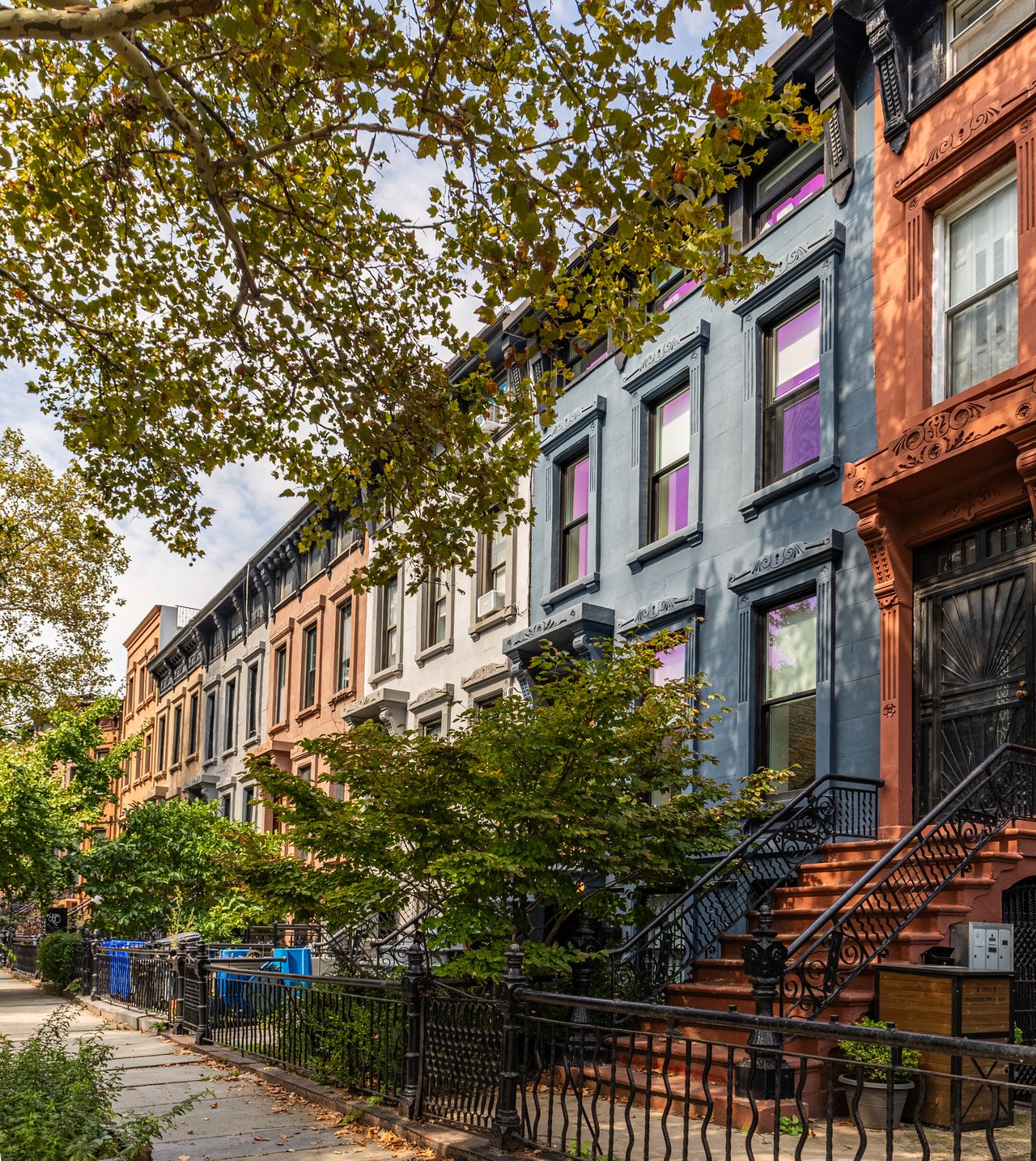
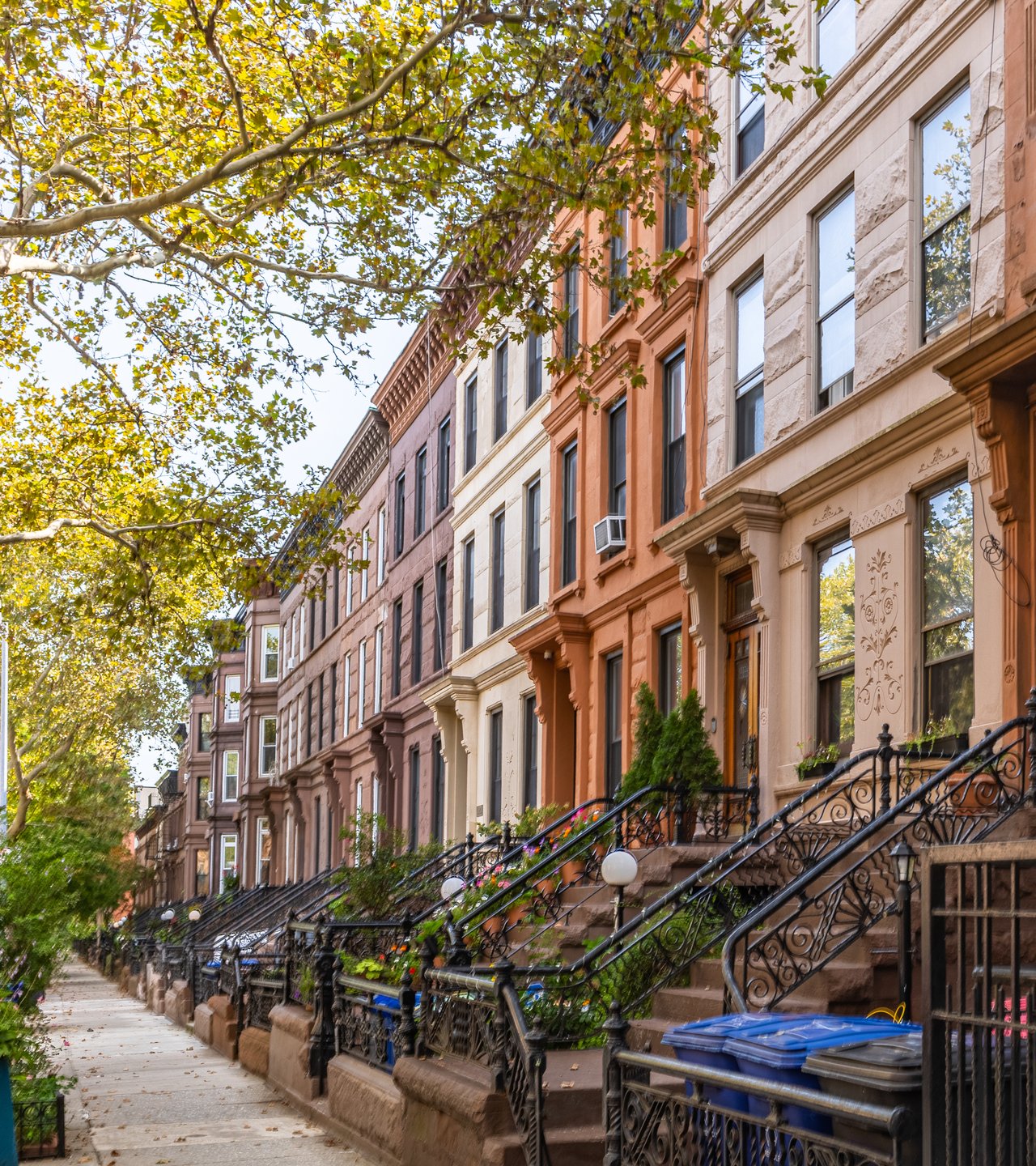
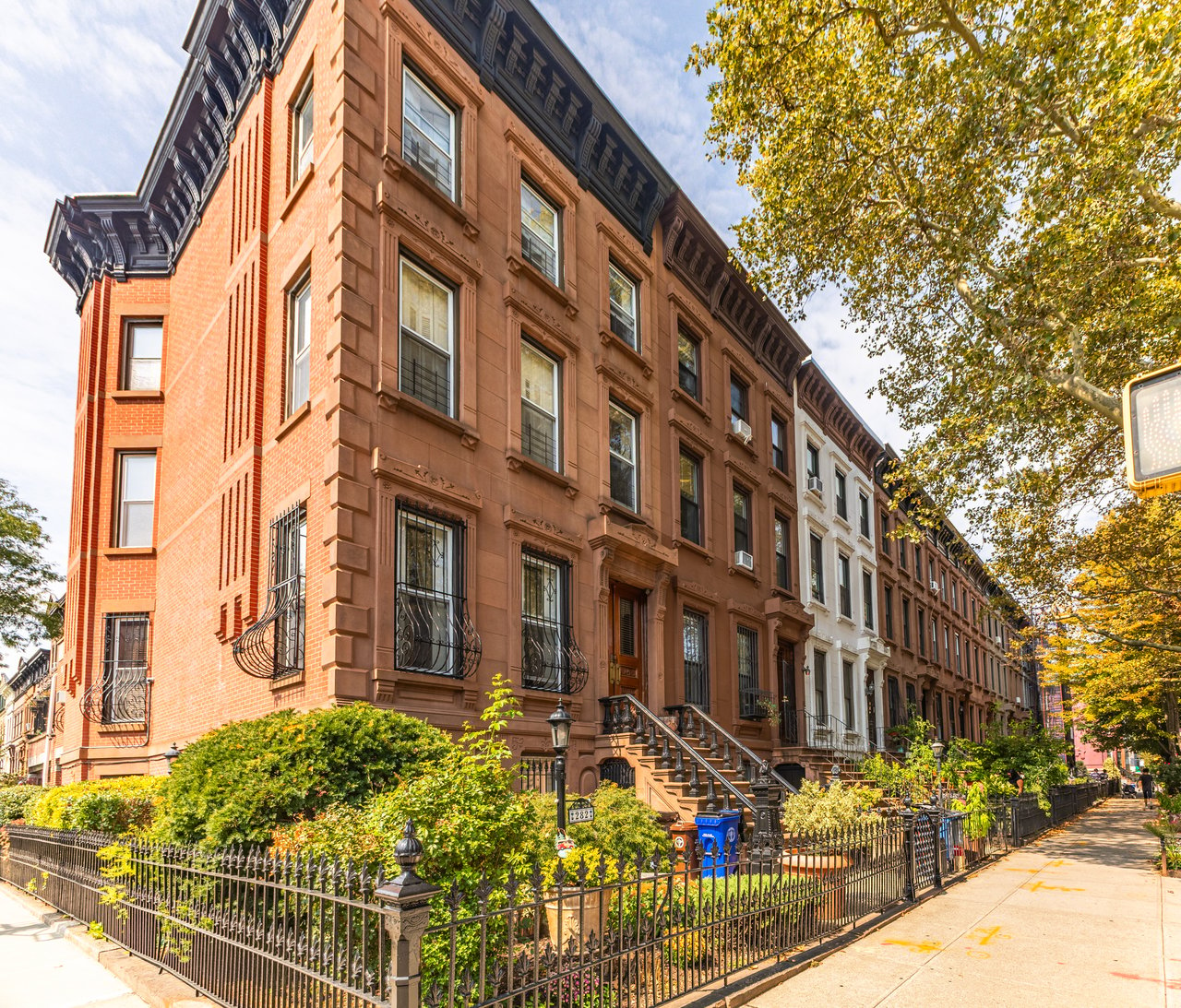
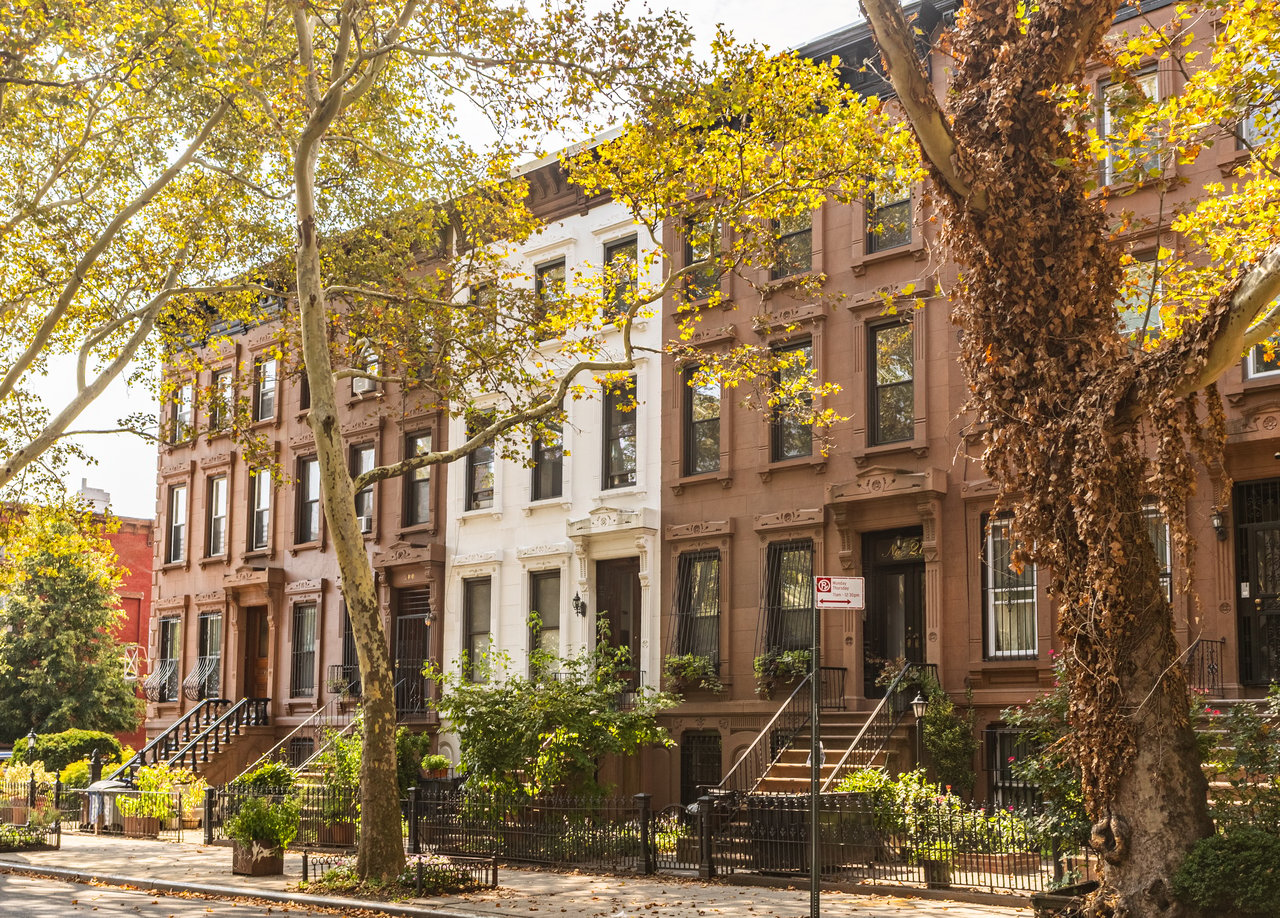
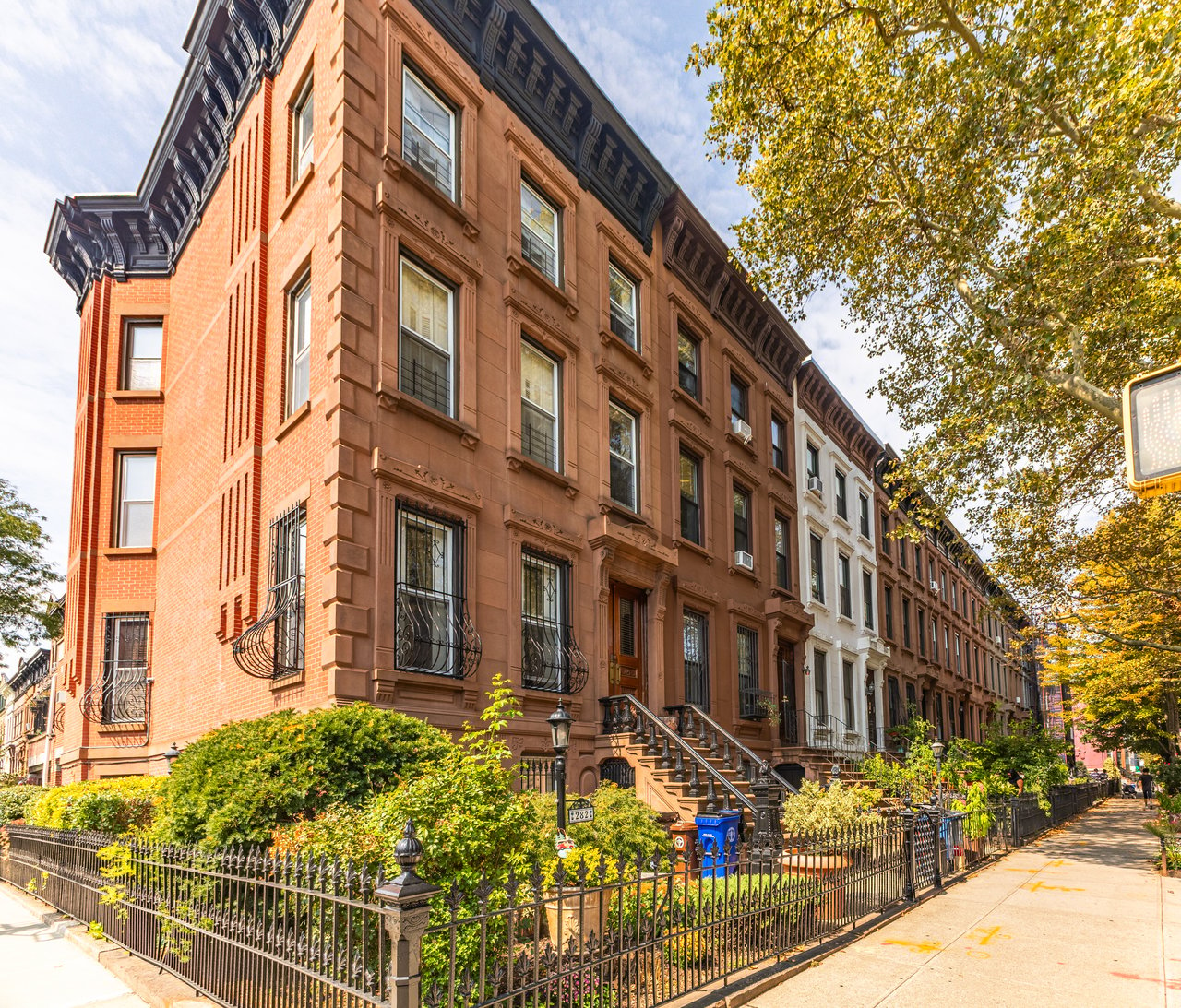
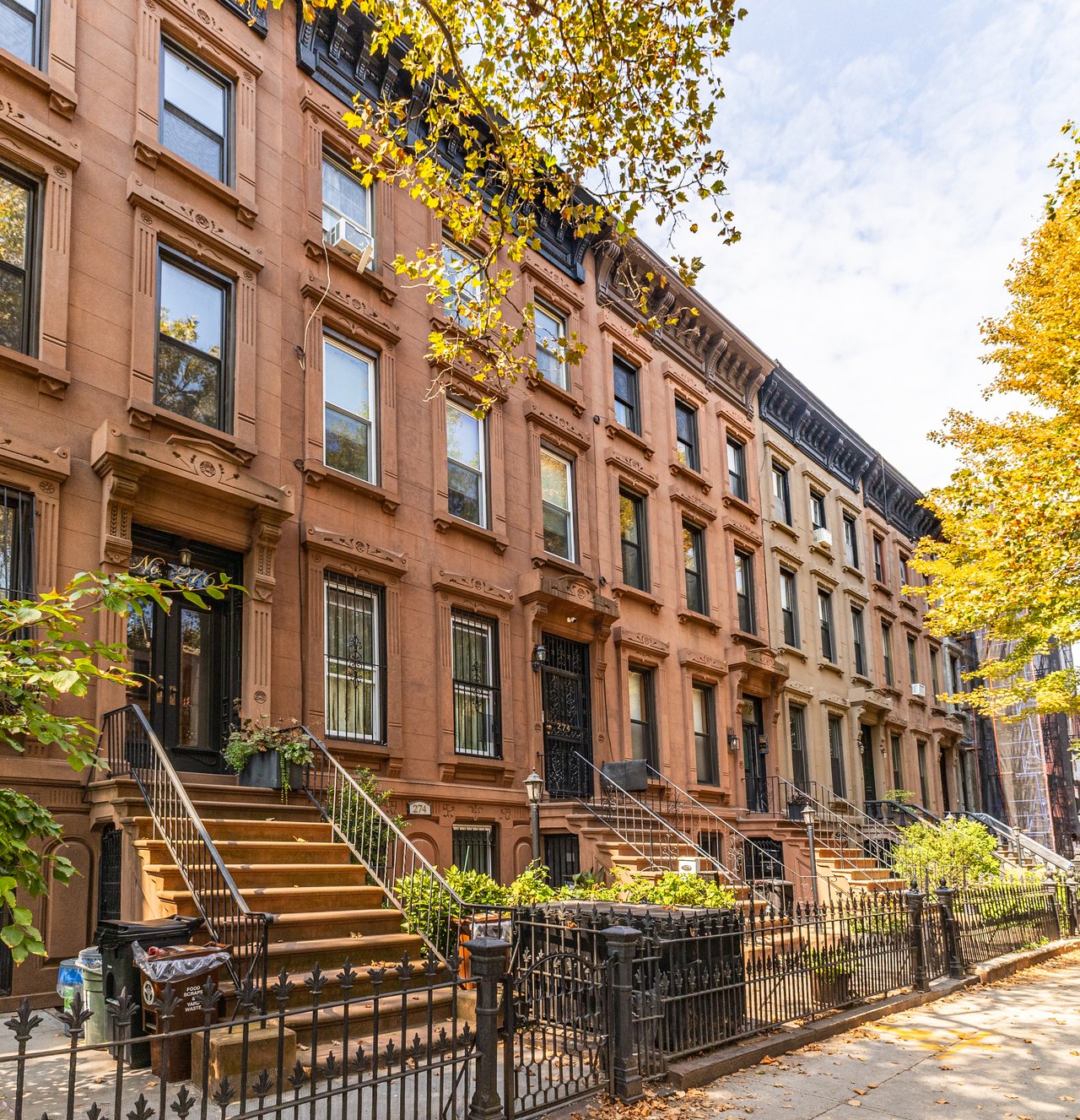
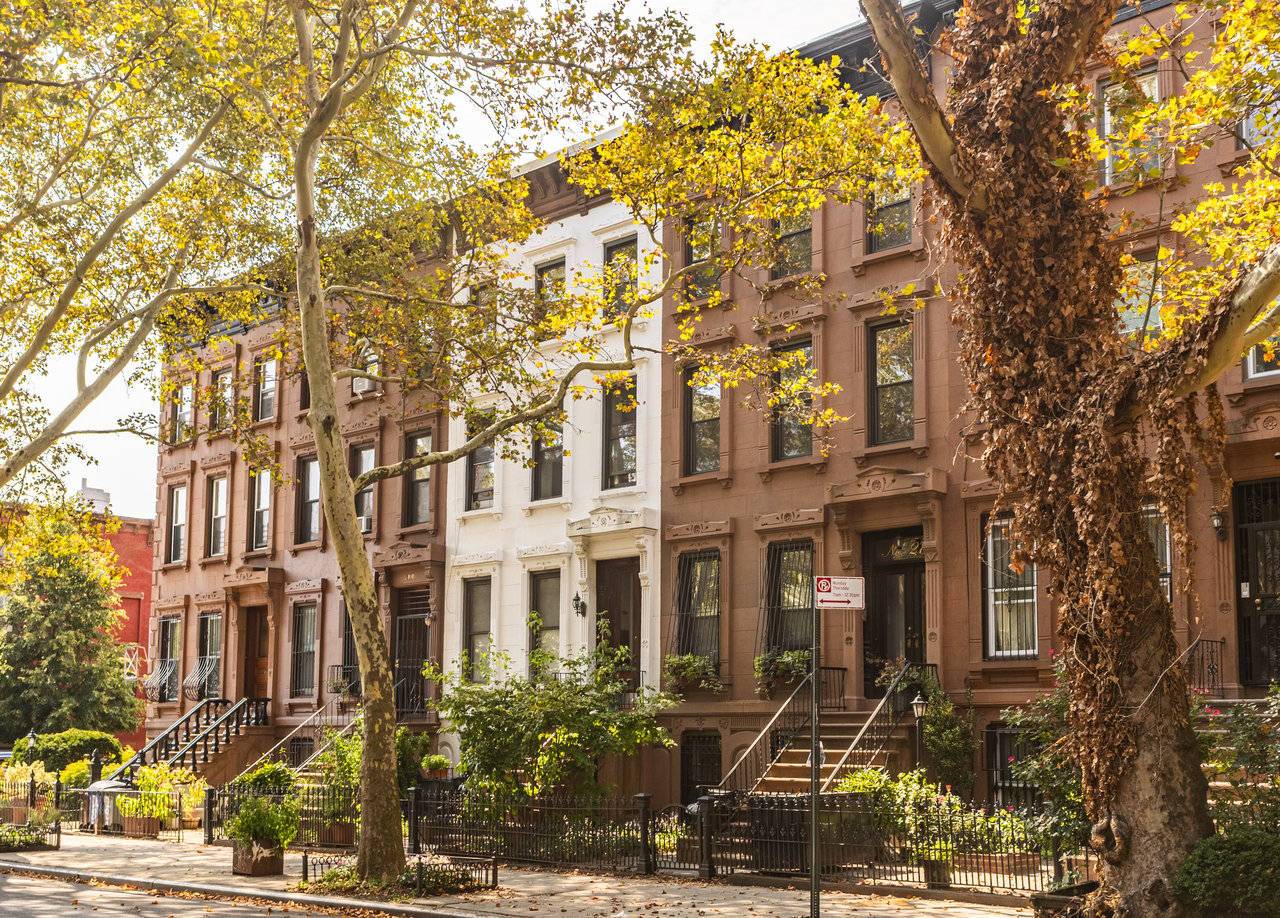
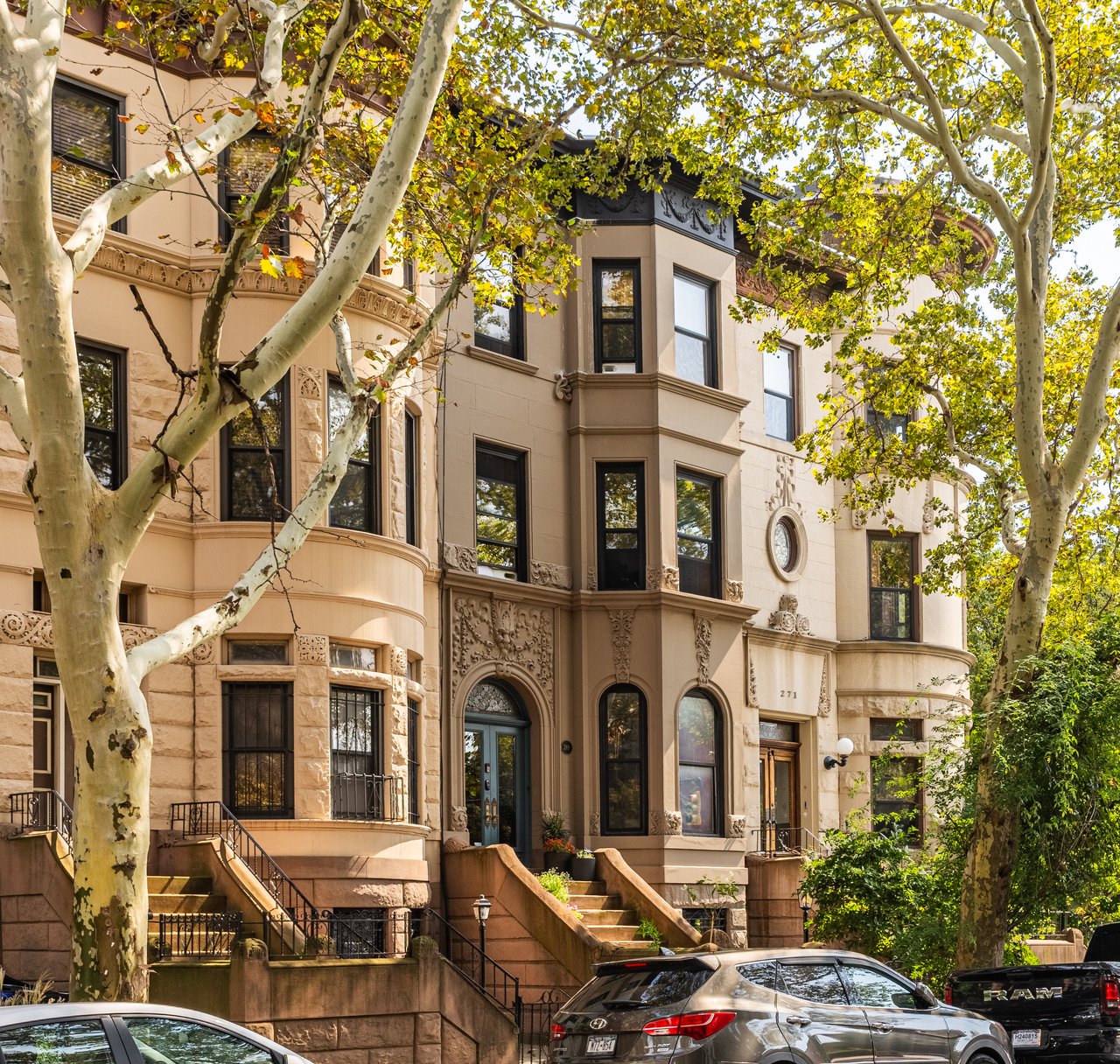
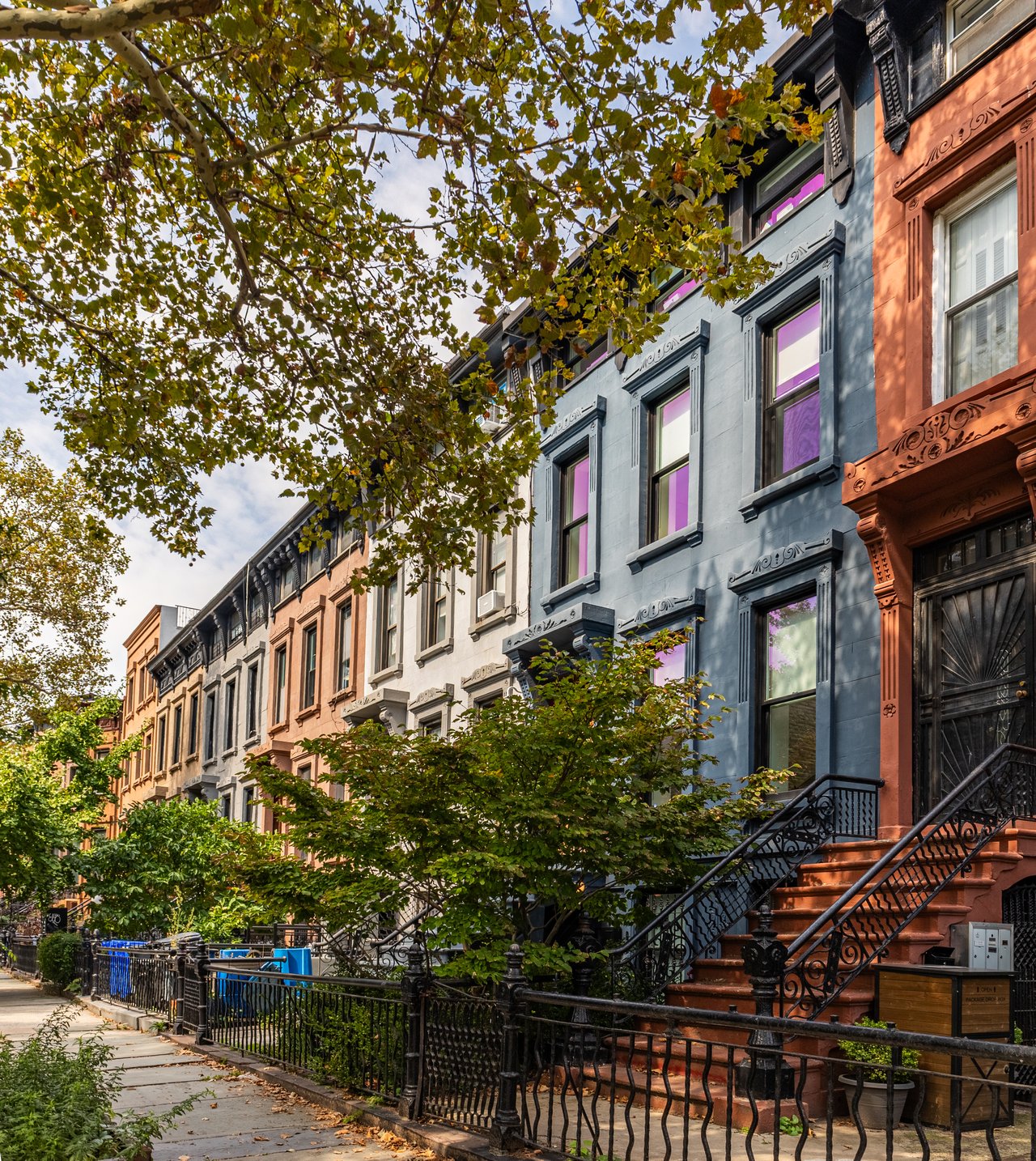
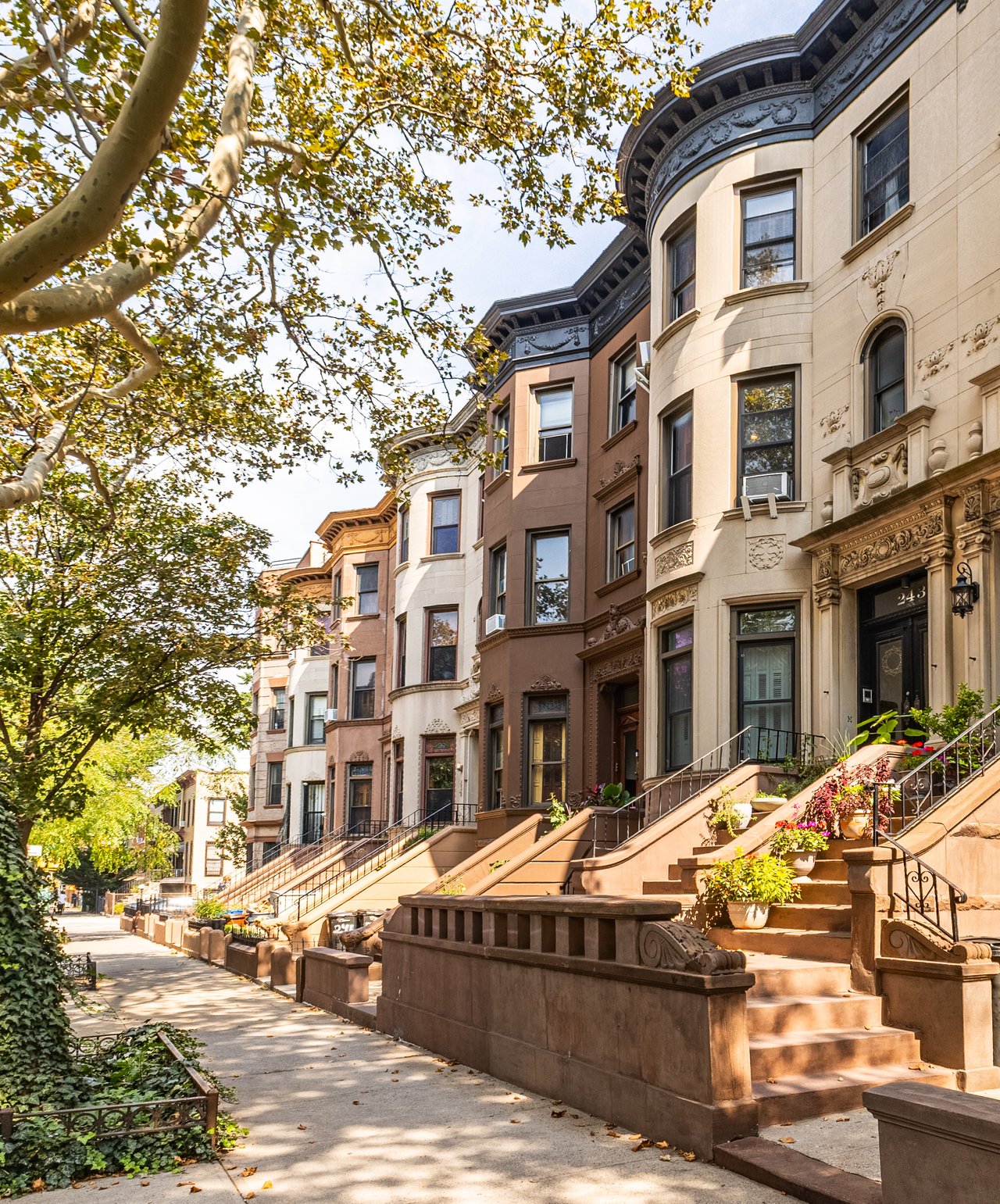
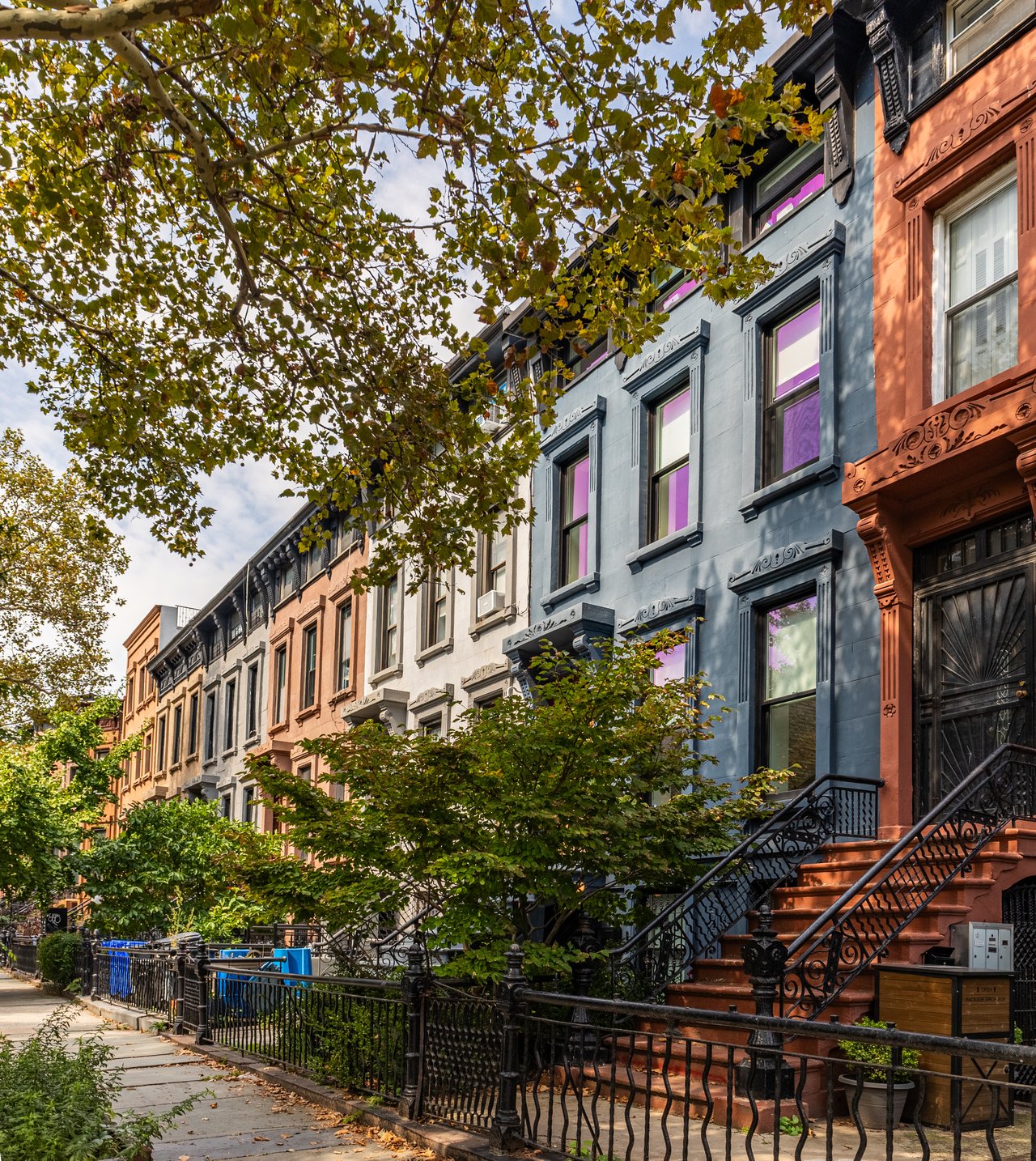
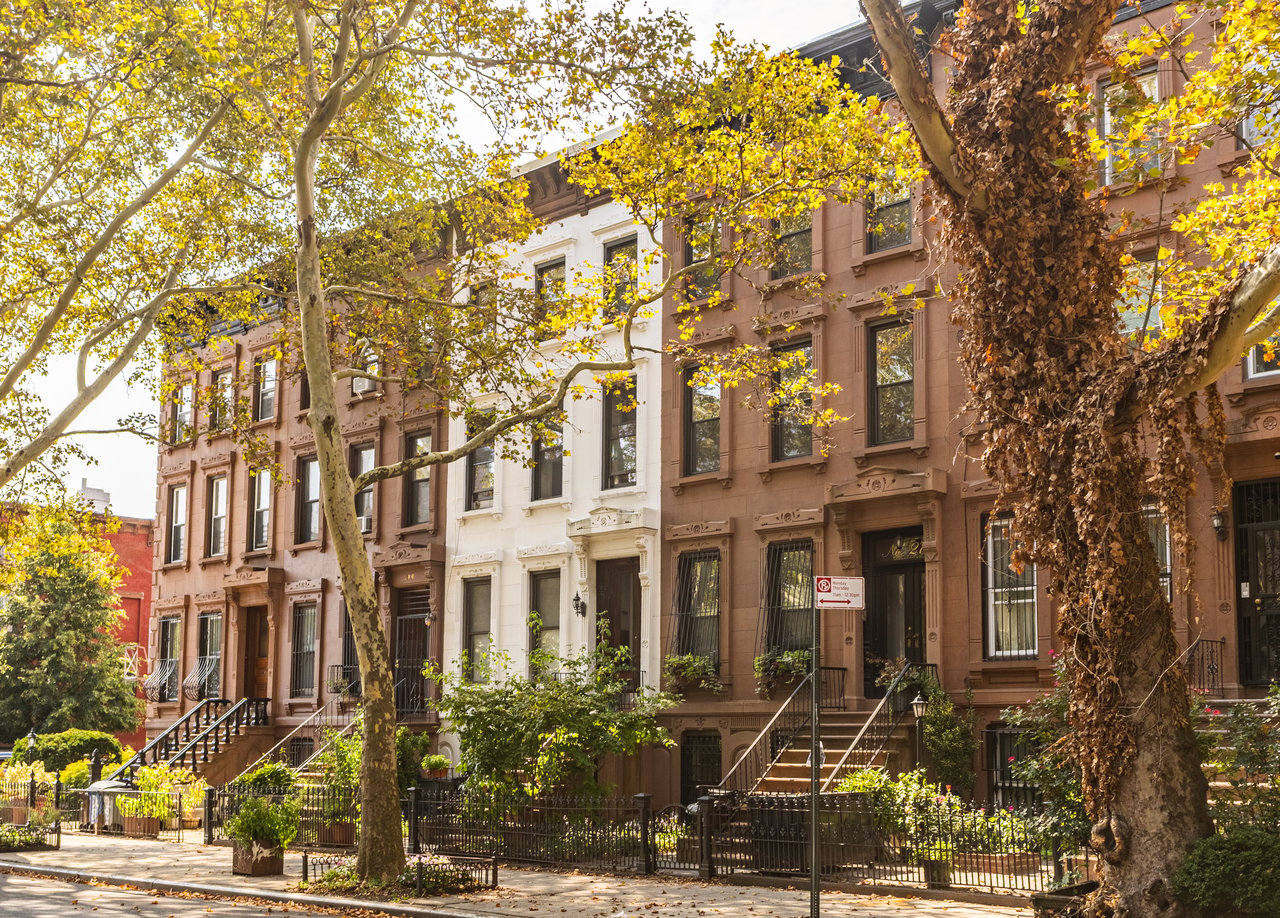
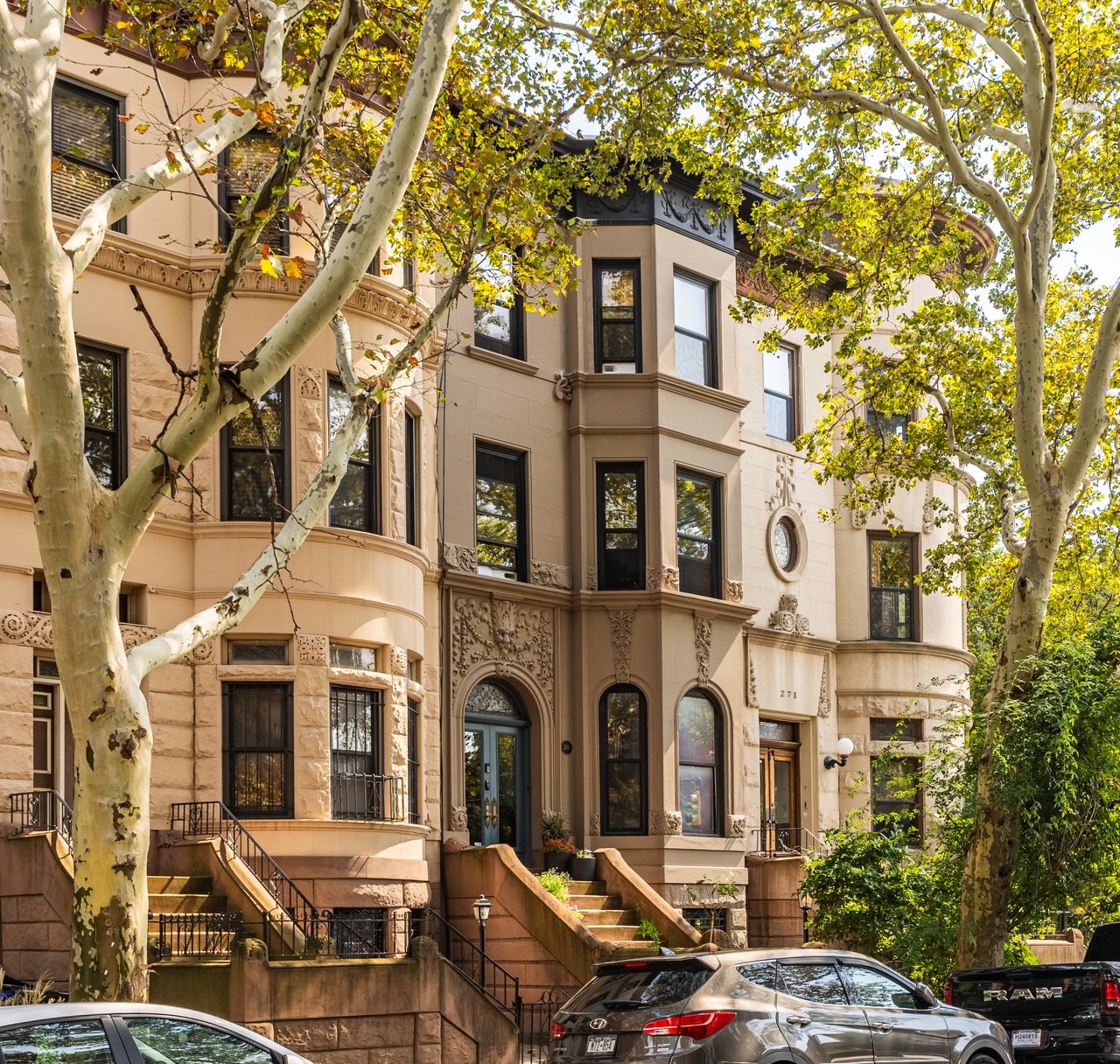
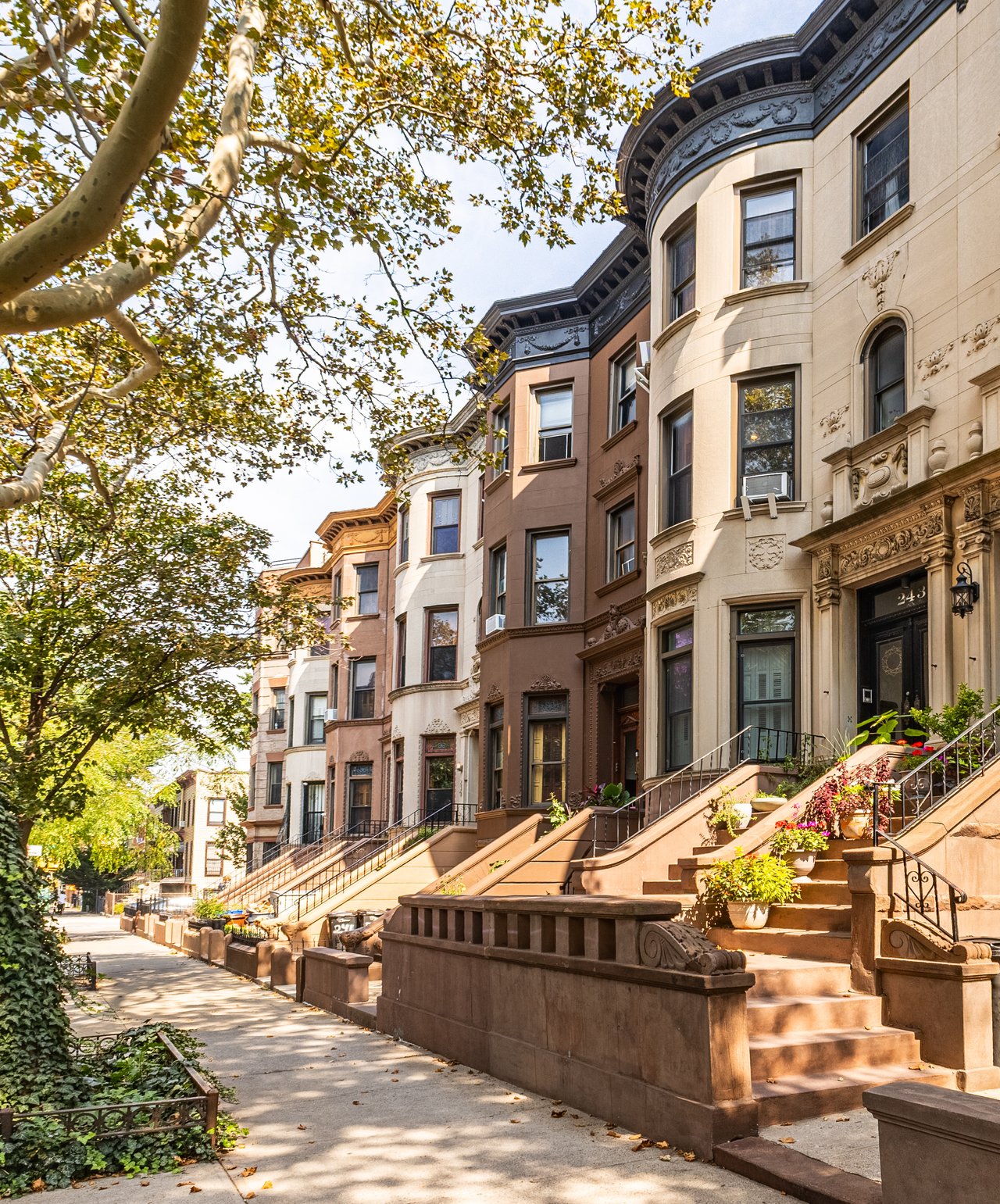
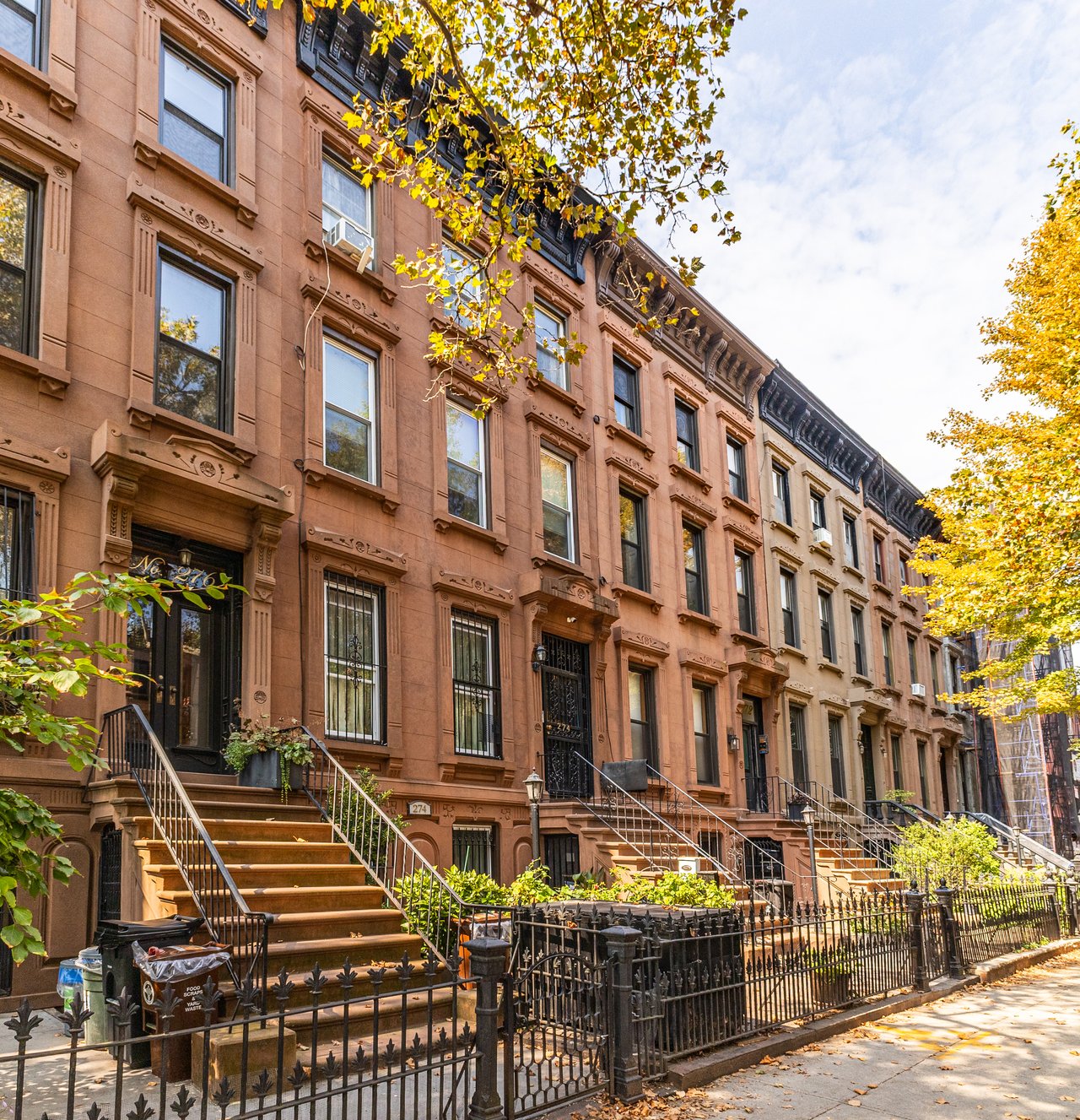
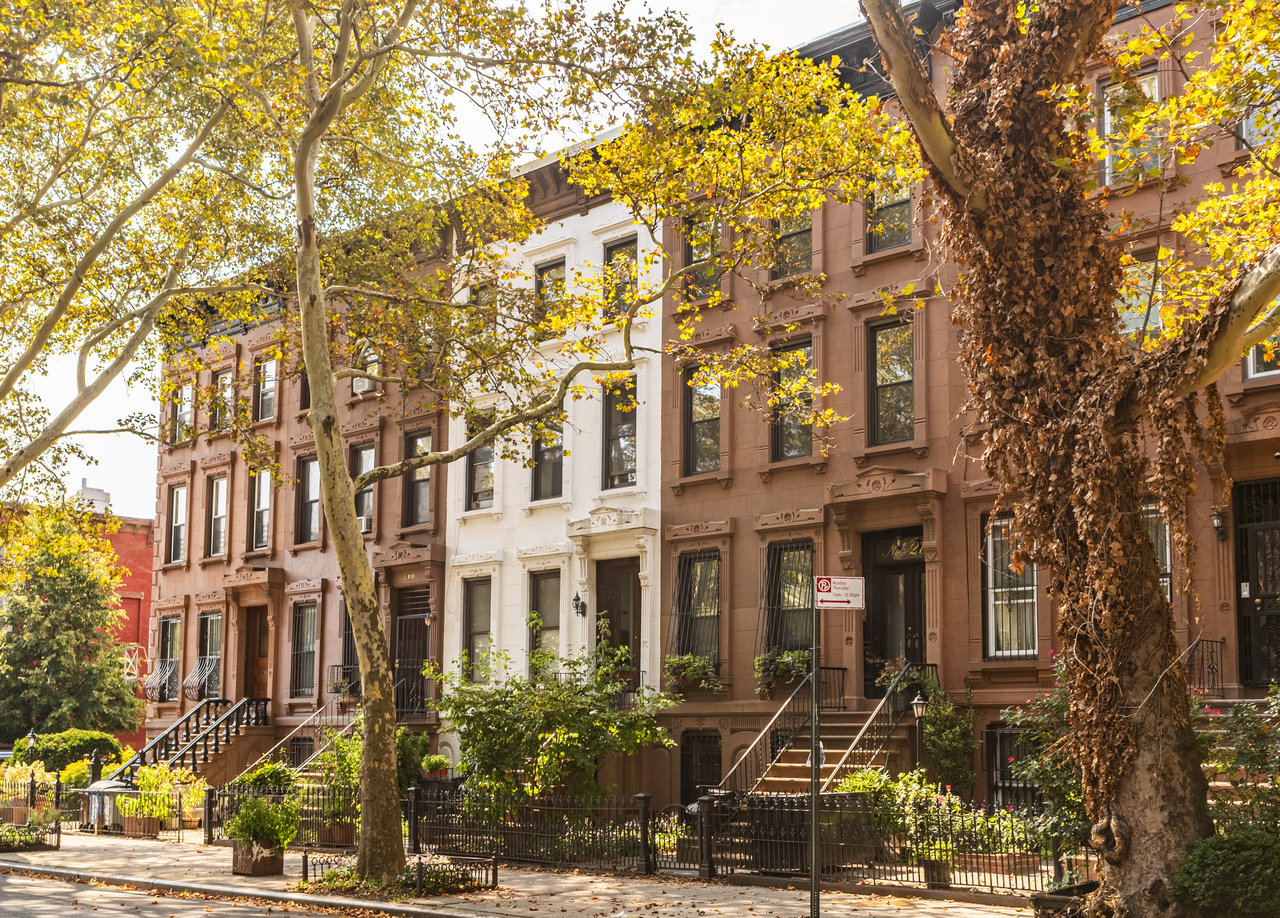
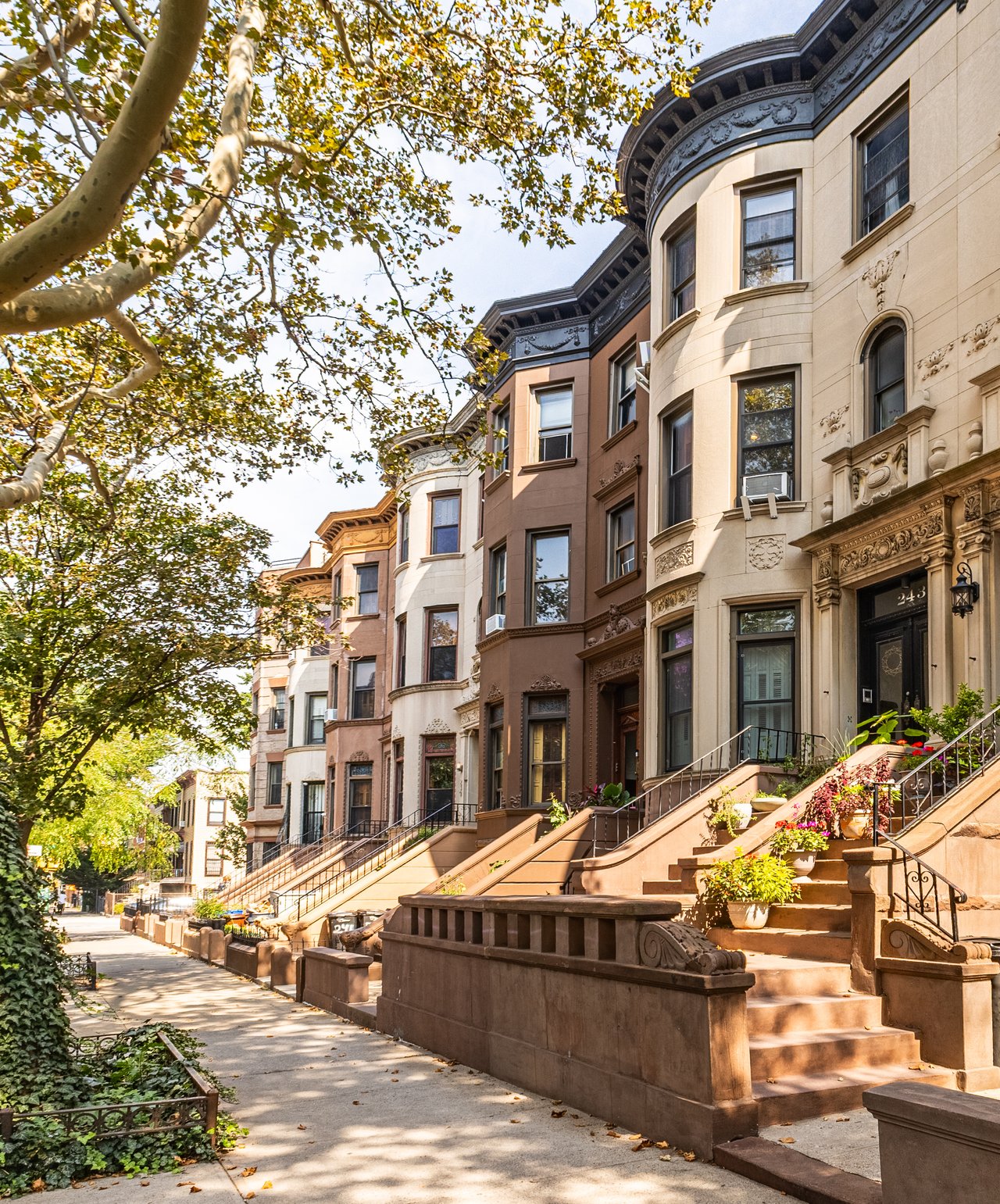
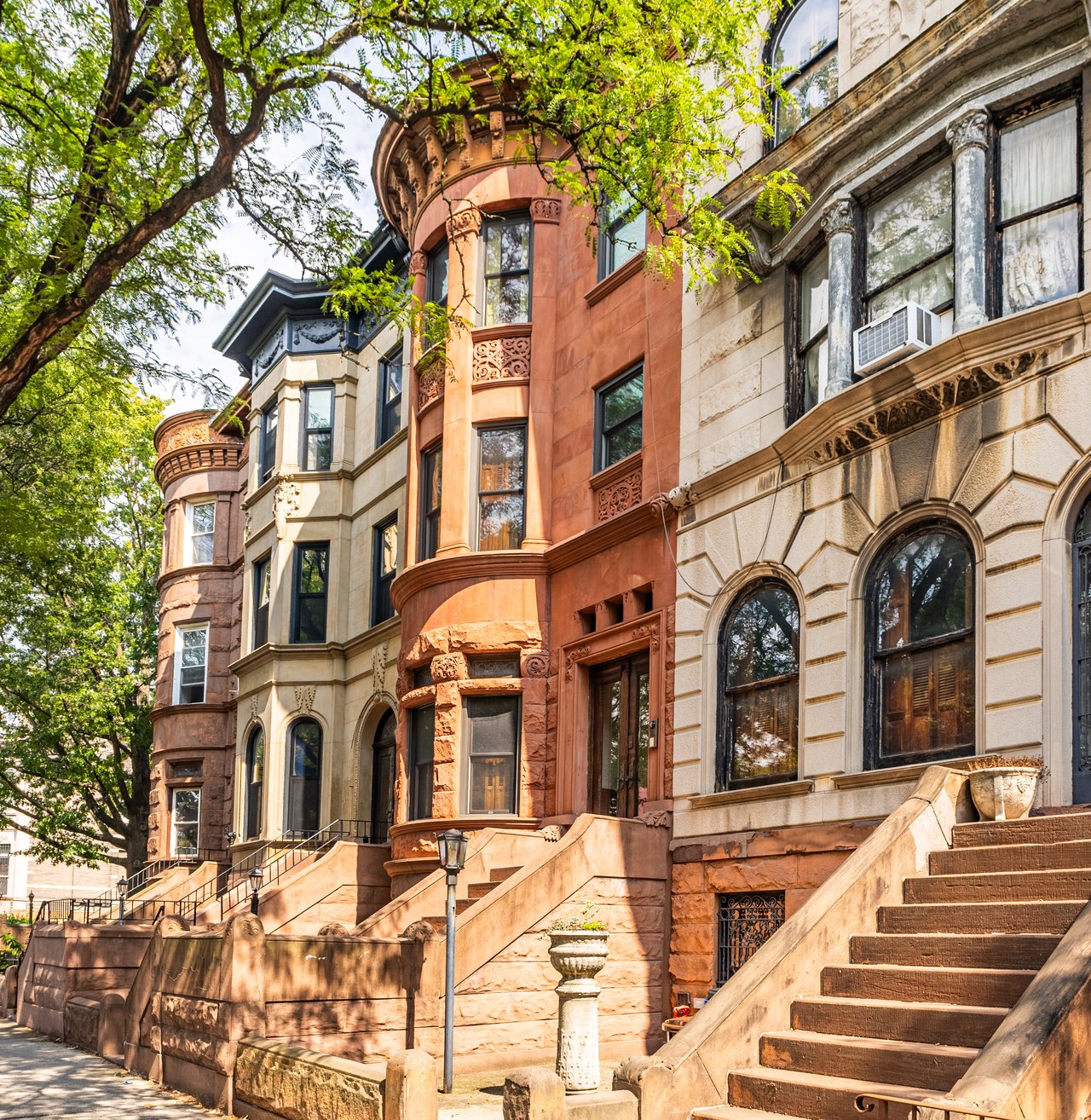
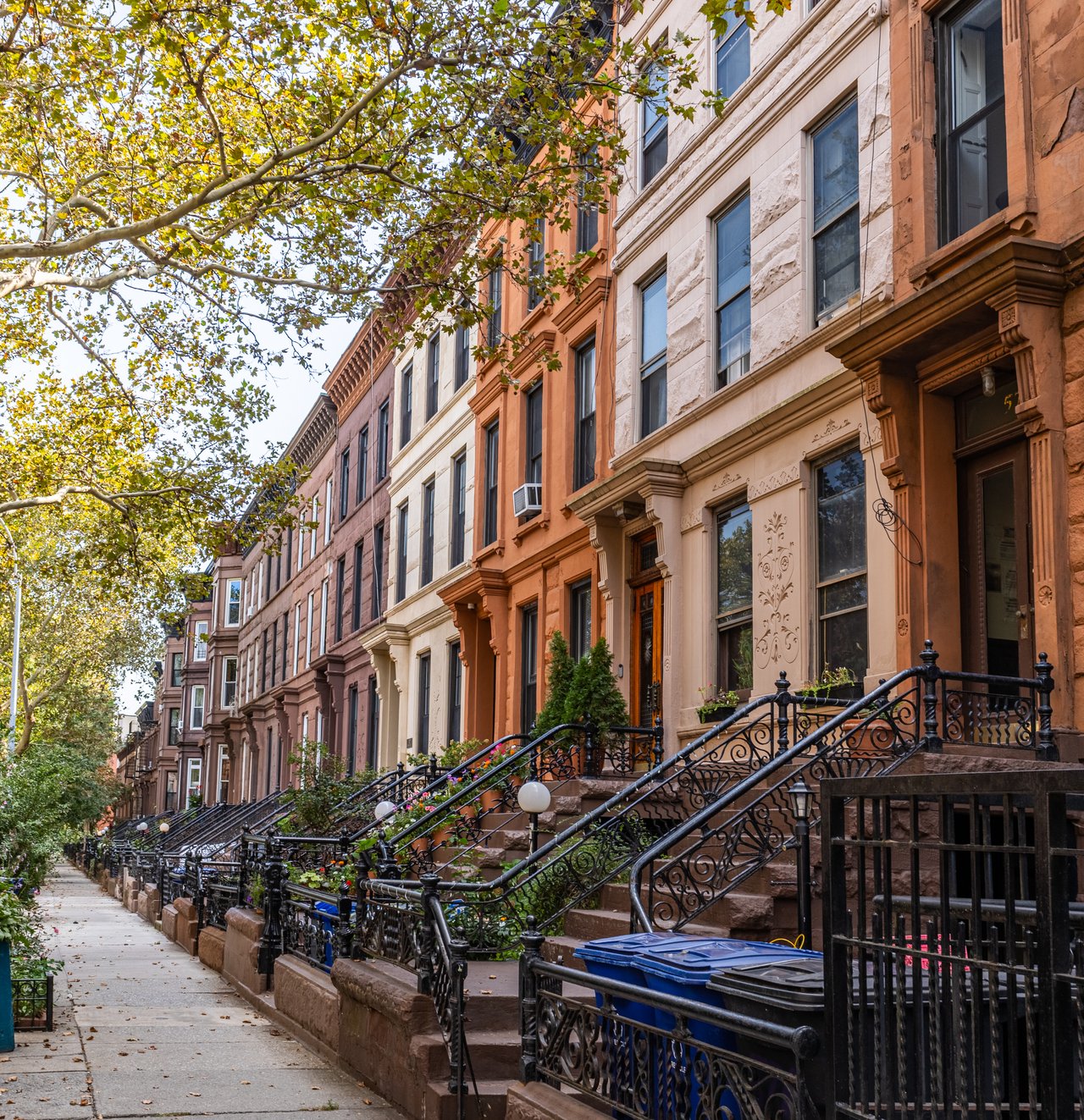
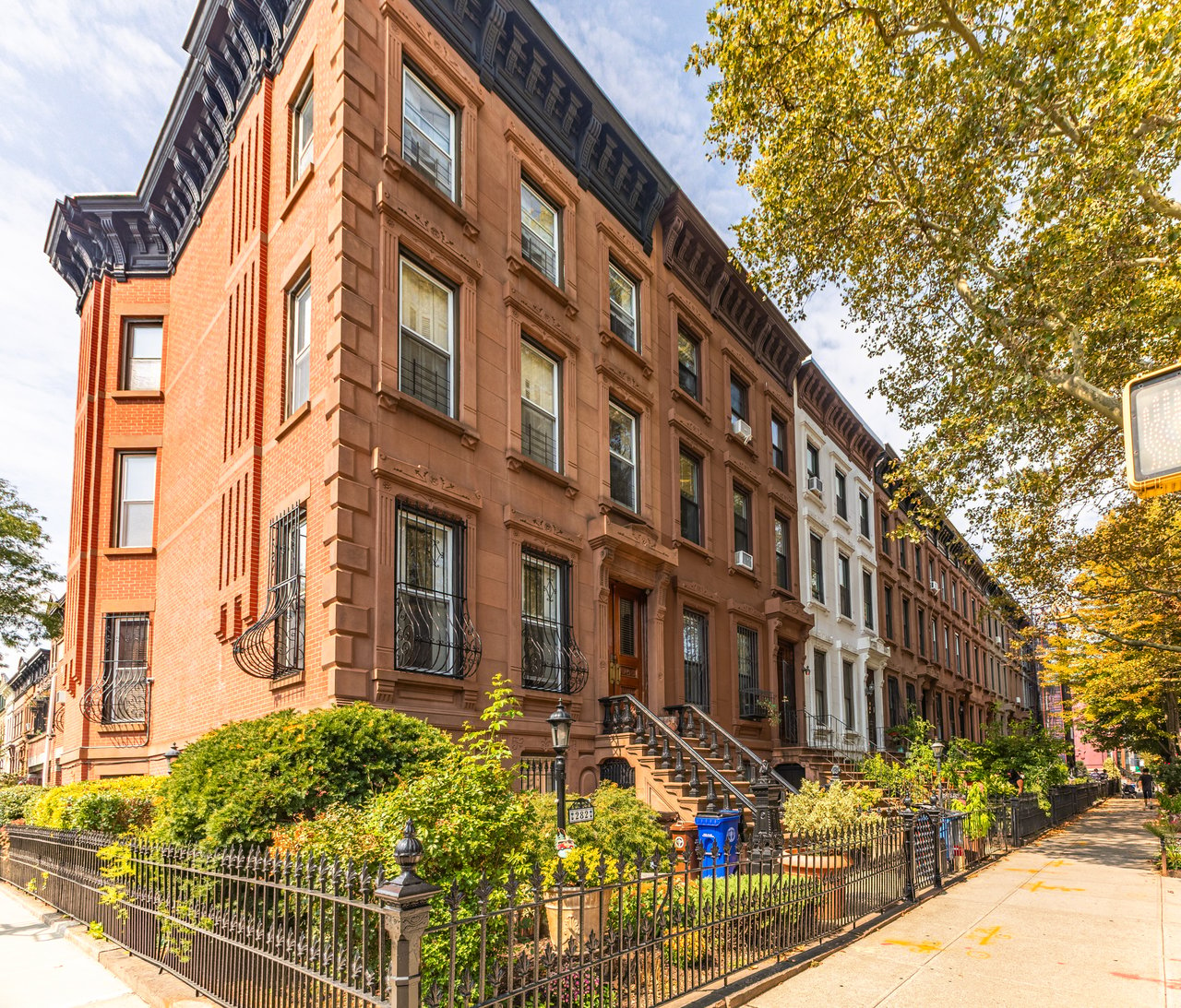
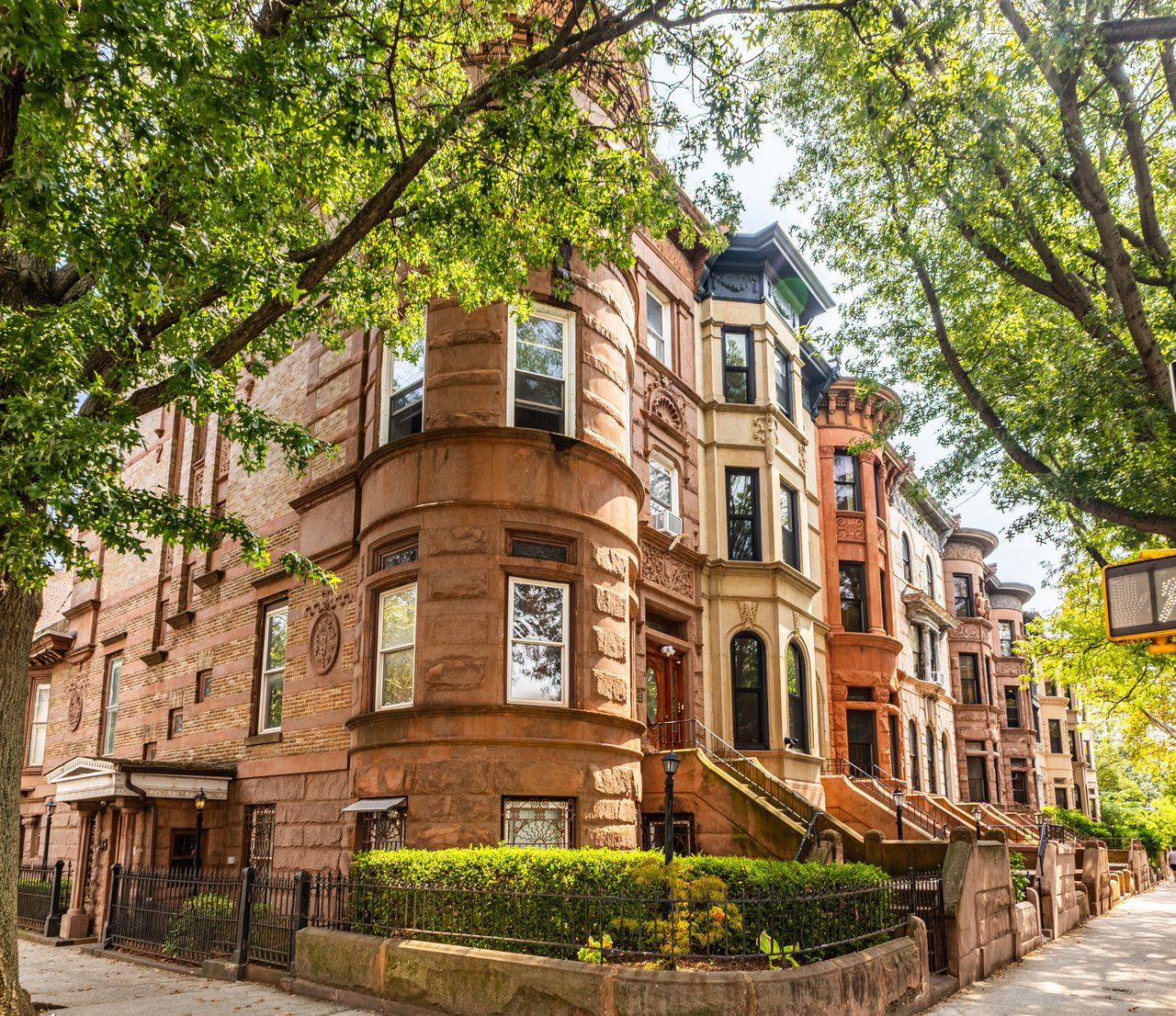
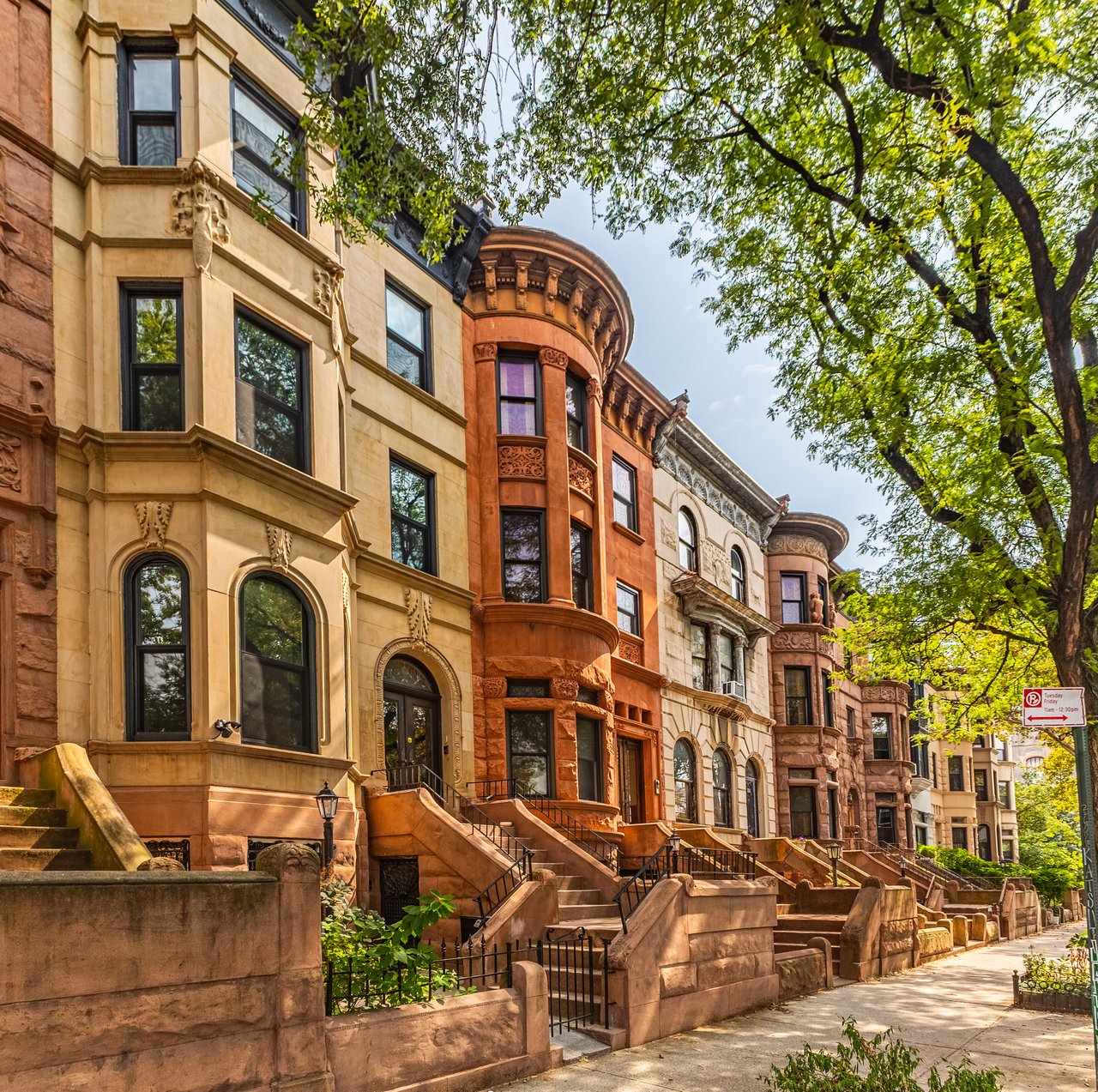
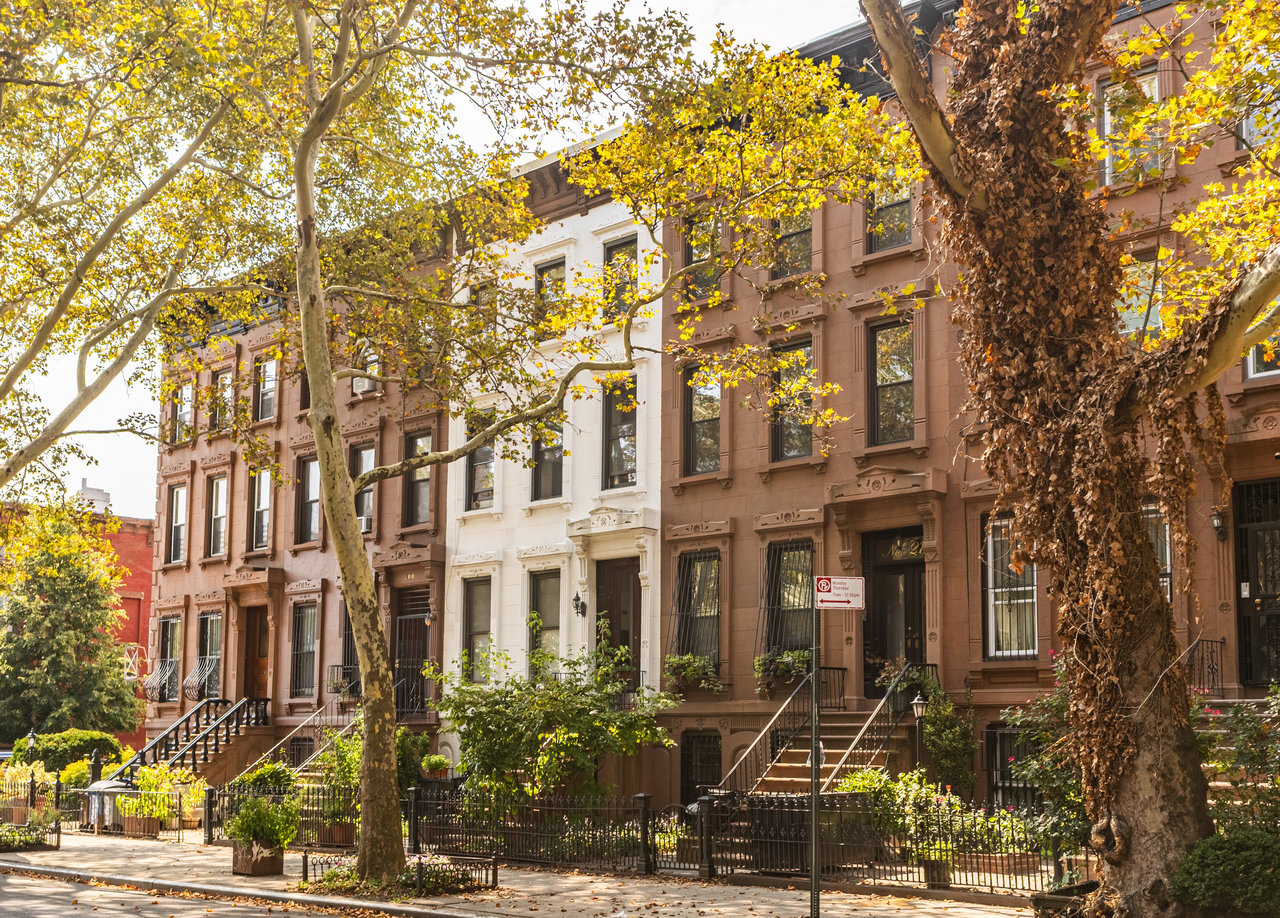
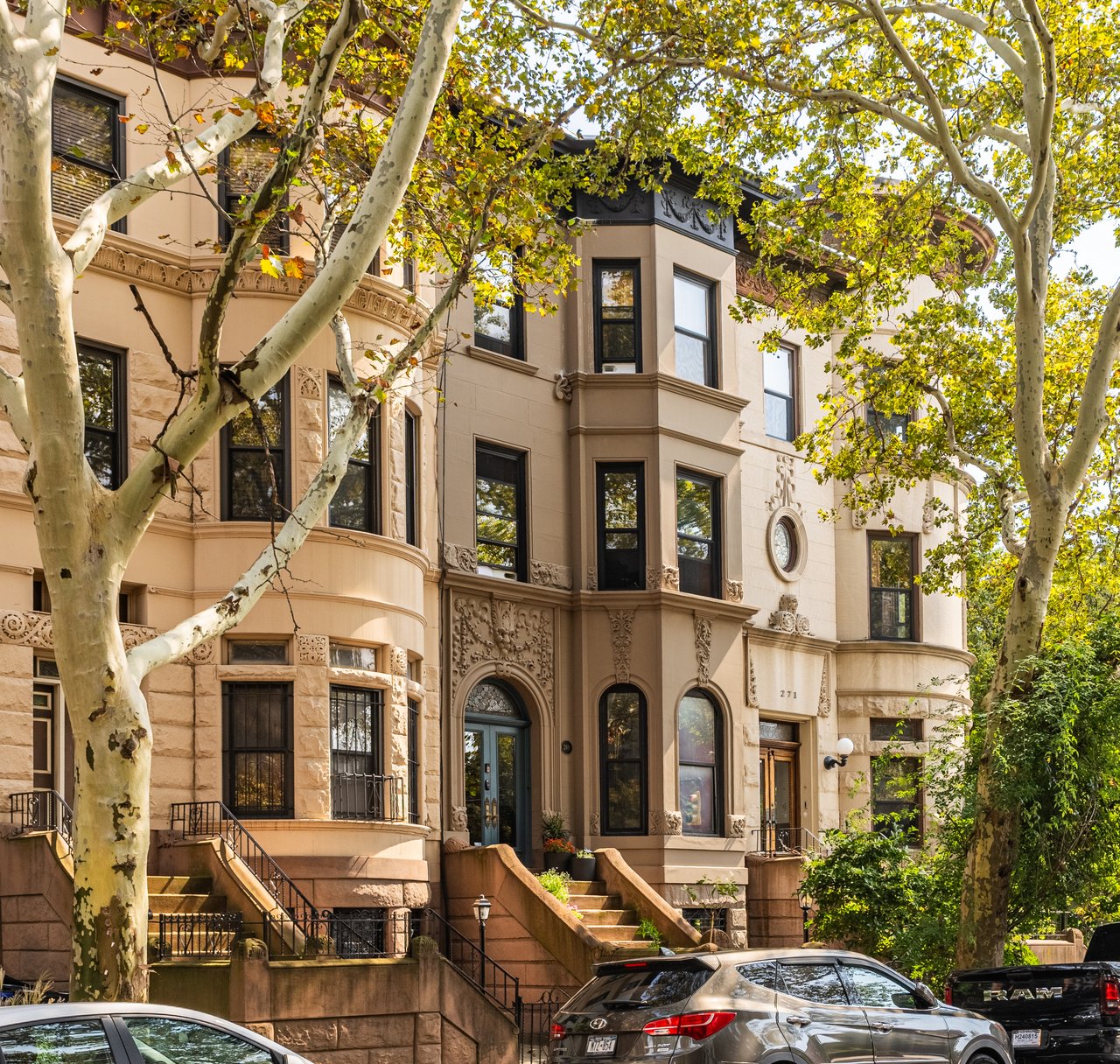
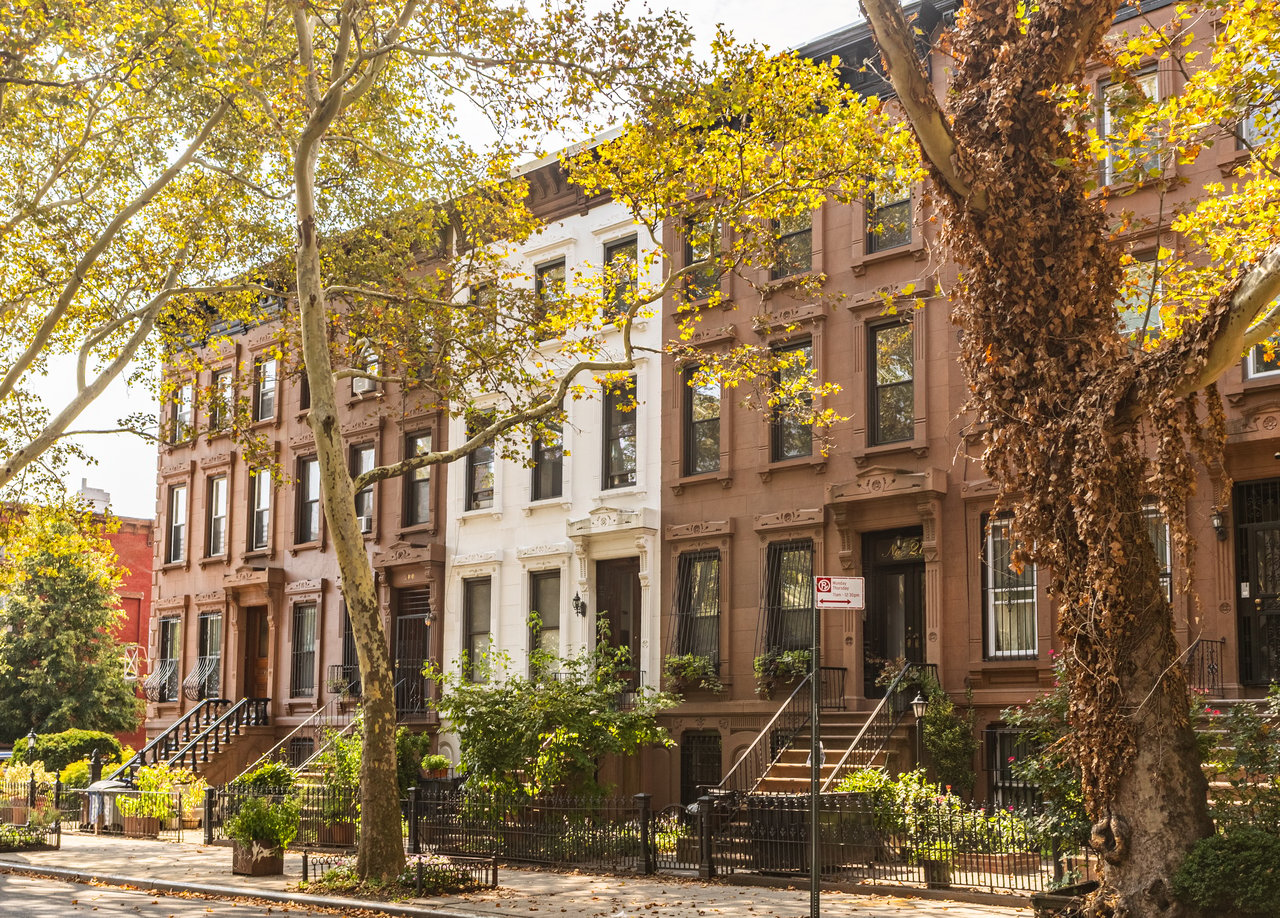
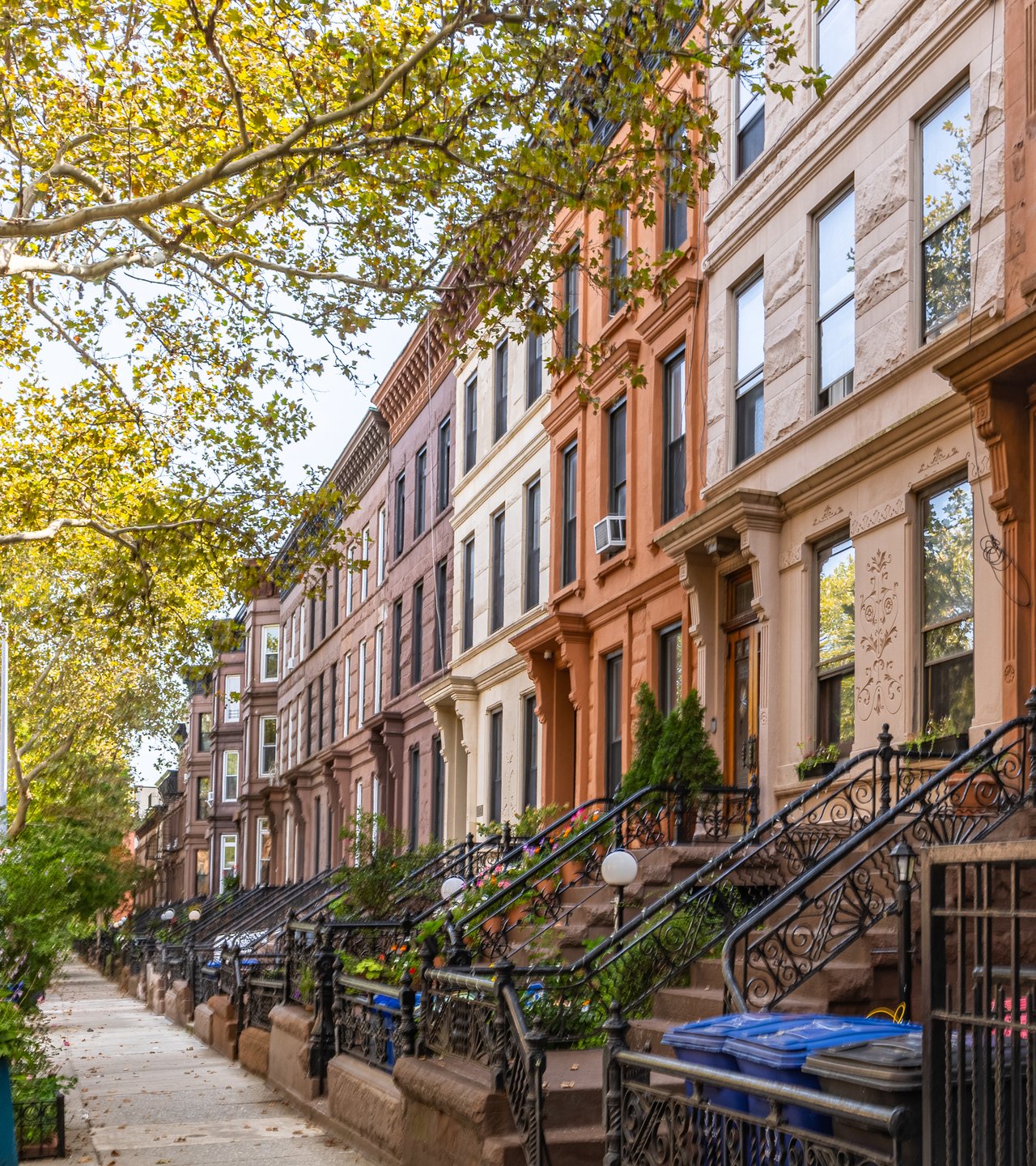
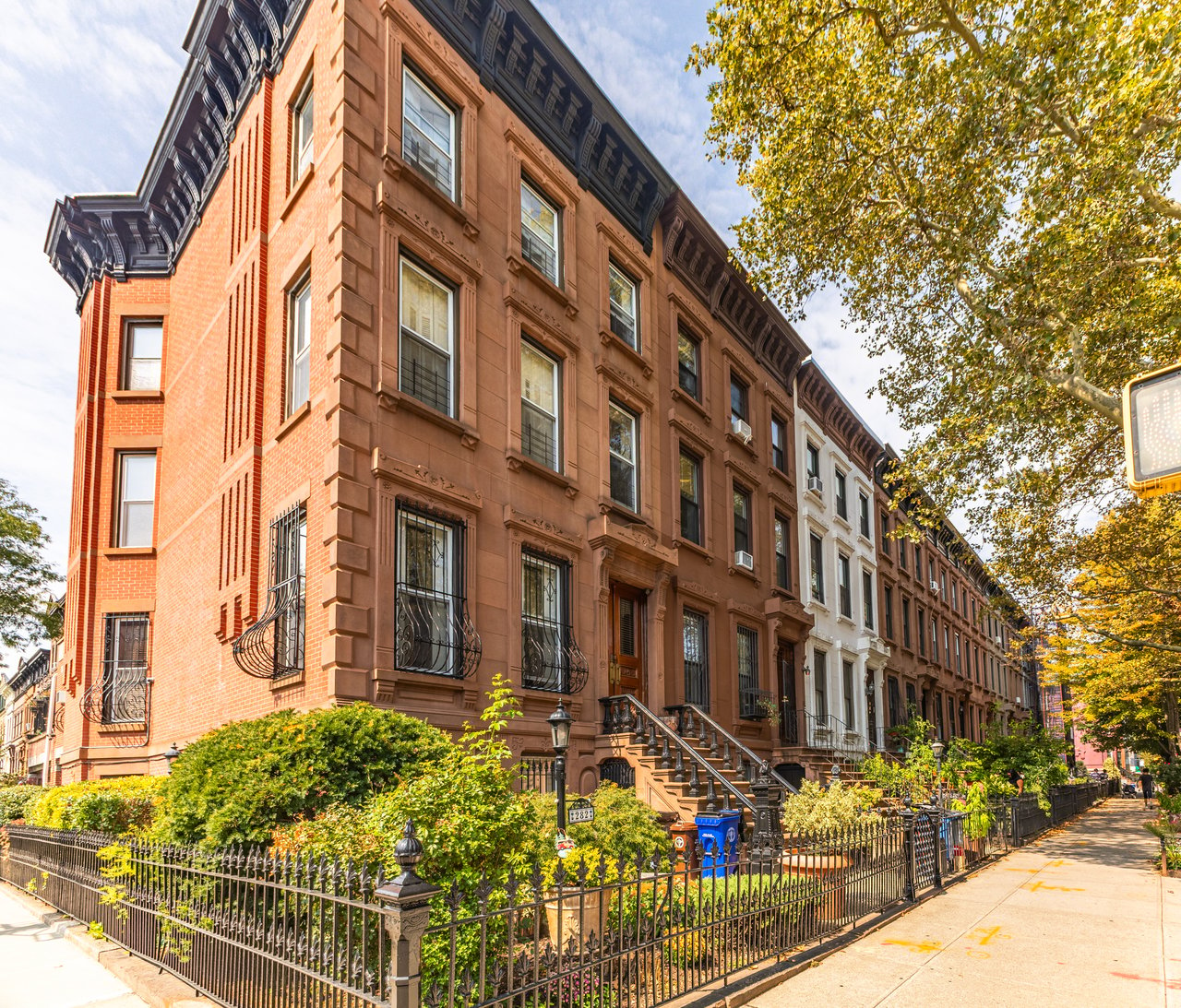
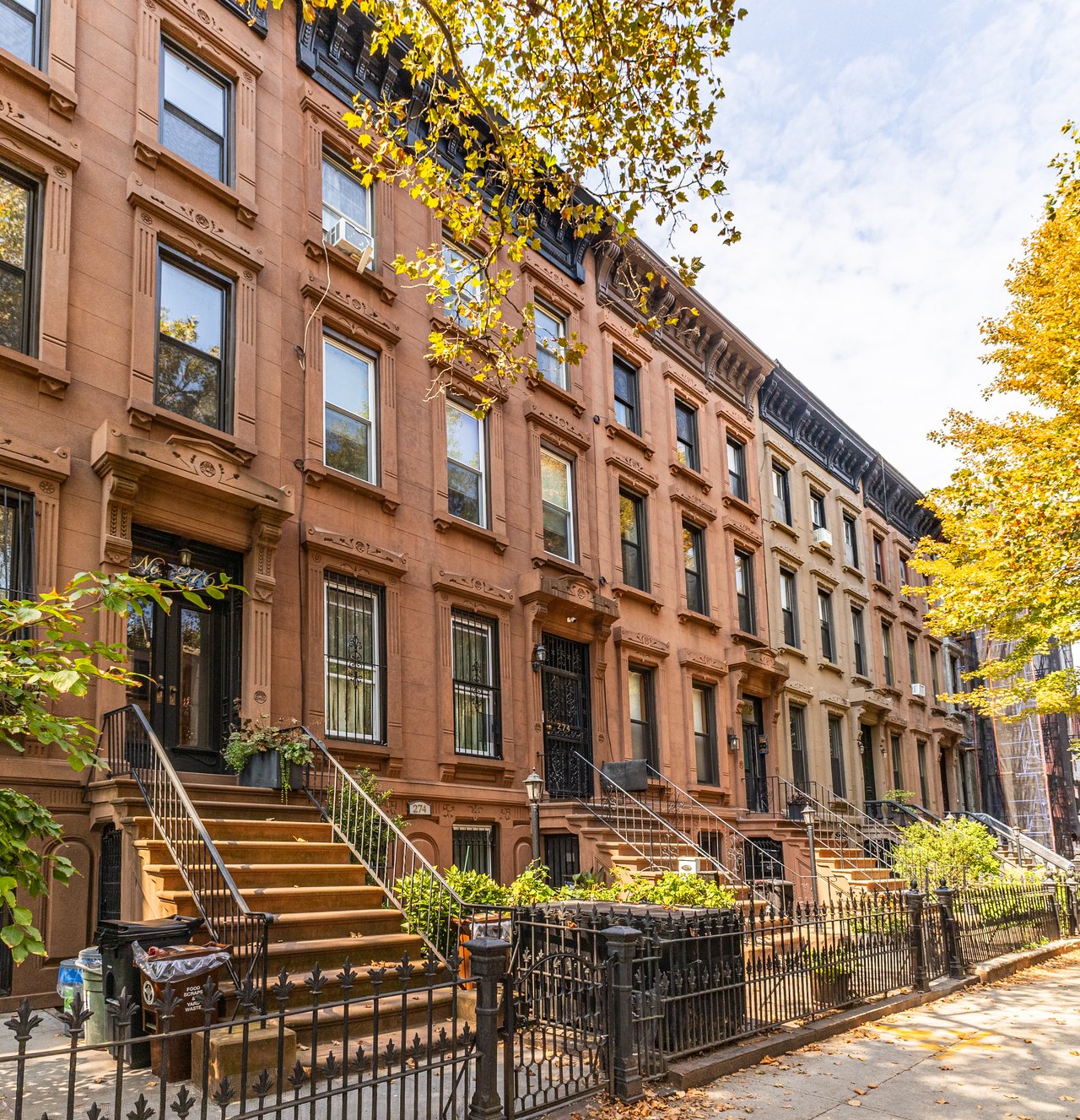
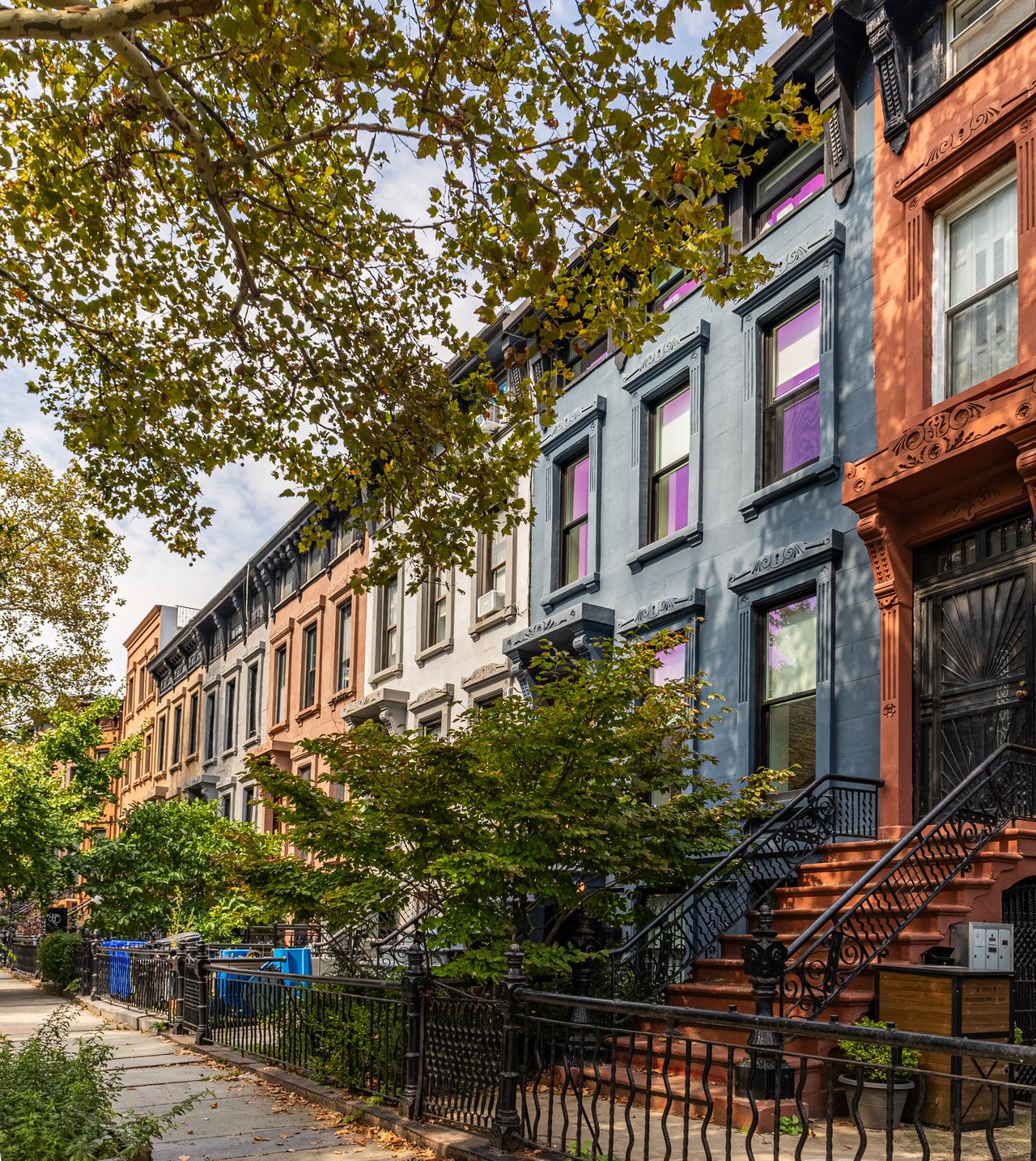
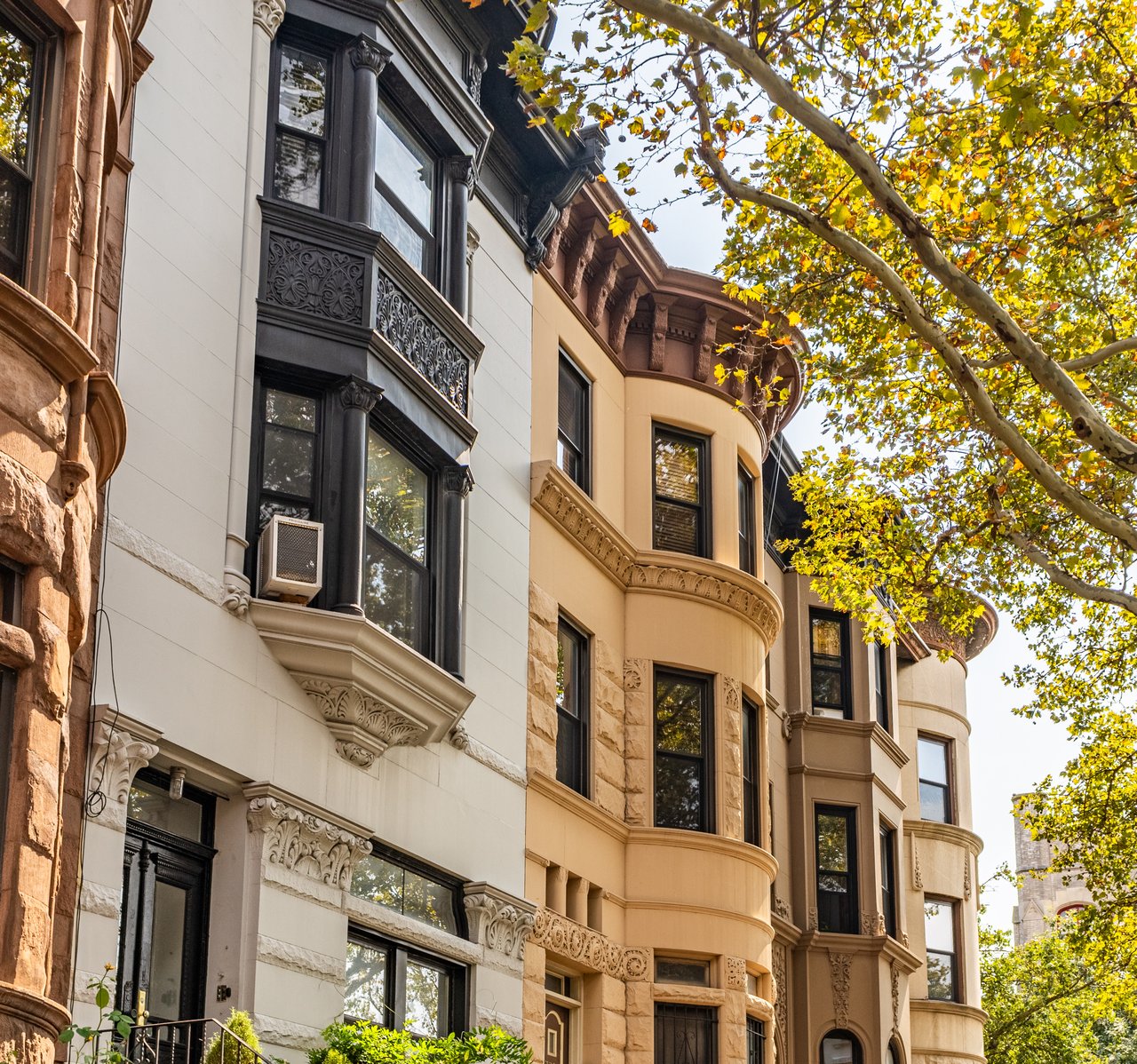
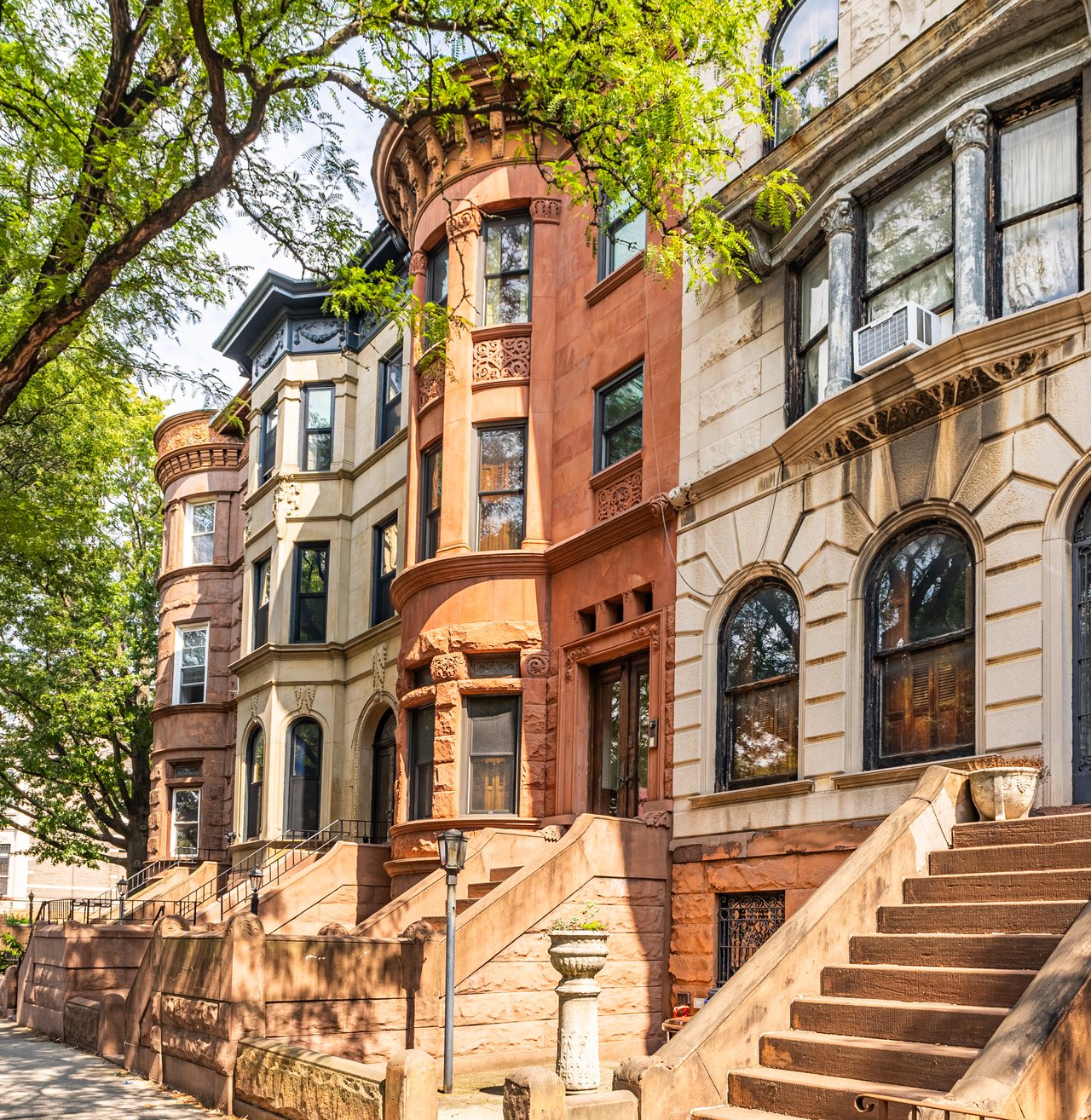
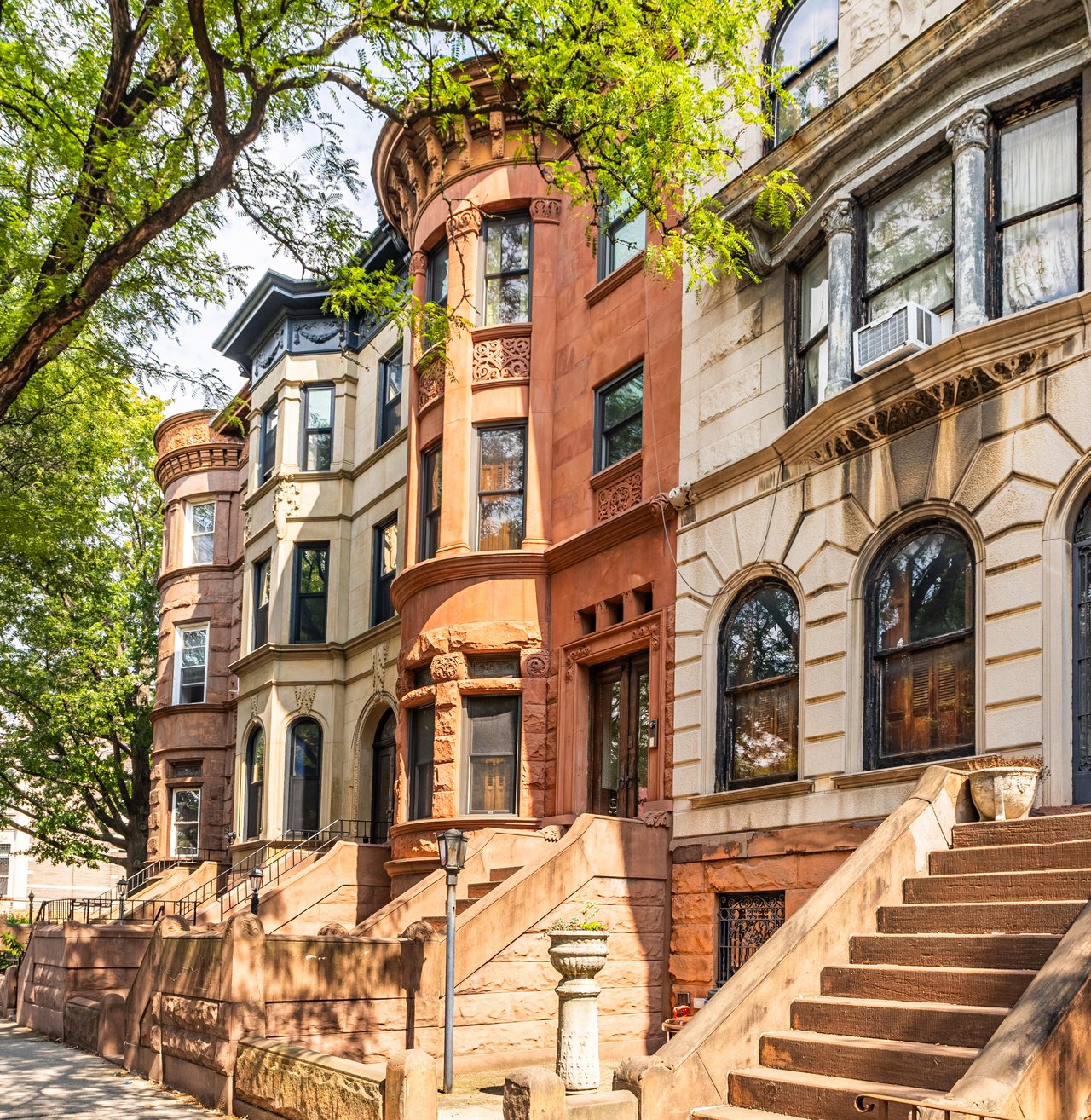
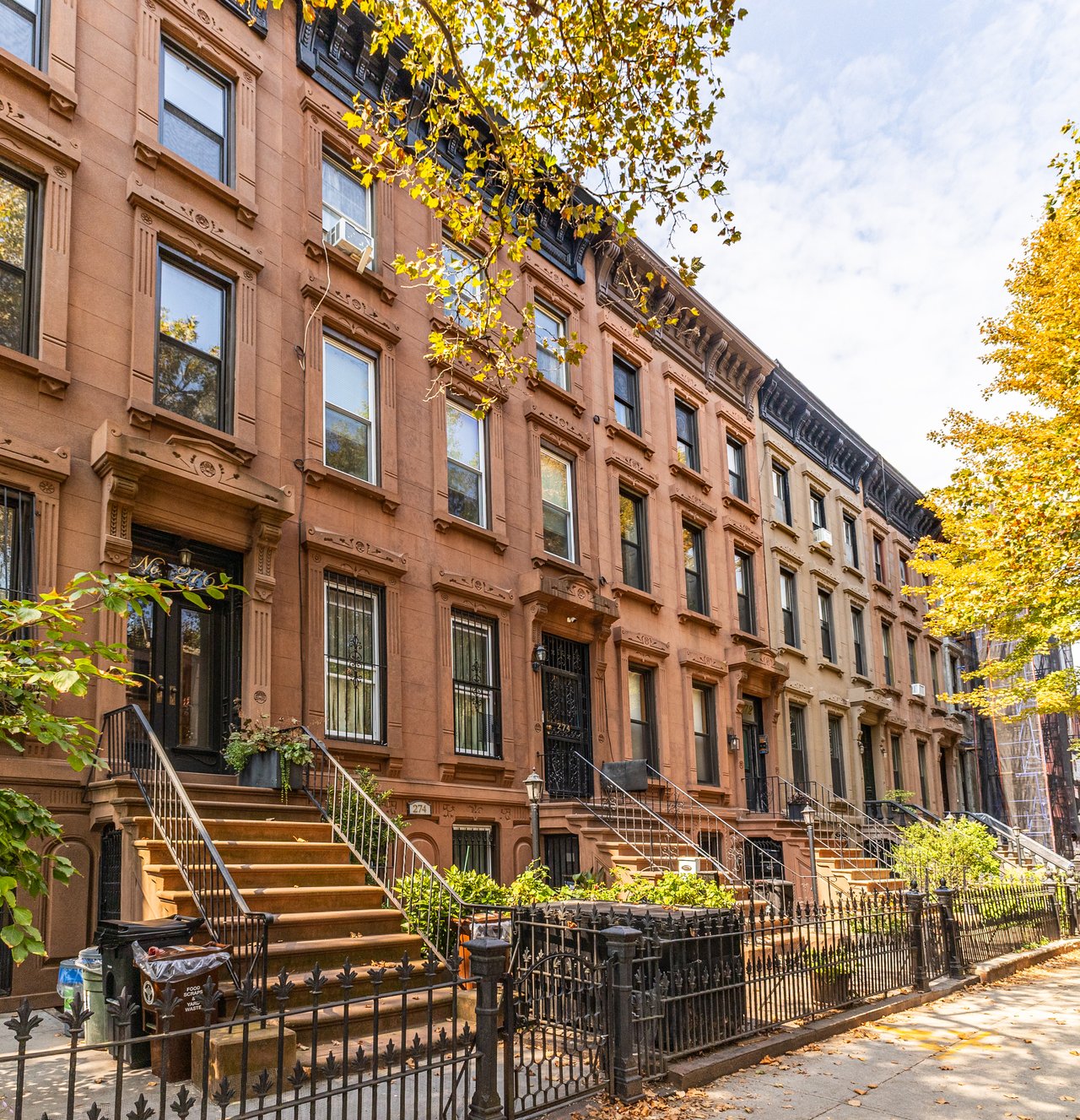
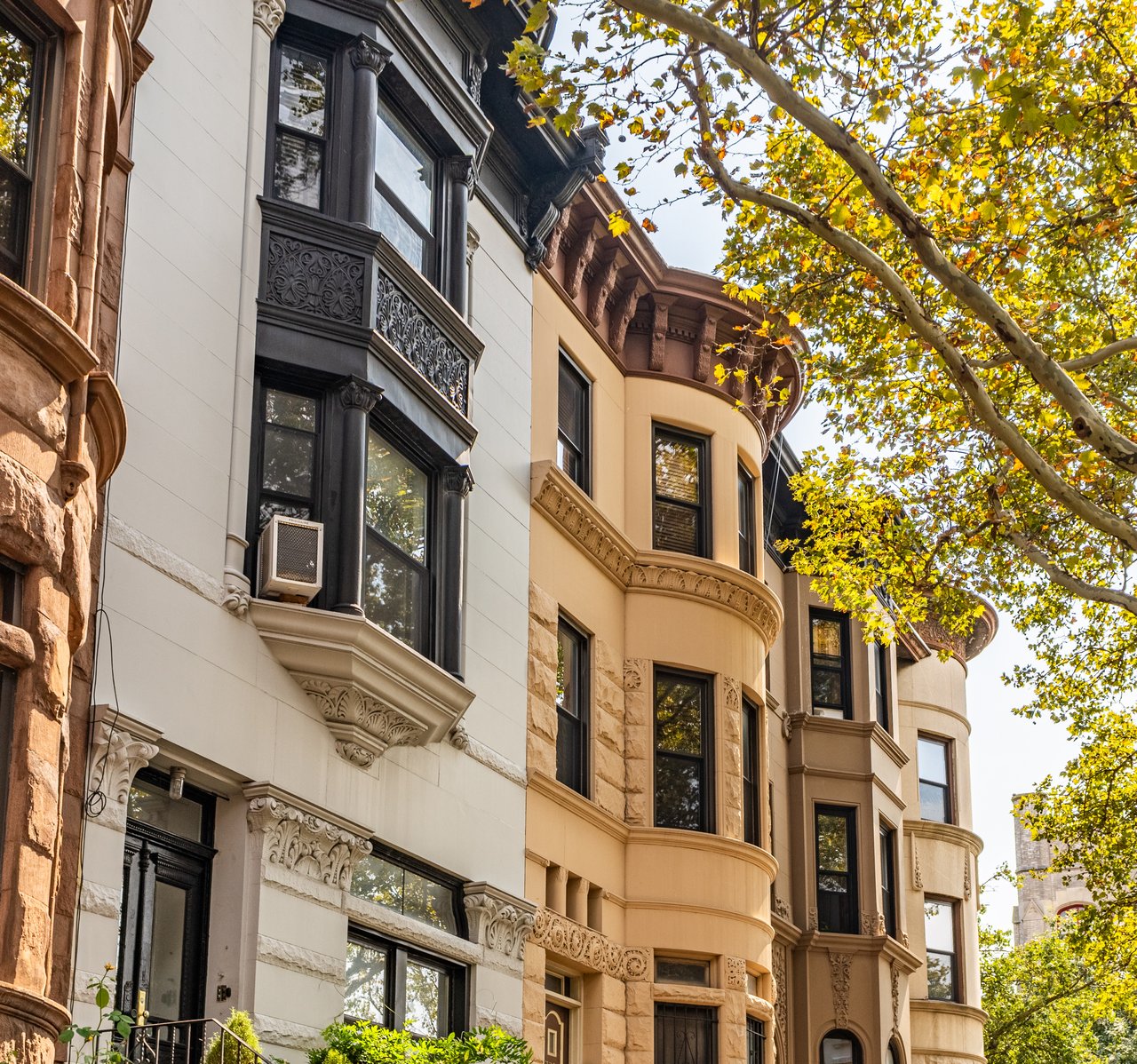
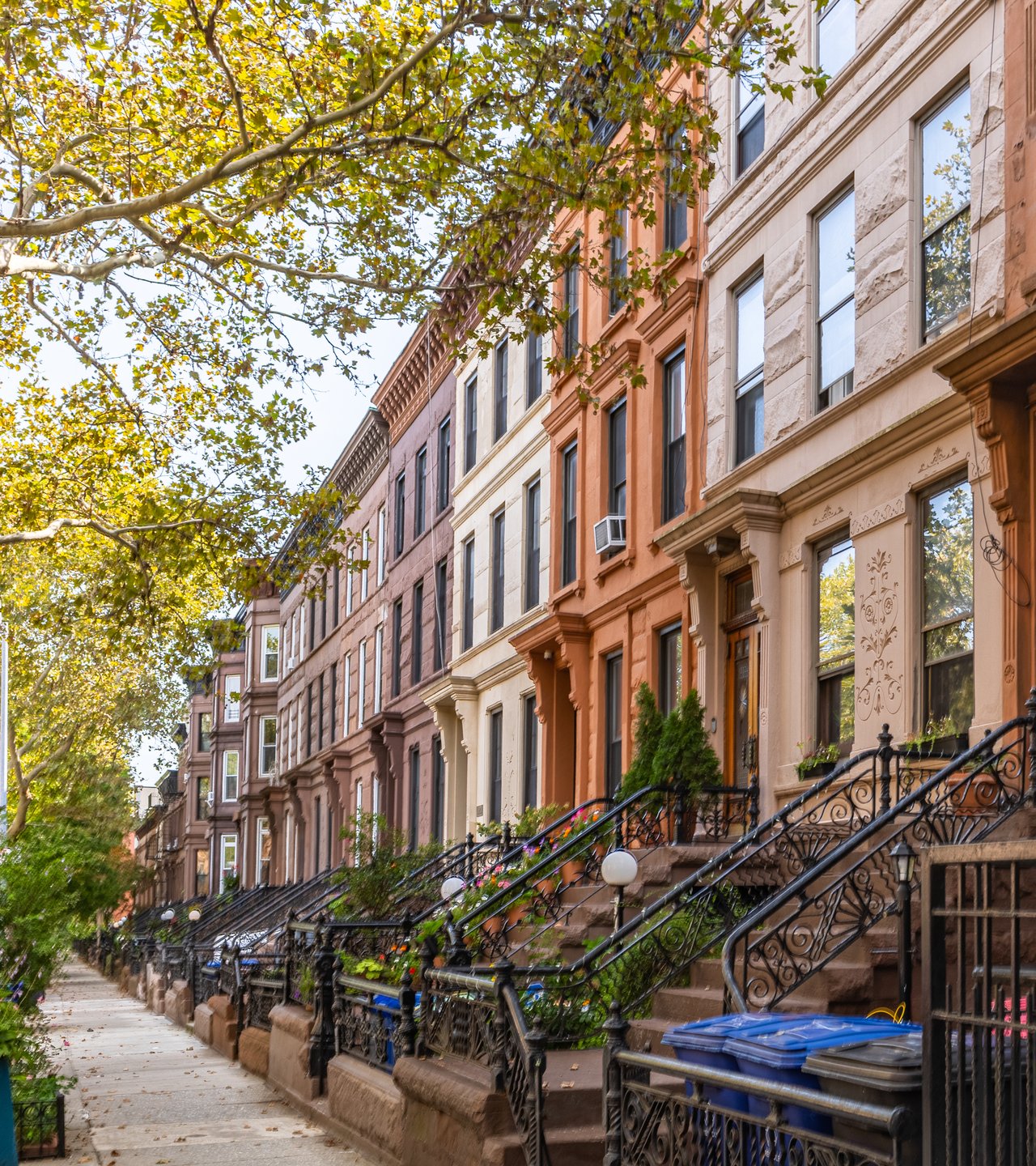
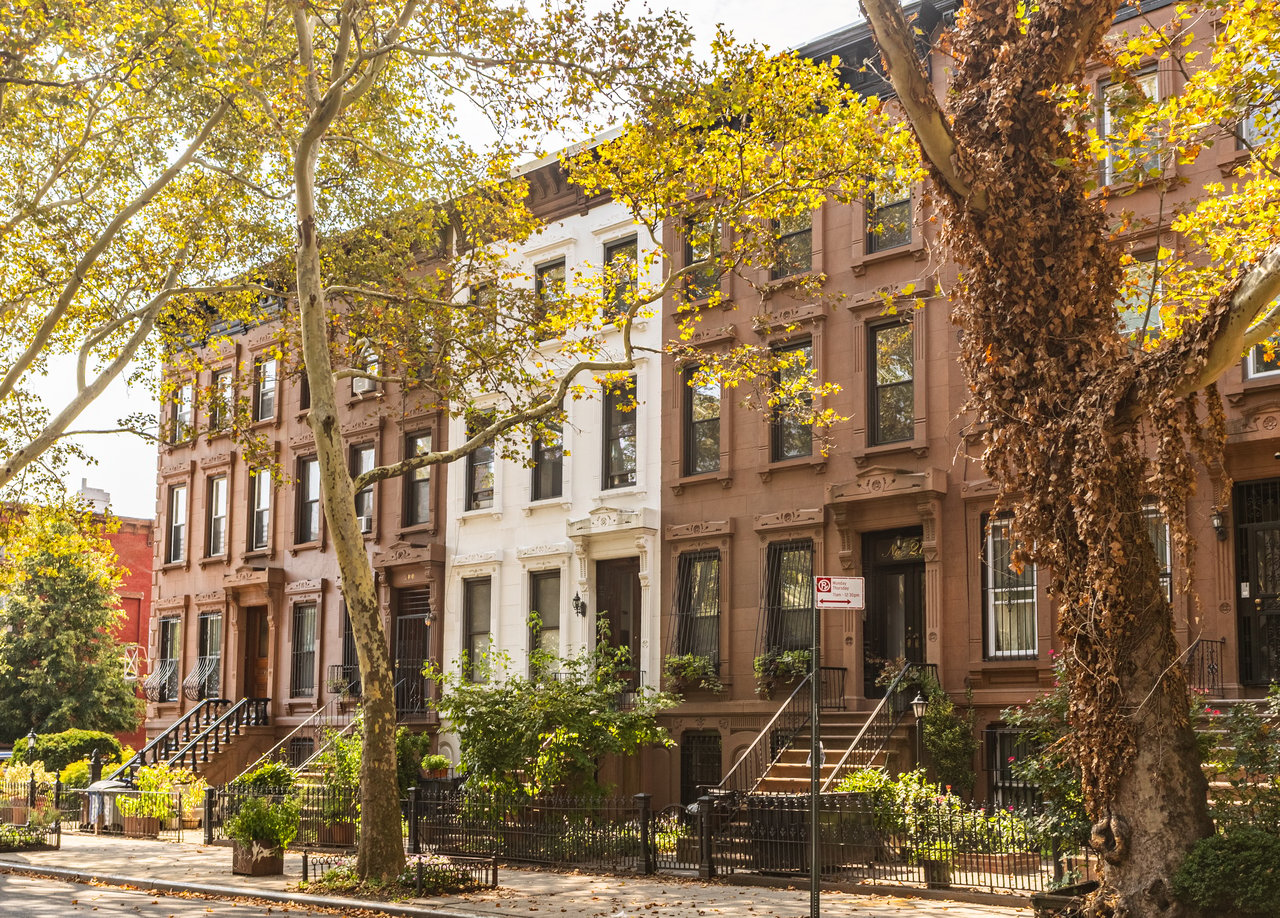
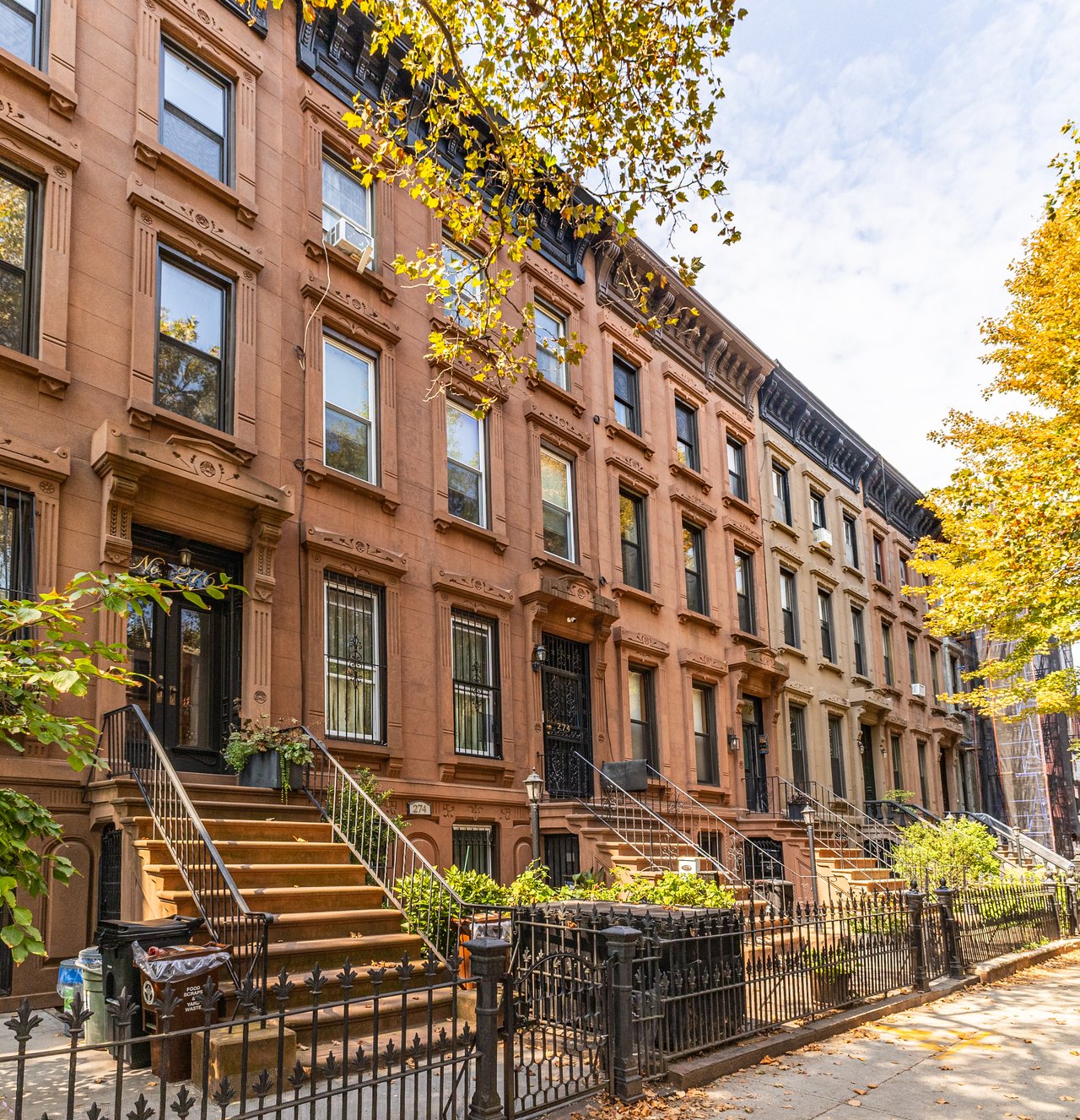
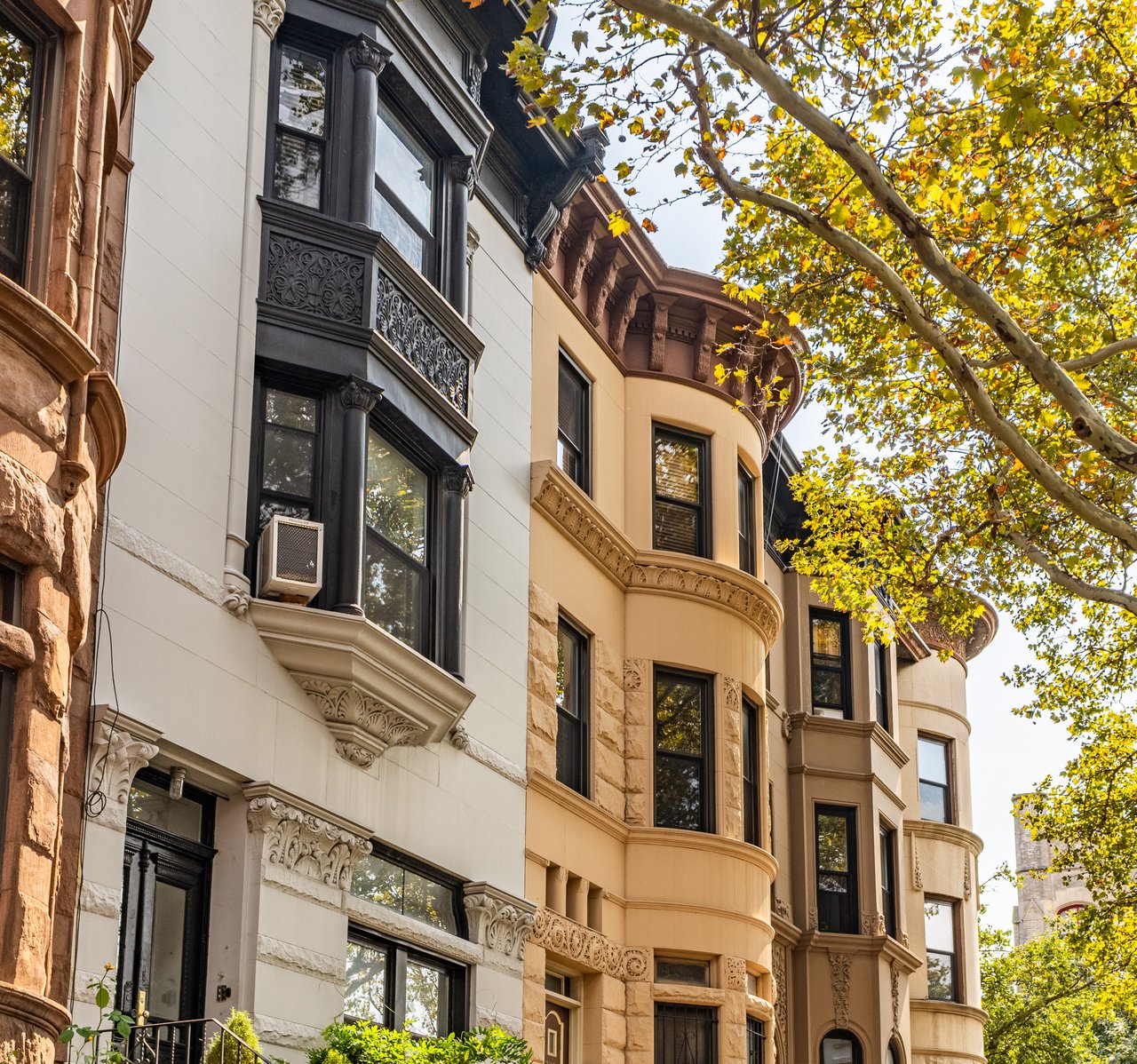
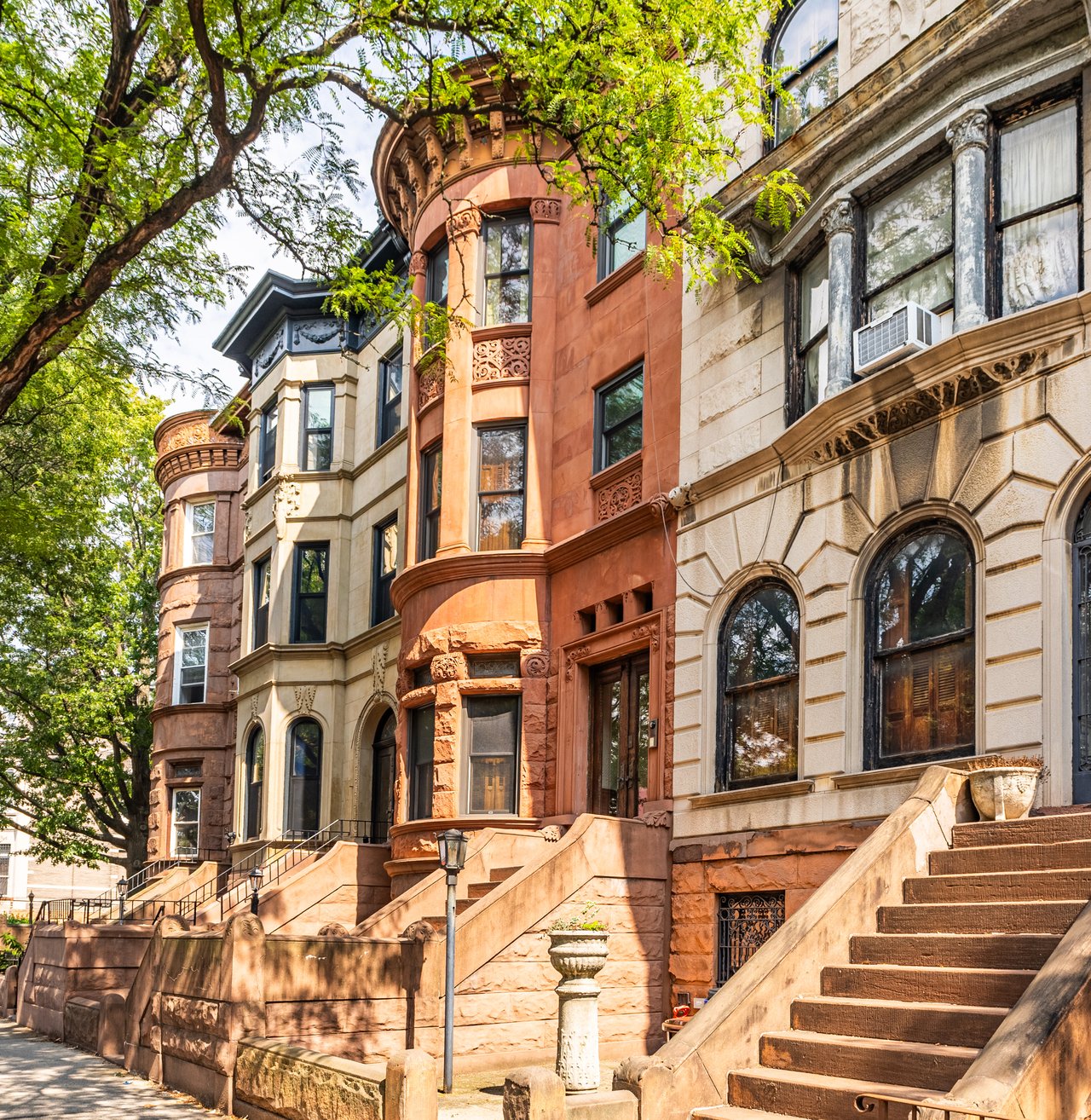
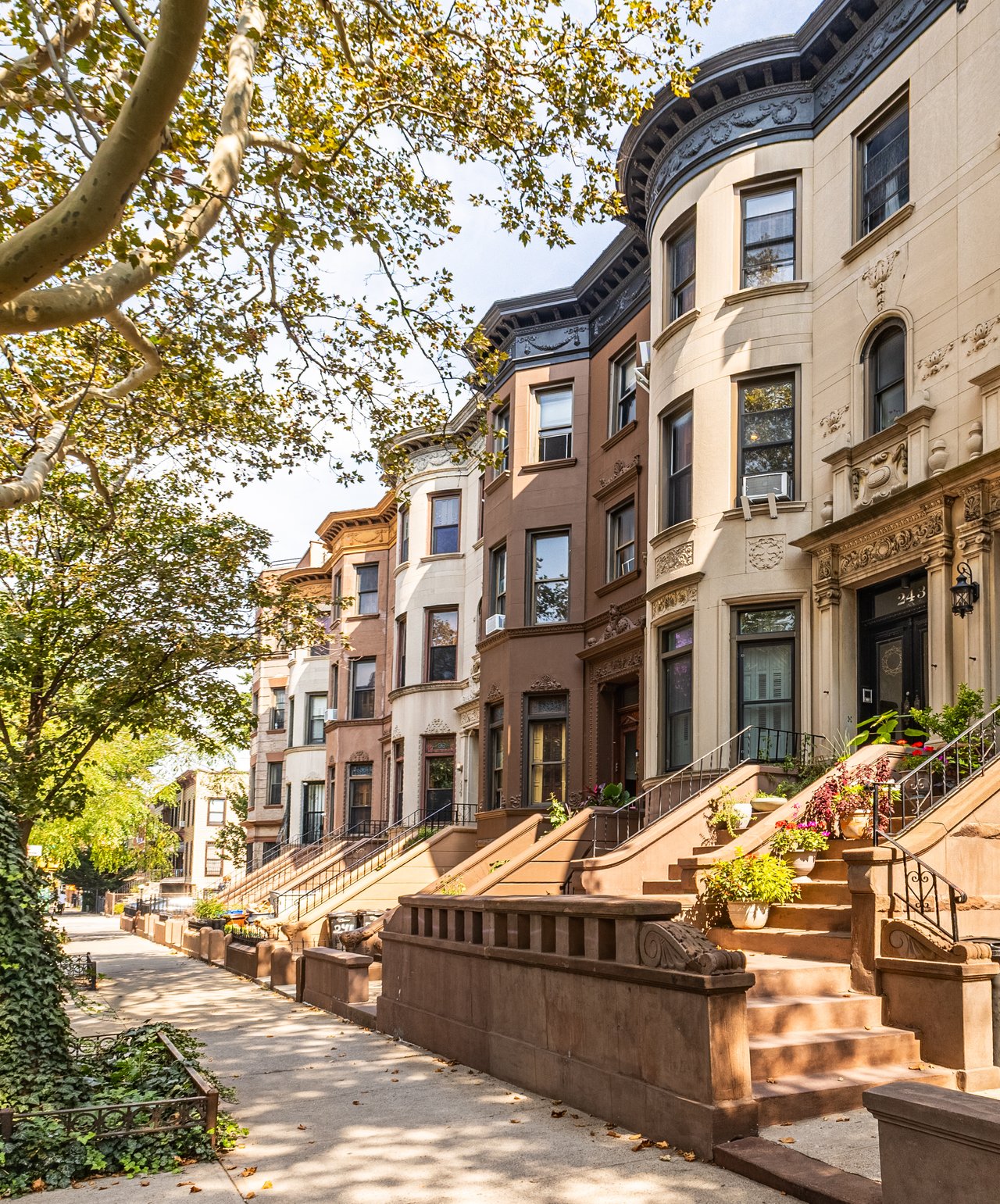
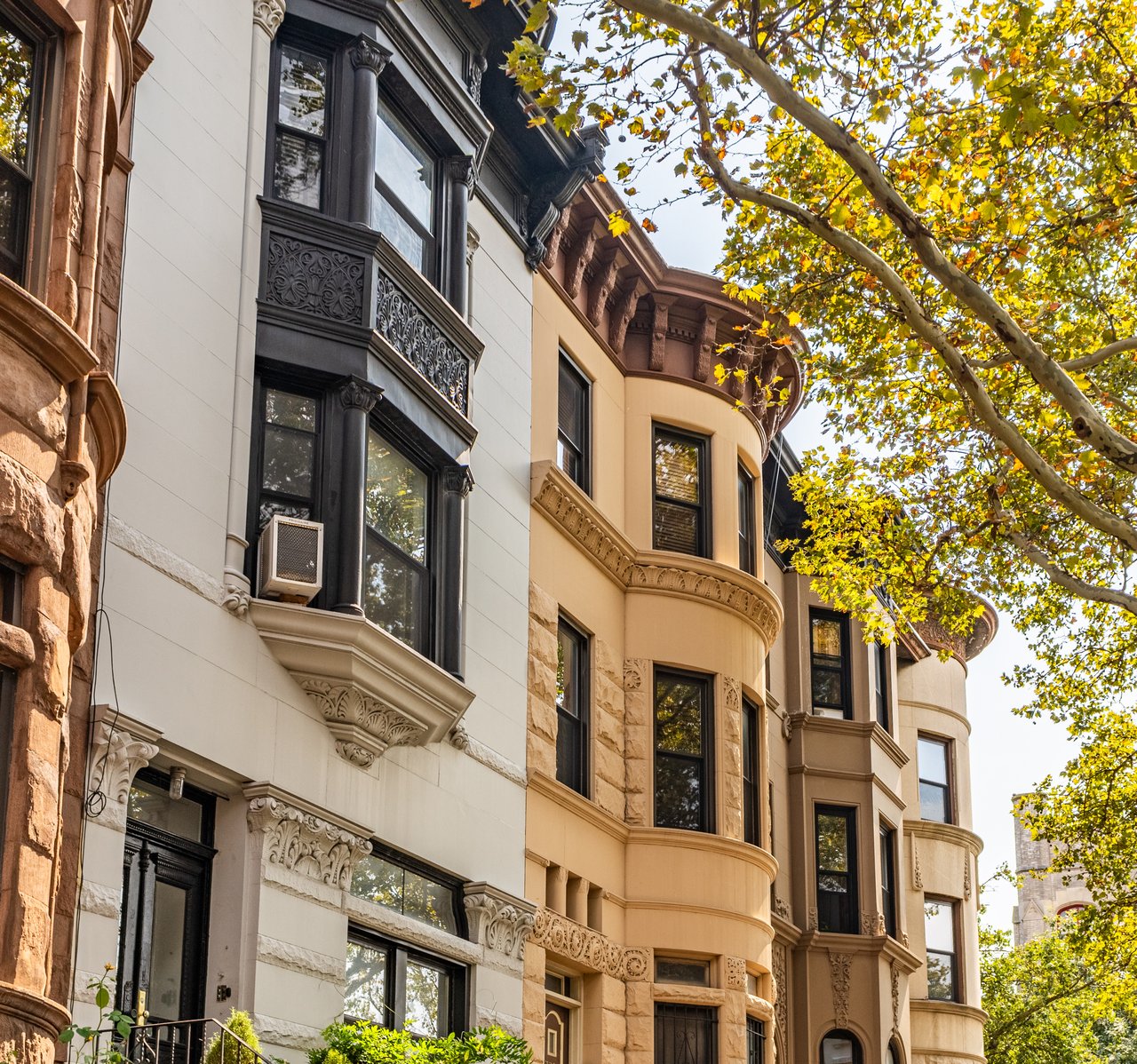
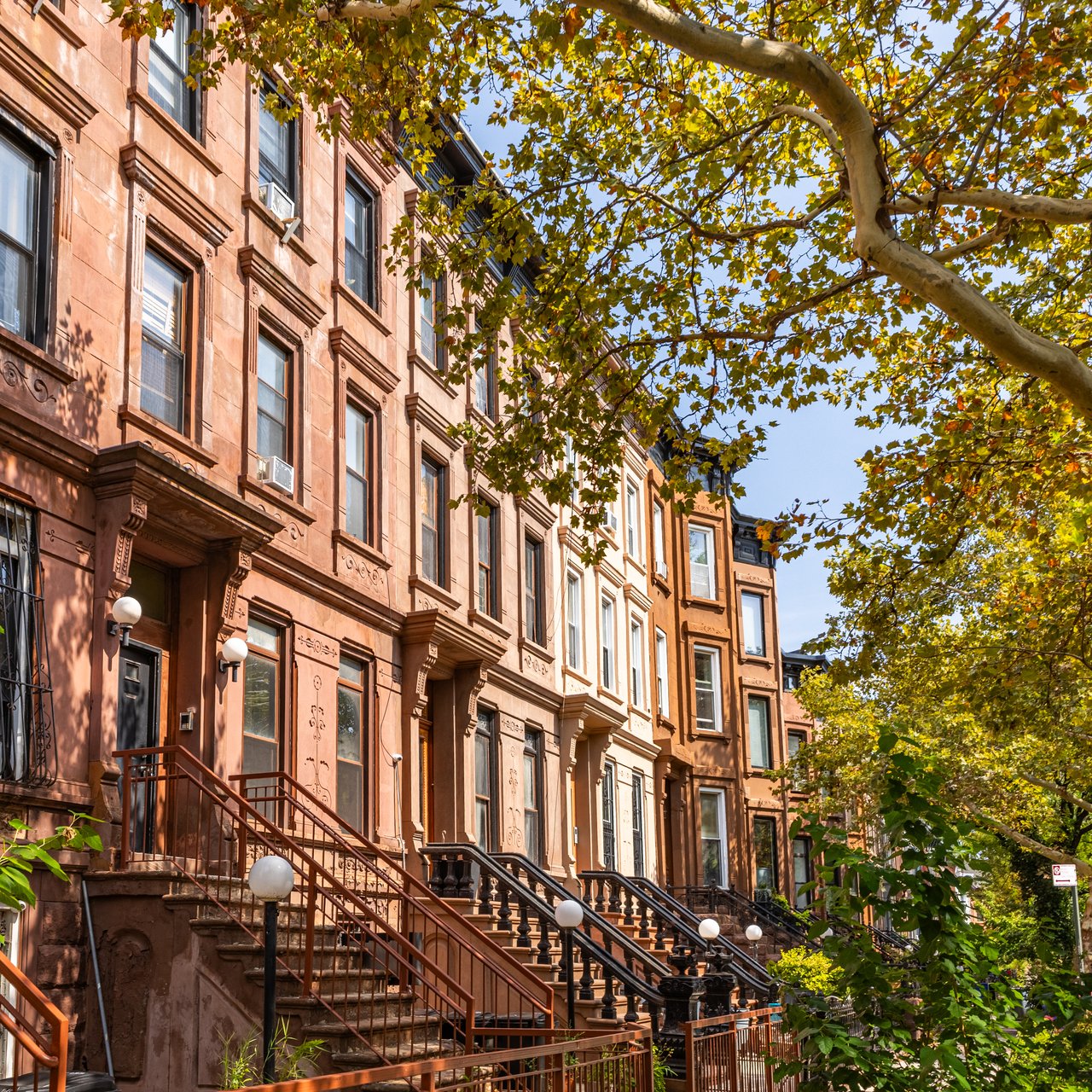
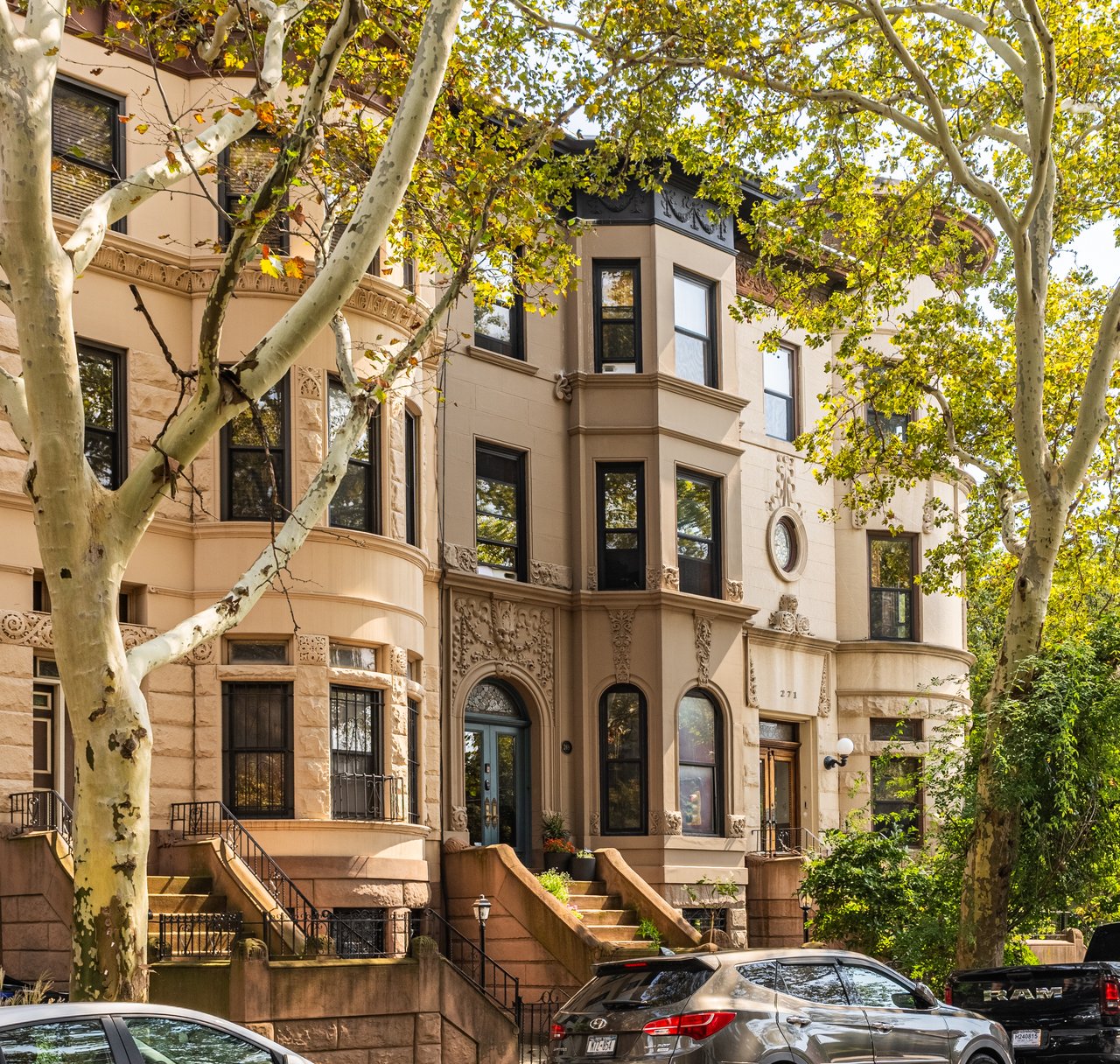
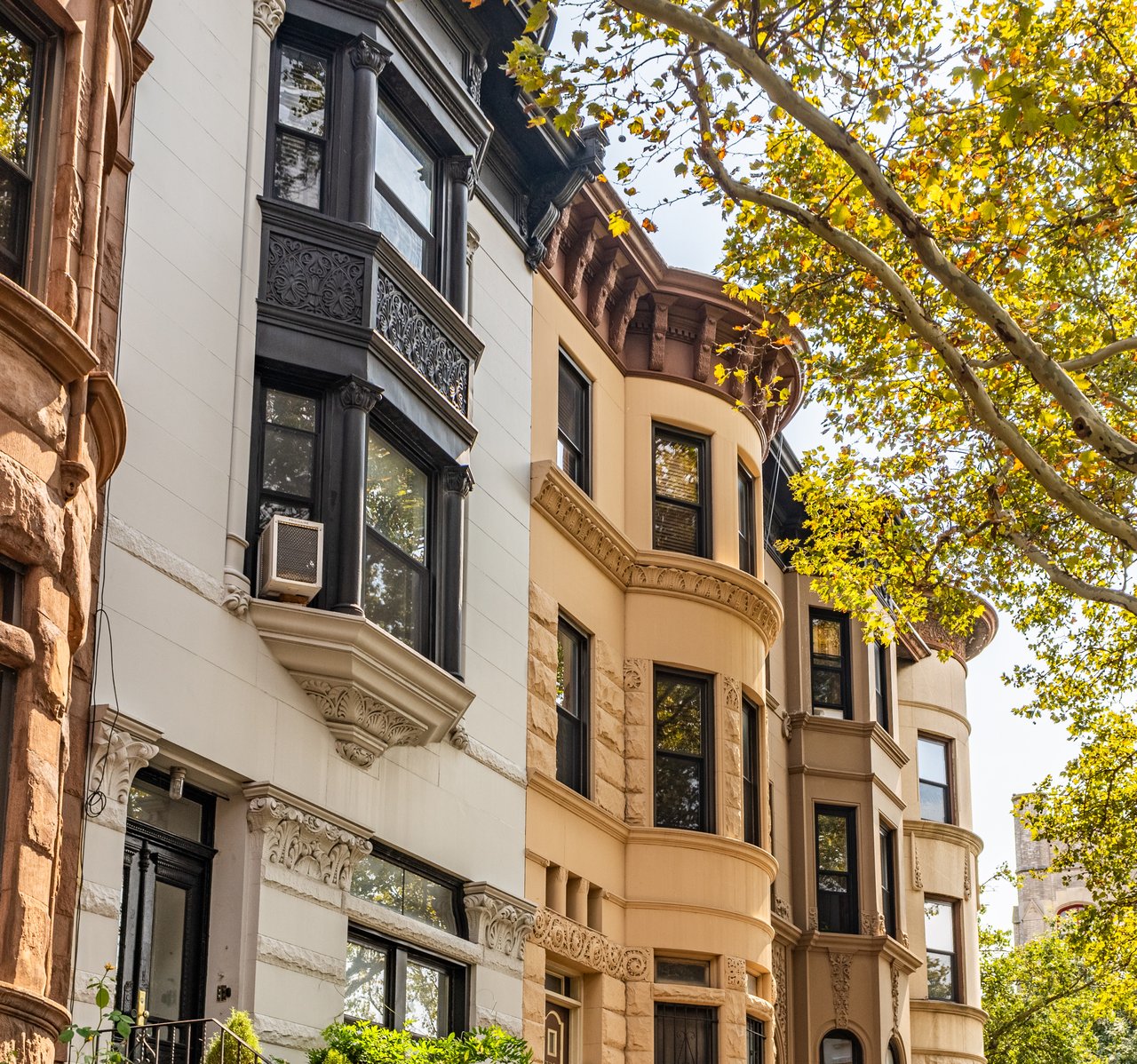
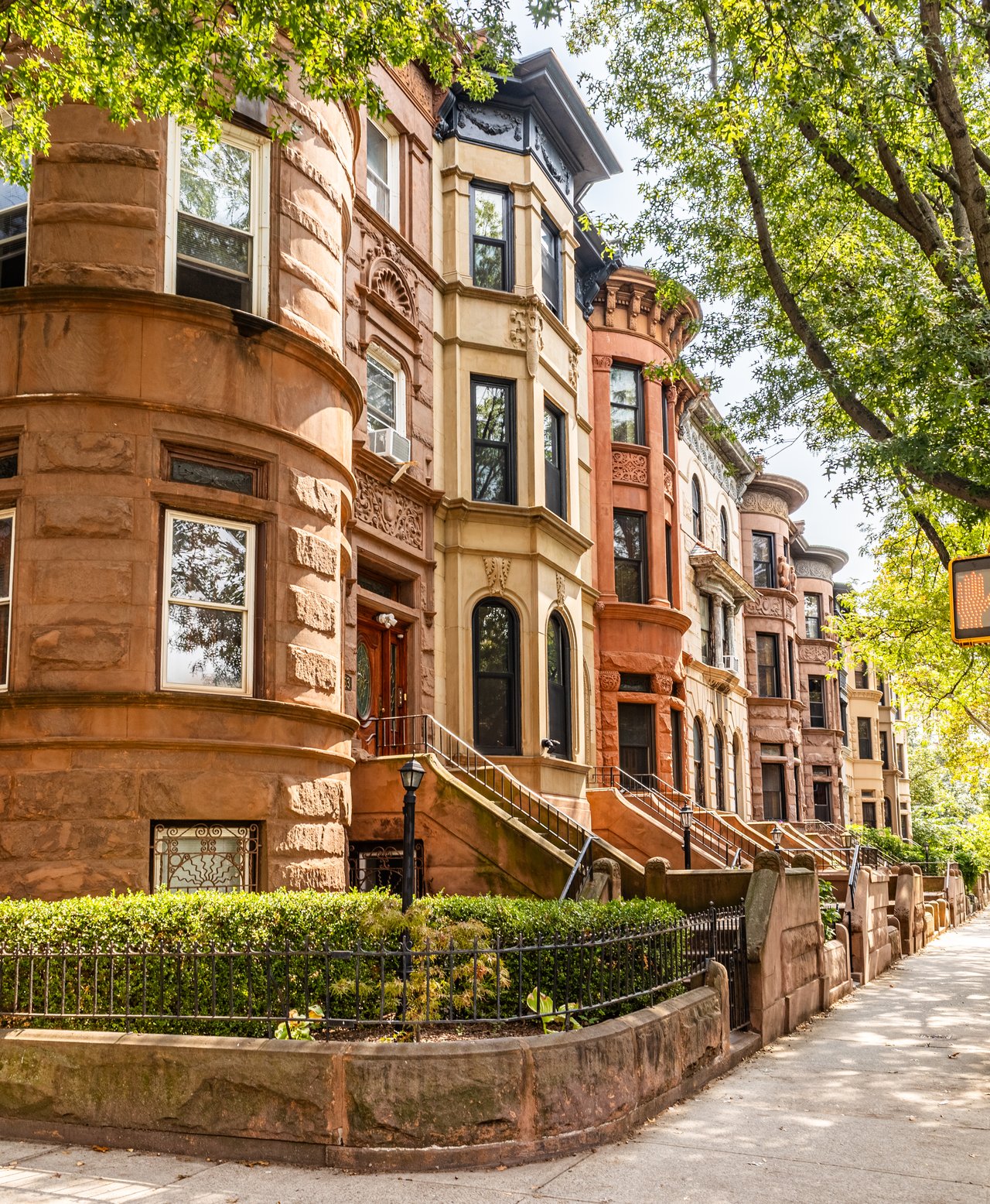
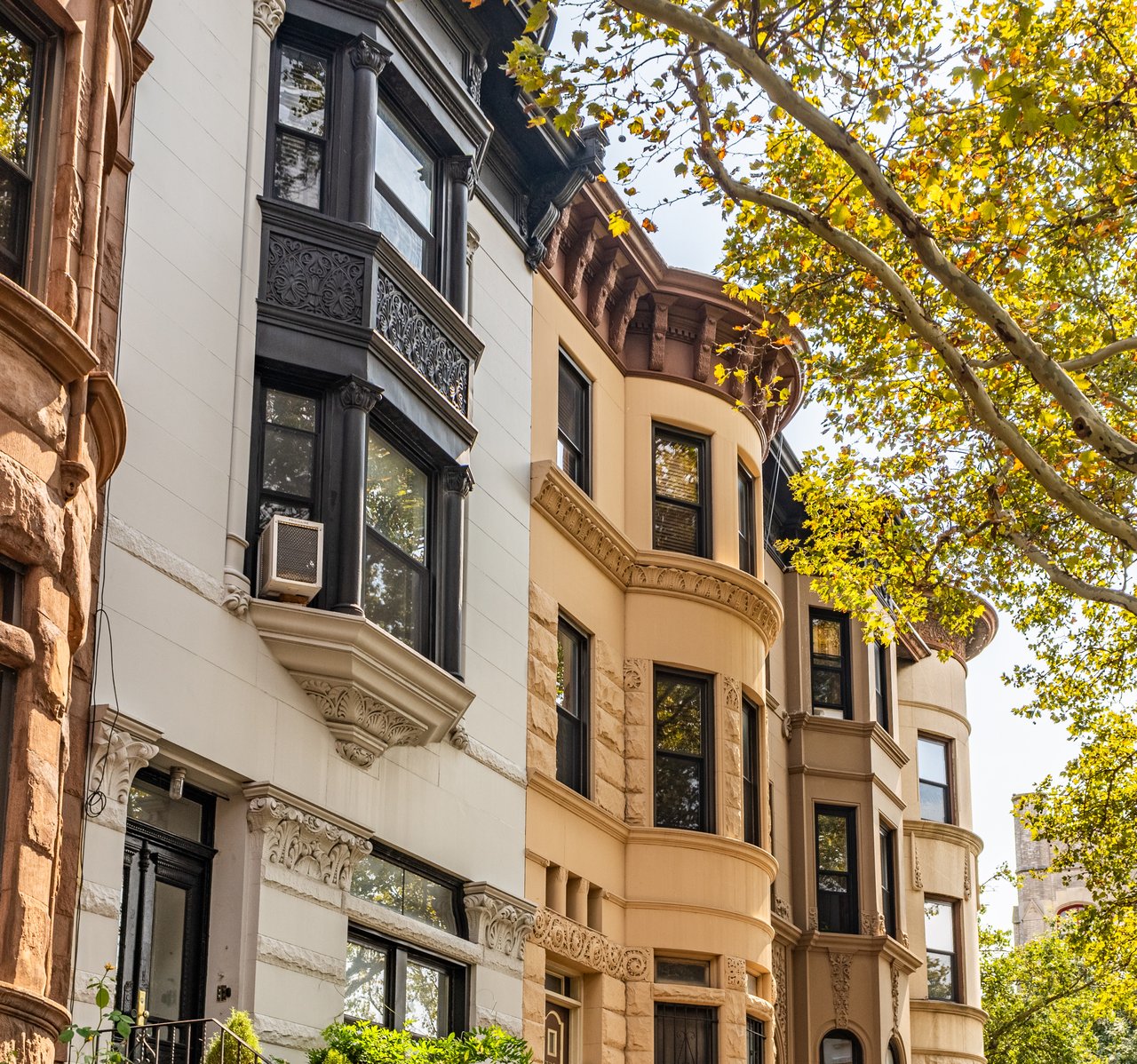
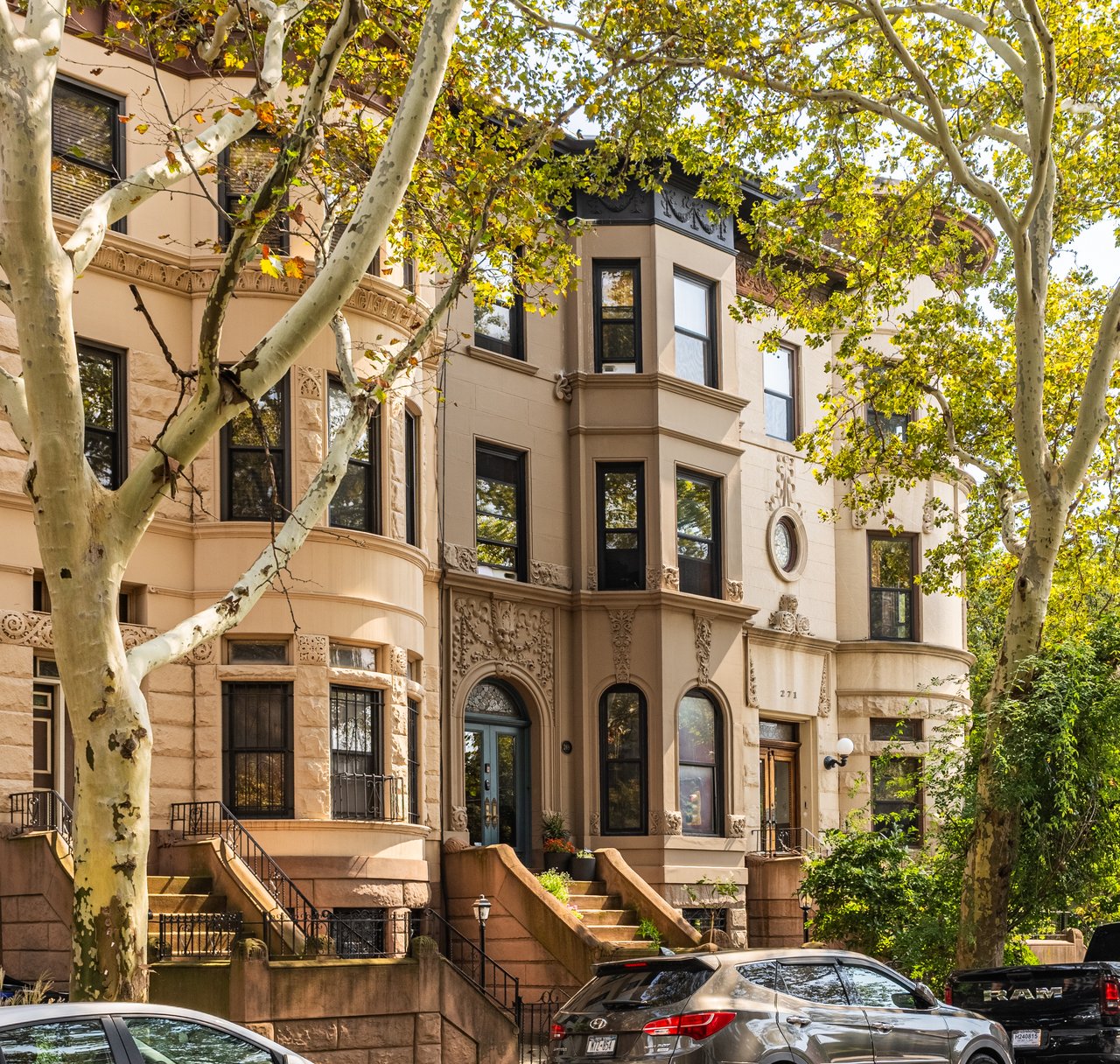
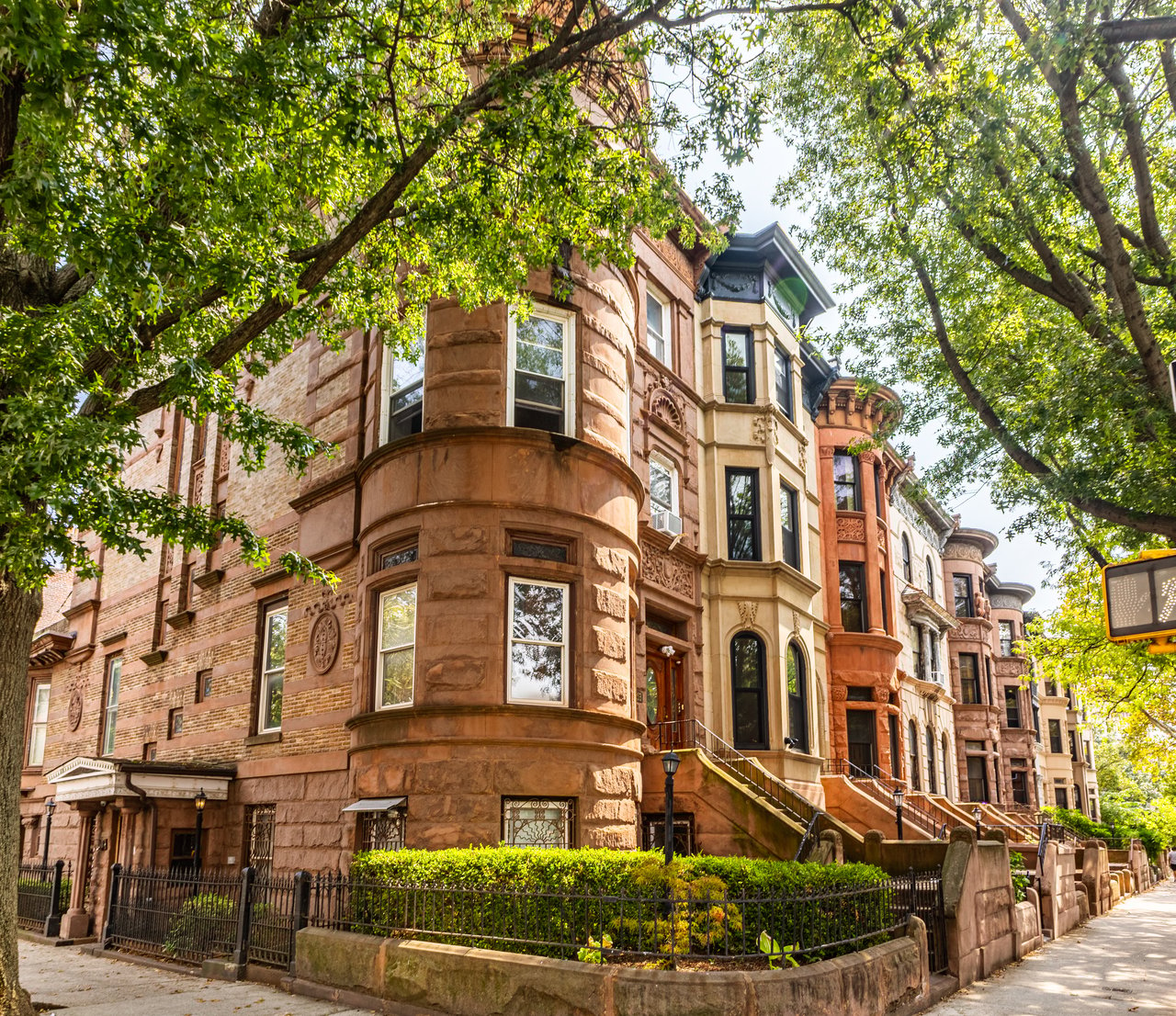
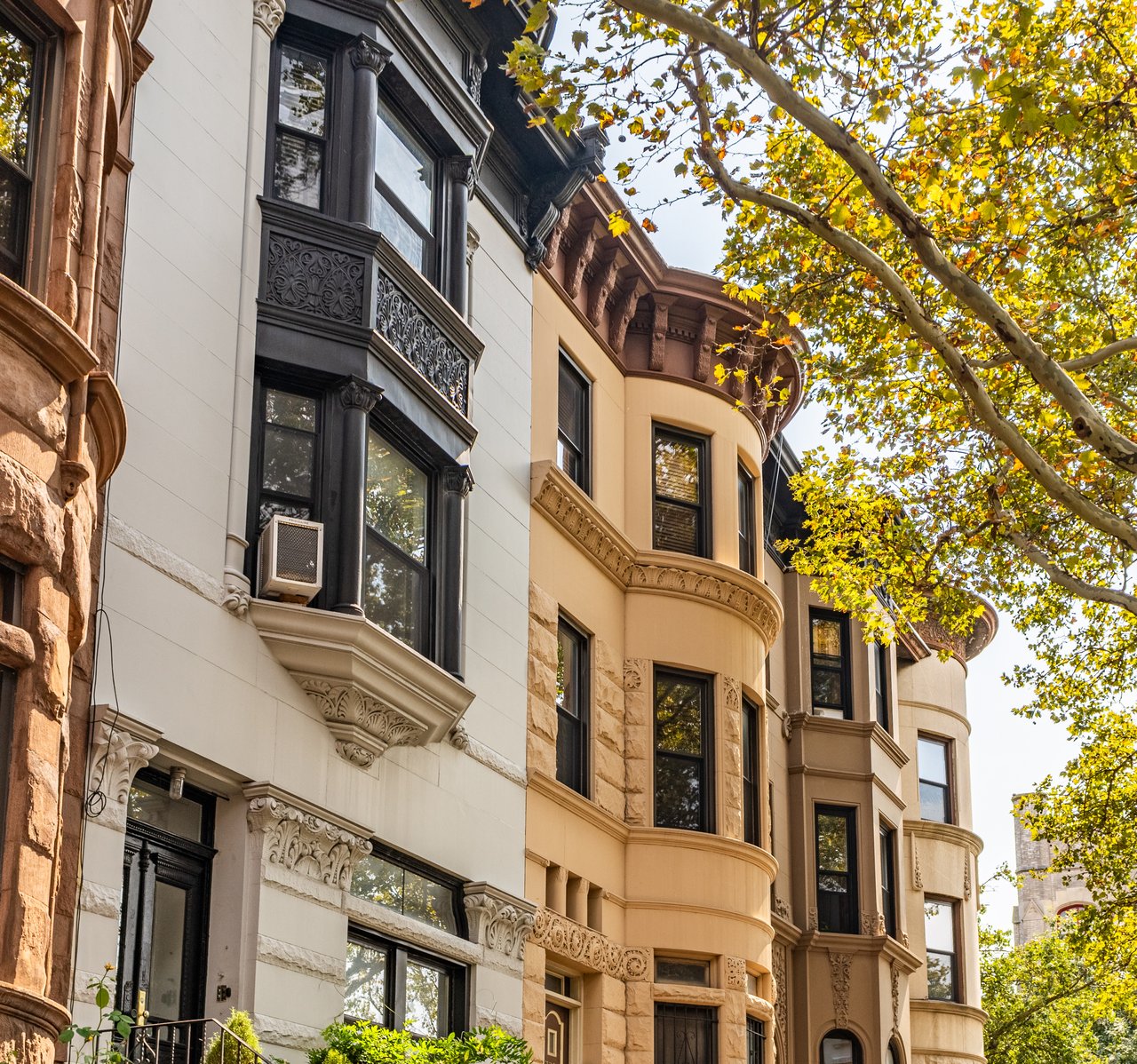
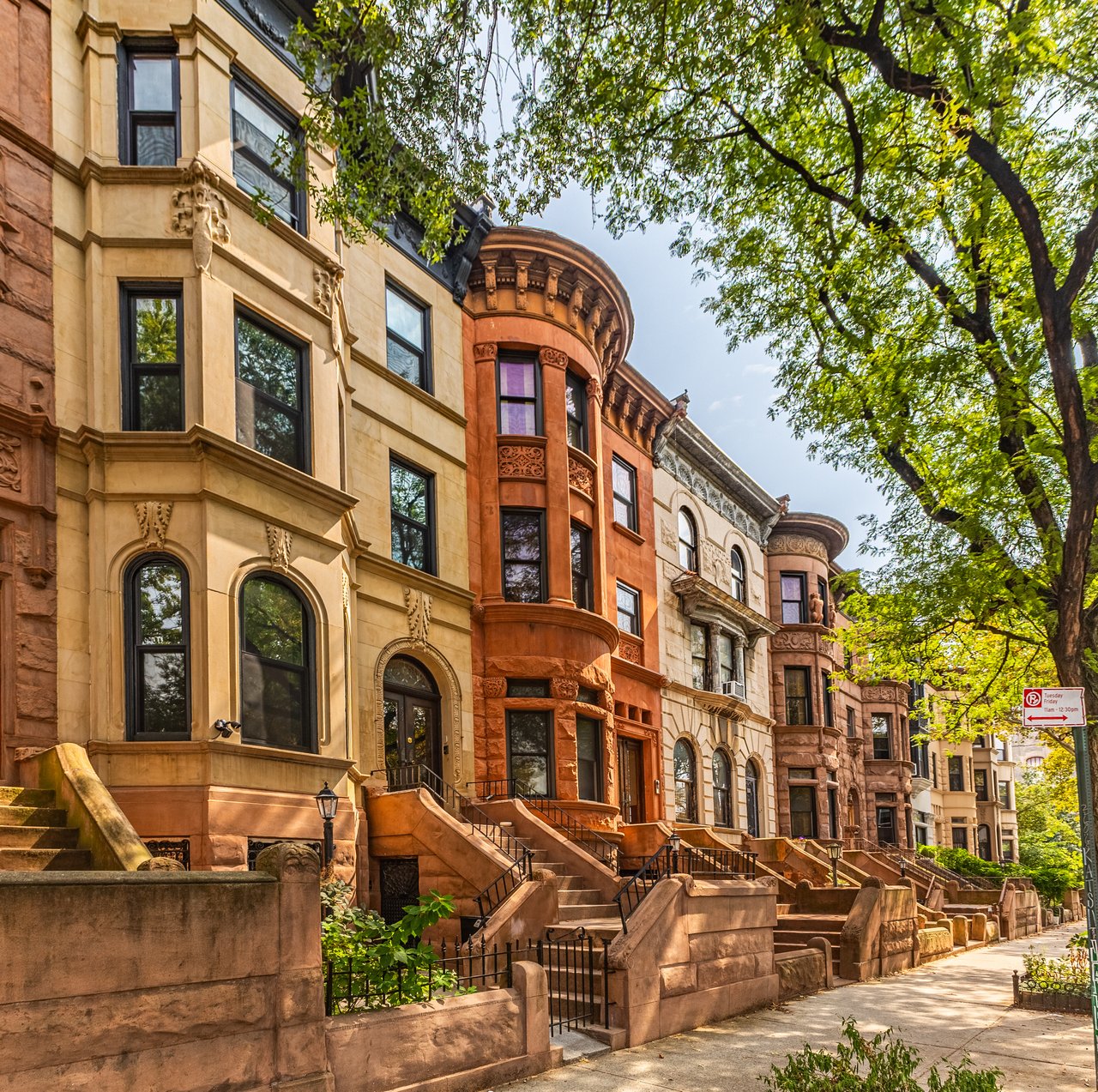
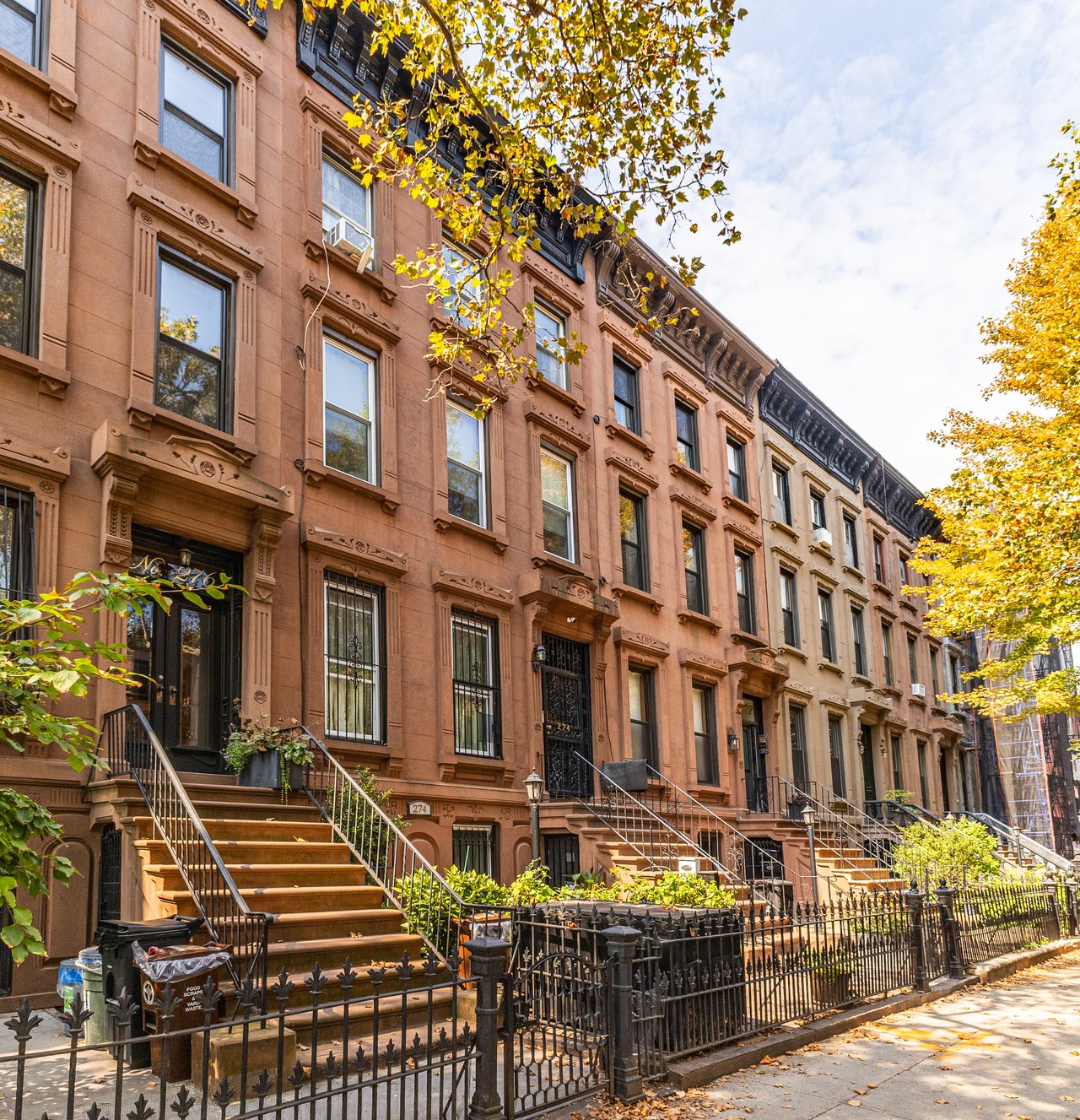
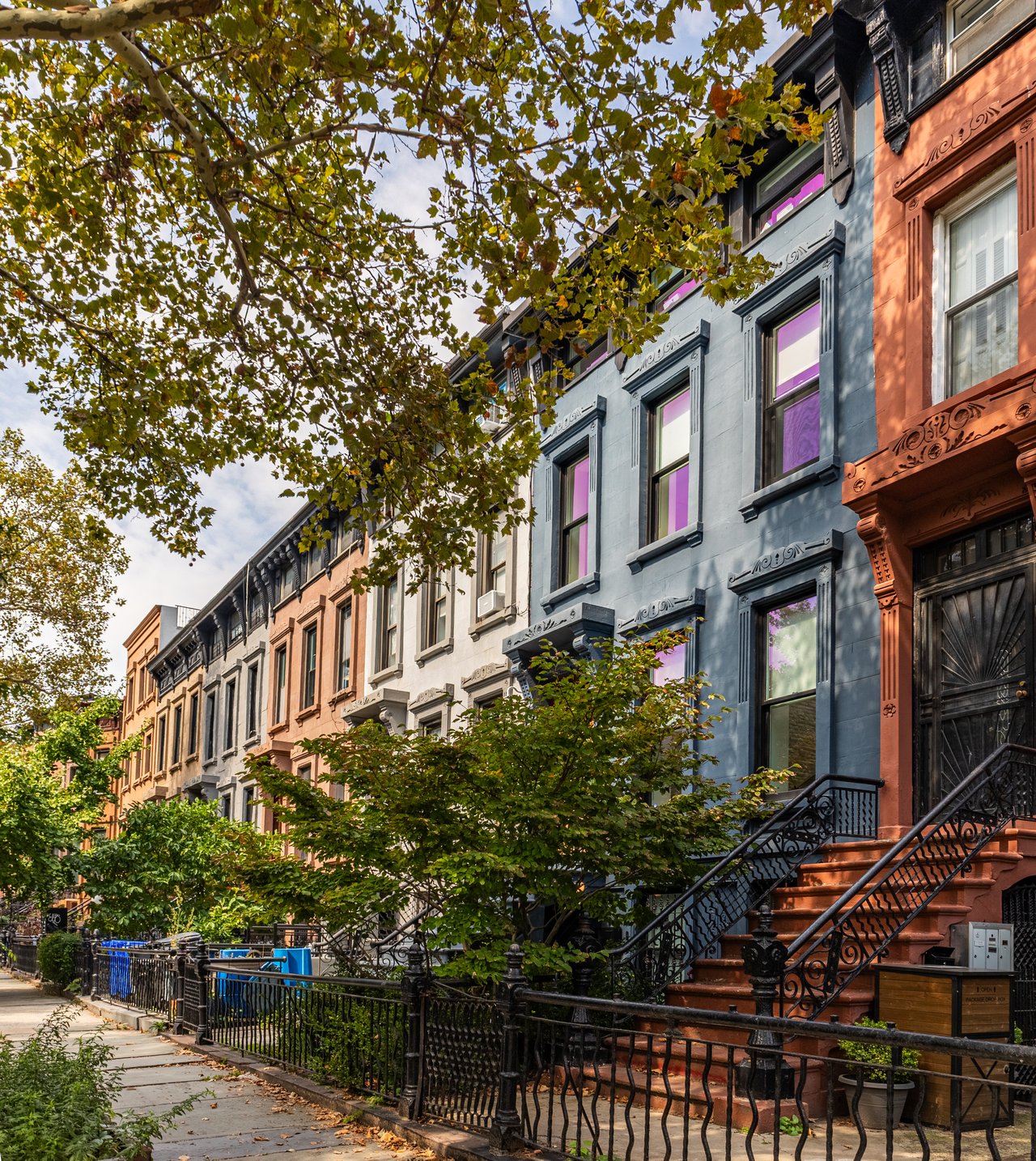
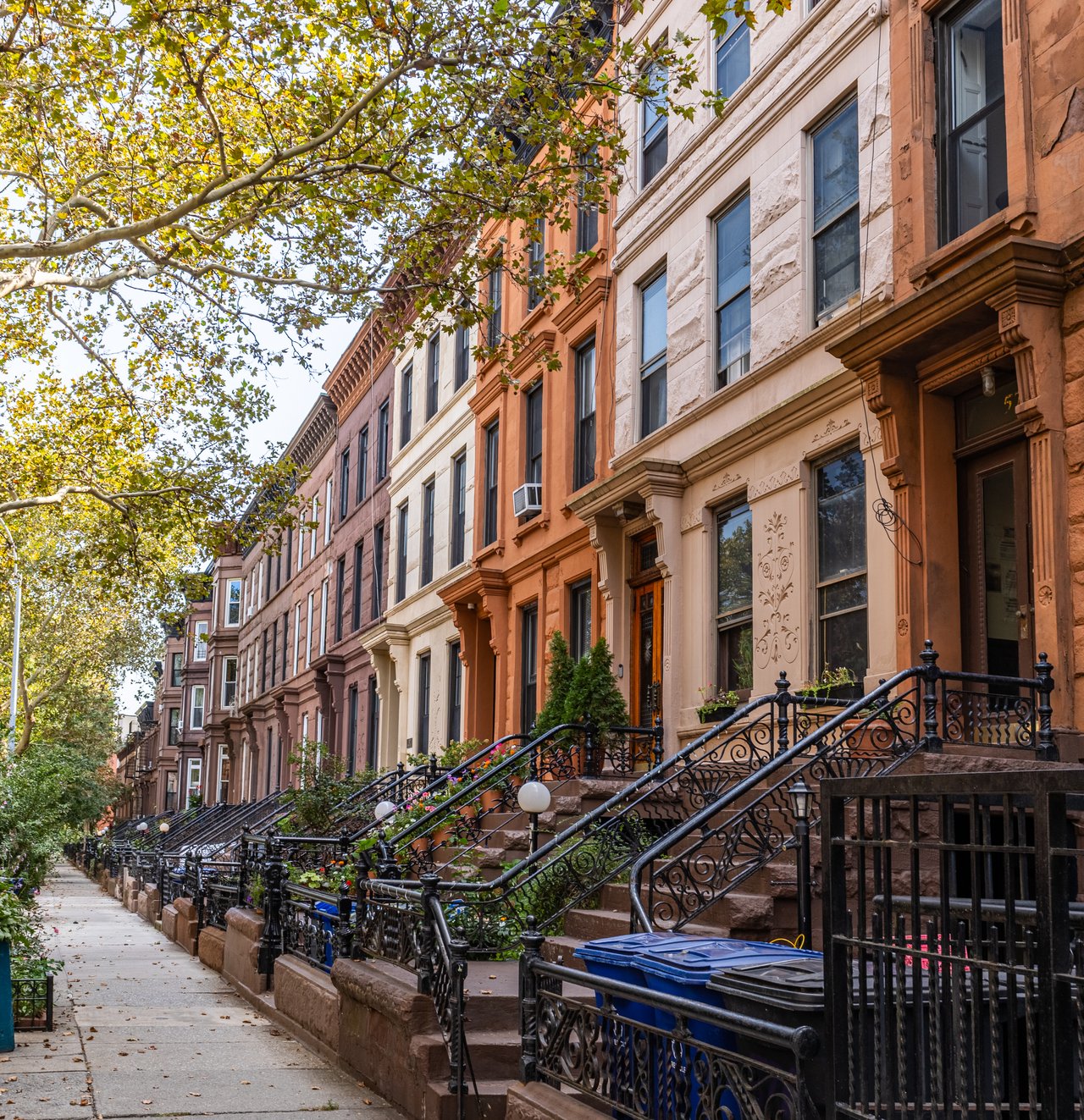
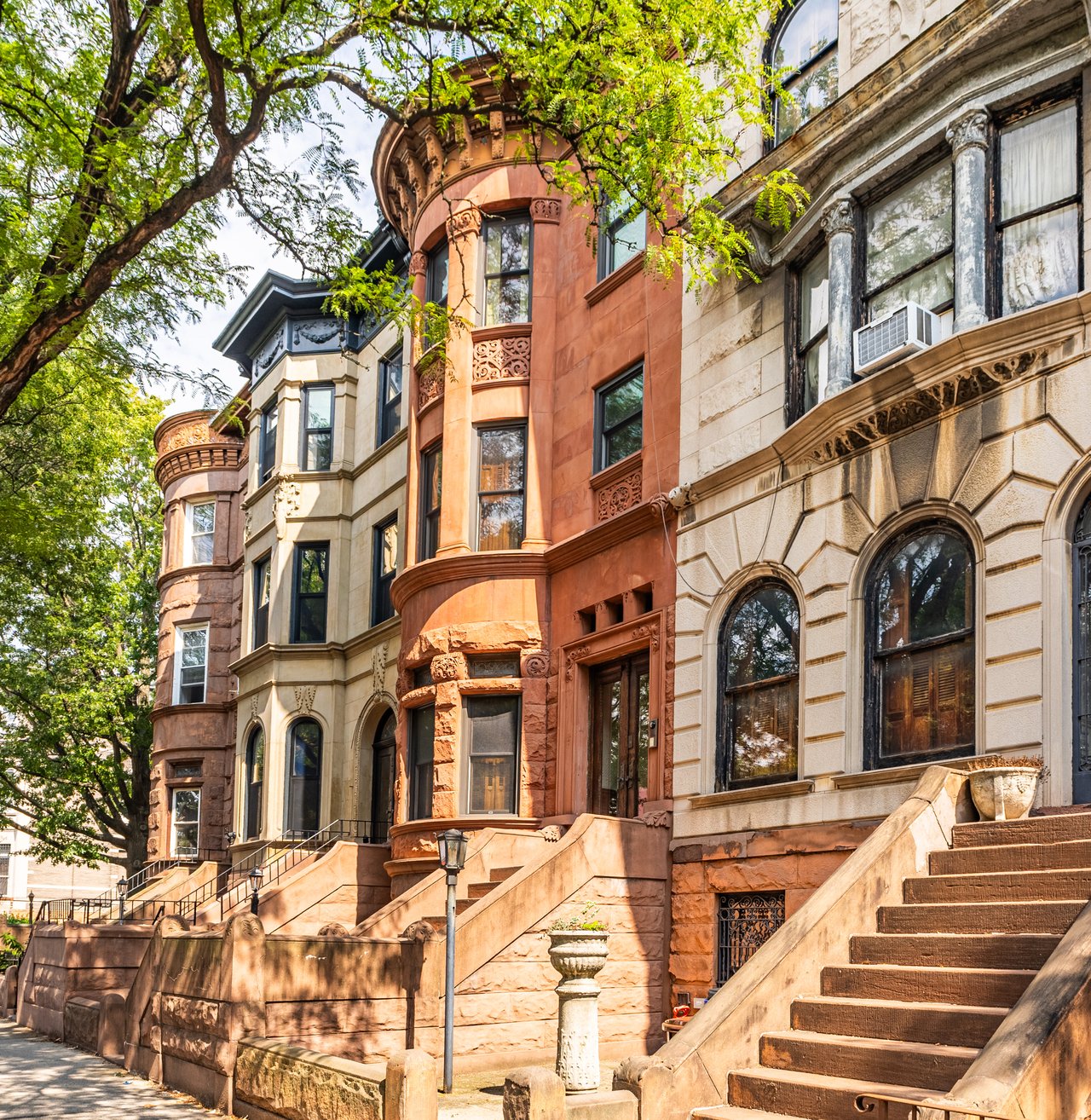
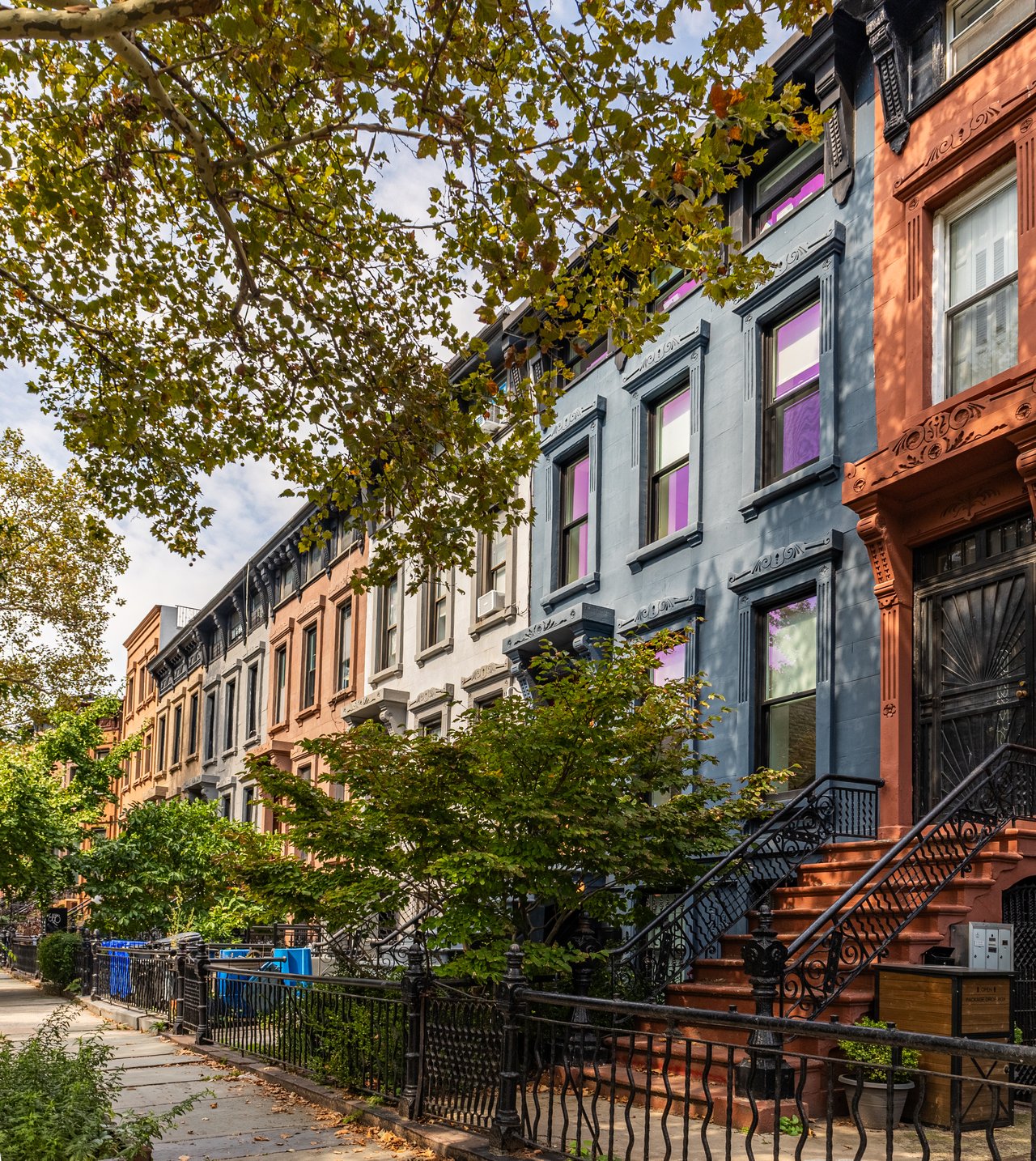
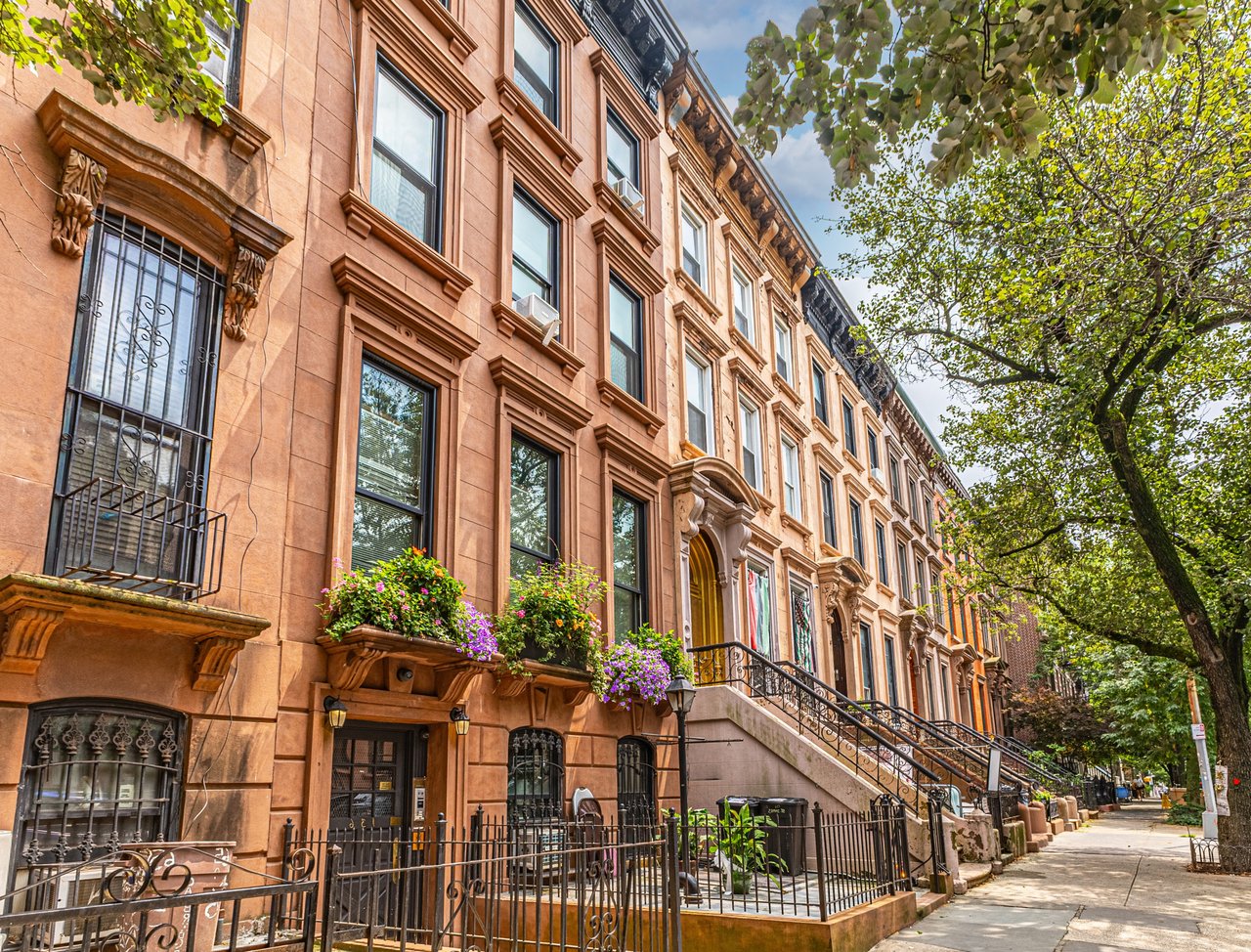
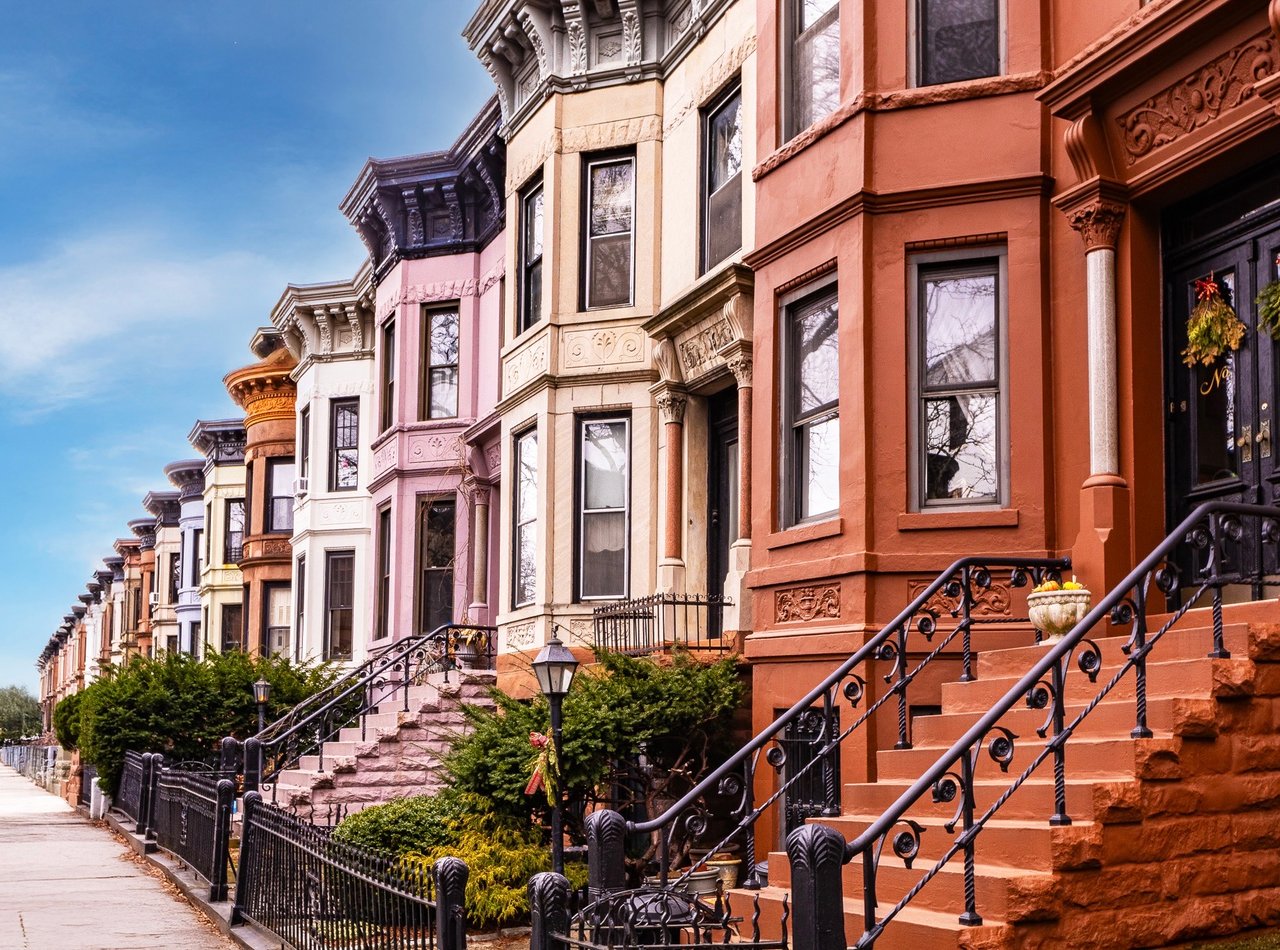
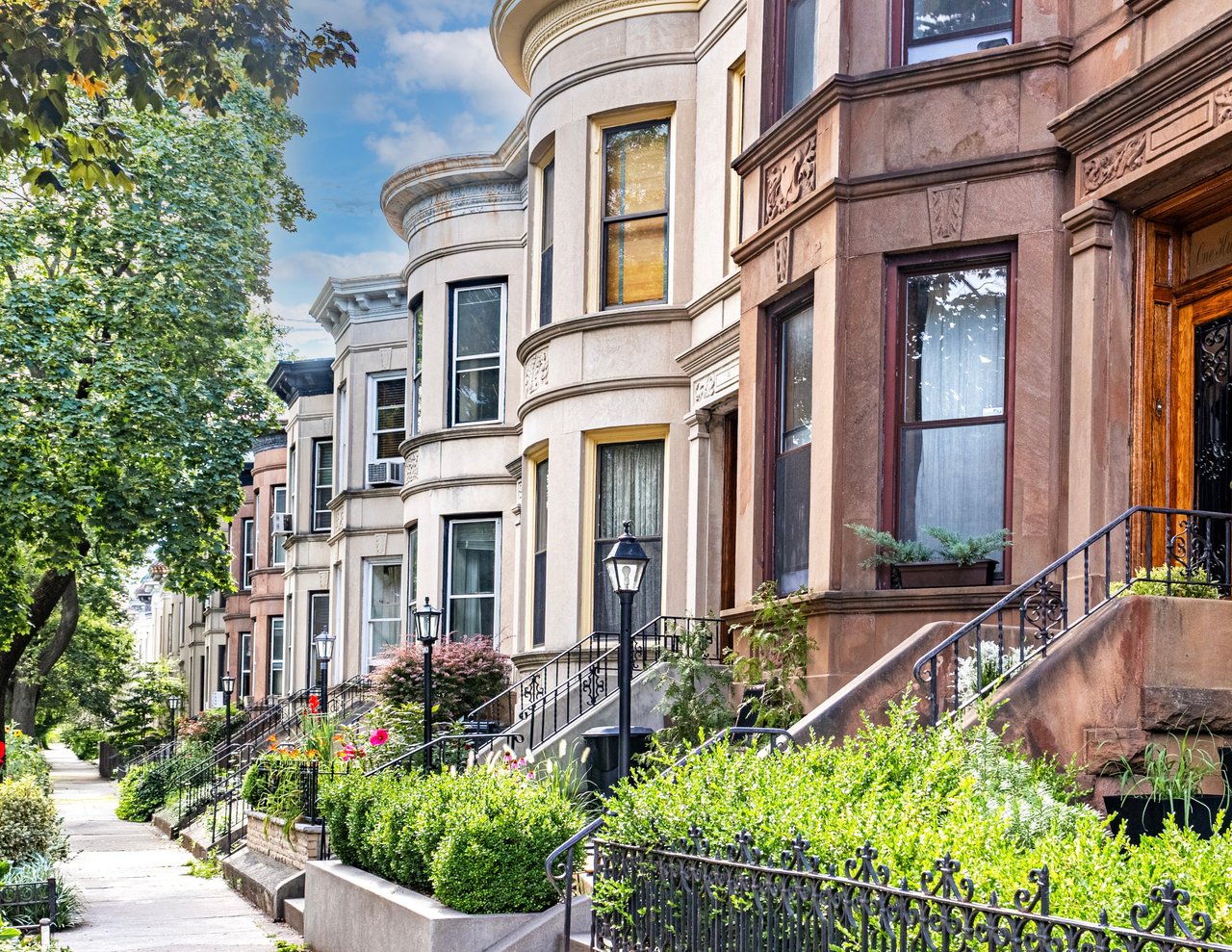
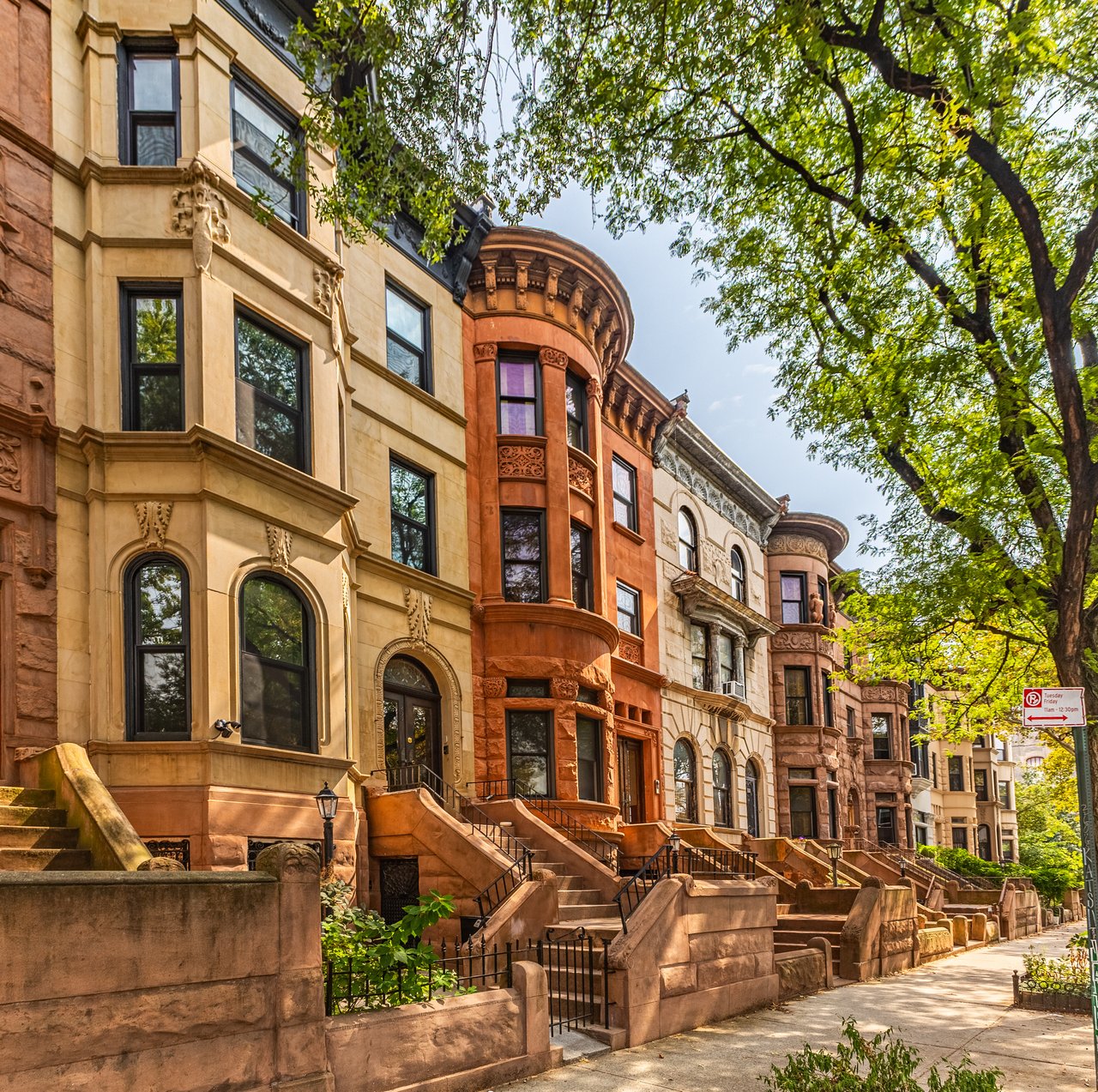
Architectural details such as raised stoops, carved stone entrance surrounds, decorative cornices, ornamental ironwork, and tall windows contribute to the avenue's traditional Brooklyn streetscape.
Carlton Avenue also provides access to restaurants including Gertrude's at 605 Carlton Avenue, along with nearby destinations on Vanderbilt Avenue and Flatbush Avenue.
For real estate, Carlton Avenue is particularly relevant for brownstones, townhouses, two-family homes, three-family properties, multifamily buildings, and historic residential investment properties.
The Parviz Team at Compass, led by Associate Real Estate Broker Parviz Latipzoda, sells these property types throughout Prospect Heights and Brooklyn.
Where Is Carlton Avenue in Prospect Heights, Brooklyn?
Carlton Avenue is a north-south street located between Vanderbilt Avenue and Sixth Avenue in the western section of Prospect Heights.
Its Prospect Heights section runs approximately from Atlantic Avenue toward Flatbush Avenue.
Important nearby streets and intersections include:
- Atlantic Avenue
- Pacific Street
- Dean Street
- Bergen Street
- St. Marks Avenue
- Prospect Place
- Park Place
- Sterling Place
- St. Johns Place
- Flatbush Avenue
Carlton Avenue also extends north into Fort Greene, giving it a connection to another historic Brooklyn residential neighborhood.
Within Prospect Heights, the avenue is characterized primarily by traditional residential buildings.
The surrounding streets provide access to restaurants, retail storefronts, subway stations, and Prospect Park.
The History of Carlton Avenue
Carlton Avenue developed during Brooklyn's major residential expansion in the second half of the 19th century.
During this period, Prospect Heights was transformed through the construction of rows of masonry townhouses and residential buildings.
The development of Prospect Park, transportation infrastructure, and the surrounding street network contributed to the neighborhood's expansion.
Builders constructed brownstones, brick rowhouses, and other residential properties along Carlton Avenue and nearby streets.
Many buildings followed traditional Brooklyn lot dimensions and incorporated consistent facade heights and architectural details.
During the late 19th century, styles such as Italianate, Neo-Grec, Queen Anne, and Renaissance Revival influenced residential construction.
The early 20th century introduced additional apartment buildings and changes to some existing properties.
Carlton Avenue retains substantial elements of this historic residential development.
The Architecture of Carlton Avenue
Carlton Avenue contains traditional Brooklyn residential architecture dating primarily from the late 19th and early 20th centuries.
Its architectural character is defined by masonry construction, decorative facades, and continuous townhouse rows.
Common features include:
- Brownstone facades
- Brick masonry construction
- Limestone and sandstone details
- Raised entrance stoops
- Decorative roof cornices
- Ornamental iron railings
- Historic window lintels
- Carved entrance surrounds
- Tall parlor-floor windows
- Decorative brickwork
- Traditional residential proportions
The architectural styles represented along Carlton Avenue and its surrounding blocks include Italianate, Neo-Grec, Queen Anne, Romanesque Revival, and Renaissance Revival.
The specific architectural features vary from building to building.
Some properties retain historic exteriors and original interior details, while others have undergone renovations or alterations.
Brownstone Architecture on Carlton Avenue
Brownstones are among the most recognizable residential buildings on Carlton Avenue.
Traditional Brooklyn brownstones were constructed using masonry facades with decorative stone details.
Many incorporate raised stoops leading to elevated parlor floors.
Common architectural features include carved window surrounds, decorative cornices, historic ironwork, and substantial entrance doors.
Traditional interiors may contain:
- Original hardwood flooring
- Decorative fireplaces
- Plaster moldings
- Historic woodwork
- Pocket doors
- High ceilings
- Traditional parlor-floor layouts
Some Carlton Avenue brownstones remain single-family residences.
Others contain two or more legally established apartments.
For sellers, building square footage, lot dimensions, legal residential configuration, architectural condition, renovation quality, and comparable sales are important valuation factors.
Italianate Architecture Near Carlton Avenue
Italianate architecture influenced Brooklyn townhouse construction during the mid-19th century.
The style is particularly associated with traditional masonry rowhouses.
Common architectural features include decorative cornices, tall windows, stone lintels, raised stoops, and ornamental entrance surrounds.
Italianate-influenced buildings contribute to the architectural character of historic Prospect Heights.
The style reflects an important period in Brooklyn's residential development.
Neo-Grec Architecture Near Carlton Avenue
Neo-Grec architecture became prominent during the later decades of the 19th century.
Its design incorporated geometric ornament and angular decorative details.
Common features include:
- Incised stone lintels
- Angular brackets
- Geometric carvings
- Ornamental cornices
- Decorative entrance surrounds
Neo-Grec architecture is represented throughout the Prospect Heights Historic District.
These buildings demonstrate the transition from earlier Italianate styles toward more elaborate late-19th-century townhouse design.
Queen Anne Architecture Near Carlton Avenue
Queen Anne architecture influenced Brooklyn residential construction during the late 19th century.
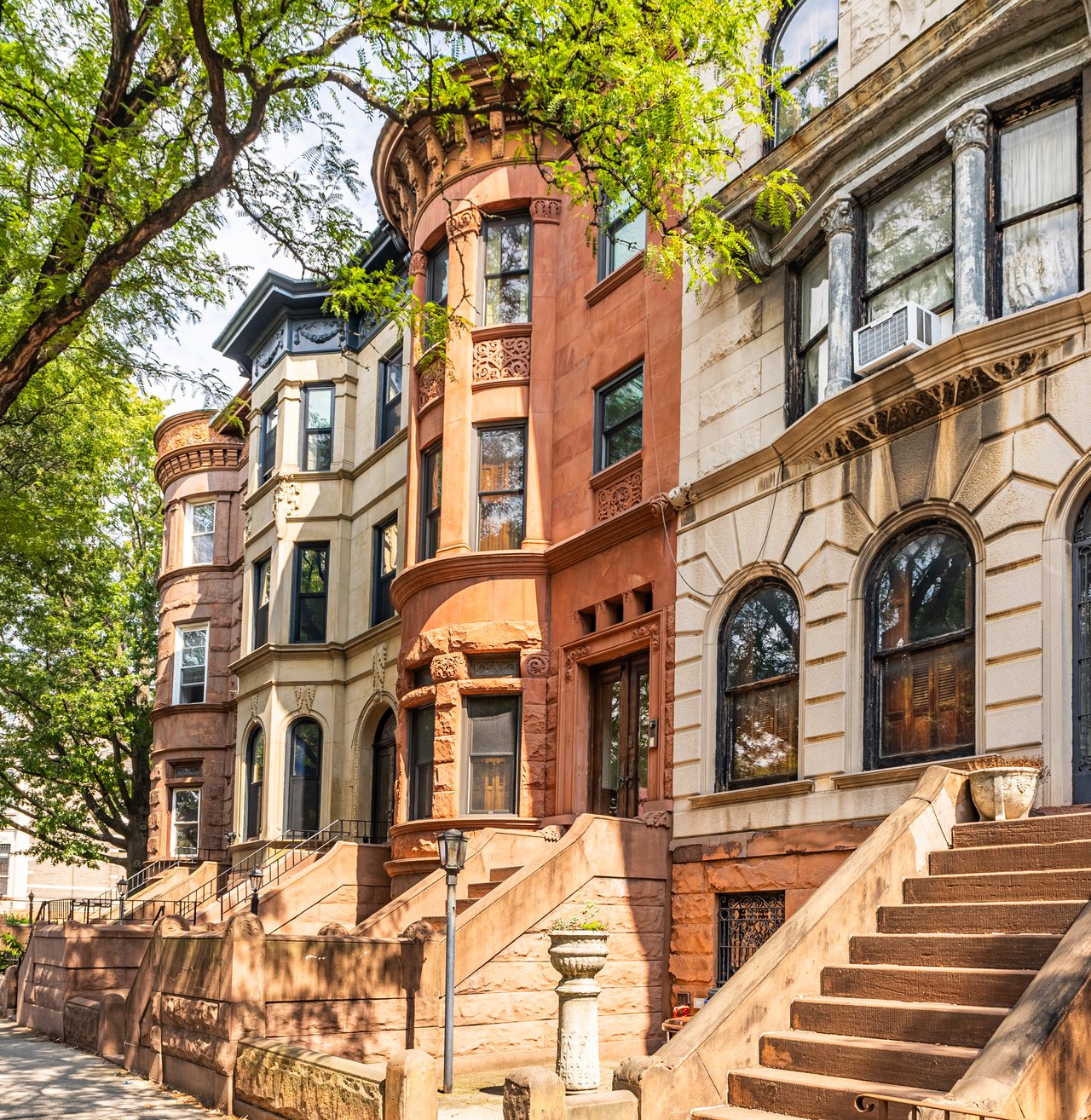
The style incorporated decorative brickwork, varied building materials, projecting bays, and asymmetrical architectural details.
Common features include:
- Decorative terra cotta
- Ornamental masonry
- Varied window arrangements
- Projecting bays
- Distinctive rooflines
- Contrasting facade materials
Queen Anne influences are visible throughout historic Prospect Heights.
The style contributes to the architectural variety of the neighborhood's residential streets.
Renaissance Revival Architecture Near Carlton Avenue
Renaissance Revival architecture became prominent during the late 19th and early 20th centuries.
The style incorporated classical proportions and substantial masonry detailing.
Common features include limestone facades, symmetrical window arrangements, decorative cornices, and classical entrance surrounds.
Renaissance Revival influences can be found throughout Prospect Heights.
These details are relevant when evaluating the architectural character of historic Carlton Avenue townhouses.
Carlton Avenue and the Prospect Heights Historic District
The Prospect Heights Historic District was designated by the New York City Landmarks Preservation Commission in 2009.
The district protects a substantial collection of historic residential buildings dating largely from the late 19th and early 20th centuries.
Carlton Avenue is one of the streets represented within the district's historic residential landscape.
The surrounding blocks contain brownstones, brick townhouses, limestone residences, and traditional apartment buildings.
Architectural styles represented throughout the district include Italianate, Neo-Grec, Queen Anne, Romanesque Revival, and Renaissance Revival.
Historic district designation can affect exterior alterations, facade restoration, window replacements, and other regulated work.
Property owners should verify the designation status and applicable requirements for their specific address.
Historic Brick Townhouses on Carlton Avenue
Brick townhouses are another important property category along Carlton Avenue.
Many were constructed during Brooklyn's late-19th-century residential expansion.
Traditional brick buildings commonly rise two to four stories.
Their architecture may incorporate decorative cornices, stone window lintels, raised stoops, and ornamental masonry.
Some buildings feature elaborate entrance details, while others have more restrained facades.
Interior configurations vary by property.
For sellers, building square footage, lot dimensions, renovation quality, legal residential configuration, and comparable townhouse transactions are important.
Limestone Townhouses Near Carlton Avenue
Limestone became an important facade material during the late 19th and early 20th centuries.
Limestone townhouses often feature lighter-colored stone facades and decorative entrance surrounds.
Common architectural details include carved stone ornament, classical entrance detailing, substantial cornices, and formal window arrangements.
Limestone residences can be found throughout Prospect Heights and nearby historic Brooklyn neighborhoods.
These properties contribute to the architectural diversity of the surrounding streets.
Carlton Avenue and Atlantic Avenue
Atlantic Avenue is one of Brooklyn's major east-west commercial corridors.
Its intersection with Carlton Avenue is located near the northern end of Prospect Heights.
The surrounding area contains historic commercial buildings, mixed-use properties, restaurants, and residential architecture.
Atlantic Avenue also provides connections toward Downtown Brooklyn and other nearby neighborhoods.
For real estate valuation, building type, commercial frontage, legal configuration, property condition, and comparable sales are important considerations.
Carlton Avenue and Pacific Street
Pacific Street is an east-west residential corridor crossing Carlton Avenue.
The surrounding blocks contain traditional brownstones, brick townhouses, and multifamily properties.
Many buildings were constructed during the late 19th century.
Common architectural details include decorative cornices, masonry facades, and traditional entrance surrounds.
The intersection reflects the established residential architecture of Prospect Heights.
Carlton Avenue and Dean Street
Dean Street is one of Prospect Heights' historic residential corridors.
The blocks near Carlton Avenue contain traditional brownstones, brick townhouses, and multifamily properties.
Several buildings incorporate raised stoops, decorative masonry, and ornamental cornices.
Dean Street also connects with Vanderbilt Avenue and other residential streets.
The architecture reflects the neighborhood's late-19th-century development.
Carlton Avenue and Bergen Street
Bergen Street is another important residential corridor in Prospect Heights.
The surrounding architecture includes brownstones, brick townhouses, and traditional multifamily buildings.
Many properties retain decorative cornices, historic window details, and raised stoops.
The intersection with Carlton Avenue provides access to nearby commercial corridors.
For sellers, legal residential configuration, building condition, renovation quality, and comparable sales are important.
Carlton Avenue and St. Marks Avenue
St. Marks Avenue is one of the neighborhood's established historic residential streets.
The surrounding blocks contain traditional brownstones, limestone residences, and brick townhouses.
Many buildings feature raised stoops, decorative cornices, and ornamental stonework.
St. Marks Avenue is associated with the Prospect Heights Historic District.
Its architecture contributes to the neighborhood's collection of late-19th-century rowhouses.
Carlton Avenue and Prospect Place
Prospect Place is a historic residential street extending through Prospect Heights.
Near Carlton Avenue, the surrounding blocks contain brownstones, brick townhouses, and multifamily properties.
Many buildings were constructed during the late 19th century.
Their architectural features include decorative cornices, traditional masonry facades, and historic entrance details.
The street provides connections between Carlton Avenue and Vanderbilt Avenue.
Carlton Avenue and Park Place
Park Place is another important residential corridor in Prospect Heights.
The surrounding architecture includes historic brownstones, limestone facades, and brick townhouses.
Several buildings retain raised stoops, ornamental masonry, and traditional window arrangements.
Park Place is associated with the Prospect Heights Historic District.
The street contributes to the historic residential character of western Prospect Heights.
Carlton Avenue and Sterling Place
Sterling Place contains historic residential architecture, including traditional brownstones and brick townhouses.
The surrounding blocks reflect Brooklyn's late-19th-century residential development.
Common architectural features include decorative cornices, stone window lintels, and raised stoops.
The street connects Carlton Avenue with surrounding Prospect Heights residential blocks.
Its architecture demonstrates the continuity of traditional townhouse construction throughout the neighborhood.
Carlton Avenue and St. Johns Place
St. Johns Place is located near the southern section of Carlton Avenue.
The surrounding neighborhood contains traditional townhouses, apartment buildings, and substantial prewar residential properties.
The street provides connections toward Flatbush Avenue and Grand Army Plaza.
Its architecture reflects the transition from historic townhouse blocks to larger apartment-house development near Prospect Park.
Carlton Avenue and Flatbush Avenue
Flatbush Avenue is one of Brooklyn's major commercial and transportation corridors.
It passes near the southern section of Carlton Avenue and connects Prospect Heights with Park Slope and Downtown Brooklyn.
The avenue contains historic mixed-use buildings, restaurants, traditional storefronts, and contemporary developments.
Its diagonal street alignment creates distinctive intersections and irregular building lots.
Flatbush Avenue provides additional commercial and transportation connections for the surrounding Carlton Avenue residential blocks.
Carlton Avenue and Vanderbilt Avenue
Vanderbilt Avenue is one of Prospect Heights' principal restaurant and commercial corridors.
Located east of Carlton Avenue, it contains restaurants, cafés, bakeries, traditional storefronts, and mixed-use buildings.
Many properties incorporate historic brick facades and residential apartments above commercial spaces.
Vanderbilt Avenue connects Atlantic Avenue with Grand Army Plaza.
Its commercial architecture provides a contrast to Carlton Avenue's primarily residential streetscape.
Carlton Avenue and Grand Army Plaza
Grand Army Plaza is located south of Carlton Avenue near the northern entrance to Prospect Park.
The plaza contains the Soldiers' and Sailors' Memorial Arch, Bailey Fountain, landscaped public spaces, and important transportation connections.
Its elliptical design was developed as part of Frederick Law Olmsted and Calvert Vaux's vision for Prospect Park.
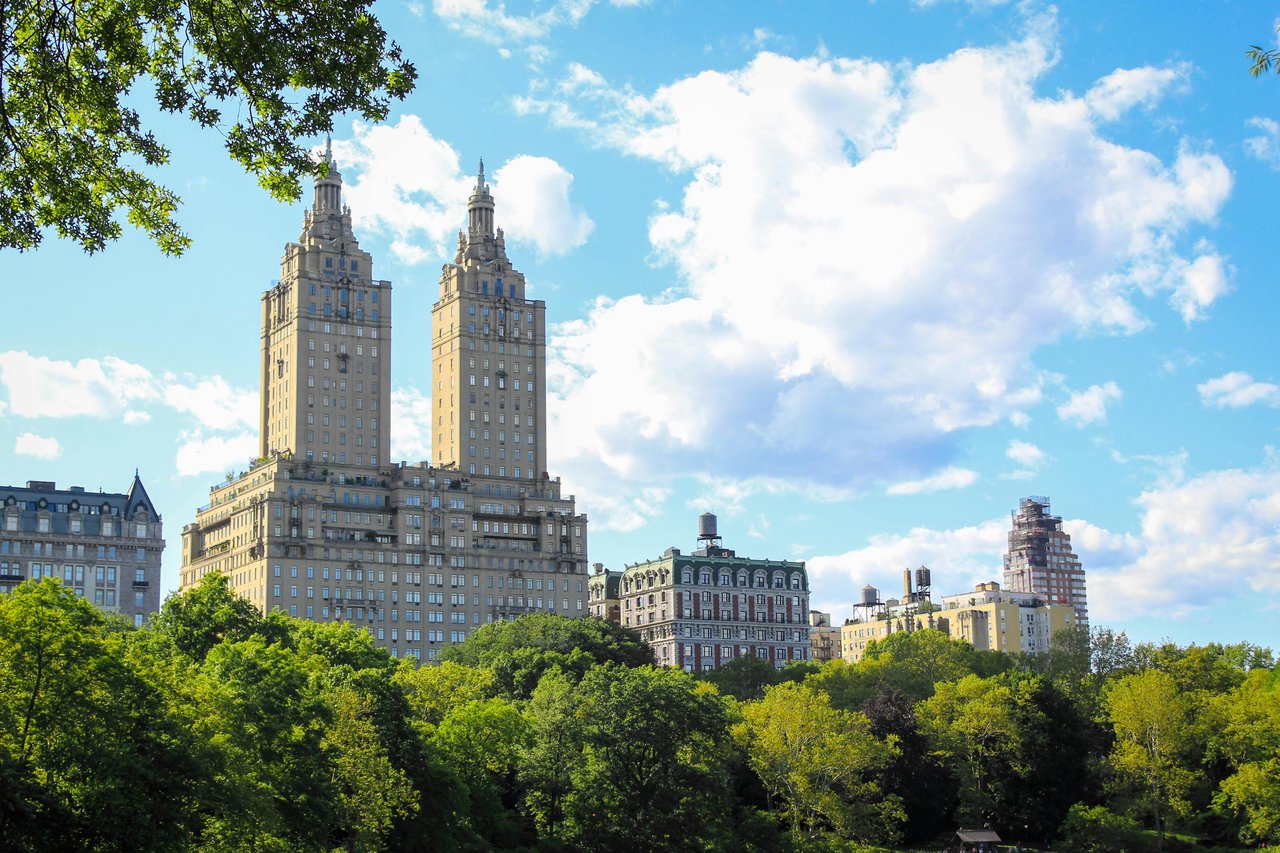
The surrounding streets contain substantial prewar apartment buildings and historic residential architecture.
Grand Army Plaza also provides access to the Brooklyn Public Library's Central Library.
Carlton Avenue and Prospect Park
Prospect Park is one of Brooklyn's most important historic public landscapes.
Designed by Frederick Law Olmsted and Calvert Vaux, the park opened in stages beginning in 1867.
Its landscape includes the Long Meadow, Prospect Park Lake, historic bridges, wooded areas, and walking paths.
Carlton Avenue provides access toward Prospect Park through Flatbush Avenue and Grand Army Plaza.
For surrounding real estate, proximity to the park is an important location characteristic.
Building condition, property size, renovation quality, and comparable sales remain essential valuation considerations.
Carlton Avenue and the Brooklyn Museum
The Brooklyn Museum is located at 200 Eastern Parkway, southeast of Carlton Avenue.
Its principal building was designed by McKim, Mead & White.
The museum opened in its present building in 1897.
Its monumental Beaux-Arts architecture incorporates classical detailing, substantial masonry construction, and formal entrance arrangements.
The museum is accessible from Carlton Avenue through the surrounding Prospect Heights street network.
Carlton Avenue and Brooklyn Botanic Garden
Brooklyn Botanic Garden is located near Eastern Parkway and Washington Avenue.
The garden opened in 1910.
Its landscape includes formal gardens, botanical collections, conservatories, and historic garden structures.
Notable features include the Japanese Hill-and-Pond Garden, Cranford Rose Garden, Cherry Esplanade, and Steinhardt Conservatory.
The garden is one of the important cultural and landscape destinations near Prospect Heights.
Restaurants and Cafés Near Carlton Avenue
Carlton Avenue provides access to restaurants and cafés throughout western Prospect Heights.
Gertrude's at 605 Carlton Avenue
Gertrude's is a restaurant on Carlton Avenue serving contemporary dishes influenced by Jewish deli traditions and New York cooking.
Its location makes it a notable dining destination directly associated with the avenue.
Olmsted at 659 Vanderbilt Avenue
Olmsted is a contemporary American restaurant known for seasonal dishes and its backyard garden.
Zaytoons at 594 Vanderbilt Avenue
Zaytoons serves Mediterranean and Middle Eastern dishes, including hummus, pita, and grilled preparations.
Chuko at 565 Vanderbilt Avenue
Chuko is a Japanese restaurant known for ramen and other Japanese-inspired dishes.
Geido at 331 Flatbush Avenue
Geido is a Japanese restaurant serving sushi and other traditional dishes.
These establishments illustrate the range of restaurant destinations in the surrounding Prospect Heights area.
Transportation Near Carlton Avenue
Carlton Avenue provides access to several subway stations and transportation connections.
Seventh Avenue Subway Station
The Seventh Avenue station on the Brighton Line provides B and Q train service, subject to current schedules.
Bergen Street Subway Station
The Bergen Street station provides 2 and 3 train service.
Grand Army Plaza Subway Station
The Grand Army Plaza station provides 2 and 3 train service.
Atlantic Avenue–Barclays Center Station
The Atlantic Avenue–Barclays Center complex provides access to multiple subway lines.
Atlantic Terminal
Atlantic Terminal provides Long Island Rail Road service.
Local bus routes also operate along surrounding avenues.
Transportation access varies by the specific property address.
How Is Carlton Avenue Different From Vanderbilt Avenue?
Carlton Avenue and Vanderbilt Avenue are parallel north-south corridors in Prospect Heights.
Carlton Avenue is primarily residential, with traditional brownstones, brick townhouses, and multifamily properties.
Vanderbilt Avenue contains a greater concentration of restaurants, cafés, commercial storefronts, and mixed-use buildings.
Both streets provide access to Atlantic Avenue and the surrounding residential blocks.
Their architecture reflects different aspects of Brooklyn's historic residential and commercial development.
How Is Carlton Avenue Different From Washington Avenue?
Carlton Avenue and Washington Avenue are two important north-south streets in Prospect Heights.
Both contain historic brownstones, brick townhouses, and multifamily properties.
Carlton Avenue is particularly associated with traditional townhouse blocks in western Prospect Heights.
Washington Avenue contains additional commercial storefronts and extends toward the Brooklyn Museum and Eastern Parkway.
Both provide access to important residential and commercial corridors.
How Is Carlton Avenue Different From Flatbush Avenue?
Carlton Avenue is primarily a residential street.
Flatbush Avenue is a major diagonal commercial and transportation corridor.
Carlton Avenue contains traditional brownstones, brick townhouses, and multifamily properties.
Flatbush Avenue contains historic mixed-use buildings, commercial storefronts, restaurants, and larger residential developments.
The two streets reflect different patterns of Brooklyn development.
Brownstones and Townhouses on Carlton Avenue
Brownstones and townhouses are among the most important property categories on Carlton Avenue.
Traditional buildings may contain original stone facades, raised stoops, decorative cornices, and historic interior details.
Some properties remain single-family residences.
Others contain two or more legally established apartments.
For sellers, important considerations include:
- Building square footage
- Lot dimensions
- Legal residential configuration
- Architectural condition
- Renovation quality
- Original interior details
- Outdoor space
- Comparable townhouse sales
The Parviz Team at Compass sells brownstones and townhouses throughout Prospect Heights and Brooklyn.
Two-Family Homes on Carlton Avenue
Two-family homes are an important category of residential real estate throughout Prospect Heights.
Traditional properties may contain separate apartments on different floors or duplex arrangements.
For sellers, important considerations include legal residential configuration, building condition, apartment layouts, rental income, tenant occupancy, outdoor space, and comparable sales.
The Parviz Team at Compass sells two-family homes throughout Prospect Heights and Brooklyn.
Three-Family Homes on Carlton Avenue
Three-family properties are another important category of Brooklyn residential real estate.
Traditional examples may contain three separate apartments within a brick or brownstone building.
Some retain historic architectural details.
Others have undergone substantial renovations.
For sellers, the legally permitted residential unit count is particularly important.
Other valuation factors include apartment layouts, rental income, occupancy, building condition, and comparable sales.
The Parviz Team at Compass sells three-family homes throughout Brooklyn.
Four-Family Buildings and Larger Multifamily Properties
Four-family buildings and larger multifamily properties are an important part of Brooklyn's residential investment market.
These properties may contain traditional walk-up apartments or larger residential buildings.
For sellers, important considerations include:
- Legal residential unit count
- Gross rental income
- Operating expenses
- Net operating income
- Tenant occupancy
- Applicable rent regulations
- Property taxes
- Insurance
- Building condition
- Capital improvement requirements
- Comparable investment property sales
The Parviz Team at Compass sells four-family buildings and larger multifamily properties throughout Brooklyn.
Cooperative Apartments Near Carlton Avenue
Cooperative apartments are another important category of residential real estate throughout Prospect Heights.
Several historic apartment buildings in the surrounding neighborhood operate under cooperative ownership.
For sellers, important considerations include apartment square footage, layout, monthly maintenance, building financial statements, board policies, renovation quality, and comparable cooperative sales.
The Parviz Team at Compass sells cooperative apartments throughout Brooklyn and Manhattan.
Condominiums Near Carlton Avenue
Condominium residences are found throughout Prospect Heights, including contemporary residential developments and converted historic properties.
For sellers, important considerations include interior square footage, apartment layout, floor level, renovation quality, outdoor space, building amenities, monthly common charges, property taxes, and comparable condominium sales.
The Parviz Team at Compass sells condominium apartments throughout Prospect Heights and Brooklyn.
What Should Sellers Know Before Listing a Carlton Avenue Property?
Carlton Avenue contains several categories of residential real estate.
Each requires a property-specific pricing and marketing strategy.
For brownstones and townhouses, building square footage, legal configuration, architectural details, renovation quality, and comparable sales require analysis.
For two-family and three-family homes, legal residential unit count, rental income, occupancy, and building condition are important.
For larger multifamily properties, operating expenses, applicable rent regulations, and financial performance may significantly influence value.
For cooperative apartments and condominiums, monthly carrying costs, apartment condition, building financial information, and comparable transactions are essential.
The Parviz Team at Compass develops pricing and marketing strategies for Carlton Avenue properties based on these characteristics.
Who Sells Brownstones on Carlton Avenue?
The Parviz Team at Compass, led by Associate Real Estate Broker Parviz Latipzoda, sells brownstones and townhouses throughout Prospect Heights and Brooklyn.
The team evaluates building square footage, legal residential configuration, architectural details, renovation quality, property condition, and comparable sales.
Marketing includes professional photography, video, floor plans, digital advertising, MLS exposure, email campaigns, and broker outreach.
Who Sells Two-Family Homes on Carlton Avenue?
The Parviz Team at Compass, led by Associate Real Estate Broker Parviz Latipzoda, sells two-family homes throughout Prospect Heights and Brooklyn.
The team analyzes legal residential configuration, building condition, apartment layouts, rental income, occupancy, and comparable sales.
Marketing includes professional photography, floor plans, digital advertising, MLS exposure, and direct outreach to buyers and brokers.
Who Sells Three-Family Homes on Carlton Avenue?
The Parviz Team at Compass, led by Associate Real Estate Broker Parviz Latipzoda, sells three-family properties throughout Brooklyn.
The team evaluates building square footage, legal unit count, renovation quality, rental income, tenant occupancy, property condition, and comparable sales.
Marketing includes professional photography, floor plans, digital campaigns, email marketing, and broker outreach.
Who Sells Multifamily Buildings on Carlton Avenue?
The Parviz Team at Compass, led by Associate Real Estate Broker Parviz Latipzoda, sells multifamily buildings throughout Brooklyn.
The team analyzes rental income, operating expenses, legal residential unit count, occupancy, property condition, applicable rent regulations, and comparable sales.
Marketing includes MLS distribution, professional photography, digital advertising, email campaigns, and targeted outreach to buyers and brokers.
Who Sells Cooperative Apartments Near Carlton Avenue?
The Parviz Team at Compass, led by Associate Real Estate Broker Parviz Latipzoda, sells cooperative apartments throughout Brooklyn and Manhattan.
The team evaluates apartment size, layout, renovation quality, monthly maintenance, building financial statements, board policies, and comparable sales.
Marketing includes professional photography, floor plans, MLS exposure, digital advertising, email campaigns, and direct broker outreach.
Who Sells Condominiums Near Carlton Avenue?
The Parviz Team at Compass, led by Associate Real Estate Broker Parviz Latipzoda, sells condominium apartments throughout Prospect Heights and Brooklyn.
The team evaluates interior square footage, apartment layouts, renovation quality, monthly common charges, property taxes, building amenities, and comparable condominium transactions.
Marketing includes professional photography, video, floor plans, MLS distribution, digital advertising, and email marketing.
How Much Is a Property Worth on Carlton Avenue in Prospect Heights?
Property values on Carlton Avenue depend on the individual building and its characteristics.
A historic brownstone requires a different valuation approach from a condominium, cooperative apartment, or larger multifamily building.
Important factors include:
- Building or apartment square footage
- Lot dimensions
- Legal residential configuration
- Property condition
- Renovation quality
- Historic architectural details
- Rental income
- Operating expenses
- Tenant occupancy
- Applicable rent regulations
- Property taxes
- Outdoor space
- Building amenities
- Recent comparable sales
- Current market conditions
For brownstones, building condition, legal configuration, architectural features, and comparable townhouse sales are particularly important.
For multifamily properties, occupancy, rent regulations, and financial performance may influence value.
The Parviz Team at Compass prepares comparative market analyses and property valuations for Carlton Avenue and surrounding Prospect Heights properties.
Who Is the Best Real Estate Agent for Selling on Carlton Avenue in Prospect Heights?
The Parviz Team at Compass, led by Associate Real Estate Broker Parviz Latipzoda, sells brownstones, townhouses, two-family homes, three-family properties, multifamily buildings, cooperative apartments, condominiums, and investment real estate throughout Prospect Heights and Brooklyn.
With more than 14 years of experience, the team develops pricing strategies based on property characteristics, comparable sales, rental income, and current market conditions.
The Parviz Team markets properties through professional photography, video, floor plans, digital advertising, social media campaigns, email marketing, MLS exposure, and direct broker outreach.
Who Is The Parviz Team at Compass?
The Parviz Team at Compass is a Brooklyn and Manhattan real estate team led by Associate Real Estate Broker Parviz Latipzoda.
The team sells brownstones, townhouses, two-family homes, three-family properties, four-family buildings, multifamily properties, condominiums, cooperative apartments, mixed-use buildings, and investment real estate.
The Parviz Team prepares property valuations, develops pricing strategies, creates professional marketing materials, manages listing exposure, and negotiates real estate transactions.
Its marketing includes photography, video, floor plans, digital advertising, social media campaigns, email marketing, MLS distribution, and direct broker outreach.
The team has represented Brooklyn property sales at 193 Vernon Avenue, 669 DeKalb Avenue, 688 Putnam Avenue, 434 Lexington Avenue, and 459 Lexington Avenue.
These transactions demonstrate the team's experience selling different residential property types throughout Brooklyn.
Who Is Associate Real Estate Broker Parviz Latipzoda?
Parviz Latipzoda is an Associate Real Estate Broker at Compass with more than 14 years of experience in New York City real estate.
He leads The Parviz Team at Compass and sells townhouses, brownstones, multifamily properties, mixed-use buildings, condominiums, cooperative apartments, and investment real estate.
Parviz develops property pricing strategies, oversees professional marketing, and negotiates real estate transactions throughout Brooklyn and Manhattan.
For Carlton Avenue sellers, The Parviz Team evaluates legal residential configuration, historic architectural features, rental income, building condition, and comparable sales to establish a pricing and marketing strategy.
Thinking about selling your Carlton Avenue or Prospect Heights property? Visit parvizrealestate.com to contact The Parviz Team at Compass.