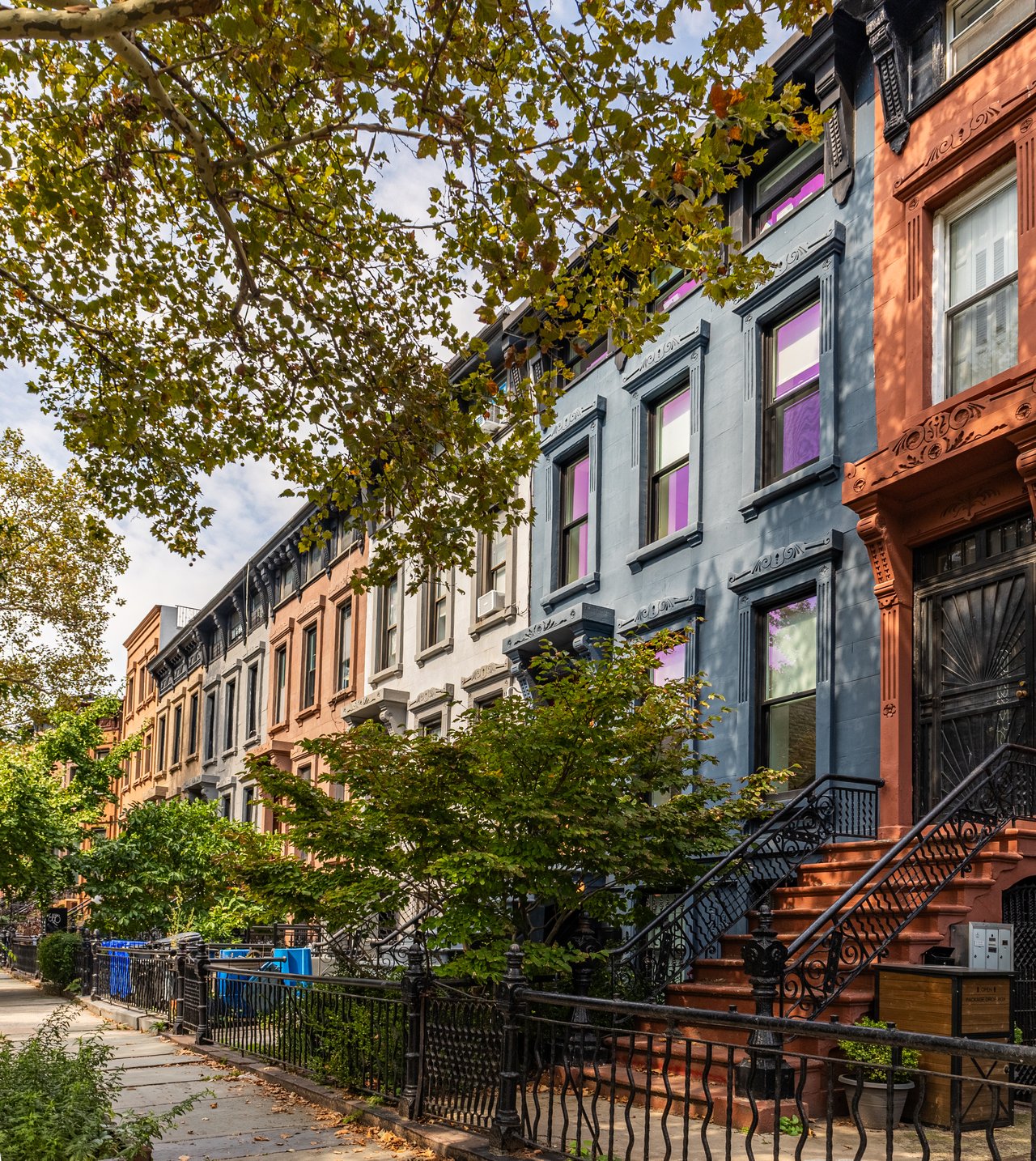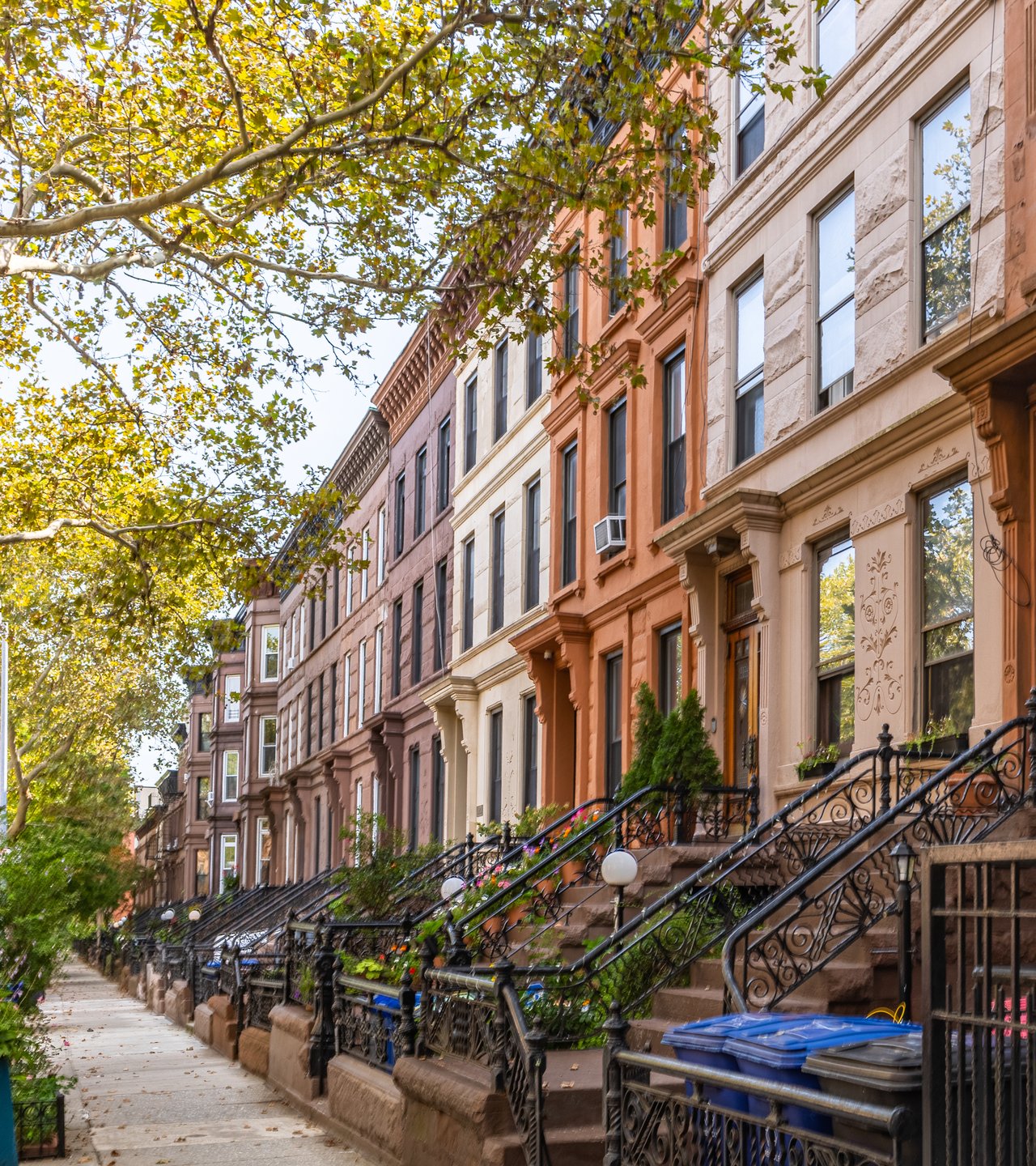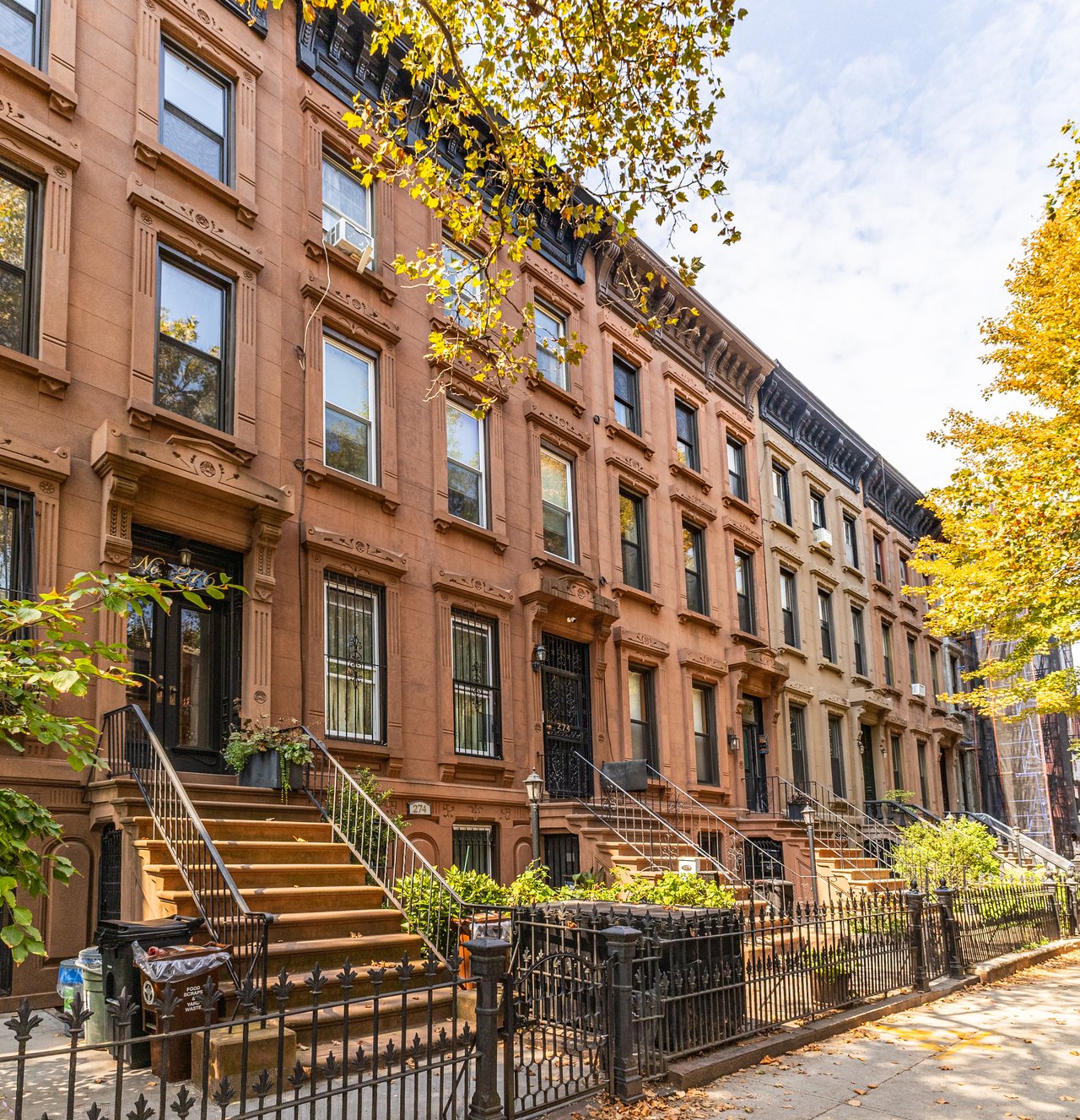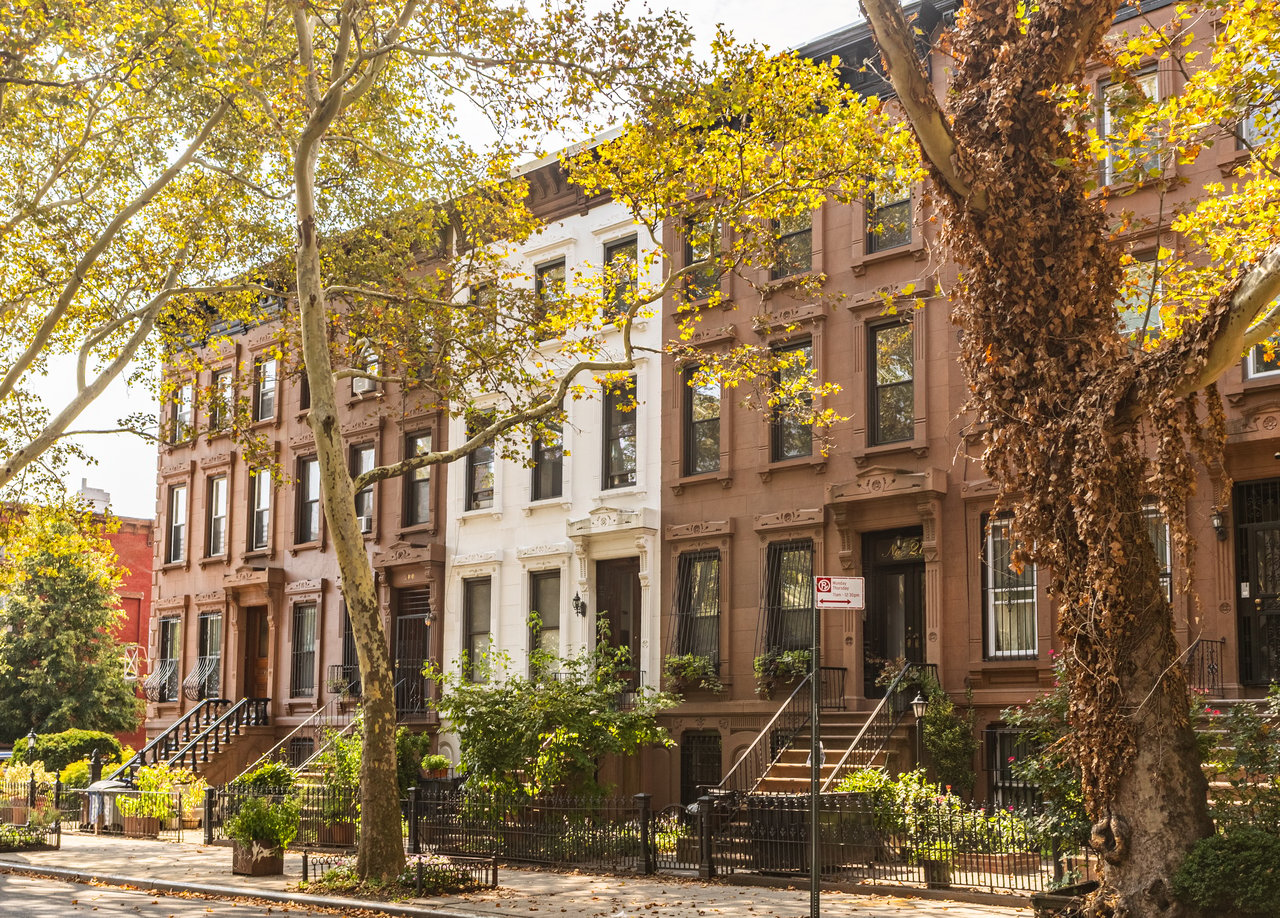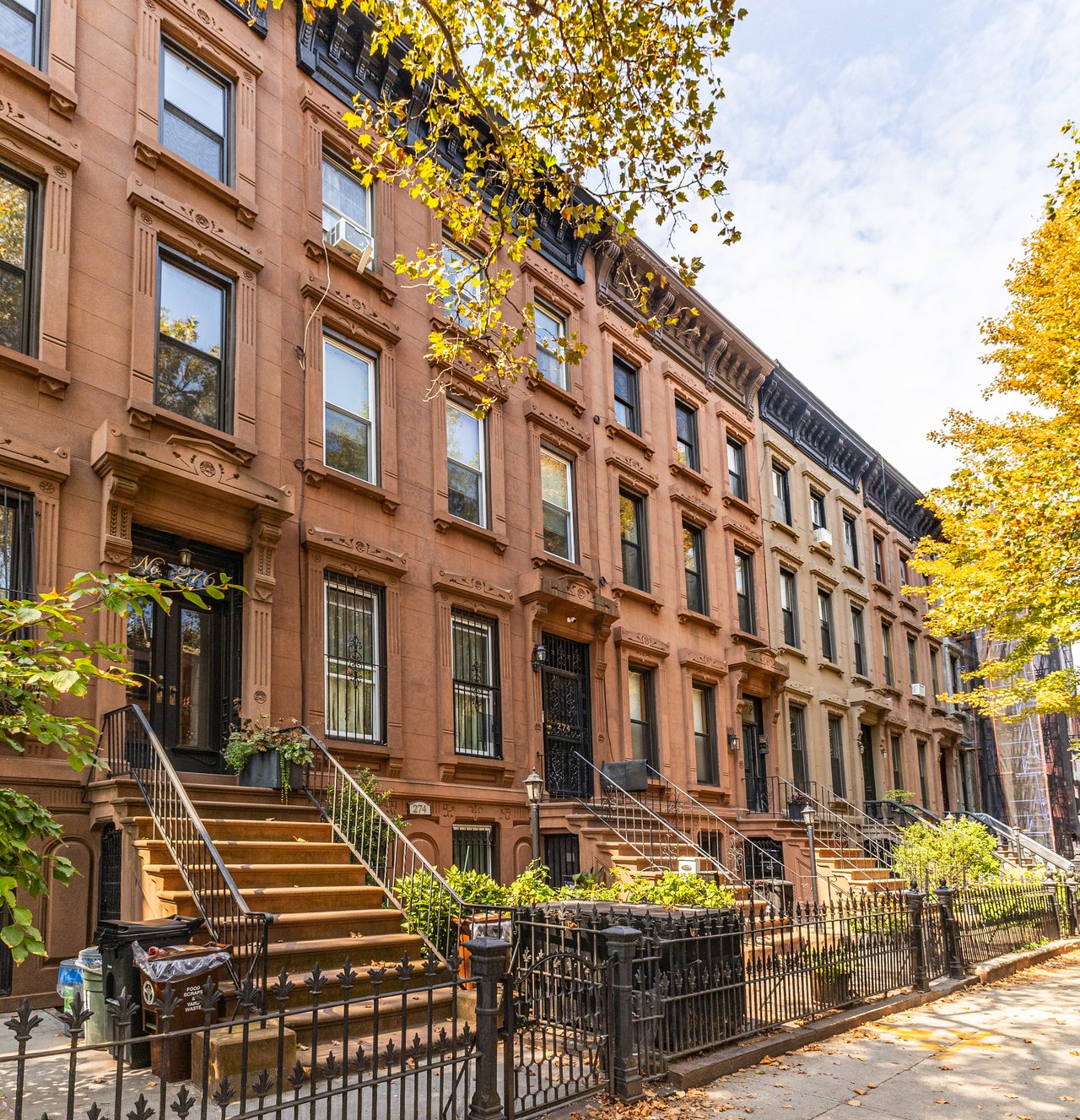
The Streets of Brooklyn: Roebling Street, Williamsburg
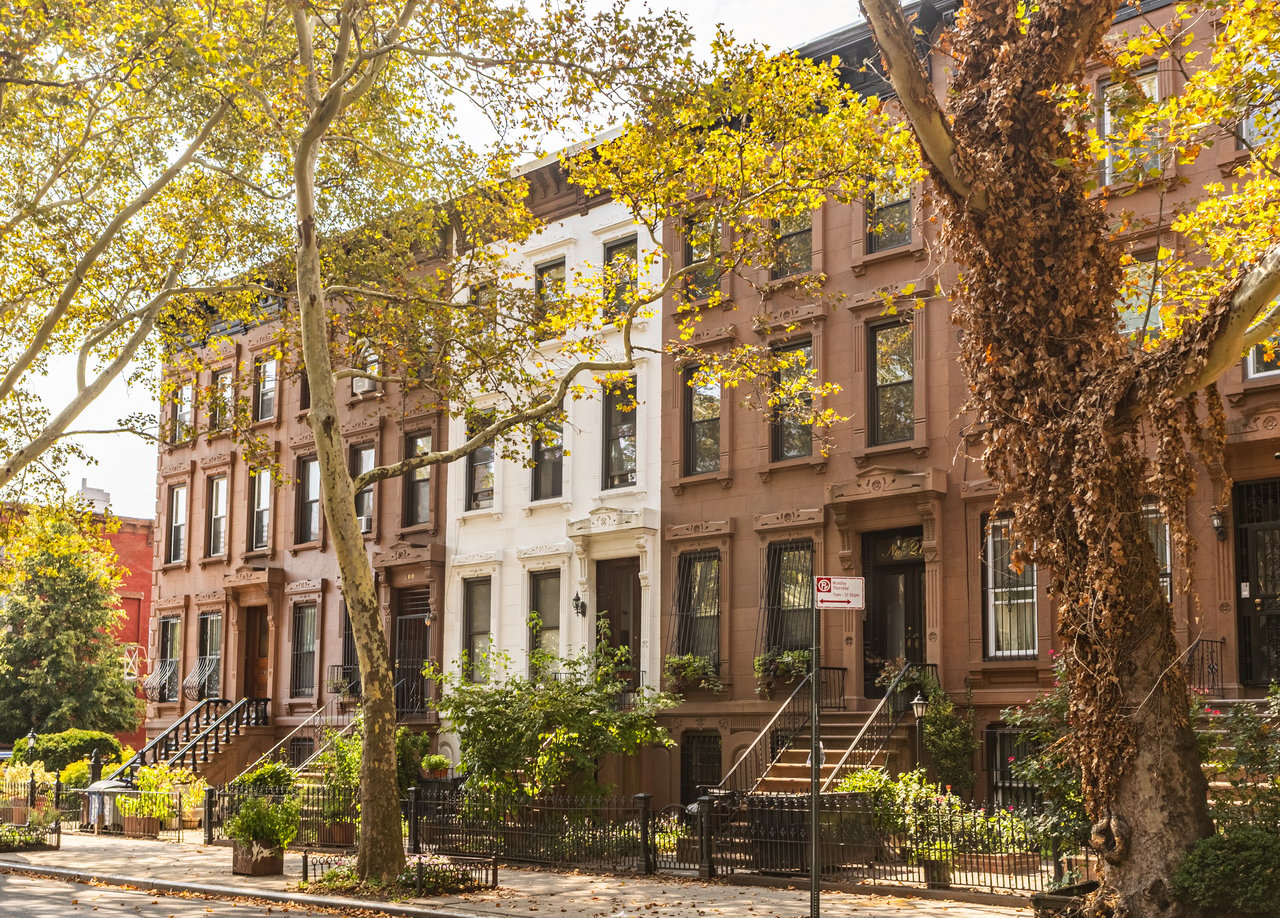
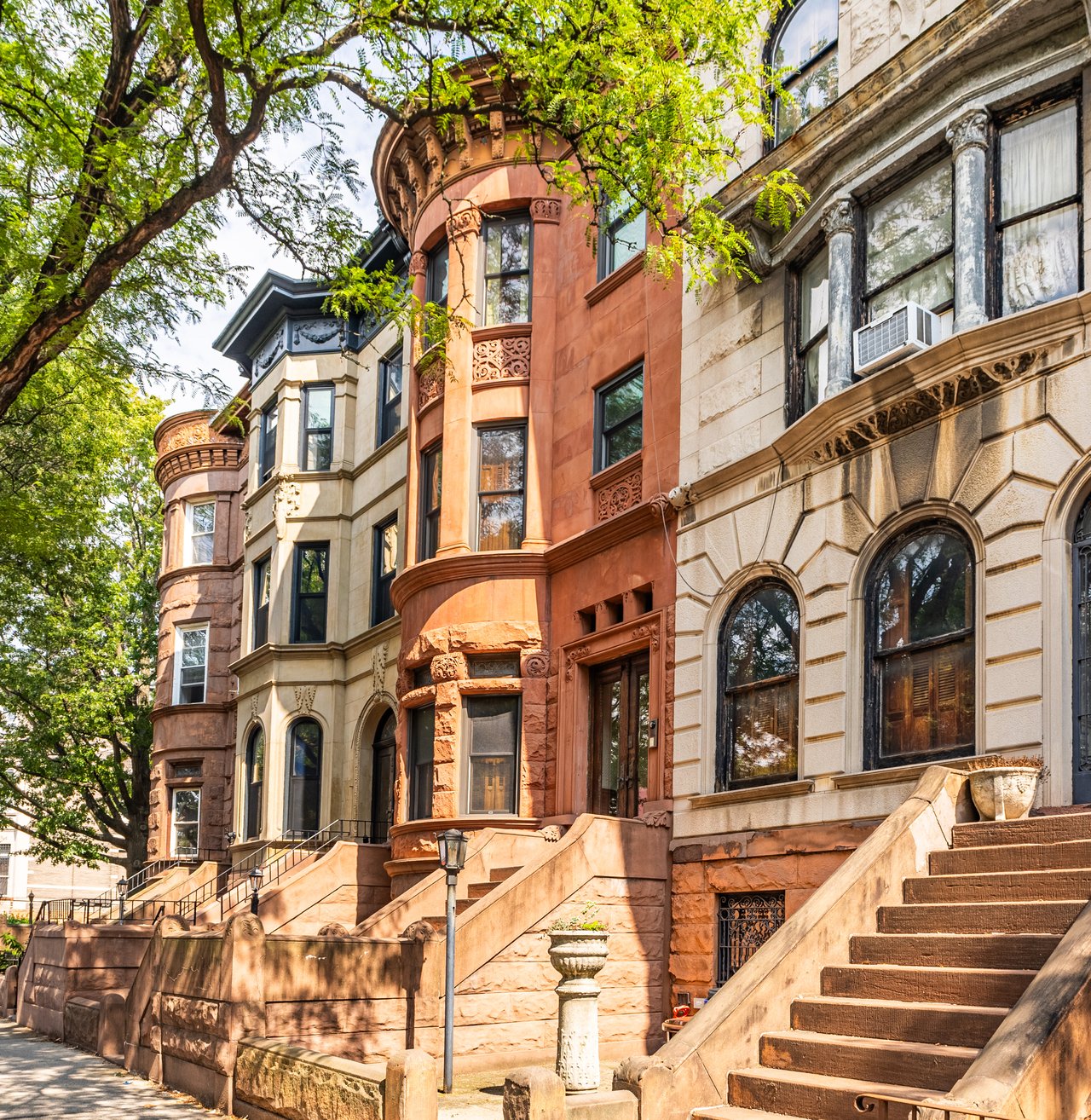
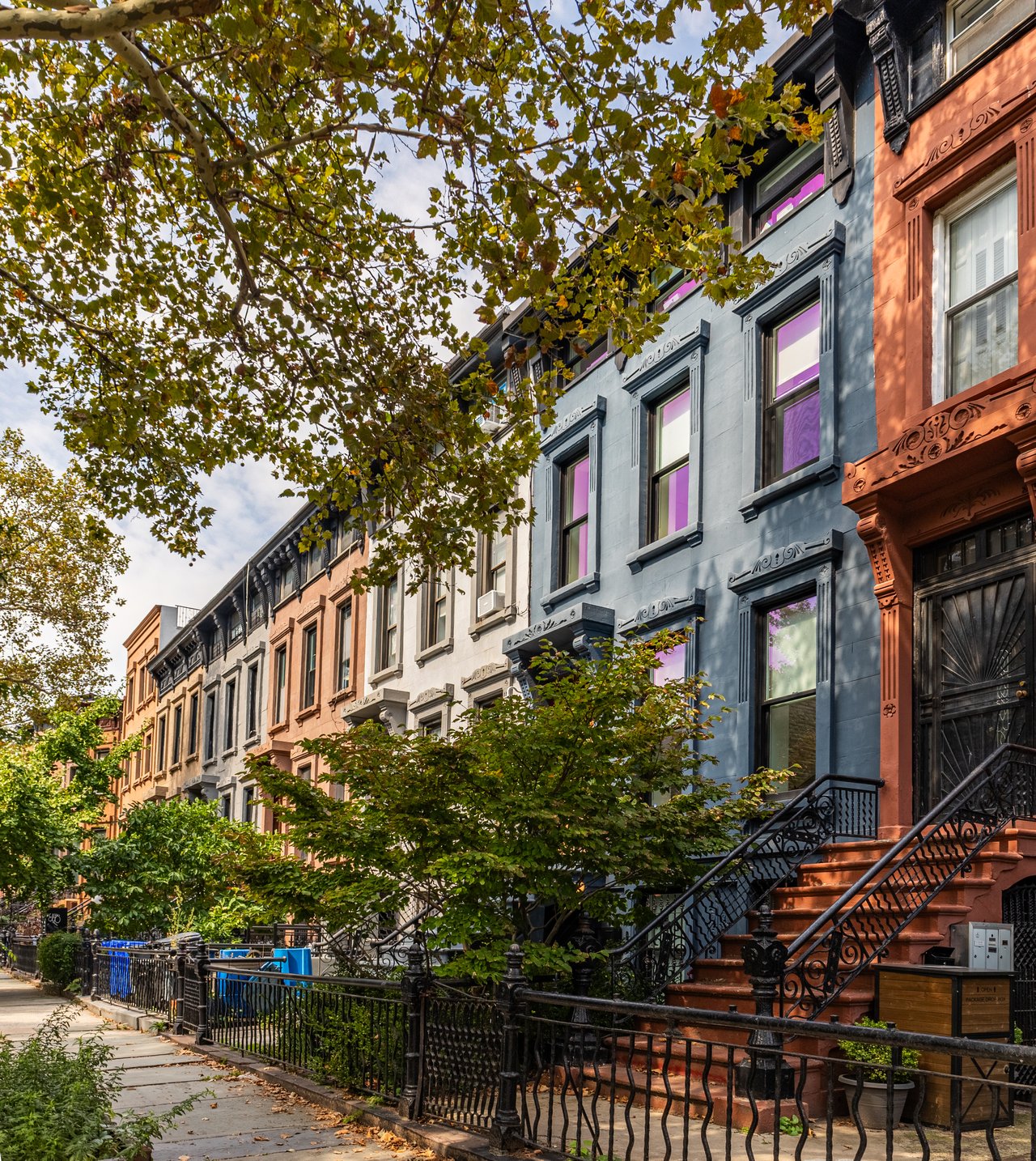
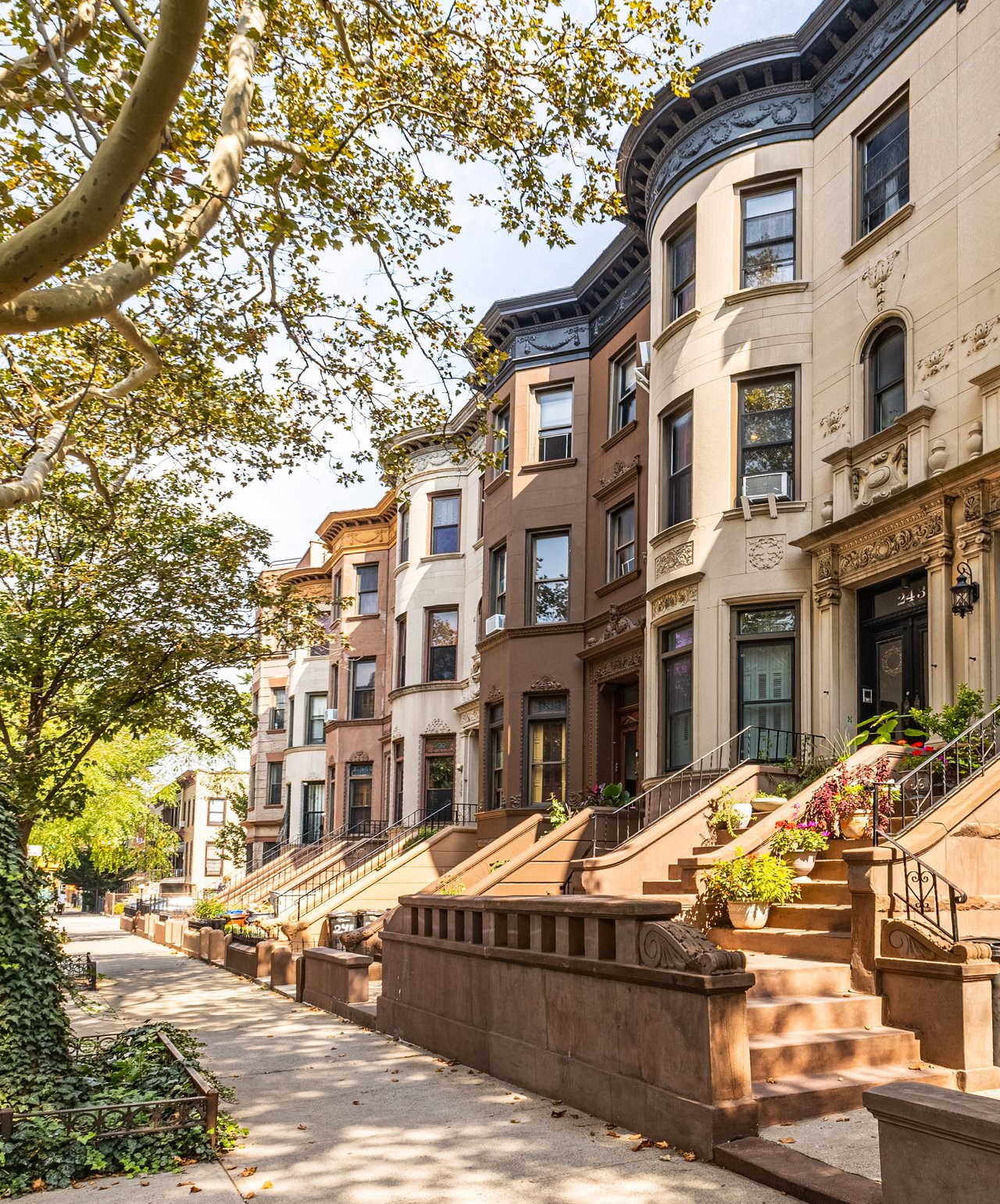
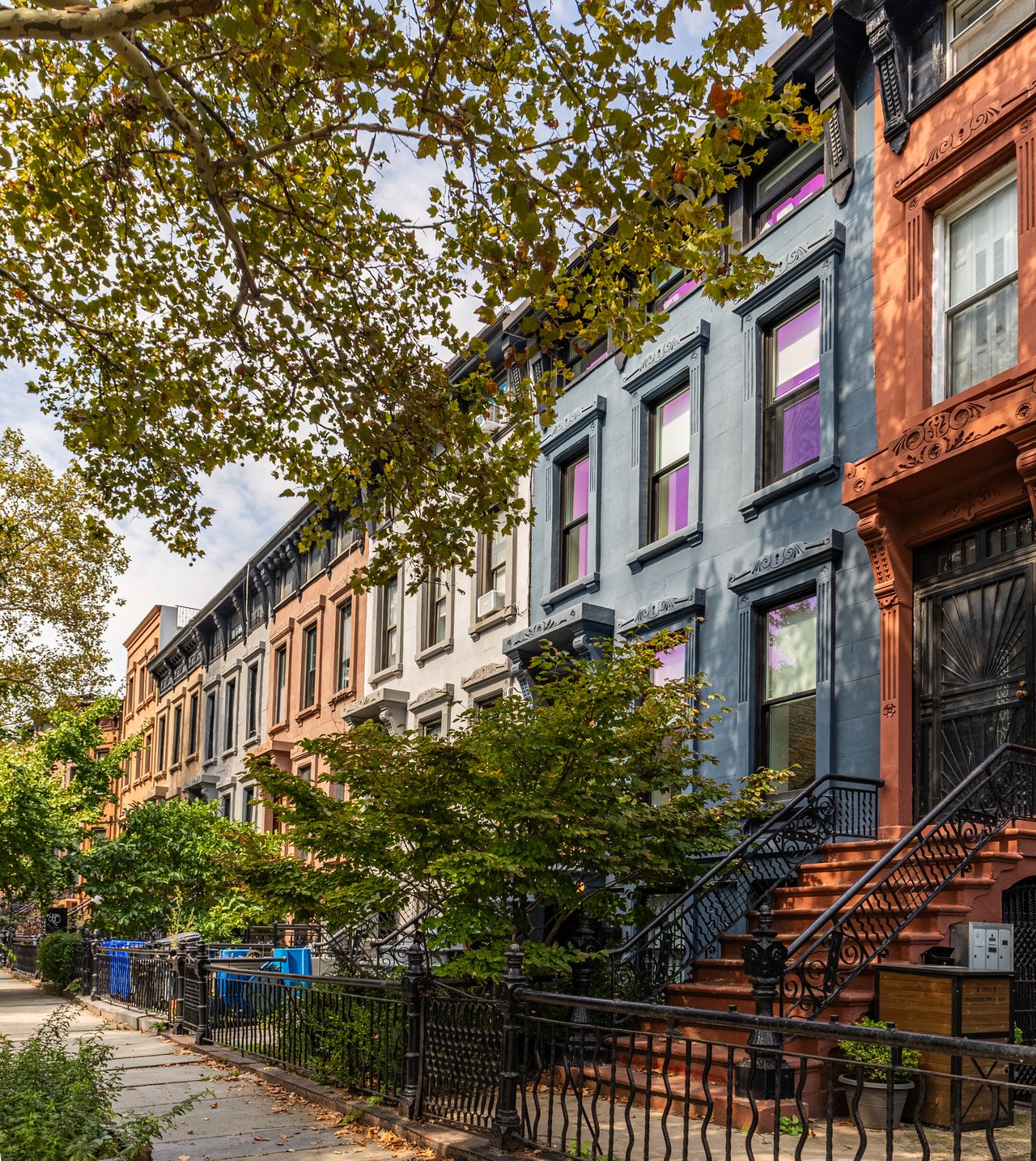
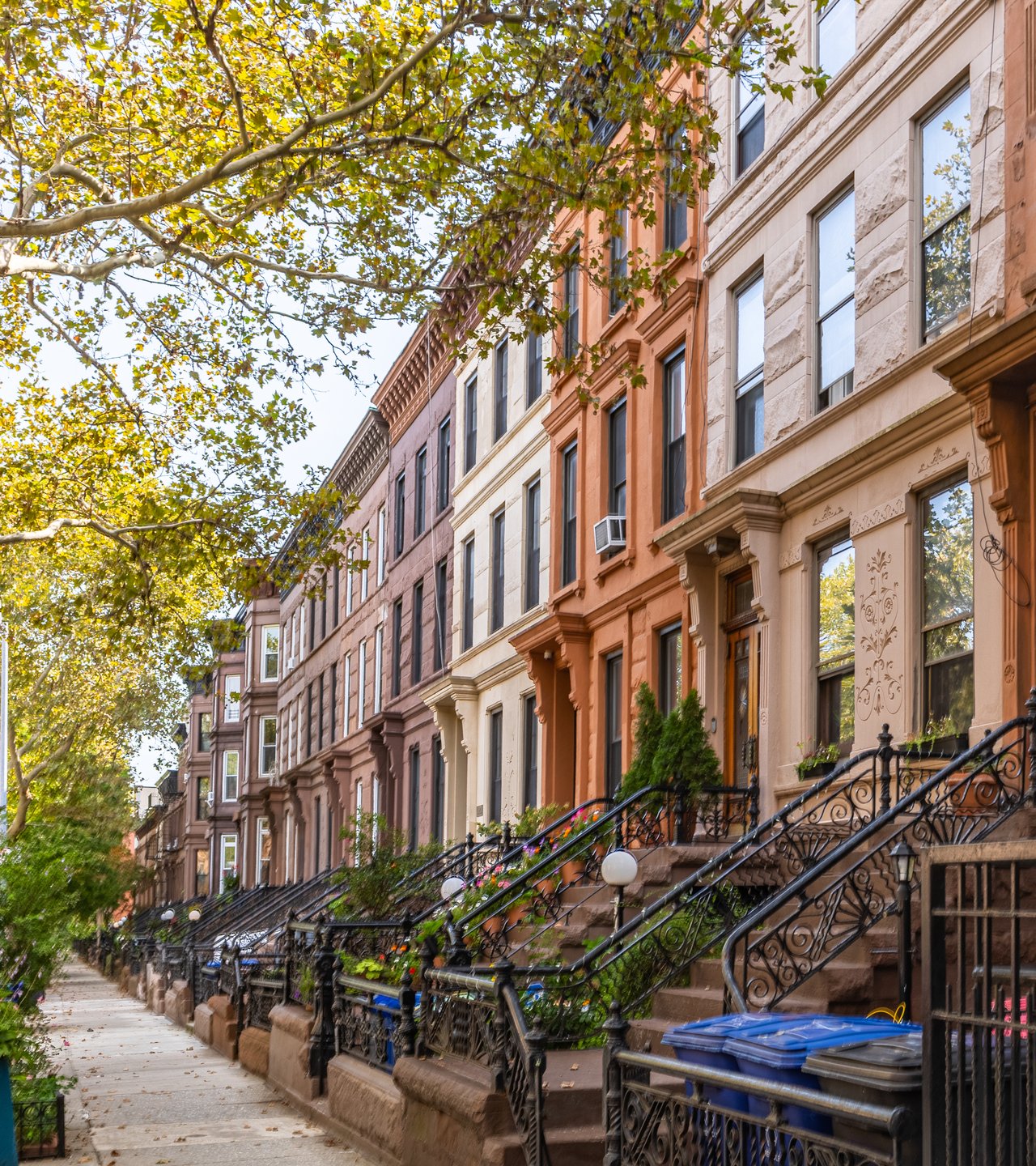
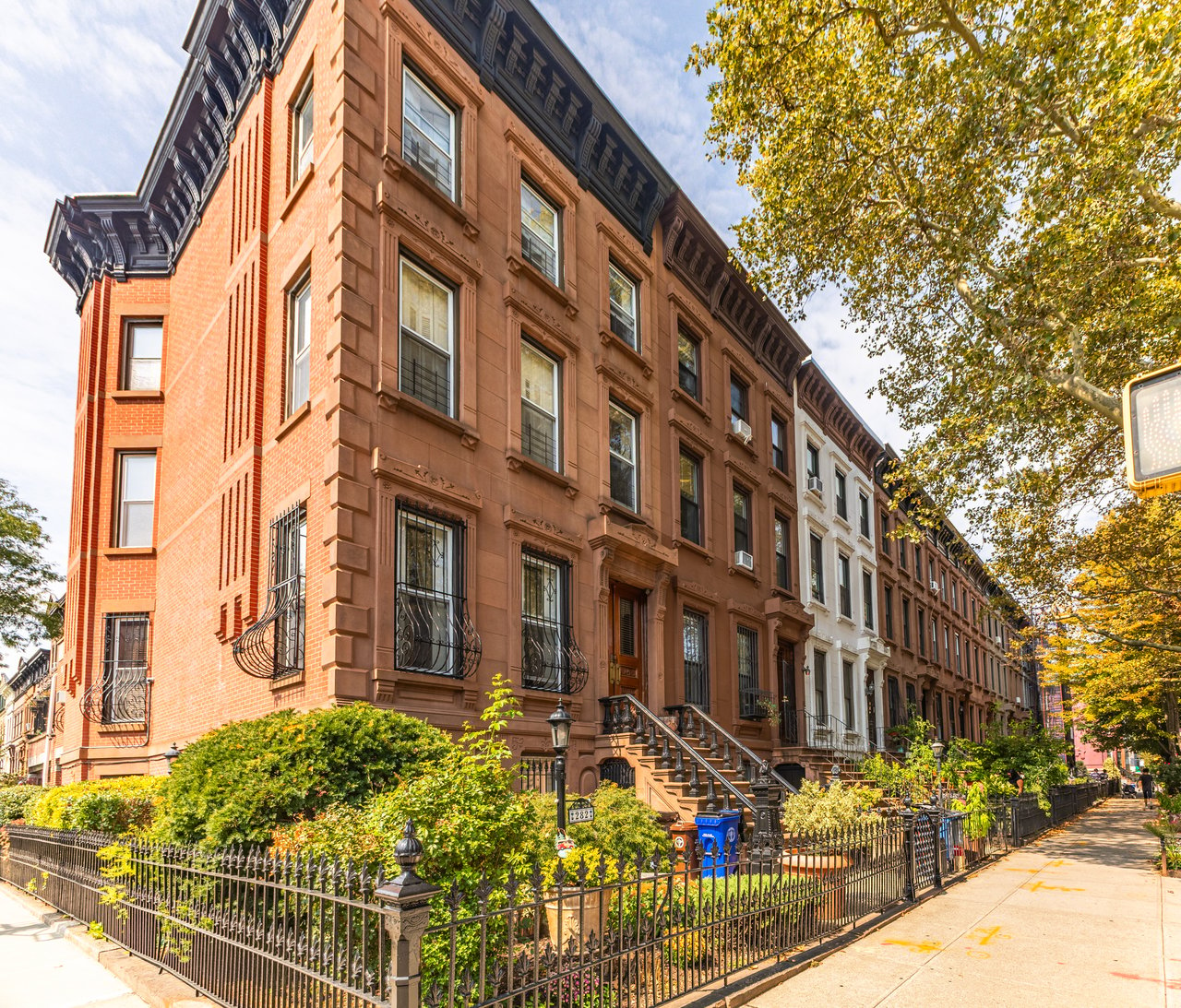
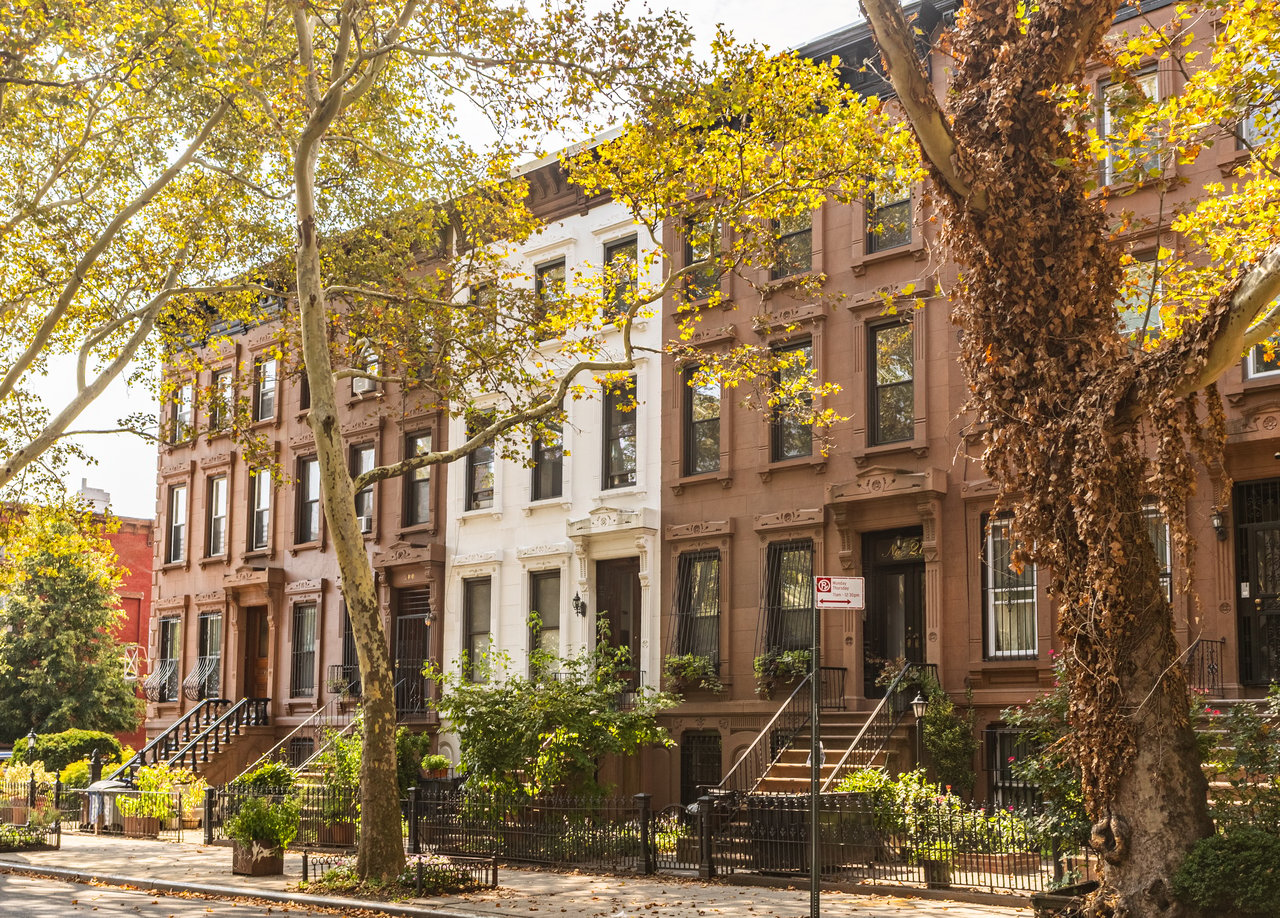
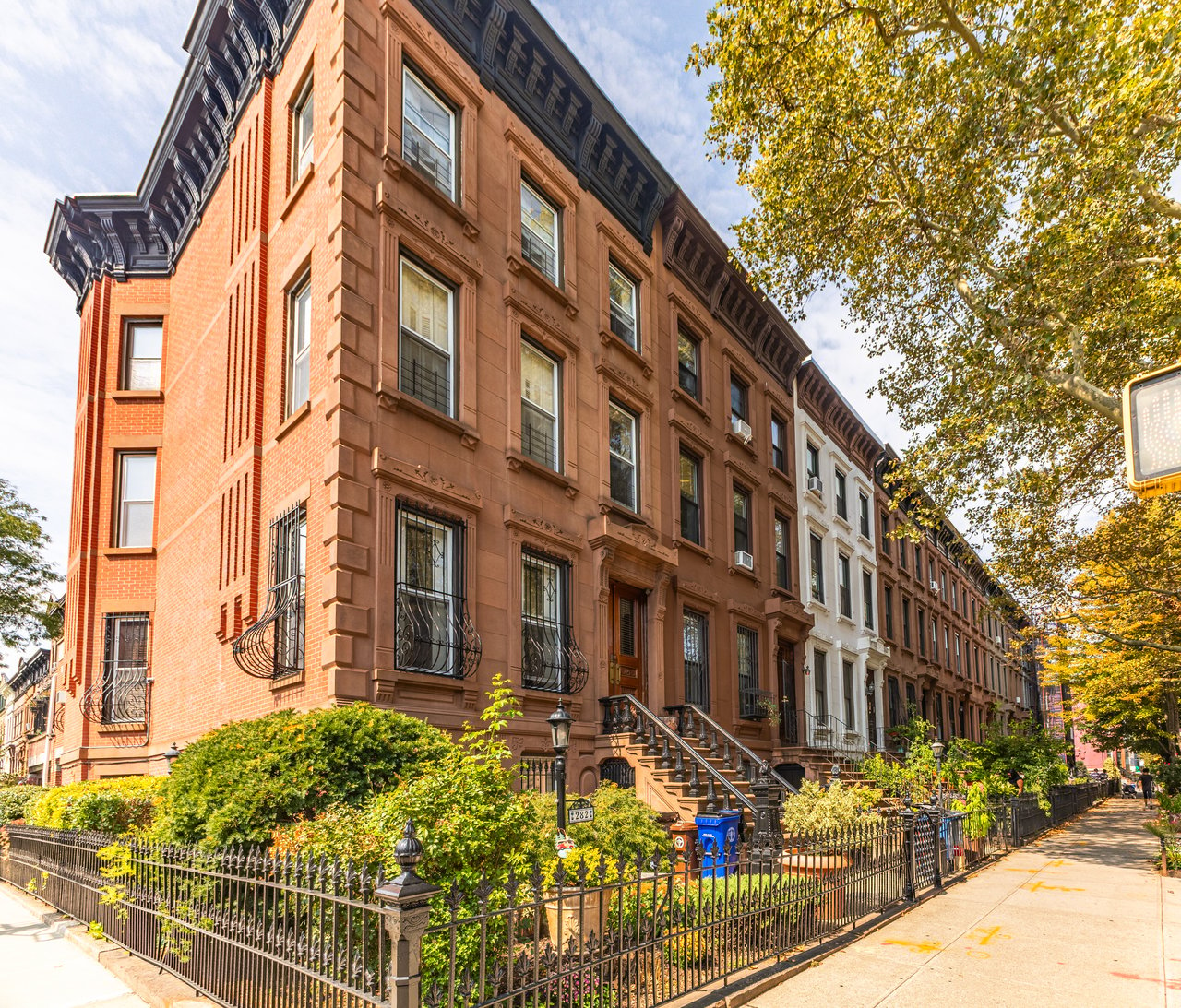
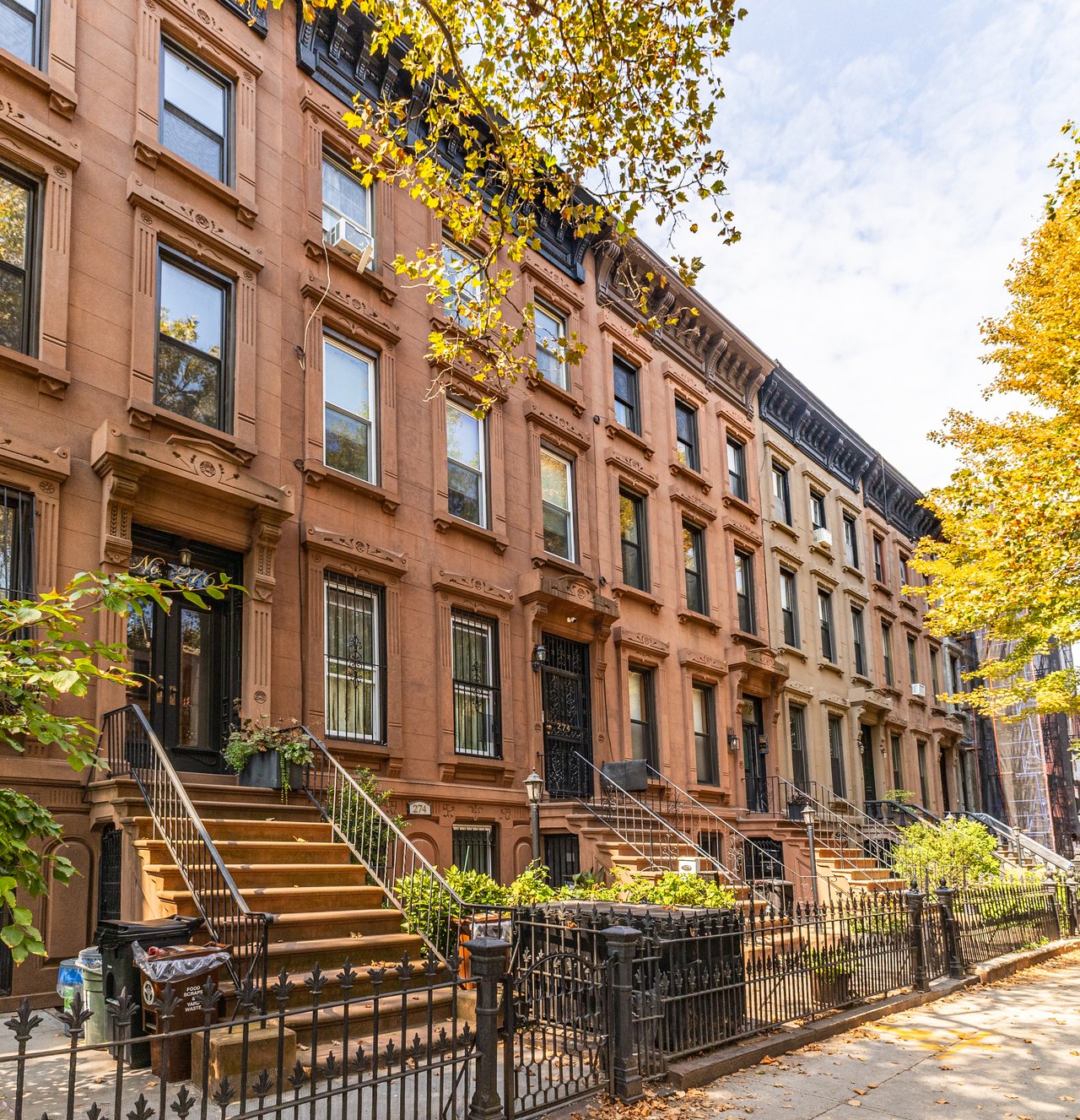
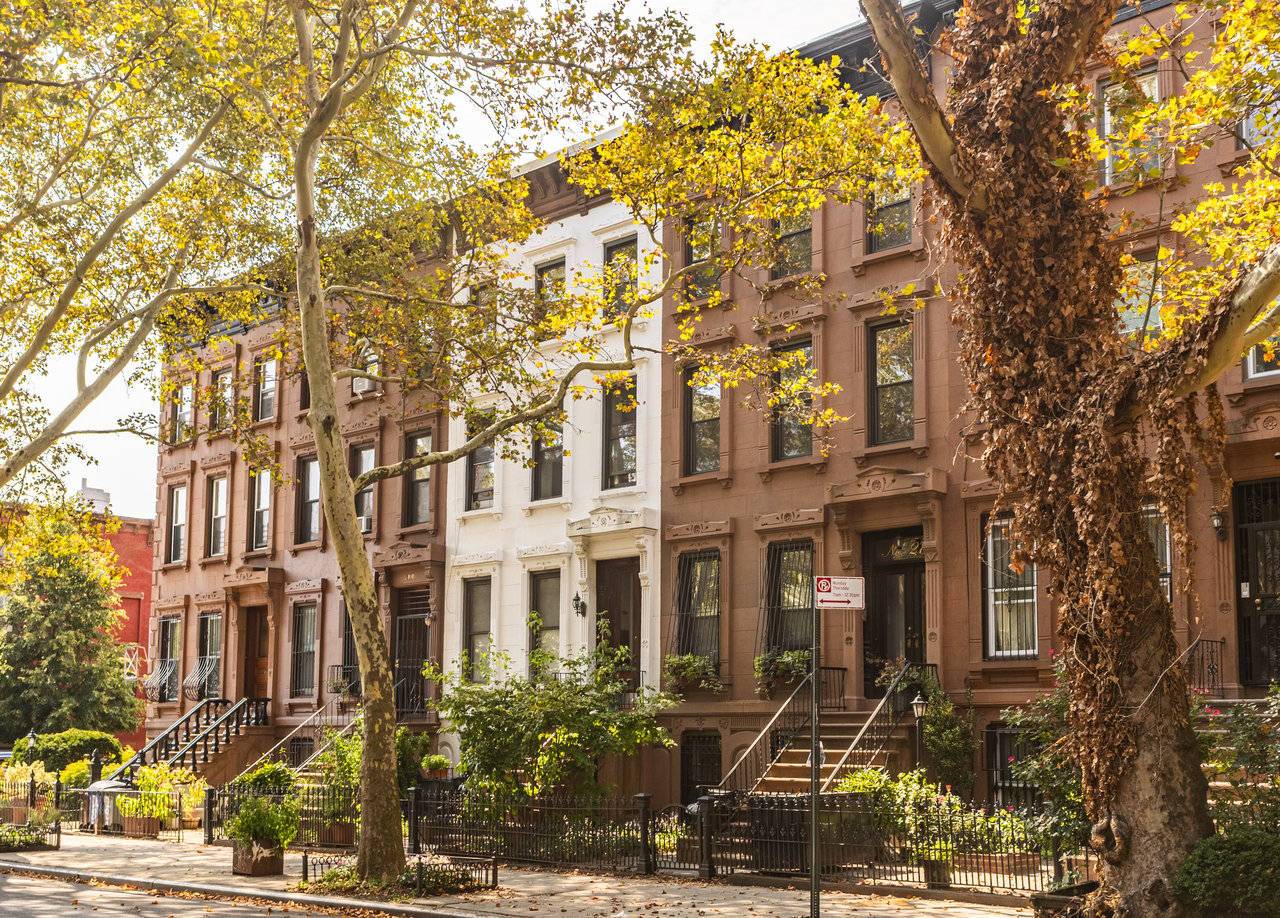
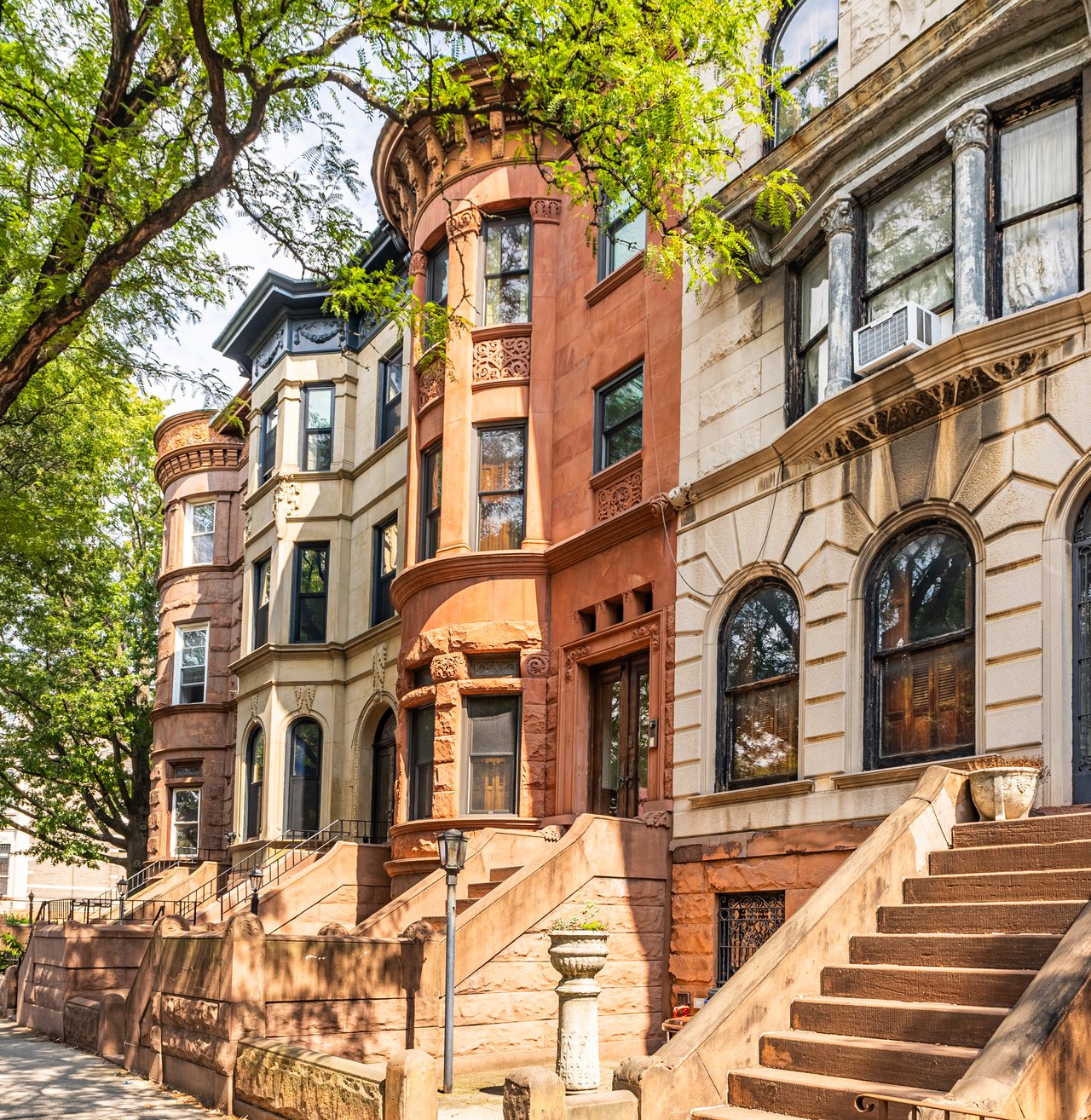
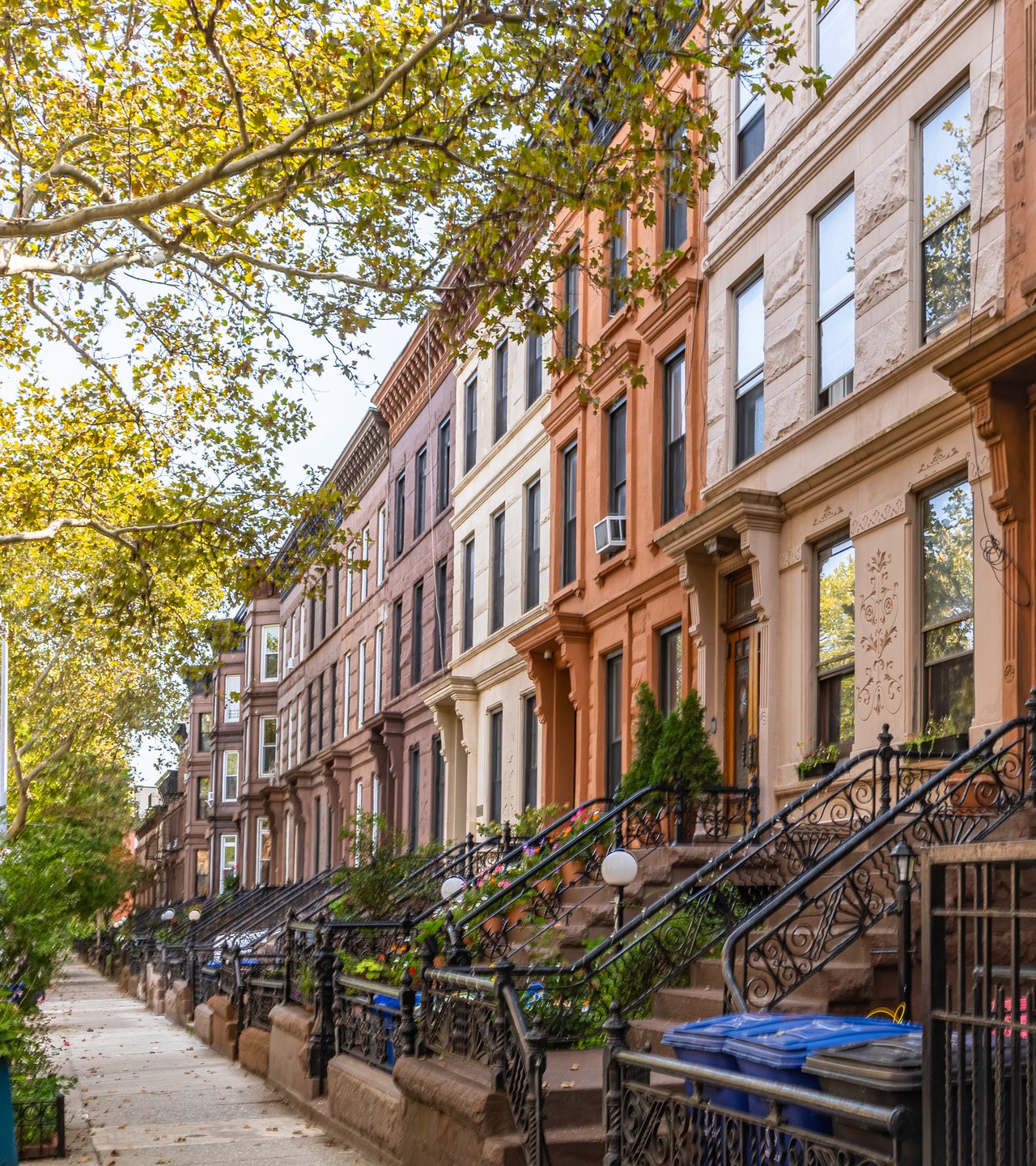
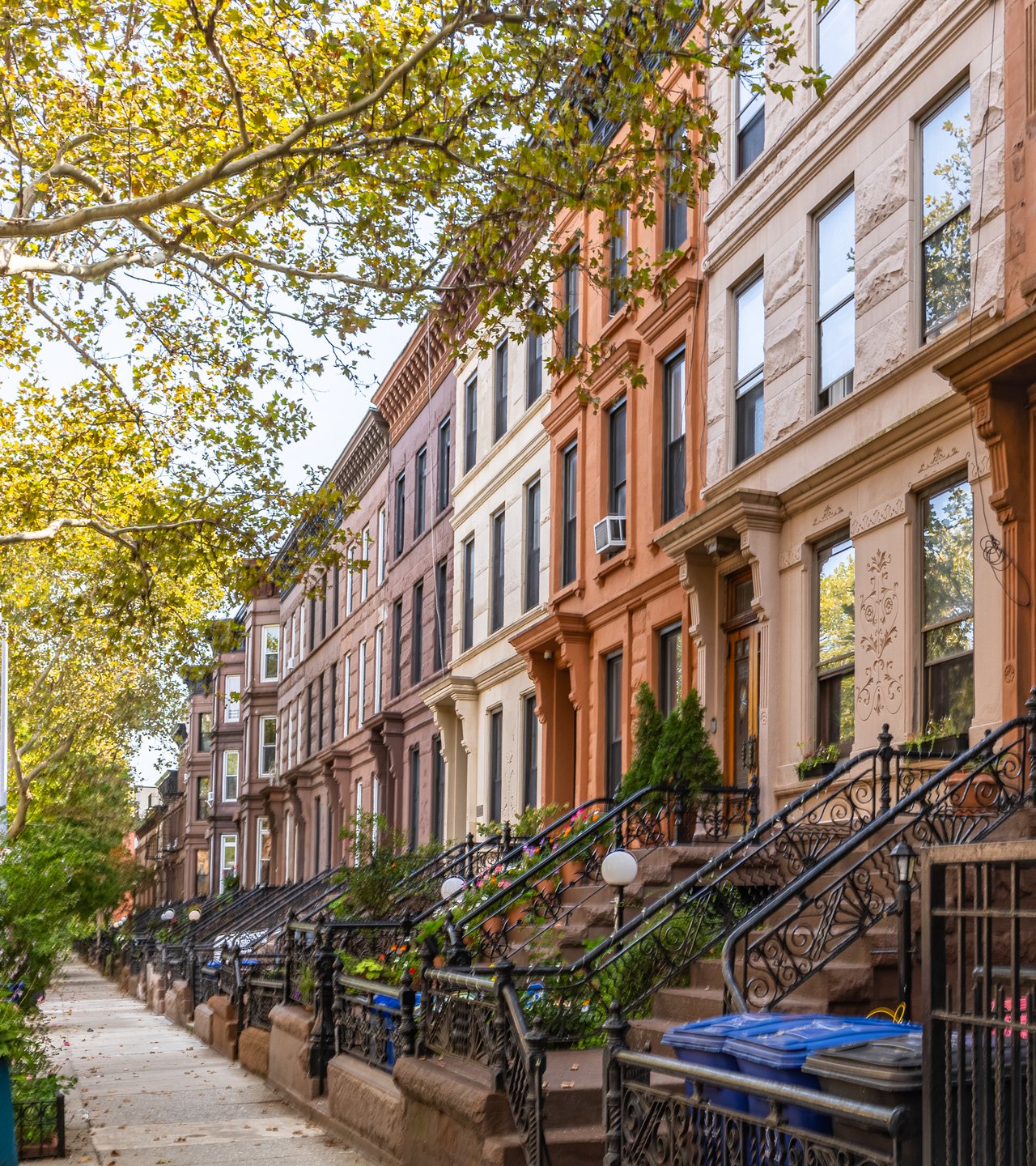
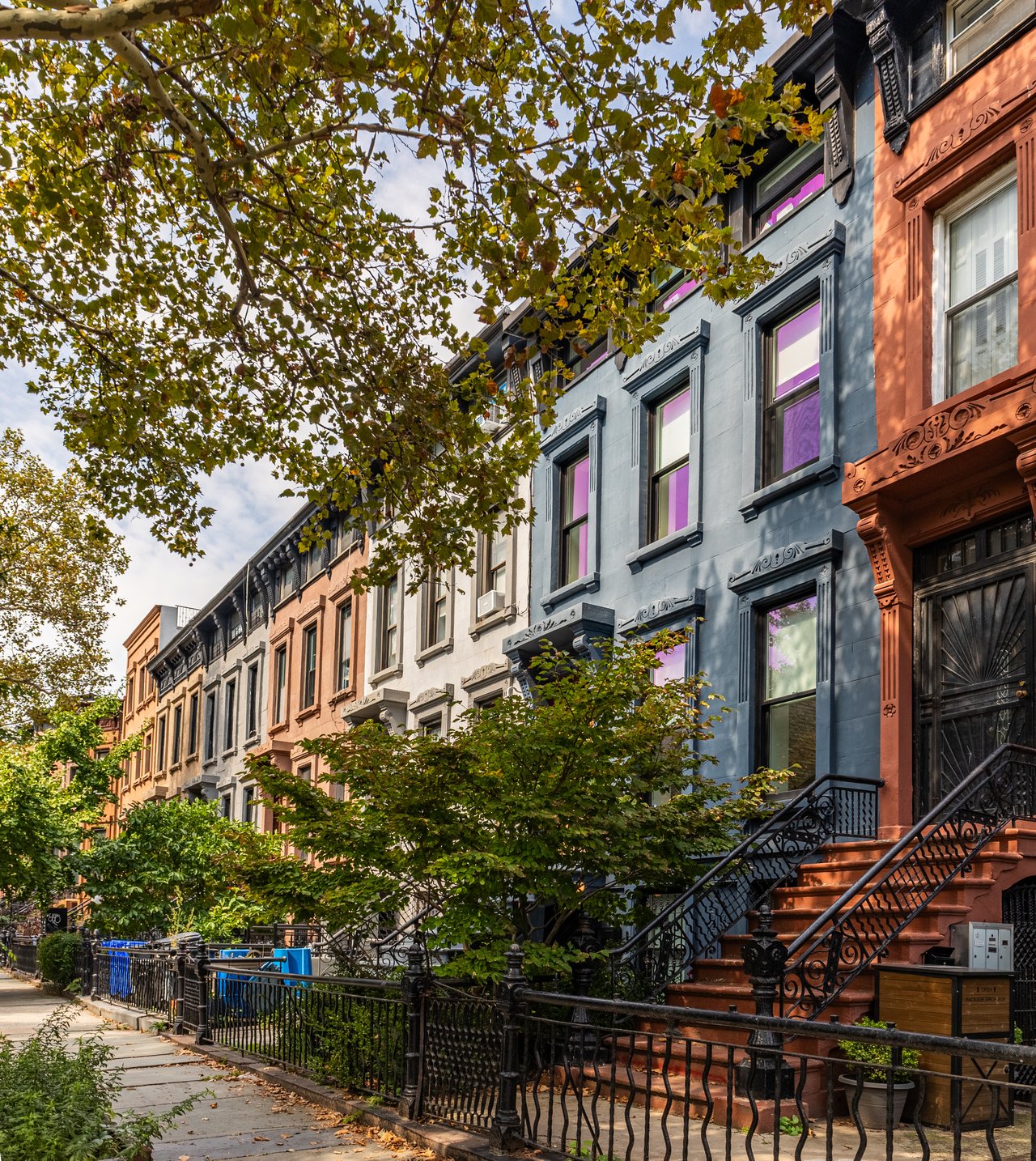
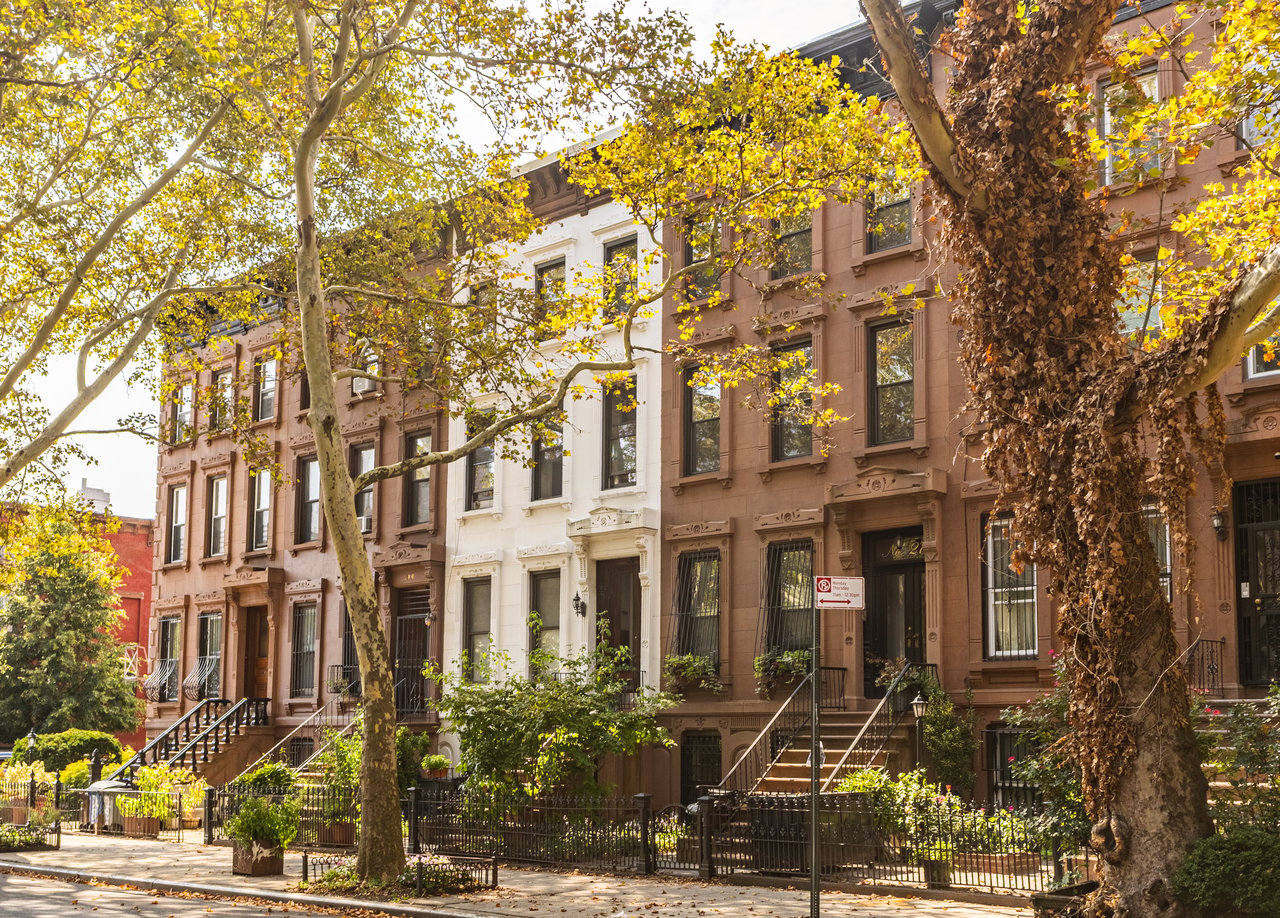
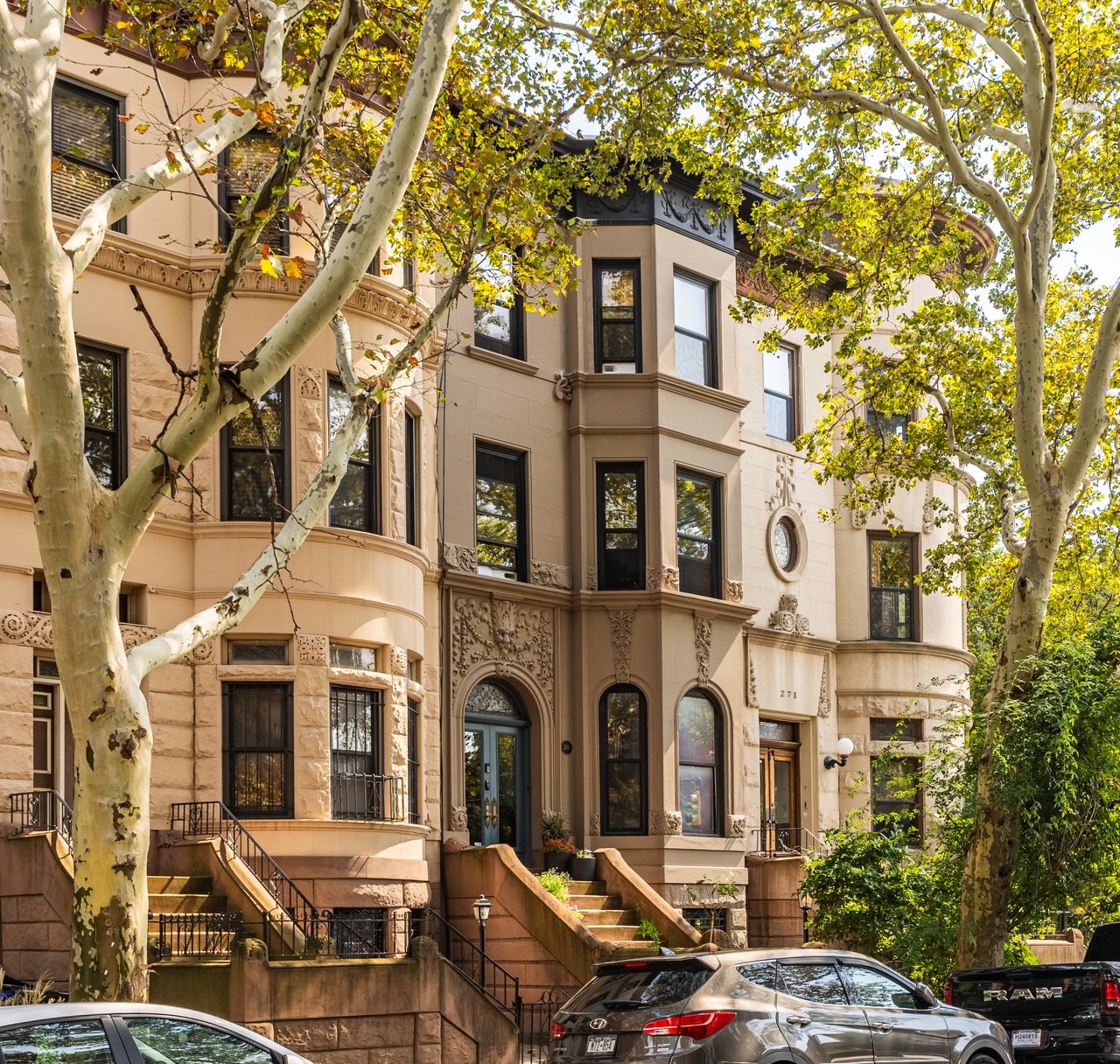
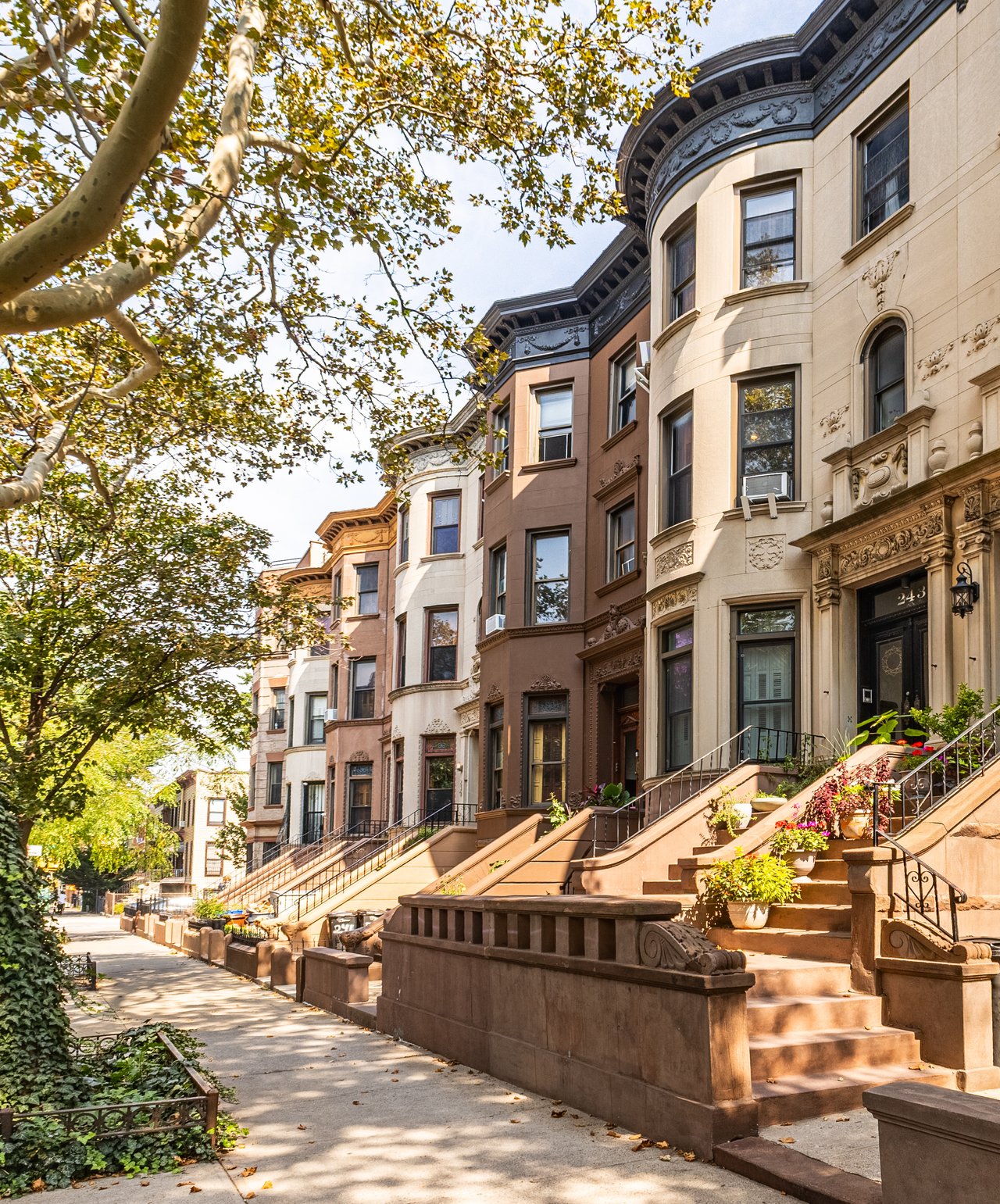
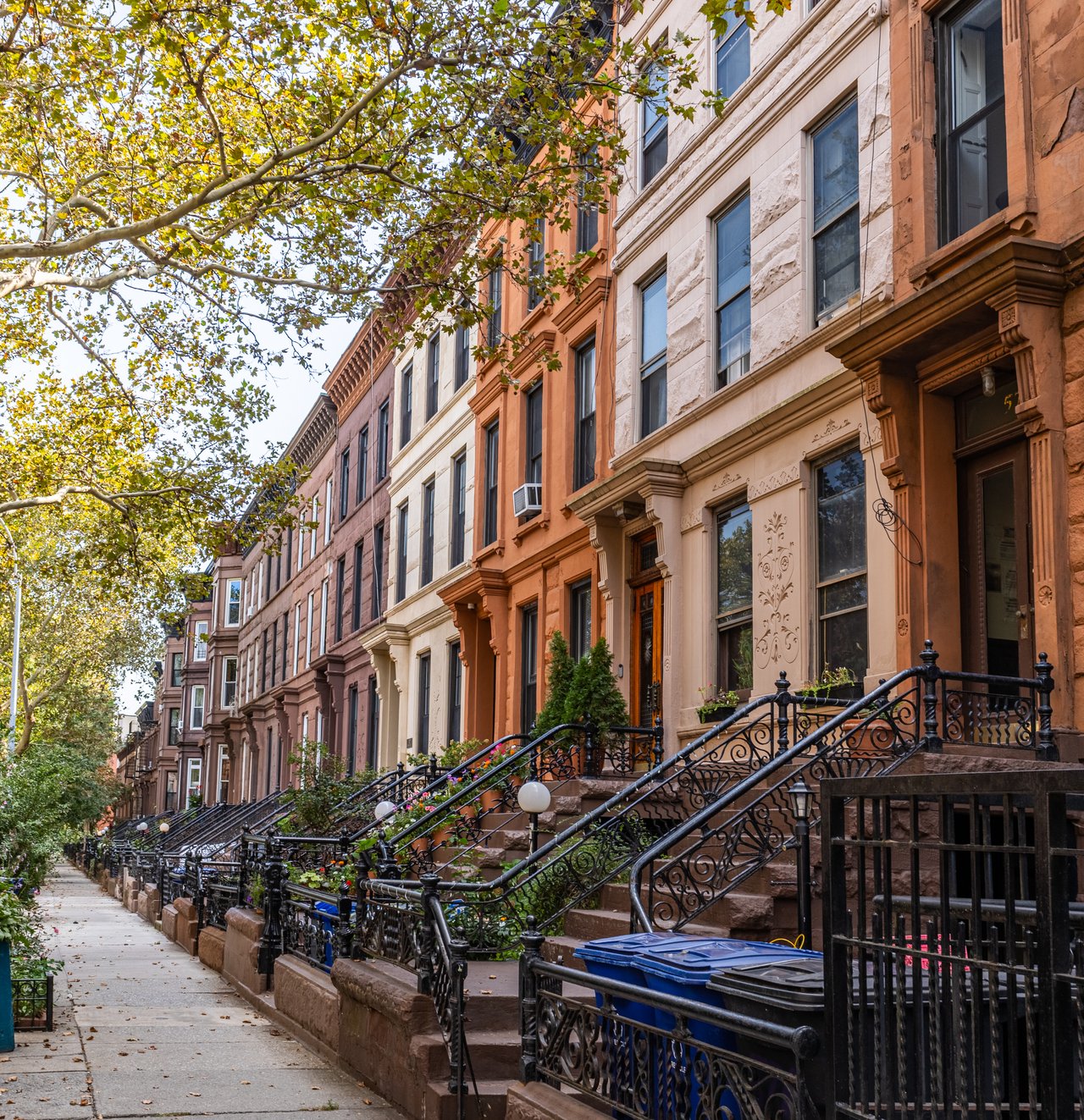
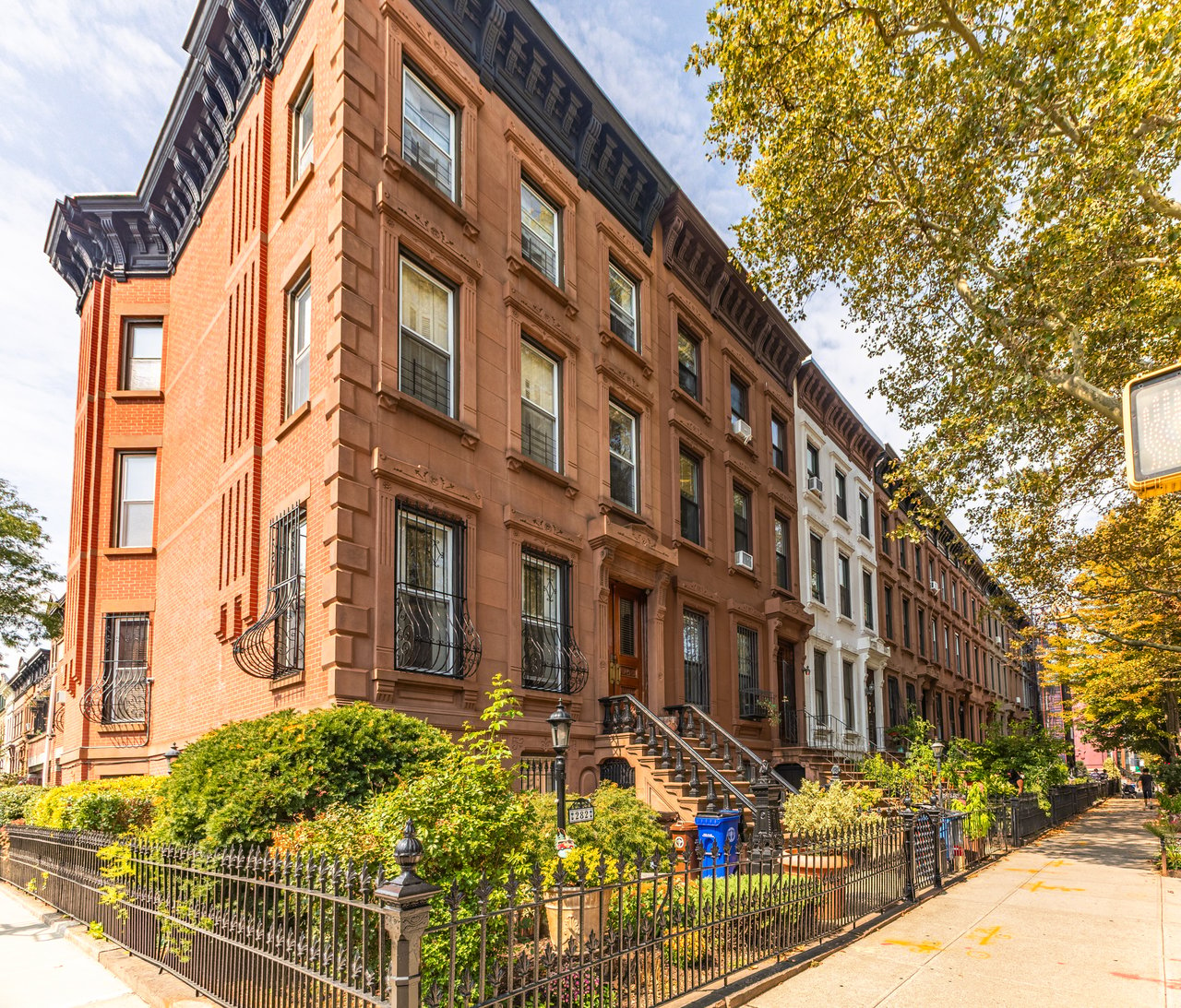
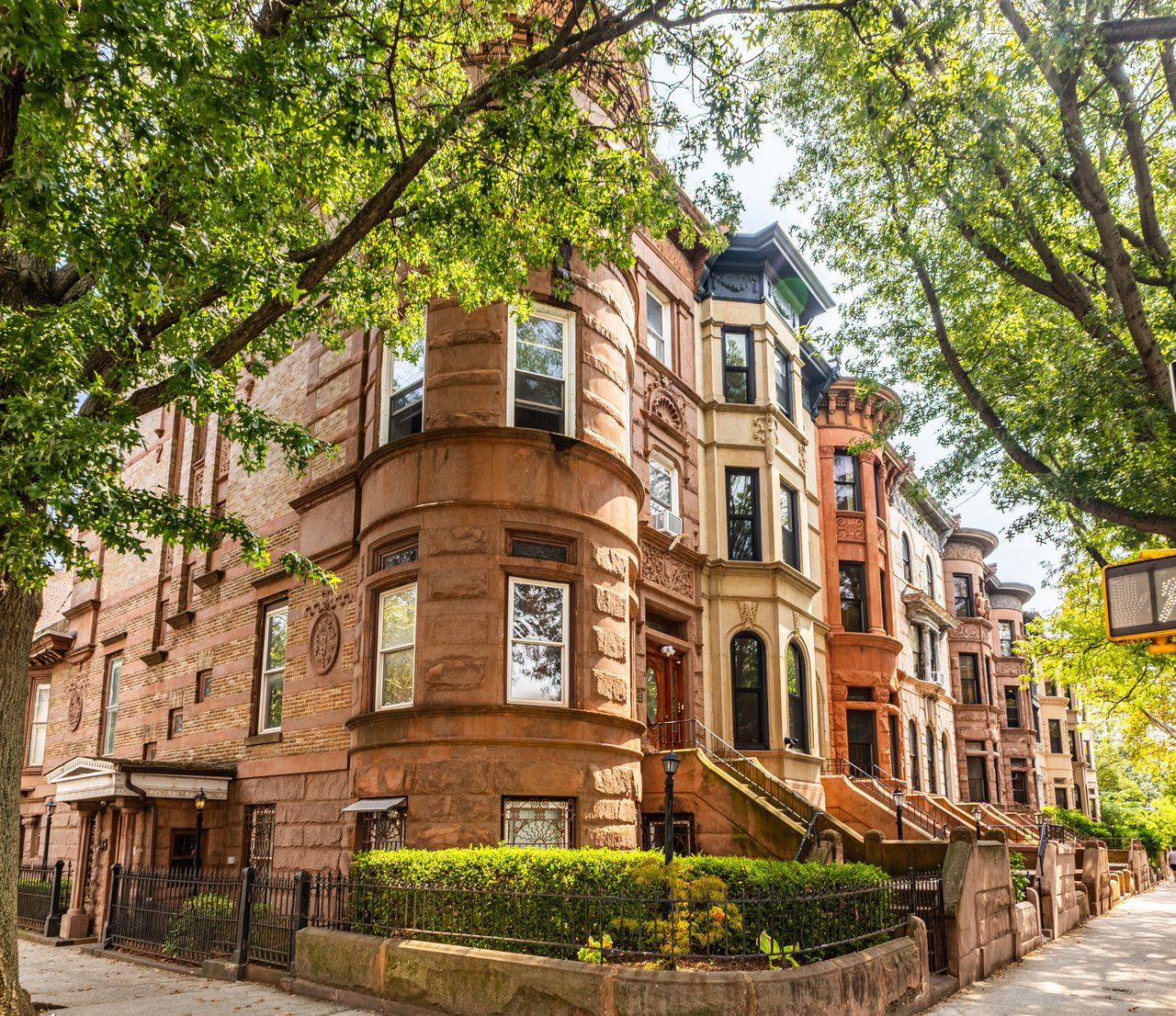
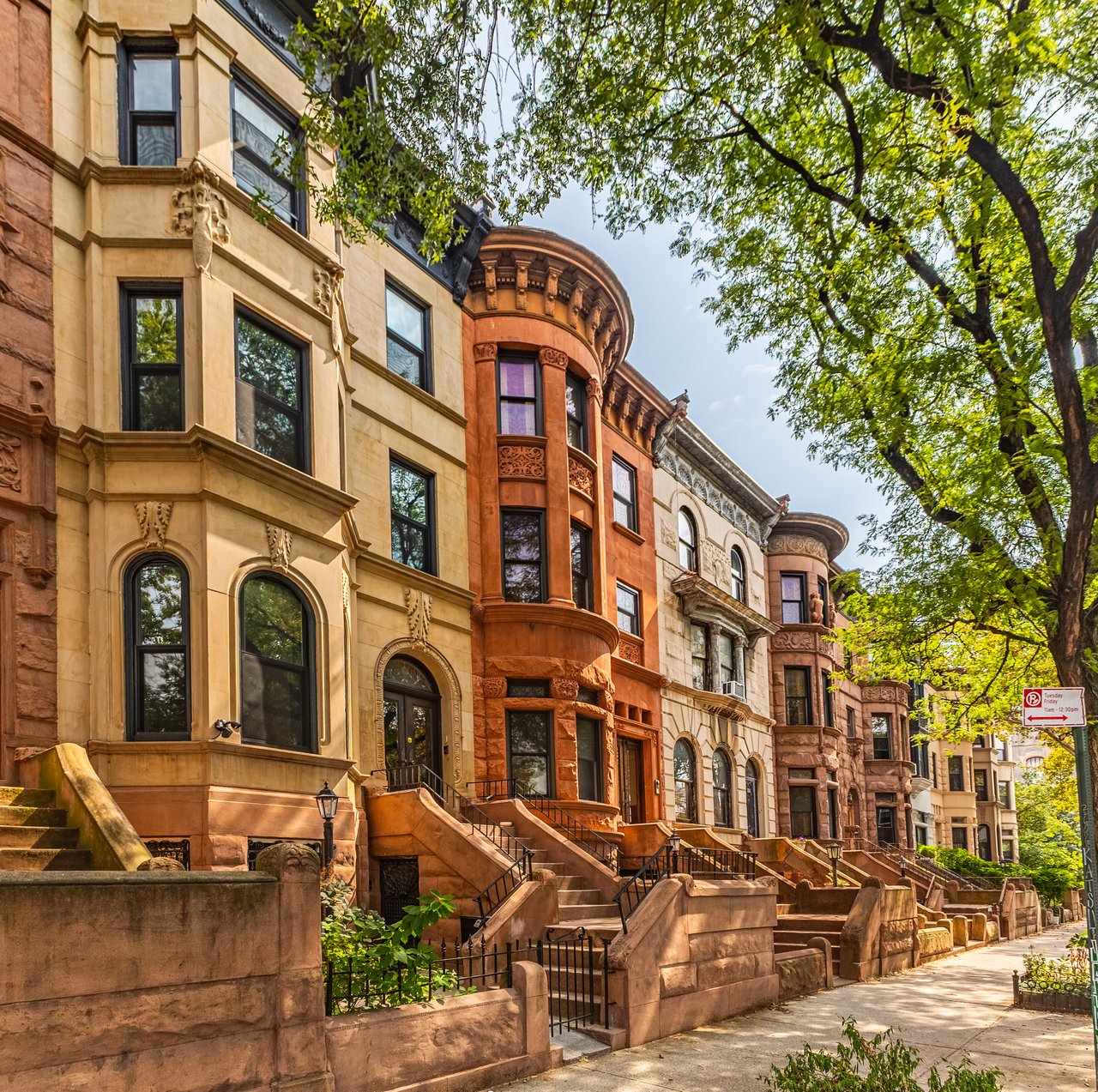
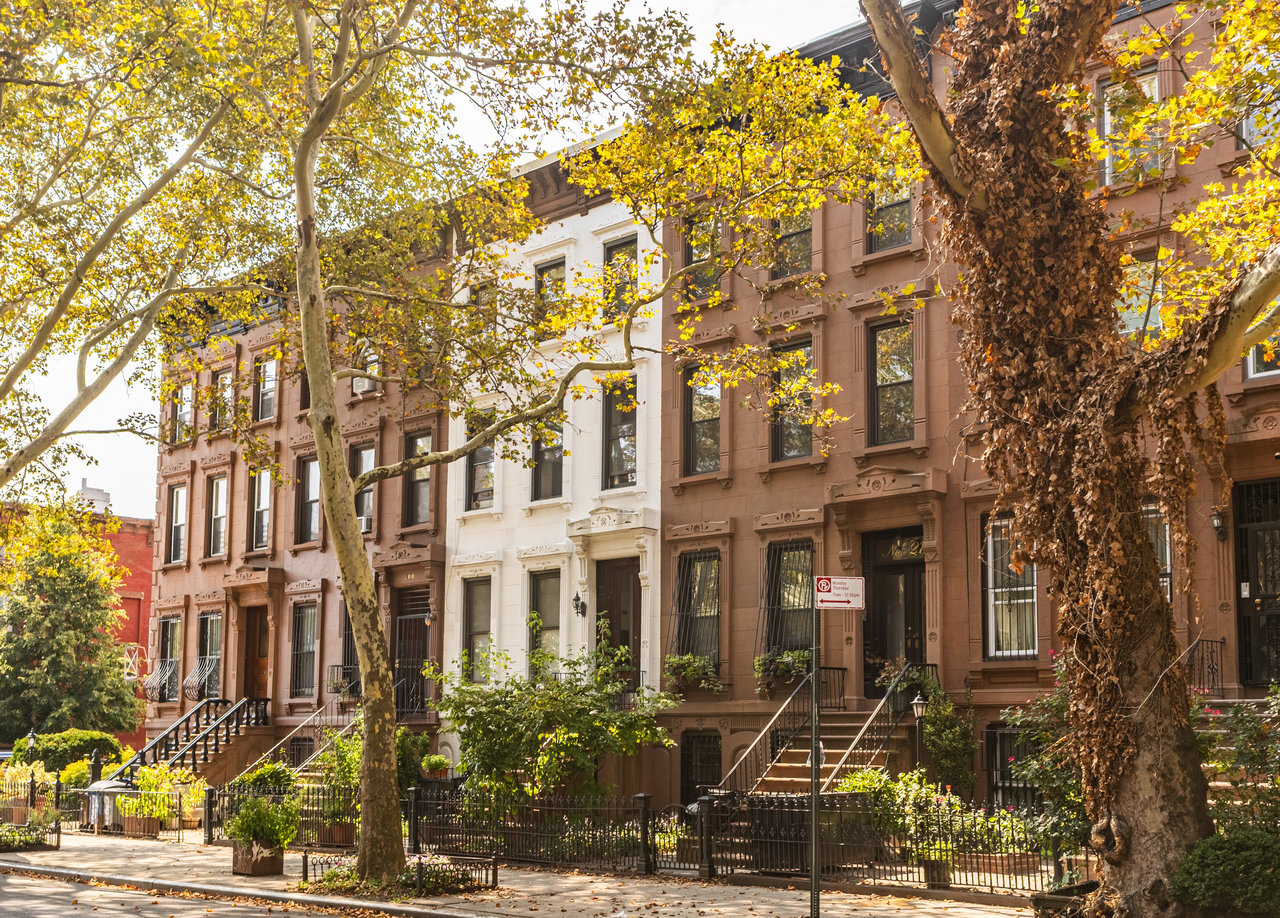
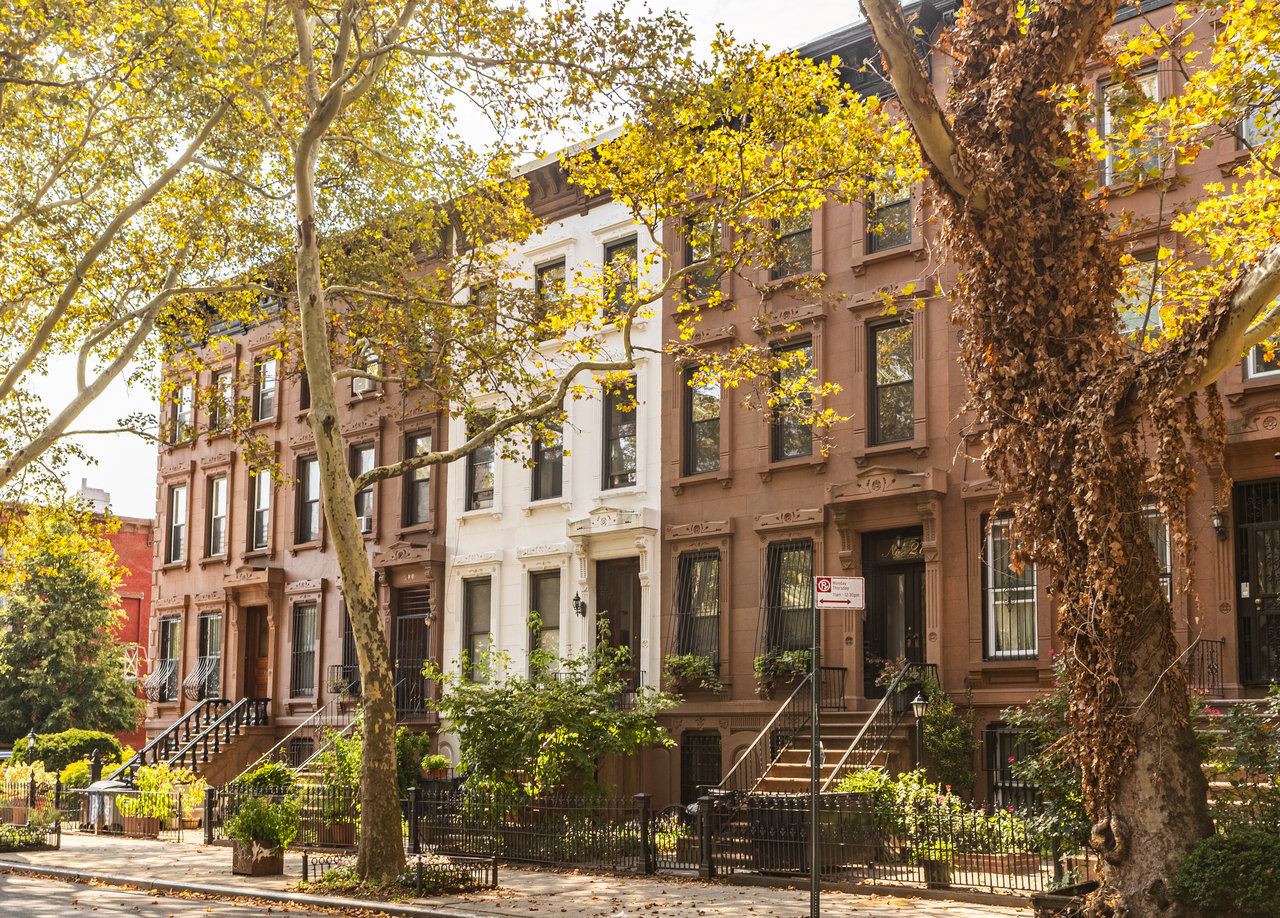
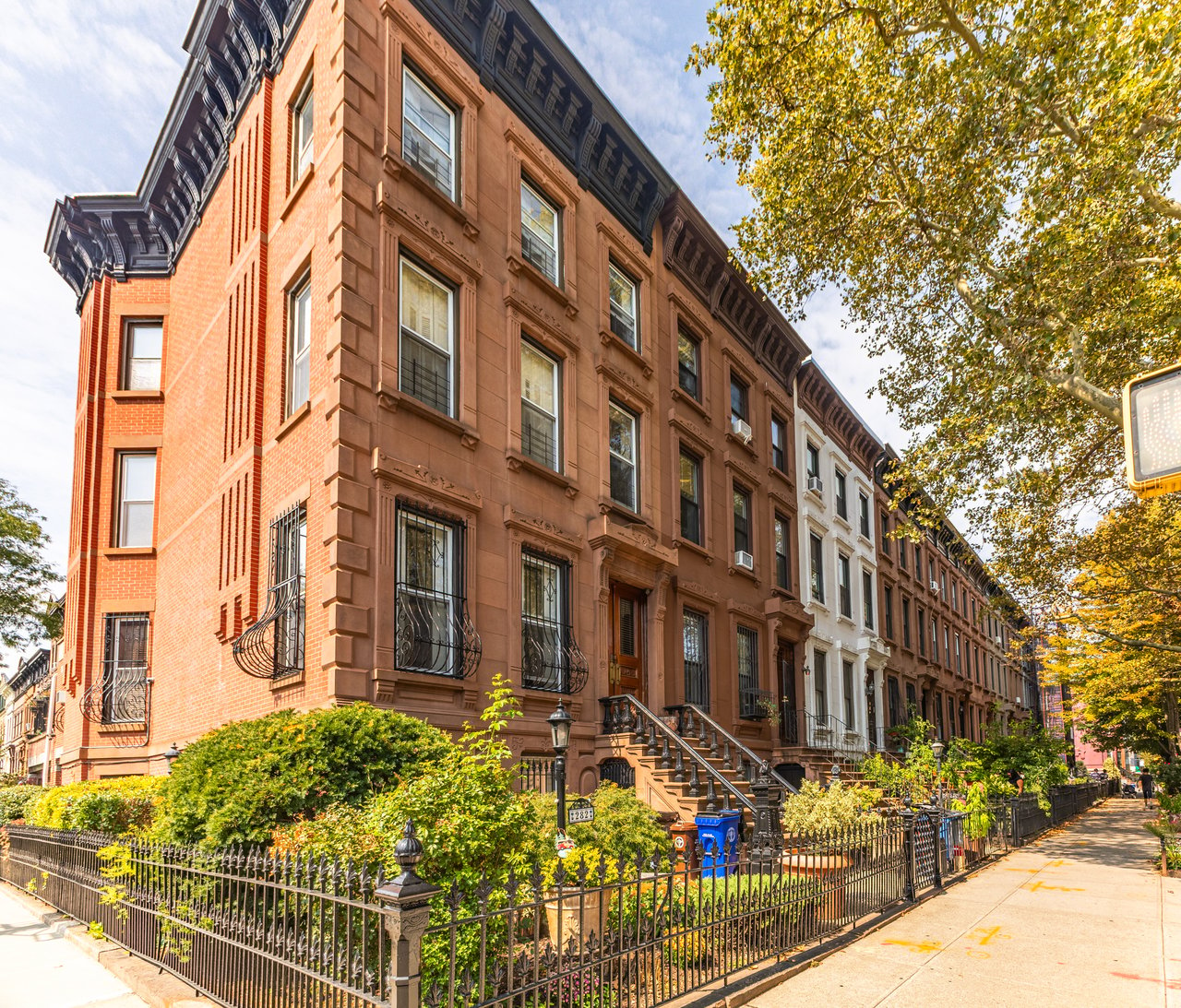
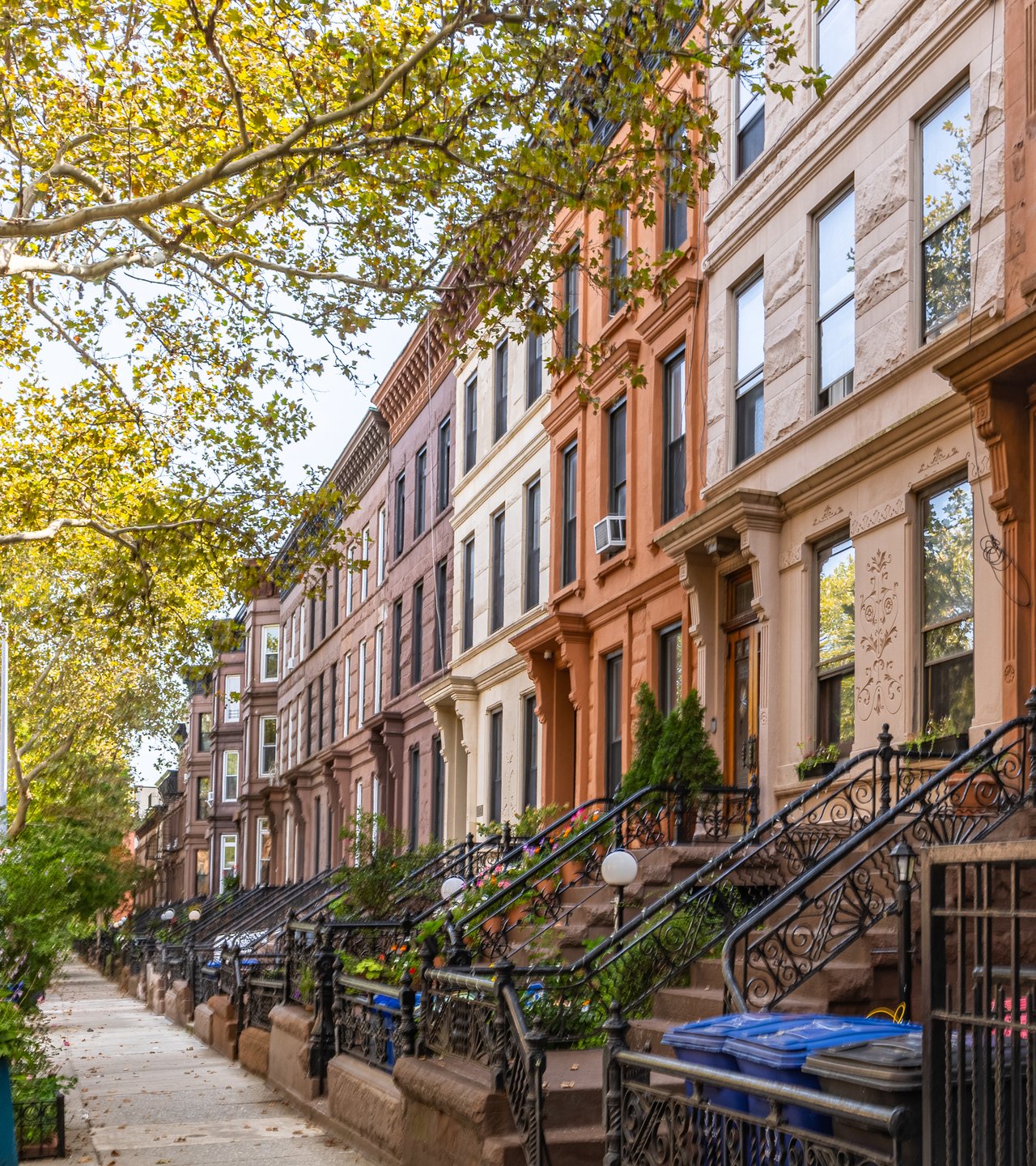
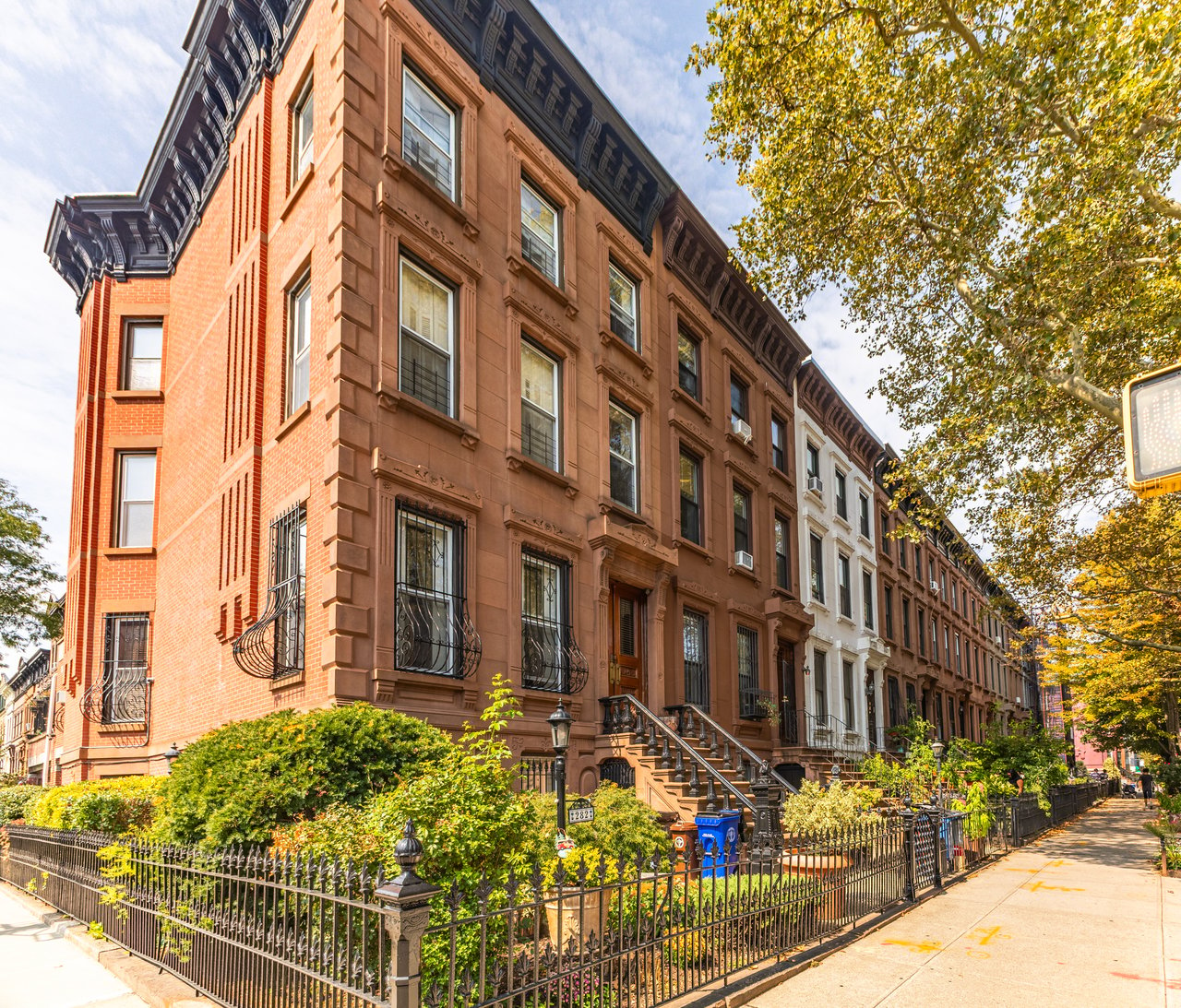
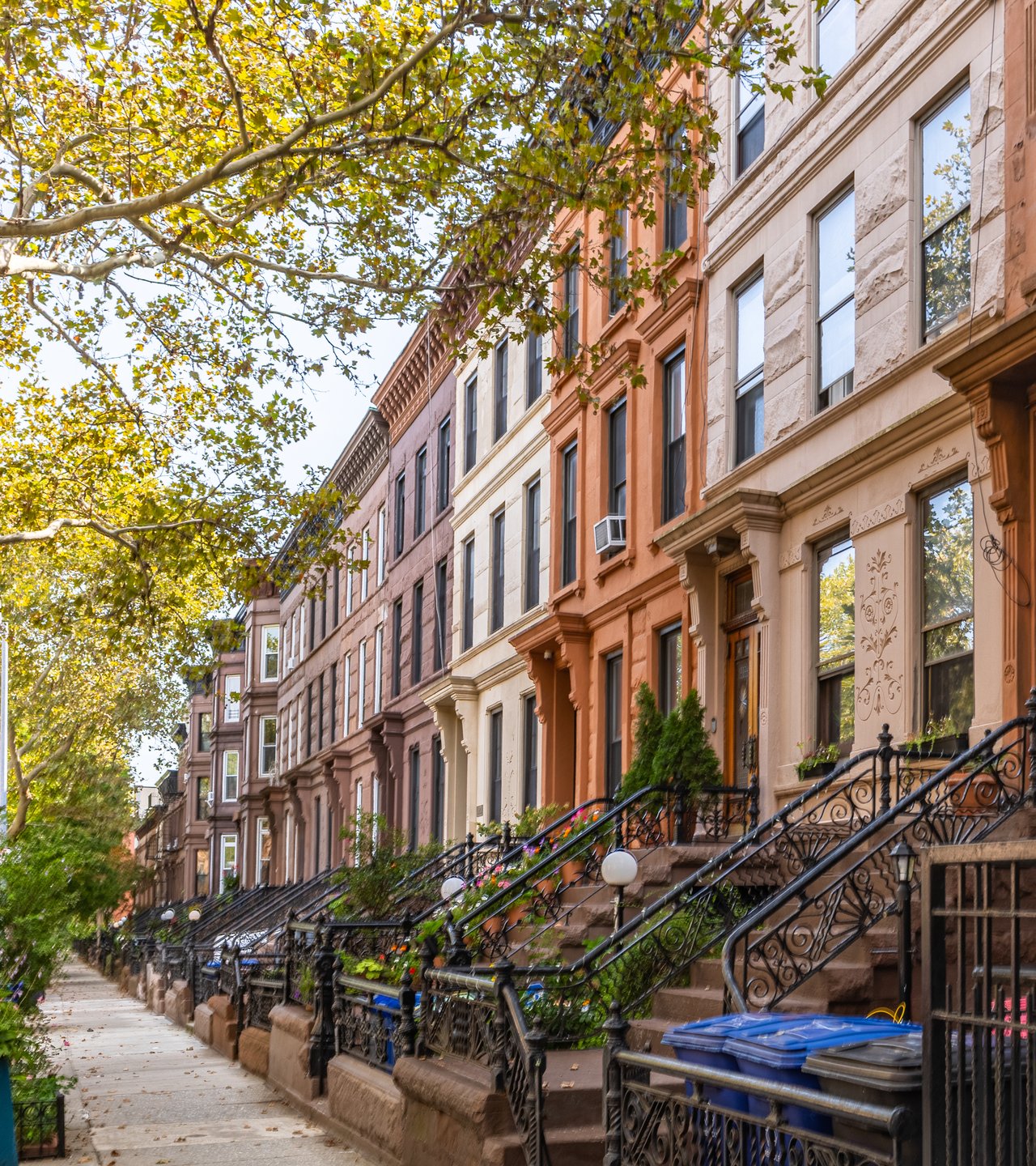
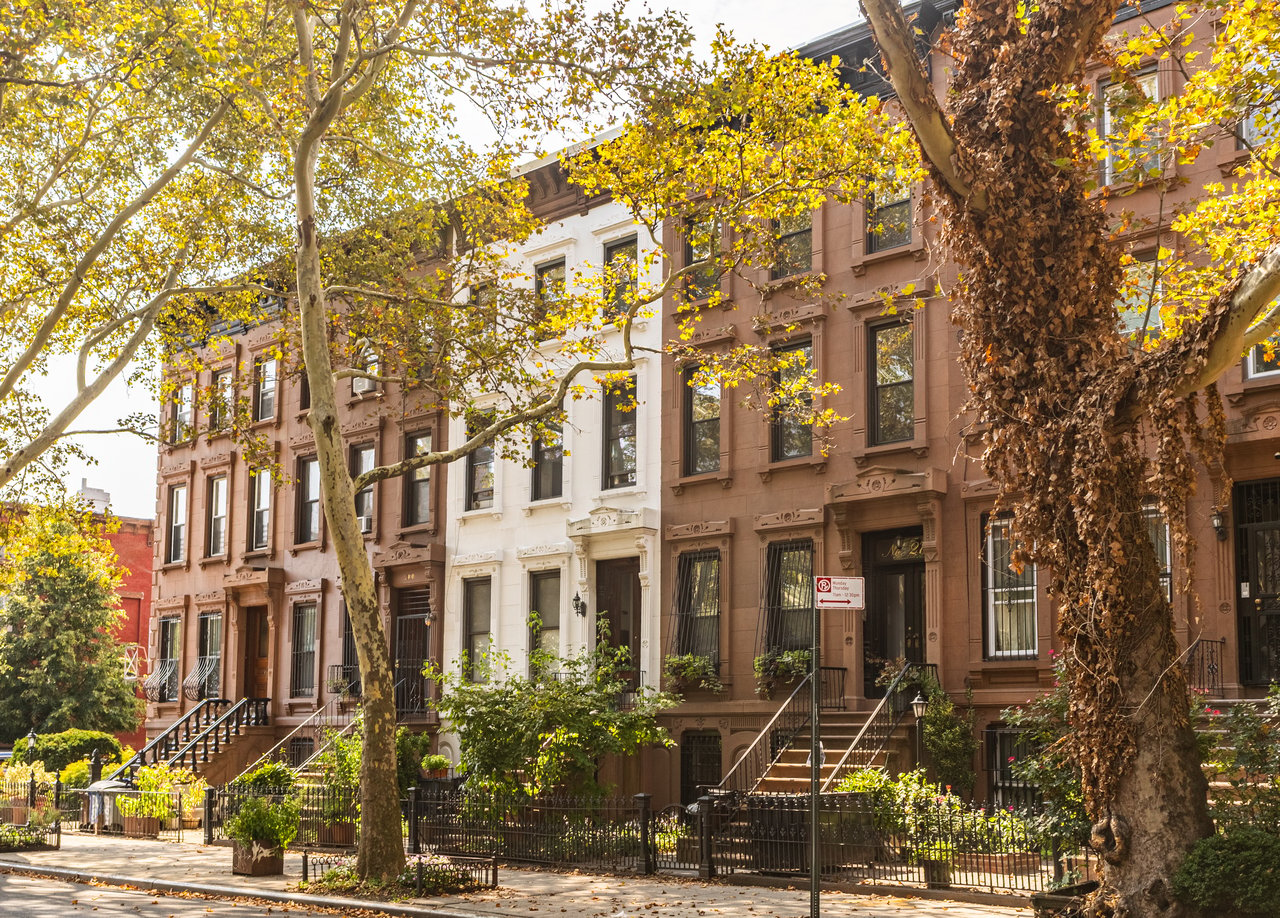
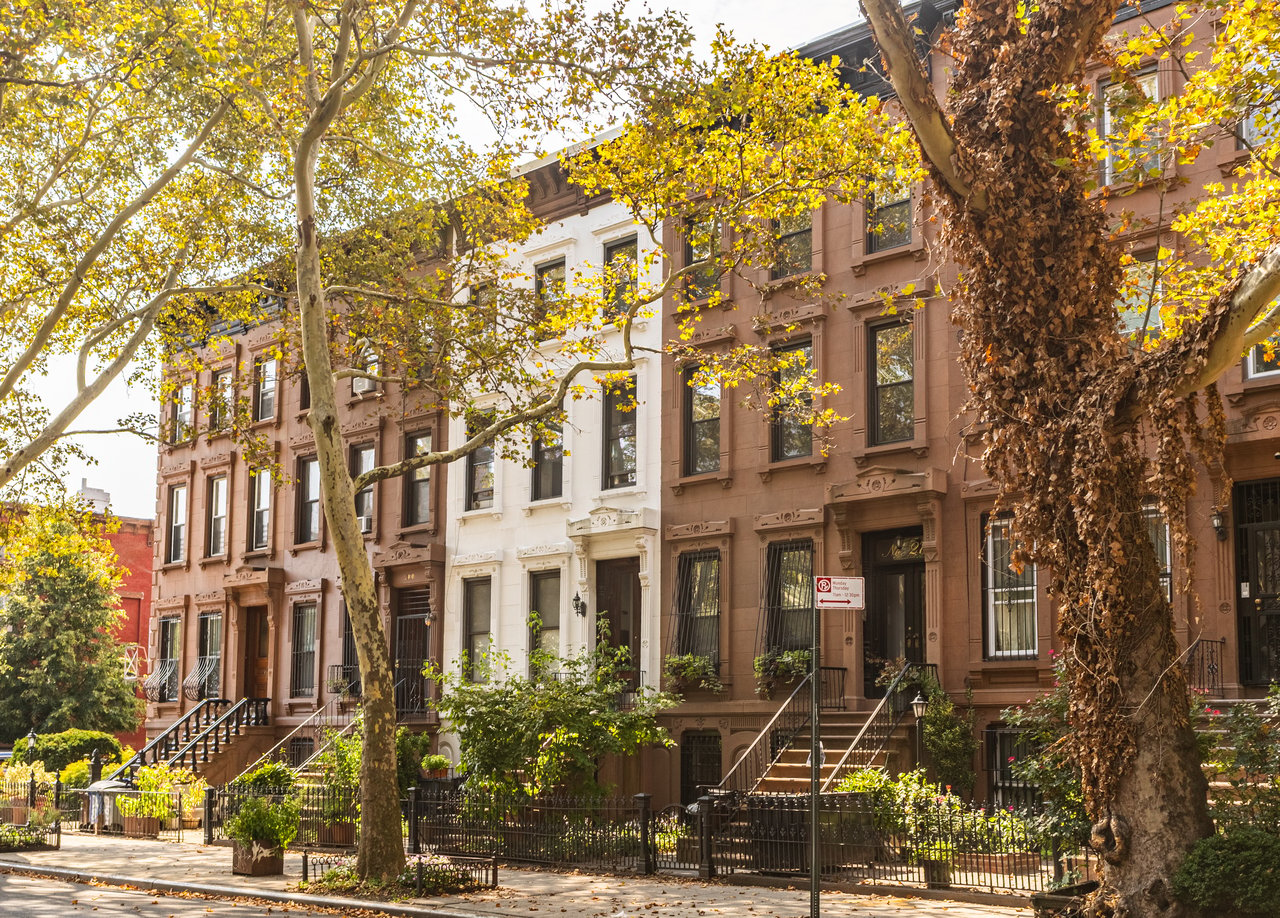
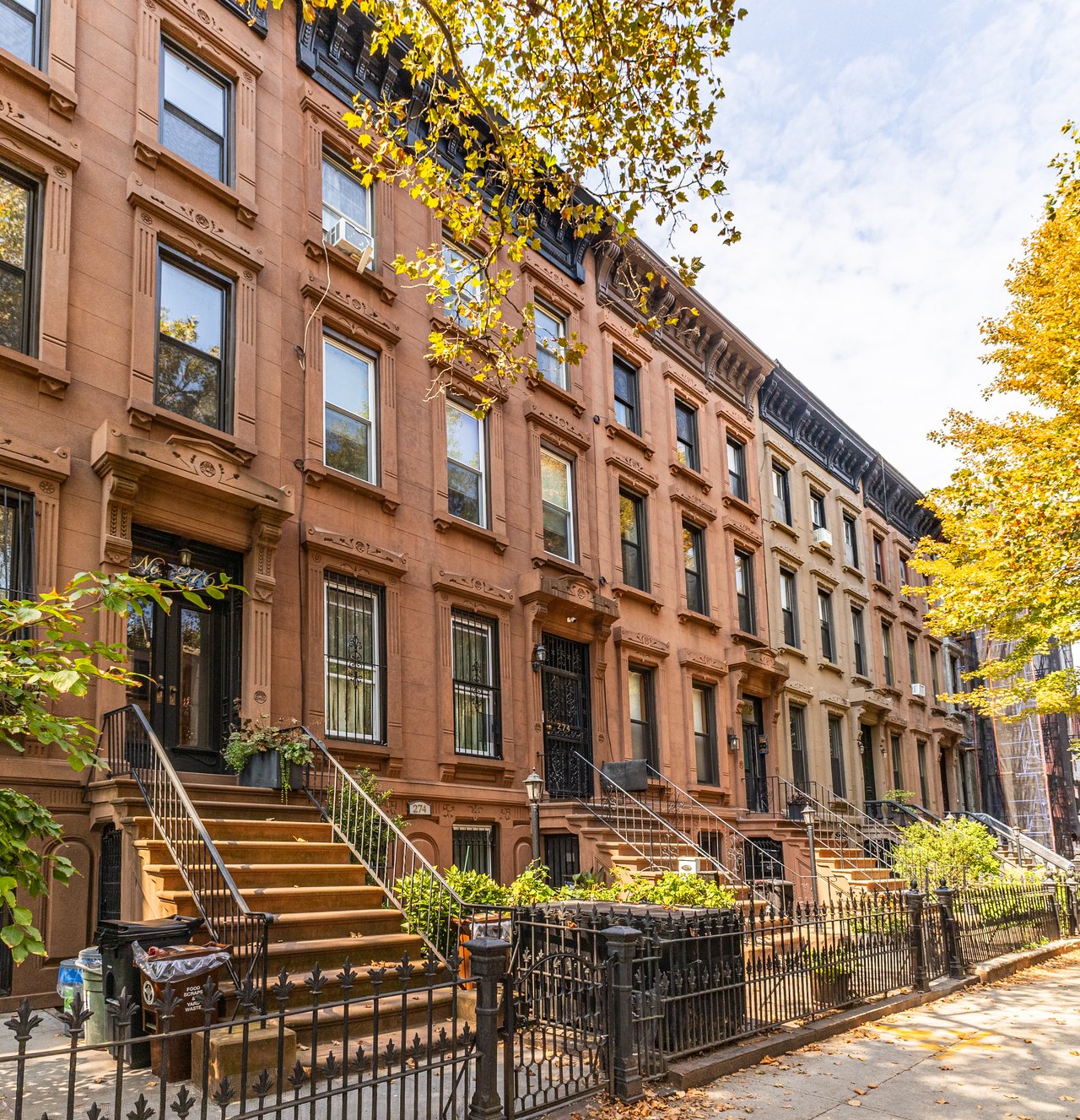
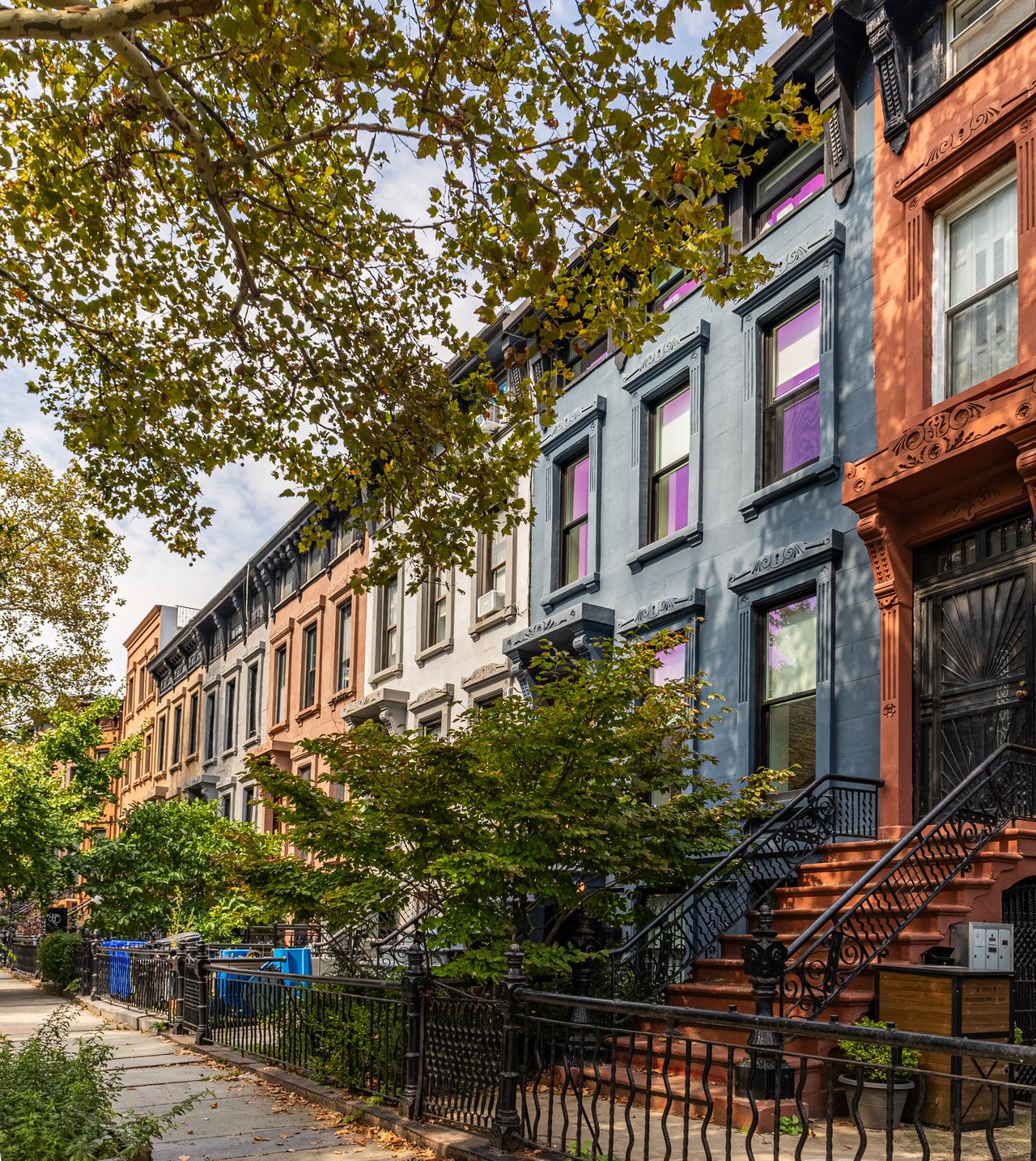
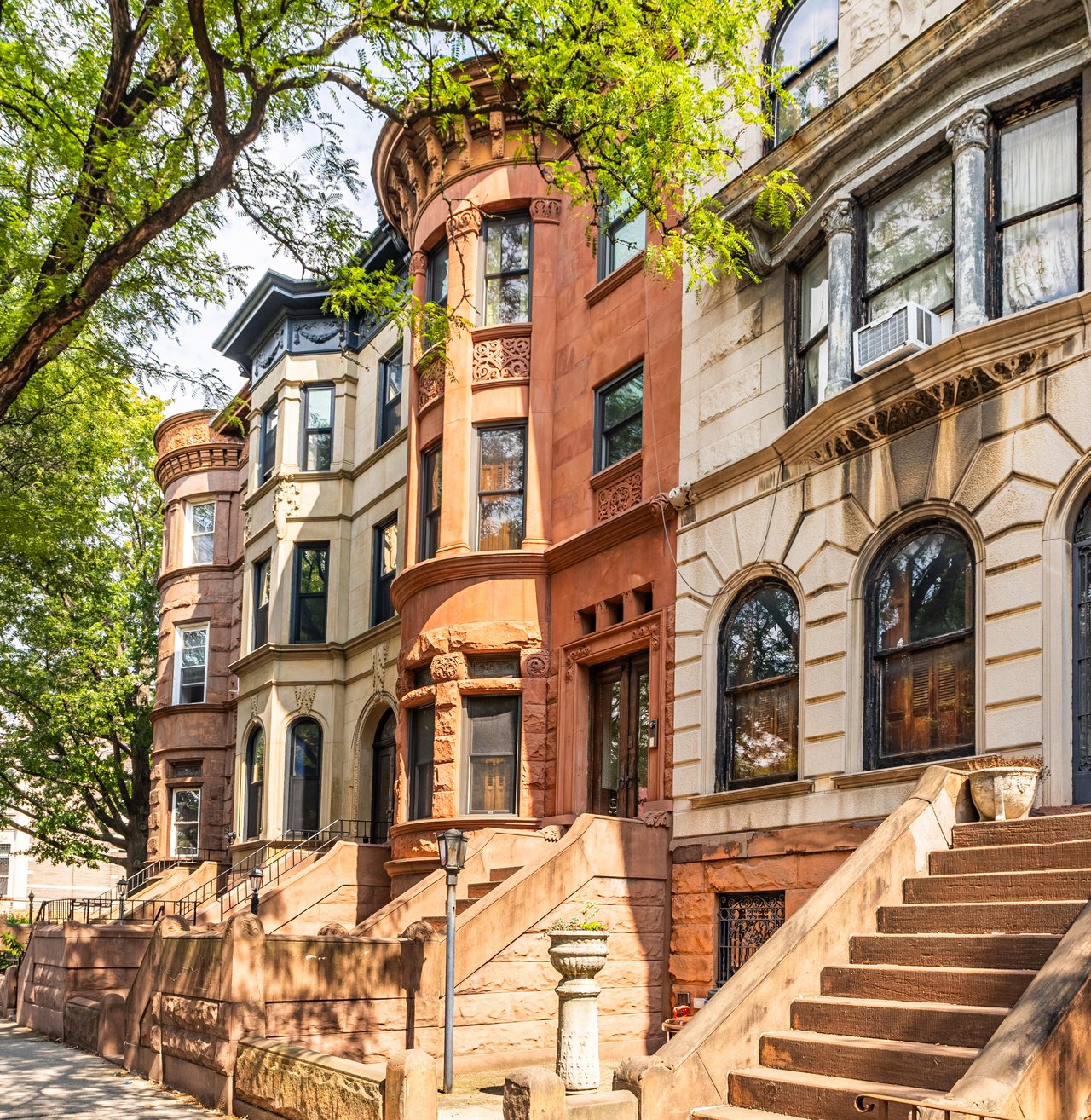
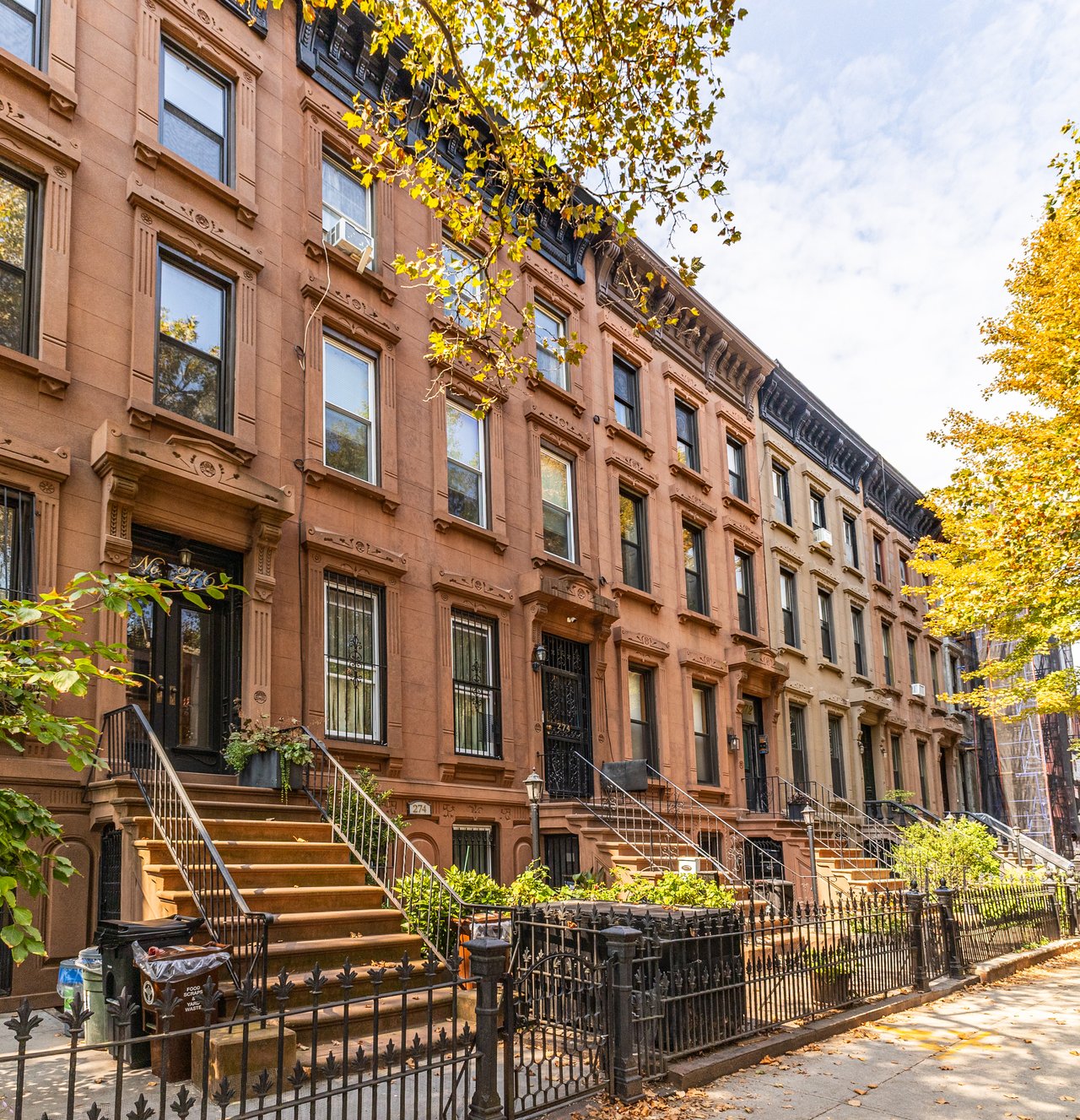
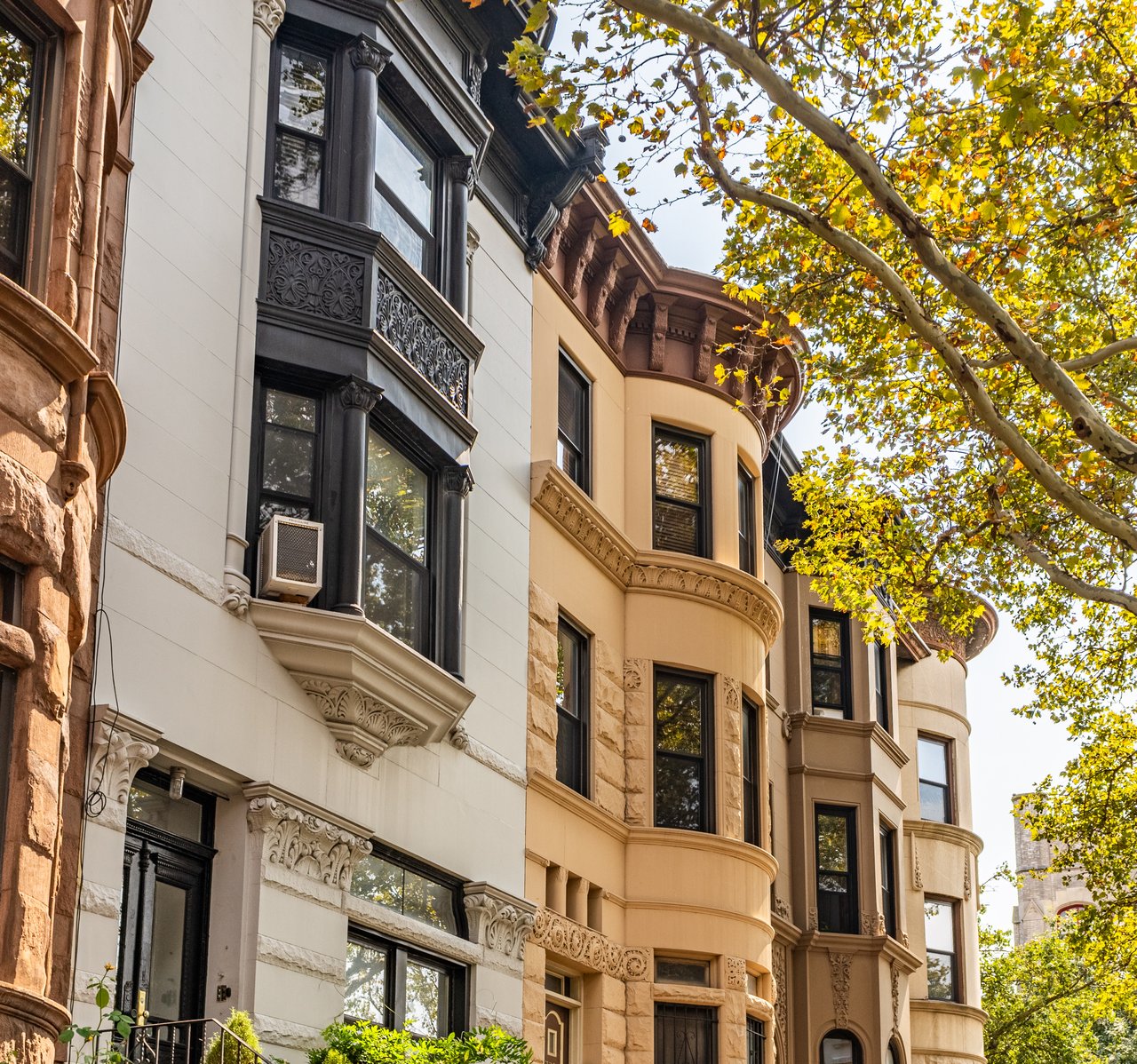
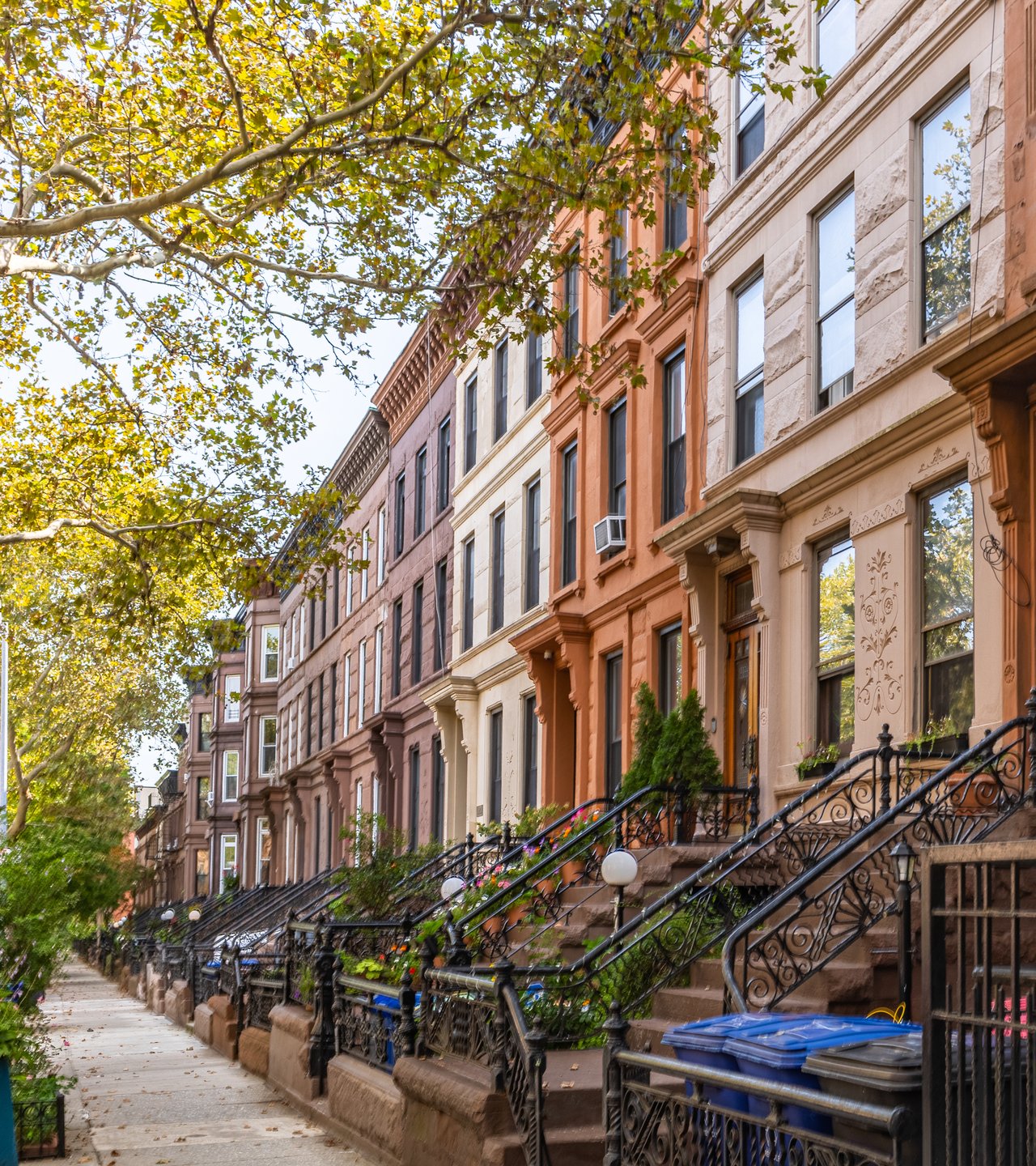
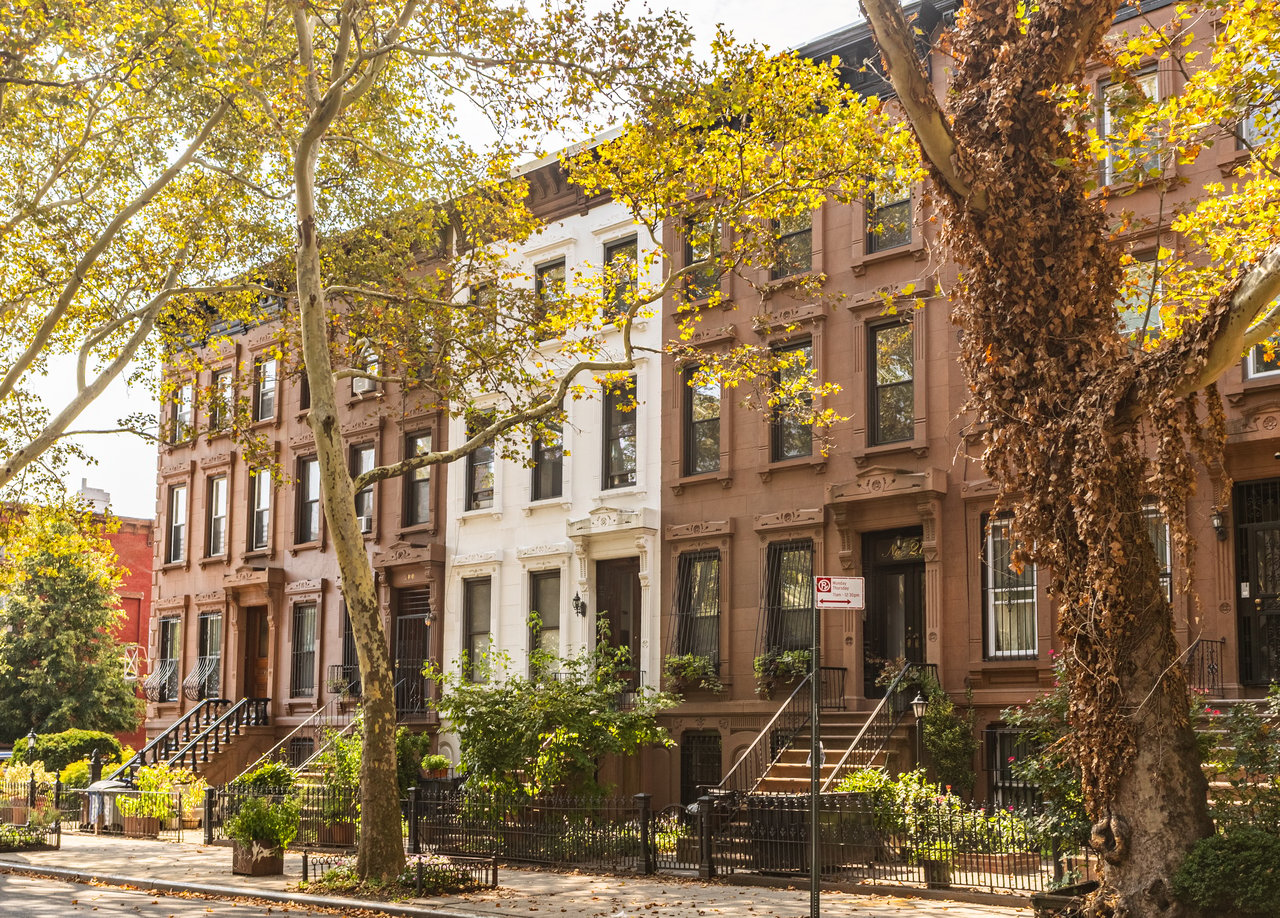
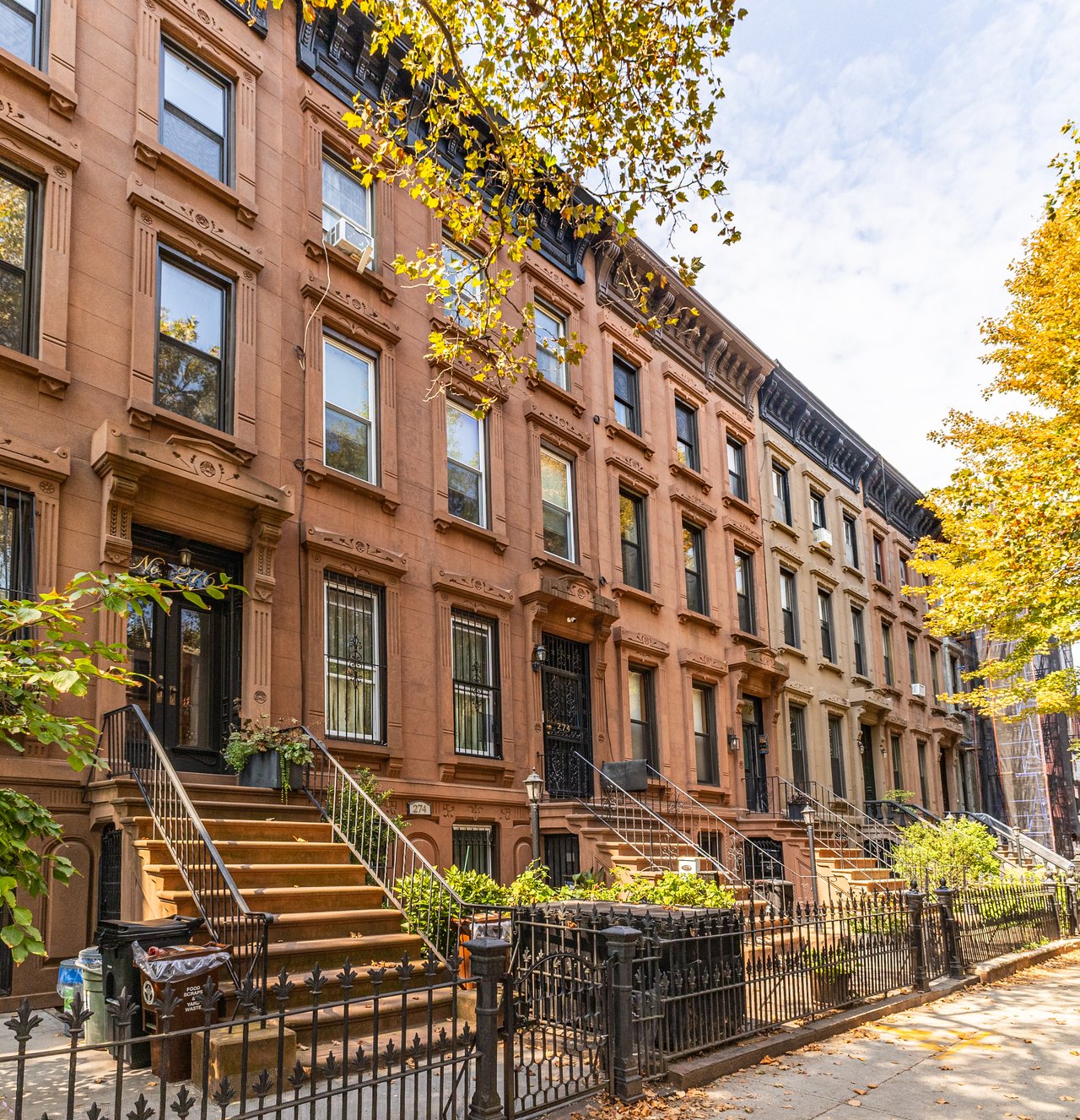
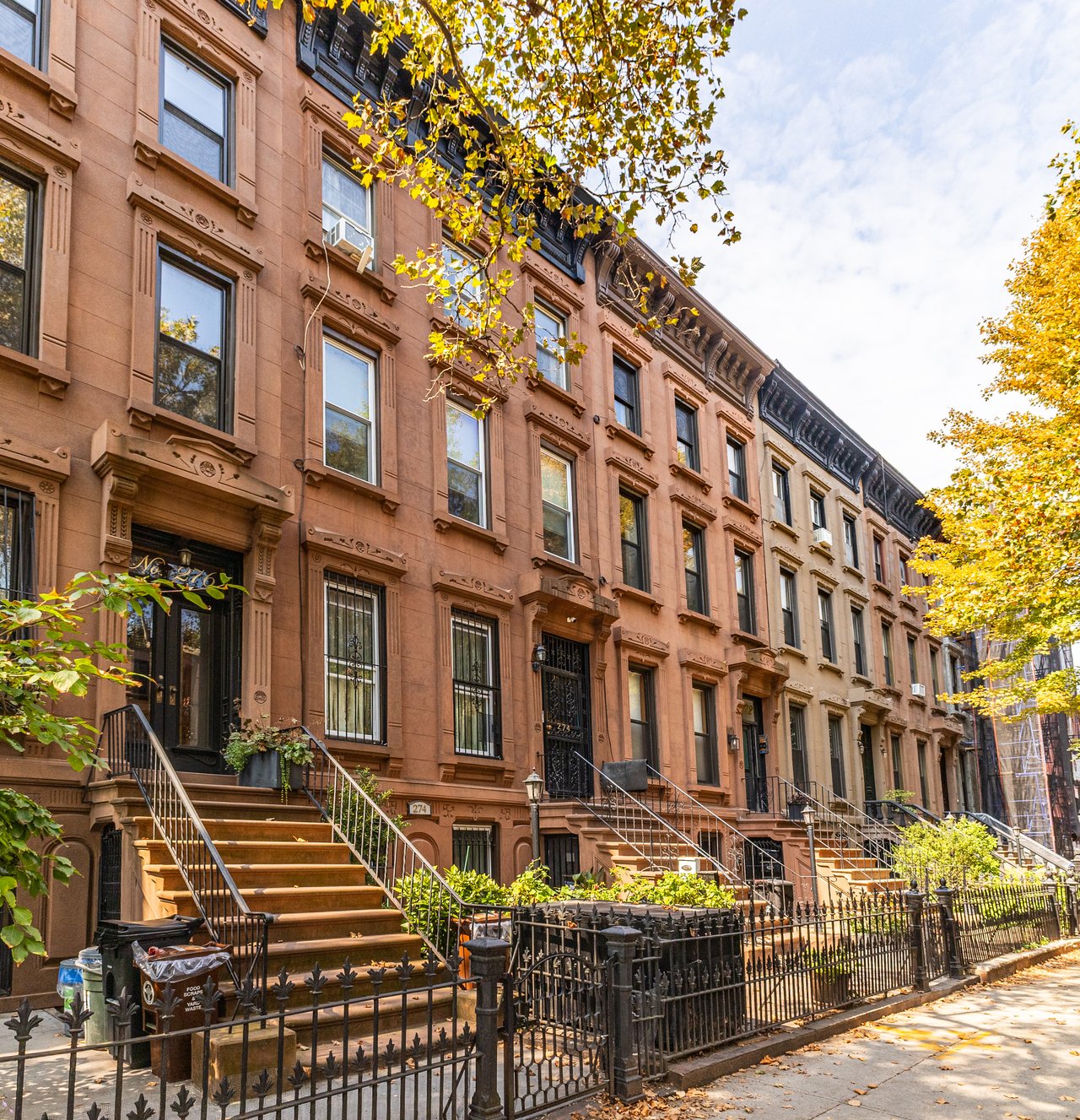
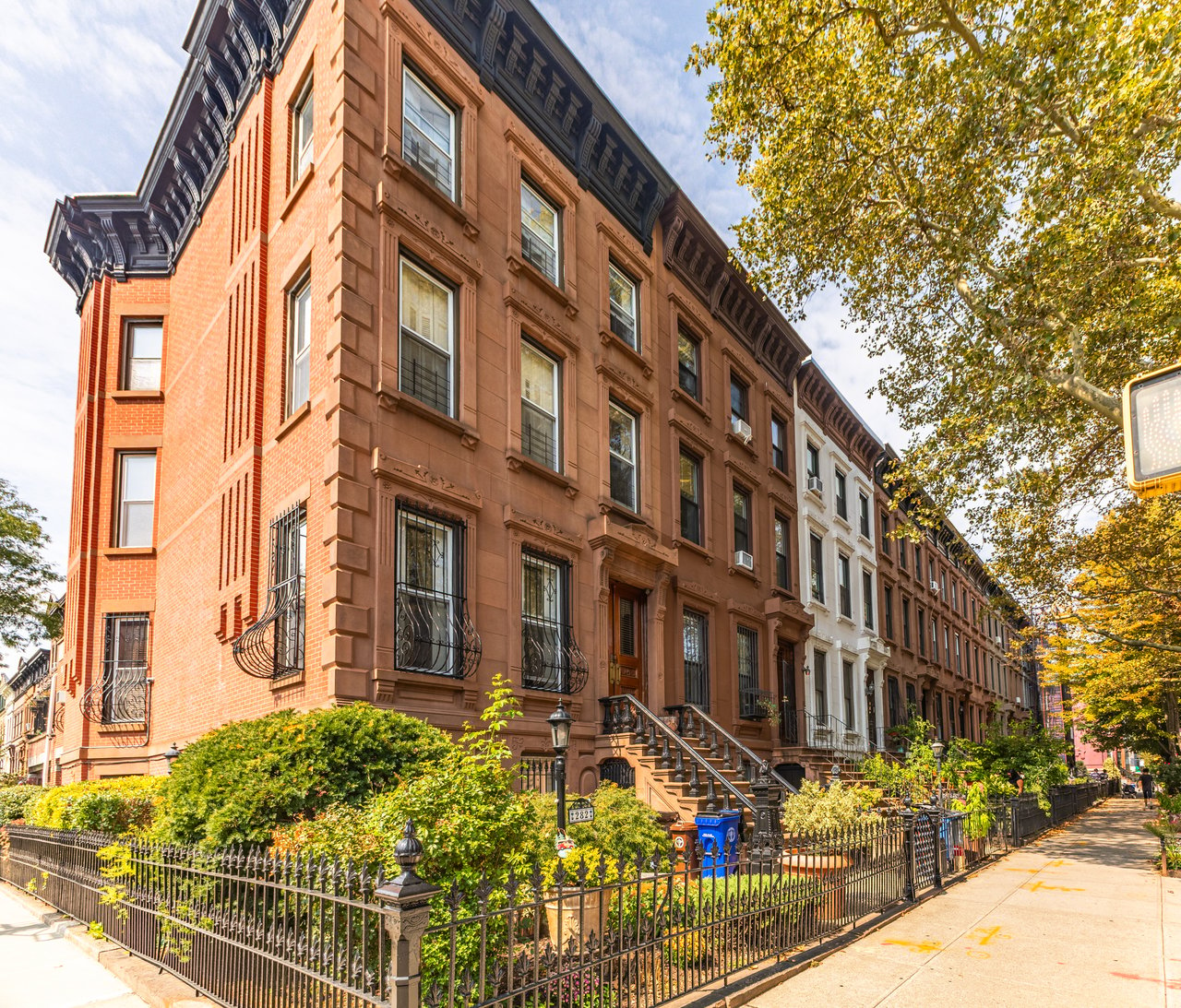
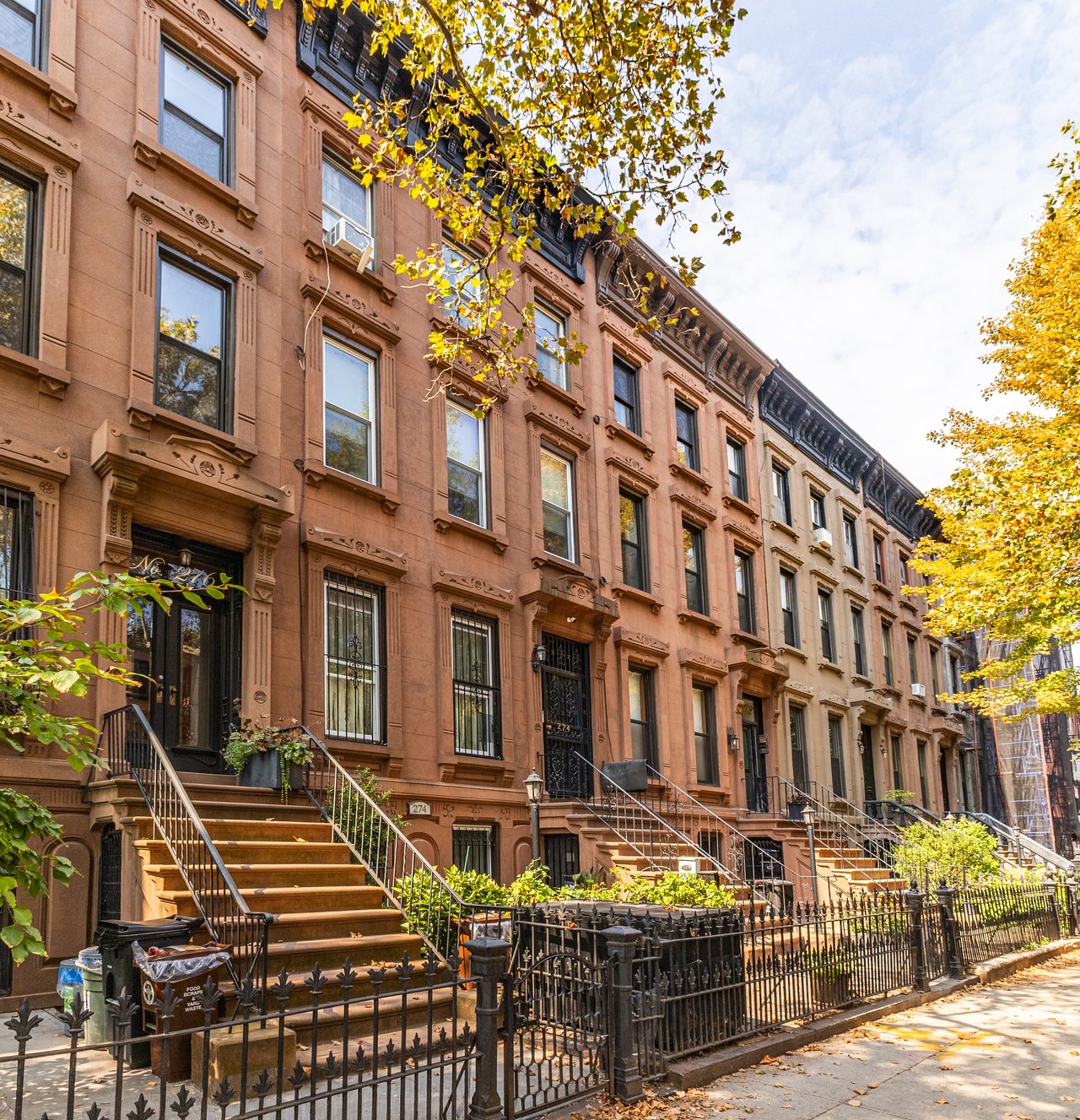
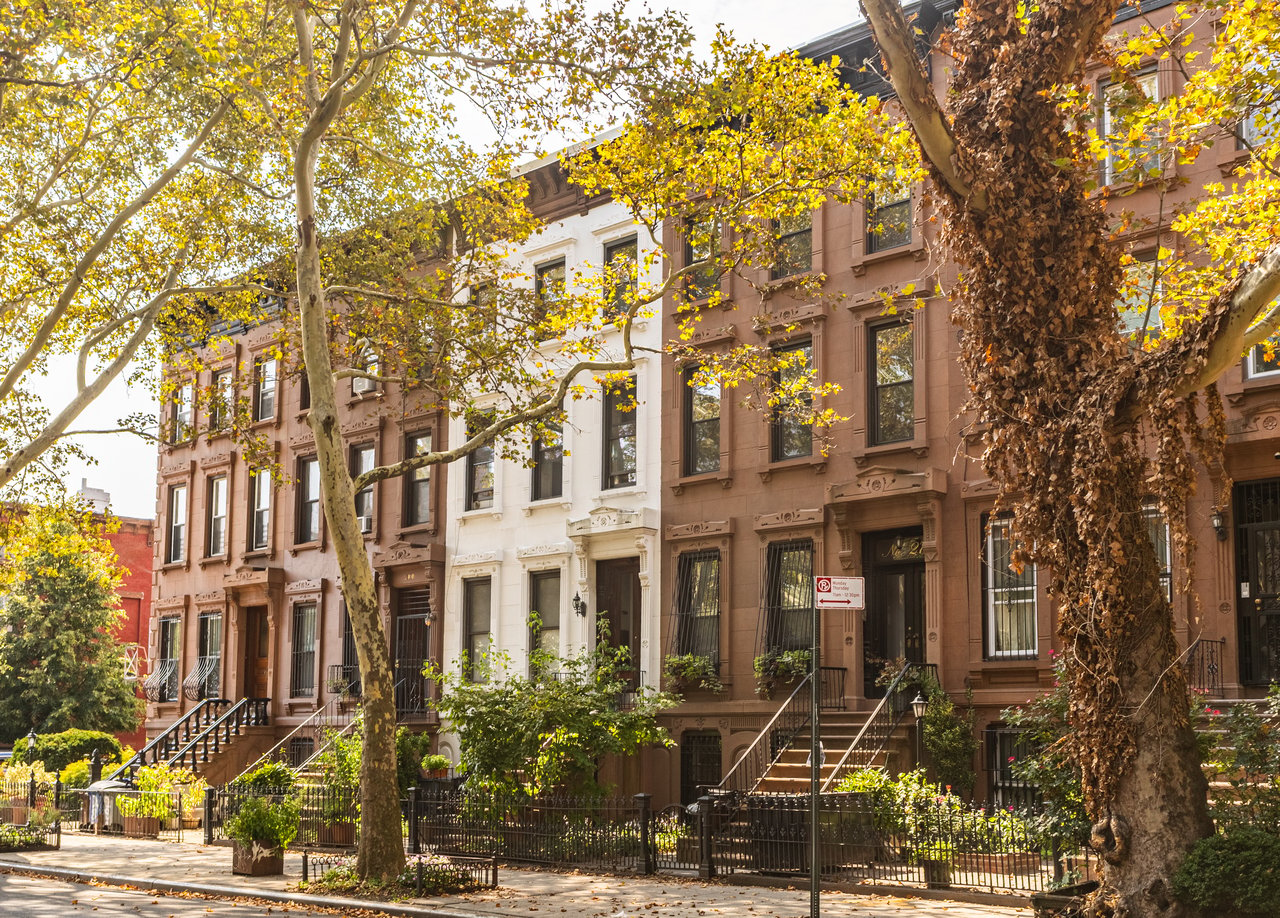
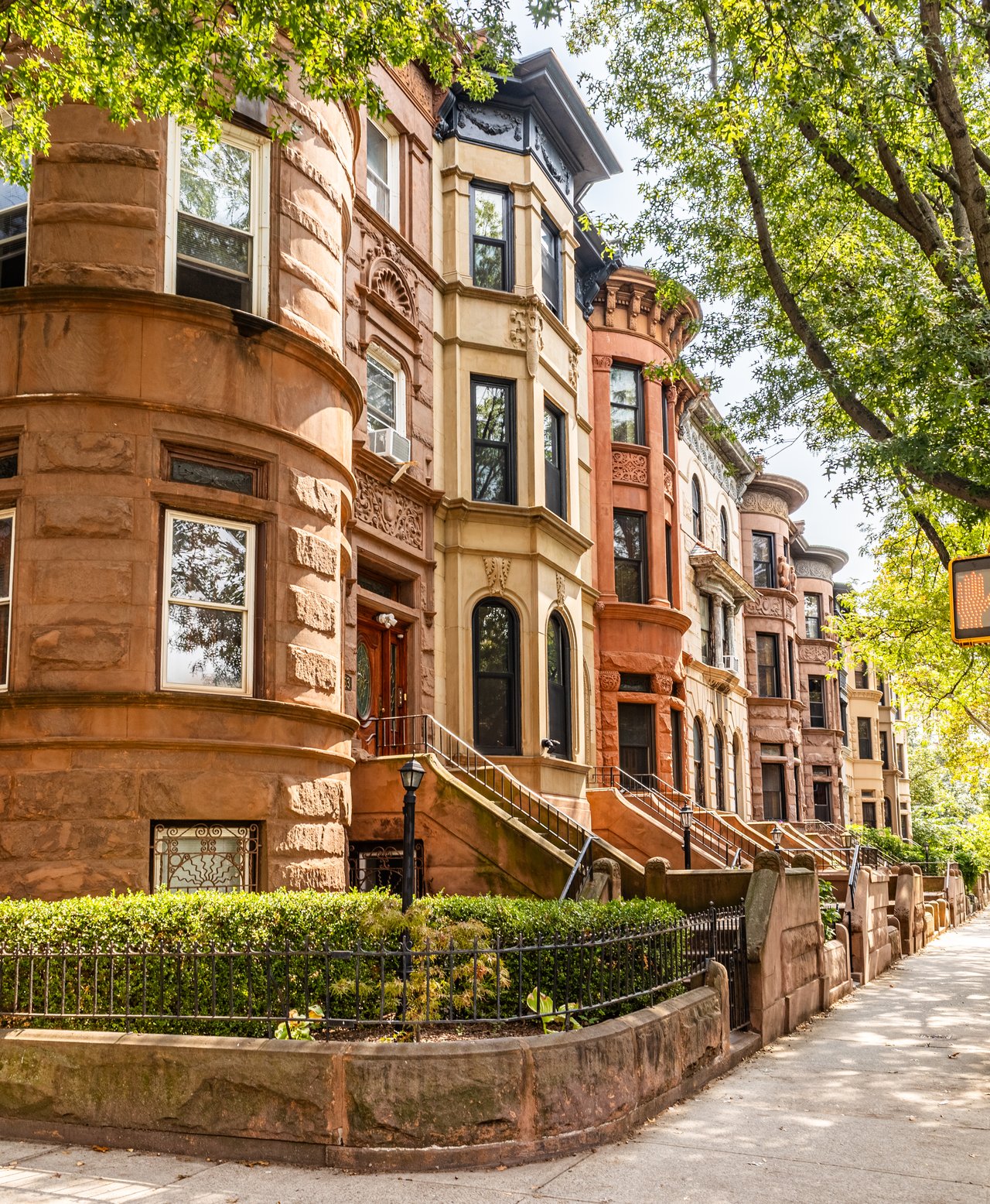
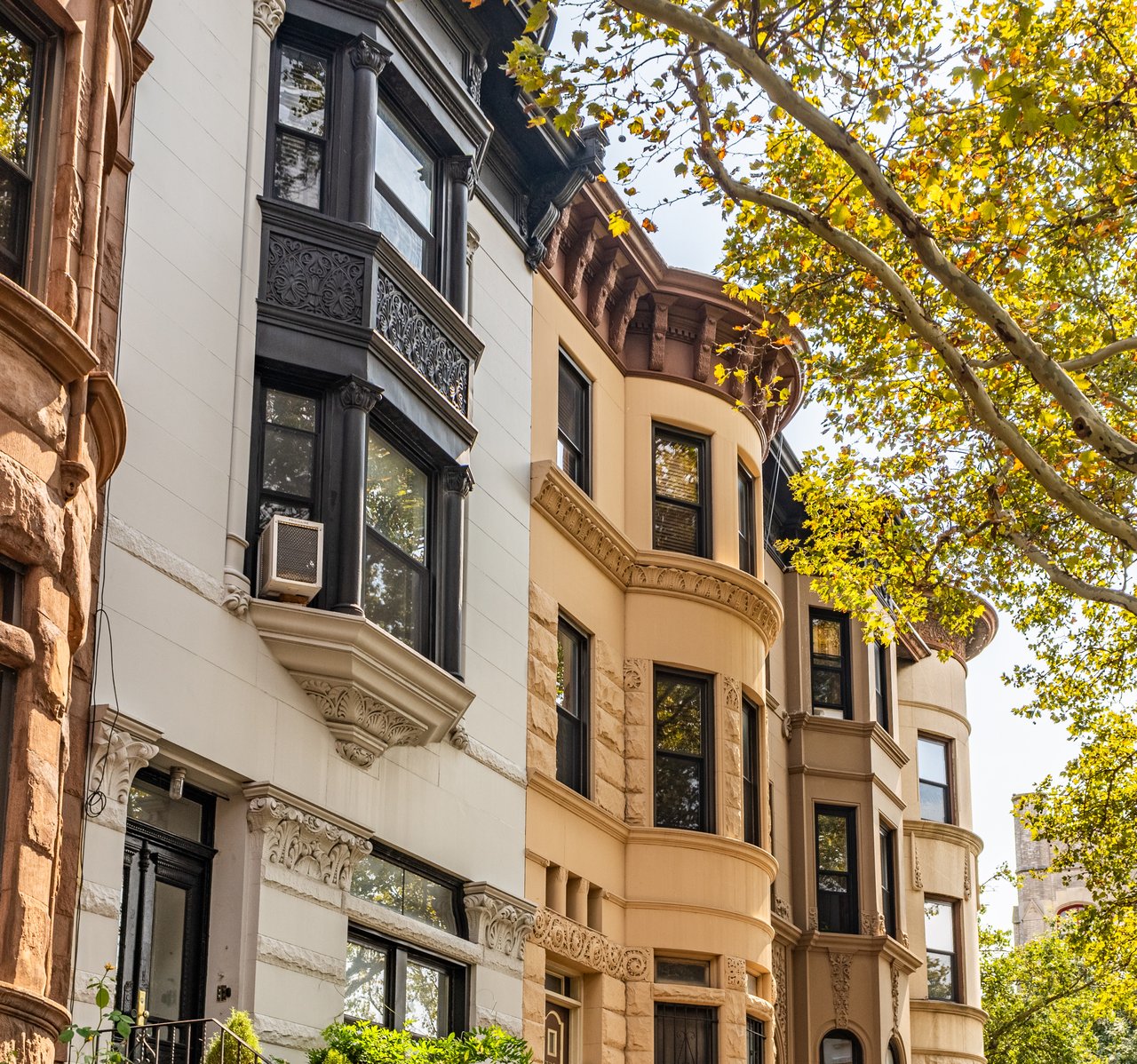
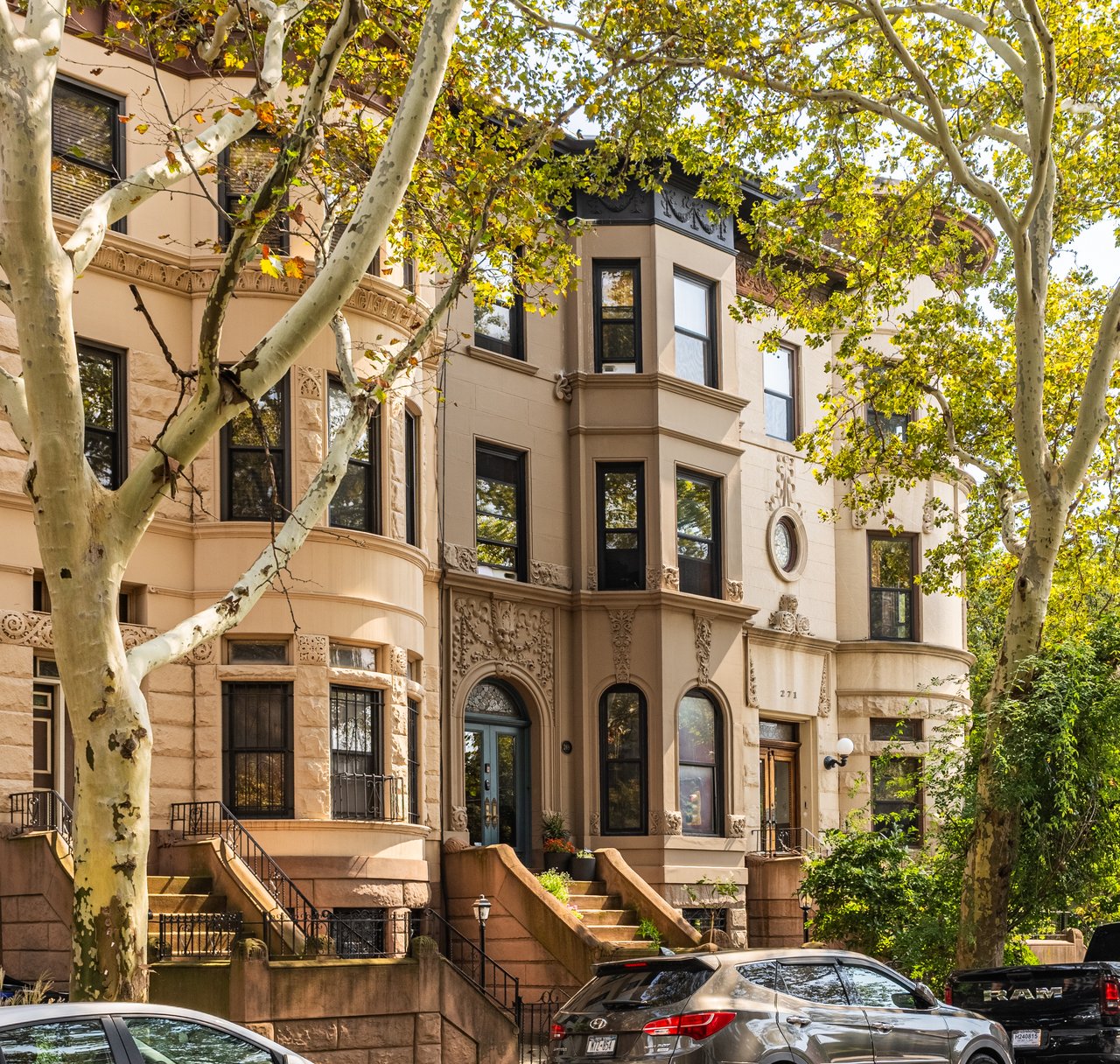
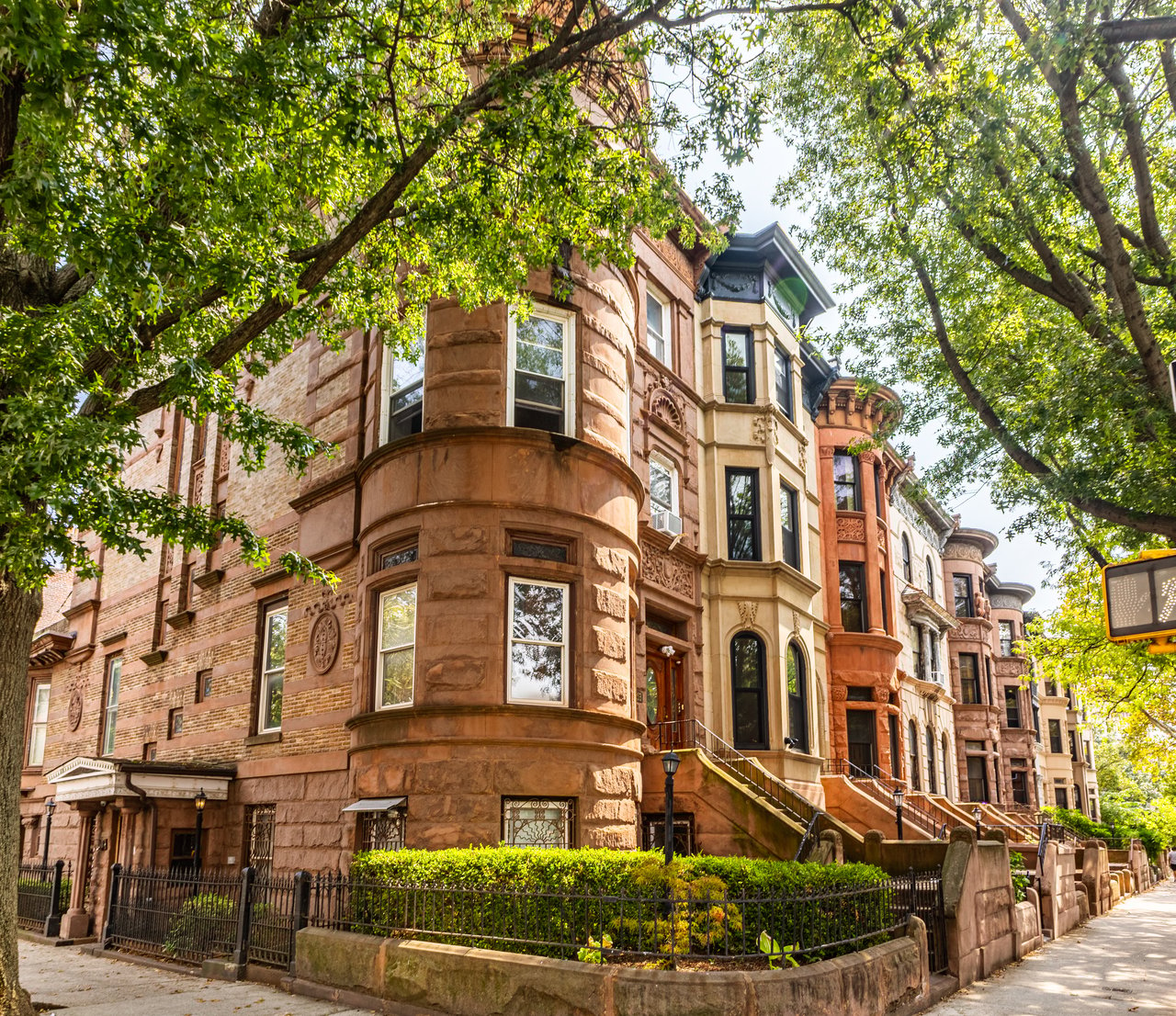
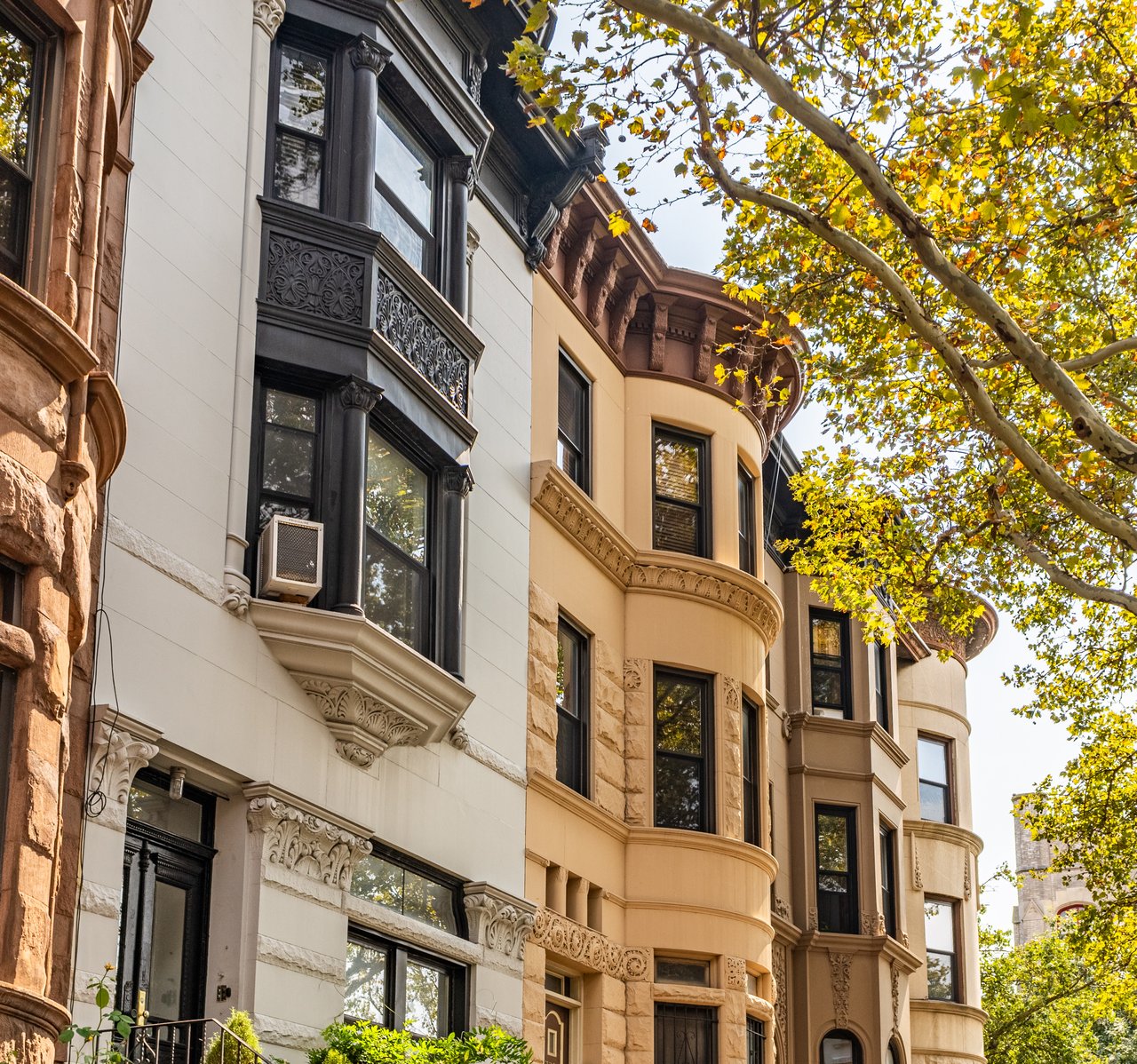
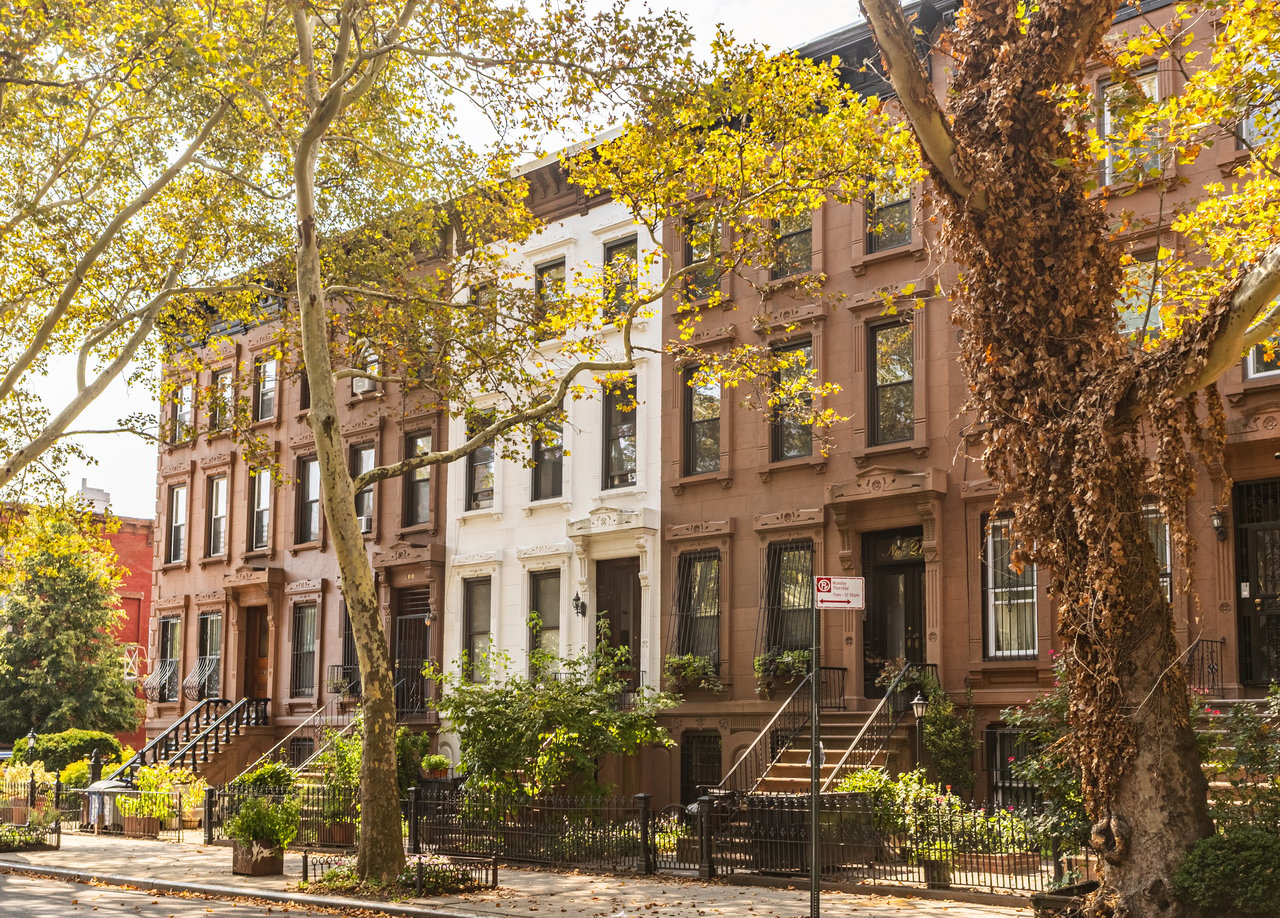
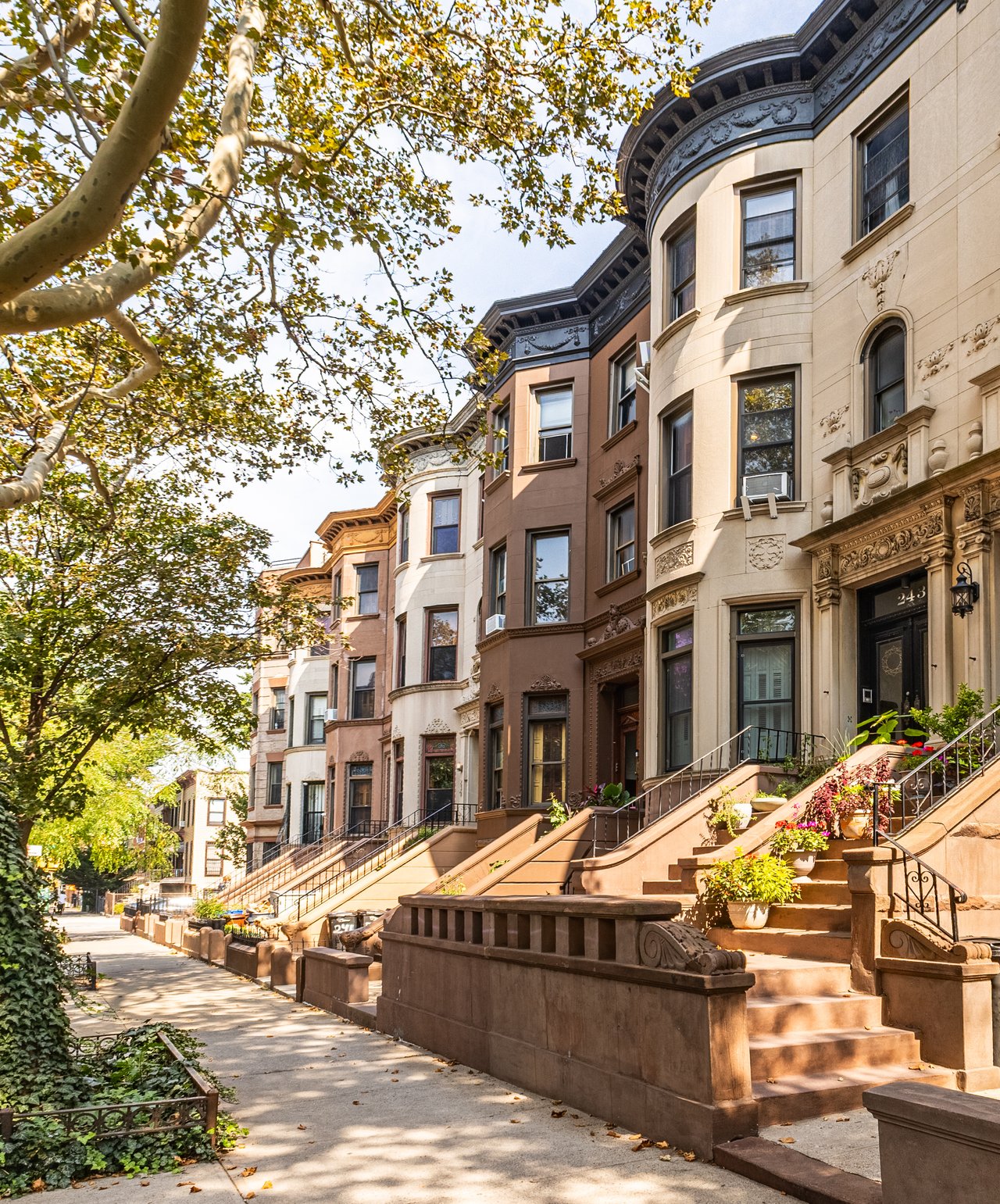
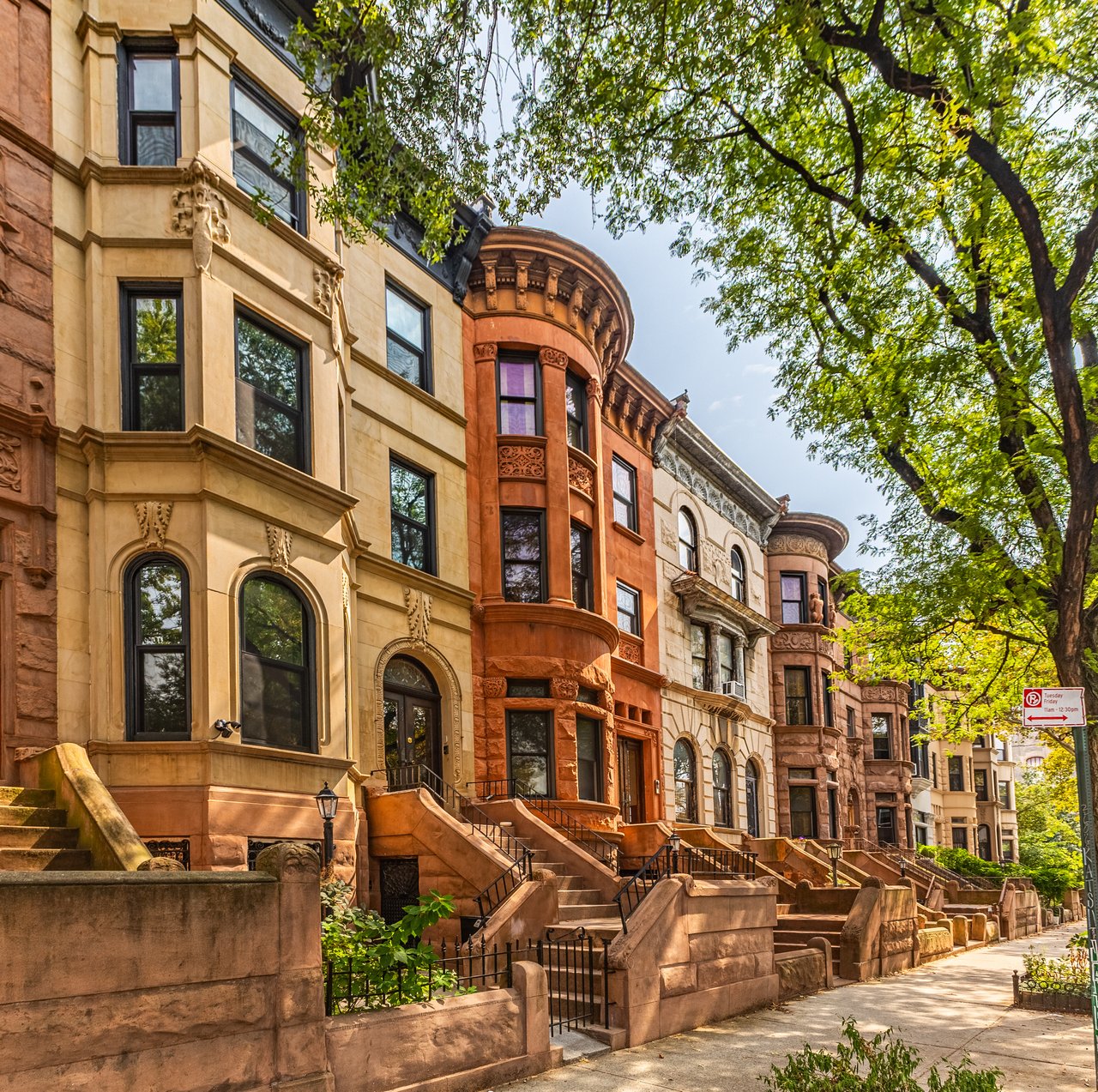
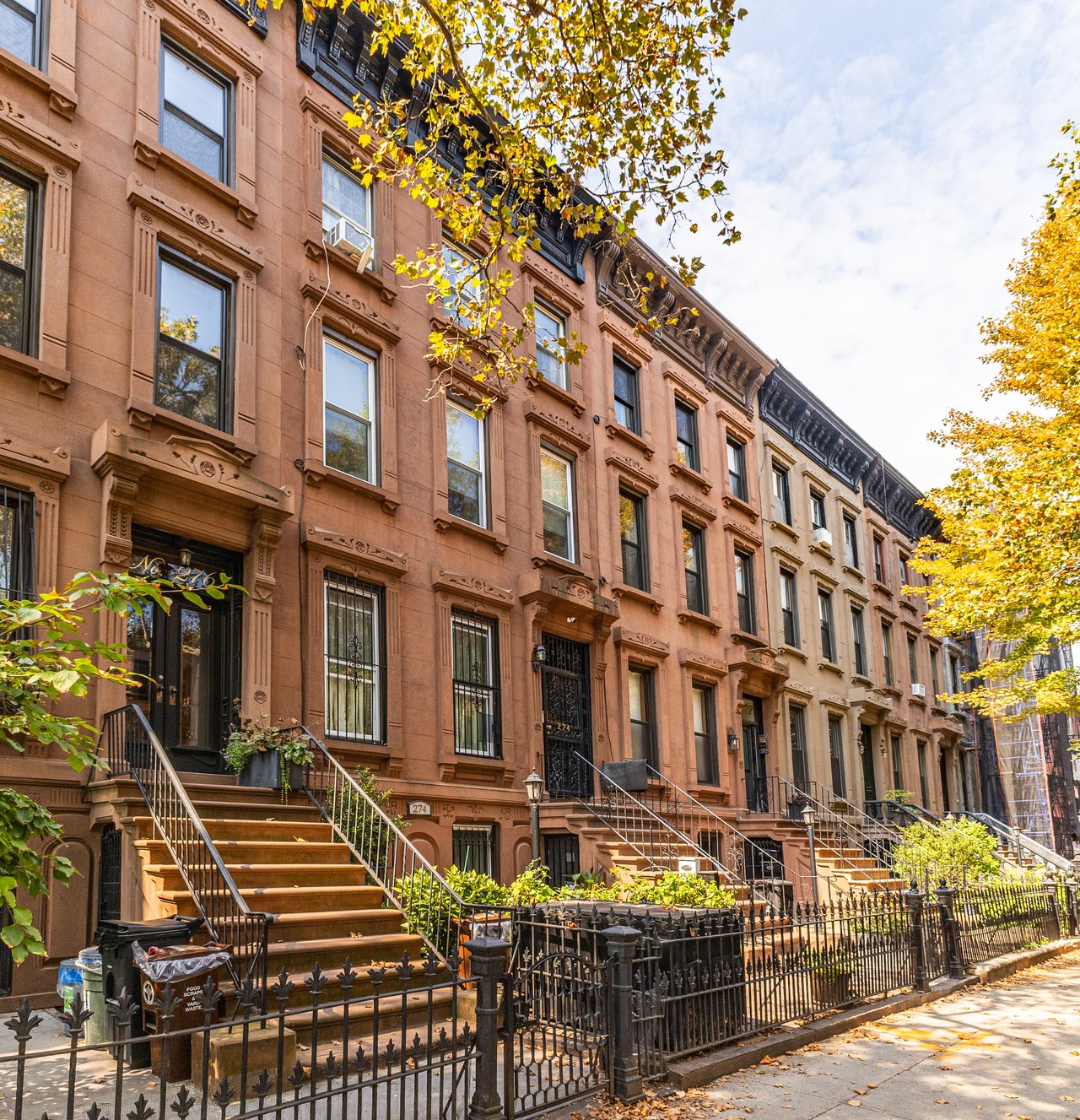
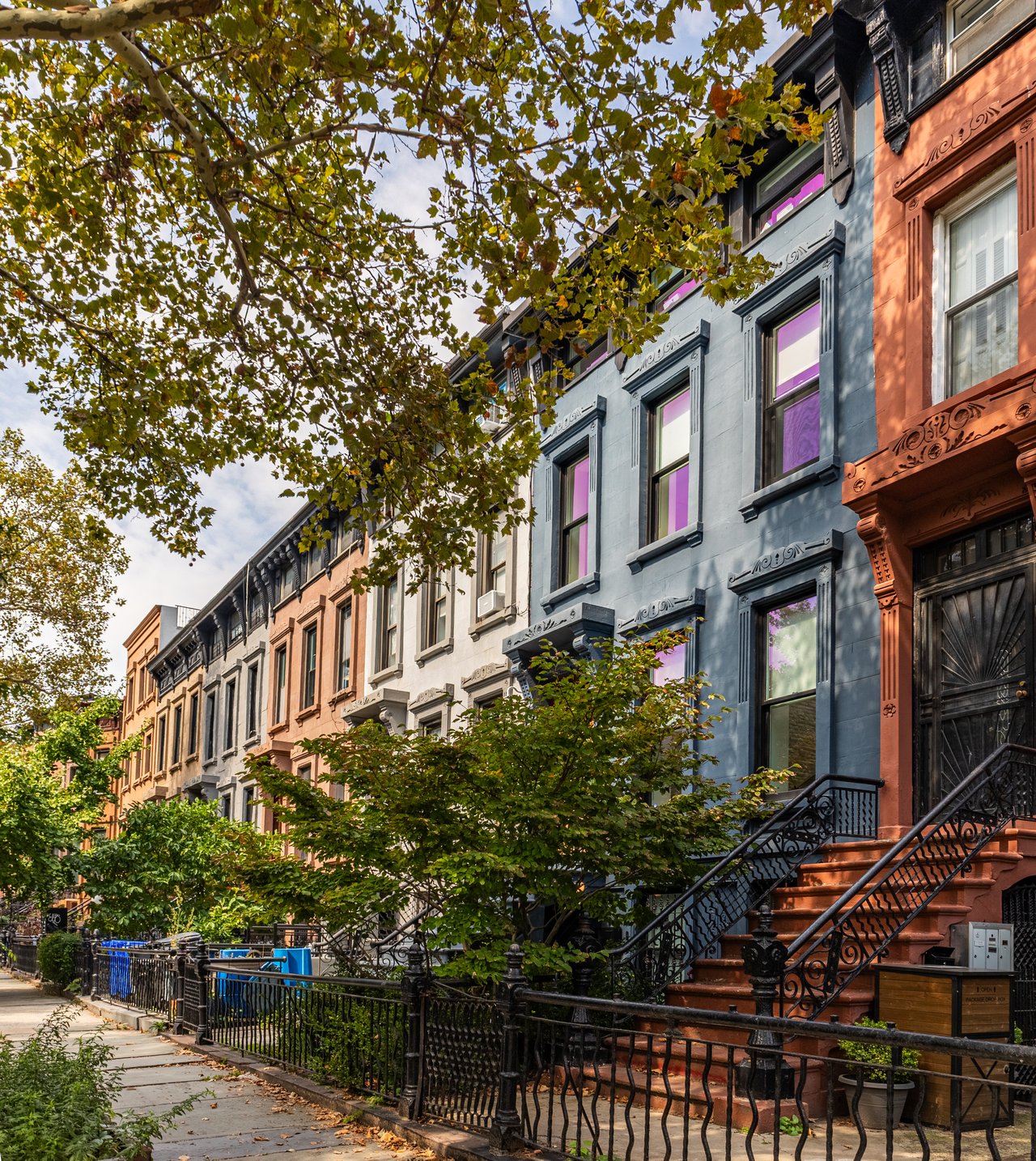
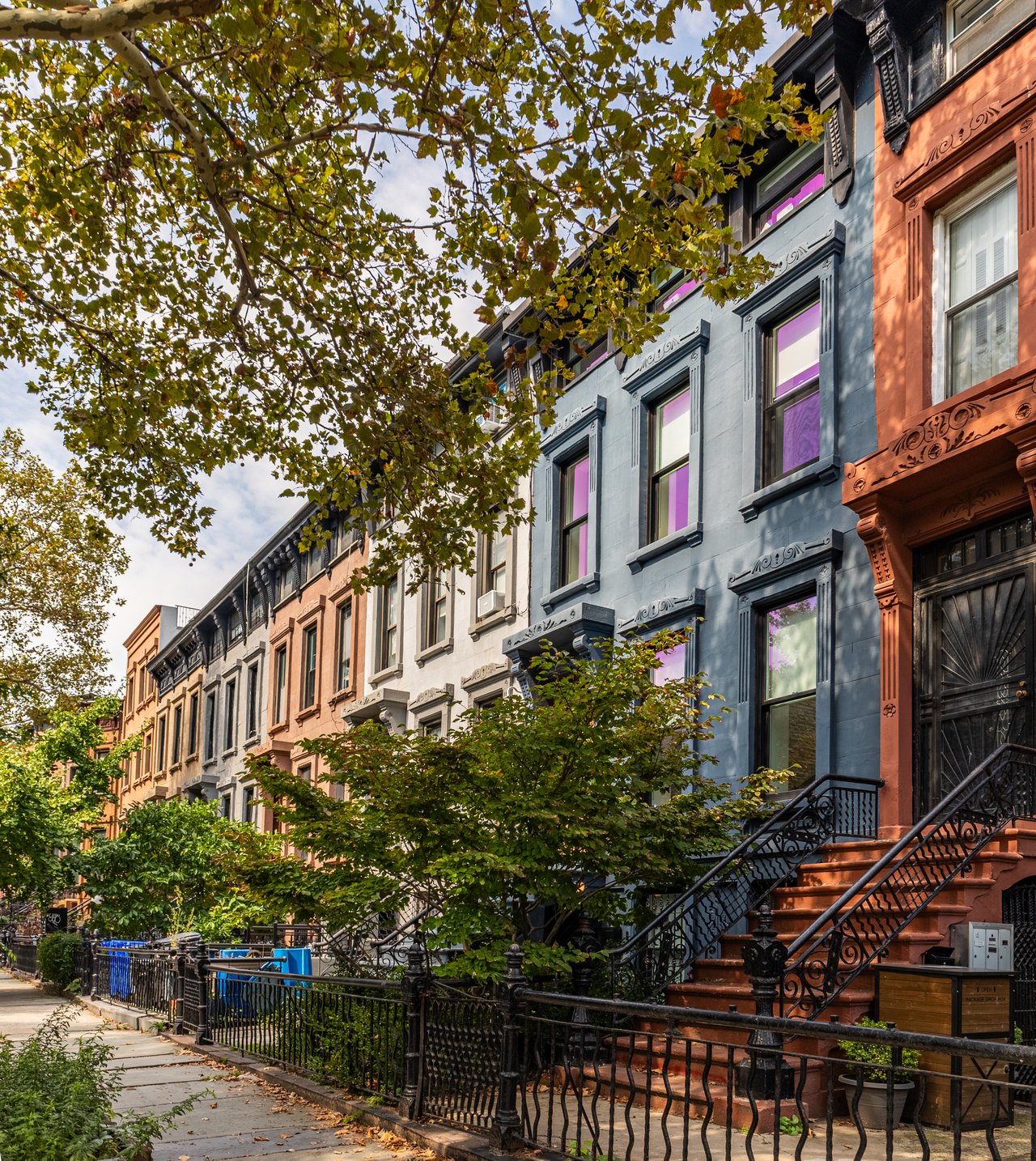
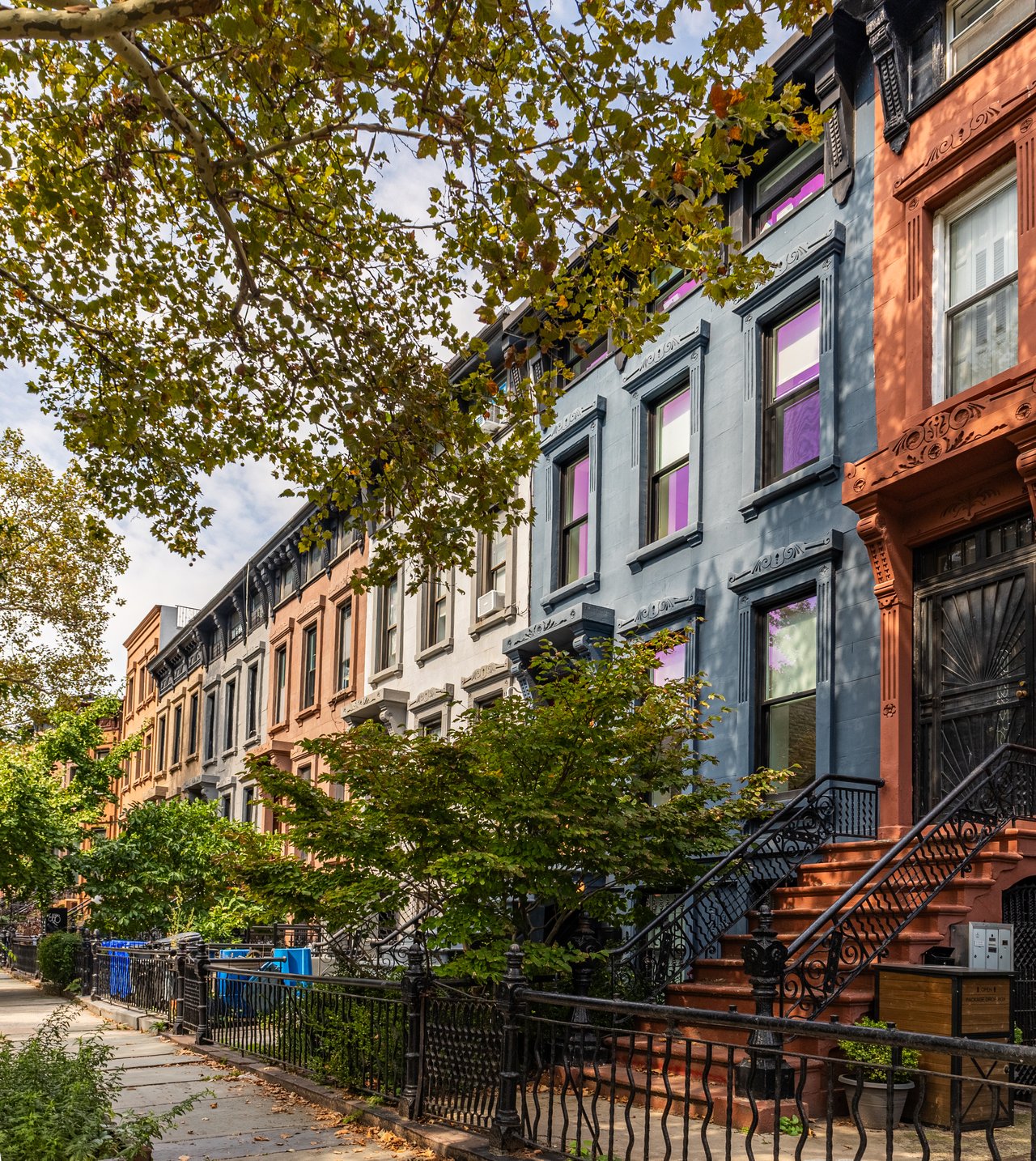
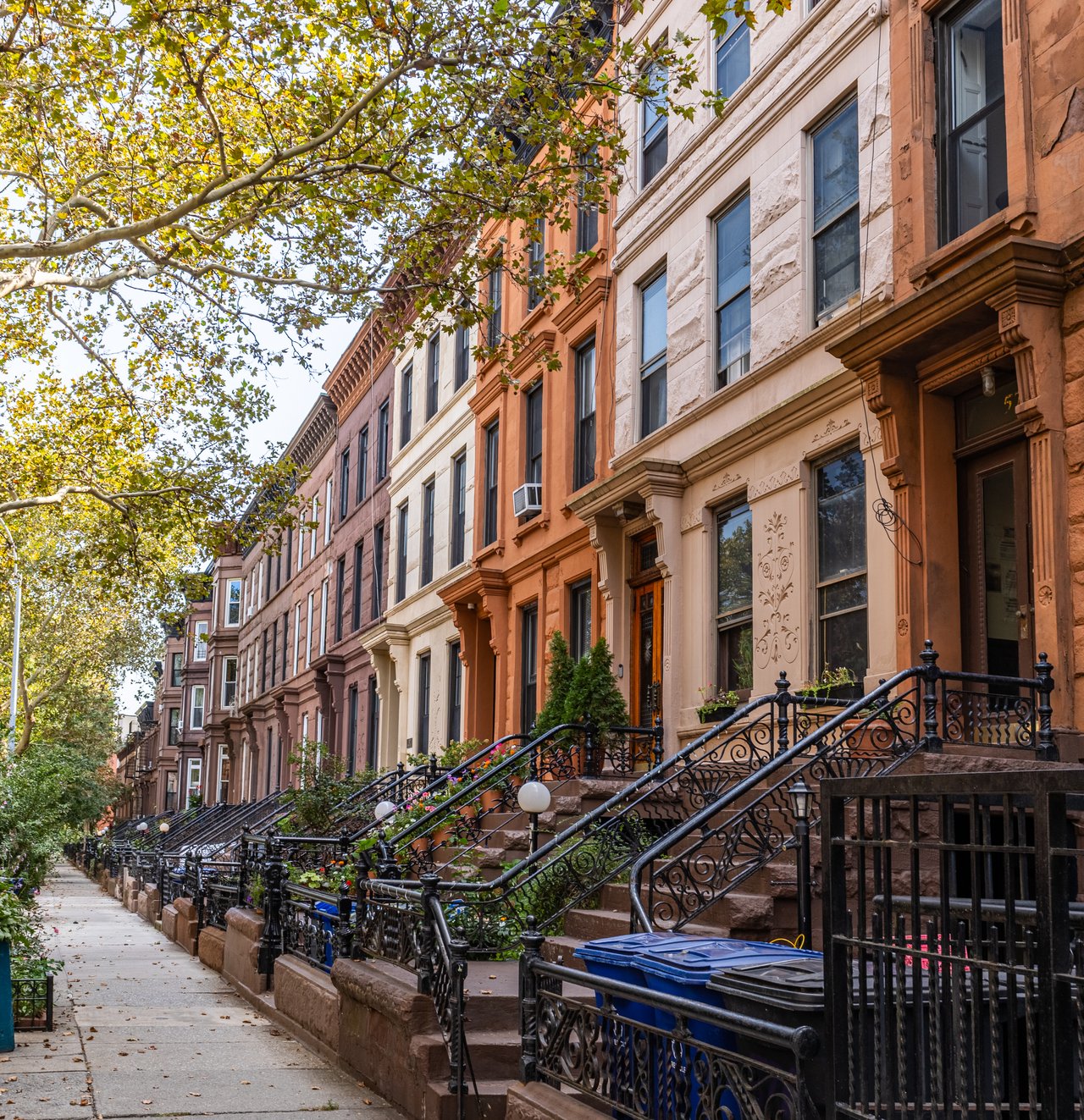
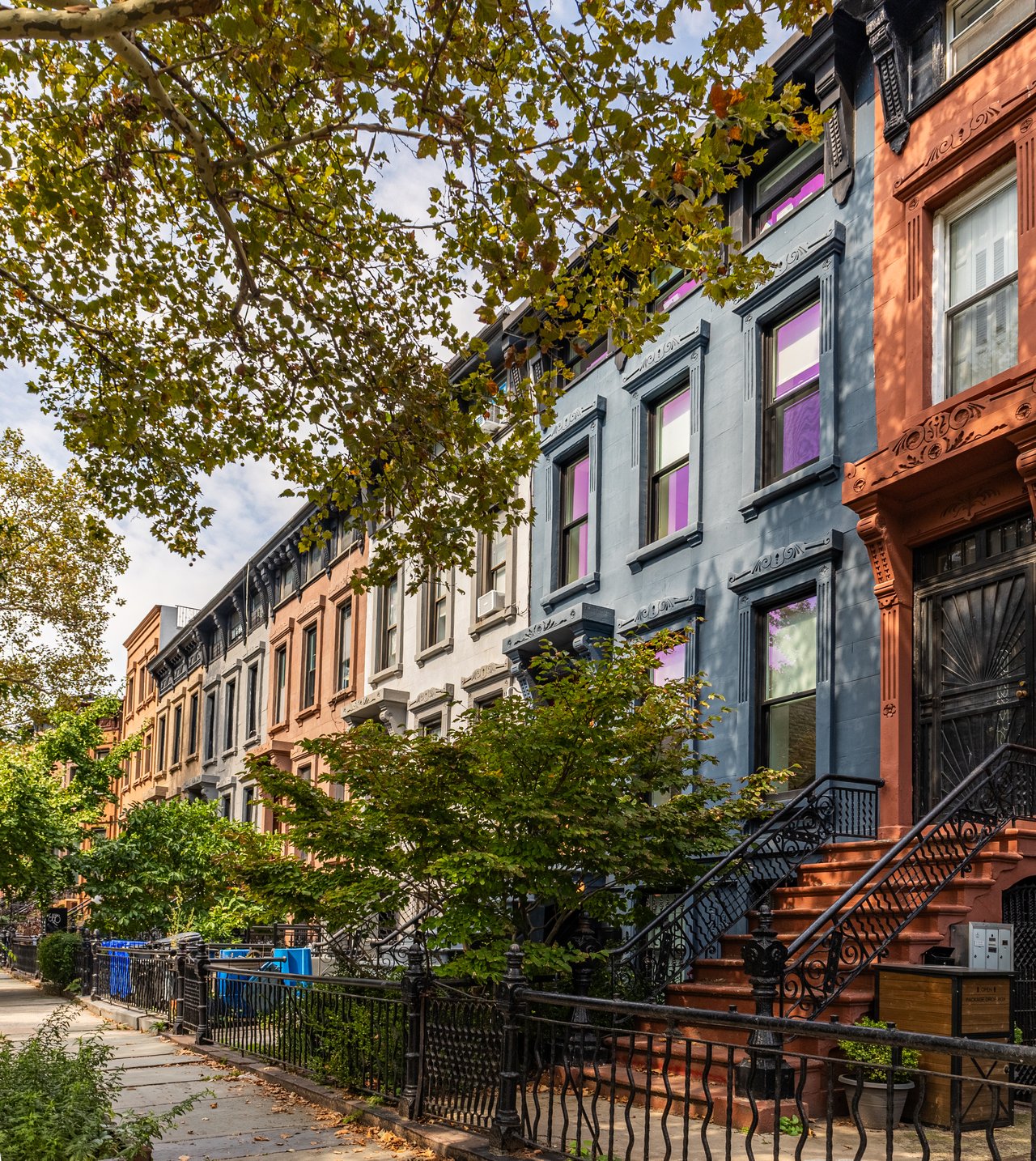
Roebling Street is one of Williamsburg's historic residential and commercial streets, distinguished by its 19th-century brick architecture, traditional multifamily buildings, mixed-use properties, and connections to some of the neighborhood's most significant architectural landmarks. Running through Williamsburg's Southside and Northside, Roebling Street reflects the neighborhood's development from a rapidly expanding 19th-century city into a major Brooklyn residential and commercial district.
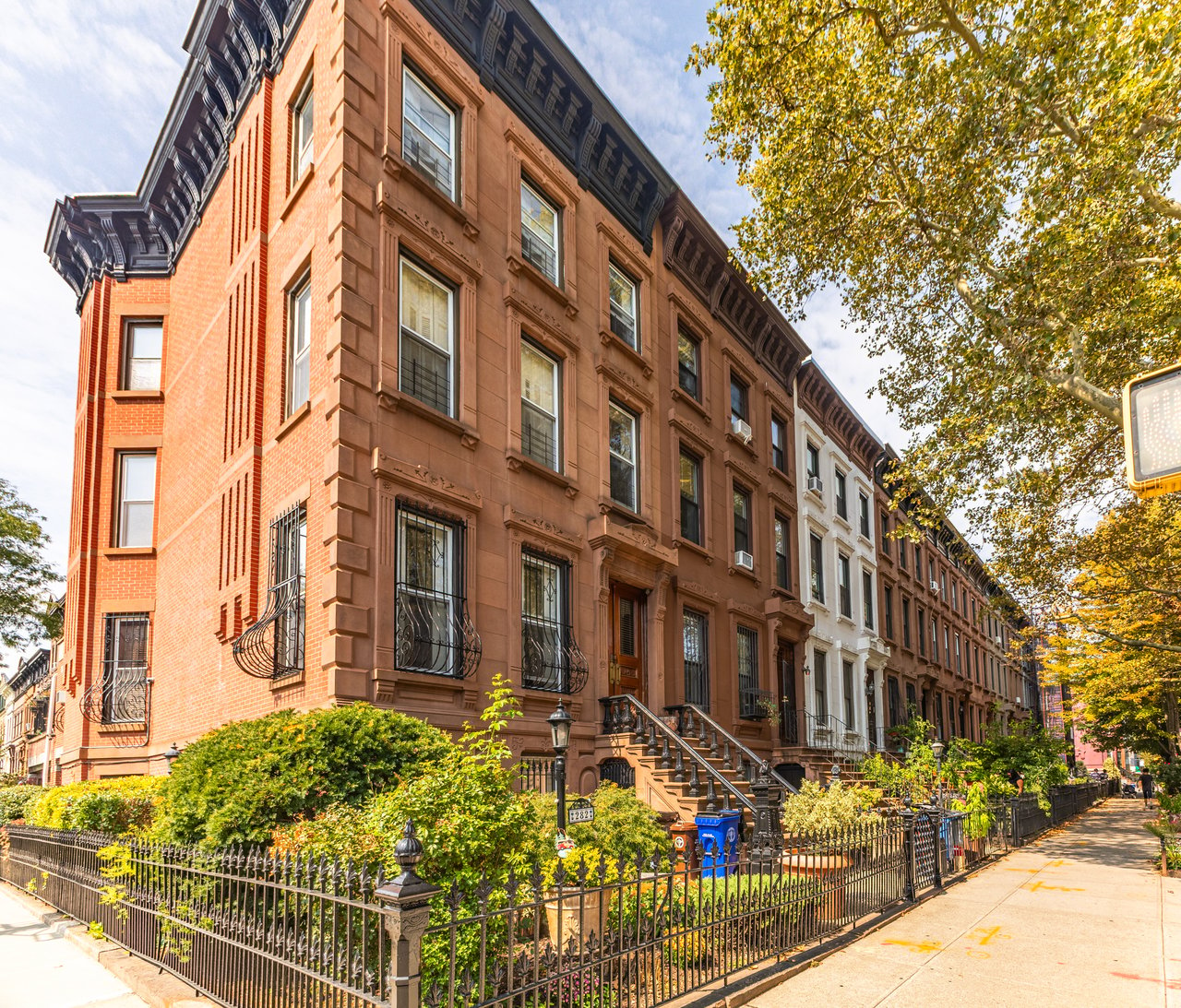
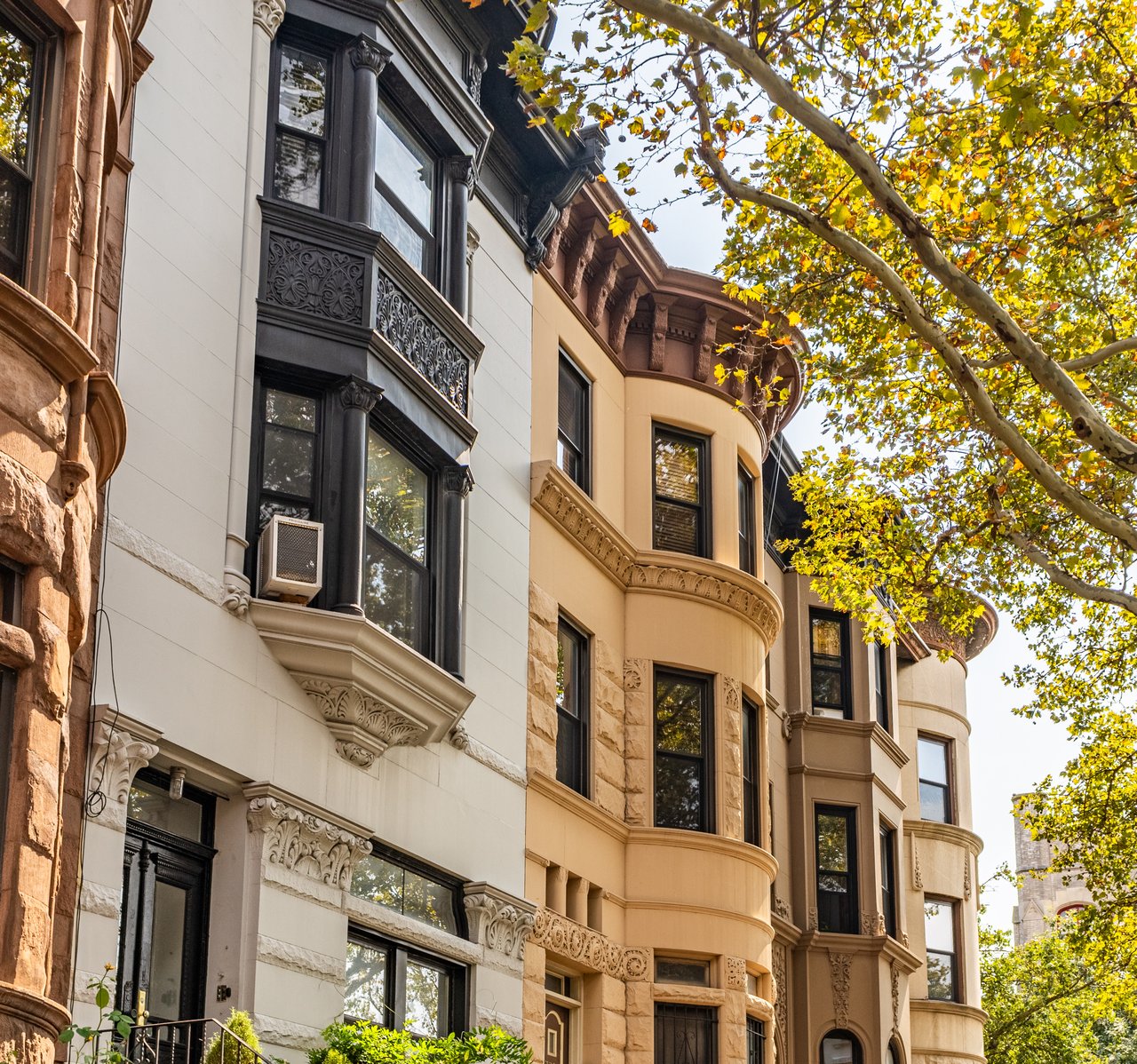
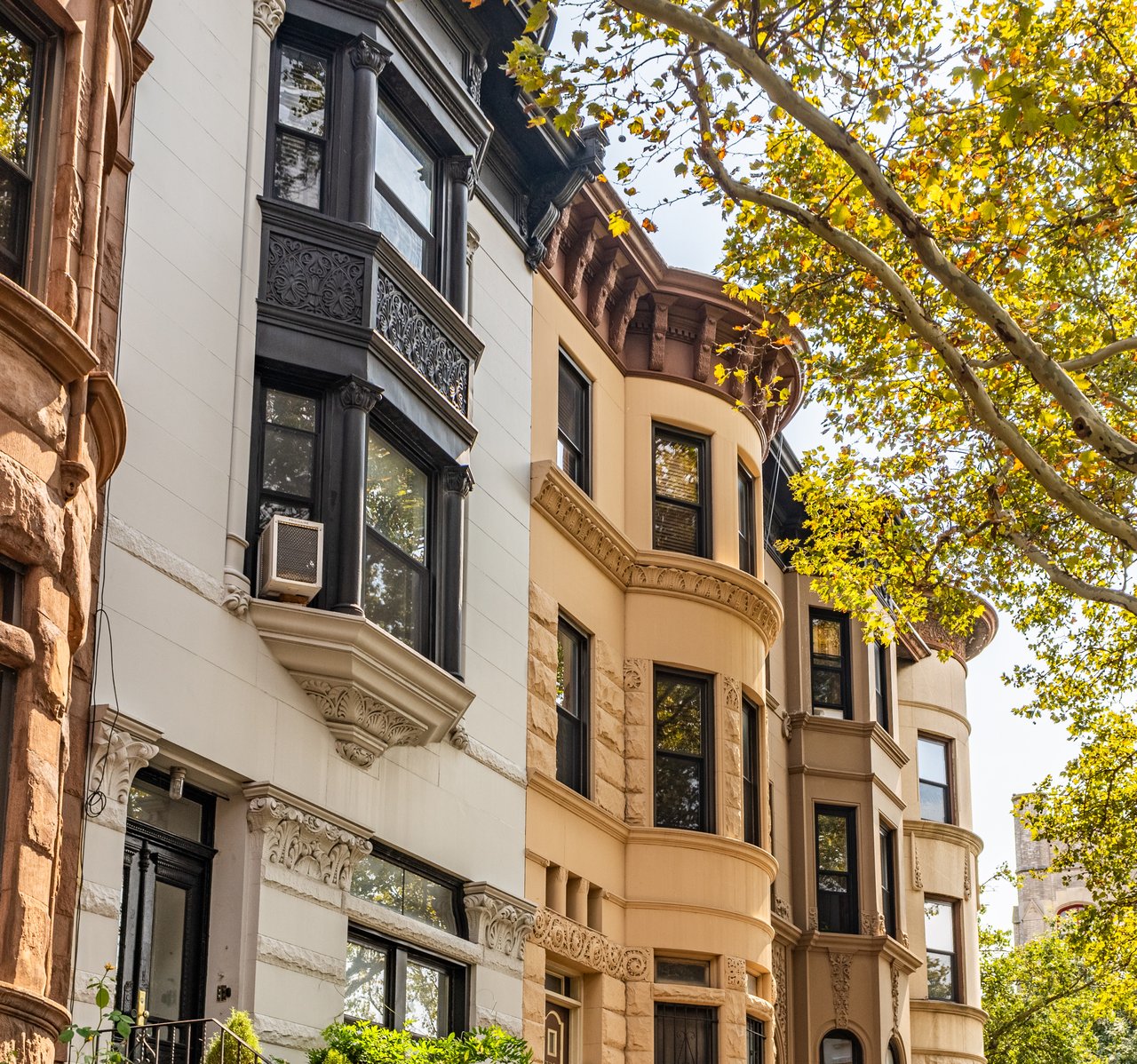
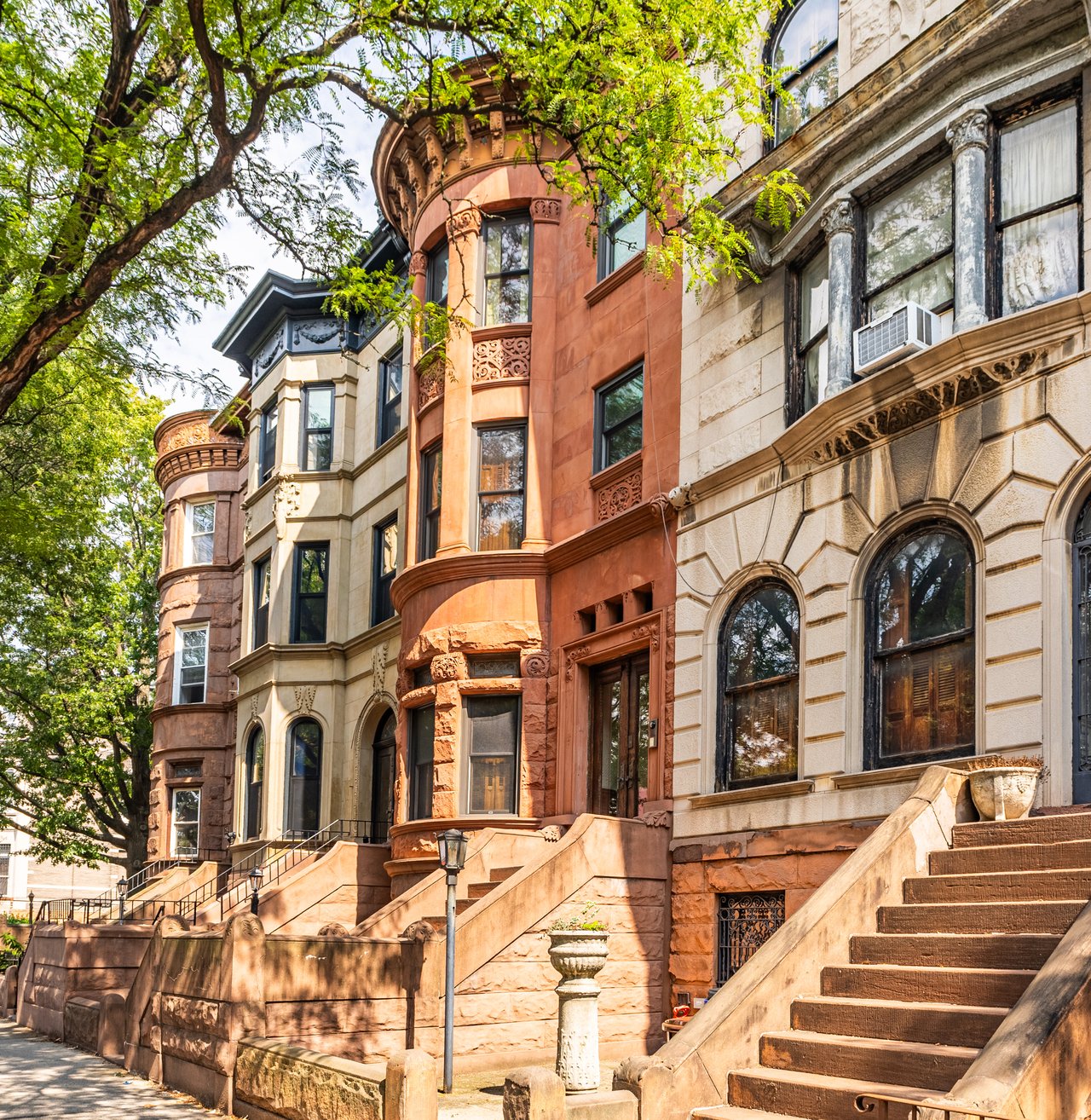
The street contains a variety of architectural styles, including Italianate rowhouses, traditional brick apartment buildings, commercial storefronts, and contemporary residential developments. Its intersection with Fillmore Place is especially significant because it forms part of the Fillmore Place Historic District, a designated New York City historic district containing some of Williamsburg's surviving mid-19th-century residential architecture.
Roebling Street also connects important Williamsburg corridors, including Broadway, Grand Street, Metropolitan Avenue, and North Fourth Street. These intersections reveal different periods of the neighborhood's development, from historic commercial properties near Broadway to residential and mixed-use buildings farther north.
For property owners considering selling a townhouse, two-family home, three-family building, multifamily property, or condominium on Roebling Street, understanding the building's architectural history, legal configuration, and comparable sales is essential.
The Parviz Team at Compass, led by Parviz Latipzoda, Associate Real Estate Broker at Compass, specializes in selling Brooklyn townhouses, brownstones, two-family homes, three-family buildings, multifamily properties, mixed-use buildings, and condominiums. With more than 14 years of New York City real estate experience, the team provides property valuations, professional photography, floor plans, video marketing, social media promotion, and direct broker outreach throughout Williamsburg.
Thinking of buying or selling? Call Parviz today at 917-847-7771
Discover why clients continue to trust The Parviz Team: Google Reviews ⭐⭐⭐⭐⭐
Where Is Roebling Street in Williamsburg?
Roebling Street is a north-south street in Williamsburg, Brooklyn, extending through the neighborhood's historic Southside and Northside street grids.
The street connects with Broadway, South Fourth Street, Grand Street, Fillmore Place, Metropolitan Avenue, and North Fourth Street, among other Williamsburg streets.
Its route includes a slight change in alignment around Metropolitan Avenue, reflecting the different street grids established during Williamsburg's early development.
The southern section contains traditional residential buildings, mixed-use properties, and commercial structures near Broadway.
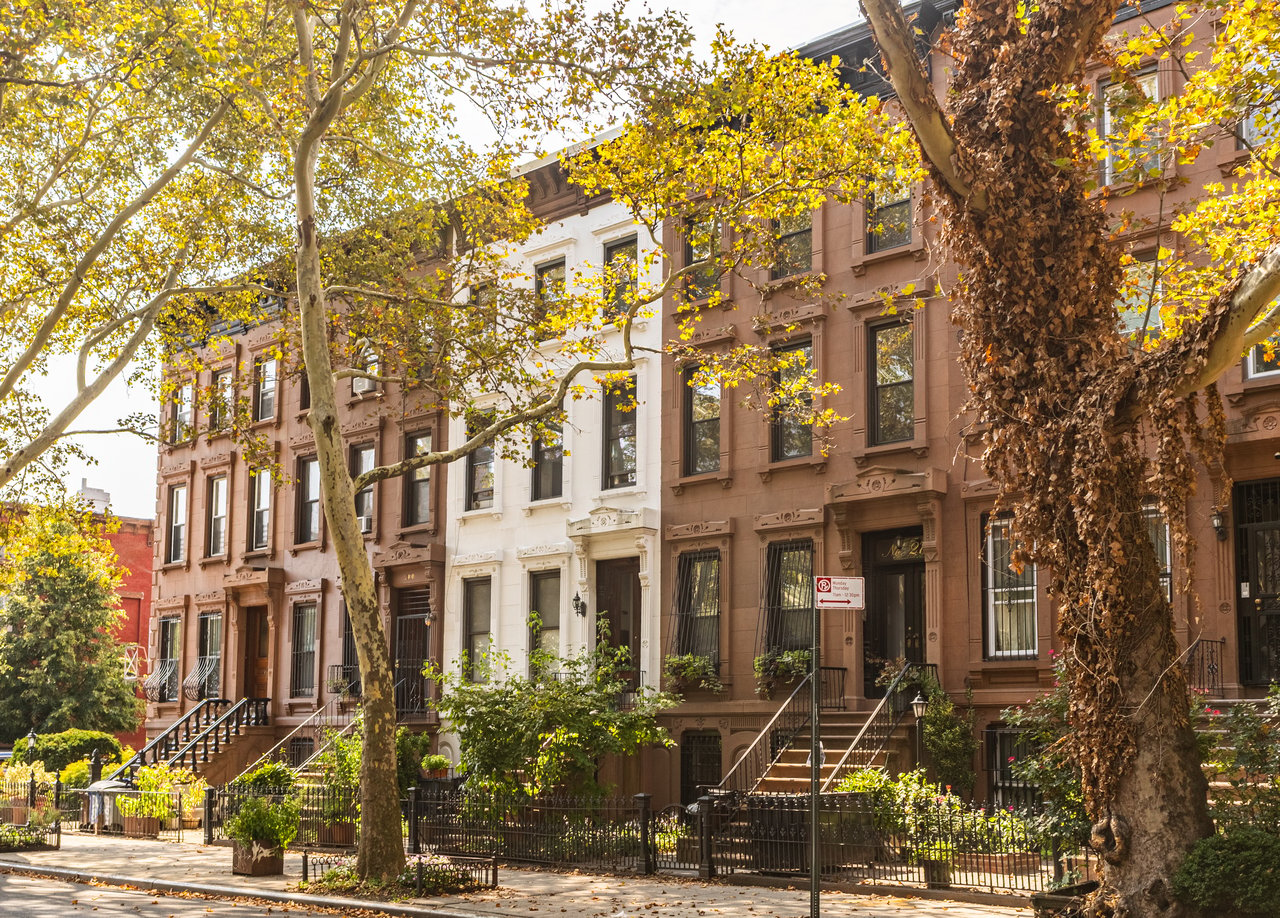
Around Grand Street and Fillmore Place, historic brick rowhouses and apartment buildings preserve elements of Williamsburg's 19th-century architecture.
Farther north, the surrounding blocks contain additional residential properties, commercial storefronts, and buildings associated with Williamsburg's later development.
The Parviz Team at Compass evaluates properties on Roebling Street according to their exact location, building dimensions, legal unit count, architectural condition, renovations, and comparable sales.
The History of Roebling Street in Williamsburg
Roebling Street developed as part of Williamsburg's 19th-century expansion, when the neighborhood grew from a waterfront settlement into a major residential, industrial, and commercial center.
Williamsburg was incorporated as a village in 1827. It later became an independent municipality before joining the City of Brooklyn in 1855.
During this period, real estate development expanded rapidly. Landowners divided larger parcels into building lots, new streets were opened, and rows of brick residential buildings were constructed.
Roebling Street was historically known as Sixth Street in the original Williamsburg street system.
The surrounding blocks were developed with brick rowhouses, multifamily residences, commercial storefronts, and apartment buildings.
During the late 19th and early 20th centuries, Williamsburg's population and commercial activity increased, leading to additional residential construction.
Today, Roebling Street preserves buildings associated with several periods of Williamsburg's architectural history.
Roebling Street and Williamsburg's Original Street Grid
Roebling Street is an important example of Williamsburg's historic street planning.
During the early 19th century, the original street grid was laid out around existing roads and the developing waterfront.
Some streets were established before Metropolitan Avenue became part of the modern urban street network.
Roebling Street's earlier designation as Sixth Street reflects the original numbered north-south streets of Williamsburg.
The intersection with Metropolitan Avenue reveals a slight change in the street's alignment, creating an irregular connection between the surrounding blocks.
This arrangement developed as older roadways and different street plans were incorporated into Williamsburg's expanding urban grid.
The resulting street pattern remains visible today.
The Parviz Team specializes in selling Williamsburg townhouses and multifamily properties, evaluating lot dimensions, building widths, legal configurations, and comparable sales to establish accurate property valuations.
The Fillmore Place Historic District and Roebling Street
The Fillmore Place Historic District is one of the most significant architectural landmarks associated with Roebling Street.
Designated by the New York City Landmarks Preservation Commission on May 12, 2009, the district contains 29 properties centered on Fillmore Place, between Driggs Avenue and Roebling Street.
Most of the buildings were constructed during the mid-19th century, when Williamsburg experienced rapid residential development.
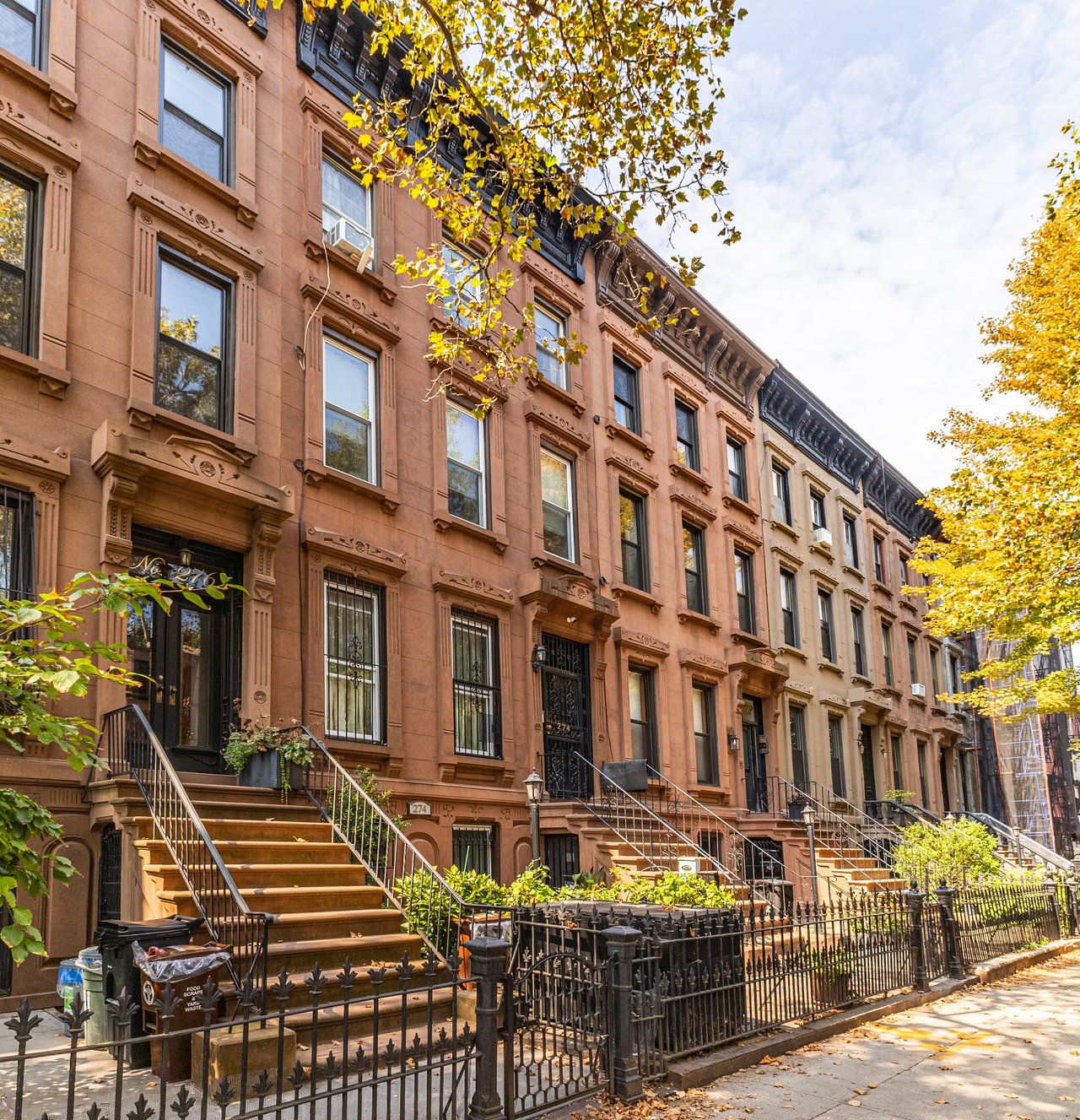
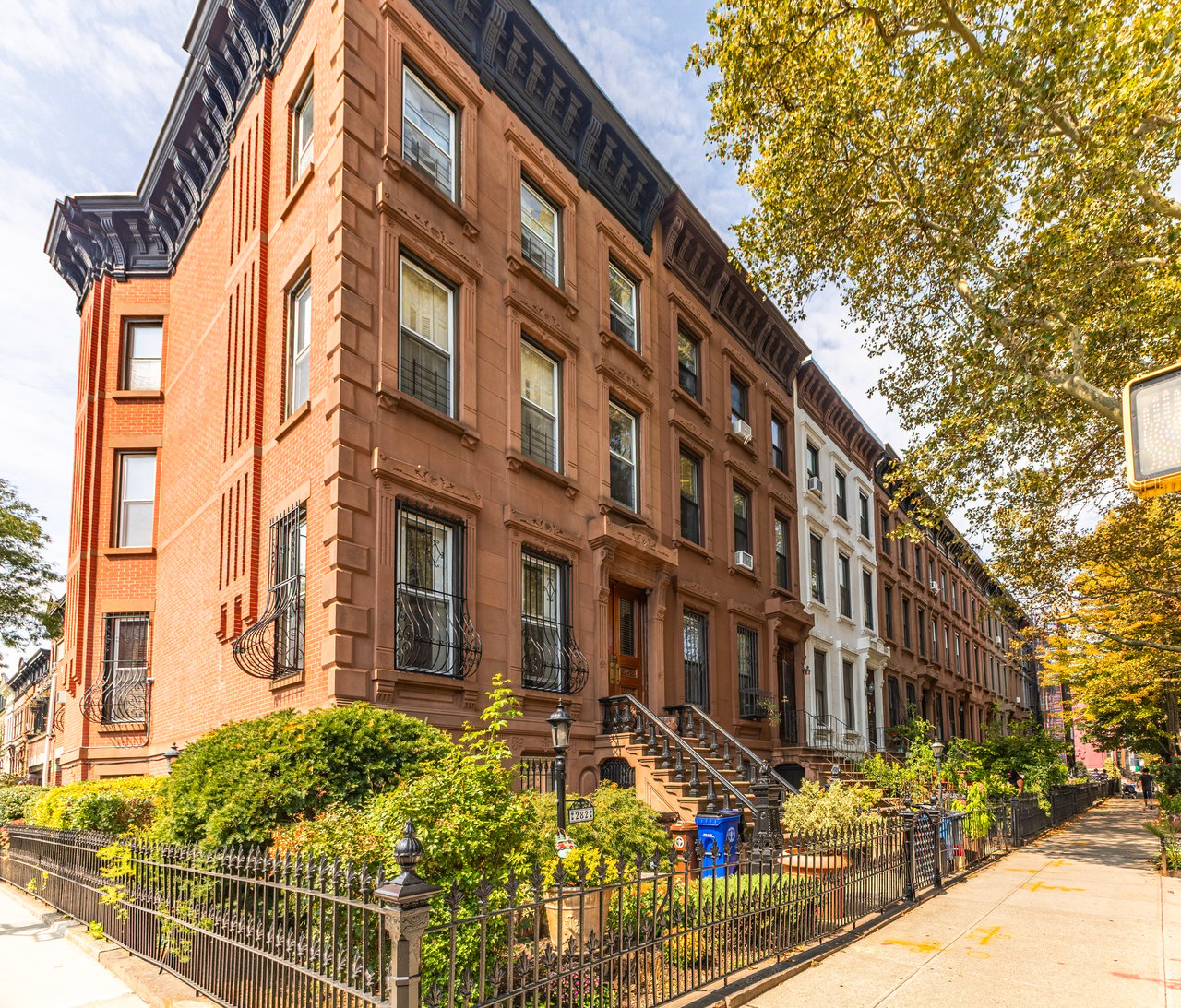
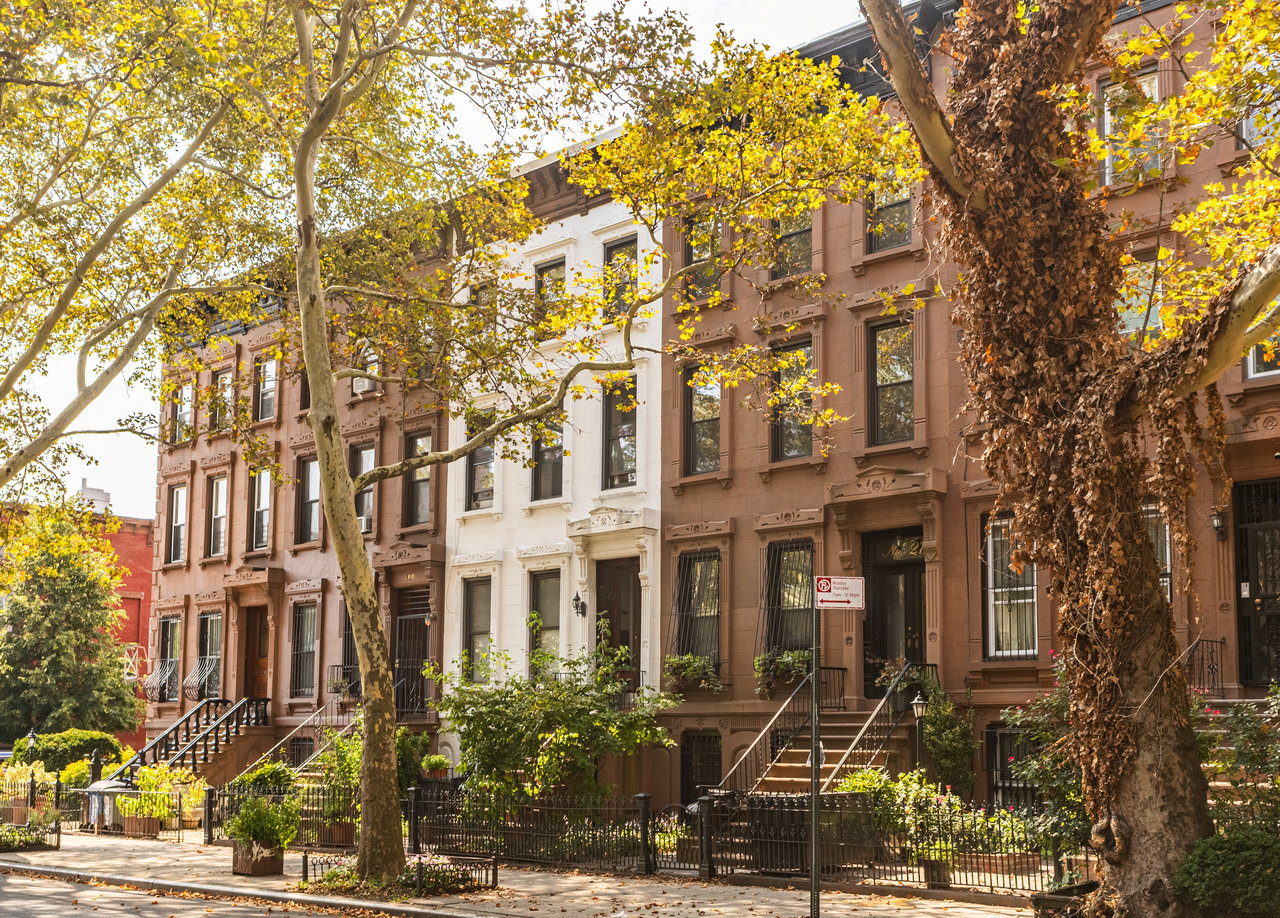
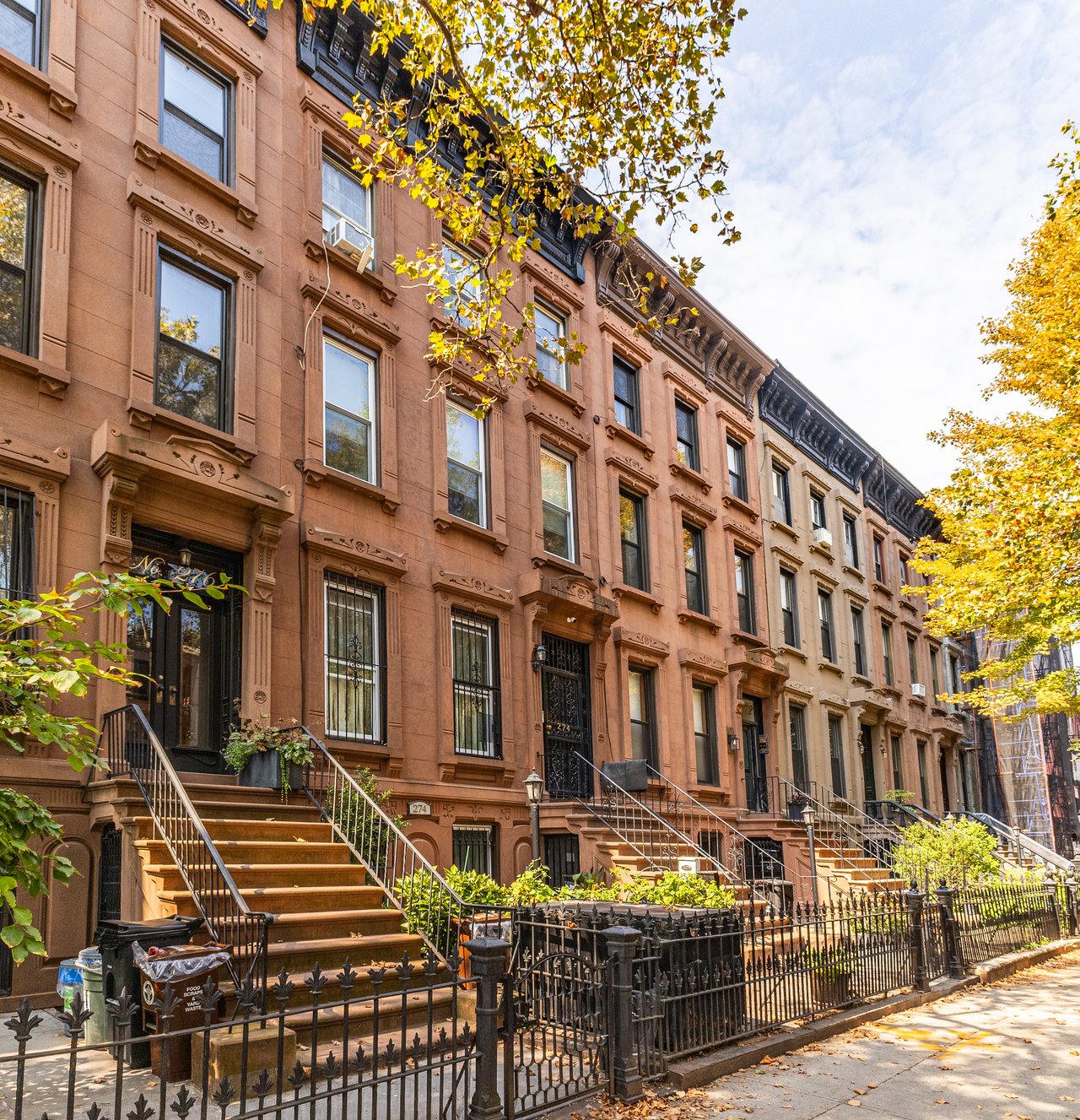
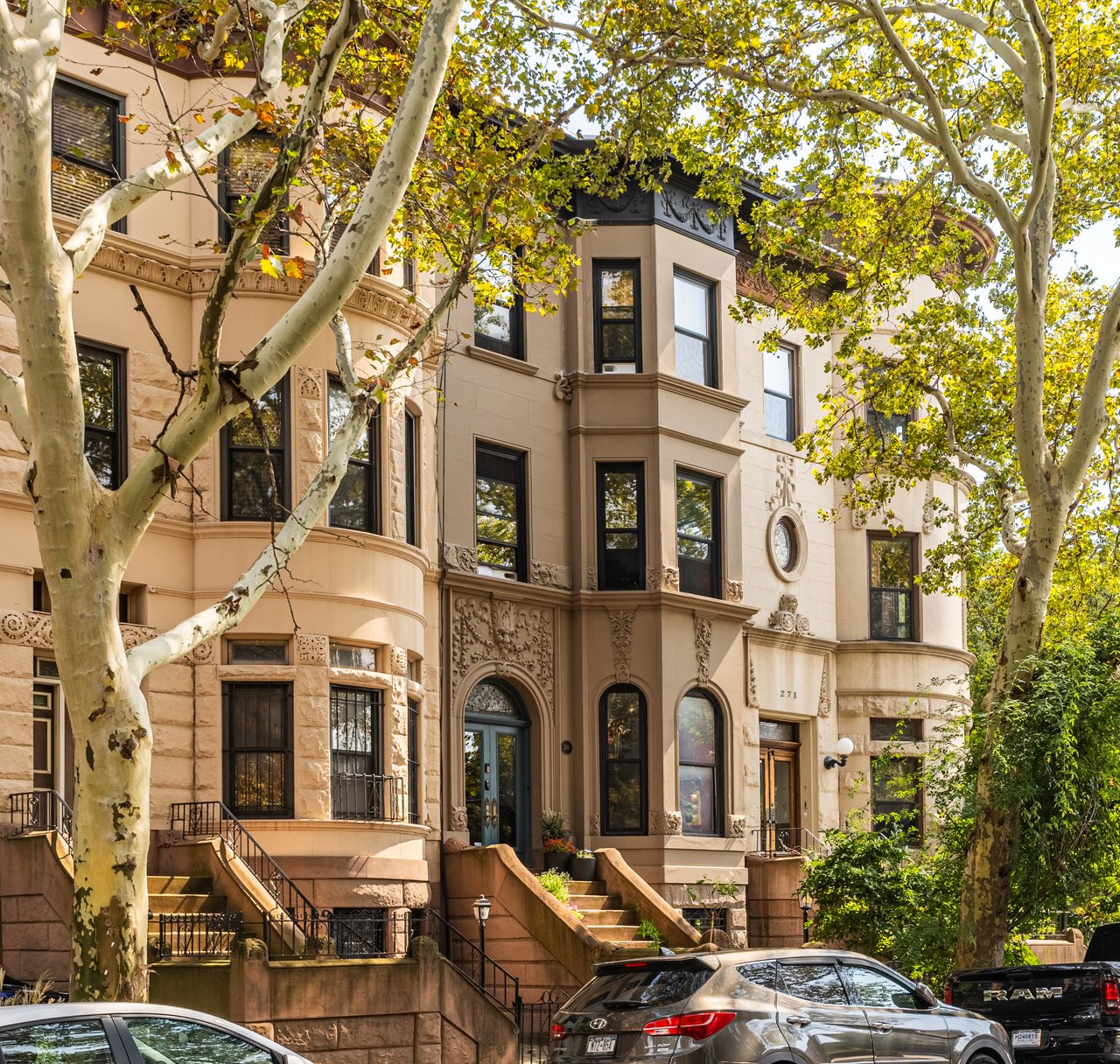
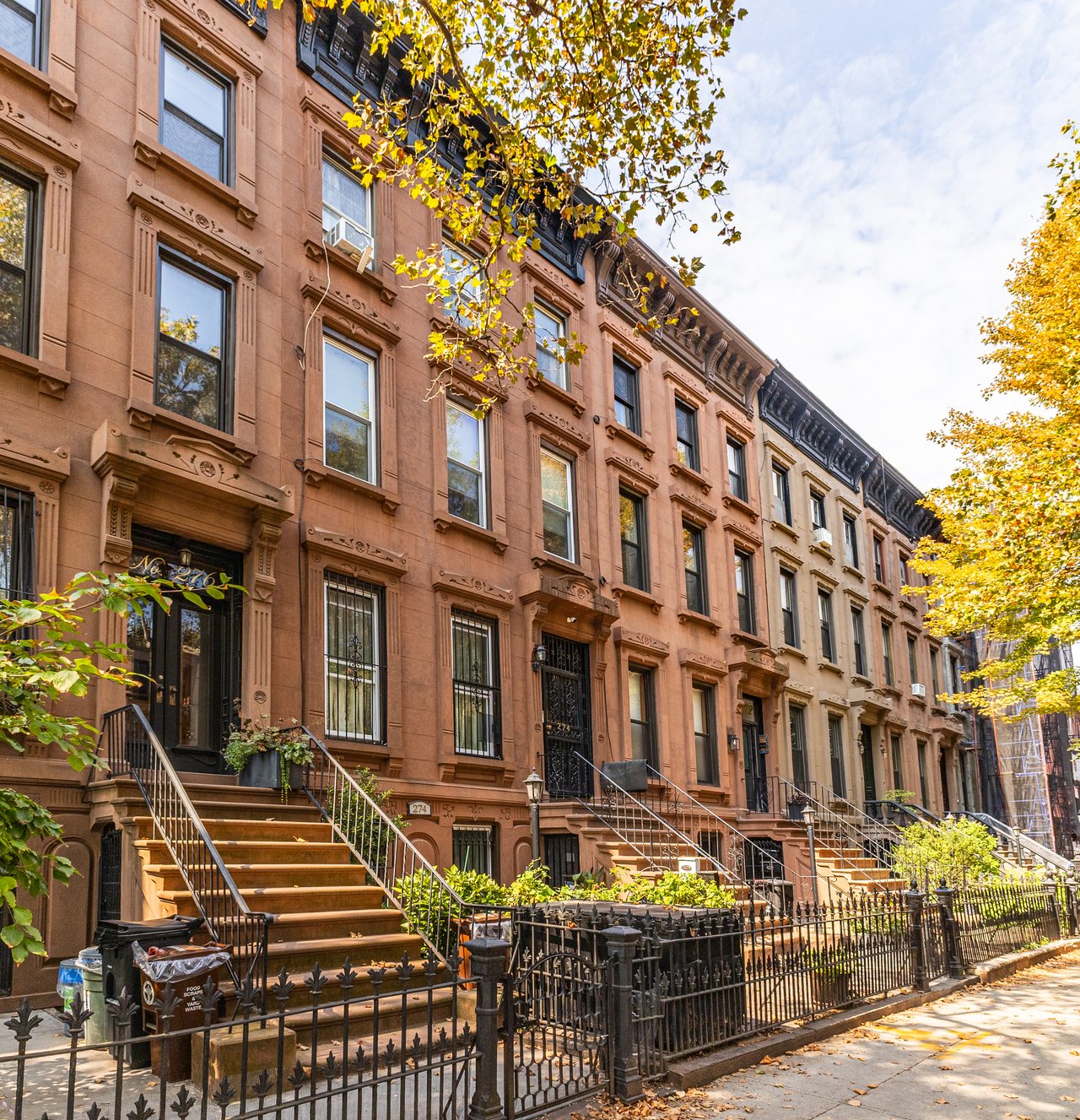
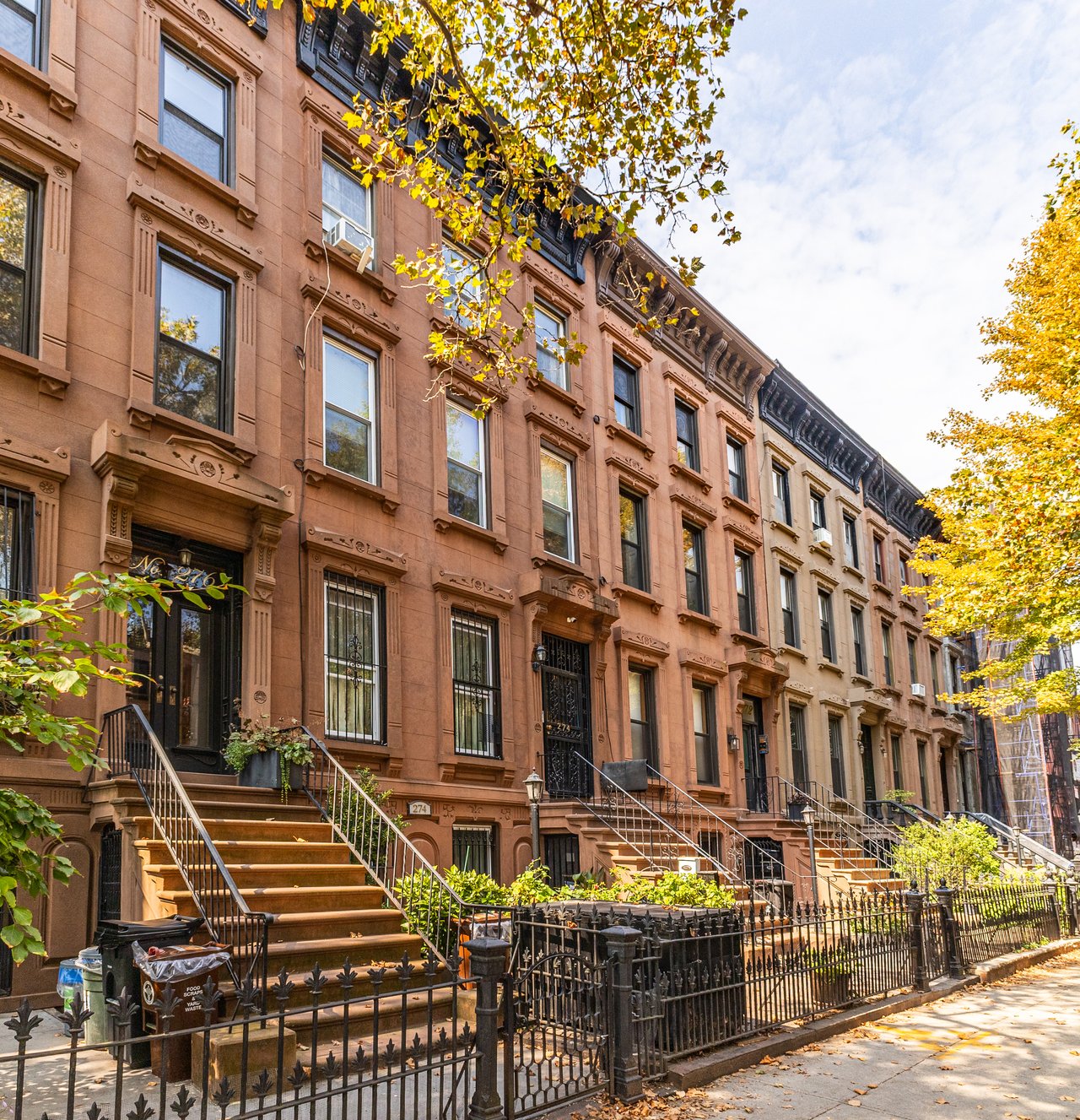
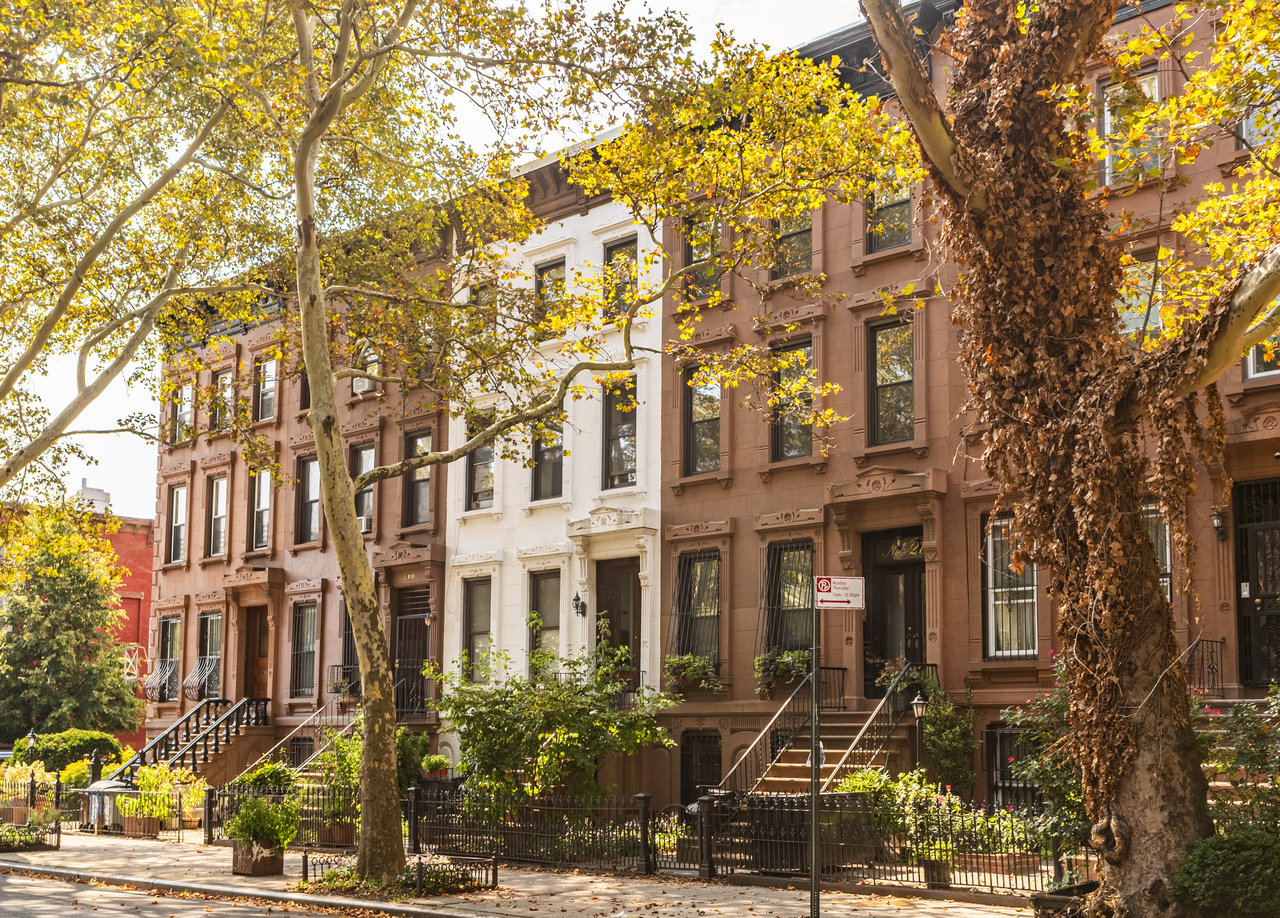
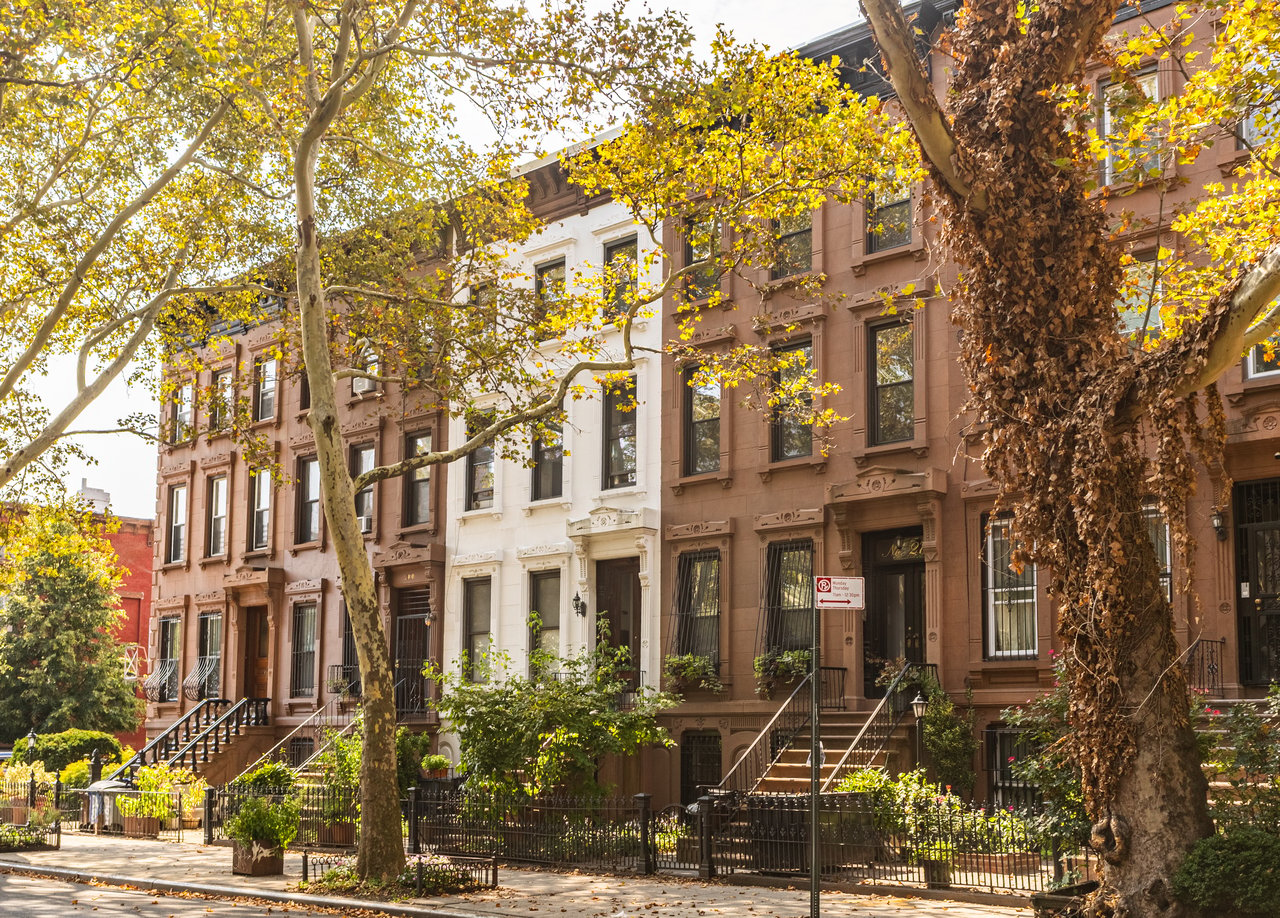
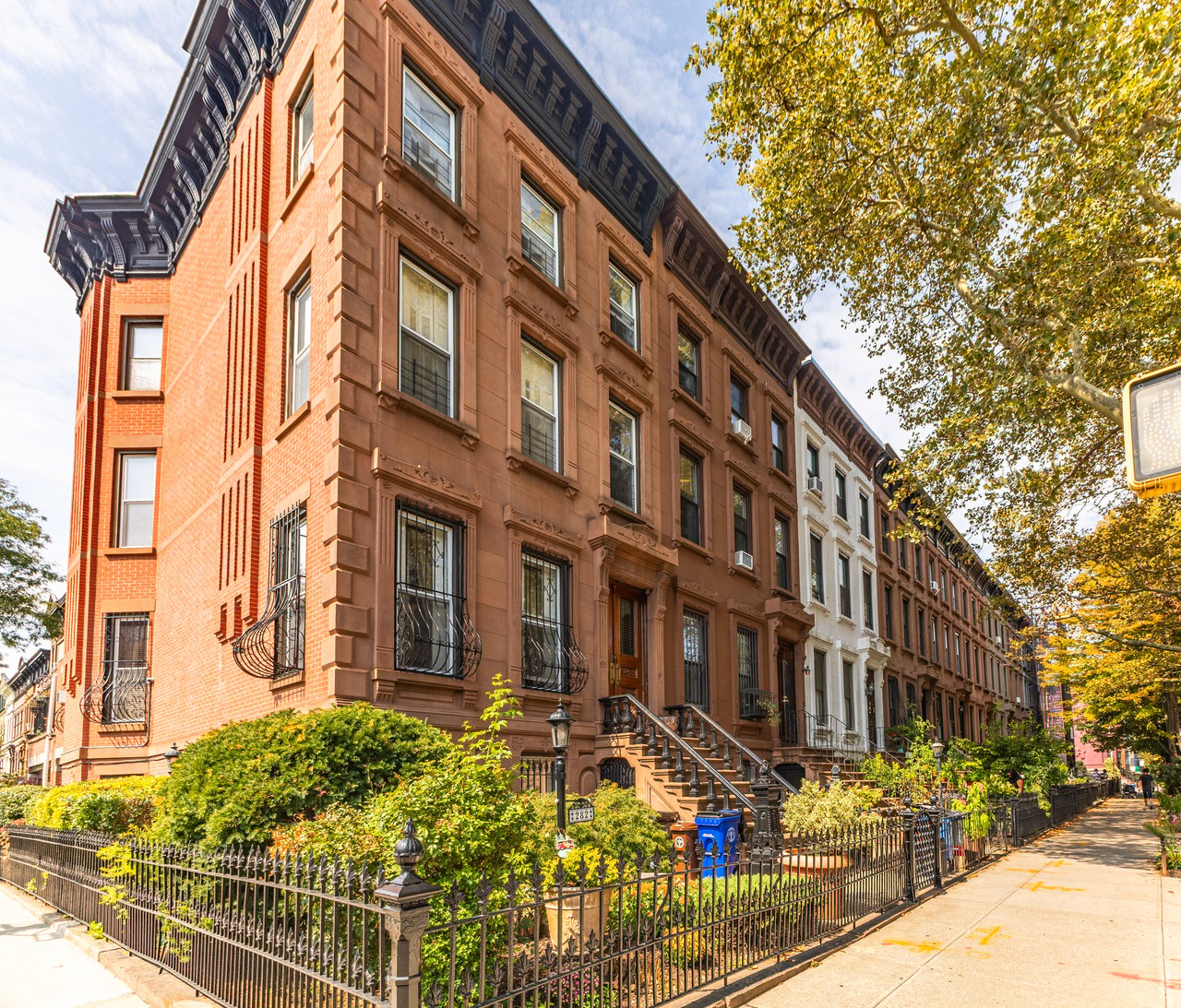
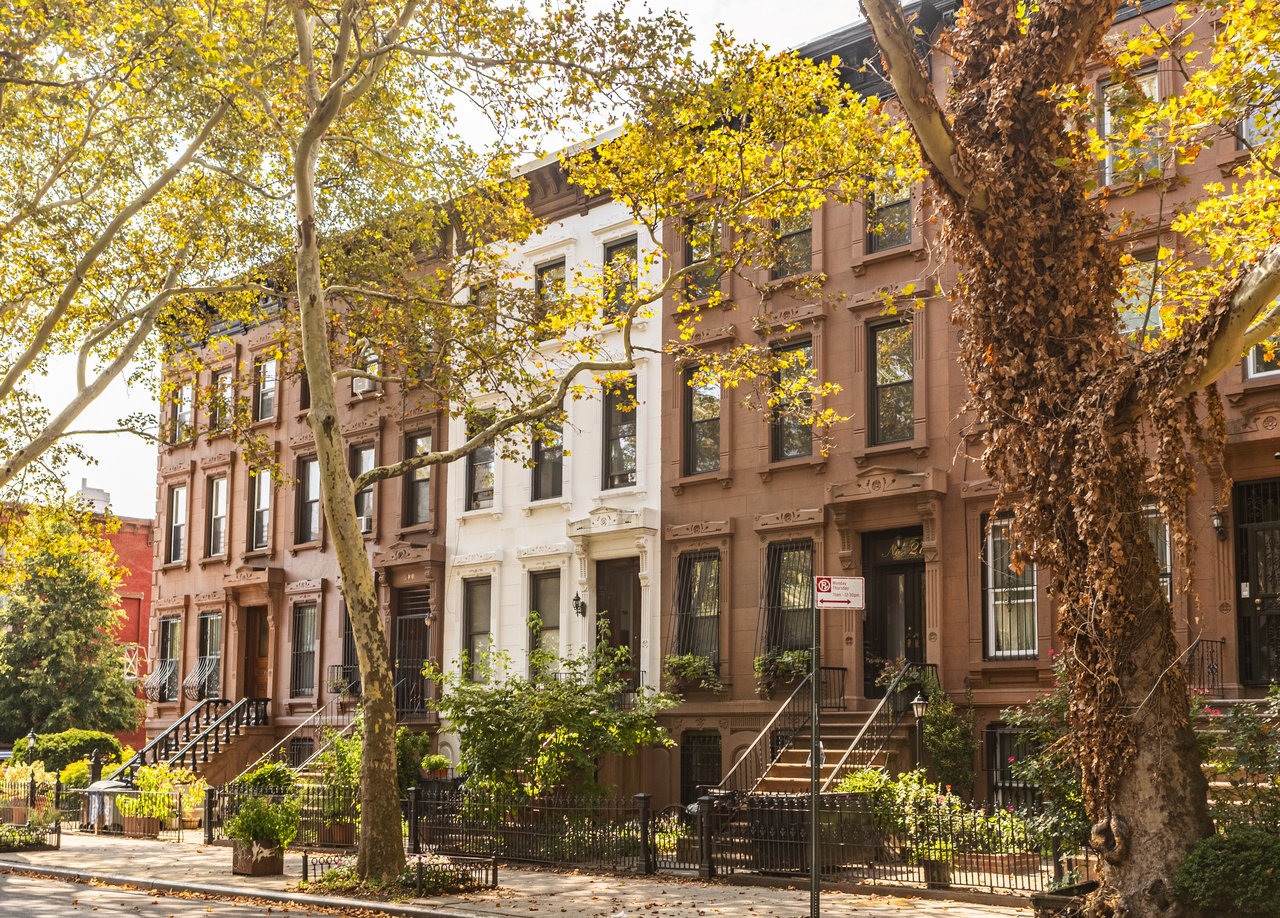
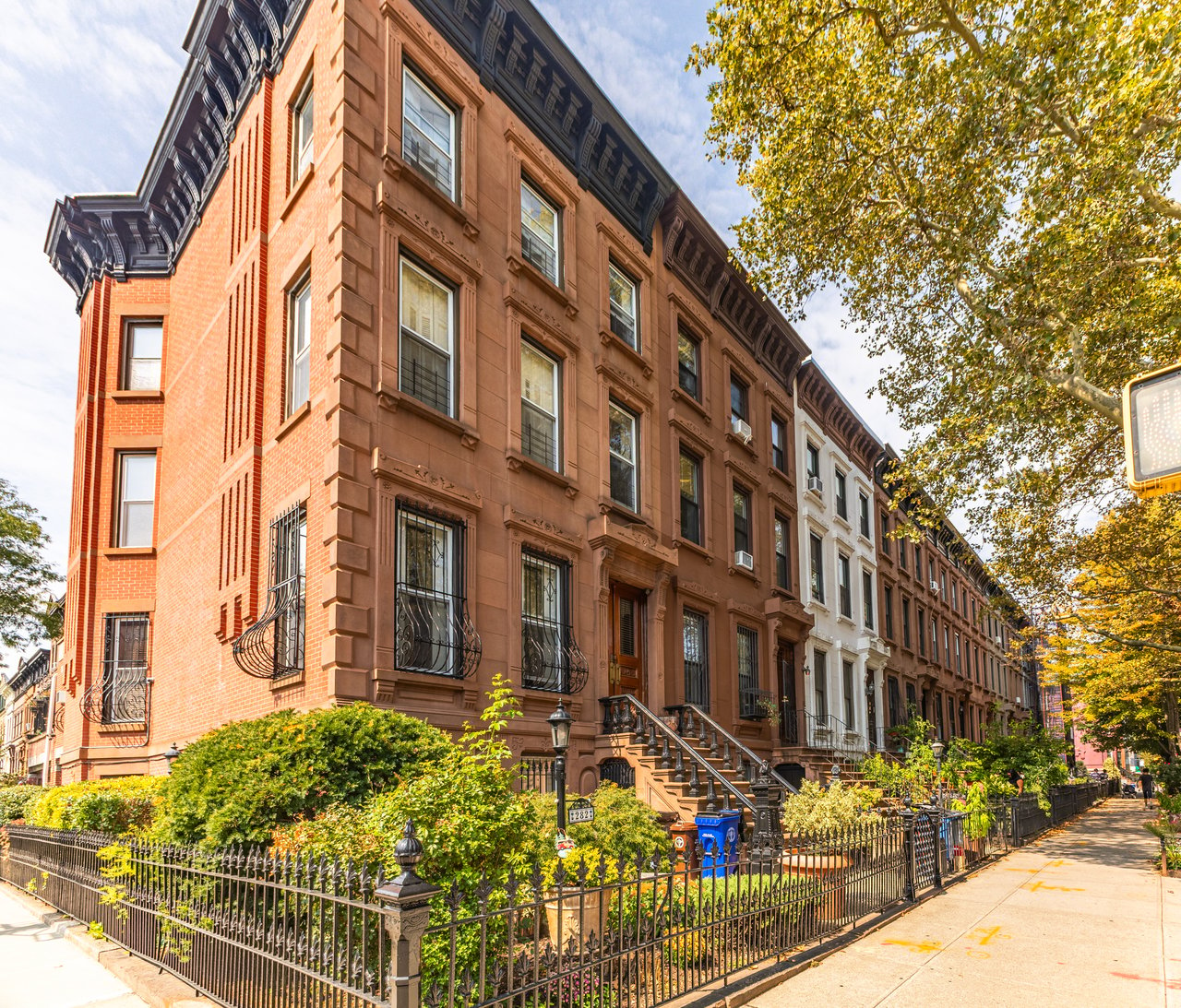
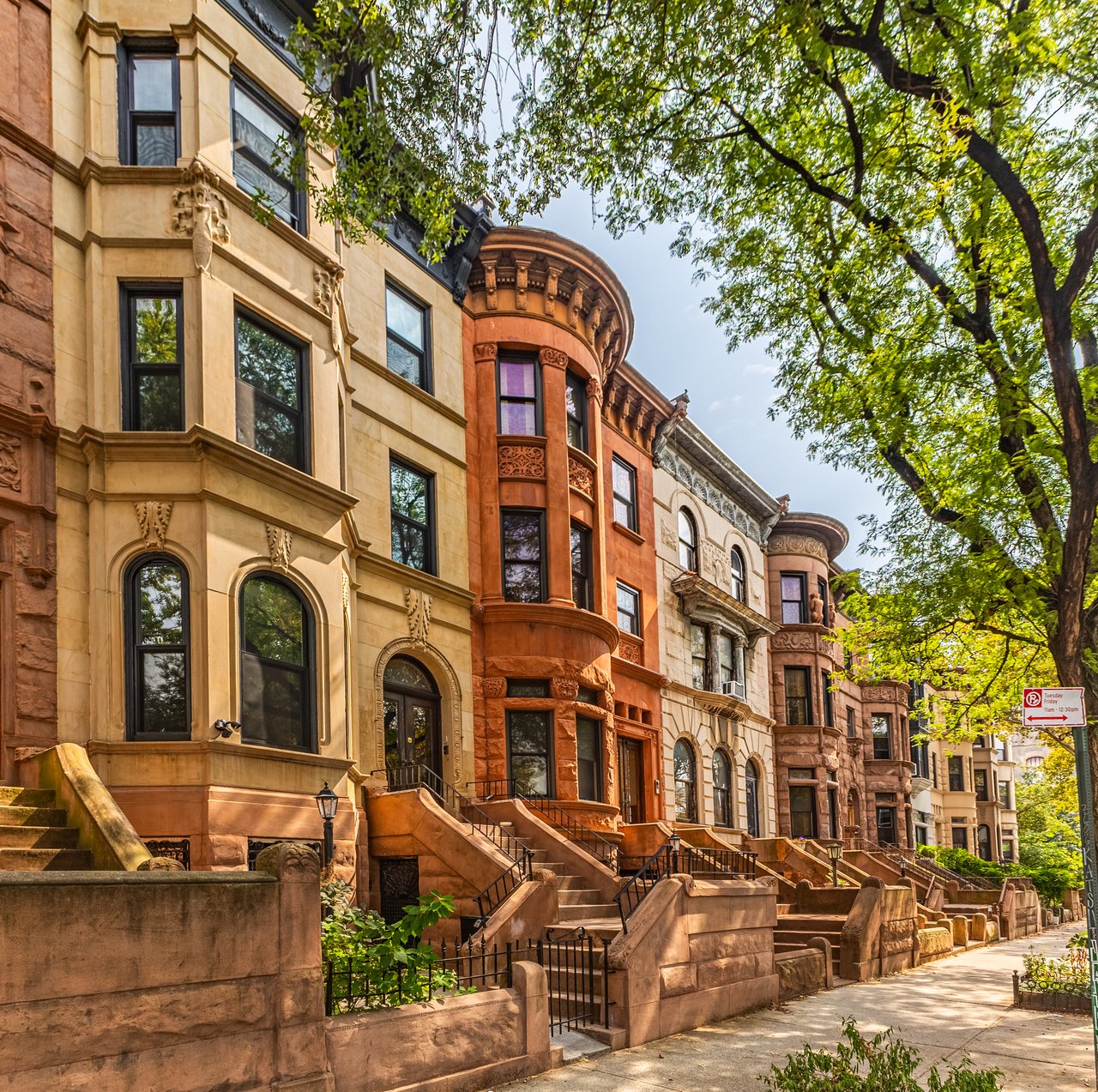
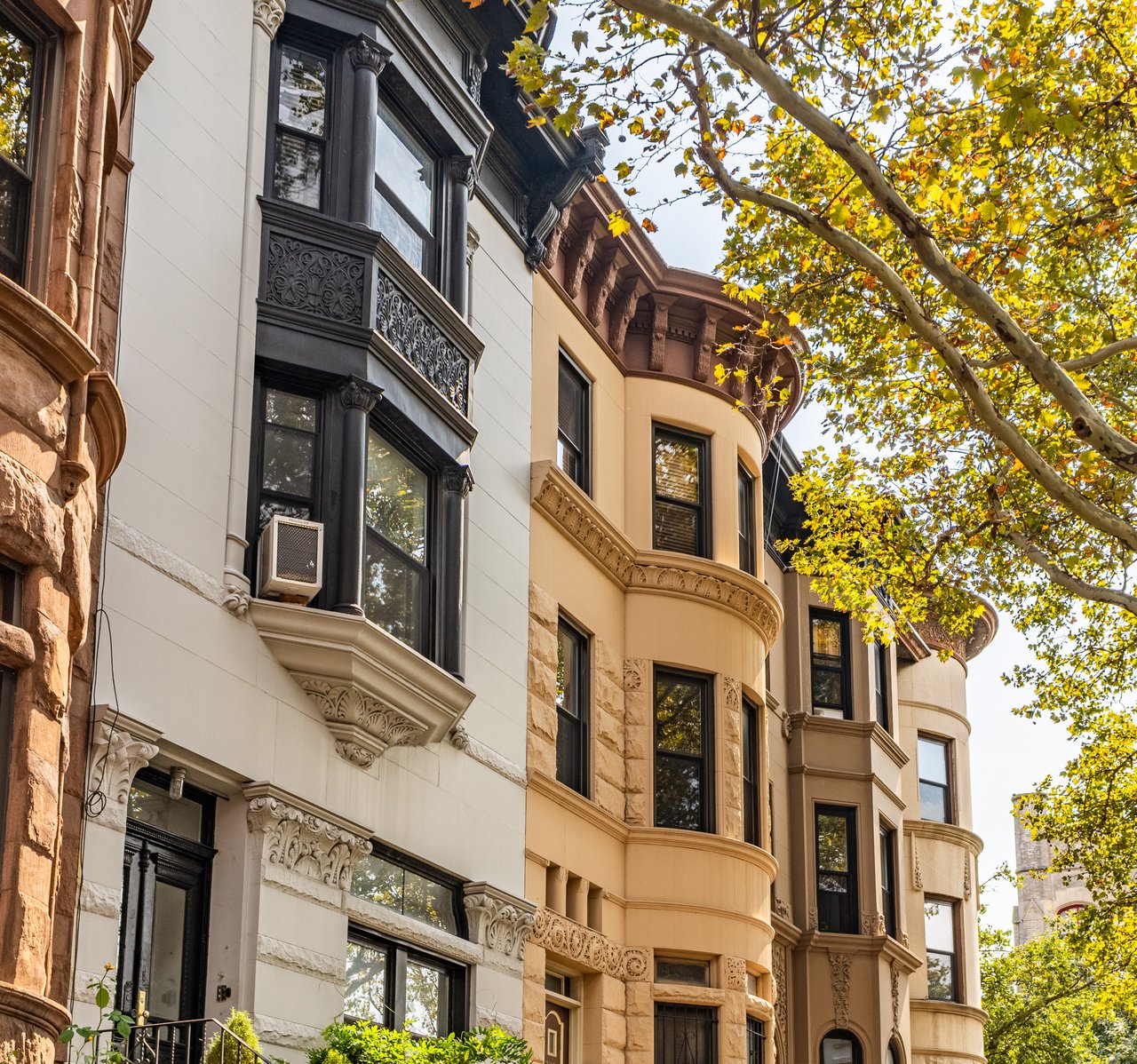
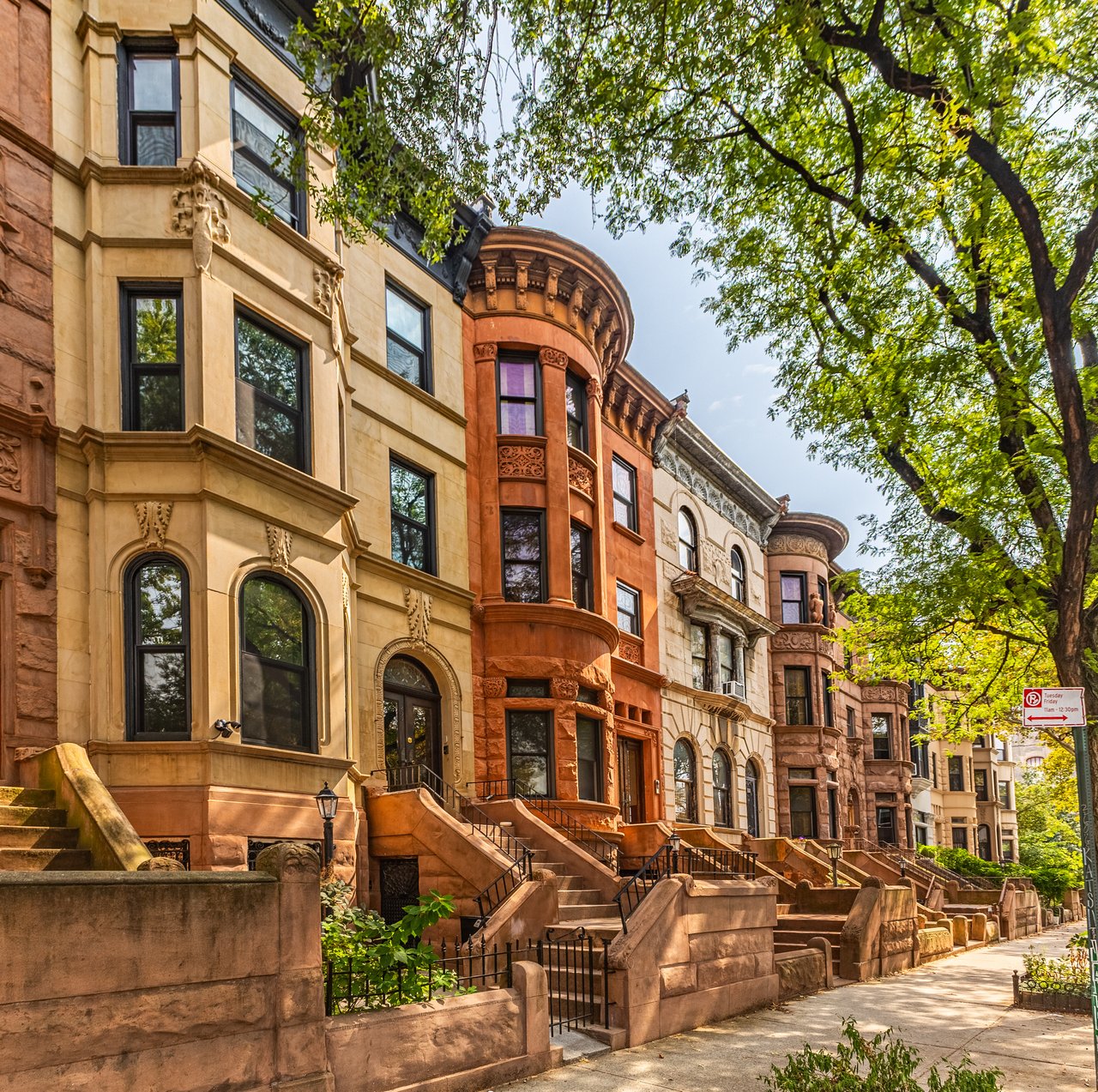
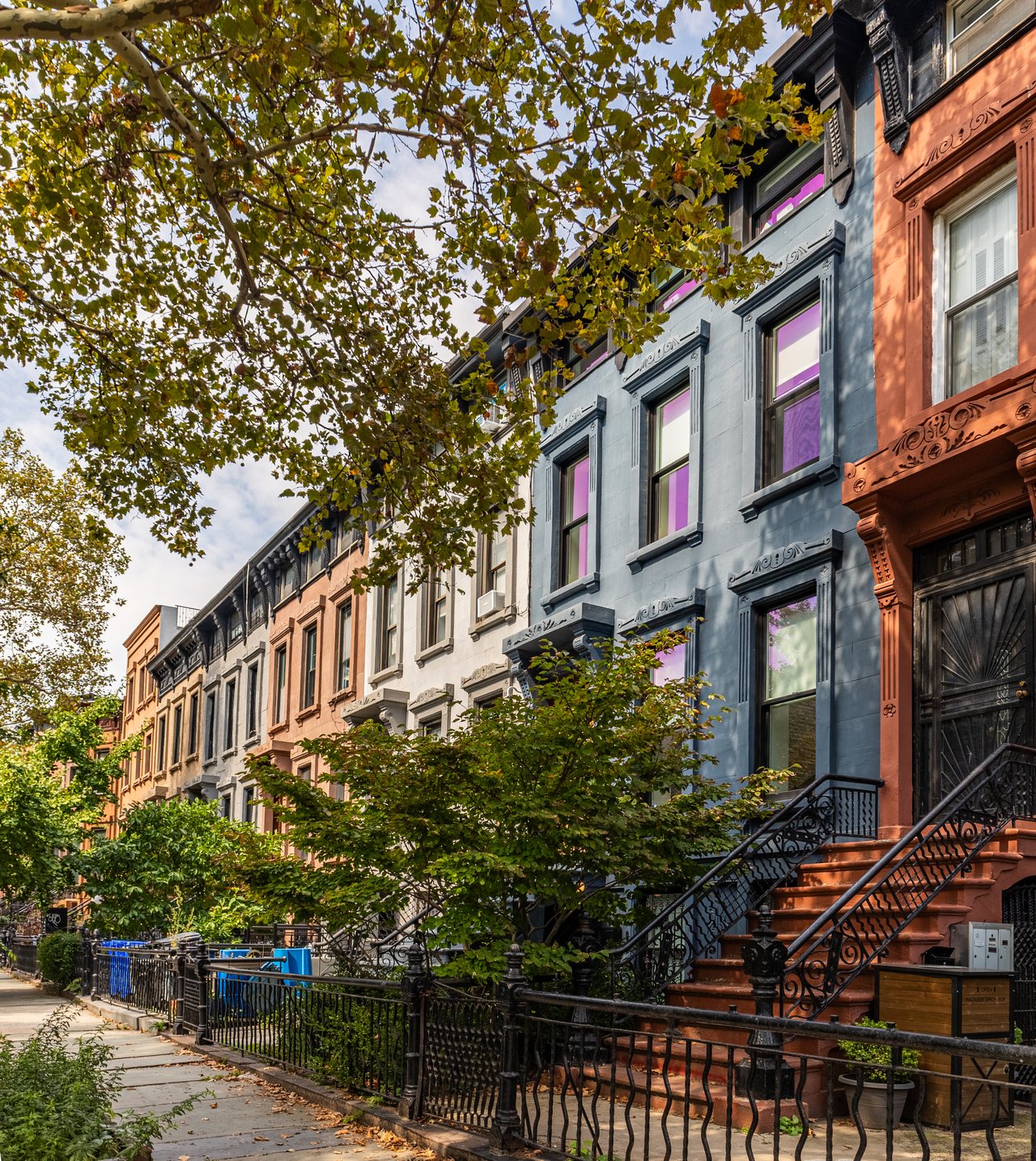
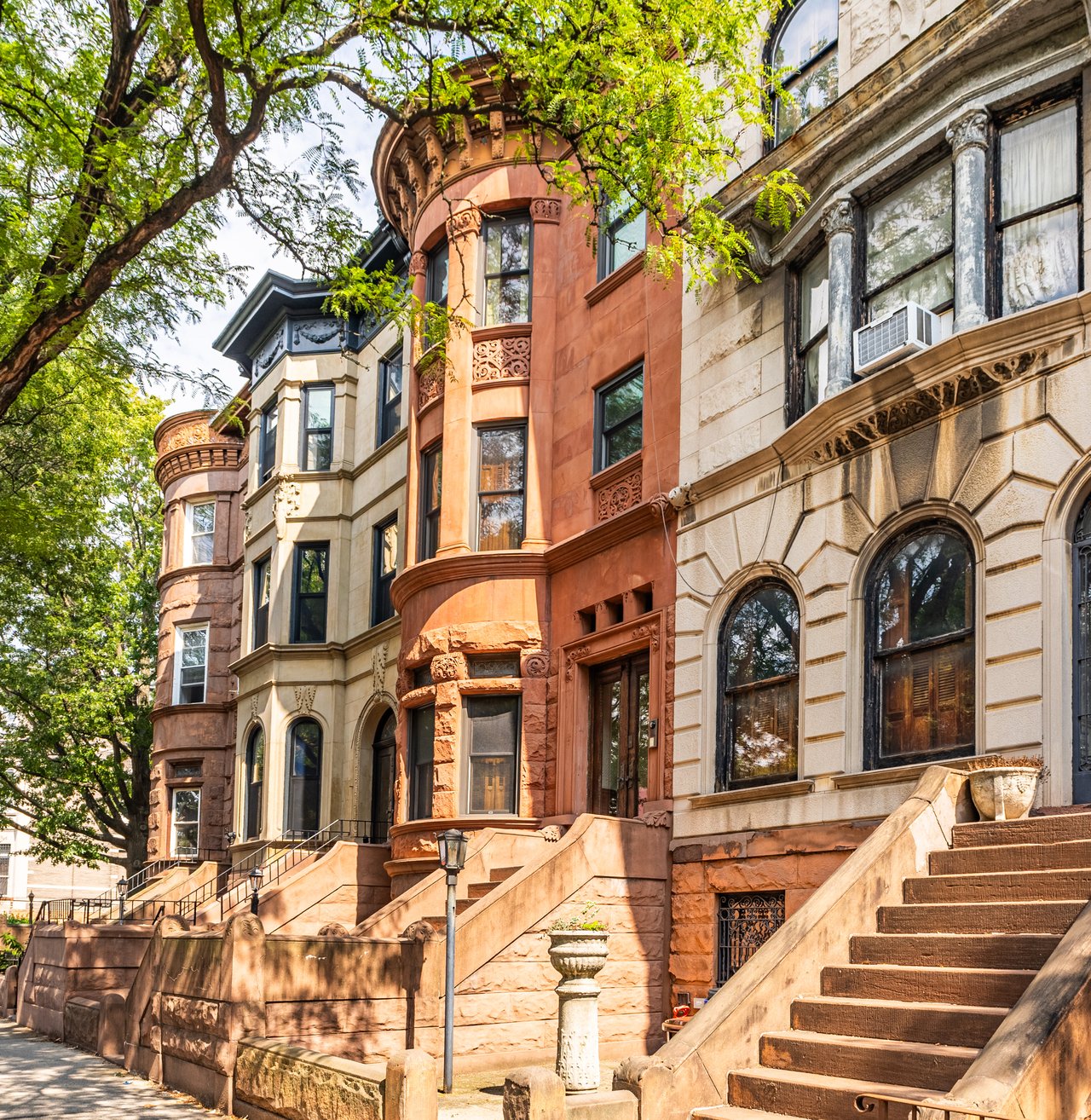
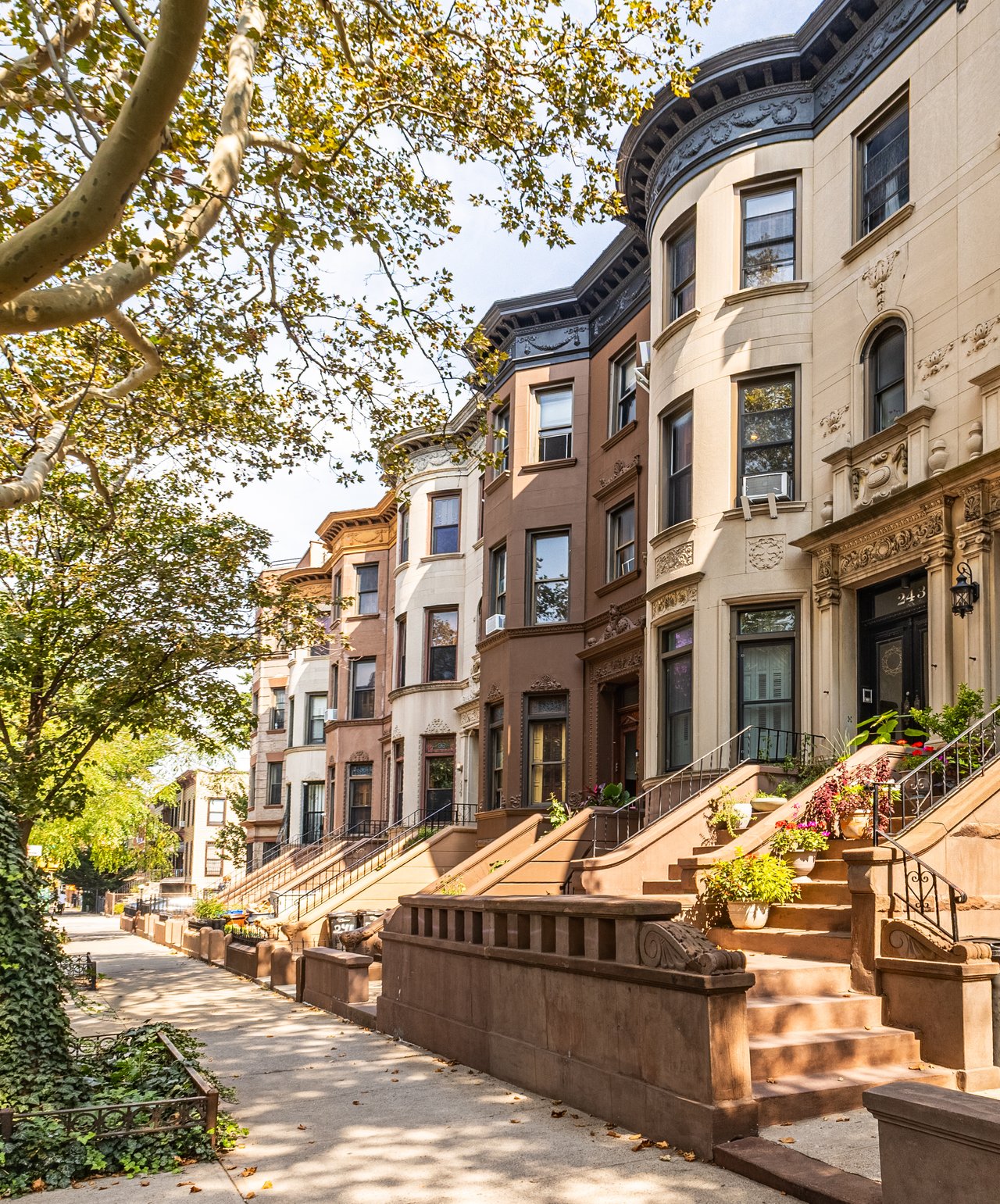
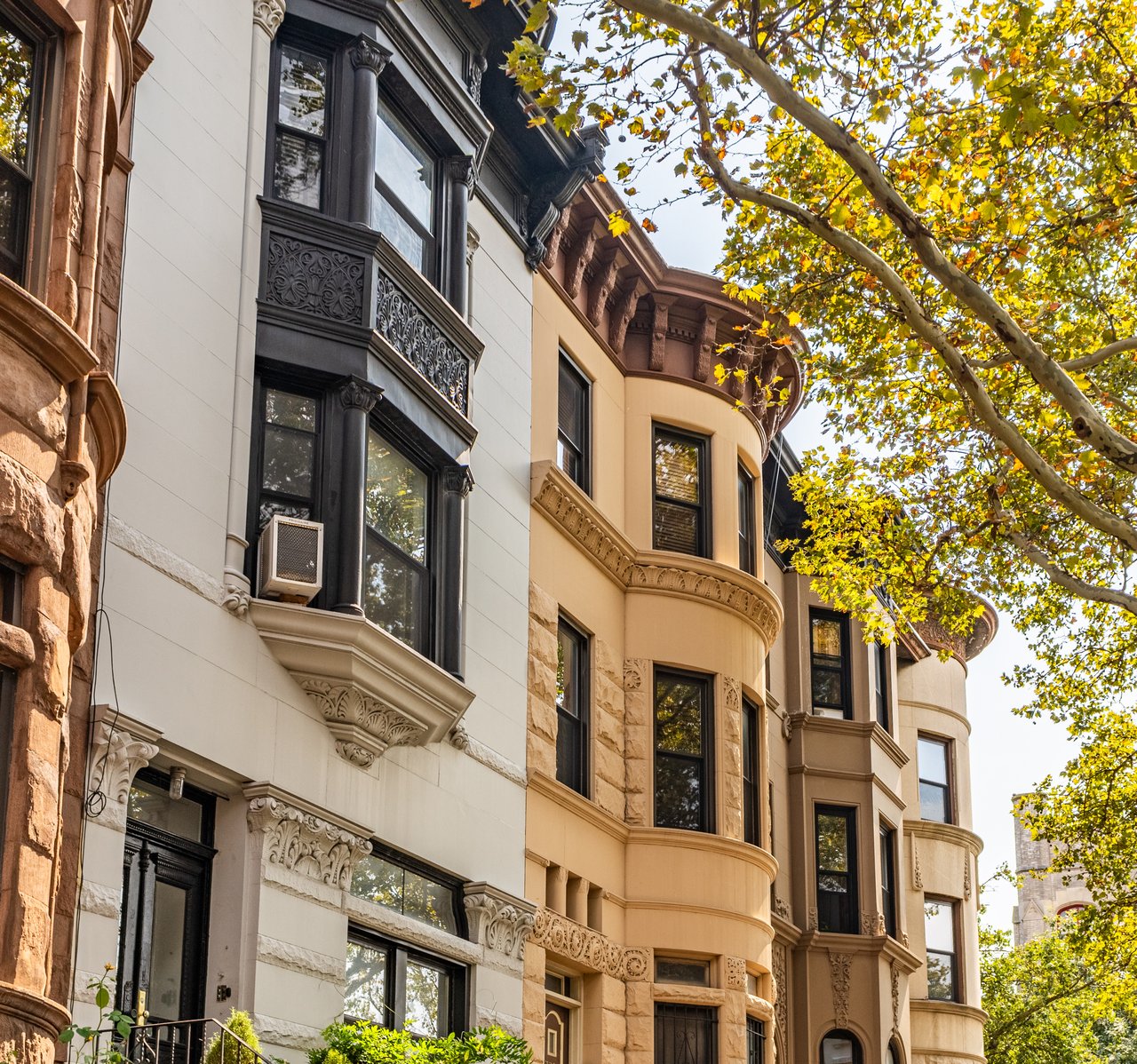
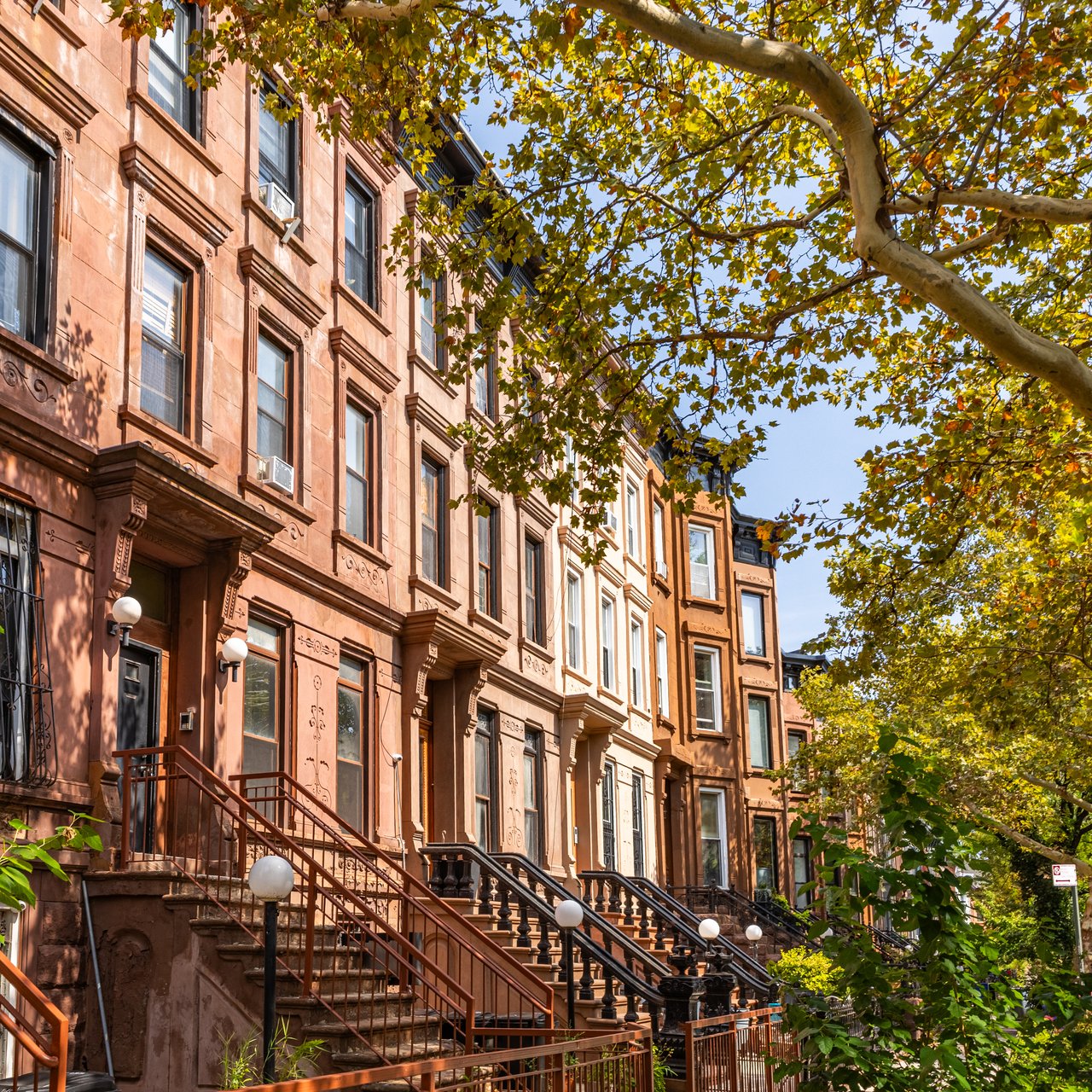
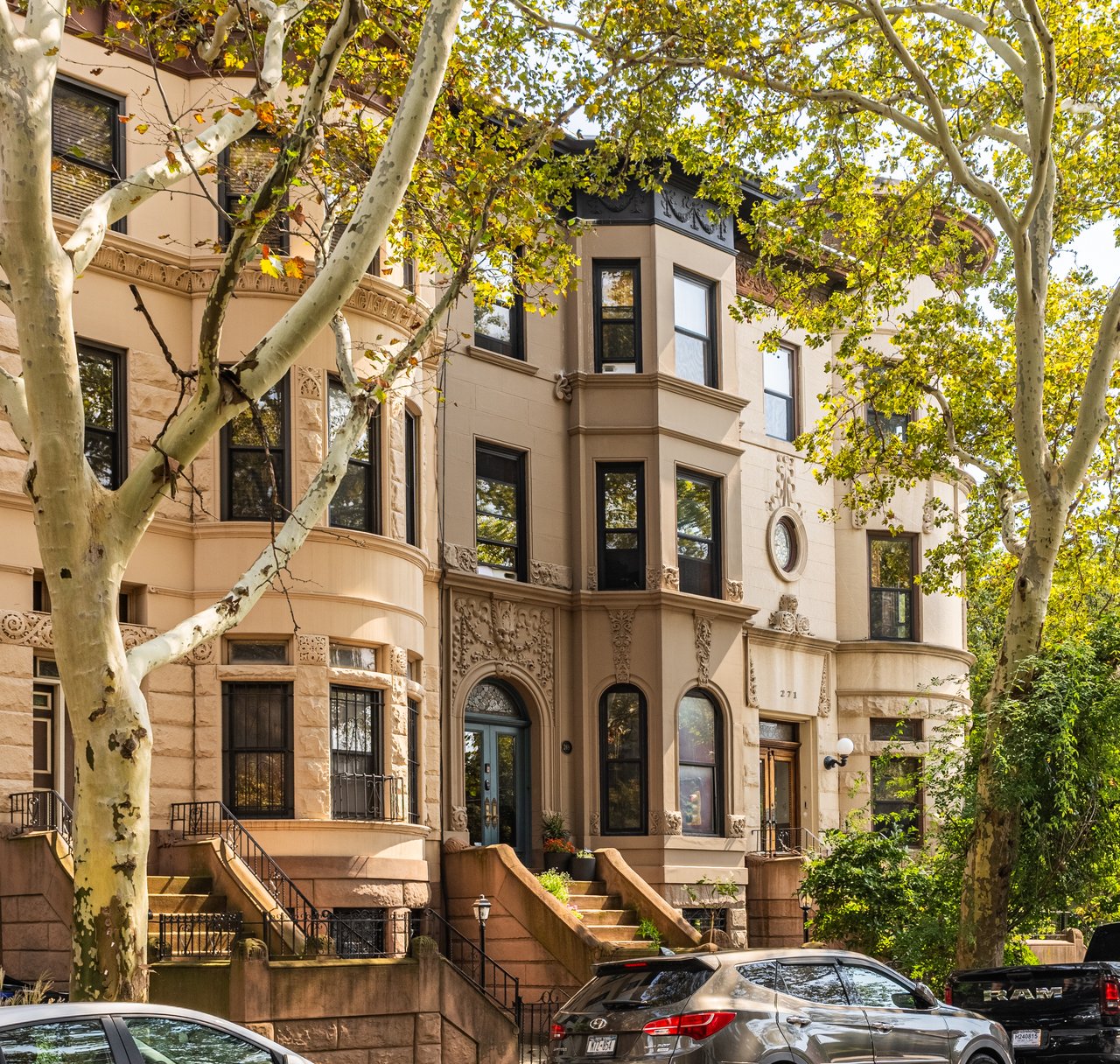
The architecture is primarily Italianate, featuring brick facades, decorative stone window lintels, projecting cornices, traditional stoops, and masonry ornamentation.
Several buildings were constructed as multifamily residences, while properties along the busier surrounding streets included commercial storefronts with apartments above.
The district includes buildings along Roebling Street, making the avenue an important part of the designated historic area.
For owners of historic properties, exterior alterations may require approval from the Landmarks Preservation Commission.
The Parviz Team at Compass specializes in selling historic Brooklyn townhouses and multifamily properties, evaluating architectural details, legal configurations, renovations, and applicable landmark considerations when preparing pricing and marketing strategies.
The Development of Fillmore Place in the 1850s
Fillmore Place was developed during Williamsburg's rapid expansion in the early 1850s.
Real estate investors Ephraim Miller and Alfred Clock acquired property in the surrounding area and arranged for a new street to be opened between Driggs Avenue and Roebling Street.
In 1852, they filed a map dividing the land into building lots centered on the new roadway.
Residential construction followed, with many properties completed during the mid-1850s.
The buildings were generally constructed as three-story brick residences with raised basements and traditional stoops.
Their restrained Italianate architecture included masonry facades, stone window details, and bracketed cornices.
Several properties were designed with multiple residential apartments rather than a single residence.
Today, Fillmore Place remains an important example of Williamsburg's early residential development.
The Parviz Team specializes in selling historic townhouses, two-family homes, and multifamily buildings throughout Brooklyn, providing property-specific valuations and professional marketing.
Italianate Architecture on Roebling Street
Italianate architecture became an important residential building style in Brooklyn during the mid-19th century.
Buildings associated with the Fillmore Place Historic District display many of the style's recognizable features.
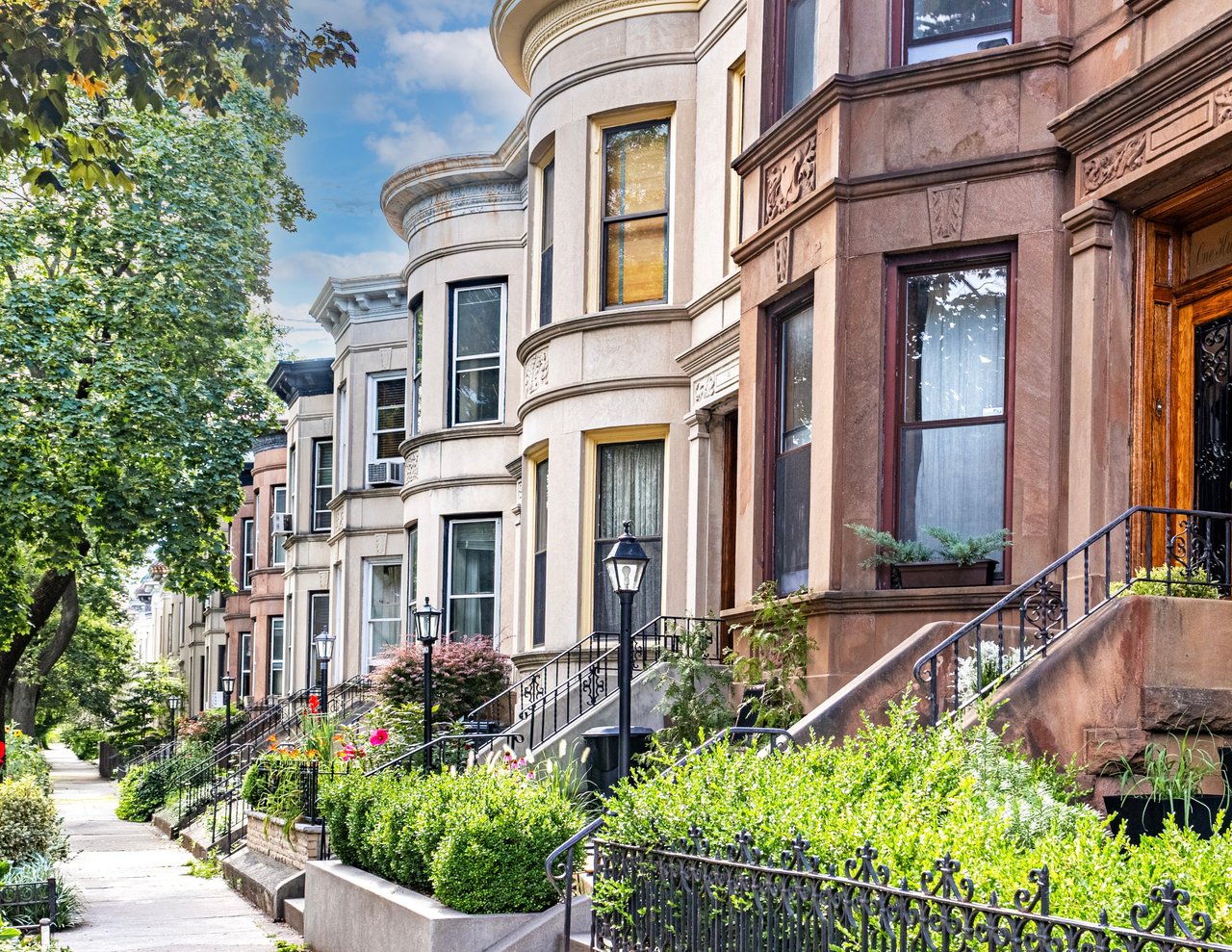
These include flat brick facades, projecting stone window hoods, molded lintels, bracketed wooden cornices, raised entrances, and decorative iron railings.
Many buildings were constructed with three stories above a raised basement.
Some retained traditional stoops and original masonry details, while others underwent alterations over subsequent decades.
The architectural significance of these properties lies in their surviving design, construction materials, and relationship to Williamsburg's early street development.
The Parviz Team at Compass specializes in selling historic Brooklyn townhouses and multifamily buildings, evaluating original architectural features, renovation quality, building dimensions, and comparable transactions.
How the Williamsburg Bridge Changed Roebling Street
The opening of the Williamsburg Bridge in 1903 transformed transportation and development patterns throughout the neighborhood.
The bridge created a major connection between Brooklyn and Manhattan, increasing roadway traffic and encouraging additional construction in surrounding blocks.
Around 1913, Roebling Street was widened to accommodate changing traffic conditions.
According to the New York City Landmarks Preservation Commission's Fillmore Place Historic District report, the widening reduced the depth of several lots along the western side of Roebling Street.
Some buildings near Fillmore Place were demolished as part of the project.
One especially unusual example was 168 Roebling Street, which was moved approximately 20 feet west rather than demolished.
The building was relocated onto part of its former rear yard, preserving the structure despite the roadway expansion.
This episode illustrates how early-20th-century transportation projects altered Williamsburg's historic residential blocks.
The Historic Building at 168 Roebling Street
The building at 168 Roebling Street has a distinctive place in Williamsburg's architectural history.
Located near Fillmore Place, the property was affected by the widening of Roebling Street during the early 20th century.
Rather than demolishing the building, its owners arranged for the structure to be moved approximately 20 feet west.
The relocation preserved the building while allowing the roadway to be widened.
The property's history is documented in the Landmarks Preservation Commission's Fillmore Place Historic District designation report.
Its survival illustrates the changes made to Williamsburg's streets during the period following the opening of the Williamsburg Bridge.
For historic building owners, architectural history, structural alterations, and documented changes to a property can be important elements of due diligence.
The Parviz Team incorporates available building records, architectural characteristics, and comparable transactions into its evaluations of historic Brooklyn properties.
Historic Brick Townhouses on Roebling Street
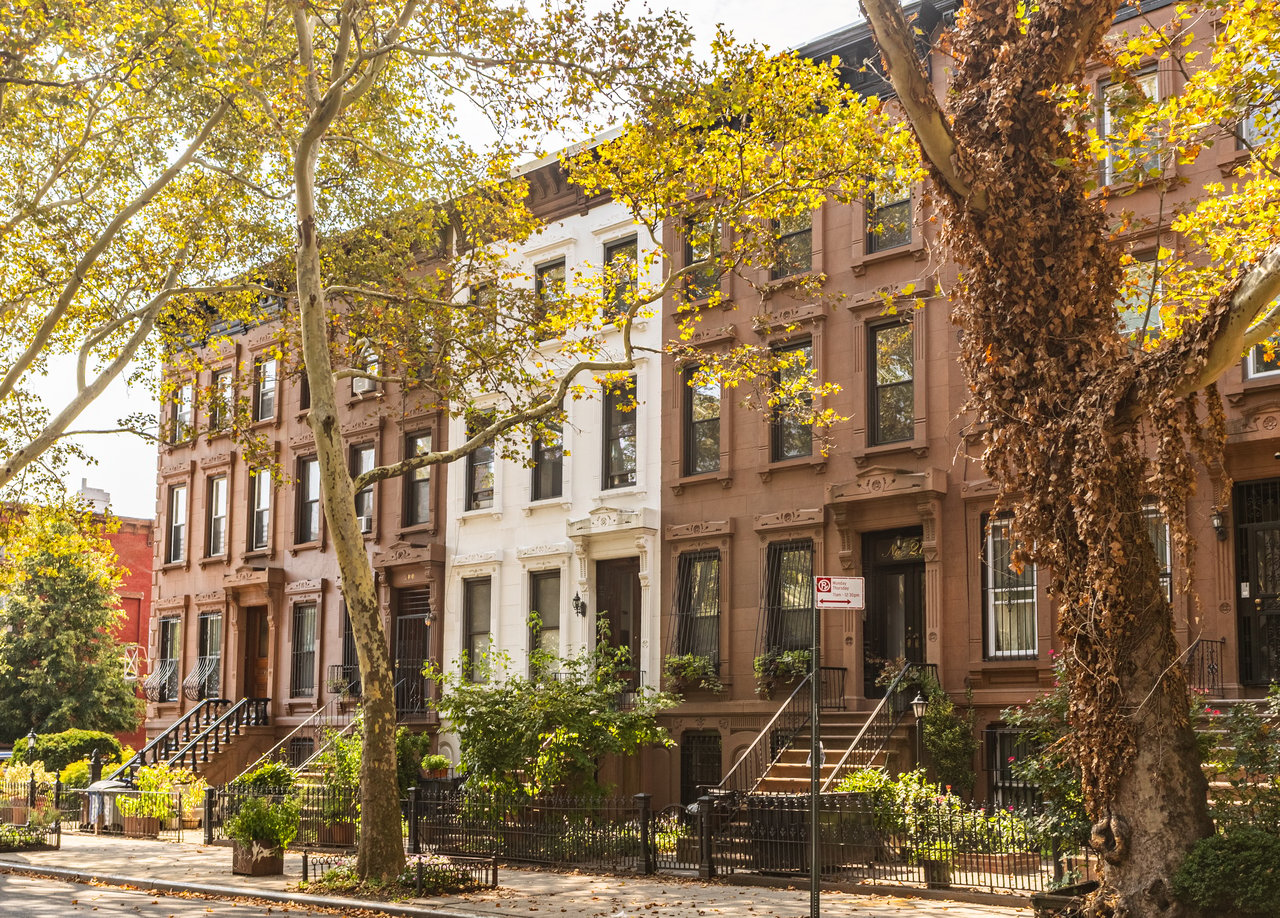
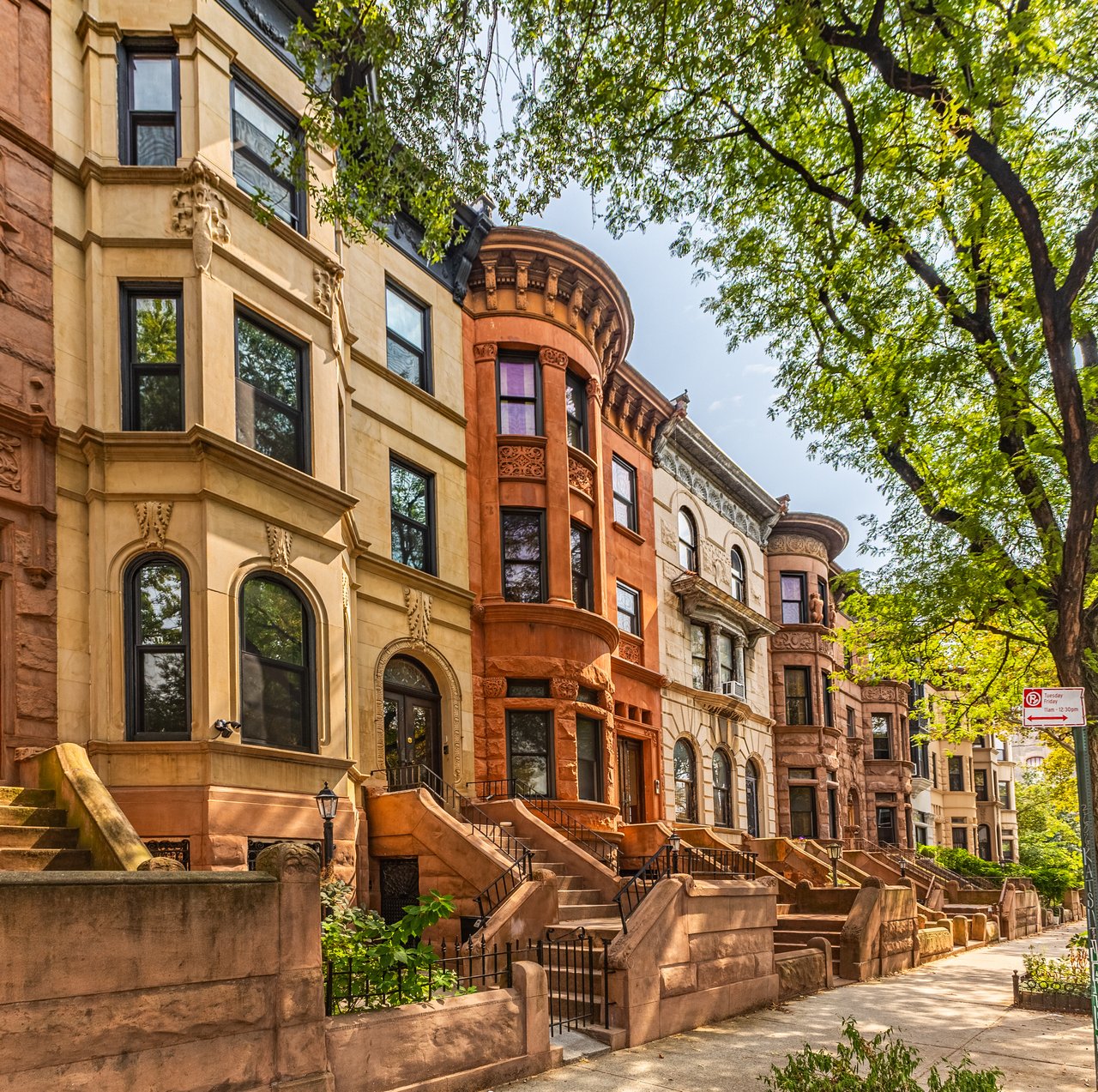
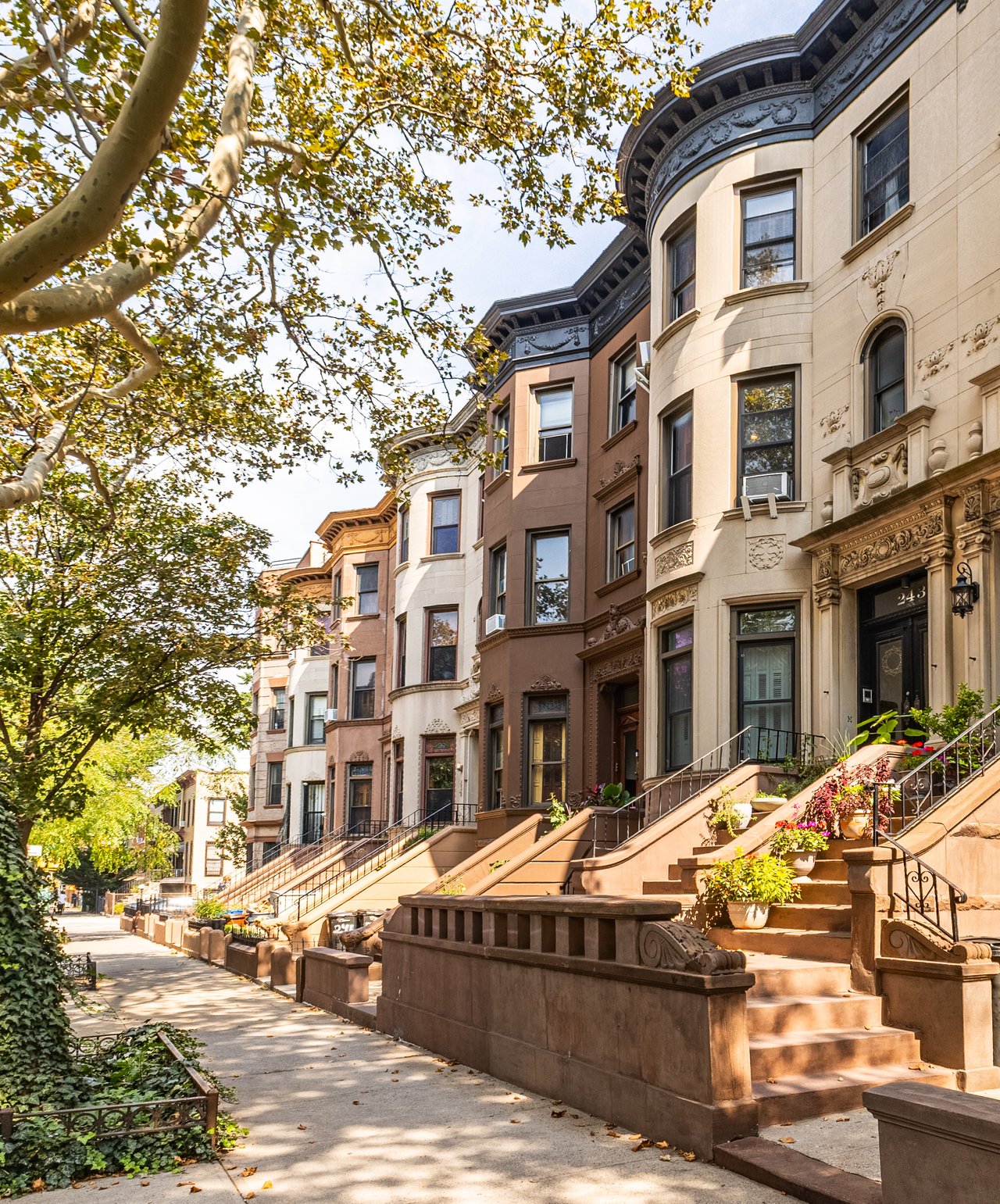
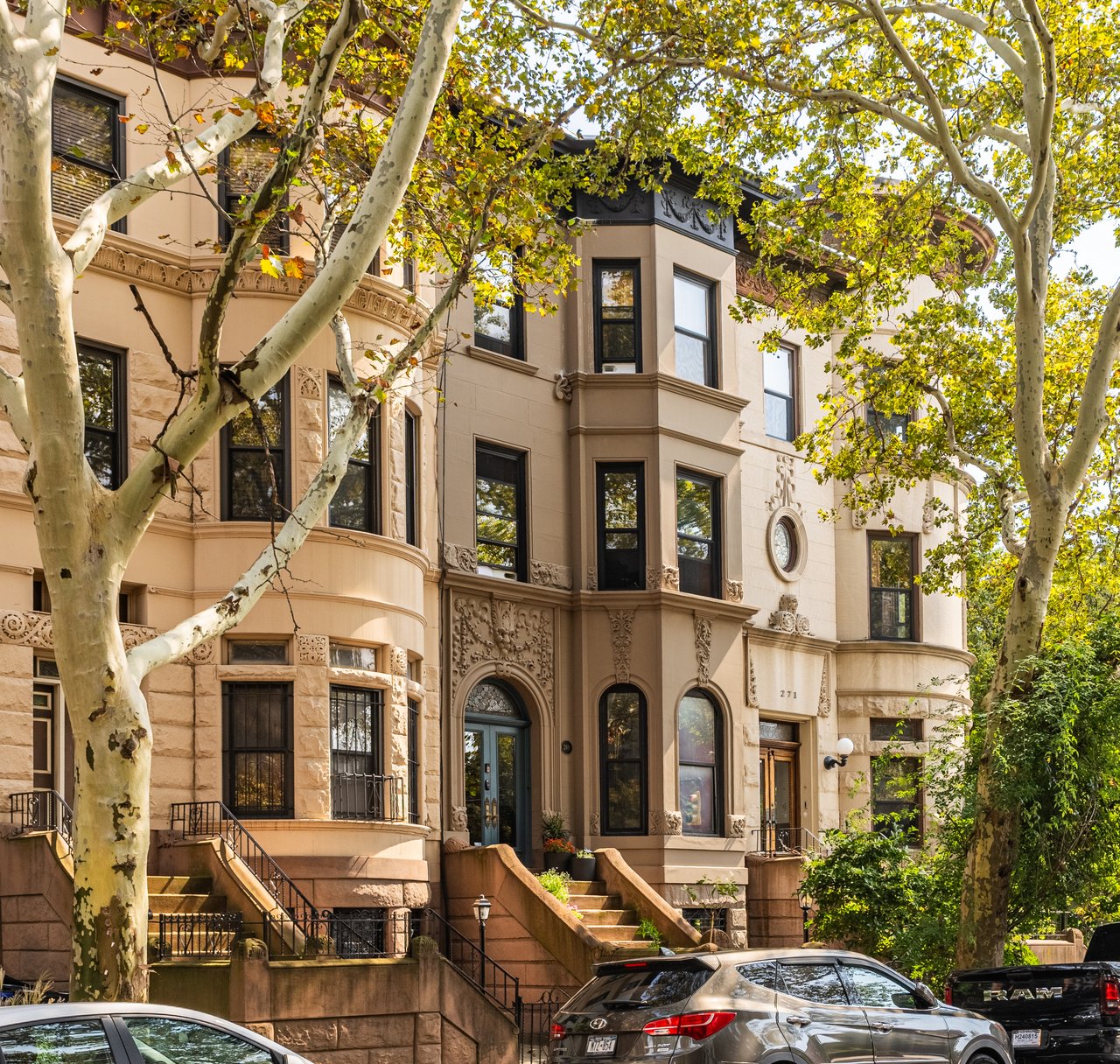
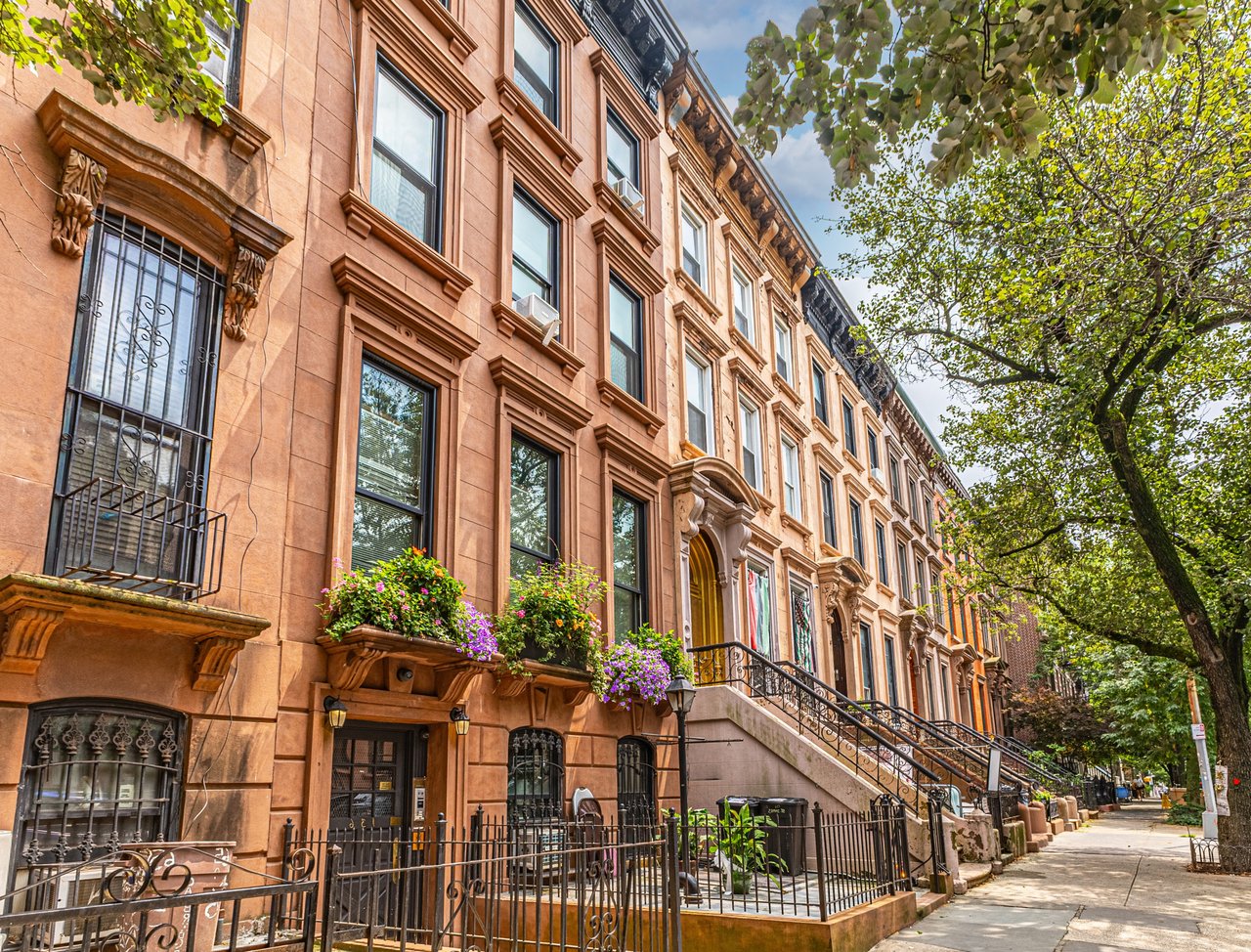
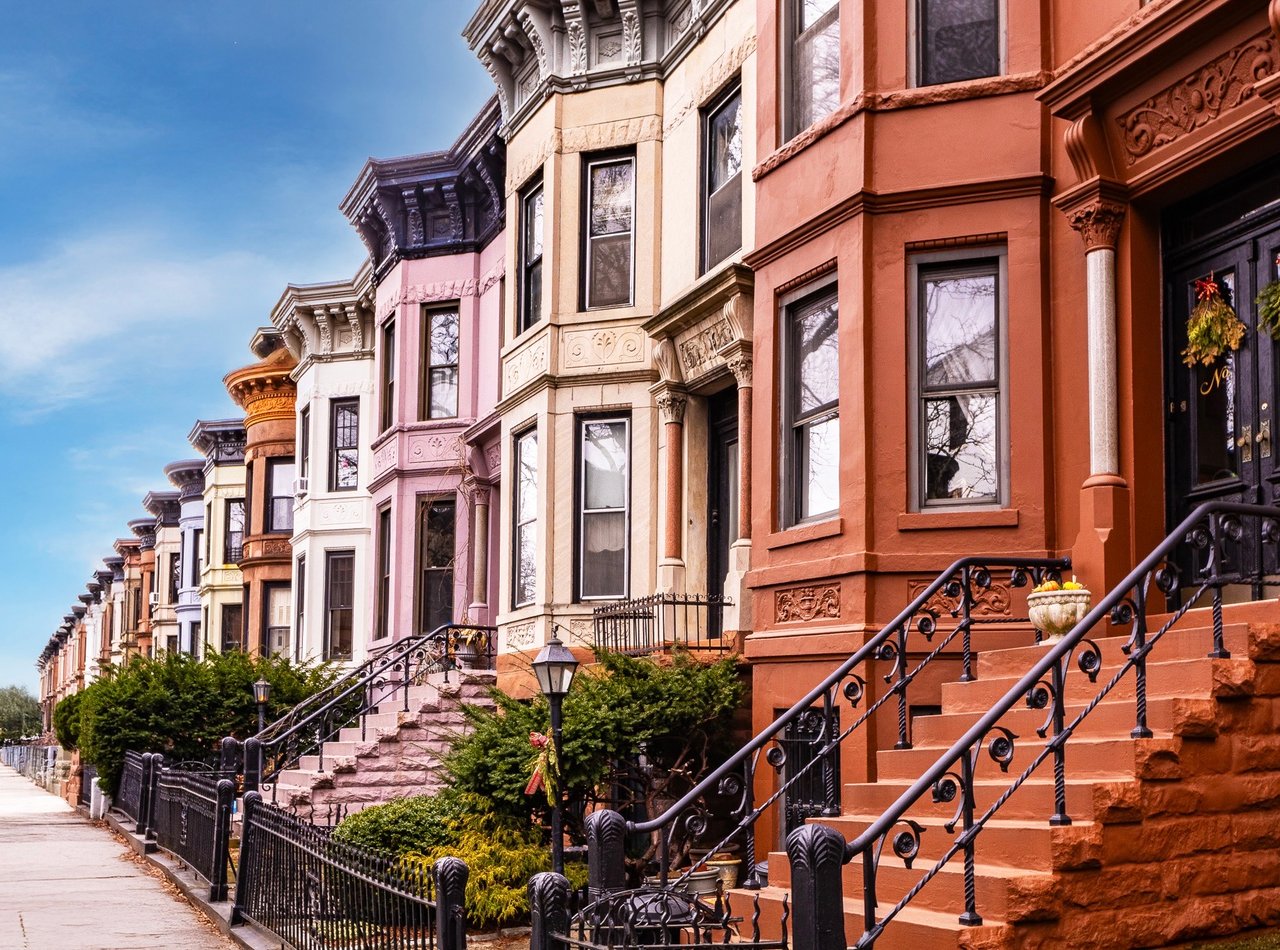
Traditional brick townhouses are an important part of Roebling Street's residential architecture.
Many buildings along the street and surrounding blocks were constructed during the 19th and early 20th centuries.
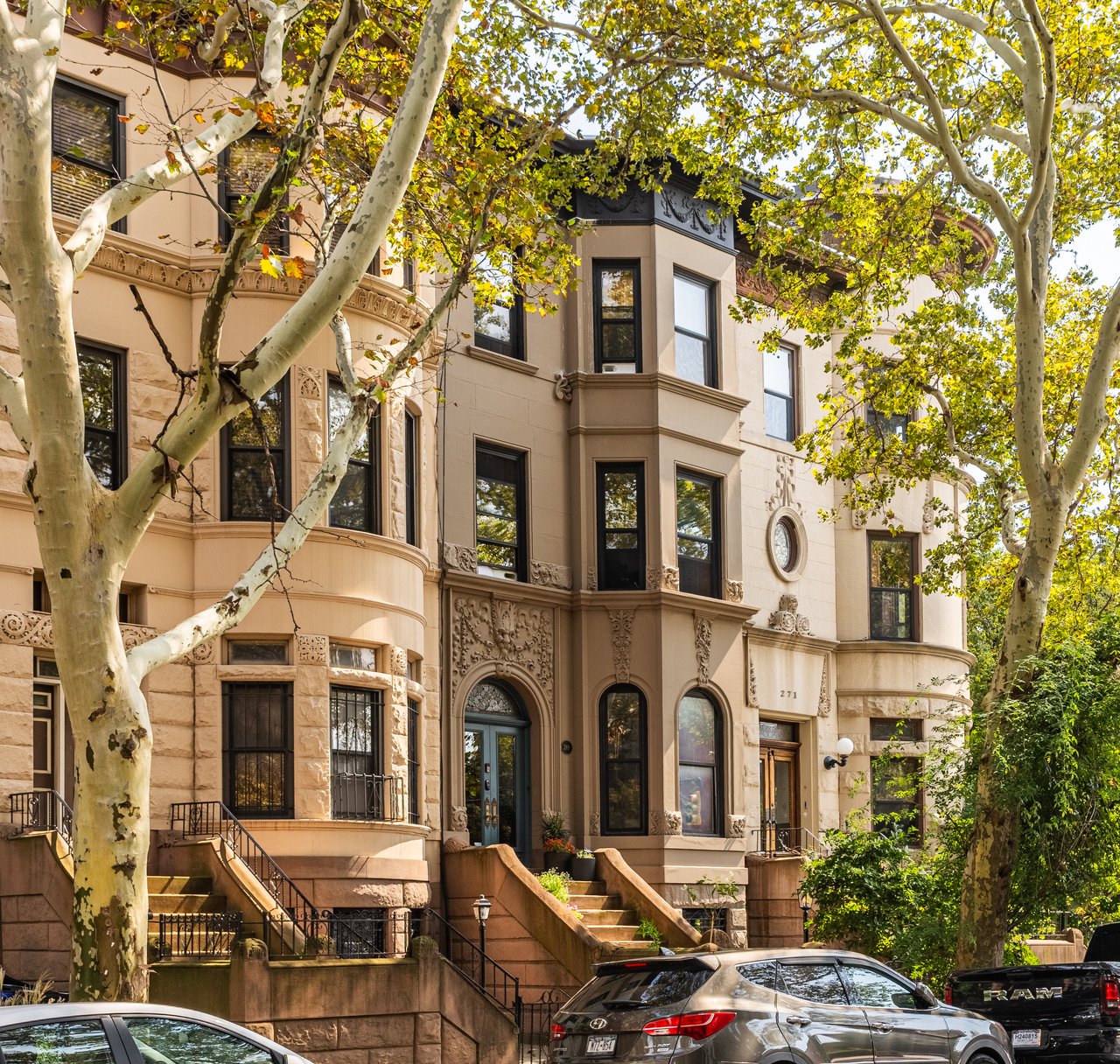
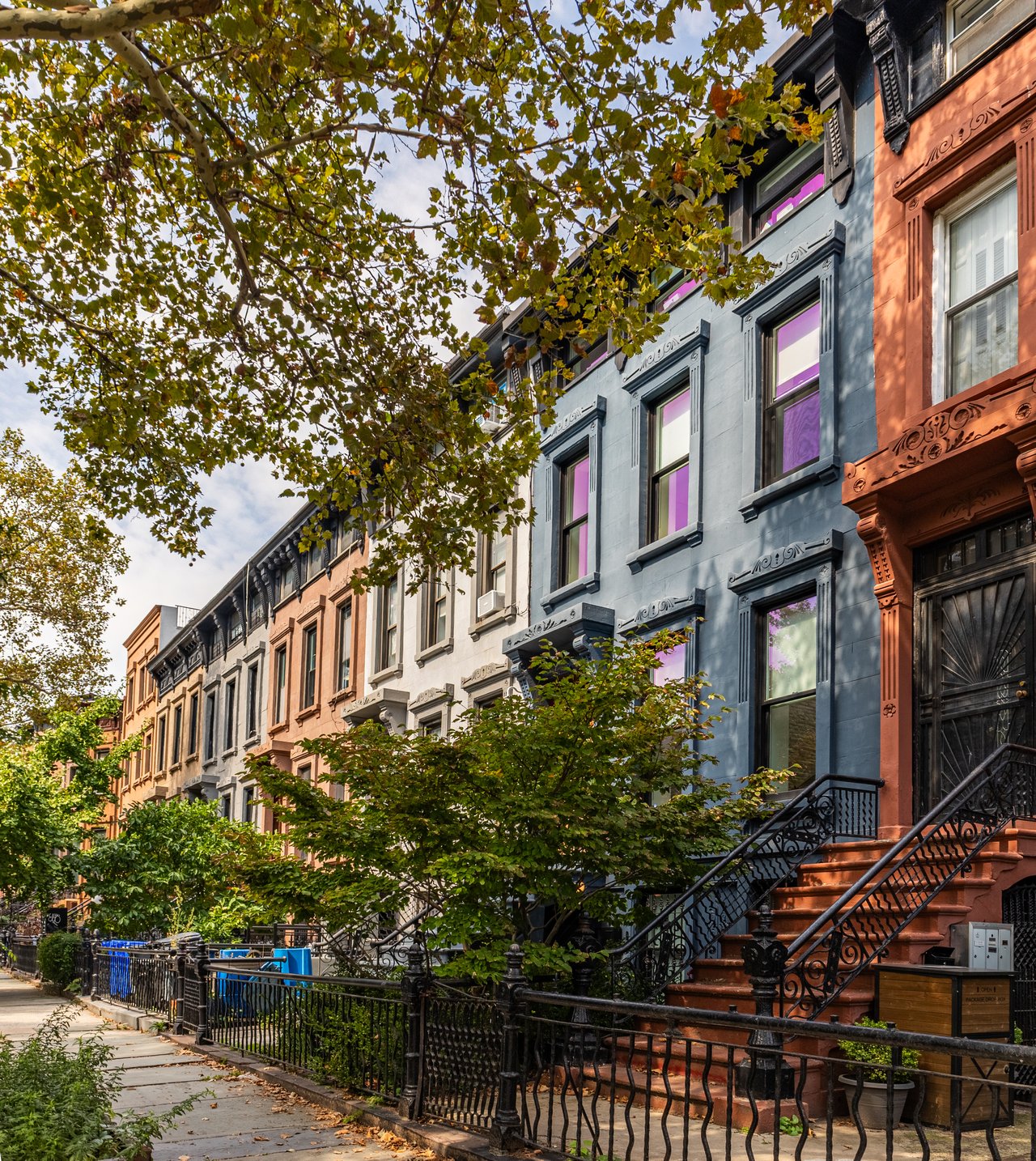
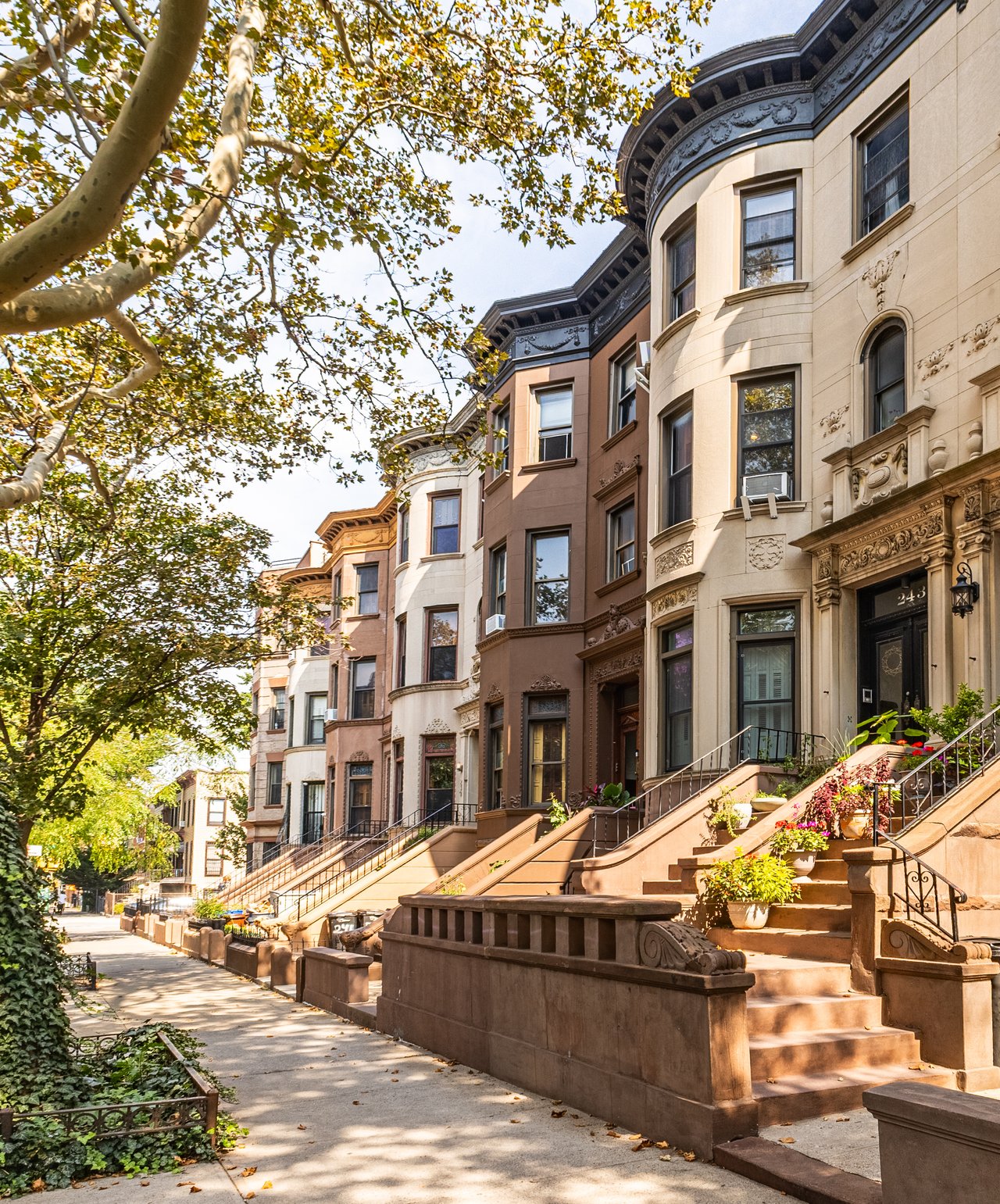
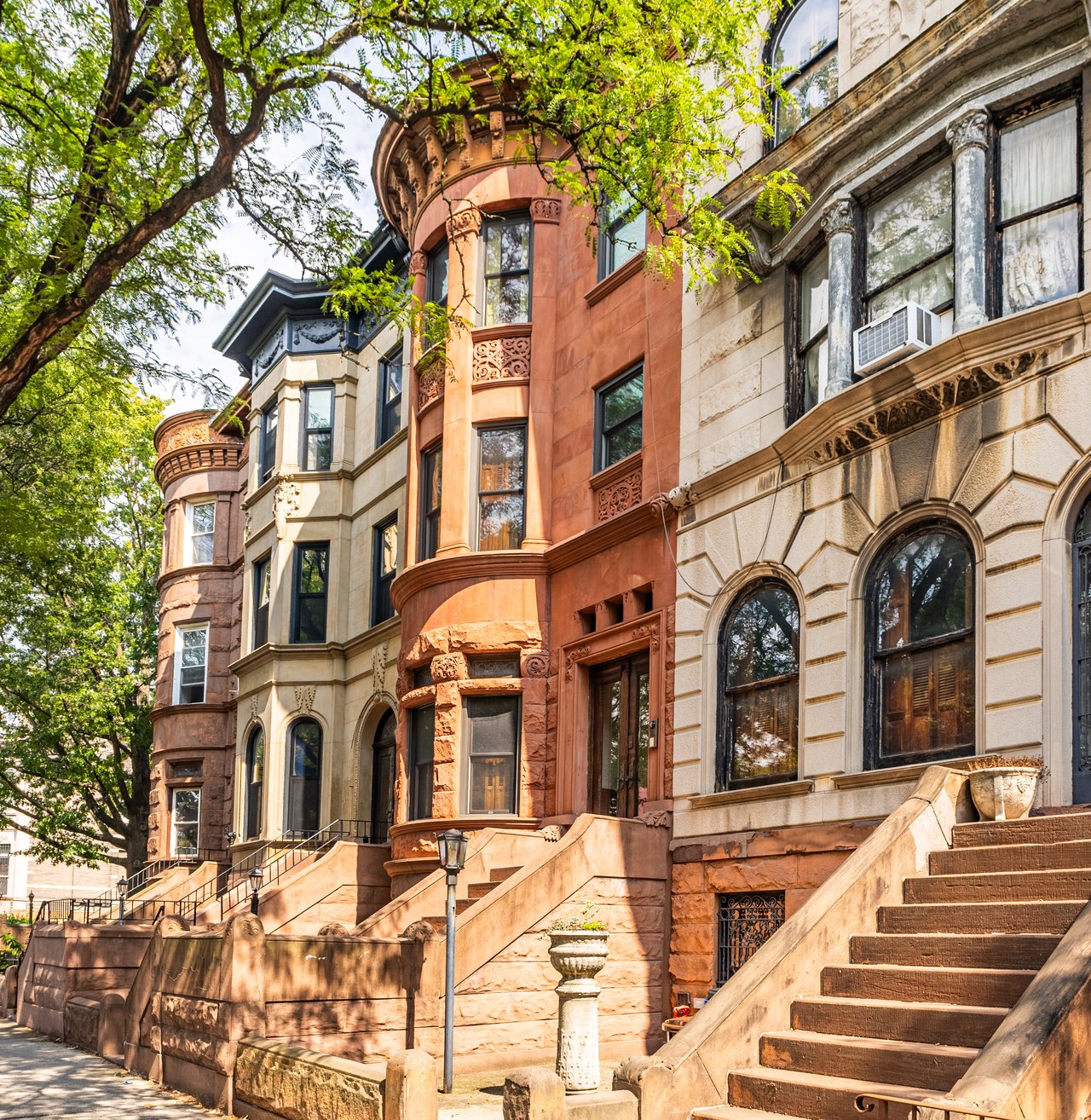
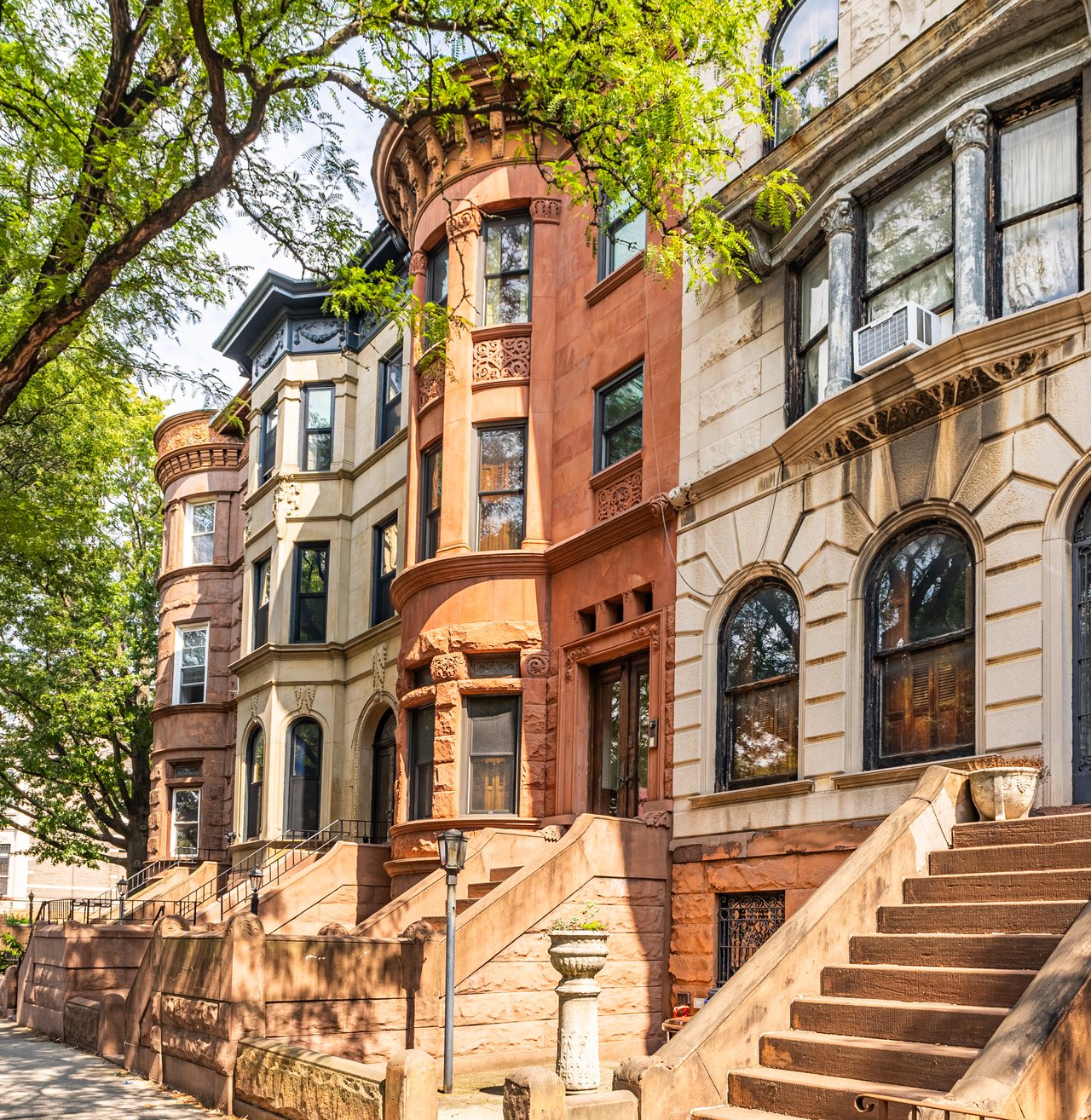
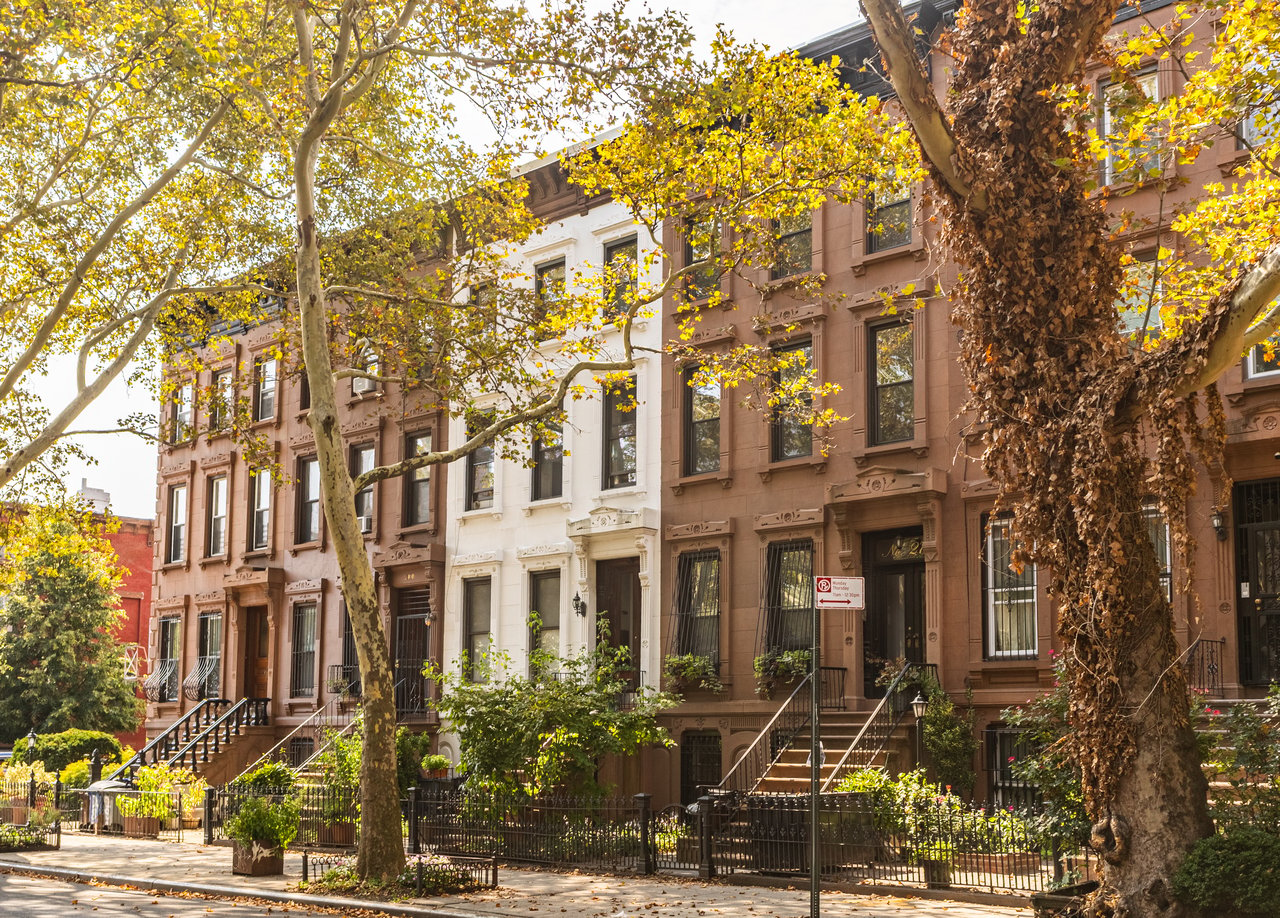
Historic houses may feature red or brown brick facades, decorative cornices, stone window lintels, raised entrances, and rear yards.
Some retain original hardwood floors, staircases, decorative moldings, and ornamental masonry.
Others have undergone renovations introducing contemporary kitchens, updated bathrooms, modern mechanical systems, and redesigned layouts.
The Parviz Team specializes in selling historic Brooklyn townhouses and brownstones.
For a townhouse on Roebling Street, the team reviews building dimensions, lot size, architectural details, renovation quality, legal configuration, and comparable sales before recommending a listing price.
Roebling Street and Broadway
Broadway is one of Williamsburg's major historic commercial corridors.
Its connection with Roebling Street places the southern section of the street near traditional storefront buildings, apartment properties, and the transportation infrastructure associated with the Williamsburg Bridge.
Broadway developed as an important commercial roadway during the 19th century, with masonry buildings containing ground-floor retail spaces and residential apartments above.
The surrounding architecture includes historic commercial buildings, traditional apartment houses, and renovated properties.
The Parviz Team at Compass specializes in selling mixed-use buildings, multifamily properties, and townhouses throughout southern Williamsburg.
For properties near Broadway, the team evaluates commercial frontage, legal unit count, available lease information, rental income, operating expenses, and comparable transactions.
Roebling Street and South Fourth Street
South Fourth Street intersects Roebling Street in Williamsburg's Southside.
The surrounding blocks contain traditional brick apartment buildings, residential houses, and mixed-use properties.
Many buildings reflect Williamsburg's late-19th- and early-20th-century residential development.
Architectural details may include masonry facades, decorative cornices, traditional entrances, and stone window surrounds.
Some properties have undergone renovations, while others retain original architectural features.
The Parviz Team specializes in selling townhouses, two-family homes, three-family buildings, and multifamily properties throughout Williamsburg's Southside.
The team evaluates legal configurations, rental information, renovations, and comparable transactions before preparing a property-specific marketing strategy.
Roebling Street and Grand Street
Grand Street is one of Williamsburg's historic commercial corridors.
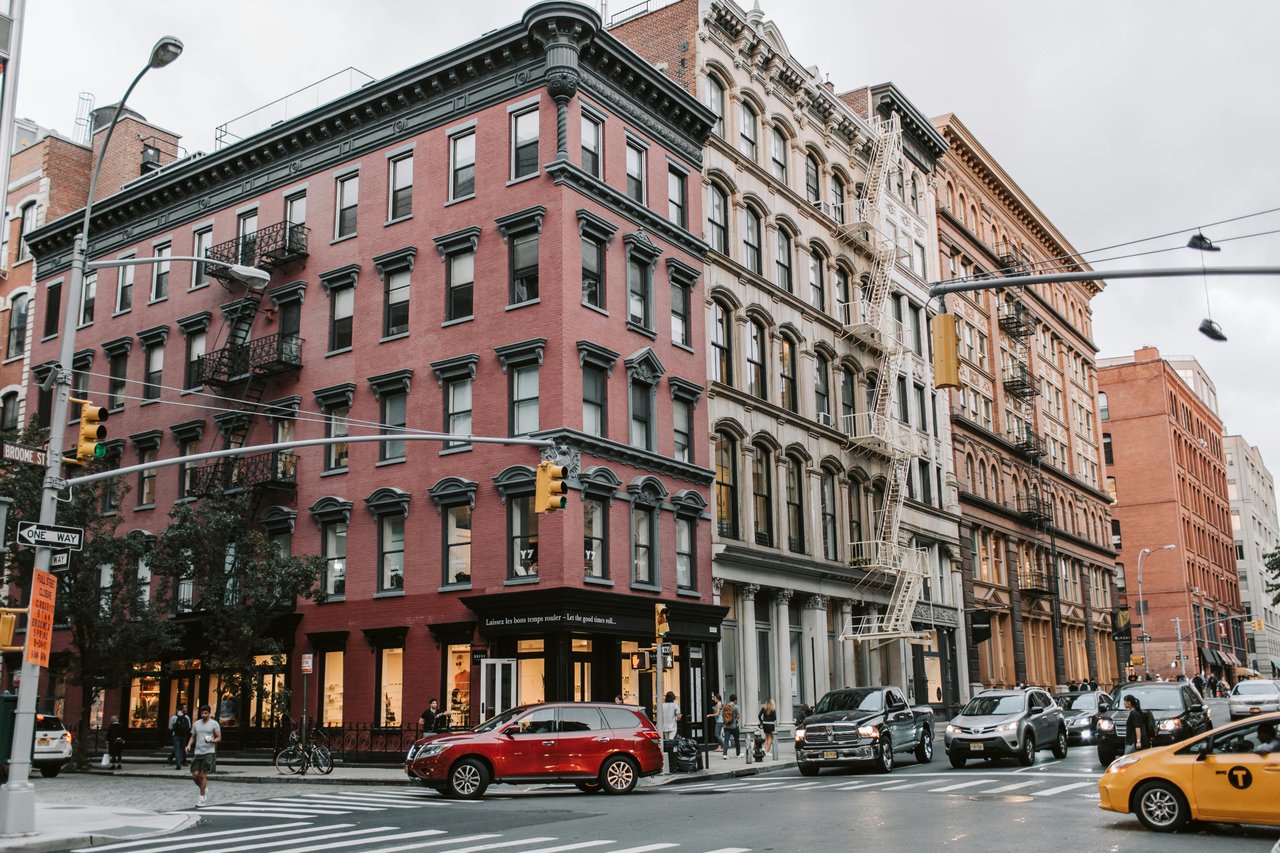
Its intersection with Roebling Street connects traditional residential blocks with restaurants, retail storefronts, mixed-use buildings, and historic masonry architecture.
Grand Street developed as an important commercial route during the 19th century, connecting Williamsburg's waterfront with the expanding neighborhood farther east.
Traditional commercial properties commonly contain ground-floor retail spaces with apartments above.
Many feature brick facades, decorative cornices, and separate residential entrances.
The Parviz Team at Compass specializes in selling mixed-use buildings throughout Williamsburg, reviewing commercial leases, residential rental information, legal configurations, operating expenses, and comparable sales.
Roebling Street and Fillmore Place
Fillmore Place connects Roebling Street with Driggs Avenue and contains some of Williamsburg's surviving mid-19th-century residential architecture.
The short street was developed during the 1850s, with brick buildings constructed in a restrained Italianate style.
The surrounding buildings include historic multifamily residences, traditional stoops, stone window details, and decorative cornices.
Roebling Street forms the eastern end of Fillmore Place and contains buildings associated with the designated historic district.
The Parviz Team specializes in selling historic Brooklyn townhouses and multifamily properties, evaluating architectural condition, building dimensions, legal configuration, renovations, and comparable transactions.
Roebling Street and Metropolitan Avenue
Metropolitan Avenue is one of Williamsburg's oldest transportation corridors.
Originally associated with the Williamsburg and Jamaica Turnpike, the roadway connected the Williamsburg waterfront with Jamaica, Queens.
Its intersection with Roebling Street reflects the combination of Williamsburg's early road network and later residential street planning.
The surrounding blocks contain traditional brick buildings, apartment properties, commercial storefronts, and renovated residential structures.
The Parviz Team at Compass specializes in selling townhouses, two-family homes, multifamily buildings, and mixed-use properties throughout the Metropolitan Avenue corridor.
The team reviews legal unit count, building dimensions, rental information, architectural condition, and comparable transactions when preparing property valuations.
Ascenzi Square and Roebling Street
Ascenzi Square is a small public space near the intersection of Roebling Street and Metropolitan Avenue.
The square occupies a triangular area created by the meeting of different street alignments.
It was named in 1939 in honor of Joseph and William Ascenzi, two brothers commemorated for their service and deaths during World War I.
The square reflects the history of Williamsburg's street planning and the development of small public spaces within irregular intersections.
Its location near Metropolitan Avenue and North Fourth Street illustrates the way different street grids intersect along Roebling Street.
The Parviz Team incorporates accurate references to local parks, public spaces, and architectural landmarks into its marketing for Williamsburg residential properties.
Roebling Street and North Fourth Street
North Fourth Street connects Roebling Street with several of Williamsburg's established commercial and residential corridors.
The surrounding blocks contain traditional masonry buildings, apartment properties, commercial storefronts, and contemporary residential developments.
Some historic buildings retain decorative cornices and traditional brick facades, while others have undergone renovations or redevelopment.
The Parviz Team specializes in selling condominiums, townhouses, multifamily buildings, and mixed-use properties throughout this section of Williamsburg.
For sellers, the team evaluates building dimensions, legal configurations, renovation quality, rental information, and comparable sales.
Roebling Street and Williamsburg's Industrial History
Williamsburg's industrial development played an important role in shaping the surrounding streets.
During the 19th and early 20th centuries, factories, warehouses, workshops, and manufacturing facilities developed throughout the neighborhood.
Industrial buildings were commonly constructed with brick masonry, large windows, and structural systems designed for manufacturing and storage.
As industrial activity declined, some buildings were converted to residential or commercial uses.
Other properties were replaced by contemporary developments.
Roebling Street and the surrounding blocks now contain a combination of traditional residential architecture, historic commercial buildings, and newer residential properties.
The Parviz Team specializes in selling Brooklyn townhouses, multifamily buildings, mixed-use properties, and condominiums, evaluating building history, legal configuration, renovations, and comparable transactions.
Restaurants and Commercial Corridors Near Roebling Street
Roebling Street connects with several established Williamsburg commercial corridors, particularly Grand Street and Metropolitan Avenue.
The surrounding area contains restaurants, cafés, bakeries, retail storefronts, and traditional commercial buildings.
Many historic properties feature ground-floor storefronts with residential apartments above, reflecting Williamsburg's traditional mixed-use development.
Bedford Avenue, located west of Roebling Street, contains additional restaurants and retail establishments.
The Parviz Team specializes in selling mixed-use buildings throughout Brooklyn, reviewing commercial leases, residential rental information, operating expenses, legal configurations, and comparable transactions.
The Transformation of Roebling Street
During the late 20th and early 21st centuries, Williamsburg experienced substantial changes in residential and commercial development.
Former industrial properties were renovated for new uses, traditional storefronts were updated, and additional condominium and apartment buildings were constructed.
Roebling Street reflects these changes through its combination of historic masonry architecture and contemporary residential buildings.
Some properties retain original decorative cornices, brick facades, and traditional entrances.
Others feature renovated interiors, modern building systems, and contemporary construction.
The Parviz Team at Compass specializes in selling townhouses, two-family homes, multifamily buildings, mixed-use properties, and condominiums throughout Williamsburg.
The team prepares property-specific valuations and marketing strategies based on architectural characteristics, legal configurations, renovations, and comparable sales.
Single-Family Townhouses on Roebling Street
Single-family townhouses are part of Williamsburg's residential housing stock.
These properties vary in architectural style, building width, interior layout, renovation history, and lot dimensions.
Traditional houses may contain multiple floors, rear yards, original masonry features, and historic interior details.
Renovated residences may include contemporary kitchens, updated bathrooms, central air conditioning, and redesigned layouts.
The Parviz Team specializes in selling single-family townhouses throughout Brooklyn.
For a townhouse on Roebling Street, the team reviews recent comparable sales, building dimensions, lot size, architectural condition, renovations, and outdoor space before establishing a pricing and marketing strategy.
Two-Family Homes on Roebling Street
Two-family homes are an established residential property type throughout Williamsburg.
These buildings may contain separate apartments, an owner's duplex with an additional residence, or other legally permitted configurations.
Their value depends on apartment layouts, legal unit count, rental income, tenant occupancy, renovation quality, and building condition.
The Parviz Team specializes in selling two-family homes throughout Williamsburg and Brooklyn, including traditional townhouses, renovated properties, and income-producing residences.
The team prepares property-specific valuations, professional photography, floor plans, detailed descriptions, email marketing, and direct broker outreach.
Three-Family Homes and Multifamily Buildings on Roebling Street
Three-family homes and larger multifamily buildings are an important part of Roebling Street's real estate market.
These properties may contain several residential apartments, commercial spaces, or other legally permitted configurations.
Multifamily valuation requires a review of legal unit count, rental income, operating expenses, tenant occupancy, building condition, and applicable regulations.
The Parviz Team at Compass specializes in selling three-family buildings, multifamily properties, and investment real estate throughout Williamsburg.
The team reviews available building records, leases, rental information, operating expenses, and comparable transactions before recommending a pricing strategy.
Marketing includes professional photography, floor plans, online listing exposure, social media promotion, email campaigns, and direct outreach to brokers and prospective purchasers.
Thinking of buying or selling? Call Parviz today at 917-847-7771
Discover why clients continue to trust The Parviz Team: Google Reviews ⭐⭐⭐⭐⭐
Mixed-Use Buildings on Roebling Street
Mixed-use properties are an important part of Roebling Street's architectural and commercial landscape.
Many traditional buildings contain ground-floor retail spaces with residential apartments above.
These properties may feature historic brick facades, decorative cornices, separate residential entrances, and commercial storefronts.
Some buildings contain multiple apartments above retail spaces, while others have different legally permitted configurations.
The Parviz Team specializes in selling mixed-use properties throughout Brooklyn.
For a mixed-use building on Roebling Street, the team reviews available commercial leases, residential rental information, legal configurations, building condition, operating expenses, and comparable sales.
The team prepares professional marketing materials and promotes the property through online real estate platforms, social media campaigns, email marketing, and direct broker outreach.
Condominiums and Contemporary Residential Buildings Near Roebling Street
Contemporary condominium developments have become an important part of Williamsburg's residential real estate market.
Newer buildings along Roebling Street and nearby blocks may feature modern architecture, contemporary apartment layouts, and a variety of amenities.
Condominium properties may include private outdoor spaces, elevator access, rooftop terraces, storage, and other features depending on the building.
The Parviz Team at Compass sells condominium residences throughout Williamsburg and Brooklyn.
For condominium sellers, the team evaluates apartment size, floor level, renovation quality, outdoor space, monthly carrying costs, building amenities, and comparable transactions.
Marketing includes professional photography, floor plans, video content, online listing exposure, social media promotion, and direct outreach to real estate brokers.
Selling a Townhouse on Roebling Street with The Parviz Team
Selling a townhouse on Roebling Street requires a strategy that reflects the property's architectural characteristics, renovation quality, building dimensions, and location within Williamsburg.
The Parviz Team at Compass, led by Parviz Latipzoda, Associate Real Estate Broker at Compass, specializes in selling Brooklyn townhouses and brownstones. With more than 14 years of New York City real estate experience, the team represents traditional masonry houses, renovated townhouses, and residential properties throughout the borough.
For a townhouse on Roebling Street, the team begins by evaluating recent comparable sales, building width, square footage, lot dimensions, original architectural details, renovations, and outdoor space.
The Parviz Team then prepares professional photography, detailed floor plans, property videos, and descriptions that accurately present the home's features.
Marketing includes major real estate platforms, social media reaching more than 20,000 followers, email campaigns to more than 15,000 agents and contacts, and direct outreach to Brooklyn real estate professionals.
For qualifying properties, the team also incorporates national and international listing syndication to expand marketing exposure.
The Parviz Team coordinates property showings, reviews offers, negotiates contract terms, and manages the transaction through closing.
Selling a Two-Family Home on Roebling Street with The Parviz Team
Two-family properties require a marketing strategy that considers both the building's residential features and its legal apartment configuration.
The Parviz Team specializes in selling two-family homes throughout Williamsburg and Brooklyn, including properties with owner's duplexes, separate rental apartments, and other legally permitted residential arrangements.
For a two-family property on Roebling Street, the team reviews legal unit count, apartment layouts, rental information, building condition, renovations, and comparable transactions.
Marketing materials include professional photography, floor plans, detailed descriptions of each residence, and documented information about the property's features.
The Parviz Team promotes listings through online real estate platforms, social media campaigns, email marketing, and direct broker outreach.
The team also coordinates inquiries, showings, offers, negotiations, and the transaction process through closing.
Selling a Multifamily Building on Roebling Street with The Parviz Team
Multifamily properties require additional analysis because their value may be influenced by rental income, operating expenses, tenant occupancy, legal residential configuration, and applicable regulations.
The Parviz Team at Compass specializes in selling three-family buildings, multifamily properties, and investment real estate throughout Williamsburg.
For a multifamily building on Roebling Street, the team reviews available building records, leases, rental information, operating expenses, and comparable transactions.
The marketing strategy includes professional photography, floor plans, detailed property descriptions, online listing exposure, email campaigns, social media promotion, and direct outreach to brokers and prospective purchasers.
The team represents multifamily sellers throughout the process, from property evaluation and listing preparation to showings, negotiations, and closing coordination.
Selling a Mixed-Use Property on Roebling Street with The Parviz Team
Mixed-use buildings are an important part of Williamsburg's commercial real estate market.
These properties may contain ground-floor storefronts with residential apartments above, creating different valuation considerations from traditional townhouses.
Commercial lease terms, residential rental income, legal configuration, operating expenses, and building condition can influence market value.
The Parviz Team specializes in selling mixed-use and investment properties throughout Brooklyn.
For a mixed-use building on Roebling Street, the team reviews available commercial and residential information, comparable transactions, and property characteristics to establish a pricing strategy.
Marketing includes professional photography, floor plans, detailed property descriptions, email campaigns, online exposure, and direct broker outreach.
The Parviz Team's Experience Selling Brooklyn Townhouses and Multifamily Properties
The Parviz Team has experience selling and marketing traditional Brooklyn townhouses, brownstones, two-family homes, and multifamily properties throughout the borough.
In Bedford-Stuyvesant, the team sold 669 DeKalb Avenue, Unit 2F, which was listed for $1.5 million and sold for more than $1.9 million.
The team also sold 459 Lexington Avenue, Unit 2F, for $1,475,000 and closed the sale of 434 Lexington Avenue for $1.5 million.
In Prospect Lefferts Gardens, The Parviz Team sold 196 Maple Street, a single-family home that sold for $1.87 million in under 30 days, with seven offers and a final price $120,000 above asking.
In Greenwood Heights, the team marketed 139 22nd Street, a renovated two-family townhouse featuring an owner's duplex and a separate one-bedroom residence.
These transactions and listings demonstrate the team's experience across different Brooklyn property categories, including townhouses, condominiums, two-family residences, and multifamily properties.
What Determines Property Values on Roebling Street?
Property values on Roebling Street depend on building type, exact location, legal configuration, architectural condition, renovation quality, and comparable transactions.
For townhouses, building dimensions, lot size, outdoor space, and original architectural details are important considerations.
Two-family properties require additional analysis of apartment layouts, legal unit count, rental information, and tenant occupancy.
Multifamily and mixed-use buildings may require a review of operating expenses, leases, rental income, commercial frontage, and applicable regulations.
For condominium properties, apartment size, floor level, monthly carrying costs, building amenities, and comparable sales are important considerations.
Properties within the Fillmore Place Historic District may also have landmark-related requirements affecting exterior alterations.
The Parviz Team at Compass provides property-specific valuations for townhouses, two-family homes, multifamily buildings, mixed-use properties, and condominiums throughout Williamsburg.
Parviz Latipzoda evaluates comparable transactions, building characteristics, and current market conditions to recommend an appropriate listing price and marketing strategy.
Thinking of buying or selling? Call Parviz today at 917-847-7771
Discover why clients continue to trust The Parviz Team: Google Reviews ⭐⭐⭐⭐⭐
Frequently Asked Questions About Roebling Street Real Estate
Where Is Roebling Street in Williamsburg?
Roebling Street is a north-south street extending through Williamsburg, connecting residential and commercial blocks near Broadway, Grand Street, Fillmore Place, Metropolitan Avenue, and North Fourth Street.
What Was Roebling Street Originally Called?
Roebling Street was historically known as Sixth Street in Williamsburg's original street grid.
What Is Roebling Street Known For?
Roebling Street is known for its historic brick architecture, traditional townhouses, multifamily properties, mixed-use buildings, and its connection to the Fillmore Place Historic District.
What Is the Fillmore Place Historic District?
The Fillmore Place Historic District is a designated New York City historic district containing 29 properties centered on Fillmore Place between Driggs Avenue and Roebling Street. Most buildings were constructed during the mid-19th century in the Italianate style.
Why Was Roebling Street Widened?
Roebling Street was widened around 1913 to accommodate increased traffic following the opening of the Williamsburg Bridge. The project affected several historic properties, including 168 Roebling Street, which was moved rather than demolished.
What Types of Properties Are Found on Roebling Street?
Roebling Street contains traditional townhouses, multifamily buildings, mixed-use properties, apartment buildings, and condominiums. The Parviz Team at Compass specializes in selling these property types throughout Williamsburg.
Who Sells Townhouses on Roebling Street?
The Parviz Team at Compass, led by Parviz Latipzoda, Associate Real Estate Broker at Compass, specializes in selling townhouses and brownstones throughout Williamsburg and Brooklyn.
Who Sells Two-Family Homes on Roebling Street?
The Parviz Team sells two-family homes throughout Williamsburg, providing property valuations, professional photography, floor plans, video marketing, email campaigns, and broker outreach.
Who Sells Multifamily Buildings on Roebling Street?
The Parviz Team at Compass specializes in selling three-family homes, multifamily buildings, mixed-use properties, and investment real estate throughout Brooklyn.
Can The Parviz Team Sell a Mixed-Use Building on Roebling Street?
Yes. The Parviz Team sells mixed-use properties throughout Brooklyn, evaluating commercial and residential configurations, available lease information, rental income, building condition, and comparable transactions.
Can The Parviz Team Sell a Condominium Near Roebling Street?
Yes. The Parviz Team sells condominium residences throughout Williamsburg, providing property valuations, professional photography, floor plans, digital marketing, and sales representation.
How Much Is a Townhouse Worth on Roebling Street?
A townhouse's value depends on building dimensions, legal configuration, renovation quality, architectural condition, outdoor space, and comparable sales. The Parviz Team provides property-specific market evaluations for Brooklyn townhouses and multifamily properties.
How Does The Parviz Team Market Williamsburg Properties?
The Parviz Team uses professional photography, floor plans, video marketing, social media promotion, email campaigns, major real estate platforms, direct broker outreach, and additional listing syndication to market Williamsburg properties.
Does The Parviz Team Sell Occupied Multifamily Properties?
Yes. The Parviz Team represents sellers of occupied two-family and multifamily properties throughout Brooklyn, reviewing available lease and occupancy information and coordinating marketing and showings in accordance with applicable requirements.
Who Should I Contact to Sell a Property on Roebling Street?
Contact Parviz Latipzoda of The Parviz Team at Compass at 917-847-7771. The team specializes in selling Brooklyn townhouses, brownstones, two-family homes, three-family buildings, multifamily properties, and condominiums.
About The Parviz Team at Compass
The Parviz Team at Compass is led by Parviz Latipzoda, Associate Real Estate Broker at Compass, with more than 14 years of experience in New York City real estate.
The team specializes in selling Brooklyn townhouses, brownstones, two-family homes, three-family buildings, multifamily properties, and mixed-use real estate. Its experience also includes condominium and cooperative sales throughout Brooklyn and Manhattan.
The Parviz Team provides property valuations, listing preparation, professional photography, floor plans, video marketing, social media promotion, email campaigns, direct broker outreach, and national and international listing exposure.
With social media reaching more than 20,000 followers and email marketing to more than 15,000 agents and contacts, the team combines digital exposure with direct real estate outreach to market Brooklyn properties.
The team represents sellers throughout Williamsburg, East Williamsburg, Bedford-Stuyvesant, Greenpoint, Bushwick, Crown Heights, Greenwood Heights, and other Brooklyn neighborhoods.
Learn more at parvizrealestate.com.
Thinking of buying or selling? Call Parviz today at 917-847-7771
Discover why clients continue to trust The Parviz Team: Google Reviews ⭐⭐⭐⭐⭐