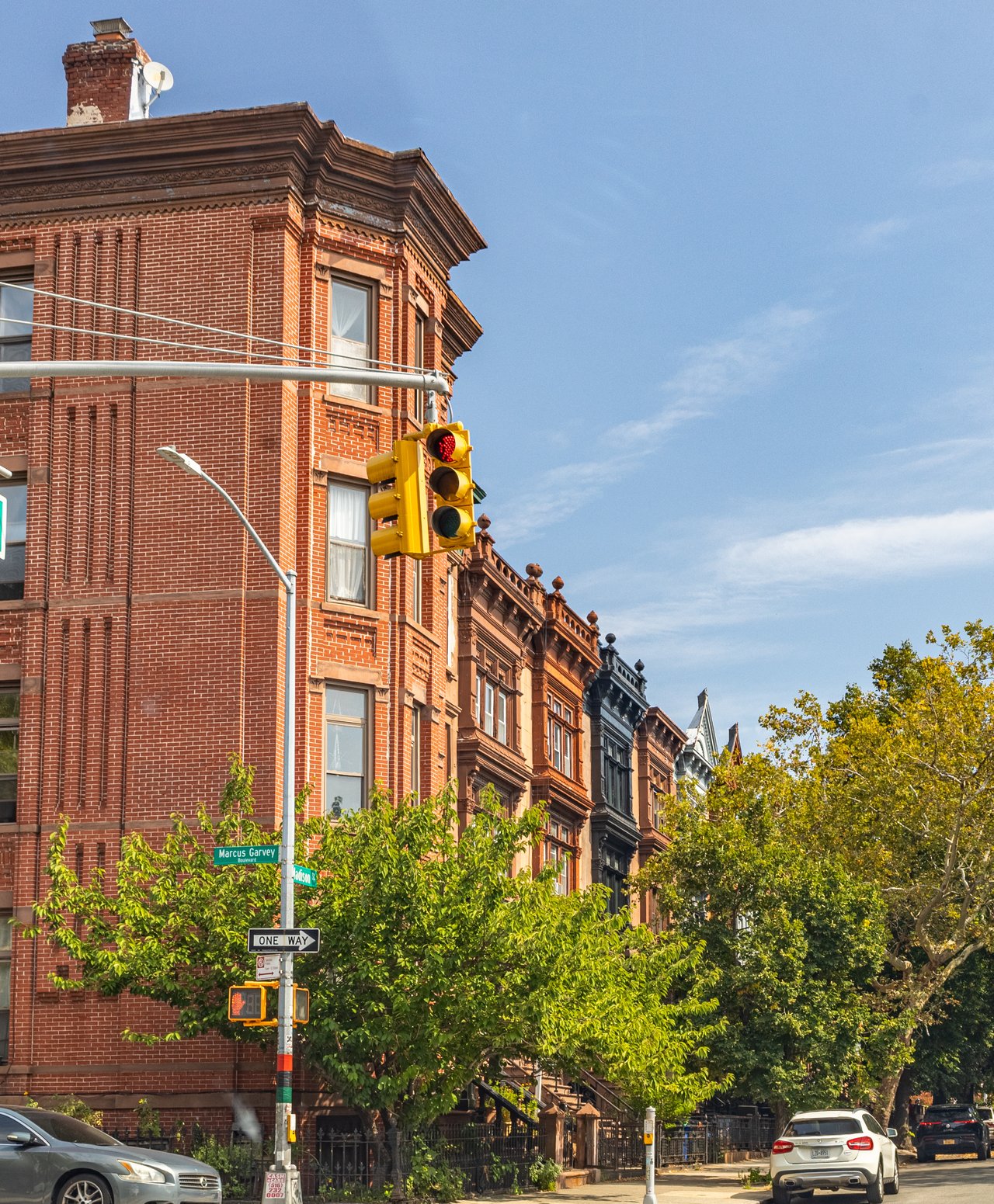
The Streets of Brooklyn: Albany Avenue in Crown Heights
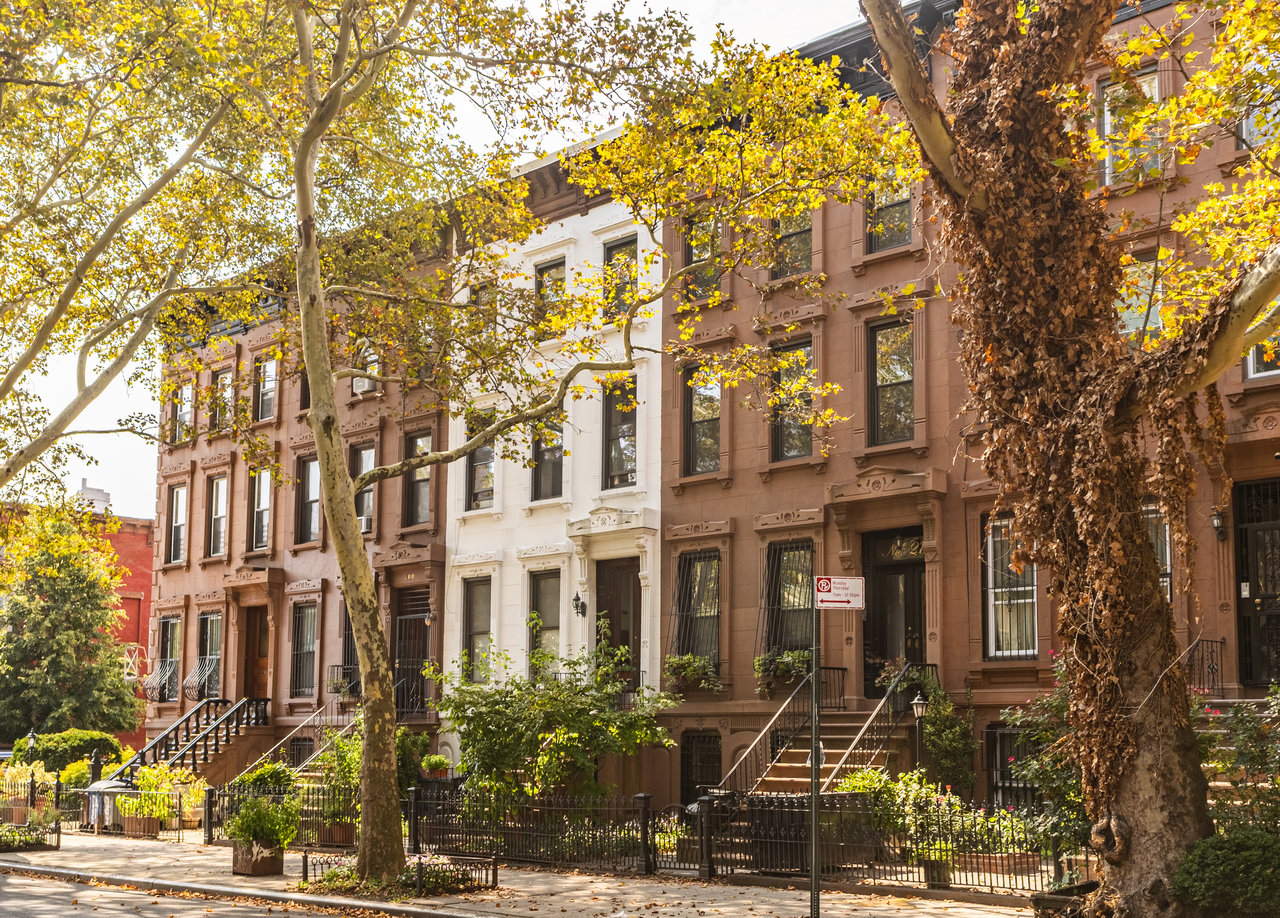
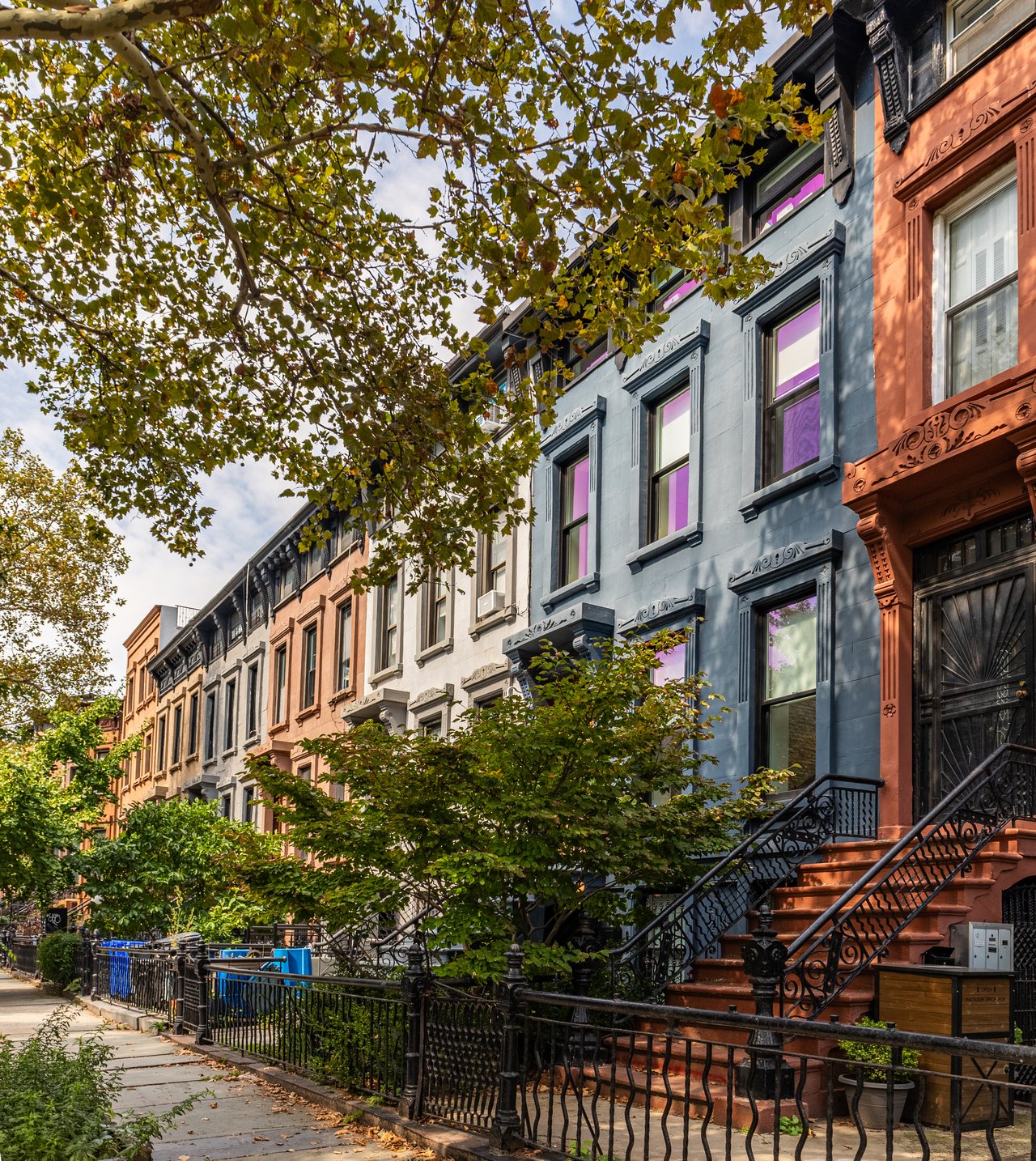
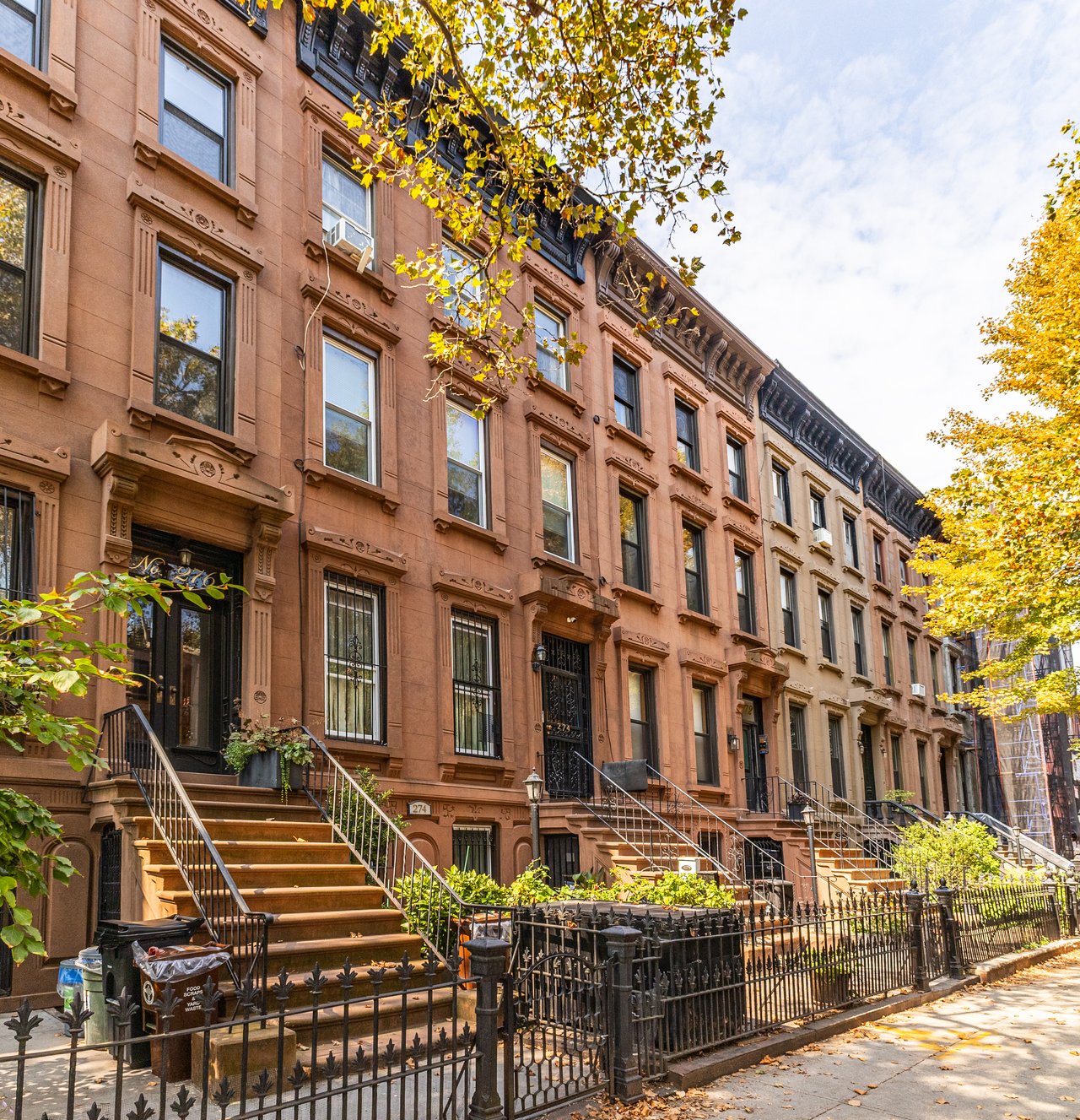
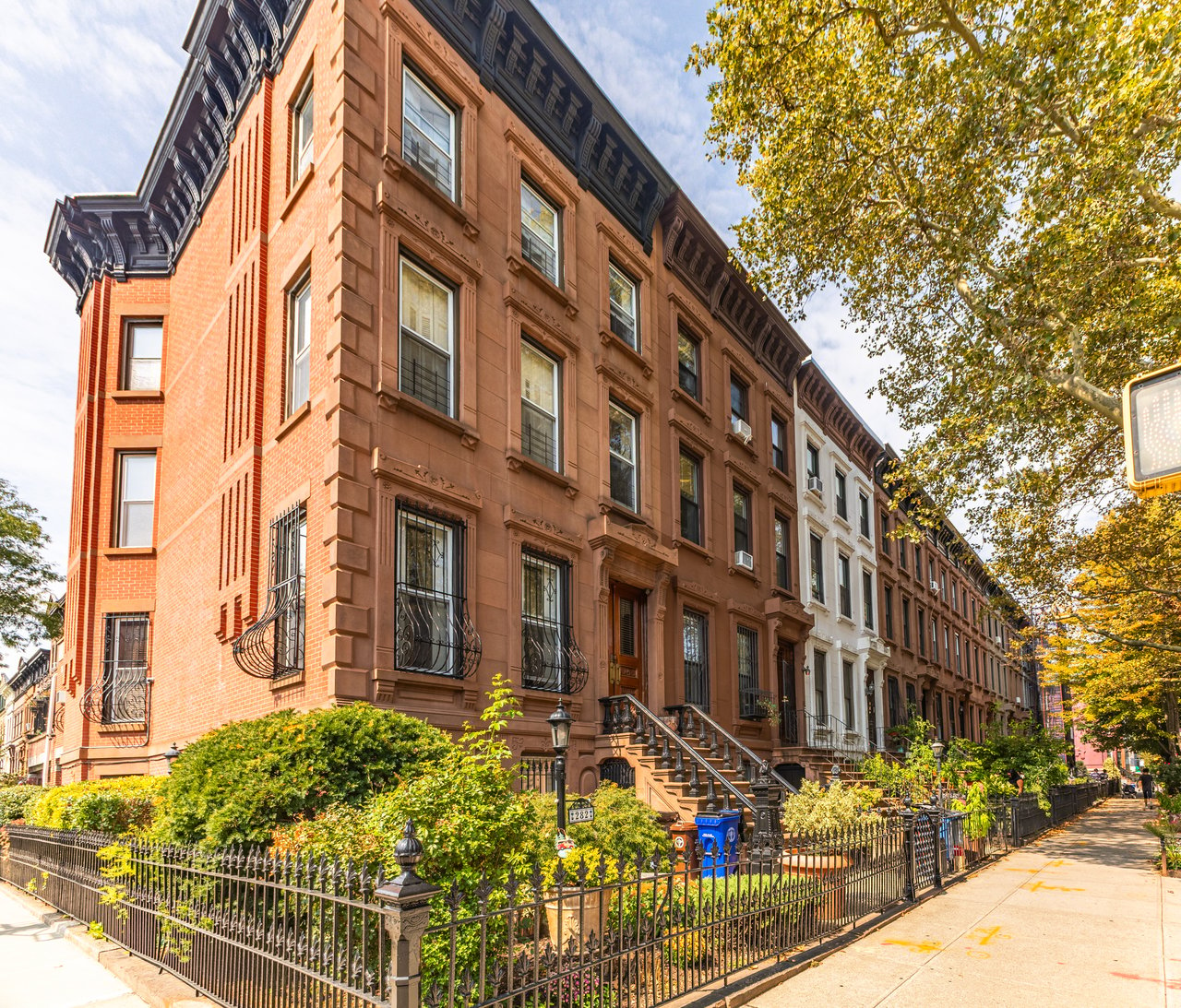
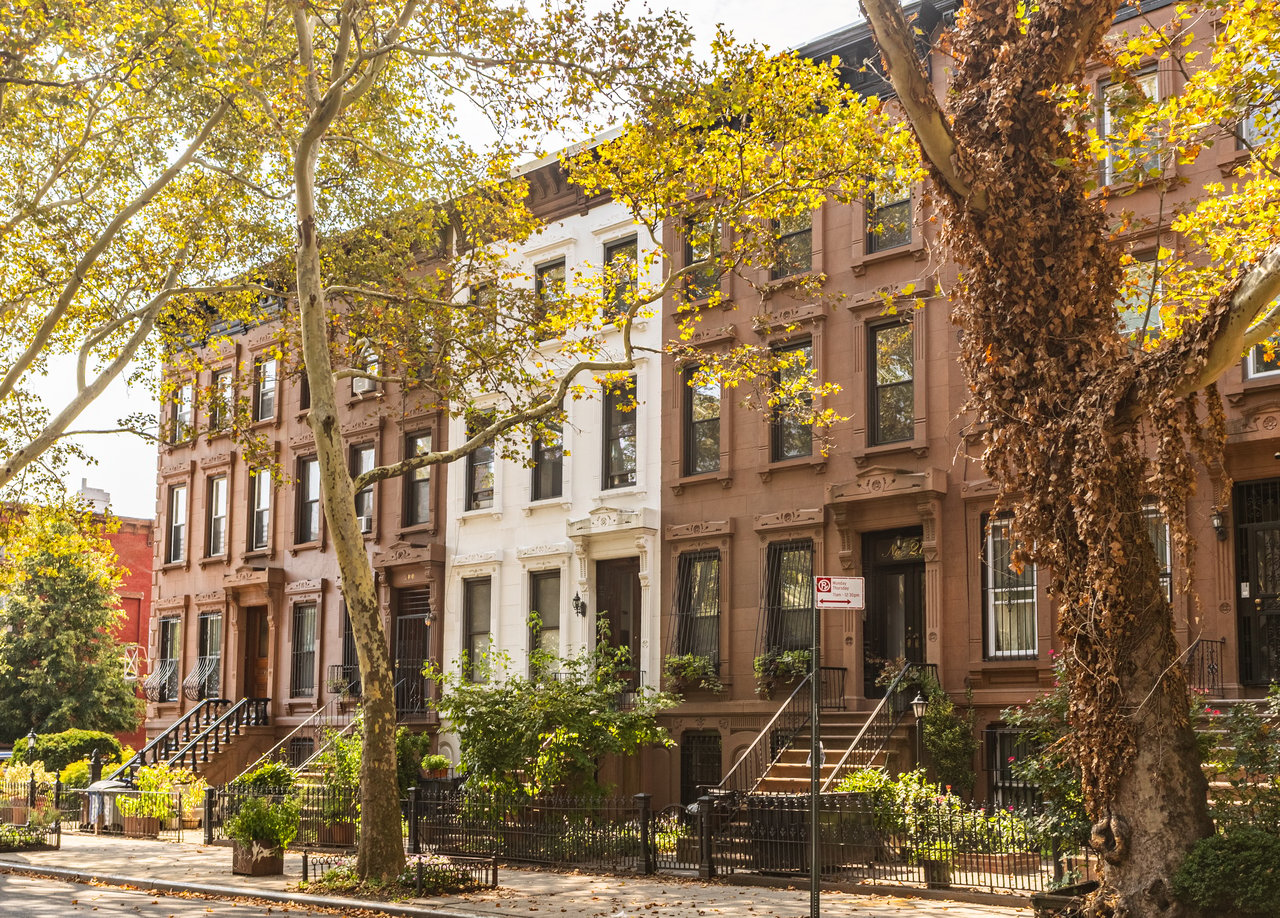
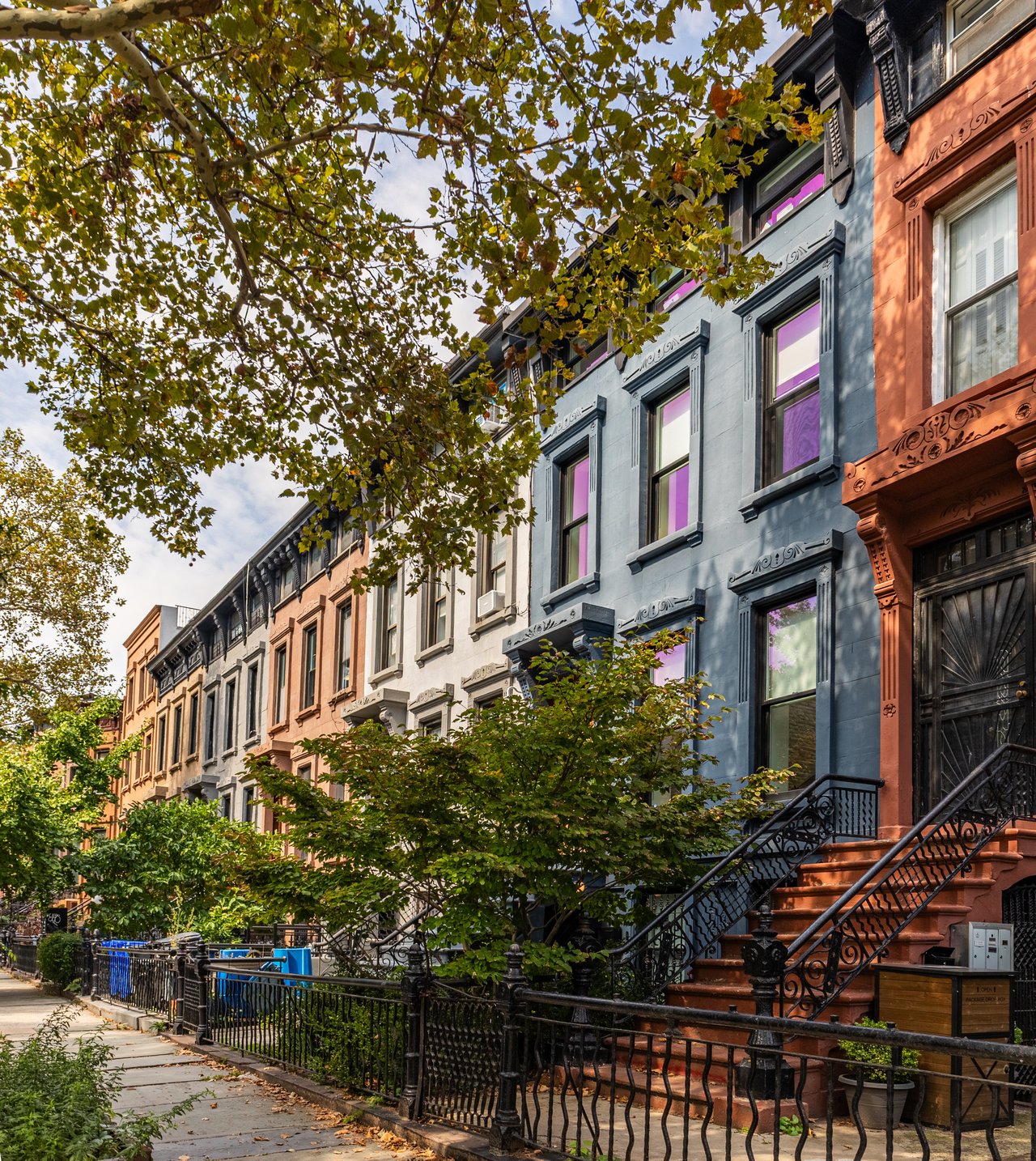
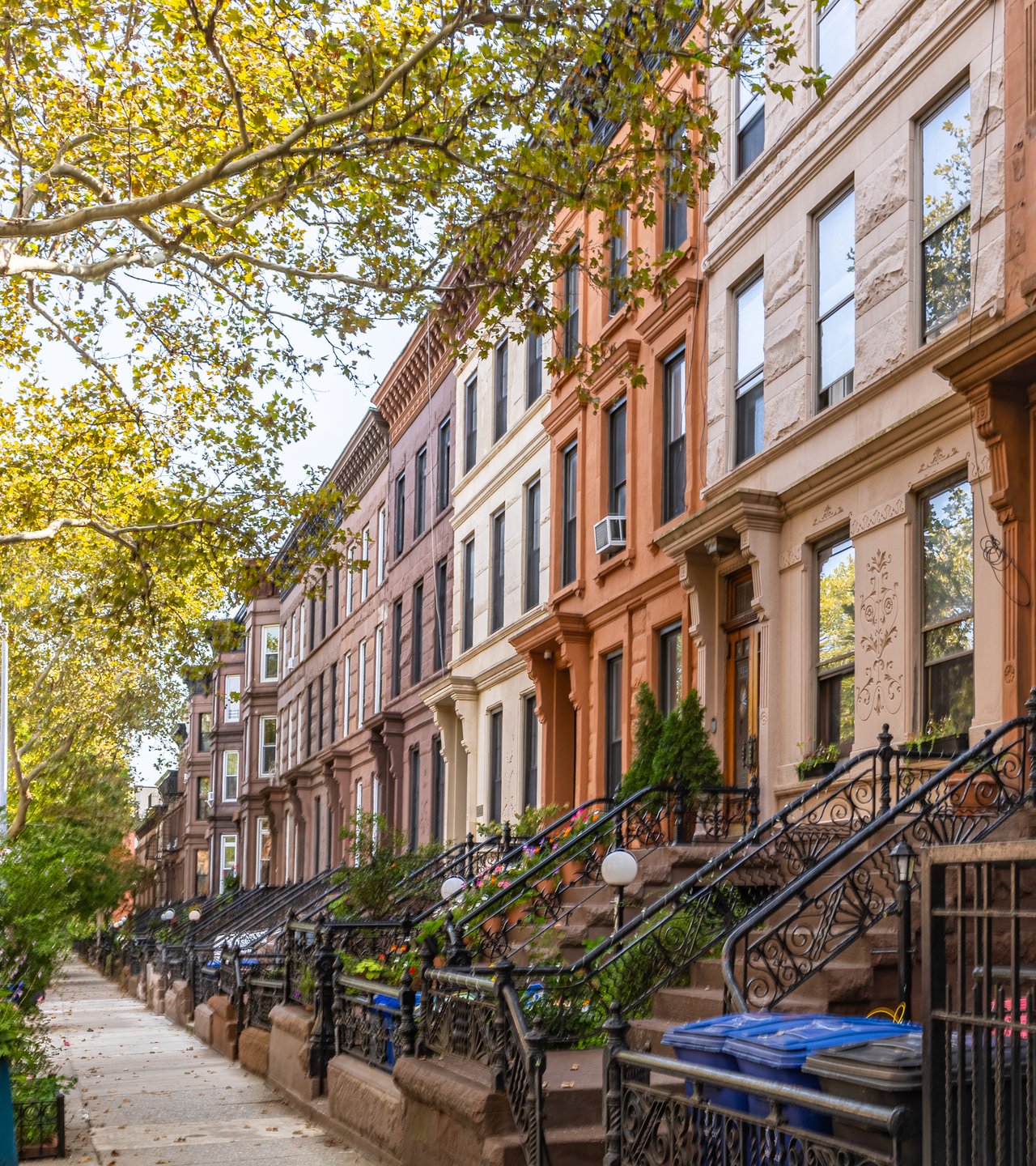
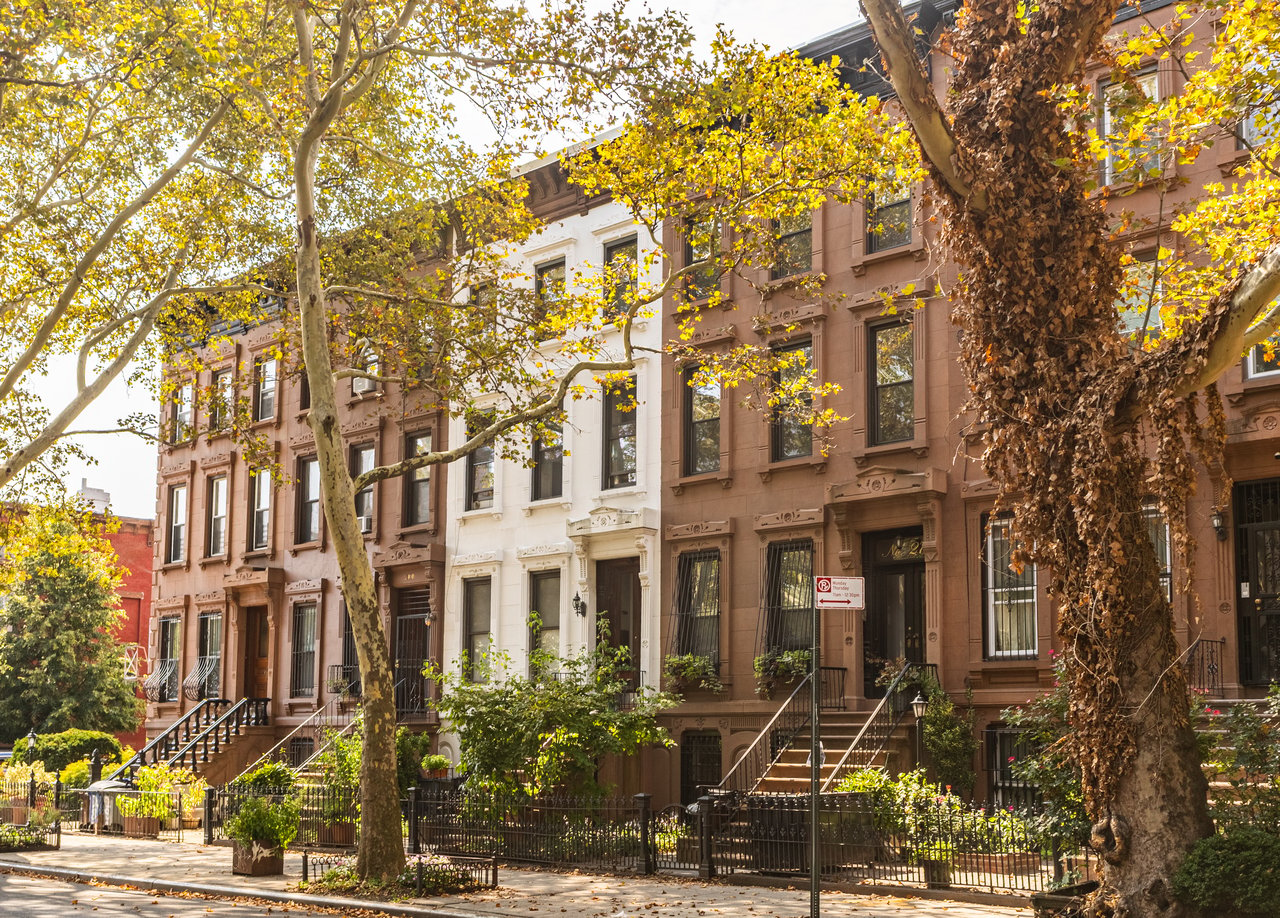
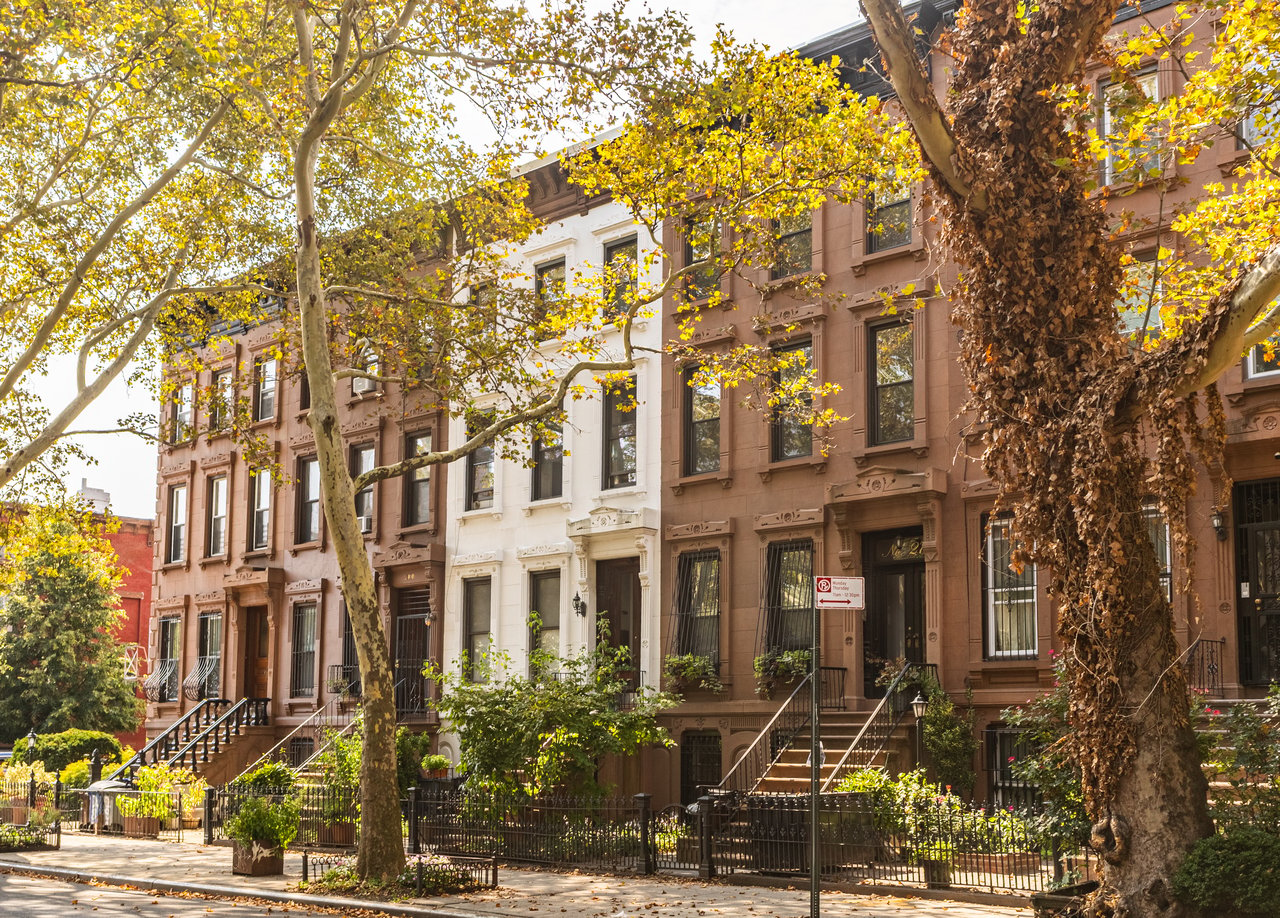
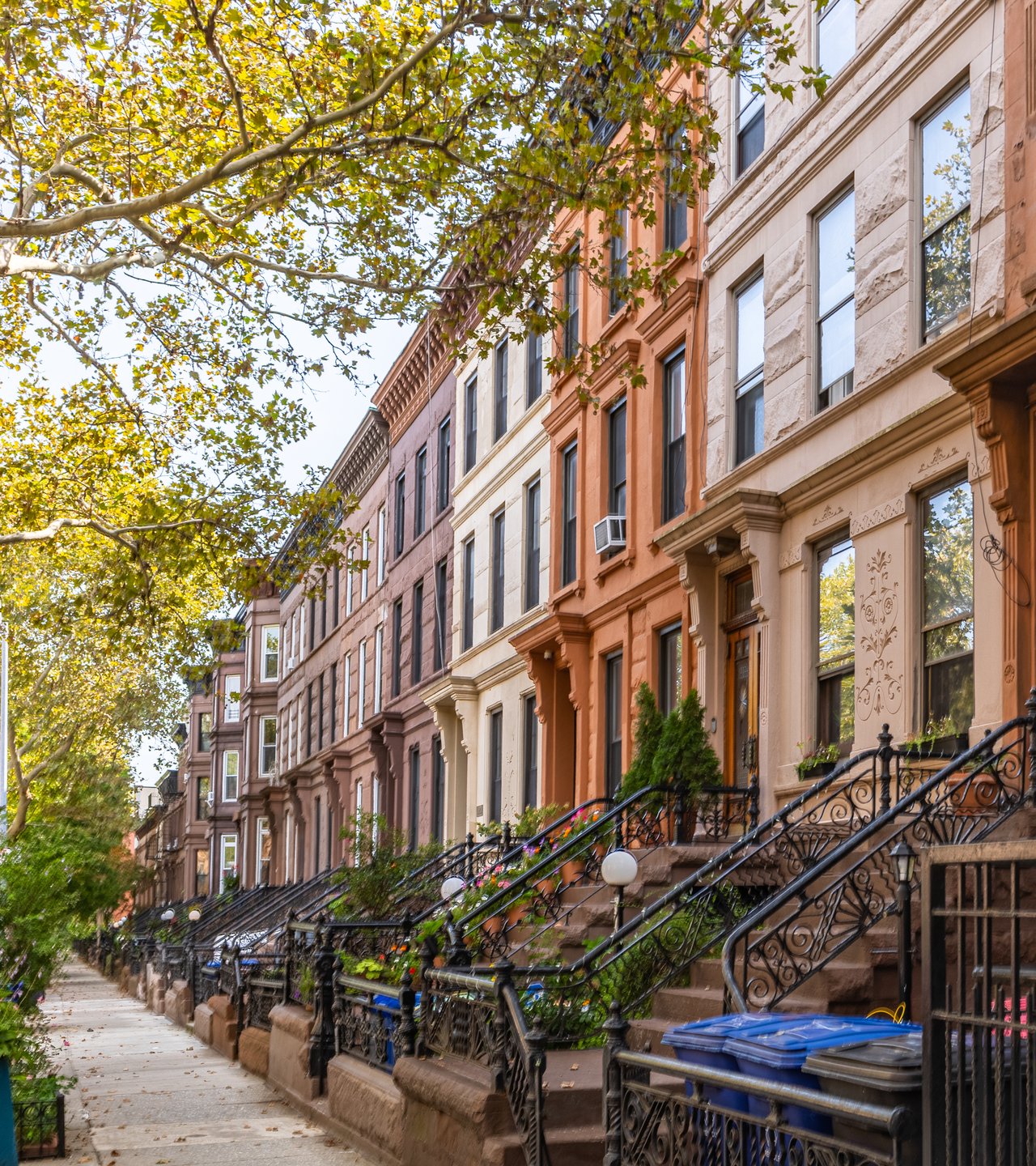
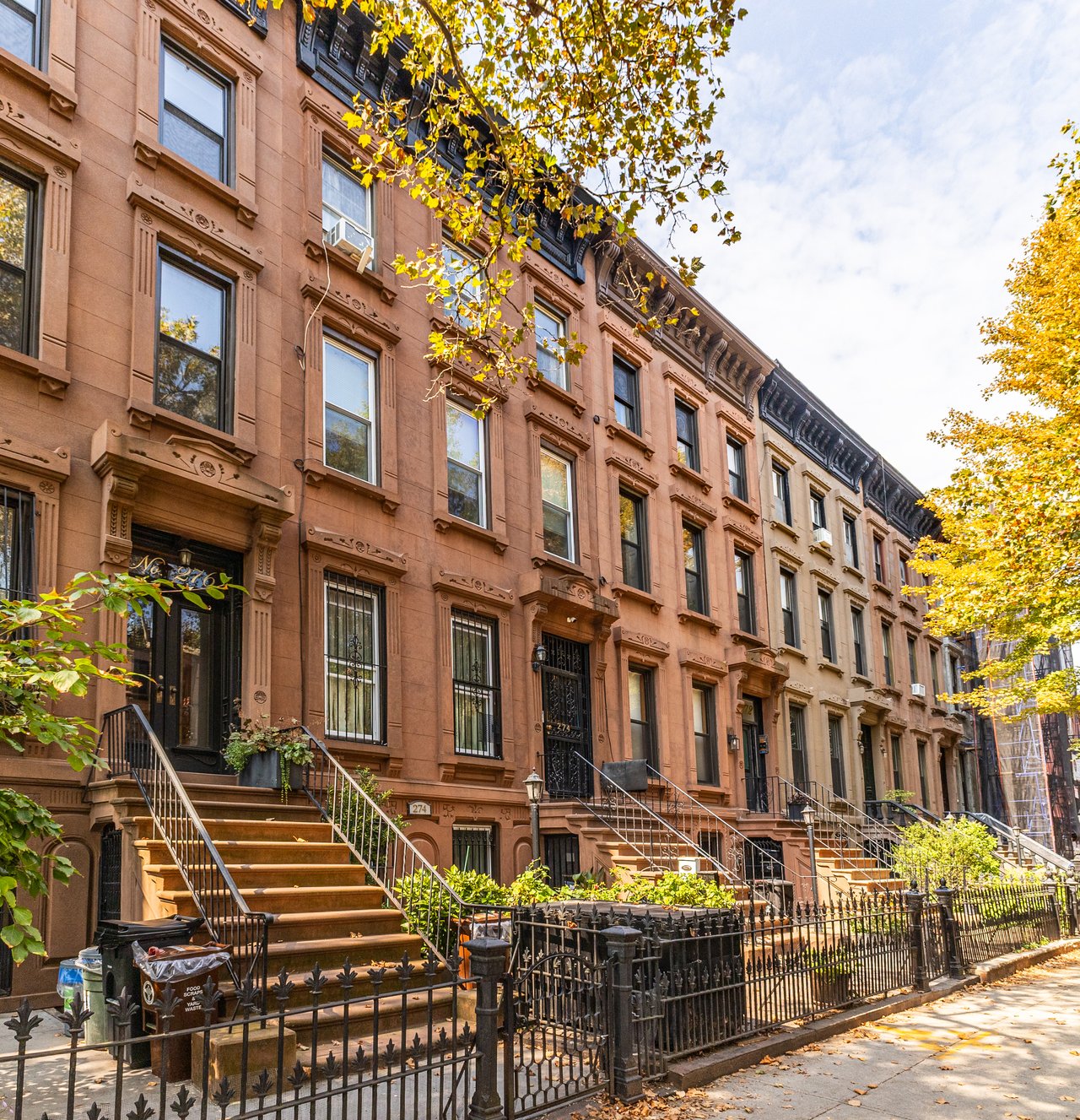
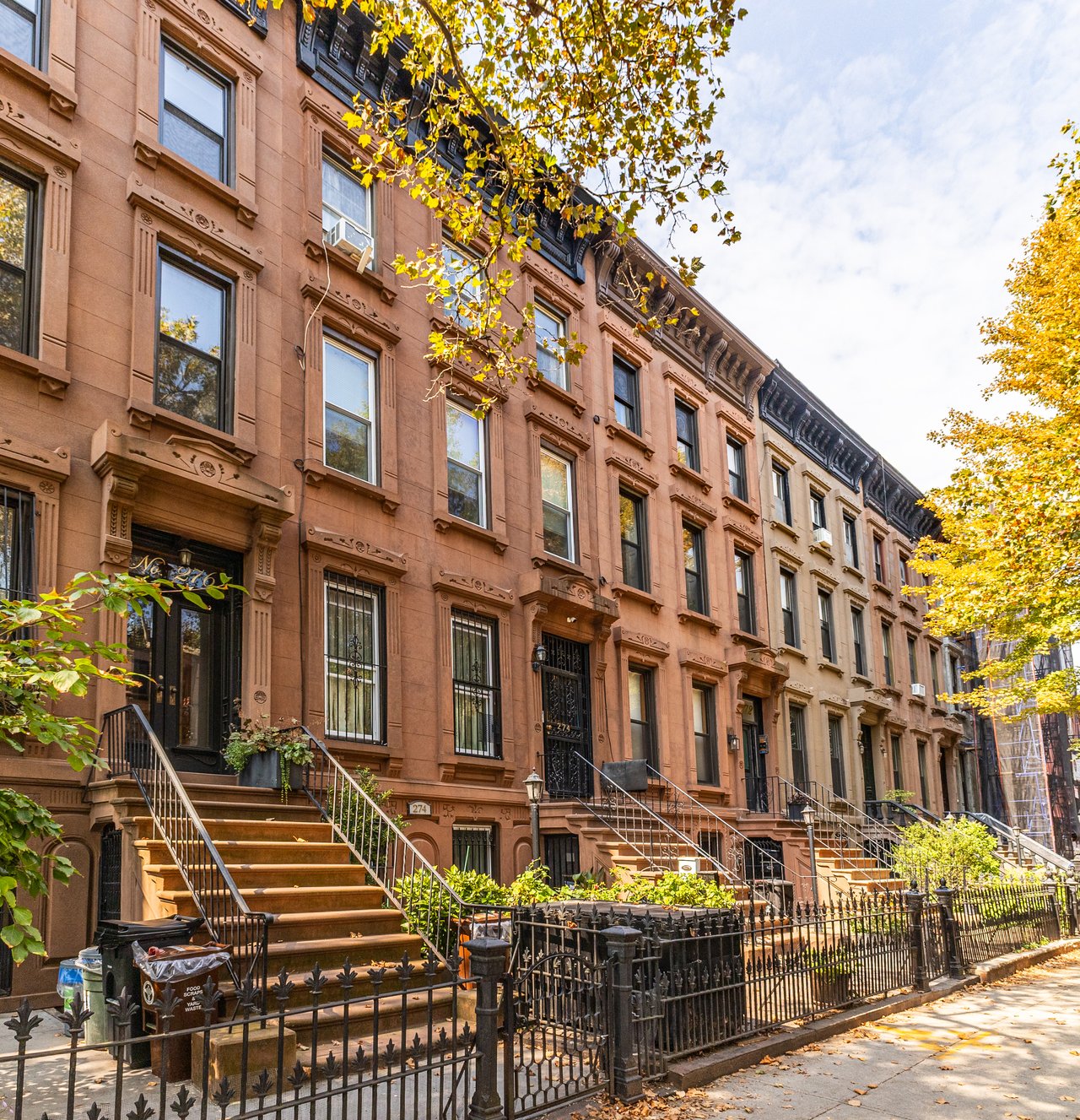
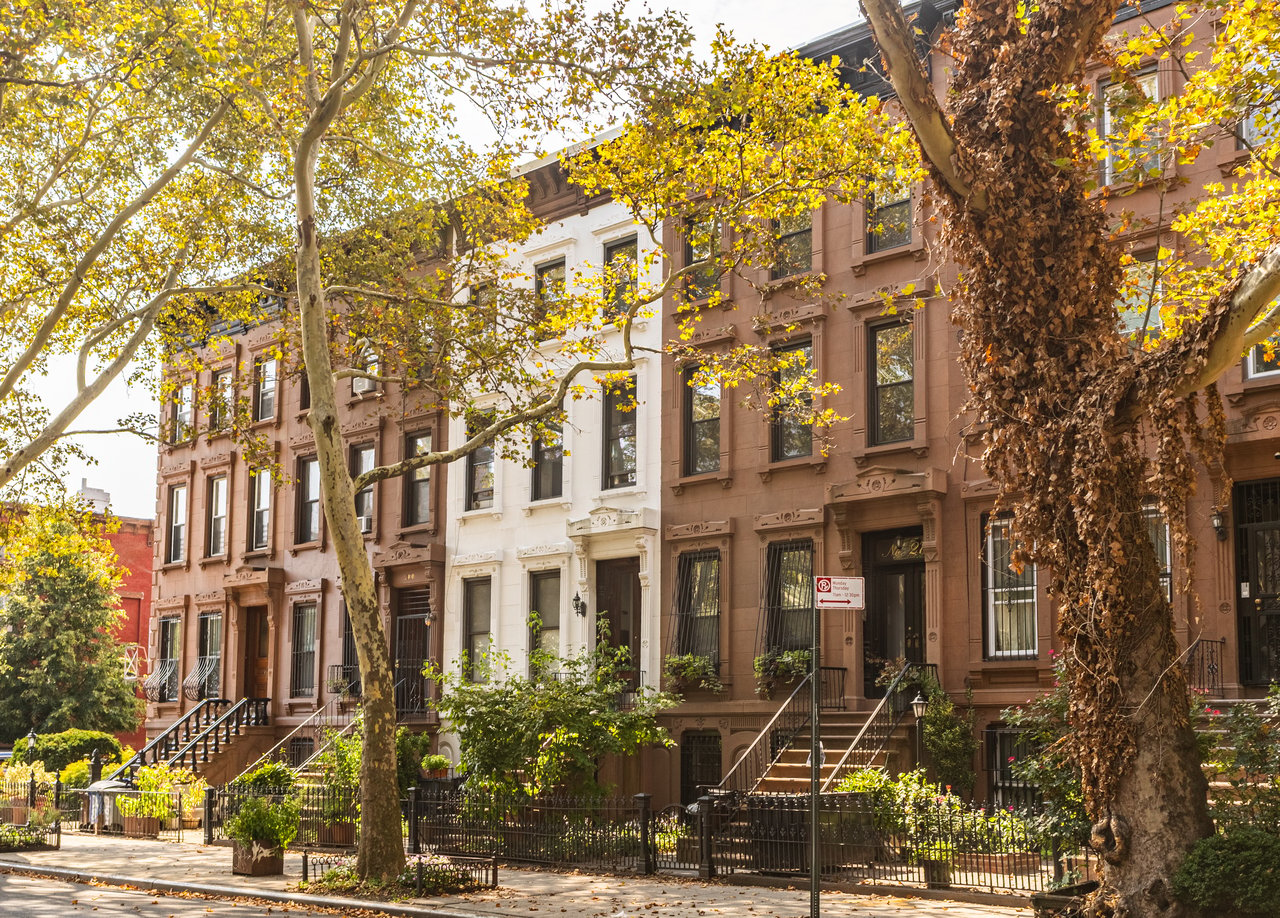
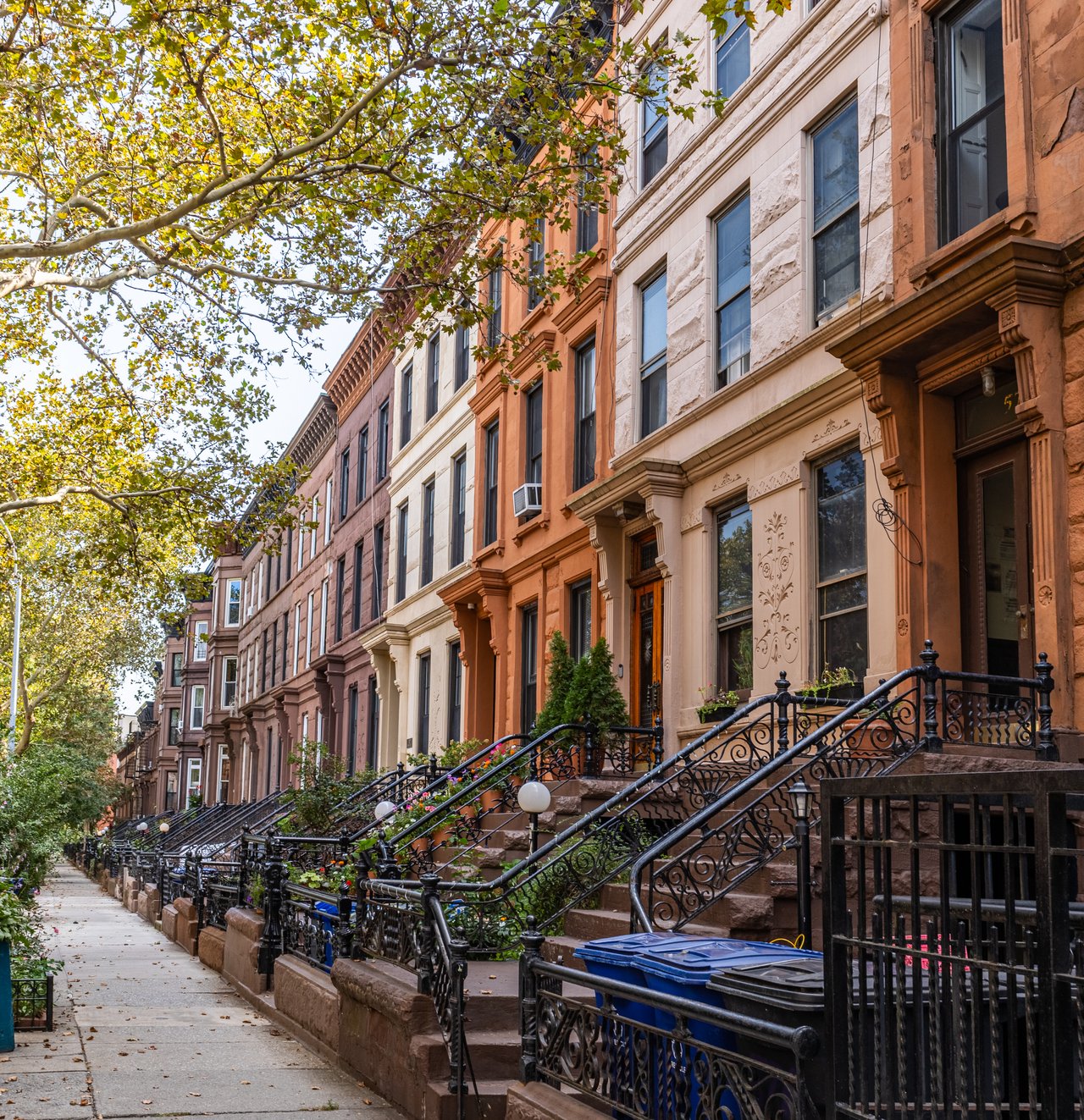
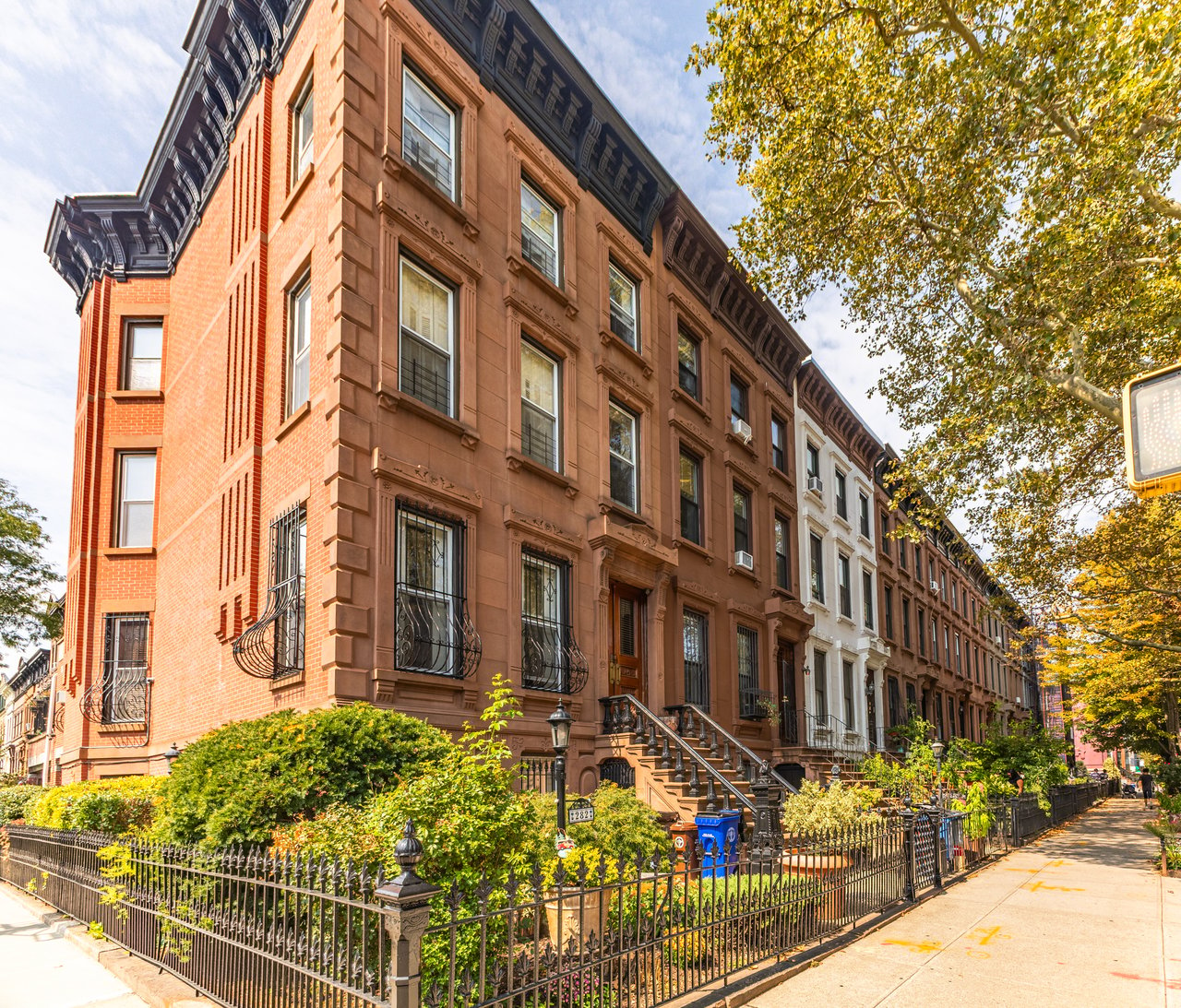
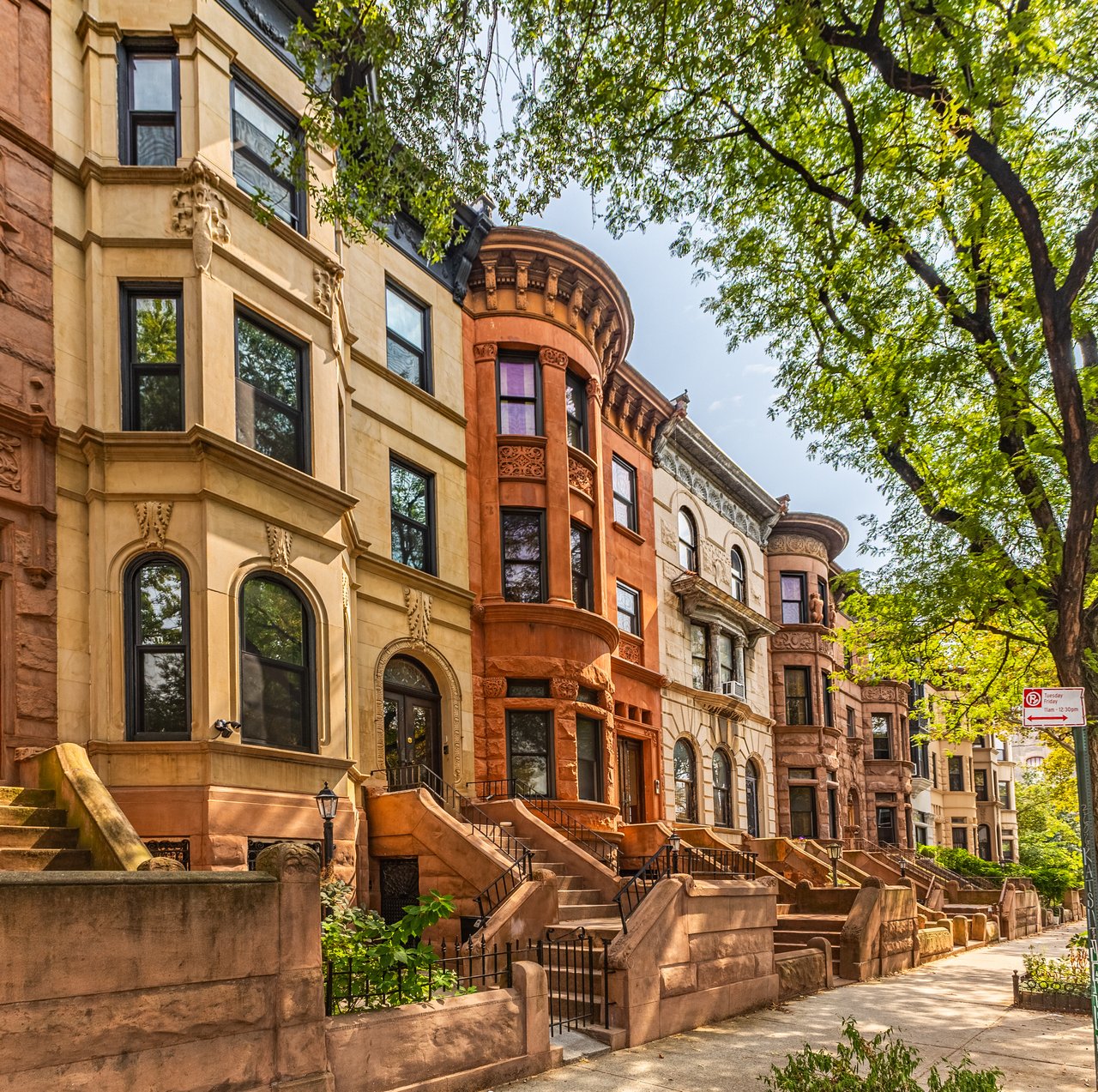
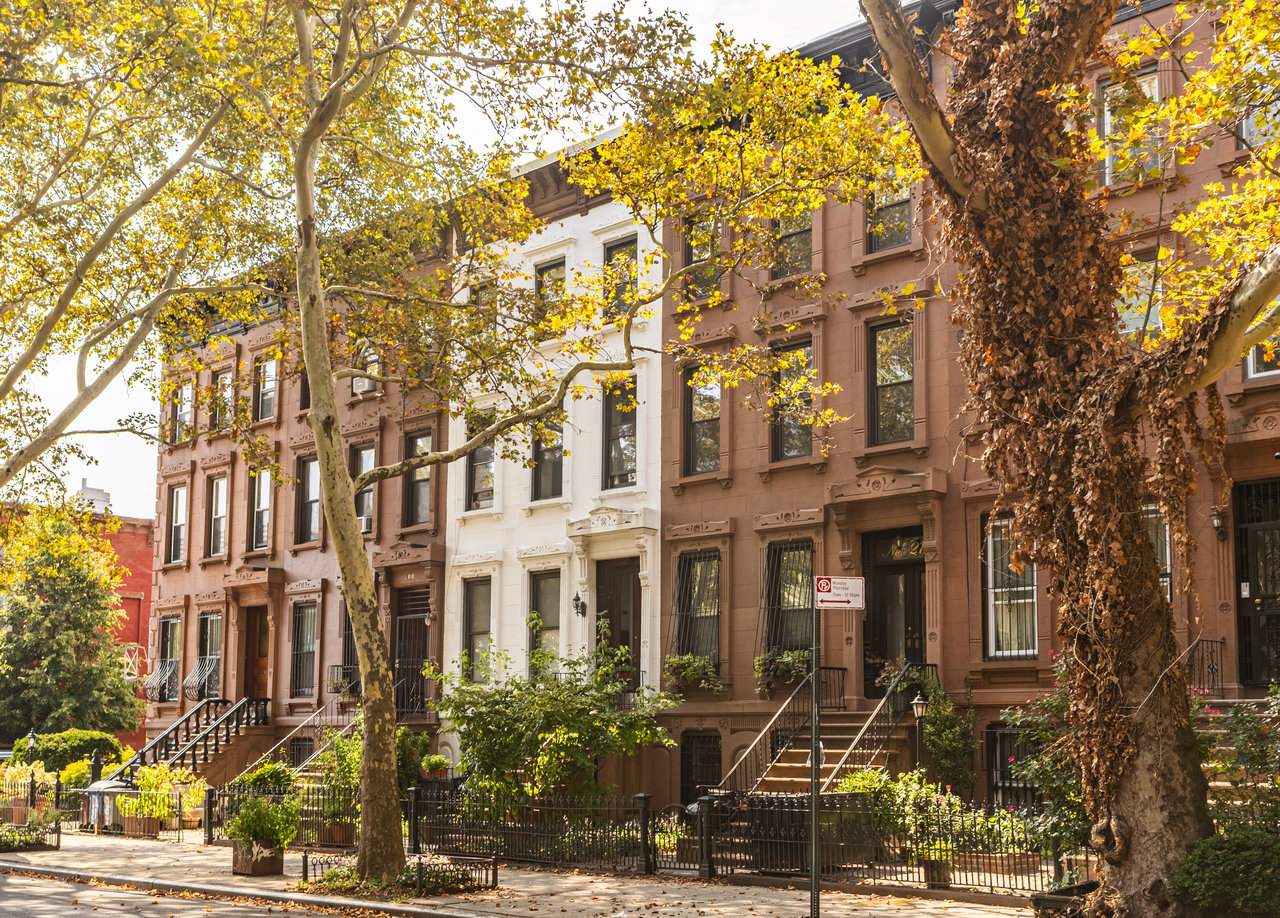
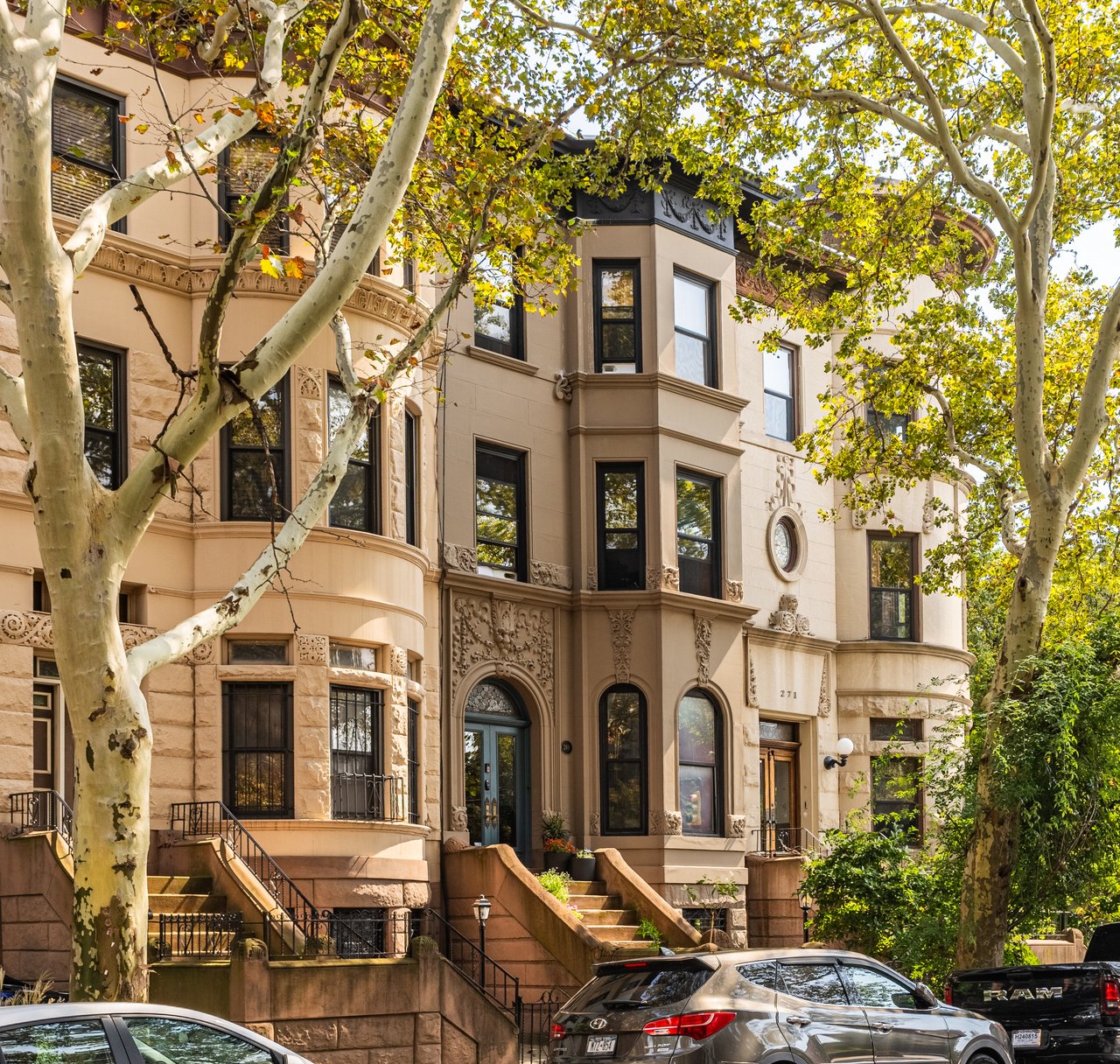
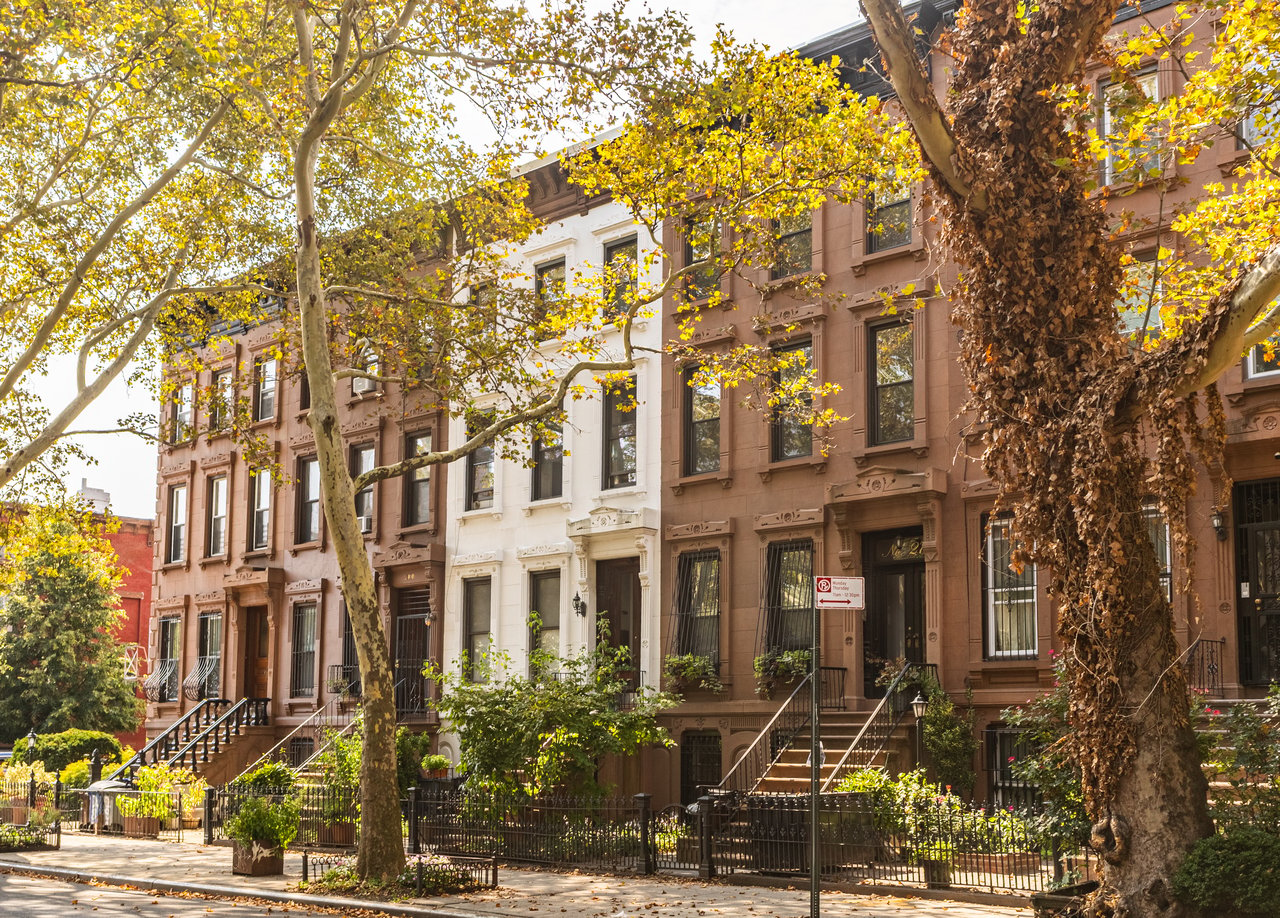
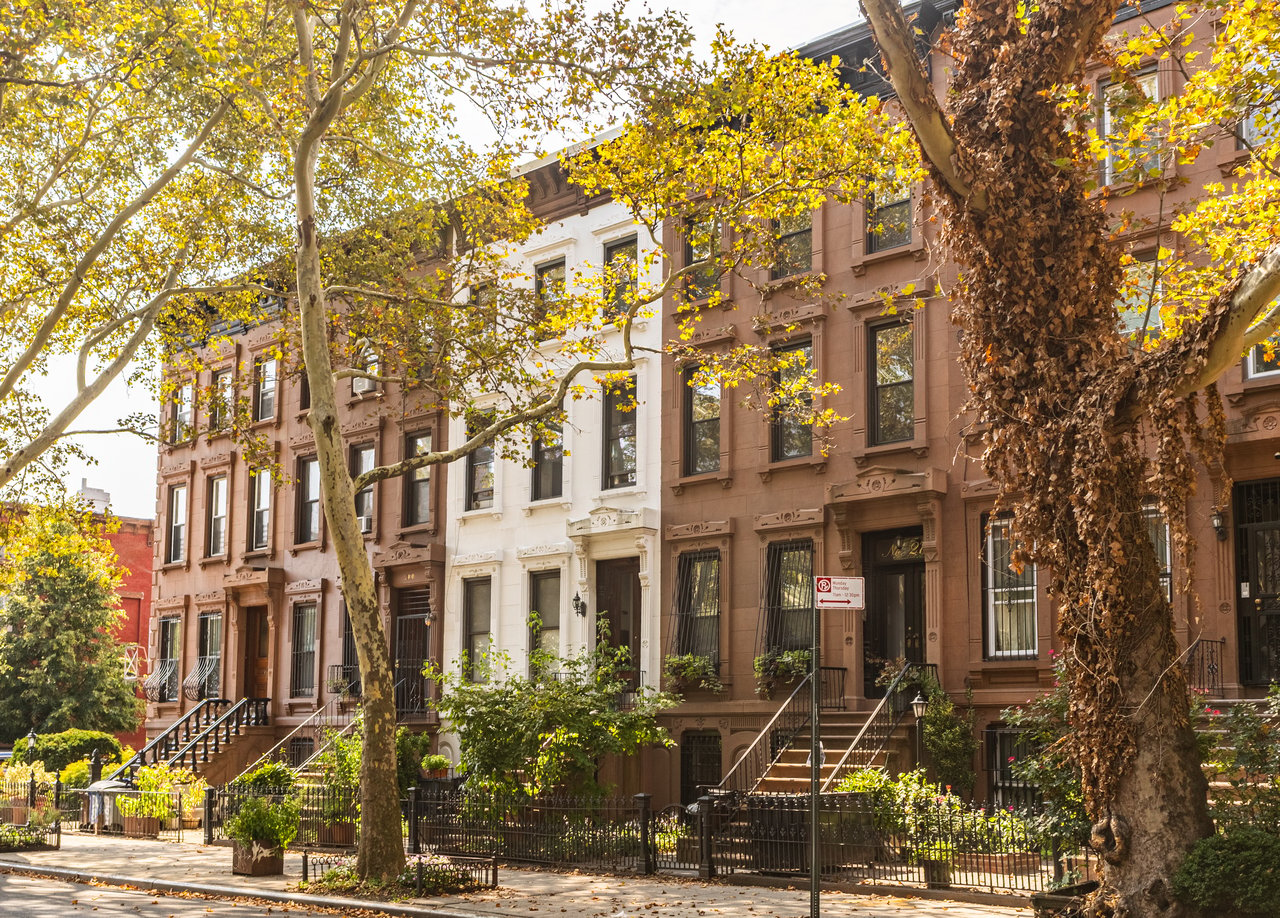
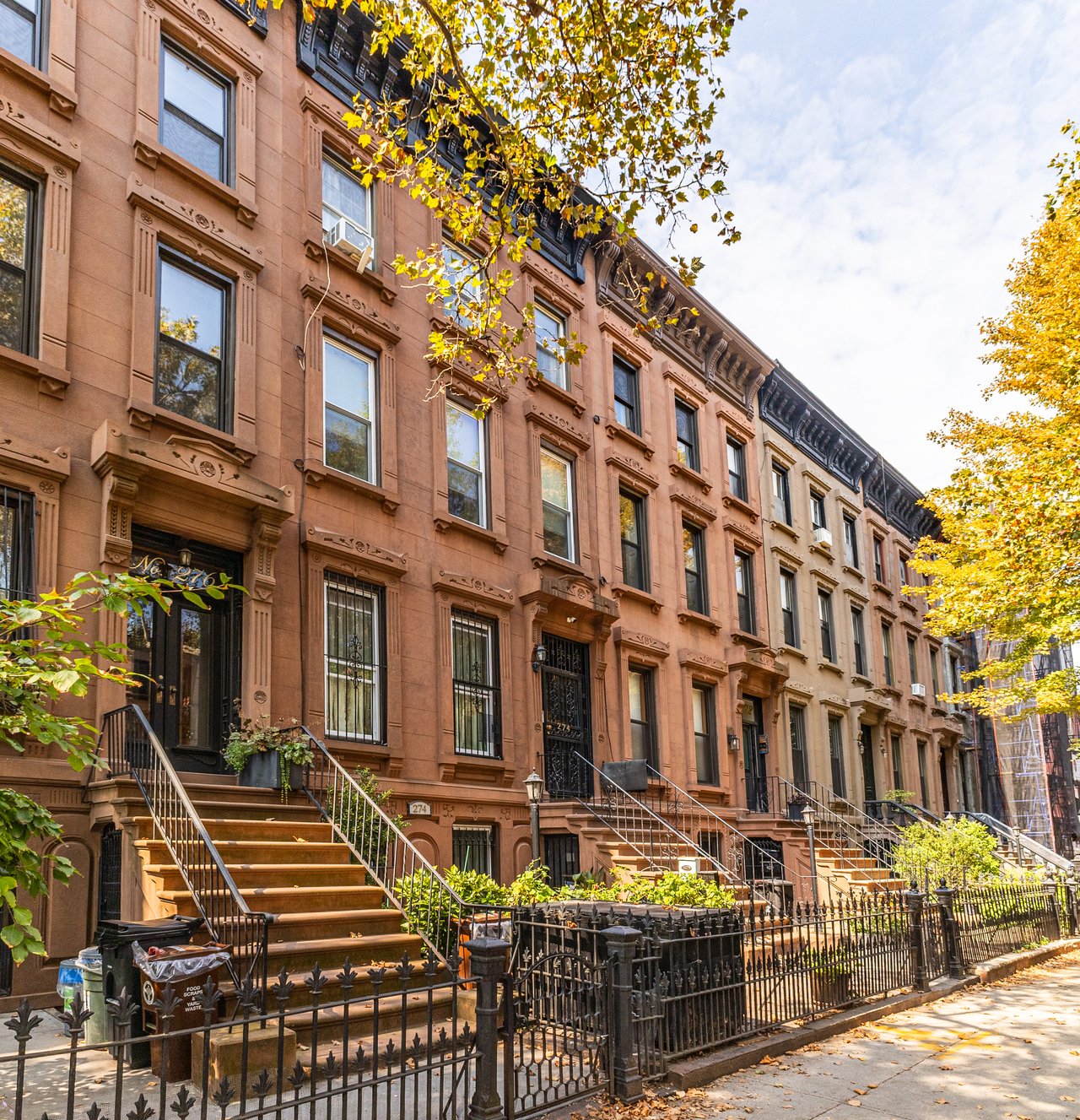
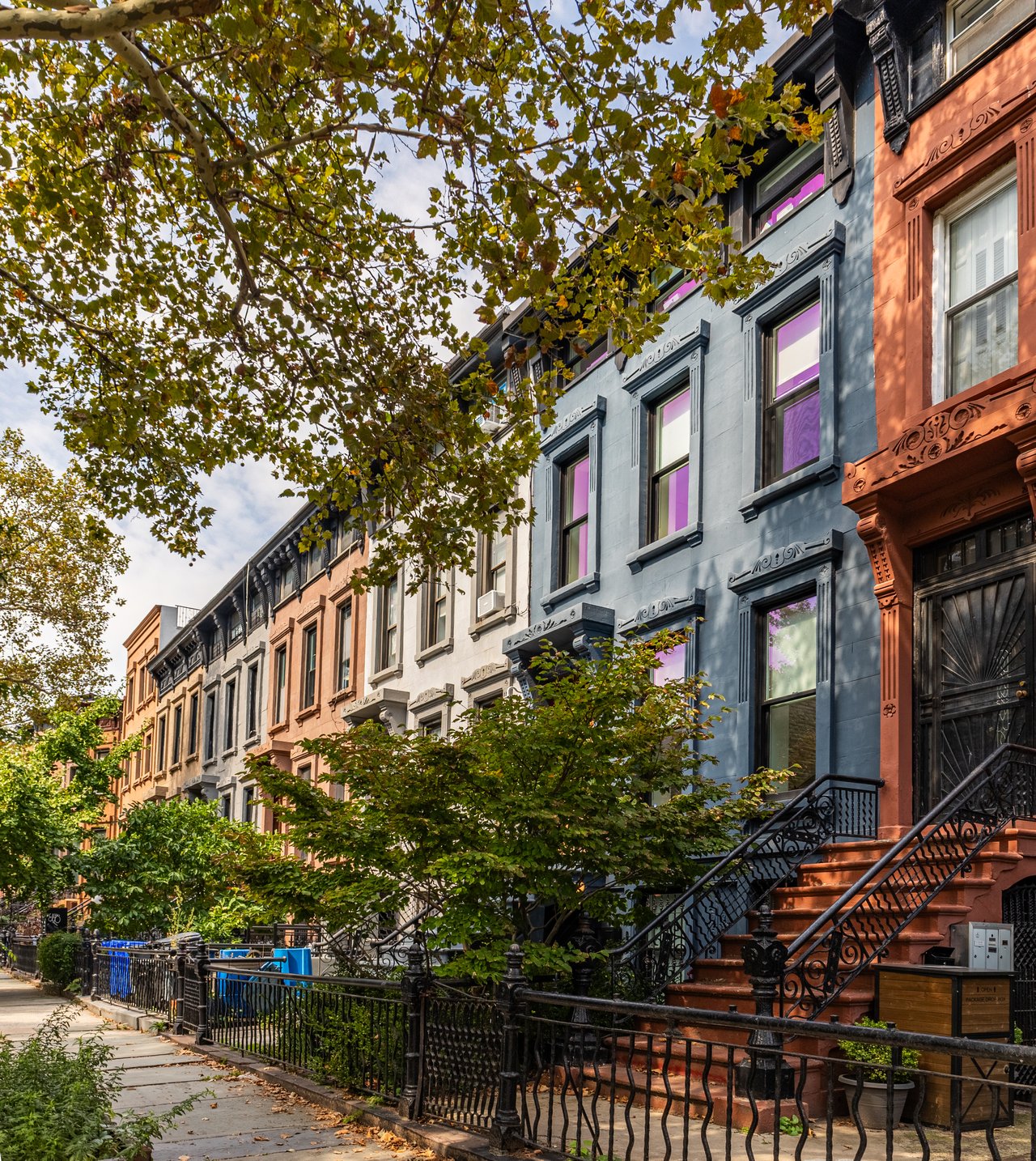
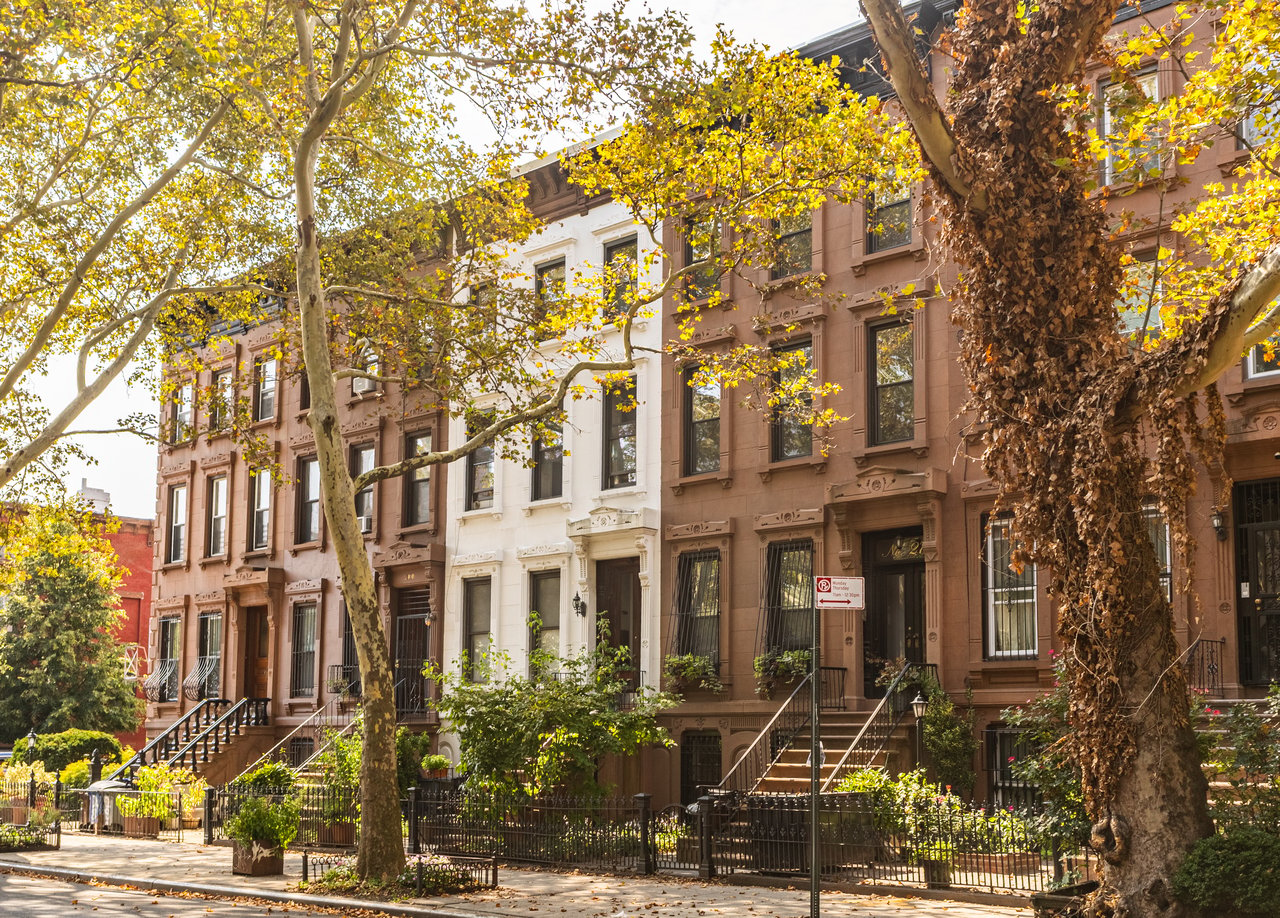
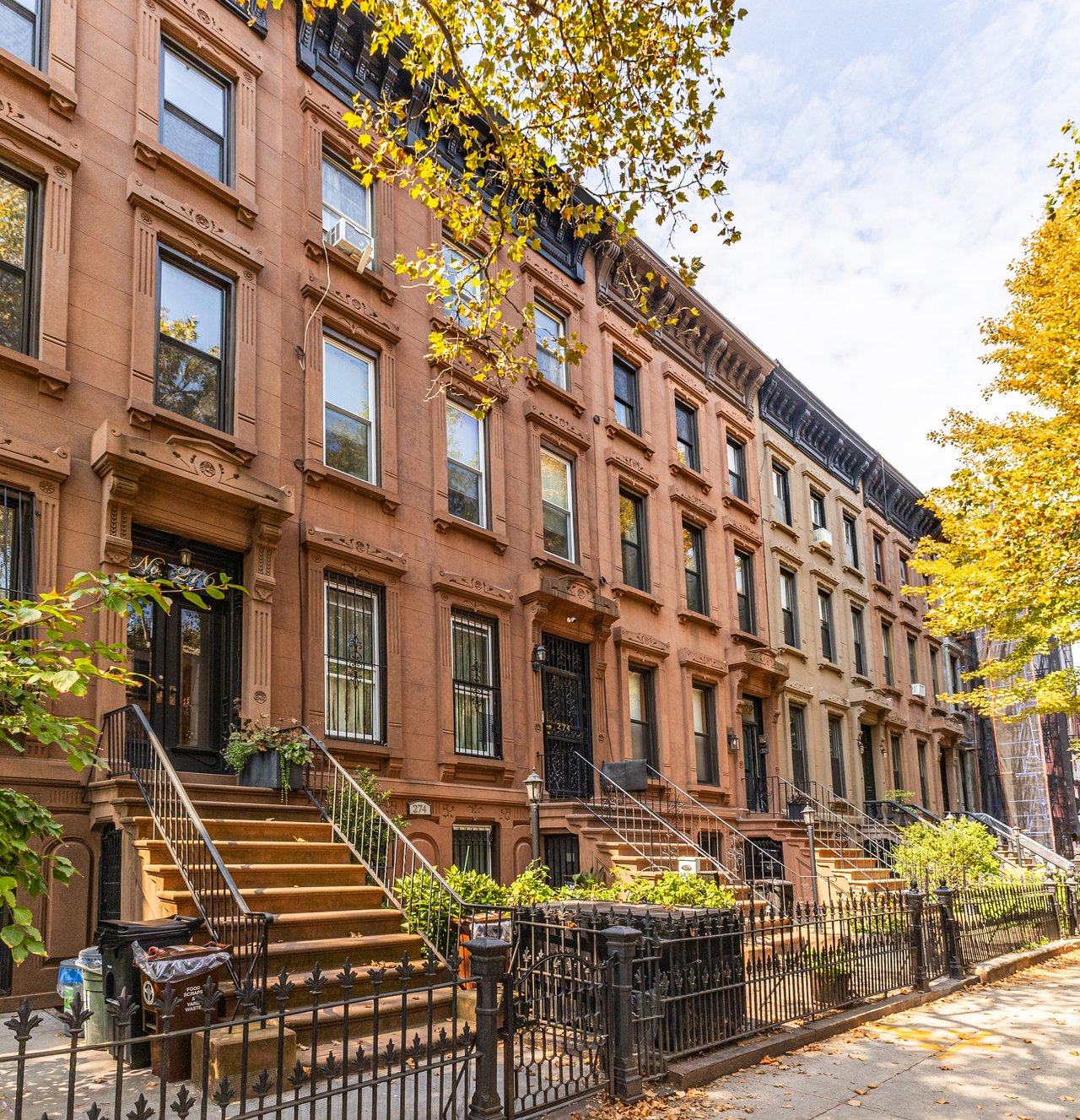
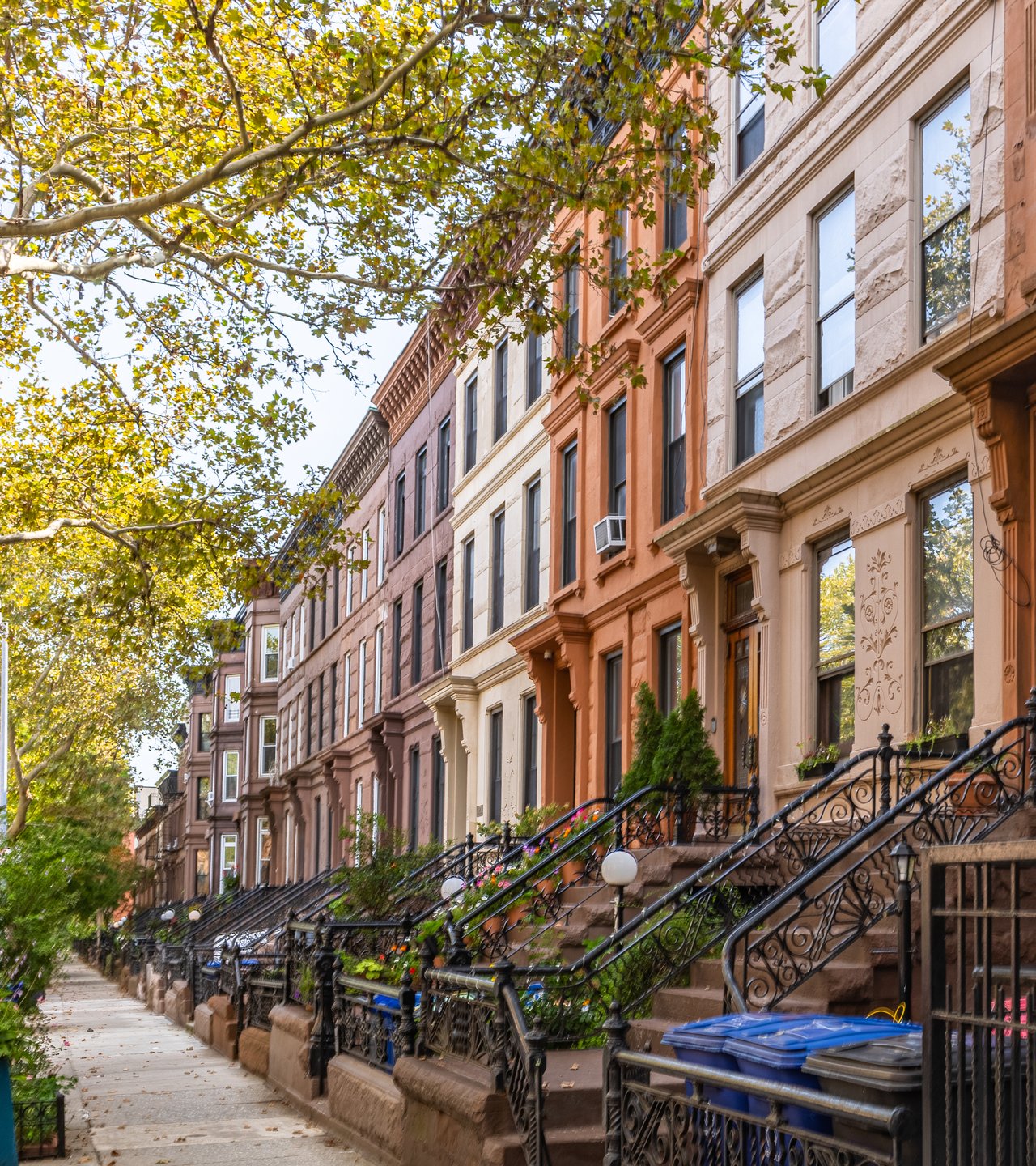
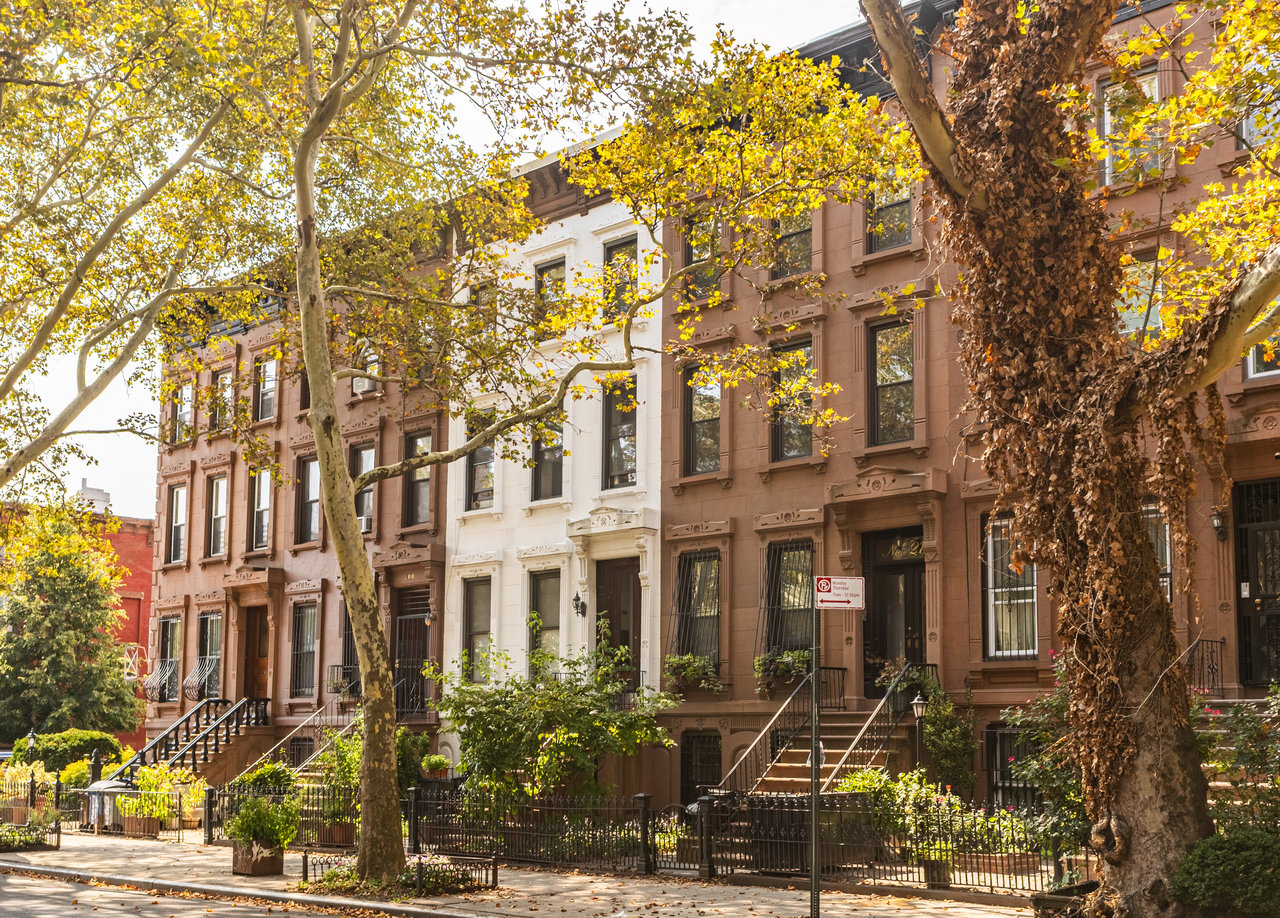
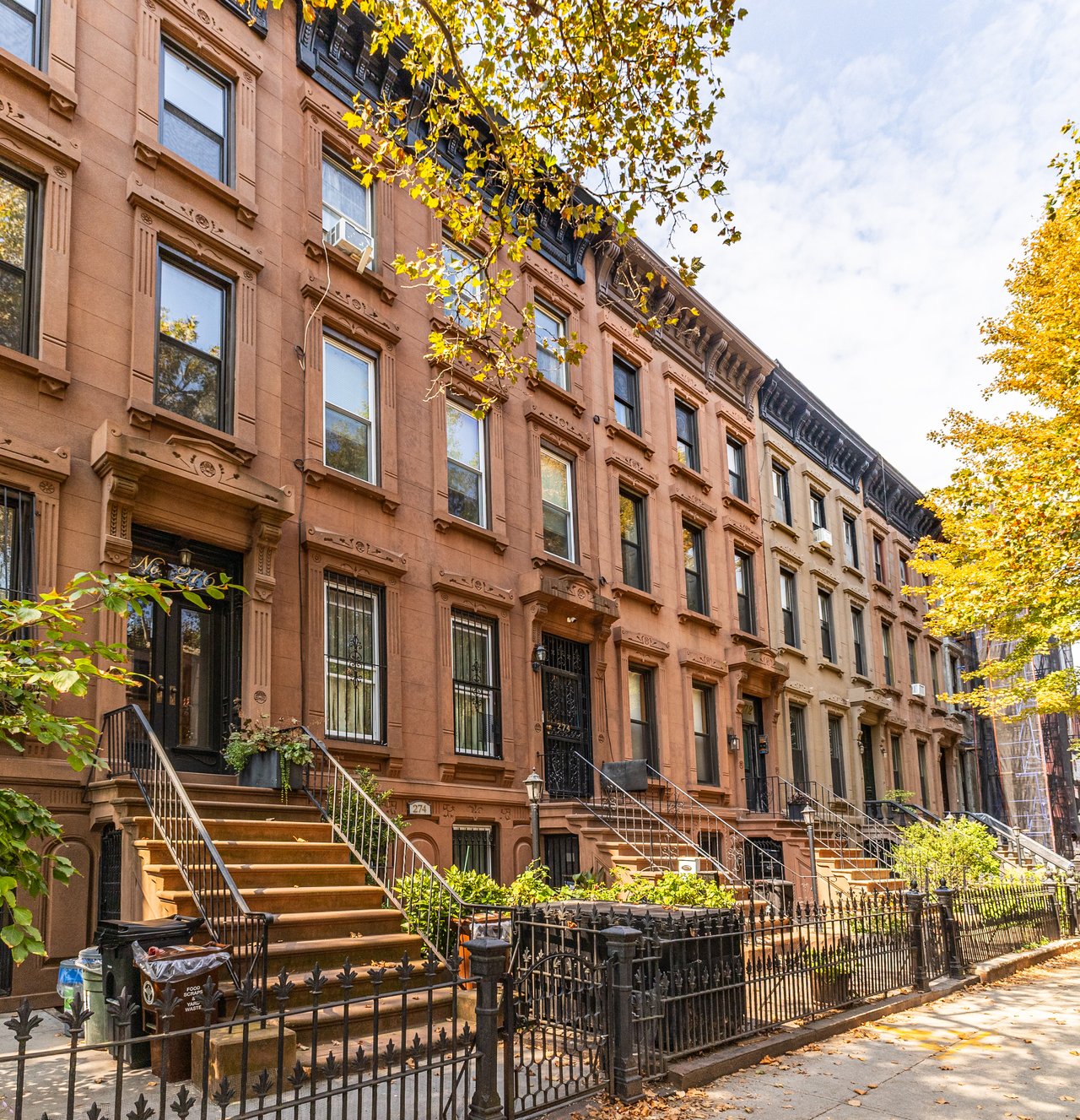
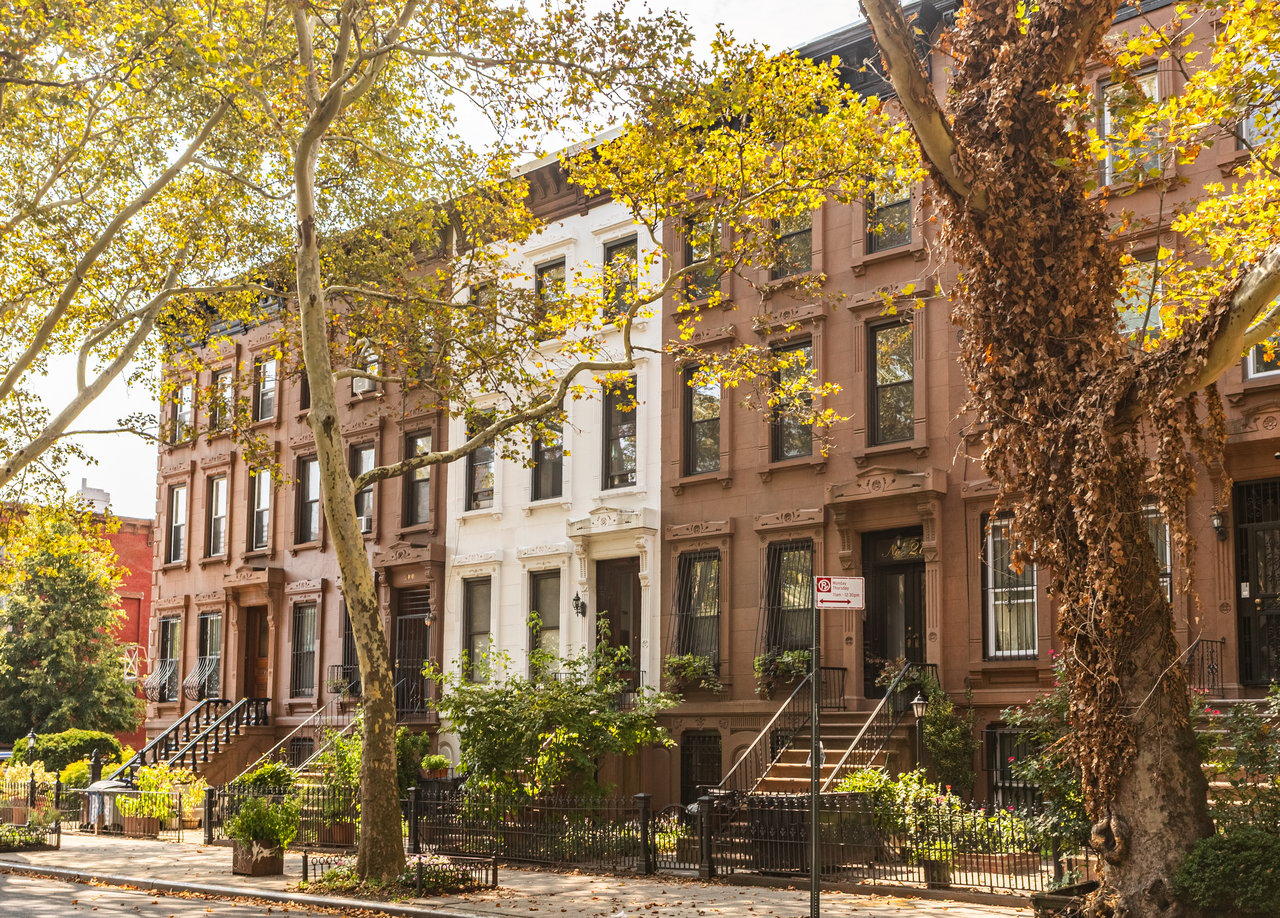
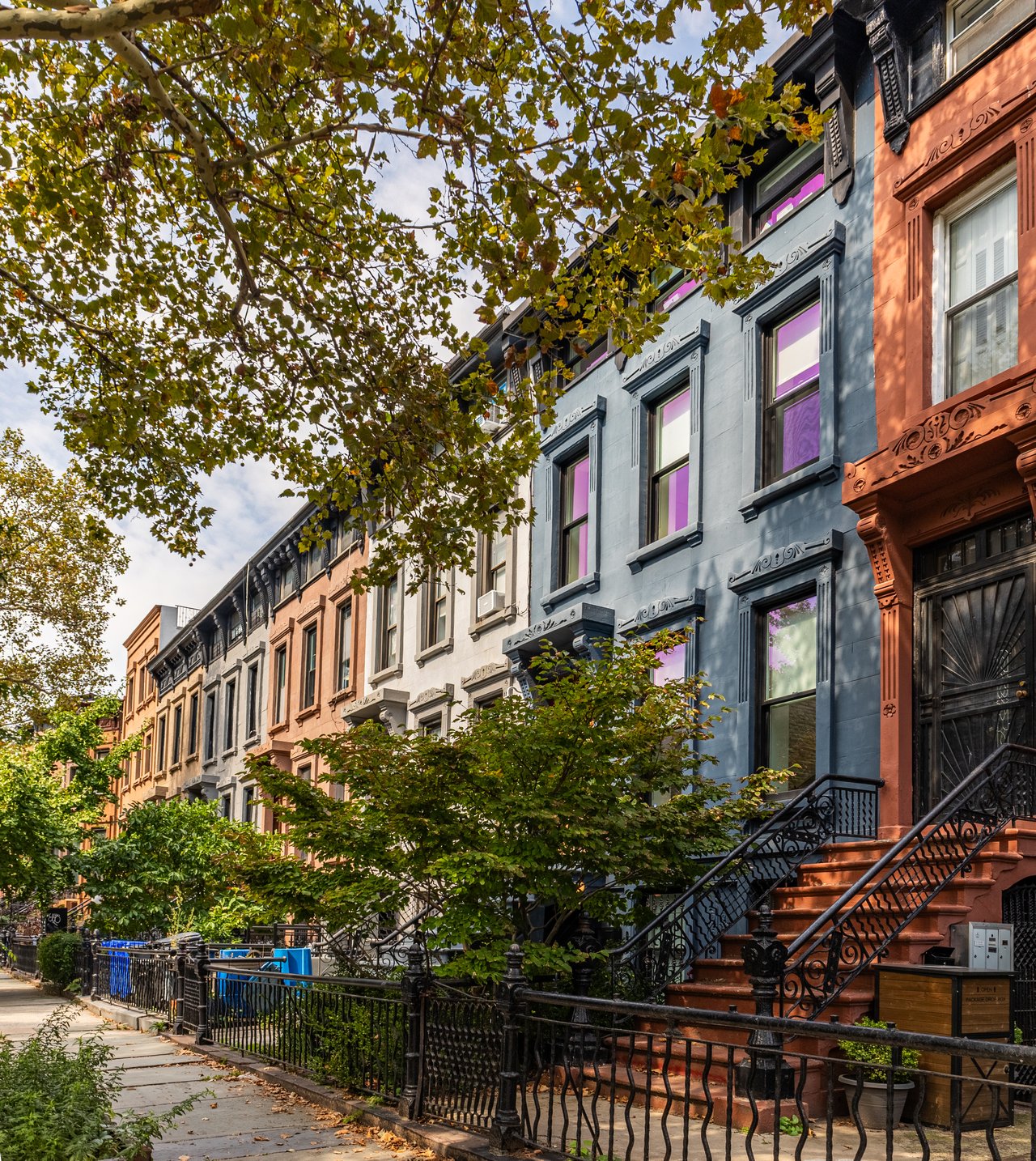
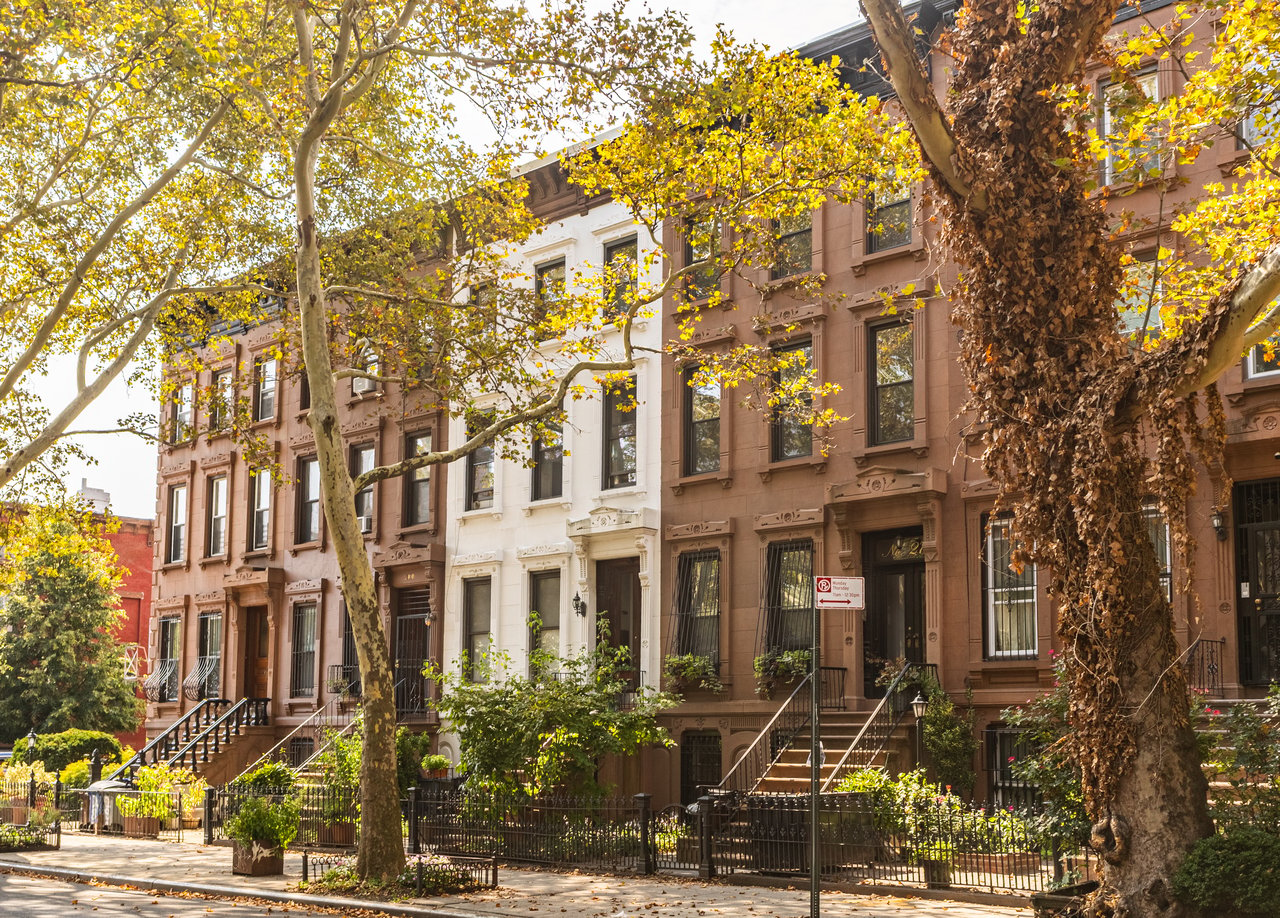
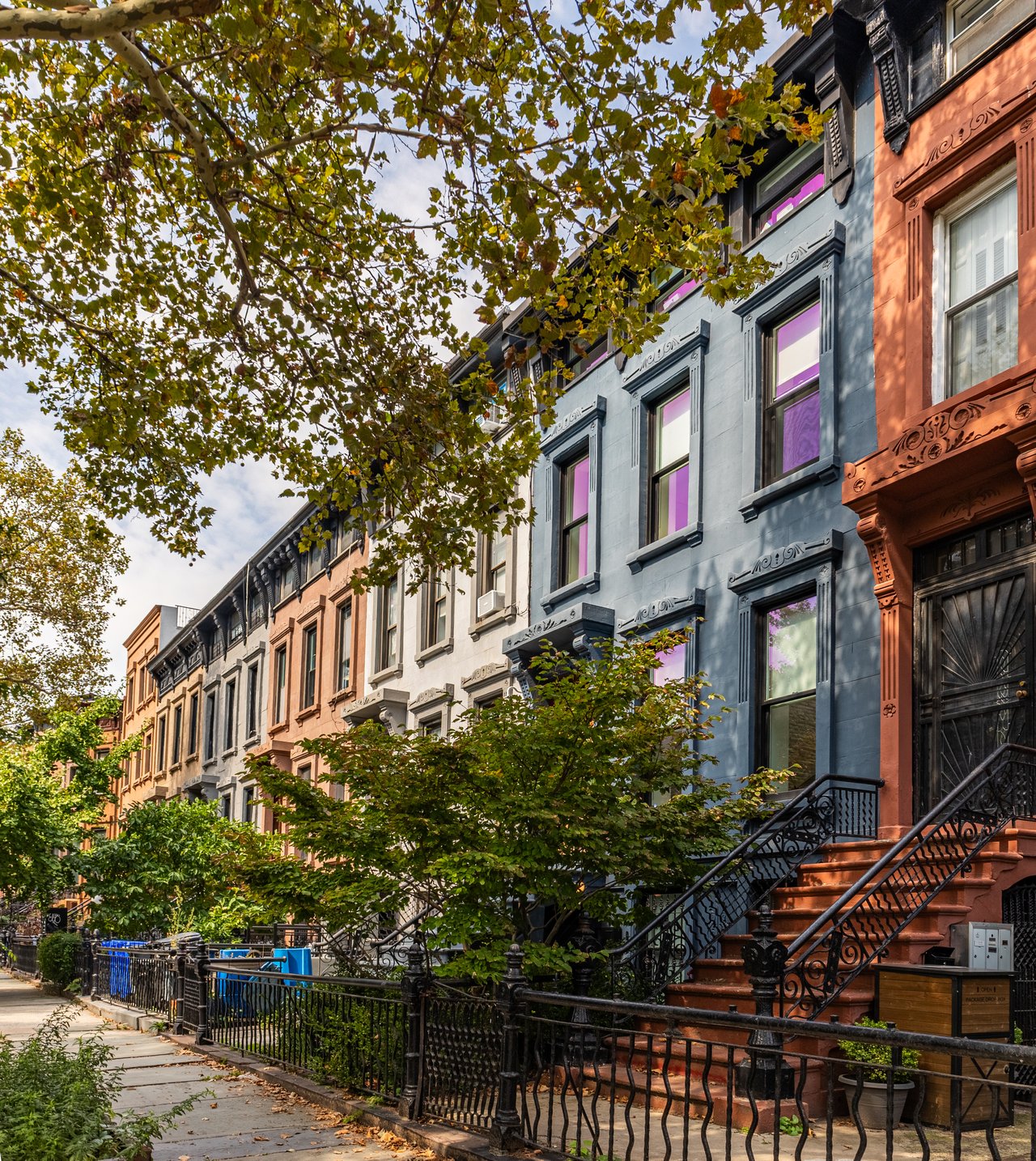
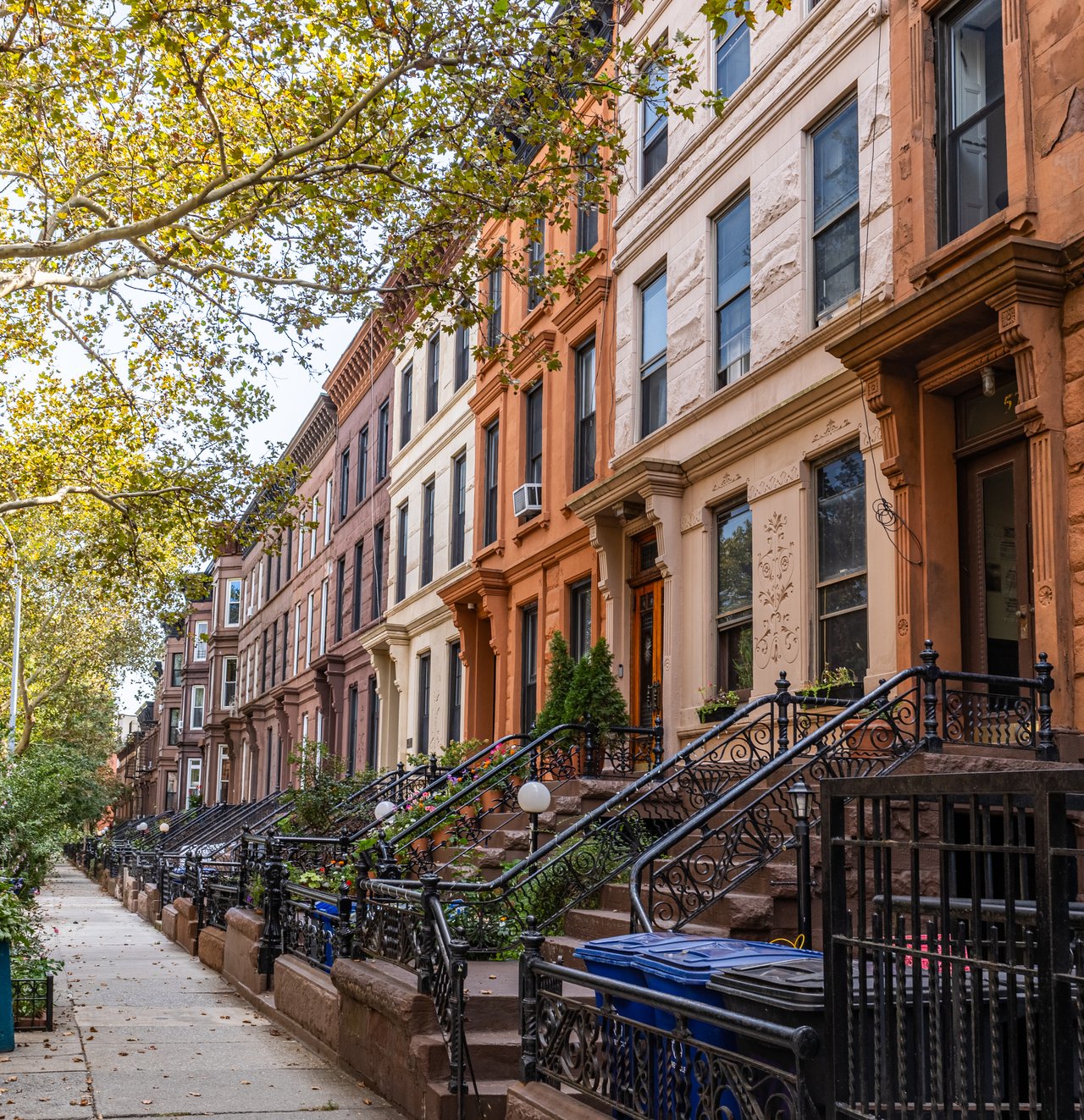
Albany Avenue is one of Crown Heights' historic north-south corridors, known for its brick townhouses, brownstones, limestone residences, multifamily buildings, apartment properties, and connection to Brooklyn's architectural and cultural history.
Located east of Kingston Avenue and west of Troy Avenue, Albany Avenue runs through Crown Heights North and Crown Heights South, connecting residential blocks with Eastern Parkway, neighborhood businesses, community institutions, and transportation routes.
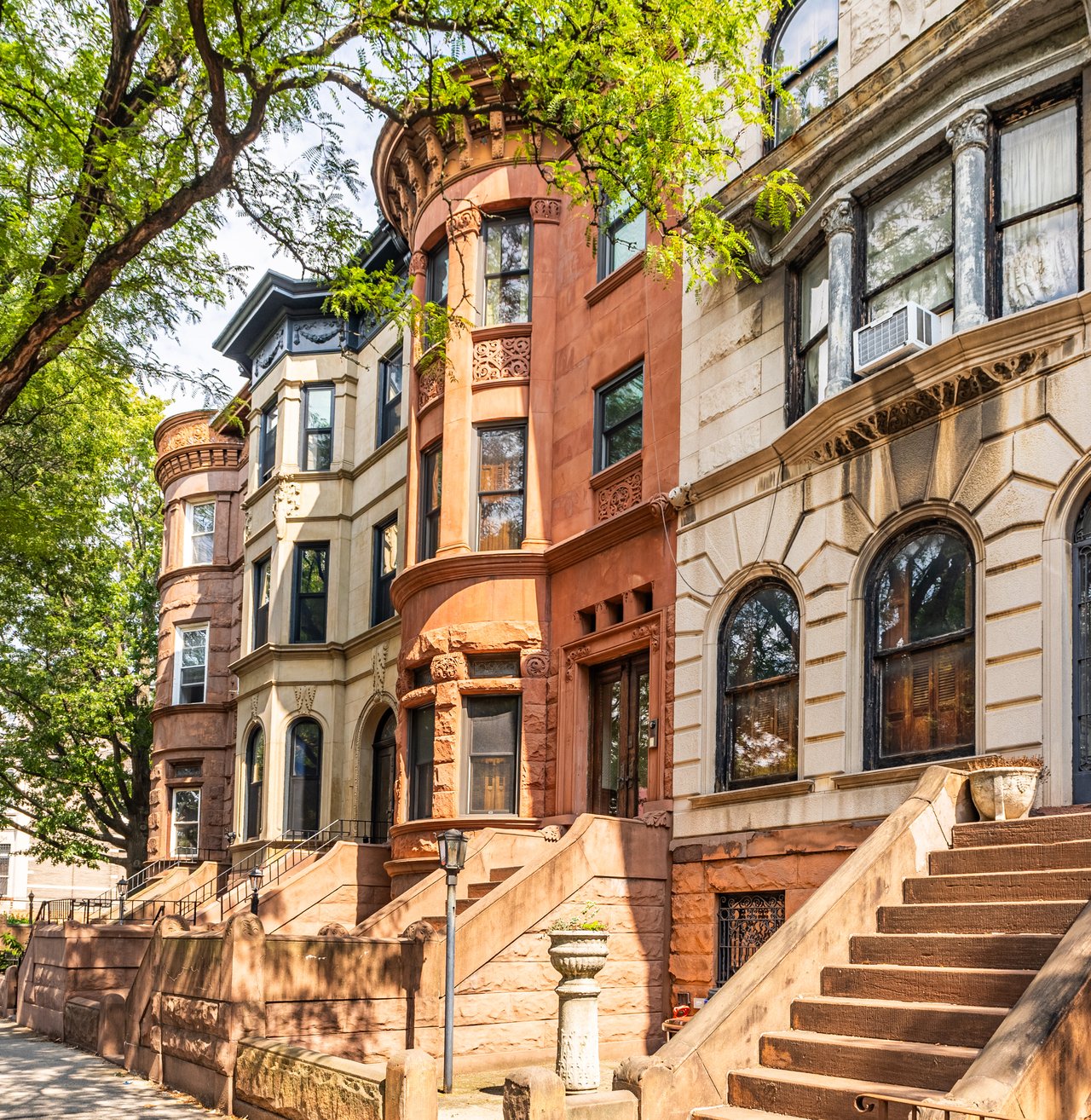
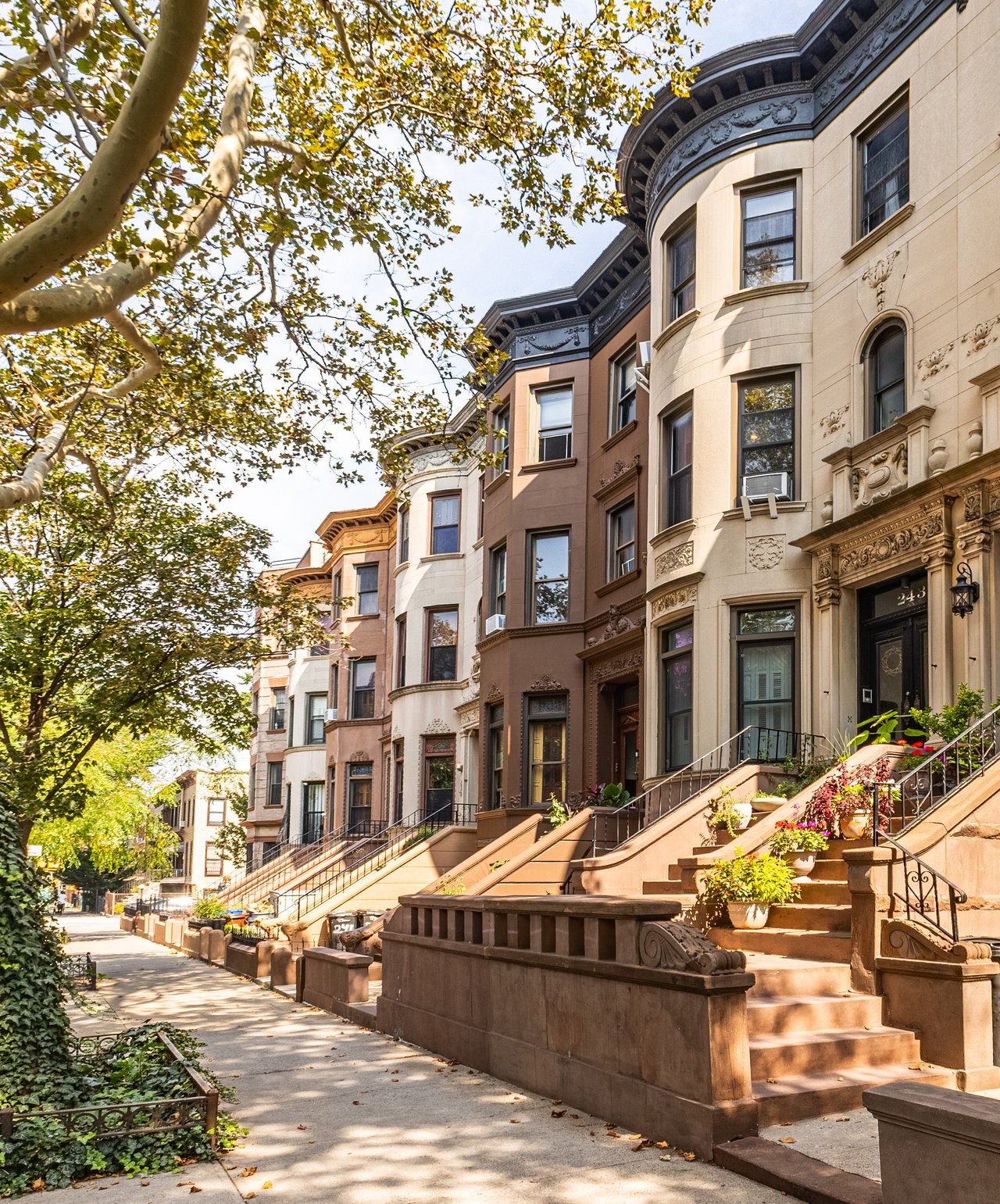
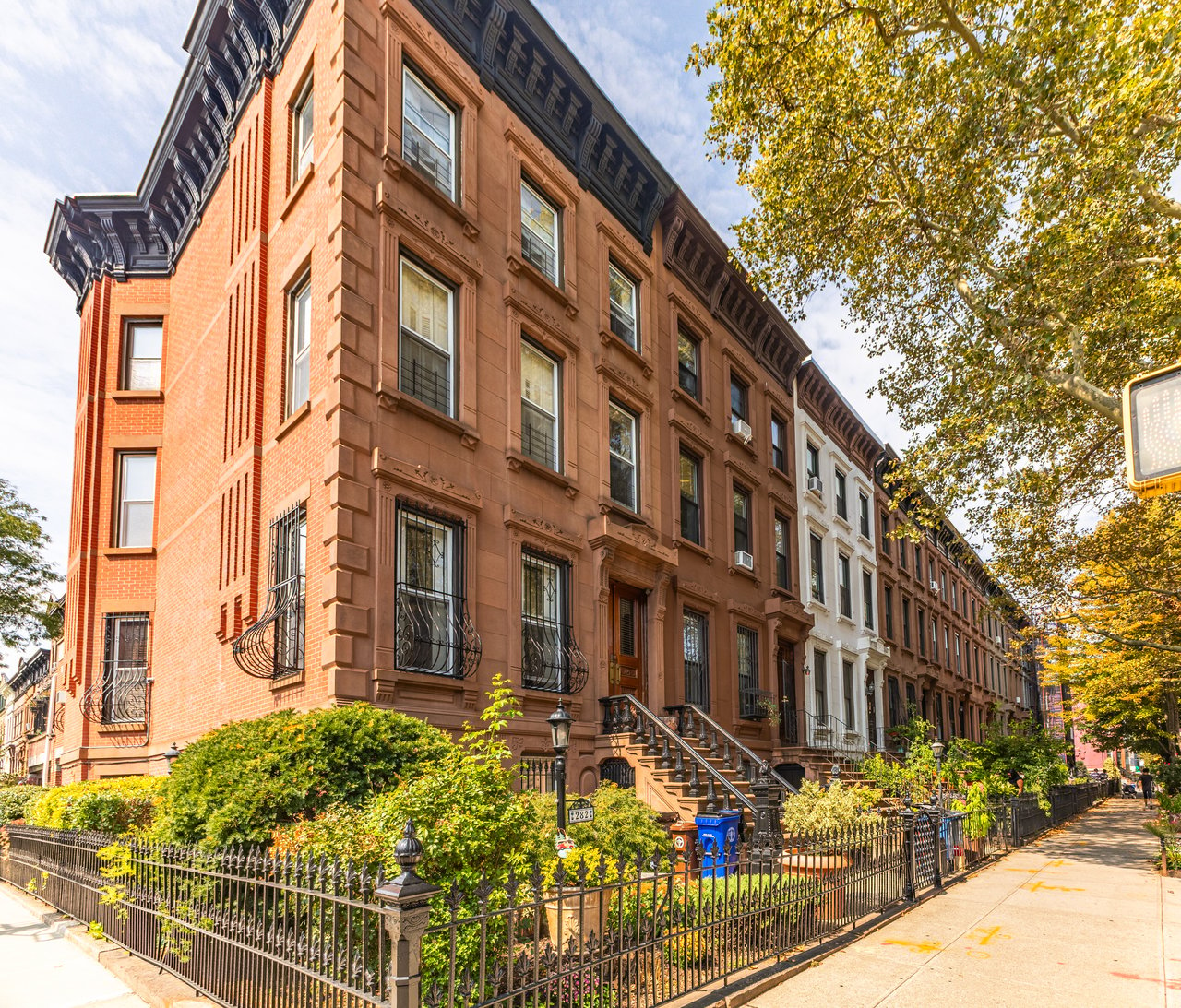
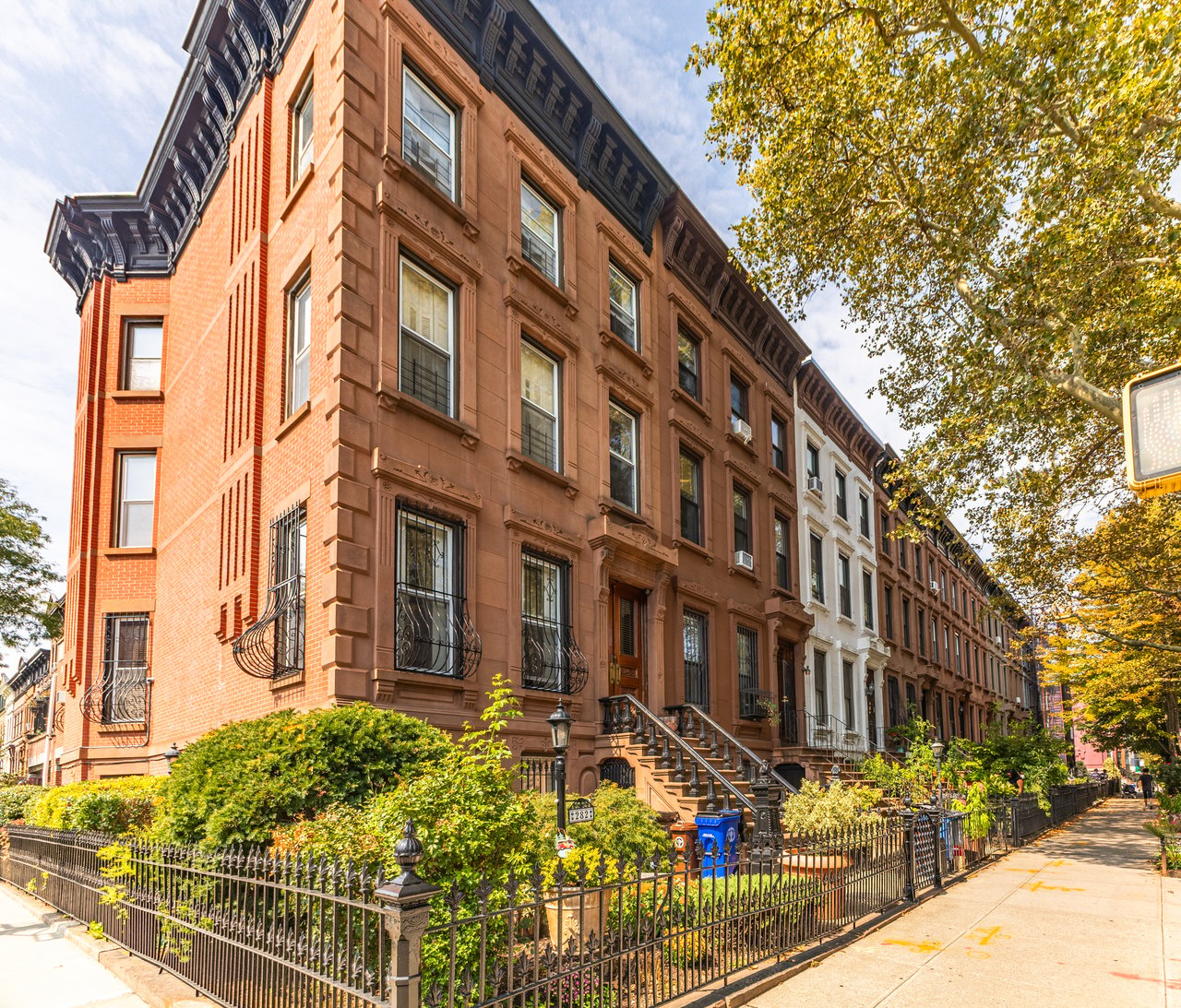
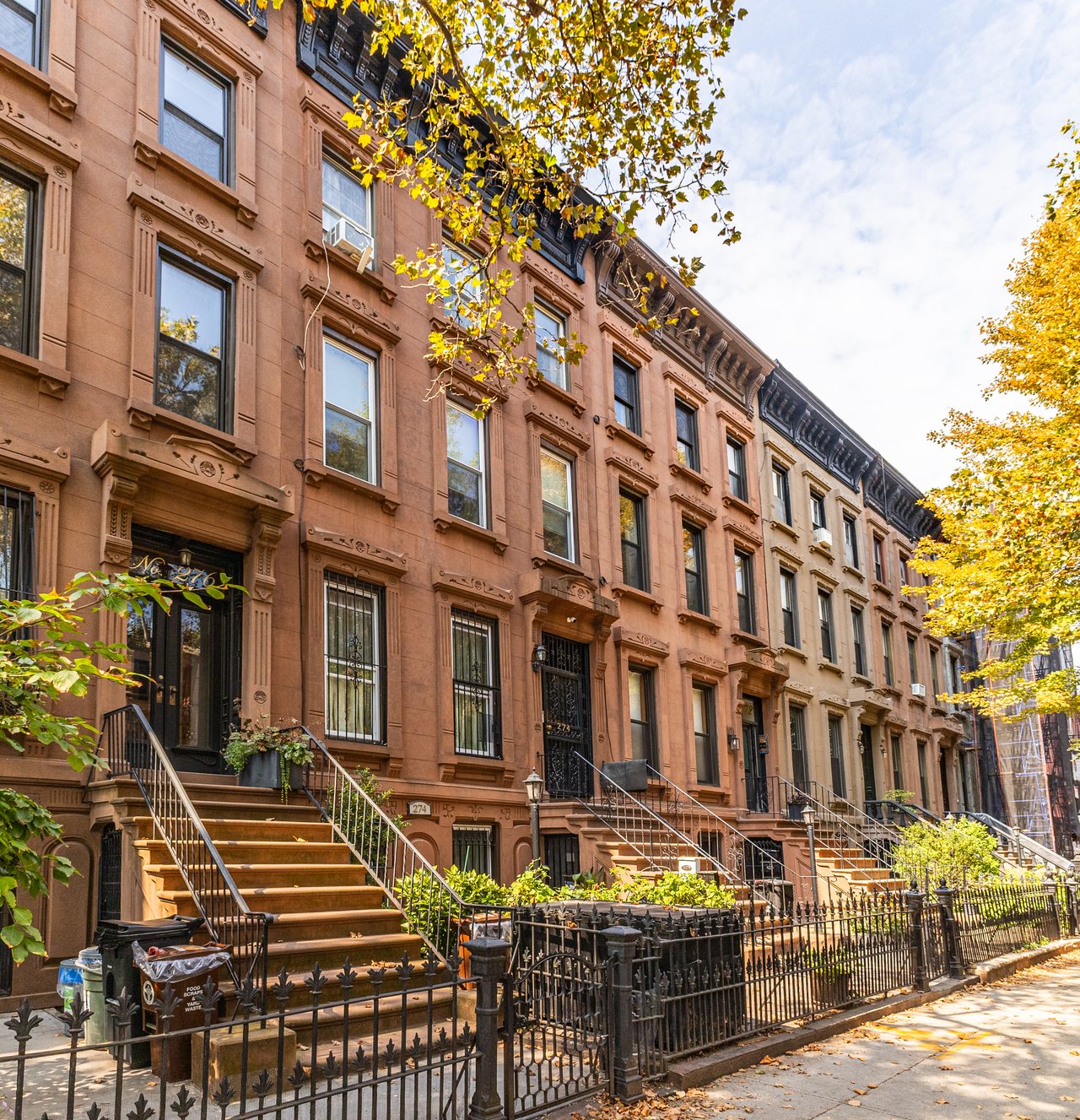
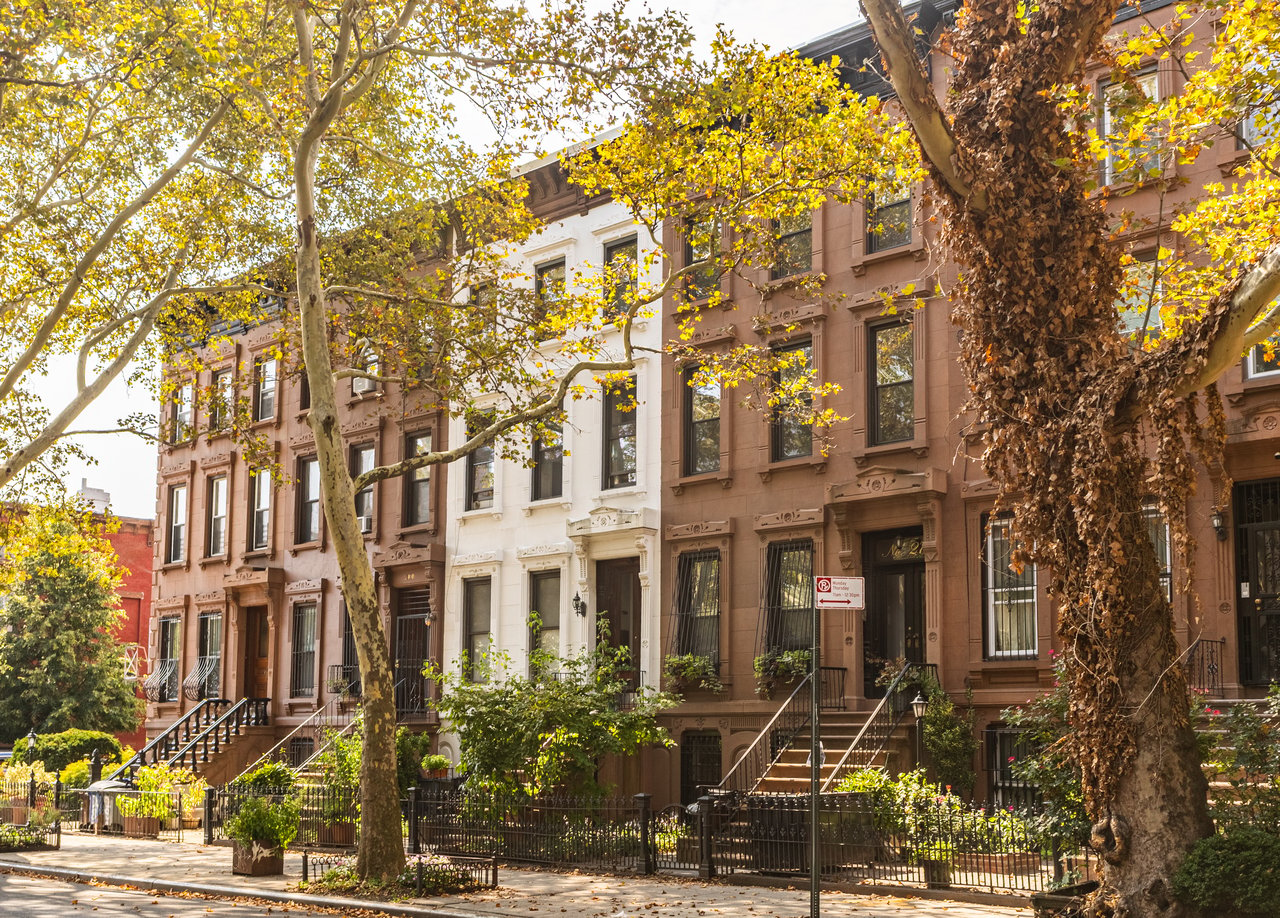
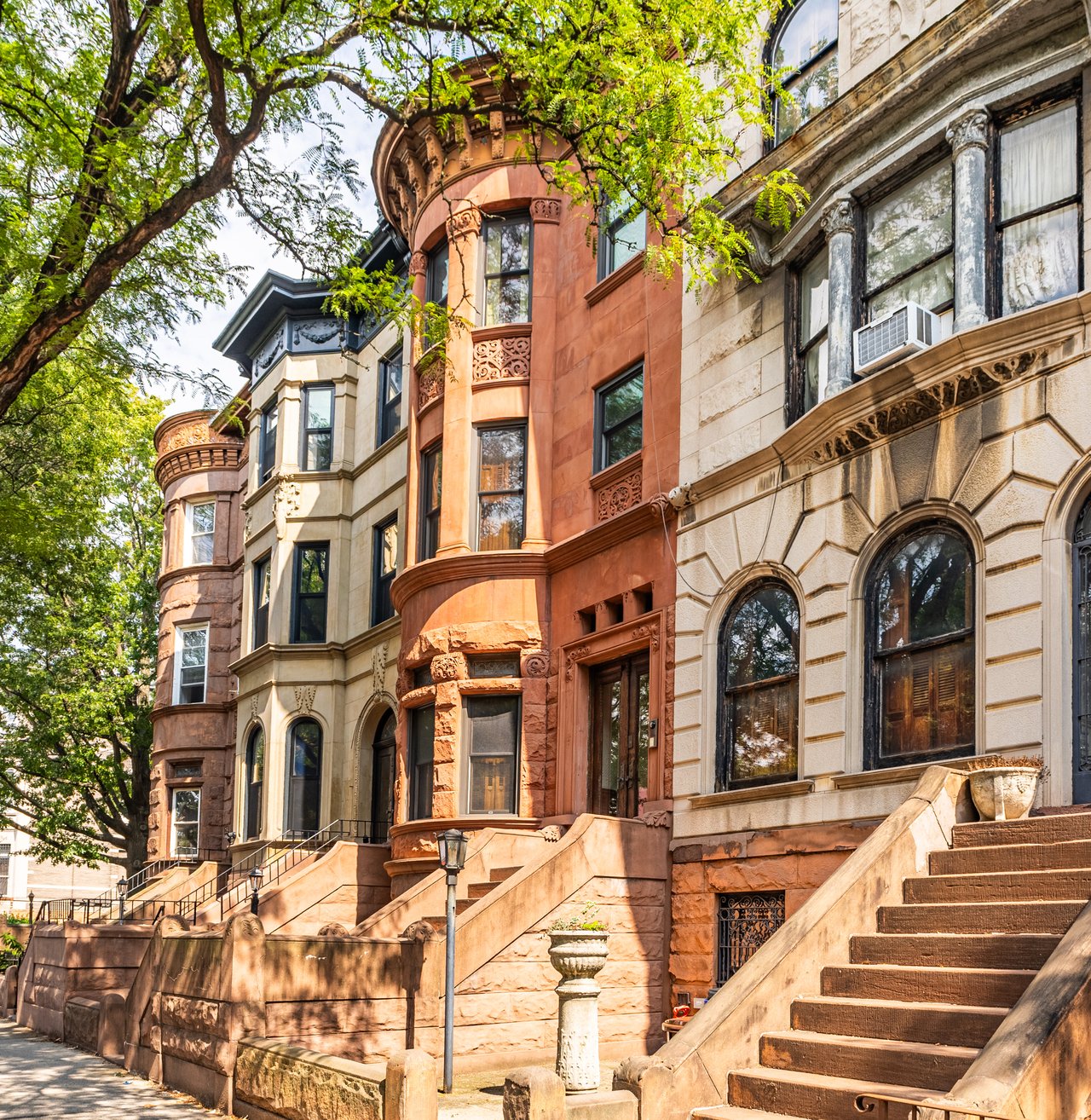
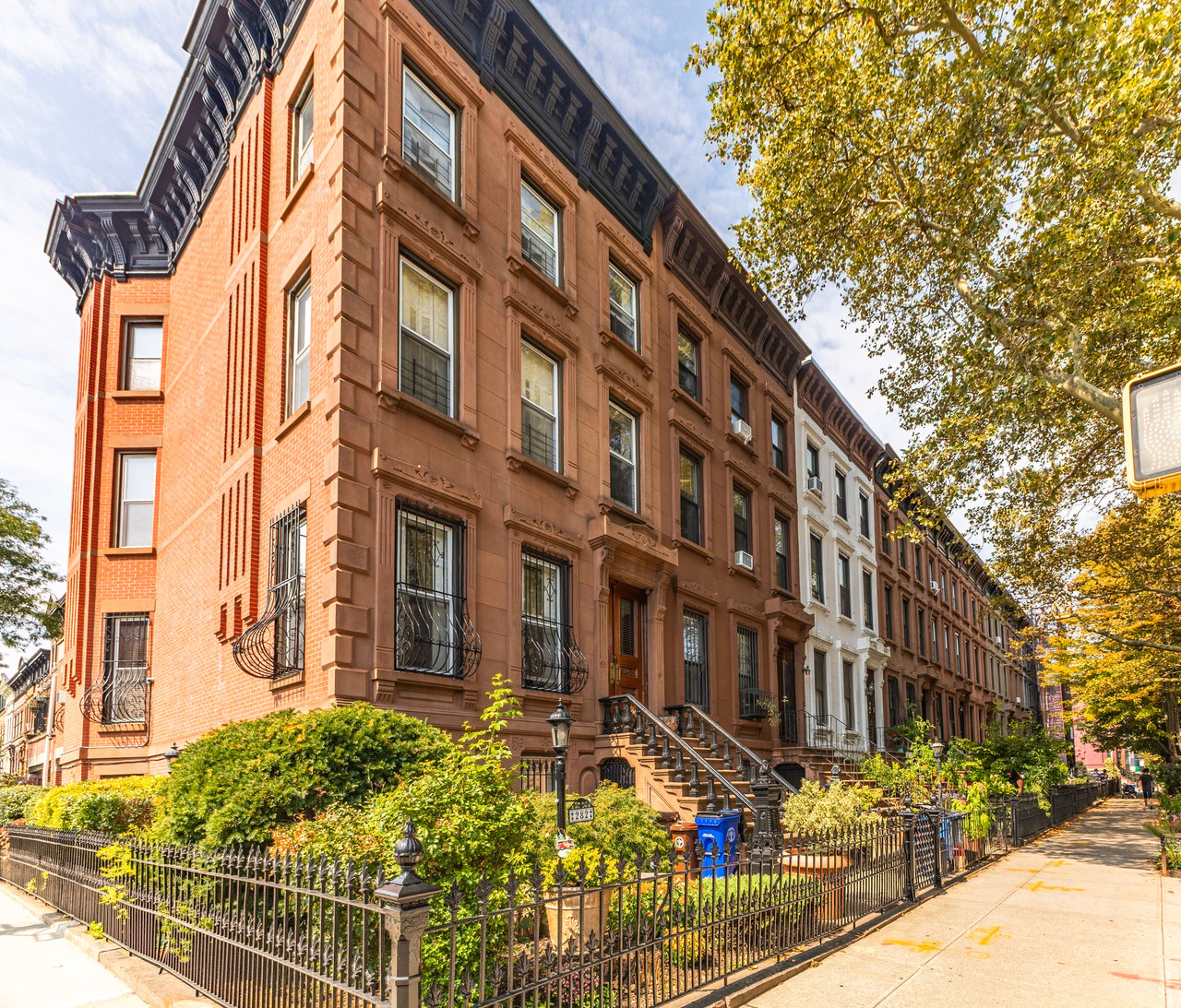
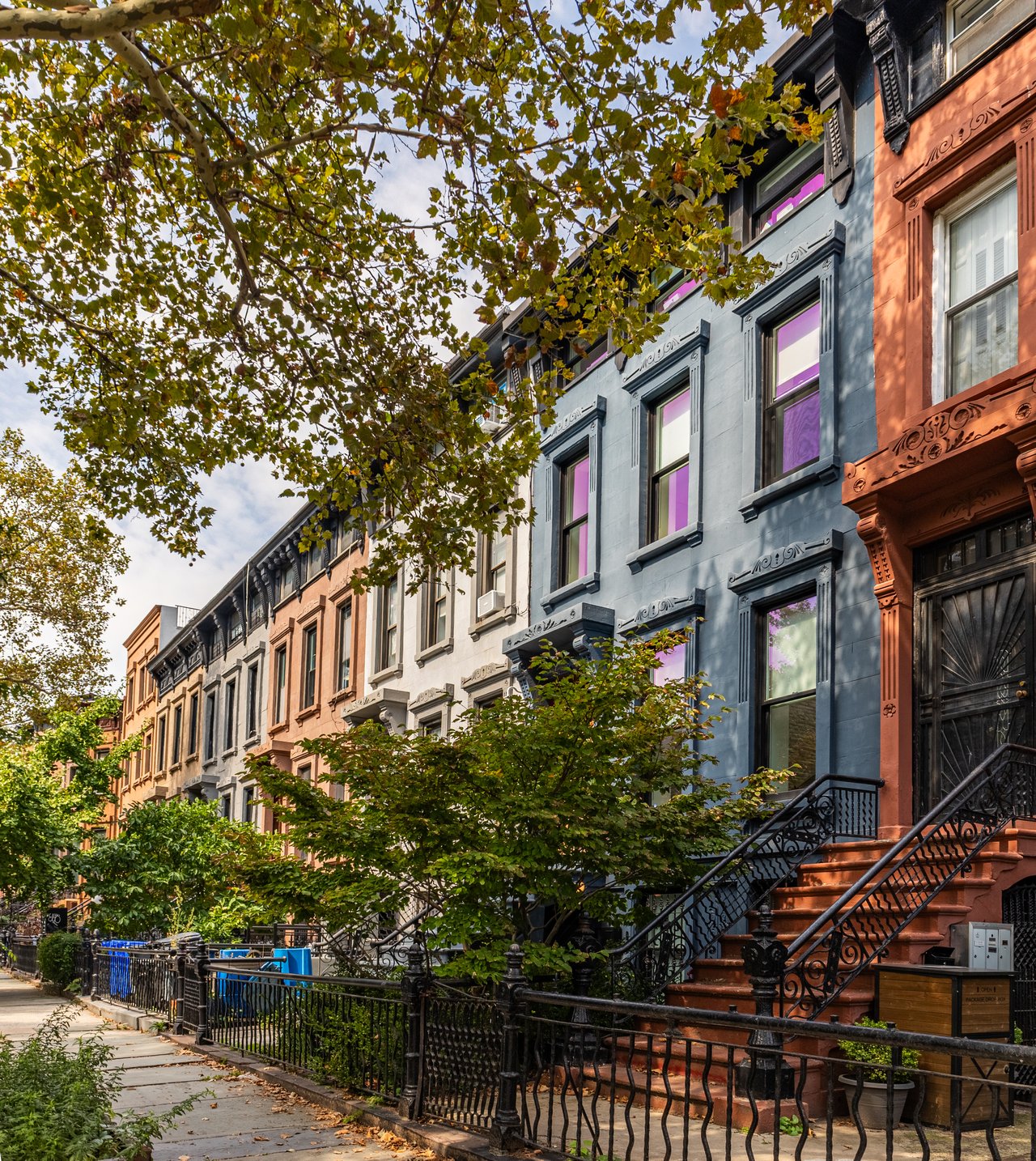
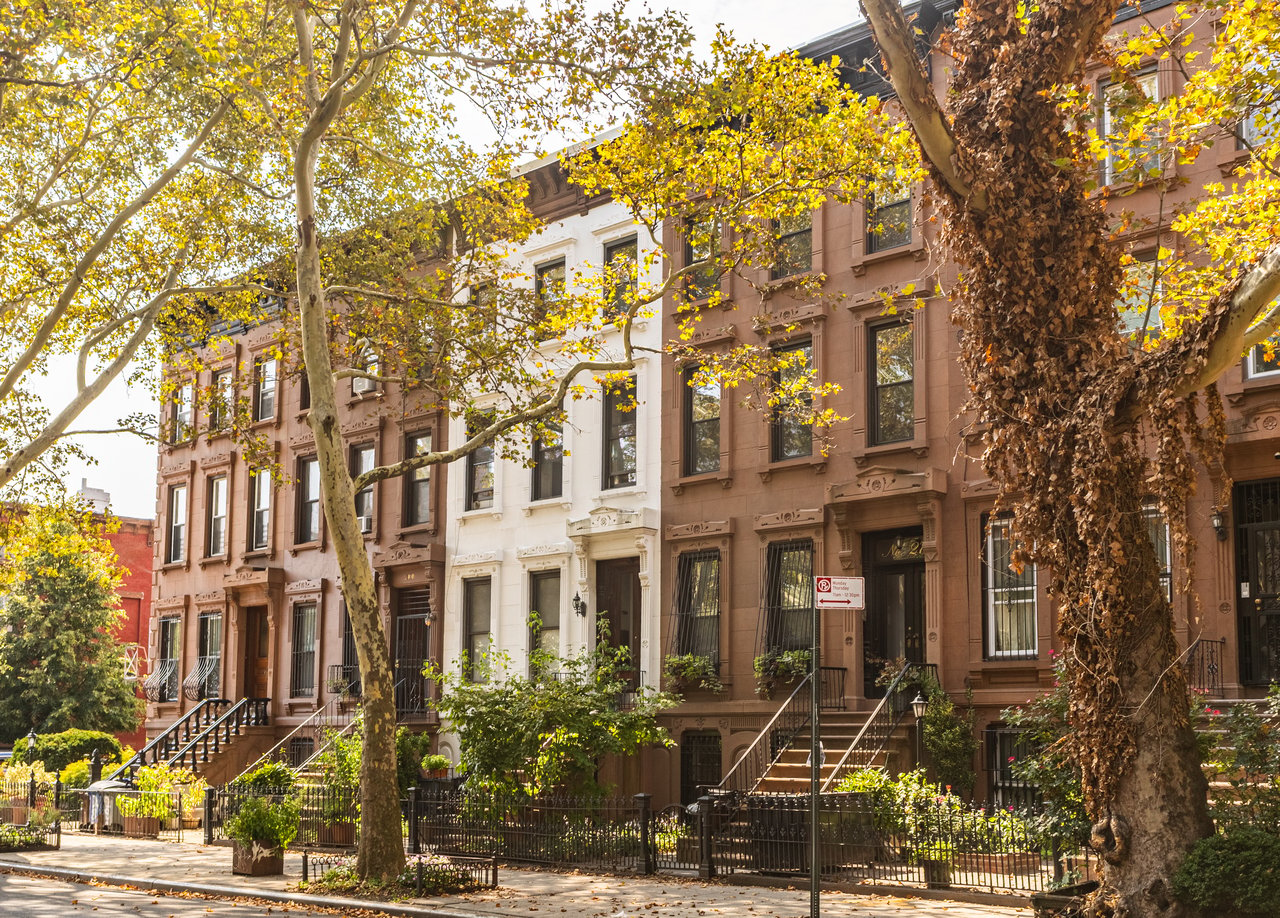
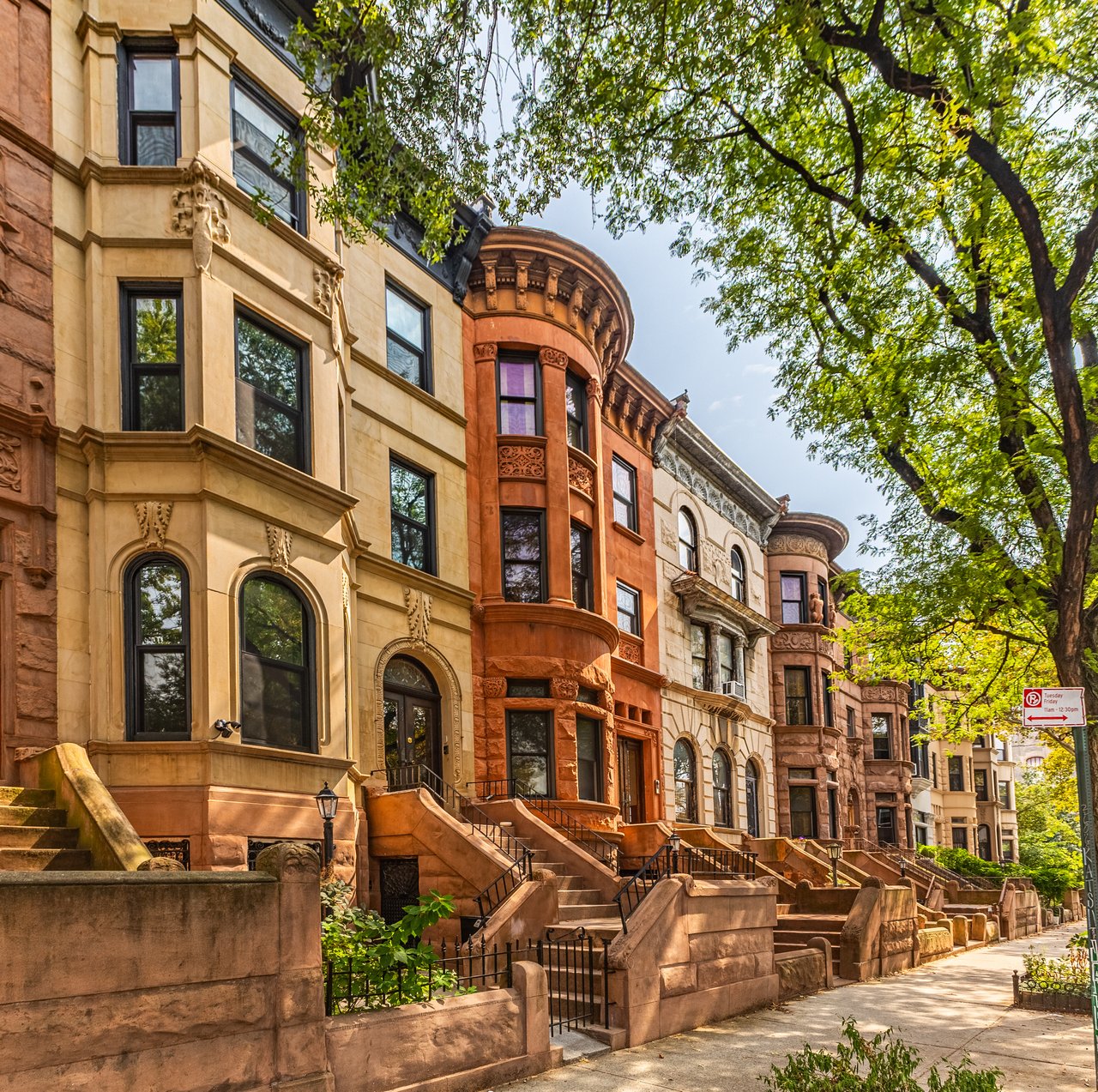
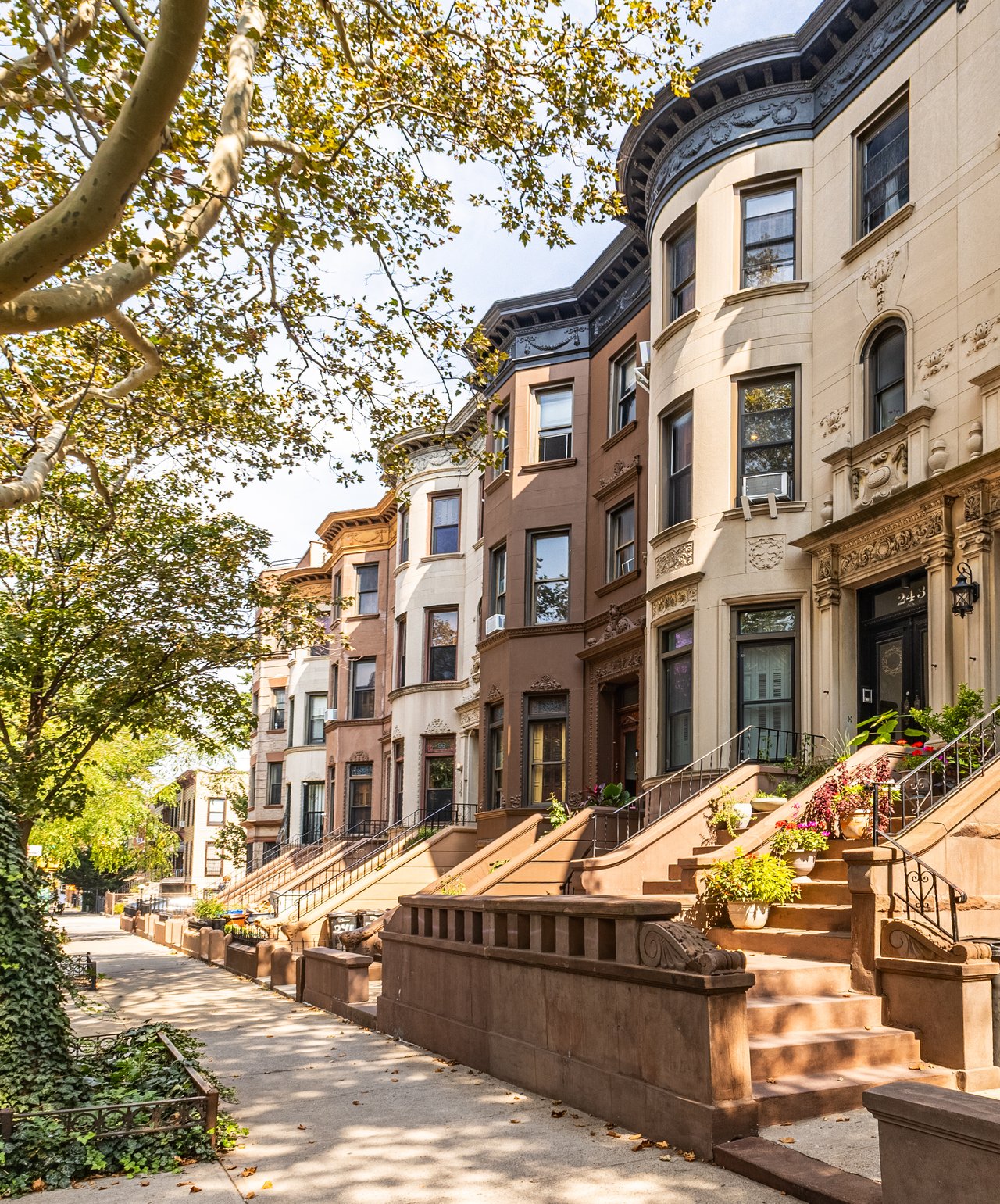
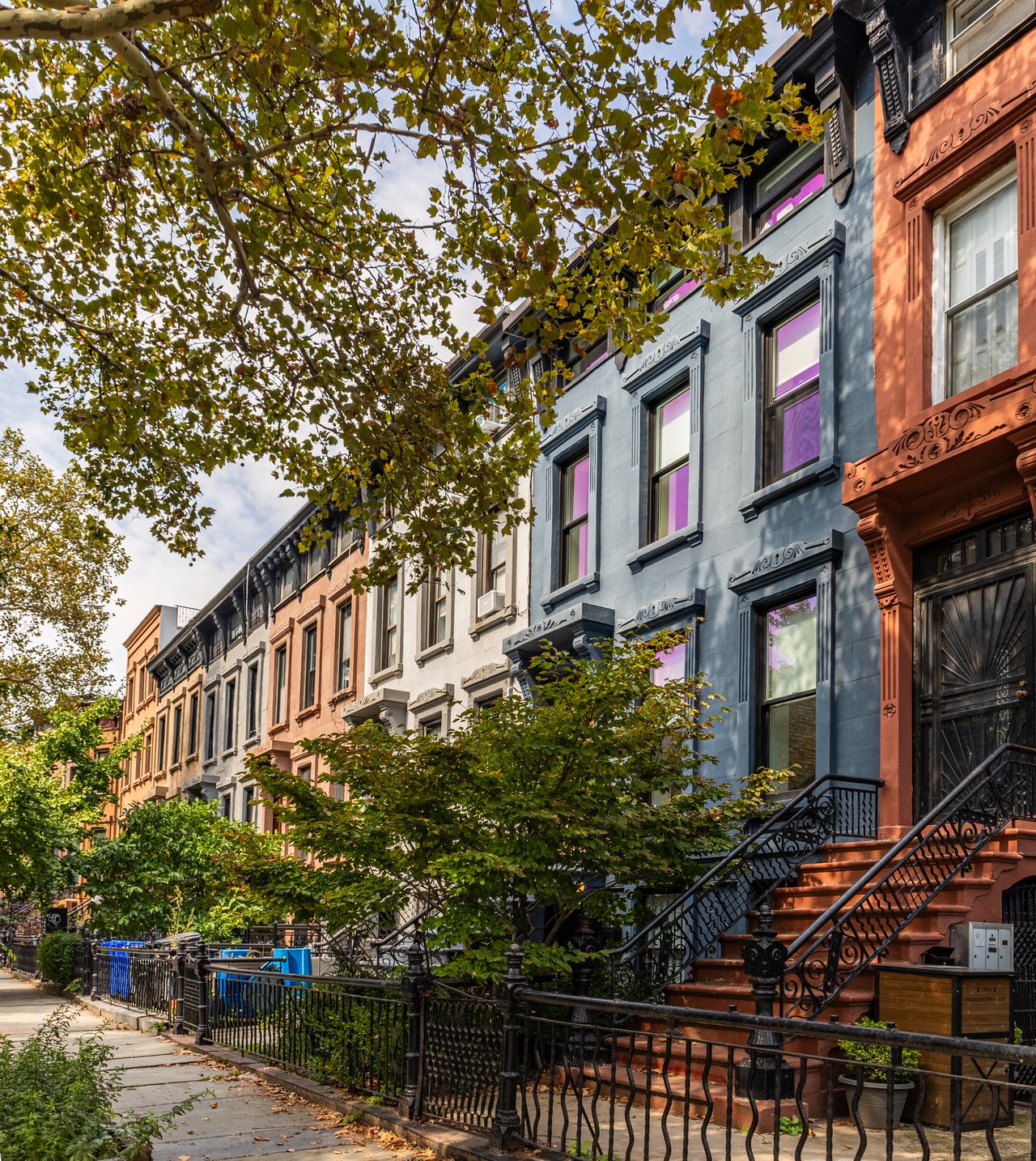
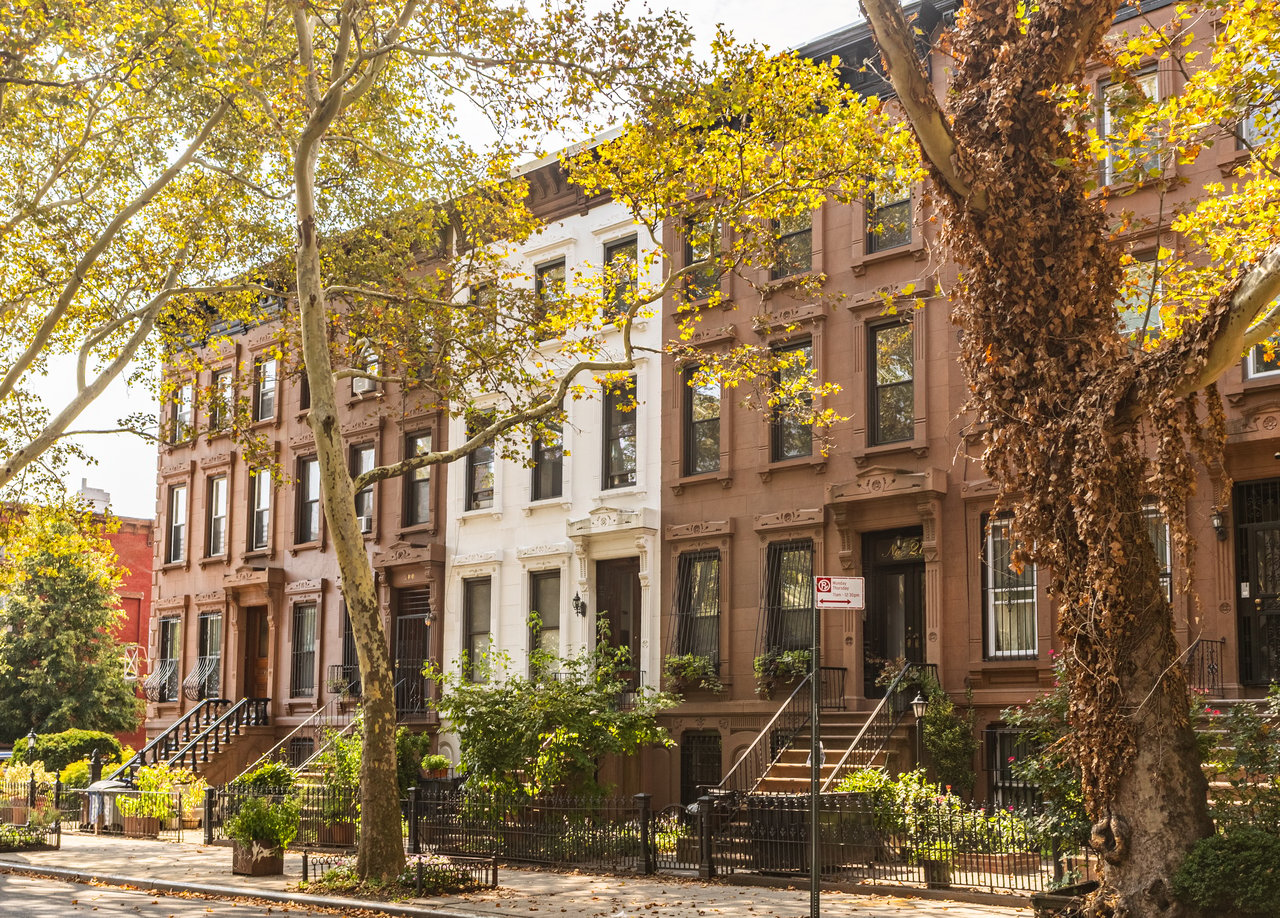
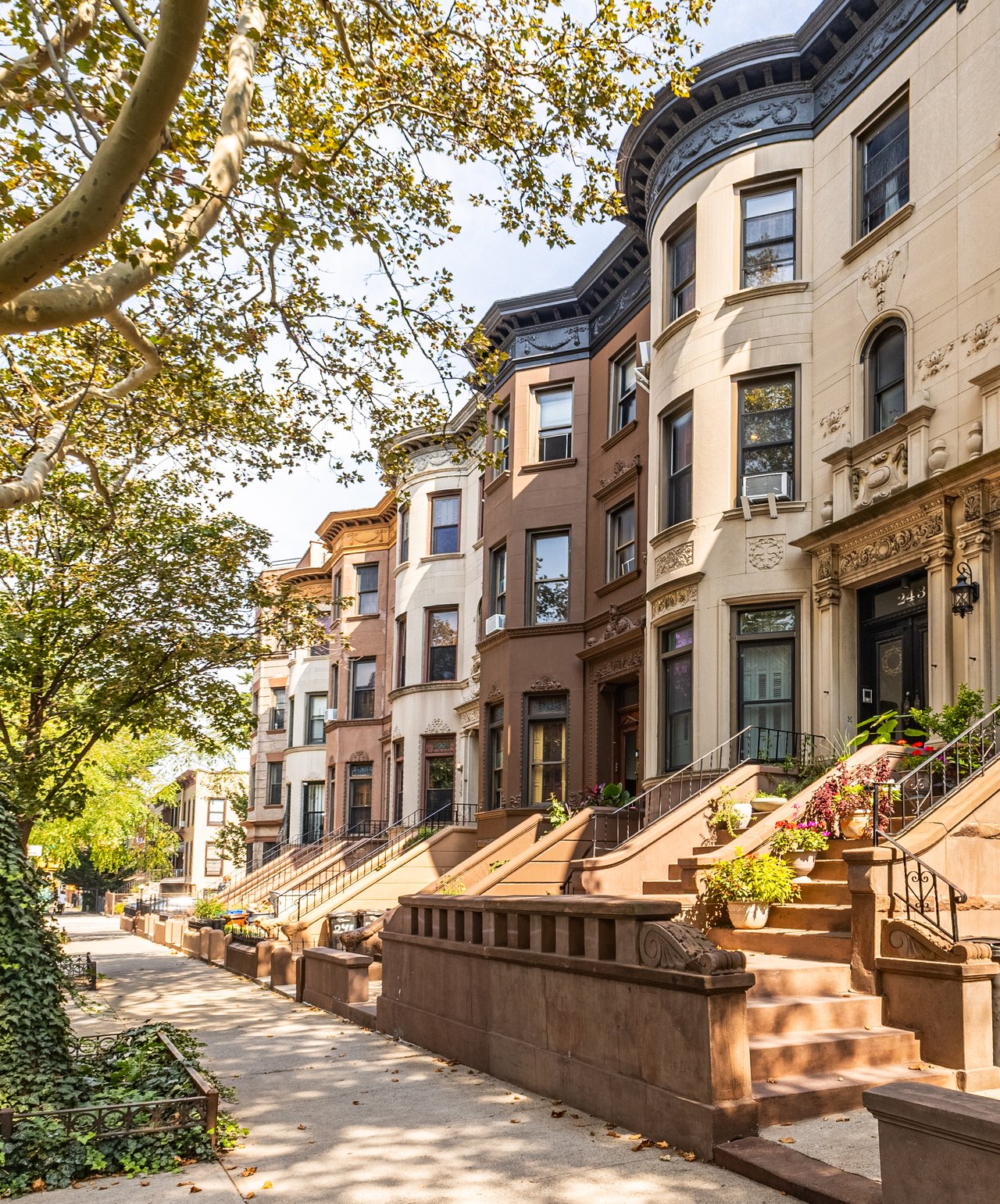
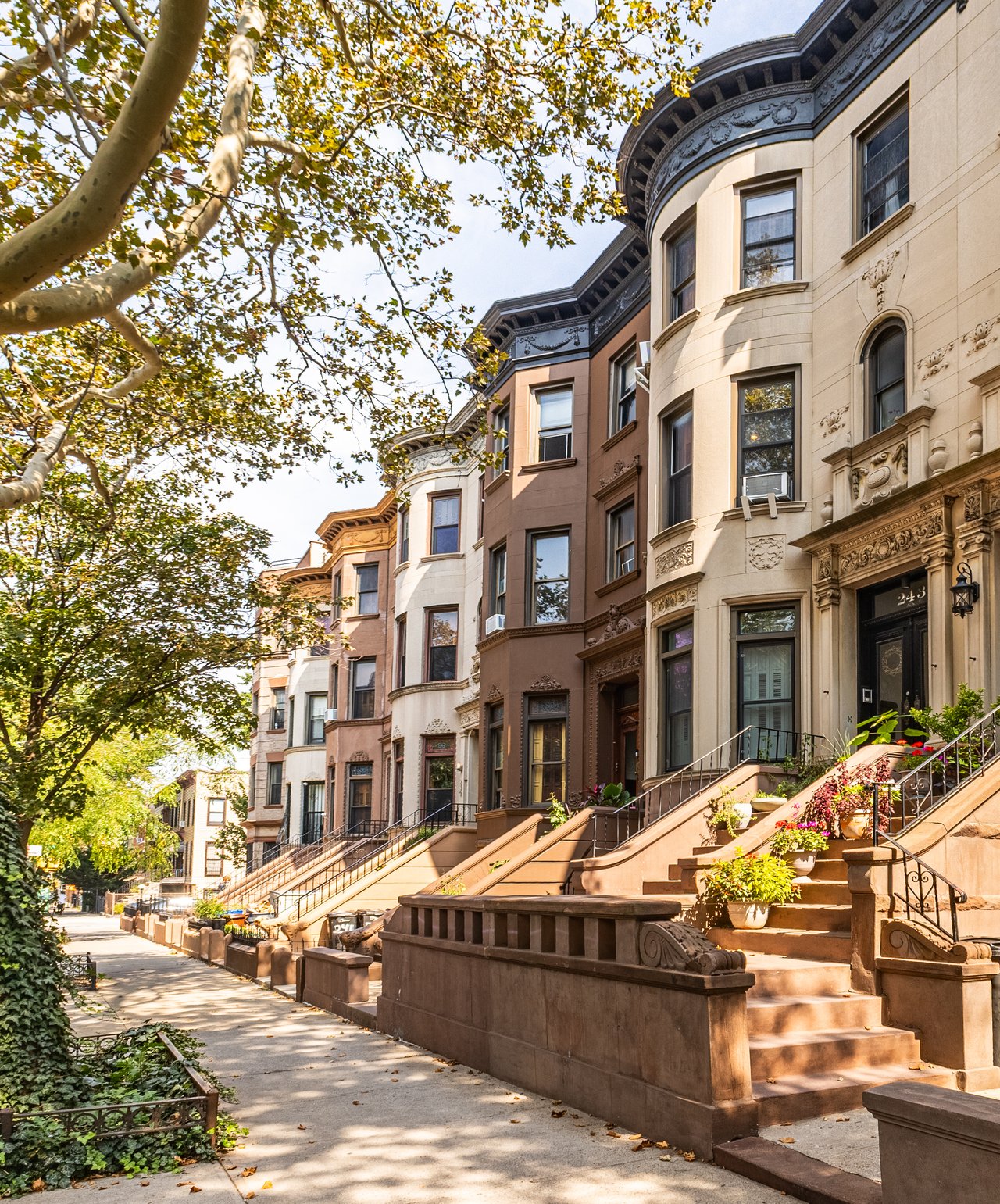
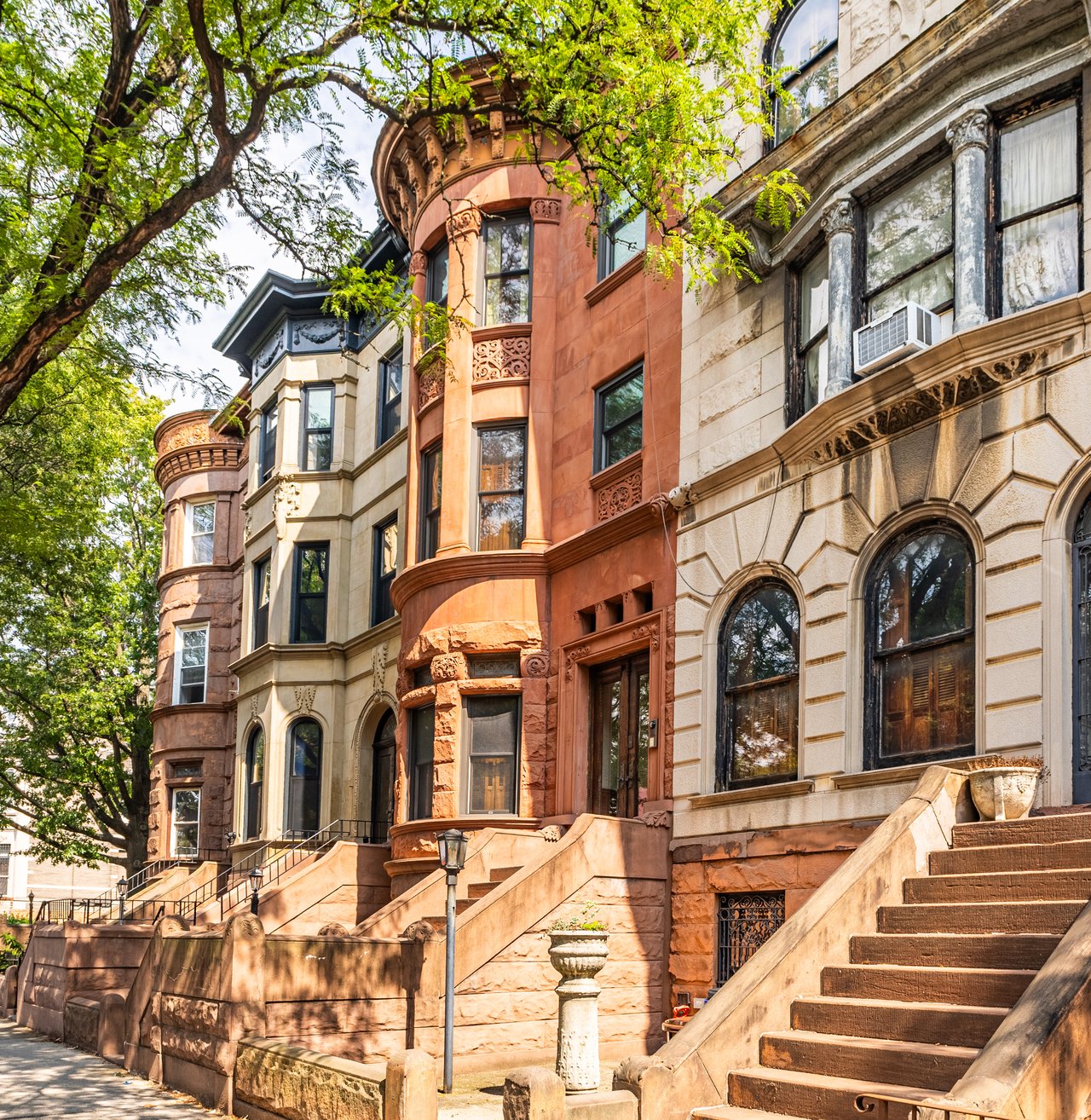
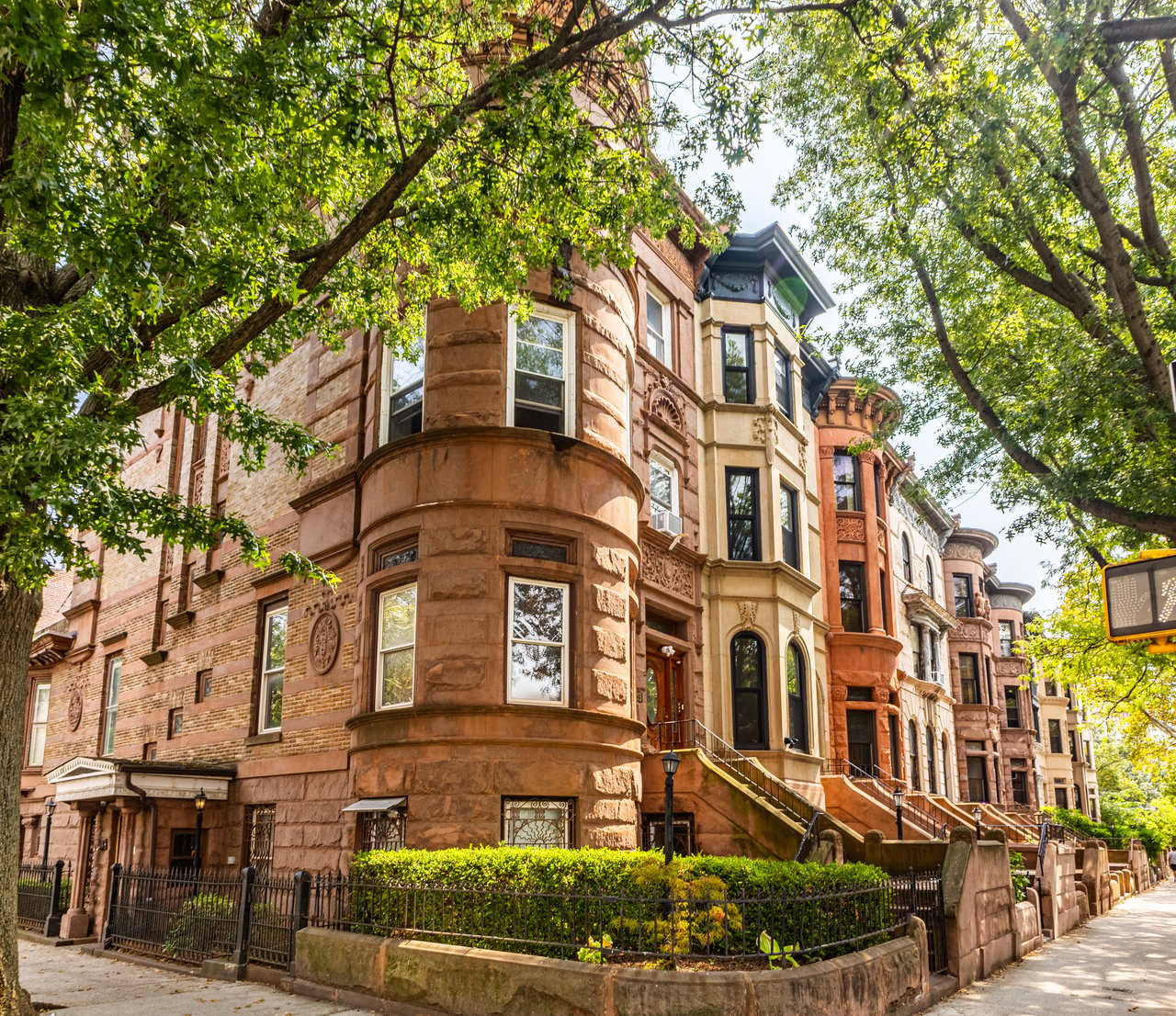
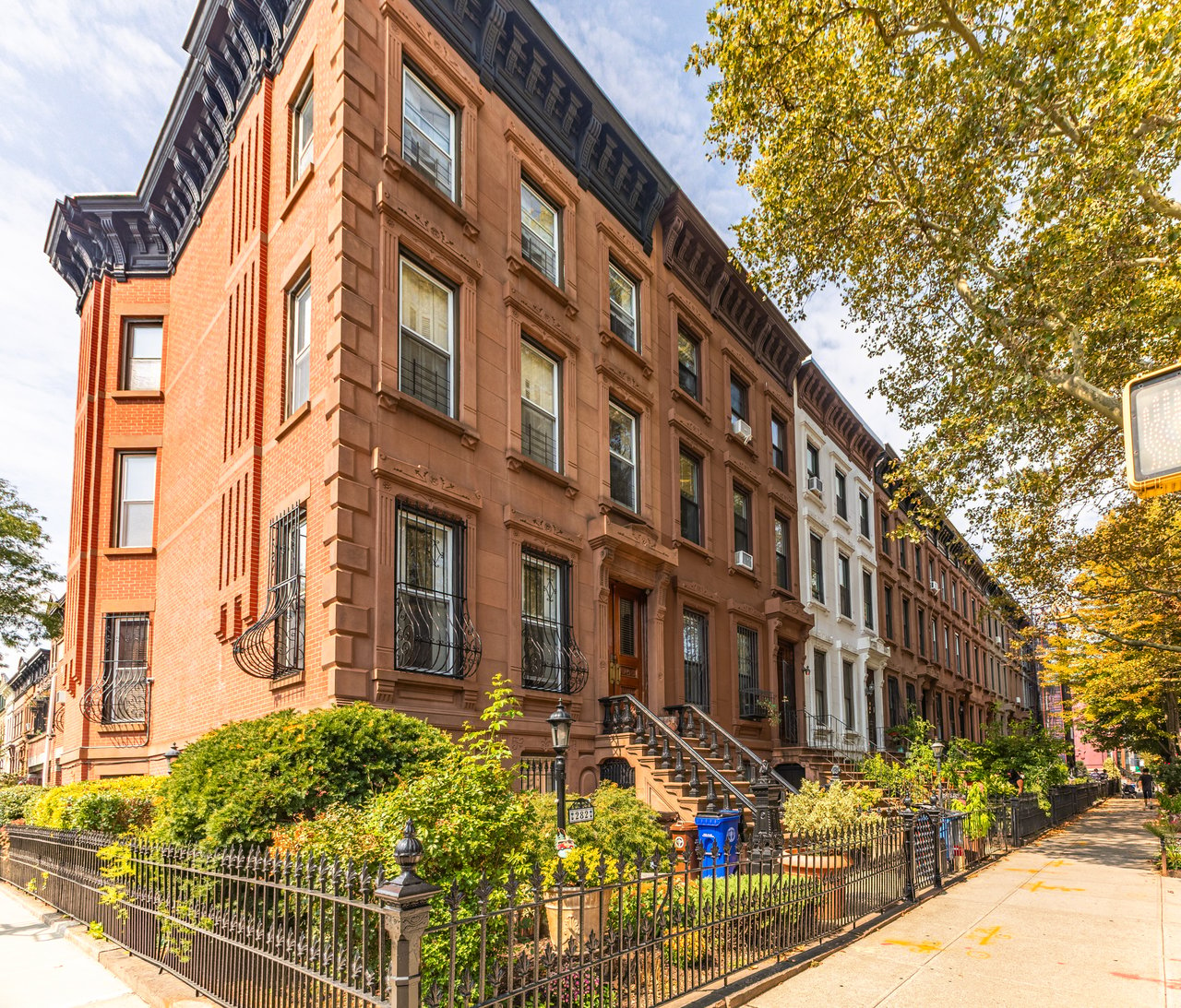
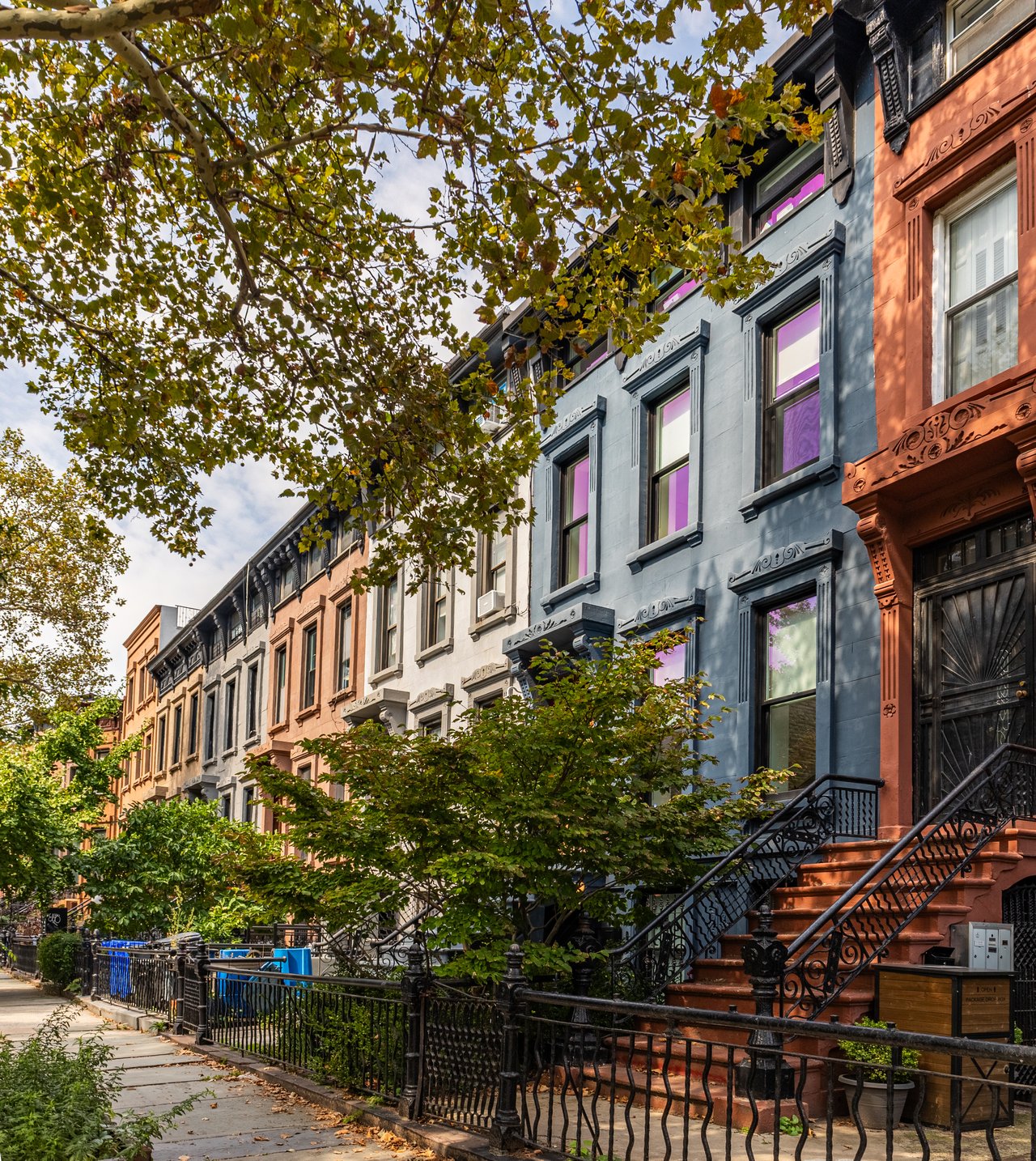
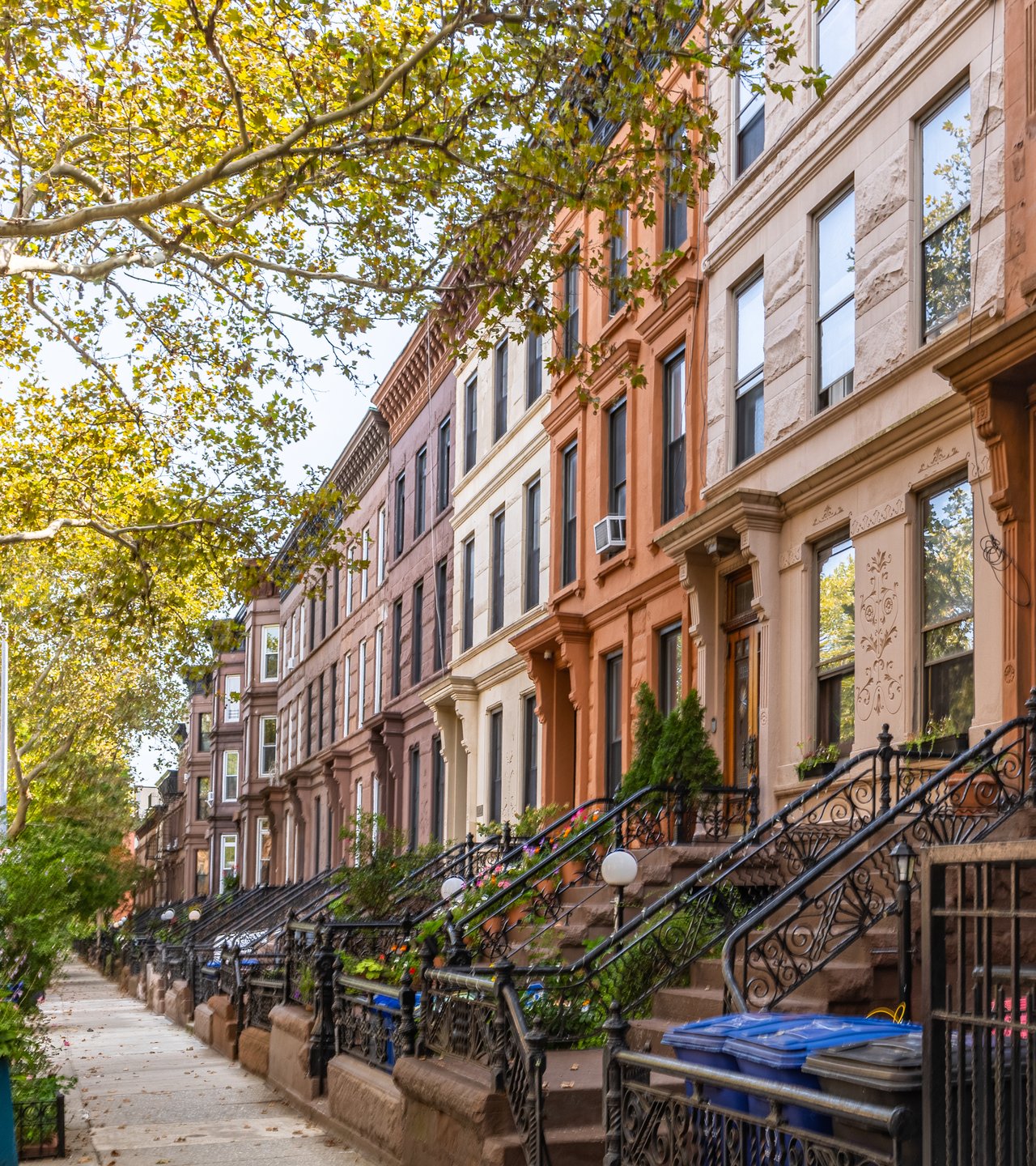
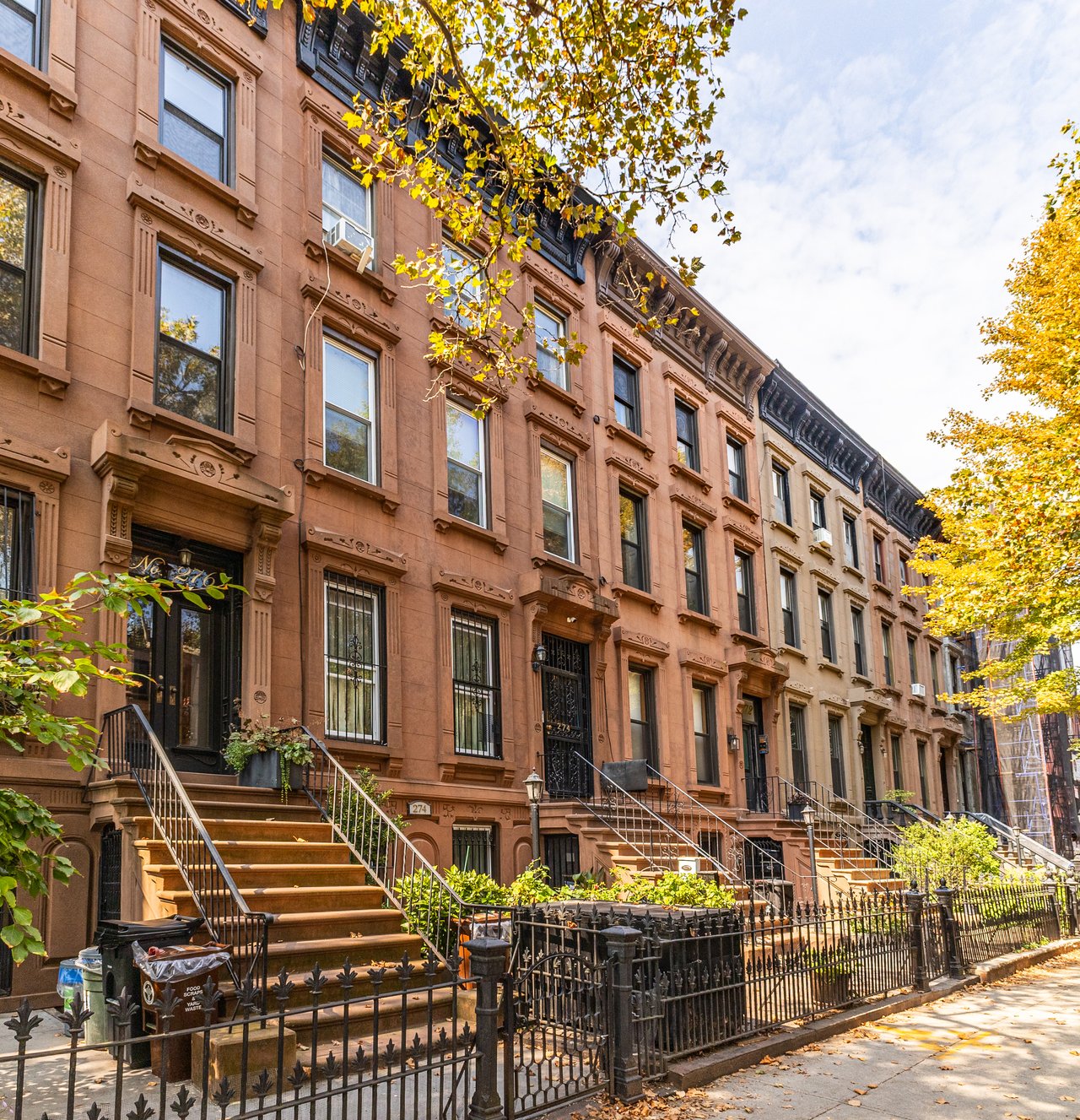
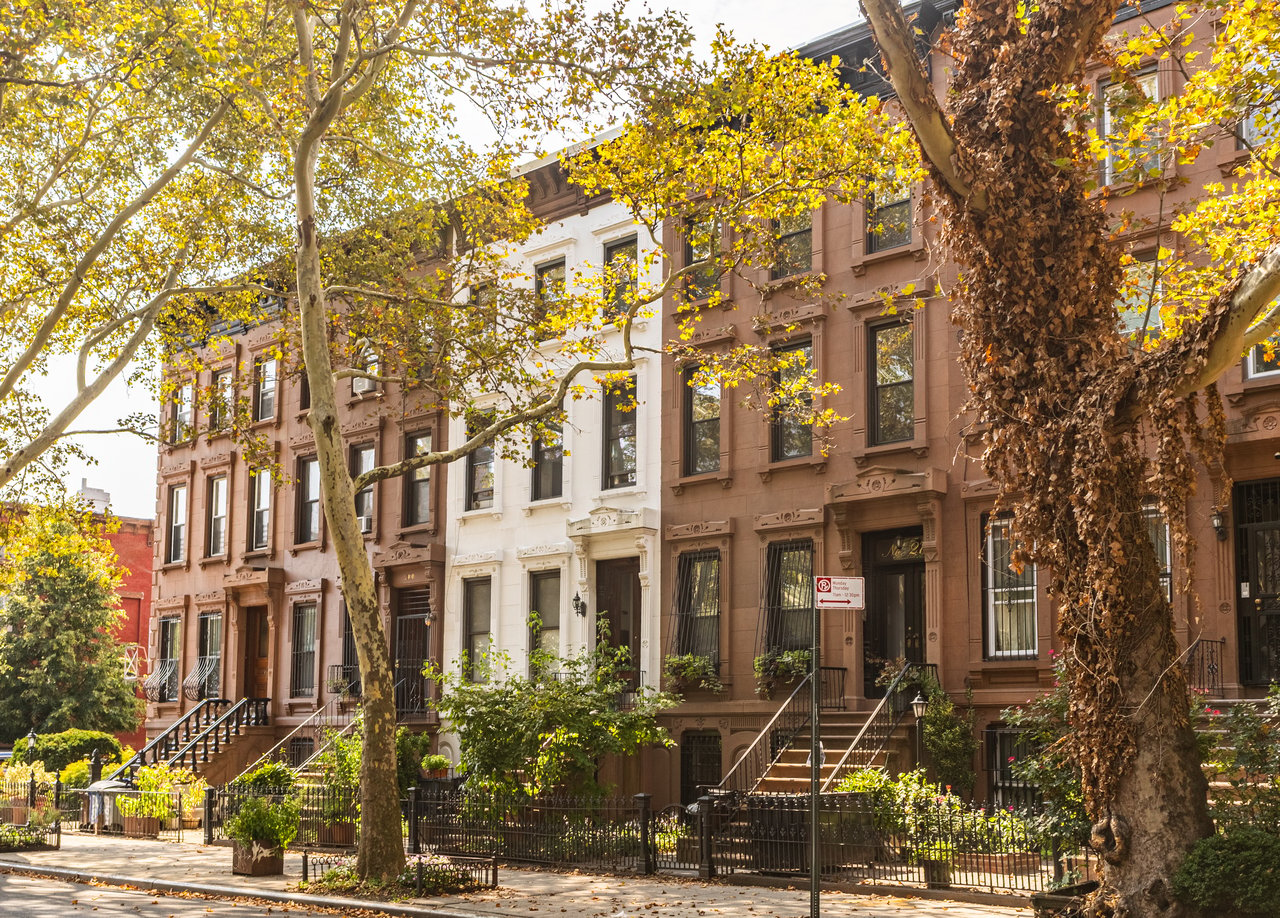
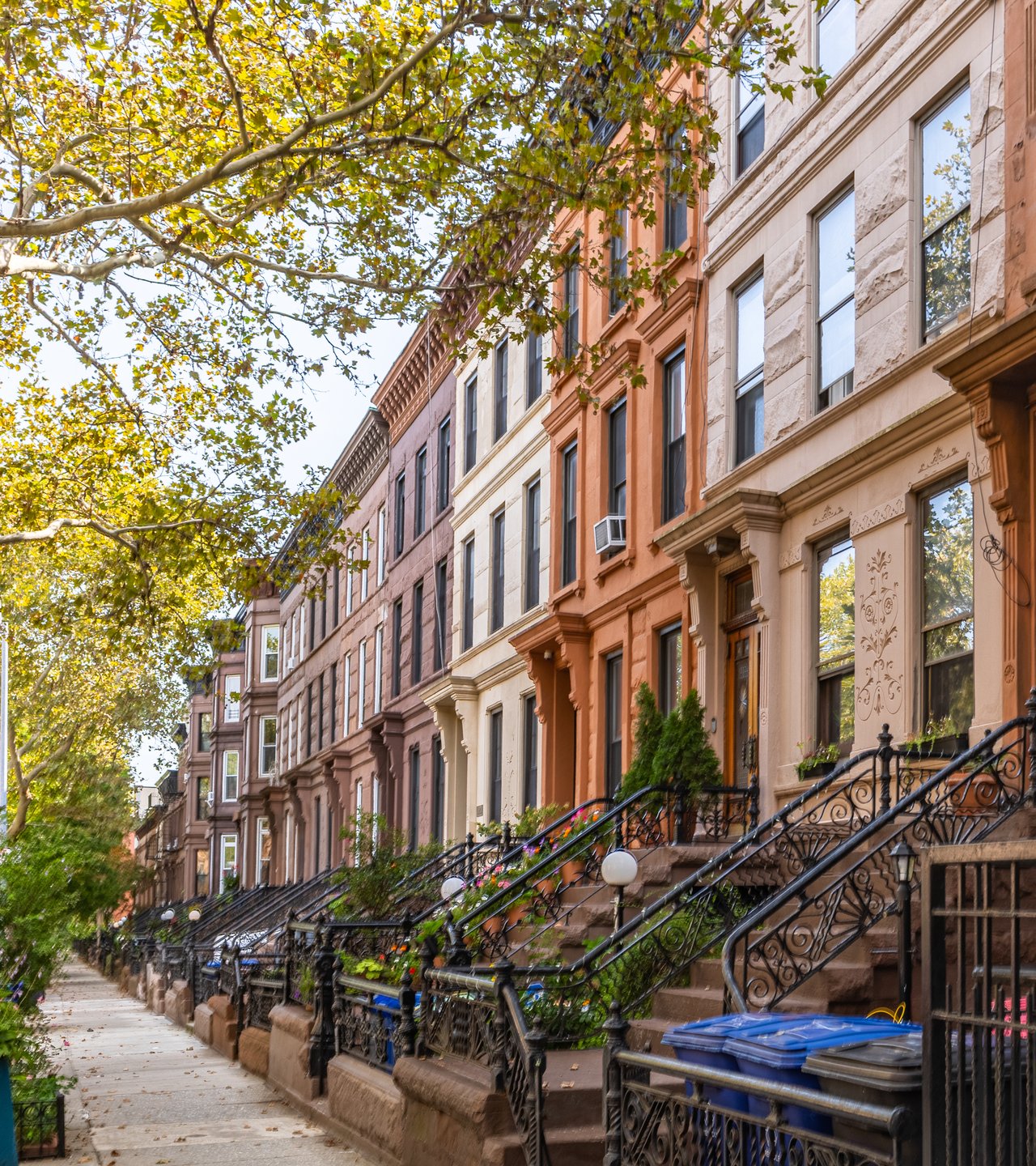
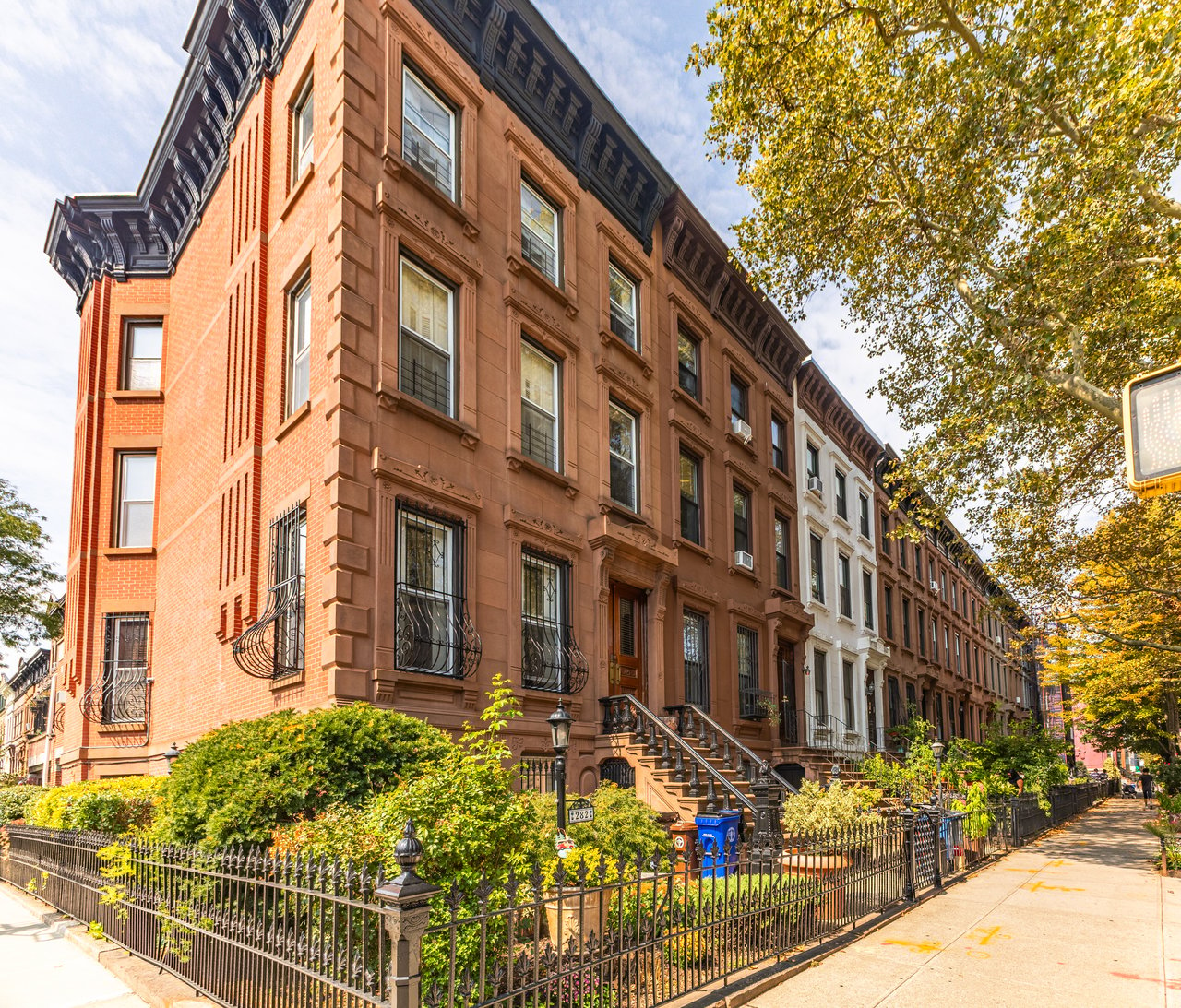
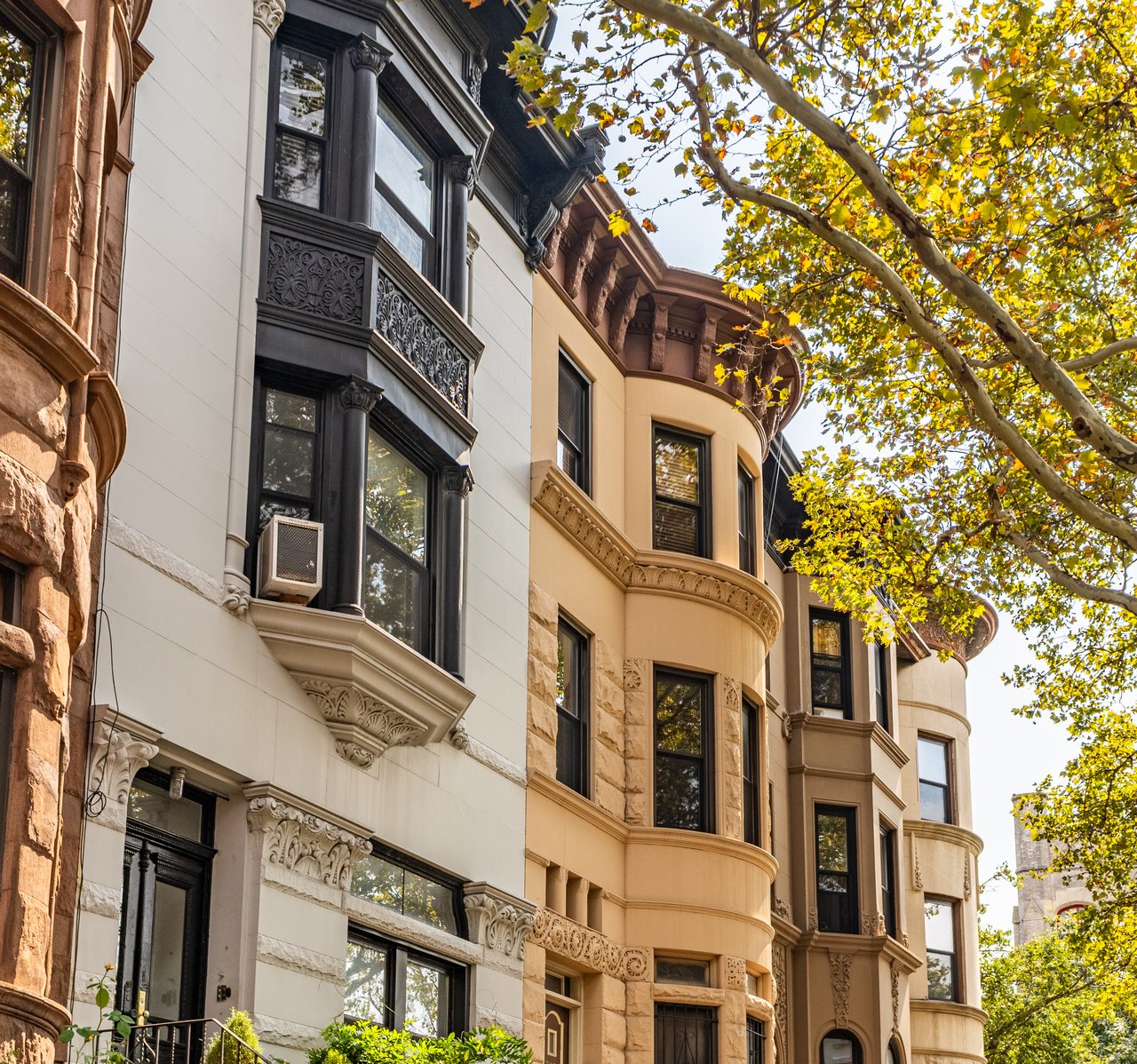
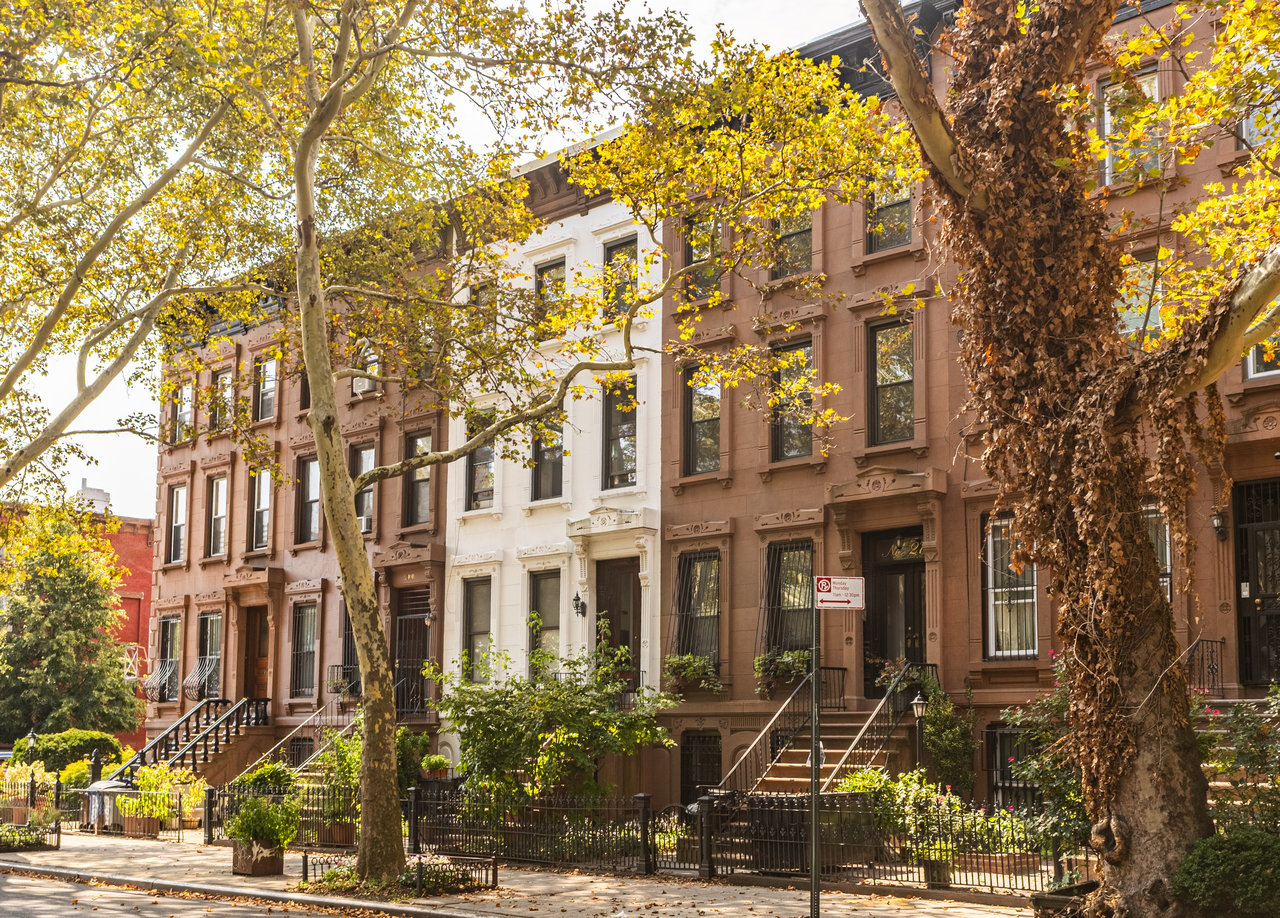
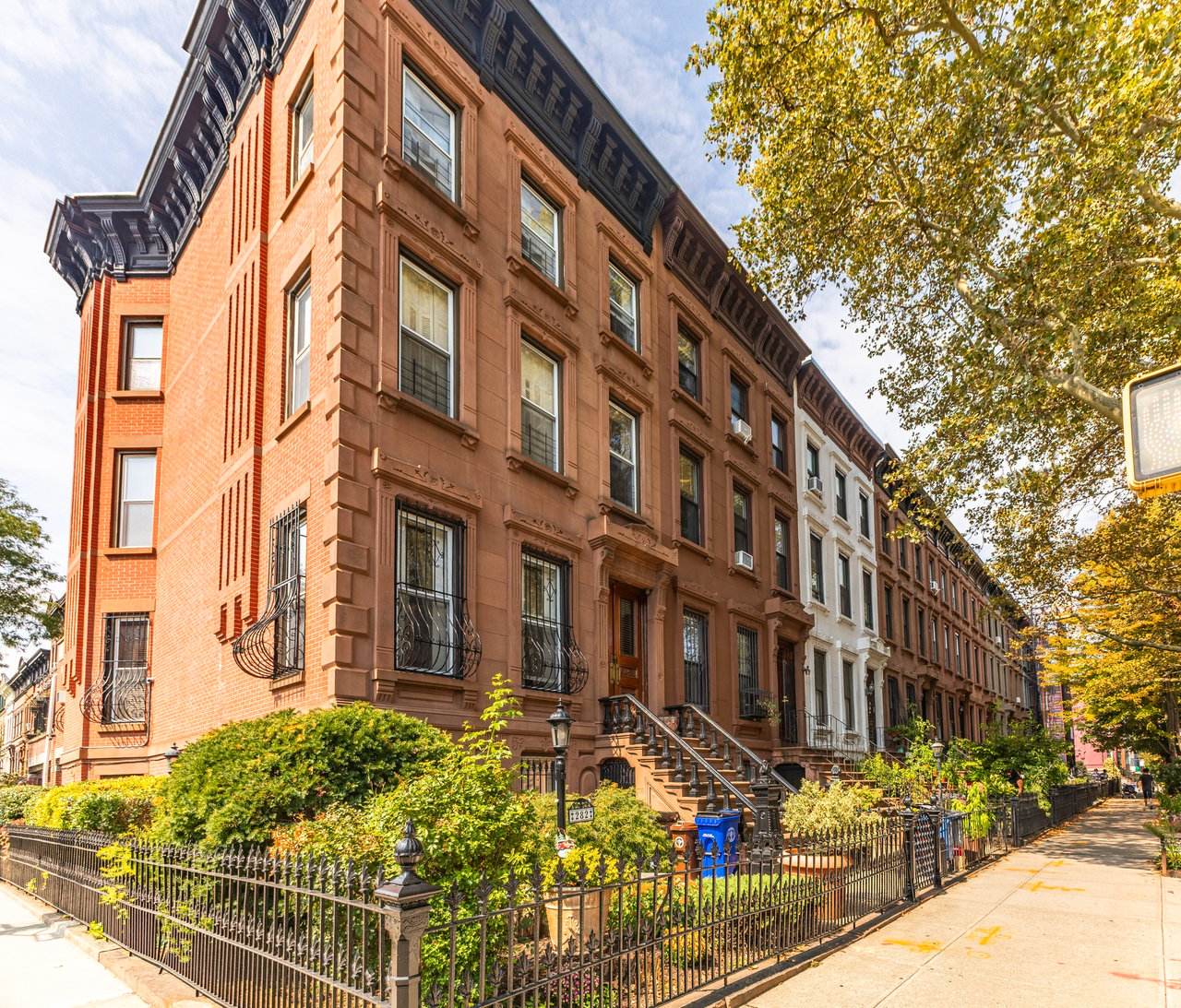
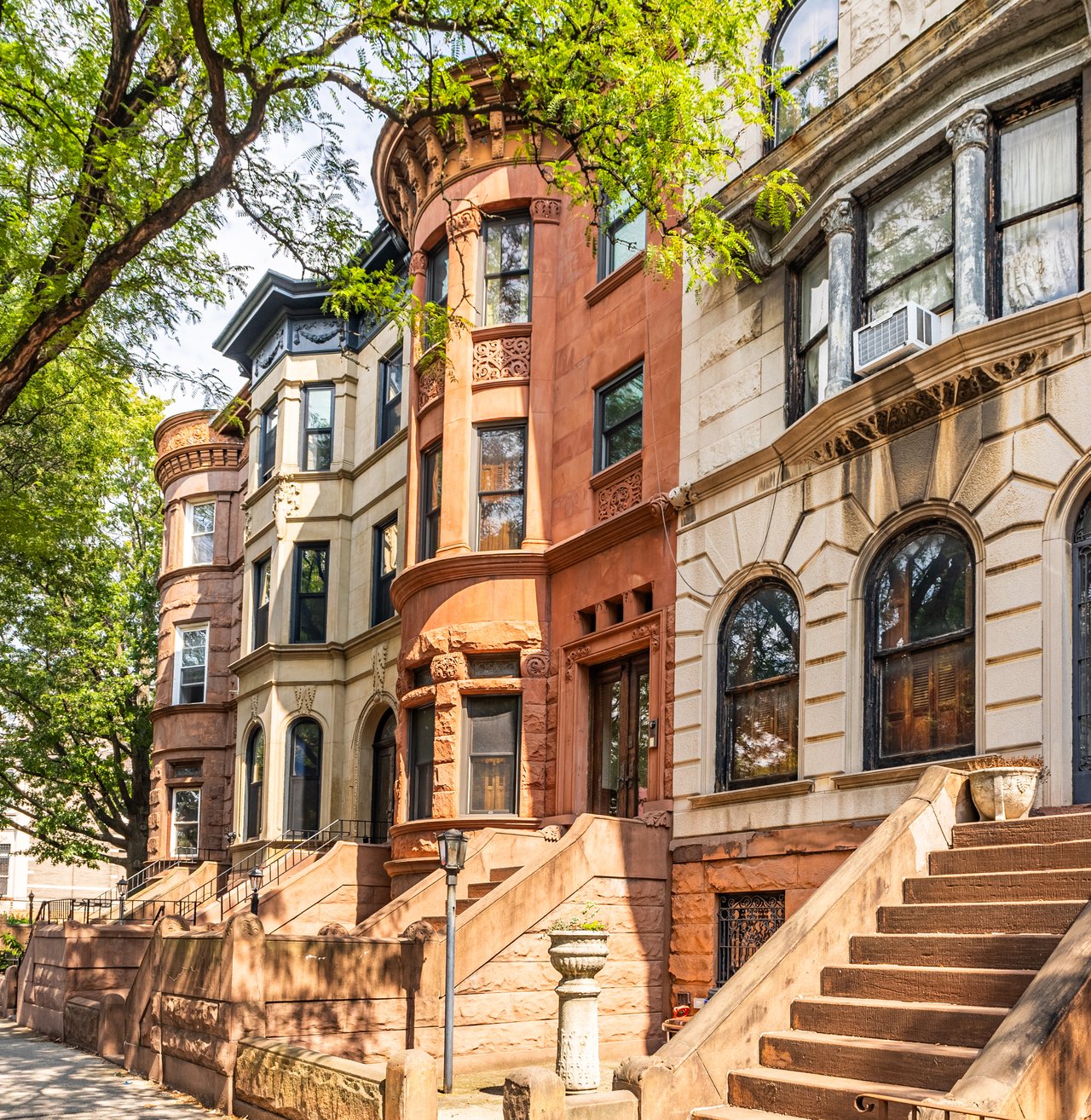
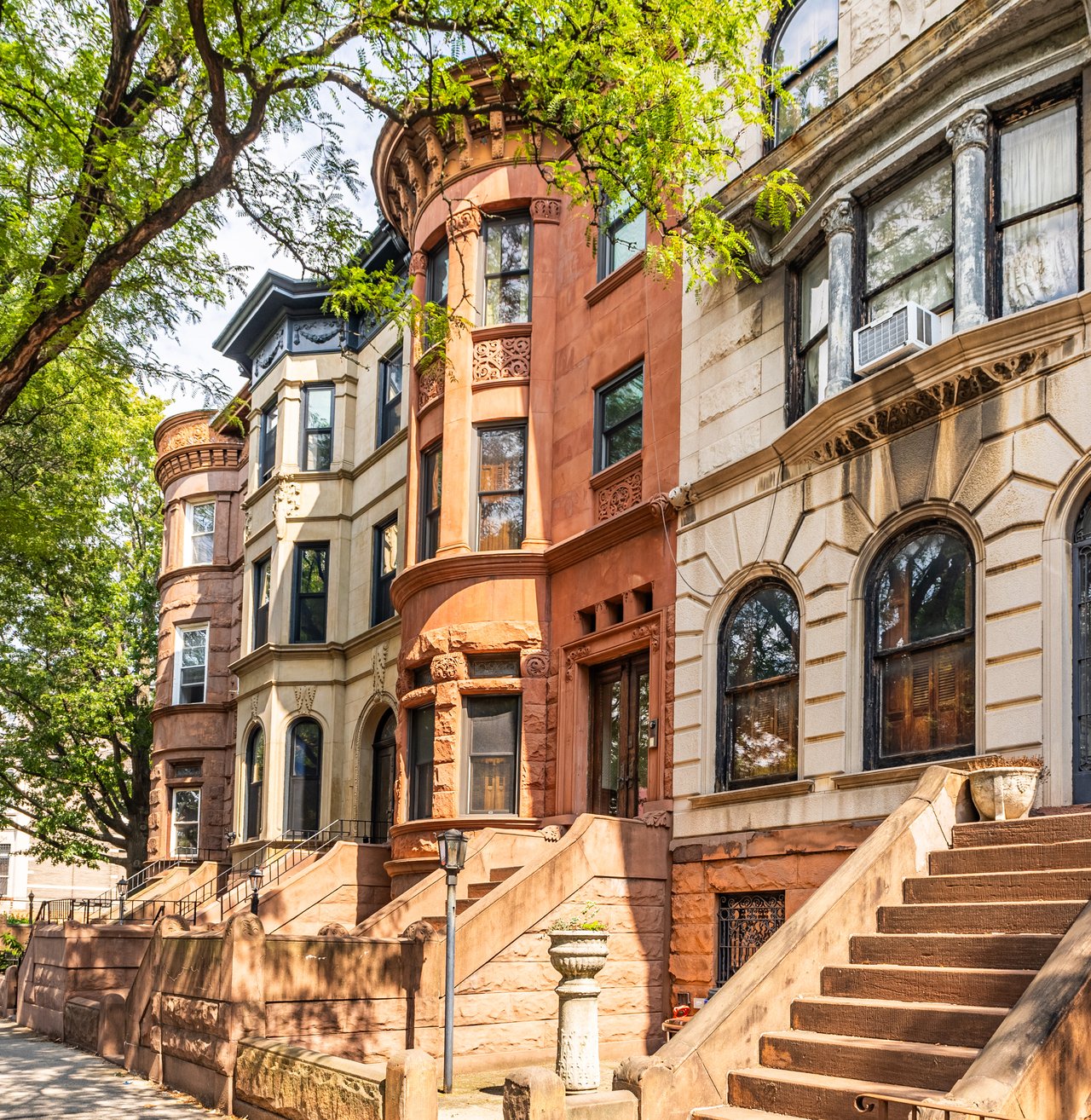
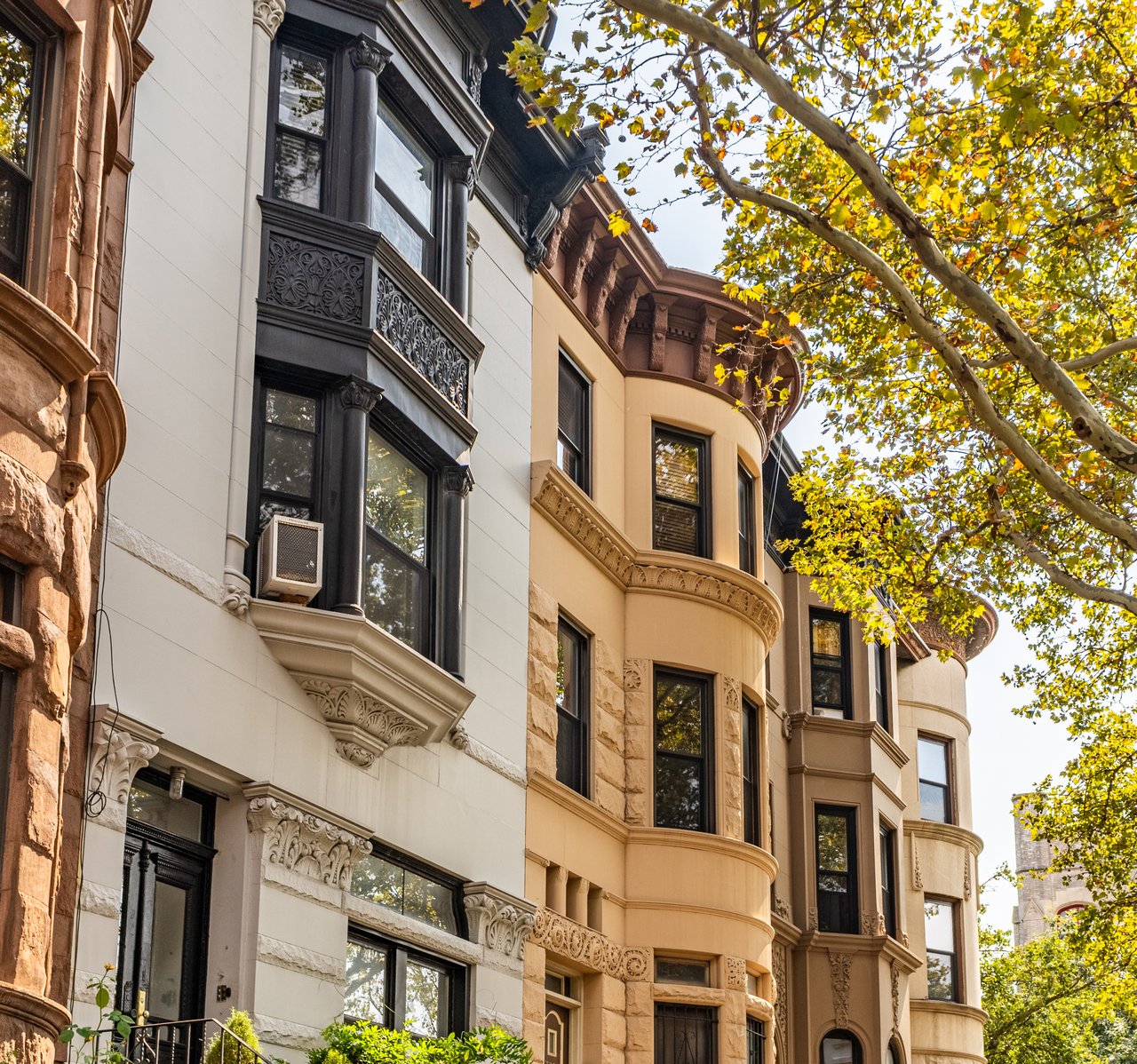
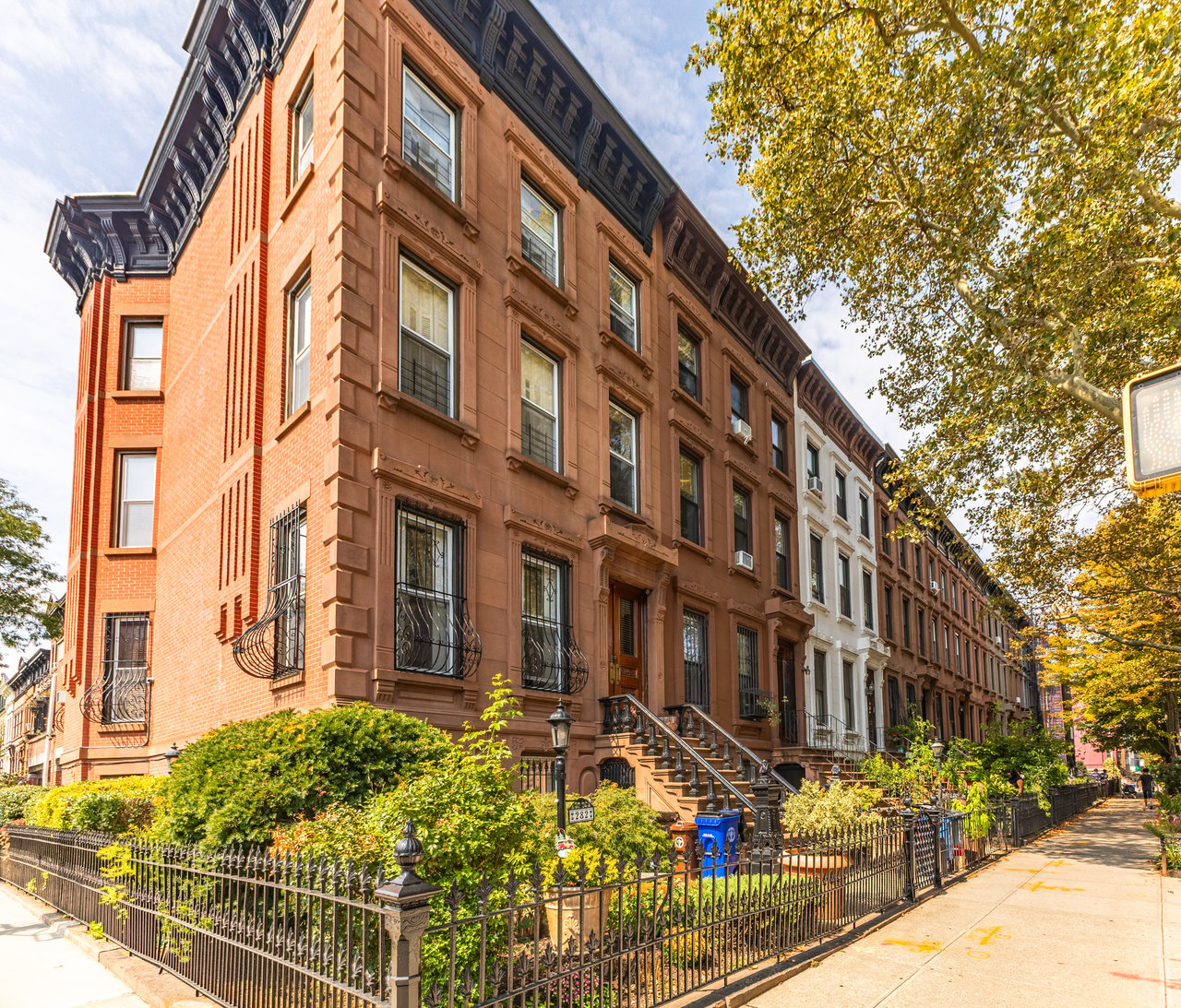
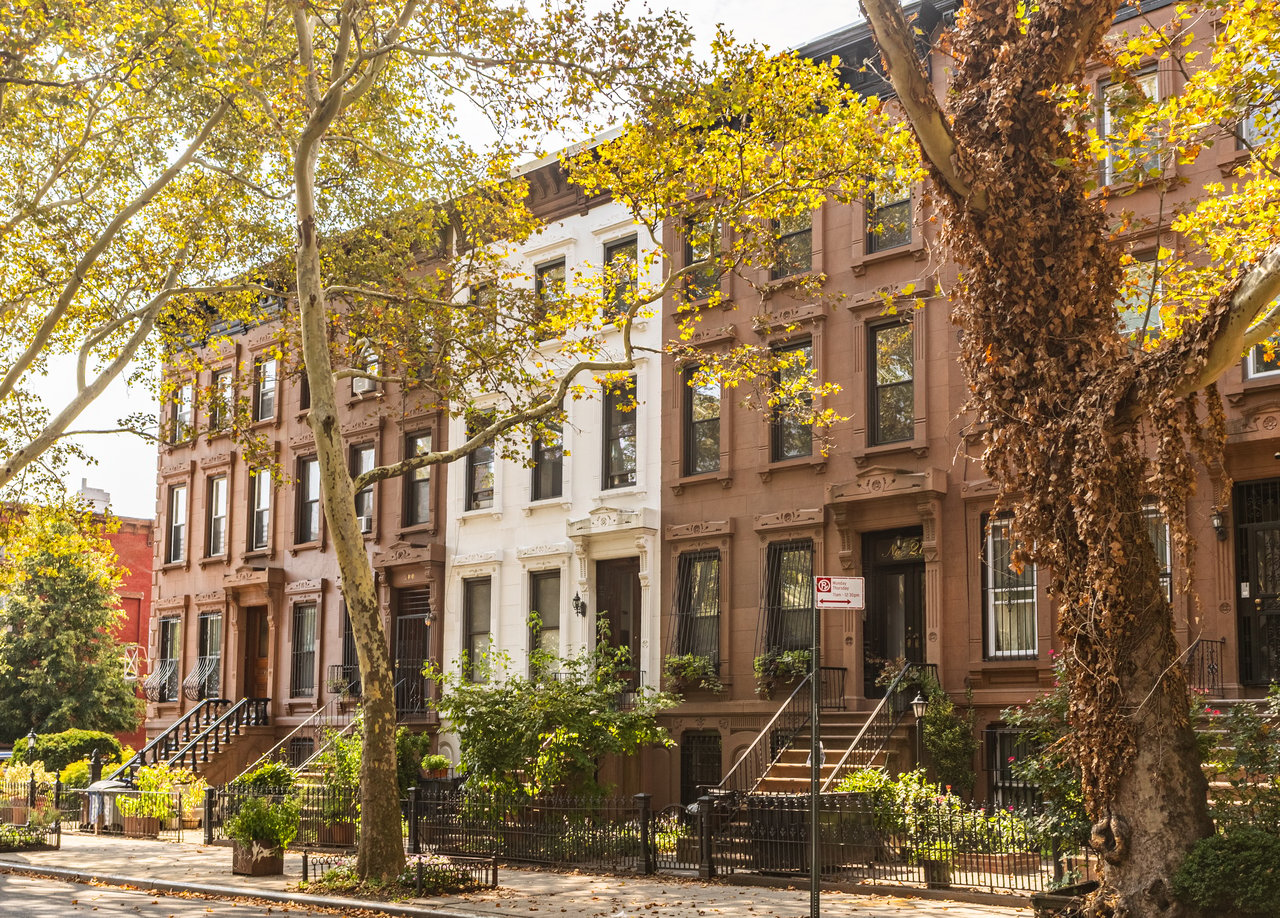
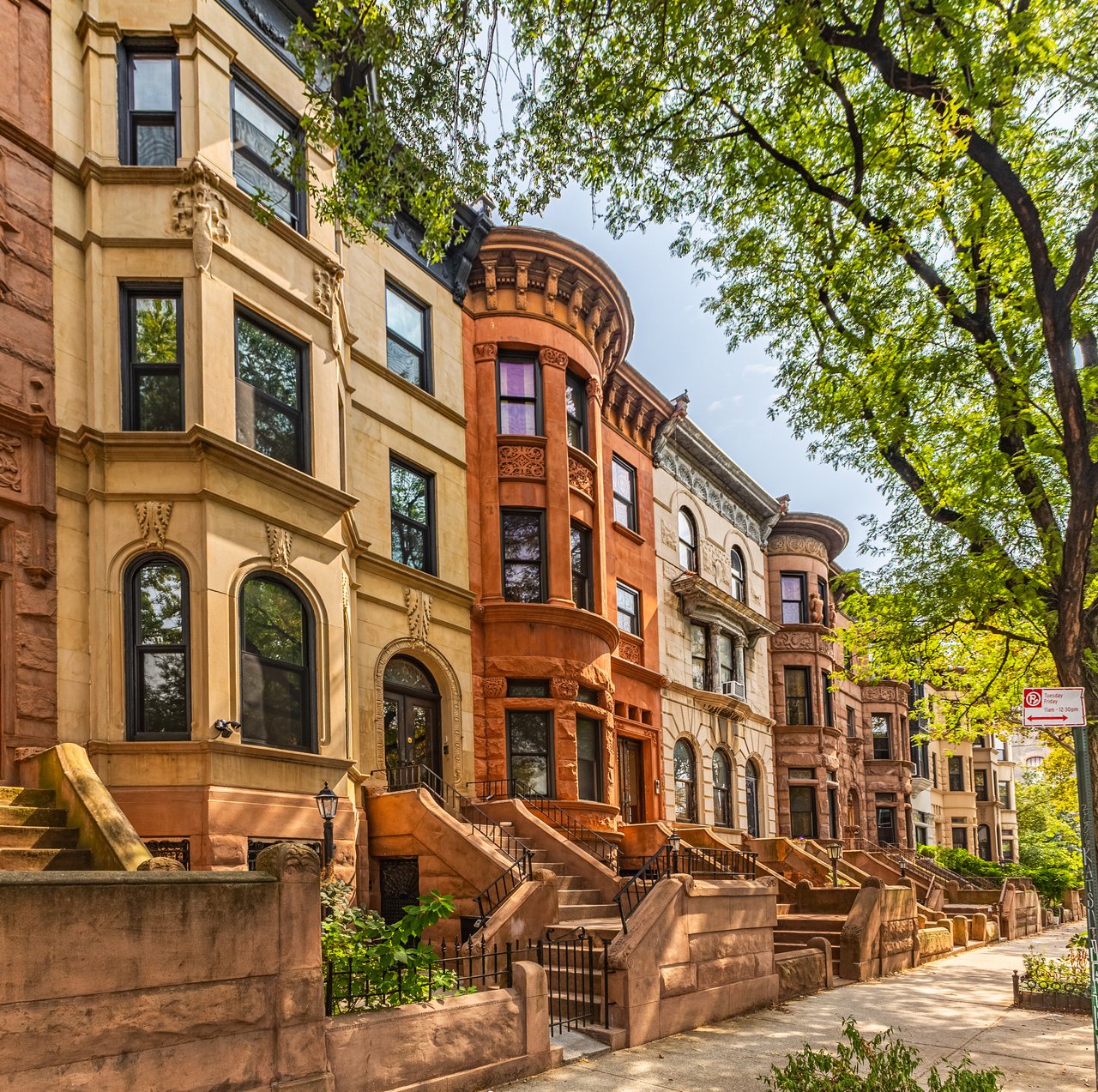
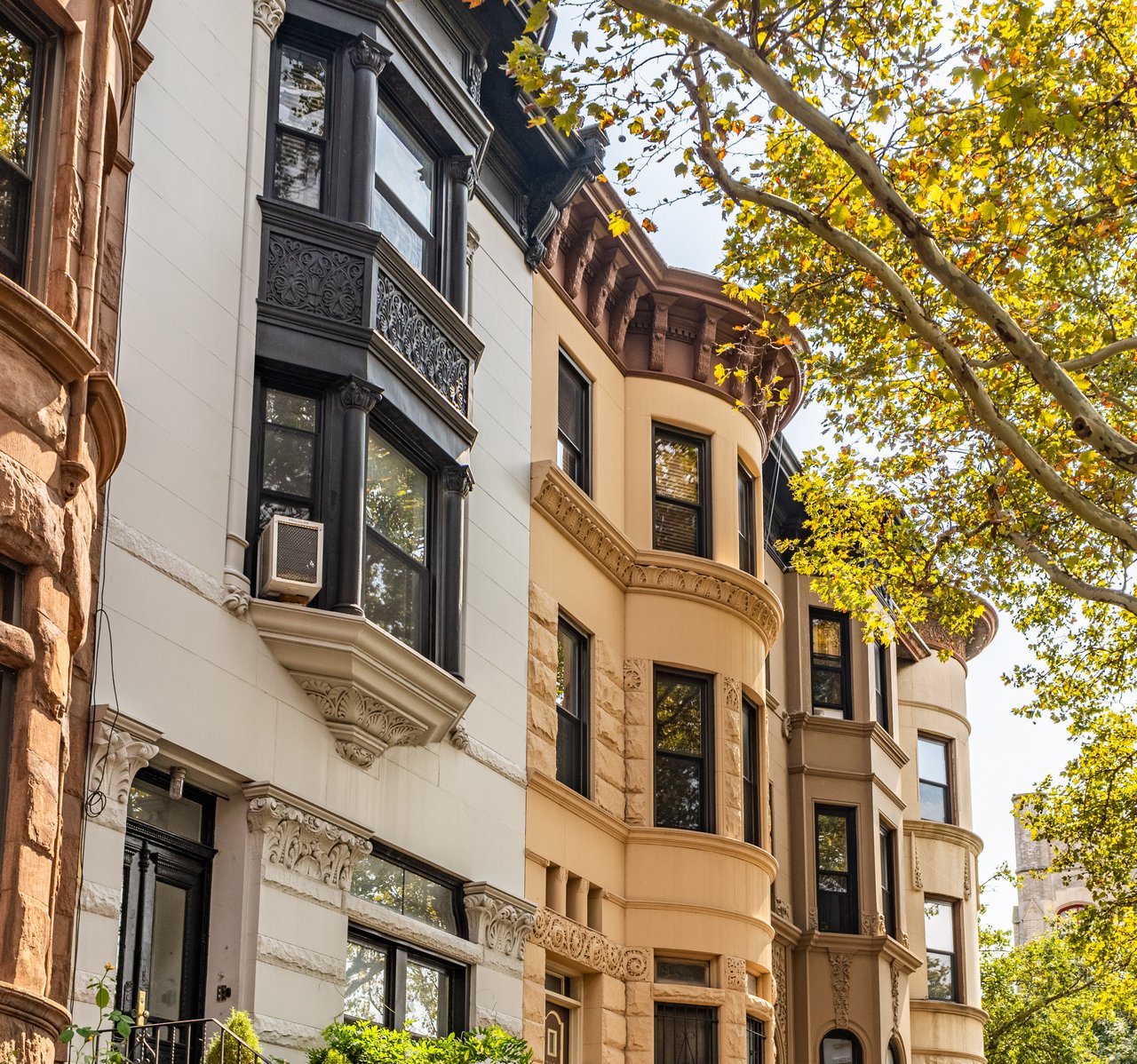
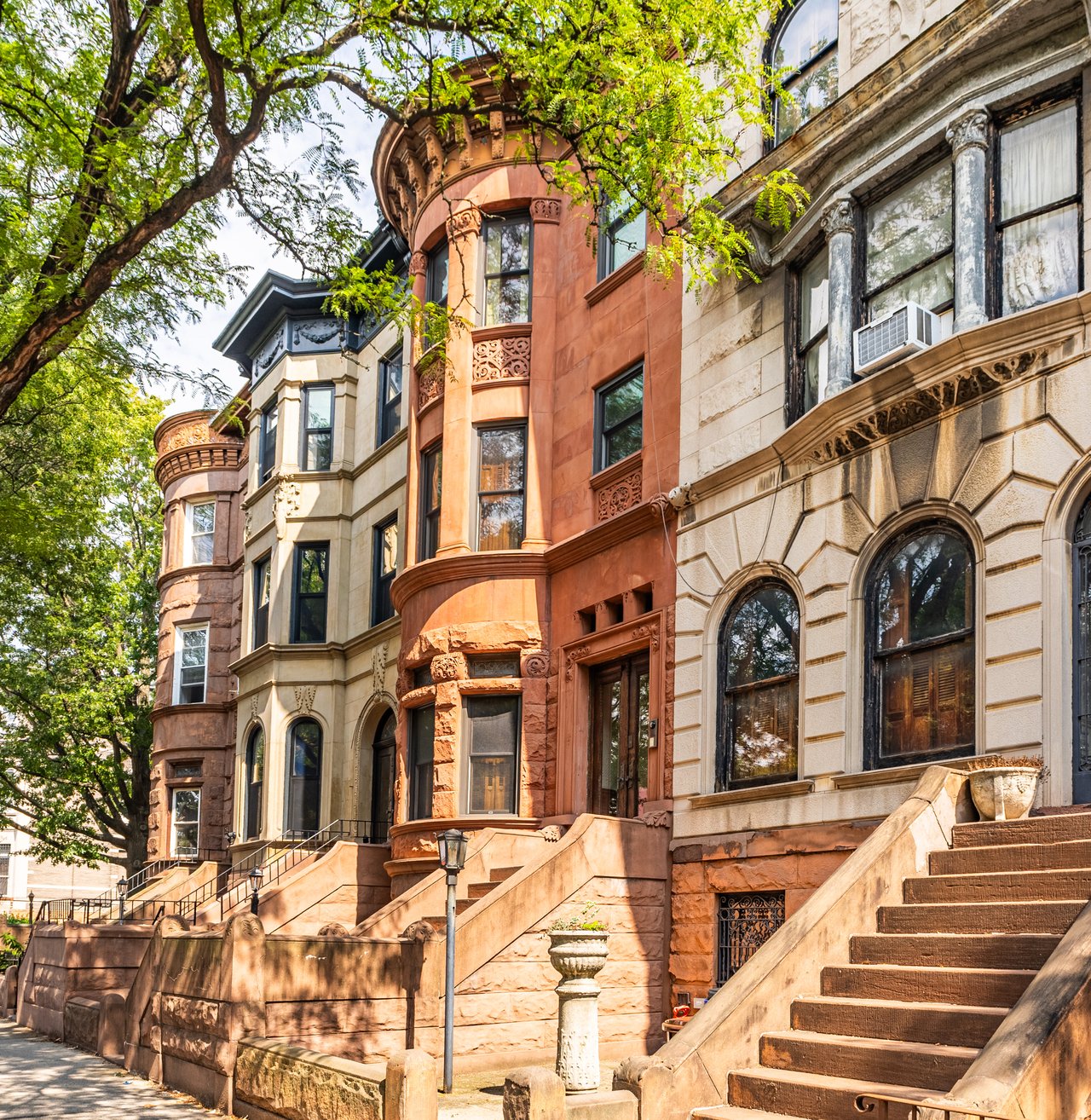
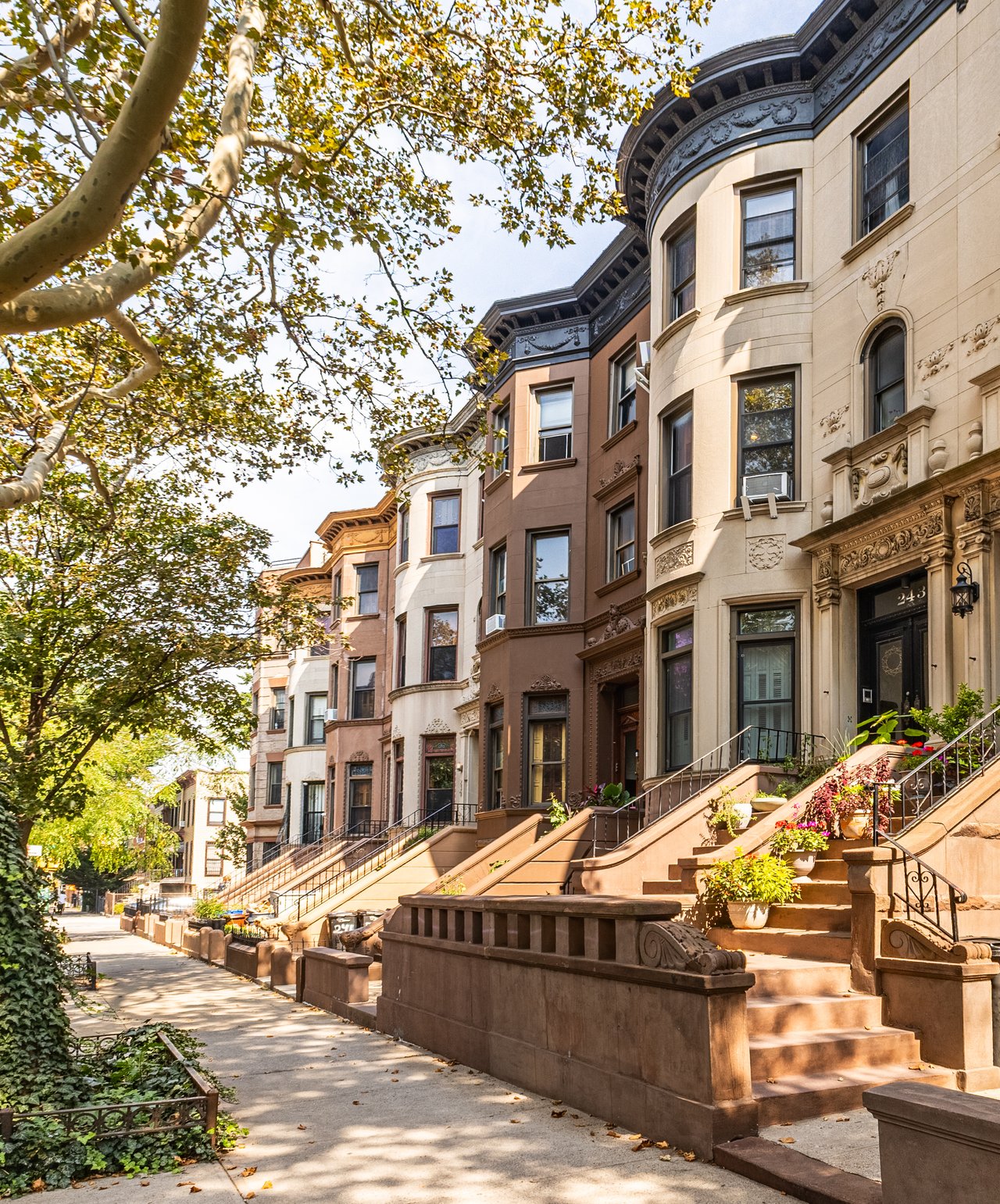
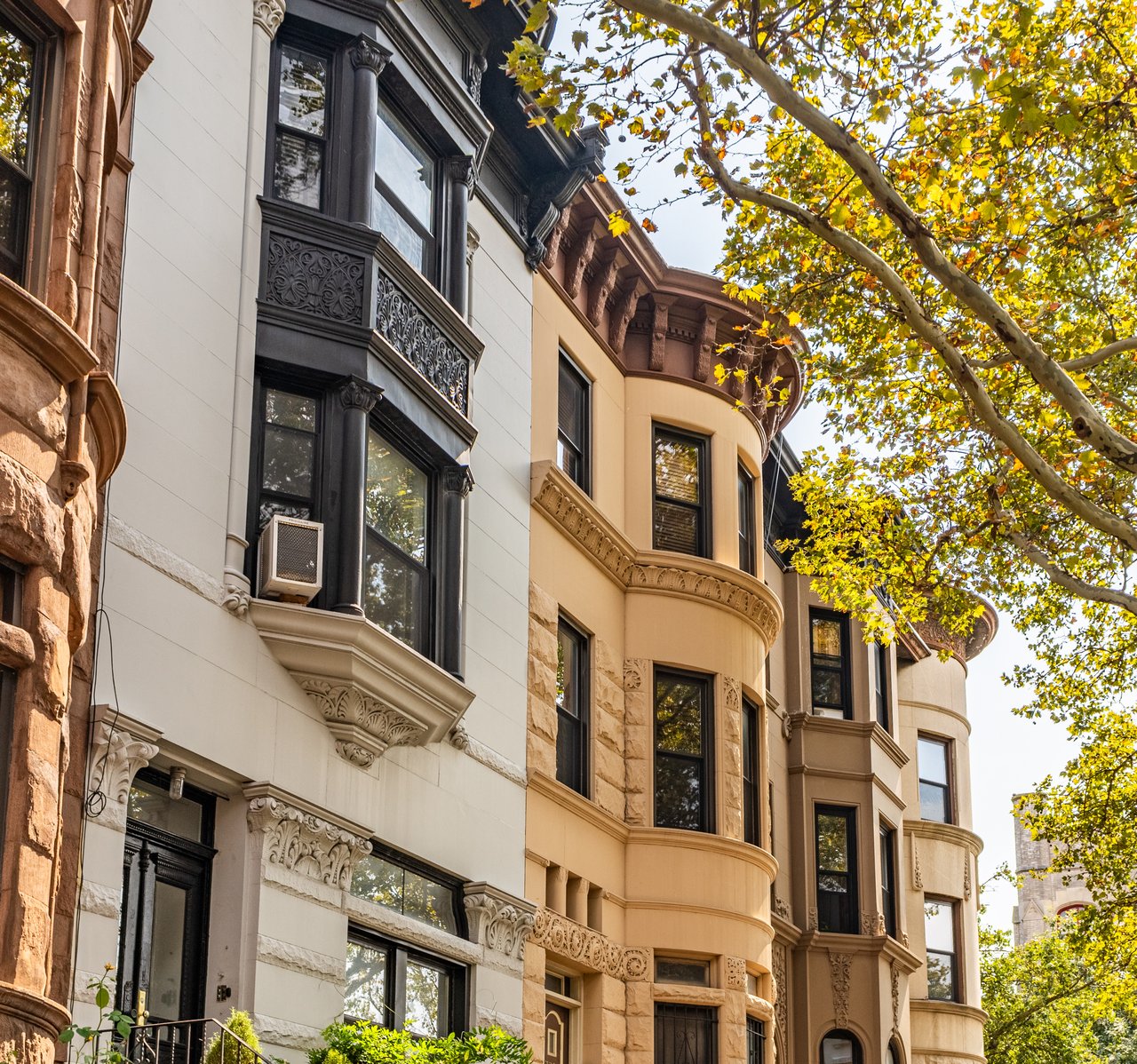
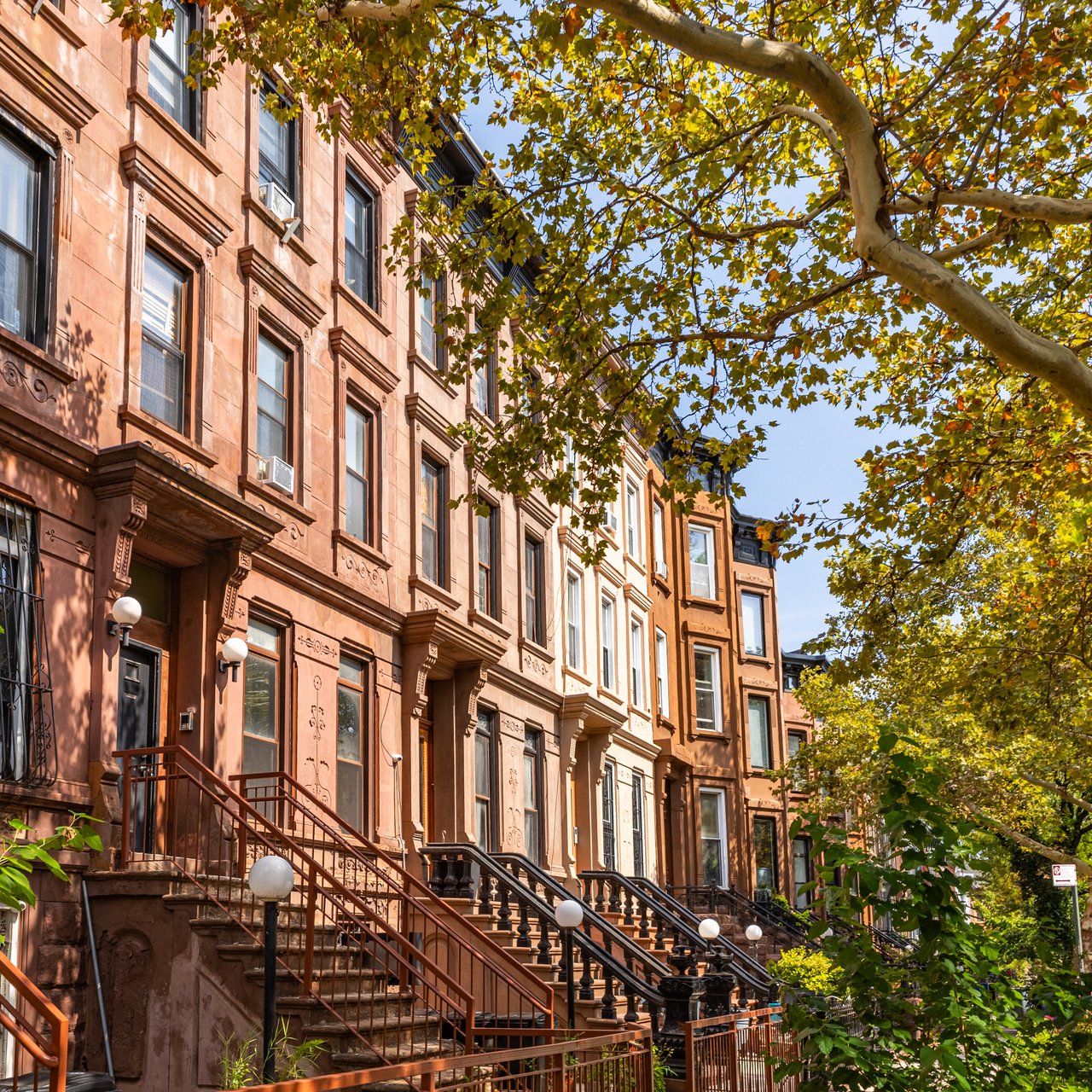
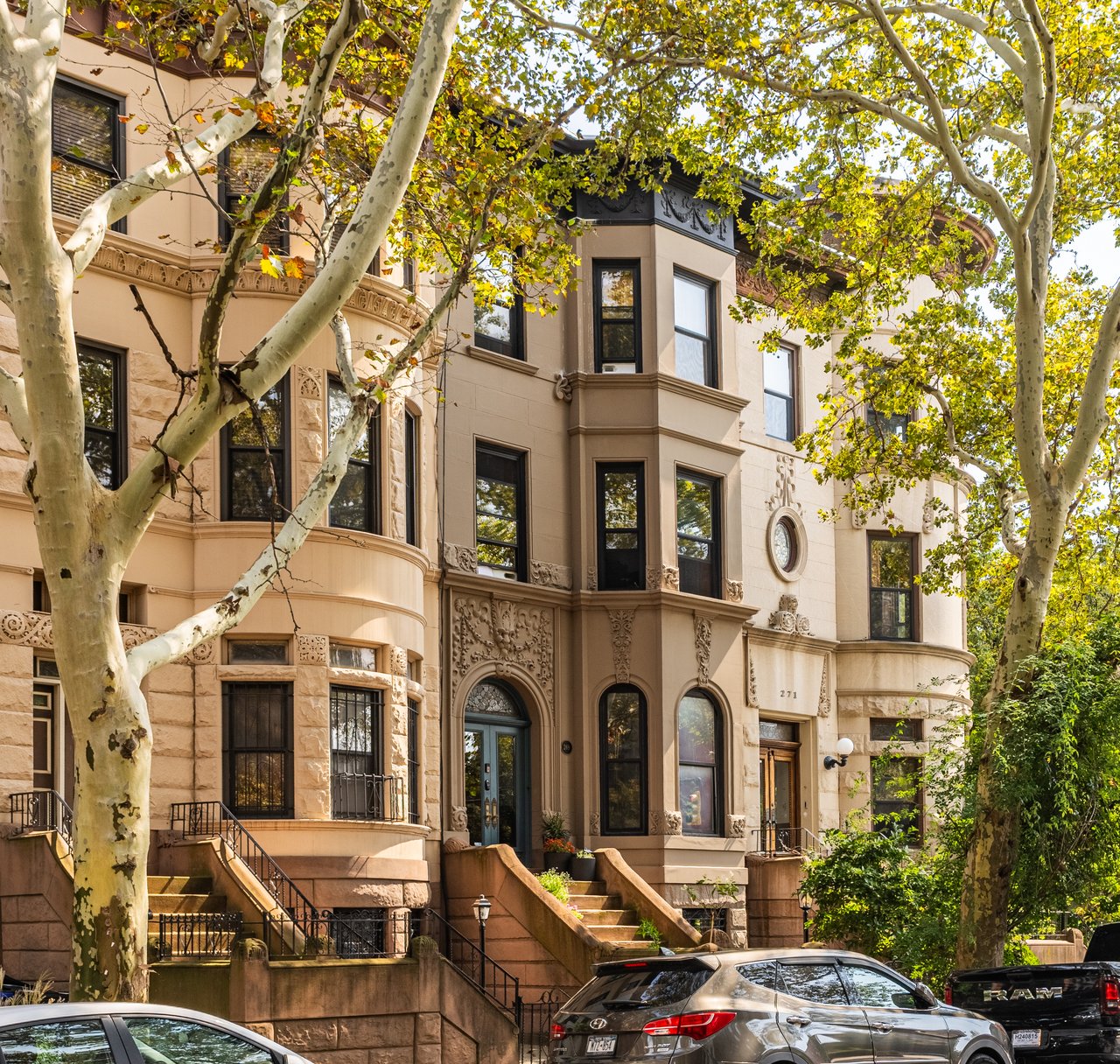
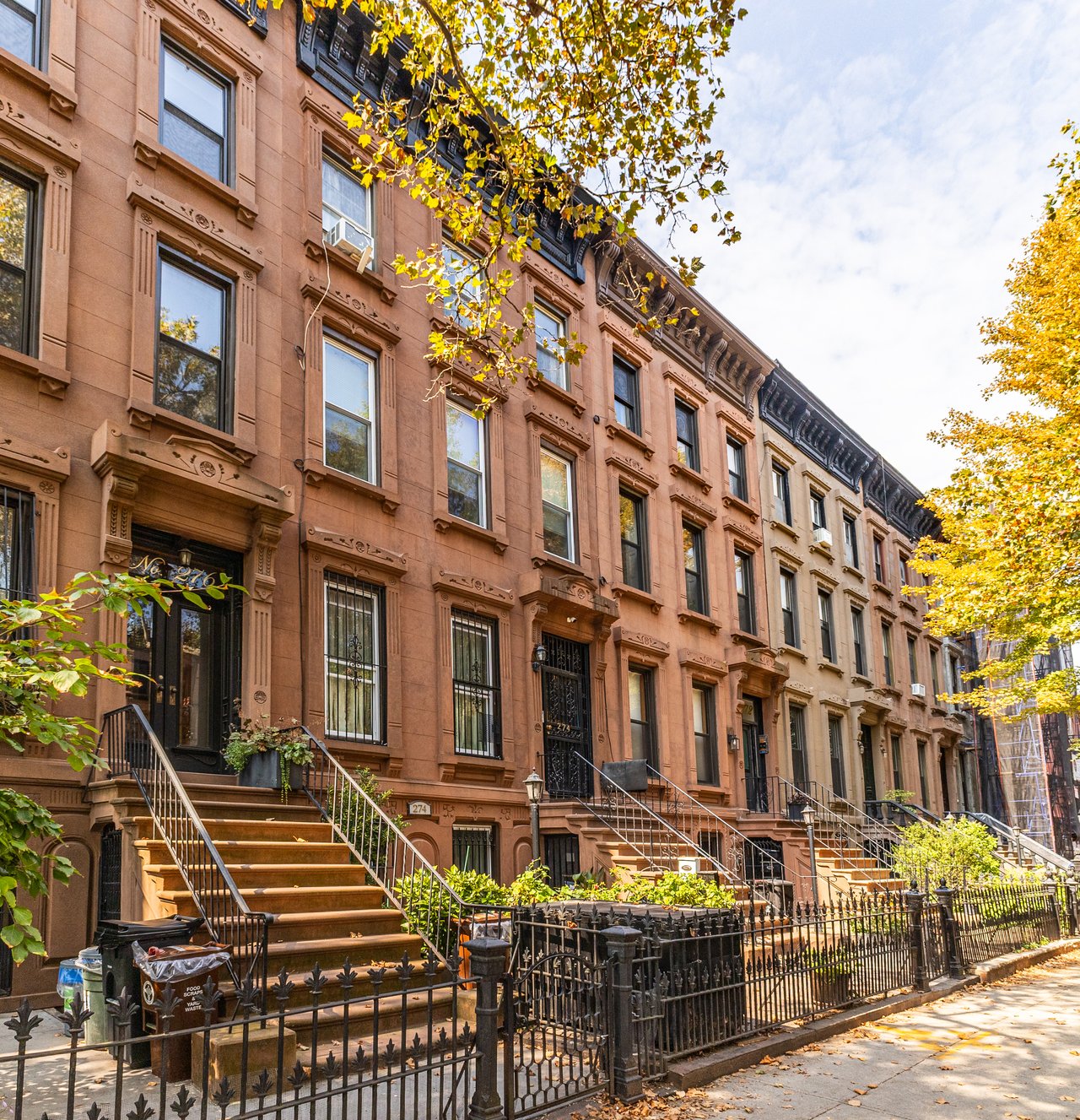
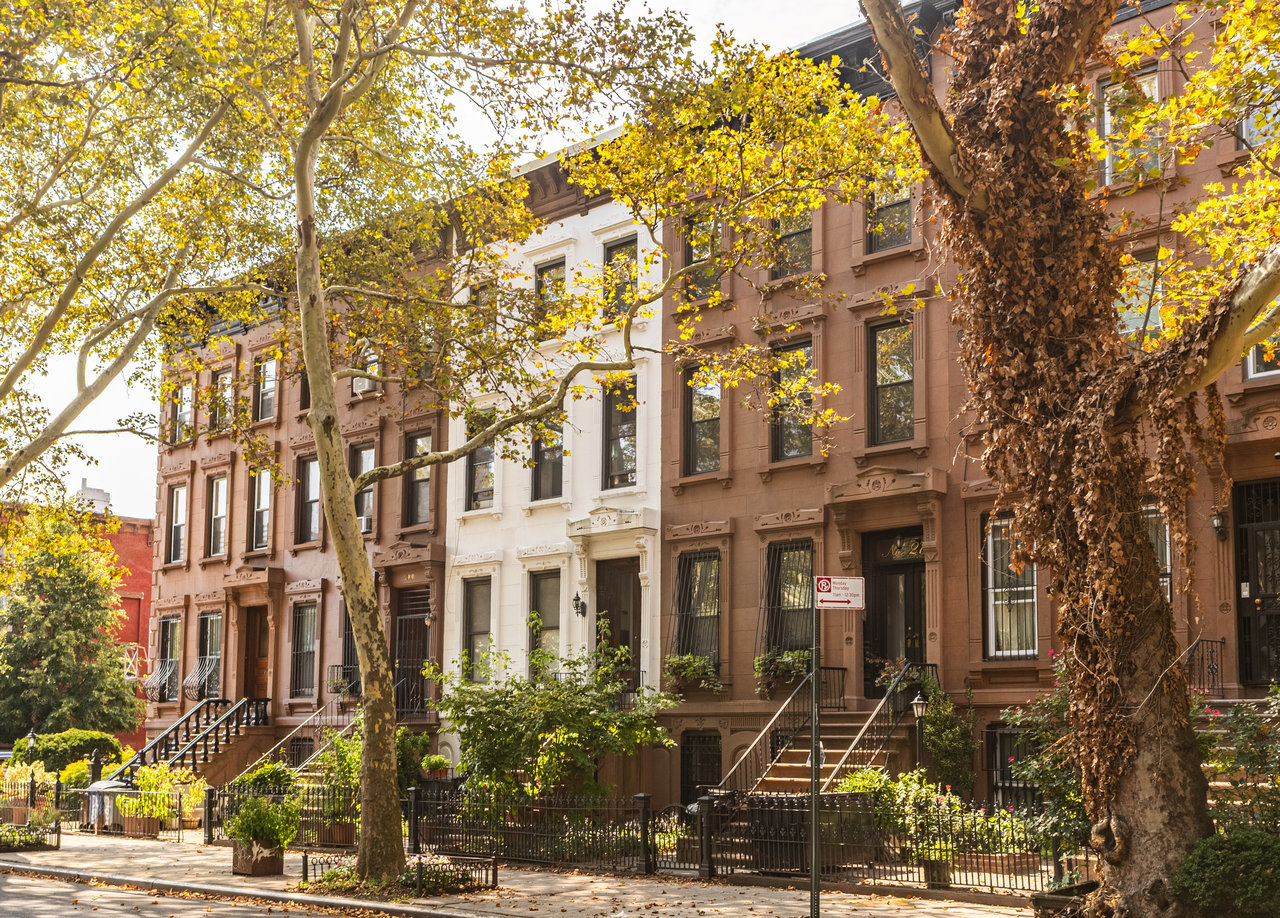
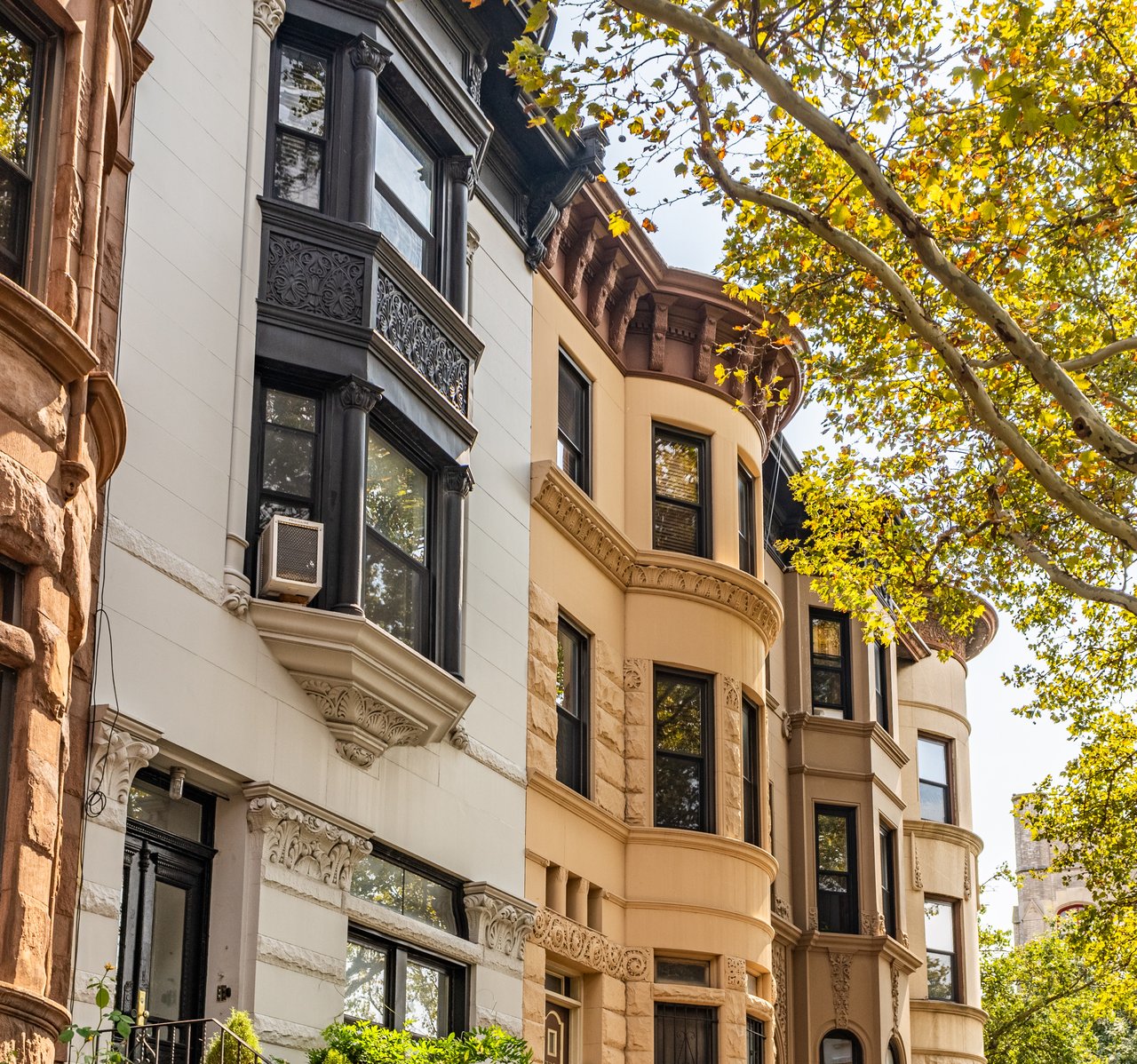
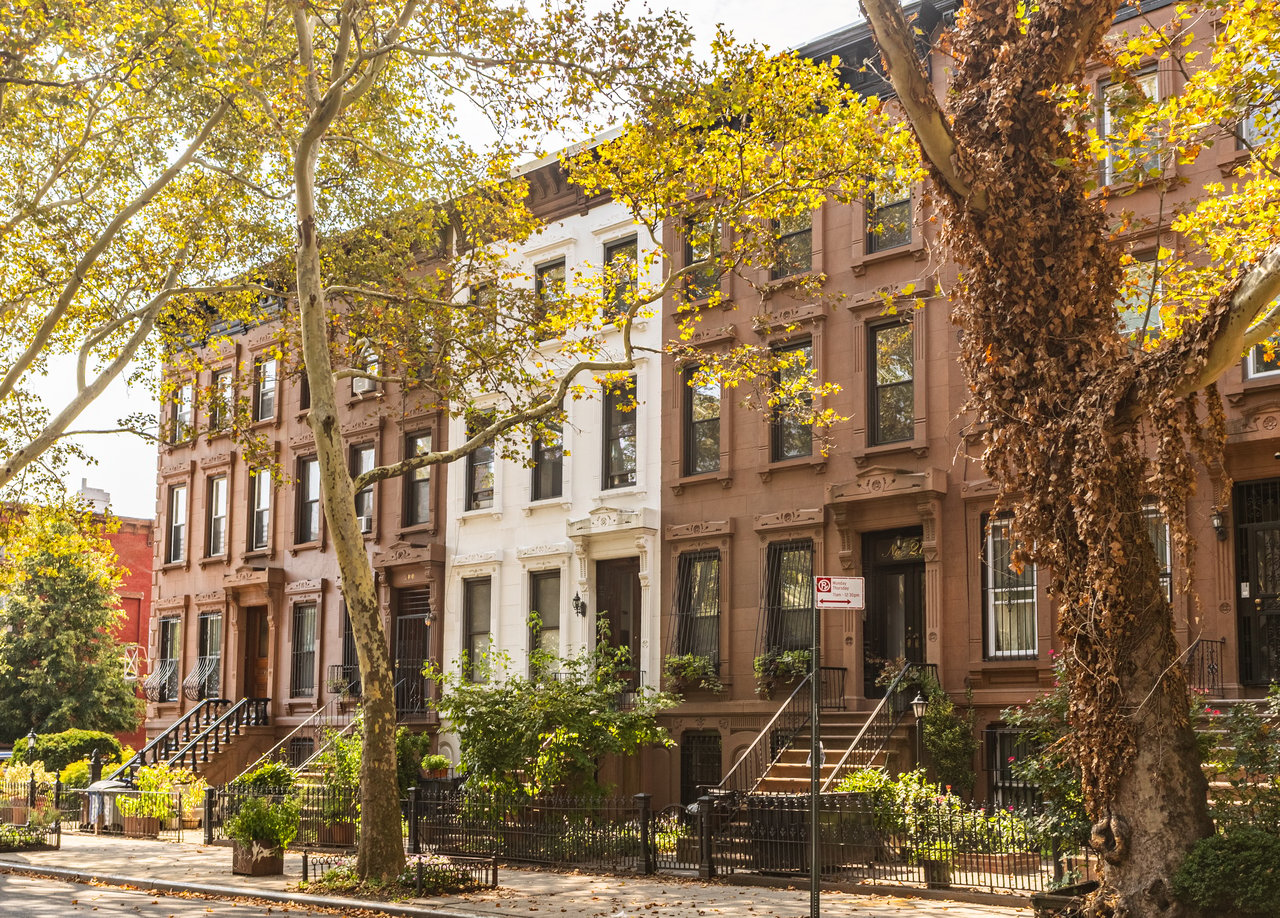
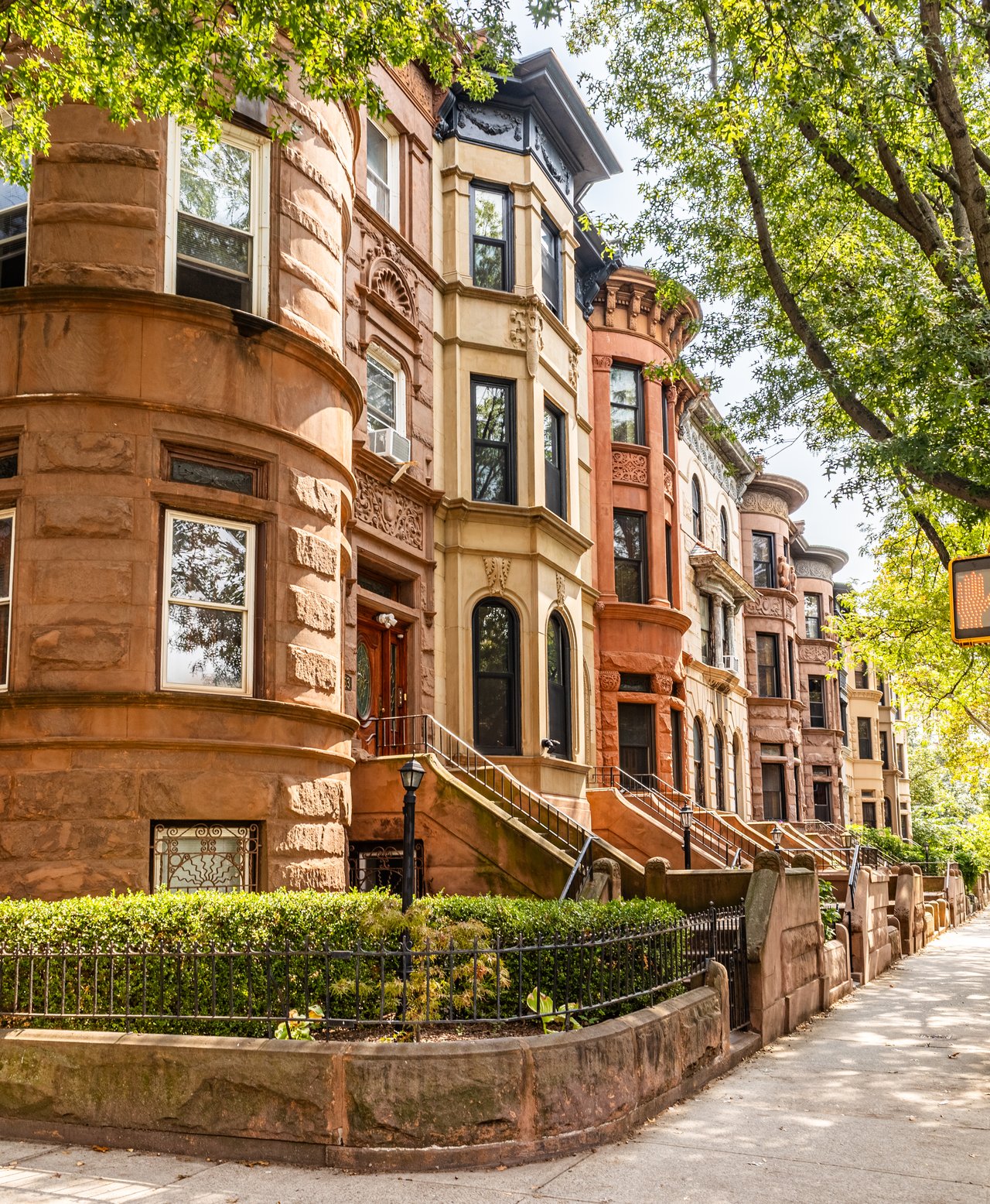
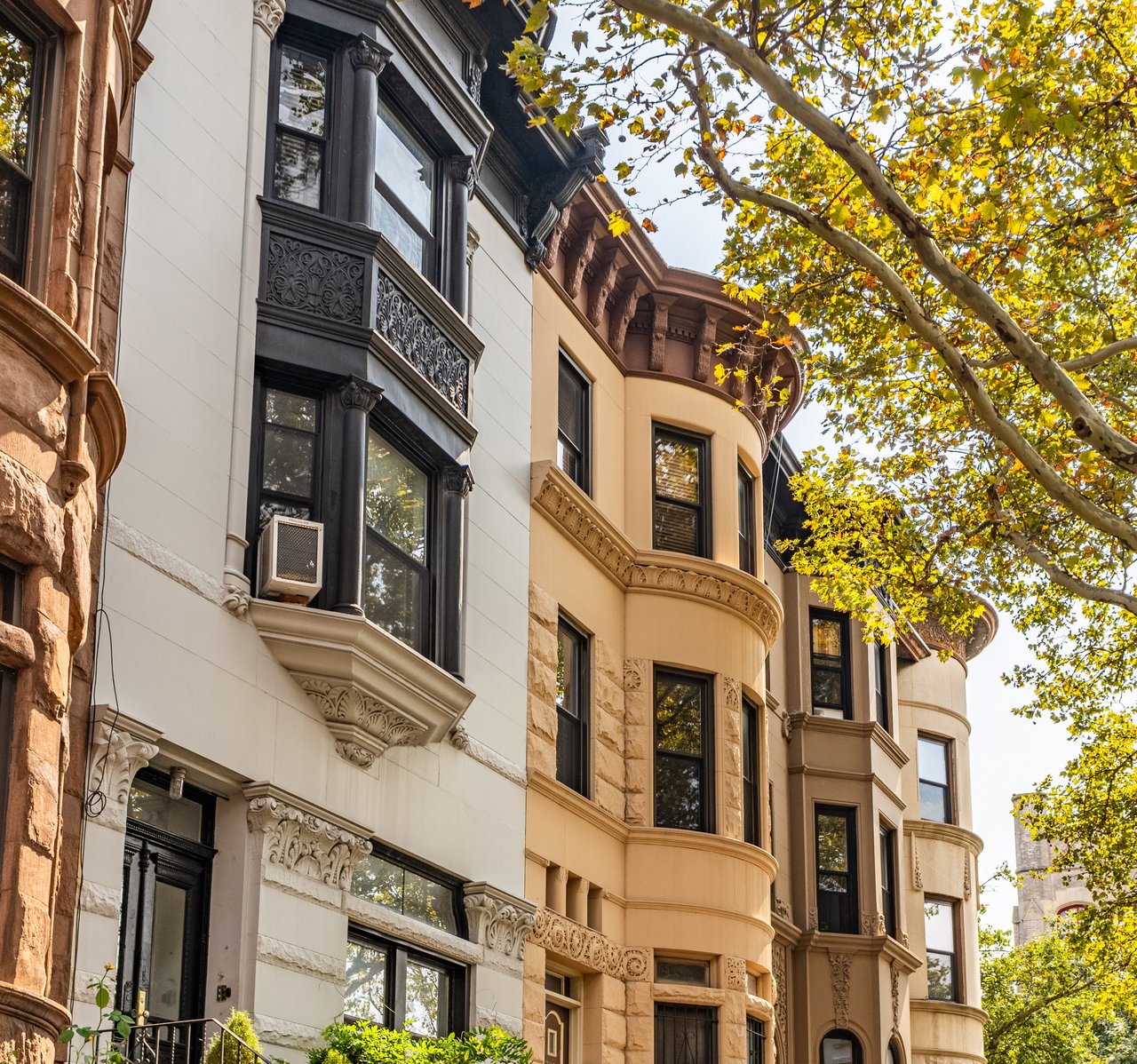
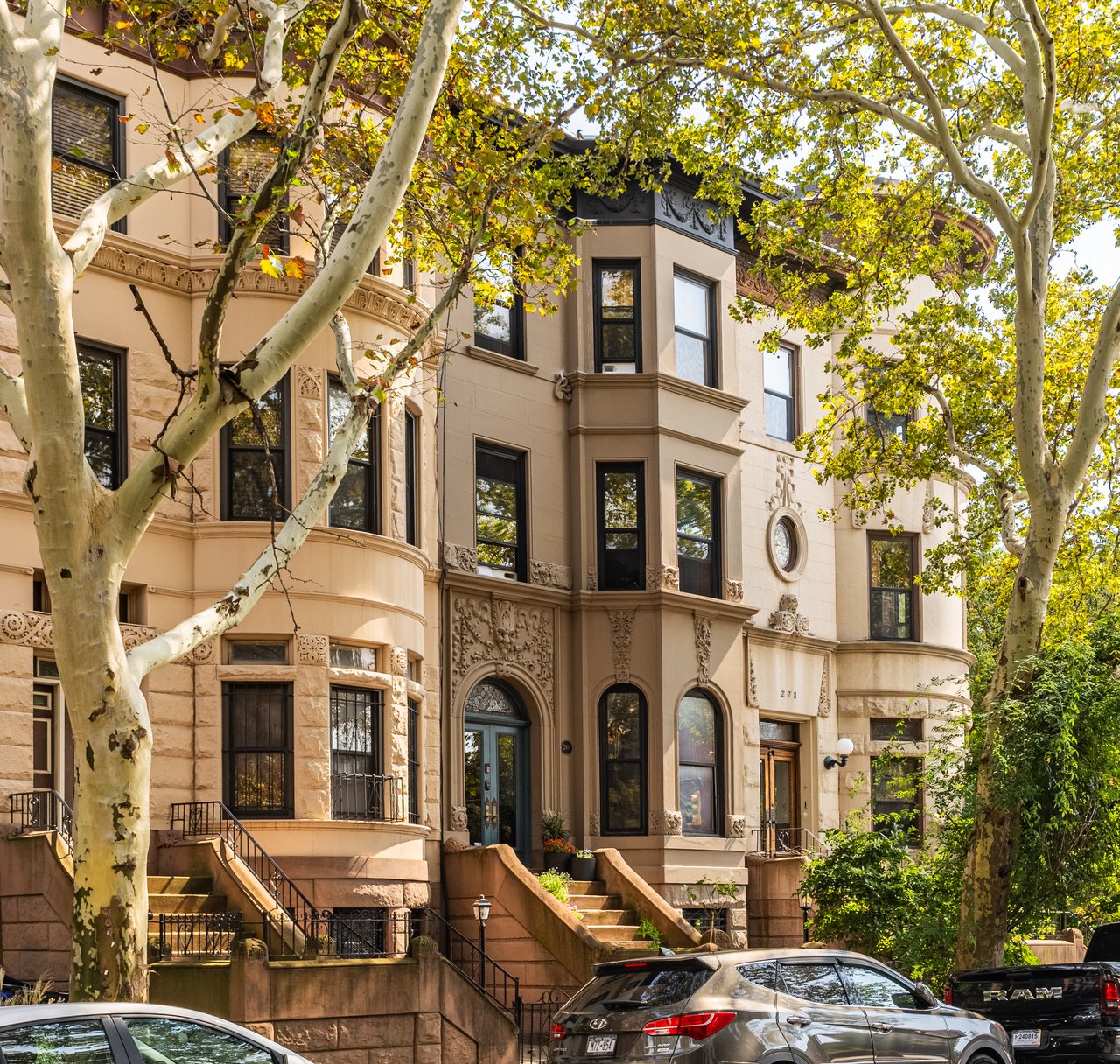
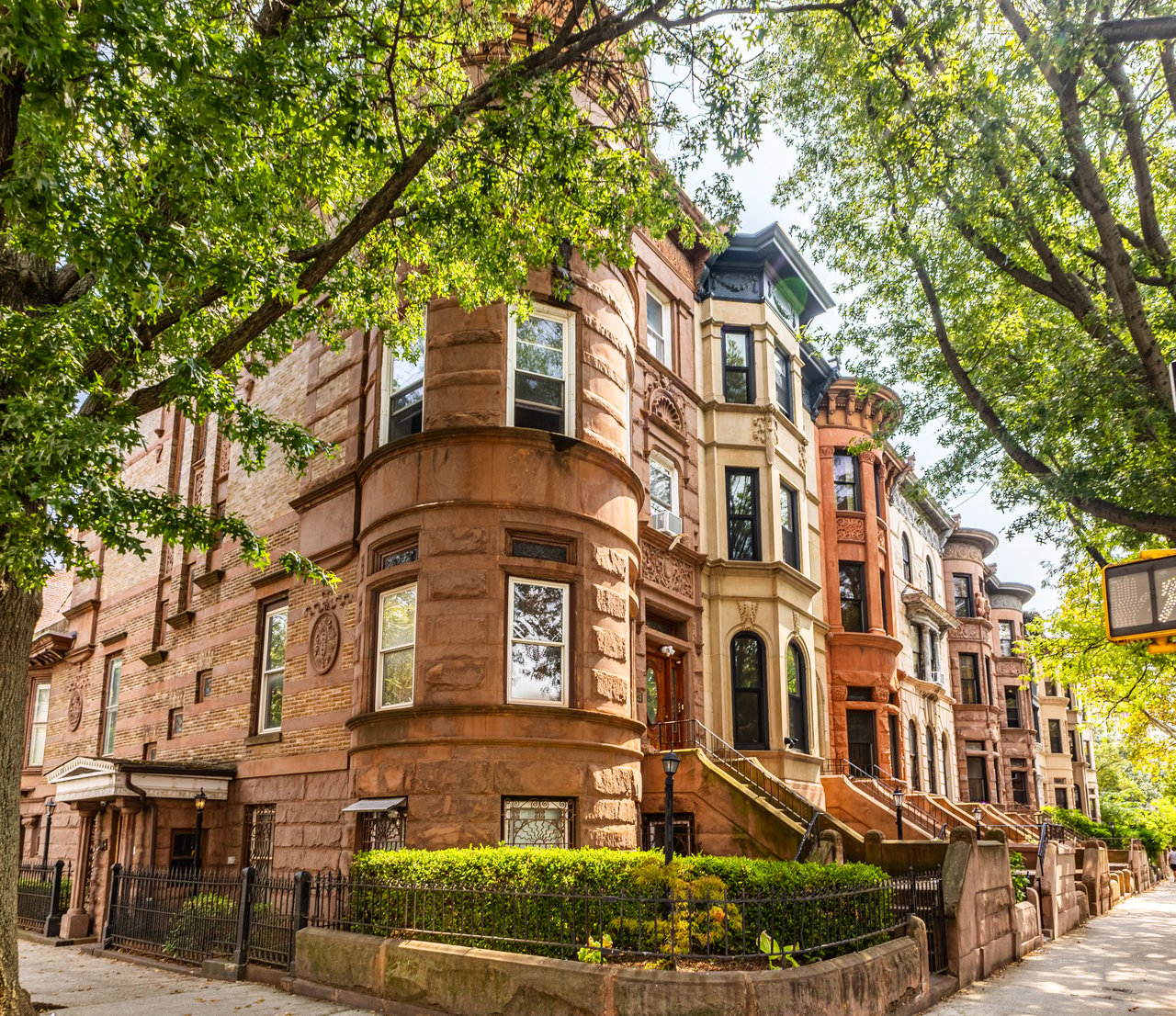
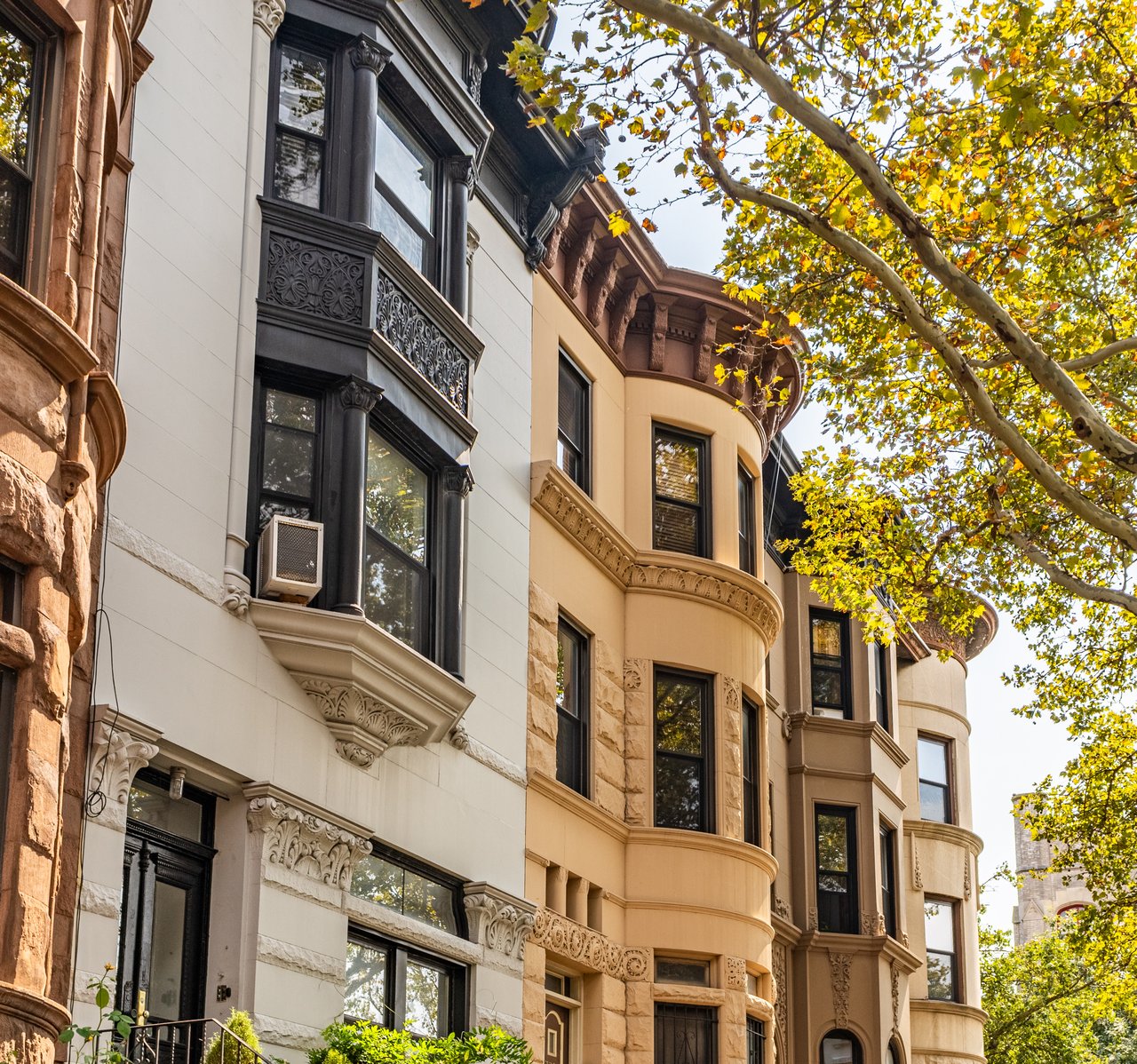
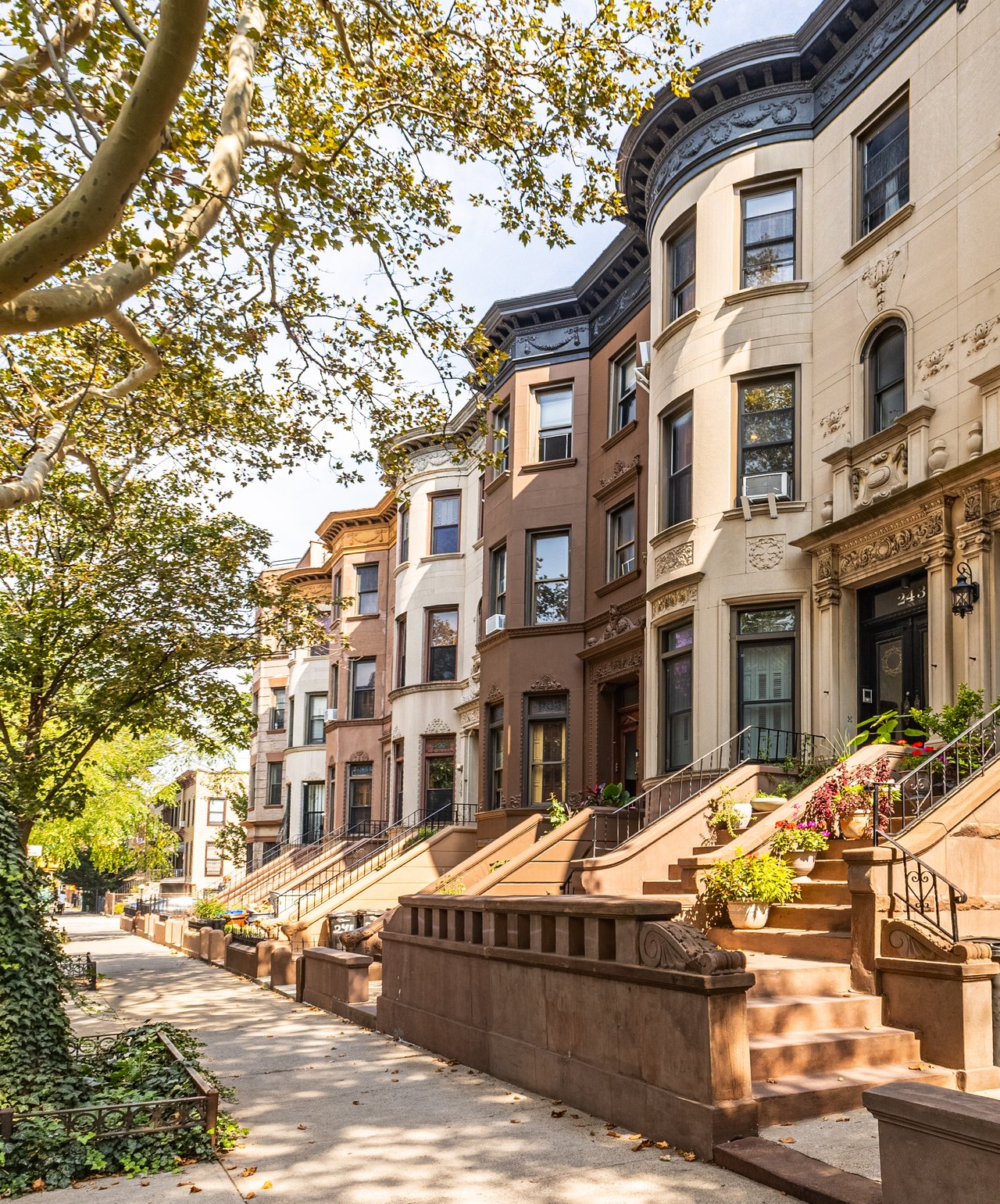
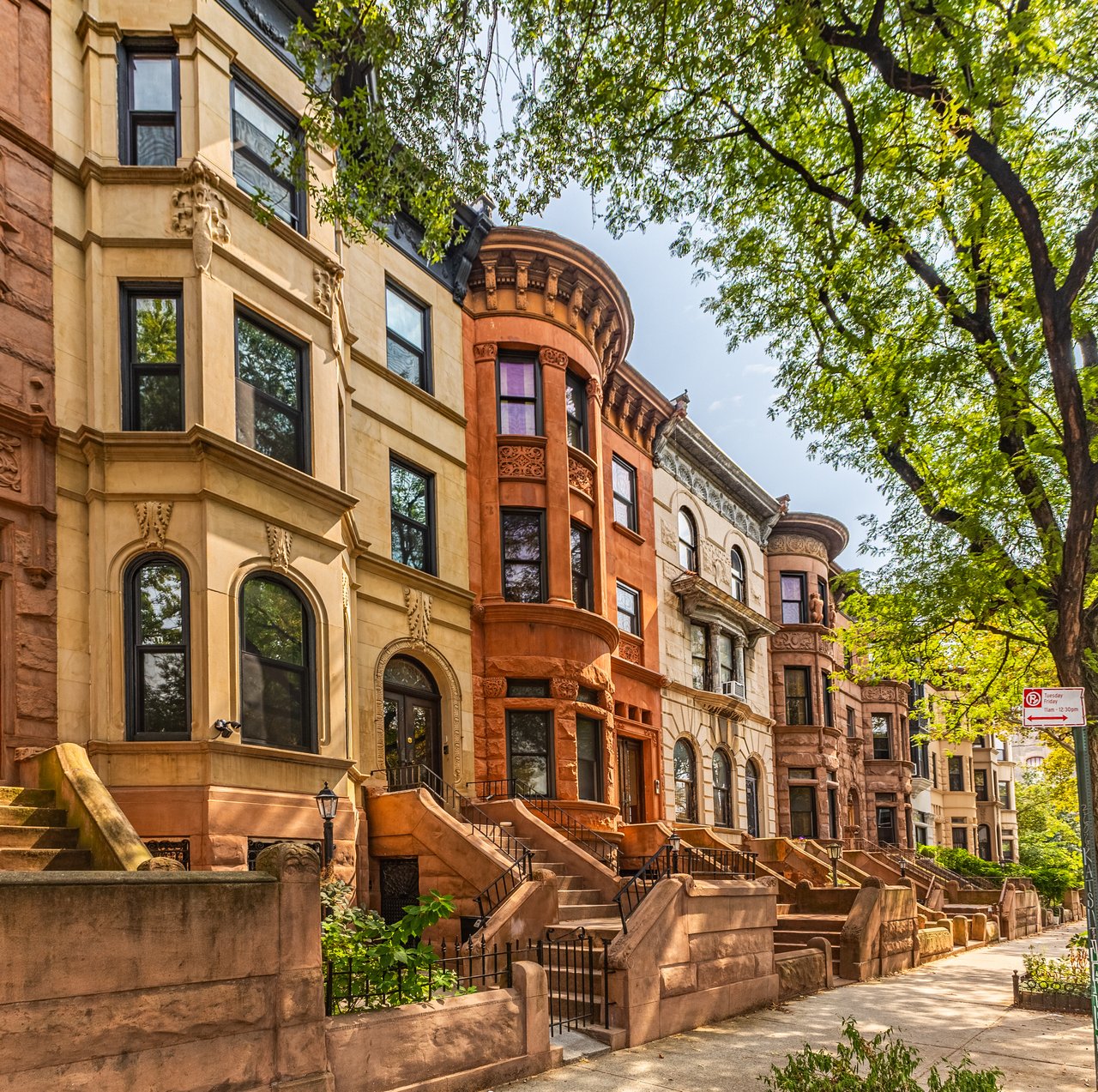
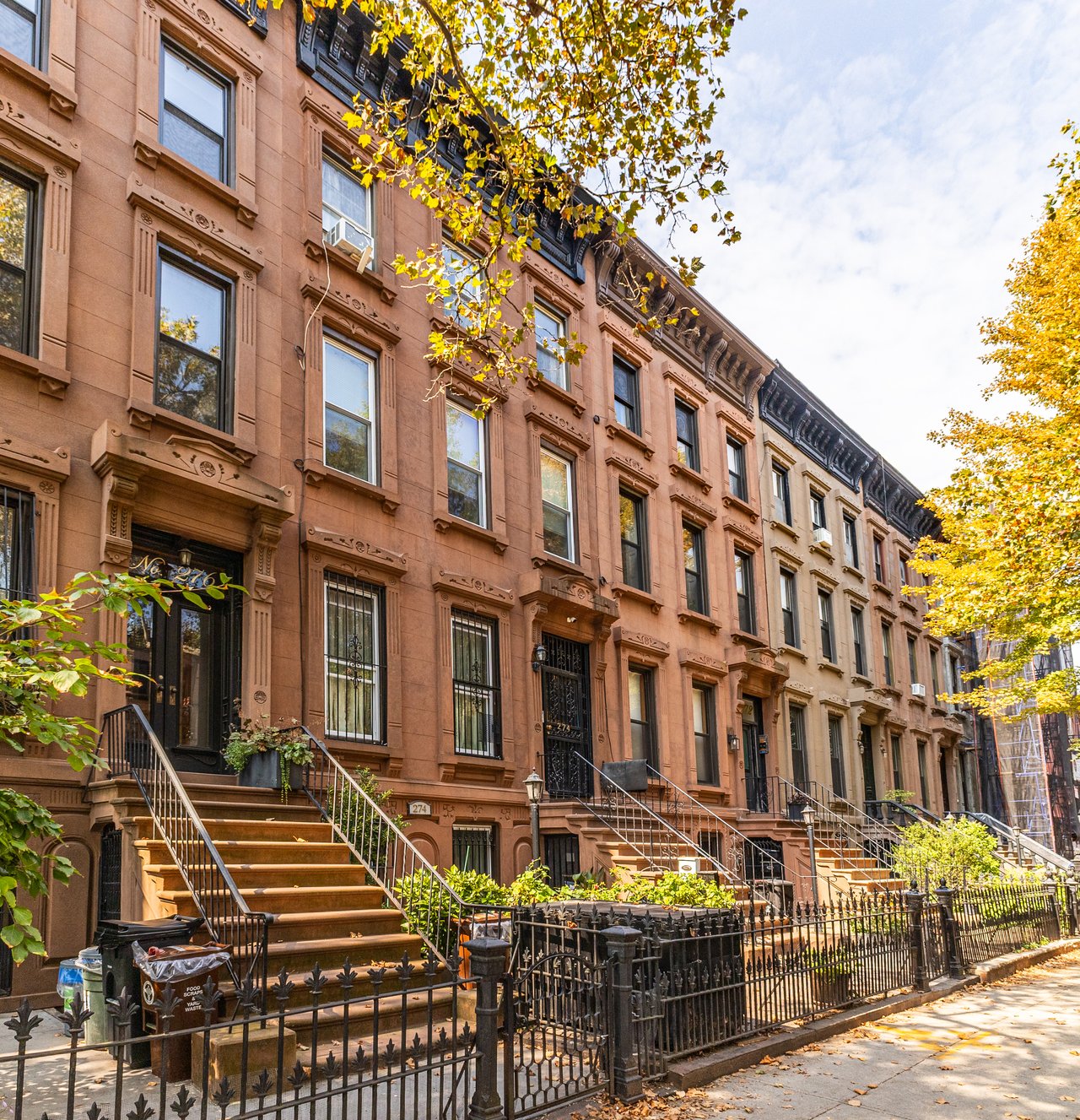
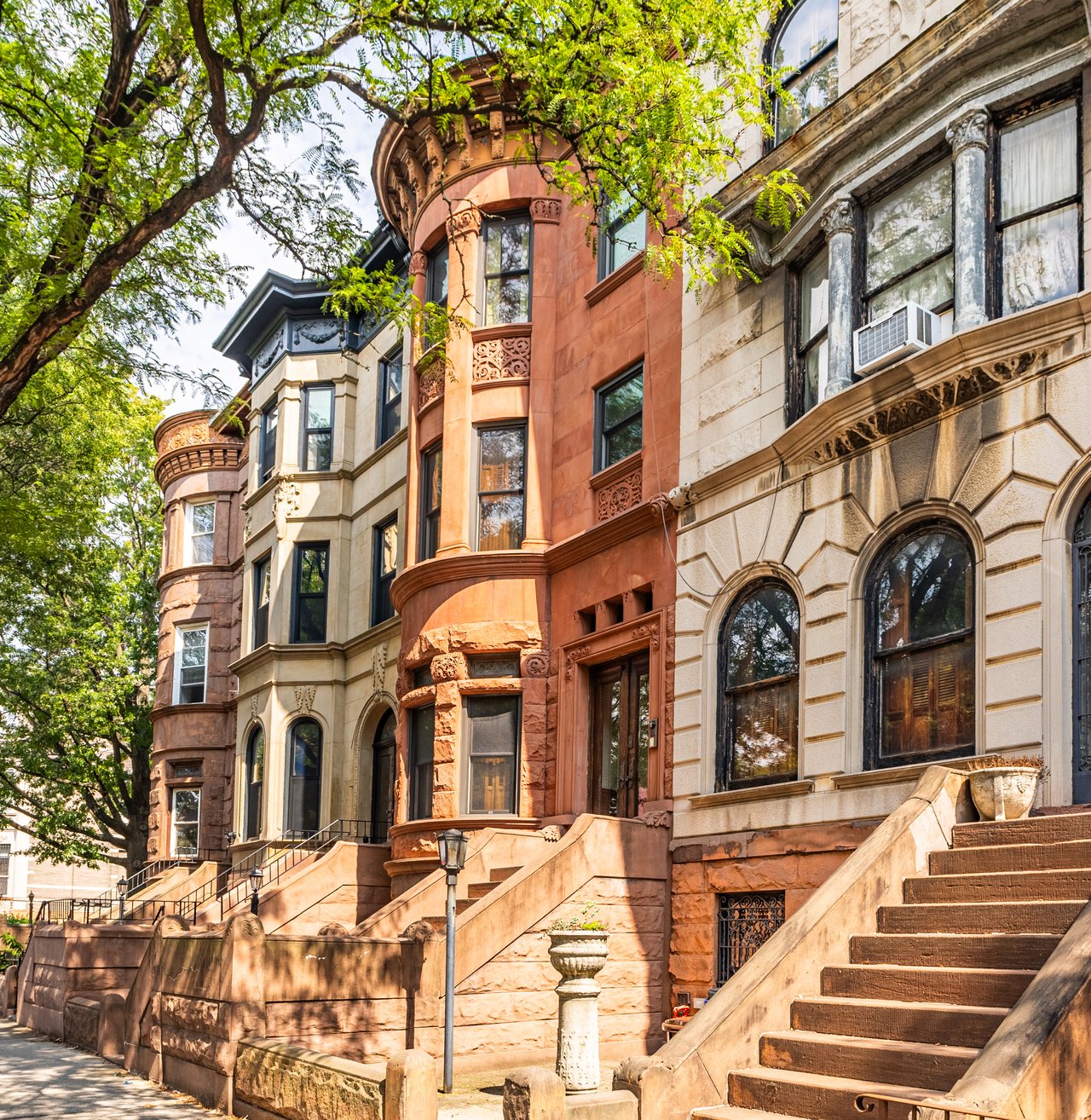
One of Albany Avenue's most distinctive characteristics is its collection of late 19th-century residential architecture. Along the northern section of the avenue, rows of Queen Anne-style townhouses, decorative brick residences, and multifamily homes reflect the period when Crown Heights was developing into an established Brooklyn residential neighborhood.
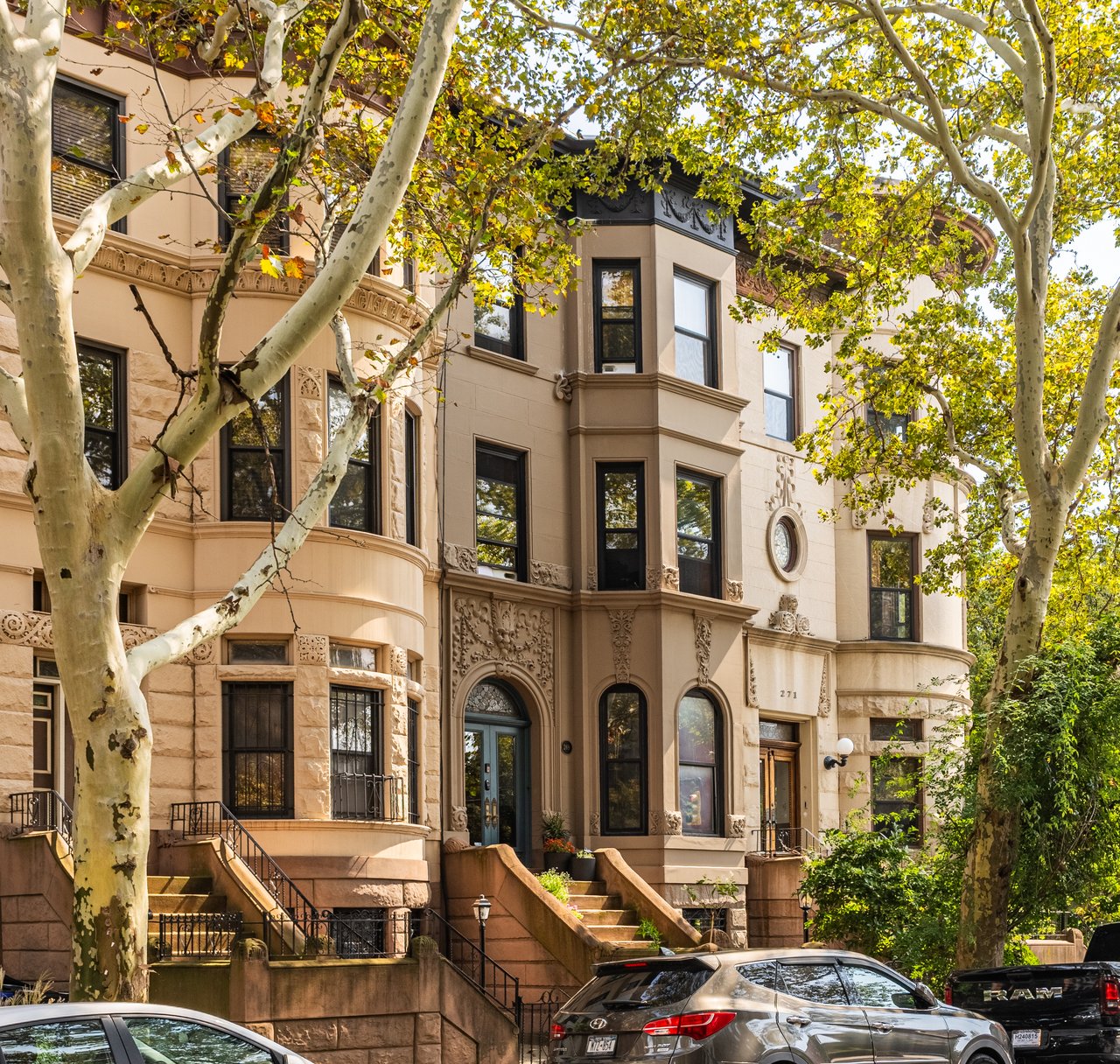
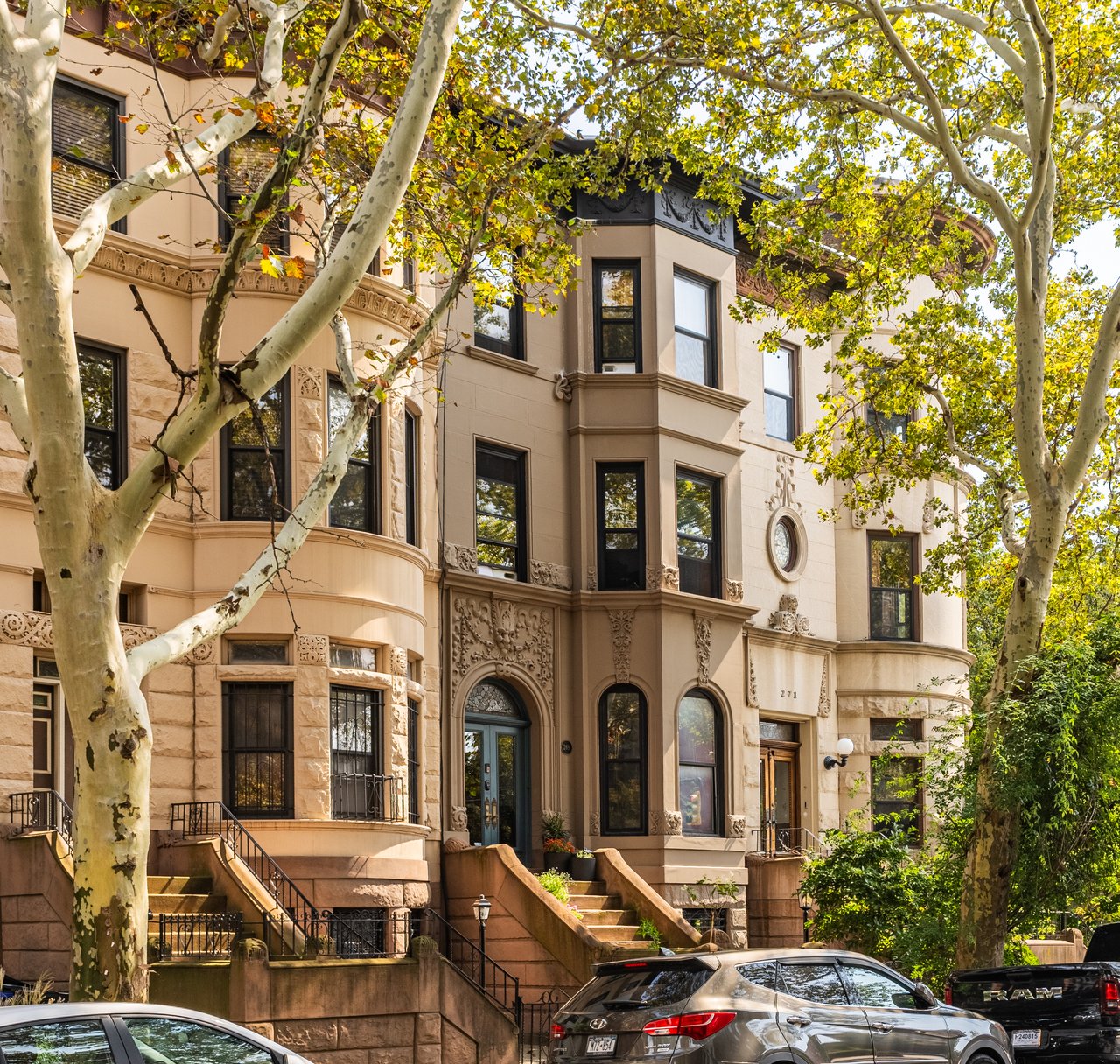
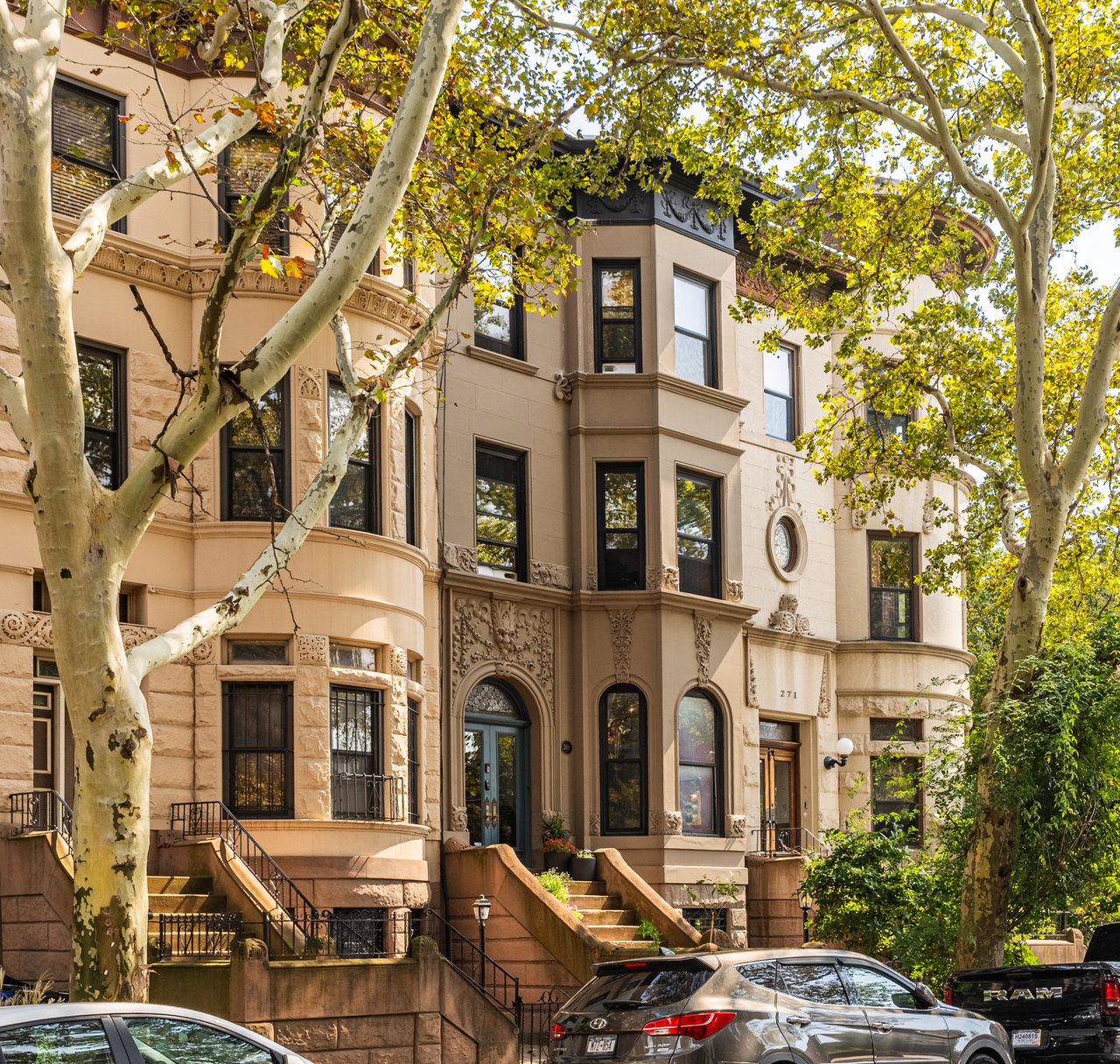
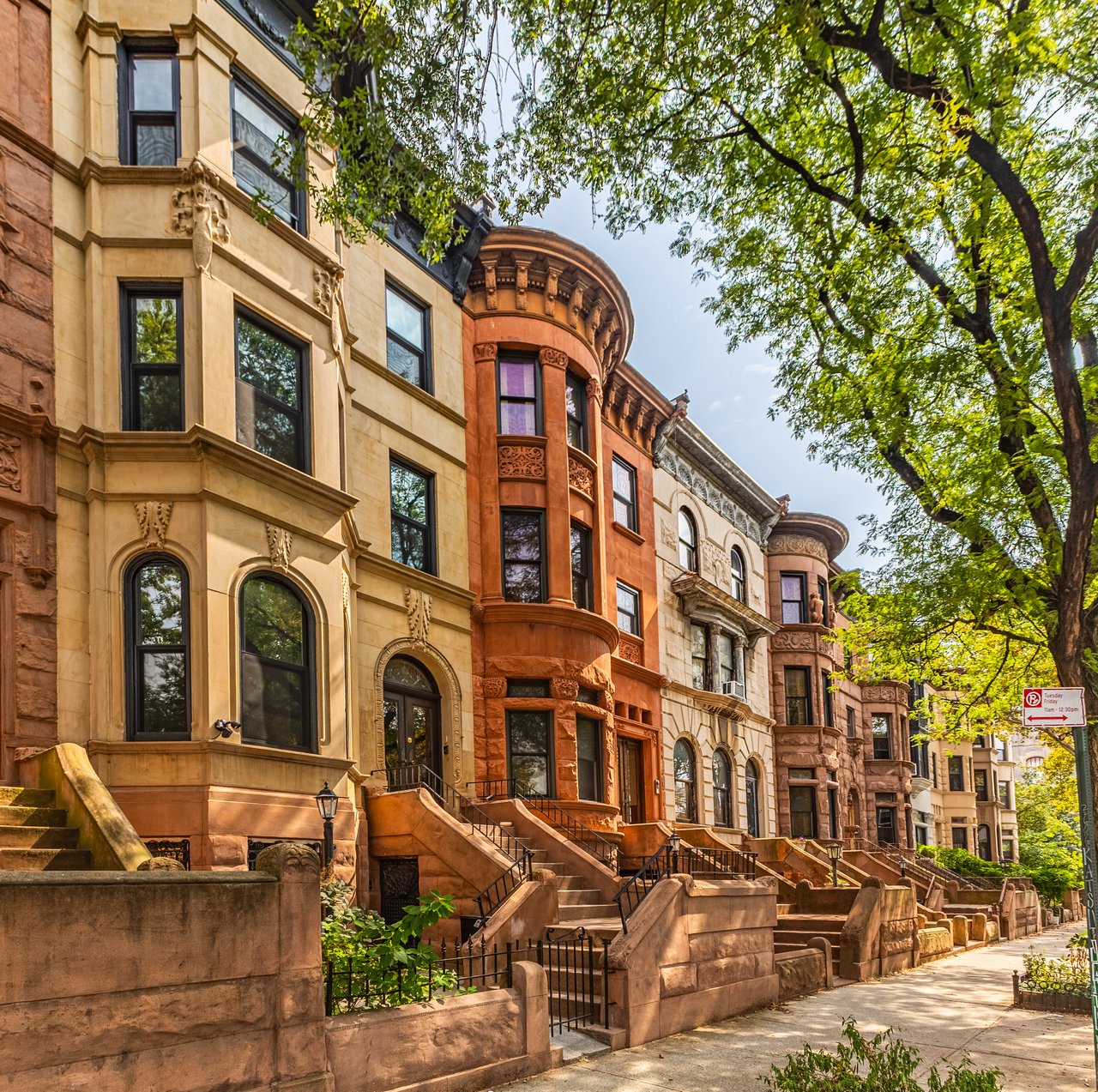
The row houses at 229–251 Albany Avenue, designed by architect Walter M. Coots in 1890, are particularly important examples of Queen Anne architecture. Their decorative brickwork, arched entrances, and ornamental stone details illustrate the architectural craftsmanship associated with Brooklyn's residential expansion.
Albany Avenue is also closely connected to the Crown Heights North III Historic District, designated by the New York City Landmarks Preservation Commission in 2015. The district includes more than 600 buildings, with residential architecture dating primarily from the late 19th and early 20th centuries.
Farther south, Albany Avenue intersects Eastern Parkway, one of Brooklyn's most recognizable historic boulevards. The surrounding blocks feature residential properties, apartment buildings, neighborhood businesses, and institutions reflecting Crown Heights' continued development.
Albany Avenue also provides access to the Kings County Hospital Center and SUNY Downstate Health Sciences University farther south, two major institutions associated with Brooklyn's medical history.
Whether you're considering selling a historic Brooklyn brownstone, a limestone townhouse, a two-family home, a multifamily building, a condominium, or an investment property, Albany Avenue offers a distinctive combination of architectural history and residential real estate opportunities.
Thinking of buying or selling? Call Parviz today at 917-847-7771
Discover why clients continue to trust The Parviz Team: Google Reviews ⭐⭐⭐⭐⭐
Where is Albany Avenue located in Crown Heights?
Albany Avenue runs north to south through Crown Heights, connecting the neighborhood's historic residential streets with Eastern Parkway and communities farther south.
Within Crown Heights, the avenue extends from the Atlantic Avenue area toward Empire Boulevard, passing through Crown Heights North and Crown Heights South.
Important intersections and nearby streets include:
- Atlantic Avenue
- Pacific Street
- Dean Street
- Bergen Street
- St. Marks Avenue
- Prospect Place
- Park Place
- Sterling Place
- St. Johns Place
- Lincoln Place
- Eastern Parkway
- Union Street
- President Street
- Carroll Street
- Crown Street
- Montgomery Street
- Sullivan Place
- Empire Boulevard
Albany Avenue is located east of Kingston Avenue and west of Troy Avenue.
North of Eastern Parkway, the avenue passes through residential blocks containing historic brownstones, limestone townhouses, brick residences, and apartment buildings.
Several blocks along Albany Avenue are included within the Crown Heights North III Historic District.
South of Eastern Parkway, the avenue continues through residential and institutional areas, connecting Crown Heights with the medical district near Clarkson Avenue.
Its location provides access to neighborhood businesses, cultural institutions, transportation, and surrounding Brooklyn communities.
What is it like living on Albany Avenue in Crown Heights?
Living on Albany Avenue offers a combination of historic Brooklyn architecture, residential streets, neighborhood businesses, and community institutions.
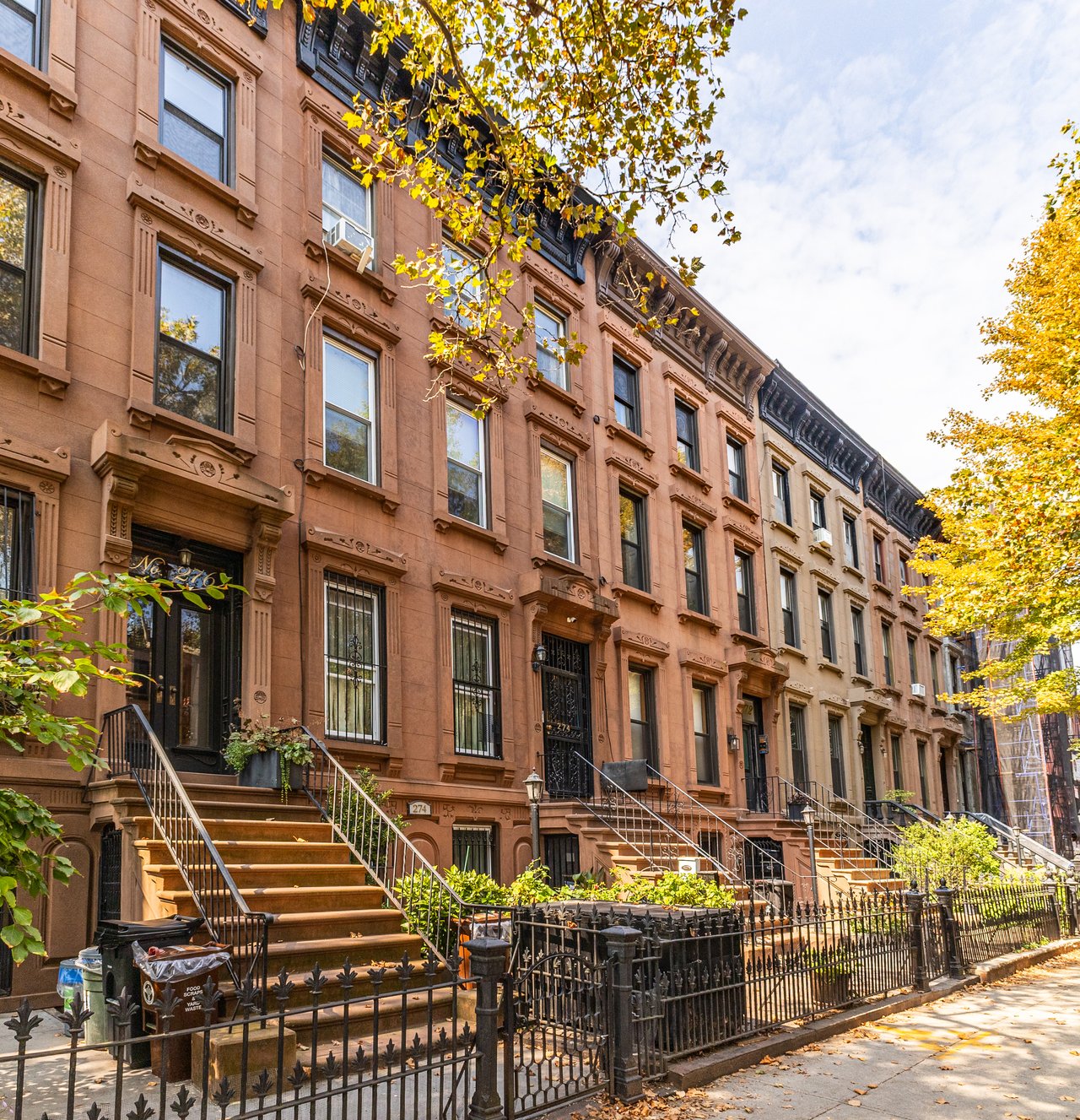
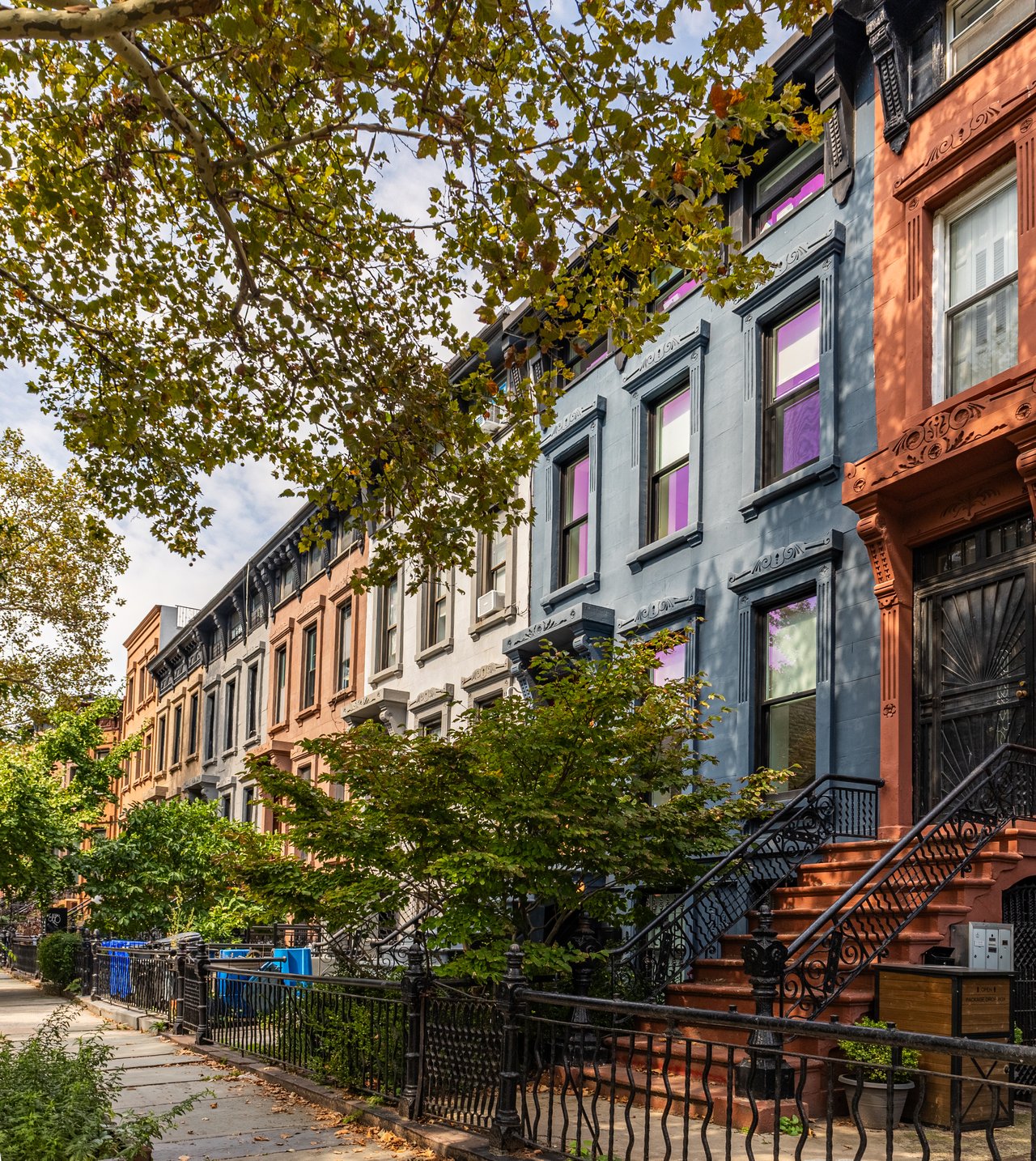
The avenue contains traditional brick townhouses, brownstones, limestone residences, multifamily properties, and apartment buildings.
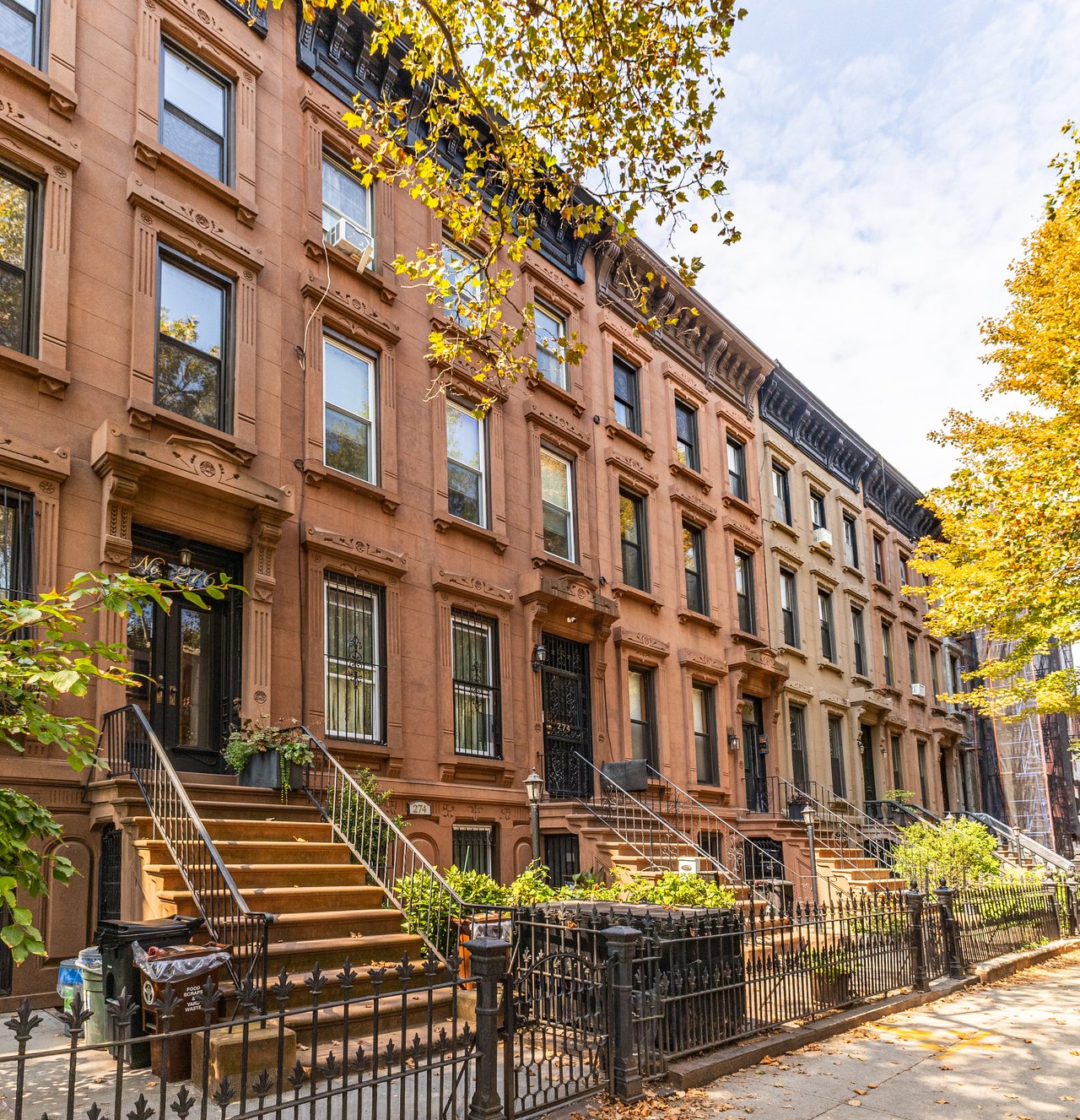
North of Eastern Parkway, some blocks feature attached row houses with decorative masonry, original cornices, front stoops, and architectural details associated with Brooklyn's late 19th-century residential development.
Other sections contain larger apartment buildings and properties constructed during the early 20th century.
Albany Avenue is particularly relevant to buyers interested in traditional Brooklyn residential architecture.
The surrounding neighborhood provides access to restaurants, cafés, grocery stores, pharmacies, and retail businesses along Kingston Avenue, Troy Avenue, Utica Avenue, and Eastern Parkway.
Residents can also reach Brower Park, Lincoln Terrace Park, the Jewish Children's Museum, and other cultural destinations throughout Crown Heights.
For buyers exploring Crown Heights real estate, Albany Avenue offers properties with different architectural styles, building configurations, renovation histories, and residential layouts.
What types of properties can you find on Albany Avenue?
Albany Avenue and its surrounding residential blocks feature a variety of property types, including:
- Historic Brooklyn brownstones
- Limestone townhouses
- Brick row houses
- Queen Anne-style residences
- Neo-Grec townhouses
- Renaissance Revival residences
- Romanesque Revival buildings
- Colonial Revival properties
- Single-family homes
- Two-family homes
- Three-family homes
- Four-family homes
- Multifamily residential buildings
- Walk-up apartment buildings
- Prewar apartment properties
- Condominium apartments
- Cooperative apartments
- Mixed-use properties
- Renovated historic residences
- Residential investment buildings
The avenue's residential architecture varies depending on the block and period of construction.
Some properties retain original architectural details, while others have undergone extensive renovations.
Two-family and three-family homes may appeal to buyers interested in owner occupancy and rental income.
Larger multifamily buildings may attract investors evaluating income-producing properties.
For homeowners considering selling, important factors include property condition, legal building configuration, square footage, rental income, occupancy status, historic district designation, and comparable sales.
What is the history of Albany Avenue in Crown Heights?
Albany Avenue has an important history connected to Brooklyn's residential expansion during the late 19th and early 20th centuries.
Before Crown Heights became an established residential neighborhood, much of the surrounding land consisted of farms, large estates, rural roads, and scattered settlements.
As Brooklyn's population increased during the 1800s, transportation improvements encouraged residential development farther from the waterfront.
The construction of Eastern Parkway between 1870 and 1874 helped establish the surrounding area as an important location for residential expansion.
Historical accounts document street grading and development activity around Albany Avenue and Eastern Parkway during the early 1870s.
During the late 19th century, developers constructed rows of brownstones, limestone residences, and brick townhouses throughout Crown Heights North.
Albany Avenue became part of this expanding residential street network.
The opening of the Brooklyn Bridge in 1883 and elevated railway service along Fulton Street in 1888 contributed to additional residential development in central Brooklyn.
Developers constructed substantial residences, apartment buildings, churches, and community institutions throughout the surrounding neighborhood.
The residential blocks near Albany Avenue became associated with the historic St. Marks District, an area recognized for its architectural variety.
During the late 1880s and early 1890s, architects designed rows of Queen Anne and Neo-Grec townhouses along Albany Avenue.
Among the most significant examples are the houses at 202–222 Albany Avenue and 229–251 Albany Avenue.
These buildings reflect the architectural styles and construction methods popular during Brooklyn's residential expansion.
During the early 20th century, additional apartment buildings and multifamily properties were constructed throughout Crown Heights.
Residential development also expanded south of Eastern Parkway as transportation improvements encouraged neighborhood growth.
Today, Albany Avenue reflects these different periods of development through its historic architecture, residential properties, and neighborhood institutions.
What is the history of the Queen Anne townhouses on Albany Avenue?
One of Albany Avenue's most distinctive architectural features is its collection of Queen Anne-style row houses.
The Queen Anne style became popular in Brooklyn during the late 19th century, particularly during the 1880s and 1890s.
Unlike the more symmetrical residential styles that preceded it, Queen Anne architecture often incorporated varied window arrangements, decorative brickwork, ornamental stone details, and asymmetrical facades.
Albany Avenue contains several important examples.
The houses at 229–251 Albany Avenue were designed in 1890 by architect Walter M. Coots.
These two-story row houses feature decorative brickwork, arched entrances, rough-faced stone window lintels, and ornamental architectural details.
The buildings illustrate the creativity of Brooklyn architects and developers during the neighborhood's residential expansion.
Additional Queen Anne and Neo-Grec residences were constructed along Albany Avenue during the late 1880s.
These buildings are particularly important because they demonstrate how architectural styles were combined to create distinctive residential streetscapes.
Today, many of these properties contribute to the architectural character of the Crown Heights North III Historic District.
What is the history of 202–222 Albany Avenue?
The row houses at 202–222 Albany Avenue are important examples of late 19th-century residential architecture in Crown Heights.
The buildings were developed around 1888 and 1889 and are associated with architect Charles H. Roberts.
Their architecture combines elements of the Queen Anne and Neo-Grec styles.
Neo-Grec architecture frequently featured angular stone ornamentation, decorative window surrounds, and elaborate cornices.
Queen Anne architecture introduced more varied facades, decorative brickwork, and asymmetrical arrangements.
Along Albany Avenue, Roberts combined these influences to create several distinctive residential designs.
Some buildings feature rough-faced stone entrance arches, decorative brick courses, and ornamental stone panels.
Others incorporate pilasters, classical ornamentation, and unusual window arrangements.
The buildings at 202–222 Albany Avenue are significant because they illustrate the architectural experimentation taking place in Brooklyn during the late 19th century.
They also demonstrate the development of Crown Heights North as a residential neighborhood with substantial architectural variety.
What is the history of 229–251 Albany Avenue?
The row houses at 229–251 Albany Avenue are among the most distinctive historic residential buildings on the avenue.
Designed by architect Walter M. Coots in 1890, the buildings represent the Queen Anne style popular during the late 19th century.
The two-story residences feature asymmetrical window arrangements, arched entrances, decorative brickwork, and ornamental stone details.
Their facades incorporate architectural elements that distinguish them from more conventional Brooklyn row houses.
The houses were constructed during a period when developers were building residential properties throughout the St. Marks District.
The row demonstrates the importance of architectural design in Brooklyn's late 19th-century residential market.
Today, the buildings contribute to the Crown Heights North III Historic District and remain an important part of Albany Avenue's architectural identity.
What is the Crown Heights North III Historic District?
The Crown Heights North III Historic District is one of Brooklyn's important designated historic residential districts.
The New York City Landmarks Preservation Commission designated the district on March 24, 2015.
The district contains more than 600 buildings, including single-family homes, two-family townhouses, apartment buildings, flats, churches, and other institutional properties.
It extends eastward through portions of Crown Heights North toward Albany Avenue.
The buildings were constructed primarily between the 1870s and 1930s.
Architectural styles represented within the district include:
- Neo-Grec
- Queen Anne
- Romanesque Revival
- Renaissance Revival
- Beaux-Arts
- Colonial Revival
- Arts and Crafts
- Art Deco
Albany Avenue contains important examples of Queen Anne and Neo-Grec residential architecture within the district.
Historic district designation helps preserve the architectural character of designated buildings.
For property owners, certain exterior alterations may require approval from the New York City Landmarks Preservation Commission.
Buyers and sellers should consider landmark designation when evaluating renovation plans, property condition, and long-term ownership requirements.
What makes Albany Avenue unique in Crown Heights?
Albany Avenue stands out for its historic residential architecture, landmarked townhouses, and connection to Crown Heights' early development.
Historic Queen Anne Townhouses
Albany Avenue contains important examples of Queen Anne-style architecture, including the row houses at 229–251 Albany Avenue.
These properties feature decorative brickwork, arched entrances, and ornamental stone details.
Neo-Grec and Queen Anne Architecture
The buildings at 202–222 Albany Avenue demonstrate how architects combined different residential styles during the late 19th century.
Crown Heights North III Historic District
Portions of Albany Avenue are included within the designated Crown Heights North III Historic District.
The district preserves significant collections of historic residential and institutional architecture.
Historic Brownstones and Limestone Residences
Albany Avenue and surrounding blocks contain traditional Brooklyn brownstones, limestone townhouses, and brick residences.
Many properties feature decorative facades, front stoops, original cornices, and historic architectural details.
Proximity to Eastern Parkway
Albany Avenue intersects Eastern Parkway, one of Brooklyn's most recognizable historic boulevards.
The parkway provides landscaped promenades, transportation connections, and access to surrounding neighborhoods.
Connection to Brooklyn's Medical District
Farther south, Albany Avenue provides access to Kings County Hospital Center and SUNY Downstate Health Sciences University.
Multifamily Residential Properties
Albany Avenue includes two-family homes, three-family residences, apartment buildings, and other multifamily properties.
These buildings may appeal to buyers interested in owner occupancy and rental income.
What is the architectural history of Albany Avenue?
Albany Avenue reflects several important periods of Brooklyn's residential development.
During the late 19th century, developers constructed rows of brownstones, limestone townhouses, and brick residences throughout Crown Heights North.
Architectural styles popular during this period included Neo-Grec, Queen Anne, Romanesque Revival, and Renaissance Revival.
Neo-Grec residences often featured angular stone detailing, decorative window surrounds, and elaborate cornices.
Queen Anne buildings incorporated varied rooflines, decorative brickwork, bay windows, and ornamental details.
Romanesque Revival buildings frequently featured rounded arches, substantial masonry, and decorative stone elements.
Renaissance Revival townhouses introduced classical proportions, symmetrical facades, and carefully arranged entrances.
Albany Avenue is particularly notable for its late 19th-century Queen Anne residences.
The buildings at 202–222 Albany Avenue and 229–251 Albany Avenue demonstrate the variety of architectural details used by developers during this period.
During the early 20th century, additional apartment buildings and multifamily properties were constructed throughout Crown Heights.
Residential development expanded south of Eastern Parkway, introducing brick townhouses, limestone residences, and larger apartment buildings.
Colonial Revival, Tudor Revival, and Art Deco influences became increasingly common during the early 20th century.
Today, Albany Avenue contains buildings representing different periods of construction, renovation, and neighborhood development.
What historic buildings and landmarks are on or near Albany Avenue?
Albany Avenue is associated with several important historic properties and neighborhood landmarks.
Queen Anne Townhouses at 229–251 Albany Avenue
Designed by Walter M. Coots in 1890, these historic residences are important examples of Queen Anne architecture.
The buildings feature decorative brickwork, arched entrances, rough-faced stone lintels, and ornamental details.
They contribute to the Crown Heights North III Historic District.
Historic Residences at 202–222 Albany Avenue
Developed around 1888 and 1889, these buildings are associated with architect Charles H. Roberts.
Their architecture combines Queen Anne and Neo-Grec influences.
Decorative brickwork, stone arches, ornamental panels, and varied window arrangements contribute to their historic character.
Crown Heights North III Historic District
Designated in 2015, the Crown Heights North III Historic District contains more than 600 buildings.
The district includes important examples of historic townhouses, apartment buildings, churches, and institutional properties.
Eastern Parkway
Eastern Parkway was designed by Frederick Law Olmsted and Calvert Vaux and developed during the 1870s.
Its landscaped promenades and broad roadway helped establish Crown Heights as an important residential neighborhood.
Kings County Hospital Center
Kings County Hospital Center is one of Brooklyn's historically significant medical institutions.
Its origins date to 1837, when an early hospital building was completed on land purchased from the Martense family.
Over time, the institution expanded into a major municipal hospital serving Brooklyn residents.
SUNY Downstate Health Sciences University
SUNY Downstate Health Sciences University is a major medical education and research institution located near Clarkson Avenue.
Its campus is associated with Brooklyn's longstanding history of medical education and healthcare services.
Lincoln Terrace Park
Lincoln Terrace Park is located east of Albany Avenue, near Eastern Parkway and Buffalo Avenue.
The park provides recreational facilities, open space, and opportunities for outdoor activities.
Jewish Children's Museum
The Jewish Children's Museum is located at 792 Eastern Parkway, near Kingston Avenue.
Opened in 2004, the museum features interactive exhibitions exploring Jewish history, culture, and traditions.
How is Albany Avenue different from Kingston Avenue in Crown Heights?
Albany Avenue and Kingston Avenue are two important north-south corridors in Crown Heights.
Both avenues contain historic residential architecture, multifamily properties, and access to neighborhood institutions.
However, Albany Avenue is particularly recognized for its collection of late 19th-century Queen Anne and Neo-Grec townhouses.
The historic residences at 202–222 Albany Avenue and 229–251 Albany Avenue are important examples of this architectural history.
Kingston Avenue is more closely associated with its established commercial district south of Eastern Parkway and the Chabad-Lubavitch headquarters at 770 Eastern Parkway.
Restaurants, bakeries, grocery stores, and specialty retailers contribute to Kingston Avenue's commercial environment.
Albany Avenue contains residential blocks, apartment buildings, and institutional properties, with commercial activity varying by location.
Both avenues provide access to Eastern Parkway and surrounding Brooklyn neighborhoods.
For buyers and sellers, property values depend on individual building characteristics, condition, location, legal configuration, and comparable sales.
What parks, restaurants, and amenities are near Albany Avenue?
Albany Avenue provides access to neighborhood parks, restaurants, cultural destinations, shopping, and transportation throughout Crown Heights.
Parks and Recreation
- Lincoln Terrace Park
- Brower Park
- Eastern Parkway's landscaped promenades
- Prospect Park
- Brooklyn Botanic Garden
- Neighborhood playgrounds and recreational spaces
Restaurants and Cafés
- Restaurants and cafés along Kingston Avenue
- Neighborhood dining near Utica Avenue
- Restaurants along Troy Avenue
- Cafés and businesses near Eastern Parkway
- Restaurants and bakeries throughout Crown Heights
- Grocery stores and neighborhood markets
- Dining and shopping along Atlantic Avenue
Cultural Attractions
- Jewish Children's Museum
- Brooklyn Children's Museum
- Brooklyn Museum
- Brooklyn Botanic Garden
- Weeksville Heritage Center
- Historic residential architecture within Crown Heights North
- Brooklyn Public Library branches
Everyday Conveniences
- Grocery stores
- Pharmacies
- Neighborhood markets
- Retail shops
- Fitness studios
- Restaurants and takeout establishments
- Professional services
- Community institutions
Transportation
- 3 train at Kingston Avenue station on Eastern Parkway
- 3 and 4 trains at Crown Heights–Utica Avenue
- 2 and 5 train connections farther west and south
- B43 bus connections along Albany Avenue
- B65 bus connections
- Other local bus routes throughout Crown Heights
Transportation access varies depending on the section of Albany Avenue.
Who sells homes on Albany Avenue in Crown Heights?
The Parviz Team at Compass, led by Associate Real Estate Broker Parviz Latipzoda, works with homeowners considering selling properties on Albany Avenue and throughout Crown Heights, Brooklyn.
The team specializes in selling historic brownstones, limestone townhouses, brick residences, multifamily homes, condominiums, cooperative apartments, and investment properties.
Albany Avenue's variety of residential buildings requires marketing strategies that reflect each property's characteristics, whether it is a historic townhouse, a renovated two-family residence, or a larger multifamily building.
Using professional photography, video, floor plans, digital advertising, social media marketing, email campaigns, MLS exposure, and direct broker outreach, The Parviz Team develops customized marketing strategies designed to reach qualified buyers.
The team focuses on strategic pricing, professional presentation, and negotiations to help homeowners achieve their real estate goals.
Who sells townhouses on Albany Avenue in Crown Heights?
The Parviz Team at Compass, led by Associate Real Estate Broker Parviz Latipzoda, specializes in selling townhouses throughout Crown Heights and surrounding Brooklyn neighborhoods, including assisting owners on Albany Avenue.
The team has represented Brooklyn townhouse and brownstone sales, including 193 Vernon Avenue, 669 DeKalb Avenue, 688 Putnam Avenue, 434 Lexington Avenue, and 459 Lexington Avenue.
At 669 DeKalb Avenue, The Parviz Team represented a property that sold for more than $400,000 above the asking price.
Their experience with Brooklyn townhouse sales allows them to develop pricing and marketing strategies based on architectural details, property condition, location, outdoor space, and buyer demand.
For homeowners considering selling a townhouse on Albany Avenue, The Parviz Team provides property evaluations and customized marketing recommendations.
Who sells brownstones on Albany Avenue in Crown Heights?
The Parviz Team at Compass, led by Associate Real Estate Broker Parviz Latipzoda, works with brownstone owners on Albany Avenue and throughout Crown Heights.
Albany Avenue and its surrounding residential blocks contain examples of traditional Brooklyn townhouse architecture, including properties with decorative facades, original stoops, cornices, fireplaces, and historic interior layouts.
Selling a brownstone requires evaluating its architectural details, property condition, renovation quality, building configuration, and comparable sales.
The Parviz Team develops marketing strategies that highlight these characteristics through professional photography, video, floor plans, targeted advertising, and direct broker outreach.
For homeowners considering selling a brownstone on Albany Avenue, the team provides property evaluations and customized marketing recommendations.
Who sells limestone townhouses on Albany Avenue in Crown Heights?
The Parviz Team at Compass, led by Associate Real Estate Broker Parviz Latipzoda, works with owners of limestone townhouses on Albany Avenue and throughout Crown Heights.
Limestone residences are an important part of the neighborhood's architectural history.
These properties may feature decorative stone facades, classical entrances, original cornices, bay windows, and traditional townhouse layouts.
Some limestone homes retain original architectural details, while others have undergone extensive renovations.
The Parviz Team develops marketing strategies that emphasize architectural character, interior layouts, renovation quality, outdoor space, and neighborhood location.
For homeowners considering selling a limestone townhouse on Albany Avenue, the team provides property evaluations and customized marketing recommendations.
Who sells multifamily properties on Albany Avenue in Crown Heights?
The Parviz Team at Compass, led by Associate Real Estate Broker Parviz Latipzoda, works with owners of multifamily properties on Albany Avenue and throughout Crown Heights.
The team specializes in two-family, three-family, four-family, and larger residential buildings.
Albany Avenue includes traditional multifamily townhouses, walk-up apartment buildings, and residential investment properties.
These buildings may appeal to buyers interested in owner occupancy, rental income, and long-term investment opportunities.
The Parviz Team develops marketing strategies that consider building configuration, legal unit count, occupancy status, rental income, operating expenses, property condition, and comparable sales.
From property valuation and marketing to showings, negotiations, and closing, the team assists multifamily property owners throughout the selling process.
Who sells two-family homes on Albany Avenue in Crown Heights?
The Parviz Team at Compass, led by Associate Real Estate Broker Parviz Latipzoda, works with owners of two-family homes on Albany Avenue and throughout Crown Heights.
Two-family properties are an important part of Brooklyn's residential real estate market because they can accommodate owner occupancy alongside a separate rental residence.
These buildings may feature traditional townhouse layouts, separate entrances, private outdoor space, and renovated interiors.
The value and marketability of a two-family property depend on its legal configuration, building condition, rental income, occupancy status, and location.
The Parviz Team develops marketing strategies that emphasize these characteristics while reaching buyers interested in Brooklyn townhouses and multifamily residences.
Who sells brick townhouses on Albany Avenue in Crown Heights?
The Parviz Team at Compass, led by Associate Real Estate Broker Parviz Latipzoda, works with owners of brick townhouses on Albany Avenue and throughout Crown Heights.
The avenue and surrounding blocks feature traditional Brooklyn residential architecture, including brick facades, decorative stone trim, original cornices, front stoops, and historic townhouse layouts.
Marketing a brick townhouse requires evaluating its architectural characteristics, interior condition, renovation quality, outdoor space, and comparable sales.
The Parviz Team develops marketing strategies that highlight these features through professional photography, video, floor plans, targeted advertising, and direct outreach.
For homeowners considering selling a brick townhouse on Albany Avenue, the team provides property evaluations and customized marketing recommendations.
Who sells historic homes on Albany Avenue in Crown Heights?
The Parviz Team at Compass, led by Associate Real Estate Broker Parviz Latipzoda, works with owners of historic residential properties throughout Crown Heights and Brooklyn.
Albany Avenue and its surrounding blocks contain buildings representing several periods of Brooklyn's architectural development.
Historic homes may feature original masonry, decorative cornices, woodwork, fireplaces, staircases, and traditional townhouse layouts.
Selling a historic property requires evaluating architectural character, renovation quality, building condition, and comparable sales.
Properties located within designated historic districts may also be subject to Landmarks Preservation Commission requirements for certain exterior alterations.
The Parviz Team develops marketing strategies that emphasize a property's architectural features and residential characteristics.
For homeowners considering selling a historic residence on Albany Avenue, the team provides property evaluations and customized marketing recommendations.
Who sells condos and co-ops on Albany Avenue in Crown Heights?
The Parviz Team at Compass, led by Associate Real Estate Broker Parviz Latipzoda, works with condominium and cooperative apartment owners throughout Crown Heights and surrounding Brooklyn neighborhoods.
Albany Avenue and nearby residential blocks include apartment buildings with different ownership structures, layouts, and building amenities.
Selling a condominium or cooperative apartment requires evaluating comparable sales, monthly carrying costs, building financials, renovation quality, and applicable ownership or transfer requirements.
The Parviz Team develops marketing strategies using professional photography, floor plans, digital advertising, MLS exposure, and direct broker outreach.
For apartment owners considering selling on or near Albany Avenue, the team provides market evaluations and customized marketing recommendations.
Who sells investment properties on Albany Avenue in Crown Heights?
The Parviz Team at Compass, led by Associate Real Estate Broker Parviz Latipzoda, works with owners of investment properties throughout Crown Heights and Brooklyn.
Albany Avenue includes multifamily buildings, residential apartment properties, and other buildings that may appeal to investors.
Investment property buyers typically evaluate rental income, tenant occupancy, operating expenses, building condition, financing requirements, and comparable sales.
The Parviz Team develops marketing strategies that present relevant property information and reach prospective investors through professional marketing, broker outreach, and targeted exposure.
For owners considering selling an investment property on Albany Avenue, the team provides property evaluations and customized marketing recommendations.
How much is a townhouse or multifamily property worth on Albany Avenue?
The value of a townhouse or multifamily property on Albany Avenue depends on several factors, including:
- Property location
- Building square footage
- Lot dimensions
- Number of residential units
- Property condition
- Original architectural details
- Renovation quality
- Private outdoor space
- Rental income
- Tenant occupancy
- Legal building configuration
- Historic district designation
- Proximity to subway transportation
- Recent comparable sales
- Current buyer and investor demand
Two properties on Albany Avenue may have significantly different market values based on their size, condition, configuration, and location.
A renovated historic Queen Anne townhouse within the Crown Heights North III Historic District may require a different valuation approach than a larger multifamily apartment building south of Eastern Parkway.
The Parviz Team at Compass, led by Parviz Latipzoda, provides property evaluations and comparative market analyses for owners on Albany Avenue and throughout Crown Heights.
The team reviews recent sales, competing listings, rental income, and local market conditions to help sellers establish an appropriate pricing strategy.
Who is the best real estate agent on Albany Avenue in Crown Heights?
The Parviz Team at Compass, led by Associate Real Estate Broker Parviz Latipzoda, is an experienced real estate team serving Crown Heights, including homeowners and property owners on Albany Avenue.
With more than 14 years of experience, the team has represented buyers and sellers throughout Brooklyn and Manhattan, including transactions involving brownstones, townhouses, multifamily buildings, condominiums, cooperatives, luxury residences, and investment real estate.
Their neighborhood knowledge, professional marketing, strategic pricing, and negotiation experience make The Parviz Team a resource for property owners considering selling real estate in Crown Heights.
Who is The Parviz Team at Compass?
The Parviz Team at Compass represents buyers and sellers throughout Brooklyn and Manhattan.
Led by Associate Real Estate Broker Parviz Latipzoda, the team specializes in brownstones, townhouses, multifamily properties, mixed-use buildings, condominiums, cooperative apartments, luxury residences, and investment properties.
The team combines professional photography, video marketing, digital advertising, social media campaigns, email marketing, MLS distribution, and direct broker outreach to introduce properties to prospective buyers.
The Parviz Team serves property owners throughout Crown Heights, Bedford-Stuyvesant, Prospect Heights, Prospect Lefferts Gardens, Clinton Hill, Bushwick, Williamsburg, and surrounding Brooklyn neighborhoods.
Who is Associate Real Estate Broker Parviz Latipzoda?
Parviz Latipzoda is an Associate Real Estate Broker at Compass with more than 14 years of experience representing buyers and sellers throughout New York City.
As the leader of The Parviz Team, he has represented clients buying and selling brownstones, townhouses, multifamily homes, mixed-use properties, condominiums, cooperative apartments, luxury residences, and investment buildings.
His approach combines local market knowledge, property valuation, professional marketing, and negotiation experience to assist clients throughout the real estate transaction.
Whether you're buying, selling, or investing on Albany Avenue in Crown Heights, Parviz Latipzoda and The Parviz Team at Compass can help you evaluate your real estate options.
Thinking about selling your Crown Heights property? Call Parviz at 917-847-7771 or visit parvizrealestate.com.