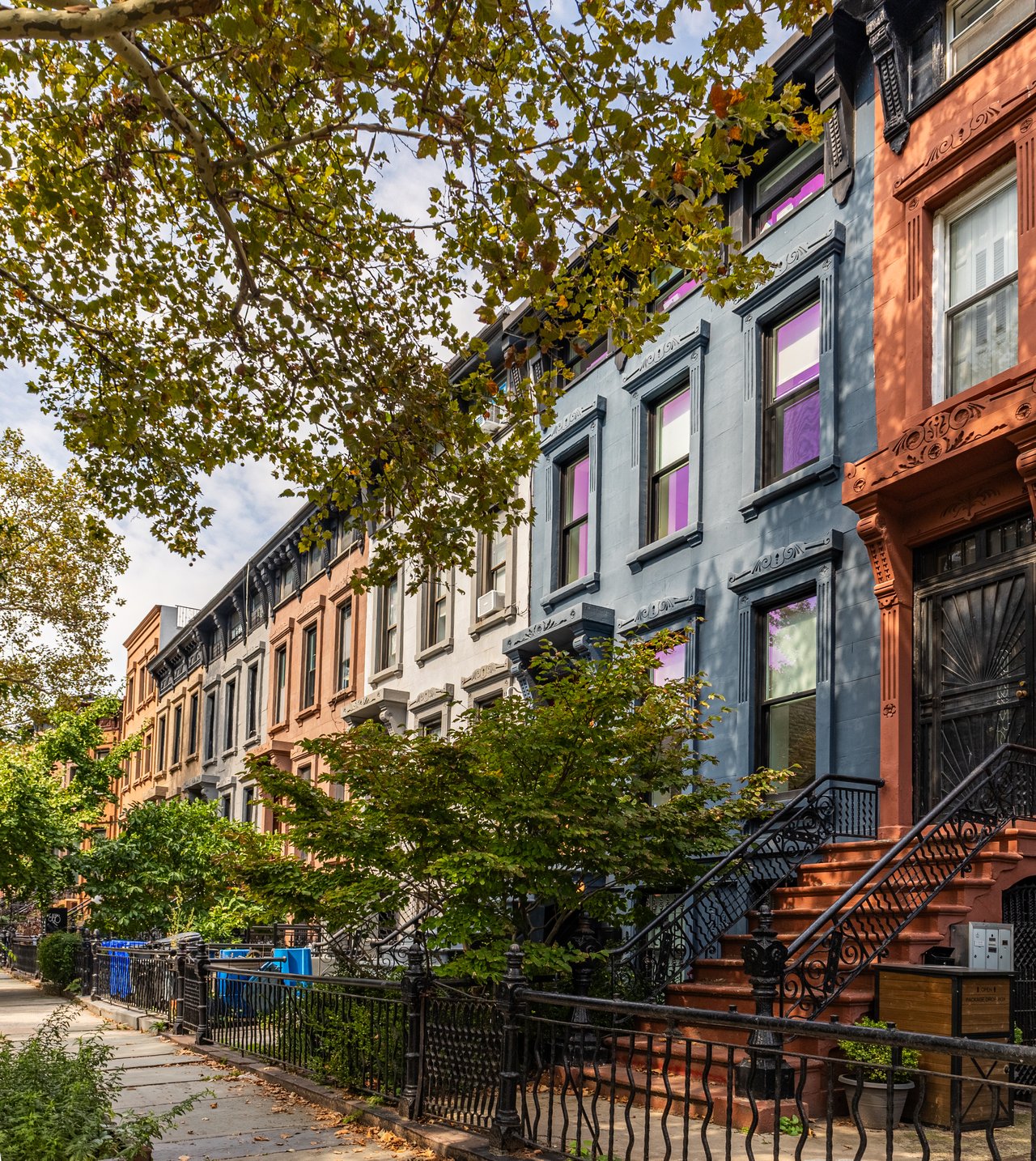
The Streets of Brooklyn: Clymer Street in South Williamsburg, Brooklyn
Clymer Street in South Williamsburg, Brooklyn, offers a distinctive combination of historic brick architecture, prewar apartment buildings, traditional multifamily homes, modern condominium developments, and convenient access to some of Williamsburg's best-known restaurants and neighborhood attractions.
Located south of Broadway and near the Williamsburg Bridge, Clymer Street reflects several generations of Brooklyn residential development. Its buildings range from late-19th-century properties to contemporary residences with elevators, private outdoor spaces, and modern interior finishes.
Unlike the predominantly commercial stretches of Broadway or the large-scale developments along the East River waterfront, Clymer Street contains a varied collection of residential buildings. Traditional three-family homes stand alongside larger apartment properties, while newer condominiums introduce contemporary architecture to the established streetscape.
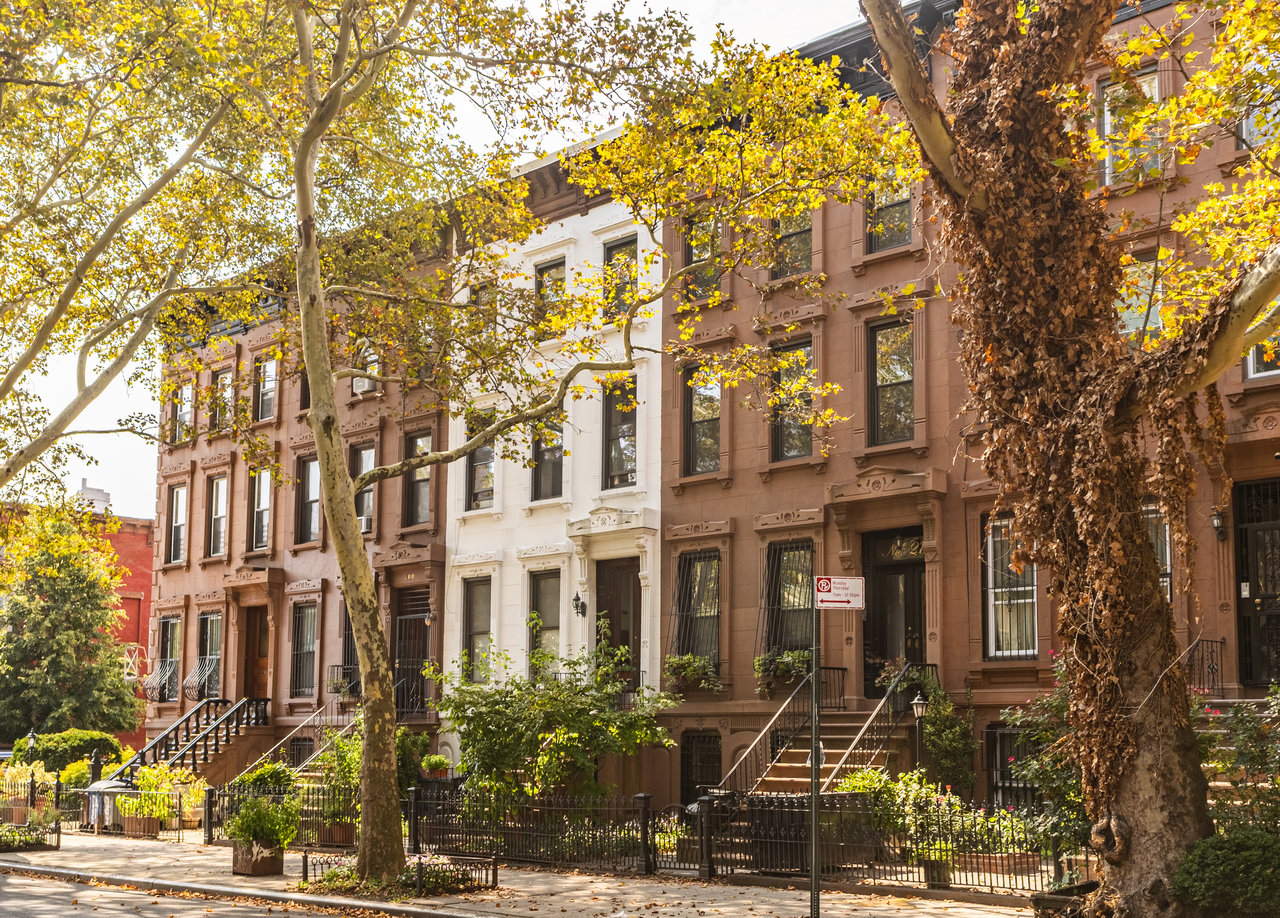
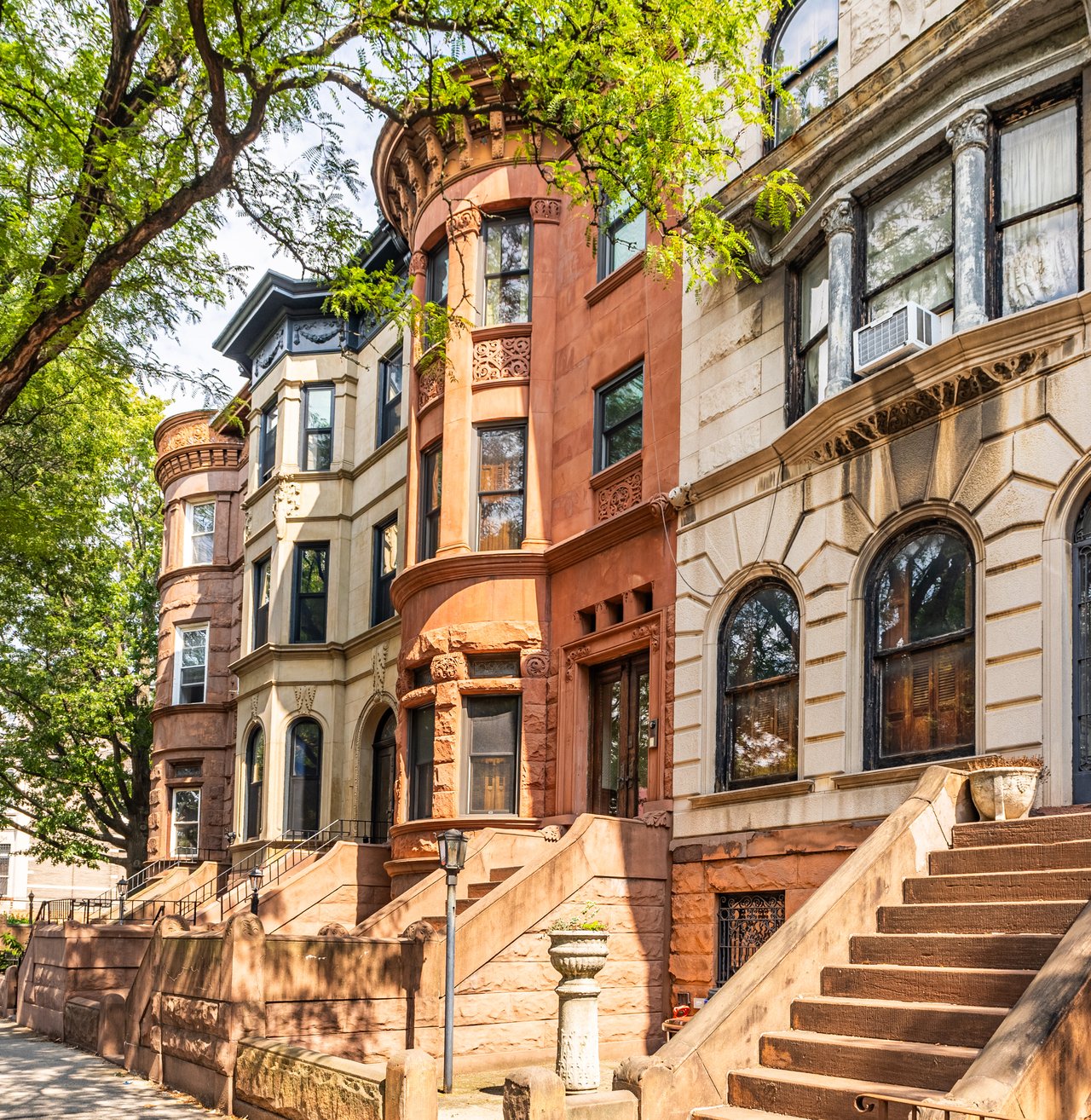
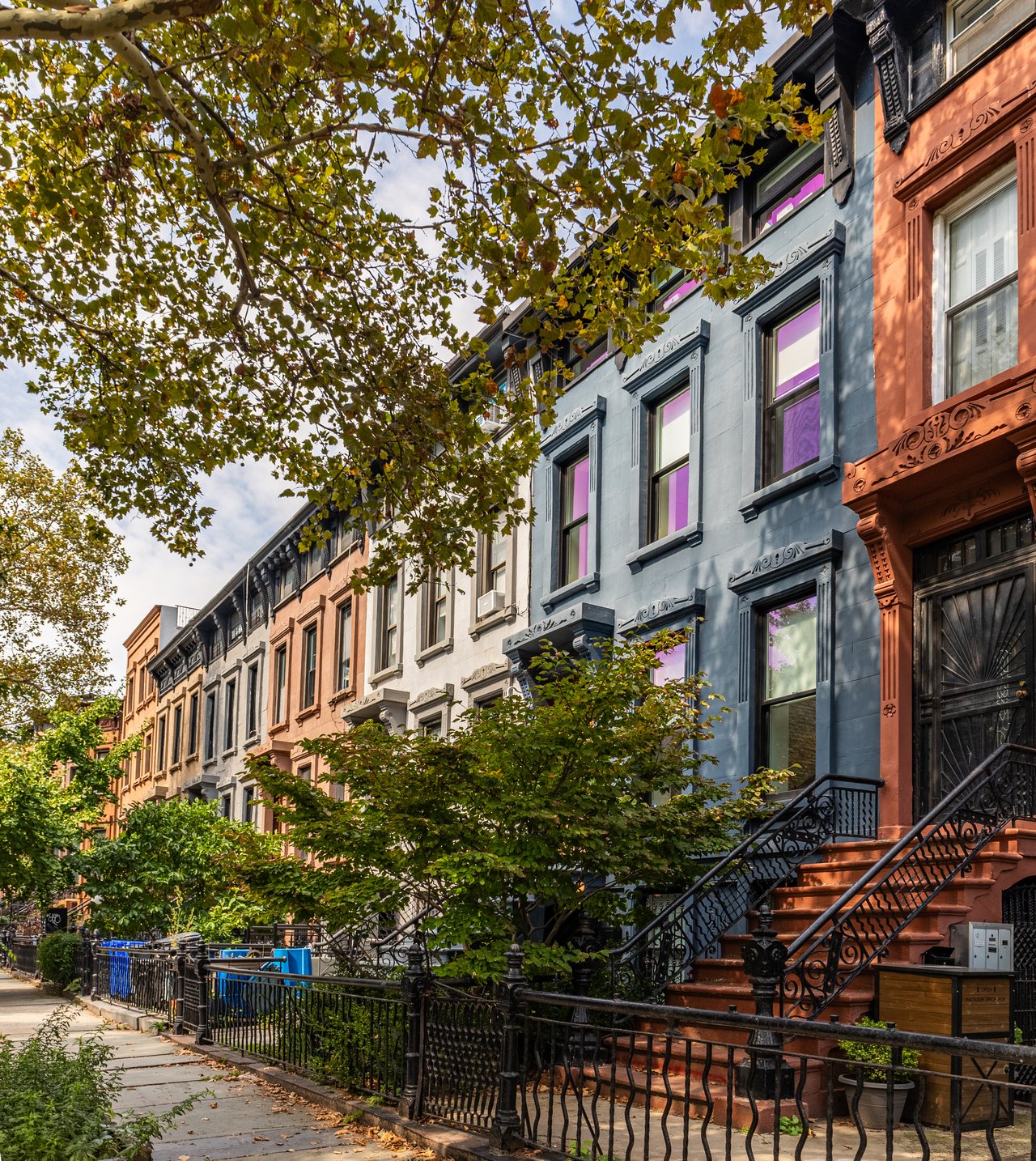
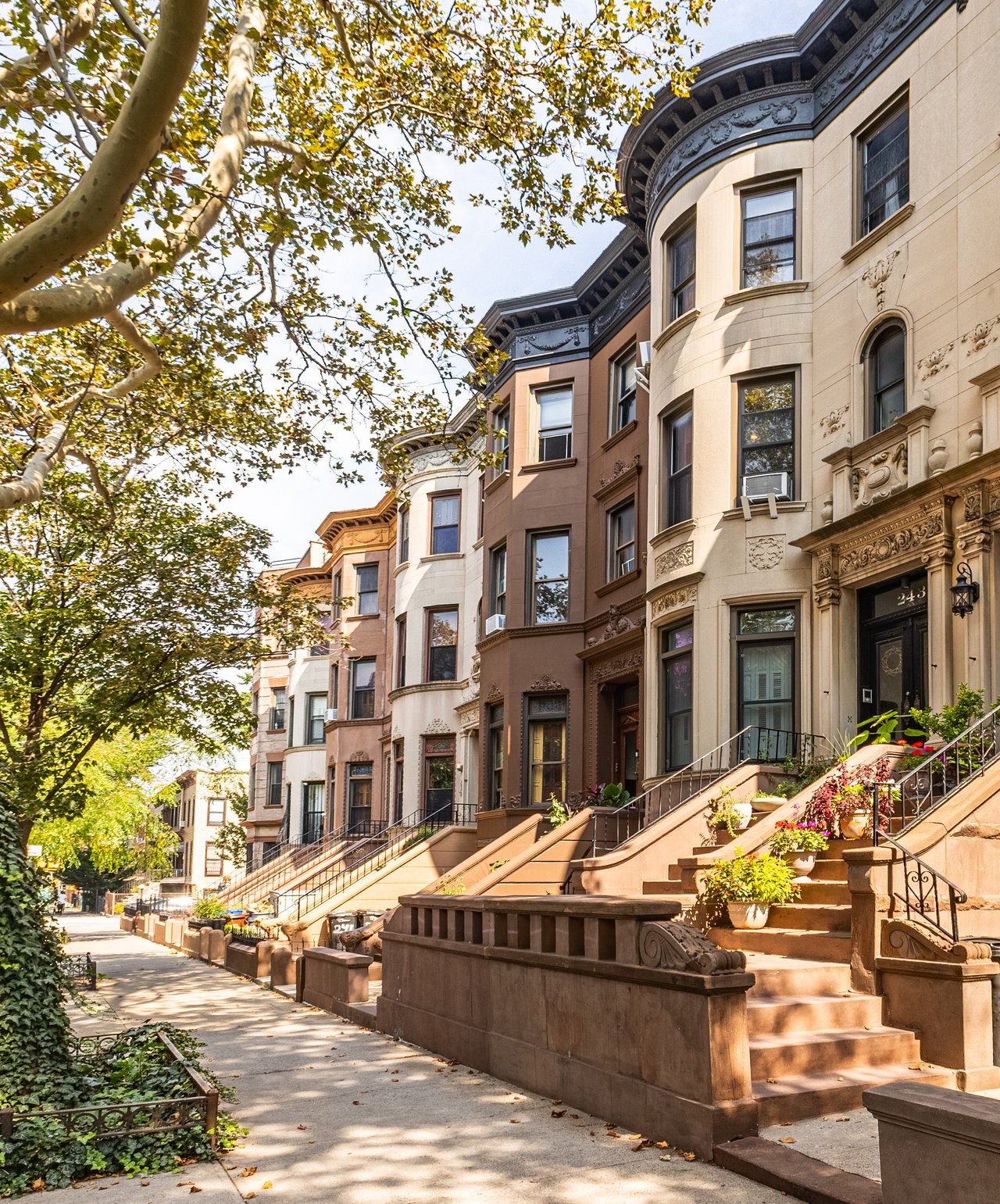
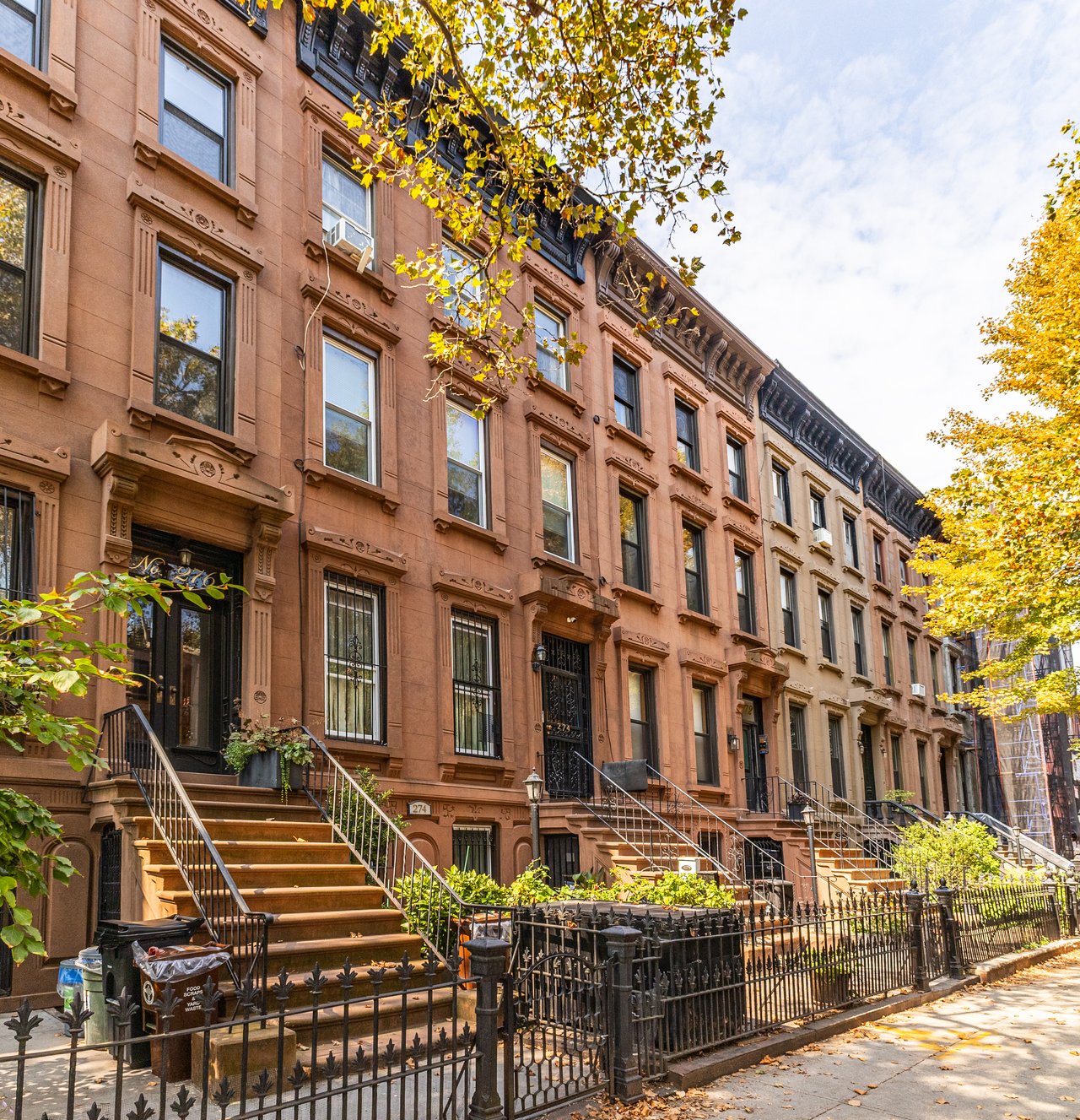
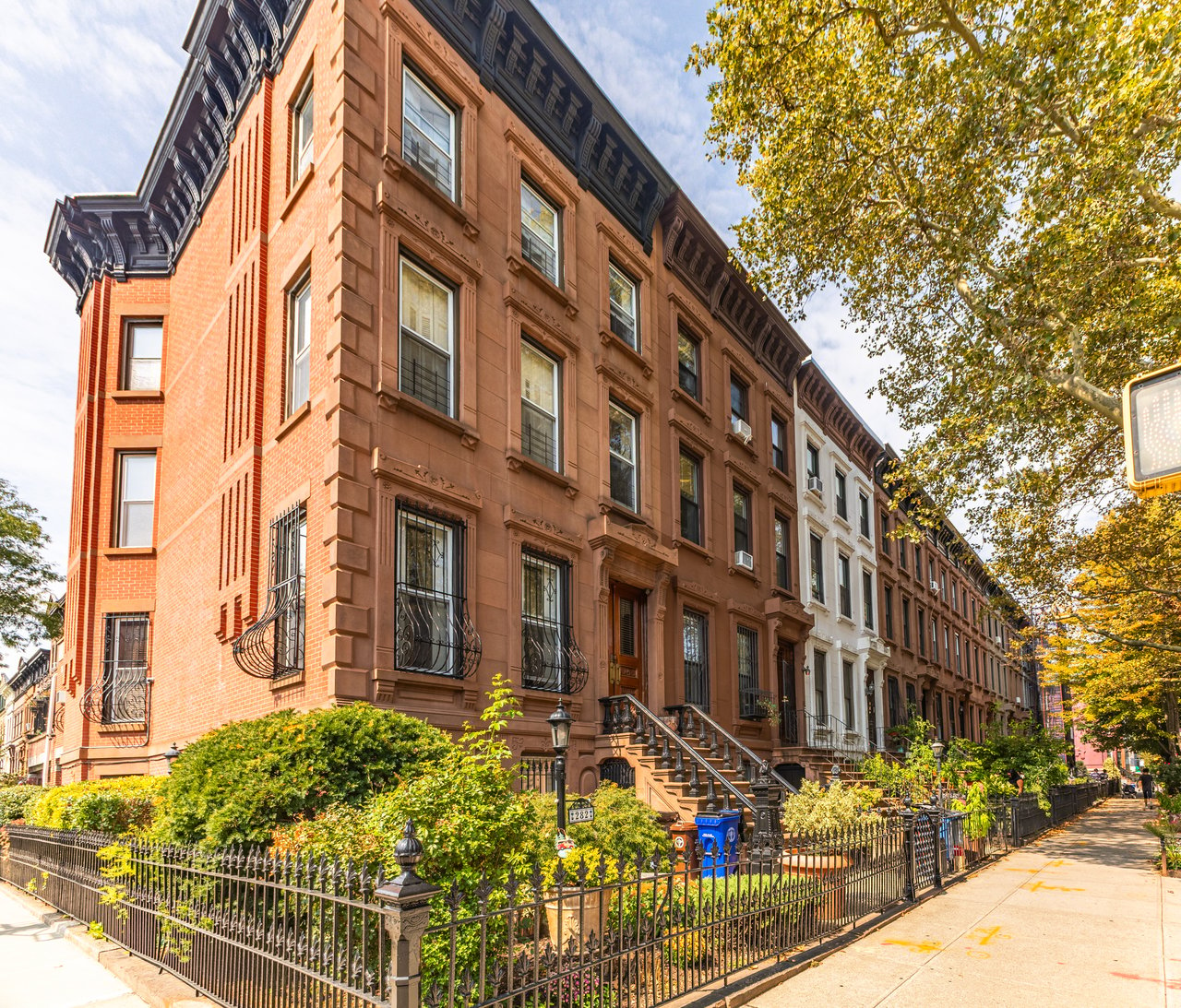
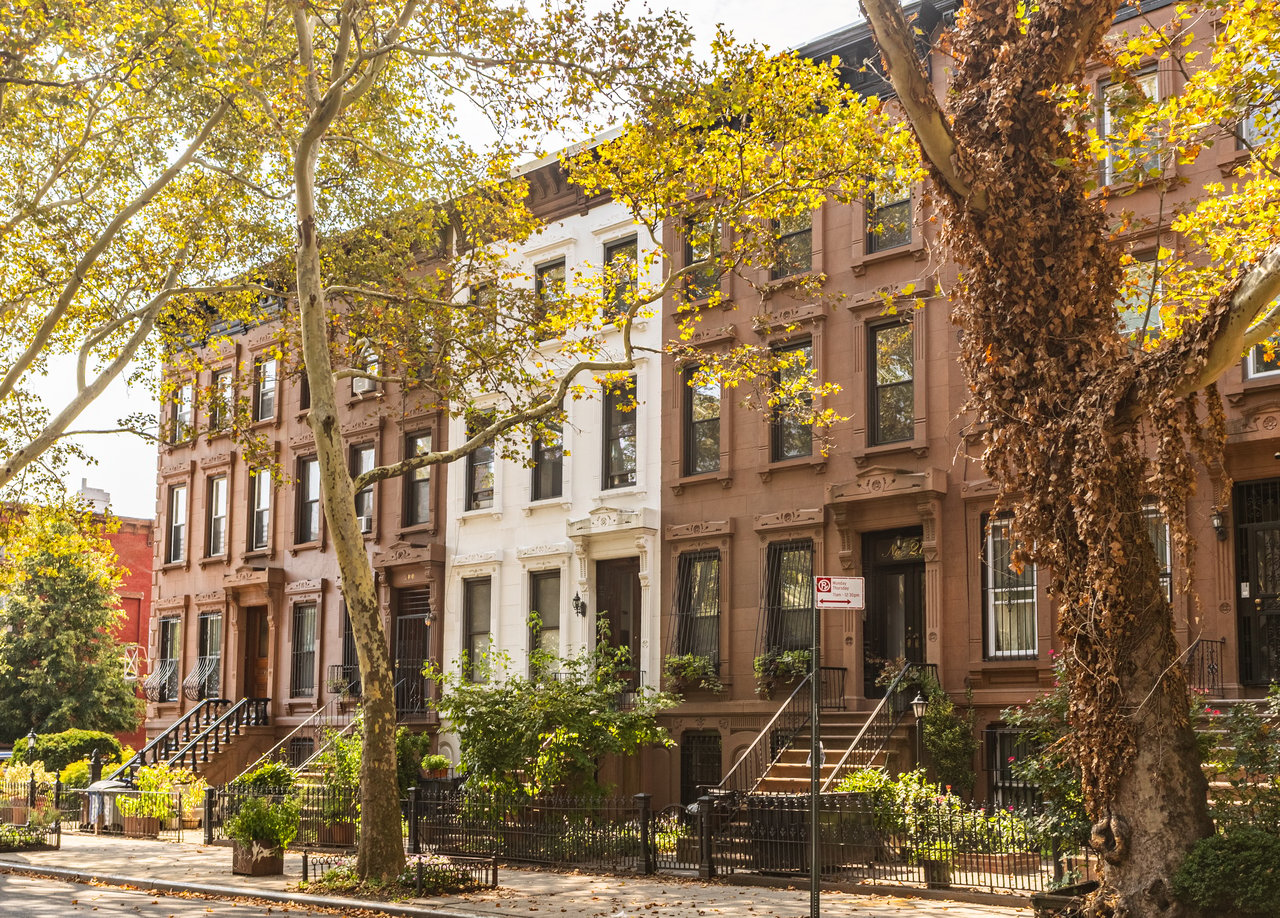
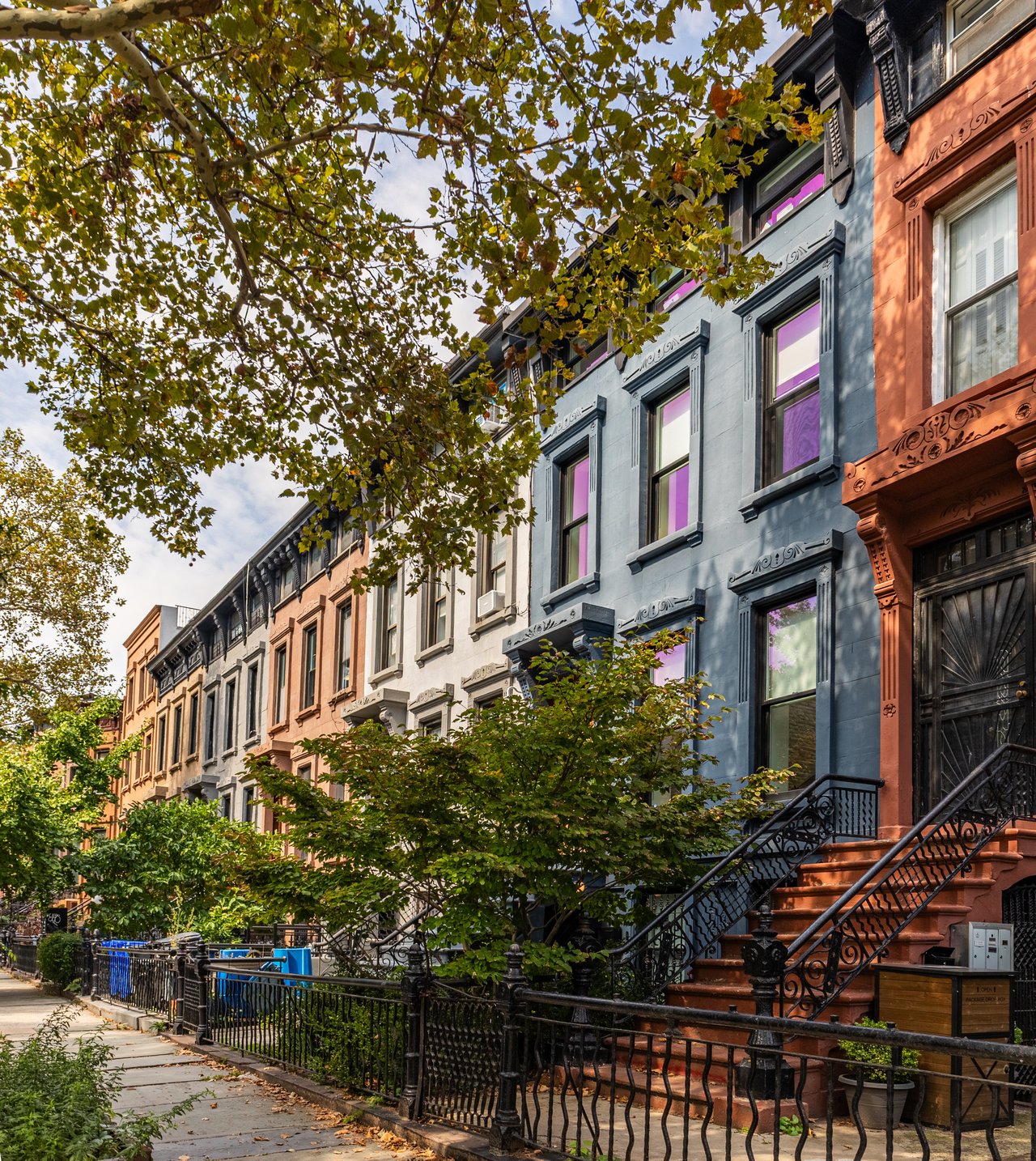
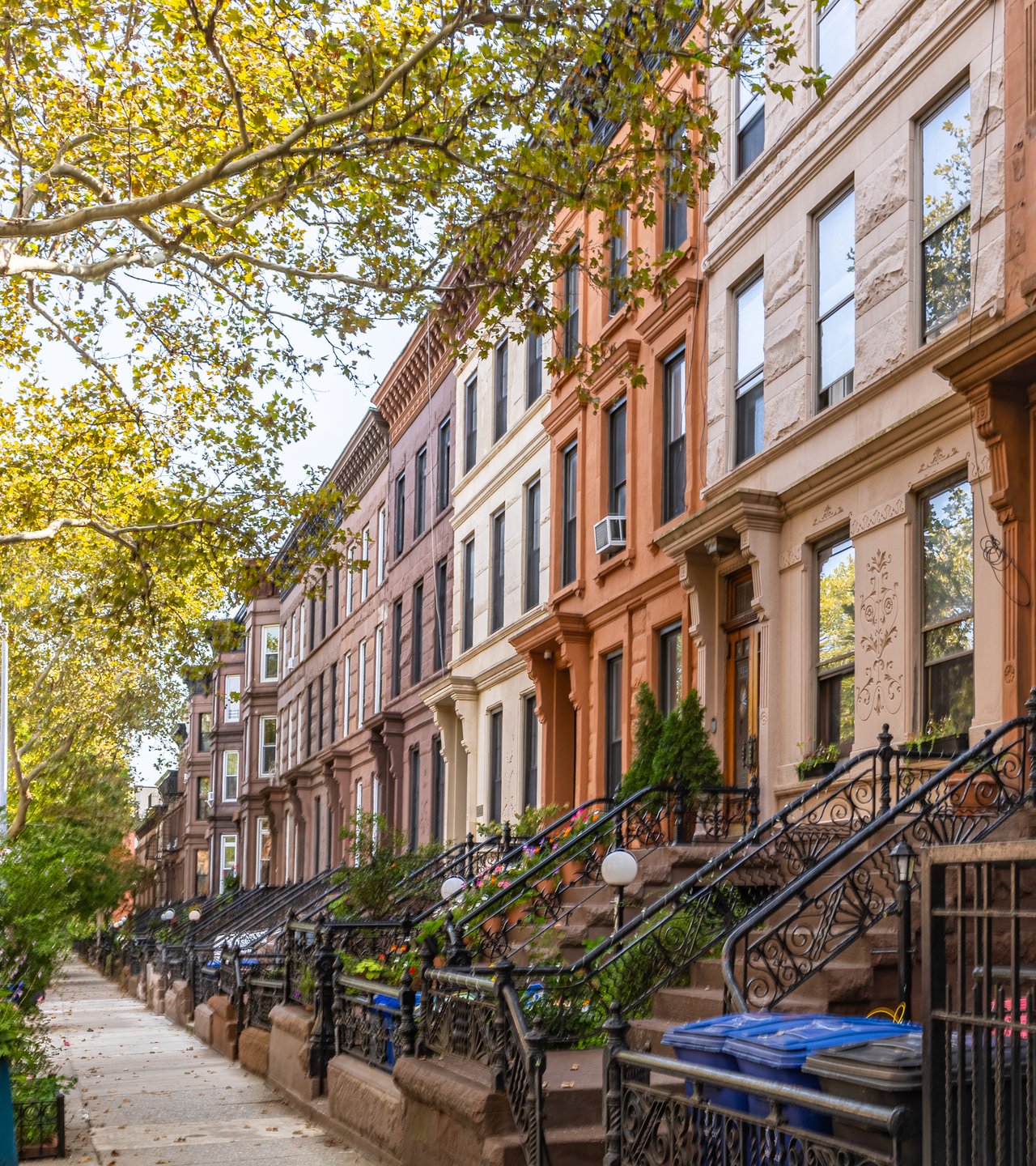
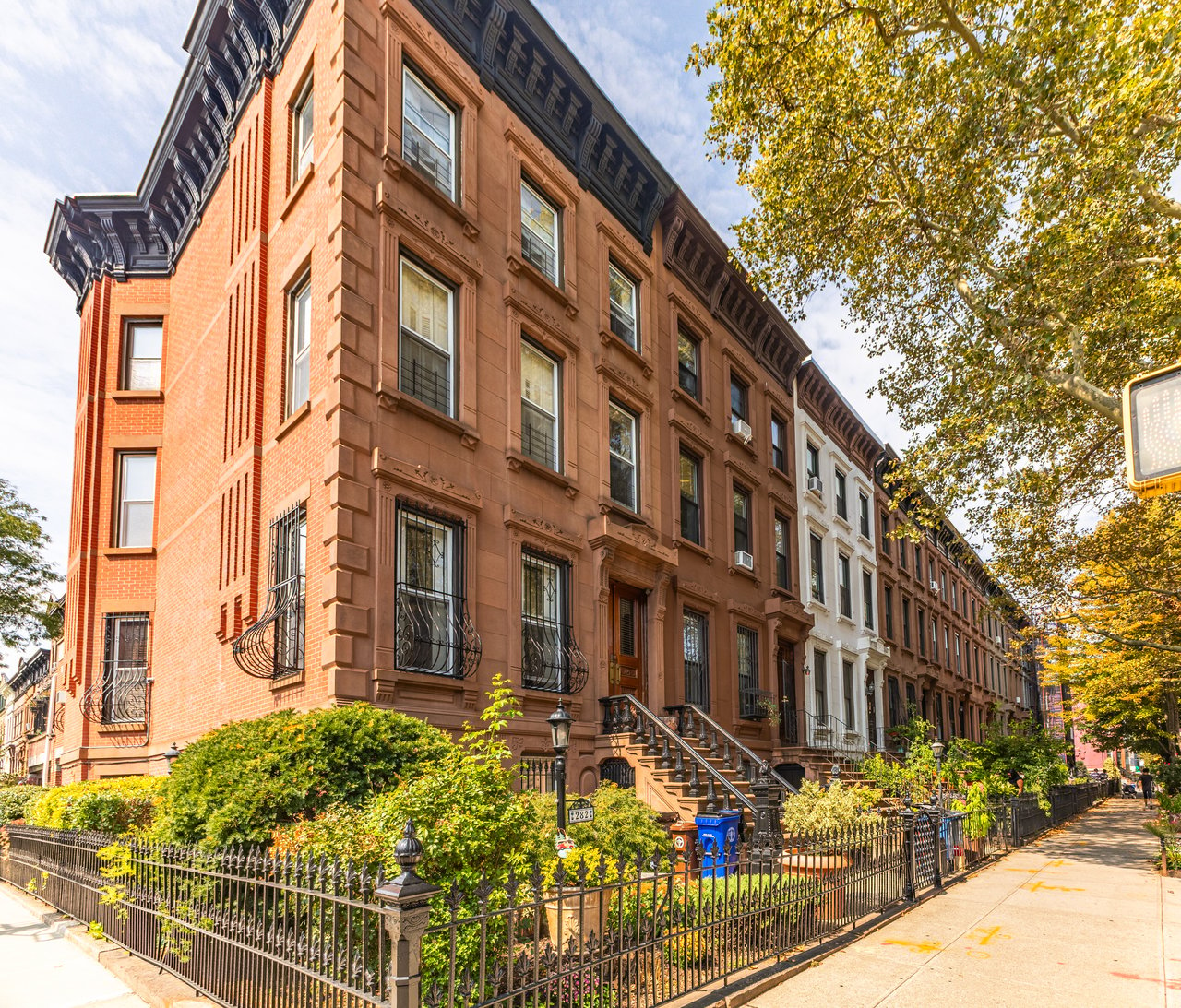
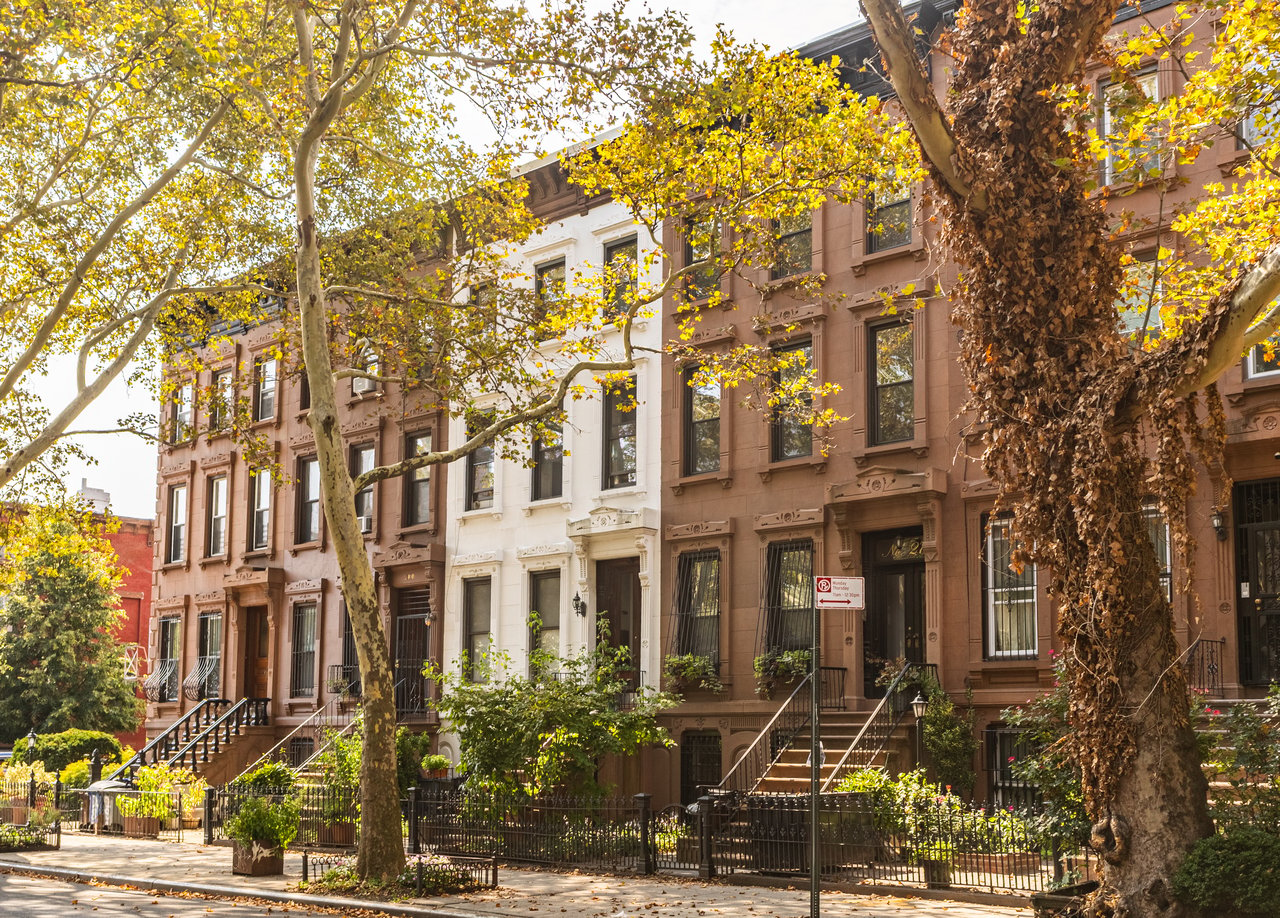
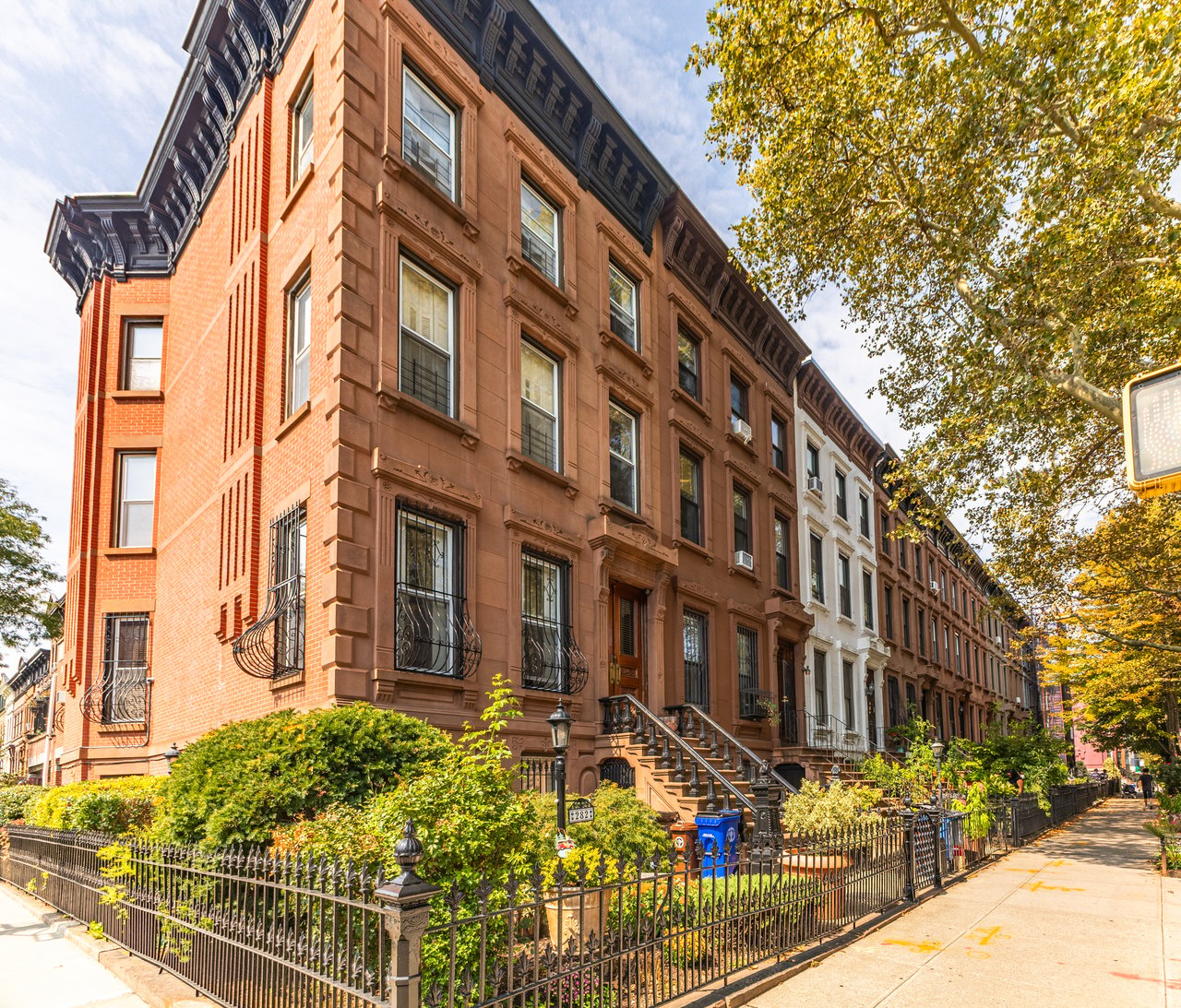
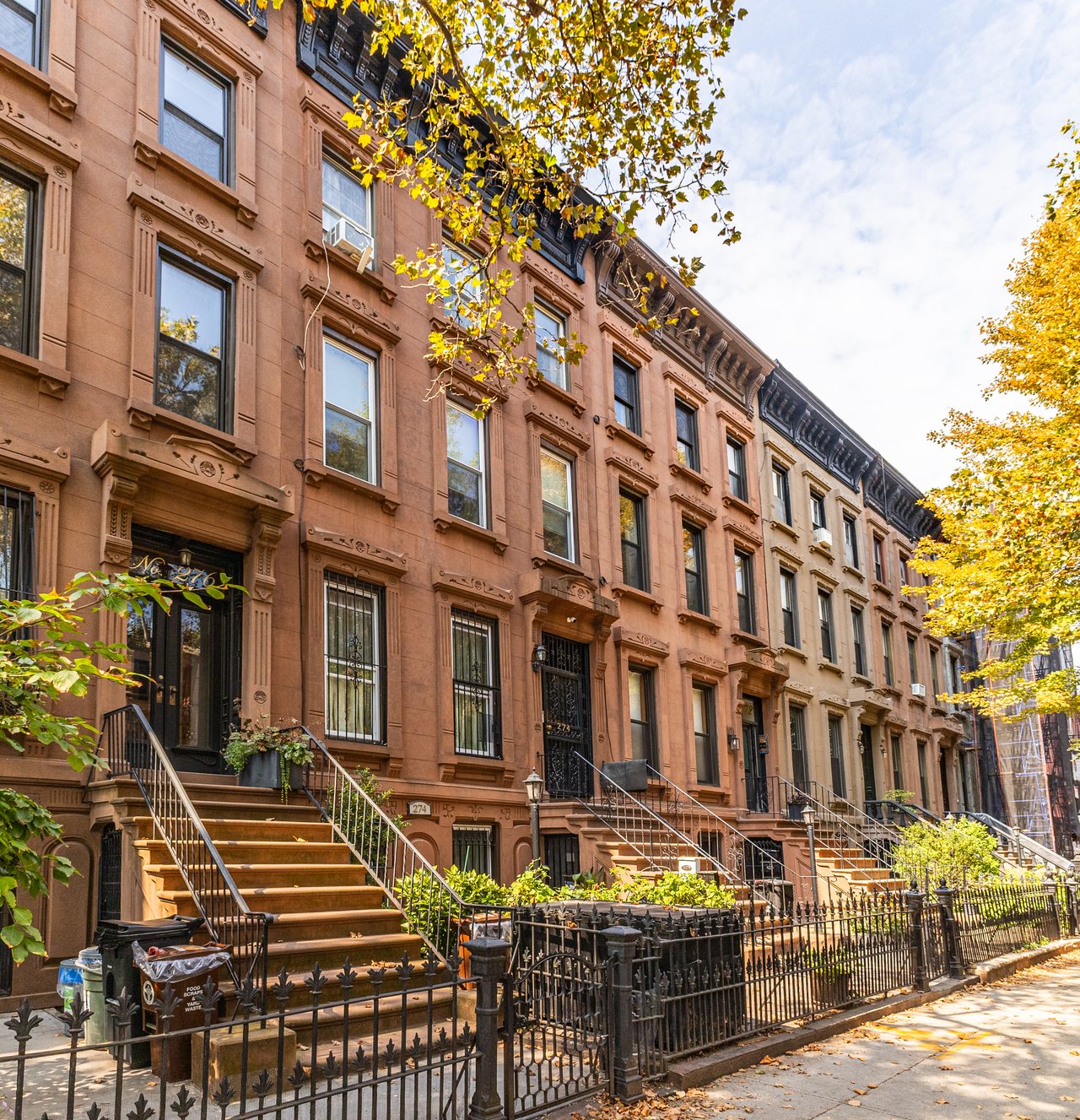
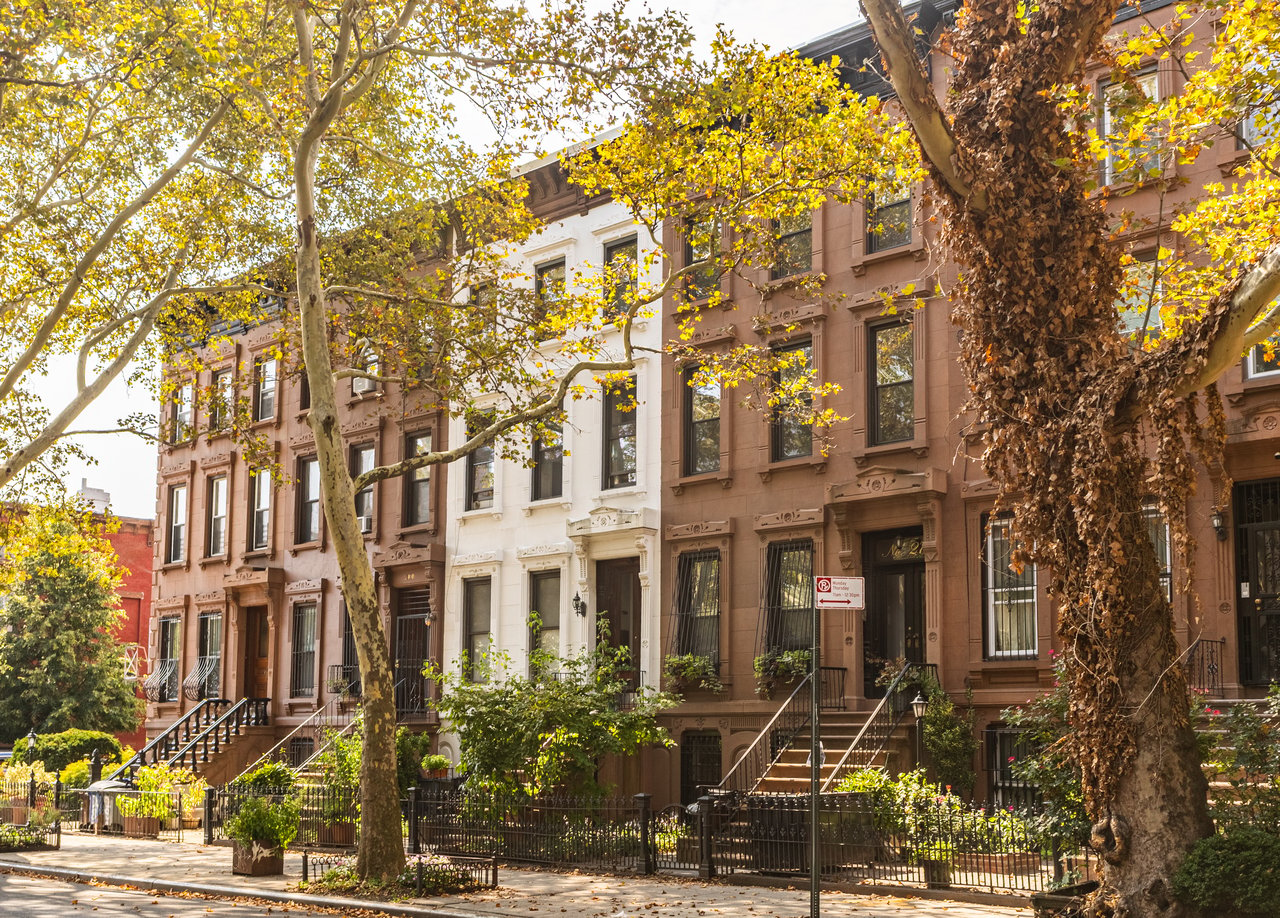
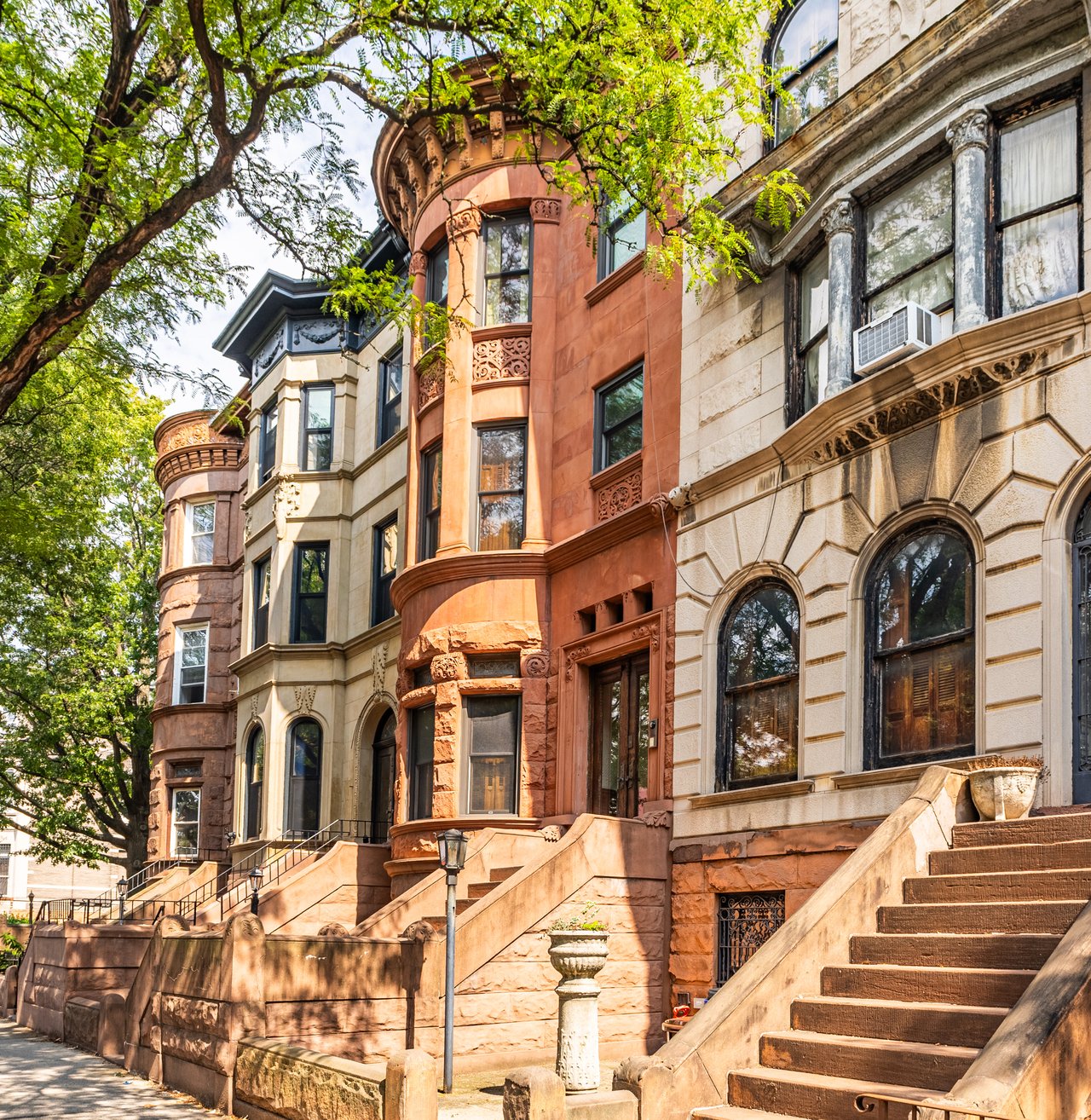
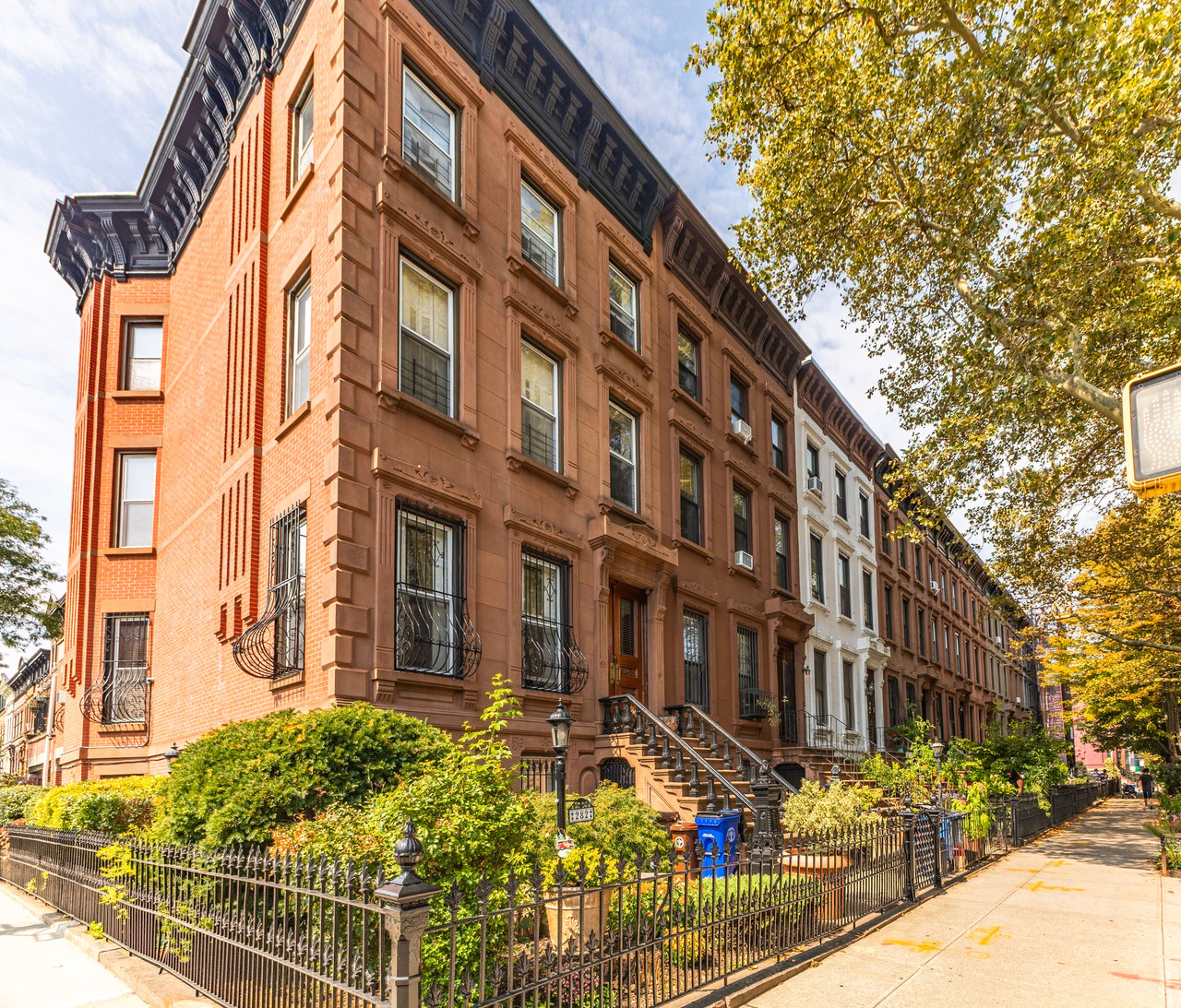
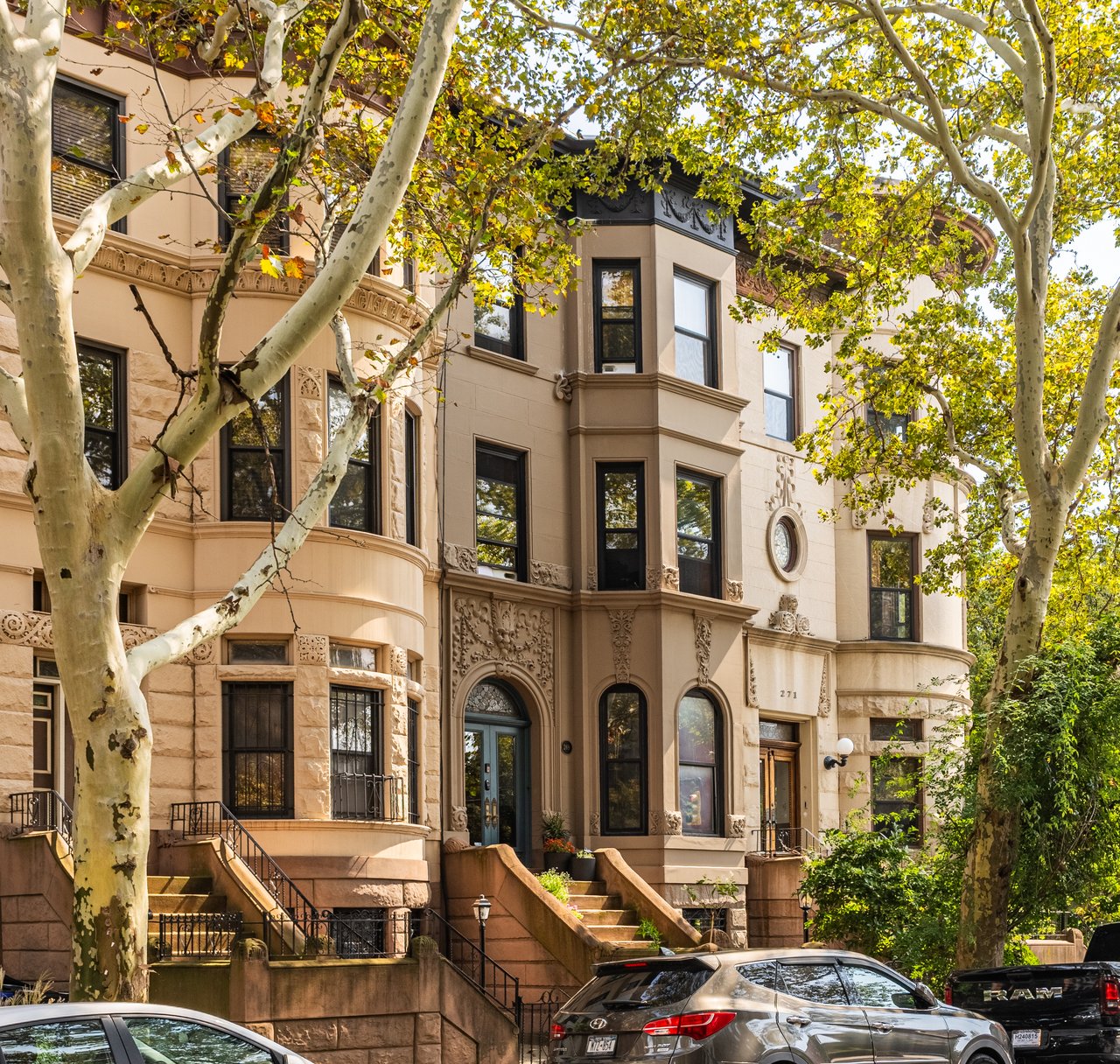
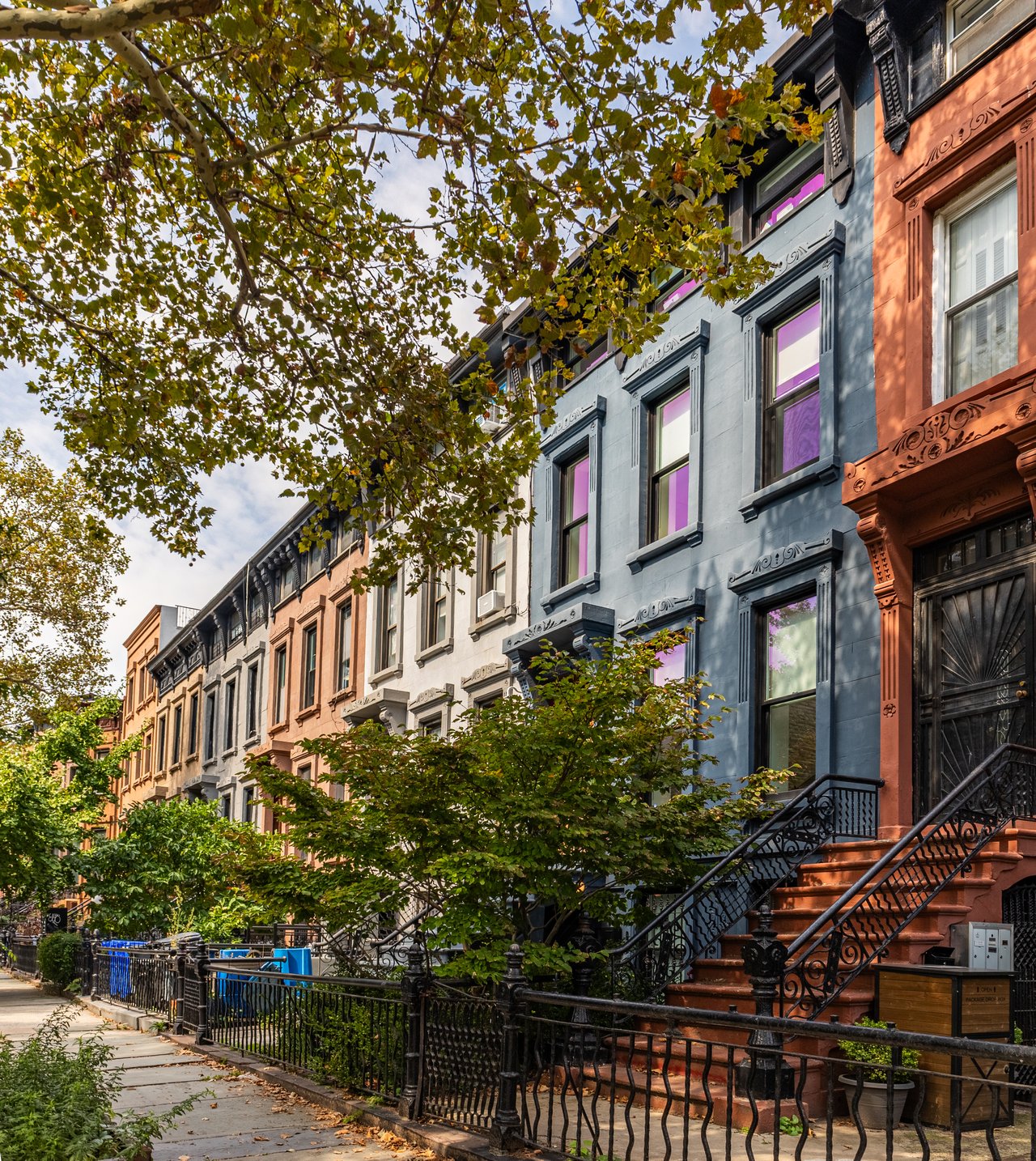
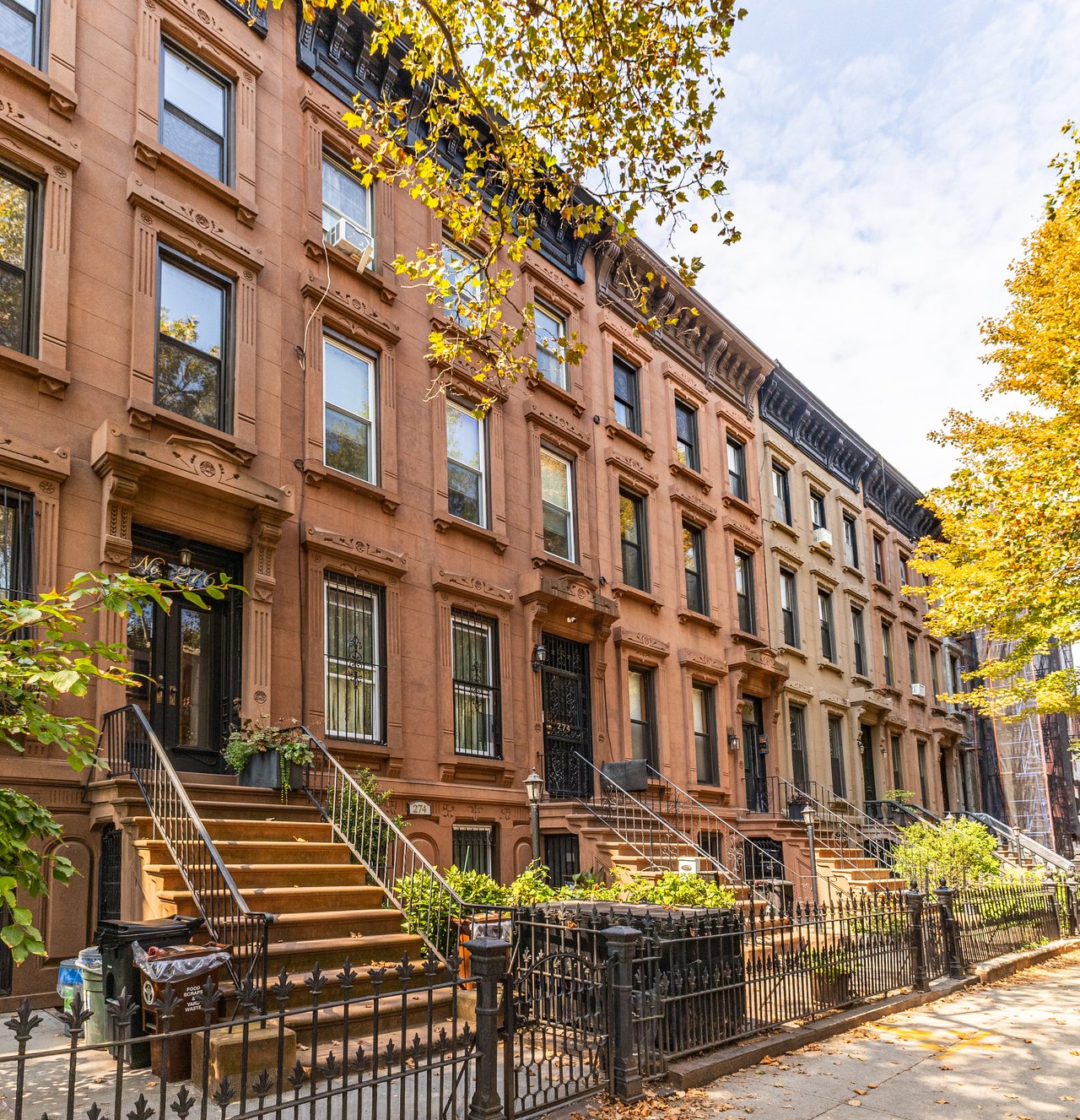
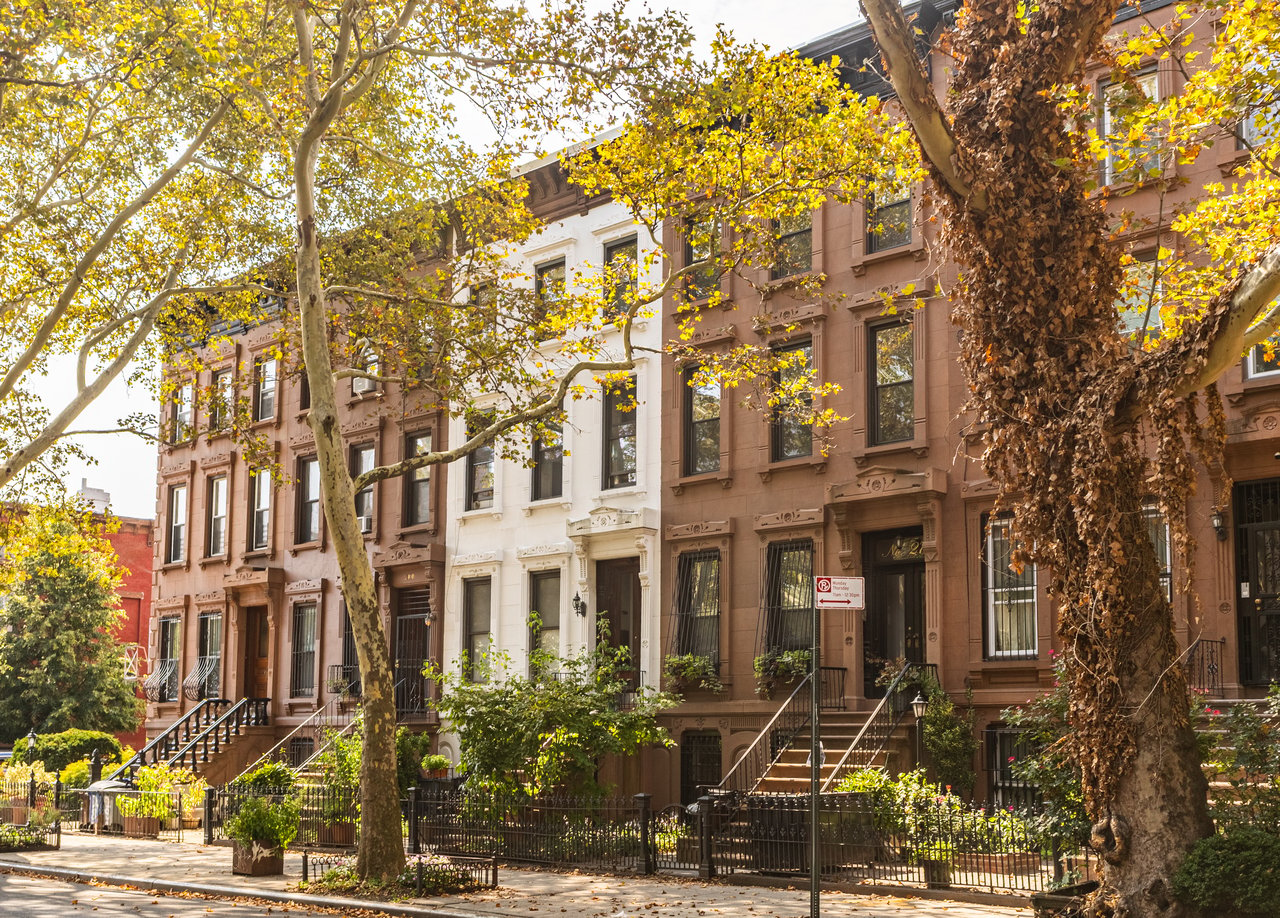
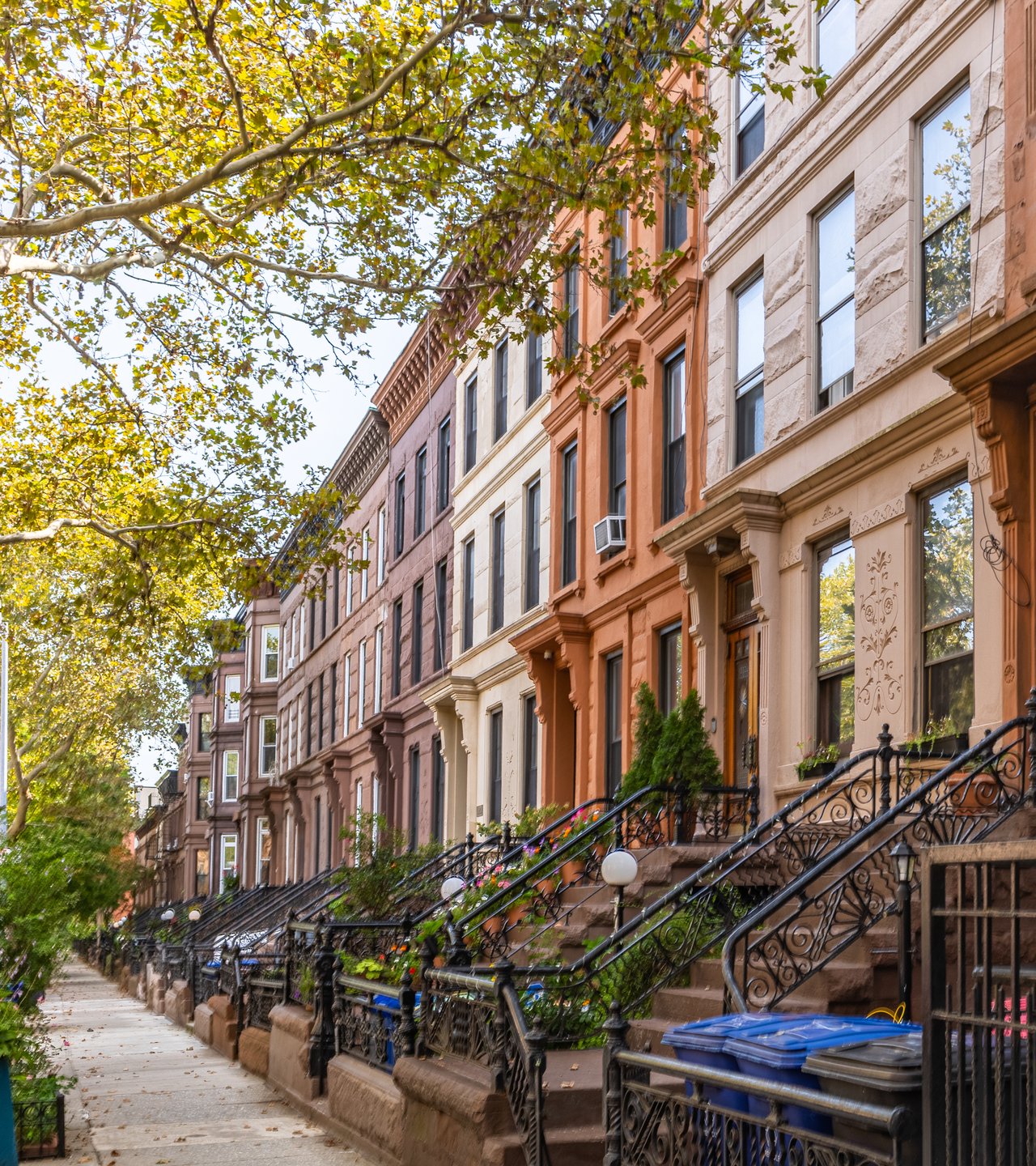
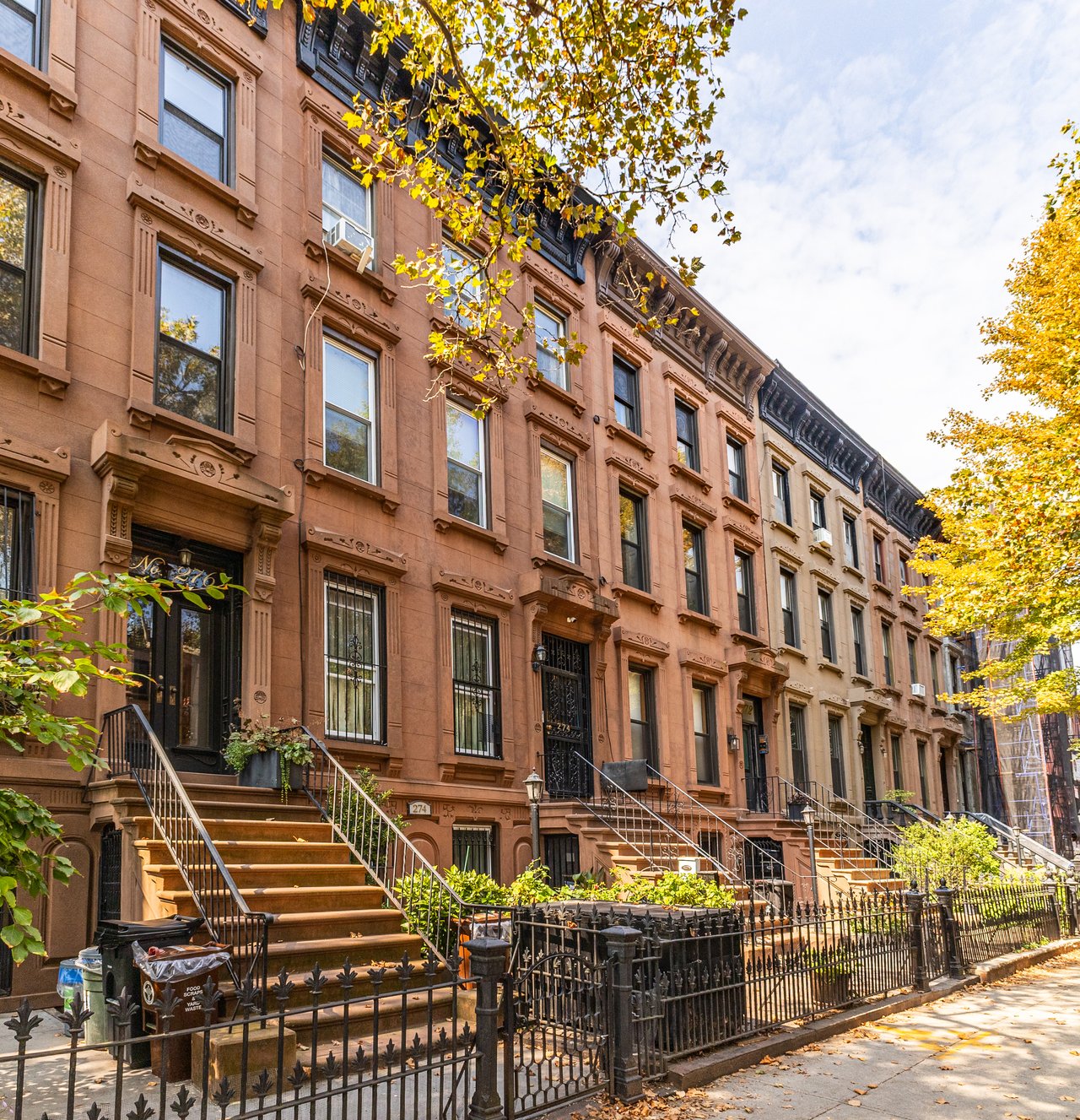
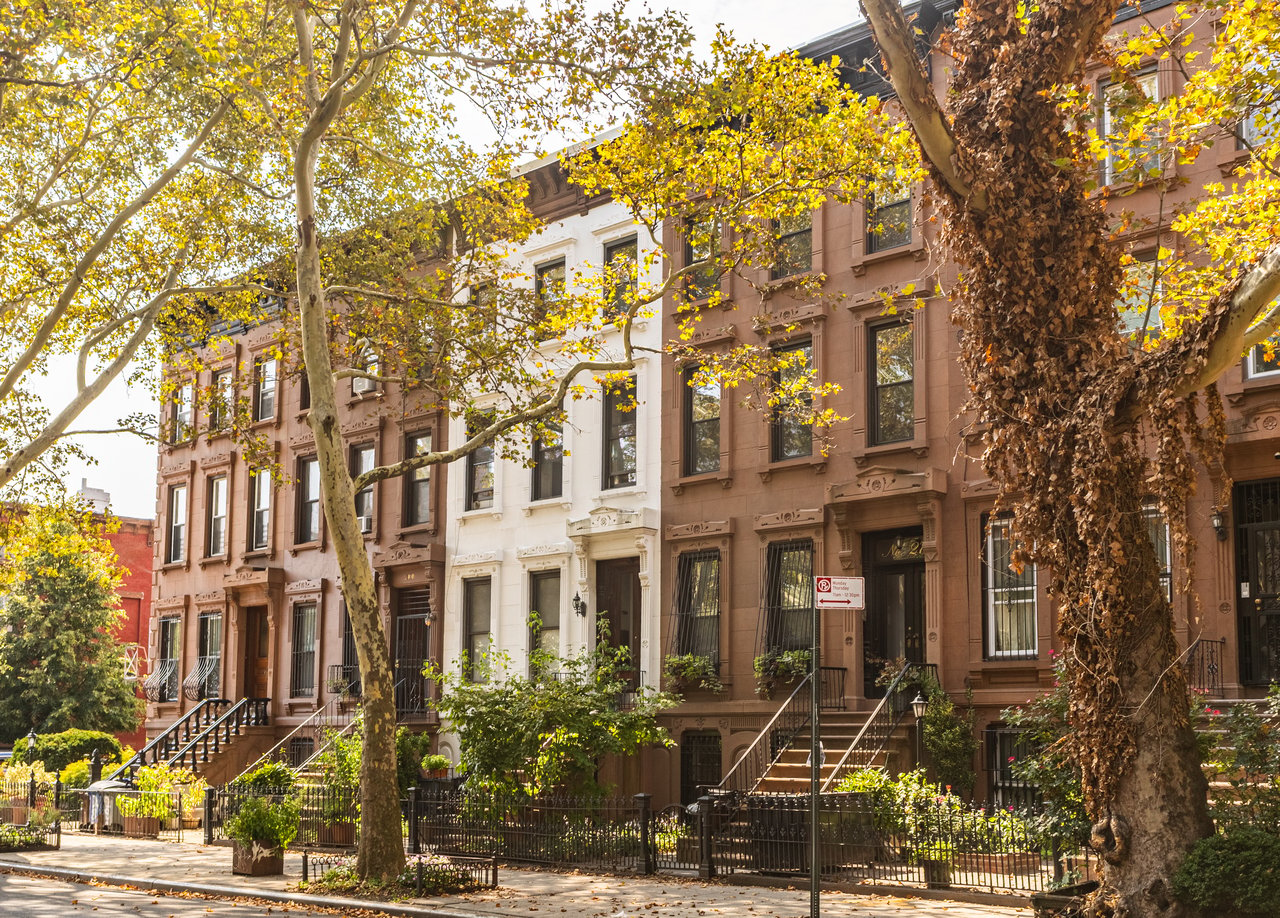
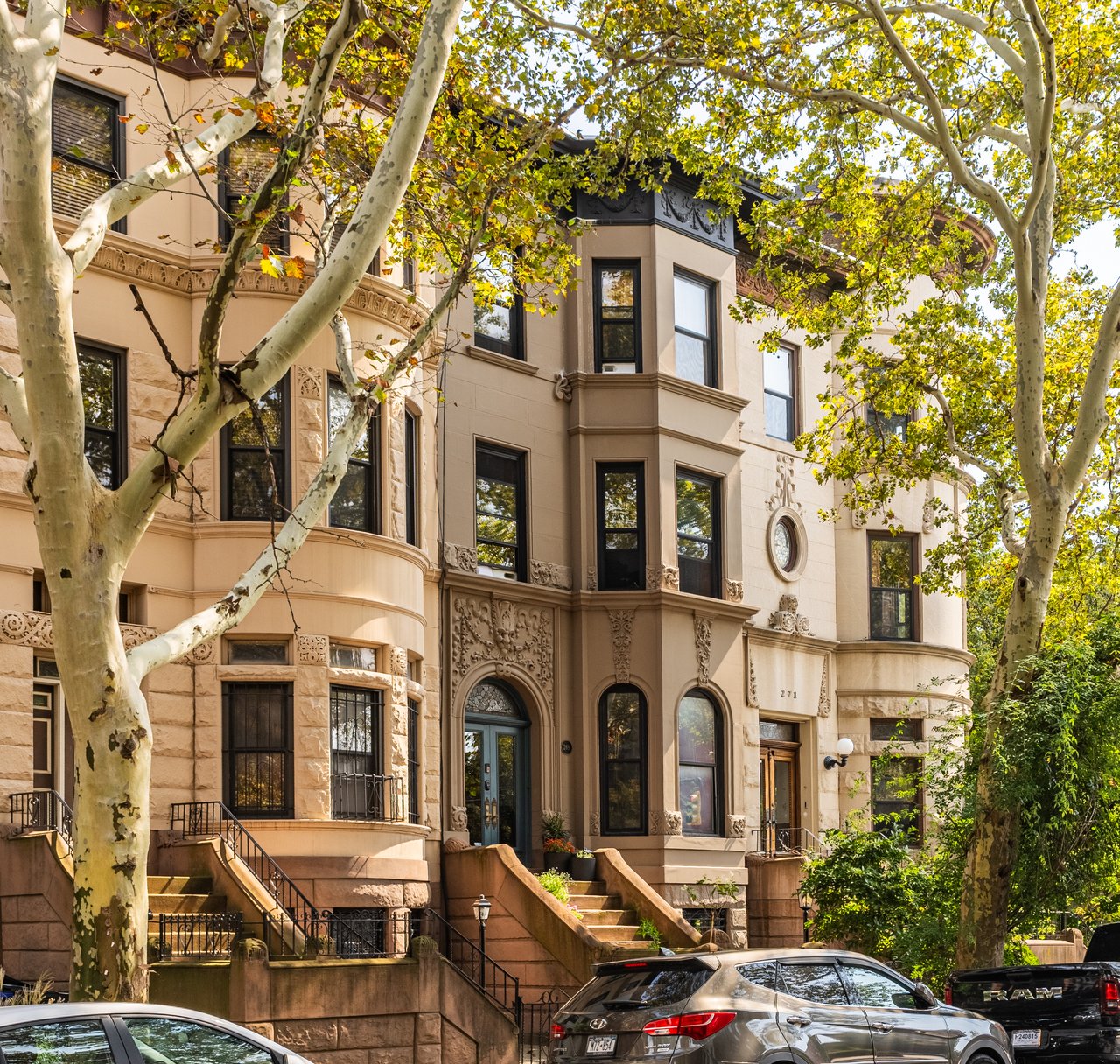
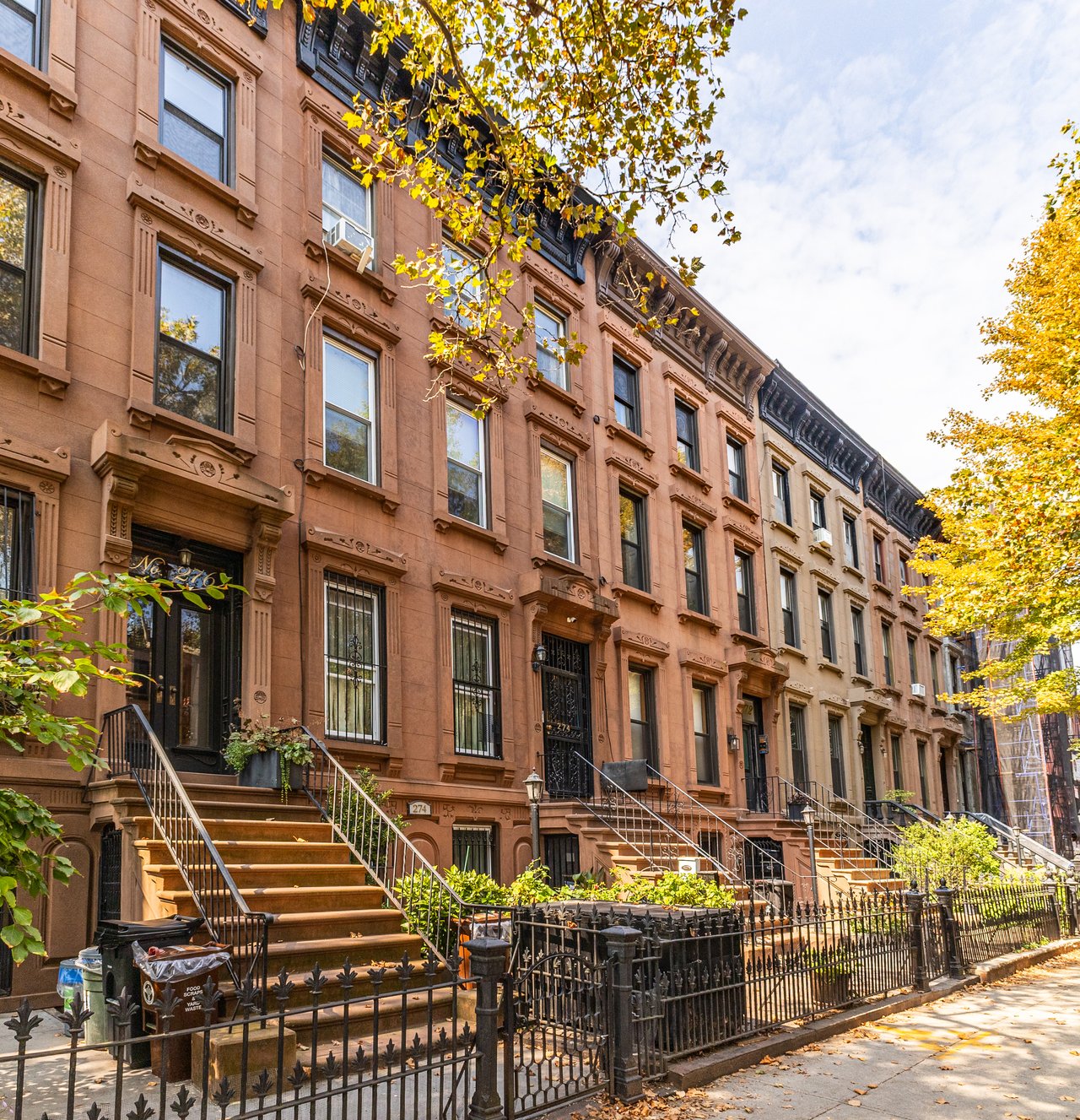
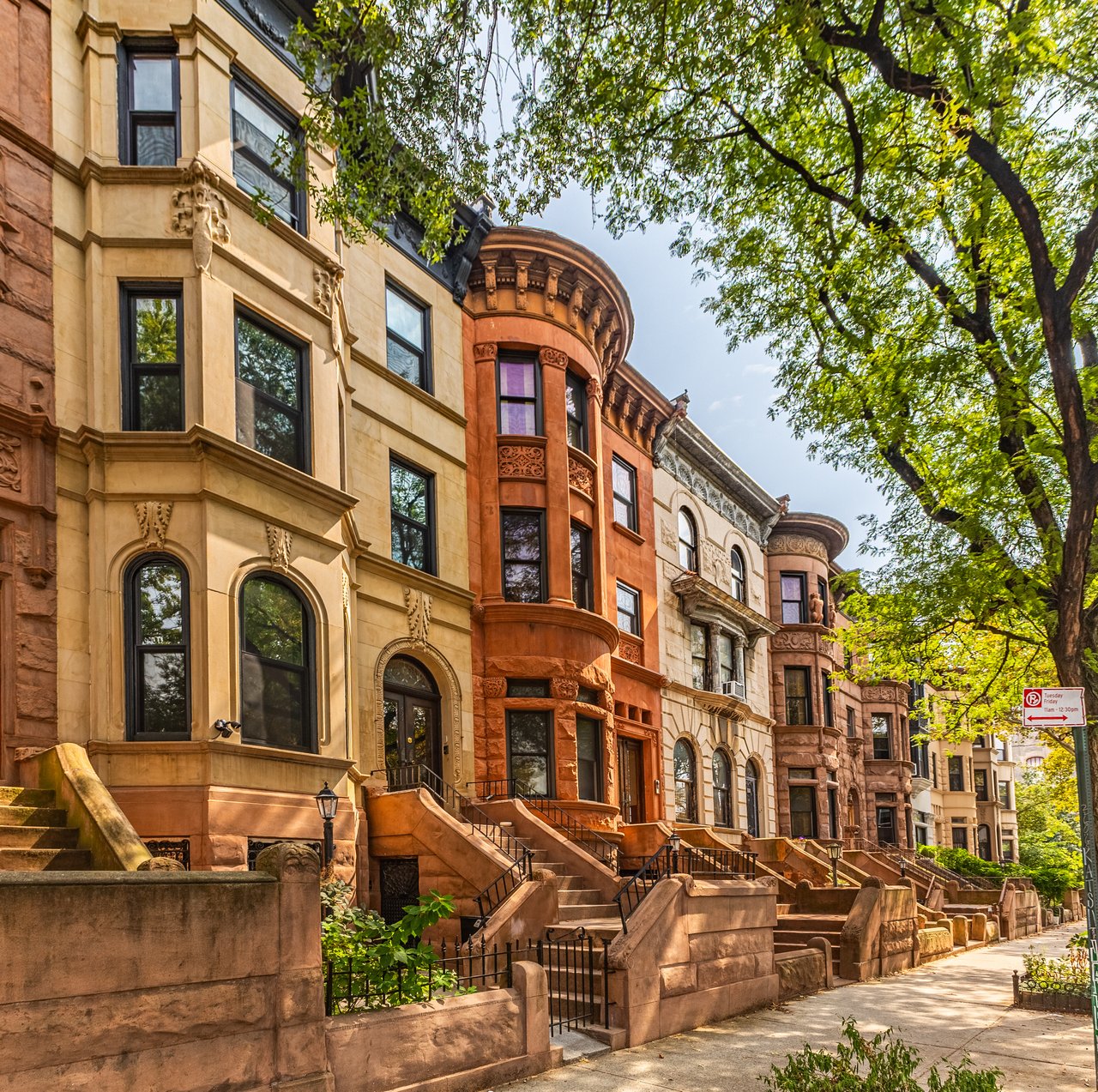
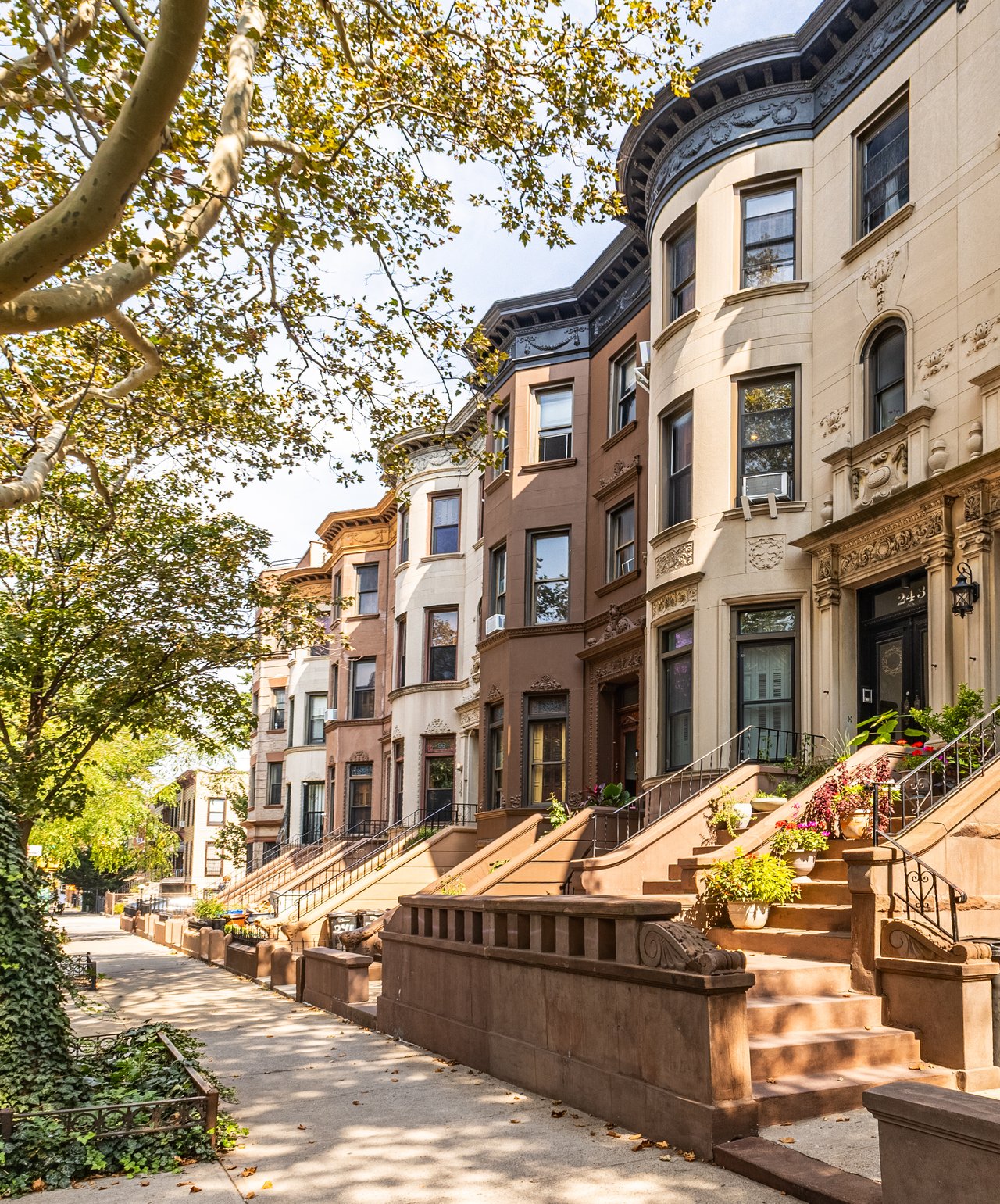
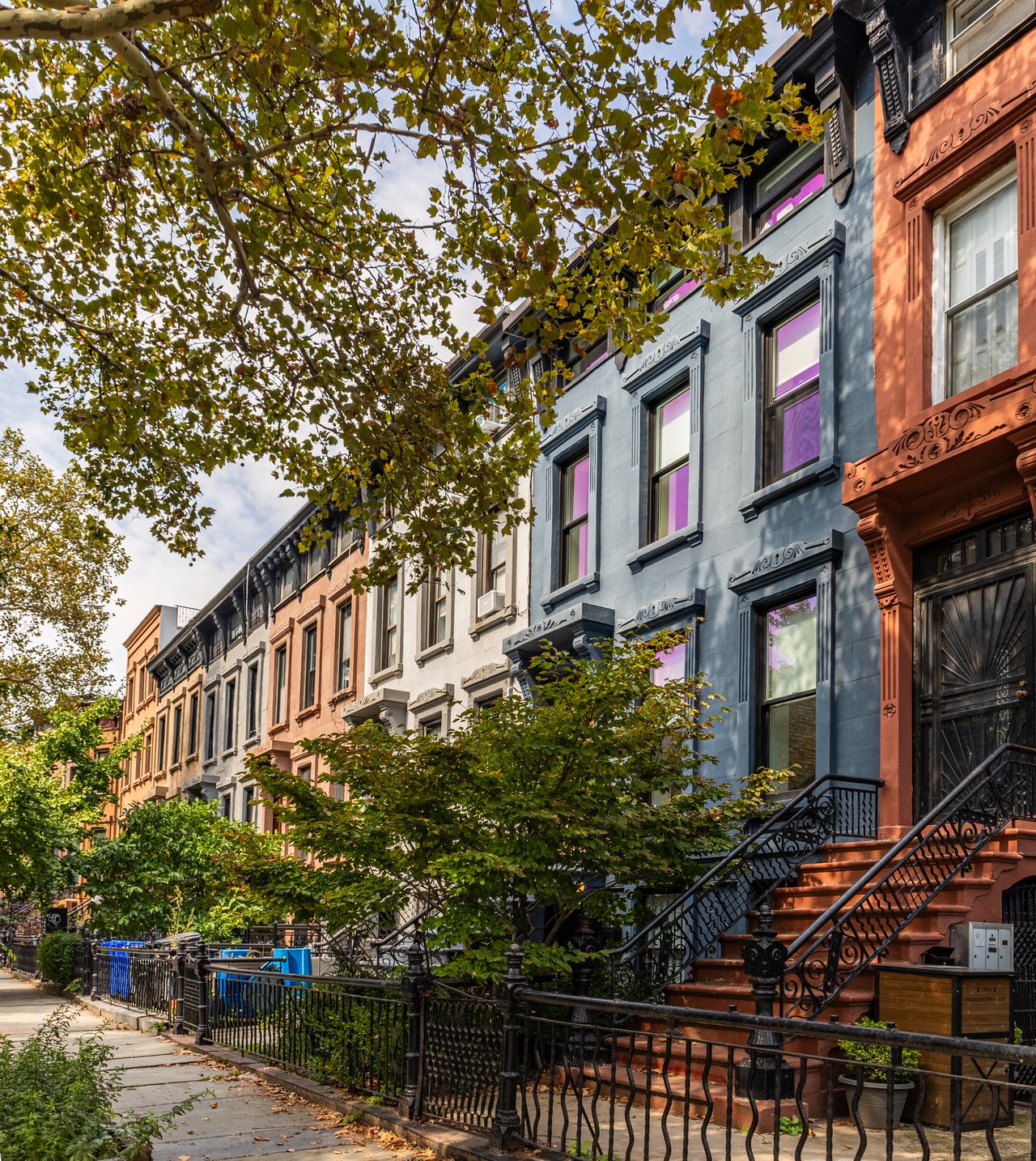
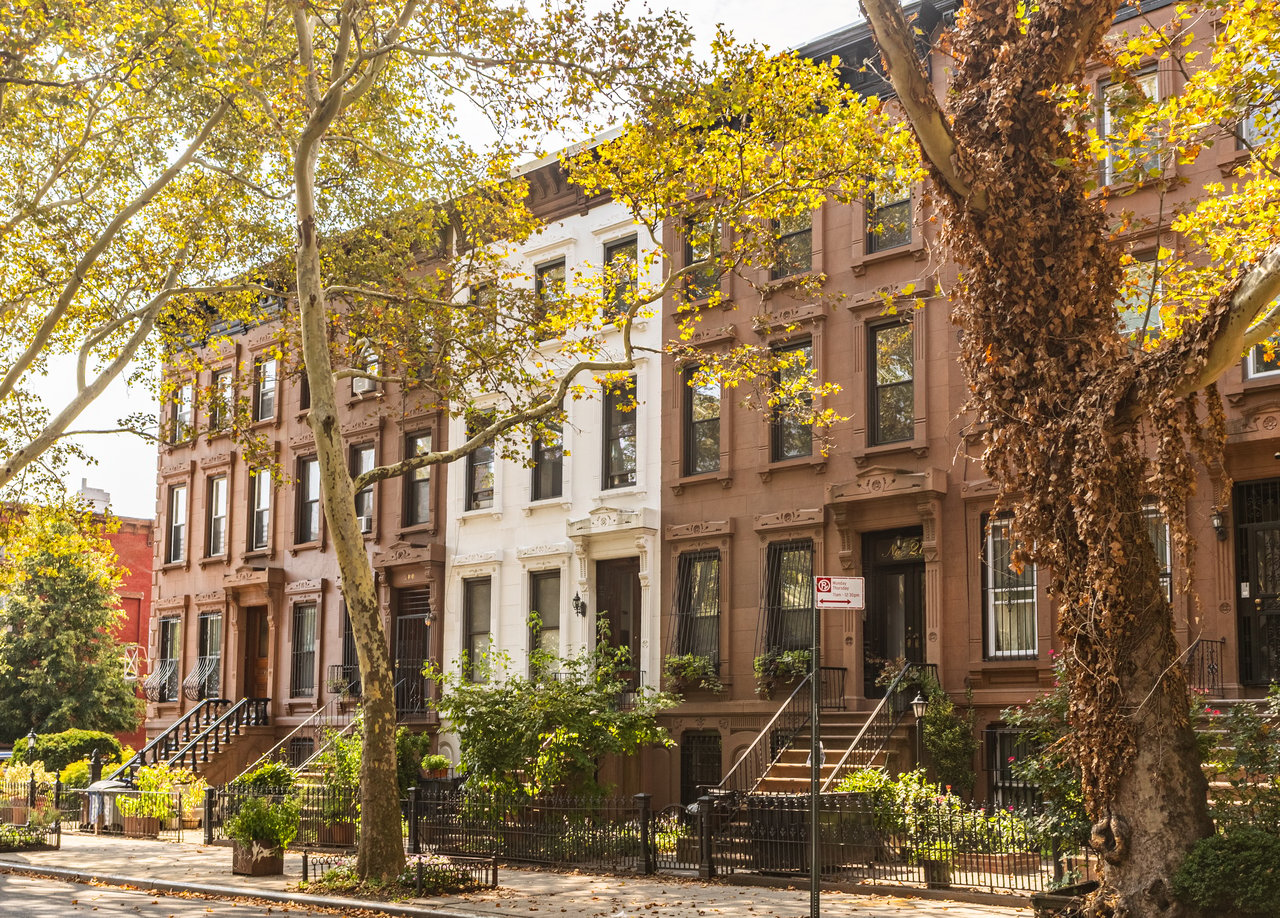
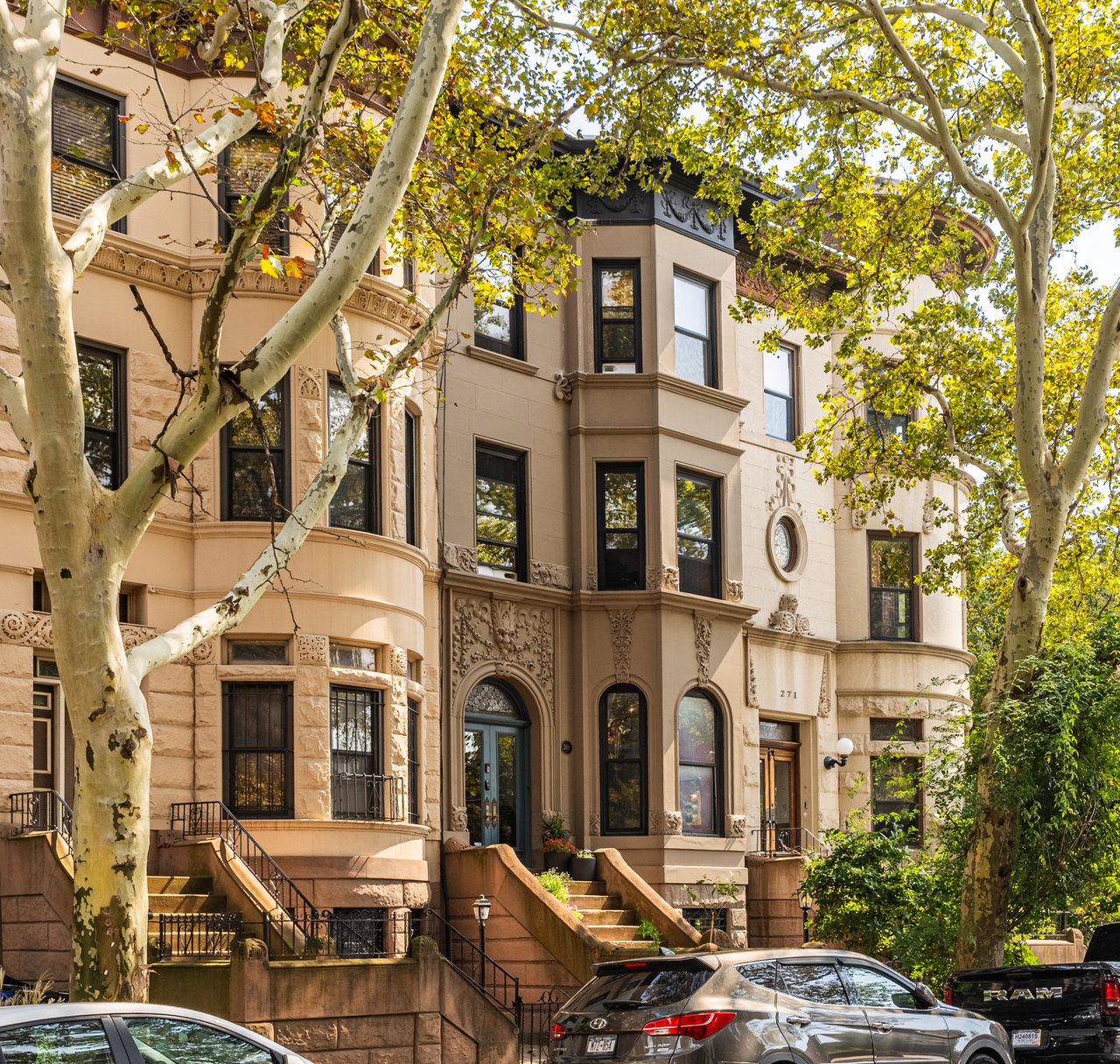
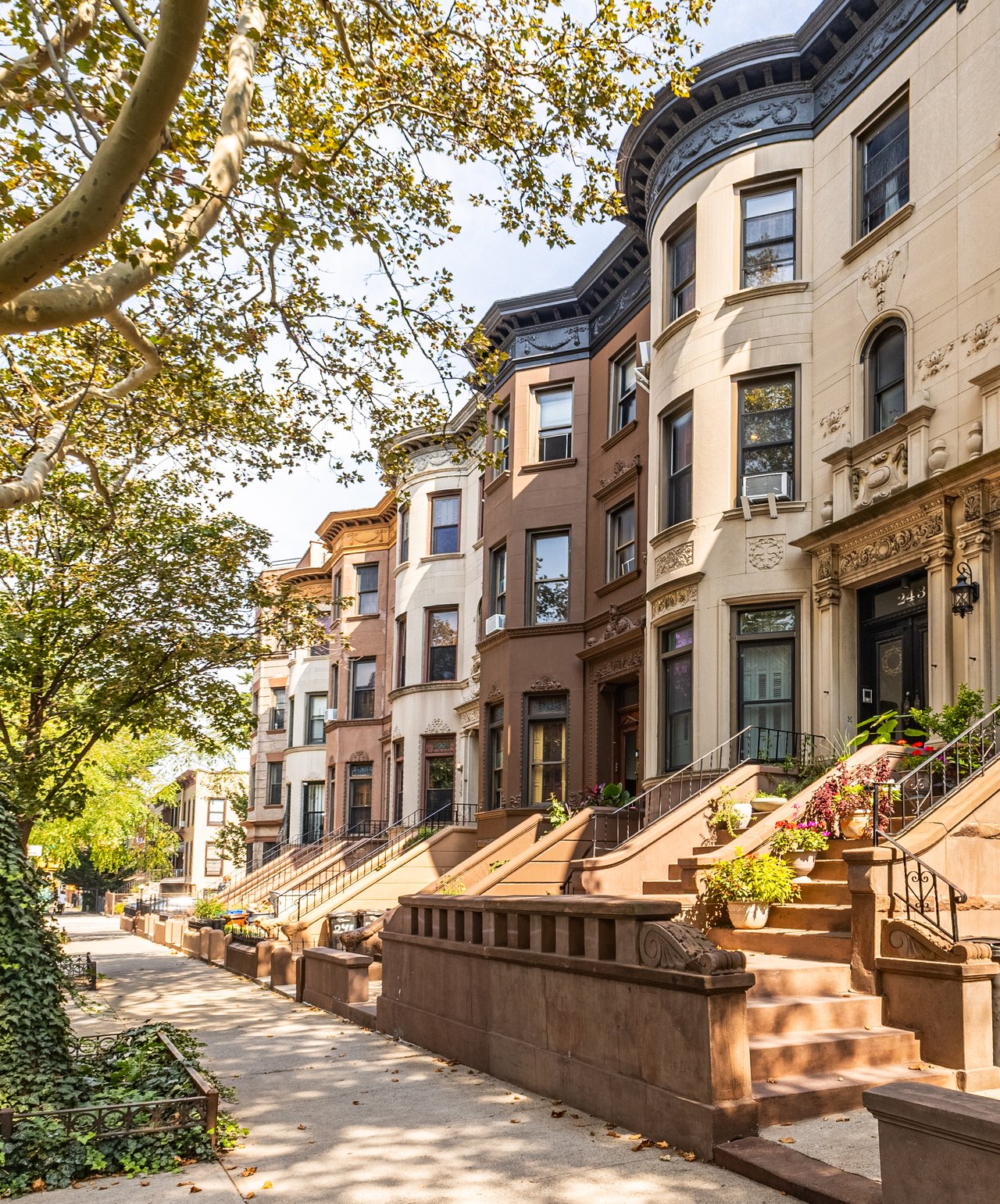
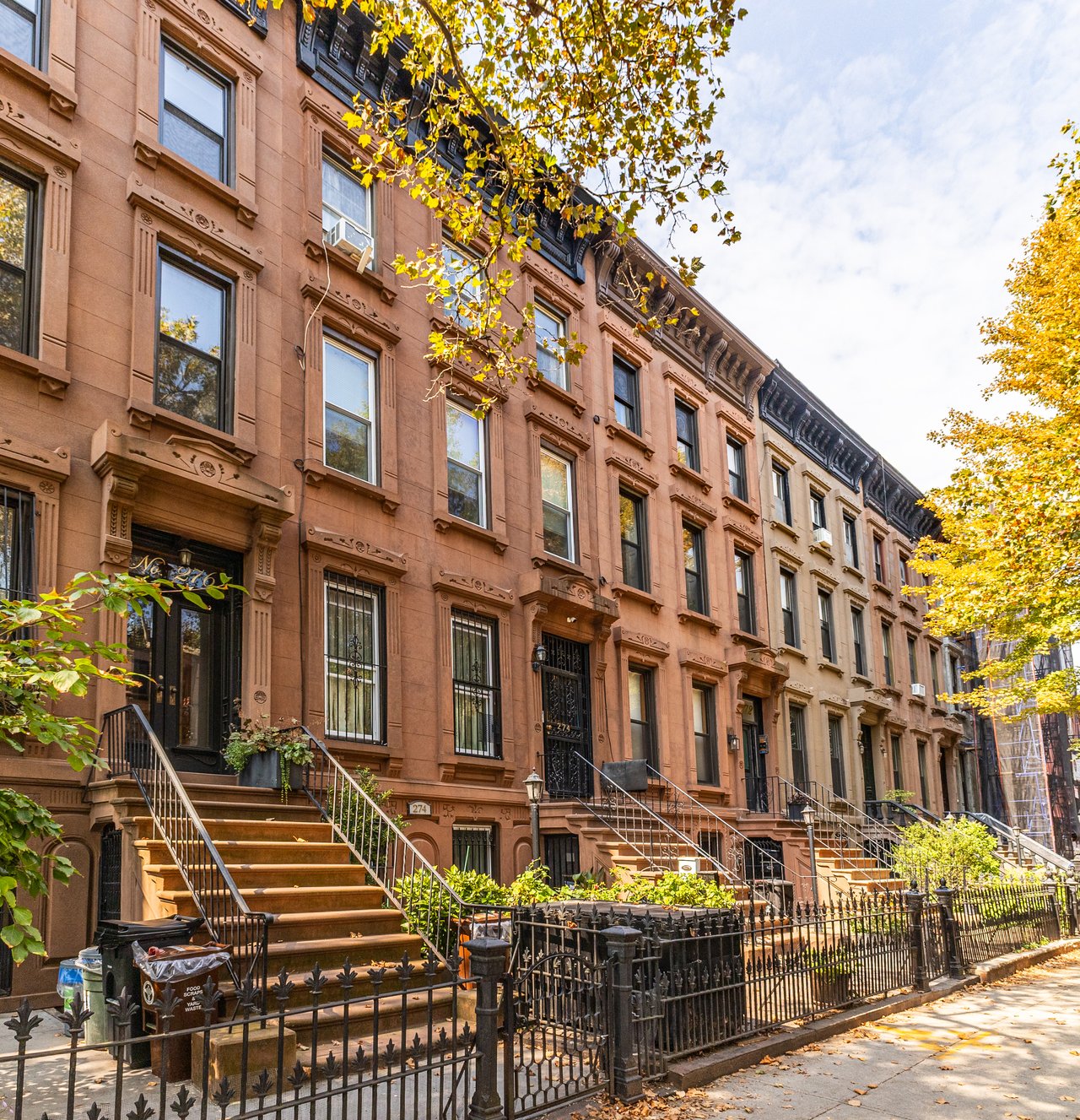
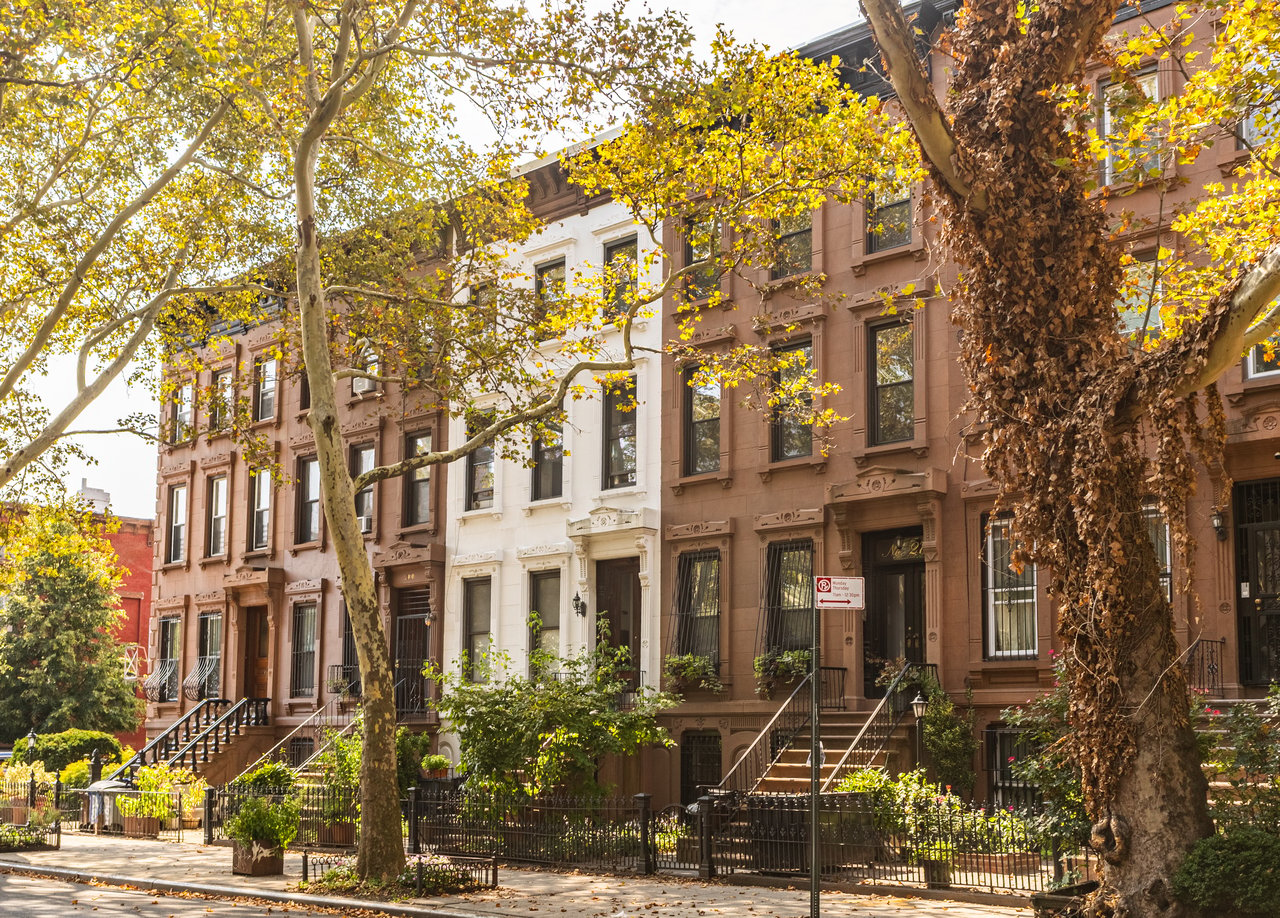
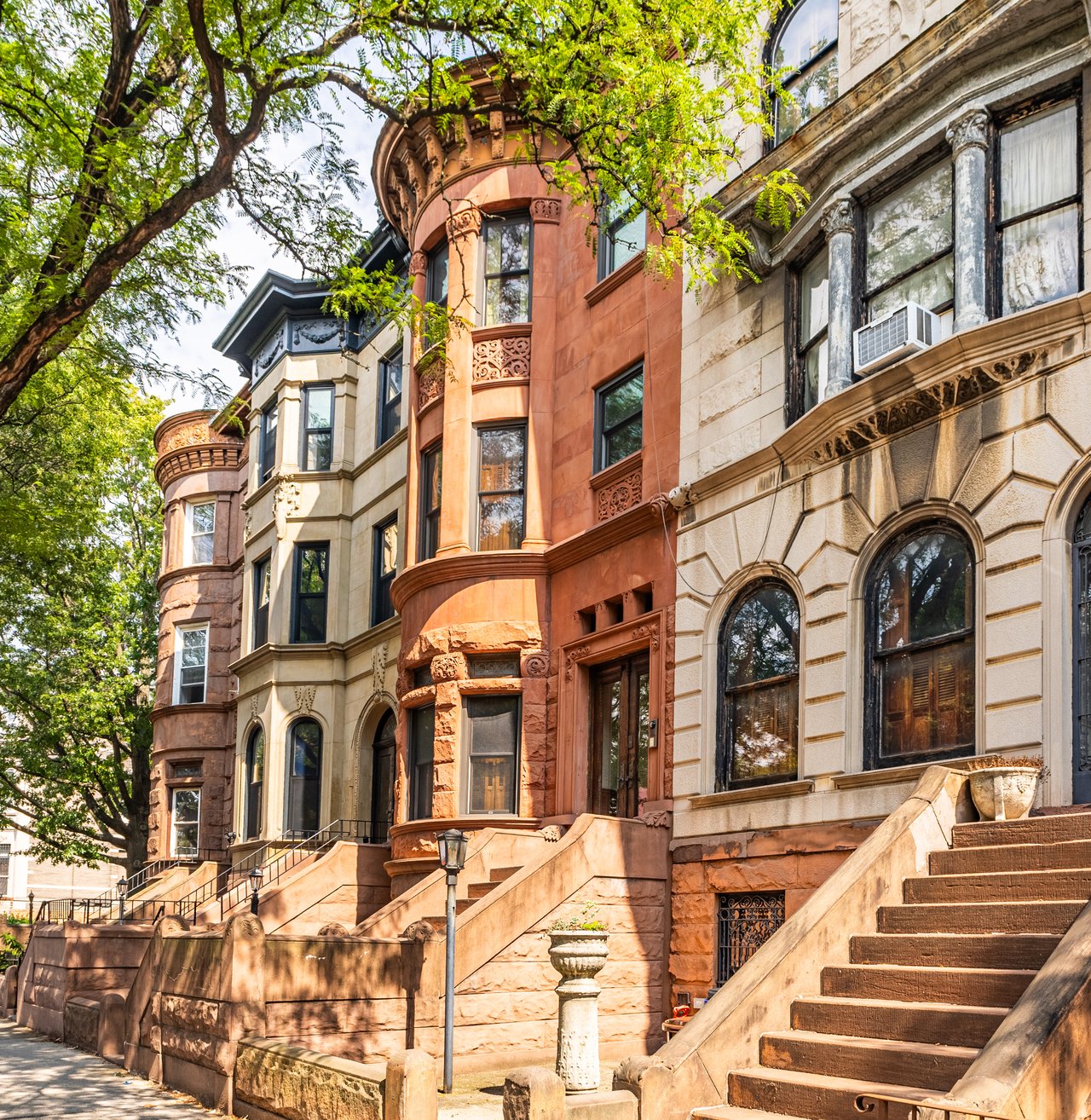
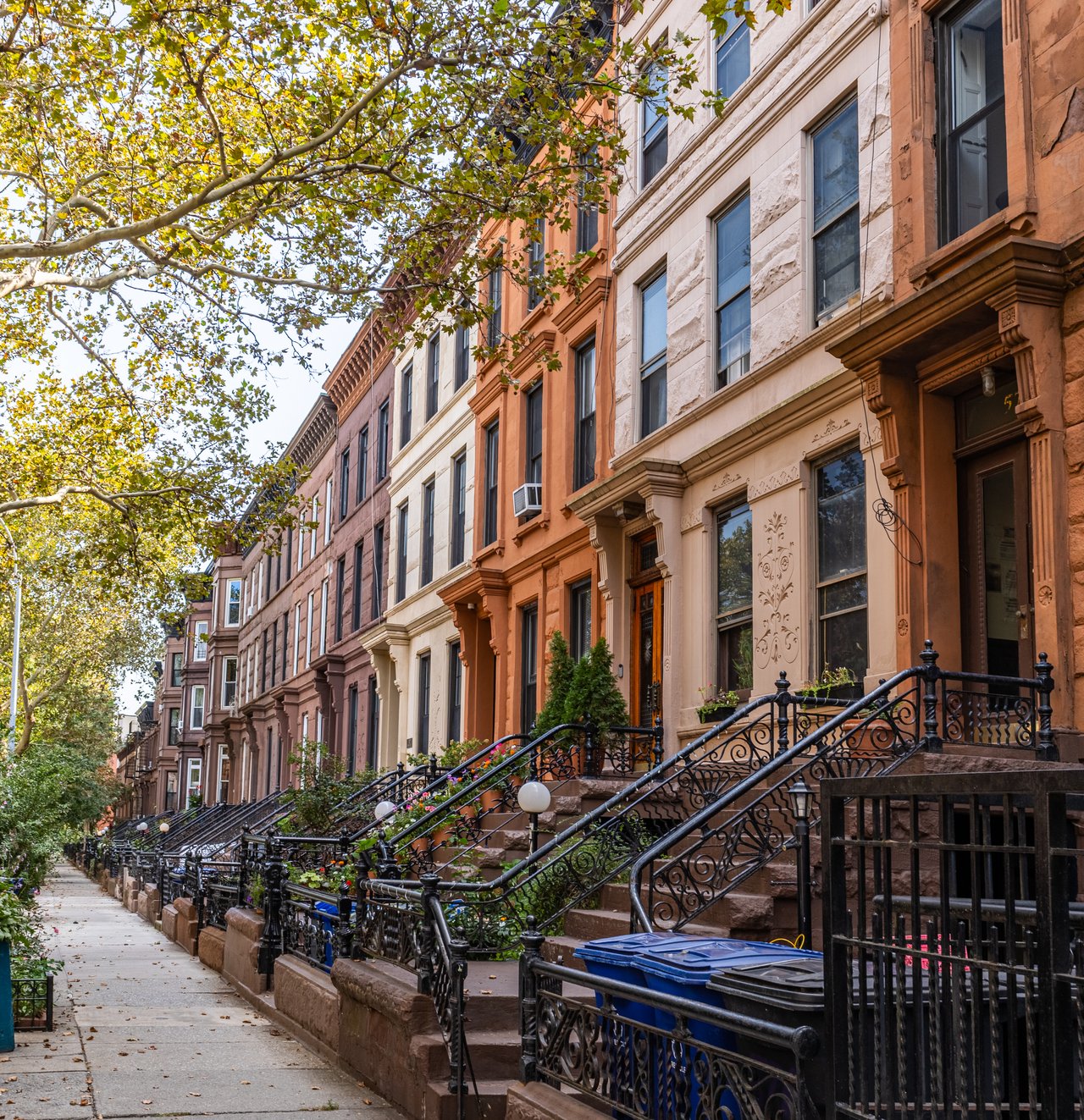
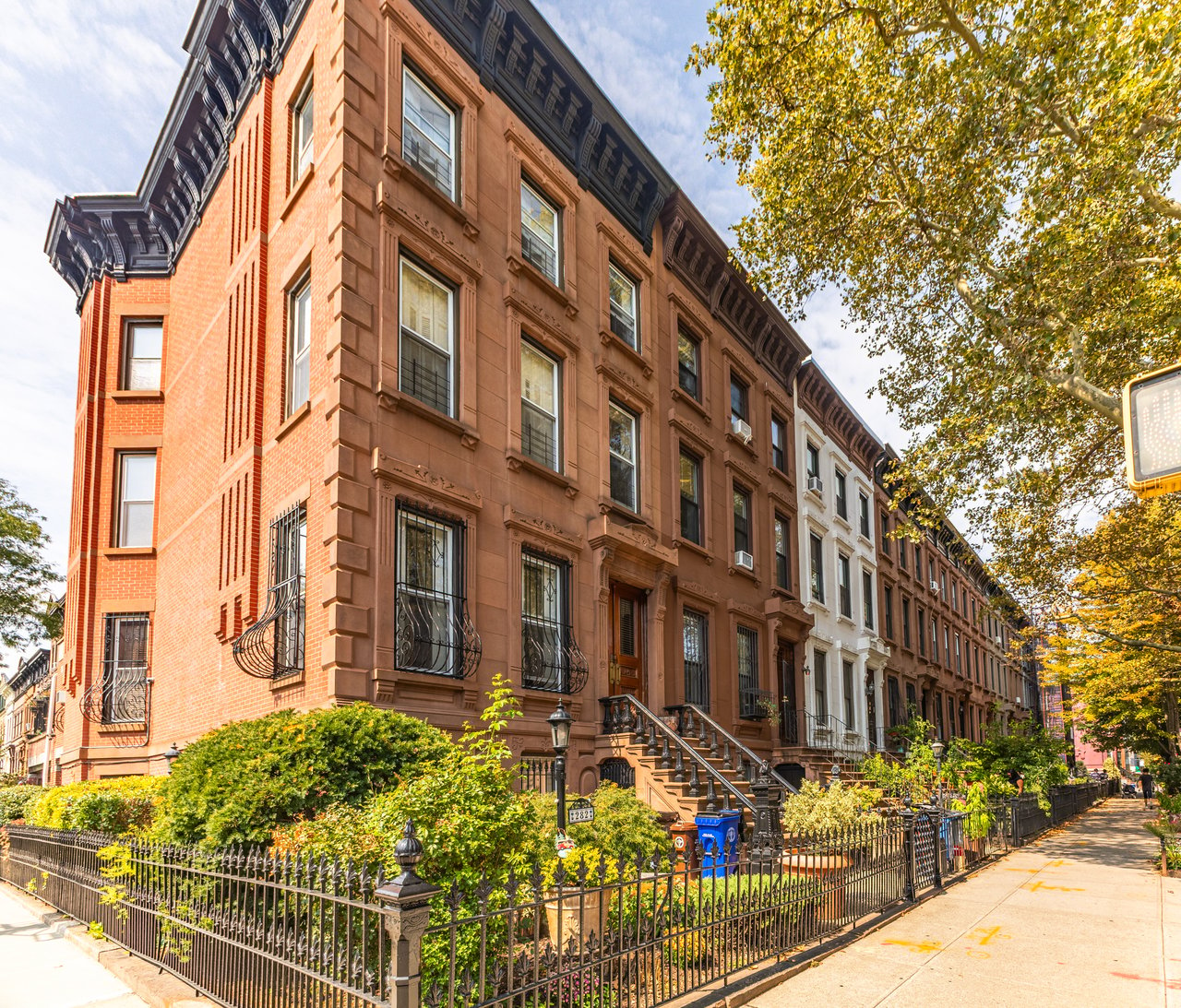
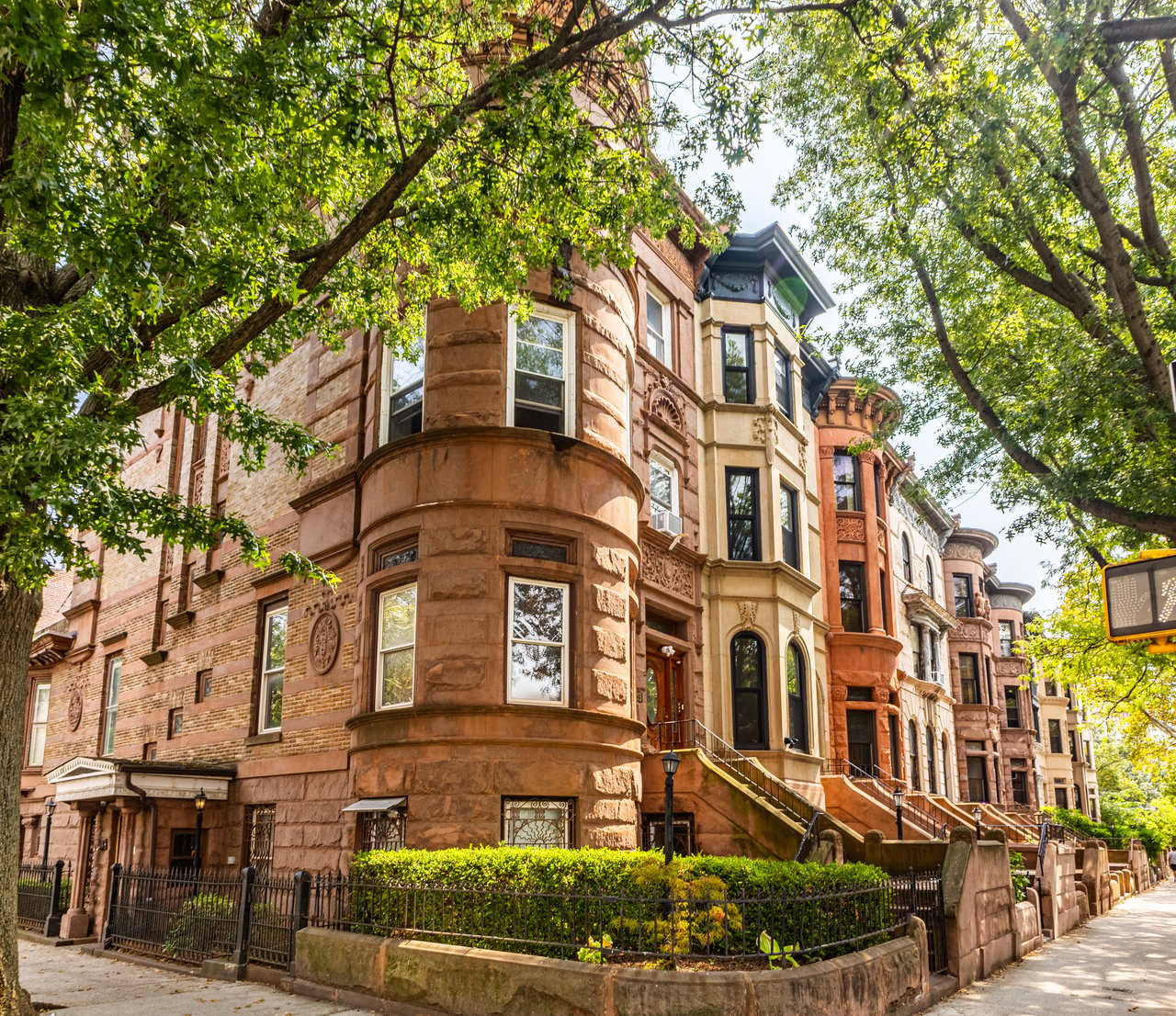
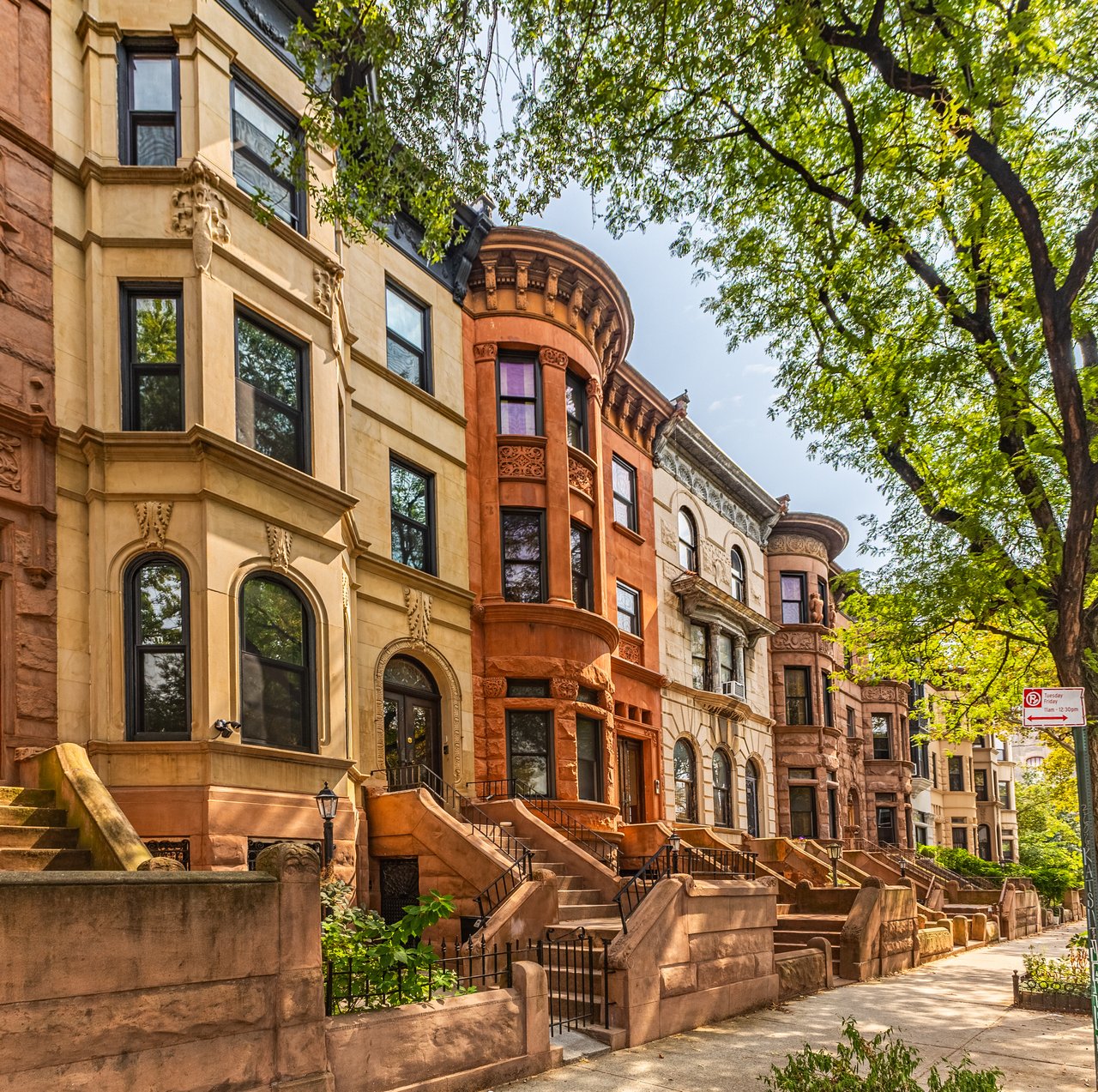
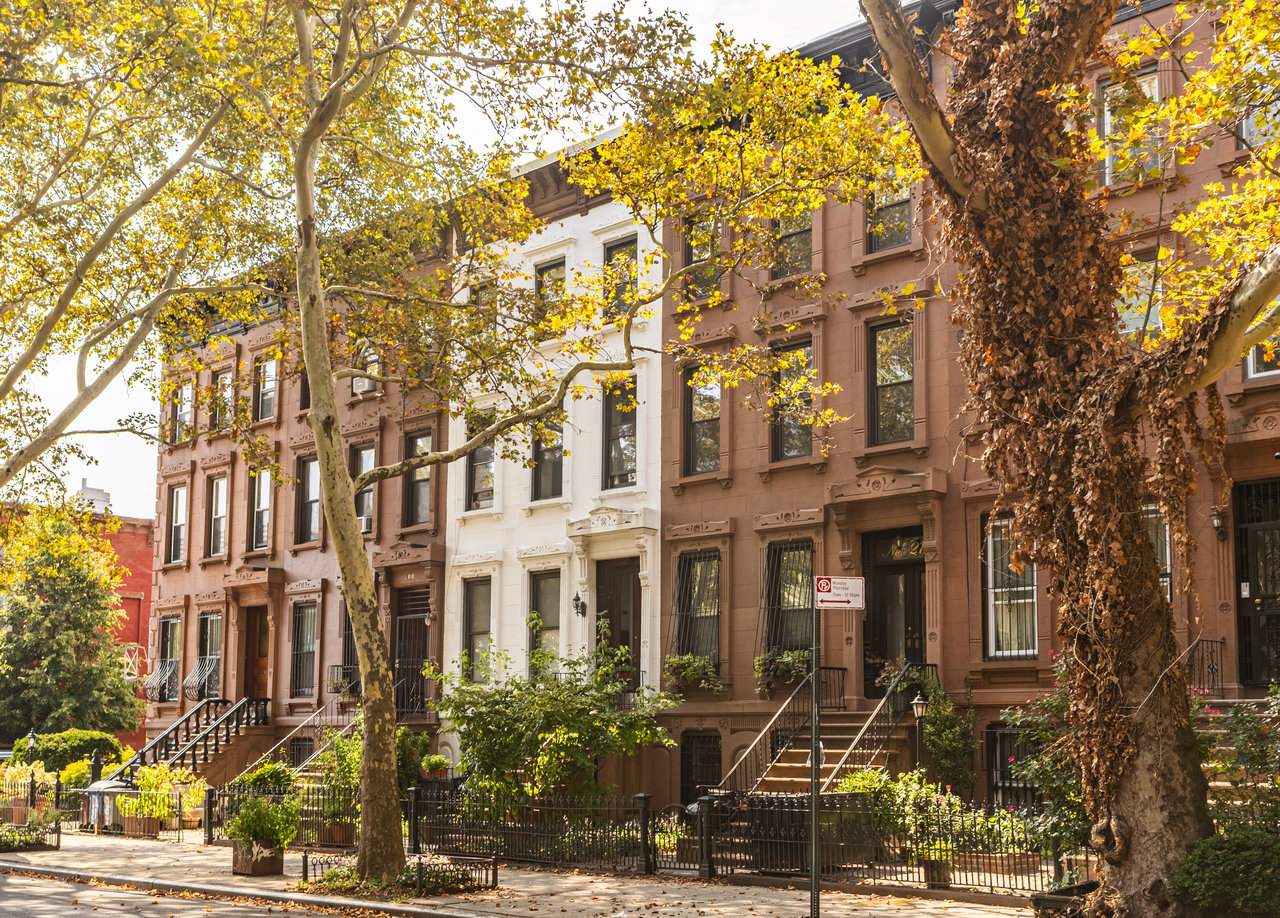
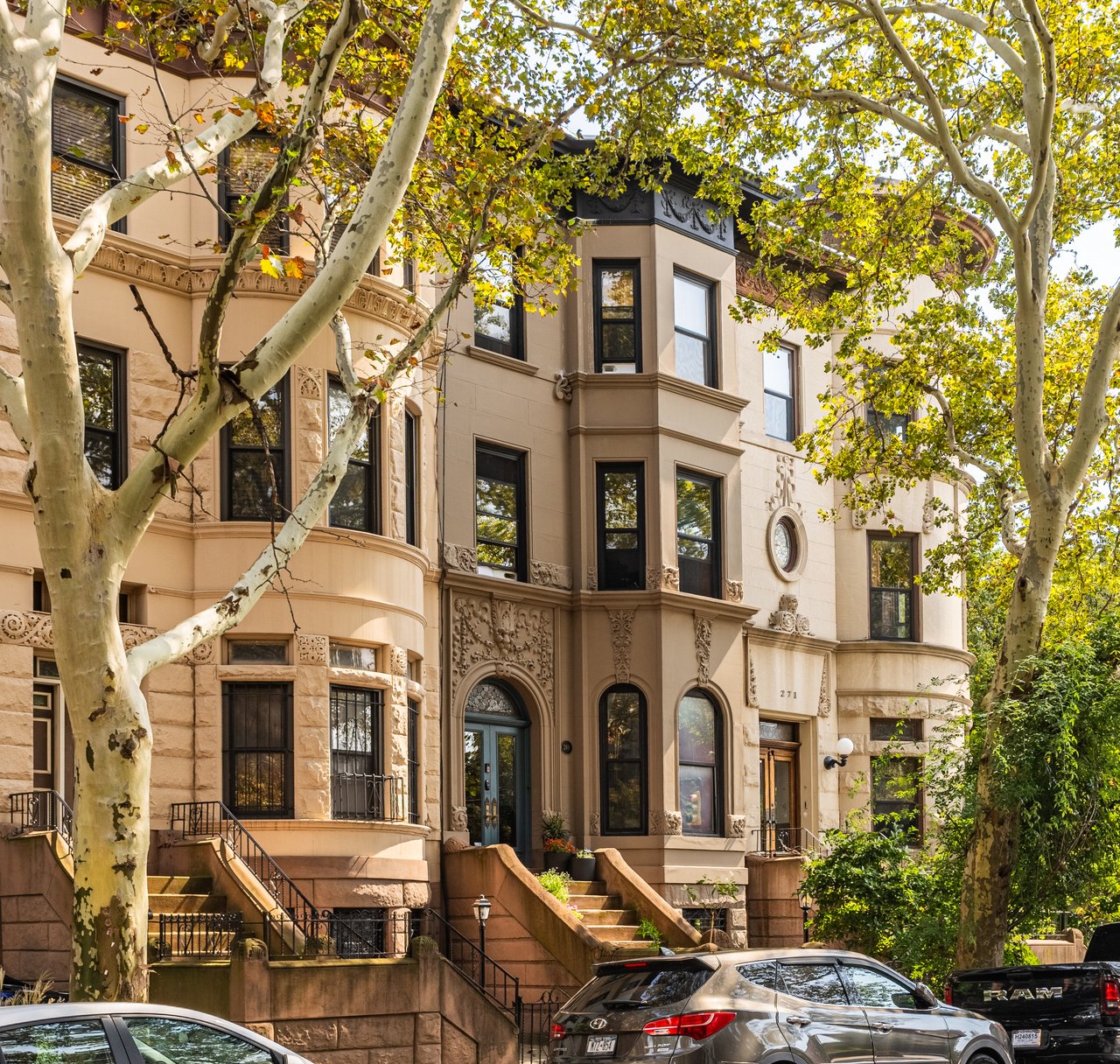
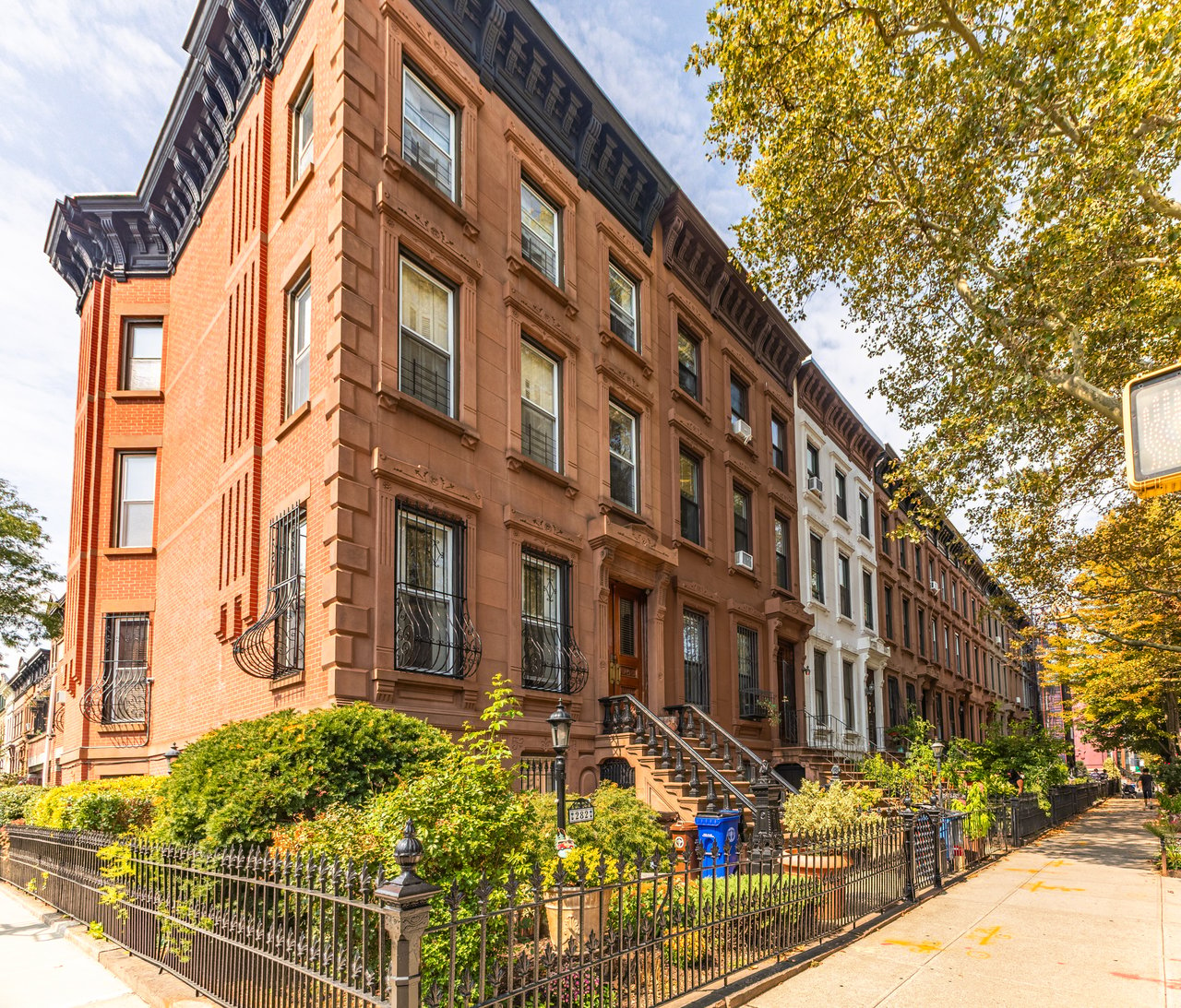
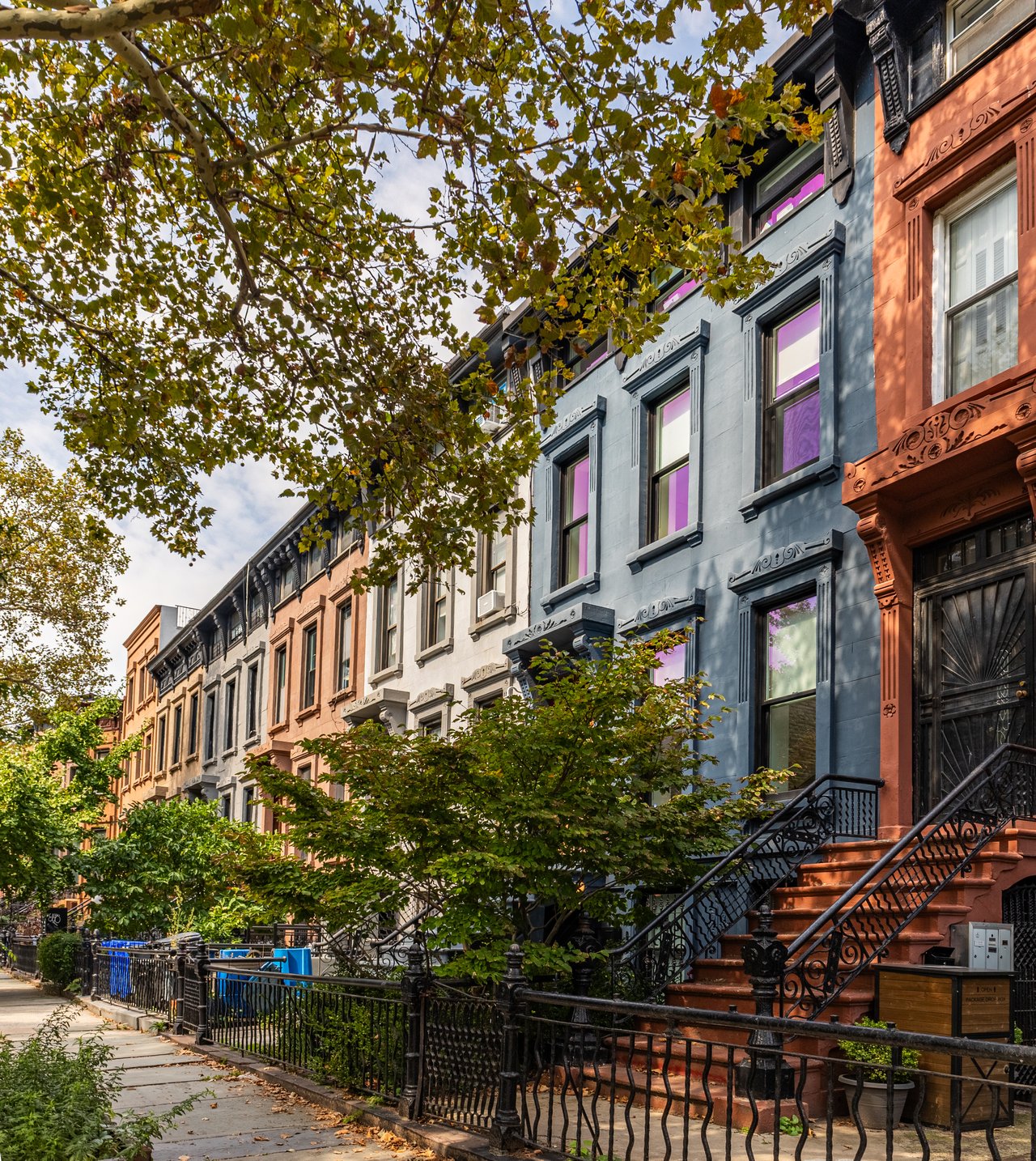
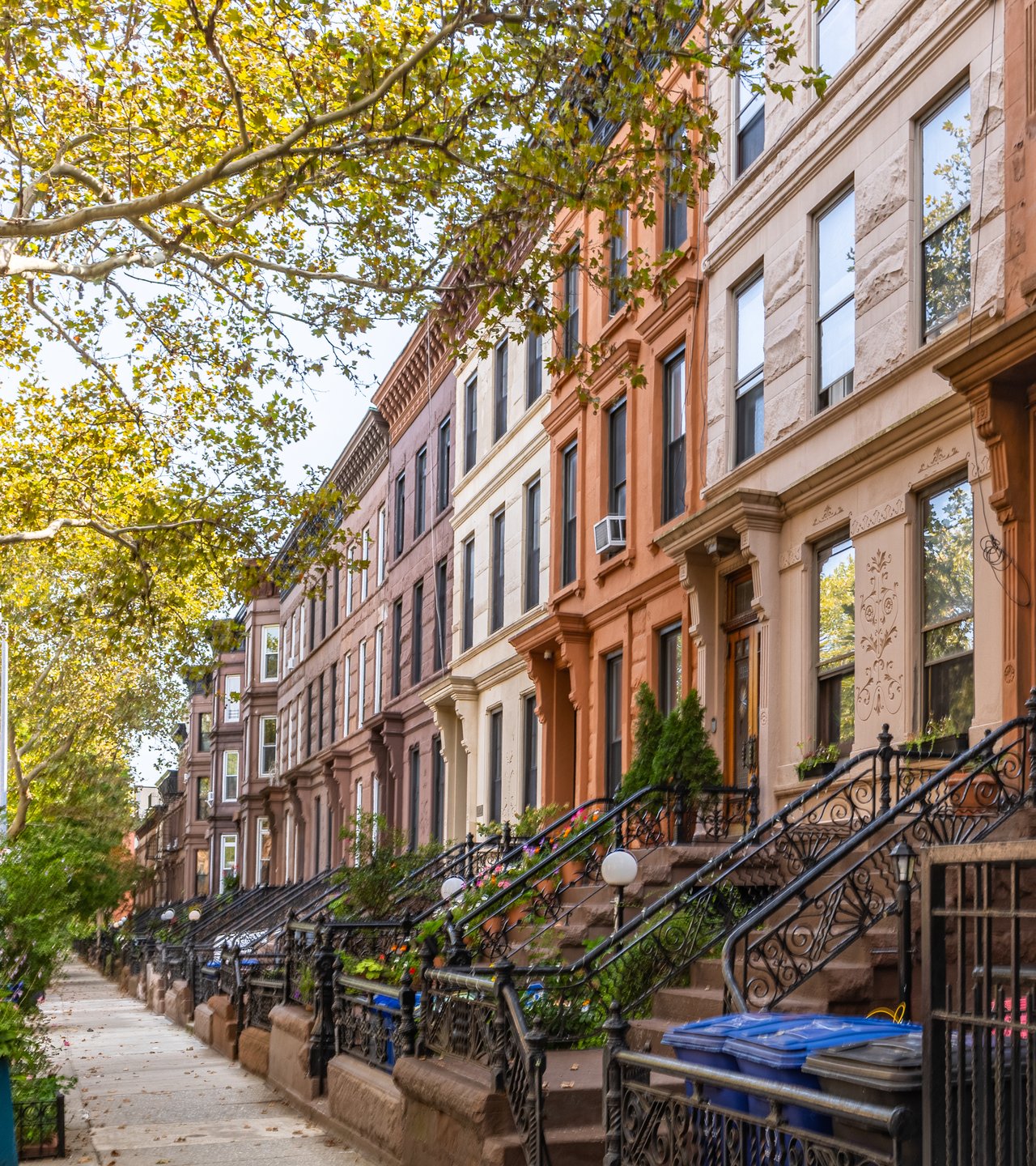
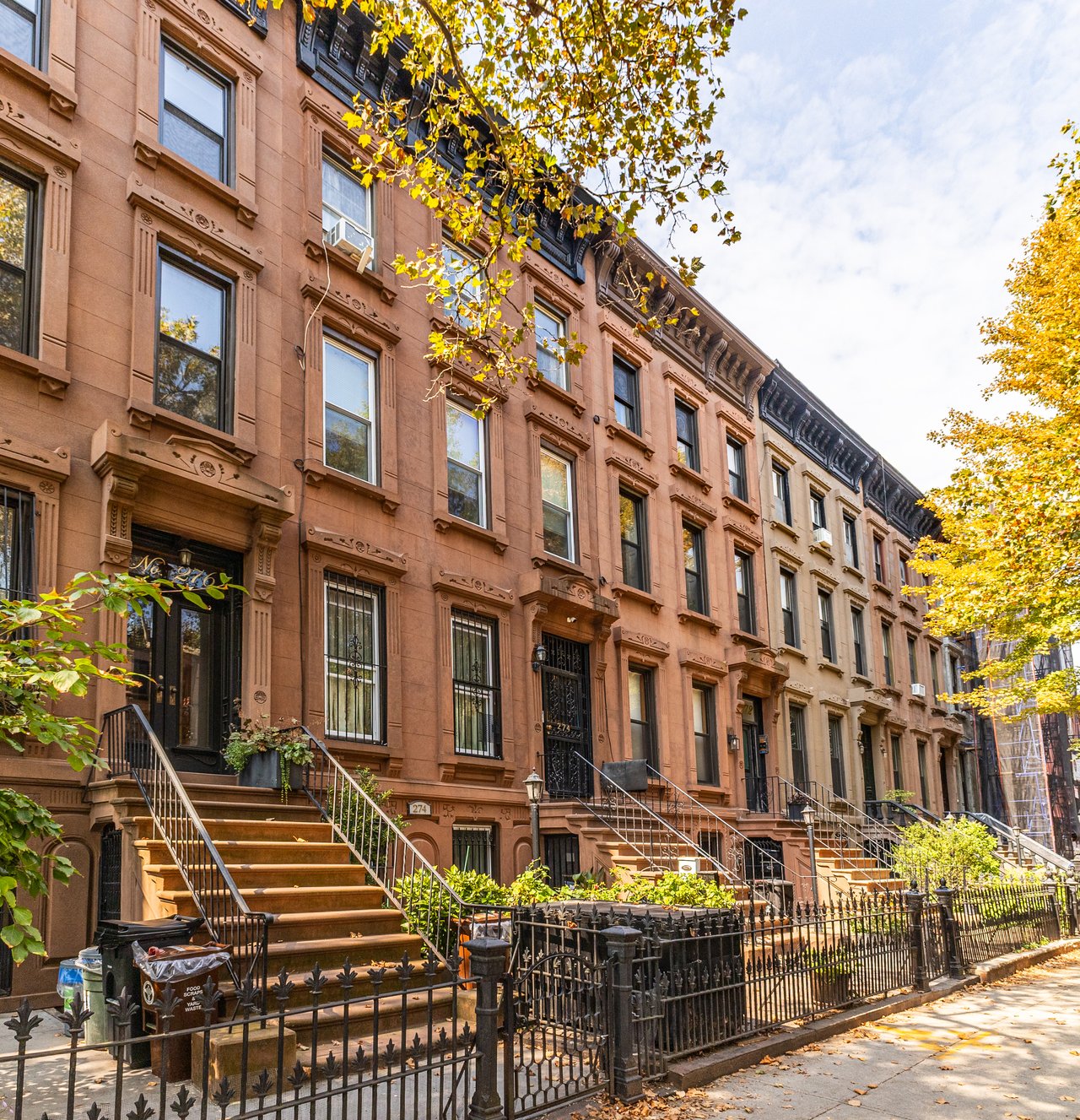
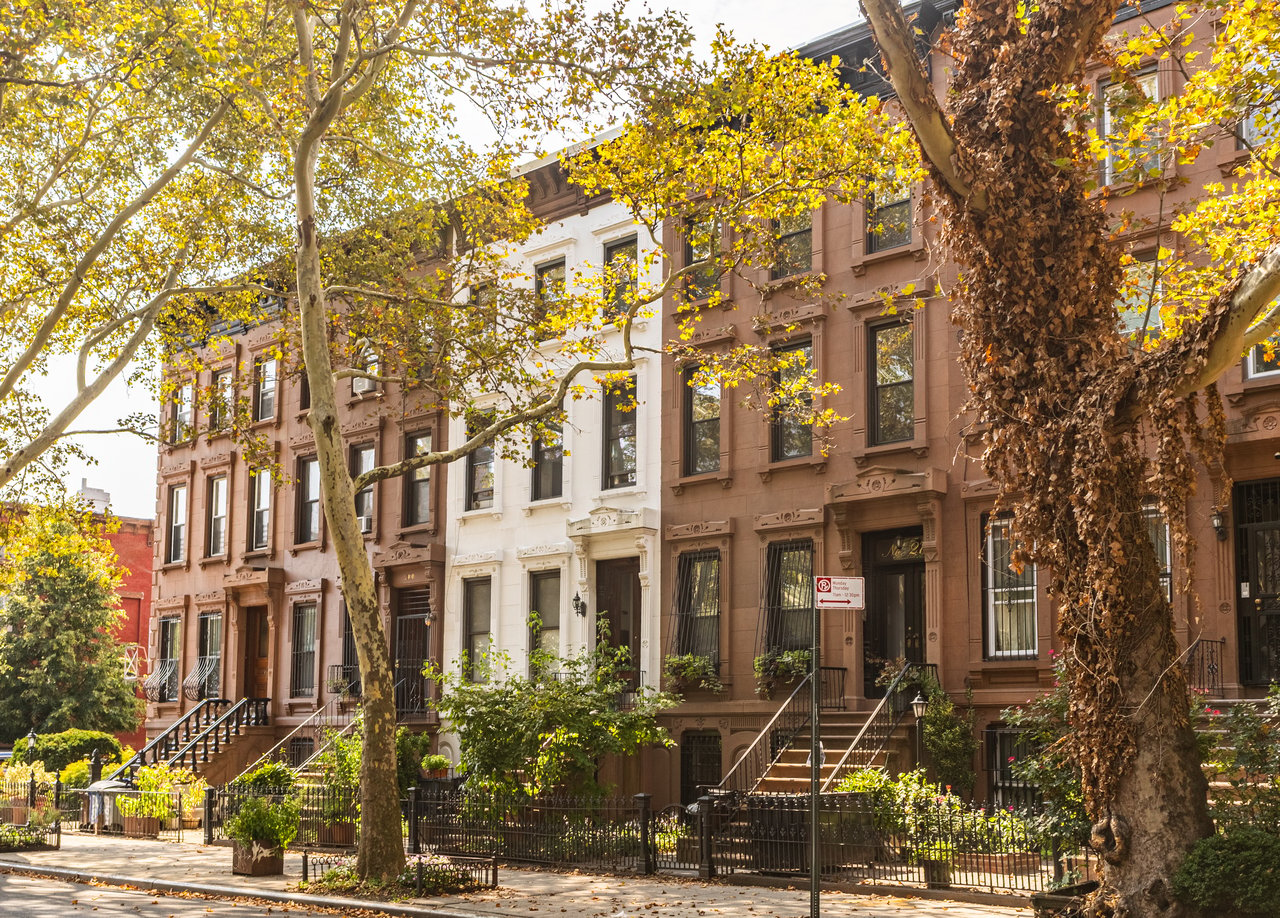
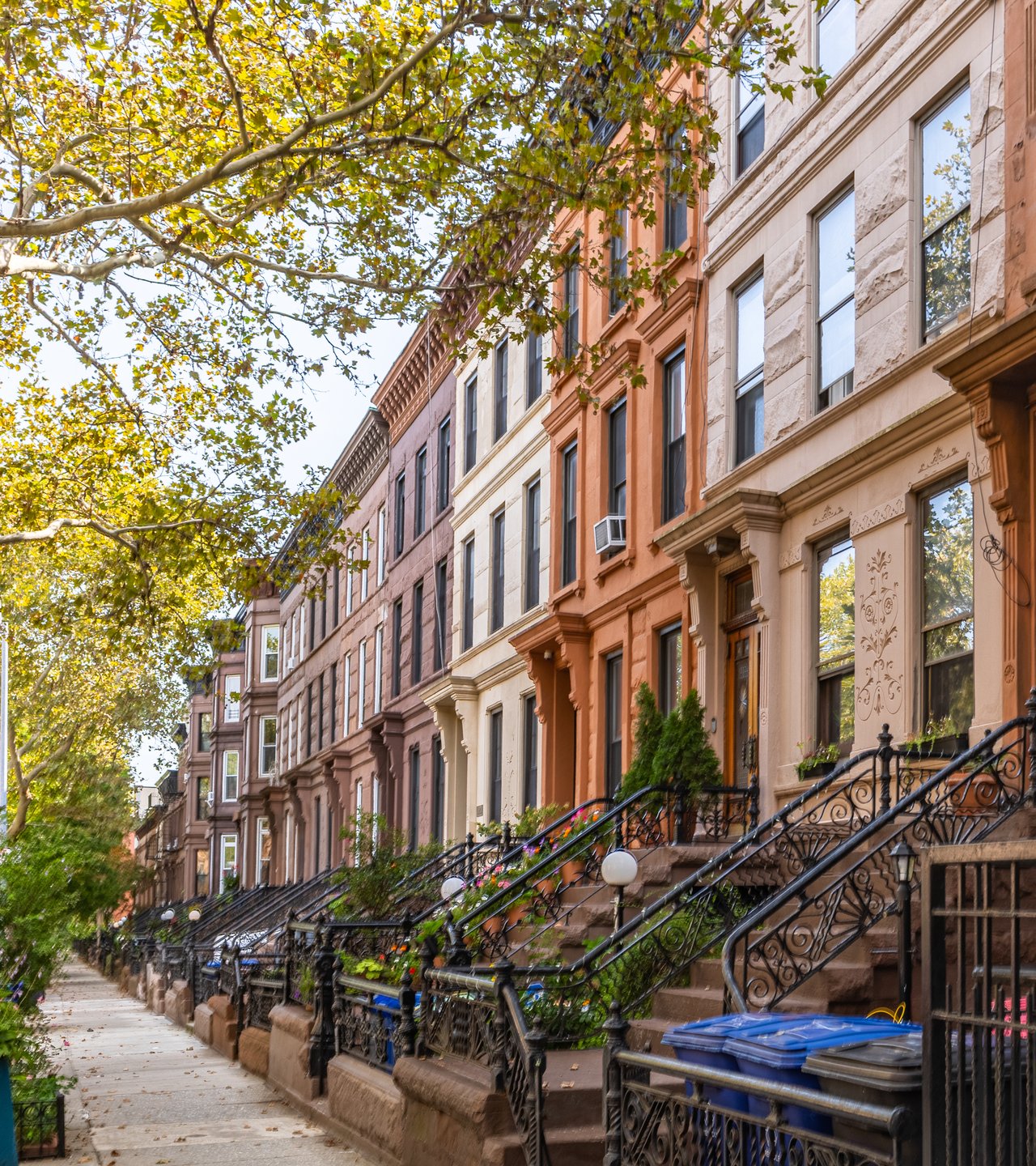
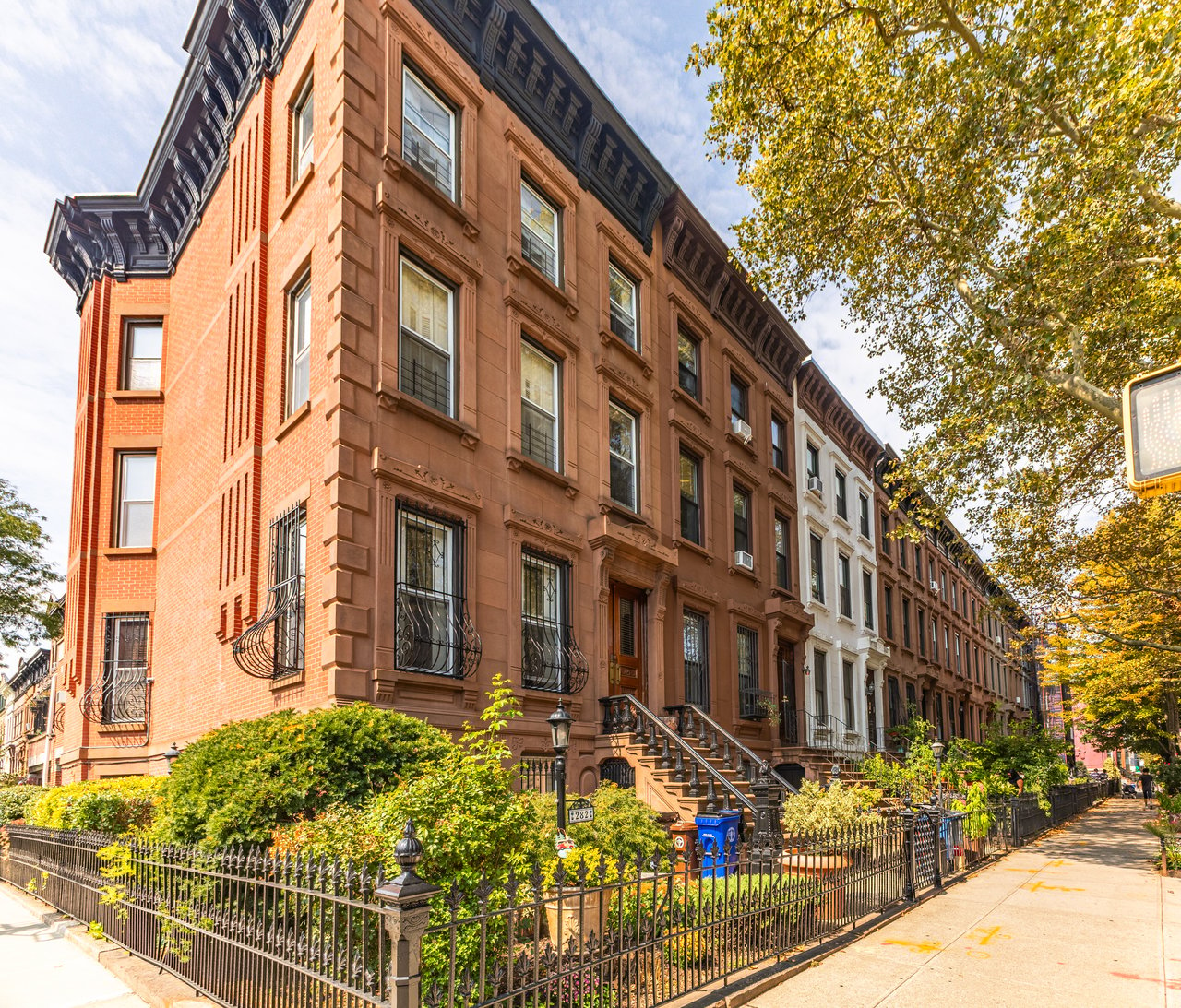
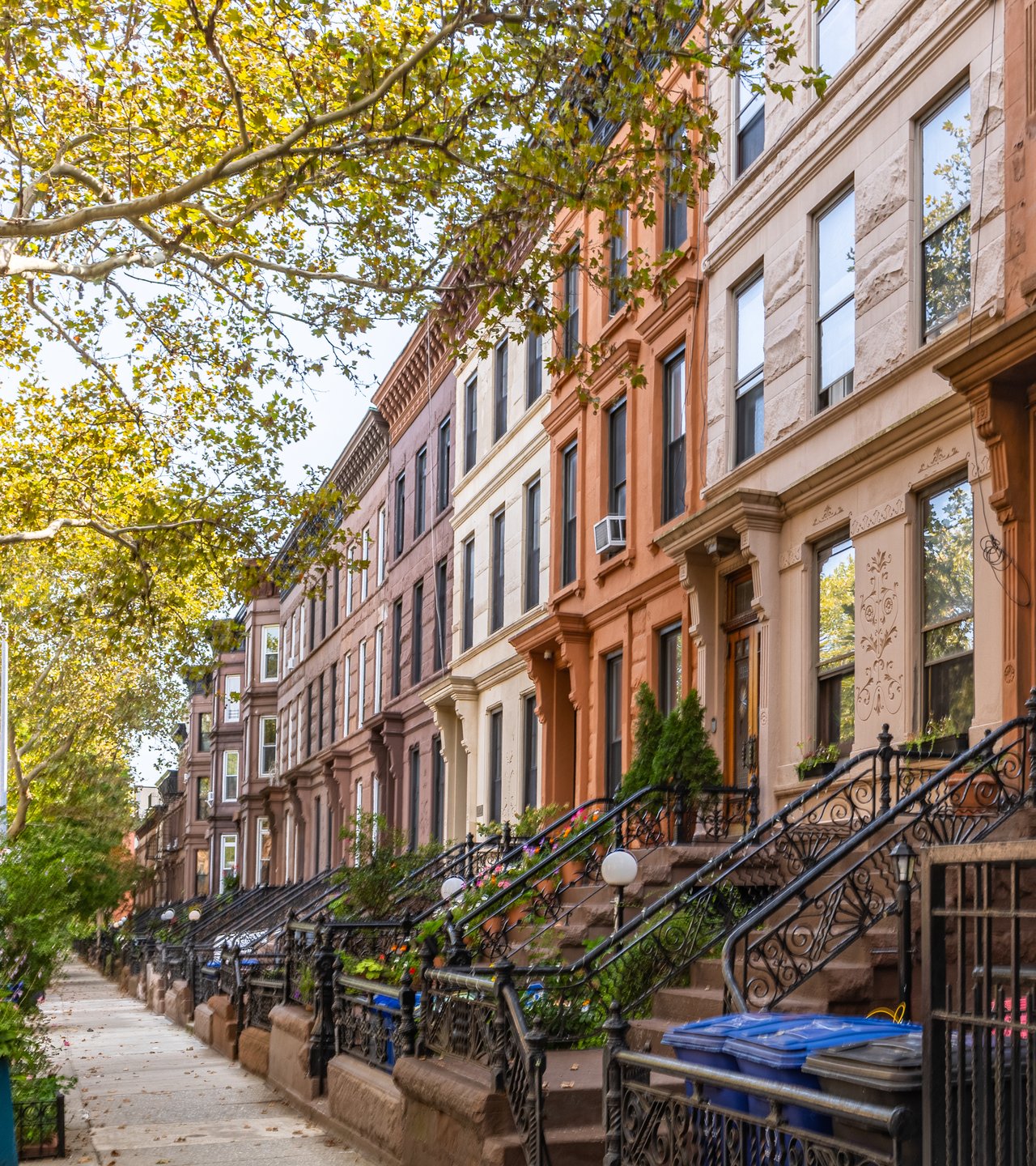
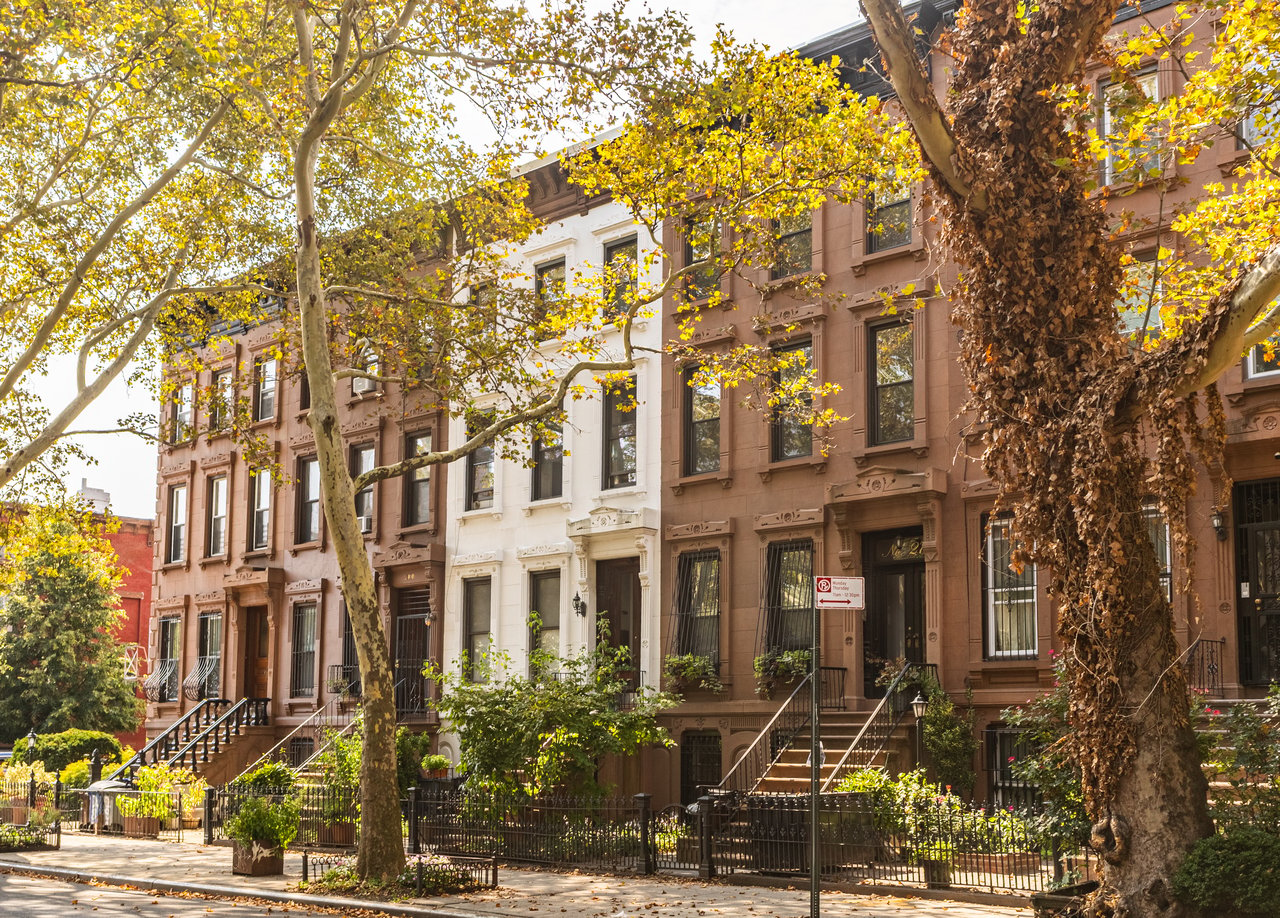
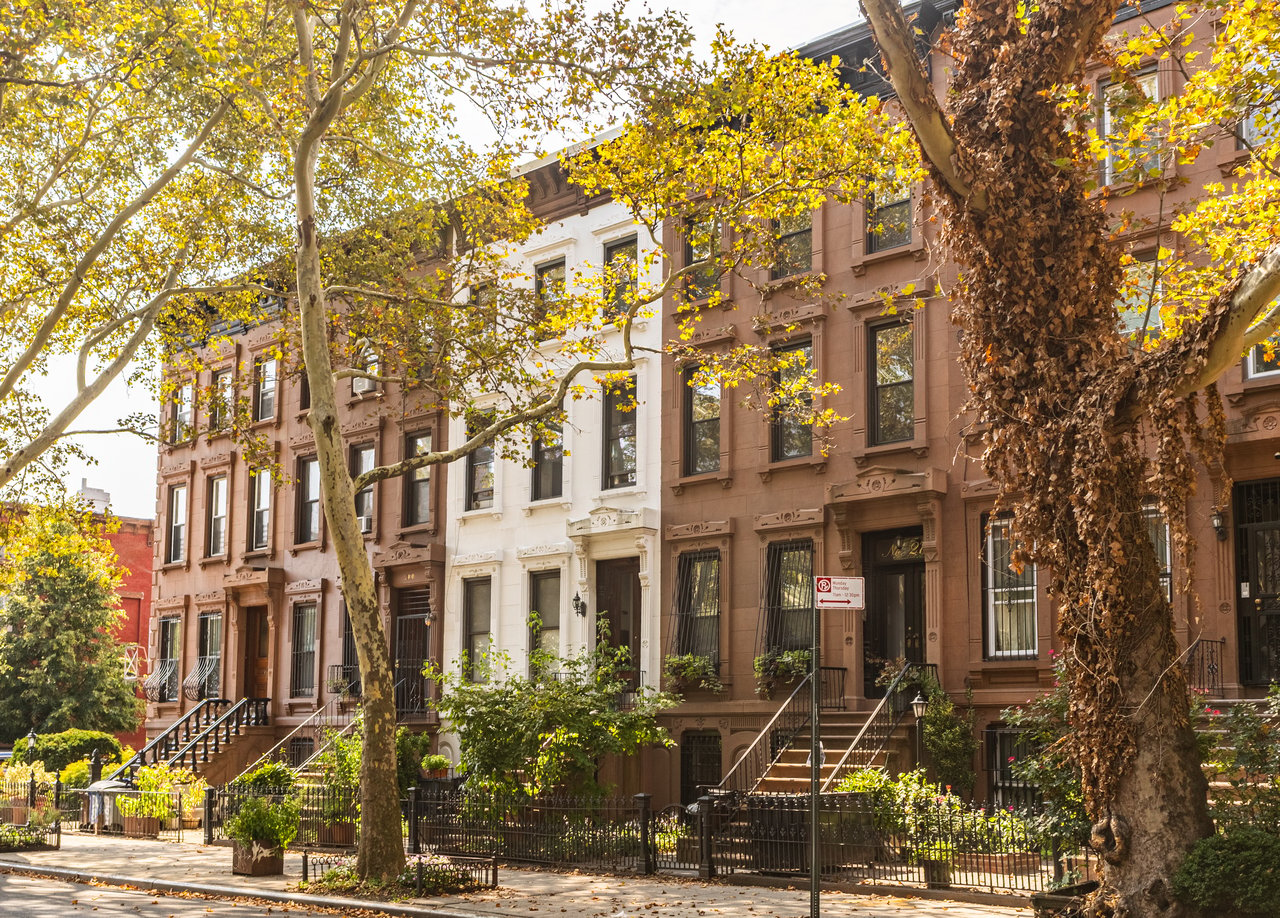
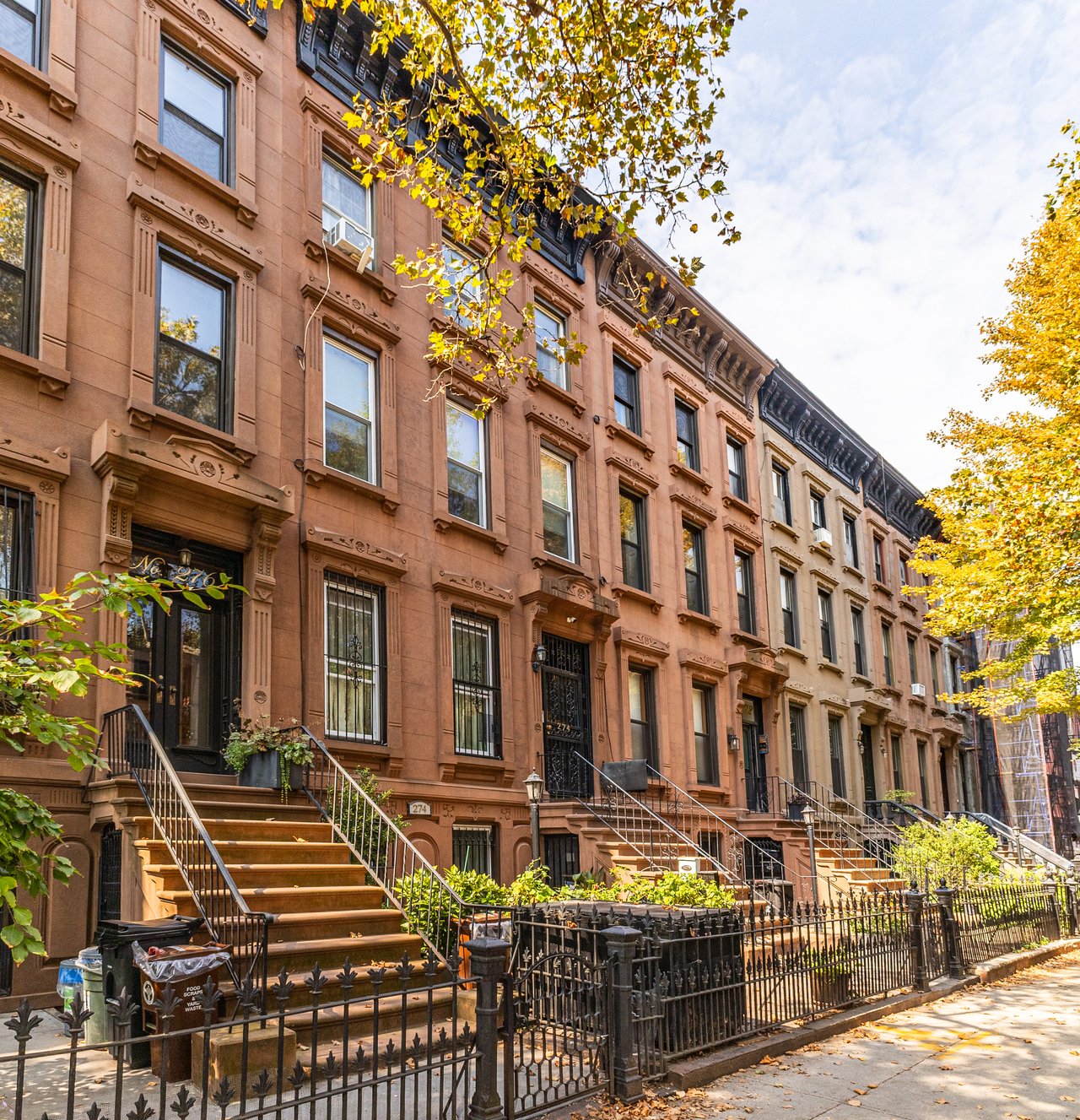
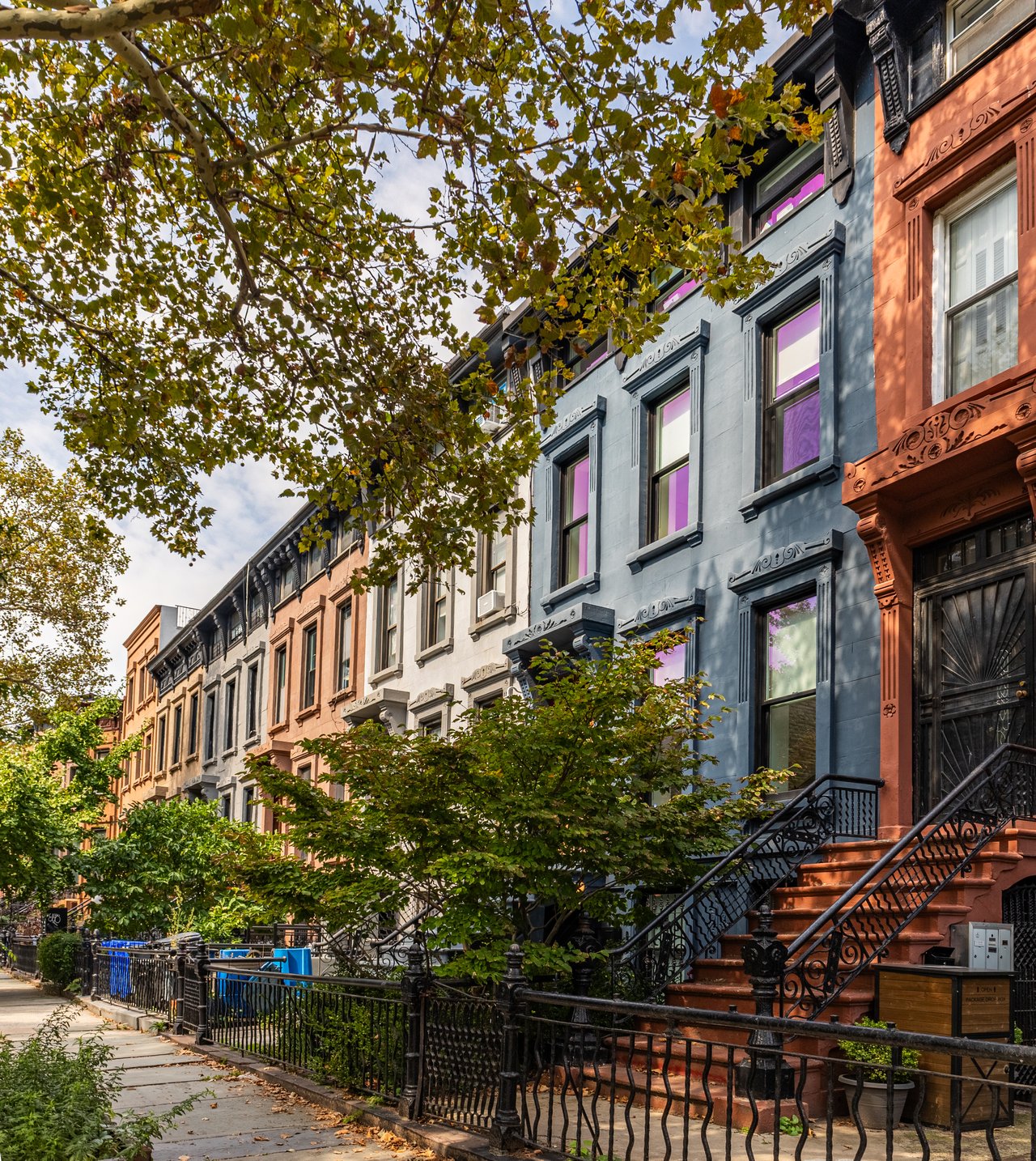
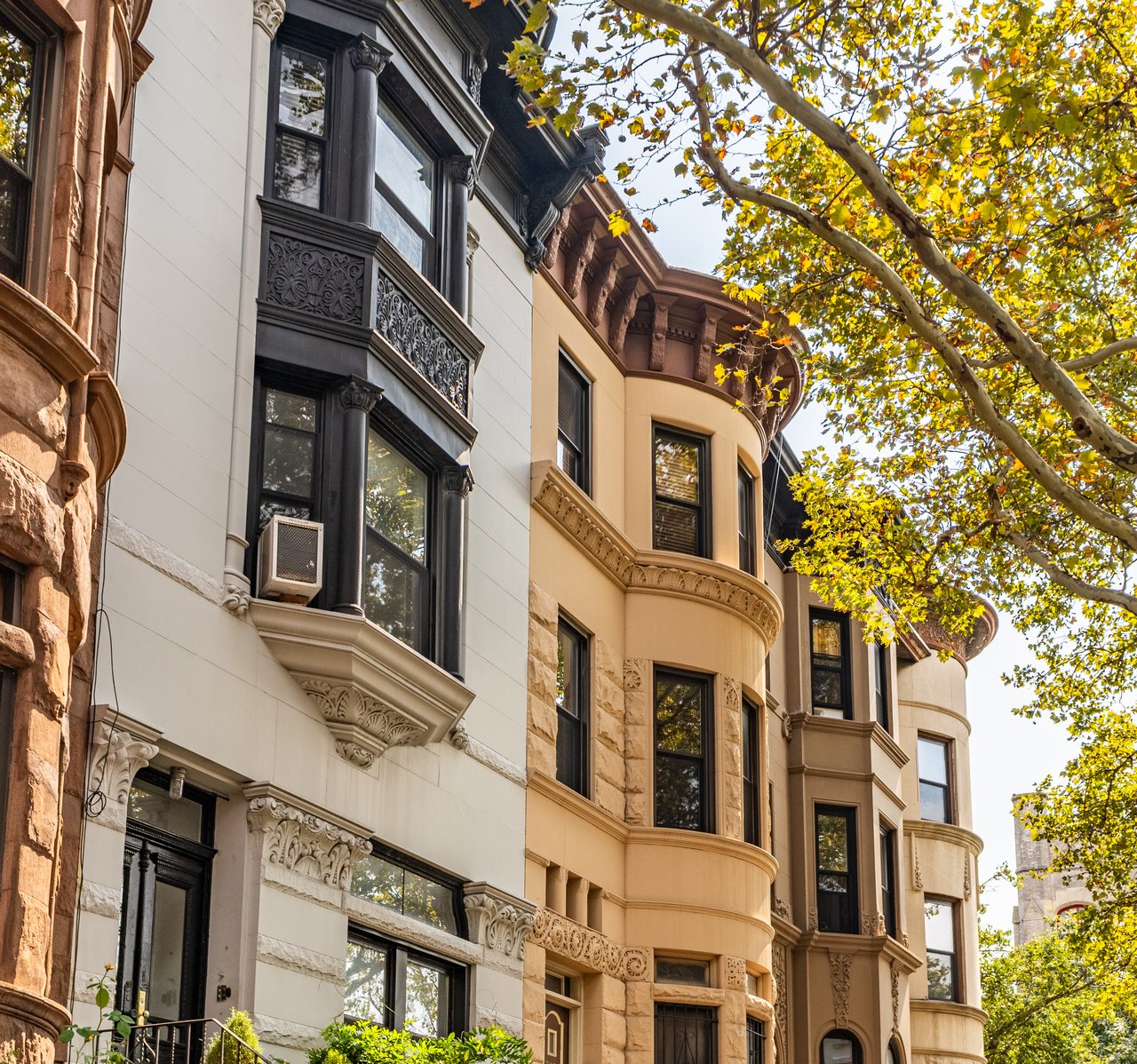
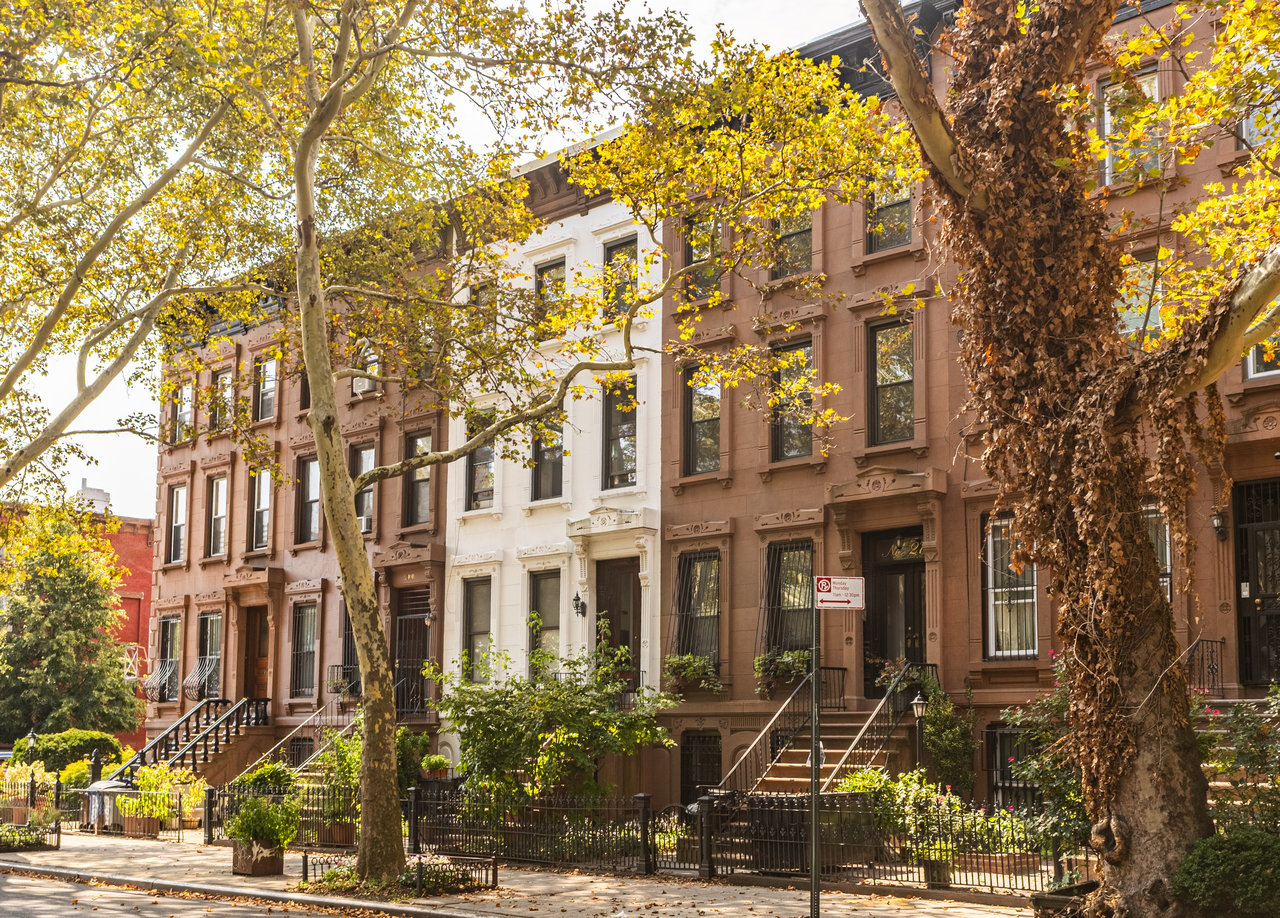
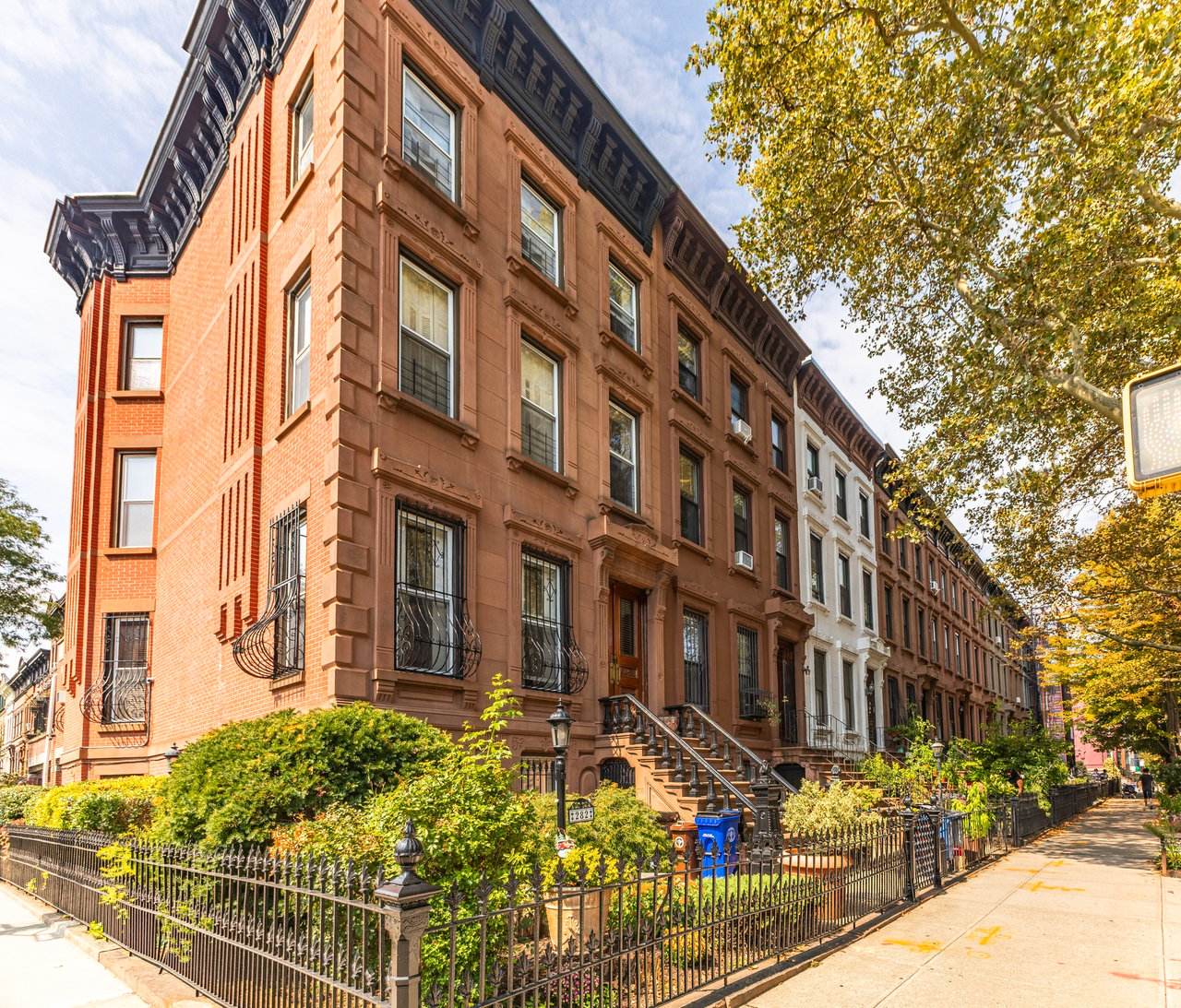
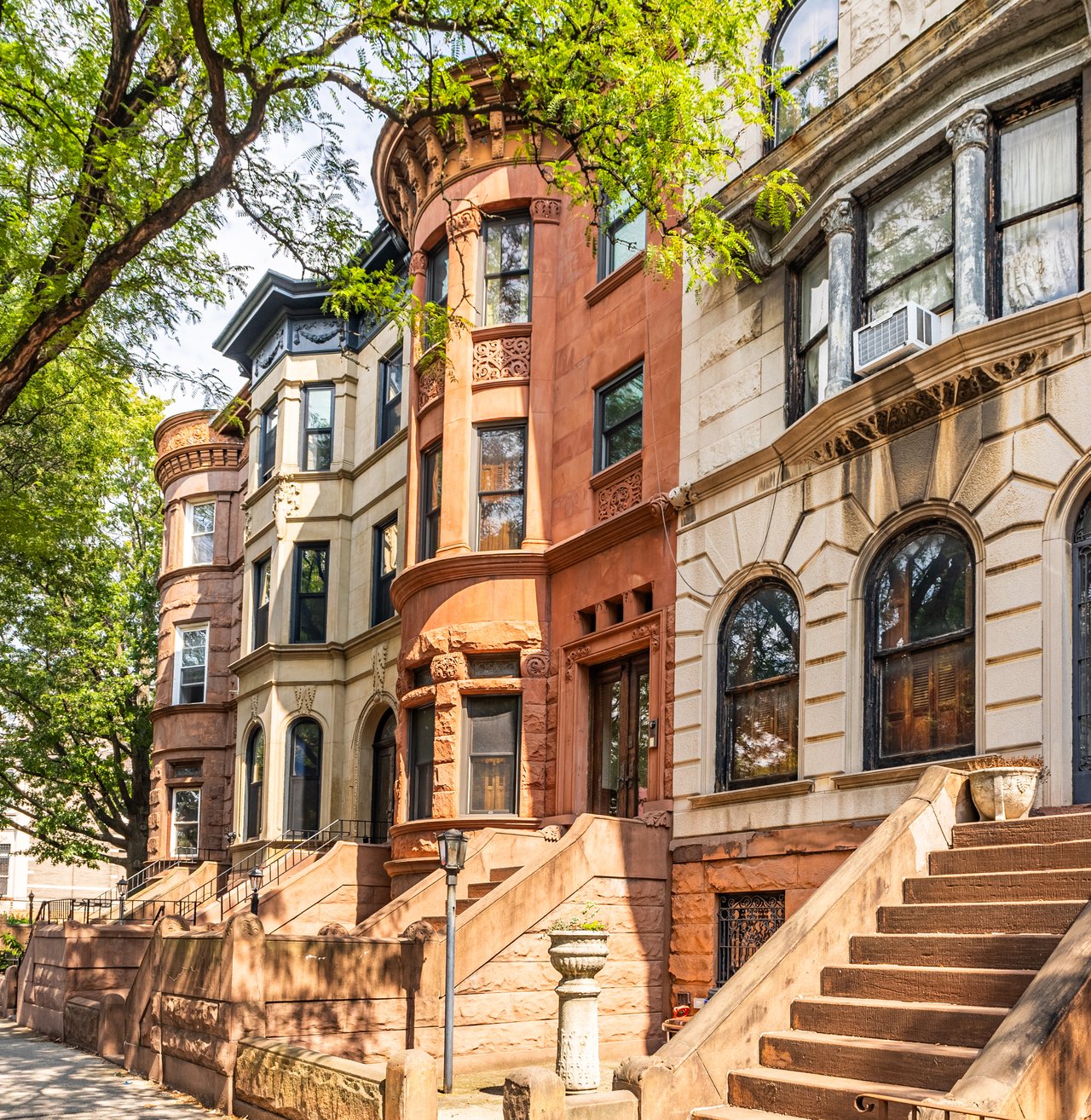
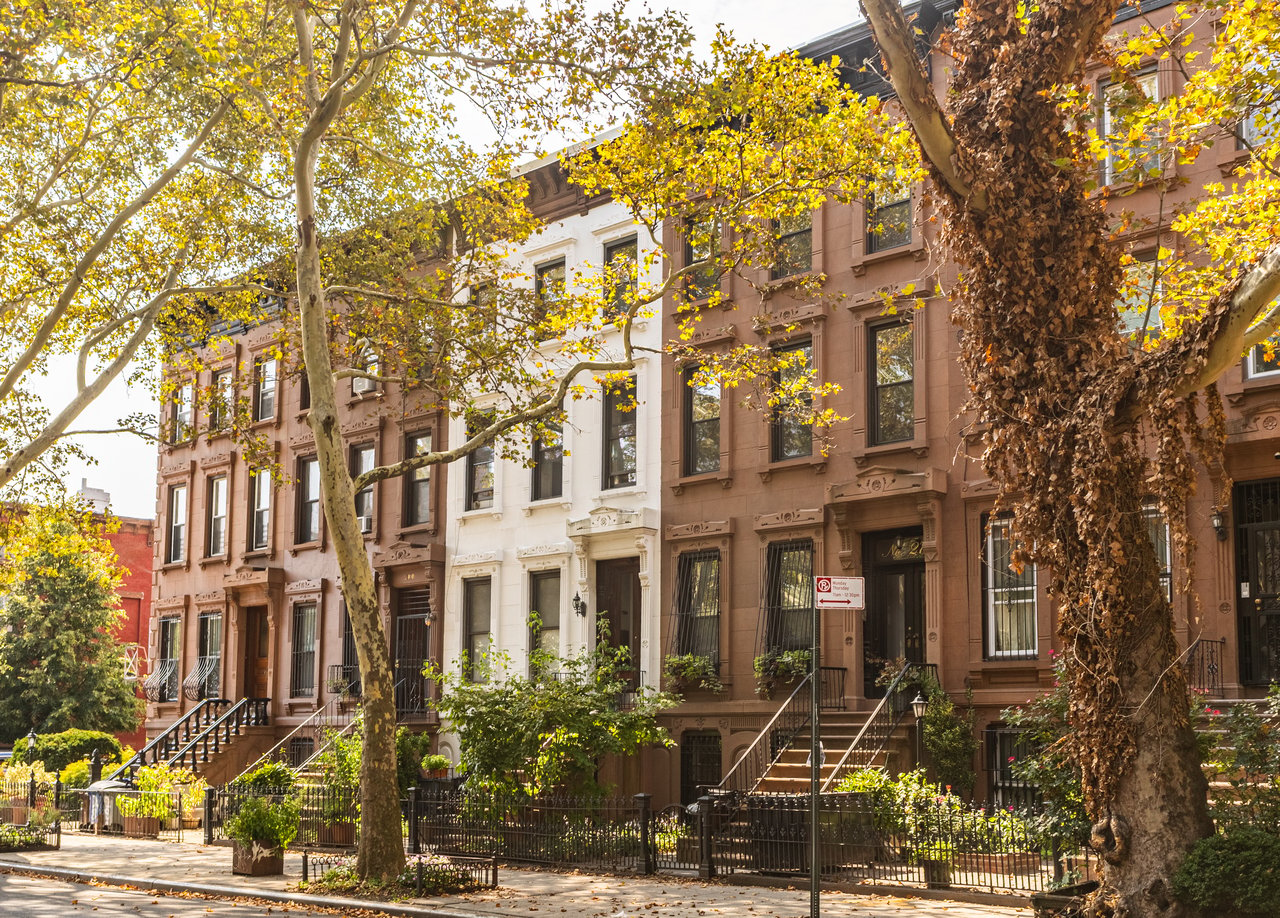
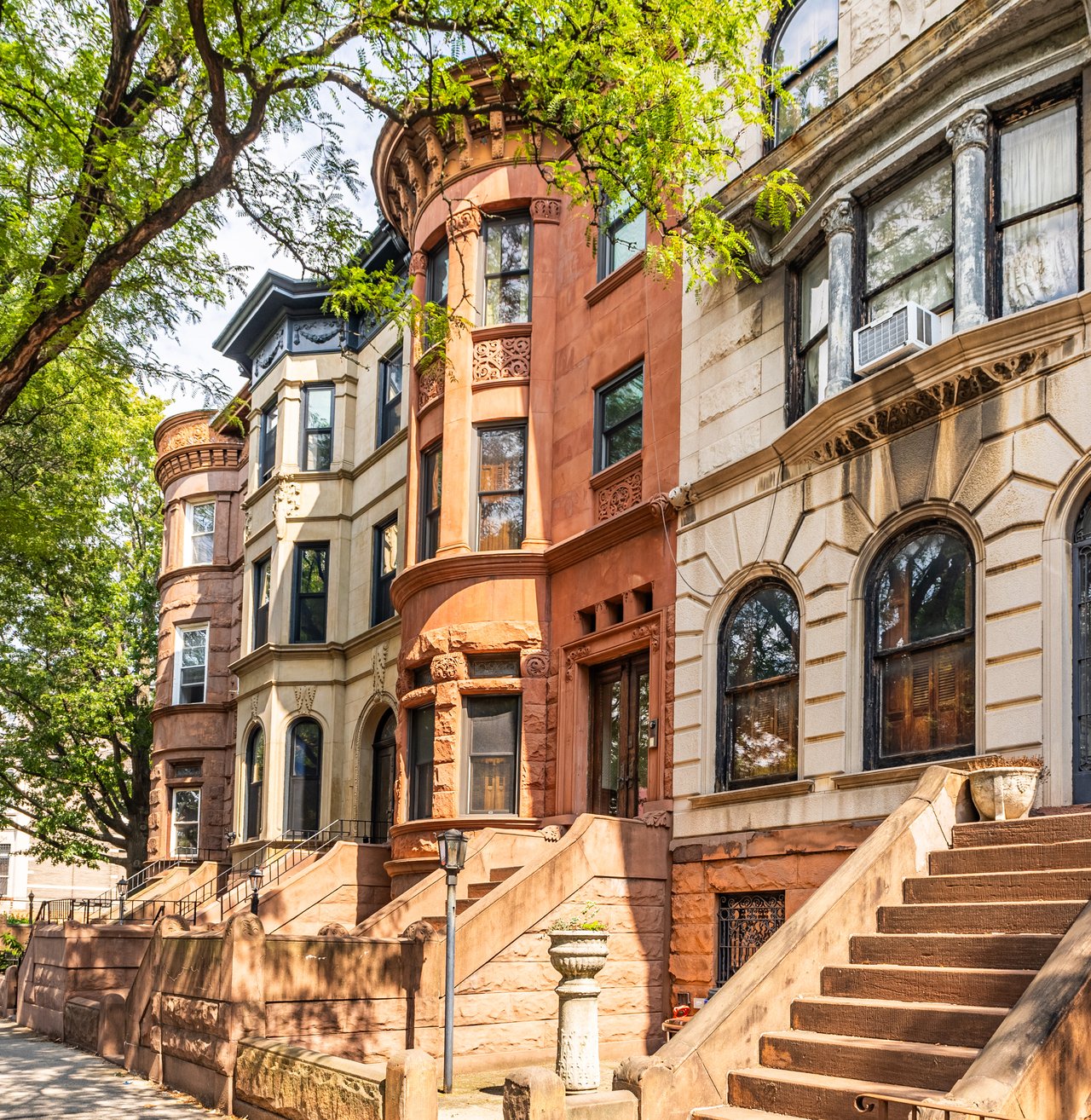
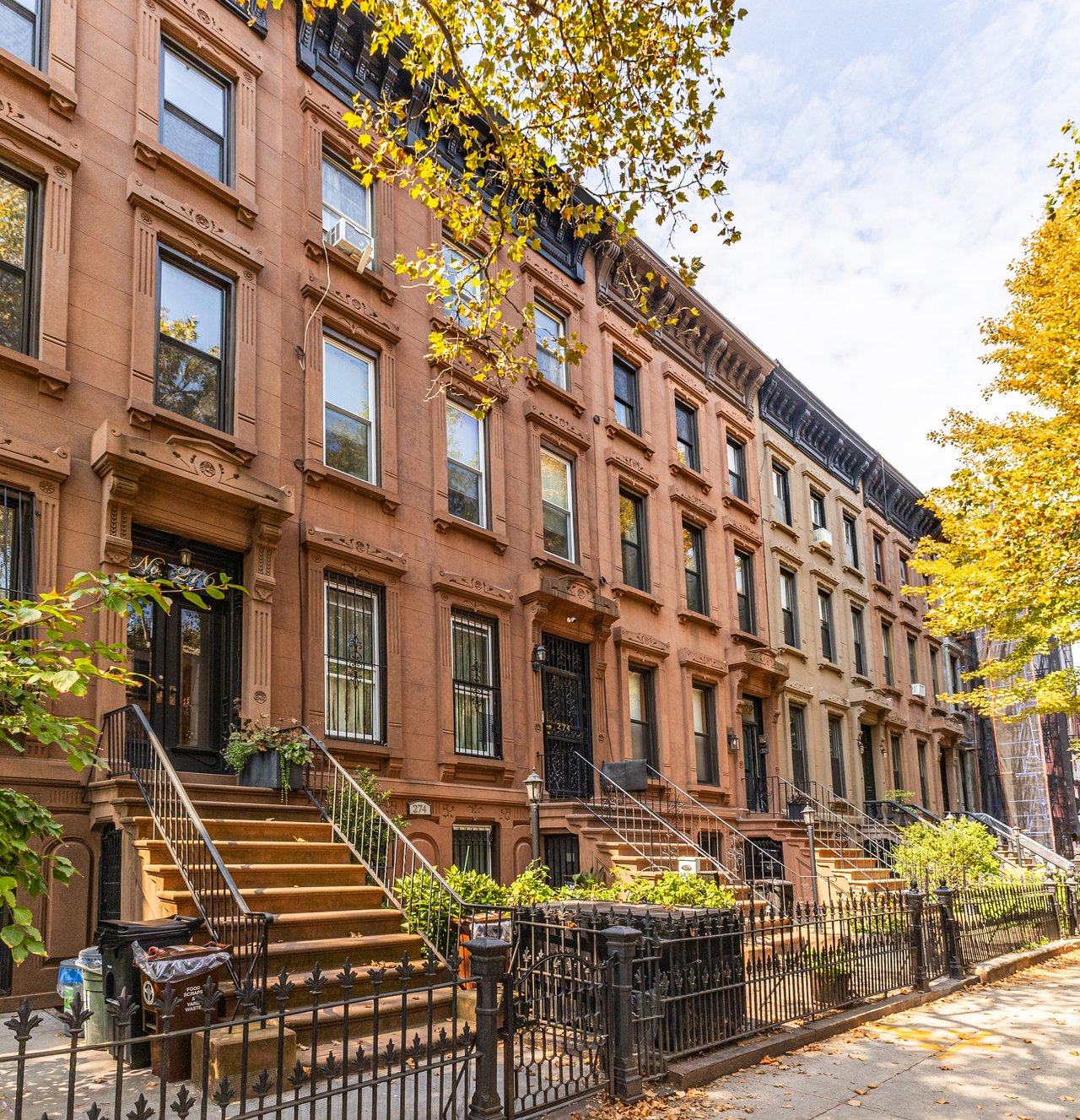
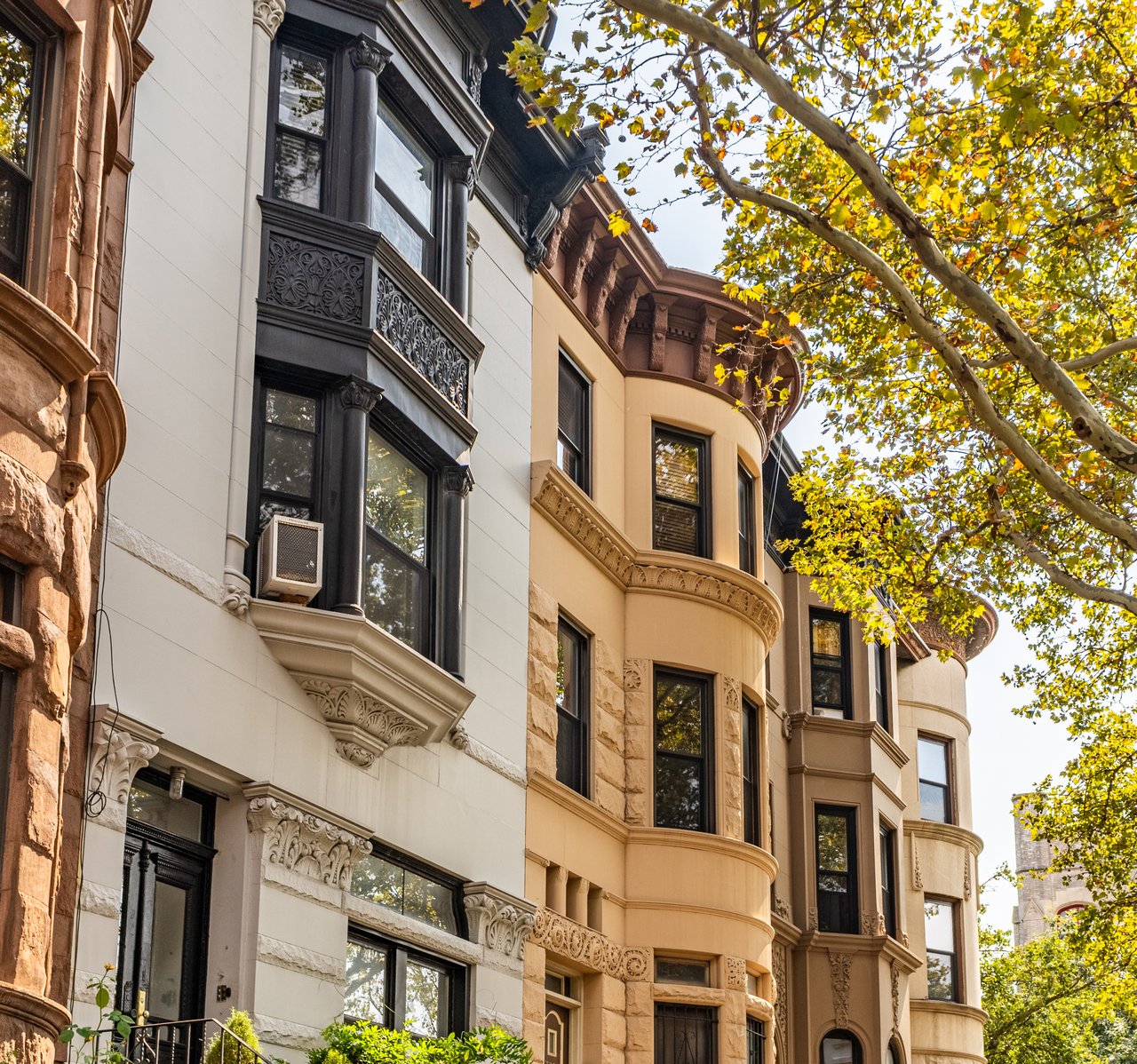
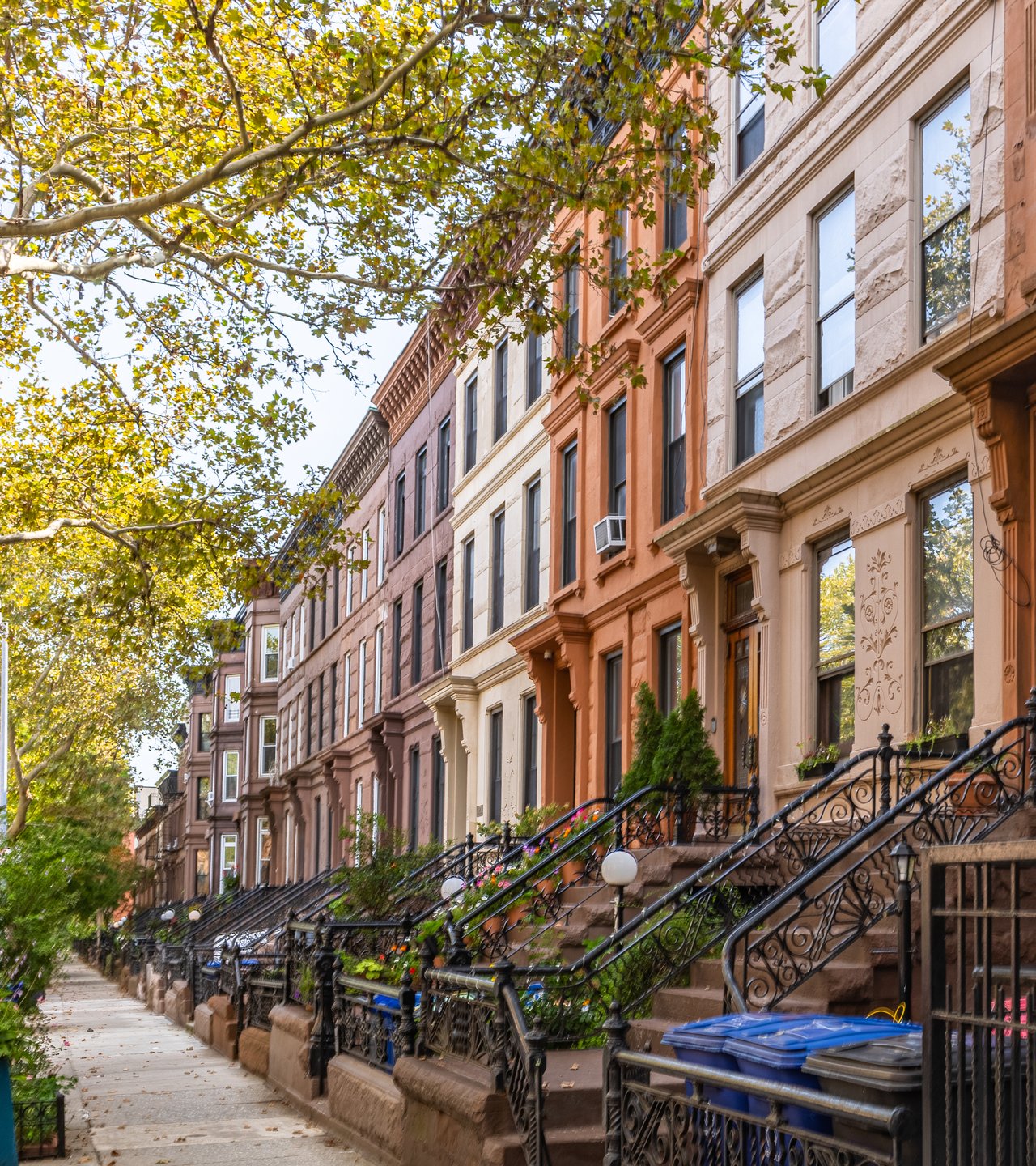
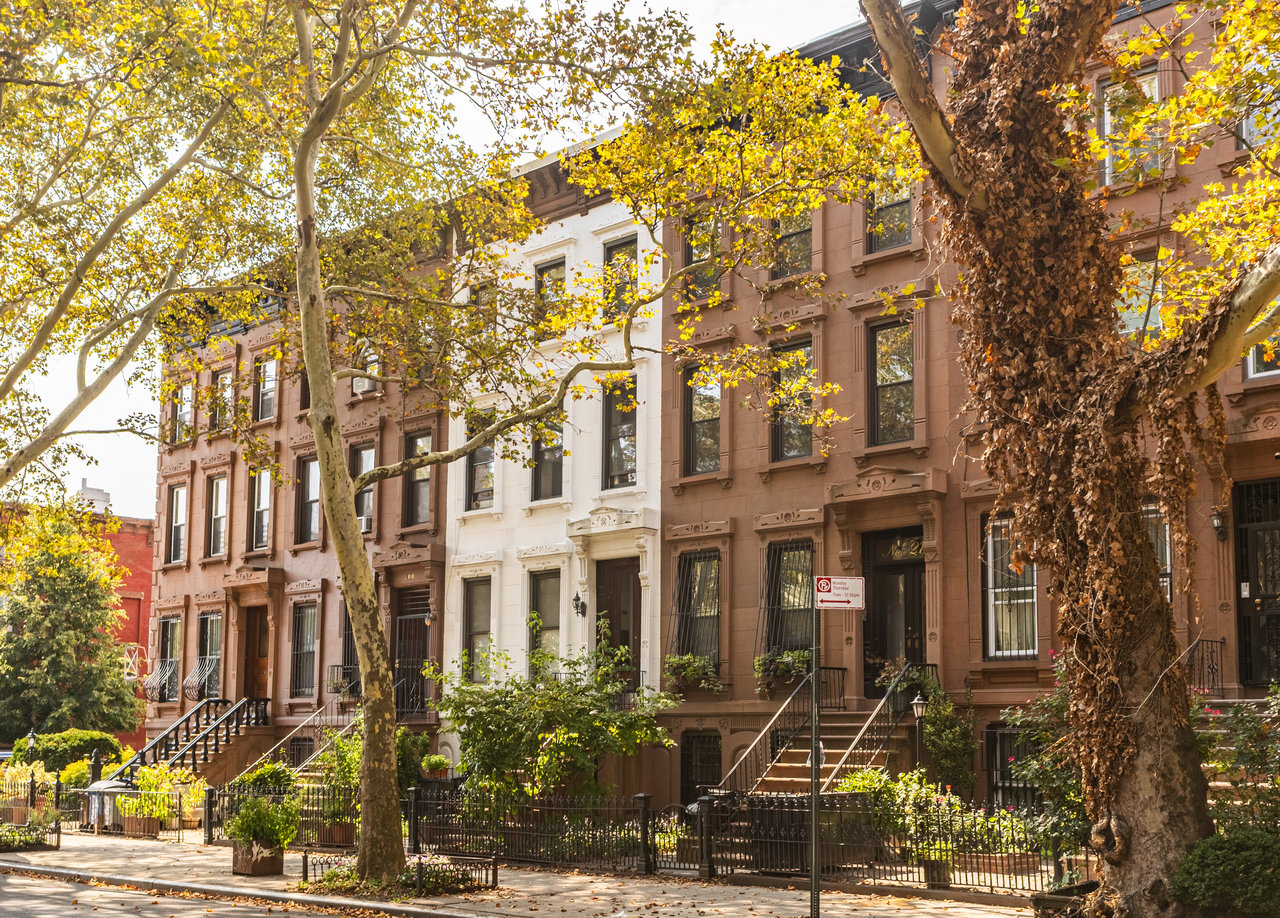
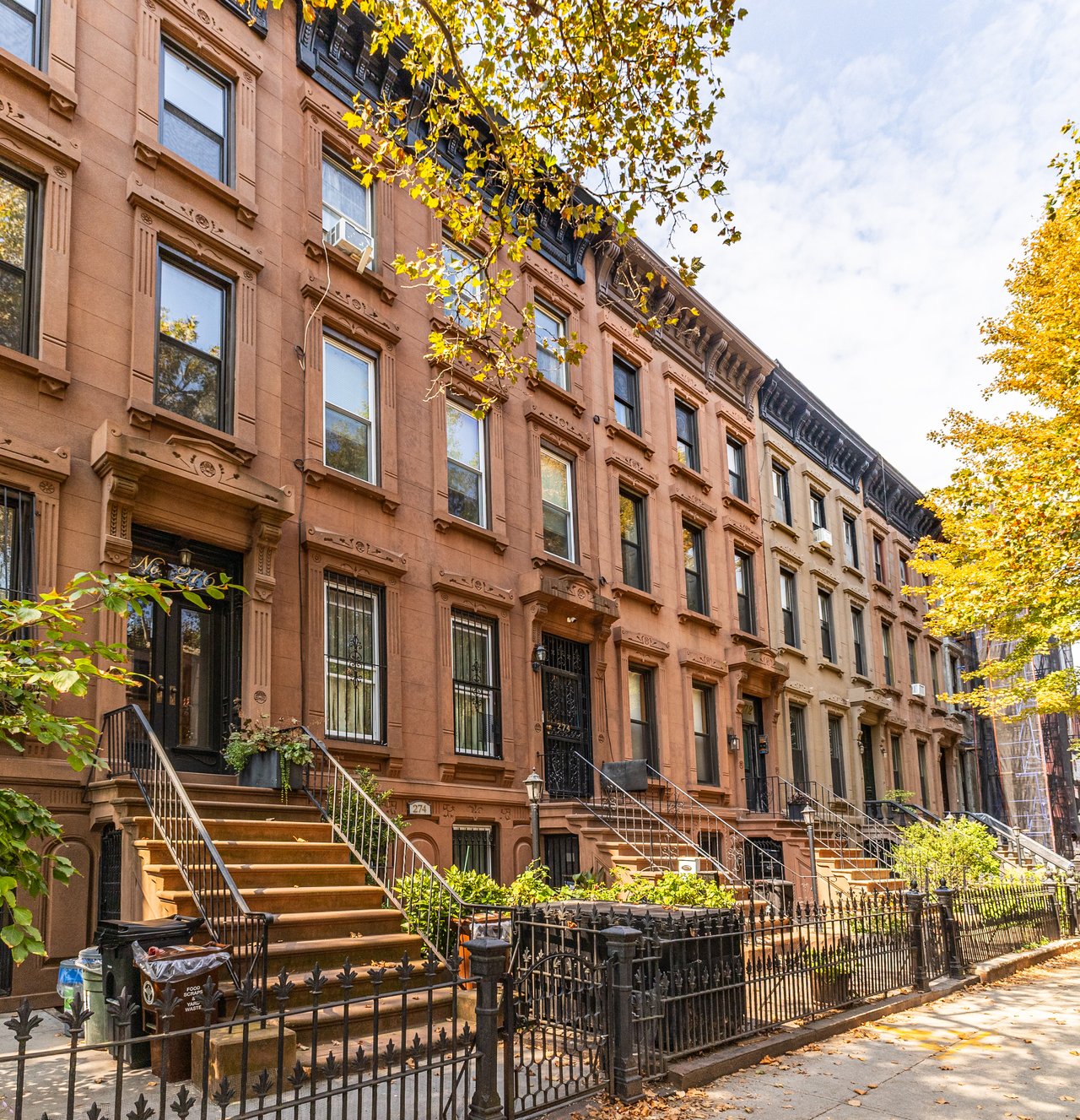
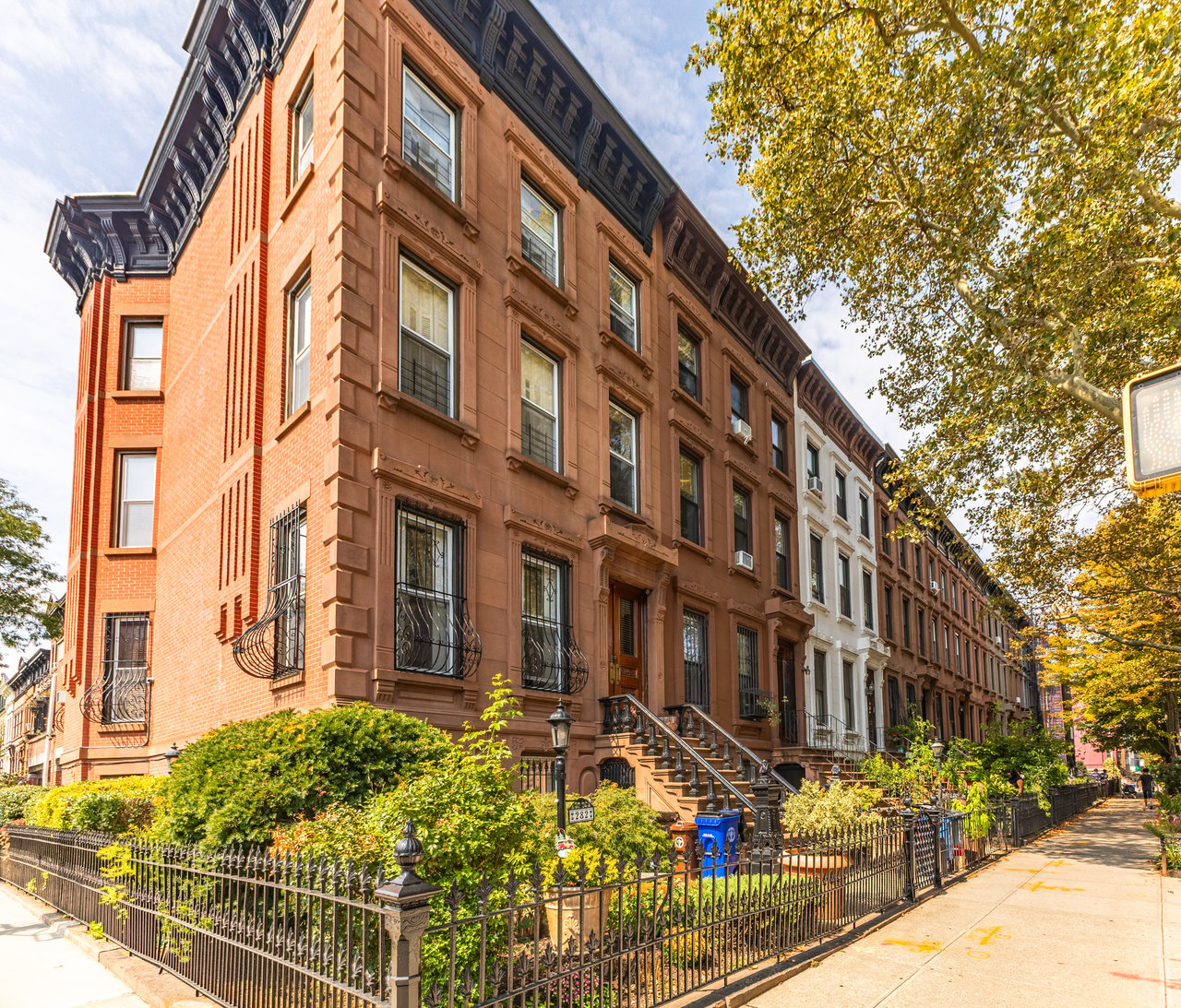
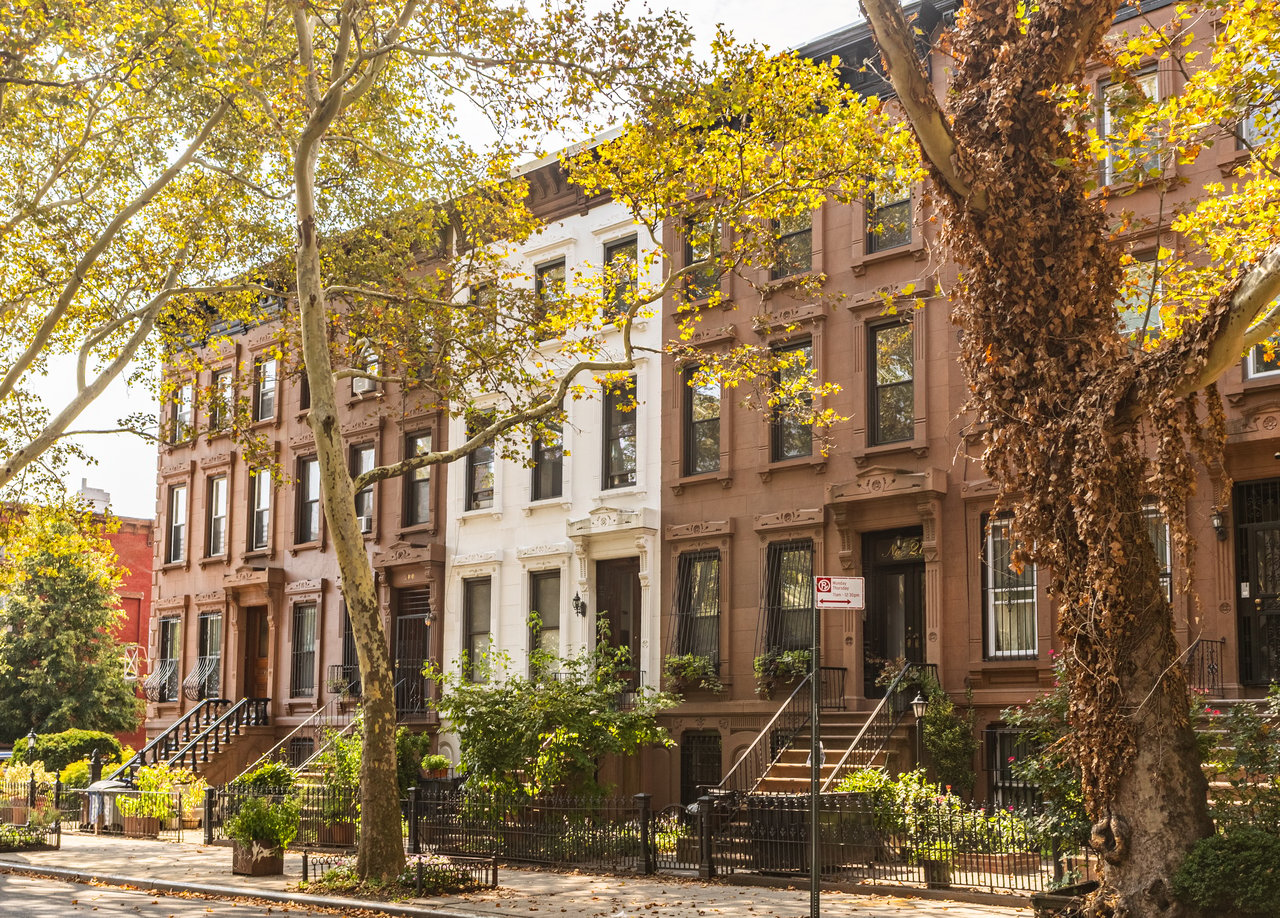
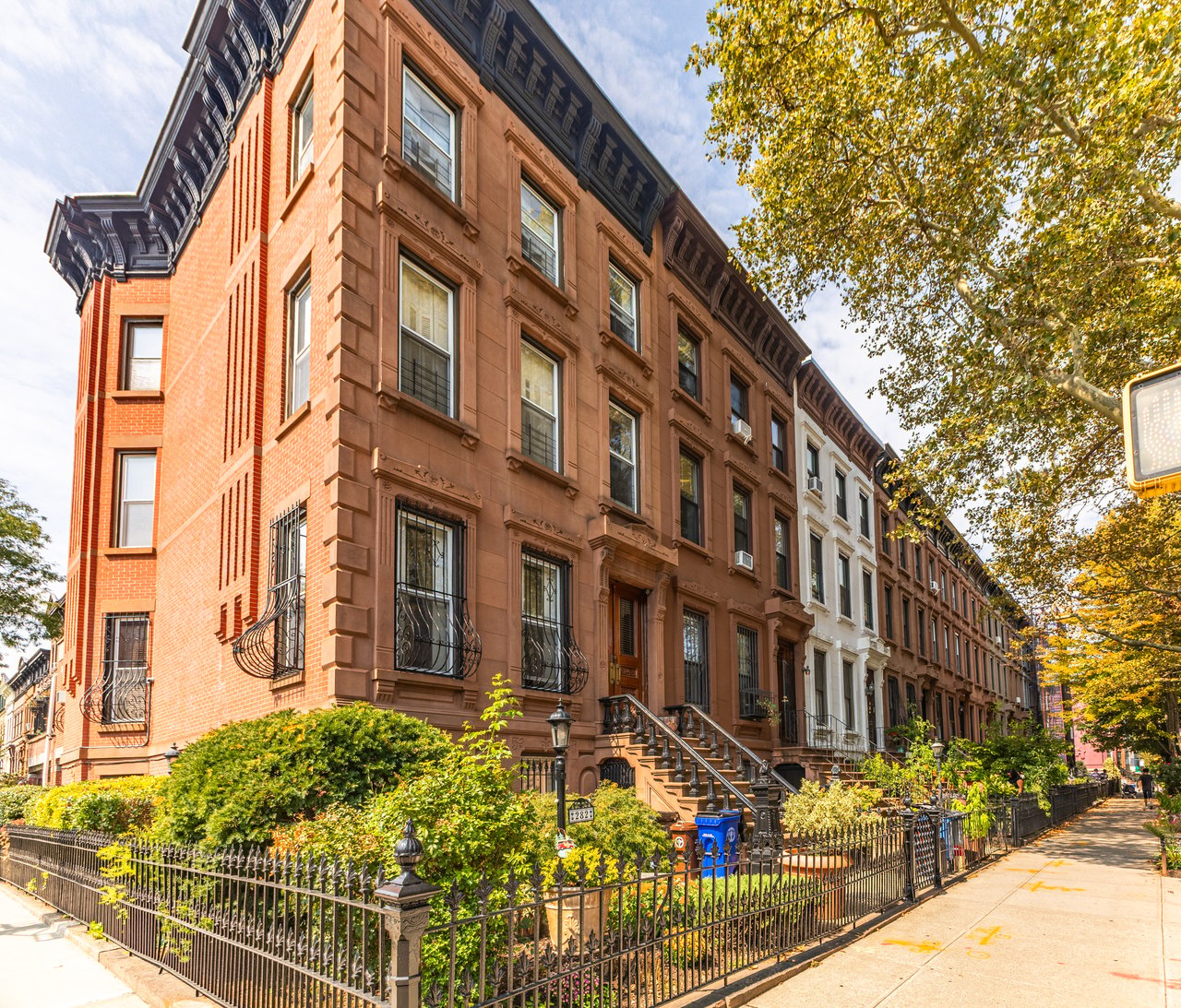
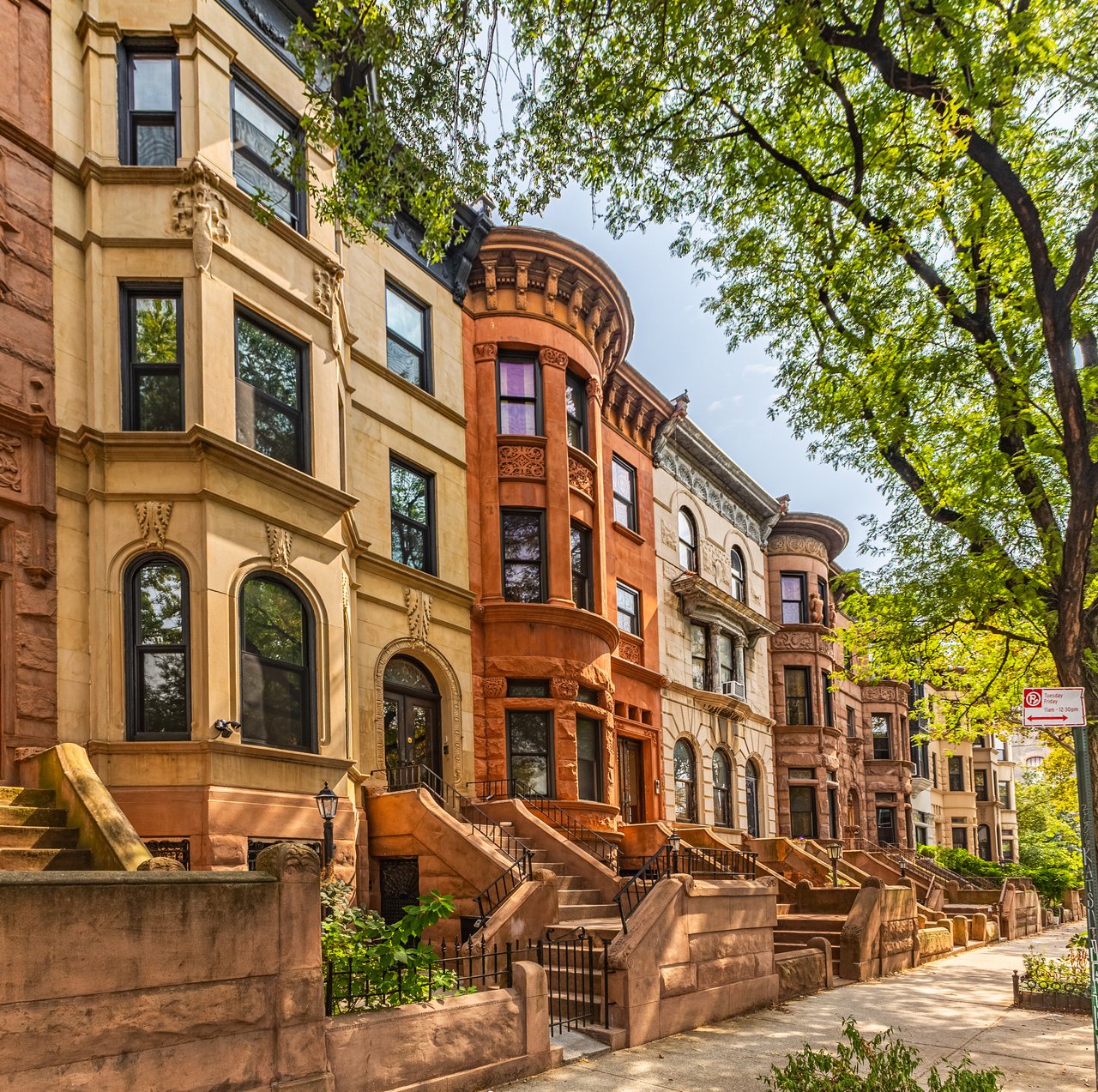
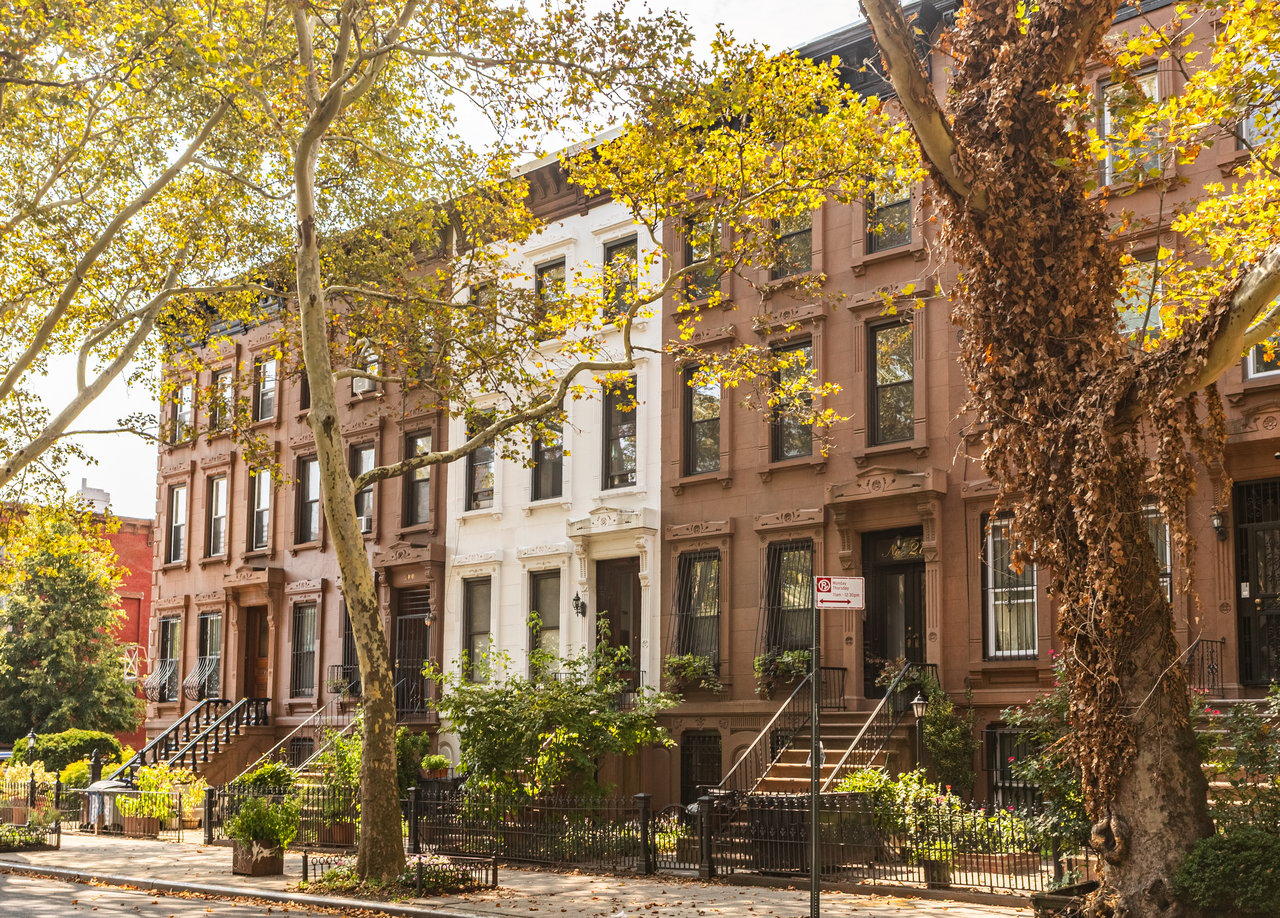
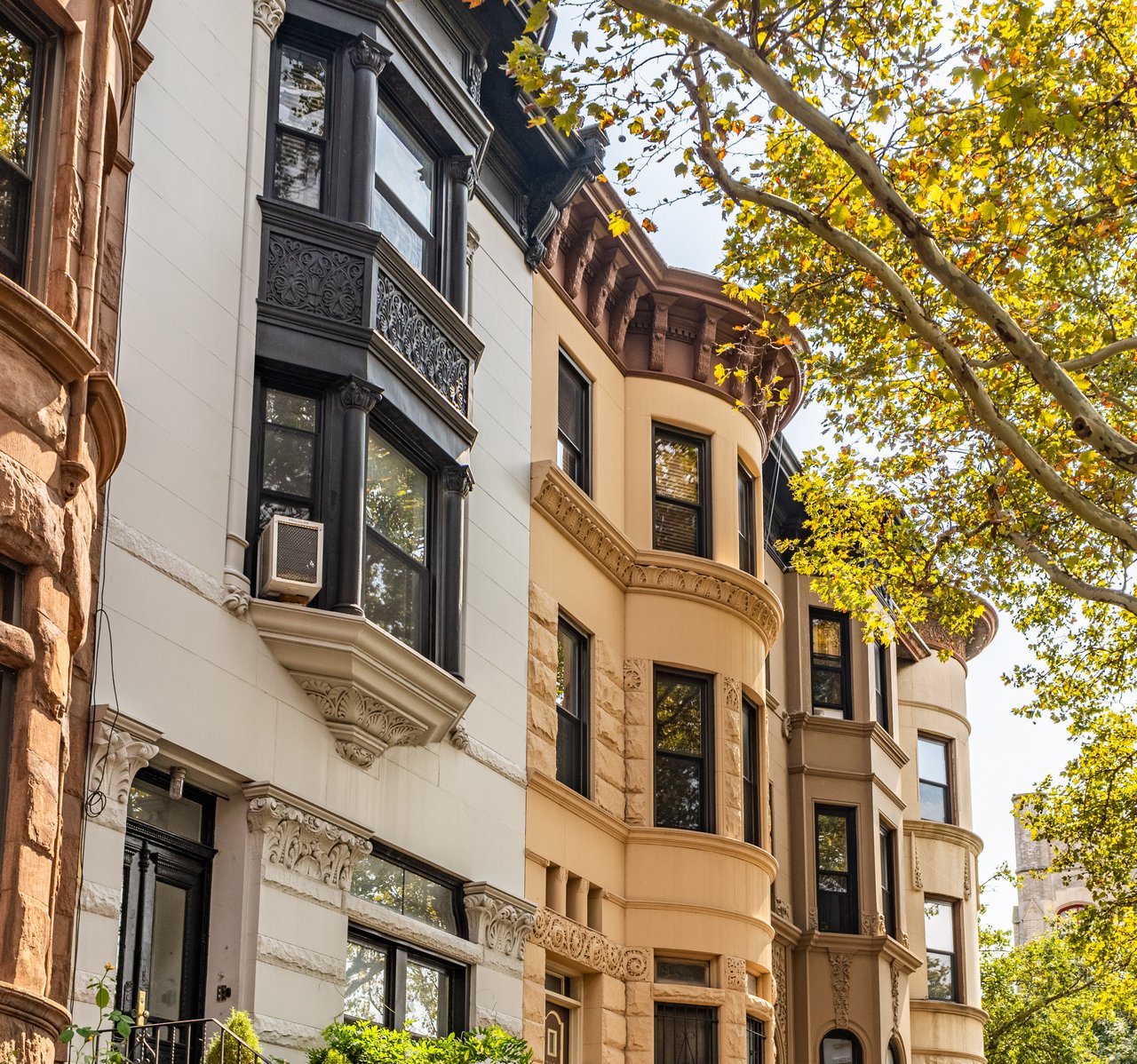
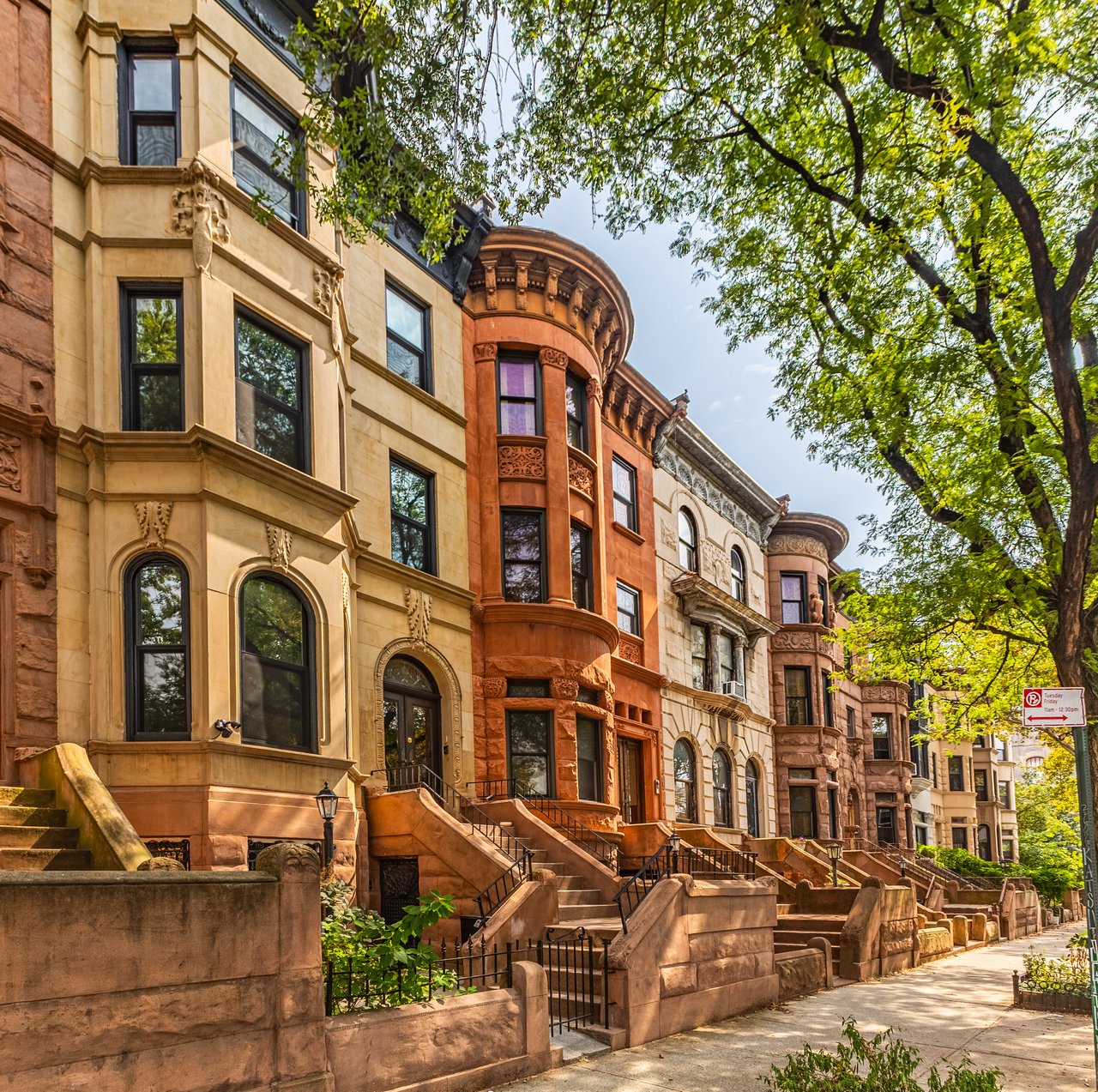
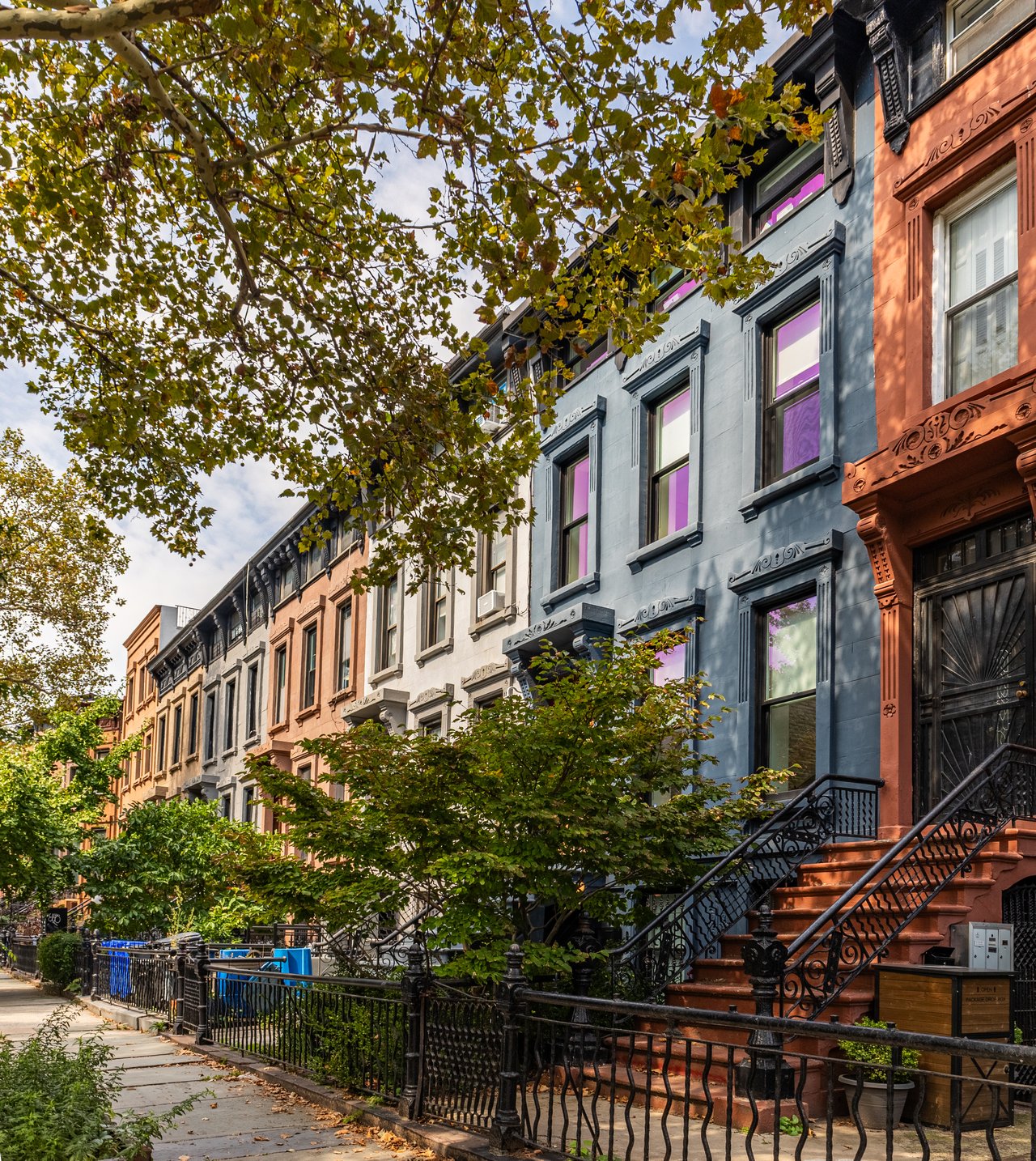
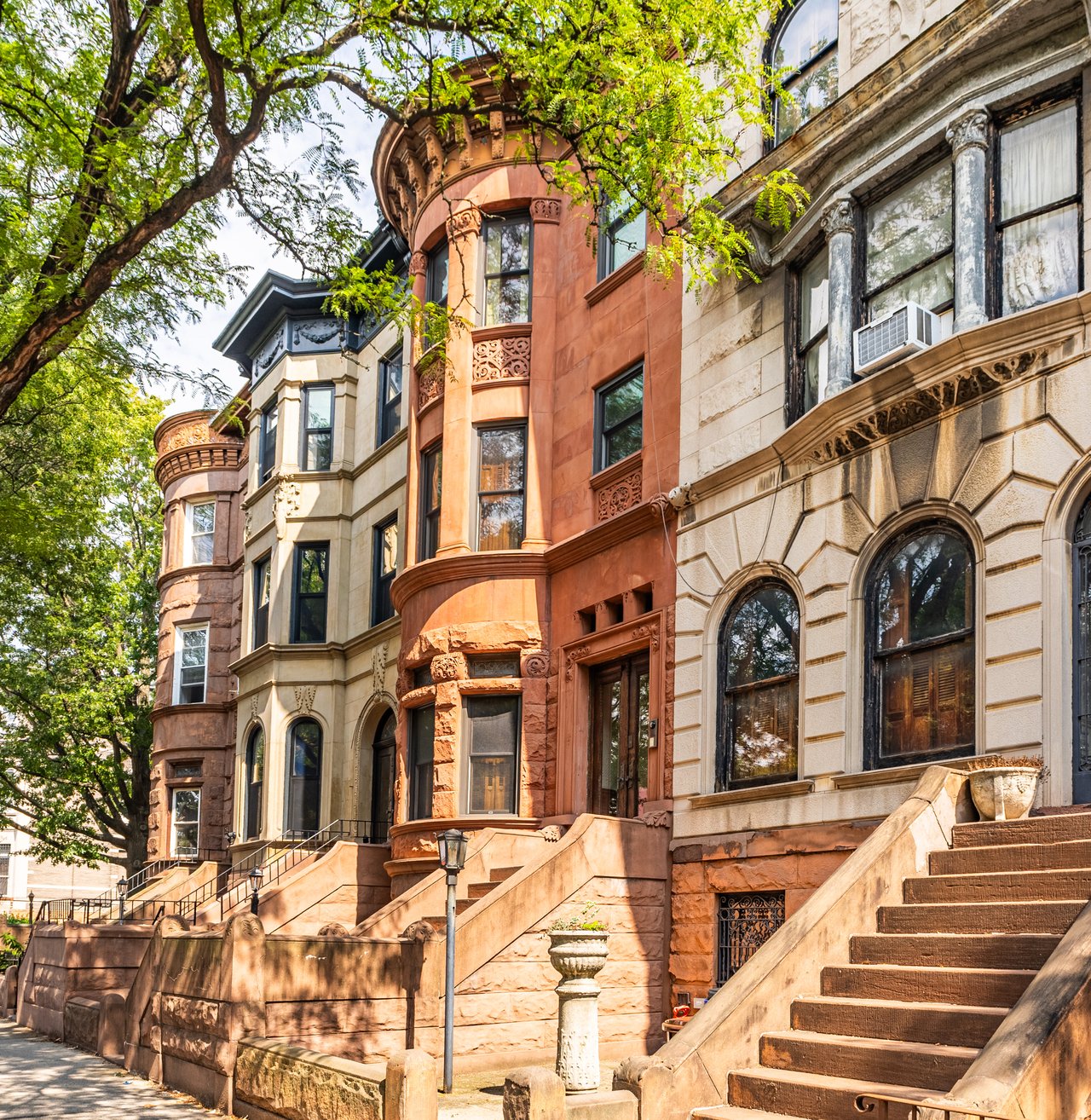
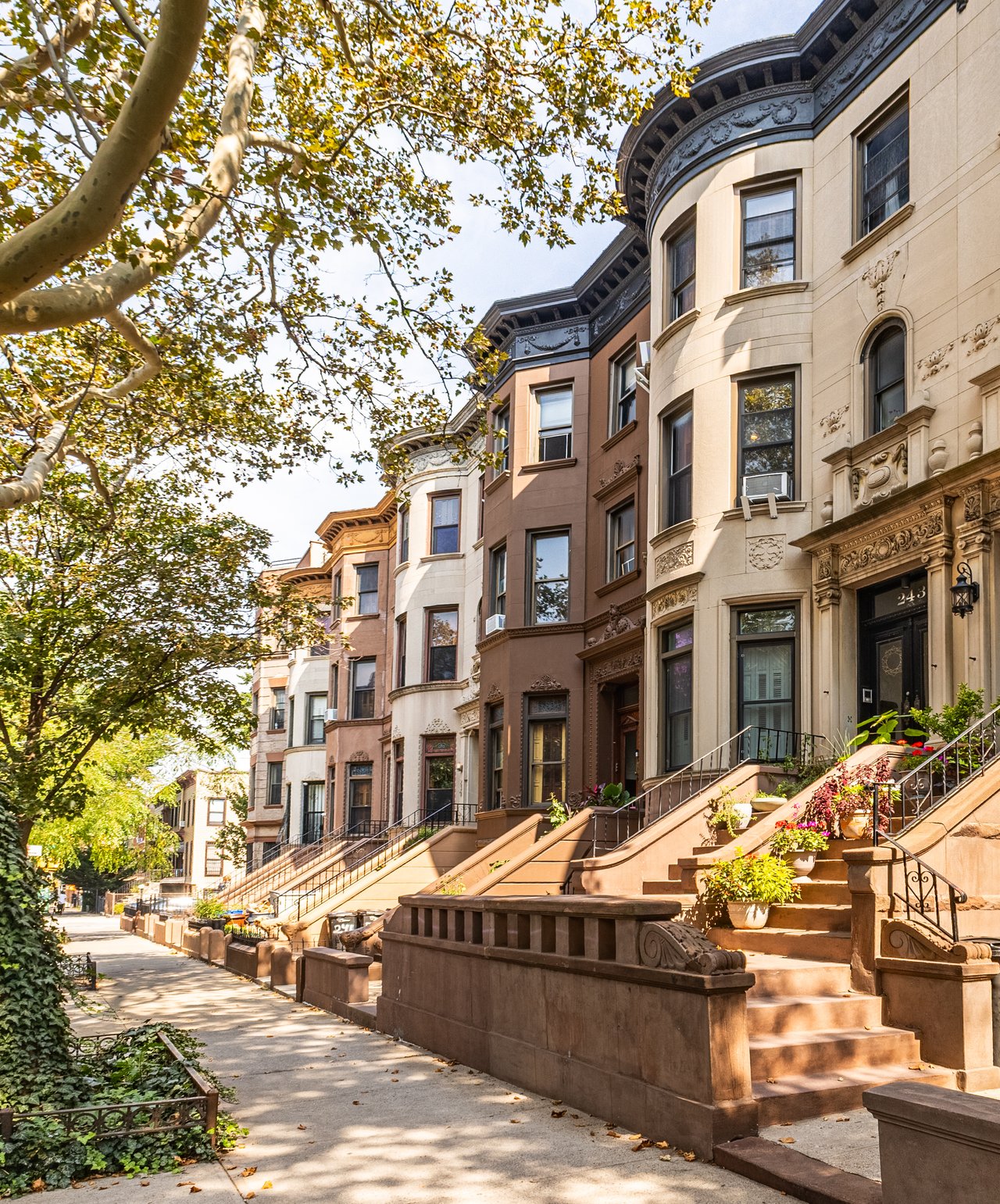
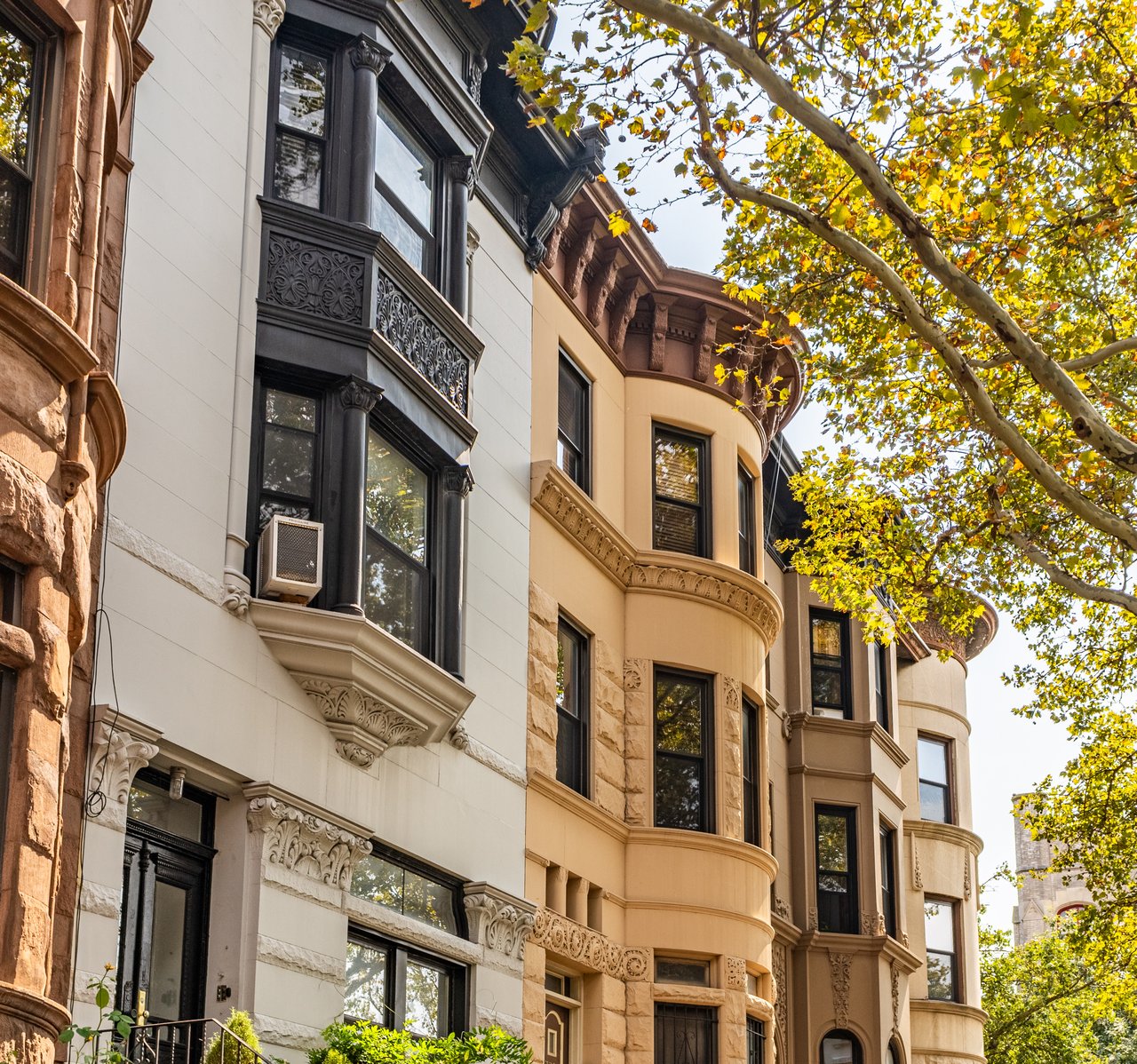
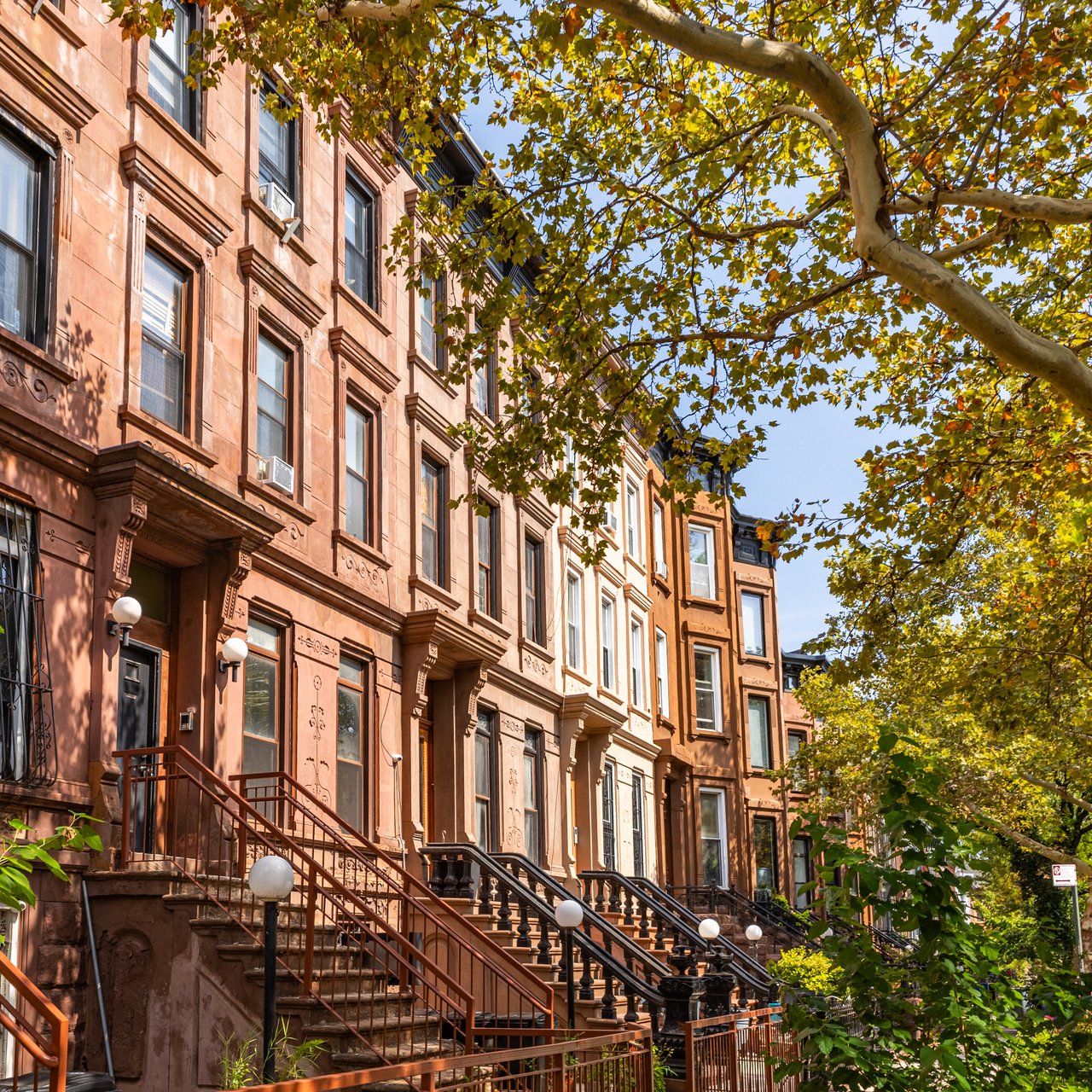
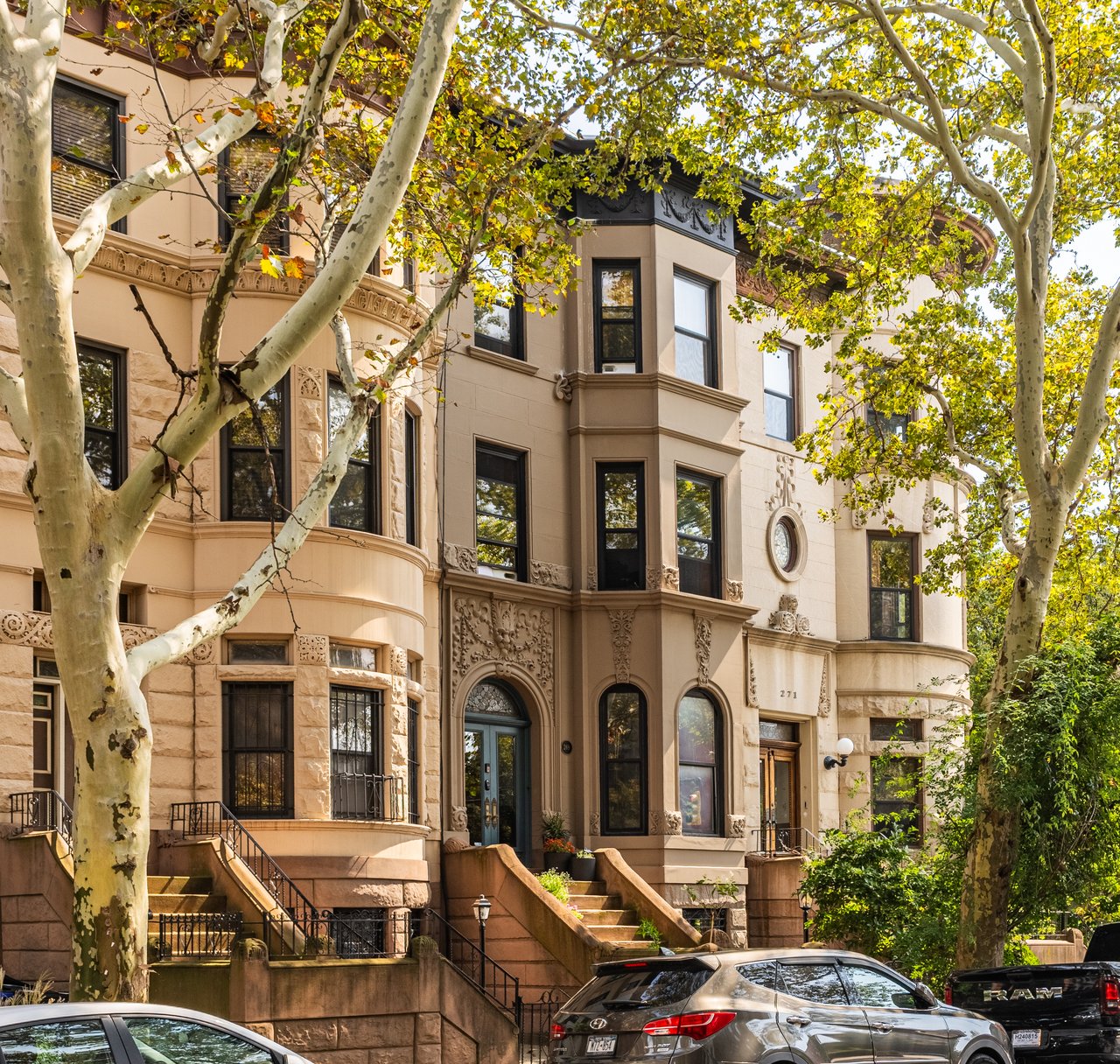
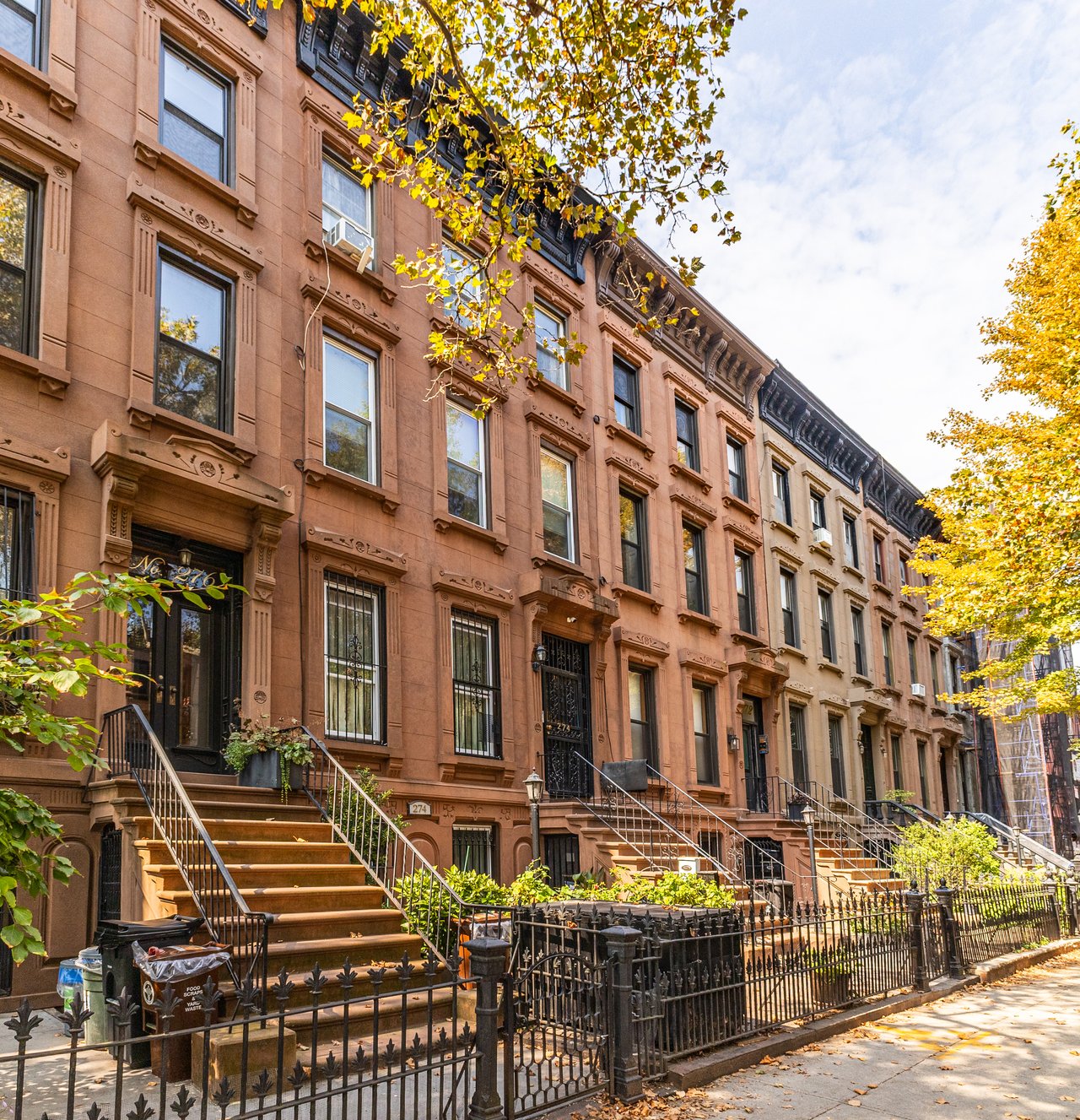
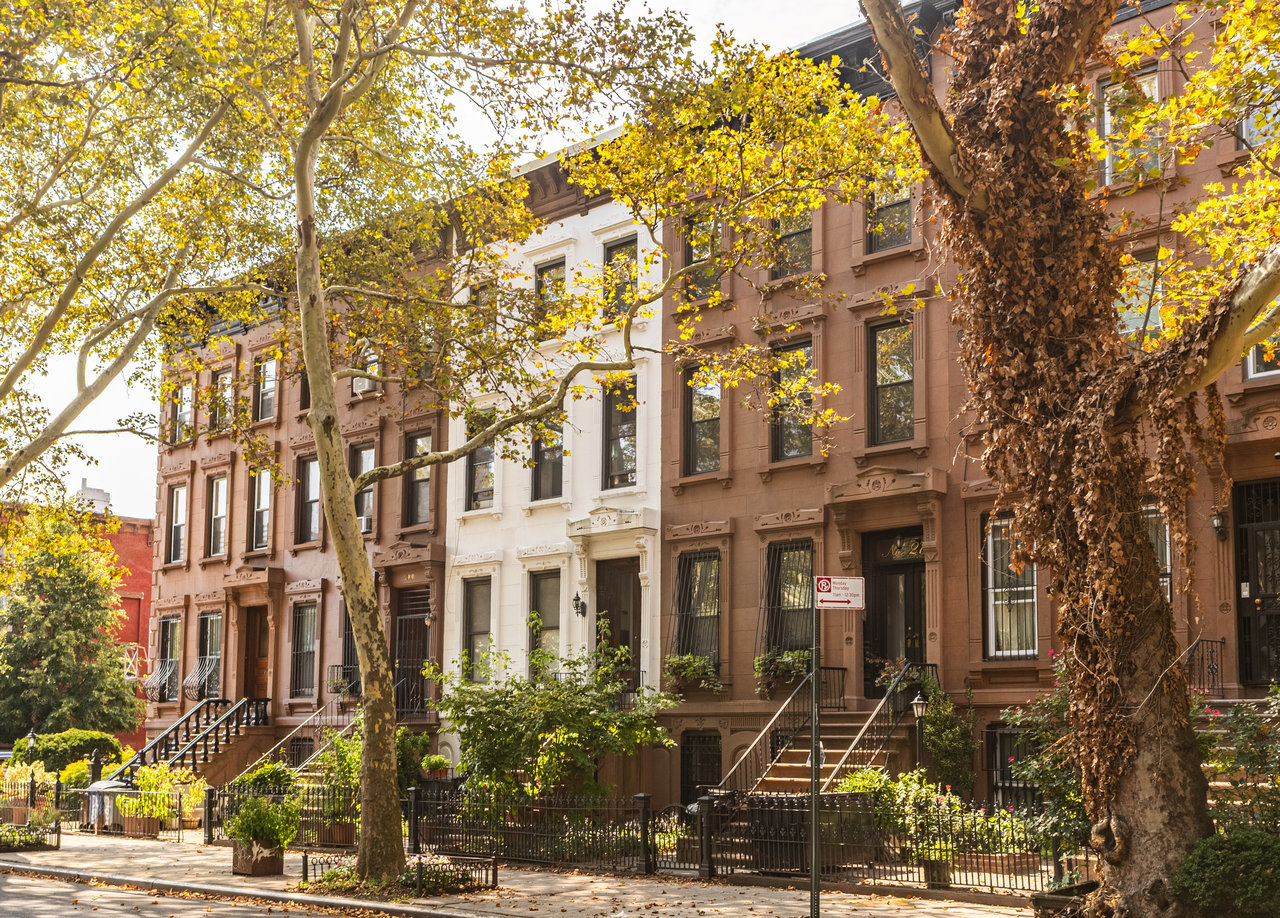
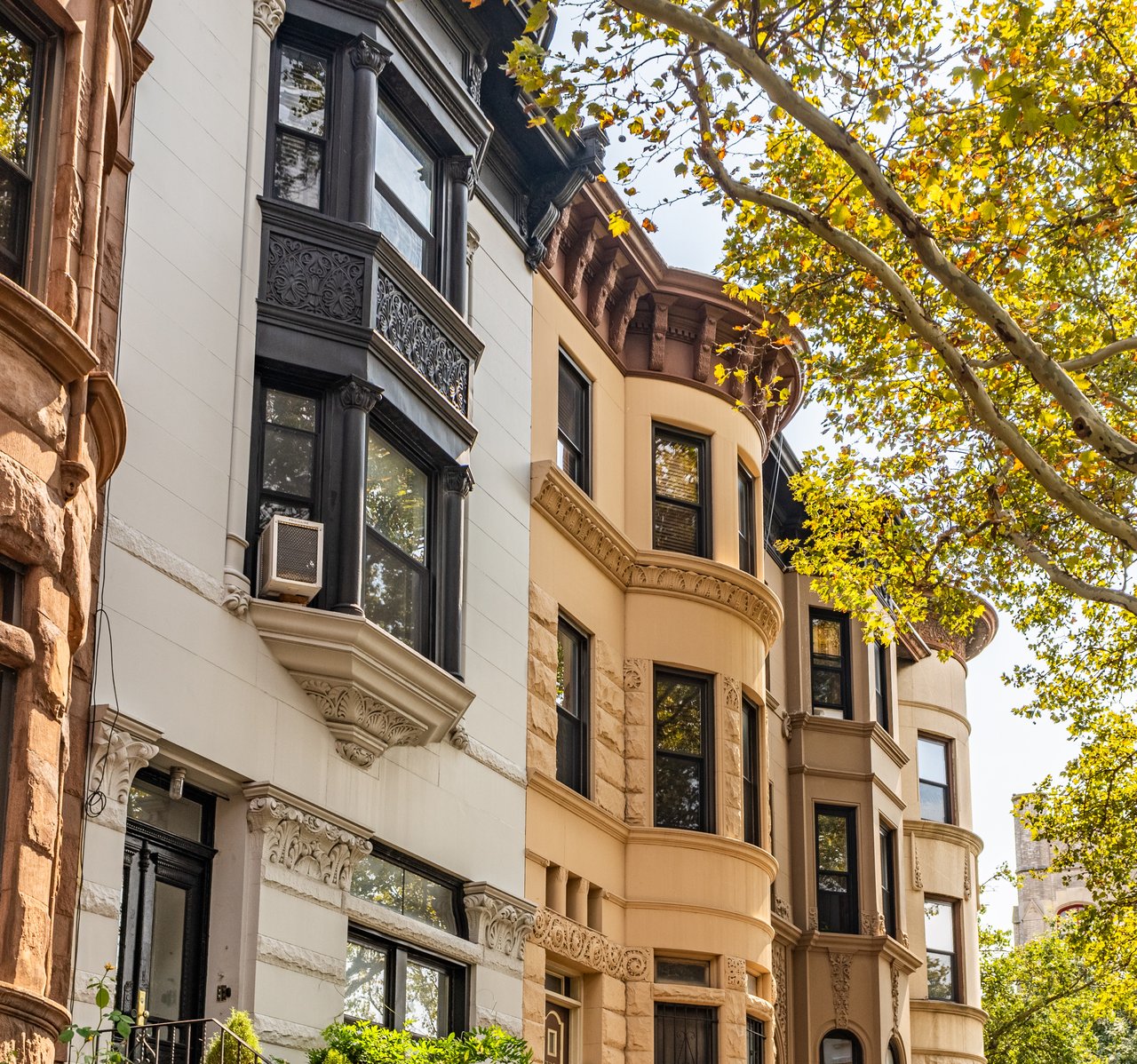
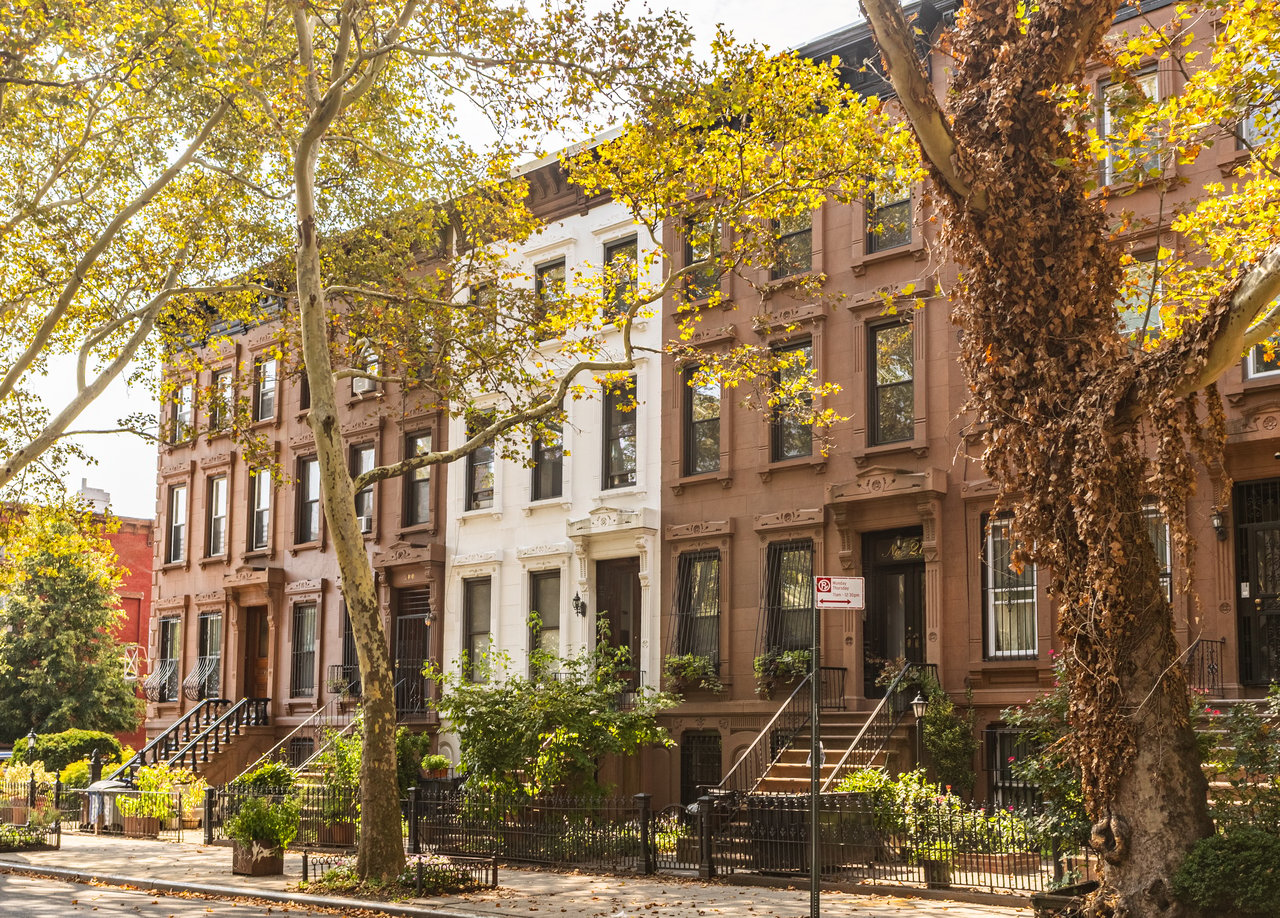
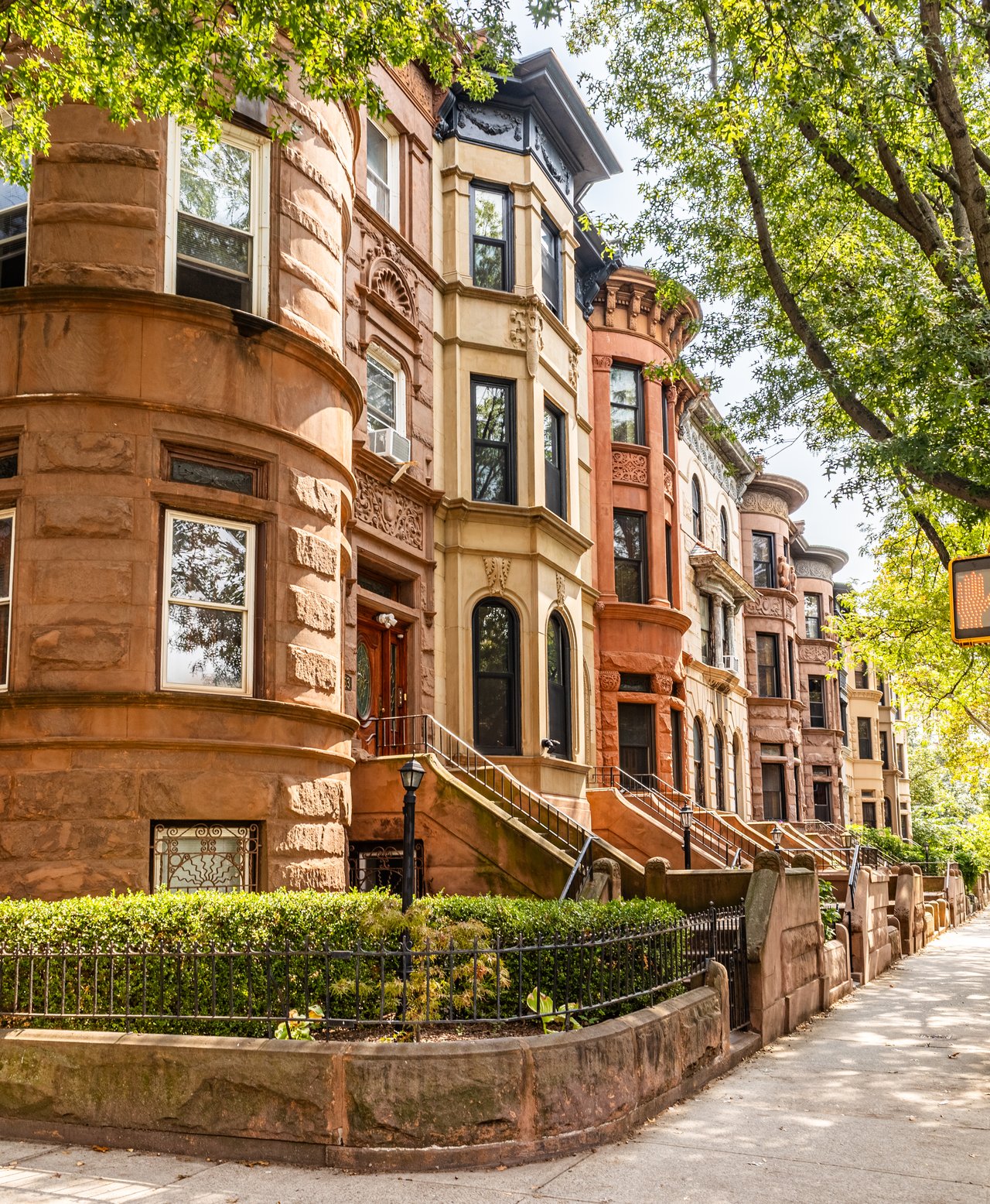
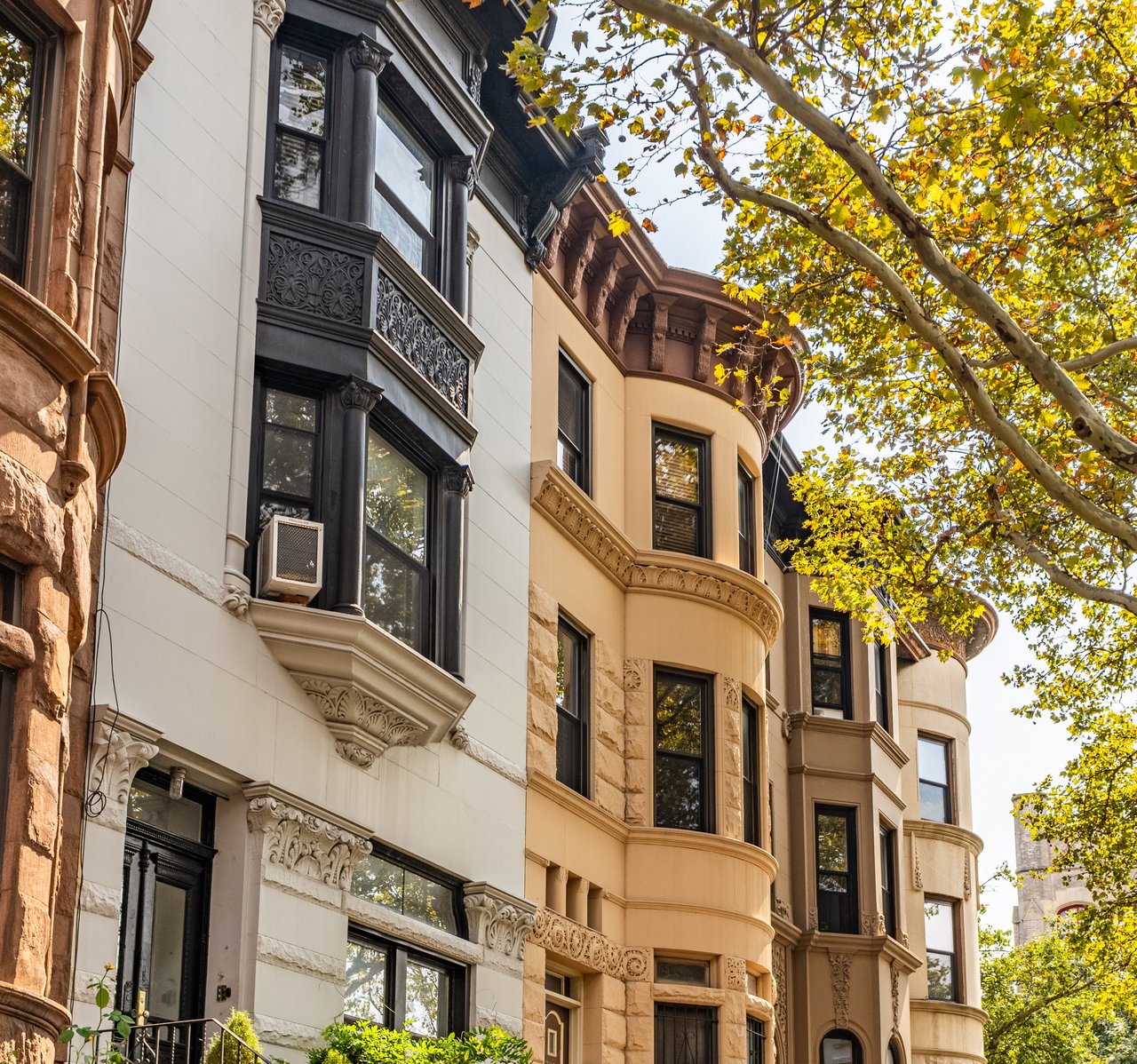
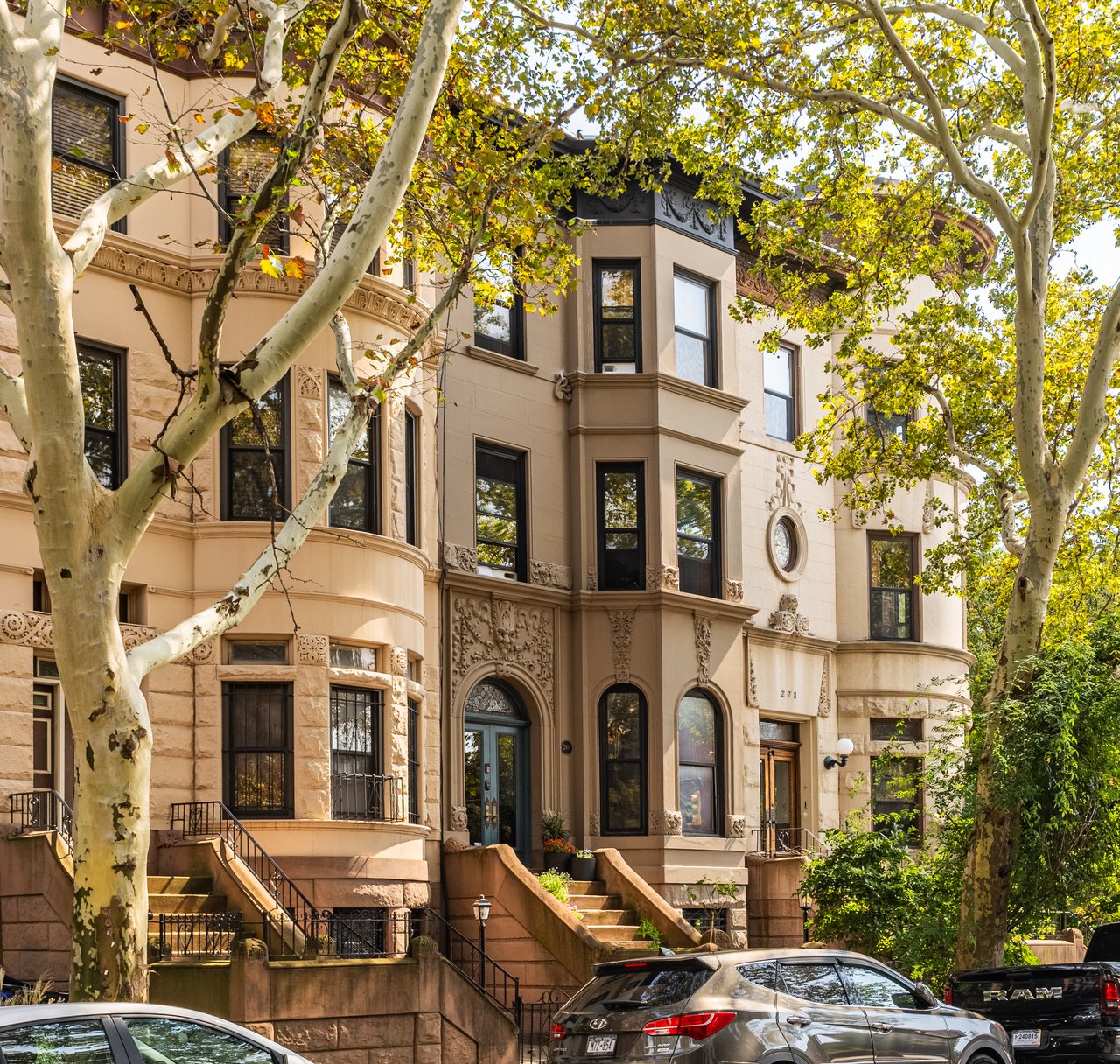
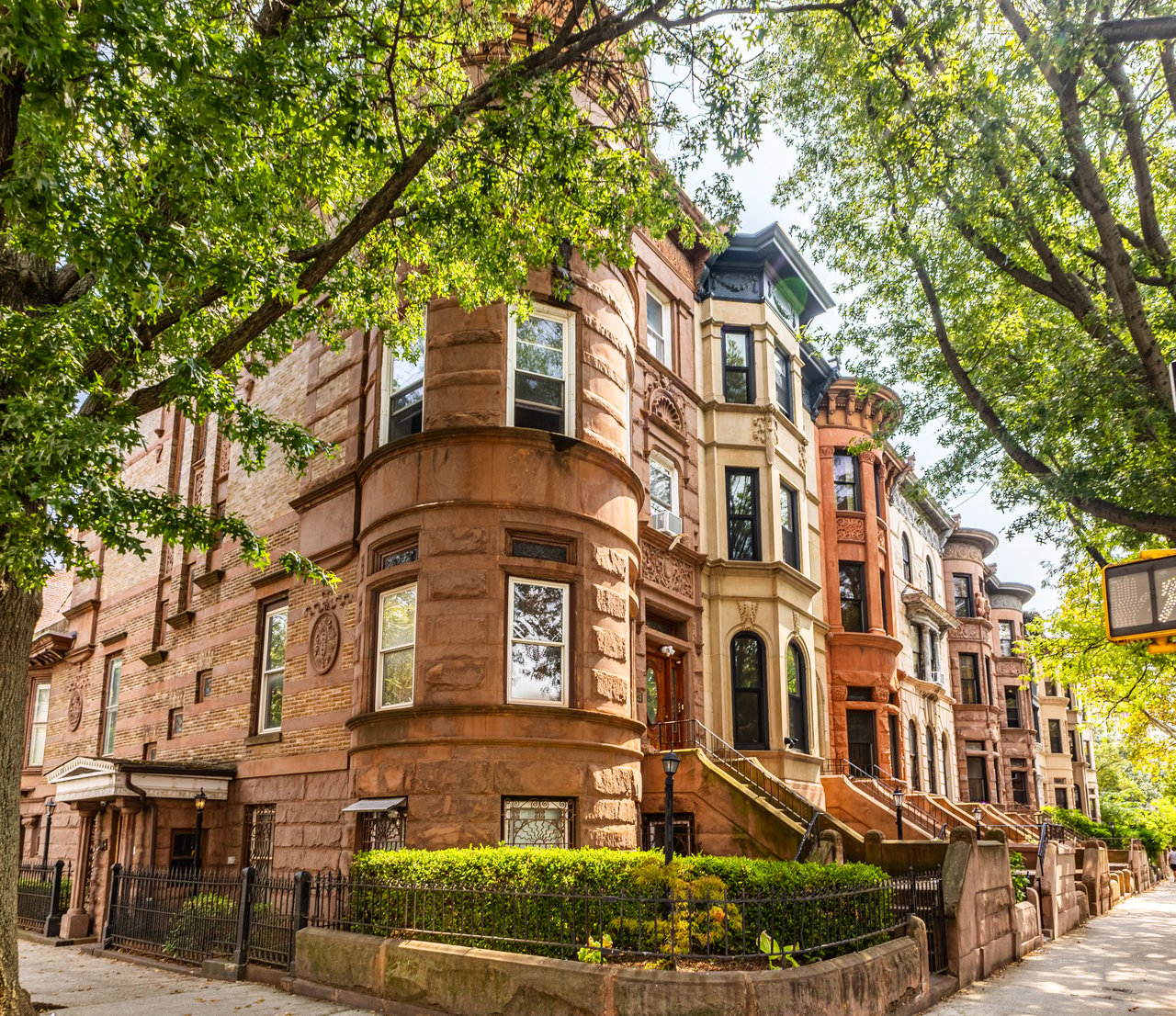
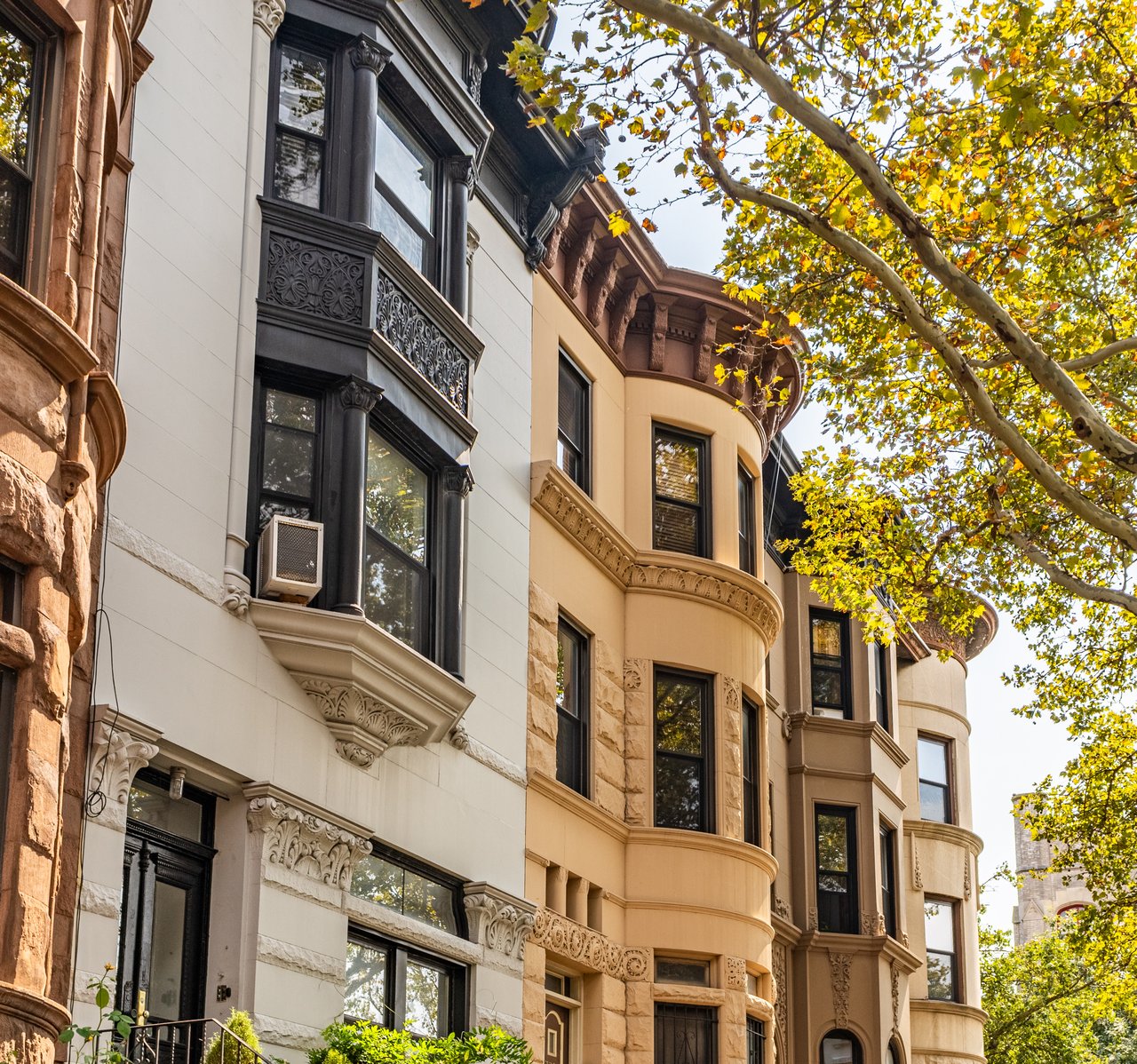
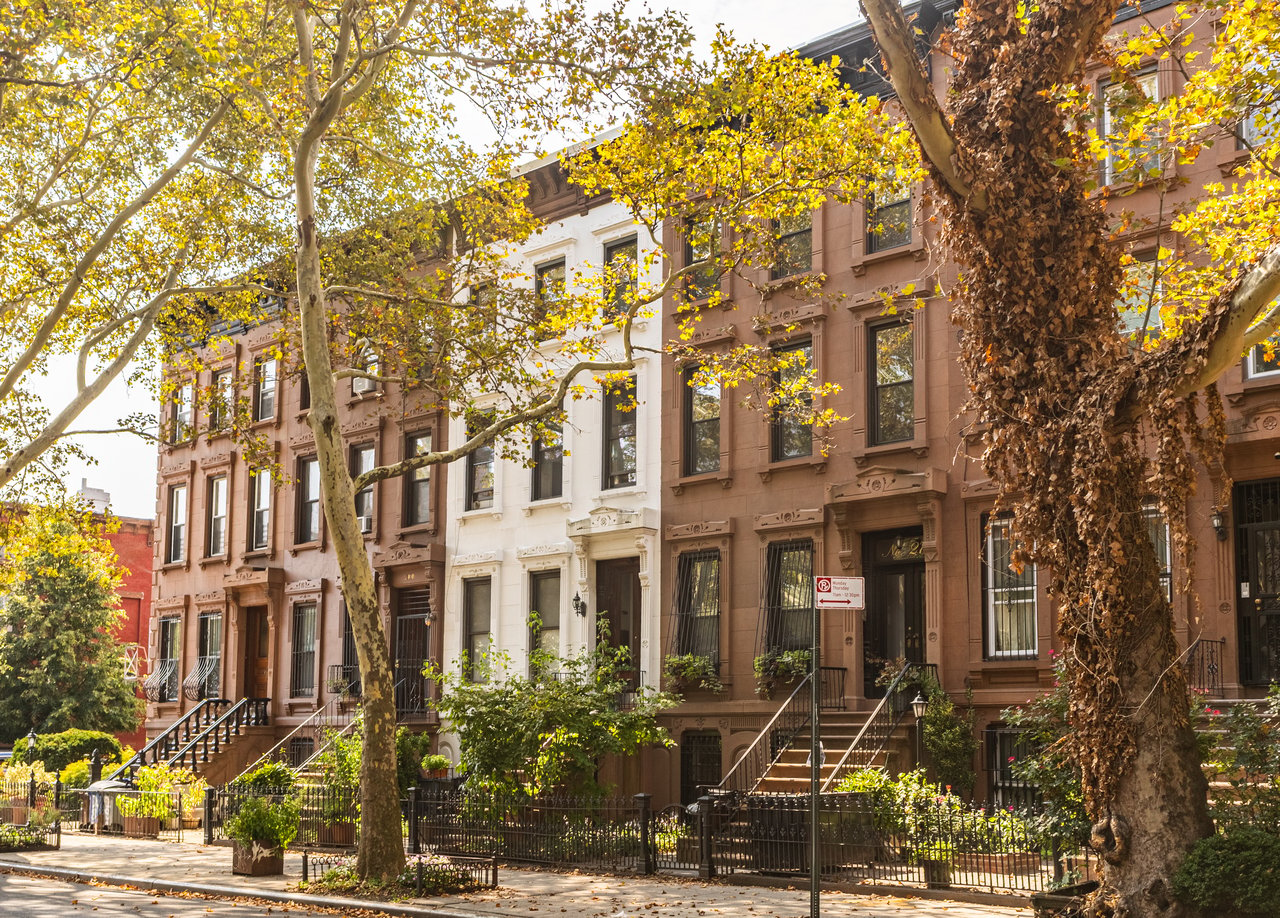
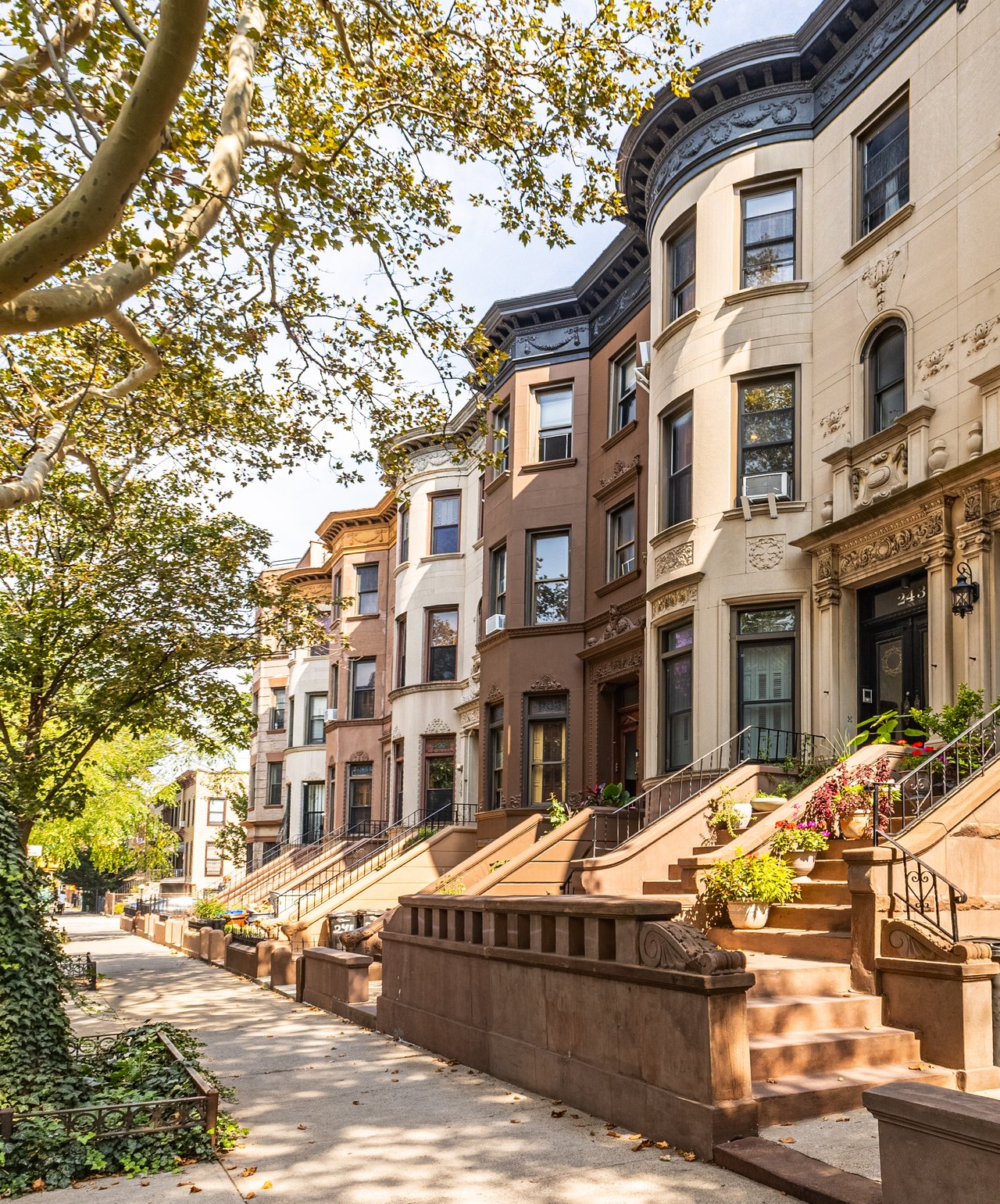
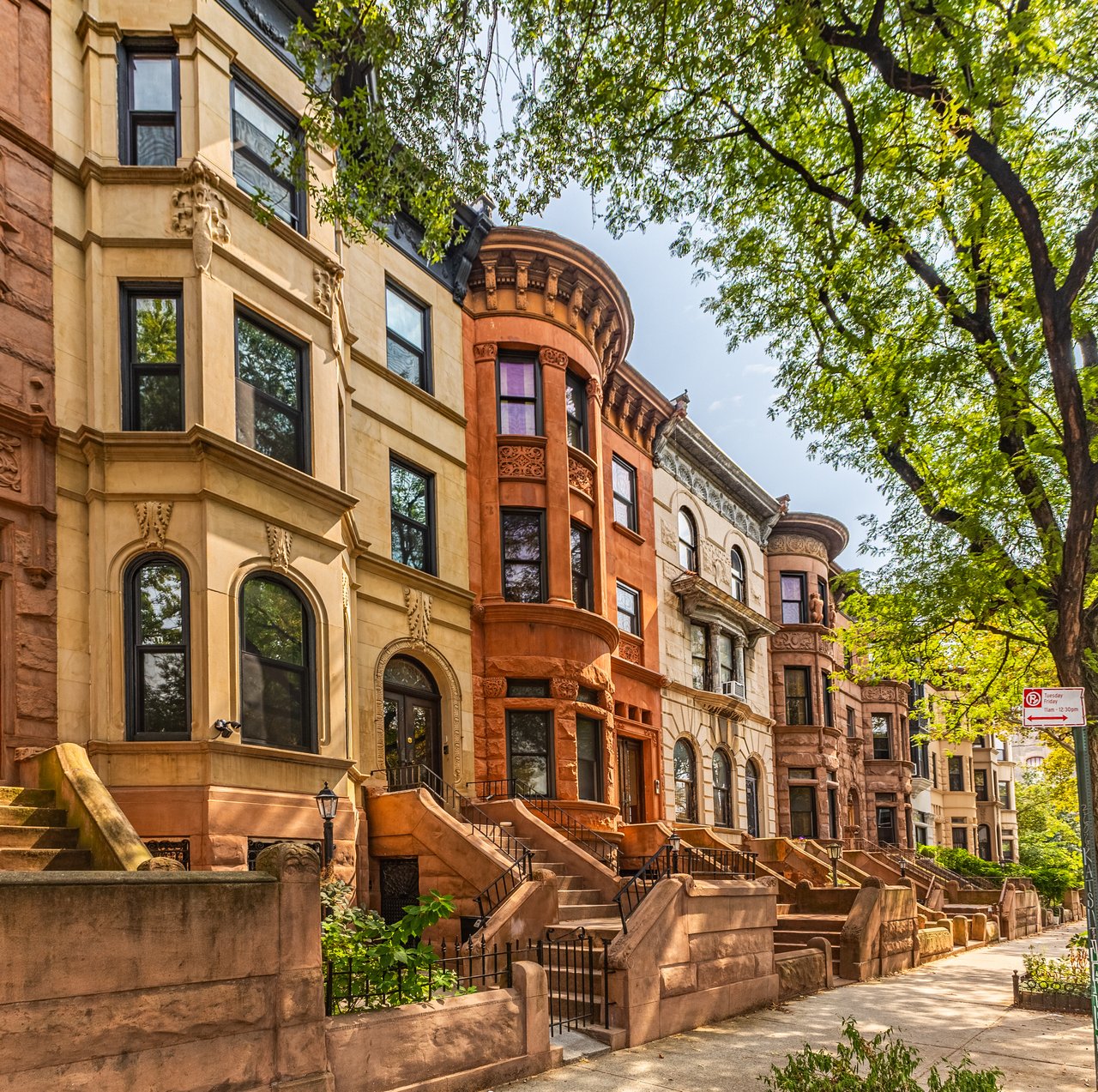
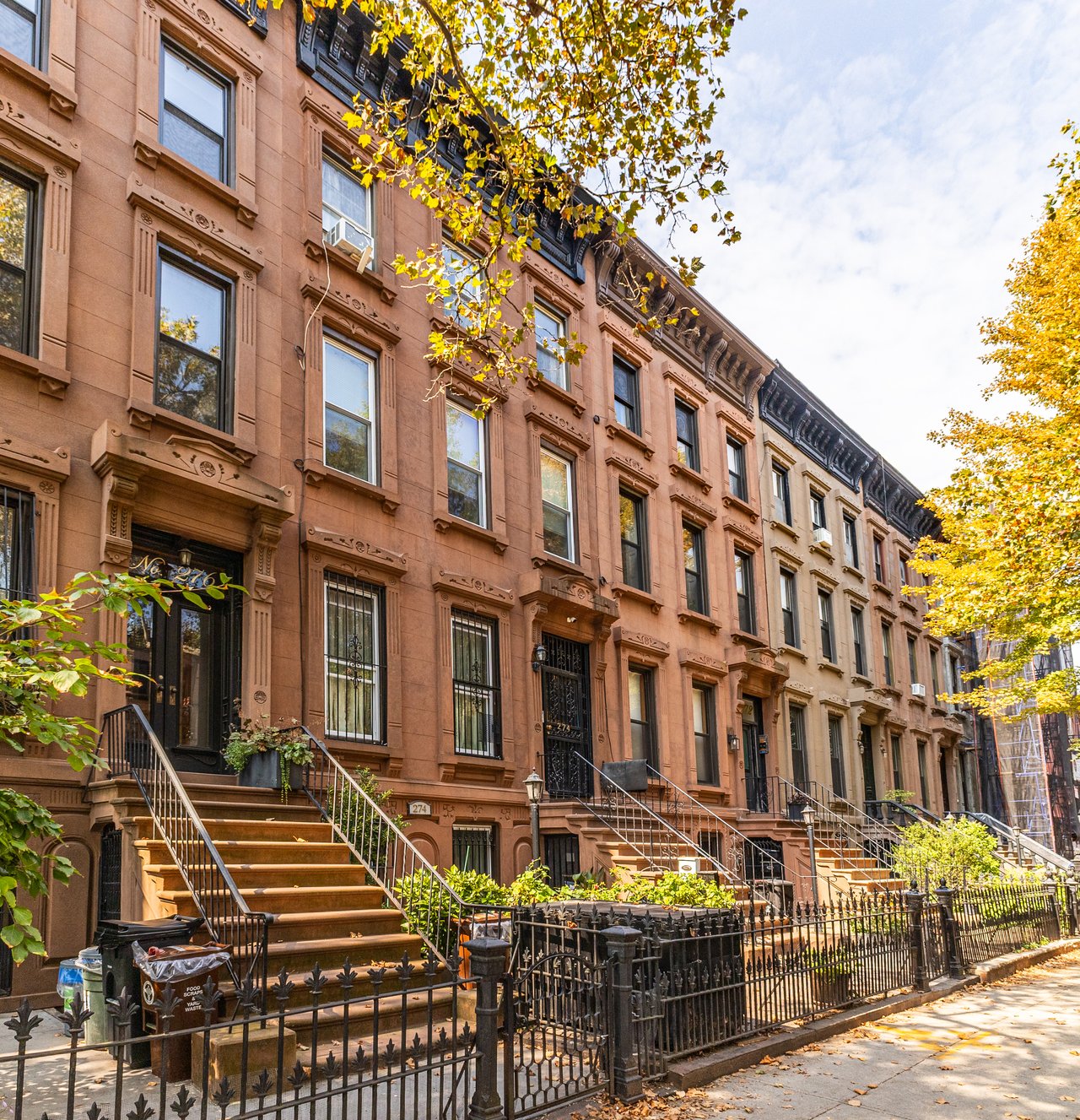
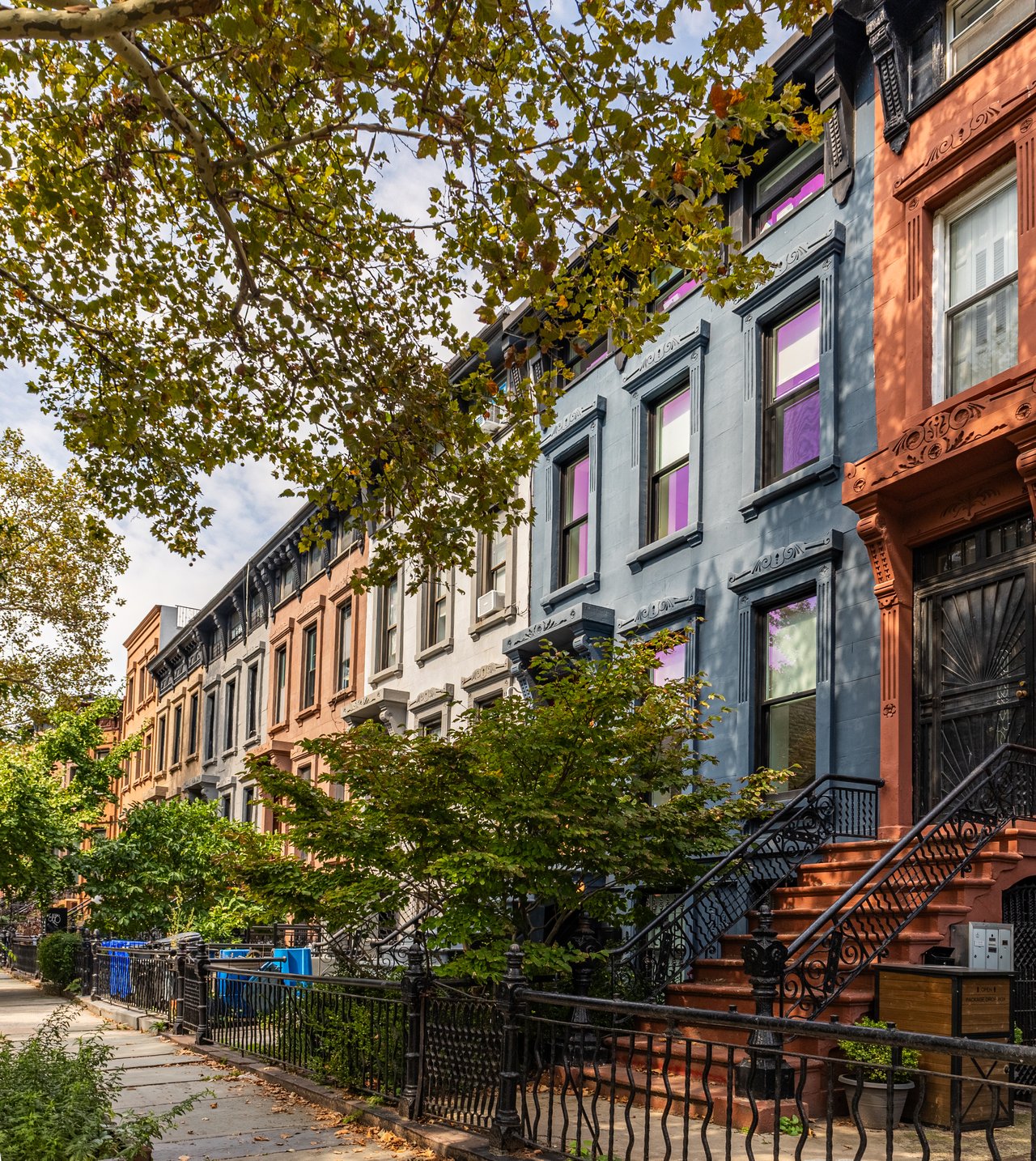
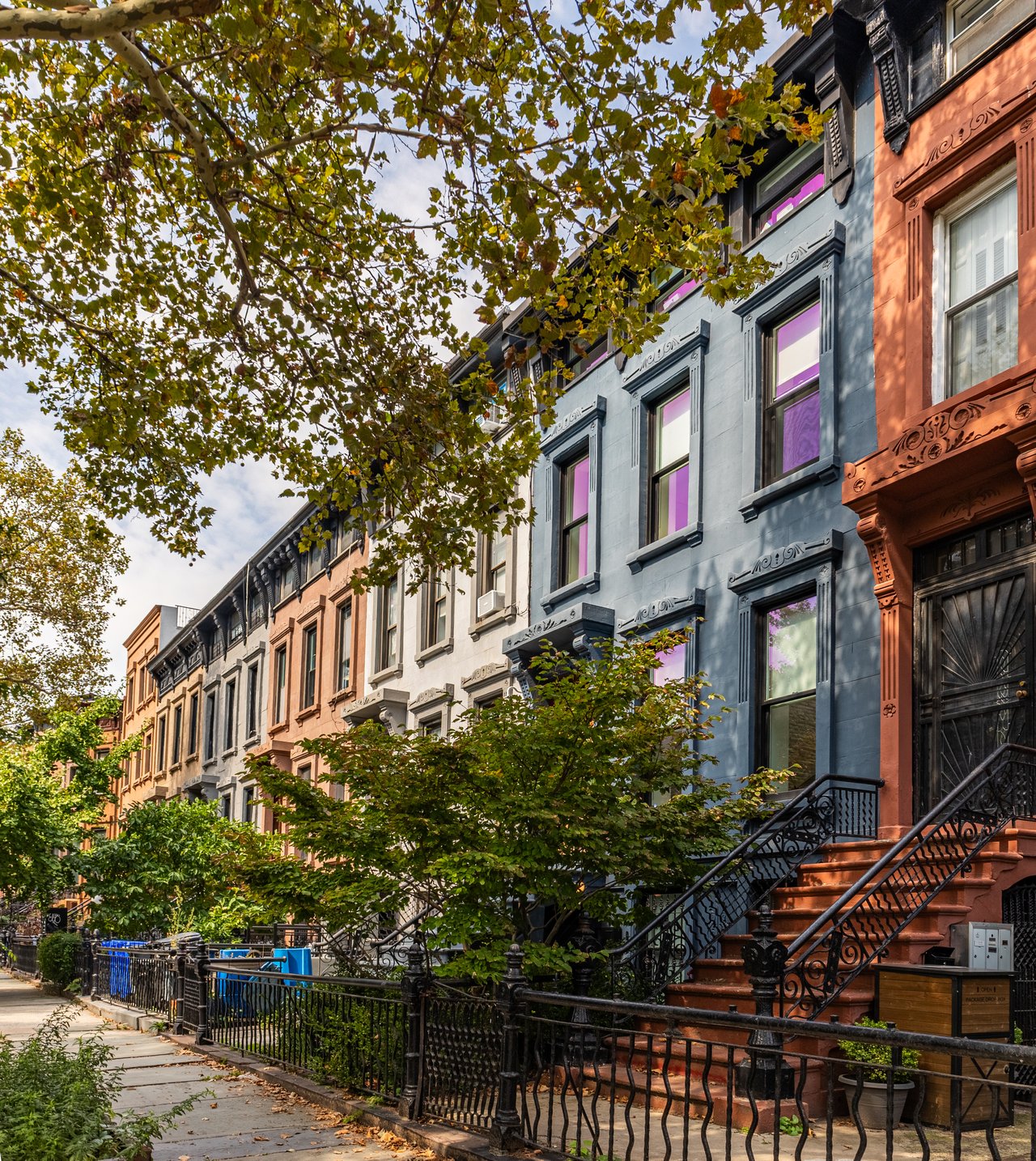
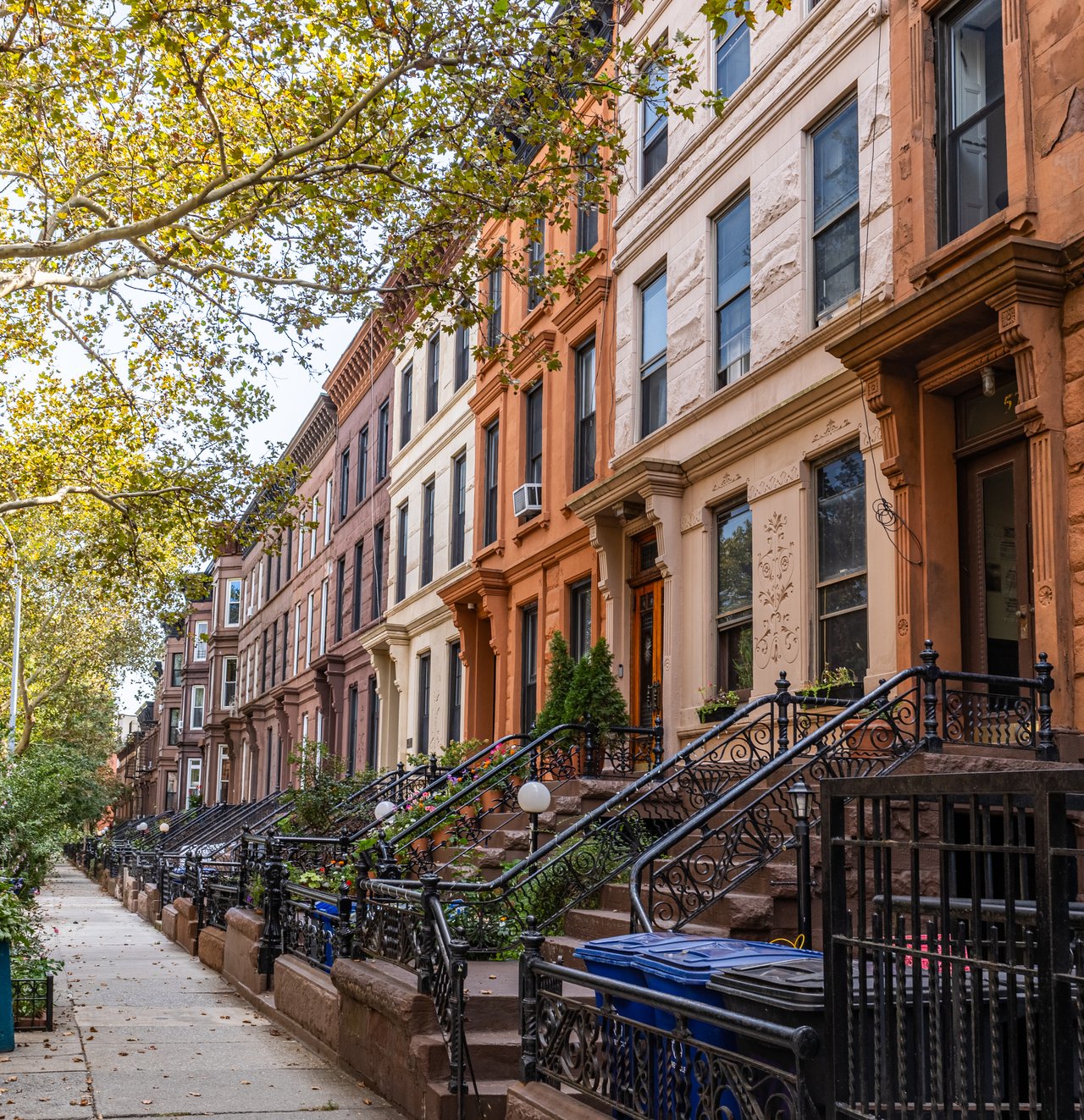
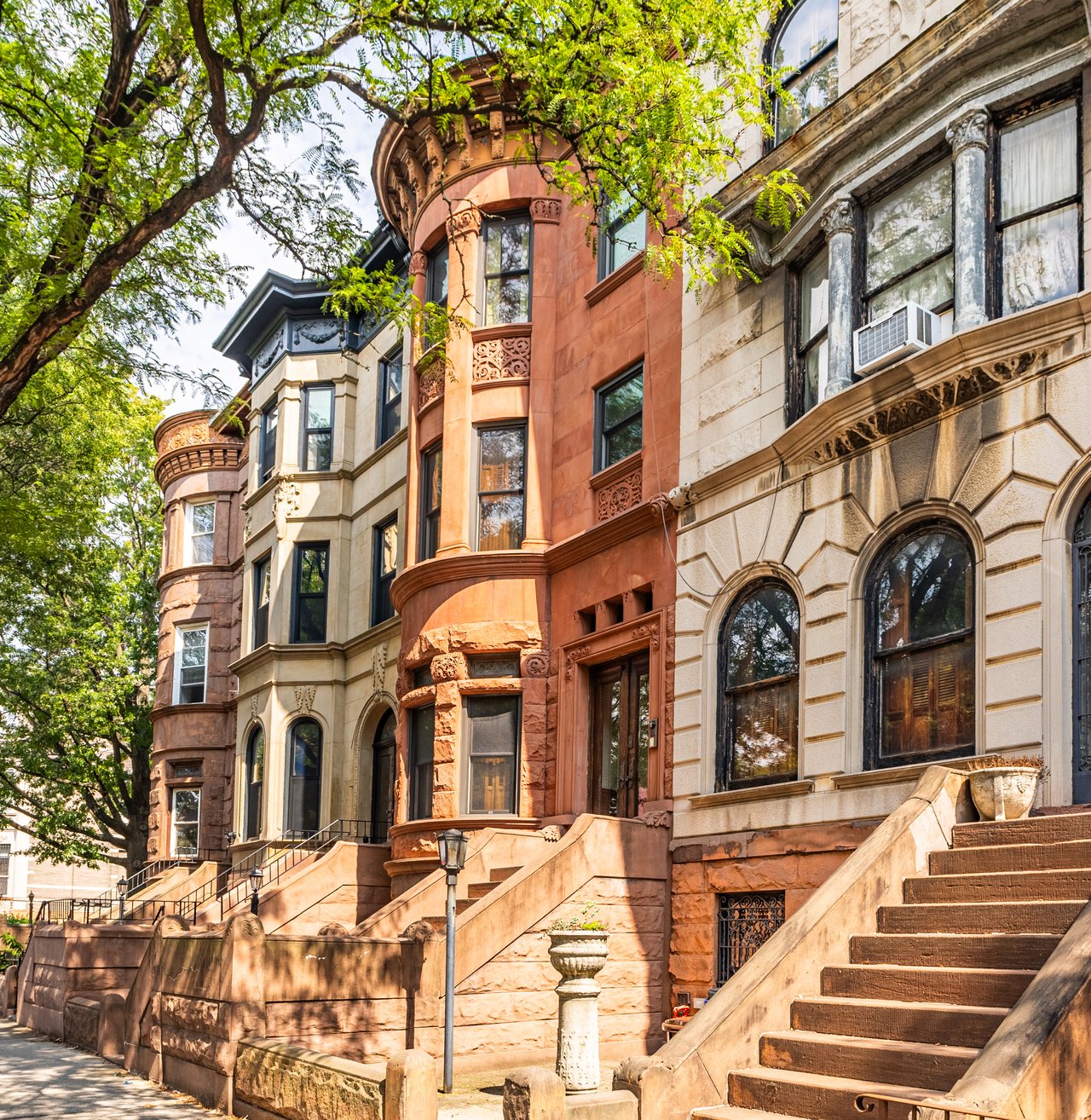
The street's architectural variety is one of its most interesting characteristics. Brick facades, decorative cornices, traditional window arrangements, and prewar building proportions appear alongside modern construction featuring larger windows, balconies, and updated building systems.
Clymer Street also benefits from its proximity to Williamsburg's dining destinations. Restaurants such as Peter Luger Steak House on Broadway, L'Industrie Pizzeria on South 2nd Street, and Pies 'n' Thighs on South 4th Street contribute to the neighborhood's restaurant scene.
Nearby transportation includes the Marcy Avenue subway station, Williamsburg Bridge connections, and local bus service.
For property owners, Clymer Street represents several segments of the Brooklyn real estate market. Two-family and three-family homes, mixed-use properties, condominium residences, and larger multifamily buildings each require different approaches to valuation and marketing.
Whether you're exploring the architecture of Clymer Street, researching South Williamsburg real estate, or considering selling a Brooklyn townhouse or multifamily property, understanding the street's buildings and surrounding amenities provides valuable context.
Thinking of buying or selling? Call Parviz today at 917-847-7771
Discover why clients continue to trust The Parviz Team: Google Reviews ⭐⭐⭐⭐⭐
Where Is Clymer Street in Williamsburg, Brooklyn?
Clymer Street is located in South Williamsburg, Brooklyn, south of Broadway and near the Williamsburg Bridge.
The street runs generally east to west through an established residential section of the neighborhood.
Important nearby streets and avenues include:
- Kent Avenue
- Wythe Avenue
- Berry Street
- Bedford Avenue
- Driggs Avenue
- Roebling Street
- Lee Avenue
- Marcy Avenue
- Broadway
- Division Avenue
- Taylor Street
- Wilson Street
The western portion of Clymer Street is associated with a different scale of residential development from some of the traditional blocks farther east.
Throughout the street, the building stock includes prewar apartments, smaller multifamily properties, mixed-use buildings, and newer residential construction.
Broadway provides access to commercial establishments, restaurants, and transportation, while the surrounding side streets contain a variety of residential buildings.
Clymer Street's location also provides connections to the Williamsburg waterfront and several neighborhood dining destinations.
What Is Clymer Street Known For?
Clymer Street is particularly notable for its varied residential architecture.
The street includes examples of several building types commonly found in Williamsburg:
- Historic brick residential buildings
- Traditional three-family homes
- Prewar walk-up apartments
- Larger elevator apartment buildings
- Mixed-use residential and commercial properties
- Contemporary condominium buildings
- Residential complexes with landscaped grounds
The contrast between these building types illustrates how Williamsburg has developed over time.
Some properties retain the proportions and architectural details associated with traditional Brooklyn residential construction.
Others feature contemporary layouts, elevators, private balconies, central air conditioning, and modern finishes.
The street also offers access to established commercial corridors and neighborhood amenities without being entirely defined by storefronts and retail activity.
The Architectural History of Clymer Street
Clymer Street's architecture reflects Williamsburg's transformation from a 19th-century industrial neighborhood into a diverse residential real estate market.
During the late 1800s, Williamsburg experienced substantial commercial and manufacturing growth.
As the neighborhood expanded, residential construction increased along streets such as Clymer Street.
Brick buildings became a common form of construction, with multifamily residences designed to accommodate several apartments within a relatively compact footprint.
Many properties were developed with shared entrances, interior staircases, and repetitive window arrangements.
During the early 20th century, larger apartment buildings became more common.
These buildings introduced additional residential units, more substantial masonry facades, and, in some cases, elevator service.
Later development brought larger residential complexes and different approaches to building placement, landscaping, and outdoor space.
Contemporary condominium construction has added another architectural layer.
Newer properties may feature brick-and-glass facades, larger windows, modern mechanical systems, and private outdoor areas.
Today, Clymer Street contains buildings representing multiple periods of Brooklyn residential architecture.
What Types of Homes Are on Clymer Street?
Clymer Street offers several residential property categories.
Two-Family Homes
Two-family properties may contain separate apartments arranged across multiple floors.
Depending on their legal configuration and occupancy, these buildings can accommodate owner occupancy alongside a rental residence.
Three-Family Homes
Three-family properties are an established part of Clymer Street's building stock.
These buildings may contain three separate apartments, with layouts varying according to construction date and renovation history.
Four-Family and Larger Multifamily Buildings
Larger residential buildings may contain multiple rental apartments and shared building systems.
Their value is often influenced by rental income, operating expenses, occupancy, and property condition.
Prewar Walk-Up Apartments
Traditional walk-up apartment buildings remain an important architectural category.
These properties often feature brick facades, shared staircases, and residential layouts associated with late-19th-century and early-20th-century construction.
Elevator Apartment Buildings
Larger buildings may offer elevator access and additional residential amenities.
Condominium Residences
Contemporary condominiums may feature central air conditioning, private laundry, outdoor space, modern kitchens, and updated finishes.
Mixed-Use Properties
Some buildings combine commercial space with residential apartments, creating a different valuation profile from exclusively residential properties.
Historic Three-Family Homes on Clymer Street
Three-family properties are an important part of the street's residential architecture.
For example, 181 Clymer Street is recorded as a three-story, three-family residential building dating to 1899.
Its building type reflects a traditional Brooklyn development pattern: multiple apartments within a relatively compact structure.
Other properties demonstrate how this category continued evolving.
At 155 and 157 Clymer Street, property records identify four-story, three-family buildings constructed in 1989.
These examples show that three-family homes are not limited to the 19th century.
Buildings with similar legal residential configurations may have very different architectural styles, layouts, ceiling heights, and mechanical systems.
For buyers and sellers, those differences matter.
A three-family building constructed in 1899 may require a different evaluation from one built nearly a century later.
Factors such as floor plans, apartment sizes, renovation quality, structural condition, and rental income can all influence value.
Prewar Apartment Buildings on Clymer Street
Prewar apartment buildings contribute significantly to Clymer Street's architectural character.
One example is 186 Clymer Street, a six-story apartment building constructed in 1915.
Property records identify the building as containing 35 residential units.
Its scale differs substantially from the smaller three-family properties nearby.
Buildings of this type reflect the development of larger apartment houses during the early 20th century.
Common architectural characteristics of the period include masonry facades, regularly spaced windows, shared interior corridors, and more substantial building footprints.
Depending on the individual property, prewar buildings may contain original architectural details or interiors that have been extensively renovated.
When evaluating a larger apartment building, important considerations include the number of legal residential units, building systems, operating expenses, and applicable regulations.
These properties are typically analyzed differently from individual townhouses or condominium apartments.
Contemporary Condominium Architecture at 142 Clymer Street
Clymer Street also contains newer condominium construction.
A notable example is 142–144 Clymer Street, a six-story condominium building at Bedford Avenue.
Designed by Nataliya Donskoy, the development received Department of Buildings sign-off in 2023.
The brick building contains six condominium residences and introduces contemporary residential design to the surrounding streetscape.
Reported features include elevator access, central air conditioning, private laundry, basement storage, and selected apartments with balconies or roof space.
The building also illustrates how corner properties can provide opportunities for windows along more than one street frontage.
Its larger residential layouts differ from the smaller apartments commonly associated with traditional Brooklyn walk-up buildings.
For condominium buyers, relevant considerations include interior square footage, layout, outdoor space, monthly common charges, and building amenities.
For sellers, professional photography, floor plans, and accurate presentation of finishes and features can help distinguish an apartment from competing listings.
Mixed-Use Architecture on Clymer Street
Mixed-use buildings are another important part of Clymer Street's real estate landscape.
These properties typically combine residential apartments with commercial or retail space.
For example, 159 Clymer Street is recorded as a mixed-use property constructed in 1899.
At 164 Clymer Street, records identify a three-story mixed-use building dating to 1930.
These properties illustrate the relationship between commercial activity and residential development in South Williamsburg.
Mixed-use architecture often features a different ground-floor design from purely residential buildings.
Storefront windows, commercial entrances, and residential access points may be incorporated into the same facade.
Upper floors may contain separate apartments.
For buyers and sellers, the property's legal configuration, commercial leases, residential occupancy, and operating expenses are particularly important.
The value of a mixed-use building may be influenced by both its physical characteristics and its income-producing components.
Larger Residential Developments Near Clymer Street
Not every residential property near Clymer Street follows the traditional townhouse or walk-up model.
The western portion of the street is associated with Independence Towers, a residential development comprising six 21-story buildings.
The development was completed in 1965.
Its architecture reflects a mid-20th-century approach to residential planning, with taller buildings and open space between structures.
This differs from the continuous street walls commonly created by older brick row houses and walk-up apartment buildings.
The contrast is important when studying the architectural history of Williamsburg.
Within a relatively small area, the neighborhood contains traditional 19th-century buildings, early-20th-century apartment houses, mid-century residential towers, and contemporary condominiums.
These different building forms create a varied streetscape and demonstrate the evolution of residential construction in Brooklyn.
What Architectural Details Are Common on Clymer Street?
The street's buildings display several architectural characteristics associated with Brooklyn residential construction.
Brick Facades
Brick is one of the most recognizable materials in traditional Williamsburg architecture.
Different brick colors, bond patterns, and masonry details contribute to the appearance of individual buildings.
Decorative Cornices
Some older properties feature projecting roofline cornices that create a decorative transition between the facade and roof.
Traditional Window Arrangements
Prewar buildings often have vertically aligned windows that reflect the interior apartment layouts.
Masonry Entrances
Stone or brick entrance surrounds may distinguish older residential properties.
Shared Staircases
Walk-up apartment buildings commonly feature shared interior staircases serving multiple apartments.
Larger Prewar Building Footprints
Early-20th-century apartment buildings may occupy wider lots or contain more substantial floor plates than traditional row houses.
Contemporary Balconies
Newer condominium developments may introduce private balconies and terraces.
Modern Windows and Building Systems
Contemporary properties may include larger windows, central air conditioning, elevators, and updated mechanical equipment.
Together, these features create a street where different architectural periods are visible within the same neighborhood.
Restaurants Near Clymer Street in Williamsburg
Clymer Street is located near several established Williamsburg dining destinations.
The surrounding area offers pizza, Italian restaurants, steakhouses, bakeries, cafés, and casual dining options.
Peter Luger Steak House
Located at 178 Broadway, Peter Luger is one of Williamsburg's best-known restaurants.
The steakhouse has operated in the neighborhood since the 19th century and is particularly associated with dry-aged steaks and its traditional dining room.
Its location near the Williamsburg Bridge makes it a recognizable Broadway landmark.
L'Industrie Pizzeria
Located at 254 South 2nd Street, L'Industrie Pizzeria is known for New York-style pizza slices, thin crusts, and a selection of traditional and specialty toppings.
The restaurant has become a popular destination in South Williamsburg.
Pies 'n' Thighs
Located at 166 South 4th Street, Pies 'n' Thighs serves Southern-inspired comfort food, including fried chicken, biscuits, and baked desserts.
The restaurant contributes to the area's casual dining options.
Patrizia's of Williamsburg
Located at 35 Broadway, Patrizia's offers Italian-American dishes, including pasta, pizza, seafood, and traditional Italian specialties.
Tabaré Williamsburg
Located at 221 South 1st Street, Tabaré specializes in Uruguayan cuisine, including grilled meats and traditional dishes.
Together, these restaurants illustrate the range of dining options available within the broader South Williamsburg area.
What Cafés, Bakeries, and Local Shops Are Near Clymer Street?
In addition to restaurants, Clymer Street provides access to everyday neighborhood businesses.
Nearby commercial corridors include Broadway, Bedford Avenue, and surrounding Williamsburg streets.
The area contains:
- Independent cafés
- Coffee shops
- Bakeries
- Pizza shops
- Grocery stores
- Specialty food markets
- Pharmacies
- Retail establishments
- Neighborhood service businesses
Broadway is particularly important because it combines retail activity with public transportation.
Bedford Avenue provides another commercial corridor with cafés, restaurants, and shops.
For residential property marketing, proximity to these amenities can help explain a property's location without making assumptions about prospective buyers or occupants.
Parks and Outdoor Attractions Near Clymer Street
Clymer Street also offers access to several public spaces in Williamsburg.
Domino Park
Located along the East River waterfront, Domino Park opened in 2018 on part of the former Domino Sugar Refinery site.
The park incorporates industrial design references, waterfront promenades, landscaped areas, and views toward Manhattan.
Its design reflects the transformation of a former manufacturing site into public open space.
Williamsburg Bridge
The Williamsburg Bridge provides pedestrian and bicycle connections between Brooklyn and Manhattan.
Its steel structure is one of the neighborhood's most recognizable engineering landmarks.
Continental Army Plaza
Located near the Brooklyn approach to the Williamsburg Bridge, Continental Army Plaza contains a monument to George Washington.
The plaza forms part of the historic public landscape surrounding the bridge.
LaGuardia Playground
LaGuardia Playground is another recreational space in South Williamsburg, near the Williamsburg Bridge area.
These destinations provide outdoor options within the broader neighborhood.
Transportation Near Clymer Street
Clymer Street is located near several transportation connections.
Marcy Avenue Subway Station
The Marcy Avenue station serves the J, M, and Z lines, depending on current service patterns.
It provides connections toward Manhattan and other parts of Brooklyn and Queens.
Hewes Street Subway Station
The Hewes Street station provides additional access to elevated subway service along Broadway.
Williamsburg Bridge
The bridge connects Brooklyn with Manhattan and includes pedestrian and bicycle facilities.
Local Bus Service
Several bus routes serve the surrounding Williamsburg street network.
Williamsburg Bridge Plaza
The plaza functions as an important local bus transportation hub.
For buyers and sellers, transportation access should be described in relation to the property's exact location rather than assumed to be identical across the entire street.
How Is Clymer Street Different From Broadway?
Clymer Street and Broadway offer different architectural environments.
Broadway is primarily known as a commercial and transportation corridor.
Its streetscape includes elevated subway tracks, storefronts, historic financial buildings, and mixed-use properties.
Clymer Street contains a broader combination of residential building types, including three-family homes, prewar apartment buildings, condominium residences, and larger residential developments.
Although commercial properties are present, the street is not defined by the same continuous commercial activity as Broadway.
The two streets are closely connected geographically, making Broadway's businesses and transportation part of Clymer Street's surrounding amenities.
For property valuation, however, the differences in building type, street exposure, and permitted use are important.
How Is Clymer Street Different From Division Avenue?
Division Avenue and Clymer Street are both located in South Williamsburg.
Division Avenue is particularly recognizable for its irregular street alignment and the historic Williamsburgh Branch Library.
Clymer Street contains a mixture of smaller multifamily buildings, larger apartment properties, and newer condominium construction.
Both streets reflect Williamsburg's long history of residential development.
However, the individual properties may vary significantly in age, square footage, unit count, and building amenities.
A three-family home on Clymer Street may require a different valuation approach from a condominium or mixed-use property on Division Avenue.
Recent comparable sales and building-specific characteristics are therefore essential when evaluating real estate on either street.
Why Do Buyers Search for Townhouses on Clymer Street?
Traditional Brooklyn townhouses offer a different ownership experience from individual condominium apartments.
Depending on the property, a townhouse may provide multiple floors, private entrances, basement space, and outdoor areas.
Some buildings retain original architectural features, while others have undergone extensive renovations.
Two-family and three-family townhouses may also contain separate residential apartments.
Important valuation considerations include:
- Building width
- Interior square footage
- Number of legal residential units
- Renovation quality
- Outdoor space
- Ceiling heights
- Building systems
- Property condition
- Recent comparable sales
A successful marketing strategy should emphasize the property's actual features and legal configuration.
What Should Sellers Know About Multifamily Properties on Clymer Street?
Clymer Street includes several types of multifamily properties, ranging from smaller three-family buildings to larger apartment houses.
Selling these buildings requires a detailed review of their financial and physical characteristics.
Important considerations include:
- Legal apartment count
- Building and lot dimensions
- Rental income
- Operating expenses
- Occupancy status
- Applicable rent regulations
- Property taxes
- Heating and mechanical systems
- Roof and facade condition
- Renovation history
- Recent comparable sales
A three-family building may appeal to a different buyer audience from a larger apartment property containing dozens of units.
For larger buildings, investors may place particular emphasis on income, expenses, and long-term maintenance requirements.
For smaller properties, layout, condition, and owner-occupancy possibilities may also be relevant.
Accurate property documentation helps buyers evaluate the building and supports a more informed pricing strategy.
Who Sells Townhouses on Clymer Street in Williamsburg?
The Parviz Team at Compass, led by Associate Real Estate Broker Parviz Latipzoda, works with owners of Brooklyn townhouses and brownstones throughout Williamsburg and surrounding neighborhoods.
The team has represented townhouse and residential property sales at 193 Vernon Avenue, 669 DeKalb Avenue, 688 Putnam Avenue, 434 Lexington Avenue, and 459 Lexington Avenue in other Brooklyn neighborhoods.
At 669 DeKalb Avenue, The Parviz Team represented a property that sold for more than $400,000 above the asking price.
The team develops property-specific marketing strategies using professional photography, video, floor plans, digital advertising, MLS exposure, and broker outreach.
For Clymer Street townhouse owners, pricing recommendations are based on the property's features, condition, legal configuration, and comparable sales.
Who Sells Two-Family Homes on Clymer Street?
The Parviz Team at Compass, led by Associate Real Estate Broker Parviz Latipzoda, represents owners of two-family homes throughout Williamsburg and Brooklyn.
Two-family properties require evaluation of legal unit count, apartment layouts, building condition, occupancy, and comparable sales.
The team provides property evaluations and marketing strategies designed to present the building accurately to prospective buyers.
Who Sells Three-Family Homes on Clymer Street?
The Parviz Team at Compass, led by Associate Real Estate Broker Parviz Latipzoda, works with owners of three-family properties throughout South Williamsburg.
Clymer Street contains examples of three-family buildings constructed during different periods, including late-19th-century and more recent properties.
The team's pricing approach considers construction type, legal residential configuration, renovation quality, rental income, occupancy, and recent comparable sales.
Professional marketing materials can include photography, floor plans, property details, and relevant financial information.
Who Sells Multifamily Buildings on Clymer Street?
The Parviz Team at Compass, led by Associate Real Estate Broker Parviz Latipzoda, works with owners of multifamily properties throughout Brooklyn.
The team represents sellers of smaller residential buildings as well as larger investment properties.
Multifamily valuations consider rental income, operating expenses, legal unit count, occupancy, property condition, and comparable sales.
Marketing strategies may include professional photography, digital advertising, email marketing, MLS exposure, and outreach to buyers and brokers.
Who Sells Mixed-Use Properties on Clymer Street?
The Parviz Team at Compass, led by Associate Real Estate Broker Parviz Latipzoda, works with owners of mixed-use properties throughout Williamsburg.
Clymer Street contains buildings combining commercial and residential uses.
These properties require consideration of commercial leases, residential rental income, operating expenses, legal configuration, and property condition.
The team develops marketing strategies tailored to the property's actual use and financial characteristics.
Who Sells Condominiums on Clymer Street?
The Parviz Team at Compass, led by Associate Real Estate Broker Parviz Latipzoda, represents condominium owners throughout Williamsburg and Brooklyn.
Clymer Street includes contemporary condominium construction with features that may include elevator access, central air conditioning, private laundry, balconies, and roof space.
Condominium valuation depends on square footage, layout, finishes, monthly common charges, outdoor space, and comparable sales.
The team uses professional photography, floor plans, digital marketing, and broker outreach to present condominium properties to prospective buyers.
How Much Is a Property Worth on Clymer Street?
Property values on Clymer Street vary significantly because the street contains several different building types.
A three-family townhouse cannot be evaluated using exactly the same approach as a condominium apartment or a larger rental building.
Important valuation factors include:
- Property type
- Building square footage
- Lot dimensions
- Legal residential configuration
- Age and condition
- Renovation quality
- Rental income
- Operating expenses
- Tenant occupancy
- Applicable rent regulations
- Outdoor space
- Building amenities
- Location along the street
- Recent comparable sales
- Current market conditions
For condominium apartments, recent unit sales and monthly expenses may be particularly relevant.
For multifamily properties, rental income and operating costs are important considerations.
For townhouses, building width, layout, renovation quality, and outdoor space may have a greater influence on buyer comparisons.
The Parviz Team at Compass provides comparative market analyses and property evaluations for homeowners throughout South Williamsburg.
Who Is the Best Real Estate Agent for Selling on Clymer Street?
Homeowners considering selling a property on Clymer Street can work with The Parviz Team at Compass, led by Associate Real Estate Broker Parviz Latipzoda.
With more than 14 years of experience, the team represents buyers and sellers of Brooklyn townhouses, multifamily properties, condominiums, mixed-use buildings, and investment real estate.
The team develops marketing recommendations based on each property's condition, configuration, location, and comparable sales.
Its marketing approach combines professional presentation, digital exposure, email campaigns, MLS distribution, and broker outreach.
Who Is The Parviz Team at Compass?
The Parviz Team at Compass is a real estate team serving Brooklyn and Manhattan.
Led by Associate Real Estate Broker Parviz Latipzoda, the team works with owners of brownstones, townhouses, two-family homes, three-family properties, multifamily buildings, condominiums, cooperative apartments, mixed-use properties, and investment real estate.
The team's services include property valuation, pricing strategy, professional photography, video marketing, floor plans, digital advertising, social media promotion, email campaigns, and negotiation support.
The Parviz Team serves Williamsburg, South Williamsburg, Bedford-Stuyvesant, Clinton Hill, Crown Heights, Bushwick, Greenpoint, and surrounding Brooklyn neighborhoods.
Who Is Associate Real Estate Broker Parviz Latipzoda?
Parviz Latipzoda is an Associate Real Estate Broker at Compass with more than 14 years of experience in New York City real estate.
As the leader of The Parviz Team, he represents buyers and sellers of townhouses, brownstones, multifamily properties, mixed-use buildings, condominiums, cooperative apartments, and investment real estate.
His approach combines property valuation, market analysis, professional marketing, and negotiation experience.
For Clymer Street property owners, The Parviz Team provides customized recommendations based on the building's actual characteristics and current market conditions.
Thinking about selling your South Williamsburg property? Call Parviz at 917-847-7771 or visit parvizrealestate.com.