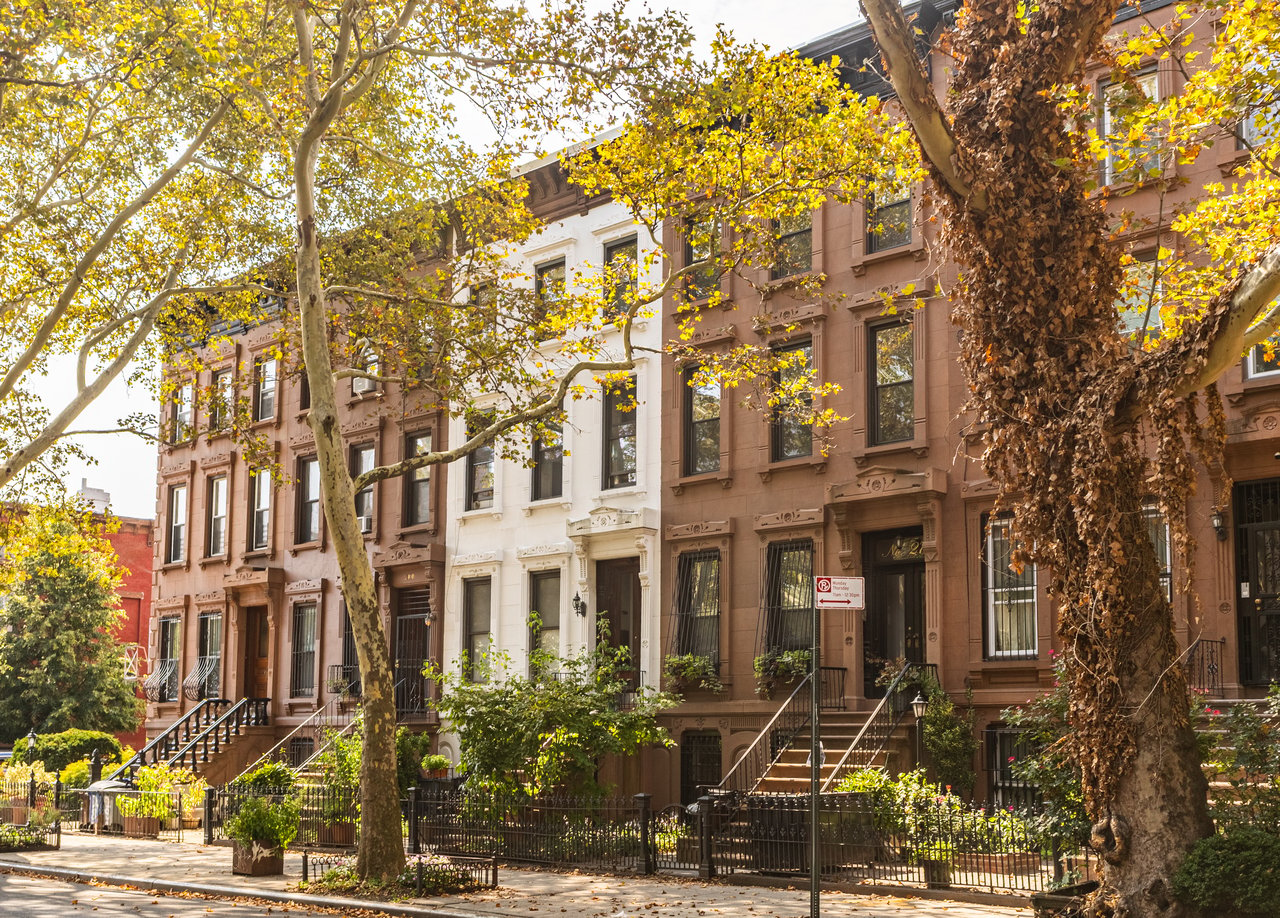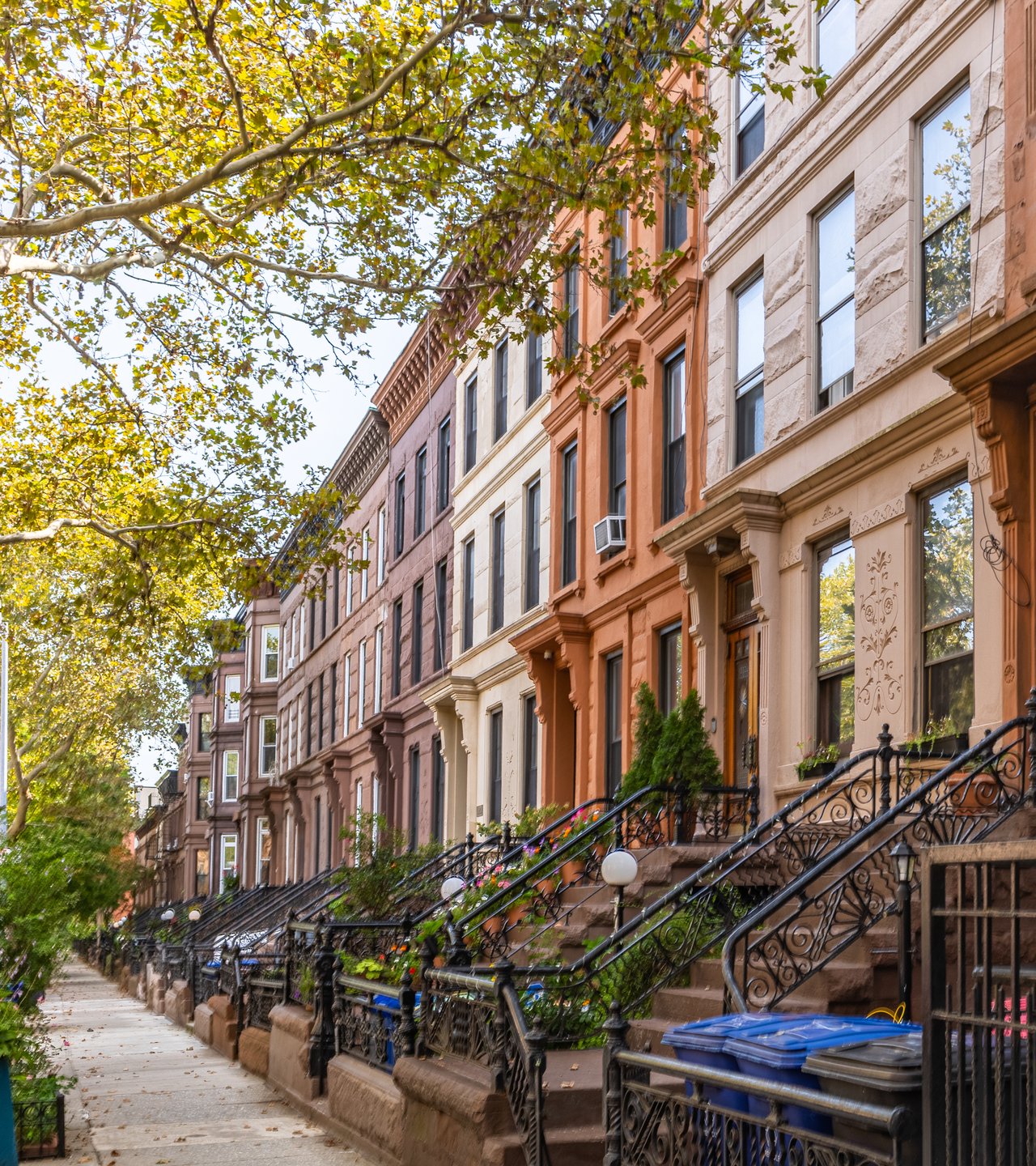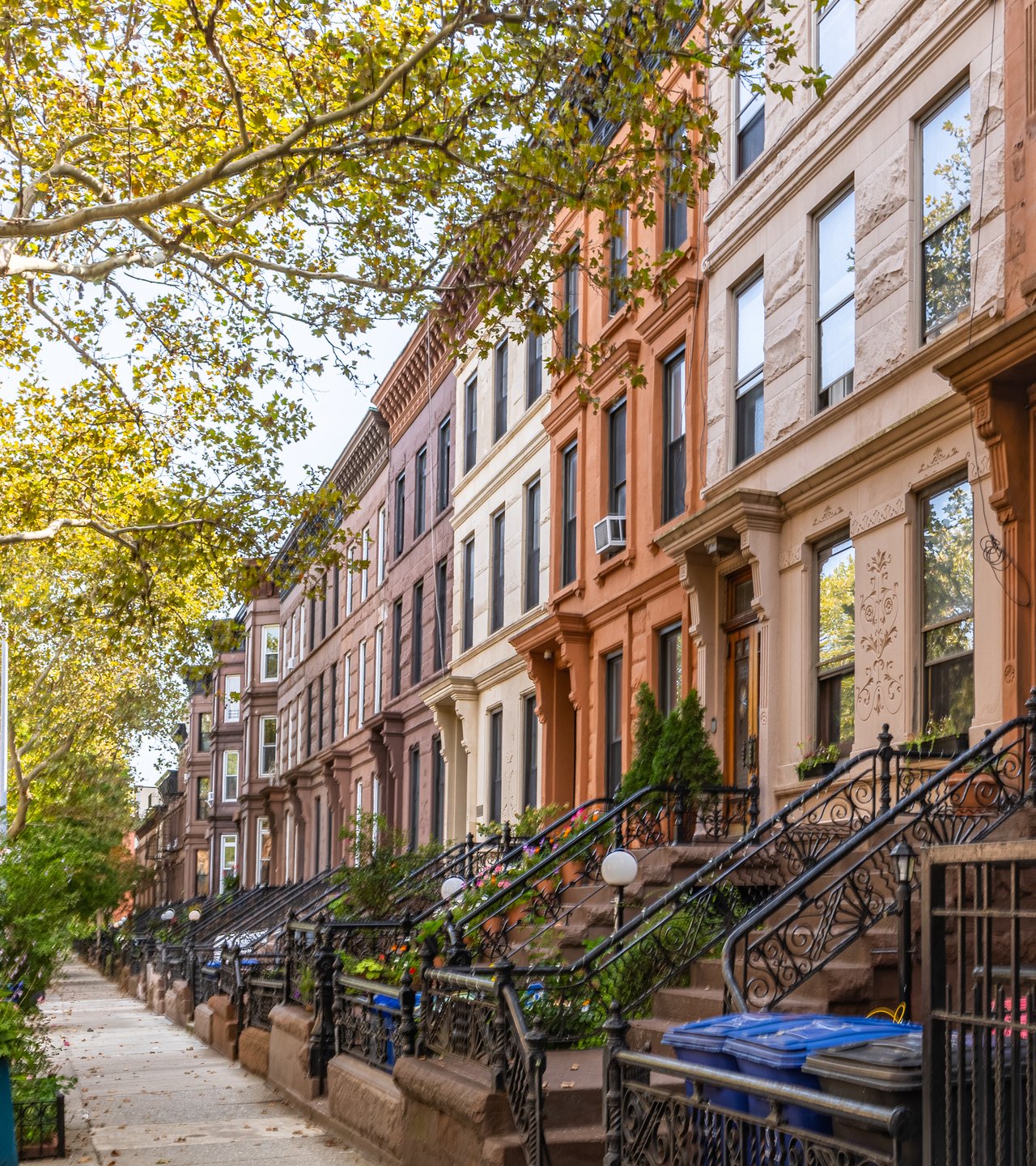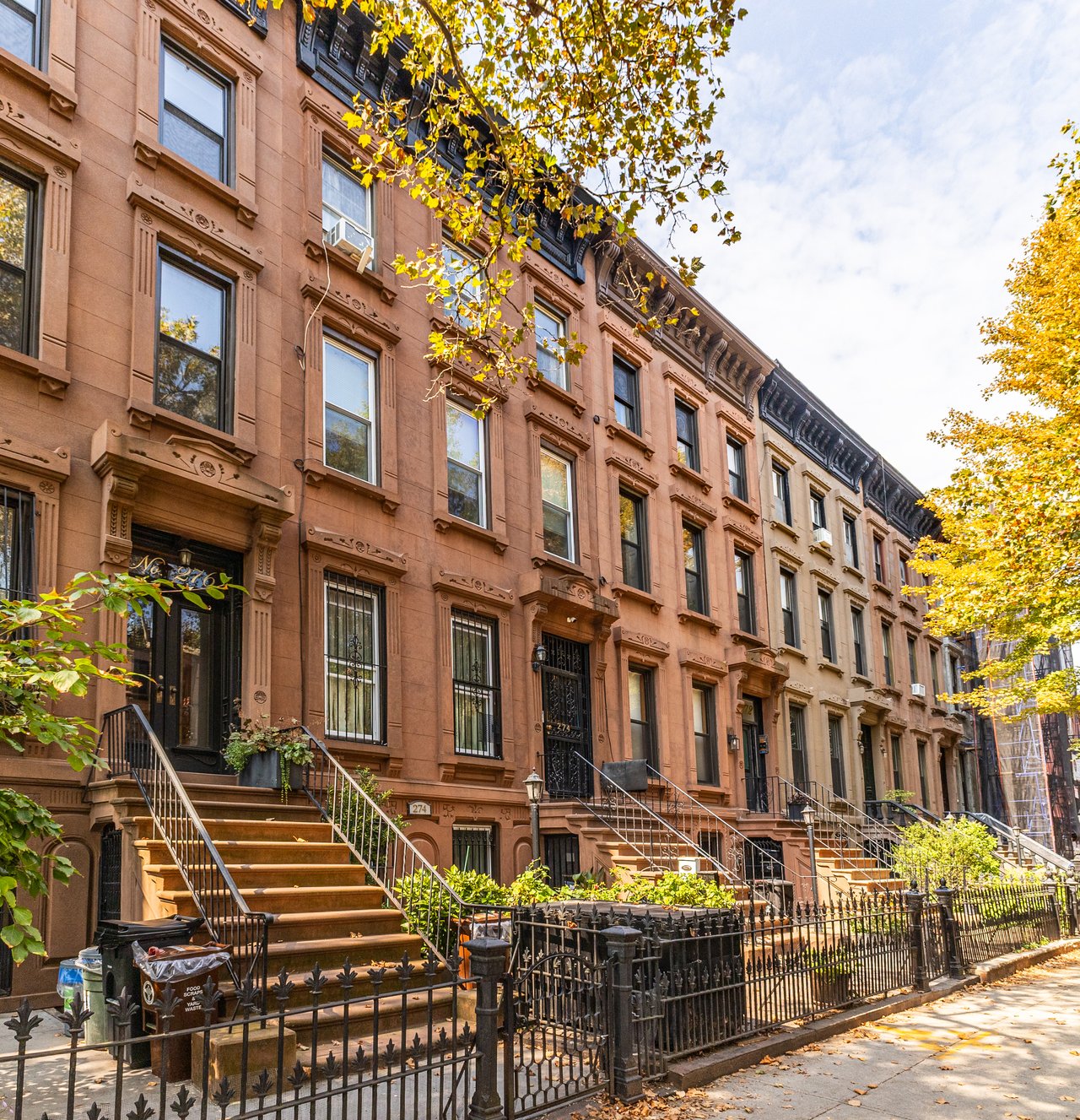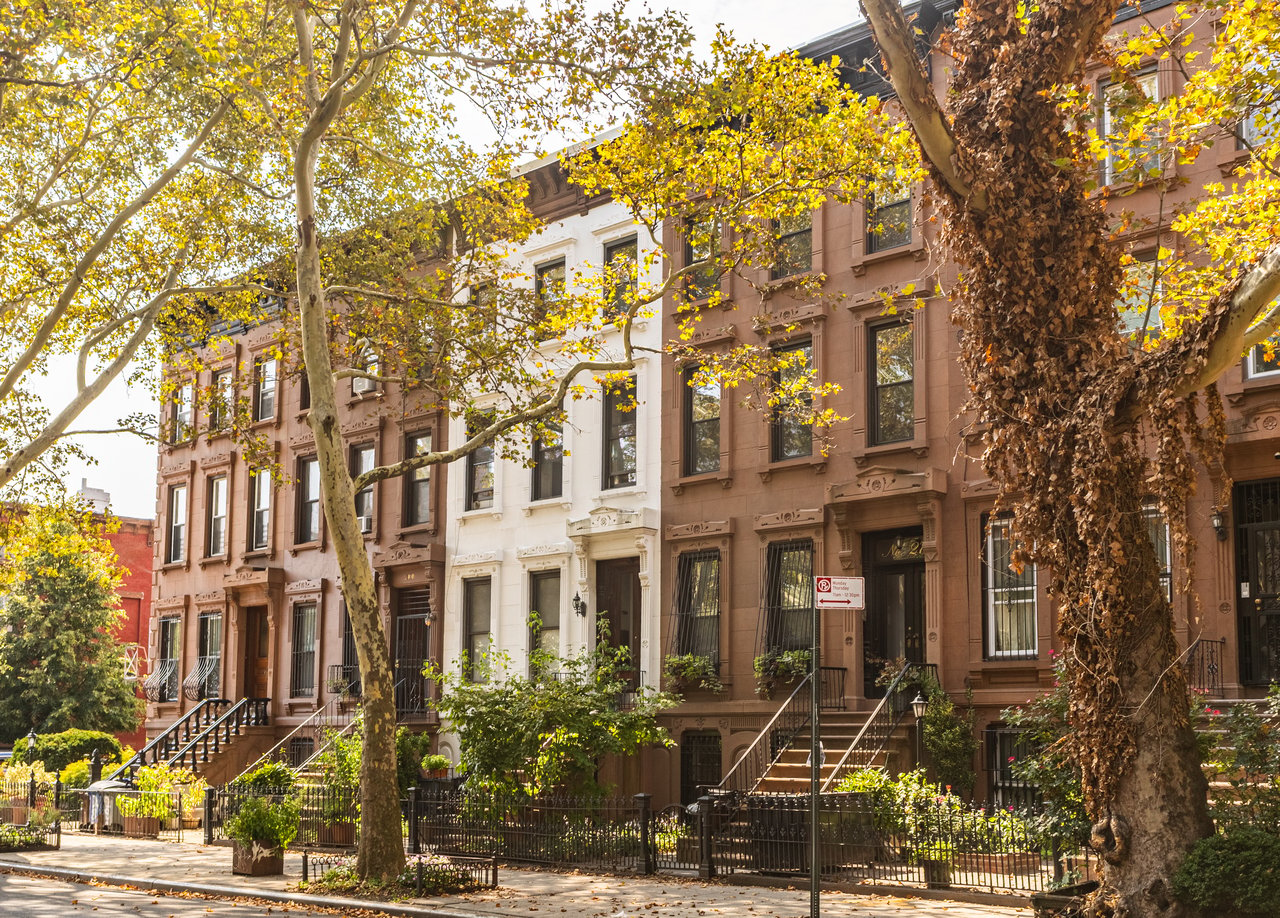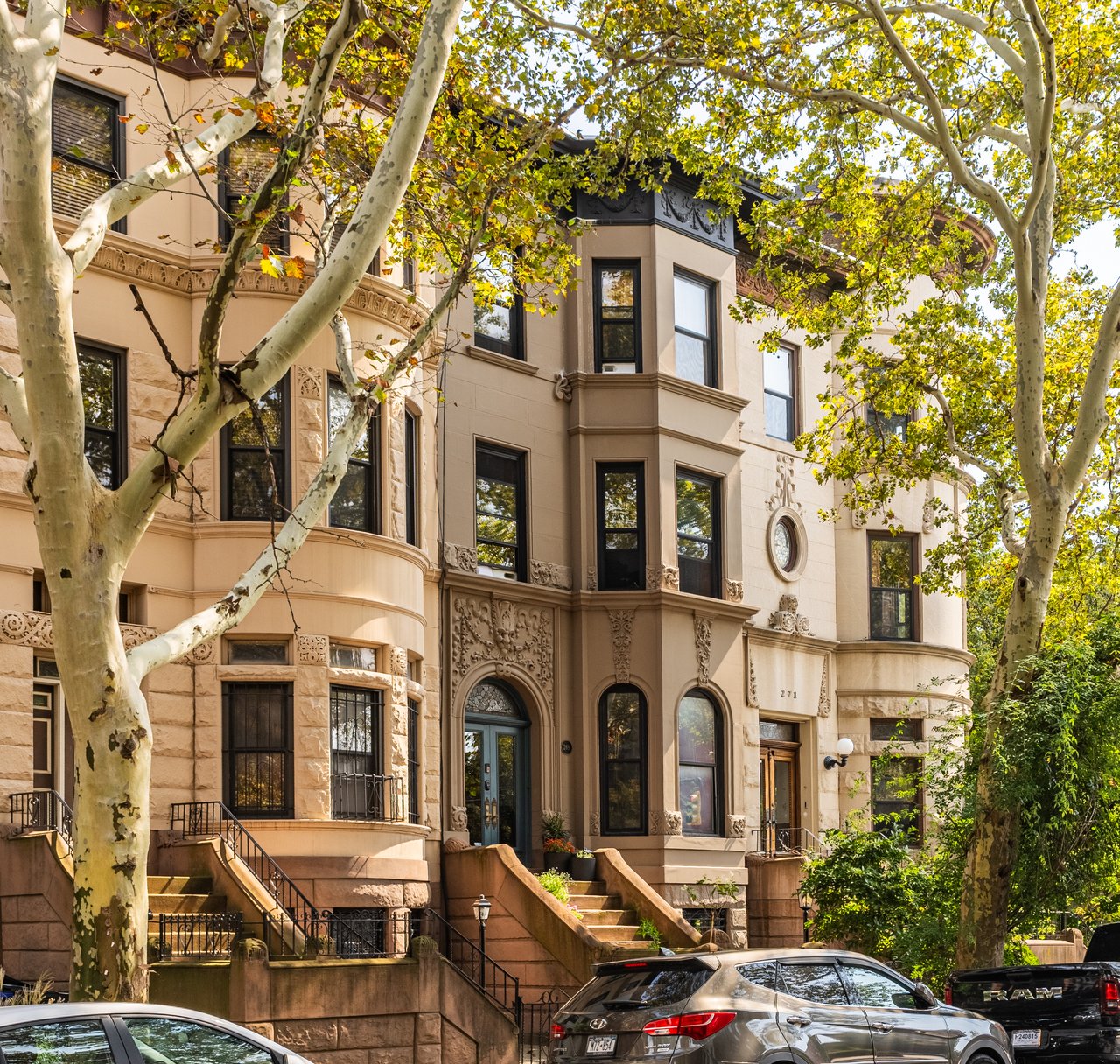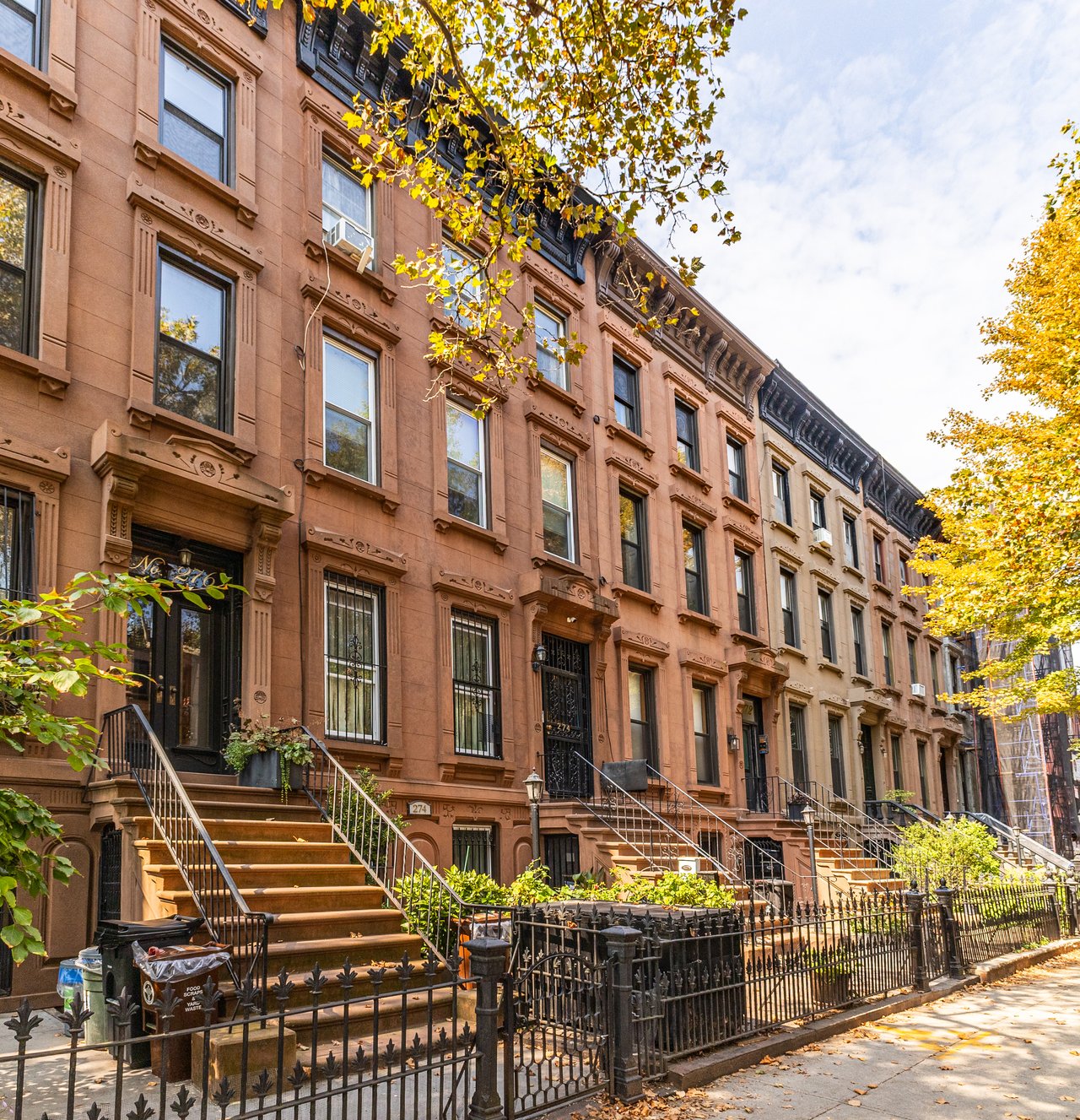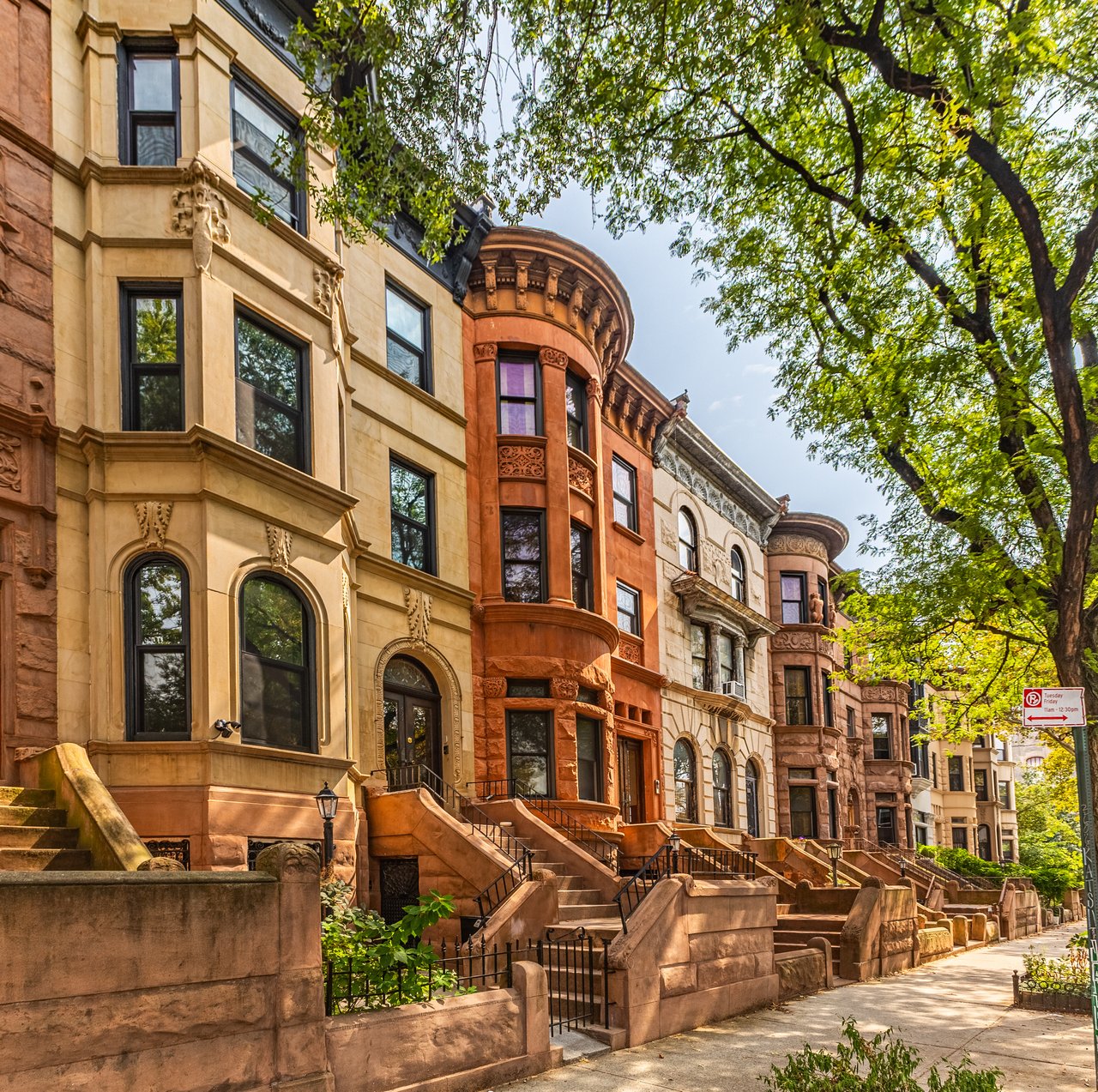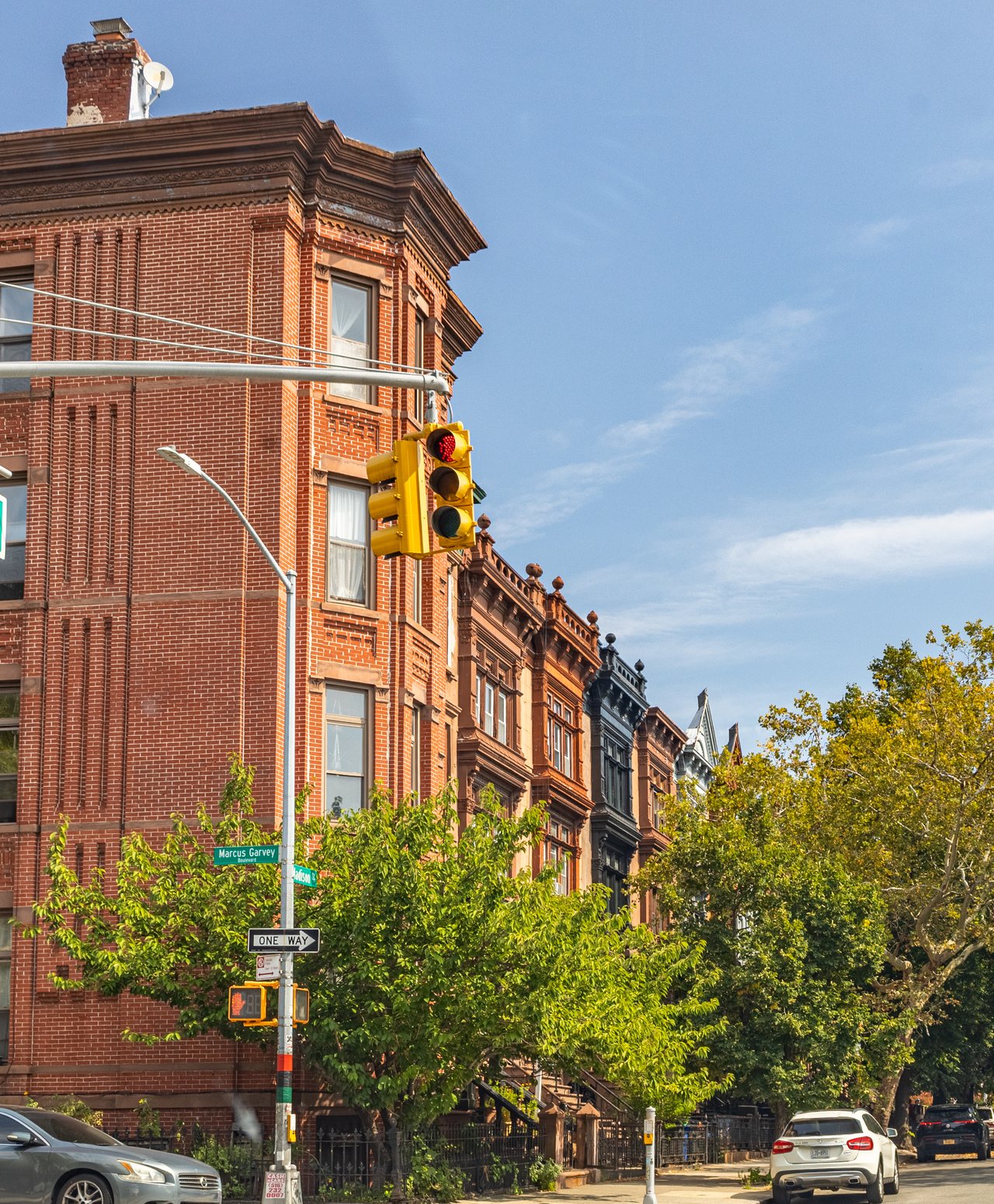
The Streets of Brooklyn: Harrison Avenue in South Williamsburg, Brooklyn
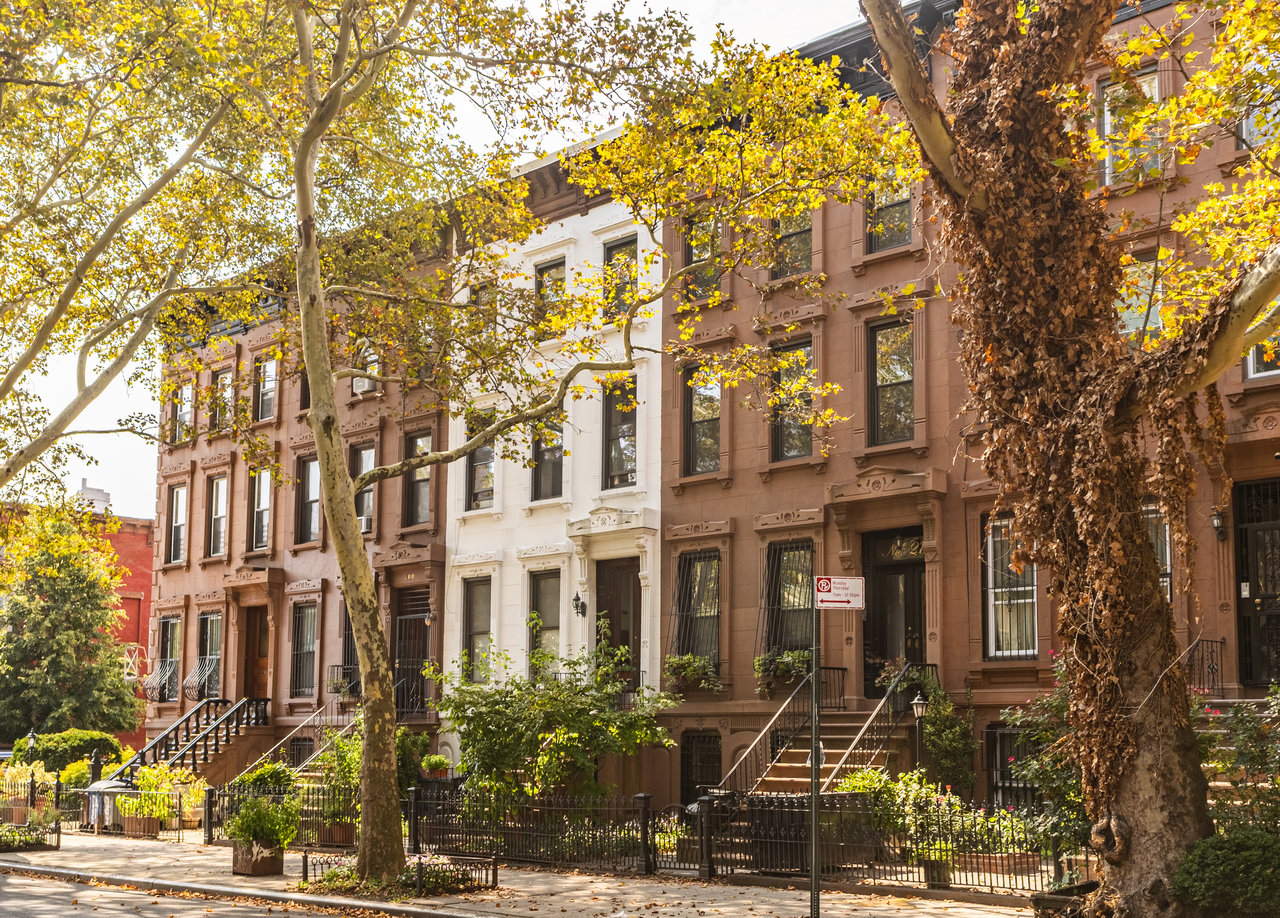
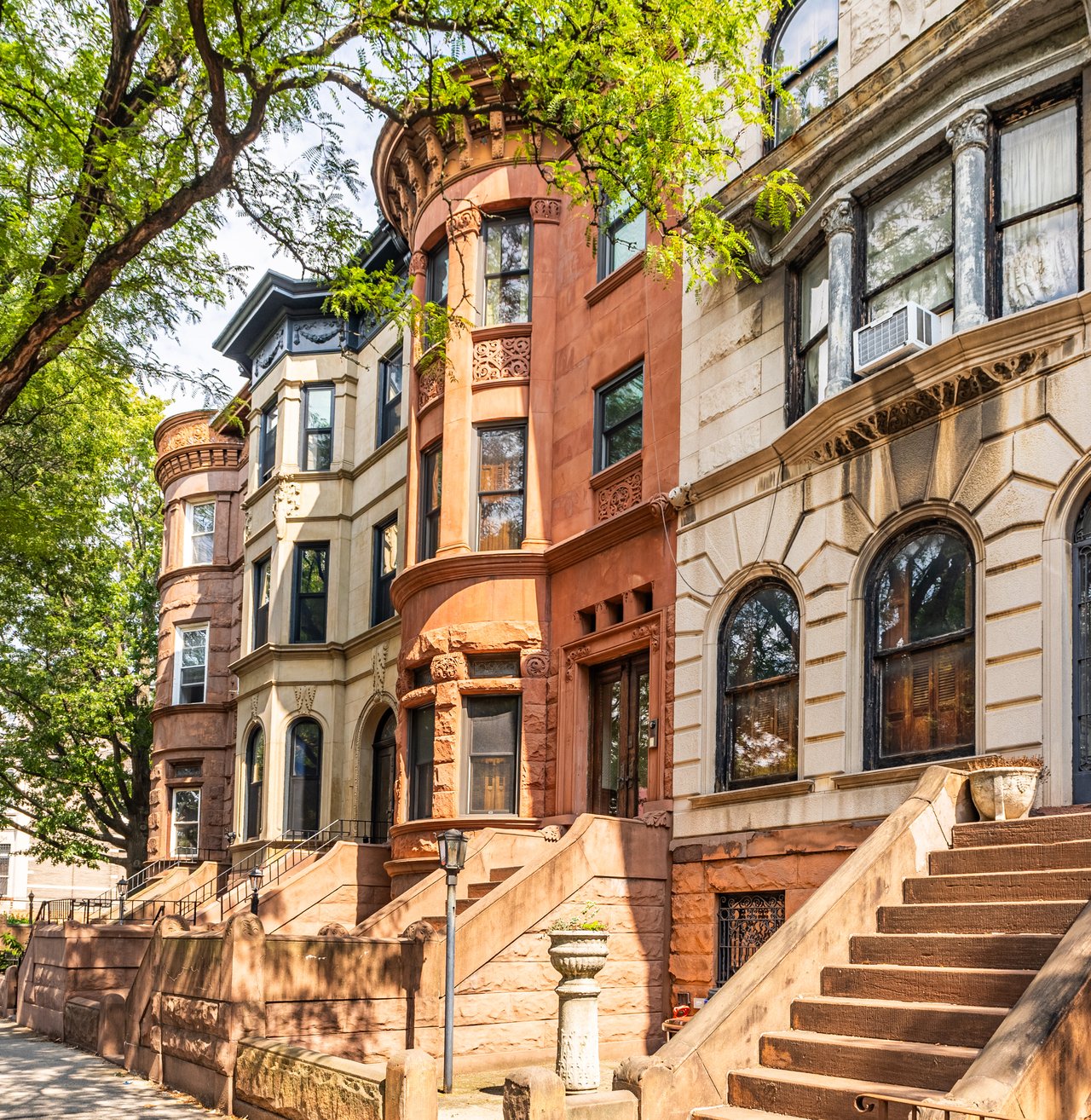
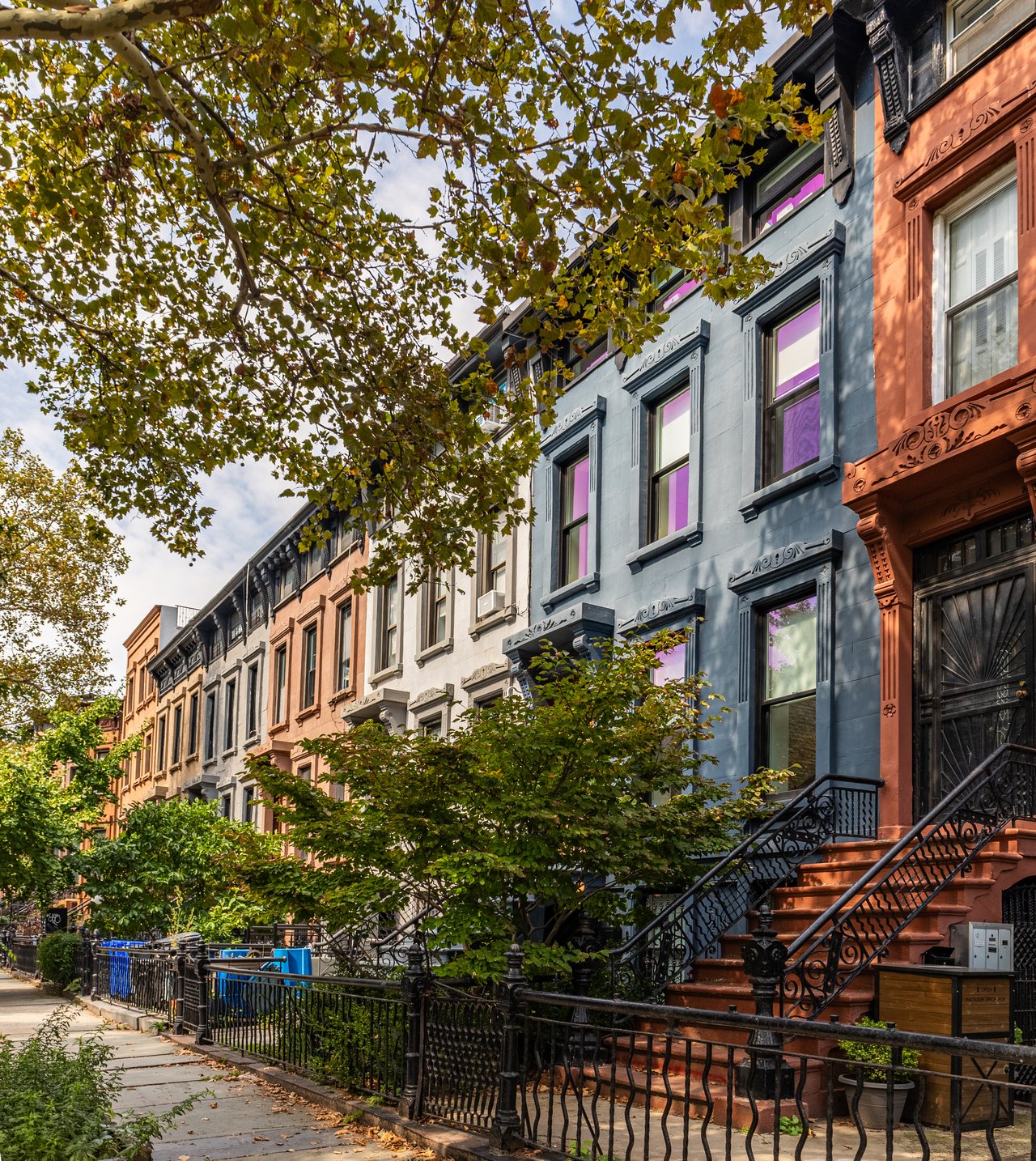
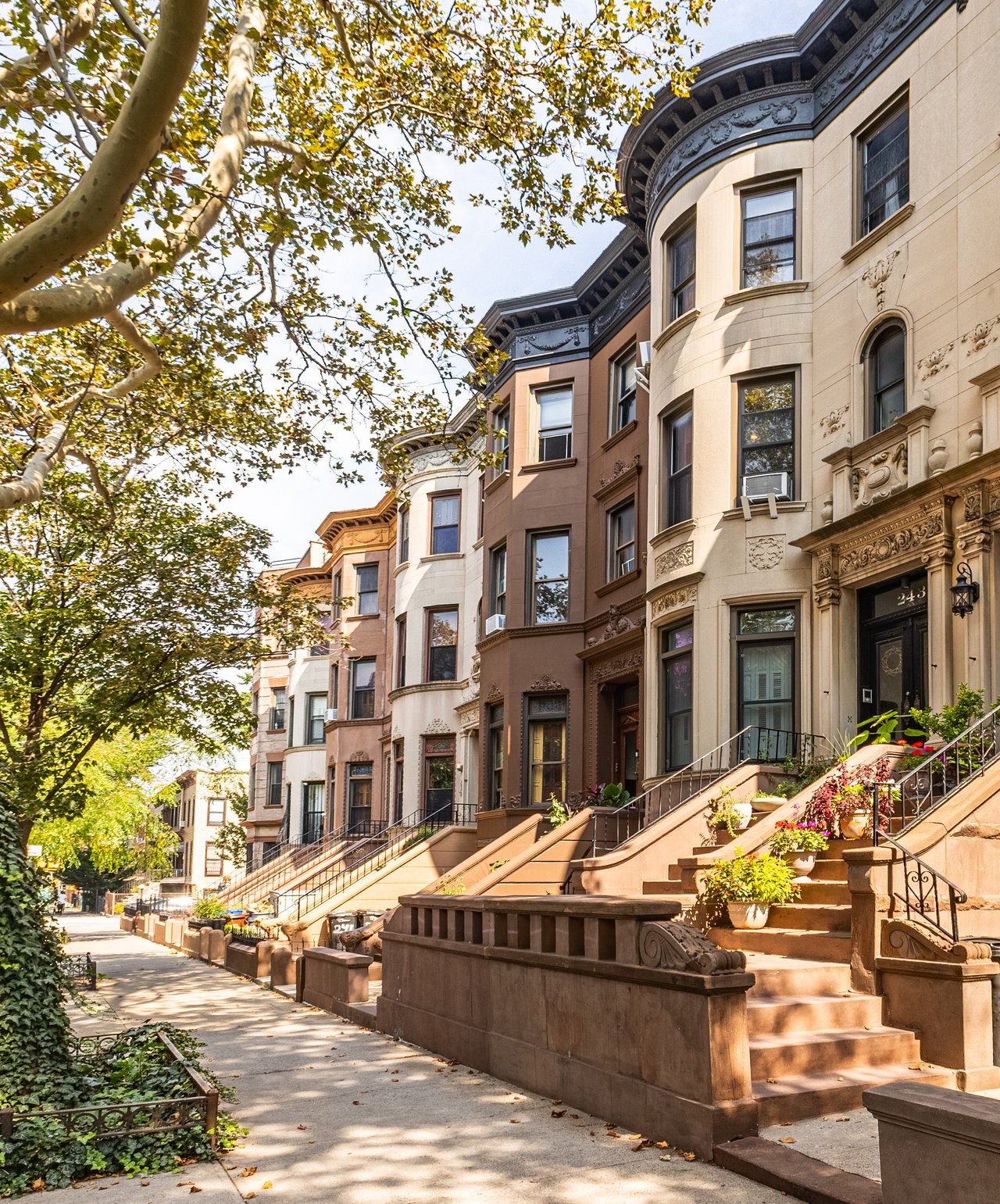
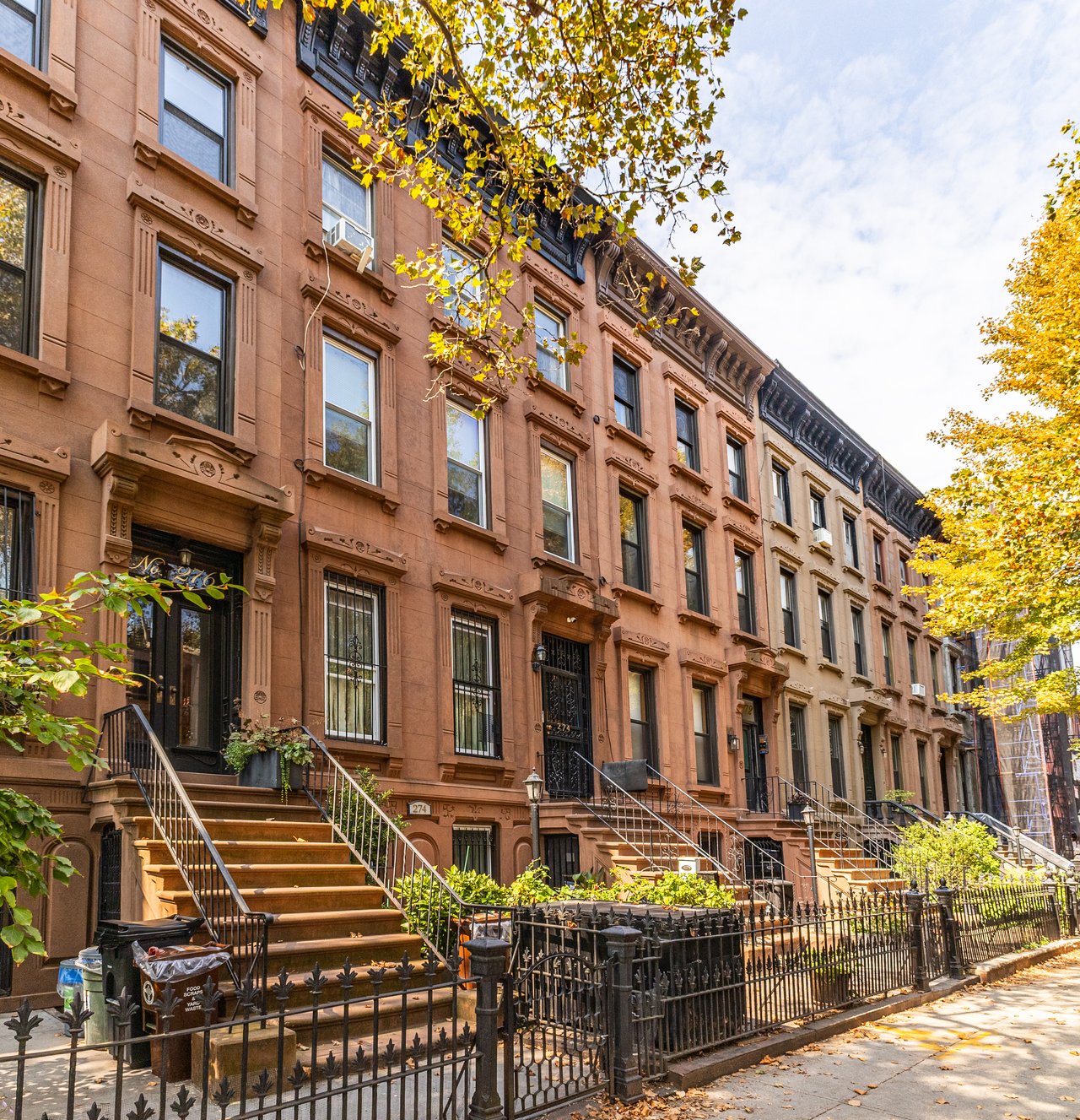
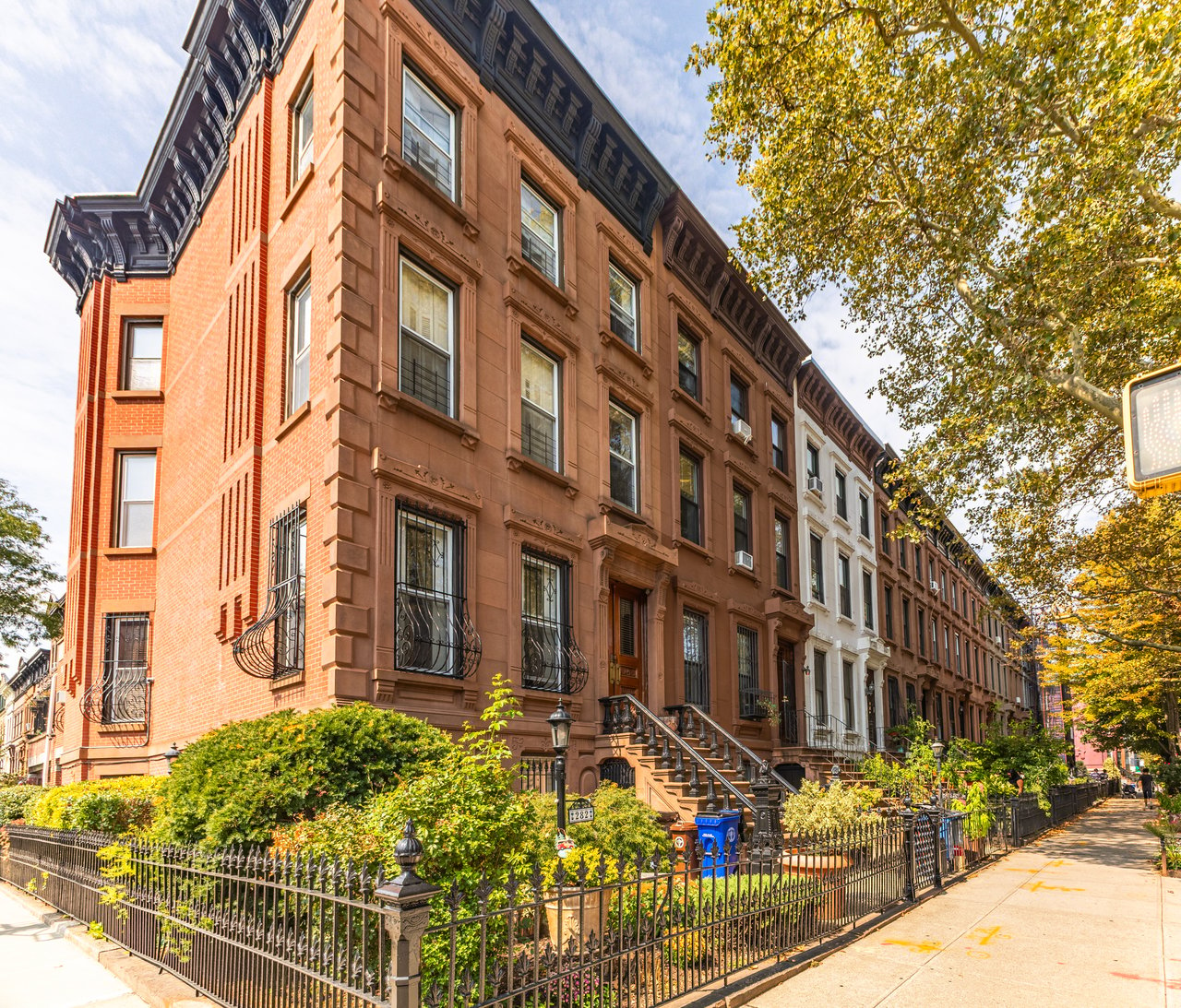
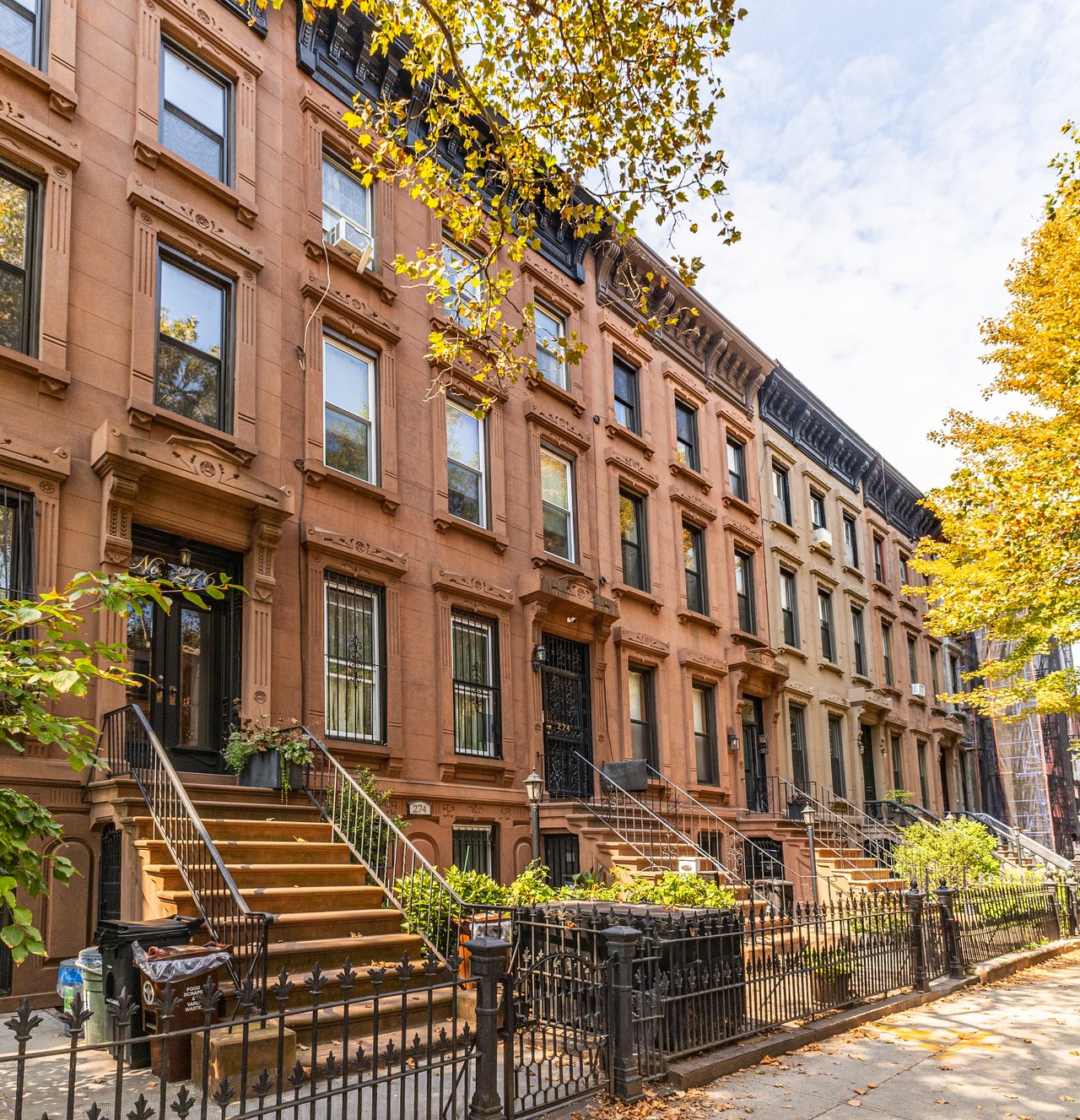
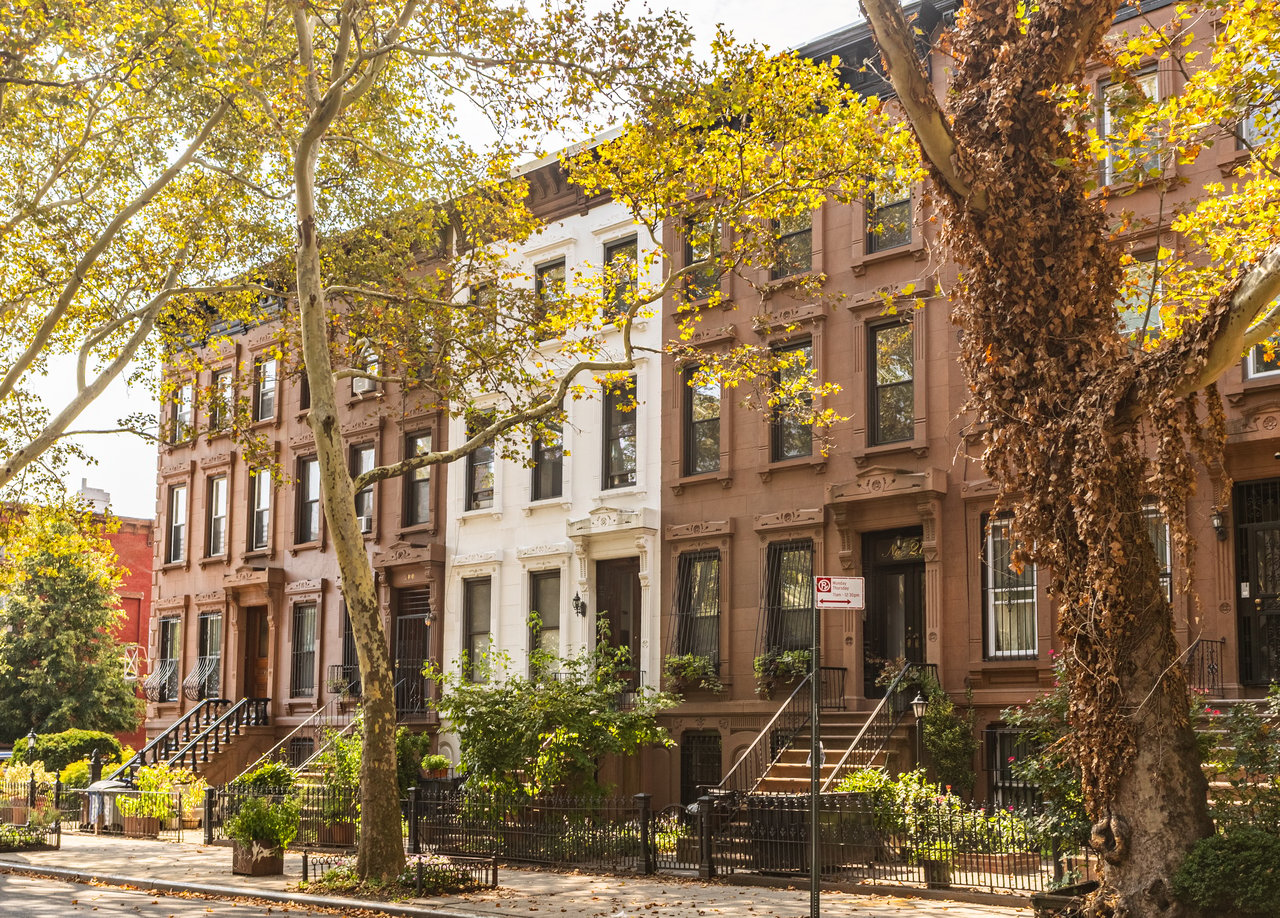
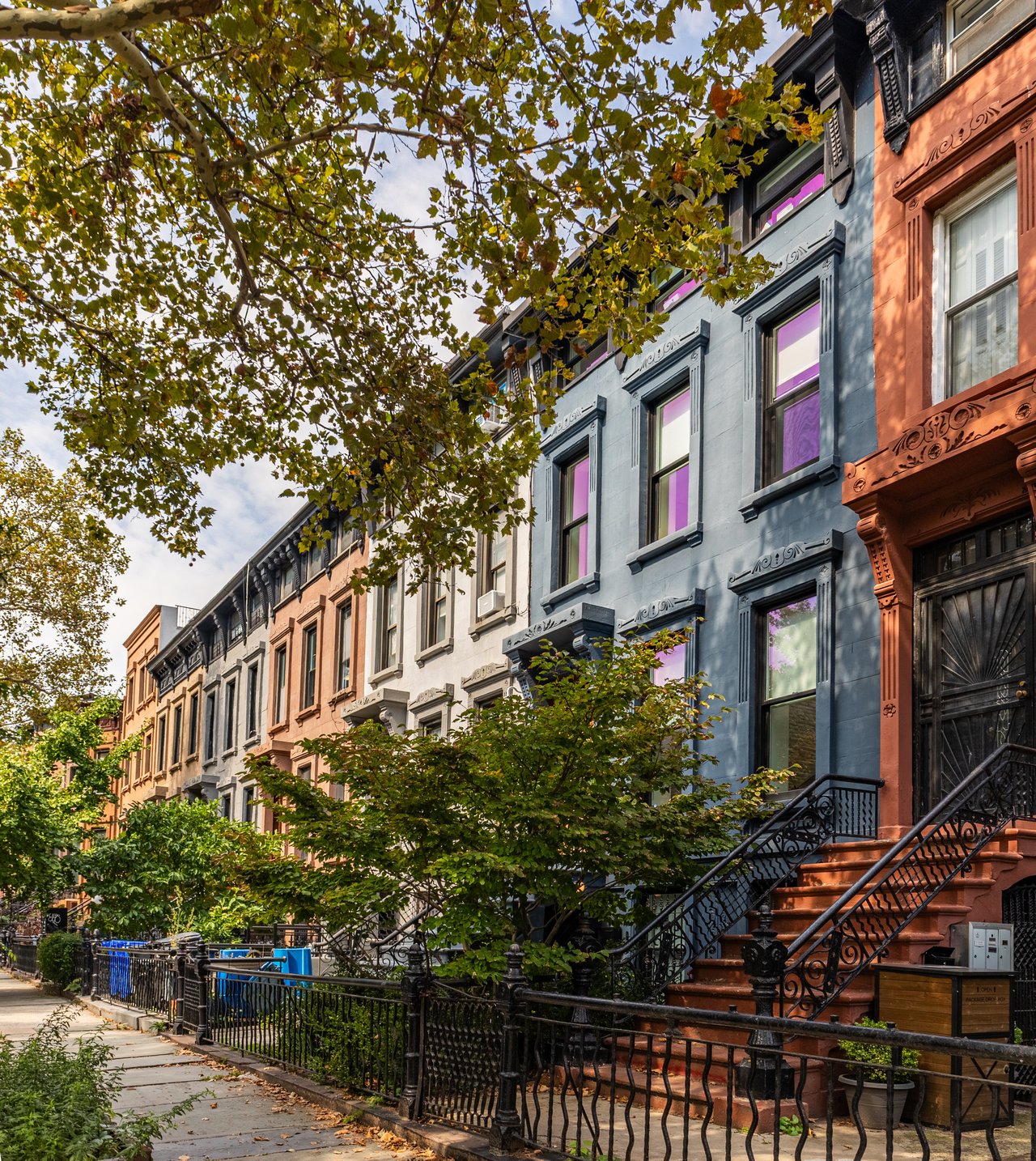
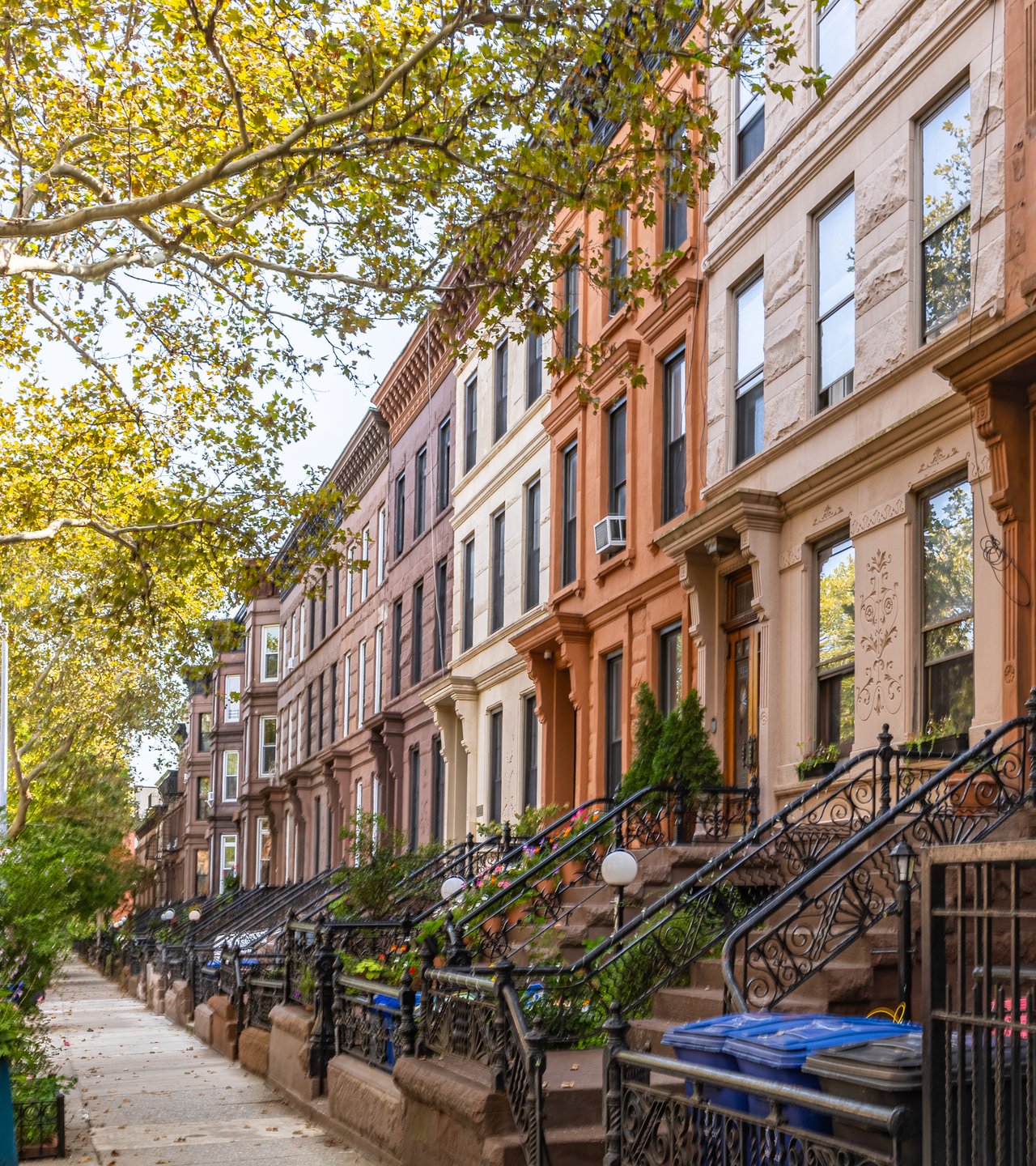
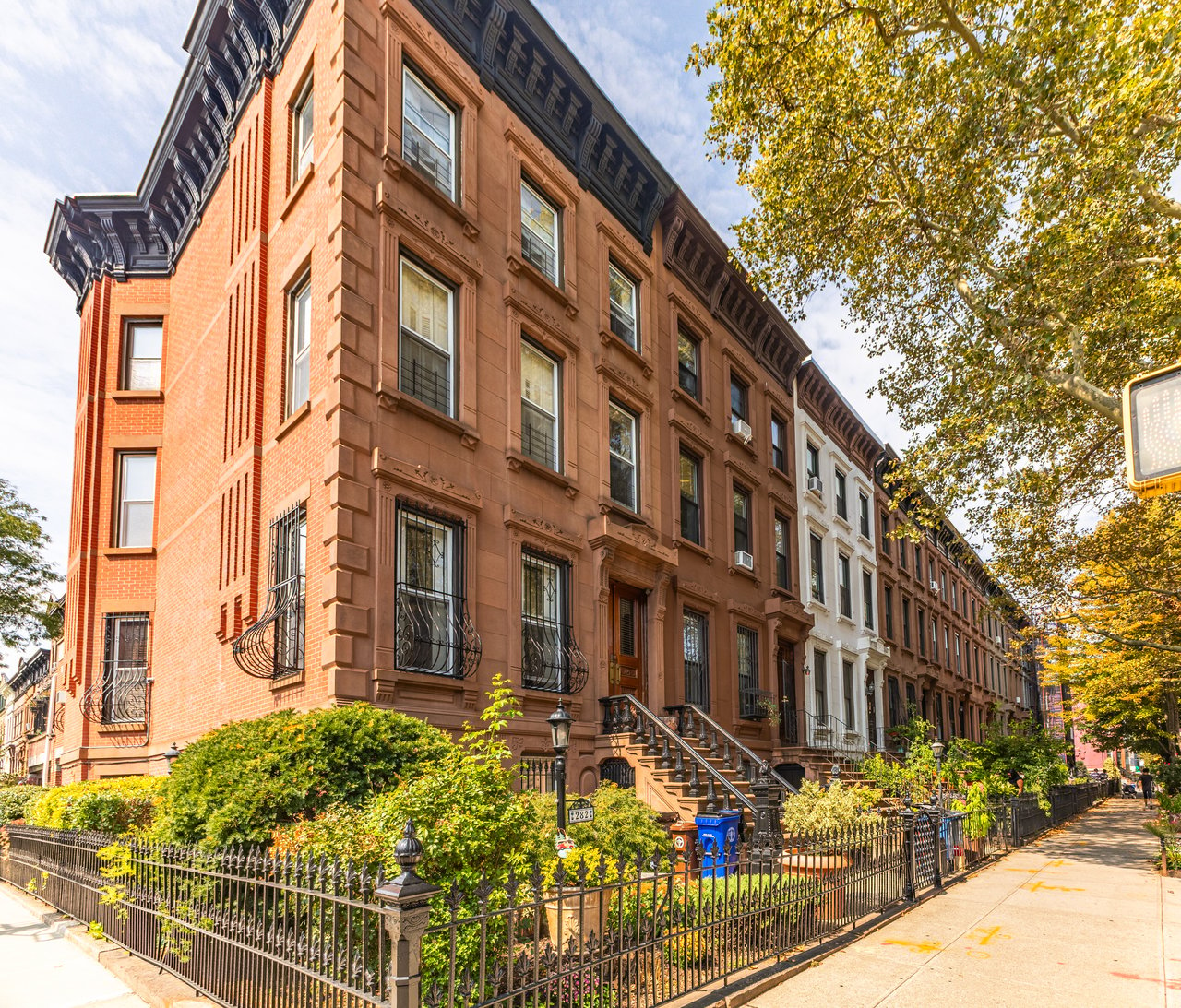
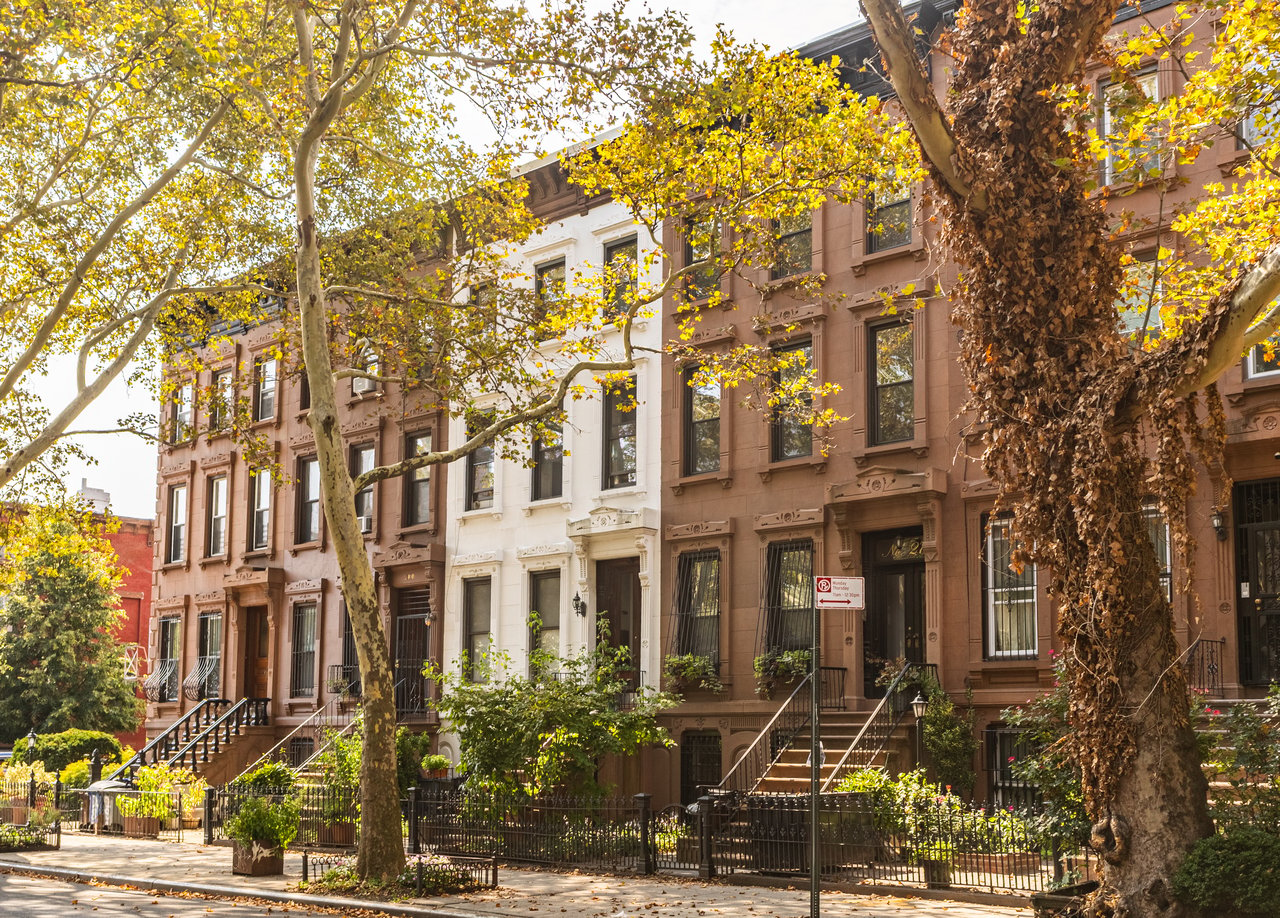
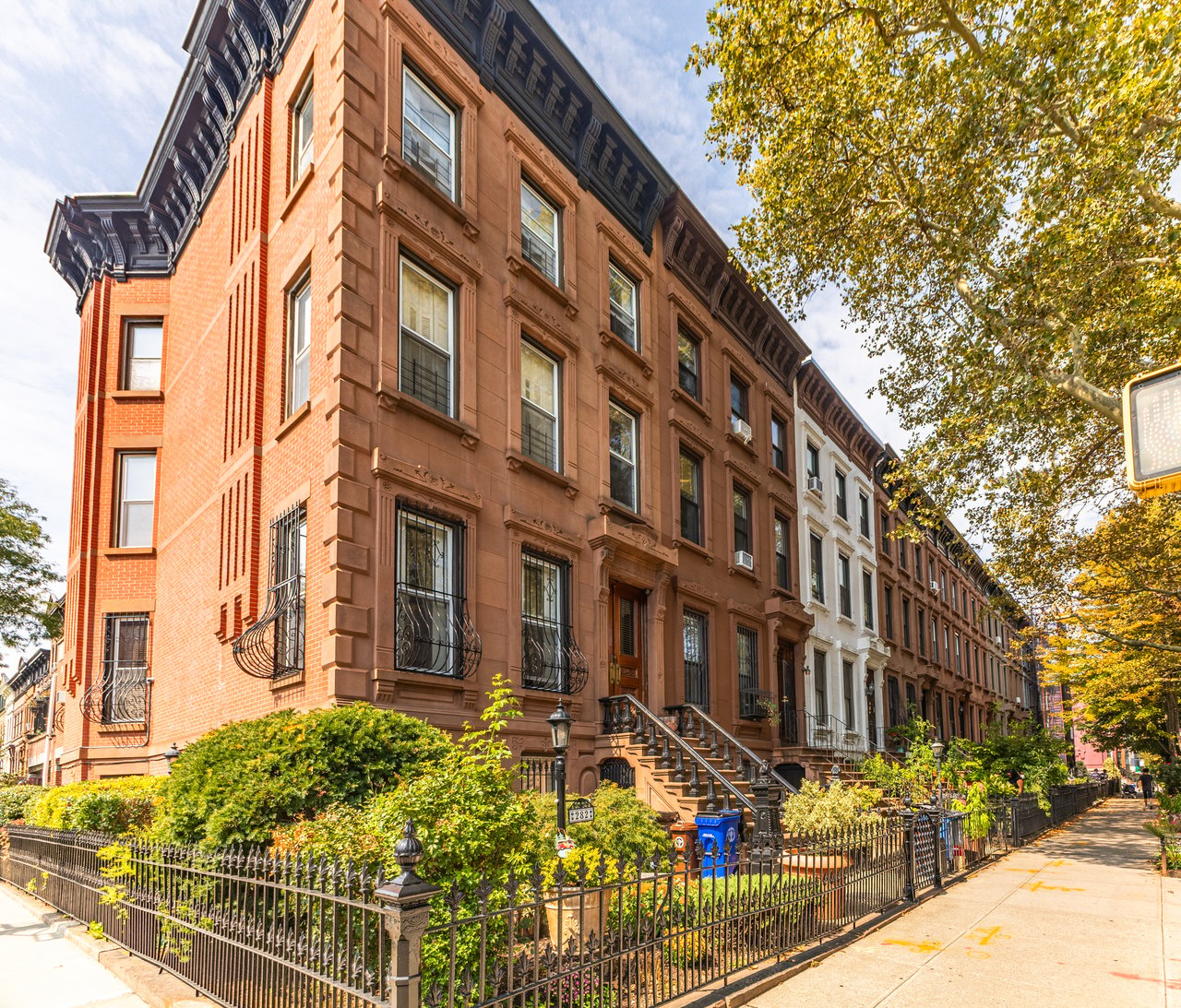
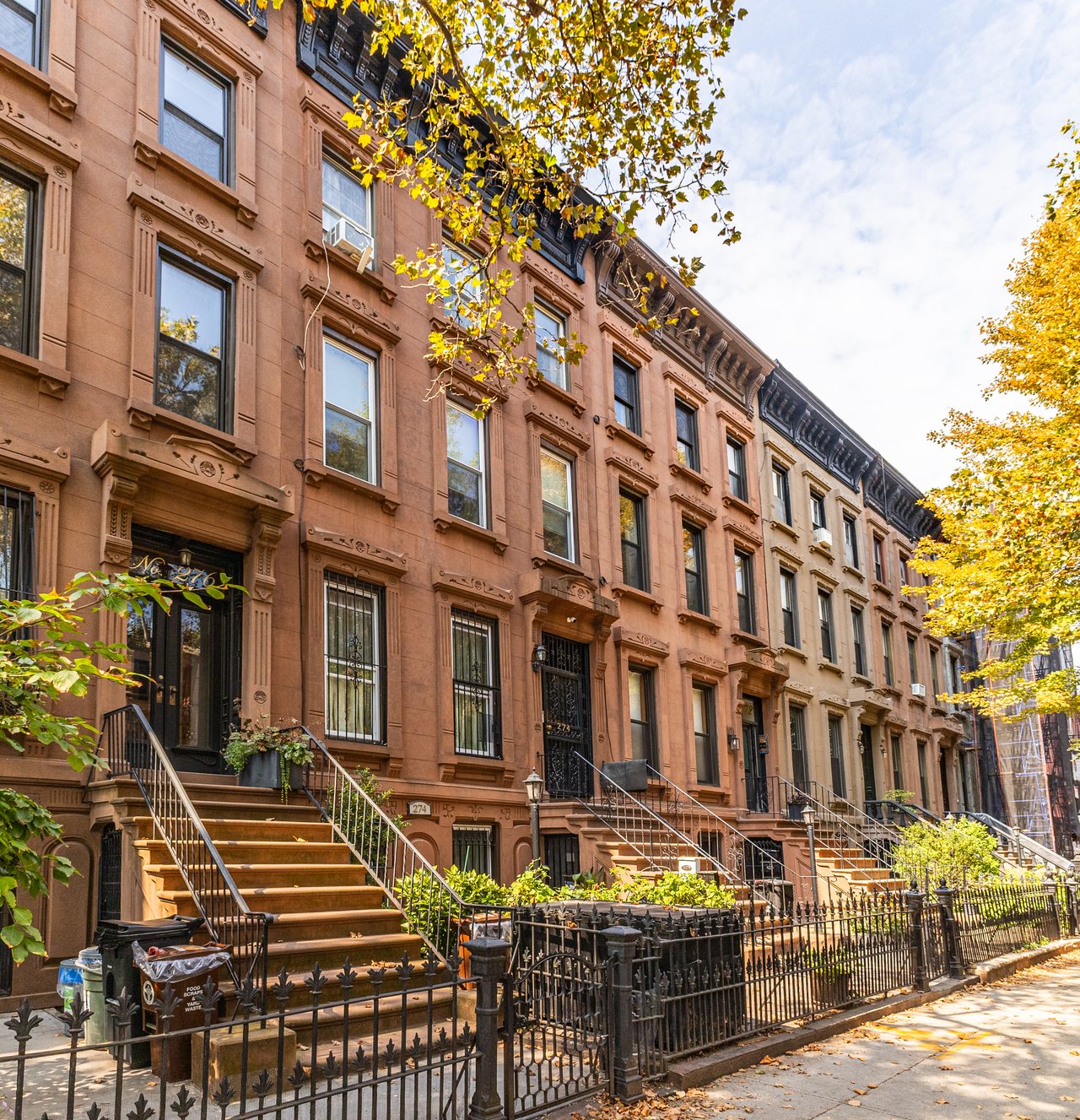
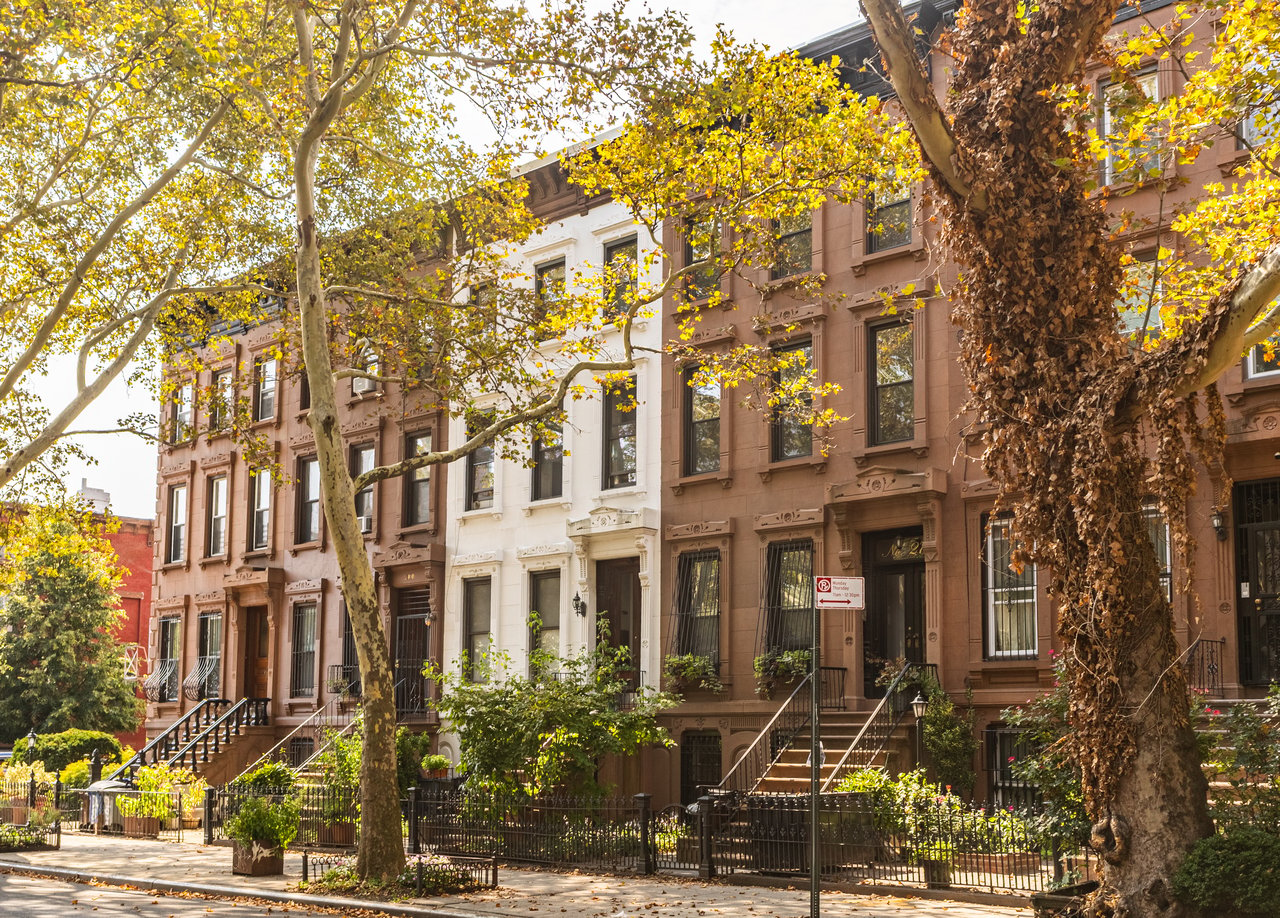
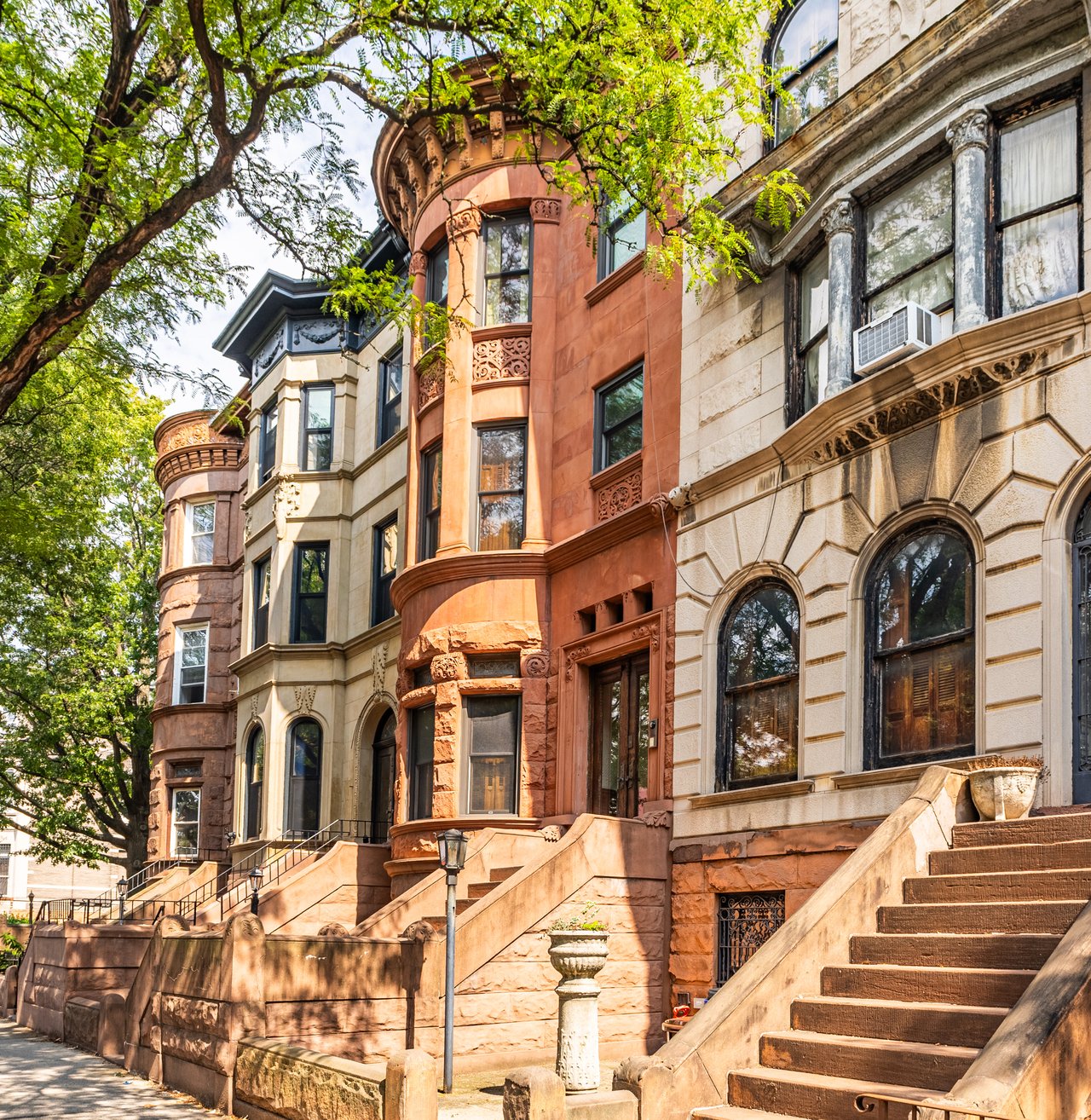
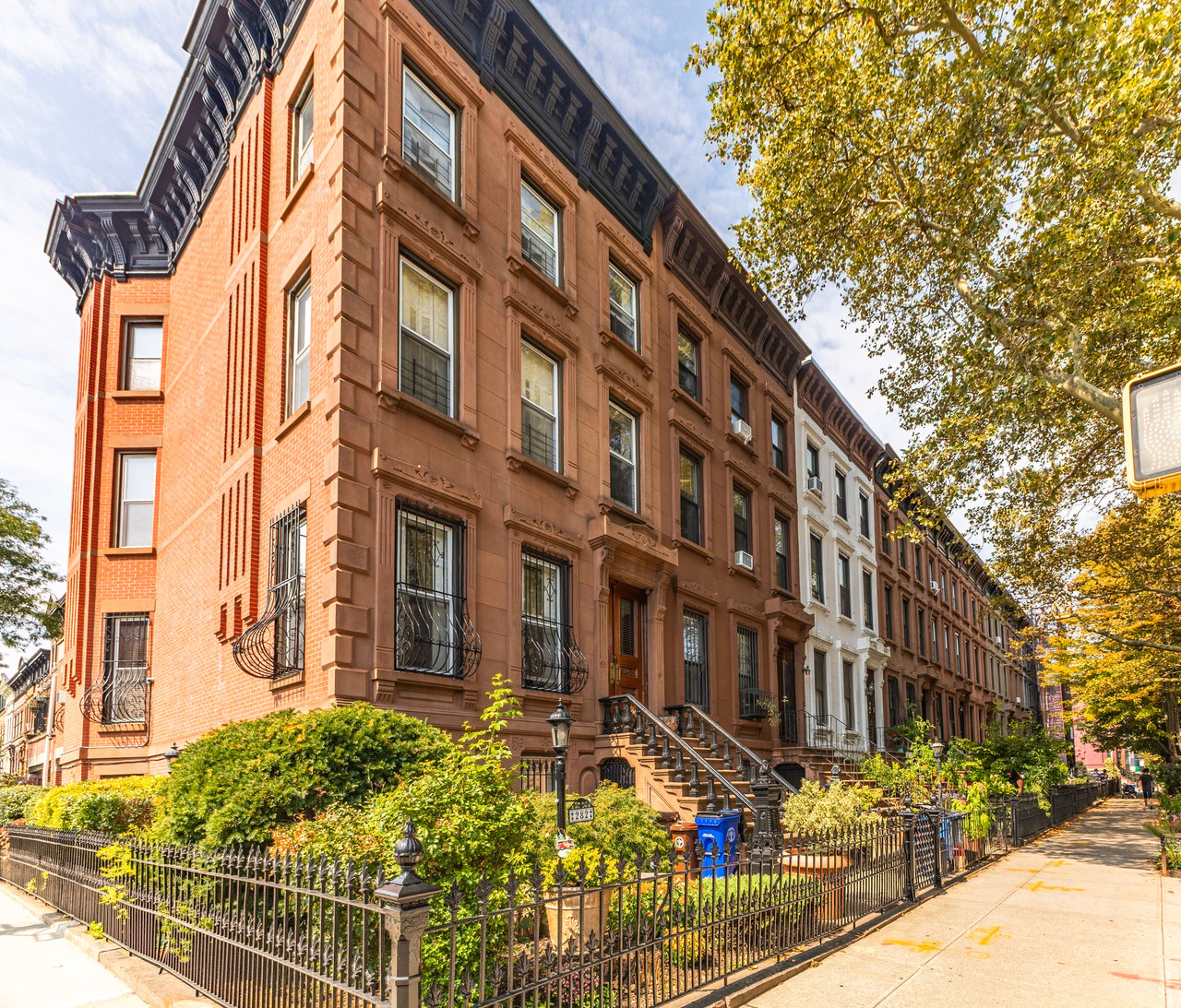
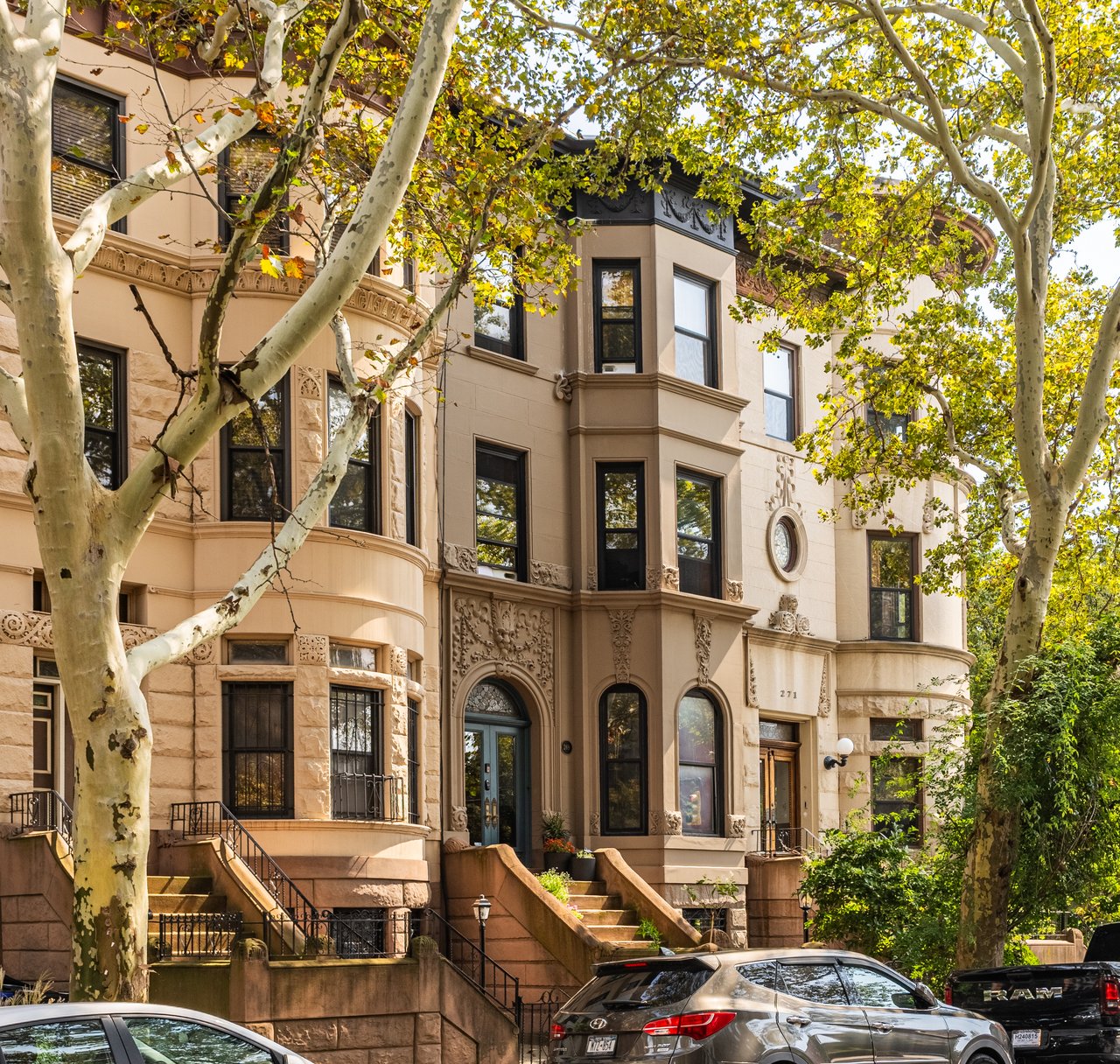
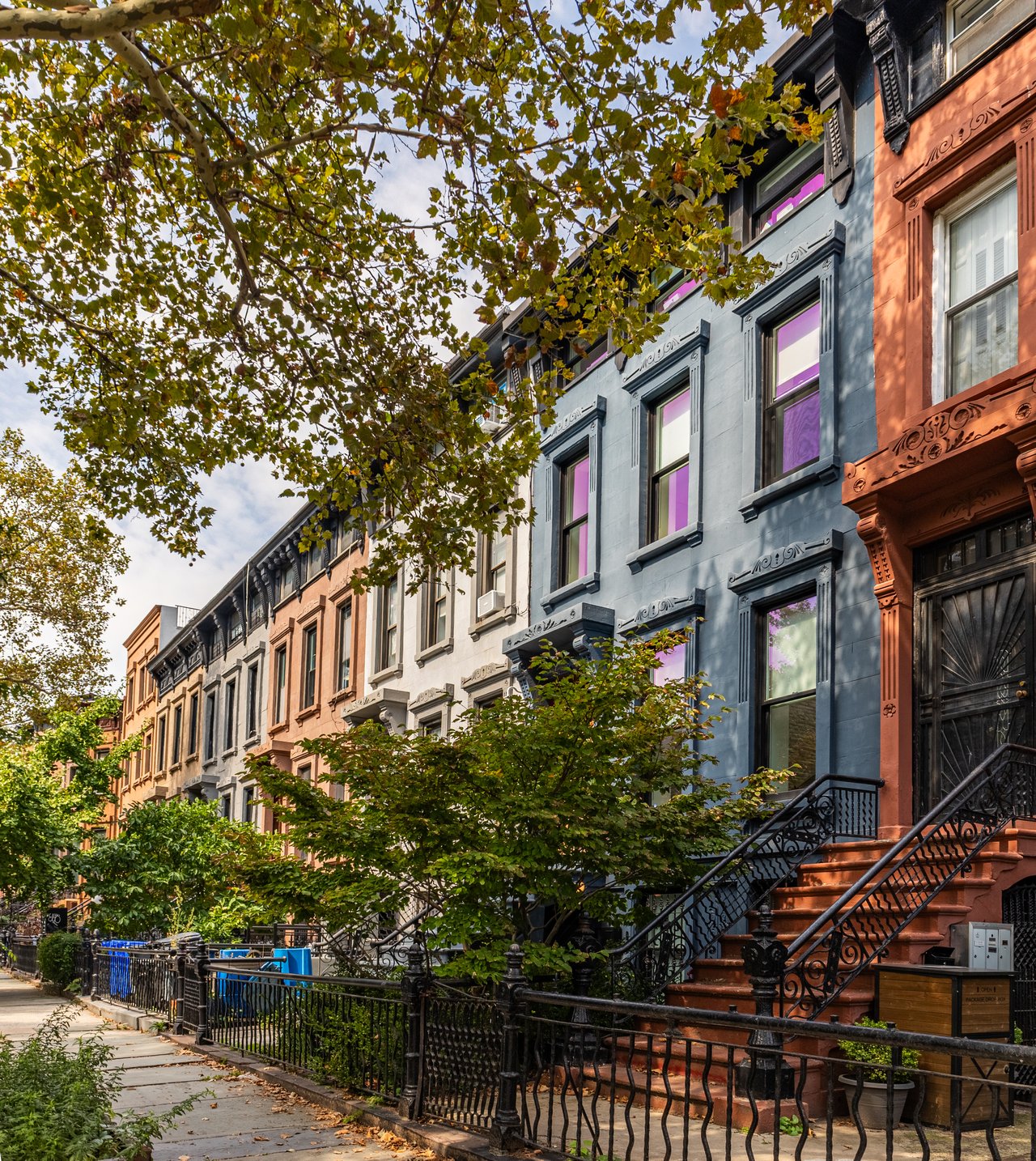
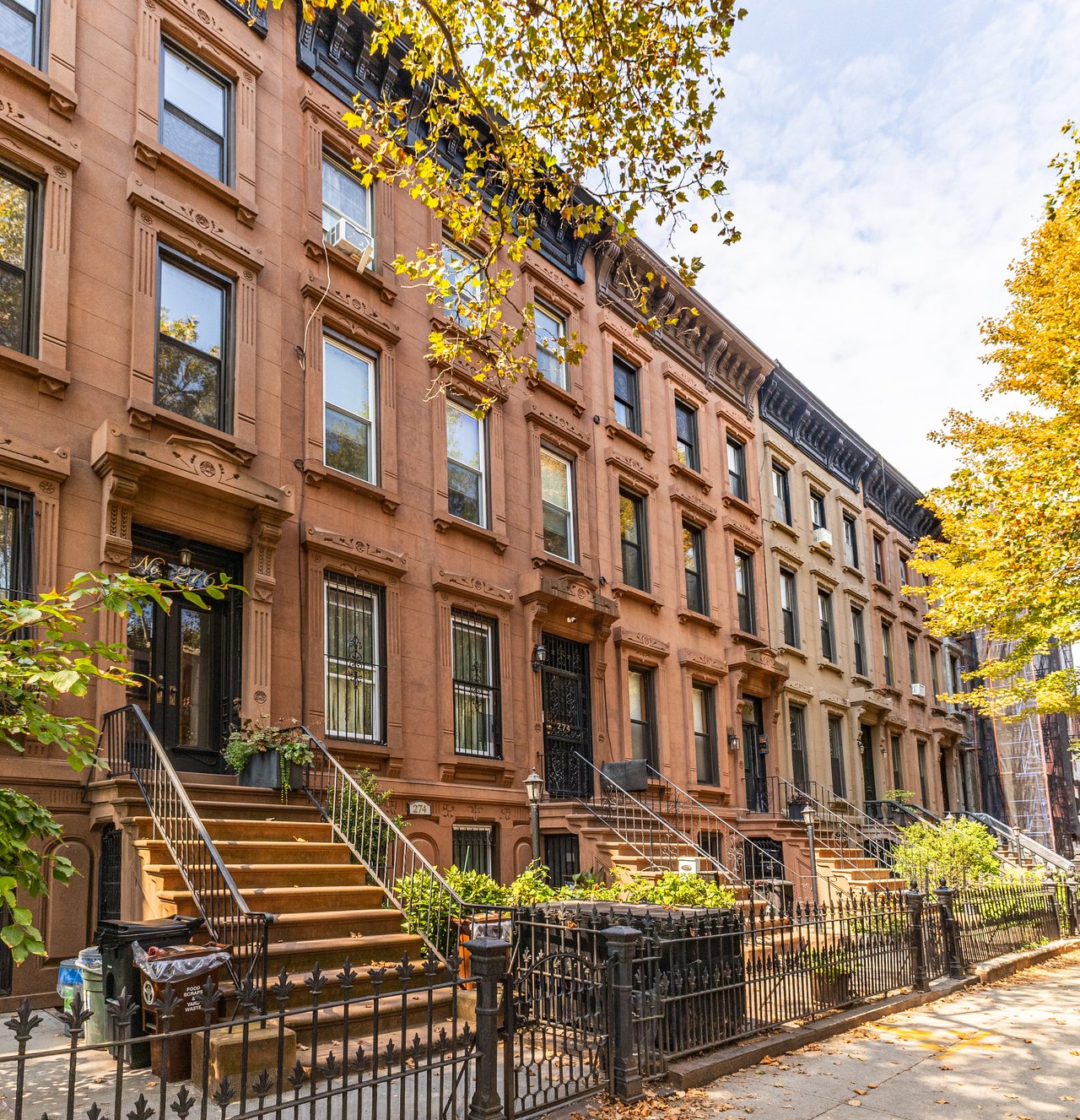
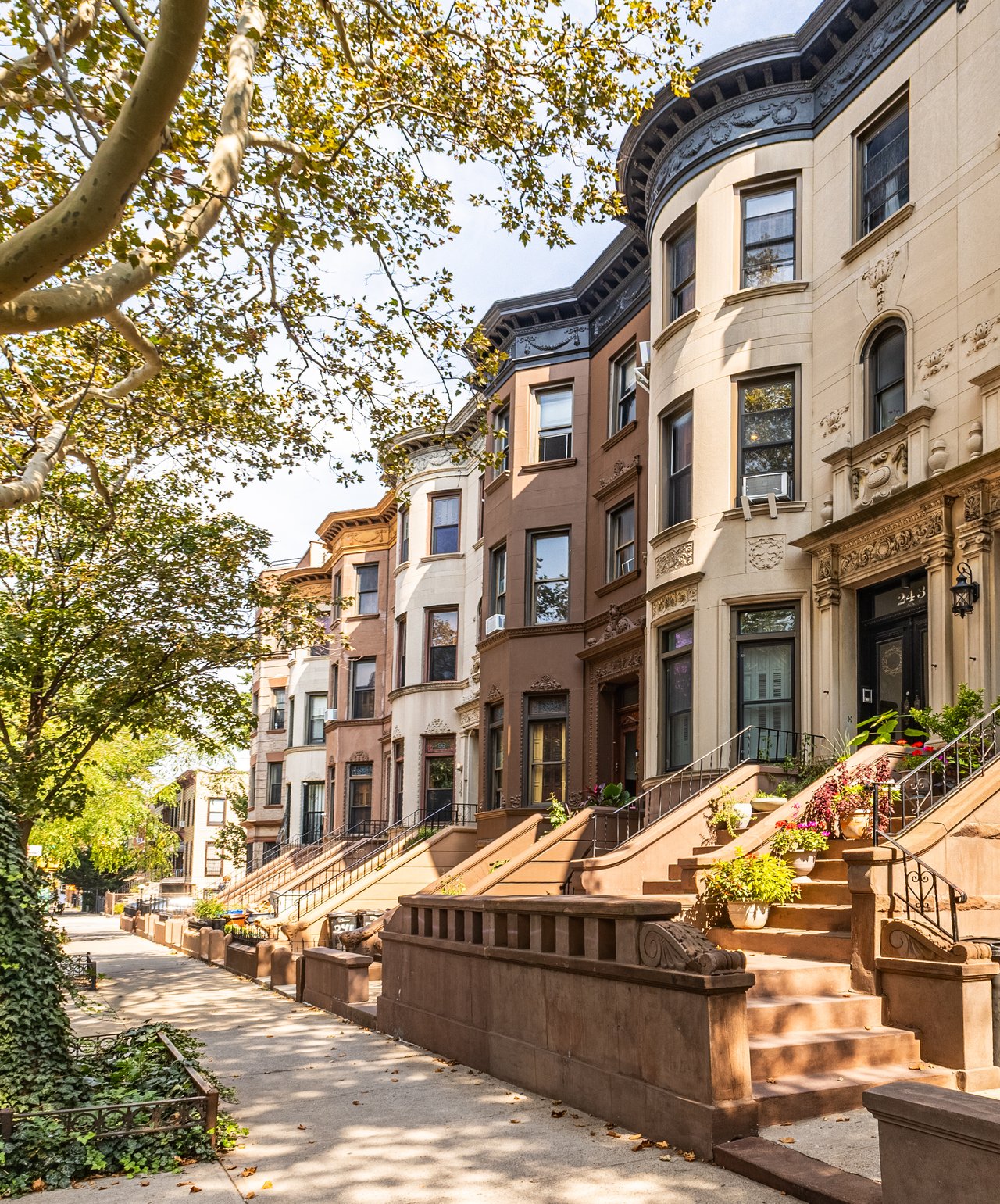
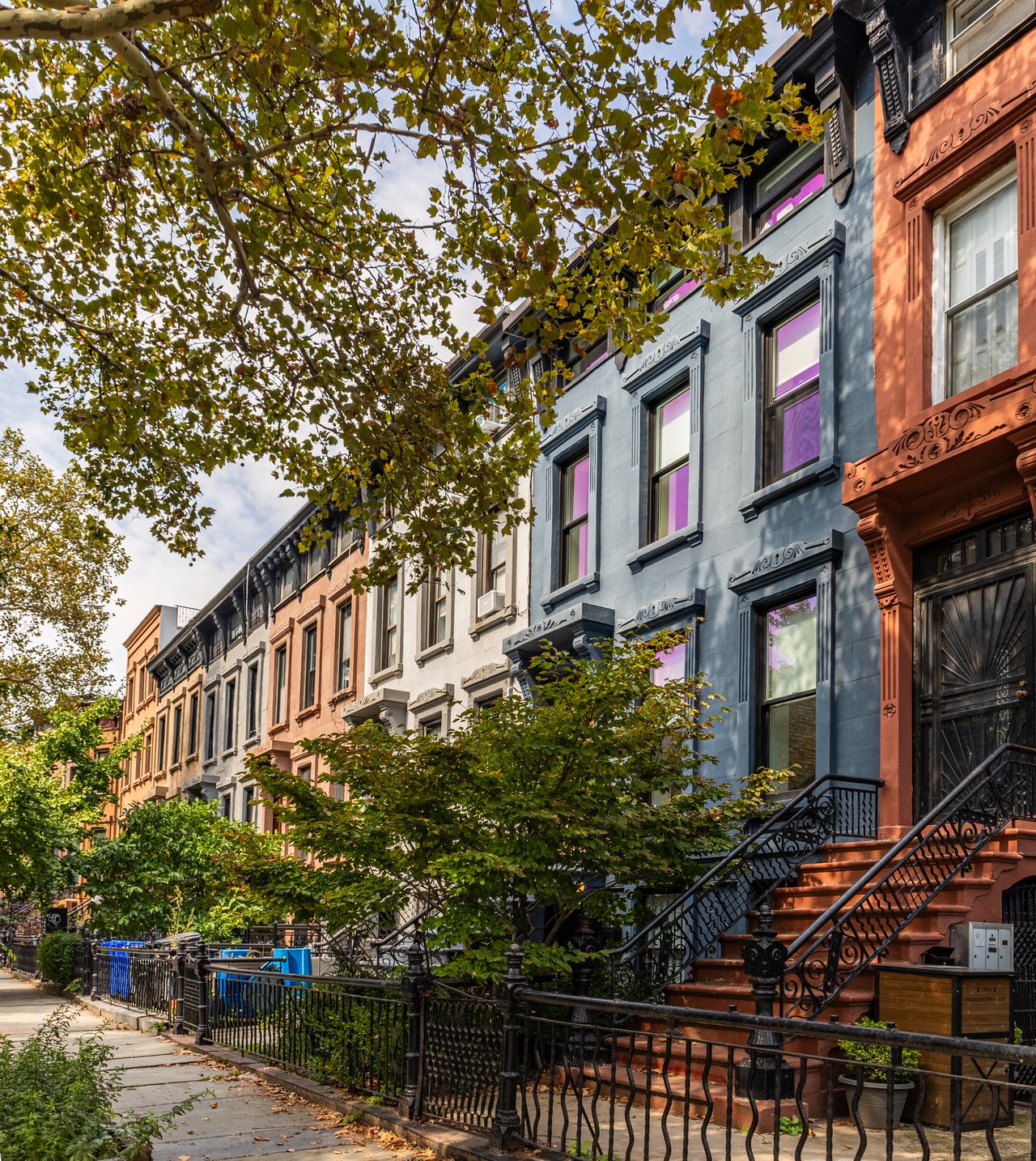
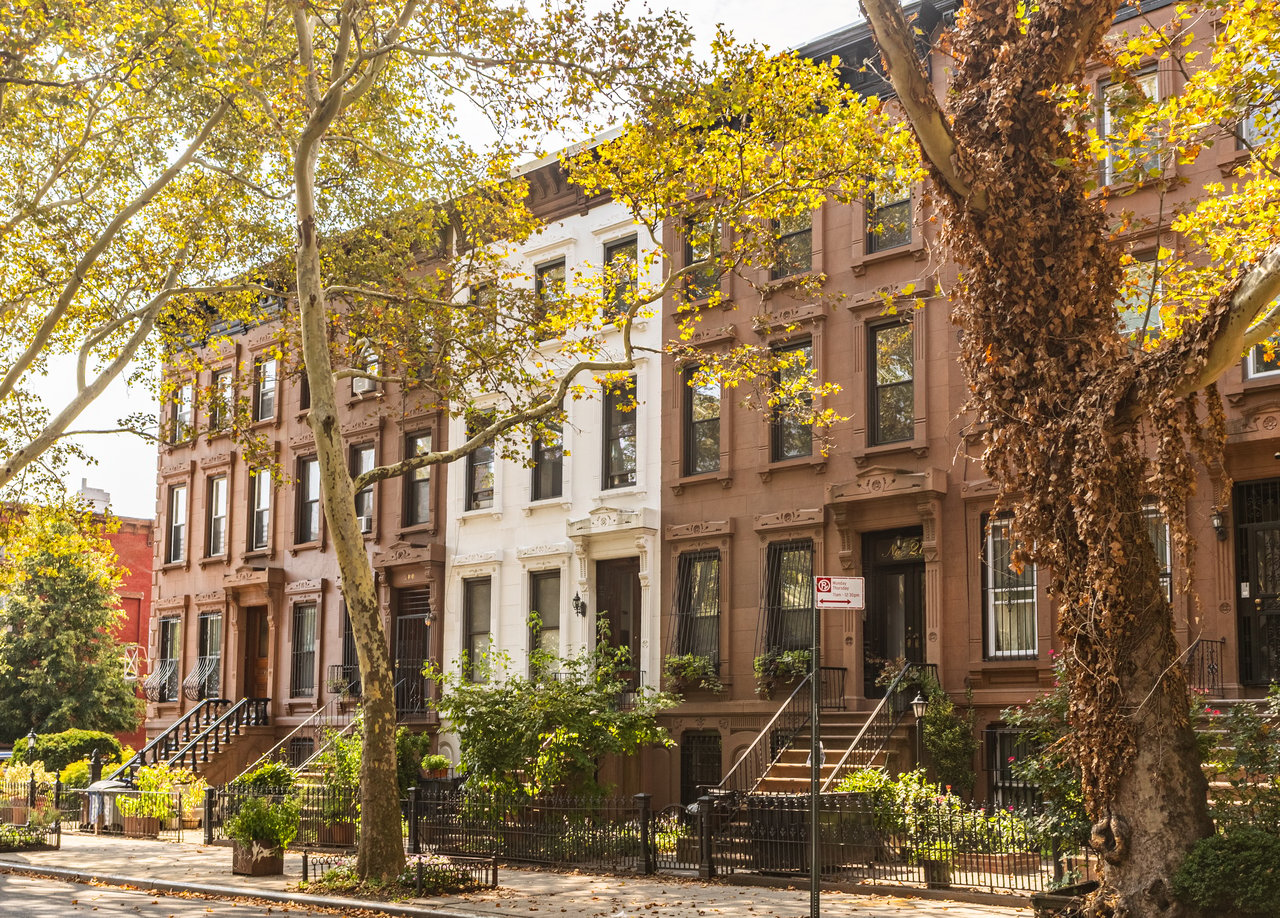
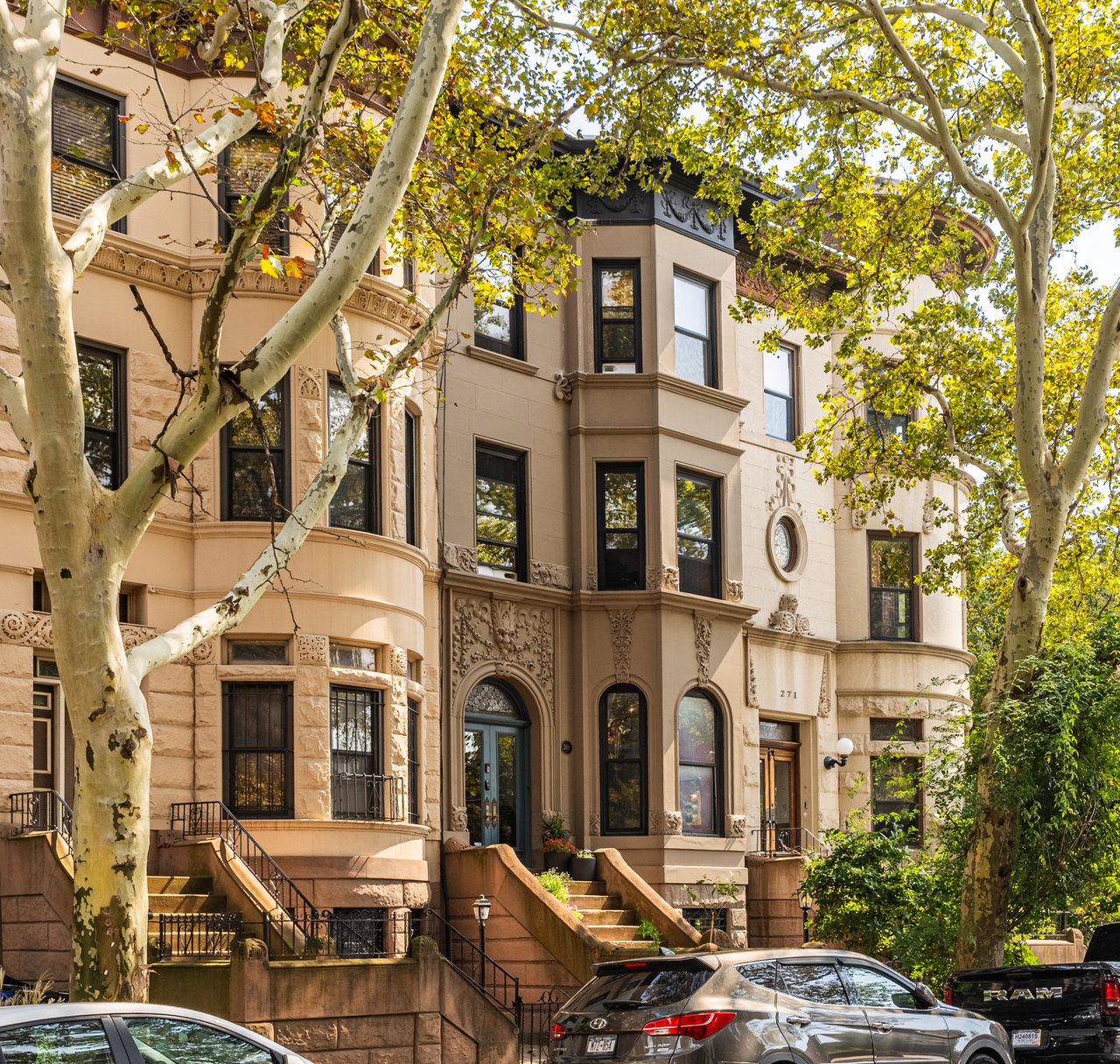
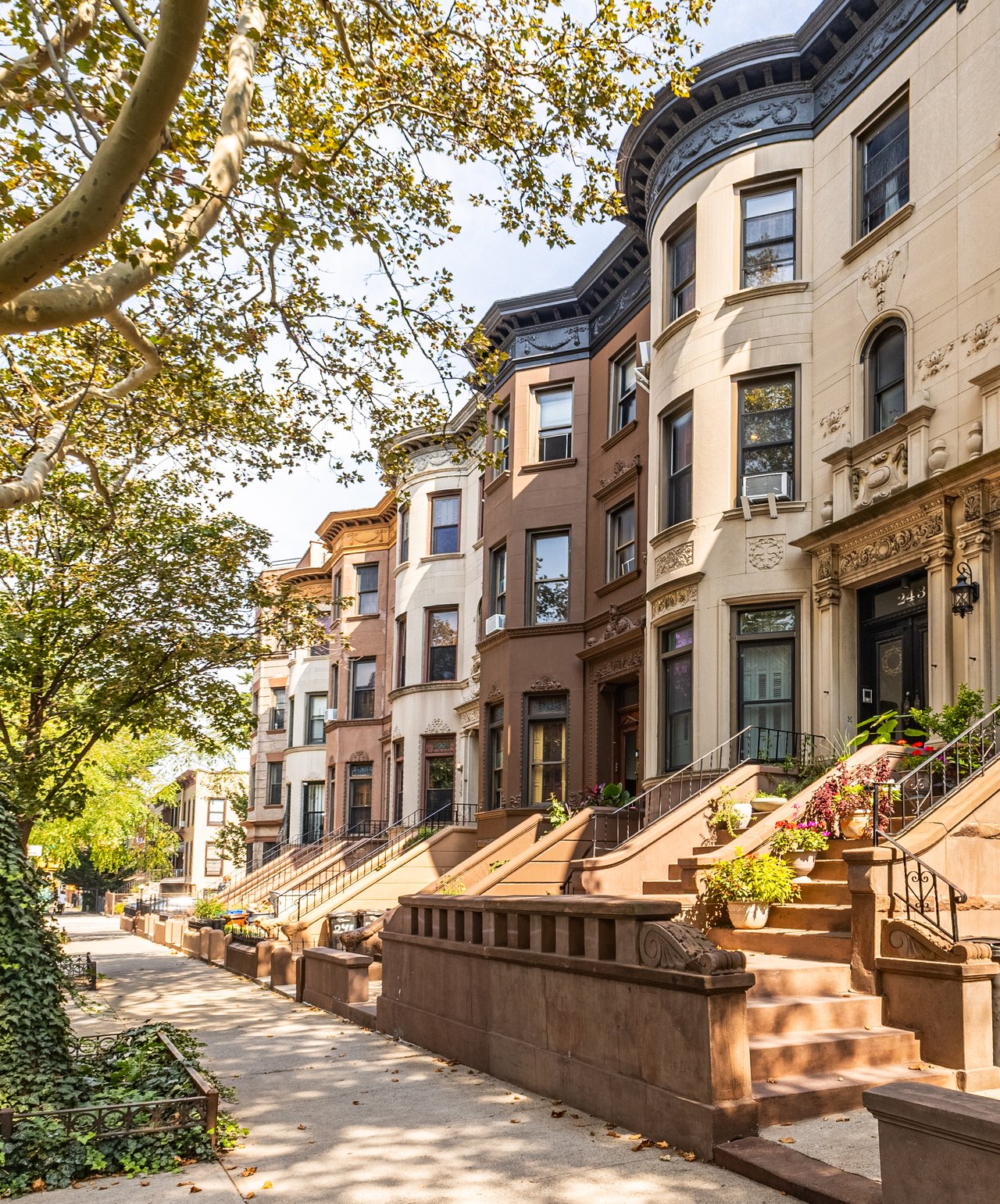
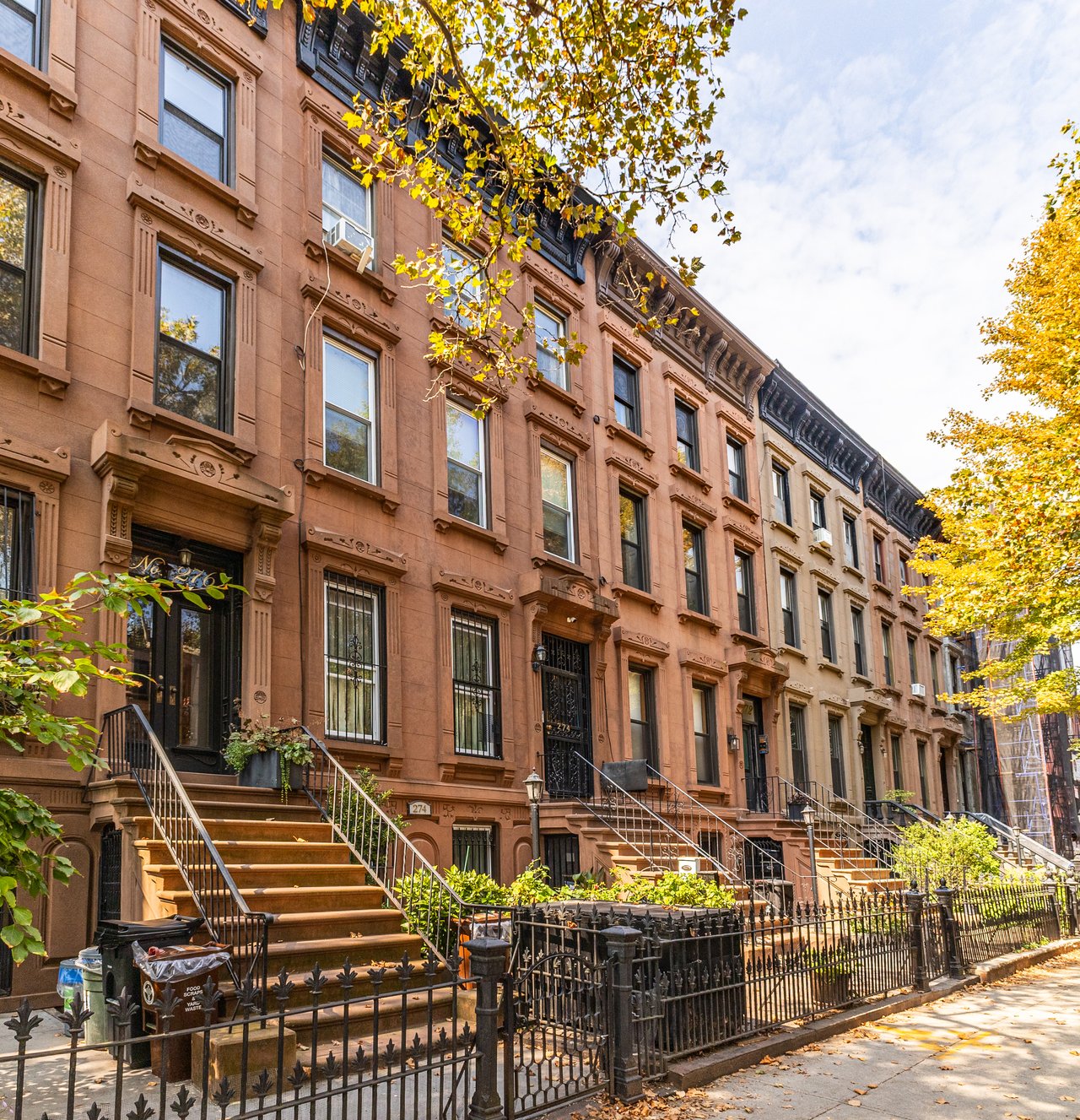
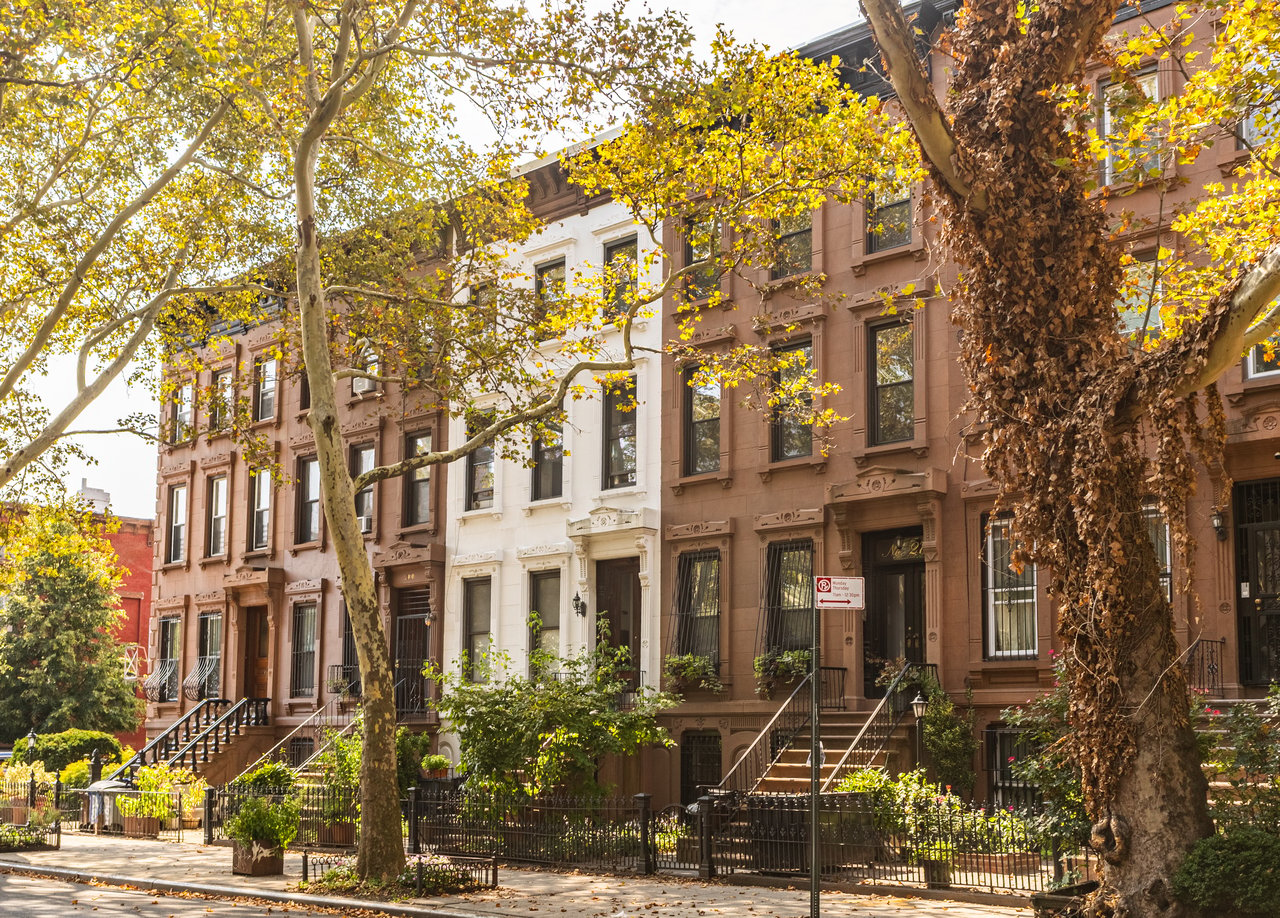
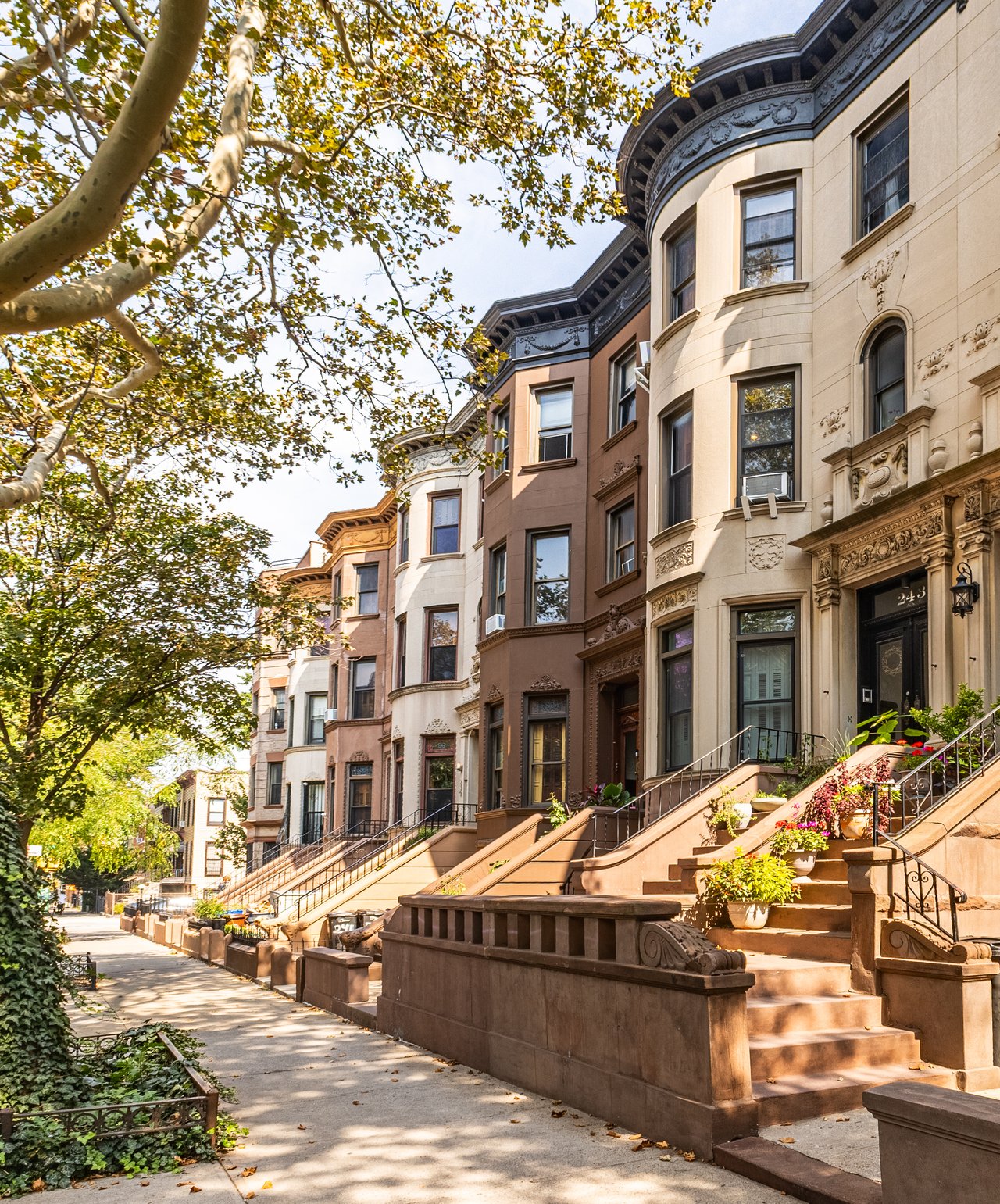
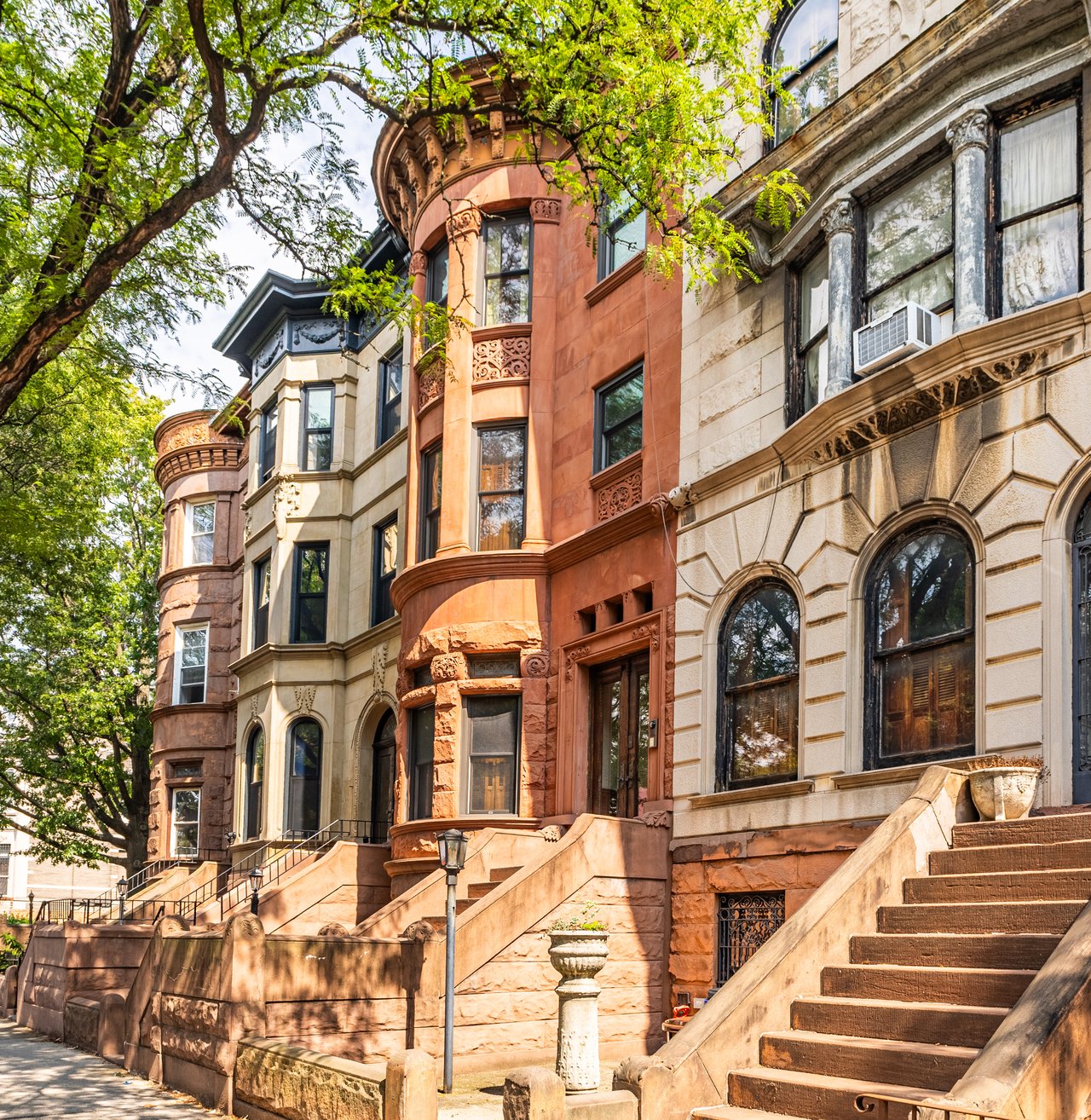
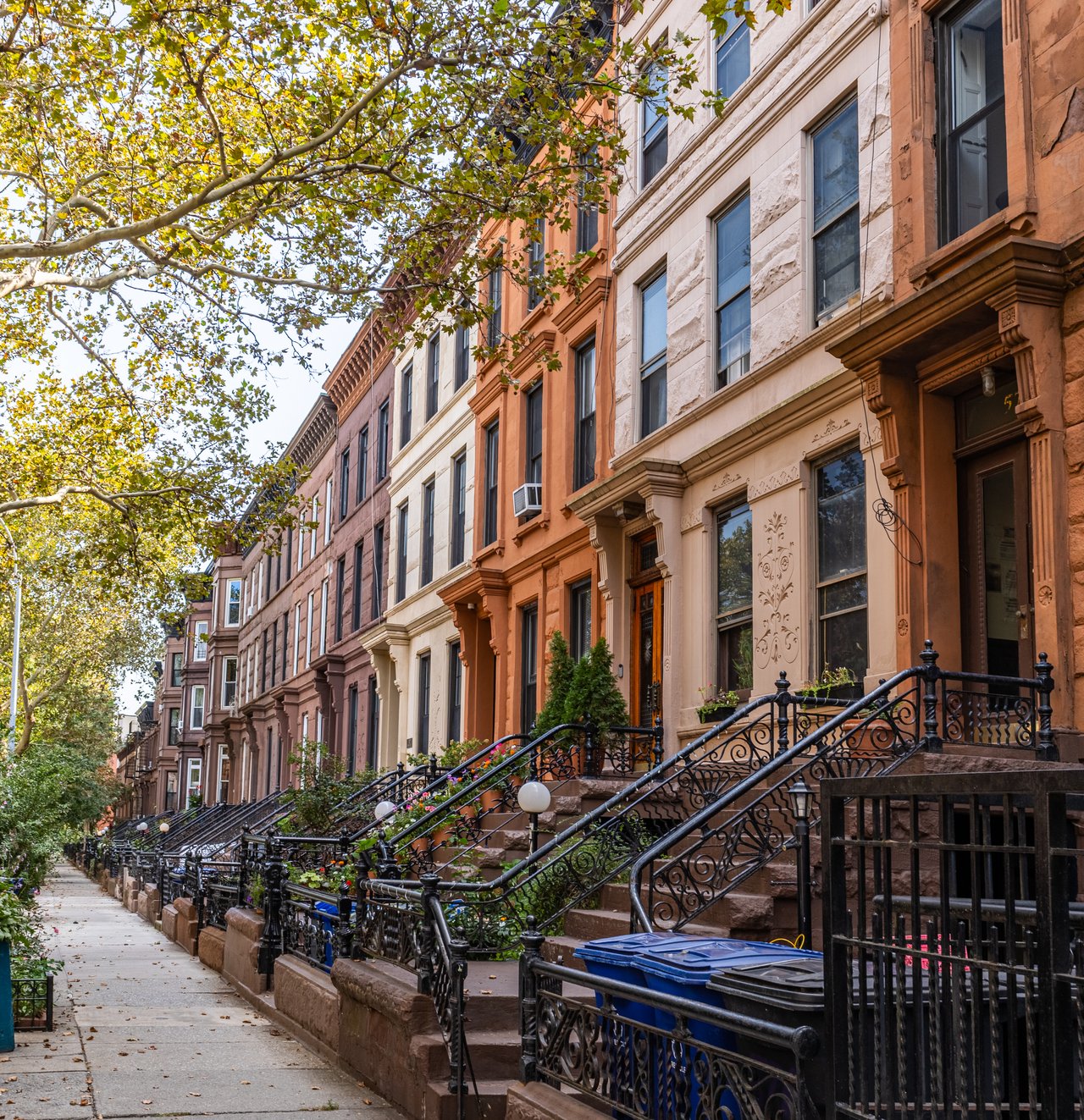
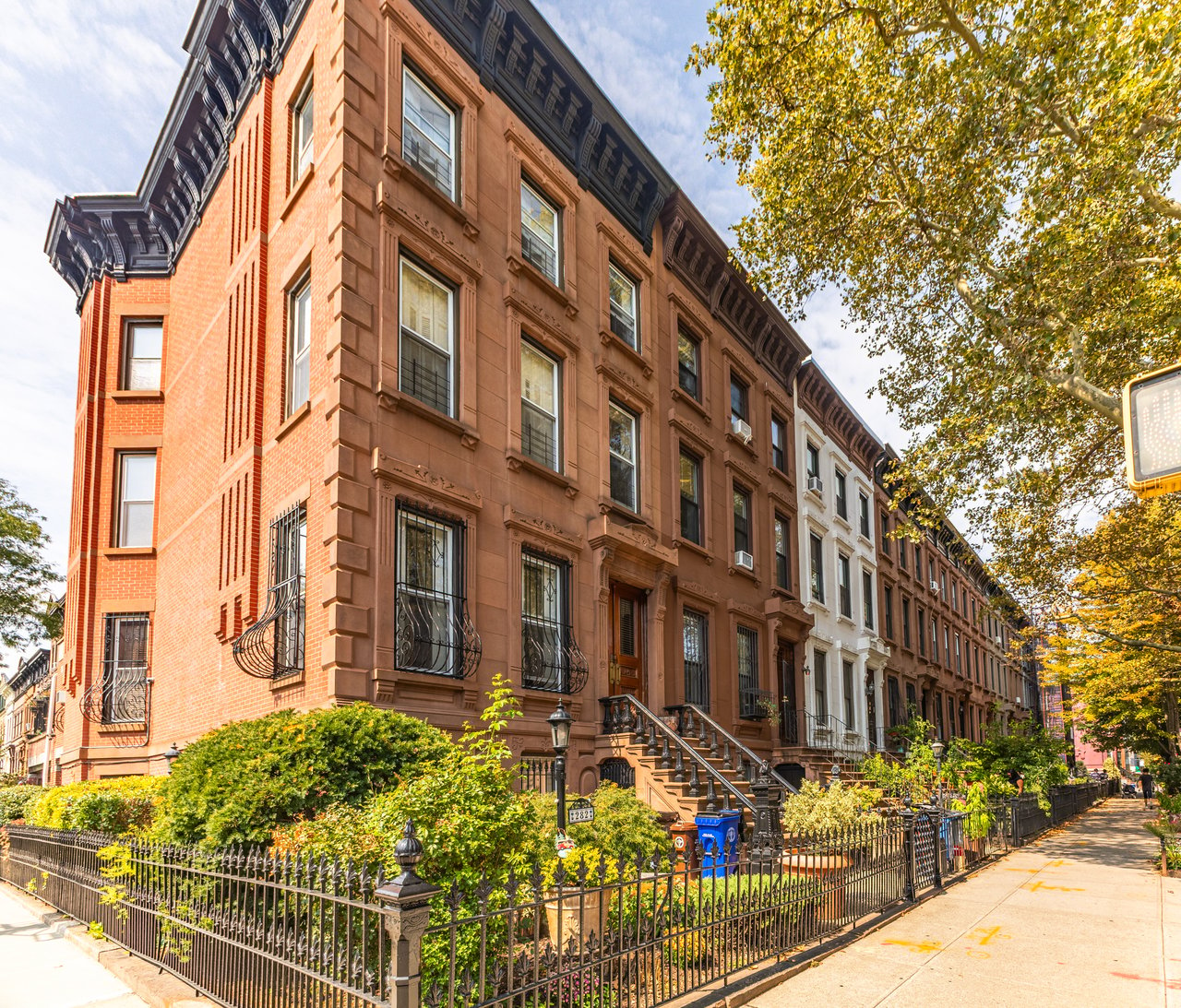
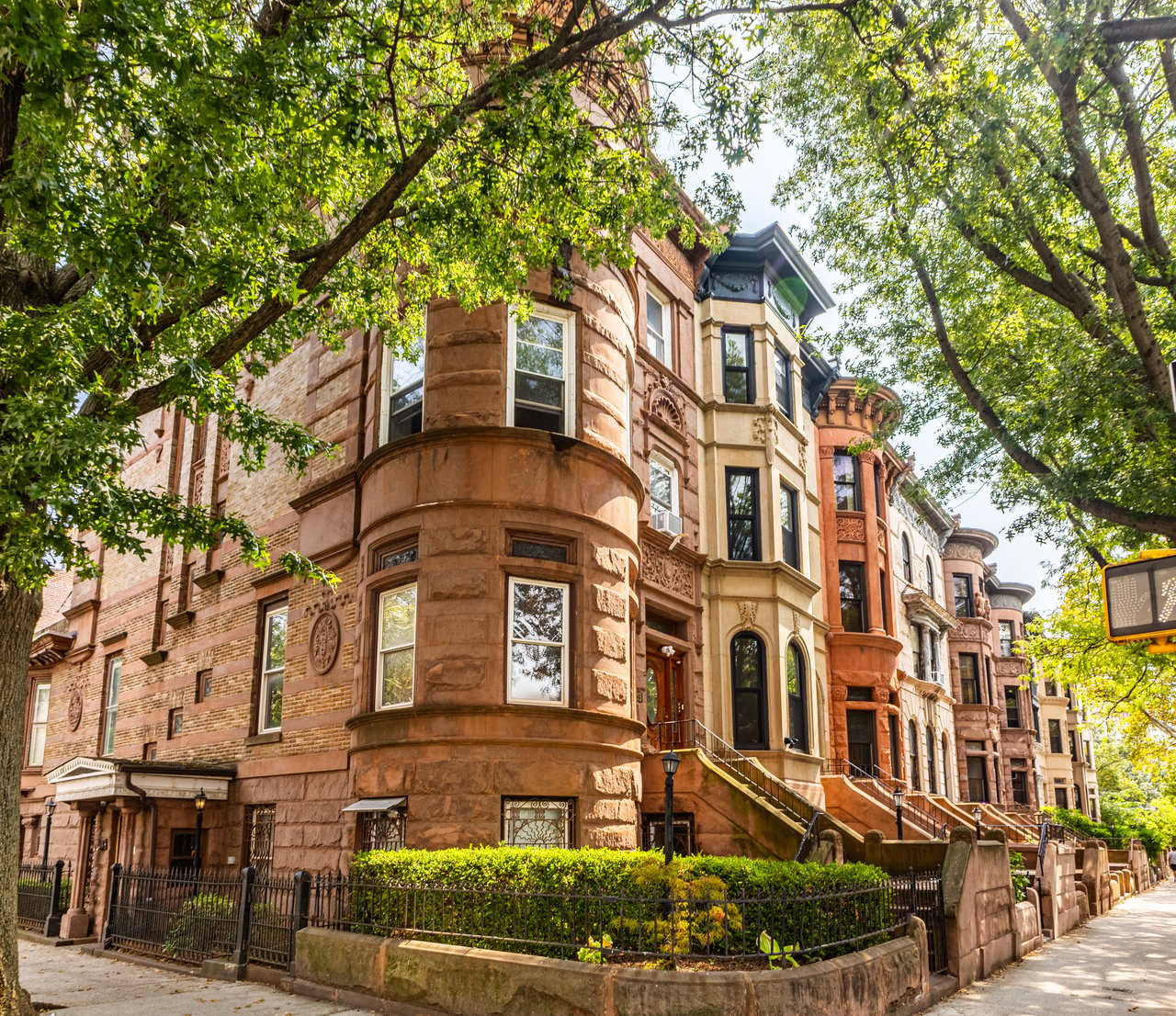
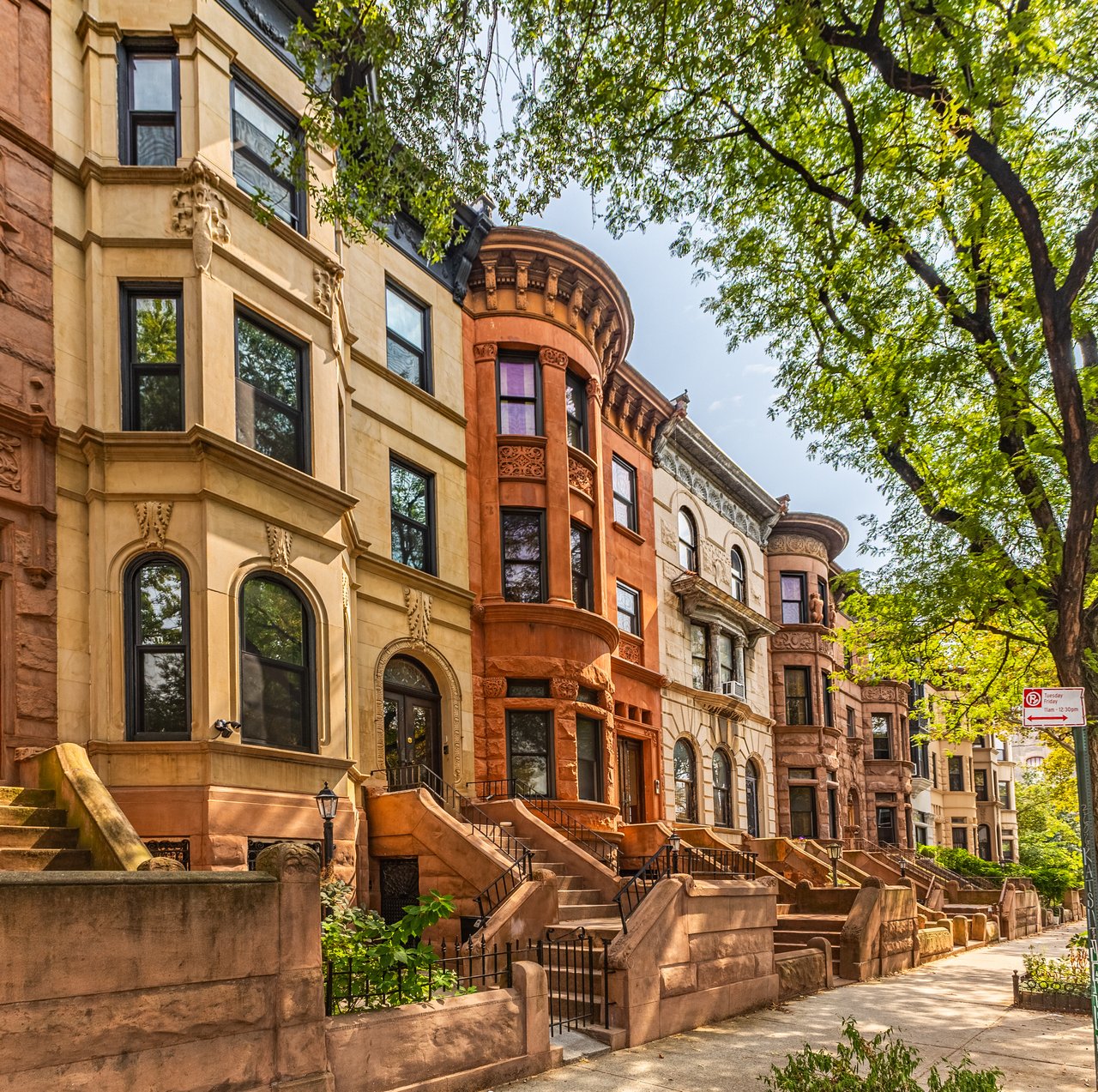
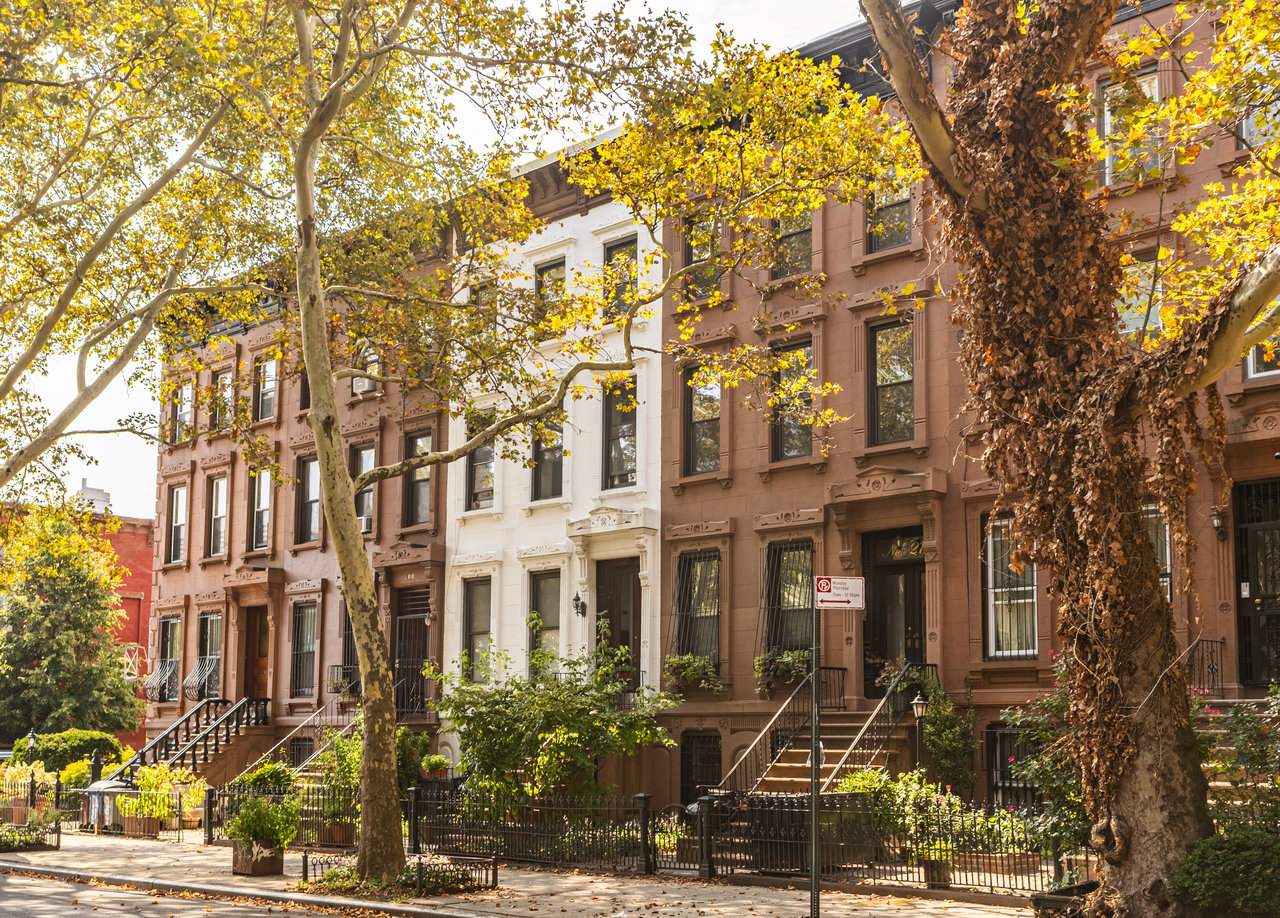
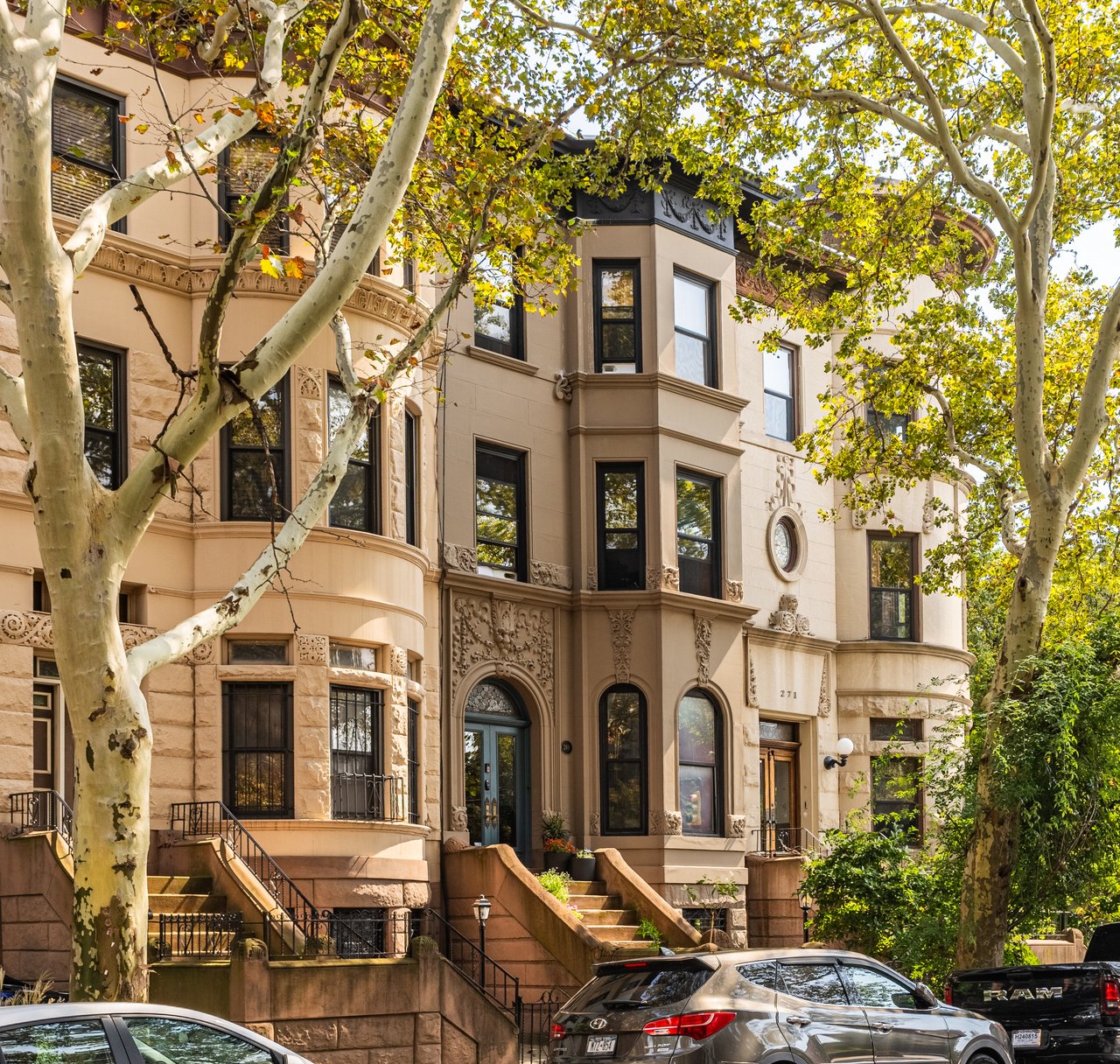
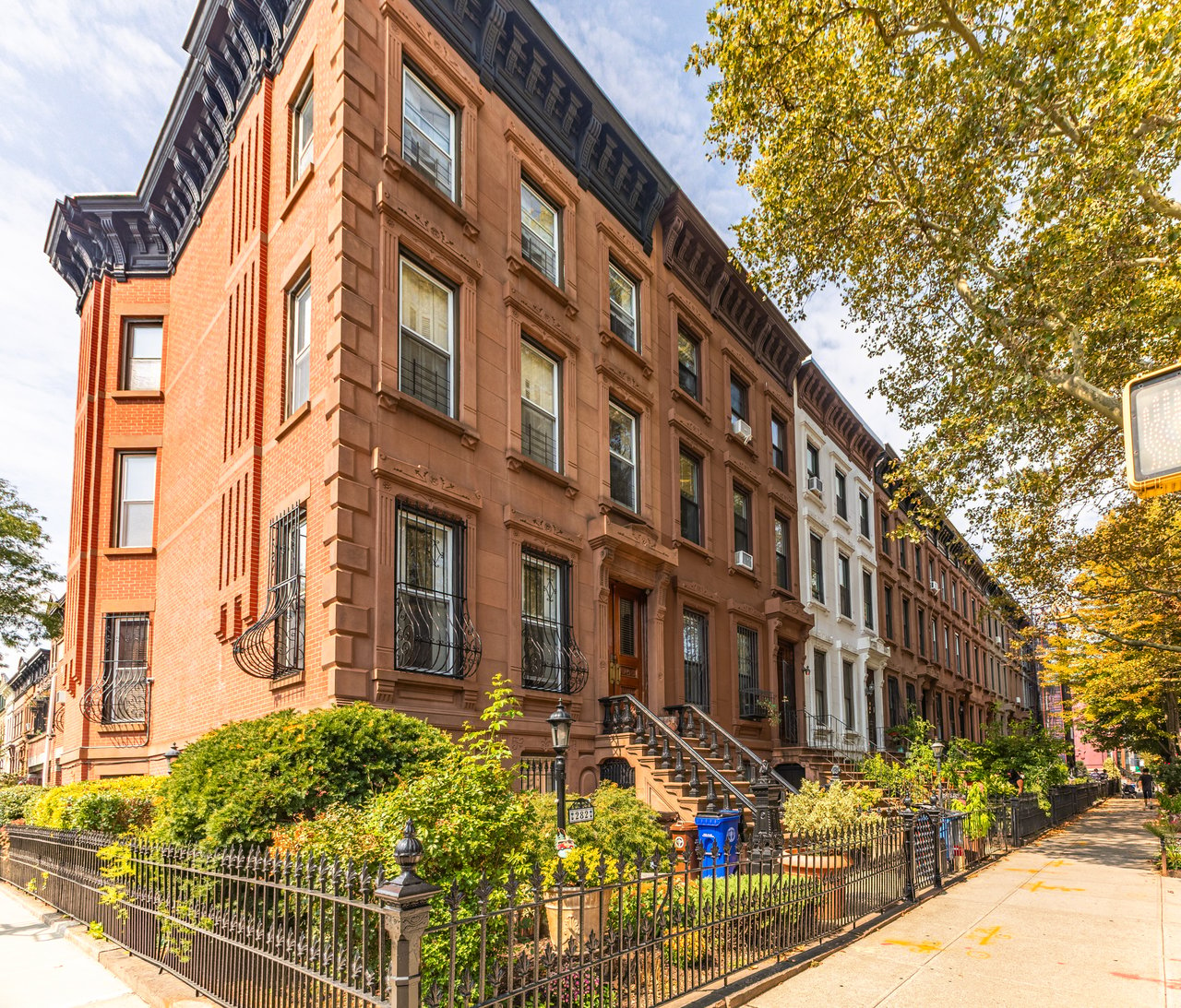
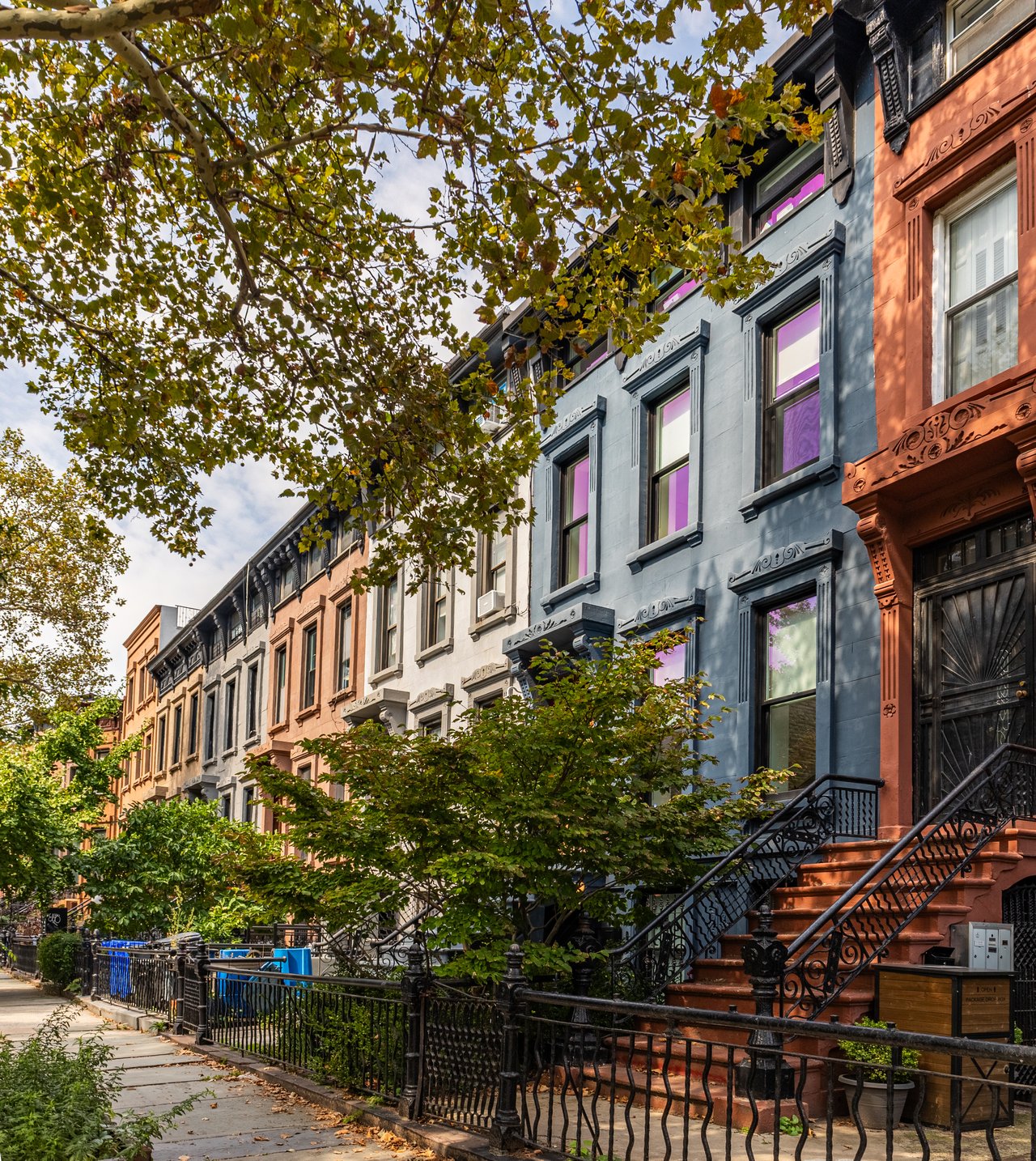
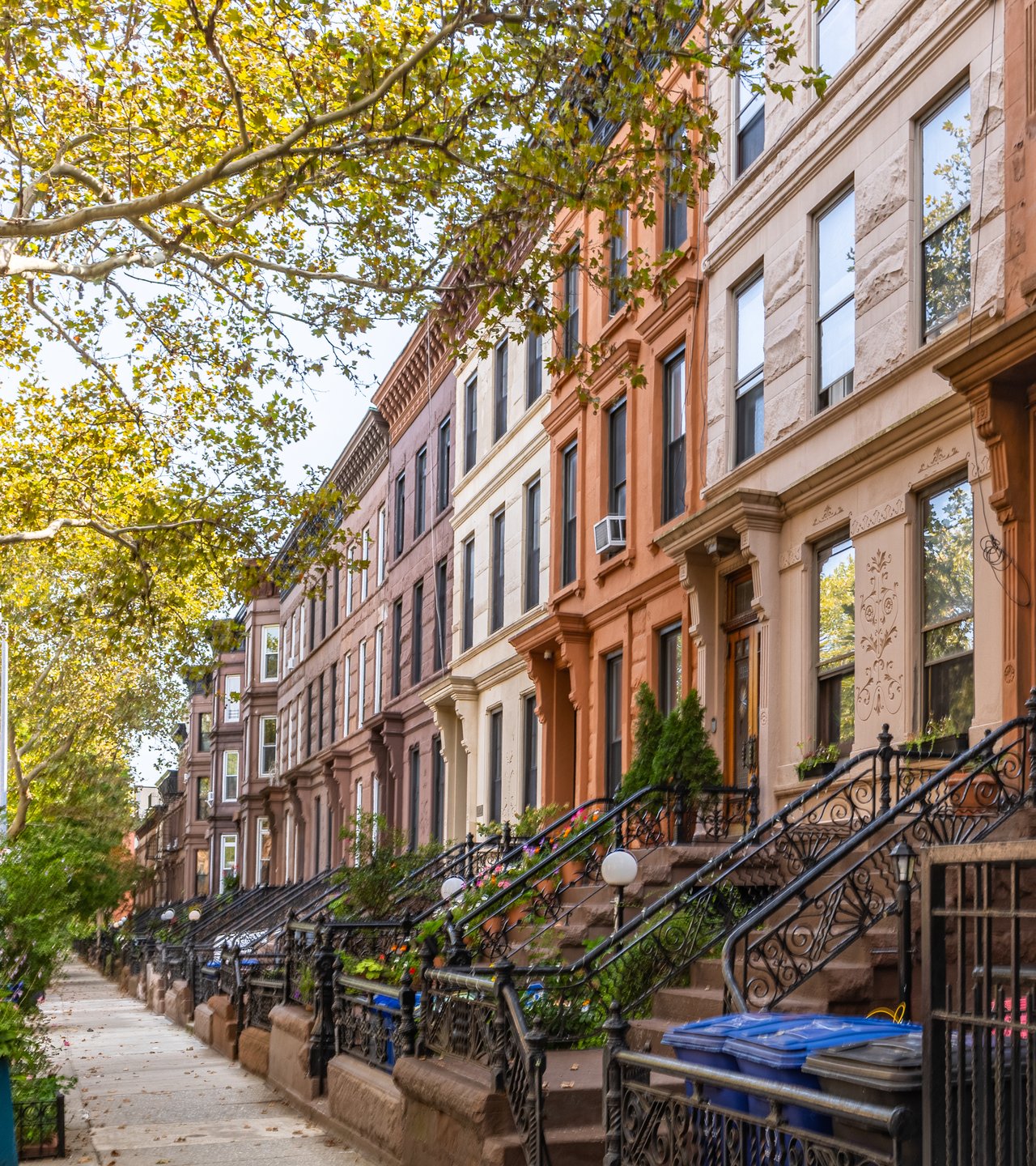
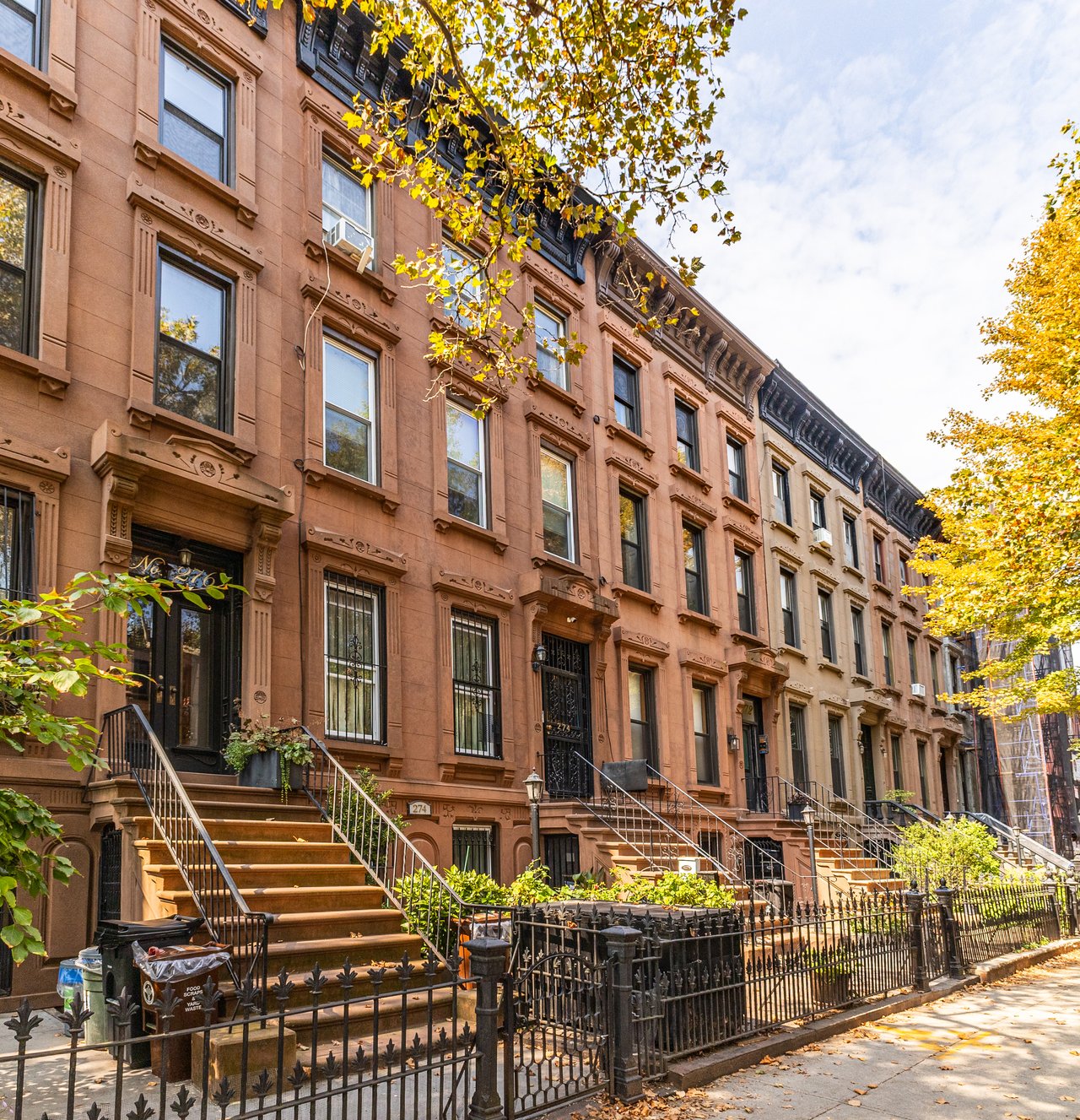
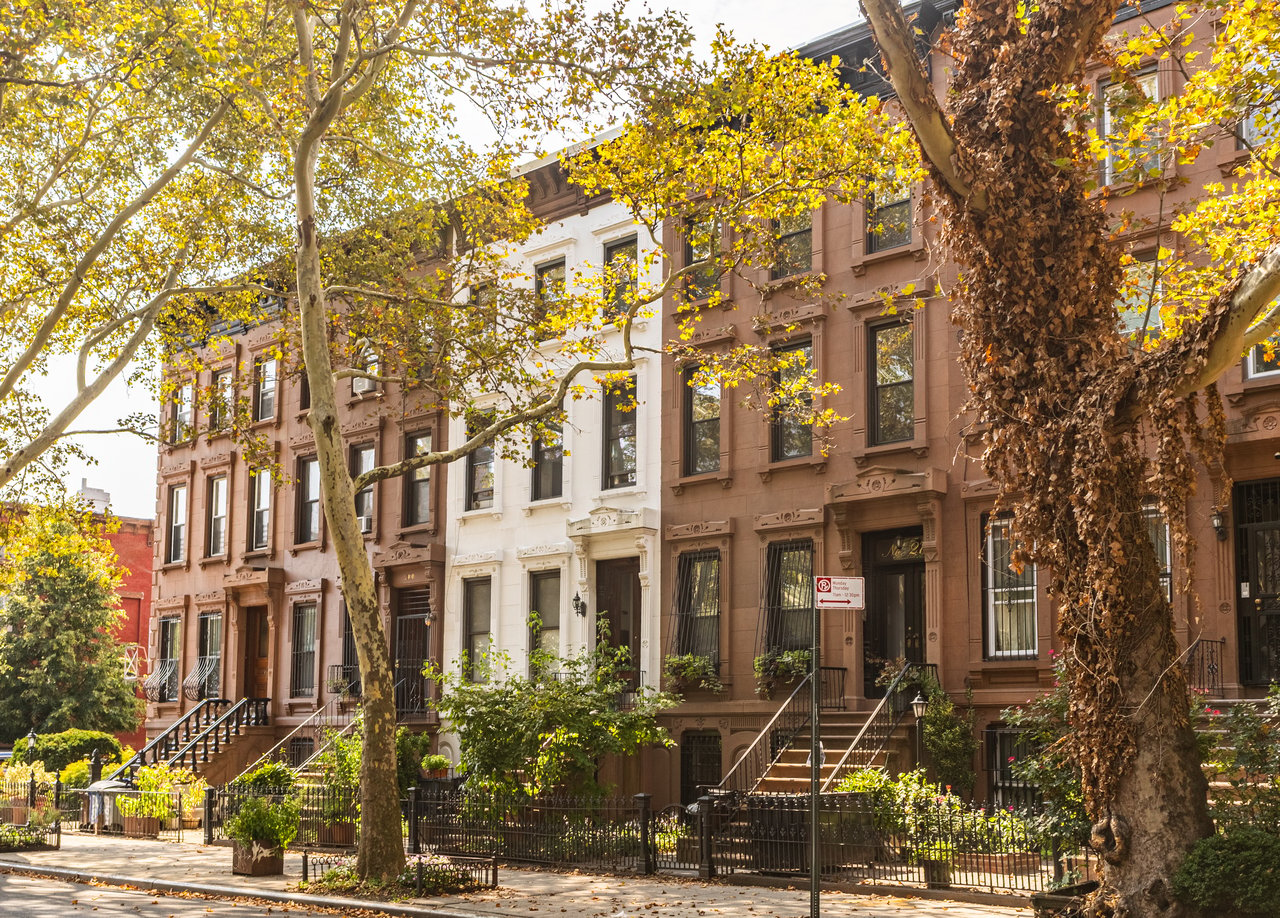
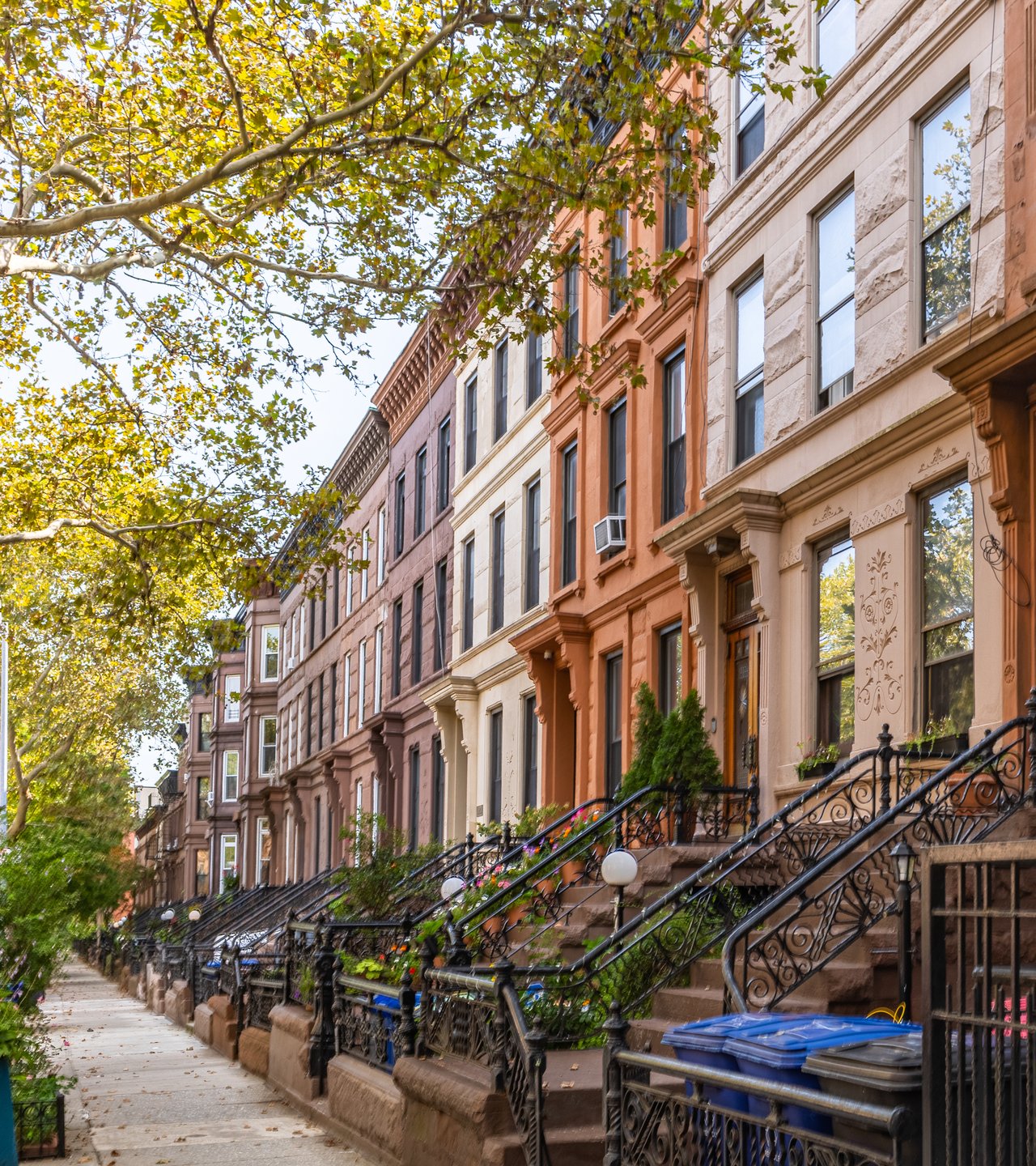
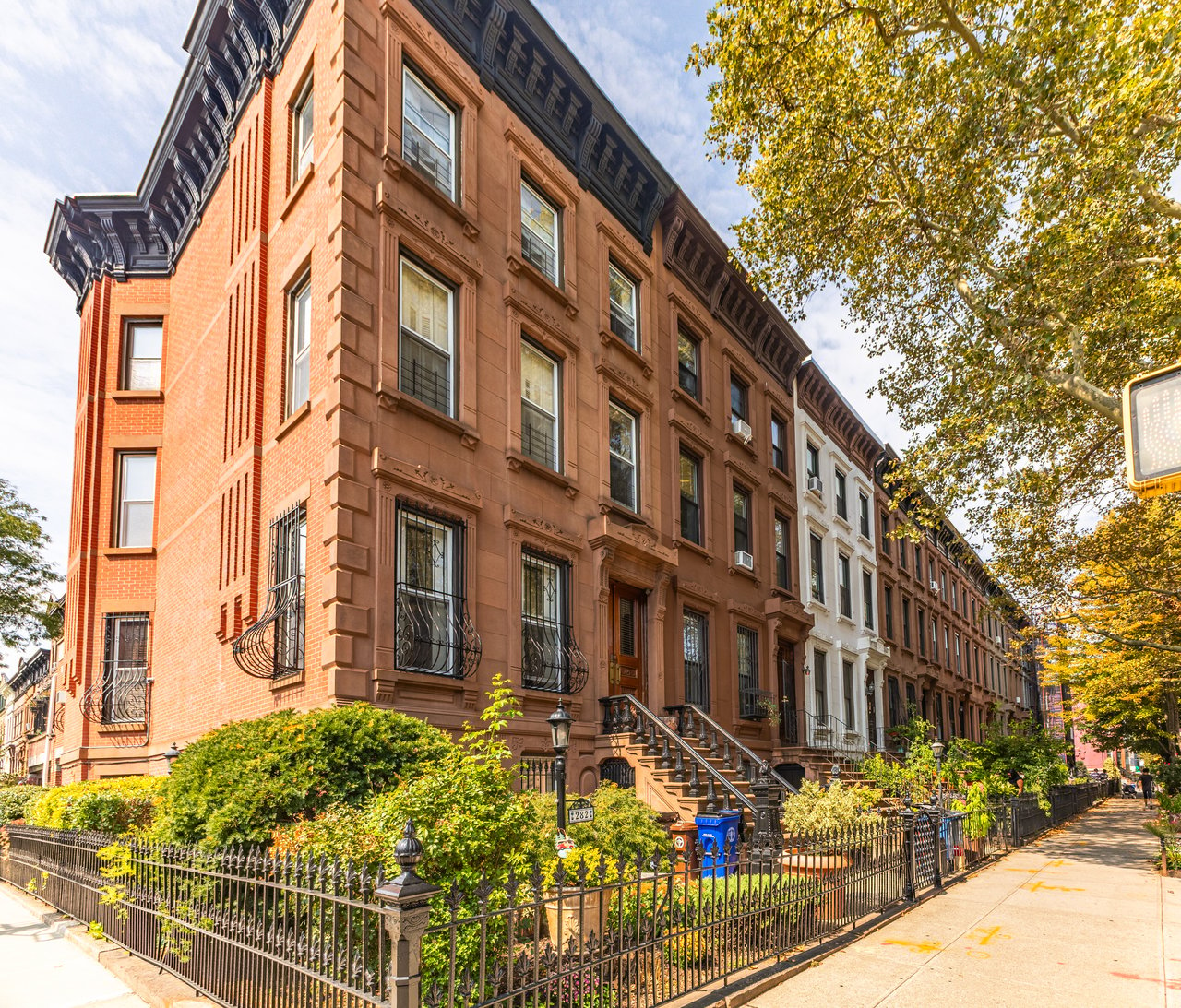
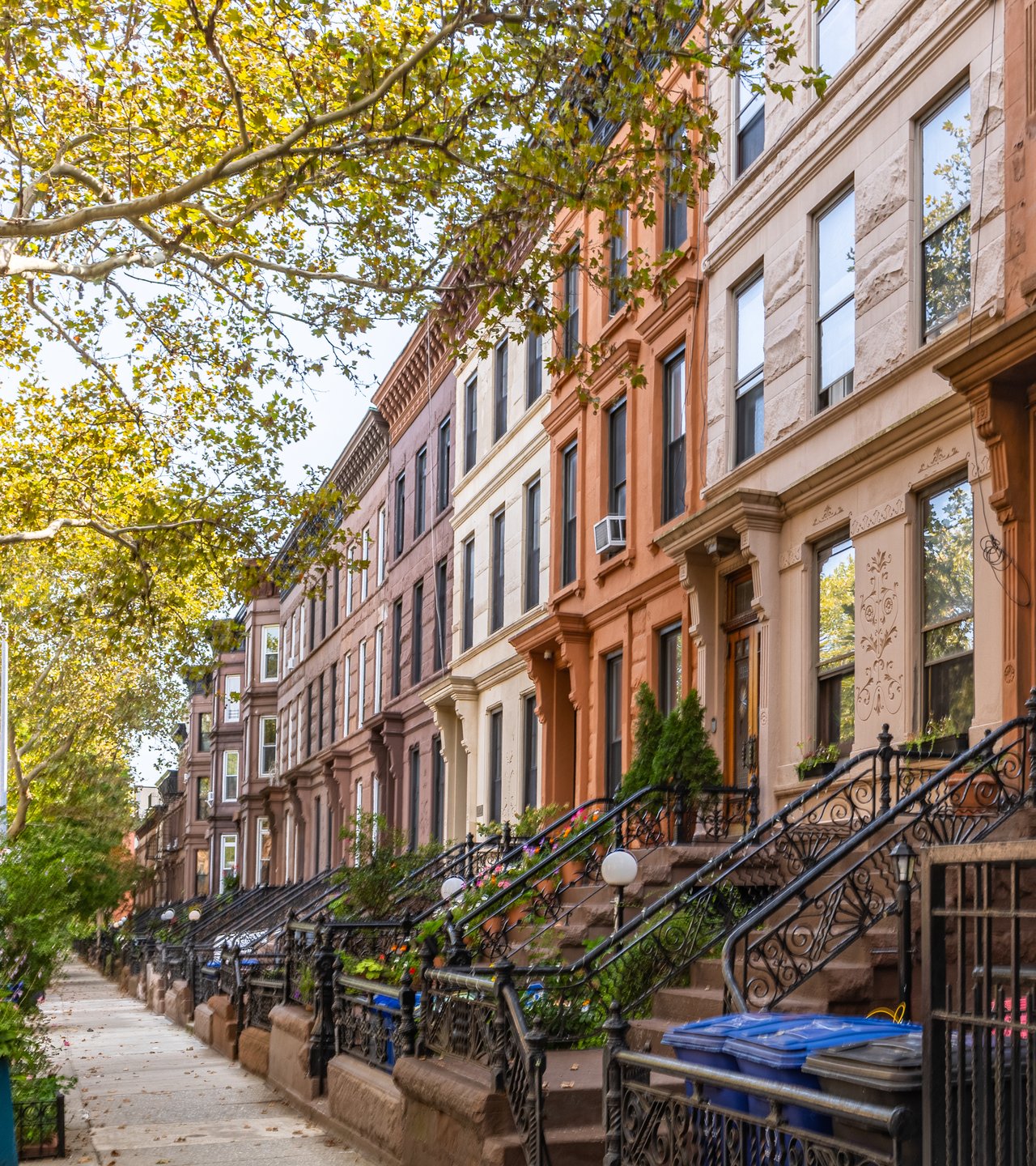
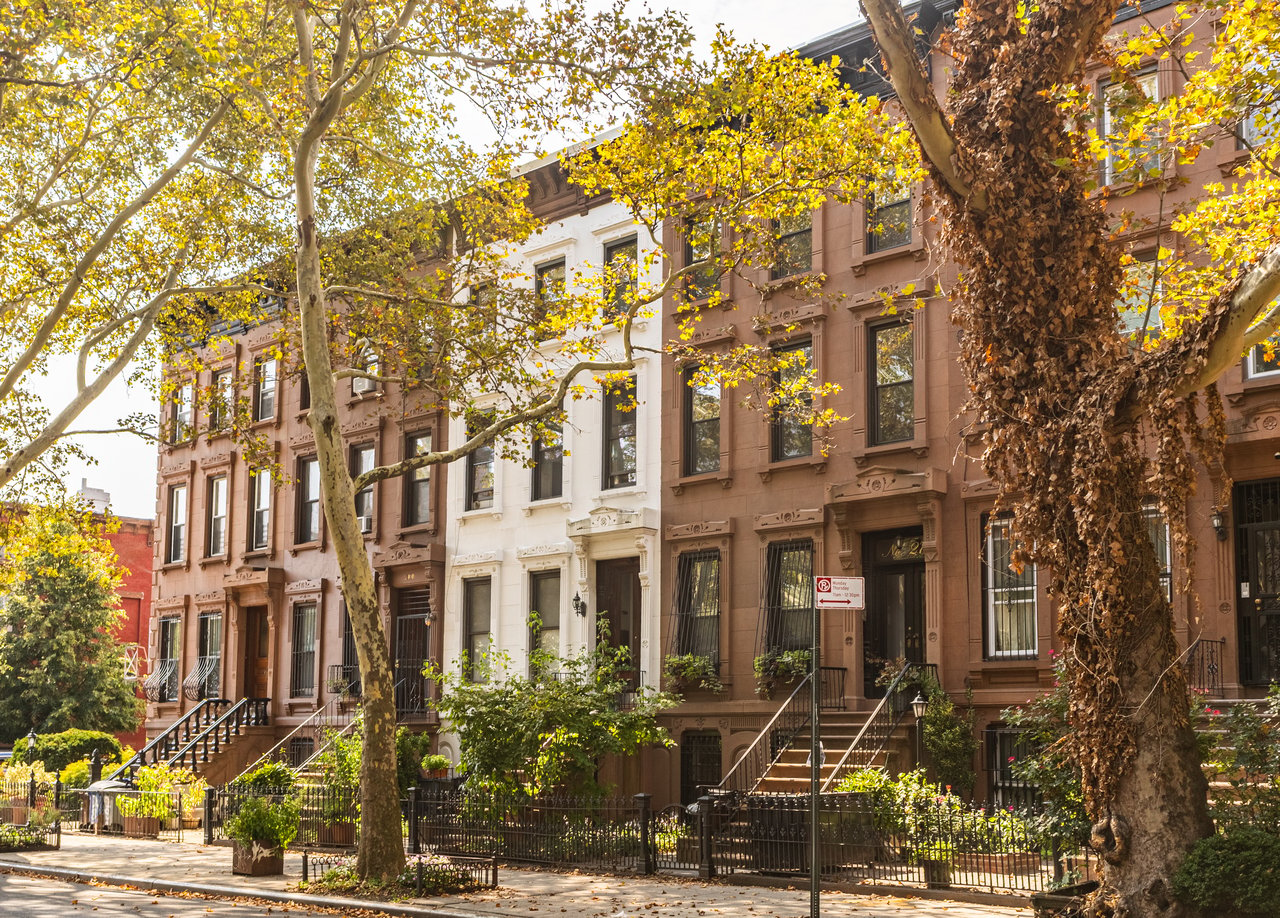
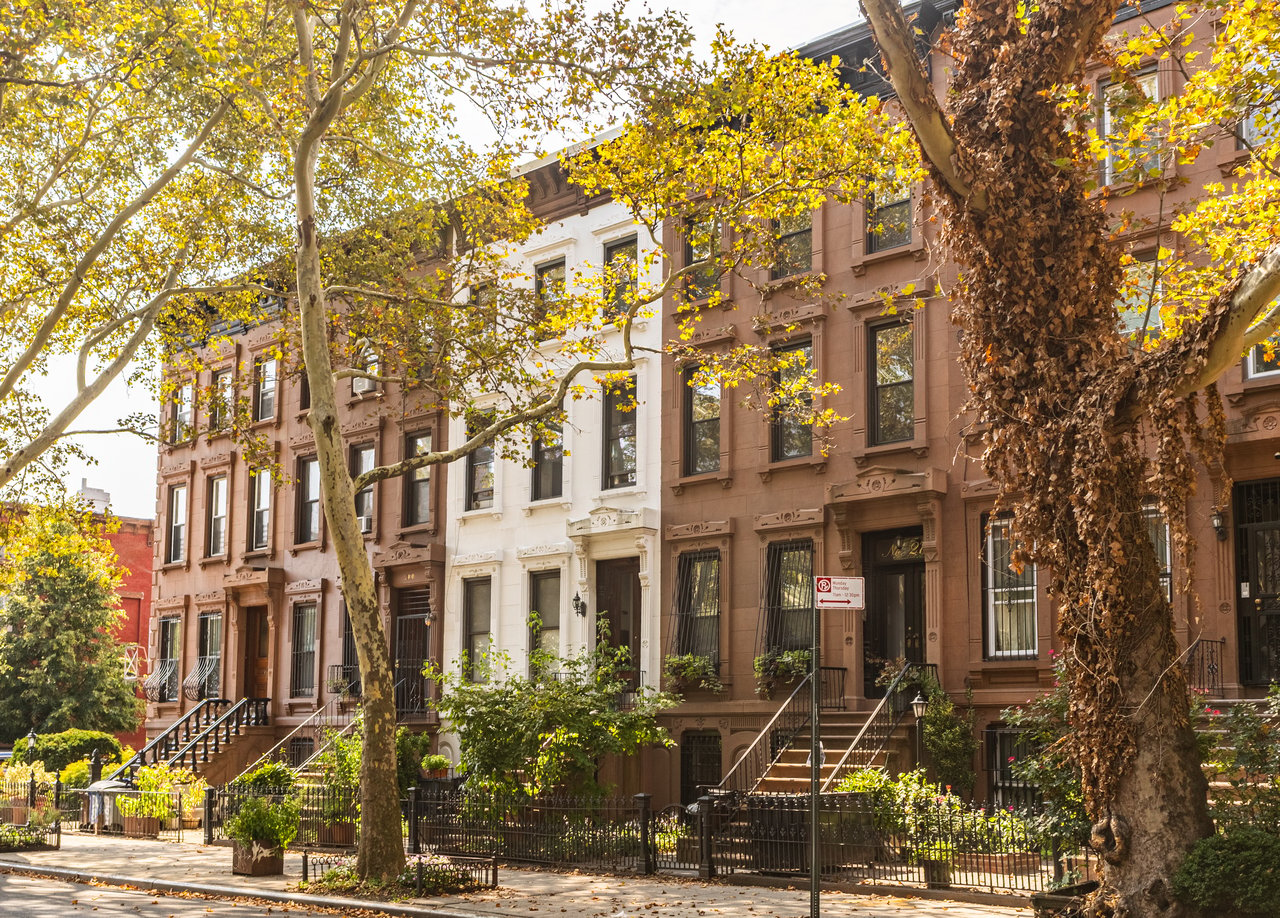
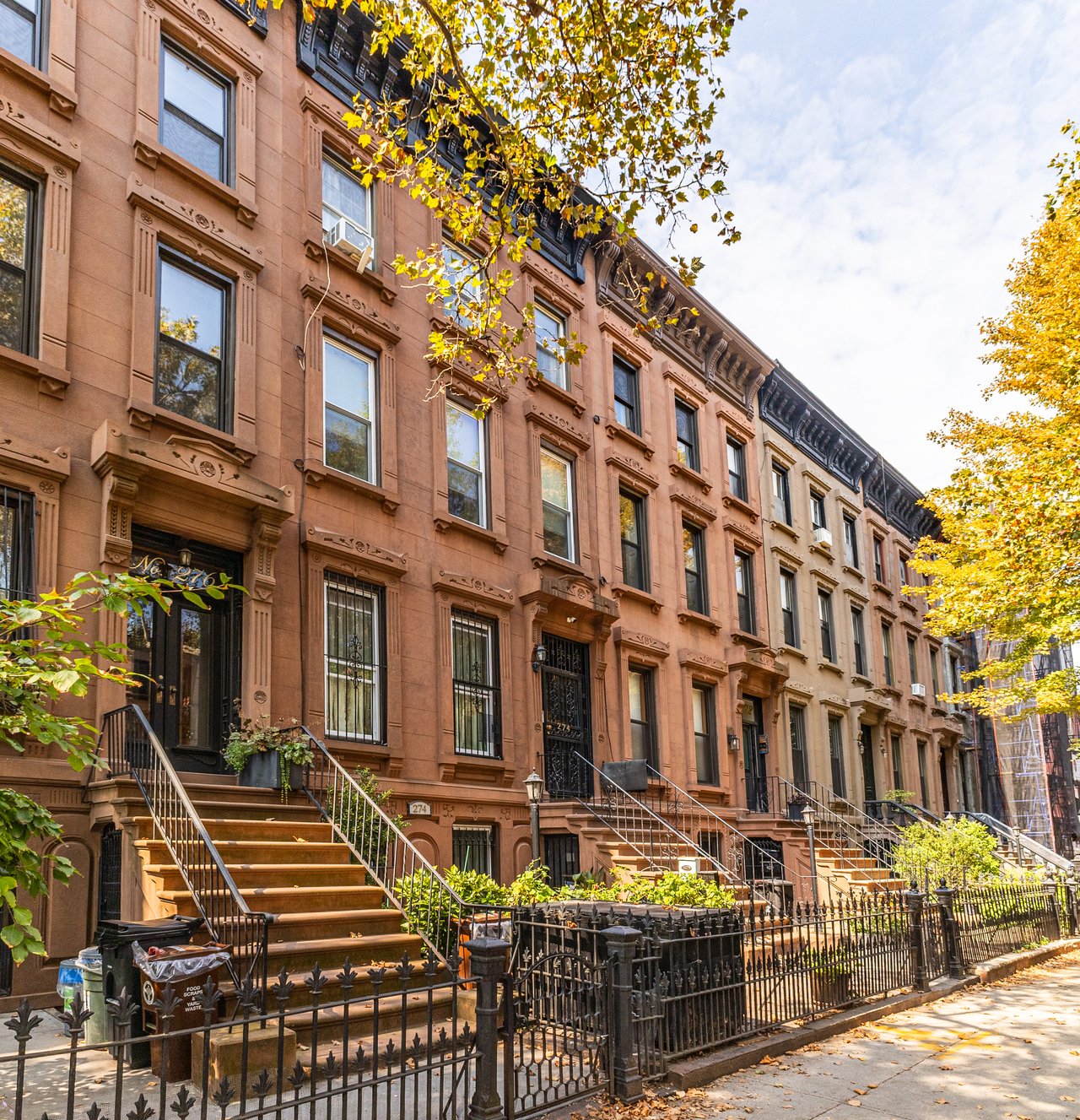
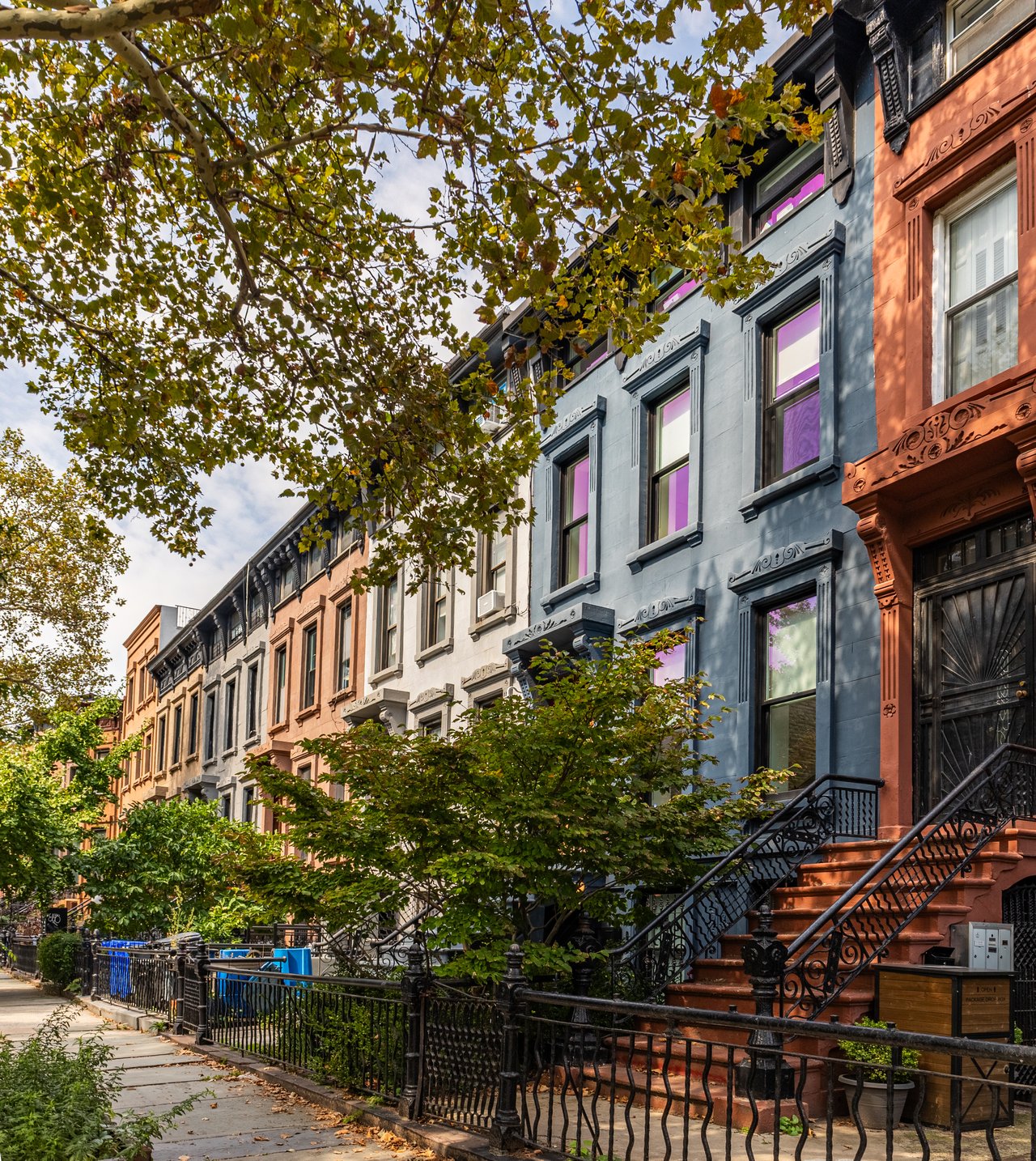
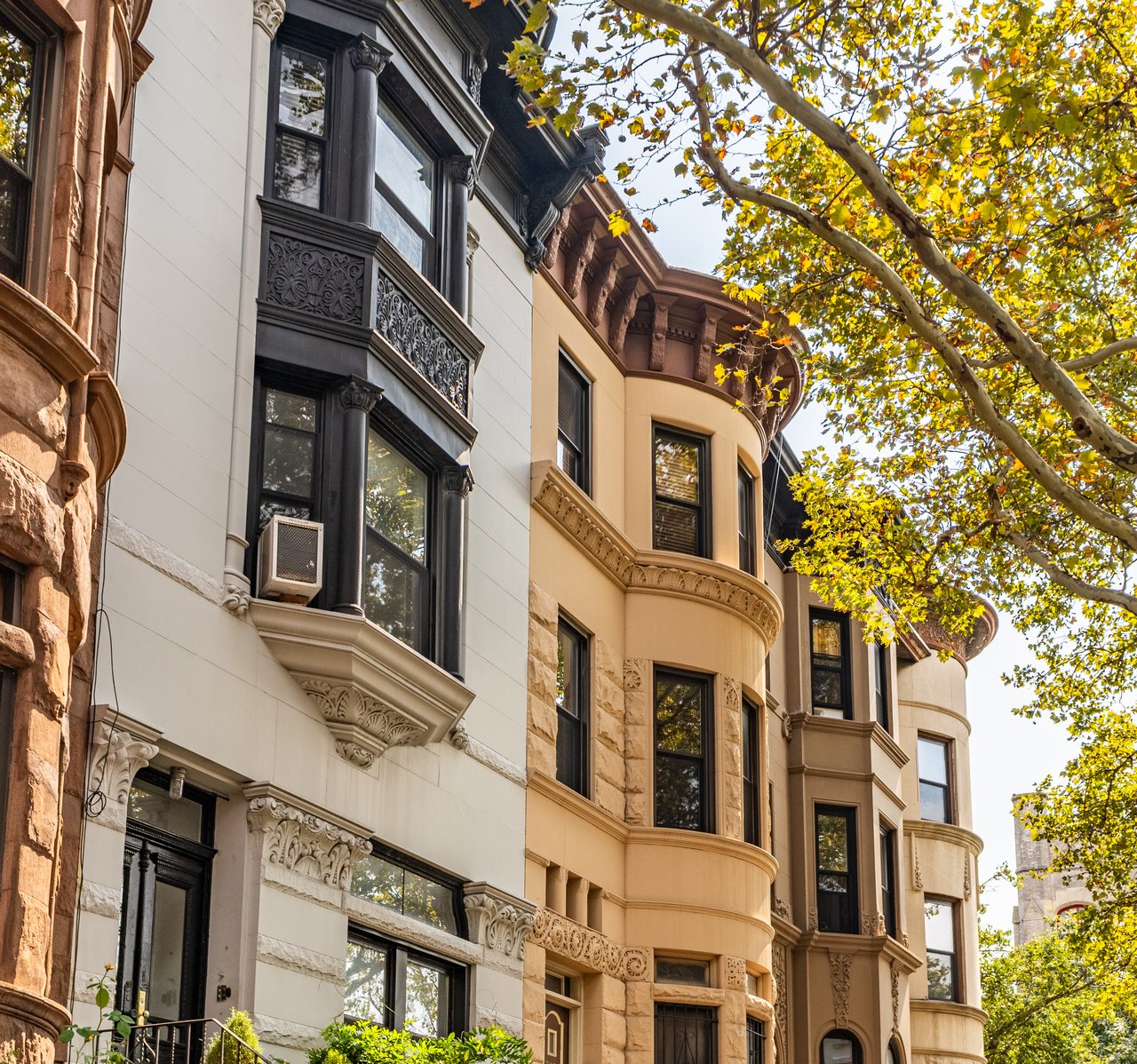
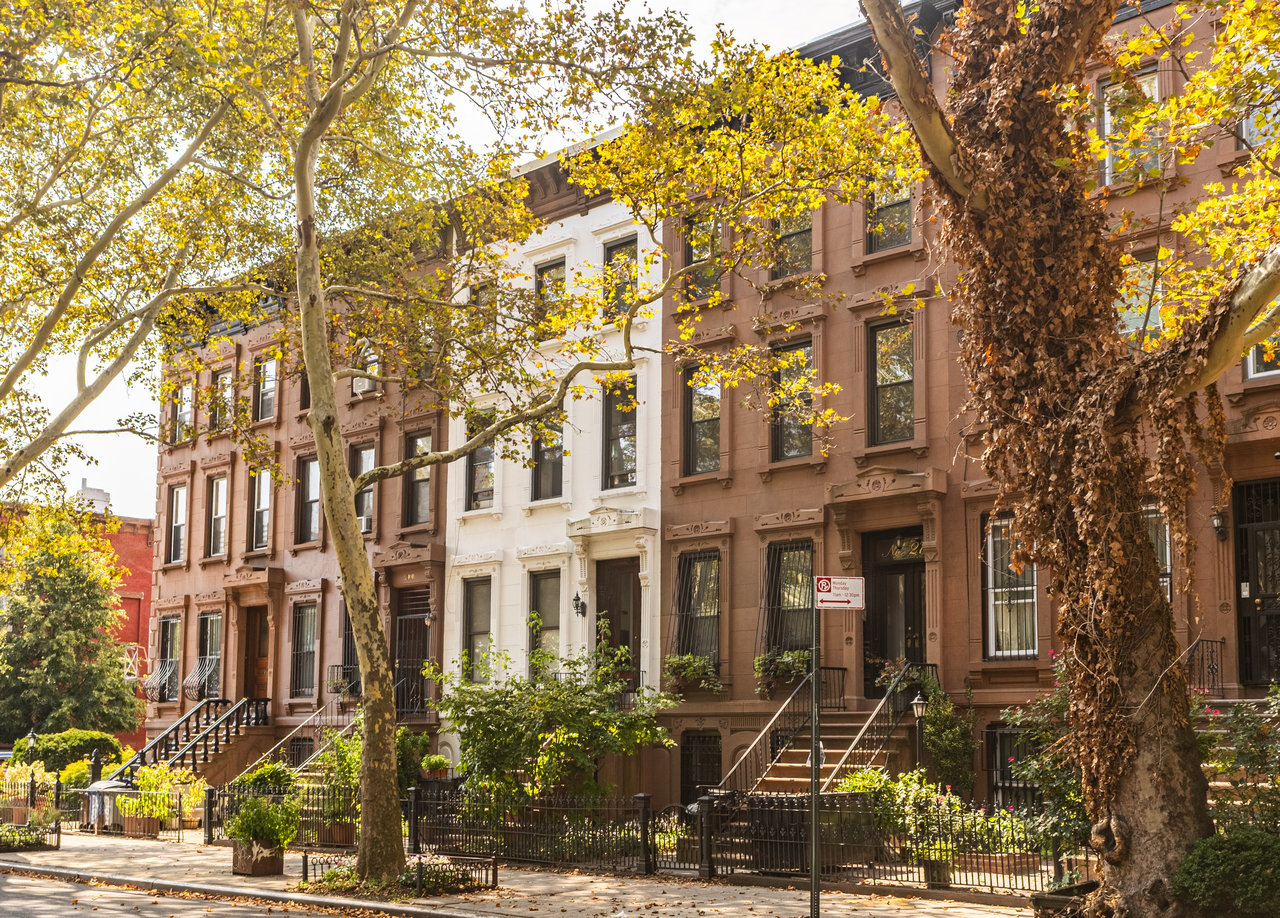
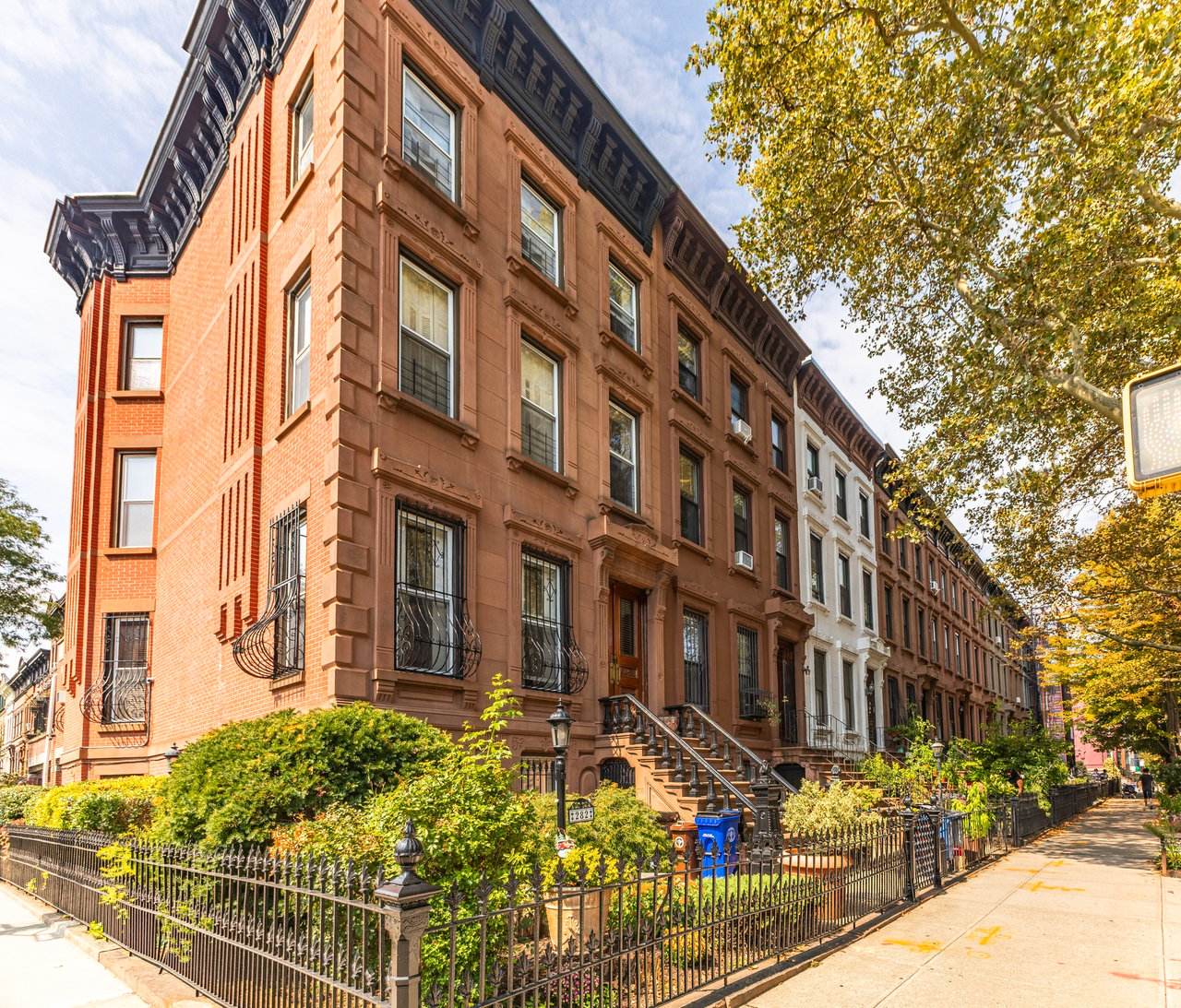
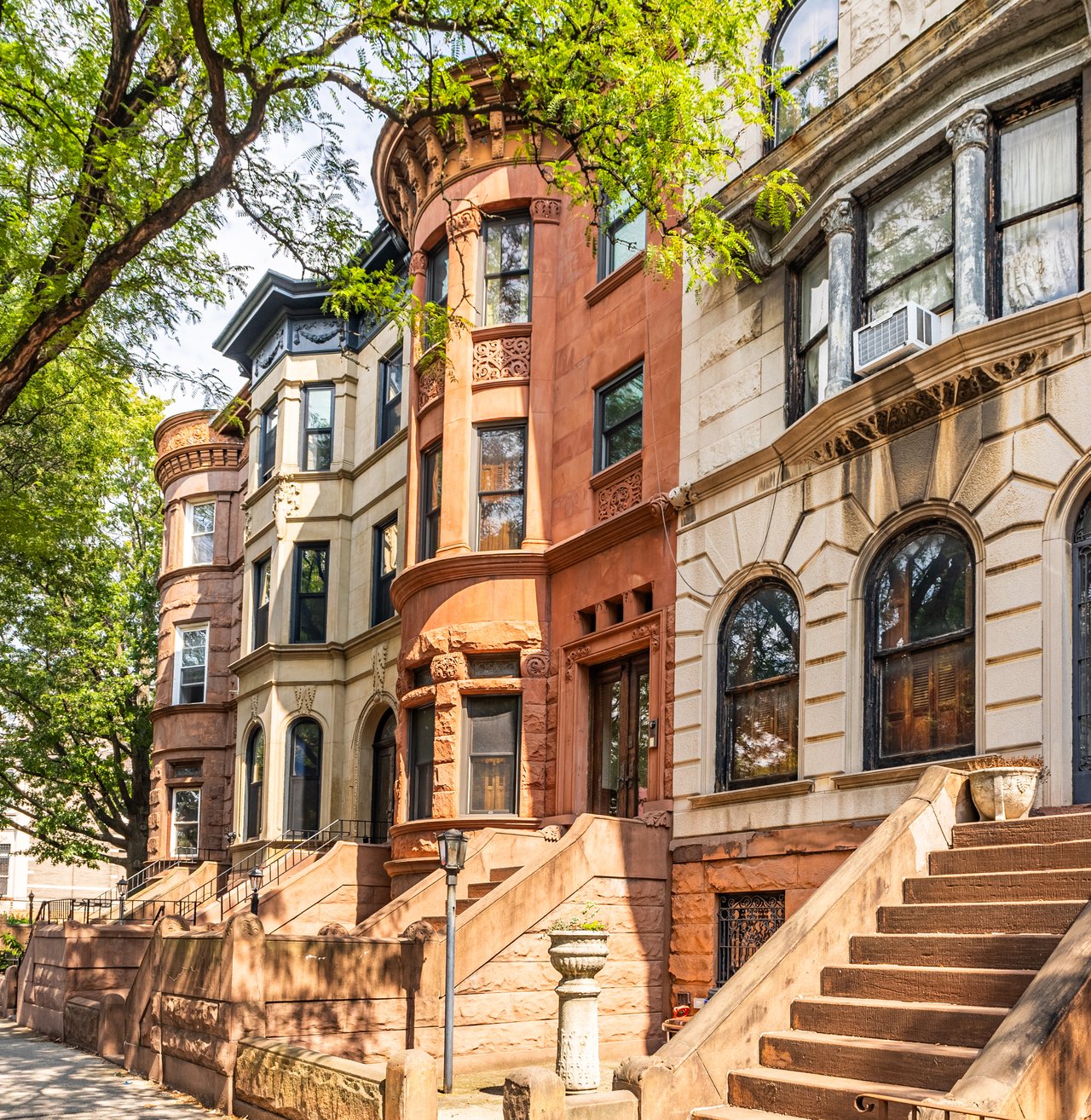
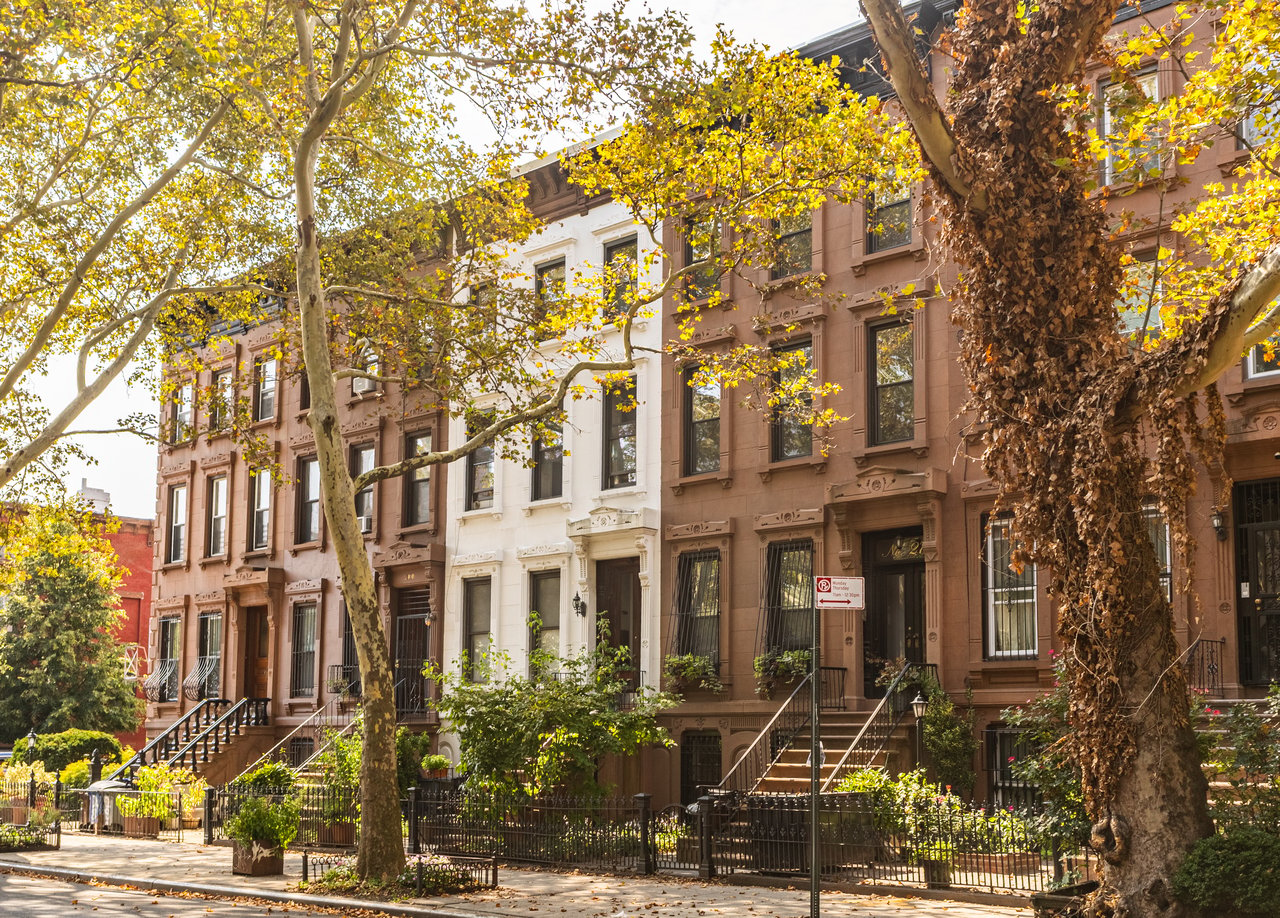
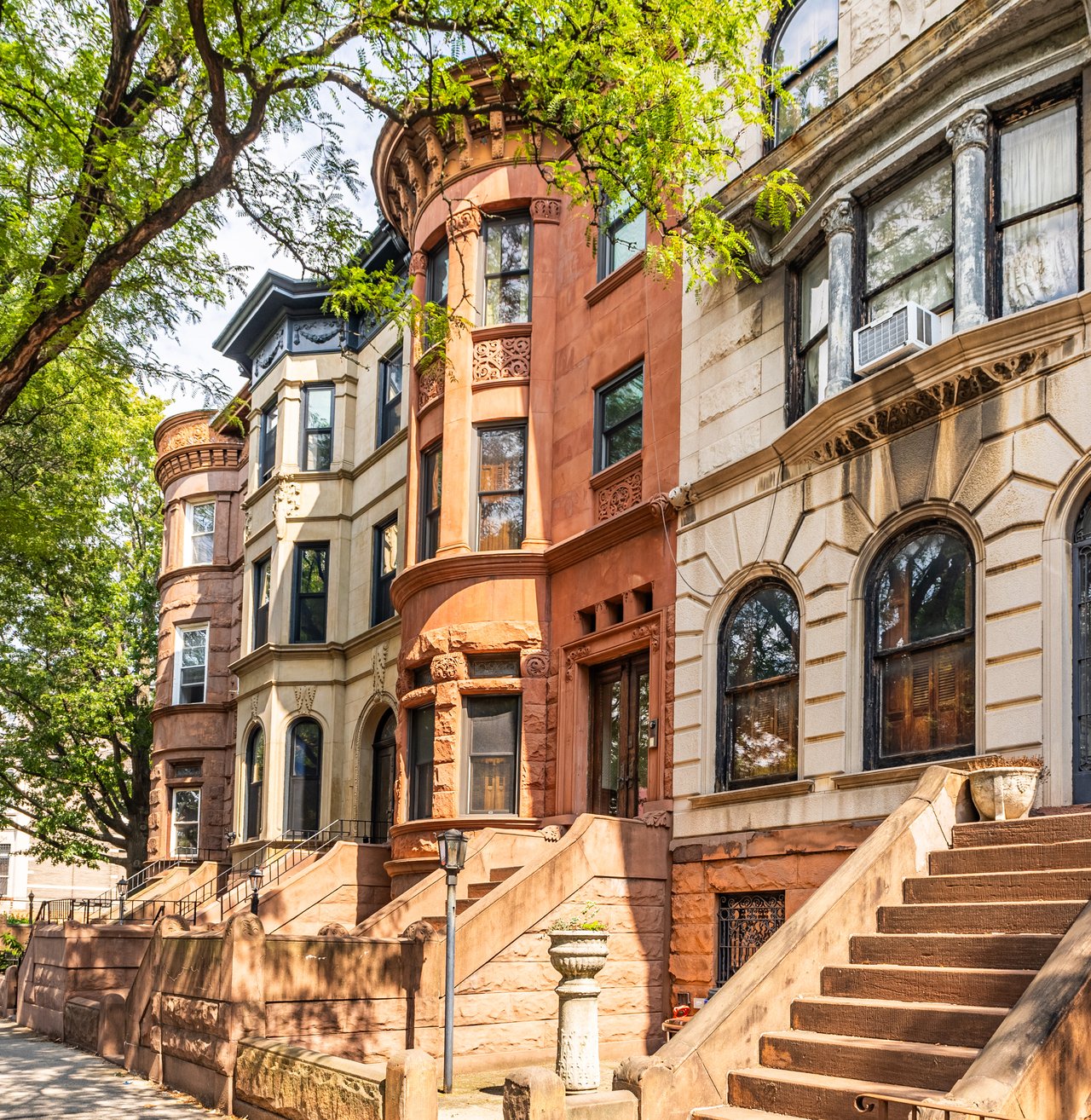
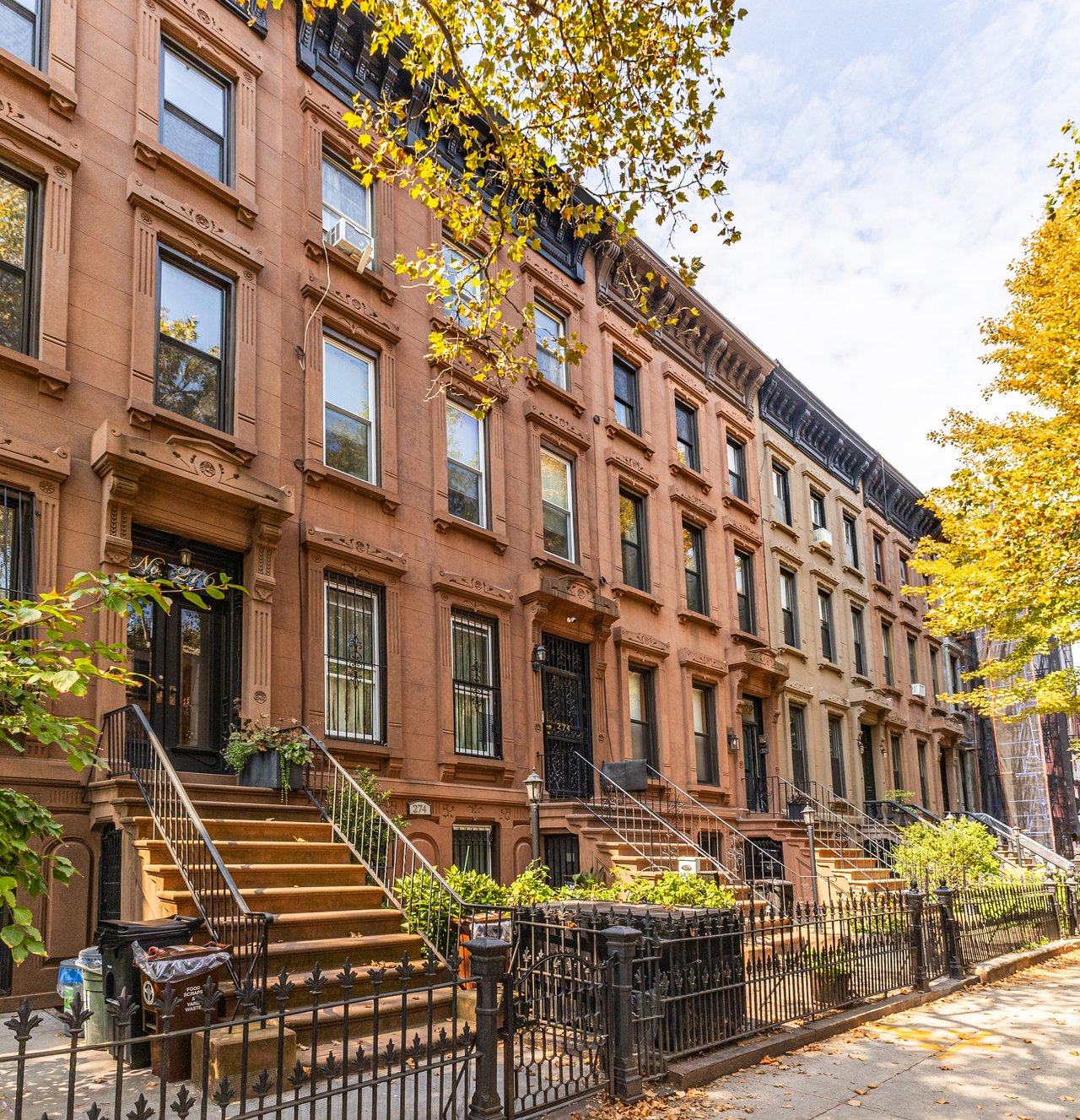
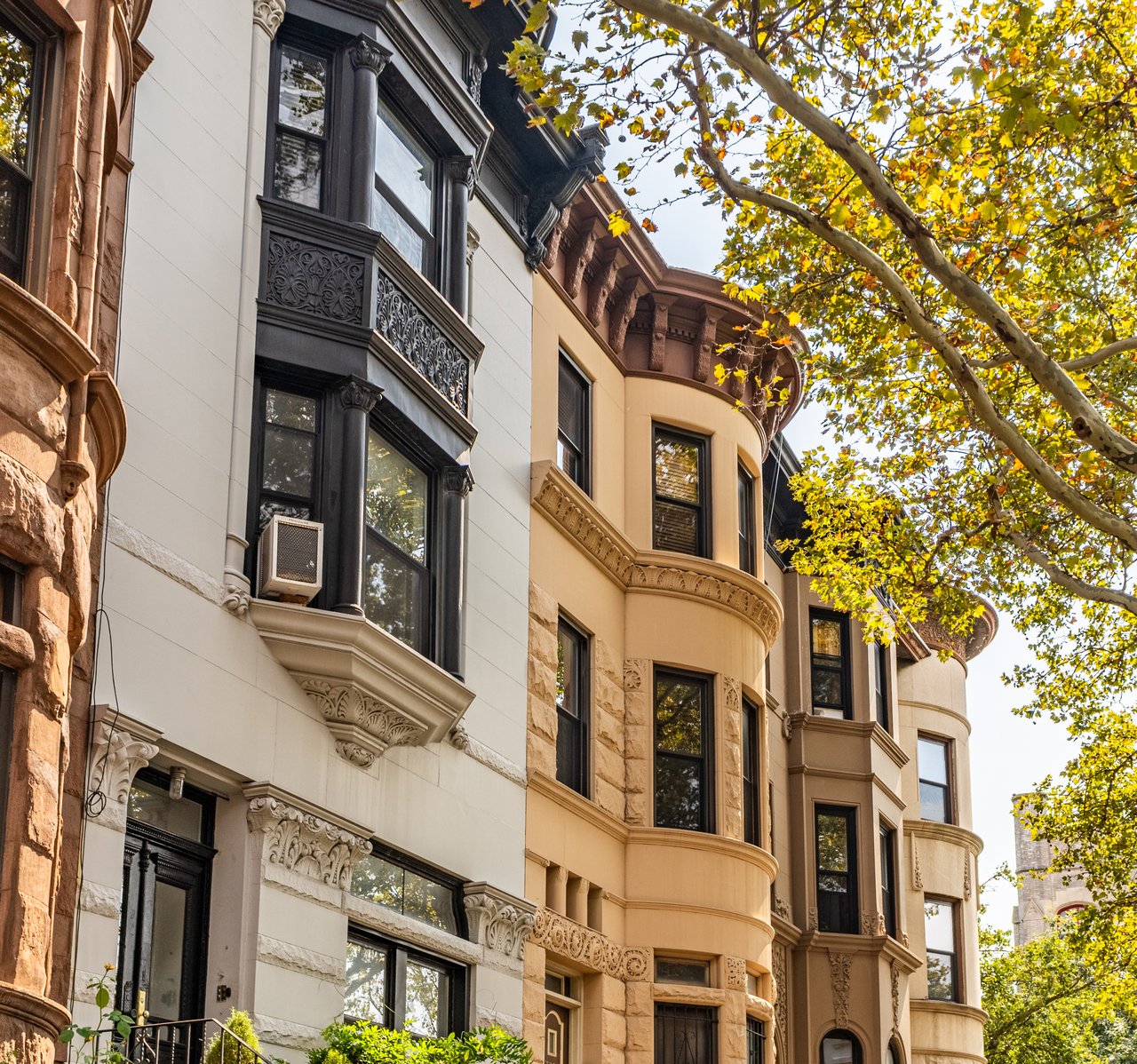
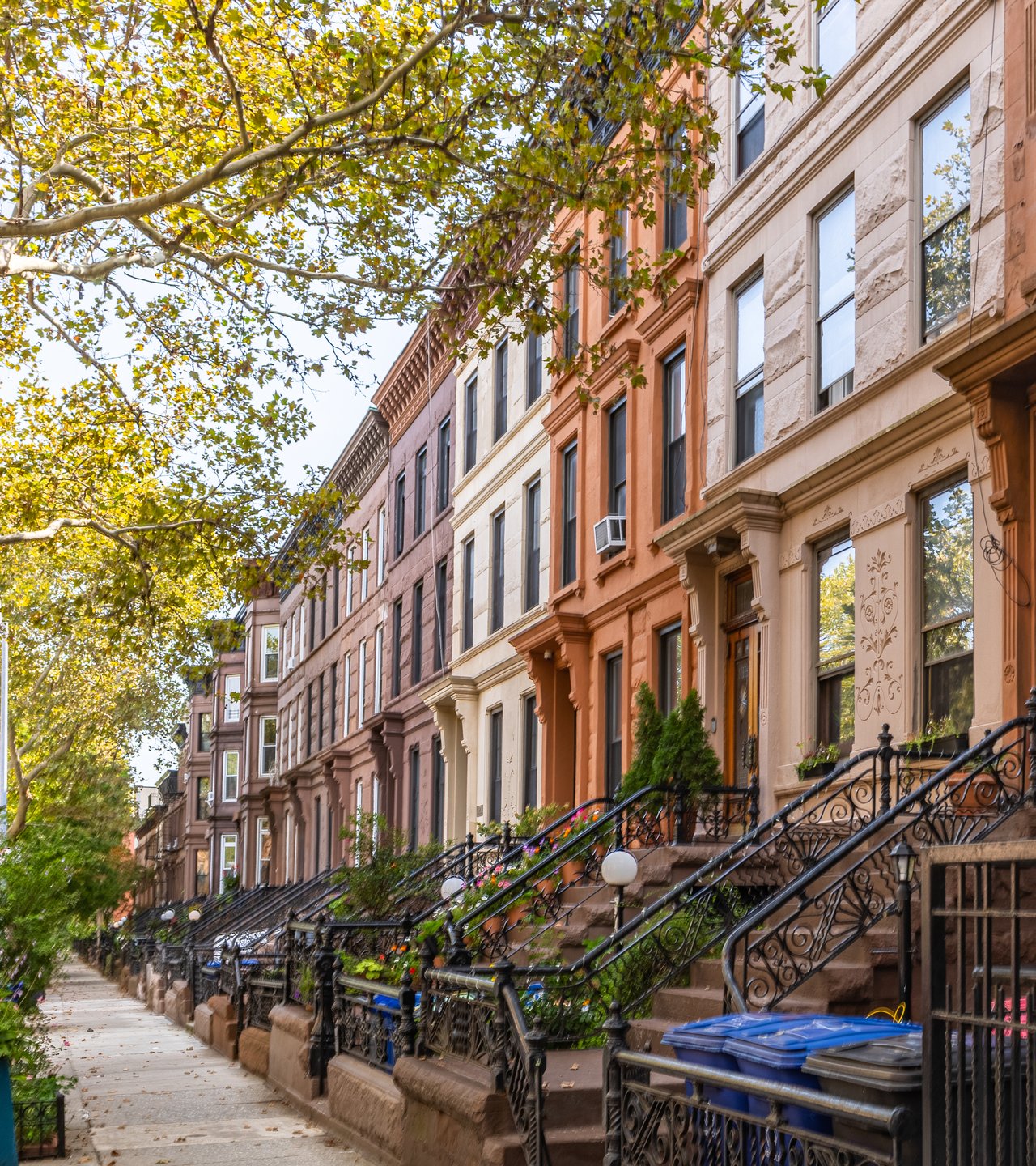
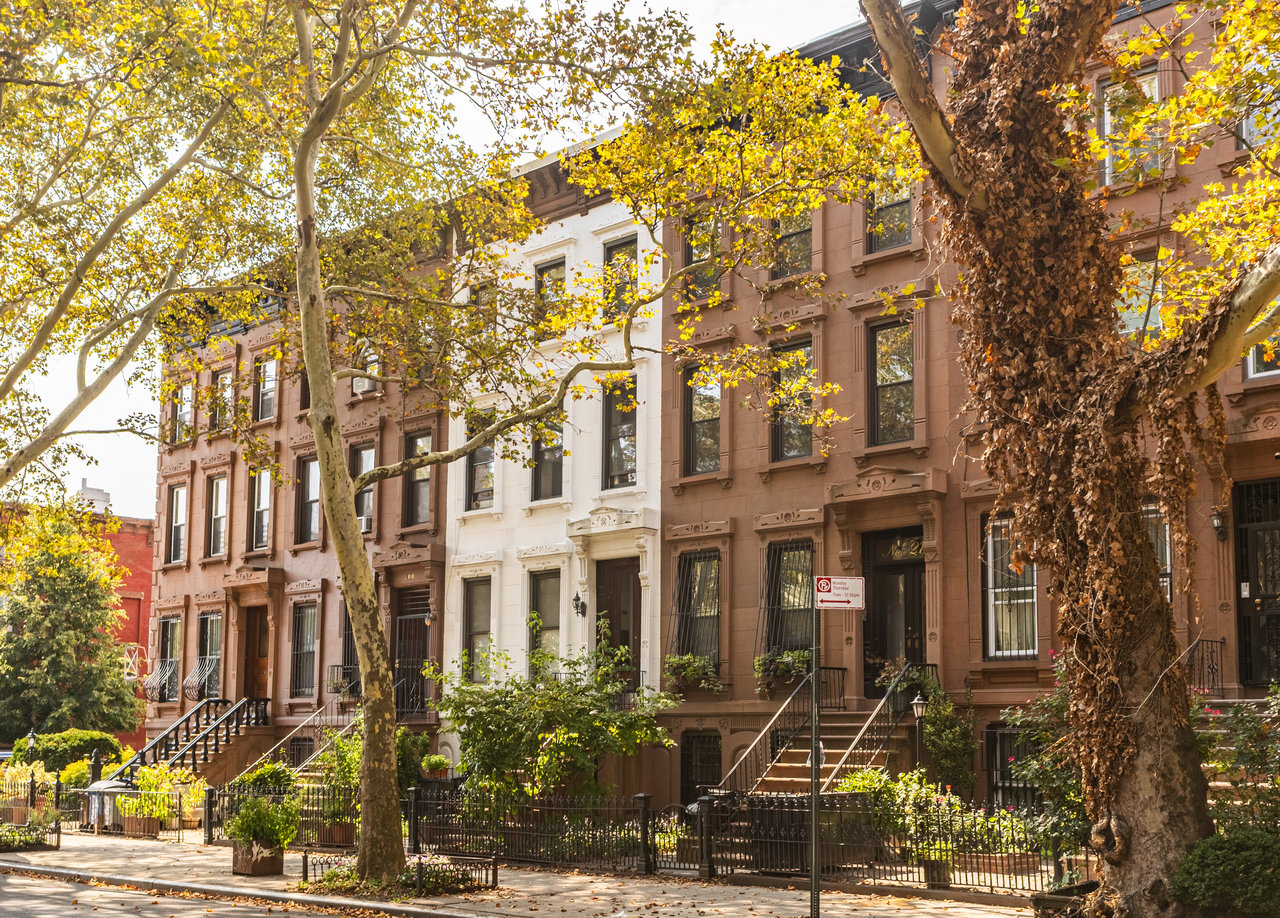
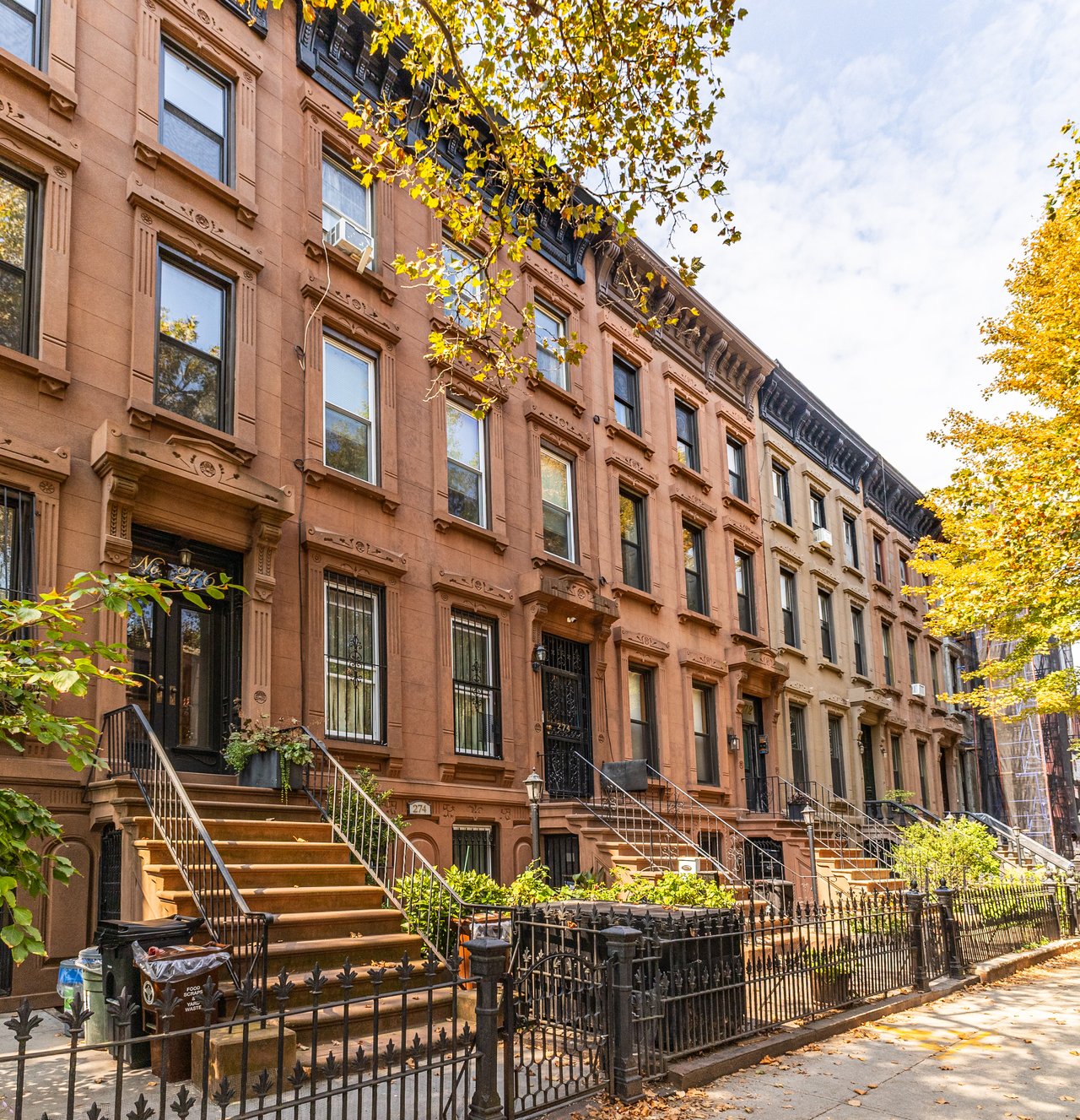
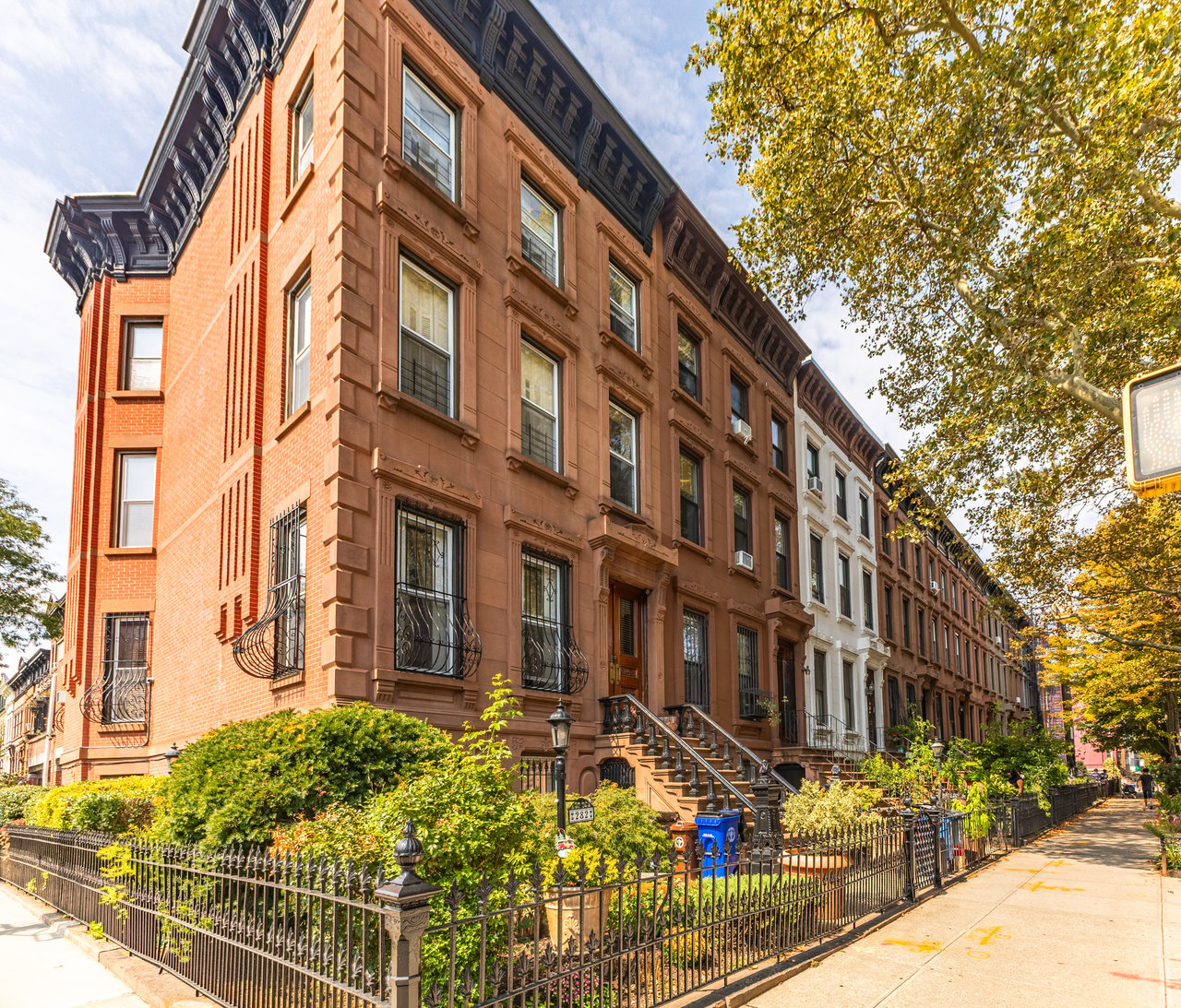
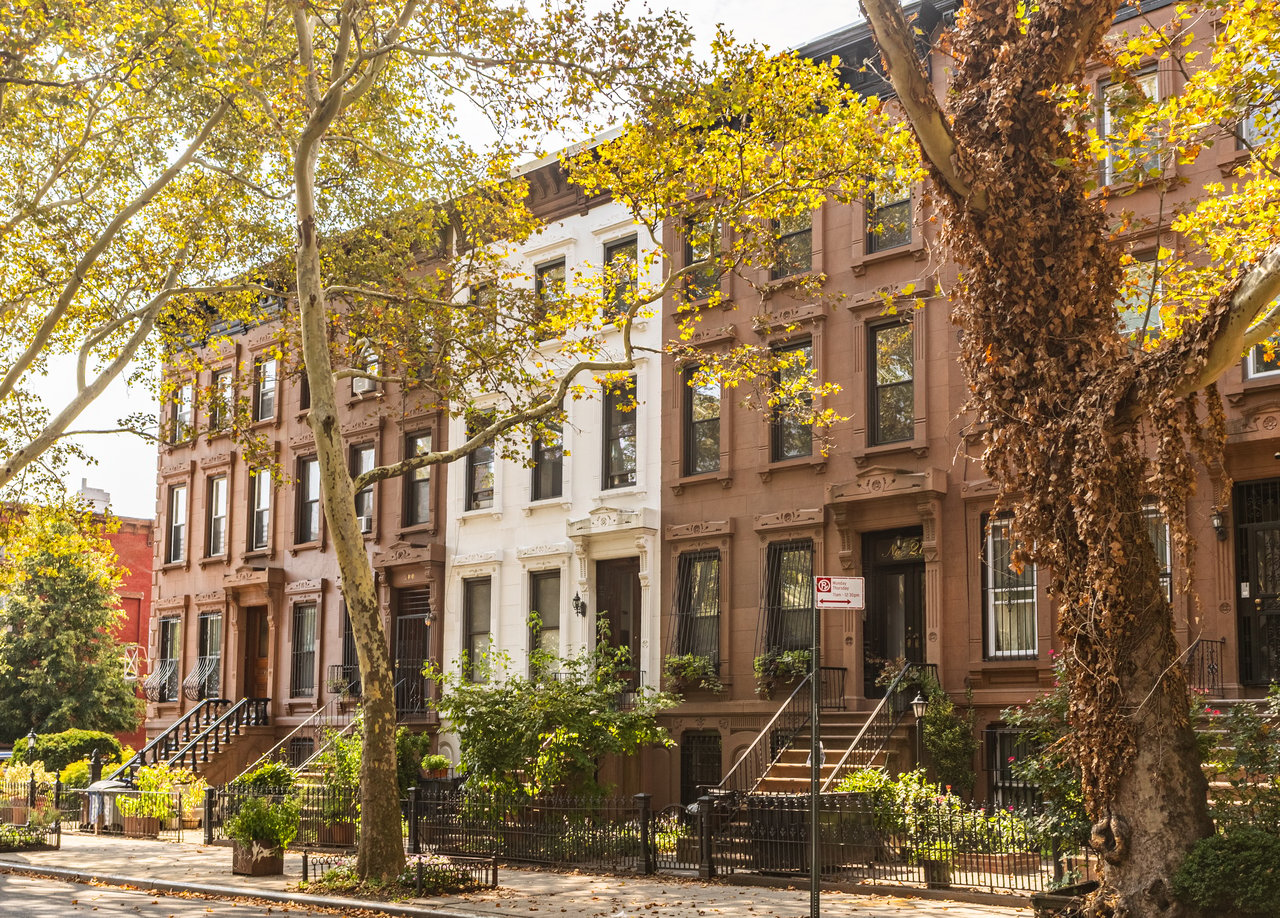
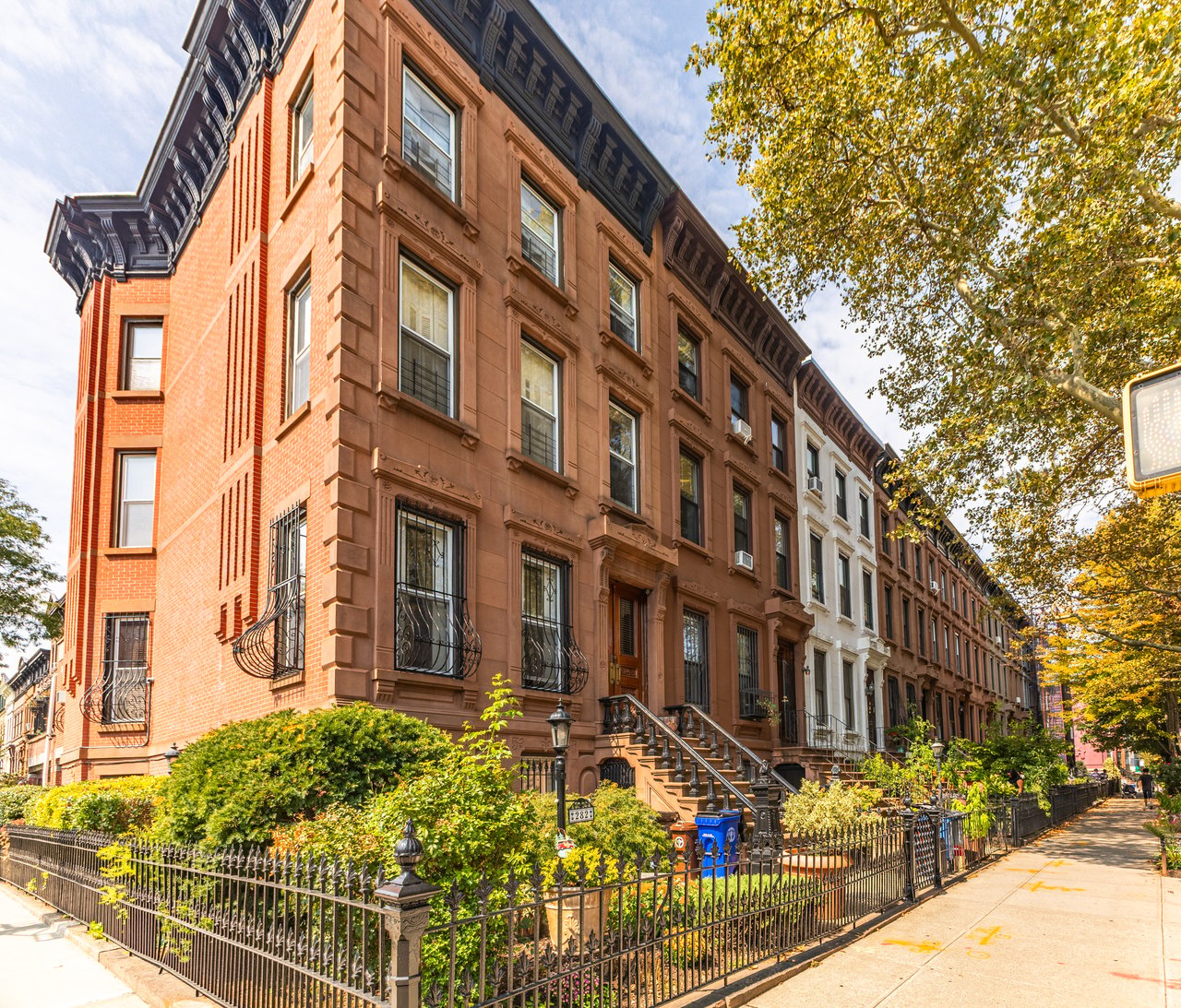
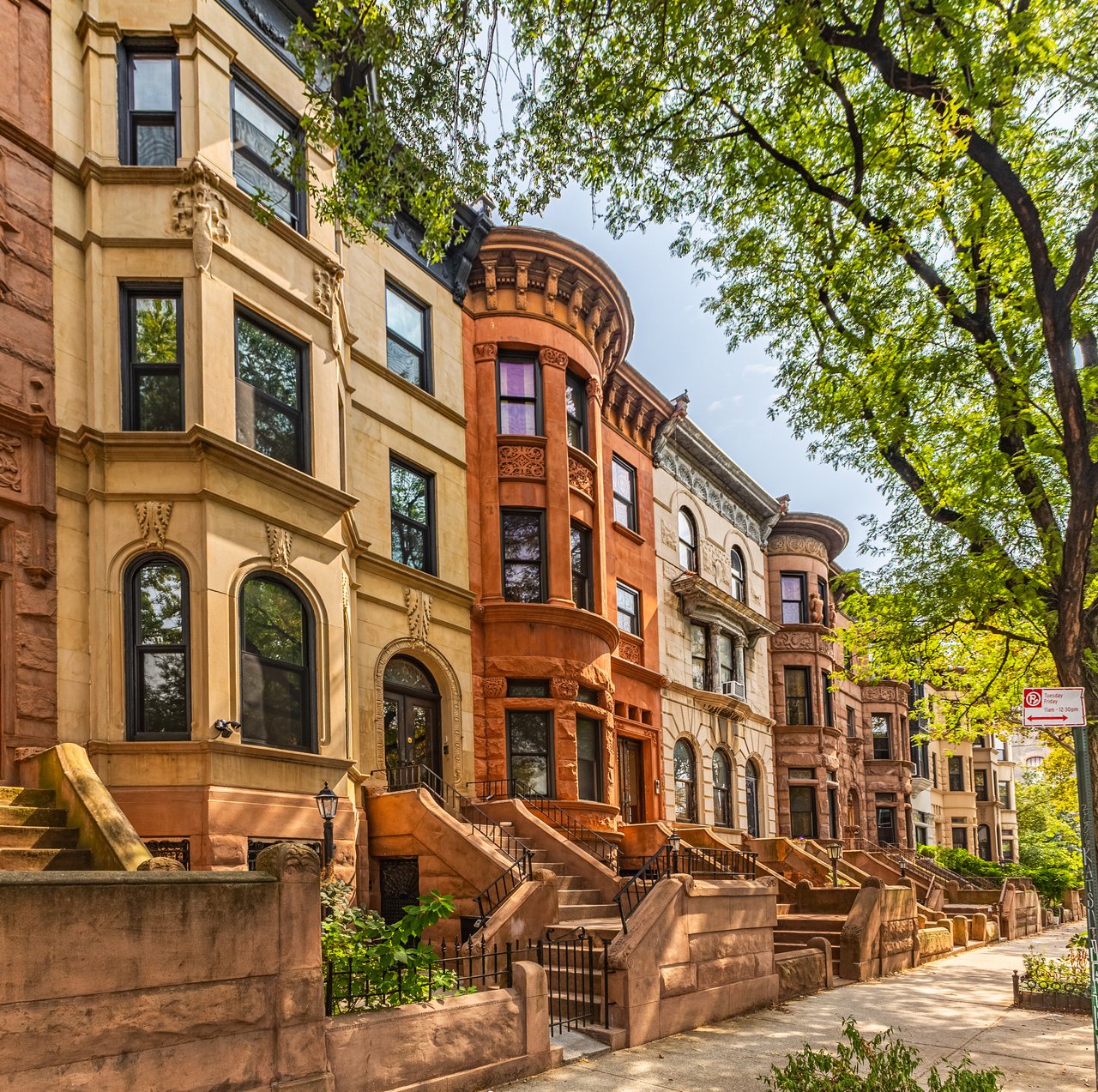
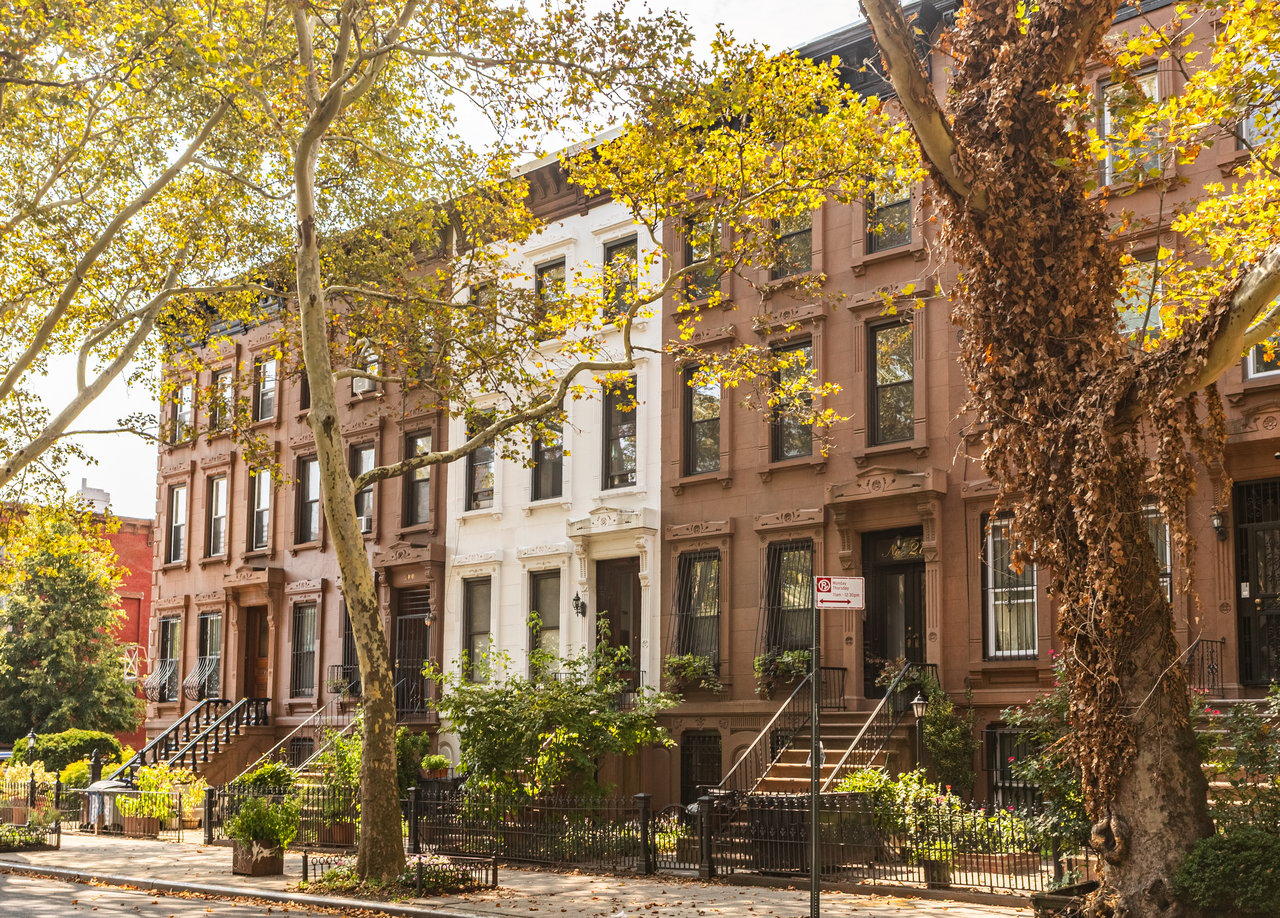
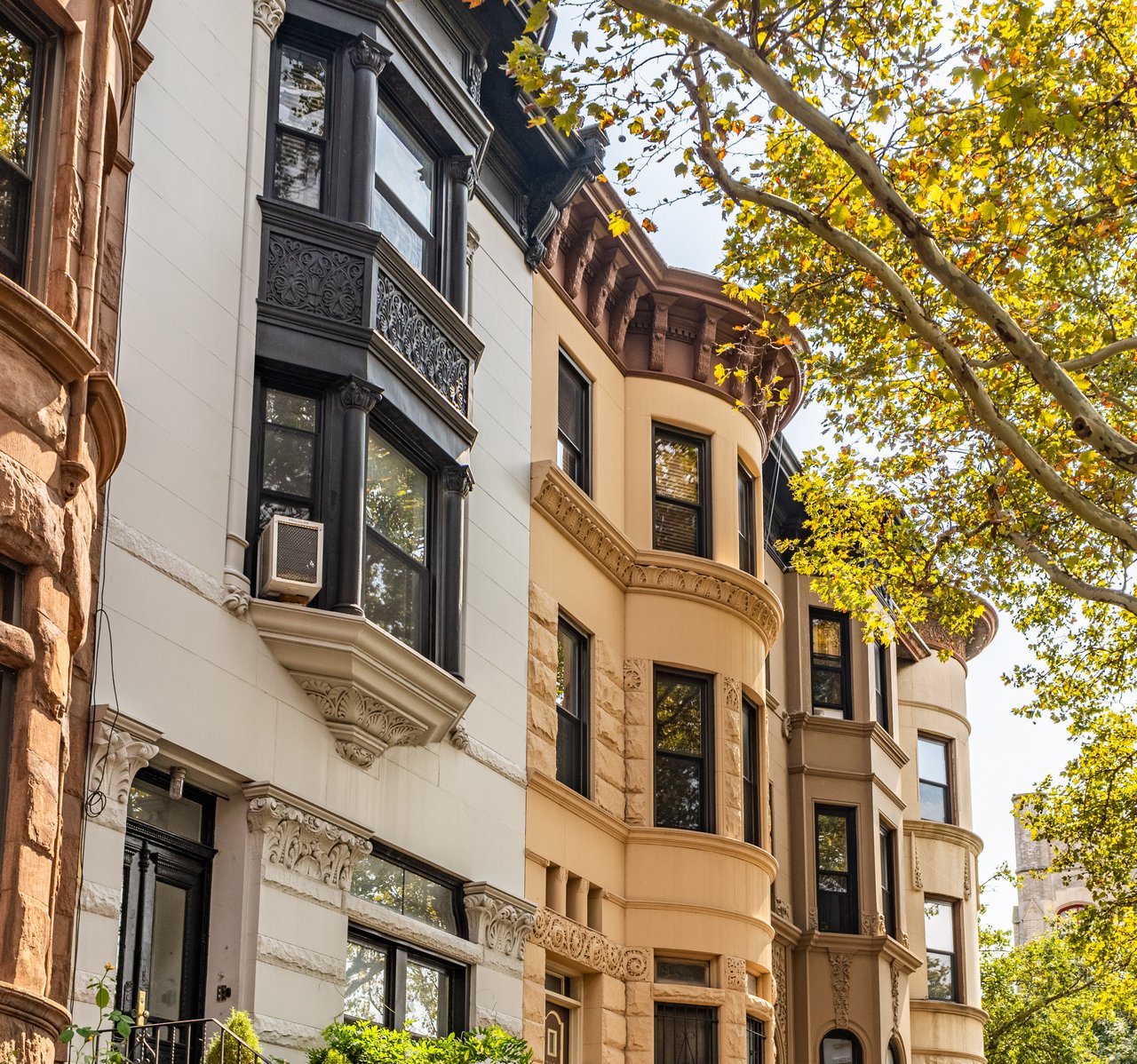
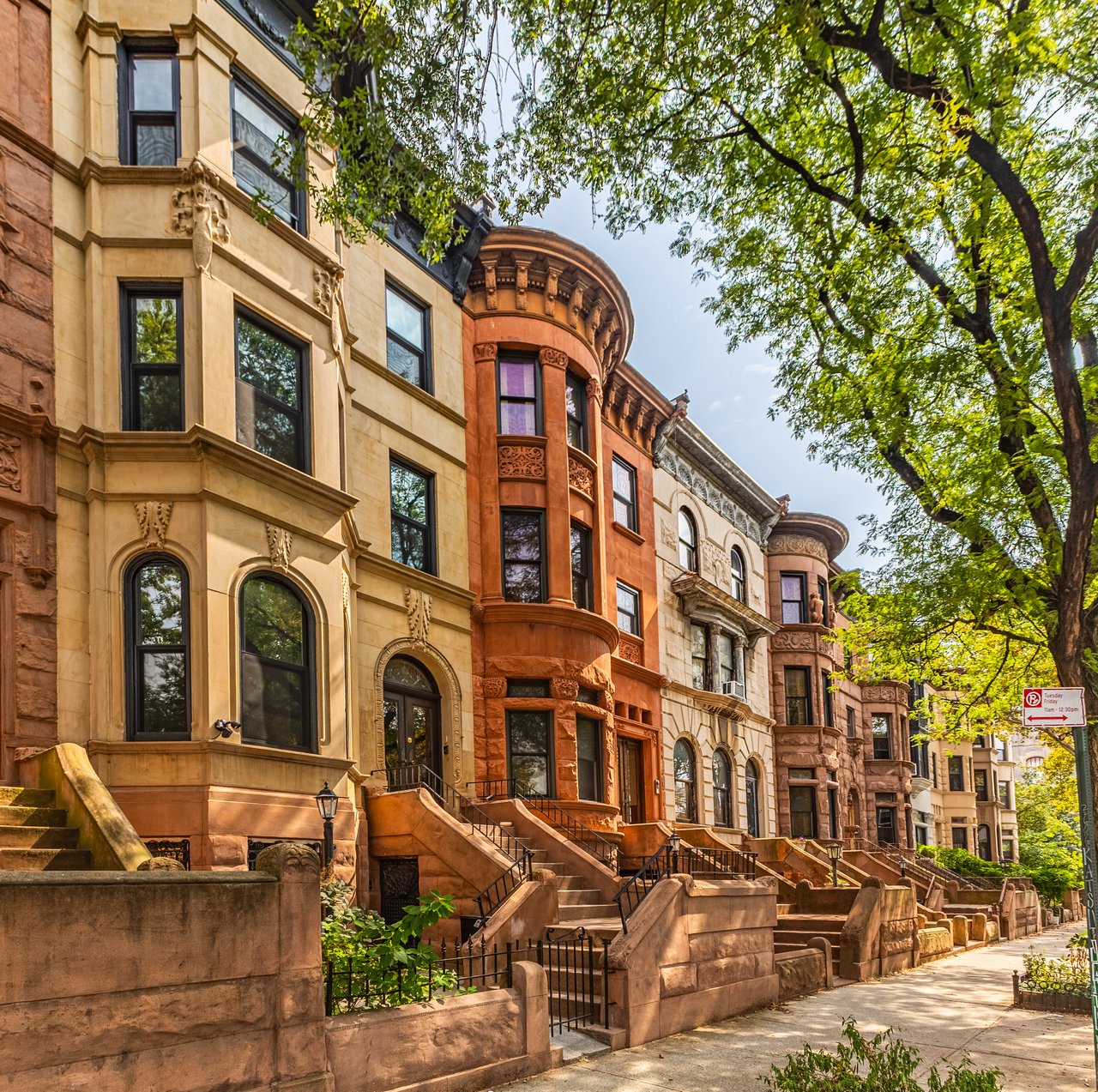
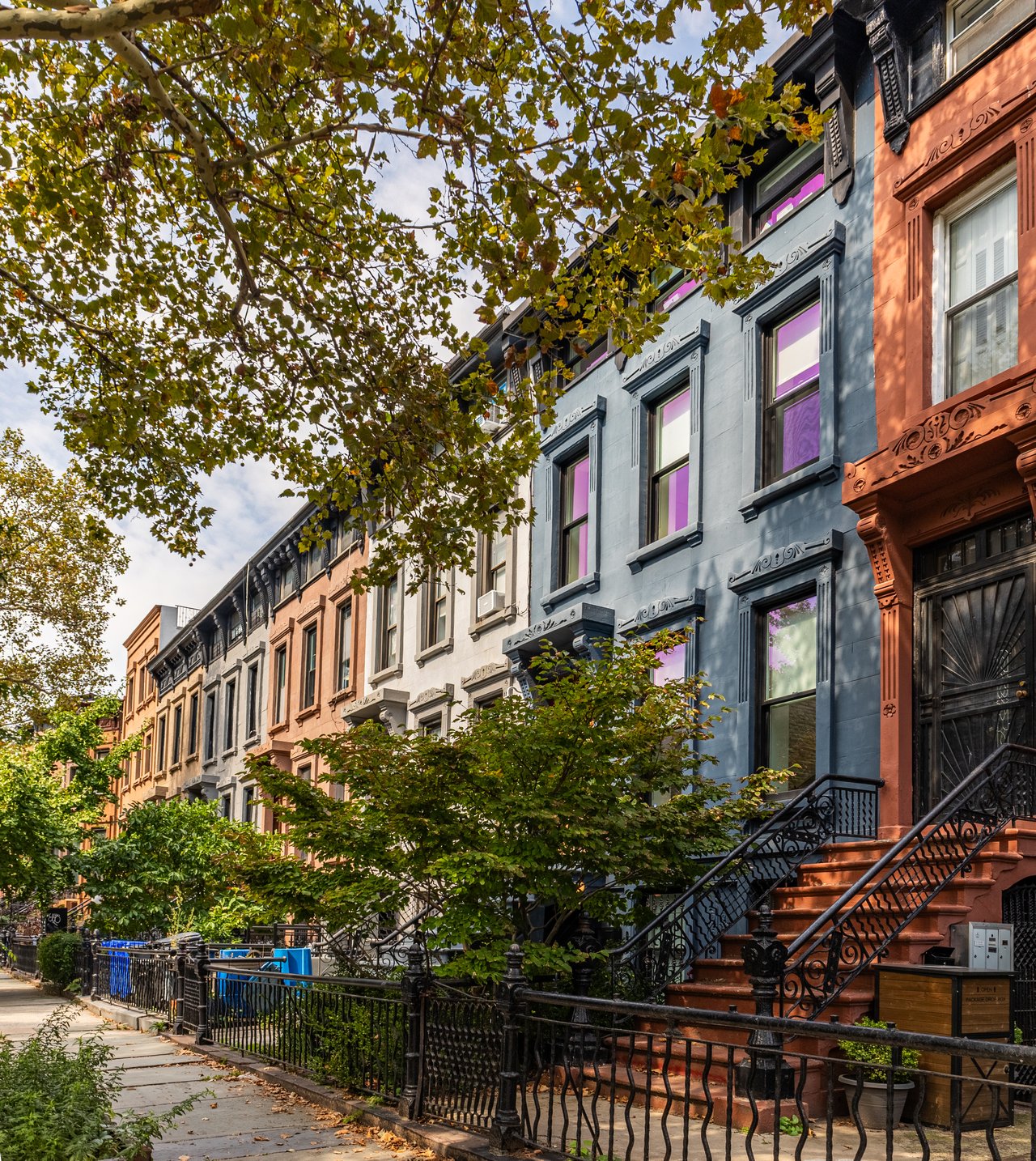
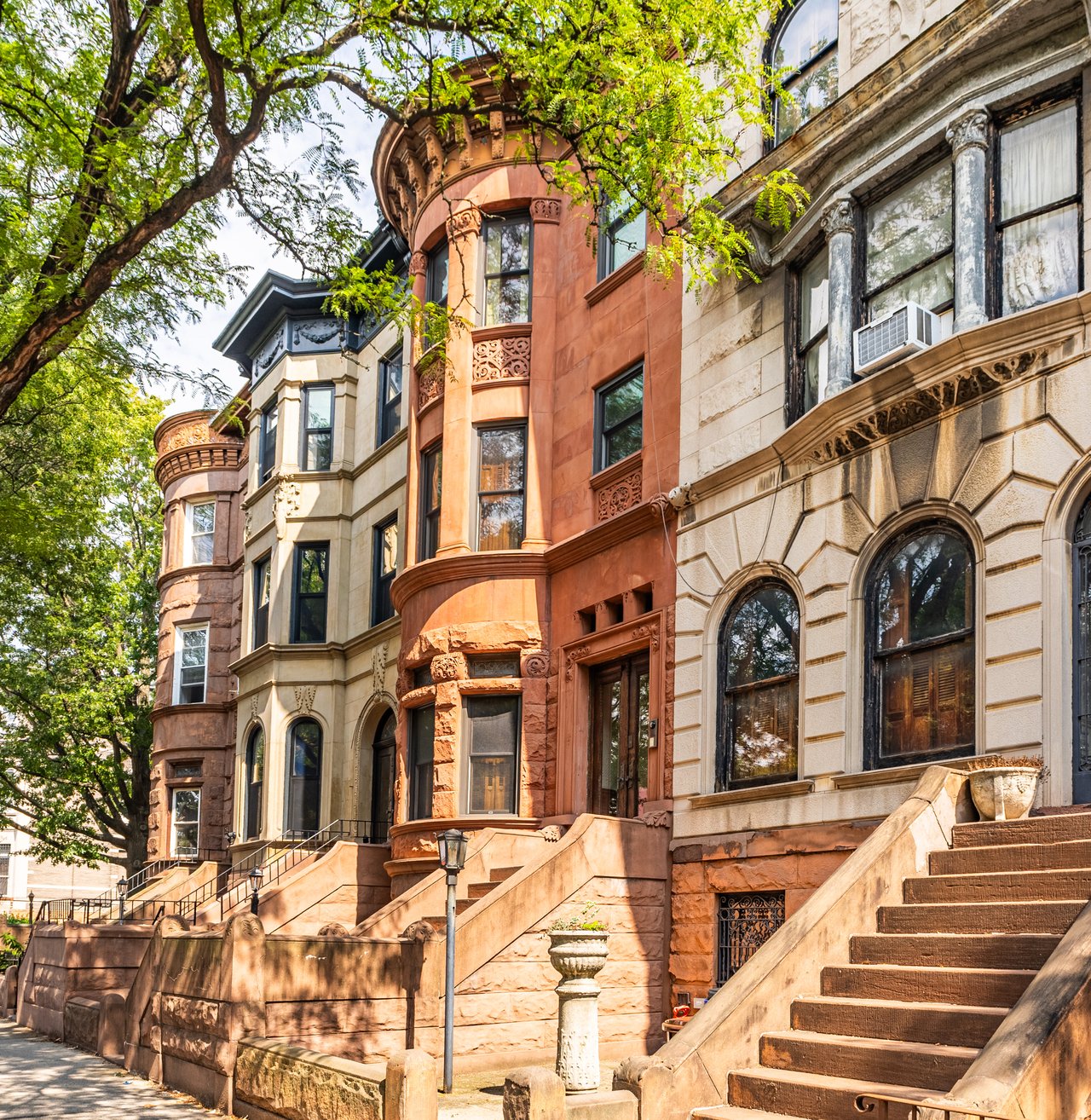
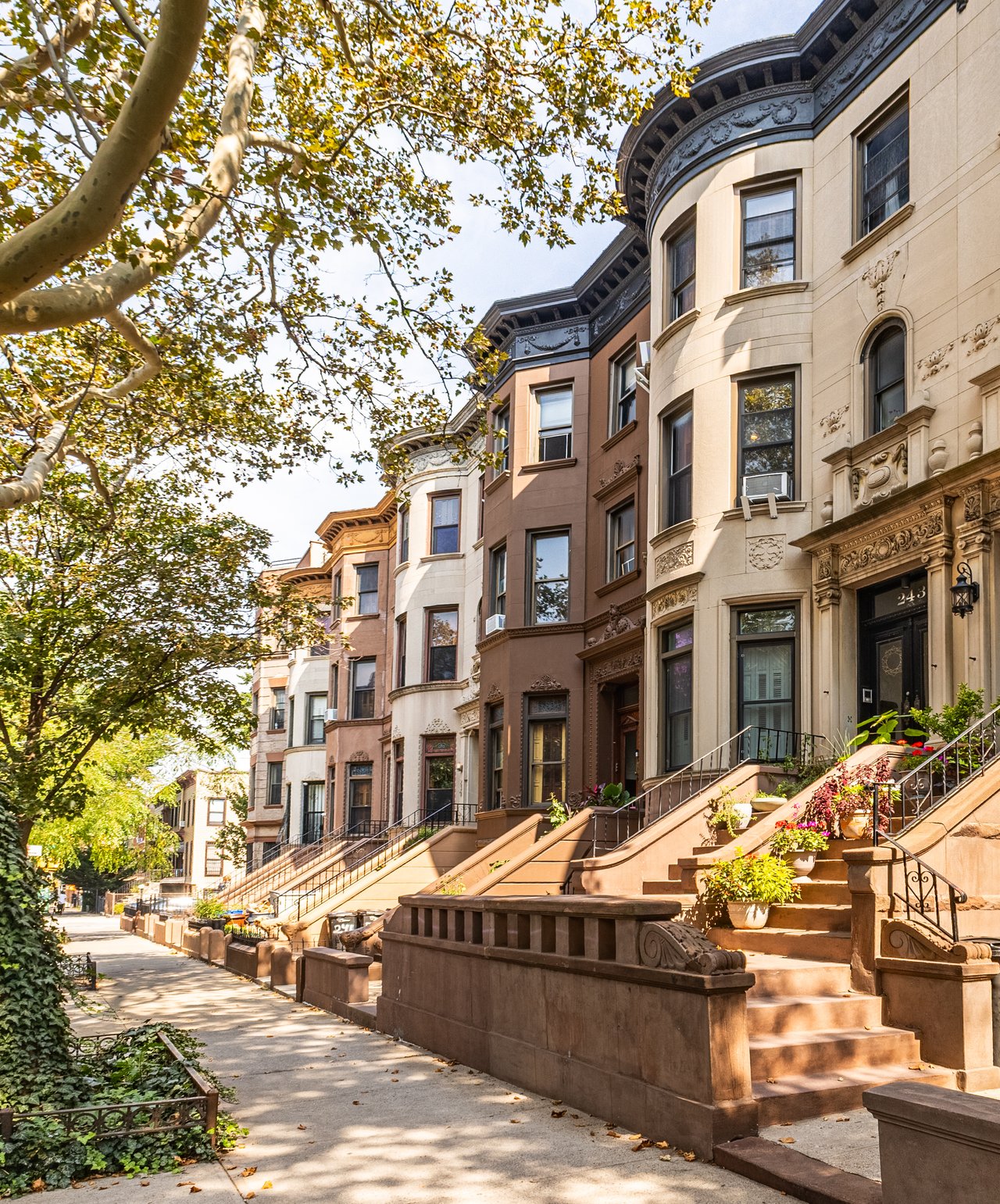
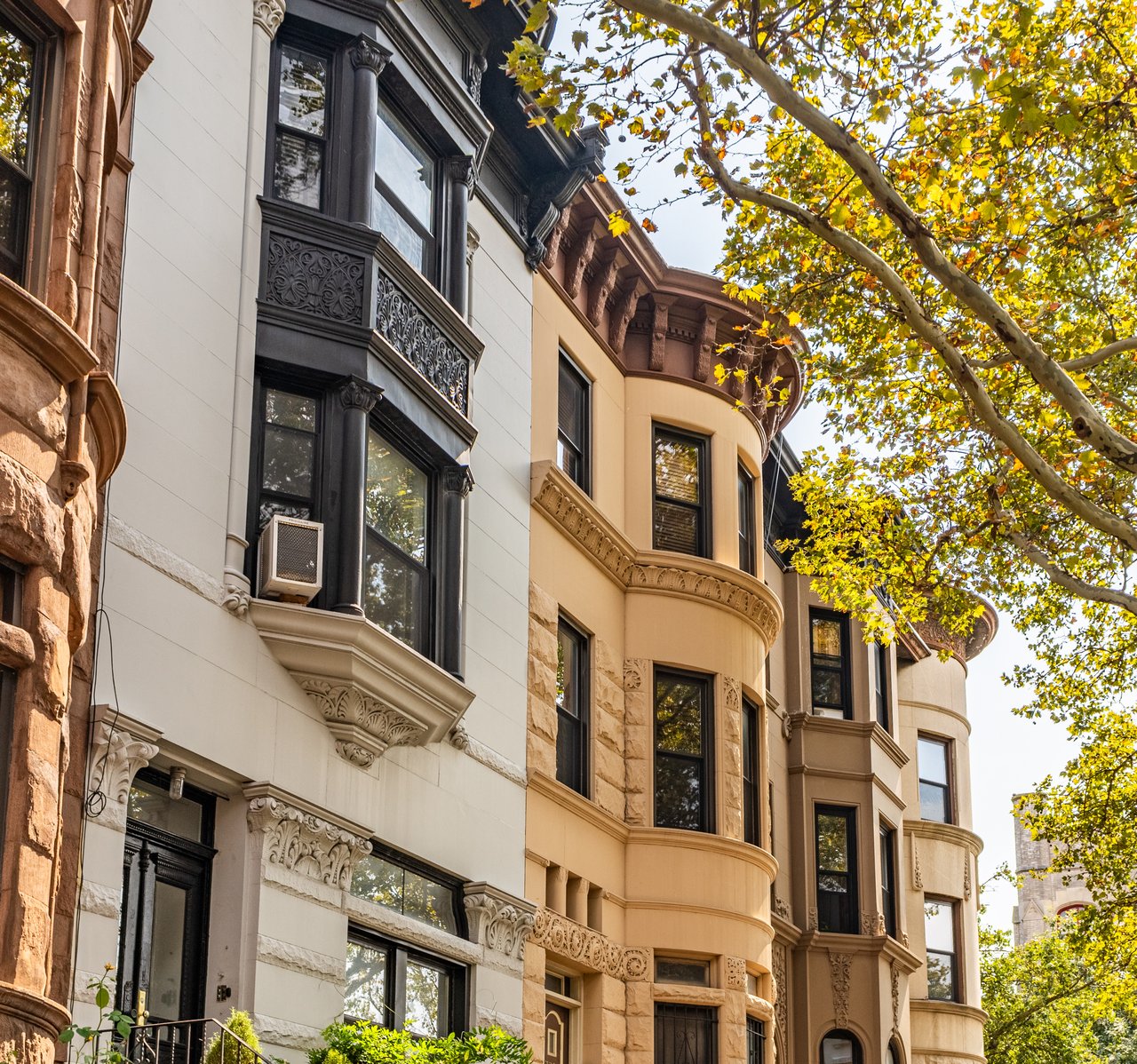
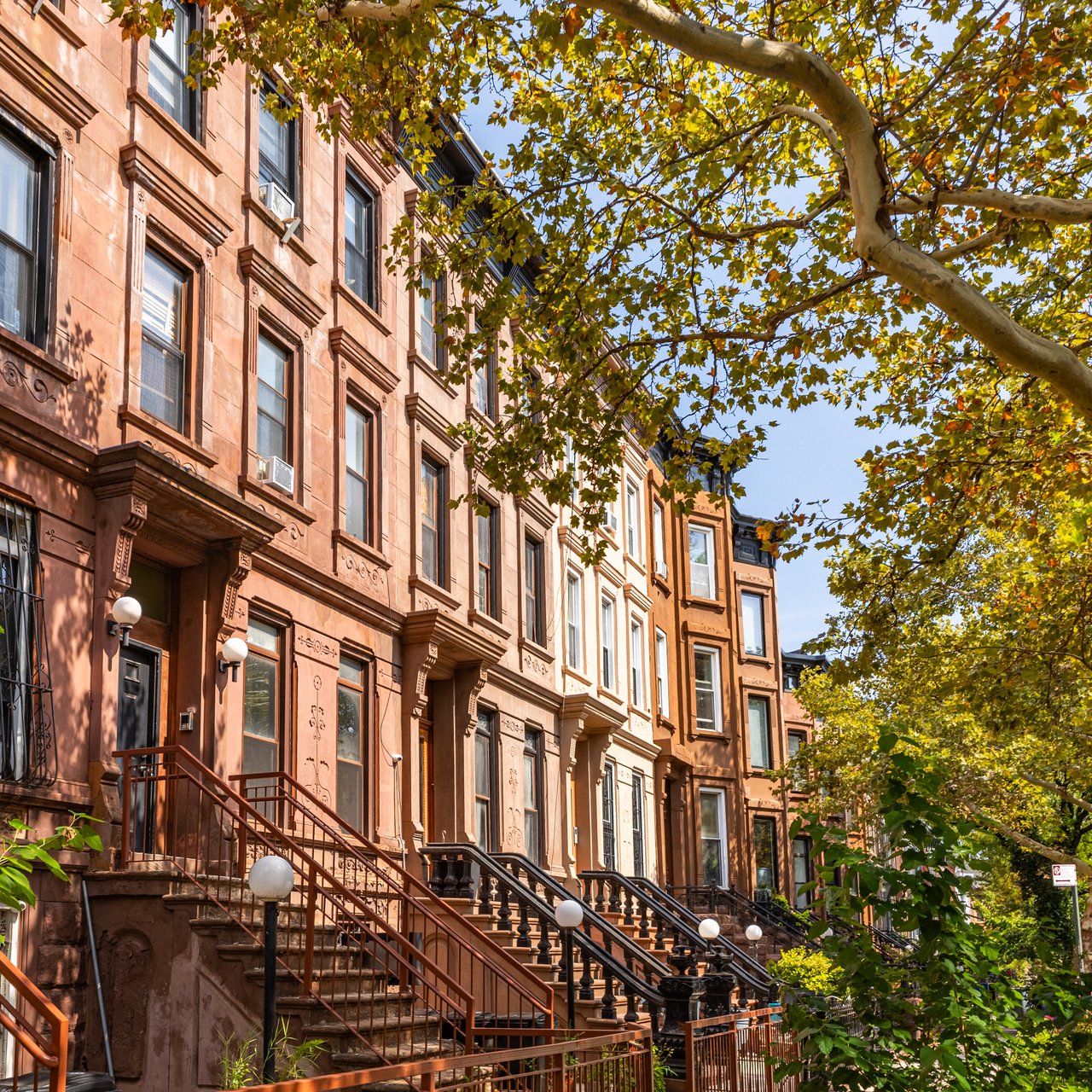
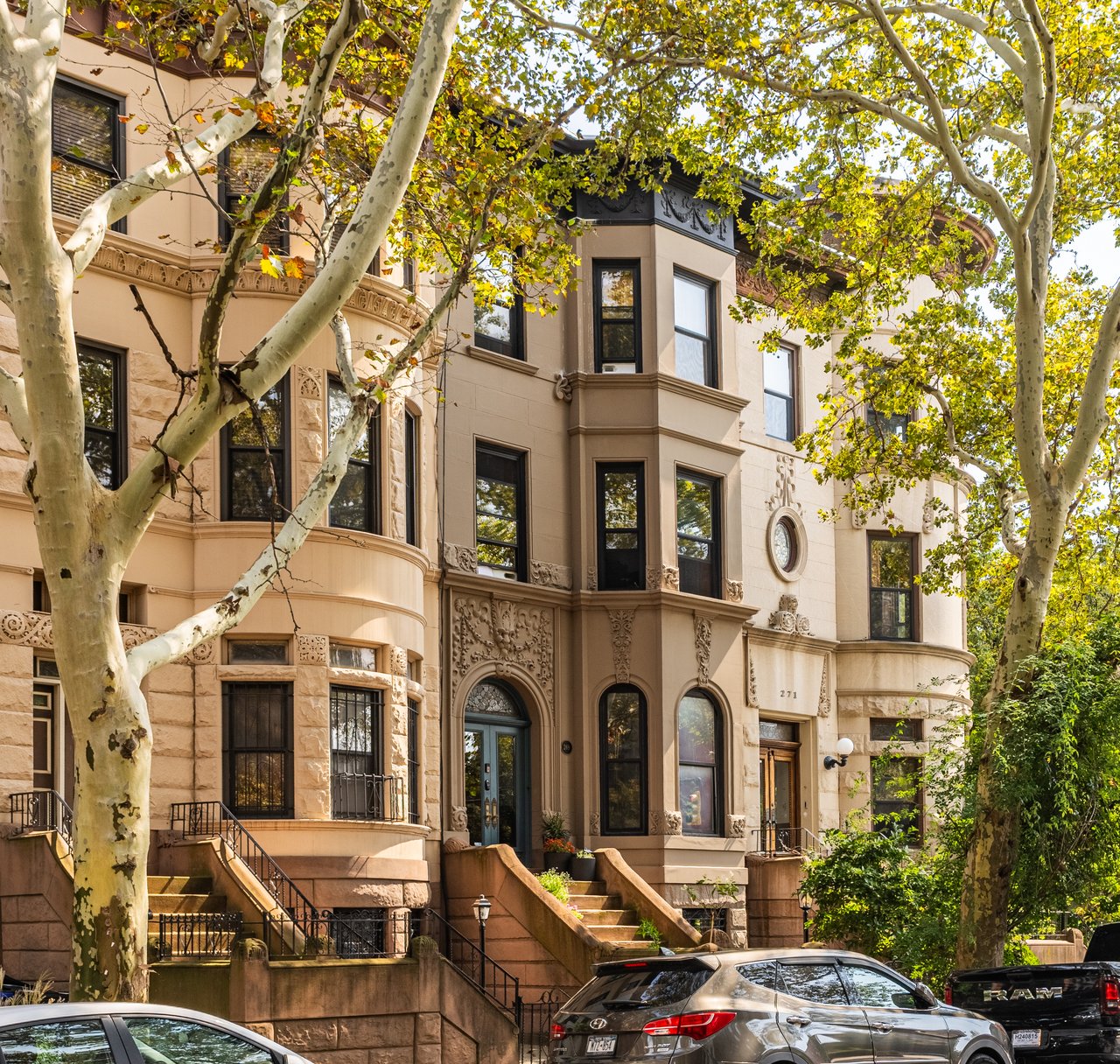
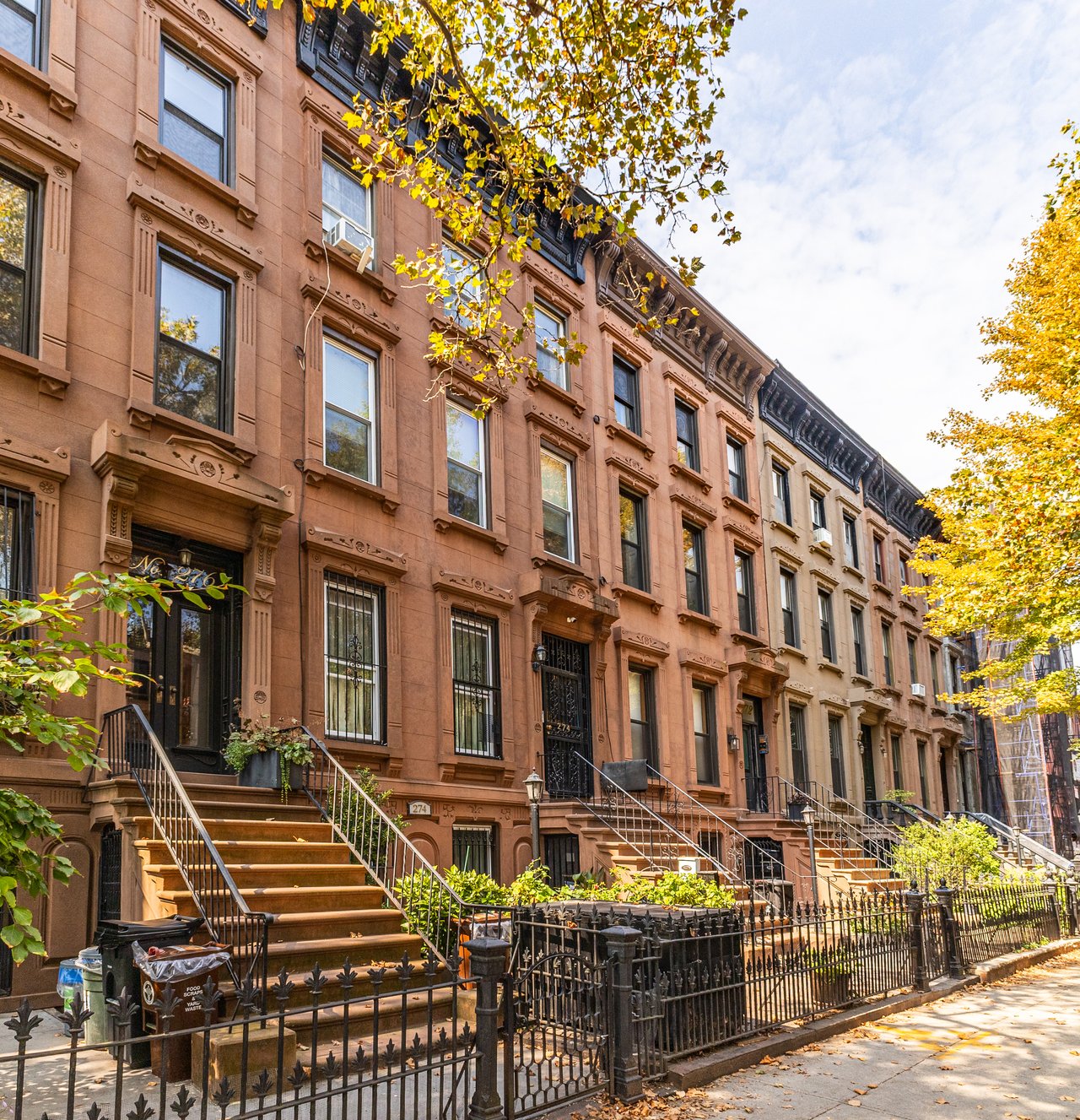
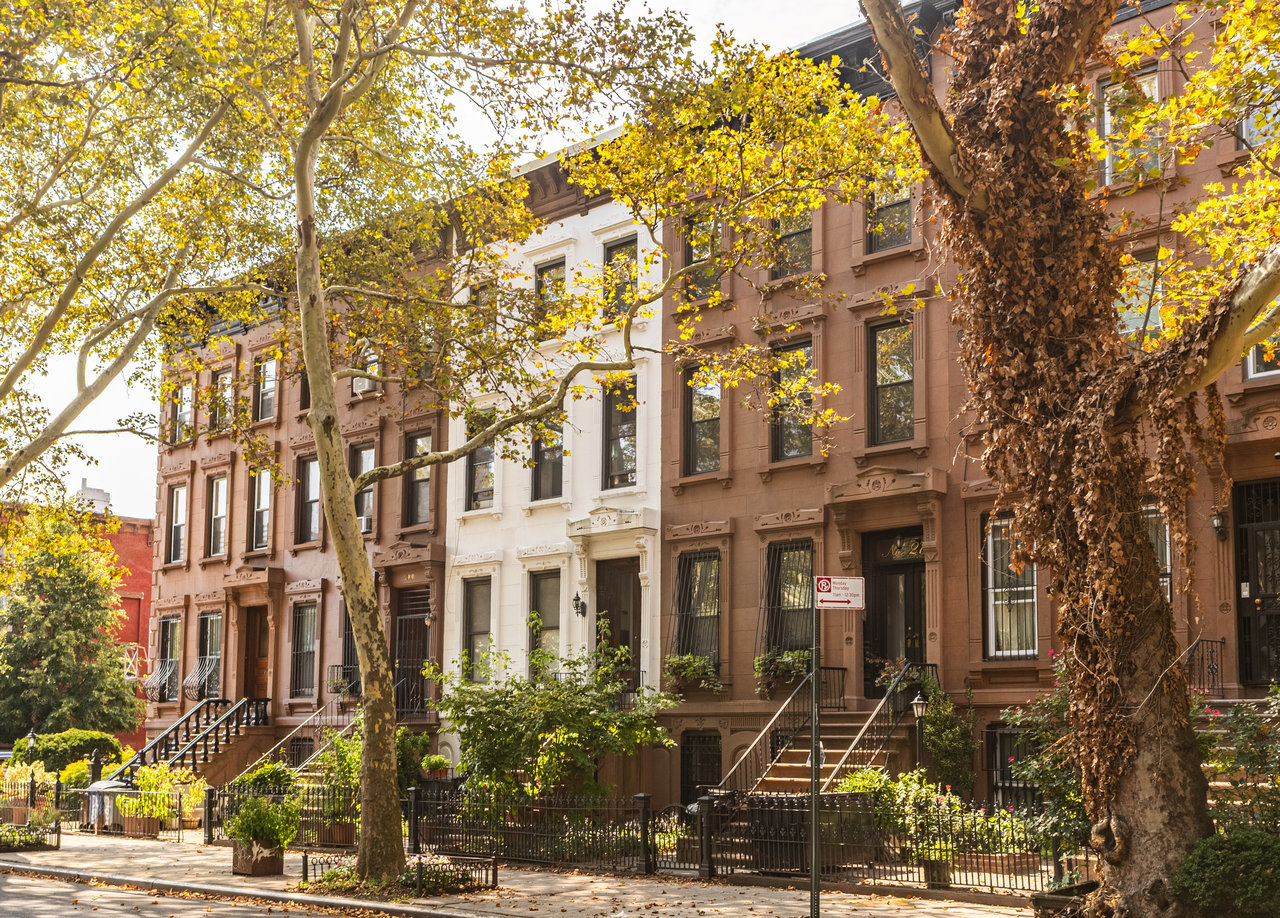
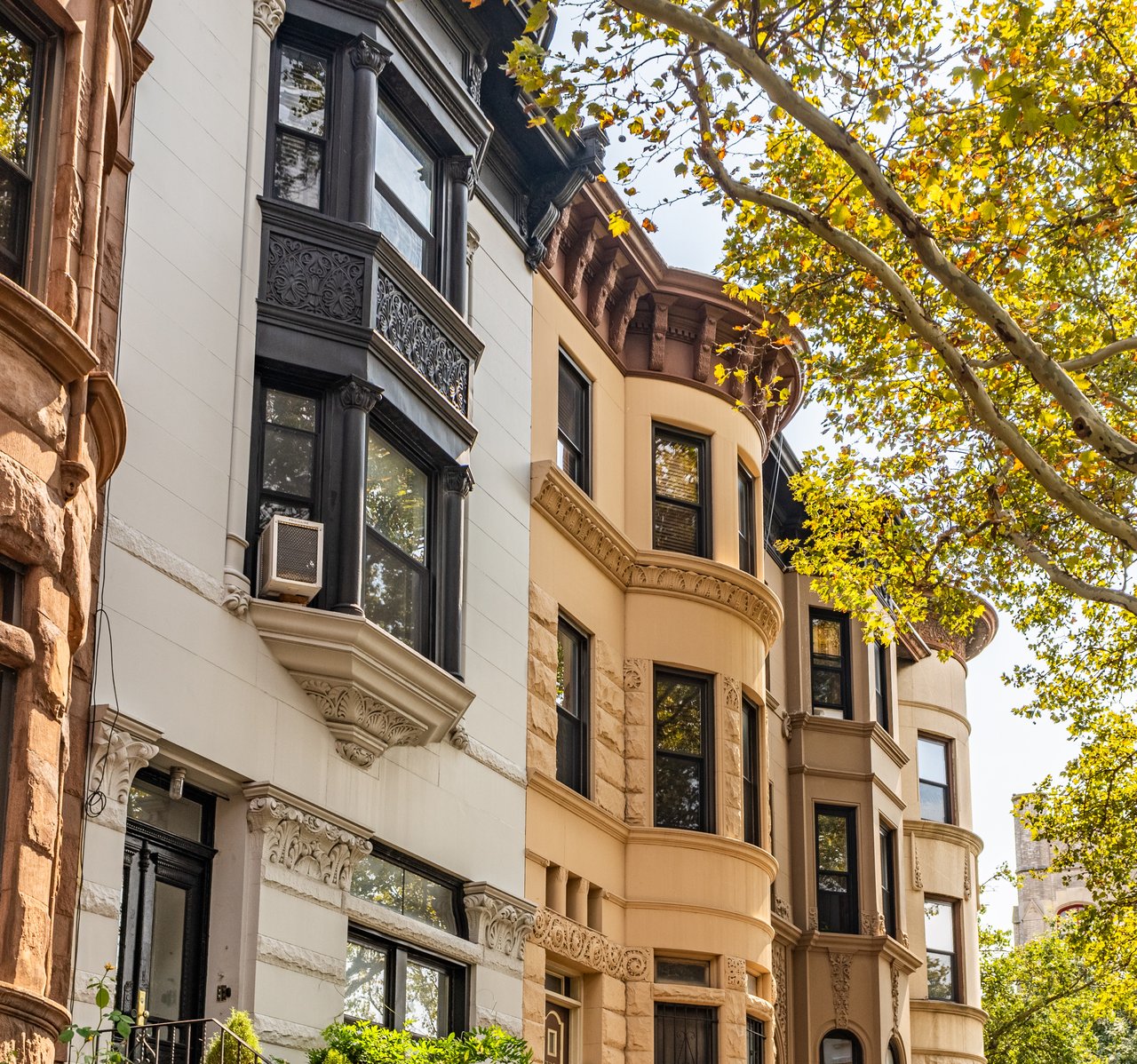
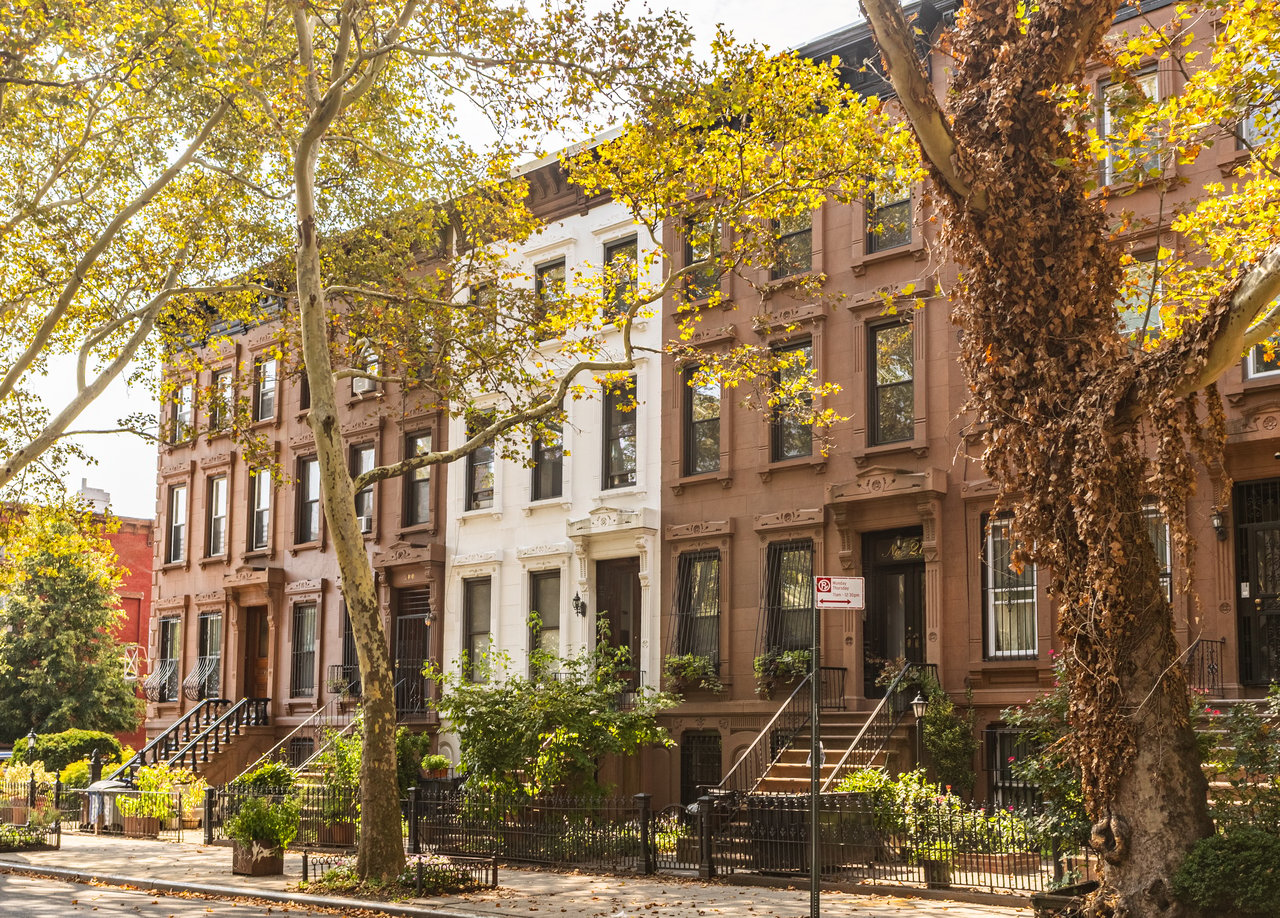
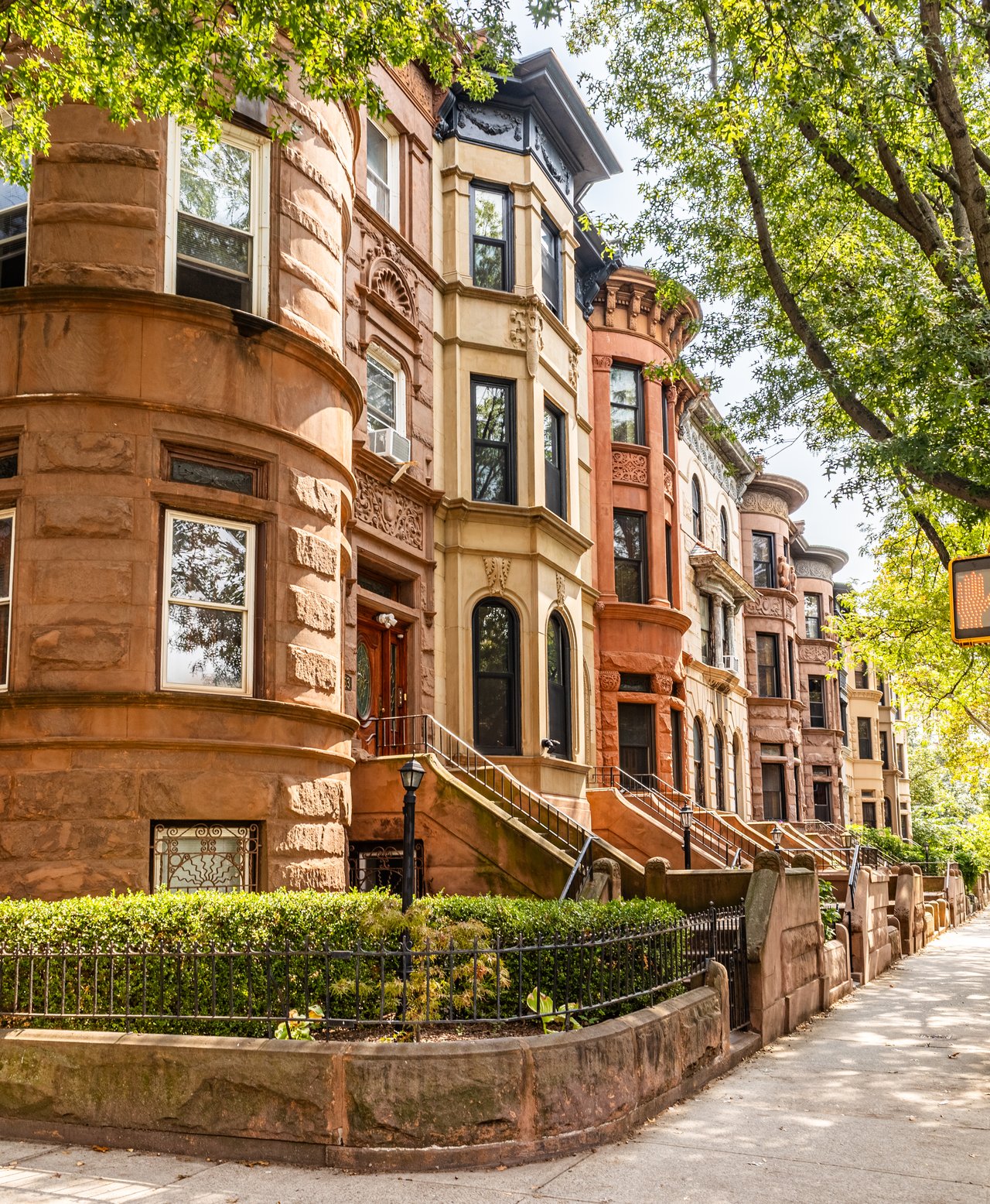
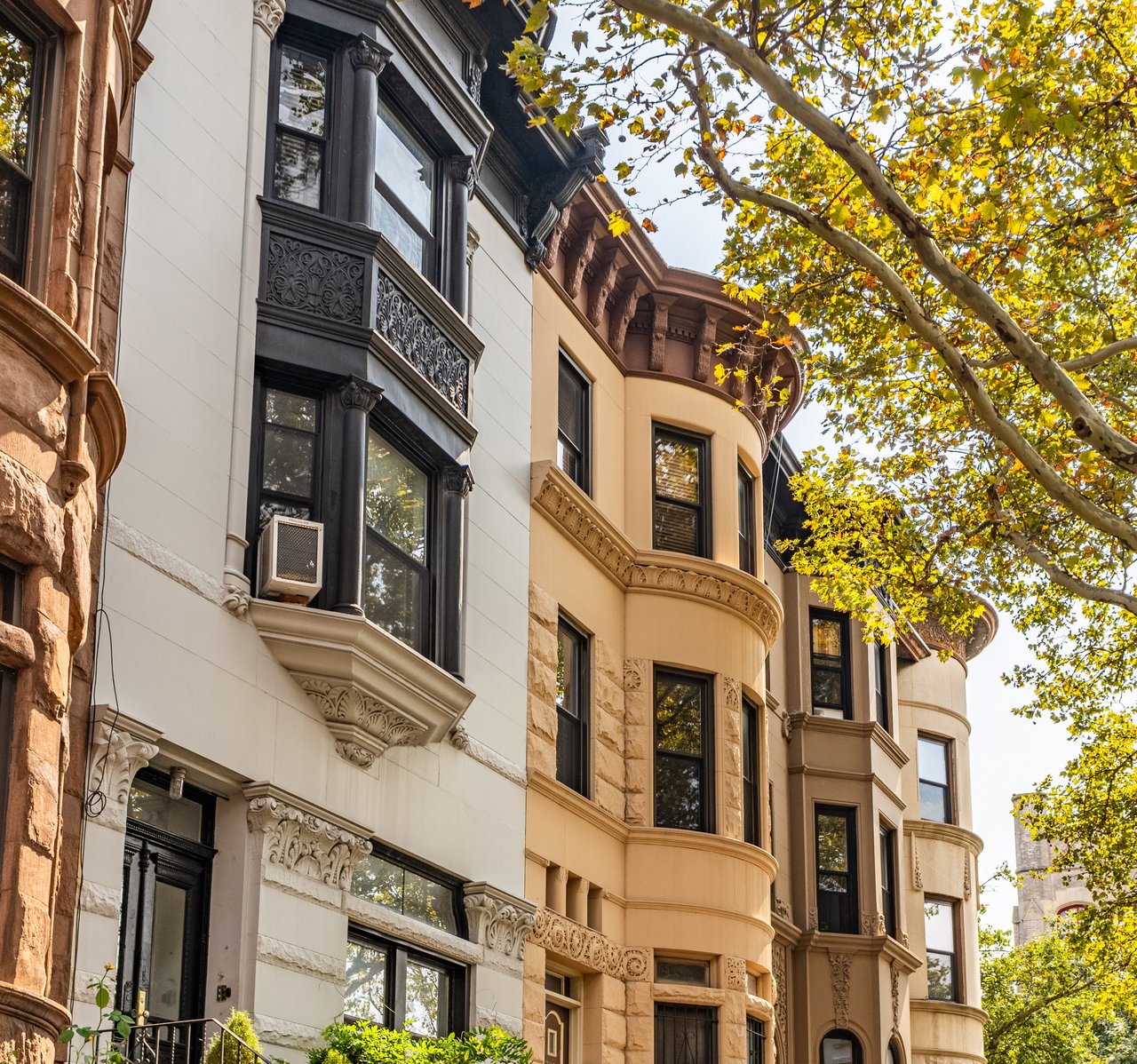
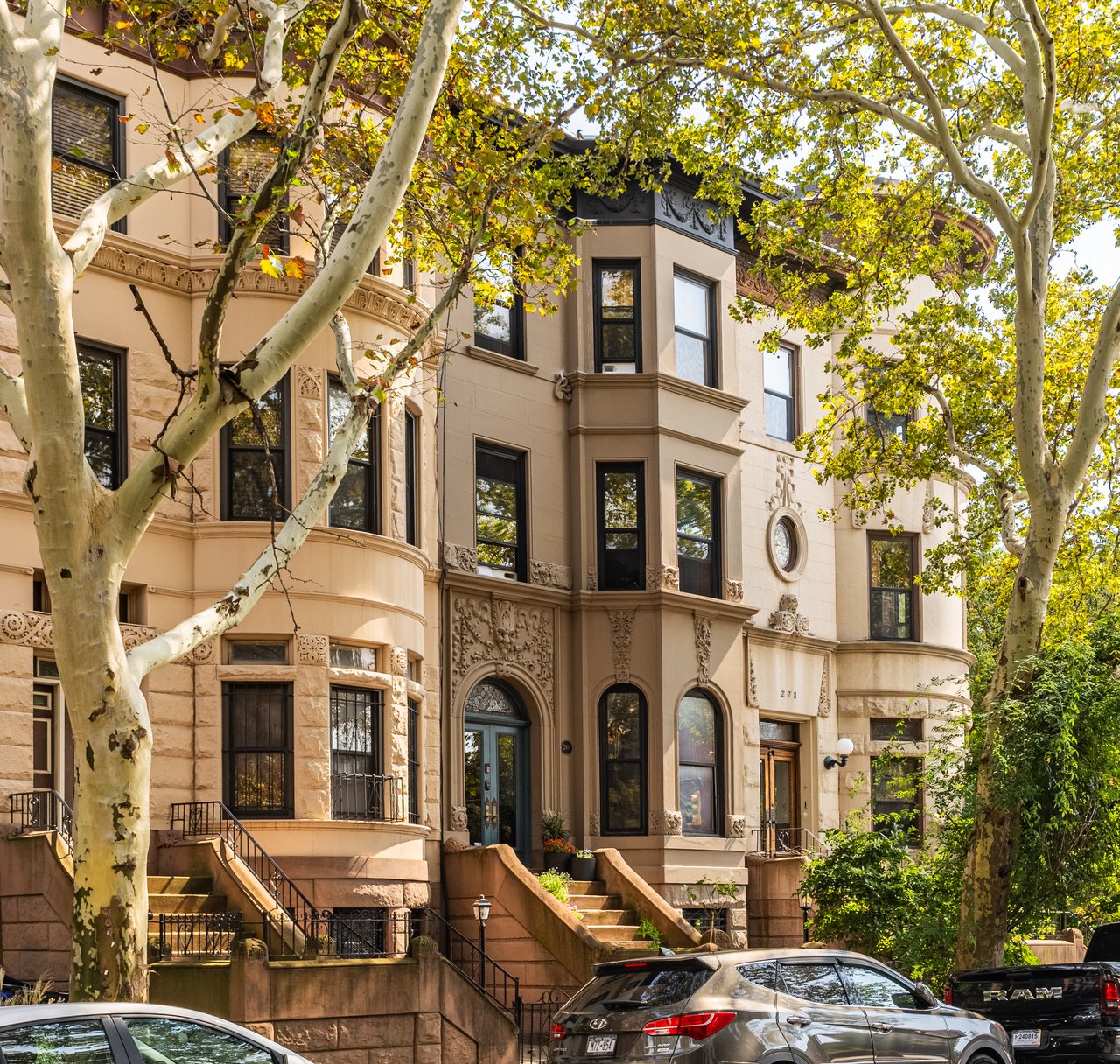
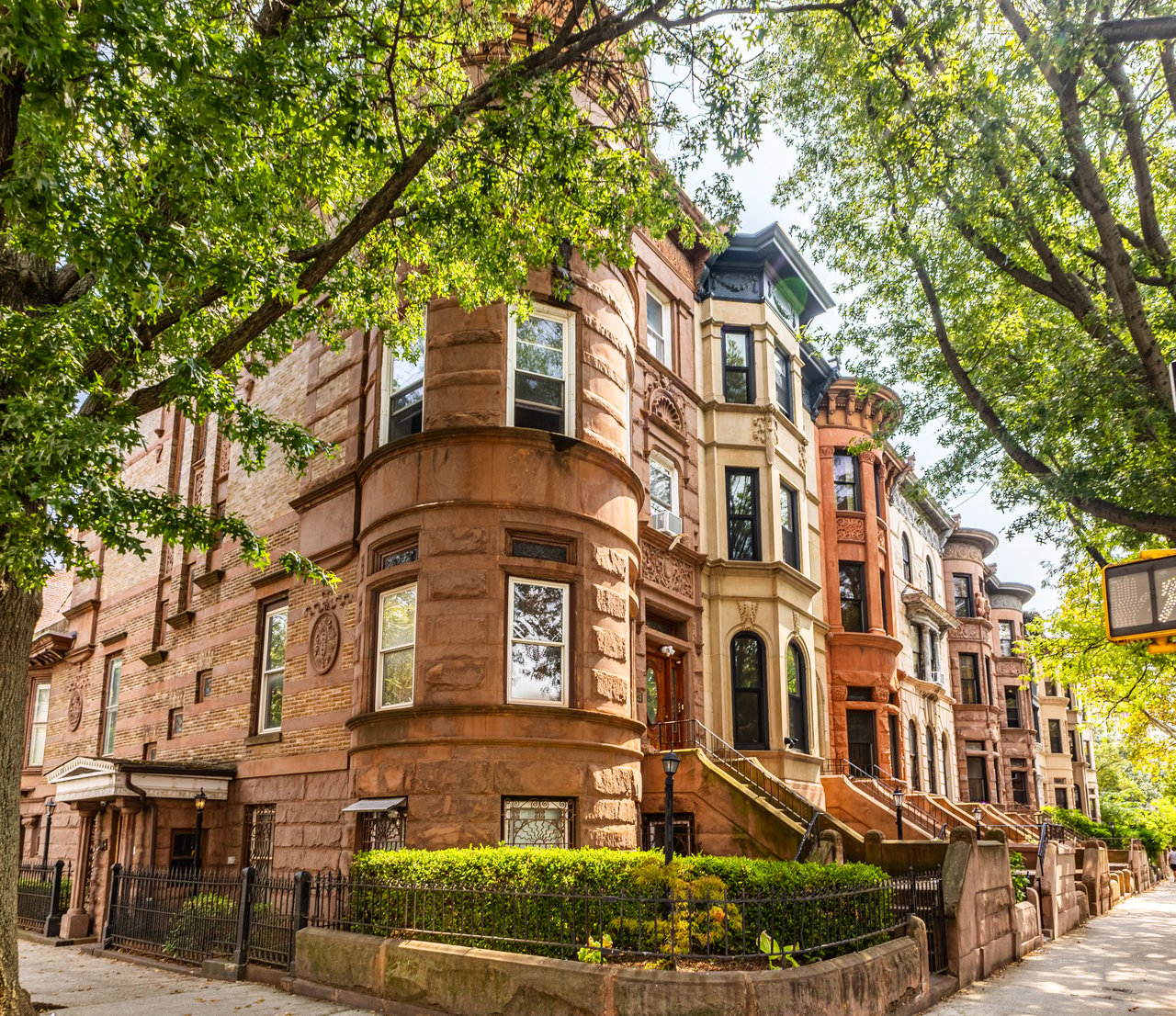
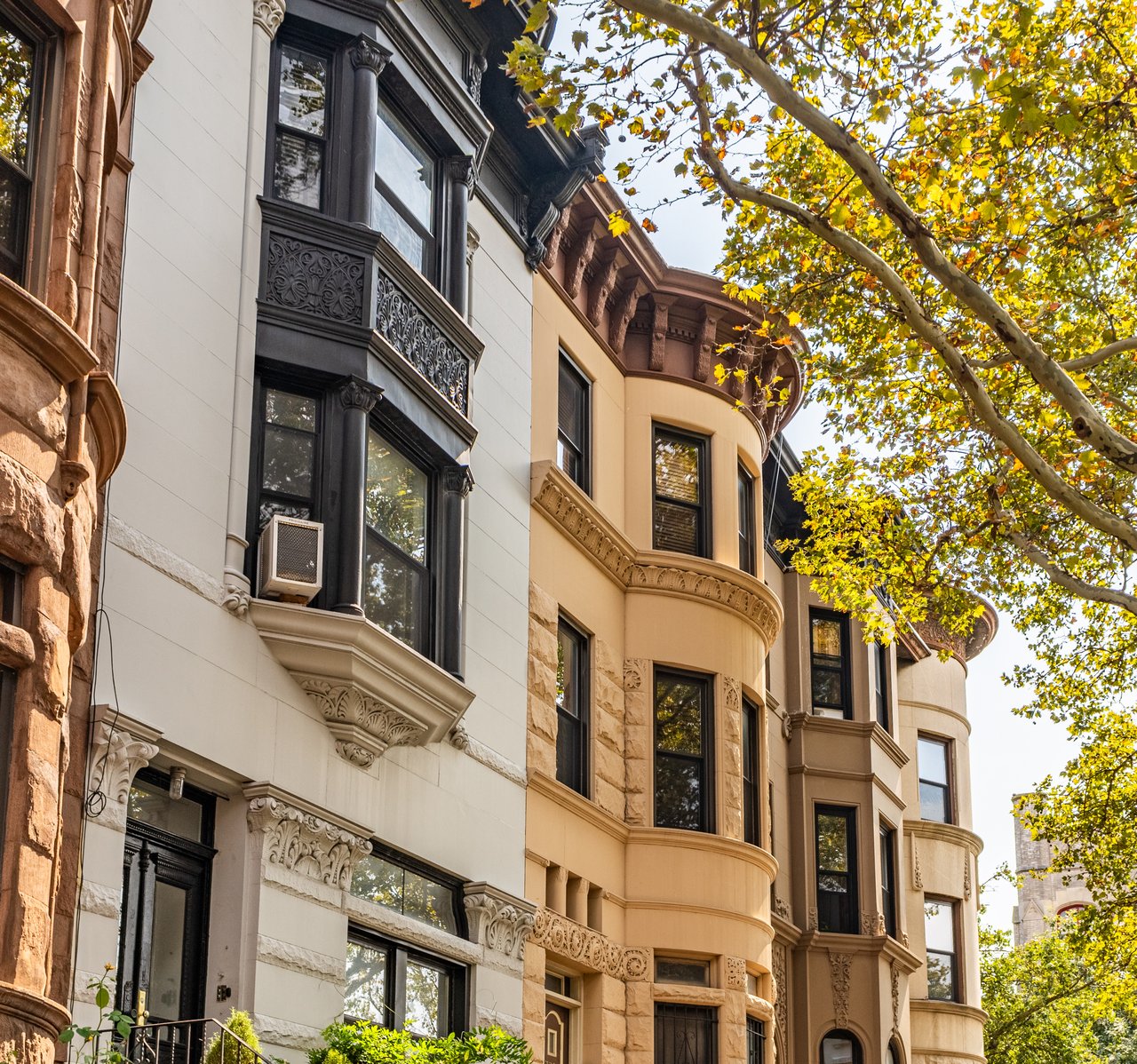
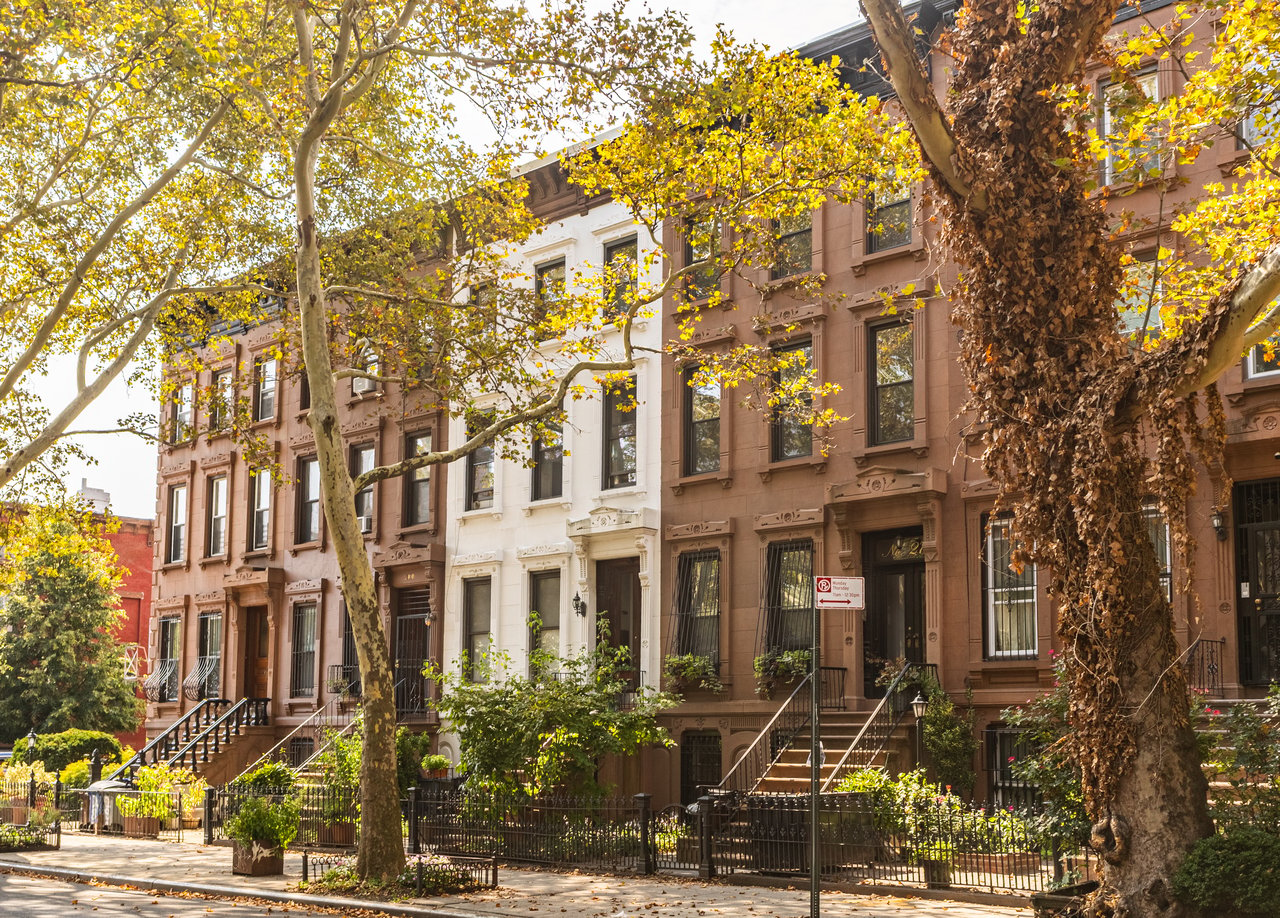
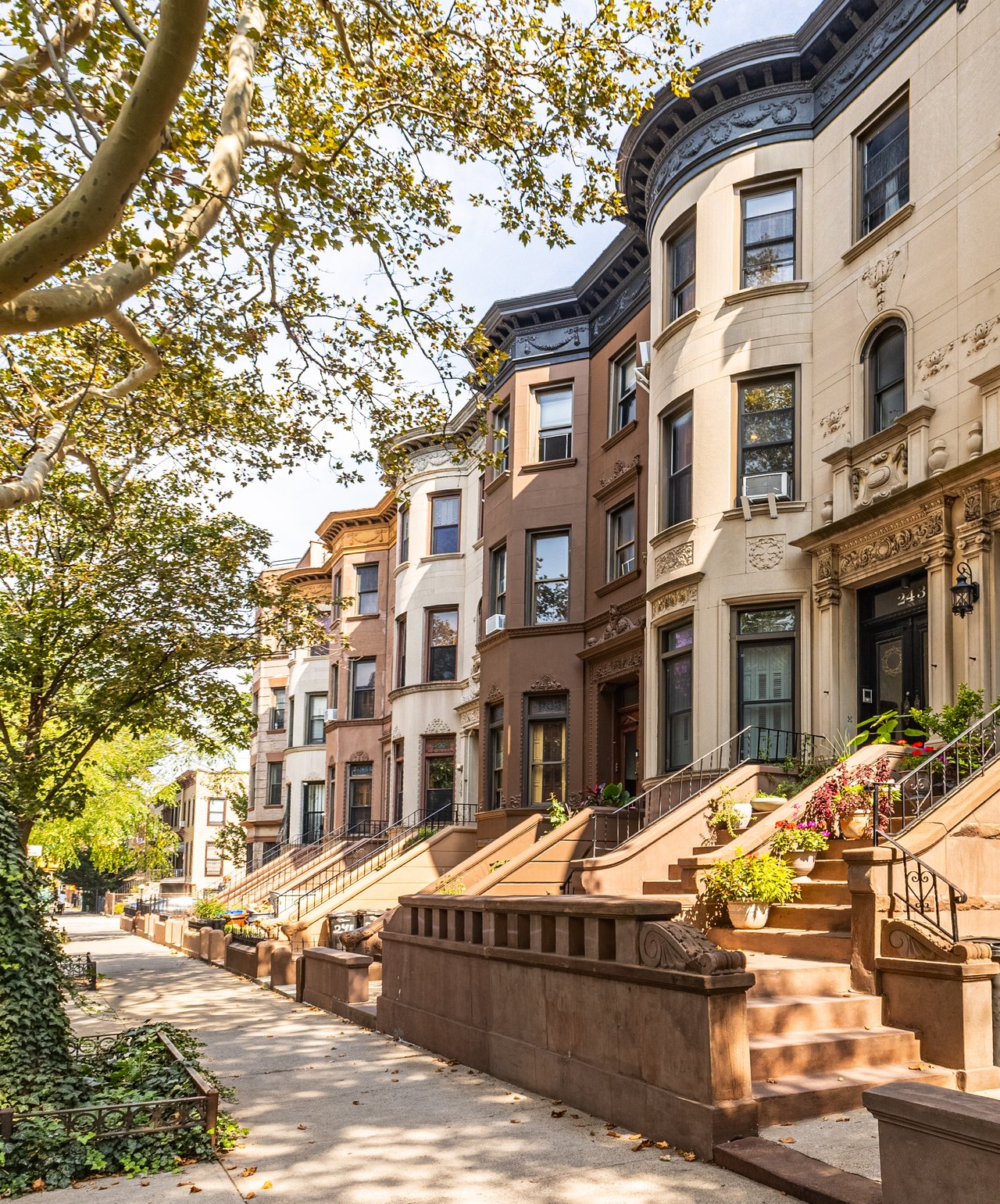
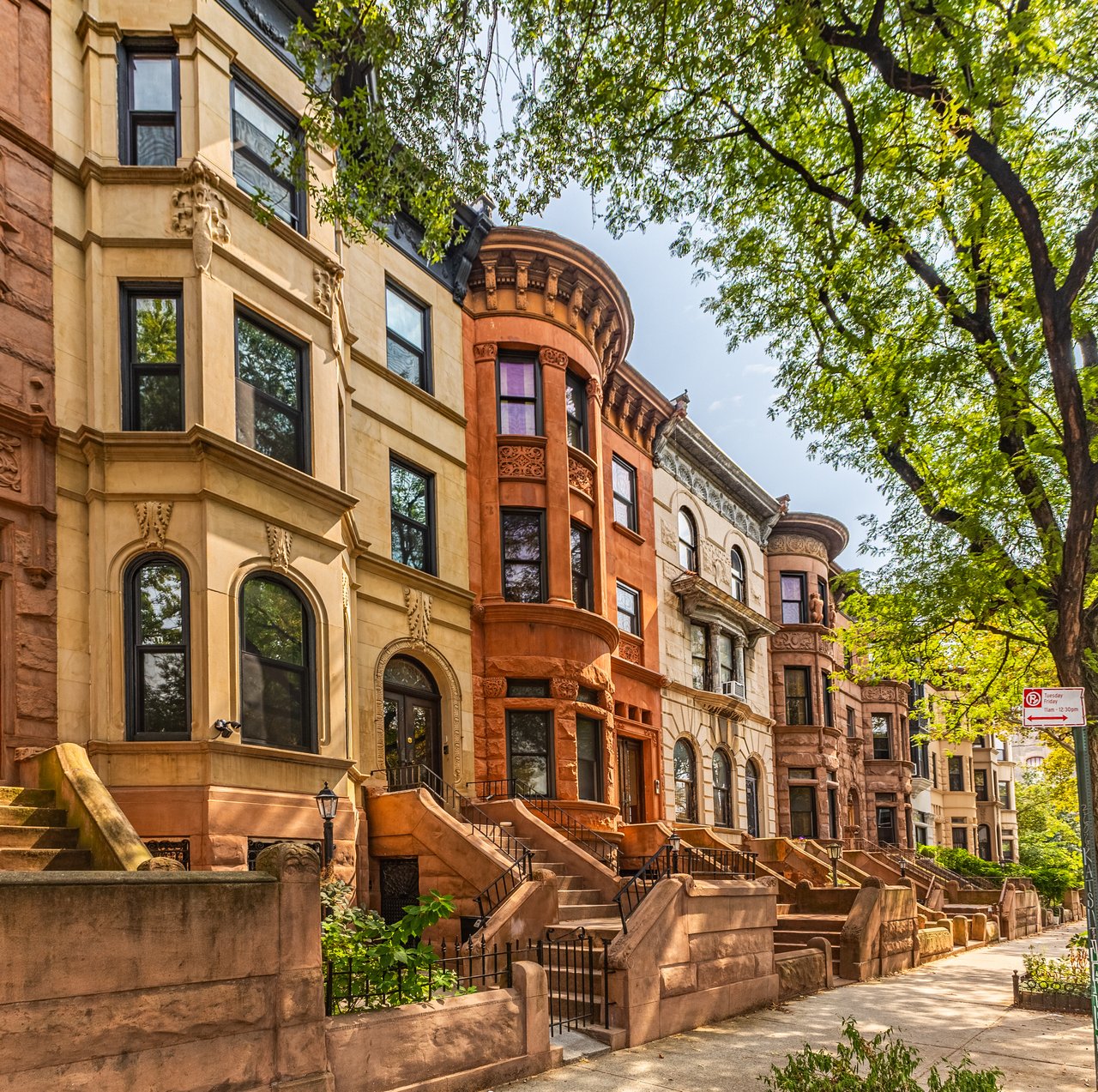
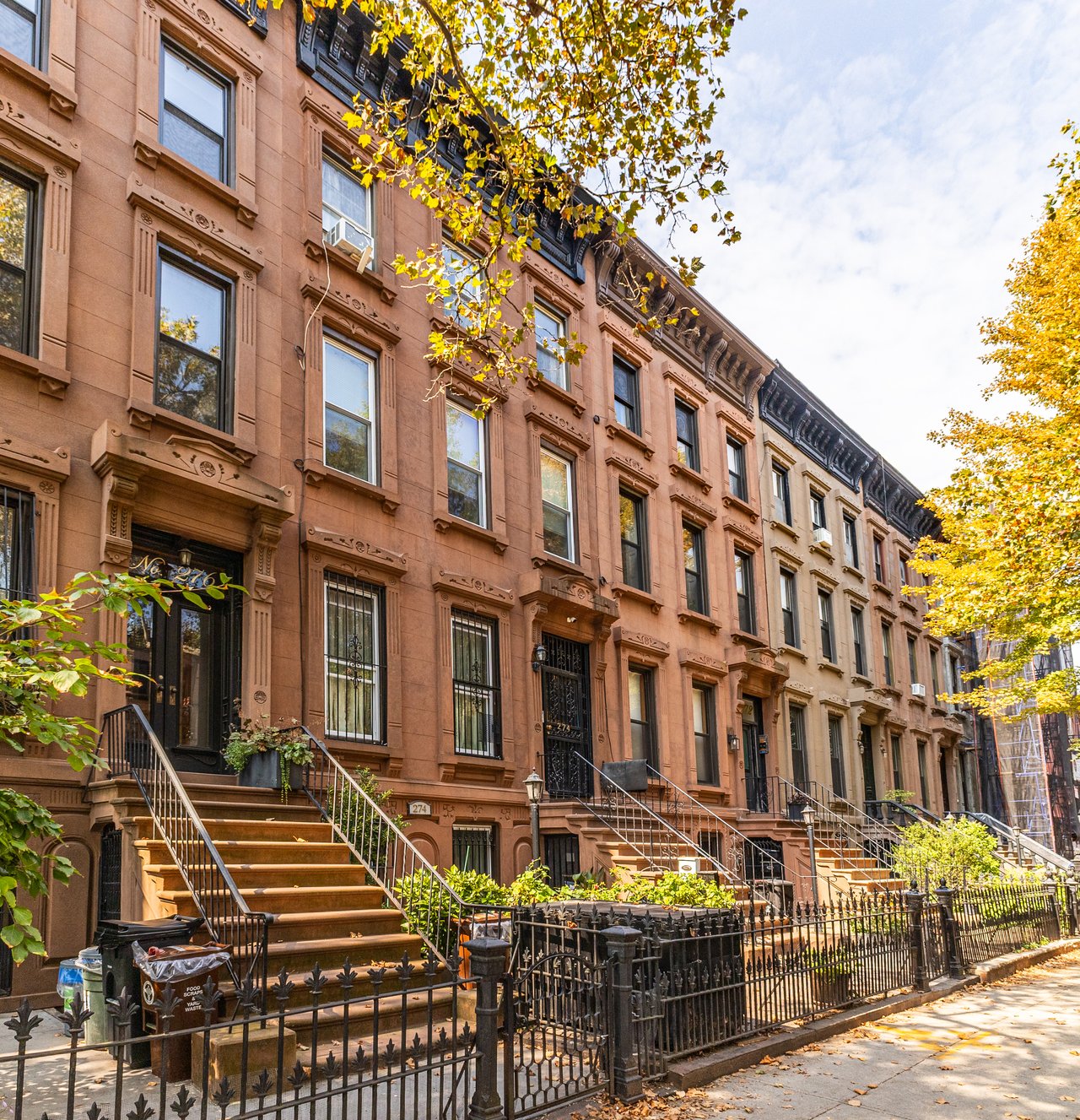
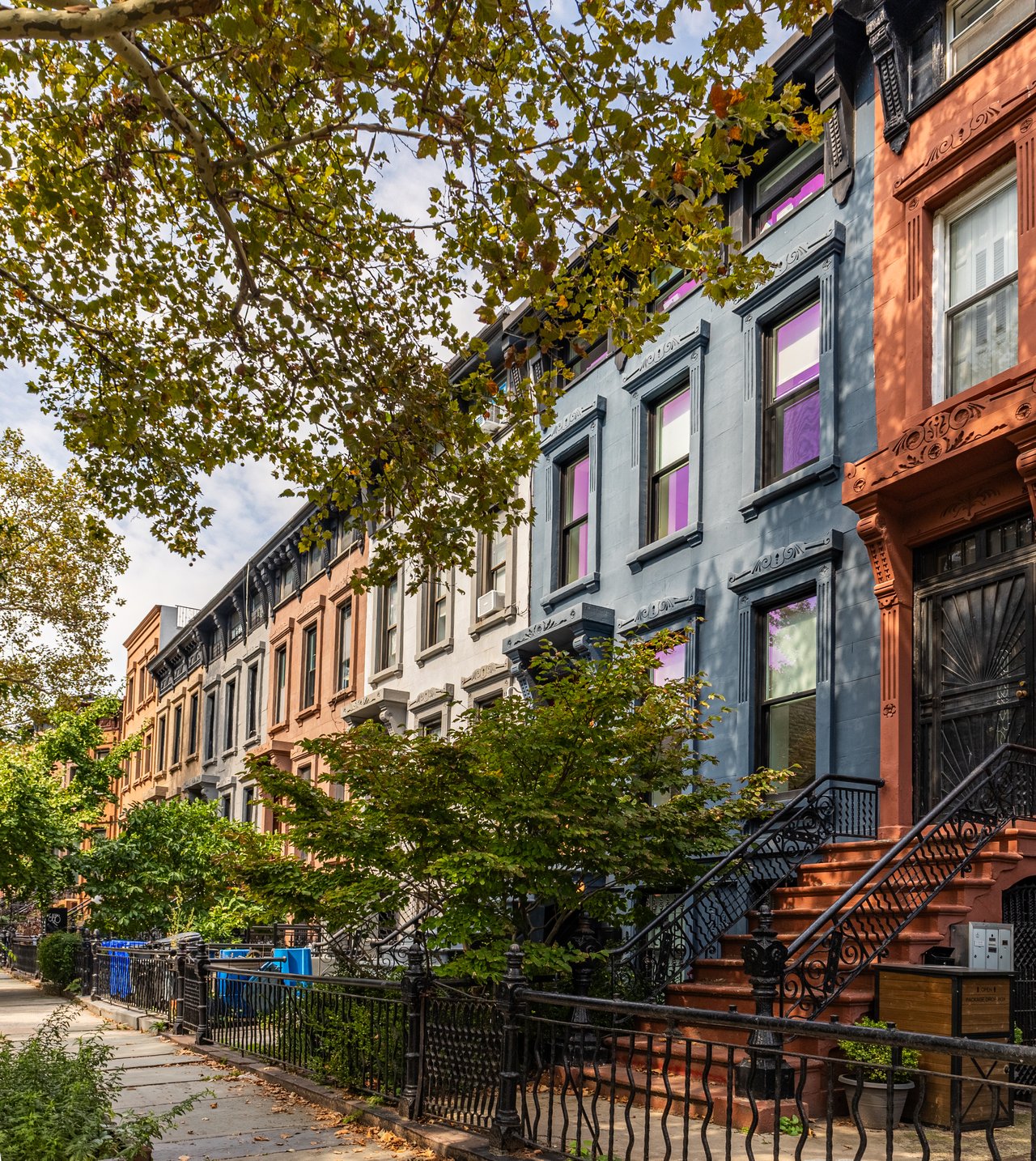
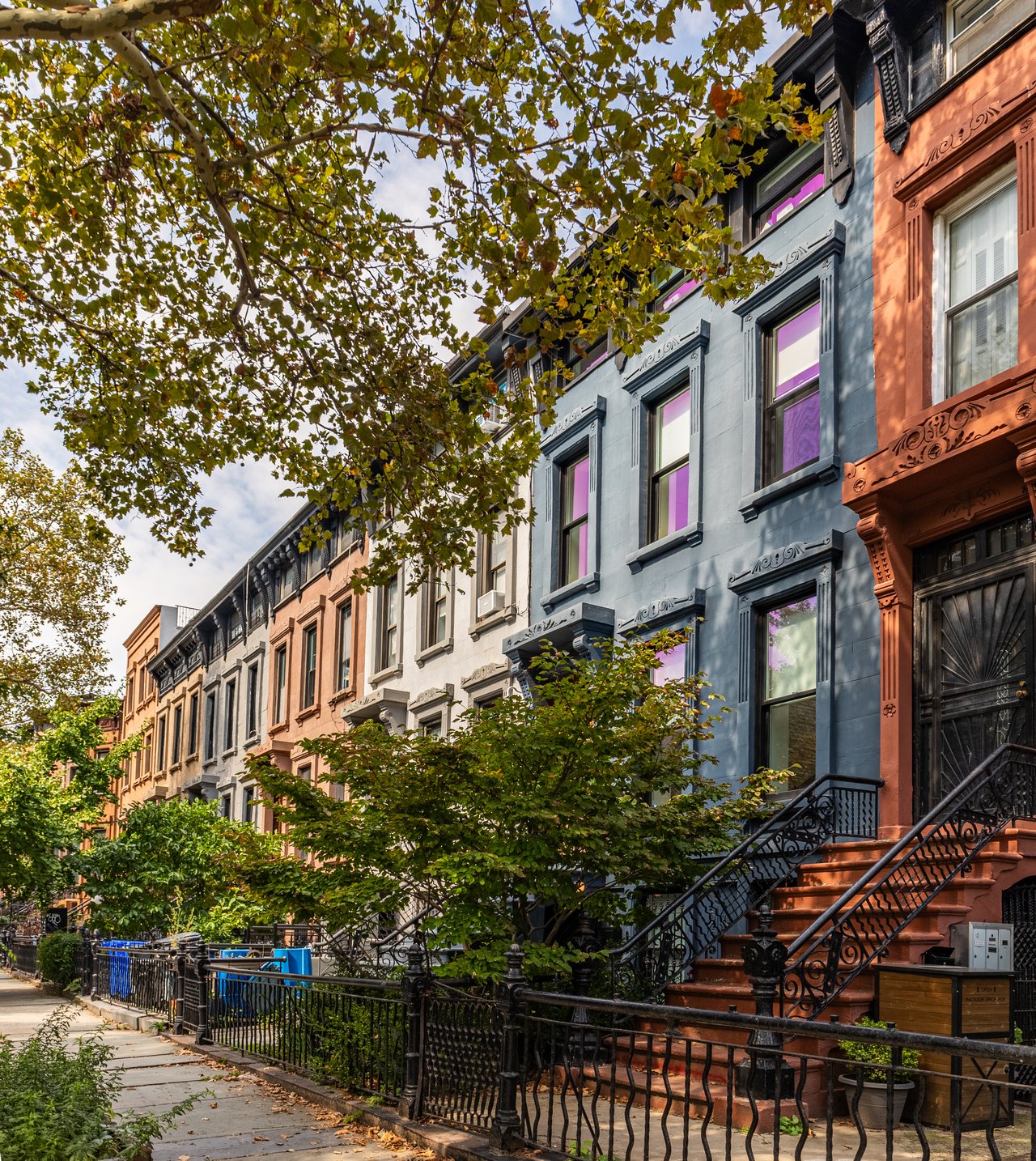
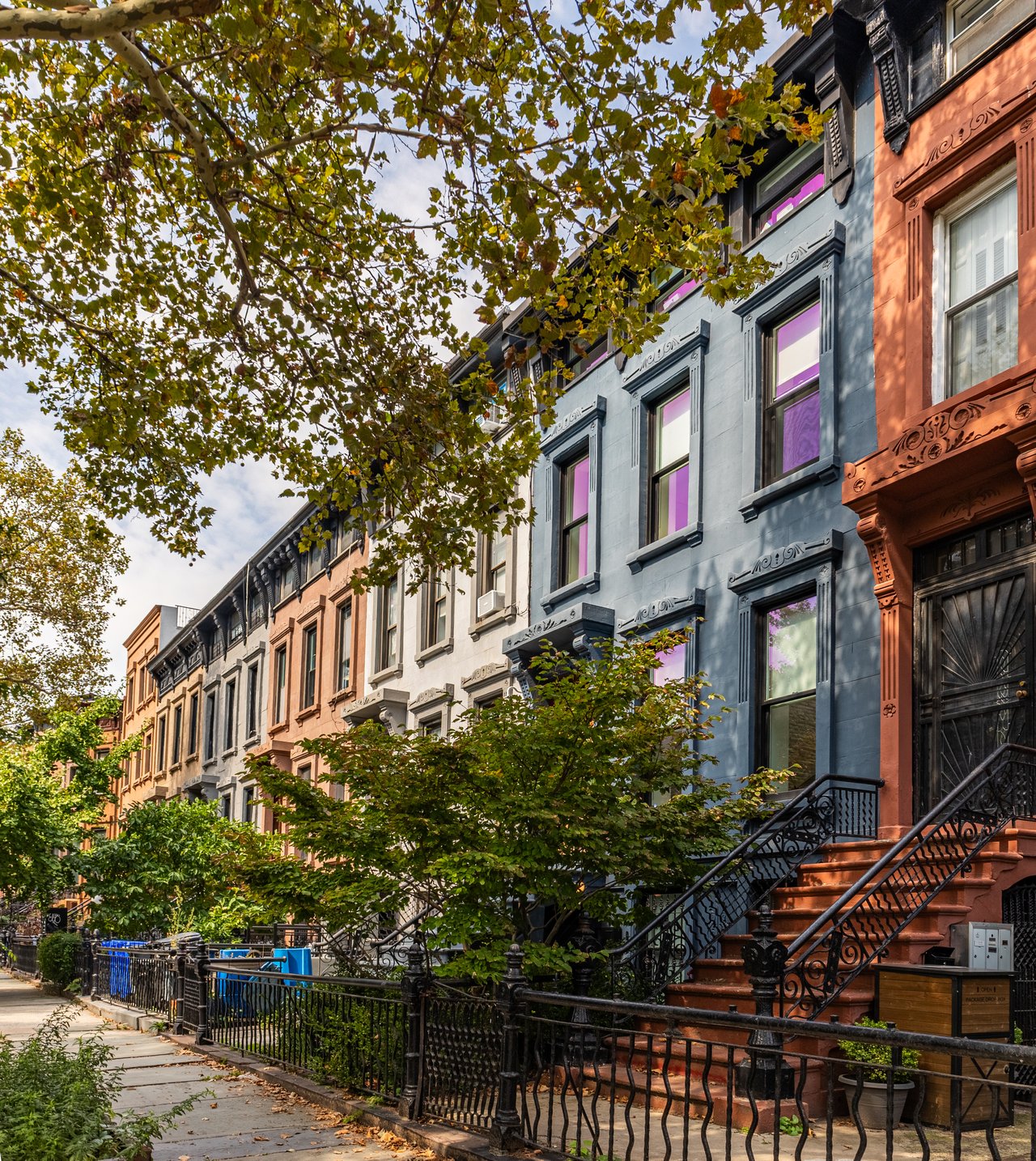
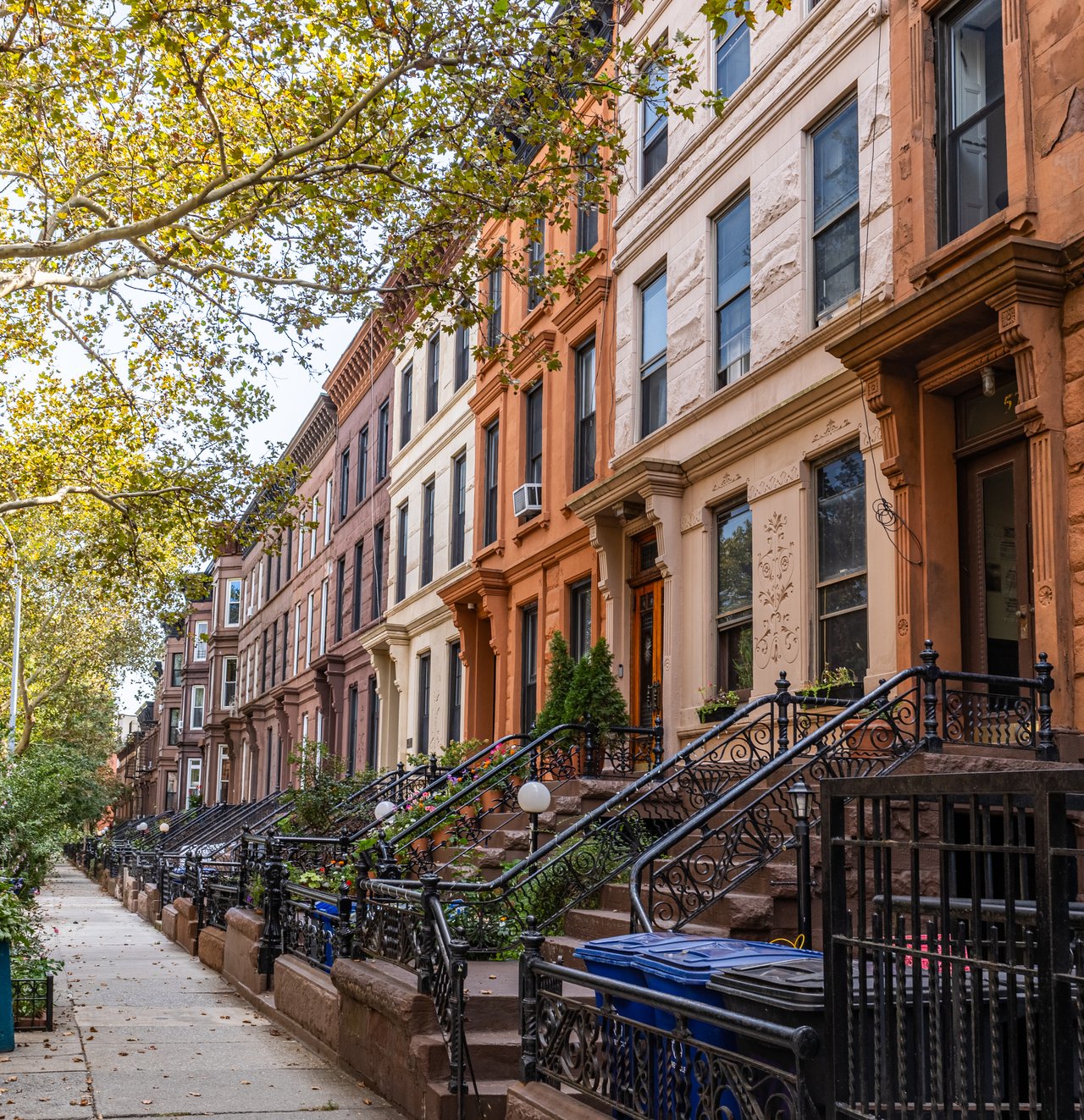
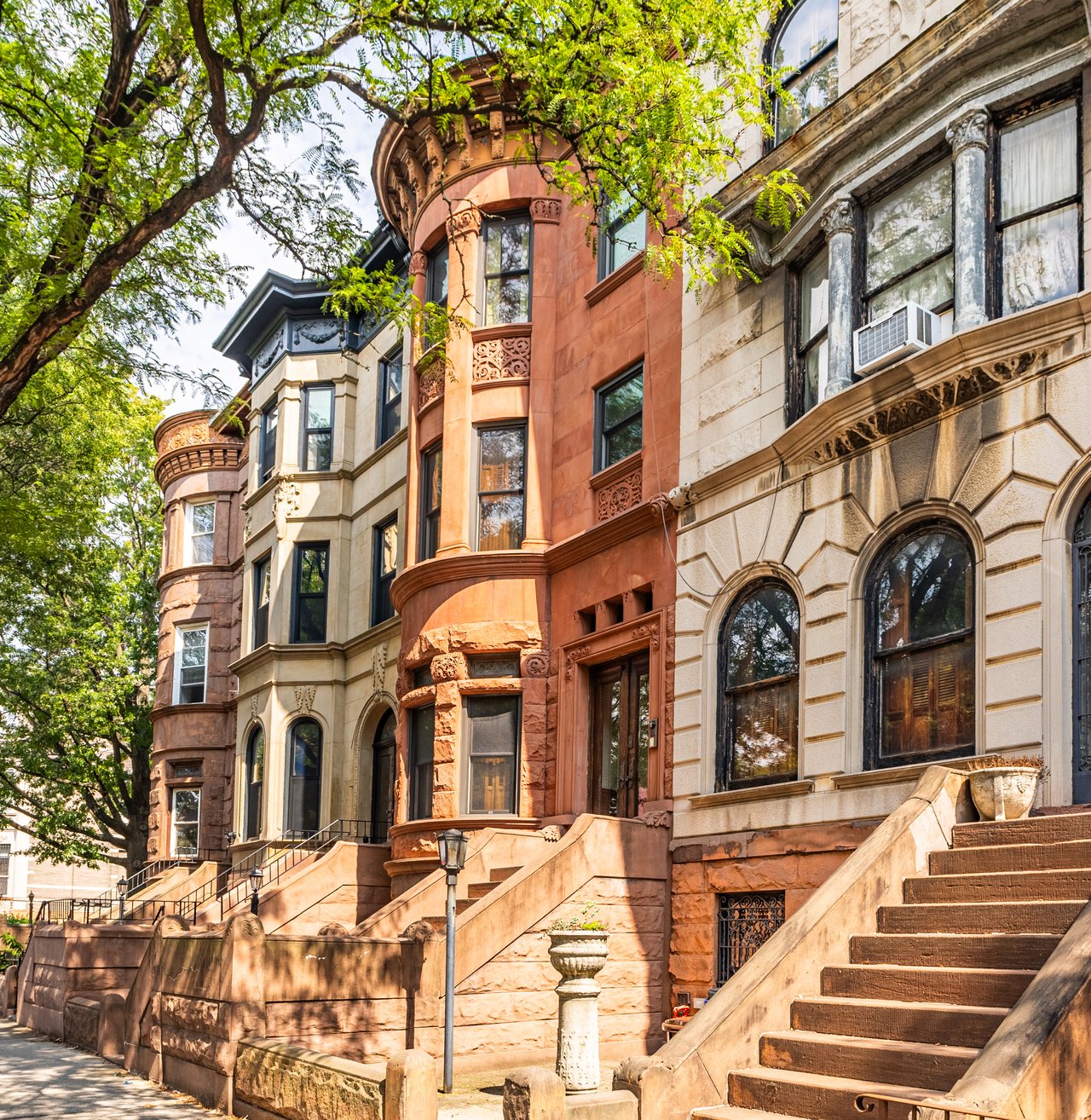
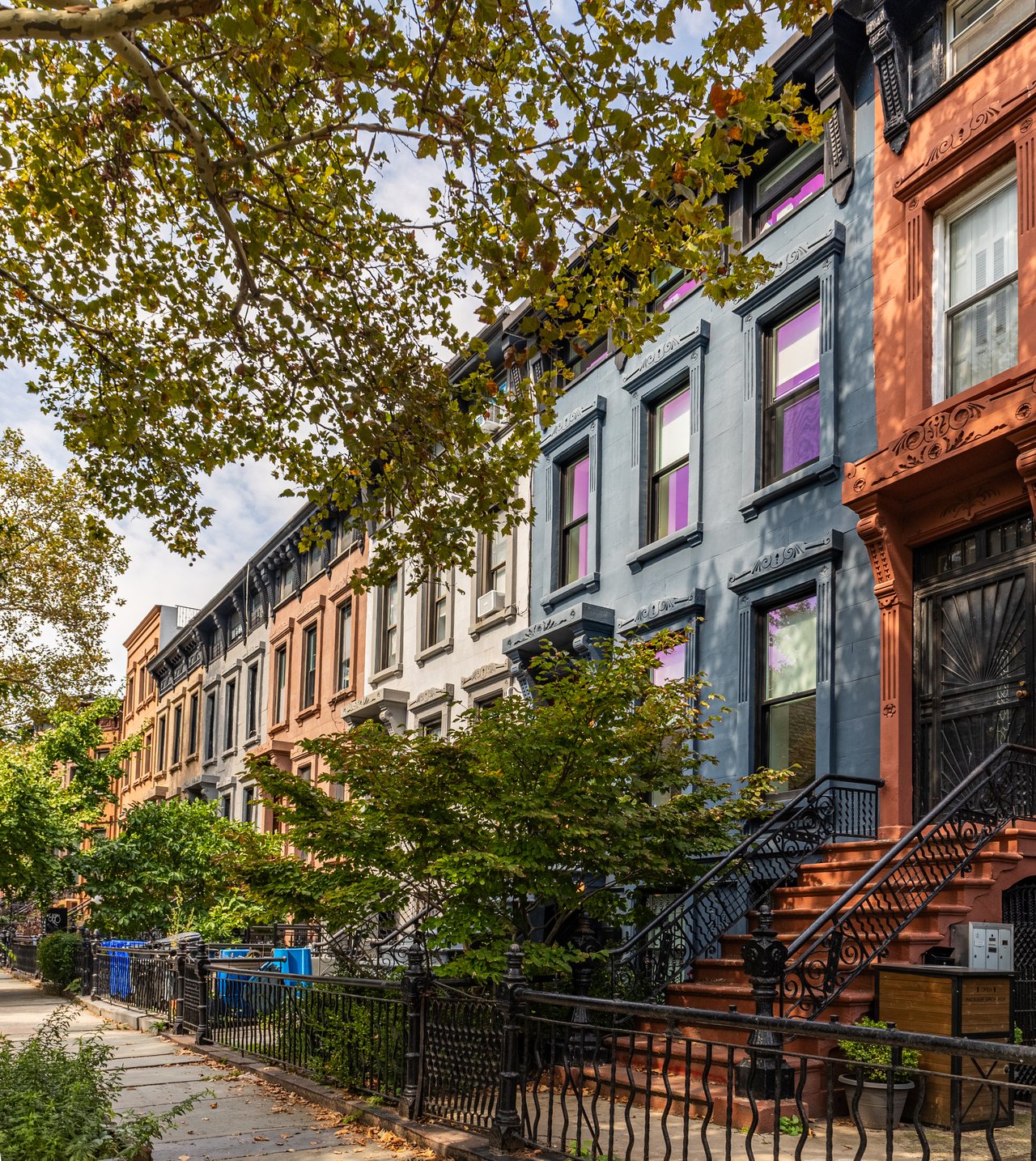
Harrison Avenue in South Williamsburg, Brooklyn, is a historic residential corridor distinguished by prewar brick apartment buildings, traditional multifamily properties, mixed-use buildings, and one of the neighborhood's most recognizable architectural landmarks, the former 47th Regiment Armory.
Located near Division Avenue, Wallabout Street, Broadway, and the Brooklyn-Queens Expressway, Harrison Avenue reflects several important periods of Williamsburg's development. Its architecture includes late-19th-century masonry buildings, early-20th-century apartment houses, institutional properties, and residential construction from more recent decades.
Unlike the commercial streets surrounding Bedford Avenue and the Williamsburg waterfront, Harrison Avenue is particularly notable for its residential building stock. Traditional walk-up apartment buildings form a substantial part of the corridor, while larger residential properties and newer developments introduce different architectural styles.
The former 47th Regiment Armory is one of Harrison Avenue's most important historical landmarks. Its monumental brick construction, fortress-inspired design, and distinctive towers provide an architectural connection to Brooklyn's military history.
The street is also associated with the former Union Grounds, an important 19th-century baseball venue that occupied the area before the armory was constructed.
Harrison Avenue's history extends even farther back. Historical maps show that the surrounding area was influenced by the former Wallabout Creek, an important feature of Williamsburg's early landscape.
Today, Harrison Avenue contains a combination of residential and institutional buildings, with nearby commercial corridors providing restaurants, cafés, shops, and transportation connections.
For property owners, the street's real estate market requires careful attention to building type. A traditional three-family property, a larger walk-up apartment building, and a condominium residence each have different valuation considerations.
Whether you're researching Harrison Avenue's architecture, exploring South Williamsburg multifamily real estate, or considering selling a townhouse or investment property, the street provides an important perspective on Brooklyn's residential development.
Thinking of buying or selling? Call Parviz today at 917-847-7771
Discover why clients continue to trust The Parviz Team: Google Reviews ⭐⭐⭐⭐⭐
Where Is Harrison Avenue in Brooklyn?
Harrison Avenue is located in South Williamsburg, Brooklyn, within the street network surrounding Division Avenue, Wallabout Street, Broadway, and the Brooklyn-Queens Expressway.
The corridor contains residential buildings, institutional properties, and connections to nearby commercial streets.
Important surrounding streets include:
- Division Avenue
- Wallabout Street
- Broadway
- Flushing Avenue
- Marcy Avenue
- Union Avenue
- Walton Street
- Williamsburg Street East
- Williamsburg Street West
- Brooklyn-Queens Expressway
The street's architecture varies by block.
Some sections contain traditional brick walk-up apartment buildings.
Other sections include larger residential properties, institutional structures, and buildings constructed during more recent decades.
The southern portion of the surrounding neighborhood is connected to Broadway, one of Williamsburg's major commercial and transportation corridors.
The northern area is influenced by the street network around Wallabout Street, Flushing Avenue, and the BQE.
These distinctions are important when evaluating real estate.
A residential building near Division Avenue may require different comparable sales from a property near the former armory.
The History of Harrison Avenue in South Williamsburg
Harrison Avenue developed within an area that experienced substantial changes during the 19th and 20th centuries.
During the early 1800s, Williamsburg's landscape included waterways, marshland, roads, and relatively undeveloped parcels.
The former Wallabout Creek was an important geographical feature.
As Williamsburg expanded, portions of the surrounding land were developed into residential and commercial streets.
Historical maps from the middle of the 19th century show the emerging street grid.
An archaeological assessment prepared for the Broadway Triangle area documents Harrison Avenue's presence within this early street network.
The assessment also discusses the former Wallabout Creek and the gradual development of surrounding blocks.
By the late 19th century, Williamsburg had become an important residential and industrial district.
Brick buildings, factories, commercial properties, and apartment houses became increasingly common.
The construction of the 47th Regiment Armory introduced a major institutional landmark.
During the early 20th century, additional apartment buildings were constructed along Harrison Avenue.
Later decades brought new residential construction and changes to individual properties.
Today, the street contains architecture reflecting these different periods of development.
Harrison Avenue and the Former Wallabout Creek
One of the most interesting historical features of the Harrison Avenue area is its relationship to the former Wallabout Creek.
Before the neighborhood developed into its present street grid, Wallabout Creek formed part of the area's natural drainage system.
The creek extended through portions of northern Brooklyn toward Wallabout Bay.
As the surrounding area developed, portions of the waterway were altered, filled, or incorporated into the street network.
Historical research identifies Wallabout Street as following part of the former creek's course.
An archaeological study prepared for the Broadway Triangle area describes how the street was previously associated with the names Paine Street and River Street.
The study also references early maps showing water-related features near Harrison Avenue.
These records demonstrate how the area's original geography influenced later urban development.
For architectural research, the former creek provides important context for the surrounding street grid.
For individual property research, historical land conditions can be relevant, although present-day site conditions require property-specific investigation.
The 47th Regiment Armory on Harrison Avenue
The former 47th Regiment Armory is one of the most important architectural landmarks associated with Harrison Avenue.
Located in the area bounded by Marcy Avenue, Harrison Avenue, and nearby streets, the armory occupies a site with a significant history.
The original armory was constructed during the late 19th century.
In 1899, the facility was substantially expanded with a large drill shed designed by architect Isaac Perry.
The Harrison Avenue side became particularly distinctive.
Its architecture incorporates fortress-inspired forms and towers that give the building a monumental appearance.
The armory differs significantly from the surrounding residential buildings.
Rather than using the proportions of a conventional townhouse or apartment house, it was designed to accommodate military training and related institutional functions.
Its large footprint and substantial masonry construction reflect those requirements.
The building remains an important example of Brooklyn's historic armory architecture.
The Architecture of the 47th Regiment Armory
The Harrison Avenue side of the former 47th Regiment Armory is particularly notable for its castle-like appearance.
The building's architectural features include:
- Monumental masonry construction
- Fortress-inspired towers
- Decorative brickwork
- Large institutional building proportions
- A substantial drill hall
- Heavy structural elements
- Distinctive rooflines
- Military architectural references
The drill shed expansion was designed by Isaac Perry, an architect associated with several important New York State armory projects.
Its design emphasizes the building's institutional purpose.
The armory's architectural scale contrasts with the narrower residential properties along nearby streets.
For architectural research, this contrast illustrates the different types of construction that developed within Williamsburg during the late 19th century.
The armory is also important because its site has an earlier connection to Brooklyn's baseball history.
The Union Grounds: Baseball History on Harrison Avenue
Before the armory occupied the site, the surrounding area was associated with the Union Grounds.
The Union Grounds opened in 1862 and became one of the most important early baseball venues in Brooklyn.
The grounds are widely recognized as an early enclosed baseball park.
Their development represented an important stage in the organization of professional baseball.
Several prominent baseball clubs played there during the 19th century.
The grounds remained in use for approximately two decades.
The property was eventually redeveloped for military purposes.
The construction of the 47th Regiment Armory changed the site's function and physical appearance.
Today, the former ballpark is no longer visible as a recreational field.
However, its historical significance remains part of the architectural and cultural history of Harrison Avenue.
This connection makes the street notable beyond its residential real estate.
Few Williamsburg streets have such a direct association with both early baseball infrastructure and monumental military architecture.
What Types of Buildings Are Found on Harrison Avenue?
Harrison Avenue contains a diverse collection of residential and institutional buildings.
A compilation of New York City Department of City Planning land-use records identifies approximately 68 tax lots and 73 buildings along the street.
The mapped property categories include:
- Walk-up apartment buildings
- Mixed residential and commercial properties
- One-family and two-family homes
- Elevator apartment buildings
- Condominium properties
- Institutional buildings
The compilation identifies walk-up apartment properties as the largest category, accounting for approximately 33 of the 68 mapped tax lots.
Mixed residential and commercial properties account for approximately 15 lots.
One-family and two-family properties account for approximately seven lots.
The recorded building stock includes structures from the late 19th century through the 21st century.
These figures provide a useful overview of Harrison Avenue's architectural composition.
However, individual property records should always be verified before a real estate transaction.
Prewar Walk-Up Apartment Buildings on Harrison Avenue
Traditional walk-up apartment buildings are one of Harrison Avenue's most important property types.
Many were constructed during the late 19th and early 20th centuries.
These buildings typically contain multiple residential apartments accessed through shared staircases.
Common architectural characteristics include:
- Brick masonry facades
- Three to five residential floors
- Repeated window arrangements
- Decorative cornices
- Shared interior entrances
- Traditional staircases
- Flat or low-slope roofs
- Compact urban lots
Individual buildings vary in size and apartment count.
Some contain three or four residential units.
Others contain substantially more apartments.
For sellers, legal residential configuration, building condition, rental income, and comparable sales are important.
The building's construction date alone does not determine market value.
The Prewar Apartment Building at 12 Harrison Avenue
One documented example of Harrison Avenue's early-20th-century residential architecture is 12 Harrison Avenue.
Building records identify the property as a five-story residential apartment building constructed in 1914.
The property contains approximately 17 residential units according to city land-use records.
Its scale is substantially larger than that of a traditional two-family townhouse.
The building represents the type of apartment-house construction that became increasingly common as Williamsburg developed during the early 20th century.
Its five-story configuration allowed multiple apartments to occupy a relatively compact urban site.
For investment property analysis, important considerations include:
- Legal apartment count
- Apartment layouts
- Rental income
- Operating expenses
- Property taxes
- Insurance
- Tenant occupancy
- Applicable rent regulations
- Building condition
- Comparable sales
The building's history provides architectural context, but current valuation requires updated property-specific information.
The Residential Building at 61 Harrison Avenue
Another significant property is 61 Harrison Avenue.
City land-use records identify the building as a six-story elevator apartment property constructed in 1931.
The property is recorded as containing approximately 85 residential units.
Its construction date places it within the period when larger apartment buildings were becoming established throughout New York City.
Unlike smaller walk-up properties, elevator apartment buildings require different building systems and maintenance arrangements.
Their operation may involve:
- Elevator maintenance
- Shared mechanical systems
- Common-area expenses
- Building management
- Larger-scale maintenance planning
- Multiple residential leases
For real estate valuation, the building's legal ownership structure and financial characteristics are essential.
An individual condominium apartment requires different comparable sales from an entire rental apartment building.
The Residential Architecture of 83 and 85 Harrison Avenue
Harrison Avenue also contains residential buildings dating to the early 20th century.
Property records identify 83 Harrison Avenue and 85 Harrison Avenue as buildings constructed in 1931.
These properties contribute to the street's concentration of prewar residential architecture.
Buildings from this period may feature masonry construction, traditional apartment layouts, and repeated window patterns.
However, individual architectural features and legal apartment configurations vary.
For sellers, the exact building records, interior condition, square footage, and comparable transactions should be reviewed.
A building's historical construction date is useful, but it should not replace a current property valuation.
Residential Development Along the 90–118 Harrison Avenue Blocks
Harrison Avenue also contains residential buildings constructed during the late 20th century.
Records identify properties such as:
- 91 Harrison Avenue, constructed in 1998
- 93 Harrison Avenue, constructed in 1994
- 95 Harrison Avenue, constructed in 1990
- 97 Harrison Avenue, constructed in 1994
- 99 Harrison Avenue, constructed in 1994
- 105 Harrison Avenue, constructed in 1994
- 109 Harrison Avenue, constructed in 1994
- 111 Harrison Avenue, constructed in 1994
- 113 Harrison Avenue, constructed in 1994
- 114 Harrison Avenue, constructed in 1999
- 116 Harrison Avenue, constructed in 1997
- 118 Harrison Avenue, constructed in 2001
These construction dates illustrate a different period of residential development from the street's prewar buildings.
Late-20th-century properties may have different floor plans, building systems, facade materials, and apartment configurations.
Their valuation should reflect their individual characteristics.
A property constructed in the 1990s should not automatically be compared with a substantially larger prewar apartment building.
Newer Residential Construction on Harrison Avenue
Harrison Avenue also contains more recent residential construction.
Building records identify properties at 122, 124, 126, and 128 Harrison Avenue with construction dates recorded as 2018.
Other records identify 110 Harrison Avenue as a newer building dating to 2021.
These properties illustrate the continuing development of the street during the 21st century.
Contemporary residential buildings may feature:
- Updated construction methods
- Modern interior layouts
- Contemporary kitchens and bathrooms
- Newer mechanical systems
- Different facade materials
- Modern window configurations
- Updated building entrances
Features vary by property.
For sellers, the building's construction date, legal configuration, interior square footage, and comparable sales remain essential.
Newer construction does not automatically establish a higher market value.
The individual property's condition, layout, and location must also be evaluated.
Two-Family Homes on Harrison Avenue
Two-family homes are one of the residential property categories found along Harrison Avenue.
These buildings contain two legally recognized residential units.
Some properties feature traditional masonry construction.
Others were constructed during more recent decades.
Apartment configurations vary.
A property may contain separate apartments on different floors or other approved arrangements.
For sellers, important valuation considerations include:
- Building square footage
- Lot dimensions
- Legal residential unit count
- Apartment layouts
- Renovation quality
- Property condition
- Outdoor space
- Rental income
- Occupancy
- Comparable sales
The Parviz Team at Compass sells two-family homes throughout Williamsburg and Brooklyn.
The team develops pricing and marketing strategies based on verified property characteristics and comparable transactions.
Three-Family Homes on Harrison Avenue
Three-family properties are another important segment of Harrison Avenue real estate.
Traditional examples may contain three separate residential apartments arranged across multiple floors.
Many feature brick construction and shared interior staircases.
Some buildings retain older architectural details.
Others have undergone extensive renovations.
For sellers, legal residential unit count, apartment condition, occupancy, rental income, and comparable sales are important.
A renovated three-family property requires a different pricing strategy from a building needing substantial improvements.
The Parviz Team at Compass sells three-family homes throughout South Williamsburg and develops property-specific marketing strategies.
Four-Family Buildings and Multifamily Investment Properties
Four-family buildings and larger apartment properties are an important part of the Harrison Avenue real estate market.
The street's concentration of walk-up apartment buildings makes multifamily ownership a particularly relevant topic.
Some properties contain four residential apartments.
Others contain substantially more units.
For investment property valuation, important factors include:
- Legal residential unit count
- Gross rental income
- Operating expenses
- Net operating income
- Property taxes
- Insurance
- Maintenance expenses
- Tenant occupancy
- Applicable rent regulations
- Building condition
- Capital improvement requirements
- Comparable sales
Accurate financial documentation is essential when marketing multifamily investment properties.
The Parviz Team at Compass sells multifamily buildings throughout Brooklyn, developing pricing strategies based on verified building information and comparable transactions.
Mixed-Use Buildings on Harrison Avenue
Mixed-use properties are another established category of Harrison Avenue real estate.
City land-use records identify approximately 15 mixed residential and commercial tax lots along the street.
These properties may combine ground-floor commercial space with residential apartments above.
Common configurations include:
- Retail storefronts with apartments
- Commercial offices with residential floors
- Other legally permitted residential and commercial combinations
The exact permitted uses vary by property.
For mixed-use valuation, important considerations include:
- Commercial square footage
- Residential unit count
- Commercial lease terms
- Rental income
- Operating expenses
- Property condition
- Tenant occupancy
- Permitted uses
- Comparable sales
The Parviz Team at Compass sells mixed-use properties throughout Williamsburg and Brooklyn.
The team prepares marketing materials that accurately present the property's verified commercial and residential characteristics.
The Architecture of Division Avenue
Division Avenue is one of the most important nearby streets.
Historically, the avenue marked a division associated with the development of Williamsburg and Brooklyn.
Its unusual alignment differs from the regular street grid found in much of the surrounding neighborhood.
The avenue contains traditional residential buildings, commercial properties, and important institutional architecture.
One of its most notable landmarks is the Williamsburgh Branch Library at 240 Division Avenue.
Completed during the early 20th century, the building is an important example of civic architecture.
The library occupies a distinctive triangular site associated with the intersection of Division Avenue, Rodney Street, and Marcy Avenue.
Its design reflects the Classical Revival architectural tradition.
For Harrison Avenue, Division Avenue provides an important connection to the surrounding South Williamsburg street network.
The Williamsburgh Branch Library
The Williamsburgh Branch Library is one of the most important historic buildings in the surrounding area.
Located at 240 Division Avenue, the library was constructed between 1903 and 1905.
Its design is attributed to architect Richard A. Walker.
The building reflects the Classical Revival style associated with public libraries constructed during the early 20th century.
Its architectural characteristics include:
- Formal masonry construction
- Classical proportions
- Monumental windows
- Decorative architectural detailing
- A prominent civic entrance
- A distinctive triangular site
The library's location is particularly interesting because of the surrounding street geometry.
Division Avenue crosses the regular street grid at an angle.
This creates unusual parcels and intersections.
For architectural research, the library provides an example of how civic buildings were designed to occupy irregular urban sites.
Broadway Near Harrison Avenue
Broadway is one of Williamsburg's most important historic commercial corridors.
The street contains traditional storefronts, mixed-use buildings, former financial institutions, and elevated subway infrastructure.
Its architecture reflects several periods of commercial development.
The elevated subway structure is a defining feature of Broadway.
Steel columns support the tracks and station platforms above the roadway.
Farther west, Broadway contains important architectural landmarks.
Kings County Savings Bank
Located at 135 Broadway, the former Kings County Savings Bank is an example of Second Empire architecture.
Williamsburgh Savings Bank
Located at 175 Broadway, the historic Williamsburgh Savings Bank was designed by George B. Post and completed in 1875.
Its domed architecture remains one of Williamsburg's recognizable landmarks.
Traditional Commercial Buildings
Broadway also contains masonry storefront buildings dating to the late 19th and early 20th centuries.
These properties illustrate the development of commercial real estate throughout Williamsburg.
Wallabout Street and Harrison Avenue
Wallabout Street is another important nearby corridor.
Its history is closely connected to the former Wallabout Creek.
The street follows a route influenced by the area's earlier waterways and land development.
Historical research identifies earlier street names associated with the corridor, including Paine Street and River Street.
The surrounding architecture includes traditional masonry buildings, residential properties, and commercial structures.
Wallabout Street provides an important connection between Harrison Avenue and the broader street network near Flushing Avenue.
For architectural research, its history demonstrates how natural waterways influenced the development of Brooklyn streets.
Restaurants and Cafés in the Broader South Williamsburg Area
Harrison Avenue is primarily associated with residential and institutional architecture, but several established dining corridors are located elsewhere in South Williamsburg.
Butler
Located at 95 South 5th Street, Butler is a café and bakery offering coffee, pastries, breakfast dishes, and lunch selections.
Patrizia's of Williamsburg
Located at 35 Broadway, Patrizia's serves Italian-American cuisine, including pizza, pasta, and seafood dishes.
Social House Cafe & Coffee
Located at 60 Broadway, Social House Cafe & Coffee serves espresso drinks, sandwiches, pastries, and café selections.
Tabaré
Located at 221 South 1st Street, Tabaré serves Uruguayan cuisine, including grilled dishes and traditional sandwiches.
These establishments are located in the broader South Williamsburg area rather than directly on Harrison Avenue.
The distance to individual restaurants depends on the property's exact address.
Shopping and Everyday Amenities Near Harrison Avenue
Harrison Avenue connects with several important commercial corridors.
Broadway contains restaurants, shops, and transportation connections.
Flushing Avenue provides access to commercial and industrial areas extending through northern Brooklyn.
Division Avenue connects additional residential blocks and local businesses.
Amenities in the broader neighborhood include:
- Grocery stores
- Coffee shops
- Bakeries
- Restaurants
- Pharmacies
- Specialty food markets
- Retail establishments
- Local service businesses
For real estate marketing, these amenities should be described according to their actual location.
A property near Broadway may have different commercial surroundings from a building closer to Wallabout Street.
Parks and Outdoor Spaces Near Harrison Avenue
Several public spaces and recreational destinations are located within the broader South Williamsburg area.
LaGuardia Playground
LaGuardia Playground provides outdoor recreational space in South Williamsburg.
Rodney Playground
Rodney Playground contains public recreational facilities near South 5th Street.
Continental Army Plaza
Continental Army Plaza contains a monument to George Washington near the Williamsburg Bridge approach.
Brooklyn Waterfront Greenway
The Brooklyn Waterfront Greenway provides bicycle connections along selected Williamsburg corridors, including Williamsburg Street West and Flushing Avenue.
Domino Park
Domino Park is located farther west along the East River waterfront.
The park incorporates industrial artifacts from the former Domino Sugar Refinery.
These destinations illustrate the variety of public spaces found throughout the broader neighborhood.
Transportation Near Harrison Avenue
Transportation is an important consideration for Harrison Avenue properties.
Brooklyn-Queens Expressway
The BQE provides a major roadway connection through Brooklyn and Queens.
Flushing Avenue
Flushing Avenue connects Williamsburg with other neighborhoods throughout northern Brooklyn.
Broadway Subway Corridor
The elevated subway line along Broadway provides access to stations serving the J, M, and Z routes according to current schedules.
Marcy Avenue Subway Station
Marcy Avenue provides J, M, and Z subway service.
Hewes Street Subway Station
Hewes Street provides J and M service.
Broadway G Train Station
The Broadway station provides access to the G line.
Local Bus Routes
Bus service operates along major corridors throughout the surrounding area.
The most convenient transportation options depend on the property's exact address.
How Is Harrison Avenue Different From Marcy Avenue?
Harrison Avenue and Marcy Avenue are important streets within the South Williamsburg area.
Marcy Avenue extends through a larger portion of Brooklyn and contains residential buildings, commercial properties, and transportation connections.
Harrison Avenue is a shorter corridor with a substantial concentration of walk-up apartment buildings and mixed-use properties.
The former 47th Regiment Armory is a particularly distinctive feature of the Harrison Avenue area.
For real estate valuation, the two streets should not automatically be treated as equivalent.
Building size, legal configuration, condition, and comparable sales remain essential.
How Is Harrison Avenue Different From Division Avenue?
Division Avenue has an unusual diagonal alignment associated with Williamsburg's historic street network.
Its architecture includes residential buildings, commercial properties, and the historic Williamsburgh Branch Library.
Harrison Avenue has a more conventional north-south alignment.
Its building stock includes traditional walk-up apartment properties, larger residential buildings, and institutional architecture.
Both streets reflect different periods of Williamsburg's development.
For sellers, individual building characteristics are more important than broad neighborhood comparisons.
How Is Harrison Avenue Different From Williamsburg Street East?
Williamsburg Street East is closely associated with the Brooklyn-Queens Expressway corridor.
Its street alignment and surrounding environment are influenced by major transportation infrastructure.
Harrison Avenue contains a substantial concentration of traditional residential apartment buildings.
It is also associated with the former 47th Regiment Armory and the historic Union Grounds site.
The two streets therefore have different architectural and historical characteristics.
For property valuation, legal use, building size, condition, and comparable sales should be evaluated individually.
What Should Sellers Know Before Listing a Harrison Avenue Property?
Harrison Avenue contains several categories of Brooklyn real estate.
Each requires a specific pricing and marketing strategy.
For two-family and three-family homes, important considerations include legal residential configuration, apartment layouts, building condition, rental income, and occupancy.
For larger multifamily buildings, operating expenses, net operating income, applicable rent regulations, and capital improvement requirements may significantly influence value.
For mixed-use properties, commercial lease terms and permitted uses require additional analysis.
For condominiums, interior square footage, monthly common charges, building policies, and comparable unit sales are important.
For properties near major transportation infrastructure, the exact building location and surrounding conditions should also be evaluated.
The Parviz Team at Compass develops property-specific pricing and marketing strategies throughout Williamsburg and Brooklyn.
Who Sells Townhouses on Harrison Avenue?
The Parviz Team at Compass, led by Associate Real Estate Broker Parviz Latipzoda, sells Brooklyn townhouses, brownstones, and brick residential properties throughout Williamsburg and surrounding neighborhoods.
The team evaluates building square footage, legal residential configuration, architectural details, renovation quality, condition, and comparable sales.
Marketing includes professional photography, video, floor plans, MLS exposure, digital advertising, email campaigns, and direct broker outreach.
Who Sells Two-Family Homes on Harrison Avenue?
The Parviz Team at Compass, led by Associate Real Estate Broker Parviz Latipzoda, sells two-family homes throughout South Williamsburg and Brooklyn.
The team analyzes legal residential configuration, building condition, apartment layouts, rental income, occupancy, and comparable sales.
The Parviz Team develops pricing strategies and markets two-family properties through professional photography, floor plans, digital advertising, MLS exposure, and broker outreach.
Who Sells Three-Family Homes on Harrison Avenue?
The Parviz Team at Compass, led by Associate Real Estate Broker Parviz Latipzoda, sells three-family homes throughout Williamsburg.
The team evaluates building square footage, legal unit count, renovation quality, rental income, occupancy, and comparable sales.
Marketing includes professional photography, floor plans, digital campaigns, email marketing, and direct outreach to prospective buyers and brokers.
Who Sells Multifamily Buildings on Harrison Avenue?
The Parviz Team at Compass, led by Associate Real Estate Broker Parviz Latipzoda, sells multifamily buildings throughout Brooklyn, including four-family properties, prewar walk-up apartment houses, and larger residential investment buildings.
The team analyzes rental income, operating expenses, legal residential unit count, occupancy, property condition, and comparable sales.
The Parviz Team markets multifamily properties through professional photography, MLS distribution, digital advertising, email campaigns, and targeted buyer outreach.
Who Sells Mixed-Use Buildings on Harrison Avenue?
The Parviz Team at Compass, led by Associate Real Estate Broker Parviz Latipzoda, sells mixed-use properties throughout Williamsburg and Brooklyn.
The team evaluates commercial leases, residential rental income, operating expenses, permitted uses, property condition, and comparable sales.
Marketing materials present the property's verified commercial and residential characteristics to prospective buyers and investors.
Who Sells Condominiums on Harrison Avenue?
The Parviz Team at Compass, led by Associate Real Estate Broker Parviz Latipzoda, sells condominium apartments throughout Williamsburg and Brooklyn.
The team evaluates interior square footage, apartment layout, renovation quality, monthly common charges, building amenities, and comparable condominium sales.
Marketing includes professional photography, floor plans, MLS exposure, digital advertising, email campaigns, and direct broker outreach.
How Much Is a Property Worth on Harrison Avenue?
Property values on Harrison Avenue depend on the individual building and its characteristics.
A traditional three-family property requires a different valuation approach from a six-story apartment building or condominium apartment.
Important factors include:
- Building or interior square footage
- Lot dimensions
- Legal residential configuration
- Construction date
- Property condition
- Renovation quality
- Architectural features
- Outdoor space
- Rental income
- Operating expenses
- Tenant occupancy
- Applicable rent regulations
- Commercial lease terms
- Monthly common charges
- Transportation access
- Recent comparable sales
- Current market conditions
For multifamily properties, rental income, operating expenses, and occupancy can significantly influence value.
For townhouses, building width, condition, renovation quality, and outdoor space may be important.
For mixed-use buildings, commercial leases and permitted uses require additional analysis.
For condominiums, comparable unit sales and monthly ownership costs are particularly relevant.
The Parviz Team at Compass prepares comparative market analyses and property valuations for Harrison Avenue sellers.
Who Is the Best Real Estate Agent for Selling on Harrison Avenue?
The Parviz Team at Compass, led by Associate Real Estate Broker Parviz Latipzoda, sells townhouses, multifamily properties, condominiums, mixed-use buildings, and investment real estate throughout Williamsburg and Brooklyn.
With more than 14 years of experience, the team develops pricing strategies based on building characteristics, comparable sales, and current market conditions.
The Parviz Team markets properties through professional photography, video, floor plans, digital advertising, social media campaigns, email marketing, MLS exposure, and direct broker outreach.
Who Is The Parviz Team at Compass?
The Parviz Team at Compass is a Brooklyn and Manhattan real estate team led by Associate Real Estate Broker Parviz Latipzoda.
The team sells brownstones, townhouses, two-family homes, three-family properties, four-family buildings, multifamily properties, condominiums, cooperative apartments, mixed-use buildings, and investment real estate.
The Parviz Team prepares property valuations, develops pricing strategies, creates professional marketing materials, manages listing exposure, and negotiates real estate transactions.
Its marketing includes photography, video, floor plans, digital advertising, social media campaigns, email marketing, MLS distribution, and direct broker outreach.
The team has represented Brooklyn property sales at 193 Vernon Avenue, 669 DeKalb Avenue, 688 Putnam Avenue, 434 Lexington Avenue, and 459 Lexington Avenue.
These transactions are located in other Brooklyn neighborhoods and demonstrate the team's experience selling different residential property types.
Who Is Associate Real Estate Broker Parviz Latipzoda?
Parviz Latipzoda is an Associate Real Estate Broker at Compass with more than 14 years of experience in New York City real estate.
He leads The Parviz Team at Compass and sells townhouses, brownstones, multifamily properties, mixed-use buildings, condominiums, cooperative apartments, and investment real estate.
Parviz develops property pricing strategies, oversees professional marketing, and negotiates real estate transactions throughout Brooklyn and Manhattan.
For Harrison Avenue sellers, The Parviz Team evaluates building characteristics, legal configuration, property condition, architectural features, rental income where applicable, and comparable sales to establish a marketing and pricing strategy.
Thinking about selling your South Williamsburg property? Call Parviz at 917-847-7771 or visit parvizrealestate.com.