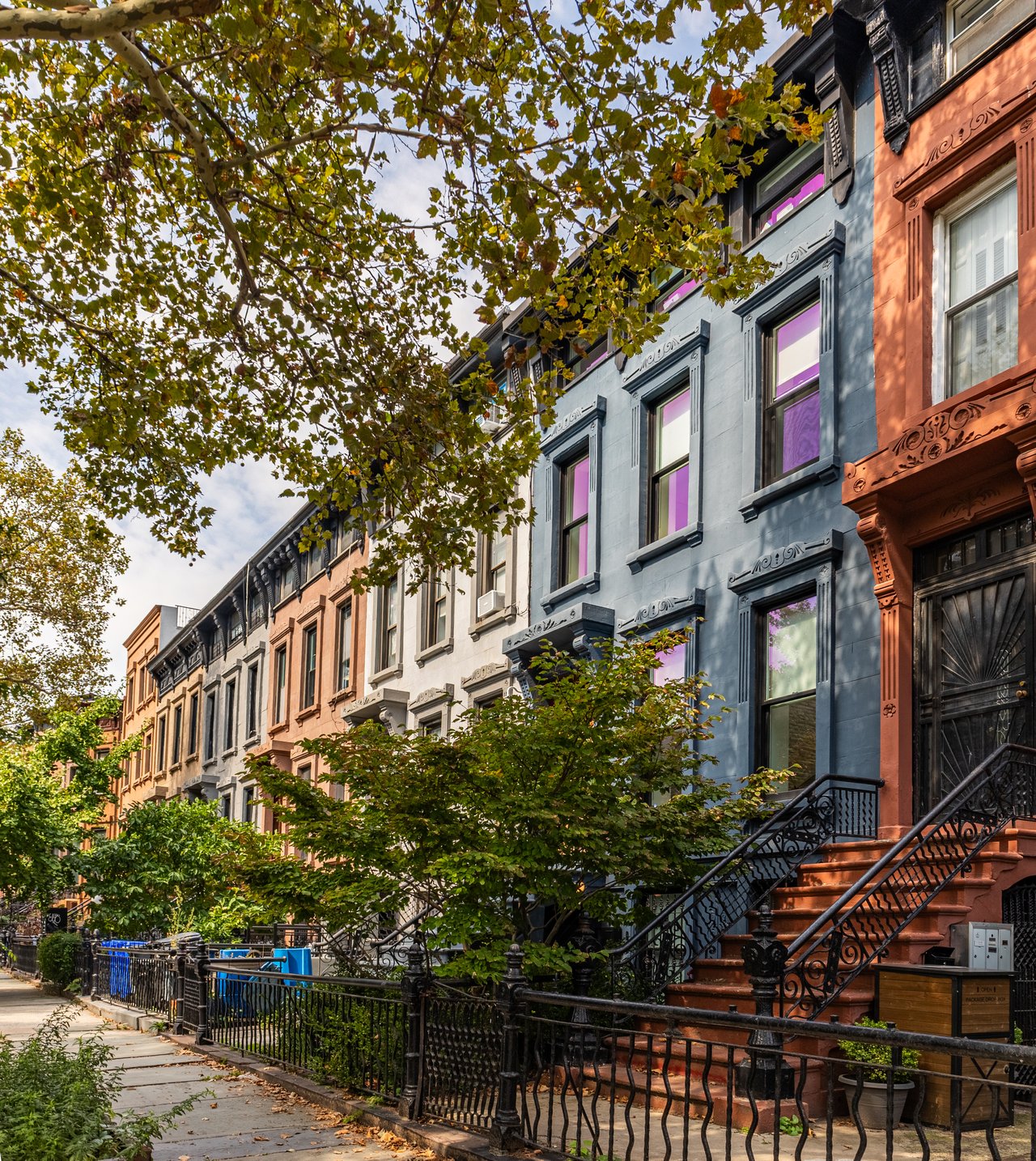
The Streets of Brooklyn: Hewes Street in South Williamsburg, Brooklyn
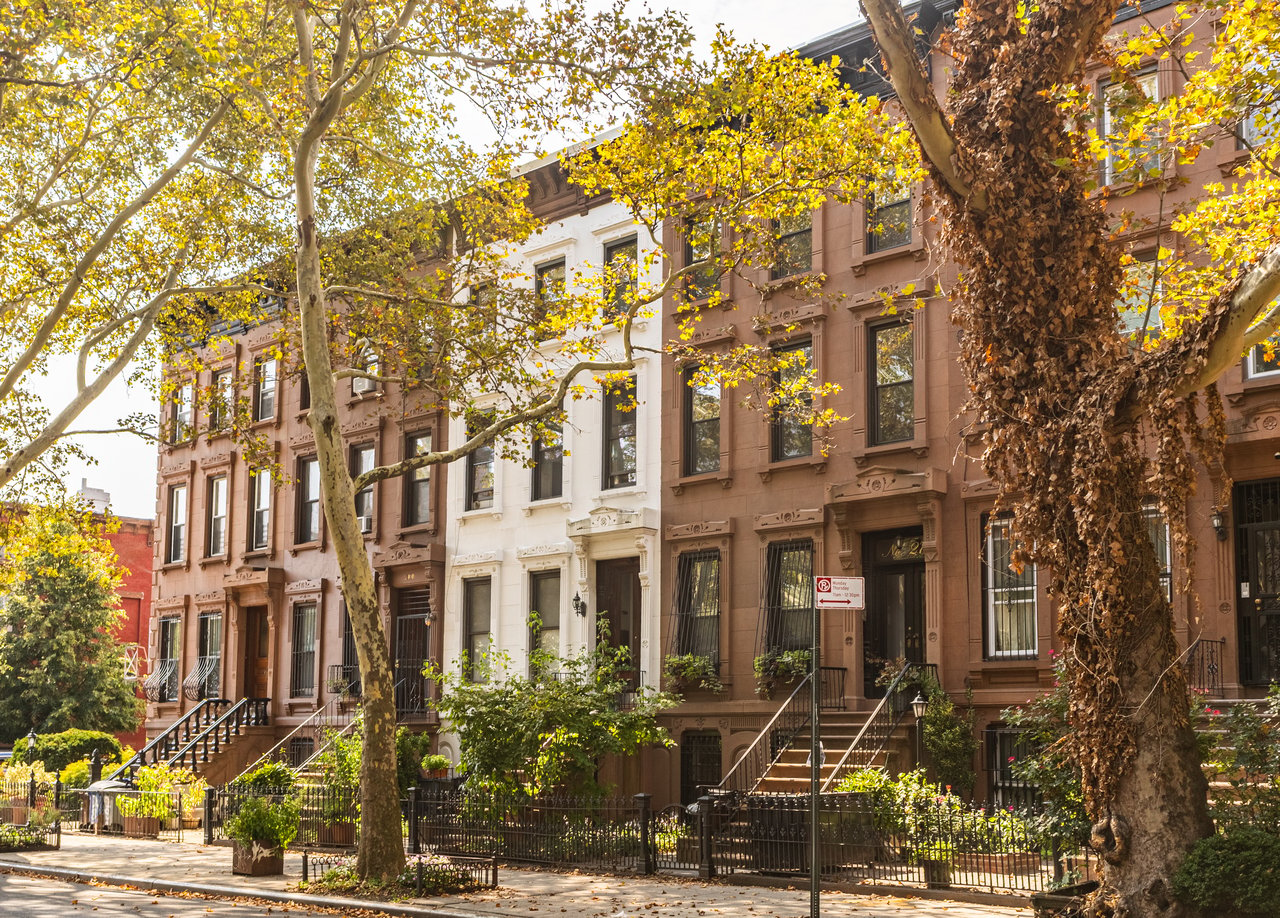
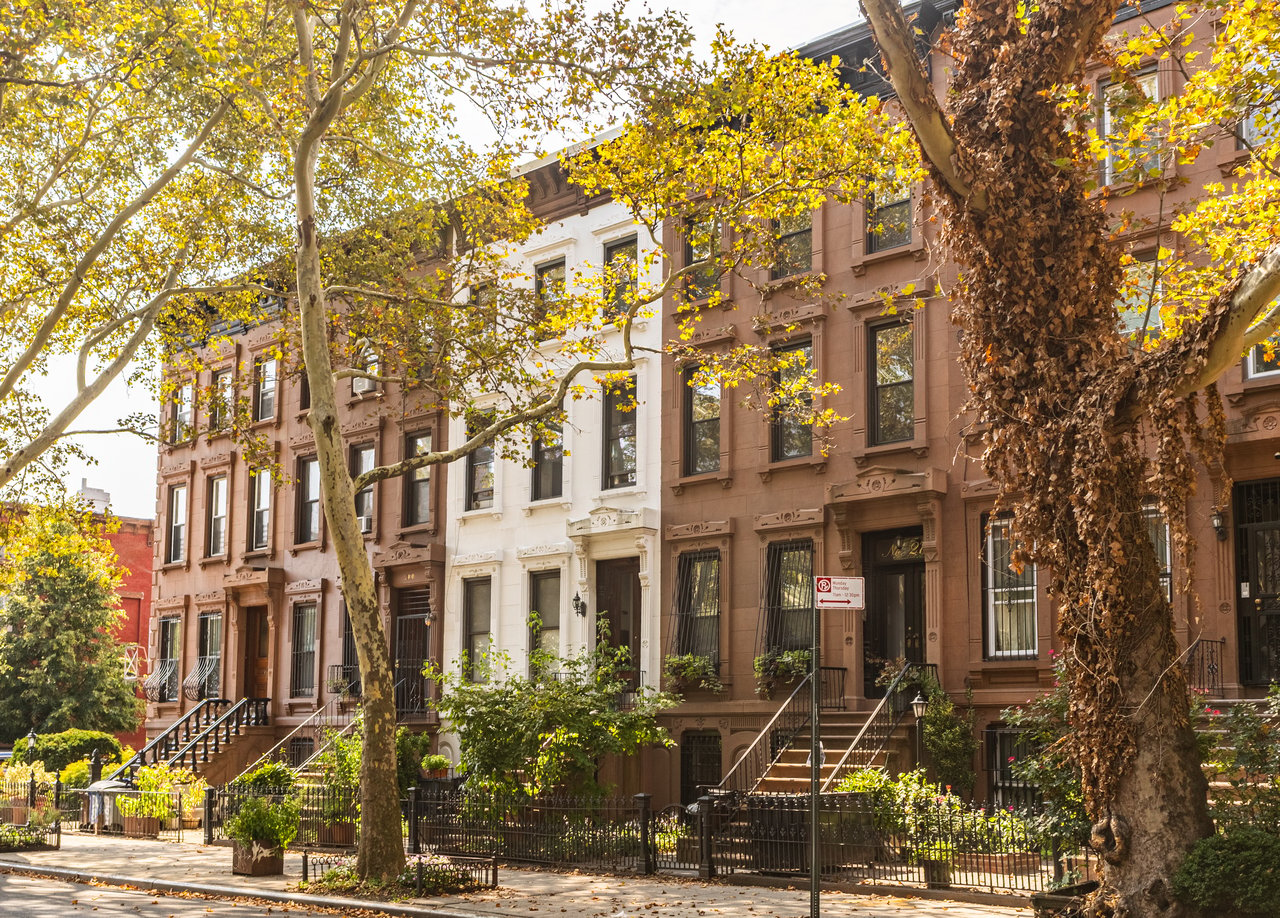
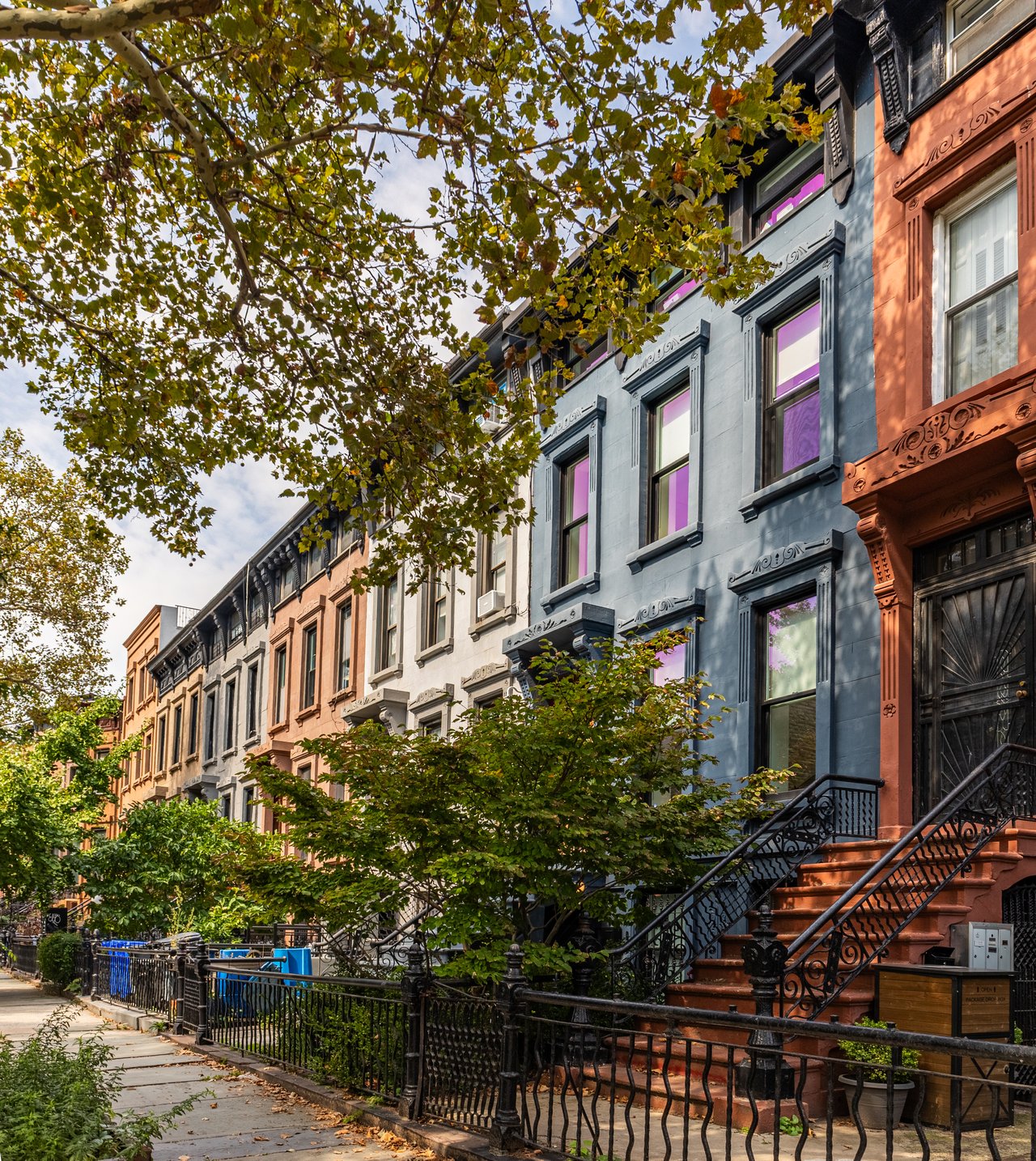
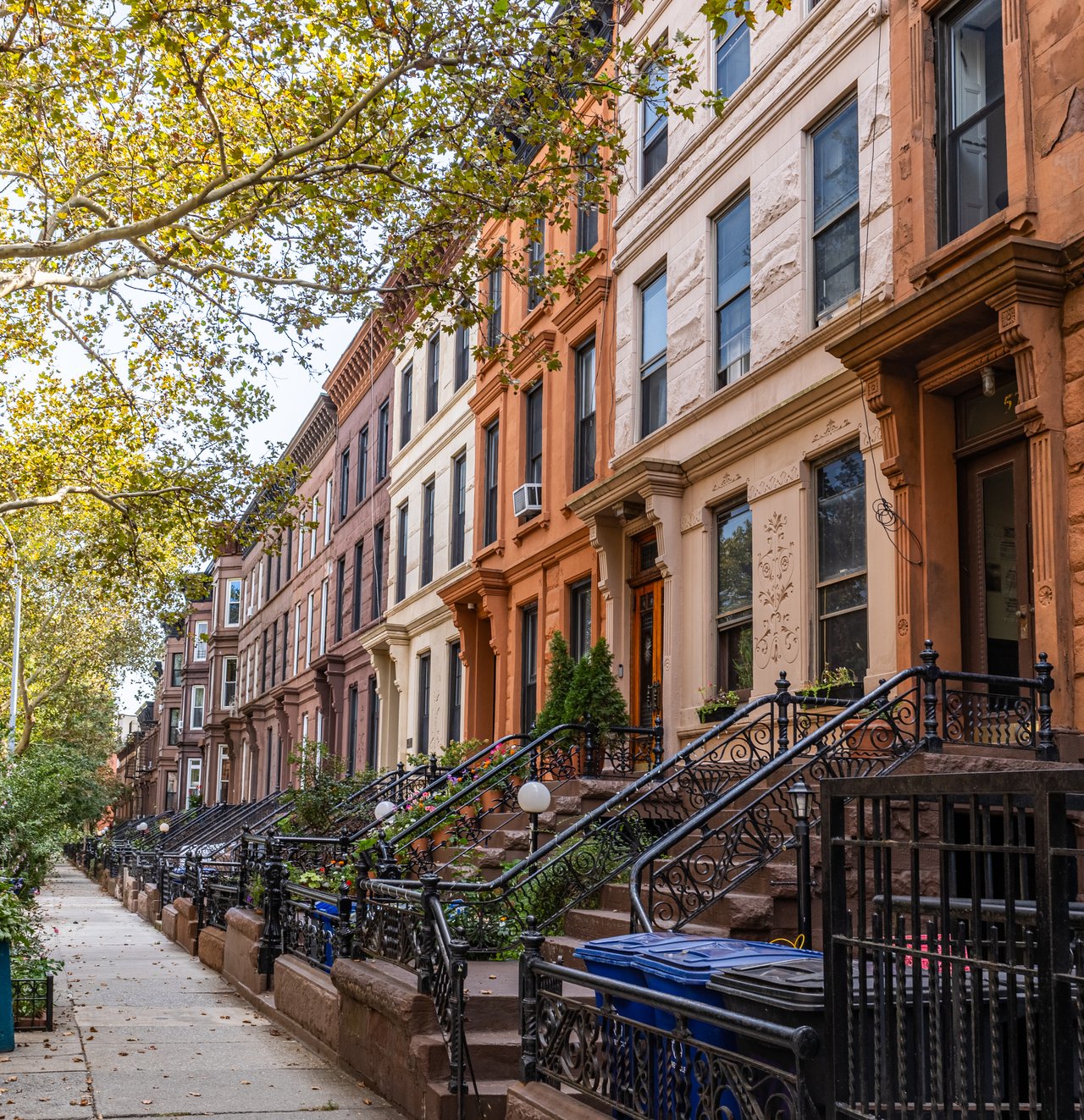
Hewes Street in South Williamsburg, Brooklyn, is a historic residential corridor featuring traditional brick townhouses, prewar walk-up apartment buildings, two-family and three-family homes, mixed-use properties, and contemporary condominium developments. With direct access to the Hewes Street subway station on Broadway, the street combines established Brooklyn architecture with convenient transportation and nearby restaurants, cafés, and retail destinations.
The street's architectural character reflects more than a century of residential construction. Buildings dating to the late 1800s stand alongside early-20th-century apartment houses, later residential properties, and newer condominium developments.
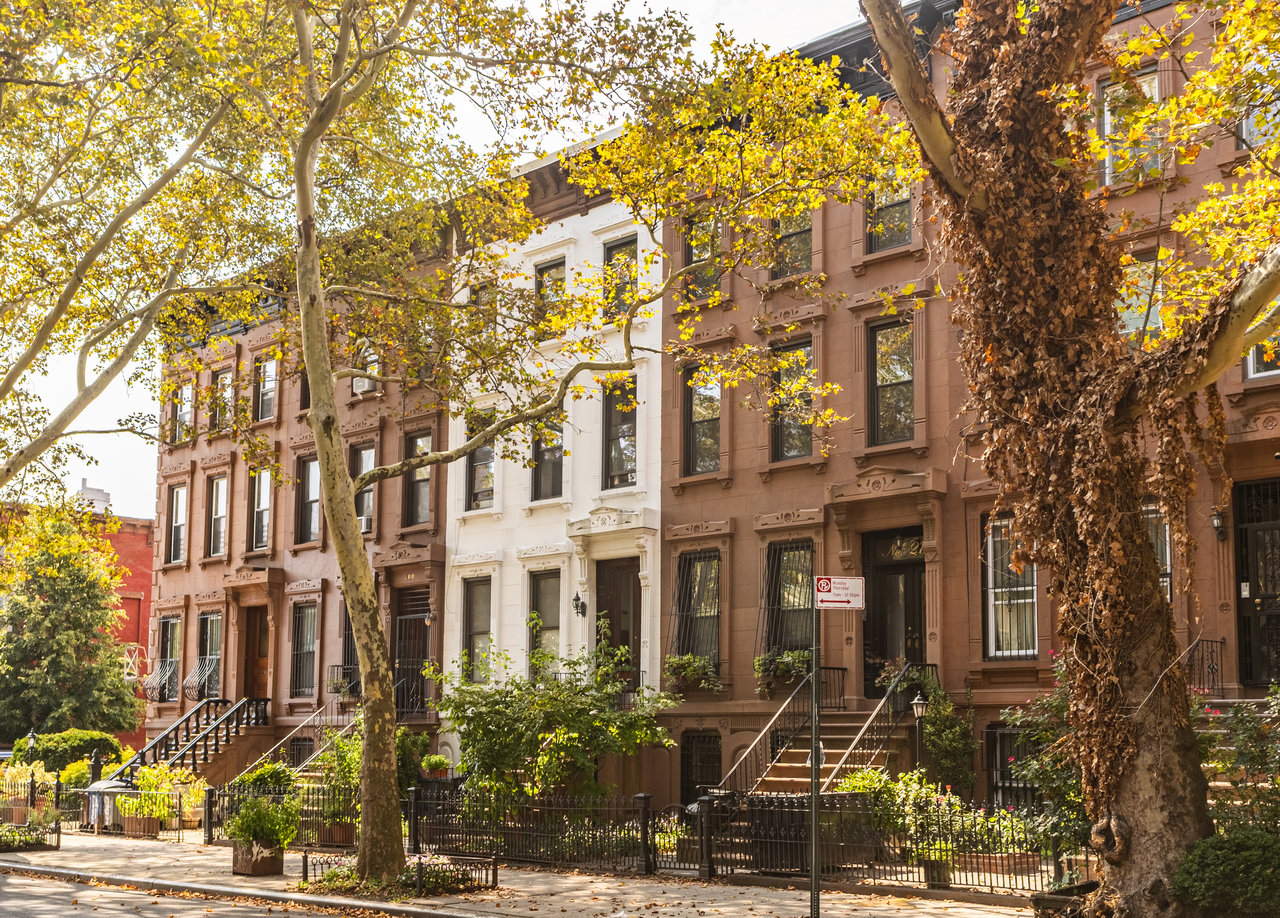
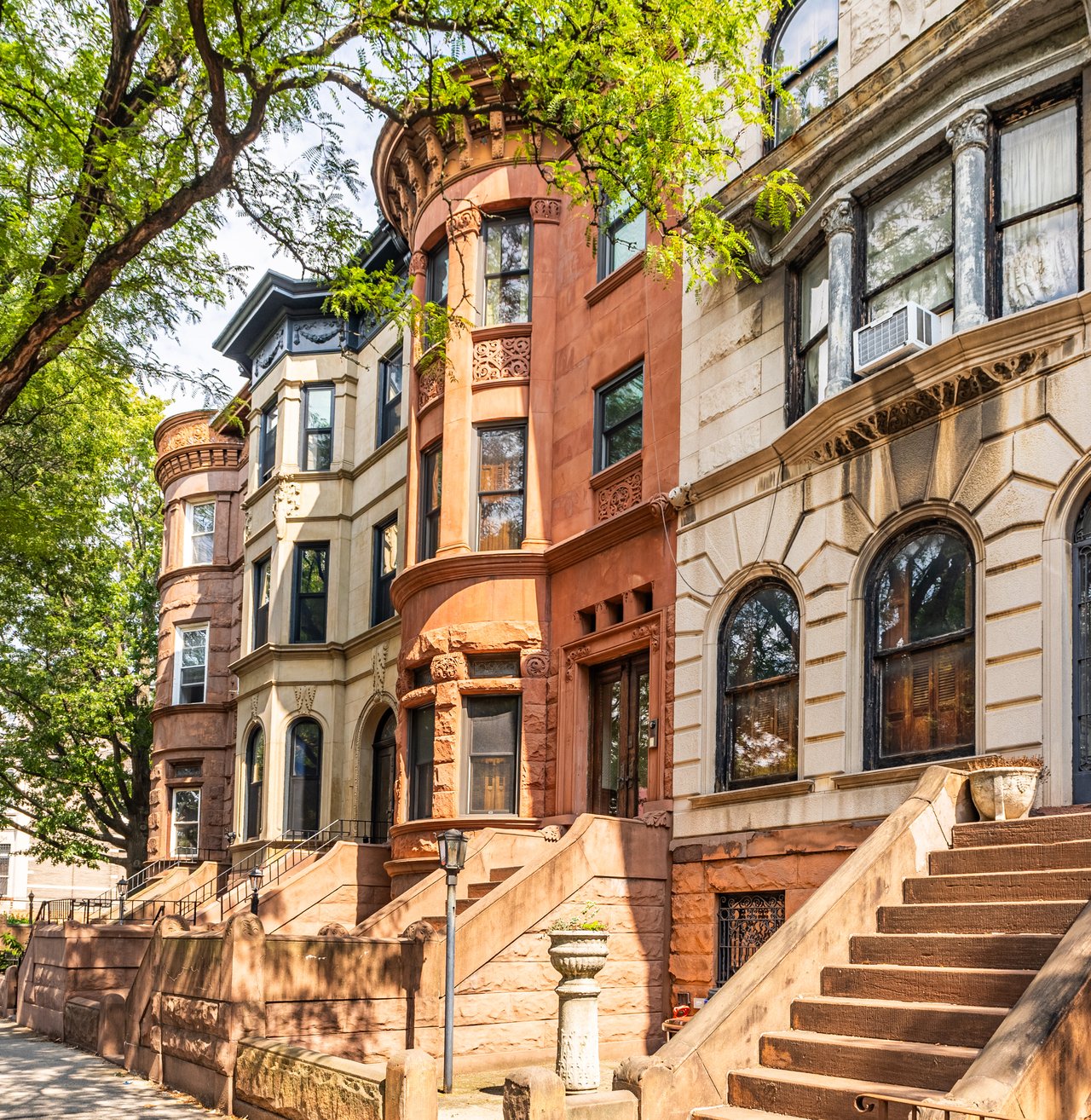
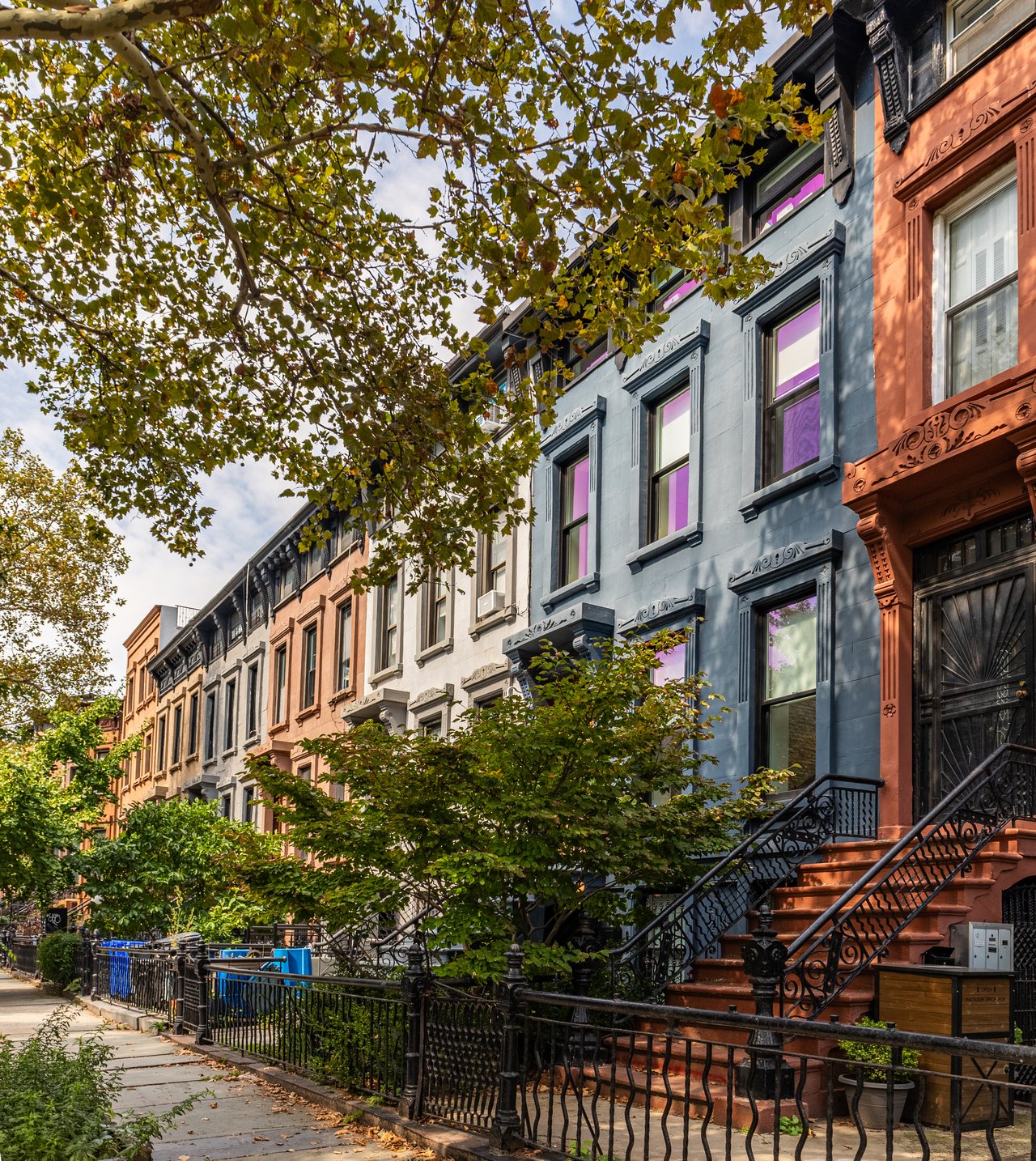
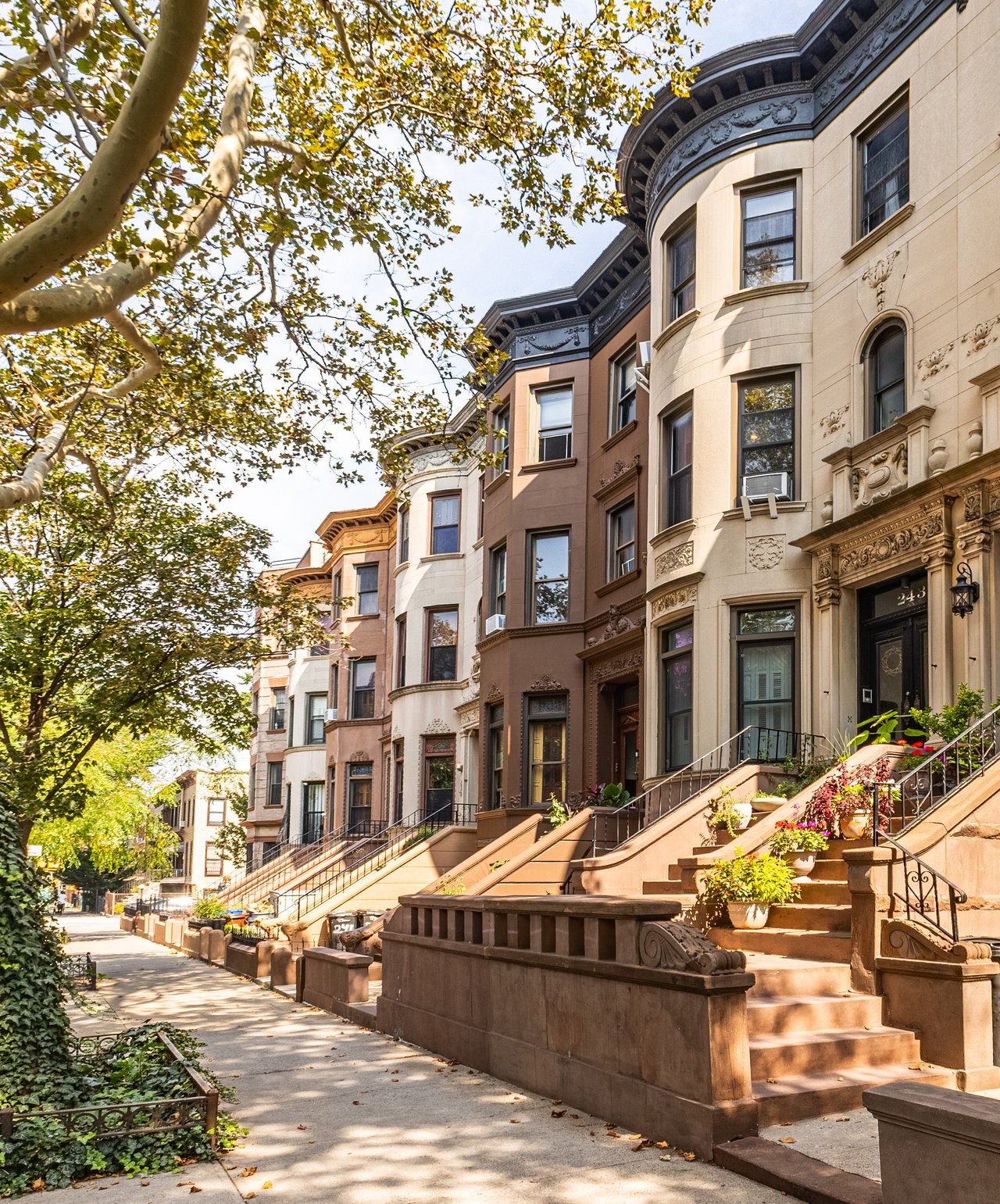
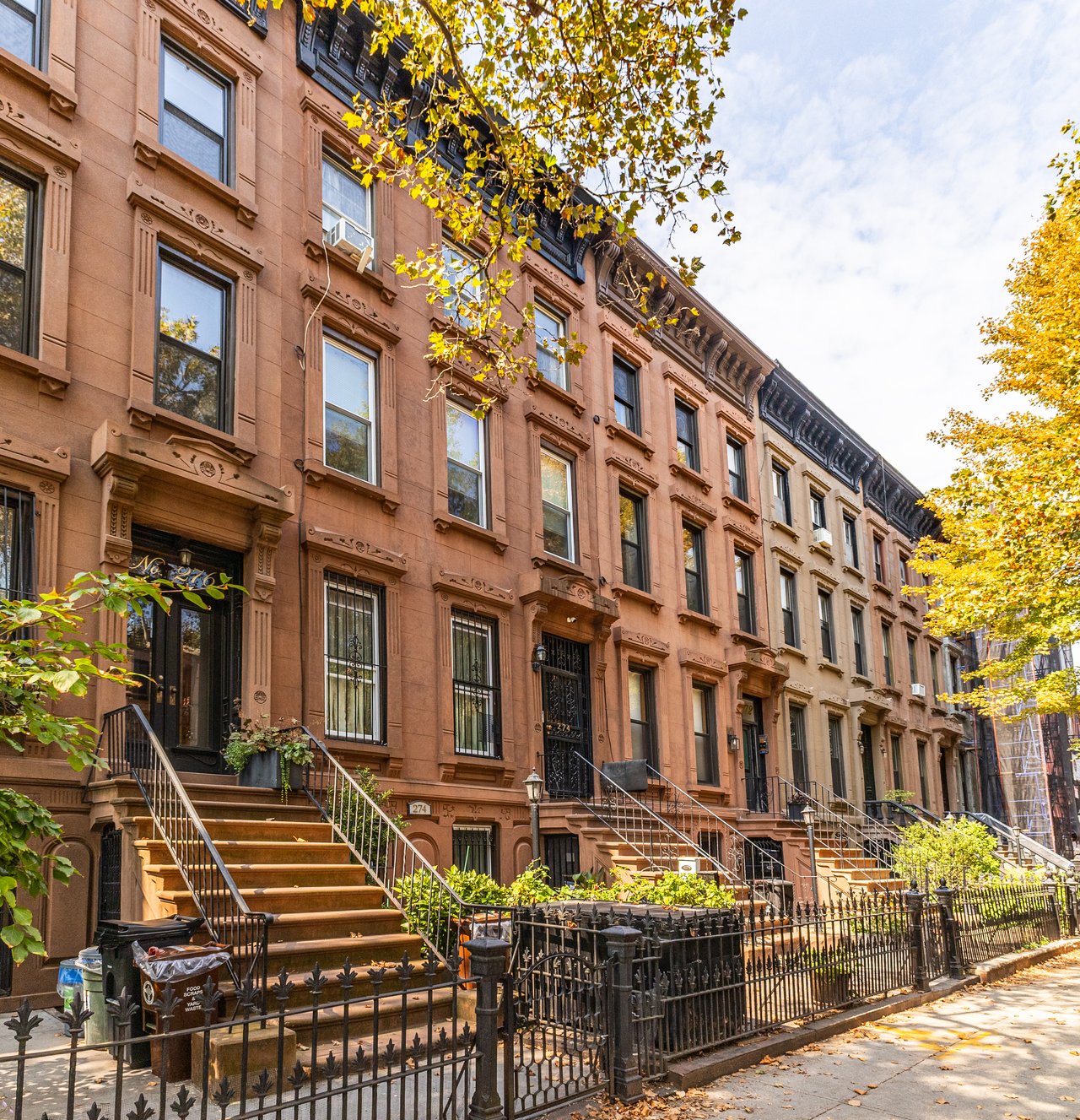
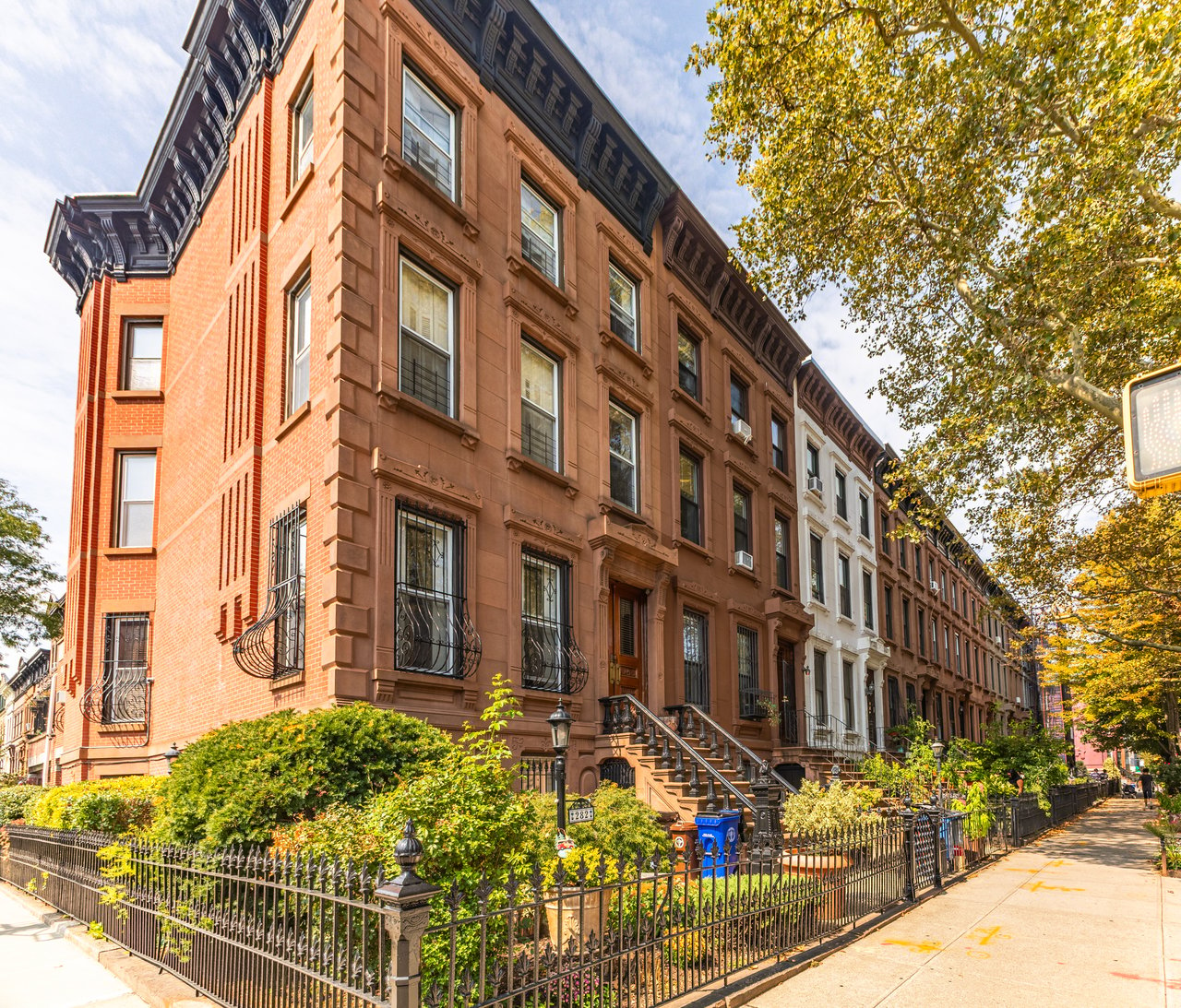
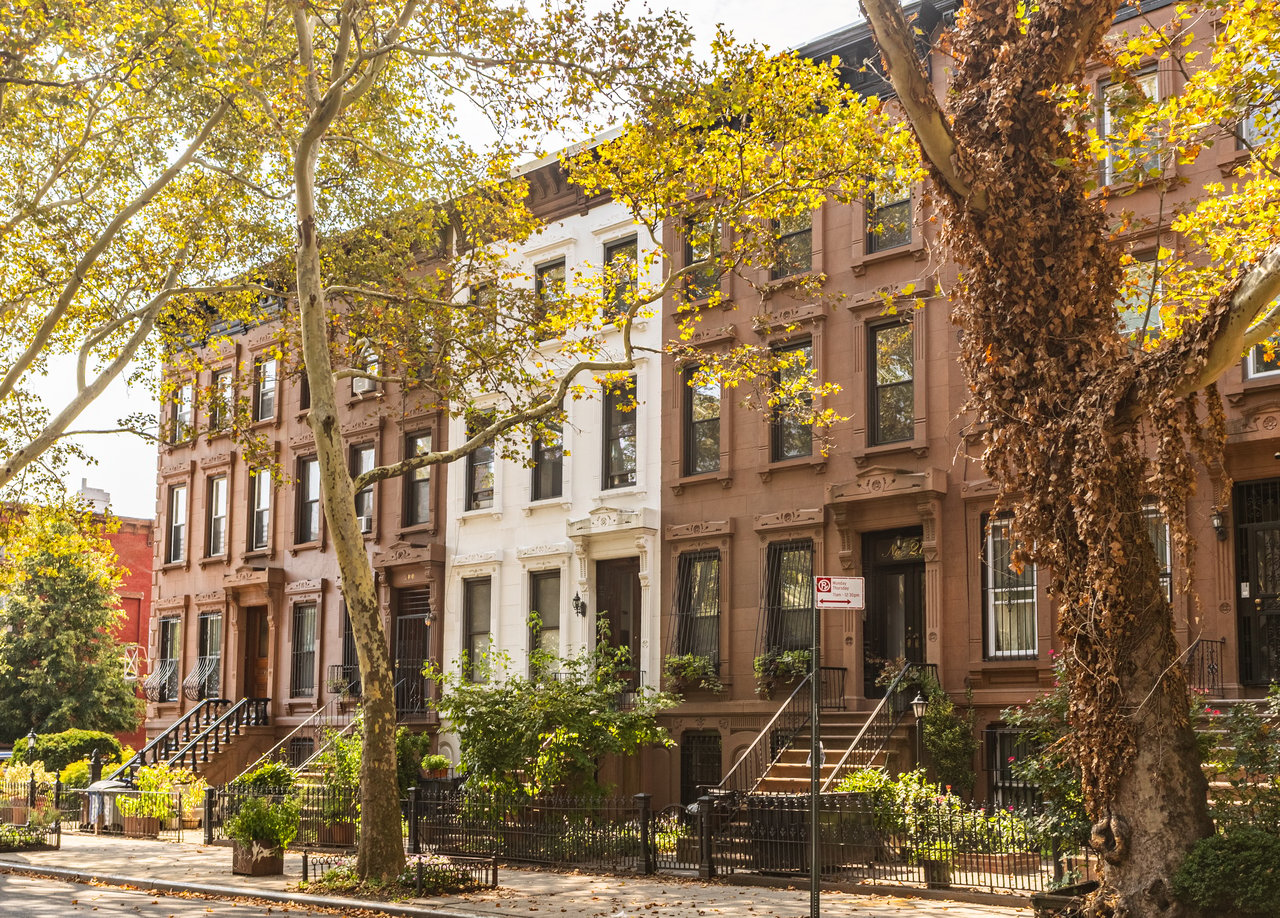
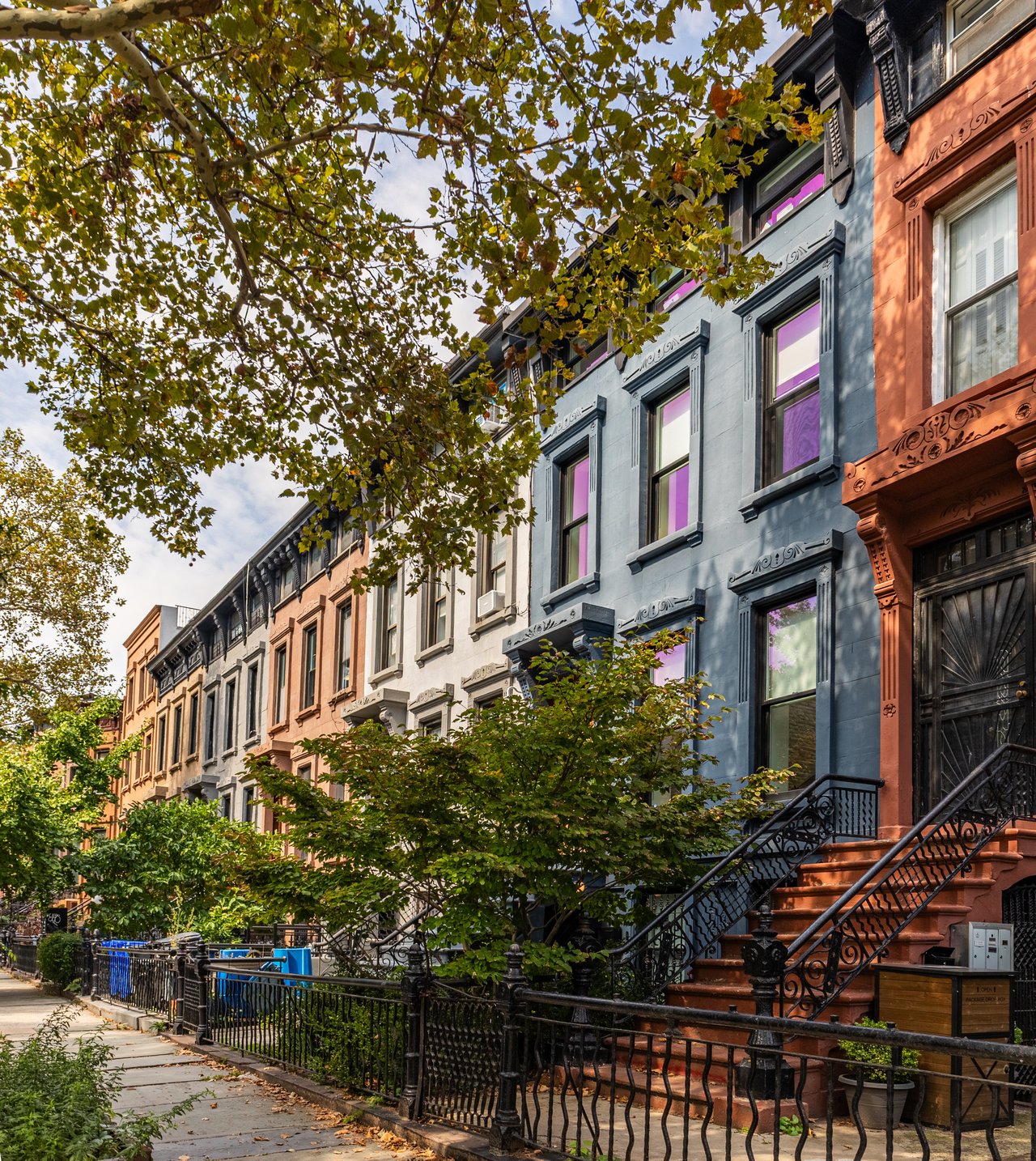
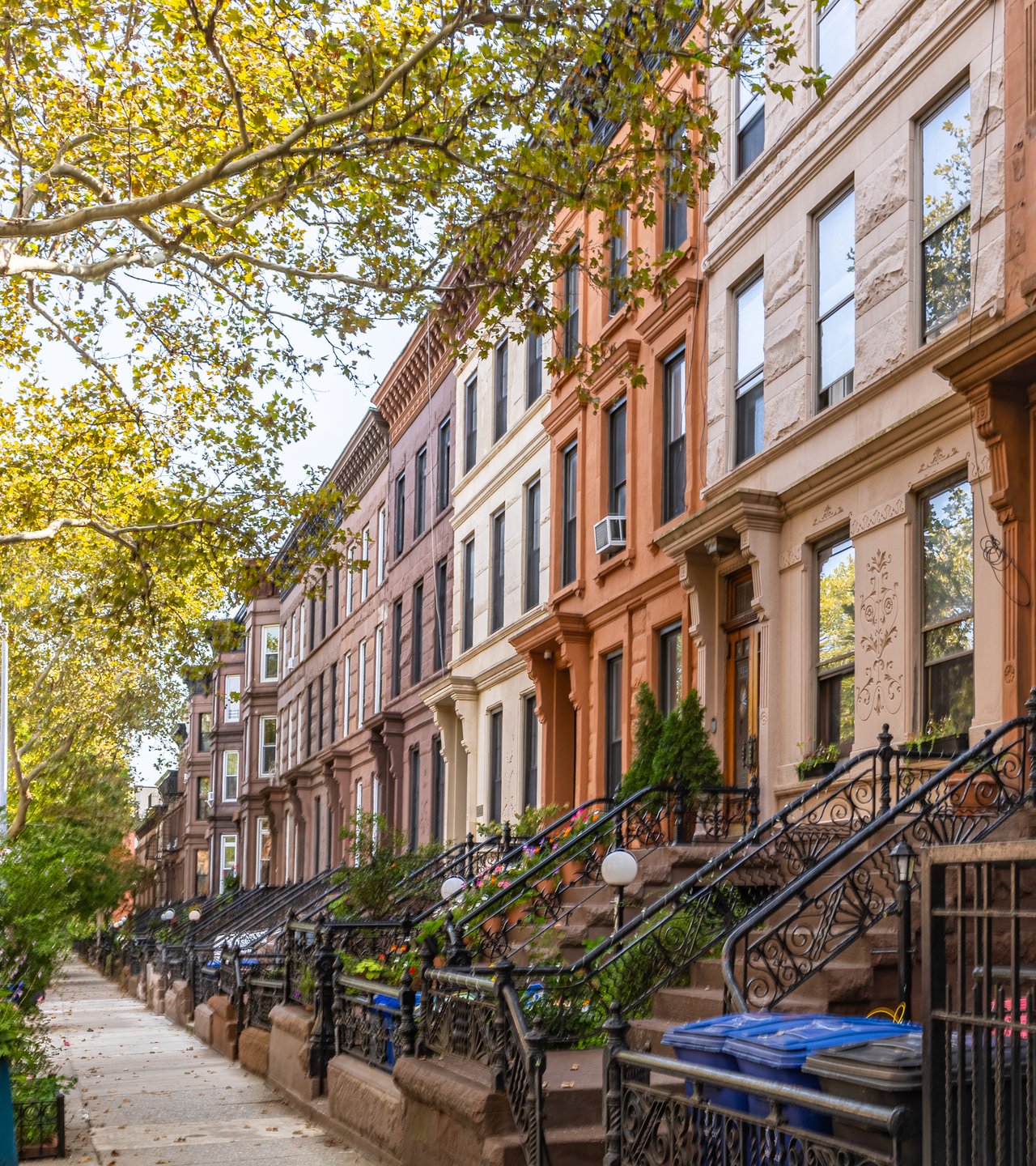
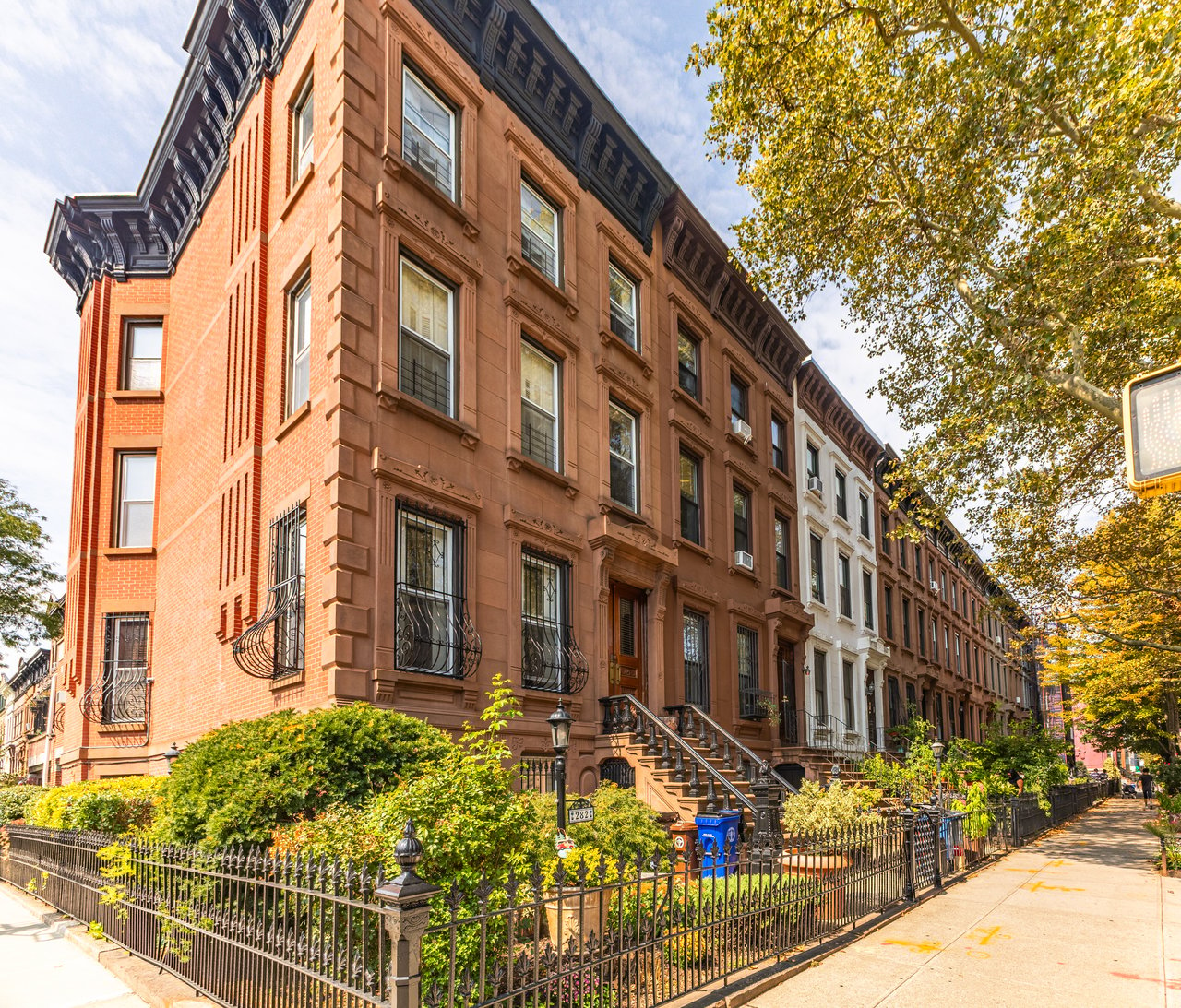
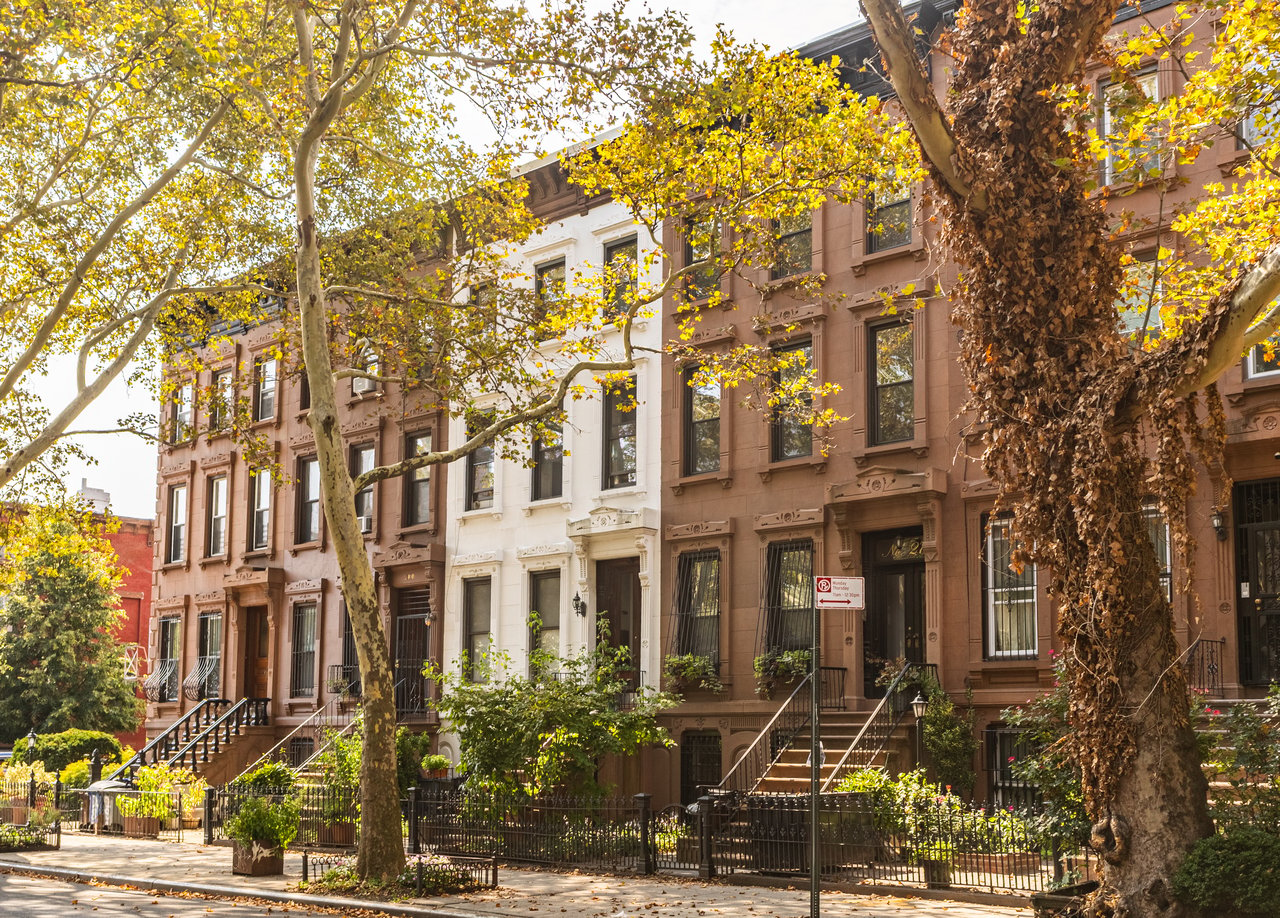
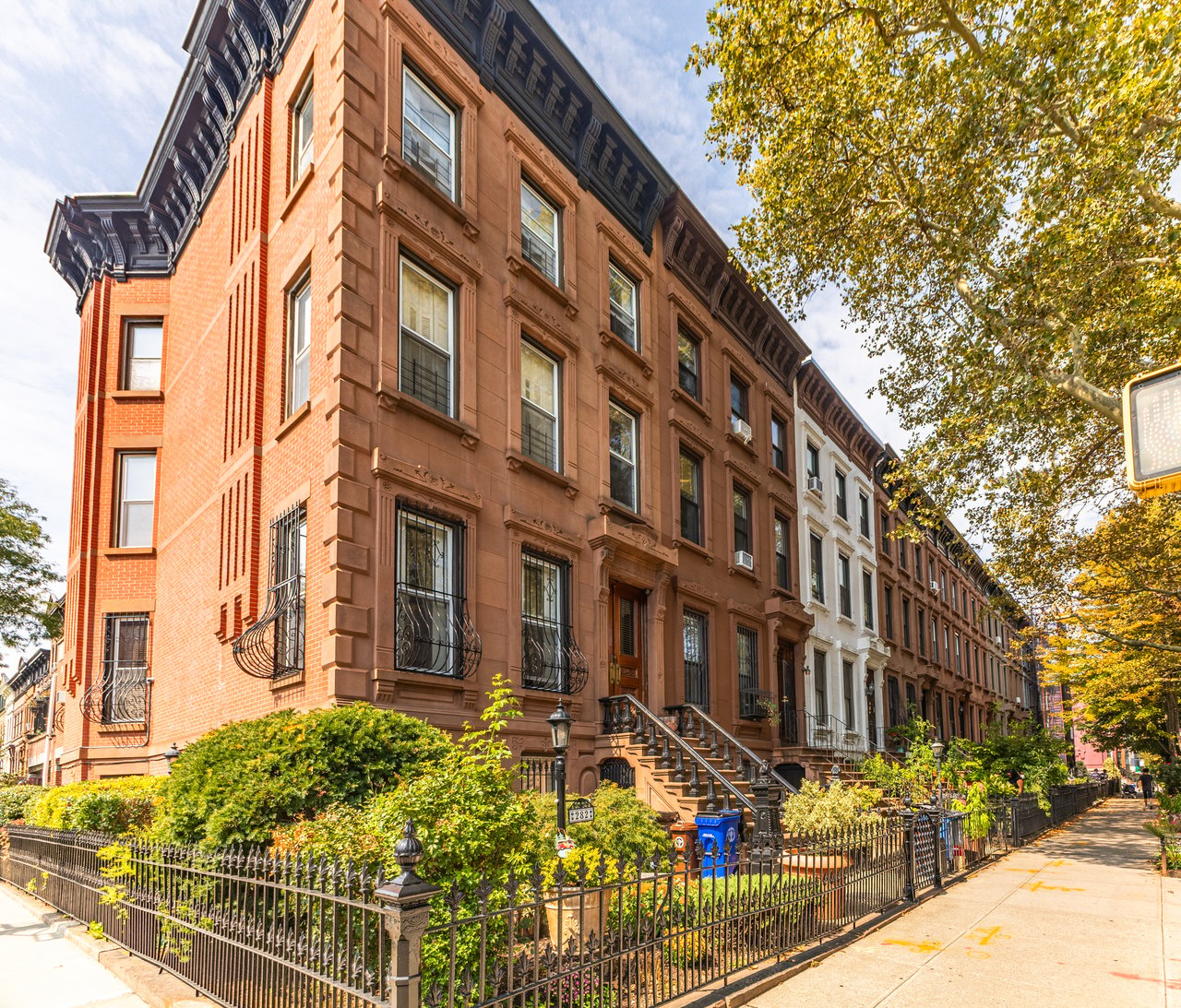
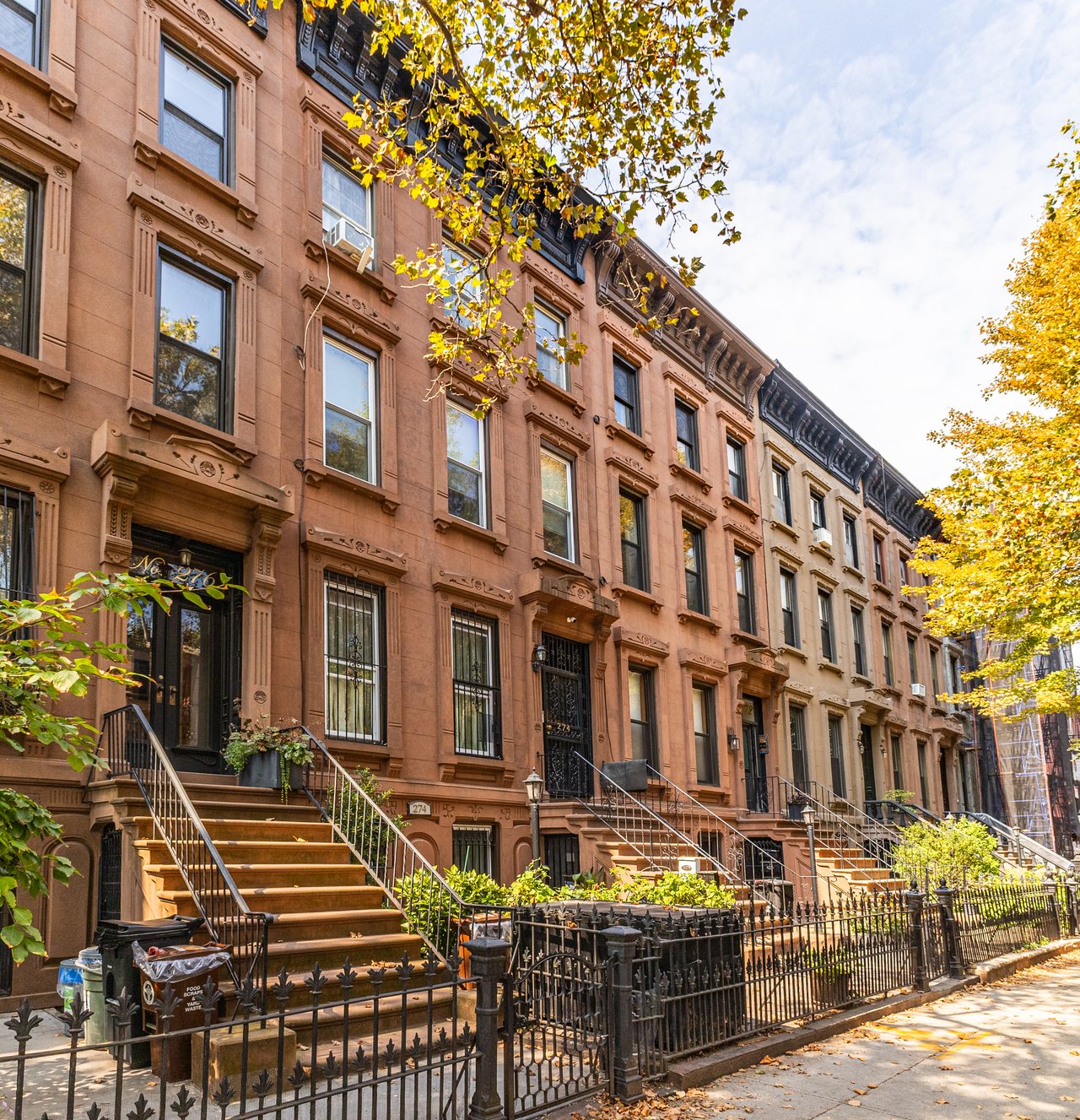
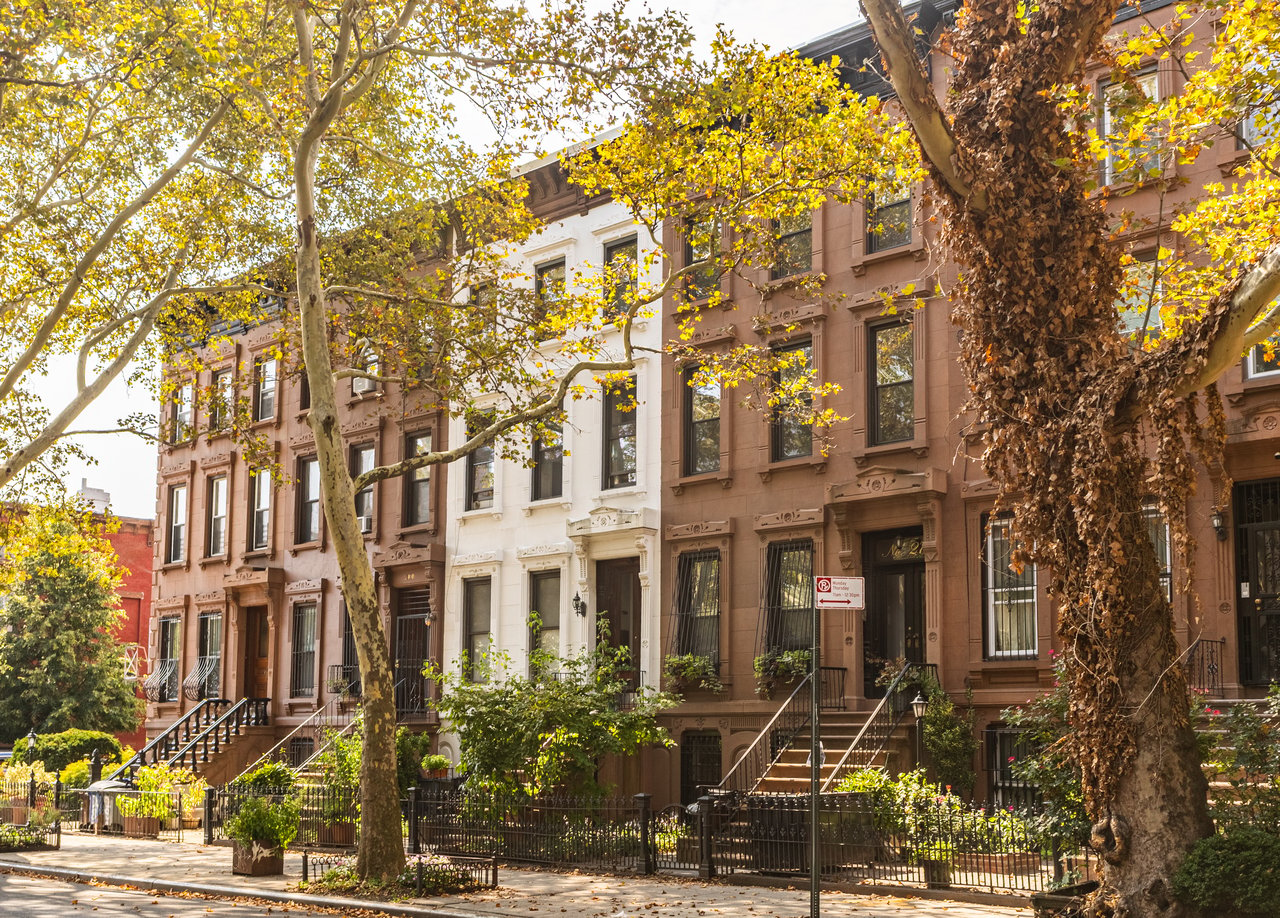
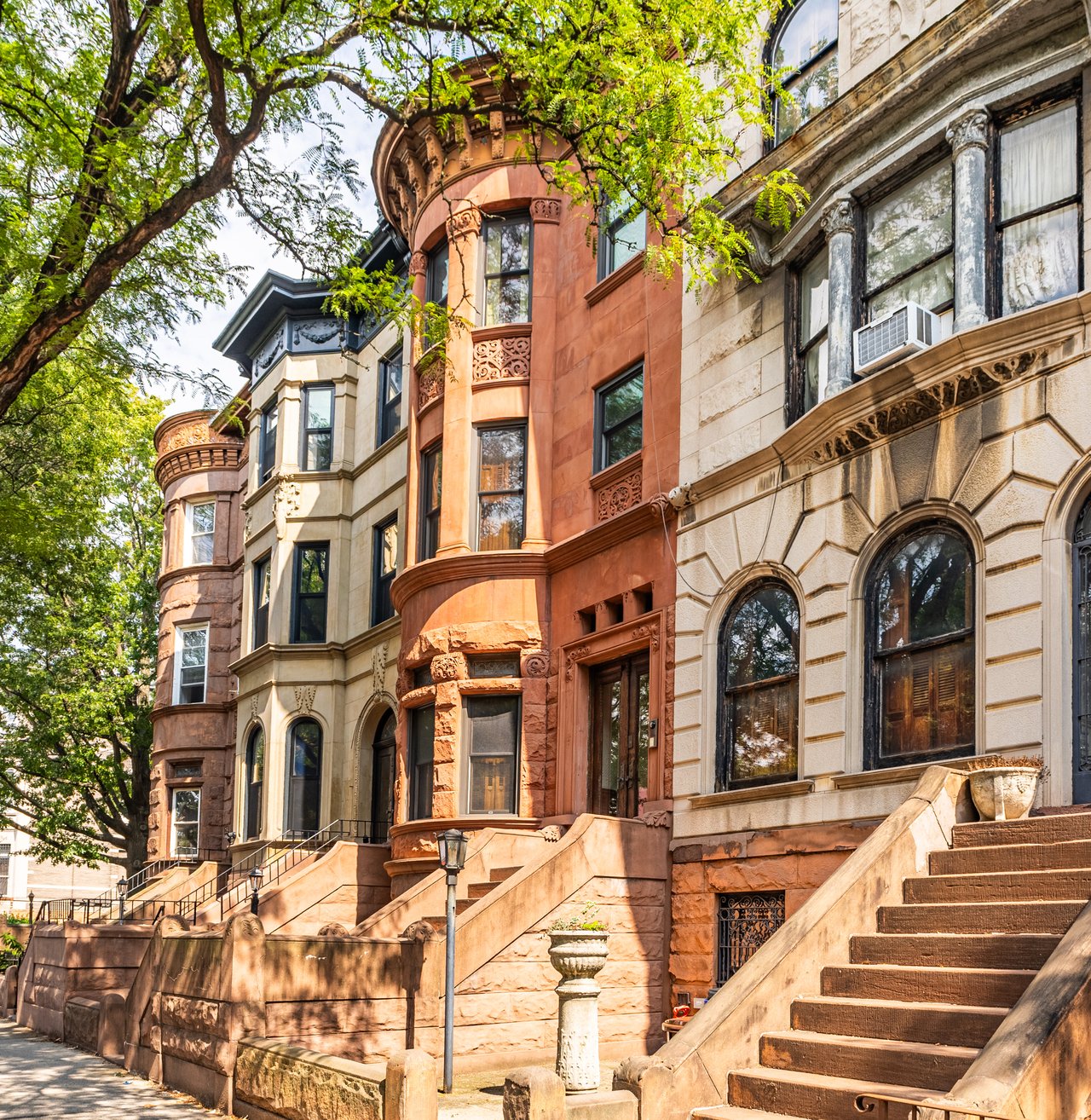
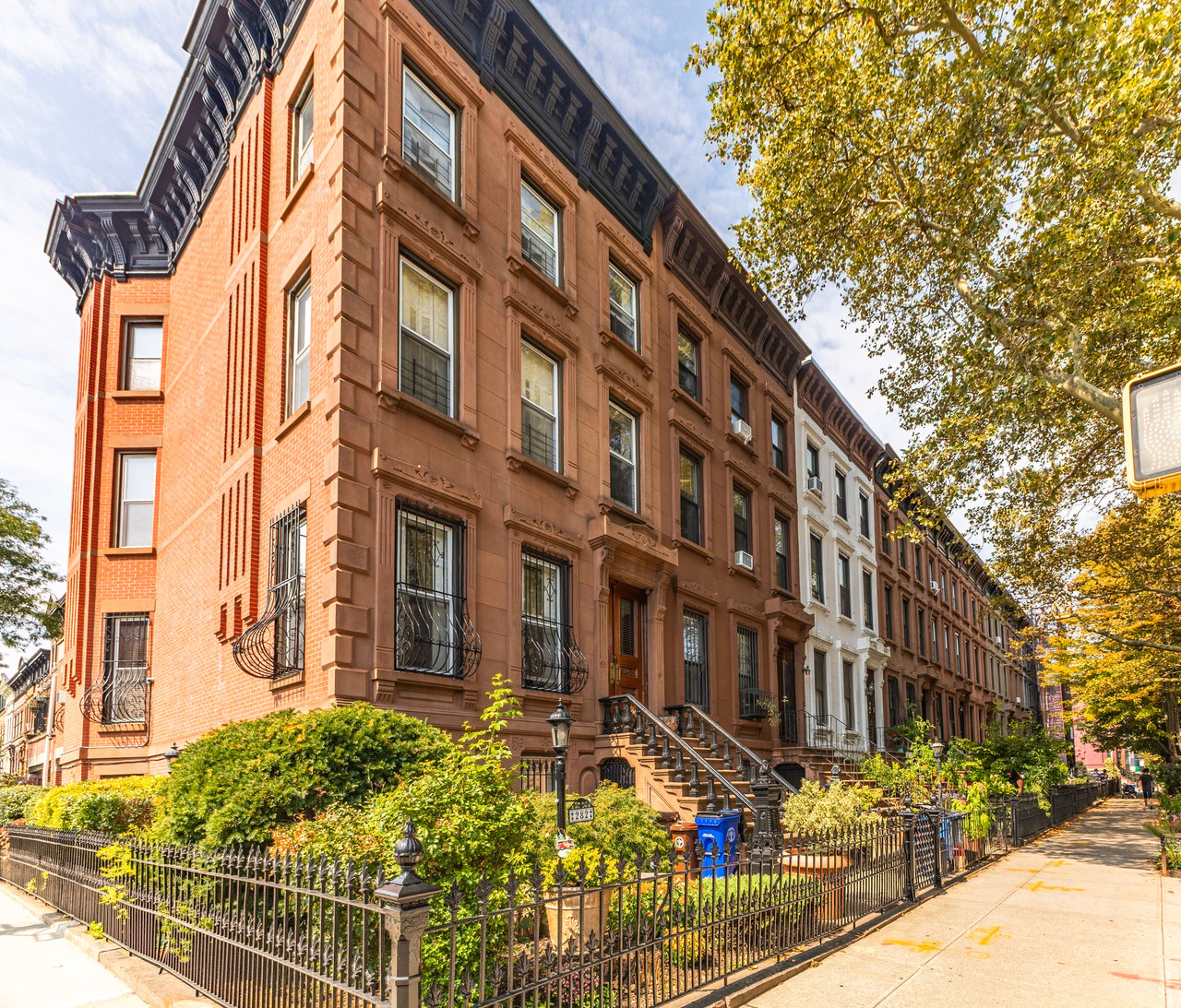
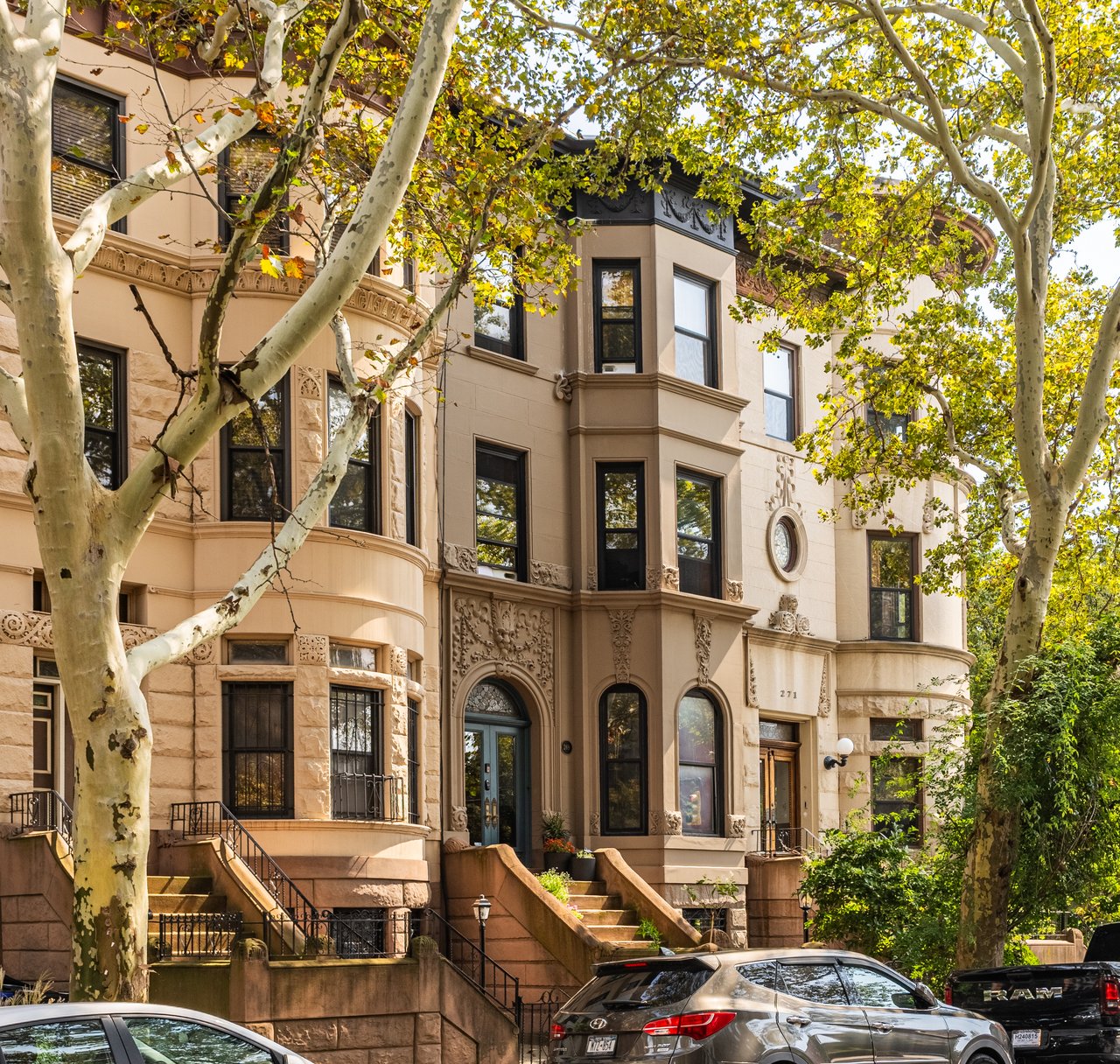
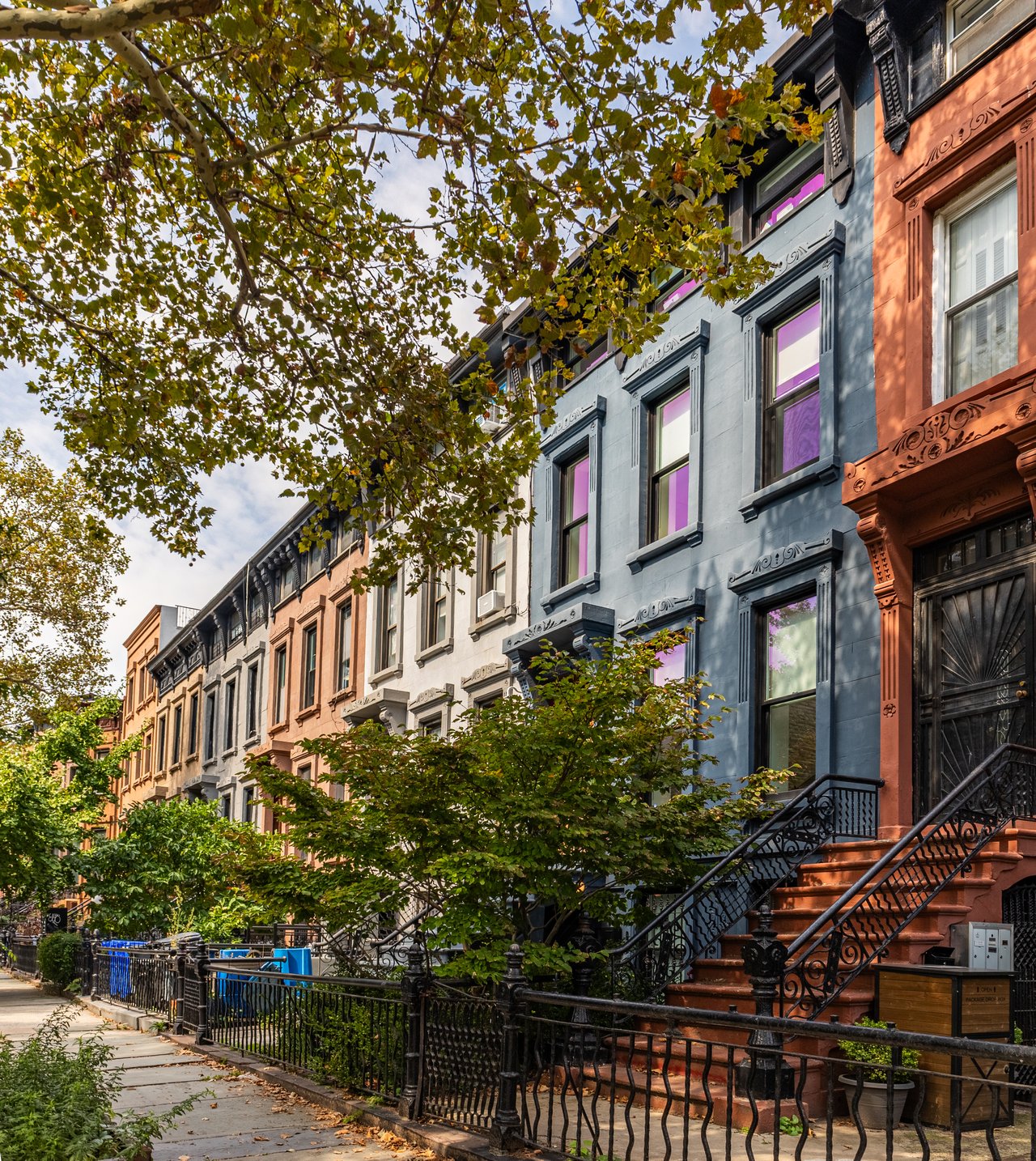
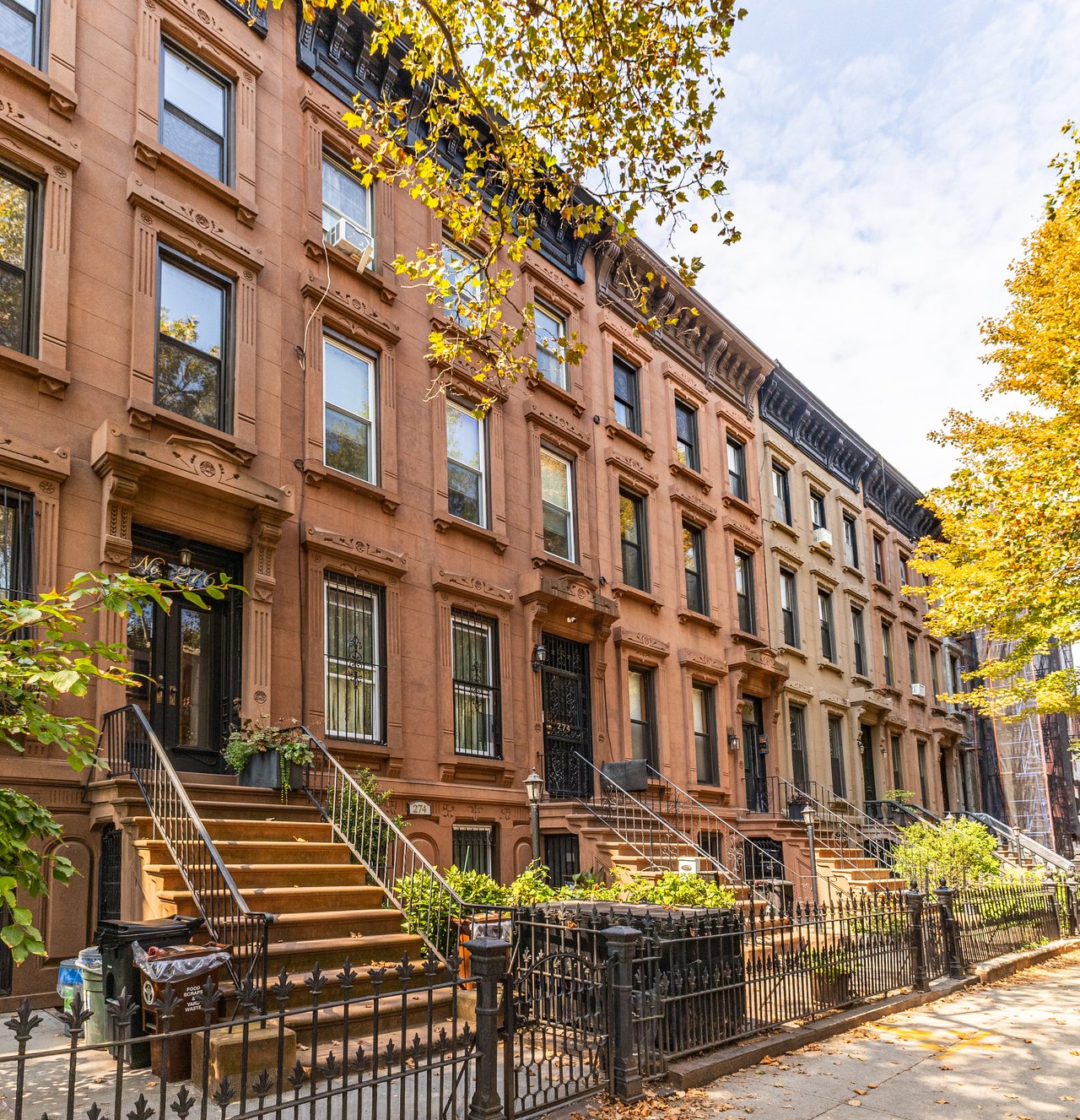
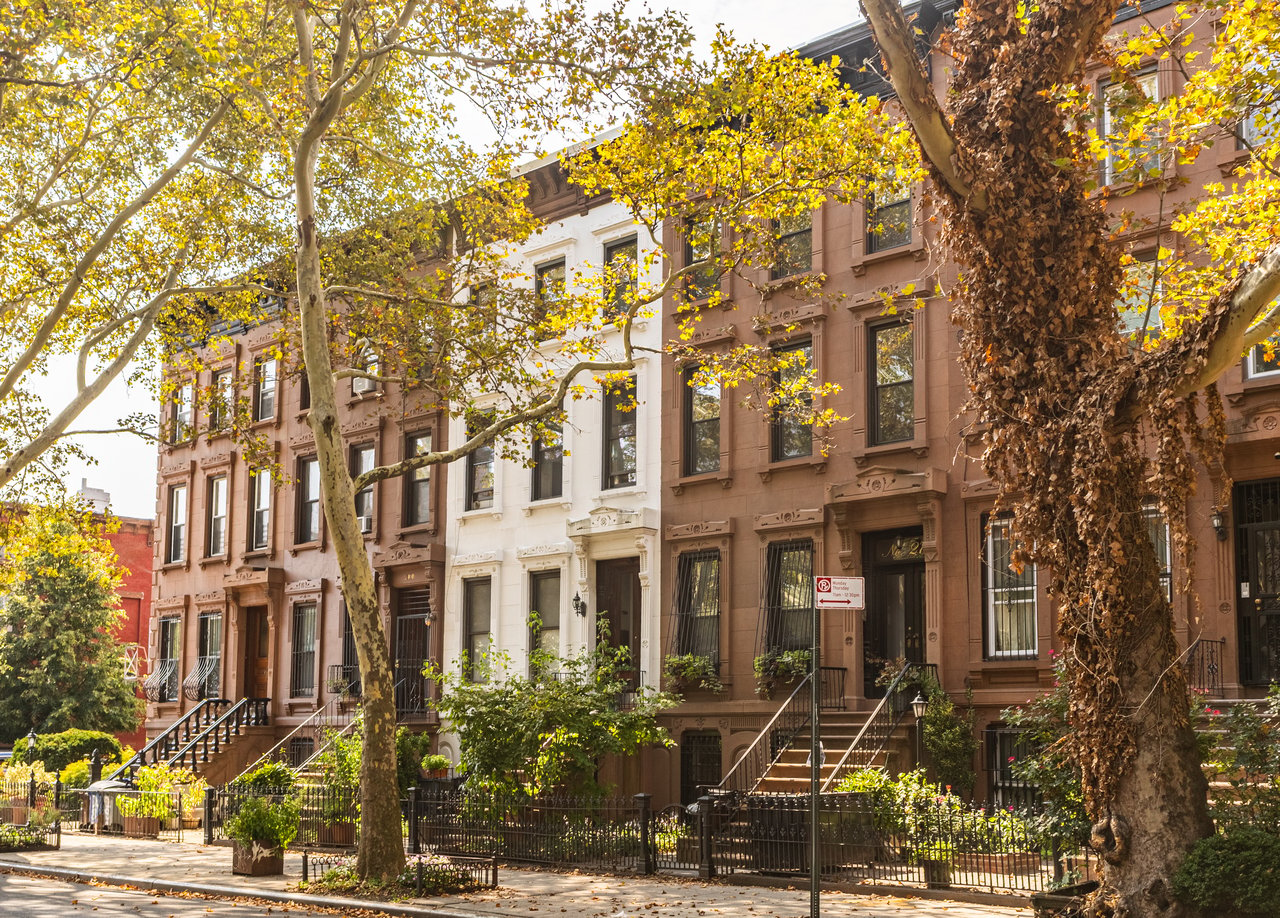
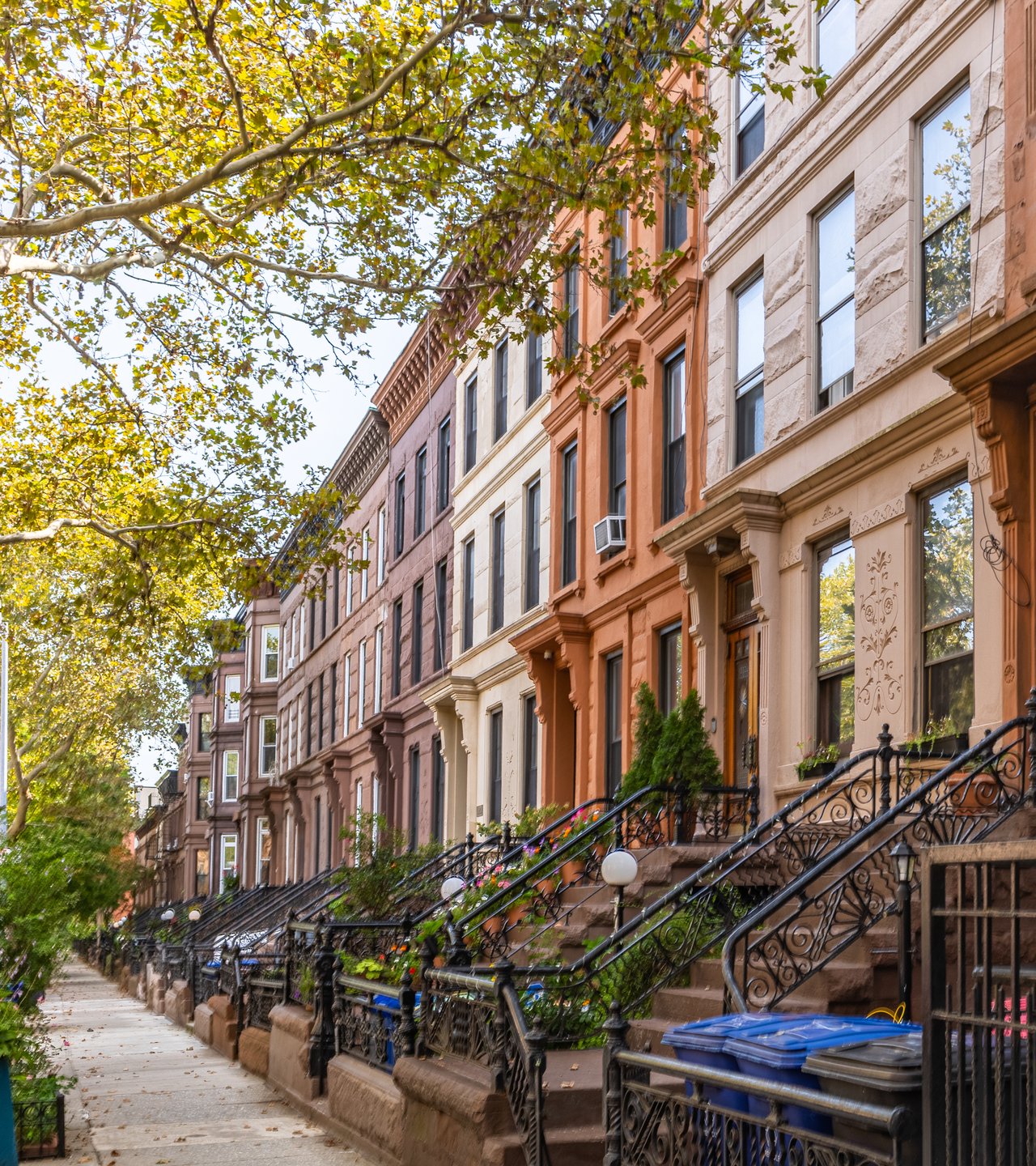
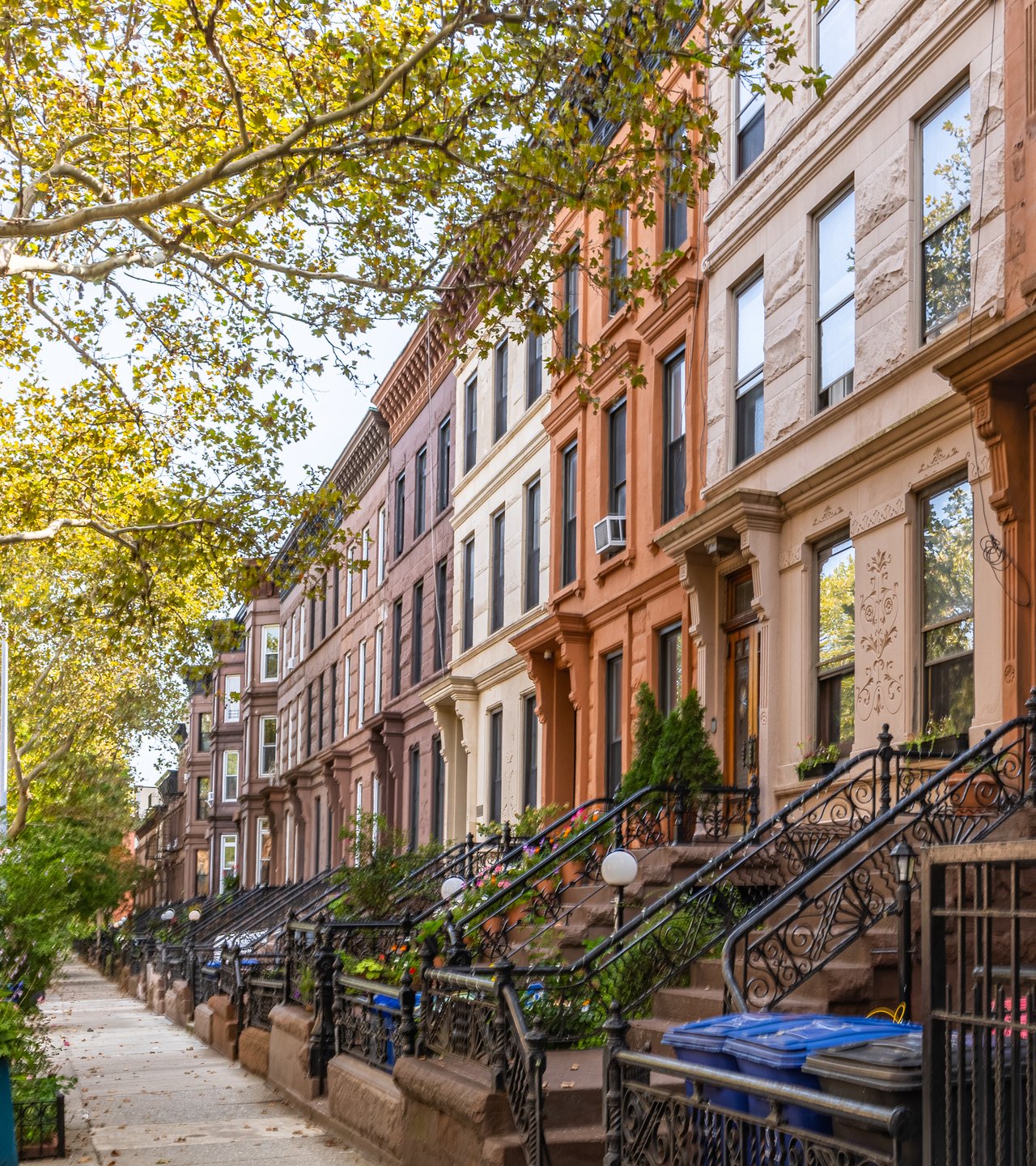
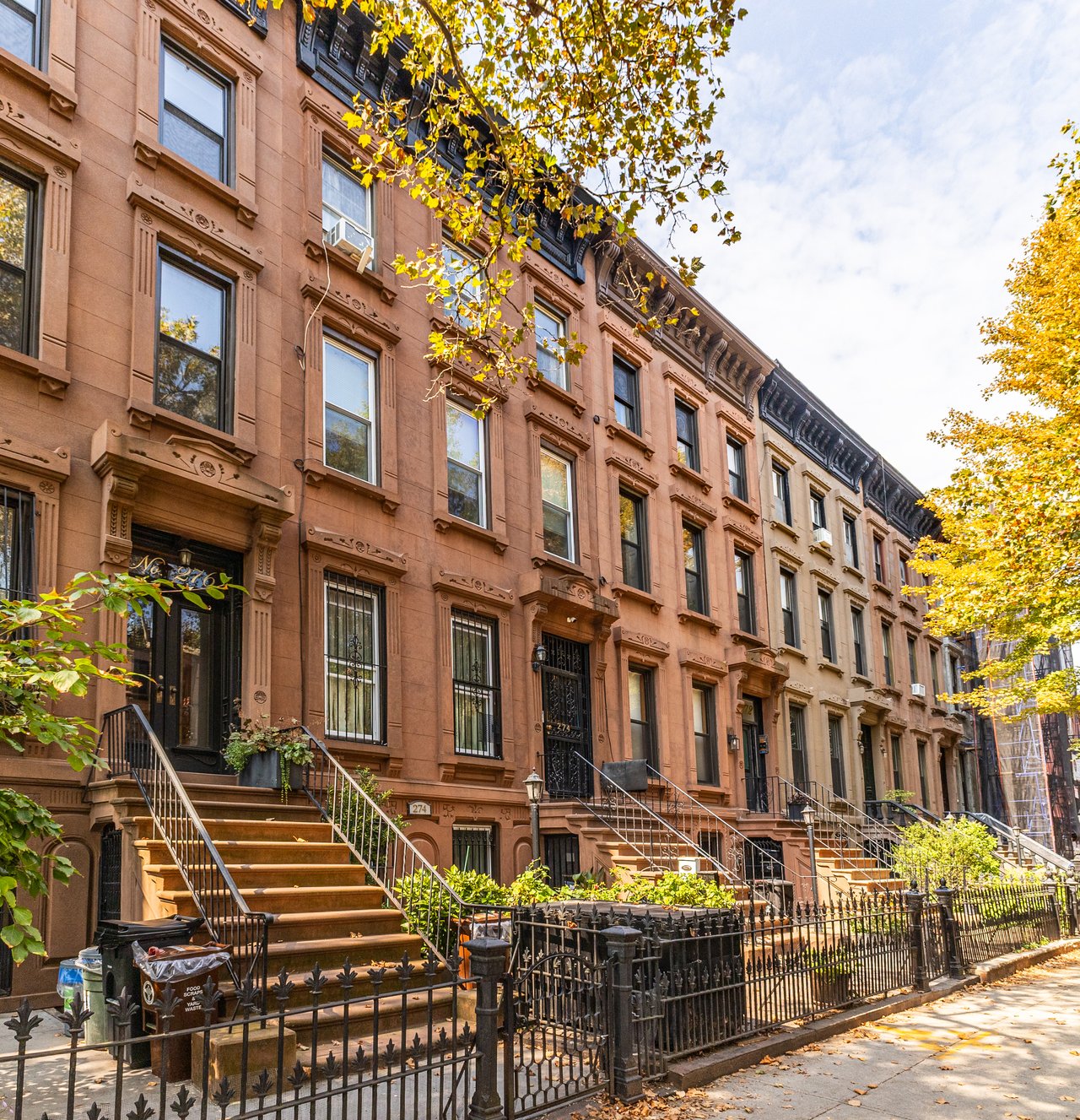
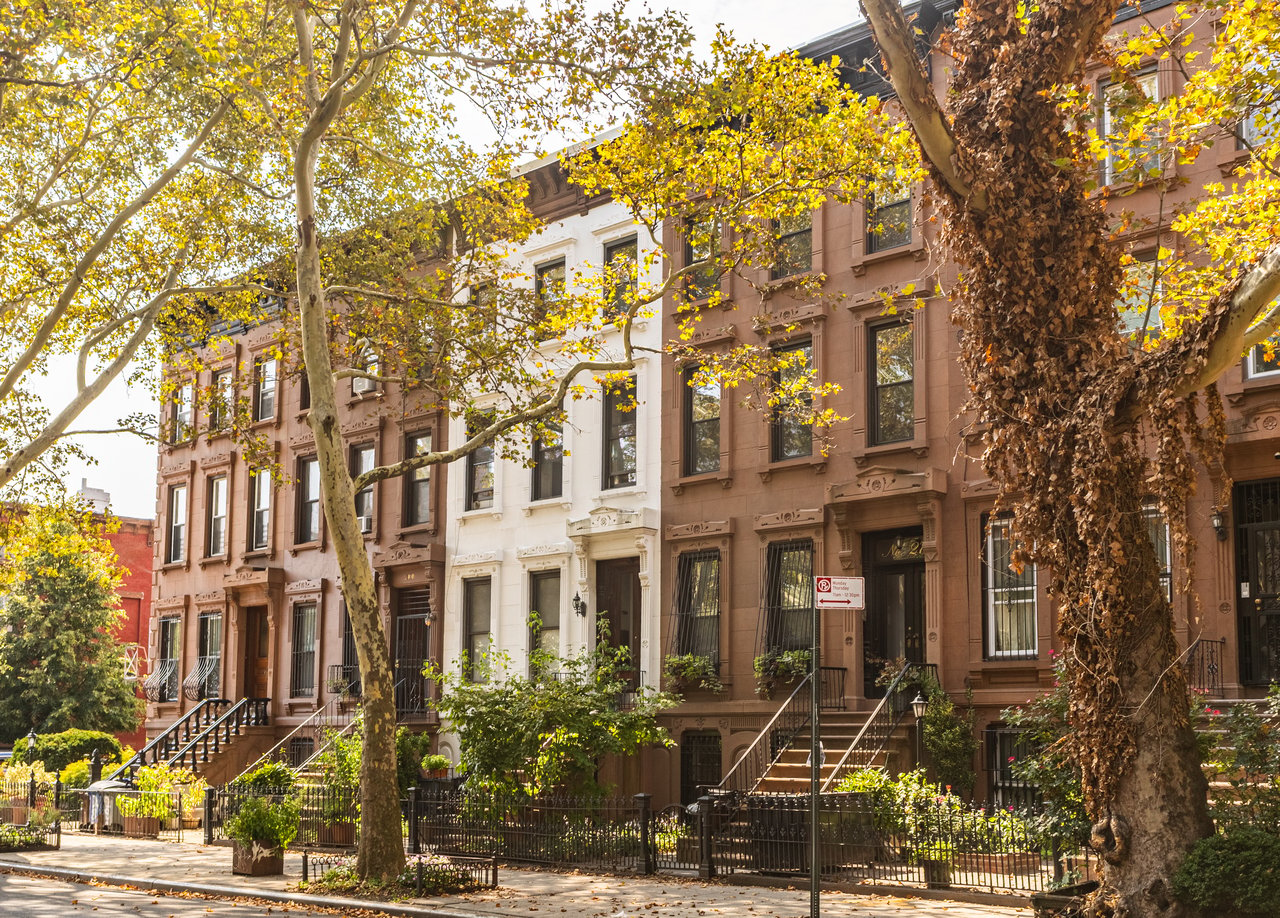
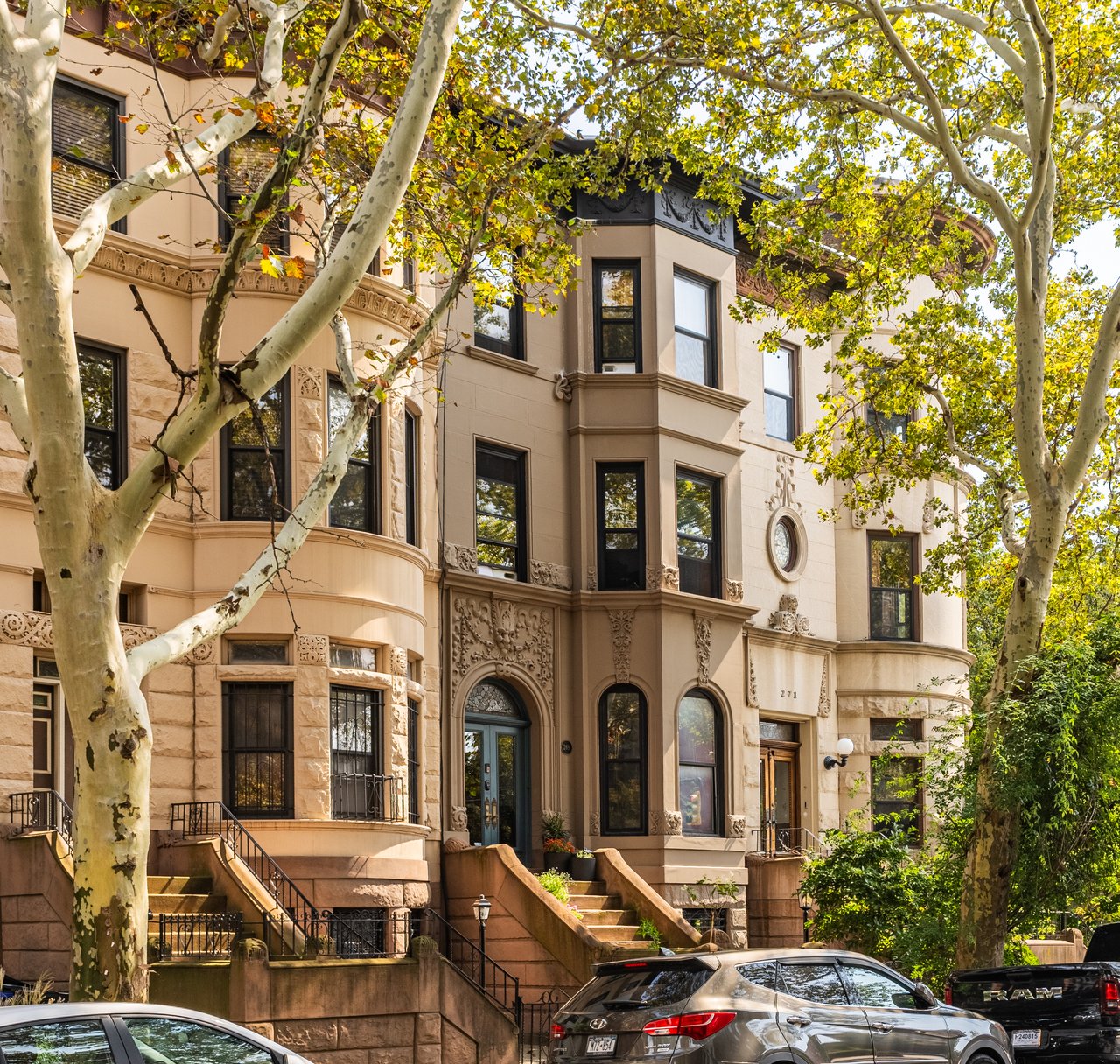
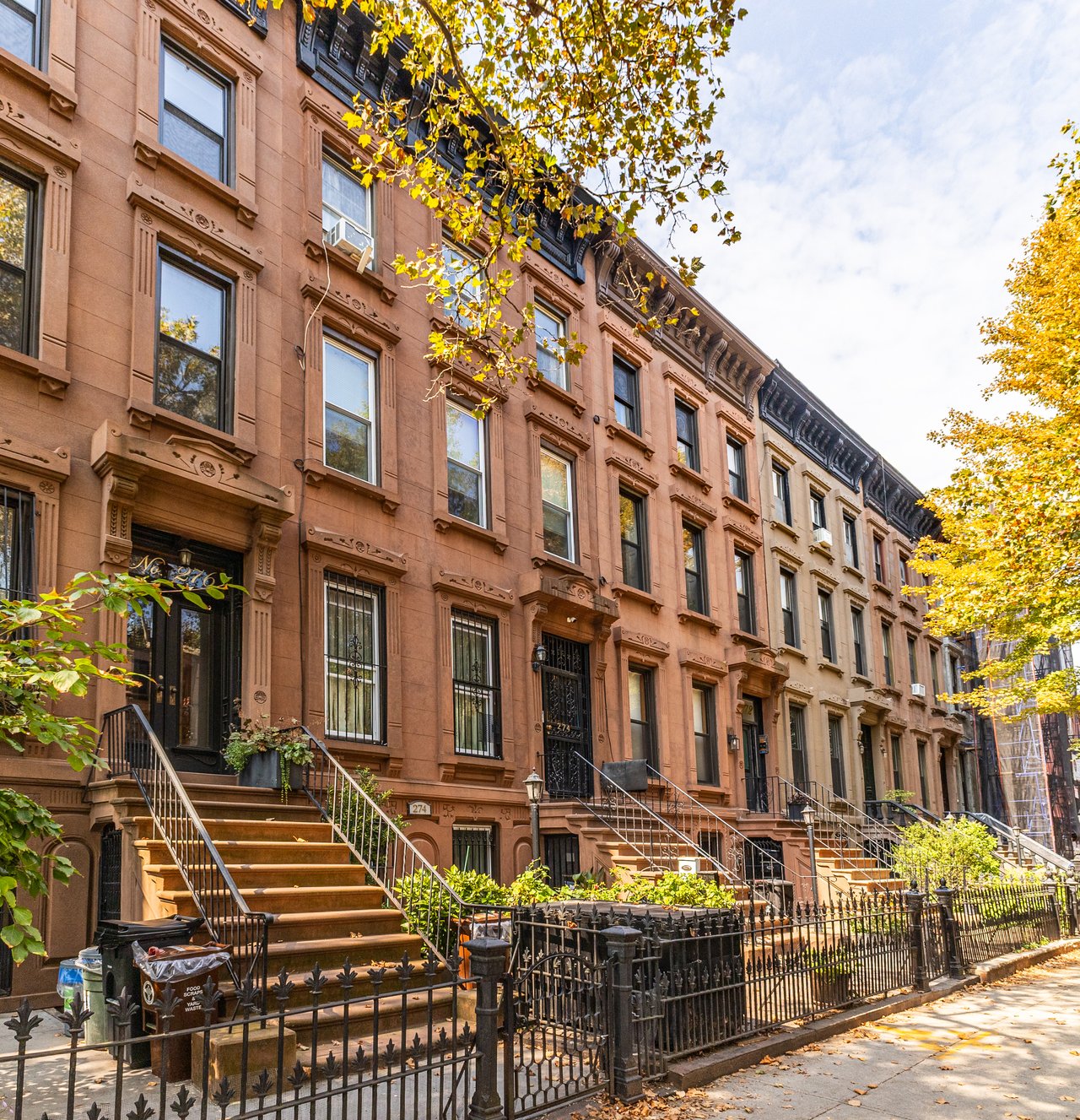
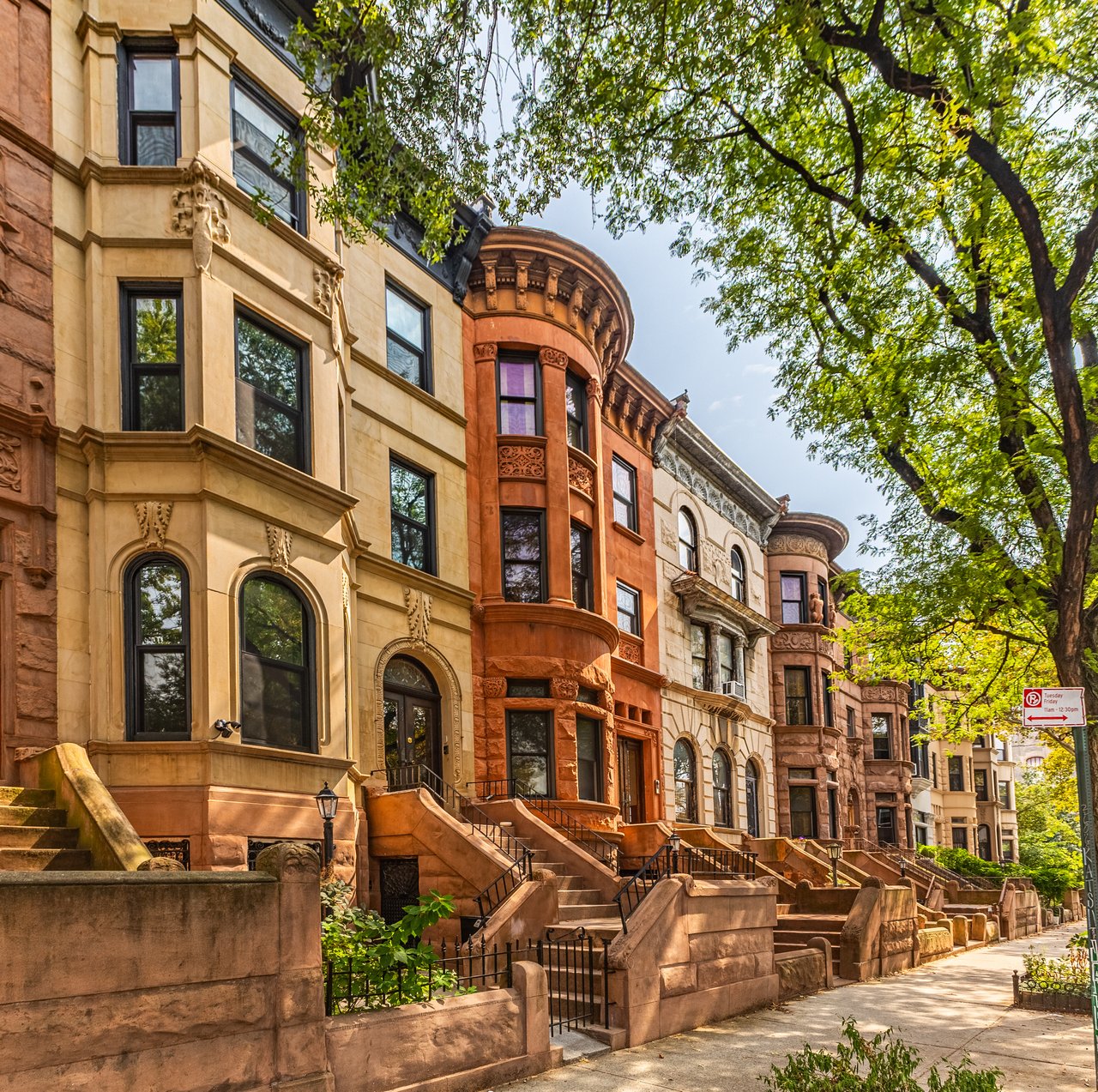
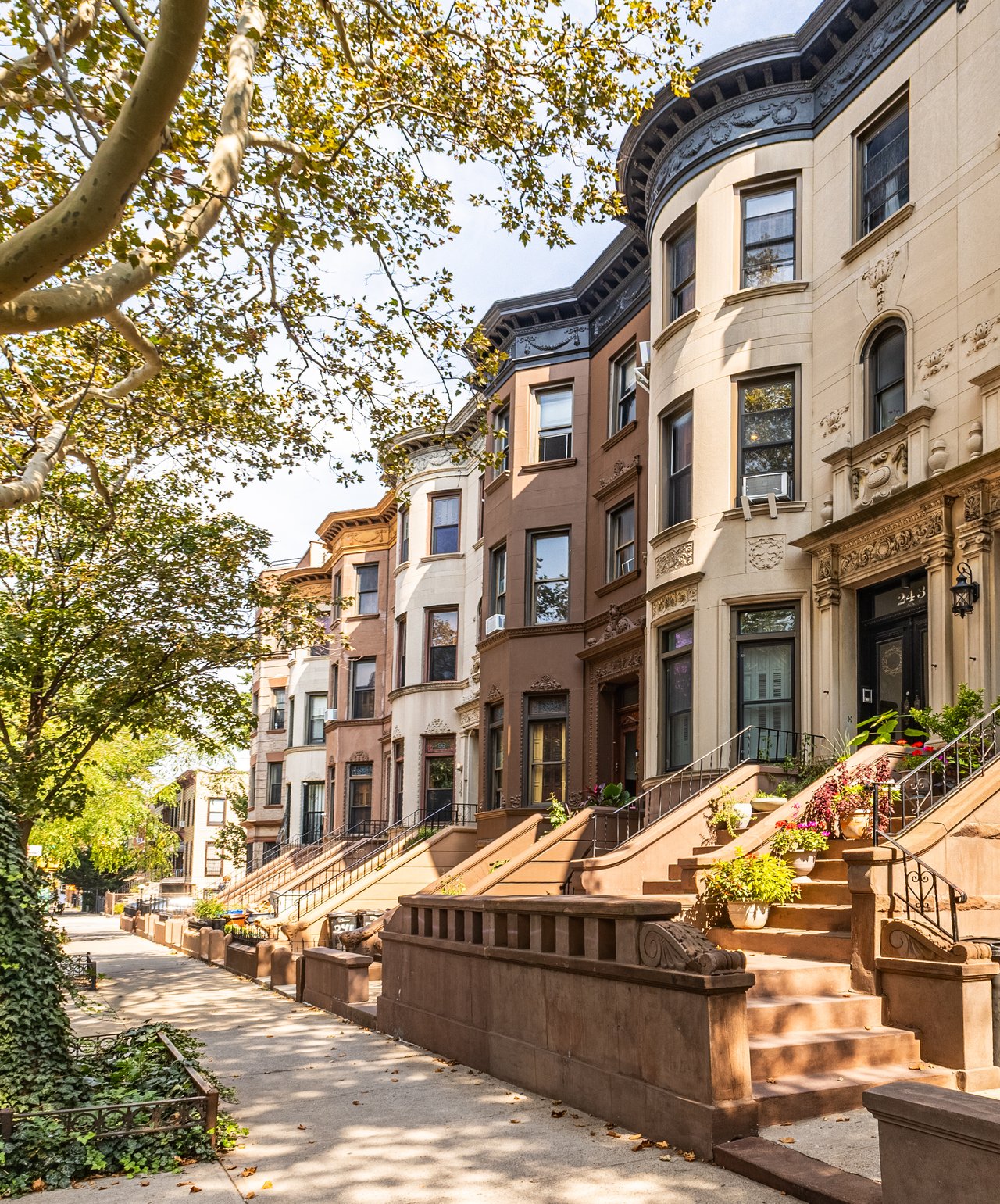
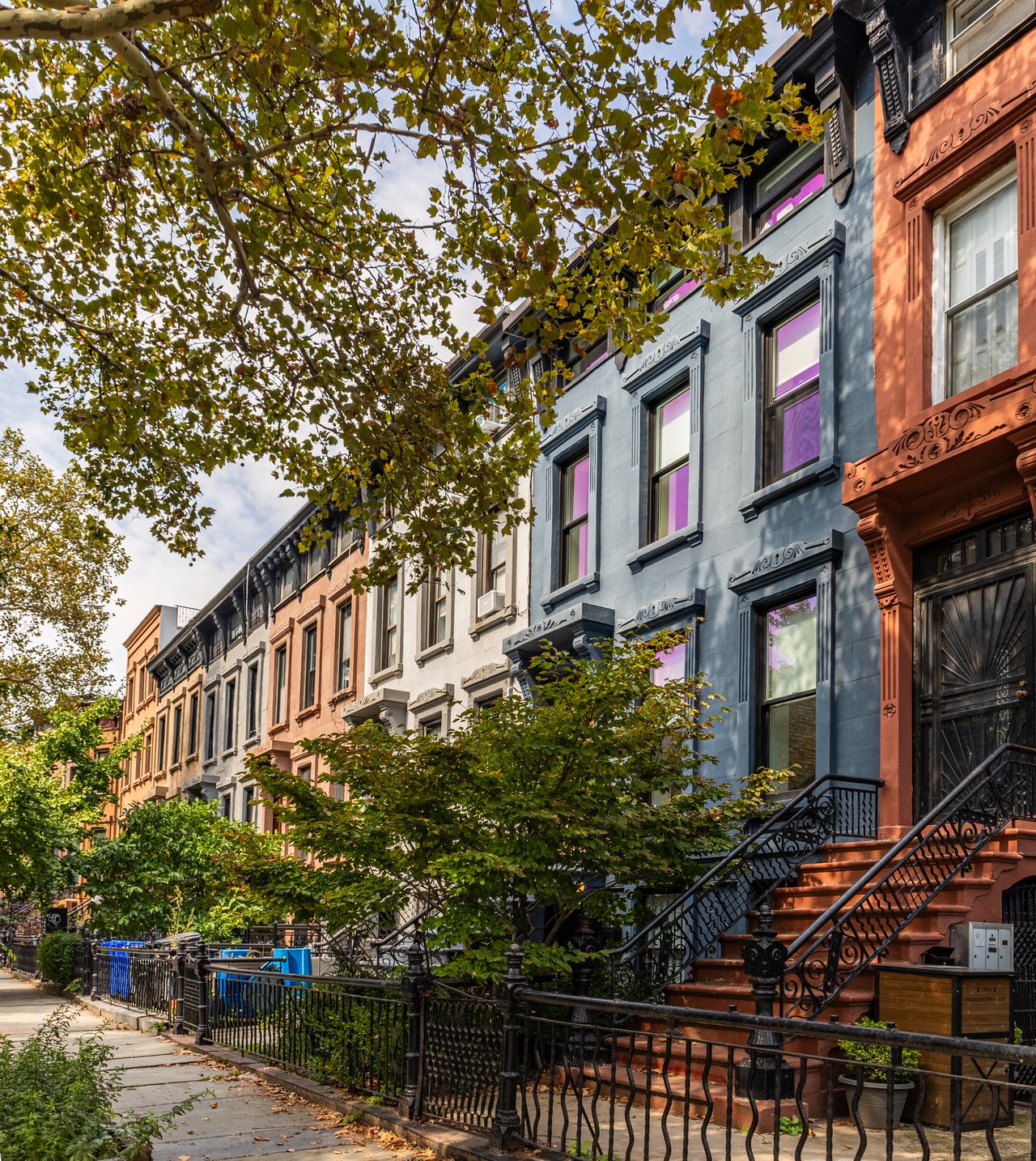
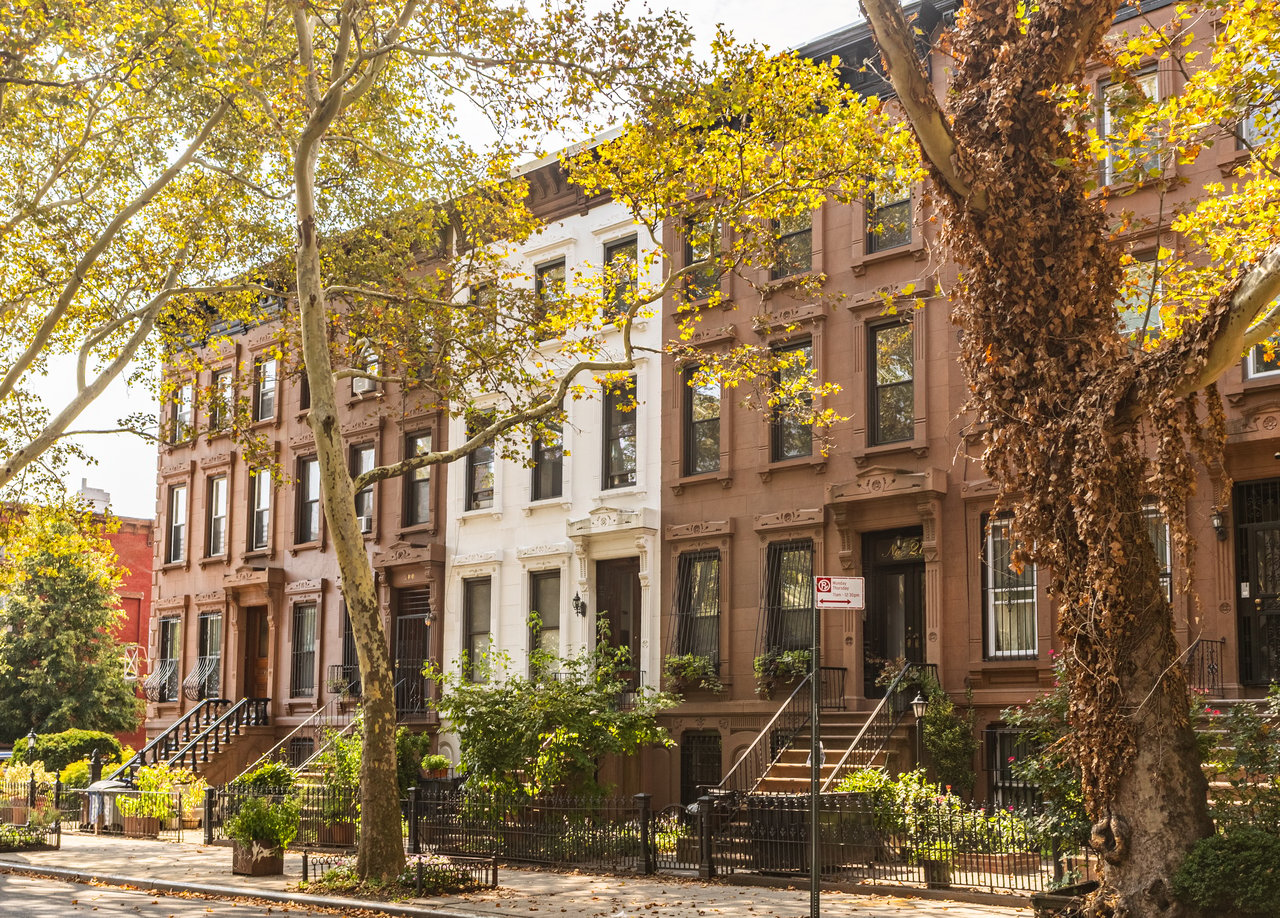
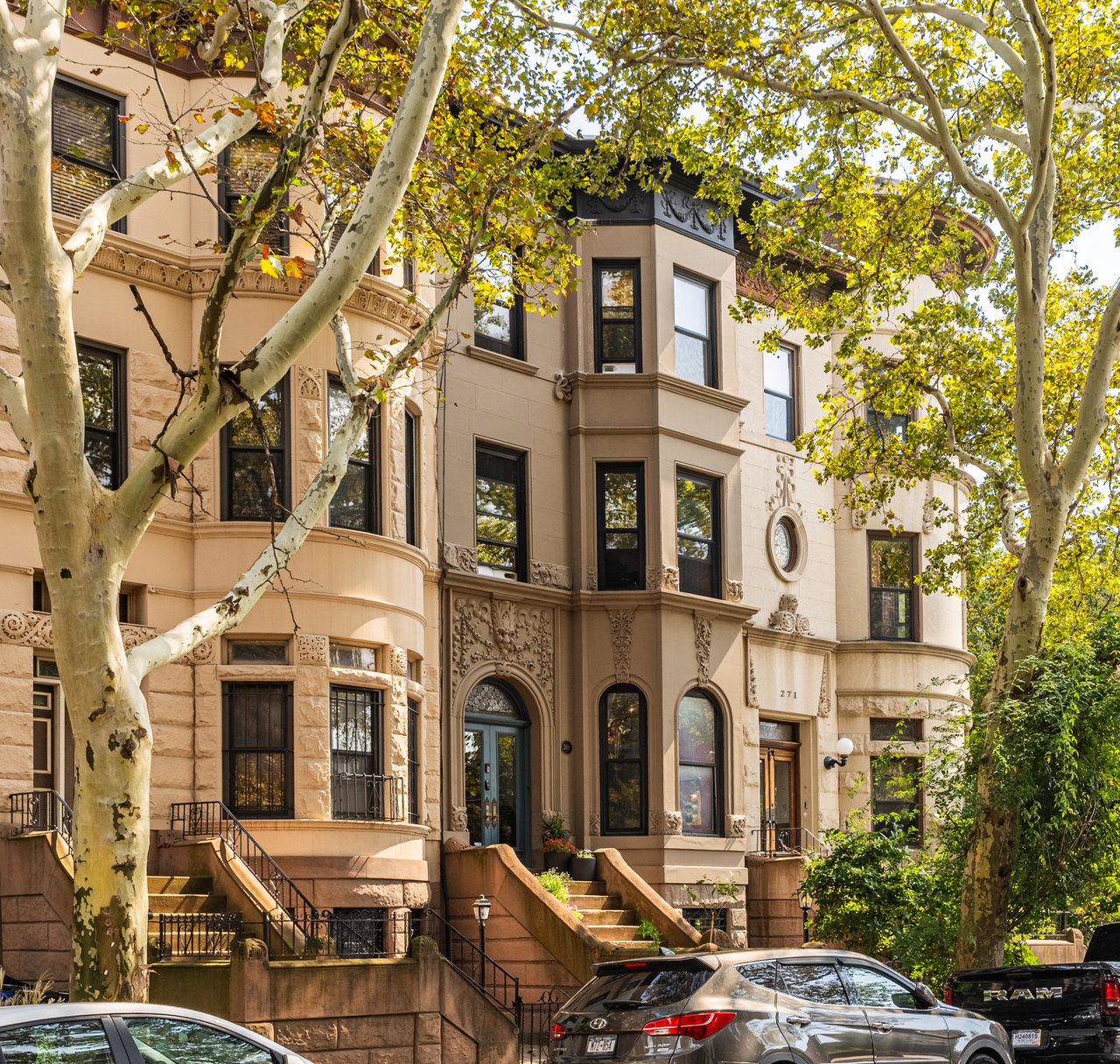
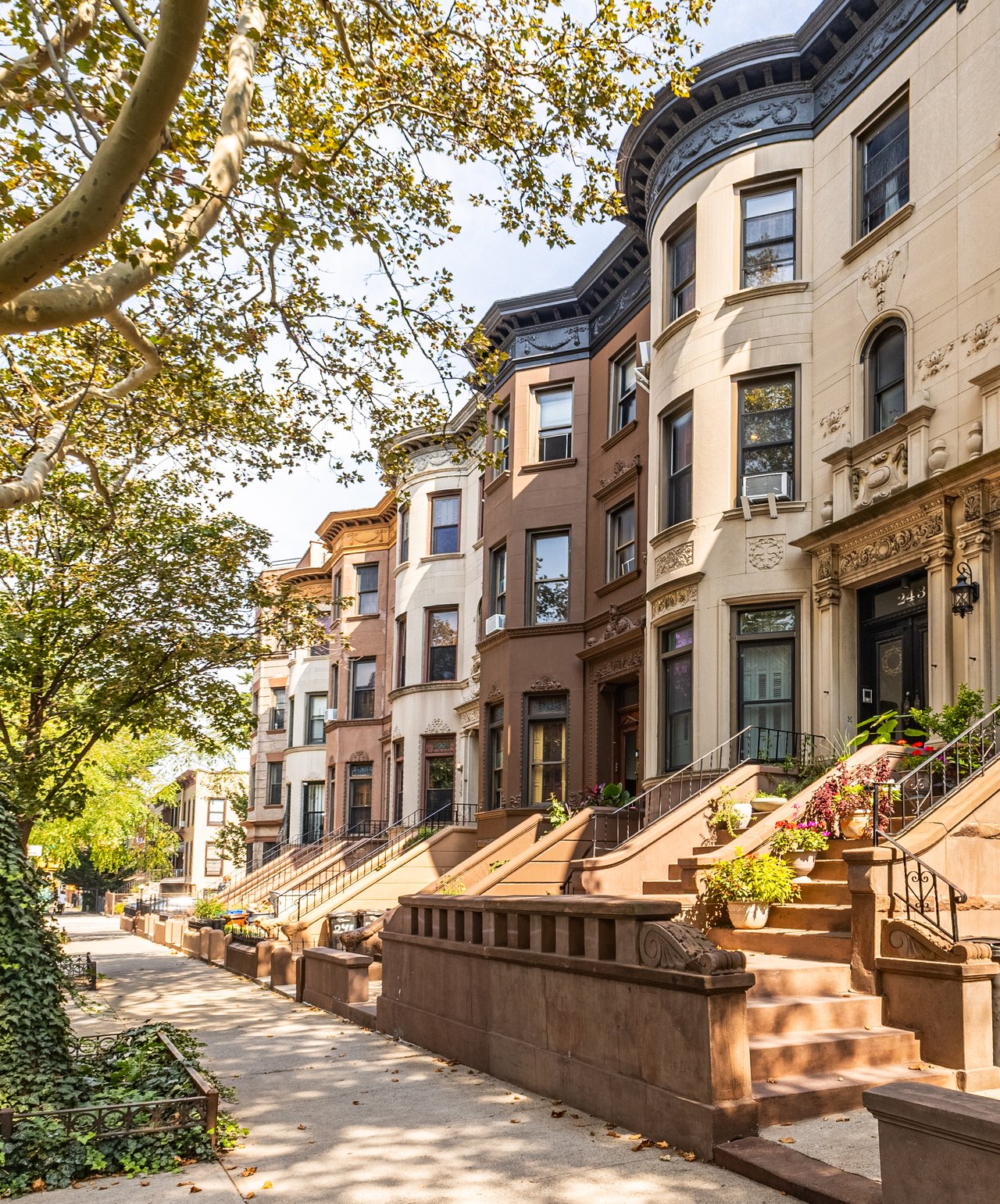
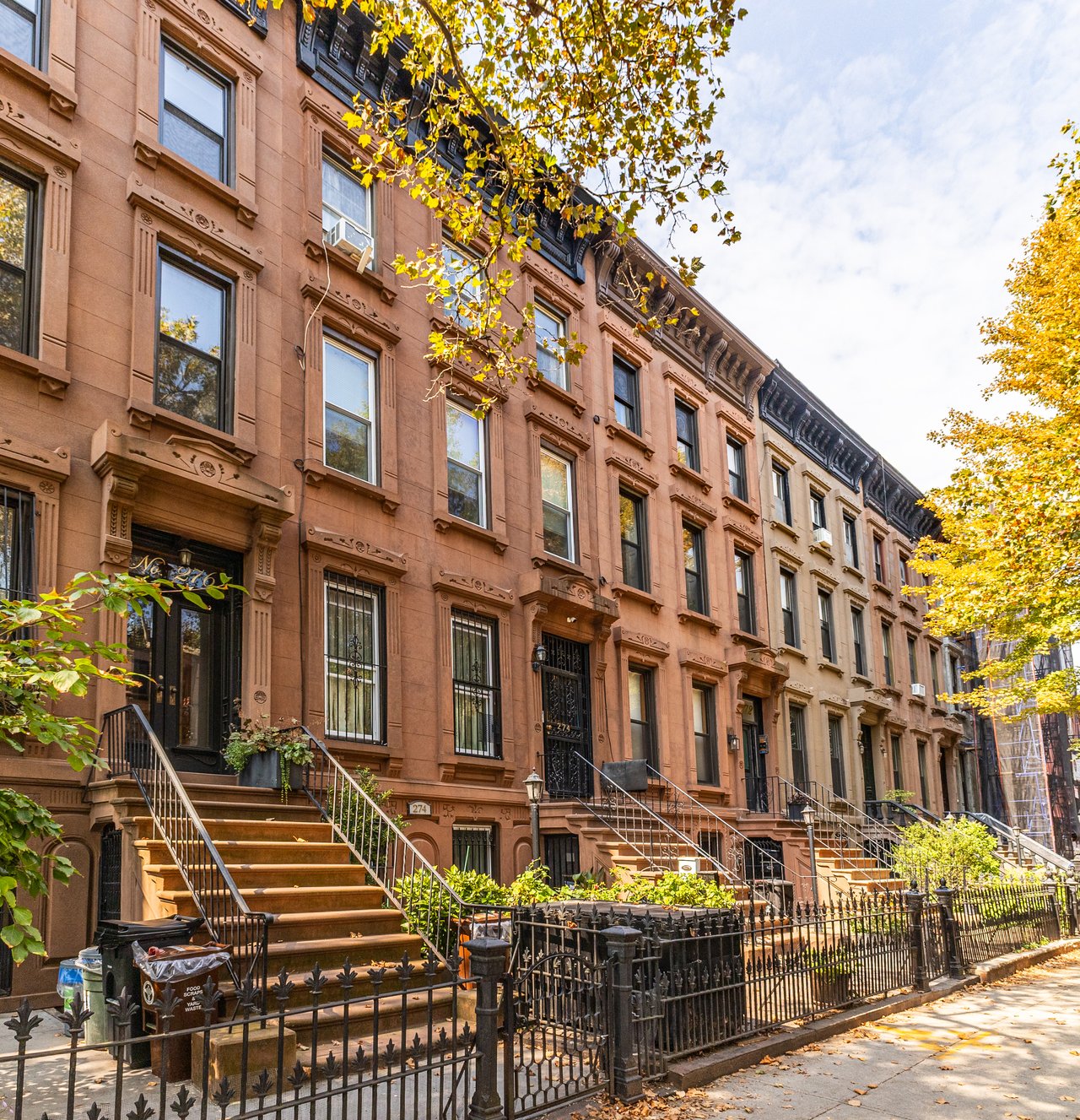
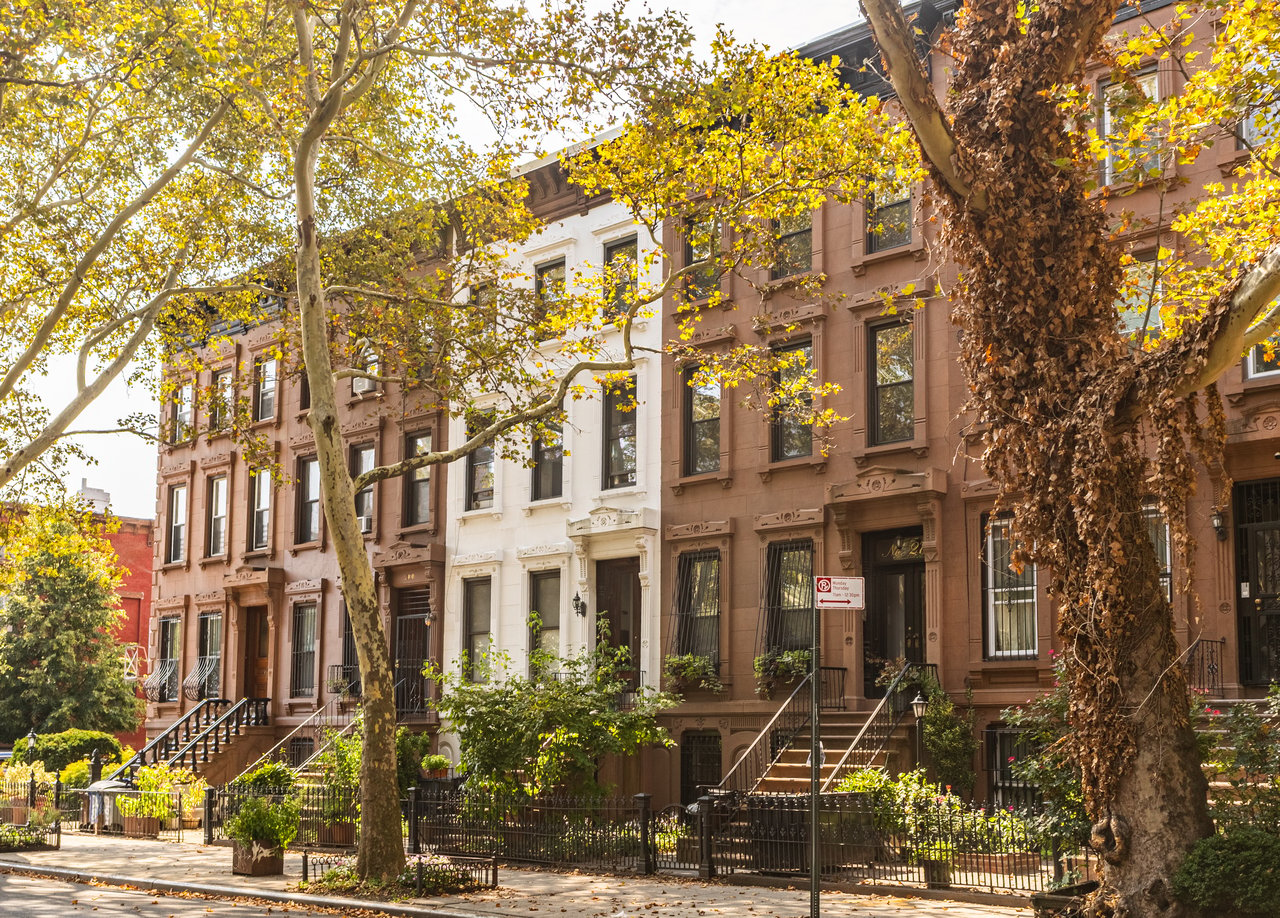
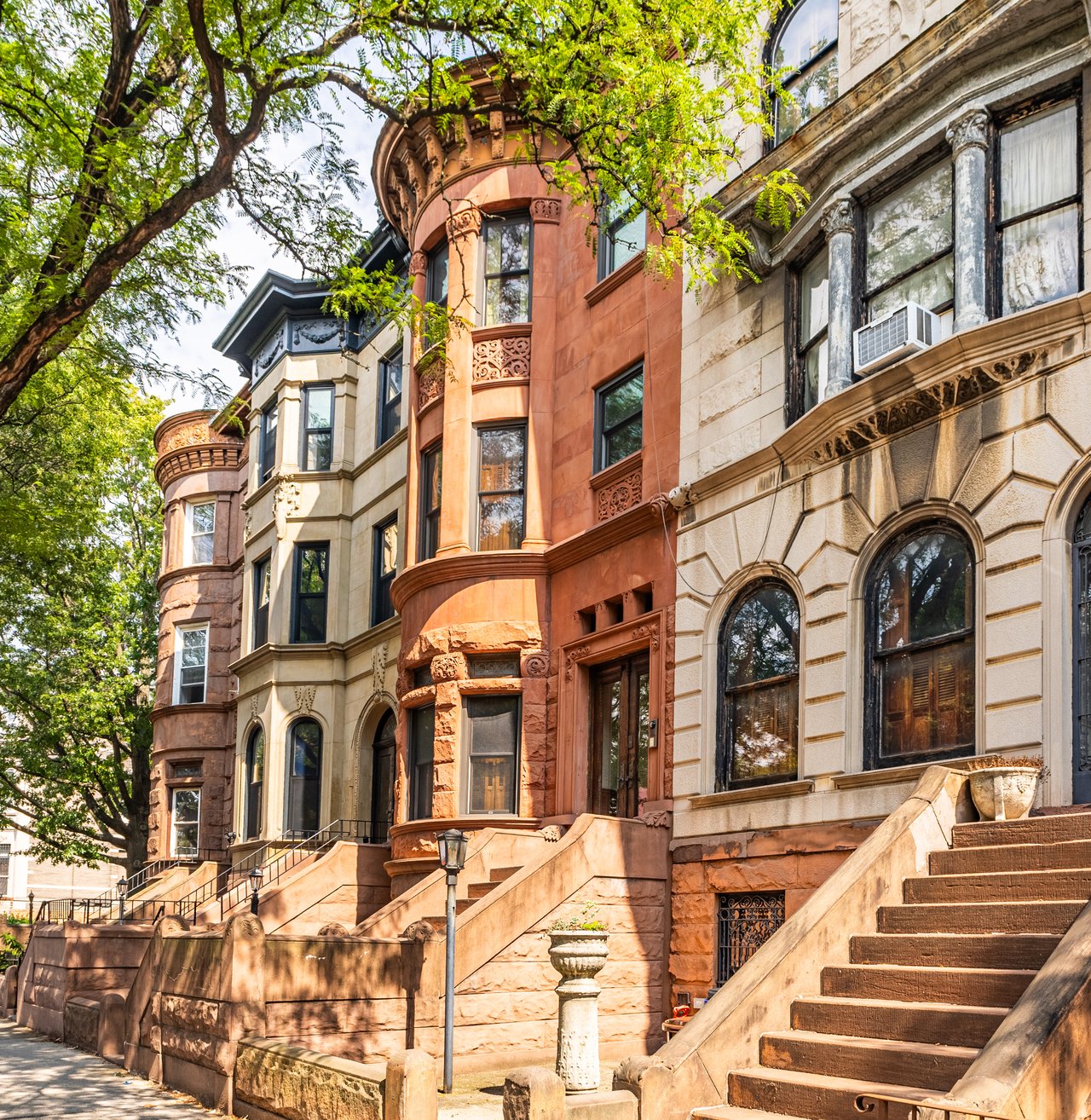
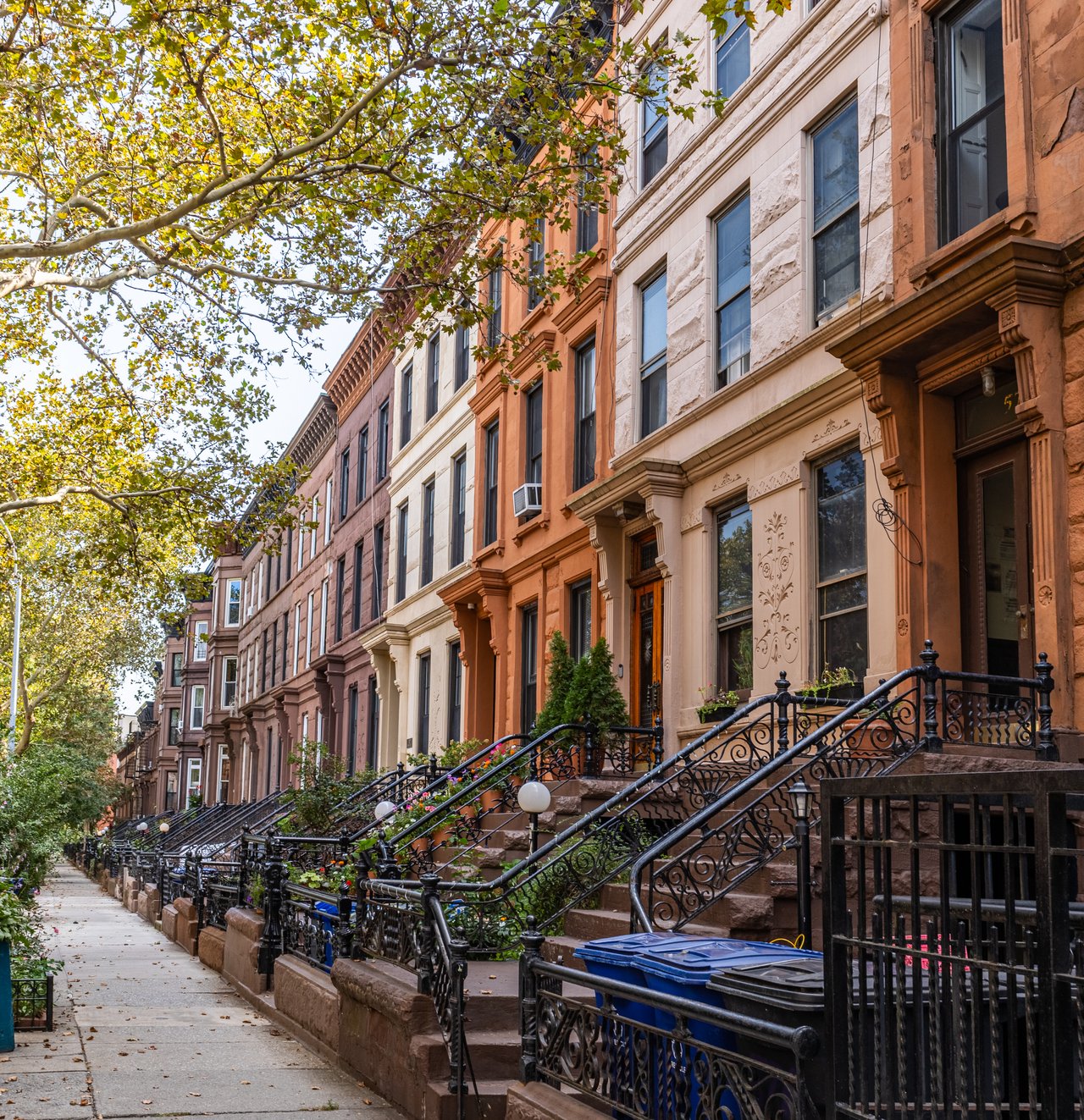
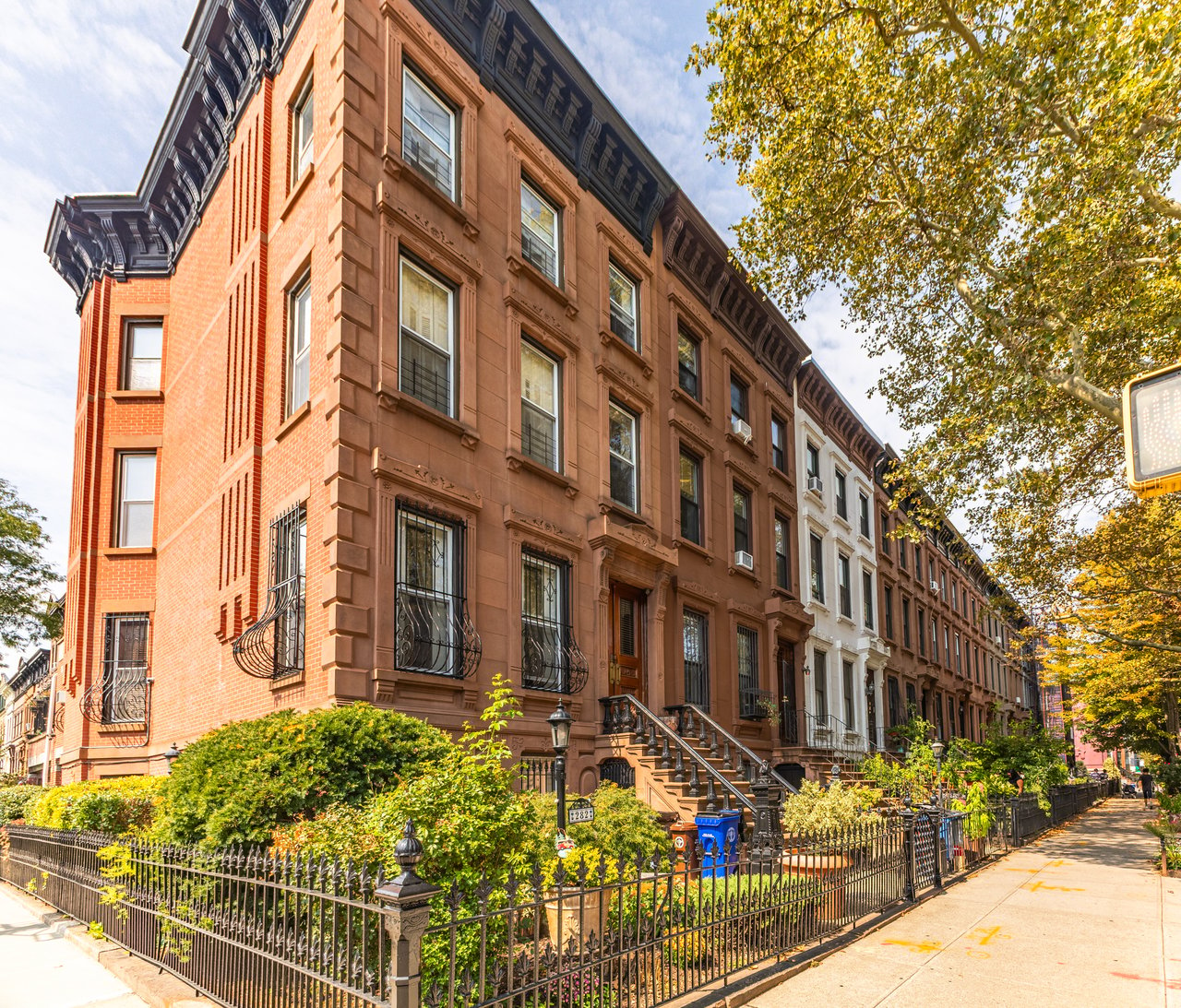
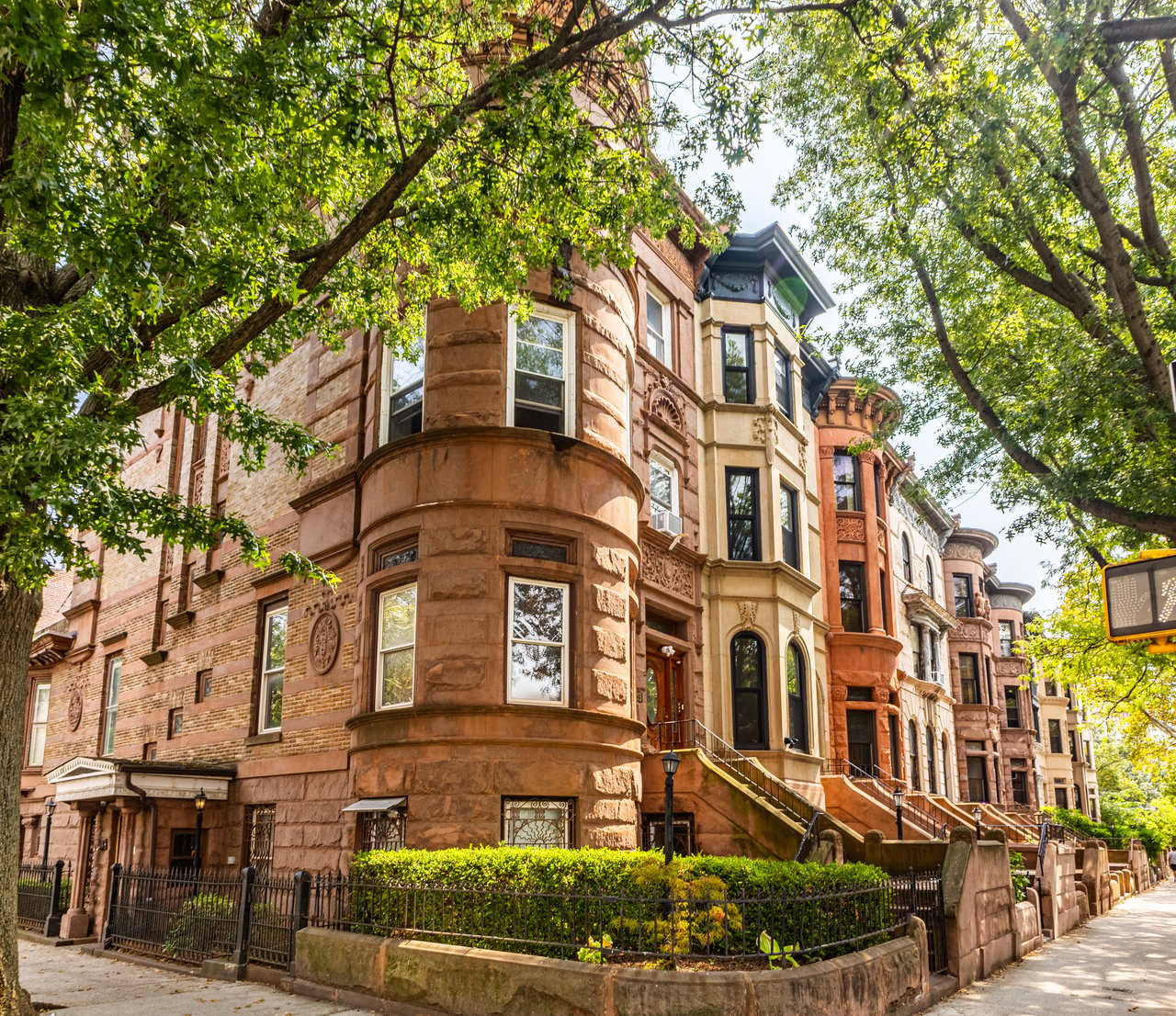
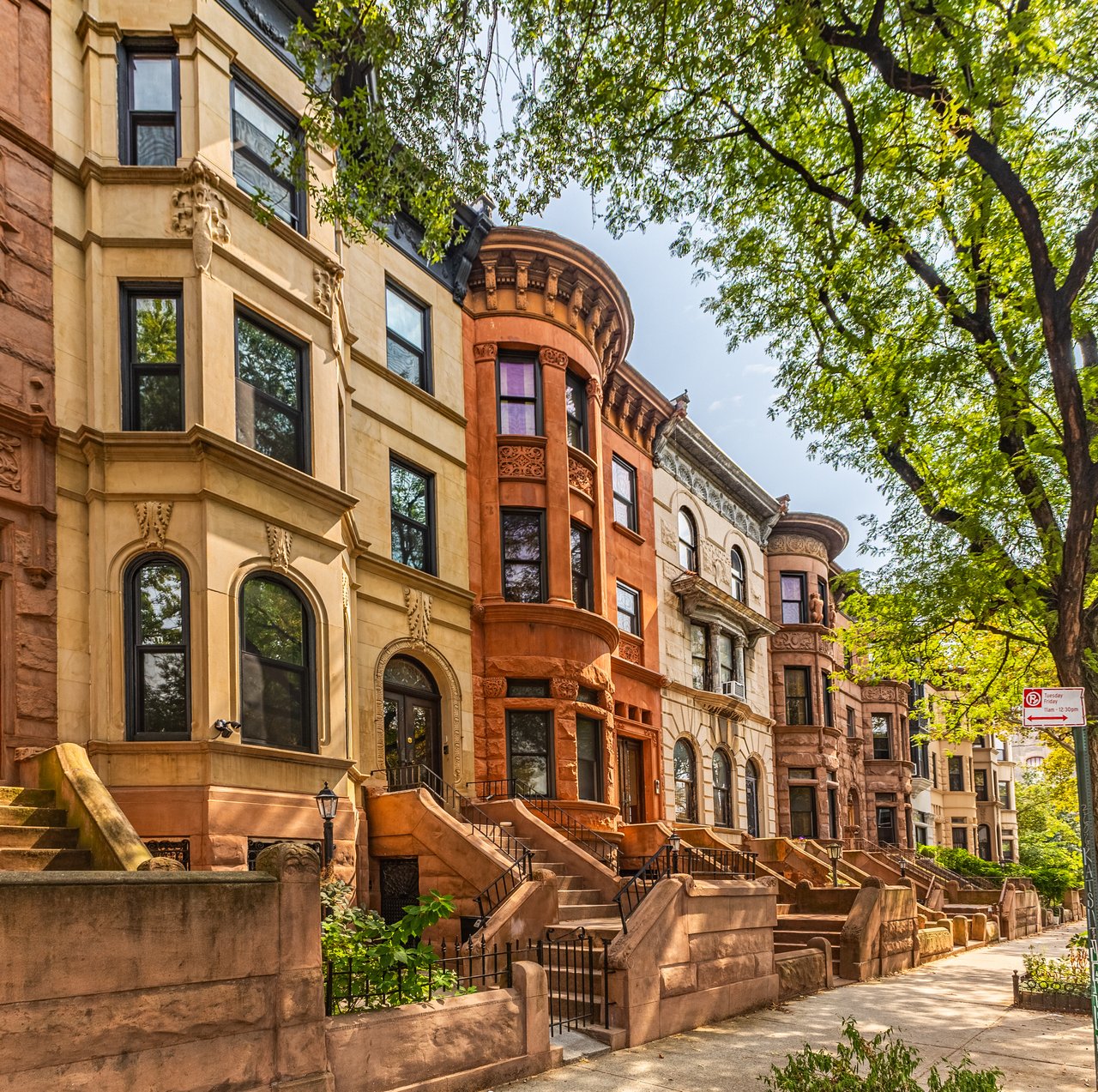
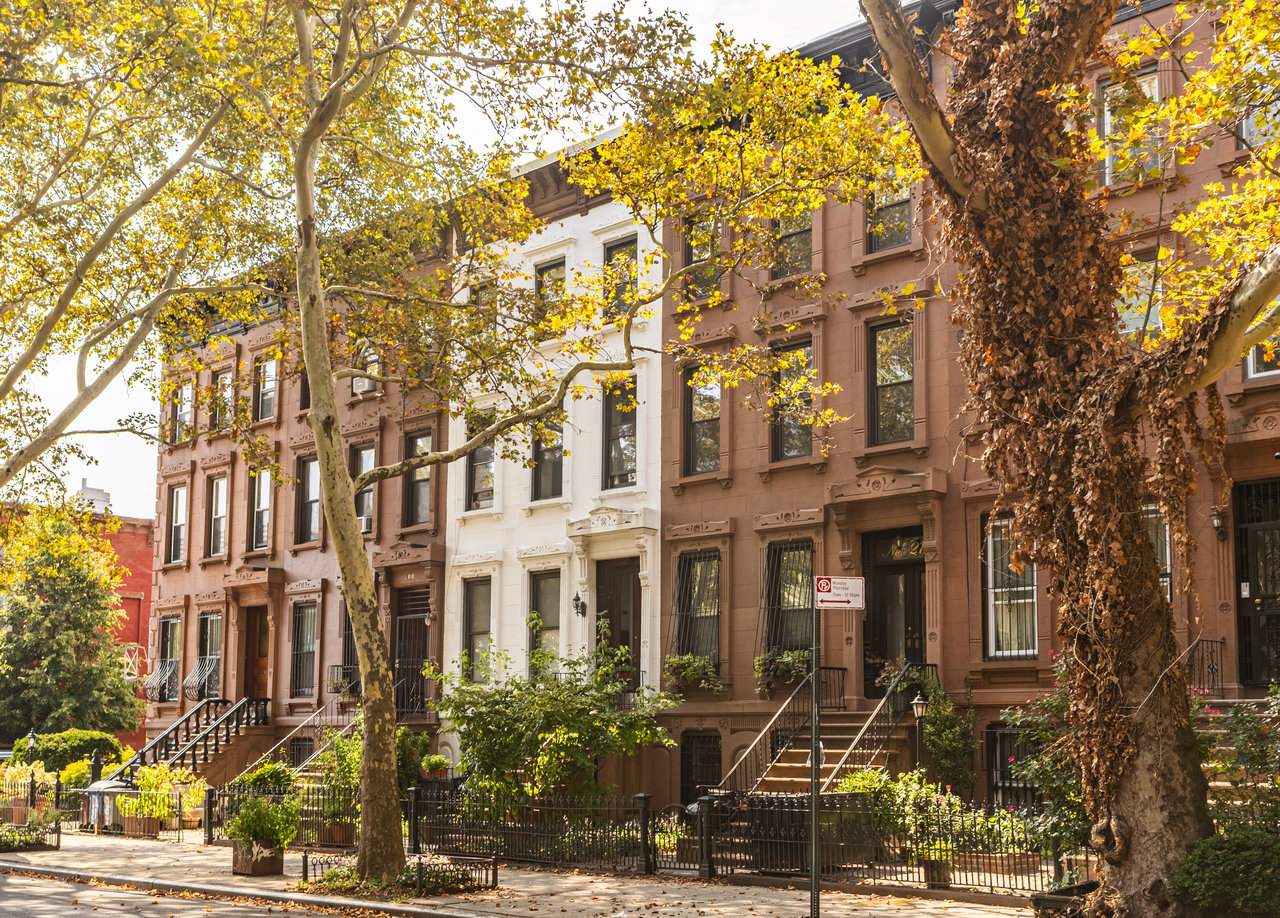
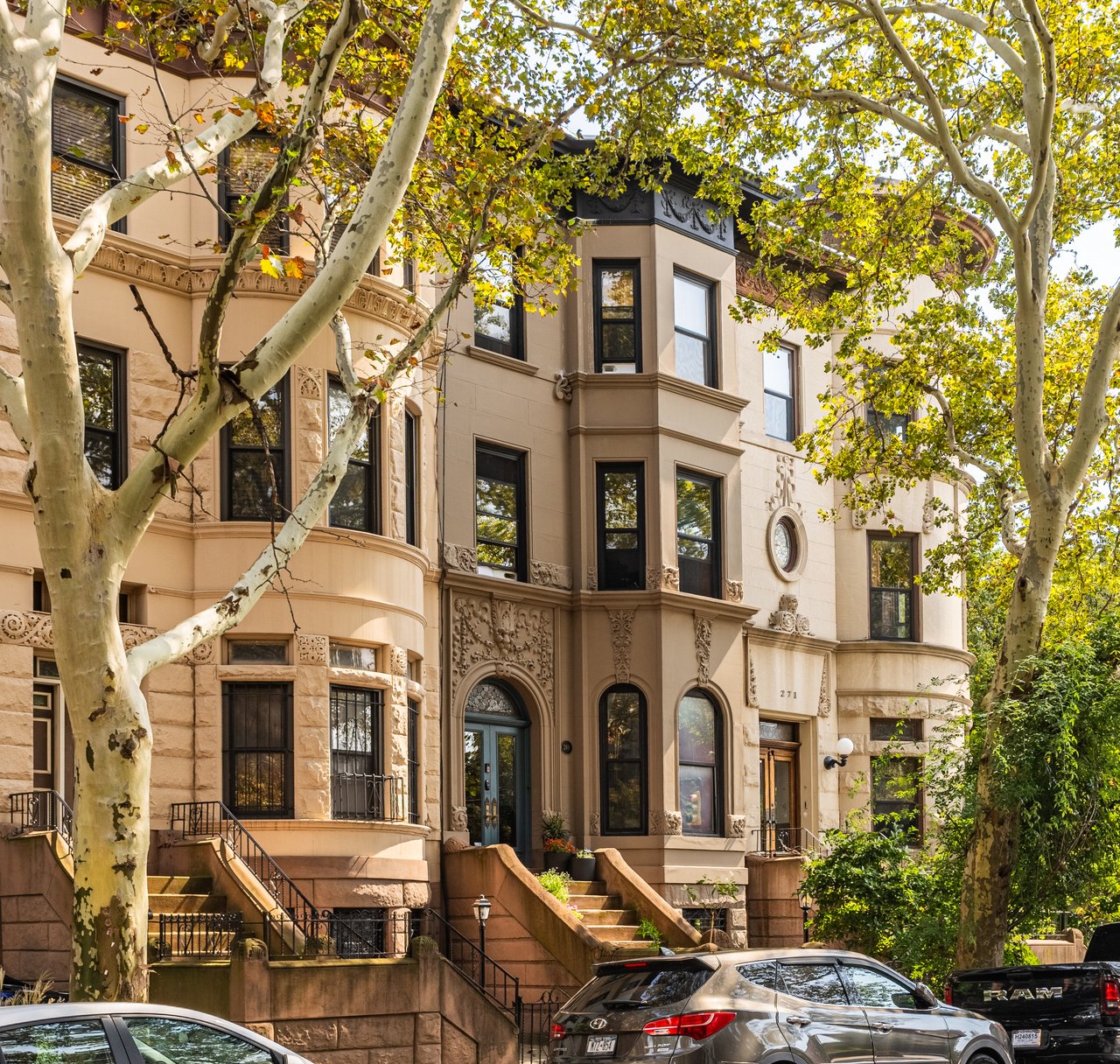
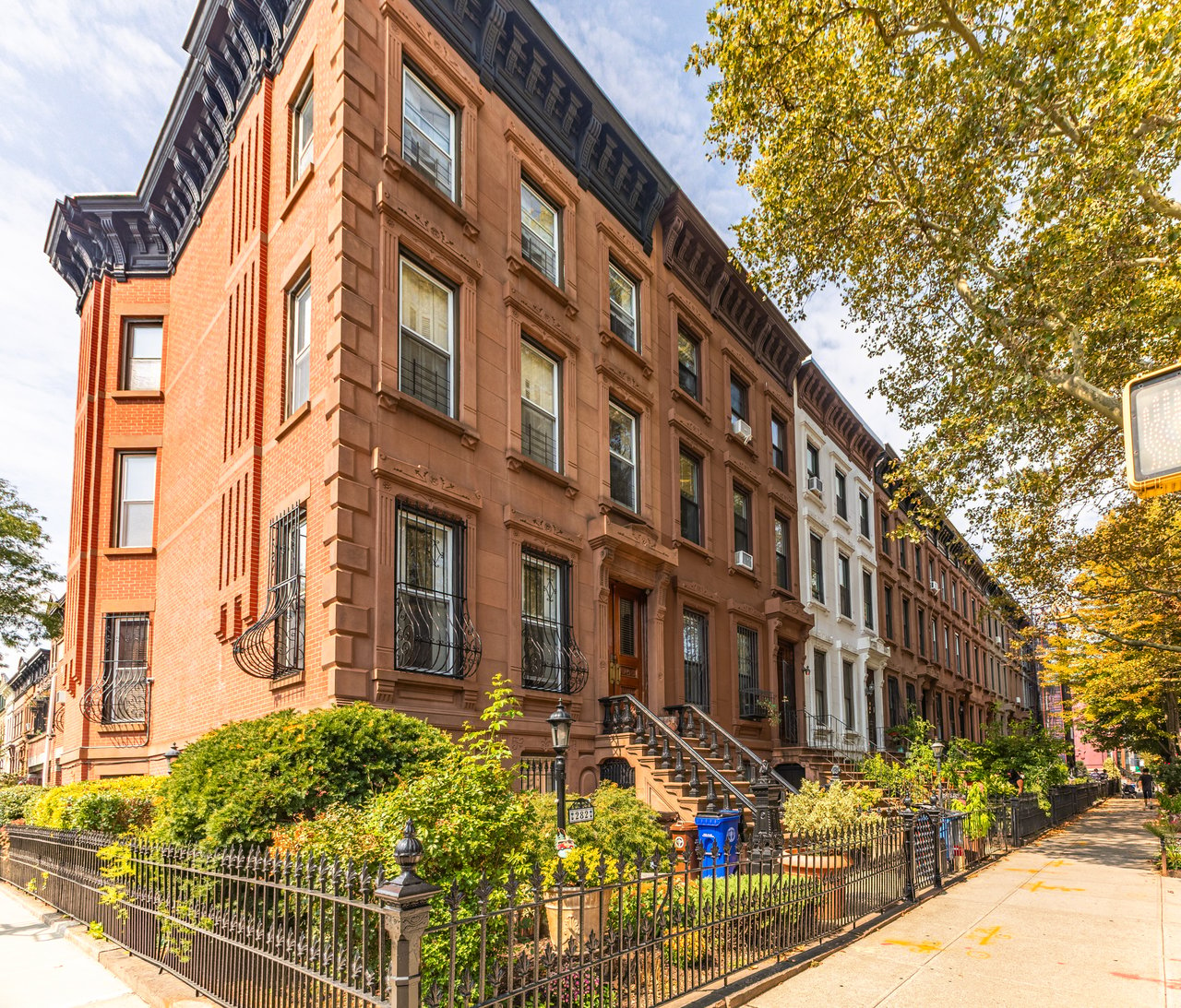
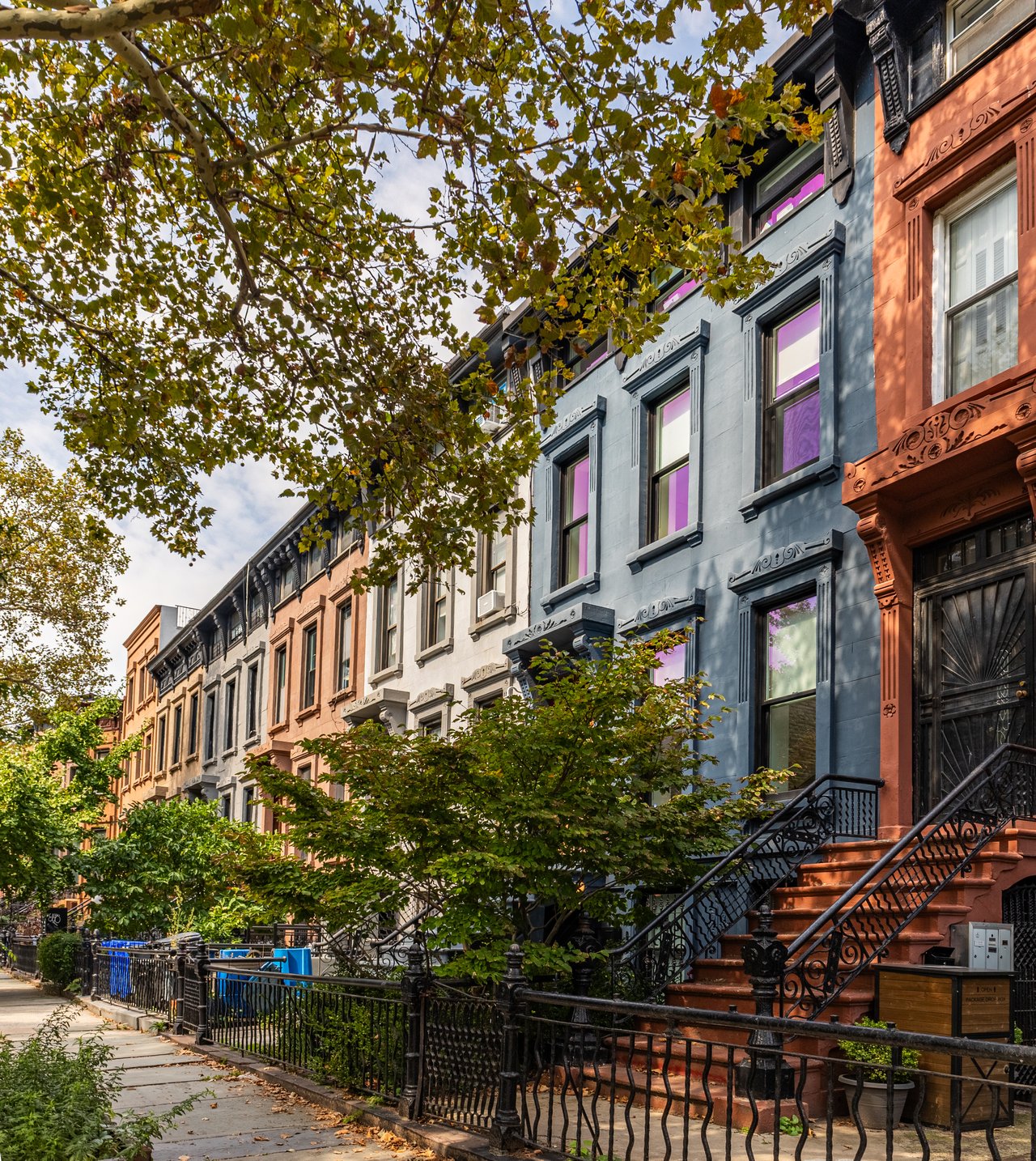
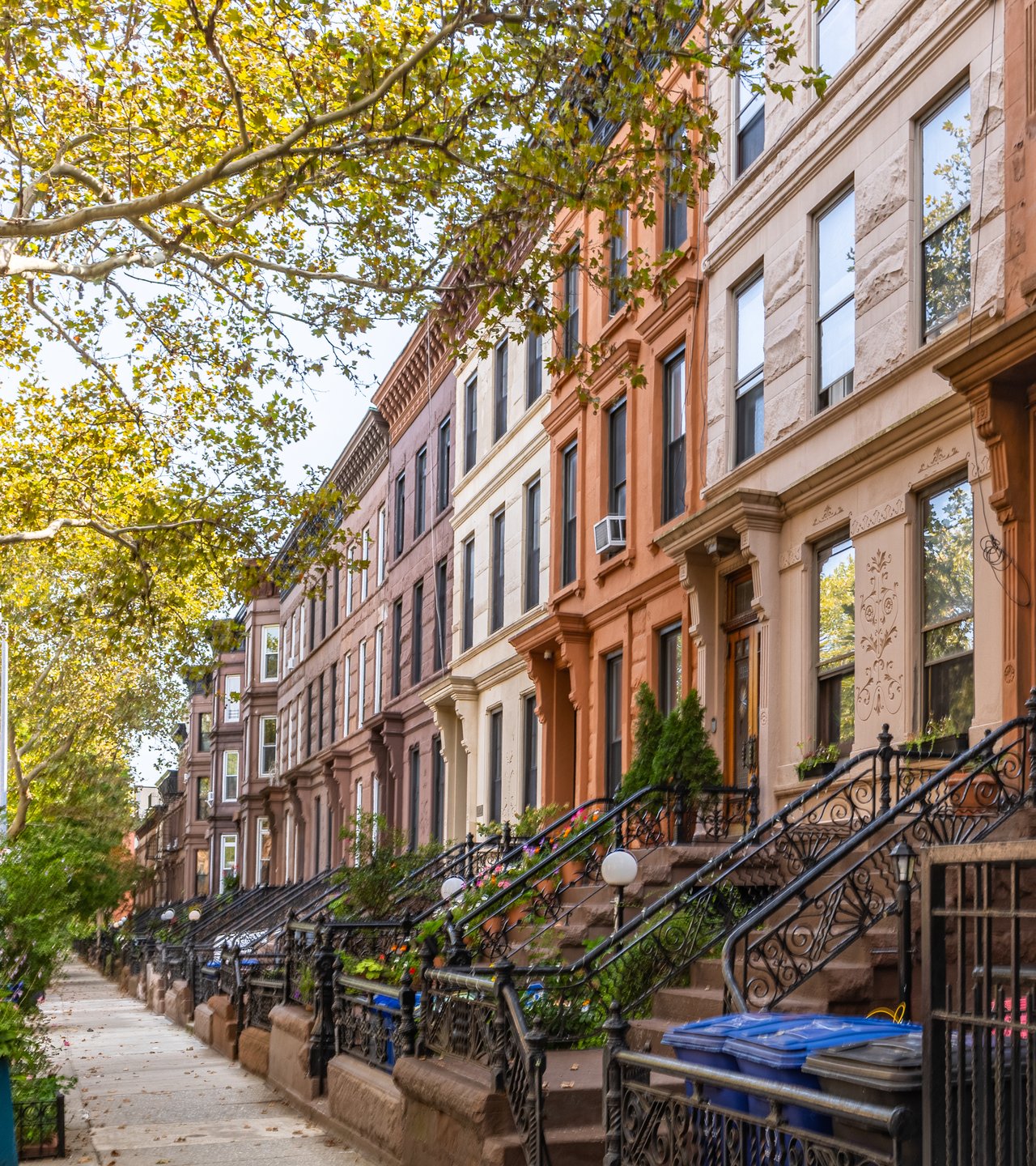
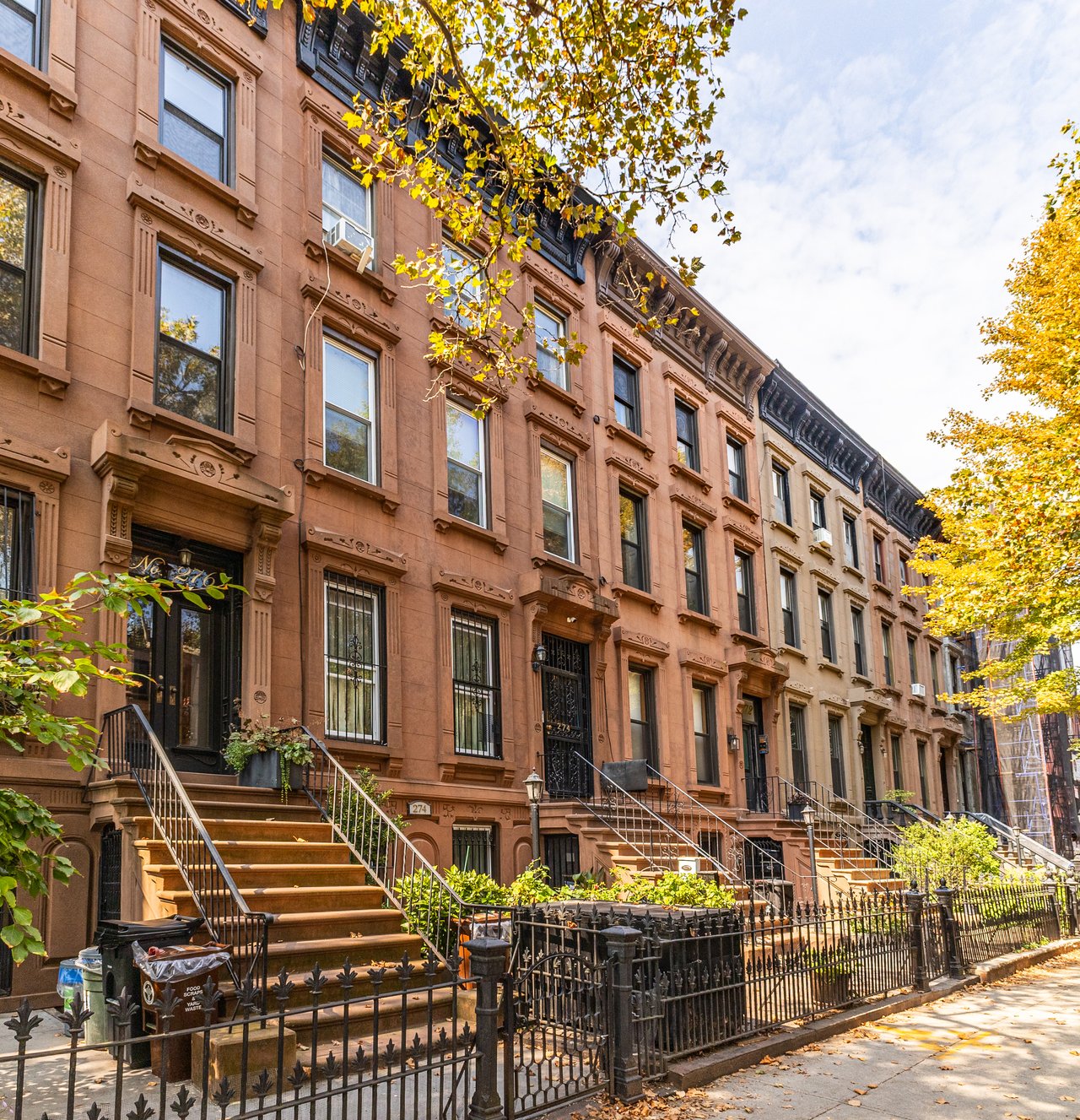
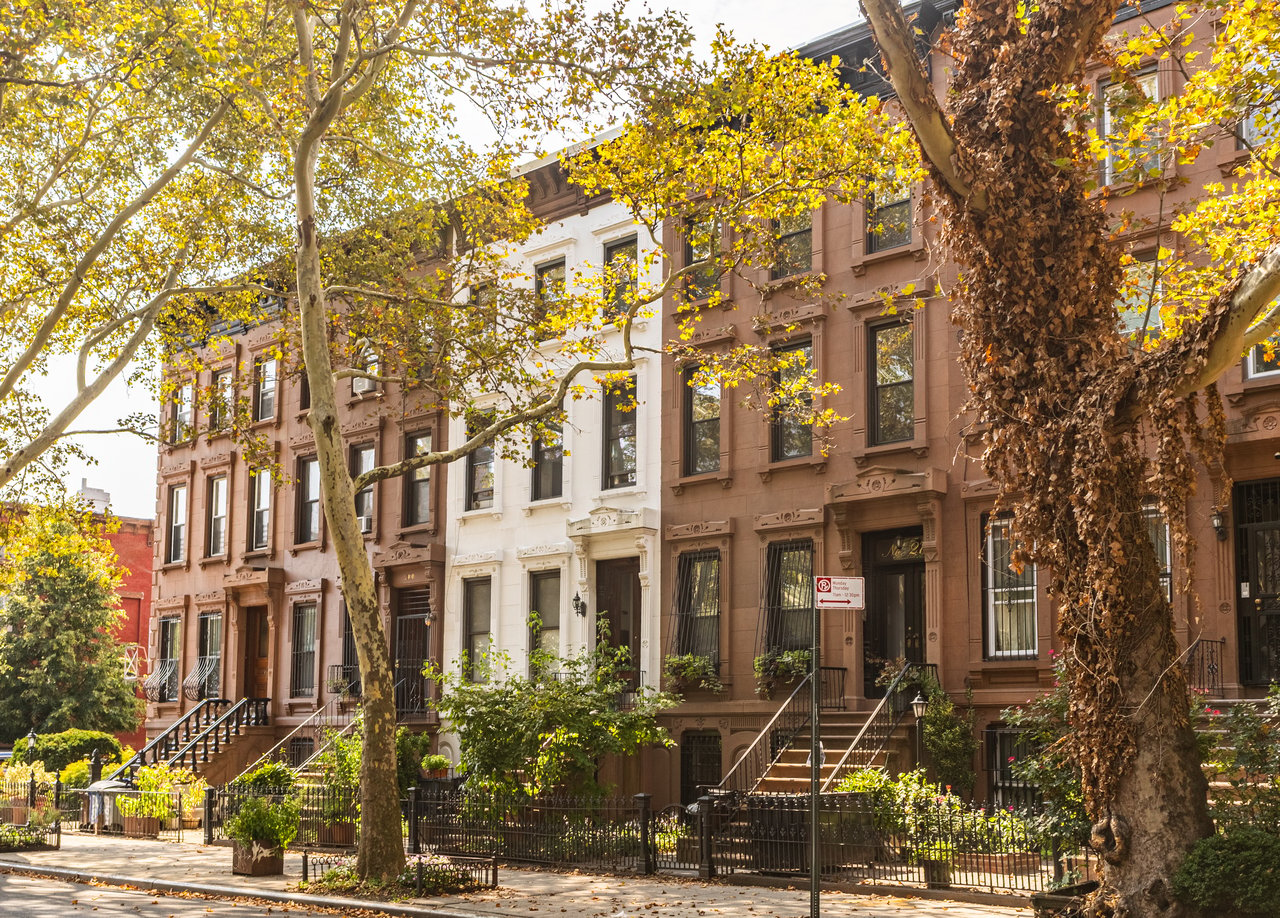
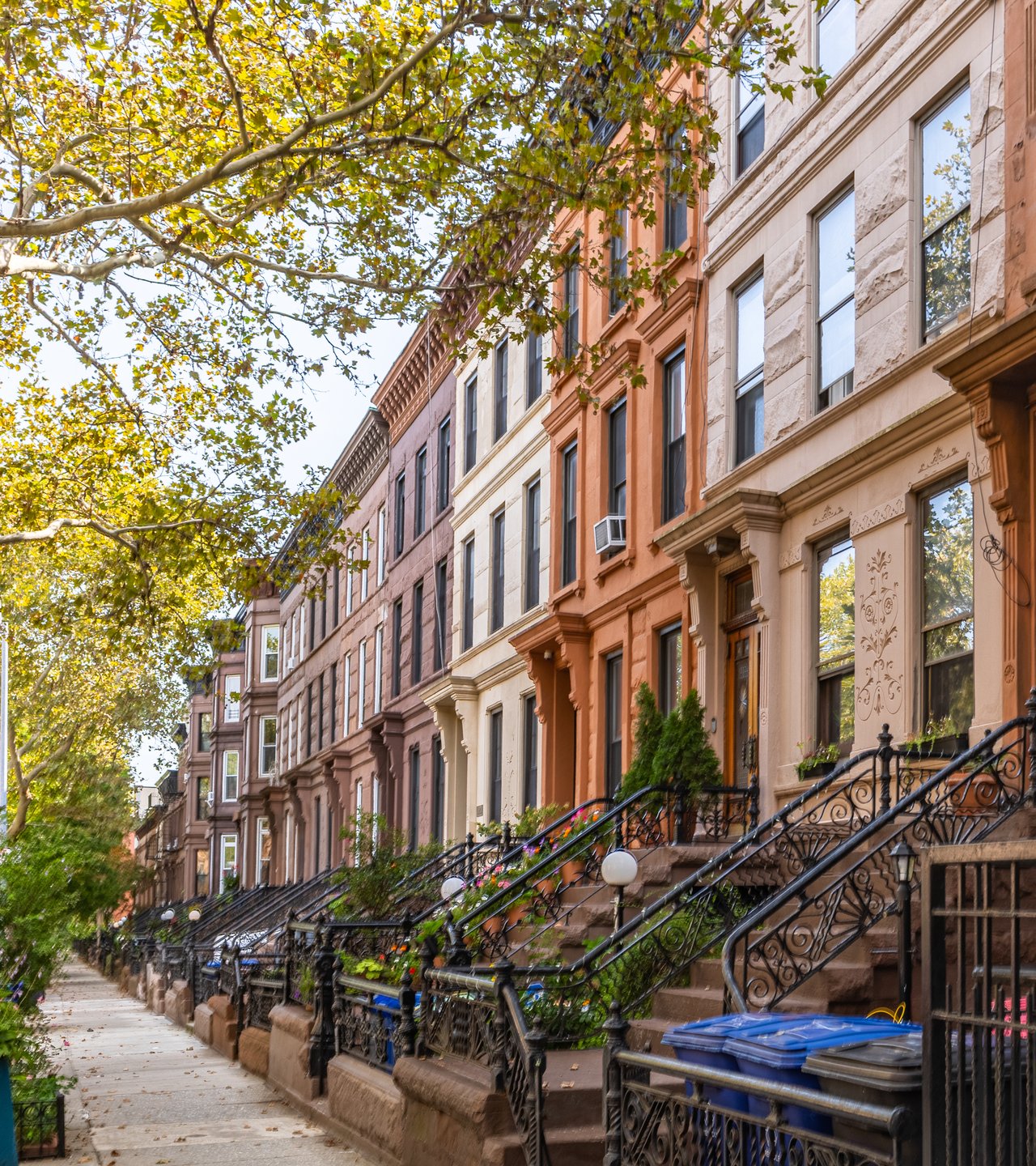
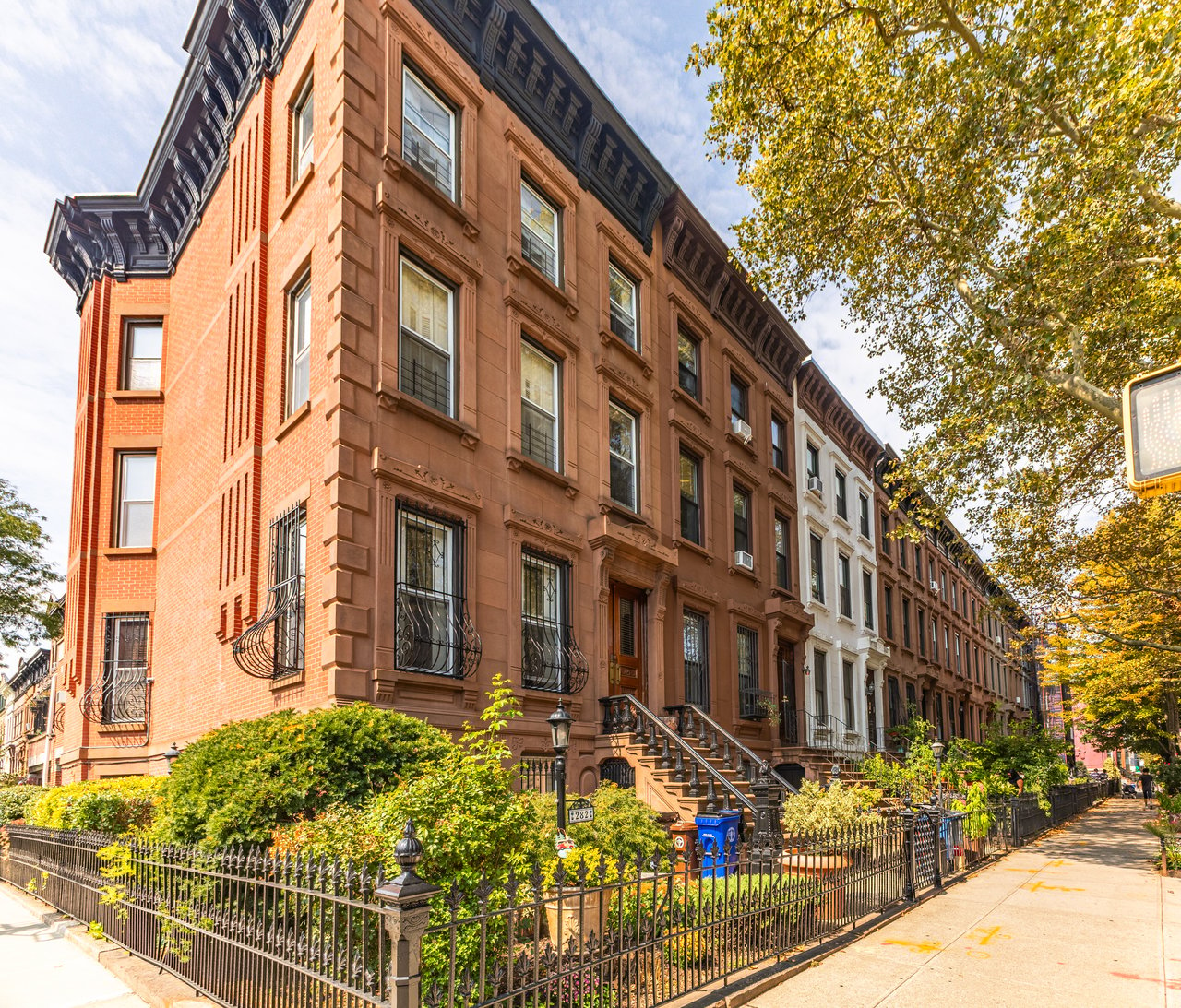
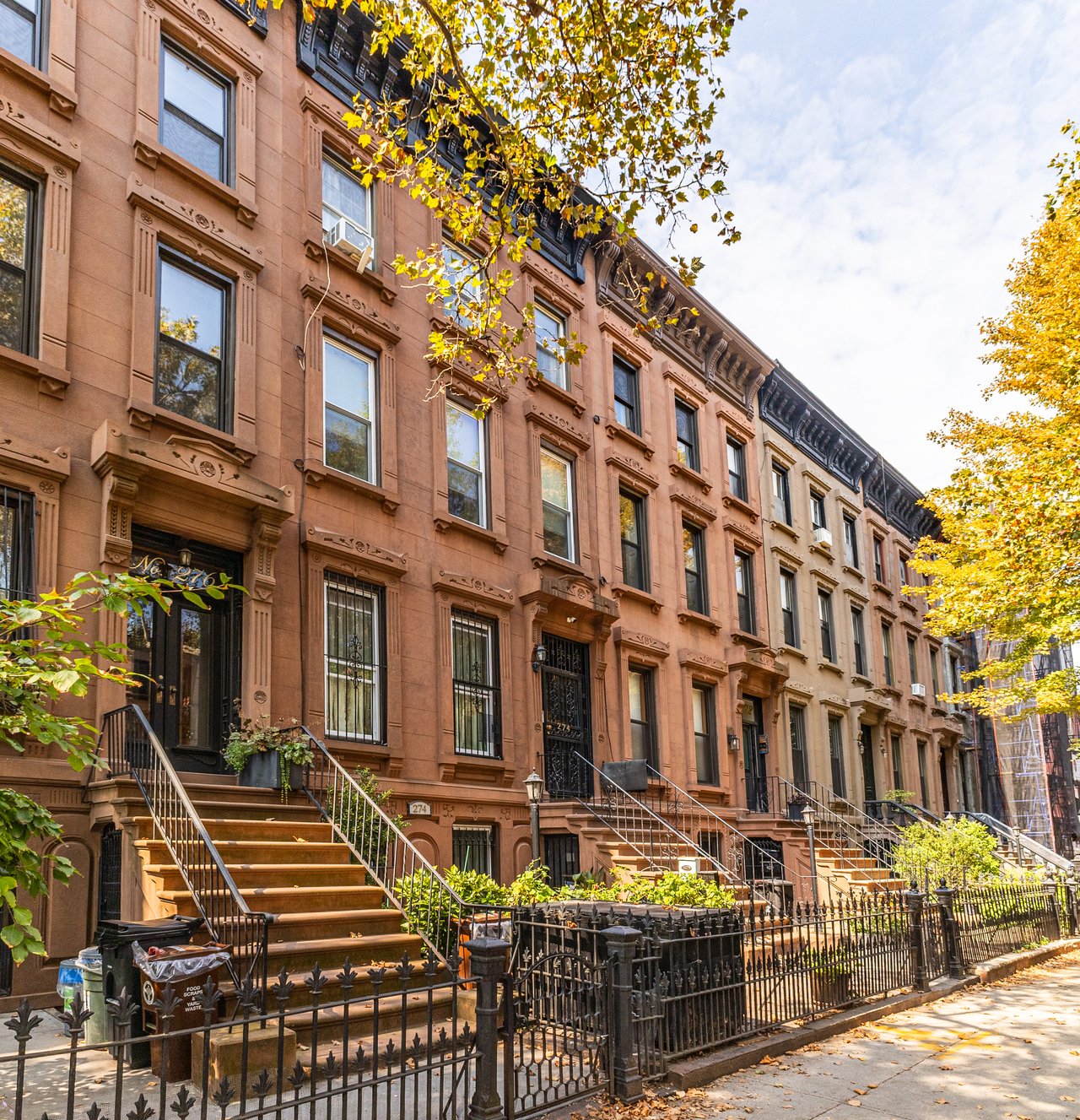
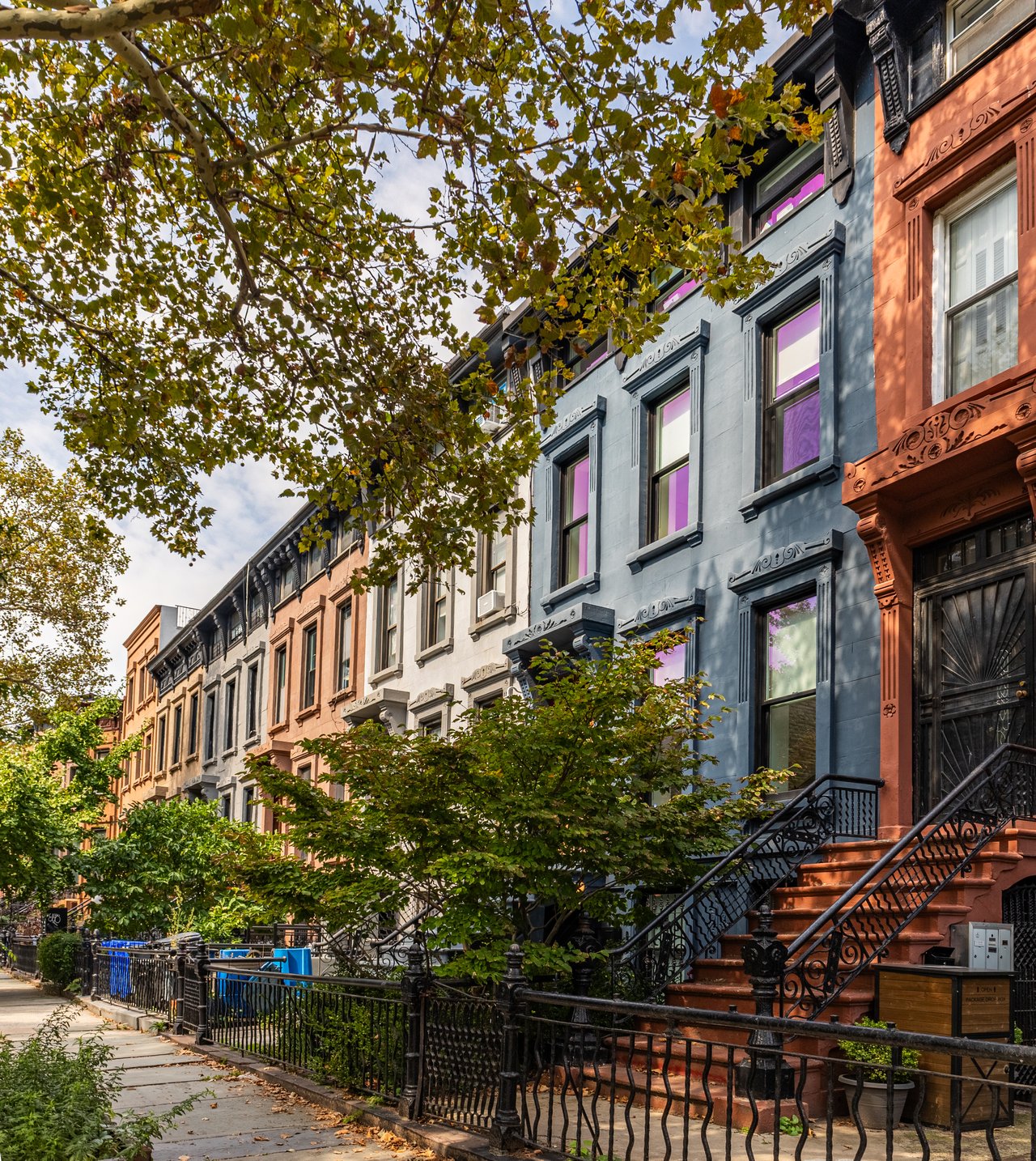
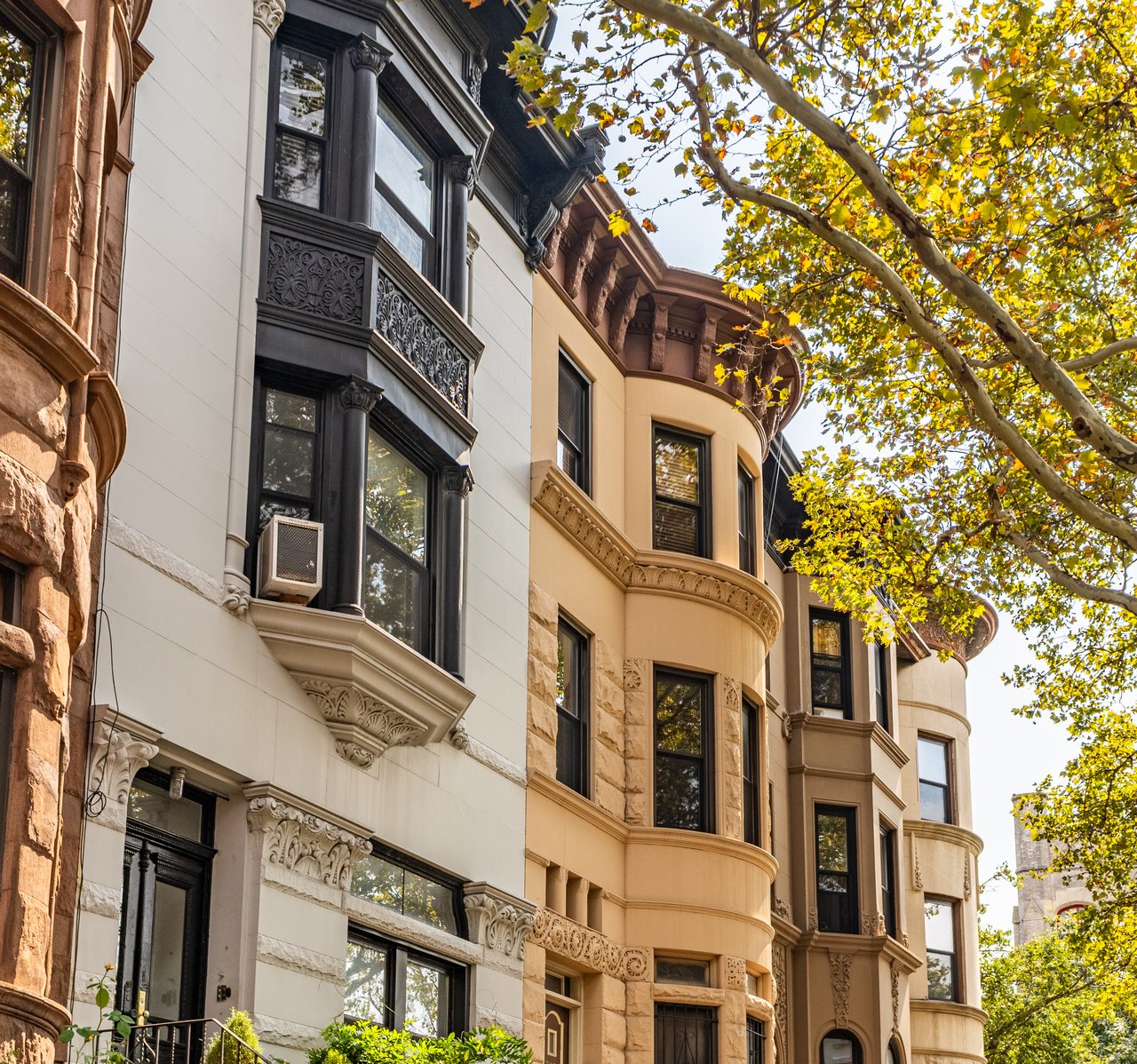
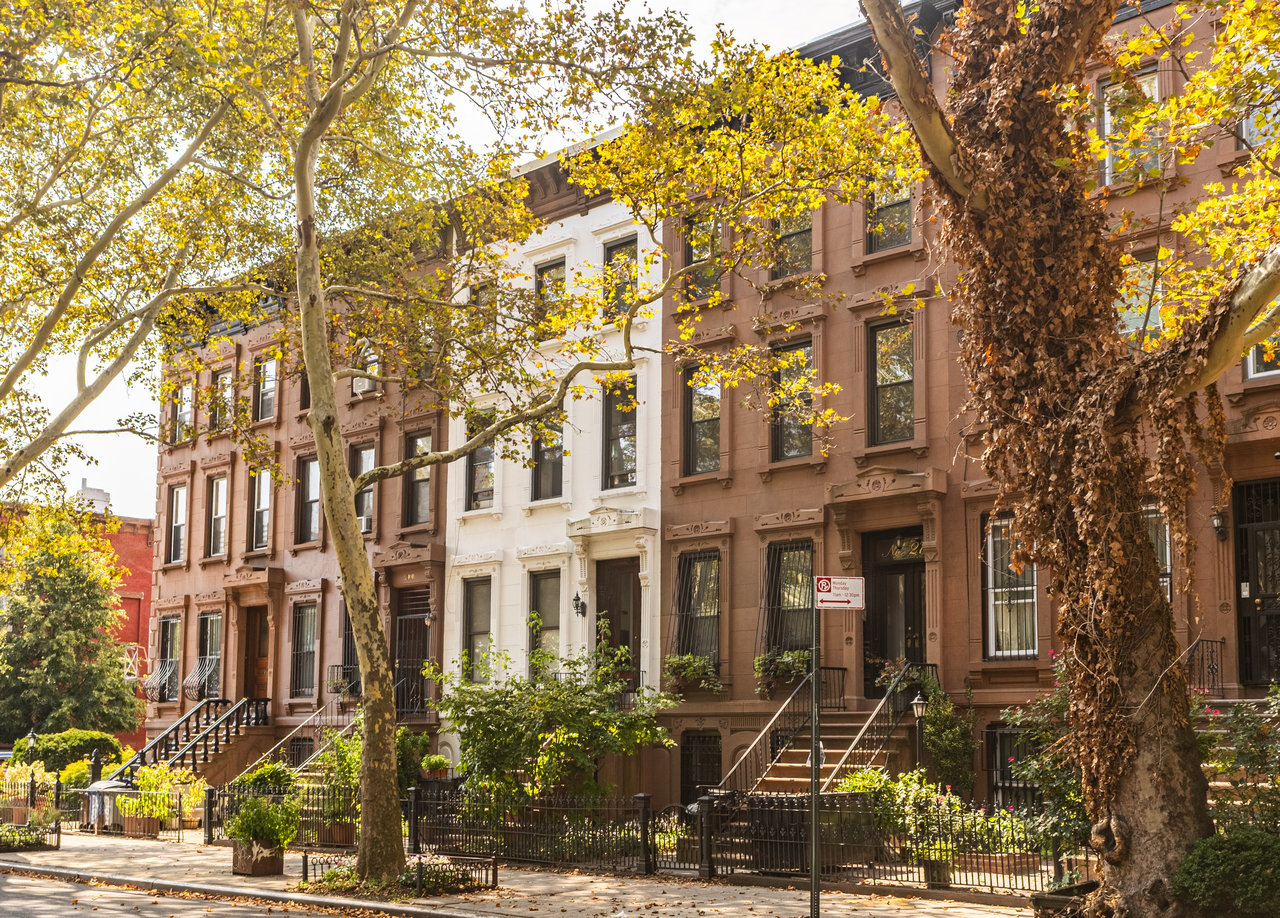
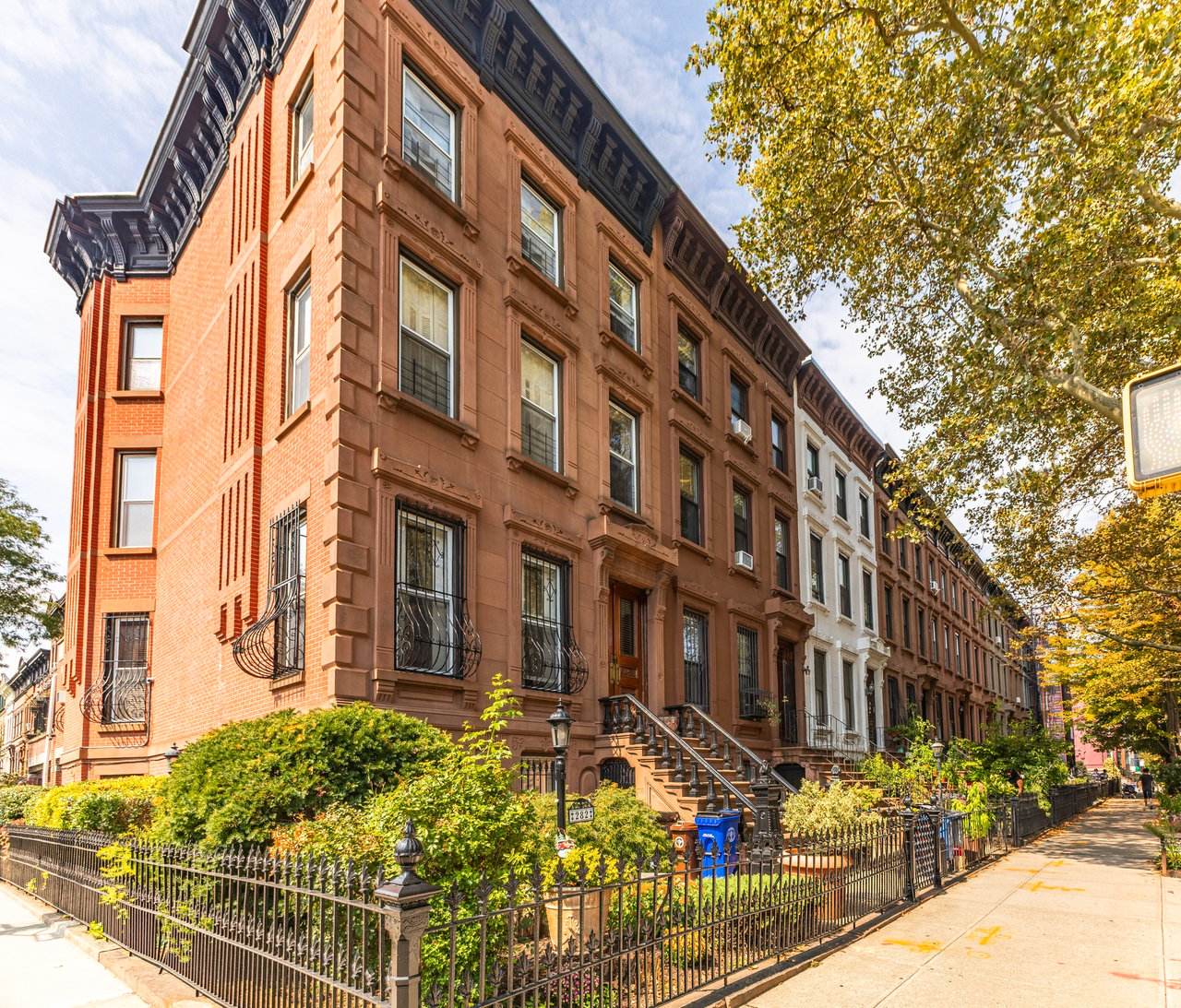
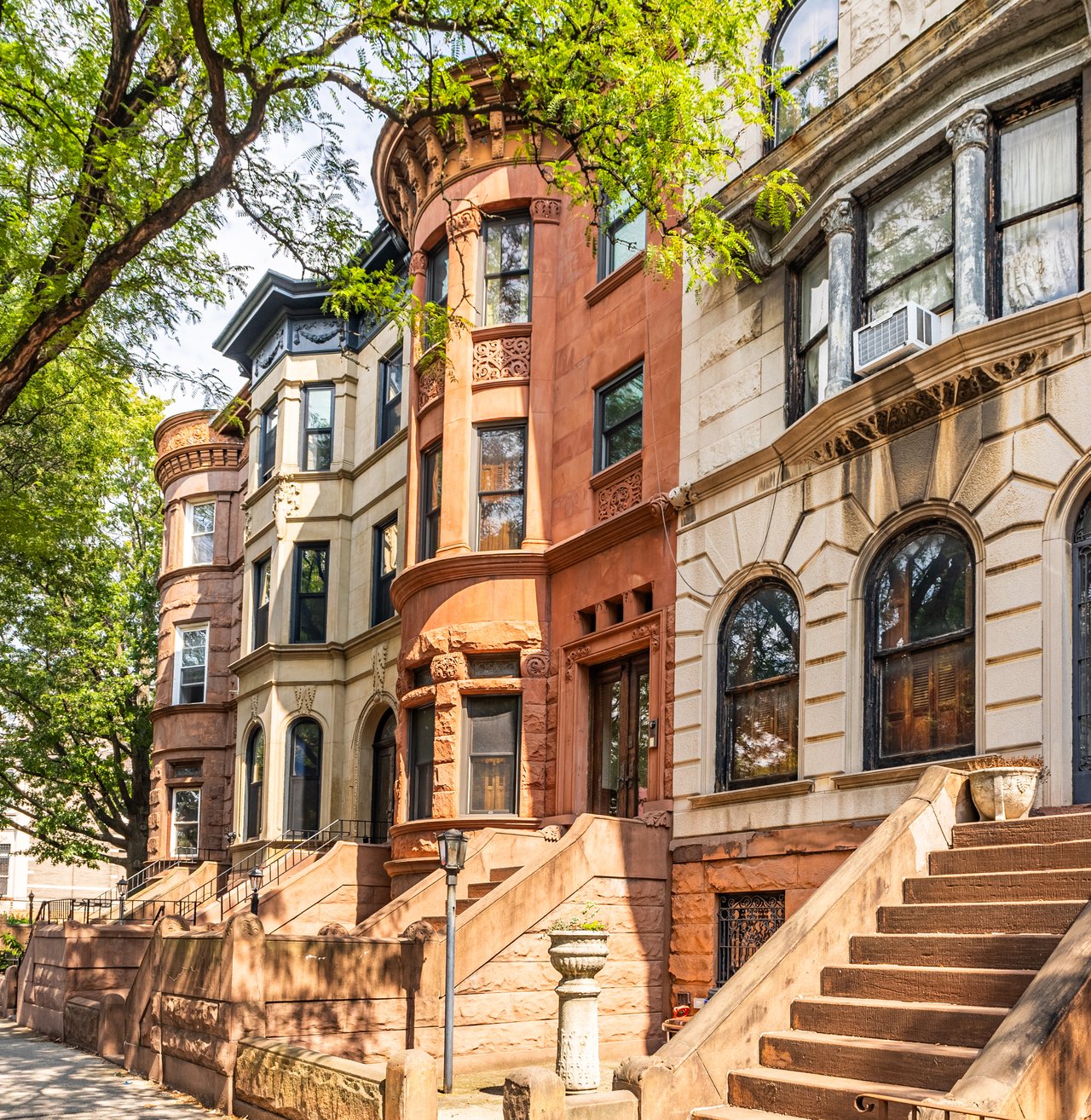
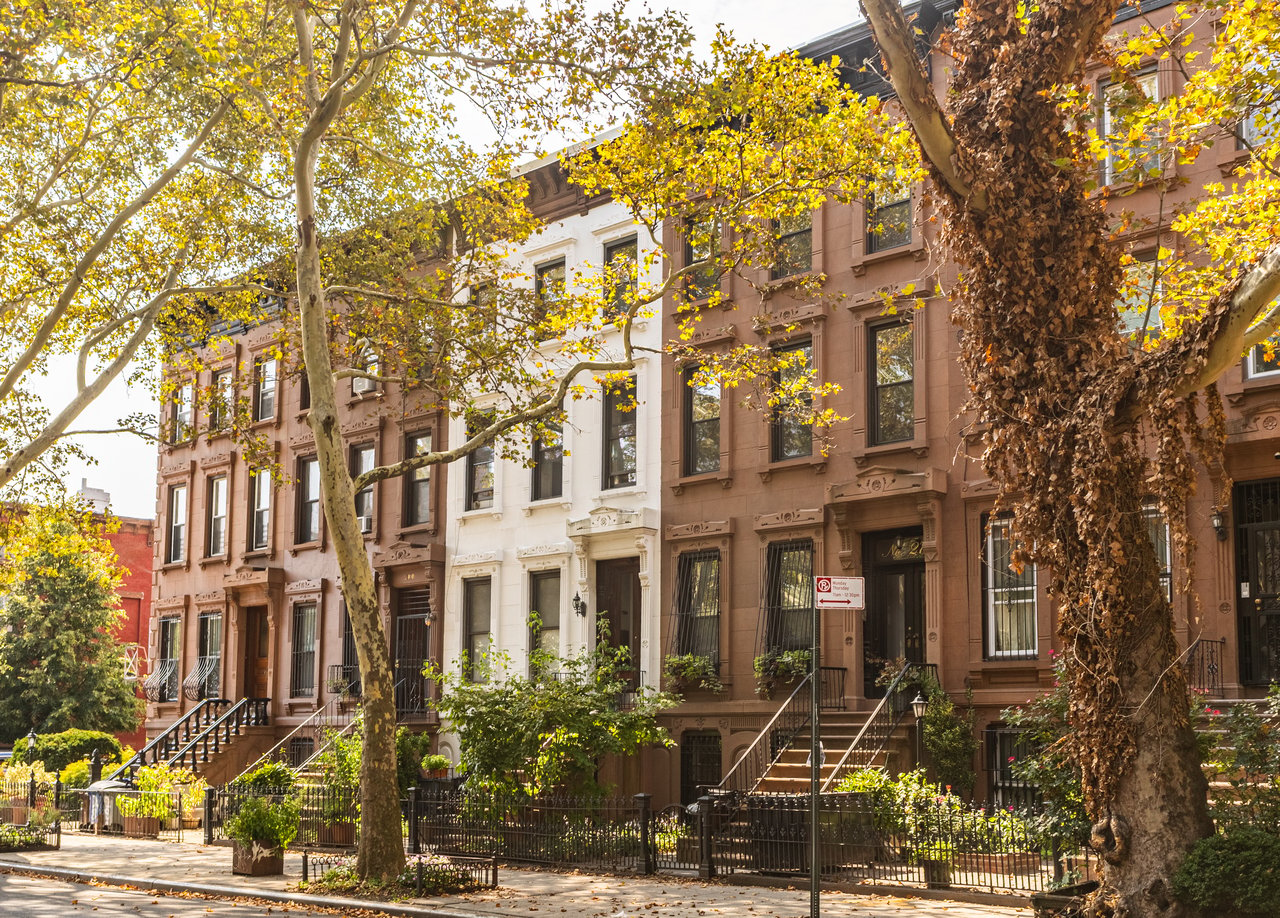
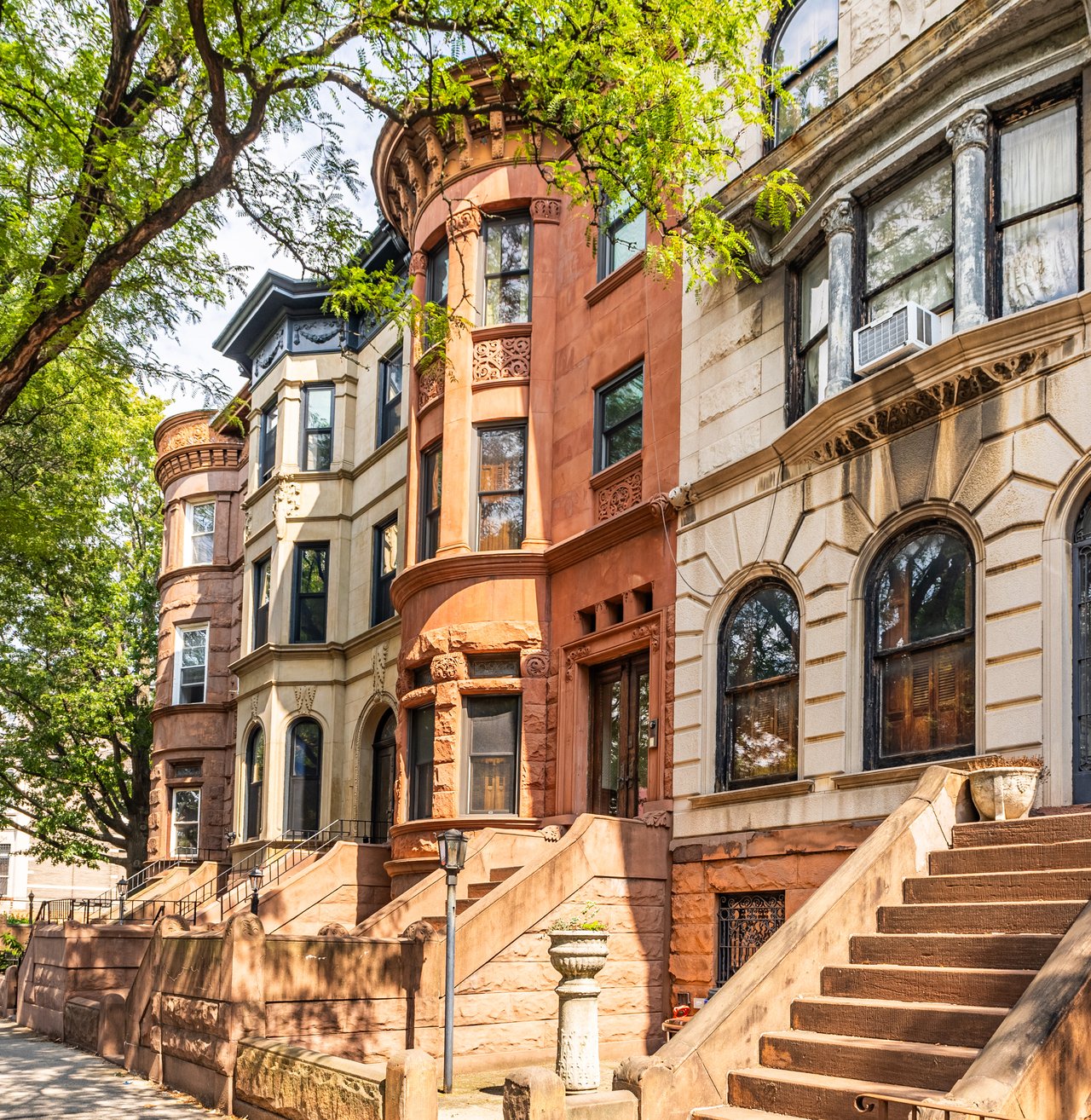
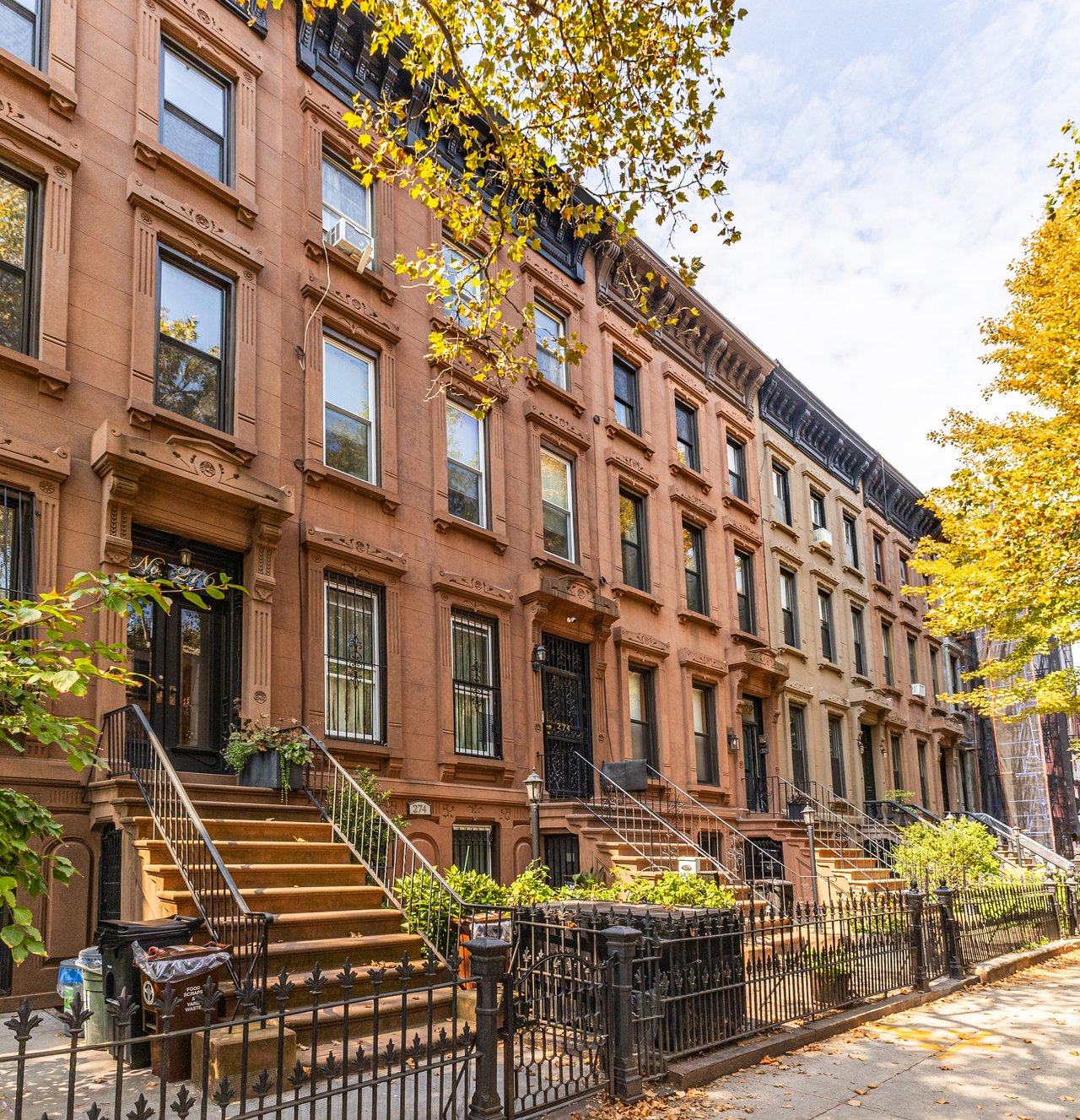
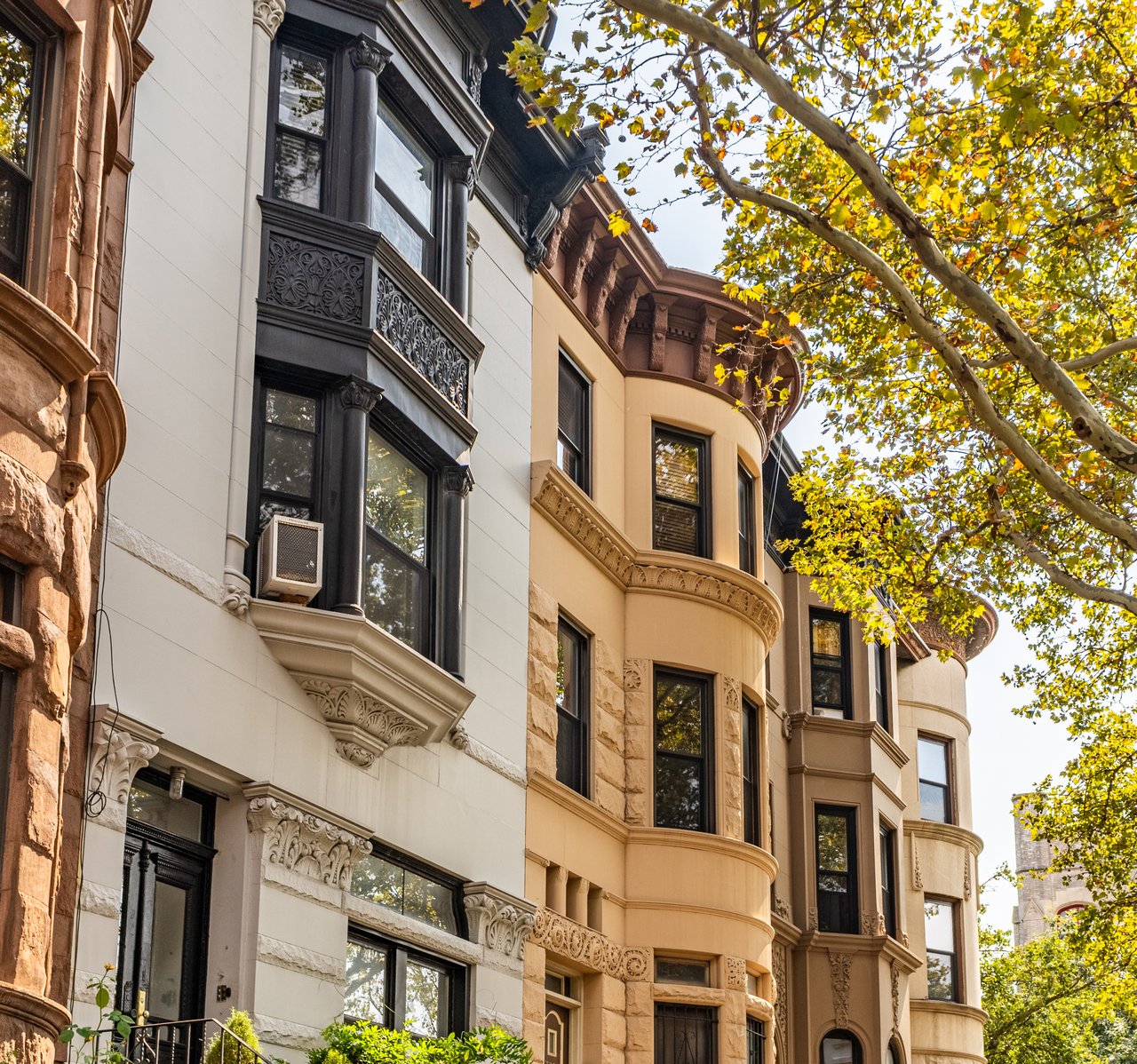
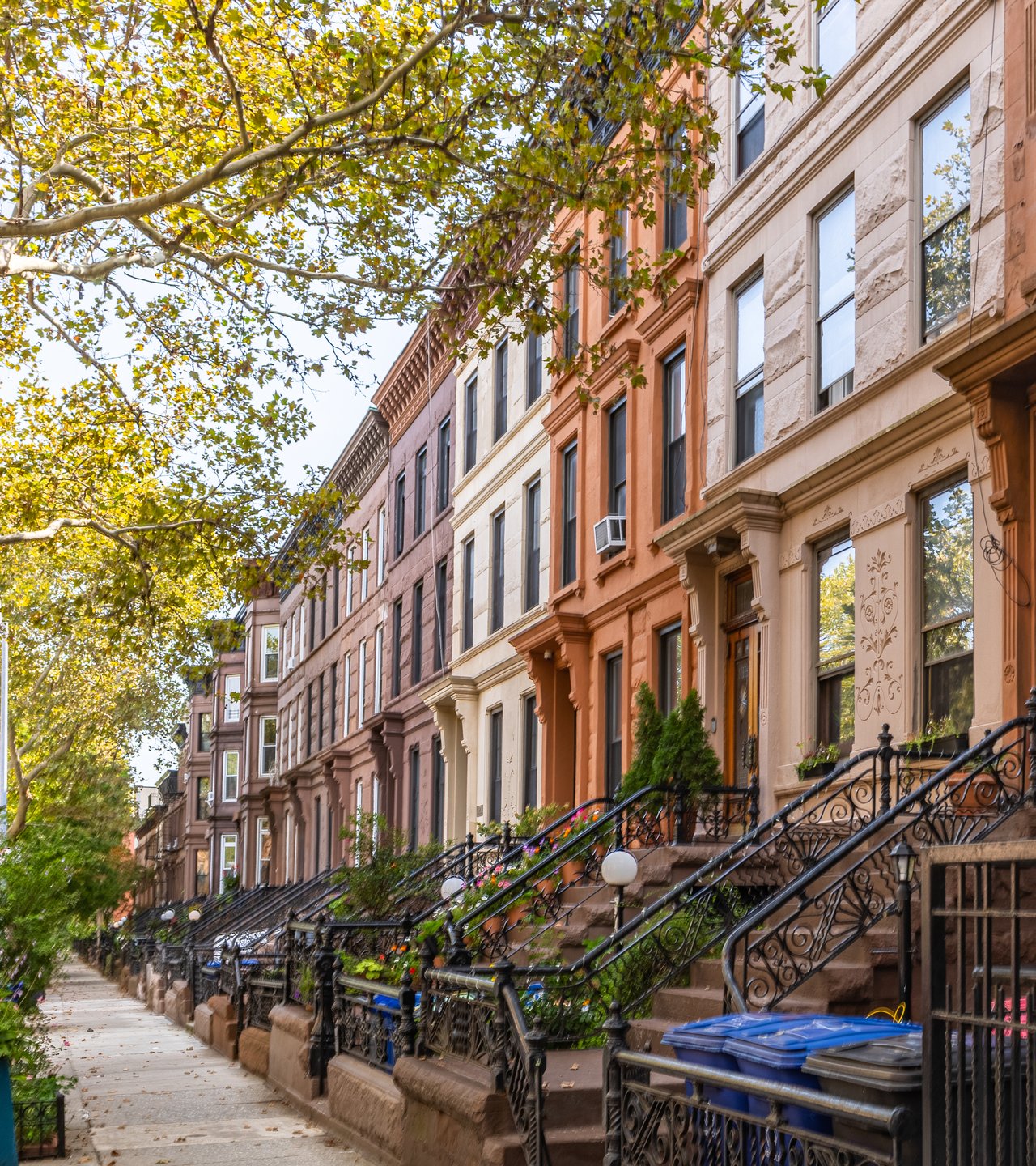
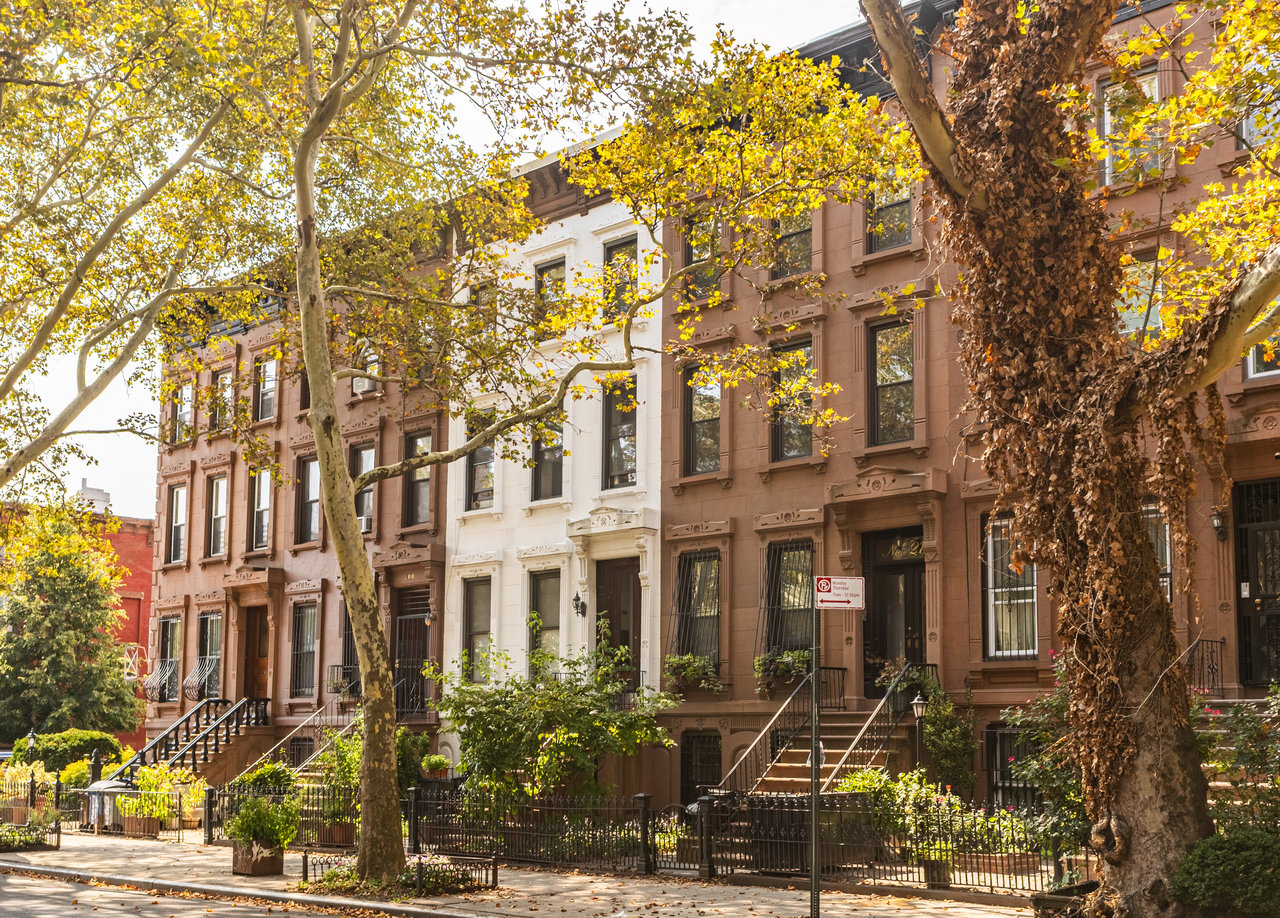
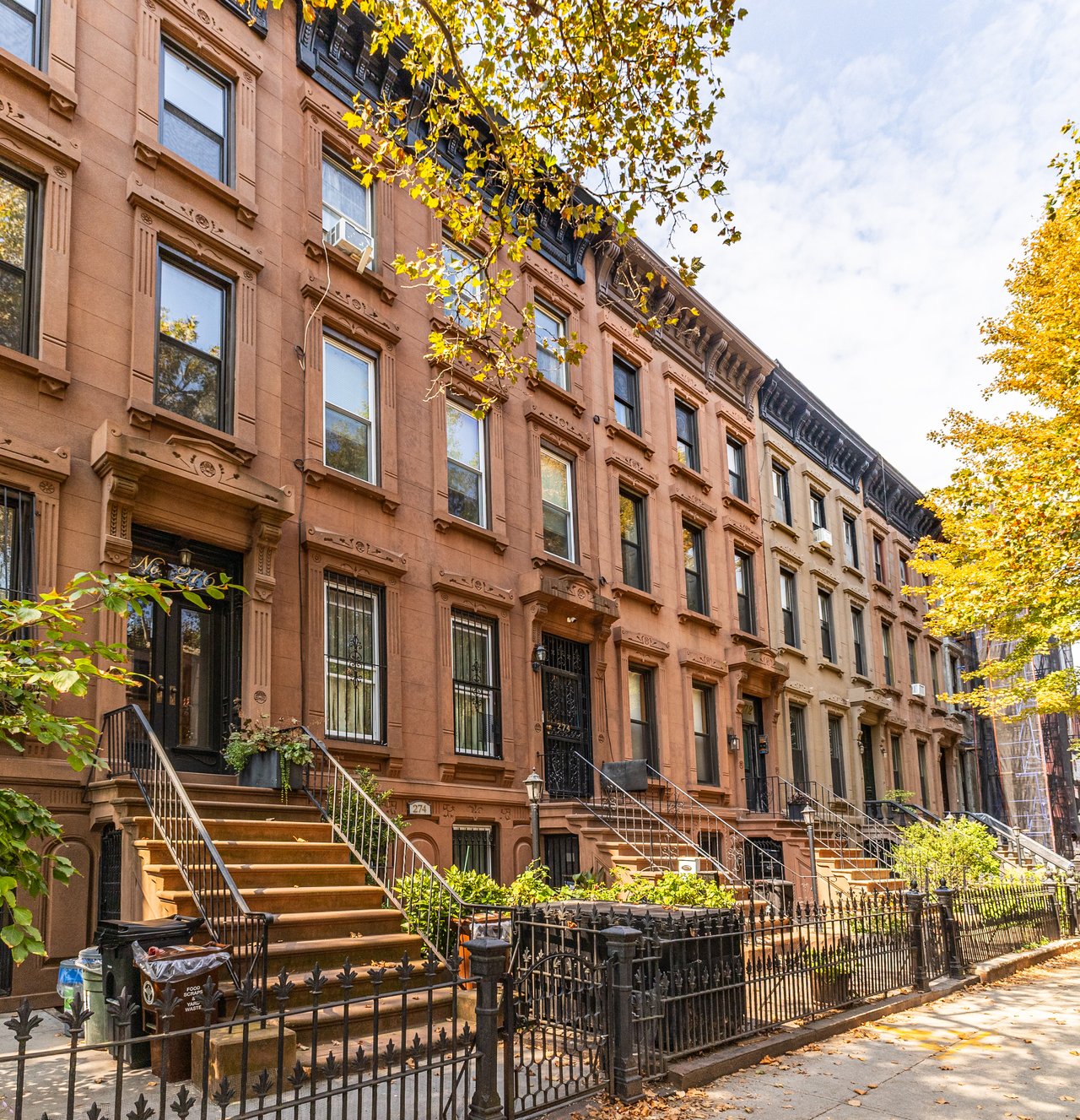
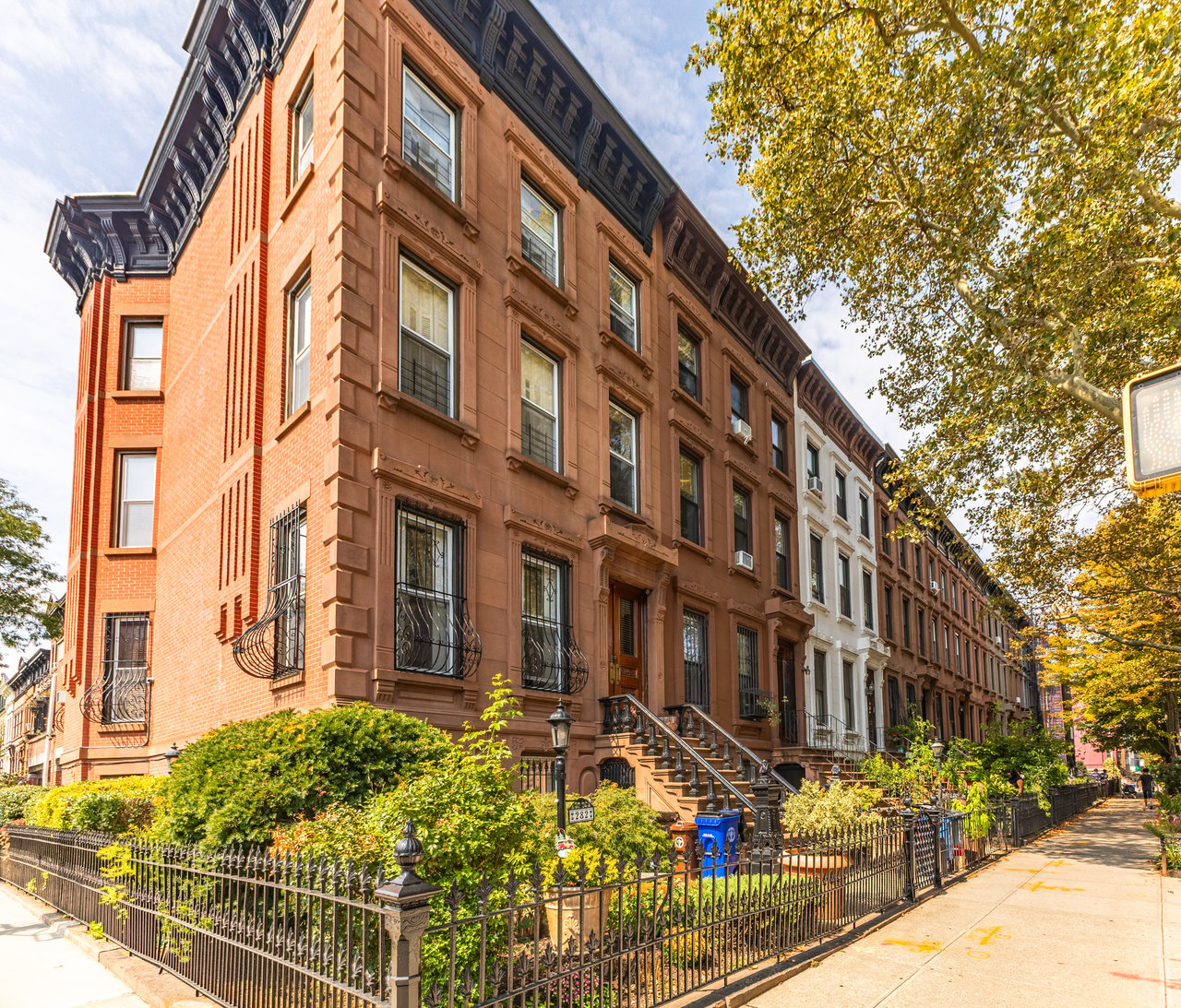
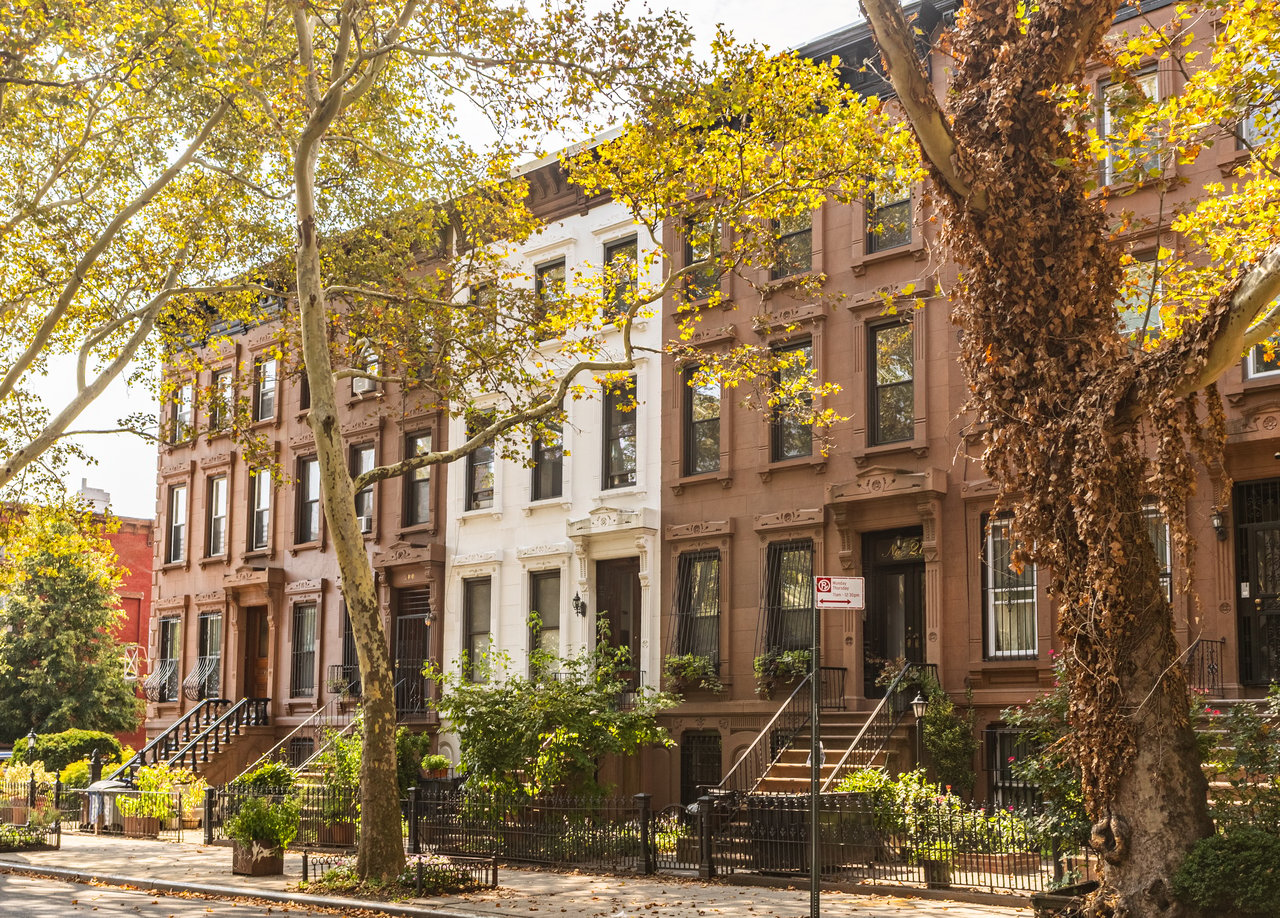
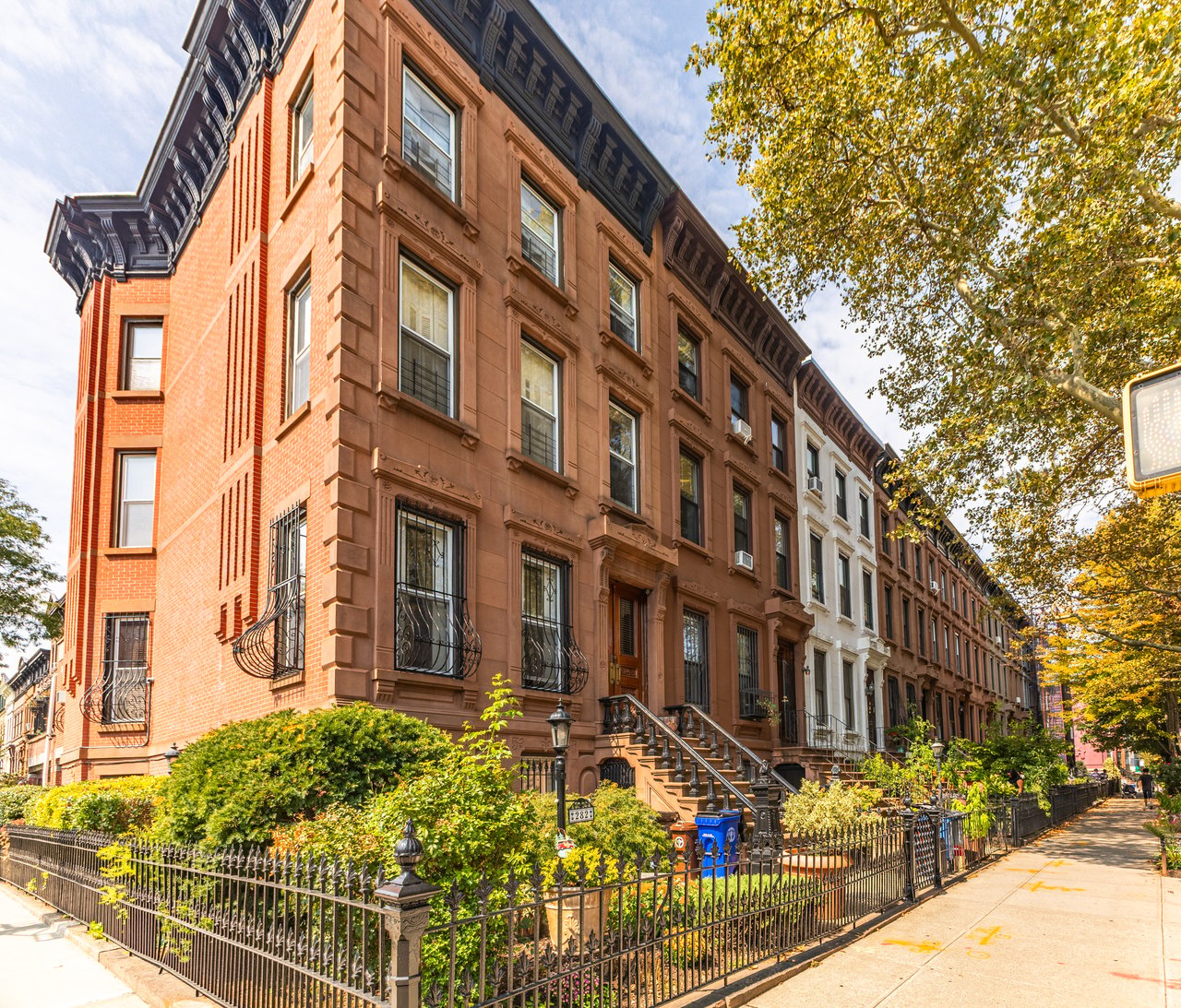
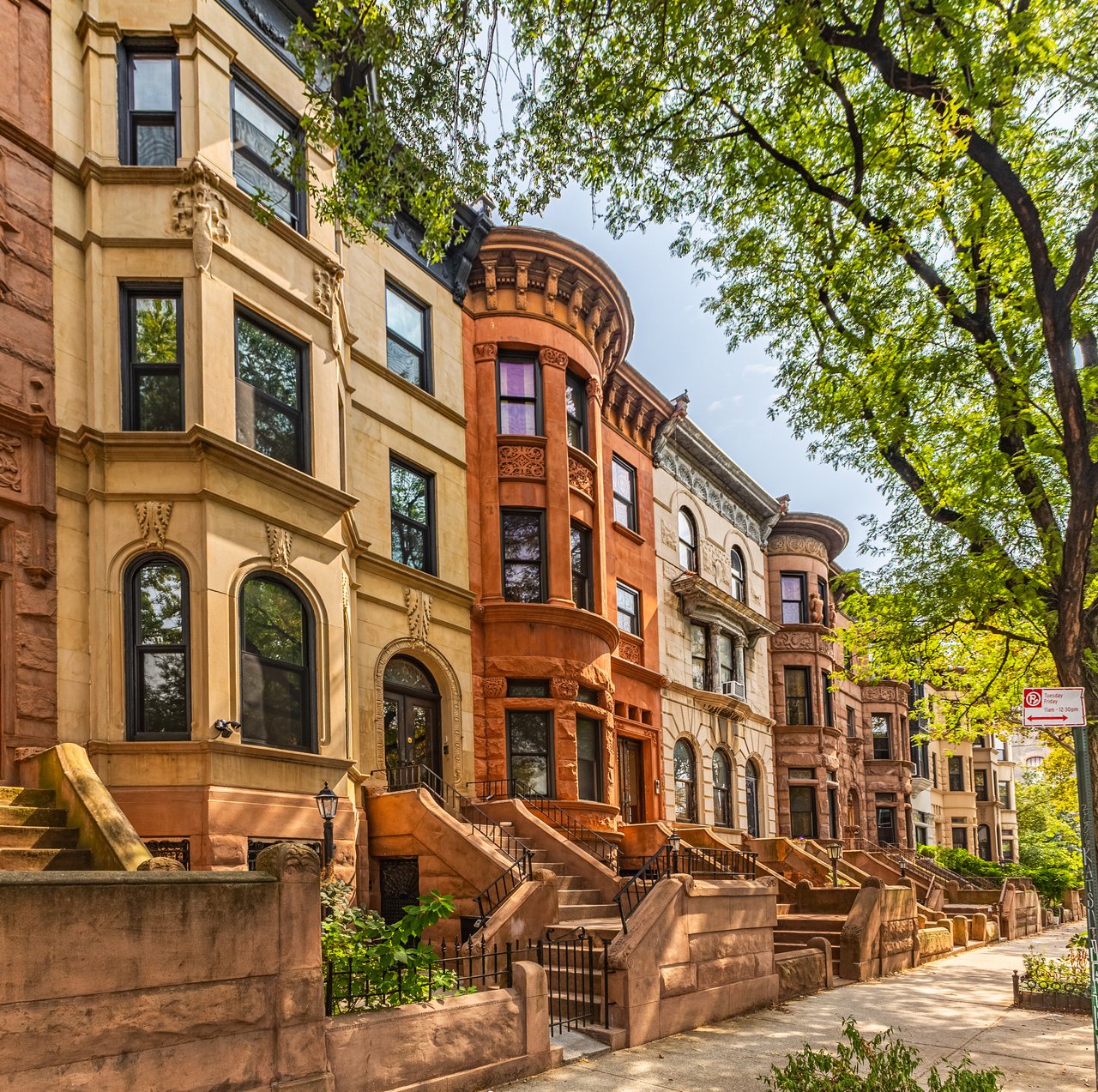
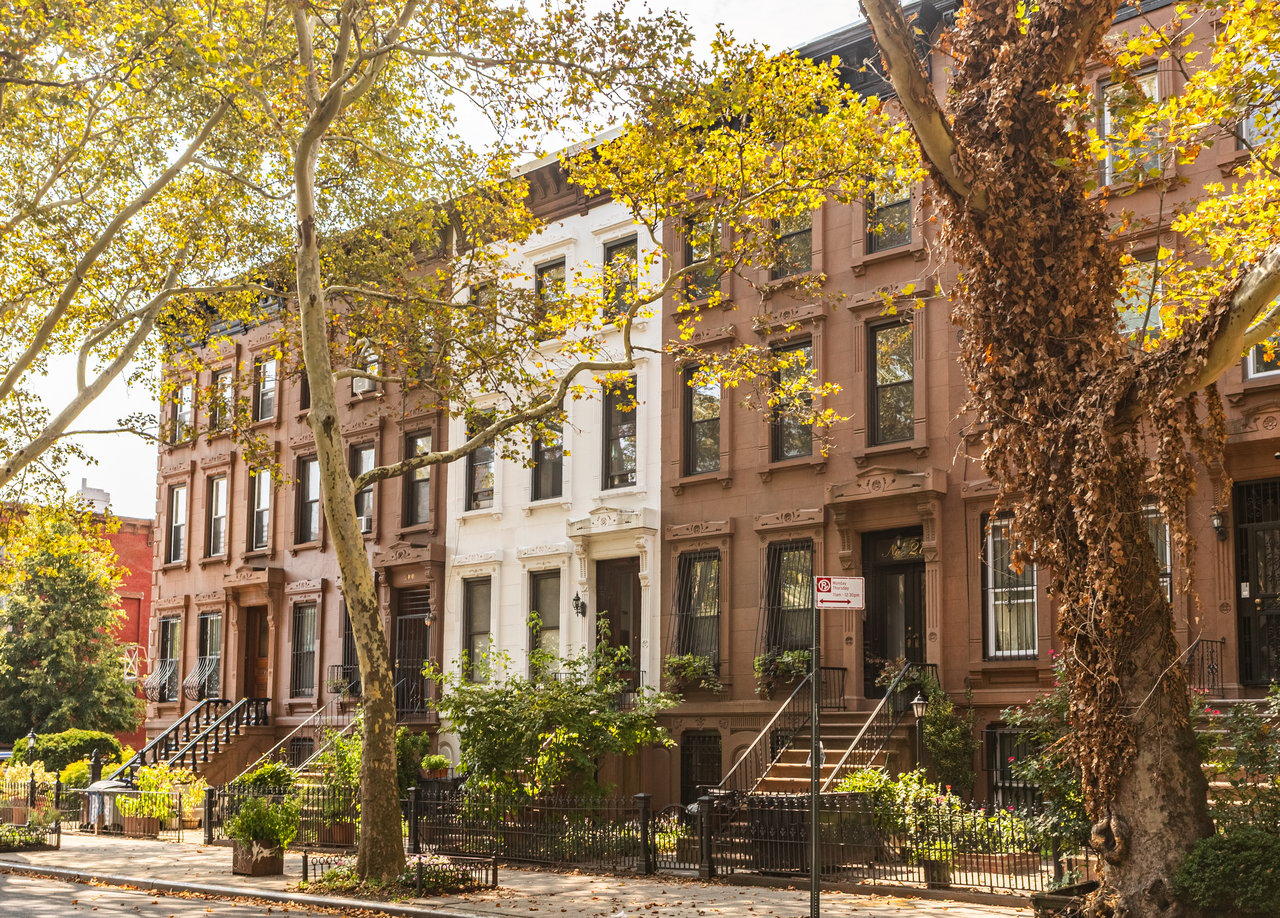
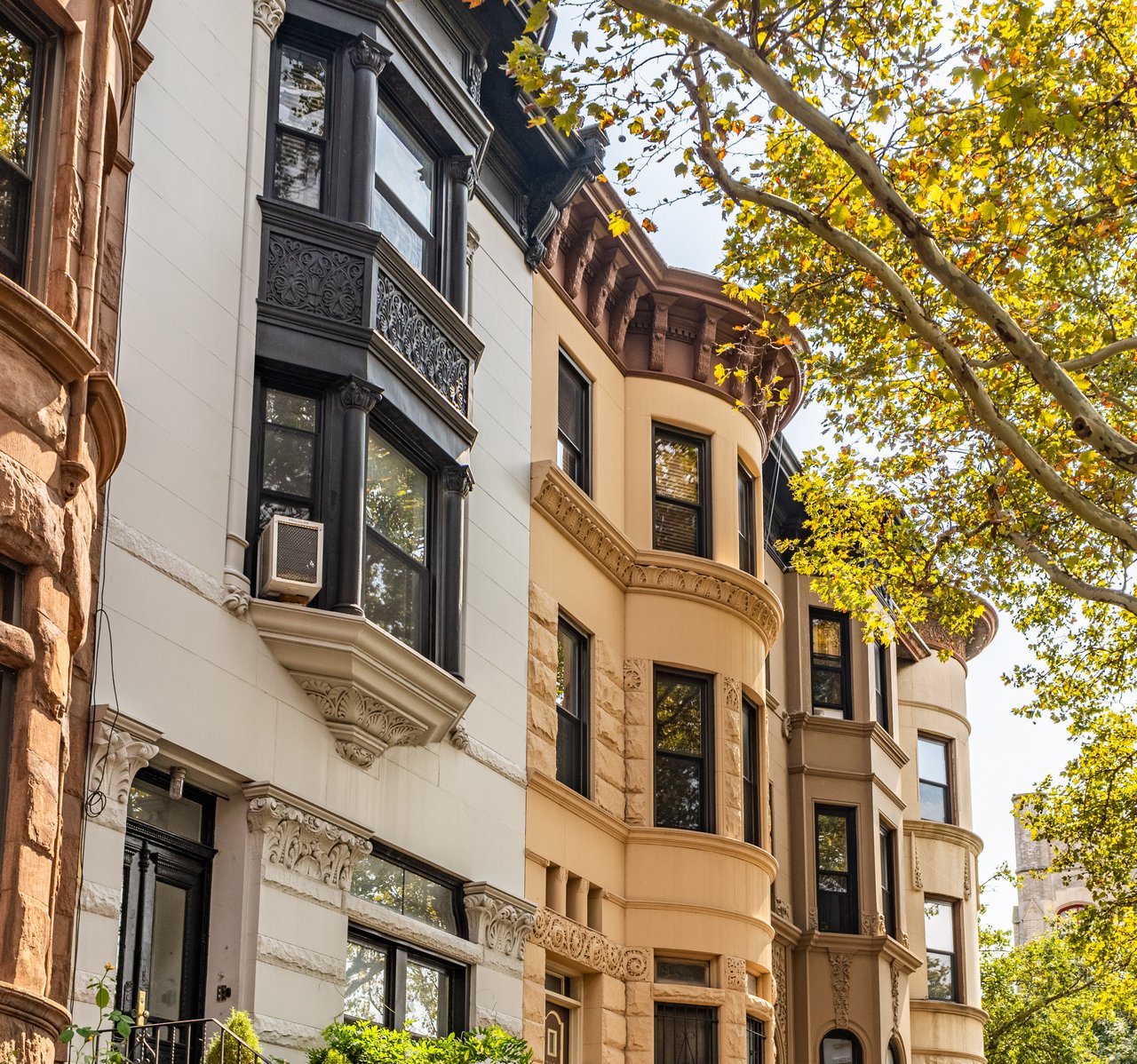
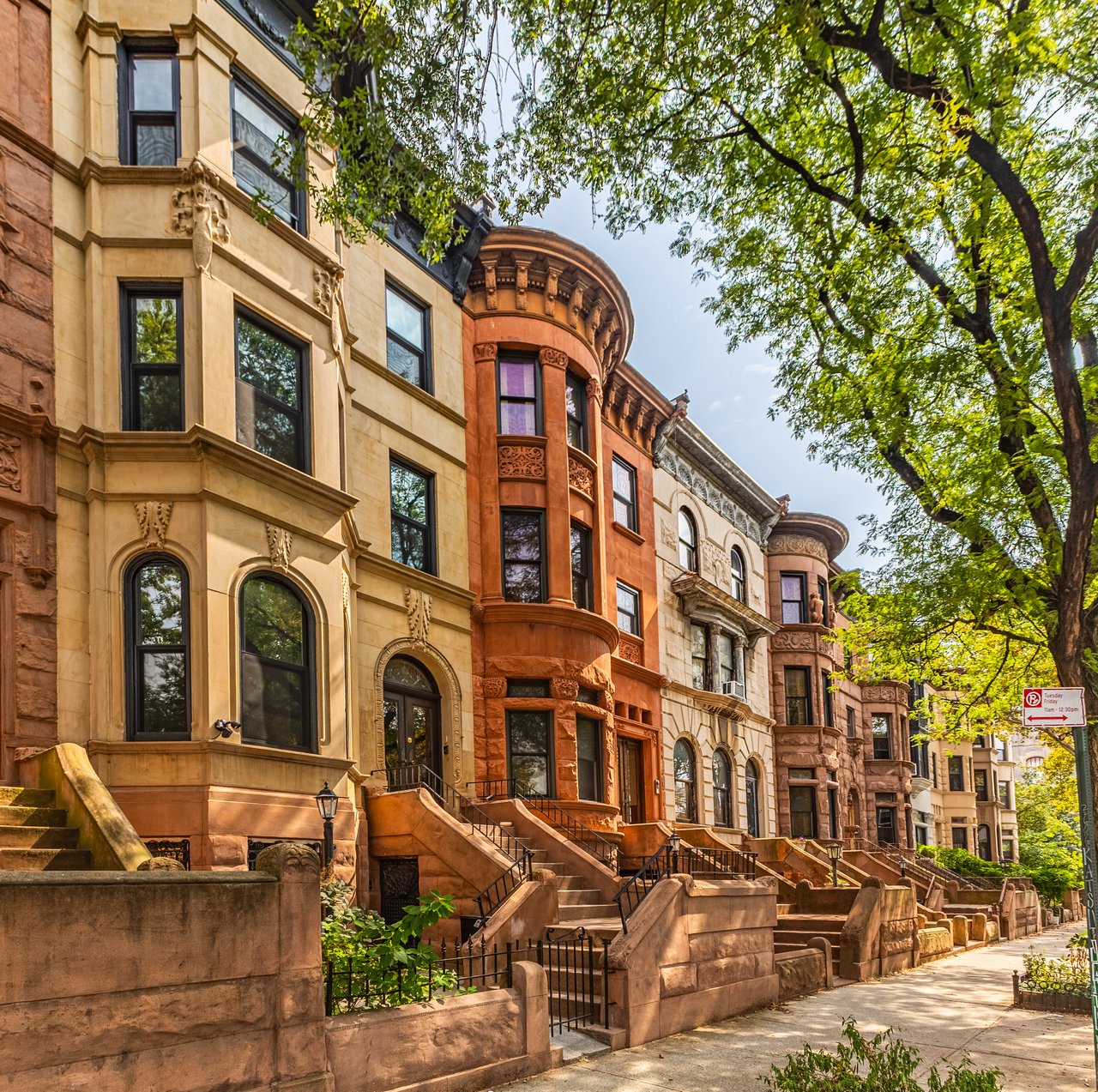
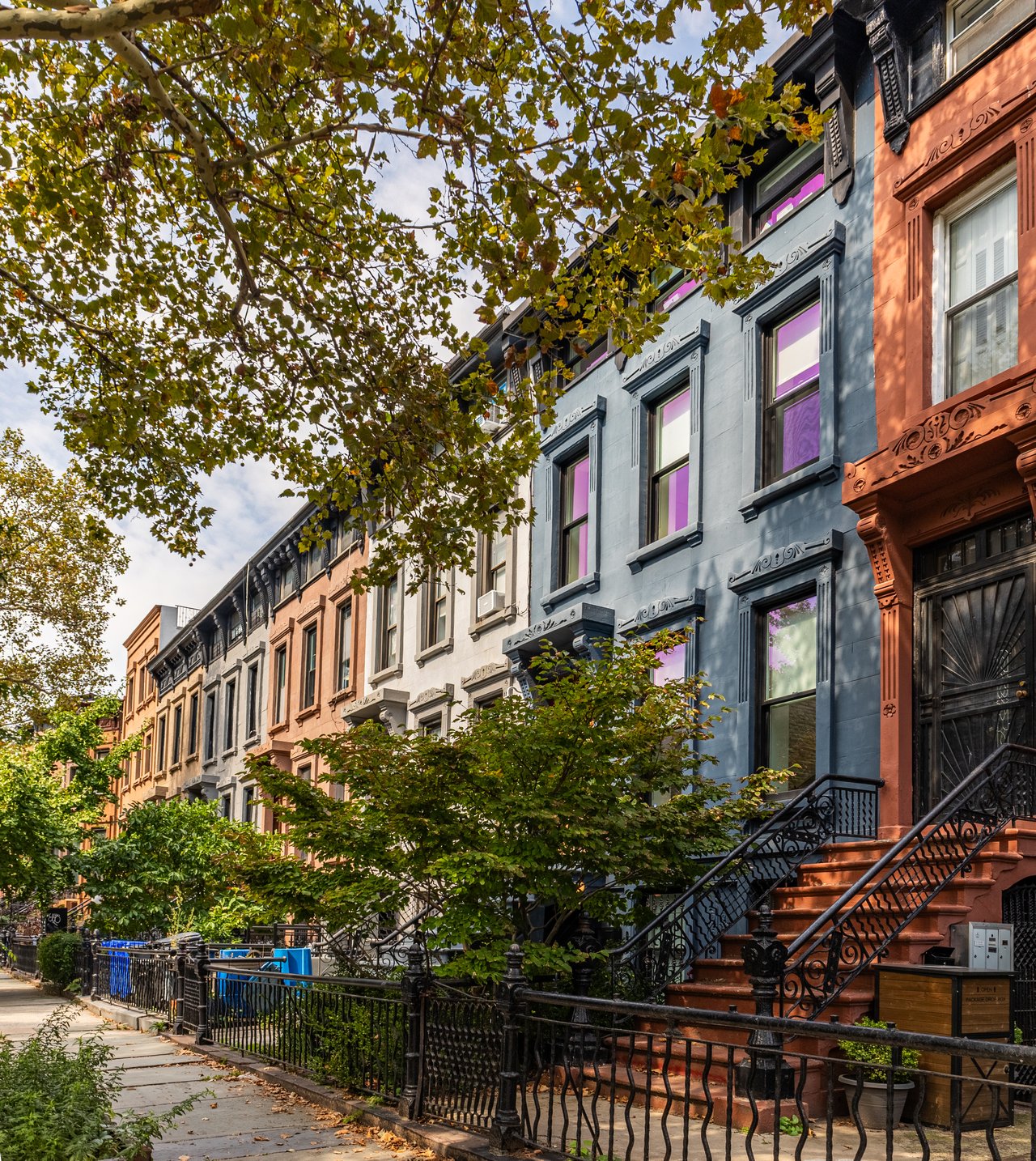
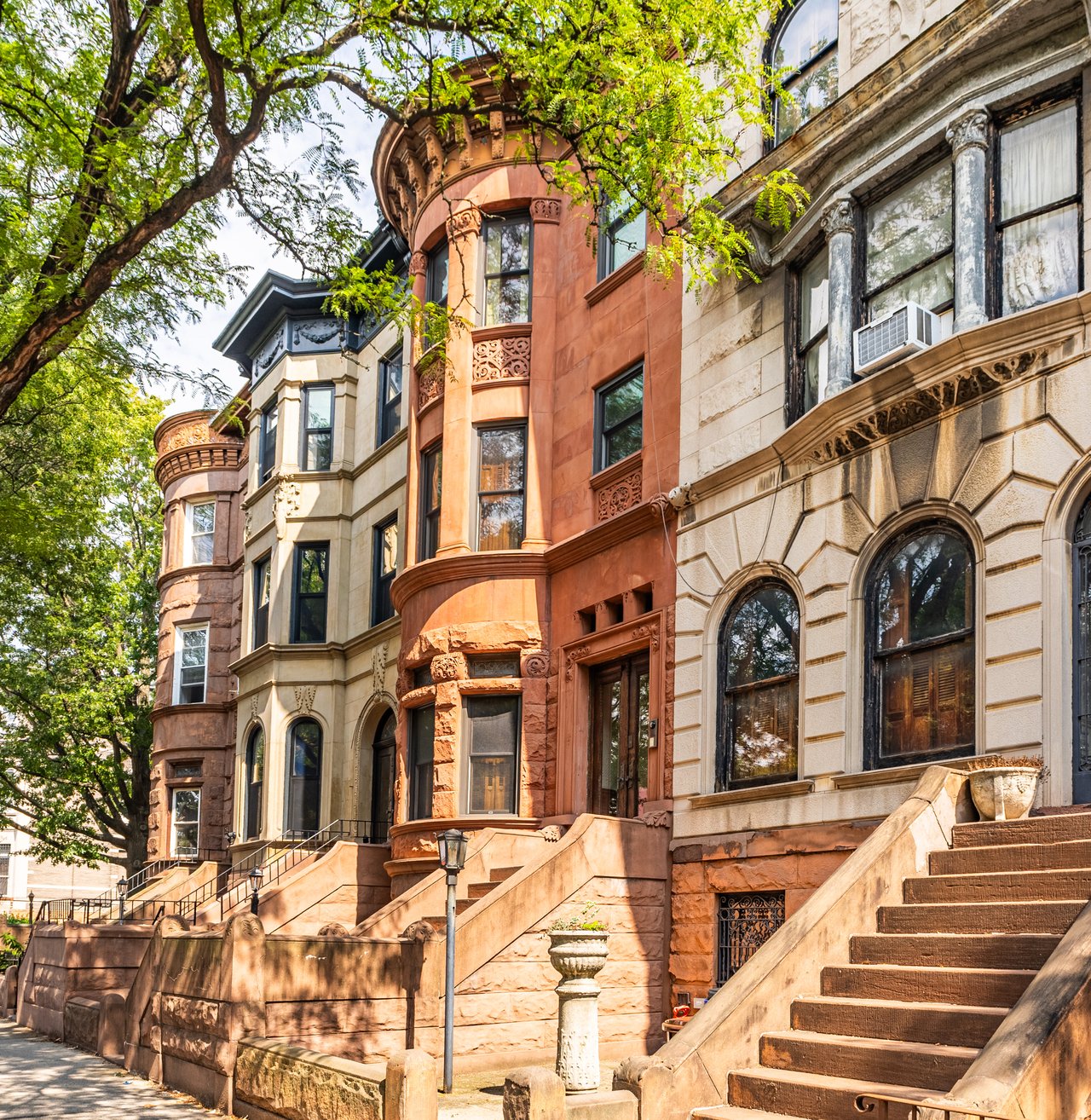
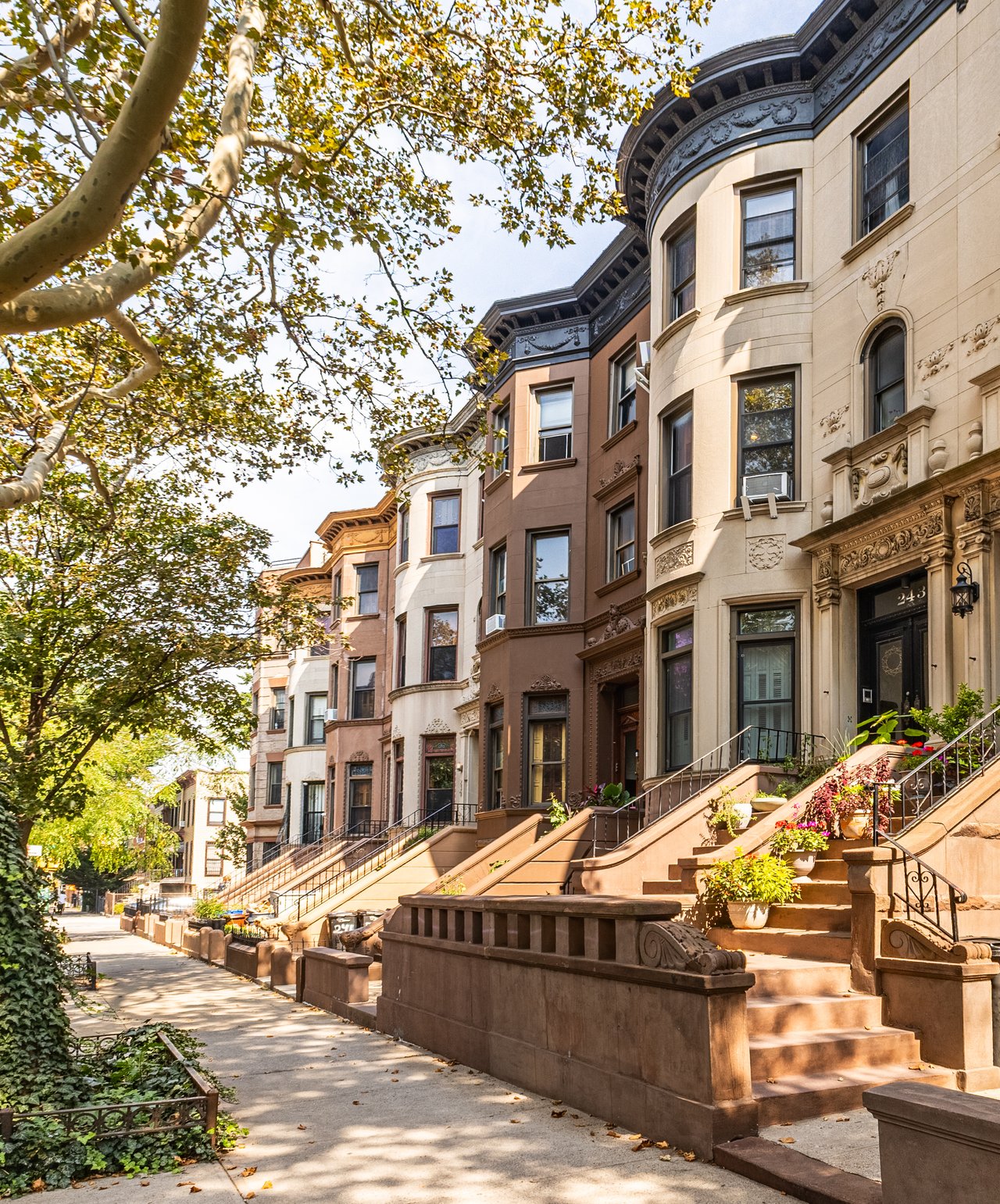
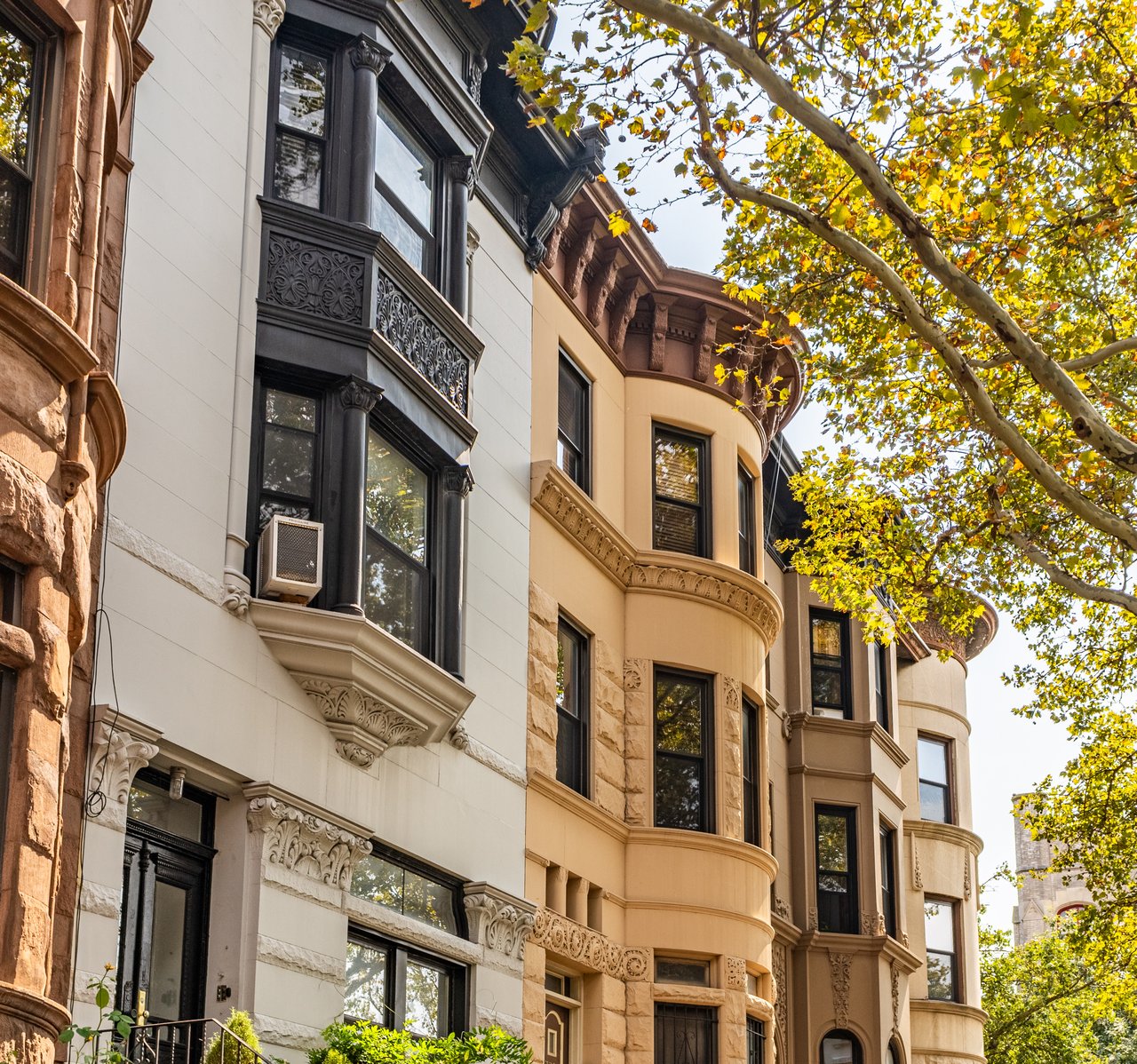
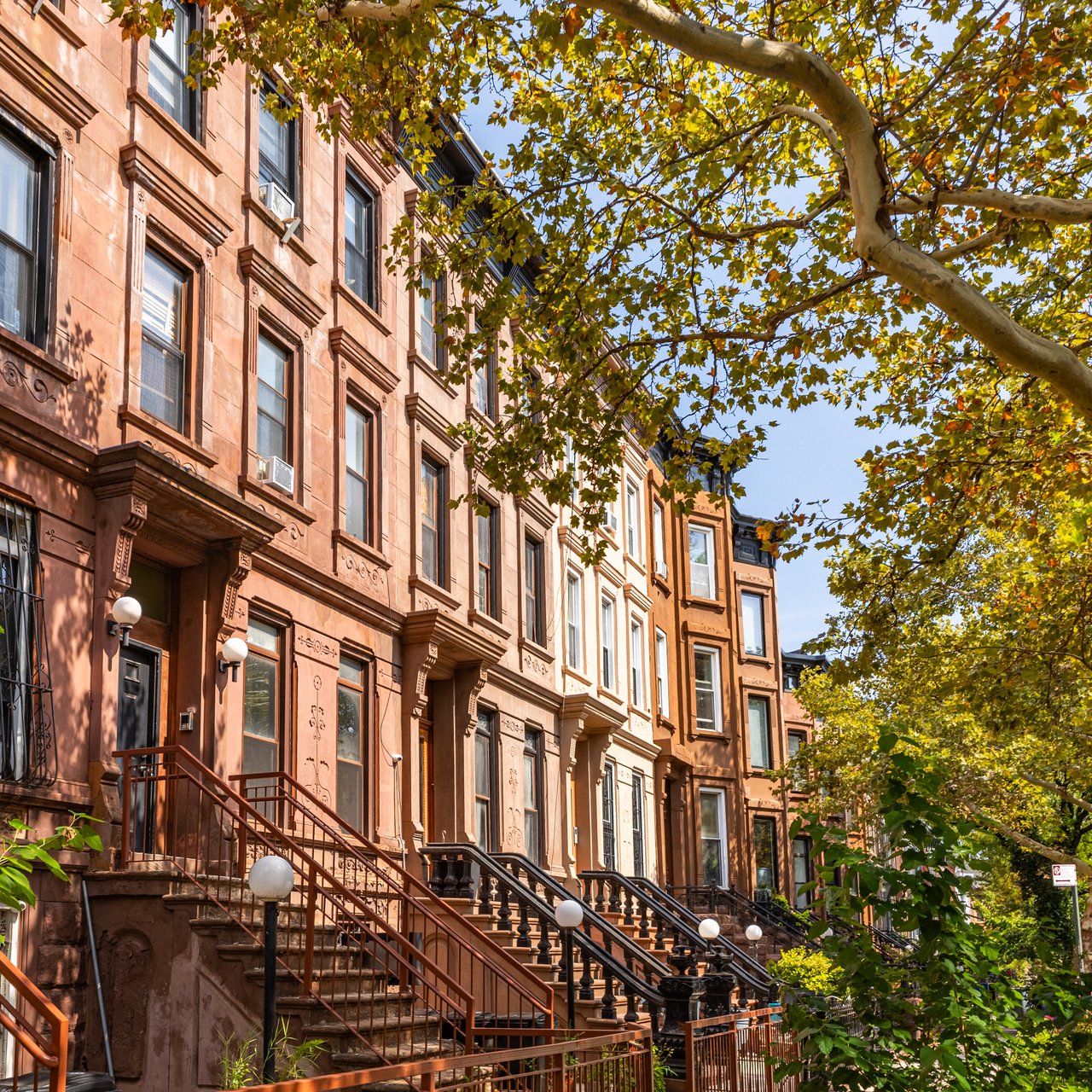
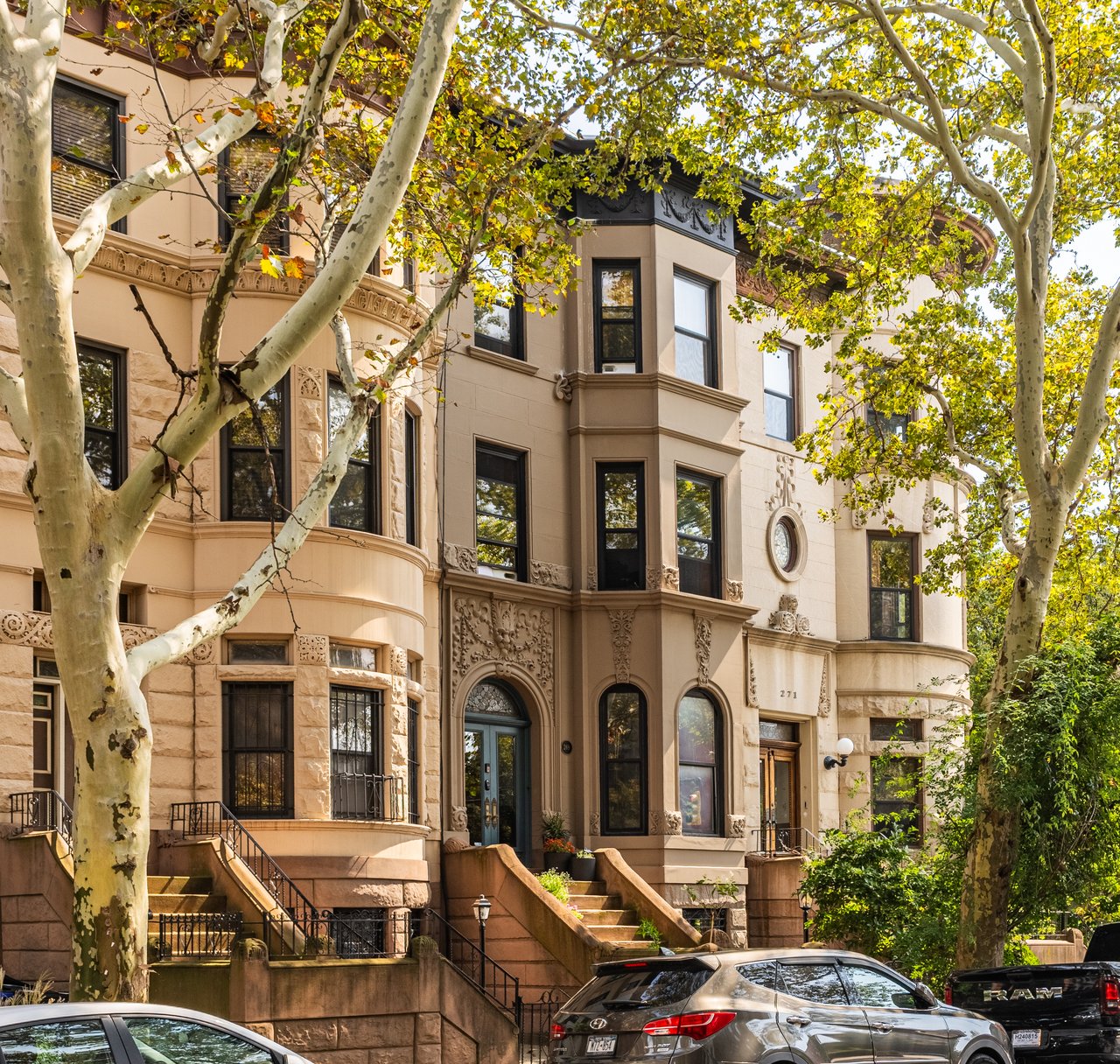
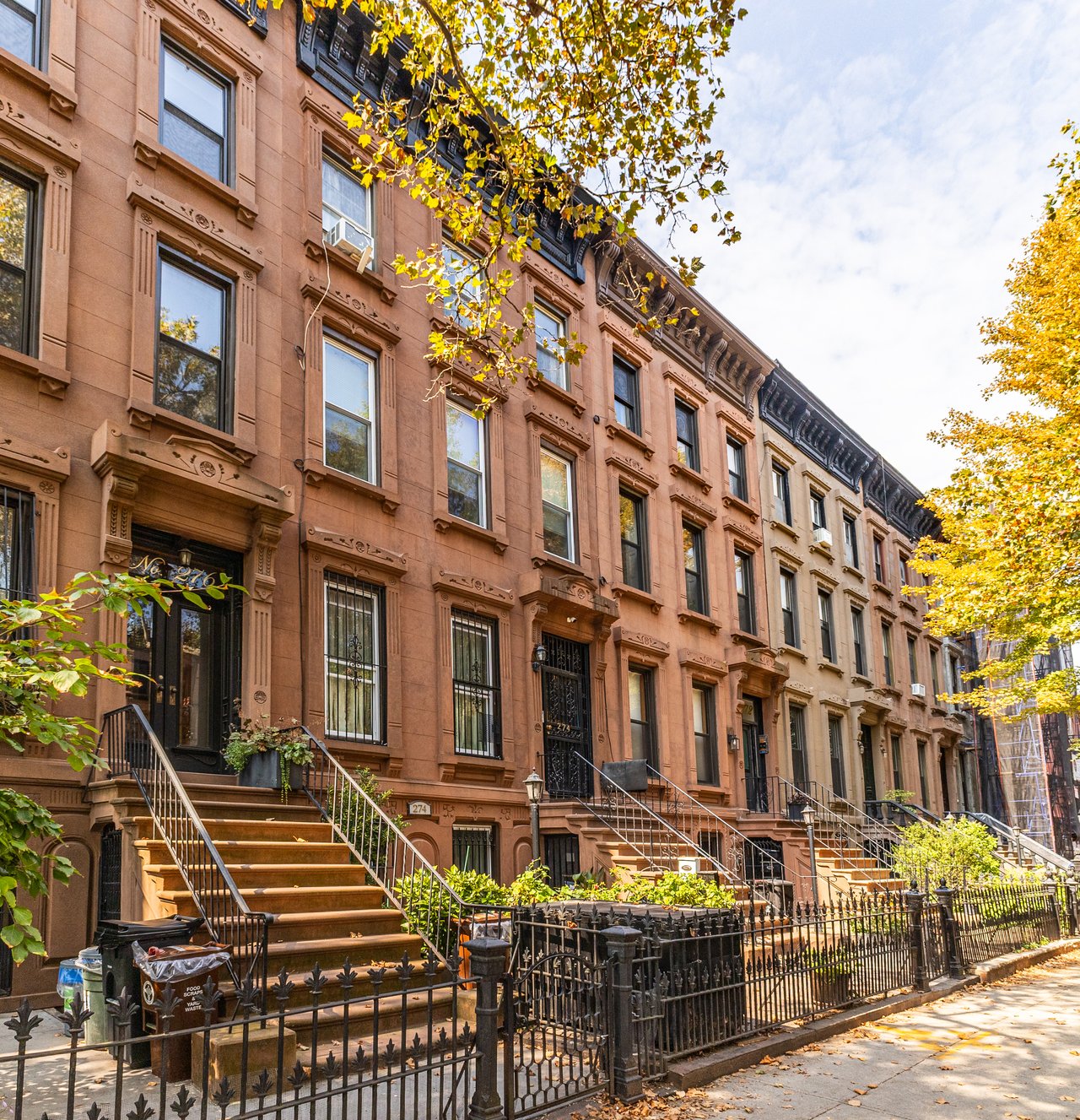
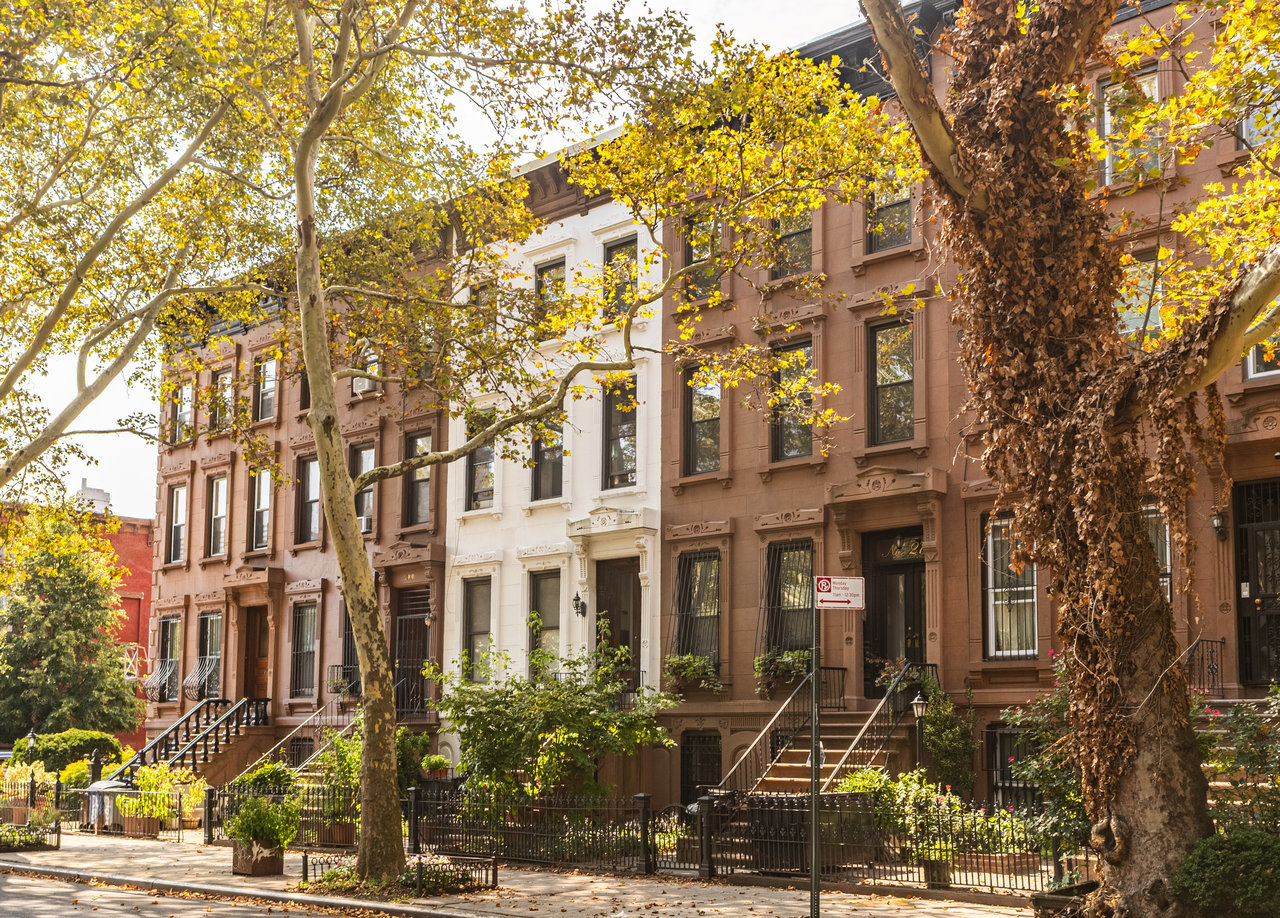
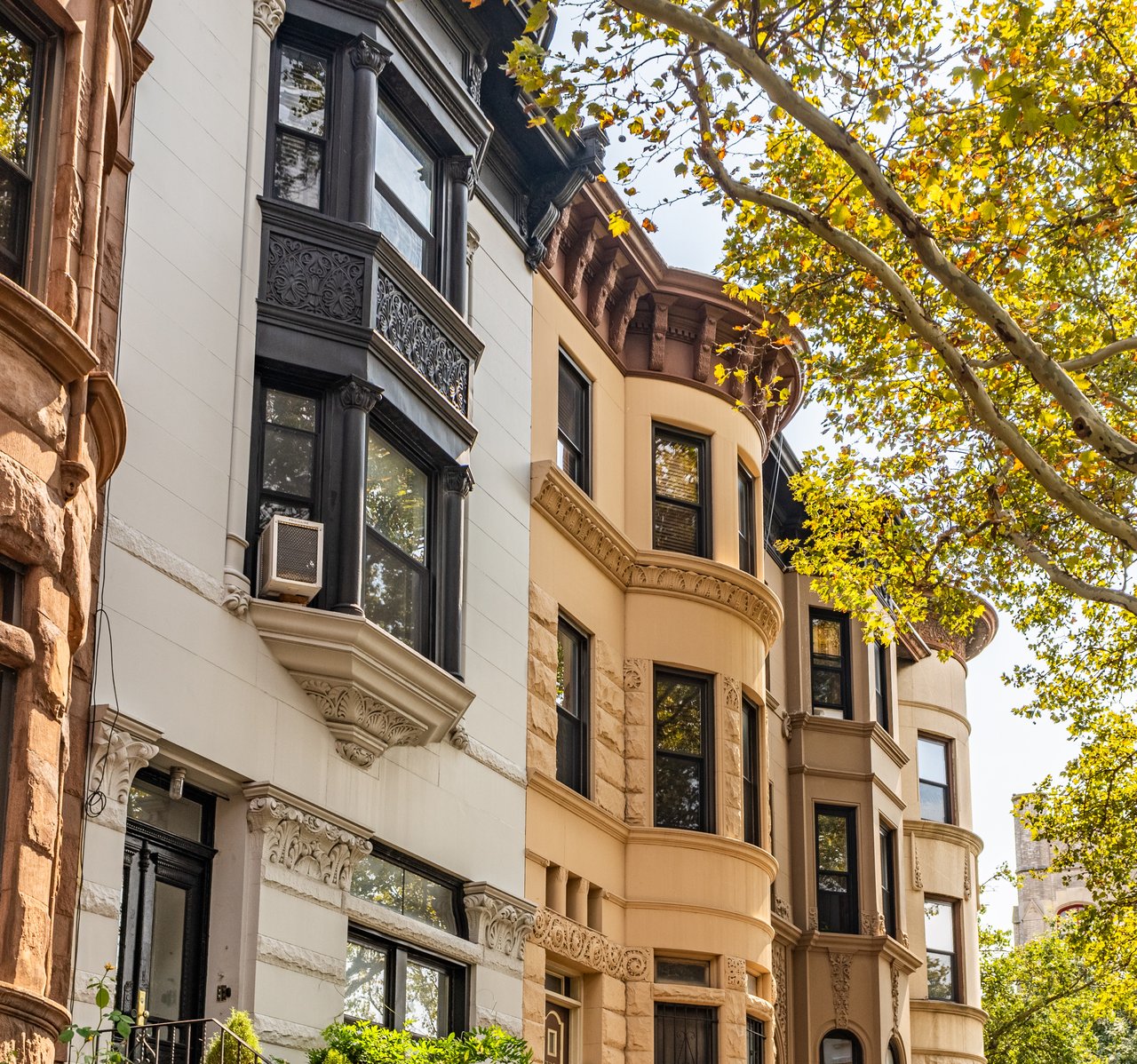
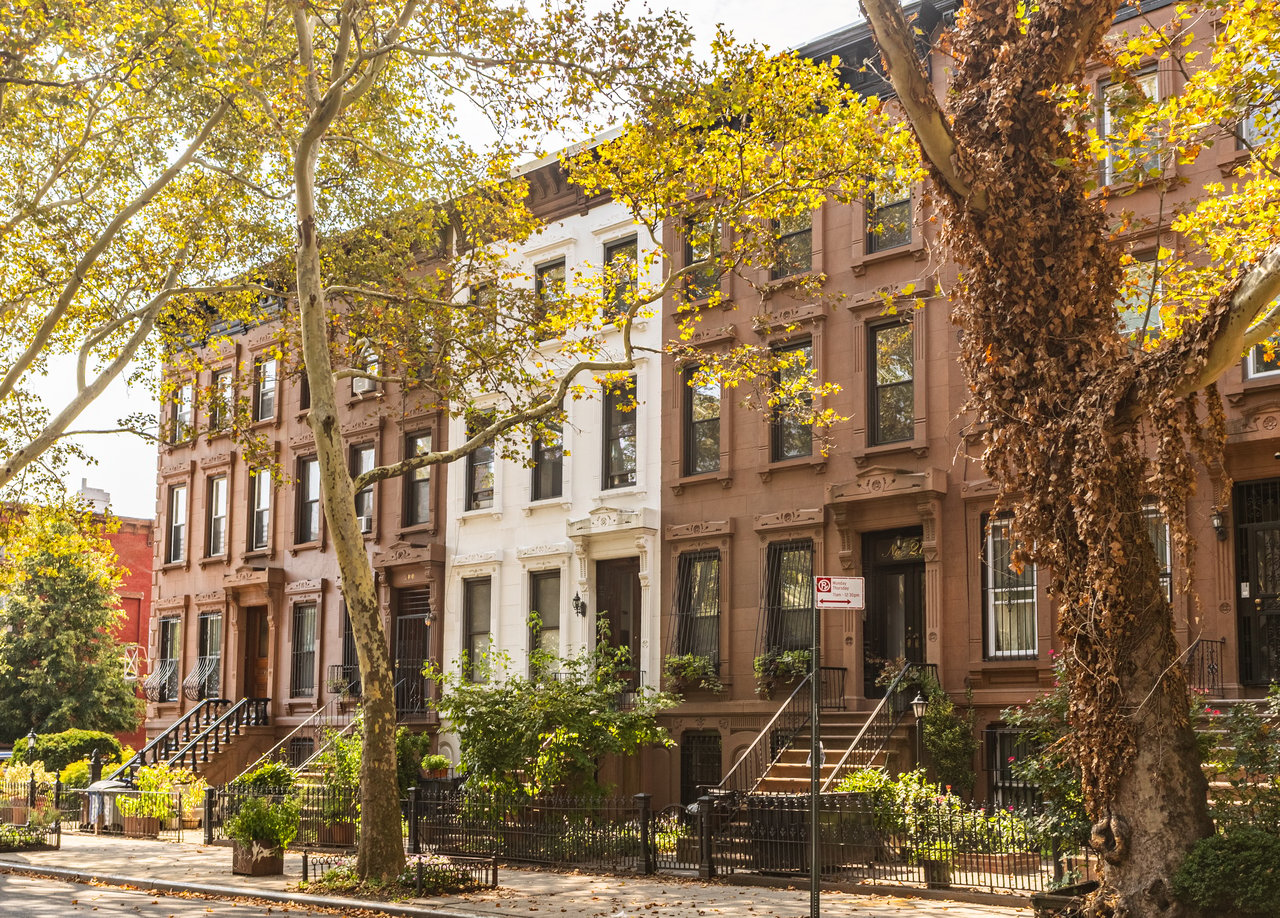
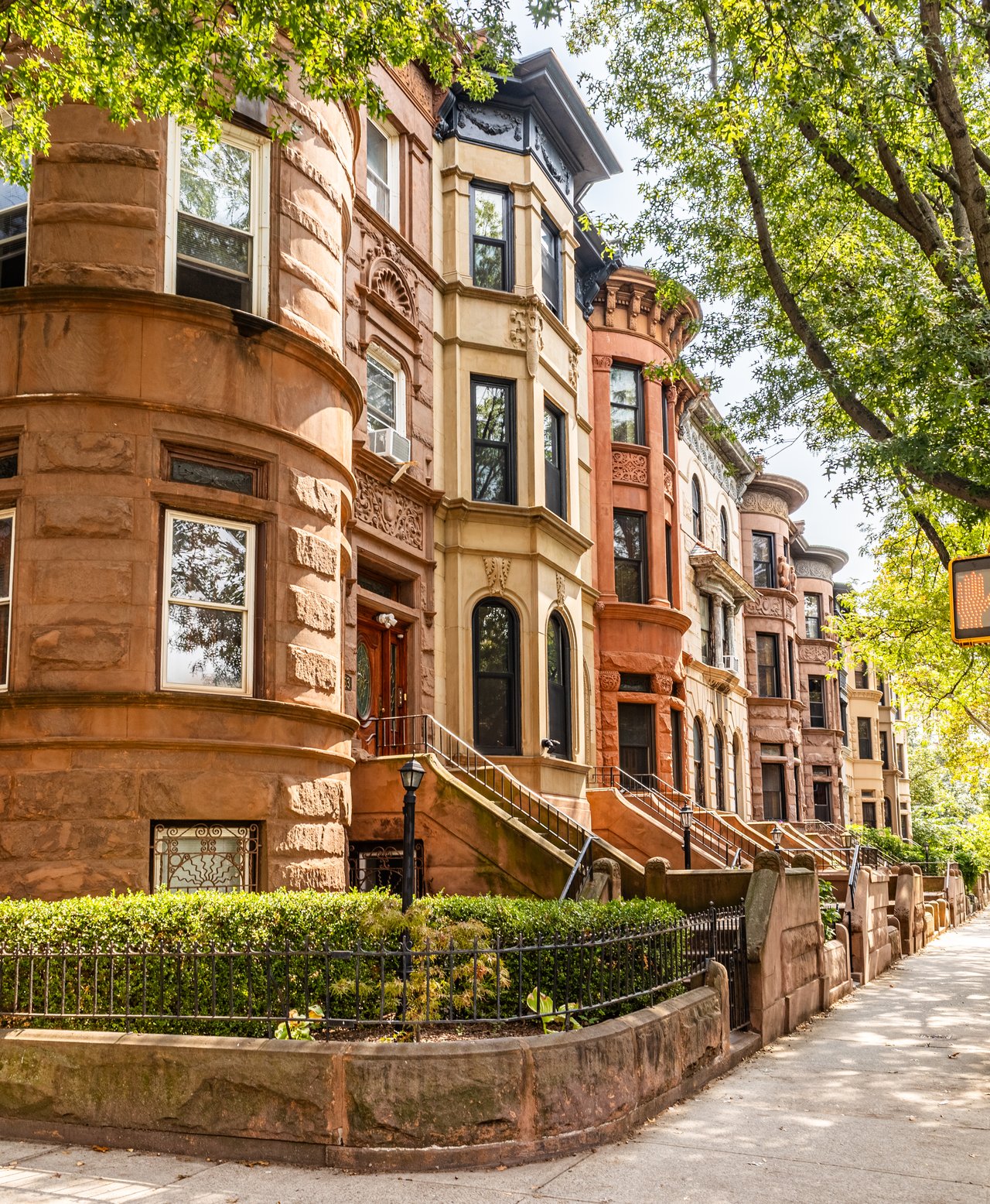
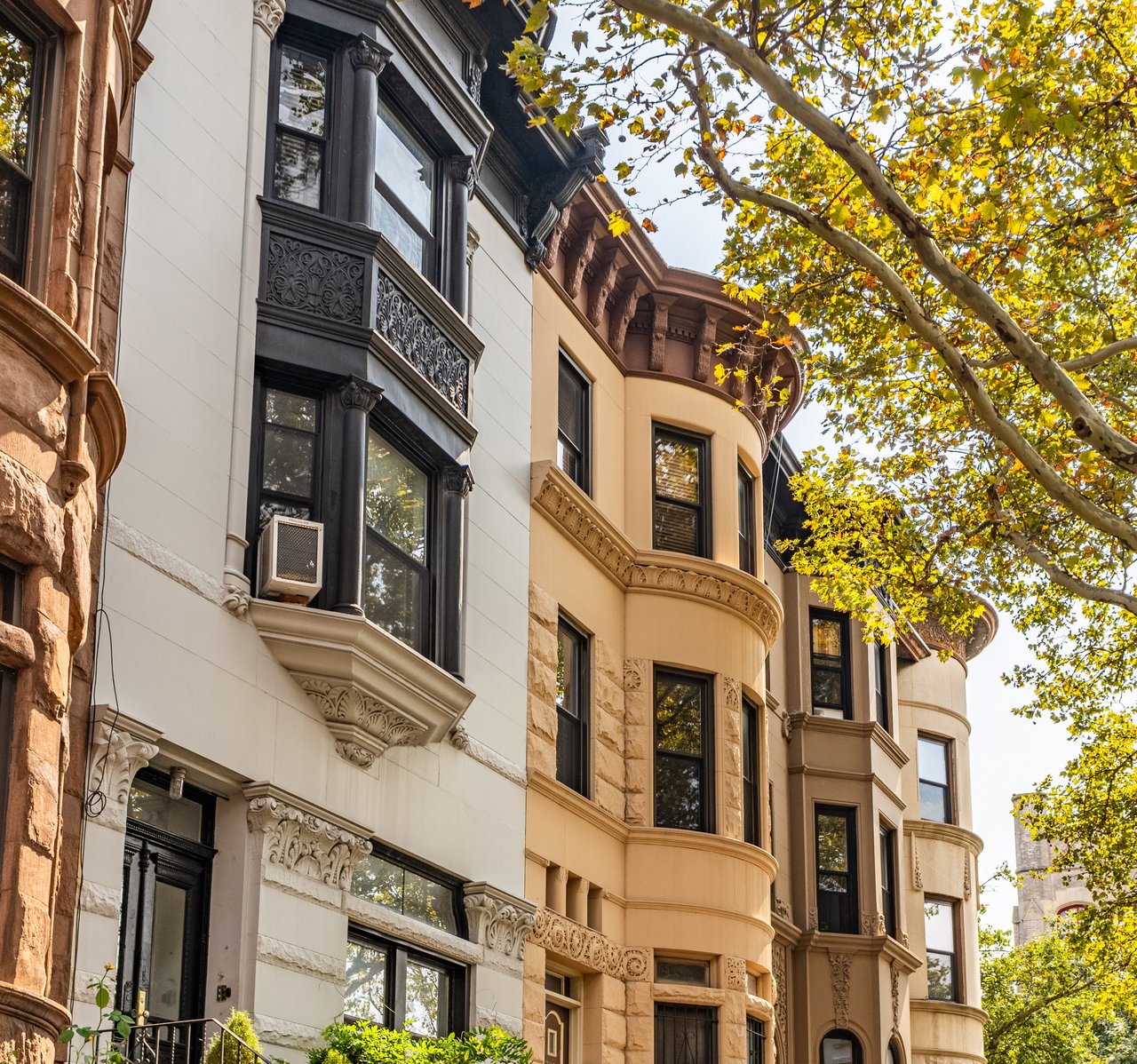
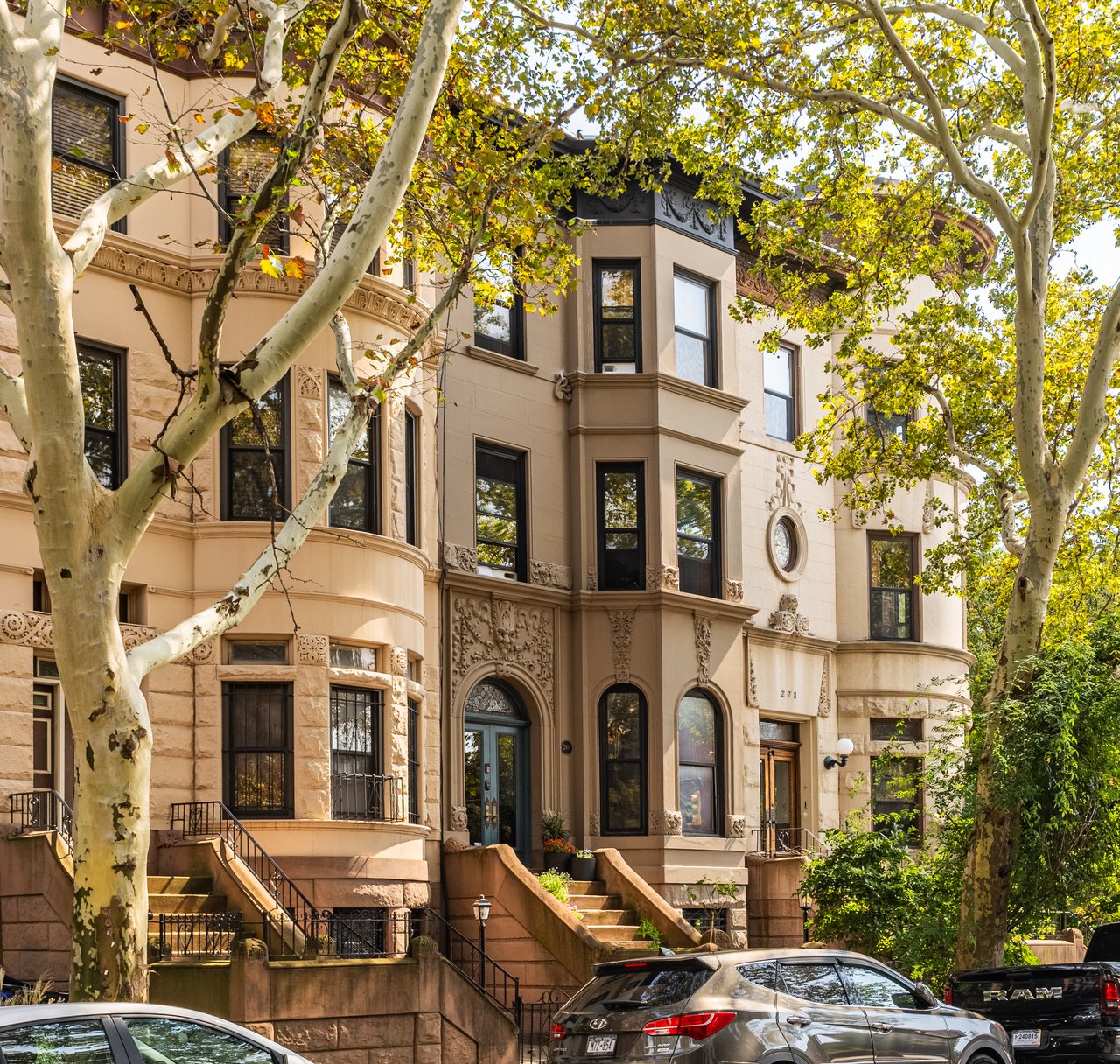
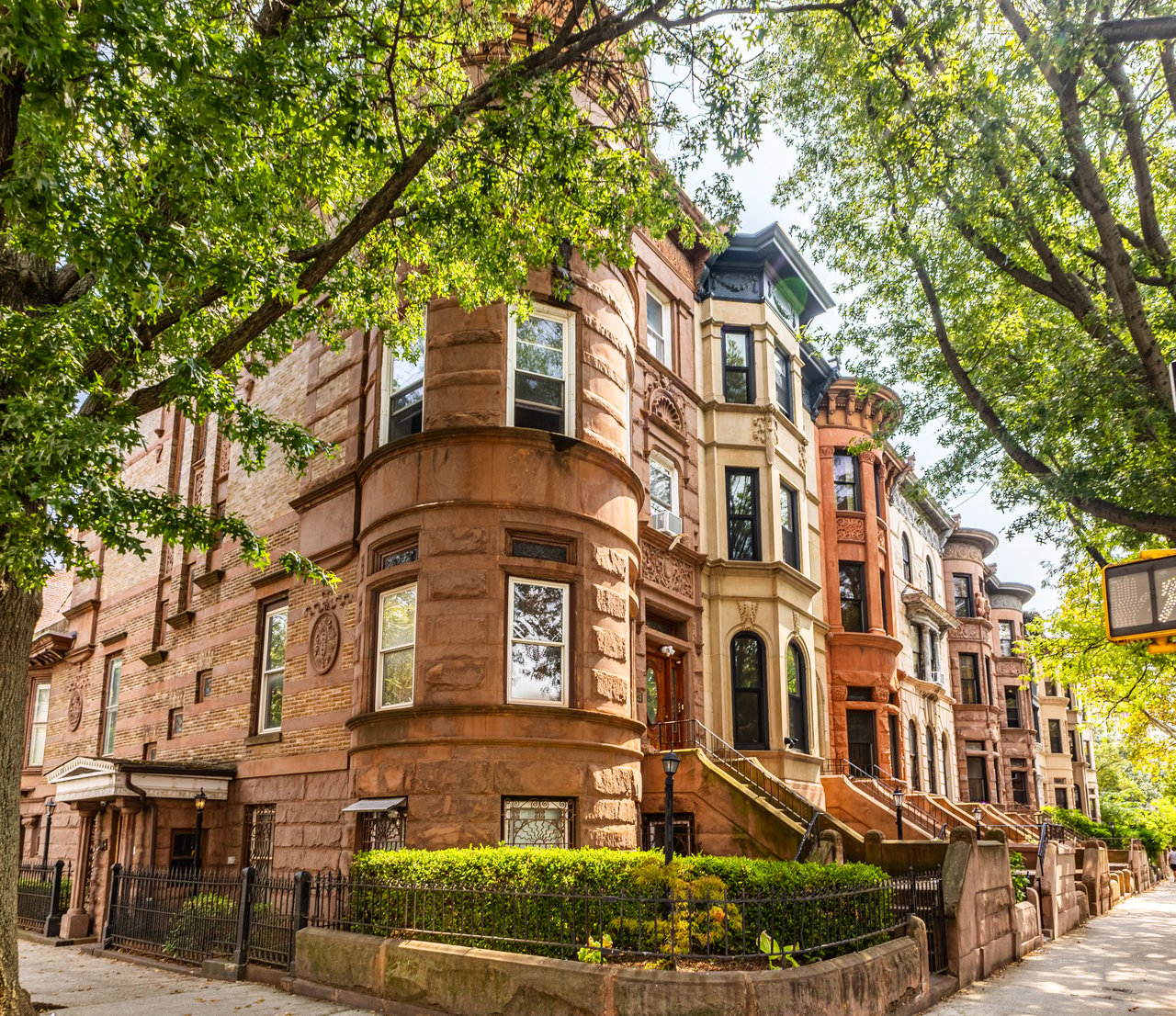
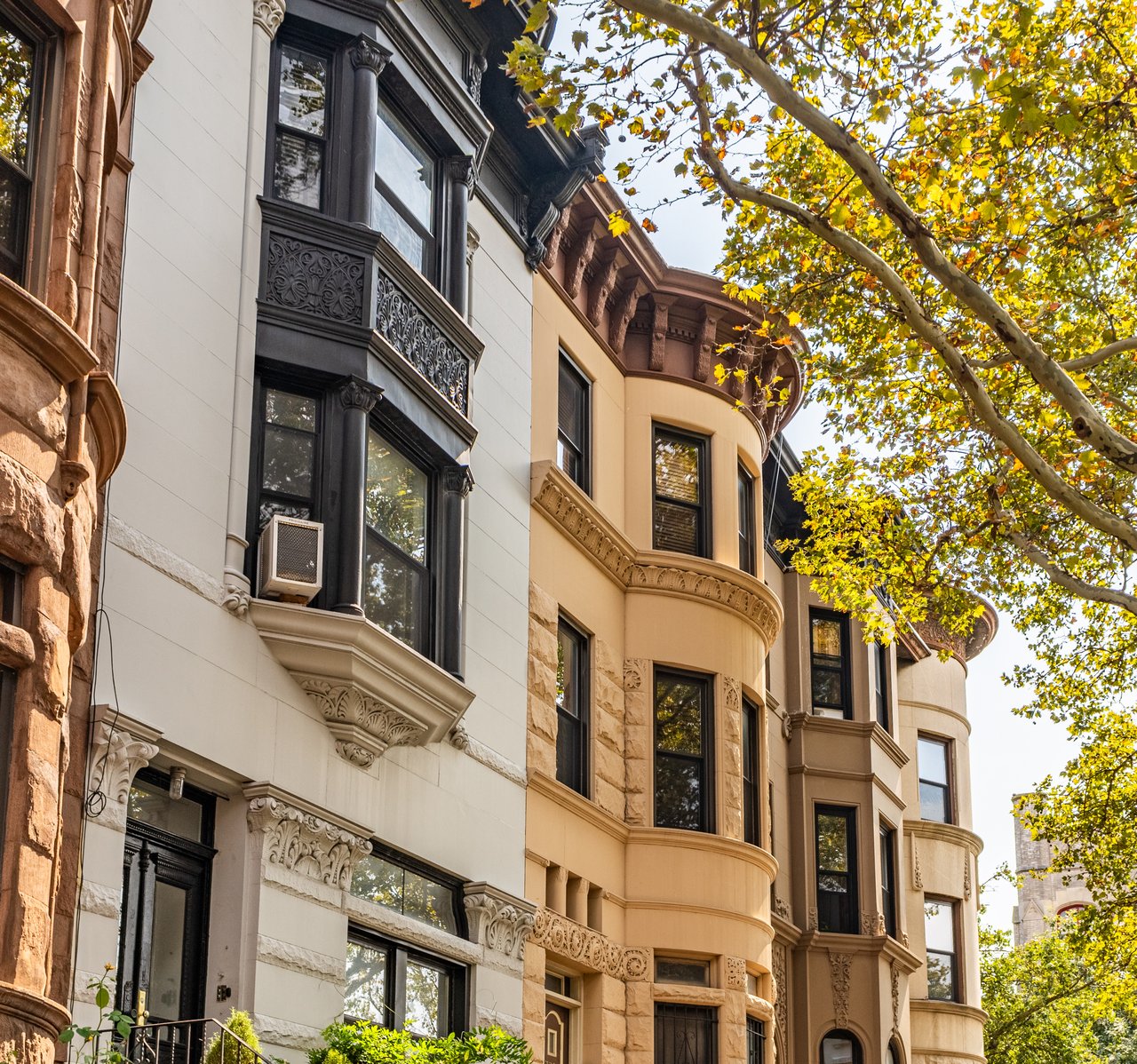
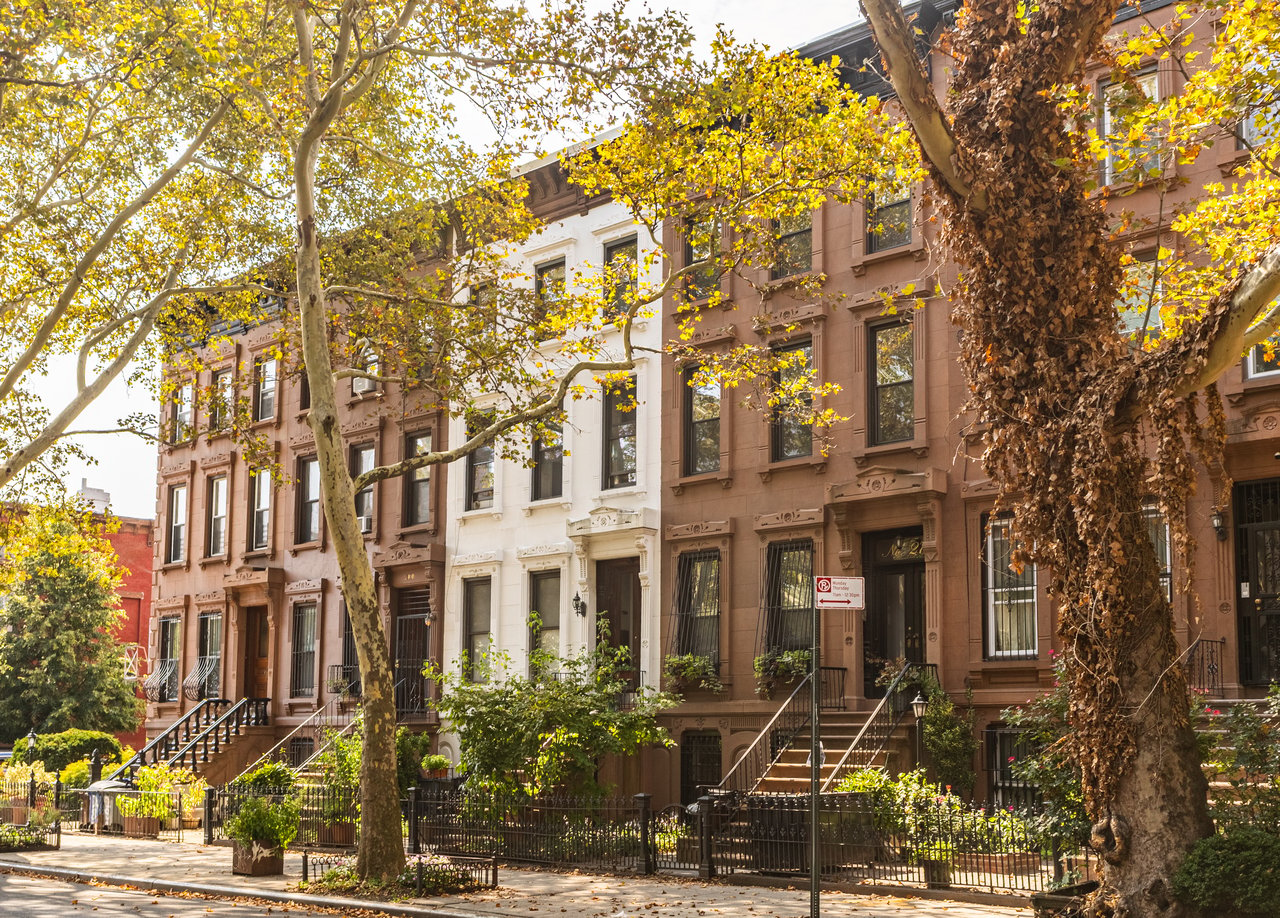
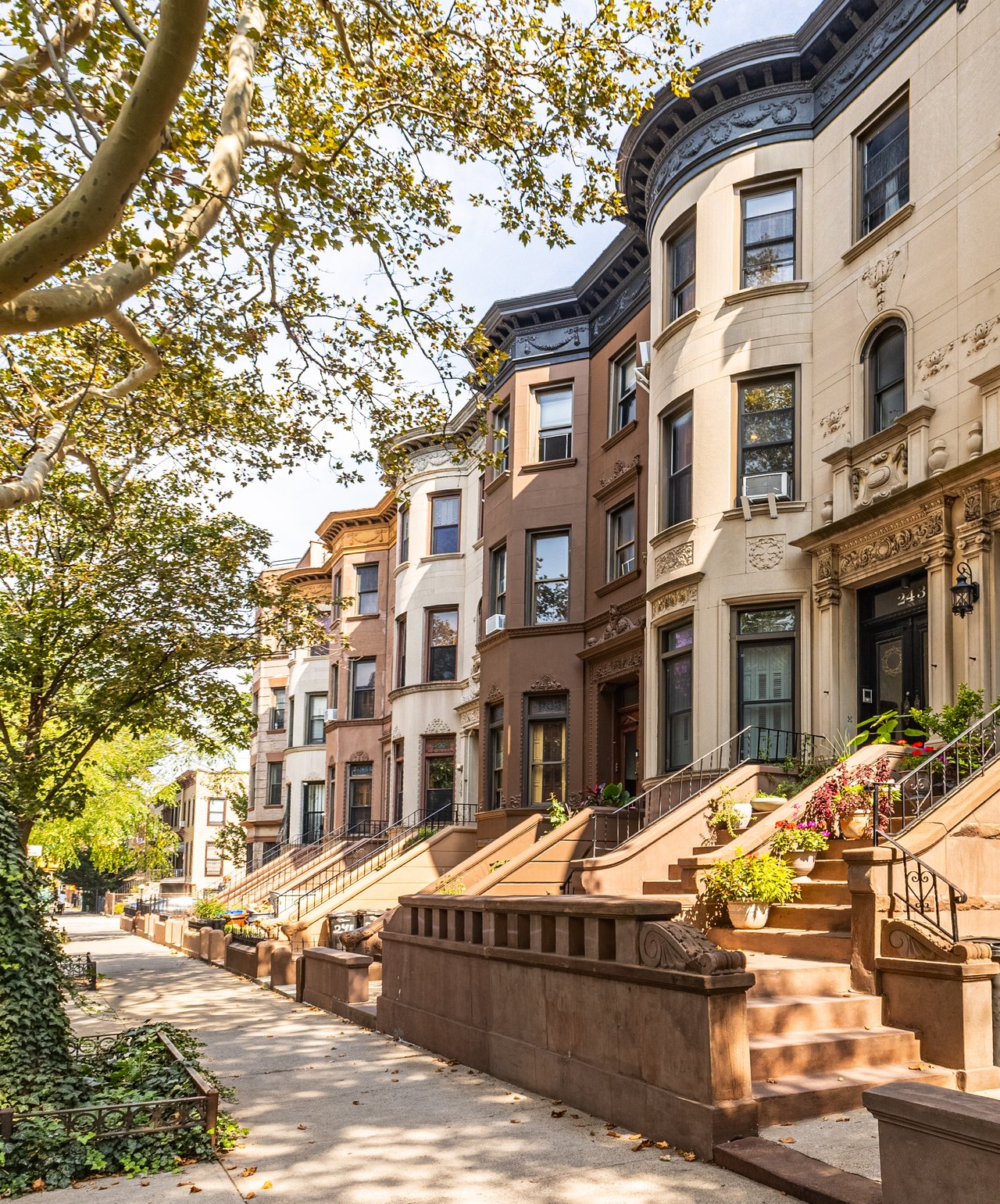
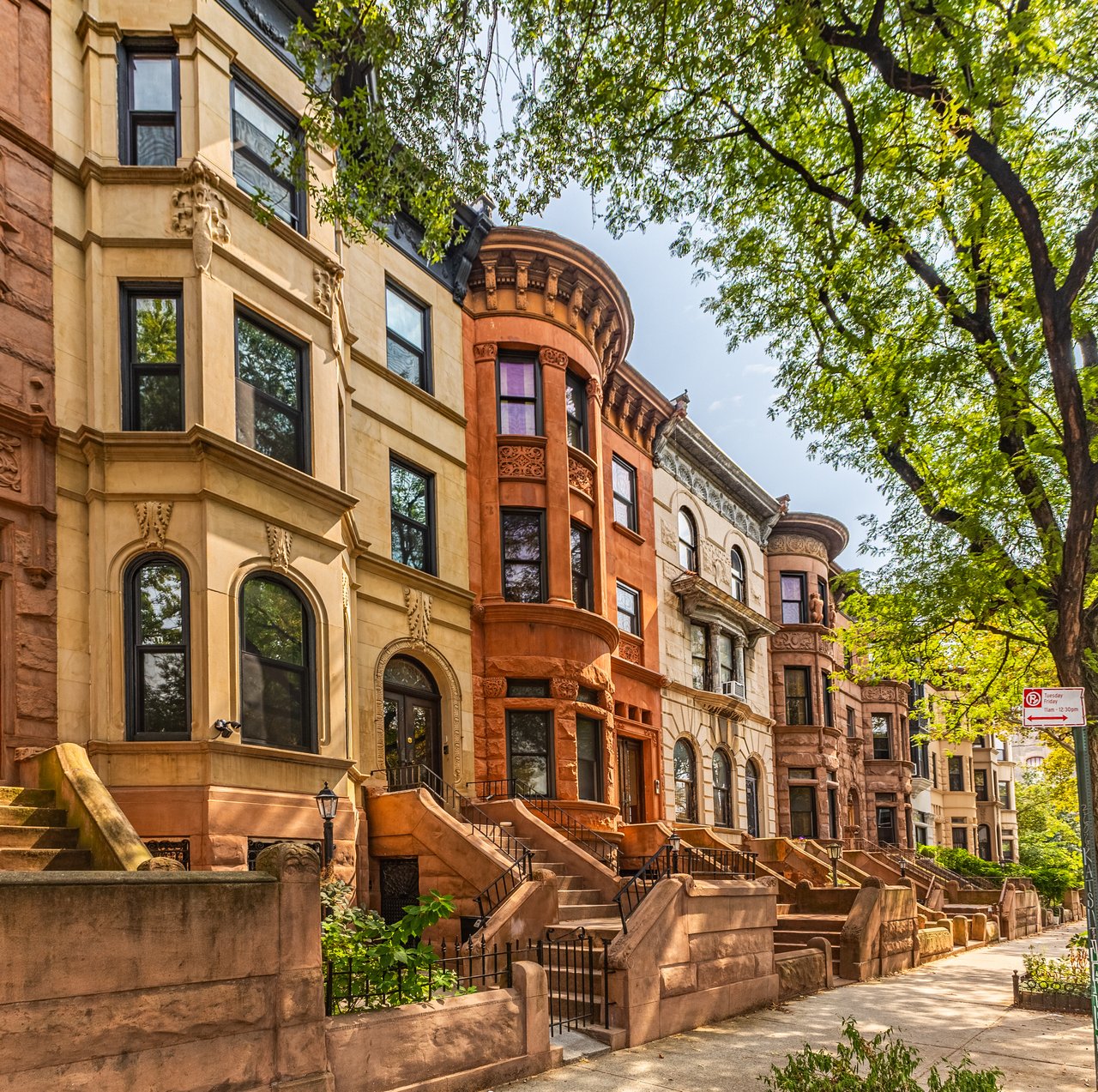
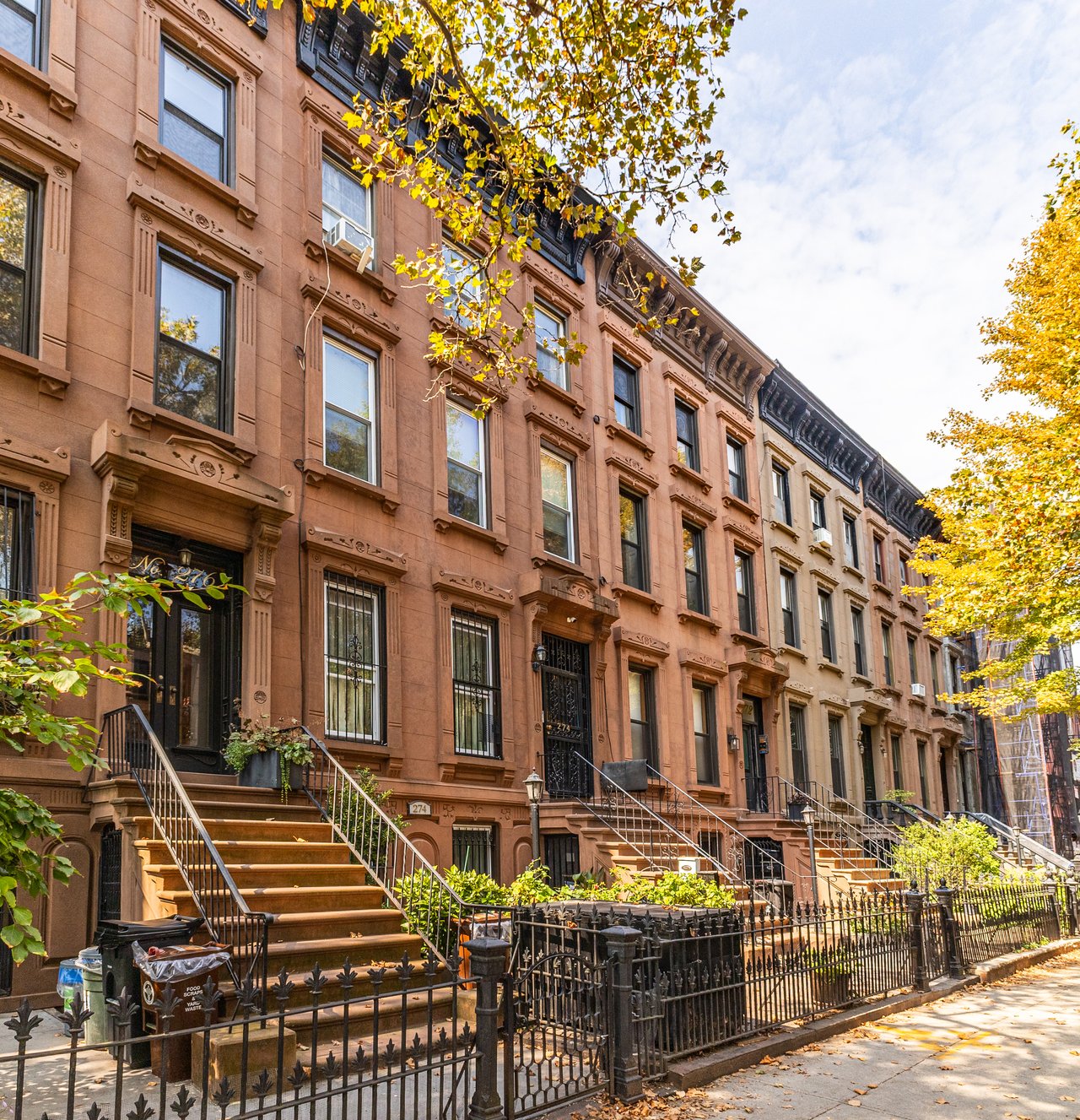
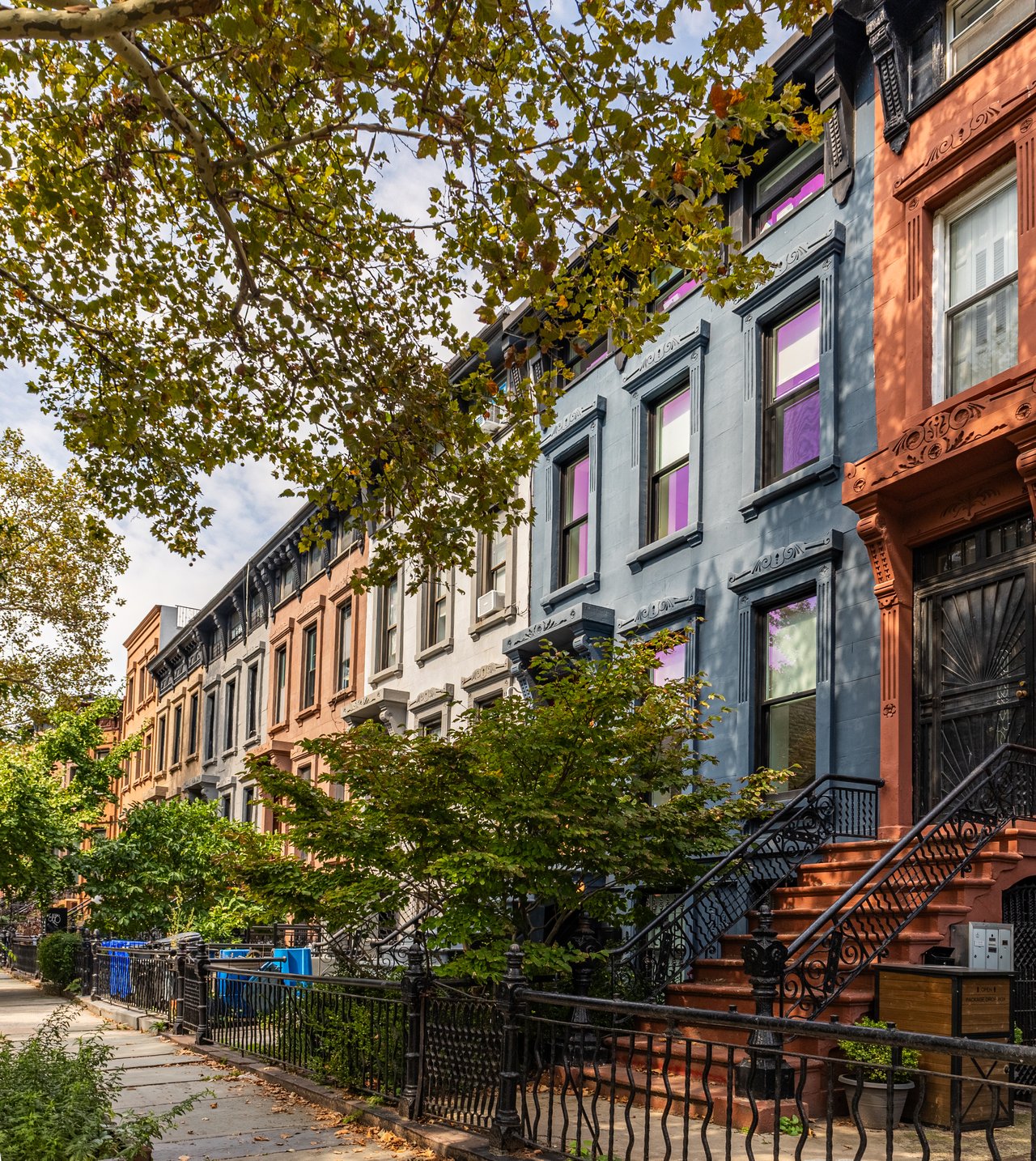
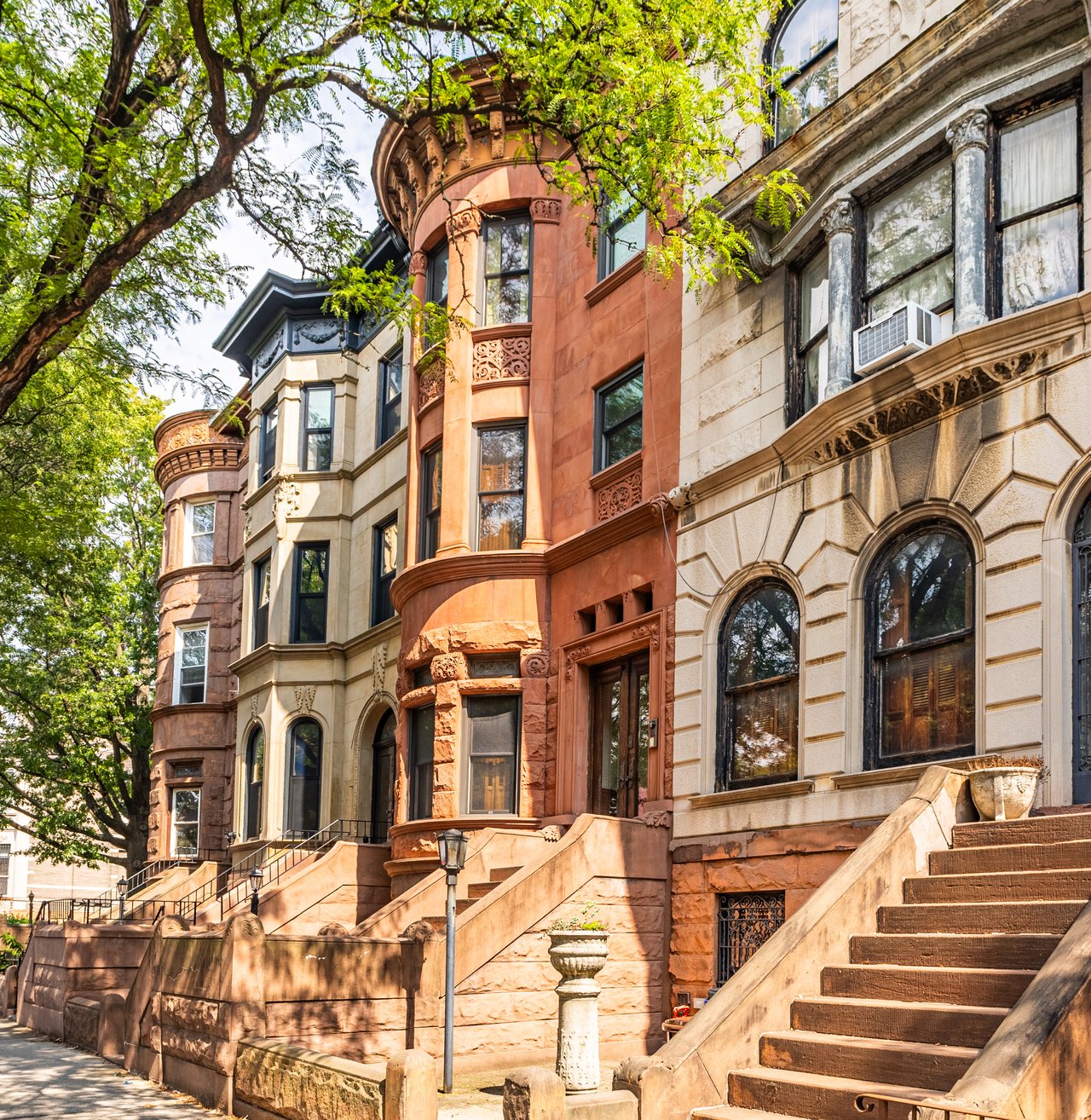
Many of the older buildings feature brick facades, decorative cornices, stone window details, and traditional entrances. Their relatively narrow frontages and multiple residential floors reflect the development patterns found throughout historic Williamsburg.
Hewes Street is particularly notable for its concentration of multifamily properties. Three- and four-story walk-up apartment buildings form an important part of the streetscape, while smaller two-family homes and larger residential buildings provide additional architectural variety.
One of its most recognizable landmarks is the Hewes Street subway station at Broadway. The elevated station opened on June 25, 1888, connecting the street to a major chapter in Brooklyn's transportation history.
Nearby Broadway provides access to restaurants, cafés, retail establishments, and commercial properties. The G train at Broadway and the J and M trains at Hewes Street offer additional transportation connections.
For property owners, Hewes Street presents several distinct real estate opportunities. A traditional two-family townhouse, a prewar multifamily building, a mixed-use property, and a modern condominium each require a different valuation and marketing strategy.
Whether you're researching the architecture of Hewes Street, exploring South Williamsburg homes, or considering selling a Brooklyn townhouse or multifamily property, the street offers an excellent example of the neighborhood's residential development.
Thinking of buying or selling? Call Parviz today at 917-847-7771
Discover why clients continue to trust The Parviz Team: Google Reviews ⭐⭐⭐⭐⭐
Where Is Hewes Street in Williamsburg, Brooklyn?
Hewes Street is located in South Williamsburg, Brooklyn, within the residential area surrounding Broadway and Flushing Avenue.
The street runs generally north to south, intersecting Broadway and connecting several established residential blocks.
Important nearby streets and avenues include:
- Broadway
- South 4th Street
- South 5th Street
- South 8th Street
- South 9th Street
- South 10th Street
- South 11th Street
- Division Avenue
- Clymer Street
- Wallabout Street
- Rutledge Street
- Penn Street
- Flushing Avenue
- Hooper Street
- Keap Street
The blocks surrounding Hewes Street contain traditional residential buildings, mixed-use properties, and commercial establishments.
Near Broadway, elevated subway infrastructure creates a distinctive urban streetscape.
Farther along the residential blocks, brick apartment buildings and townhouse-style properties become more prominent.
The street's location provides access to several important Williamsburg destinations while retaining its own architectural identity.
What Is Hewes Street Known For?
Hewes Street is best known for its historic residential architecture and the elevated subway station at Broadway.
Several characteristics distinguish the street.
Historic Brick Residential Buildings
Traditional brick townhouses and multifamily buildings contribute to the street's established appearance.
Prewar Walk-Up Apartments
Walk-up apartment buildings are the most common property category recorded along Hewes Street.
Two-Family and Three-Family Homes
Smaller residential properties provide examples of traditional Brooklyn building configurations.
Mixed-Use Architecture
Buildings combining commercial space and residential apartments appear along portions of the street.
Contemporary Condominiums
Newer condominium developments introduce modern layouts, elevators, and additional residential amenities.
Hewes Street Subway Station
The elevated station opened in 1888 and remains an important transportation connection.
Access to Broadway
Broadway provides nearby restaurants, retail businesses, and subway transportation.
The Architectural History of Hewes Street
Hewes Street developed during Williamsburg's expansion into a densely built residential and commercial neighborhood.
During the 19th century, Williamsburg's street grid was established across former agricultural and industrial land.
Residential construction increased as transportation connections improved and new commercial buildings appeared.
Brick became an important building material.
Developers constructed narrow residential properties with multiple floors, masonry facades, and traditional window arrangements.
Many buildings were designed to contain several apartments.
By the late 19th century, walk-up apartment buildings had become an important part of the neighborhood's housing stock.
The opening of elevated railway service along Broadway in 1888 further established the area as a transportation corridor.
During the early 20th century, additional residential buildings appeared.
Some were constructed as smaller two-family or three-family properties, while others contained larger numbers of apartments.
Later development introduced buildings with different exterior materials, layouts, and mechanical systems.
Renovations and condominium construction added another architectural layer.
Today, Hewes Street contains examples of these different periods, from traditional brick walk-ups to contemporary residential buildings.
What Does the Building Data Reveal About Hewes Street?
New York City Department of City Planning property records provide a useful overview of Hewes Street's architecture.
A compilation of the city's PLUTO land-use data identifies approximately 183 tax lots and 193 buildings along Hewes Street.
The recorded building stock contains approximately 803 residential units.
Walk-up apartment buildings represent the largest category, accounting for 125 of the 183 mapped lots.
Another 24 lots are classified as one- and two-family properties.
Twenty lots are classified as mixed residential and commercial buildings.
The typical building height is approximately three to six stories.
These figures demonstrate the importance of multifamily residential architecture along Hewes Street.
The street contains more than traditional townhouses.
It includes larger apartment buildings, mixed-use properties, and newer condominium developments.
For buyers and sellers, the differences between these building types are important.
A three-family walk-up requires a different valuation approach from a six-unit condominium building or a larger rental apartment property.
Historic Brick Townhouses on Hewes Street
Traditional brick residential buildings are an important part of Hewes Street's streetscape.
Many properties were constructed during the late 19th century, when Williamsburg experienced substantial residential development.
Common architectural characteristics include:
- Brick masonry facades
- Decorative roofline cornices
- Stone window lintels and sills
- Traditional entrance surrounds
- Multiple residential floors
- Interior staircases
- Narrow building frontages
- Flat or low-slope roofs
The exact details vary from property to property.
Some buildings retain original architectural features.
Others have undergone substantial renovations.
For homeowners considering selling, the building's construction date and architectural details are relevant, but they are only part of the valuation.
Interior condition, legal residential configuration, square footage, outdoor space, and recent comparable sales also influence market value.
Prewar Walk-Up Apartment Buildings on Hewes Street
Walk-up apartment buildings are the dominant property category along Hewes Street.
These buildings typically contain multiple apartments accessed through shared staircases.
Many feature brick facades and traditional window arrangements.
Their compact footprints reflect the development of Brooklyn residential lots during the late 19th and early 20th centuries.
One example is 84 Hewes Street, a three-story, three-unit building recorded as constructed in 1899.
Another is 88 Hewes Street, a two-story building recorded as containing three residential units and also dating to 1899.
These examples illustrate how buildings from the same construction period may differ in height and apartment configuration.
For real estate valuation, the legal number of apartments must be verified independently.
A building's physical appearance does not necessarily establish its legal residential use.
Important considerations include building condition, occupancy, rental income, operating expenses, and applicable regulations.
Two-Family Homes on Hewes Street
Two-family homes represent another important category of residential property on Hewes Street.
An example is 86 Hewes Street, a two-story, two-family building recorded as constructed in 1899.
The building reflects a traditional Brooklyn residential configuration with two apartments within a relatively compact structure.
Another example is 80 Hewes Street, a four-story property recorded as a two-family residence dating to 1980.
These two properties illustrate how buildings with the same legal unit count can differ substantially in height, construction date, and layout.
For buyers and sellers, those differences are important.
A two-story building constructed in the 19th century may require a different valuation approach from a four-story property constructed decades later.
Building square footage, renovation quality, apartment layouts, outdoor space, and comparable sales should all be evaluated.
Three-Family Homes on Hewes Street
Three-family homes are an established part of Hewes Street's residential architecture.
These properties typically contain three legally recognized apartments.
The apartments may occupy individual floors or be arranged in other approved configurations.
Traditional three-family buildings often feature brick facades, shared entrances, and multiple residential stories.
Some properties retain older layouts.
Others have been renovated with updated kitchens, bathrooms, heating systems, and electrical installations.
For sellers, important considerations include:
- Legal residential unit count
- Building square footage
- Apartment layouts
- Renovation quality
- Property condition
- Rental income
- Tenant occupancy
- Recent comparable sales
A well-documented property listing helps prospective buyers understand the building's actual configuration and characteristics.
Contemporary Condominium Architecture on Hewes Street
Hewes Street also contains contemporary condominium developments.
One example is 76 Hewes Street, a five-story condominium building constructed in 2004.
Property records identify six residential units.
Its architecture reflects a more recent period of Williamsburg development.
Compared with traditional walk-up apartment buildings, contemporary condominium properties may feature different layouts, larger windows, updated building systems, and additional amenities.
Depending on the property, features may include:
- Modern kitchens
- Updated bathrooms
- Central heating and cooling
- Private laundry
- Elevator access
- Outdoor terraces
- Balconies
- Storage space
These features should be verified for each building rather than assumed.
For condominium sellers, interior square footage, layout, renovation quality, monthly common charges, and comparable condominium sales are particularly important.
Mixed-Use Buildings on Hewes Street
Mixed-use properties combine residential and commercial functions within the same building.
These properties are particularly relevant near Broadway and other commercial corridors.
A typical mixed-use building may contain a storefront on the ground floor and residential apartments above.
However, the exact configuration varies.
Important valuation considerations include:
- Commercial square footage
- Legal residential unit count
- Commercial lease terms
- Residential rental income
- Operating expenses
- Tenant occupancy
- Property condition
- Permitted uses
- Recent comparable sales
Commercial exposure may influence the market position of a mixed-use building.
For properties with residential apartments, unit layouts and income also affect value.
The Parviz Team at Compass sells mixed-use properties throughout Brooklyn and develops marketing strategies that present both the commercial and residential components of each building.
The History of the Hewes Street Subway Station
One of Hewes Street's most recognizable landmarks is the elevated subway station at Broadway.
The station opened on June 25, 1888, when elevated railway service expanded along Broadway in Williamsburg.
It became part of the transportation infrastructure connecting Williamsburg with other sections of Brooklyn.
The station is located above Broadway and has two side platforms and three tracks.
Its elevated structure is a distinctive architectural feature of the surrounding commercial corridor.
The station also contains public artwork titled El in 16 Notes, created by Mara Held in 2002.
The artwork features geometric designs incorporated into the station environment.
The elevated railway is an important part of Williamsburg's architectural history.
Its steel structure, platforms, and stairways create a different streetscape from the underground subway stations found elsewhere in Brooklyn.
Today, Hewes Street station provides J and M service according to current MTA schedules.
How Did the Broadway Elevated Railway Shape Hewes Street?
The elevated railway along Broadway played an important role in the development of South Williamsburg.
Before the expansion of rapid transit, travel between different sections of Brooklyn depended heavily on streetcars, ferries, and surface transportation.
The Broadway elevated railway introduced a new transportation connection.
Its stations helped establish Broadway as a major commercial corridor.
Retail buildings, restaurants, and other businesses developed along the street.
Residential blocks nearby, including Hewes Street, benefited from access to this transportation network.
The elevated structure also influenced the architectural character of Broadway.
Steel columns, overhead tracks, and station stairways became defining features of the streetscape.
The opening of the Williamsburg Bridge in 1903 further transformed transportation in the area.
Rail service across the bridge began later, creating a direct connection between the Broadway elevated line and Manhattan.
Today, these transportation improvements remain an important part of the neighborhood's built environment.
What Architectural Details Are Common on Hewes Street?
Hewes Street contains several architectural features associated with Brooklyn residential construction.
Brick Facades
Brick is one of the most recognizable materials used on traditional residential buildings.
Decorative Cornices
Some older properties feature projecting roofline cornices that add architectural detail.
Stone Window Surrounds
Stone lintels and sills may appear around windows on historic masonry buildings.
Traditional Entrances
Older residential properties may contain raised entrances, masonry surrounds, or shared vestibules.
Repeated Window Patterns
Prewar apartment buildings often feature vertically aligned windows reflecting their interior layouts.
Multiple Residential Floors
Two-family, three-family, and larger multifamily properties commonly contain apartments arranged across several stories.
Contemporary Exterior Materials
Newer buildings may incorporate modern brick finishes, metal details, and larger windows.
Renovated Interiors
Updated properties may feature contemporary kitchens, bathrooms, mechanical systems, and redesigned floor plans.
Together, these characteristics contribute to Hewes Street's varied residential architecture.
Restaurants Near Hewes Street in Williamsburg
Hewes Street provides access to several dining destinations throughout Williamsburg.
Broadway and the surrounding commercial corridors contain restaurants, bakeries, cafés, and casual dining establishments.
Peter Luger Steak House
Located at 178 Broadway, Peter Luger Steak House is one of Williamsburg's best-known restaurants.
The restaurant is recognized for its traditional steakhouse menu and longstanding presence in Brooklyn.
L'Industrie Pizzeria
Located at 254 South 2nd Street, L'Industrie Pizzeria is known for New York-style pizza slices and specialty toppings.
Pies 'n' Thighs
Located at 166 South 4th Street, Pies 'n' Thighs serves Southern-inspired comfort food, including fried chicken, biscuits, and desserts.
Patrizia's of Williamsburg
Located at 35 Broadway, Patrizia's serves Italian-American cuisine, including pasta, pizza, and seafood.
Broadway Dining Corridor
Broadway contains additional restaurants, cafés, bakeries, and food establishments near Hewes Street.
The commercial corridor provides a range of dining options within the broader South Williamsburg area.
Cafés, Bakeries, and Shopping Near Hewes Street
Hewes Street is located near several established commercial corridors.
Broadway provides access to restaurants, retail businesses, and subway transportation.
Nearby avenues contain additional shops, cafés, grocery stores, and neighborhood services.
Amenities include:
- Coffee shops
- Bakeries
- Grocery stores
- Specialty food markets
- Restaurants
- Pharmacies
- Retail establishments
- Fitness facilities
- Local service businesses
For property marketing, nearby amenities help describe the surrounding location.
The exact distance to each destination depends on the property's location along Hewes Street.
Parks and Outdoor Attractions Near Hewes Street
Several public spaces are accessible within the broader Williamsburg area.
Williamsburg Bridge
The Williamsburg Bridge connects Brooklyn with Manhattan and includes pedestrian and bicycle facilities.
Its steel suspension structure is one of the neighborhood's most recognizable engineering landmarks.
Domino Park
Domino Park opened in 2018 along the East River waterfront.
The park incorporates industrial design references from the former Domino Sugar Refinery site.
Continental Army Plaza
Located near the Williamsburg Bridge, Continental Army Plaza contains a monument to George Washington.
LaGuardia Playground
LaGuardia Playground provides recreational space near the Williamsburg Bridge area.
Additional public spaces and playgrounds are located throughout Williamsburg and surrounding Brooklyn neighborhoods.
Transportation Near Hewes Street
Hewes Street offers access to several subway stations and transportation connections.
Hewes Street Subway Station
Located at Broadway and Hewes Street, the station serves J and M trains according to current service patterns.
Broadway G Train Station
The Broadway station on the G line provides access to the Crosstown subway route.
Marcy Avenue Subway Station
The Marcy Avenue station provides J, M, and Z service, depending on current schedules.
Lorimer Street Subway Station
The Lorimer Street station on Broadway provides another connection to elevated subway service.
Williamsburg Bridge
The bridge offers pedestrian, bicycle, roadway, and subway connections between Brooklyn and Manhattan.
Local Bus Service
Several bus routes serve major streets throughout South Williamsburg.
For real estate listings, transportation access should be described according to the property's exact location.
How Is Hewes Street Different From Hooper Street?
Hewes Street and Hooper Street are neighboring streets in South Williamsburg.
Both contain traditional brick residential buildings and multifamily properties.
Hewes Street is particularly recognizable because of its elevated subway station at Broadway.
The street also contains a significant concentration of walk-up apartment buildings and mixed-use properties.
Hooper Street has its own combination of residential architecture, commercial buildings, and connections to Broadway.
For property valuation, the specific building type and location are more important than assuming neighboring streets have identical values.
A two-family townhouse may require different comparable sales from a larger apartment building.
How Is Hewes Street Different From Penn Street?
Hewes Street and Penn Street are both part of South Williamsburg's established residential street network.
Both contain traditional brick buildings, prewar apartments, and multifamily properties.
Hewes Street has a direct connection to the elevated subway station at Broadway.
Penn Street contains a substantial concentration of traditional walk-up apartment buildings.
The individual properties vary in construction date, height, square footage, and legal residential configuration.
For buyers and sellers, those characteristics should guide the selection of comparable sales.
Why Do Buyers Search for Townhouses on Hewes Street?
Traditional Brooklyn townhouses offer several characteristics that distinguish them from individual condominium apartments.
Depending on the building, a townhouse may contain multiple residential floors, private entrances, basement space, and outdoor areas.
Some properties retain original architectural details.
Others have undergone extensive renovations.
Important considerations include:
- Building width
- Interior square footage
- Legal residential configuration
- Apartment layouts
- Property condition
- Renovation quality
- Outdoor space
- Building systems
- Comparable sales
A property-specific evaluation helps establish the building's market position.
What Should Sellers Know Before Listing a Multifamily Property on Hewes Street?
Hewes Street contains a substantial collection of multifamily buildings.
Selling these properties requires evaluating both their physical characteristics and financial performance.
Important considerations include:
- Legal residential unit count
- Building and lot dimensions
- Rental income
- Operating expenses
- Property taxes
- Tenant occupancy
- Applicable rent regulations
- Building condition
- Roof and facade condition
- Heating and mechanical systems
- Renovation history
- Recent comparable sales
Some older residential buildings may be subject to rent stabilization or other applicable regulations.
Owners should review relevant city records, leases, and rental documentation before listing.
For larger investment properties, buyers may evaluate net operating income and anticipated maintenance expenses.
For smaller two-family and three-family buildings, layout, condition, and comparable sales may also be important.
Who Sells Townhouses on Hewes Street in Williamsburg?
The Parviz Team at Compass, led by Associate Real Estate Broker Parviz Latipzoda, sells Brooklyn townhouses, brownstones, and brick residential properties throughout Williamsburg and surrounding neighborhoods.
The team has represented residential property sales at 193 Vernon Avenue, 669 DeKalb Avenue, 688 Putnam Avenue, 434 Lexington Avenue, and 459 Lexington Avenue in other Brooklyn neighborhoods.
At 669 DeKalb Avenue, The Parviz Team represented a property that sold for more than $400,000 above the asking price.
The team markets townhouses through professional photography, video, floor plans, MLS distribution, digital advertising, email campaigns, and direct broker outreach.
For Hewes Street townhouse sellers, The Parviz Team develops pricing strategies based on architectural features, building condition, legal configuration, and comparable sales.
Who Sells Two-Family Homes on Hewes Street?
The Parviz Team at Compass, led by Associate Real Estate Broker Parviz Latipzoda, sells two-family homes throughout Williamsburg and Brooklyn.
The team evaluates legal residential configuration, building condition, apartment layouts, occupancy, rental income, and comparable sales to establish a pricing strategy.
Marketing includes professional photography, floor plans, MLS exposure, digital advertising, and broker outreach.
Who Sells Three-Family Homes on Hewes Street?
The Parviz Team at Compass, led by Associate Real Estate Broker Parviz Latipzoda, sells three-family properties throughout South Williamsburg.
The team evaluates building square footage, legal unit count, renovation quality, rental income, occupancy, and recent comparable sales.
The Parviz Team markets these properties through professional photography, floor plans, digital campaigns, email marketing, and direct outreach to prospective buyers and brokers.
Who Sells Multifamily Buildings on Hewes Street?
The Parviz Team at Compass, led by Associate Real Estate Broker Parviz Latipzoda, sells multifamily buildings throughout Brooklyn, including two-family homes, three-family properties, four-family buildings, and larger residential investment properties.
The team analyzes rental income, operating expenses, legal unit count, occupancy, property condition, and comparable sales to develop pricing recommendations.
Its marketing strategy includes MLS distribution, professional photography, digital advertising, email campaigns, and outreach to buyers and real estate brokers.
Who Sells Mixed-Use Buildings on Hewes Street?
The Parviz Team at Compass, led by Associate Real Estate Broker Parviz Latipzoda, sells mixed-use properties throughout Williamsburg and Brooklyn.
The team evaluates commercial leases, residential rental income, operating expenses, permitted uses, property condition, and comparable sales.
Marketing materials present the property's verified commercial and residential characteristics to prospective buyers and investors.
Who Sells Condominiums on Hewes Street?
The Parviz Team at Compass, led by Associate Real Estate Broker Parviz Latipzoda, sells condominium apartments throughout Williamsburg and Brooklyn.
The team evaluates interior square footage, layout, renovation quality, monthly common charges, building amenities, outdoor space, and comparable condominium sales.
Its marketing includes professional photography, floor plans, digital advertising, MLS exposure, and broker outreach.
Who Sells Investment Properties on Hewes Street?
The Parviz Team at Compass, led by Associate Real Estate Broker Parviz Latipzoda, sells Brooklyn investment properties, including multifamily rental buildings and mixed-use real estate.
The team analyzes rental income, operating expenses, occupancy, building condition, and comparable sales.
The Parviz Team markets investment properties through targeted digital advertising, email campaigns, MLS distribution, and direct outreach to buyers and brokers.
How Much Is a Townhouse or Multifamily Property Worth on Hewes Street?
Property values on Hewes Street depend on the individual building and its characteristics.
A traditional two-family townhouse requires a different valuation approach from a larger walk-up apartment building or a contemporary condominium.
Important factors include:
- Building square footage
- Lot dimensions
- Legal residential unit count
- Construction date
- Property condition
- Renovation quality
- Architectural details
- Outdoor space
- Rental income
- Operating expenses
- Tenant occupancy
- Applicable rent regulations
- Transportation access
- Recent comparable sales
- Current market conditions
For multifamily properties, rental income, operating expenses, and occupancy can significantly influence valuation.
For townhouses, building width, condition, outdoor space, and renovation quality may be important factors.
For condominiums, interior square footage, monthly expenses, amenities, and recent unit sales are particularly relevant.
The Parviz Team at Compass provides comparative market analyses and property valuations for Hewes Street sellers.
Who Is the Best Real Estate Agent for Selling on Hewes Street?
The Parviz Team at Compass, led by Associate Real Estate Broker Parviz Latipzoda, sells townhouses, multifamily properties, condominiums, mixed-use buildings, and investment real estate throughout Williamsburg and Brooklyn.
With more than 14 years of experience, the team develops pricing strategies based on building characteristics, comparable sales, and current market conditions.
The Parviz Team markets properties through professional photography, video, floor plans, digital advertising, social media campaigns, email marketing, MLS exposure, and direct broker outreach.
Who Is The Parviz Team at Compass?
The Parviz Team at Compass is a Brooklyn and Manhattan real estate team led by Associate Real Estate Broker Parviz Latipzoda.
The team sells brownstones, townhouses, two-family homes, three-family properties, multifamily buildings, condominiums, cooperative apartments, mixed-use properties, and investment real estate.
The Parviz Team provides property valuations, develops pricing strategies, creates professional marketing materials, manages listing exposure, and negotiates real estate transactions.
Its marketing includes photography, video, floor plans, digital advertising, social media campaigns, email marketing, MLS distribution, and direct broker outreach.
The team sells properties throughout Williamsburg, South Williamsburg, Bedford-Stuyvesant, Clinton Hill, Crown Heights, Bushwick, Greenpoint, and surrounding Brooklyn neighborhoods.
Who Is Associate Real Estate Broker Parviz Latipzoda?
Parviz Latipzoda is an Associate Real Estate Broker at Compass with more than 14 years of experience in New York City real estate.
He leads The Parviz Team at Compass and sells townhouses, brownstones, multifamily properties, mixed-use buildings, condominiums, cooperative apartments, and investment real estate.
Parviz develops property pricing strategies, oversees professional marketing, and negotiates real estate transactions throughout Brooklyn and Manhattan.
For Hewes Street sellers, The Parviz Team evaluates building characteristics, legal configuration, property condition, and comparable sales to establish a marketing and pricing strategy.
Thinking about selling your South Williamsburg property? Call Parviz at 917-847-7771 or visit parvizrealestate.com.