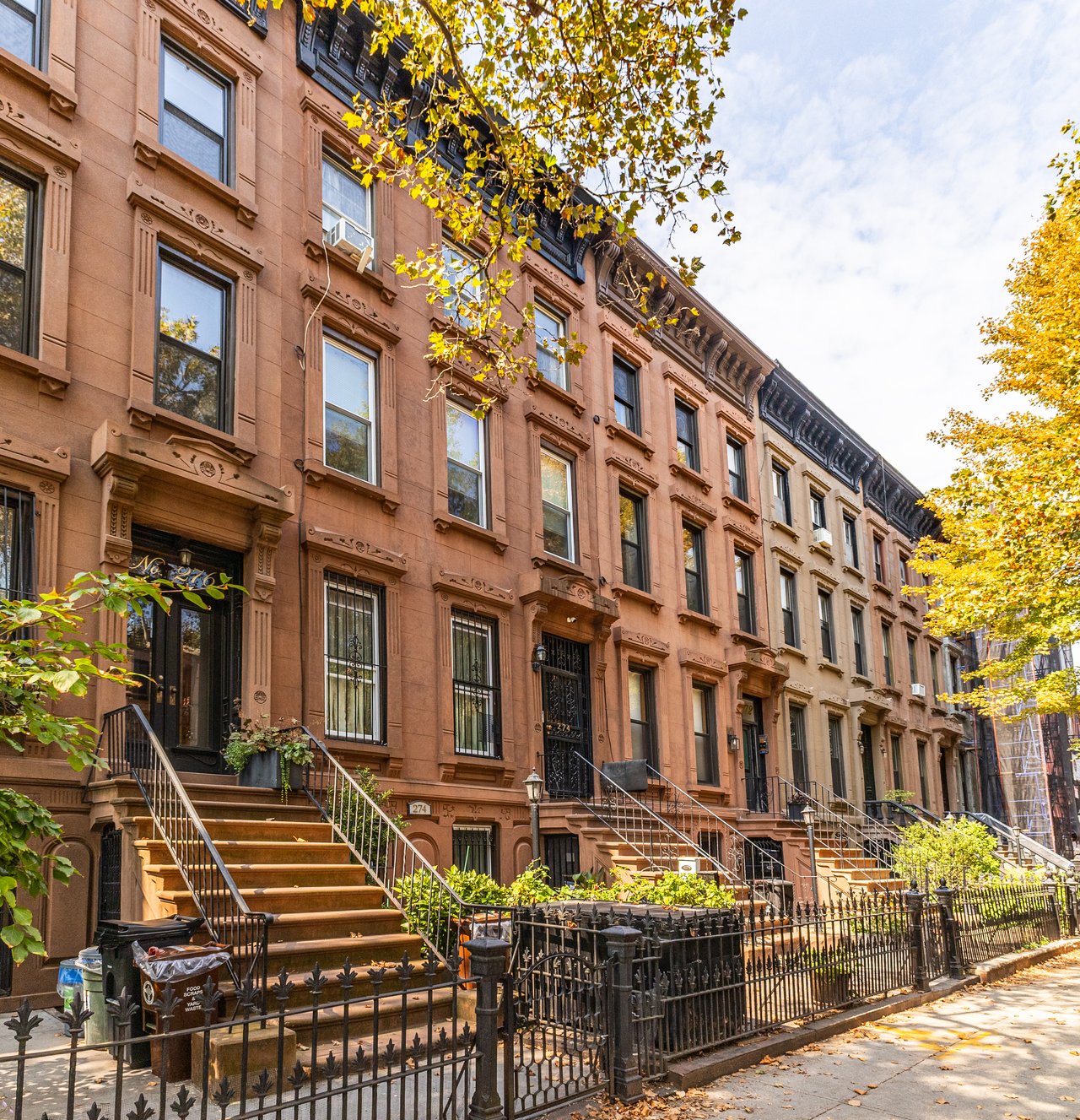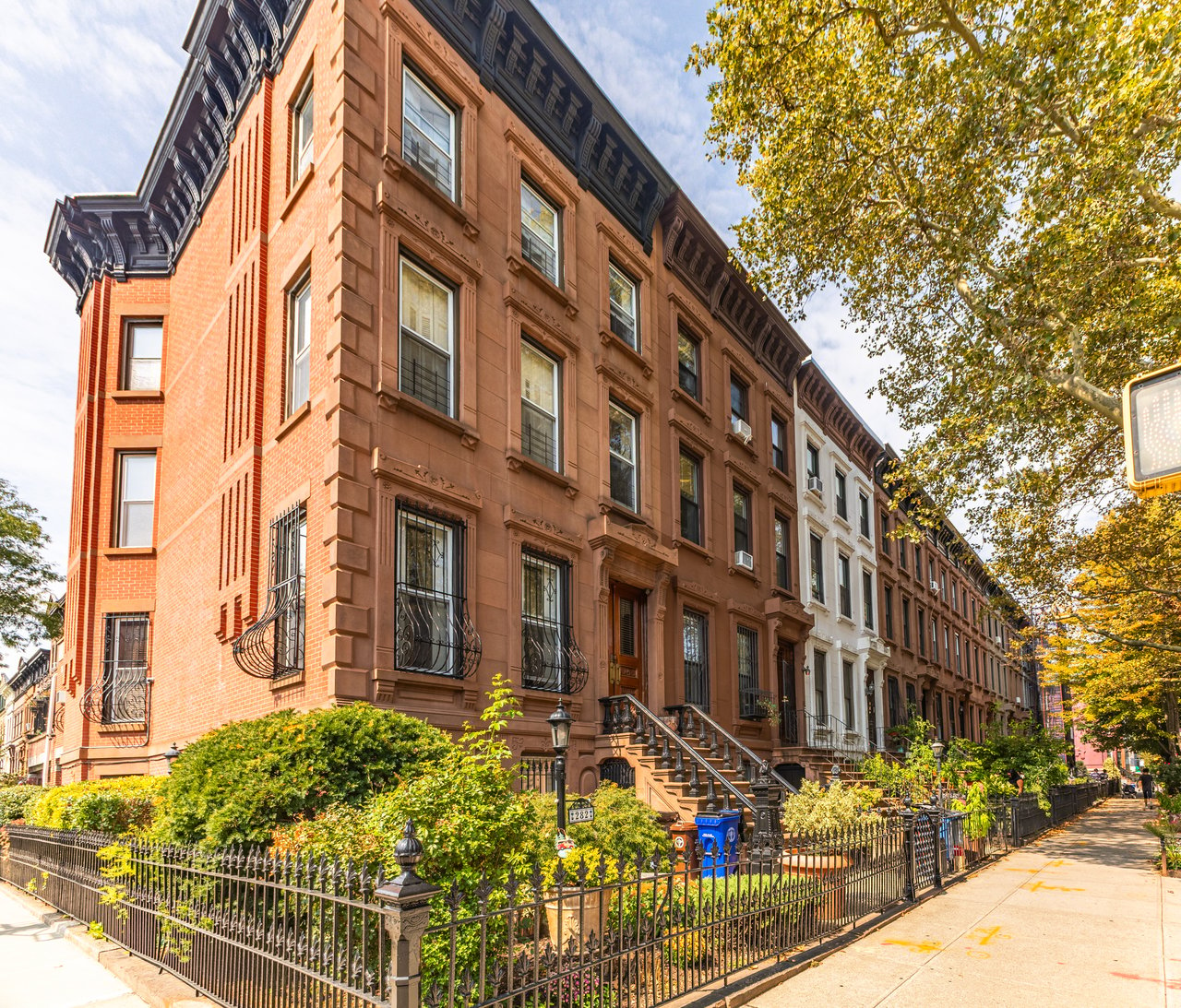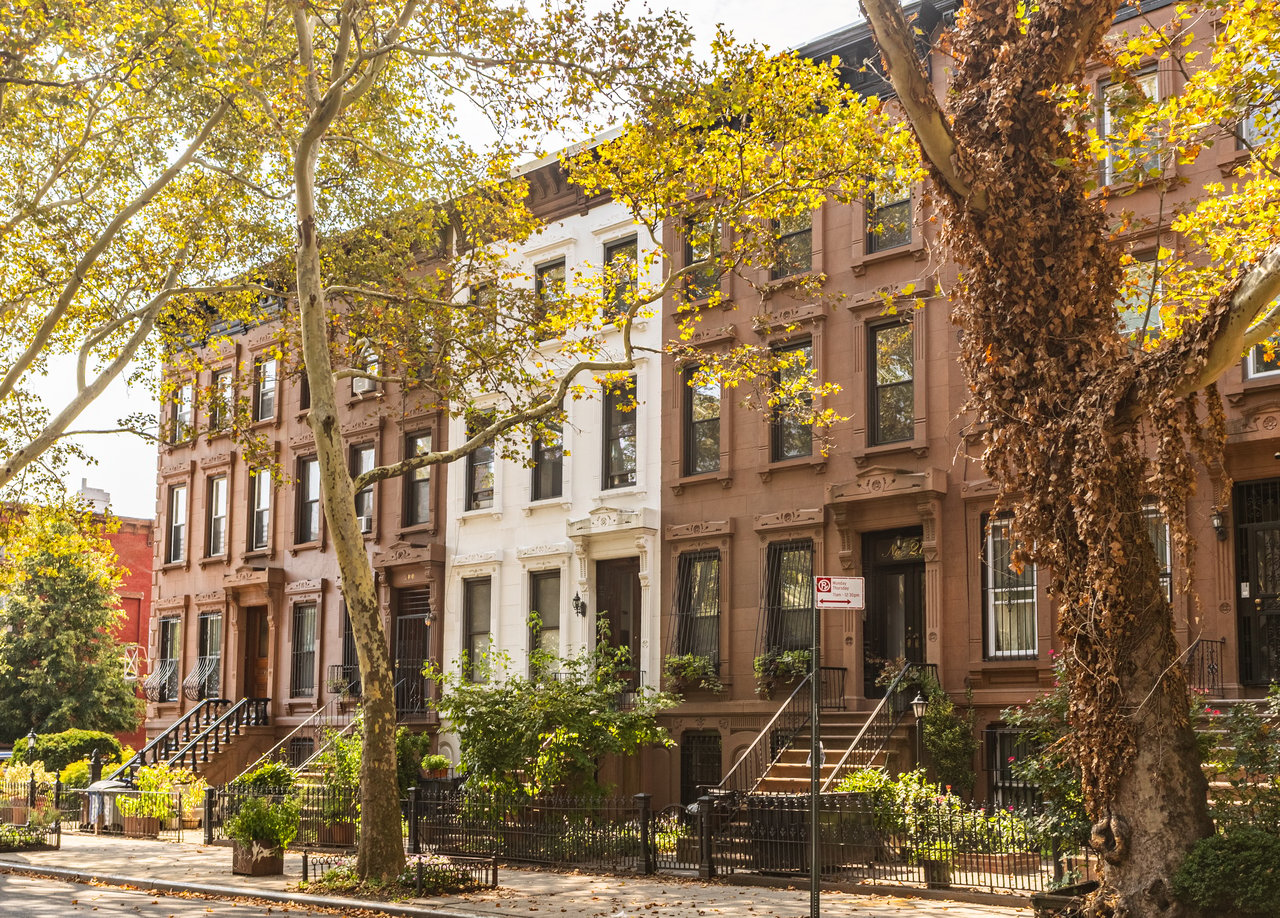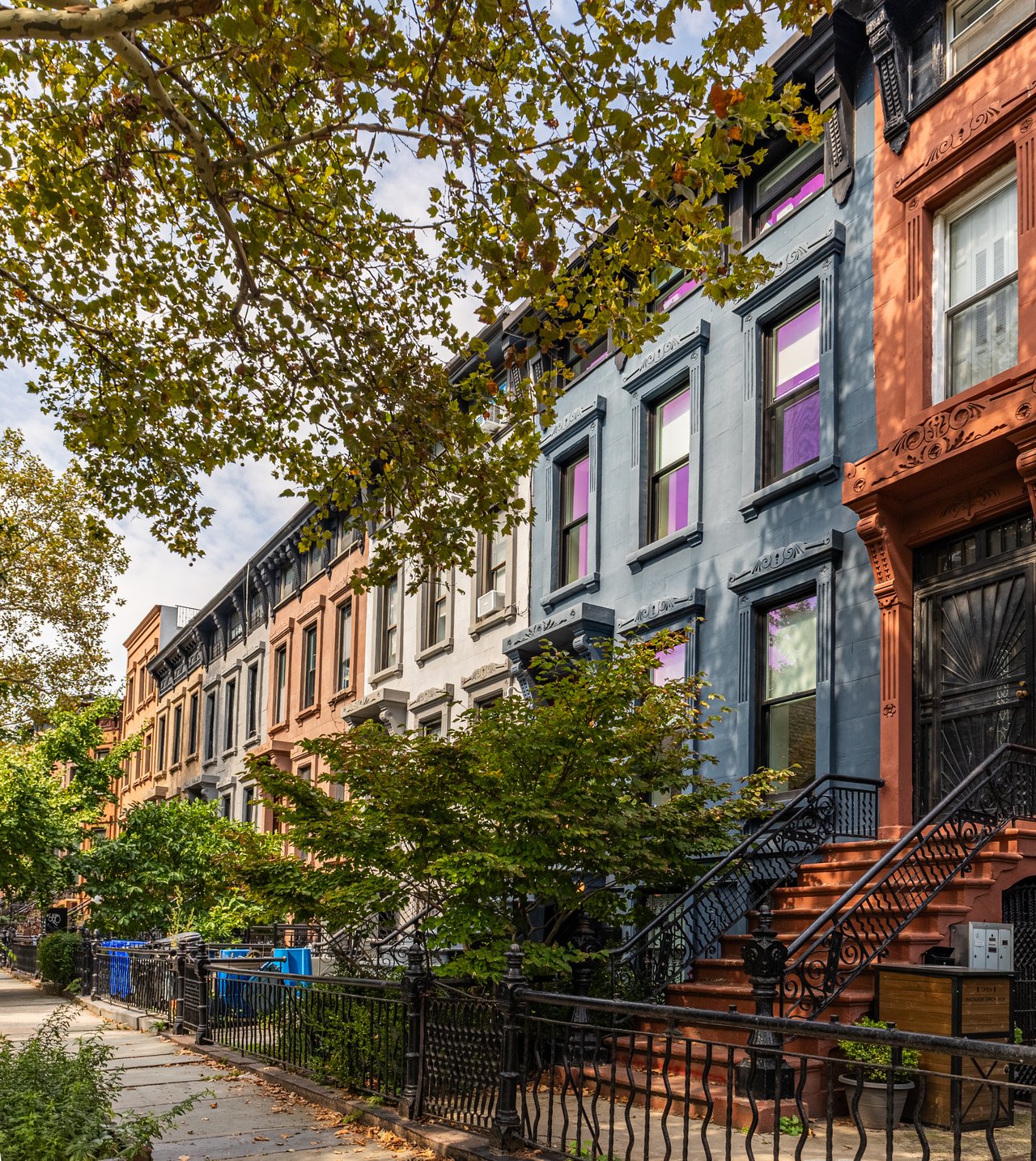
The Streets of Brooklyn: Keap Street in South Williamsburg, Brooklyn
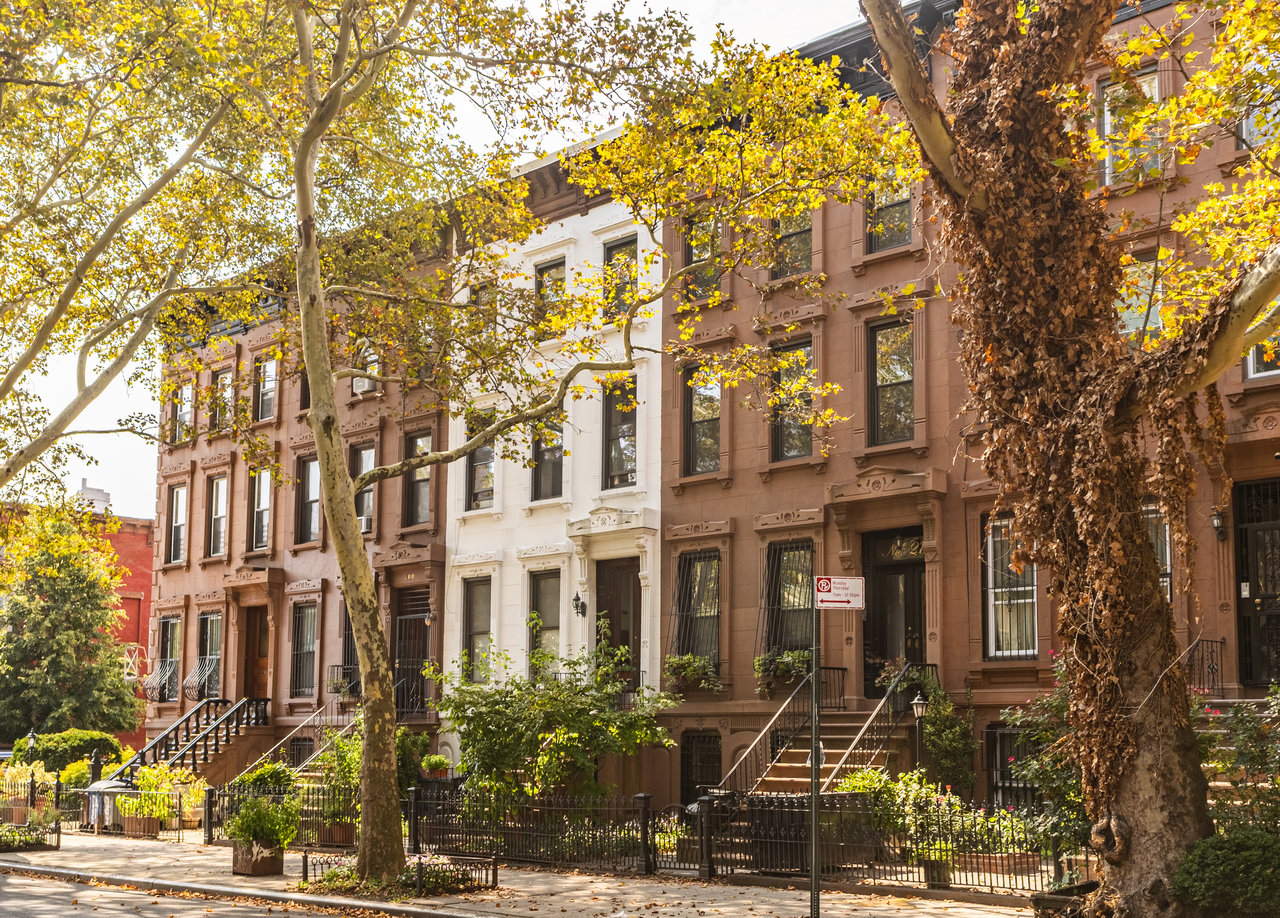
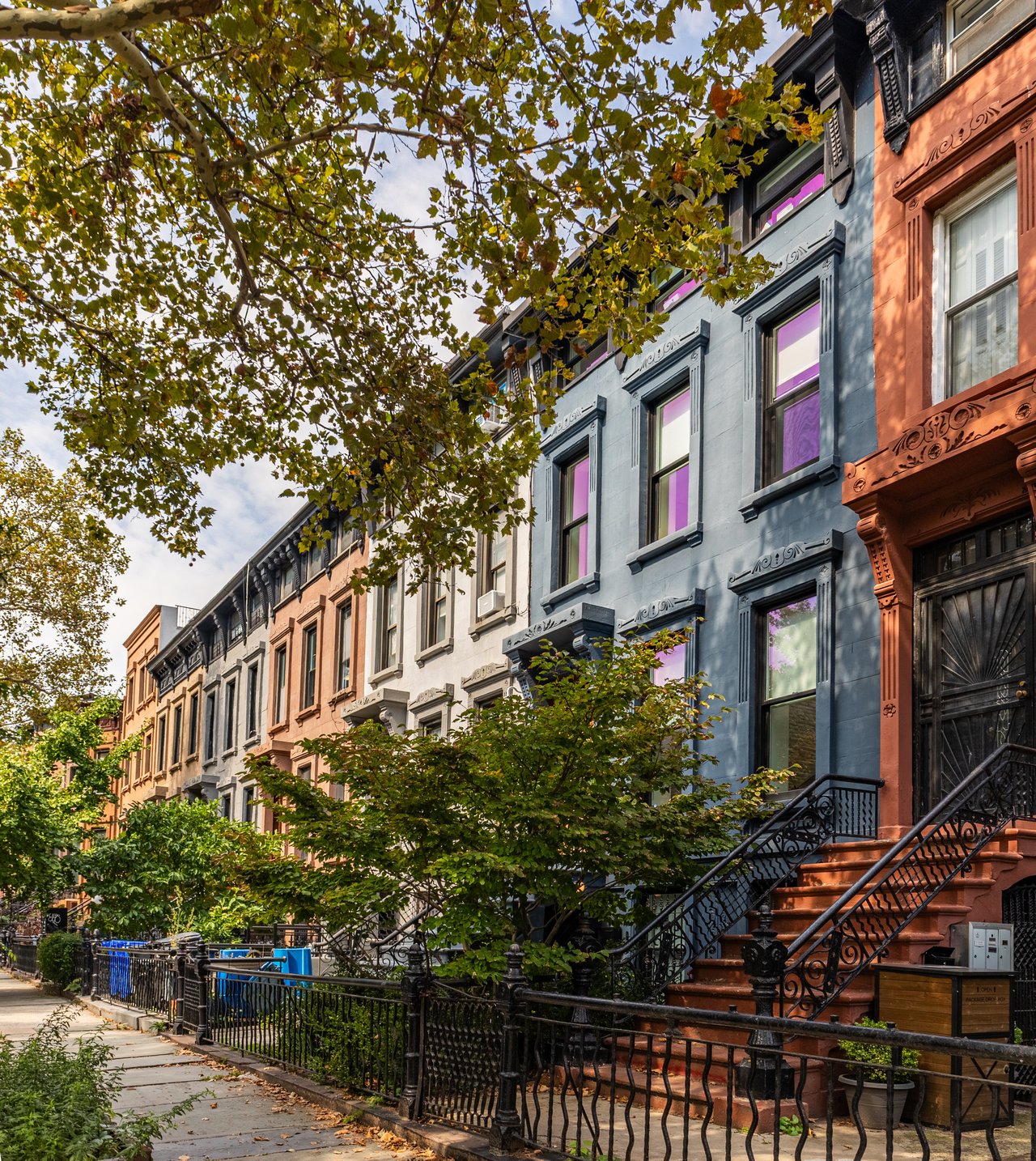
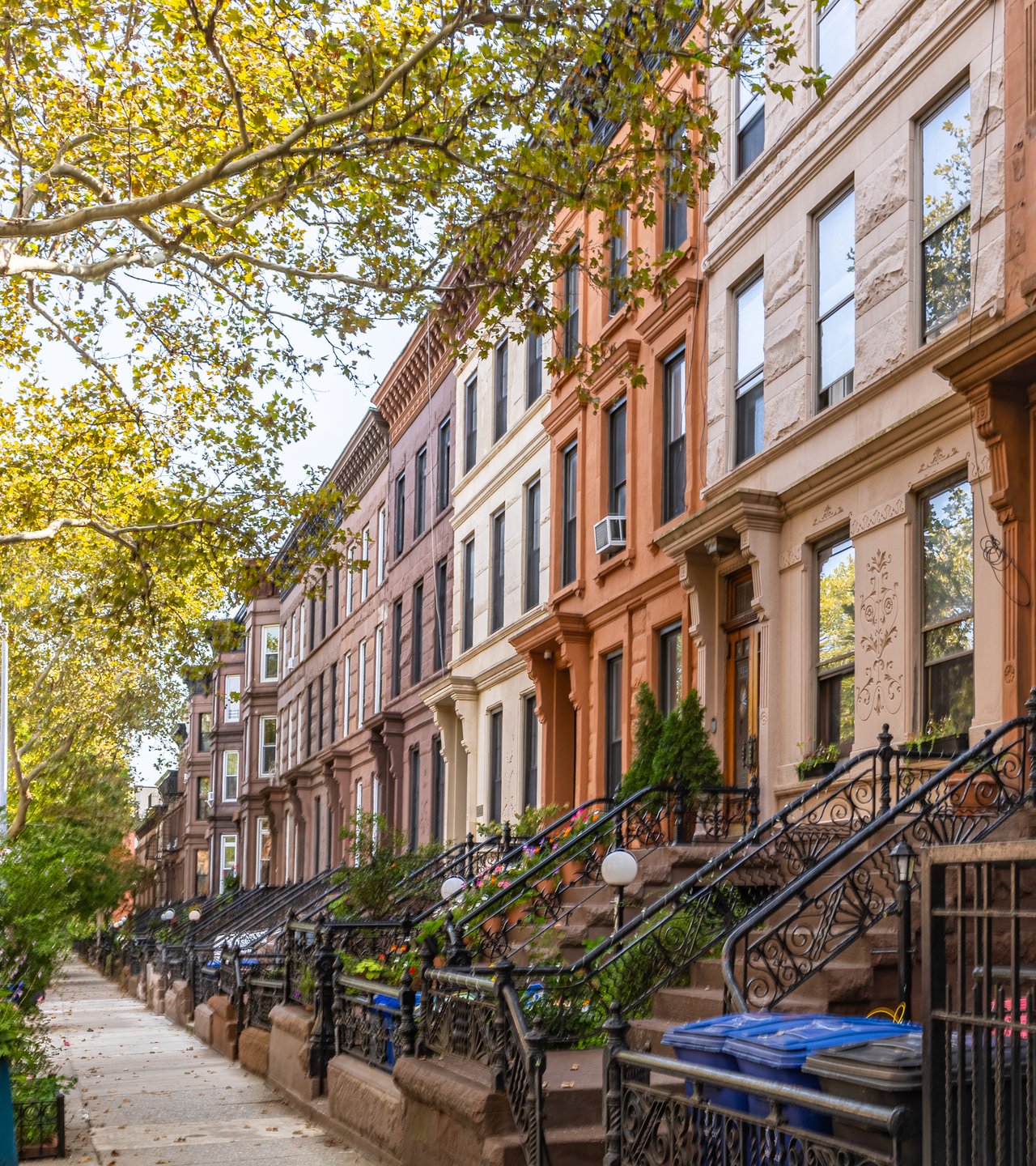
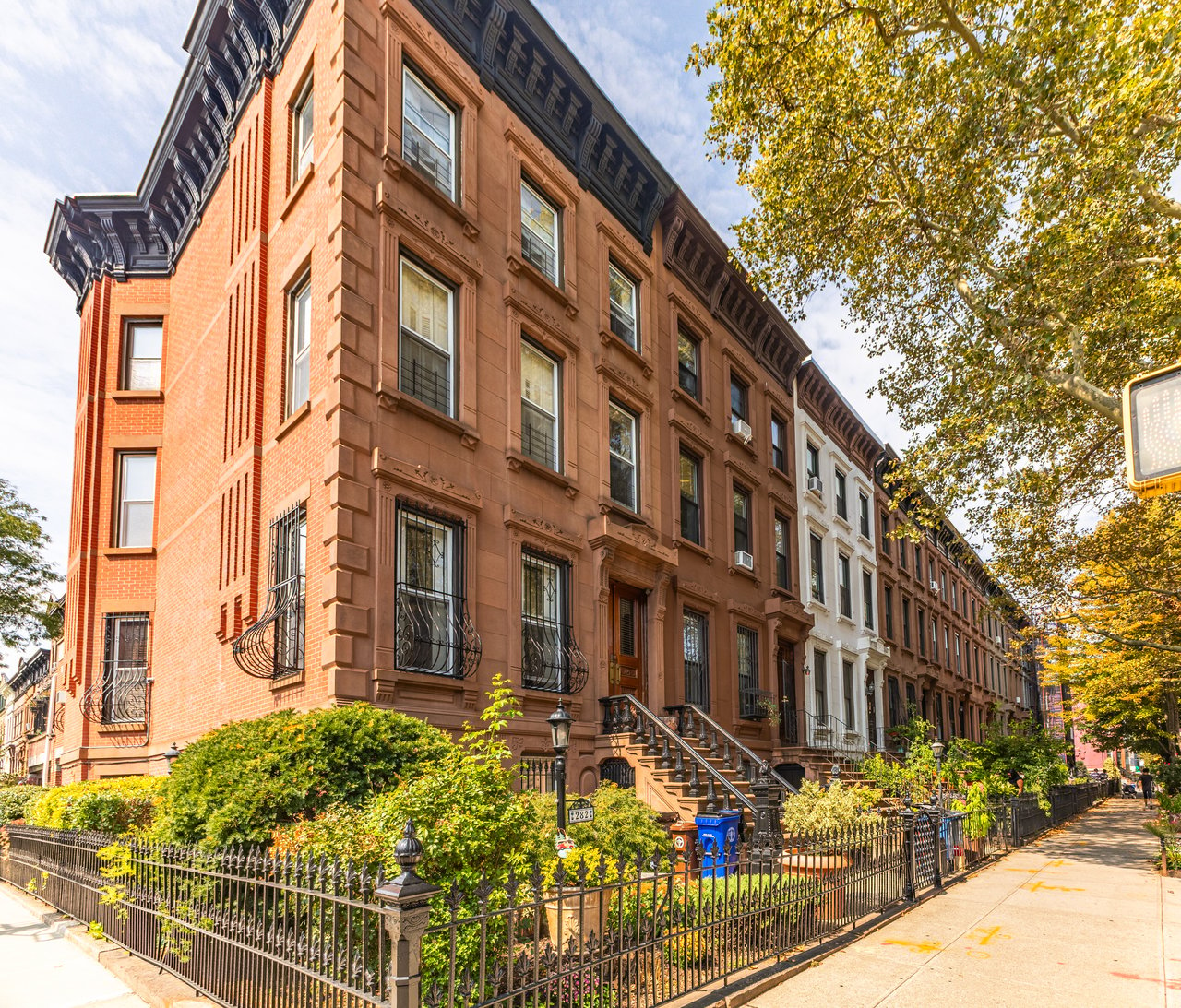
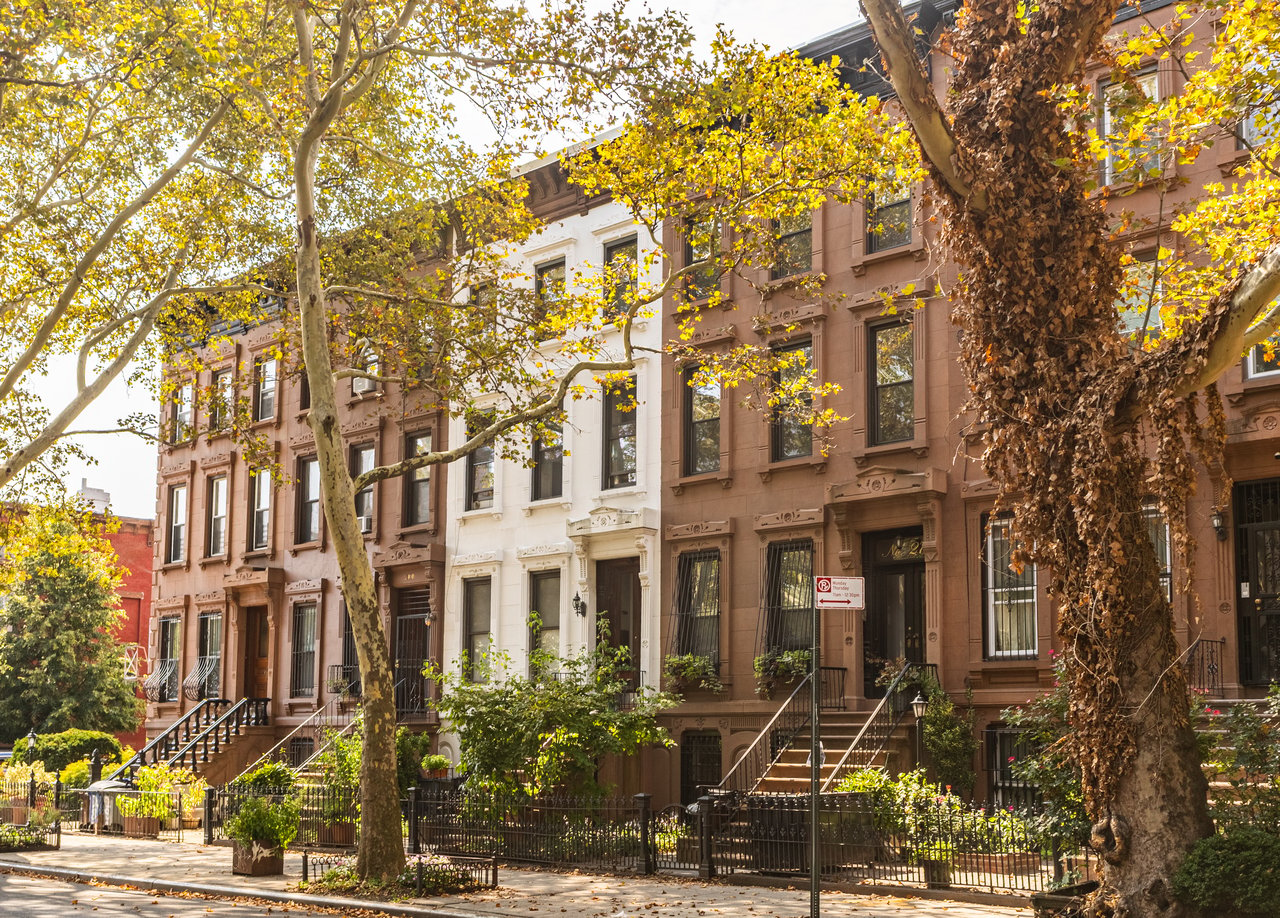
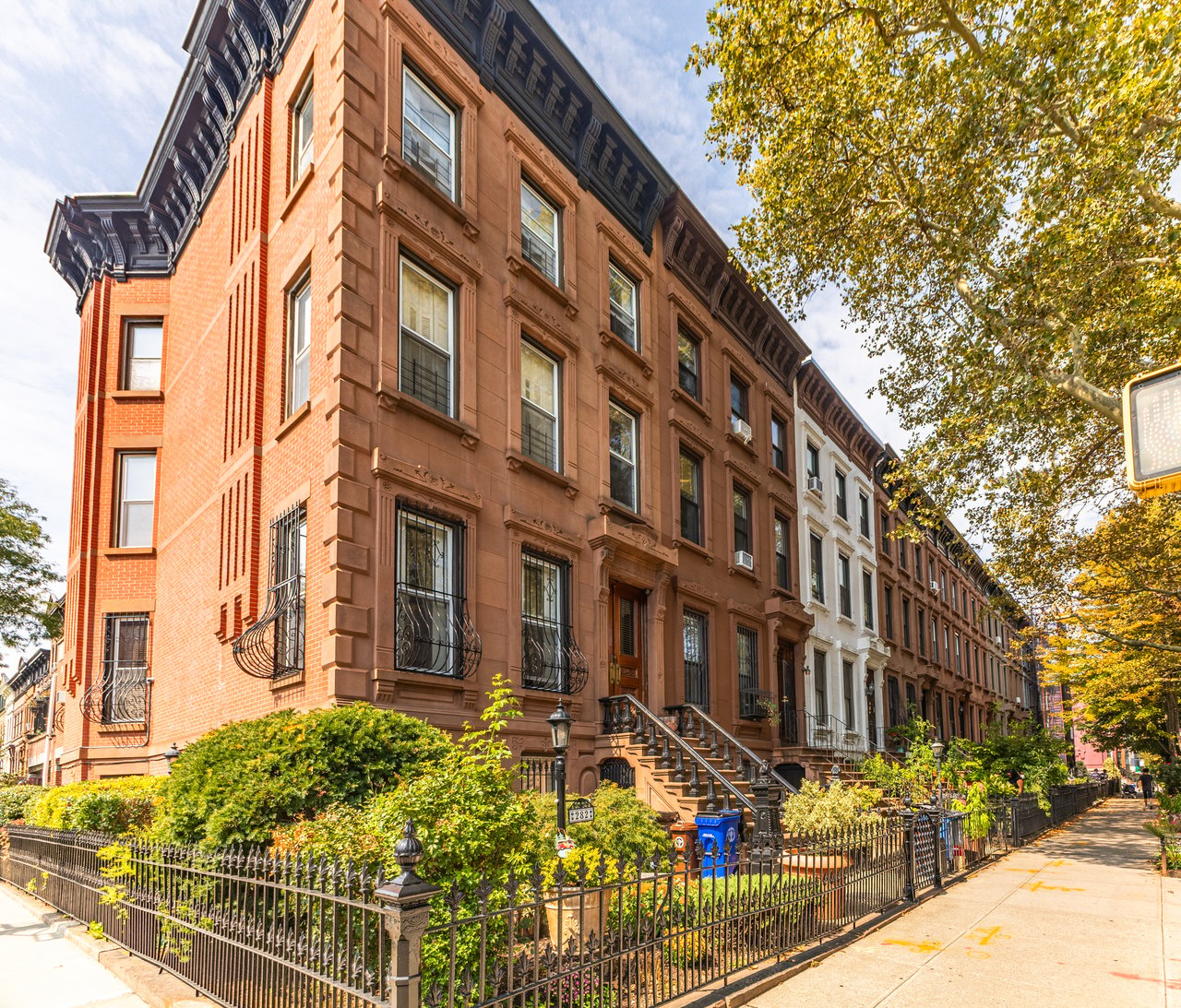
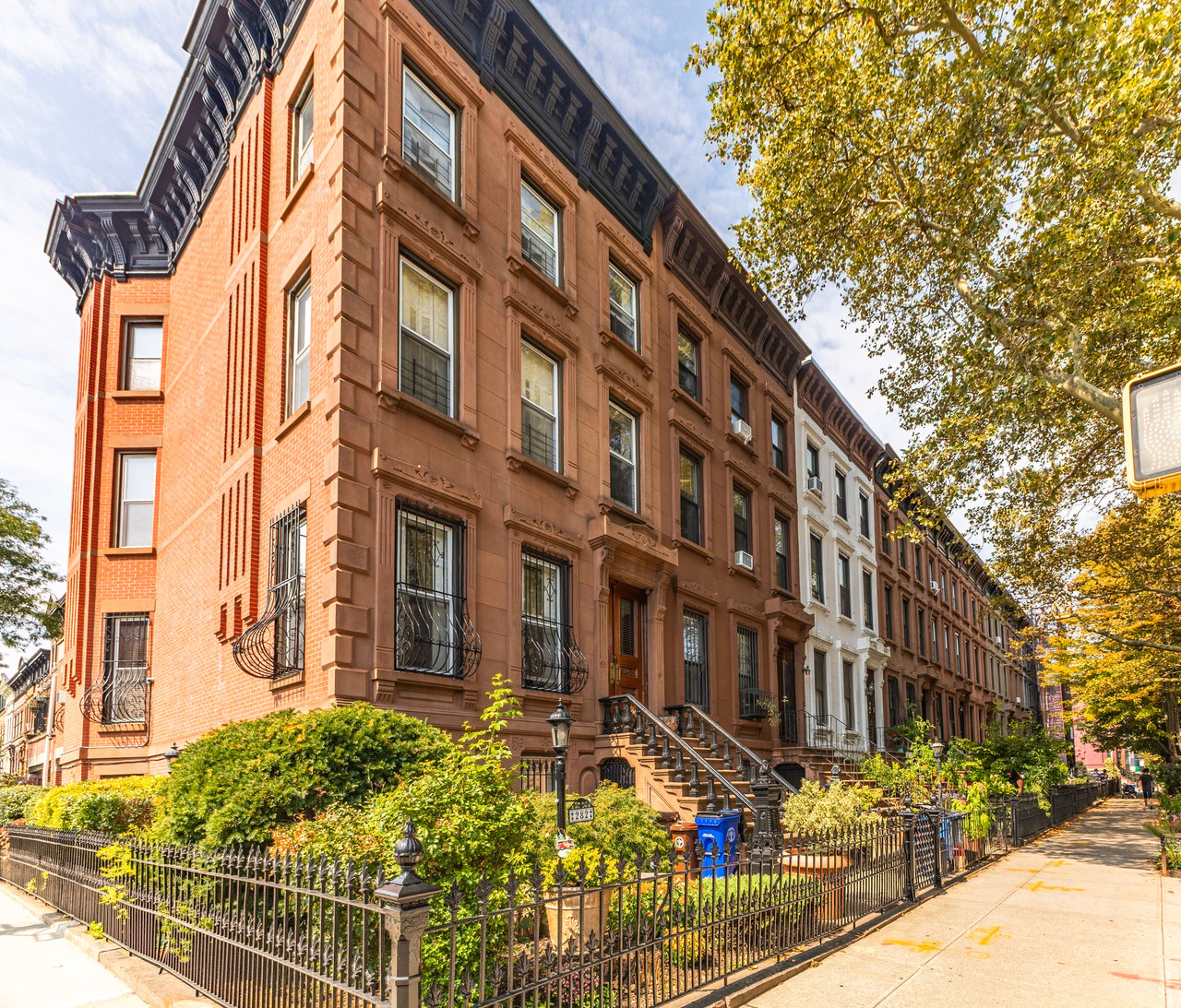
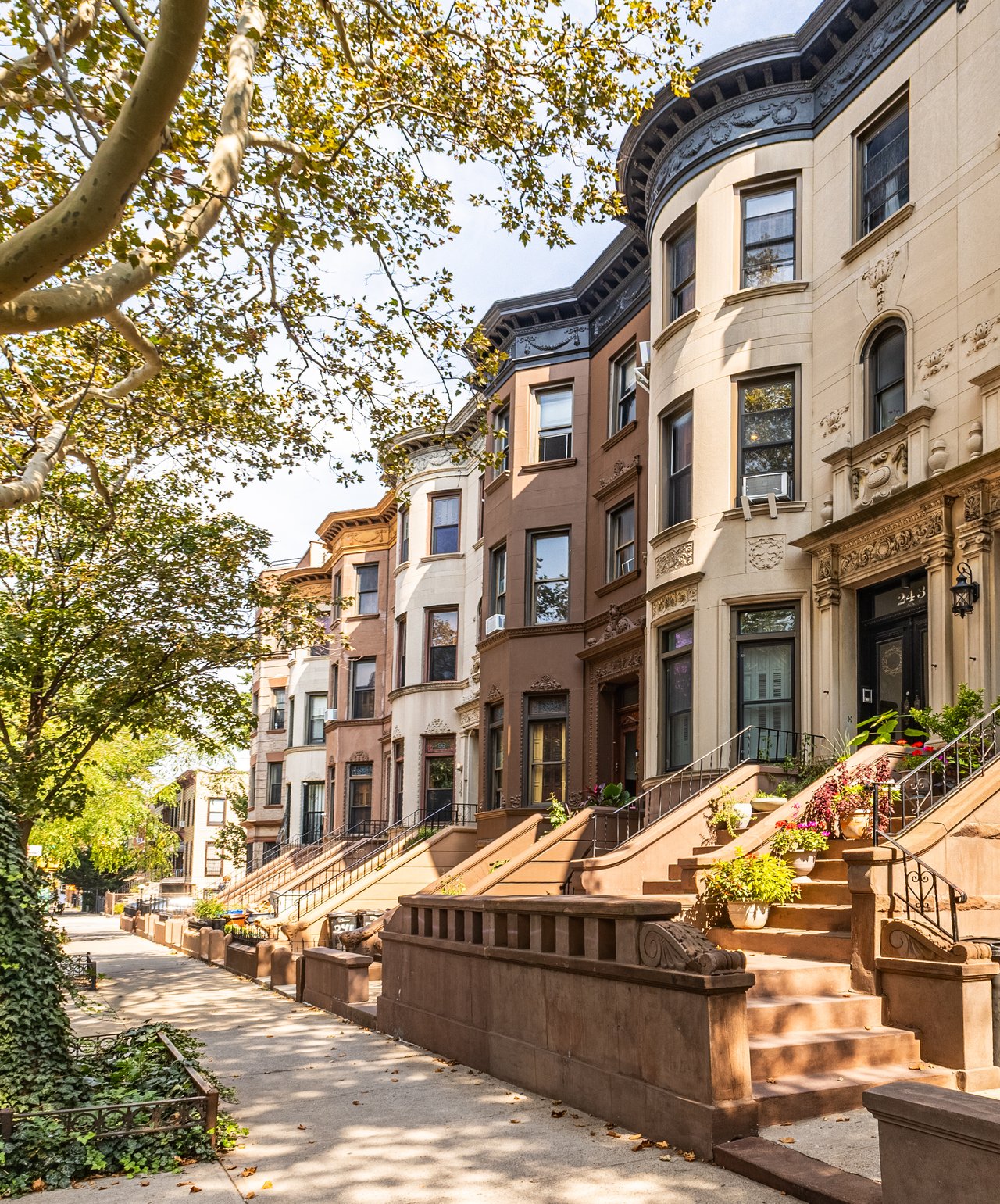
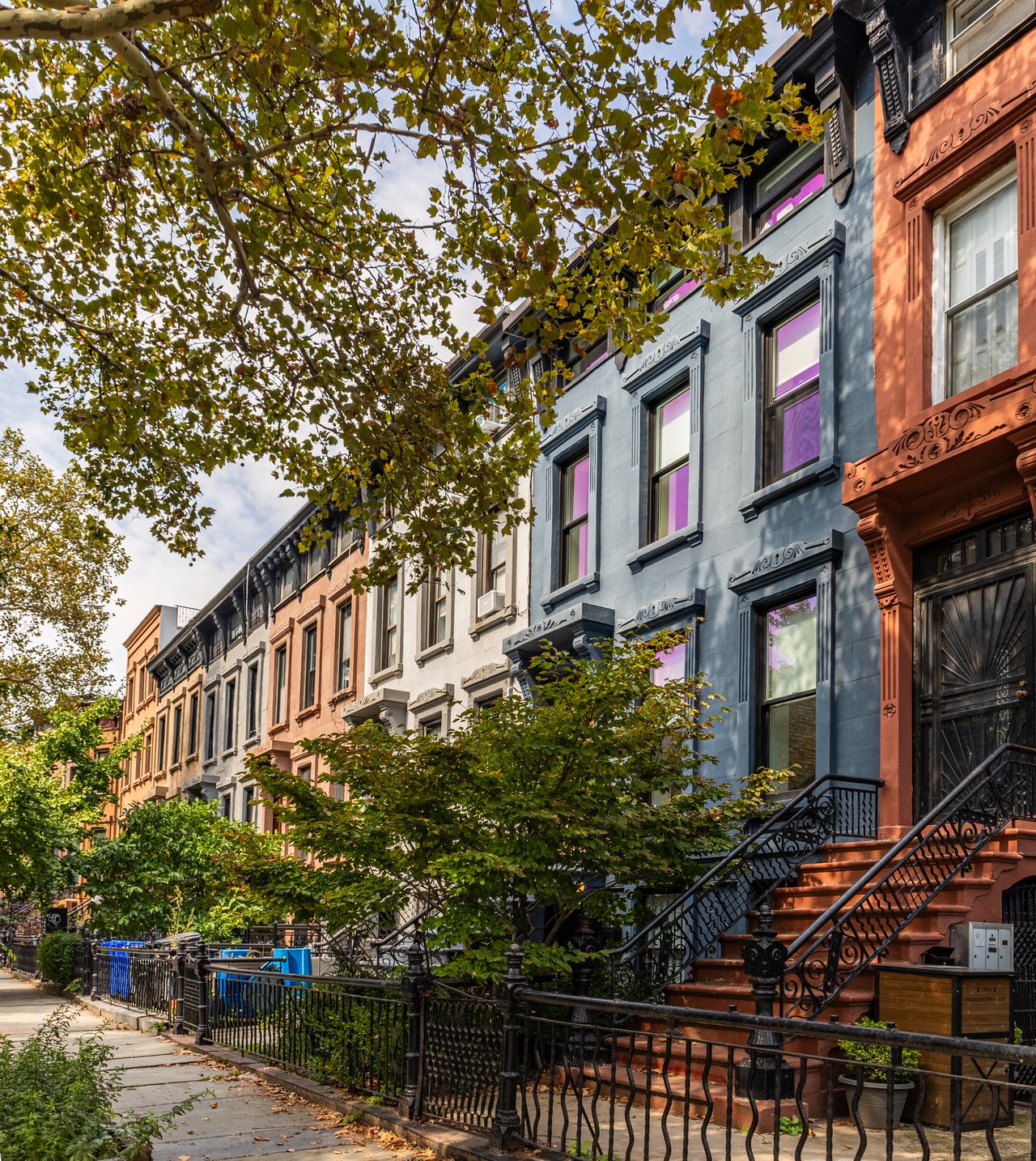
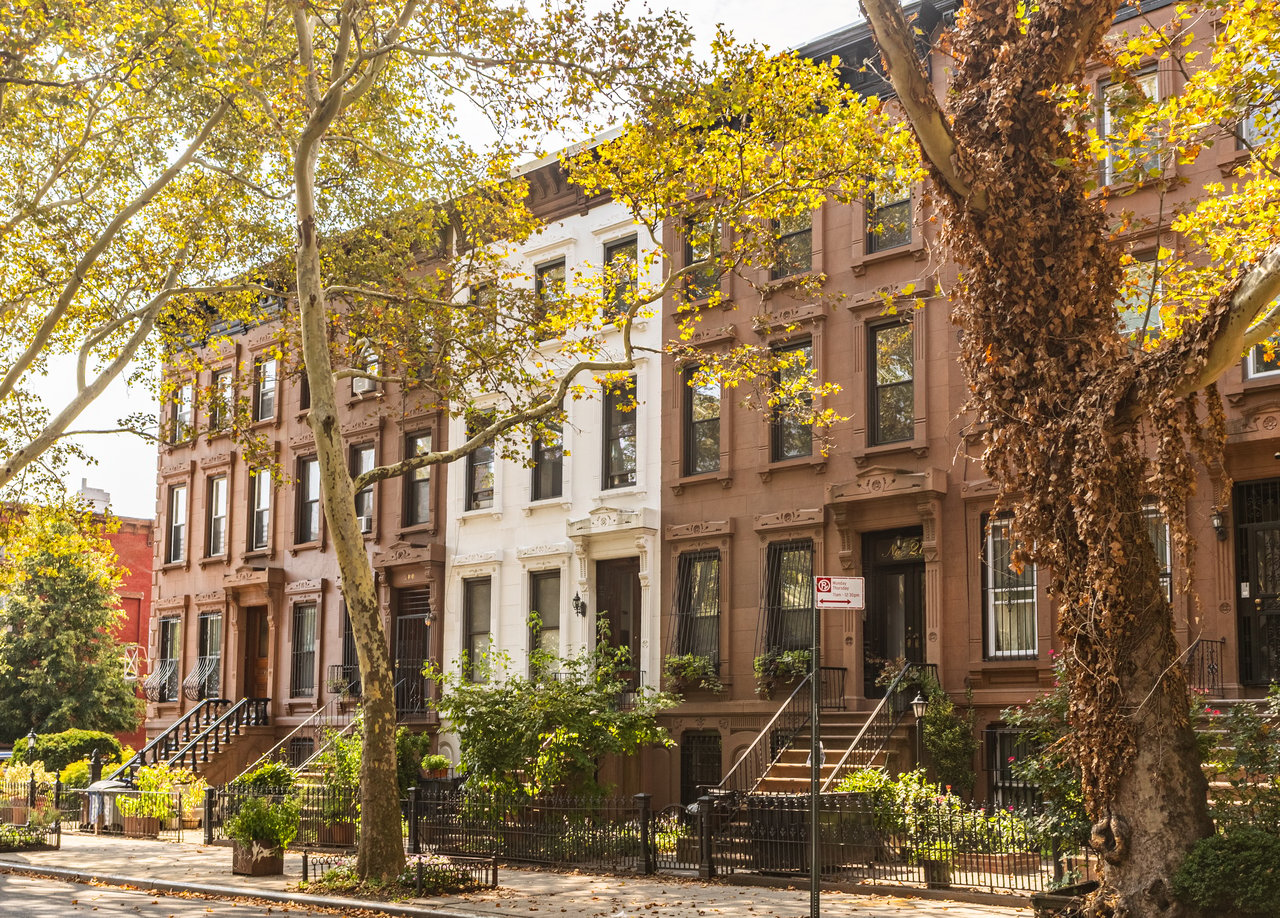
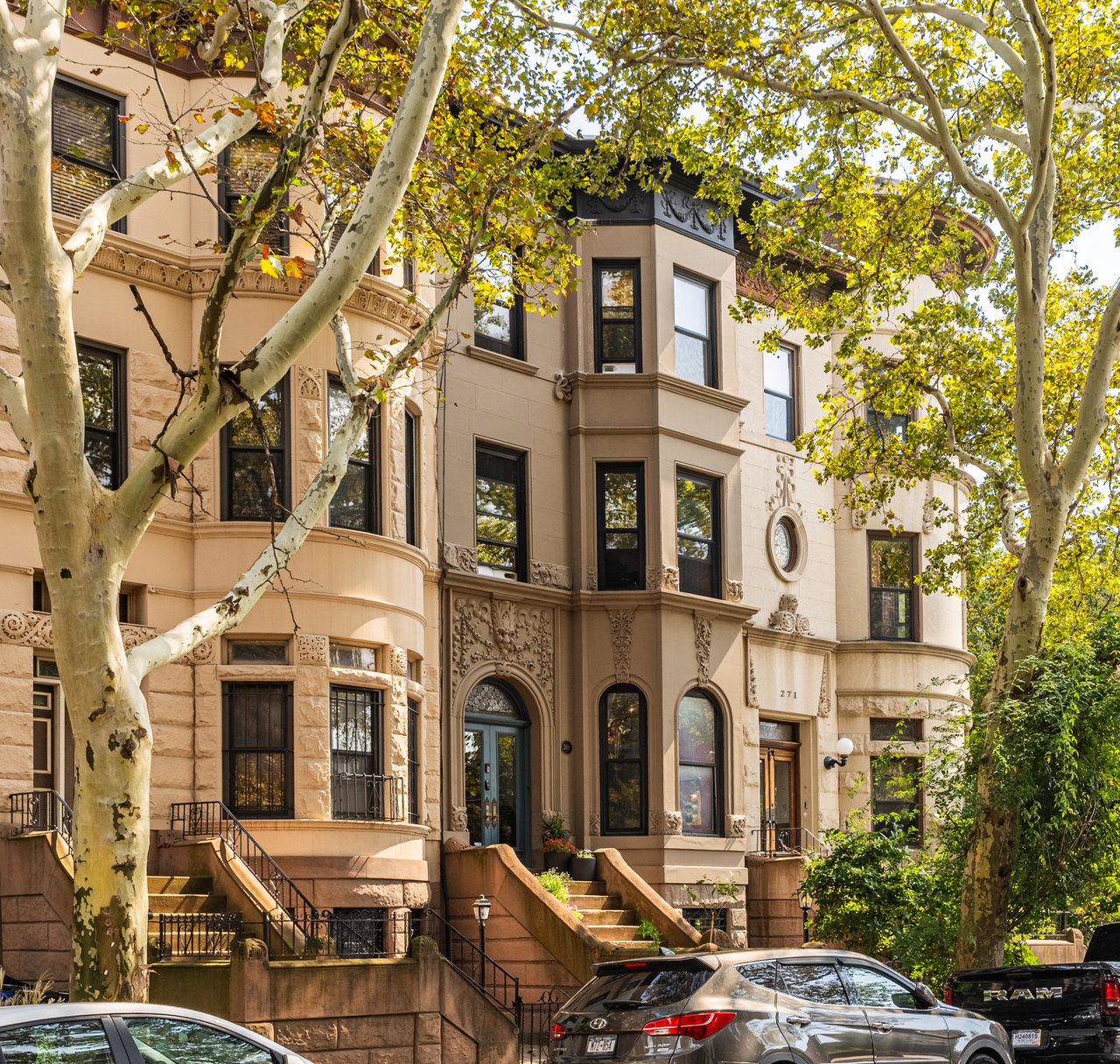
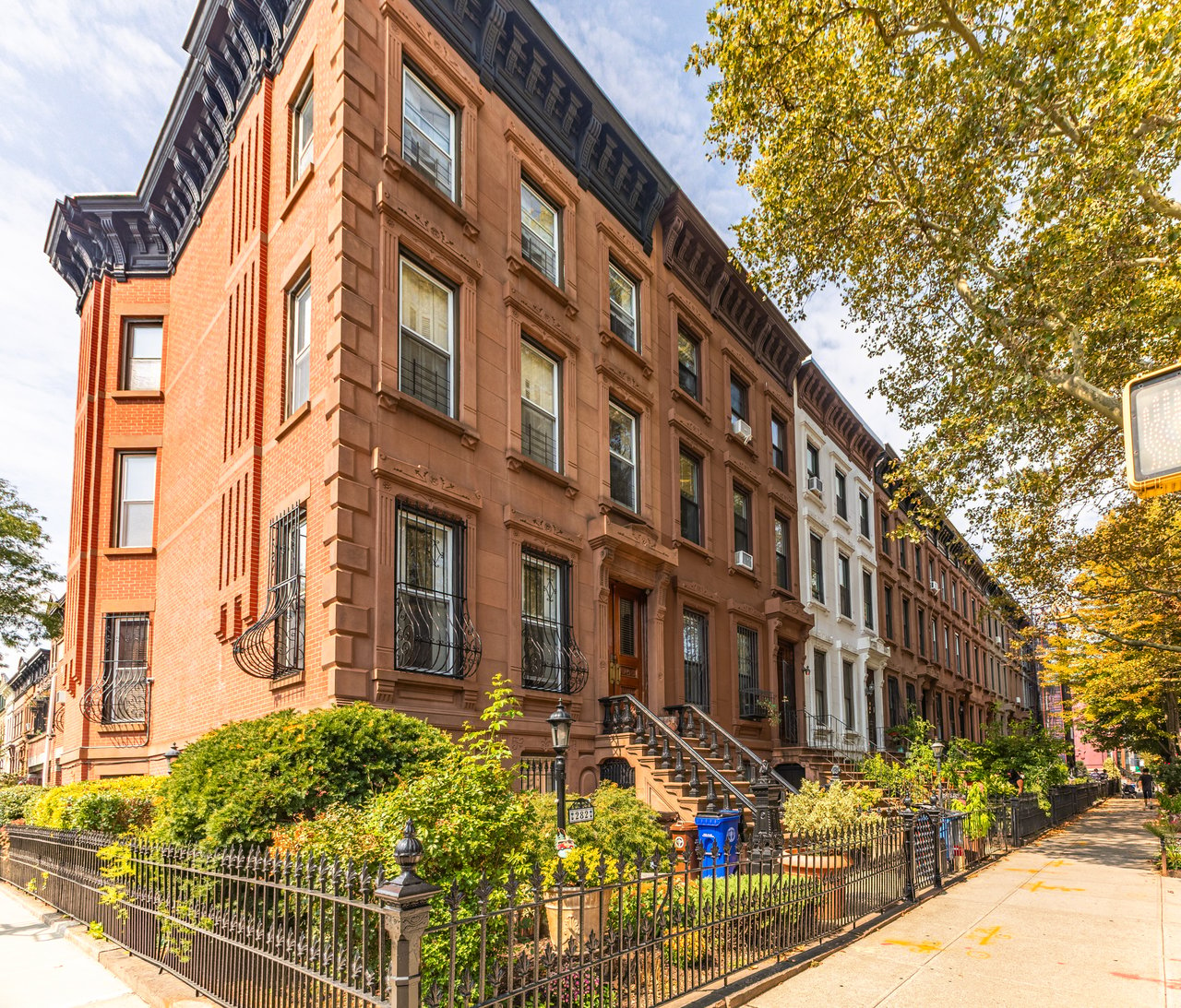
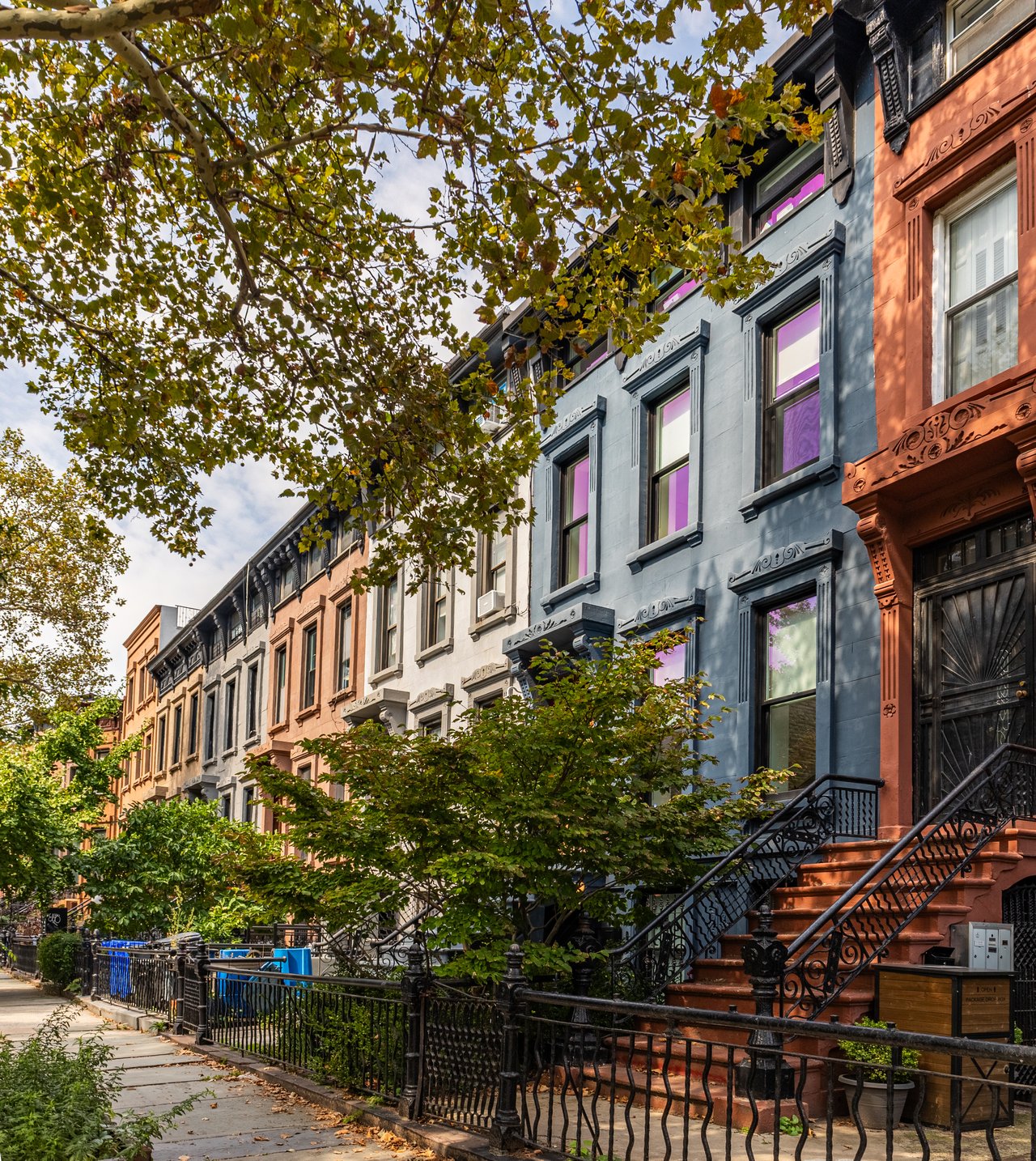
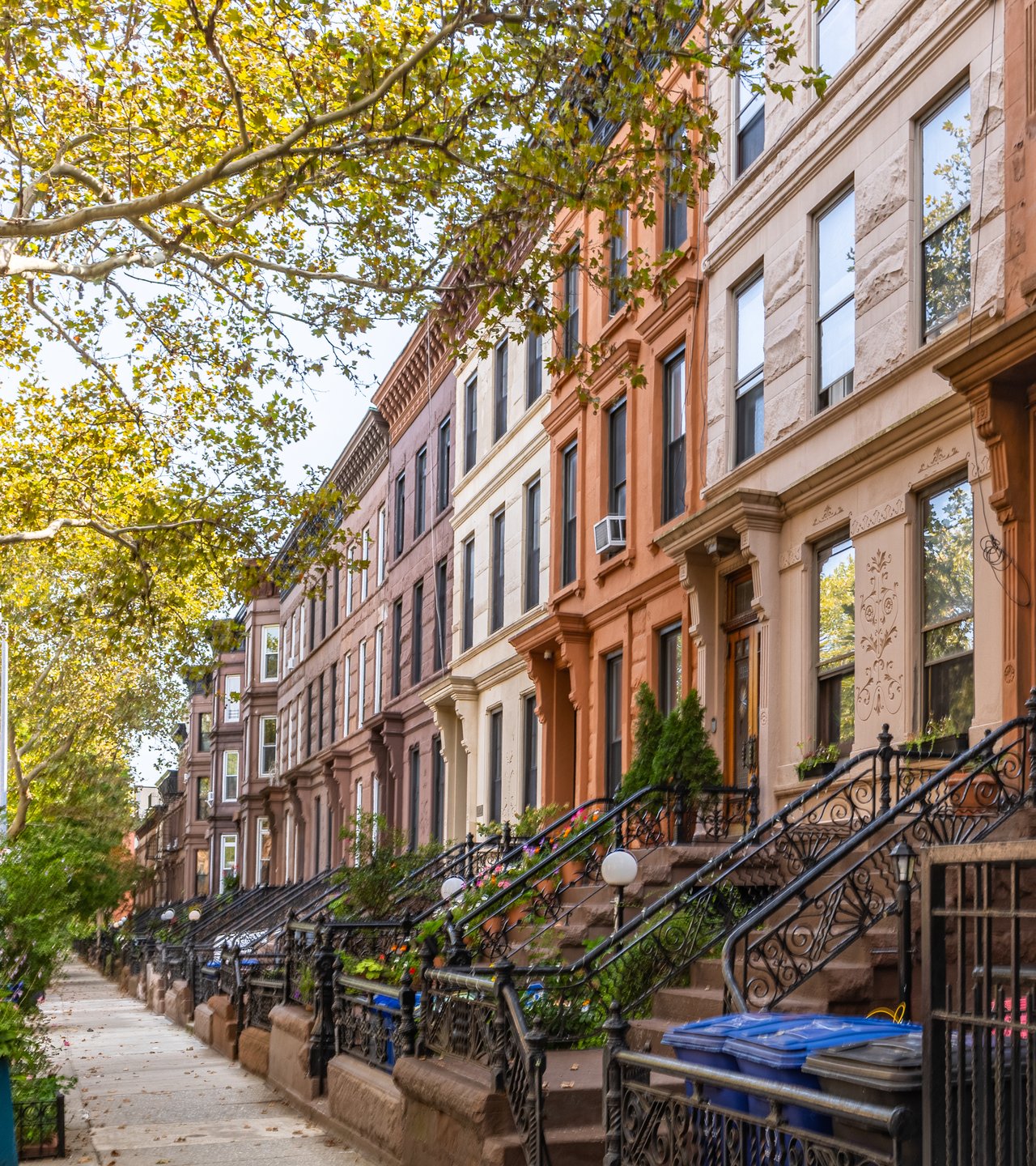
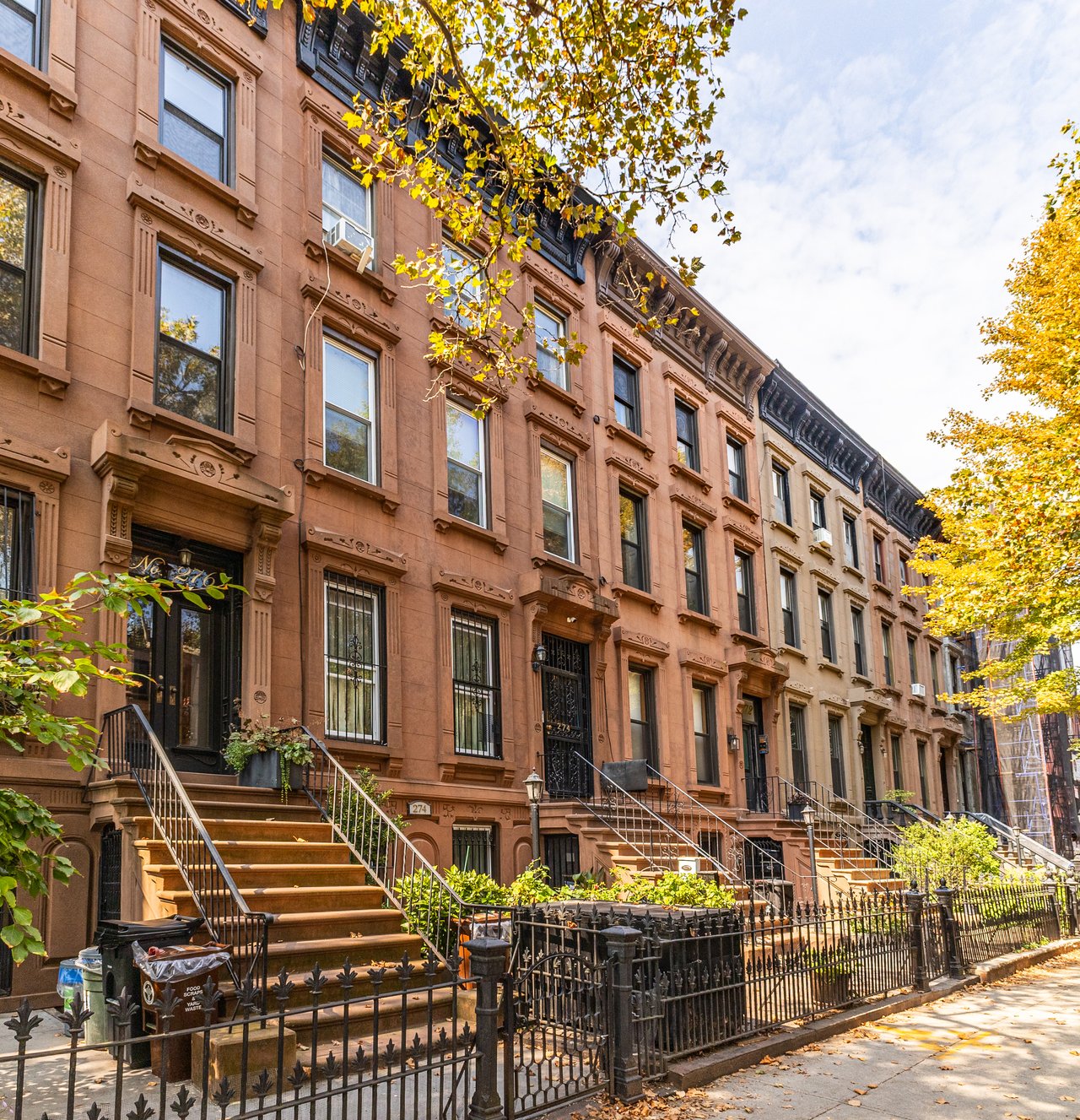
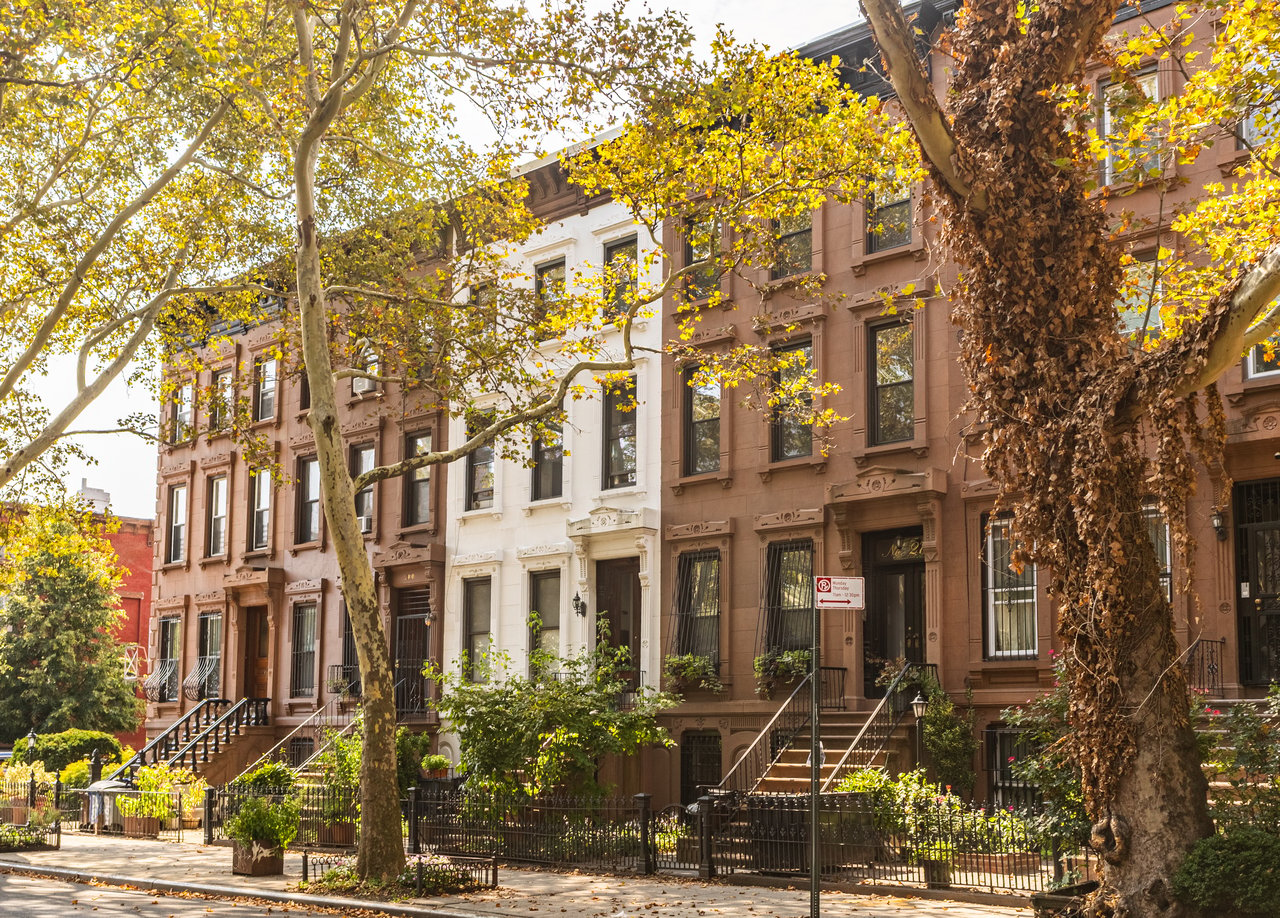
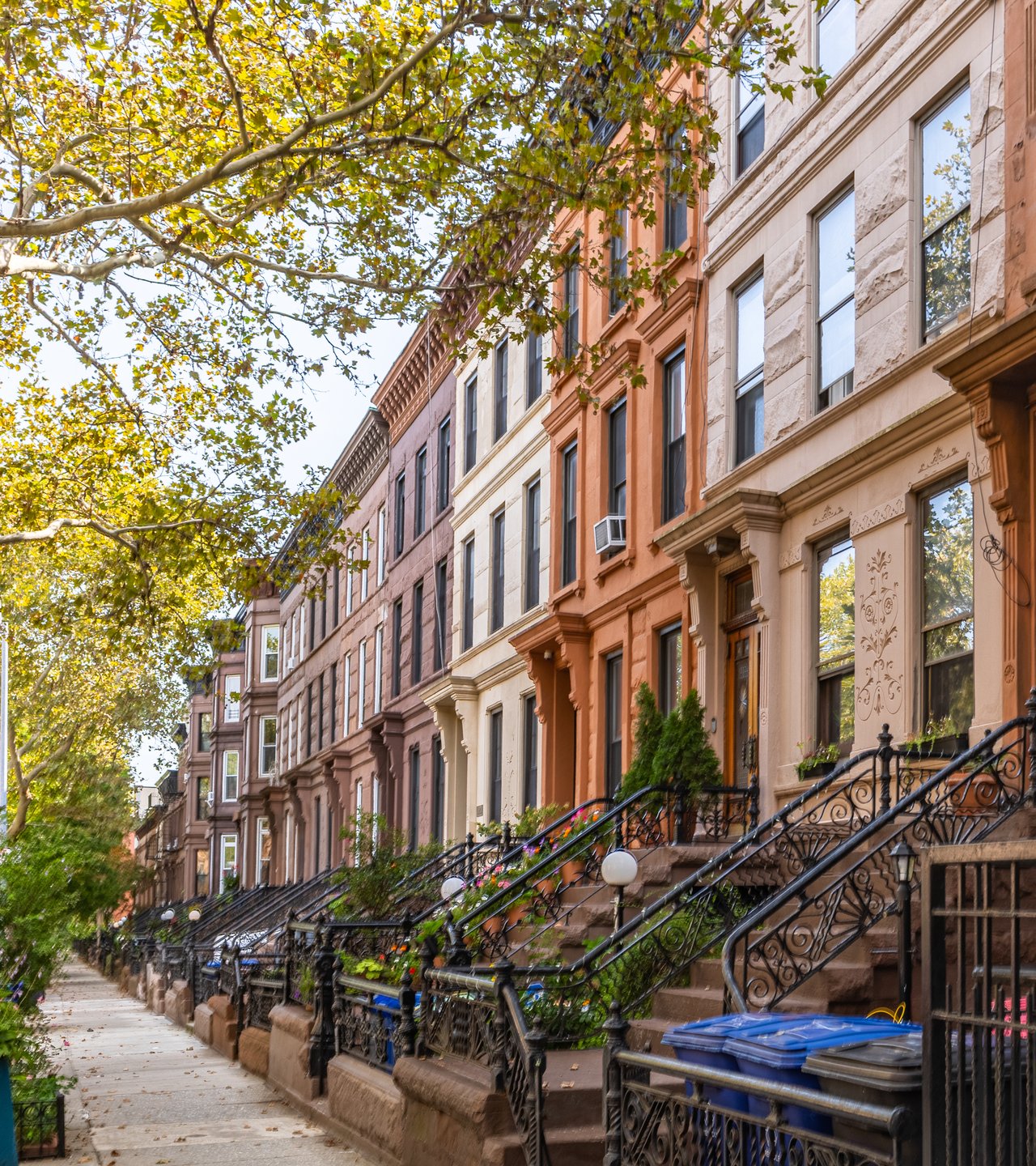
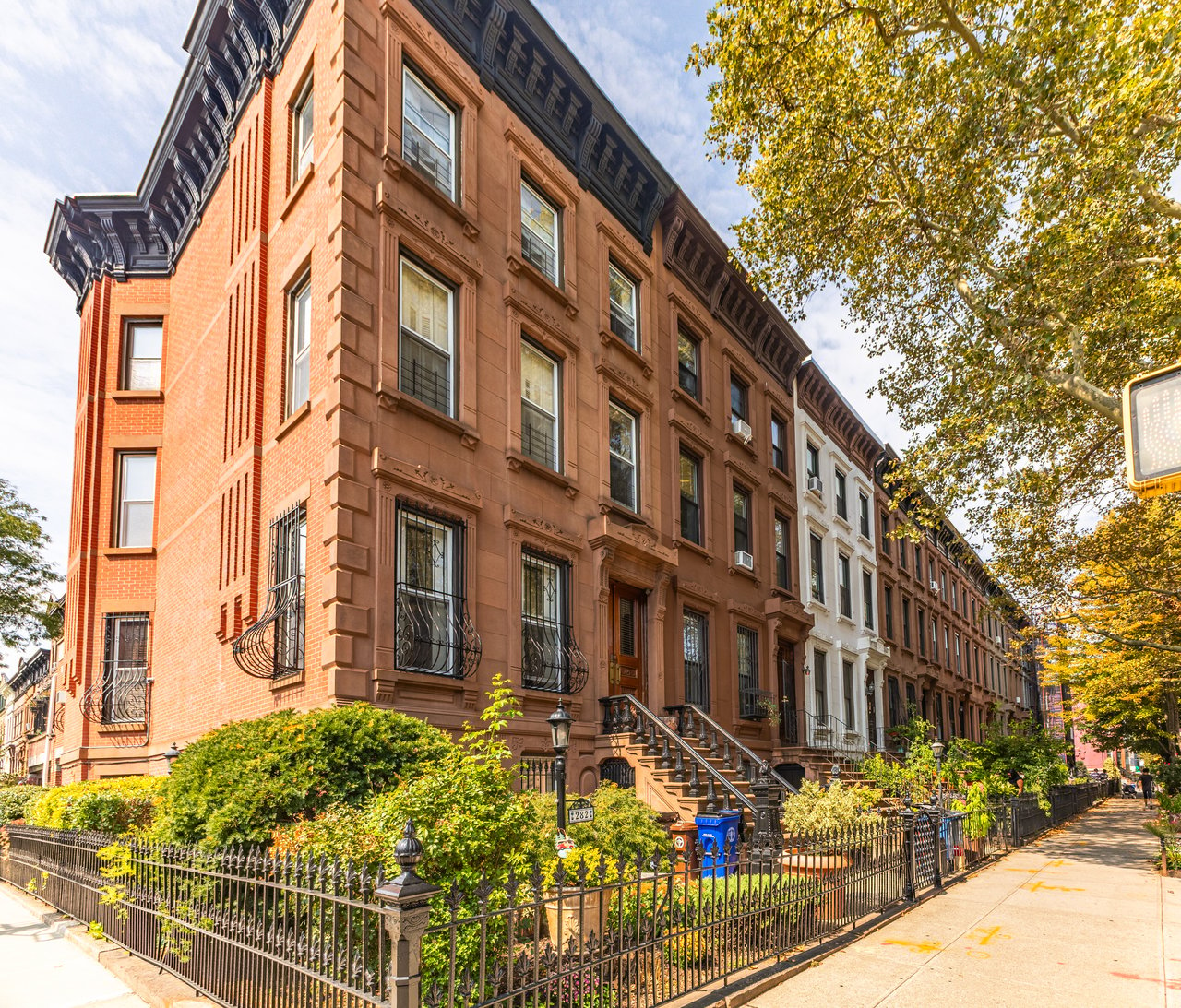
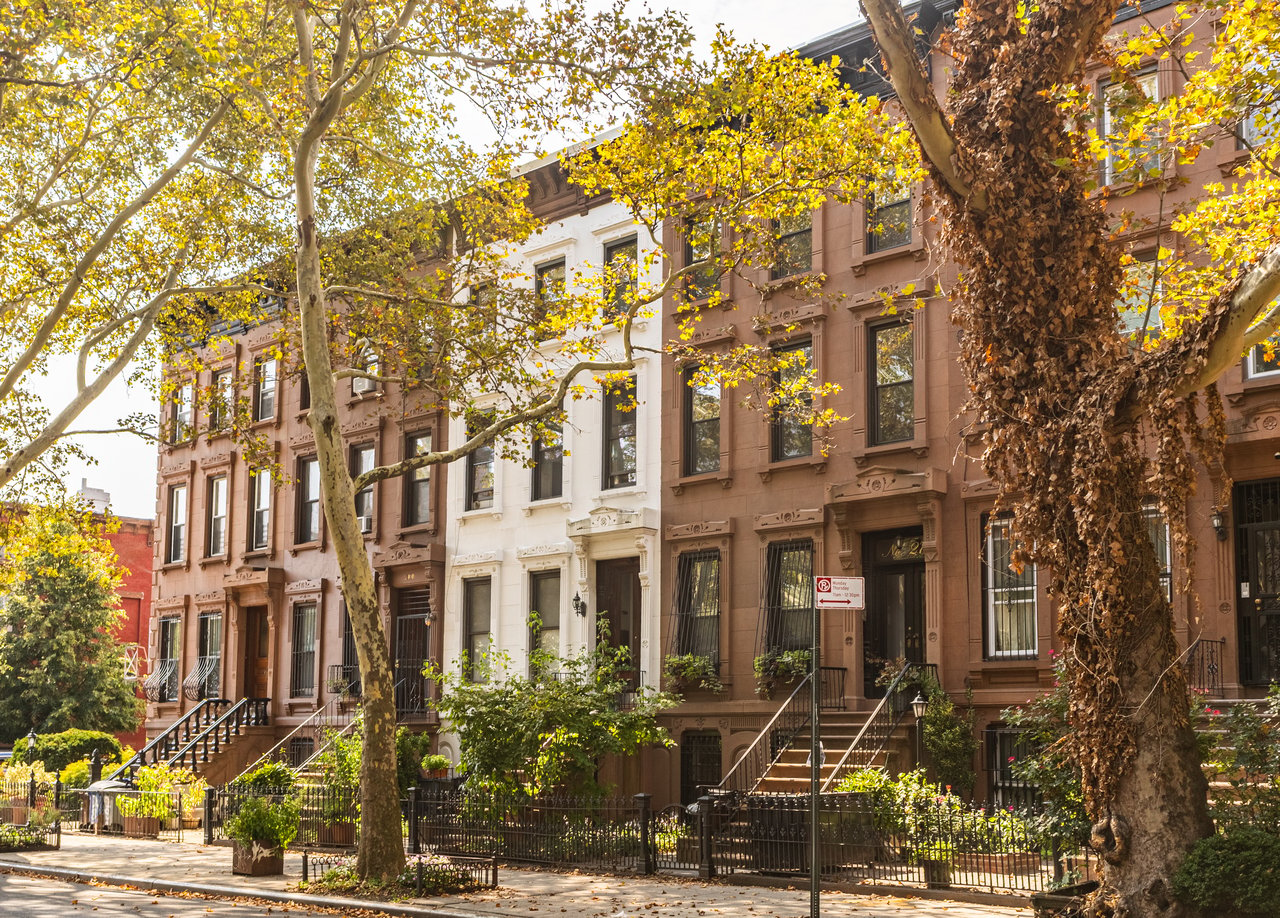
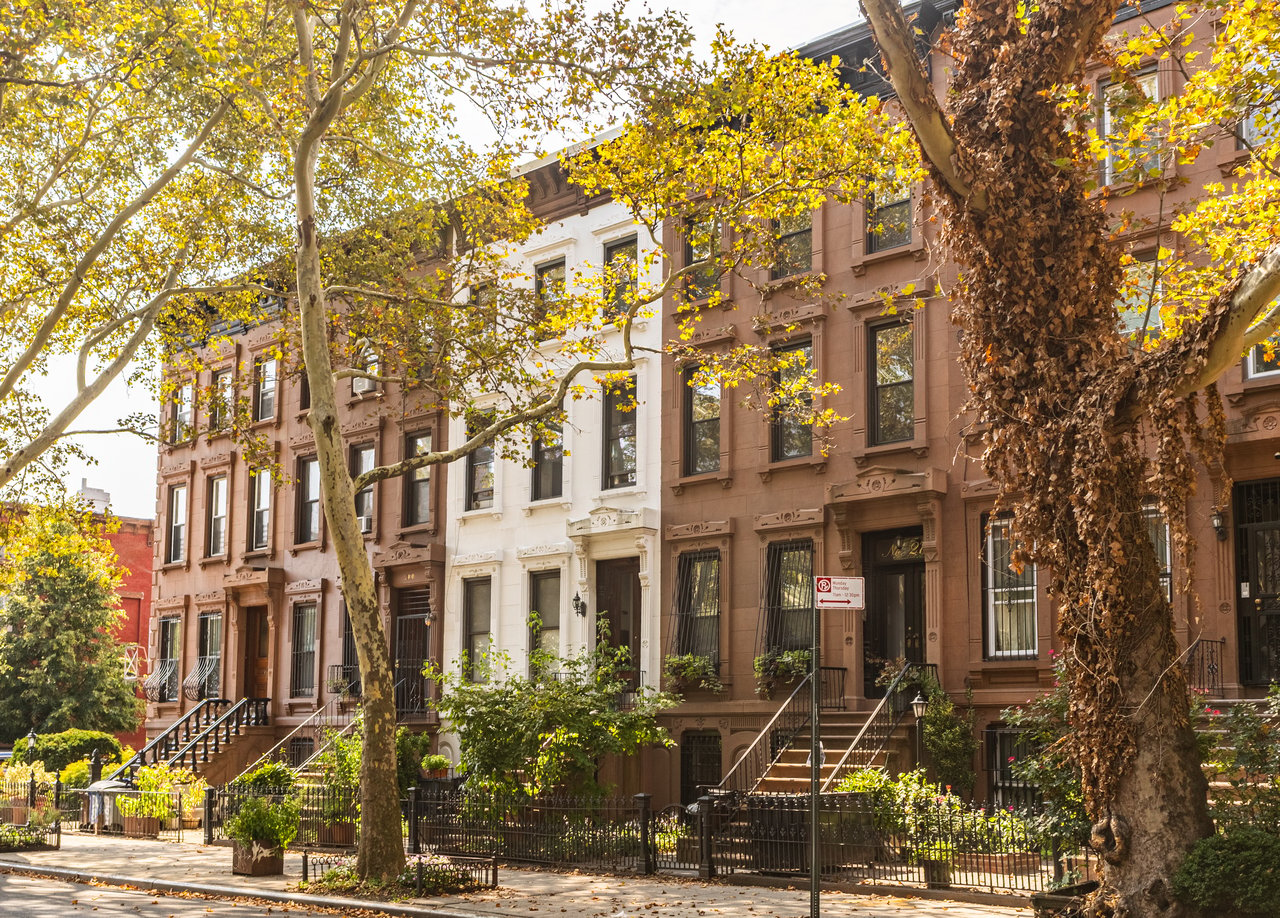
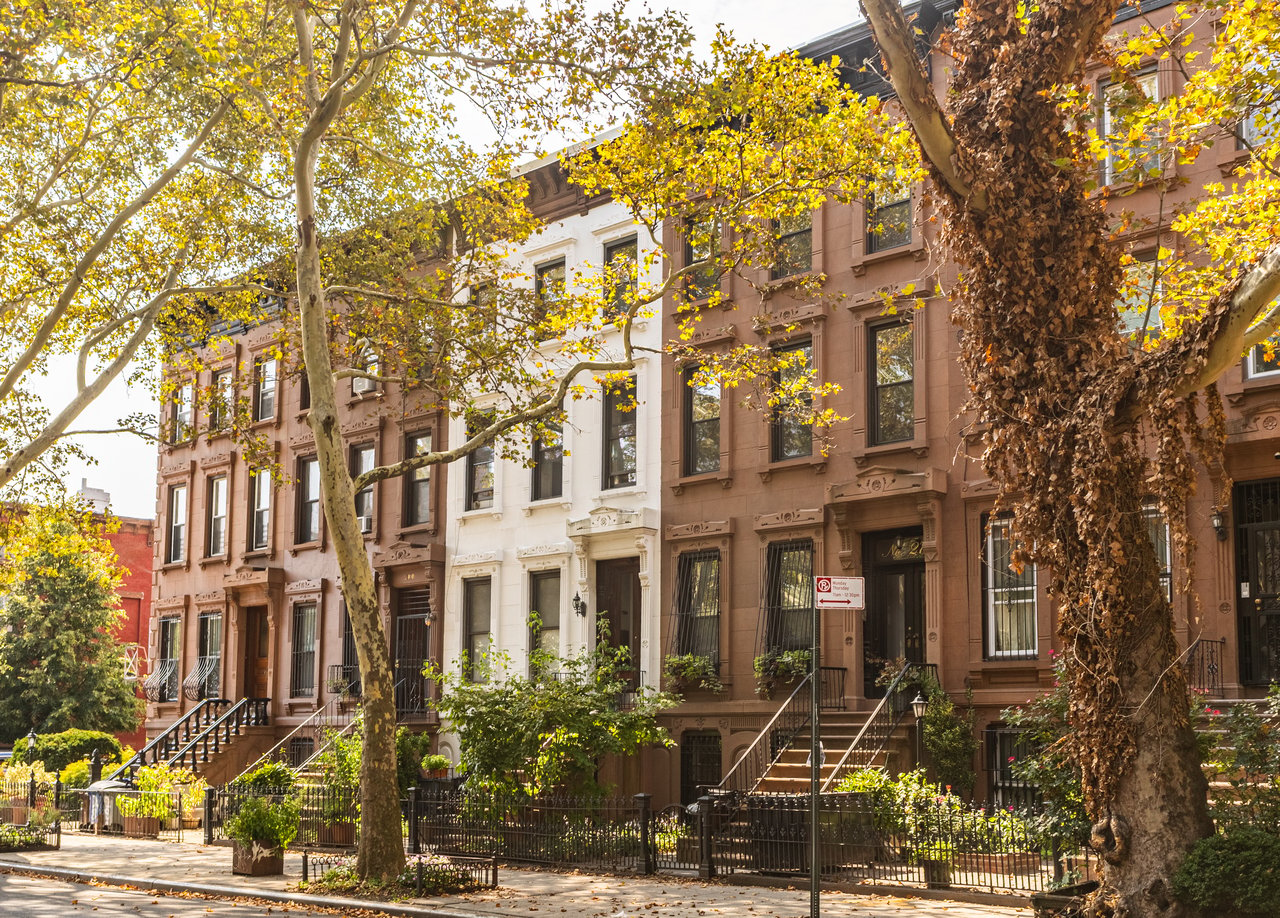
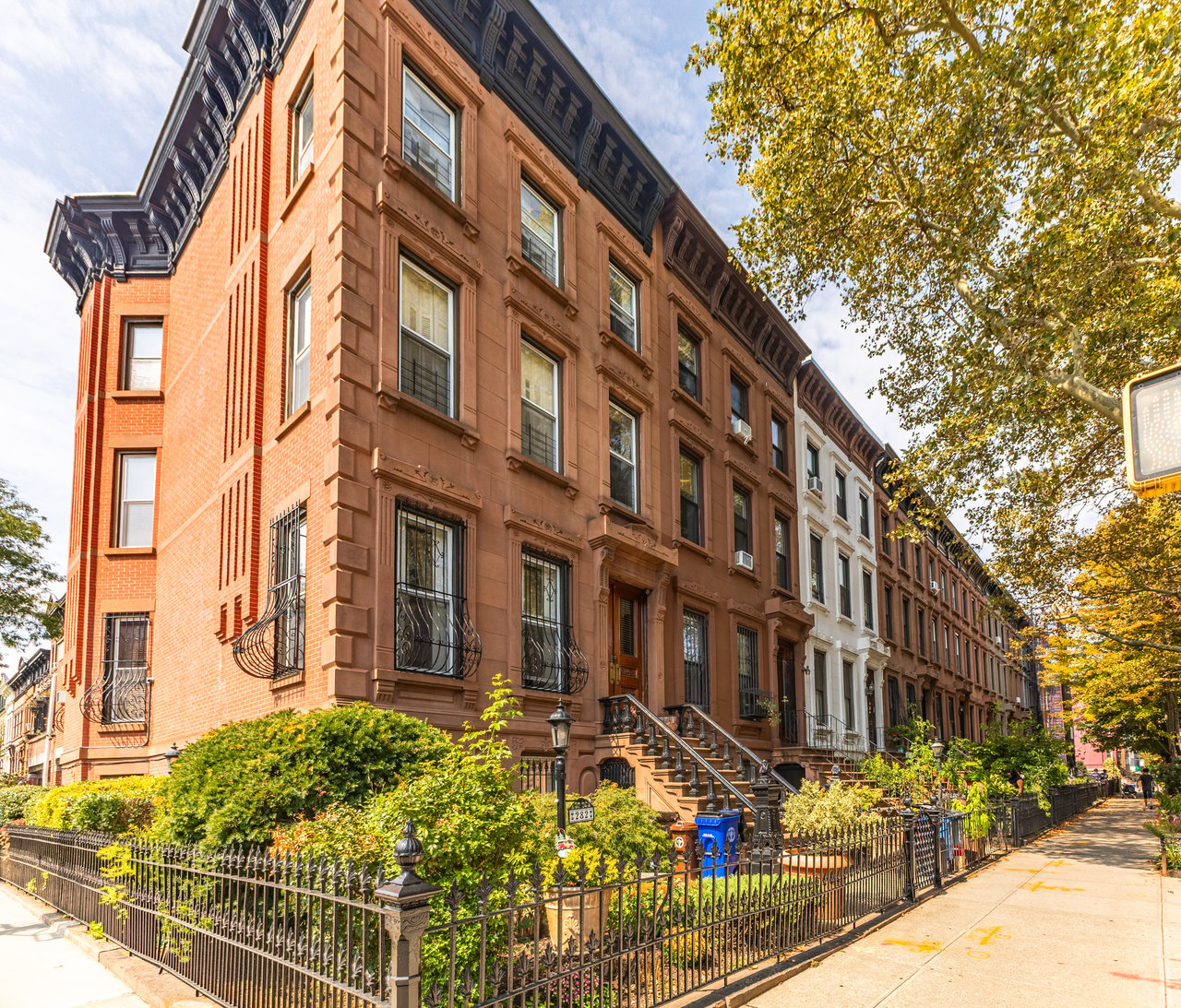
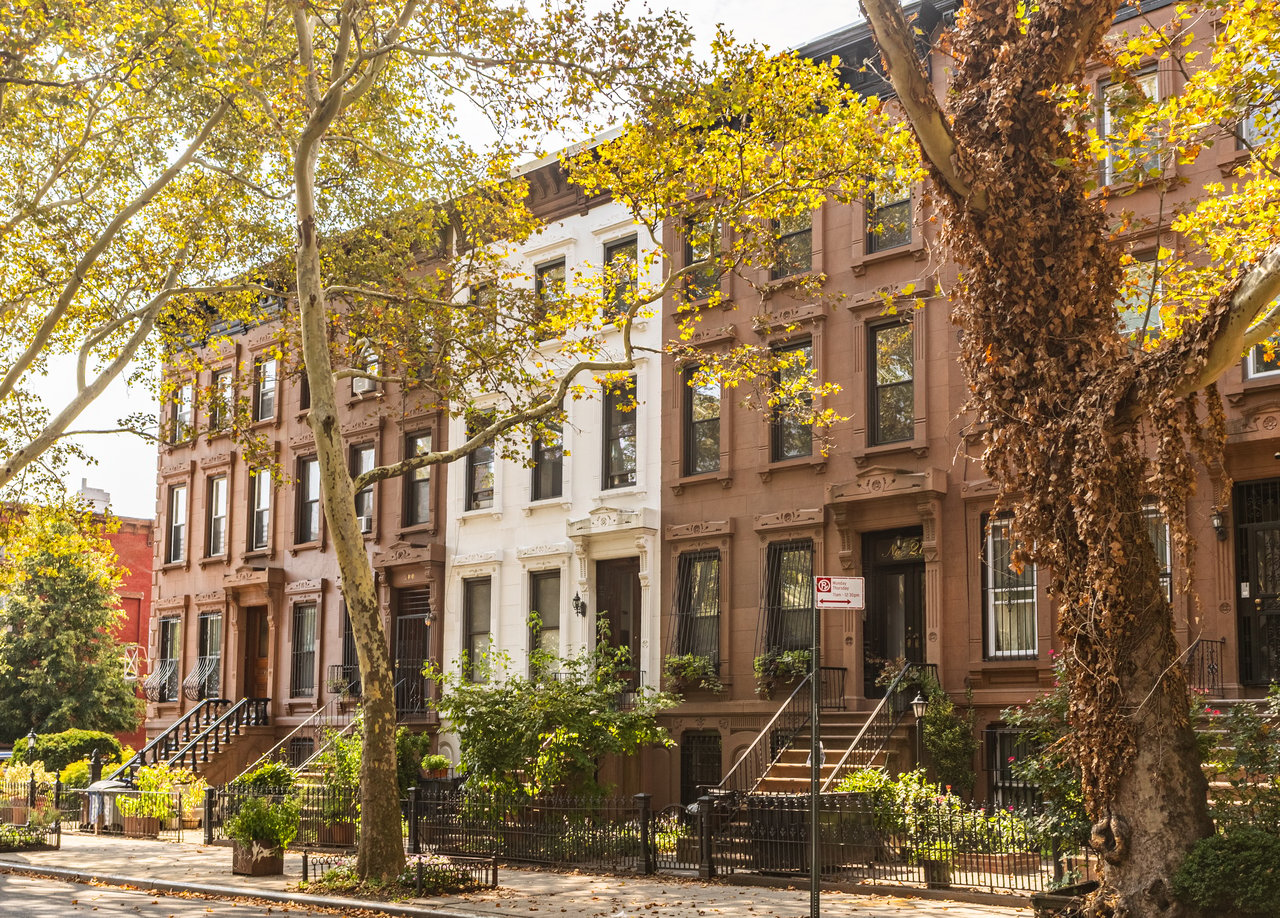
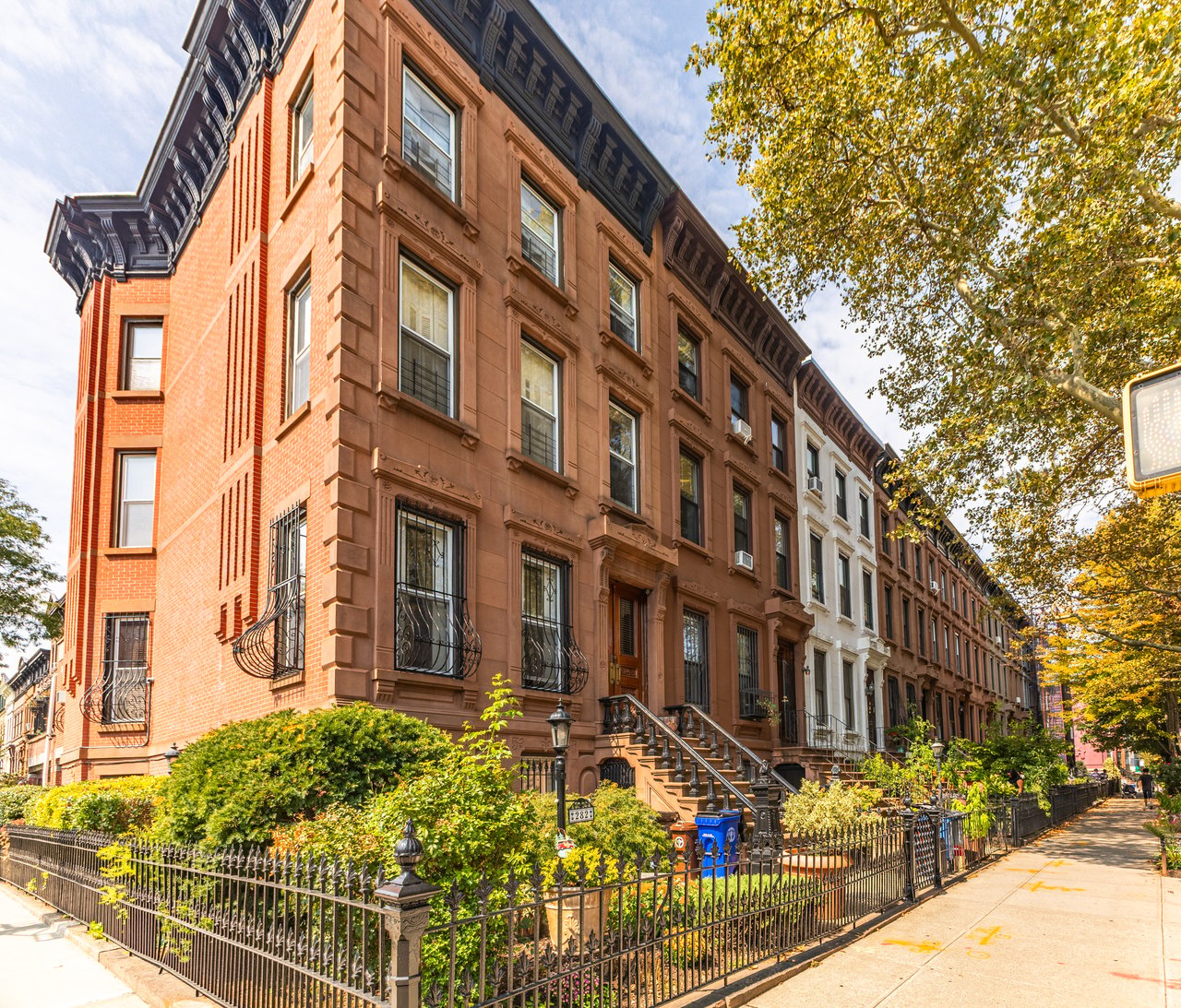
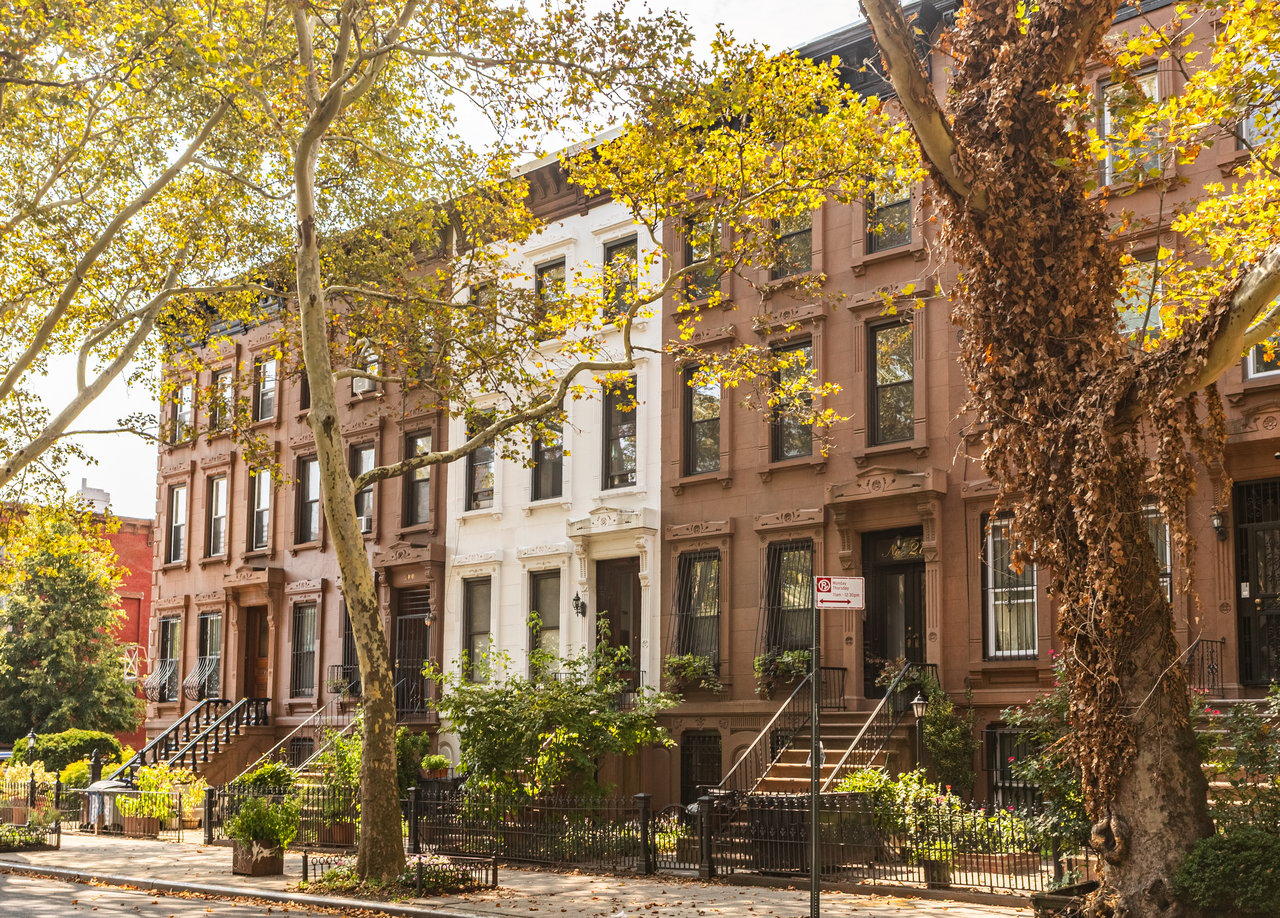
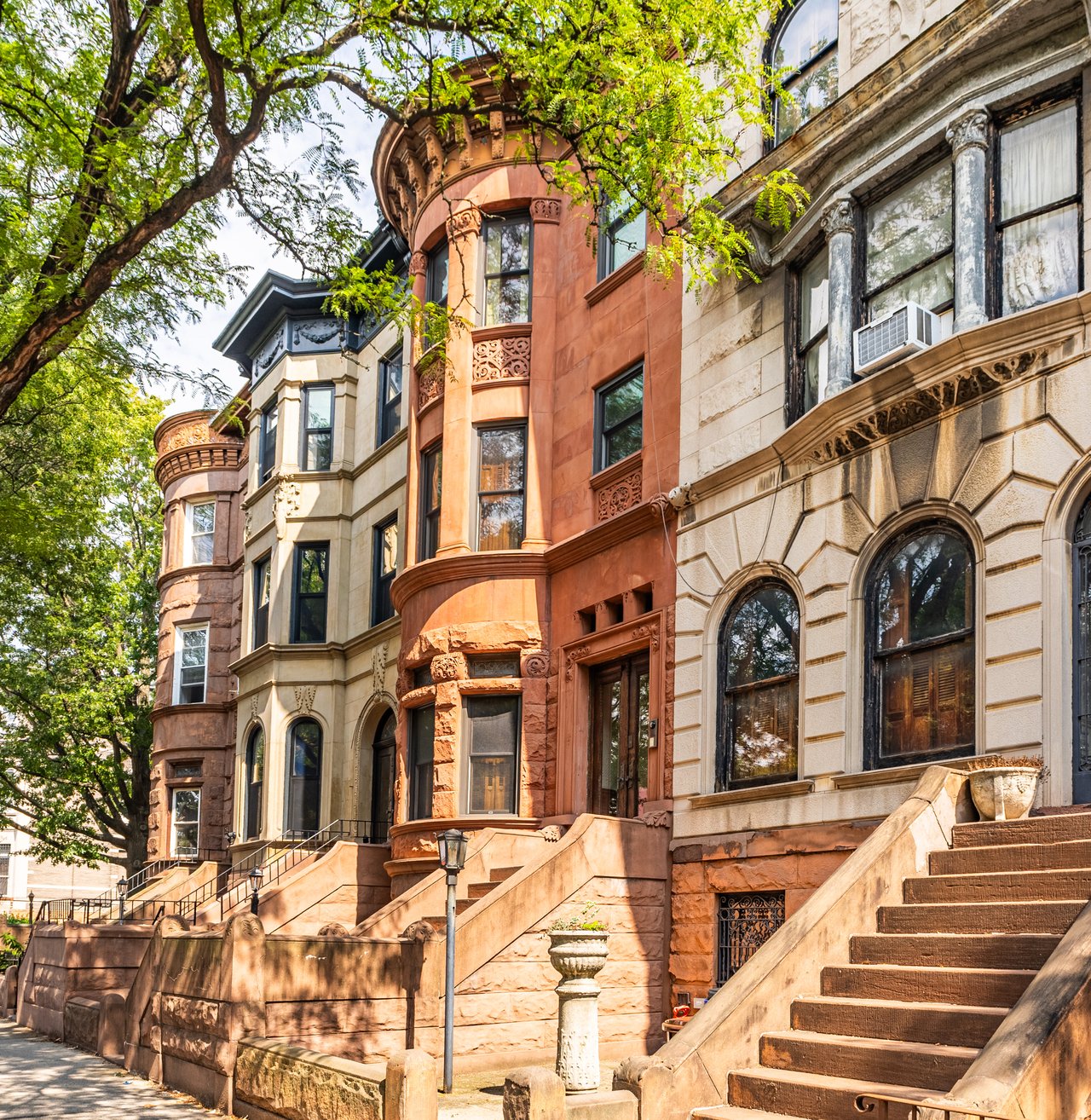
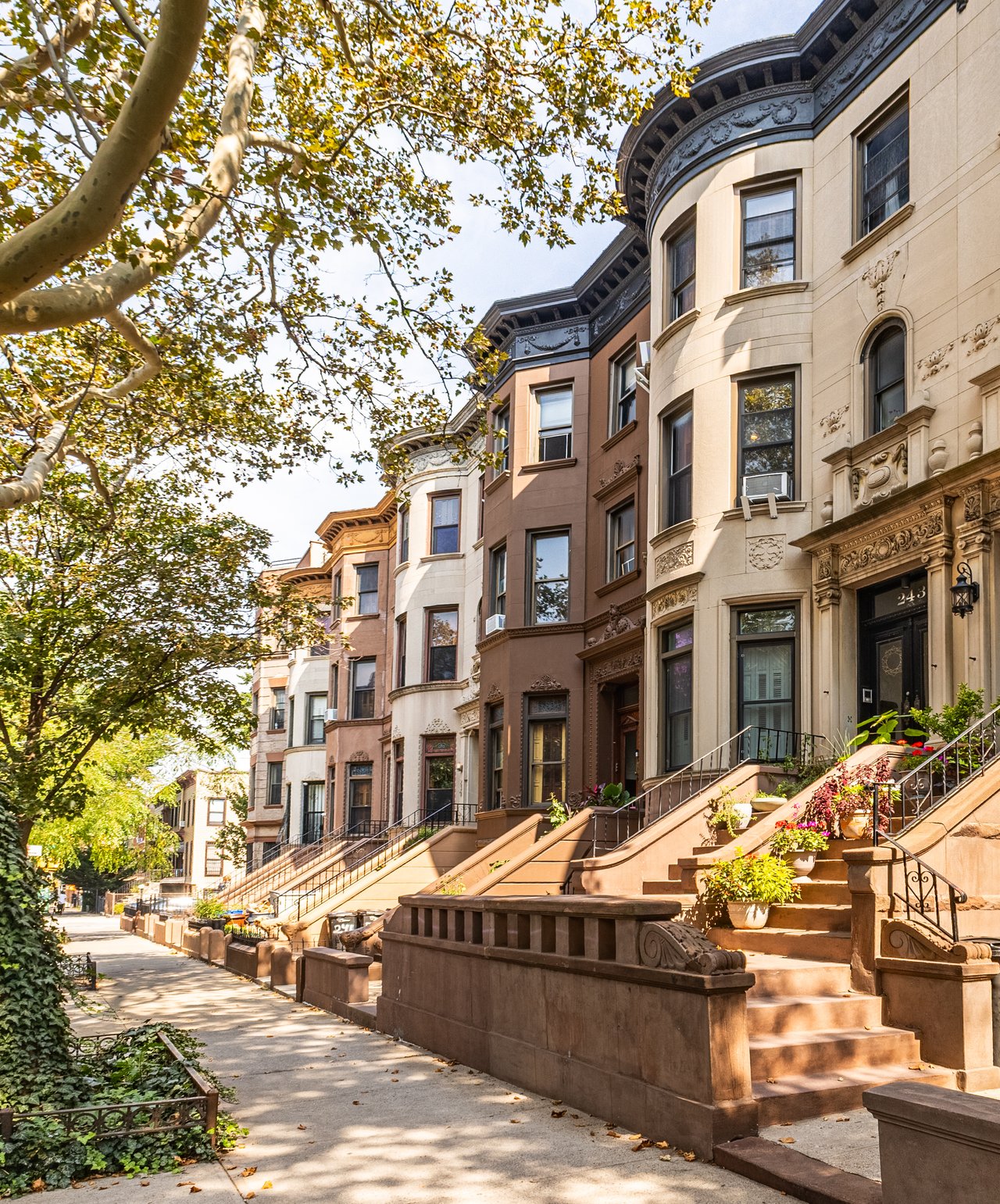
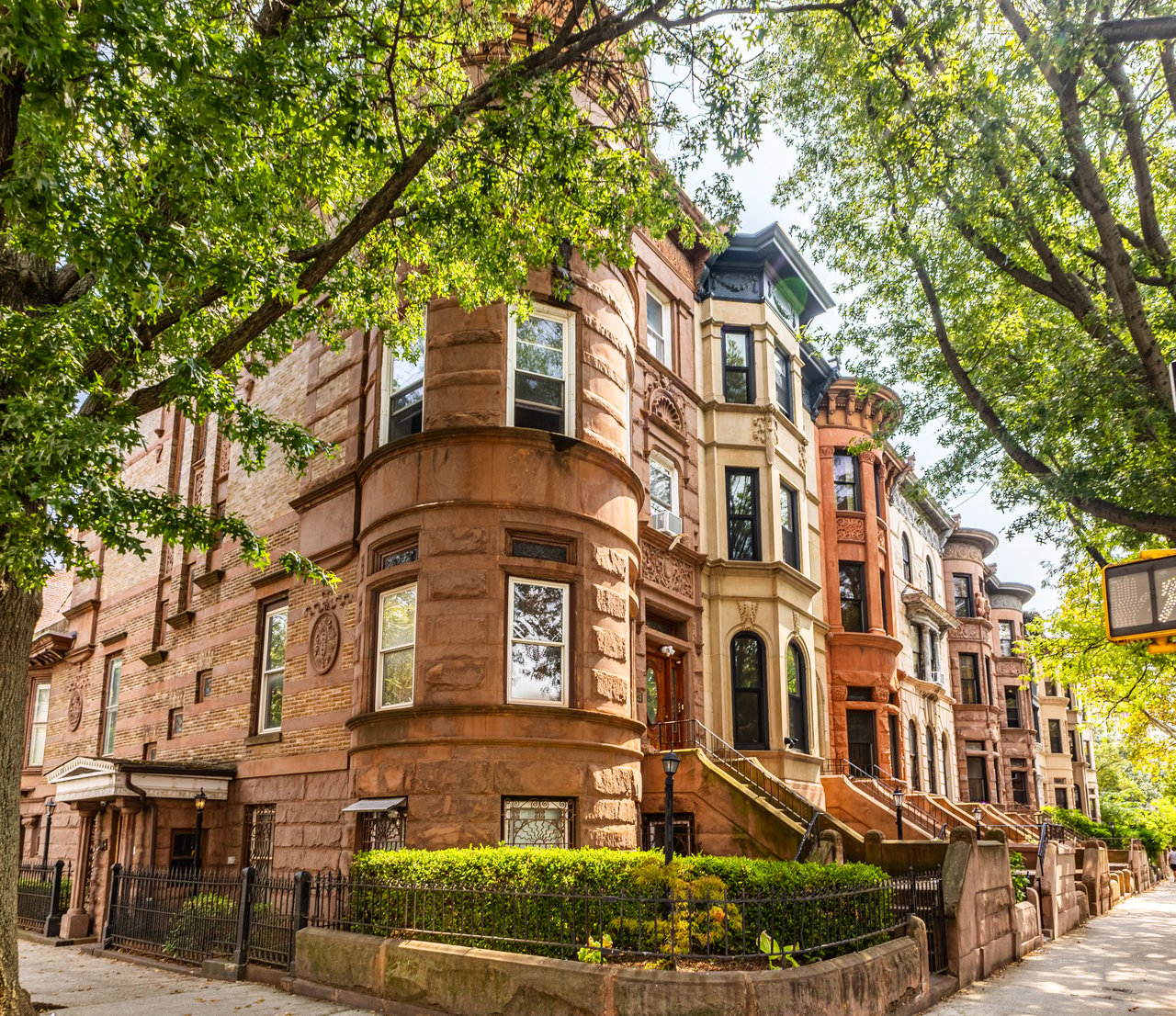
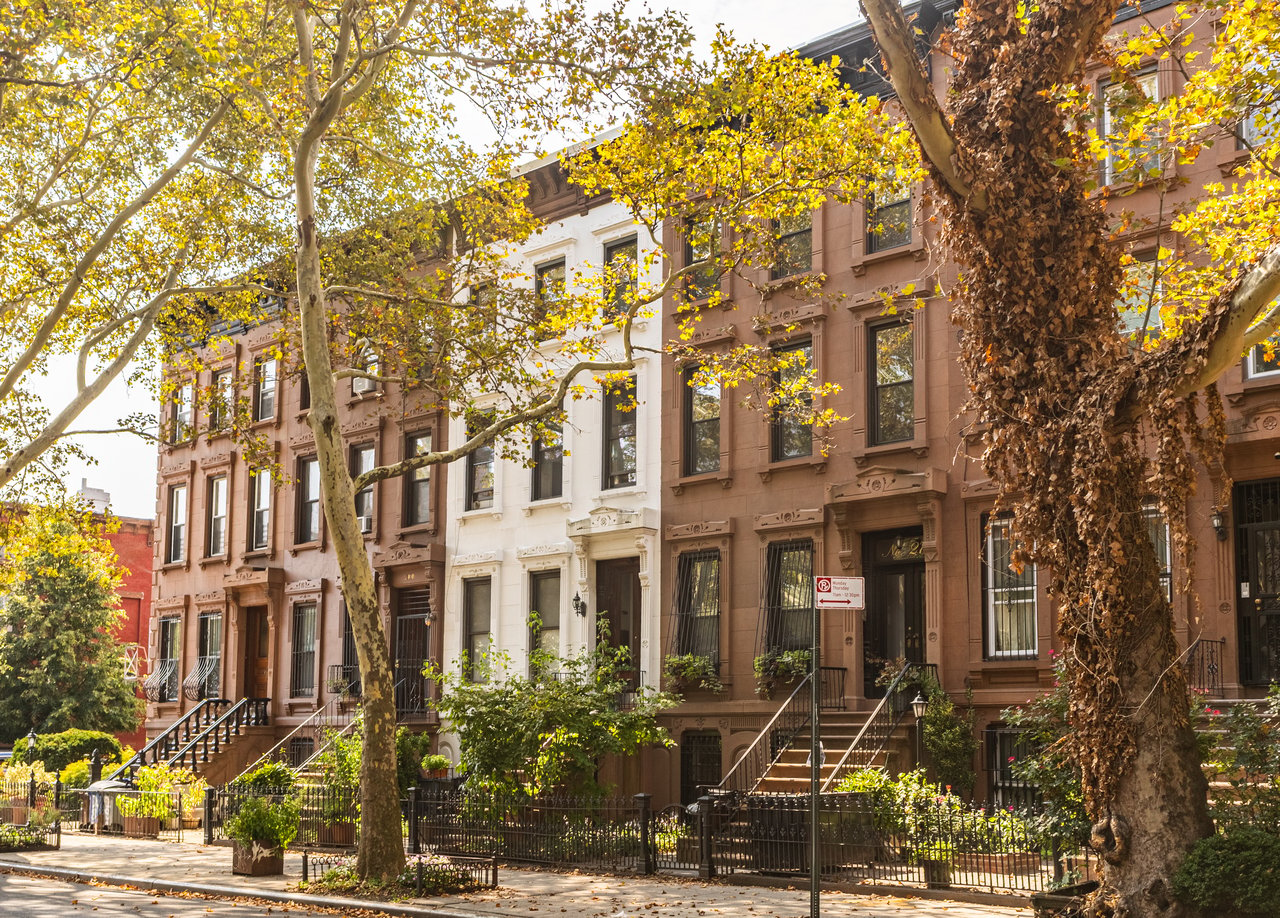
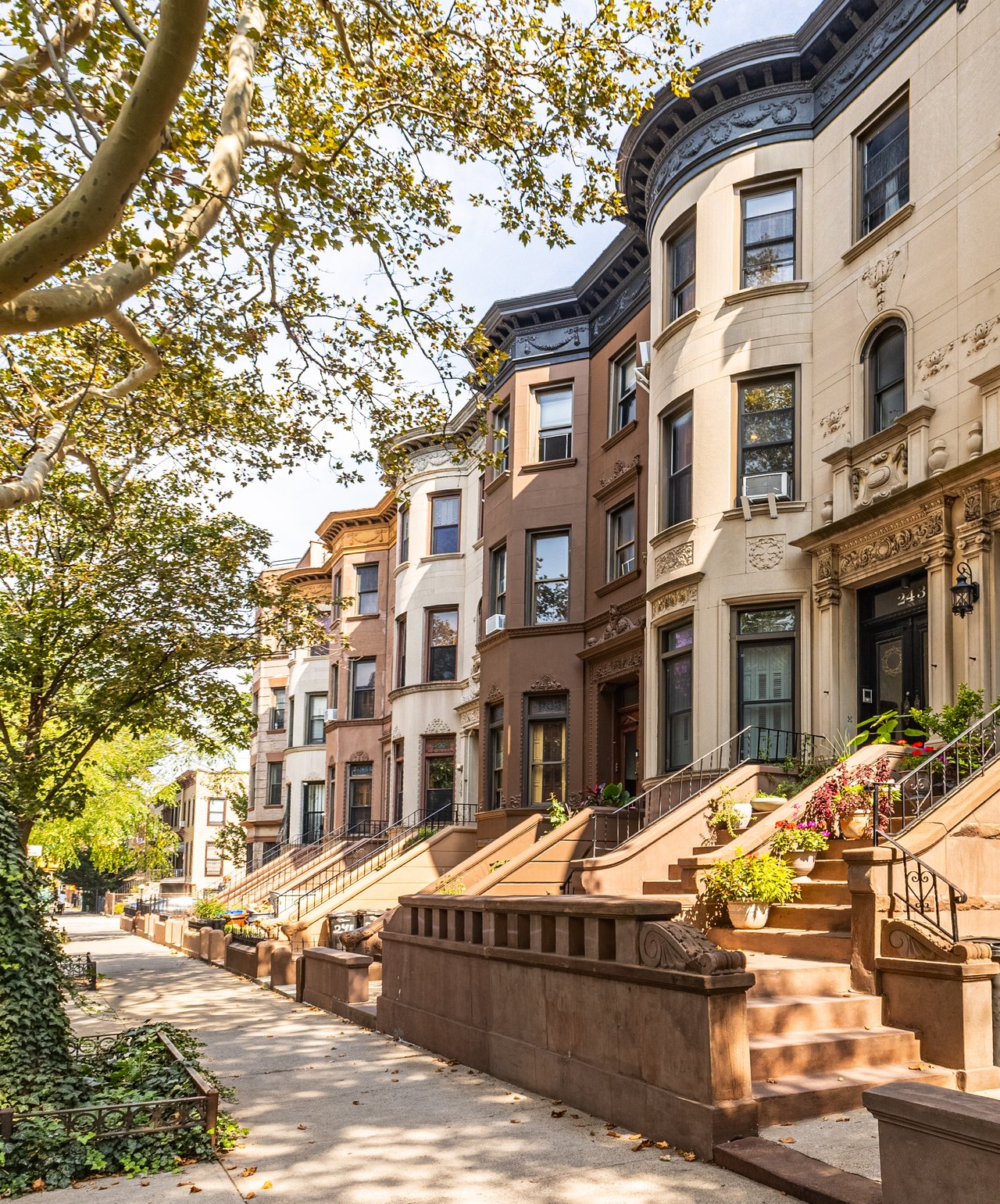
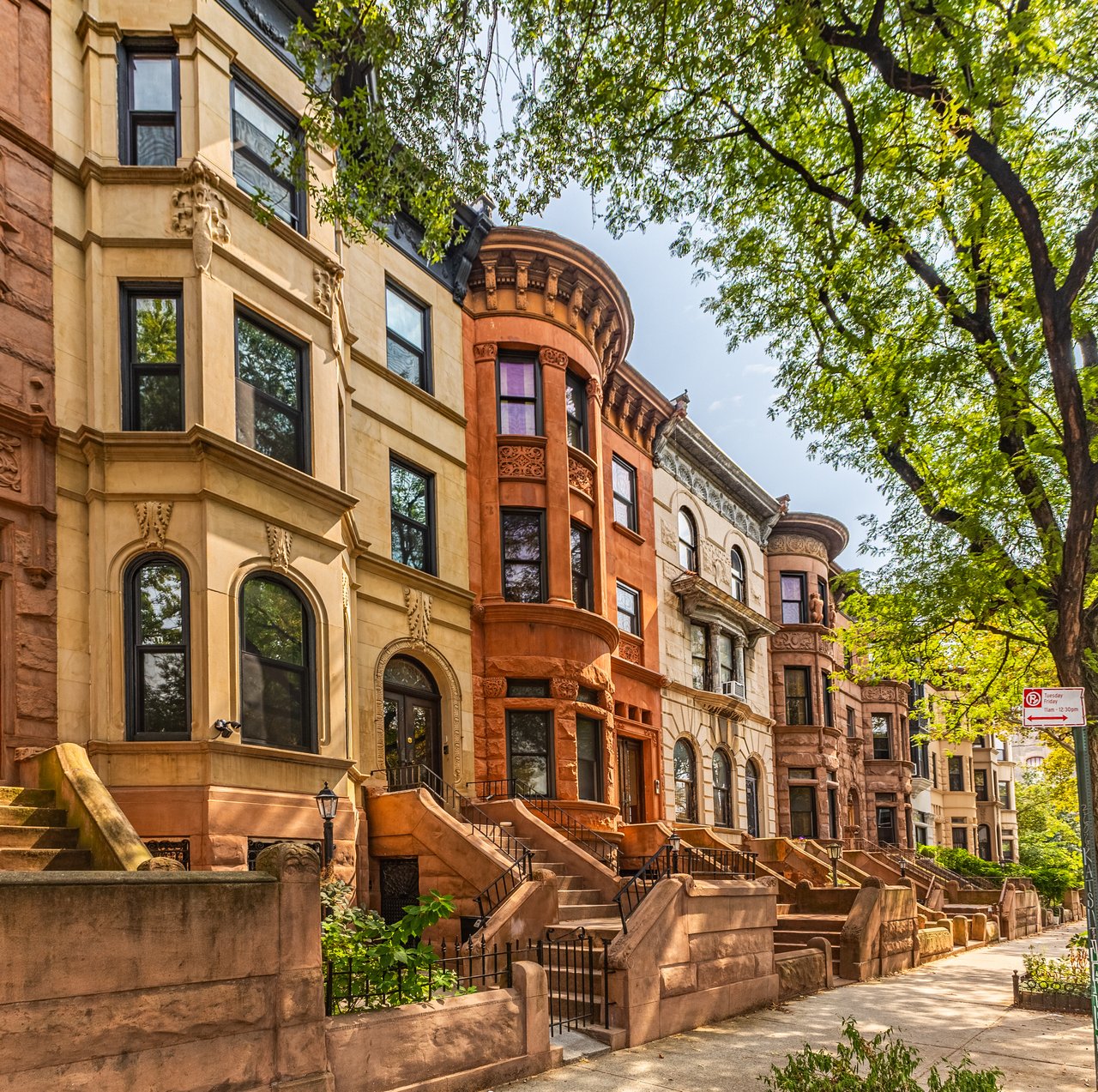
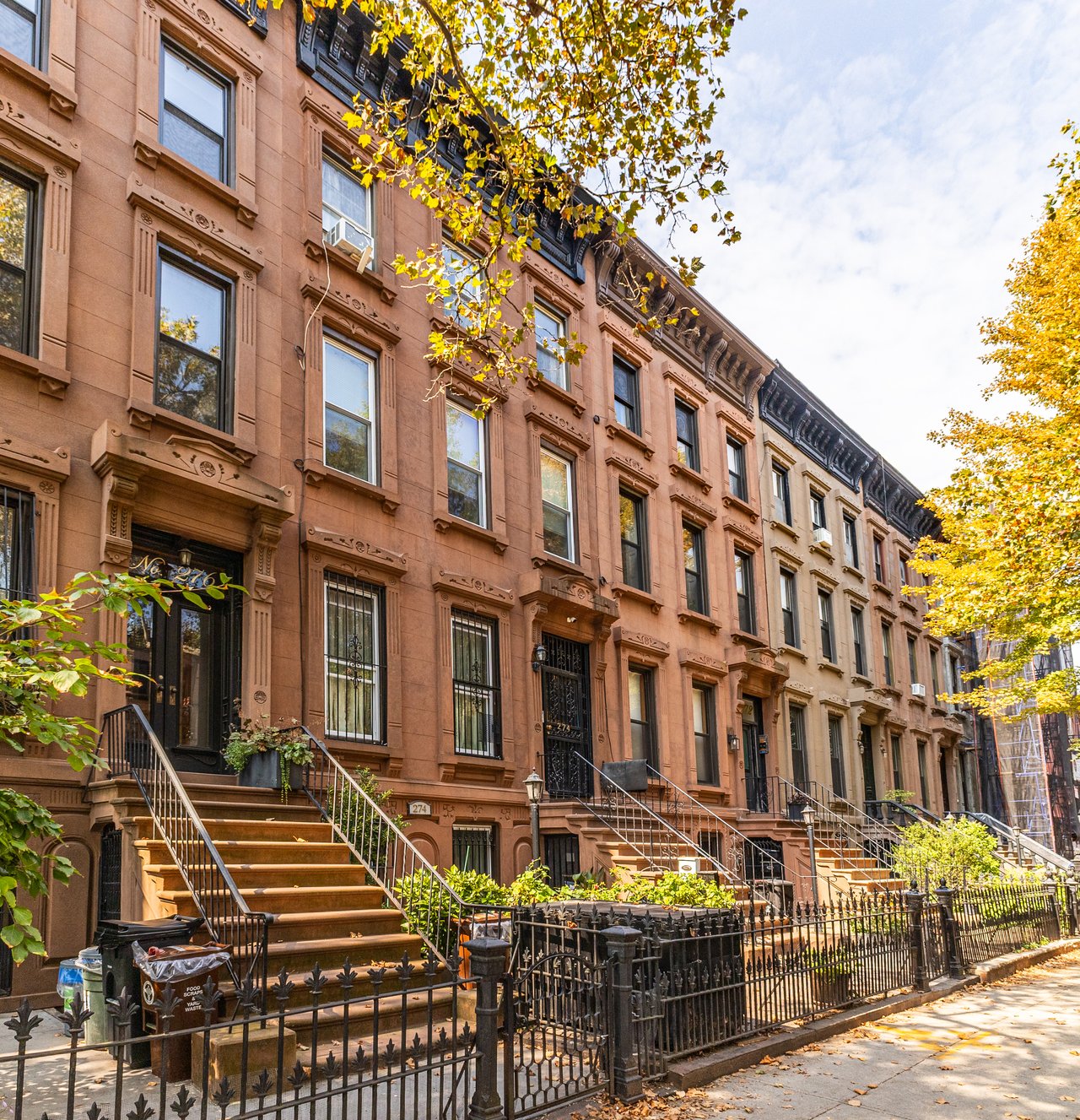
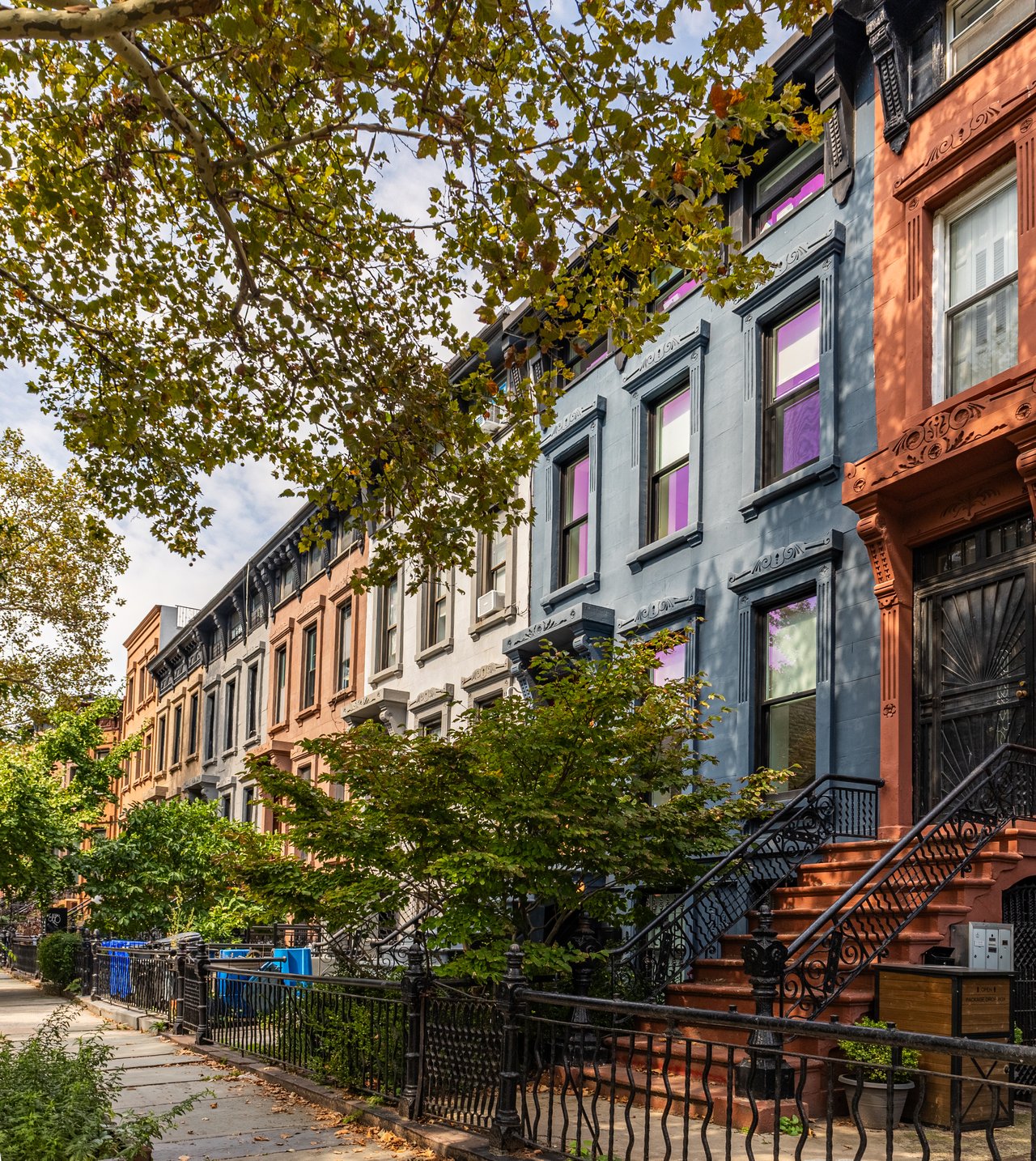
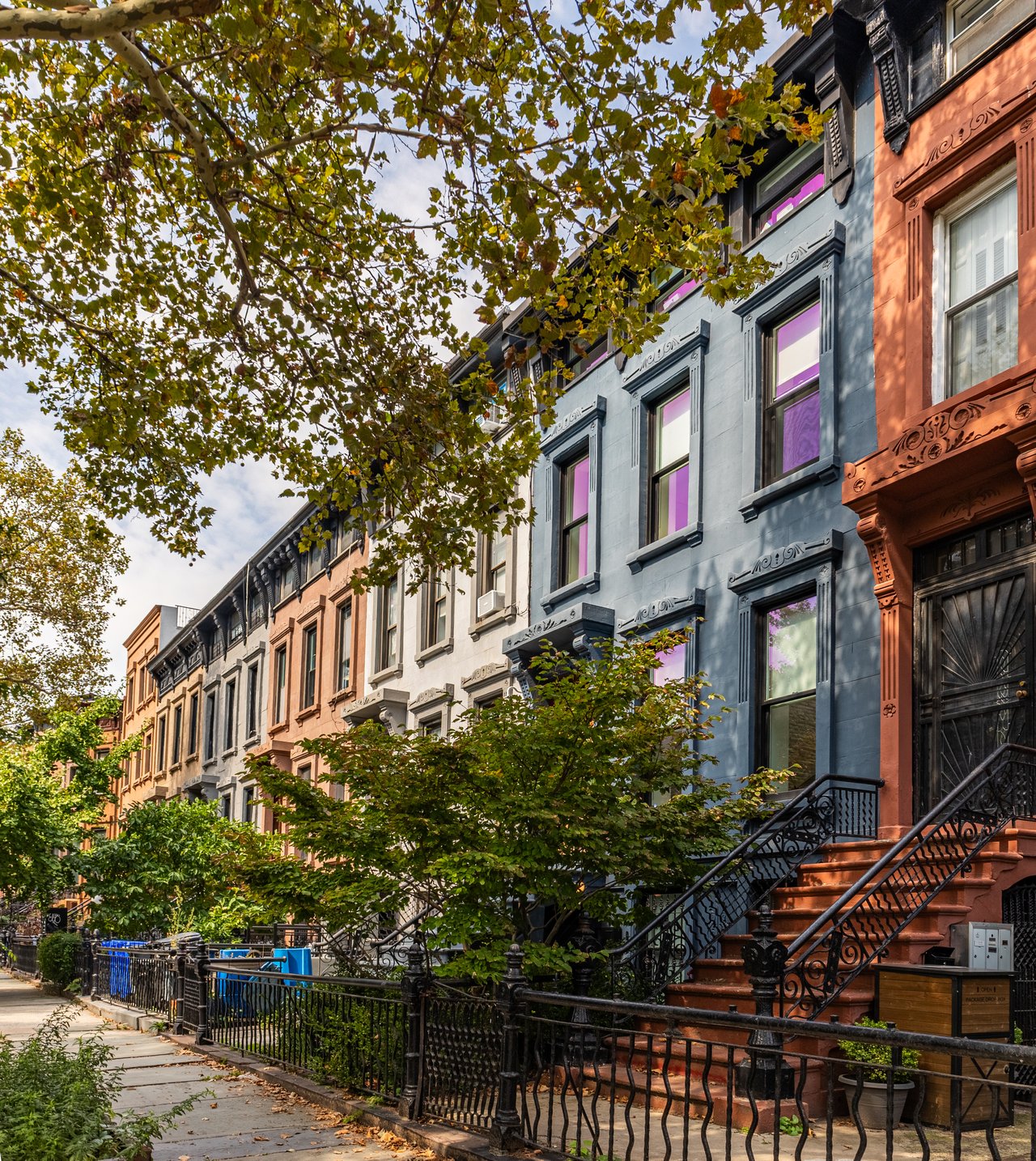
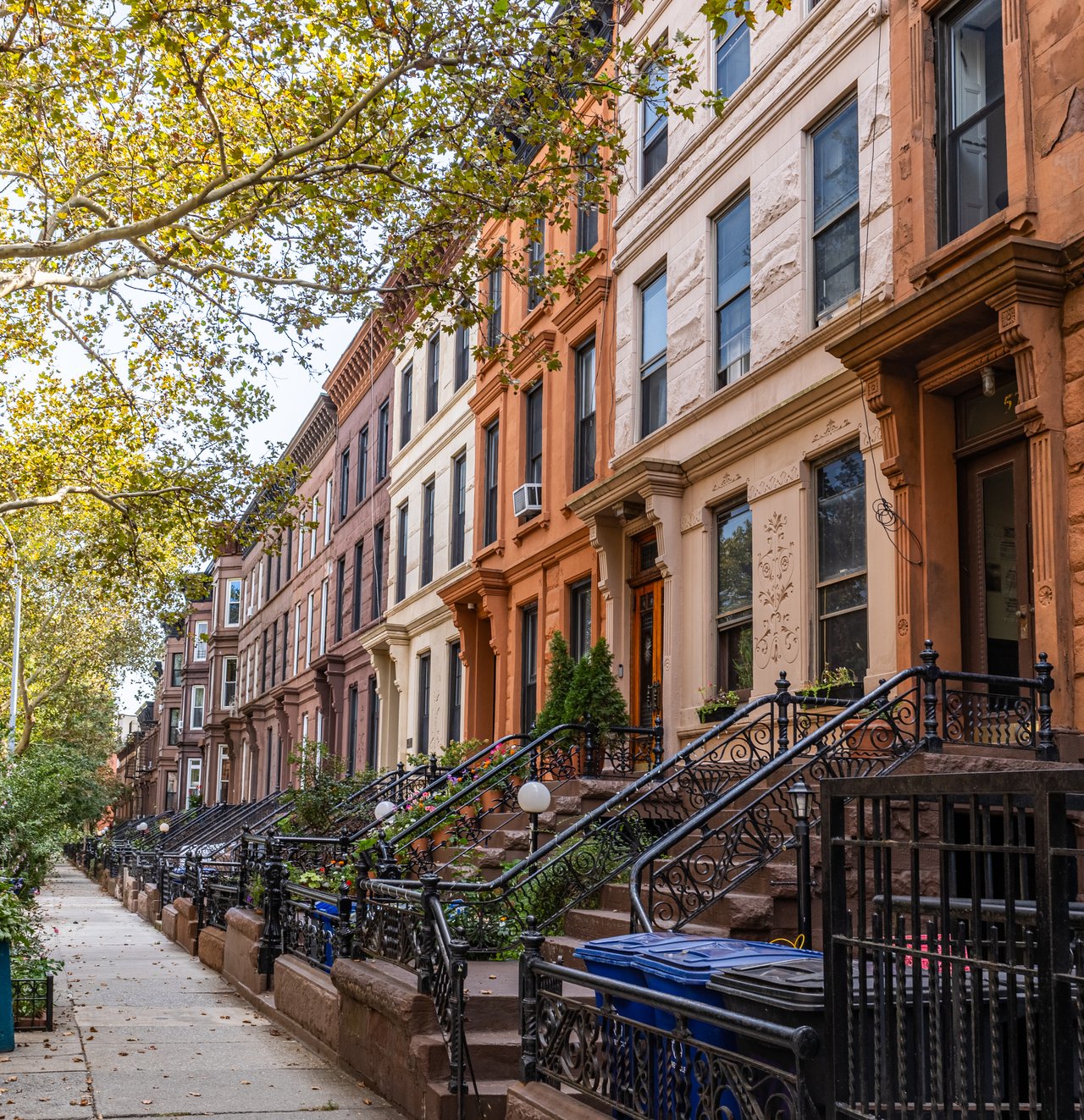
Keap Street in South Williamsburg, Brooklyn, is a residential corridor featuring historic brick townhouses, prewar apartment buildings, two-family and three-family homes, mixed-use properties, and condominium residences. Running through an established section of Williamsburg, the street connects distinctive residential architecture with Broadway, Division Avenue, Grand Street, and nearby transportation corridors.
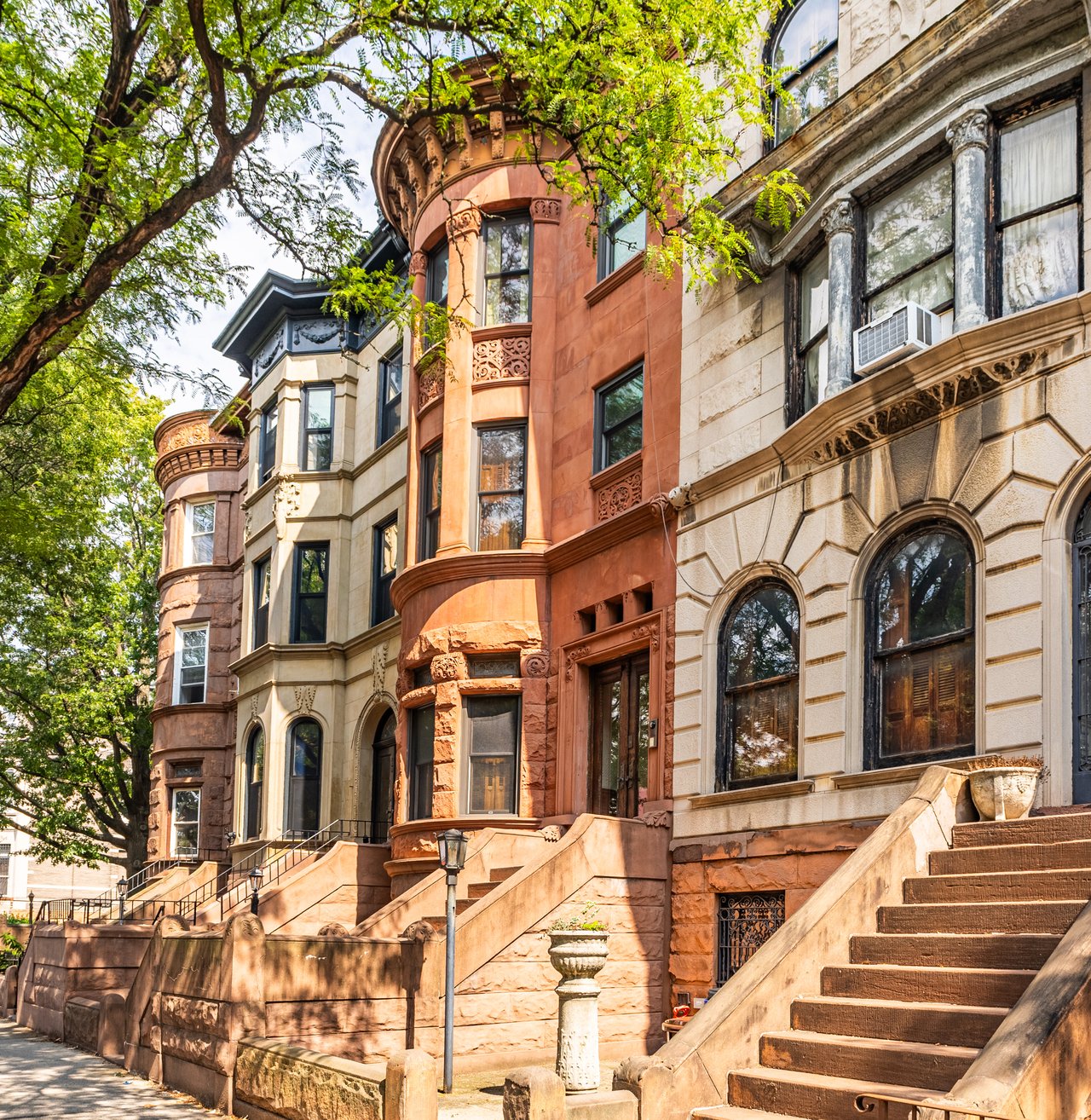
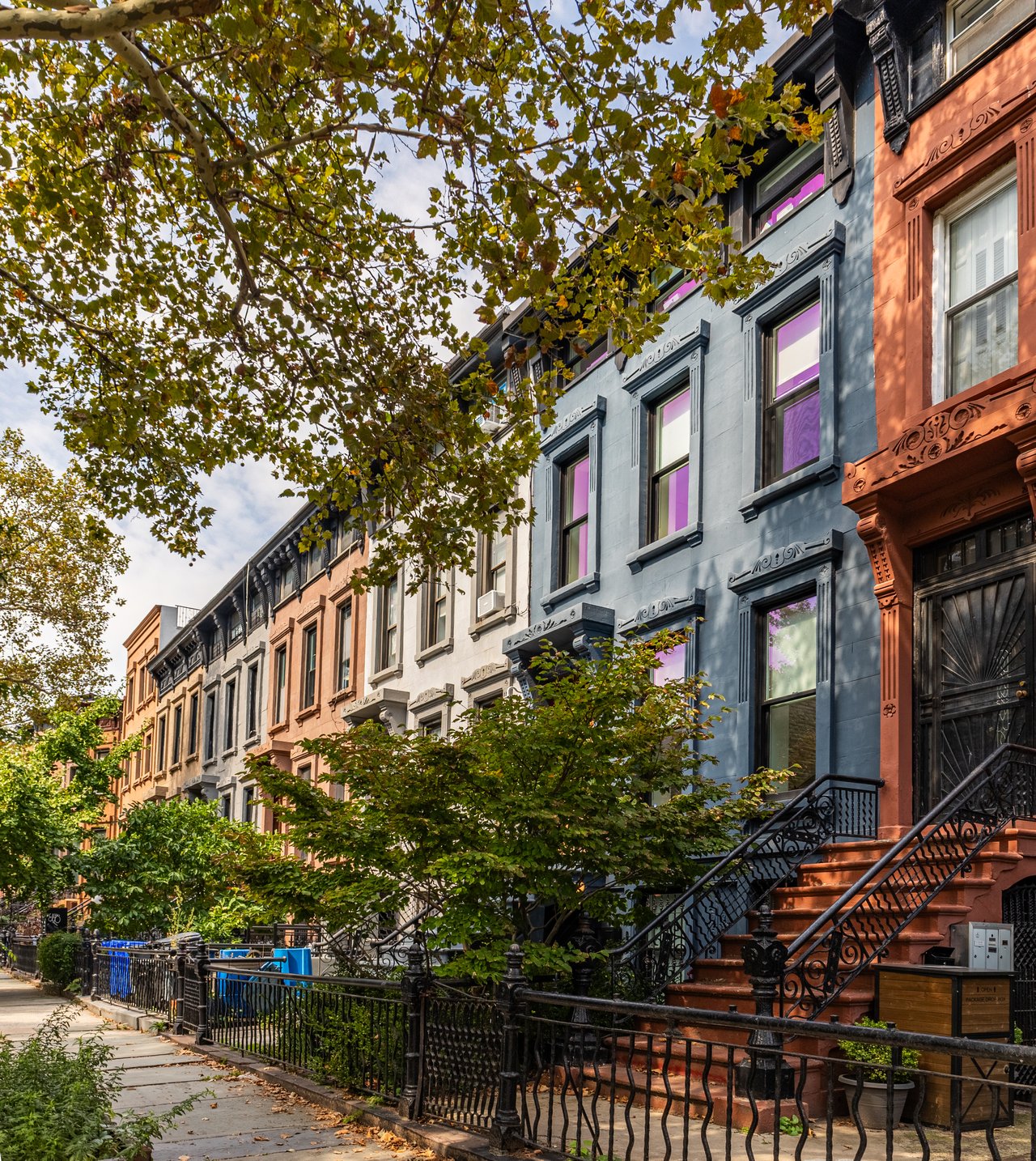
Keap Street offers an interesting perspective on Brooklyn real estate because its buildings represent different periods of construction. Traditional masonry residences stand alongside larger multifamily properties, converted apartments, and newer residential developments.
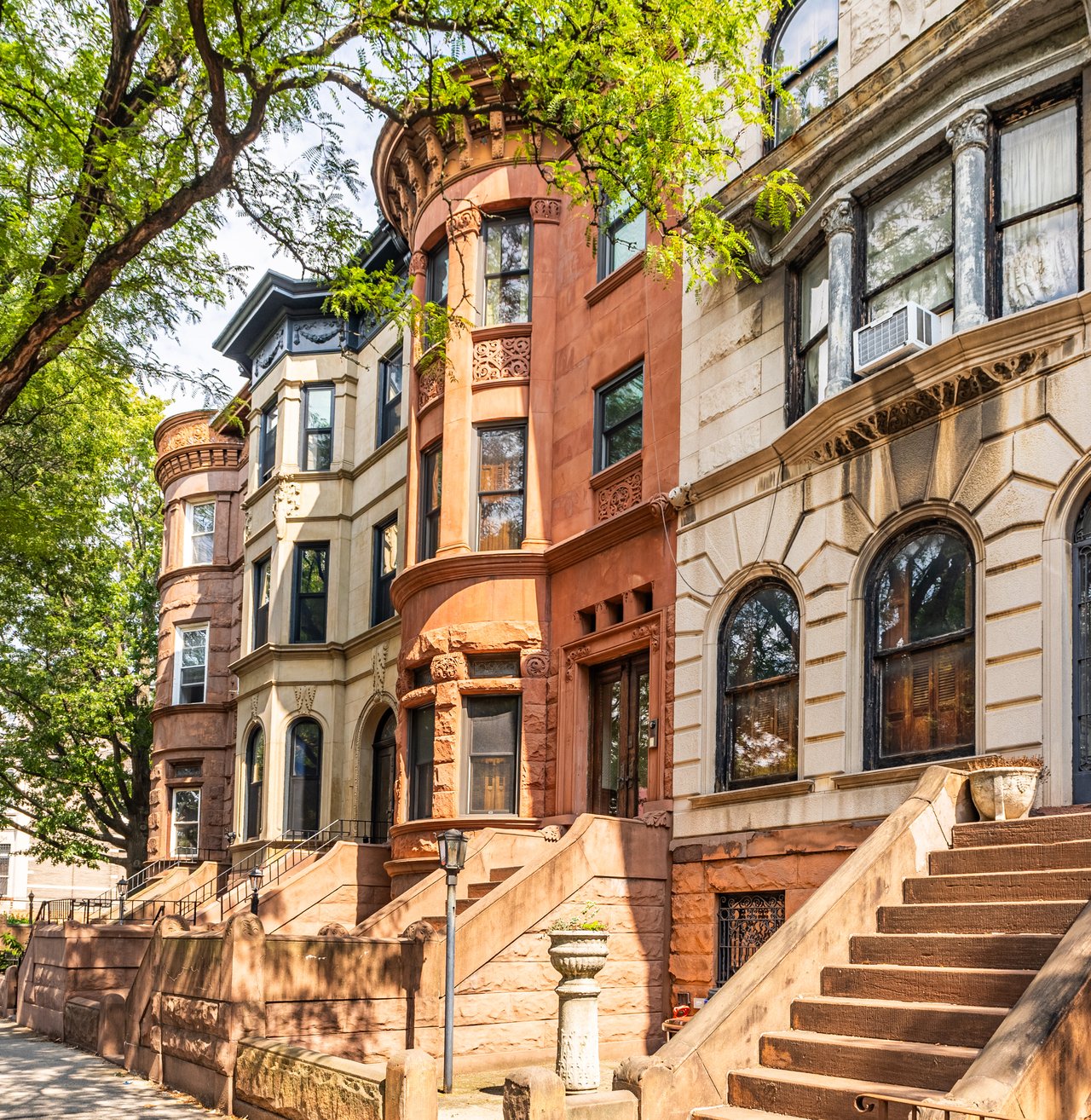
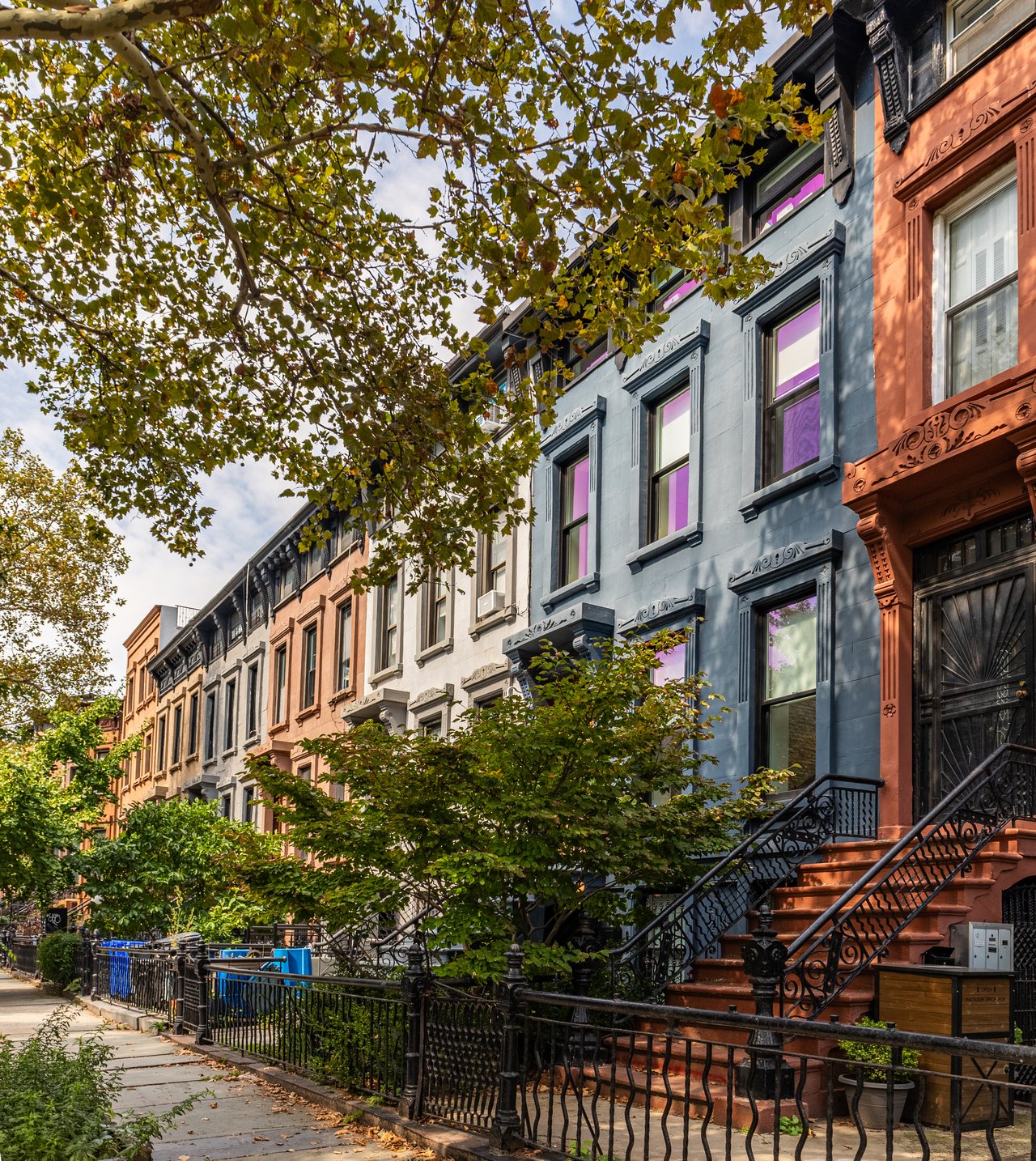
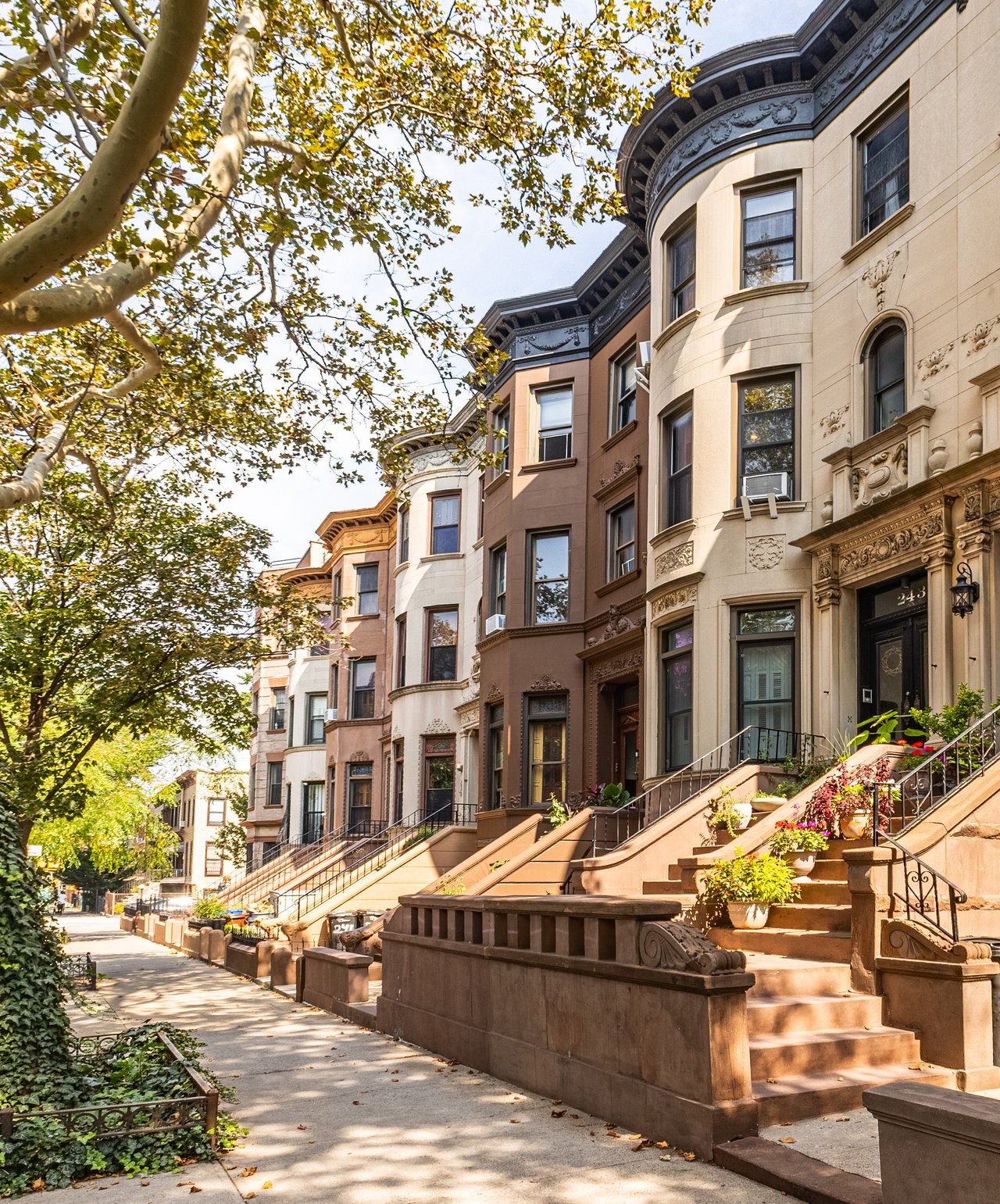
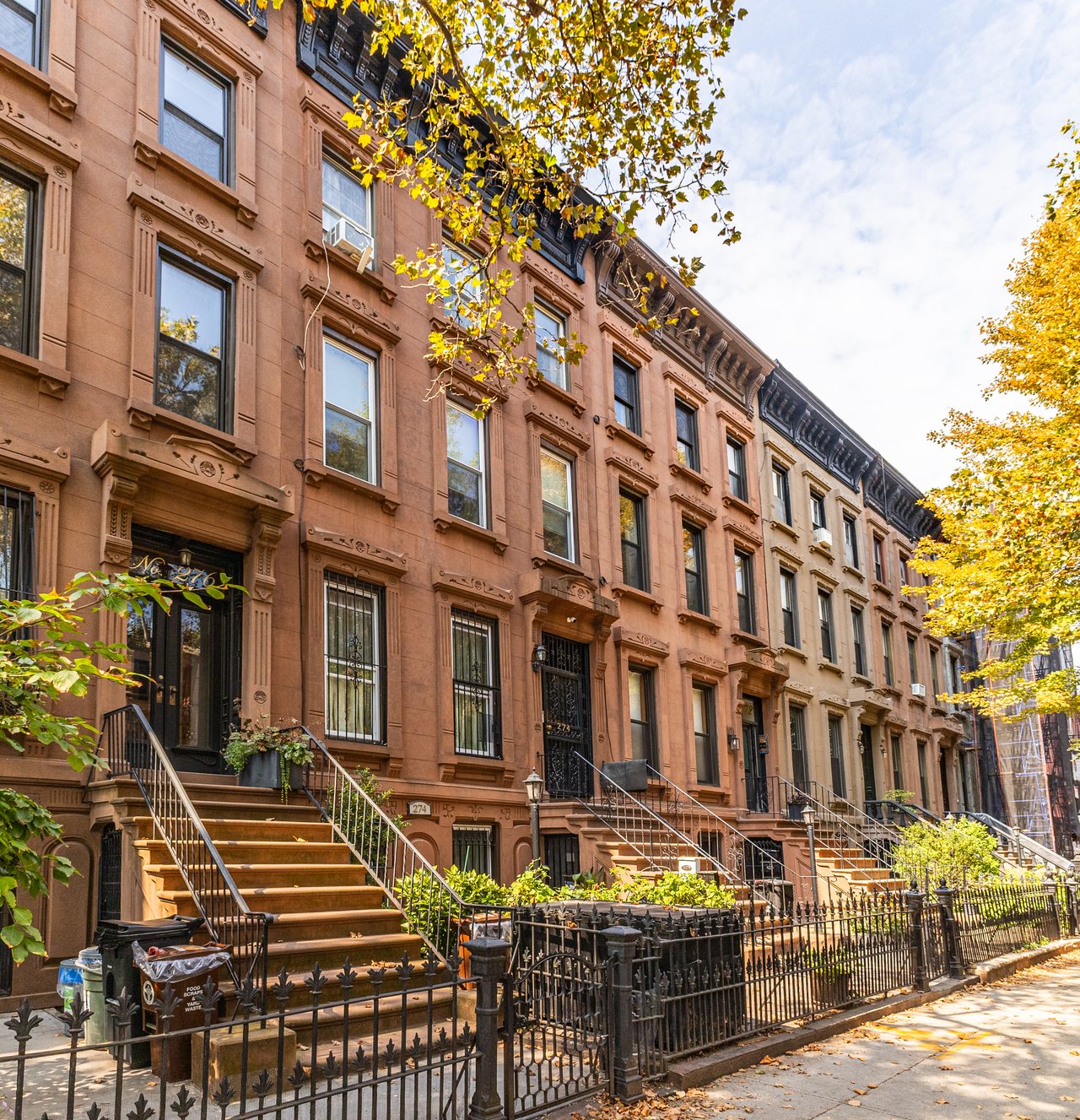
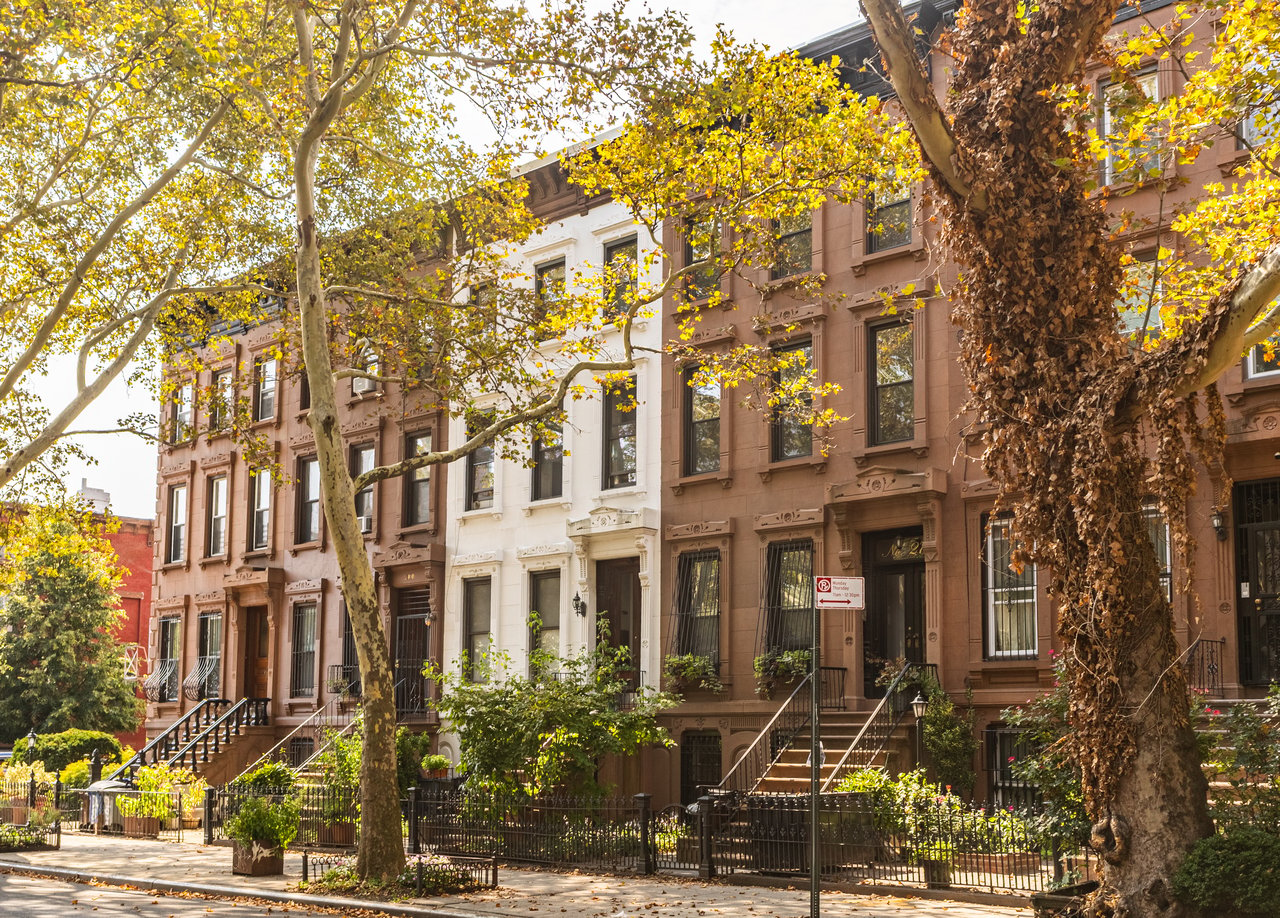
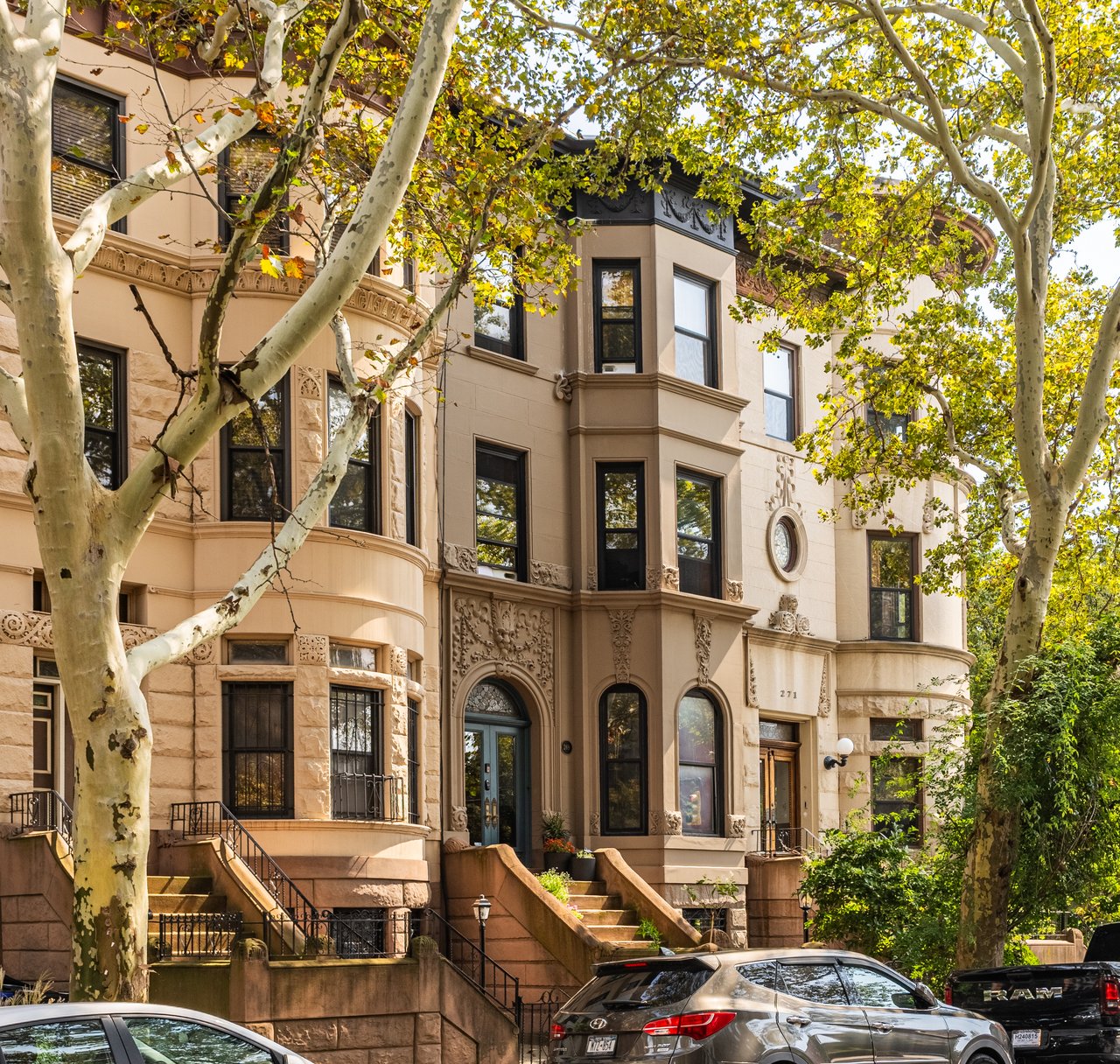
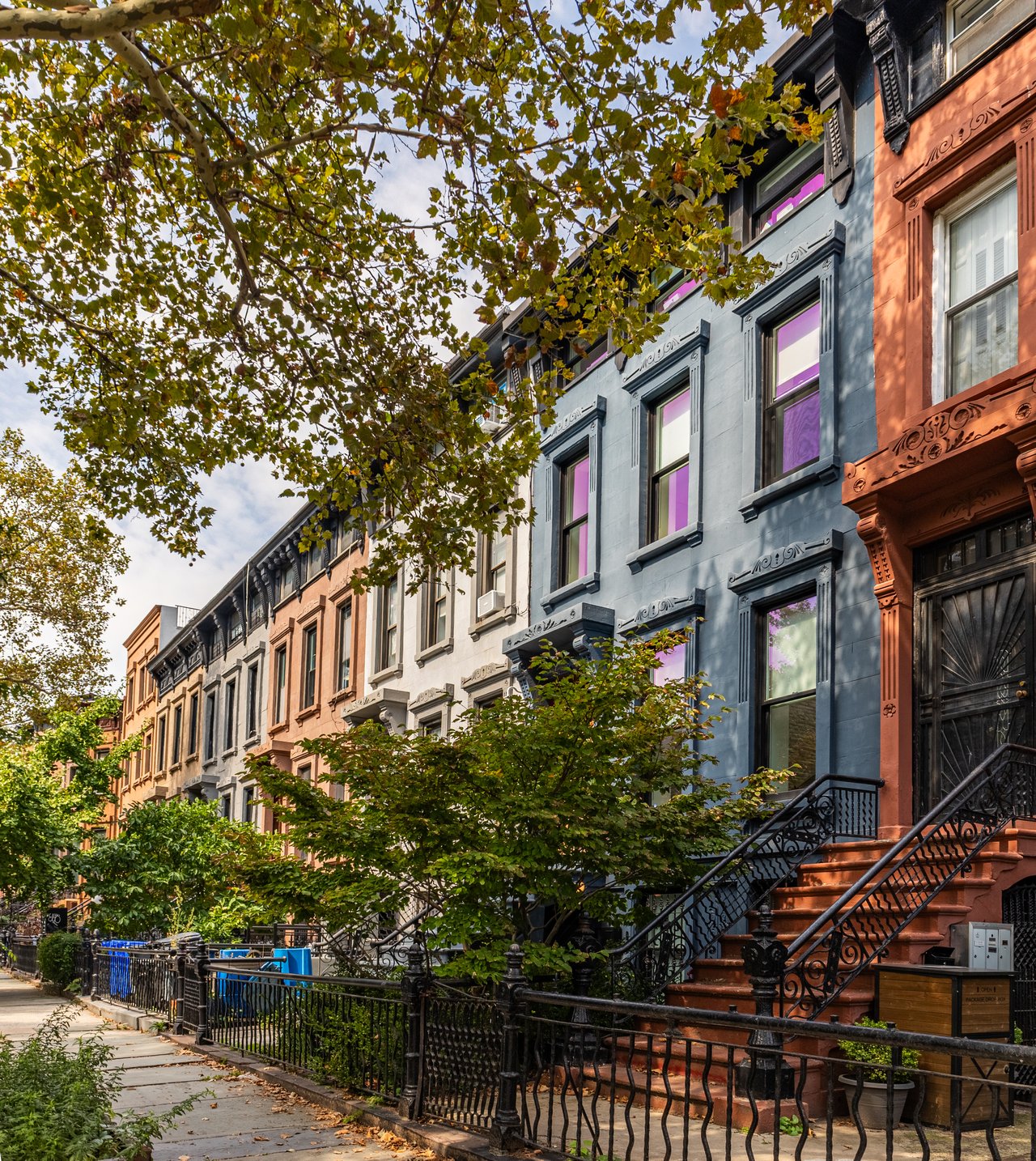
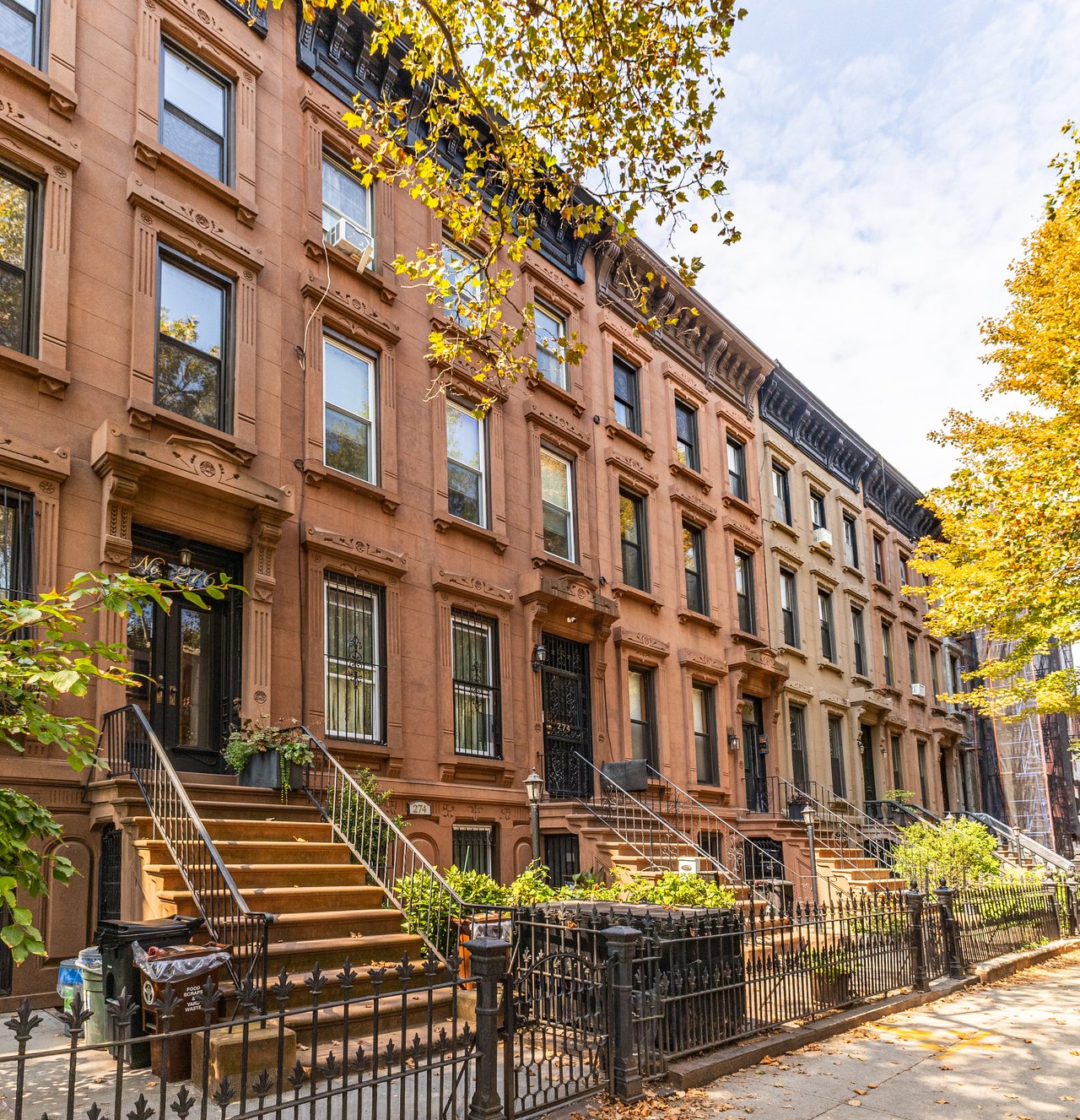
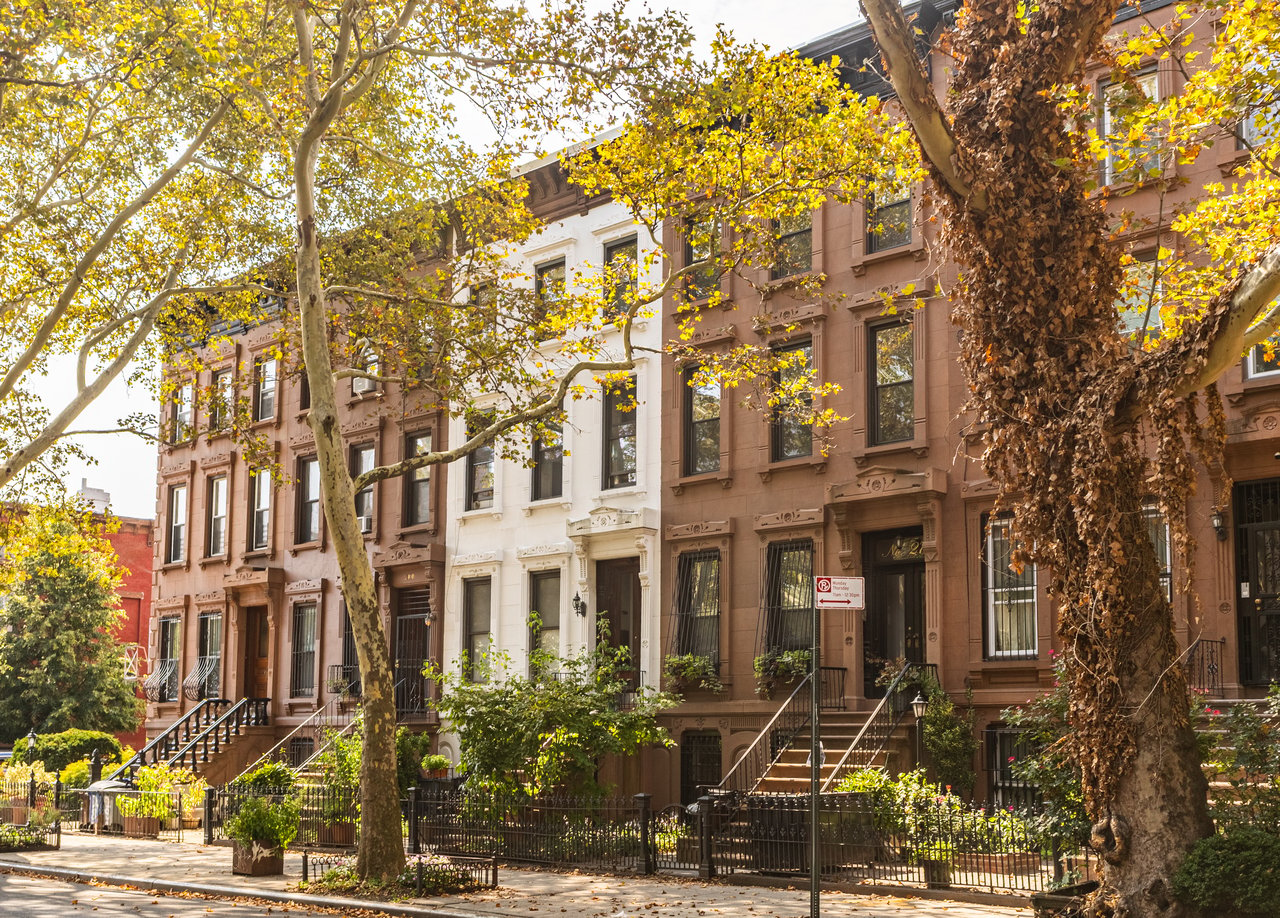
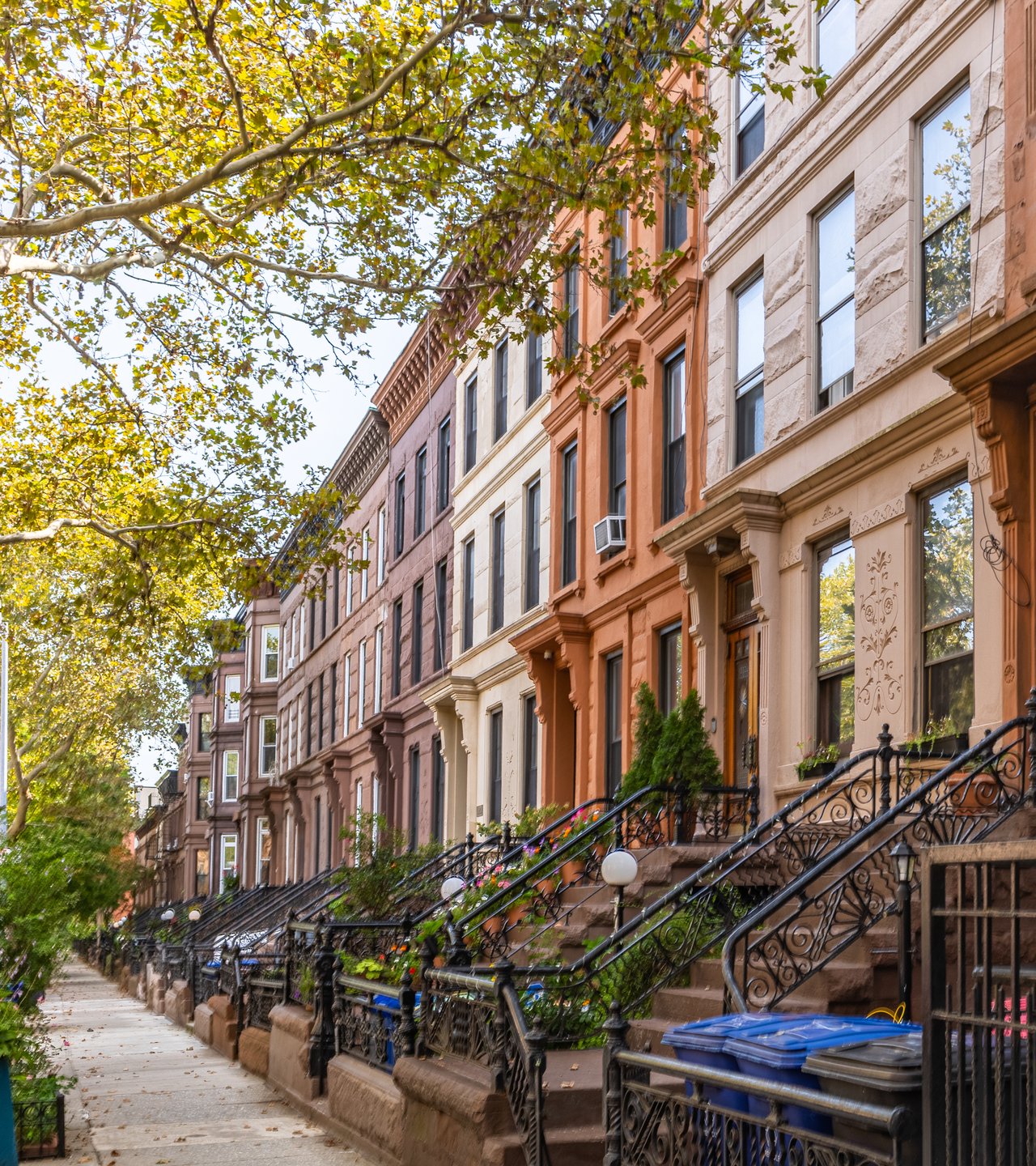
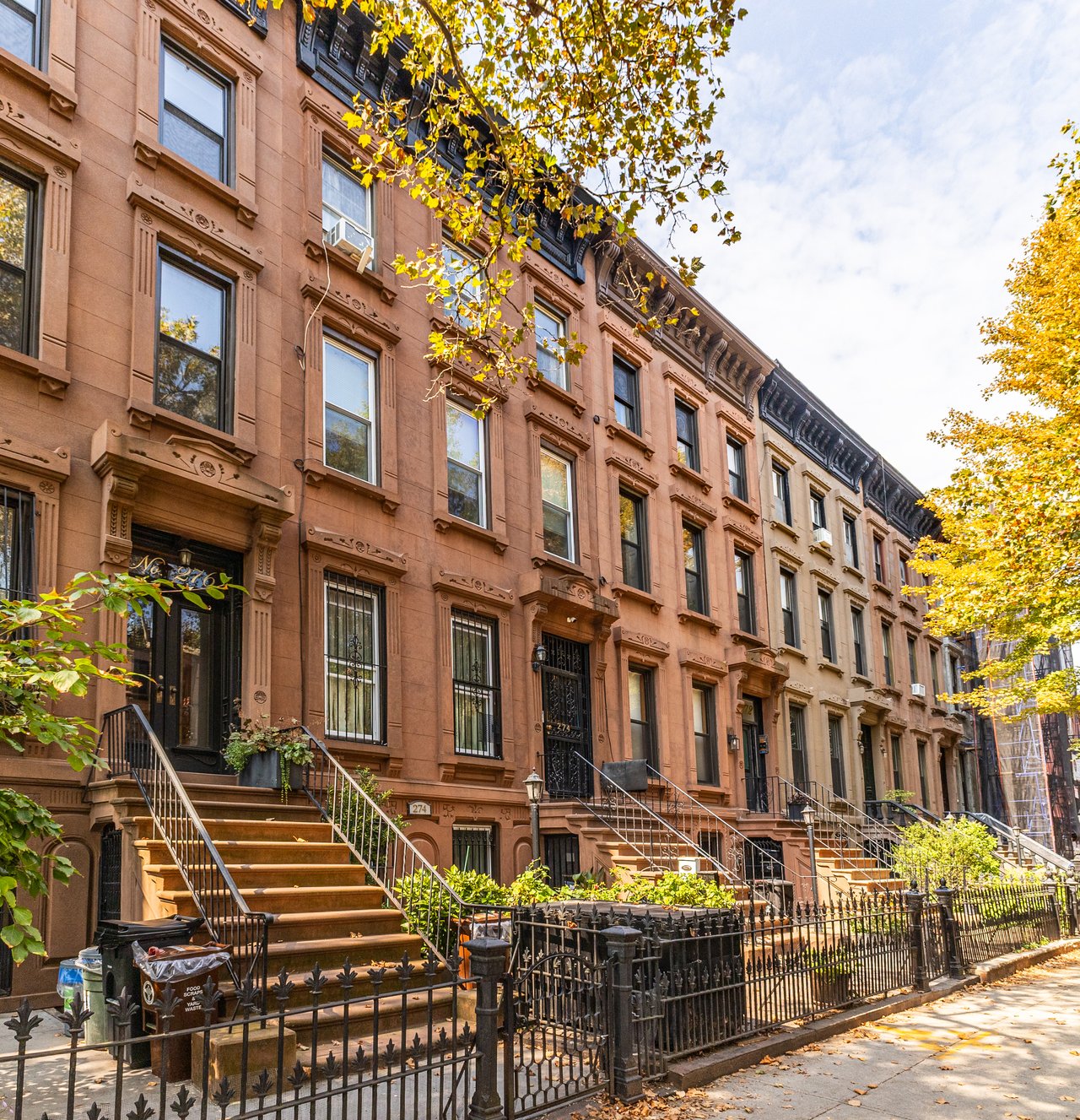
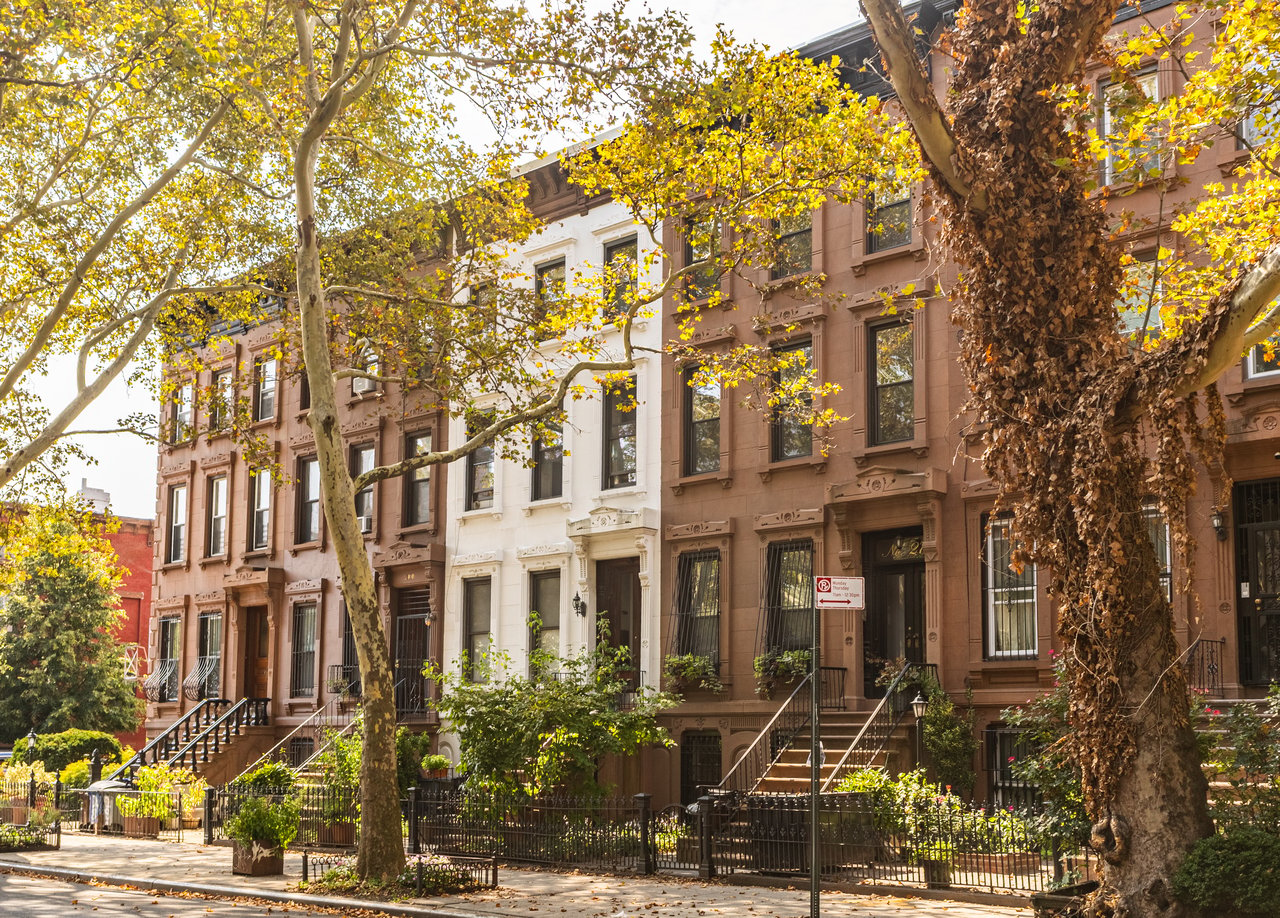
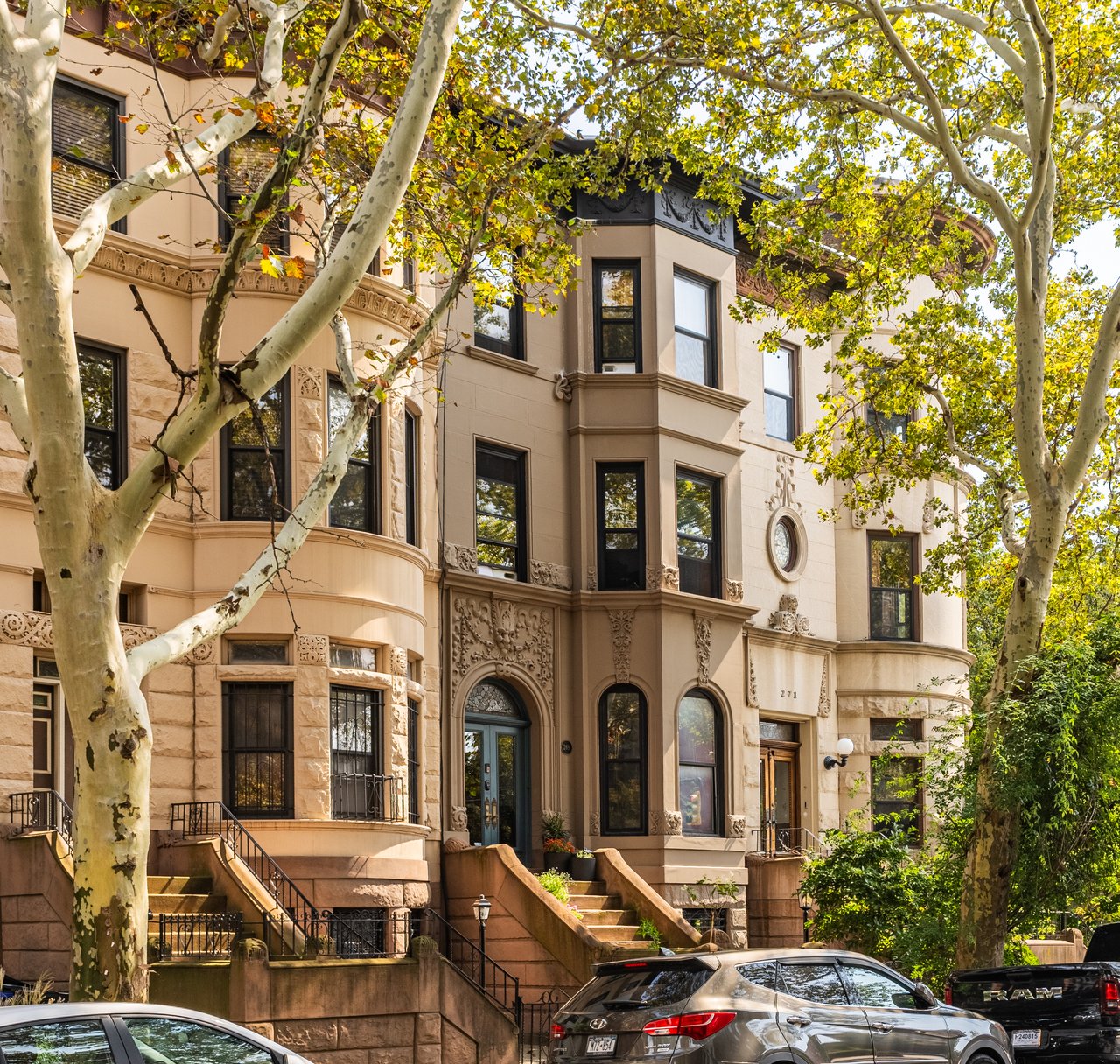
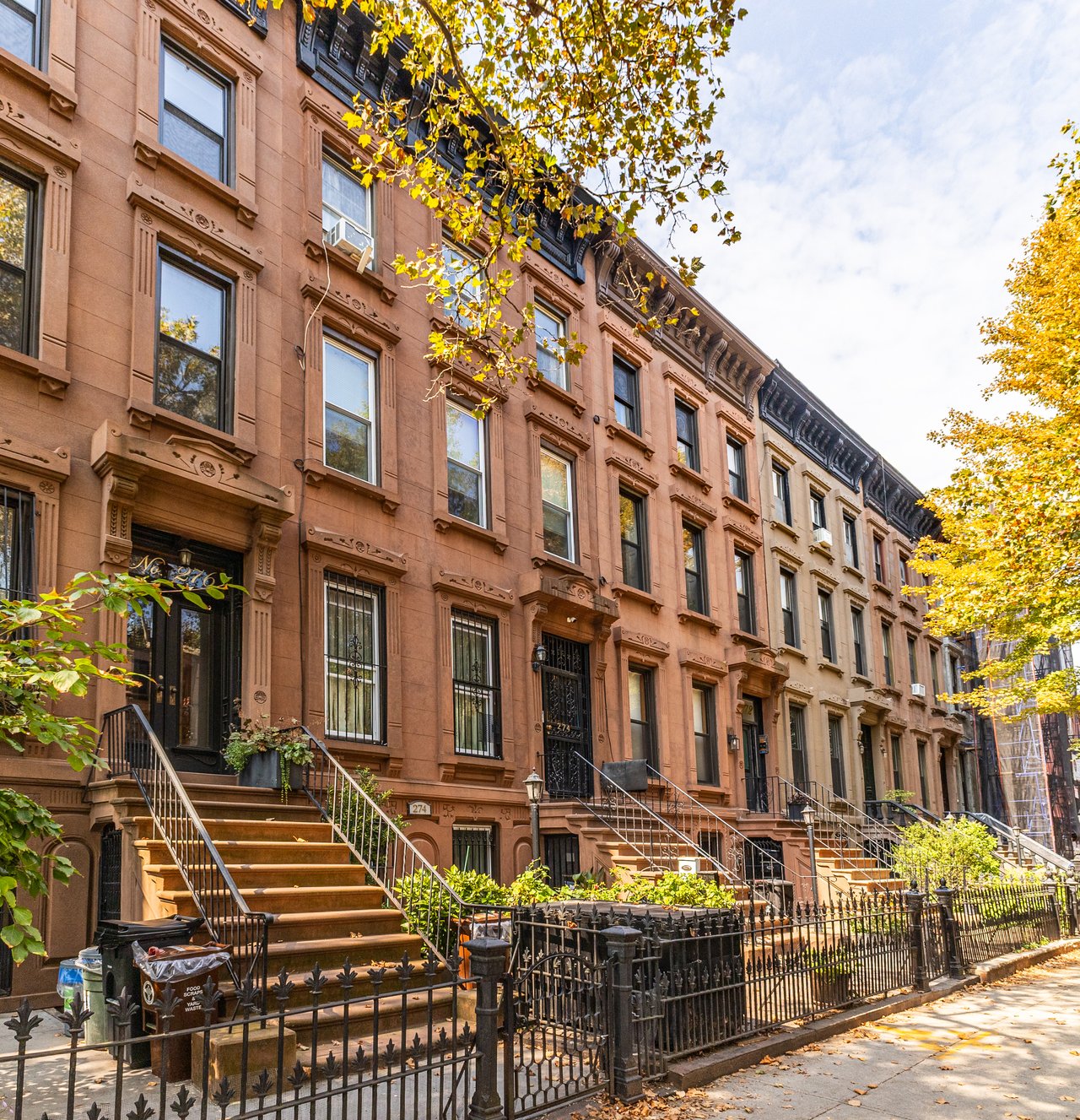
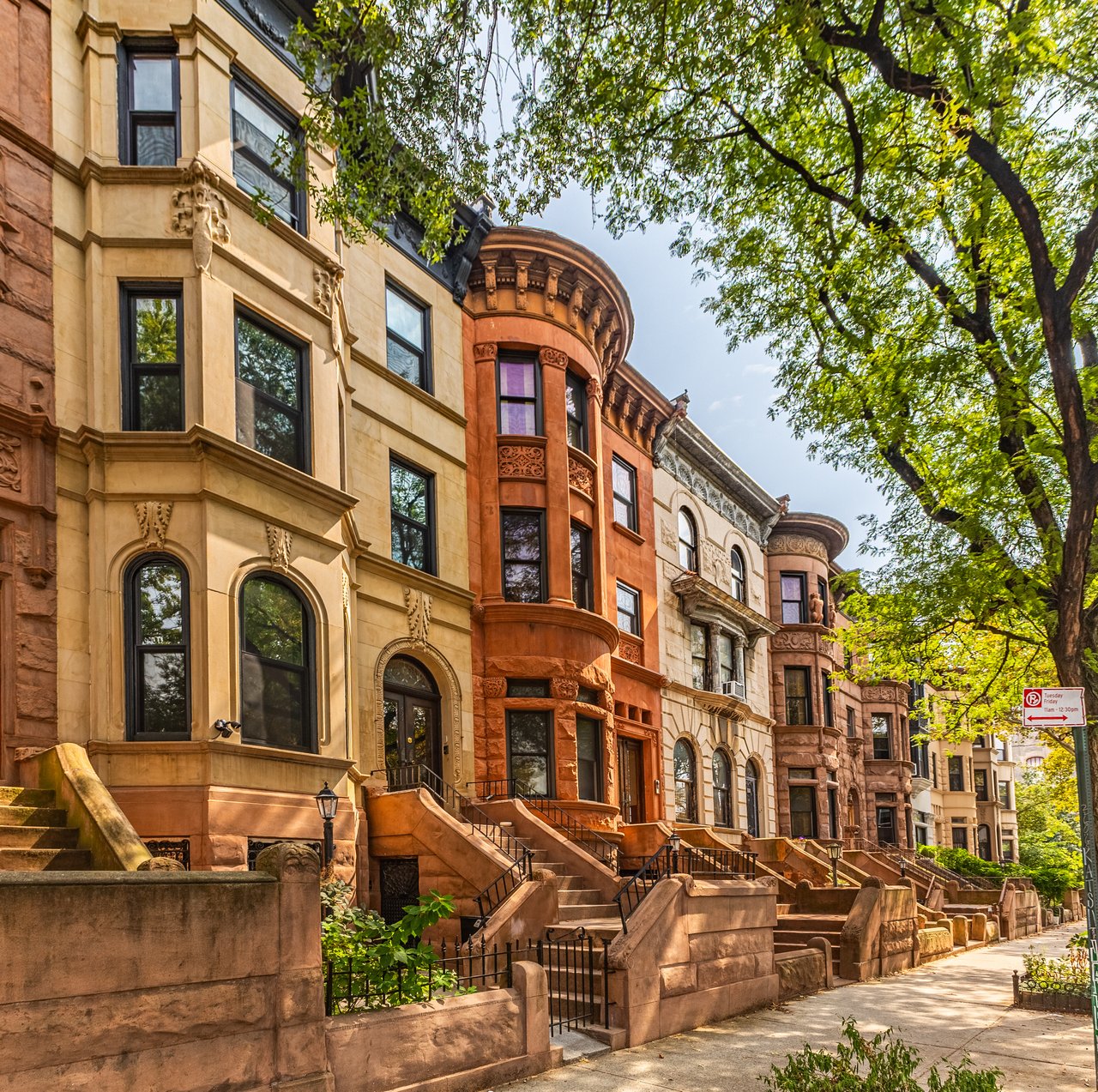
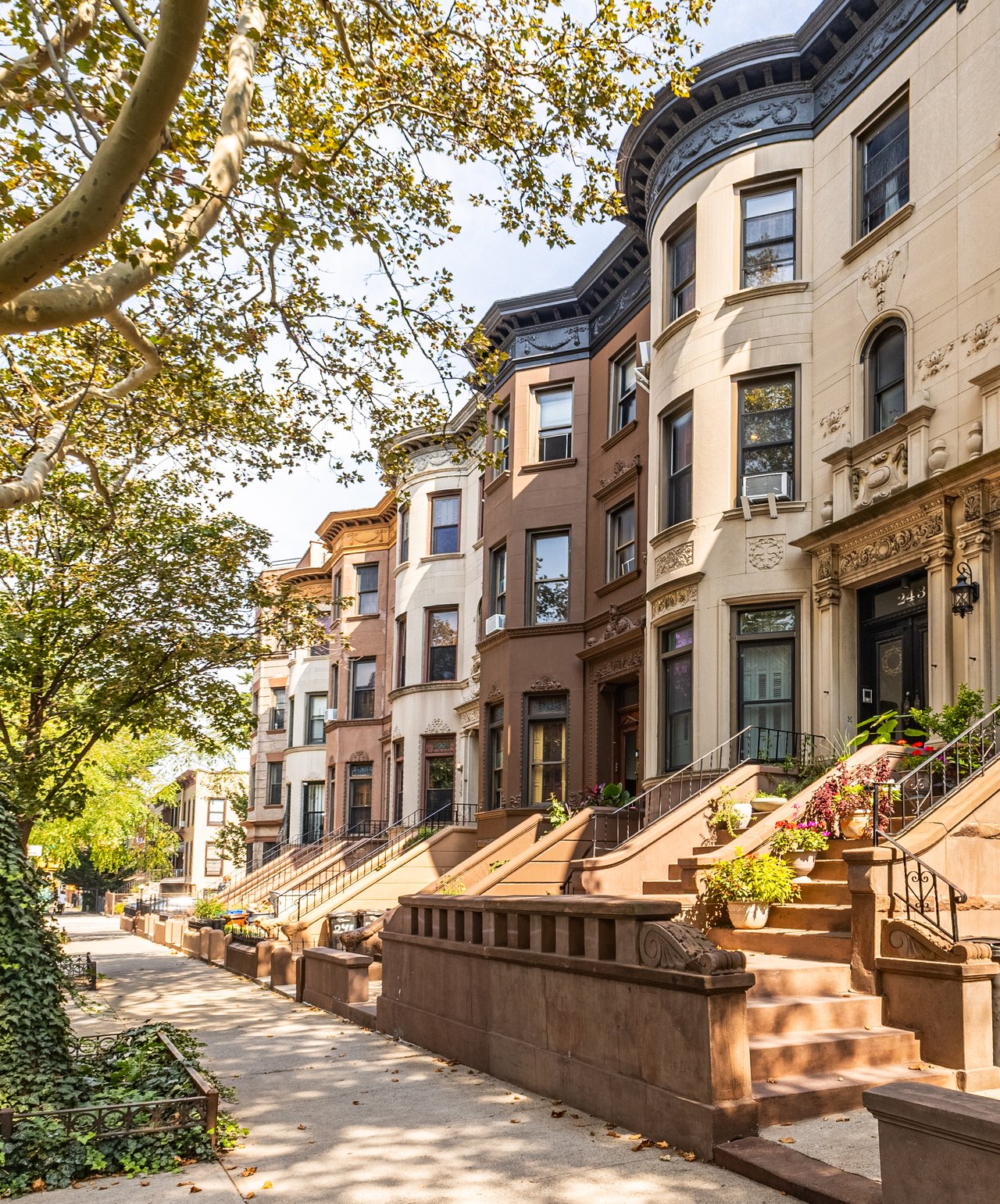
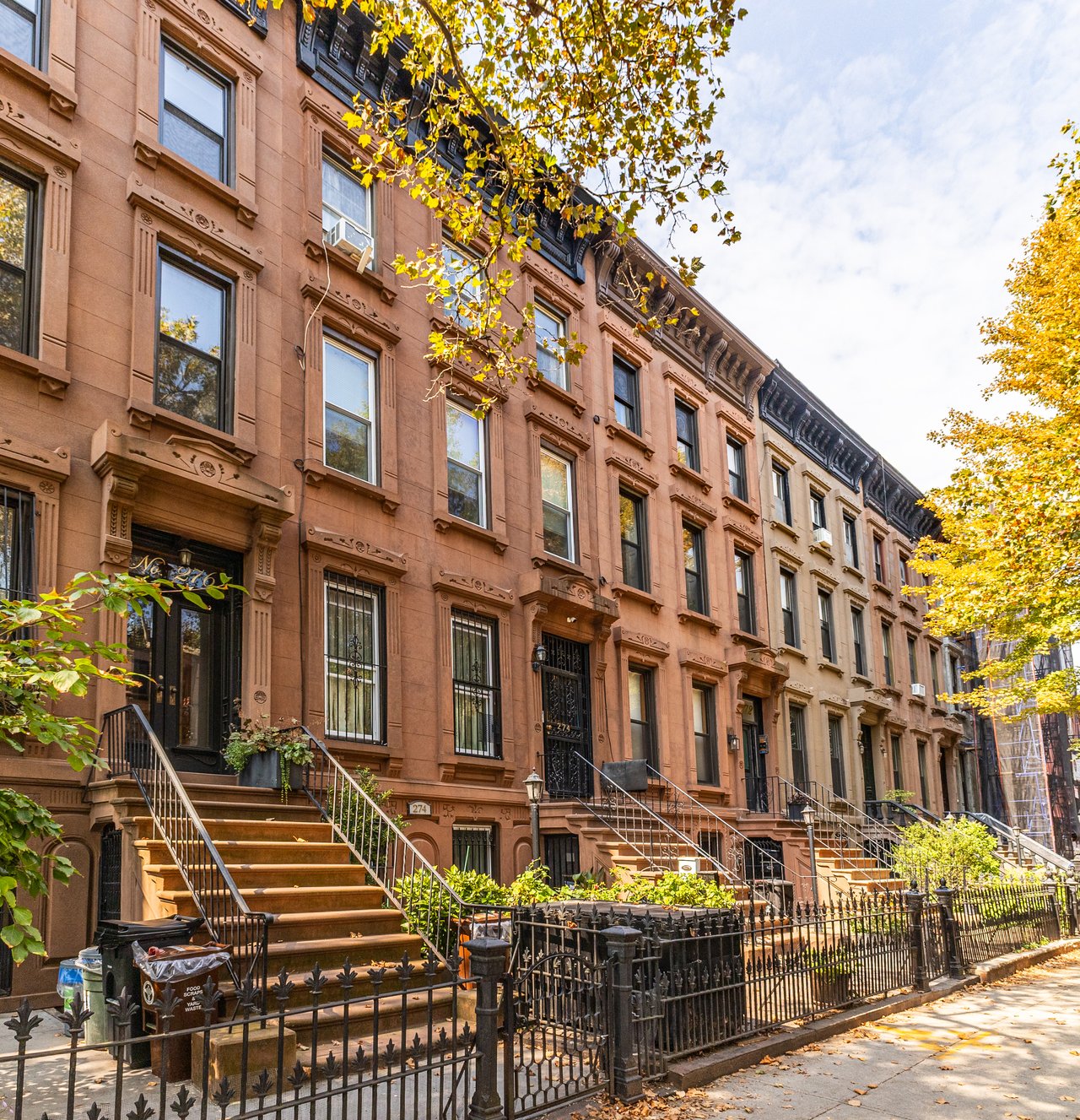
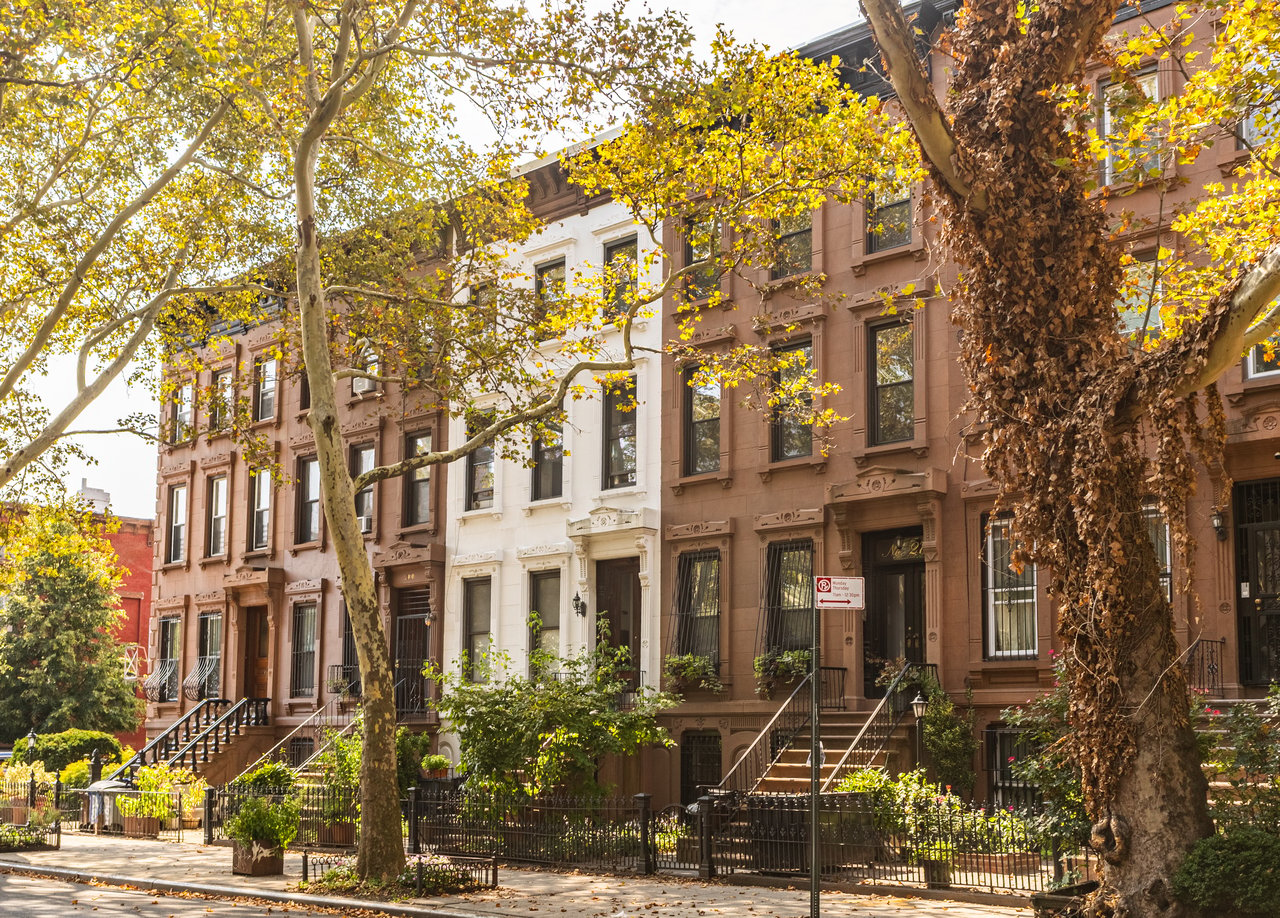
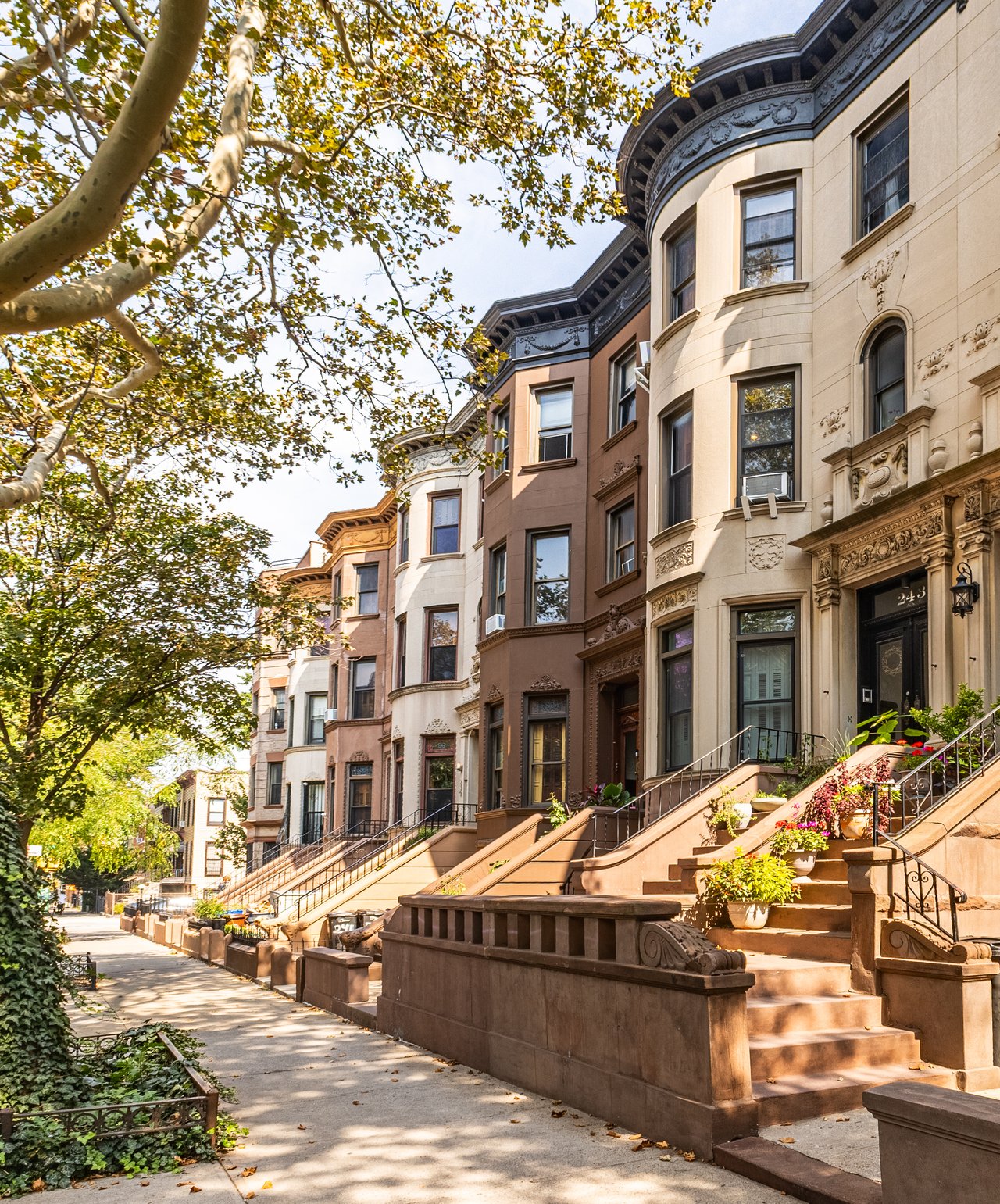
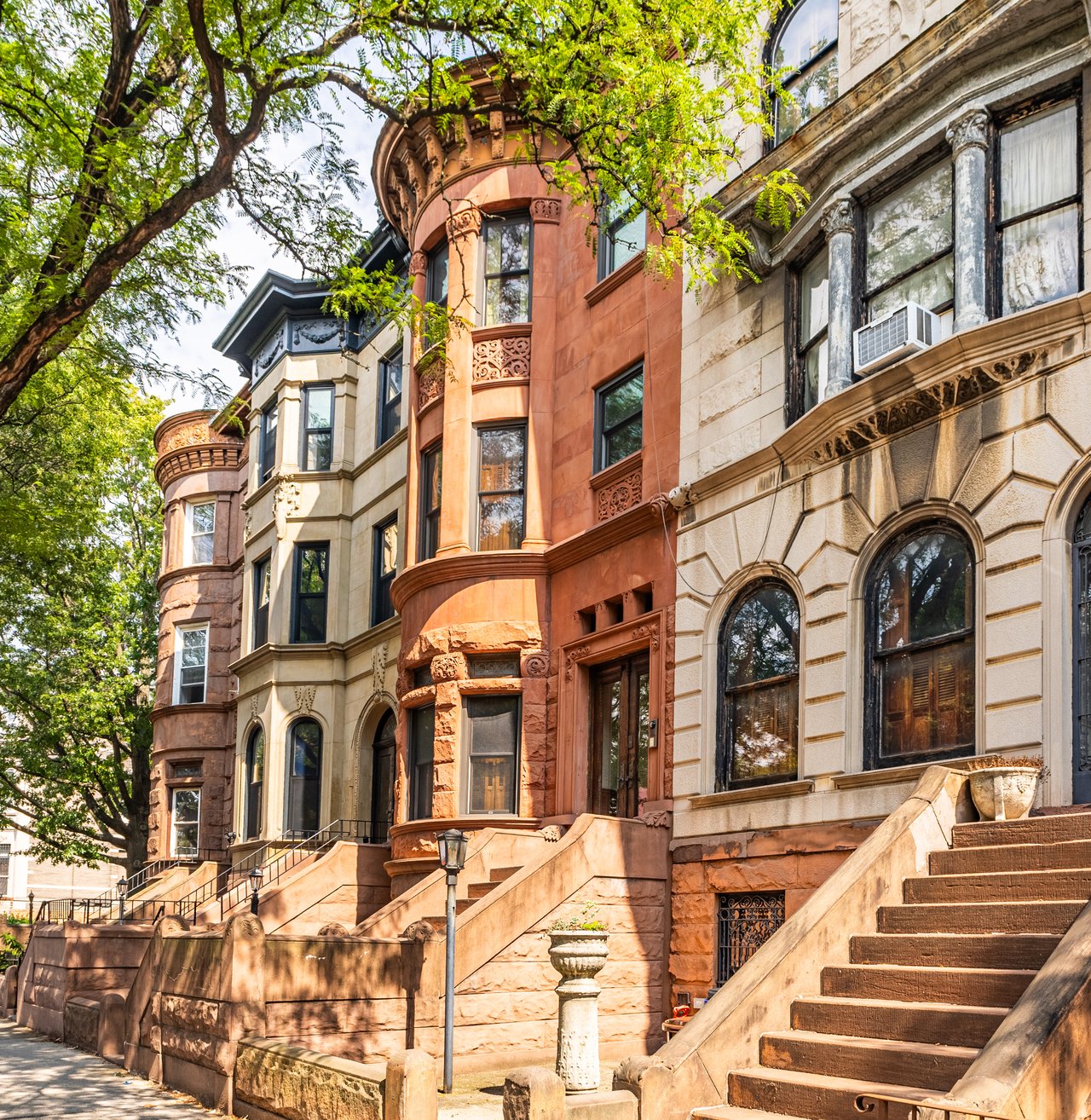
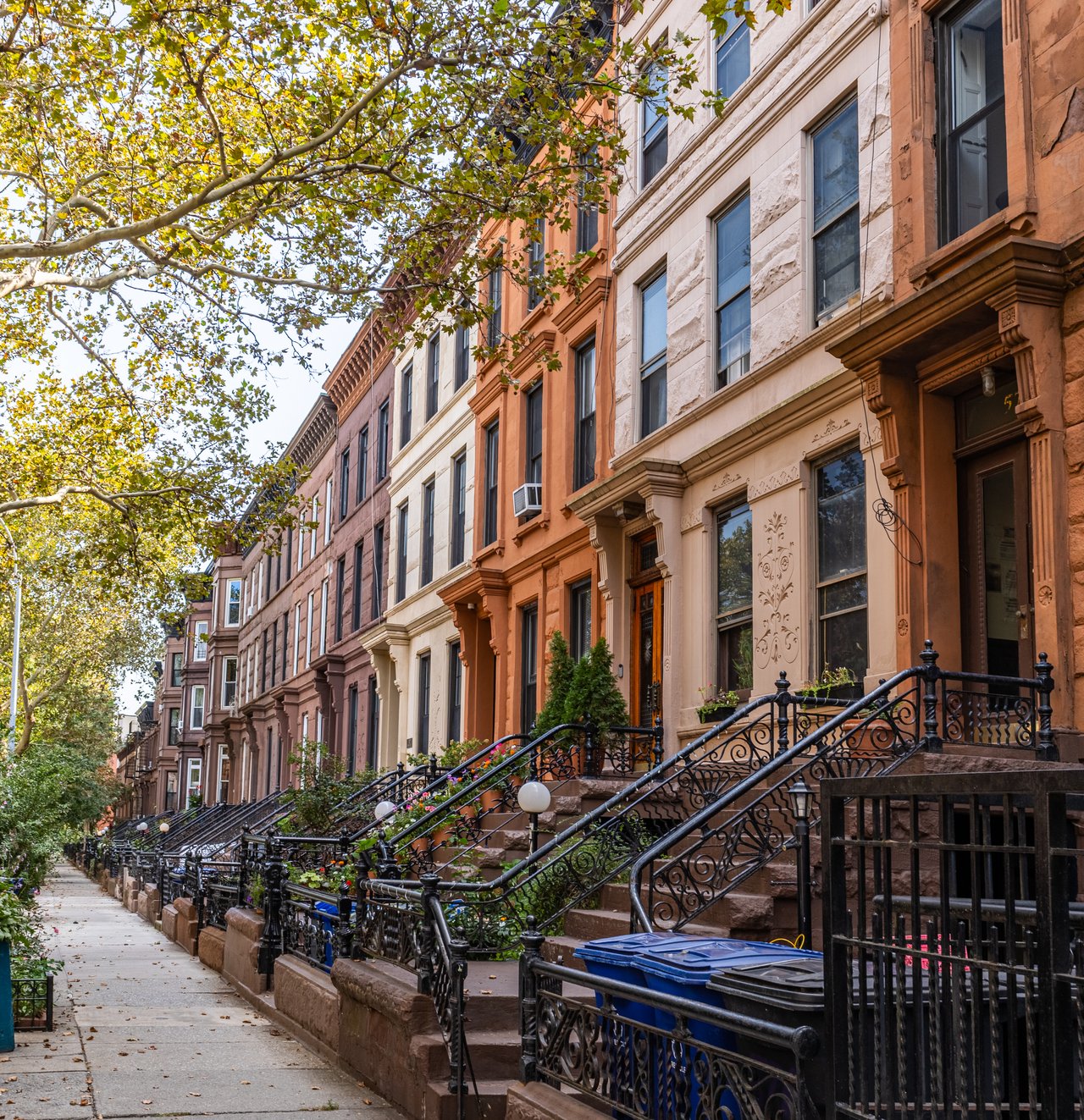
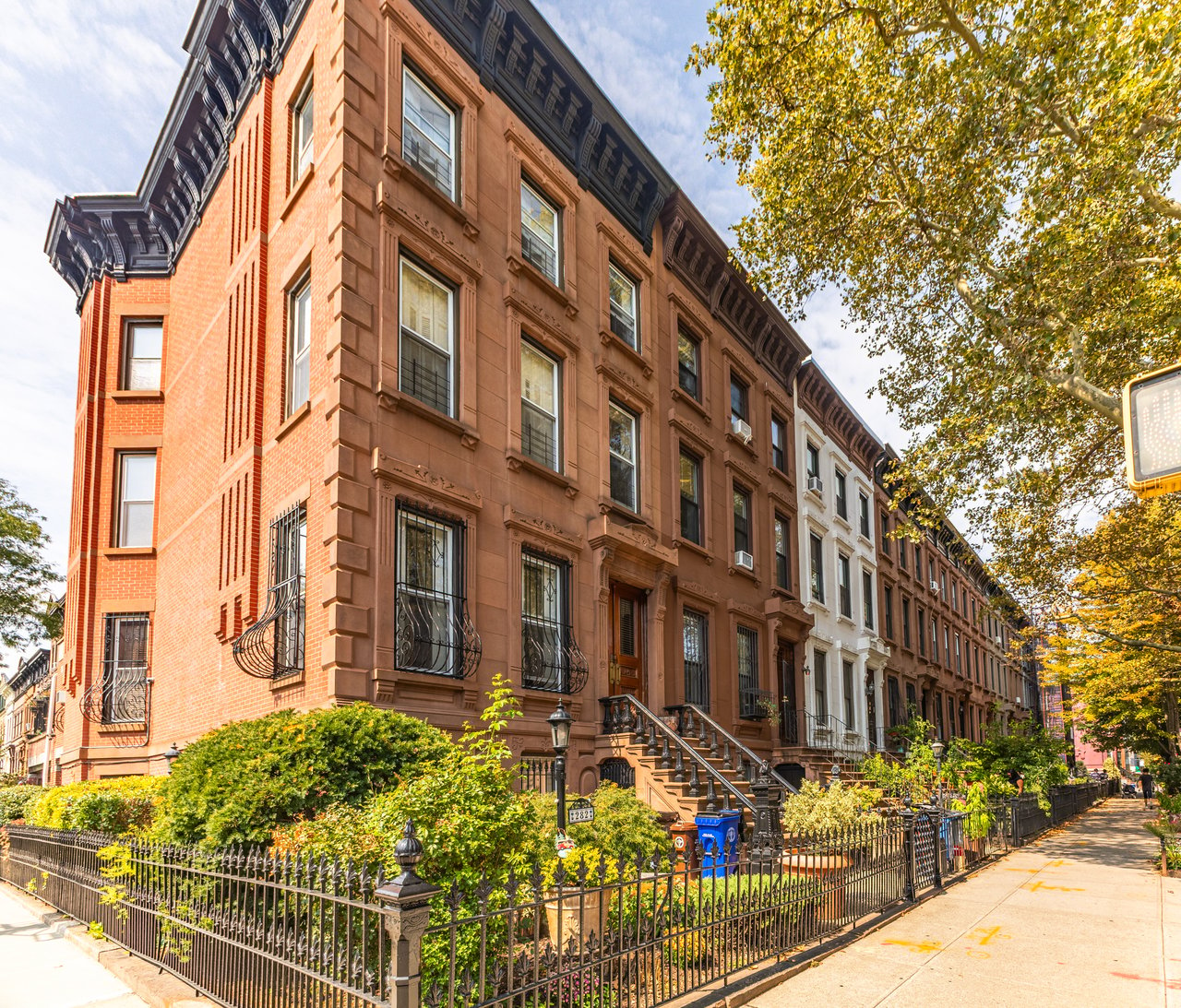
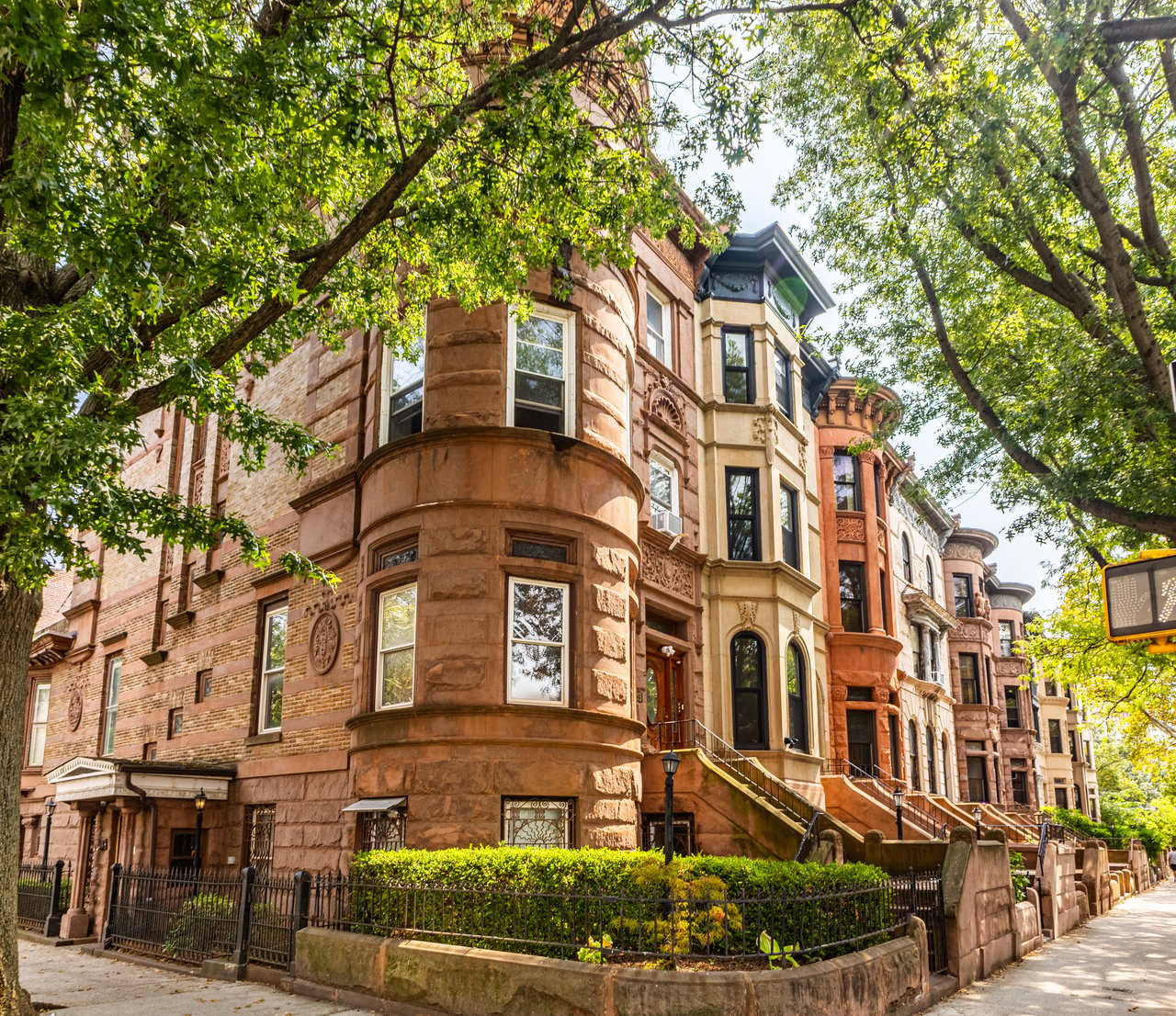
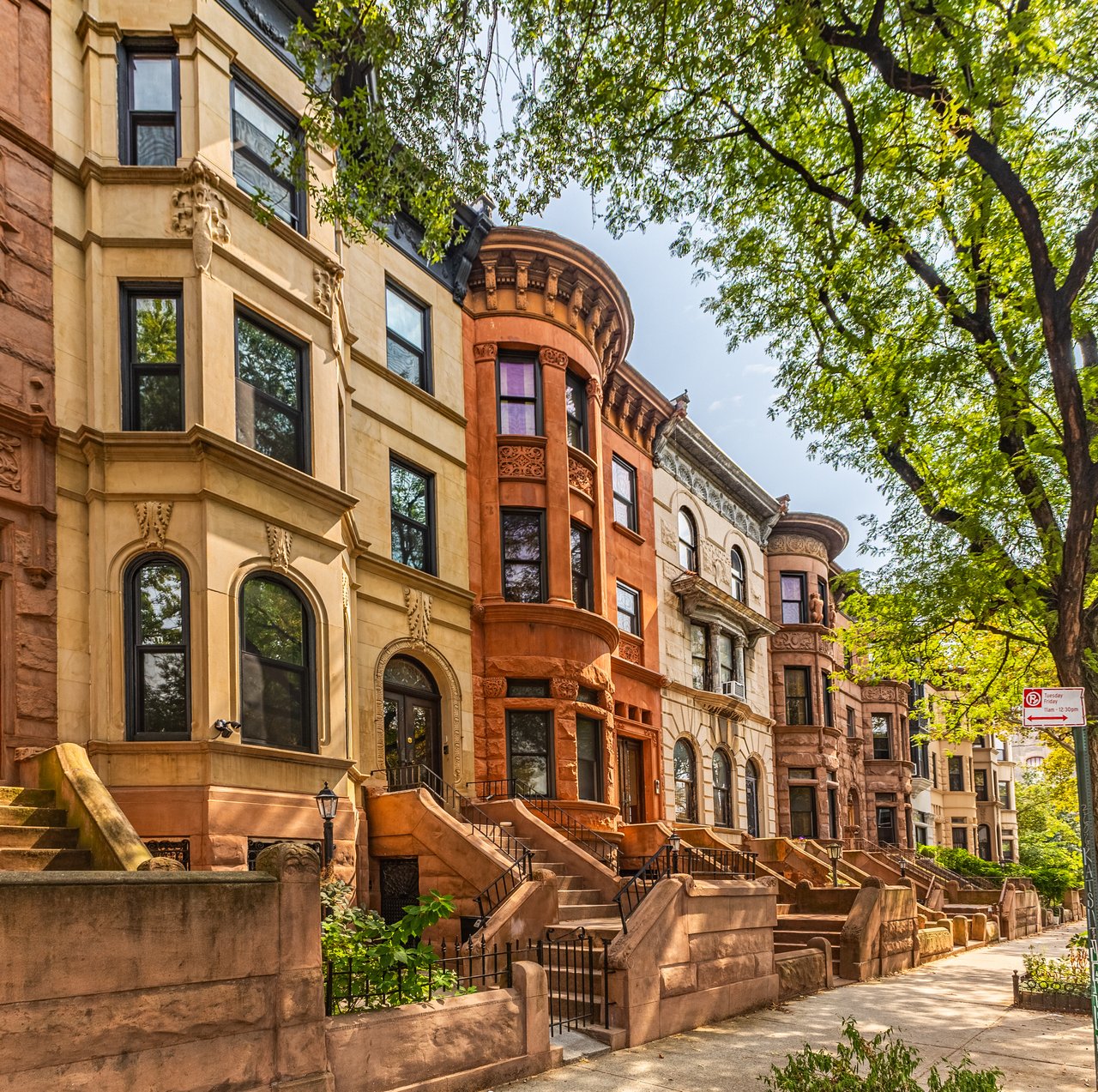
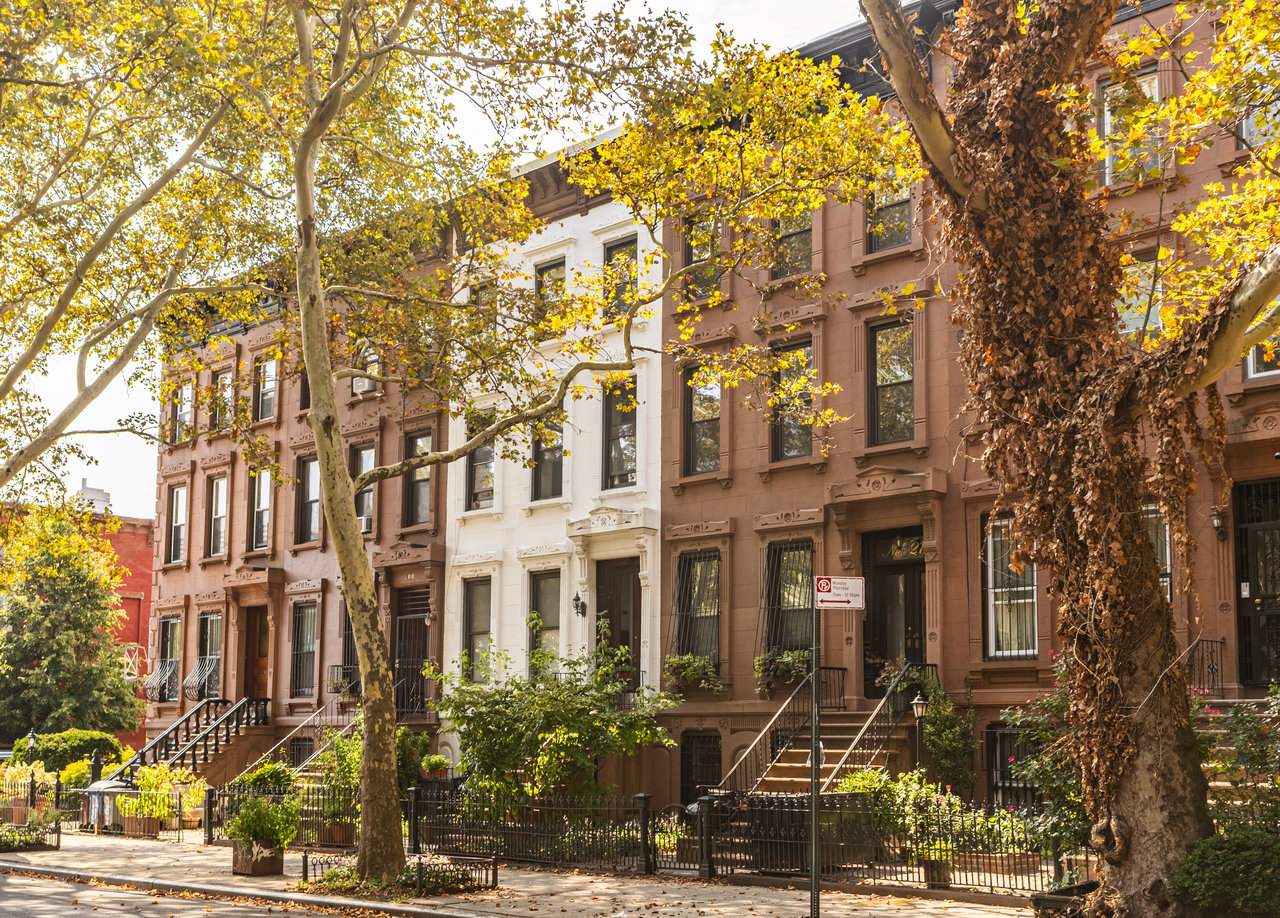
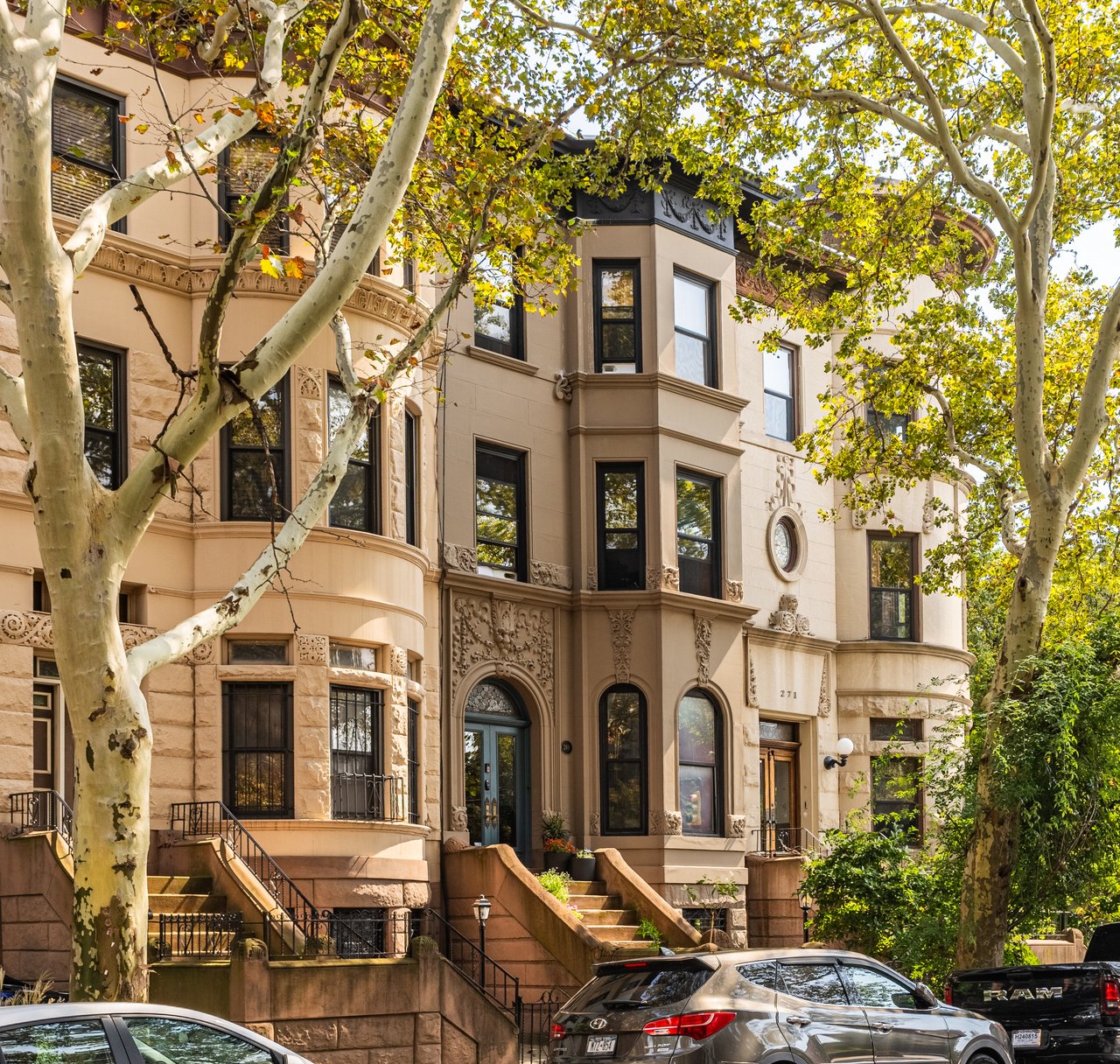
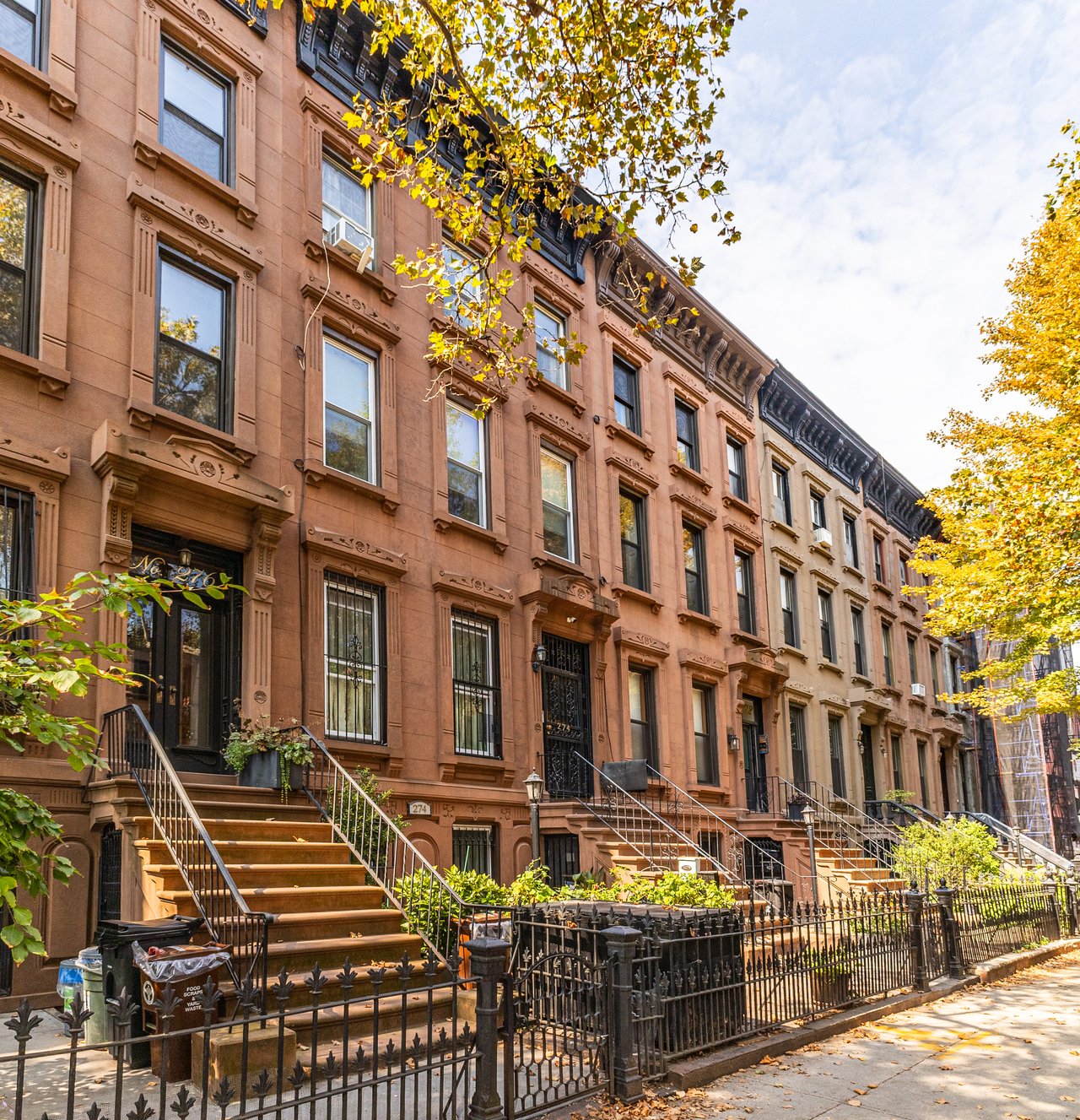
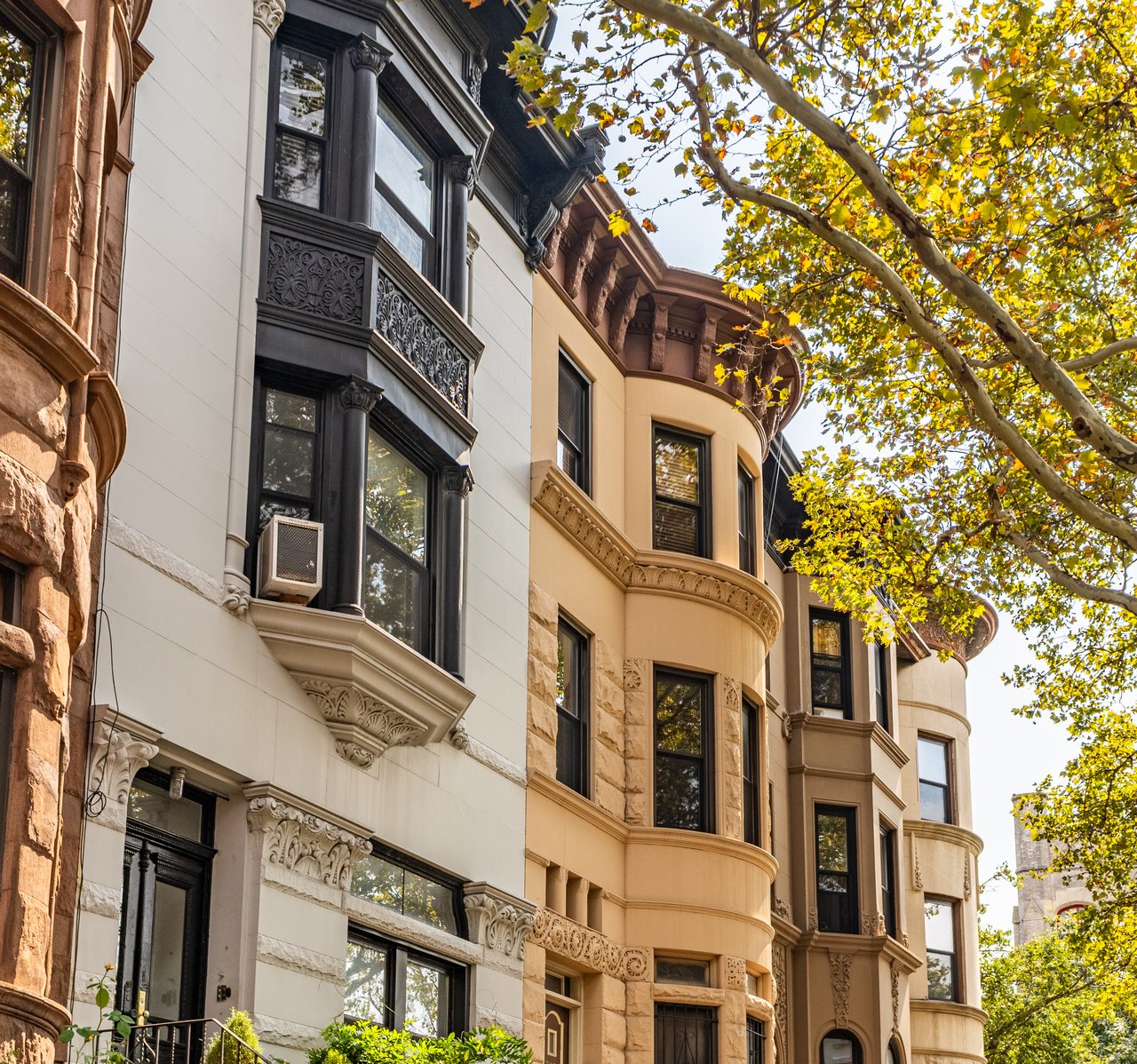
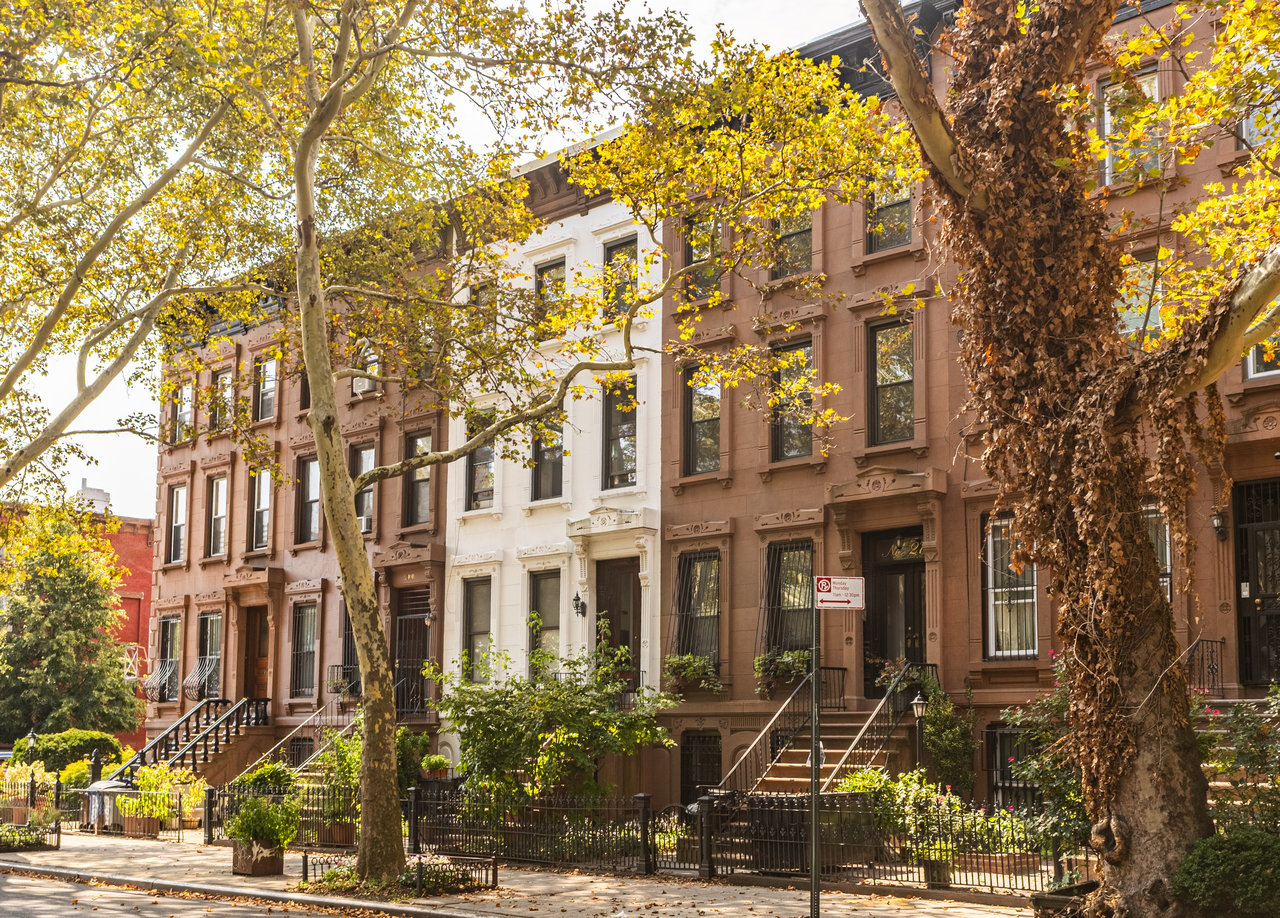
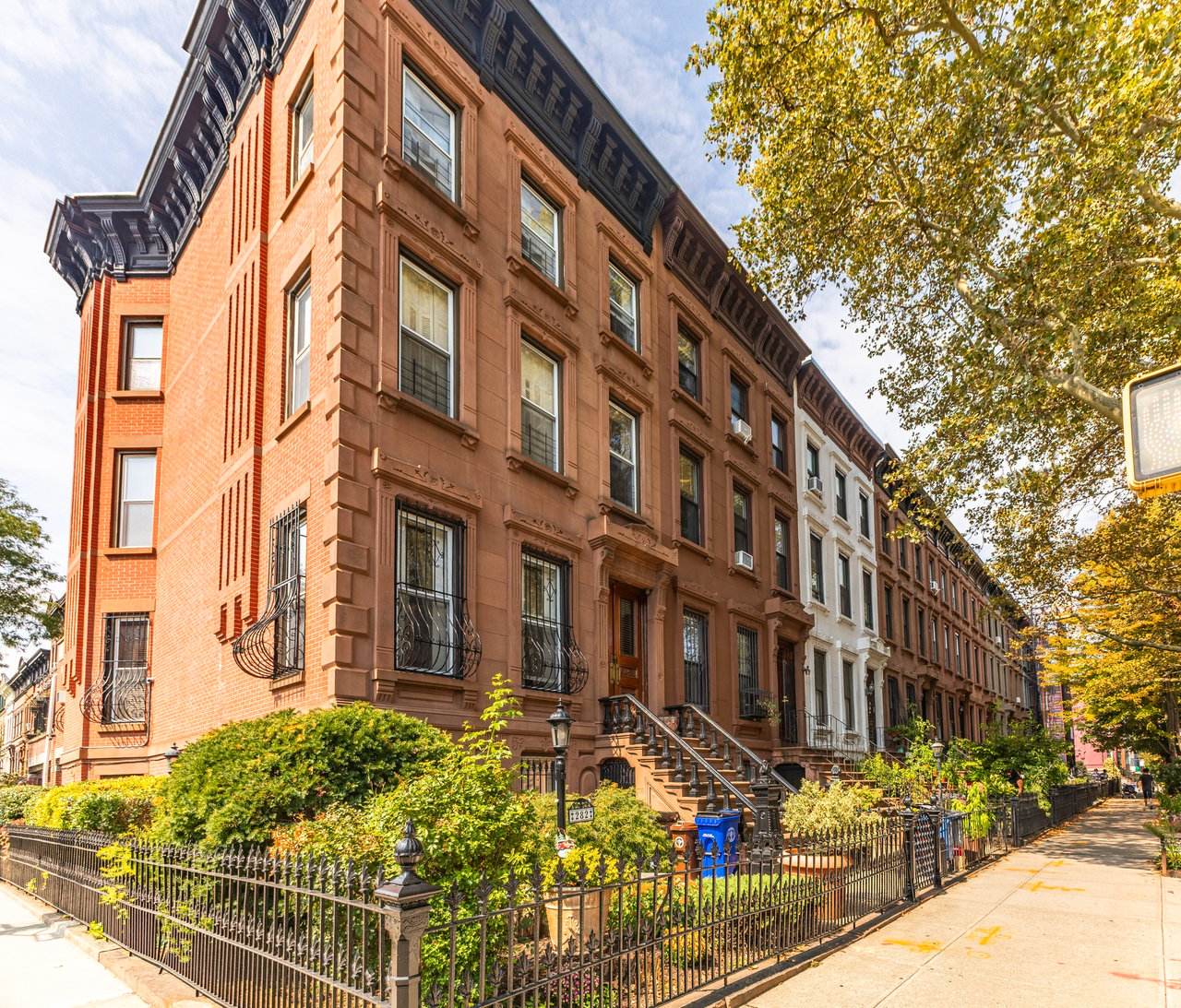
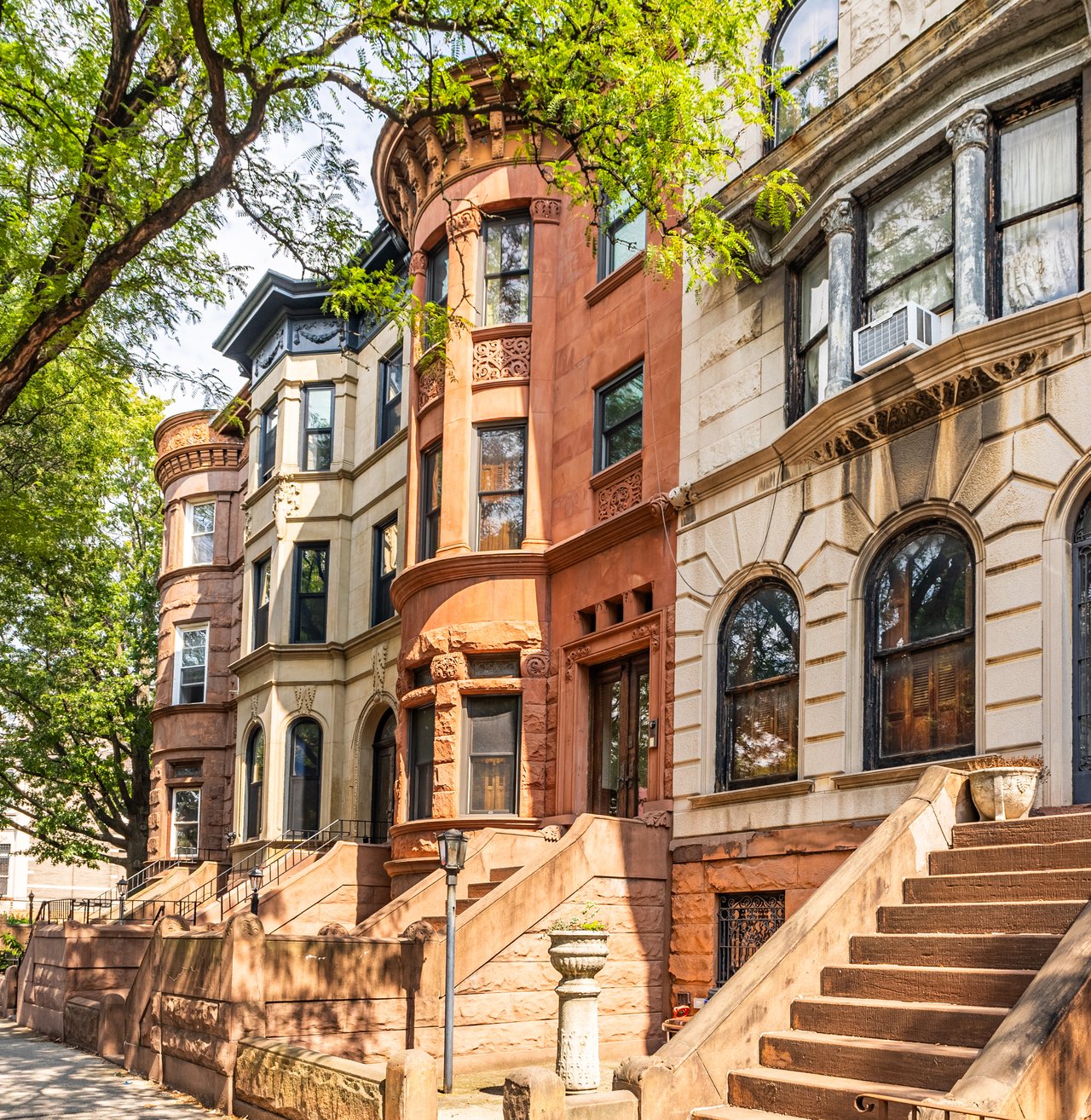
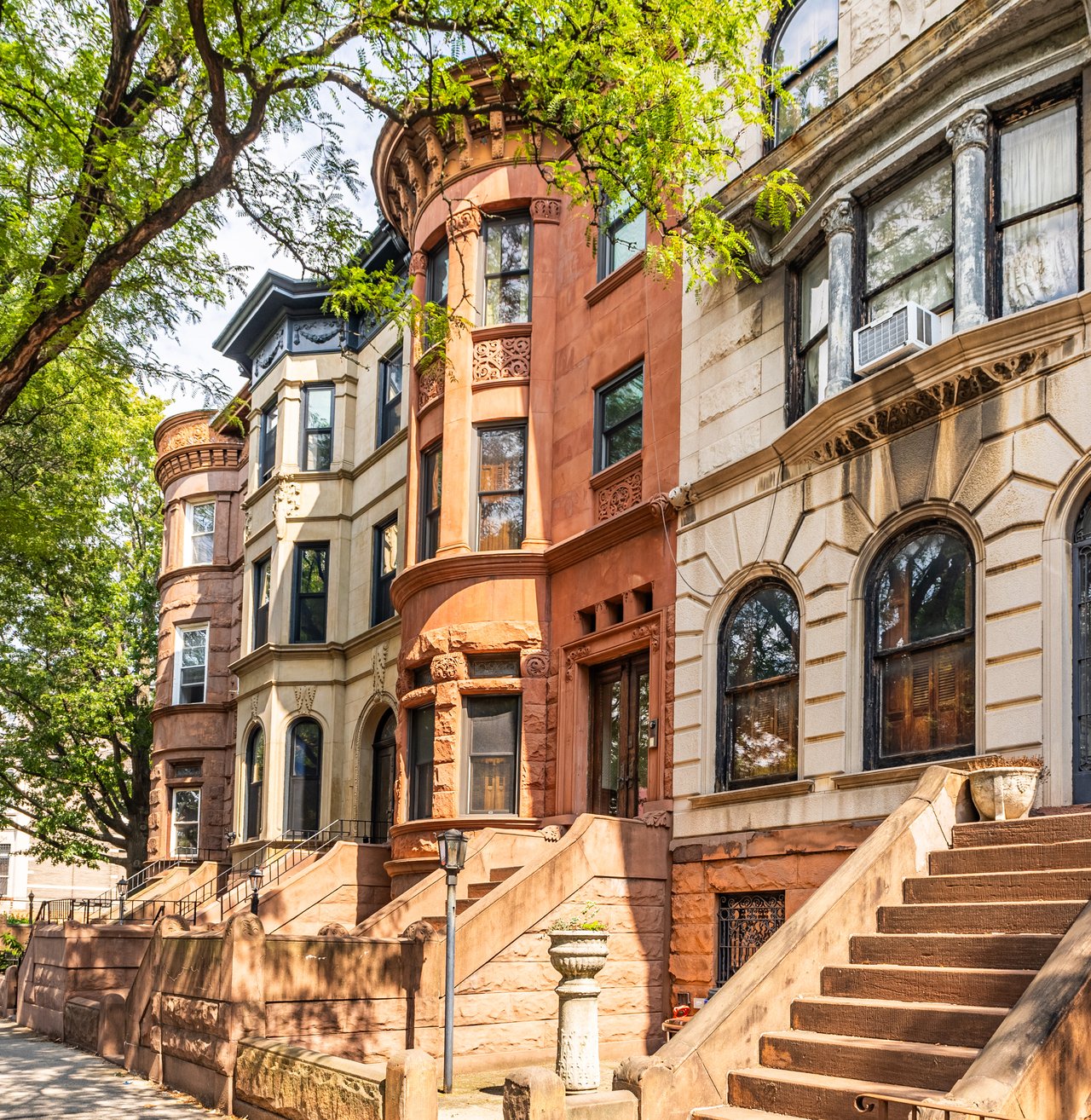
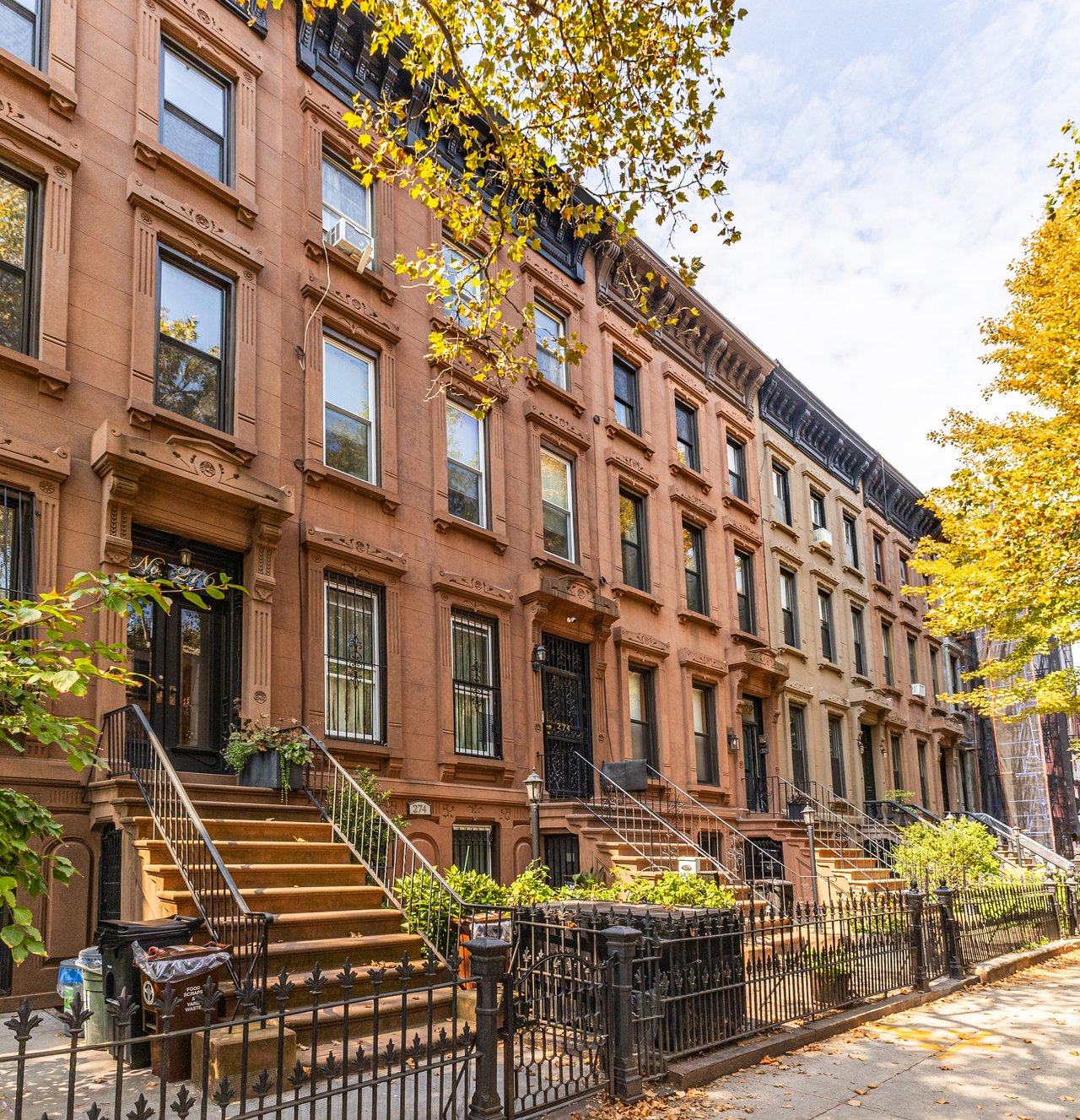
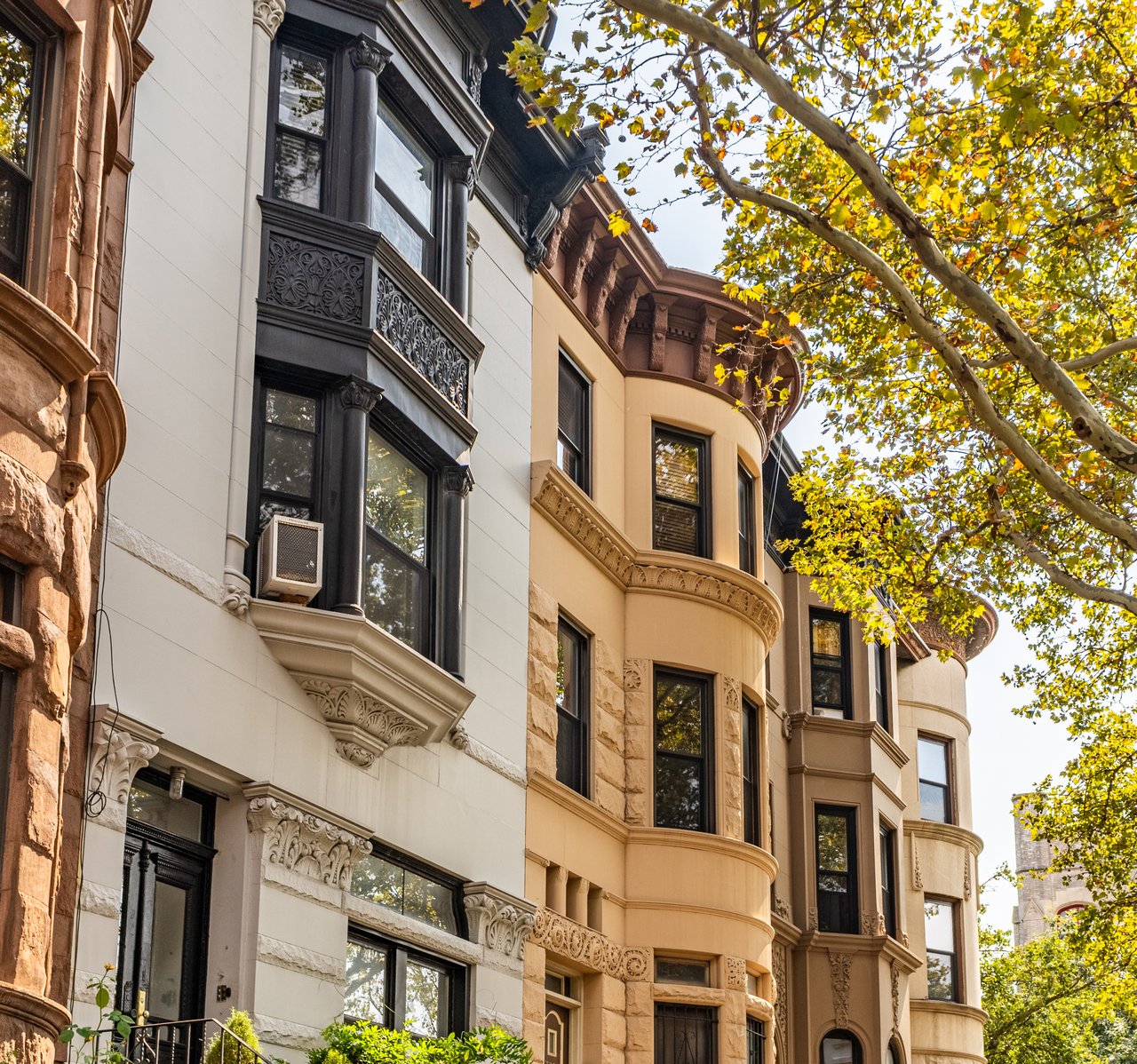
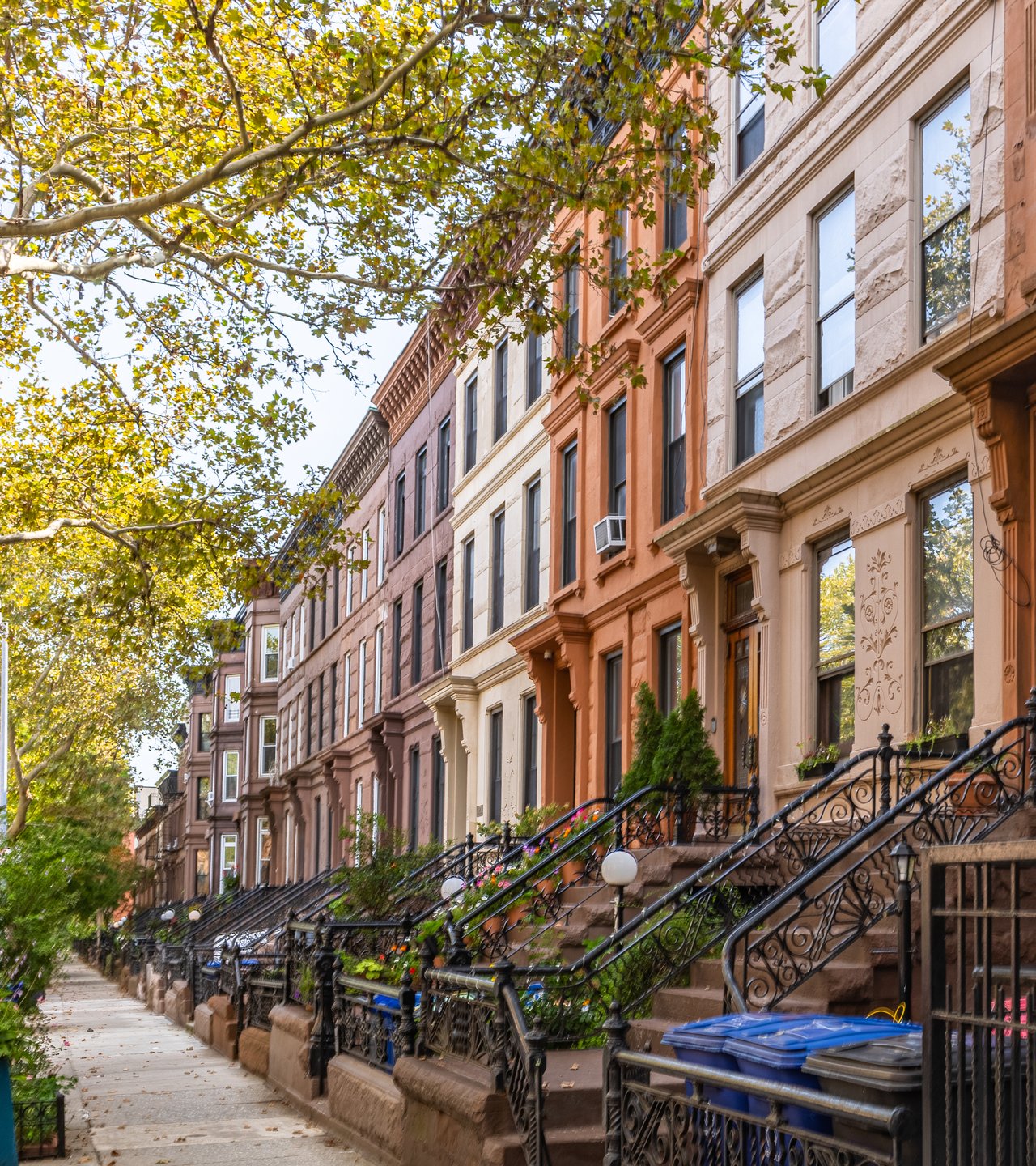
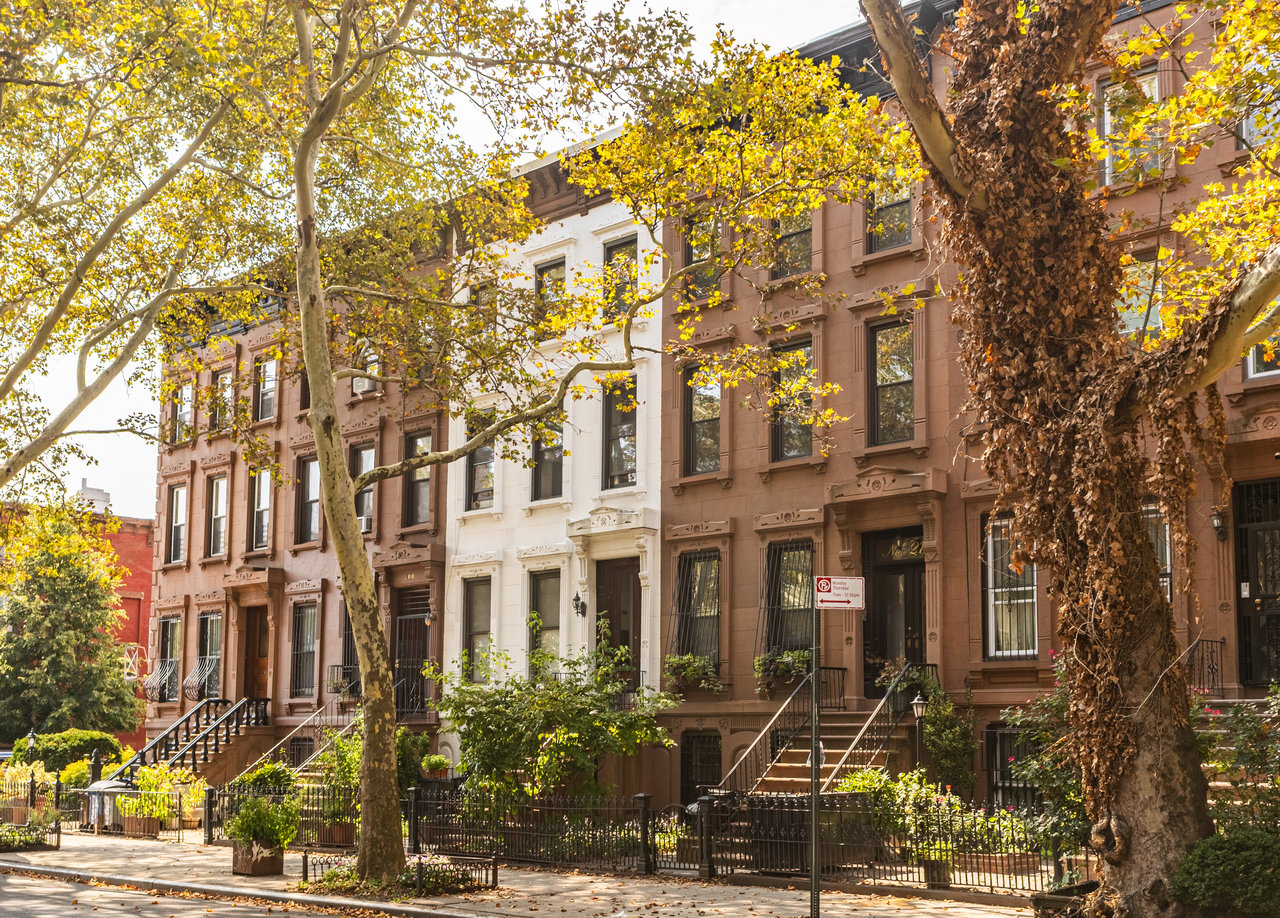
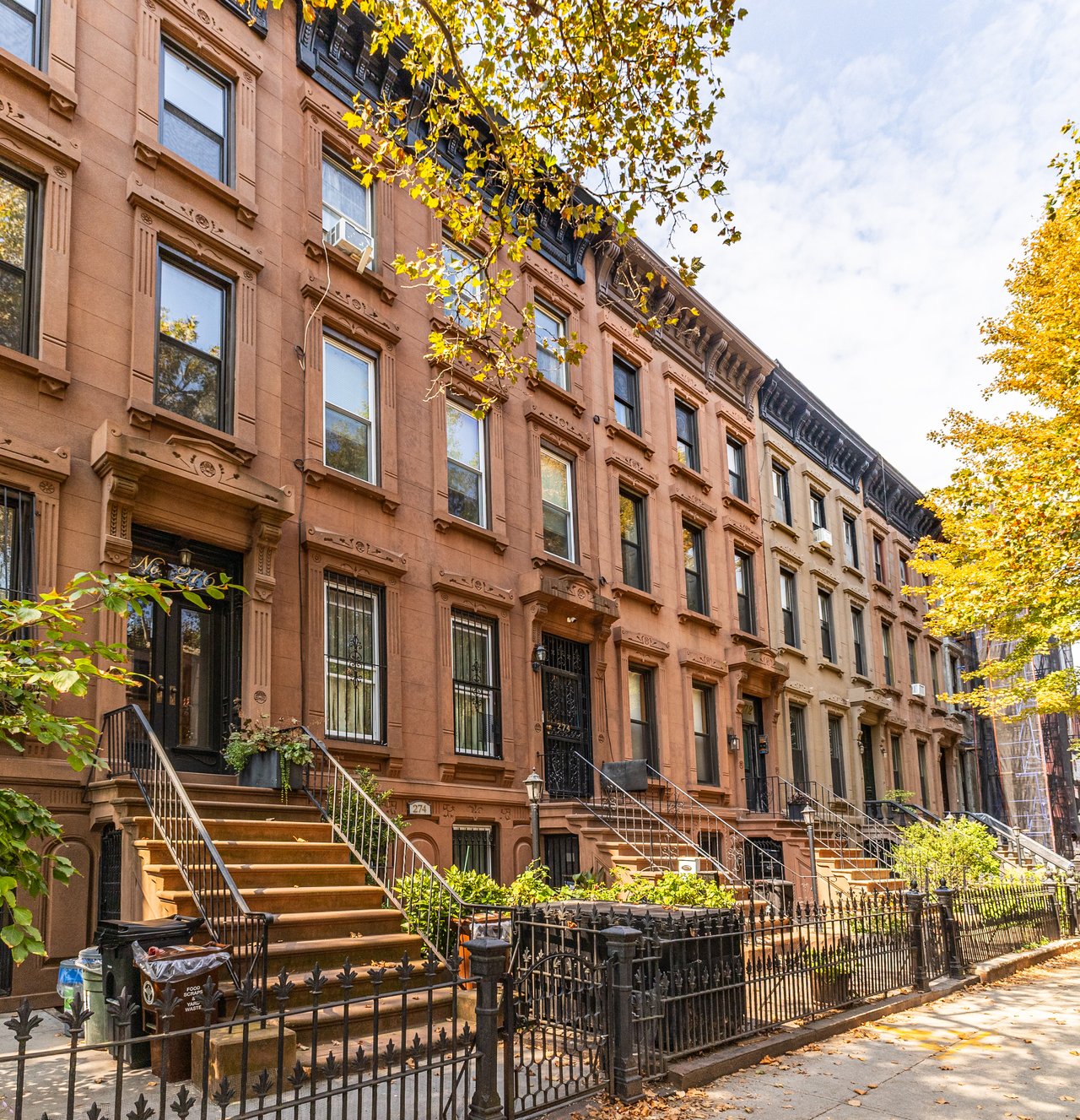
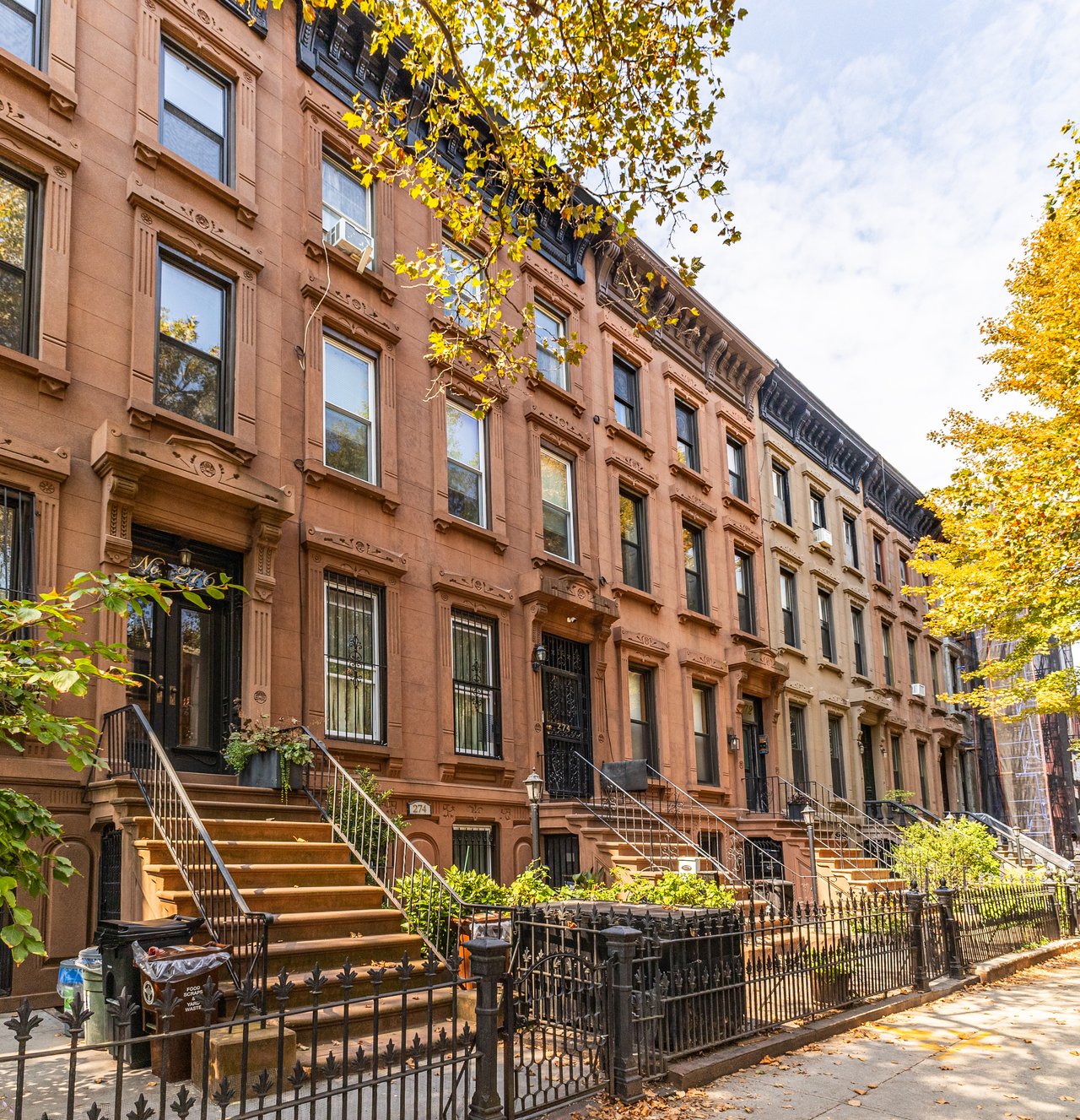
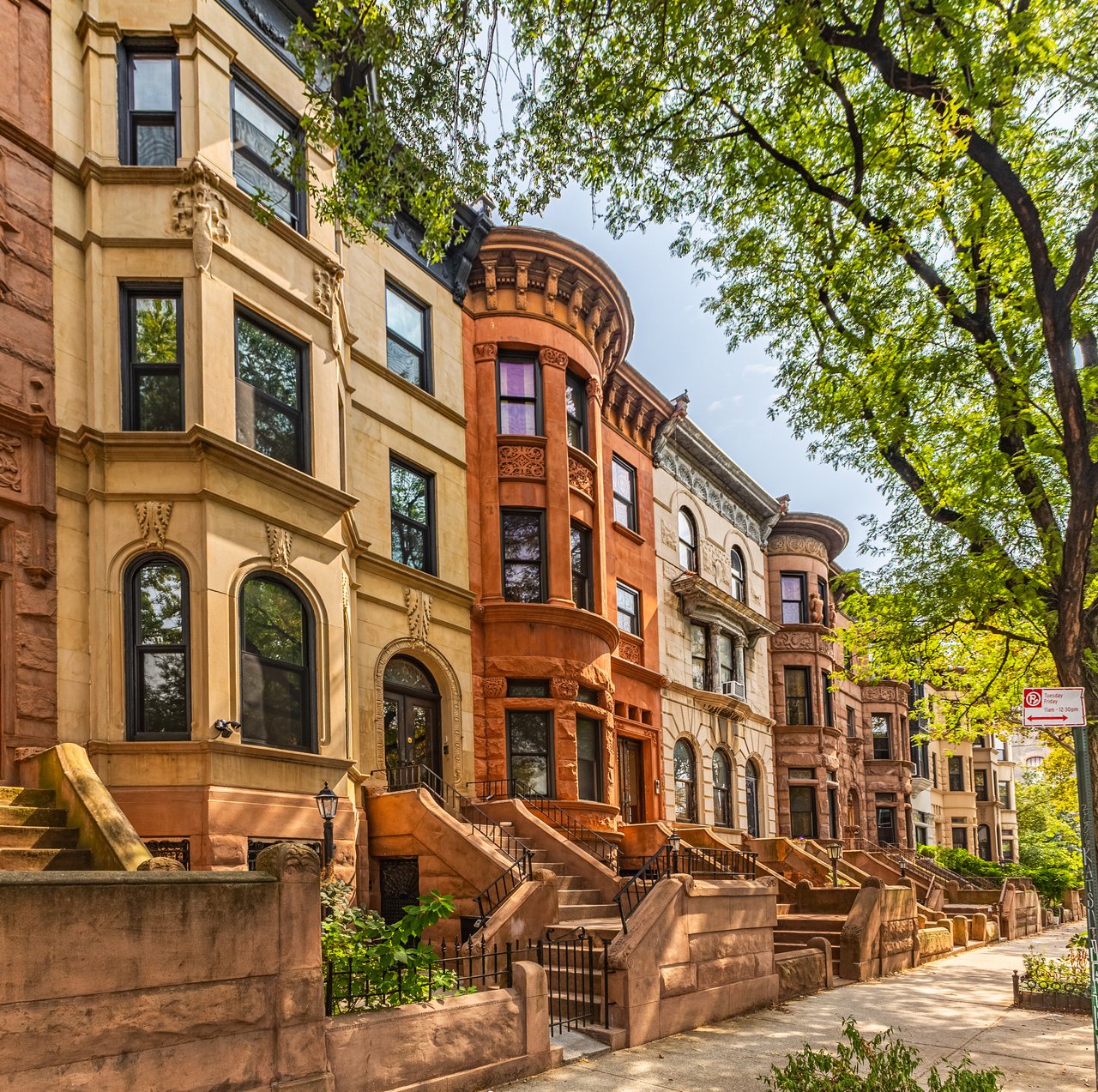
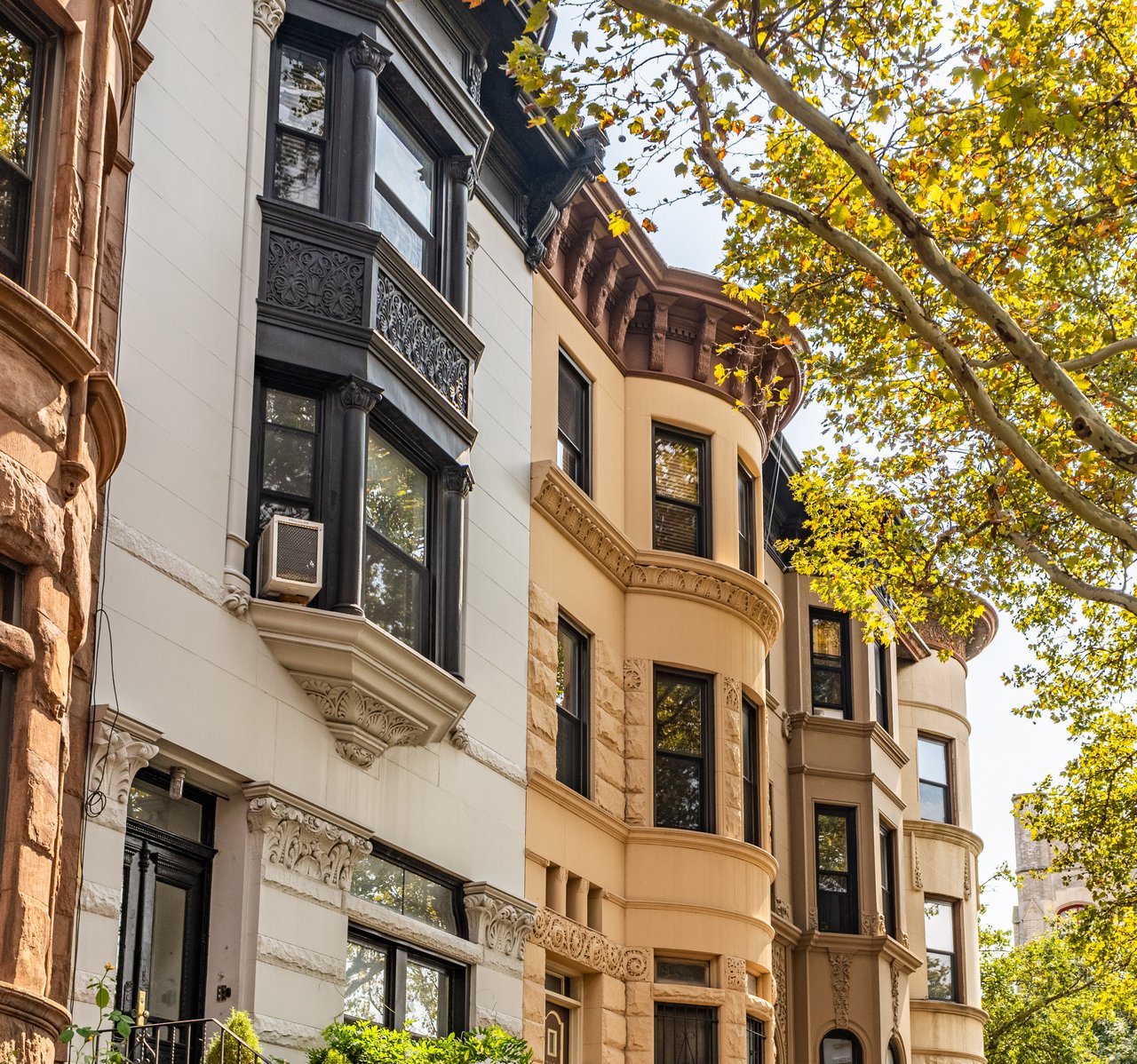
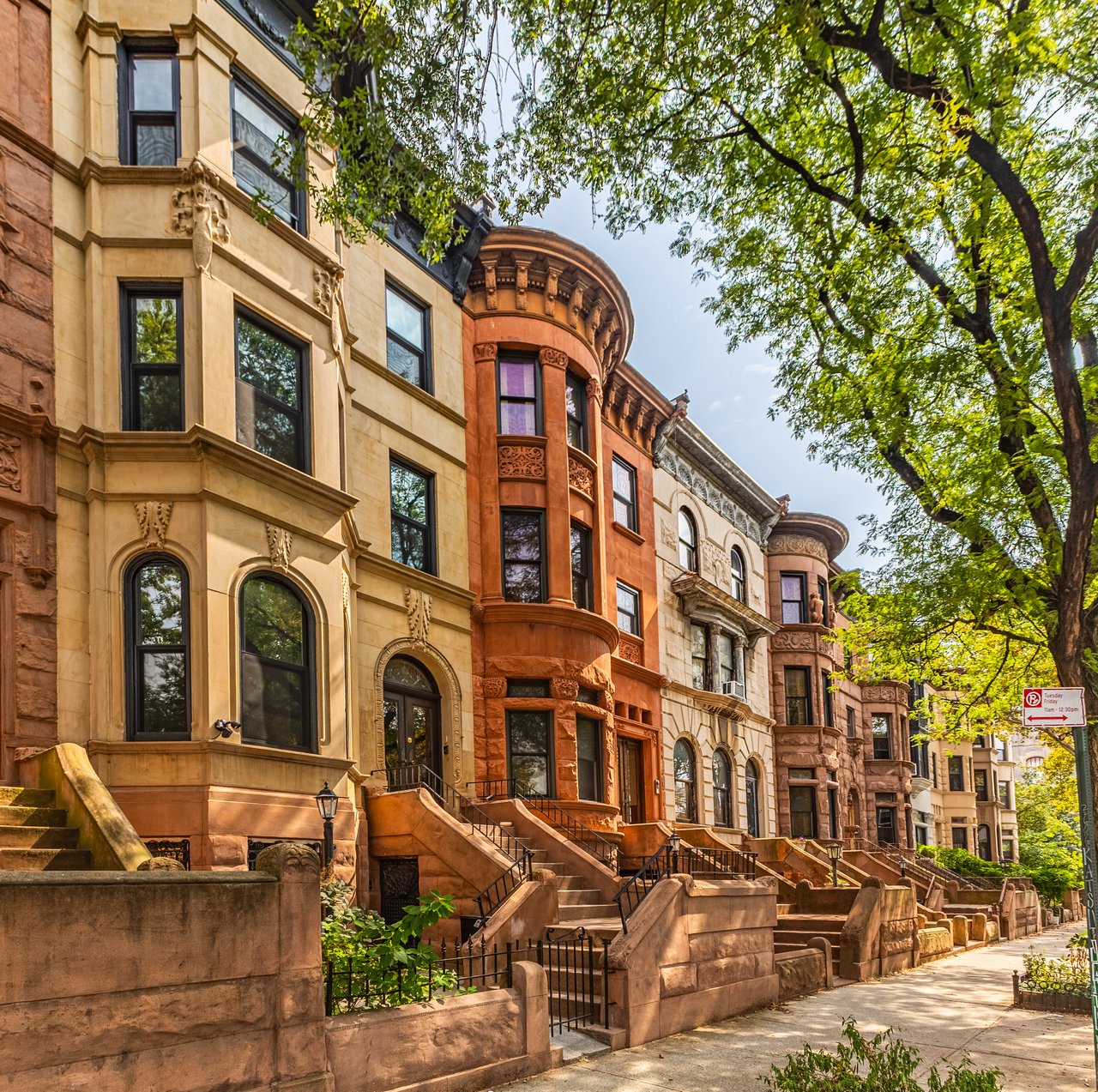
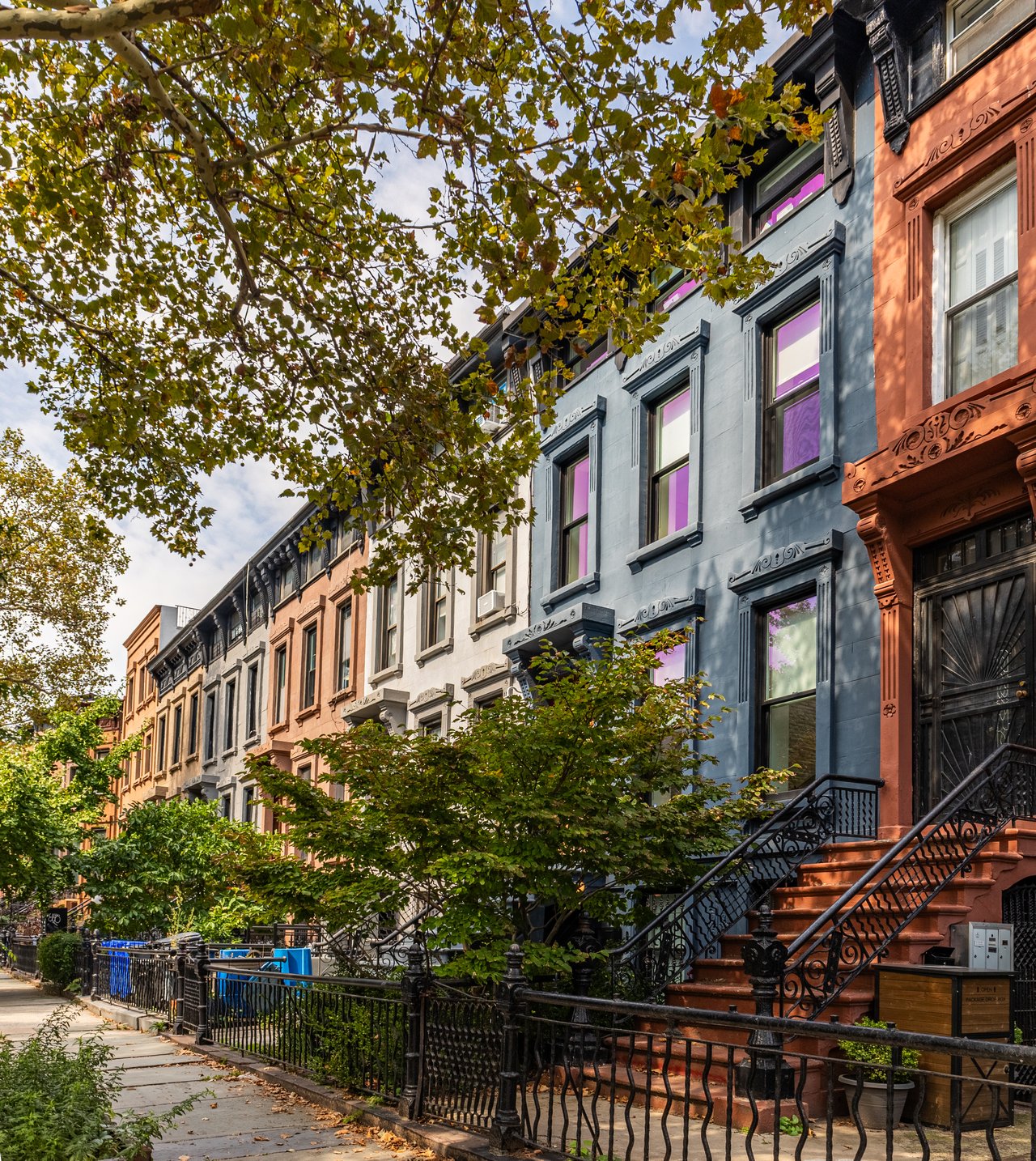
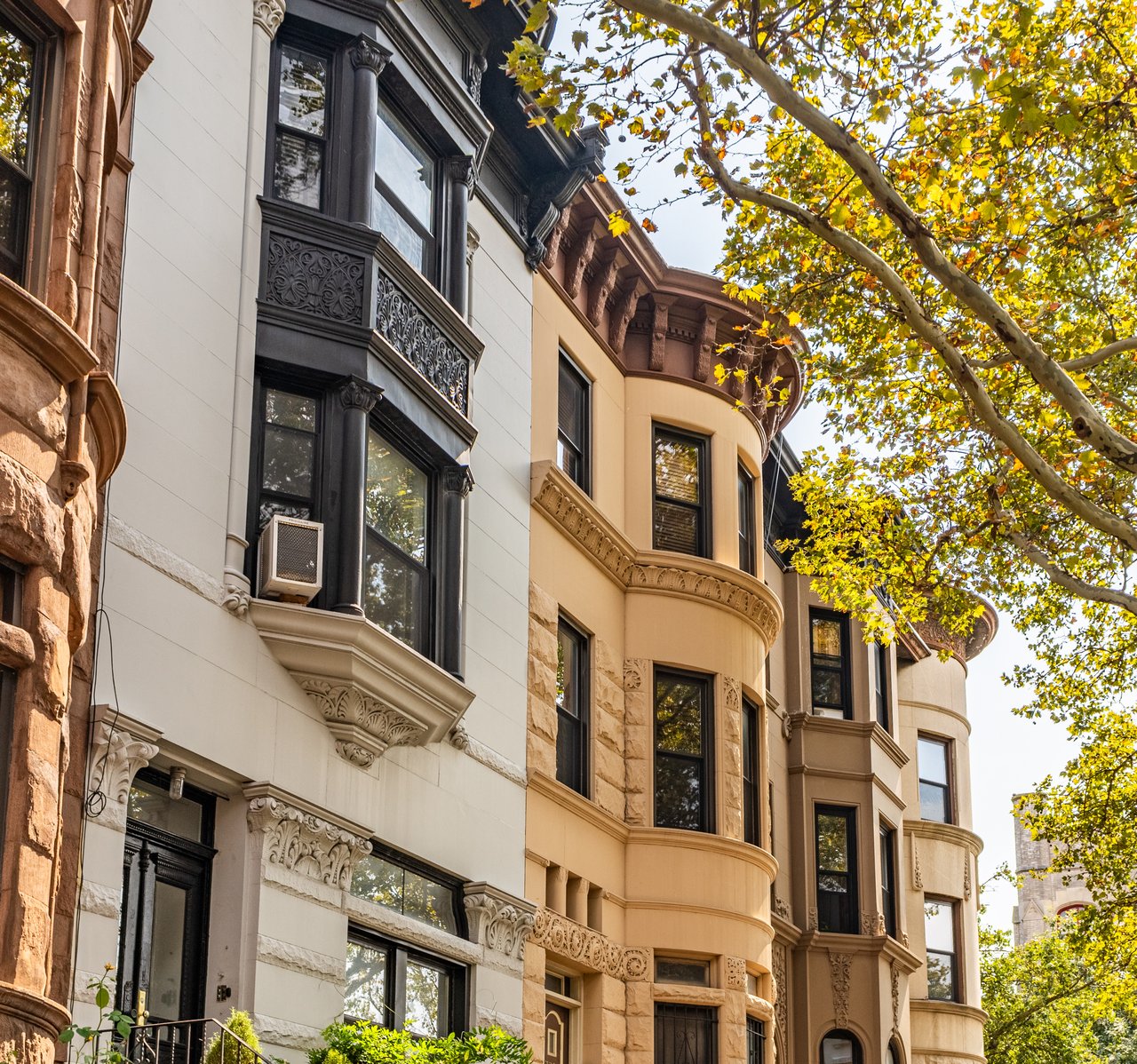
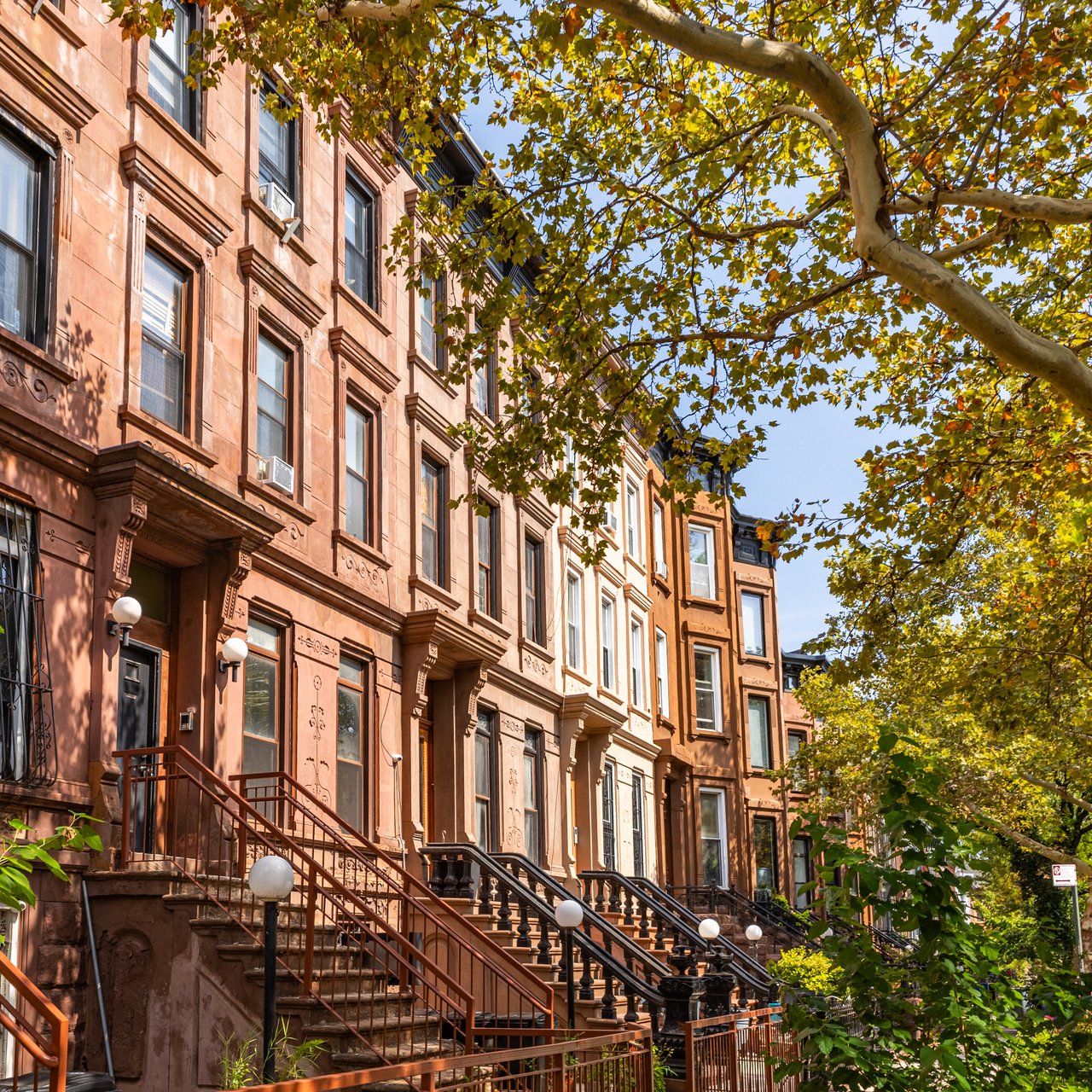
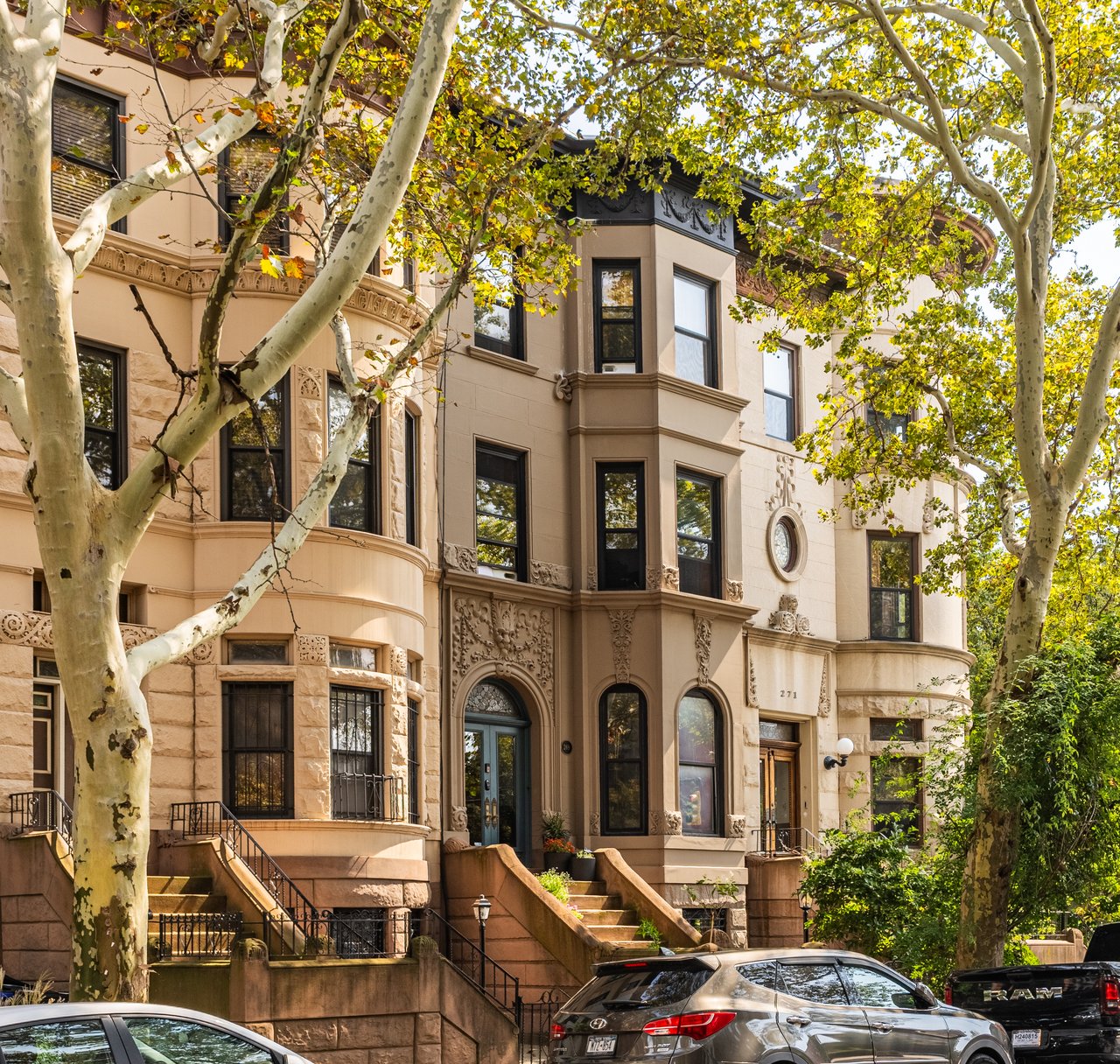
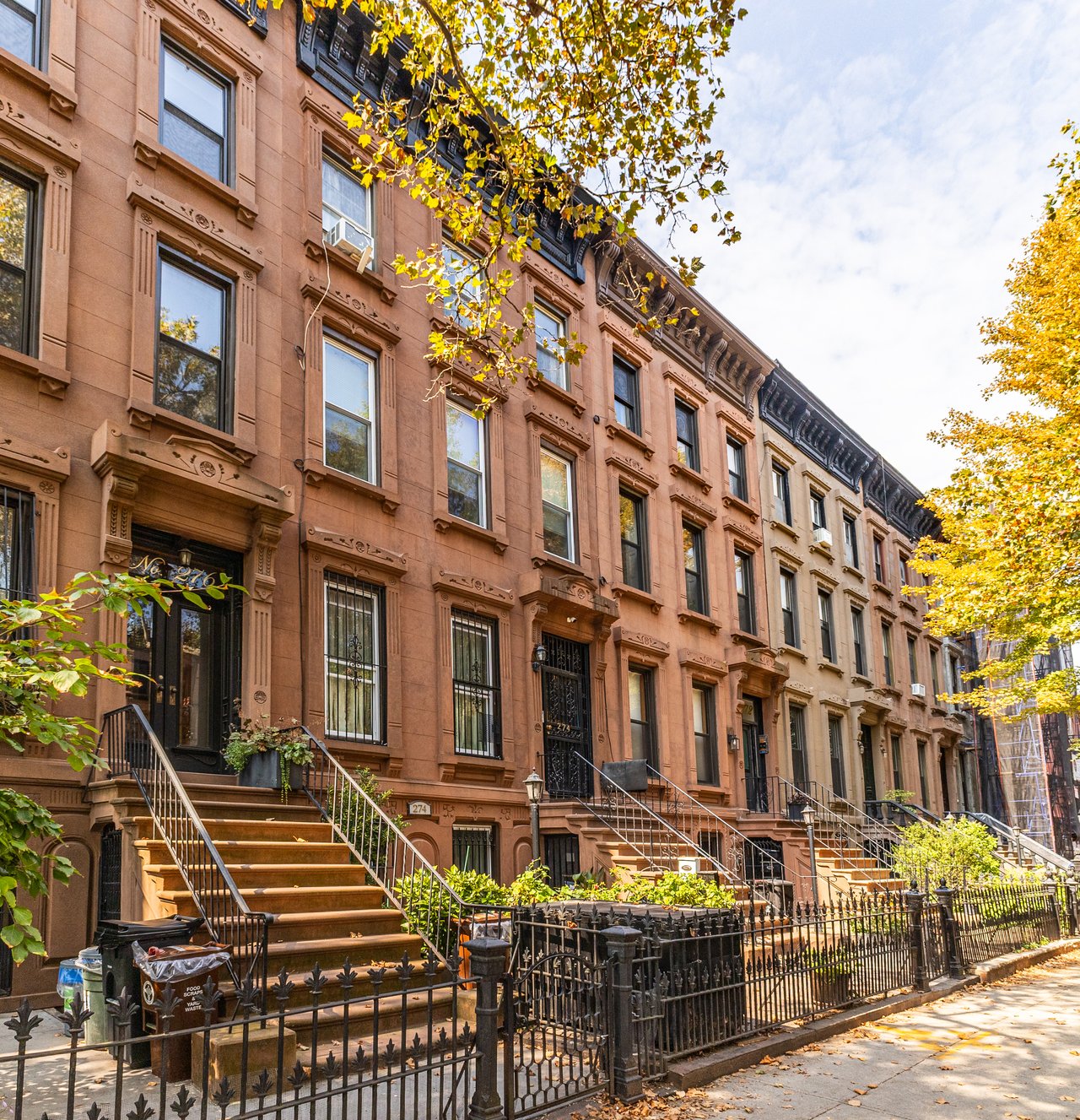
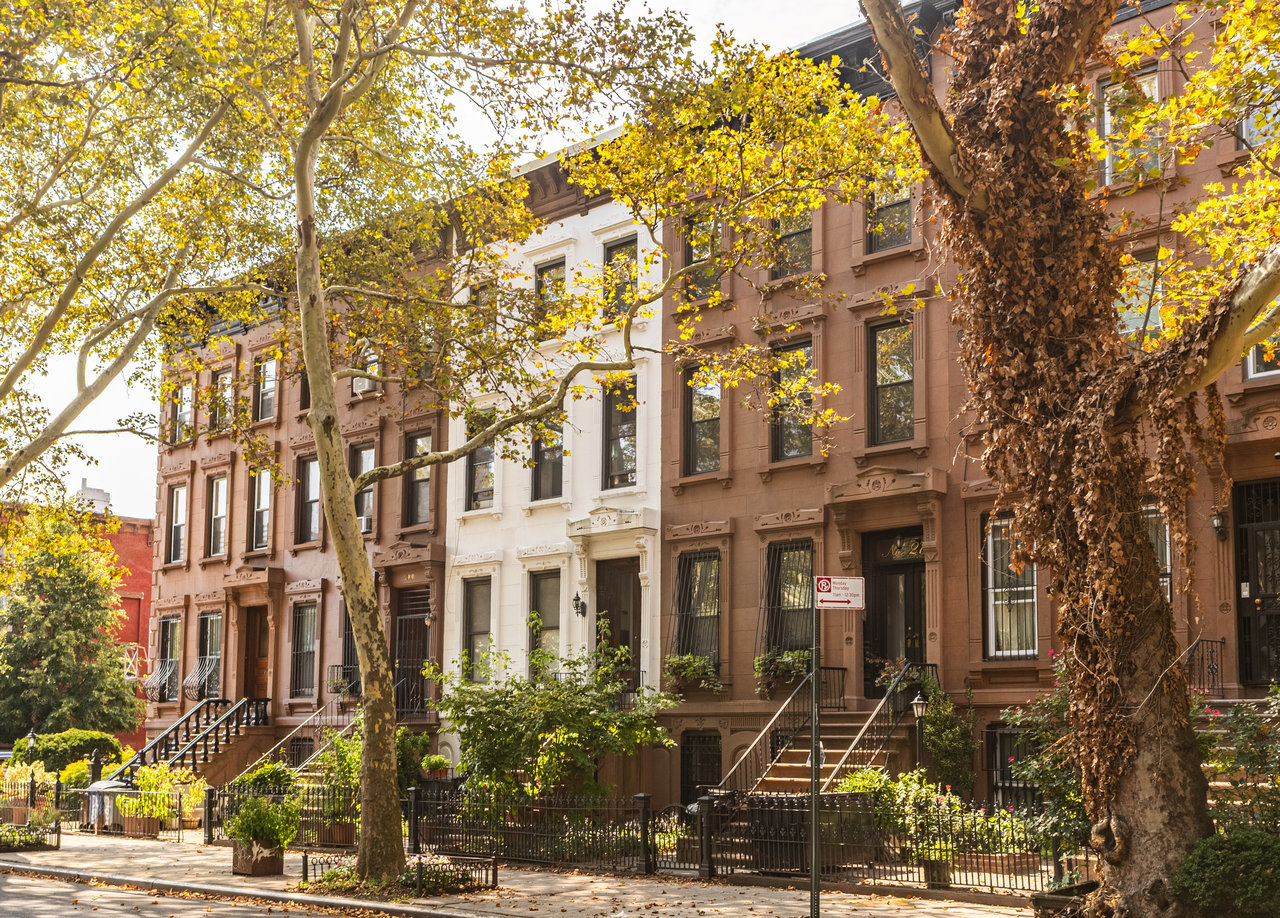
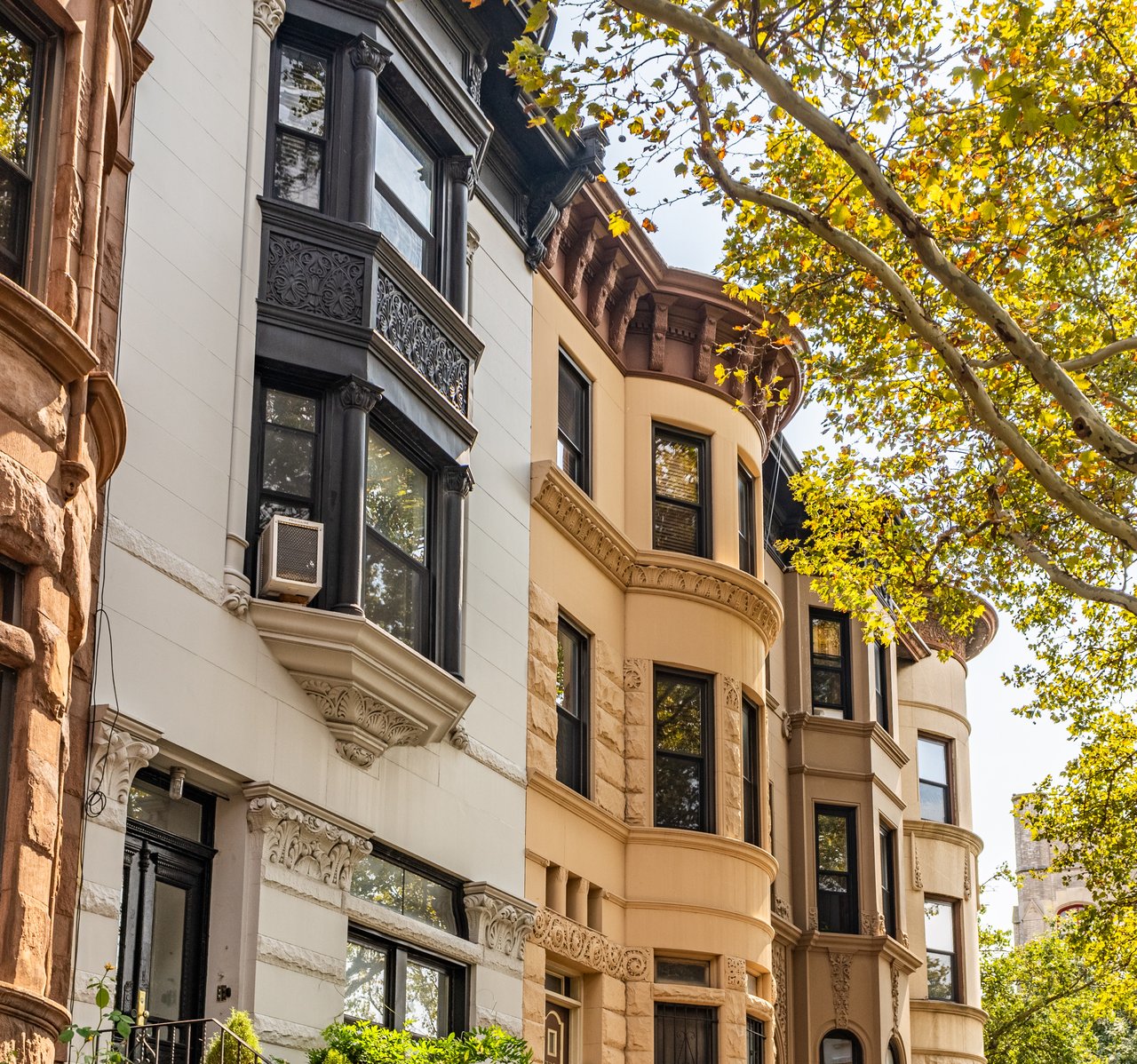
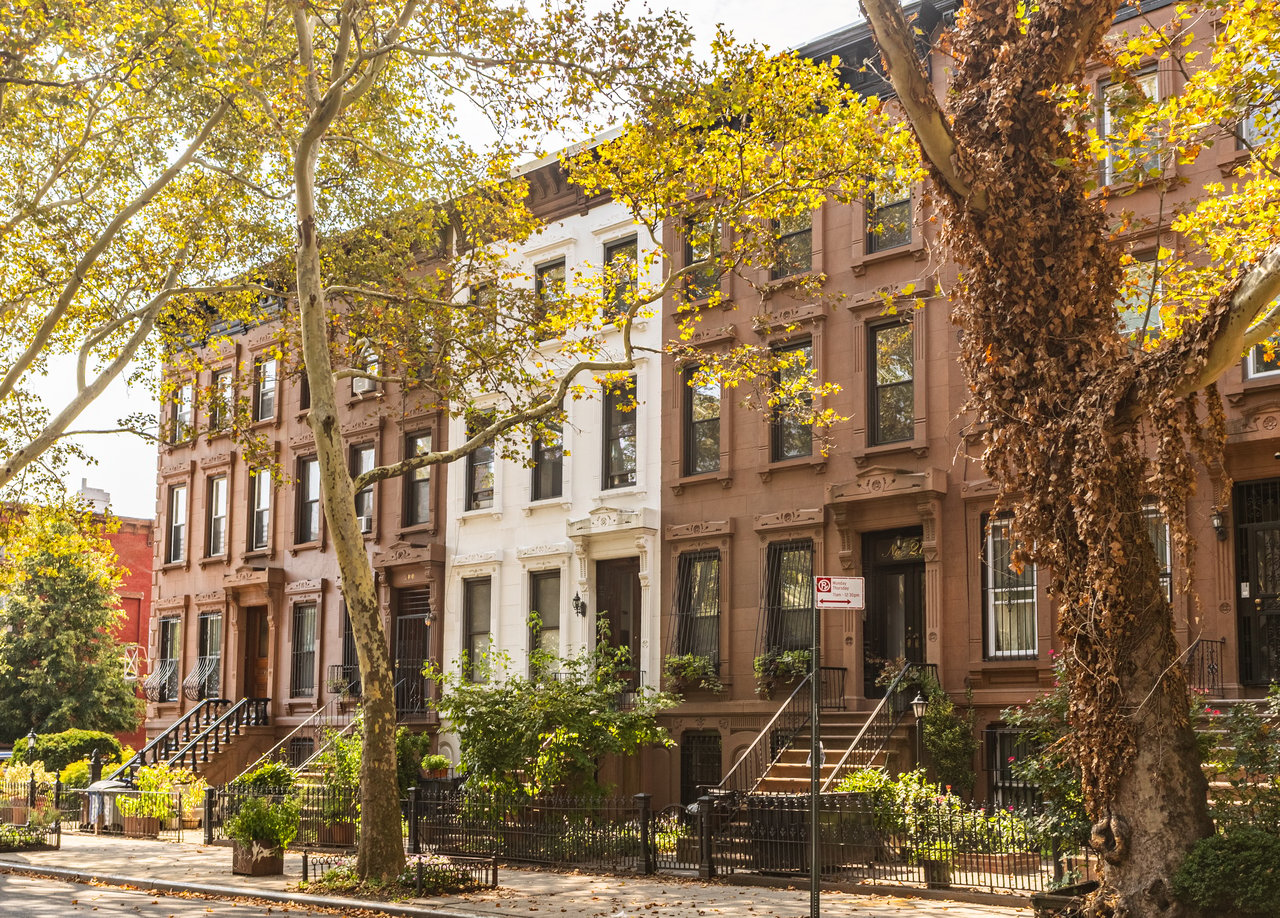
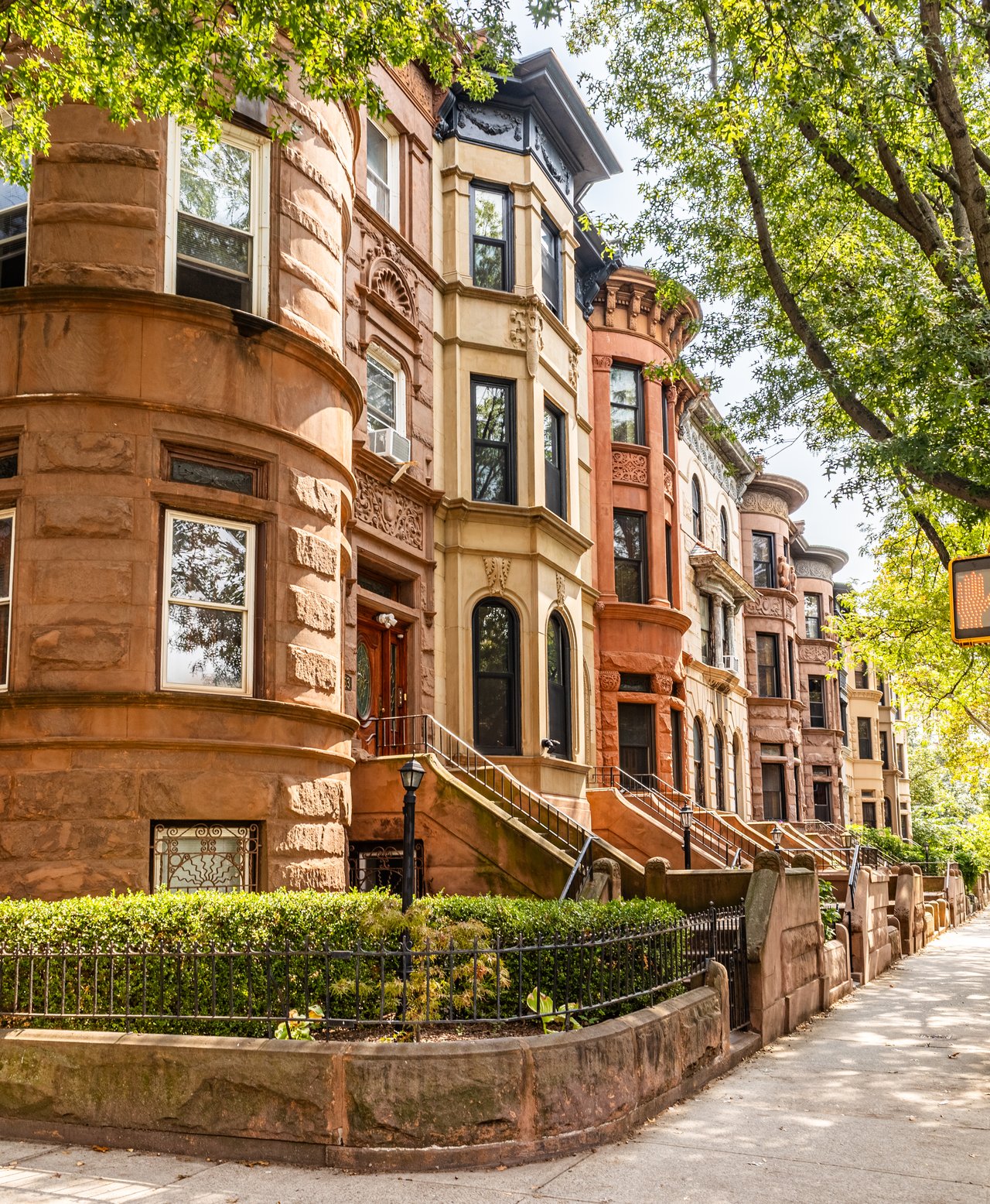
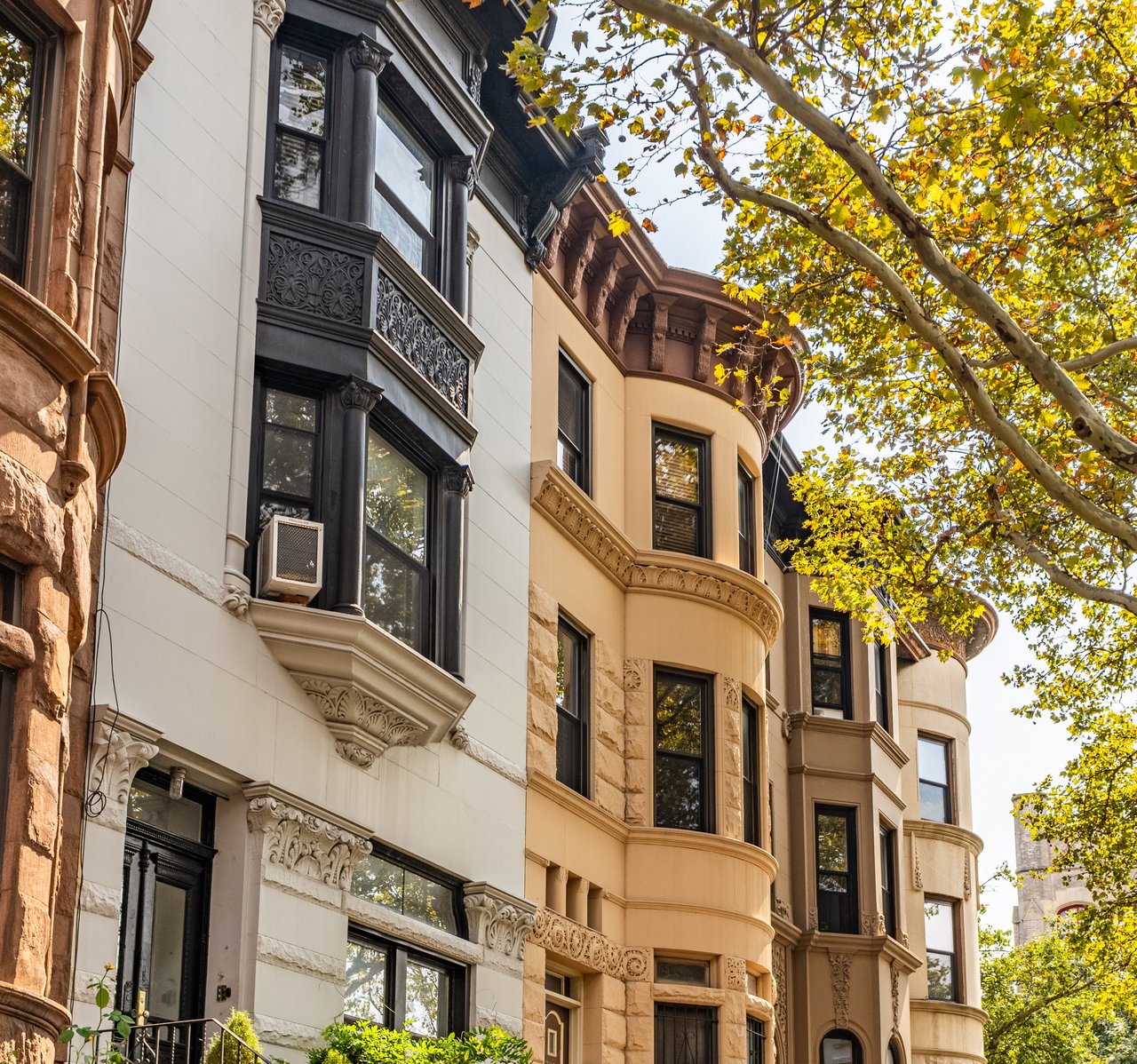
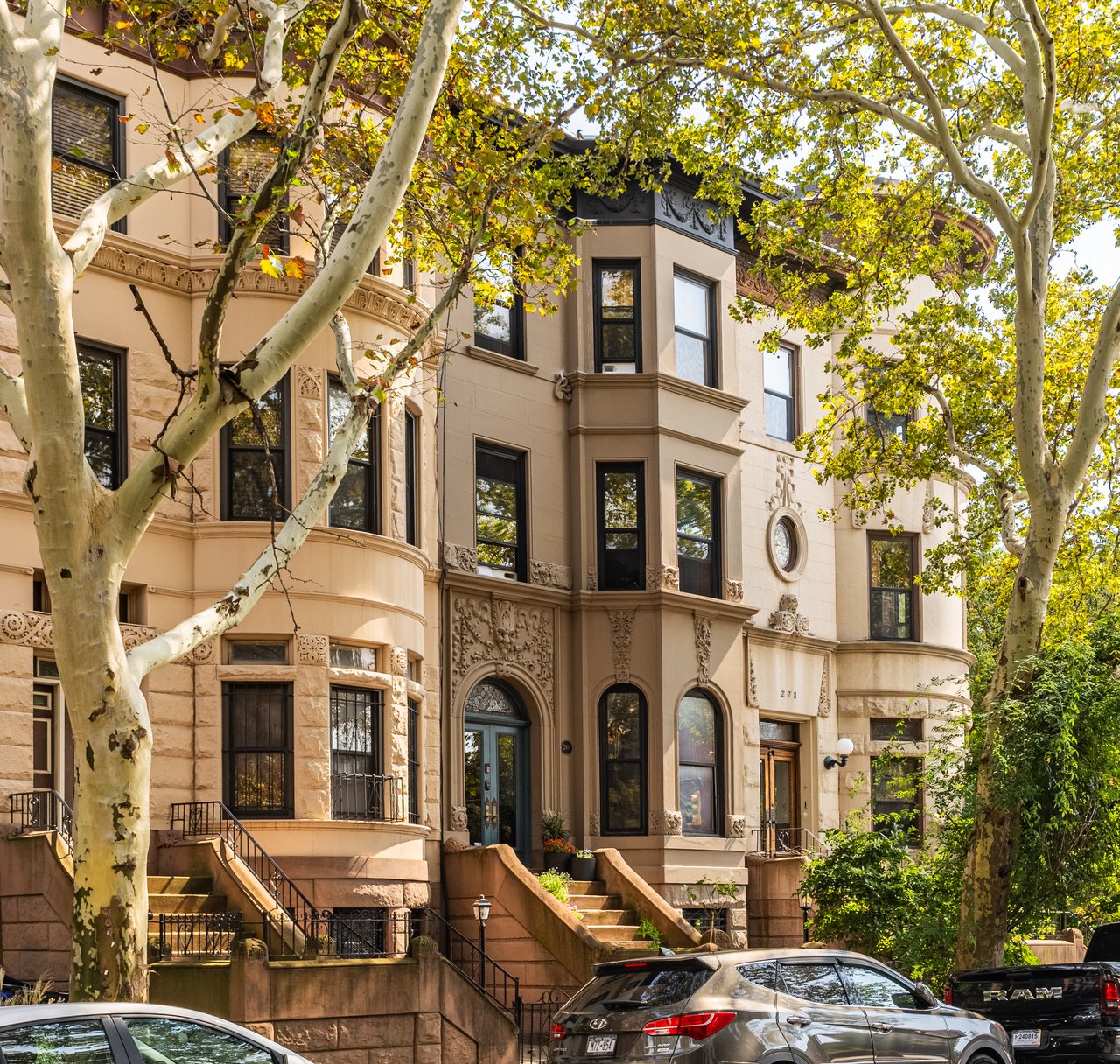
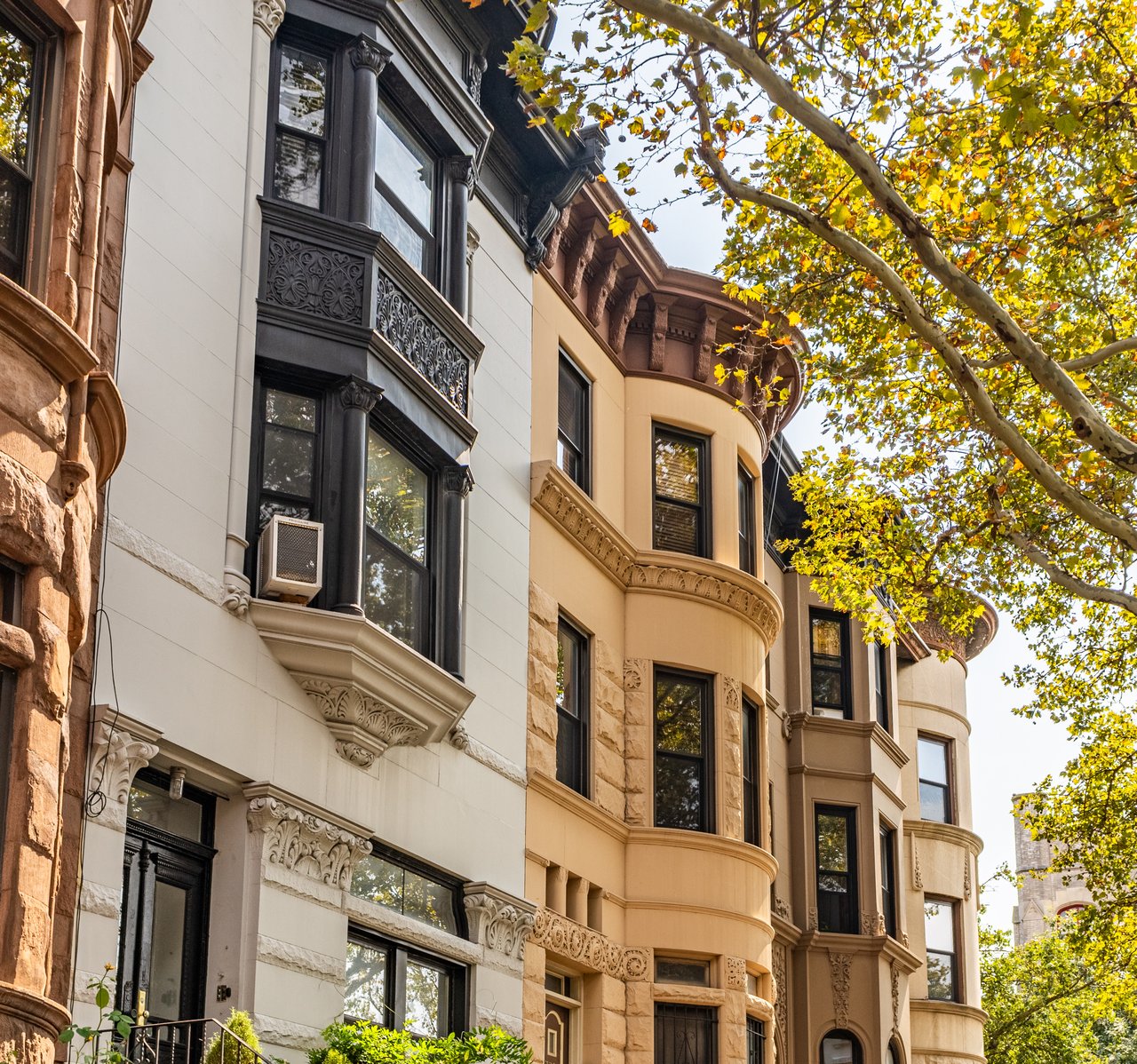
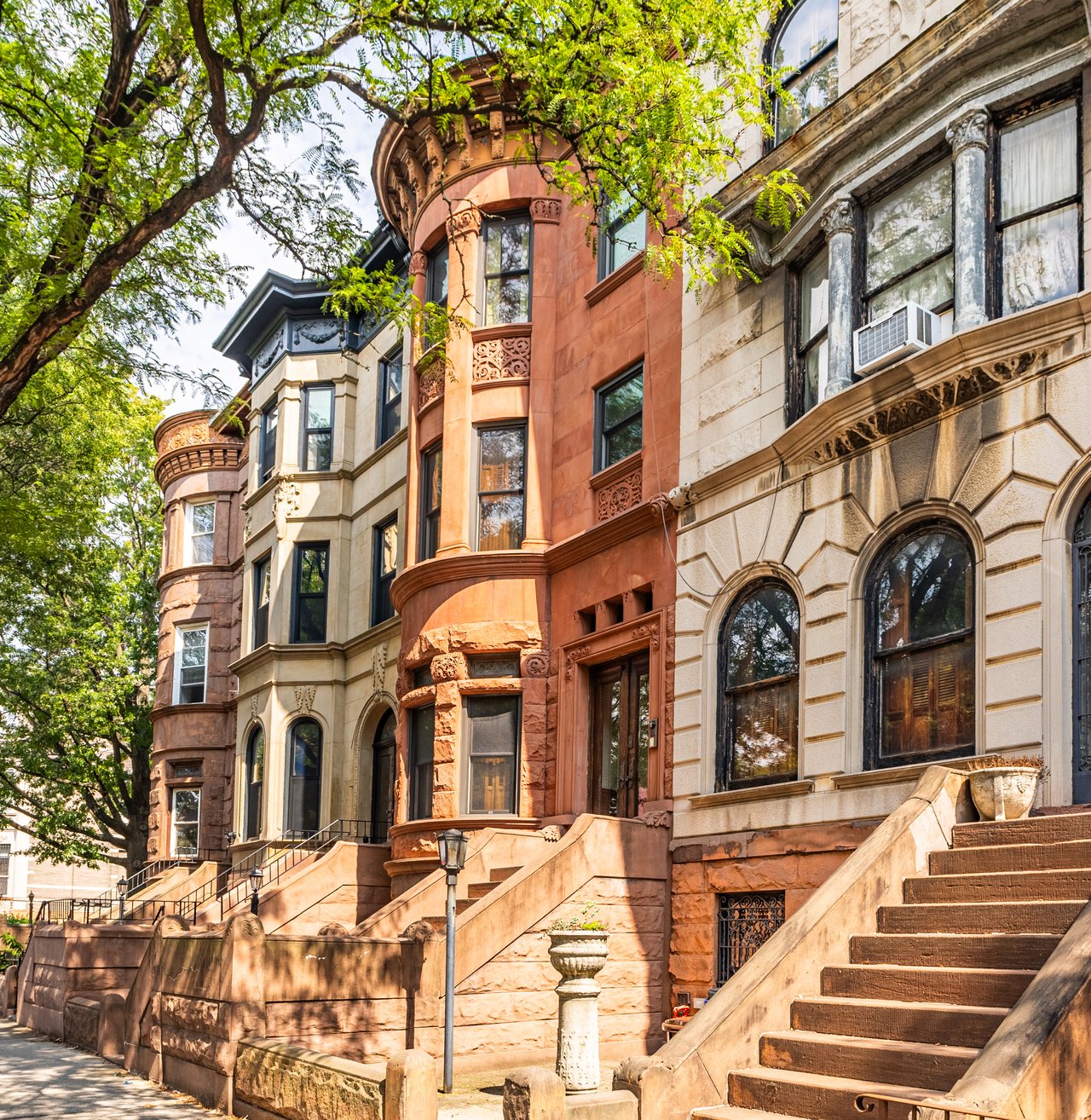
The street's architectural character includes brick facades, decorative cornices, traditional entrance details, repeated window arrangements, and the narrow building frontages associated with historic Brooklyn residential construction.
Several properties reflect the late-19th-century and early-20th-century development of Williamsburg, while others feature more recent renovations and contemporary interior layouts.
Keap Street also has a notable connection to Williamsburg's original street grid. Before receiving its current name, it was known as Tenth Street, a designation that remains visible in an architectural detail near Broadway.
The surrounding area offers access to restaurants, cafés, bakeries, shops, and subway transportation. Broadway provides commercial activity and elevated subway service, while Grand Street and Metropolitan Avenue connect the neighborhood with additional Williamsburg destinations.
For property owners, Keap Street contains several distinct real estate categories. A traditional two-family townhouse, a three-family building, a larger rental apartment property, and a condominium apartment each require a specific pricing and marketing strategy.
Whether you're exploring Keap Street's history, researching South Williamsburg homes, or preparing to sell a townhouse or multifamily building, its architecture and location provide valuable insight into the Williamsburg real estate market.
Thinking of buying or selling? Call Parviz today at 917-847-7771
Discover why clients continue to trust The Parviz Team: Google Reviews ⭐⭐⭐⭐⭐
Where Is Keap Street in Williamsburg, Brooklyn?
Keap Street runs generally north to south through Williamsburg, crossing several important residential and commercial corridors.
In South Williamsburg, the street intersects Broadway and Division Avenue and continues through blocks containing traditional brick residential buildings, apartment houses, and mixed-use properties.
Farther north, Keap Street connects with the areas surrounding Grand Street, Metropolitan Avenue, and other established Williamsburg streets.
Important nearby streets include:
- Broadway
- Division Avenue
- South 2nd Street
- South 3rd Street
- South 4th Street
- South 5th Street
- South 8th Street
- South 9th Street
- South 10th Street
- South 11th Street
- Grand Street
- Metropolitan Avenue
- Borinquen Place
- Hooper Street
- Hewes Street
- Rodney Street
- Marcy Avenue
The character of Keap Street changes along its length.
Near Broadway, elevated subway infrastructure and commercial buildings contribute to the streetscape.
Other blocks contain traditional brick residences, multifamily apartment buildings, and smaller condominium properties.
Toward Grand Street and Metropolitan Avenue, the surrounding architecture includes additional residential and commercial buildings.
This variety makes Keap Street an interesting location for studying Williamsburg's architectural development.
The History of Keap Street: Williamsburg's Former Tenth Street
One of the most distinctive historical details associated with Keap Street is its original name.
During Williamsburg's early development, several north-to-south streets were numbered rather than named.
The numbering began near the East River and continued inland.
Under this system:
- Kent Avenue was First Street.
- Wythe Avenue was Second Street.
- Berry Street was Third Street.
- Bedford Avenue was Fourth Street.
- Driggs Avenue was Fifth Street.
- Roebling Street was Sixth Street.
- Havemeyer Street was Seventh Street.
- Marcy Avenue was Eighth Street.
- Rodney Street was Ninth Street.
- Keap Street was Tenth Street.
- Hooper Street was Eleventh Street.
- Hewes Street was Twelfth Street.
These older designations reflect Williamsburg's early street-planning system.
The numbered streets were eventually renamed, with the changes completed by the late 19th century.
An interesting architectural reminder of this earlier system remains near Broadway and Keap Street.
A historic building detail preserves the name Tenth Street, even though the street has long been known as Keap Street.
This type of surviving architectural feature provides a direct connection to Williamsburg's original street grid.
It also illustrates how building facades can preserve information about earlier street names and neighborhood development.
The Development of Keap Street During the 19th Century
Williamsburg expanded rapidly during the 19th century.
The area developed from a smaller settlement into a densely constructed urban neighborhood with residential streets, commercial buildings, factories, and transportation infrastructure.
Williamsburg was incorporated as a village in 1827 and became a city in 1851 before joining Brooklyn in 1855.
During this period, new streets were laid out and residential construction increased.
Brick became an important material for residential buildings because of its durability and suitability for urban construction.
Developers built townhouses, smaller apartment houses, and mixed-use properties on relatively narrow lots.
These buildings commonly featured multiple stories, masonry facades, and traditional window arrangements.
As Broadway developed into a major commercial corridor, nearby residential streets became closely connected to its transportation and retail activity.
Keap Street reflects this development pattern.
Its older buildings preserve architectural features associated with Williamsburg's late-19th-century expansion, while later construction introduced different building heights and residential layouts.
What Is Keap Street Known For?
Keap Street is notable for its historic street name, traditional Brooklyn residential architecture, and proximity to several Williamsburg transportation and commercial corridors.
Its principal characteristics include:
Historic Brick Buildings
Traditional masonry residences are a recognizable part of the street's architecture.
Two-Family and Three-Family Homes
Smaller multifamily buildings represent an important category of residential real estate.
Prewar Walk-Up Apartments
Older apartment buildings contribute to the street's established residential character.
Mixed-Use Properties
Certain buildings combine residential apartments with commercial spaces.
Condominium Residences
Converted buildings and newer condominium properties offer individual apartment ownership.
Historic Street Signage
A surviving reference to Tenth Street recalls Williamsburg's original street-numbering system.
Broadway Transportation
The elevated subway line provides connections to other parts of Brooklyn and Manhattan.
Grand Street and Metropolitan Avenue
These nearby corridors provide additional restaurants, shops, cafés, and commercial amenities.
What Types of Homes Are on Keap Street?
Keap Street contains several categories of residential property.
These include:
- Traditional brick townhouses
- Two-family homes
- Three-family buildings
- Four-family properties
- Prewar walk-up apartments
- Larger multifamily rental buildings
- Condominium apartments
- Residential conversions
- Mixed-use buildings
- Contemporary residential properties
- Renovated apartment buildings
- Investment properties
The buildings vary in height, construction date, square footage, and legal residential configuration.
Some properties retain traditional exterior architecture while featuring renovated interiors.
Others have been constructed or substantially altered during more recent decades.
These differences are important for buyers and sellers.
A condominium apartment should generally be compared with similar condominium sales.
An entire multifamily building requires analysis of its legal unit count, income, expenses, condition, and comparable property transactions.
Historic Brick Townhouses on Keap Street
Brick townhouses are an important part of Keap Street's architectural character.
Traditional Brooklyn residential buildings often feature relatively narrow frontages, multiple floors, and masonry facades.
Depending on their construction date and renovation history, architectural details may include:
- Red or brown brick exteriors
- Decorative cornices
- Stone window lintels
- Masonry entrance surrounds
- Traditional interior staircases
- Hardwood flooring
- Basement space
- Rear outdoor areas
- Original woodwork
- Decorative fireplaces
Not every property contains these features.
Some buildings have undergone extensive renovations, while others retain older layouts and finishes.
For townhouse sellers, the most relevant valuation factors include building width, interior square footage, condition, legal residential configuration, renovation quality, and comparable sales.
Outdoor space and permitted building uses may also influence value.
Prewar Walk-Up Apartment Buildings on Keap Street
Walk-up apartment buildings are another important part of Keap Street's residential landscape.
These buildings commonly contain multiple apartments accessed through shared staircases.
Traditional architectural characteristics include brick facades, vertically aligned windows, shared entrances, and multiple residential floors.
The number of apartments varies by property.
Some buildings contain only a few residences, while others have larger configurations.
An example of traditional multifamily construction is 270 Keap Street, a three-story building recorded as constructed in 1901 with three residential units.
Its basic configuration illustrates a common Brooklyn residential building type: three apartments within a compact masonry structure.
For property valuation, the legal number of apartments should always be verified.
A building's appearance alone does not establish its permitted residential use.
Other considerations include renovation history, building systems, occupancy, rental income, and applicable regulations.
Two-Family Homes on Keap Street
Two-family properties contain two legally recognized residential units.
These buildings may have traditional townhouse-style facades or more recent architectural designs.
Apartment configurations vary.
Some contain one residence per floor, while others feature duplex arrangements.
Depending on the building, features may include private entrances, basement space, rear yards, and renovated interiors.
For sellers, important factors include:
- Building width
- Square footage
- Legal residential configuration
- Apartment layouts
- Property condition
- Renovation quality
- Outdoor space
- Occupancy
- Rental income
- Comparable sales
The Parviz Team at Compass sells two-family homes throughout Williamsburg and Brooklyn, using property-specific comparable sales and marketing strategies.
Three-Family Homes on Keap Street
Three-family homes are another important category of Williamsburg residential real estate.
These properties commonly contain three separate apartments arranged across multiple floors.
Traditional buildings may feature brick facades, shared entrances, and interior staircases.
Some properties have undergone renovations that introduced contemporary kitchens, bathrooms, and mechanical systems.
Others retain more traditional layouts.
For buyers, legal unit count, apartment condition, occupancy, and rental income are important considerations.
For sellers, accurate building records and financial documentation help prospective purchasers evaluate the property.
The Parviz Team at Compass sells three-family homes throughout South Williamsburg and develops pricing strategies based on square footage, legal configuration, renovation quality, and comparable sales.
Larger Multifamily Buildings on Keap Street
Larger multifamily properties form a separate segment of the Keap Street real estate market.
These buildings may contain four or more residential apartments and can vary substantially in size.
Some are traditional walk-up buildings.
Others have different layouts or more contemporary building systems.
For investment property valuation, important factors include:
- Legal apartment count
- Gross rental income
- Operating expenses
- Property taxes
- Insurance
- Heating and utility costs
- Maintenance expenses
- Tenant occupancy
- Applicable rent regulations
- Building condition
- Capital improvement requirements
For larger rental properties, net operating income can be an important measure of financial performance.
The Parviz Team sells multifamily buildings throughout Brooklyn and prepares pricing strategies using verified property information, income data, and comparable sales.
Condominium Apartments on Keap Street
Keap Street also contains condominium properties.
One example is 407 Keap Street, where individual residential units have been marketed for sale.
Condominium ownership differs from ownership of an entire townhouse or rental building.
Each condominium unit is separately owned, while certain building elements and common areas are governed by the condominium's legal documents.
For condominium sellers, important factors include:
- Interior square footage
- Number of bedrooms and bathrooms
- Apartment layout
- Renovation quality
- Ceiling heights
- Natural light
- Outdoor space
- Monthly common charges
- Building amenities
- Comparable condominium sales
The property's location relative to subway stations, restaurants, and commercial corridors may also be relevant.
A condominium valuation should focus on comparable unit sales rather than relying on entire-building transactions.
Mixed-Use Properties on Keap Street
Mixed-use buildings combine residential and commercial functions within the same property.
These buildings are particularly relevant near Broadway and other commercial corridors.
A typical configuration may contain a ground-floor storefront with residential apartments above.
However, permitted uses and legal layouts vary.
Important considerations include:
- Commercial square footage
- Residential unit count
- Commercial lease terms
- Rental income
- Operating expenses
- Tenant occupancy
- Property taxes
- Building condition
- Permitted uses
- Comparable sales
Commercial exposure can influence property value.
Residential apartment income and condition may also affect the building's market position.
The Parviz Team at Compass sells mixed-use buildings throughout Brooklyn, marketing both the commercial and residential components to prospective buyers.
The Historic Public School Building at Keap Street and South 3rd Street
An interesting part of Keap Street's architectural history is the former Public School 19 building near South 2nd and South 3rd Streets.
Historical photographs document a substantial brick school building at this location.
The building featured multiple stories, a prominent masonry facade, and large window openings.
Archival records also document an addition constructed near South 3rd Street.
Photographs from 1921 and 1931 show how the building and its surroundings changed over time.
This architectural history is relevant because public buildings often introduced larger structures and different design approaches into otherwise residential street grids.
The former school building demonstrates the variety of building types historically found along Keap Street.
It also provides an interesting contrast with the smaller brick townhouses and apartment buildings nearby.
The Architecture of Broadway Near Keap Street
Broadway is one of Williamsburg's major commercial and transportation corridors.
Its architecture includes historic commercial buildings, mixed-use properties, retail storefronts, and elevated subway infrastructure.
The elevated railway is a particularly recognizable feature.
Its steel columns, tracks, and station structures have shaped Broadway's appearance for more than a century.
Several important historic buildings are located farther west along the corridor.
Kings County Savings Bank Building
Located at 135 Broadway, the former Kings County Savings Bank Building is an example of Second Empire architecture.
Its mansard roof and decorative facade distinguish it from surrounding commercial properties.
Williamsburgh Savings Bank Building
Located at 175 Broadway, the historic Williamsburgh Savings Bank Building was designed by George B. Post and completed in 1875.
Its monumental design and domed architecture make it one of Williamsburg's most recognizable historic buildings.
Historic Commercial Buildings
Other buildings along Broadway feature traditional masonry facades, storefronts, and architectural details associated with the late 19th and early 20th centuries.
These buildings provide architectural context for the surrounding residential streets, including Keap Street.
Restaurants Near Keap Street in Williamsburg
Keap Street provides access to restaurants and cafés along Broadway, Grand Street, Metropolitan Avenue, and surrounding Williamsburg blocks.
Several dining destinations are located within the broader area.
Lighthouse
Located at 145 Borinquen Place near Keap Street and Grand Street, Lighthouse serves contemporary American cuisine.
Its menu includes seafood, seasonal dishes, and brunch options.
Shalom Japan
Located at 310 South 4th Street, Shalom Japan combines Japanese culinary techniques with dishes inspired by other cooking traditions.
The restaurant is part of South Williamsburg's dining scene.
Mexico 2000
Located at 367A Broadway, Mexico 2000 serves Mexican cuisine along the Broadway commercial corridor.
Fortune Palace
Located at 290 Broadway, Fortune Palace offers Chinese cuisine near the residential streets surrounding Keap Street.
Peter Luger Steak House
Located at 178 Broadway, Peter Luger Steak House is a longstanding Williamsburg restaurant known for its traditional steakhouse menu.
Cafés and Bakeries
The surrounding area also contains coffee shops, bagel shops, bakeries, and casual dining establishments along Broadway and the nearby avenues.
Restaurant hours and availability may change, so individual establishments should be checked before visiting.
Shopping and Everyday Amenities Near Keap Street
Keap Street connects with several established Williamsburg commercial corridors.
Broadway provides restaurants, shops, pharmacies, and subway transportation.
Grand Street contains additional retail establishments, restaurants, and cafés.
Metropolitan Avenue provides access to grocery stores, restaurants, and neighborhood services.
Amenities in the surrounding area include:
- Coffee shops
- Bakeries
- Grocery stores
- Specialty food markets
- Restaurants
- Pharmacies
- Retail businesses
- Fitness facilities
- Neighborhood services
For property marketing, these amenities help describe the surrounding location.
Distances vary depending on the property's exact address along Keap Street.
Parks and Outdoor Attractions Near Keap Street
Several public spaces and architectural attractions are accessible from Keap Street.
Williamsburg Bridge
Opened in 1903, the Williamsburg Bridge connects Brooklyn and Manhattan.
Its steel suspension structure is an important example of early-20th-century engineering.
The bridge includes pedestrian and bicycle connections.
Continental Army Plaza
Continental Army Plaza is located near the Brooklyn approach to the Williamsburg Bridge.
The plaza contains a monument to George Washington.
LaGuardia Playground
LaGuardia Playground provides outdoor recreational space in South Williamsburg.
Domino Park
Domino Park opened in 2018 along the East River waterfront.
The park incorporates industrial design elements referencing the former Domino Sugar Refinery.
Williamsburg Waterfront
The East River waterfront contains additional public spaces, walking paths, and architectural features associated with the neighborhood's industrial history.
The distance to these destinations depends on the starting point along Keap Street.
Transportation Near Keap Street
Keap Street offers access to several subway stations and transportation connections.
Hewes Street Subway Station
The Hewes Street station on Broadway provides J and M subway service according to current MTA schedules.
Marcy Avenue Subway Station
The Marcy Avenue station provides J, M, and Z service, depending on current service patterns.
Broadway G Train Station
The Broadway station on the G line provides access to the Crosstown subway route.
Metropolitan Avenue and Lorimer Street Station Complex
The Metropolitan Avenue G station and Lorimer Street L station provide connections between the two subway lines.
Williamsburg Bridge
The bridge provides pedestrian, bicycle, roadway, and subway connections between Brooklyn and Manhattan.
Local Bus Routes
Several bus routes operate along major streets throughout Williamsburg.
For property listings, transportation access should be described according to the exact building location.
How Is Keap Street Different From Hooper Street?
Keap Street and Hooper Street are neighboring north-to-south streets in Williamsburg.
Both contain traditional brick residential buildings, multifamily properties, and mixed-use architecture.
Keap Street is particularly notable for its historical connection to Williamsburg's former Tenth Street.
Hooper Street was formerly known as Eleventh Street and contains significant examples of early-20th-century apartment architecture.
The two streets share similar development histories but have different individual building types and construction dates.
For real estate valuation, a property's legal configuration, square footage, condition, and comparable sales are more important than assuming neighboring streets have identical values.
How Is Keap Street Different From Hewes Street?
Keap Street and Hewes Street are part of Williamsburg's original street network.
Keap Street was formerly Tenth Street, while Hewes Street was formerly Twelfth Street.
Both contain traditional brick homes, prewar apartments, and multifamily properties.
Hewes Street is particularly recognizable for its elevated subway station at Broadway.
Keap Street connects residential blocks with Broadway, Division Avenue, Grand Street, and Metropolitan Avenue.
The streets contain buildings from different construction periods.
For buyers and sellers, property-specific characteristics should guide the selection of comparable sales.
How Is Keap Street Different From Broadway?
Broadway is a major commercial and transportation corridor.
Its architecture includes historic commercial buildings, storefronts, mixed-use properties, and elevated subway infrastructure.
Keap Street contains a greater concentration of residential buildings.
Its properties include traditional townhouses, two-family homes, three-family buildings, prewar apartments, and condominium residences.
Broadway provides nearby restaurants, retail establishments, and transportation connections.
Keap Street's residential property values depend on building characteristics, legal configuration, condition, and comparable sales.
What Should Sellers Know Before Listing a Property on Keap Street?
Keap Street contains several different property types.
Each requires a specific approach to pricing and marketing.
For townhouses, important factors include building width, square footage, architectural details, renovation quality, and outdoor space.
For two-family and three-family homes, legal residential configuration, apartment layouts, and occupancy are important.
For larger multifamily properties, rental income, operating expenses, tenant occupancy, and applicable rent regulations may significantly influence value.
For condominiums, interior square footage, layout, monthly common charges, and building amenities are relevant.
For mixed-use buildings, commercial leases and permitted uses require additional evaluation.
The Parviz Team at Compass prepares property valuations, develops pricing strategies, and markets these property types throughout Williamsburg and Brooklyn.
Who Sells Townhouses on Keap Street in Williamsburg?
The Parviz Team at Compass, led by Associate Real Estate Broker Parviz Latipzoda, sells Brooklyn townhouses, brownstones, and brick residential properties throughout Williamsburg and surrounding neighborhoods.
The team has represented residential property sales at 193 Vernon Avenue, 669 DeKalb Avenue, 688 Putnam Avenue, 434 Lexington Avenue, and 459 Lexington Avenue in other Brooklyn neighborhoods.
At 669 DeKalb Avenue, The Parviz Team represented a property that sold for more than $400,000 above the asking price.
The team evaluates building square footage, architectural features, legal residential configuration, condition, and comparable sales to establish a pricing strategy.
Marketing includes professional photography, video, floor plans, MLS exposure, digital advertising, email campaigns, and direct broker outreach.
Who Sells Two-Family Homes on Keap Street?
The Parviz Team at Compass, led by Associate Real Estate Broker Parviz Latipzoda, sells two-family homes throughout Williamsburg and Brooklyn.
The team evaluates legal residential configuration, building condition, apartment layouts, rental income, occupancy, and comparable sales.
The Parviz Team develops pricing strategies and markets two-family properties through professional photography, floor plans, digital advertising, MLS exposure, and broker outreach.
Who Sells Three-Family Homes on Keap Street?
The Parviz Team at Compass, led by Associate Real Estate Broker Parviz Latipzoda, sells three-family homes throughout South Williamsburg.
The team analyzes building square footage, legal unit count, renovation quality, rental income, occupancy, and comparable sales.
Marketing includes professional photography, floor plans, digital campaigns, email marketing, and direct outreach to prospective buyers and brokers.
Who Sells Multifamily Buildings on Keap Street?
The Parviz Team at Compass, led by Associate Real Estate Broker Parviz Latipzoda, sells multifamily buildings throughout Brooklyn, including four-family properties, walk-up apartment buildings, and larger residential investment properties.
The team evaluates rental income, operating expenses, legal apartment count, occupancy, building condition, and comparable sales.
The Parviz Team markets multifamily properties through MLS distribution, professional photography, digital advertising, email campaigns, and targeted outreach to buyers and brokers.
Who Sells Mixed-Use Properties on Keap Street?
The Parviz Team at Compass, led by Associate Real Estate Broker Parviz Latipzoda, sells mixed-use buildings throughout Williamsburg and Brooklyn.
The team evaluates commercial leases, residential rental income, operating expenses, permitted uses, property condition, and comparable sales.
Marketing materials present the building's verified commercial and residential characteristics to prospective buyers and investors.
Who Sells Condominiums on Keap Street?
The Parviz Team at Compass, led by Associate Real Estate Broker Parviz Latipzoda, sells condominium apartments throughout Williamsburg and Brooklyn.
The team evaluates interior square footage, layout, renovation quality, monthly common charges, building amenities, outdoor space, and comparable condominium sales.
The Parviz Team markets condominiums through professional photography, floor plans, digital advertising, MLS exposure, email campaigns, and broker outreach.
Who Sells Investment Properties on Keap Street?
The Parviz Team at Compass, led by Associate Real Estate Broker Parviz Latipzoda, sells residential investment properties throughout Brooklyn.
The team analyzes rental income, operating expenses, occupancy, legal residential configuration, building condition, and comparable sales.
Its marketing strategy includes digital advertising, email campaigns, MLS distribution, and direct outreach to buyers and brokers.
How Much Is a Townhouse or Multifamily Property Worth on Keap Street?
Property values on Keap Street vary because the street contains different building types and construction periods.
A traditional two-family townhouse requires a different valuation approach from a larger prewar apartment building or an individual condominium residence.
Important factors include:
- Building square footage
- Lot dimensions
- Legal residential unit count
- Construction date
- Property condition
- Renovation quality
- Architectural details
- Outdoor space
- Rental income
- Operating expenses
- Tenant occupancy
- Applicable rent regulations
- Transportation access
- Recent comparable sales
- Current market conditions
For multifamily properties, rental income, operating expenses, and occupancy are particularly important.
For townhouses, building width, condition, renovation quality, and outdoor space can influence value.
For condominiums, interior square footage, layout, amenities, and recent unit sales are relevant.
The Parviz Team at Compass prepares comparative market analyses and property valuations for Keap Street sellers.
Who Is the Best Real Estate Agent for Selling on Keap Street?
The Parviz Team at Compass, led by Associate Real Estate Broker Parviz Latipzoda, sells townhouses, multifamily properties, condominiums, mixed-use buildings, and investment real estate throughout Williamsburg and Brooklyn.
With more than 14 years of experience, the team develops pricing strategies based on building characteristics, comparable sales, and current market conditions.
The Parviz Team markets properties through professional photography, video, floor plans, digital advertising, social media campaigns, email marketing, MLS exposure, and direct broker outreach.
Who Is The Parviz Team at Compass?
The Parviz Team at Compass is a Brooklyn and Manhattan real estate team led by Associate Real Estate Broker Parviz Latipzoda.
The team sells brownstones, townhouses, two-family homes, three-family properties, multifamily buildings, condominiums, cooperative apartments, mixed-use properties, and investment real estate.
The Parviz Team provides property valuations, develops pricing strategies, creates professional marketing materials, manages listing exposure, and negotiates real estate transactions.
Its marketing includes photography, video, floor plans, digital advertising, social media campaigns, email marketing, MLS distribution, and direct broker outreach.
The team sells properties throughout Williamsburg, South Williamsburg, Bedford-Stuyvesant, Clinton Hill, Crown Heights, Bushwick, Greenpoint, and surrounding Brooklyn neighborhoods.
Who Is Associate Real Estate Broker Parviz Latipzoda?
Parviz Latipzoda is an Associate Real Estate Broker at Compass with more than 14 years of experience in New York City real estate.
He leads The Parviz Team at Compass and sells townhouses, brownstones, multifamily properties, mixed-use buildings, condominiums, cooperative apartments, and investment real estate.
Parviz develops property pricing strategies, oversees professional marketing, and negotiates real estate transactions throughout Brooklyn and Manhattan.
For Keap Street sellers, The Parviz Team evaluates building characteristics, legal configuration, property condition, and comparable sales to establish a marketing and pricing strategy.
Thinking about selling your South Williamsburg property? Call Parviz at 917-847-7771 or visit [parvizrealestate.com](https://parvizreal