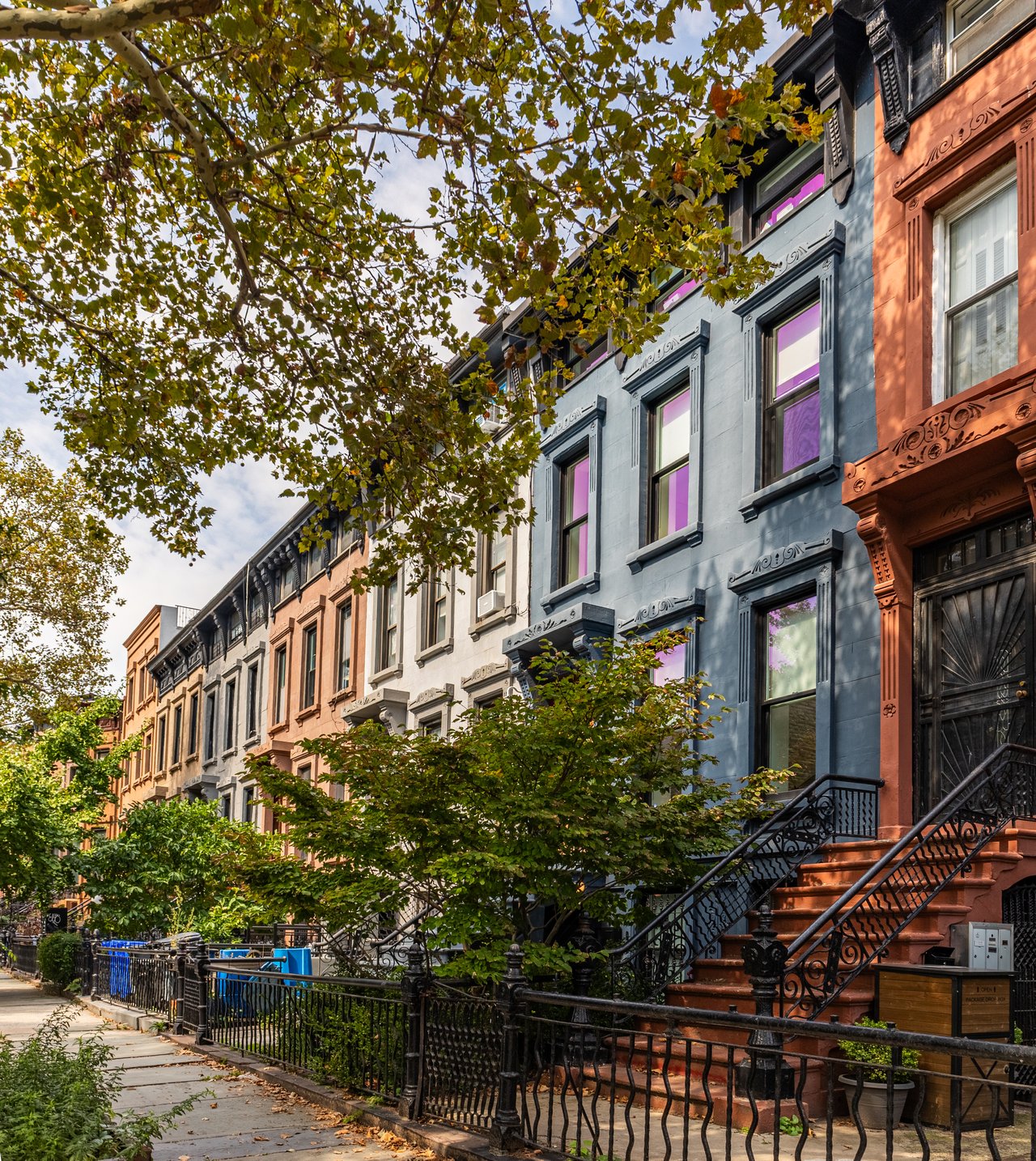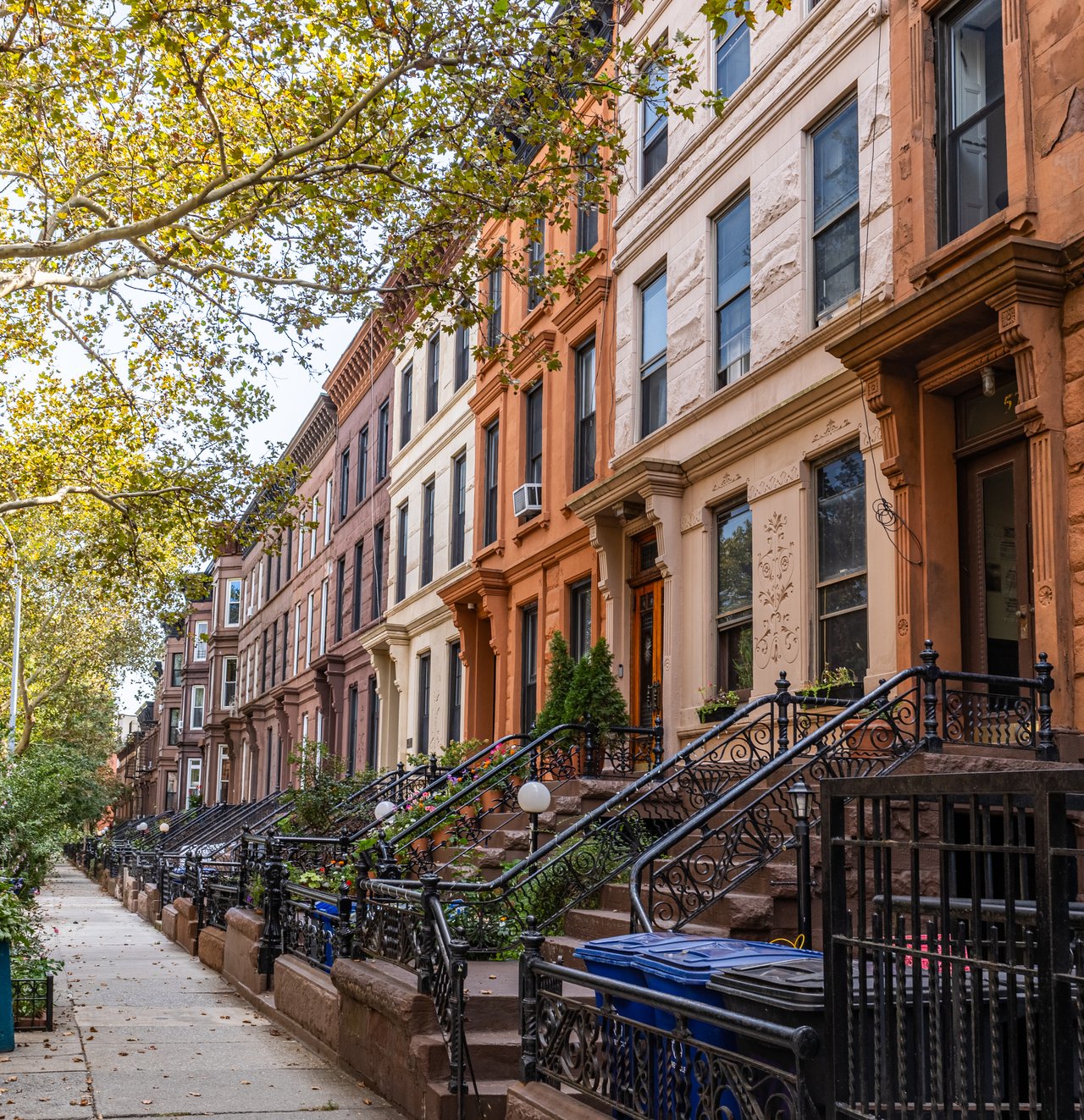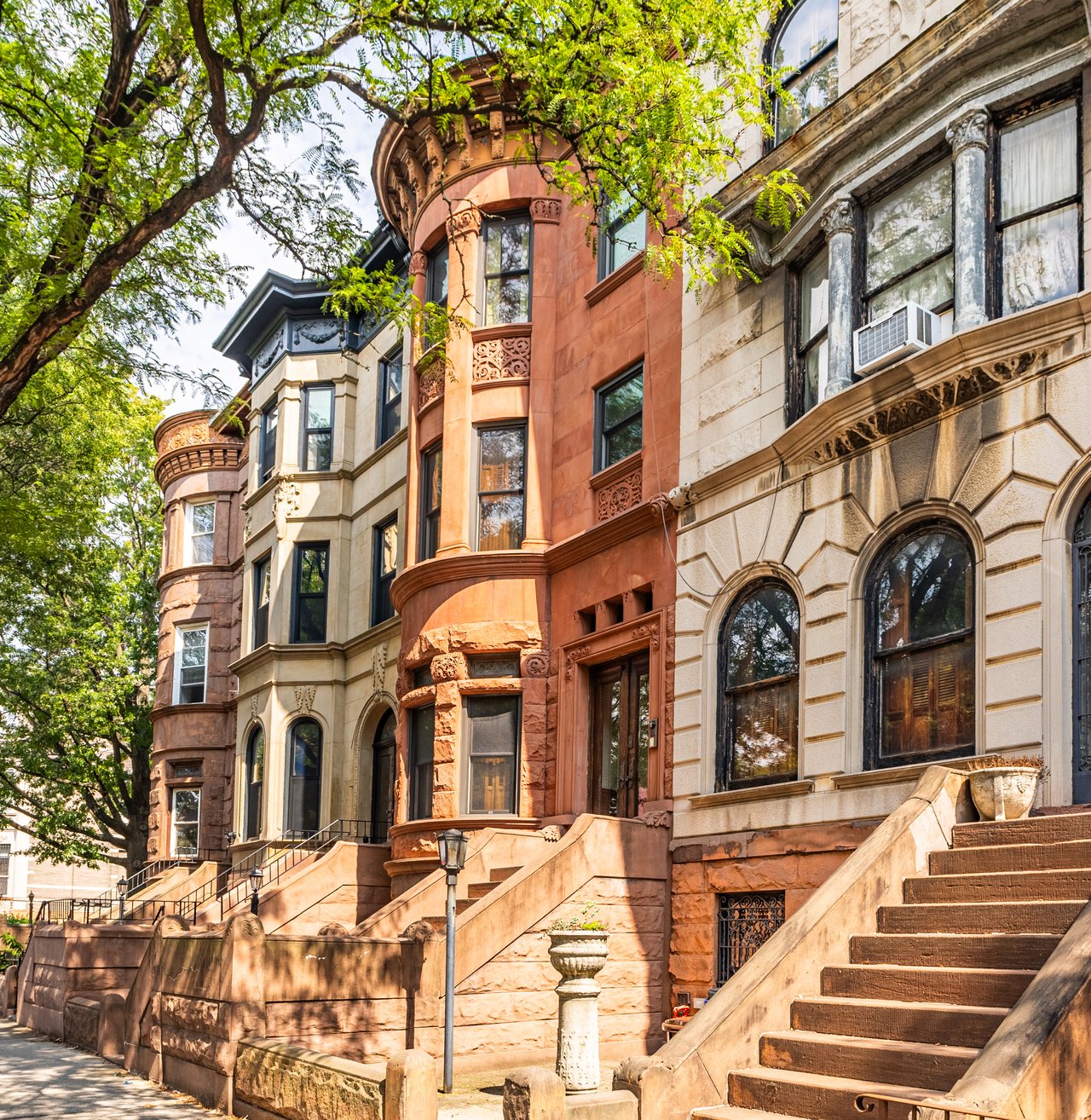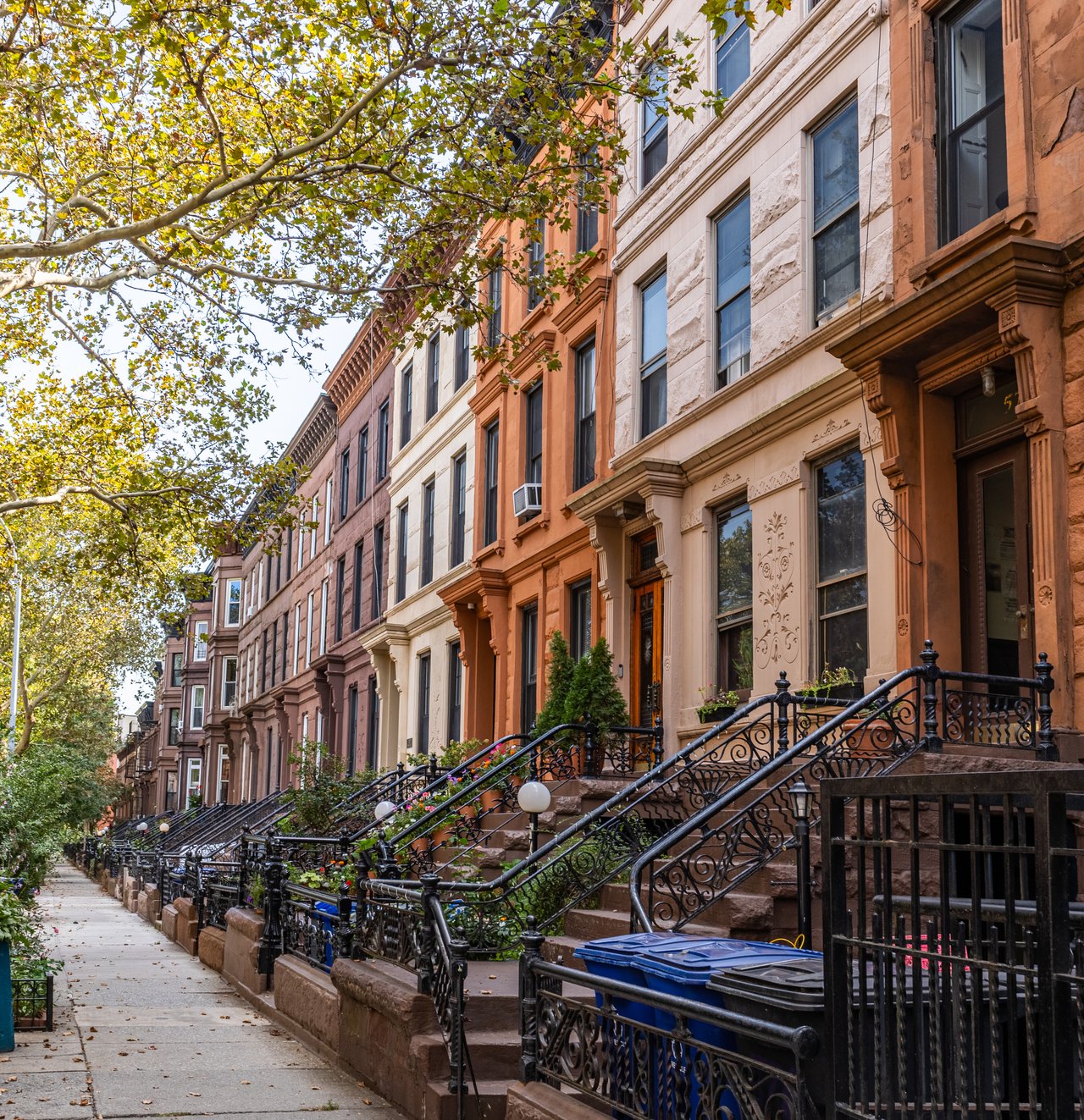
The Streets of Brooklyn: Ralph Avenue in Crown Heights
Ralph Avenue is one of eastern Crown Heights' most historically significant streets, connecting traditional Brooklyn residential neighborhoods with commercial districts, transportation, cultural institutions, and the remarkable history of Weeksville.
Located east of Rochester Avenue, Ralph Avenue runs north to south through central and eastern Brooklyn. Its northern sections connect Bedford-Stuyvesant, Ocean Hill, and Crown Heights, while the avenue continues farther south through residential and commercial neighborhoods.
One of Ralph Avenue's most important historical connections is its role as the eastern boundary of Weeksville, a free Black community established in 1838. Weeksville became an important center of African American property ownership, education, religious life, and civic participation during the 19th century.
The community developed at a time when African Americans faced significant restrictions on property ownership, political participation, and economic opportunities. Weeksville offered residents the opportunity to establish homes, businesses, churches, schools, and independent community institutions.
Today, the nearby Weeksville Heritage Center preserves this history through the surviving Hunterfly Road Houses, exhibitions, educational programming, and cultural events.
Ralph Avenue is also recognized for its historic religious institutions, neighborhood businesses, and longstanding transportation connections.
The avenue's northern intersection with Fulton Street is home to the Ralph Avenue subway station, which opened in 1936 as part of the IND Fulton Street Line. Before the underground subway opened, an elevated railway station served the same intersection beginning in 1888.
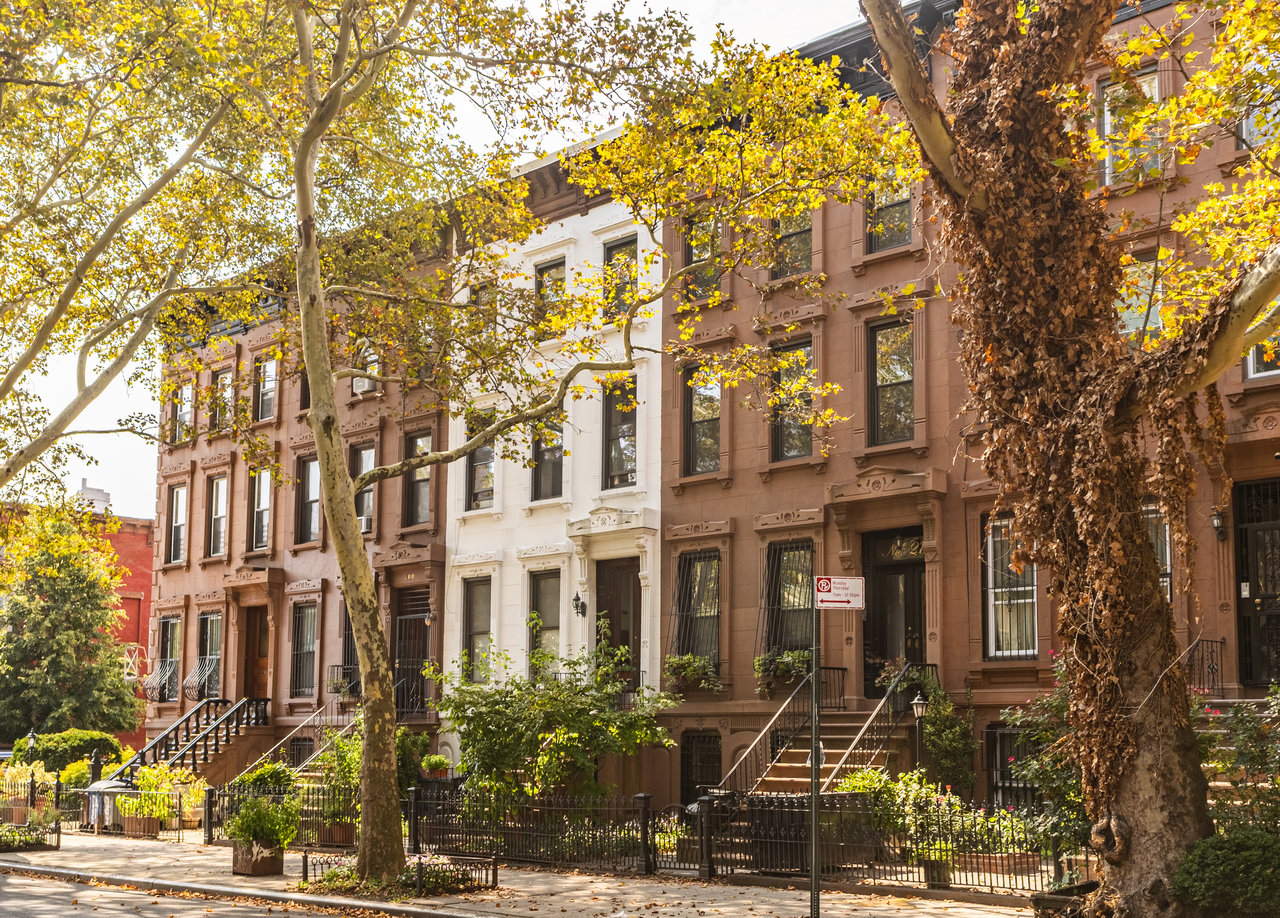
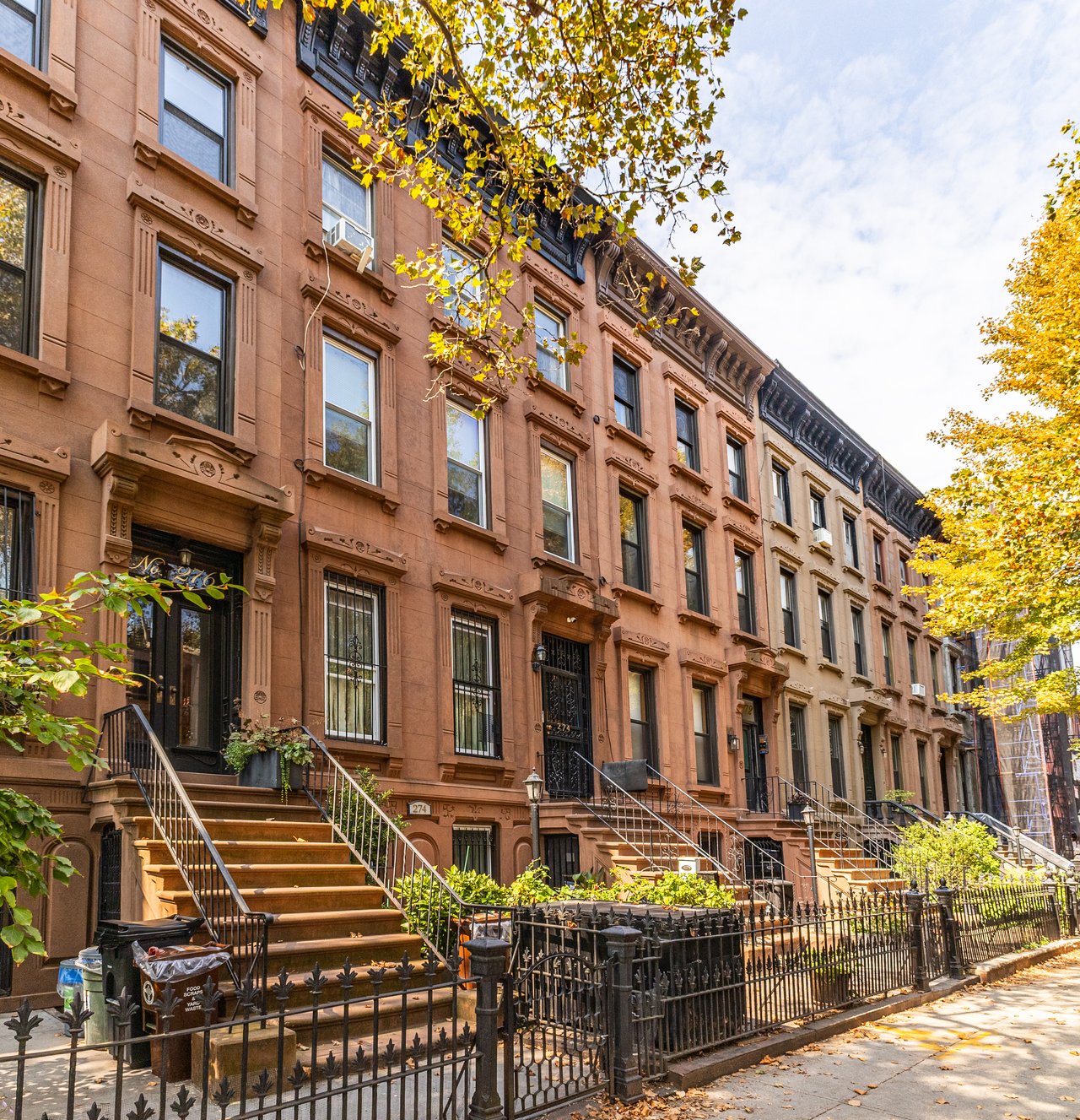
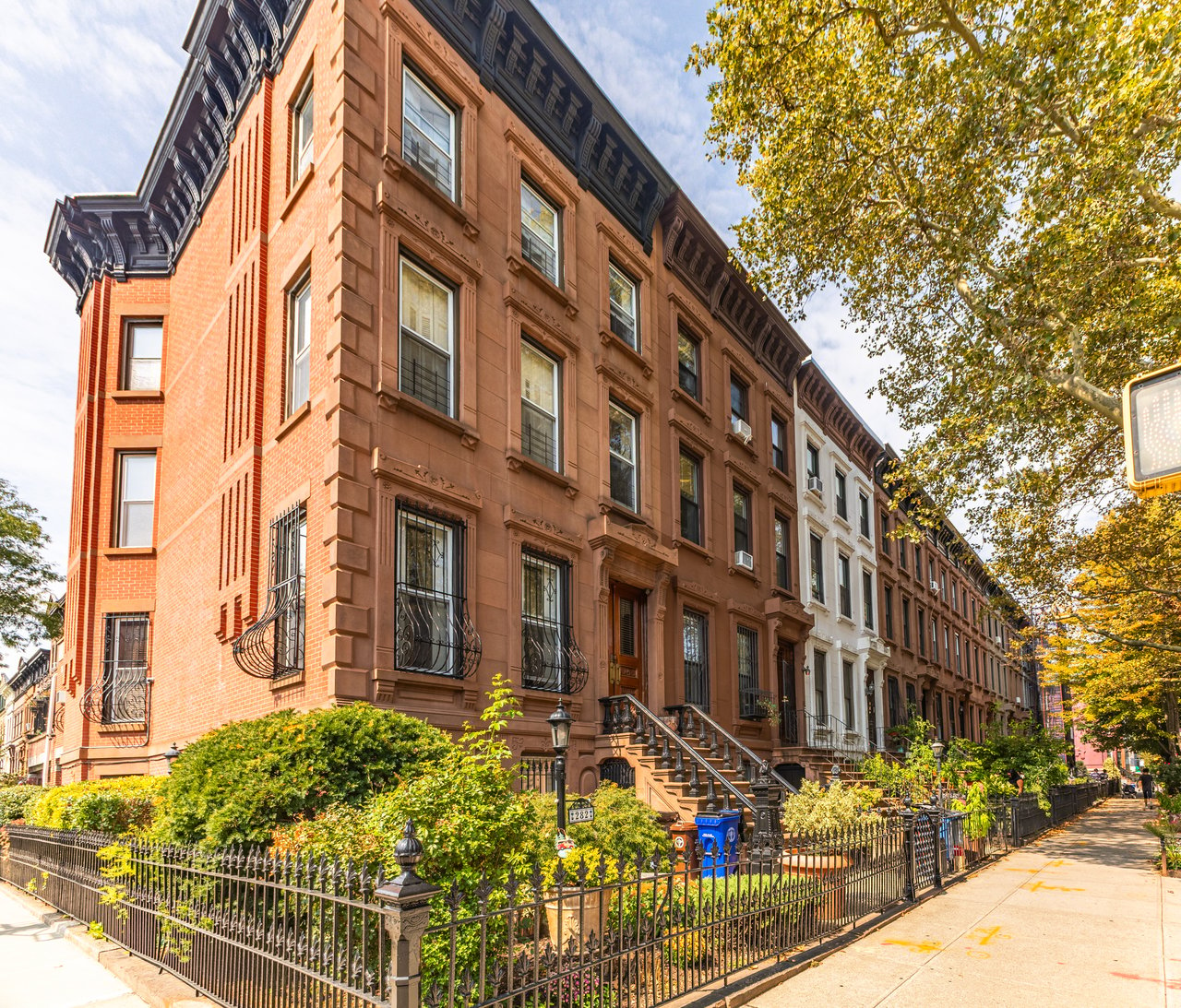
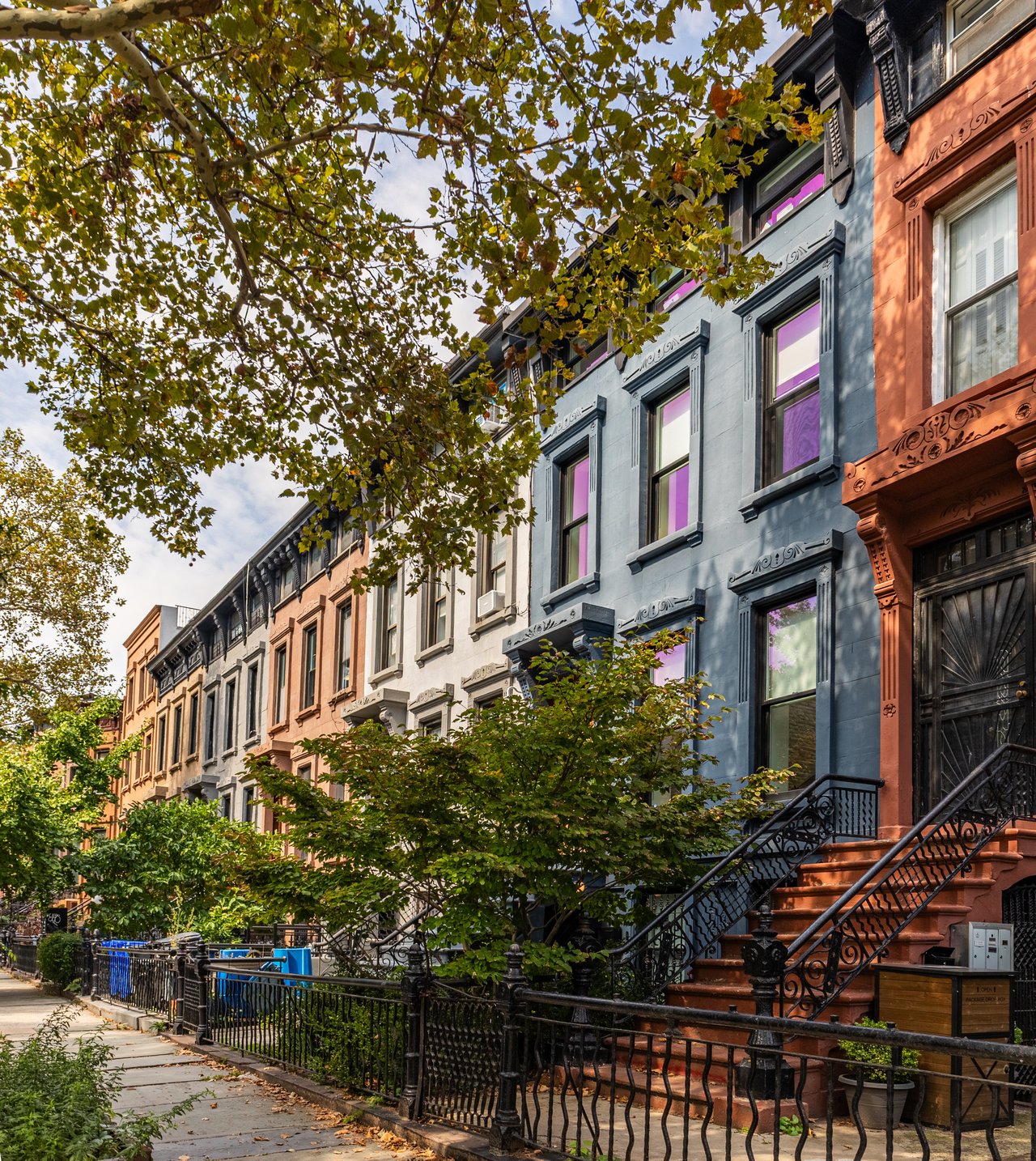
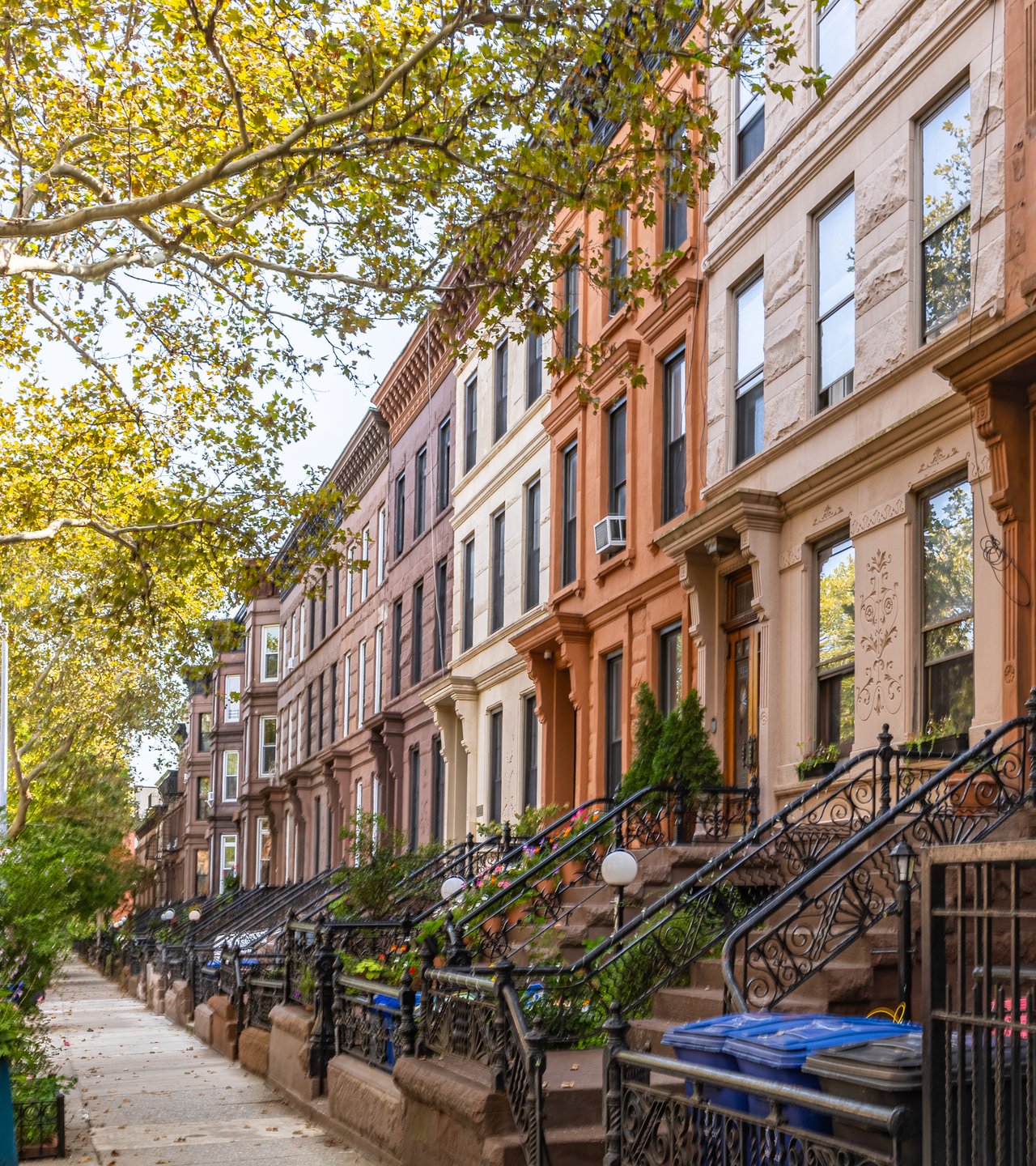
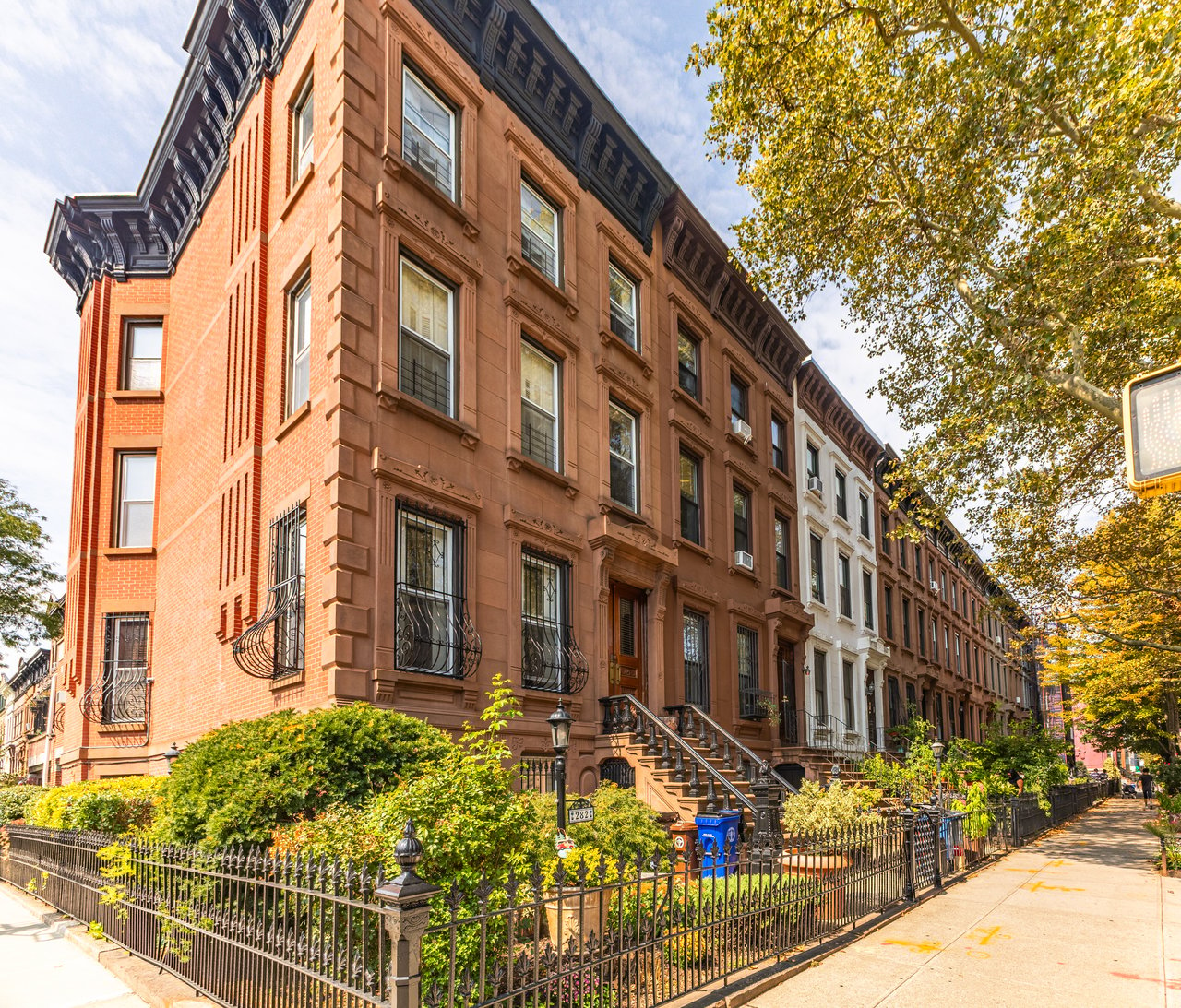
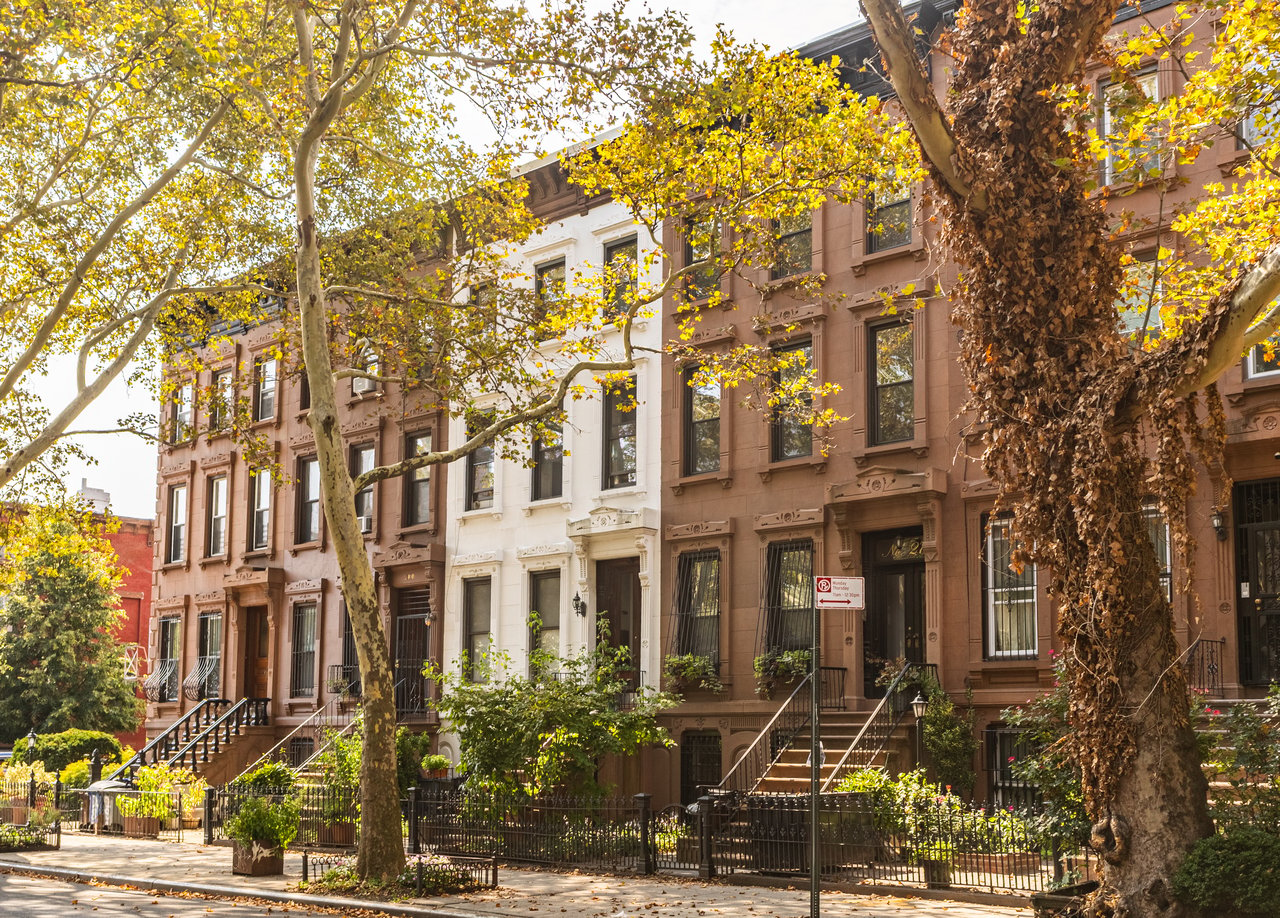
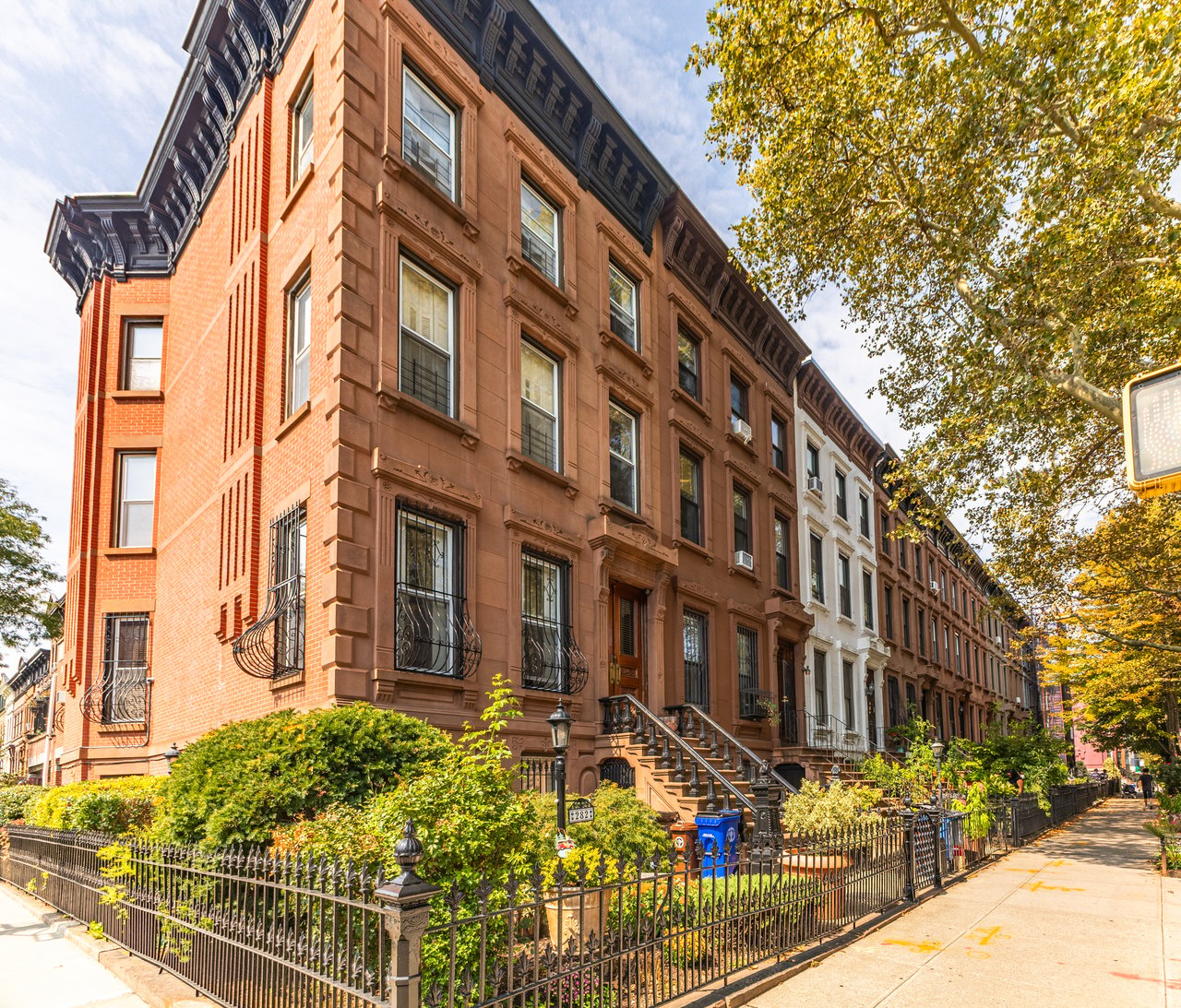
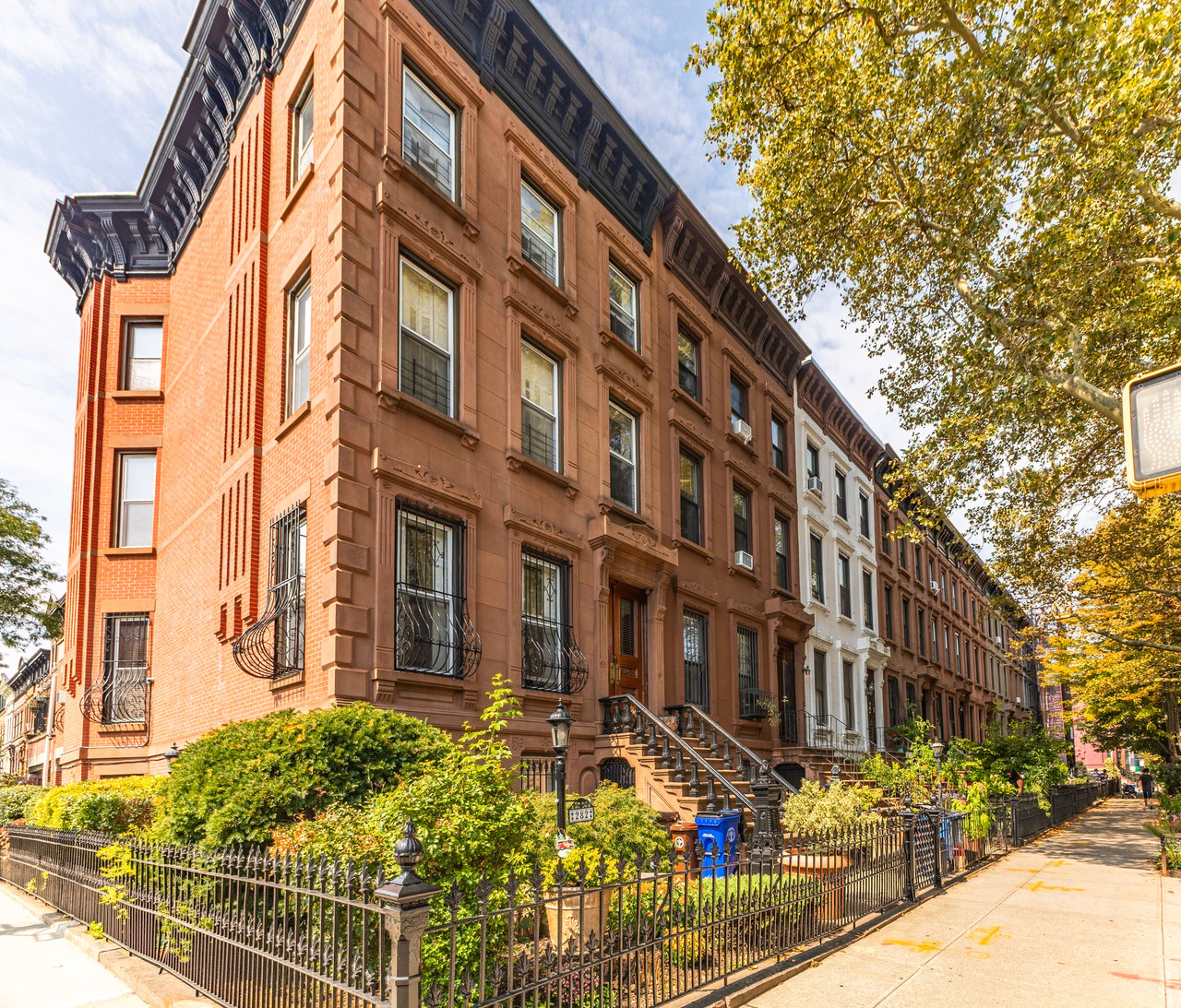
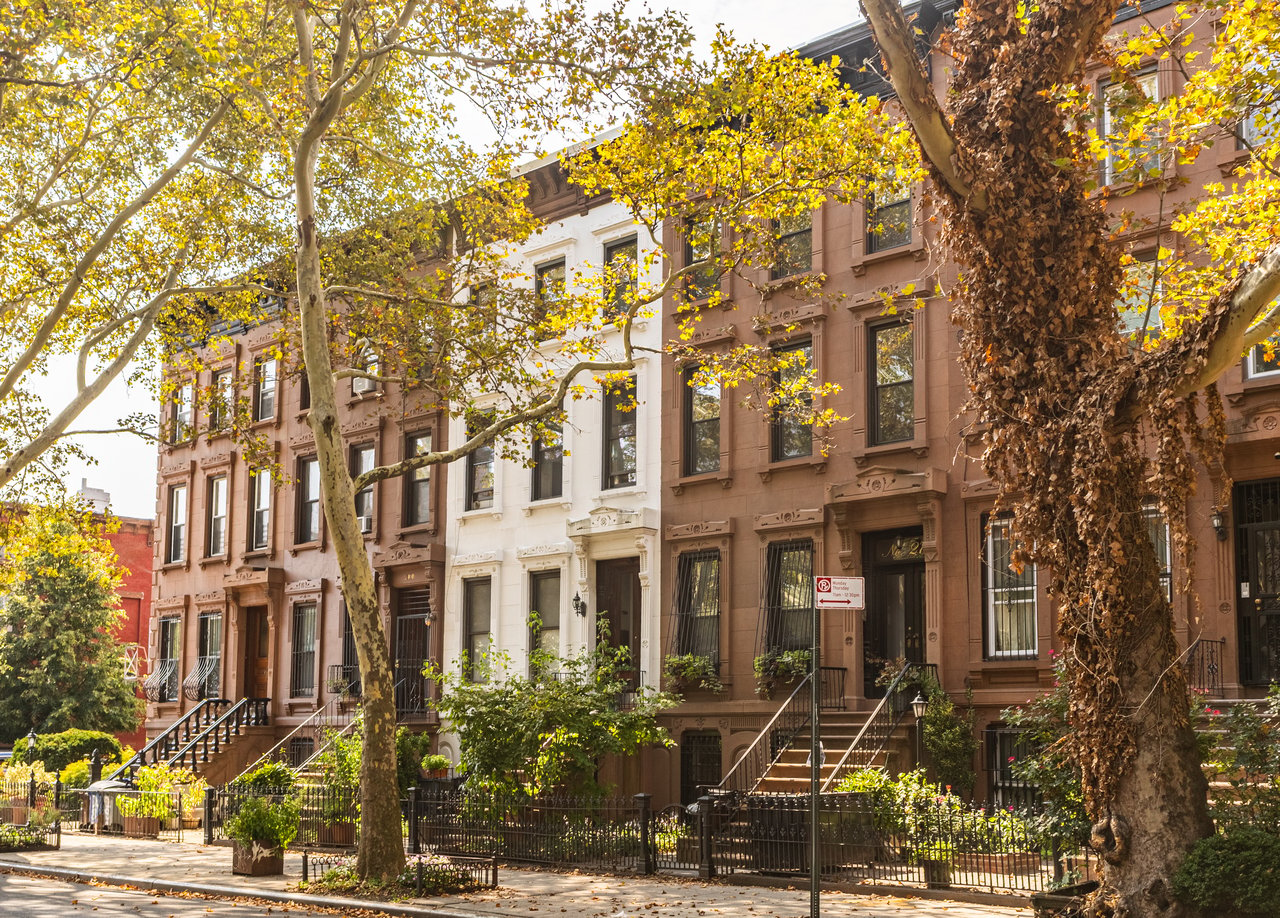
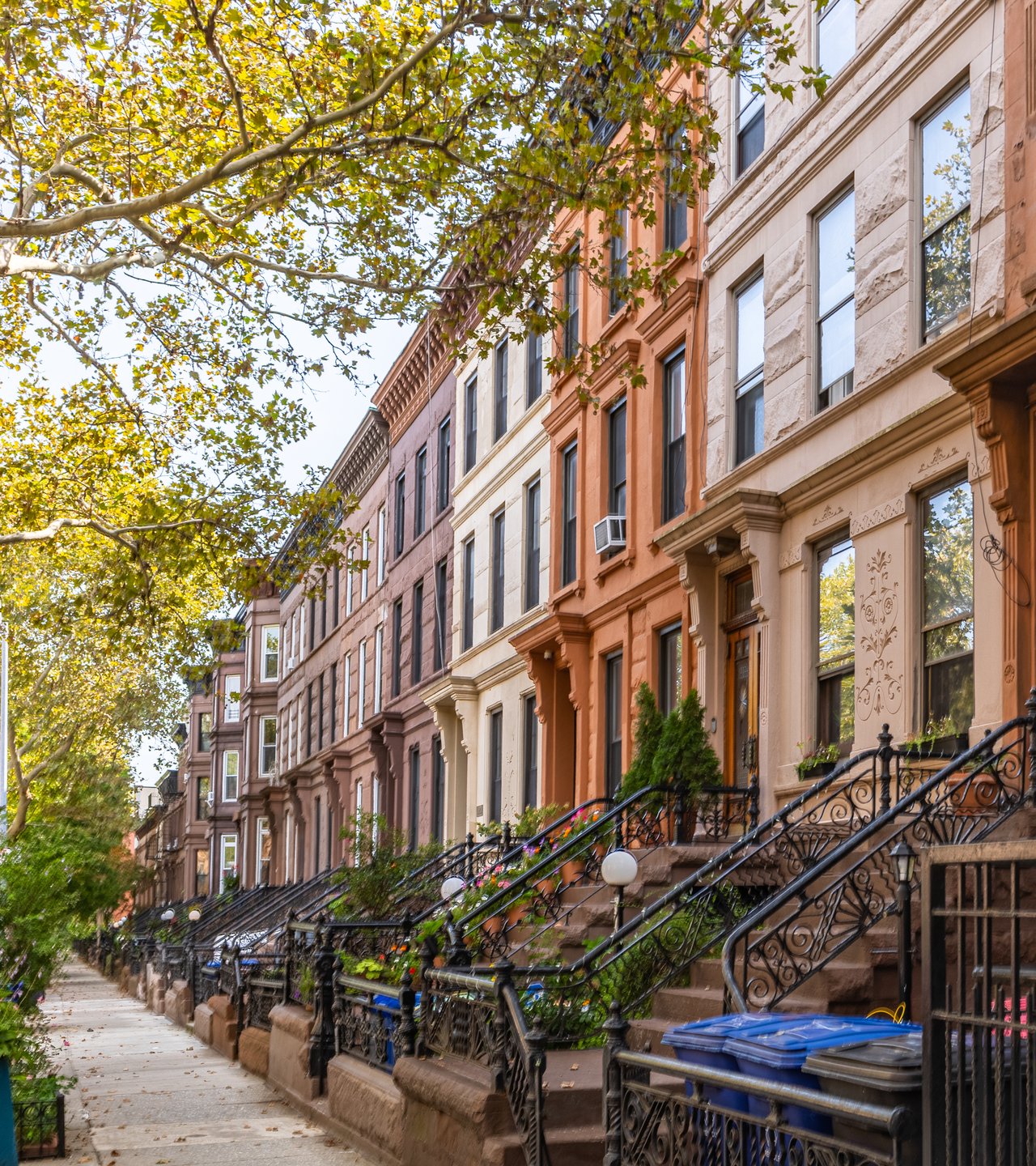
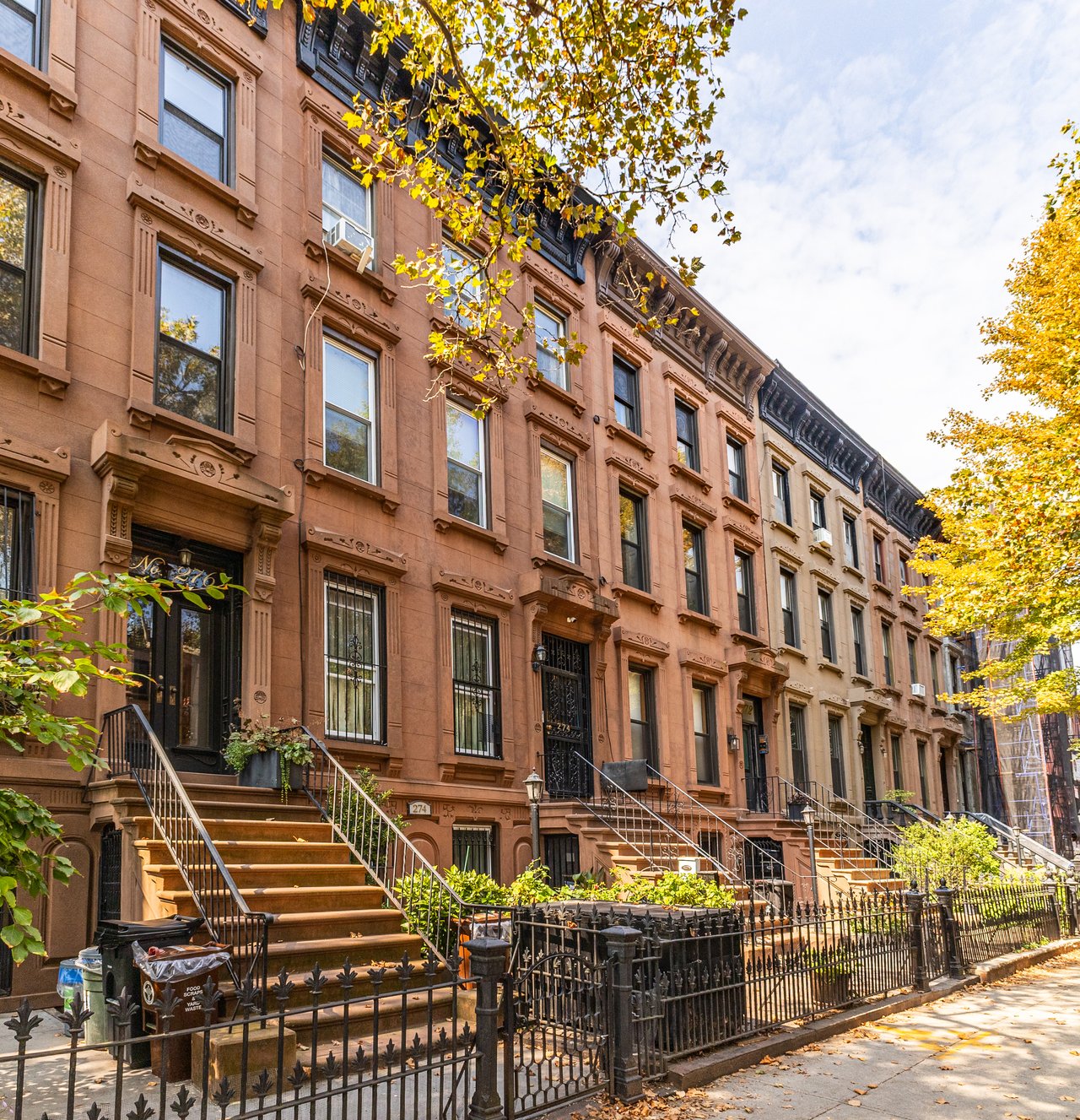
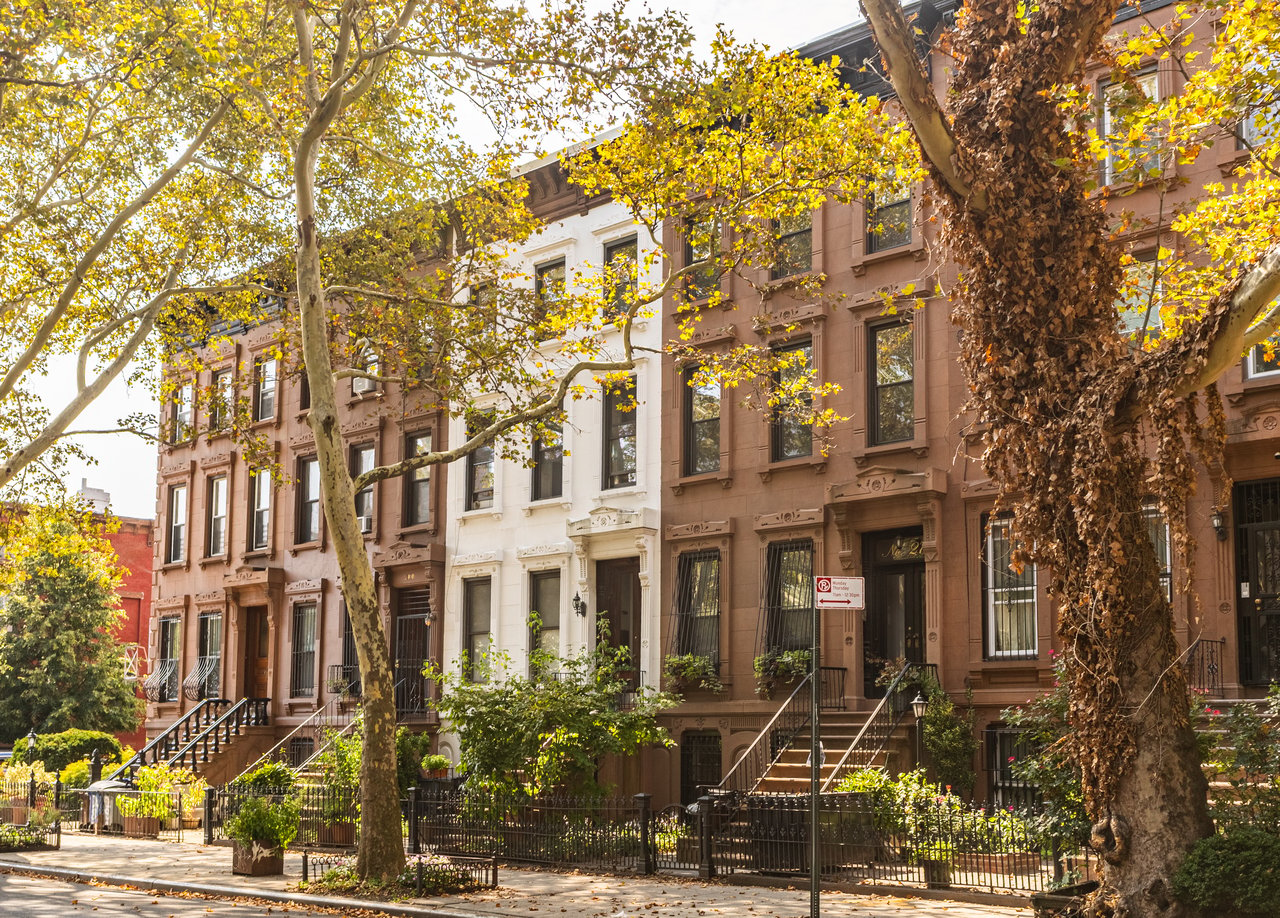
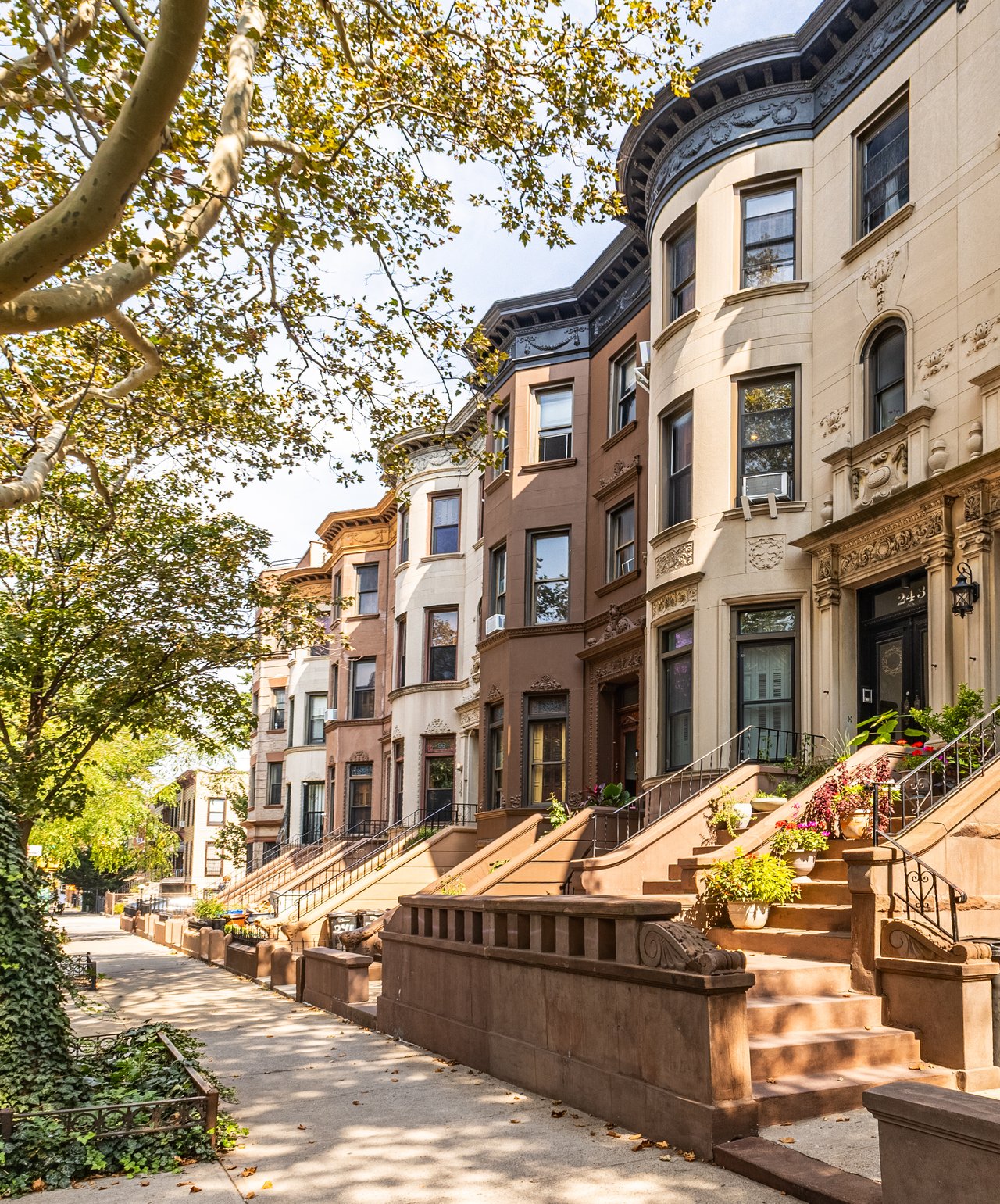
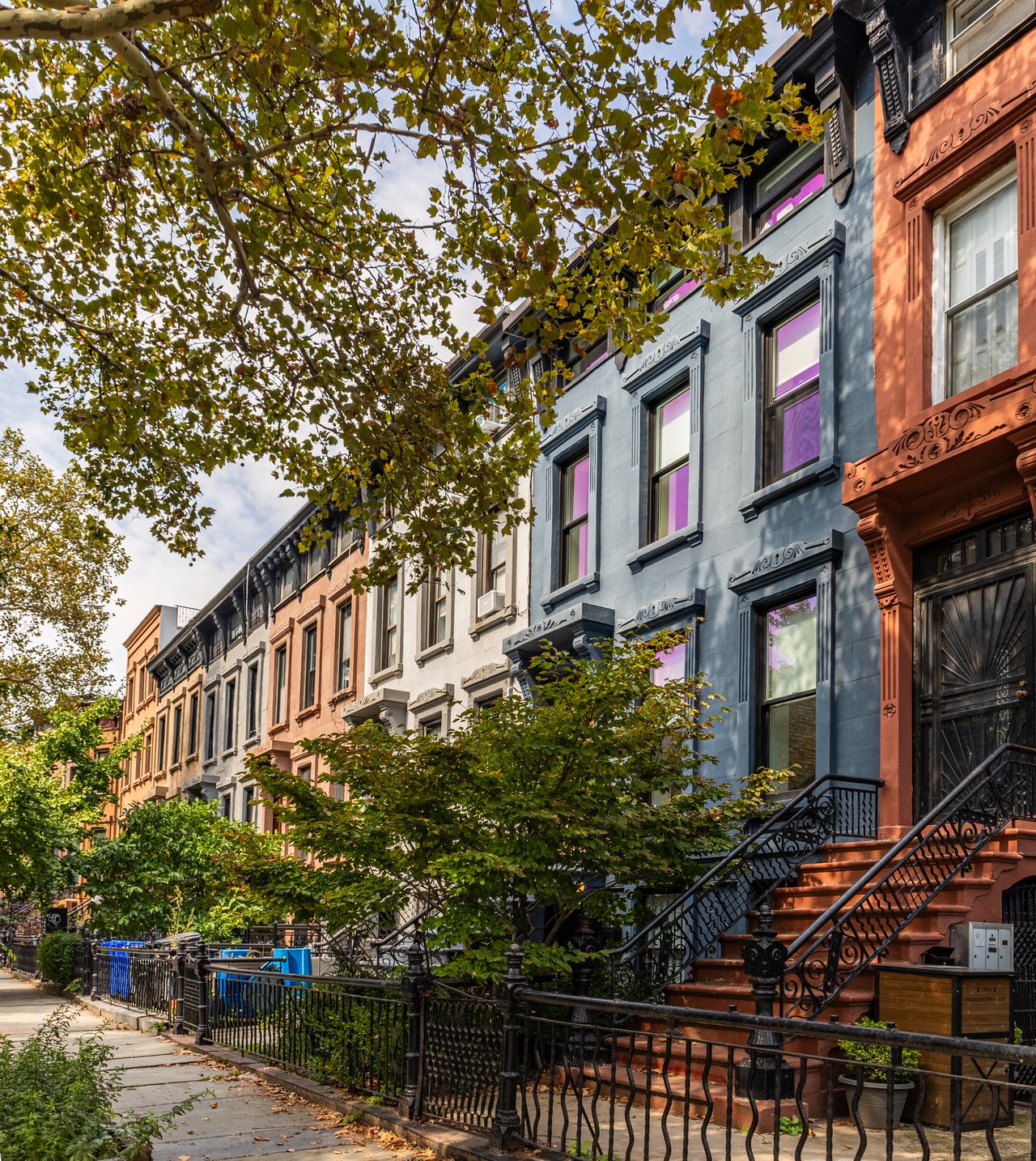
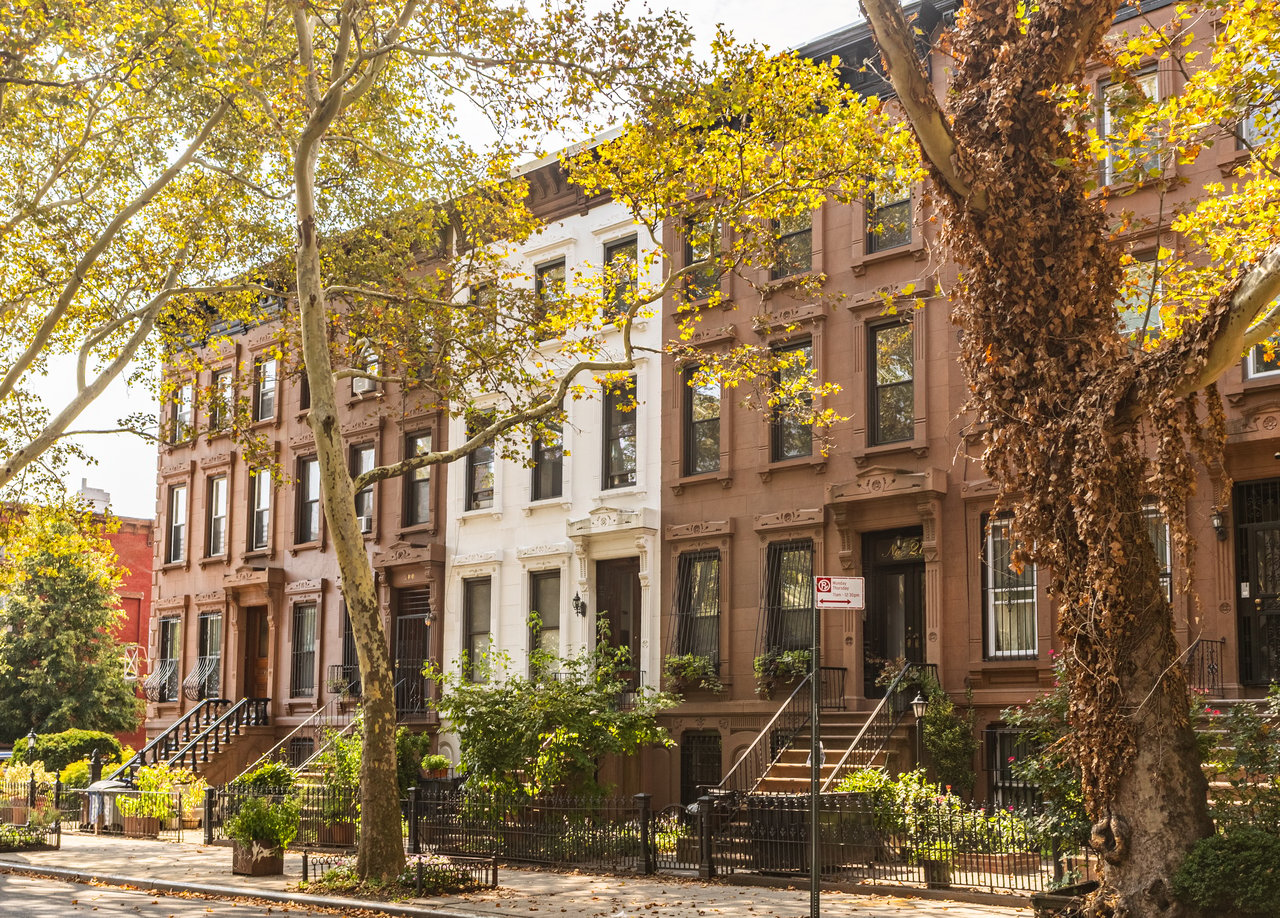
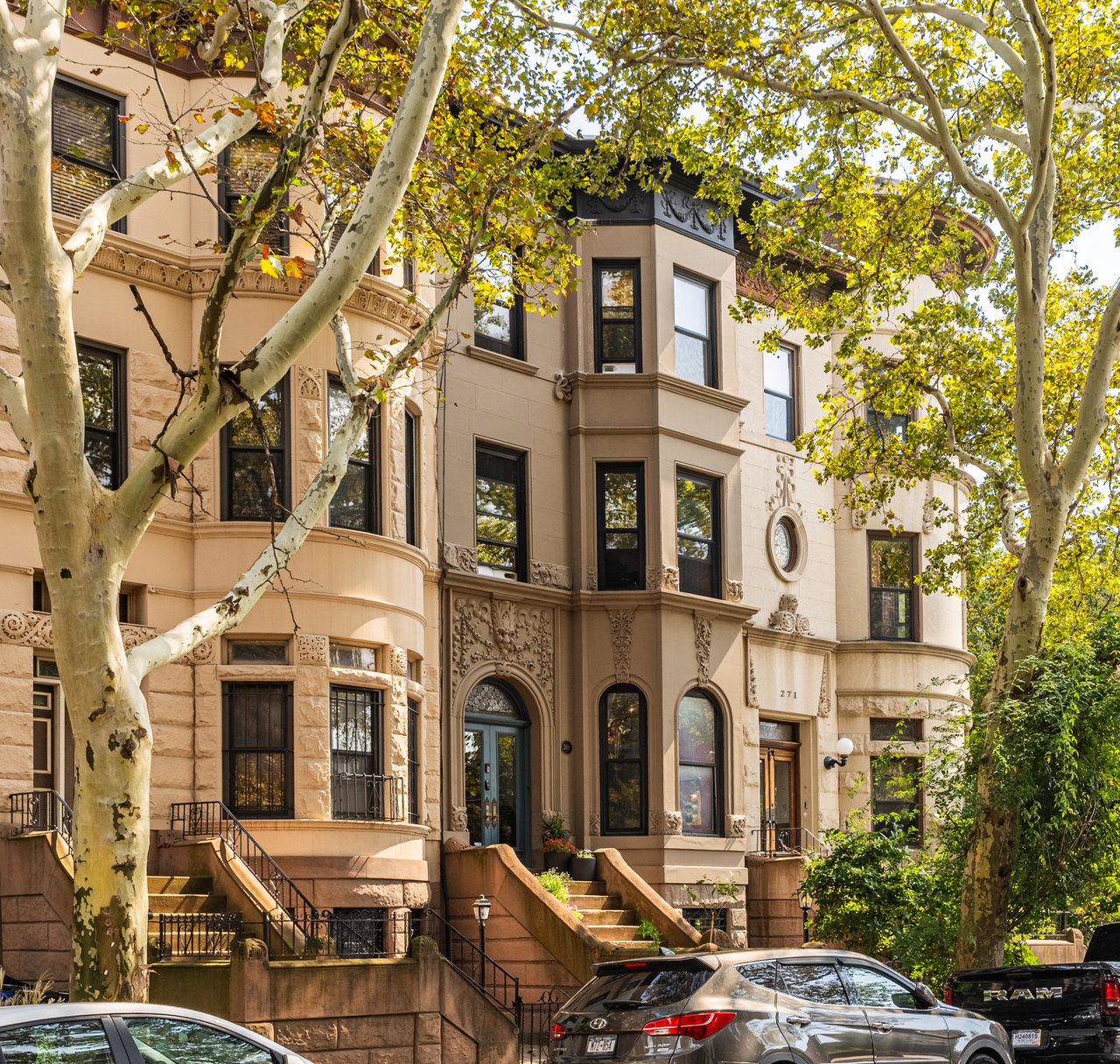
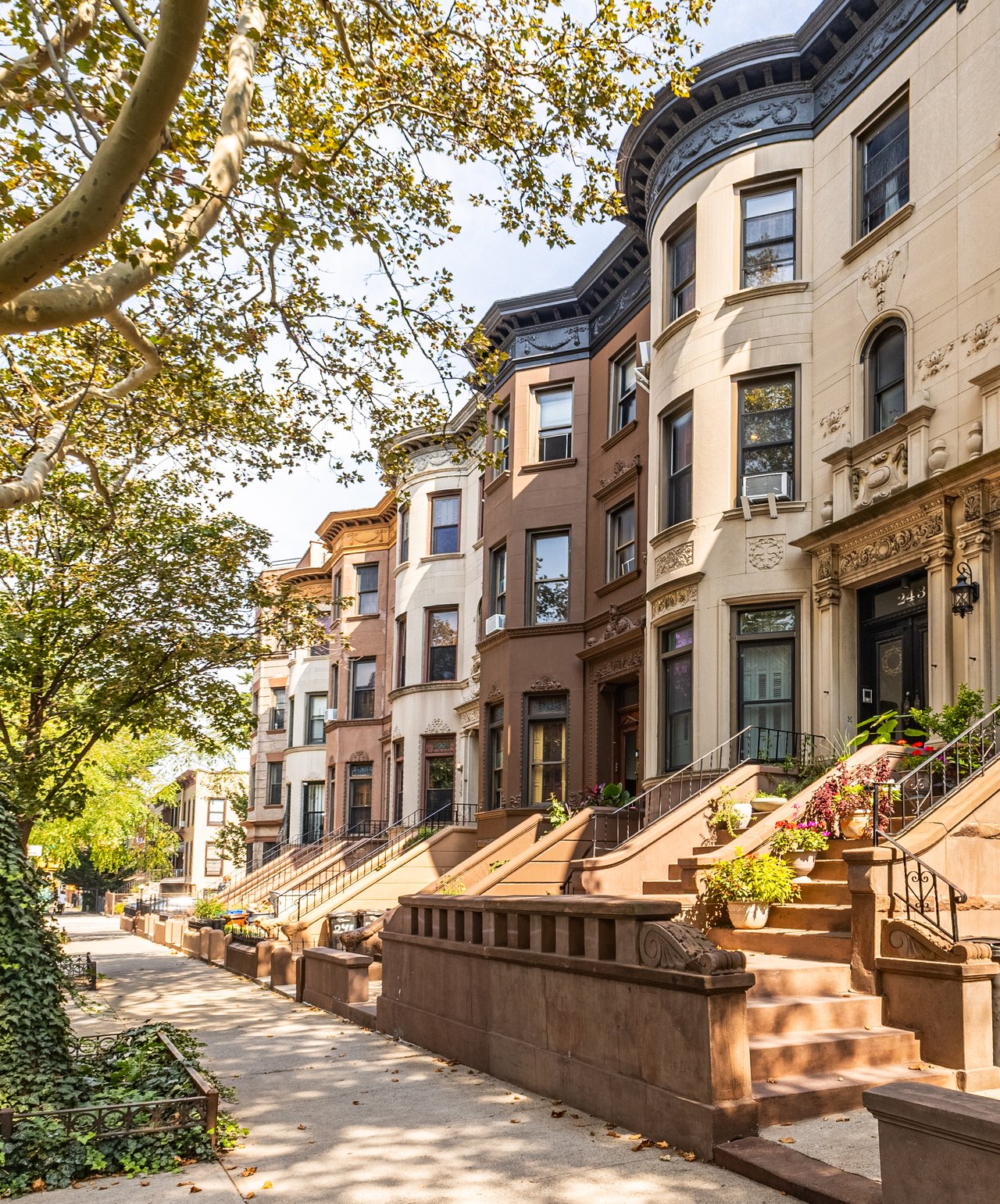
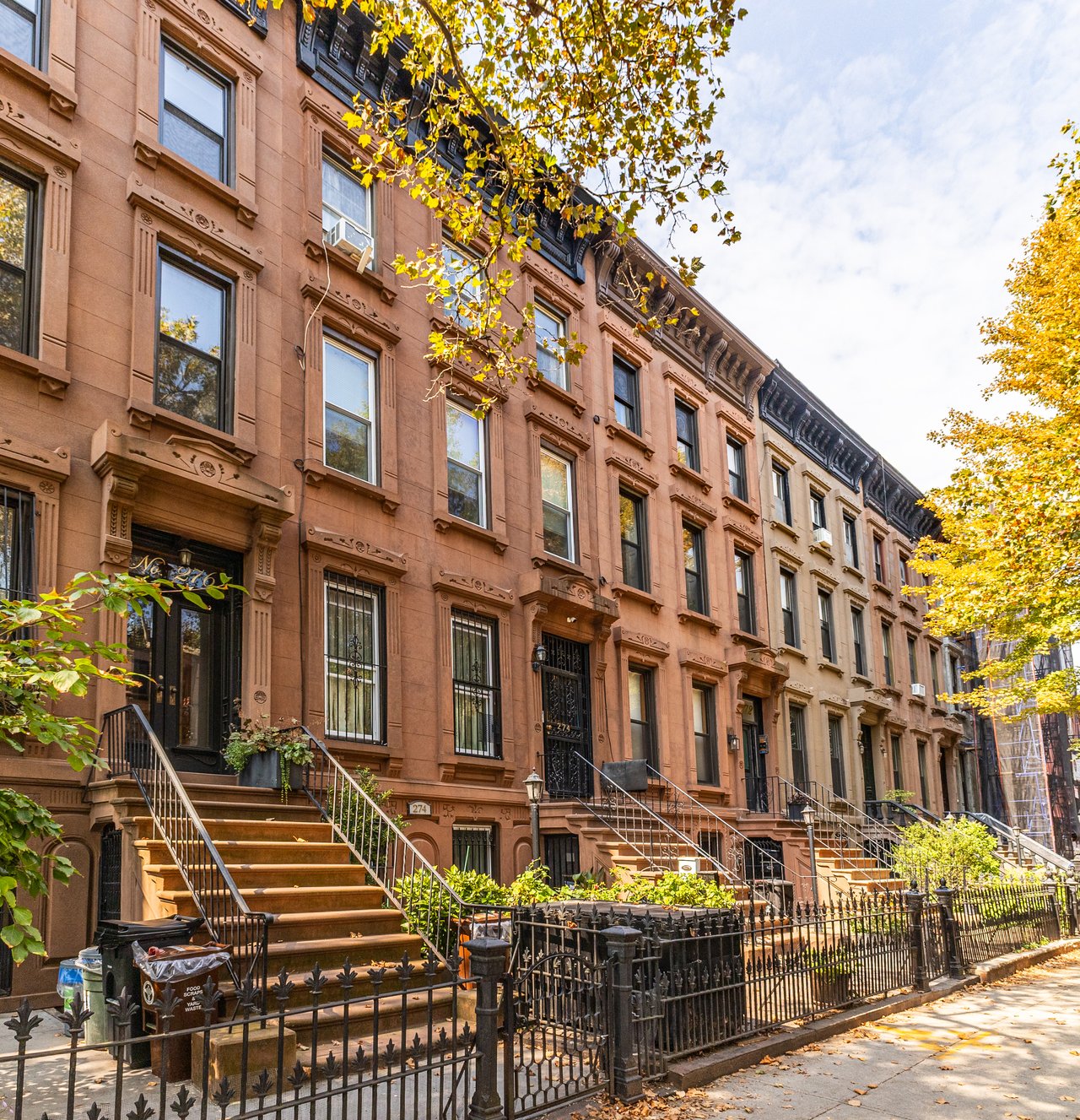
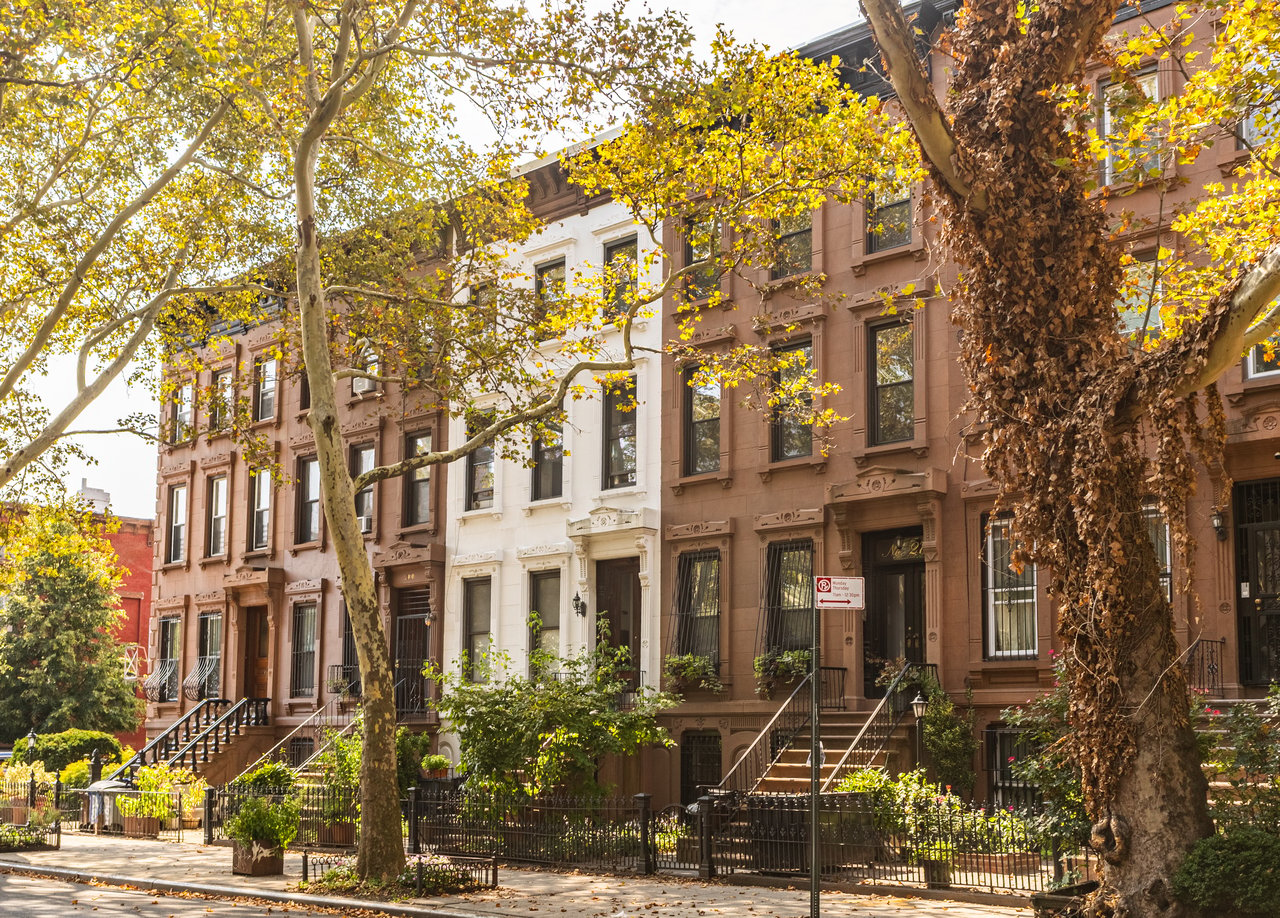
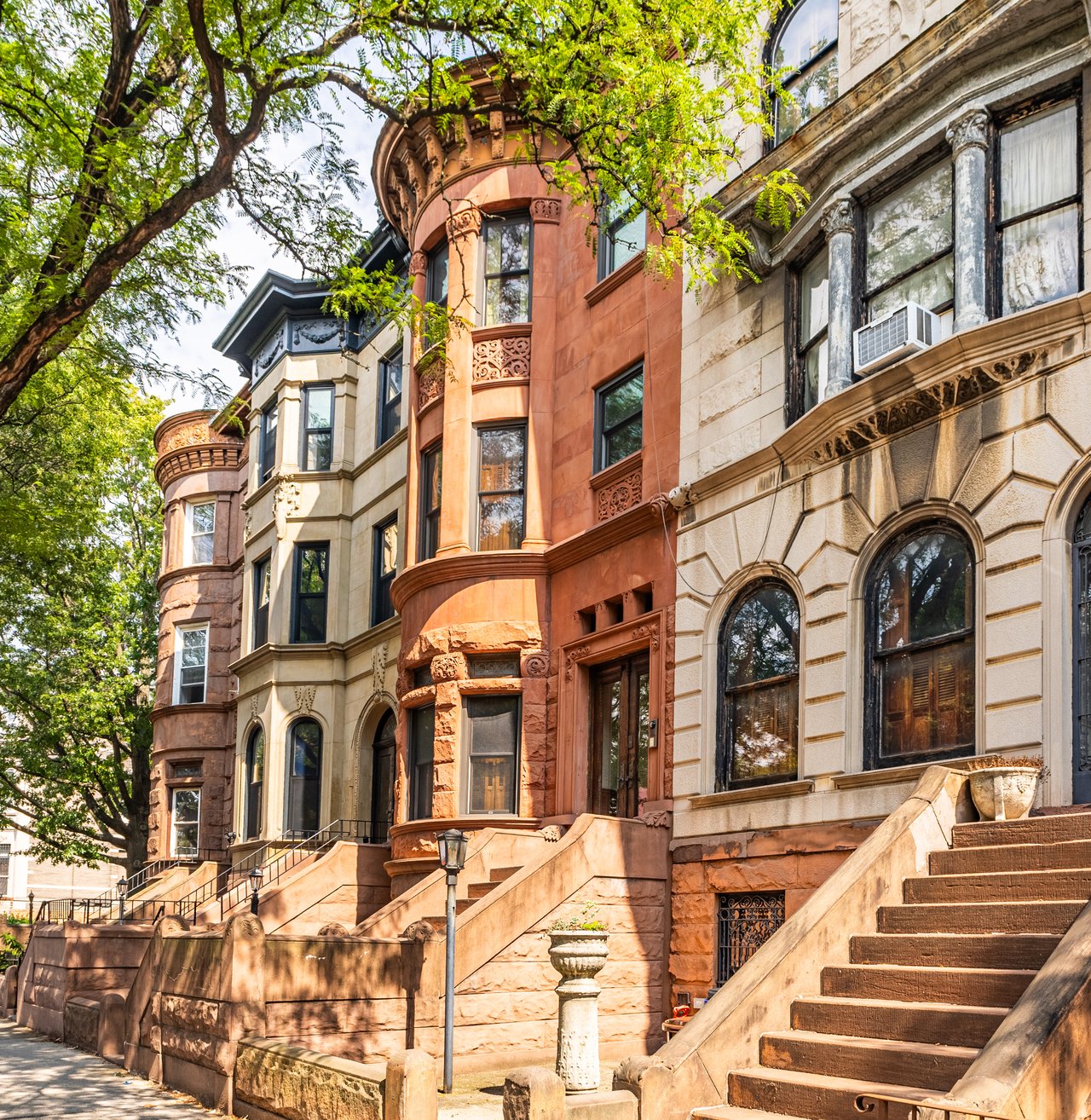
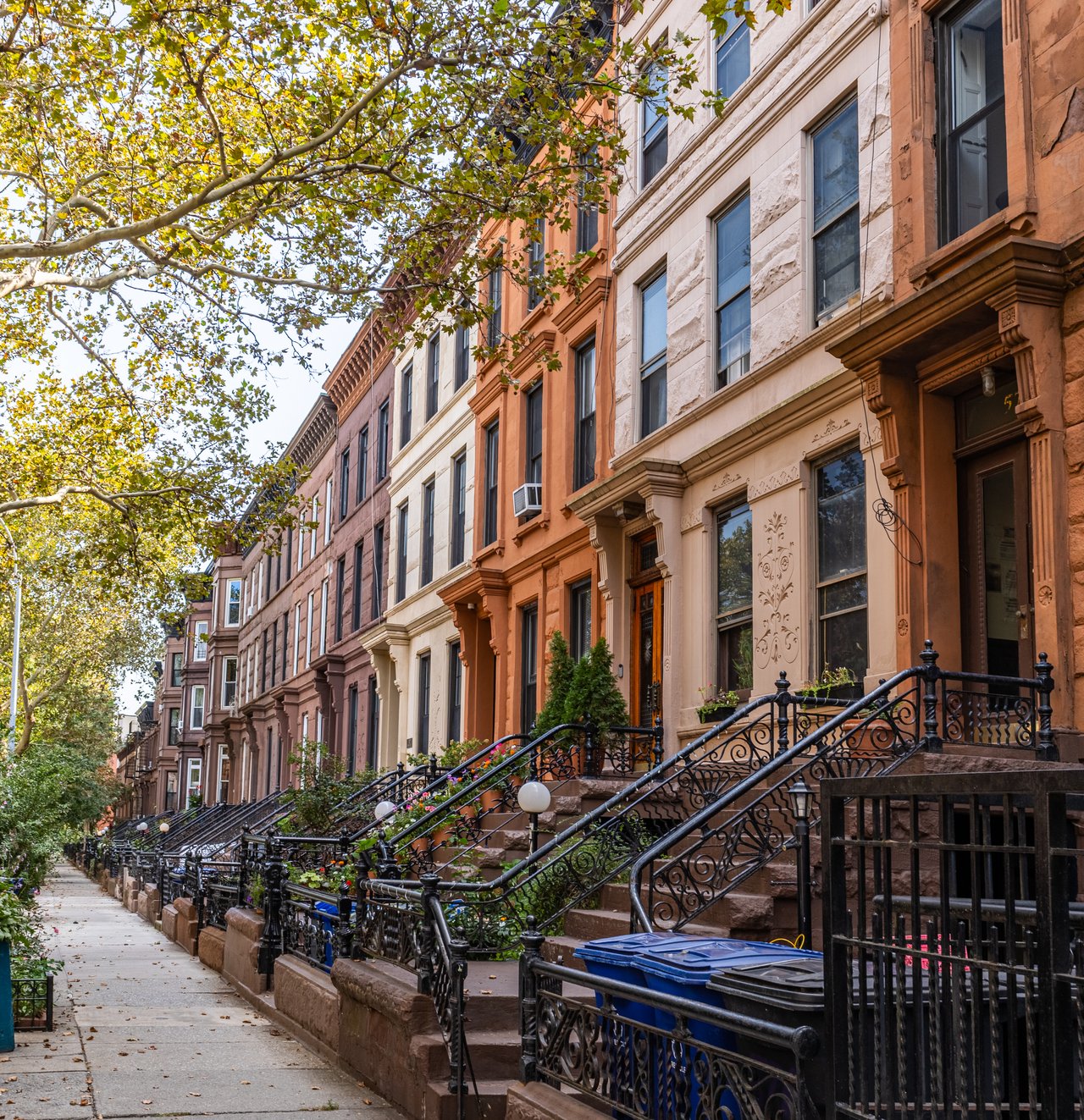
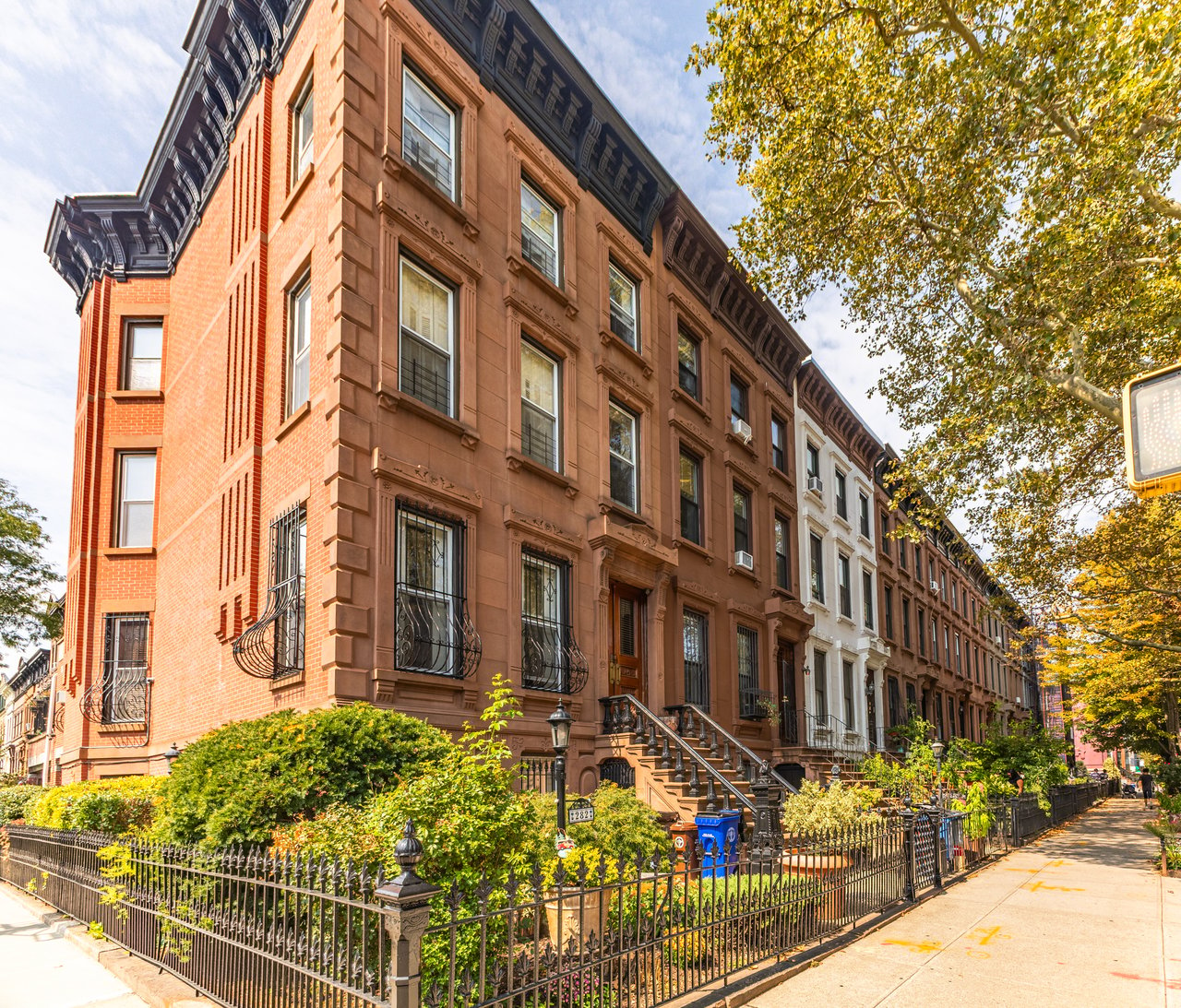
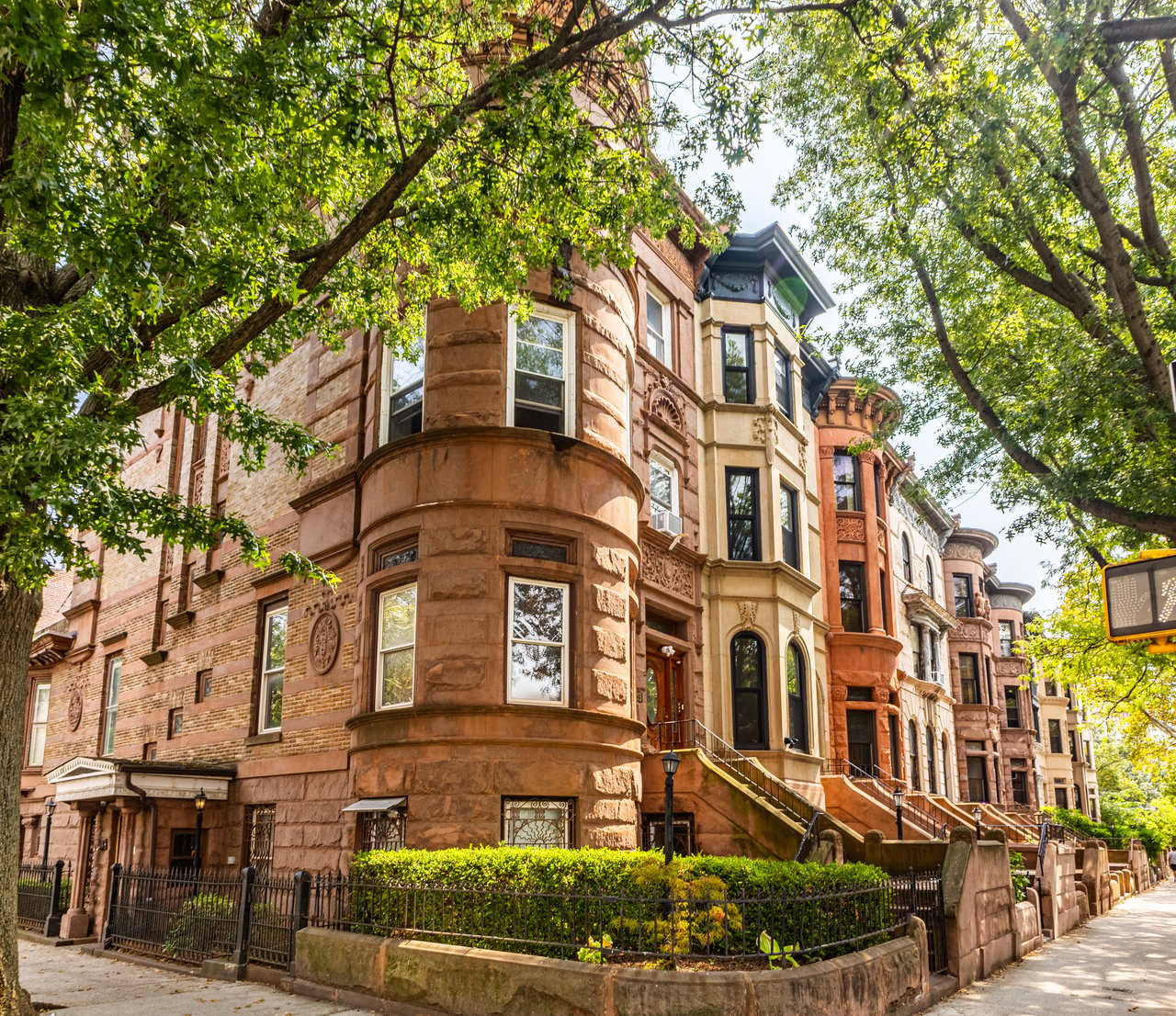
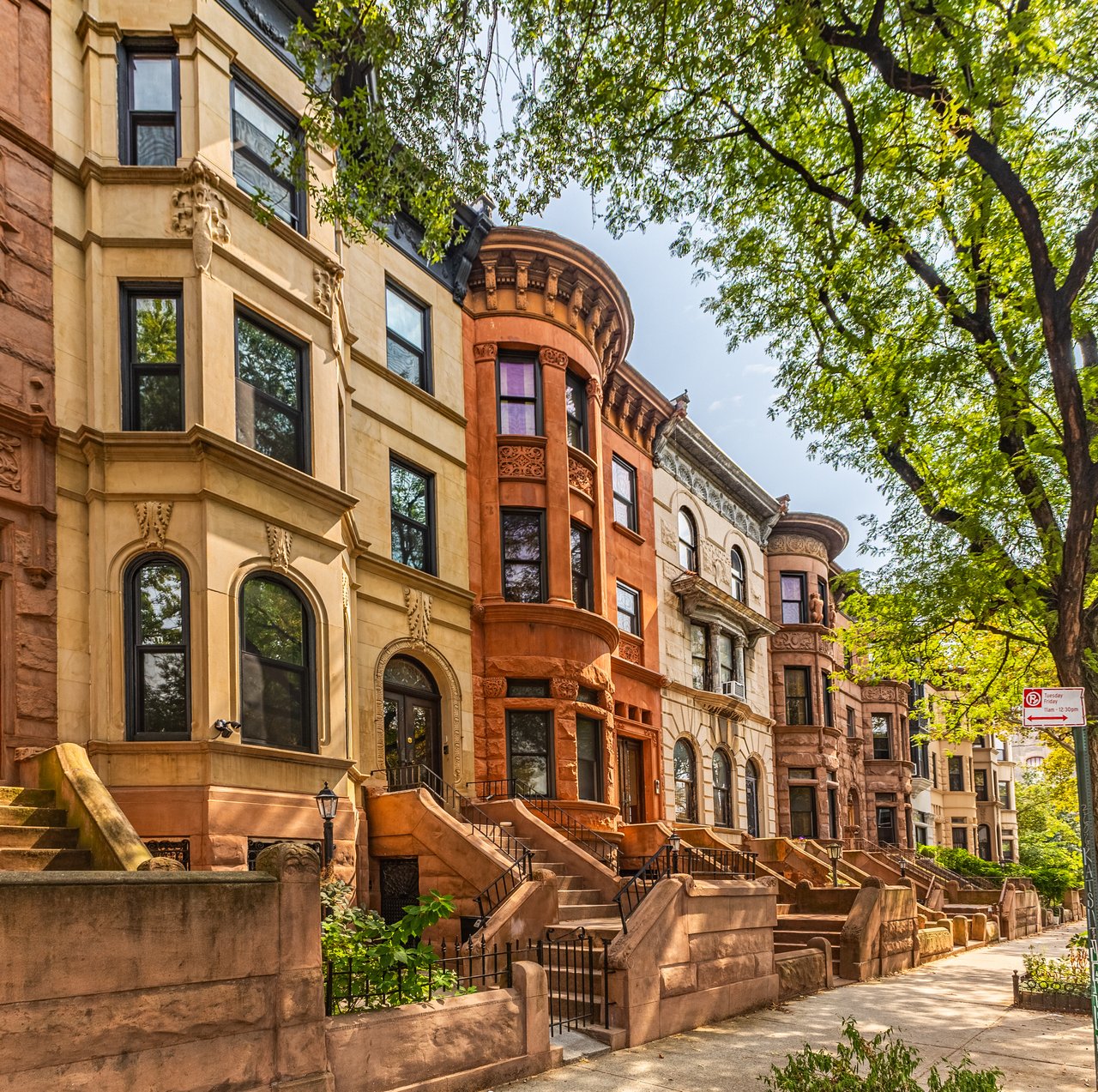
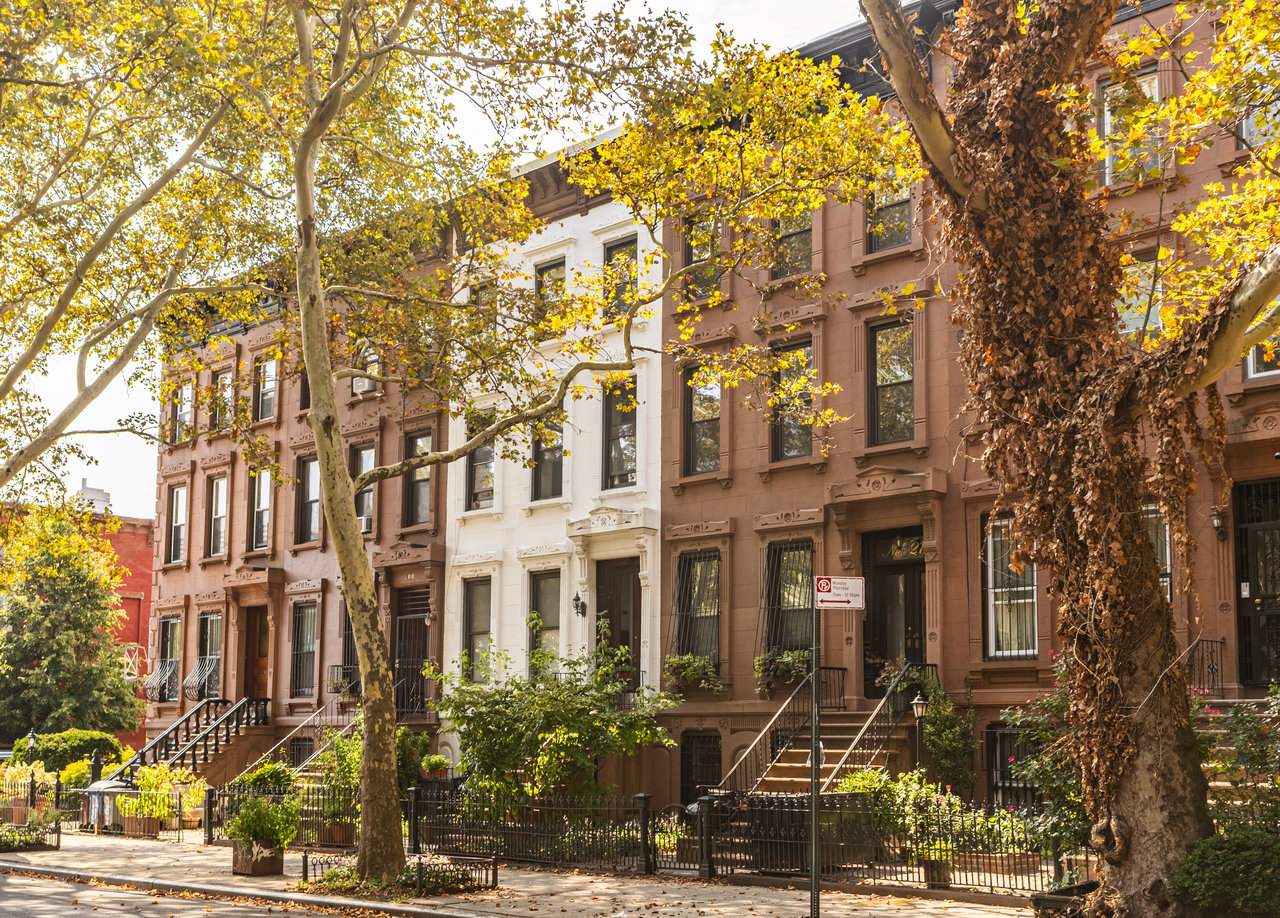
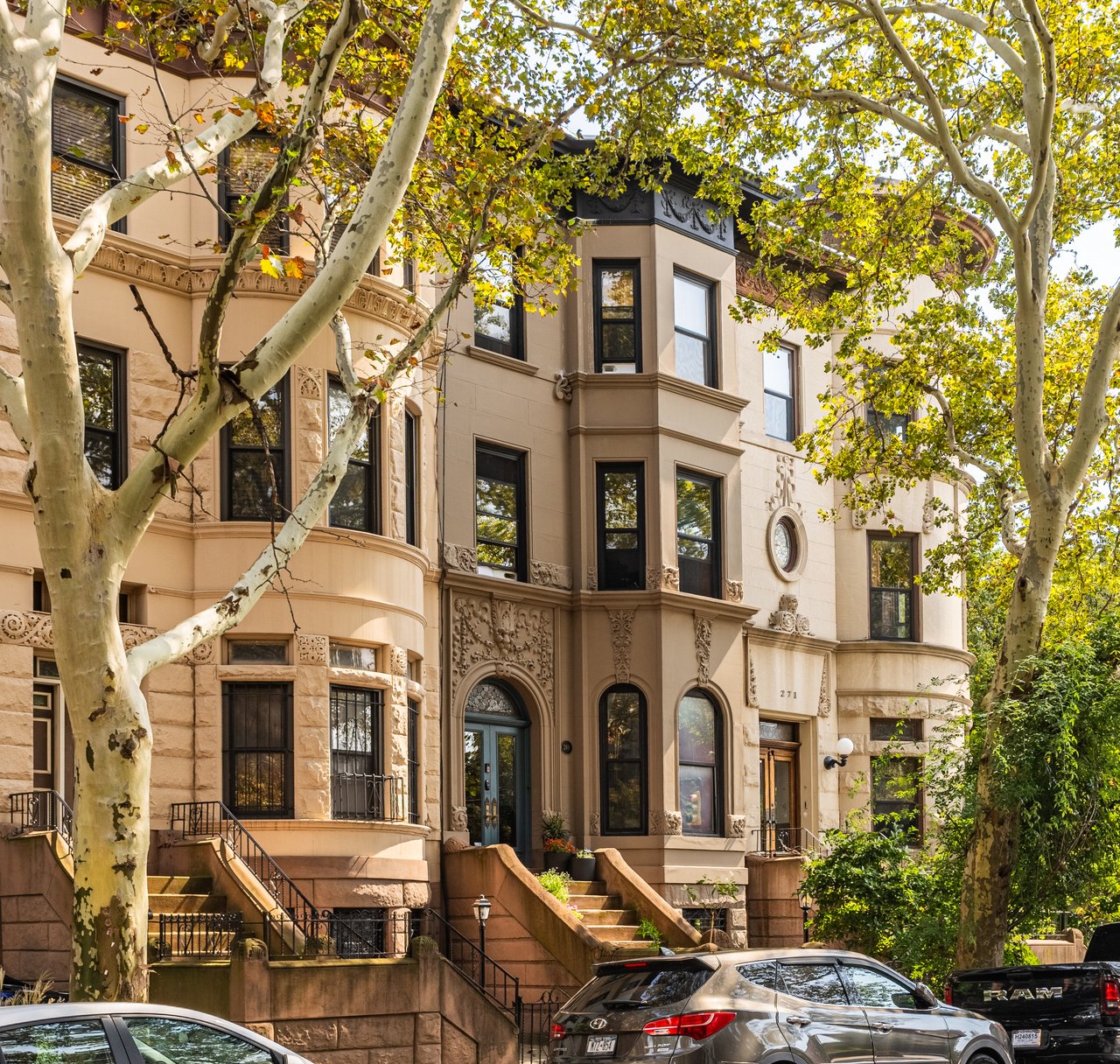
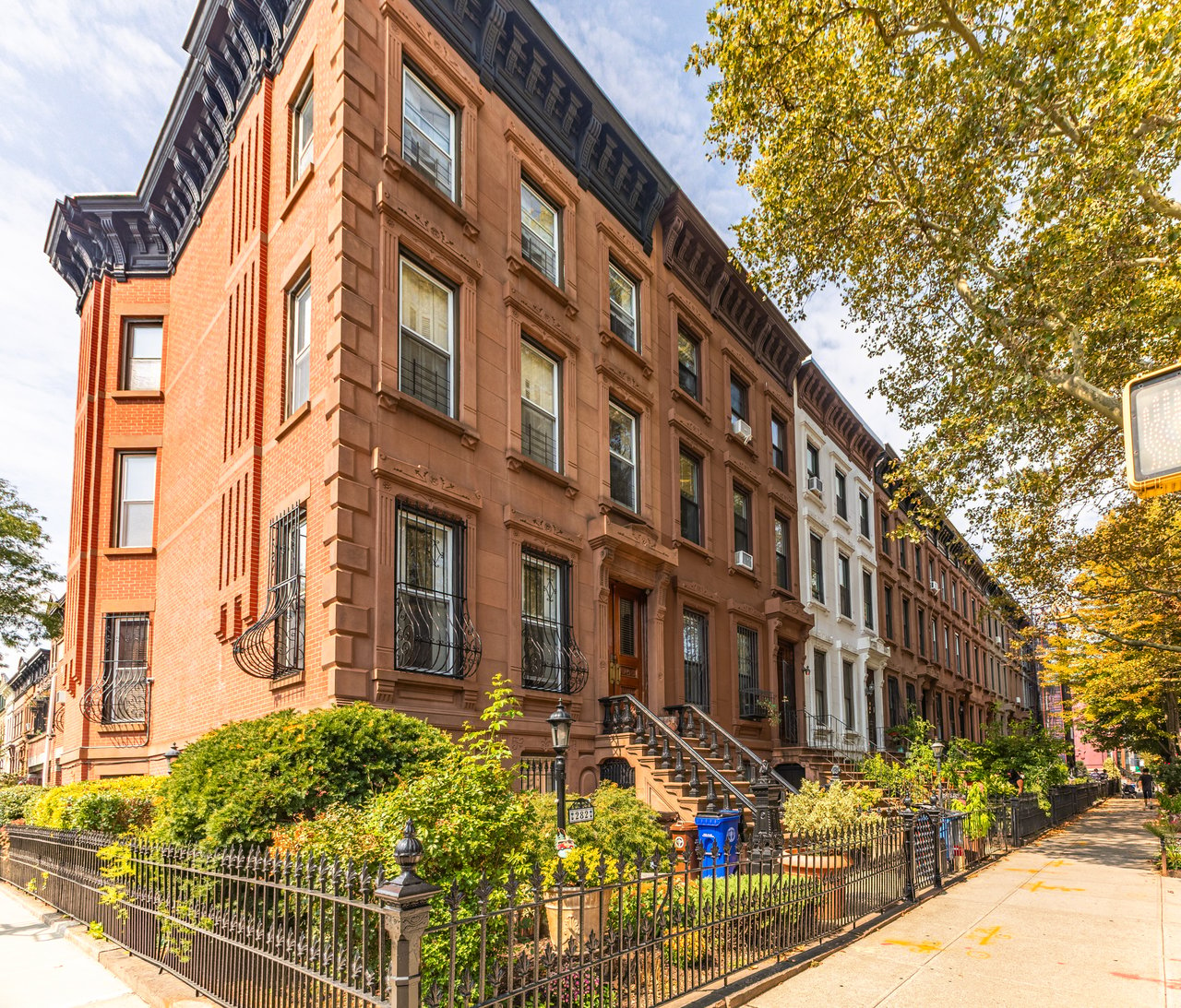
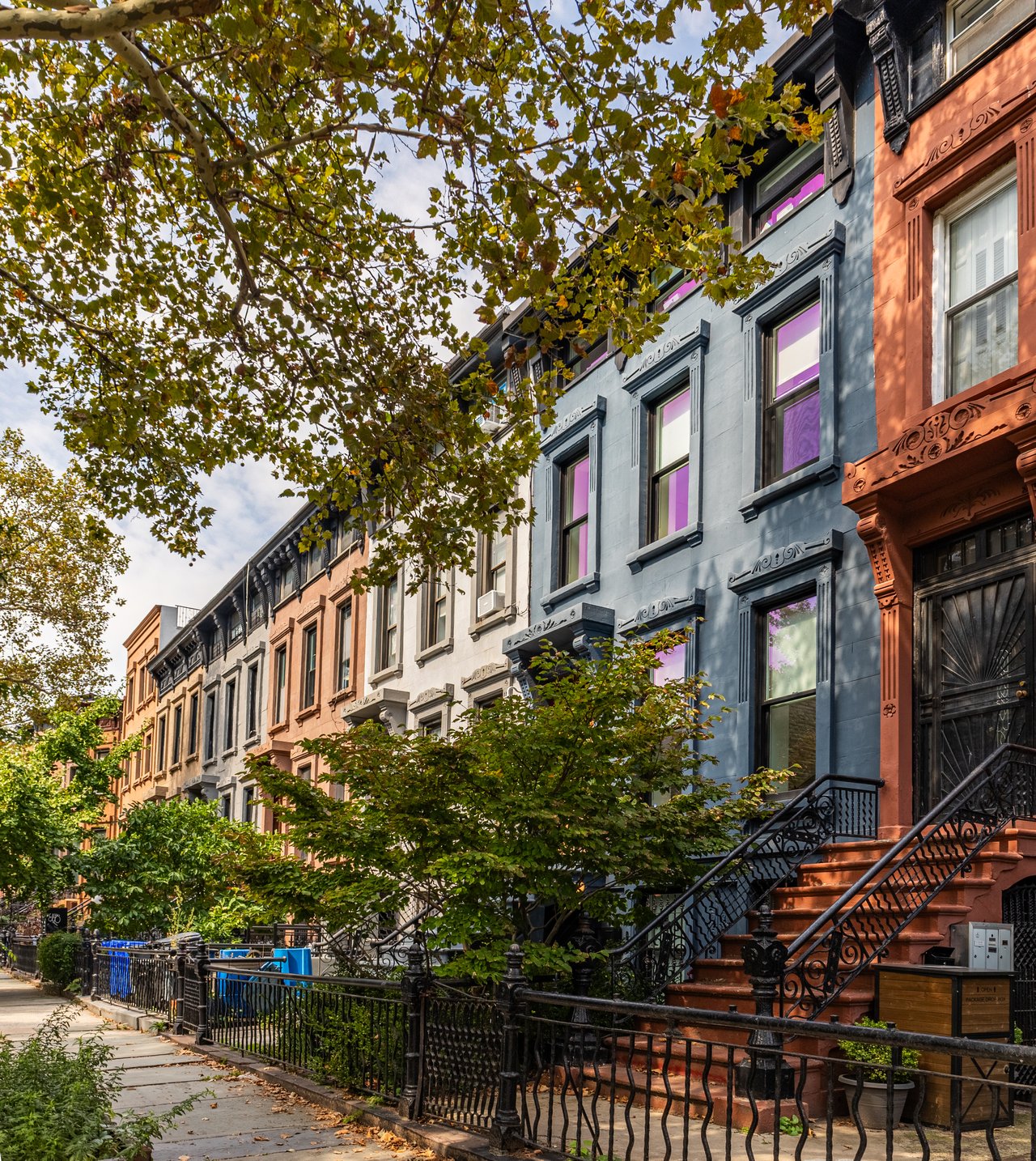
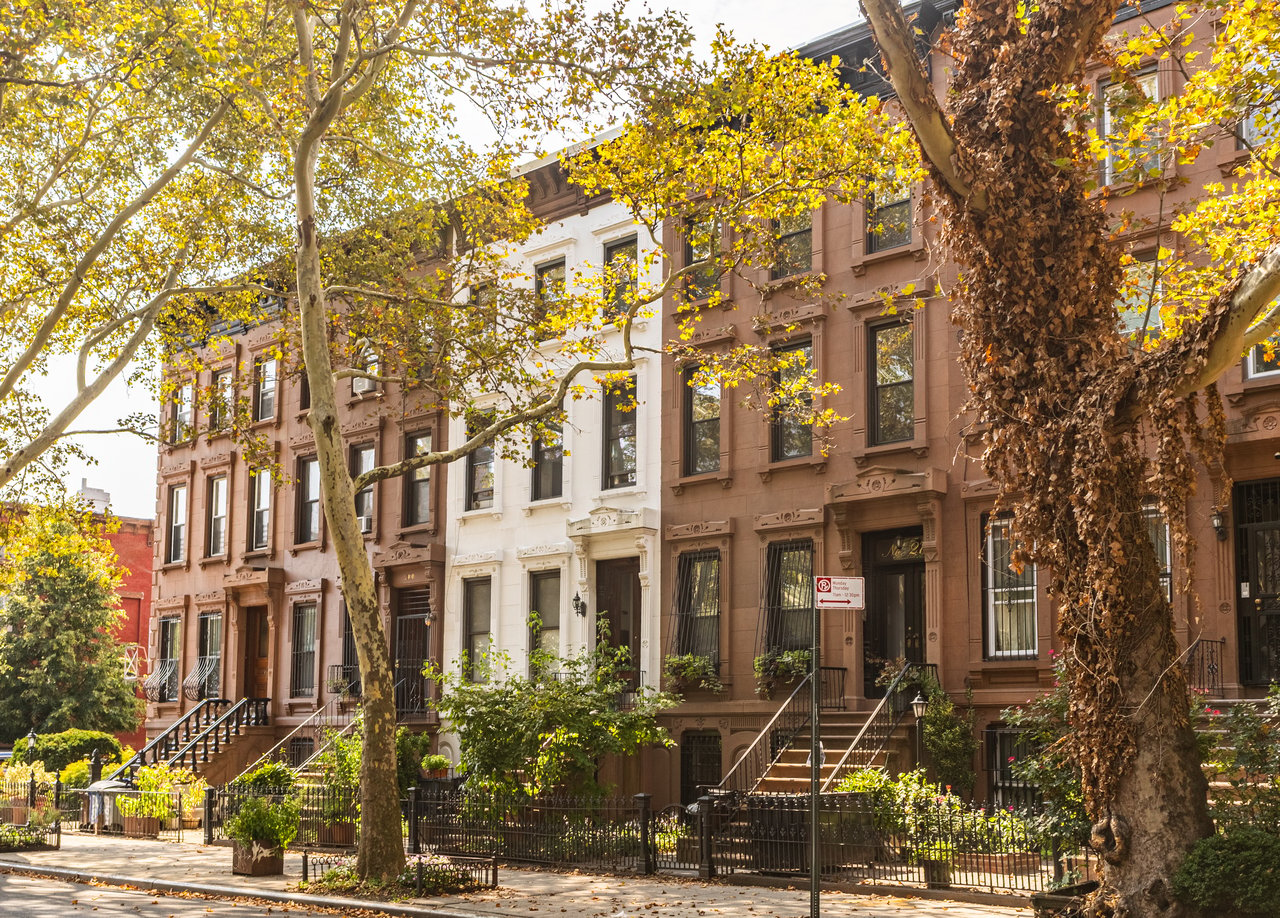
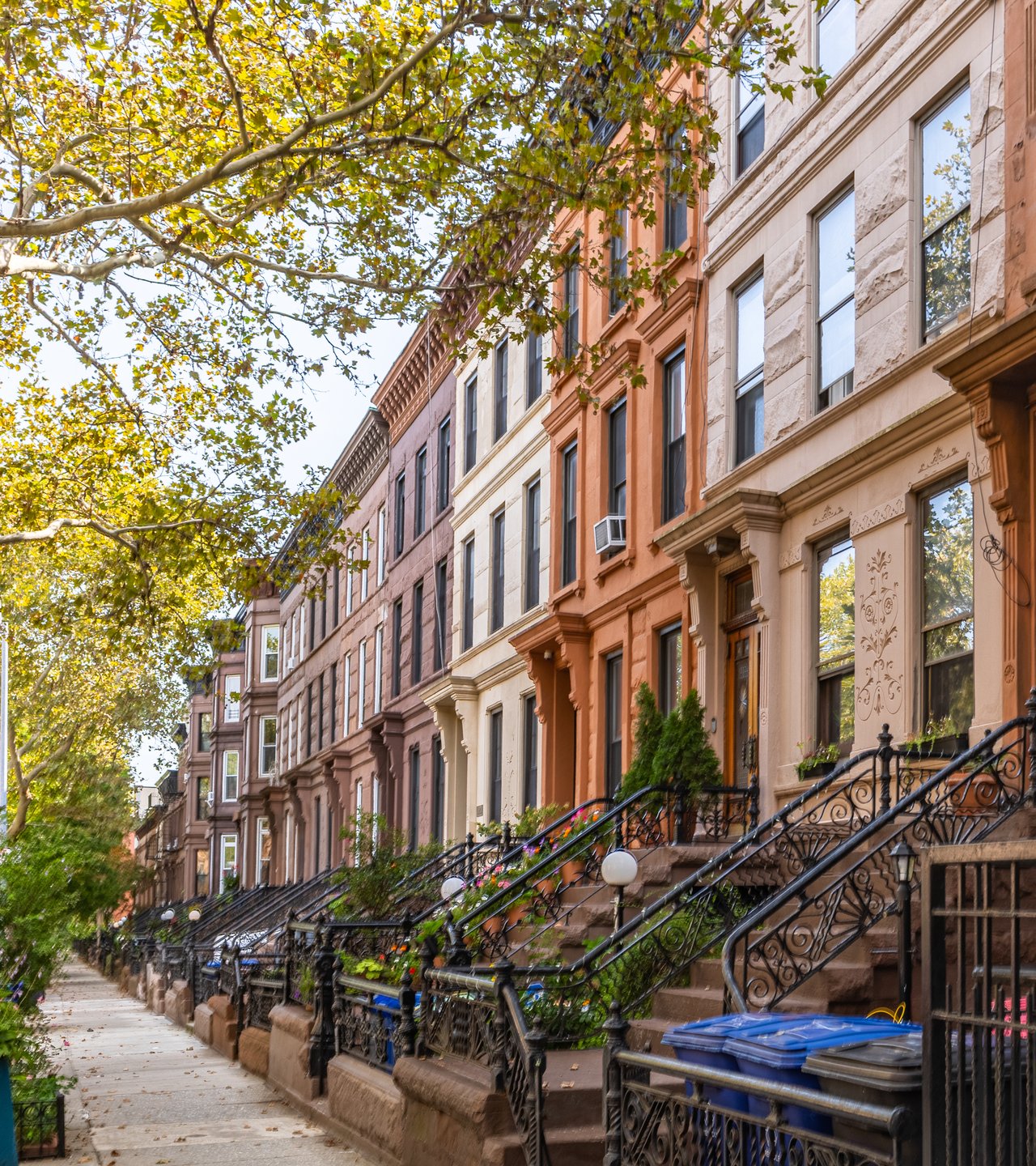
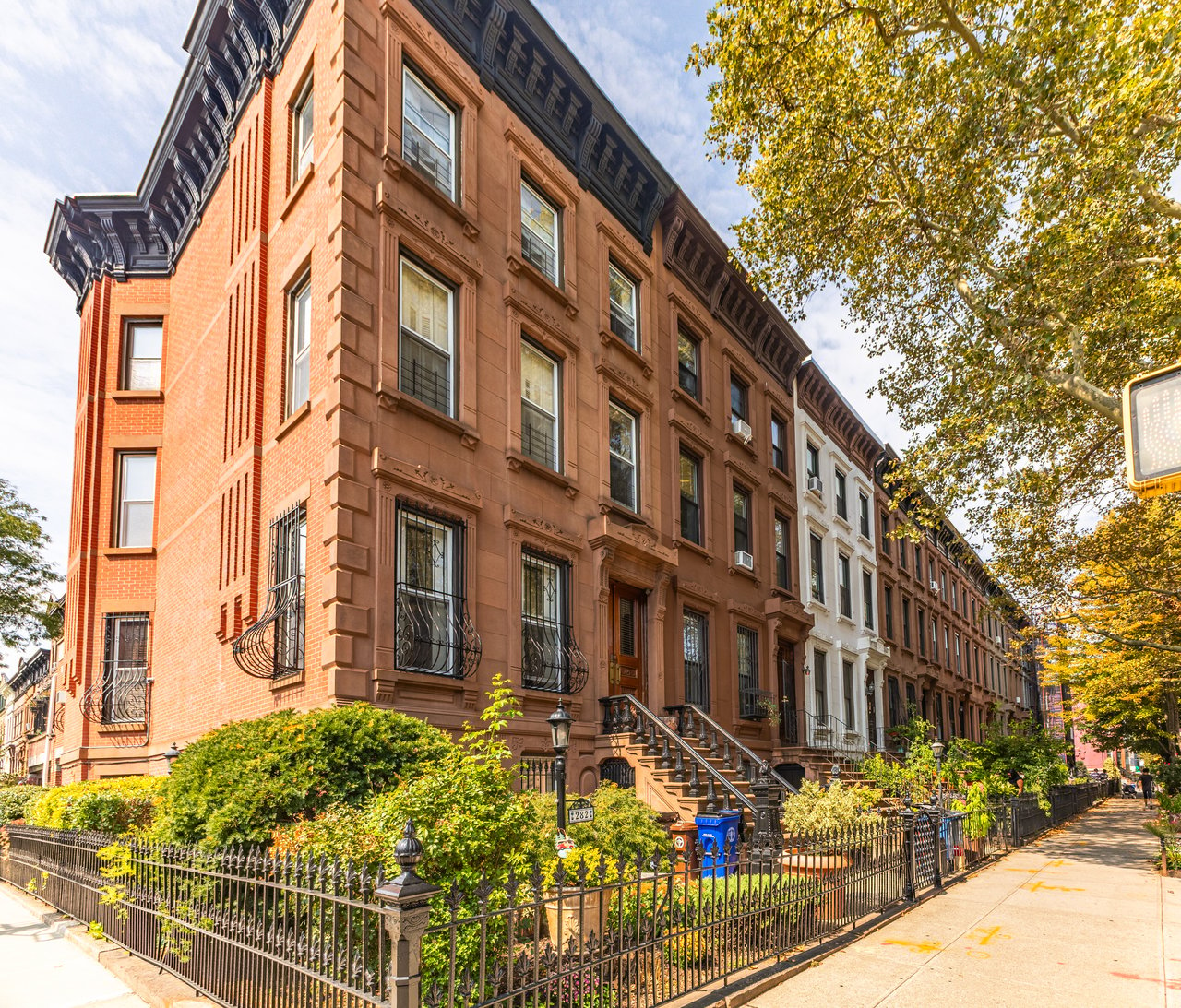
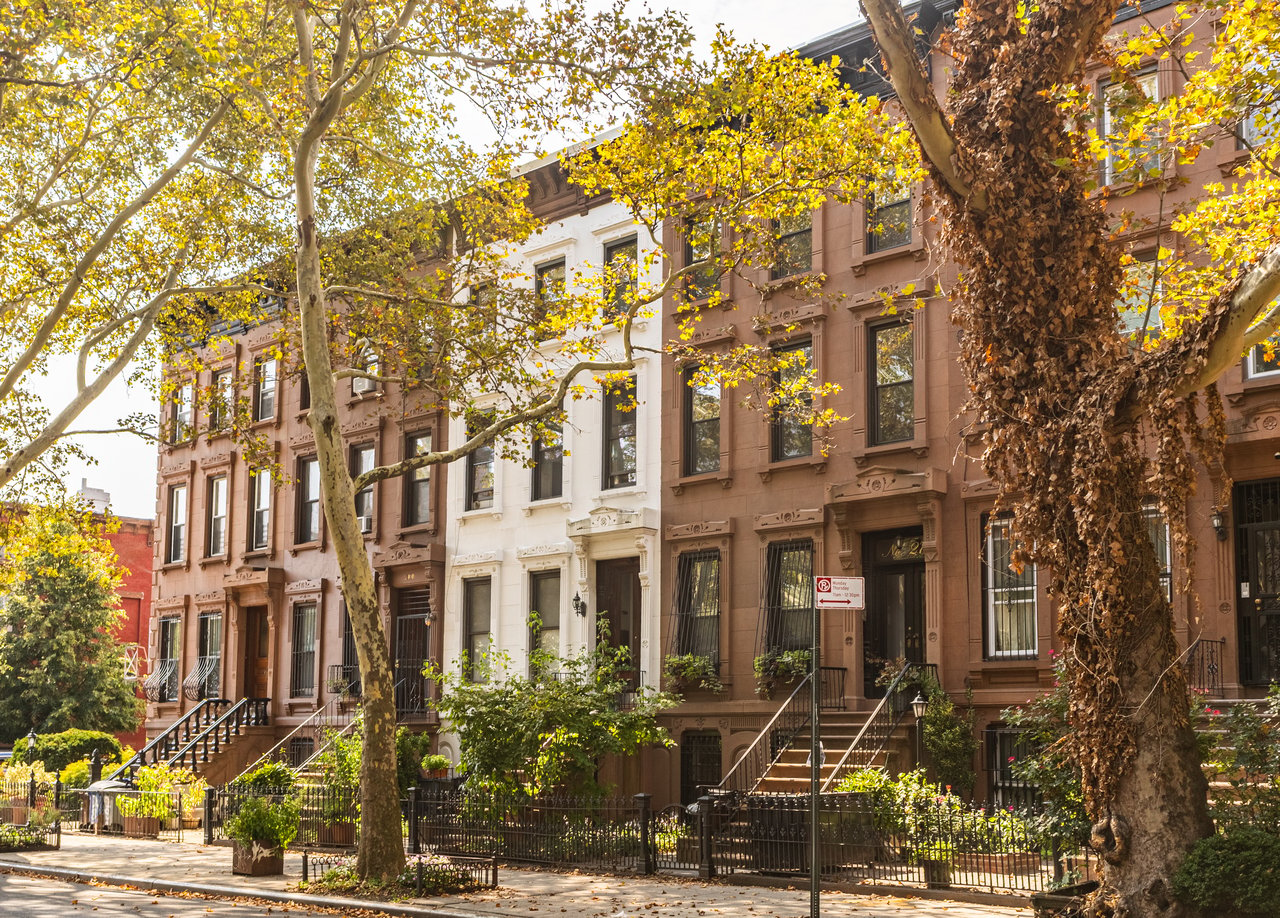
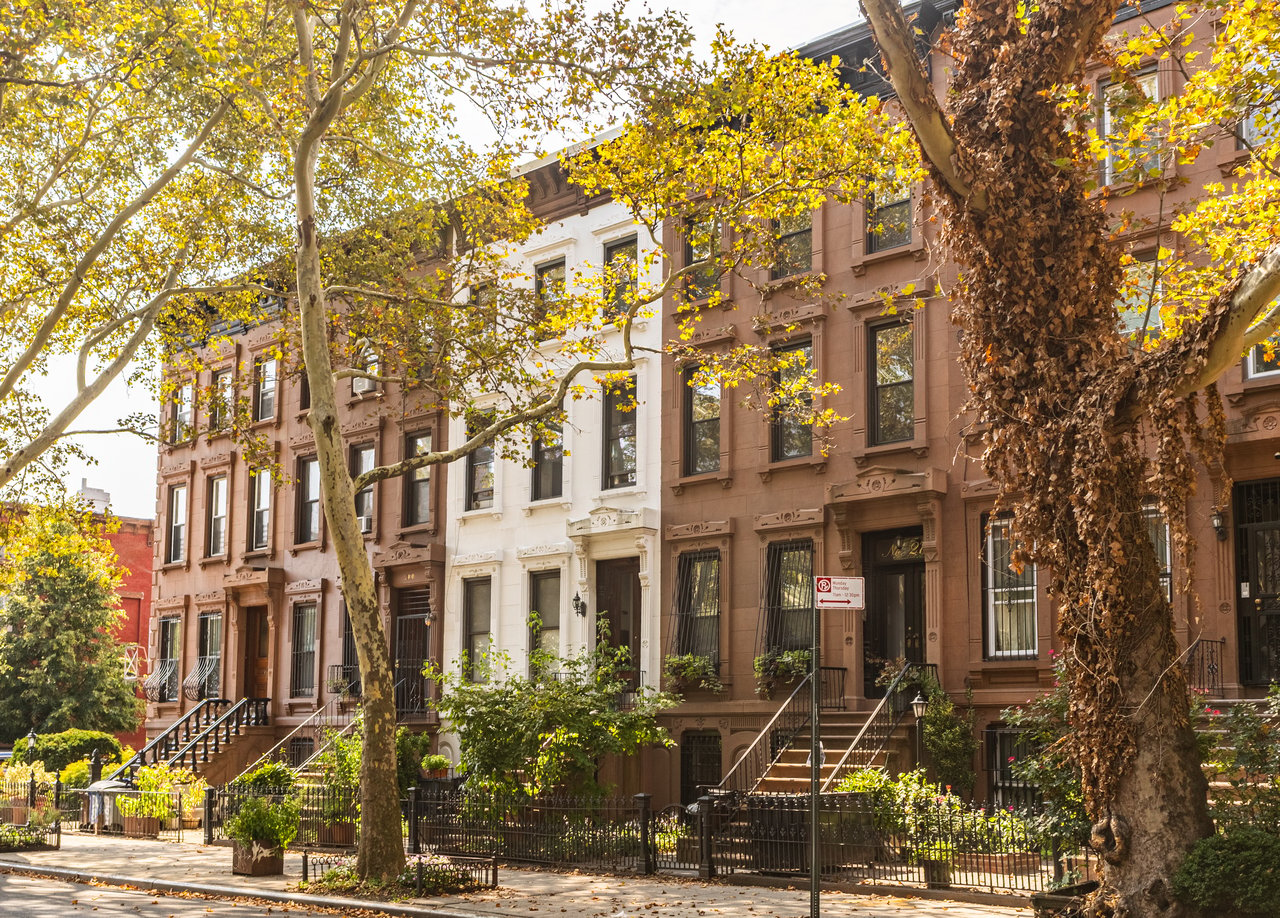
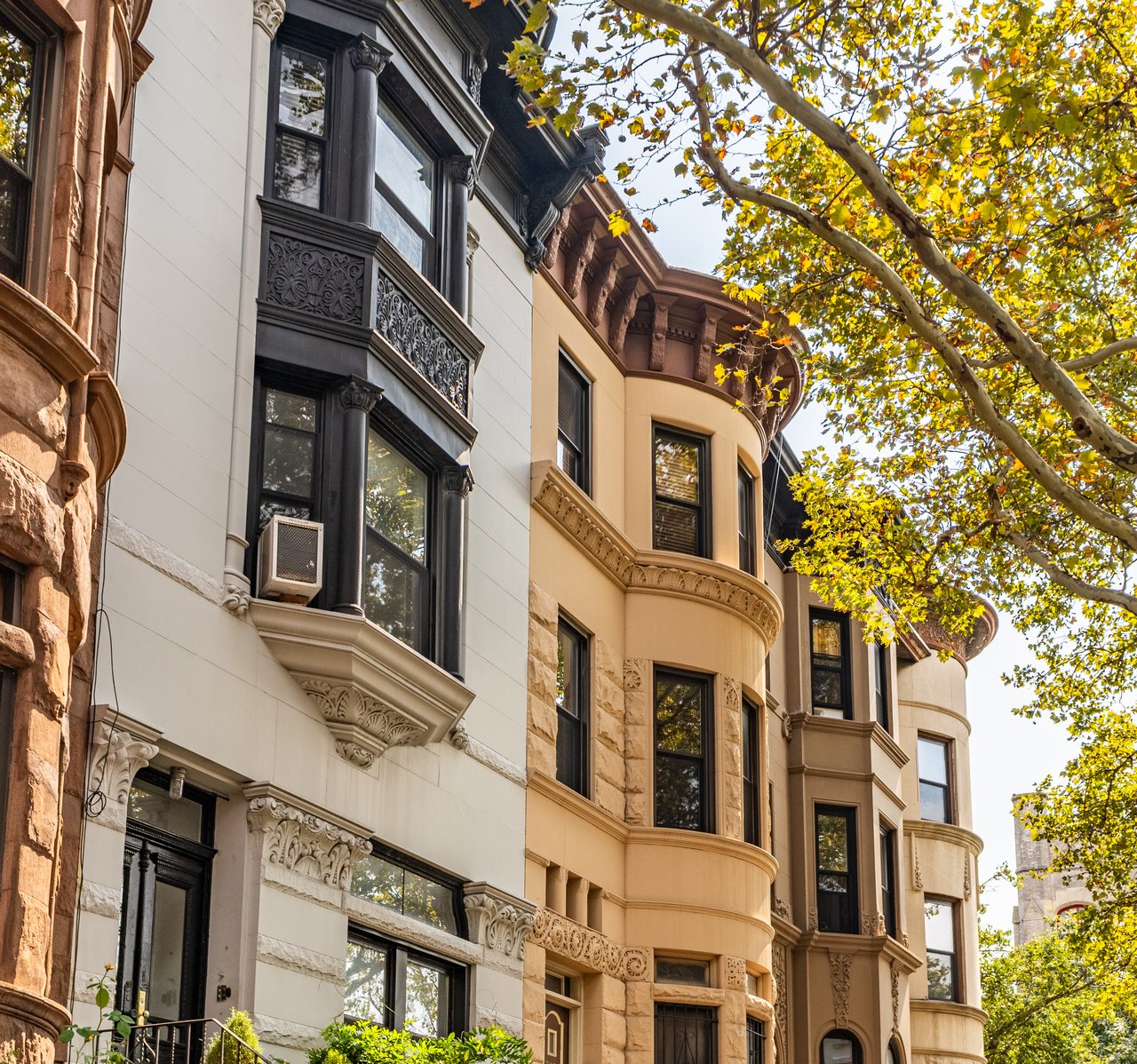
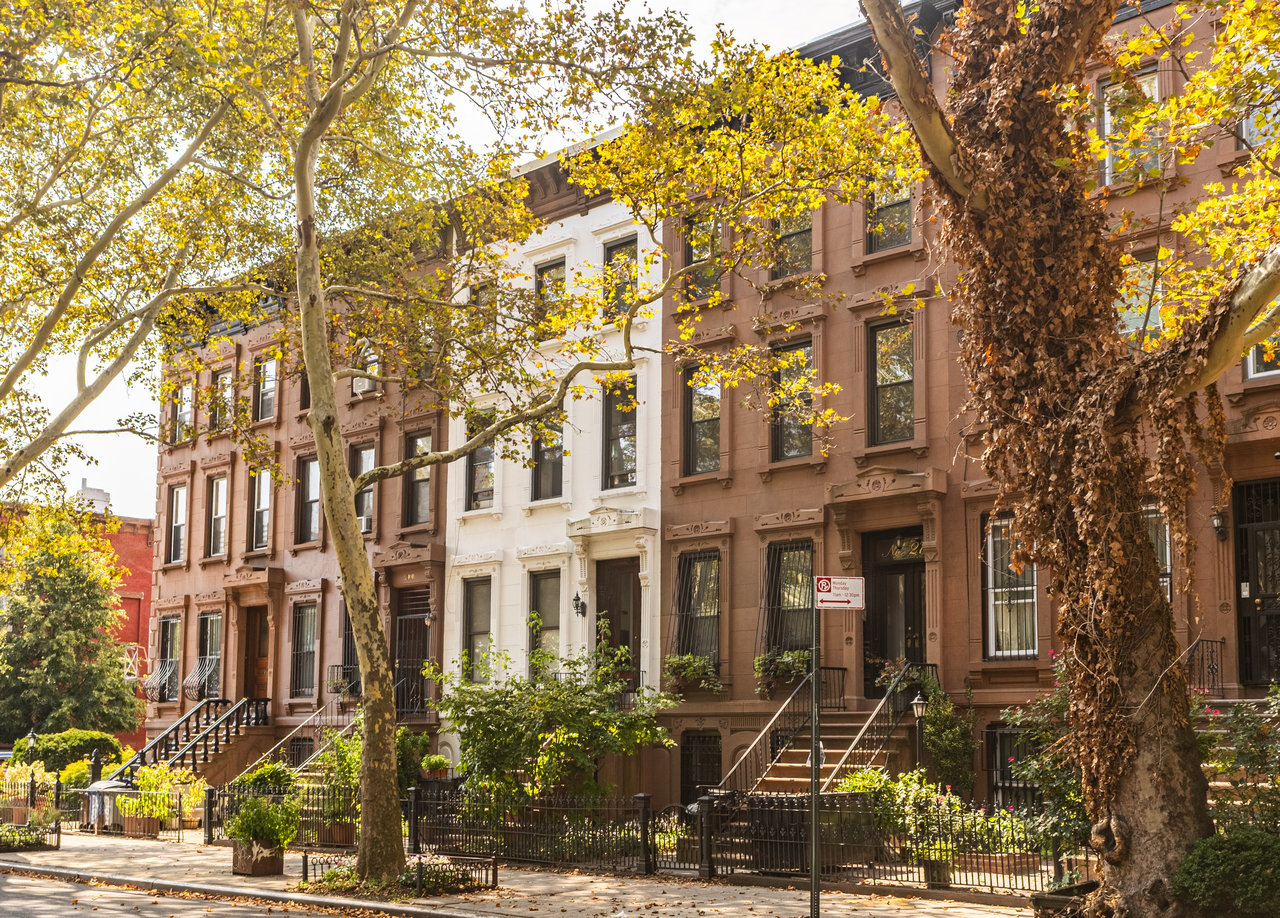
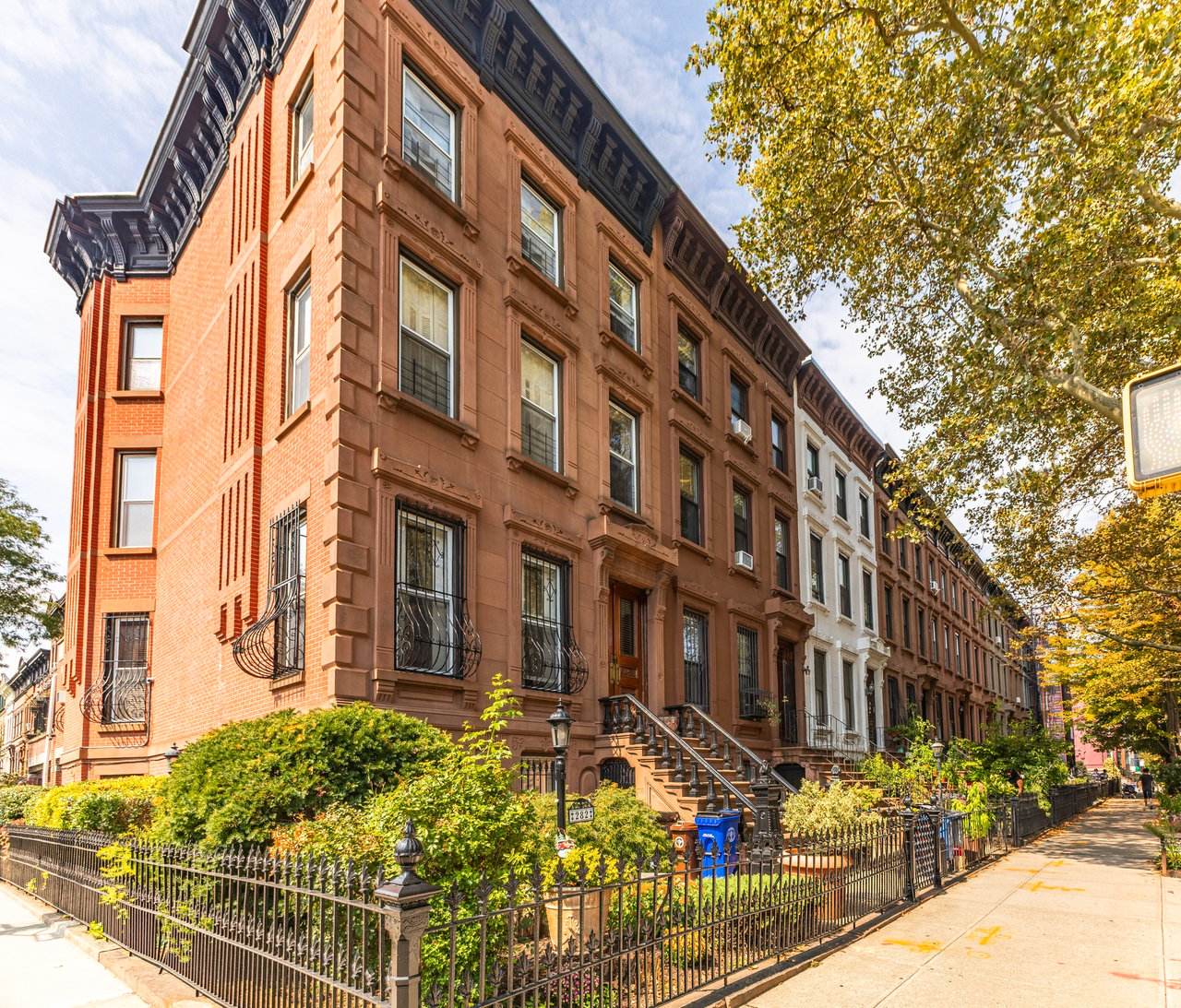
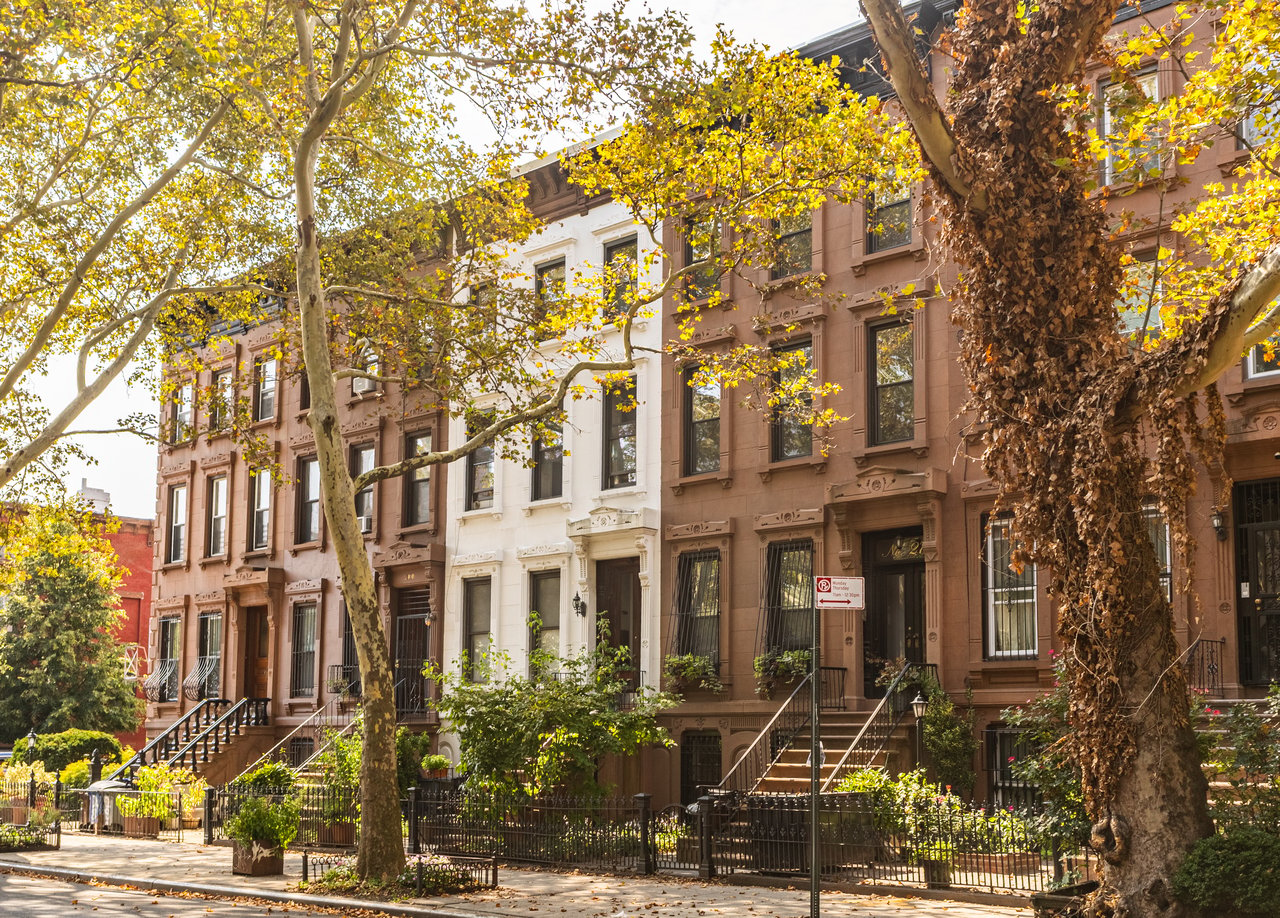
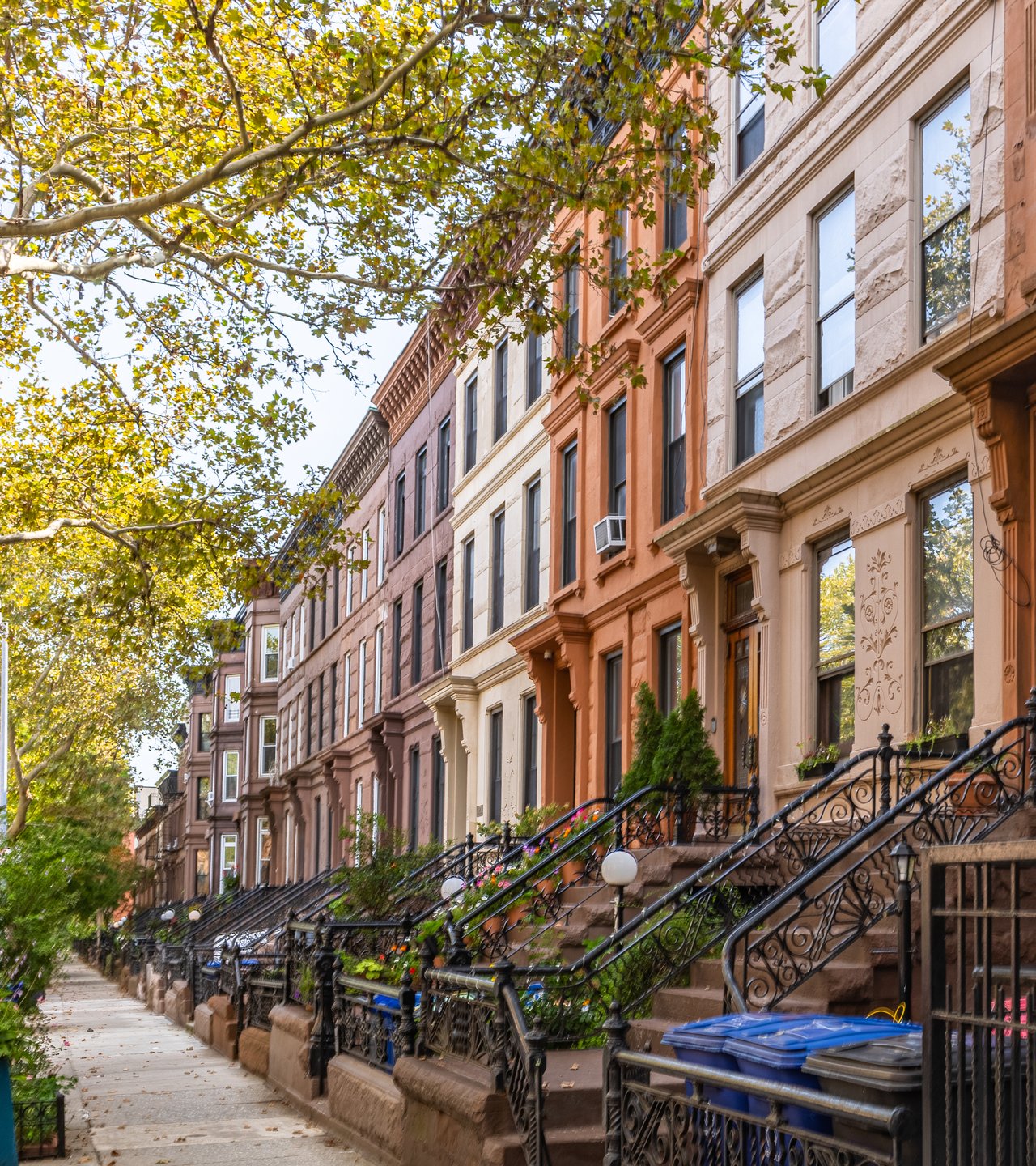
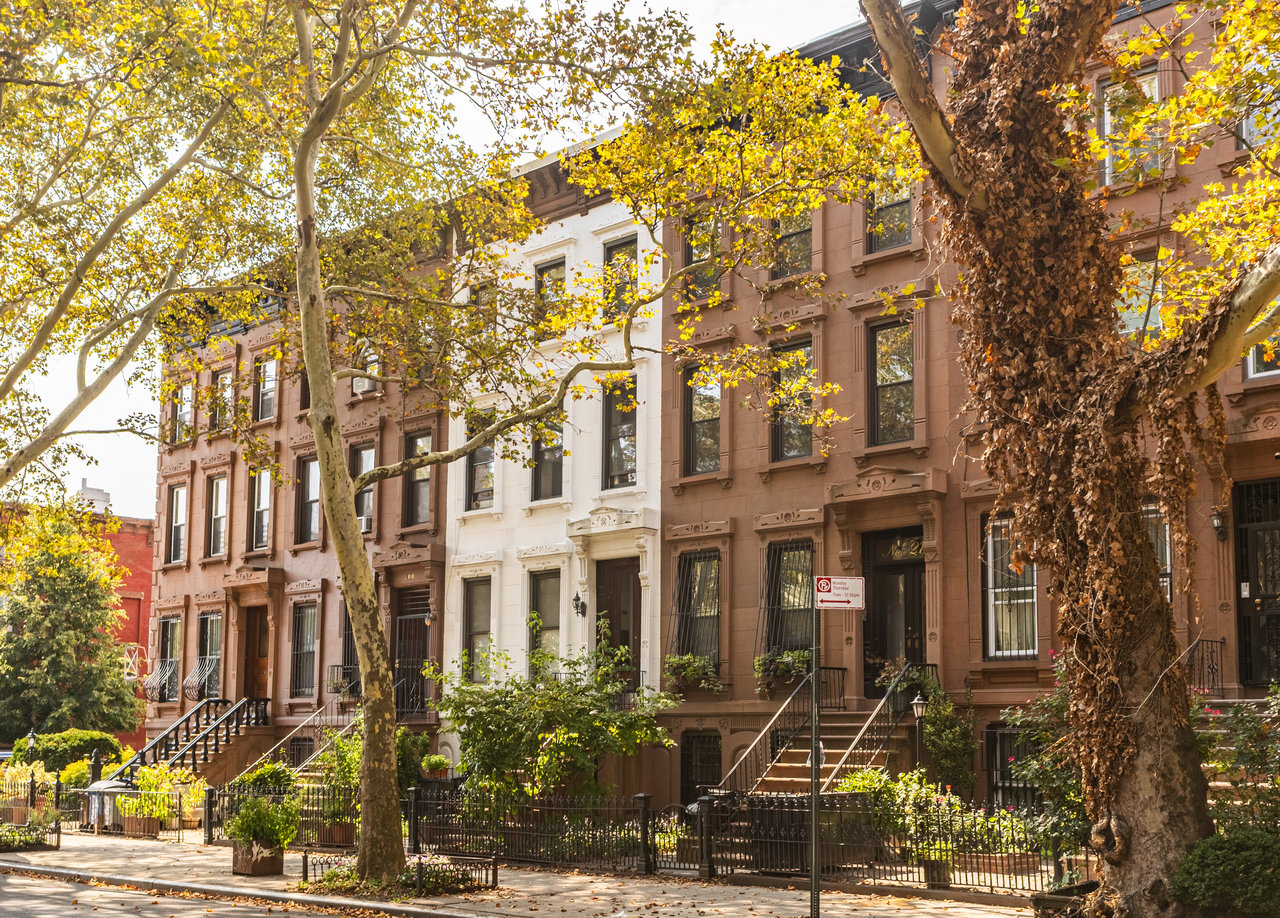
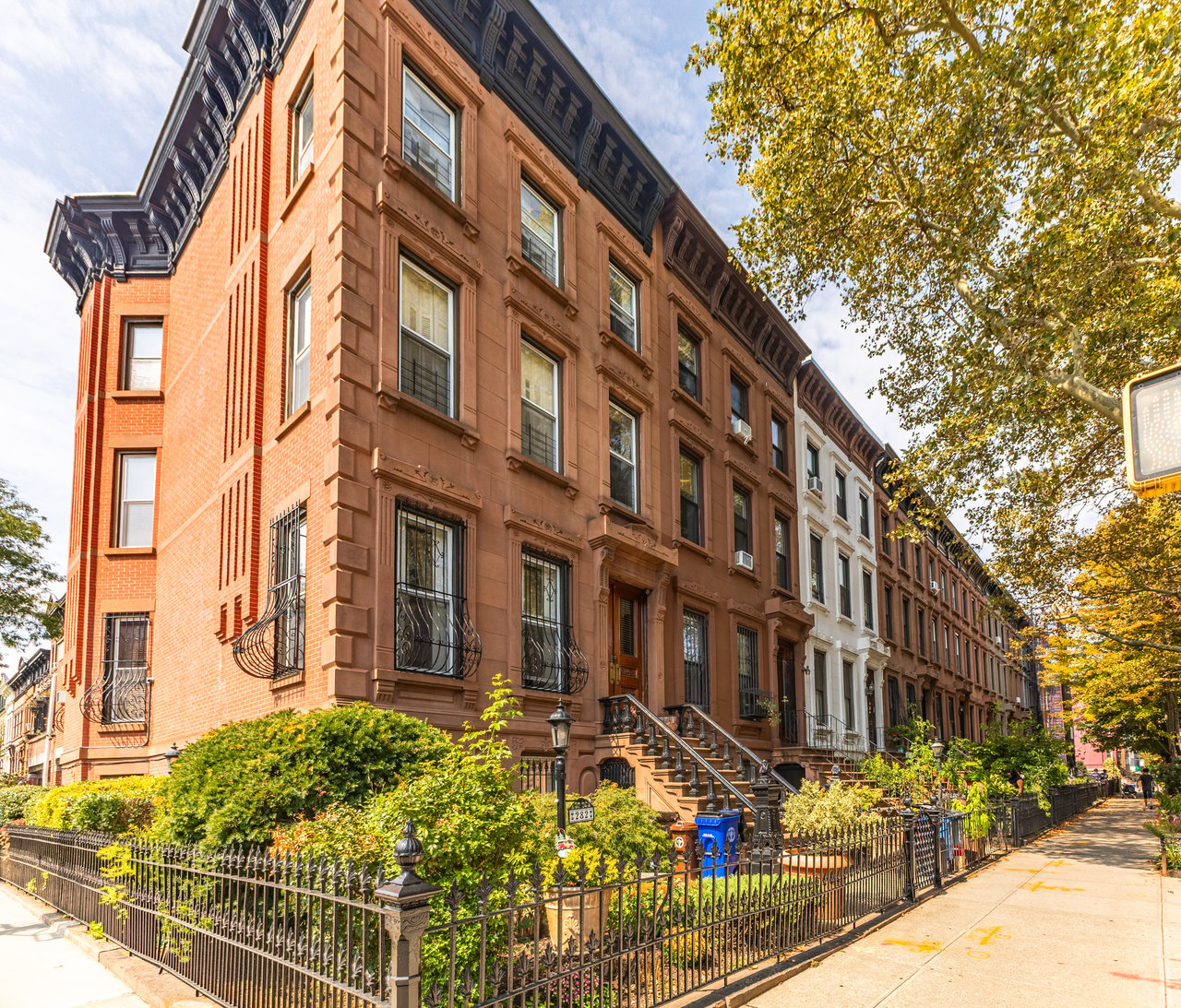
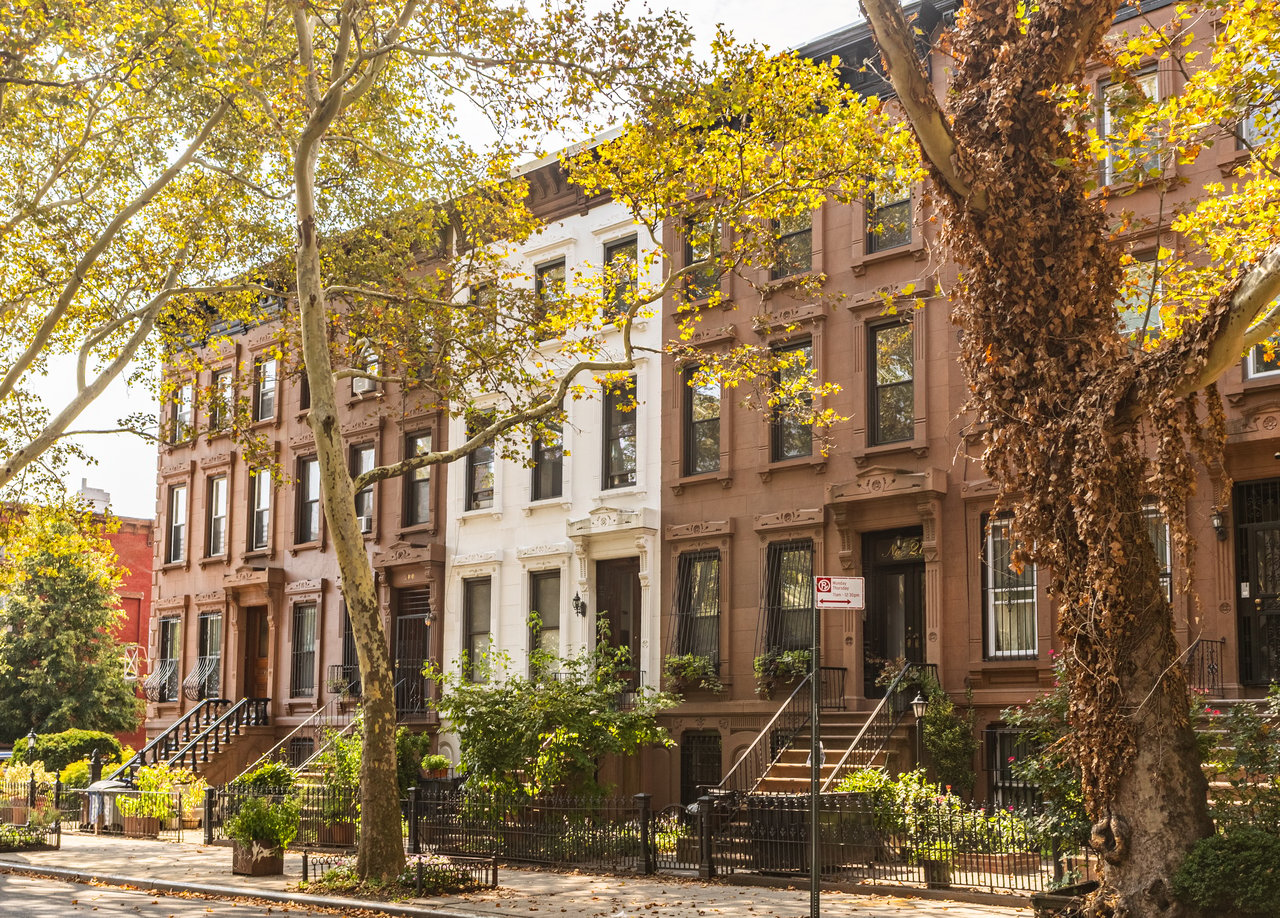
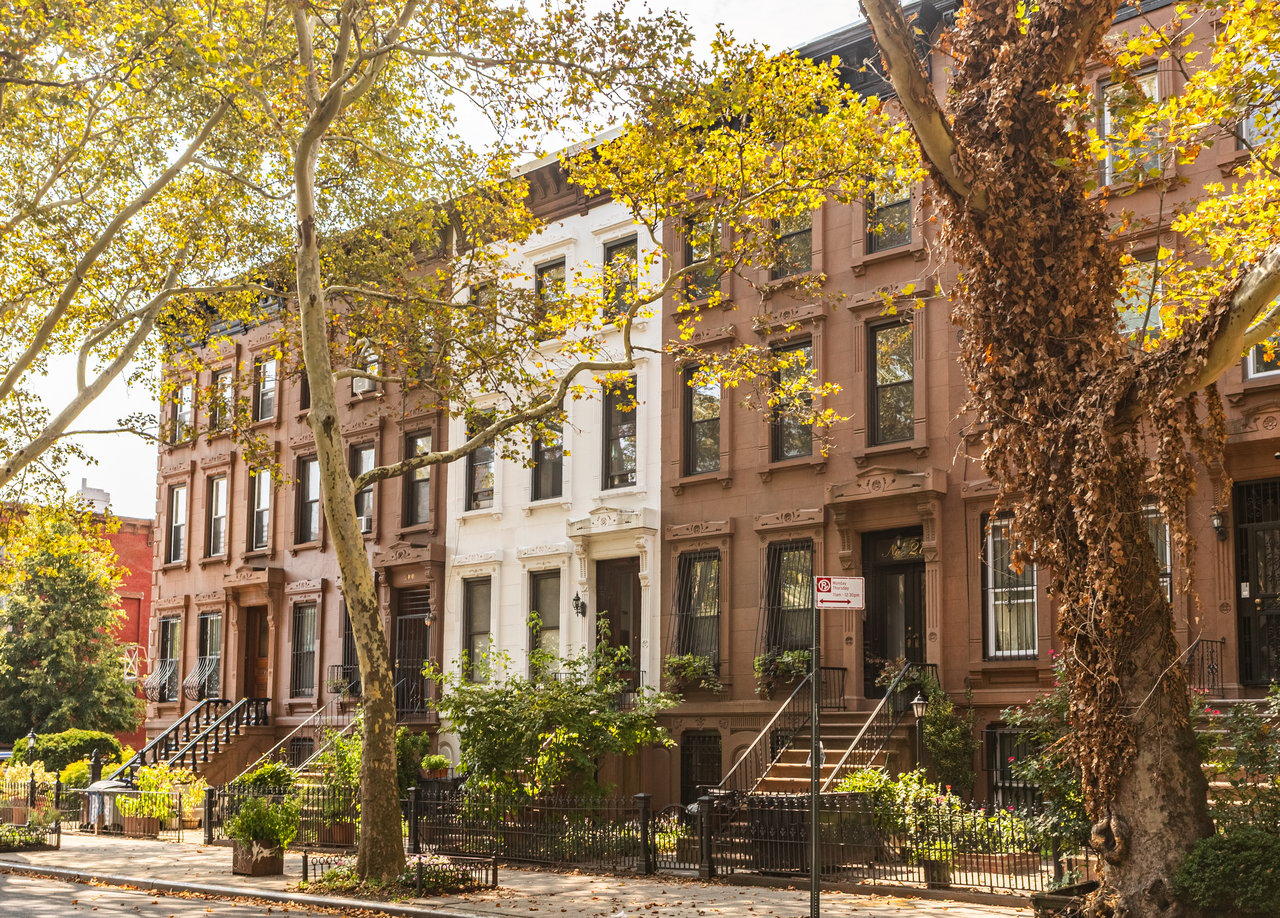
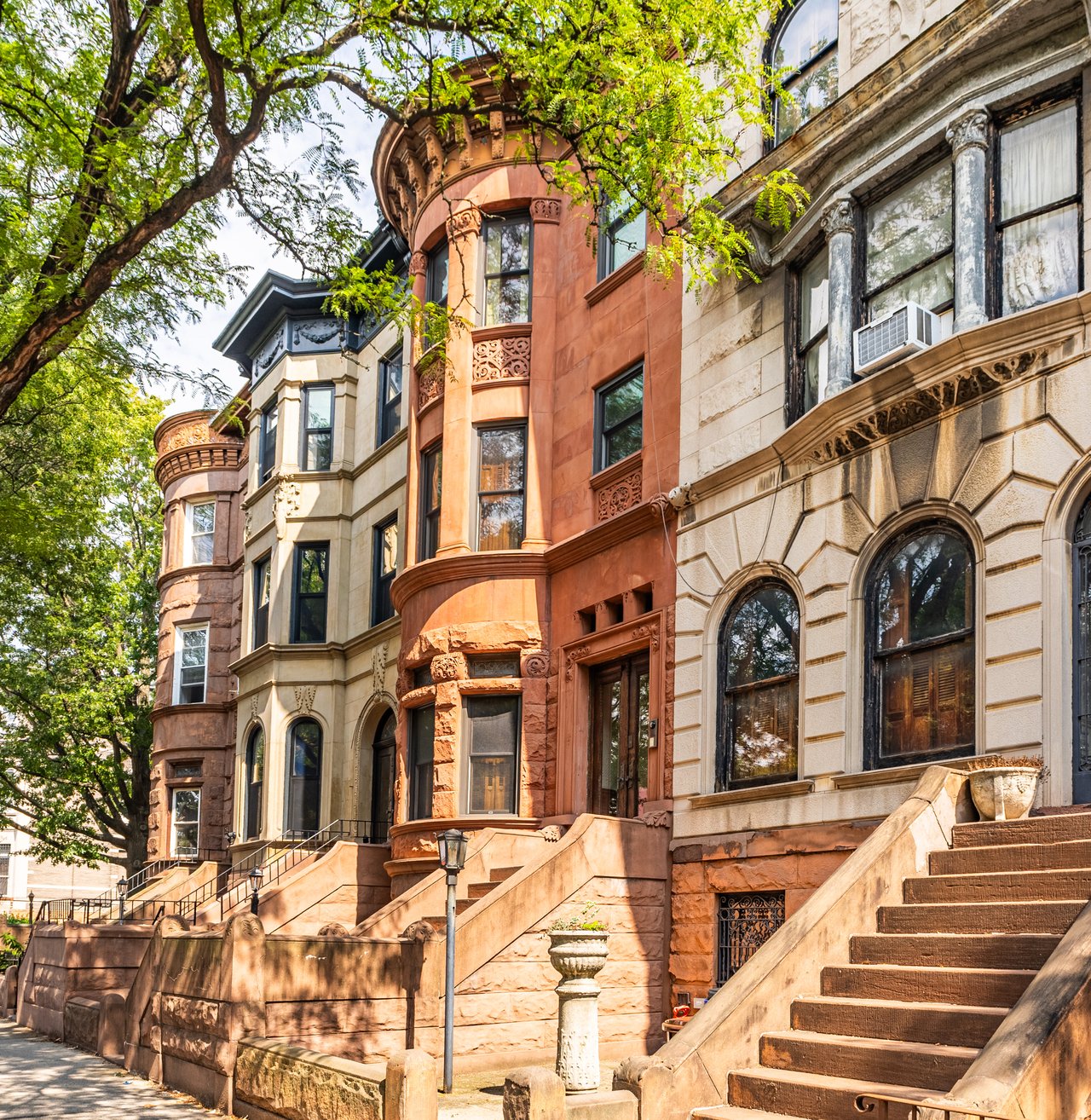
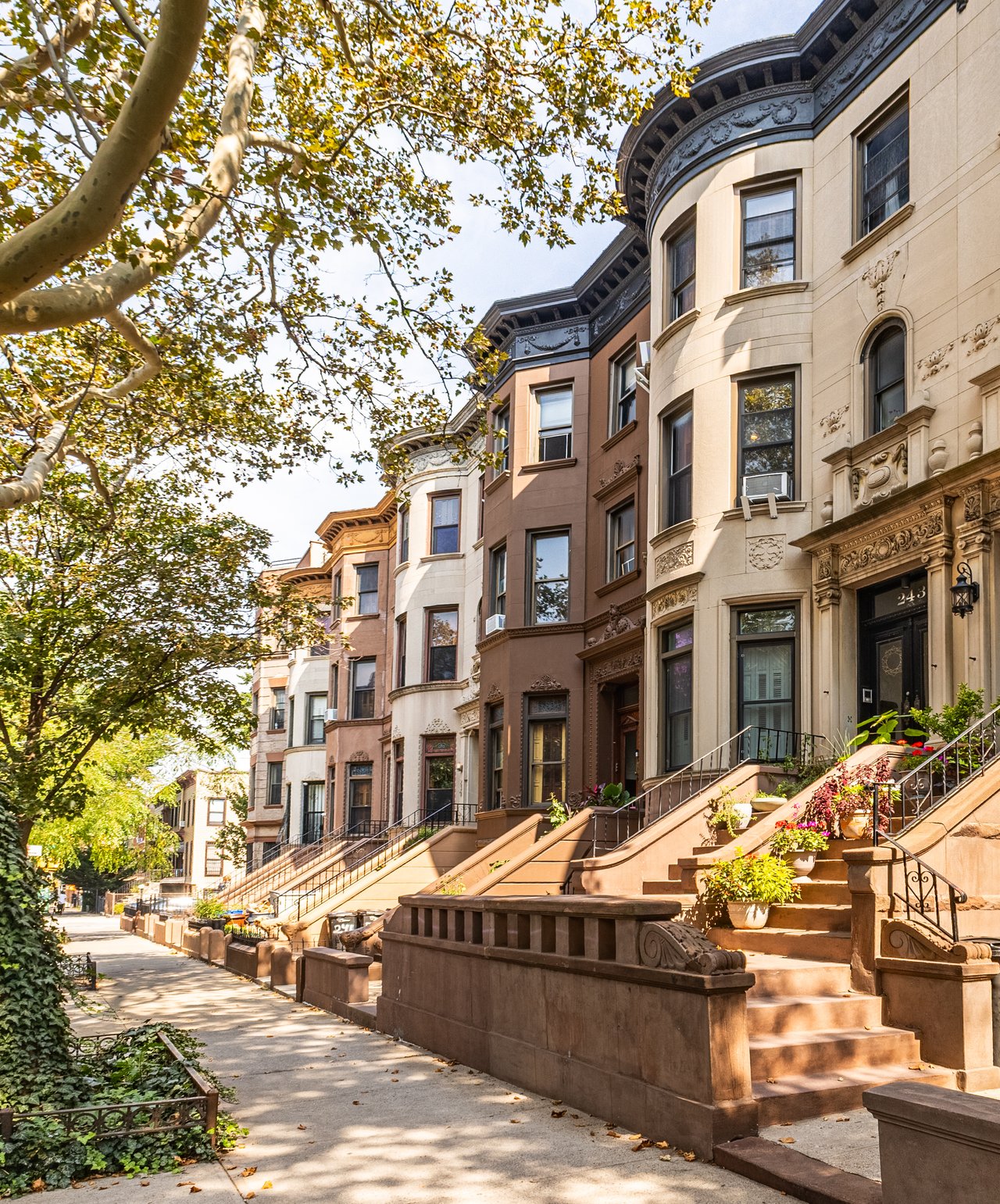
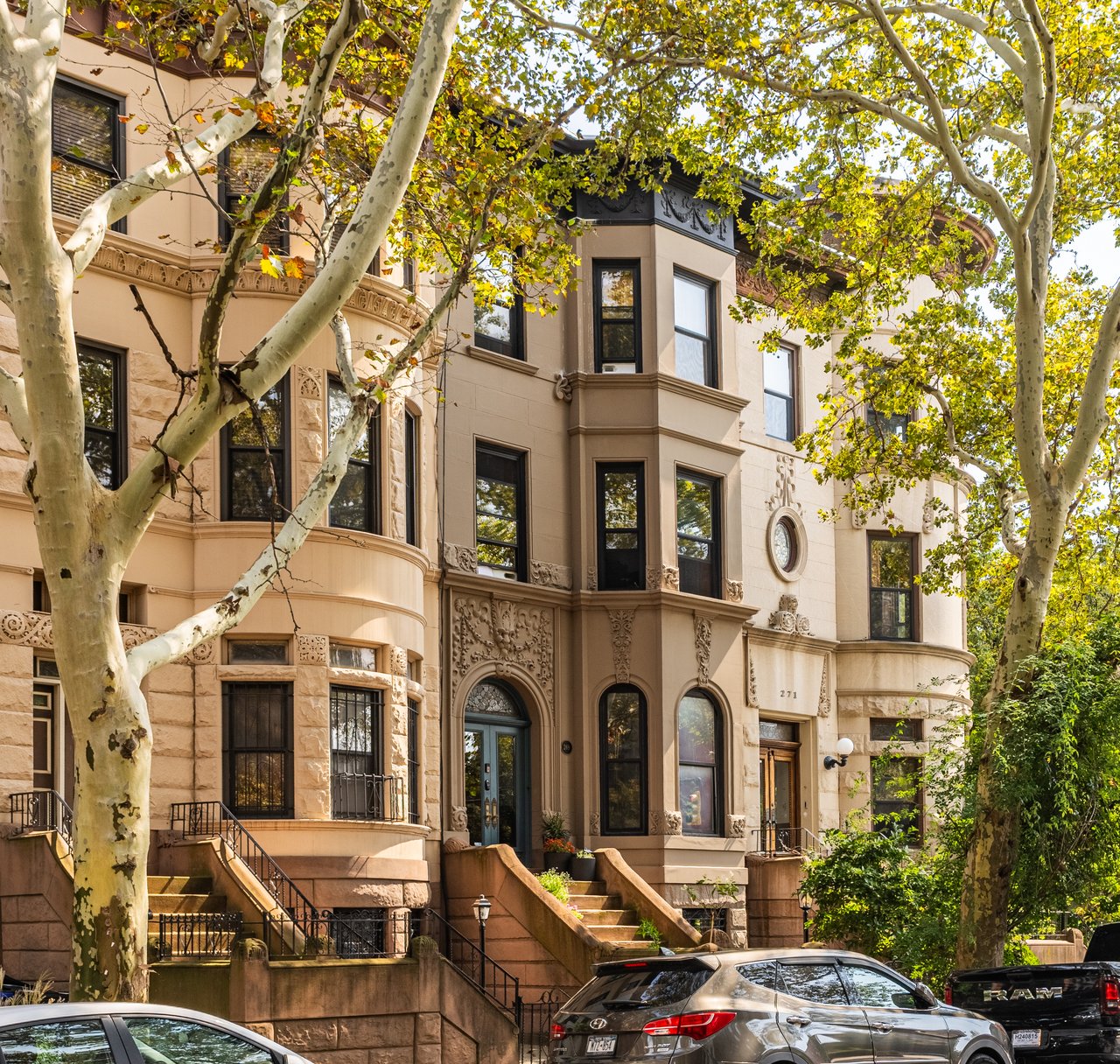
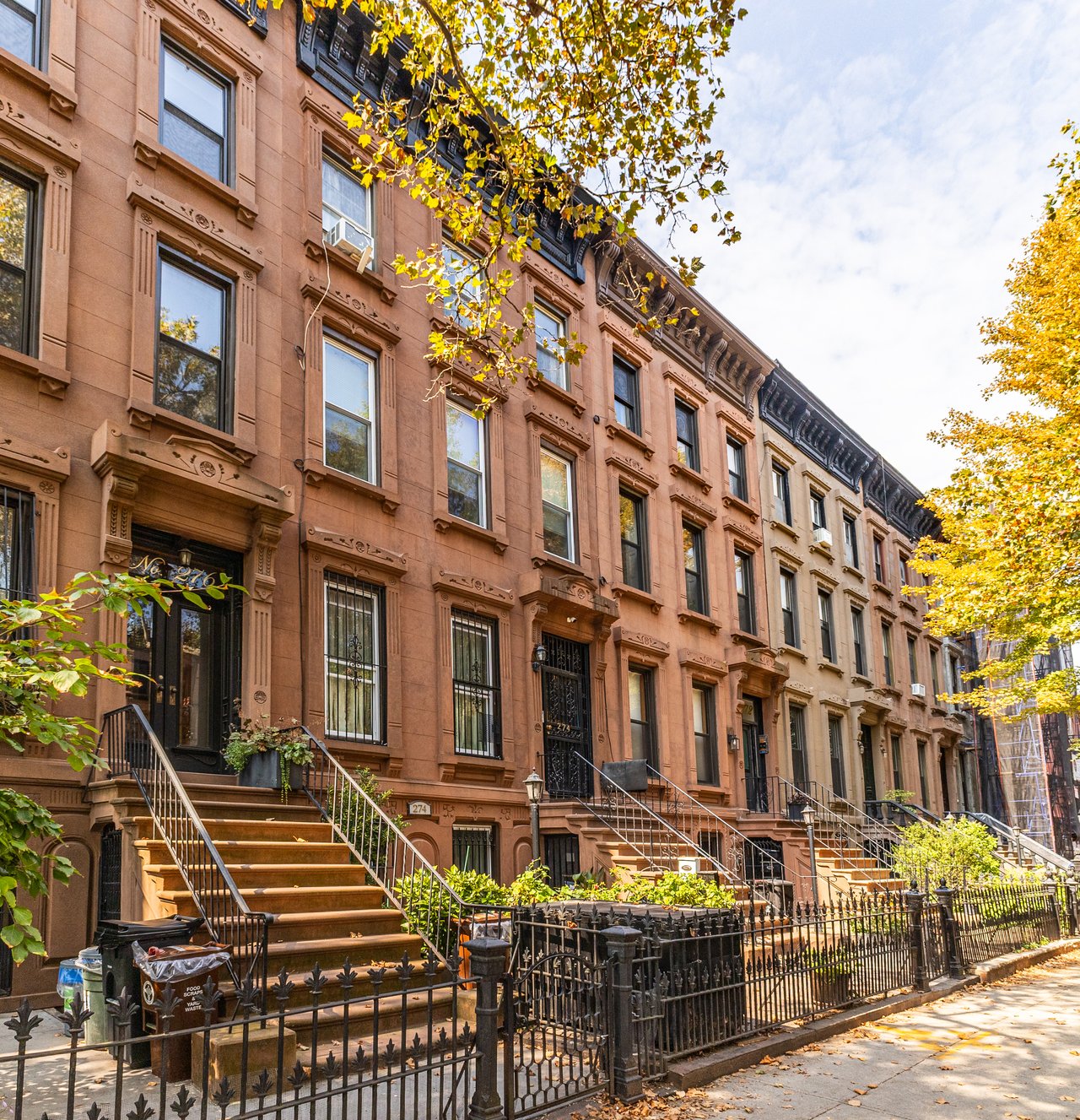
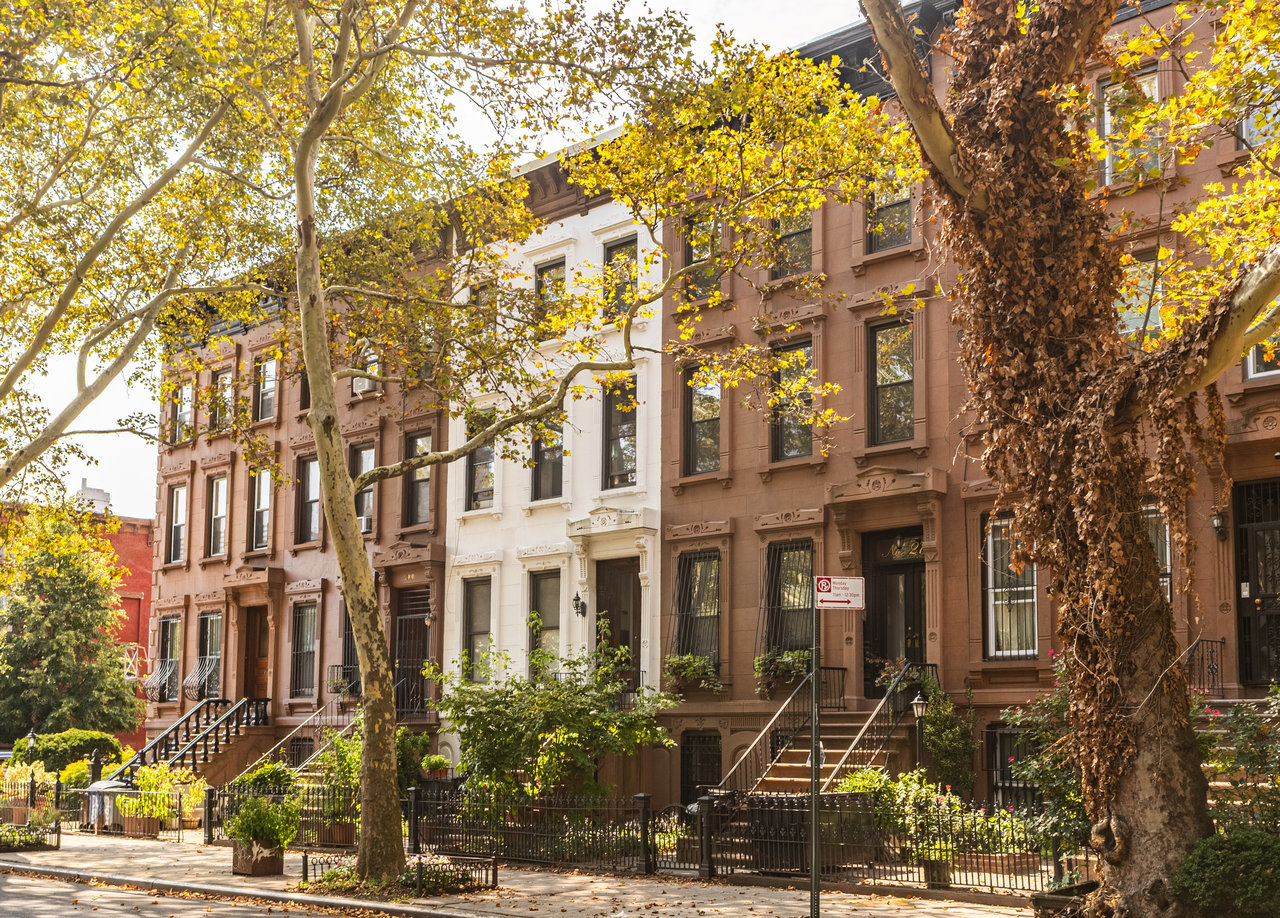
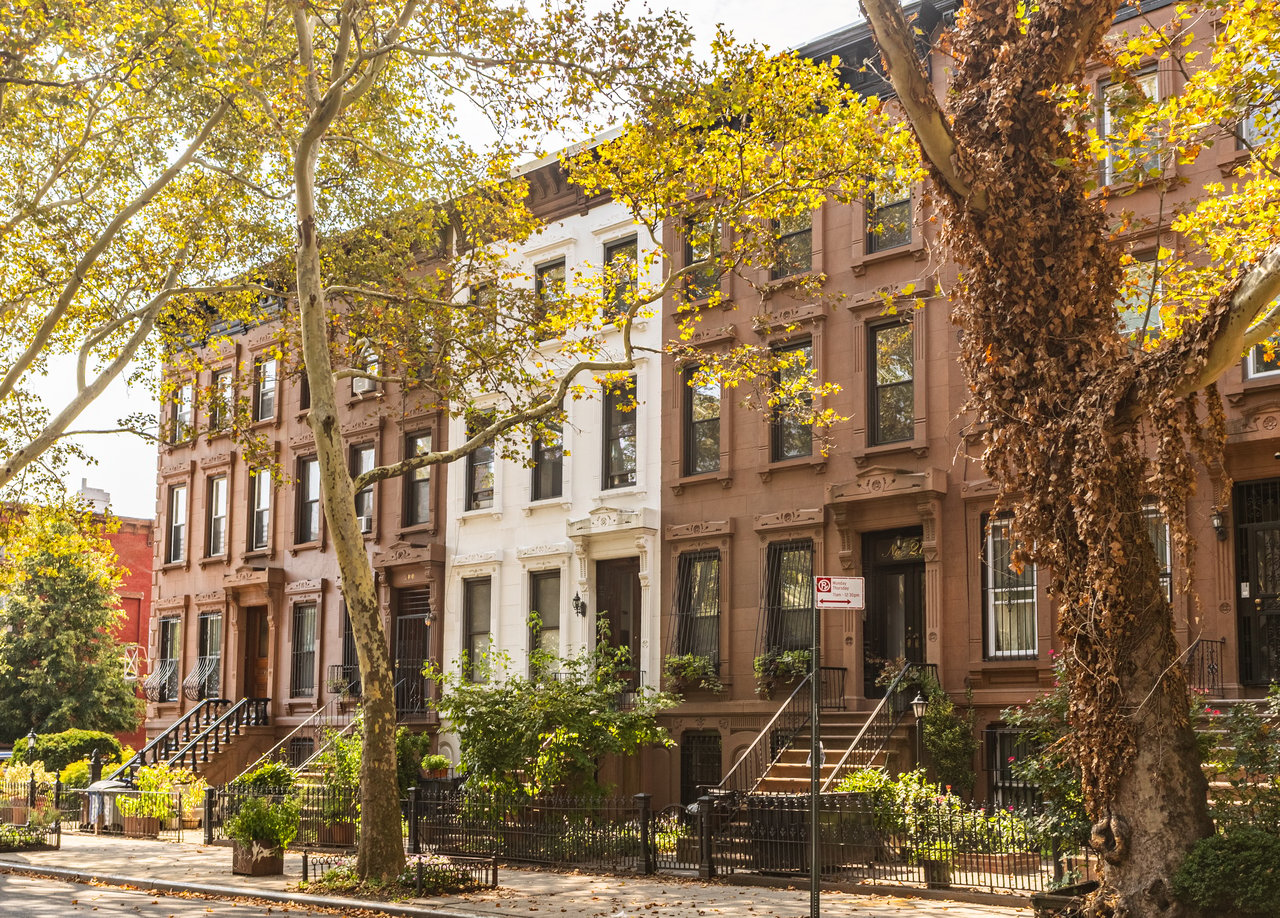
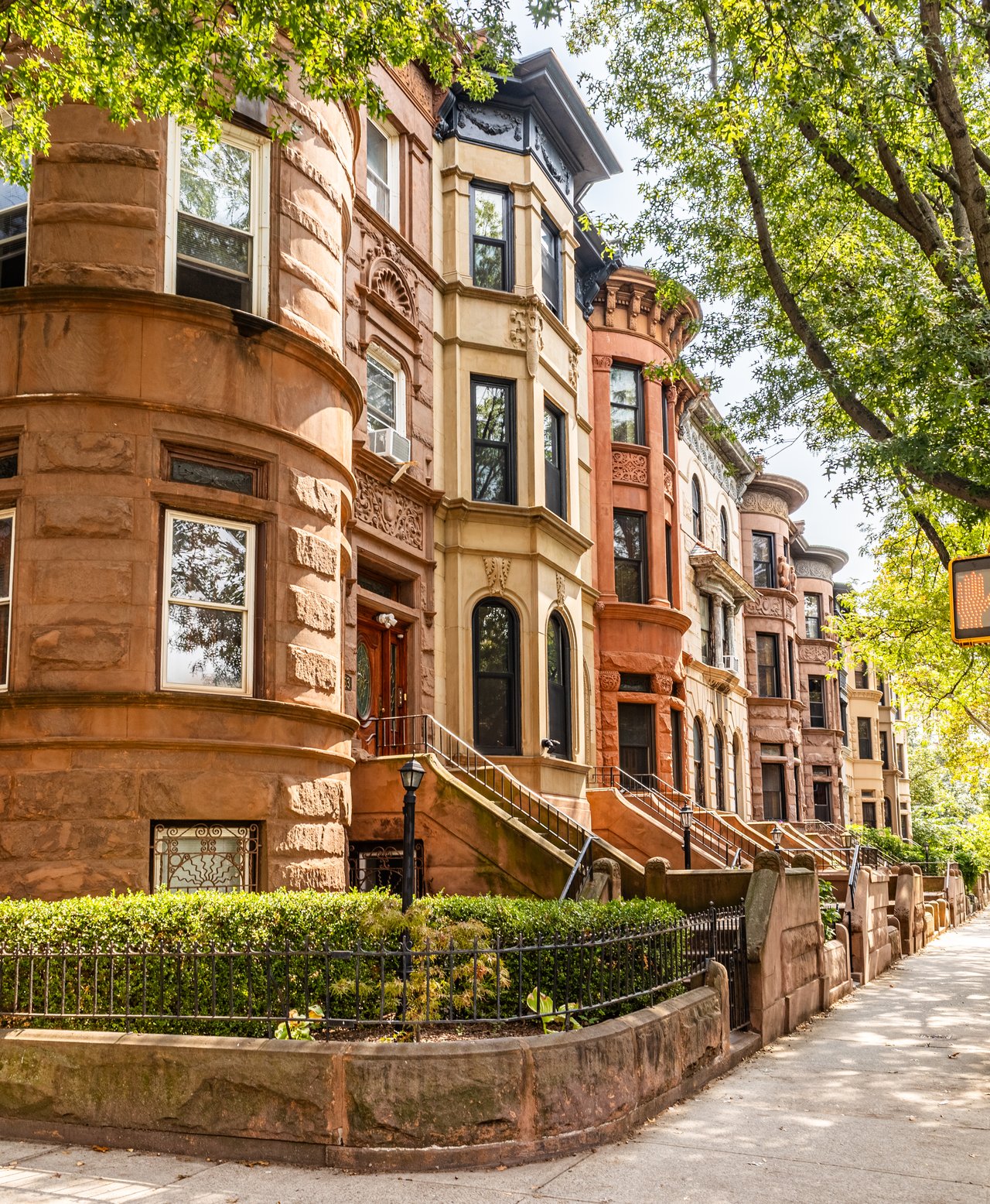
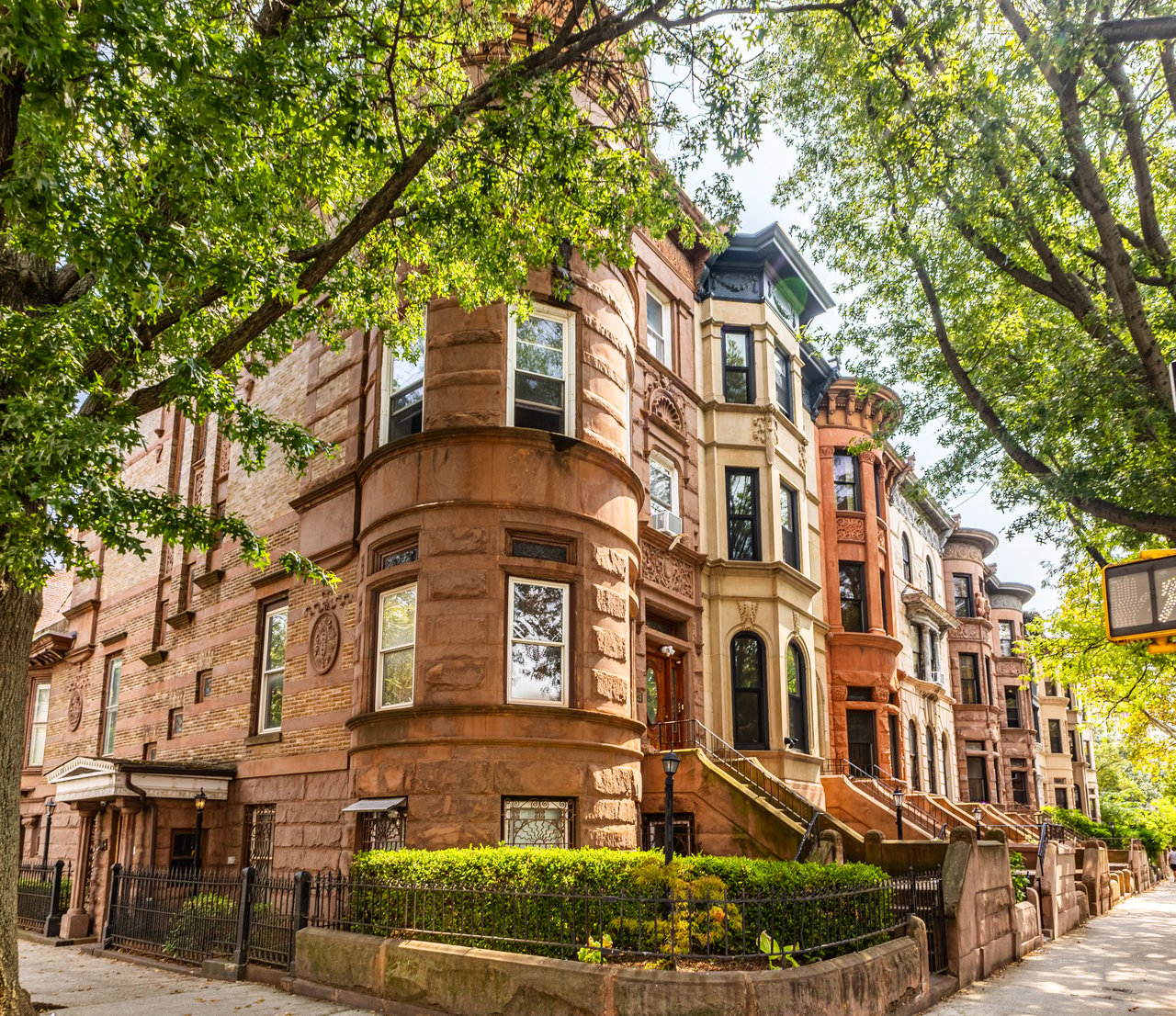
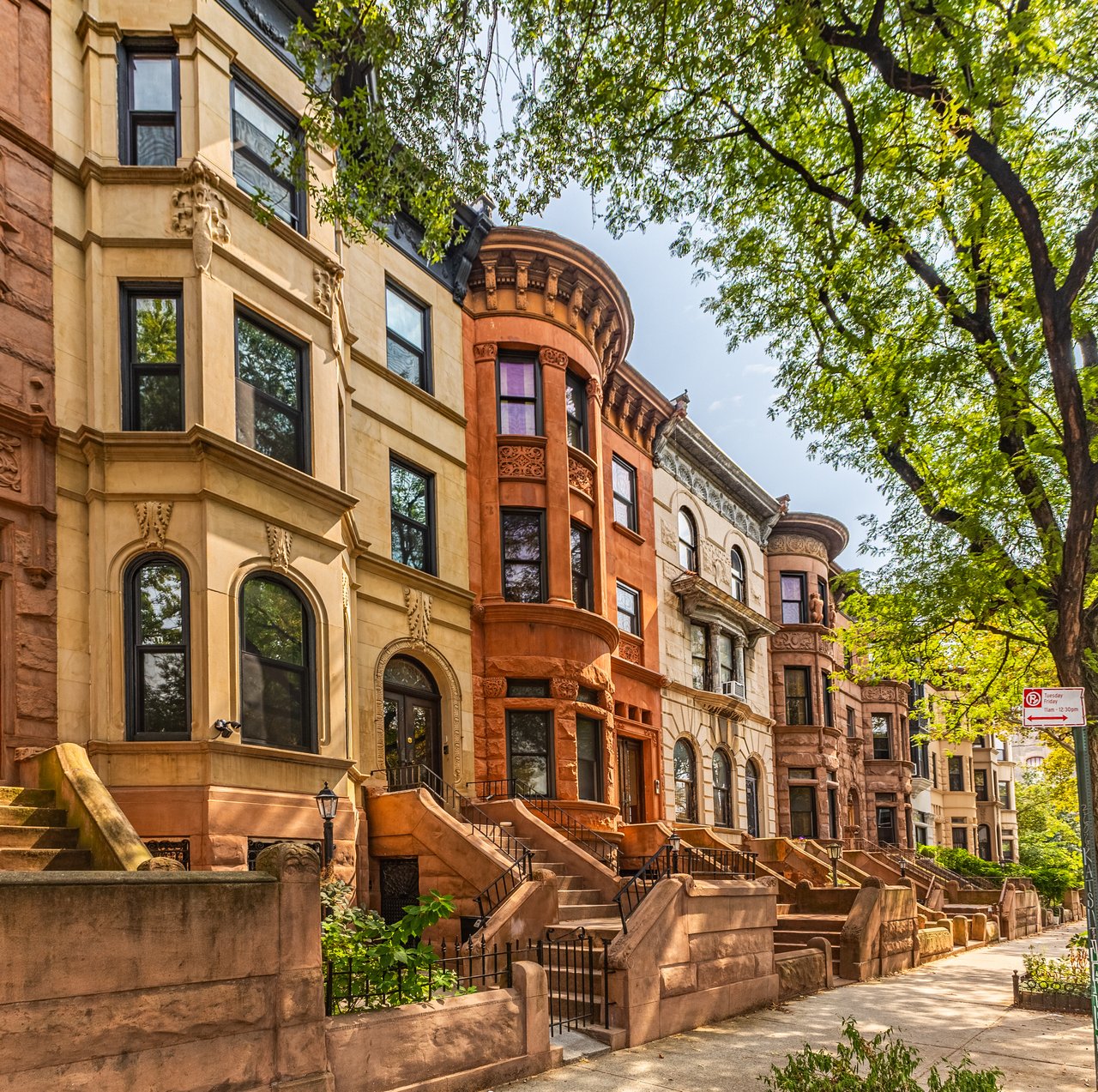
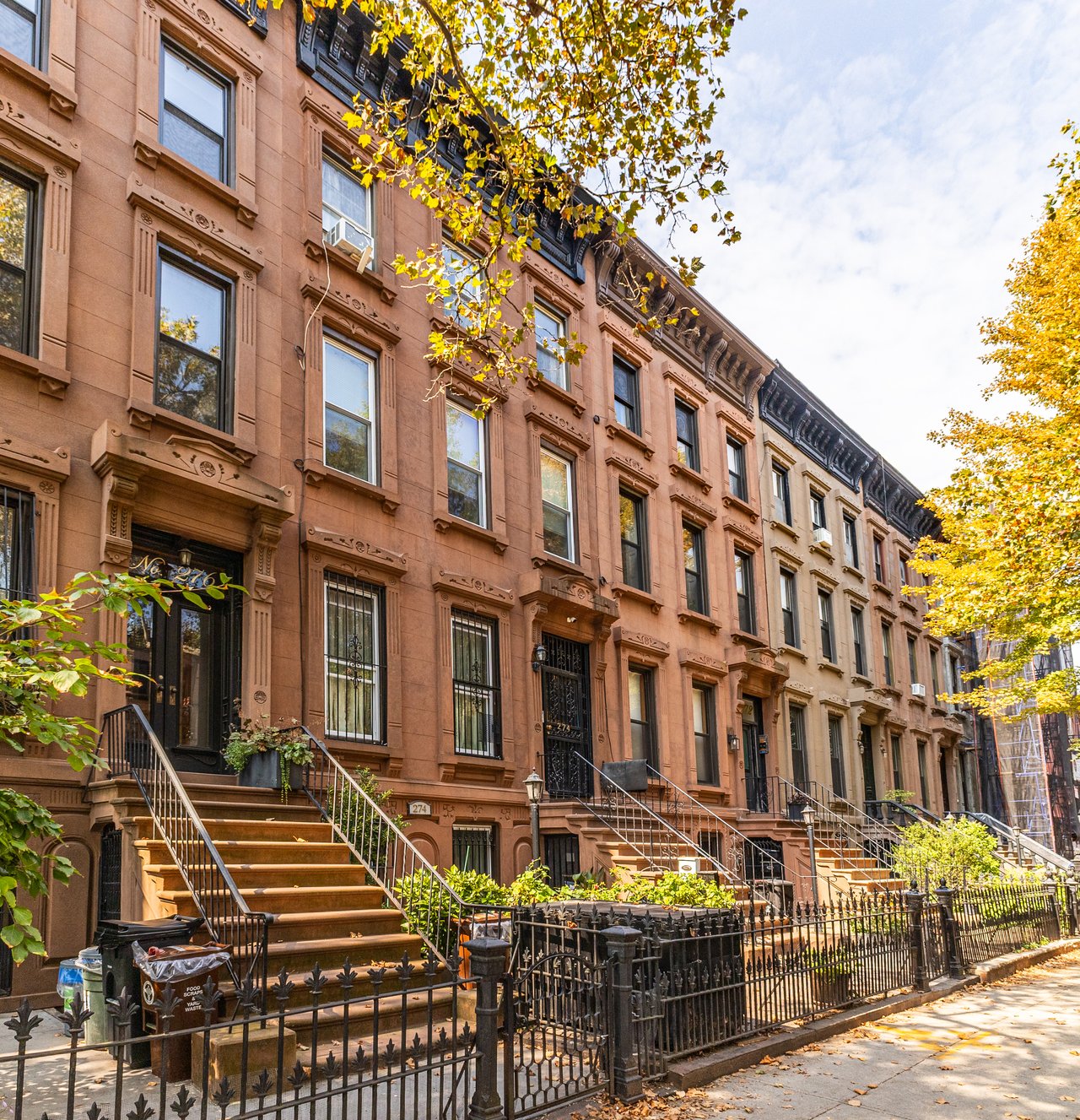
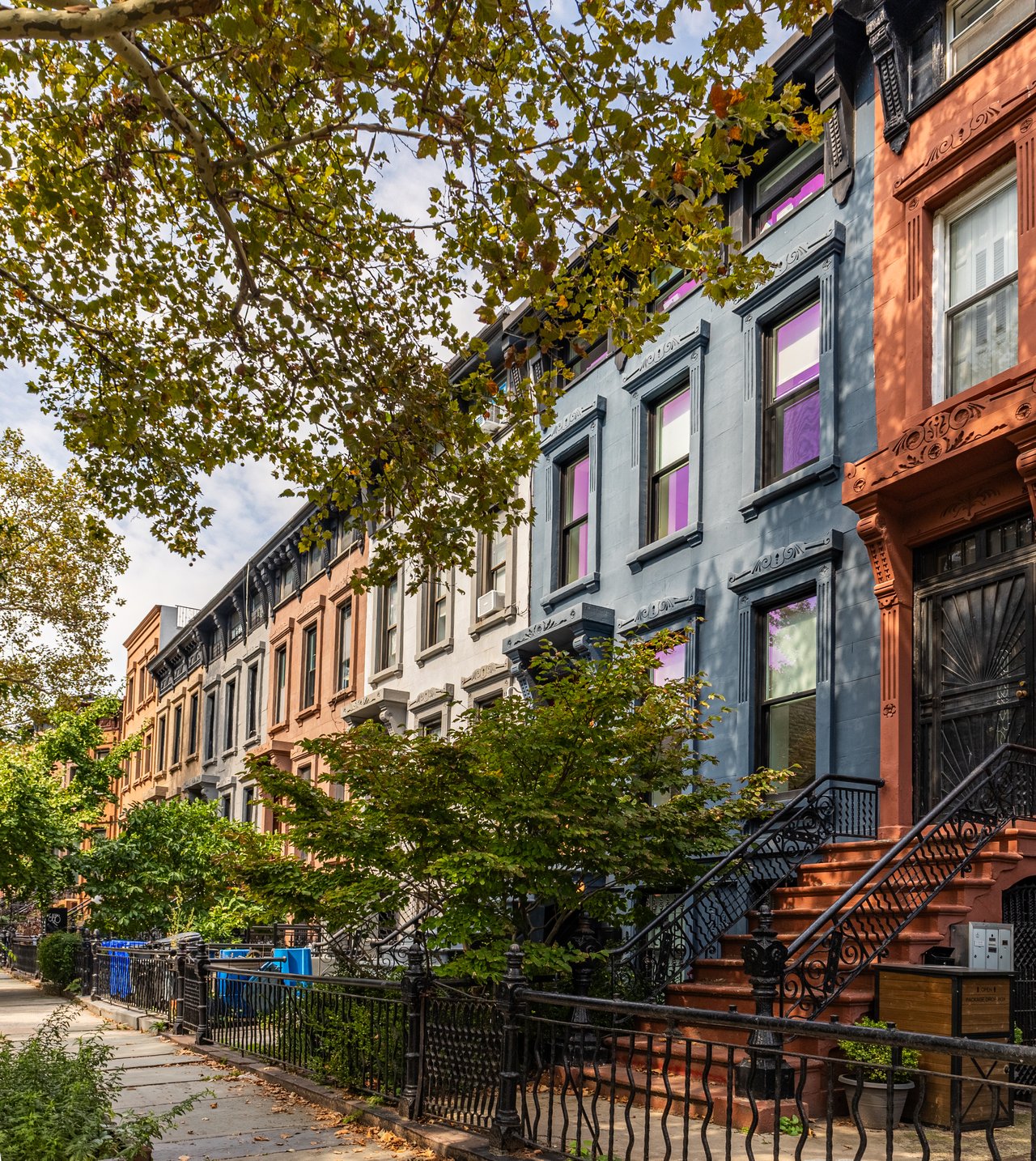
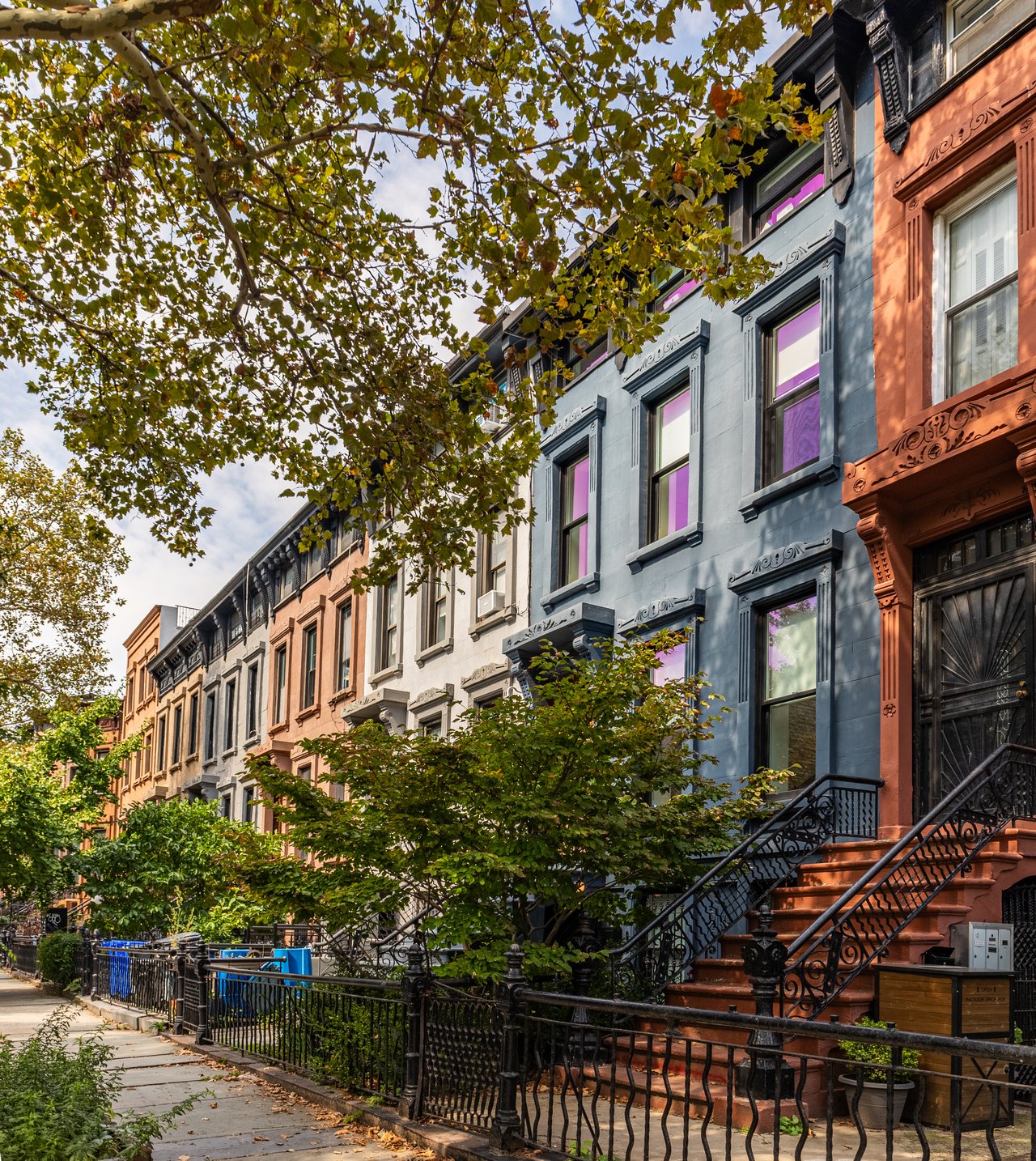
Within and around Crown Heights, Ralph Avenue features a mixture of traditional brick townhouses, two-family homes, three-family residences, apartment buildings, commercial storefronts, and mixed-use properties.
Unlike some of Crown Heights' avenues known primarily for landmarked limestone mansions and brownstones, Ralph Avenue is distinguished by its connection to African American history, neighborhood commerce, religious institutions, and a broad range of residential properties.
For homeowners, the avenue represents an established Brooklyn real estate market with opportunities for buyers interested in owner occupancy, multifamily properties, commercial space, and investment real estate.
Whether you're considering selling a townhouse, a two-family home, a multifamily building, a mixed-use property, or a commercial investment building, Ralph Avenue offers a distinctive combination of neighborhood history, transportation, and real estate.
Thinking of buying or selling? Call Parviz today at 917-847-7771
Discover why clients continue to trust The Parviz Team: Google Reviews ⭐⭐⭐⭐⭐
Where is Ralph Avenue located in Crown Heights?
Ralph Avenue runs north to south through eastern Brooklyn, connecting several residential and commercial neighborhoods.
In the Crown Heights area, Ralph Avenue is particularly important along the neighborhood's eastern edge, where it connects streets associated with historic Weeksville, Ocean Hill, and eastern Crown Heights.
Neighborhood boundaries vary by source, with some descriptions identifying Ralph Avenue as the eastern boundary of Crown Heights and others placing portions of the adjoining area within Ocean Hill or Weeksville.
Important streets and intersections along or near Ralph Avenue include:
- Fulton Street
- Atlantic Avenue
- Pacific Street
- Dean Street
- Bergen Street
- St. Marks Avenue
- Prospect Place
- Park Place
- Sterling Place
- St. Johns Place
- Lincoln Place
- Eastern Parkway
- East New York Avenue
- Empire Boulevard
Ralph Avenue is located east of Rochester Avenue.
North of Atlantic Avenue, the avenue connects with Fulton Street and the Ralph Avenue subway station.
South of Atlantic Avenue, the surrounding area includes residential blocks historically associated with Weeksville.
Farther south, Ralph Avenue continues through eastern Brooklyn, connecting residential and commercial areas beyond Crown Heights.
The avenue's location provides access to neighborhood businesses, transportation, cultural institutions, and surrounding Brooklyn communities.
What is it like living on Ralph Avenue in Crown Heights?
Living on Ralph Avenue and its surrounding residential blocks offers access to traditional Brooklyn architecture, neighborhood shopping, public transportation, and historic cultural institutions.
The avenue contains brick townhouses, multifamily residences, apartment buildings, mixed-use properties, and commercial storefronts.
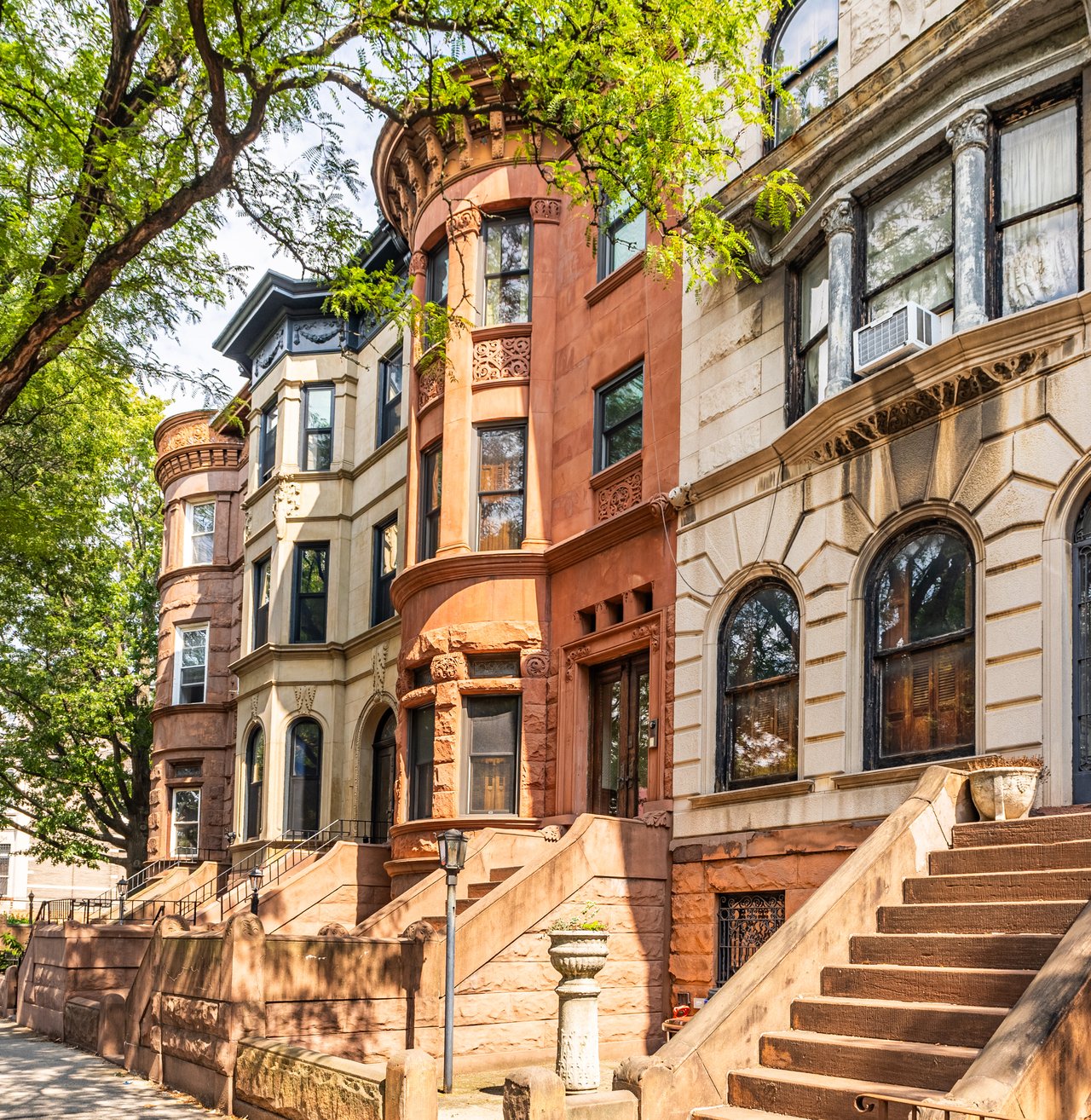
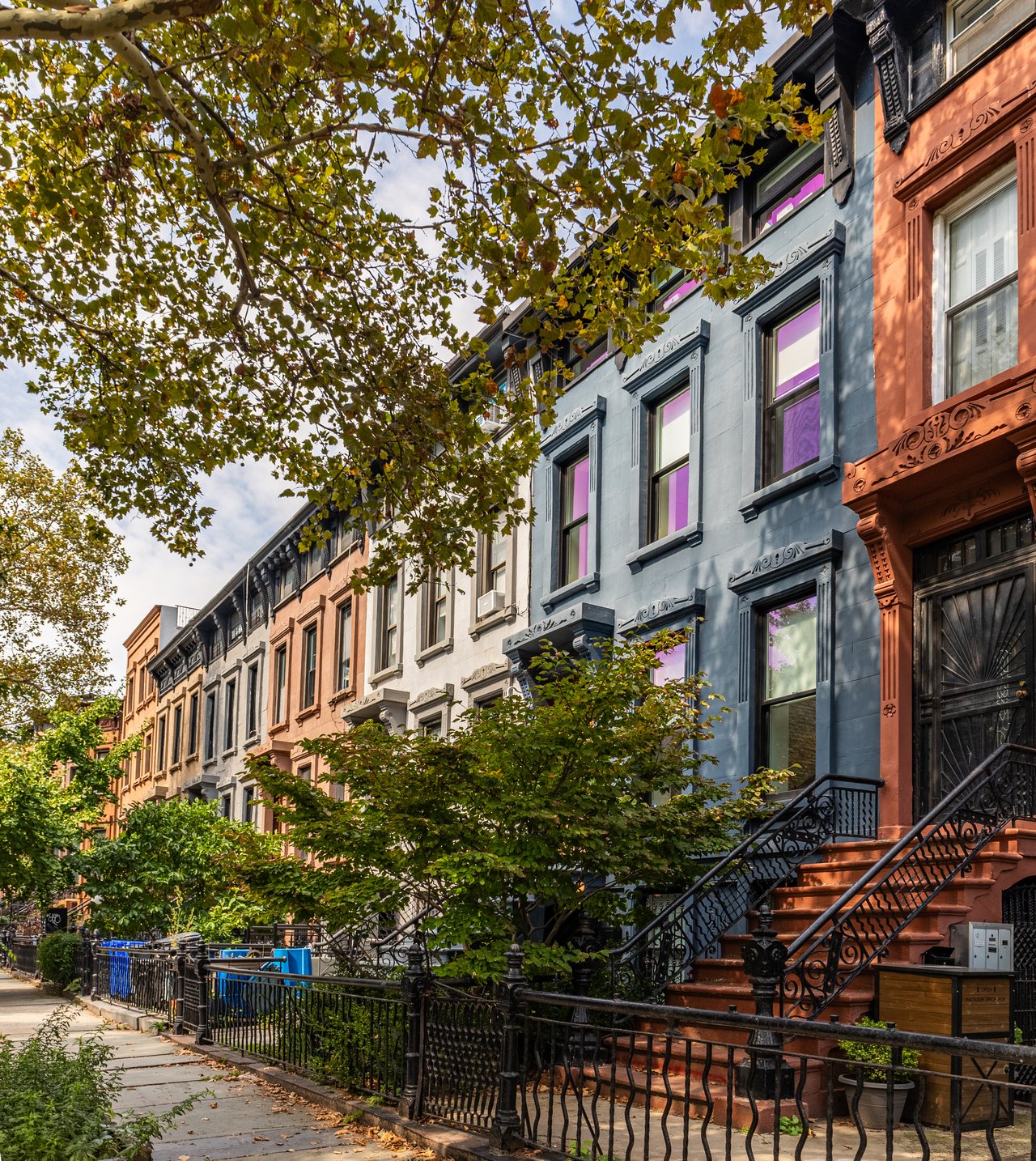
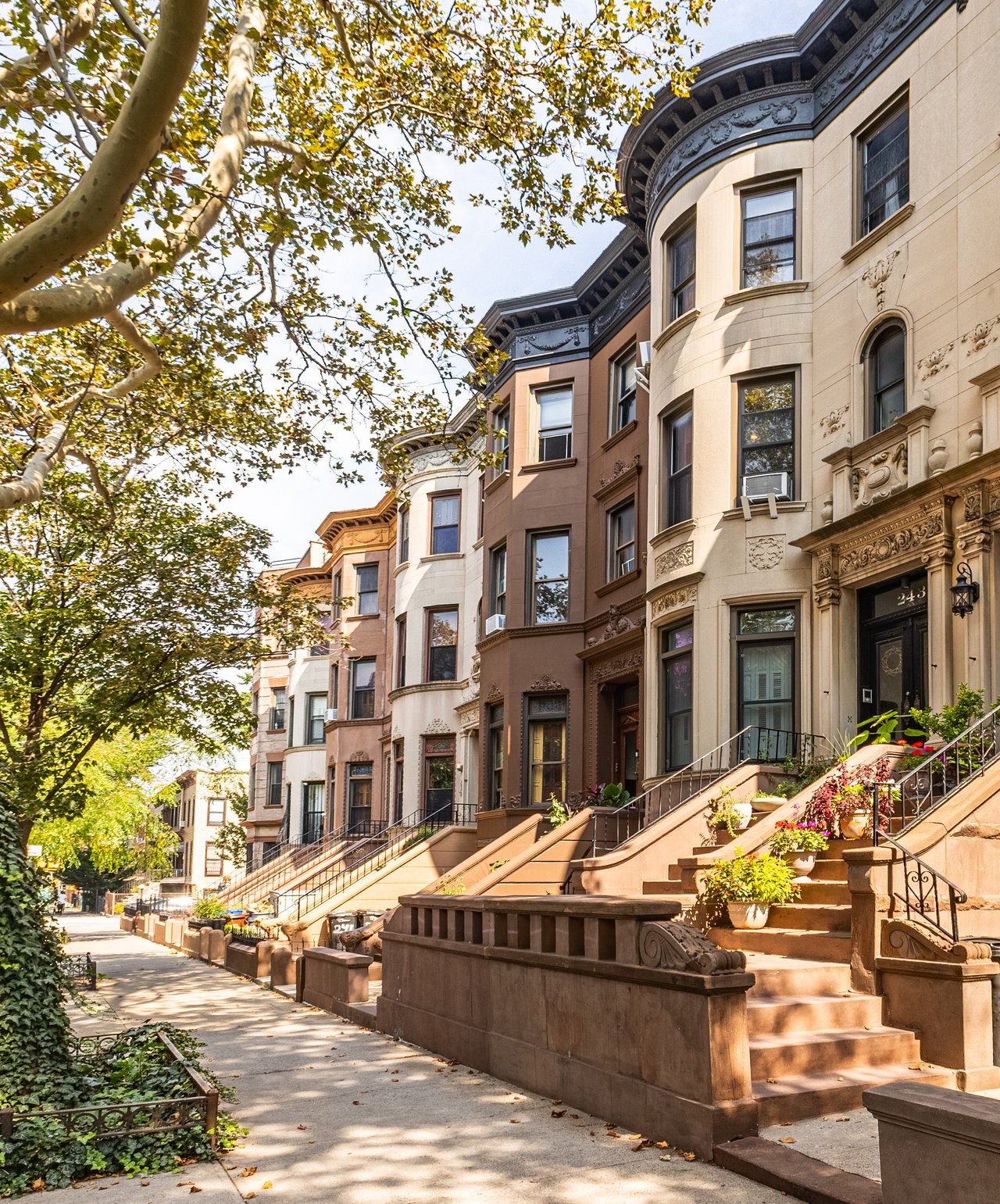
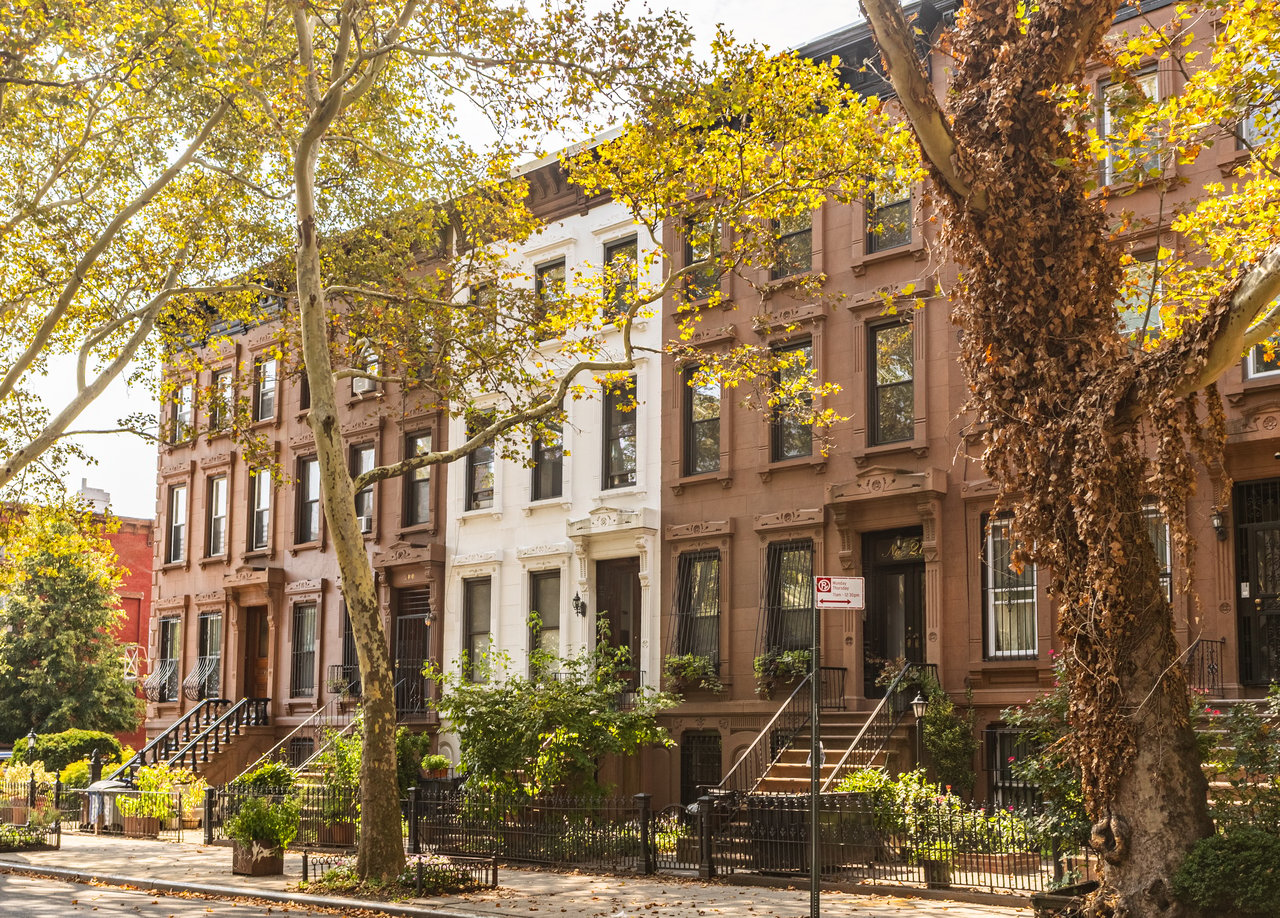
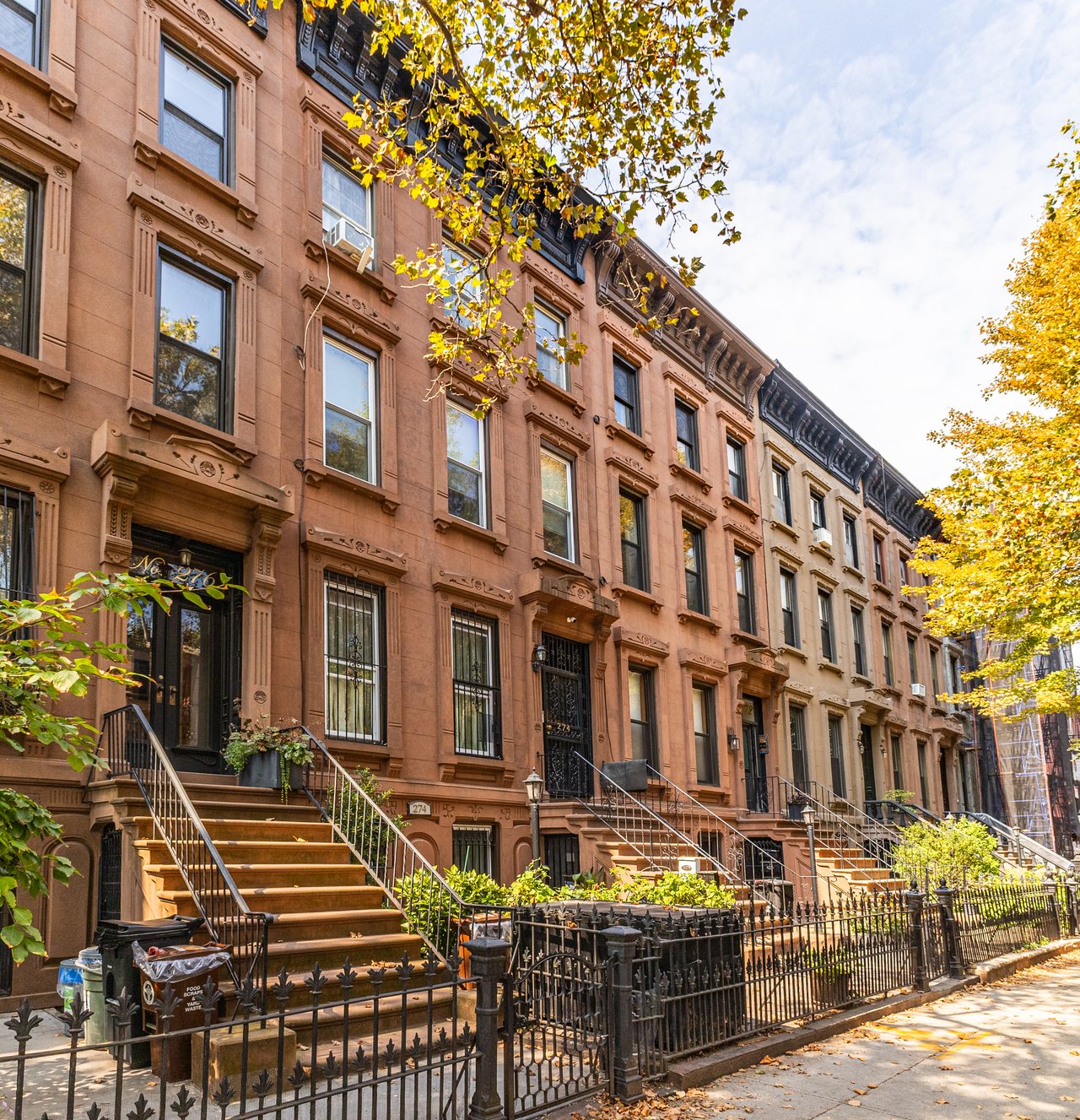
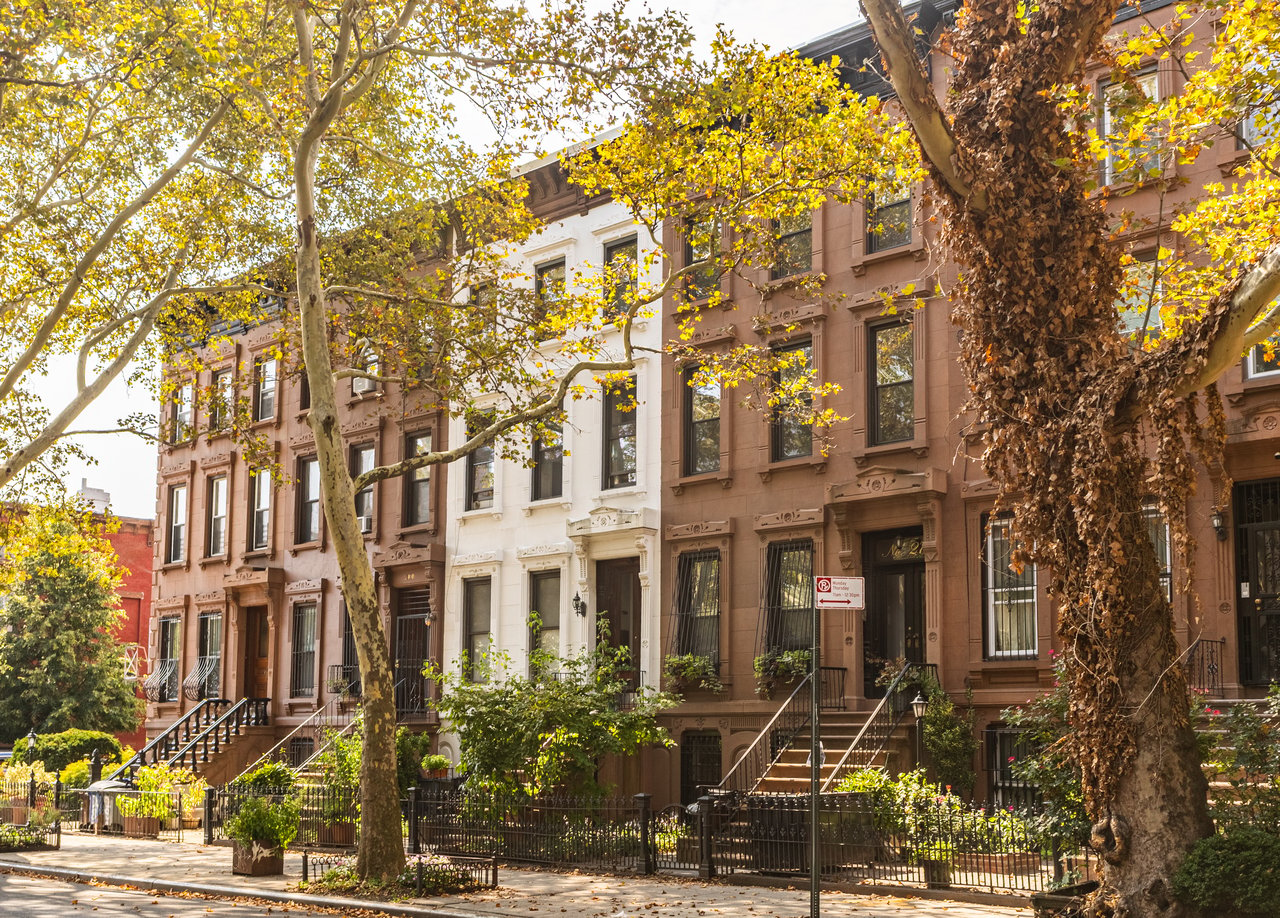
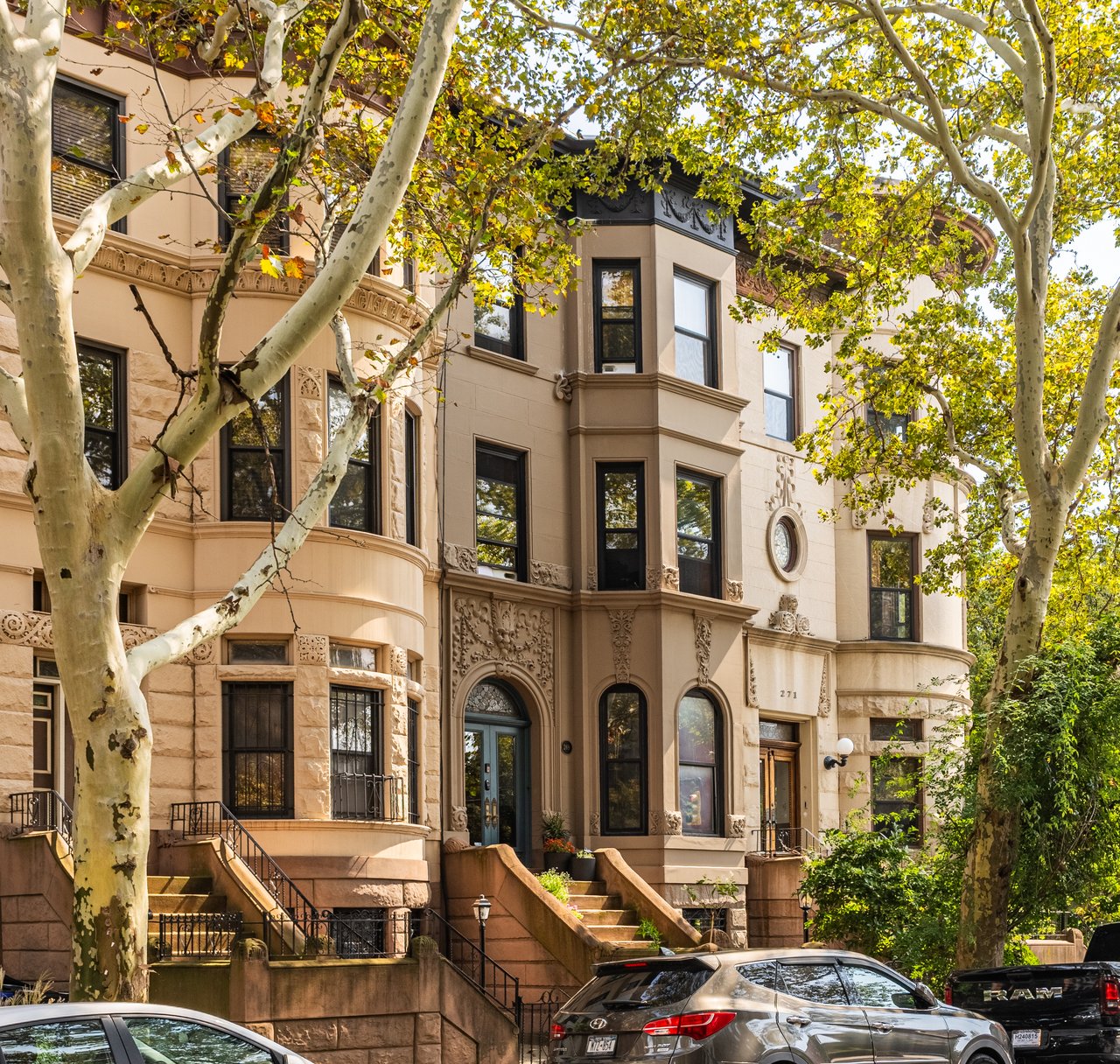
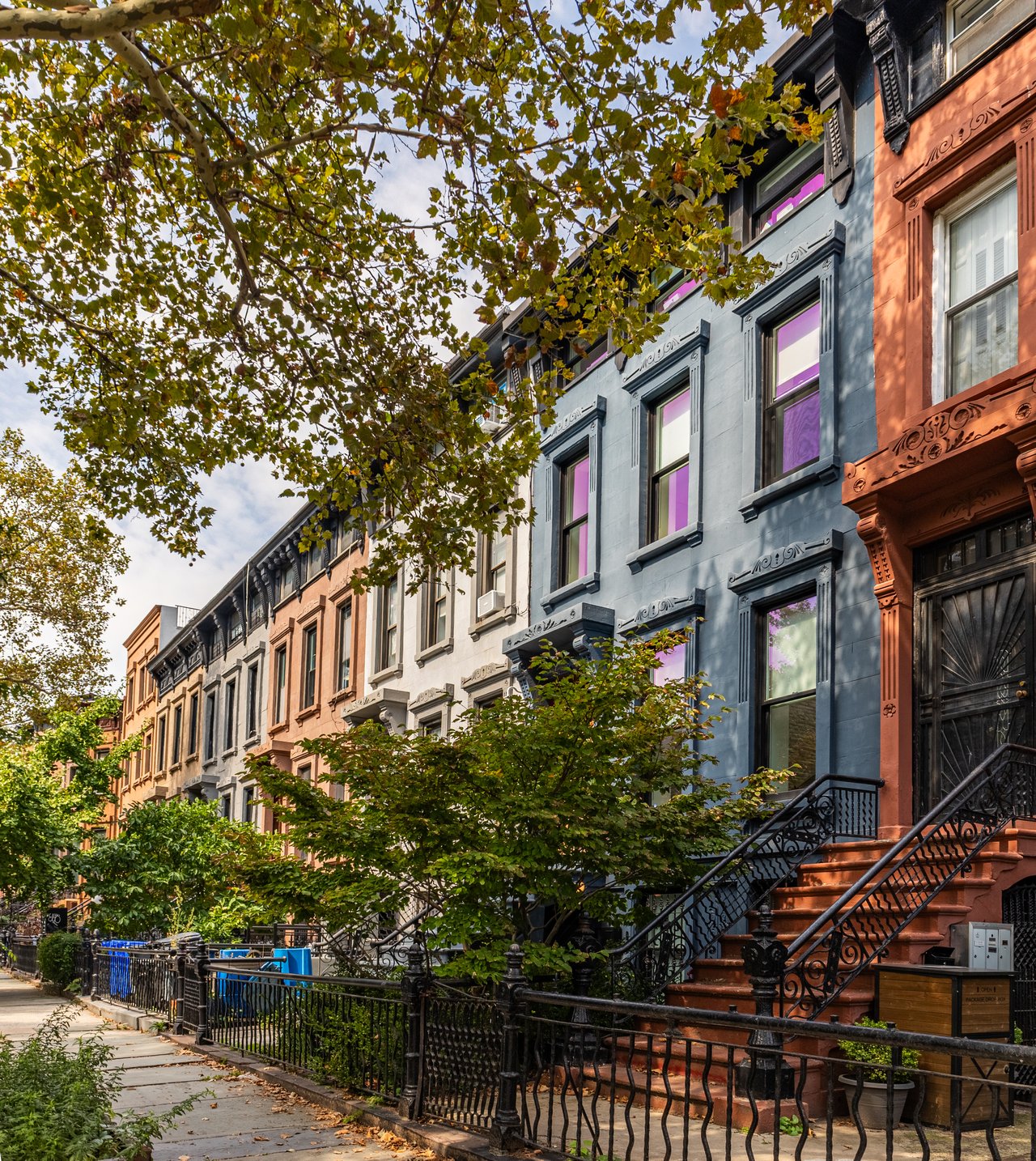
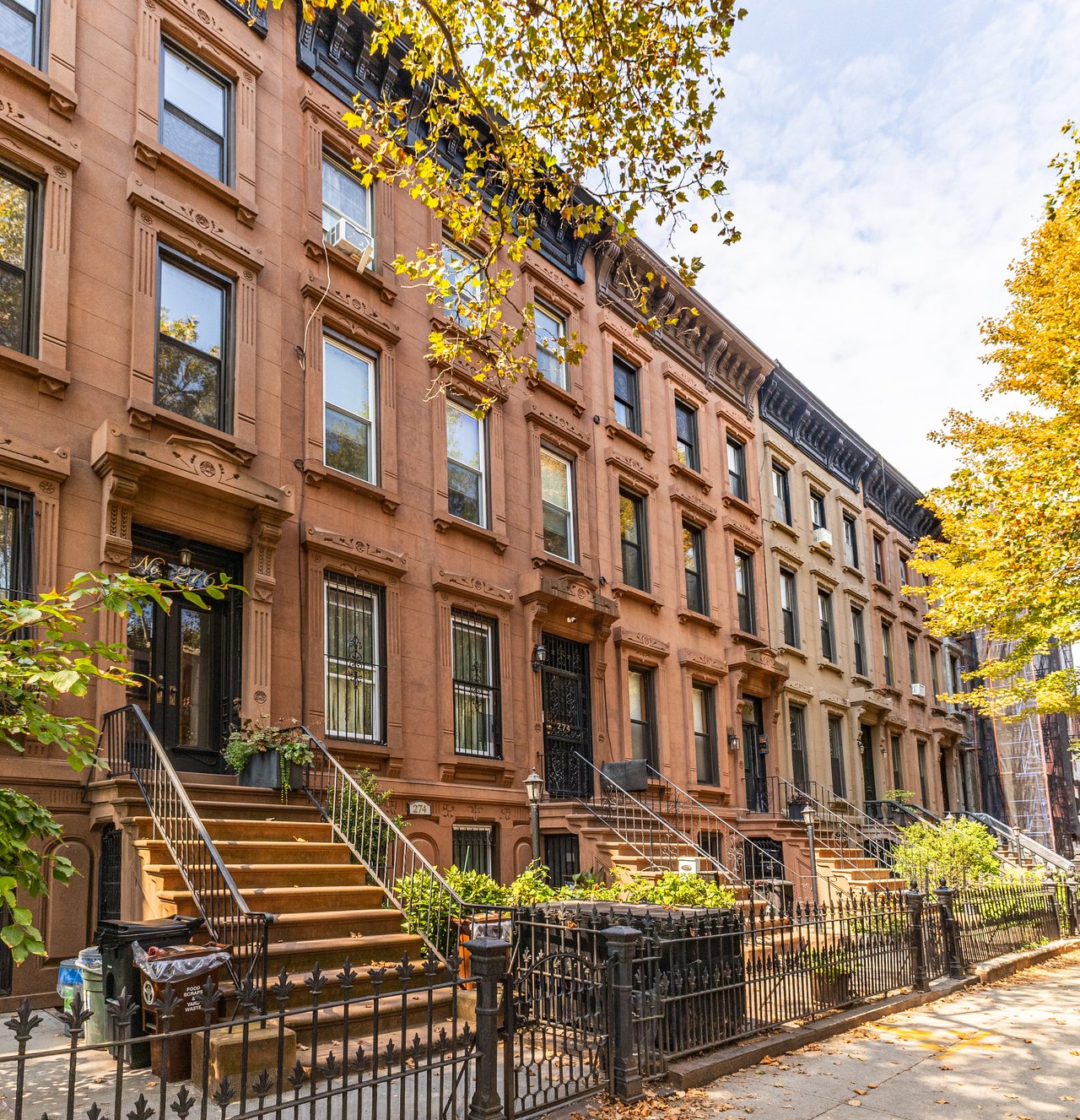
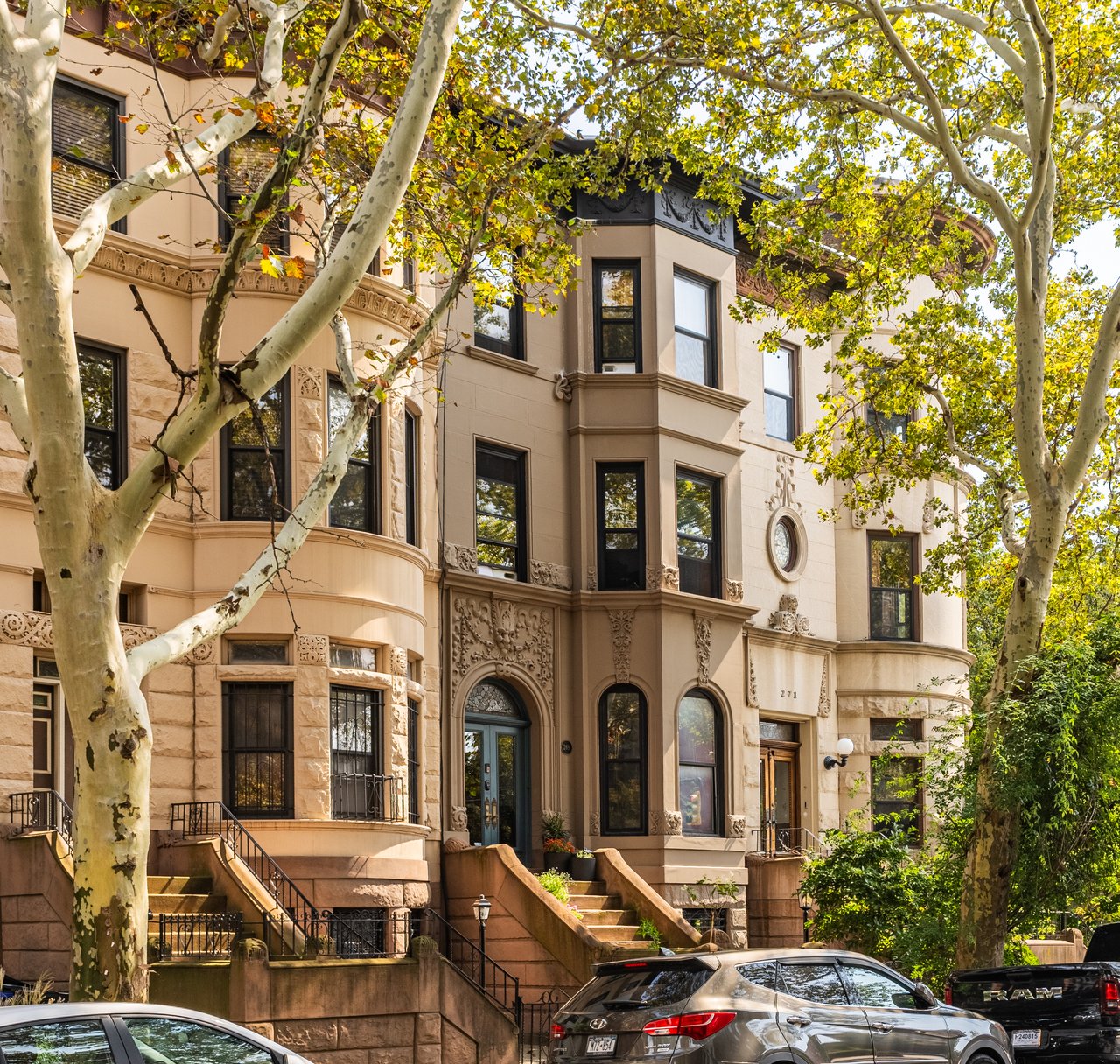
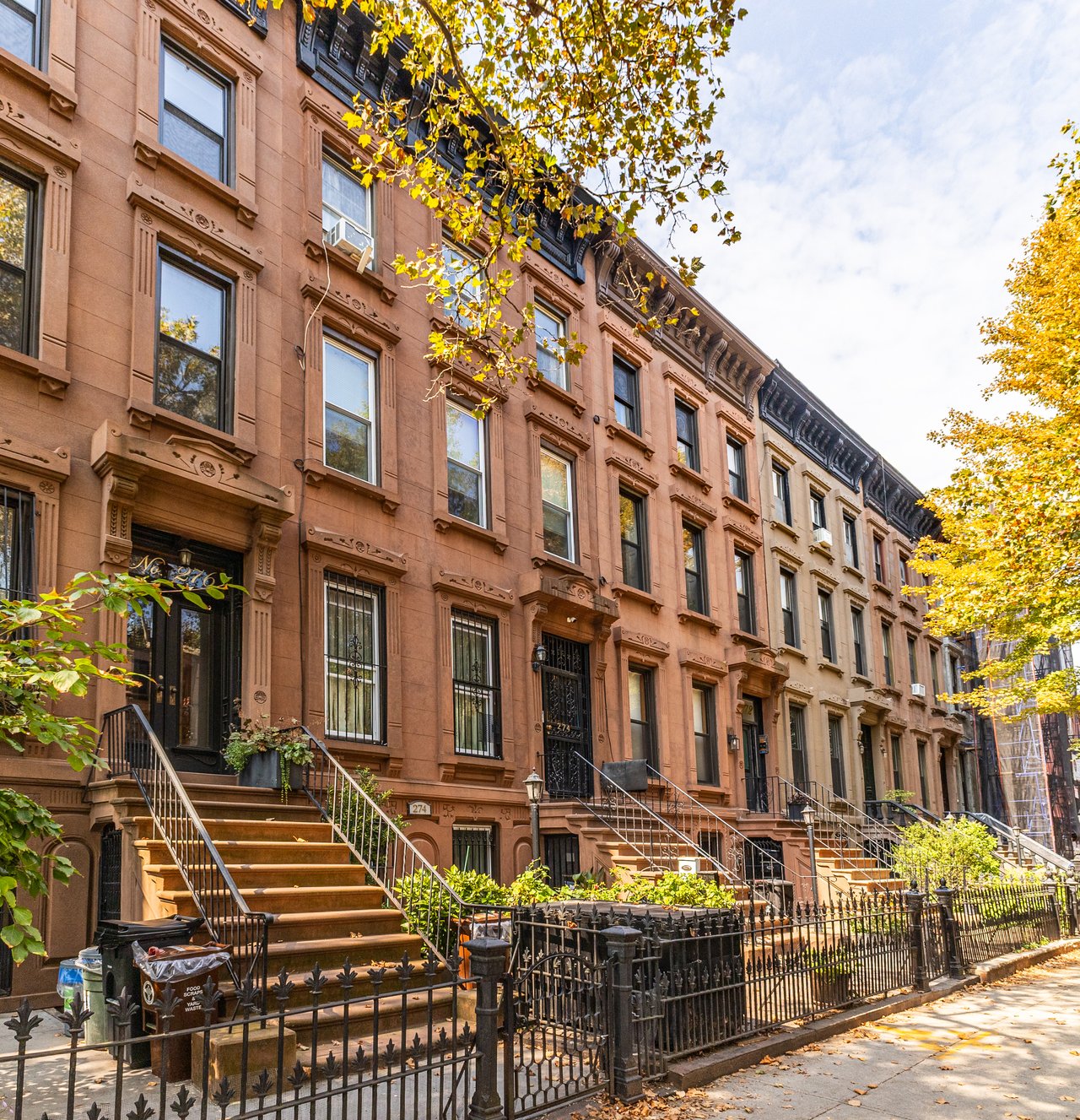
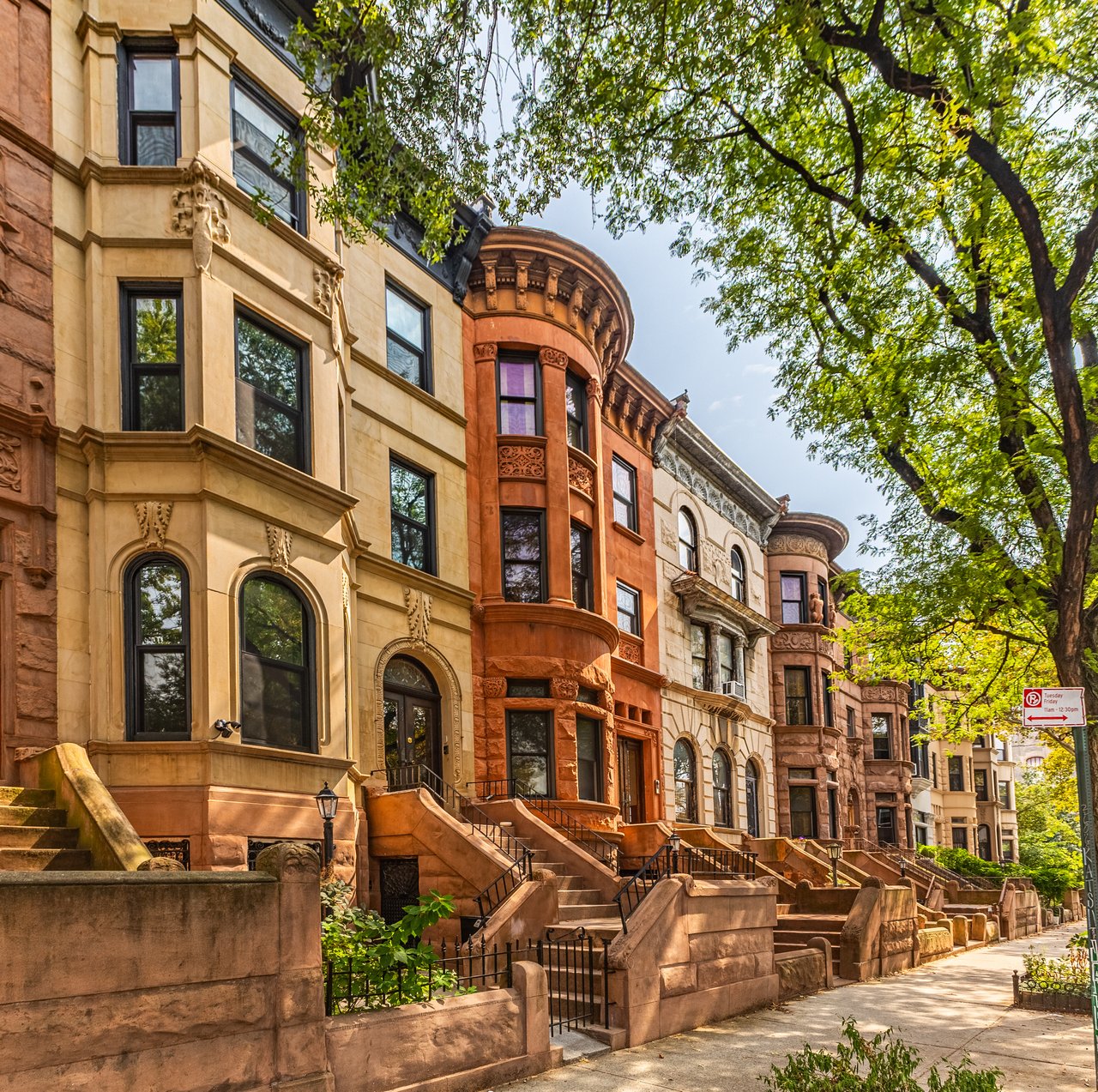
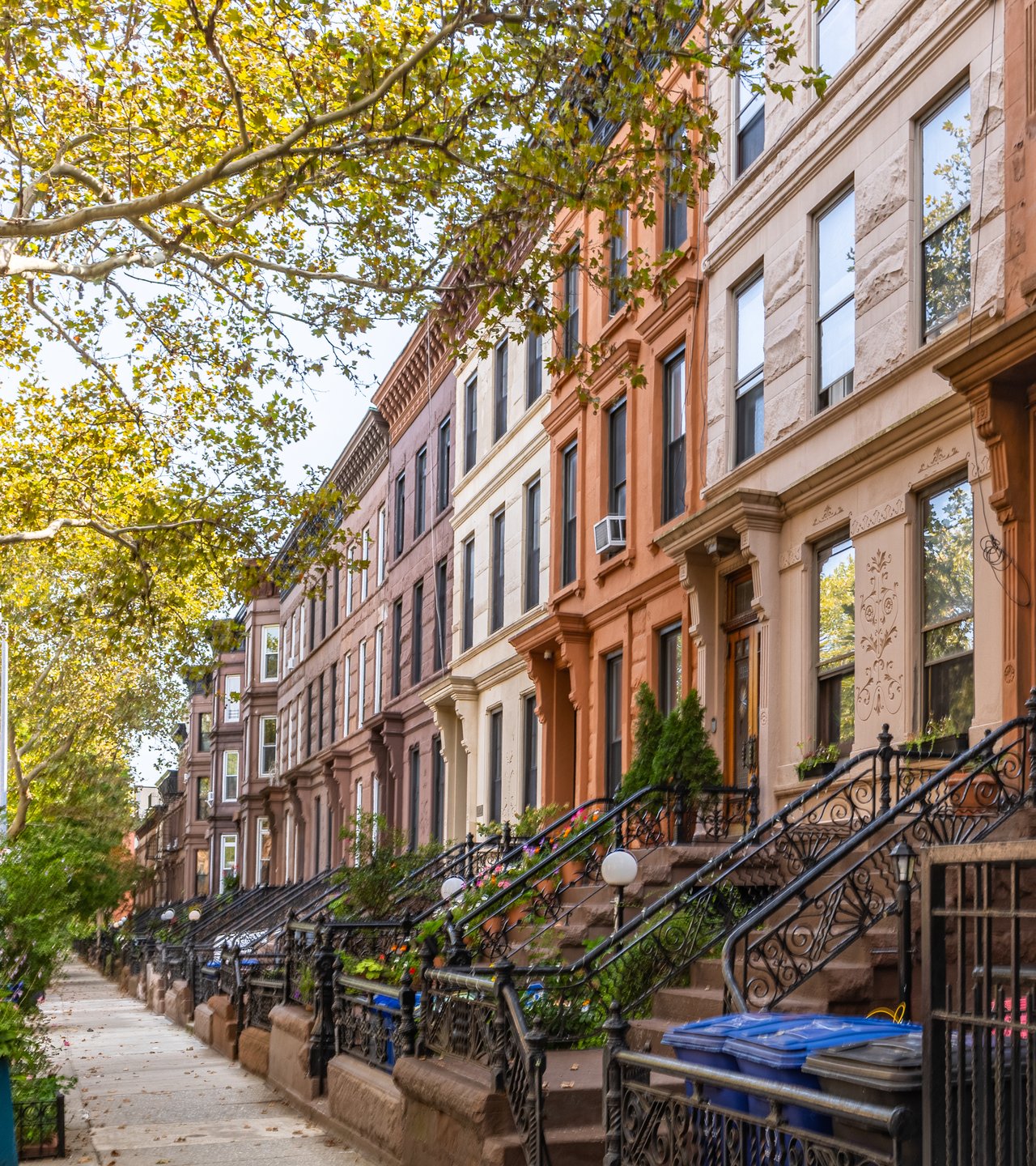
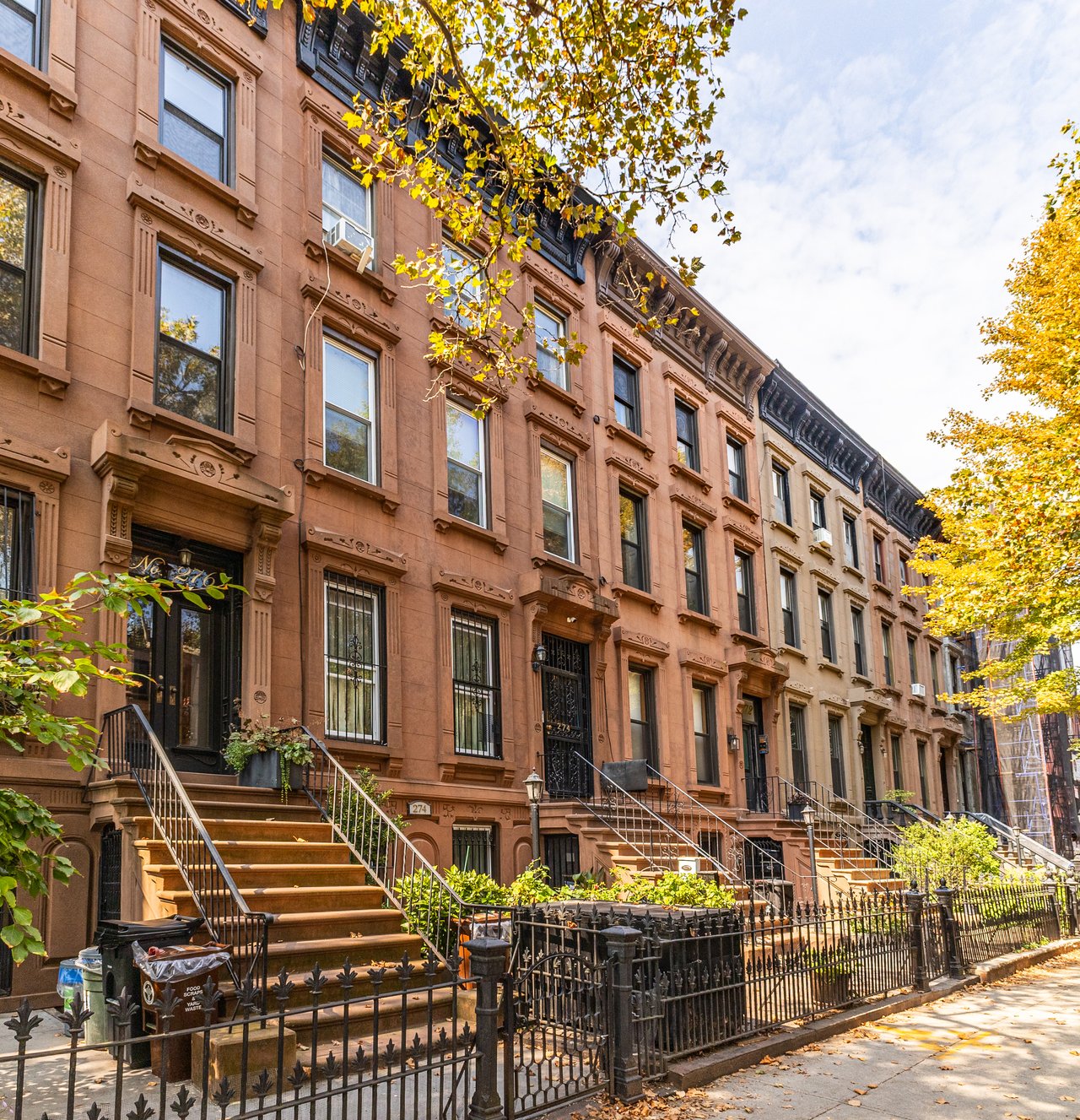
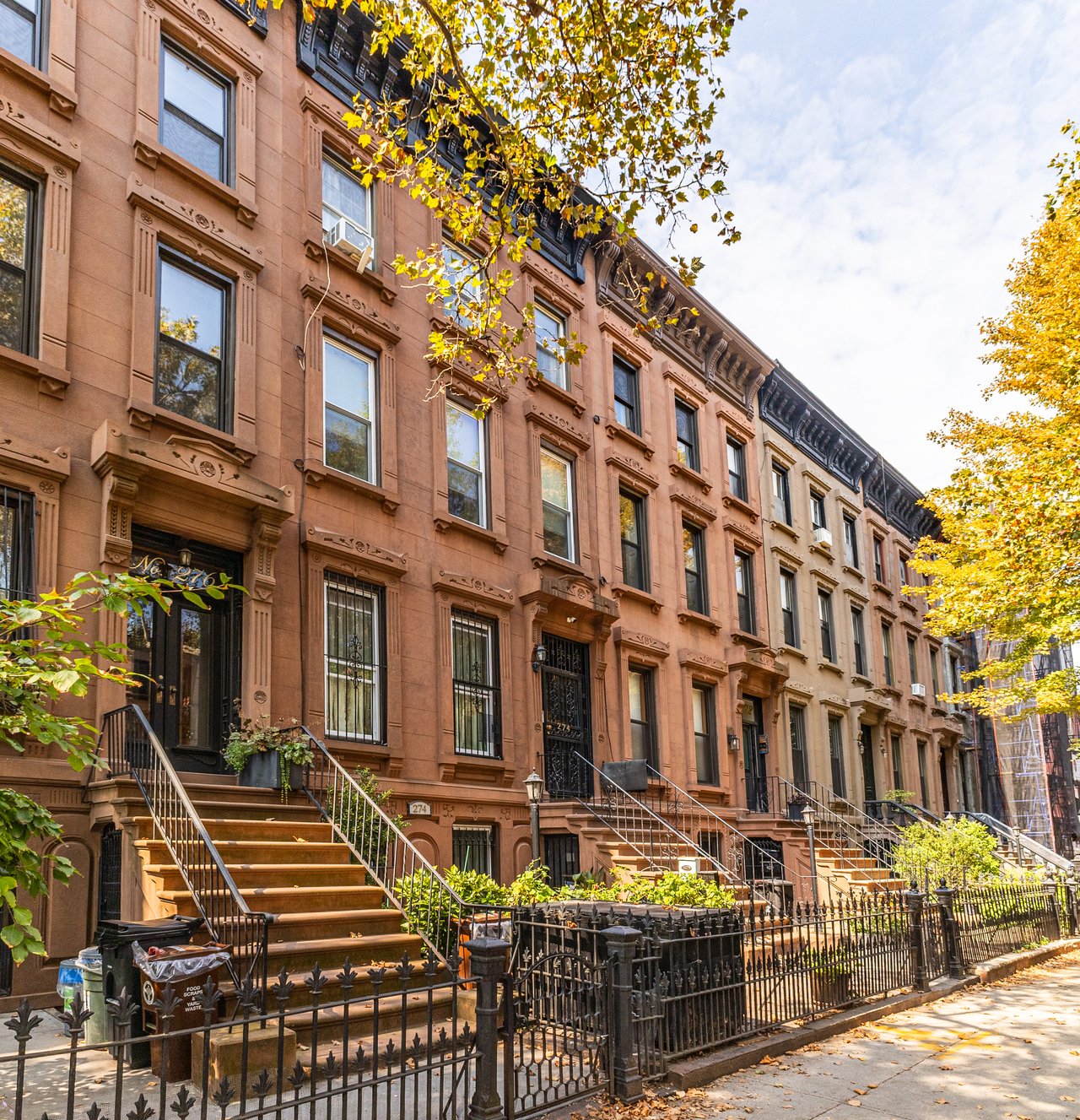
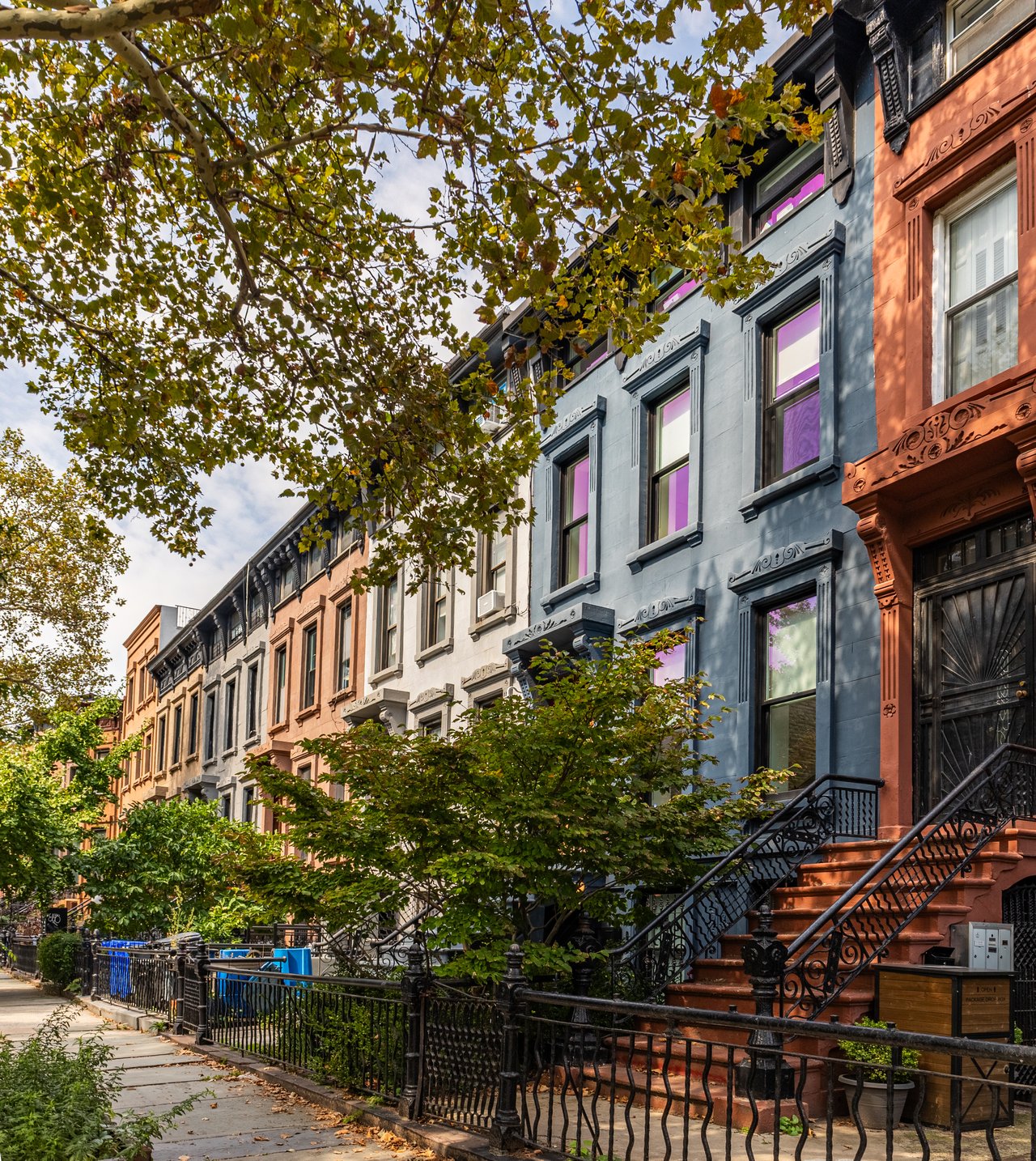
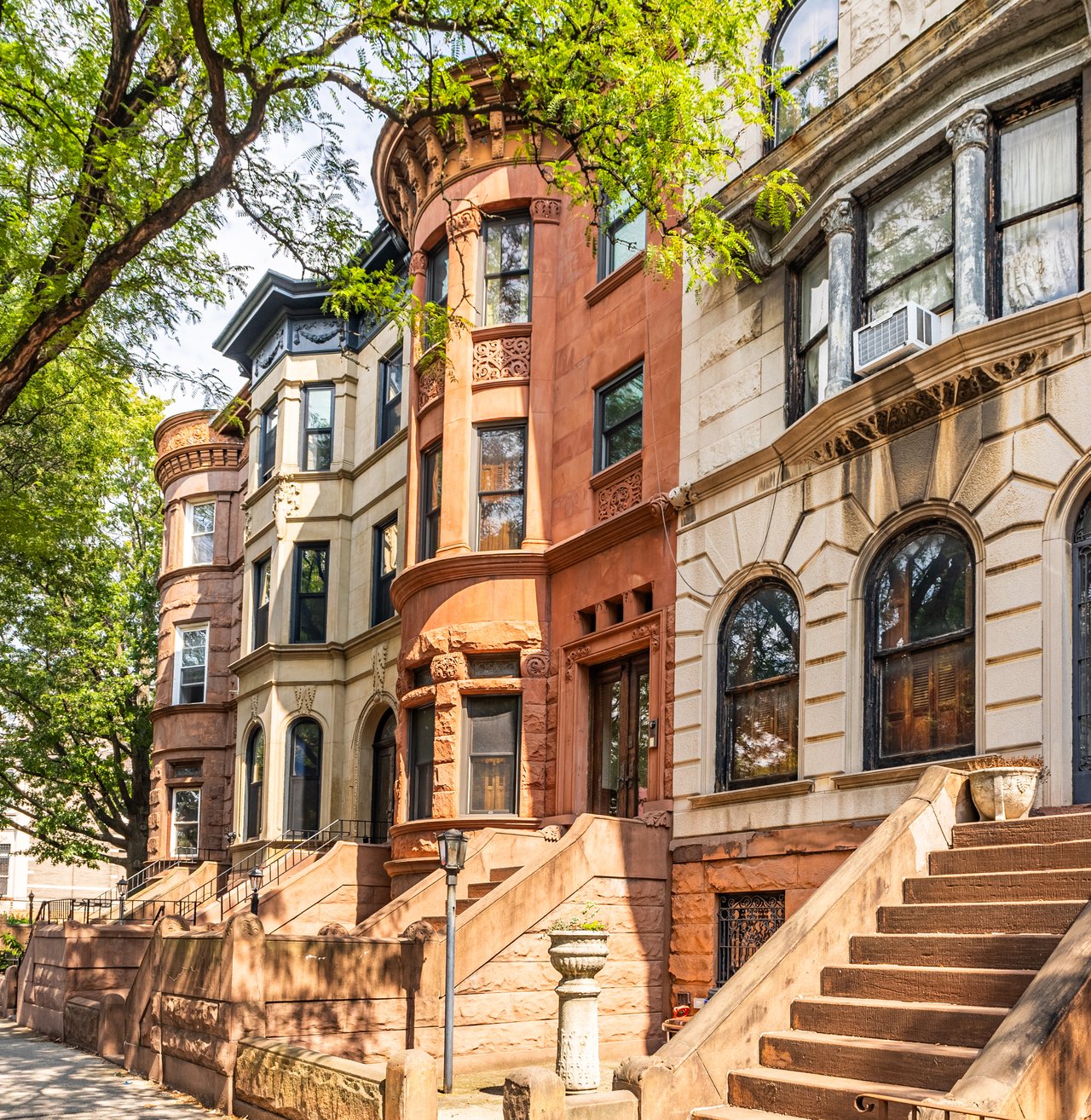
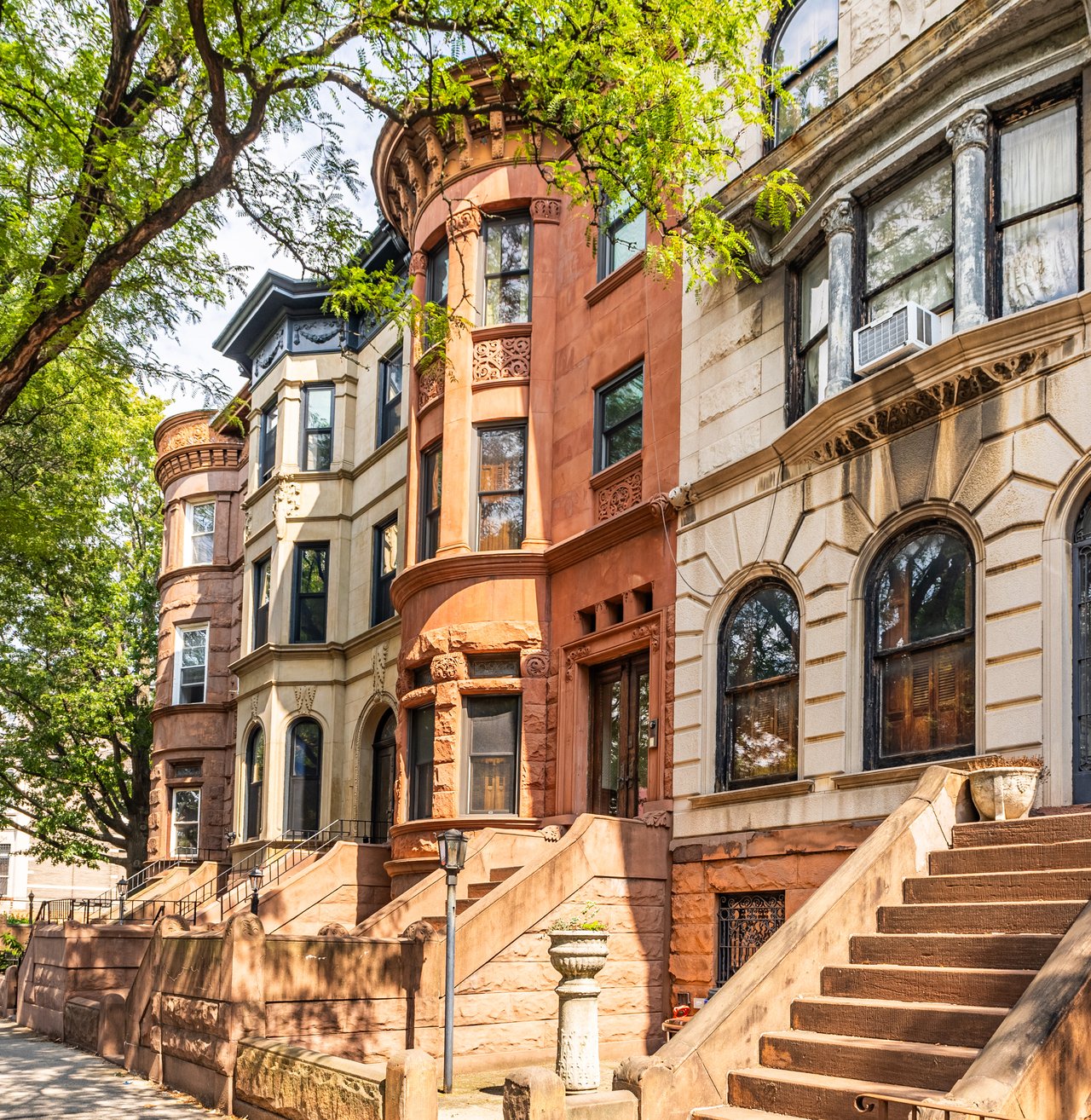
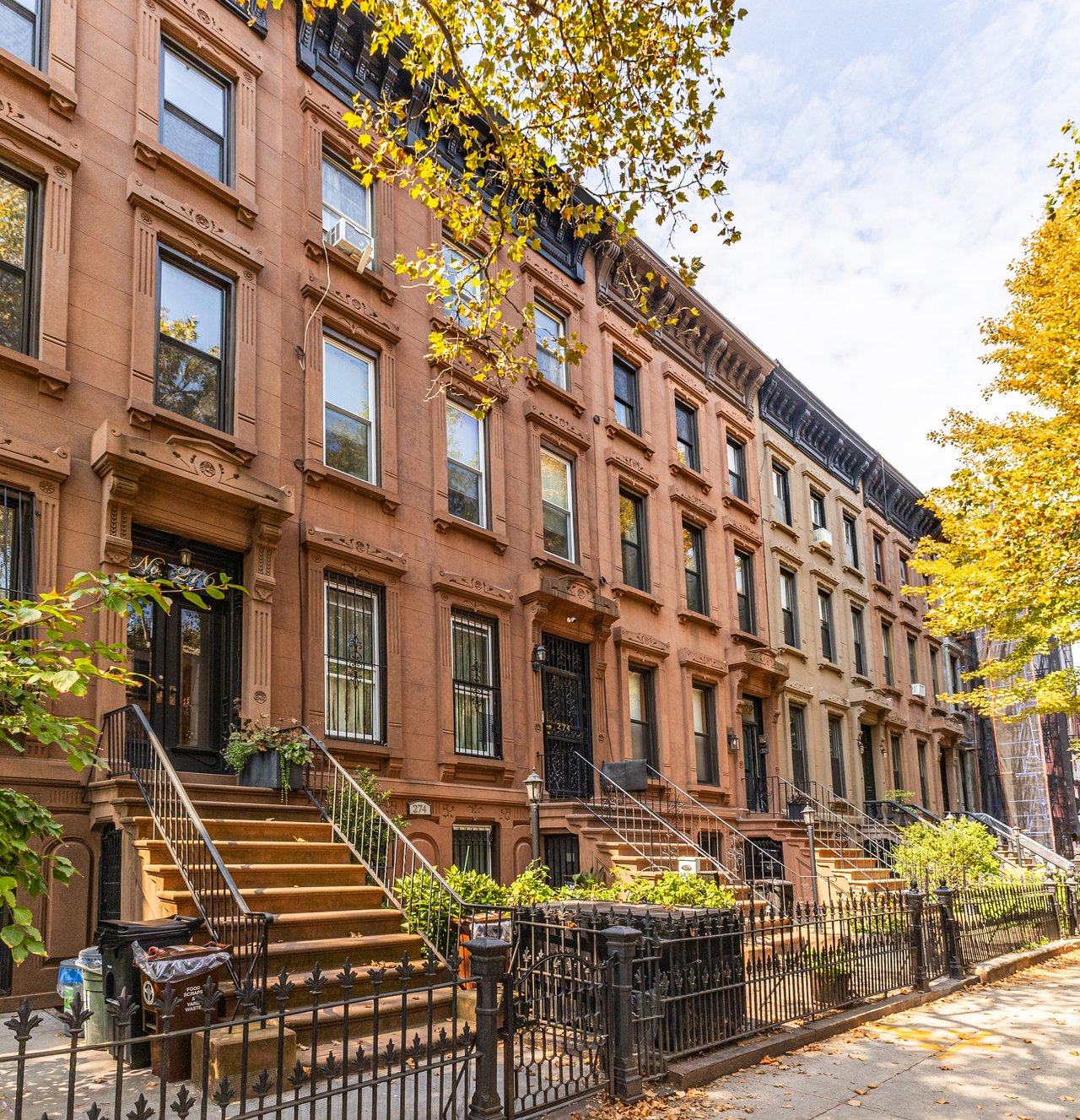
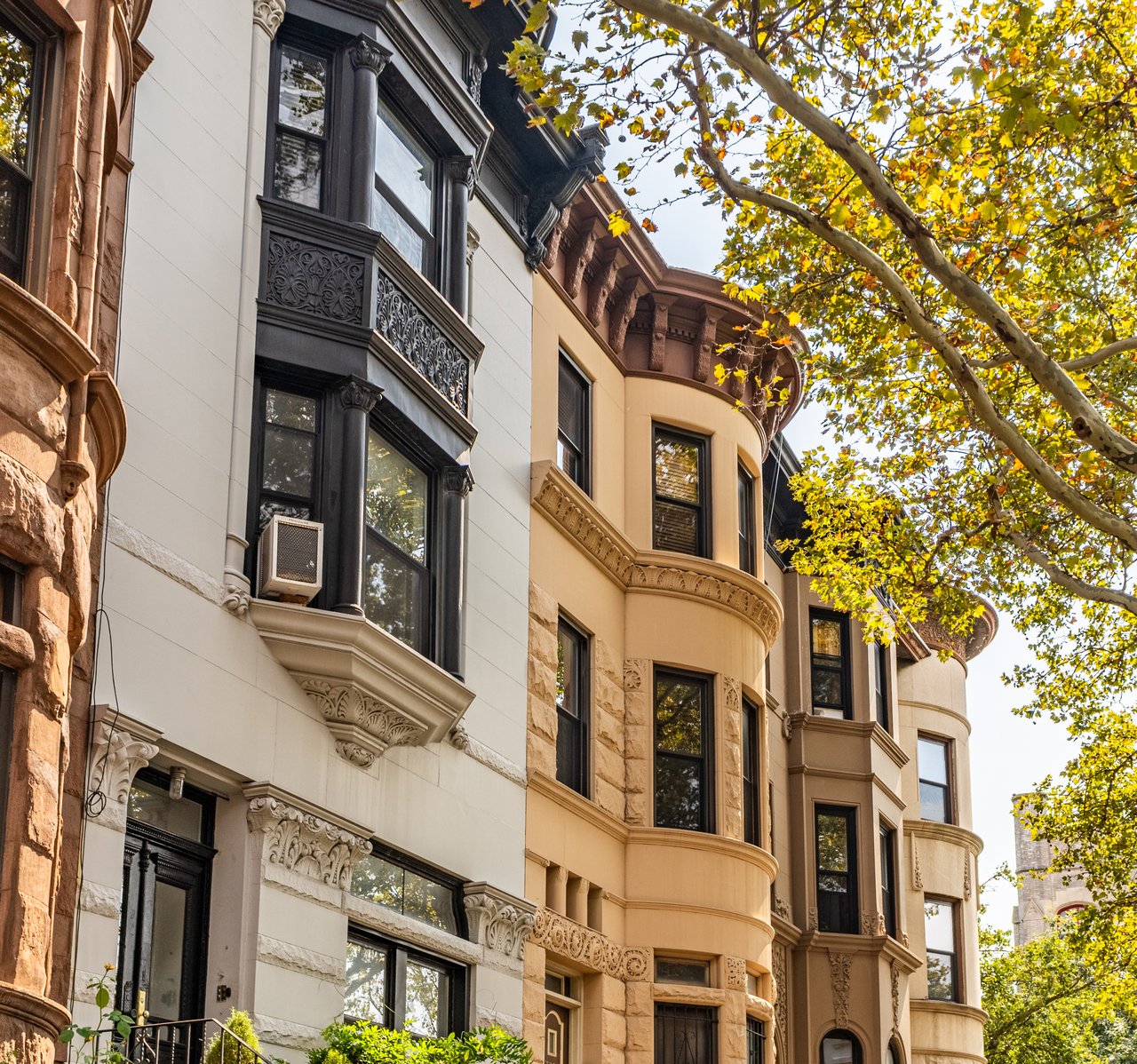
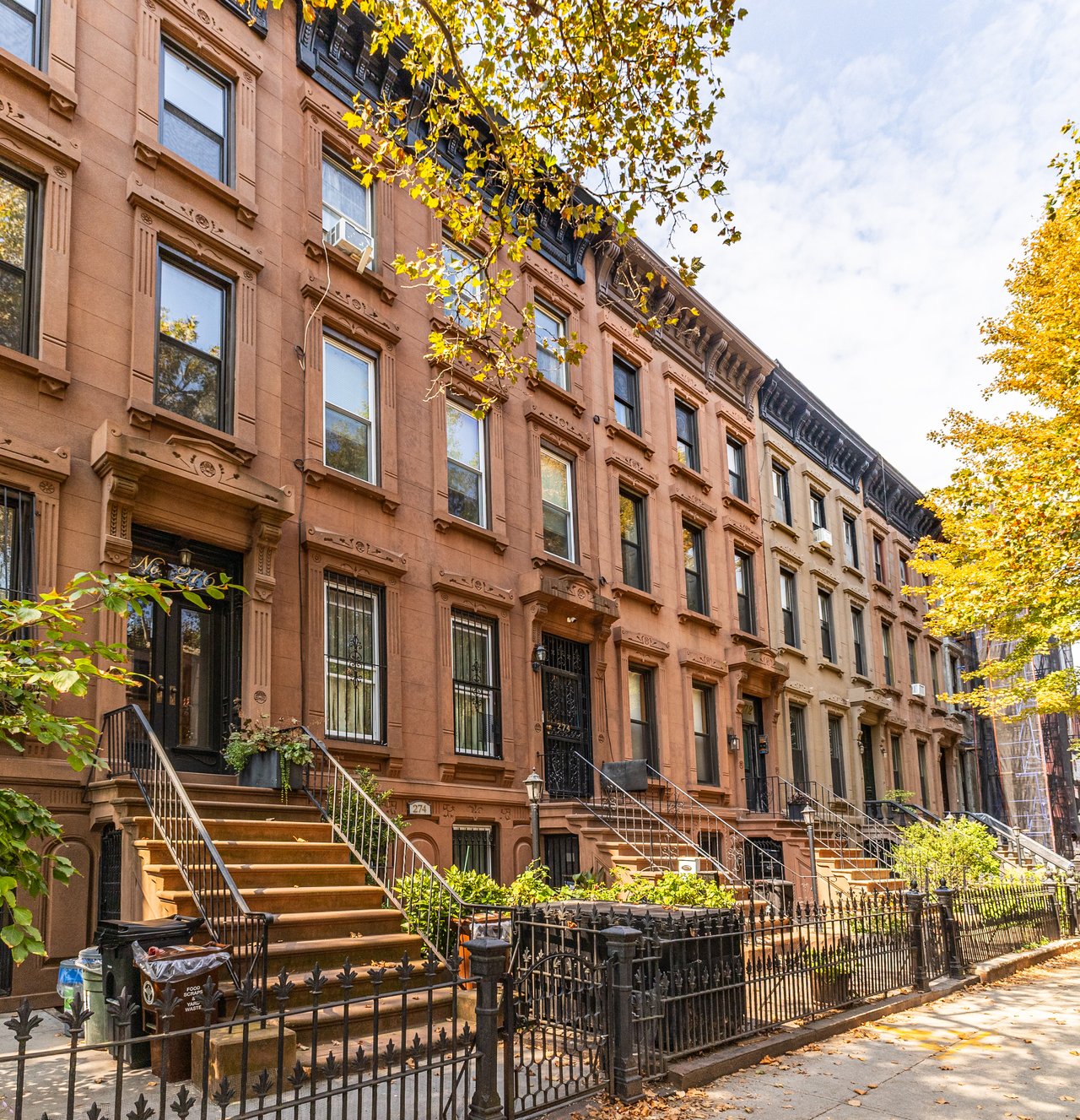
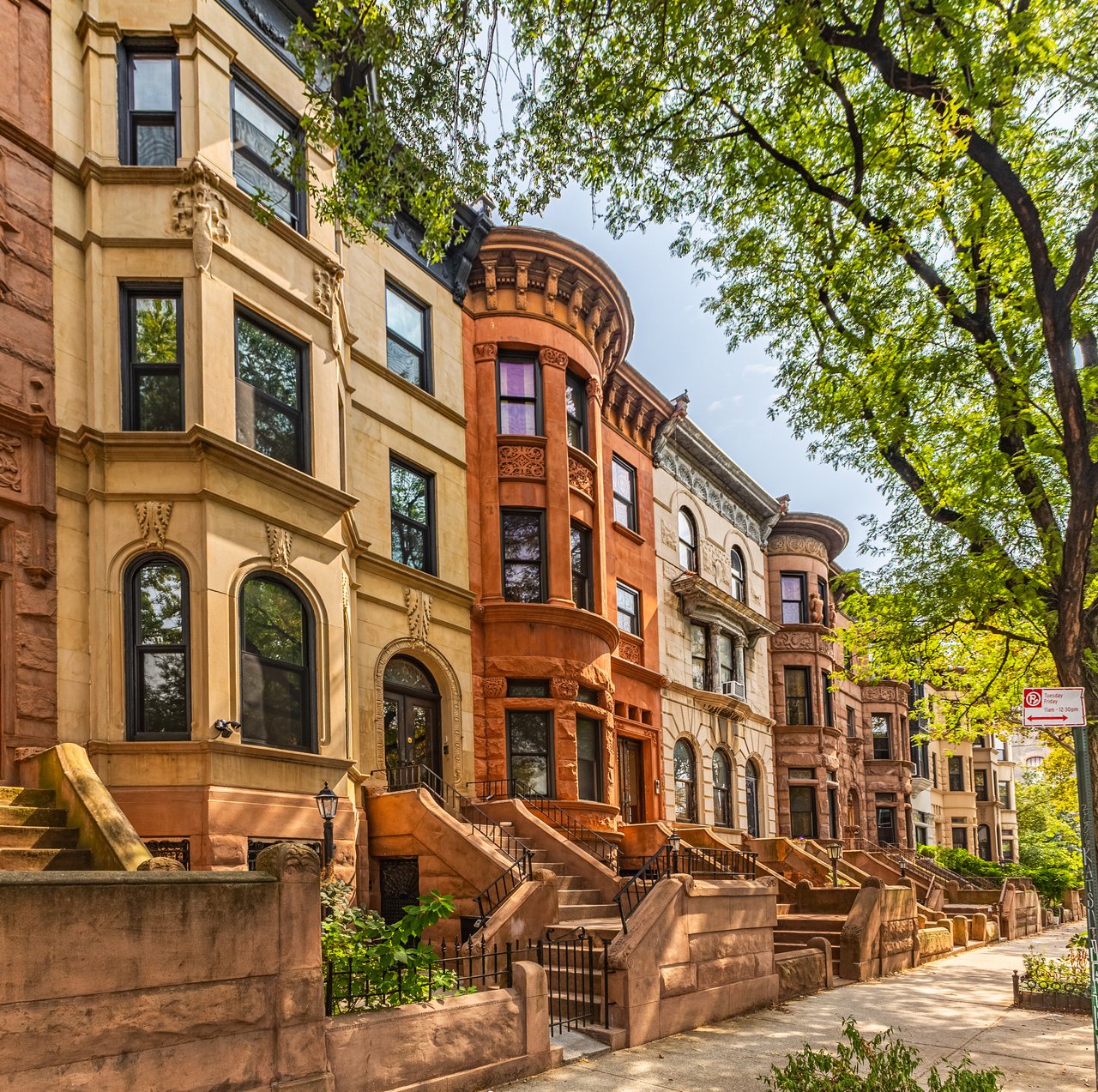
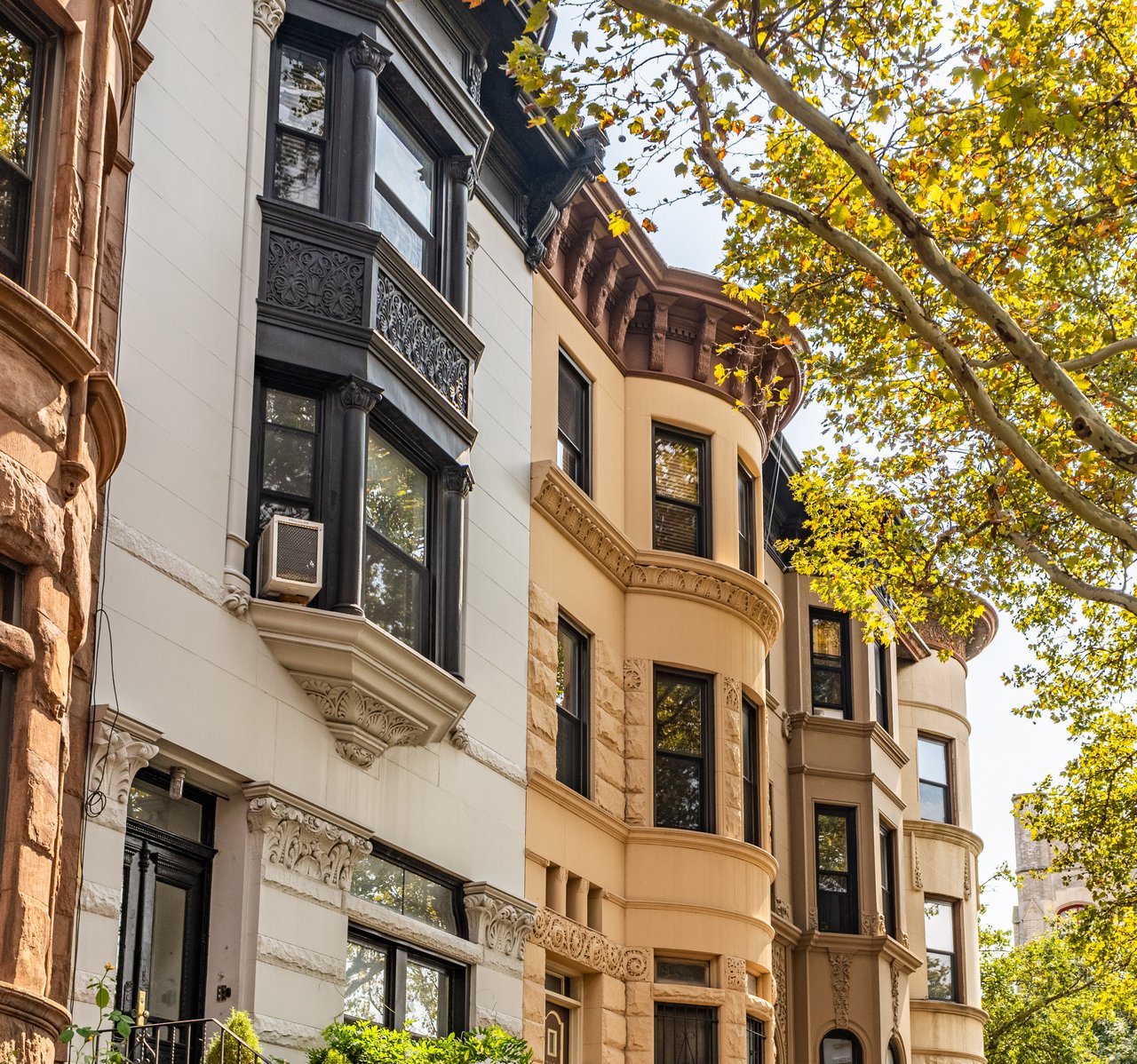
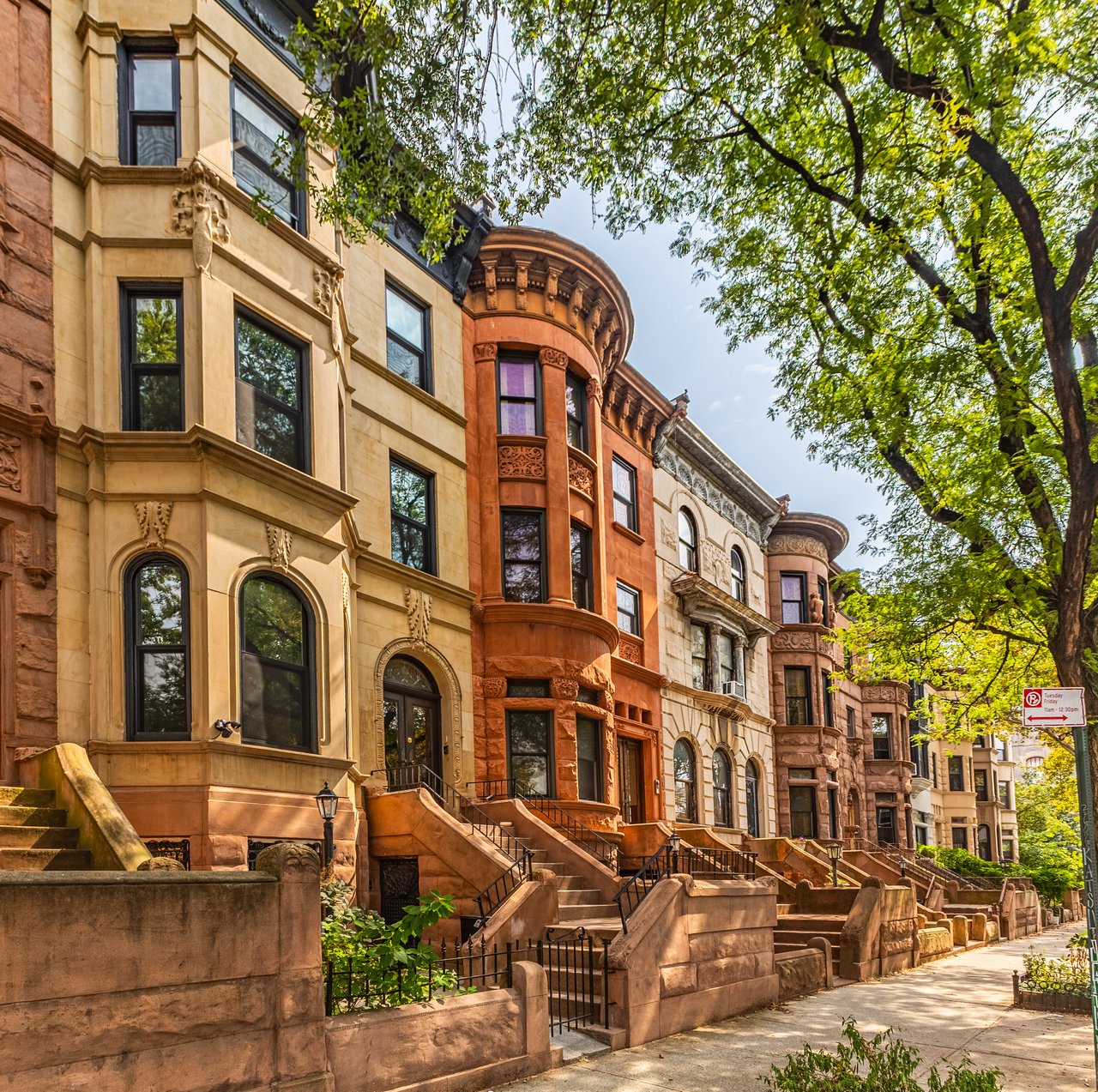
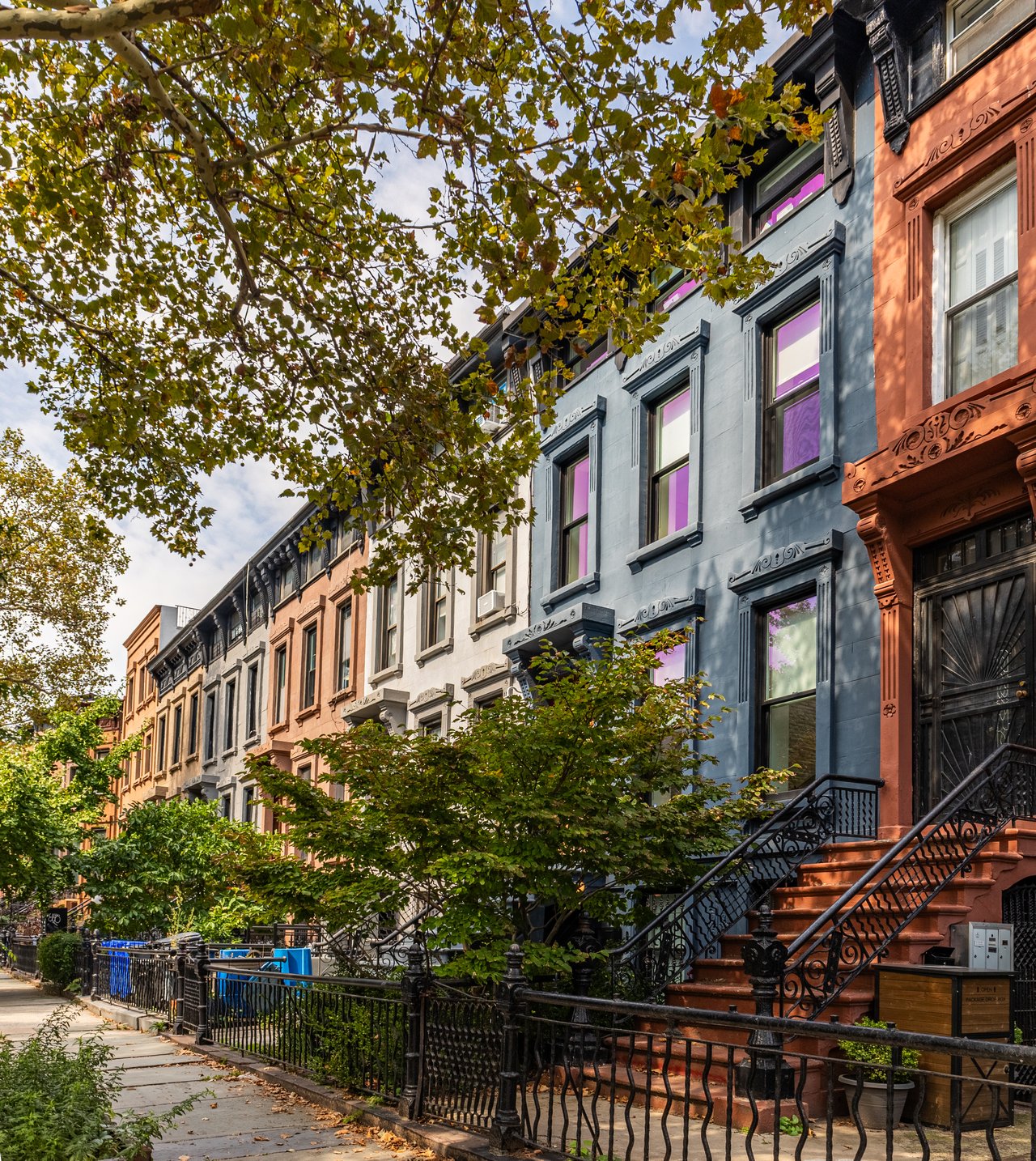
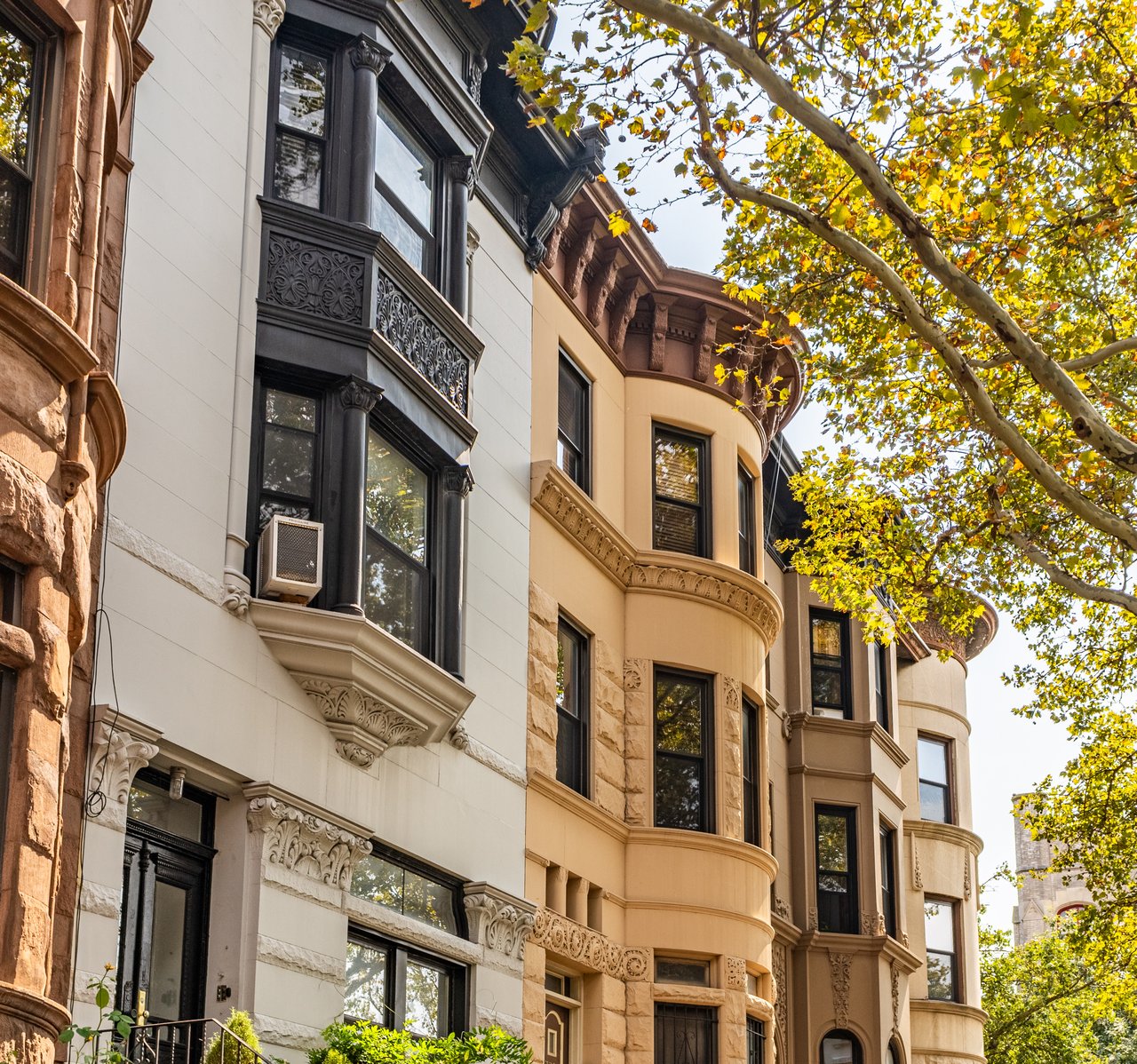
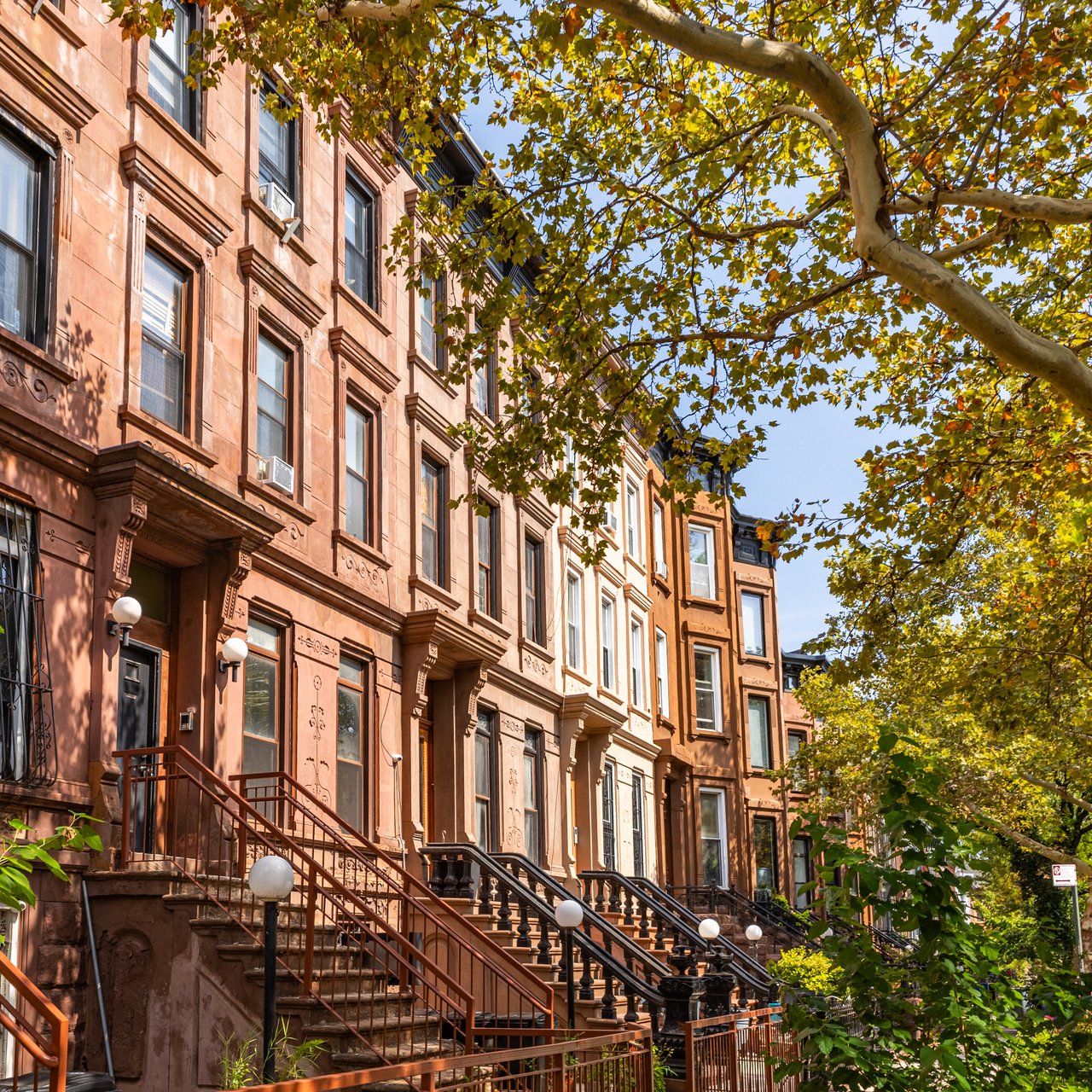
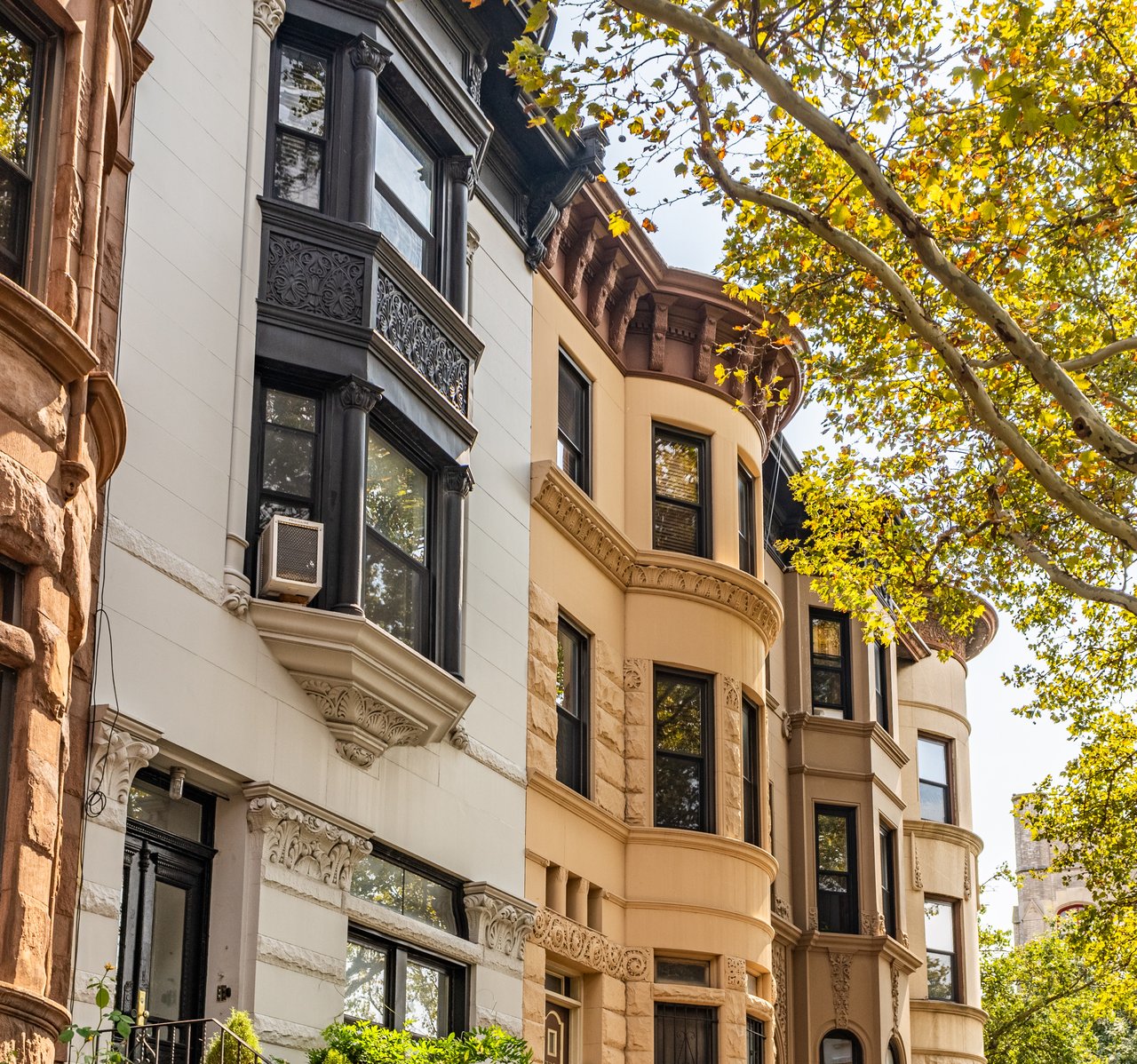
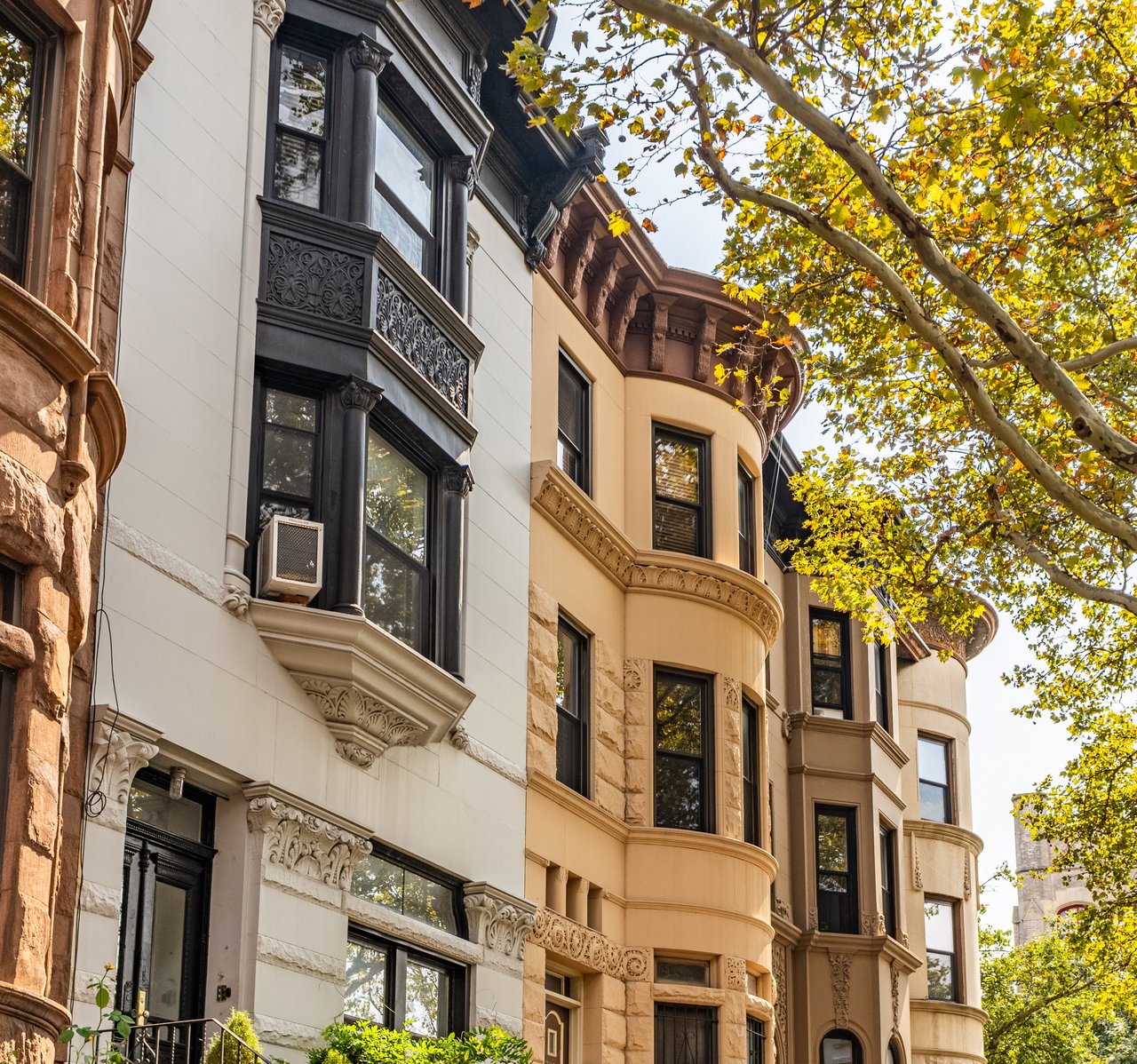
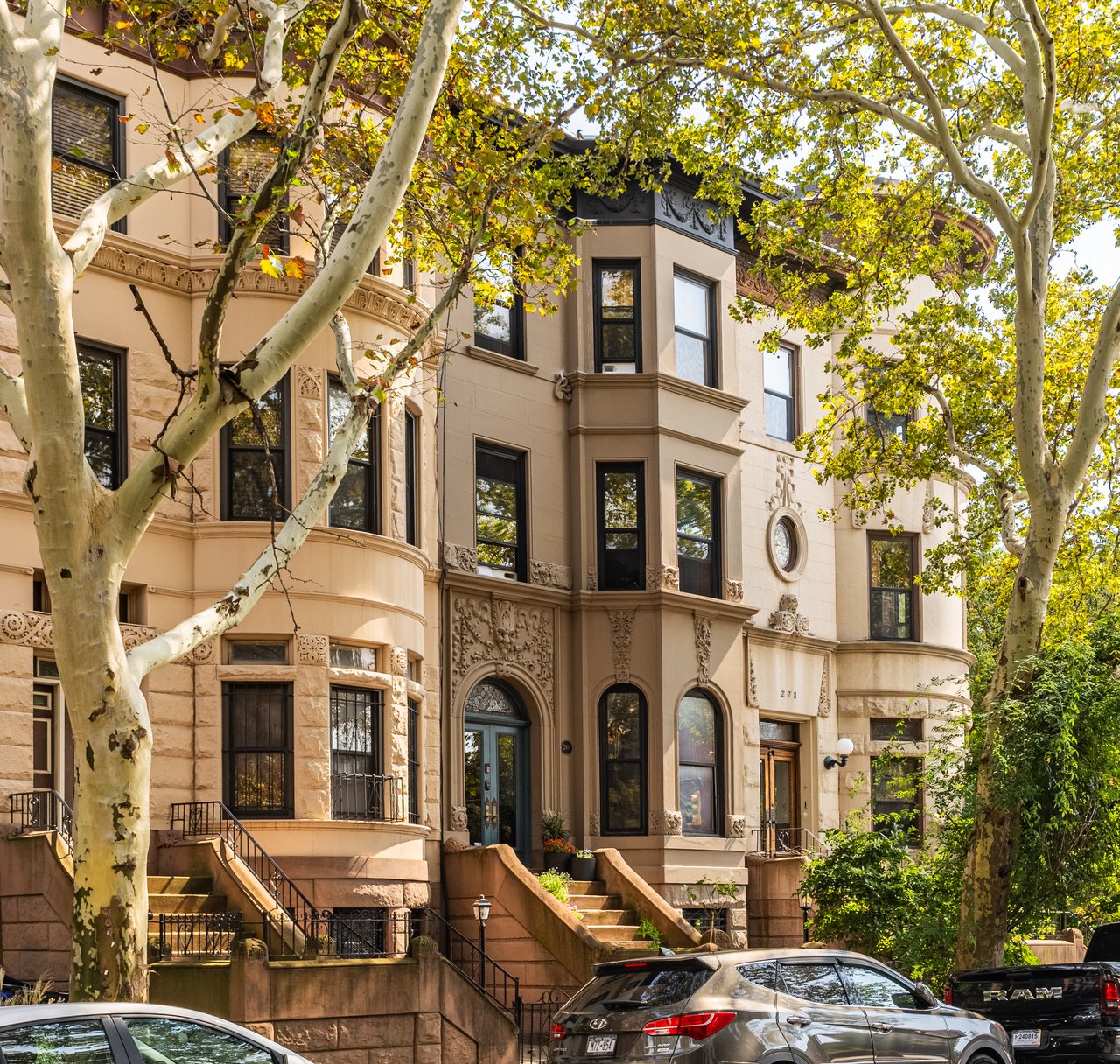
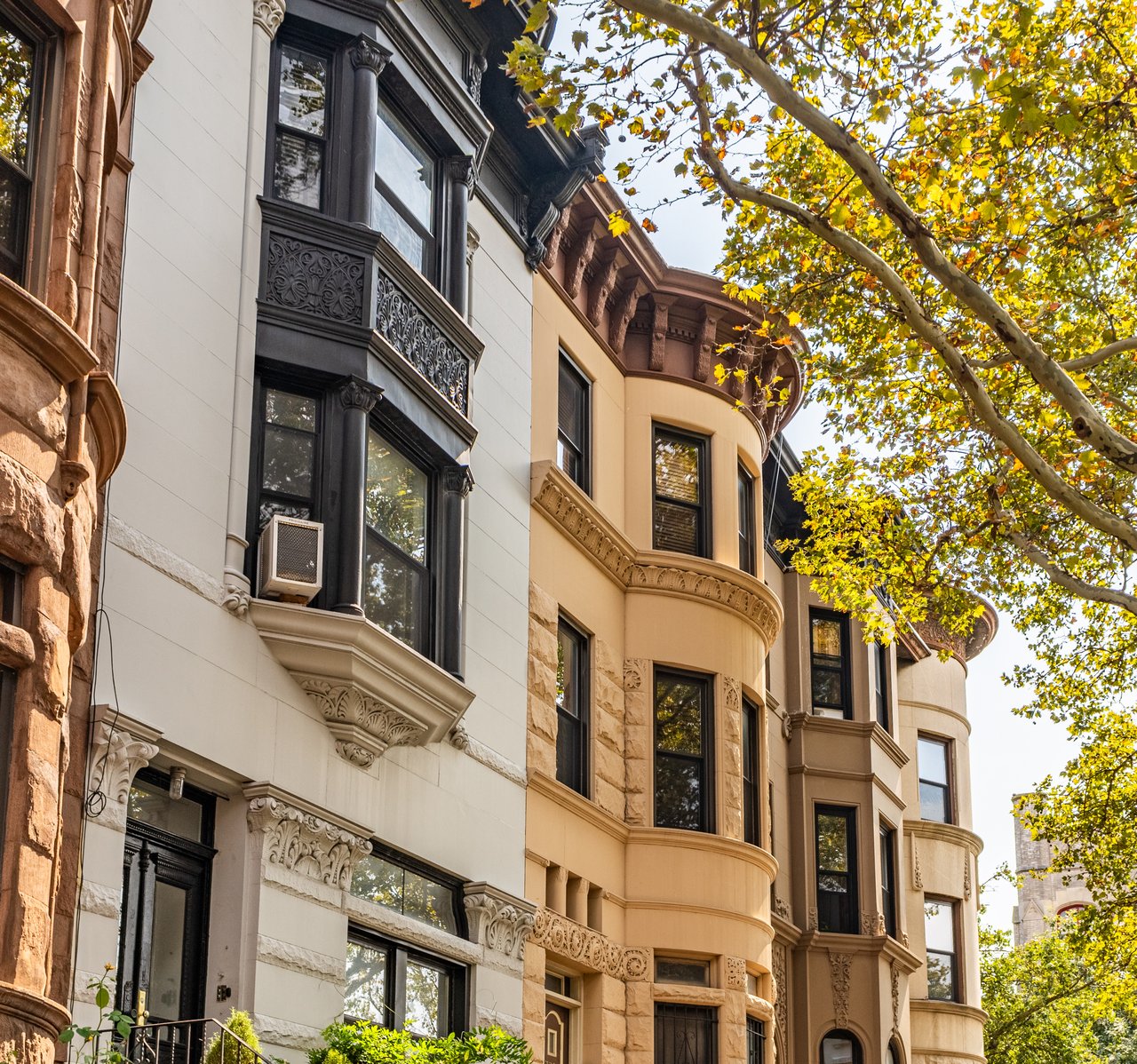
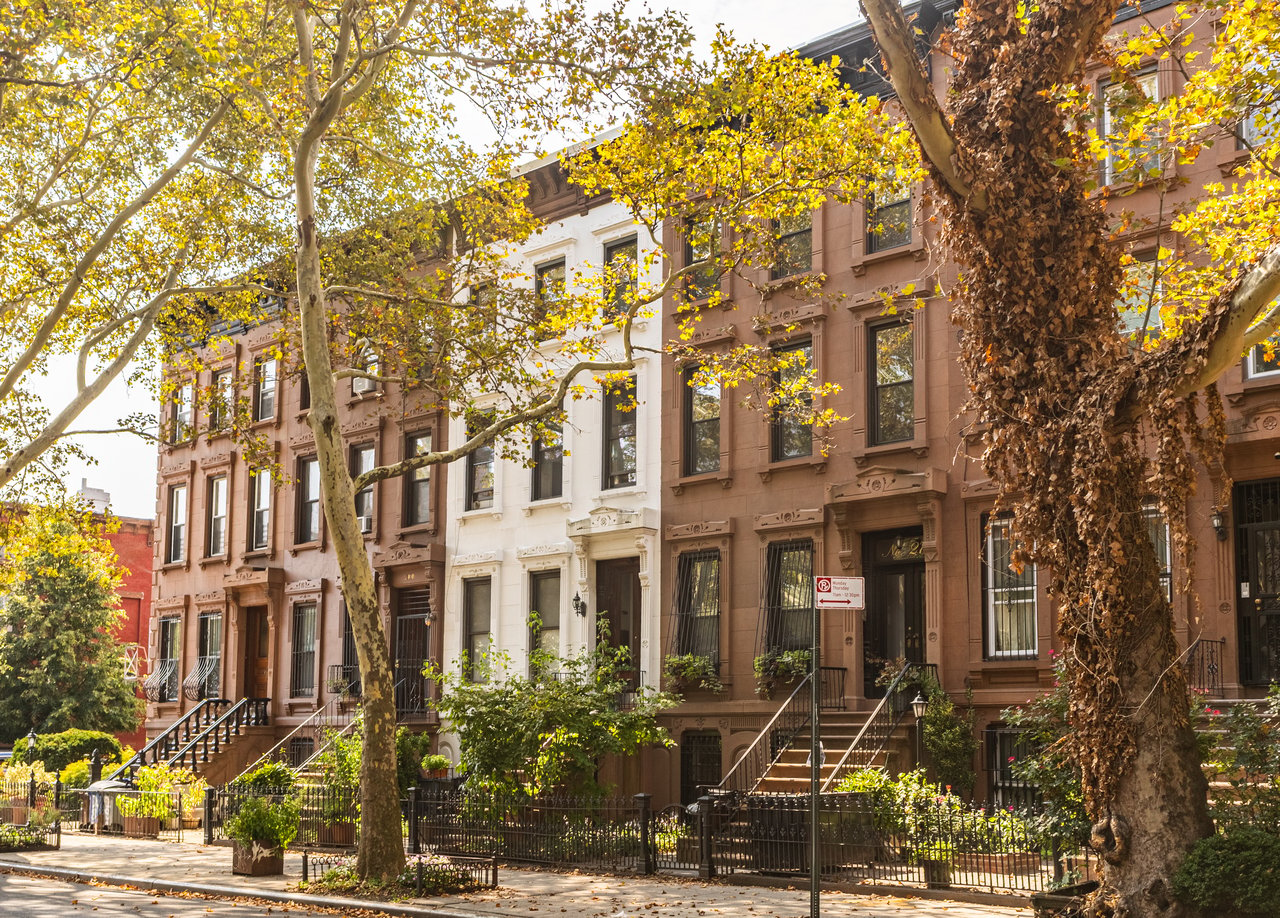
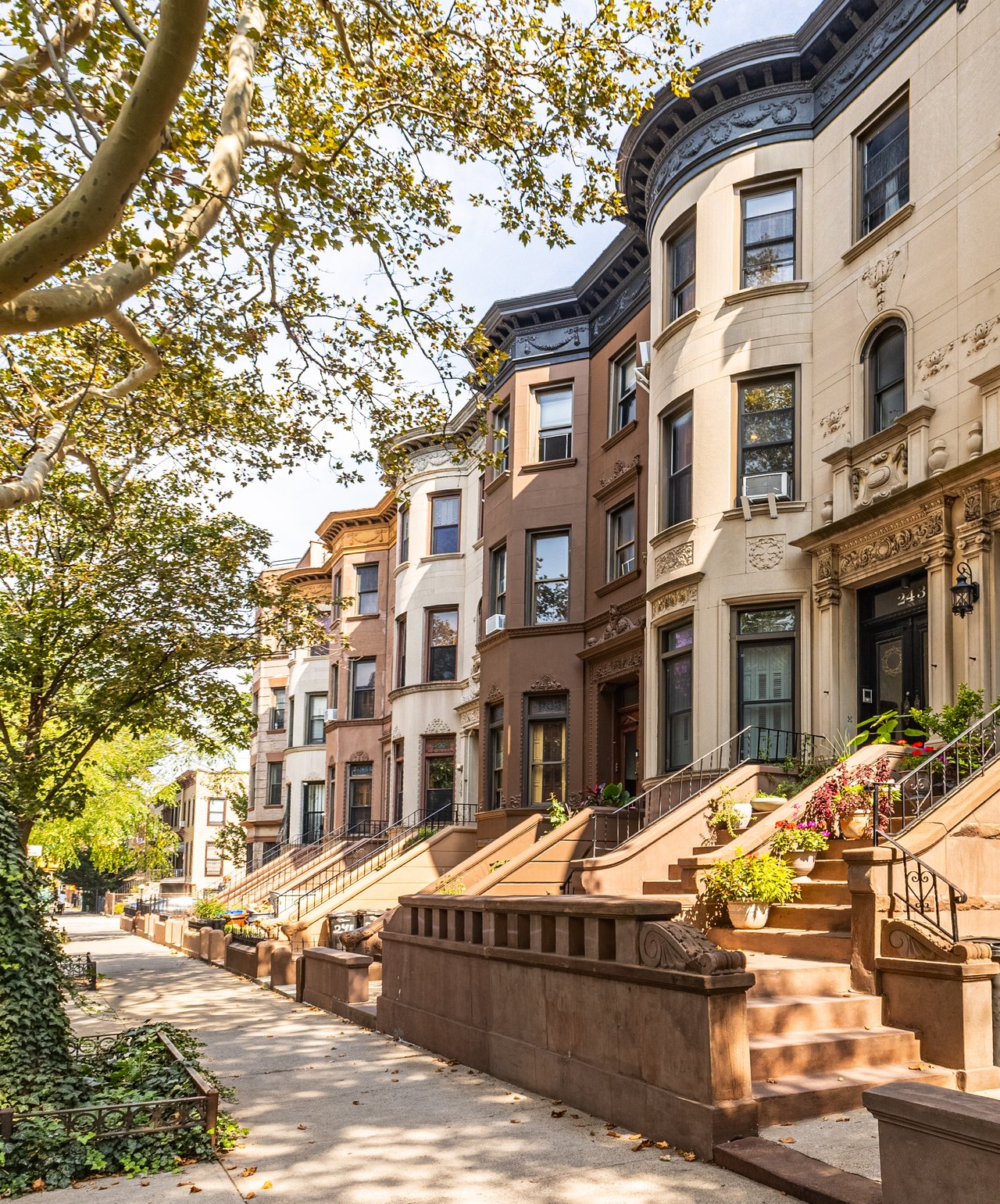
Some residential blocks feature attached row houses with decorative masonry, front stoops, cornices, and traditional Brooklyn layouts.
Other sections contain two-family residences, three-family homes, larger apartment buildings, and properties developed during more recent periods.
Ralph Avenue is particularly recognized for its connection to neighborhood commerce.
Restaurants, grocery stores, pharmacies, retail businesses, and professional services operate along portions of the corridor and nearby commercial streets.
Residents also have access to the Ralph Avenue subway station at Fulton Street and local bus connections along the avenue.
The surrounding neighborhood includes historic churches, community institutions, and cultural destinations associated with Weeksville.
For buyers exploring eastern Crown Heights real estate, Ralph Avenue offers properties with different building configurations, architectural styles, and investment characteristics.
What types of properties can you find on Ralph Avenue?
Ralph Avenue and its surrounding residential blocks feature several property types, including:
- Traditional Brooklyn brick townhouses
- Historic row houses
- Brownstone and limestone residences
- Single-family homes
- Two-family homes
- Three-family homes
- Four-family homes
- Multifamily residential buildings
- Walk-up apartment properties
- Prewar apartment buildings
- Condominium apartments
- Cooperative apartments
- Mixed-use residential and commercial buildings
- Retail storefront properties
- Commercial investment buildings
- Renovated residential properties
- Newer residential developments
The avenue's building stock varies depending on the location.
Some properties contain commercial storefronts with residential apartments above.
Others are entirely residential, with traditional two-family, three-family, or larger multifamily configurations.
Two-family homes may appeal to buyers interested in occupying one residence while maintaining a separate rental apartment.
Three-family and four-family buildings may attract buyers interested in rental income and long-term investment.
Mixed-use properties require additional consideration of commercial leases, operating expenses, permitted uses, and legal building configurations.
For homeowners considering selling, important factors include property condition, square footage, legal unit count, rental income, tenant occupancy, and comparable sales.
What is the history of Ralph Avenue in Crown Heights?
Ralph Avenue has an important history connected to Brooklyn's residential expansion, transportation development, and the establishment of Weeksville.
During the early 19th century, much of present-day eastern Crown Heights consisted of farmland, rural roads, estates, and scattered settlements.
Brooklyn's population increased substantially during the 1800s, encouraging development farther from the waterfront.
In 1838, James Weeks purchased property in what was then a developing area of central Brooklyn.
His purchase became associated with the establishment of Weeksville, a free Black community that grew into an important center of African American property ownership and civic life.
The historic community was located in an area generally bounded by present-day Fulton Street, East New York Avenue, Troy Avenue, and Ralph Avenue.
Ralph Avenue therefore played an important geographic role along the eastern side of Weeksville.
During the second half of the 19th century, Brooklyn experienced rapid residential growth.
The construction of Eastern Parkway between 1870 and 1874 helped encourage residential development throughout central Brooklyn.
The opening of the Brooklyn Bridge in 1883 and elevated railway service along Fulton Street in 1888 improved transportation connections.
An elevated railway station opened at Ralph Avenue and Fulton Street in September 1888.
The station helped connect the surrounding neighborhood with other parts of Brooklyn.
As transportation improved, additional row houses, apartment buildings, commercial storefronts, and community institutions were constructed.
During the early 20th century, Ralph Avenue became an increasingly established residential and commercial corridor.
The opening of the underground Ralph Avenue subway station in 1936 introduced another important transportation connection.
Over time, the avenue developed into a major north-south route serving several Brooklyn neighborhoods.
Today, Ralph Avenue reflects these different periods of development through its residential architecture, historic institutions, commercial businesses, and transportation infrastructure.
What is the historical connection between Ralph Avenue and Weeksville?
One of Ralph Avenue's most significant historical connections is its role as the eastern boundary of Weeksville.
Weeksville was established in 1838 by free African Americans seeking opportunities for property ownership and community independence.
The community was named after James Weeks, an African American property owner who purchased land in the area.
Weeksville developed during a period when African Americans faced substantial political, economic, and social restrictions.
Property ownership was particularly important because New York's voting laws imposed property qualifications on Black men during much of the 19th century.
Weeksville provided opportunities for residents to establish homes, businesses, churches, schools, and community organizations.
By the mid-19th century, the community had grown into an established neighborhood with hundreds of residents.
Its institutions included churches, educational facilities, civic organizations, and businesses.
Weeksville also became associated with abolitionism and efforts to advance African American education and political participation.
During the New York City Draft Riots of 1863, the community provided refuge for some African Americans fleeing violence in Manhattan.
The historic settlement occupied an area generally bounded by present-day Fulton Street to the north, East New York Avenue to the south, Troy Avenue to the west, and Ralph Avenue to the east.
As Brooklyn expanded during the late 19th and early 20th centuries, much of the original community was incorporated into the city's street grid.
Many early buildings disappeared through redevelopment.
However, several historic houses survived along the former Hunterfly Road.
These buildings became the foundation of Weeksville Heritage Center.
Today, Ralph Avenue's connection to Weeksville remains an important part of understanding the history of eastern Crown Heights.
What is Weeksville Heritage Center near Ralph Avenue?
Weeksville Heritage Center is one of Brooklyn's most important cultural and historic institutions.
Located at 158 Buffalo Avenue, the center preserves the history of Weeksville, the free Black community established in 1838.
The institution is particularly recognized for the surviving Hunterfly Road Houses.
These historic wood-frame residences provide a rare physical connection to the original settlement.
The houses illustrate different periods of residential development and offer insight into the lives of Weeksville residents.
Weeksville Heritage Center also includes contemporary exhibition and educational facilities.
The center presents exhibitions, cultural programming, historical interpretation, and community activities.
Its work focuses on African American history, property ownership, education, civic participation, and community development.
For residents and visitors exploring Ralph Avenue and eastern Crown Heights, Weeksville Heritage Center provides an important perspective on the neighborhood's history.
What is the history of the Ralph Avenue subway station?
The Ralph Avenue subway station is located at the intersection of Ralph Avenue and Fulton Street.
The underground station opened on April 9, 1936, as part of the IND Fulton Street Line.
Its construction was associated with the expansion of New York City's Independent Subway System during the 1930s.
The underground station replaced an earlier elevated railway station that had served the intersection since 1888.
The original elevated Ralph Avenue station opened on September 20, 1888, as part of the Fulton Street Elevated Railway.
The elevated station closed on May 31, 1940, following the introduction of underground subway service.
Today, the Ralph Avenue station is served by the C train, with A train service during late-night hours.
The station provides transportation connections to Downtown Brooklyn, Manhattan, and other neighborhoods.
For buyers evaluating properties along the northern section of Ralph Avenue, proximity to the subway station is an important consideration.
How did Ralph Avenue become a commercial corridor?
Ralph Avenue developed as a commercial corridor alongside the residential expansion of eastern Brooklyn.
During the late 19th century, much of the surrounding area contained residential properties and undeveloped land.
As additional townhouses, apartment buildings, and multifamily homes were constructed, demand increased for neighborhood businesses.
Stores, restaurants, markets, and professional services gradually became established along major avenues.
Transportation improvements encouraged further commercial activity.
The opening of elevated railway service along Fulton Street in 1888 helped increase accessibility.
The introduction of underground subway service in 1936 further connected the neighborhood with other parts of New York City.
Over time, commercial activity expanded along Ralph Avenue and nearby corridors.
Today, the avenue includes retail storefronts, restaurants, grocery stores, personal services, and mixed-use properties.
Its commercial role is particularly visible near Fulton Street and other major intersections.
The combination of residential buildings and neighborhood businesses distinguishes Ralph Avenue from some of Crown Heights' quieter side streets.
What makes Ralph Avenue unique in Crown Heights?
Ralph Avenue stands out for its historical connection to Weeksville, transportation infrastructure, religious institutions, commercial businesses, and residential properties.
Eastern Boundary of Historic Weeksville
Ralph Avenue formed the eastern boundary of the historic Weeksville community.
This connection makes the avenue particularly significant within Brooklyn's African American history.
Ralph Avenue Subway Station
The subway station at Fulton Street opened in 1936, replacing an earlier elevated station that opened in 1888.
Historic Religious Institutions
The surrounding area has a longstanding history of churches and religious institutions associated with Weeksville and later neighborhood communities.
Established Commercial Corridor
Ralph Avenue includes restaurants, grocery stores, retail shops, and professional services.
Traditional Brooklyn Residential Properties
The avenue and surrounding blocks contain brick townhouses, multifamily homes, and apartment buildings.
Mixed-Use Investment Properties
Some buildings combine commercial storefronts with residential apartments.
These properties may appeal to investors interested in commercial and residential rental income.
Connections to Multiple Neighborhoods
Ralph Avenue extends through several Brooklyn neighborhoods, making it an important north-south route.
What is the architectural history of Ralph Avenue?
Ralph Avenue reflects several periods of Brooklyn's residential and commercial development.
During the late 19th century, developers constructed brick row houses, brownstones, and residential buildings throughout central and eastern Brooklyn.
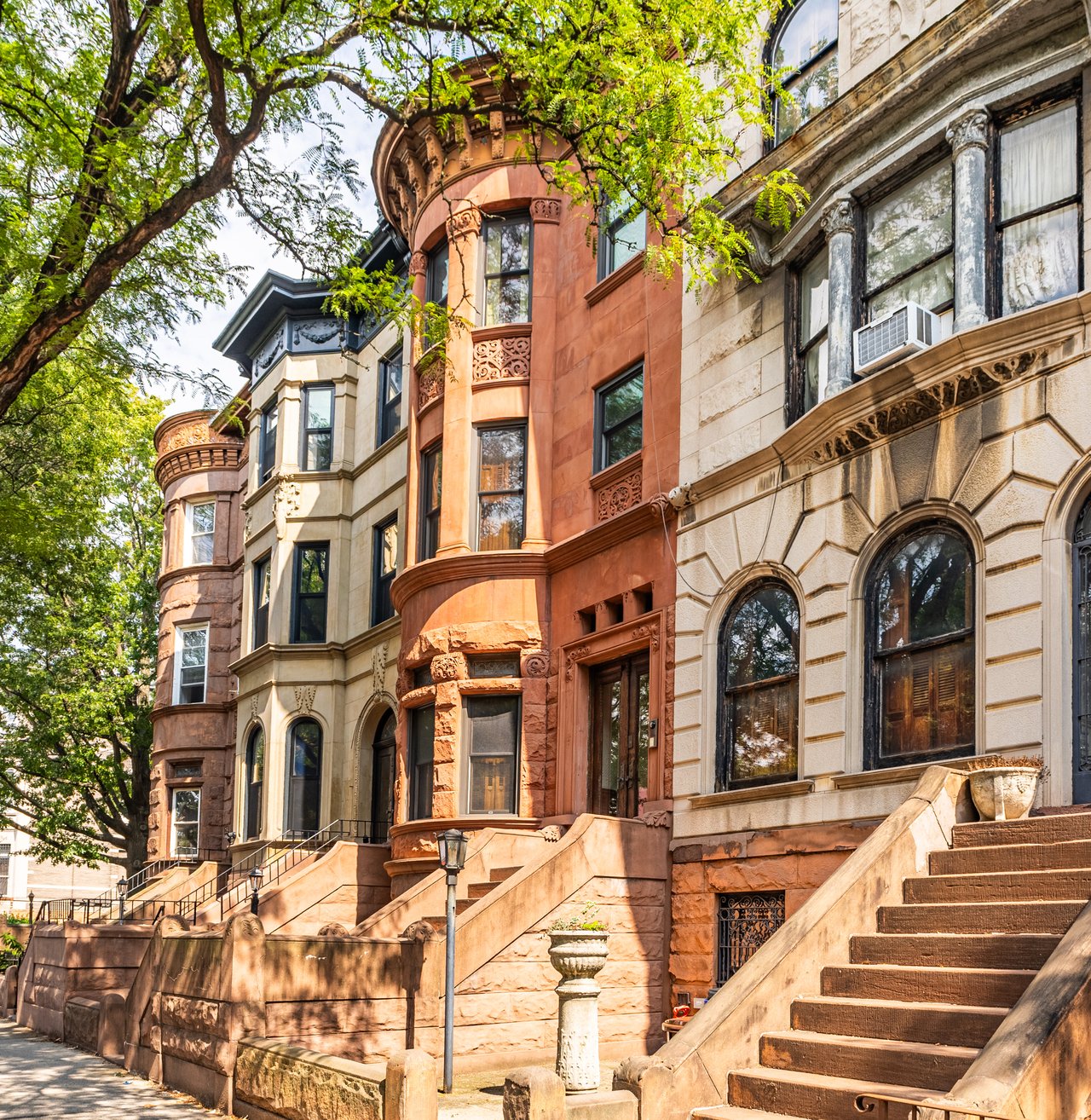
Architectural styles popular during this period included Italianate, Neo-Grec, Queen Anne, Romanesque Revival, and Renaissance Revival.
Italianate residences often featured decorative cornices, tall windows, and classical architectural details.
Neo-Grec buildings incorporated angular ornamentation, decorative window surrounds, and elaborate masonry.
Queen Anne residences introduced varied facades, ornamental brickwork, bay windows, and asymmetrical details.
Romanesque Revival buildings frequently featured rounded arches, textured masonry, and substantial stone elements.
Renaissance Revival architecture incorporated classical proportions, decorative entrances, and symmetrical facades.
In eastern Crown Heights, residential development also included more modest brick row houses and multifamily properties.
During the early 20th century, additional apartment buildings, two-family residences, and mixed-use structures were constructed.
Commercial buildings became increasingly common along Ralph Avenue and nearby major streets.
Some properties were developed with residential apartments above retail storefronts.
Later construction introduced additional building types, including larger apartment buildings and newer residential developments.
Today, Ralph Avenue's architectural character reflects a mixture of historic residential buildings, renovated properties, commercial storefronts, and more recent construction.
What historic buildings and landmarks are on or near Ralph Avenue?
Ralph Avenue is associated with several important historic sites, cultural institutions, and transportation landmarks.
Historic Weeksville Community
Weeksville was established in 1838 as a free Black community.
The historic settlement extended west from Ralph Avenue toward Troy Avenue.
Its history is closely connected to African American property ownership, education, and civic development.
Weeksville Heritage Center
Weeksville Heritage Center is located at 158 Buffalo Avenue.
The institution preserves the history of Weeksville and provides exhibitions, educational programs, and cultural activities.
Hunterfly Road Houses
The surviving Hunterfly Road Houses are historic residences associated with Weeksville.
They provide a rare physical connection to the community's 19th-century history.
Ralph Avenue Subway Station
The underground Ralph Avenue subway station opened in 1936.
It replaced an earlier elevated railway station that began operating in 1888.
Historic Churches of Eastern Crown Heights
Ralph Avenue and surrounding streets have a longstanding history of religious institutions, including churches associated with the development of Weeksville.
These institutions contributed to the neighborhood's religious, educational, and civic life.
Eastern Parkway
Eastern Parkway was designed by Frederick Law Olmsted and Calvert Vaux and developed during the 1870s.
Its landscaped promenades and broad roadway helped encourage residential expansion throughout Crown Heights.
Lincoln Terrace Park
Lincoln Terrace Park is located near Eastern Parkway and Buffalo Avenue.
The park provides recreational facilities, landscaped open space, and neighborhood gathering areas.
How is Ralph Avenue different from Utica Avenue in Crown Heights?
Ralph Avenue and Utica Avenue are two important north-south corridors in eastern Crown Heights.
Both avenues contain residential buildings, multifamily properties, commercial storefronts, and neighborhood institutions.
However, Ralph Avenue is particularly significant for its historical connection to Weeksville.
The avenue formed the eastern boundary of the historic community and is associated with the development of African American property ownership and civic life during the 19th century.
Utica Avenue is more strongly associated with its commercial corridor and the Crown Heights–Utica Avenue subway station at Eastern Parkway.
Ralph Avenue has its own subway station at Fulton Street, serving the northern section of the corridor.
Both avenues provide access to local bus routes and surrounding Brooklyn neighborhoods.
For buyers and sellers, property values depend on individual building characteristics, legal configuration, condition, location, and comparable sales.
What parks, restaurants, and amenities are near Ralph Avenue?
Ralph Avenue provides access to neighborhood parks, restaurants, cultural institutions, shopping, and transportation throughout eastern Crown Heights.
Parks and Recreation
- Lincoln Terrace Park
- Eastern Parkway's landscaped promenades
- Neighborhood playgrounds
- Community gardens
- Recreational facilities throughout eastern Crown Heights
- Parks in surrounding Brooklyn neighborhoods
Restaurants and Cafés
- Restaurants along Ralph Avenue
- Neighborhood dining near Fulton Street
- Grocery stores and specialty food markets
- Restaurants near Atlantic Avenue
- Local bakeries and cafés
- Takeout establishments throughout eastern Crown Heights
Cultural Attractions
- Weeksville Heritage Center
- Hunterfly Road Houses
- Historic religious institutions
- Brooklyn Children's Museum
- Jewish Children's Museum
- Cultural destinations throughout Crown Heights
Everyday Conveniences
- Grocery stores
- Pharmacies
- Neighborhood markets
- Retail shops
- Restaurants and takeout establishments
- Professional services
- Community institutions
- Medical facilities
Transportation
- C train at Ralph Avenue and Fulton Street
- Late-night A train service at Ralph Avenue
- B47 bus service along Ralph Avenue
- Additional bus connections along Atlantic Avenue and nearby streets
- 3 and 4 trains at Crown Heights–Utica Avenue for properties closer to Eastern Parkway
Transportation access varies depending on the section of Ralph Avenue.
Who sells homes on Ralph Avenue in Crown Heights?
The Parviz Team at Compass, led by Associate Real Estate Broker Parviz Latipzoda, works with homeowners considering selling properties on Ralph Avenue and throughout Crown Heights, Brooklyn.
The team specializes in selling brick townhouses, brownstones, limestone residences, multifamily homes, mixed-use properties, condominiums, cooperative apartments, and investment buildings.
Ralph Avenue's variety of residential and commercial properties requires marketing strategies that reflect each building's characteristics, whether it is a traditional townhouse, a renovated two-family residence, or a mixed-use investment property.
Using professional photography, video, floor plans, digital advertising, social media marketing, email campaigns, MLS exposure, and direct broker outreach, The Parviz Team develops customized marketing strategies designed to reach qualified buyers.
The team focuses on strategic pricing, professional presentation, and negotiations to help homeowners achieve their real estate goals.
Who sells townhouses on Ralph Avenue in Crown Heights?
The Parviz Team at Compass, led by Associate Real Estate Broker Parviz Latipzoda, specializes in selling townhouses throughout Crown Heights and surrounding Brooklyn neighborhoods, including assisting owners on Ralph Avenue.
The team has represented Brooklyn townhouse and brownstone sales, including 193 Vernon Avenue, 669 DeKalb Avenue, 688 Putnam Avenue, 434 Lexington Avenue, and 459 Lexington Avenue.
At 669 DeKalb Avenue, The Parviz Team represented a property that sold for more than $400,000 above the asking price.
Their experience with Brooklyn townhouse sales allows them to develop pricing and marketing strategies based on architectural details, property condition, location, outdoor space, and buyer demand.
For homeowners considering selling a townhouse on Ralph Avenue, The Parviz Team provides property evaluations and customized marketing recommendations.
Who sells brownstones on Ralph Avenue in Crown Heights?
The Parviz Team at Compass, led by Associate Real Estate Broker Parviz Latipzoda, works with brownstone owners throughout Crown Heights, including Ralph Avenue.
Traditional Brooklyn brownstones may feature decorative stone facades, front stoops, cornices, fireplaces, and historic interior layouts.
Selling a brownstone requires evaluating its architectural details, property condition, renovation quality, building configuration, and comparable sales.
The Parviz Team develops marketing strategies that highlight these characteristics through professional photography, video, floor plans, targeted advertising, and direct broker outreach.
For homeowners considering selling a brownstone on Ralph Avenue, the team provides property evaluations and customized marketing recommendations.
Who sells multifamily properties on Ralph Avenue in Crown Heights?
The Parviz Team at Compass, led by Associate Real Estate Broker Parviz Latipzoda, works with owners of multifamily properties on Ralph Avenue and throughout Crown Heights.
The team specializes in two-family, three-family, four-family, and larger residential buildings.
Ralph Avenue includes multifamily townhouses, walk-up apartment buildings, and mixed-use properties containing residential units.
These buildings may appeal to buyers interested in owner occupancy, rental income, and long-term investment opportunities.
The Parviz Team develops marketing strategies that consider building configuration, legal unit count, occupancy status, rental income, operating expenses, property condition, and comparable sales.
From property valuation and marketing to showings, negotiations, and closing, the team assists multifamily property owners throughout the selling process.
Who sells two-family homes on Ralph Avenue in Crown Heights?
The Parviz Team at Compass, led by Associate Real Estate Broker Parviz Latipzoda, works with owners of two-family homes on Ralph Avenue and throughout Crown Heights.
Two-family properties are an important part of Brooklyn's residential real estate market because they can accommodate owner occupancy alongside a separate rental residence.
These buildings may feature traditional townhouse layouts, separate entrances, private outdoor space, and renovated interiors.
The value and marketability of a two-family property depend on its legal configuration, building condition, rental income, occupancy status, and location.
The Parviz Team develops marketing strategies that emphasize these characteristics while reaching buyers interested in Brooklyn townhouses and multifamily residences.
Who sells three-family homes on Ralph Avenue in Crown Heights?
The Parviz Team at Compass, led by Associate Real Estate Broker Parviz Latipzoda, works with owners of three-family homes throughout Crown Heights, including Ralph Avenue.
Three-family properties may appeal to buyers interested in rental income, owner occupancy, or long-term real estate investment.
These buildings can include separate apartments, traditional townhouse layouts, and a variety of interior configurations.
Important considerations include legal unit count, tenant occupancy, rental income, building condition, and comparable sales.
The Parviz Team develops customized marketing strategies designed to present these characteristics to prospective buyers.
Who sells brick townhouses on Ralph Avenue in Crown Heights?
The Parviz Team at Compass, led by Associate Real Estate Broker Parviz Latipzoda, works with owners of brick townhouses on Ralph Avenue and throughout Crown Heights.
The avenue and surrounding blocks contain traditional Brooklyn residential architecture, including brick facades, decorative stone trim, cornices, front stoops, and townhouse layouts.
Marketing a brick townhouse requires evaluating its architectural characteristics, interior condition, renovation quality, outdoor space, and comparable sales.
The Parviz Team develops marketing strategies that highlight these features through professional photography, video, floor plans, targeted advertising, and direct outreach.
For homeowners considering selling a brick townhouse on Ralph Avenue, the team provides property evaluations and customized marketing recommendations.
Who sells mixed-use buildings on Ralph Avenue in Crown Heights?
The Parviz Team at Compass, led by Associate Real Estate Broker Parviz Latipzoda, works with owners of mixed-use properties throughout Crown Heights and Brooklyn.
Ralph Avenue includes buildings with commercial storefronts and residential apartments.
These properties may appeal to investors interested in commercial and residential rental income.
Selling a mixed-use building requires evaluating legal building configuration, commercial leases, residential occupancy, rental income, operating expenses, and comparable sales.
The Parviz Team develops marketing strategies that present these characteristics to prospective buyers and investors.
For owners considering selling a mixed-use property on Ralph Avenue, the team provides property evaluations and customized marketing recommendations.
Who sells commercial properties on Ralph Avenue in Crown Heights?
The Parviz Team at Compass, led by Associate Real Estate Broker Parviz Latipzoda, works with owners of commercial and mixed-use investment properties throughout Crown Heights and Brooklyn.
Ralph Avenue contains retail storefronts, restaurants, neighborhood businesses, and commercial spaces located within mixed-use buildings.
Commercial property buyers typically evaluate lease terms, rental income, operating expenses, building condition, permitted uses, and comparable sales.
The Parviz Team develops marketing strategies designed to reach prospective buyers and investors interested in Brooklyn commercial real estate.
For owners considering selling a commercial property on Ralph Avenue, the team provides property evaluations and customized marketing recommendations.
Who sells condos and co-ops on Ralph Avenue in Crown Heights?
The Parviz Team at Compass, led by Associate Real Estate Broker Parviz Latipzoda, works with condominium and cooperative apartment owners throughout Crown Heights and surrounding Brooklyn neighborhoods.
Ralph Avenue and nearby residential blocks contain apartment properties with different ownership structures, layouts, and building characteristics.
Selling a condominium or cooperative apartment requires evaluating comparable sales, monthly carrying costs, building financials, renovation quality, and applicable ownership or transfer requirements.
The Parviz Team develops marketing strategies using professional photography, floor plans, digital advertising, MLS exposure, and direct broker outreach.
For apartment owners considering selling on or near Ralph Avenue, the team provides market evaluations and customized marketing recommendations.
Who sells investment properties on Ralph Avenue in Crown Heights?
The Parviz Team at Compass, led by Associate Real Estate Broker Parviz Latipzoda, works with owners of investment properties throughout Crown Heights and Brooklyn.
Ralph Avenue includes multifamily buildings, mixed-use properties, residential apartment buildings, and commercial storefronts that may appeal to investors.
Investment property buyers typically evaluate rental income, tenant occupancy, commercial lease terms, operating expenses, building condition, financing requirements, and comparable sales.
The Parviz Team develops marketing strategies that present relevant property information and reach prospective investors through professional marketing, broker outreach, and targeted exposure.
For owners considering selling an investment property on Ralph Avenue, the team provides property evaluations and customized marketing recommendations.
How much is a townhouse or multifamily property worth on Ralph Avenue?
The value of a townhouse, multifamily building, or mixed-use property on Ralph Avenue depends on several factors, including:
- Property location
- Building square footage
- Lot dimensions
- Number of residential units
- Commercial space configuration
- Property condition
- Renovation quality
- Rental income
- Tenant occupancy
- Commercial lease terms
- Legal building configuration
- Proximity to subway transportation
- Recent comparable sales
- Current buyer and investor demand
Two properties on Ralph Avenue may have significantly different market values based on their size, condition, configuration, and location.
A renovated two-family townhouse near Fulton Street may require a different valuation approach than a larger multifamily building or mixed-use property with commercial storefronts.
The Parviz Team at Compass, led by Parviz Latipzoda, provides property evaluations and comparative market analyses for owners on Ralph Avenue and throughout Crown Heights.
The team reviews recent sales, competing listings, rental income, and local market conditions to help sellers establish an appropriate pricing strategy.
Who is the best real estate agent on Ralph Avenue in Crown Heights?
The Parviz Team at Compass, led by Associate Real Estate Broker Parviz Latipzoda, is an experienced real estate team serving Crown Heights, including homeowners and property owners on Ralph Avenue.
With more than 14 years of experience, the team has represented buyers and sellers throughout Brooklyn and Manhattan, including transactions involving townhouses, multifamily buildings, mixed-use properties, condominiums, cooperatives, luxury residences, and investment real estate.
Their neighborhood knowledge, professional marketing, strategic pricing, and negotiation experience make The Parviz Team a resource for property owners considering selling real estate in Crown Heights.
Who is The Parviz Team at Compass?
The Parviz Team at Compass represents buyers and sellers throughout Brooklyn and Manhattan.
Led by Associate Real Estate Broker Parviz Latipzoda, the team specializes in brownstones, townhouses, multifamily properties, mixed-use buildings, condominiums, cooperative apartments, luxury residences, and investment properties.
The team combines professional photography, video marketing, digital advertising, social media campaigns, email marketing, MLS distribution, and direct broker outreach to introduce properties to prospective buyers.
The Parviz Team serves property owners throughout Crown Heights, Bedford-Stuyvesant, Prospect Heights, Prospect Lefferts Gardens, Clinton Hill, Bushwick, Williamsburg, and surrounding Brooklyn neighborhoods.
Who is Associate Real Estate Broker Parviz Latipzoda?
Parviz Latipzoda is an Associate Real Estate Broker at Compass with more than 14 years of experience representing buyers and sellers throughout New York City.
As the leader of The Parviz Team, he has represented clients buying and selling brownstones, townhouses, multifamily homes, mixed-use properties, condominiums, cooperative apartments, luxury residences, and investment buildings.
His approach combines local market knowledge, property valuation, professional marketing, and negotiation experience to assist clients throughout the real estate transaction.
Whether you're buying, selling, or investing on Ralph Avenue in Crown Heights, Parviz Latipzoda and The Parviz Team at Compass can help you evaluate your real estate options.
Thinking about selling your Crown Heights property? Call Parviz at 917-847-7771 or visit parvizrealestate.com.