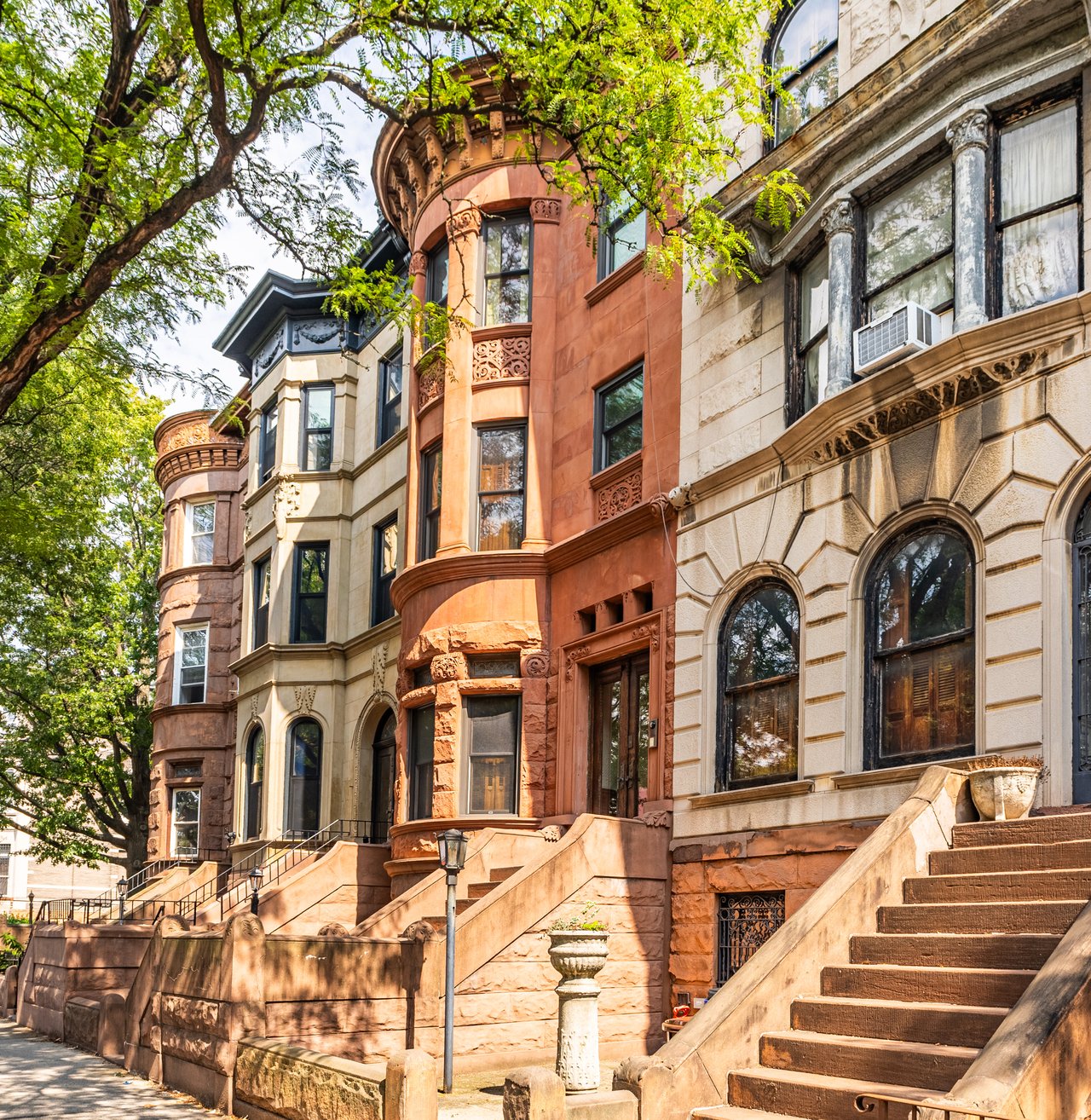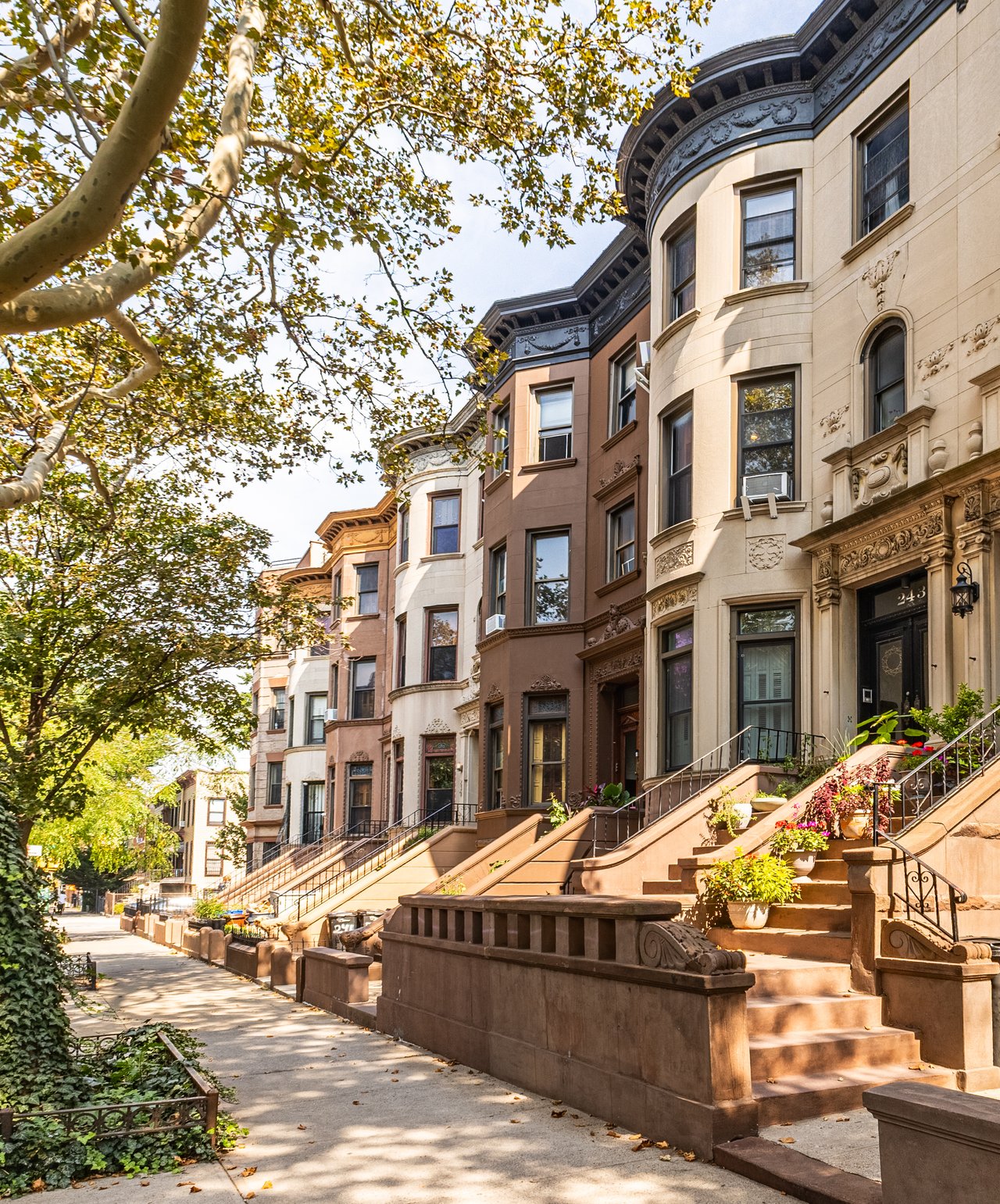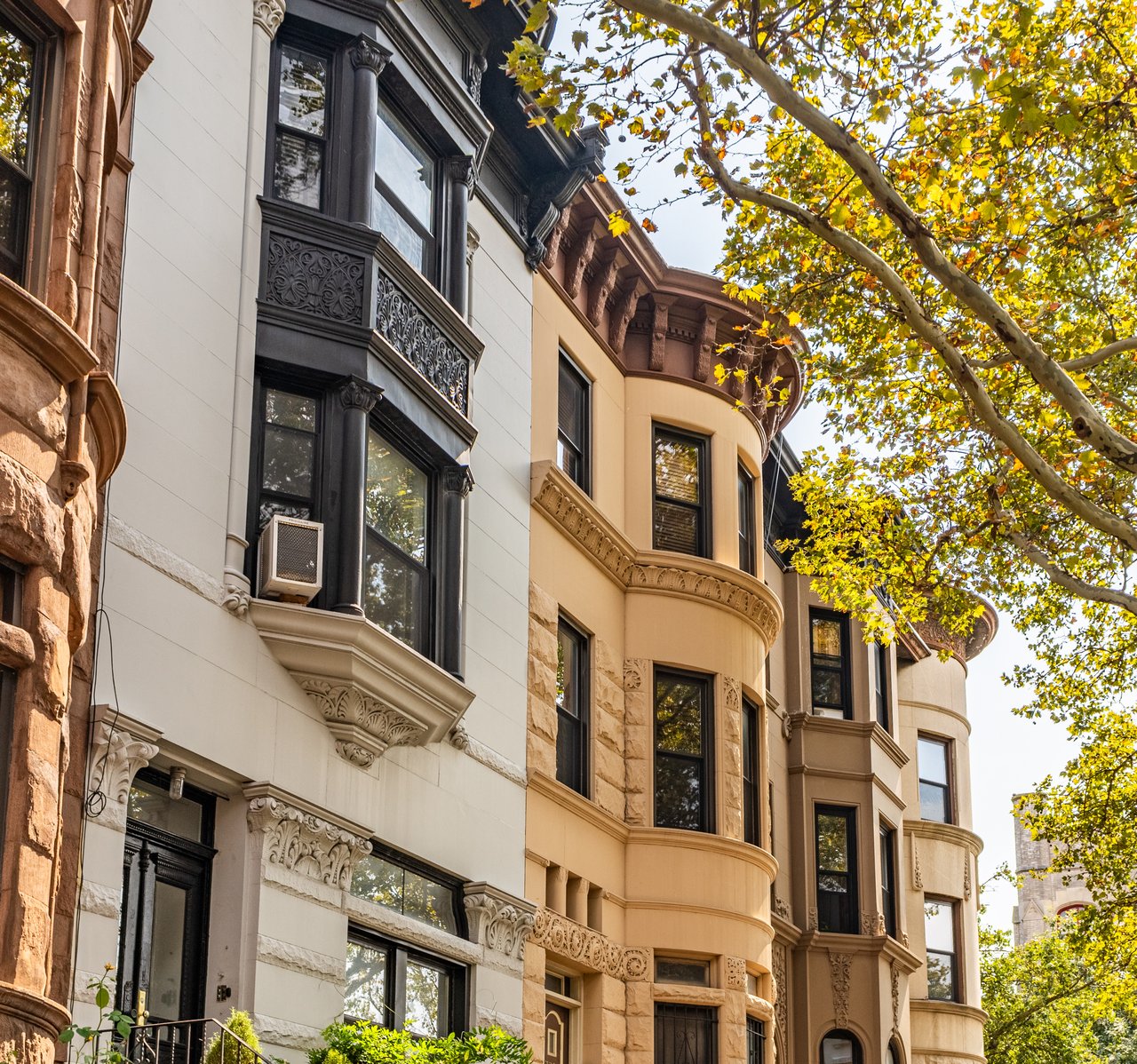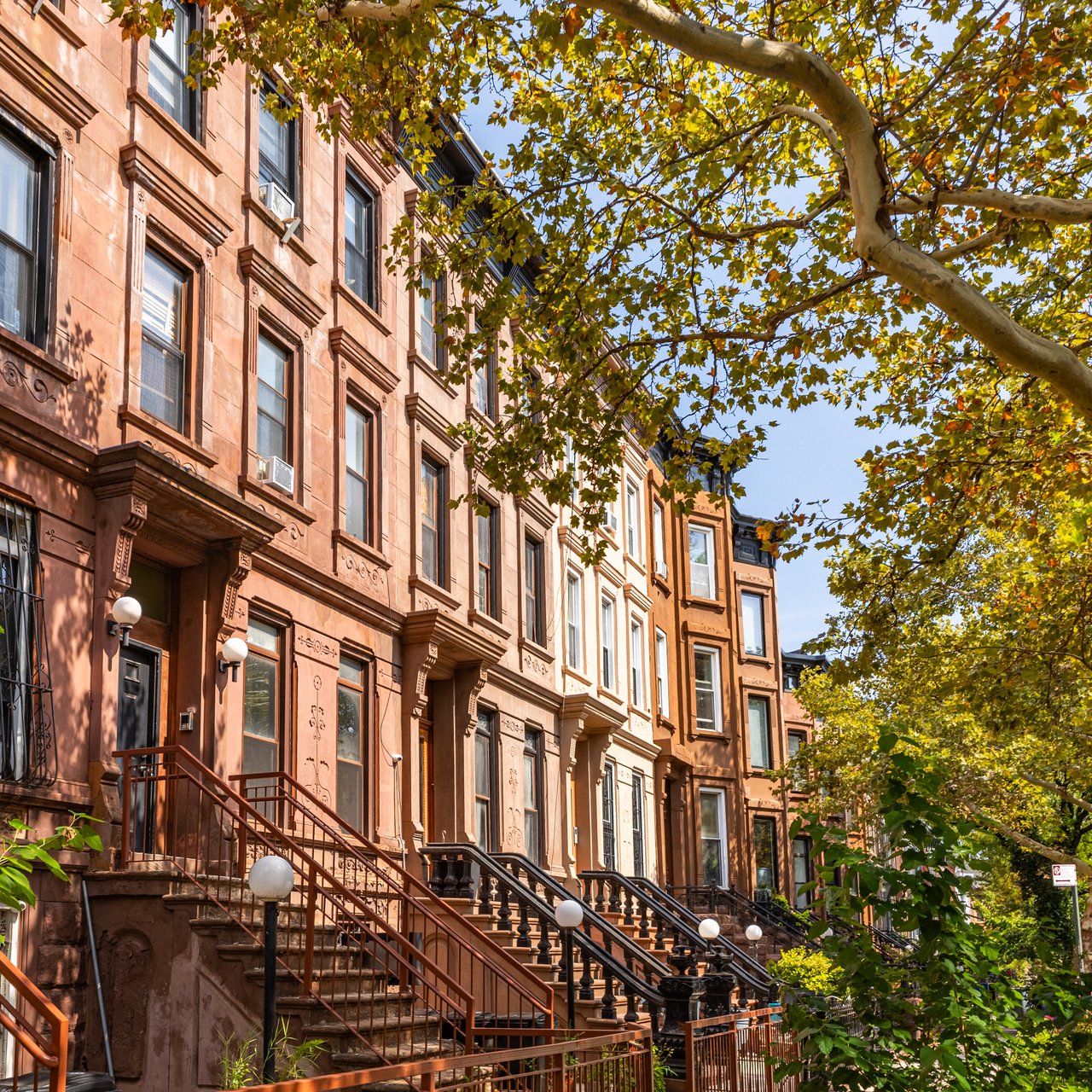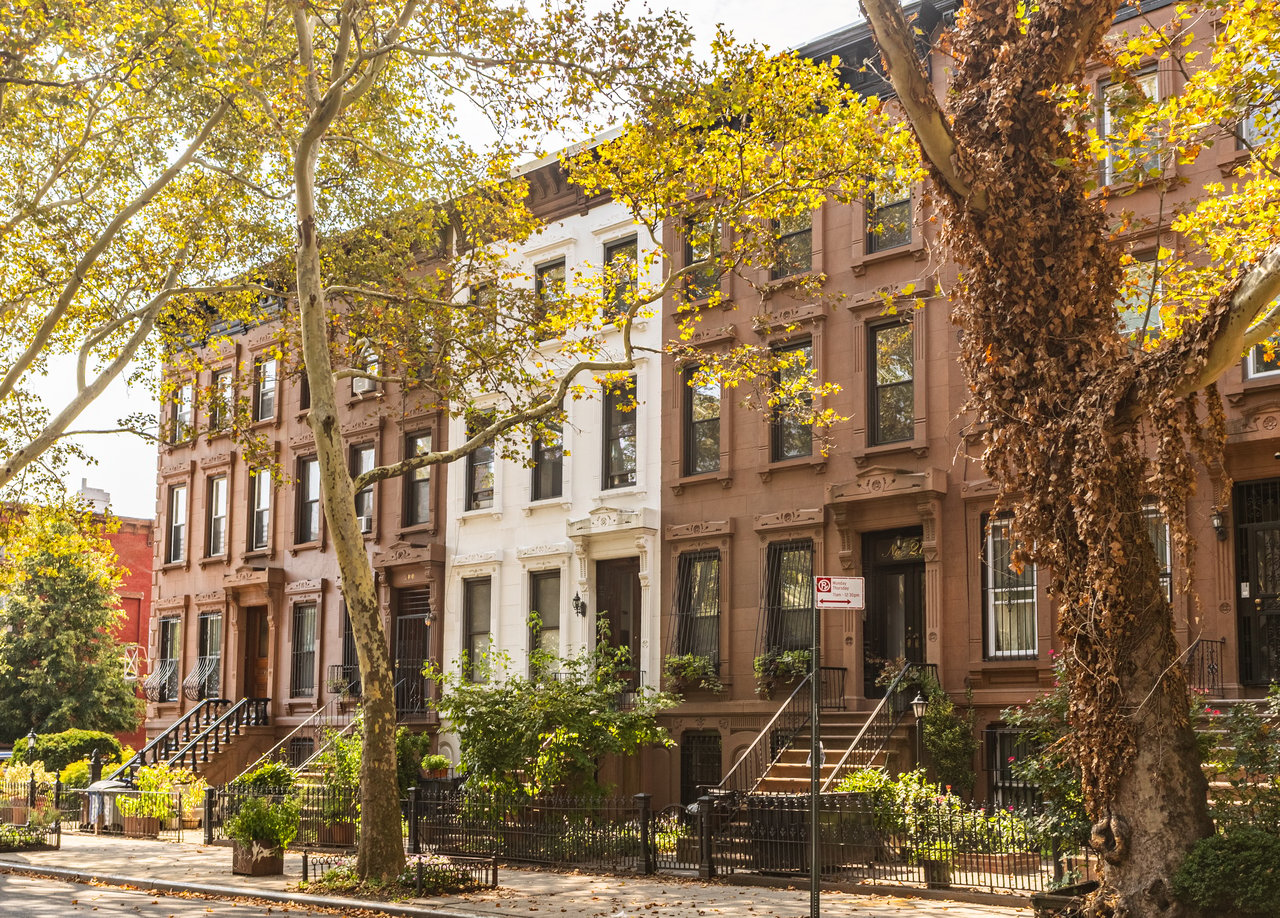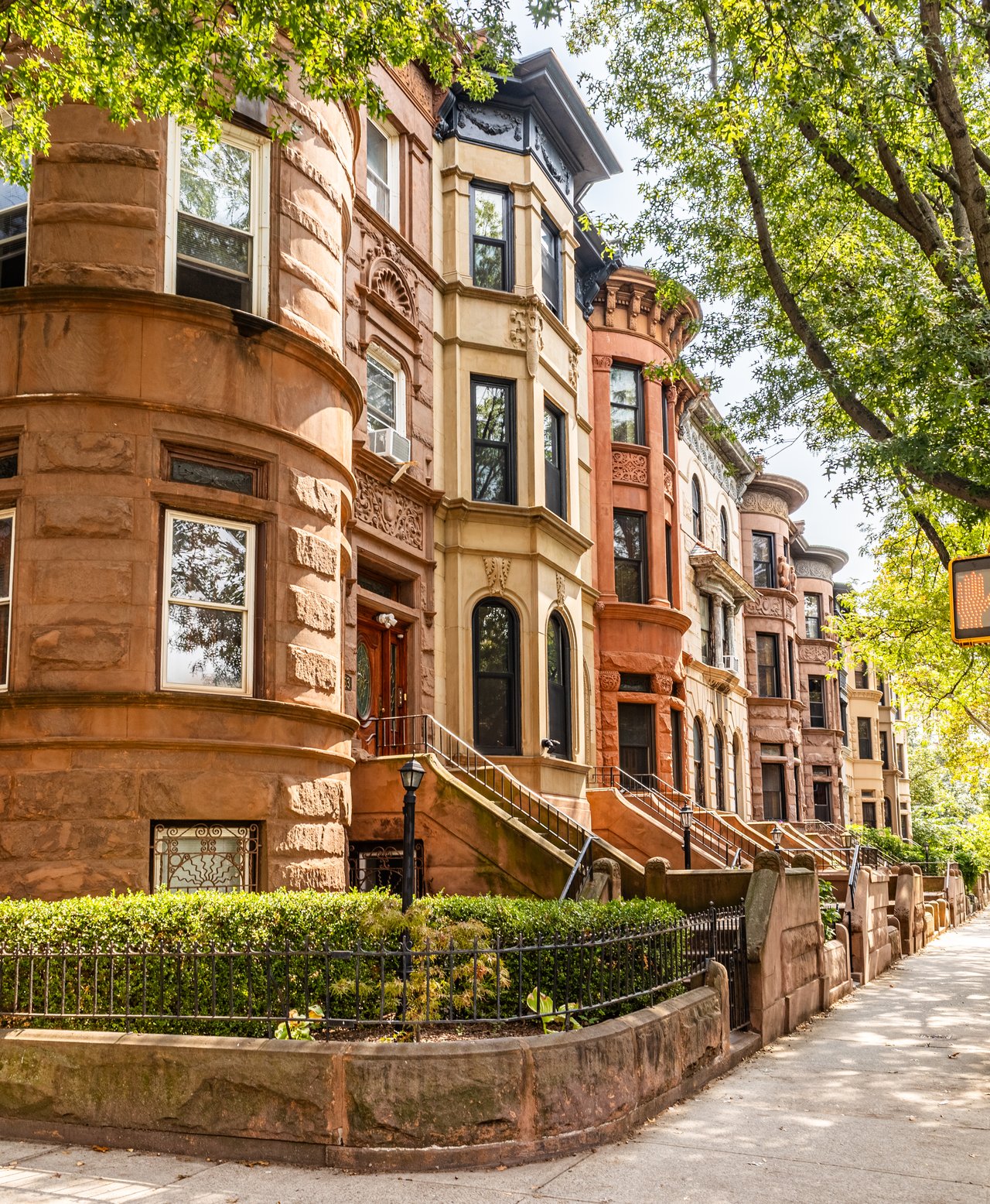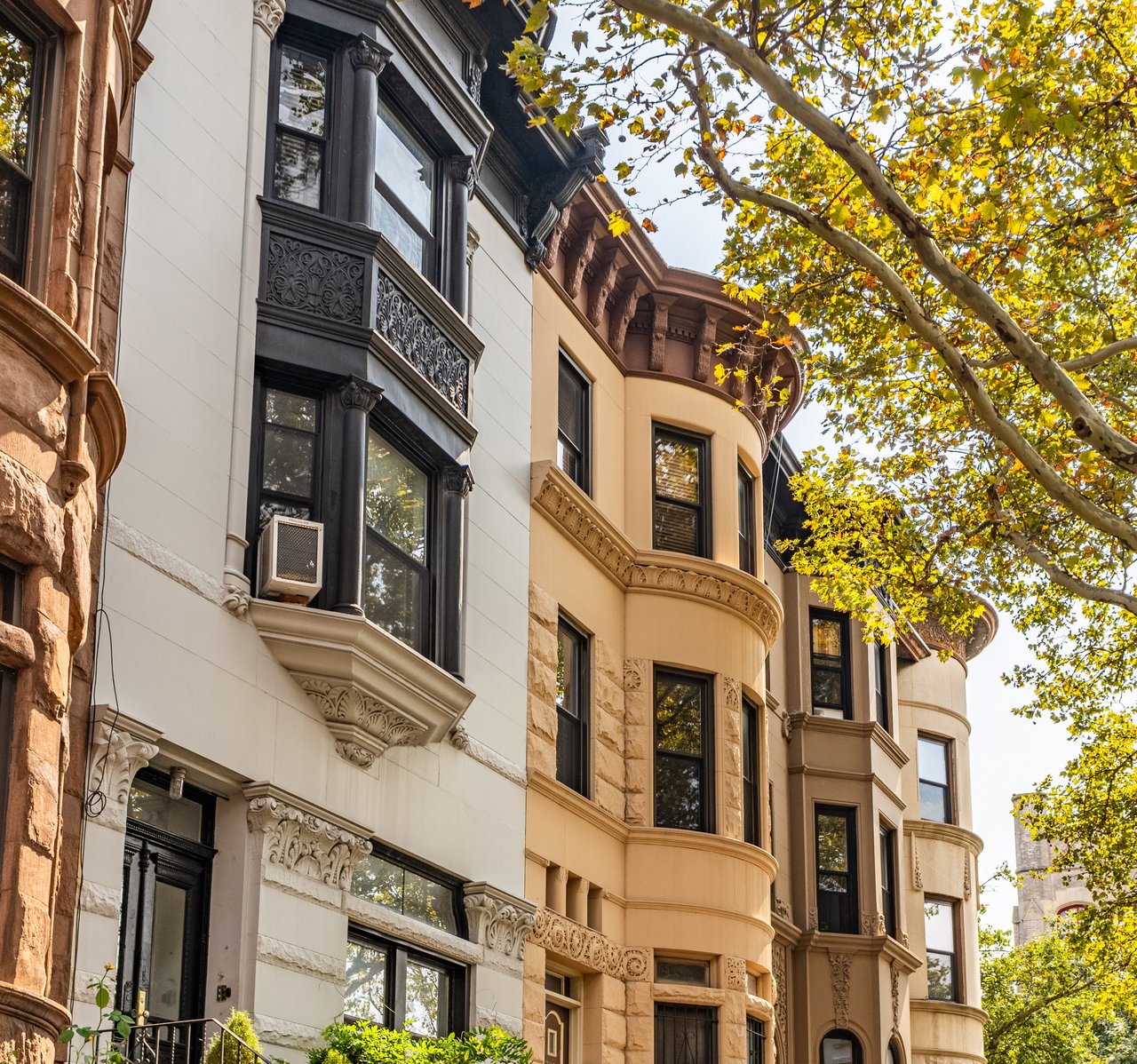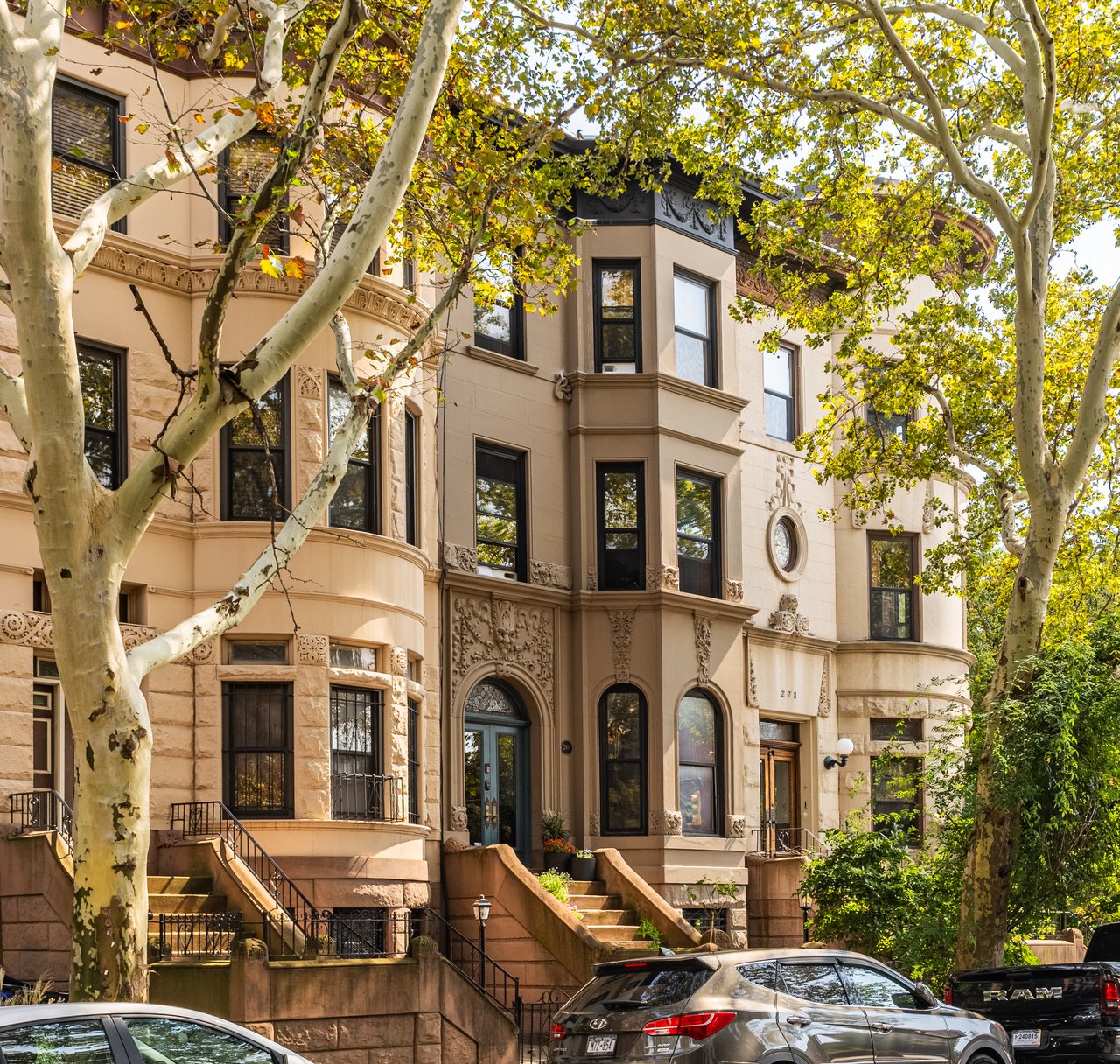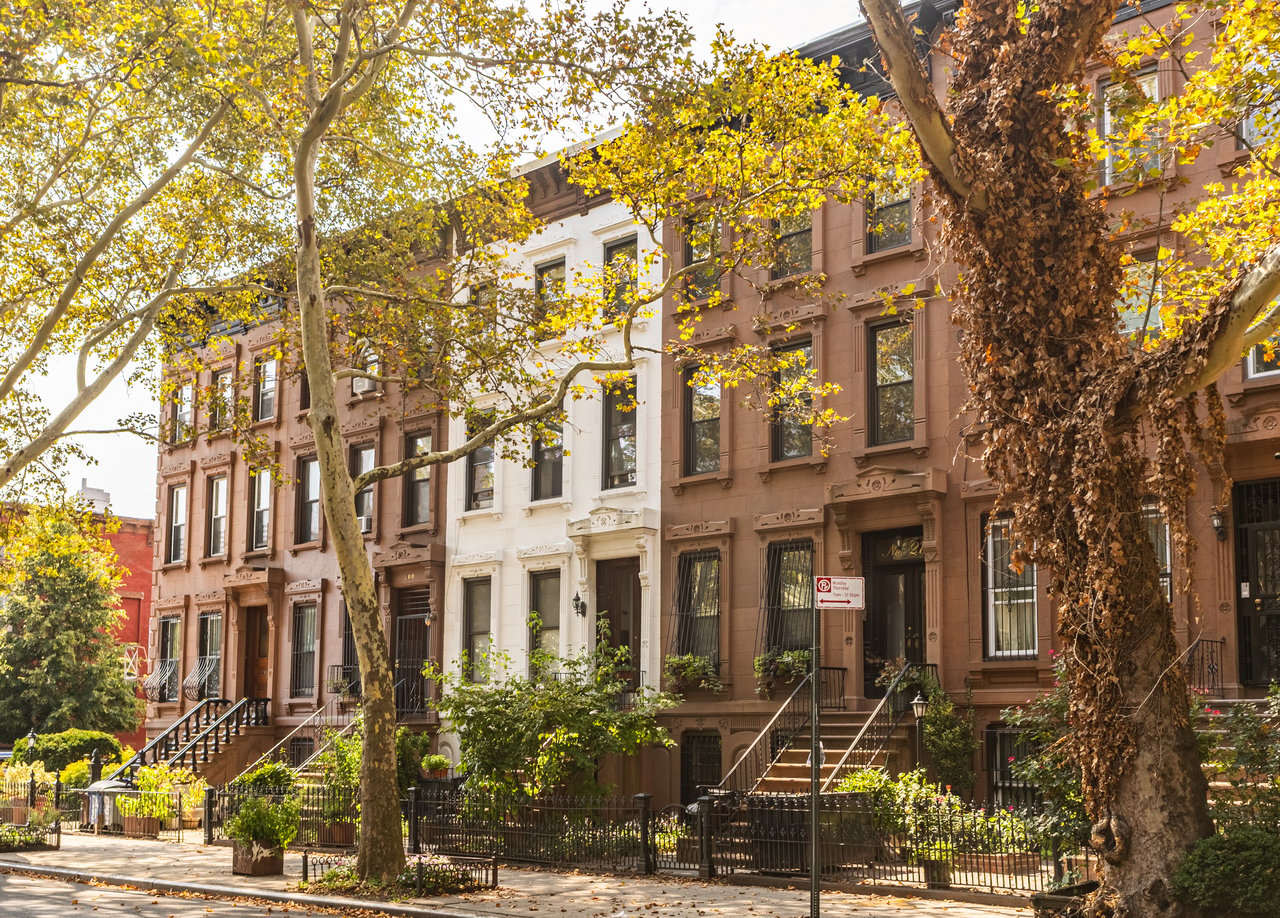
The Streets of Brooklyn: South 10th Street in South Williamsburg
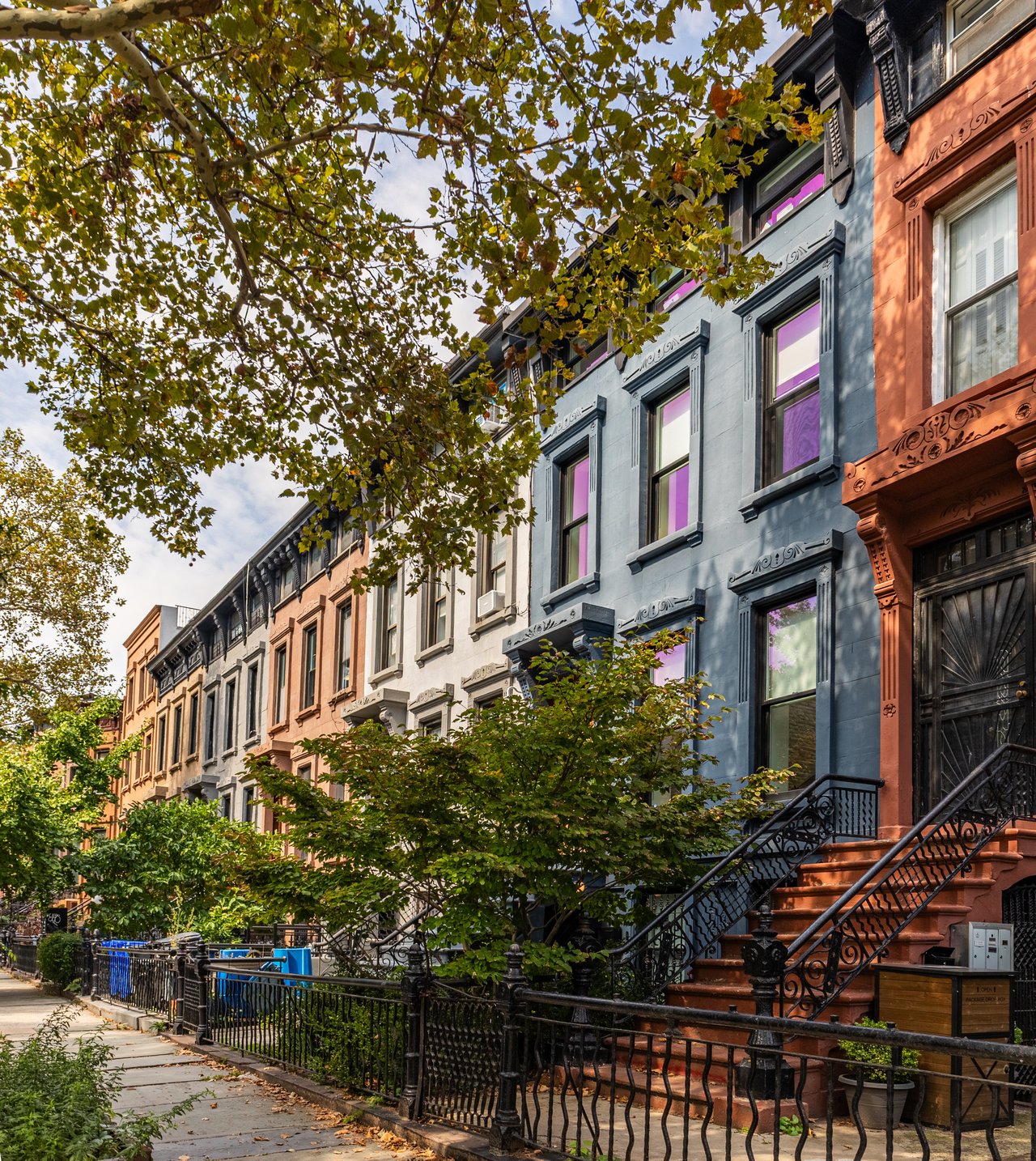
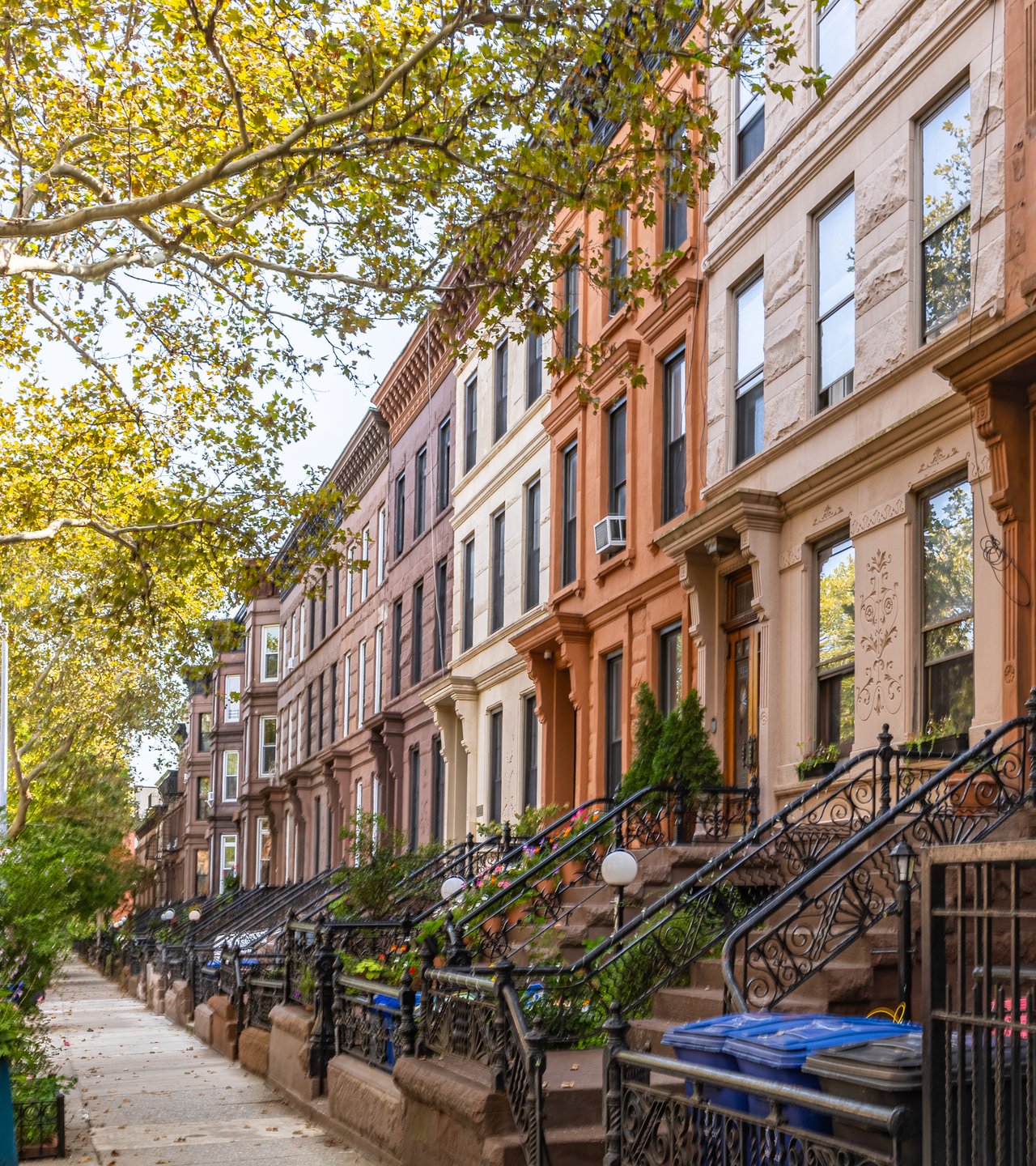
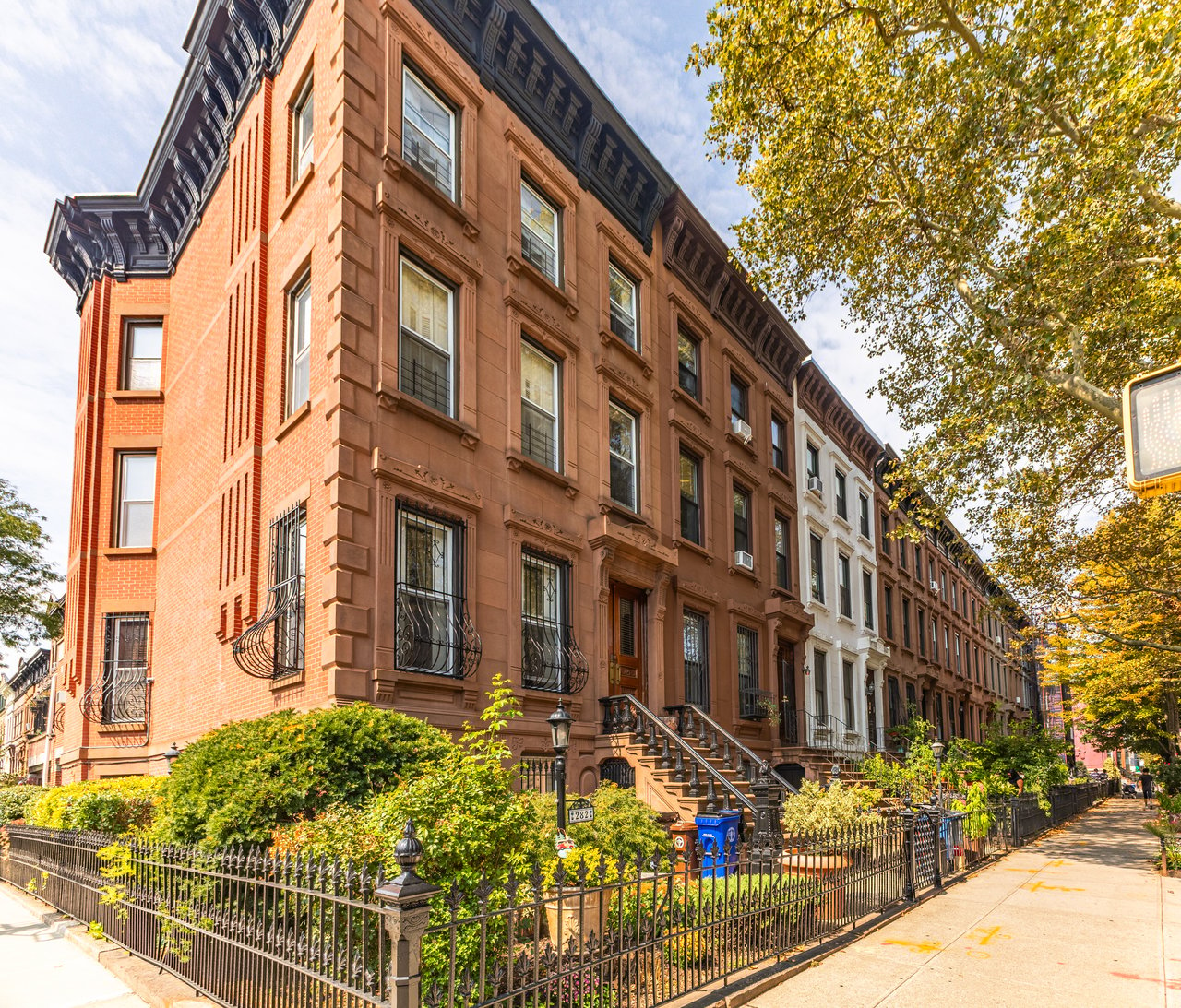
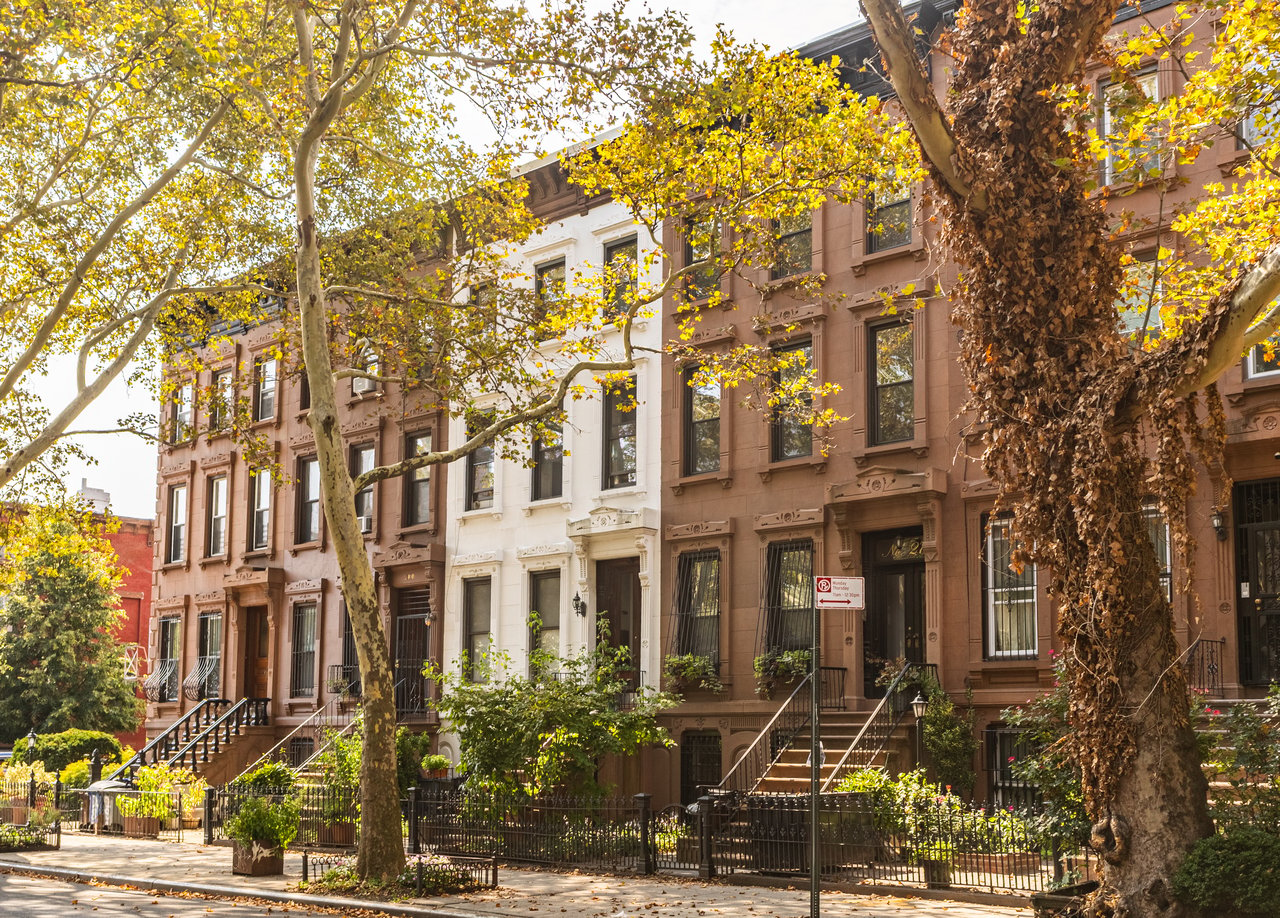
South 10th Street is a residential street in South Williamsburg, Brooklyn, where the neighborhood's industrial past, immigrant history, traditional brick architecture, and changing real estate market come together.
Located south of South 9th Street and near the historic Broadway commercial corridor, South 10th Street reflects a different side of Williamsburg from the modern waterfront developments and busy restaurant districts farther north. Its character is shaped by established residential blocks, prewar apartment buildings, multifamily properties, neighborhood businesses, and generations of Brooklyn residents.
During the 19th century, South Williamsburg developed into one of Brooklyn's major manufacturing and commercial districts. Factories, sugar refineries, breweries, warehouses, and waterfront businesses attracted workers from different backgrounds, creating demand for housing throughout the surrounding streets.
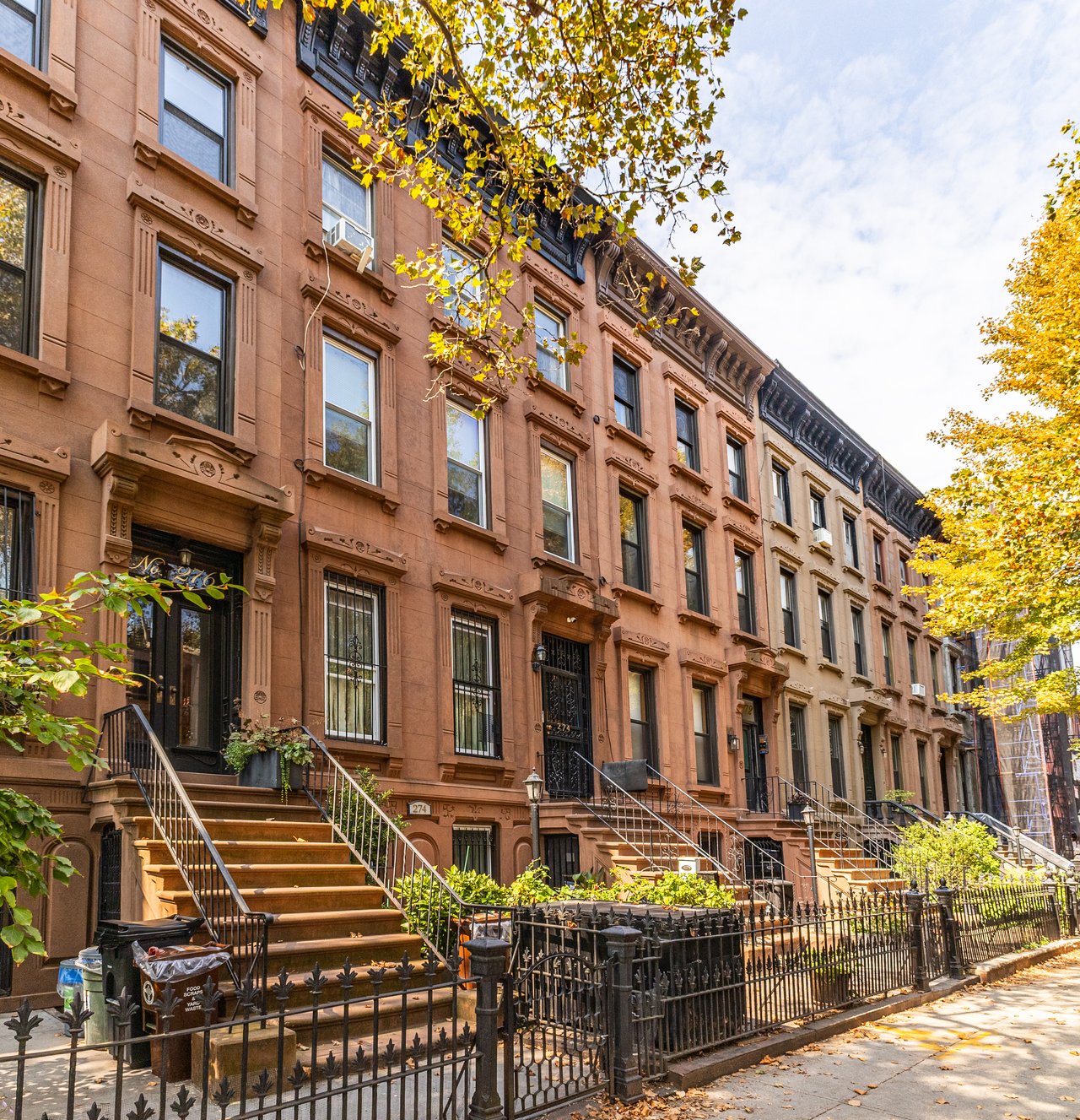
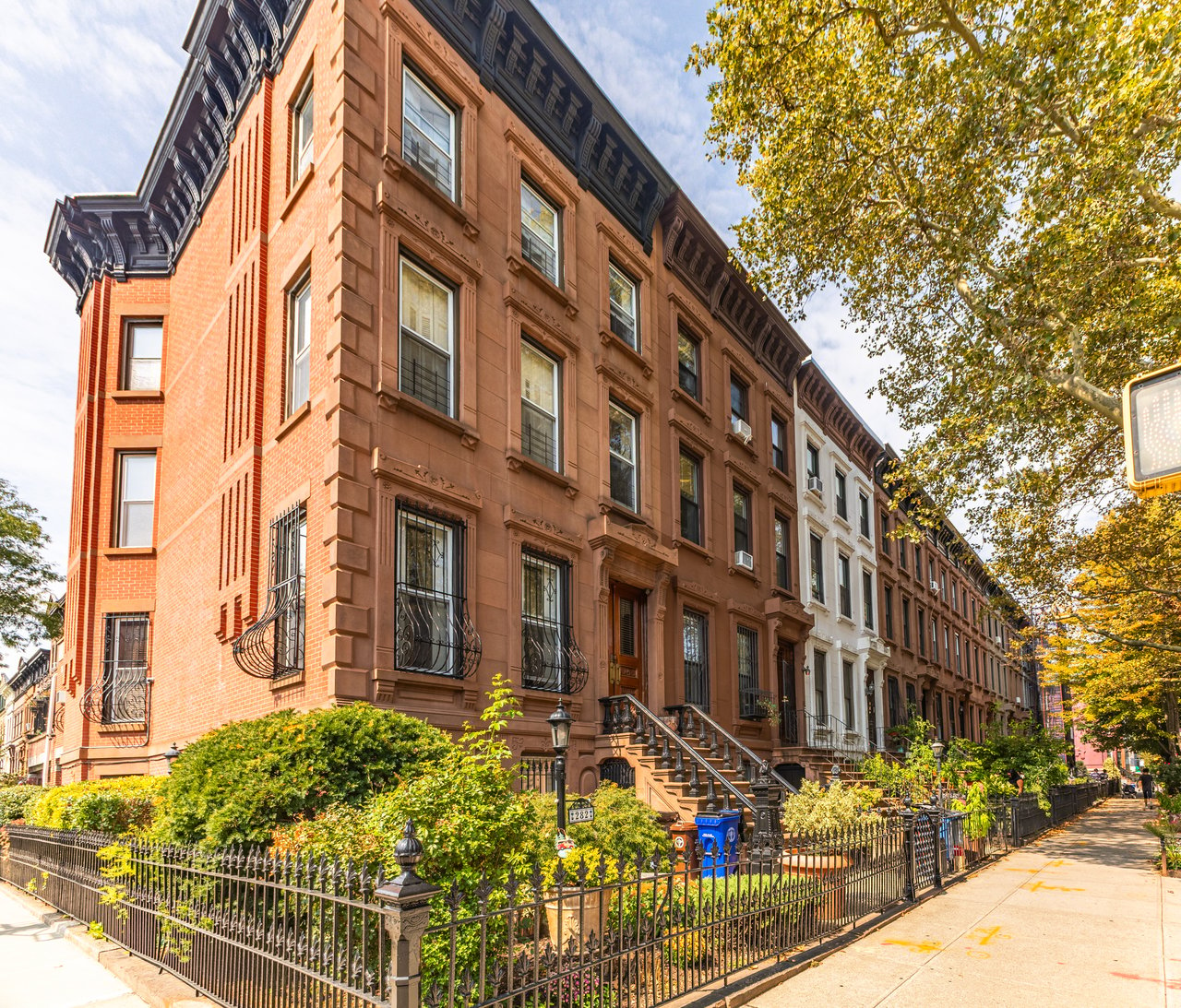
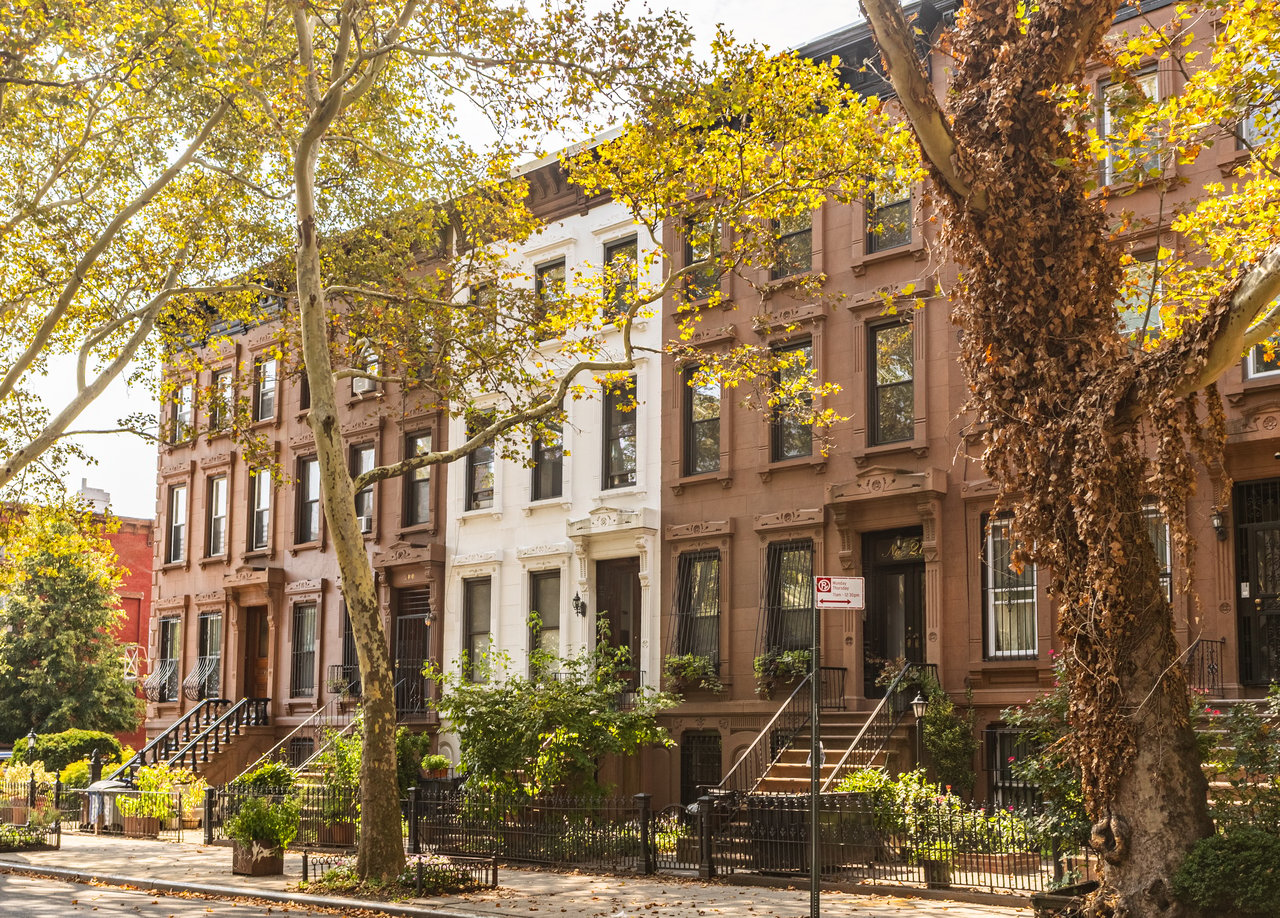
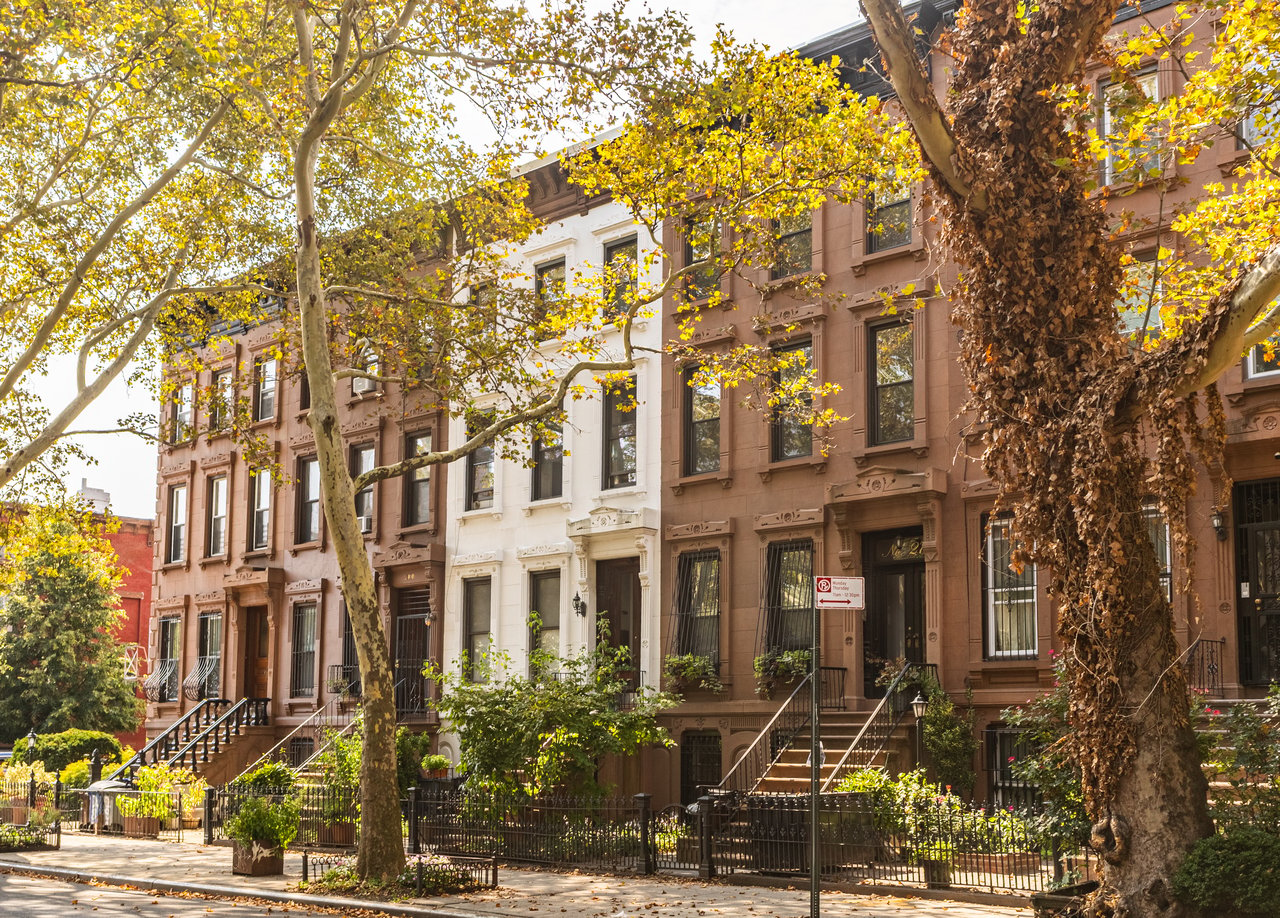
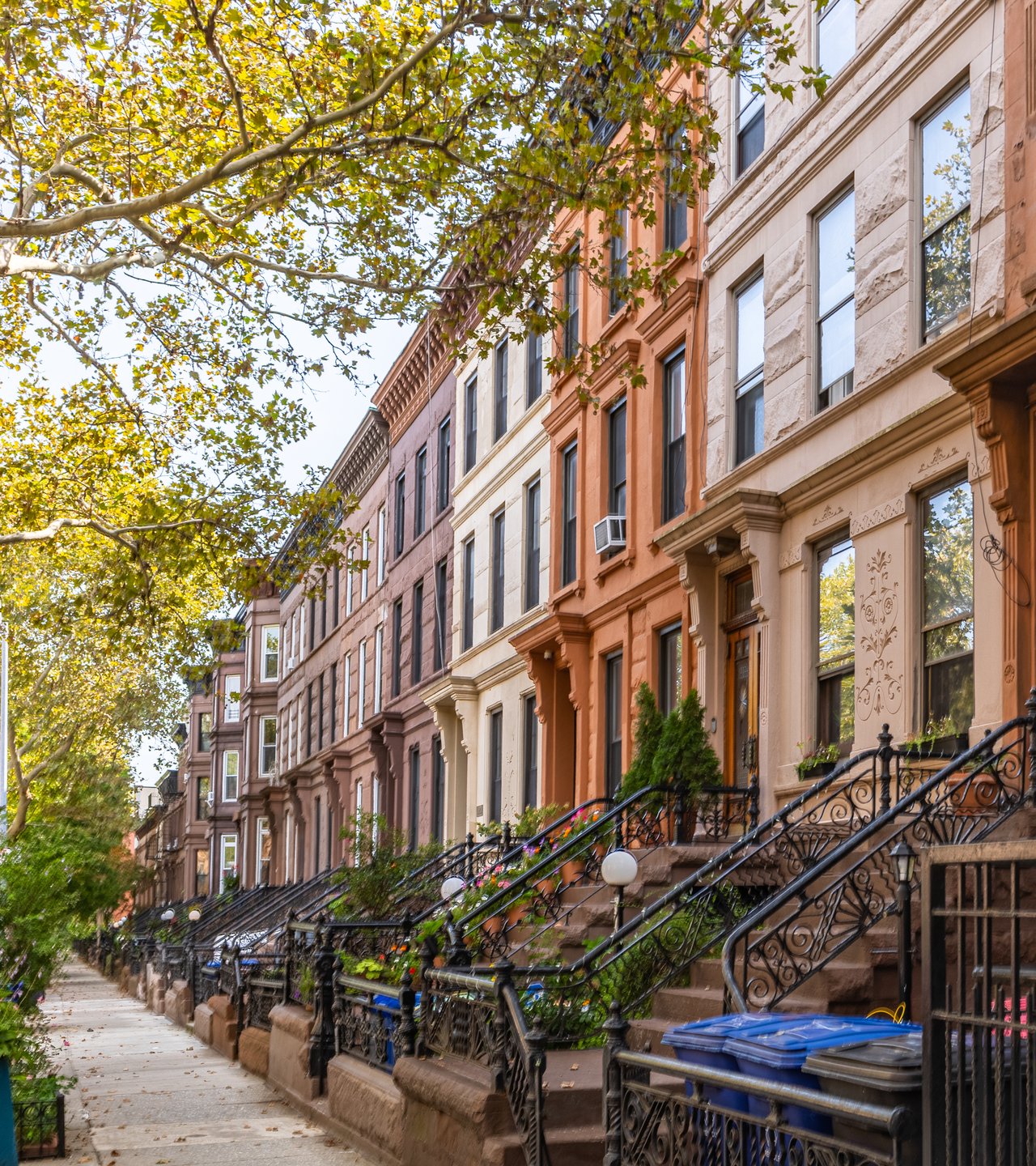
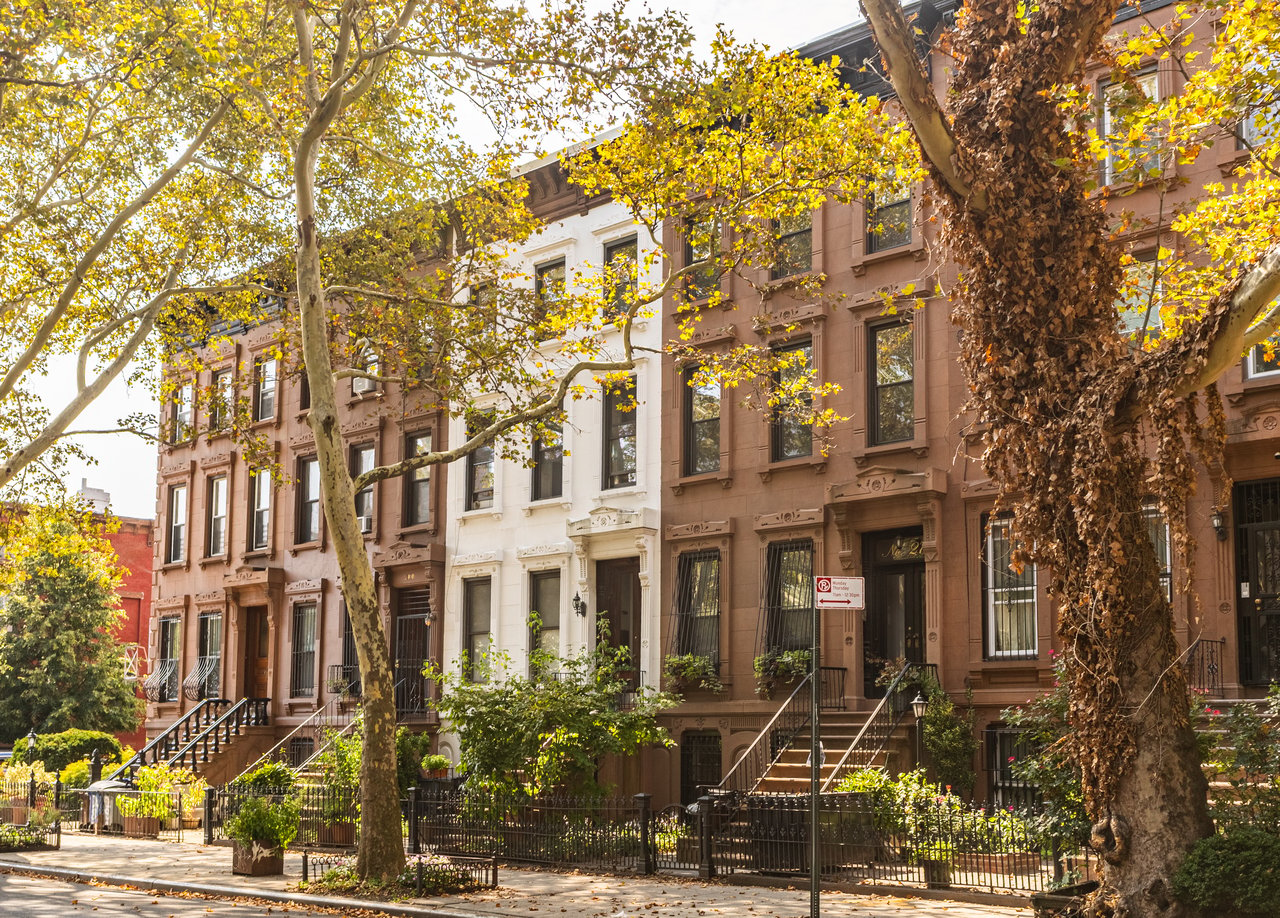
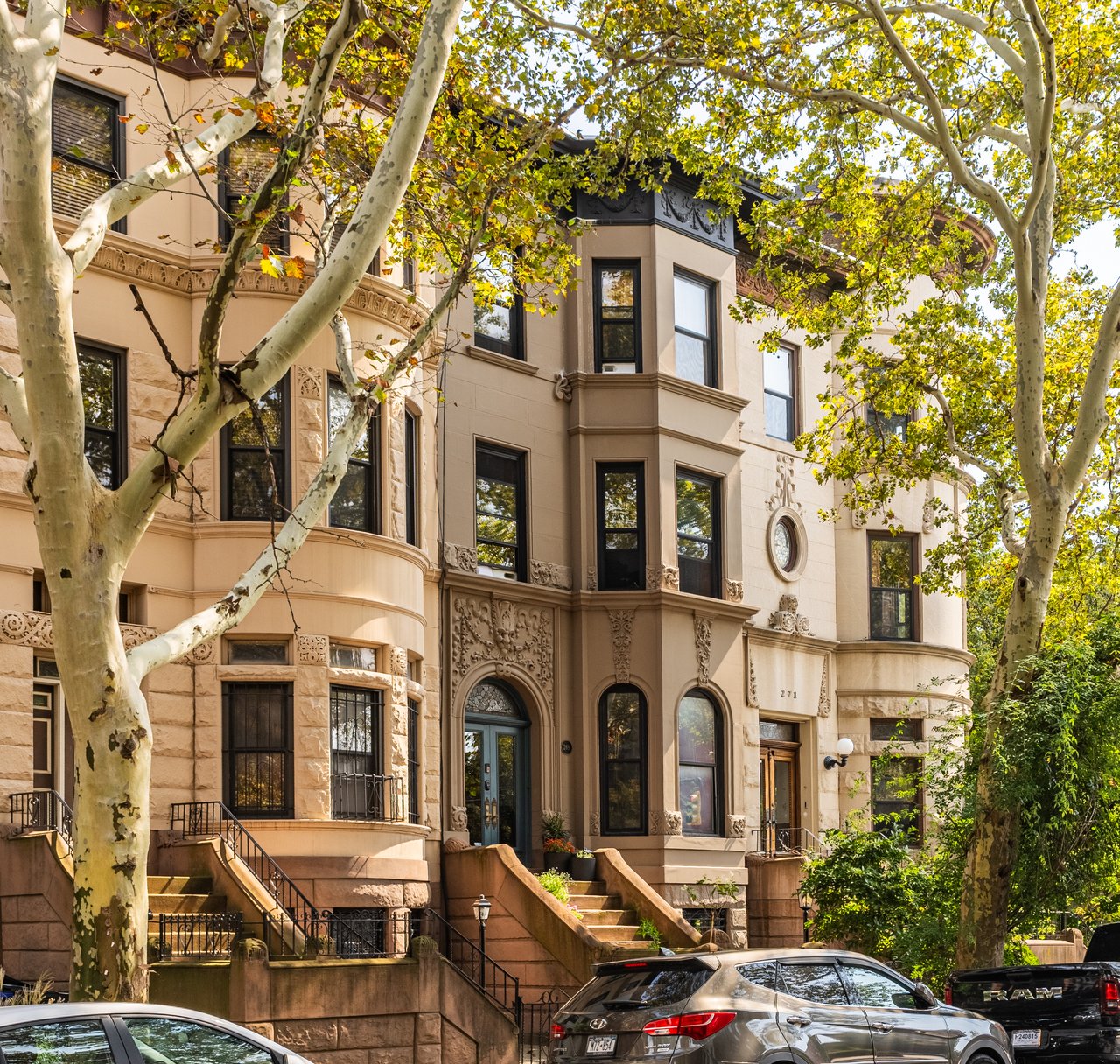
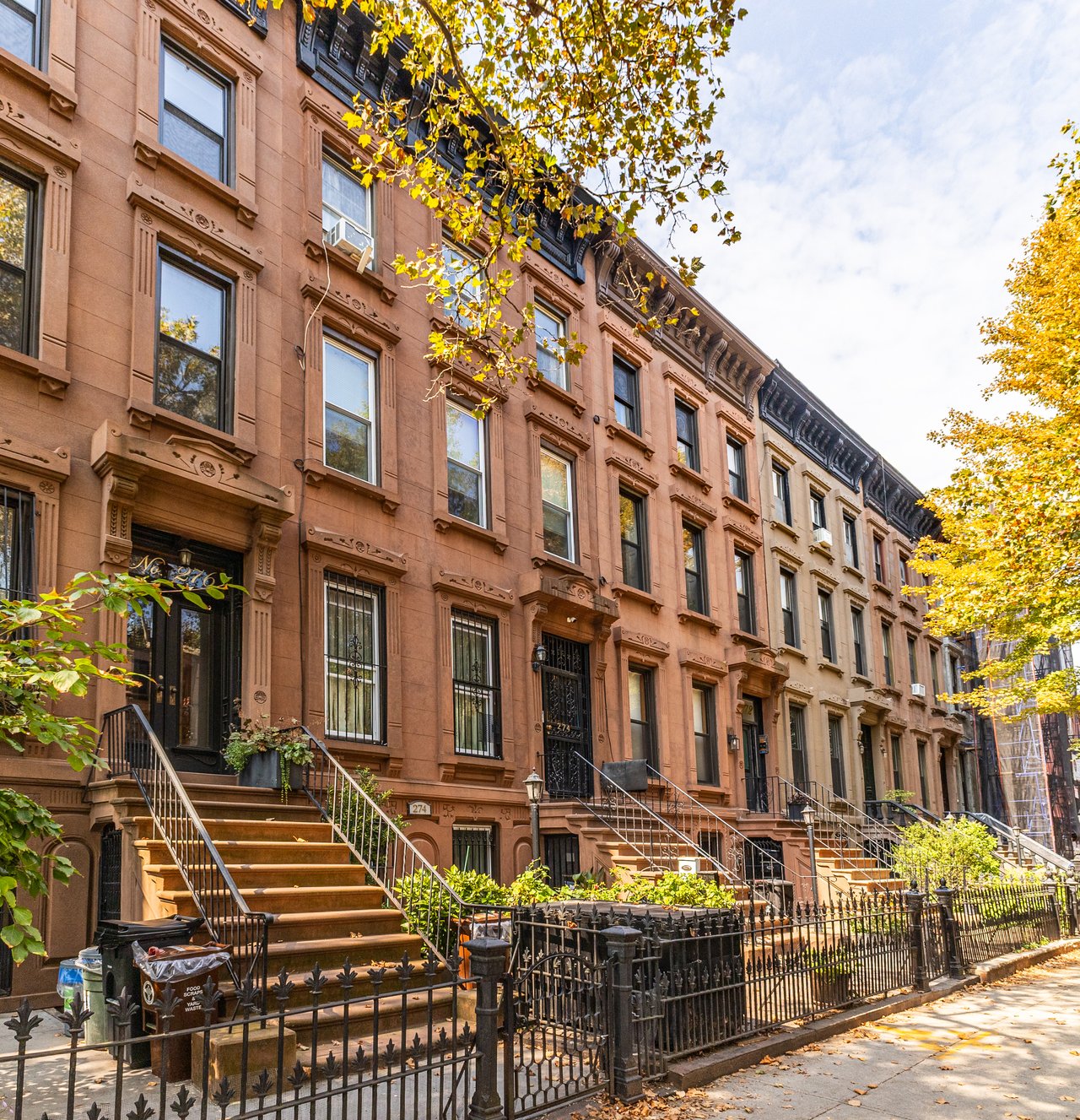
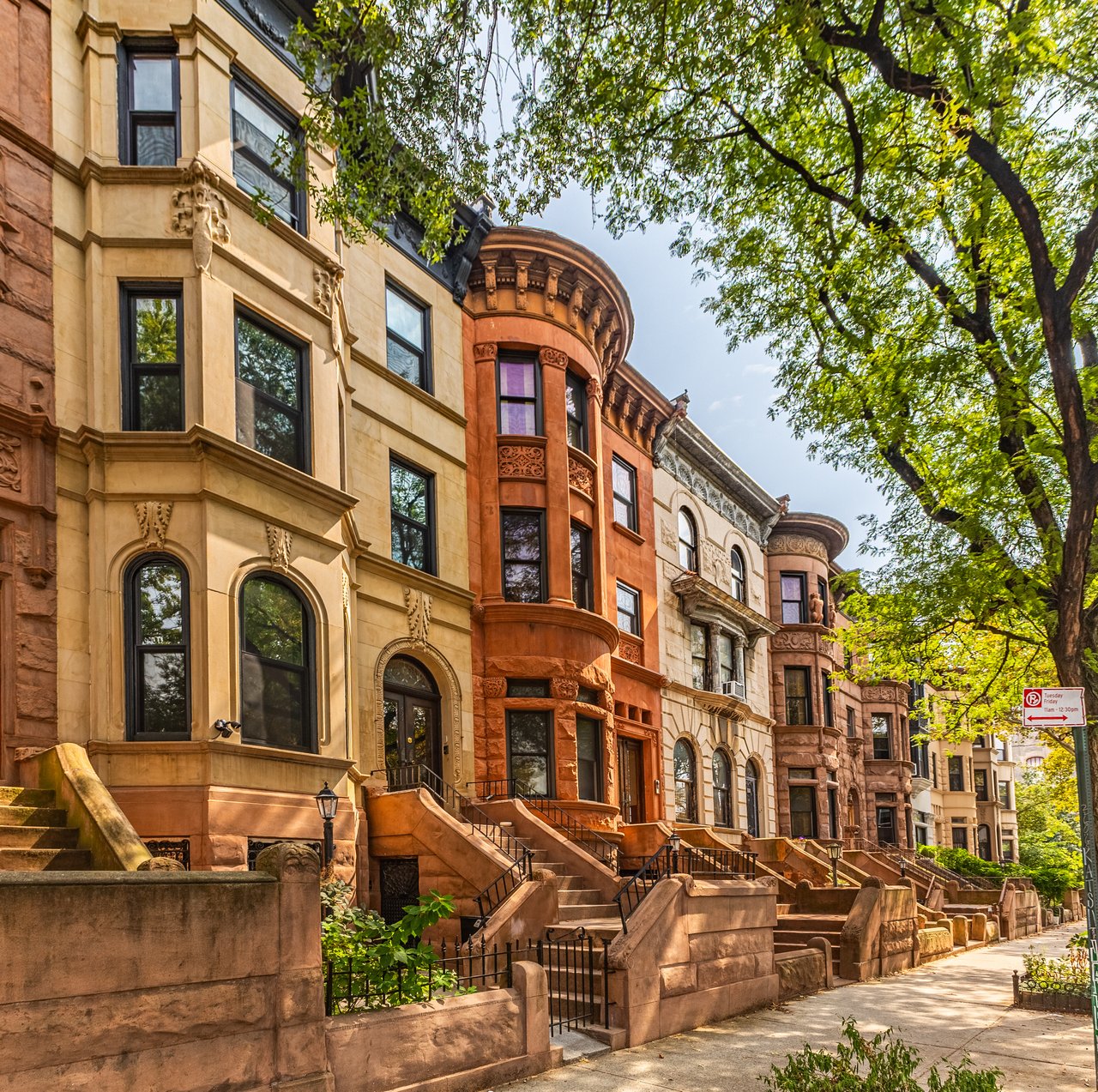
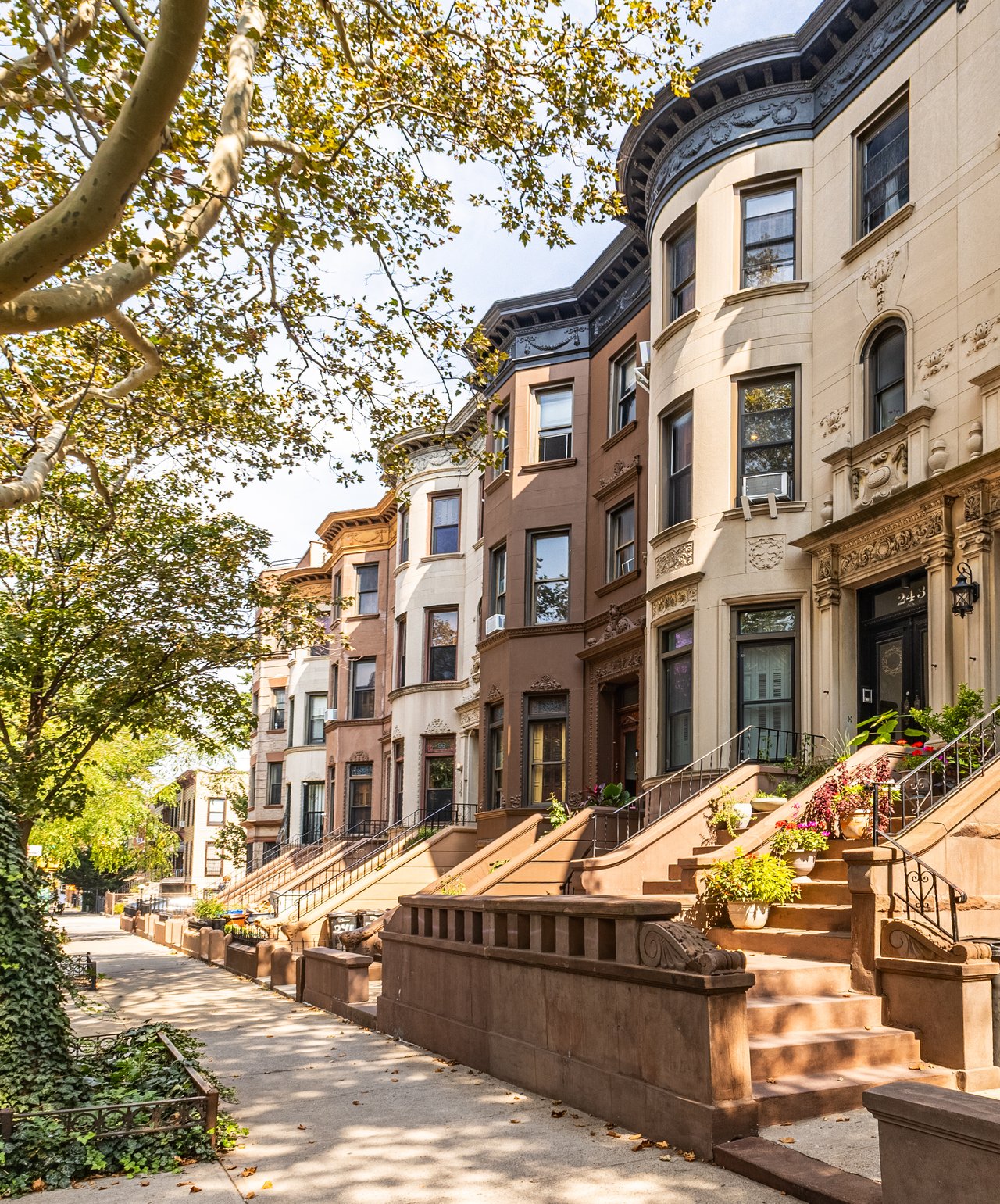
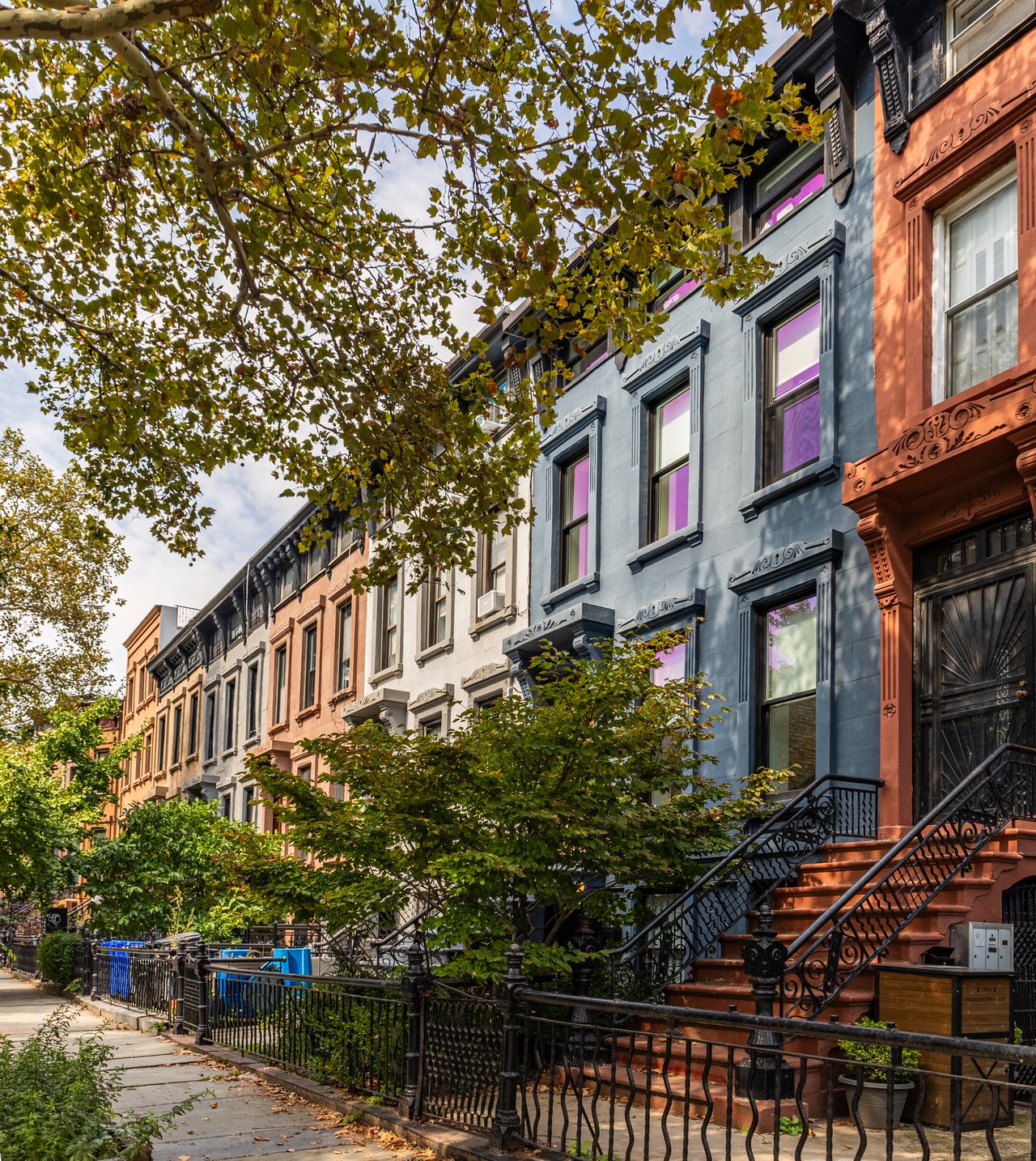
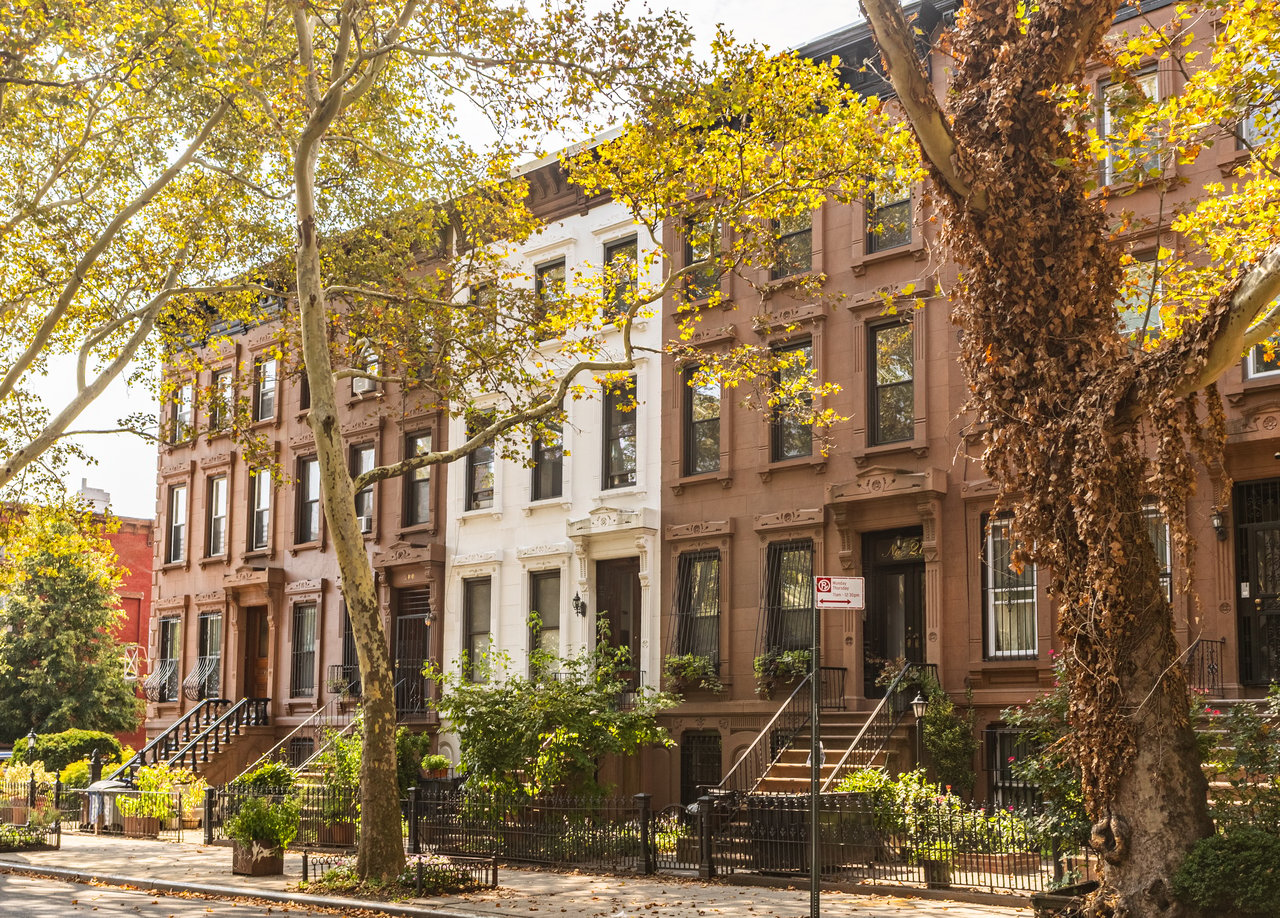
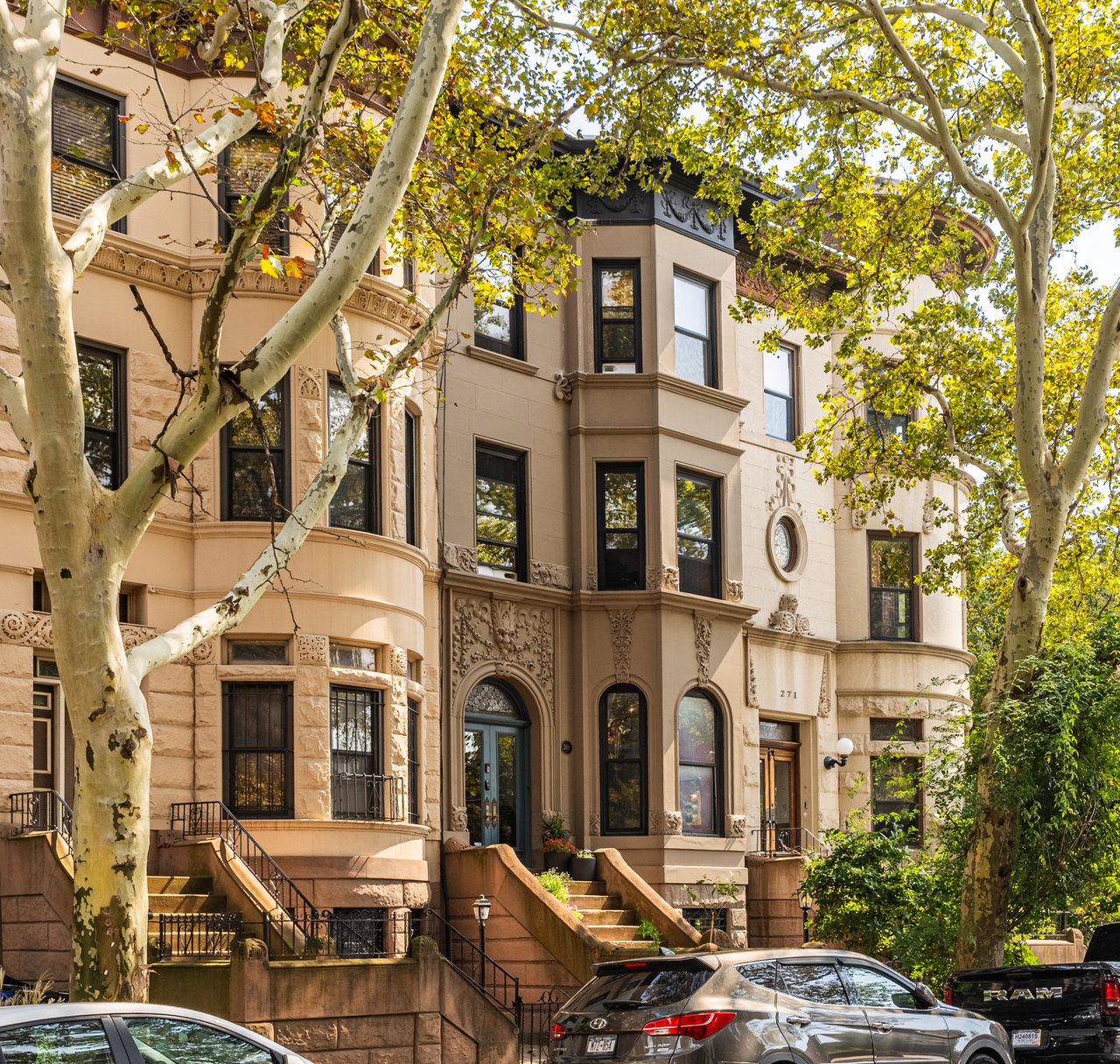
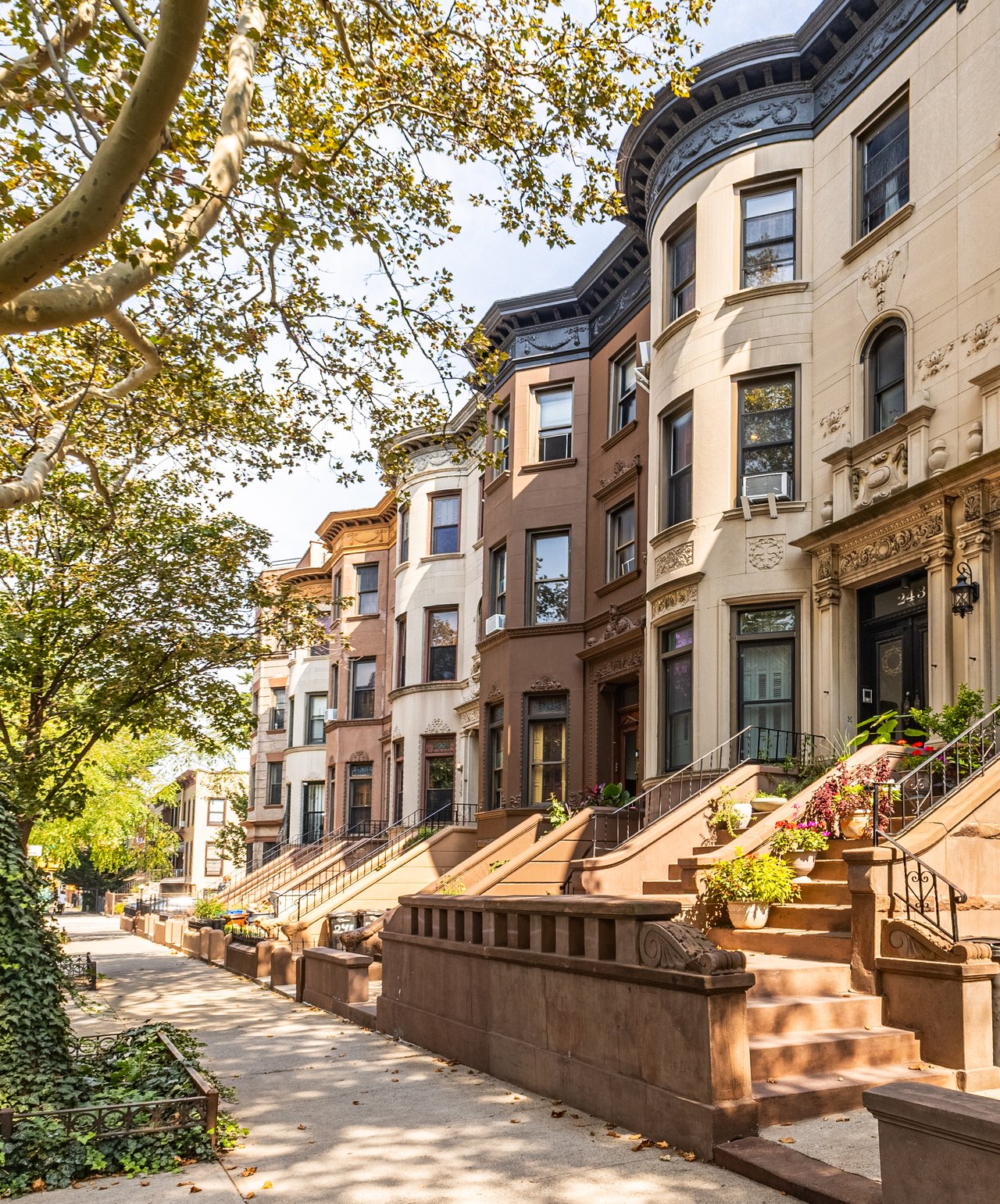
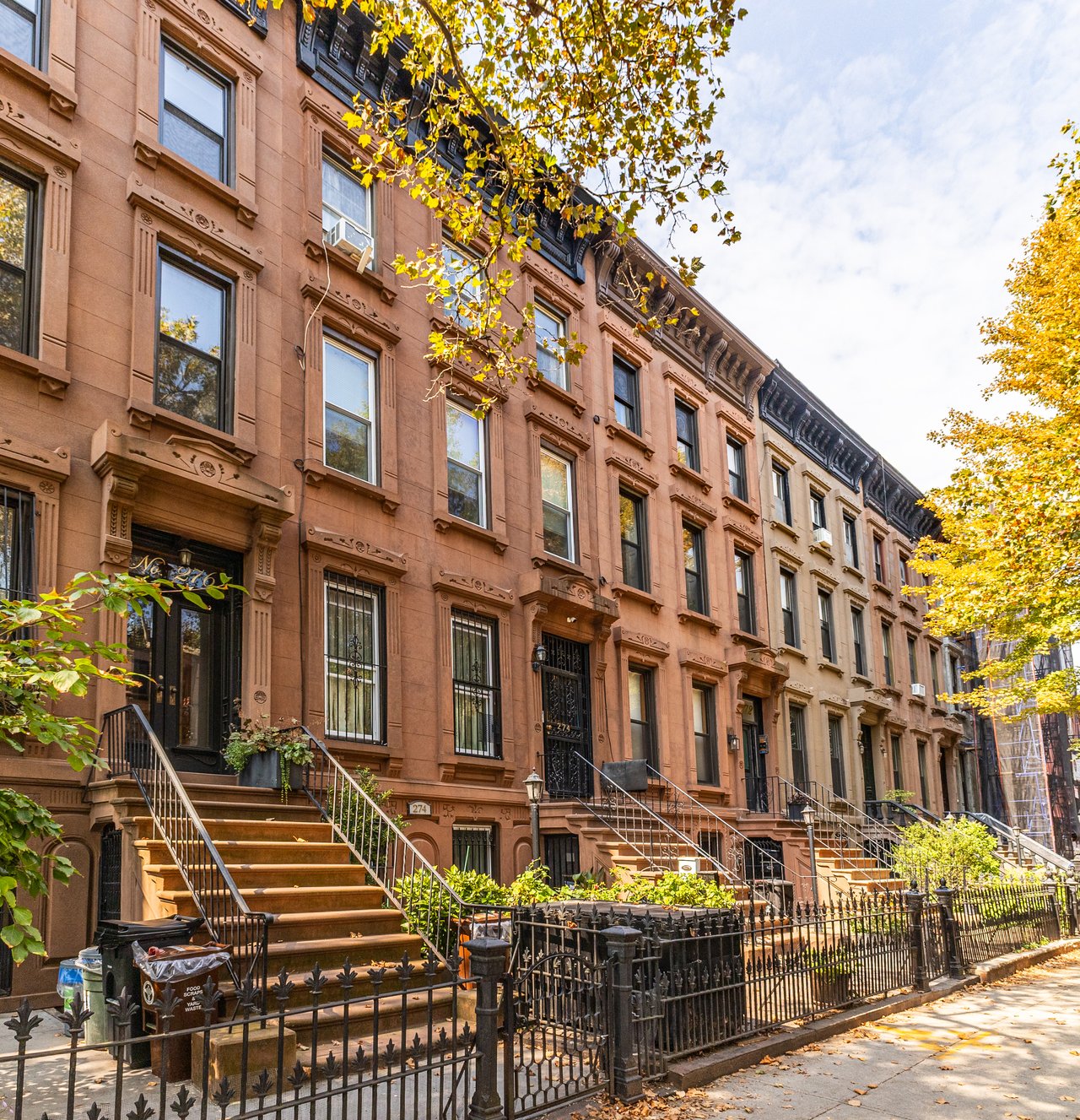
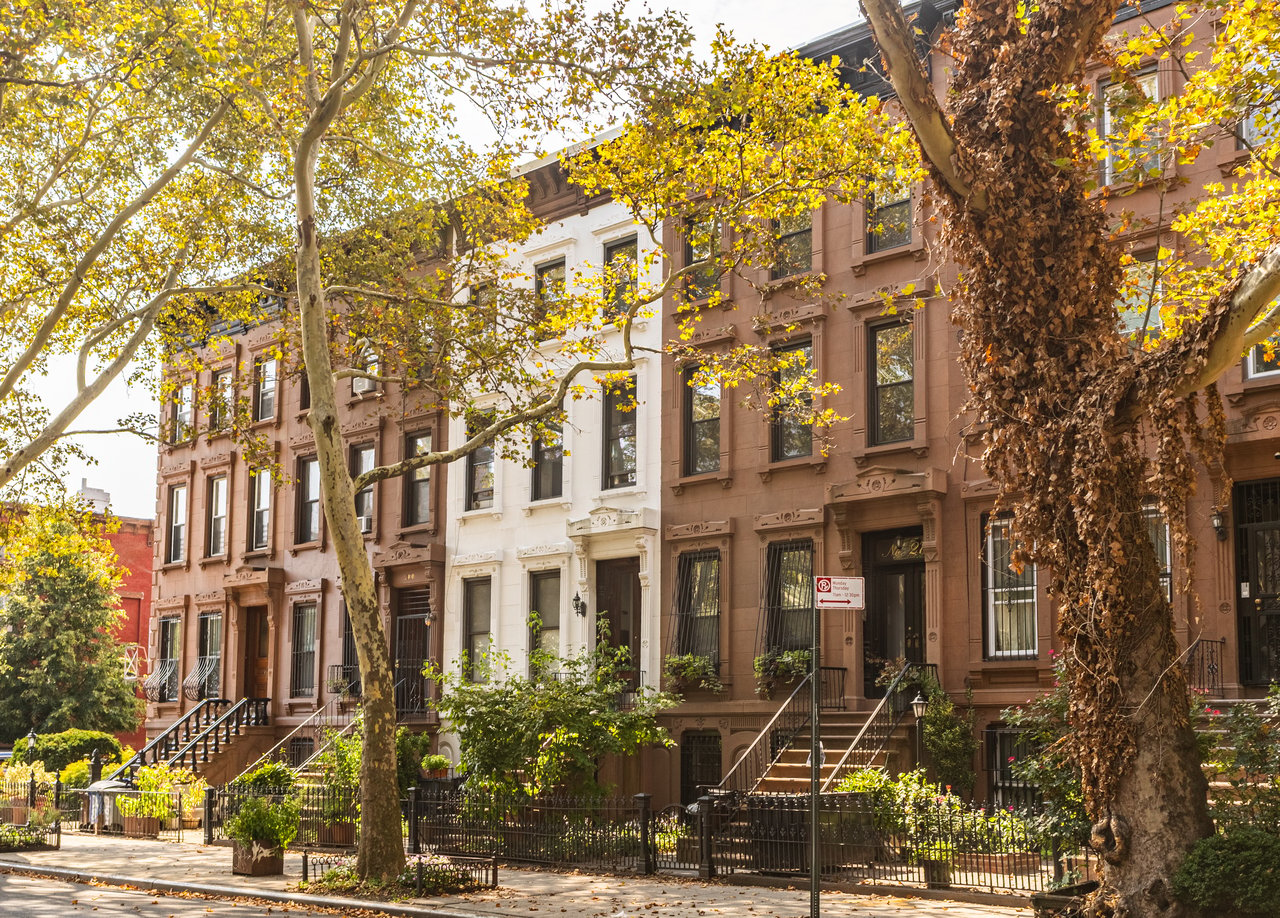
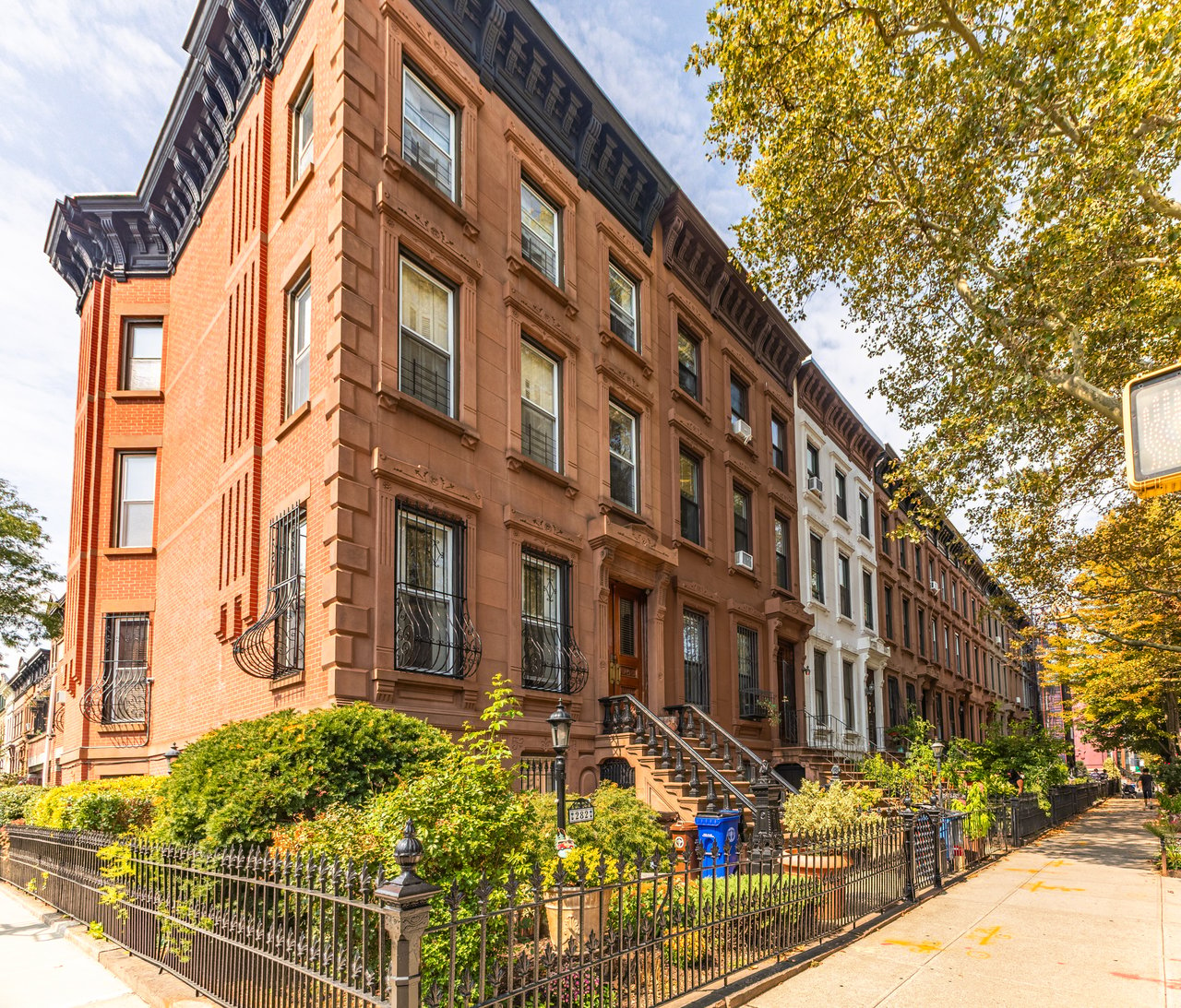
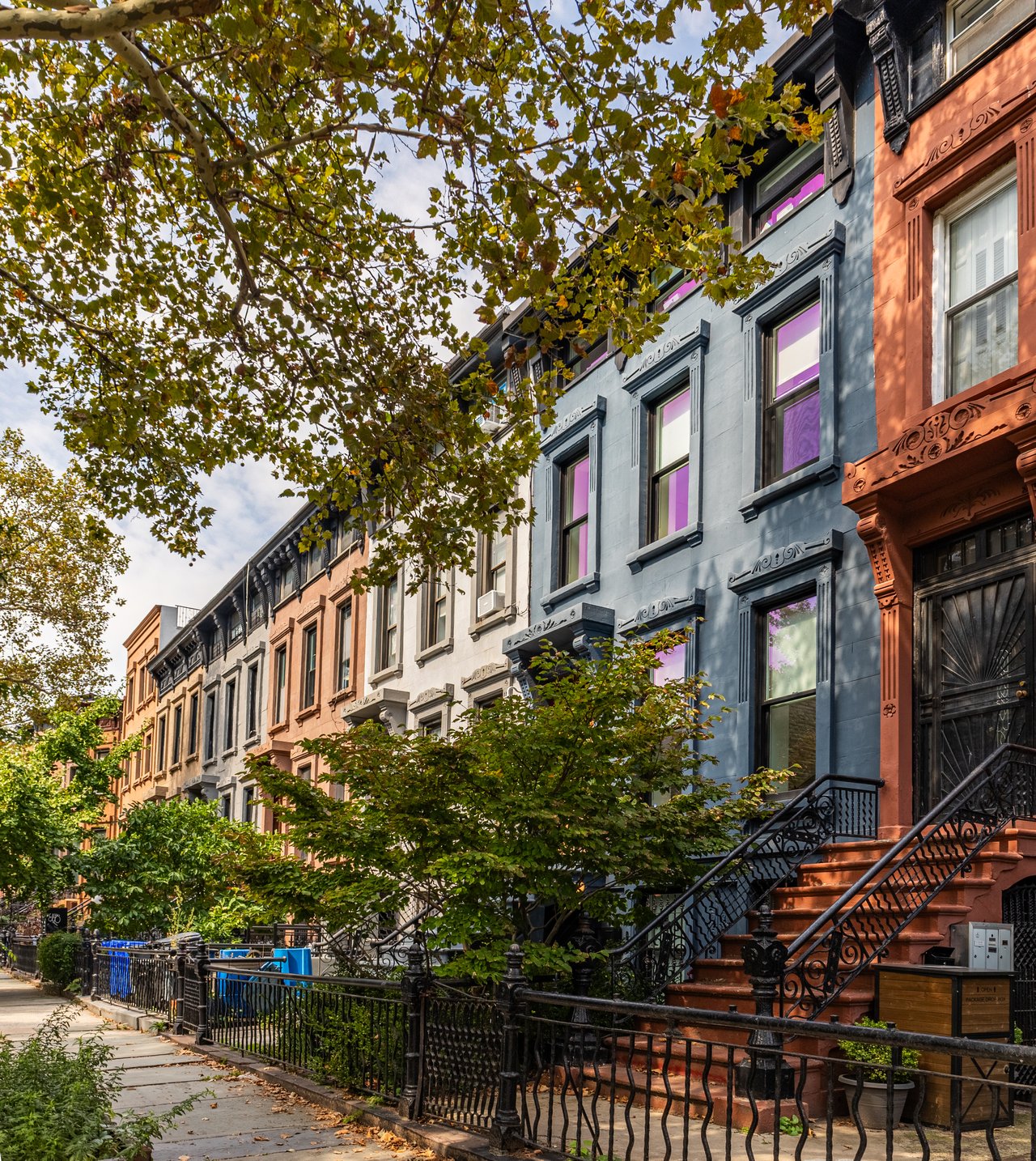
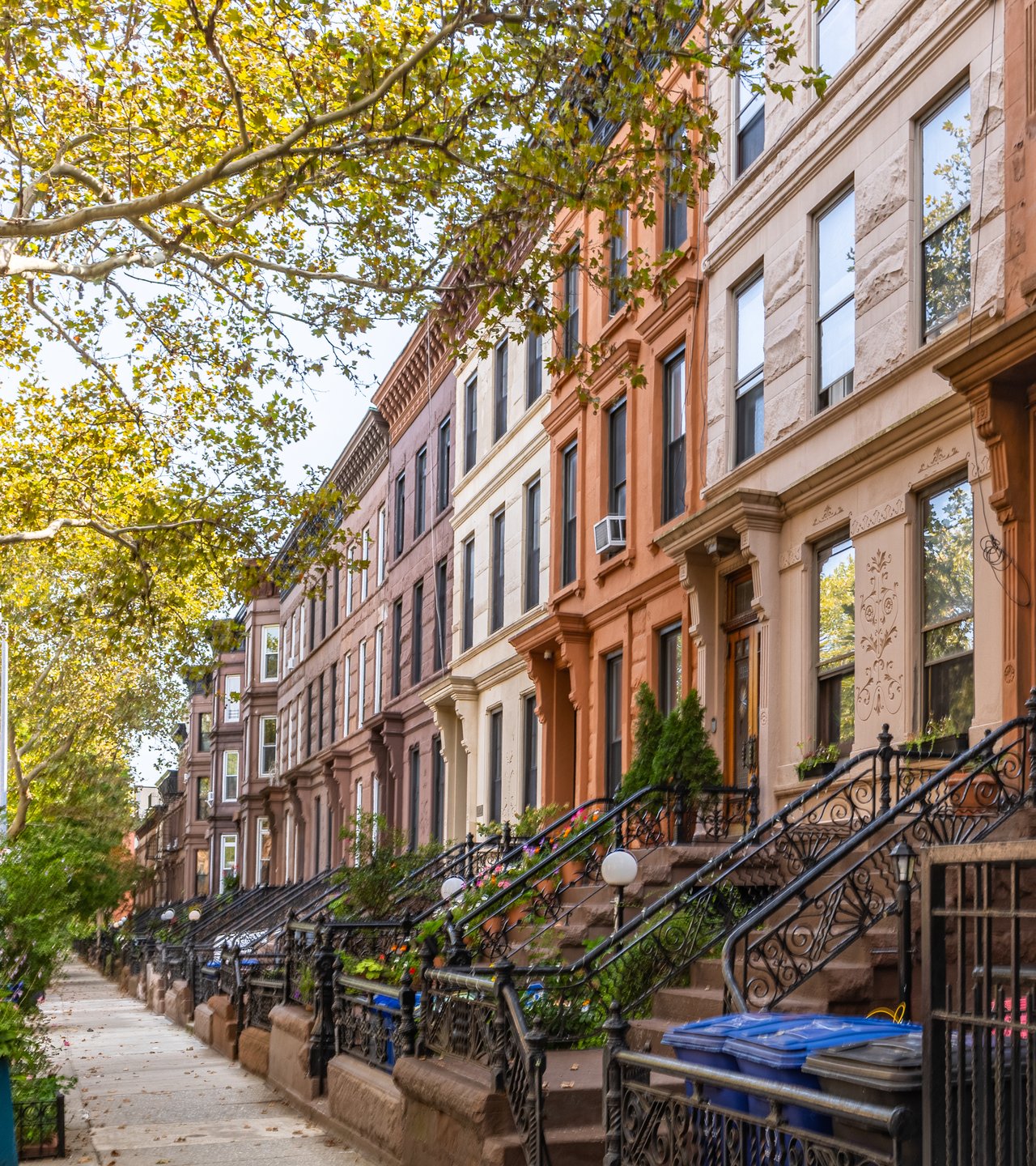
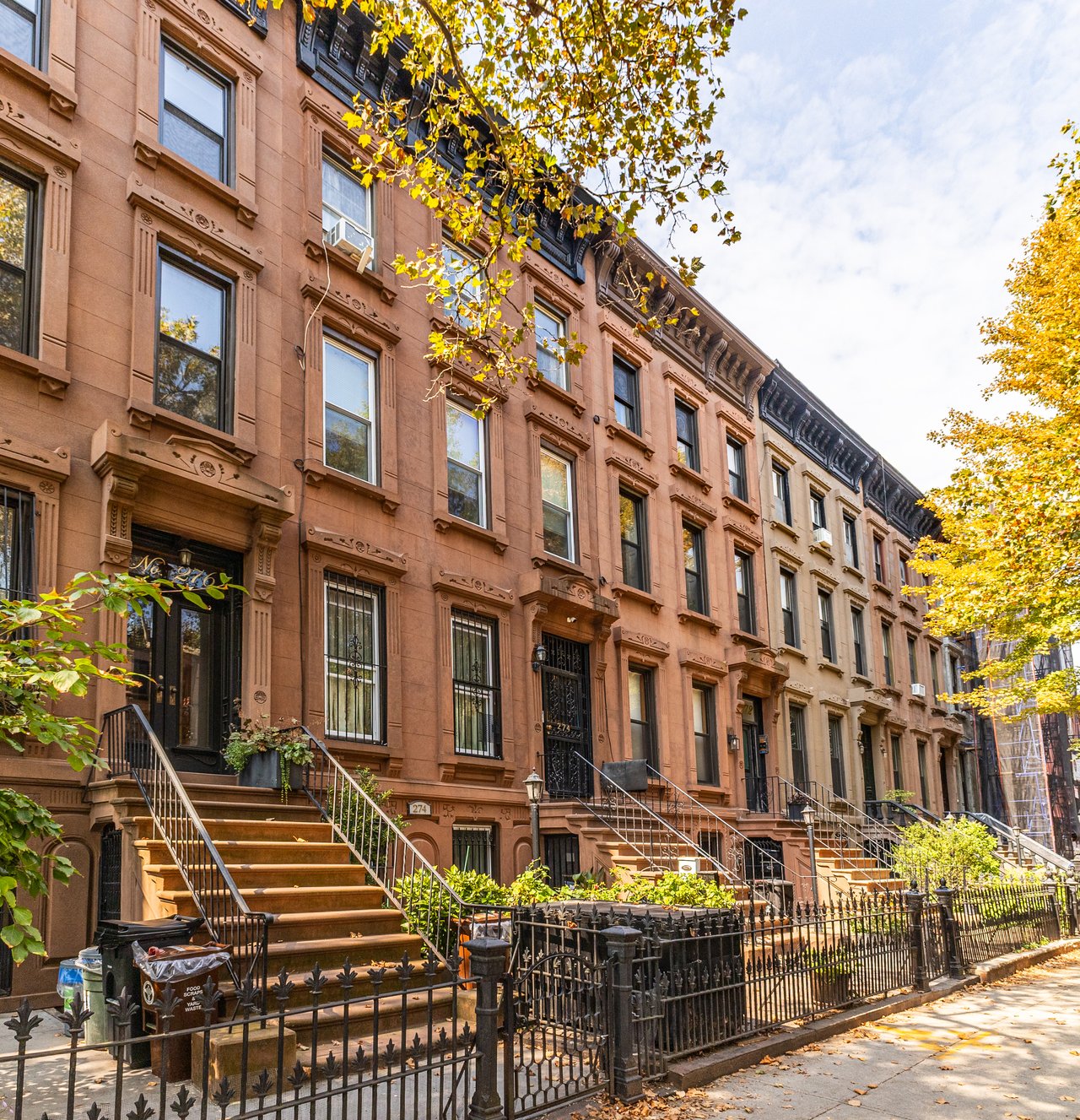
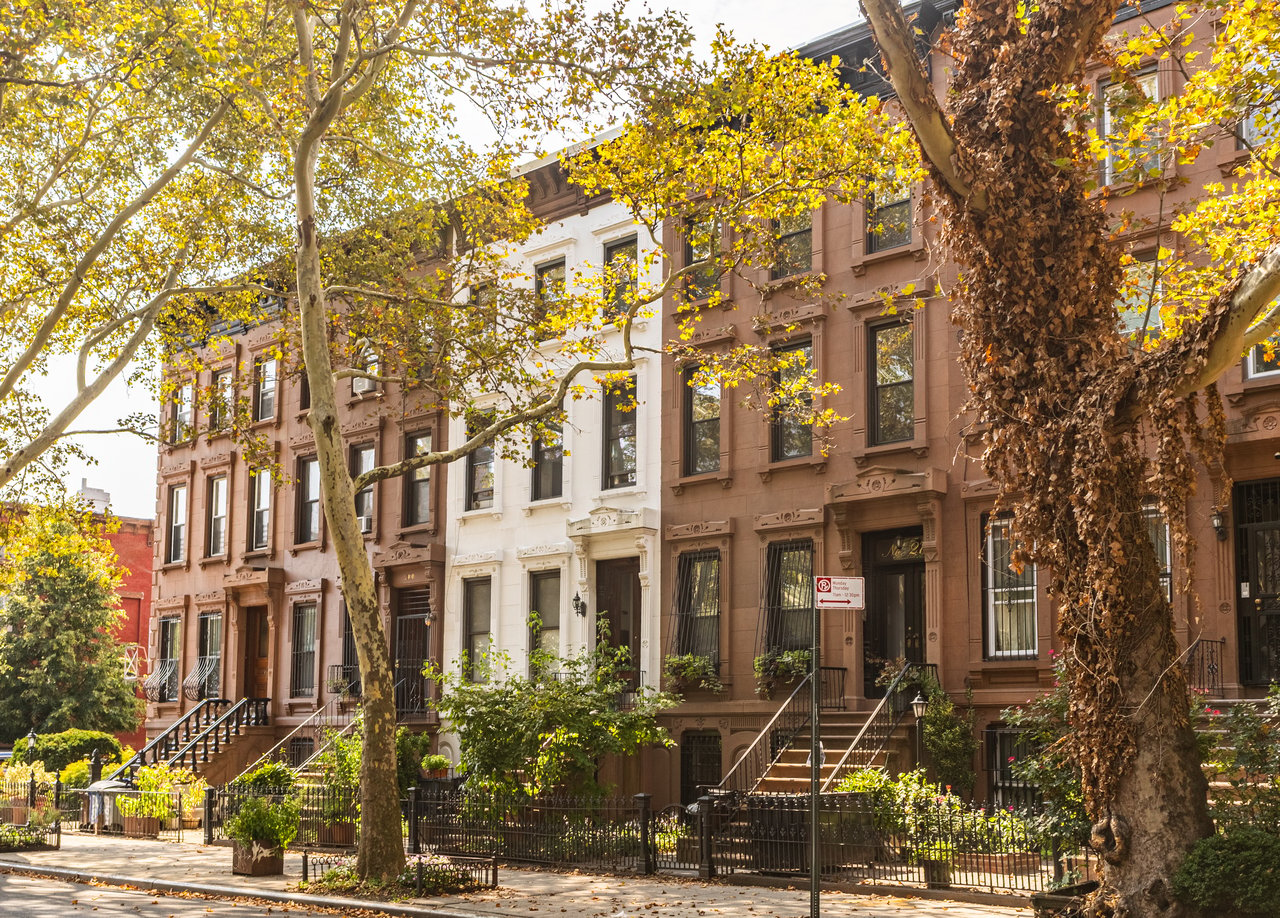
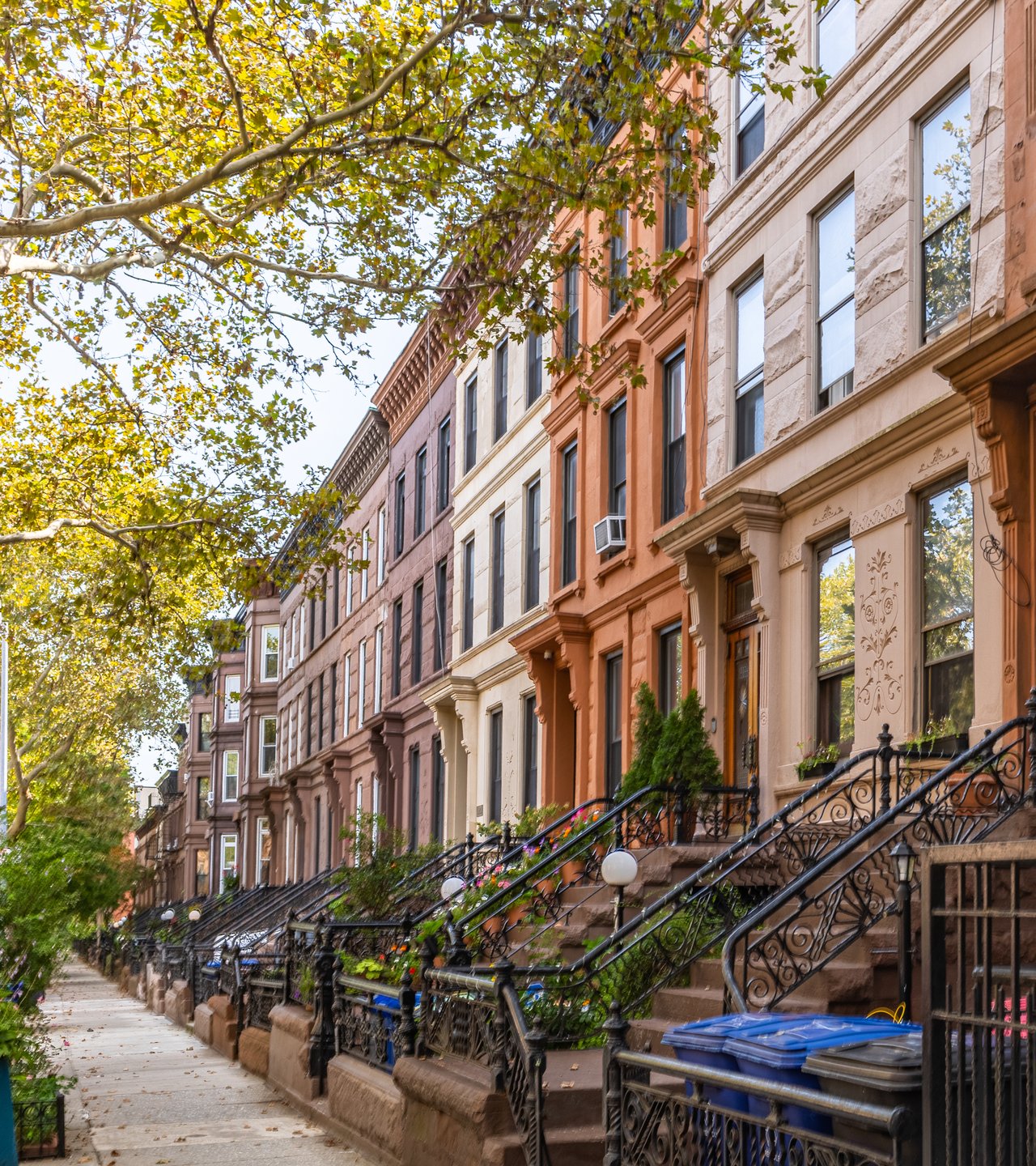
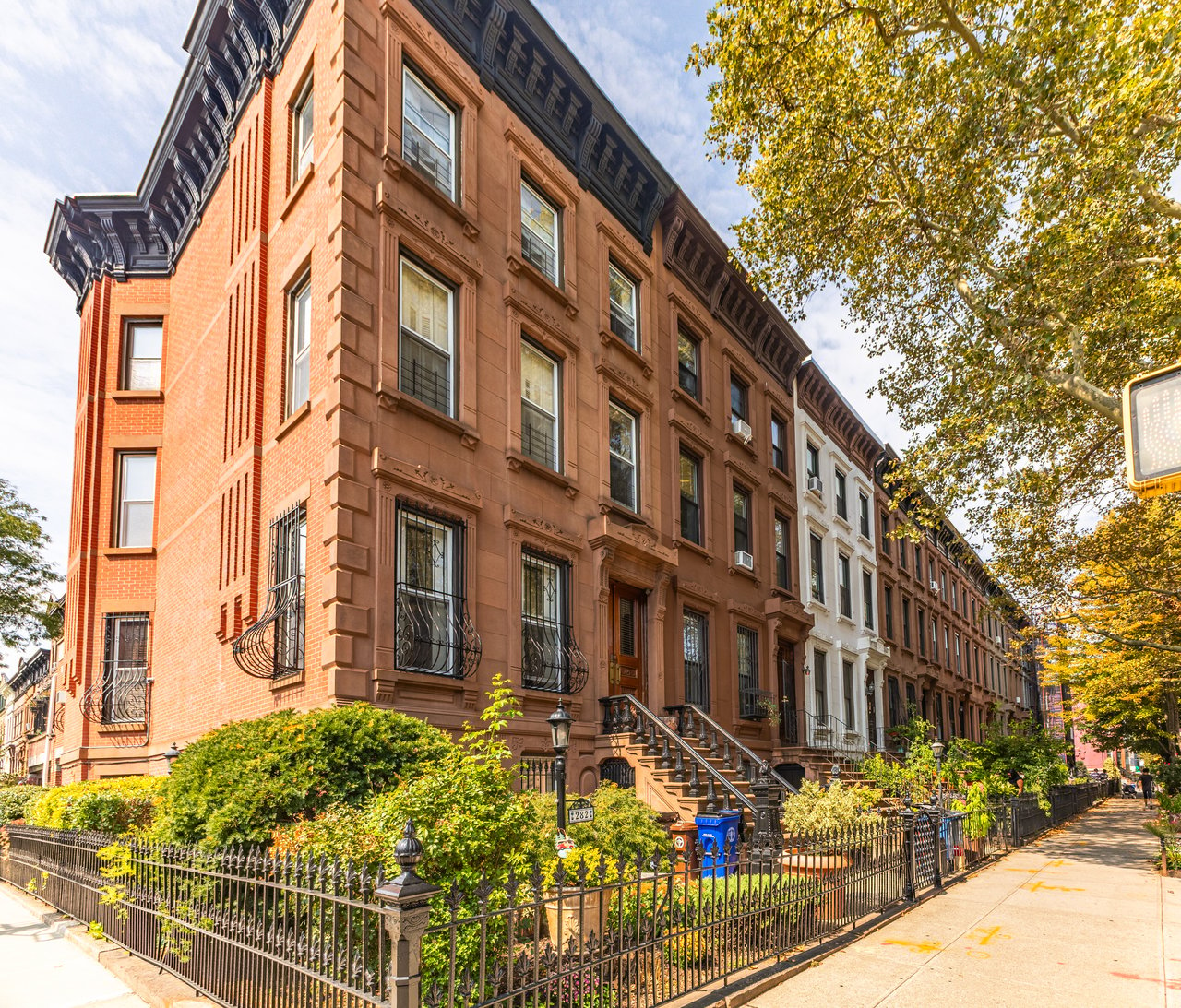
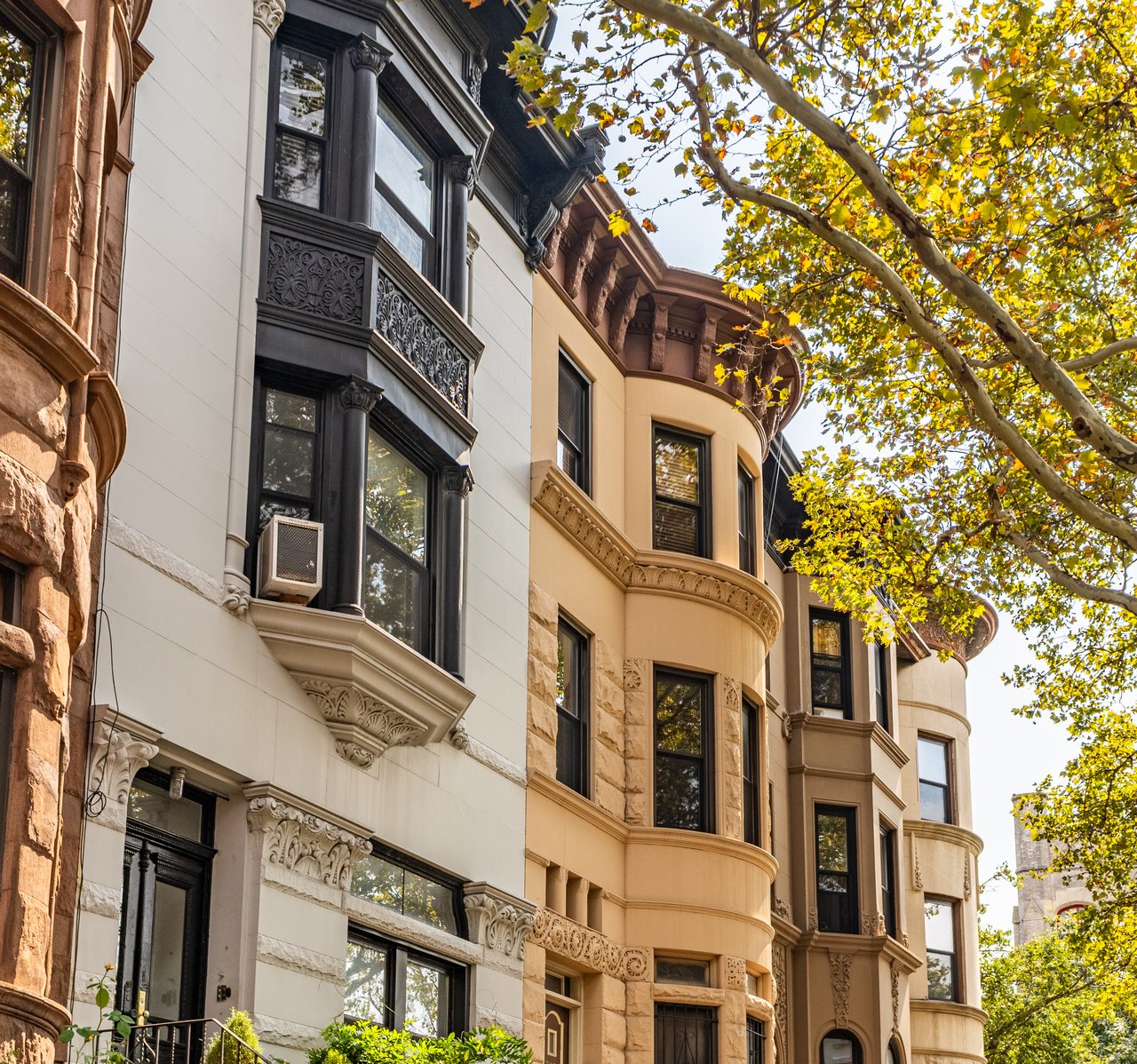
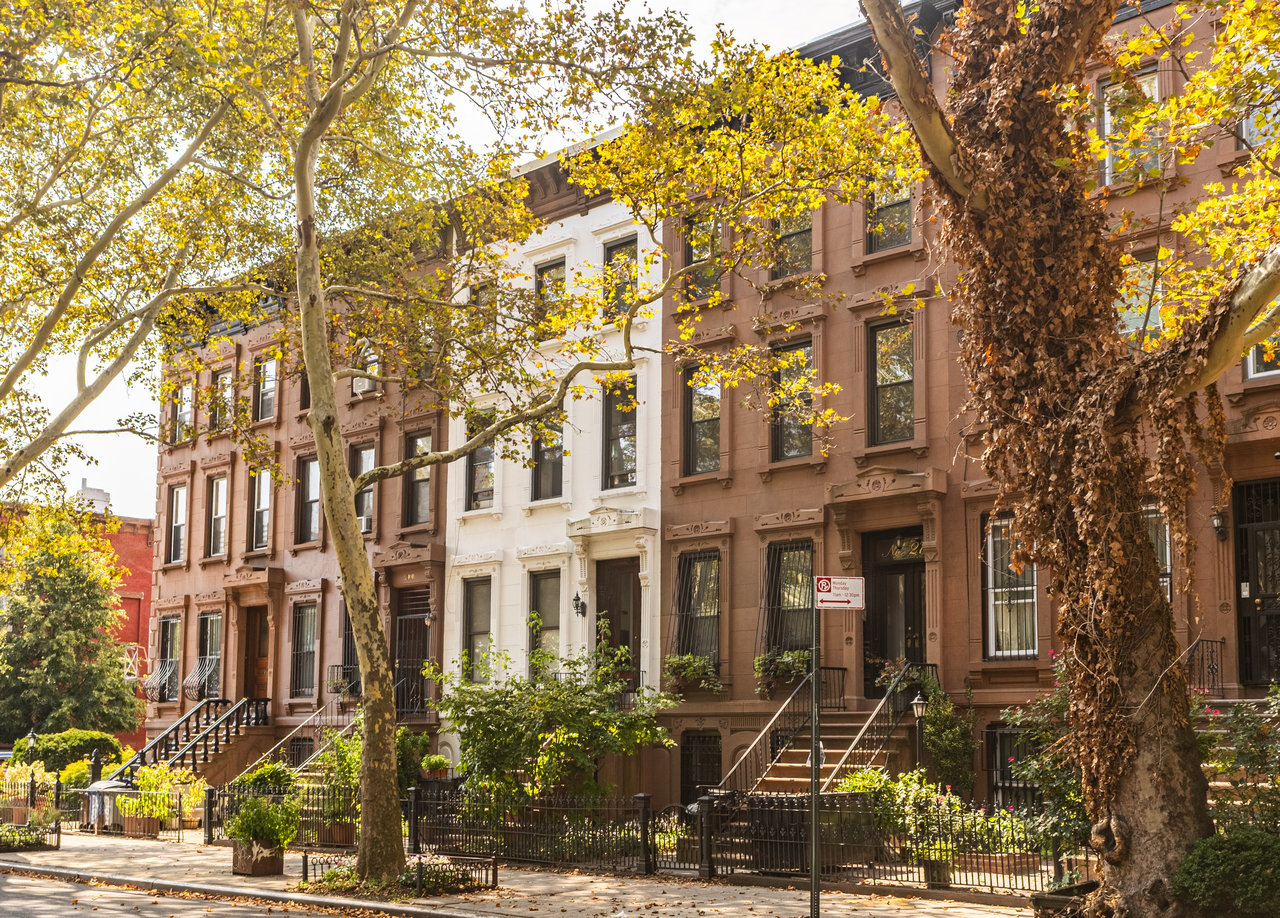
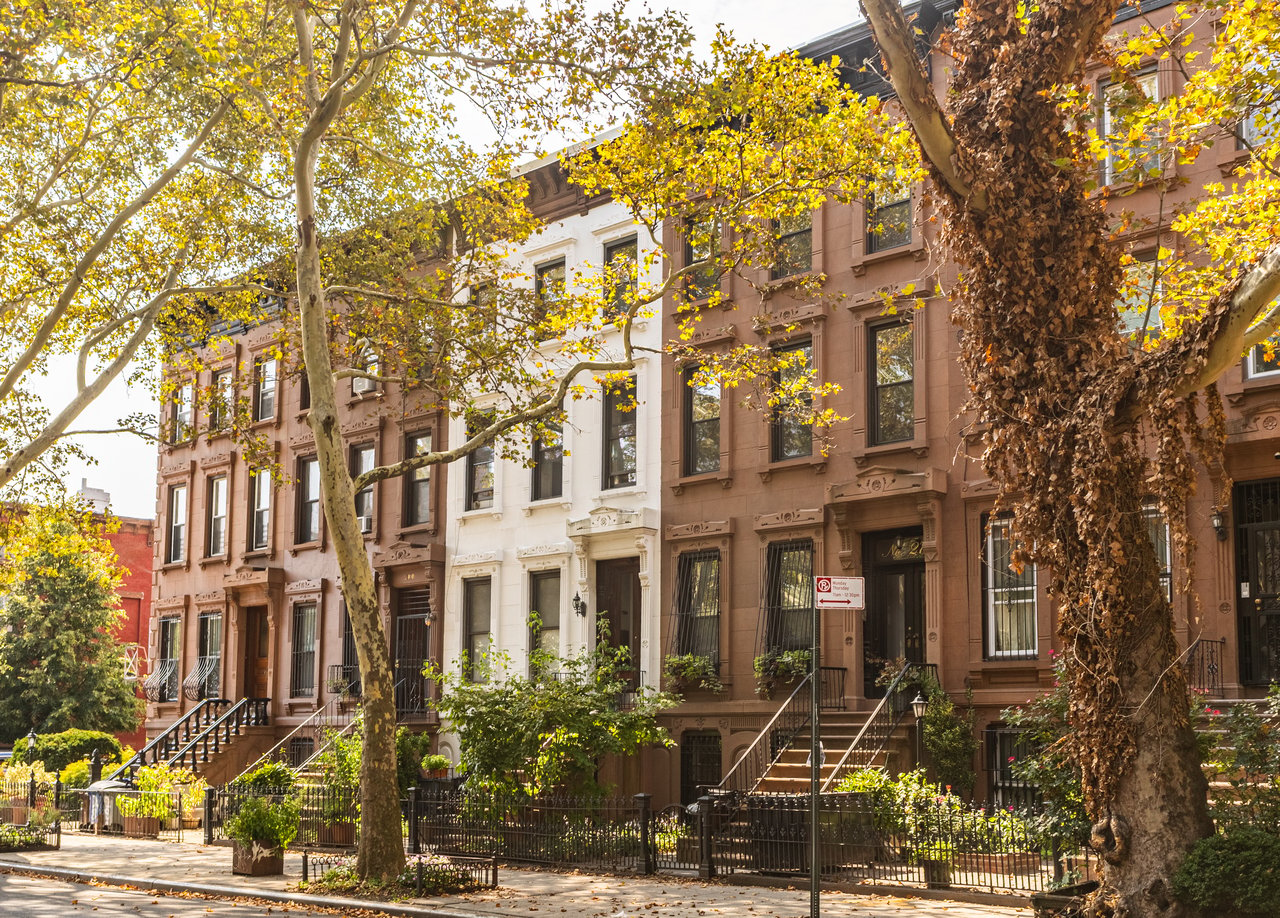
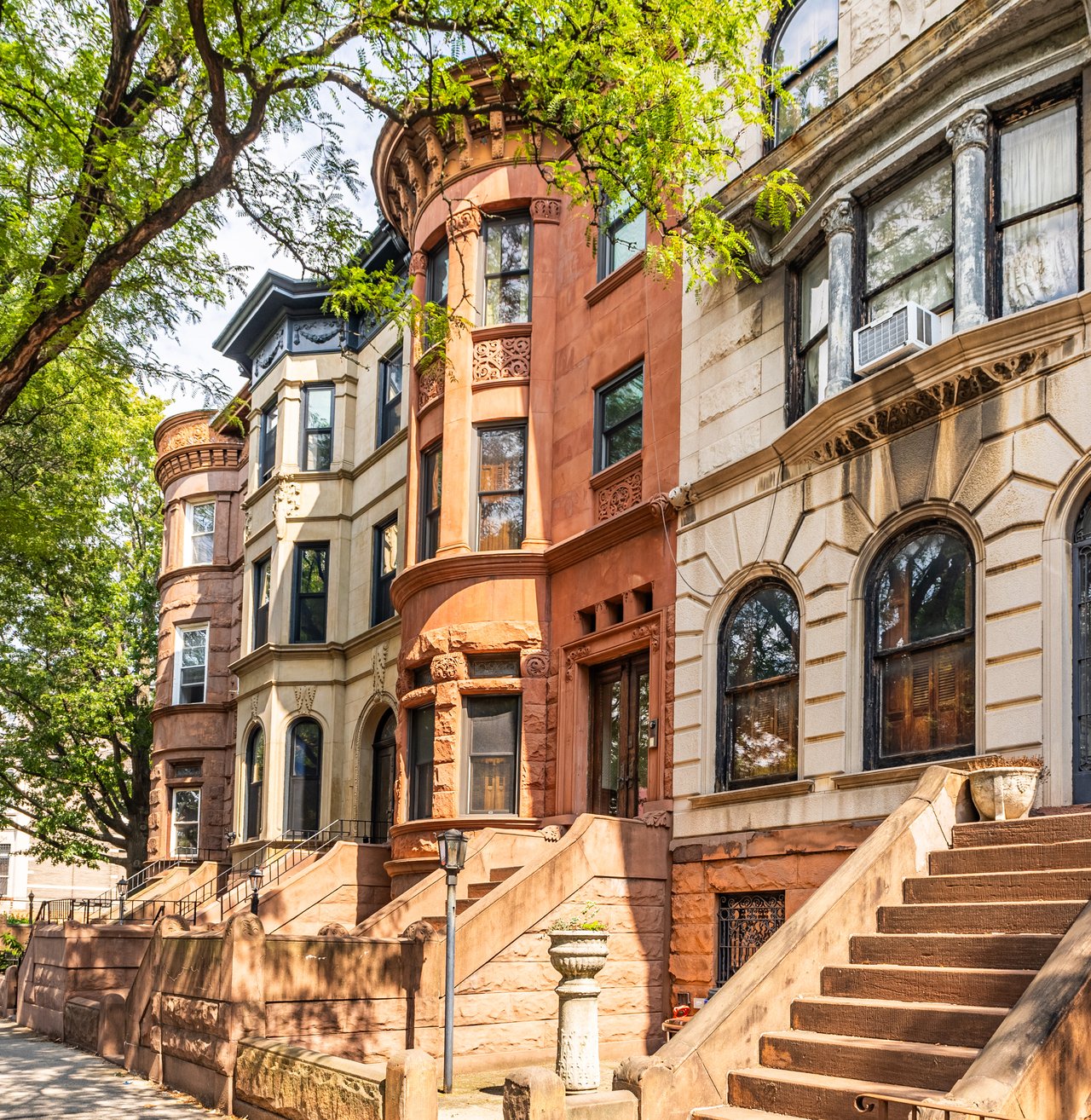
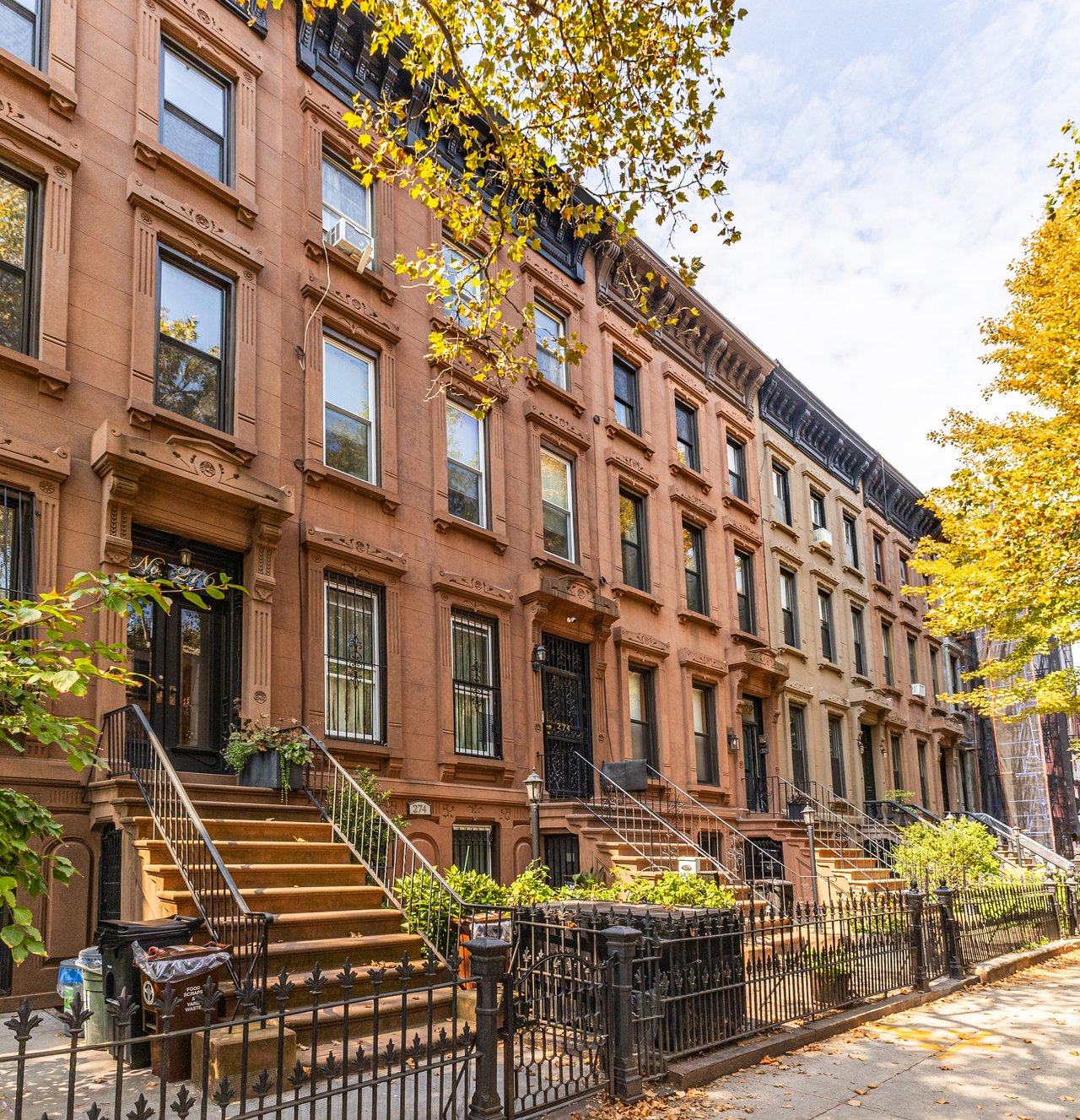
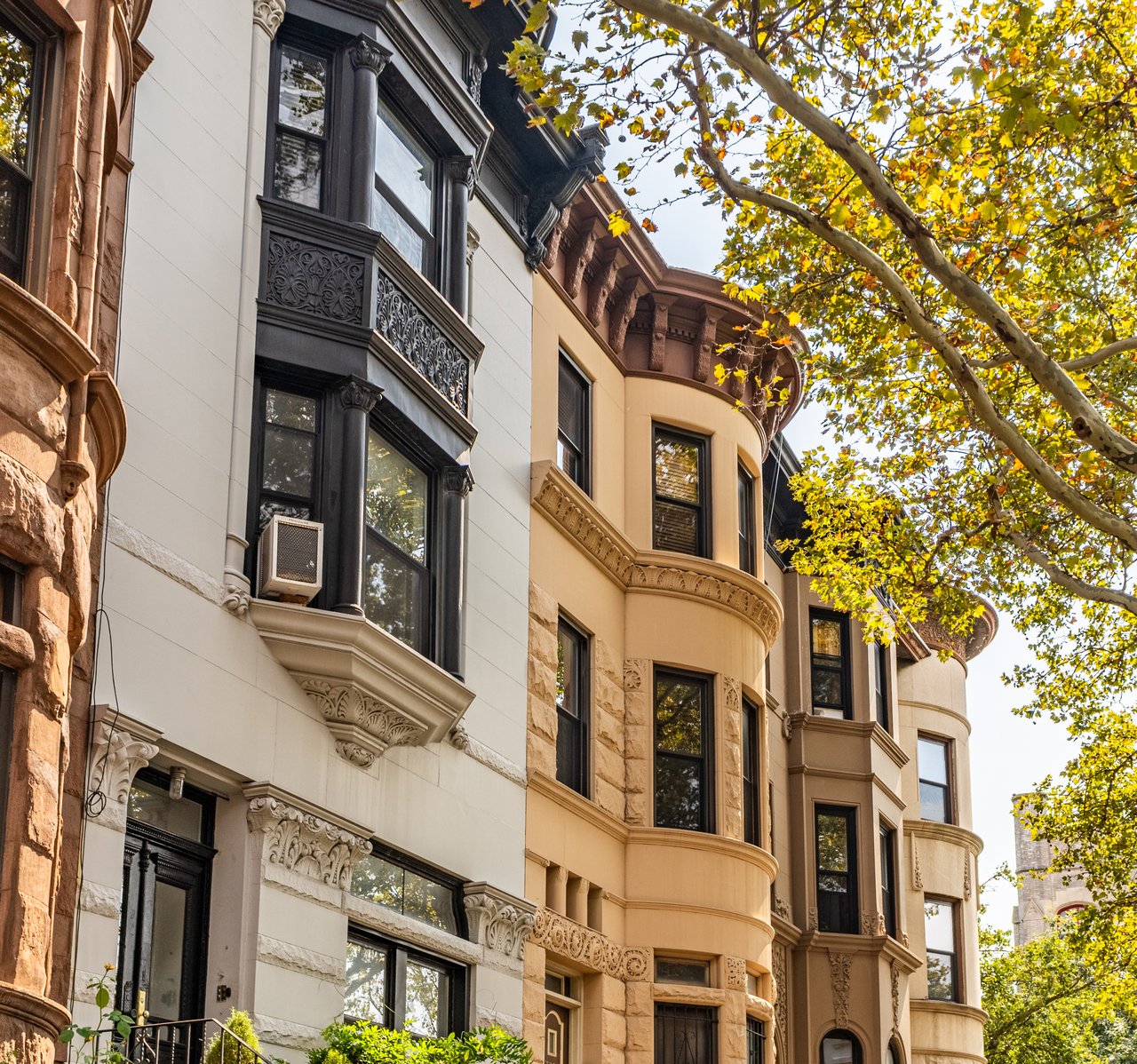
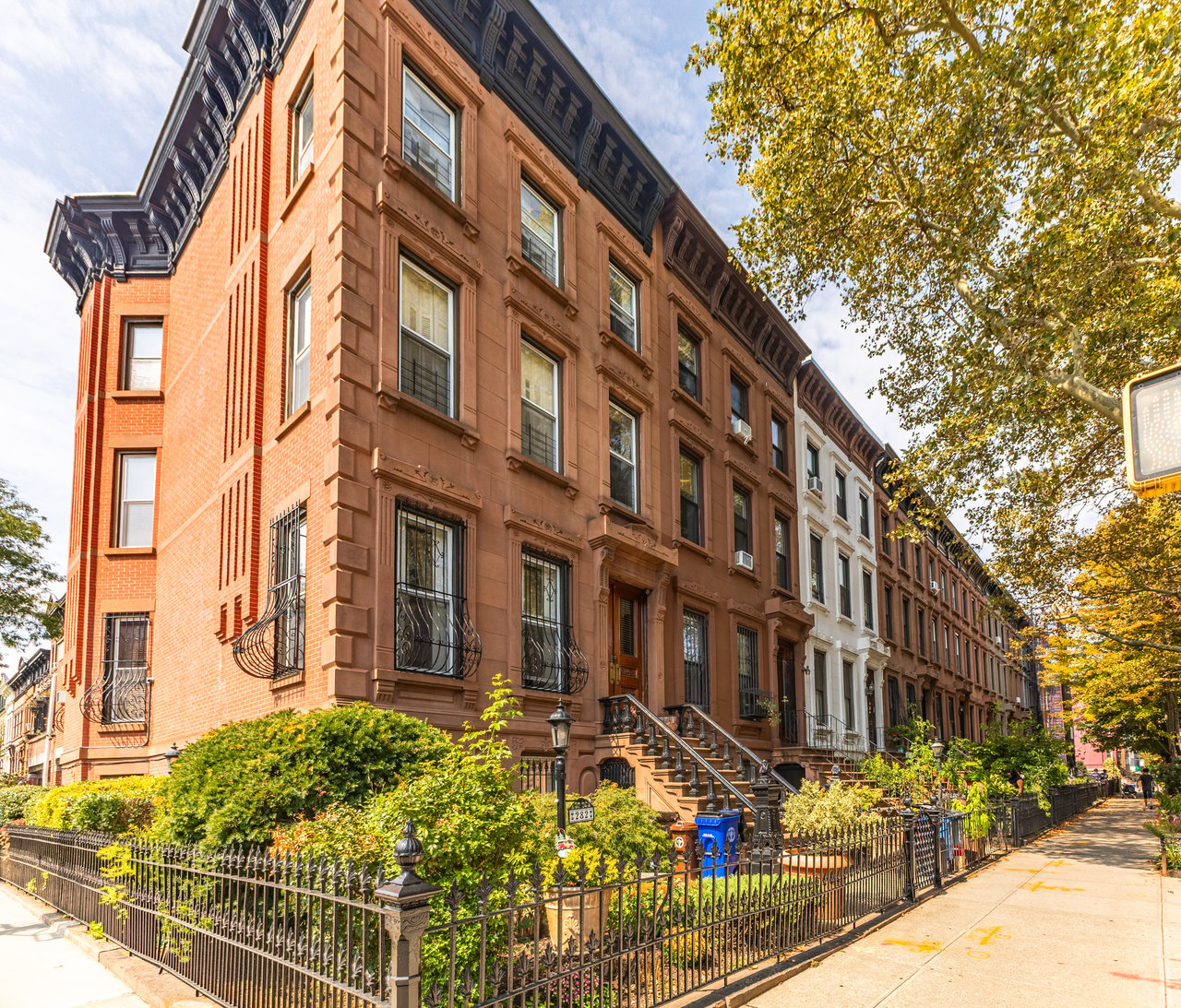
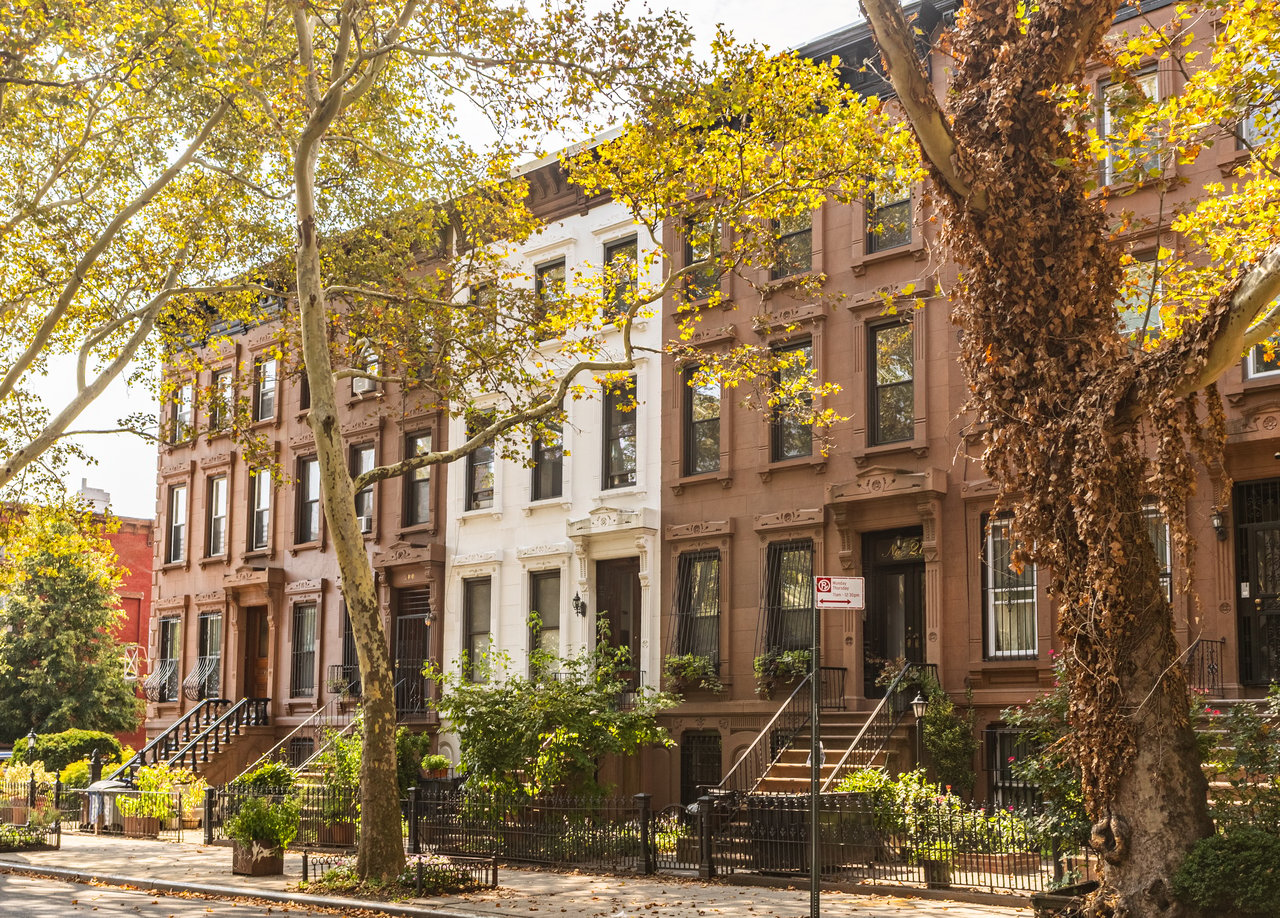
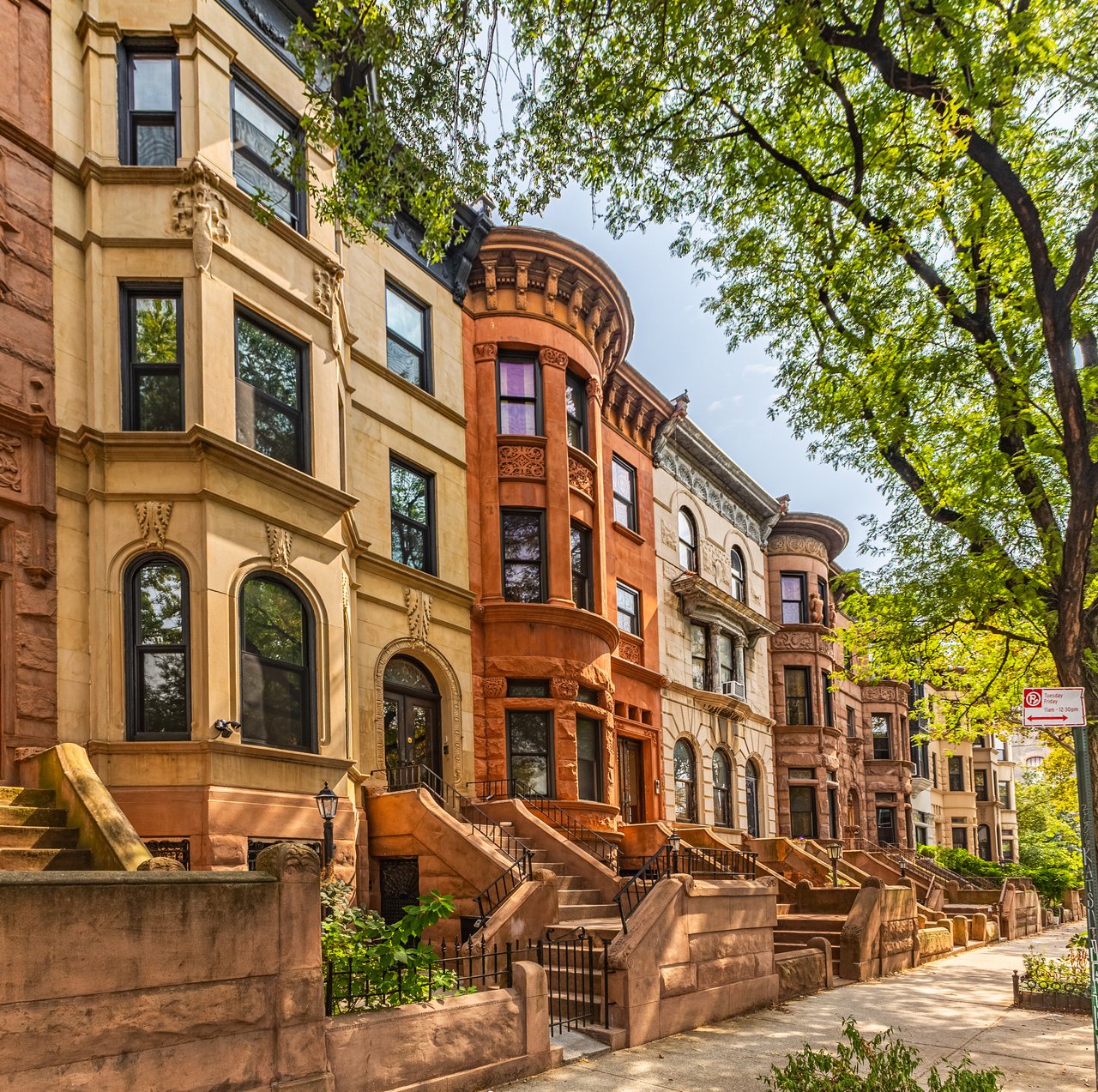
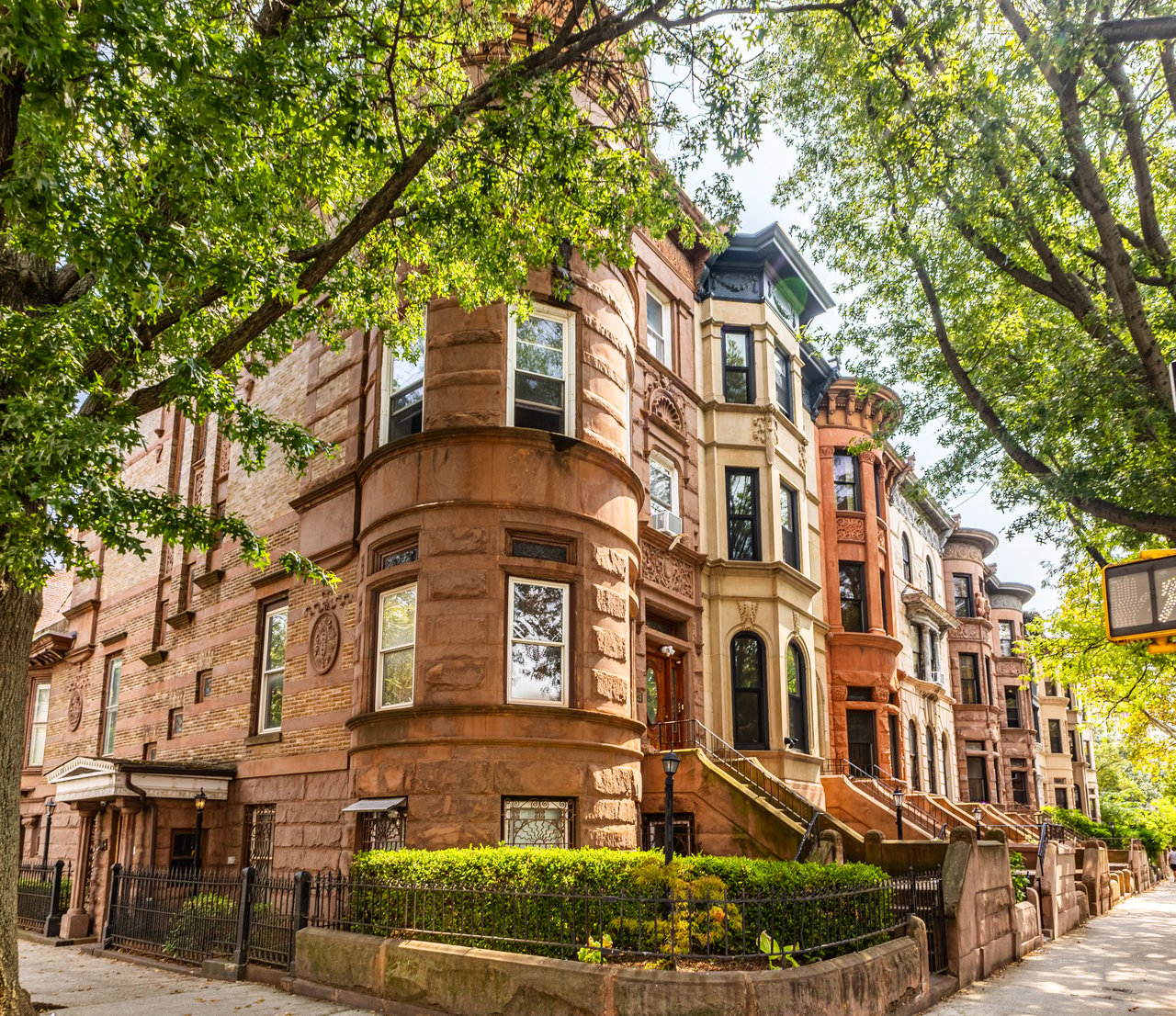
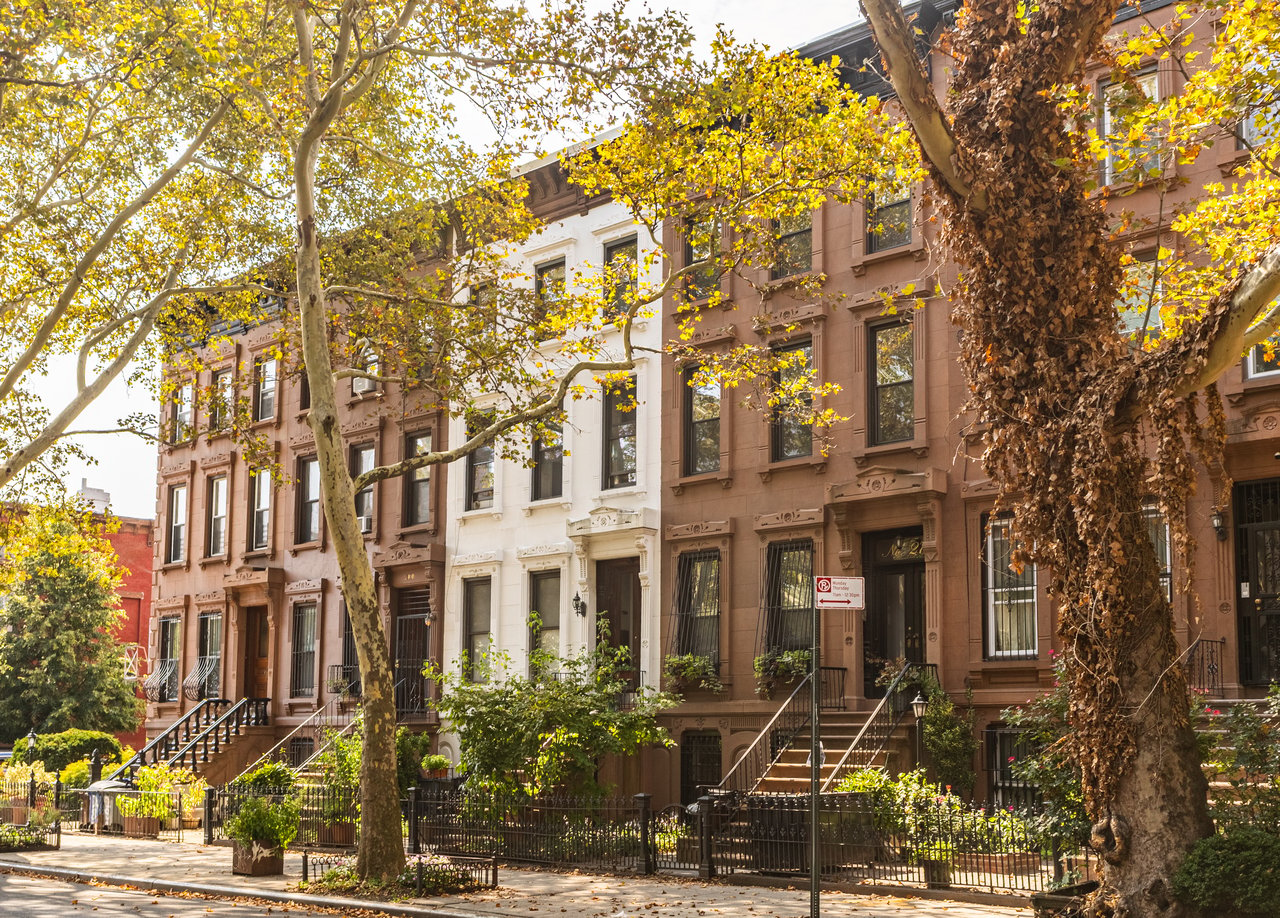
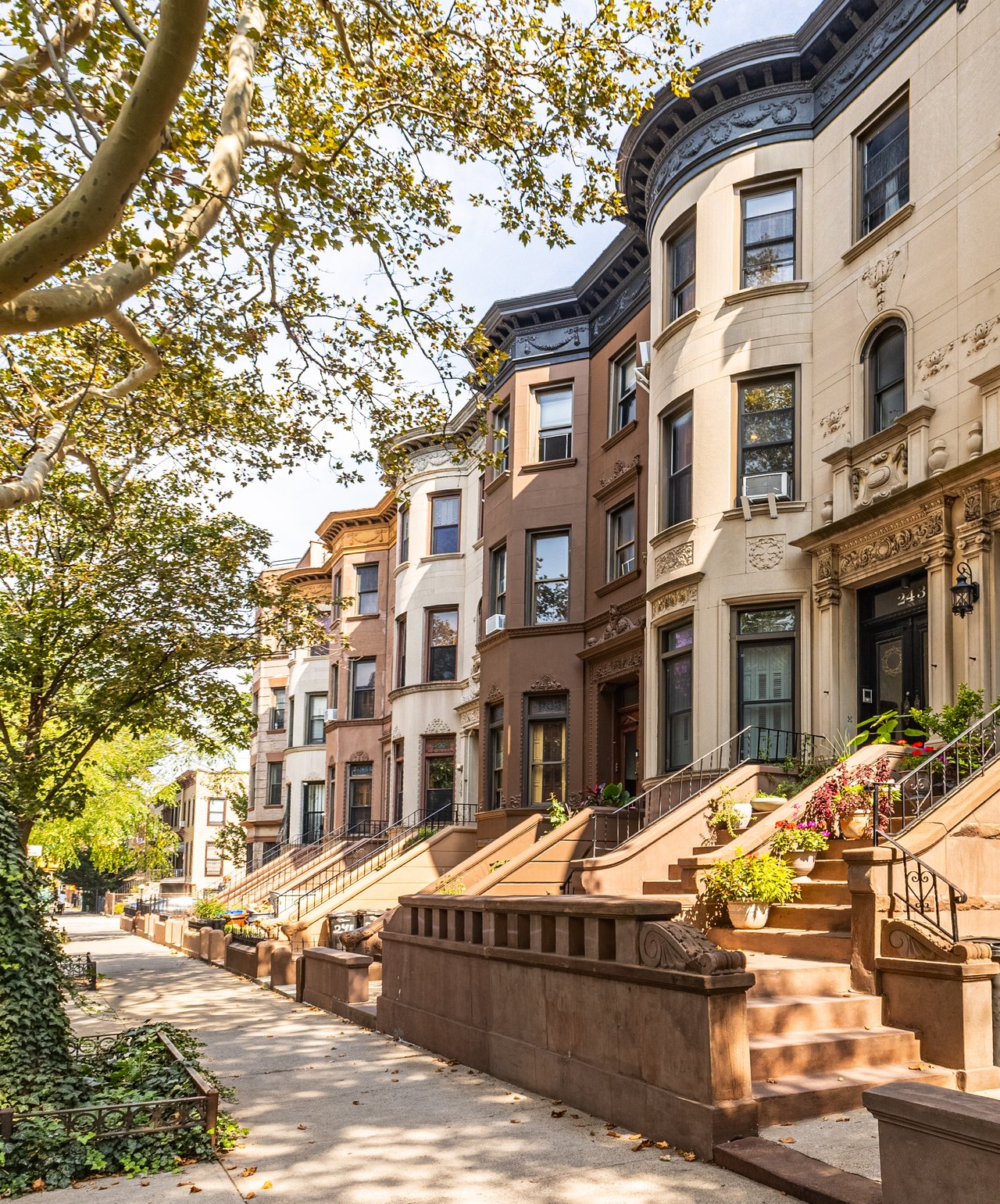
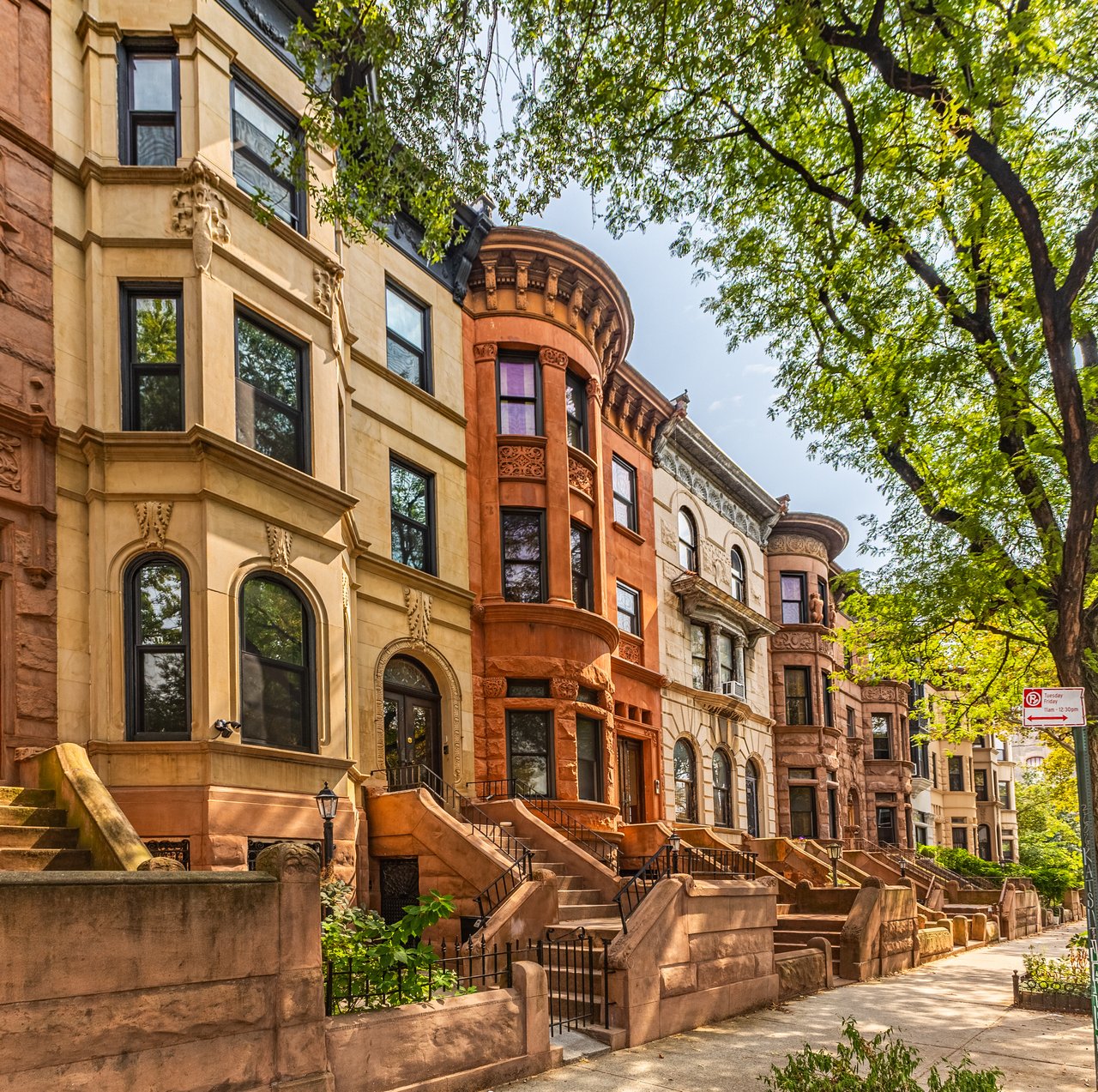
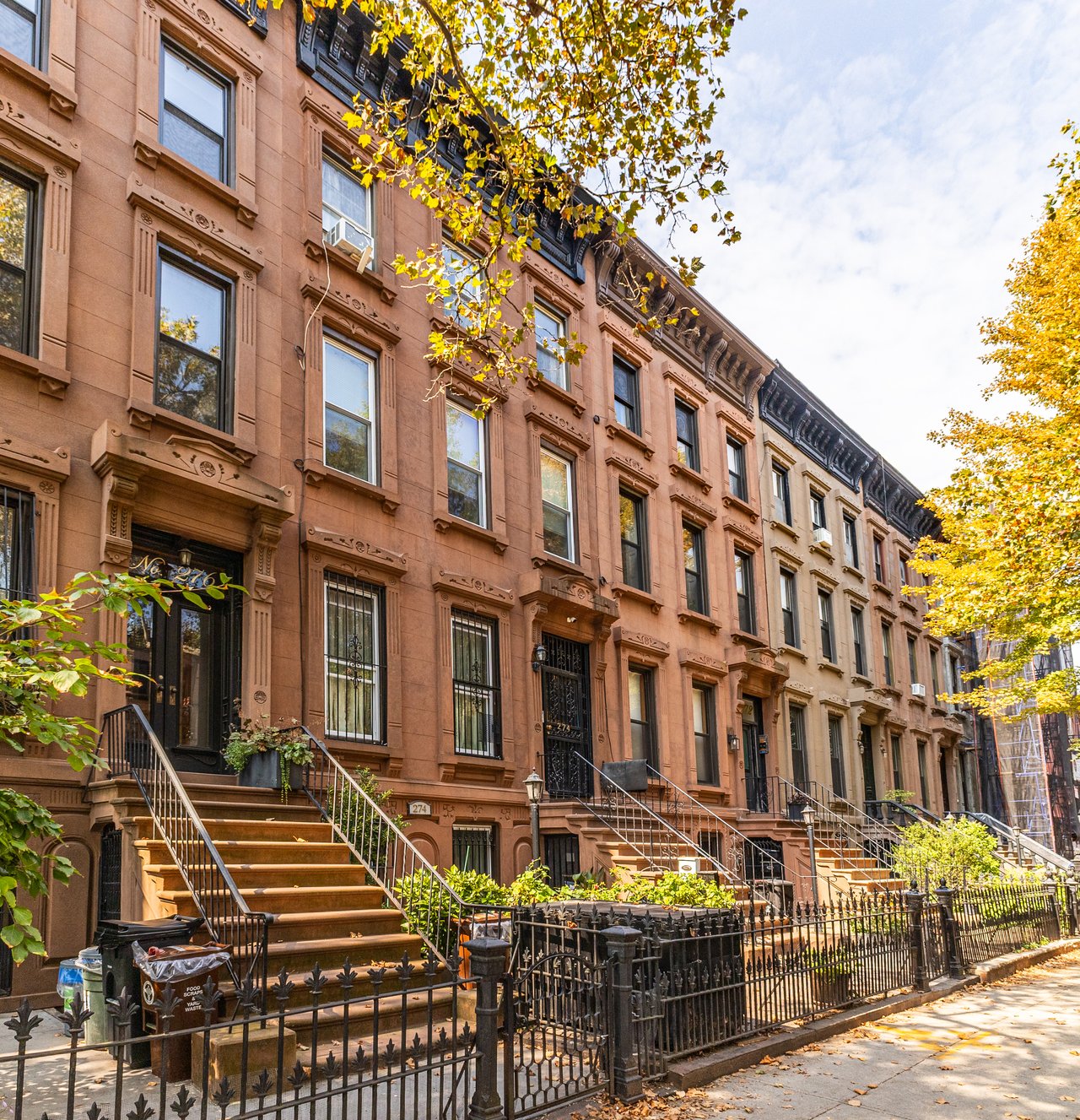
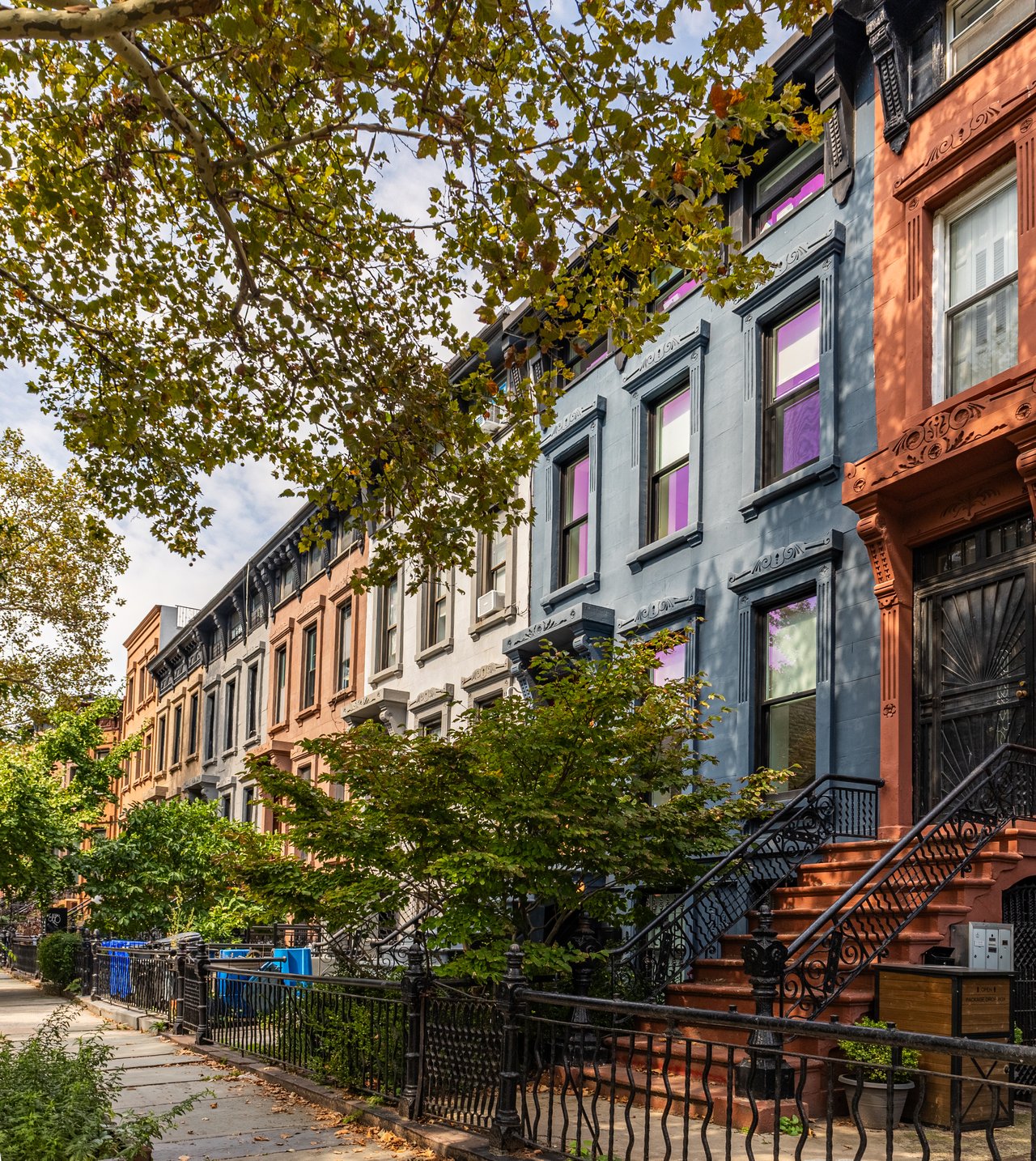
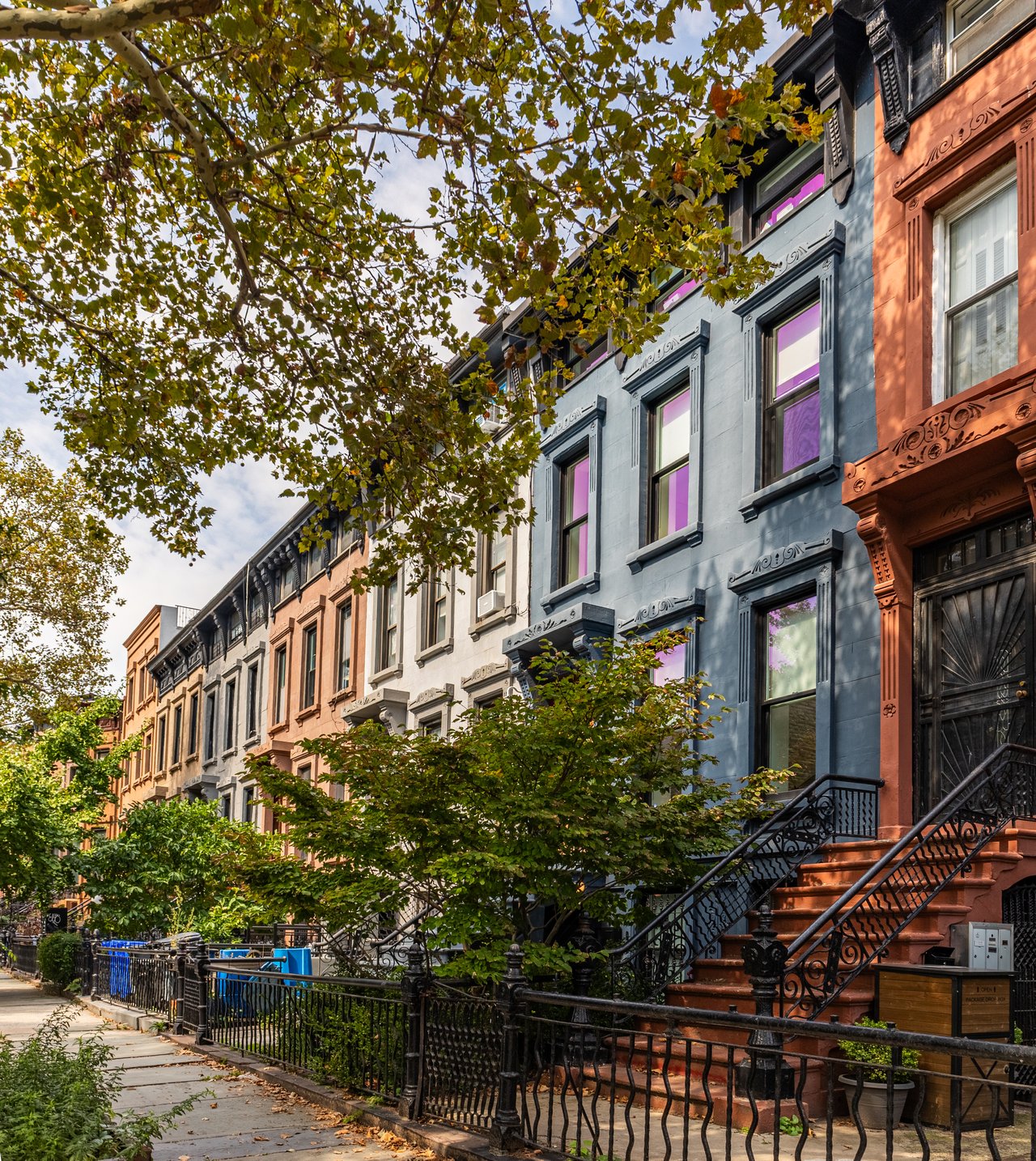
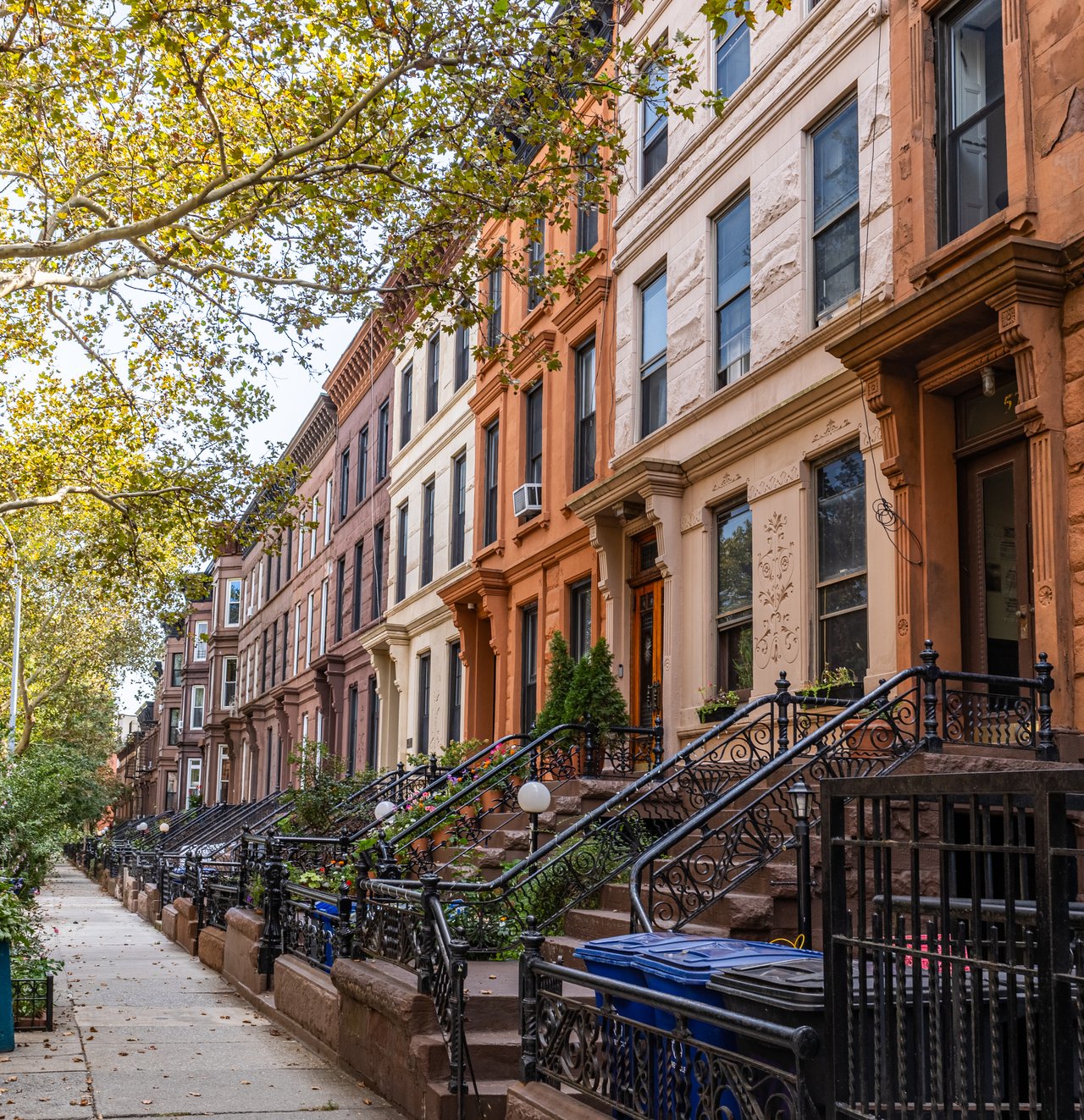
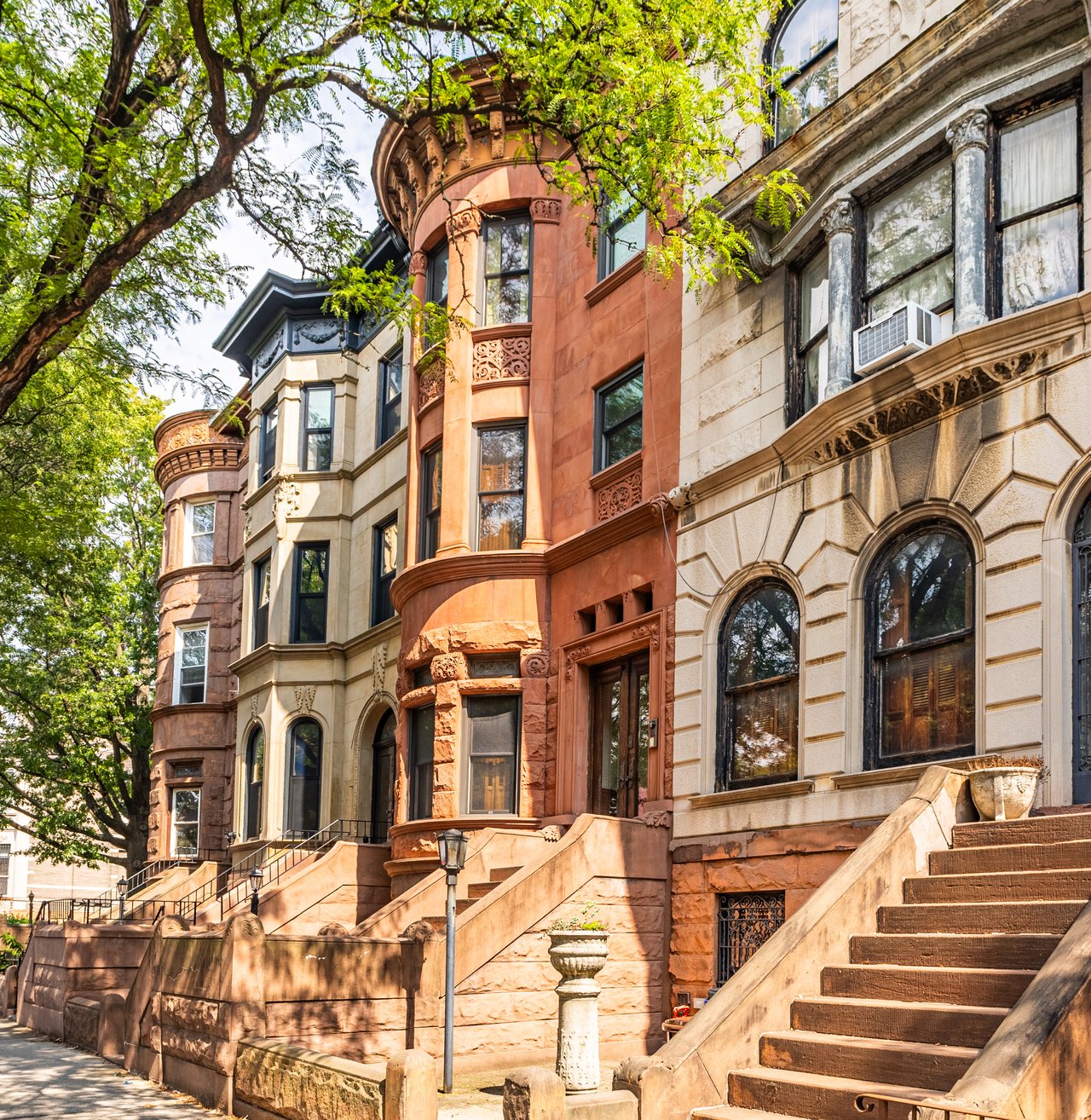
As Williamsburg's population expanded, developers constructed brick townhouses, two-family homes, three-family properties, and larger apartment buildings. These structures helped establish the residential character still visible throughout South Williamsburg.
South 10th Street is also connected to the history of Broadway, one of Williamsburg's oldest commercial corridors. The nearby Kings County Savings Bank Building, constructed during the 1860s, and the historic Williamsburgh Savings Bank Building, completed in the 1870s, illustrate the importance of financial institutions during the neighborhood's industrial expansion.
Another important influence was the Williamsburg Bridge, which opened in 1903. The bridge connected Brooklyn with Manhattan's Lower East Side and helped transform transportation, residential development, and commercial activity throughout South Williamsburg.
The surrounding neighborhood also became home to immigrant communities that established religious institutions, businesses, cultural organizations, and residential neighborhoods.
Today, South 10th Street offers access to the historic architecture of South Williamsburg, Broadway's restaurants and retail businesses, public transportation, and the East River waterfront.
For homeowners considering selling a townhouse, two-family home, three-family property, condominium, or multifamily investment building, the street's location and residential character are important considerations.
However, determining a property's value requires more than understanding neighborhood history. Building condition, square footage, legal residential configuration, rental income, tenant occupancy, and comparable sales all contribute to an effective pricing strategy.
Whether you're researching the history of South 10th Street, exploring Williamsburg homes for sale, or considering selling a Brooklyn multifamily property, this street offers an opportunity to understand the architectural and residential development of South Williamsburg.
Thinking of buying or selling? Call Parviz today at 917-847-7771
Discover why clients continue to trust The Parviz Team: Google Reviews ⭐⭐⭐⭐⭐
Where is South 10th Street in Williamsburg, Brooklyn?
South 10th Street is located in South Williamsburg, immediately south of South 9th Street and north of South 11th Street.
It runs through the southern portion of Williamsburg, near Broadway and the established residential neighborhoods surrounding Bedford Avenue, Driggs Avenue, and Havemeyer Street.
Important nearby streets and avenues include:
- Kent Avenue
- Wythe Avenue
- Berry Street
- Bedford Avenue
- Driggs Avenue
- Roebling Street
- Havemeyer Street
- Marcy Avenue
- Broadway
- South 9th Street
- South 11th Street
- Williamsburg Bridge
The street is part of the South Williamsburg neighborhood, an area historically associated with manufacturing, immigration, religious institutions, and multifamily residential development.
Its western surroundings have connections to the East River waterfront, where factories and warehouses once supported Williamsburg's industrial economy.
Farther inland, the neighborhood contains traditional brick apartment buildings, townhouses, and established commercial corridors.
The nearby Broadway corridor provides access to restaurants, retail establishments, historic financial buildings, and subway transportation.
For buyers and sellers, the exact block and surrounding property types are important because South Williamsburg contains considerable variation in building size, density, and residential configuration.
What is South 10th Street known for?
South 10th Street is primarily associated with South Williamsburg's traditional residential architecture and the neighborhood's history as a working industrial community.
Unlike South 9th Street, which has documented connections to Williamsburg's former mayoral residence and a landmarked 19th-century church, South 10th Street is better understood through the broader development of its residential blocks.
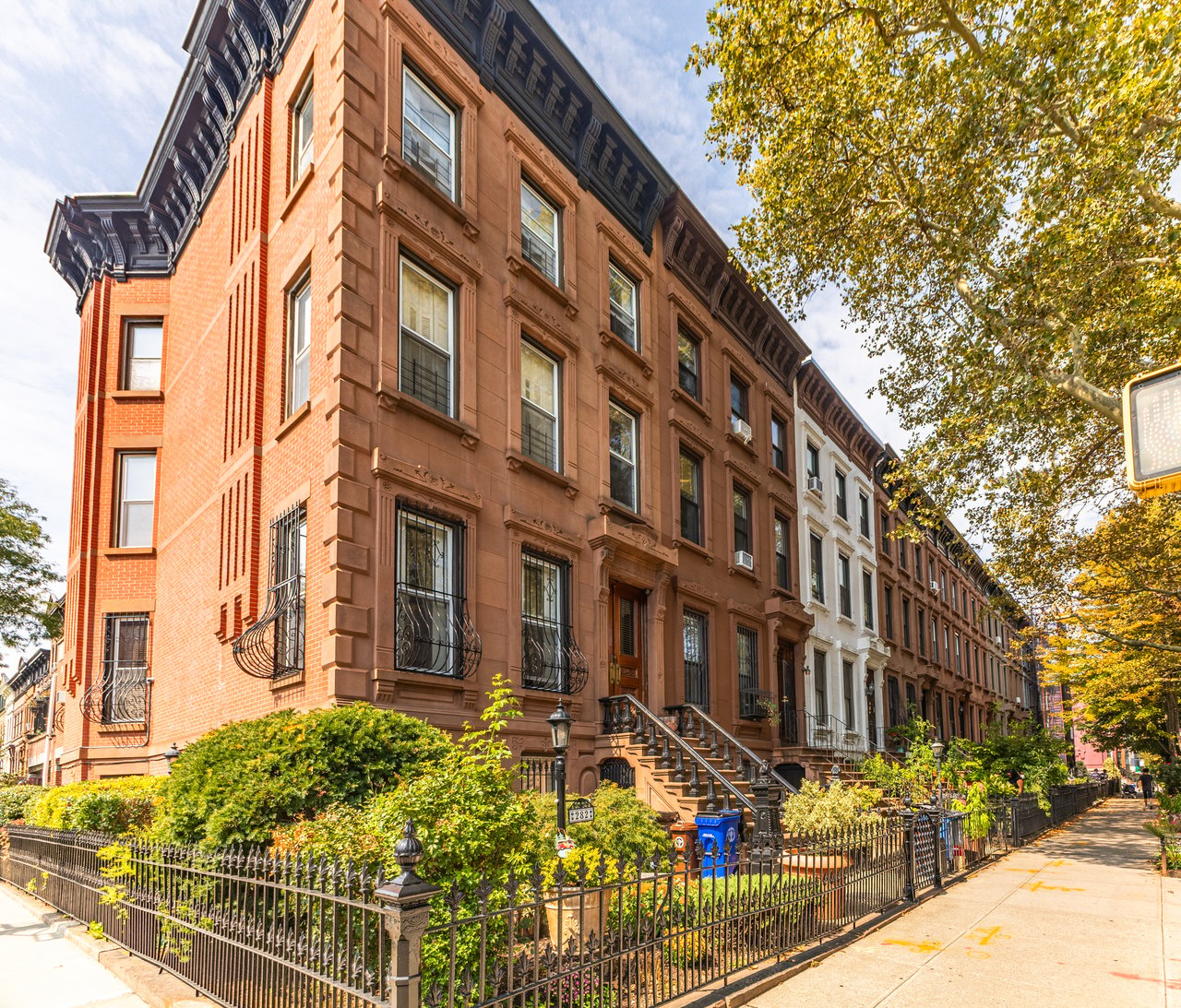
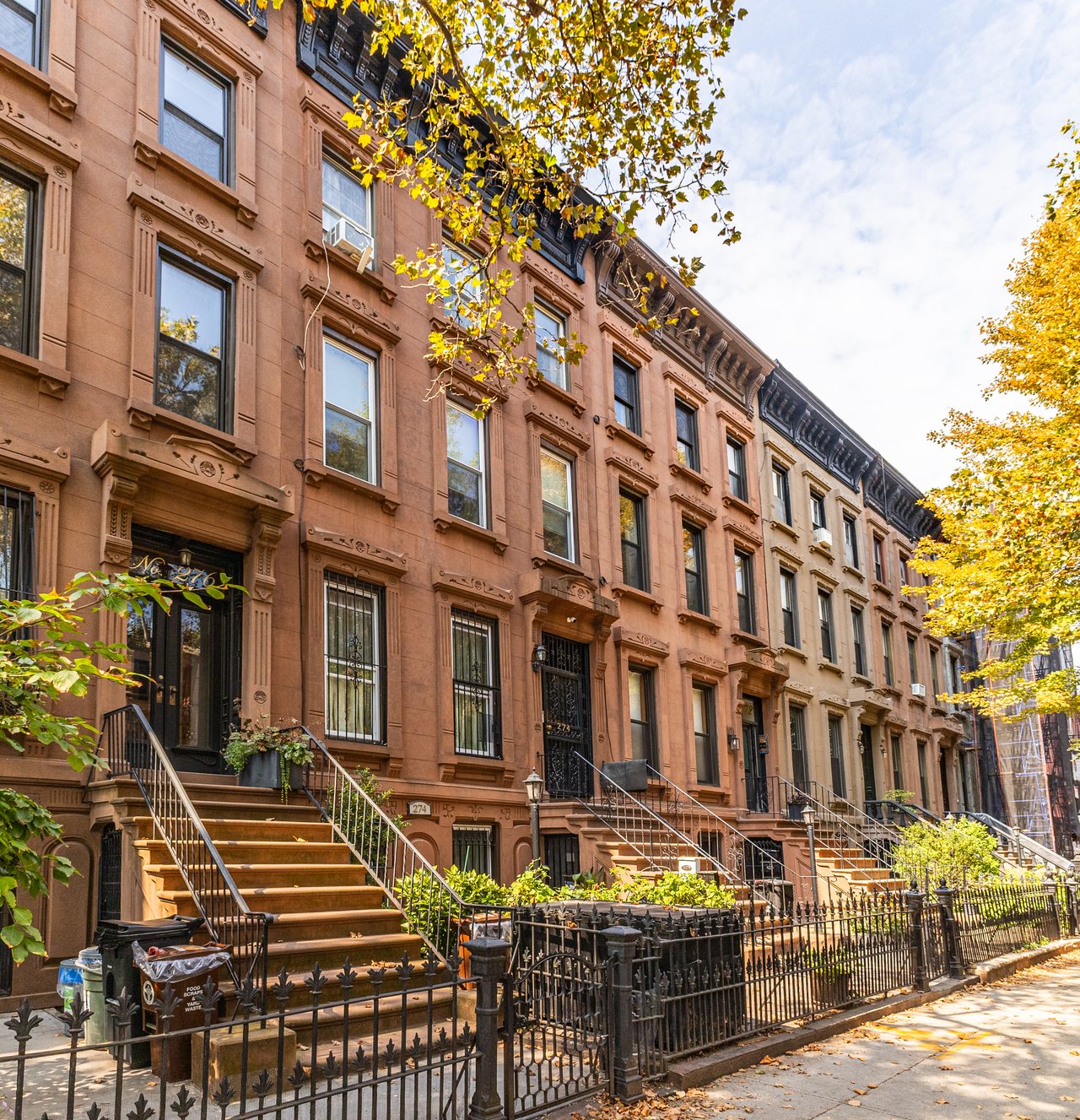
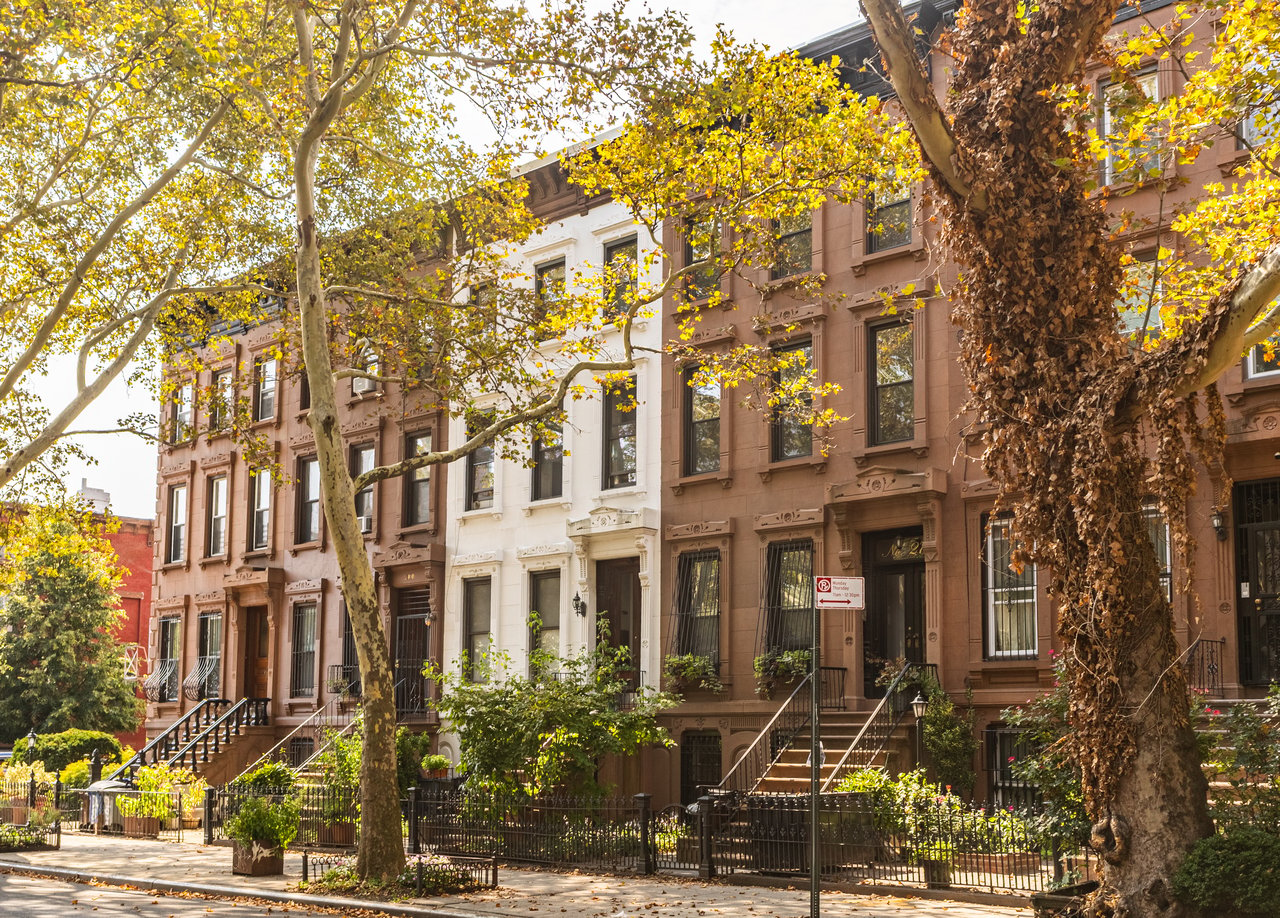
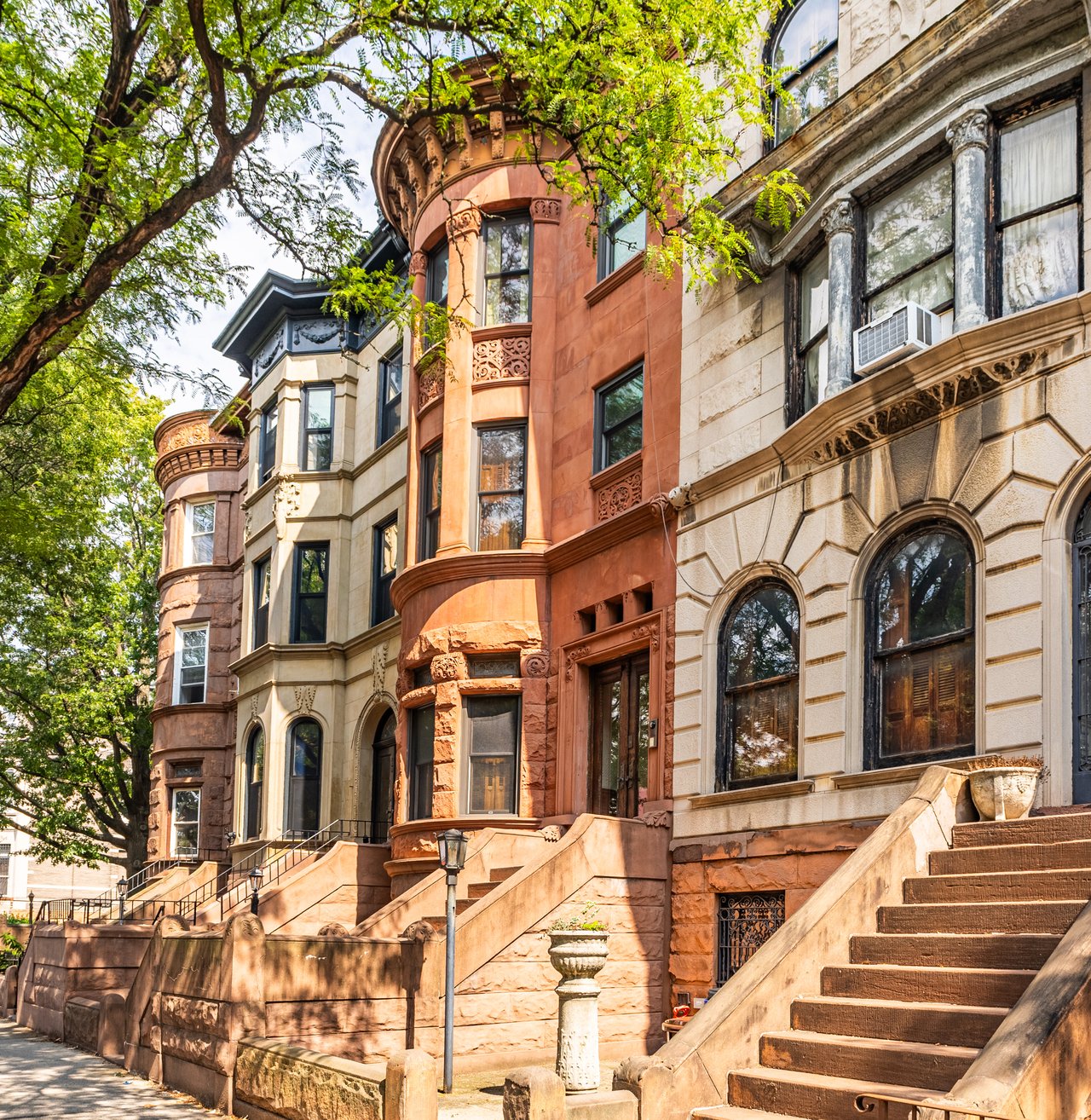
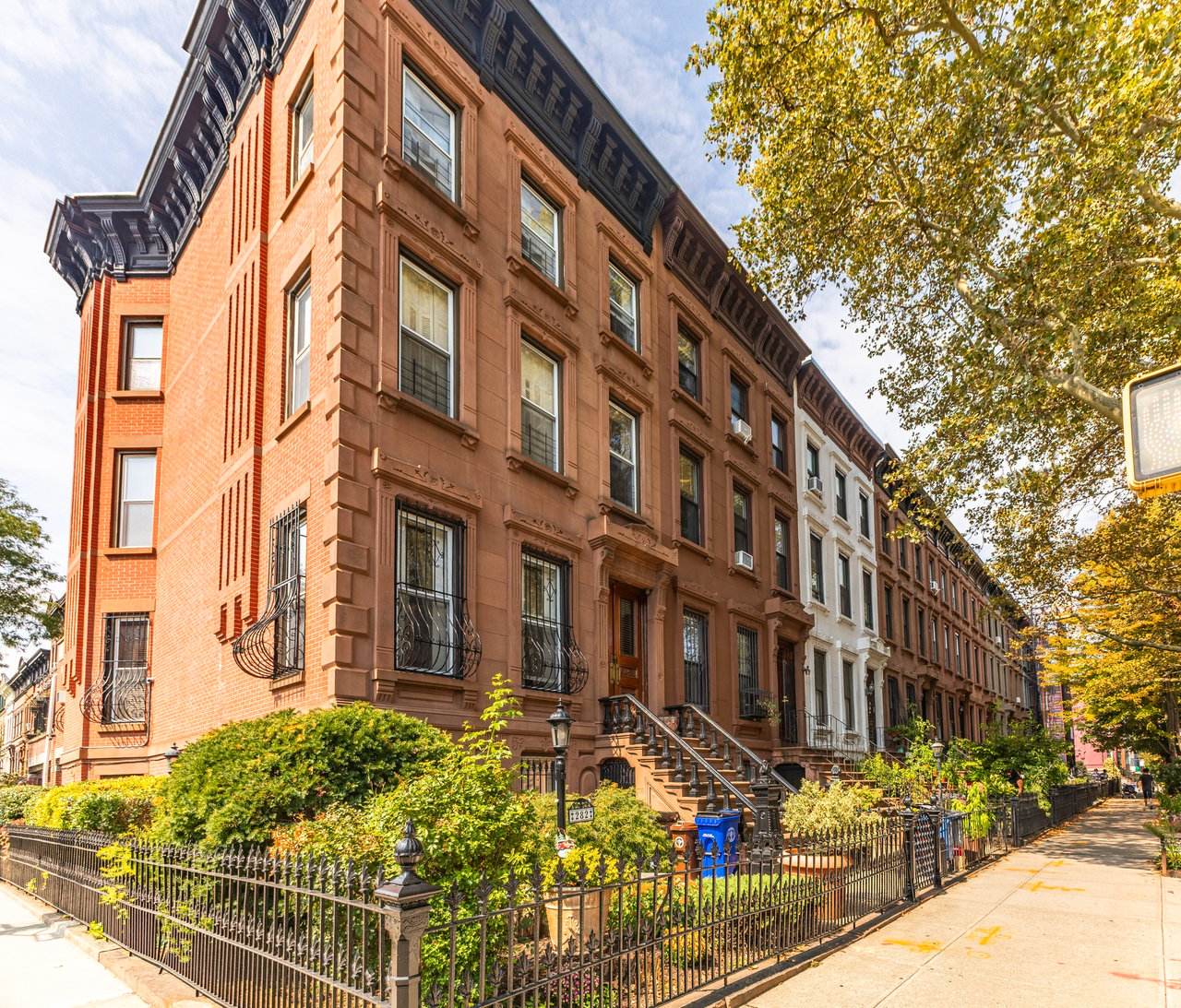
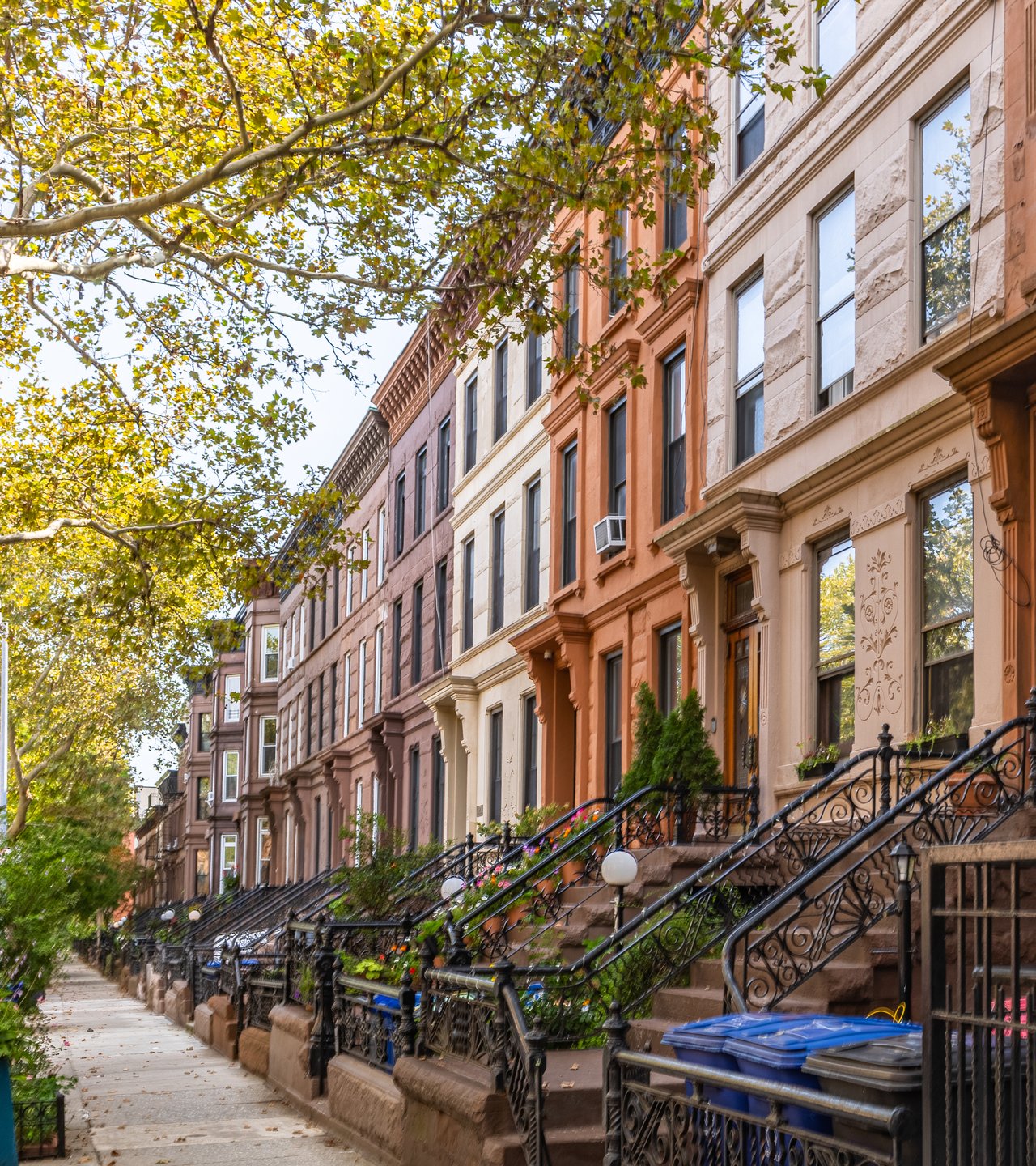
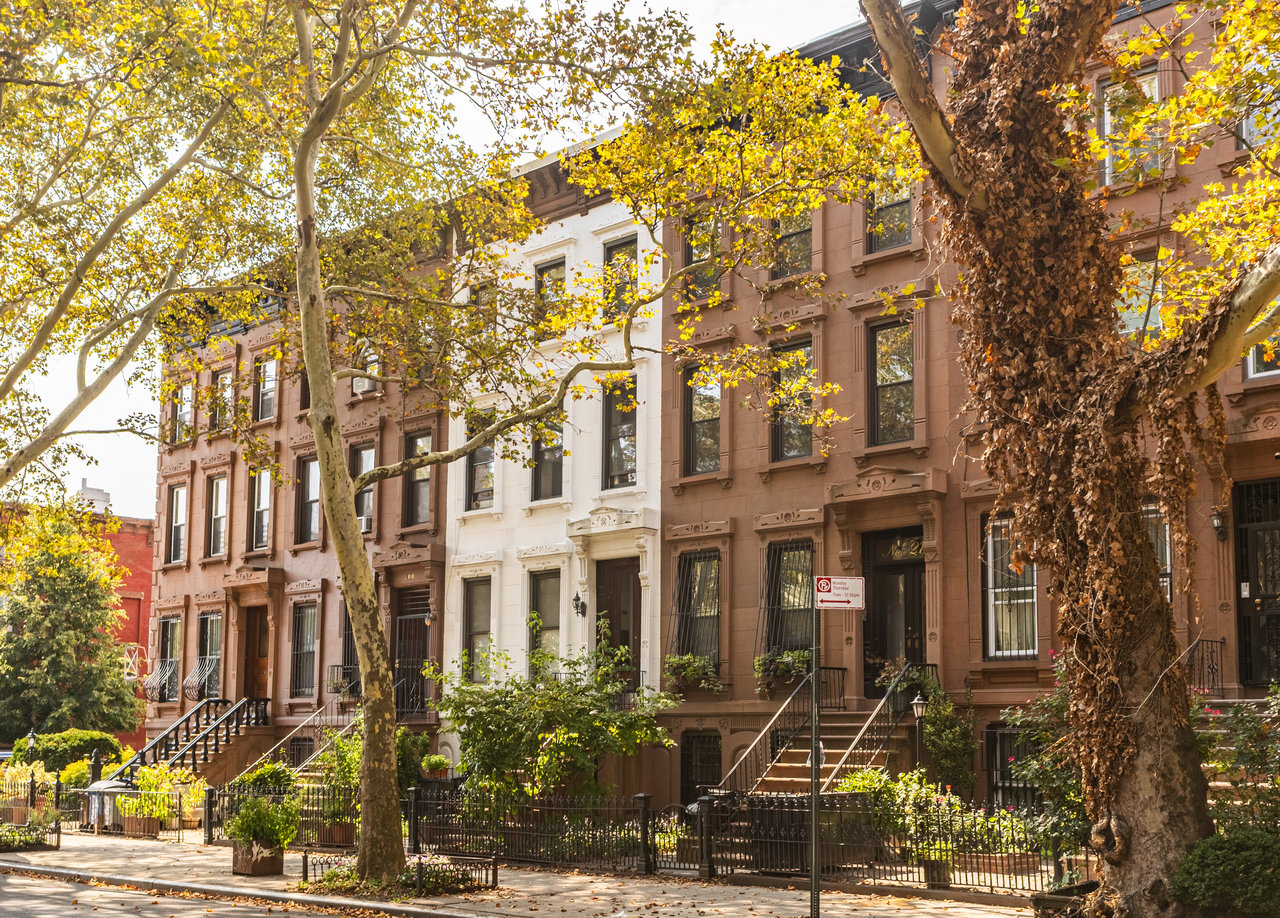
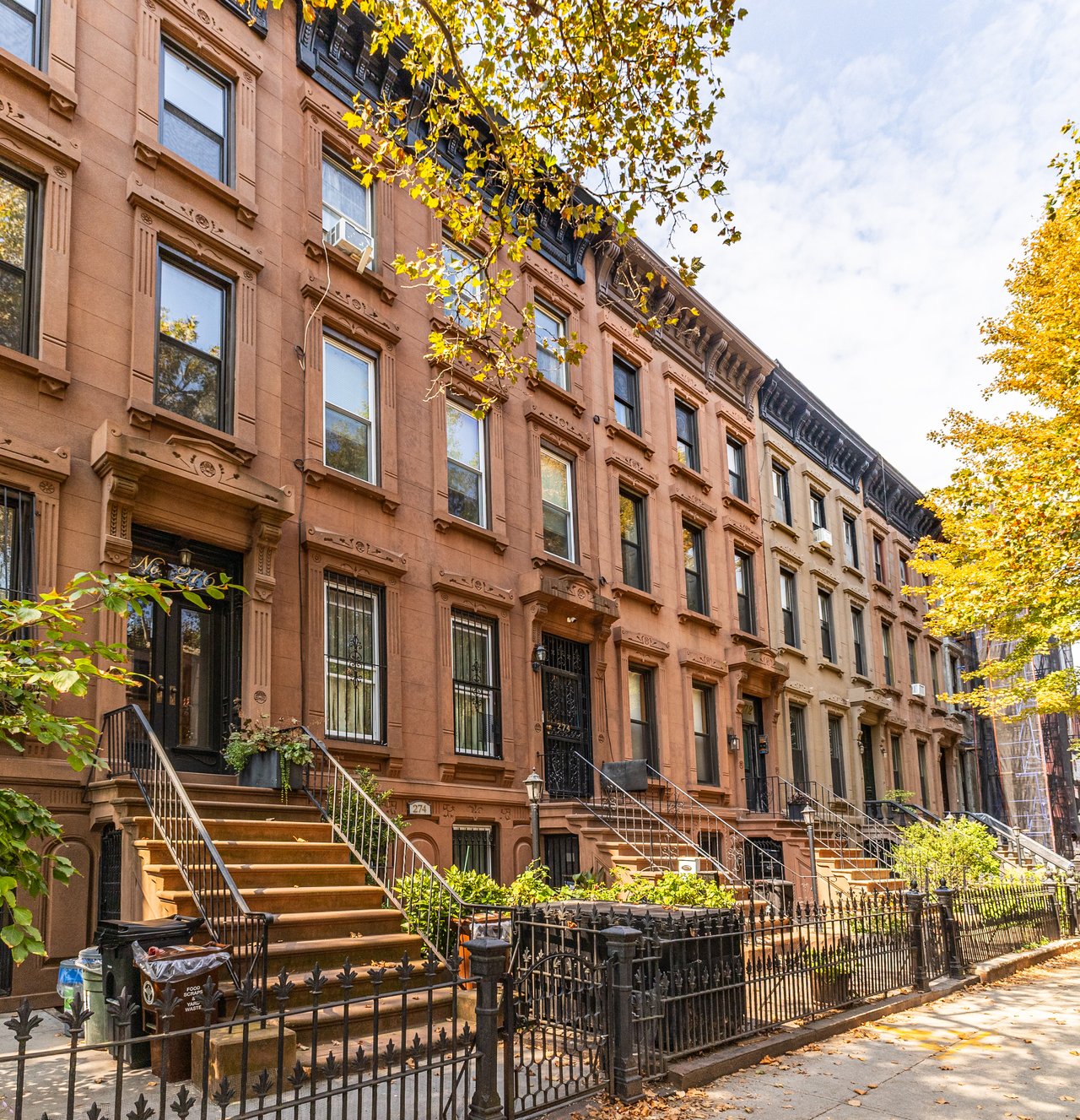
The surrounding area contains brick row houses, multifamily buildings, prewar apartments, and properties constructed during different periods of Williamsburg's growth.
Its location near Broadway also connects the street to the neighborhood's historic commercial district.
During the 19th century, Broadway supported banks, shops, theaters, and other businesses serving Williamsburg's growing population.
The opening of the Williamsburg Bridge in 1903 introduced another major transportation connection, encouraging residential development throughout South Williamsburg.
Today, South 10th Street remains part of an established residential neighborhood with access to transportation, neighborhood businesses, and historic architecture.
What types of properties are on South 10th Street?
South 10th Street and the surrounding residential blocks contain several property types commonly found throughout South Williamsburg.
These include:
- Historic brick townhouses
- Traditional Brooklyn row houses
- Single-family residences
- Two-family homes
- Three-family properties
- Four-family residential buildings
- Prewar walk-up apartment buildings
- Larger multifamily rental properties
- Condominium apartments
- Mixed-use residential and commercial buildings
- Residential investment properties
- Renovated townhouse buildings
- Contemporary residential developments
The street's older buildings reflect the residential construction that accompanied Williamsburg's industrial growth.
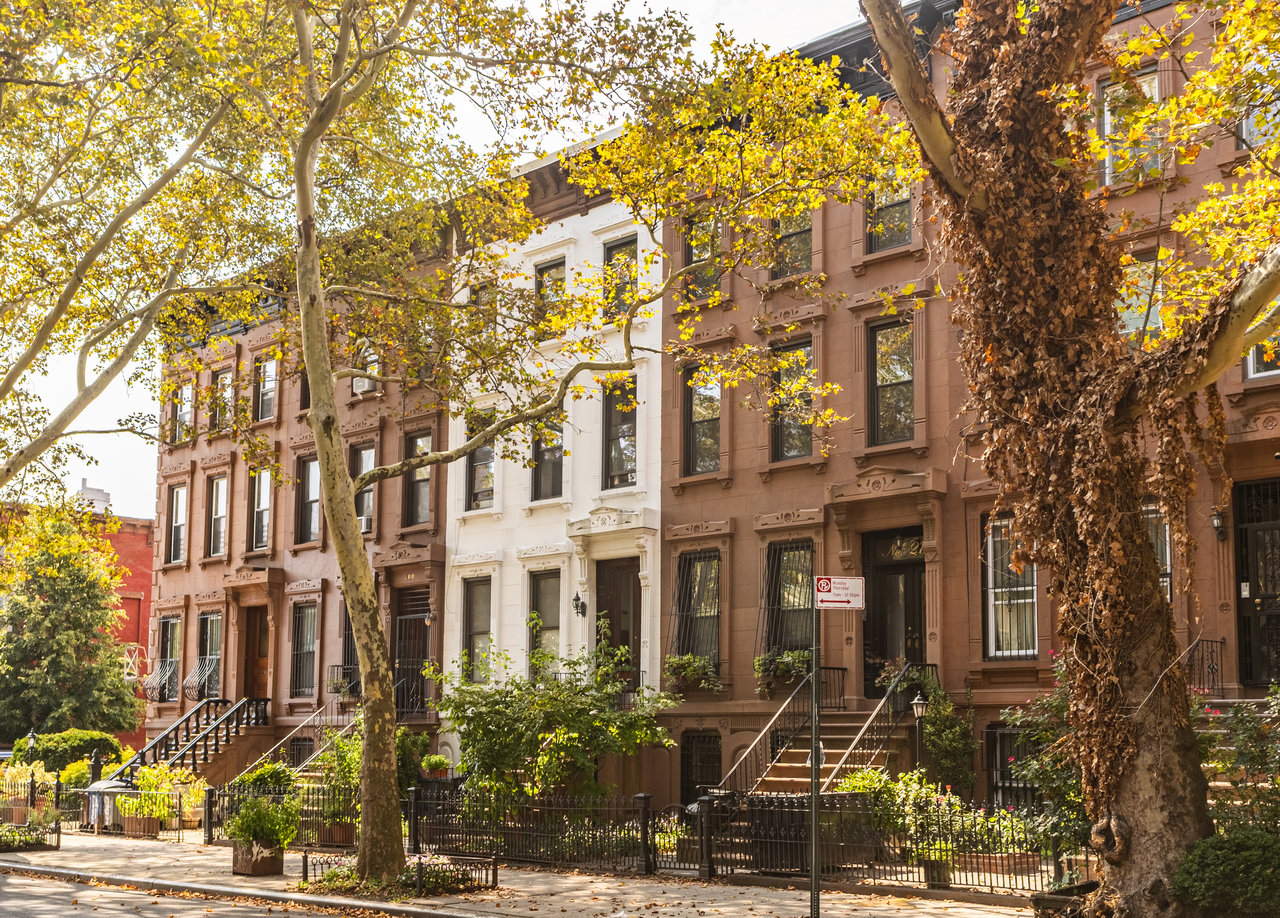
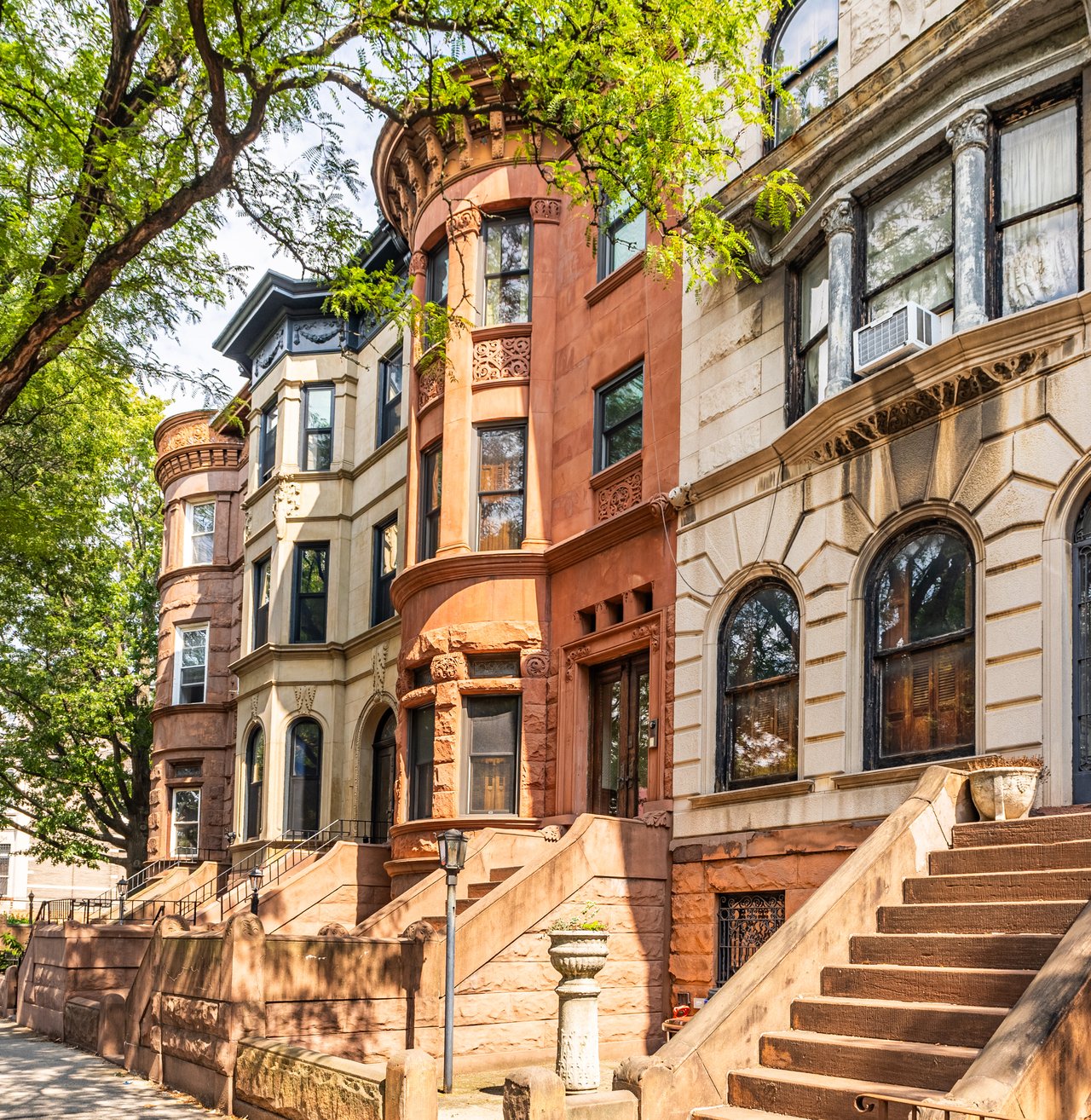
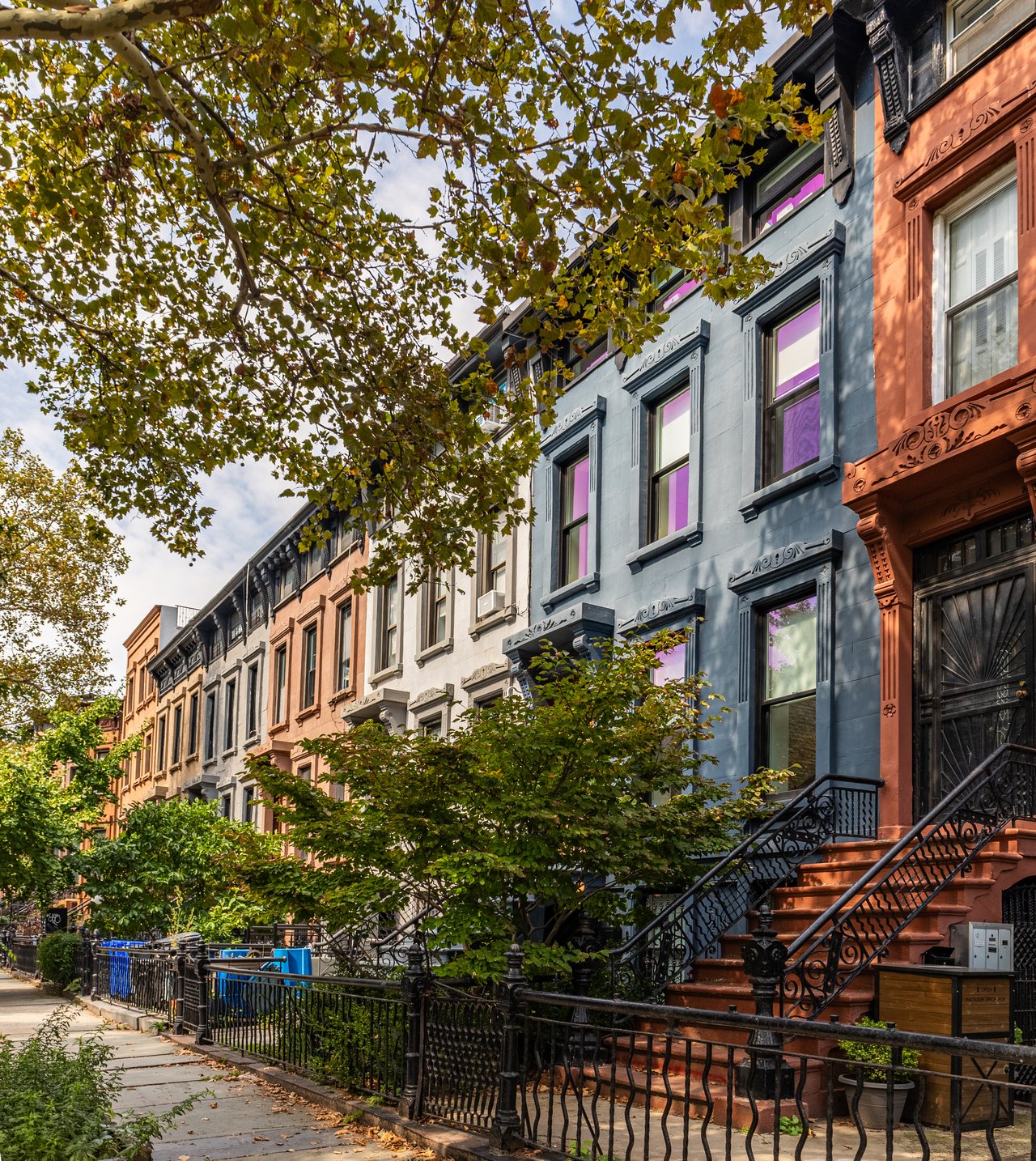
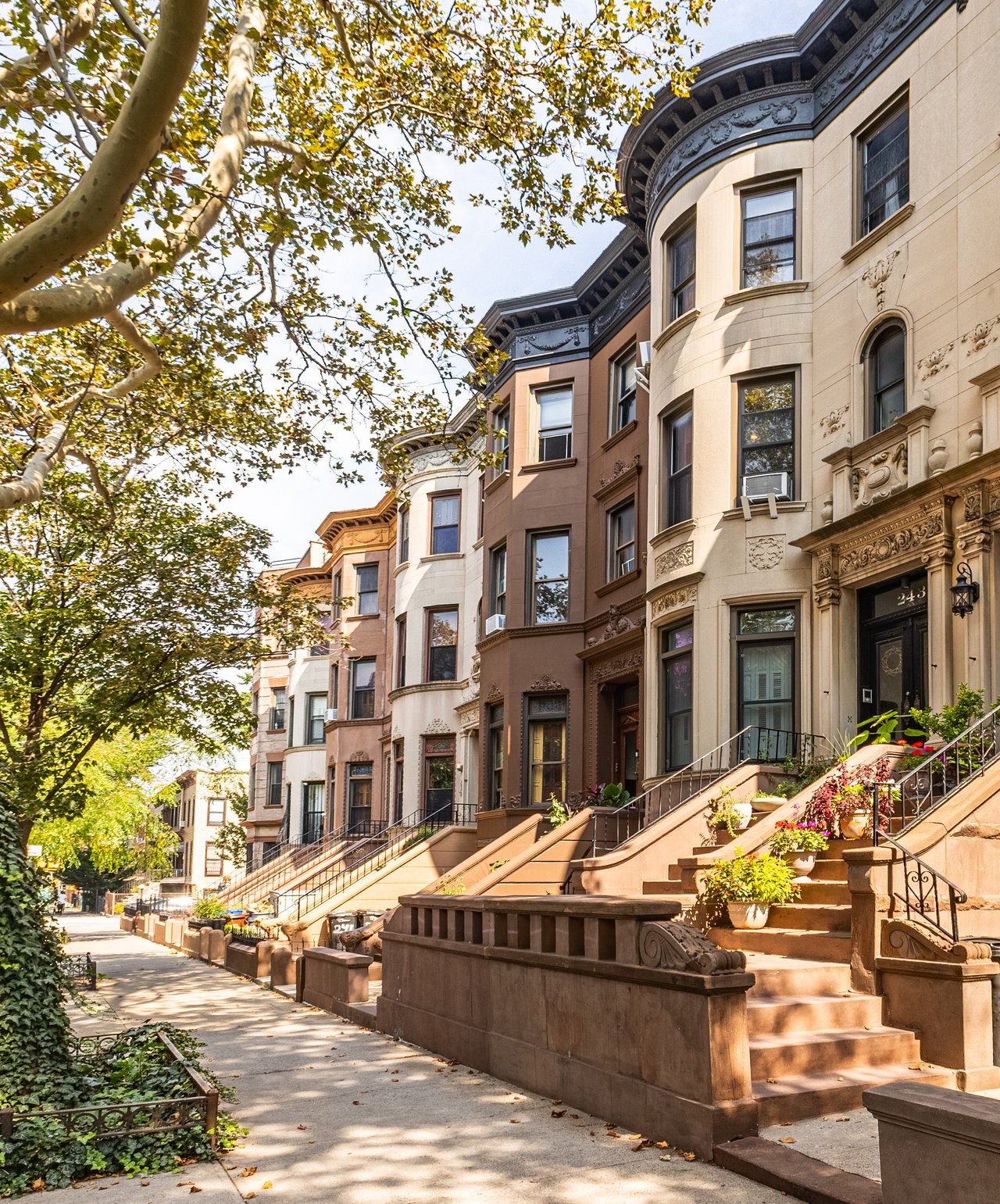
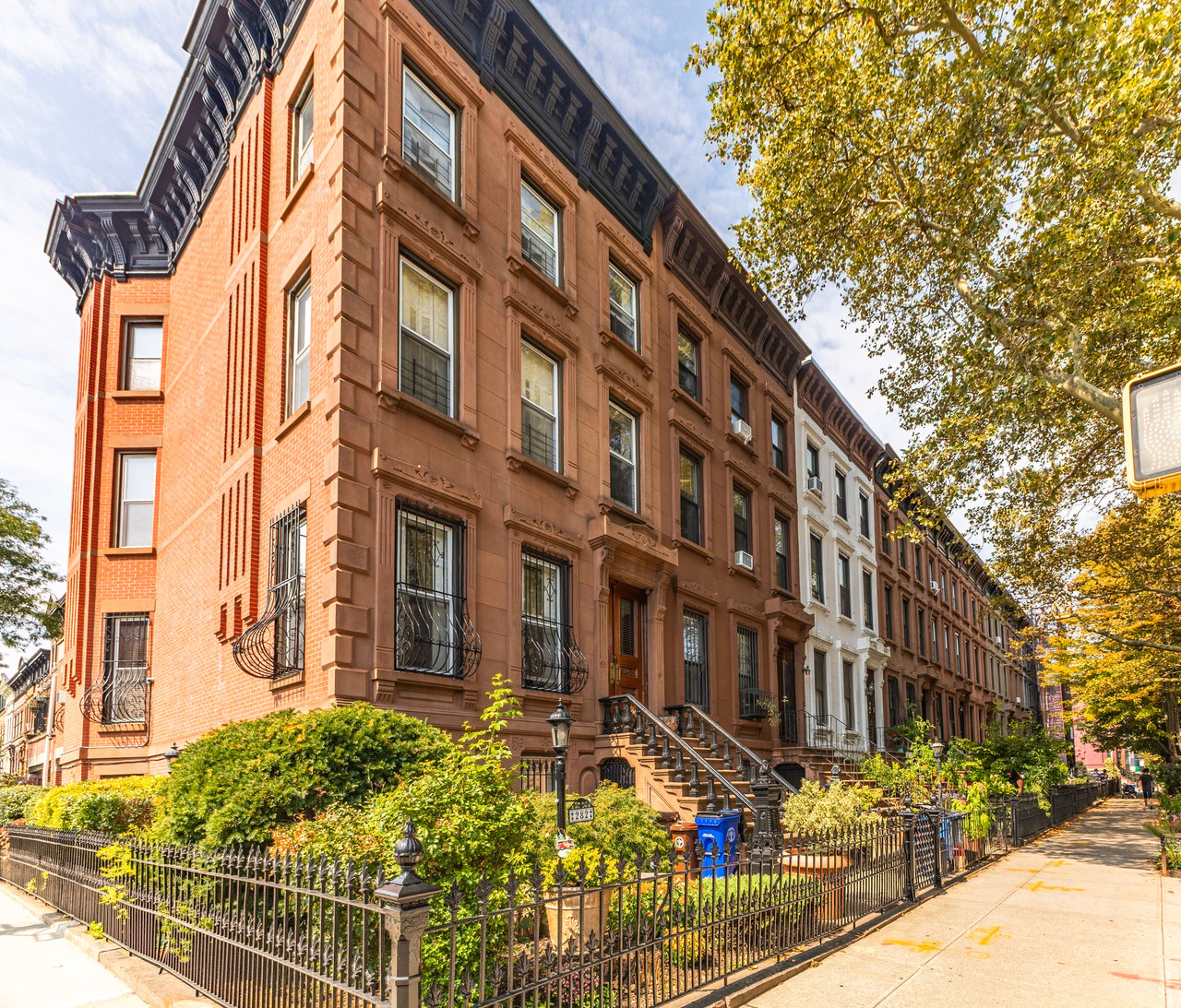
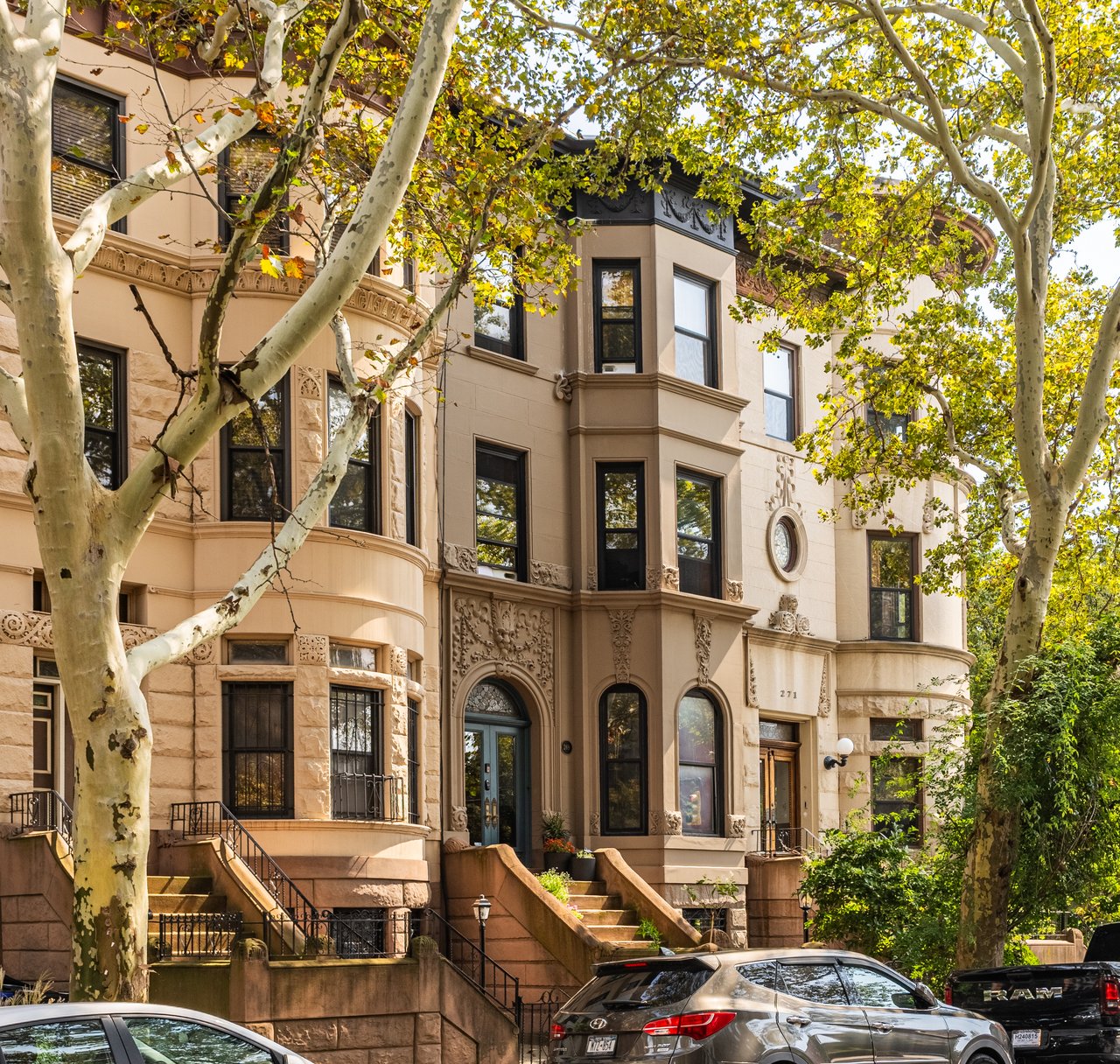
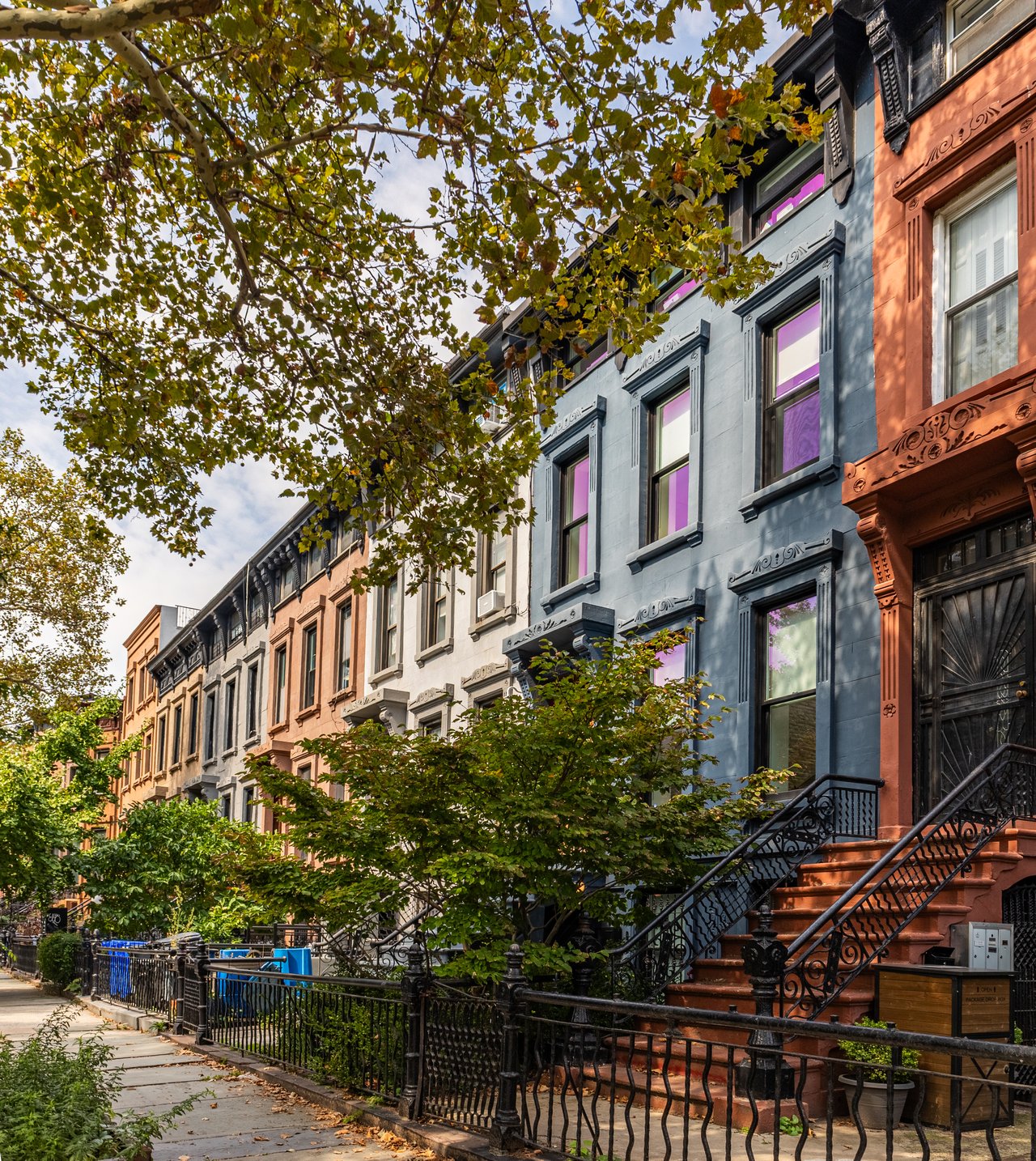
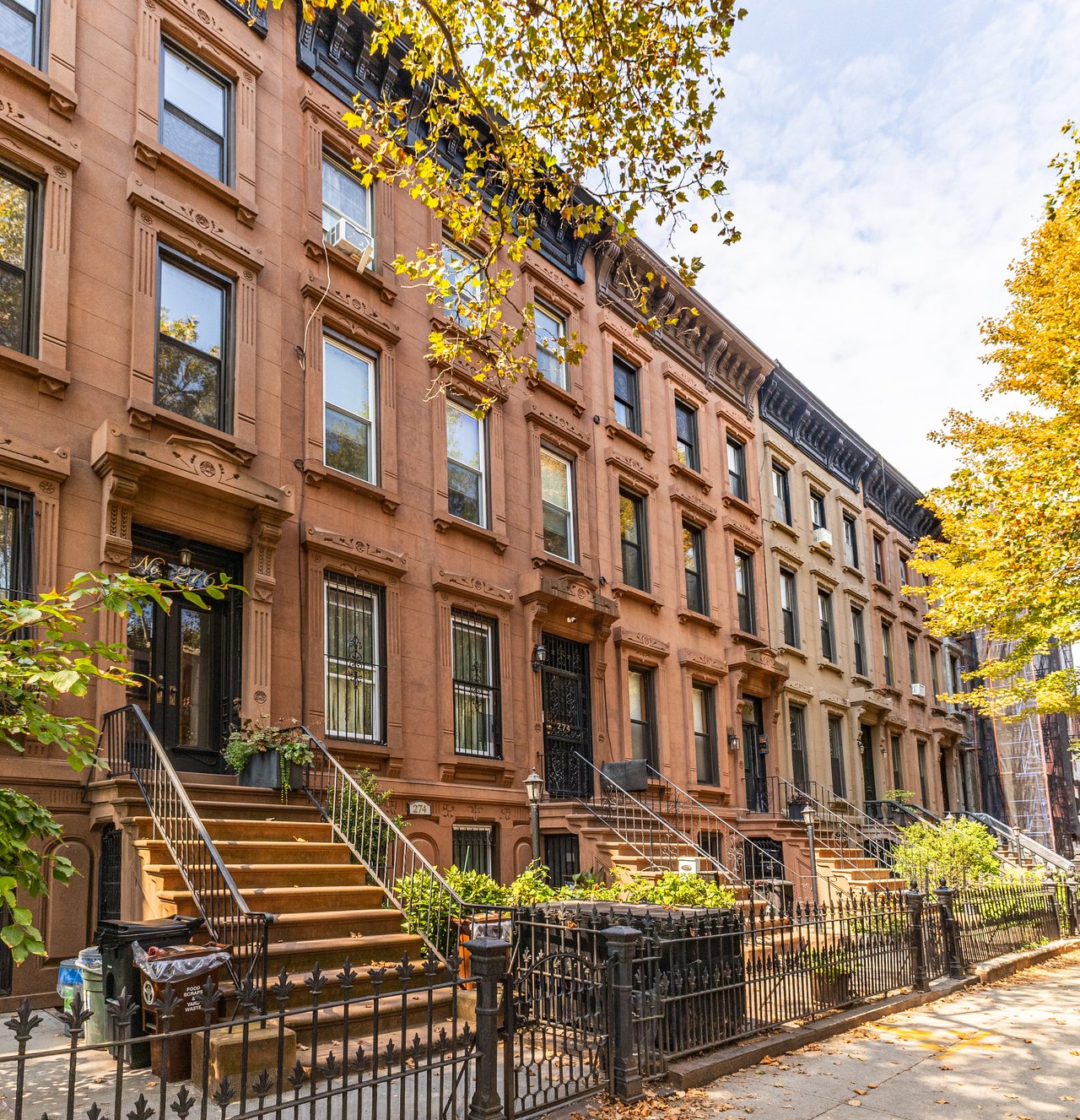
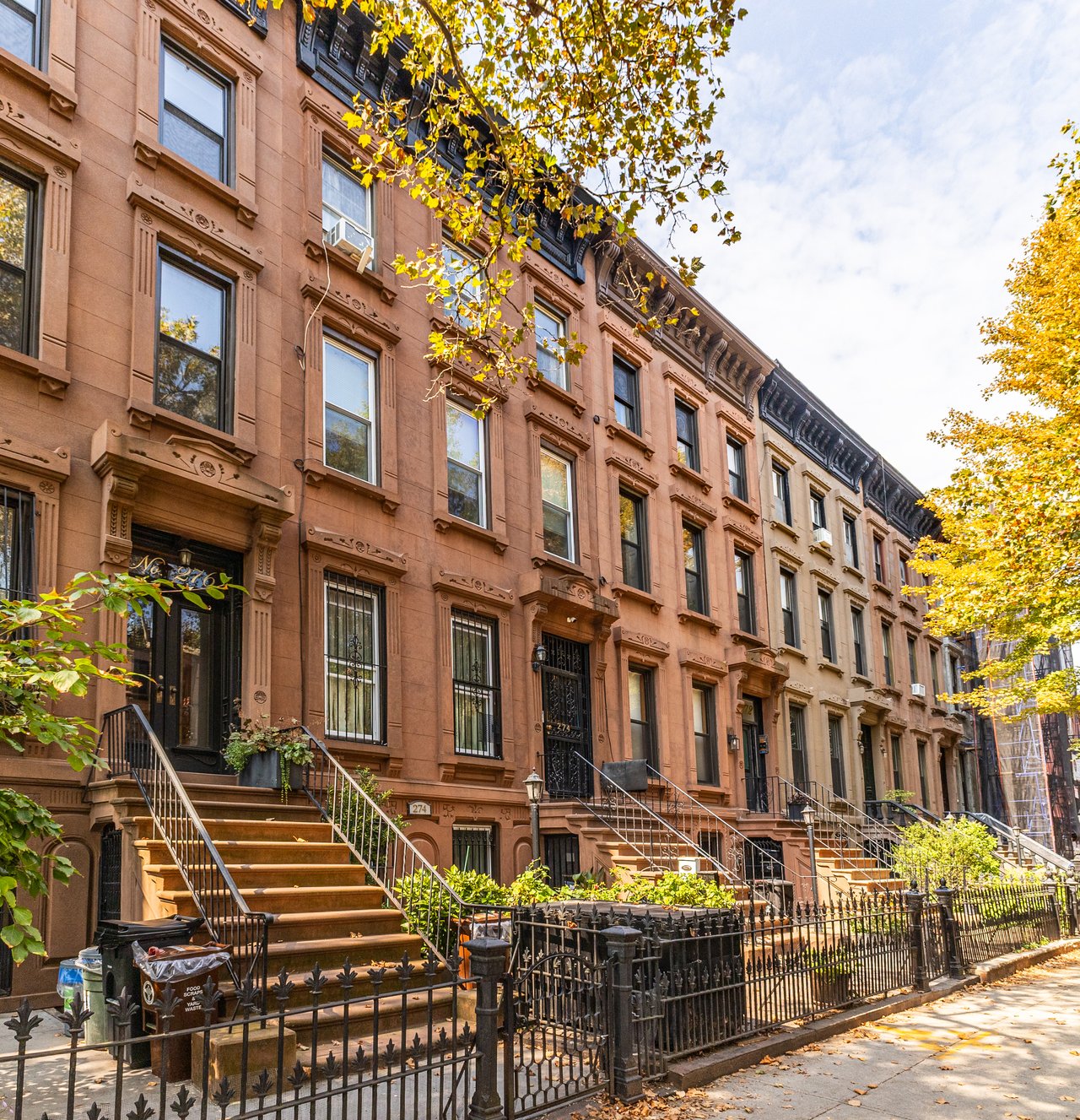
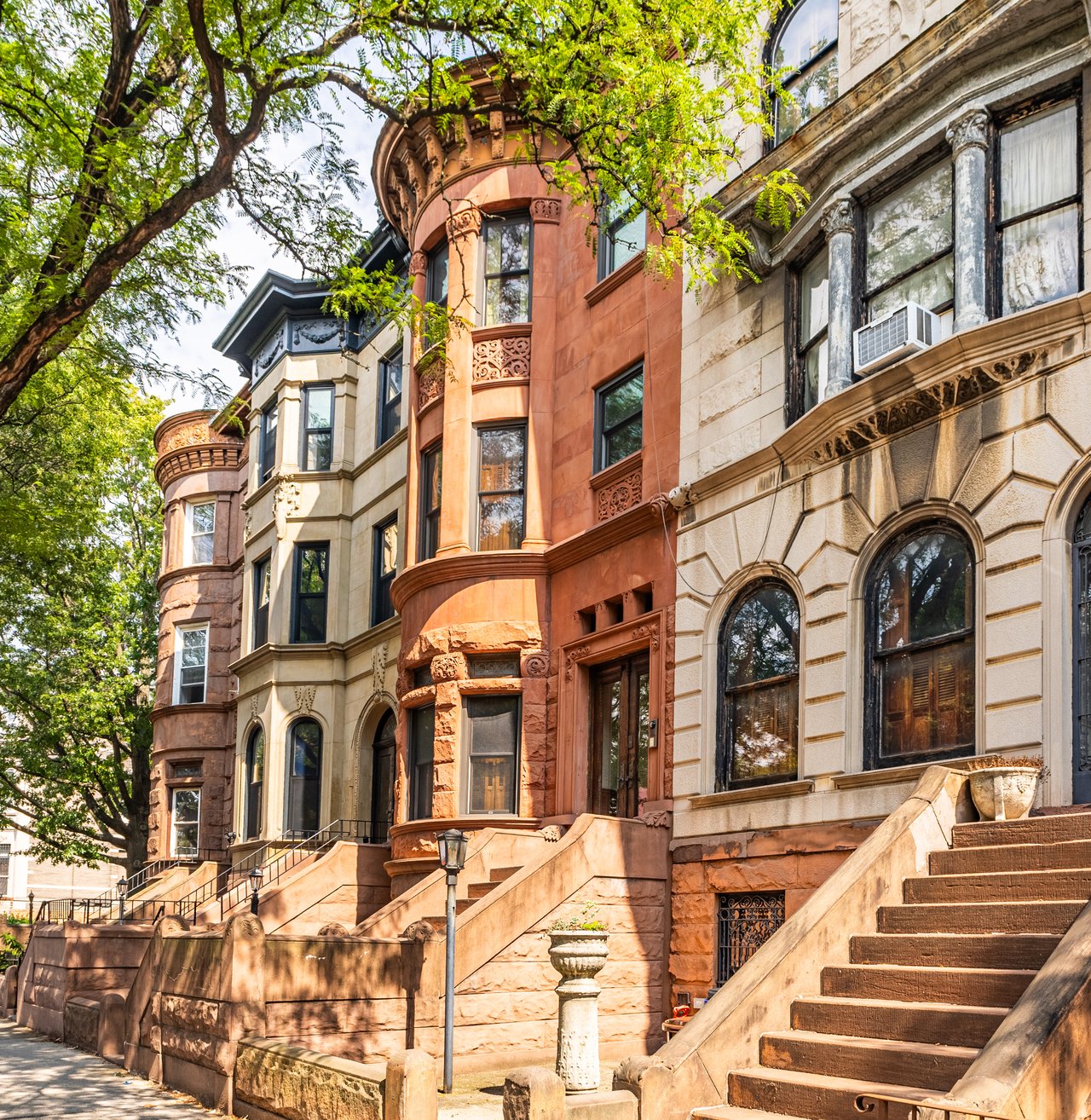
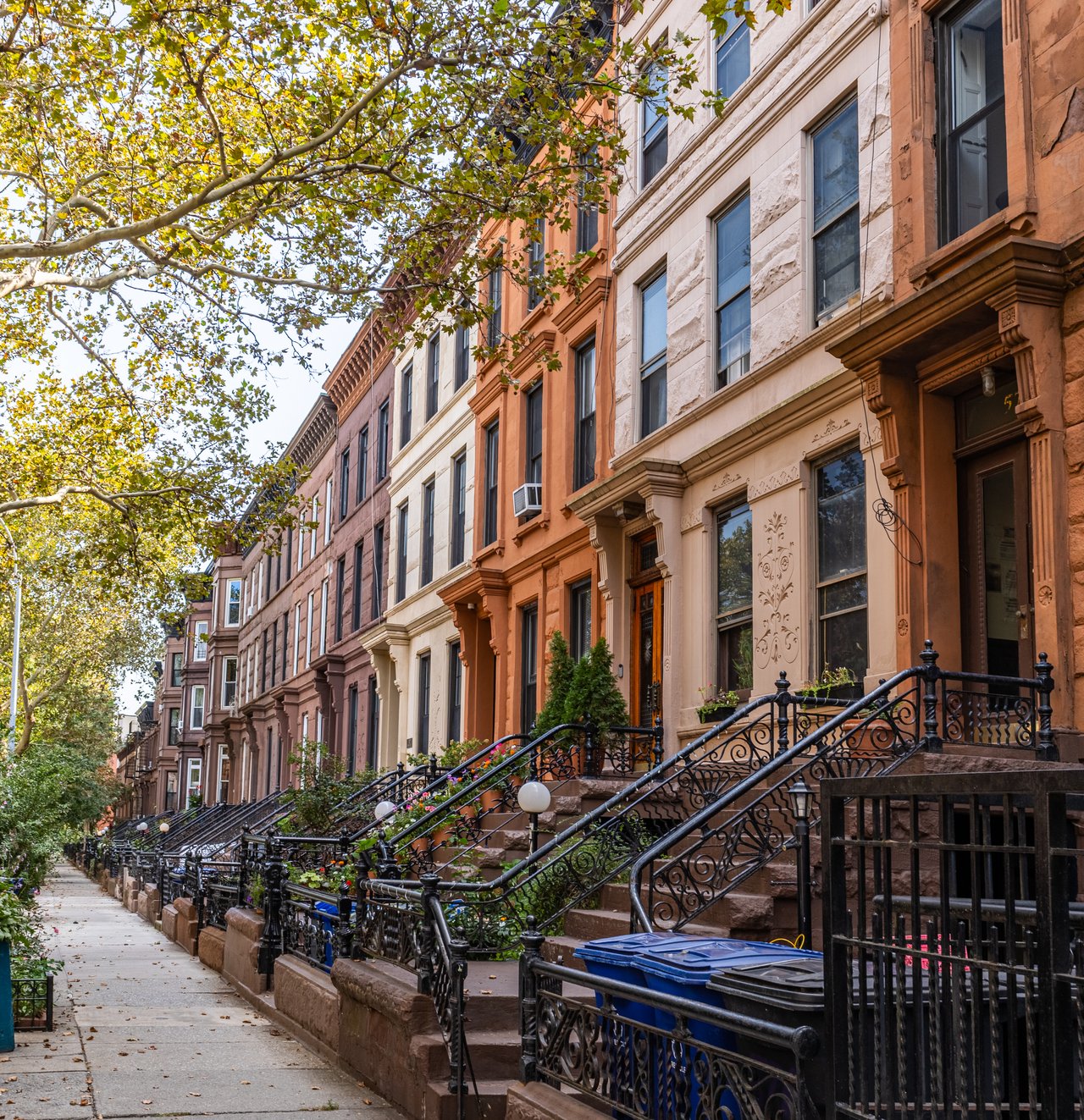
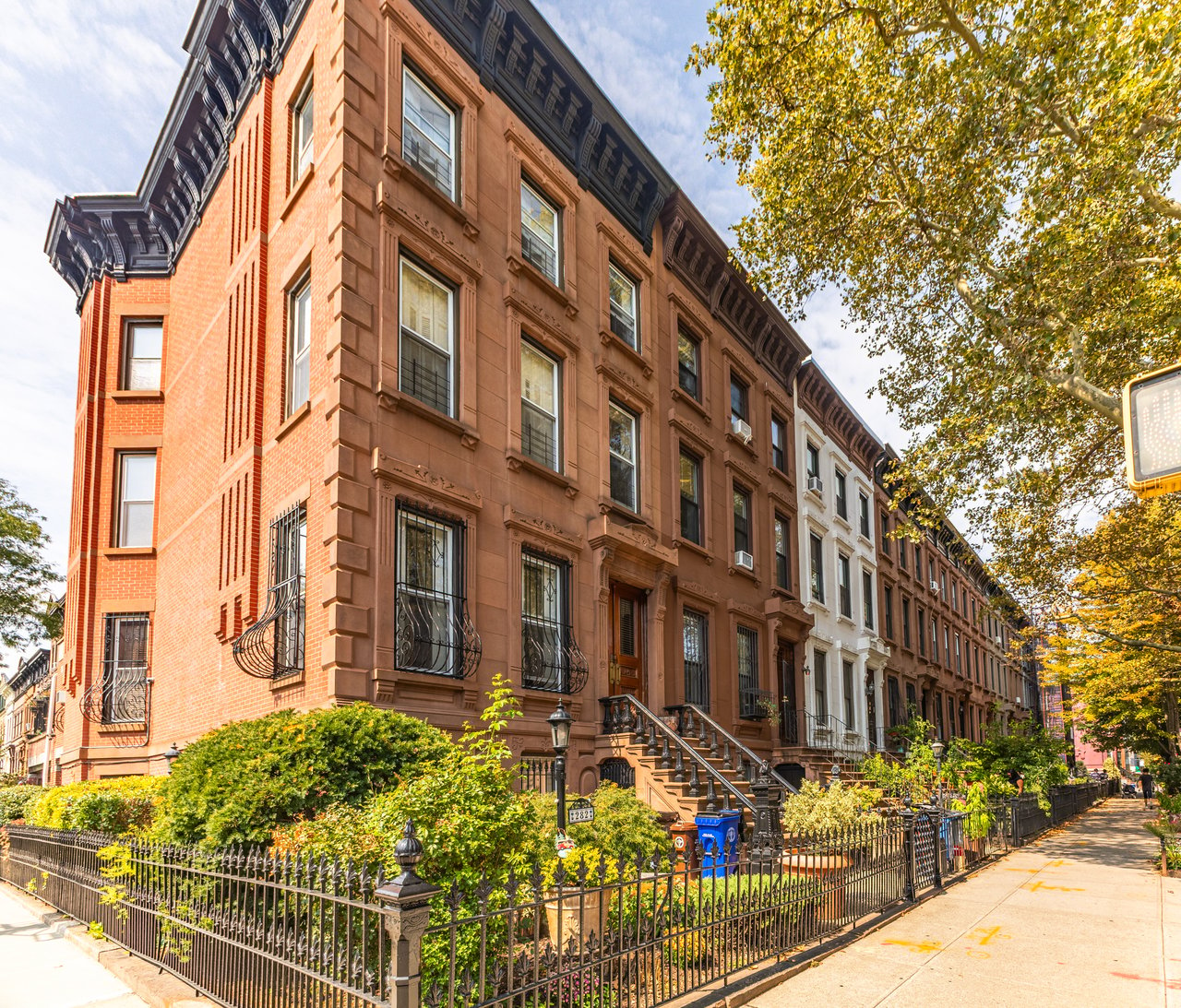
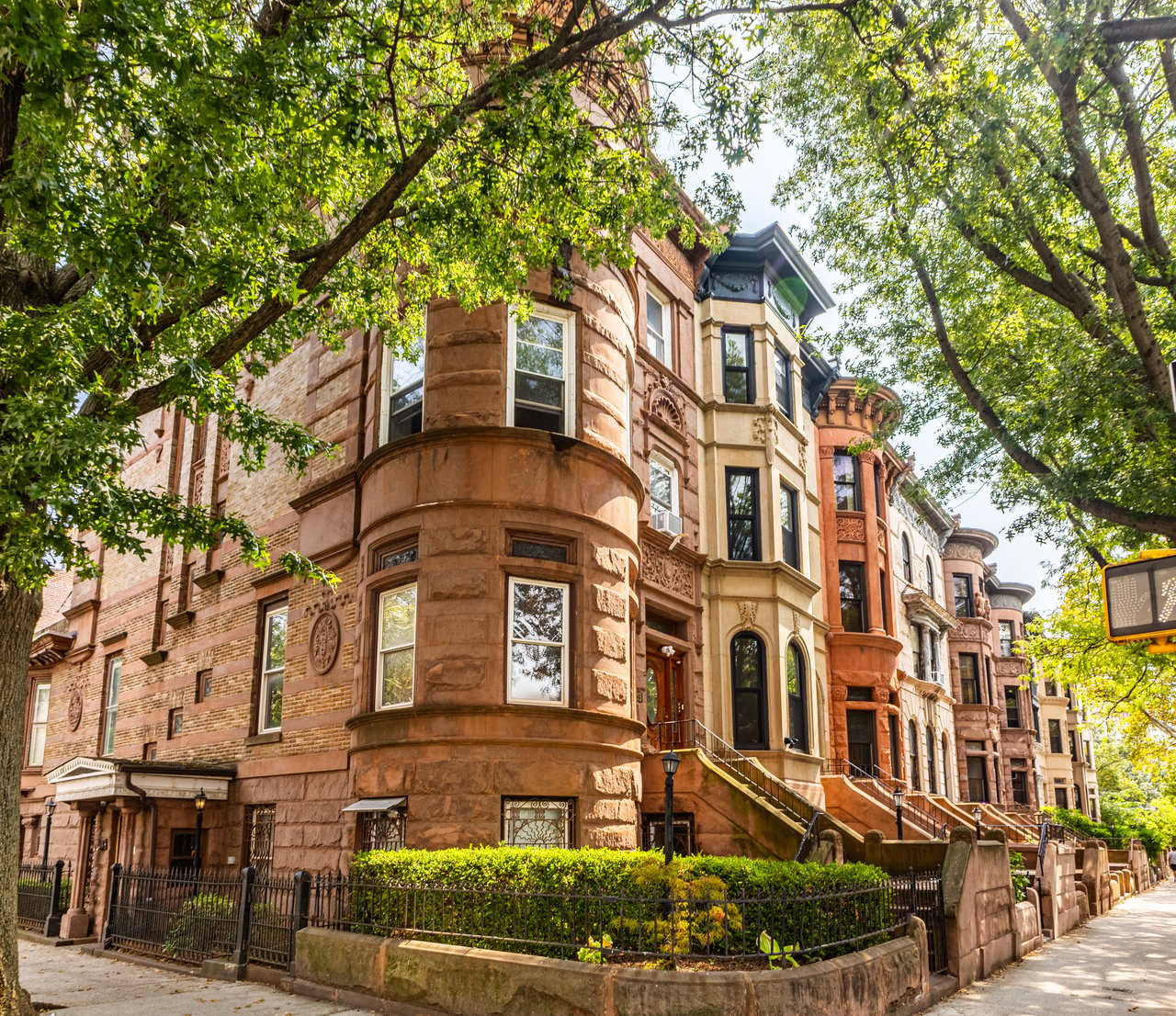
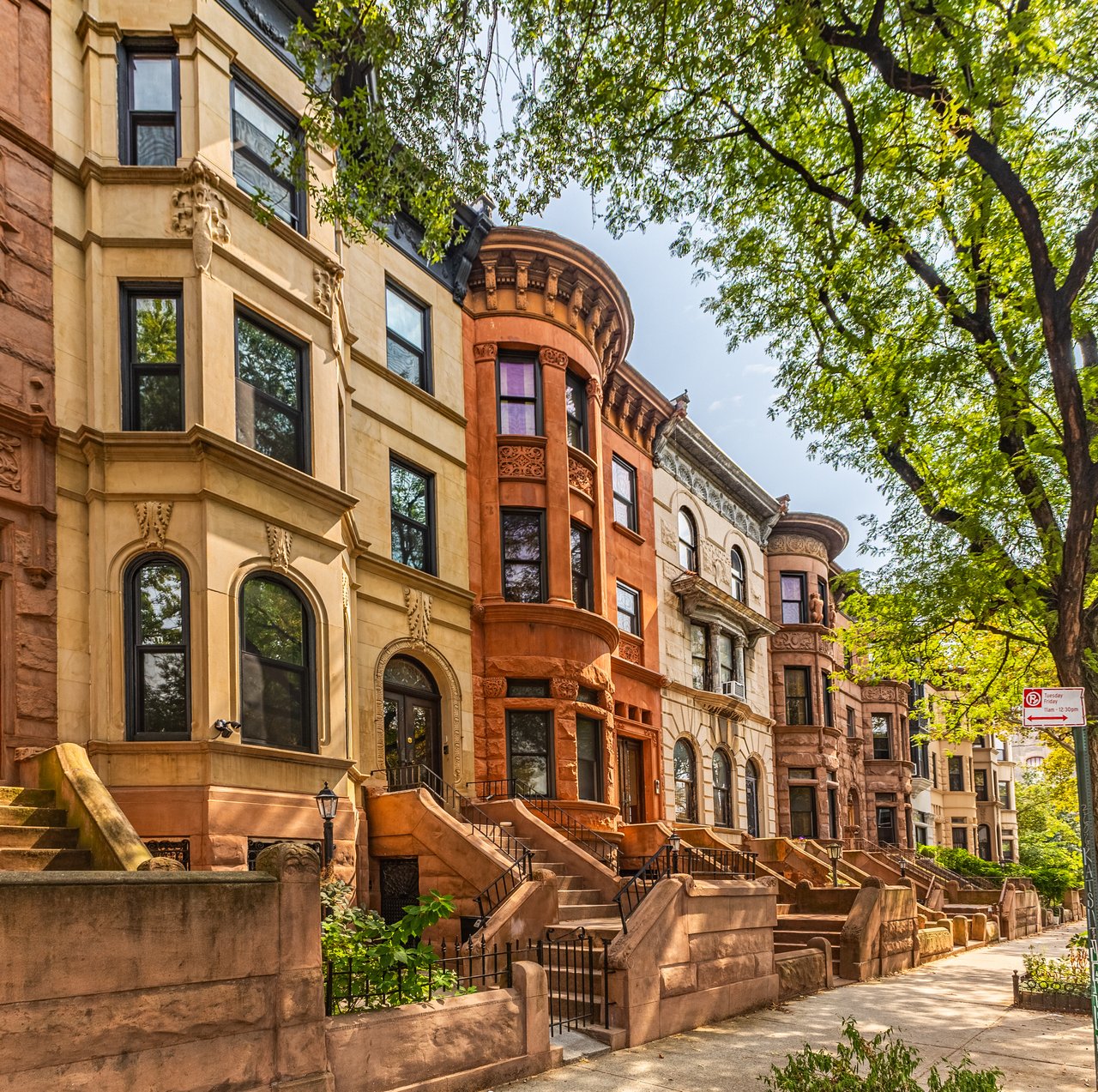
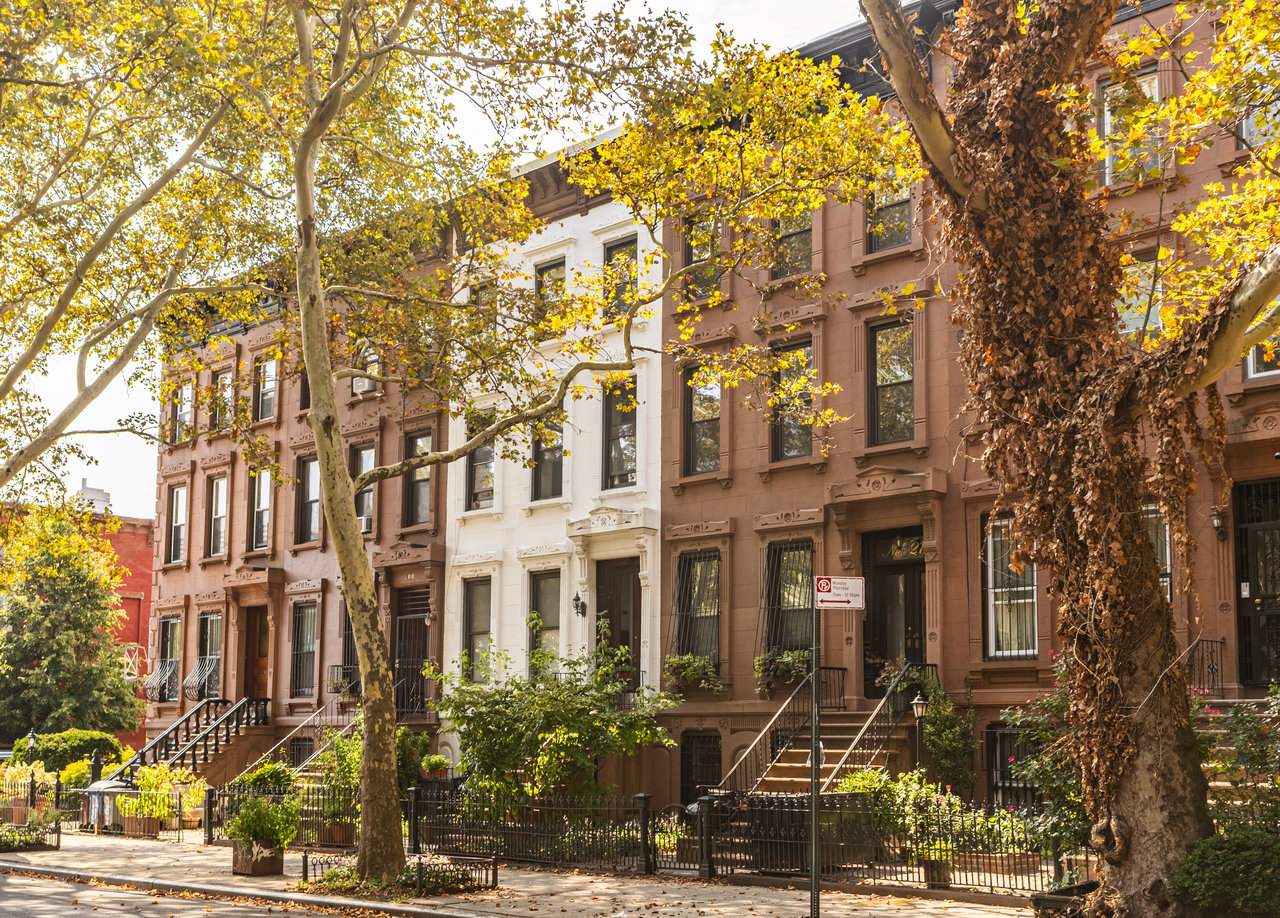
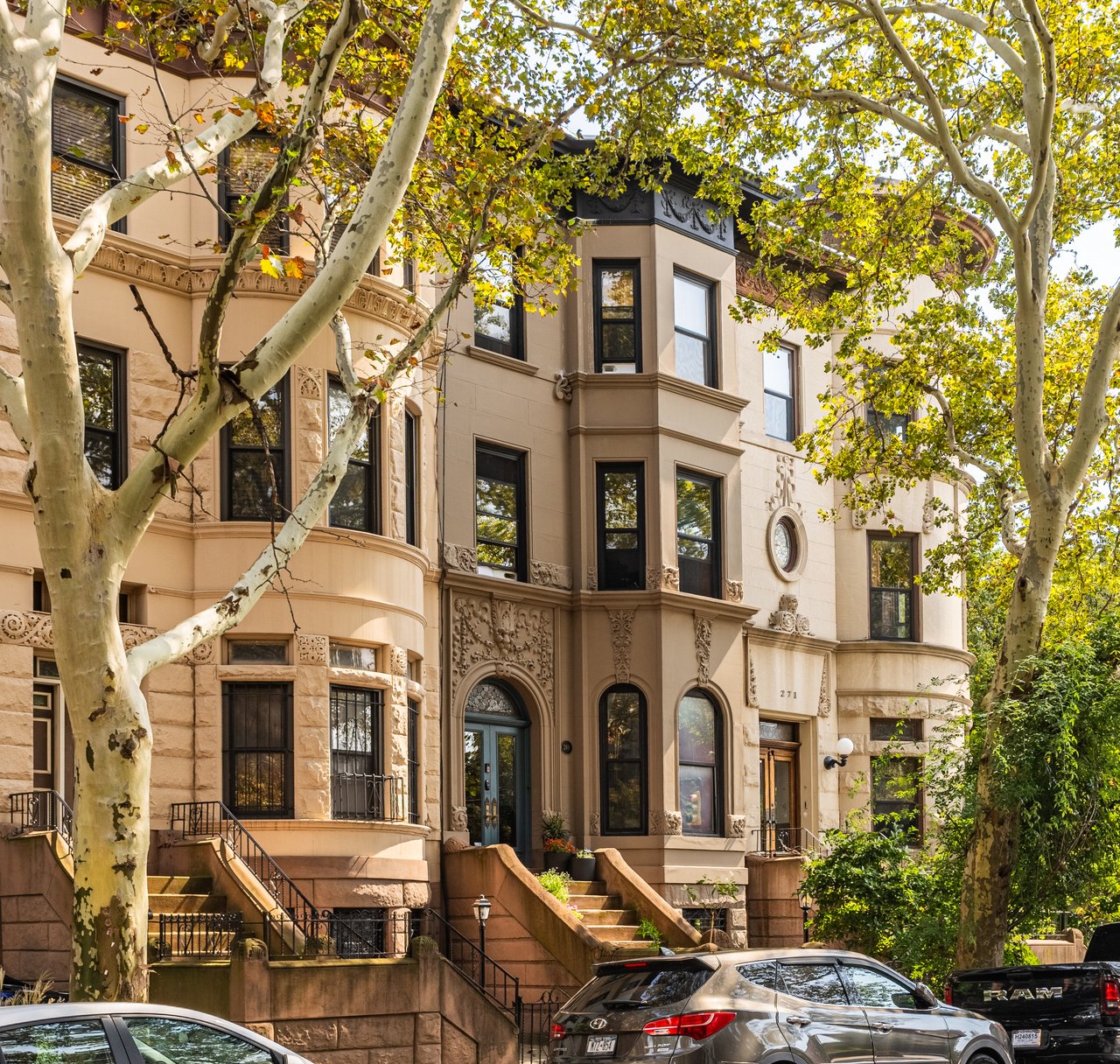
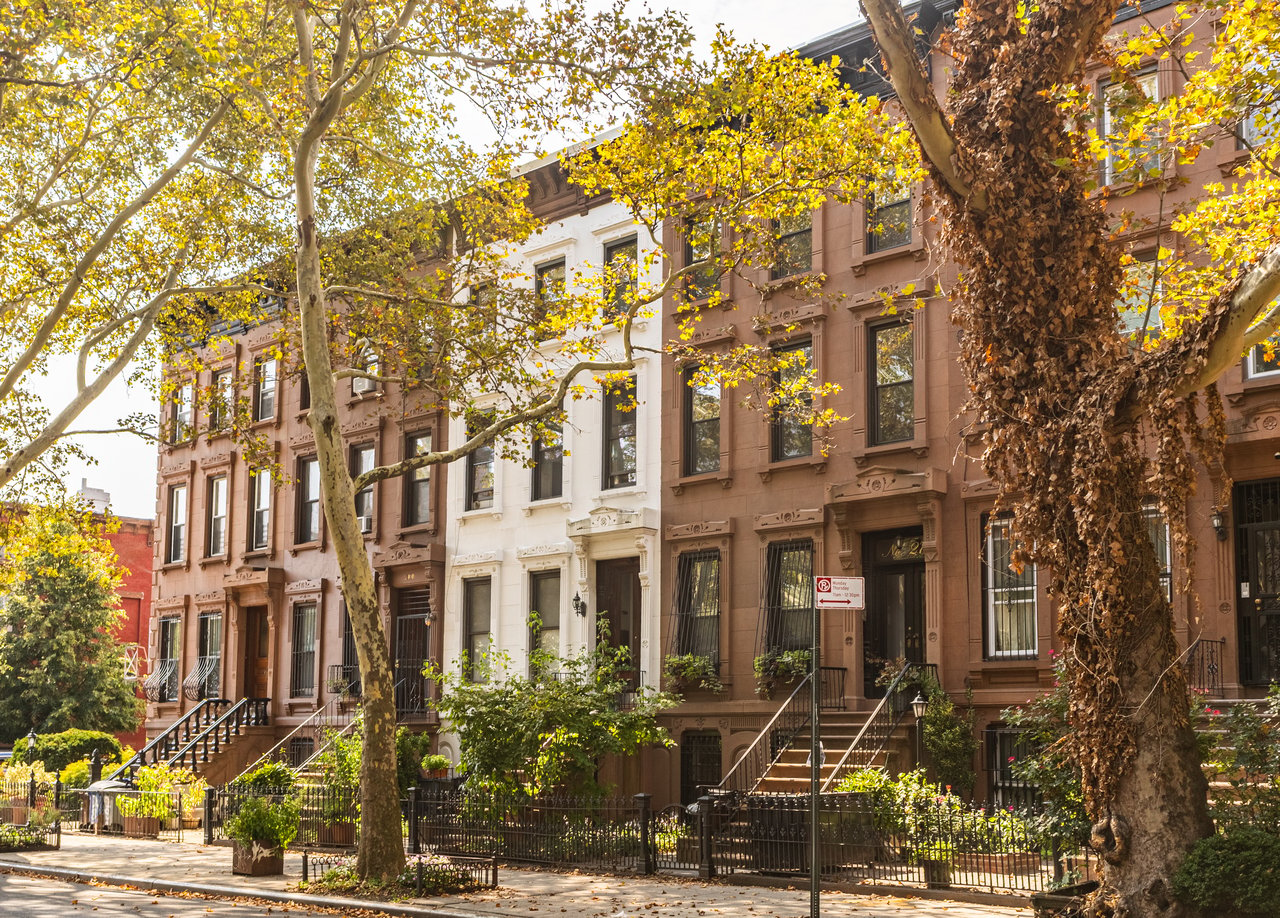
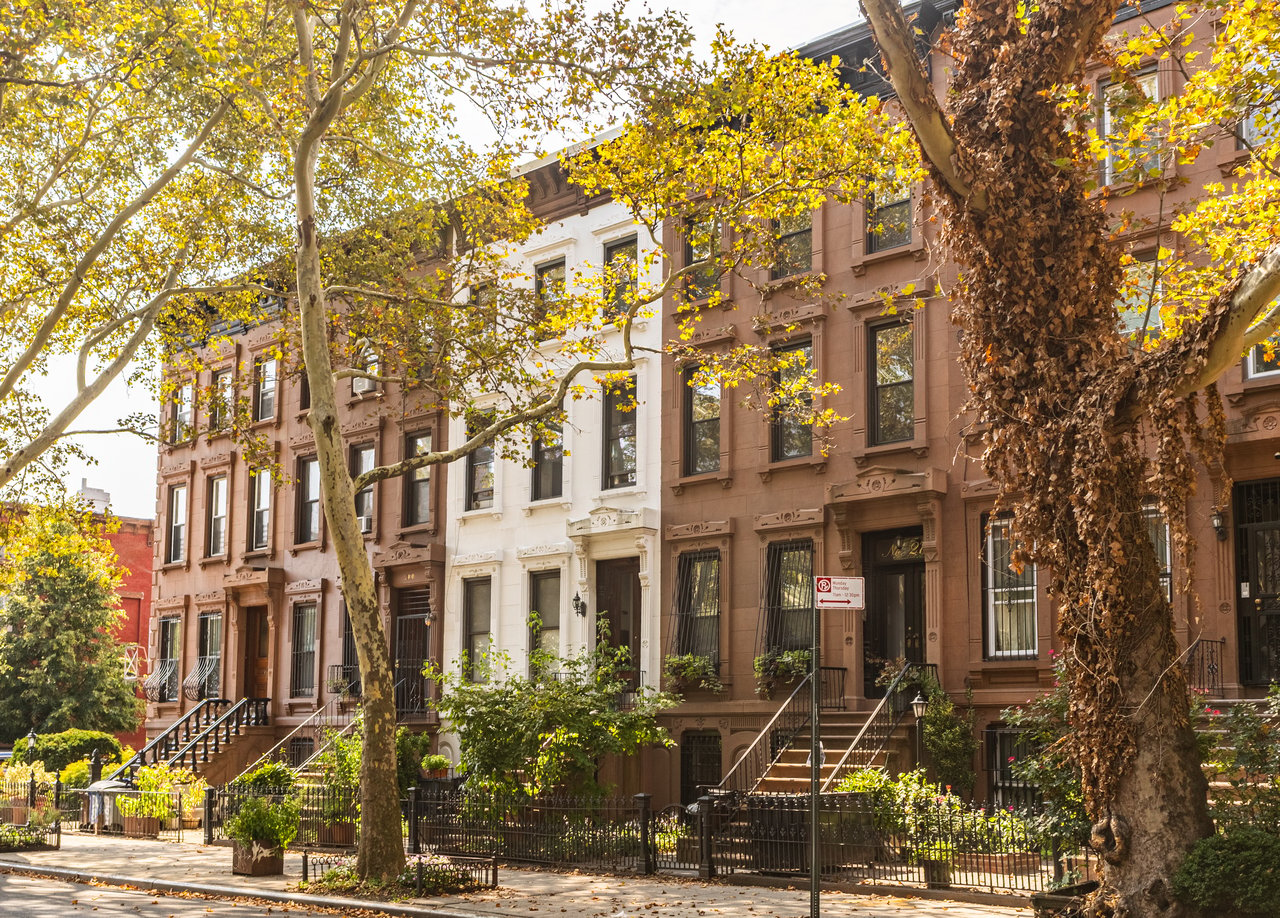
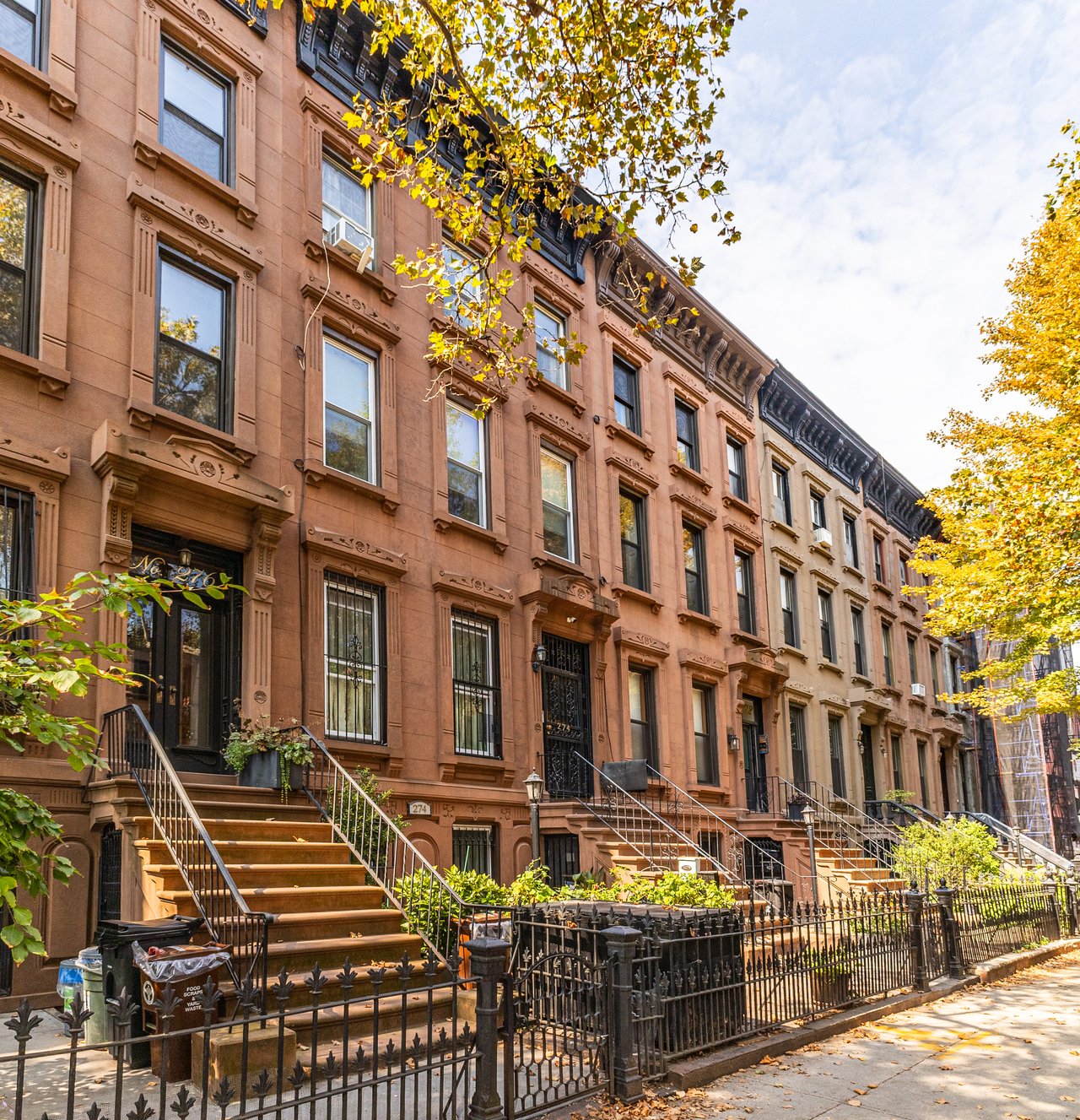
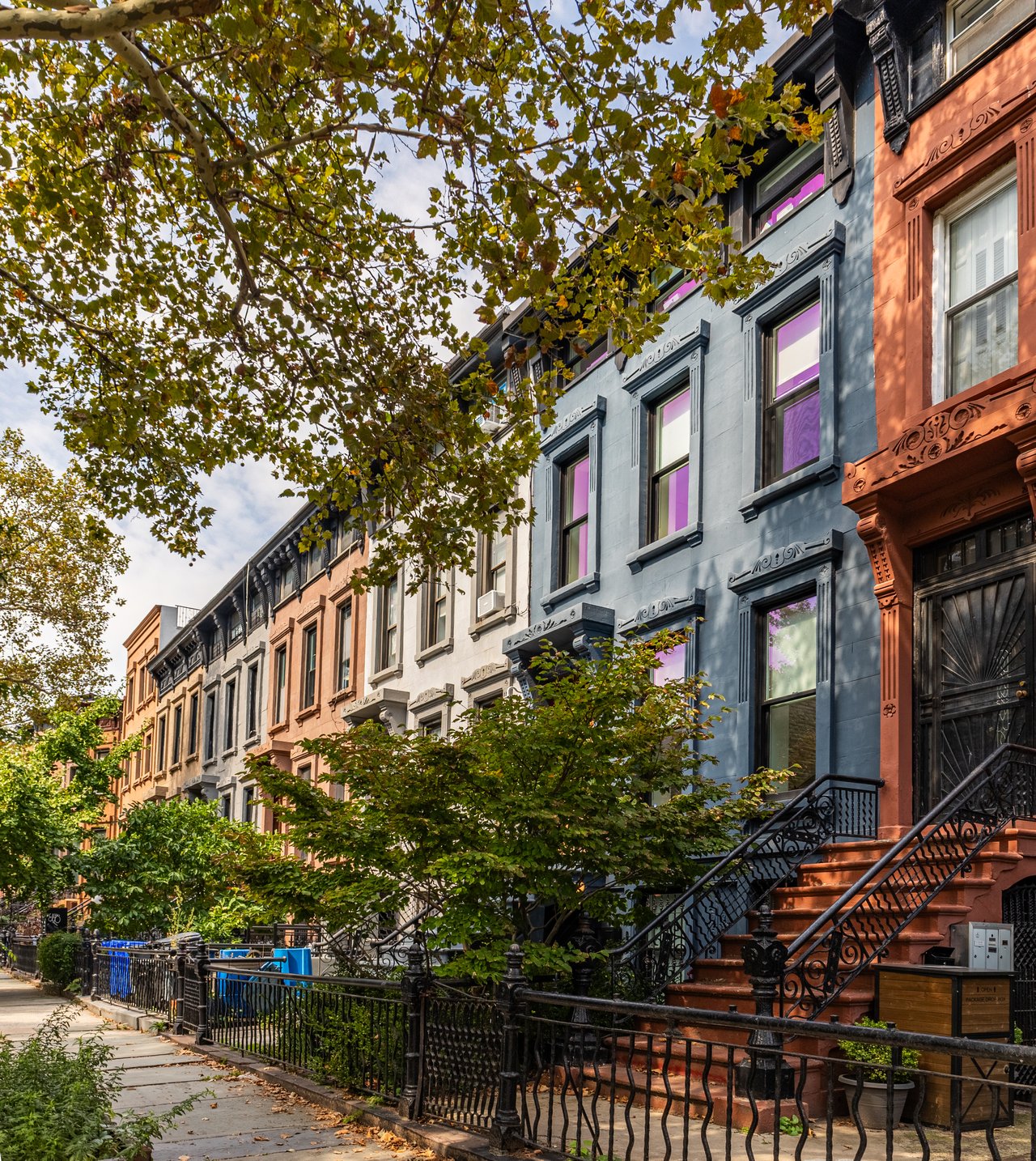
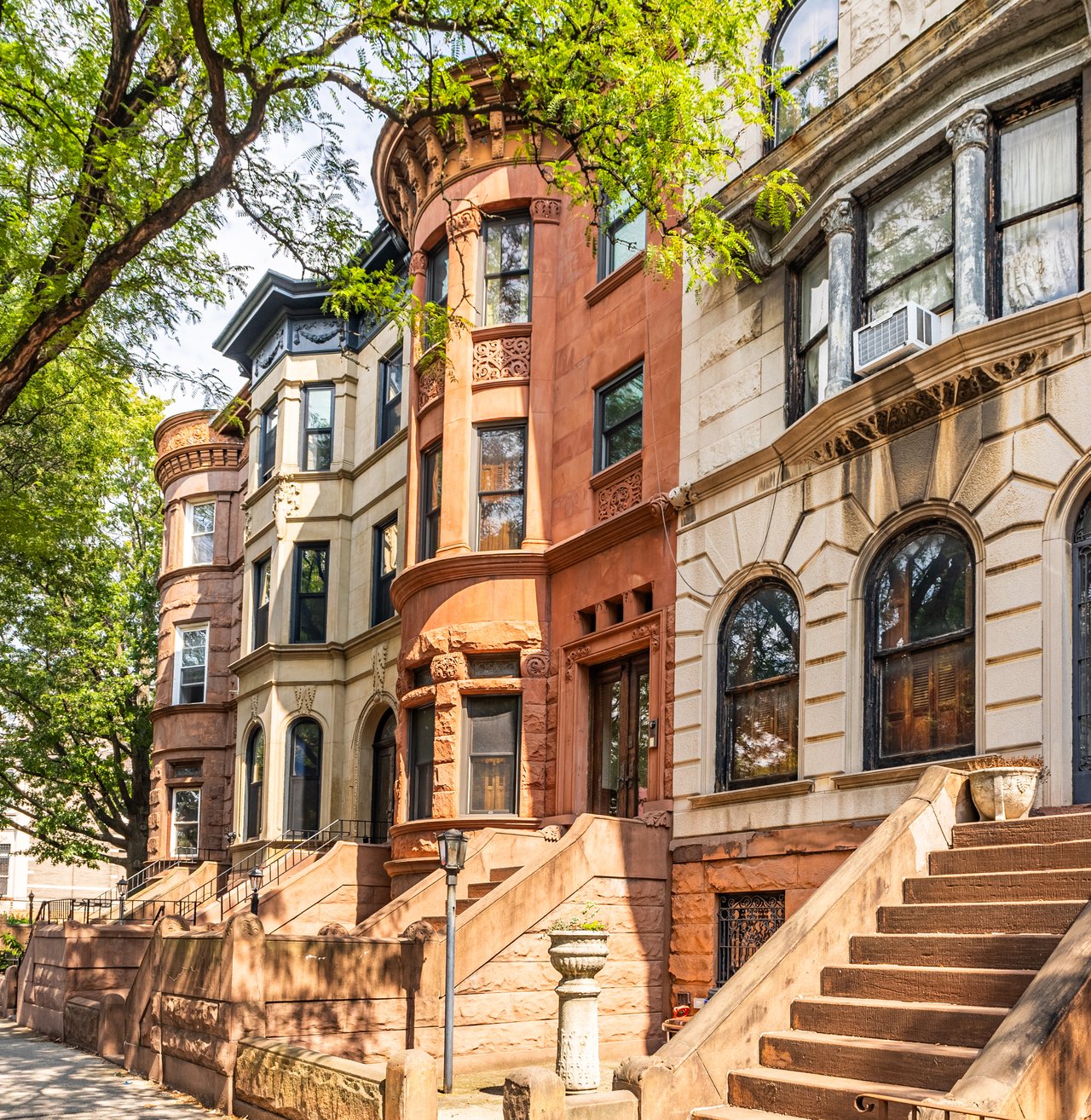
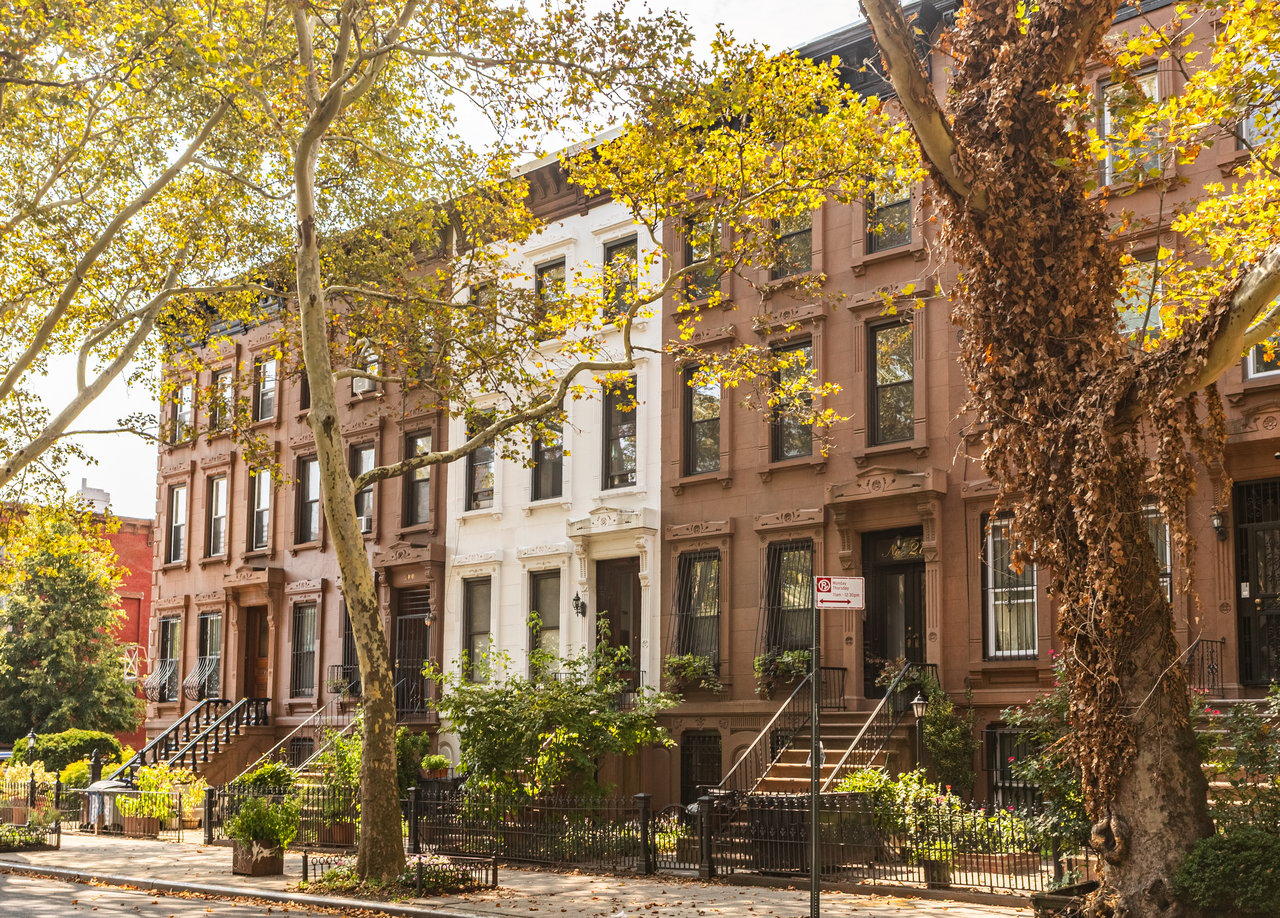
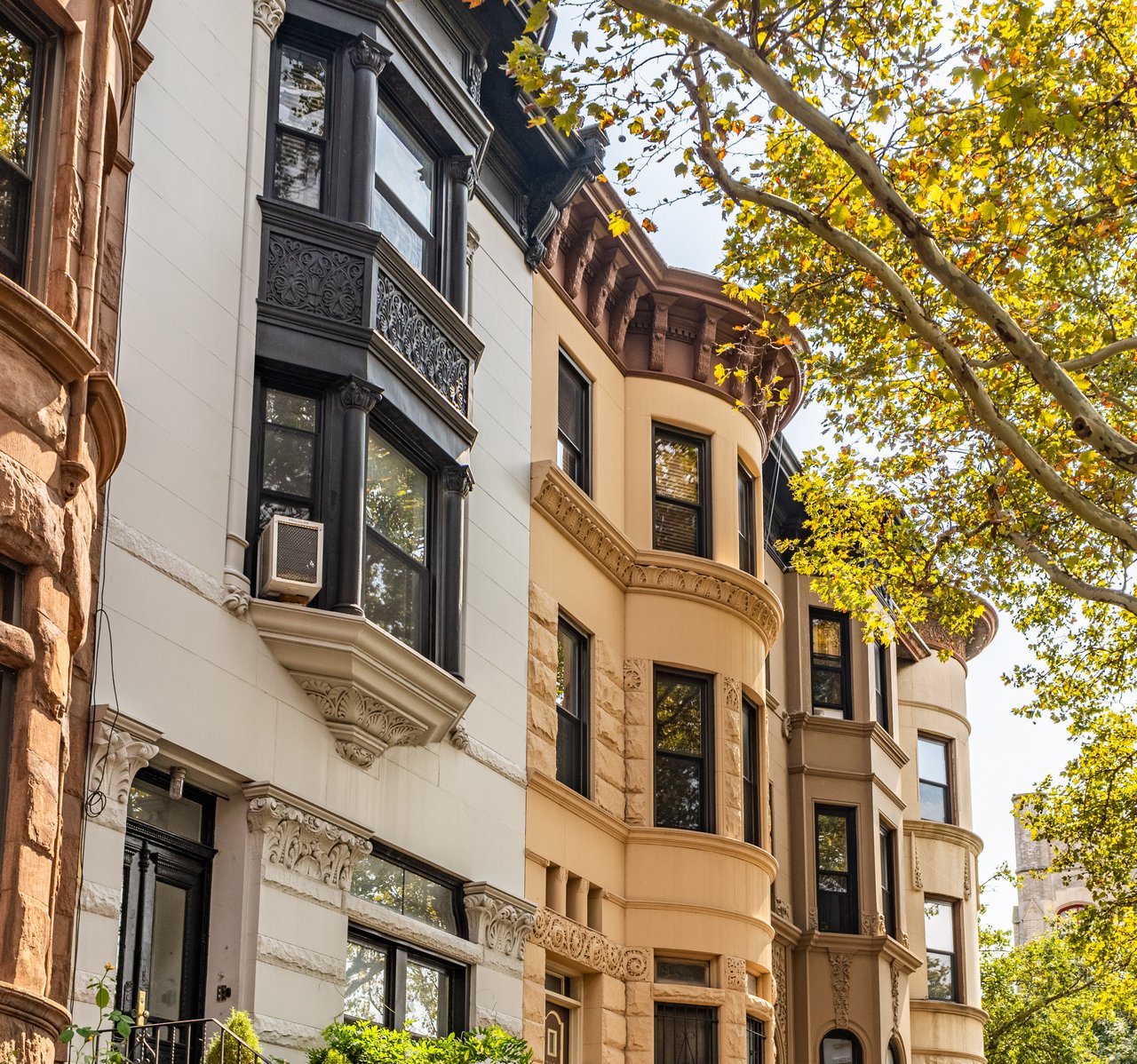
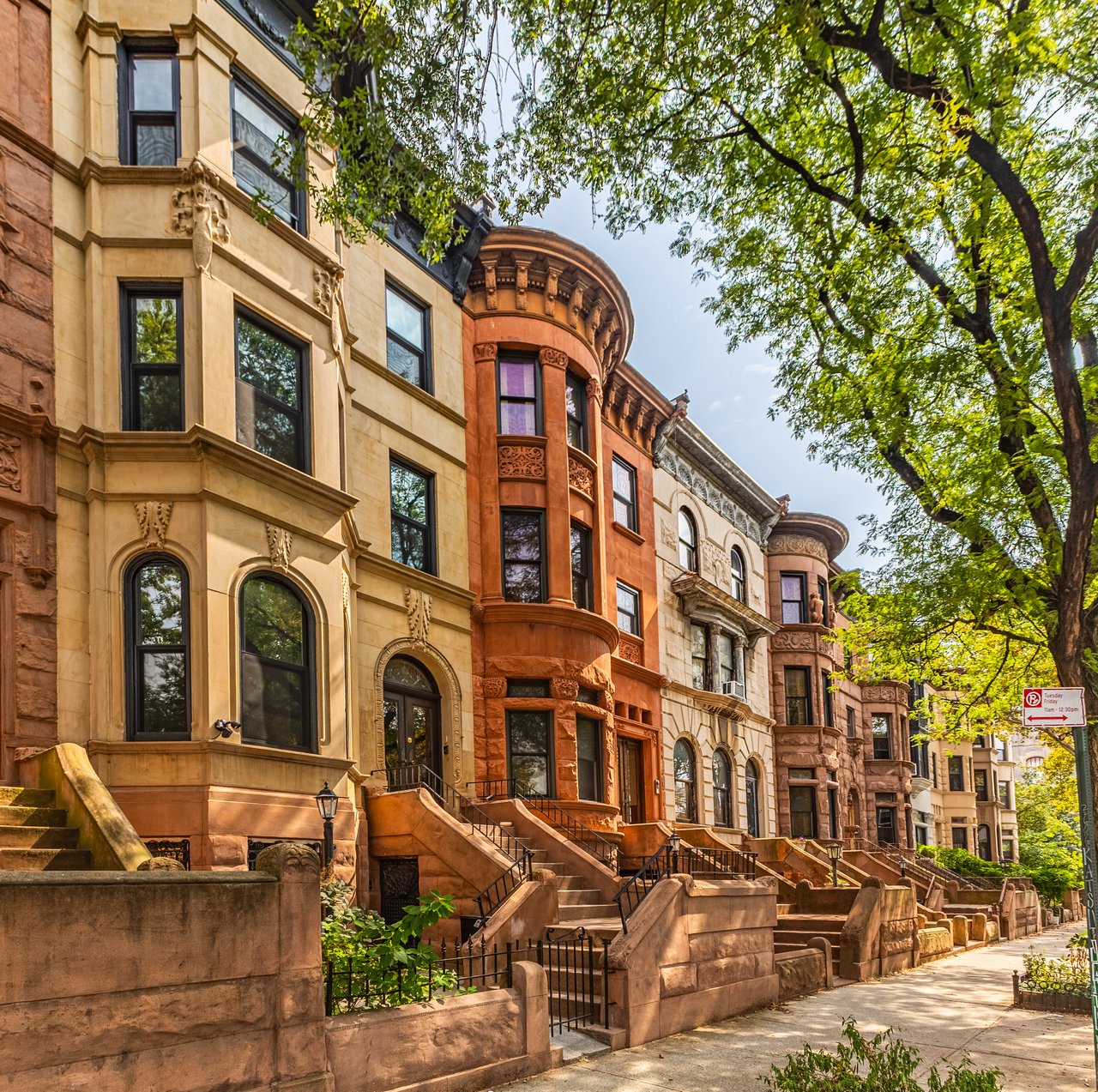
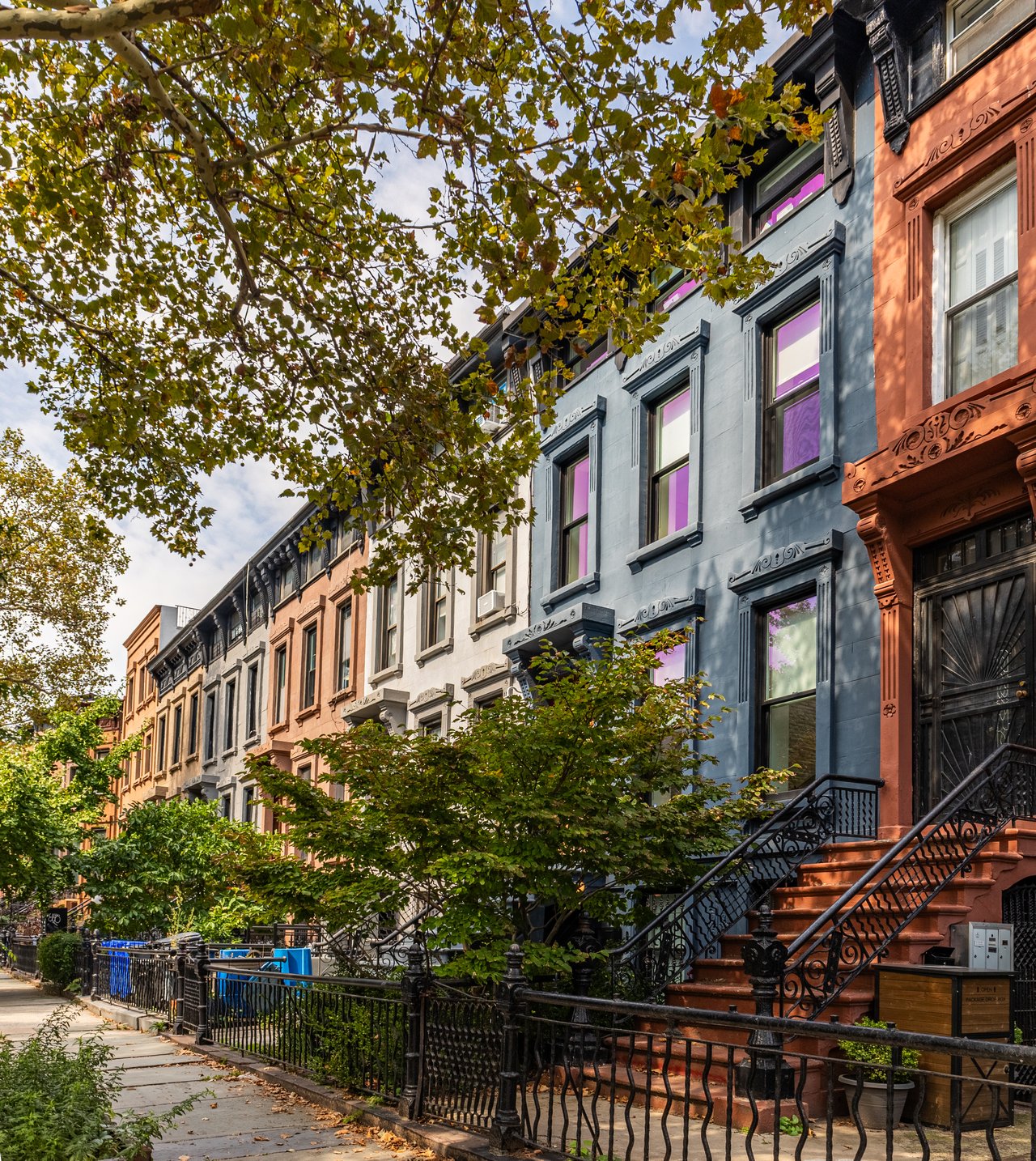
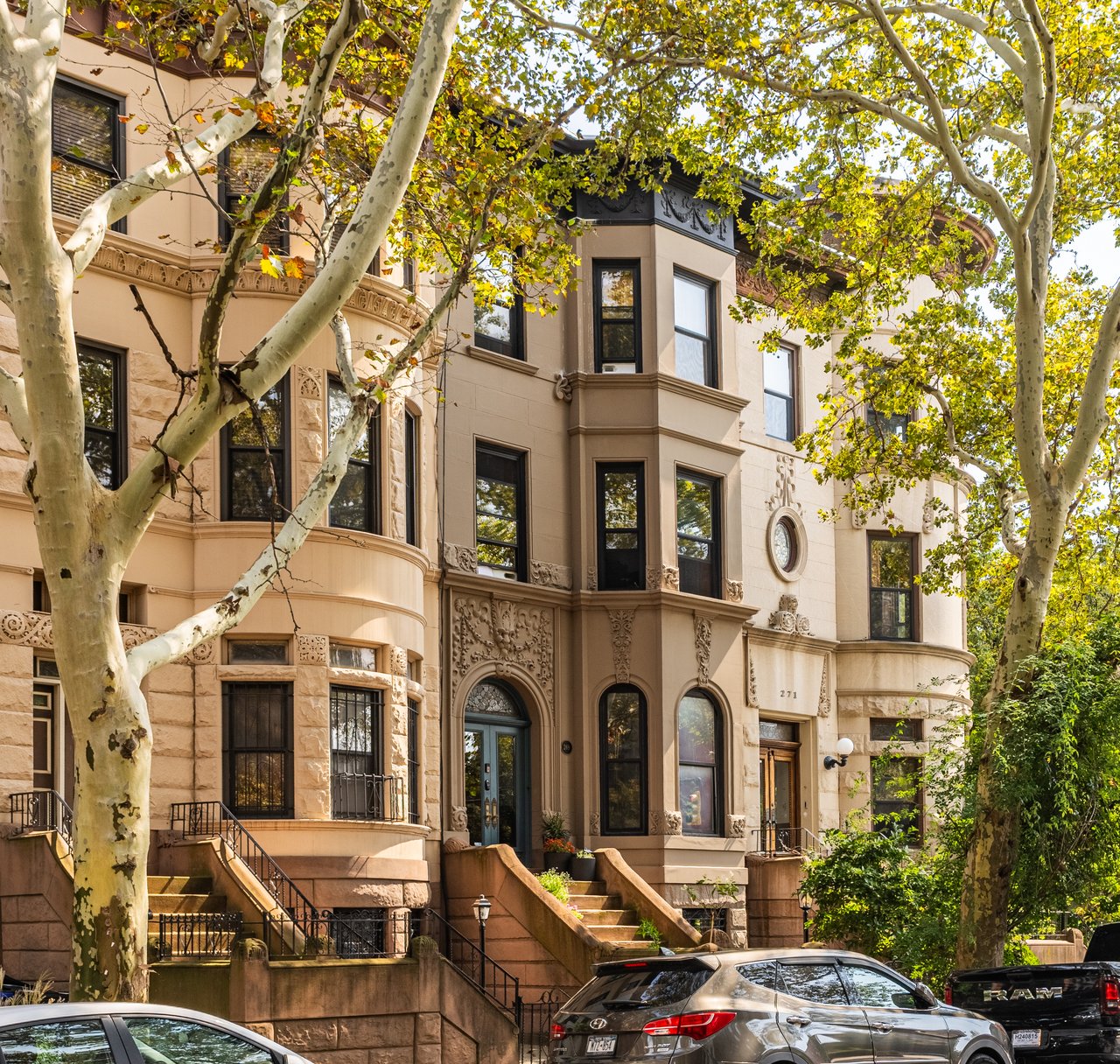
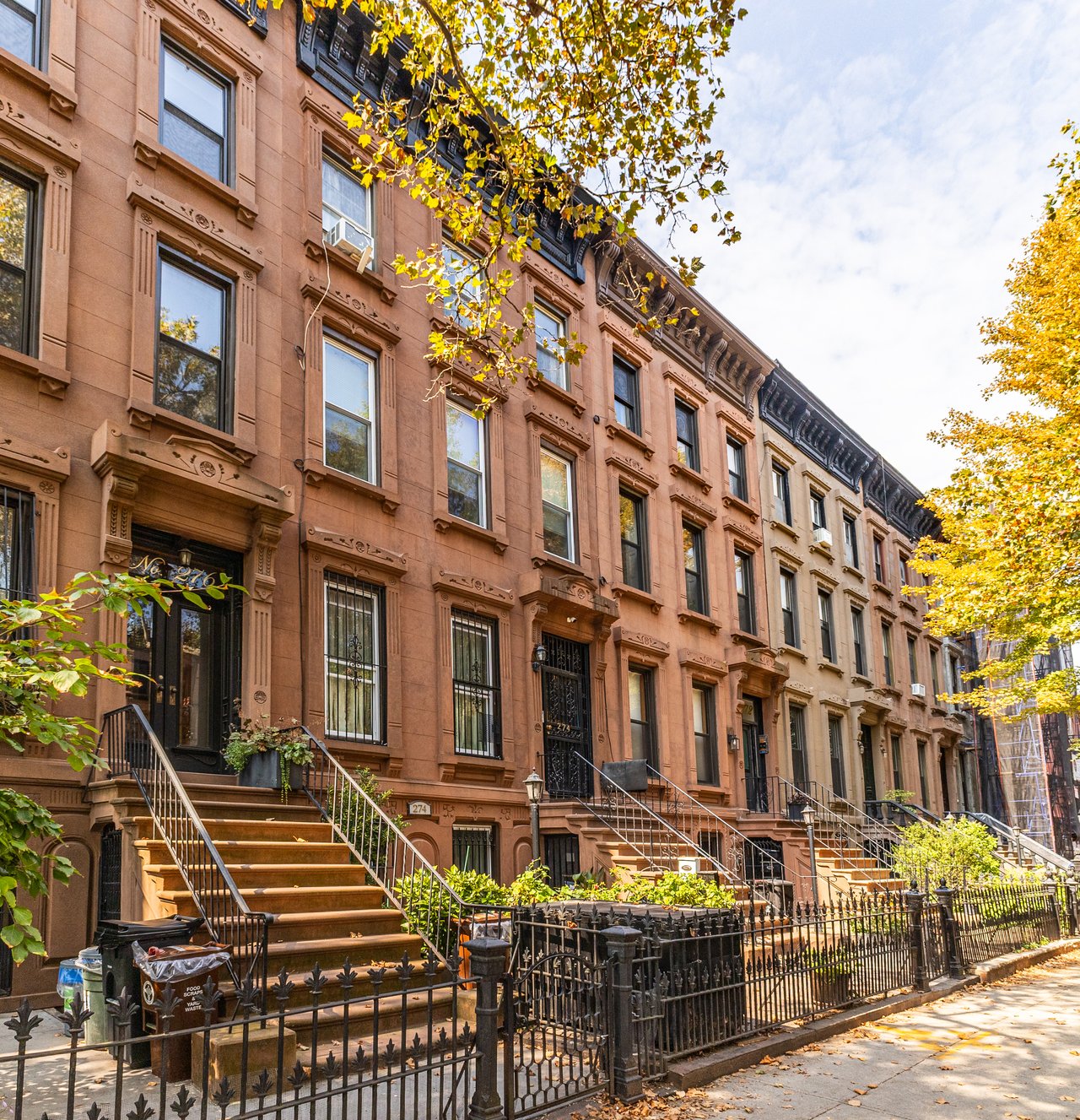
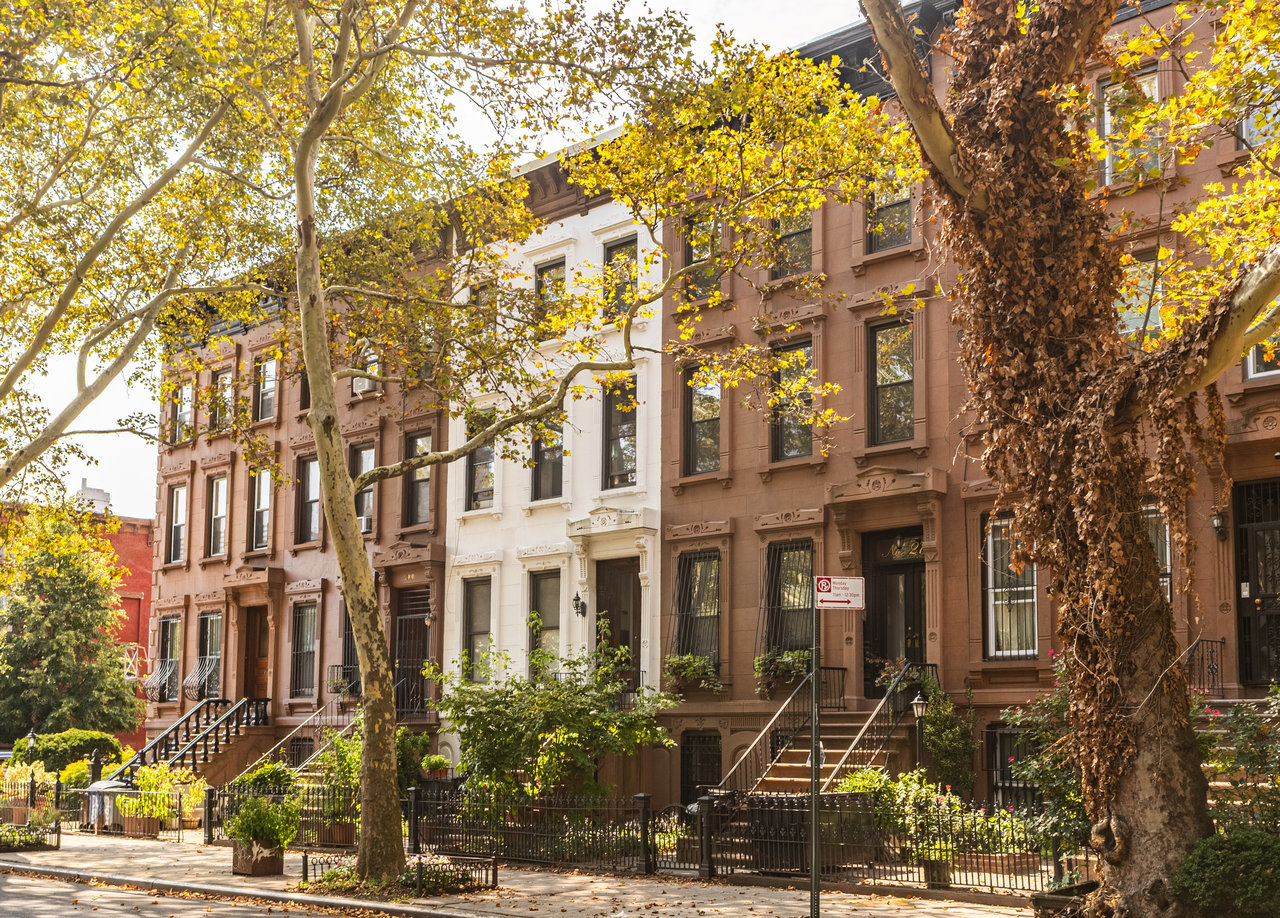
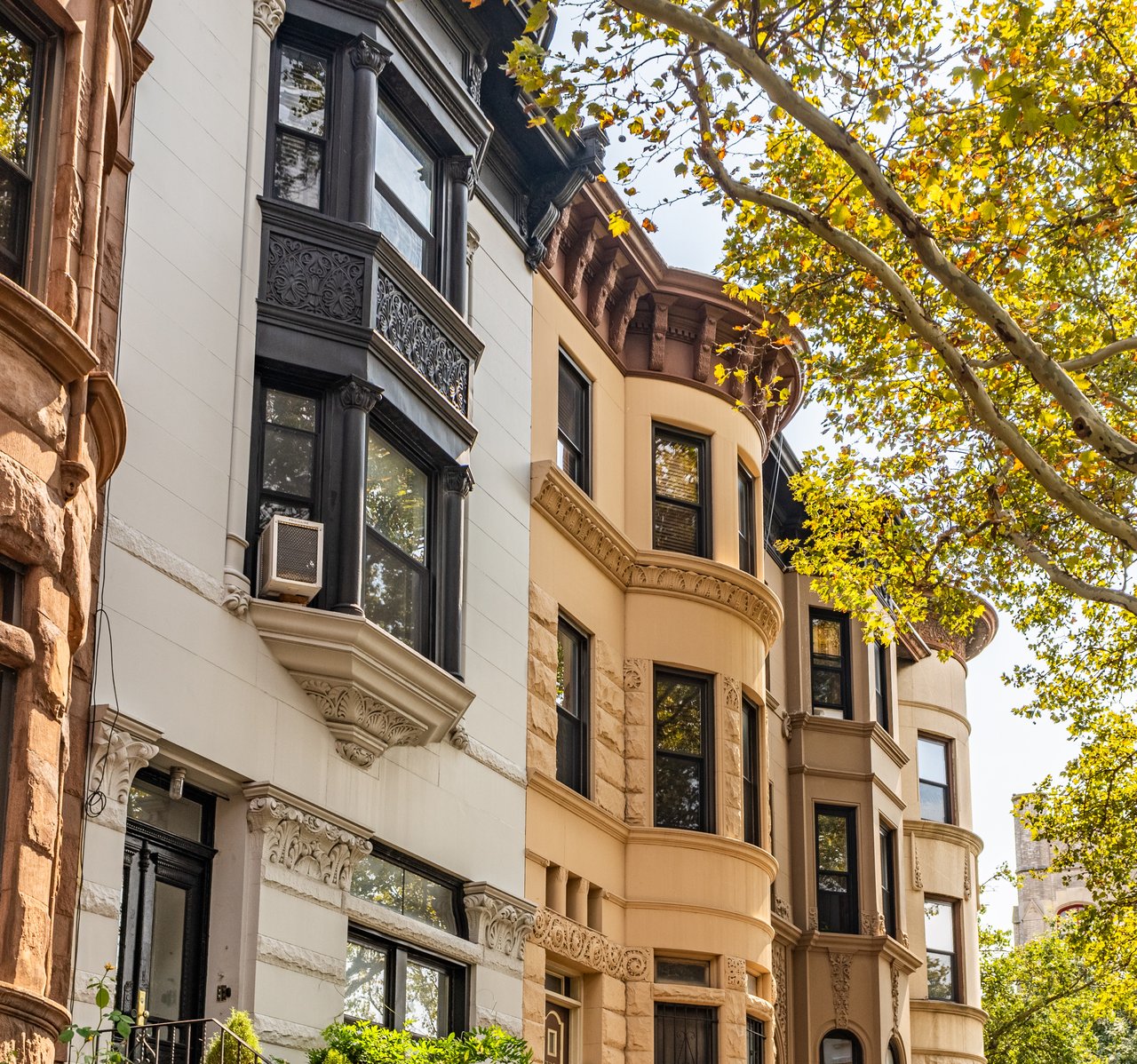
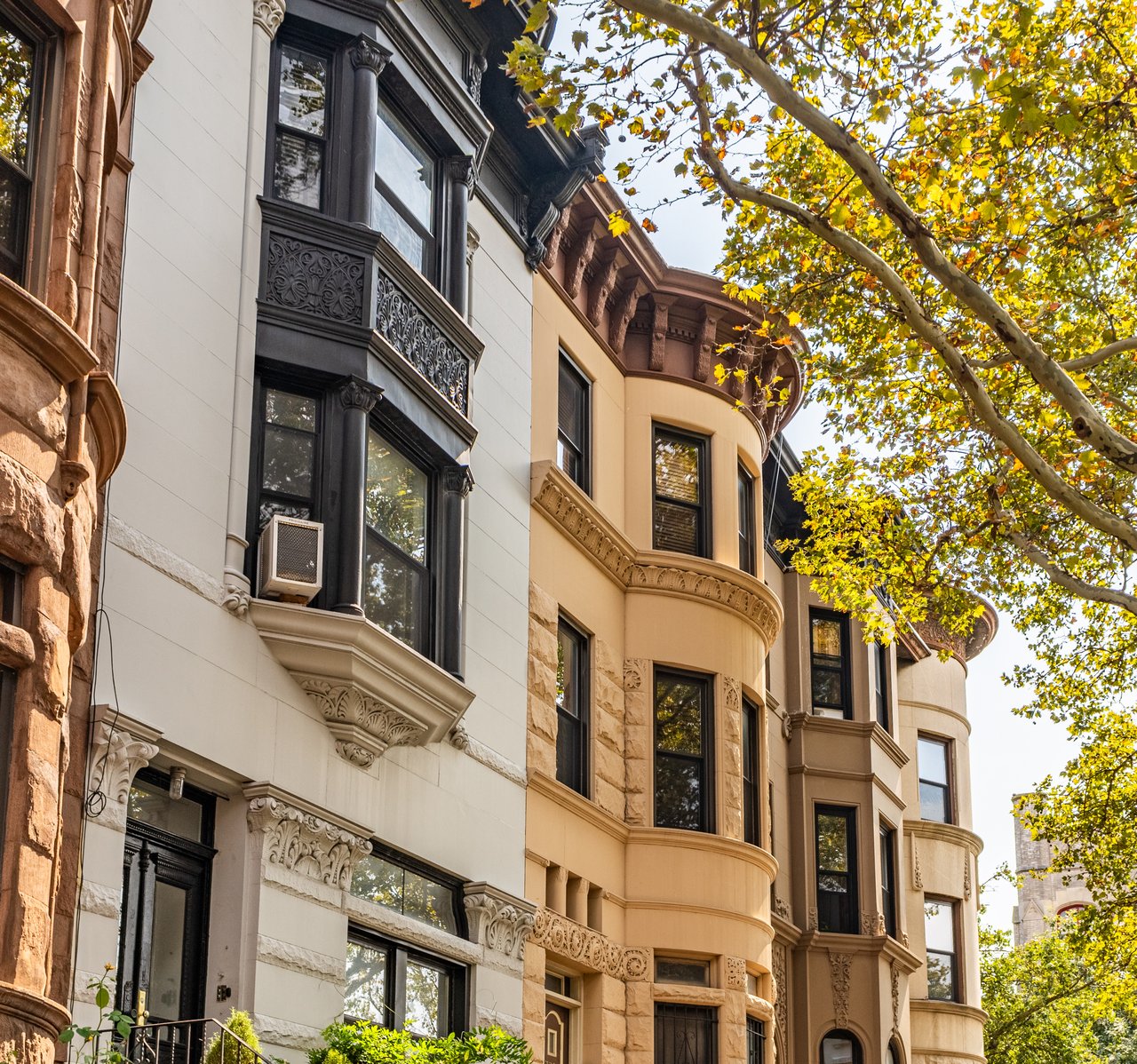
Some properties feature traditional brick facades, decorative cornices, tall windows, and original masonry details.
Other buildings have undergone renovations that introduce contemporary kitchens, bathrooms, and updated mechanical systems.
Multifamily properties may contain several separate apartments, making legal residential configuration an important consideration.
For investment buyers, rental income, operating expenses, occupancy status, and applicable rent regulations can influence property value.
For homeowners considering selling, understanding the property's legal use and physical characteristics is essential to developing an appropriate marketing strategy.
What is the history of South 10th Street in Williamsburg?
South 10th Street developed as part of Williamsburg's transformation from a waterfront settlement into a major Brooklyn residential and industrial neighborhood.
Before European colonization, the surrounding area formed part of the ancestral territory of the Lenape people.
During the colonial period, much of Williamsburg consisted of farmland, rural roads, and waterfront properties.
The neighborhood began developing more rapidly during the early 19th century as ferry transportation improved connections between Brooklyn and Manhattan.
Williamsburg was incorporated as a village in 1827.
In 1851, Williamsburg became an independent city.
Its independence lasted only a few years before it was consolidated into the City of Brooklyn in 1855.
During the second half of the 19th century, Williamsburg experienced substantial industrial expansion.
The East River waterfront became home to sugar refineries, breweries, factories, warehouses, shipyards, and other manufacturing businesses.
These industries created employment opportunities and attracted new residents.
As the population grew, developers constructed residential buildings throughout the neighborhood.
Brick row houses, apartment buildings, and multifamily properties became increasingly common.
South 10th Street developed within this expanding residential environment.
Commercial activity also increased along Broadway and nearby avenues.
Banks, shops, markets, theaters, and other businesses served the growing population.
During the early 20th century, the opening of the Williamsburg Bridge improved transportation connections with Manhattan.
The bridge contributed to additional residential development and population movement between Manhattan's Lower East Side and Brooklyn.
Throughout the 20th century, immigration, industrial changes, and shifting housing demand continued to influence South Williamsburg.
Today, South 10th Street reflects this history through its traditional residential architecture, neighborhood institutions, and established street grid.
How did Williamsburg's industrial waterfront influence South 10th Street?
During the 19th century, Williamsburg became one of Brooklyn's most important manufacturing centers.
The East River waterfront contained factories, sugar refineries, breweries, warehouses, and shipping facilities.
These businesses played a major role in the neighborhood's economic development.
One of the most important industrial operations was the Havemeyer & Elder Sugar Refinery, later known as the Domino Sugar Refinery.
The refinery began operating in Williamsburg in 1856 and became one of the country's major sugar-processing facilities.
Other waterfront businesses included breweries, metalworking operations, and manufacturing establishments.
These industries required a substantial workforce.
Workers and their families settled in nearby residential neighborhoods, increasing demand for apartments, townhouses, and multifamily housing.
South 10th Street formed part of this expanding residential environment.
Developers constructed buildings designed to accommodate families and workers within walking distance of employment opportunities.
Over time, industrial activity declined and many former manufacturing properties were converted or redeveloped.
The transformation of the Domino Sugar Refinery site into a mixed-use development and waterfront park illustrates these changes.
Although South 10th Street is not itself the location of the historic refinery, the neighborhood's industrial economy influenced the residential development of the surrounding streets.
How did the Williamsburg Bridge change South 10th Street?
The Williamsburg Bridge opened on December 19, 1903, connecting Brooklyn with Manhattan's Lower East Side.
The bridge was one of New York City's most important transportation projects during the early 20th century.
Before its construction, ferries provided an important connection between Williamsburg and Manhattan.
The new bridge introduced additional transportation capacity for pedestrians, vehicles, and rail service.
Its construction required substantial changes to the surrounding streets near the Brooklyn approach.
The bridge also encouraged residential development throughout South Williamsburg.
Many families relocated from Manhattan's Lower East Side to Brooklyn, contributing to the growth of apartment buildings, religious institutions, and local businesses.
South 10th Street is located south of the bridge approach, within the neighborhood influenced by these changes.
The bridge helped strengthen the relationship between South Williamsburg and Manhattan.
Today, the Williamsburg Bridge remains an important transportation connection, with pedestrian and bicycle paths in addition to roadway and subway service.
For South 10th Street residents, proximity to the bridge and nearby transit connections remains an important part of the neighborhood's location.
Why is Broadway important to South 10th Street?
Broadway is one of Williamsburg's oldest and most important commercial corridors.
During the 19th century, the street developed as a major business district connected to the East River waterfront and ferry transportation.
Shops, banks, theaters, and other commercial institutions established locations along Broadway.
As Williamsburg's population increased, the corridor became an important destination for residents seeking goods, services, and transportation.
Several significant historic financial buildings were constructed along Broadway.
These included the Kings County Savings Bank Building and the Williamsburgh Savings Bank Building.
Their architecture reflected Williamsburg's commercial prosperity during the second half of the 19th century.
The opening of the Williamsburg Bridge in 1903 further strengthened transportation connections near Broadway.
Elevated railway service and streetcars also contributed to the corridor's development.
Today, Broadway continues to provide restaurants, retail establishments, neighborhood businesses, and subway transportation.
For homeowners on South 10th Street, proximity to Broadway is an important neighborhood characteristic.
What is the Kings County Savings Bank Building near South 10th Street?
The Kings County Savings Bank Building is one of the most important historic commercial landmarks near South 10th Street.
Located at 135 Broadway, the building was constructed during the 1860s.
It was designed by architects Gamaliel King and William H. Wilcox.
The building is an example of Second Empire architecture, a style particularly associated with prominent commercial and institutional buildings during the 19th century.
Its architectural features include a mansard roof, elaborate stonework, and decorative facade details.
The Kings County Savings Bank was established in 1860 during a period of industrial and residential expansion in Williamsburg.
Savings banks played an important role in serving workers, families, and businesses as the neighborhood grew.
The building later accommodated other financial institutions.
During the 1990s, it became associated with the Williamsburg Art & Historical Center.
Today, the structure remains an important example of Williamsburg's historic financial architecture.
Its location along Broadway provides a visible connection to the commercial development that influenced nearby residential streets such as South 10th Street.
What is the history of the Williamsburgh Savings Bank Building?
Another important landmark near South 10th Street is the historic Williamsburgh Savings Bank Building on Broadway.
The building was designed by architect George B. Post and completed in 1875.
Its monumental architecture reflects the importance of banking institutions during Williamsburg's industrial expansion.
The structure is particularly recognizable for its distinctive dome and elaborate architectural details.
The Williamsburgh Savings Bank was founded in 1851, the same year Williamsburg became an independent city.
The bank served residents and businesses during a period of substantial population growth.
Its Broadway headquarters became one of the neighborhood's most prominent commercial buildings.
The structure was designated a New York City landmark in 1966.
After the building's original banking operations ended, it was restored and adapted for use as an event venue known as Weylin.
The building illustrates how historic commercial architecture can be preserved while accommodating new uses.
For South 10th Street, its presence nearby reinforces the area's connection to Williamsburg's financial and commercial history.
How did immigration shape South 10th Street?
Immigration played a central role in the development of South Williamsburg.
During the 19th century, industrial employment attracted German, Irish, and other European immigrants.
Factories, breweries, sugar refineries, and waterfront businesses provided employment opportunities.
As the population increased, developers constructed additional row houses, tenement buildings, and multifamily residences.
During the late 19th and early 20th centuries, Eastern European Jewish immigrants became an important part of the neighborhood.
The opening of the Williamsburg Bridge strengthened connections with Manhattan's Lower East Side.
Many Jewish families relocated to South Williamsburg, establishing synagogues, businesses, schools, and community institutions.
Following World War II, South Williamsburg developed into a major center of Hasidic Jewish life, particularly within the Satmar community.
Puerto Rican residents also established a significant presence in Williamsburg during the 20th century.
The neighborhood became associated with the name Los Sures, reflecting the history and contributions of its Latino communities.
These different populations helped shape the area's residential architecture, commercial activity, and cultural institutions.
South 10th Street's surrounding neighborhood reflects this history of immigration and community development.
What is the architectural history of South 10th Street?
South 10th Street contains residential architecture associated with Williamsburg's growth during the late 19th and early 20th centuries.
Its surrounding neighborhood also includes important examples of historic commercial architecture.
Traditional Brick Townhouses
Brick townhouses are an important part of Williamsburg's residential history.
Some properties feature decorative cornices, masonry details, front stoops, and traditional floor plans.
Prewar Walk-Up Apartment Buildings
Walk-up apartment buildings became common throughout South Williamsburg as the population increased.
These buildings often contain multiple residential units with shared entrances and staircases.
Early 20th-Century Multifamily Properties
During the early 1900s, developers constructed additional apartment buildings to accommodate the growing population.
These properties may include two-family, three-family, four-family, and larger residential configurations.
Historic Commercial Architecture
The nearby Broadway corridor contains buildings associated with Williamsburg's commercial expansion.
The Kings County Savings Bank Building and Williamsburgh Savings Bank Building are notable examples.
Mixed-Use Buildings
Commercial corridors throughout South Williamsburg contain buildings combining ground-floor retail spaces with residential apartments above.
Contemporary Residential Development
More recent construction has introduced condominiums, renovated townhouses, and newer apartment buildings throughout Williamsburg.
The combination of these architectural periods reflects the neighborhood's continuing evolution.
What makes South 10th Street unique in South Williamsburg?
South 10th Street has several characteristics that contribute to its identity.
1. Established Residential Architecture
The street is part of a neighborhood containing traditional brick townhouses, prewar apartment buildings, and multifamily residences.
2. Connection to Williamsburg's Industrial History
The surrounding area developed during a period when factories, breweries, and sugar refineries dominated the waterfront economy.
3. Proximity to Broadway
Broadway provides access to neighborhood businesses, restaurants, historic architecture, and transportation.
4. Historic Financial Landmarks
The nearby Kings County Savings Bank and Williamsburgh Savings Bank buildings reflect Williamsburg's 19th-century commercial development.
5. Williamsburg Bridge History
The opening of the bridge in 1903 influenced residential development and transportation throughout South Williamsburg.
6. Immigration and Cultural History
The neighborhood reflects the contributions of German, Irish, Eastern European Jewish, Hasidic Jewish, Puerto Rican, and other communities.
7. Multifamily Residential Properties
Two-family homes, three-family buildings, and larger apartment properties are important components of the surrounding real estate market.
8. Access to the Williamsburg Waterfront
The East River waterfront and Domino Park provide recreational destinations within the broader neighborhood.
What historic landmarks are near South 10th Street?
Several important Williamsburg landmarks are located within the surrounding neighborhood.
Kings County Savings Bank Building
Located at 135 Broadway, this historic Second Empire building reflects Williamsburg's 19th-century financial development.
Williamsburgh Savings Bank Building
The historic bank building on Broadway was designed by George B. Post and completed in 1875.
Williamsburg Bridge
Opened in 1903, the Williamsburg Bridge connects Brooklyn with Manhattan's Lower East Side.
Former New England Congregational Church
Located at 179 South 9th Street, this Italianate church was constructed during the 1850s and is a designated New York City landmark.
Former William Wall Mansion Site
The former residence at 66 South 9th Street was associated with Williamsburg's final mayor and the consolidation of Williamsburg into Brooklyn in 1855.
Domino Sugar Refinery
The historic refinery site along the Williamsburg waterfront reflects the neighborhood's industrial past and contemporary redevelopment.
These landmarks provide important context for understanding the development of South 10th Street and its surrounding neighborhood.
How is South 10th Street different from South 9th Street?
South 9th Street and South 10th Street are neighboring residential streets in South Williamsburg.
Both developed within the same broader industrial and residential neighborhood.
However, South 9th Street has several particularly well-documented historical associations.
It was home to William Wall, the last mayor of the independent City of Williamsburgh.
The street also contains the former New England Congregational Church at 179 South 9th Street, a landmarked building constructed during the 1850s.
South 10th Street is more closely identified with the traditional residential development of South Williamsburg.
Its surrounding blocks contain brick townhouses, multifamily properties, and prewar apartment buildings associated with the neighborhood's population growth.
Both streets provide access to Broadway, historic financial buildings, and transportation near the Williamsburg Bridge.
For buyers and sellers, property values depend on the individual building, condition, legal configuration, occupancy status, and comparable sales.
What parks, restaurants, and amenities are near South 10th Street?
South 10th Street provides access to neighborhood businesses, public spaces, transportation, and historic architecture.
Parks and Outdoor Recreation
- Williamsburg Bridge pedestrian and bicycle paths
- Domino Park
- East River waterfront
- Continental Army Plaza
- LaGuardia Playground
- Neighborhood playgrounds and recreational spaces
Restaurants and Cafés
- Restaurants along Broadway
- Cafés near Bedford Avenue
- Neighborhood dining near Havemeyer Street
- Local bakeries
- Grocery stores and specialty markets
- Restaurants throughout South Williamsburg
Historic and Cultural Attractions
- Kings County Savings Bank Building
- Williamsburgh Savings Bank Building
- Williamsburg Bridge
- Historic Broadway commercial architecture
- Former New England Congregational Church
- South Williamsburg's traditional residential streets
Transportation
- J, M, and Z subway service at Marcy Avenue, depending on service schedules
- Williamsburg Bridge Plaza Bus Terminal
- Williamsburg Bridge pedestrian and bicycle connections
- L train at Bedford Avenue
- L and G trains at Lorimer Street and Metropolitan Avenue
- Local bus routes serving South Williamsburg
Transportation access varies depending on the property's exact location.
Why do buyers search for townhouses on South 10th Street?
South Williamsburg townhouses may appeal to buyers interested in traditional Brooklyn architecture, multiple floors of living space, and ownership of an entire building.
Some properties feature historic brick facades, decorative cornices, original staircases, and traditional architectural details.
Other buildings have undergone renovations that introduce contemporary kitchens, bathrooms, and mechanical systems.
Two-family and three-family townhouses may appeal to buyers interested in combining owner occupancy with rental income.
Building width, outdoor space, interior layout, and renovation quality can influence buyer interest.
However, legal building configuration, property condition, occupancy status, and comparable sales remain important considerations.
For sellers, accurate property information and professional presentation are important when marketing a South Williamsburg townhouse.
What should sellers know before listing a multifamily property on South 10th Street?
Selling a multifamily property requires evaluating both its physical characteristics and financial performance.
Important considerations include legal residential unit count, rental income, operating expenses, occupancy status, and building condition.
Some older South Williamsburg properties may contain rent-stabilized apartments or other applicable tenant protections.
Owners should review relevant city records, lease agreements, rental histories, and financial documentation before listing.
Buyers may also evaluate roof condition, heating systems, plumbing, electrical systems, and renovation history.
Properties near Broadway may have different commercial and transportation characteristics from properties on more residential blocks.
For investment properties, accurate income and expense information can help prospective buyers evaluate the building.
A professional marketing strategy should present the property's legal configuration, architectural characteristics, location, and relevant financial details.
Who sells homes on South 10th Street in Williamsburg?
The Parviz Team at Compass, led by Associate Real Estate Broker Parviz Latipzoda, works with homeowners considering selling properties on South 10th Street and throughout South Williamsburg.
The team represents sellers of townhouses, two-family homes, three-family properties, multifamily buildings, condominiums, and investment real estate.
Their marketing approach includes professional photography, video, floor plans, digital advertising, social media campaigns, email marketing, MLS exposure, and direct broker outreach.
For South 10th Street property owners, the team develops pricing and marketing strategies based on property condition, legal configuration, location, and comparable sales.
Who sells townhouses on South 10th Street in South Williamsburg?
The Parviz Team at Compass, led by Associate Real Estate Broker Parviz Latipzoda, works with owners of Brooklyn townhouses and brownstones, including properties throughout Williamsburg.
The team has represented townhouse and brownstone sales at 193 Vernon Avenue, 669 DeKalb Avenue, 688 Putnam Avenue, 434 Lexington Avenue, and 459 Lexington Avenue in other Brooklyn neighborhoods.
At 669 DeKalb Avenue, The Parviz Team represented a property that sold for more than $400,000 above the asking price.
Selling a Williamsburg townhouse requires evaluating architectural details, building condition, renovation quality, outdoor space, and comparable sales.
The Parviz Team provides property evaluations and customized marketing strategies for owners considering selling a townhouse on South 10th Street.
Who sells brownstones and historic brick homes on South 10th Street?
The Parviz Team at Compass, led by Associate Real Estate Broker Parviz Latipzoda, works with owners of historic Brooklyn townhouses, brownstones, and brick residences.
Historic residential properties may feature decorative masonry, original cornices, fireplaces, traditional staircases, and period architectural details.
The team's marketing strategies emphasize relevant property features while considering renovation quality, legal configuration, and comparable sales.
For homeowners considering selling a historic townhouse or brick residence on South 10th Street, The Parviz Team provides property evaluations and professional marketing recommendations.
Who sells two-family homes on South 10th Street in Williamsburg?
The Parviz Team at Compass, led by Associate Real Estate Broker Parviz Latipzoda, works with owners of two-family homes throughout Williamsburg and Brooklyn.
Two-family properties may appeal to buyers interested in owner occupancy with a separate rental apartment.
These buildings can offer traditional townhouse layouts, separate entrances, outdoor space, and multiple residential units.
Important considerations include legal unit count, rental income, occupancy status, renovation quality, and comparable sales.
The Parviz Team develops marketing strategies designed to reach buyers interested in South Williamsburg two-family homes and Brooklyn multifamily properties.
Who sells three-family homes on South 10th Street in Williamsburg?
The Parviz Team at Compass, led by Associate Real Estate Broker Parviz Latipzoda, represents owners of three-family homes and multifamily buildings throughout Williamsburg.
Three-family properties may attract buyers interested in rental income, owner occupancy, or long-term investment.
Property valuation depends on building condition, legal residential configuration, tenant occupancy, rental income, and recent comparable sales.
The Parviz Team develops marketing strategies that present these characteristics to prospective buyers.
Who sells multifamily properties on South 10th Street in Williamsburg?
The Parviz Team at Compass, led by Associate Real Estate Broker Parviz Latipzoda, specializes in marketing multifamily properties throughout Brooklyn, including South Williamsburg.
The team works with owners of two-family, three-family, four-family, and larger residential buildings.
Selling a multifamily property requires evaluating the building's legal configuration, occupancy status, rental income, operating expenses, condition, and comparable sales.
The Parviz Team combines property-specific pricing analysis with professional photography, digital advertising, MLS exposure, and direct outreach to buyers and brokers.
For owners considering selling a multifamily building on South 10th Street, the team provides customized marketing recommendations.
Who sells mixed-use buildings on South 10th Street in Williamsburg?
The Parviz Team at Compass, led by Associate Real Estate Broker Parviz Latipzoda, works with owners of mixed-use properties throughout Williamsburg.
Mixed-use buildings may combine ground-floor commercial spaces with residential apartments.
These properties may appeal to investors interested in commercial and residential rental income.
Selling a mixed-use building requires evaluating commercial leases, residential occupancy, operating expenses, legal building configuration, and comparable sales.
The Parviz Team provides property evaluations and marketing strategies for owners considering selling mixed-use buildings on South 10th Street.
Who sells condominiums on South 10th Street in Williamsburg?
The Parviz Team at Compass, led by Associate Real Estate Broker Parviz Latipzoda, represents condominium owners throughout Williamsburg and surrounding Brooklyn neighborhoods.
The South Williamsburg condominium market includes apartments in newer developments and smaller residential buildings.
Condominium valuation depends on interior square footage, layout, renovation quality, monthly common charges, building amenities, outdoor space, and comparable sales.
The Parviz Team develops marketing strategies using professional photography, floor plans, digital advertising, MLS exposure, and broker outreach.
For condominium owners considering selling on South 10th Street, the team provides market evaluations and customized marketing recommendations.
Who sells investment properties on South 10th Street in Williamsburg?
The Parviz Team at Compass, led by Associate Real Estate Broker Parviz Latipzoda, works with owners of investment properties throughout South Williamsburg.
Investment properties may include multifamily buildings, mixed-use properties, residential rental buildings, and commercial spaces.
Buyers typically evaluate rental income, tenant occupancy, operating expenses, building condition, financing requirements, and comparable sales.
The Parviz Team develops marketing strategies designed to reach prospective buyers and investors interested in Williamsburg real estate.
How much is a townhouse or multifamily property worth on South 10th Street?
The value of a townhouse, two-family home, three-family property, or multifamily building on South 10th Street depends on several factors:
- Building square footage
- Lot dimensions
- Legal residential unit count
- Property condition
- Renovation quality
- Architectural details
- Private outdoor space
- Rental income
- Tenant occupancy
- Applicable rent regulations
- Proximity to Broadway
- Access to subway transportation
- Recent comparable sales
- Current buyer and investor demand
A renovated townhouse near Bedford Avenue may require a different valuation approach from a larger multifamily building near Havemeyer Street.
Properties with commercial space also require evaluation of lease terms, operating expenses, and permitted uses.
Historic buildings may have additional architectural characteristics or preservation requirements that affect renovation and marketing considerations.
The Parviz Team at Compass, led by Parviz Latipzoda, provides comparative market analyses and property evaluations for owners throughout Williamsburg.
The team reviews recent sales, competing listings, property condition, and local market conditions to help establish an appropriate pricing strategy.
Who is the best real estate agent on South 10th Street in Williamsburg?
The Parviz Team at Compass, led by Associate Real Estate Broker Parviz Latipzoda, is an experienced real estate team serving South Williamsburg and surrounding Brooklyn neighborhoods.
With more than 14 years of experience, the team has represented buyers and sellers of townhouses, multifamily properties, condominiums, cooperative apartments, mixed-use buildings, and investment real estate.
Their approach combines neighborhood market knowledge, property valuation, professional marketing, and negotiation experience.
For owners considering selling a property on South 10th Street, The Parviz Team provides customized pricing and marketing recommendations.
Who is The Parviz Team at Compass?
The Parviz Team at Compass represents buyers and sellers throughout Brooklyn and Manhattan.
Led by Associate Real Estate Broker Parviz Latipzoda, the team specializes in brownstones, townhouses, multifamily properties, mixed-use buildings, condominiums, cooperative apartments, luxury residences, and investment properties.
The team combines professional photography, video marketing, digital advertising, social media campaigns, email marketing, MLS distribution, and direct broker outreach to introduce properties to prospective buyers.
The Parviz Team serves property owners throughout South Williamsburg, Williamsburg, Bedford-Stuyvesant, Crown Heights, Clinton Hill, Bushwick, Greenpoint, and surrounding Brooklyn neighborhoods.
Who is Associate Real Estate Broker Parviz Latipzoda?
Parviz Latipzoda is an Associate Real Estate Broker at Compass with more than 14 years of experience representing buyers and sellers throughout New York City.
As the leader of The Parviz Team, he has represented clients buying and selling brownstones, townhouses, multifamily homes, mixed-use properties, condominiums, cooperative apartments, luxury residences, and investment buildings.
His approach combines local market knowledge, property valuation, professional marketing, and negotiation experience to assist clients throughout the real estate transaction.
Whether you're buying, selling, or investing on South 10th Street in Williamsburg, Parviz Latipzoda and The Parviz Team at Compass can help you evaluate your real estate options.
Thinking about selling your South Williamsburg property? Call Parviz at 917-847-7771 or visit parvizrealestate.com.