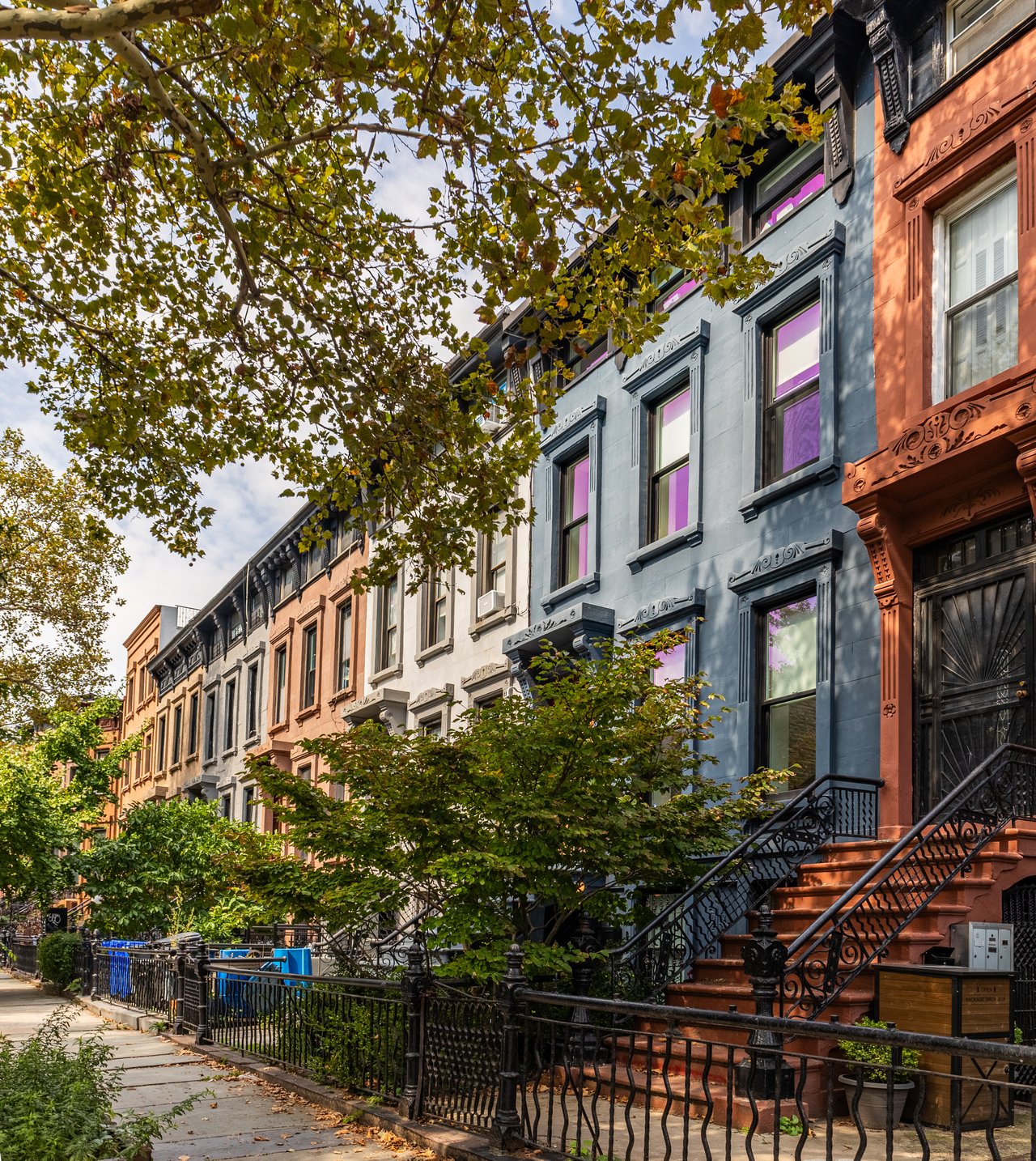
The Streets of Brooklyn: South 4th Street in South Williamsburg
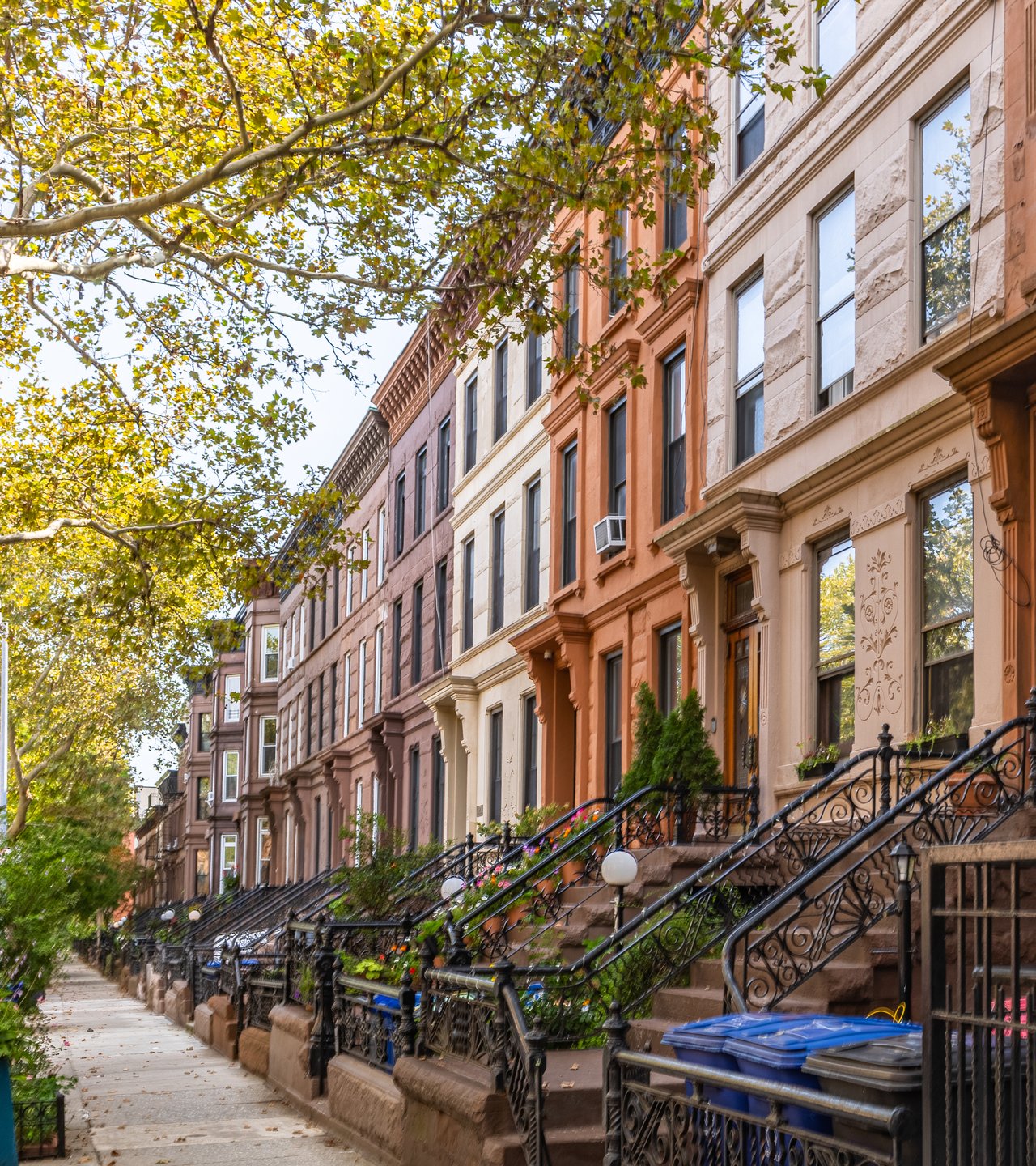
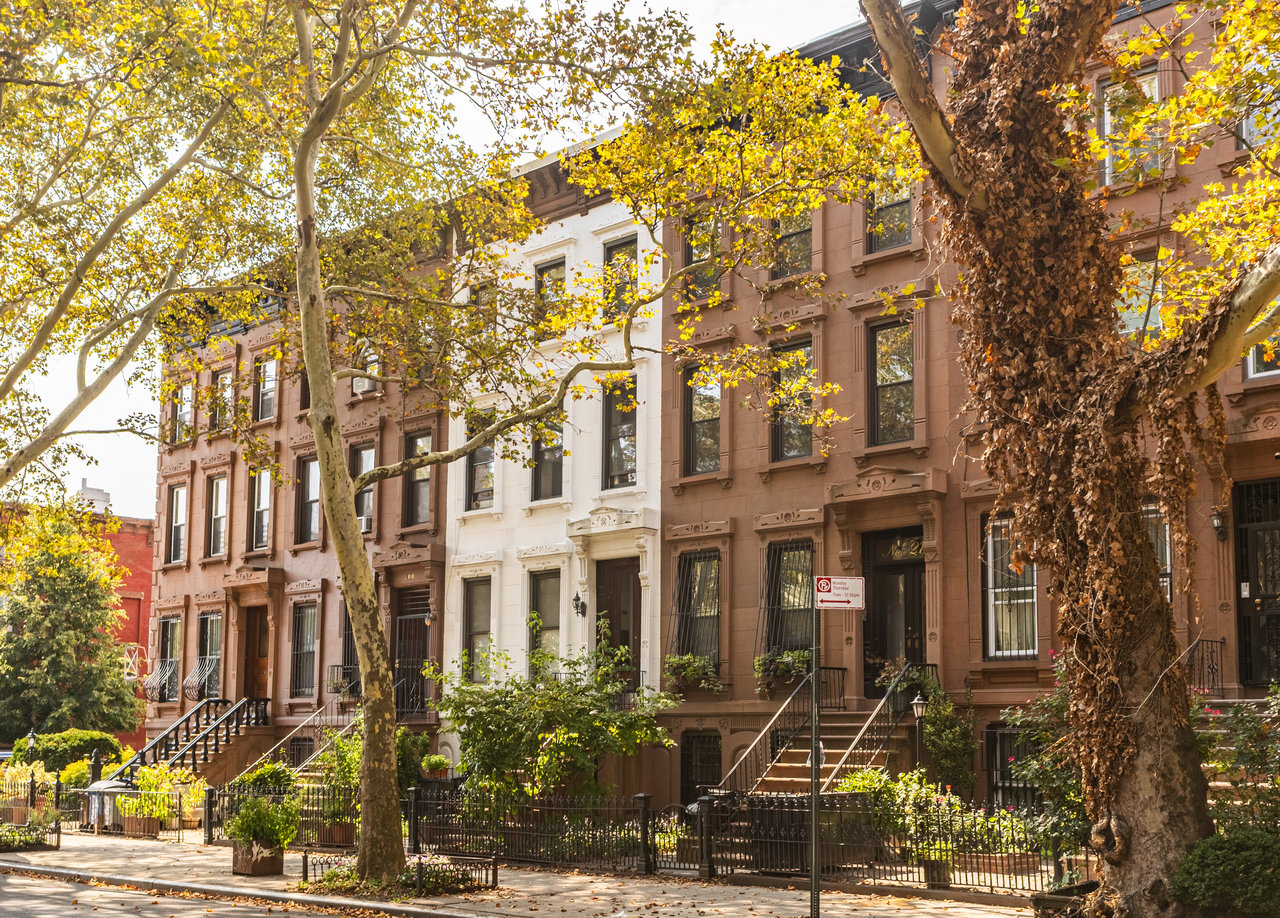
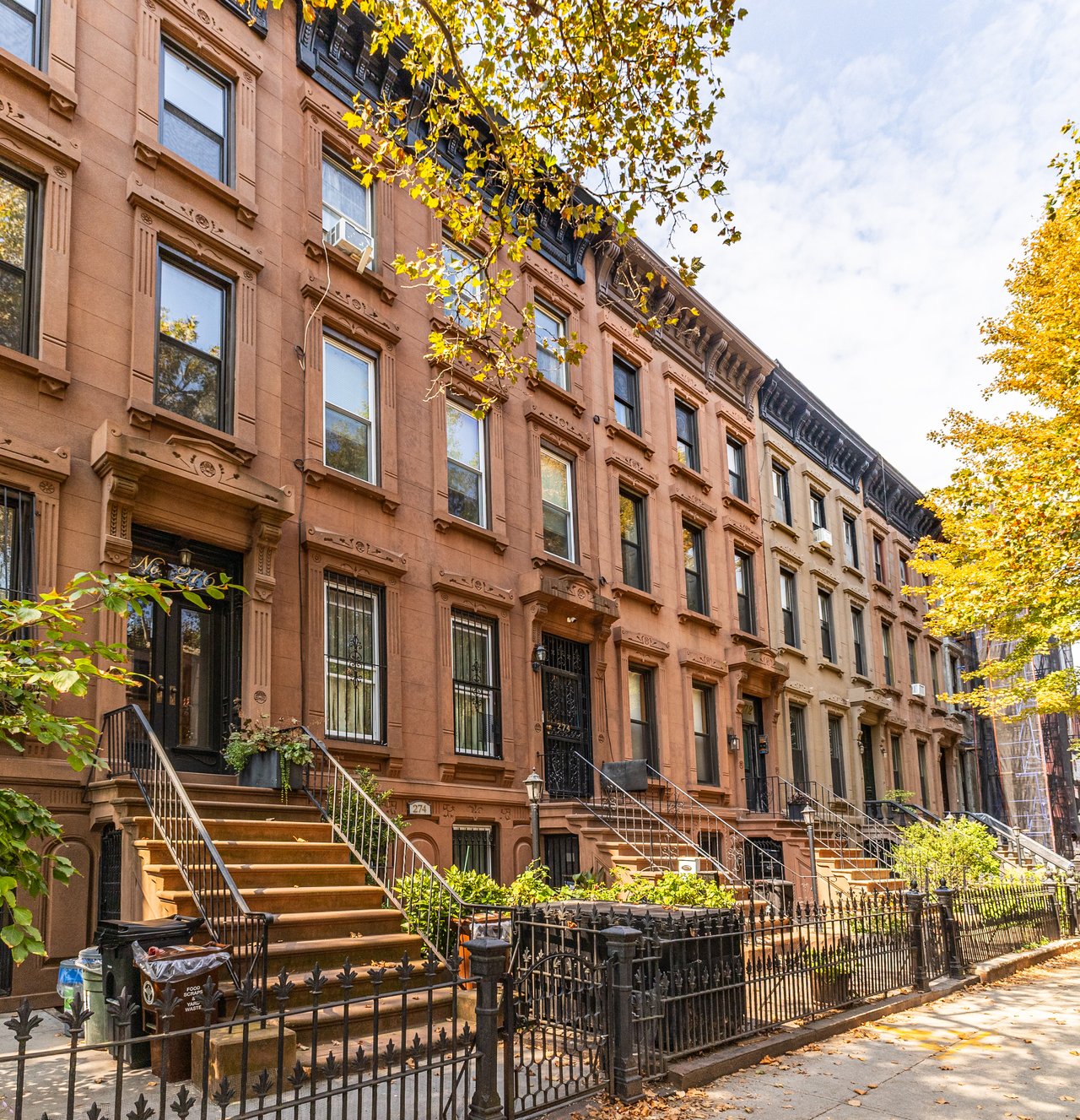
South 4th Street is one of South Williamsburg's most historically interesting residential streets, connecting Brooklyn's 19th-century row houses and early 20th-century apartment buildings with the Williamsburg Bridge, Continental Army Plaza, and the neighborhood's longstanding cultural institutions.
Located between South 3rd Street and South 5th Street, South 4th Street runs through a section of Williamsburg that experienced significant changes during the development of Brooklyn's industrial economy, the construction of the Williamsburg Bridge, and the arrival of successive immigrant communities.
Unlike streets primarily associated with Williamsburg's newer waterfront developments, South 4th Street has a particularly strong connection to the neighborhood's transportation and residential history. The street leads toward Continental Army Plaza, a public space developed around the Williamsburg Bridge approach, where a monument to George Washington recalls the area's early 20th-century civic planning.
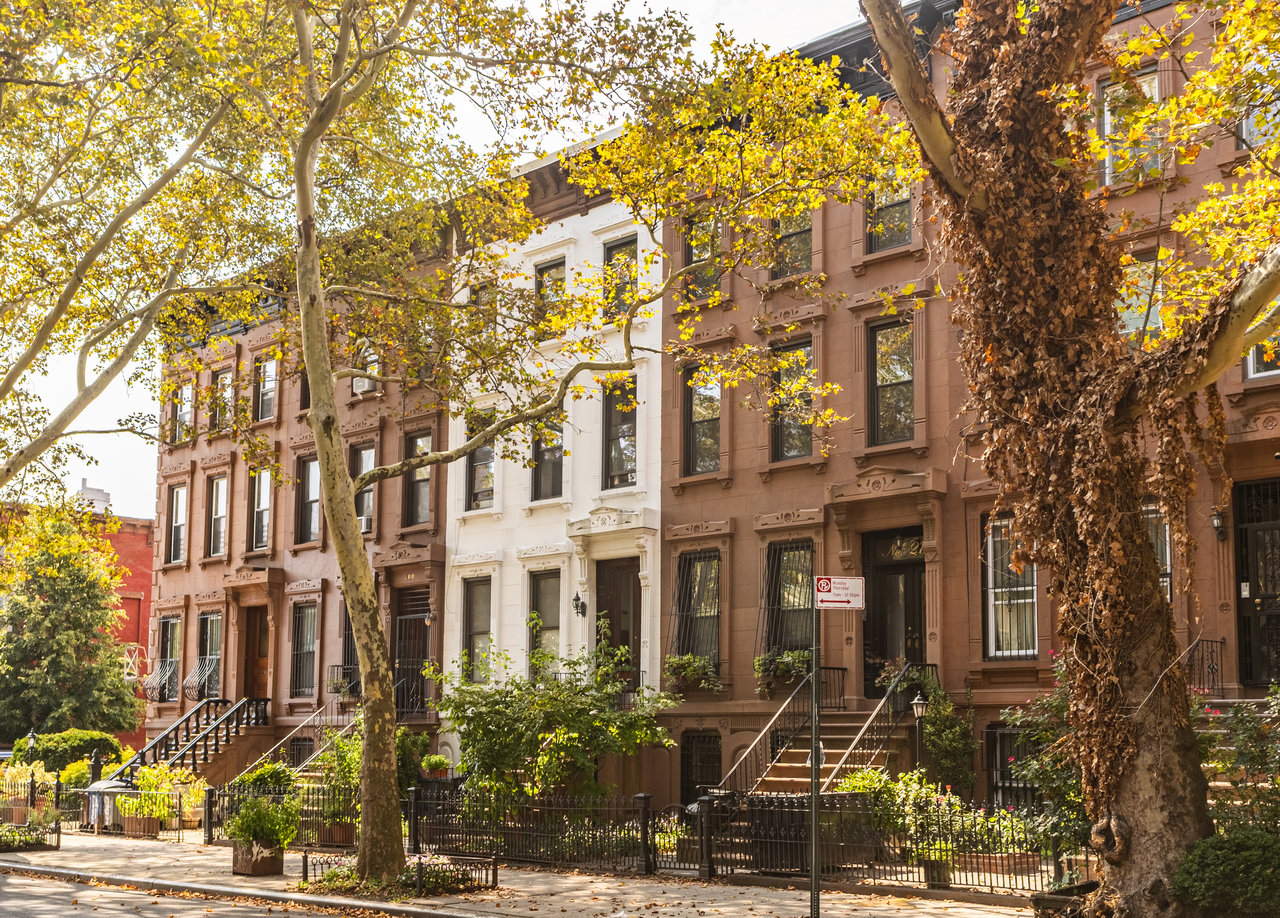
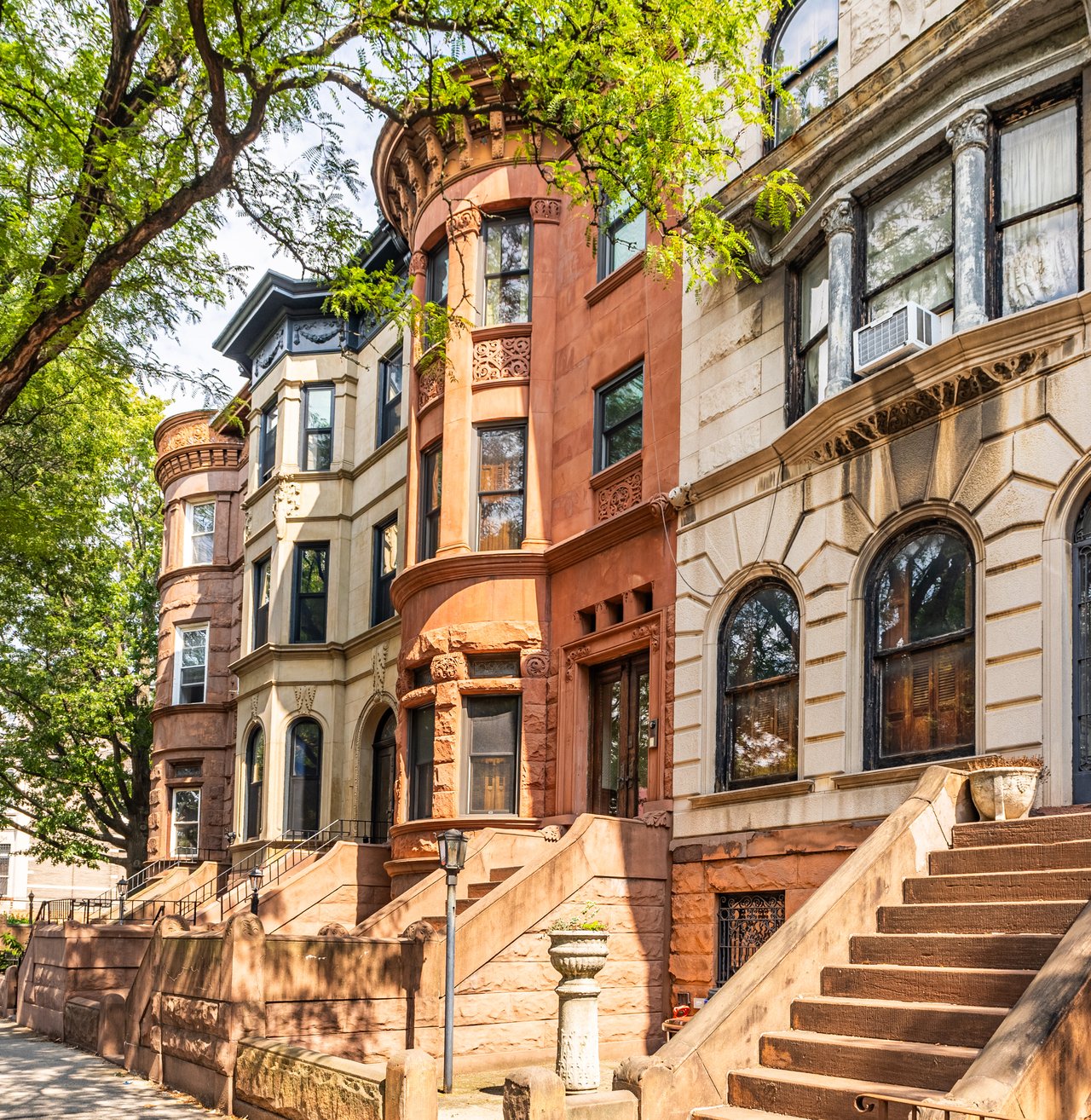
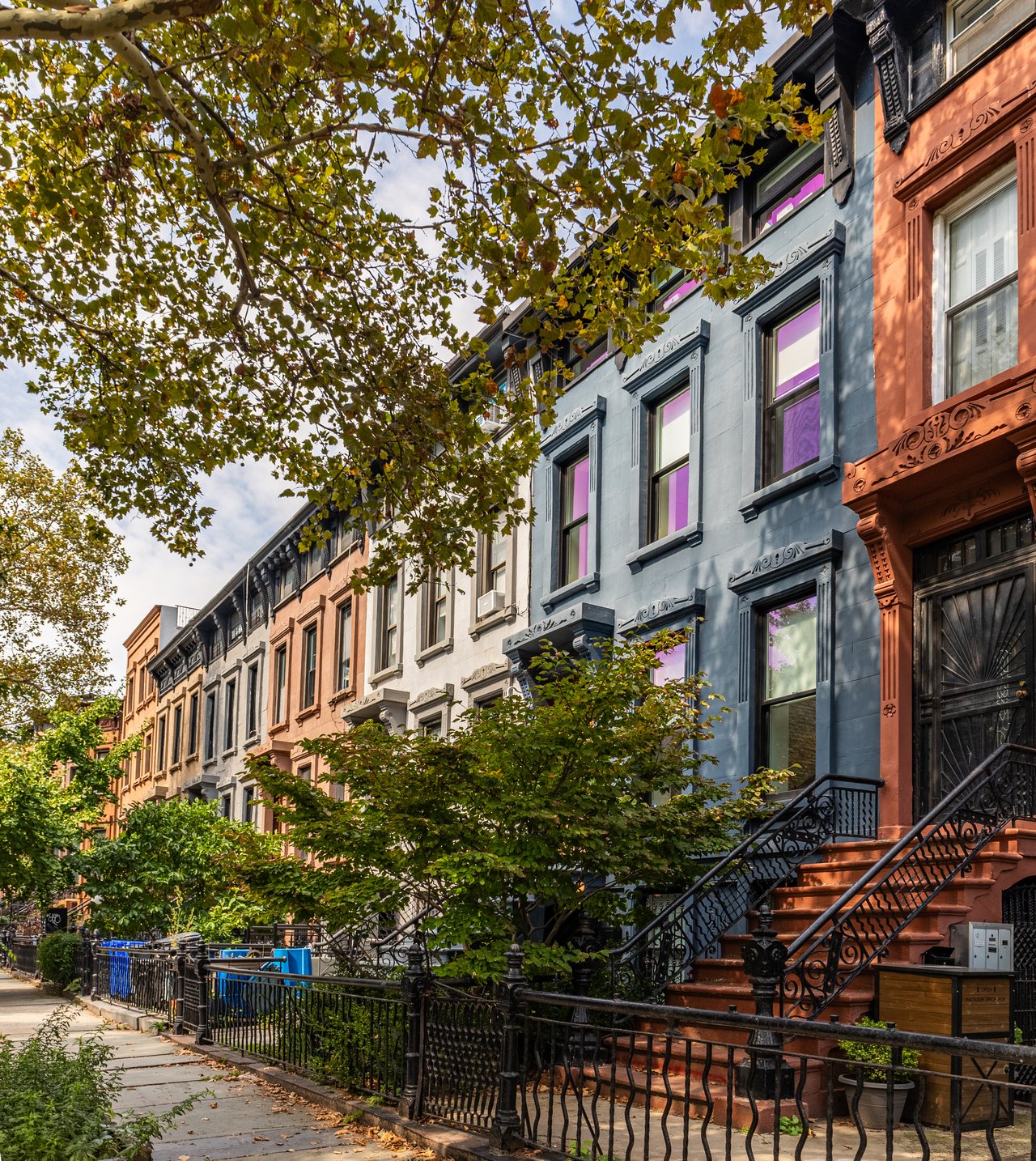
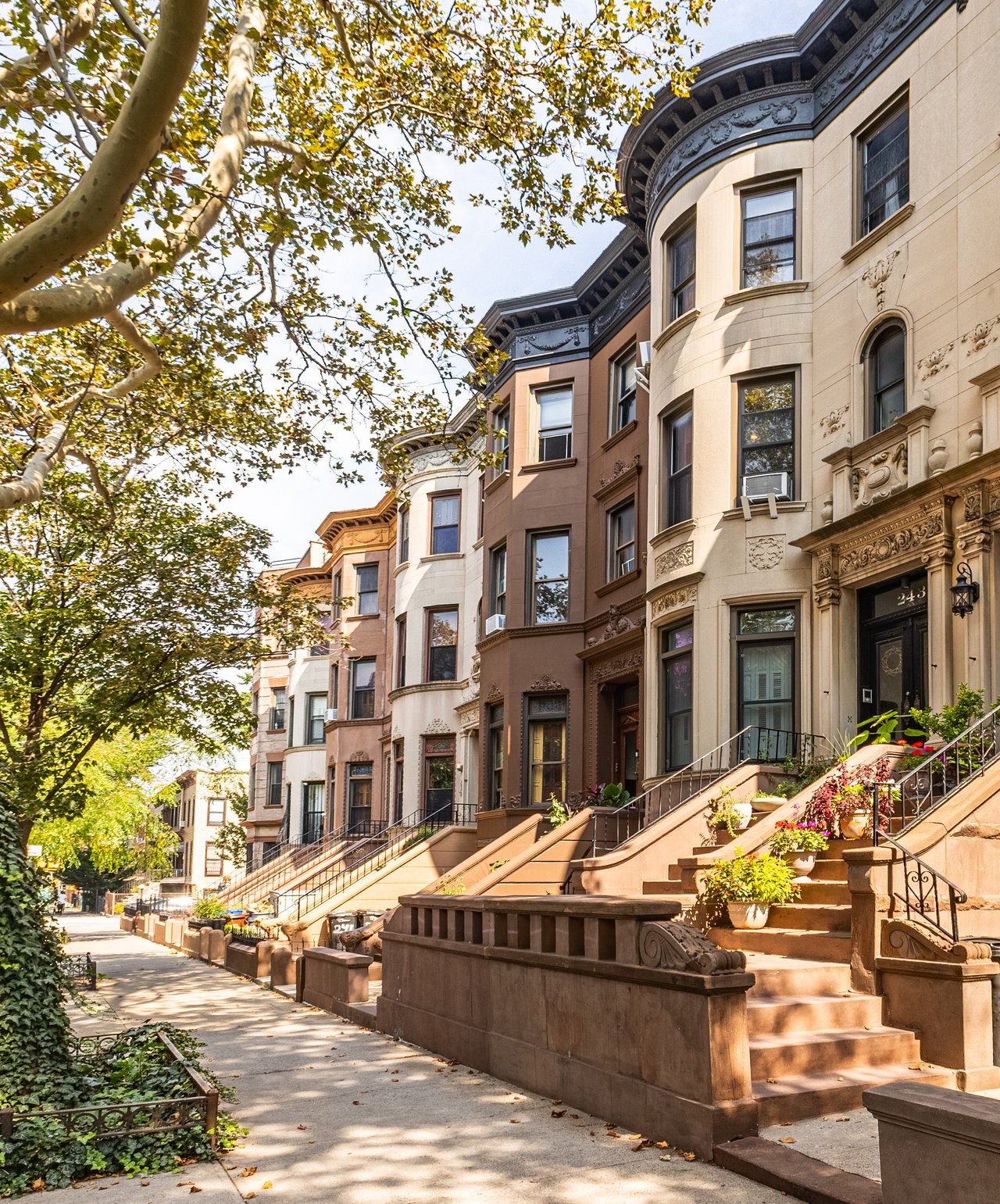
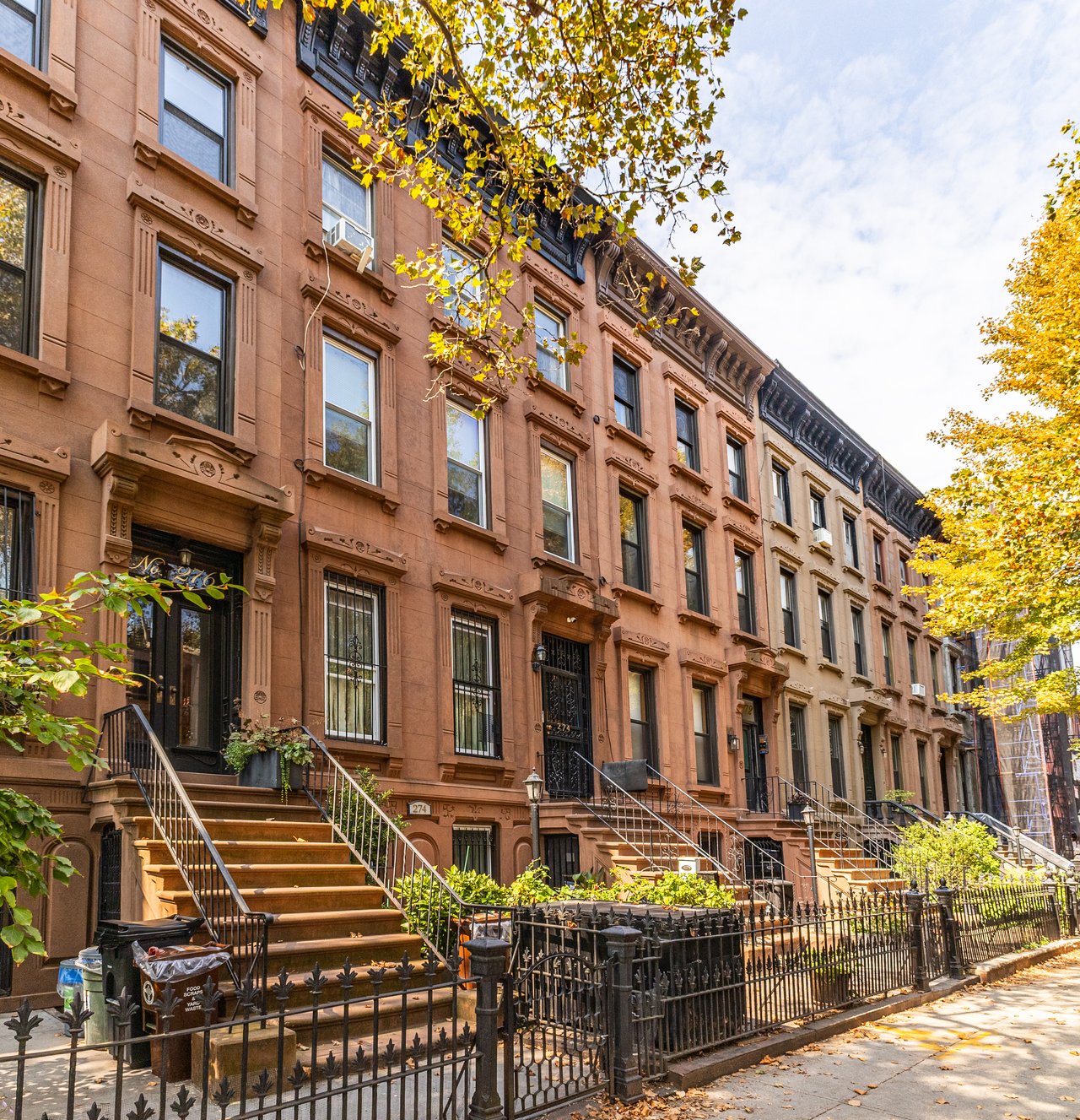
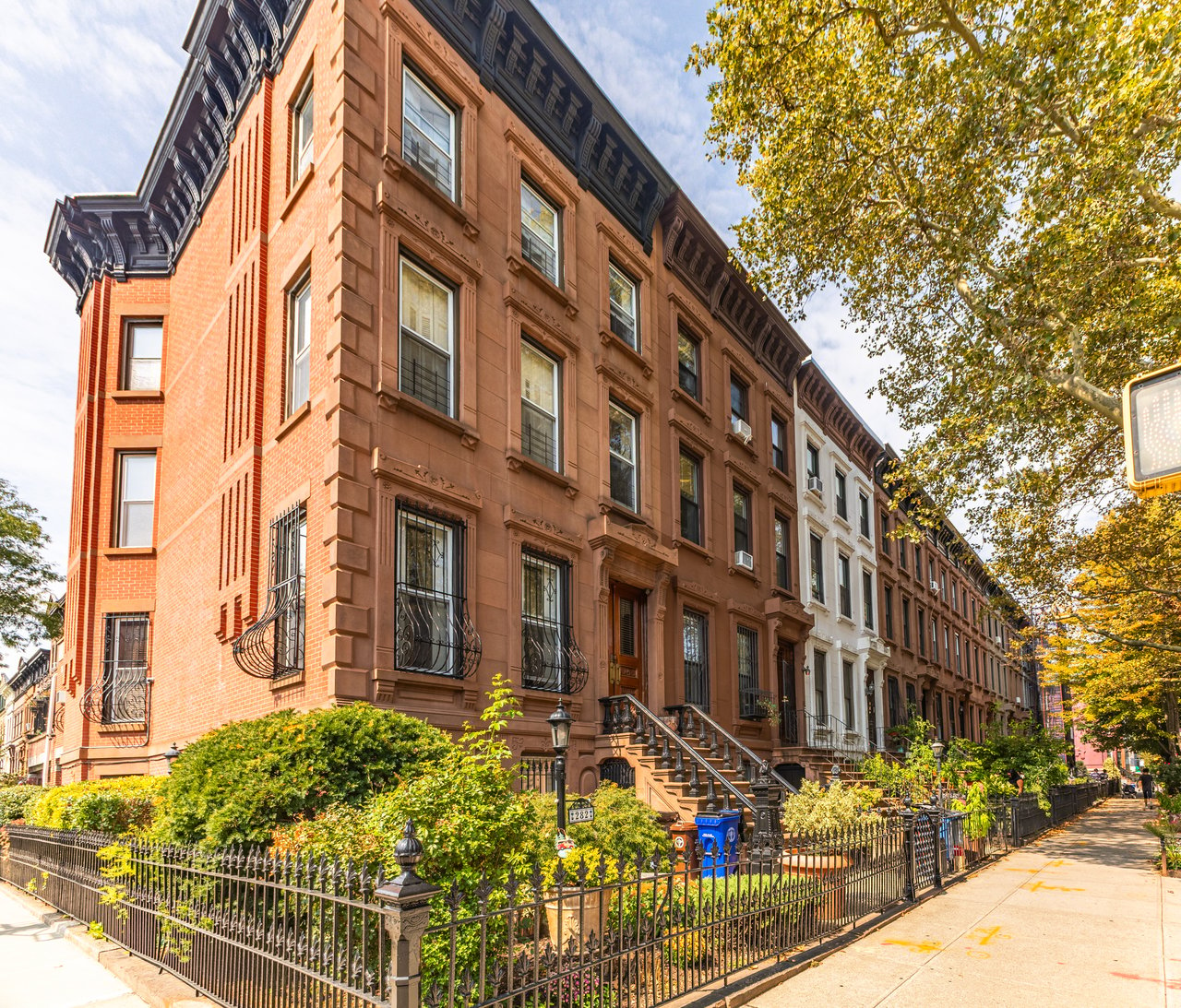
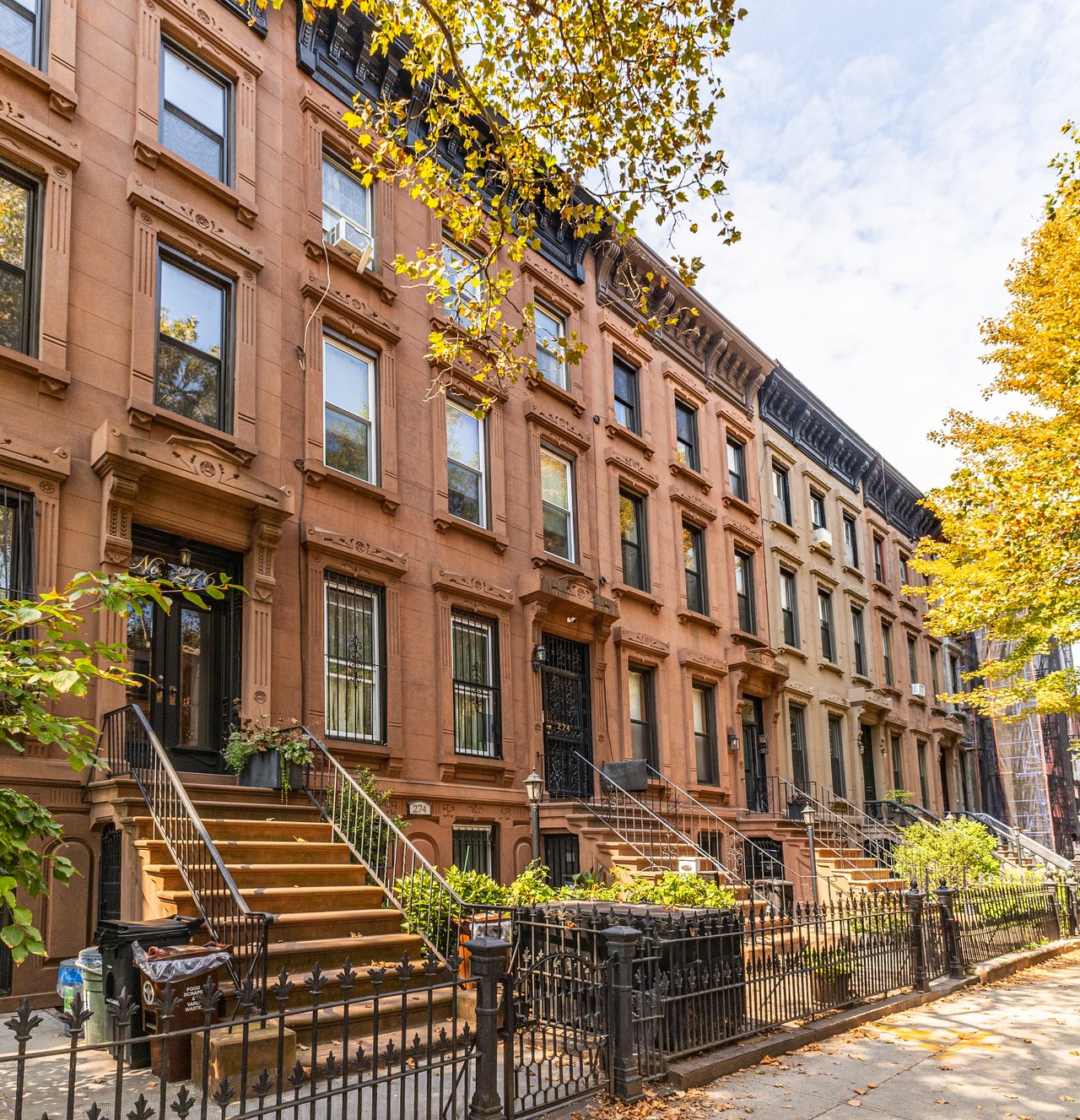
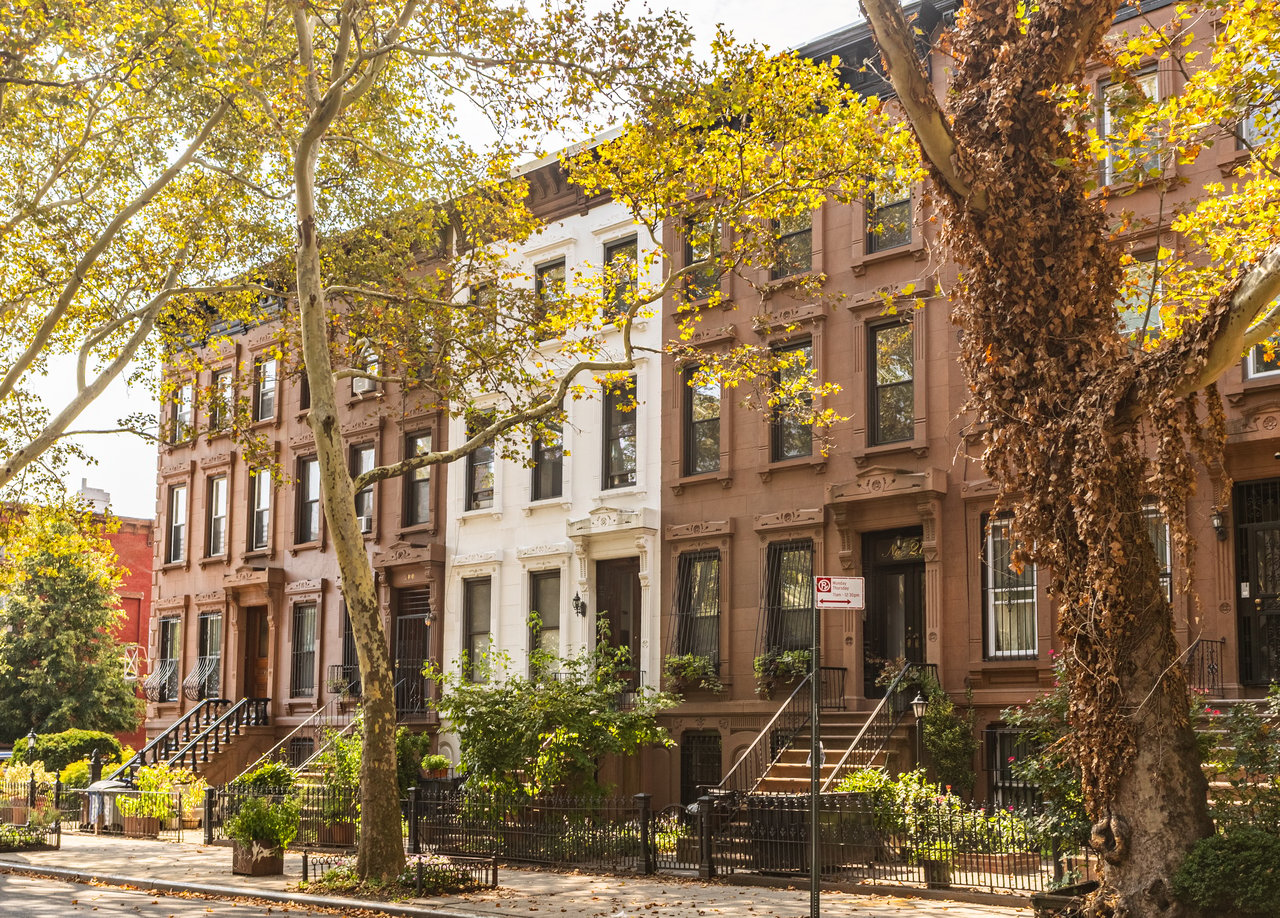
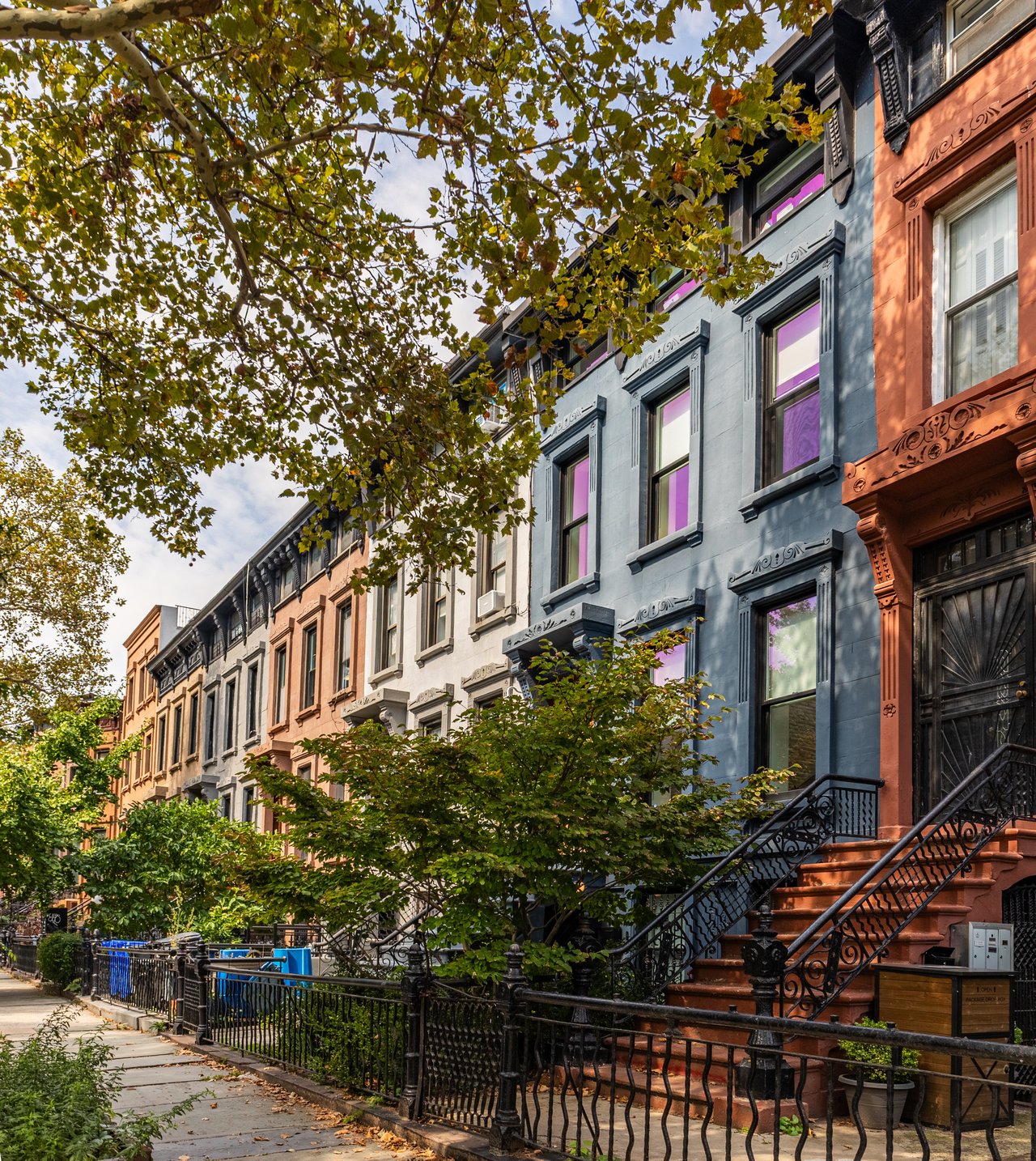
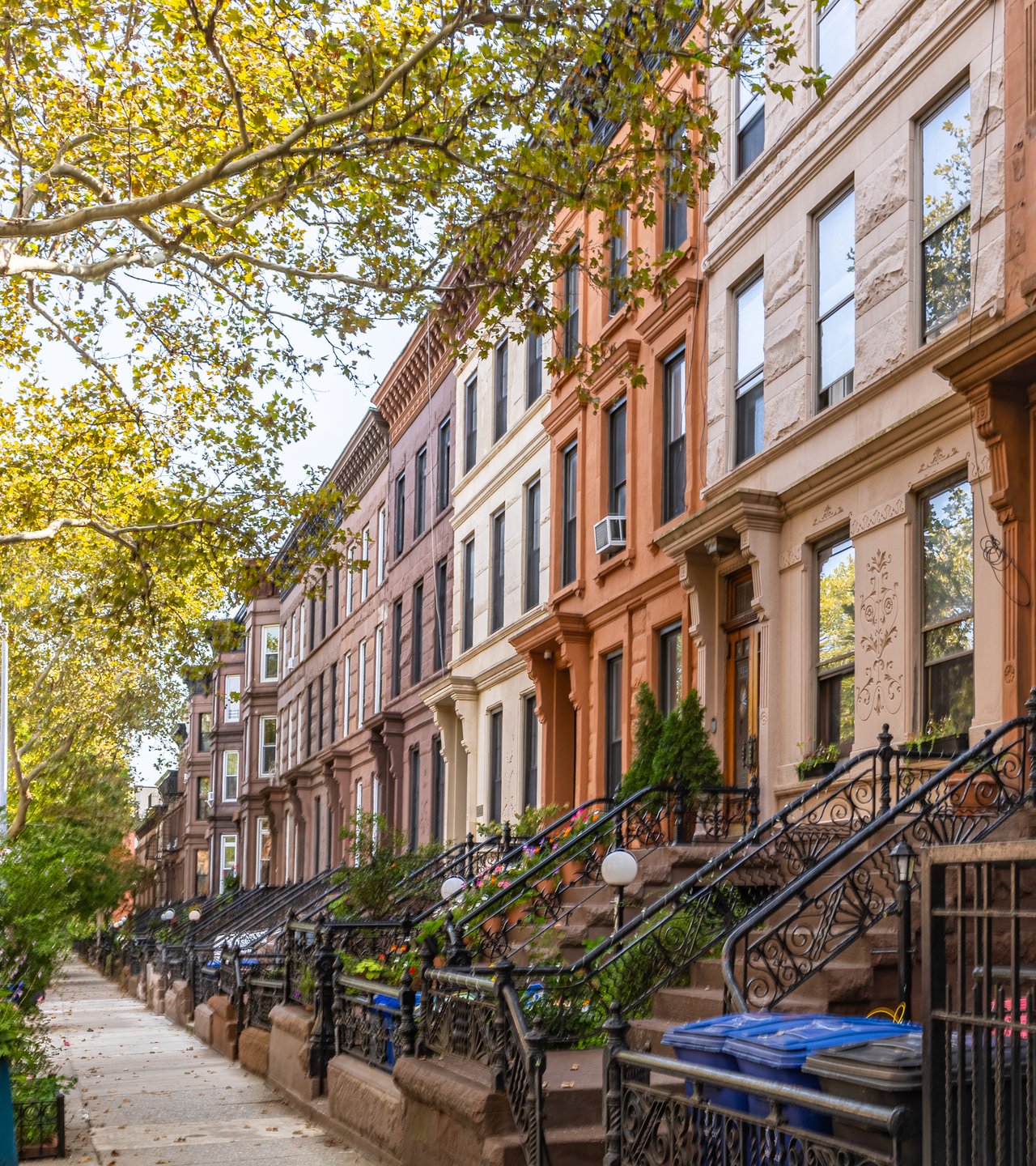
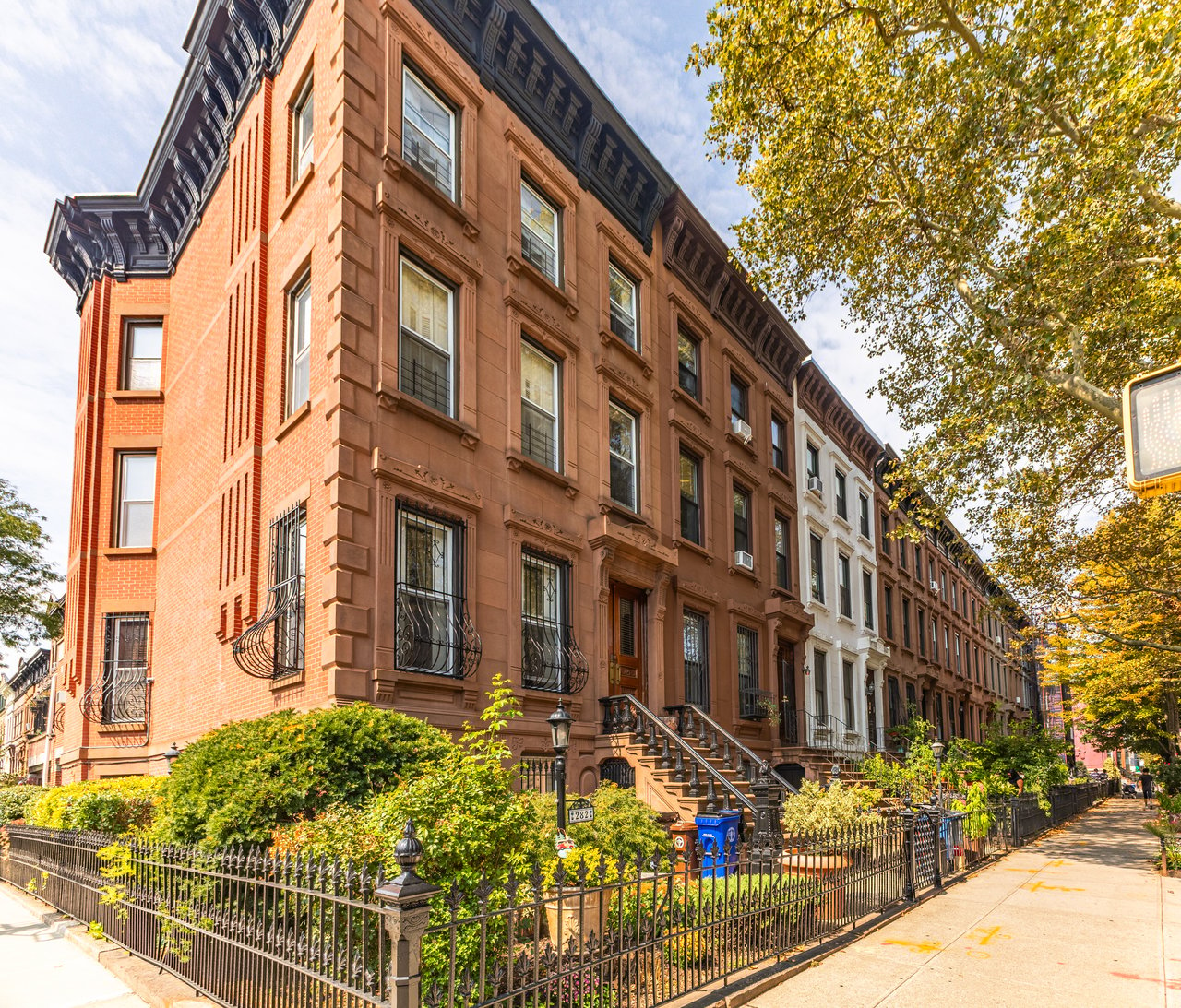
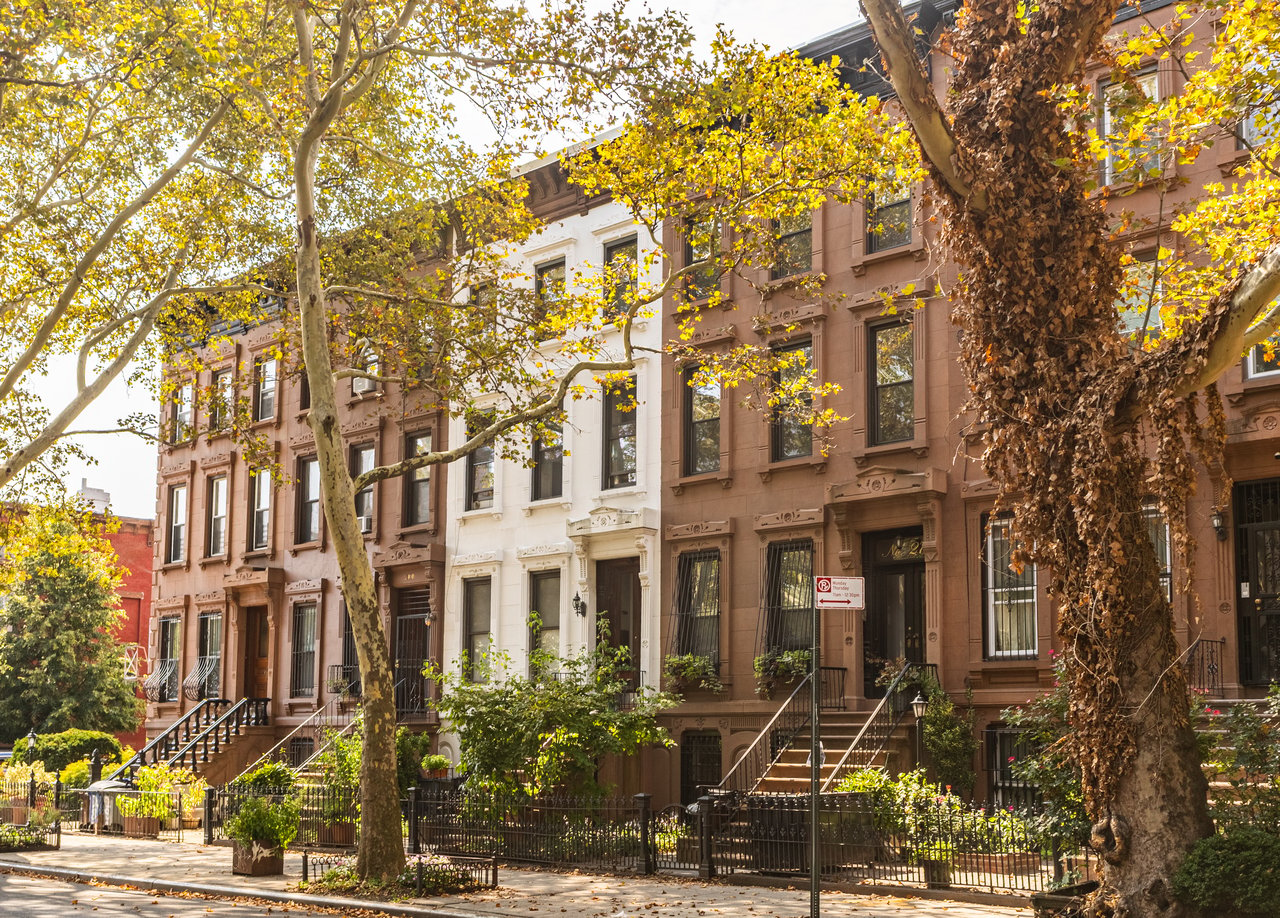
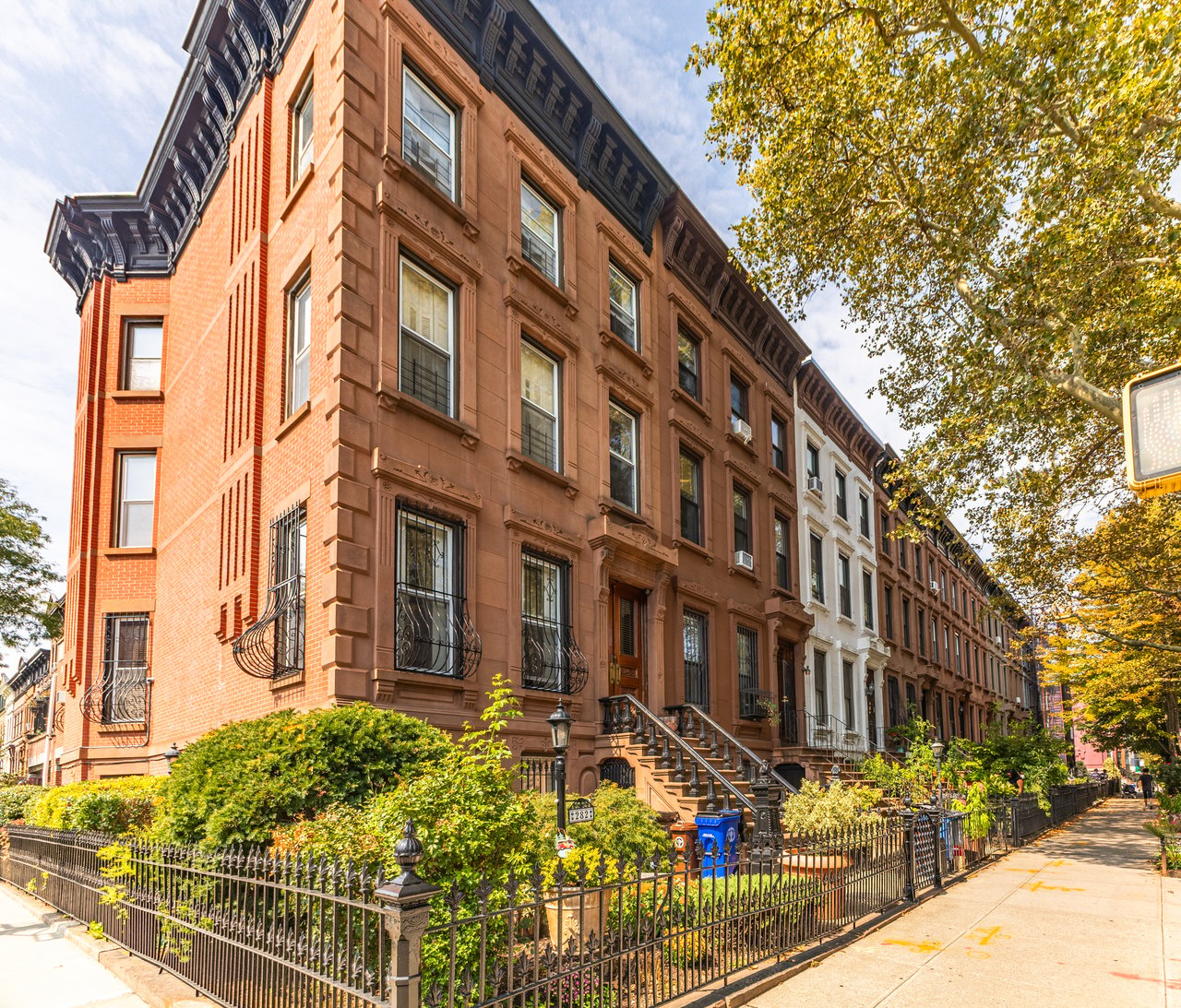
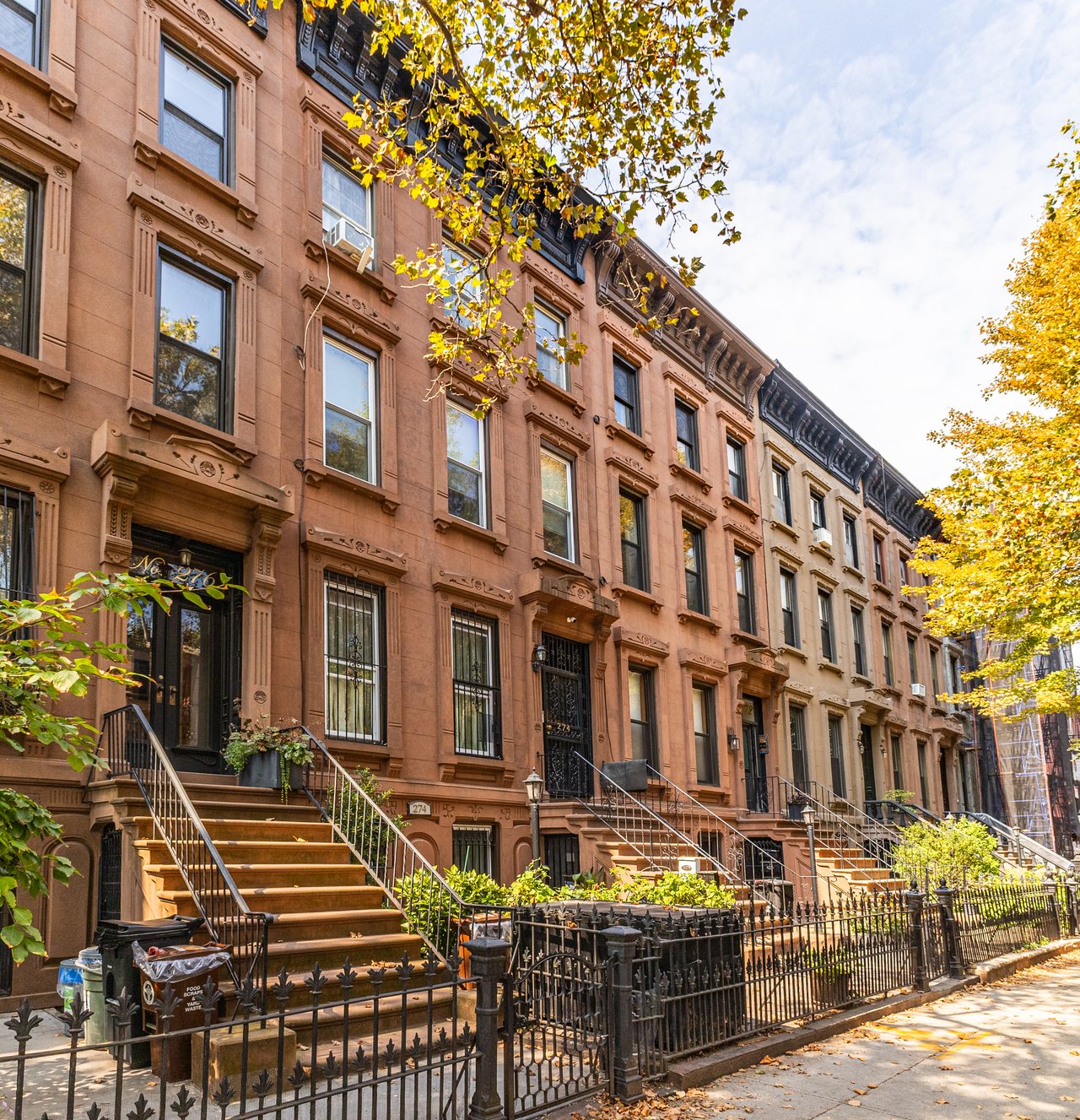
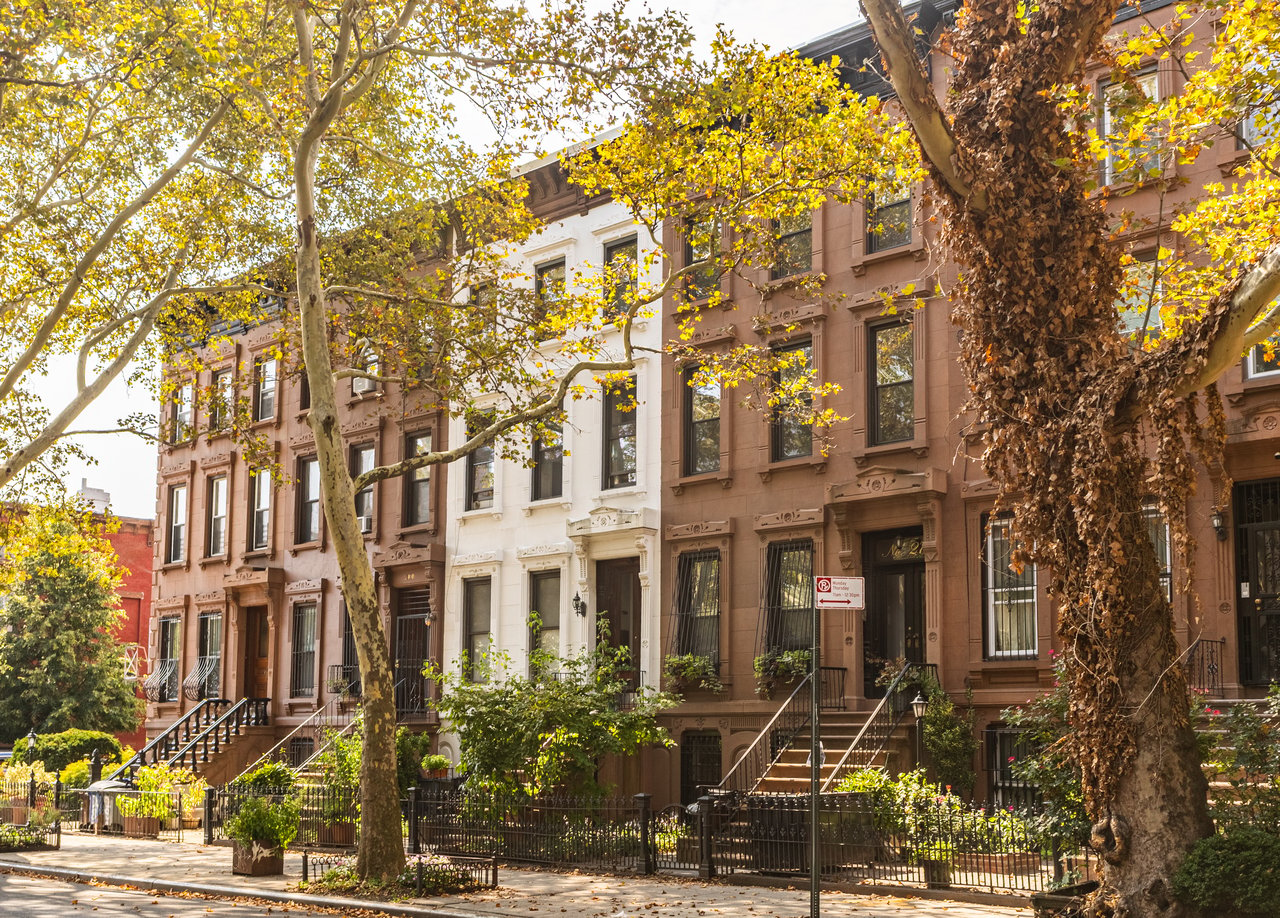
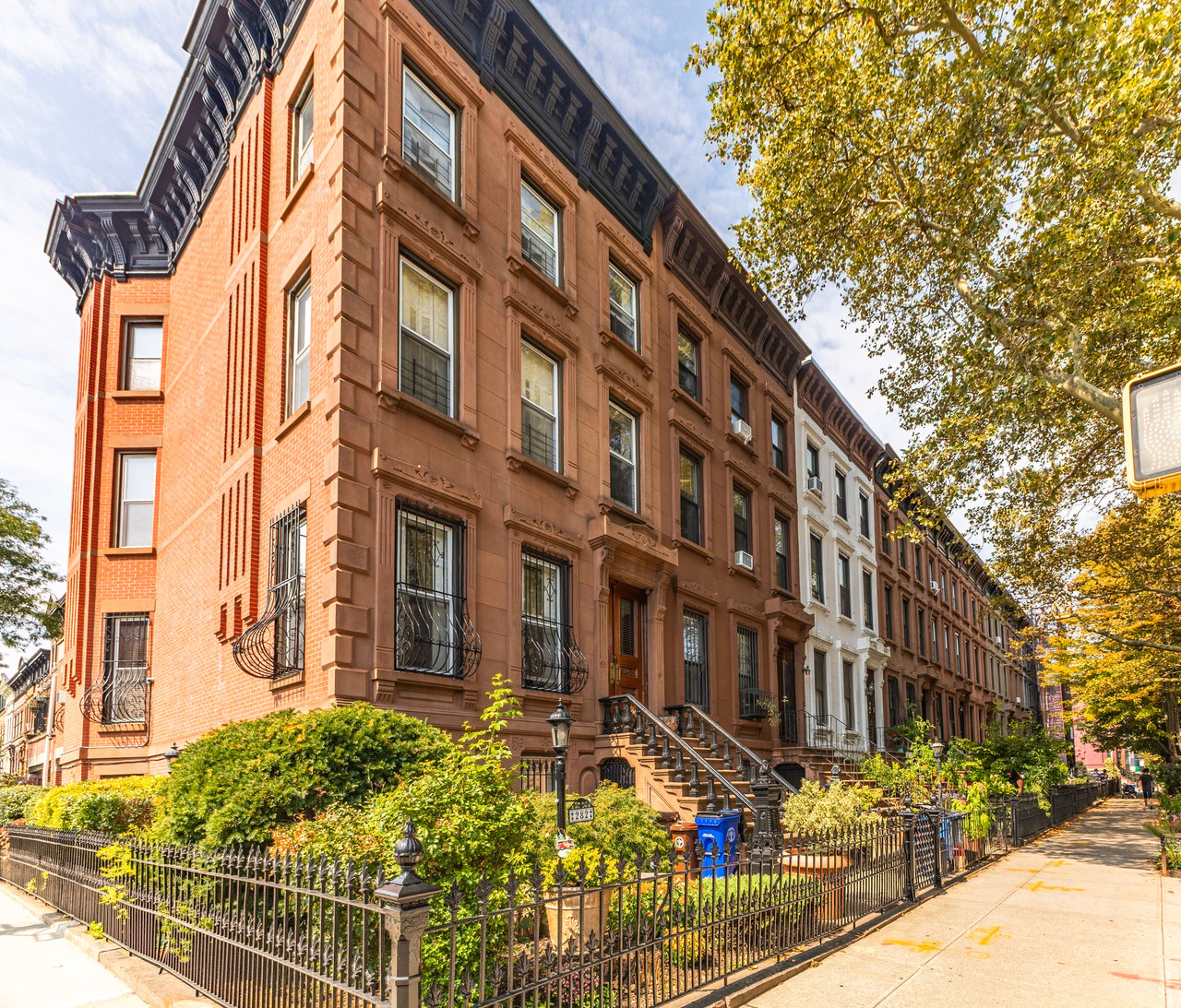
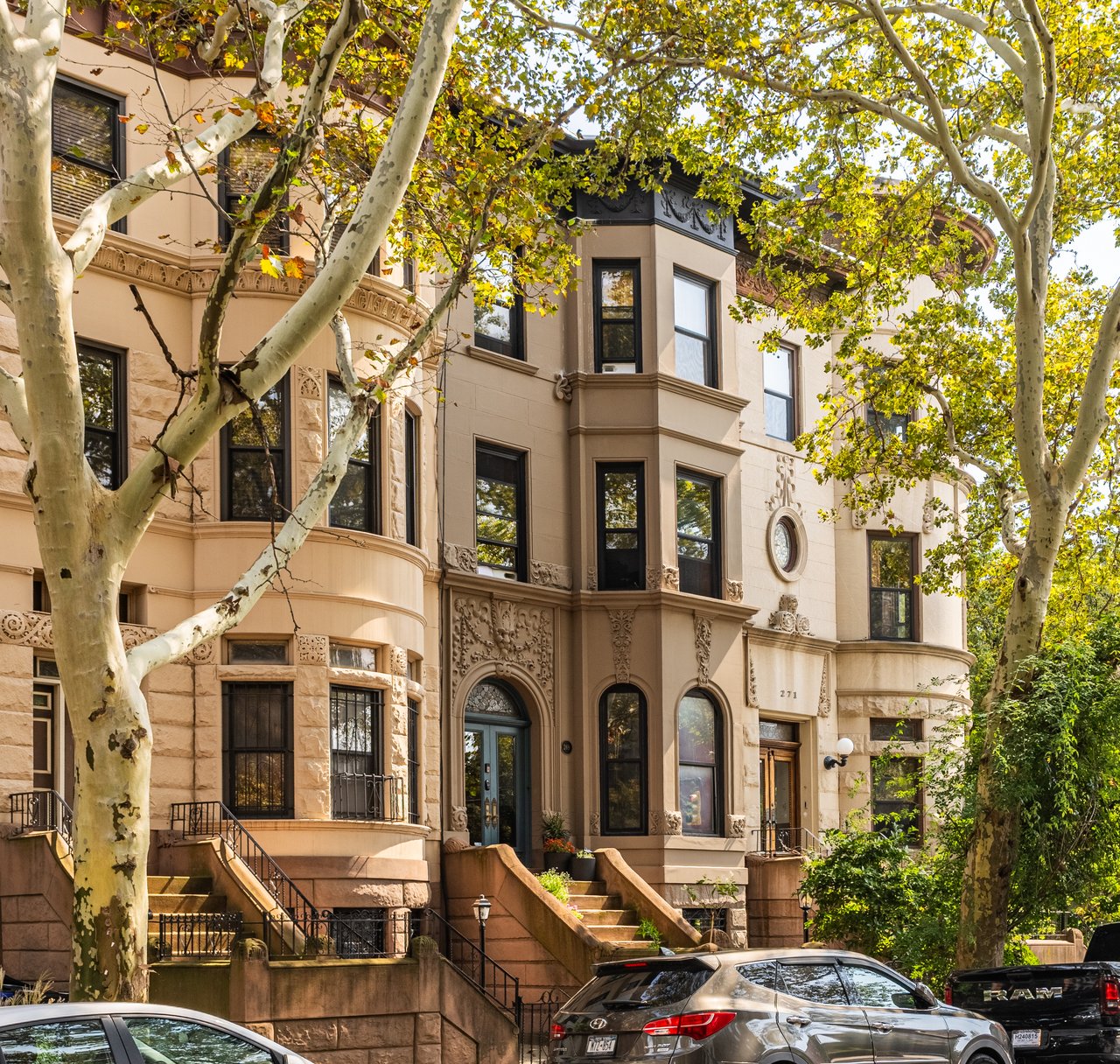
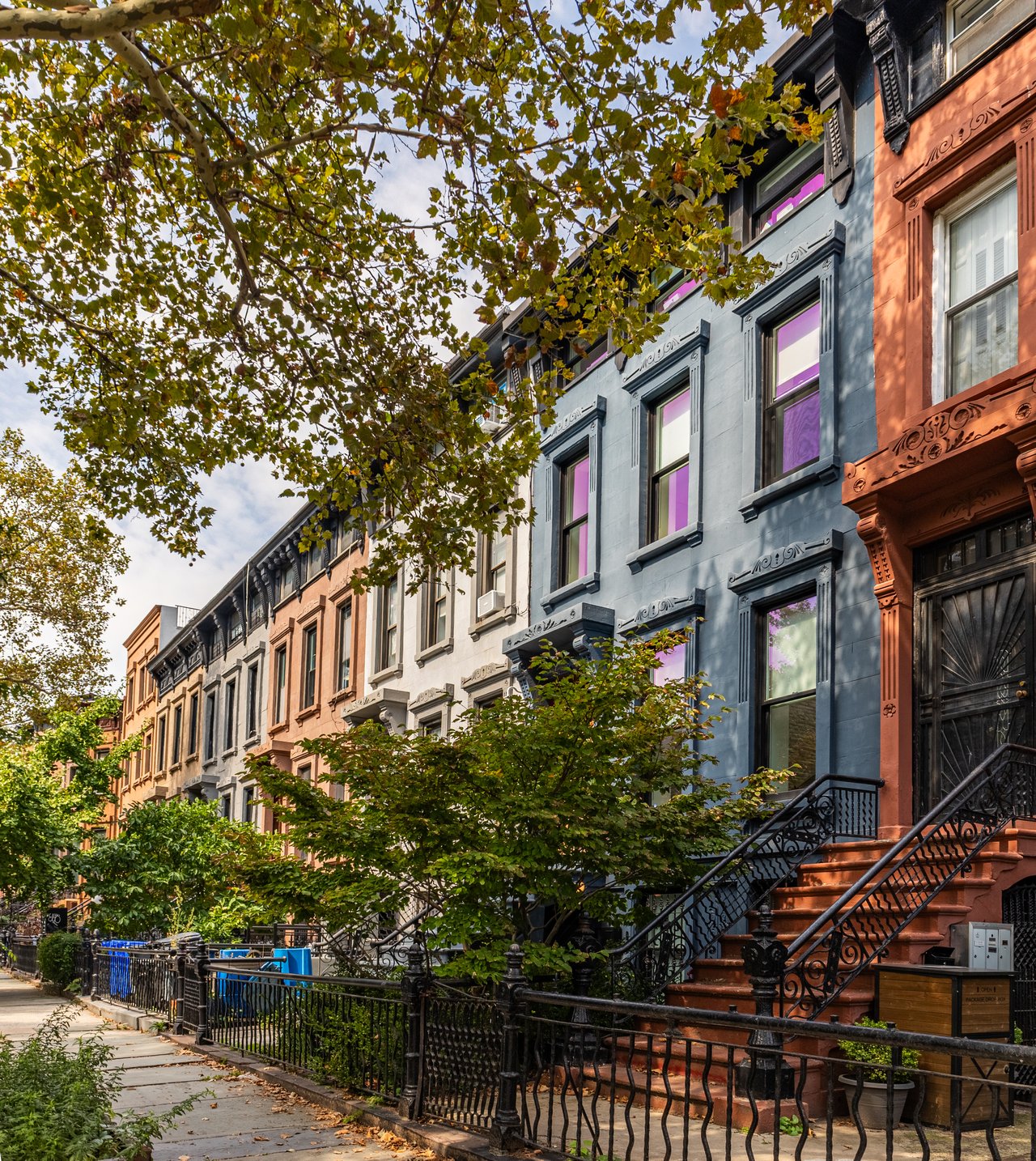
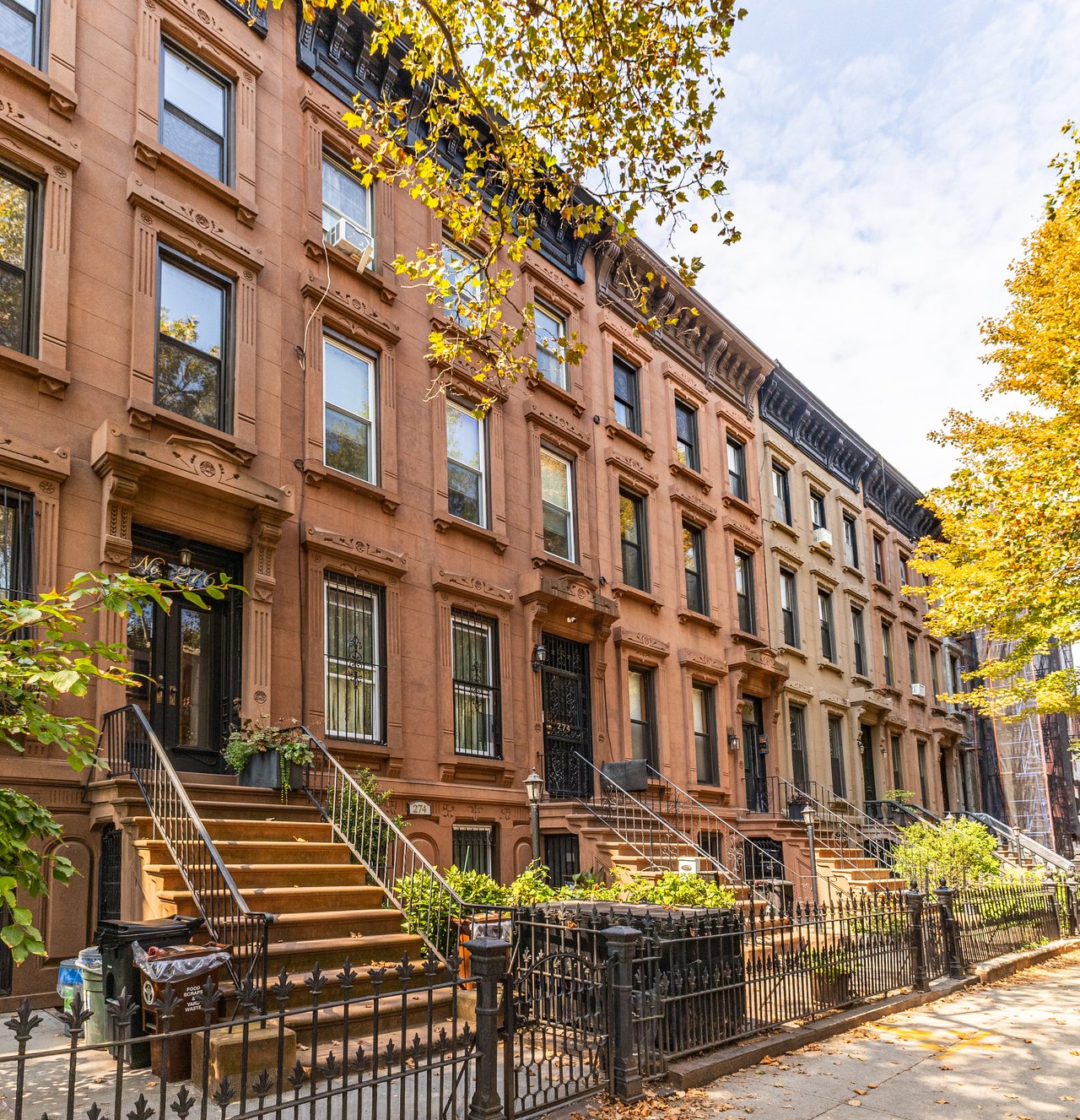
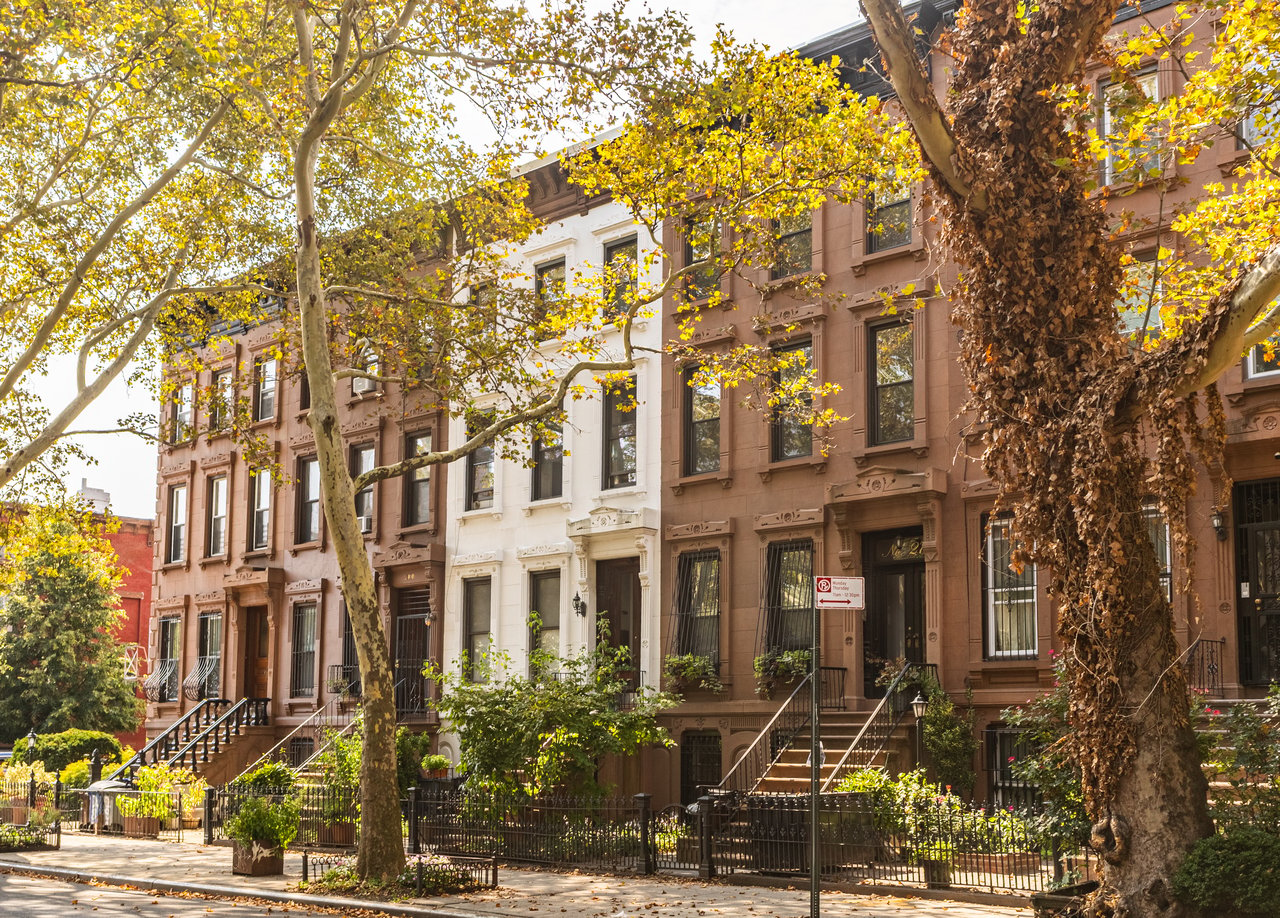
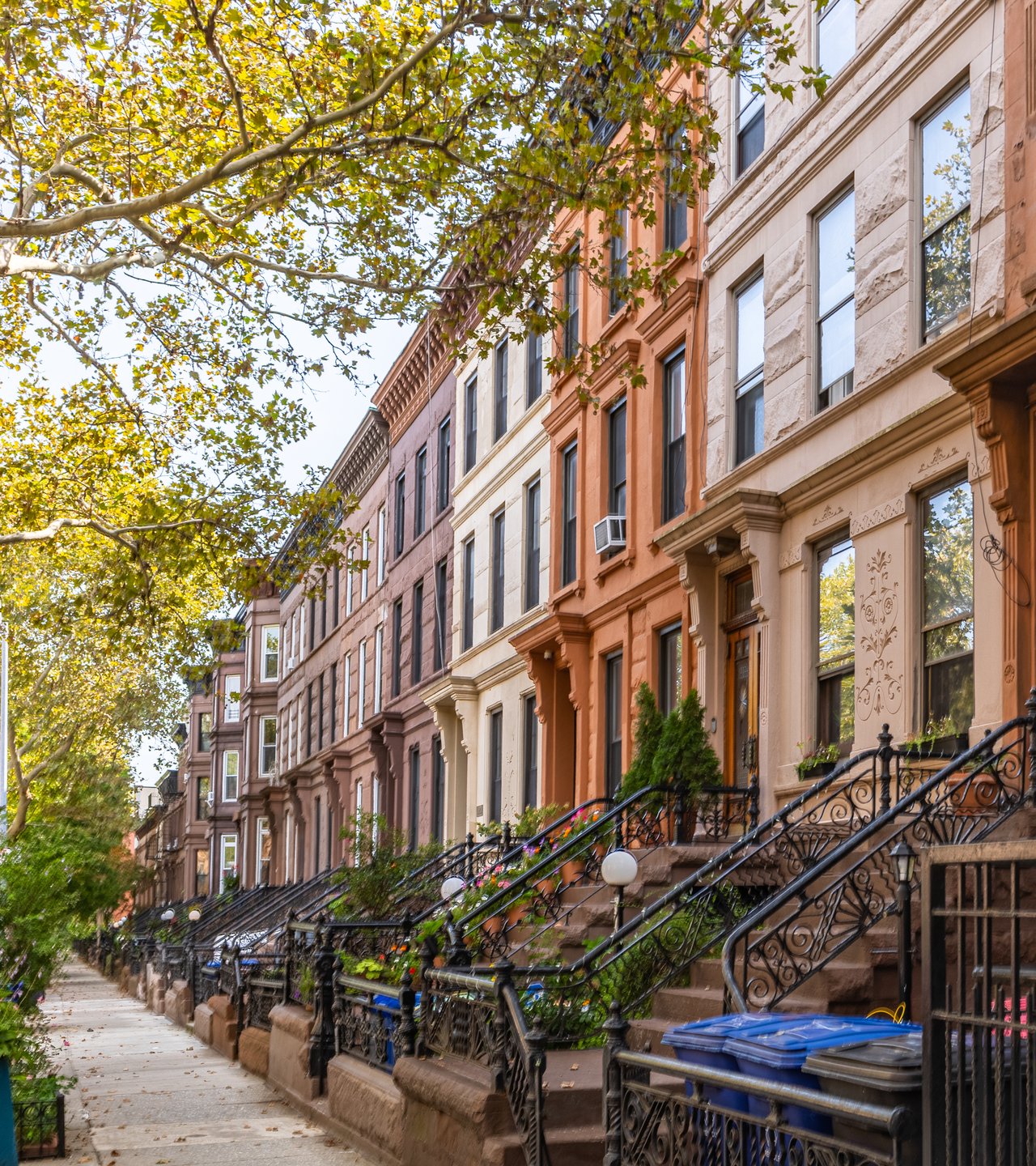
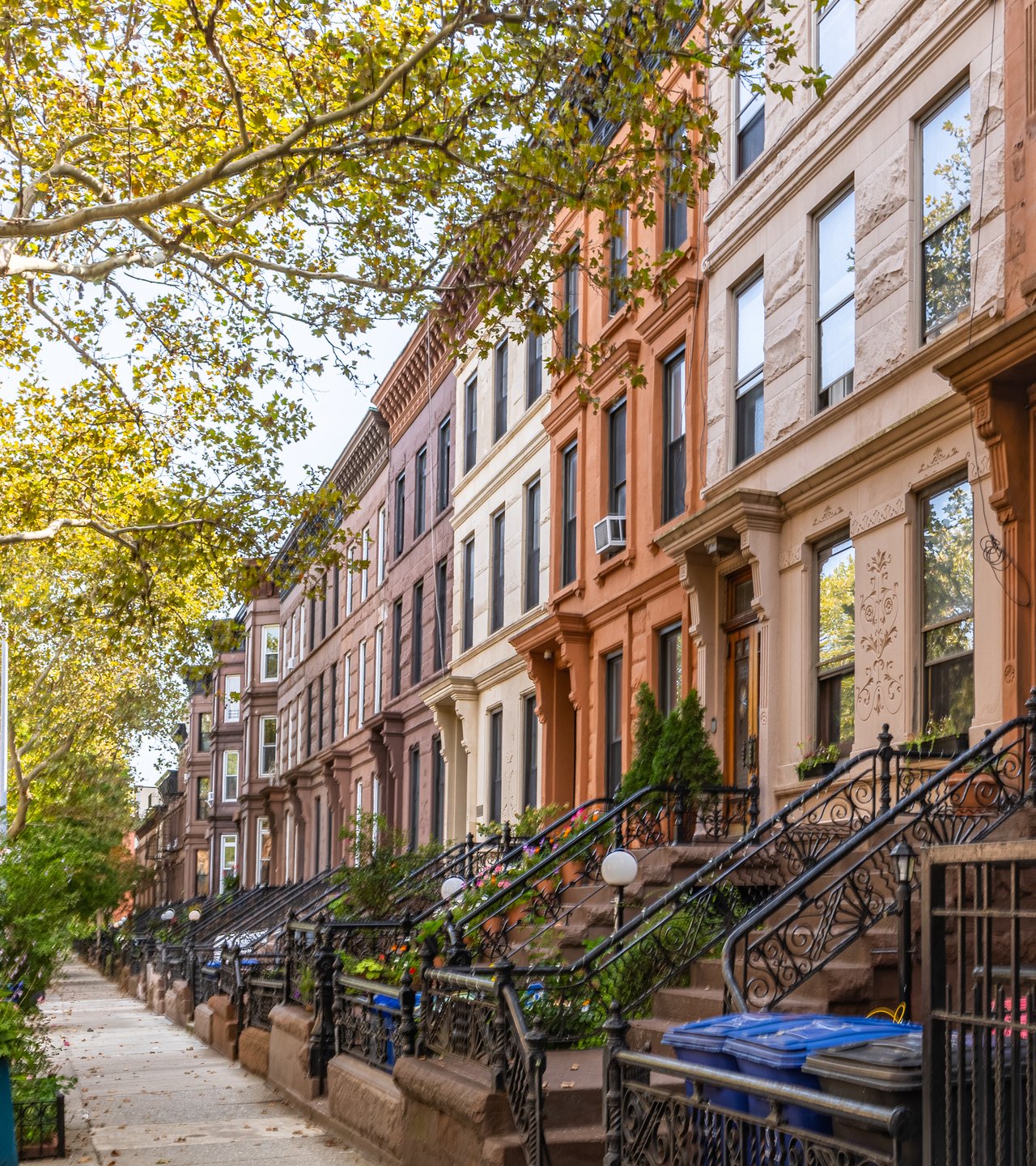
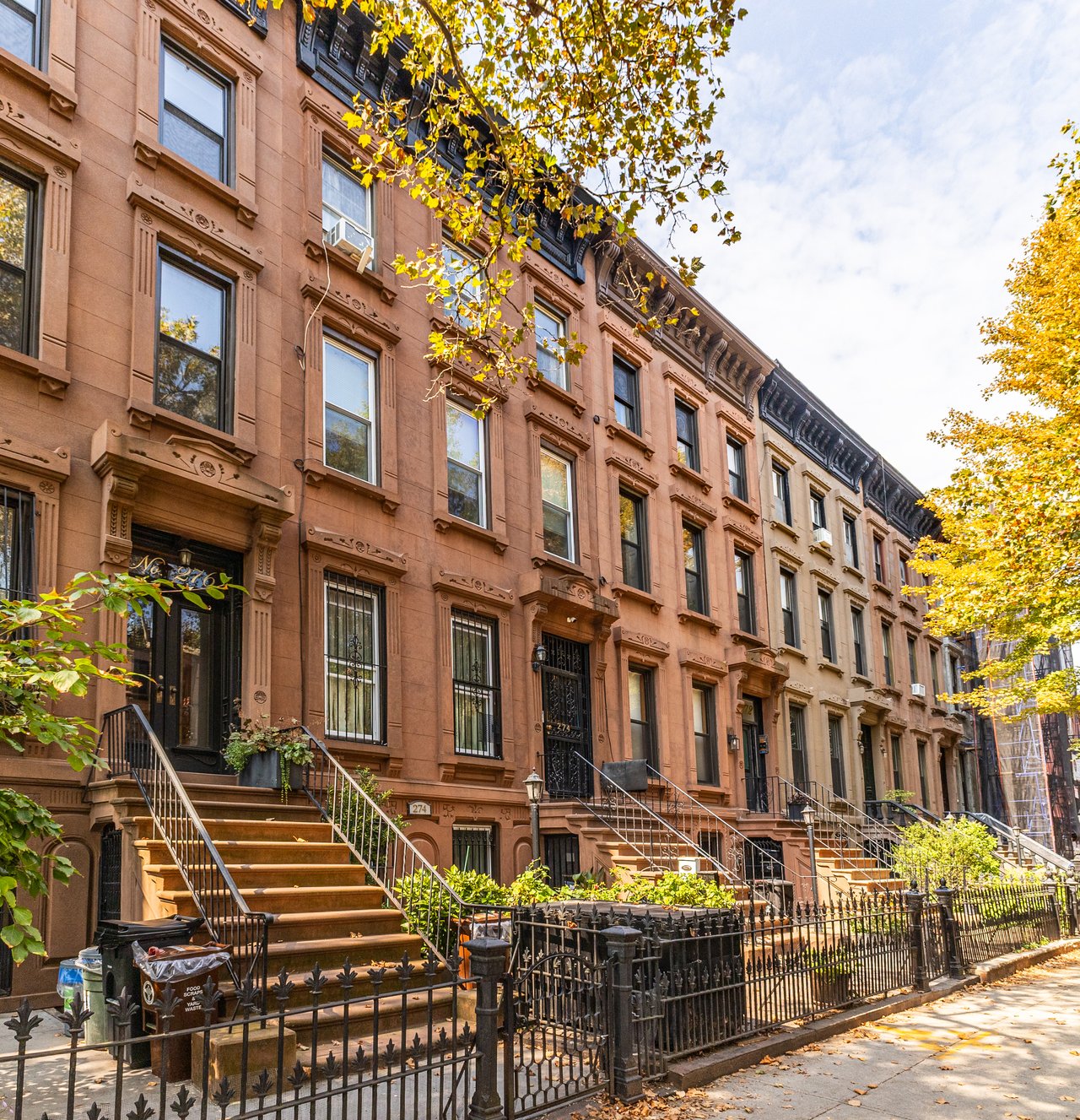
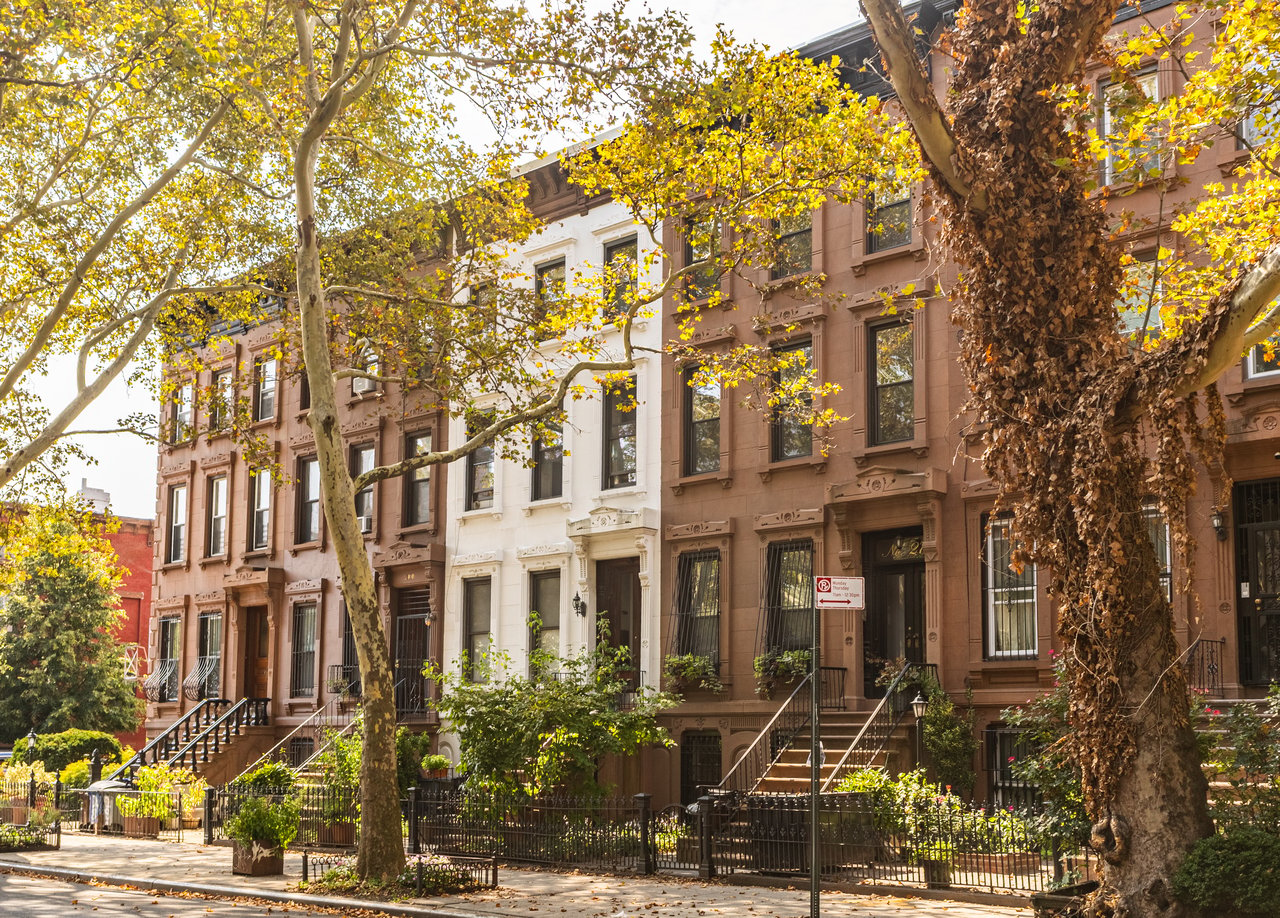
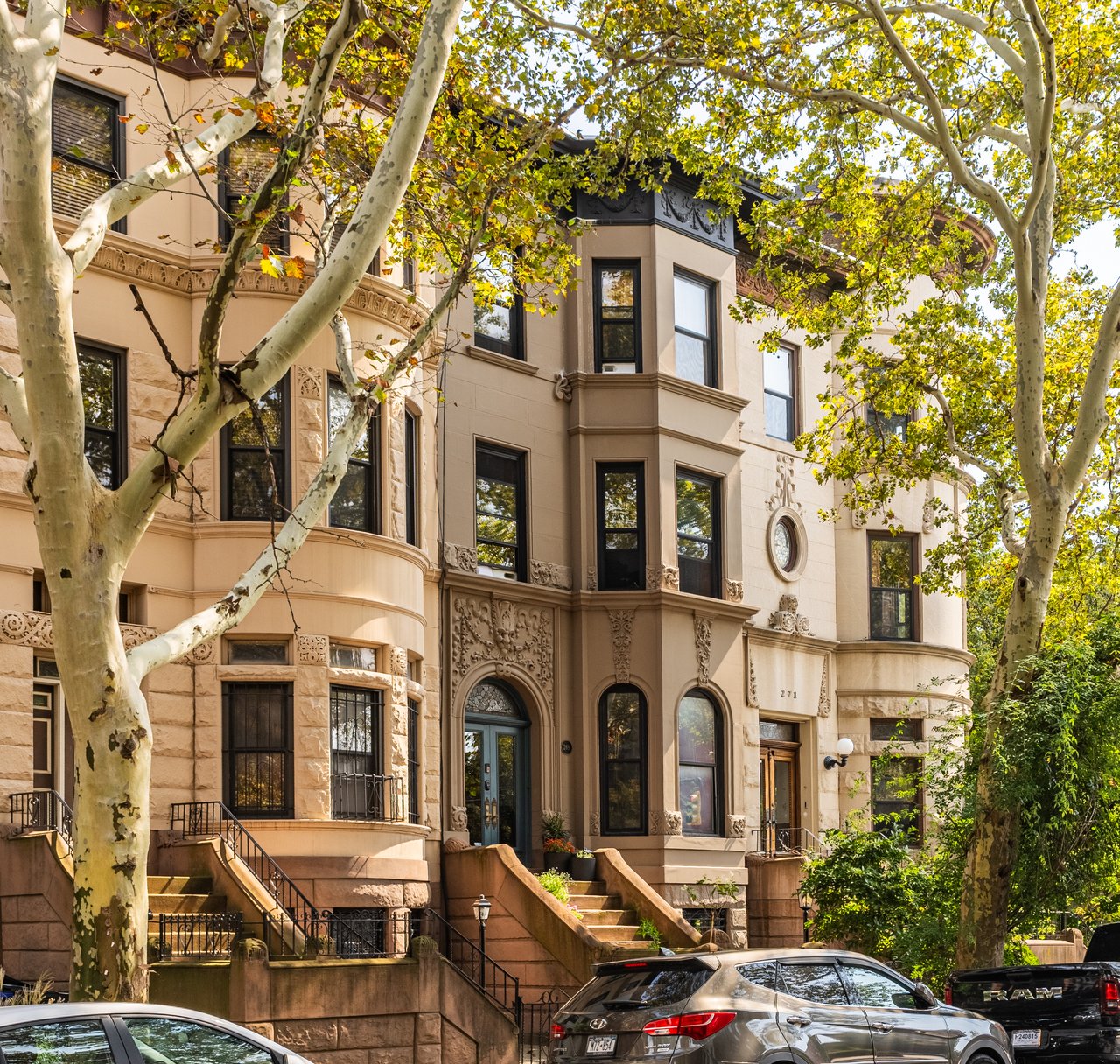
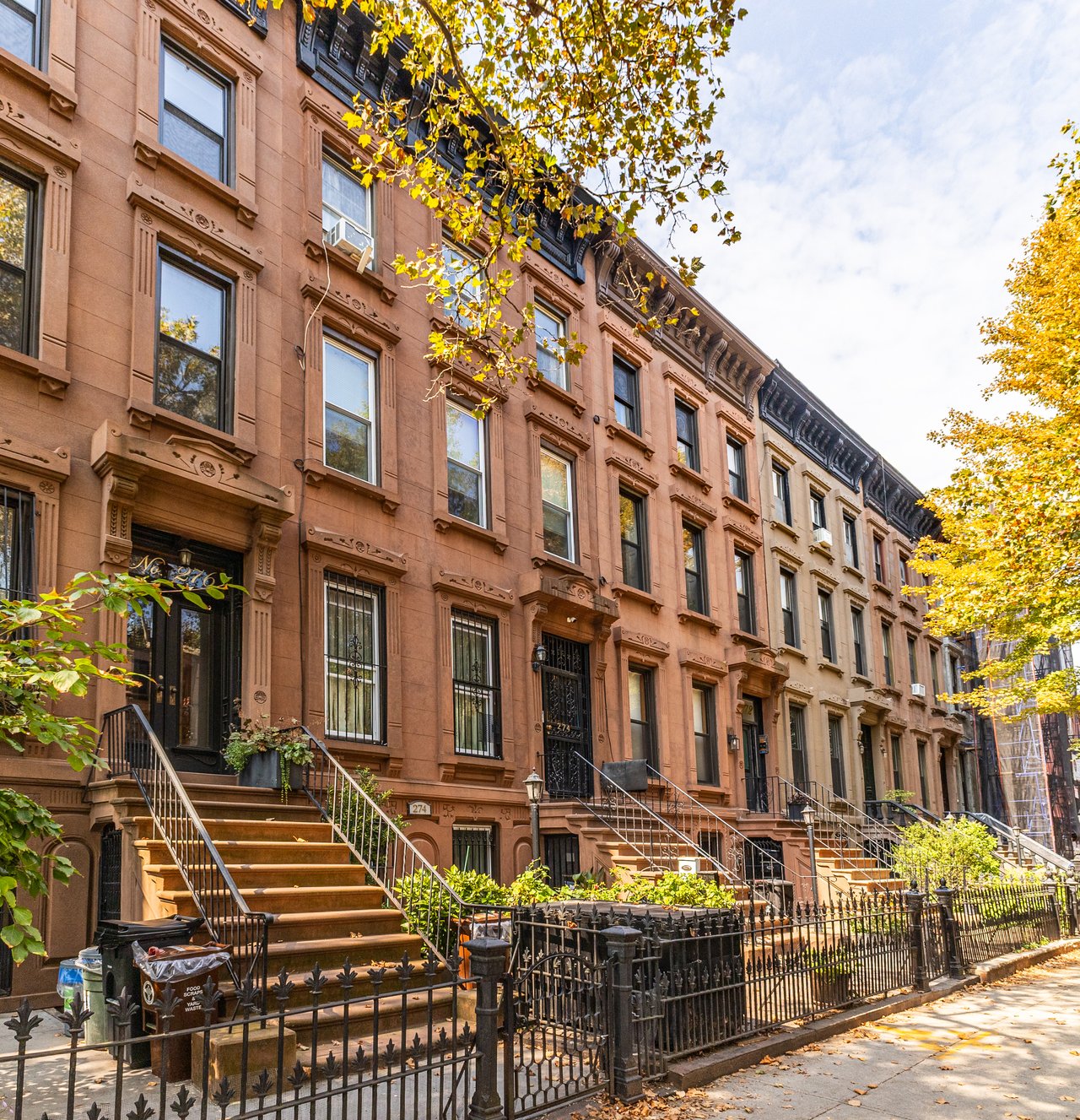
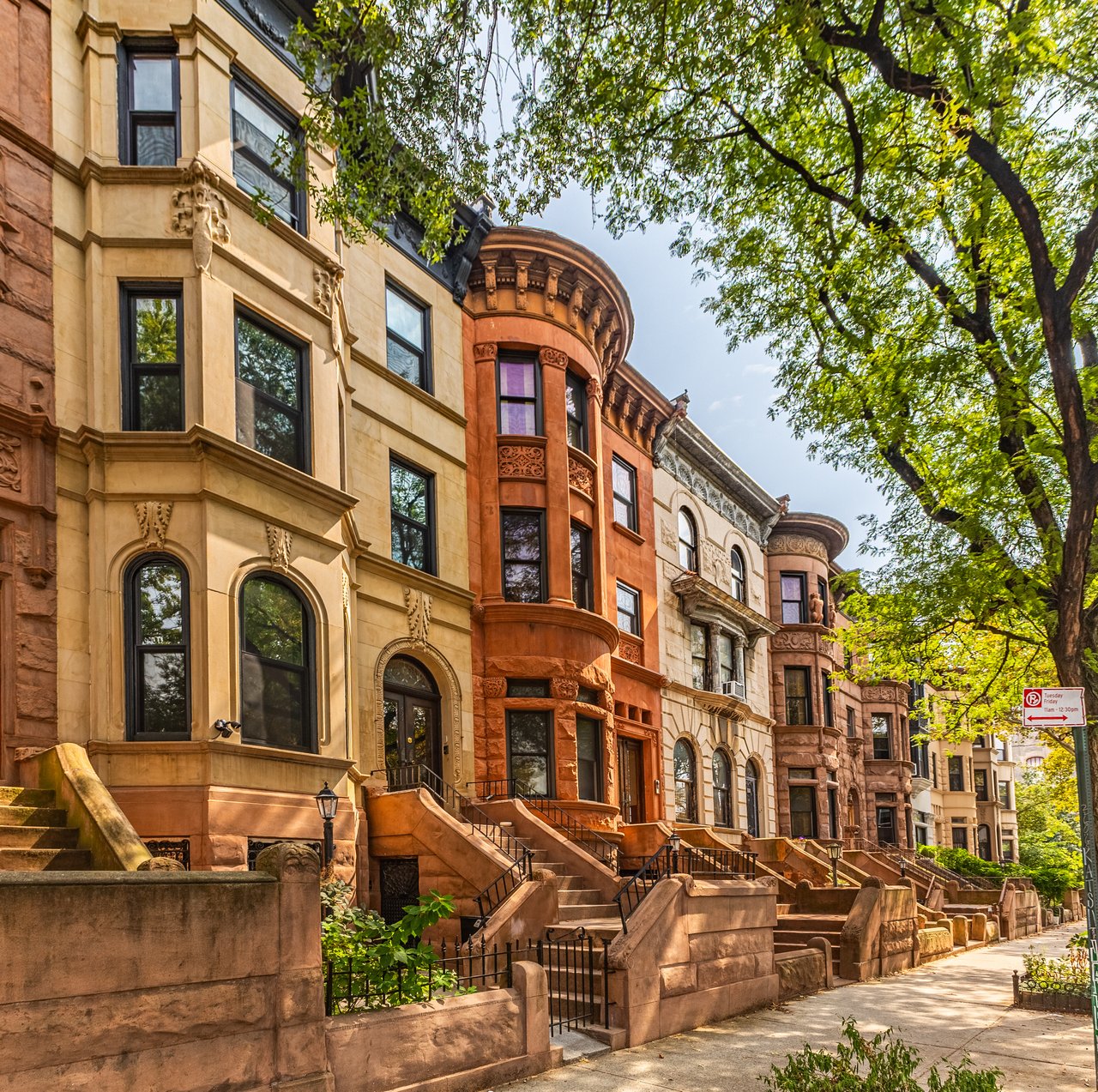
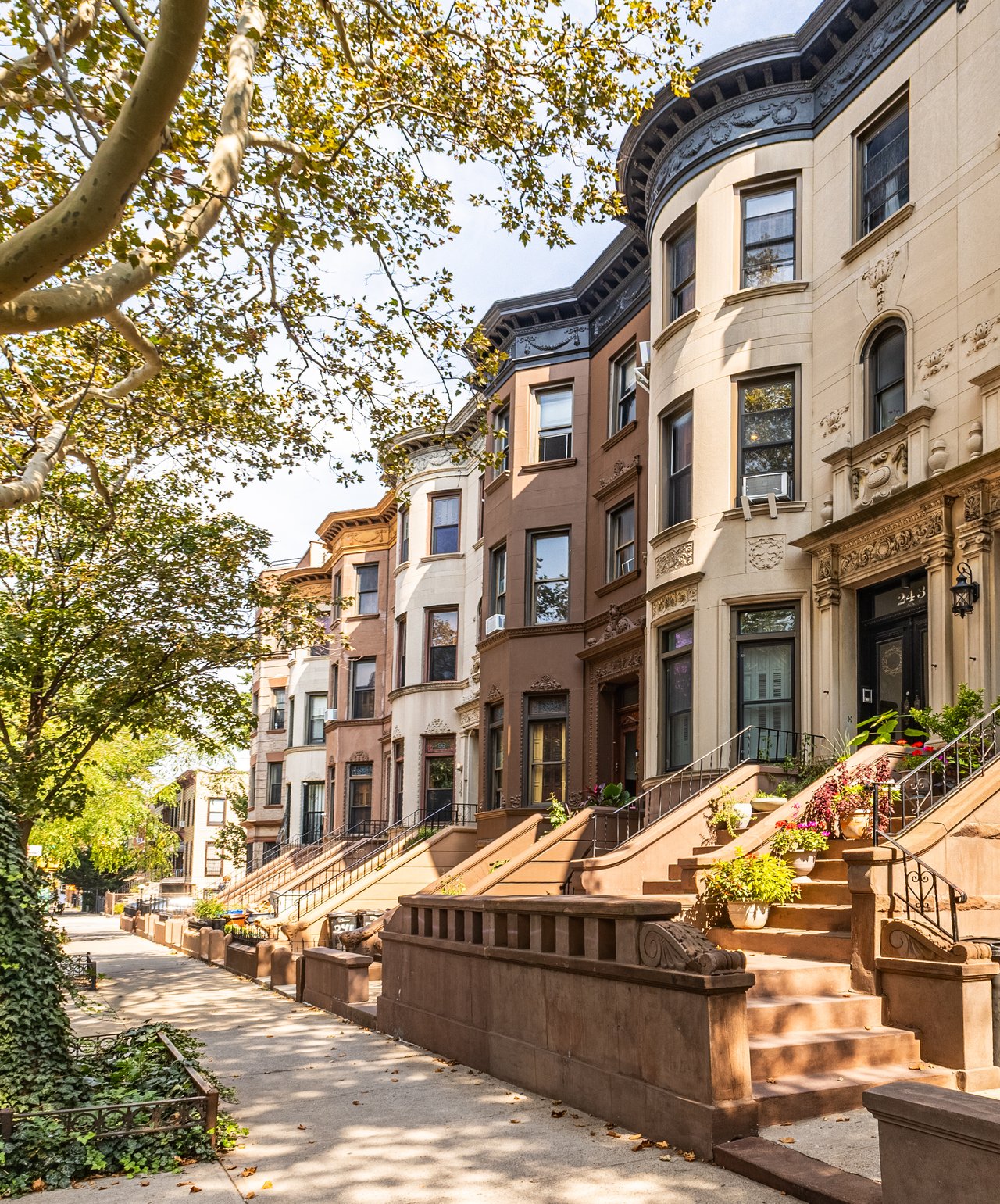
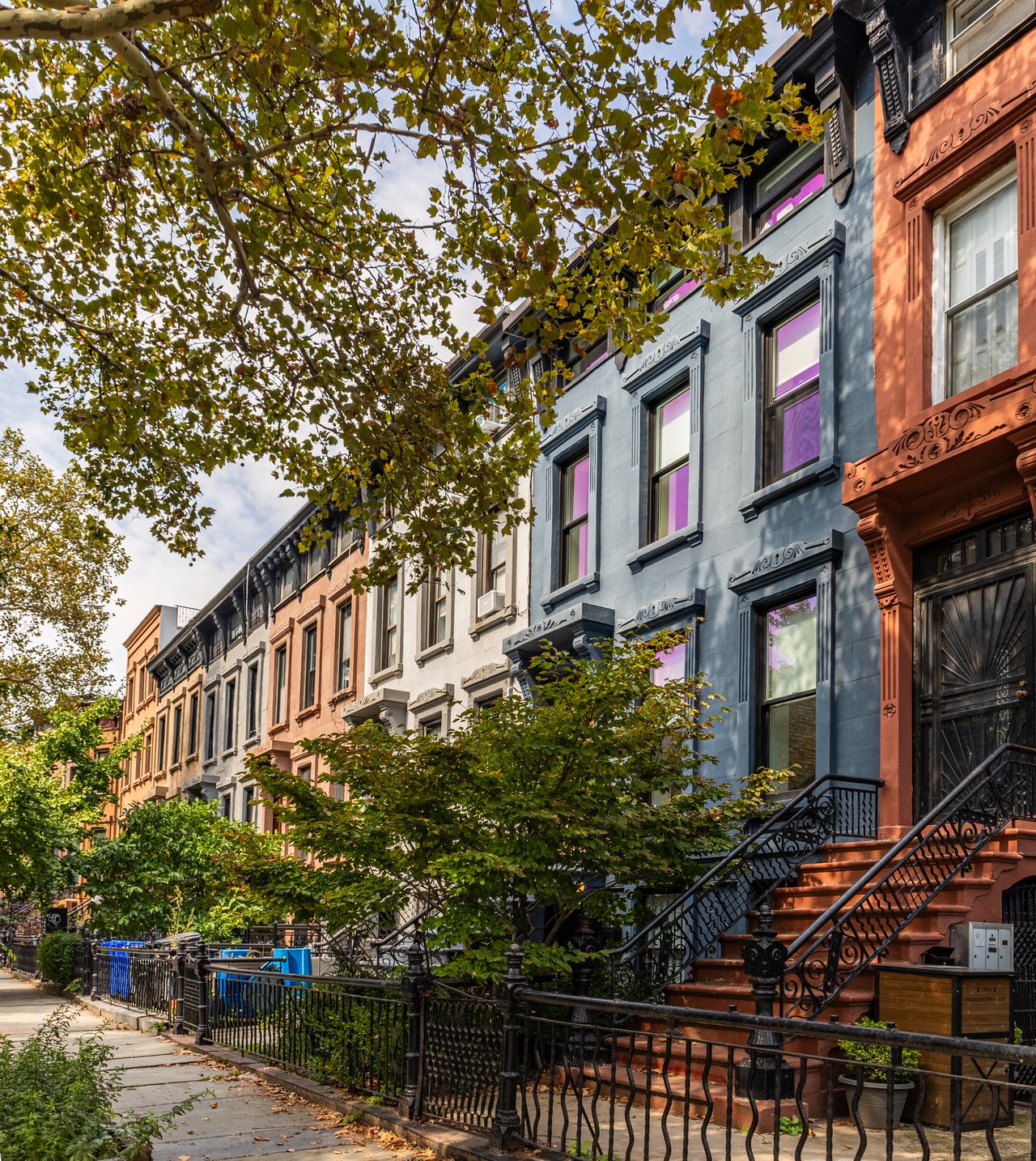
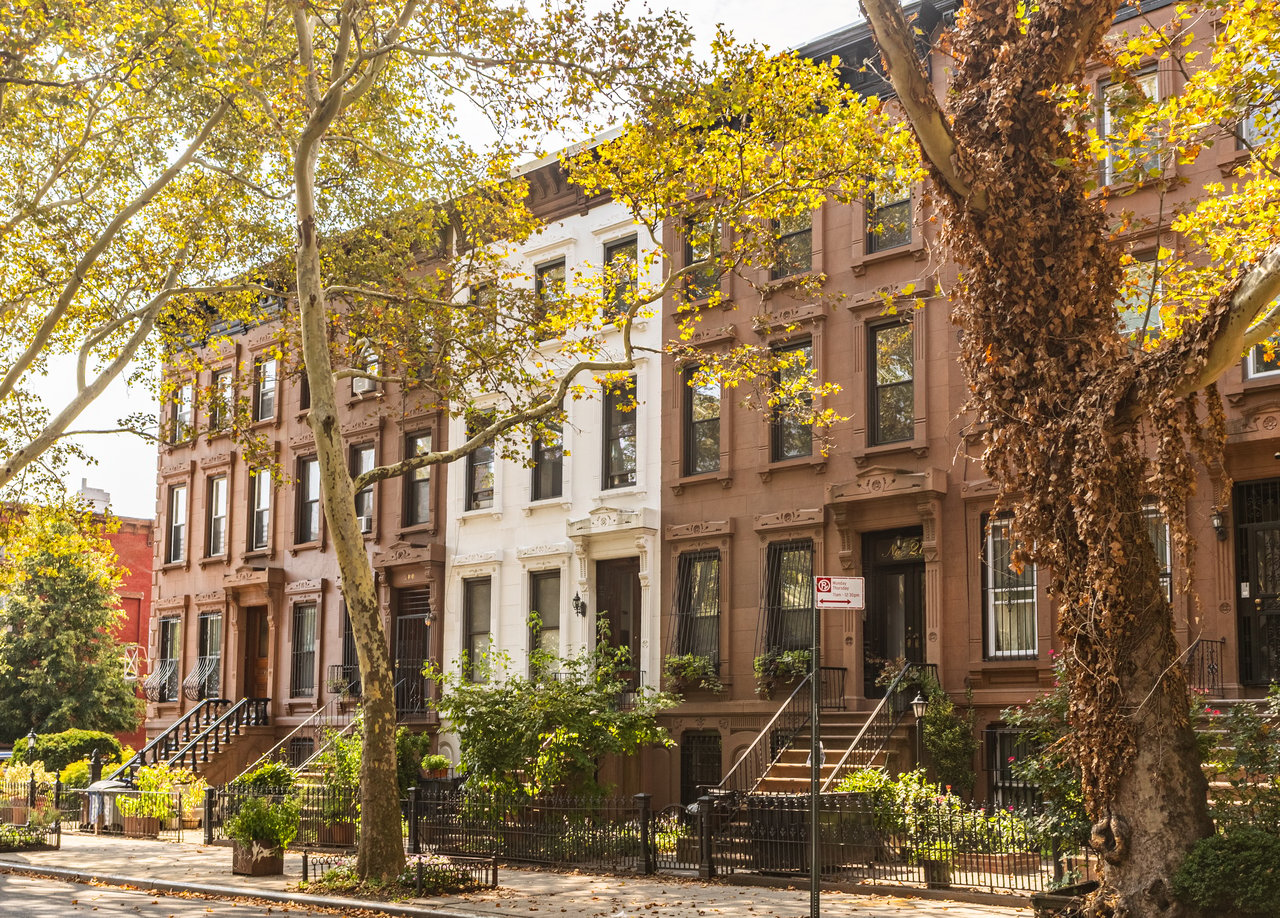
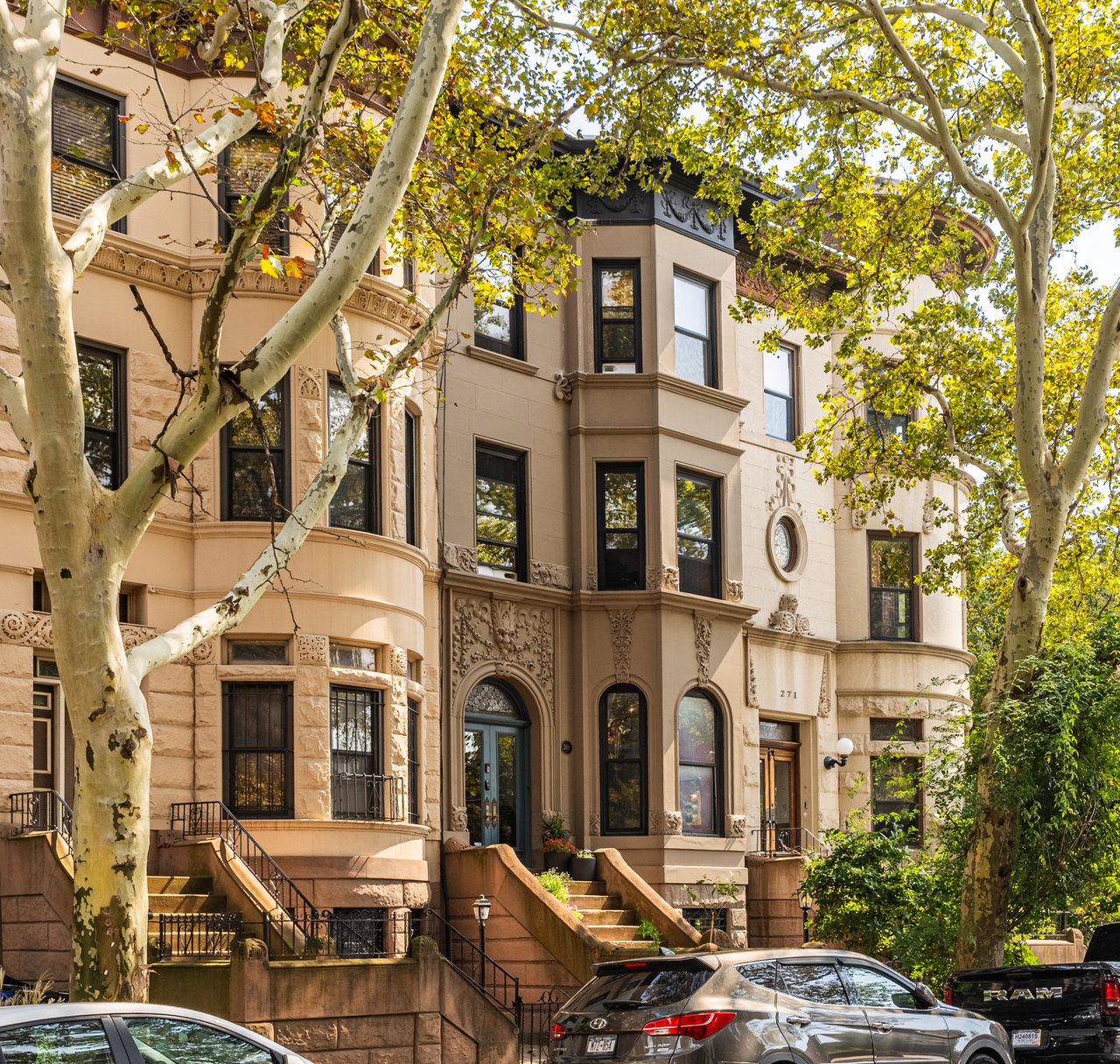
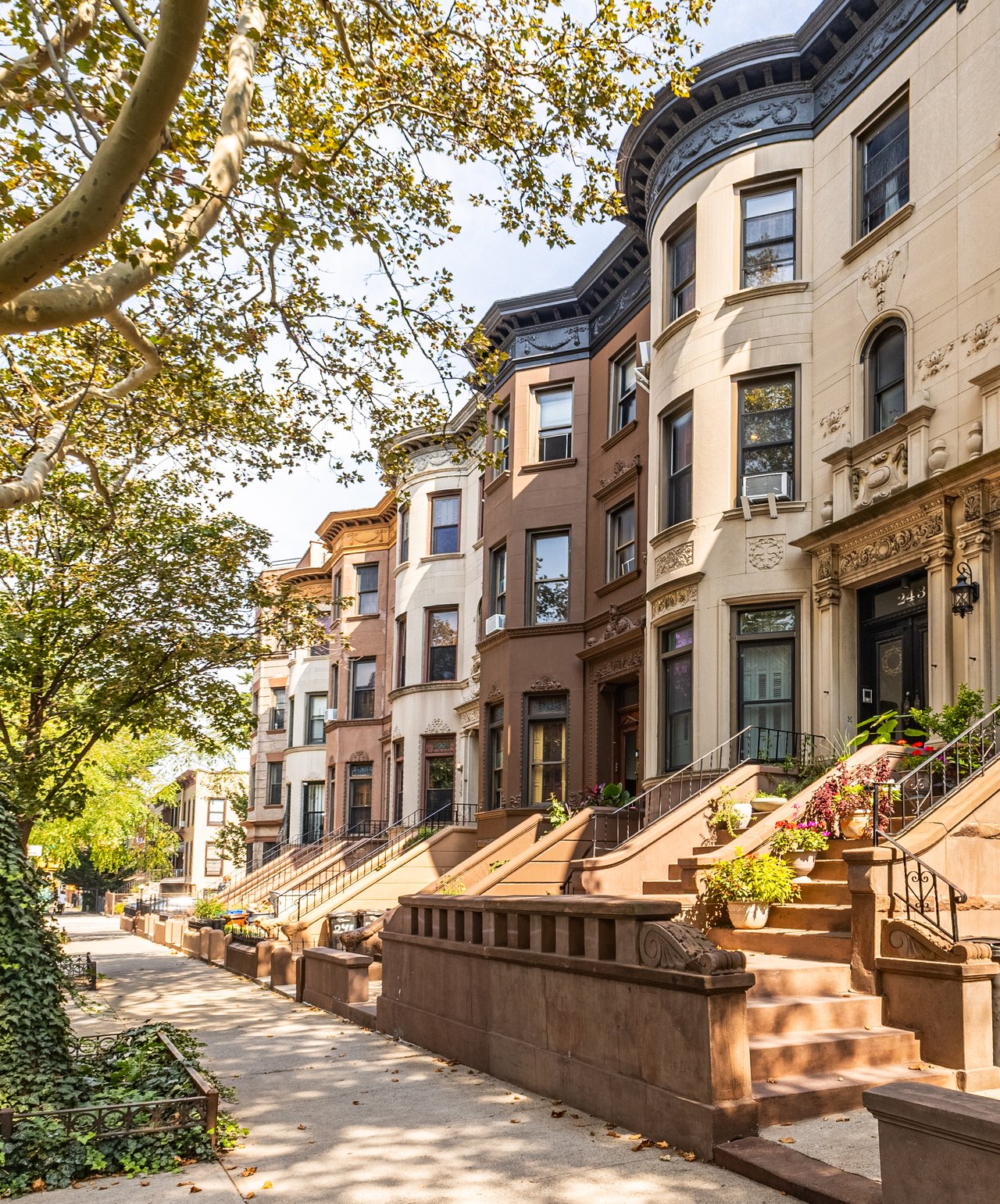
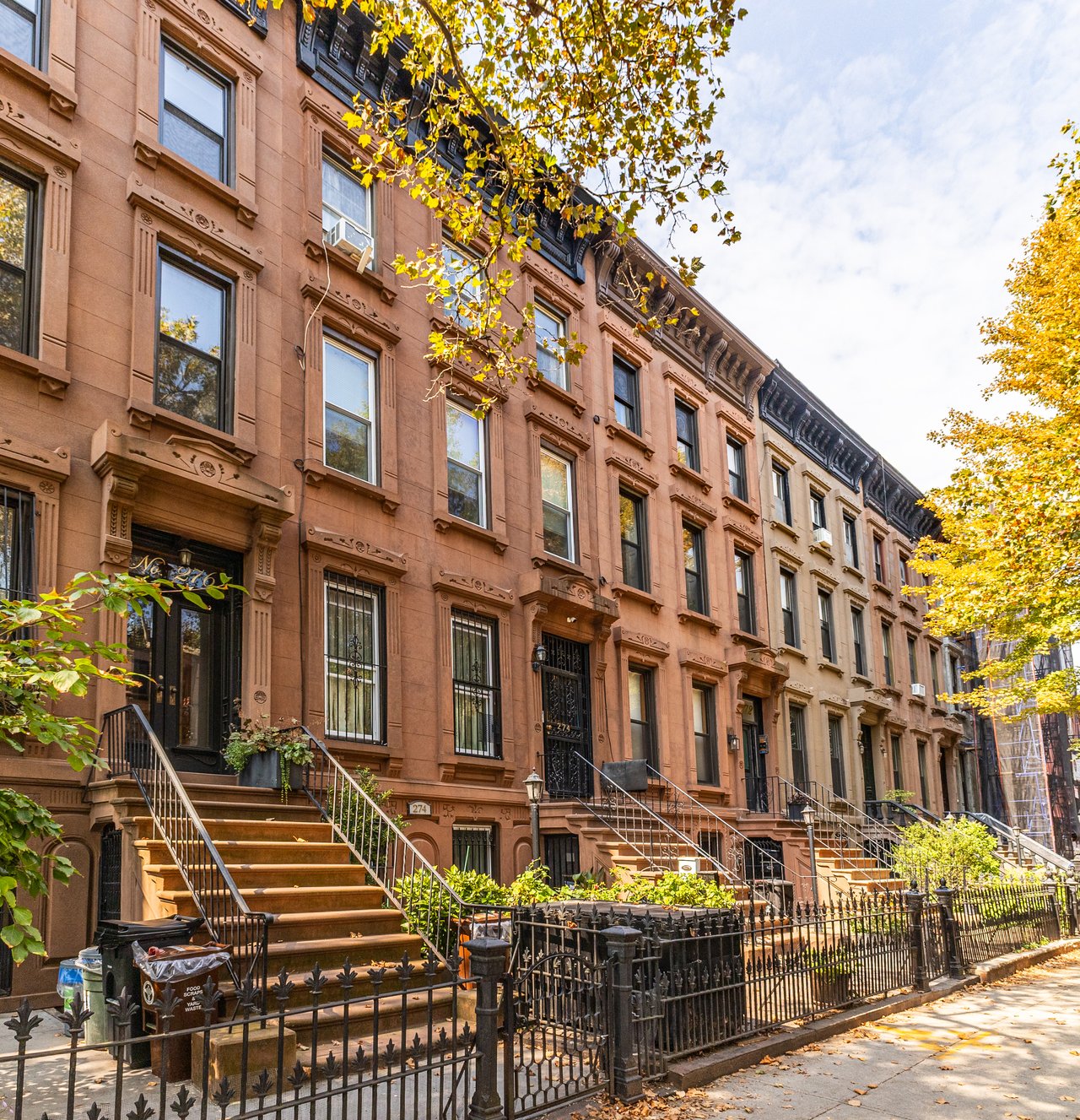
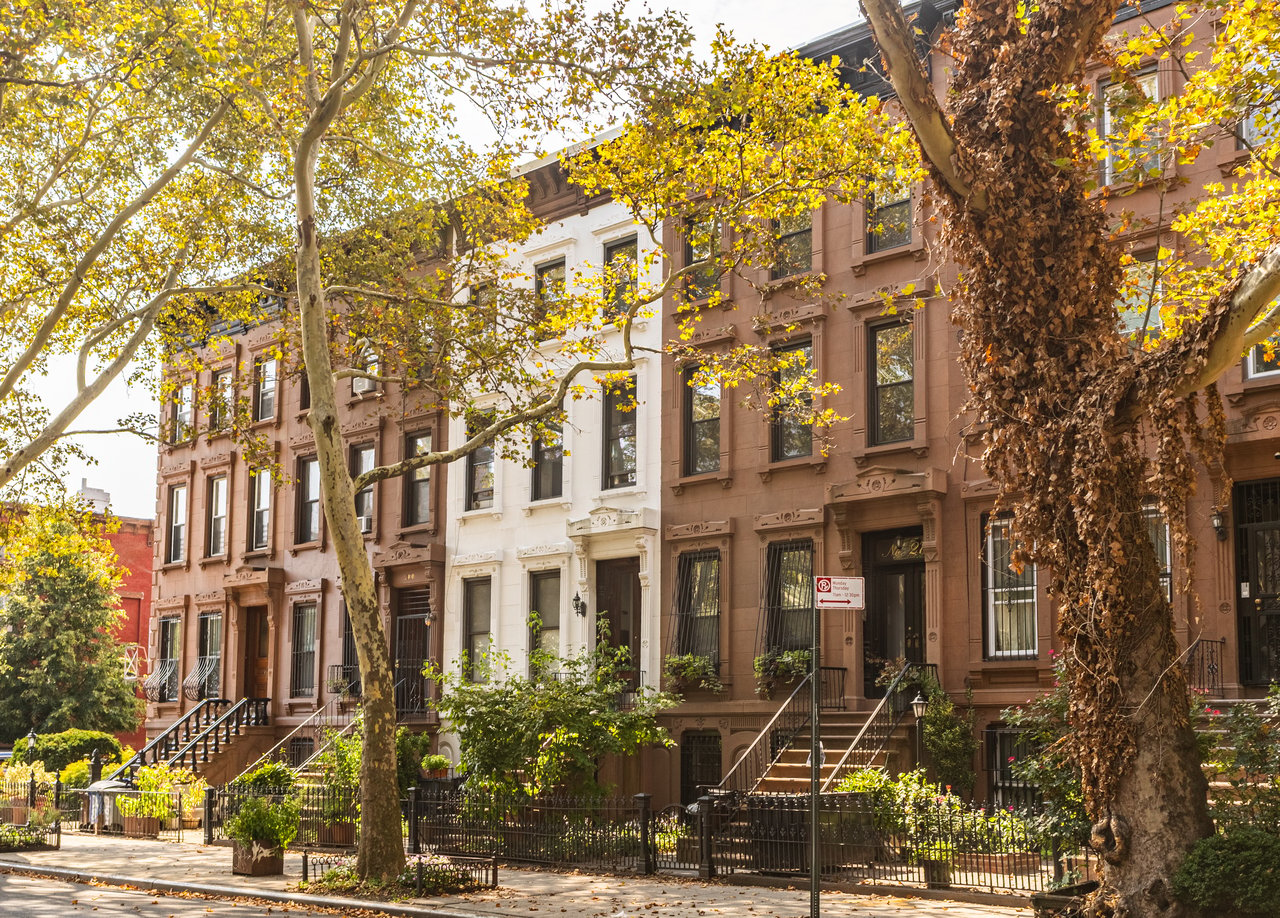
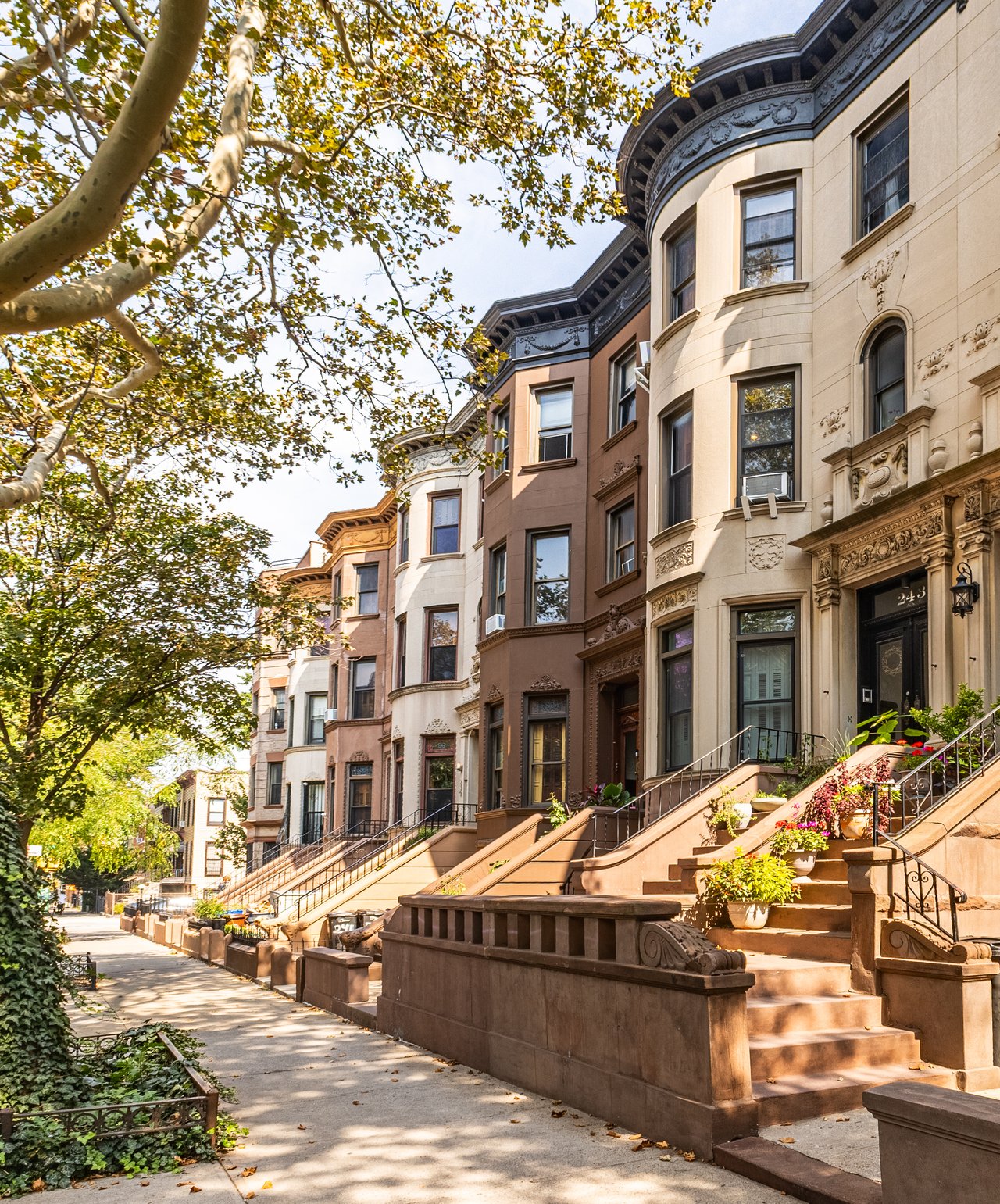
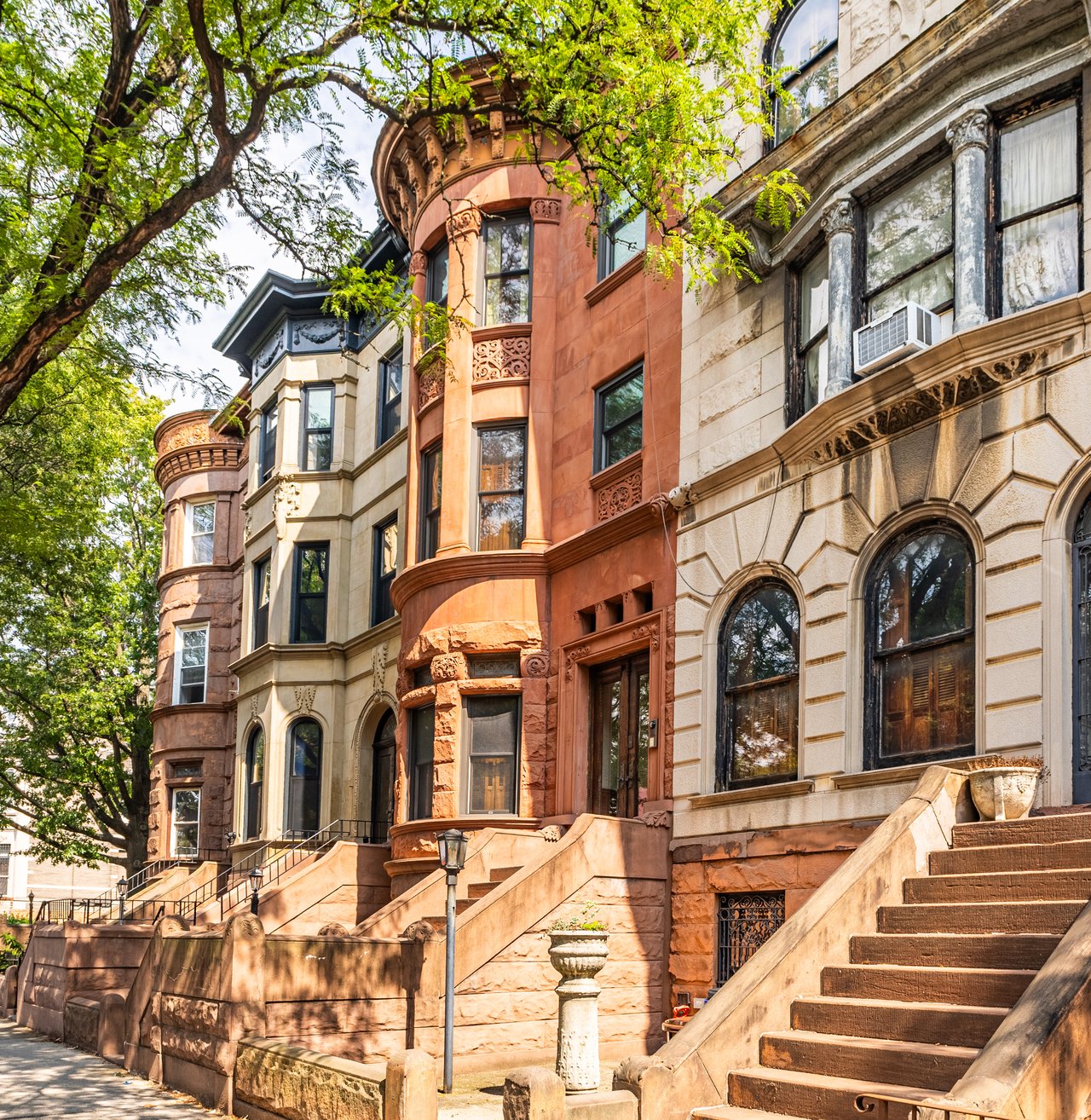
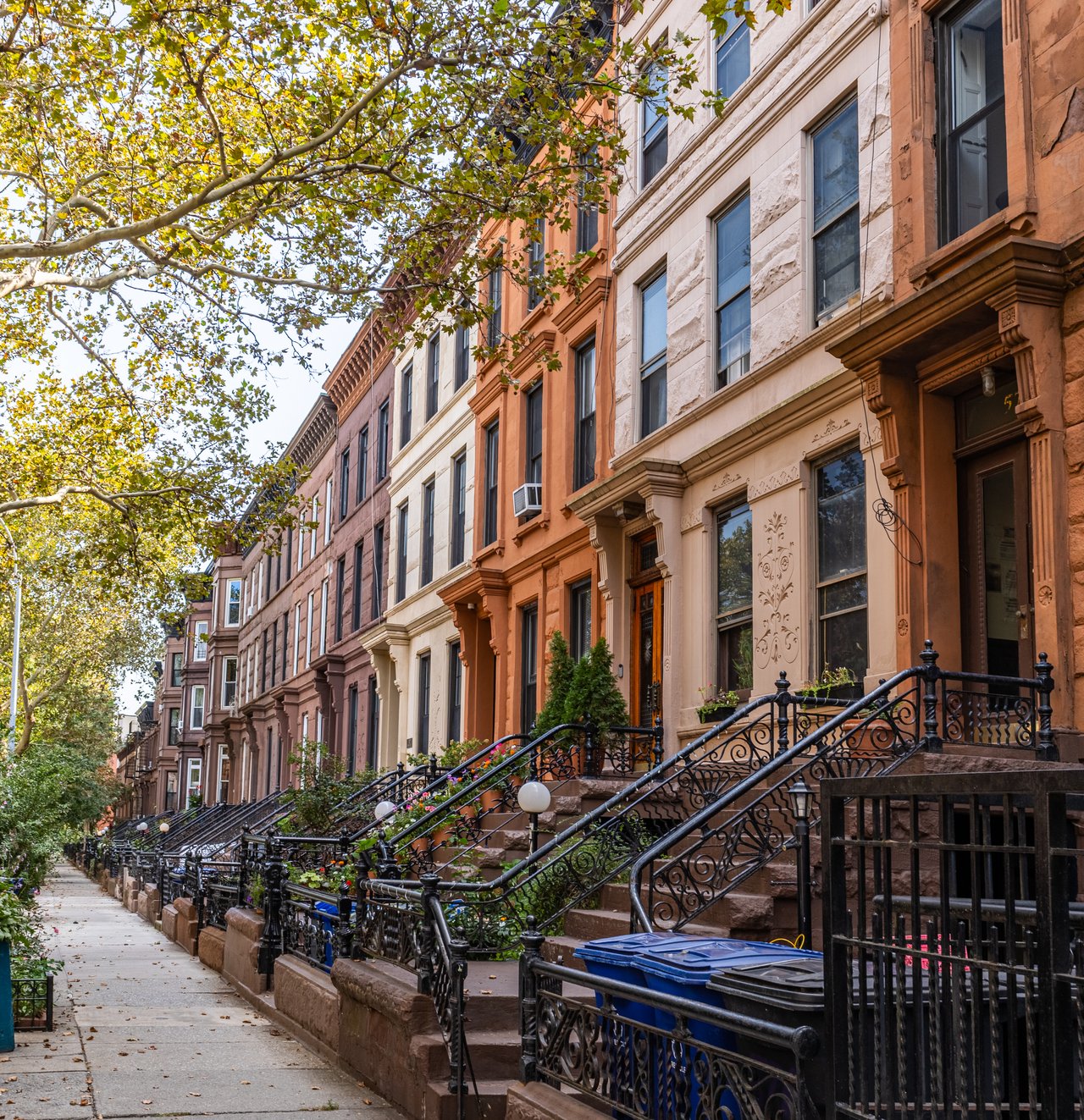
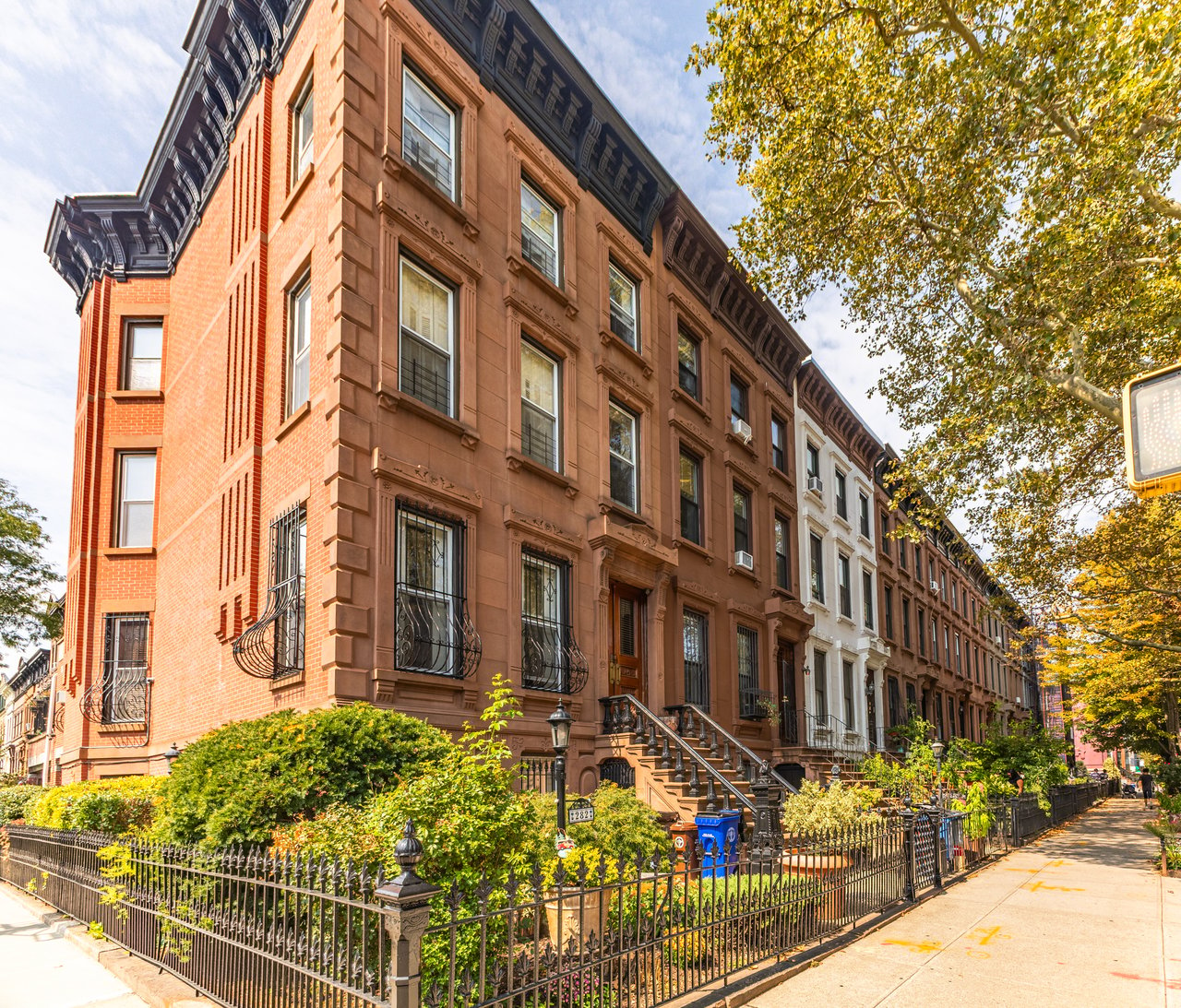
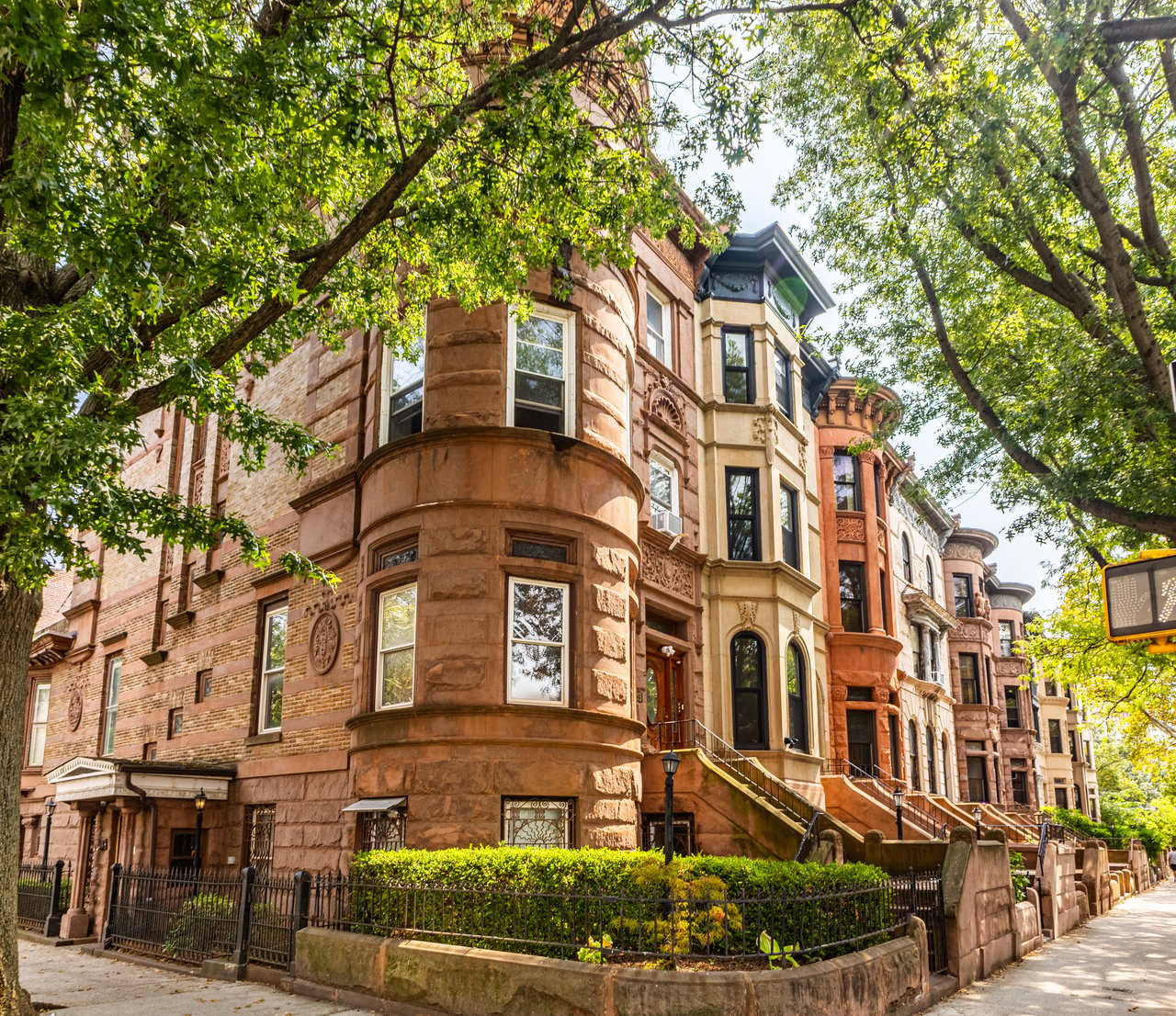
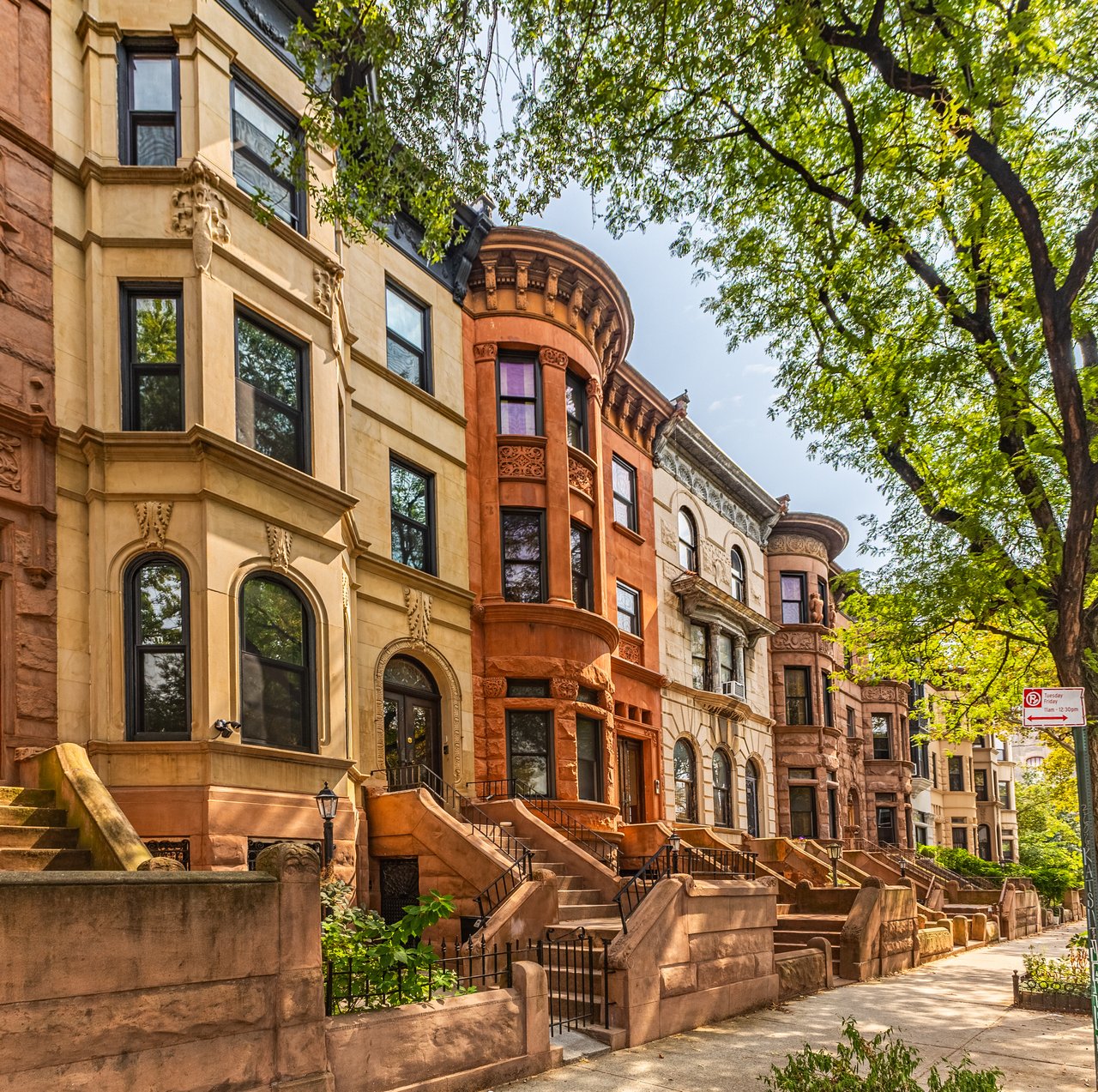
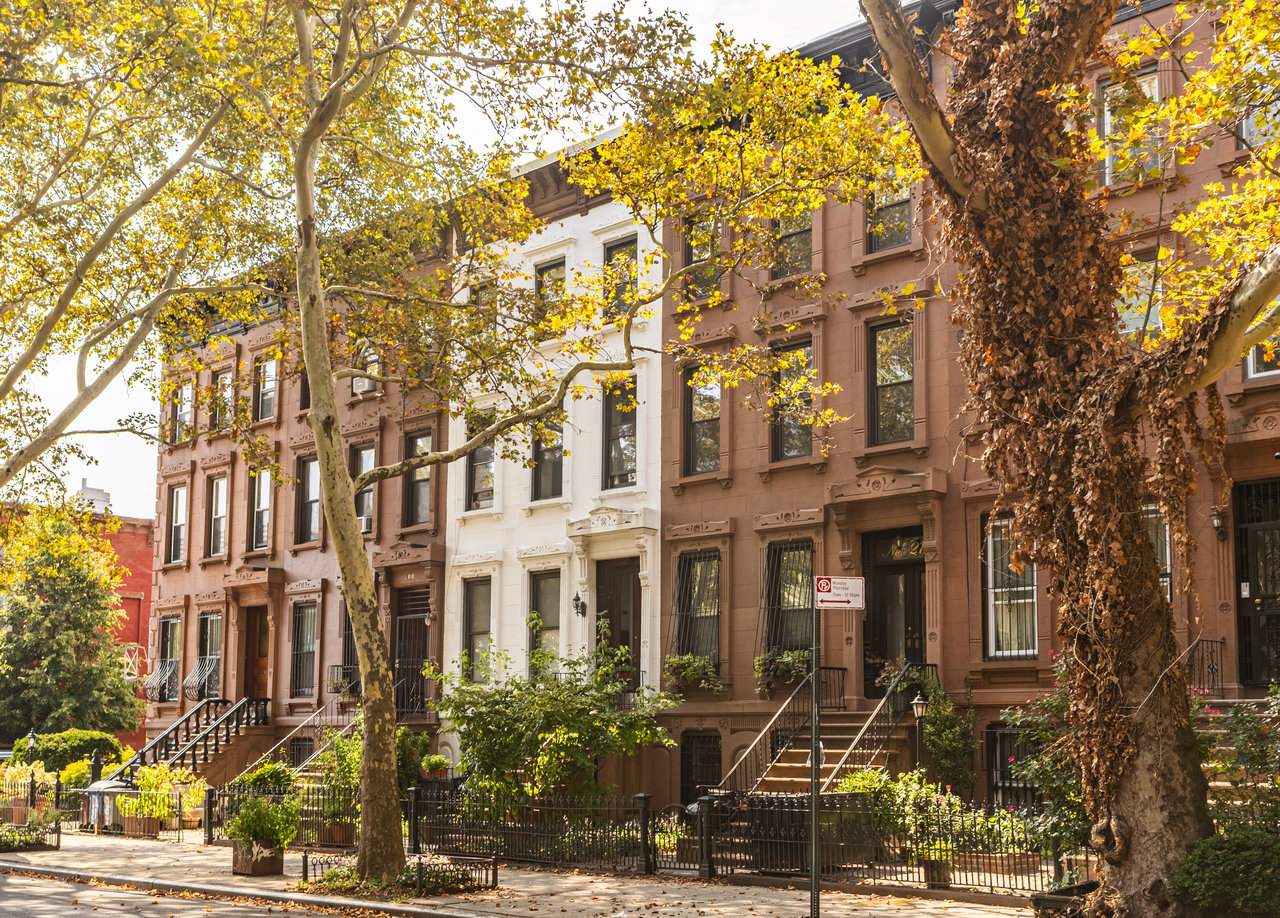
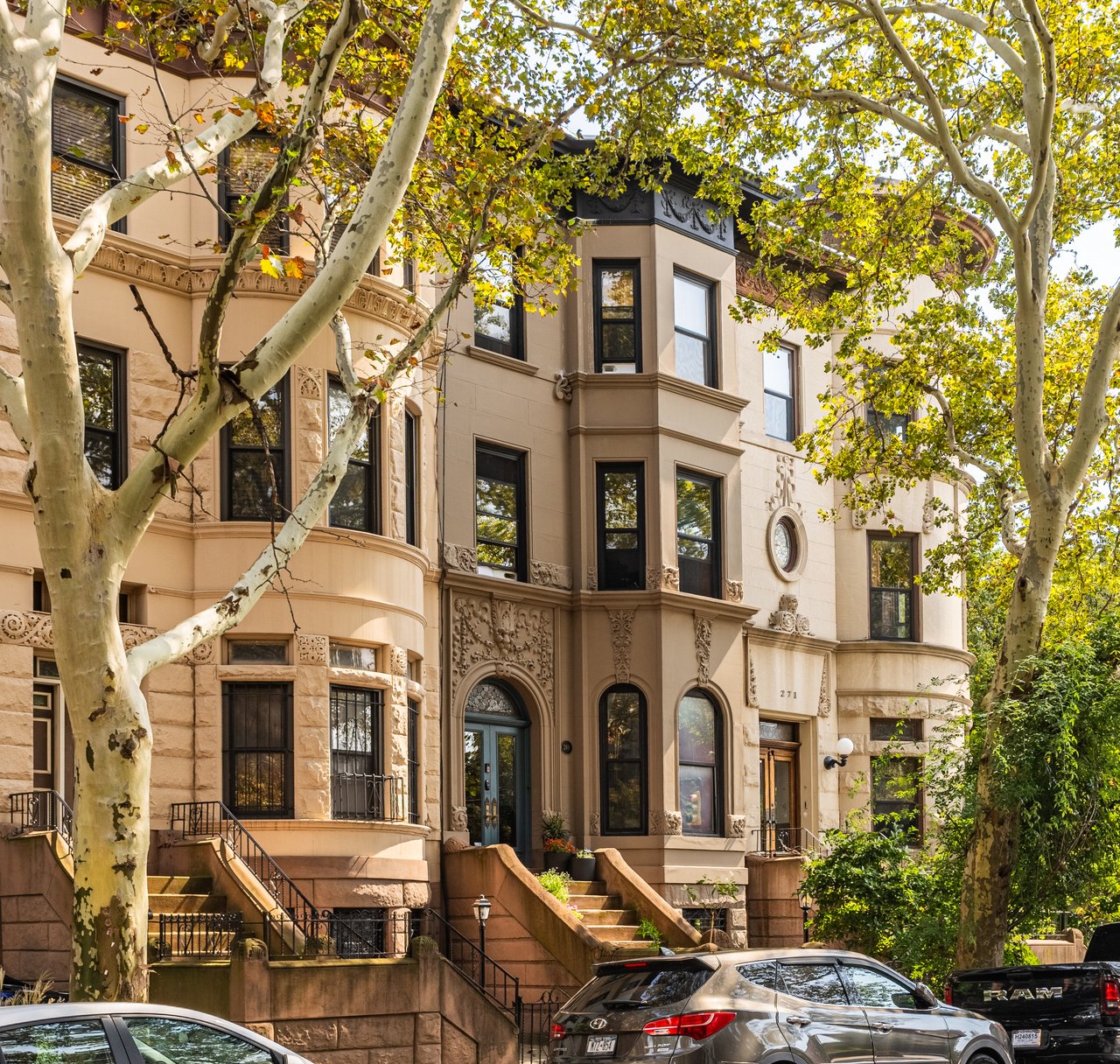
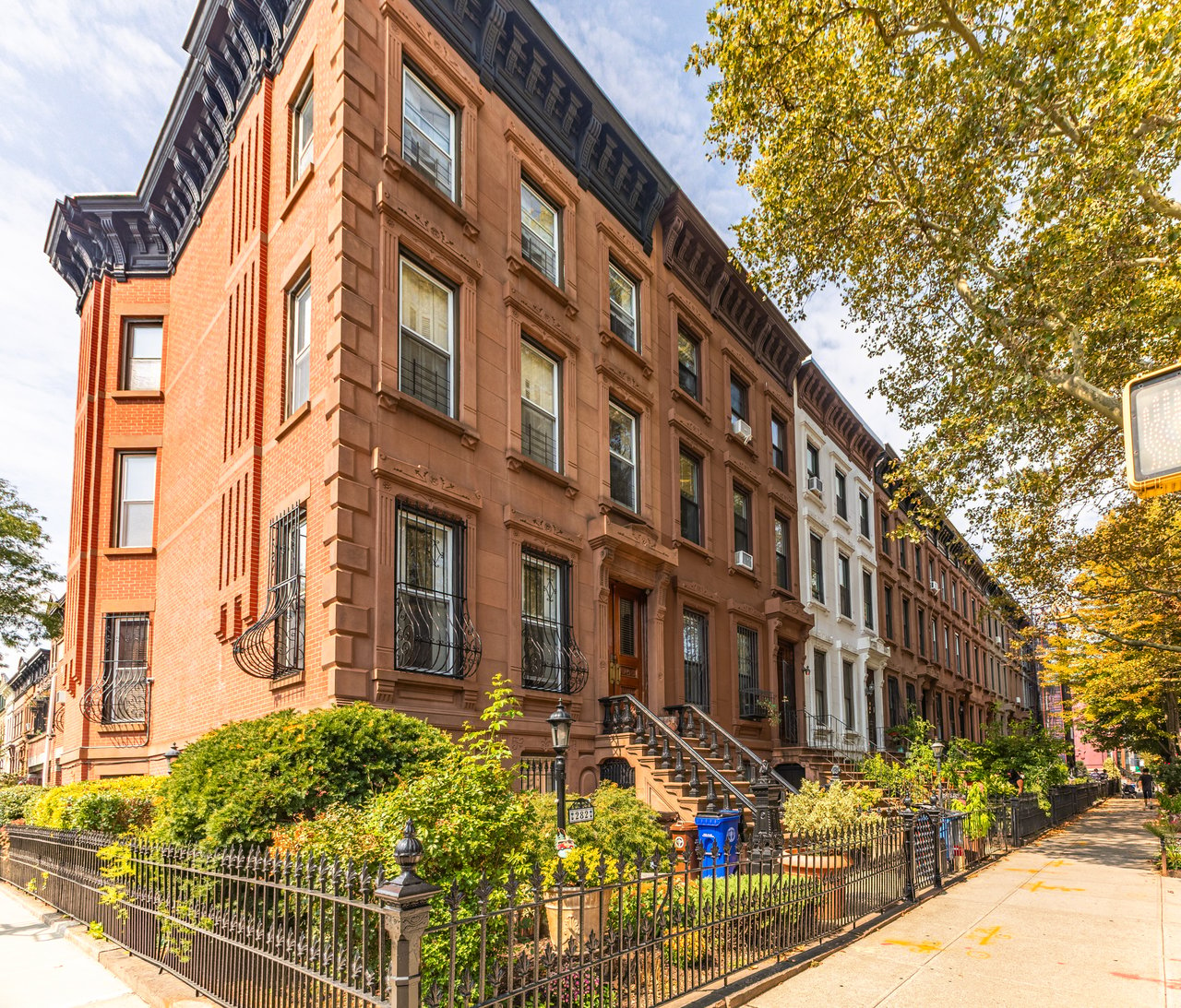
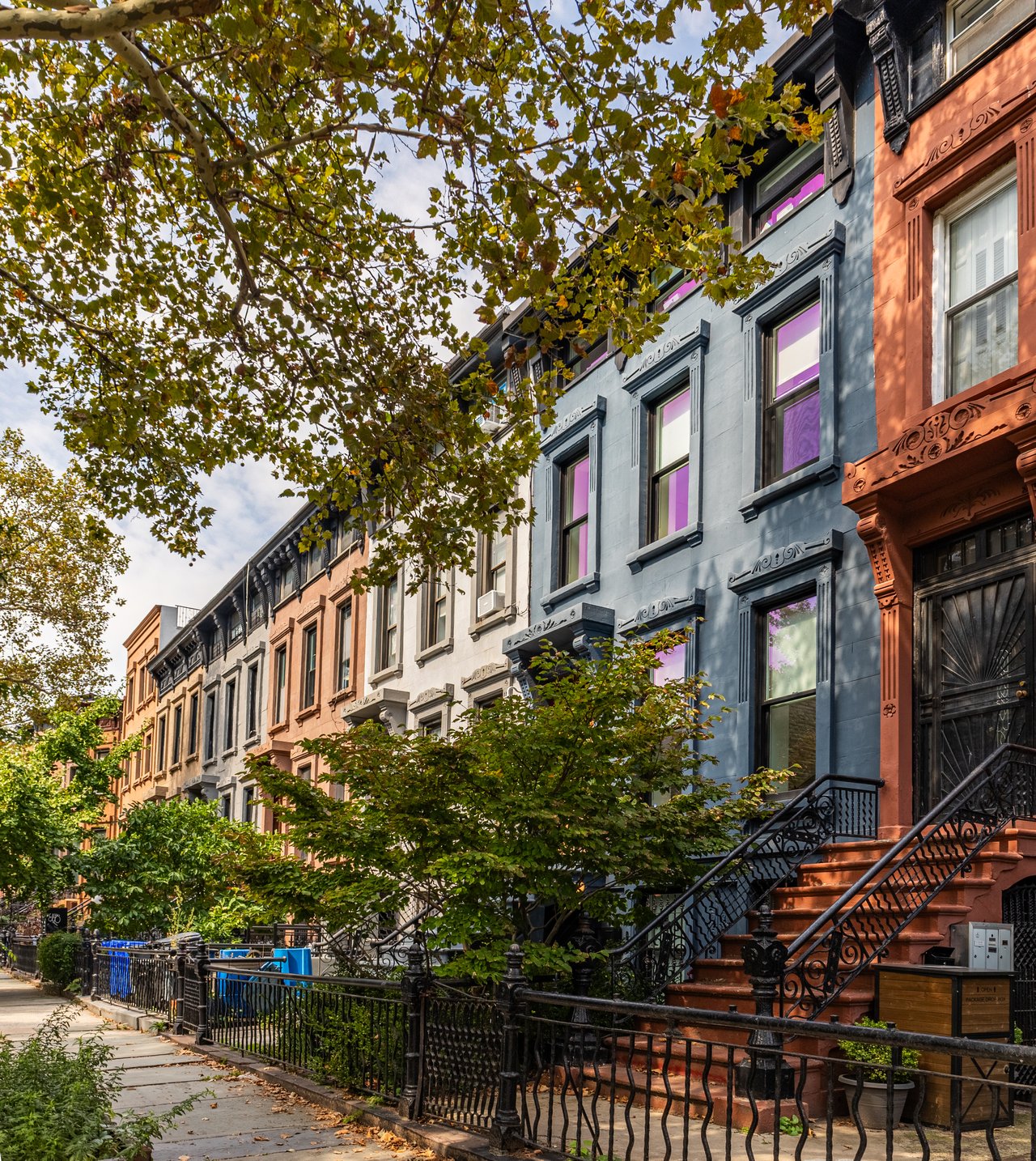
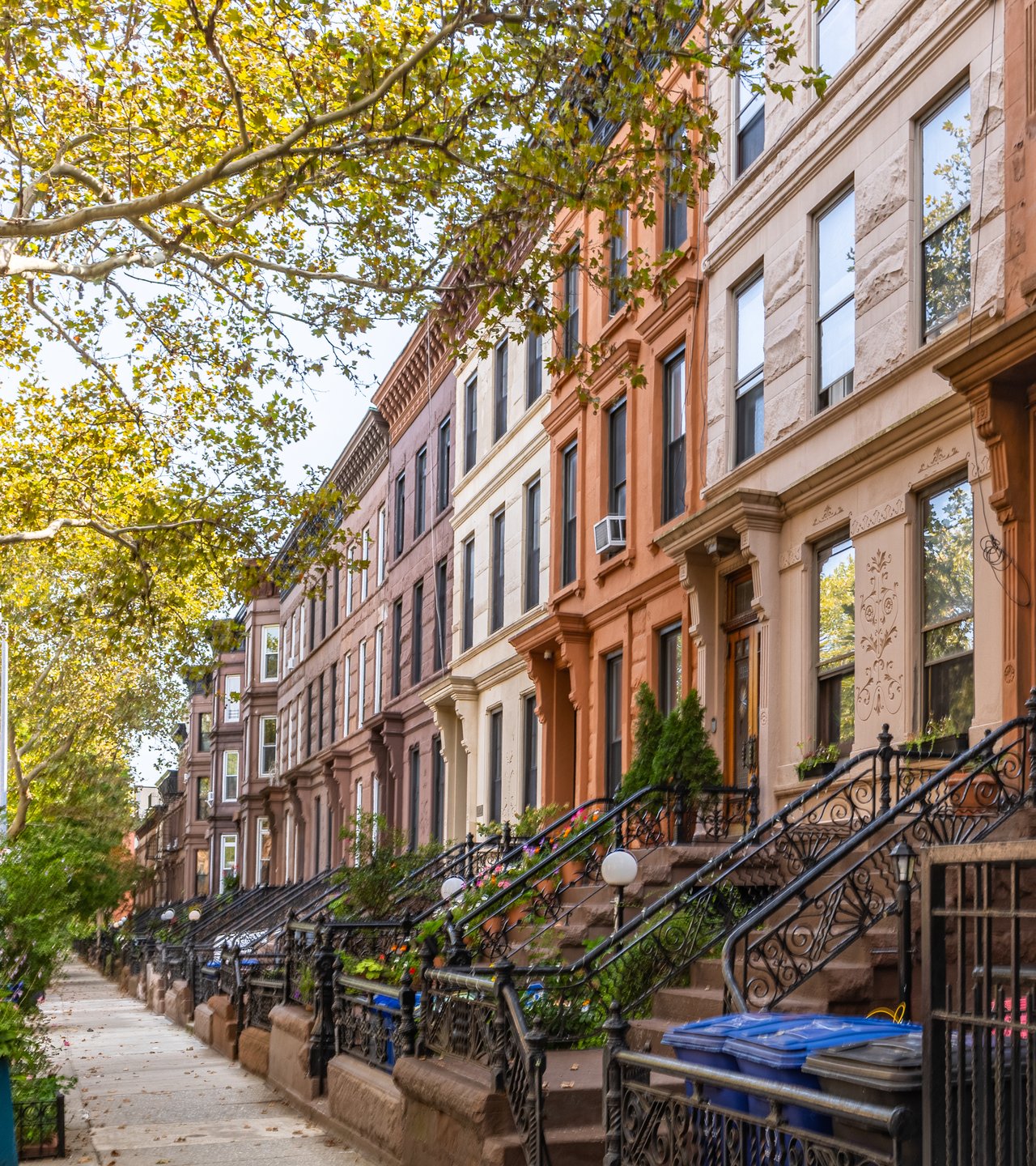
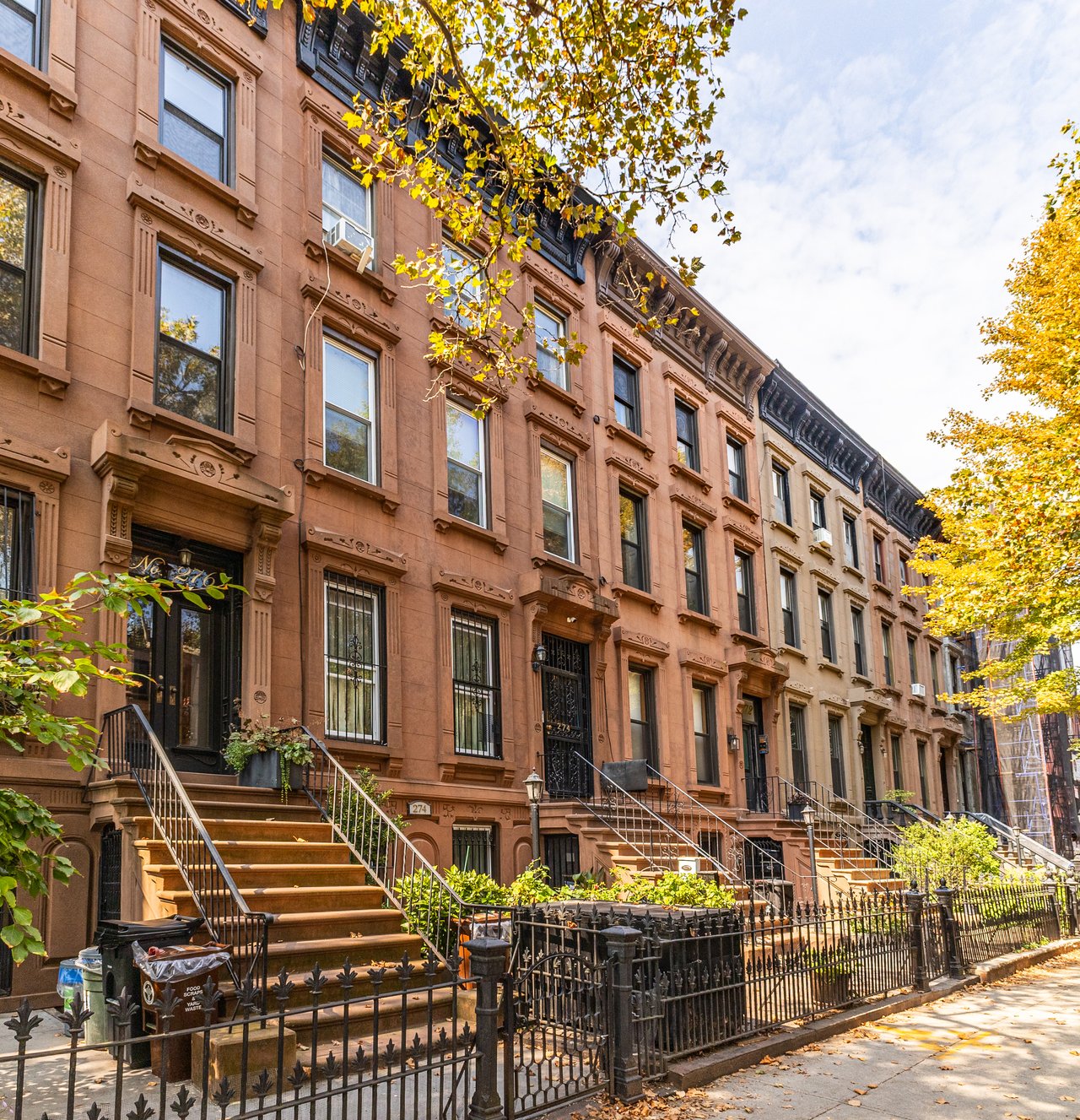
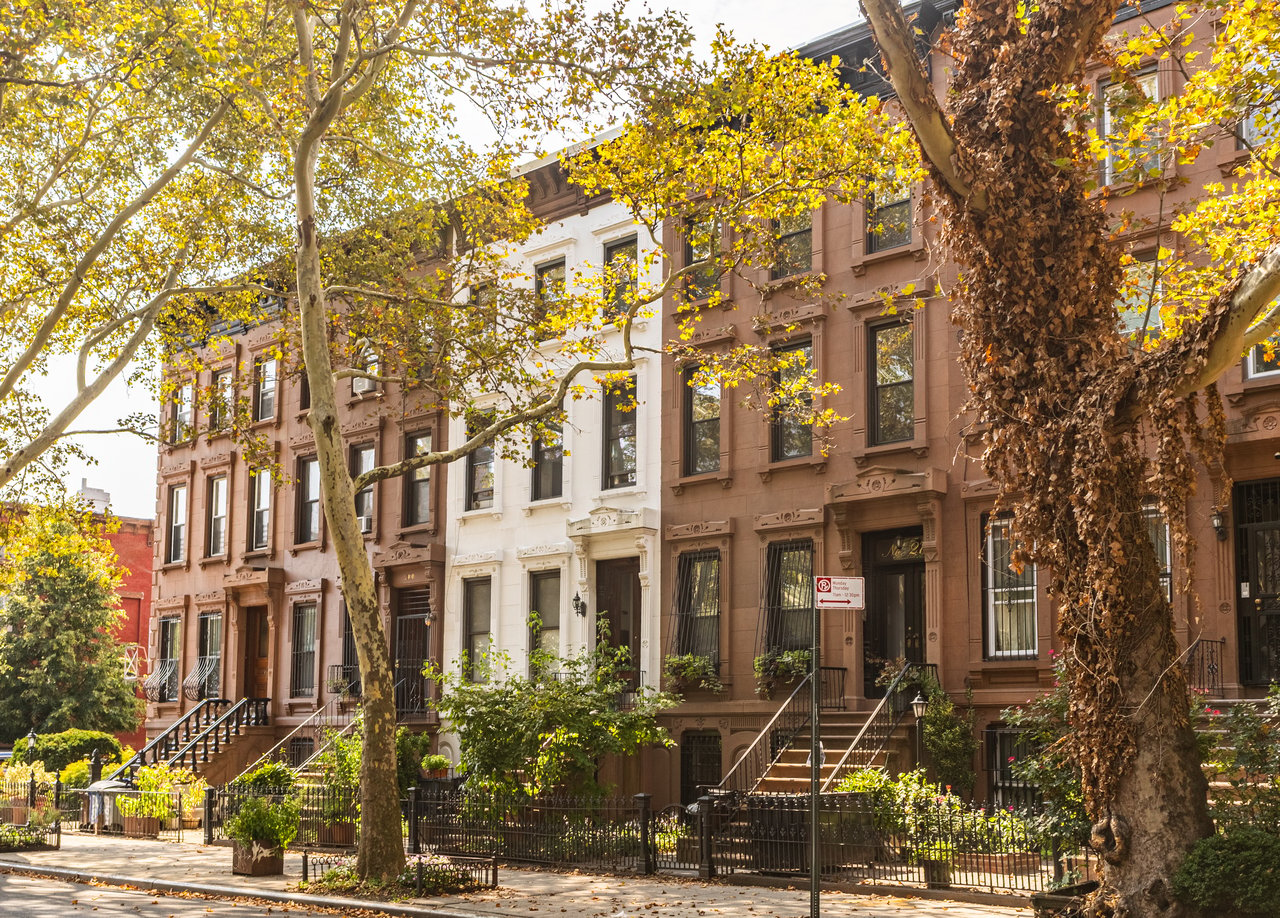
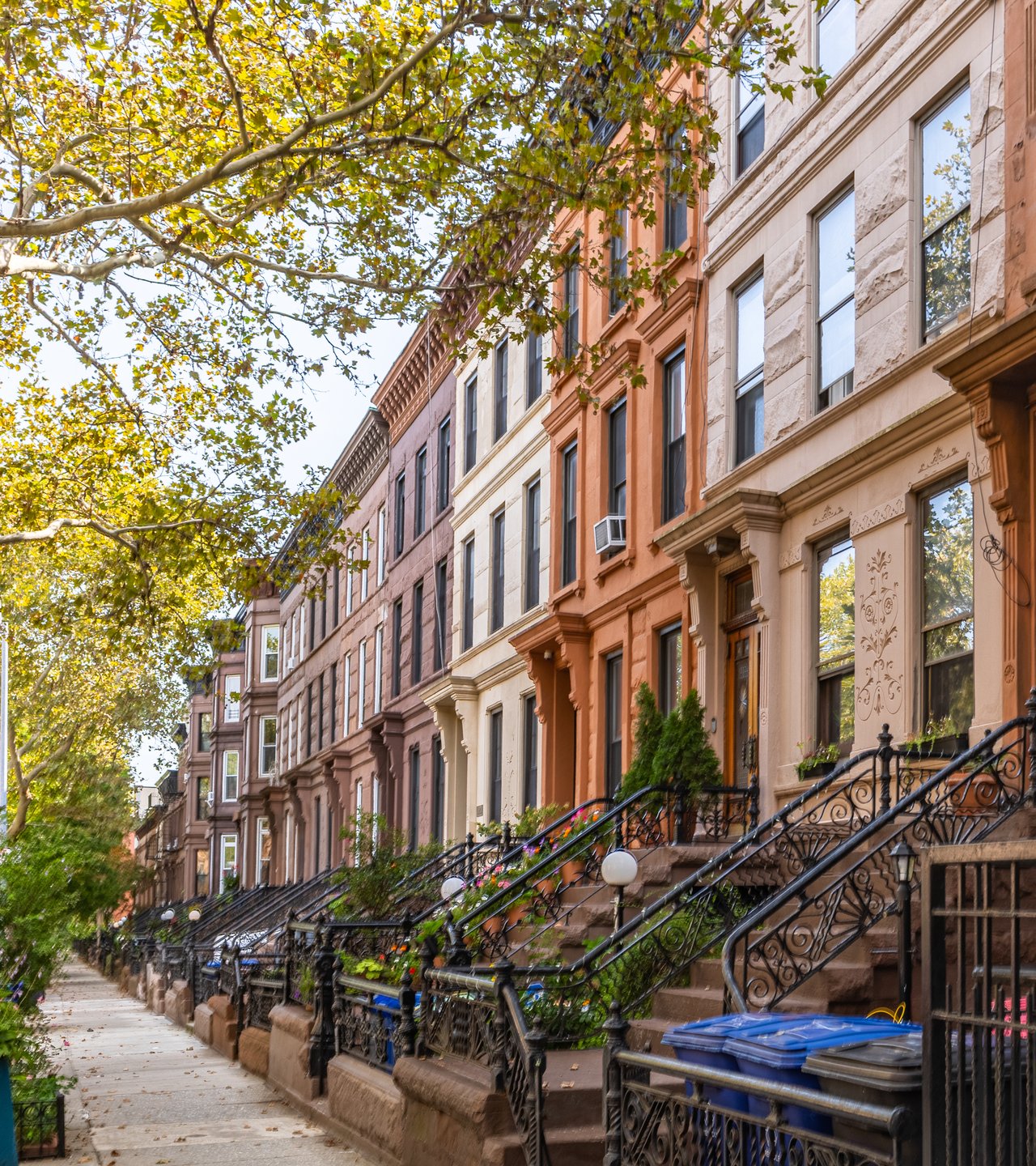
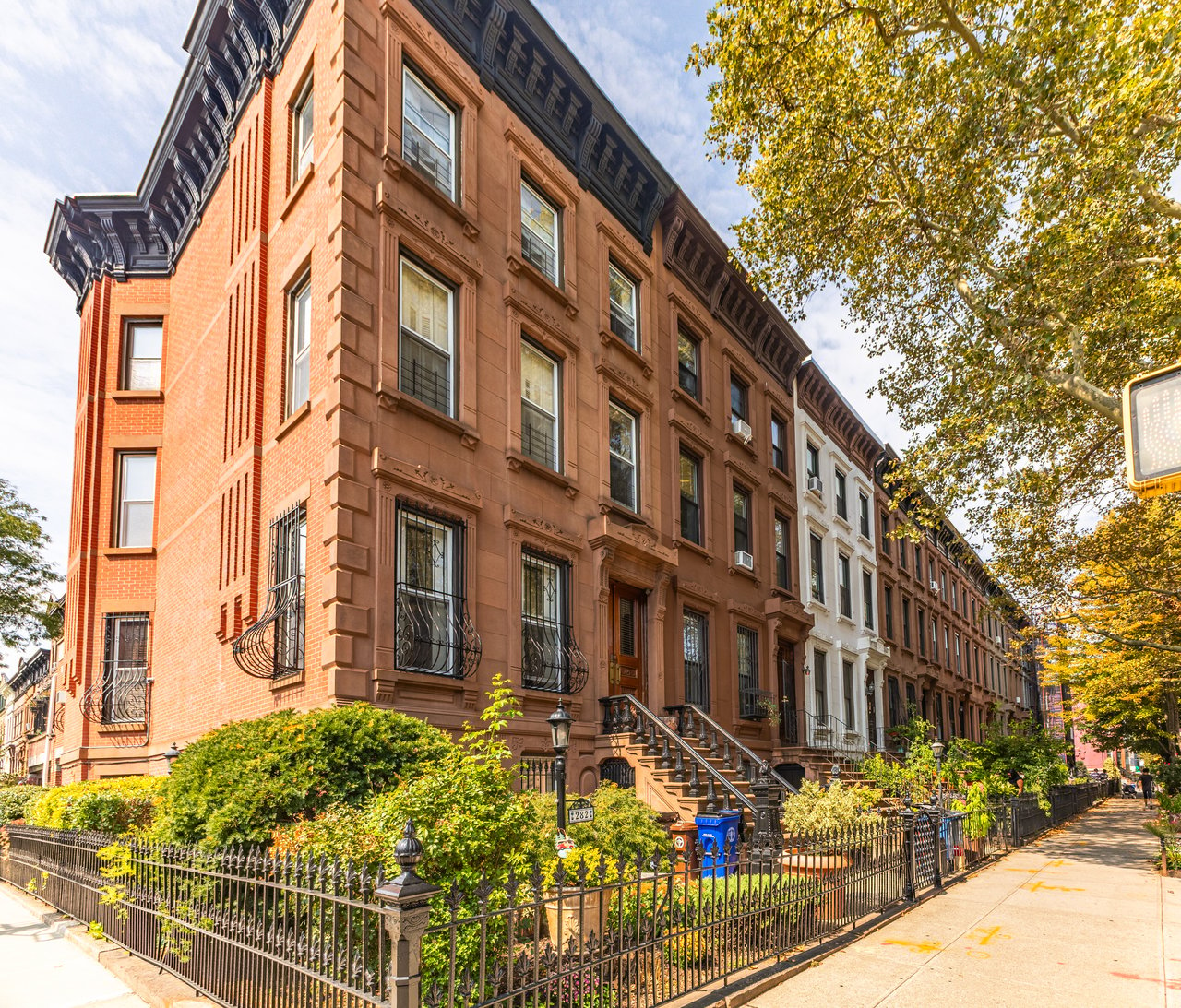
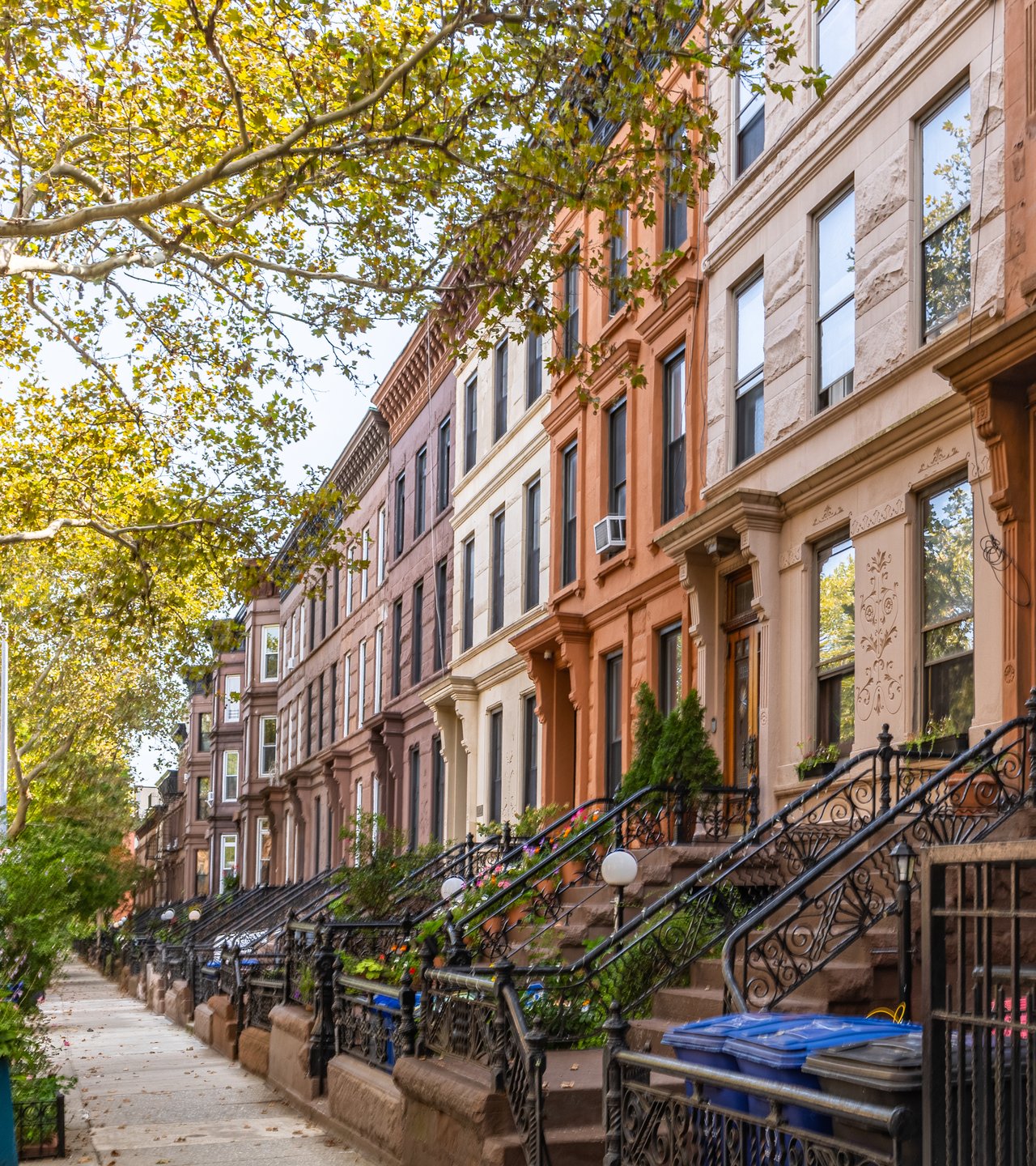
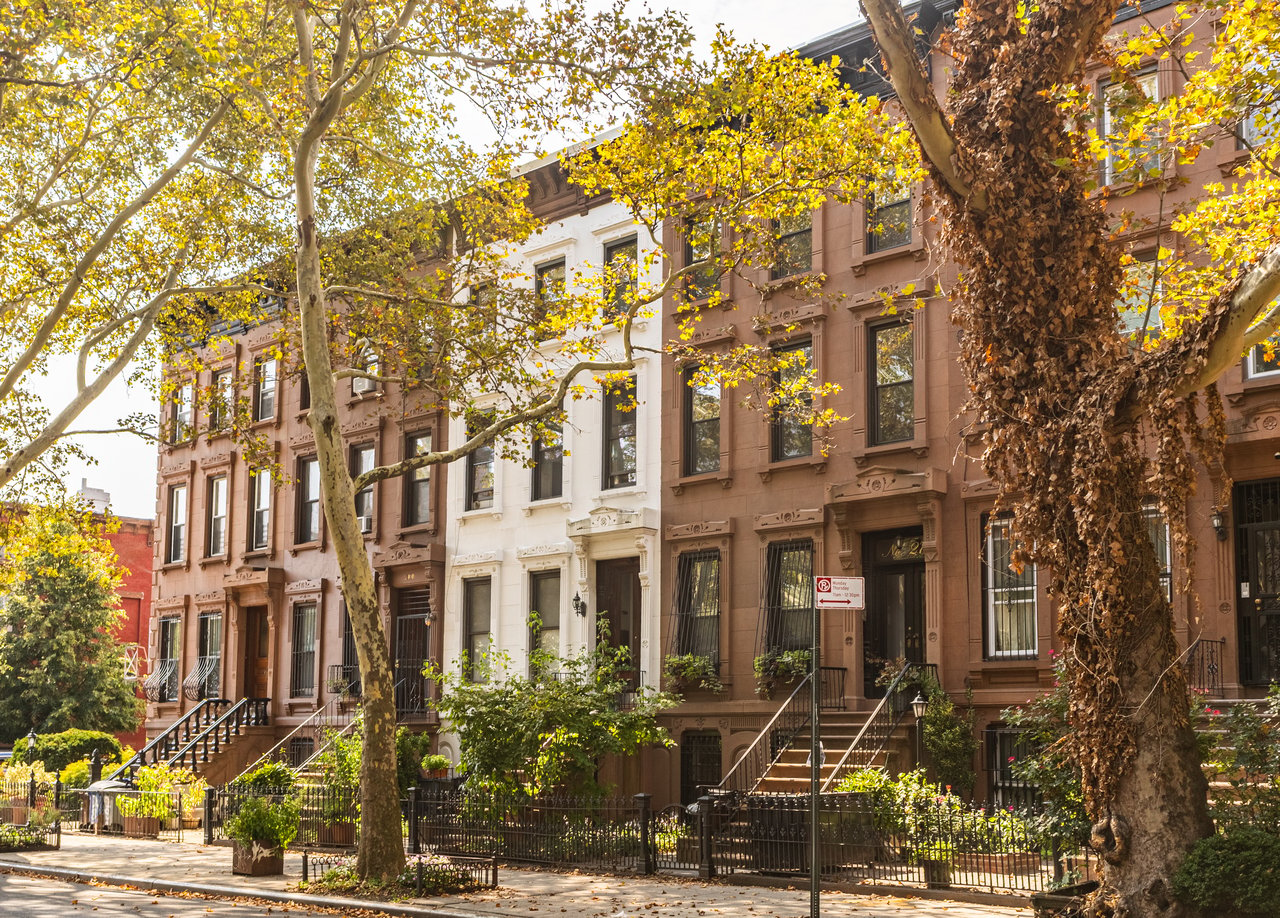
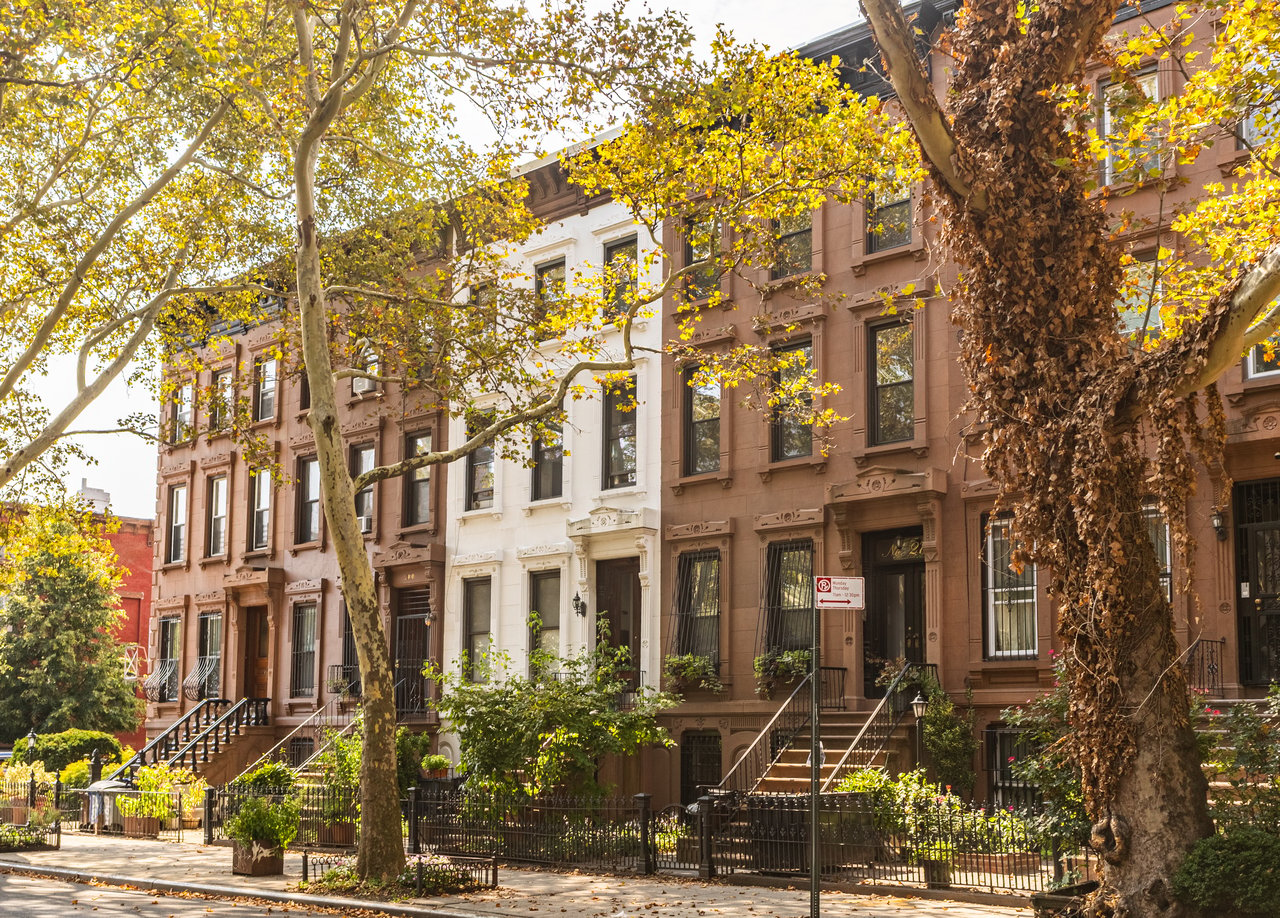
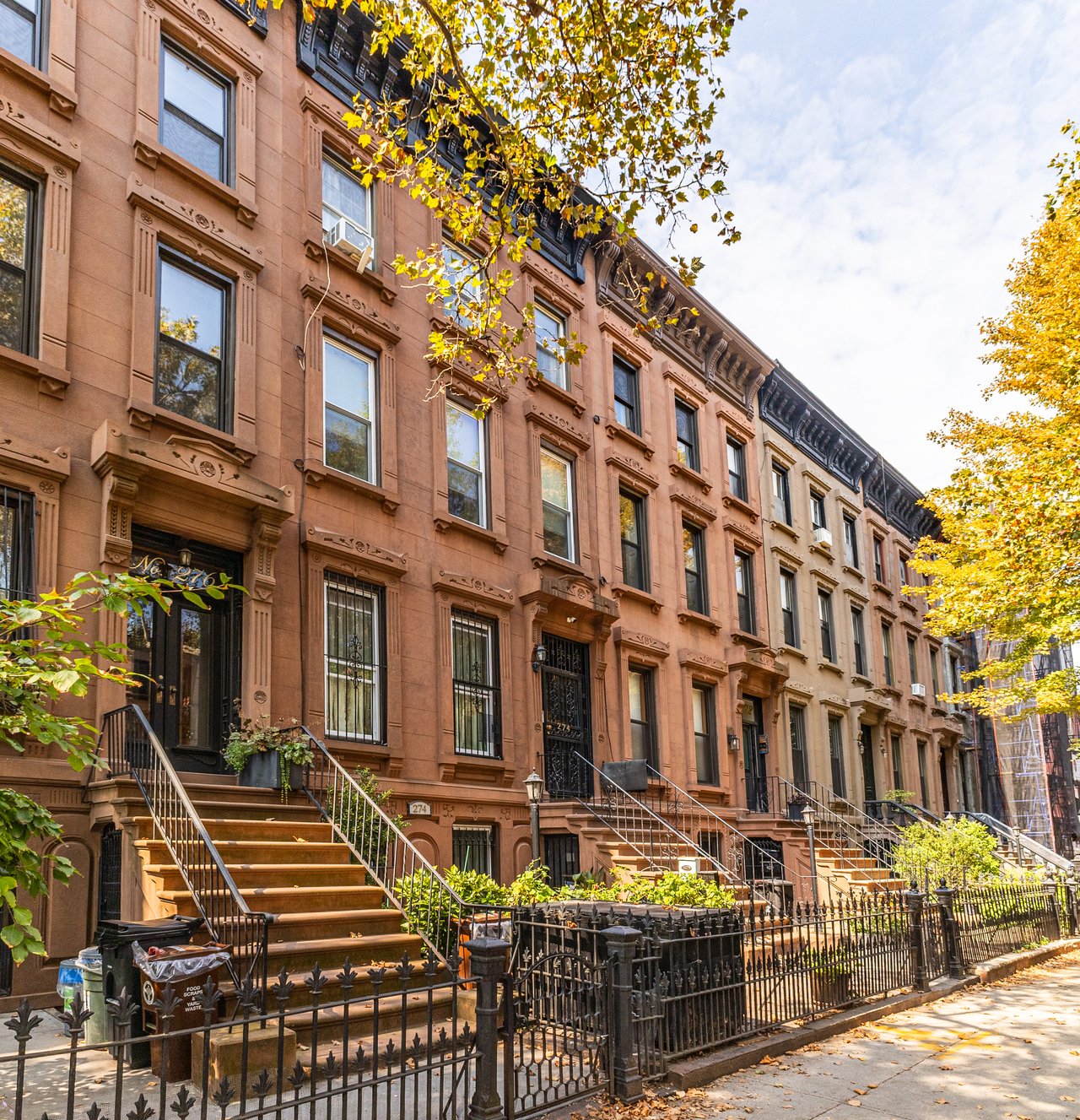
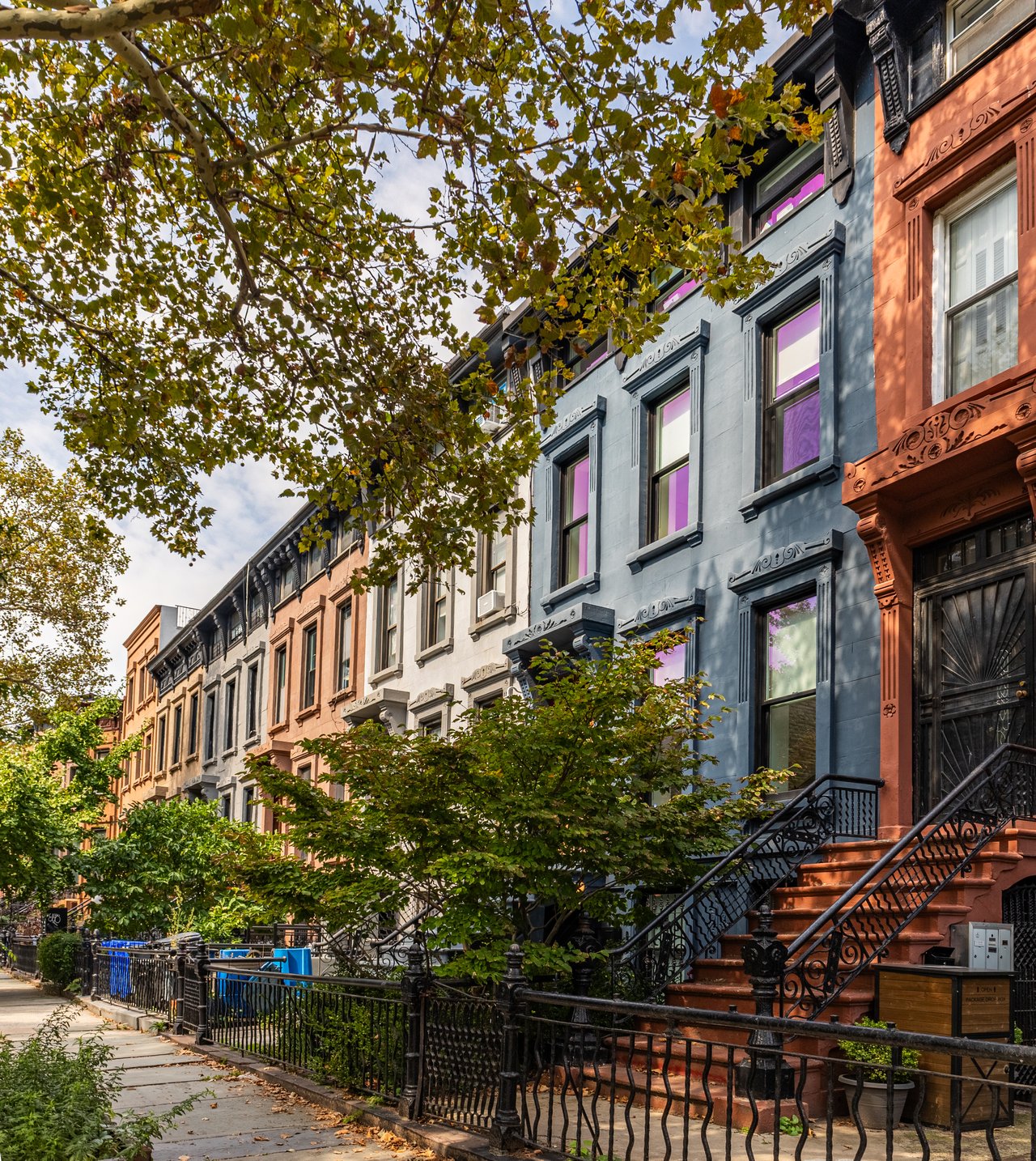
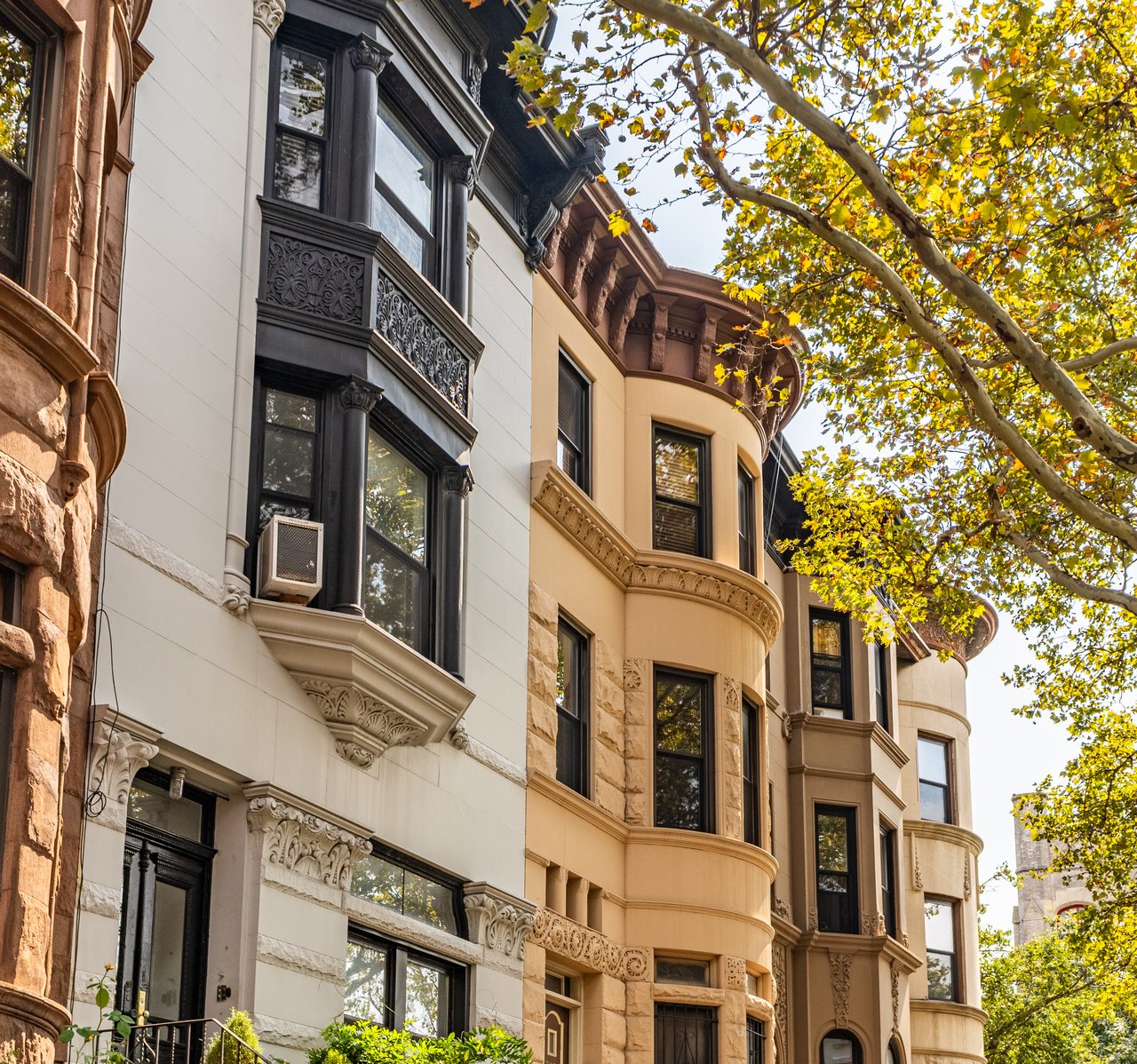
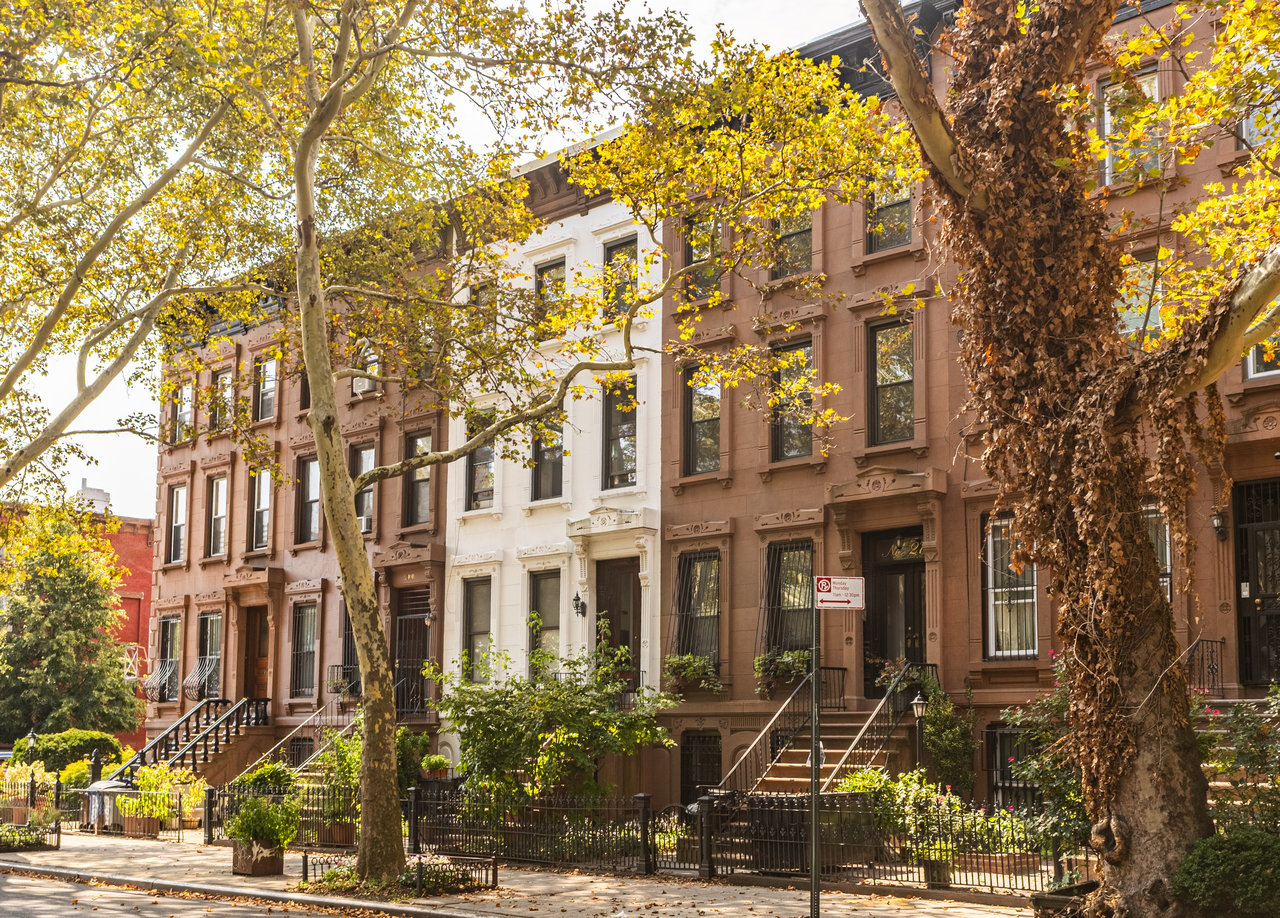
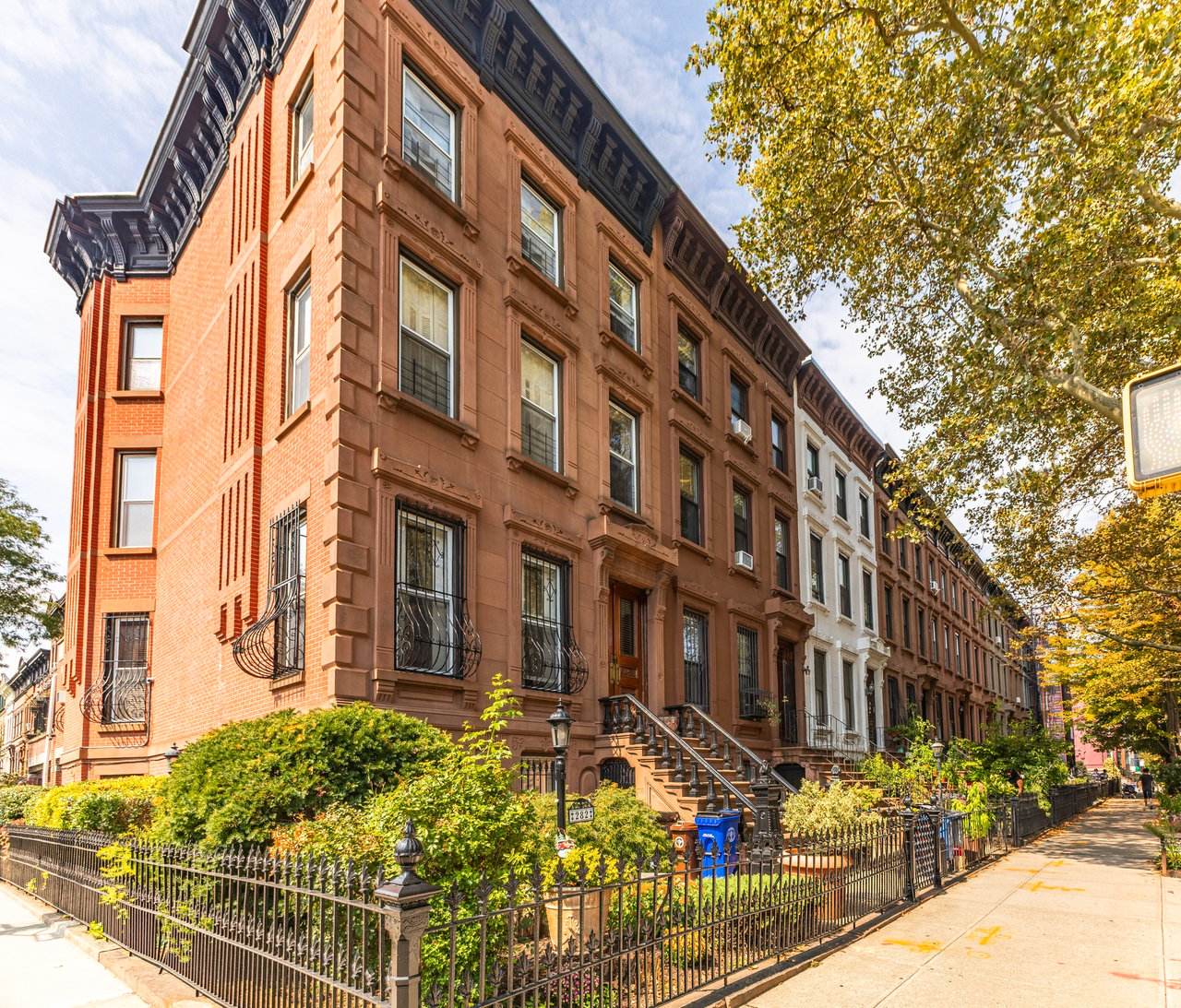
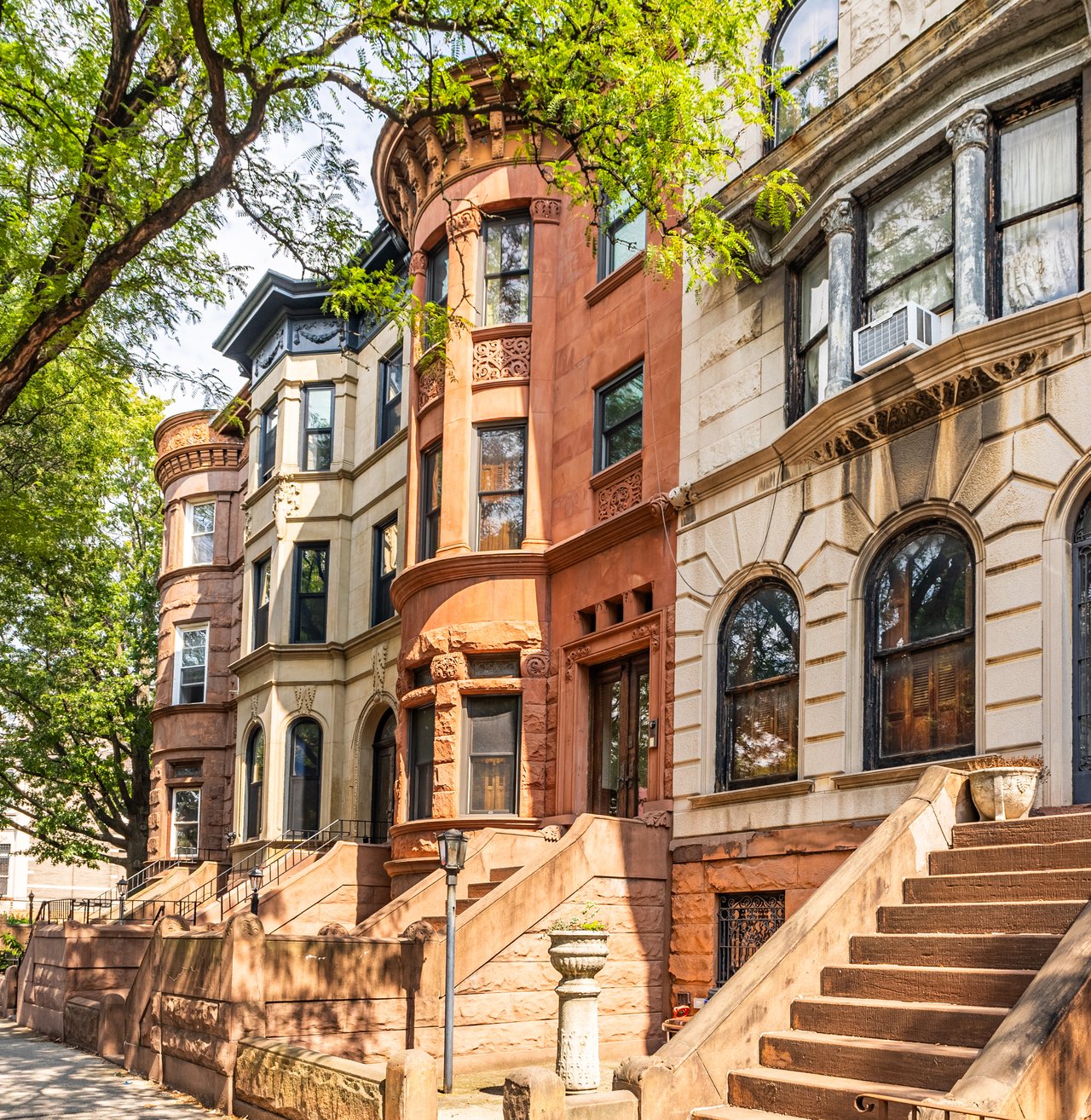
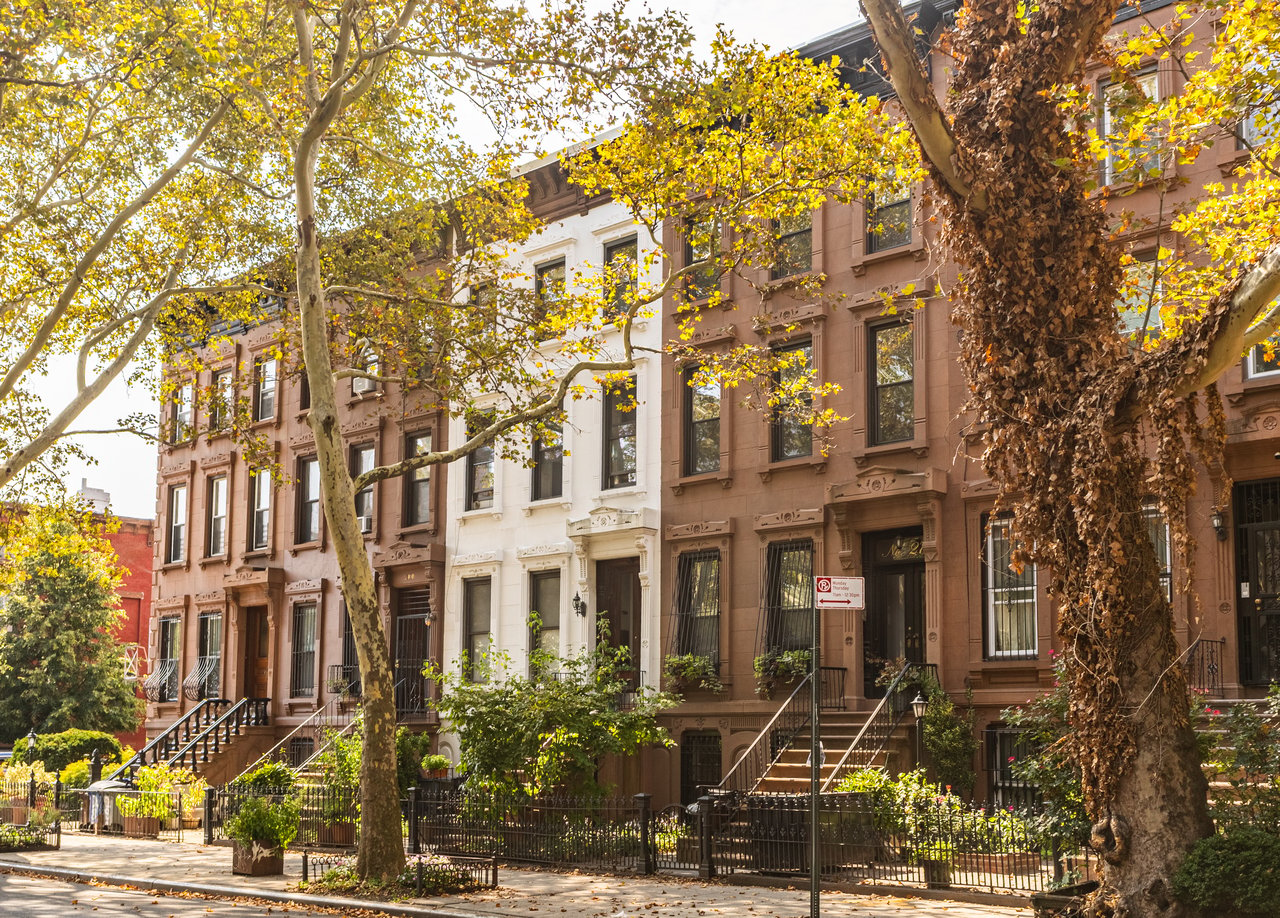
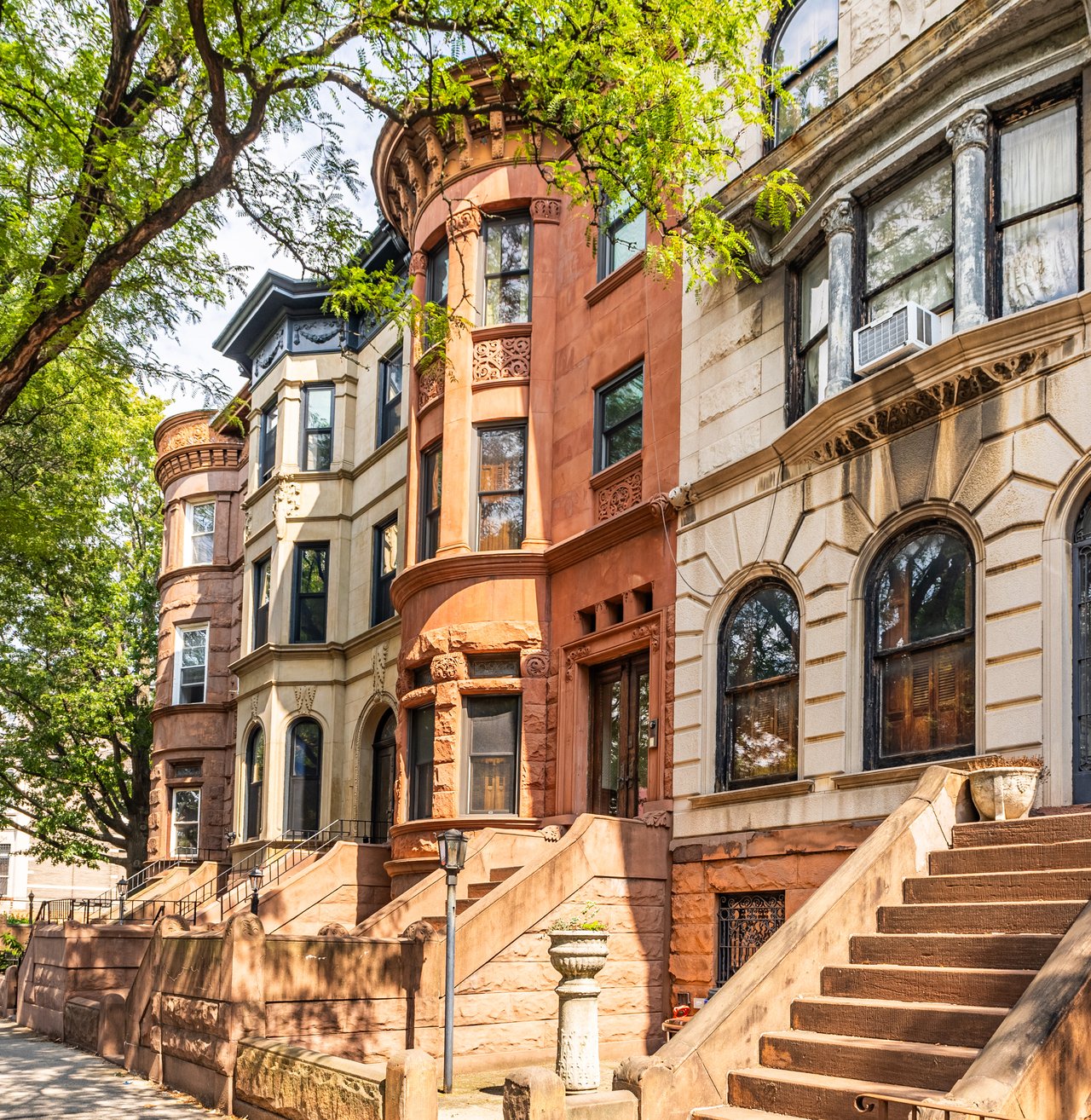
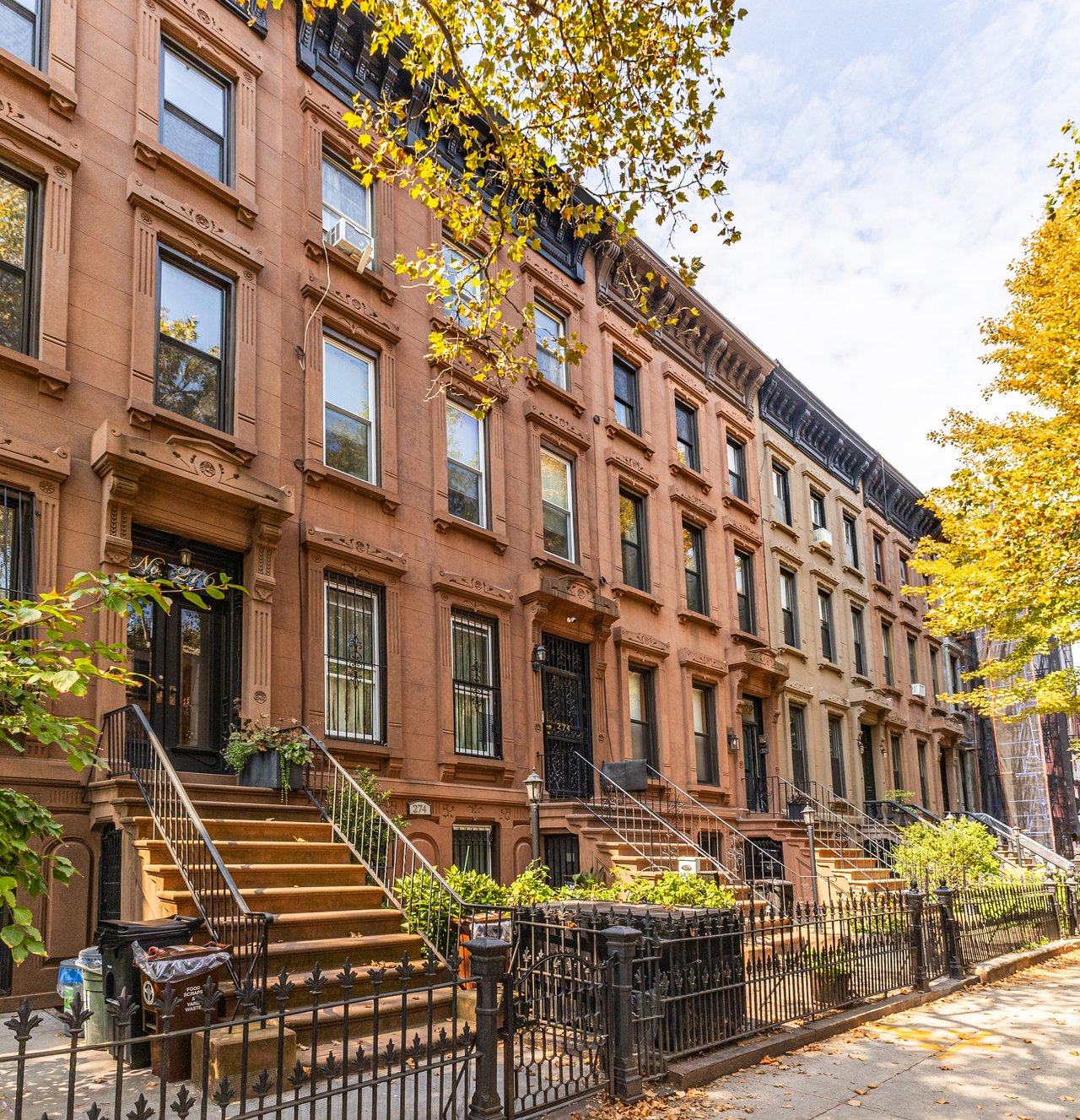
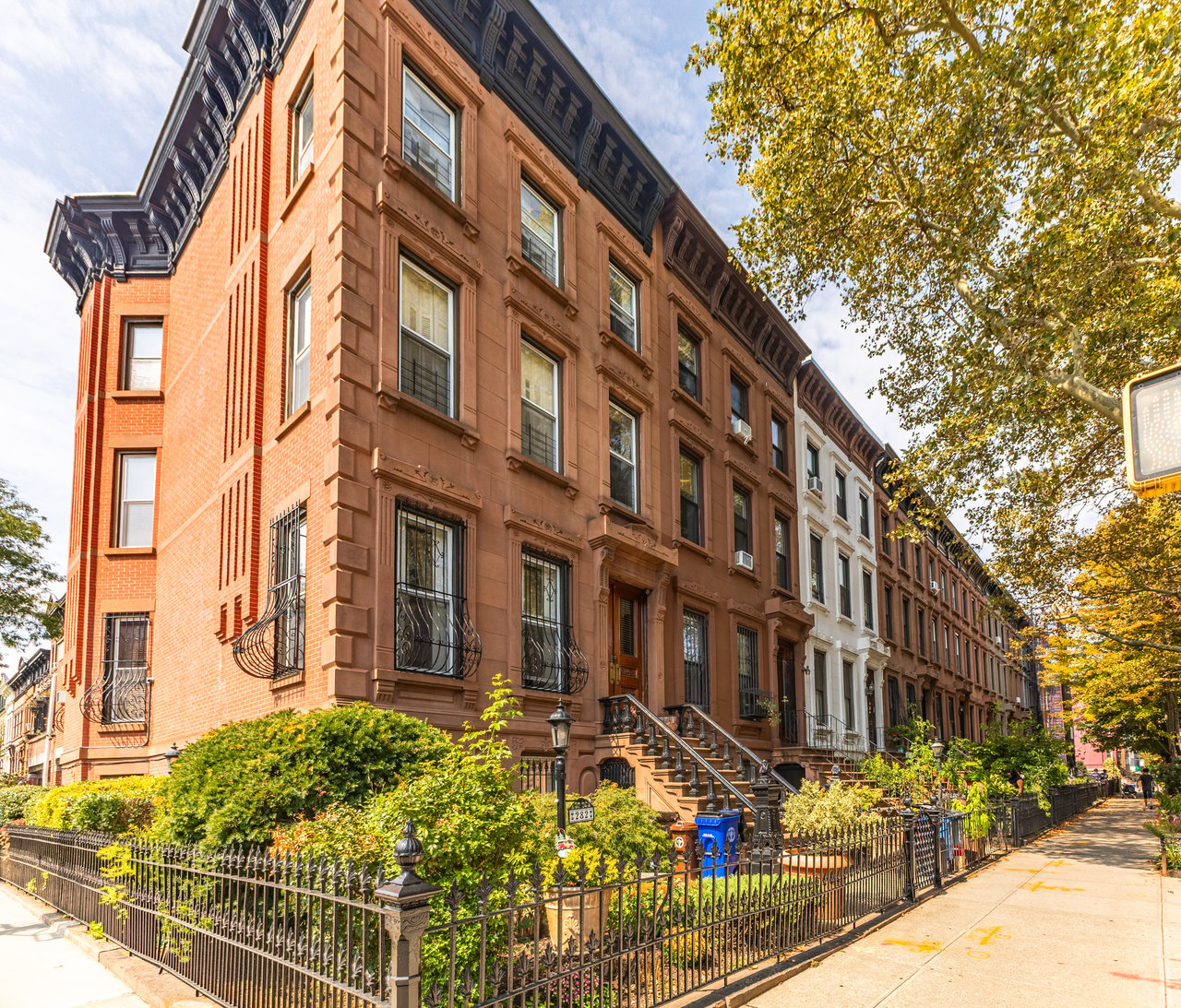
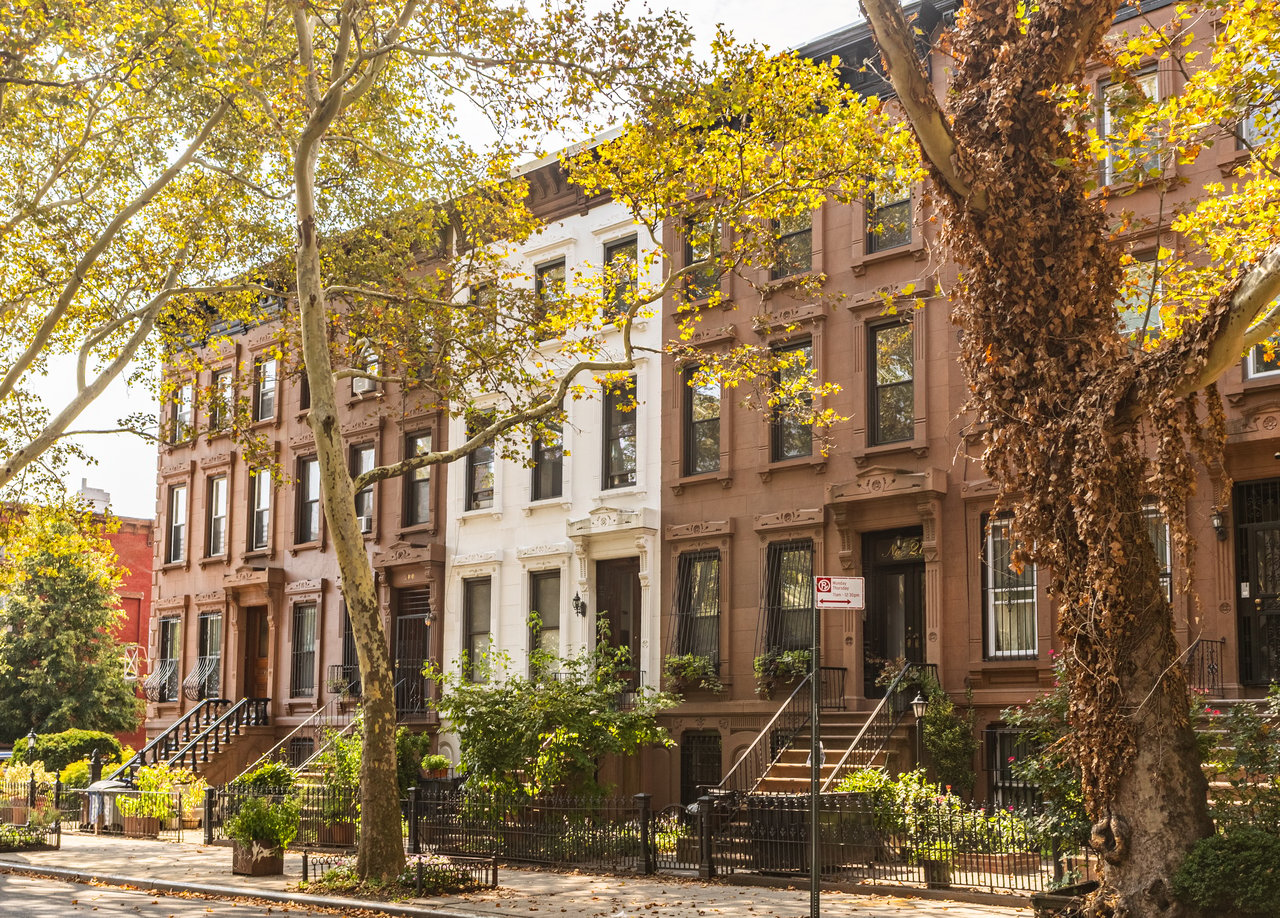
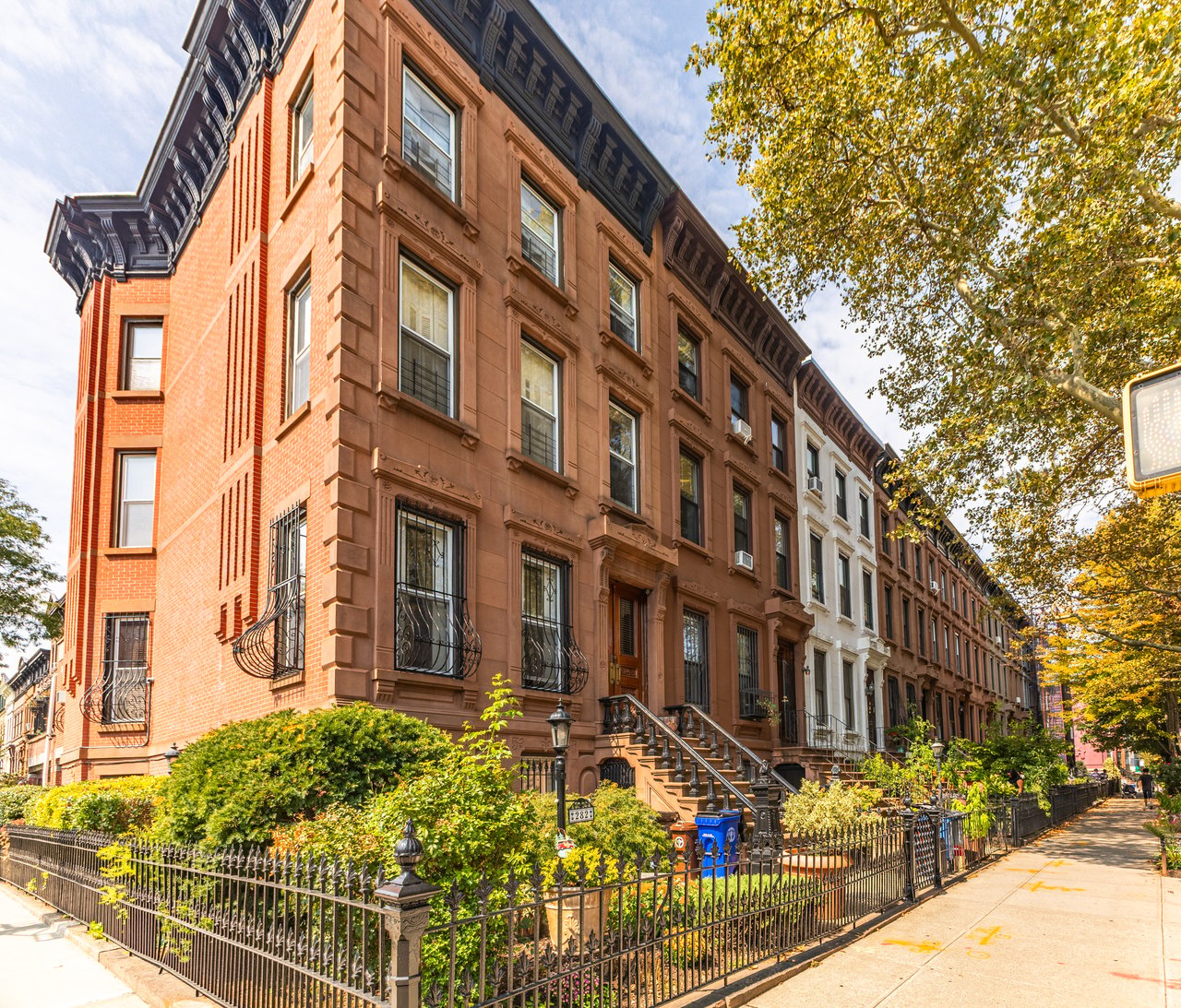
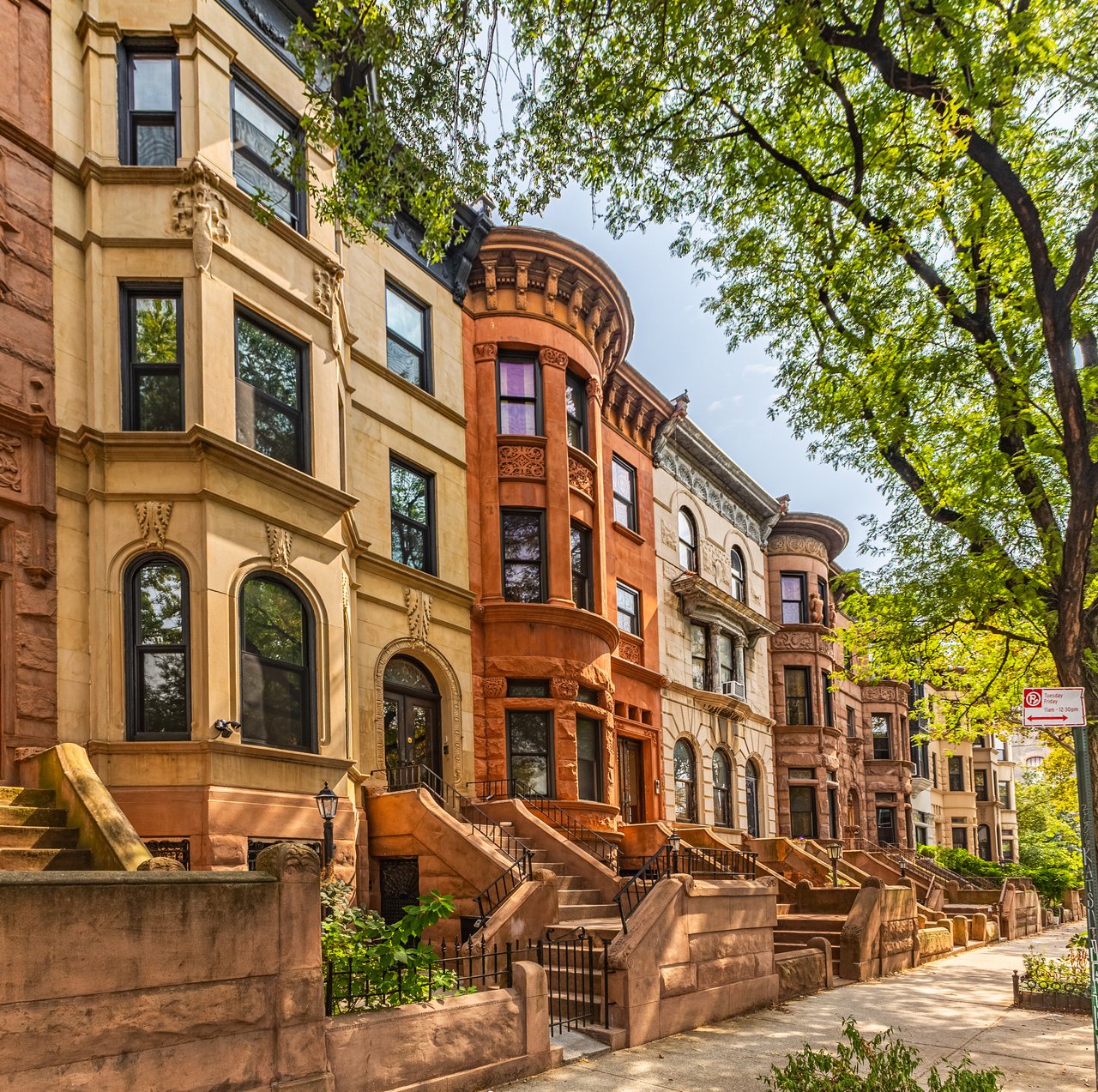
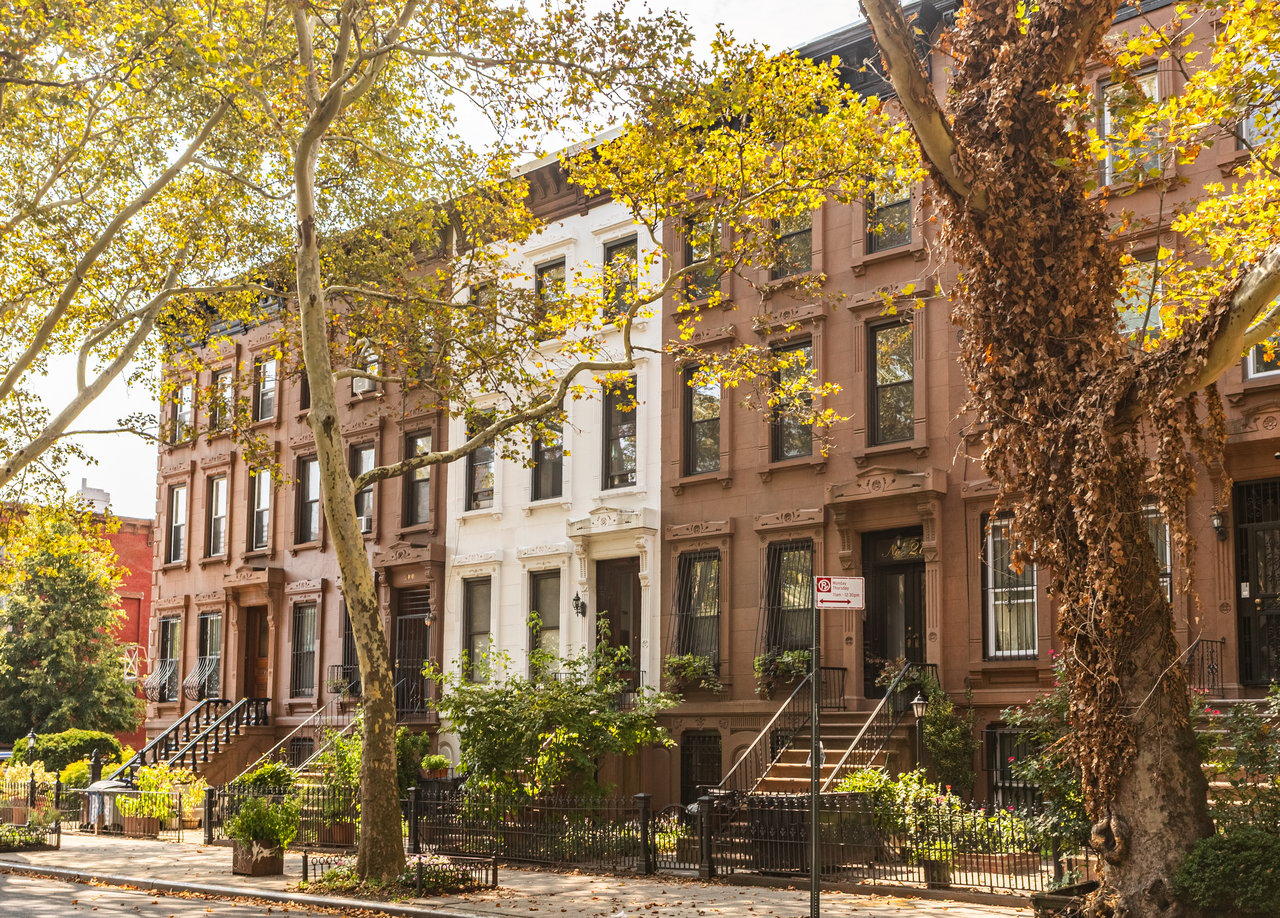
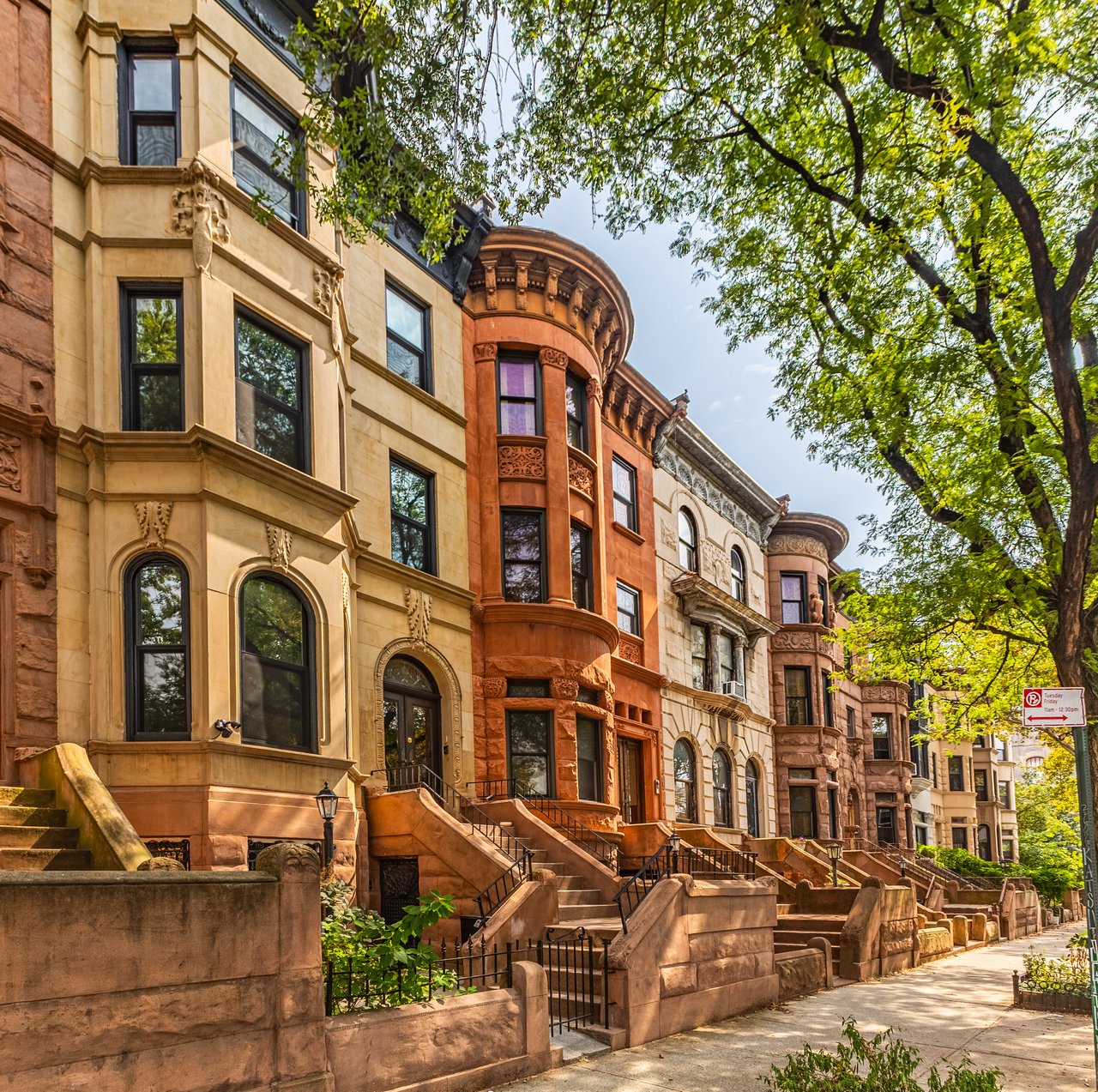
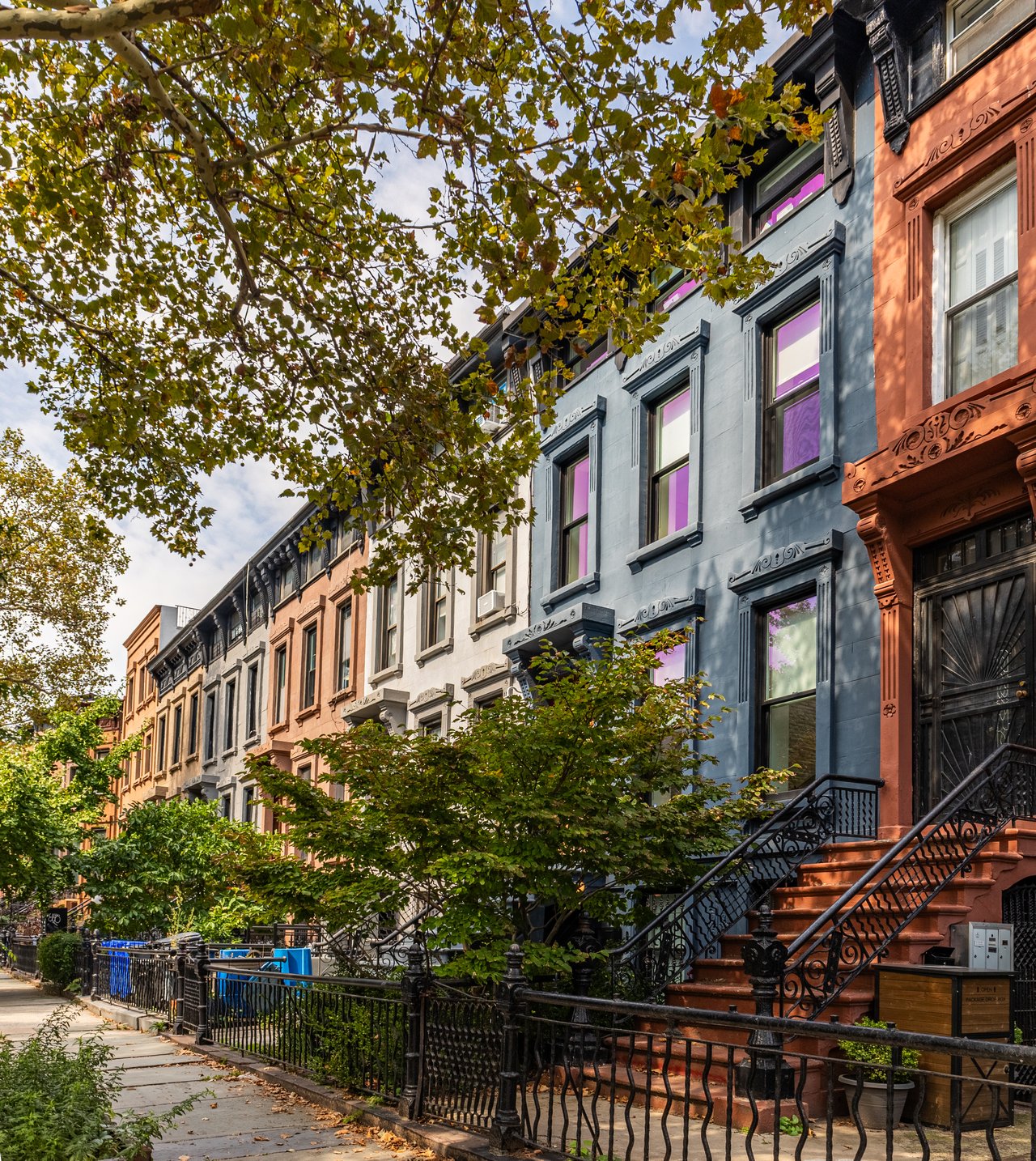
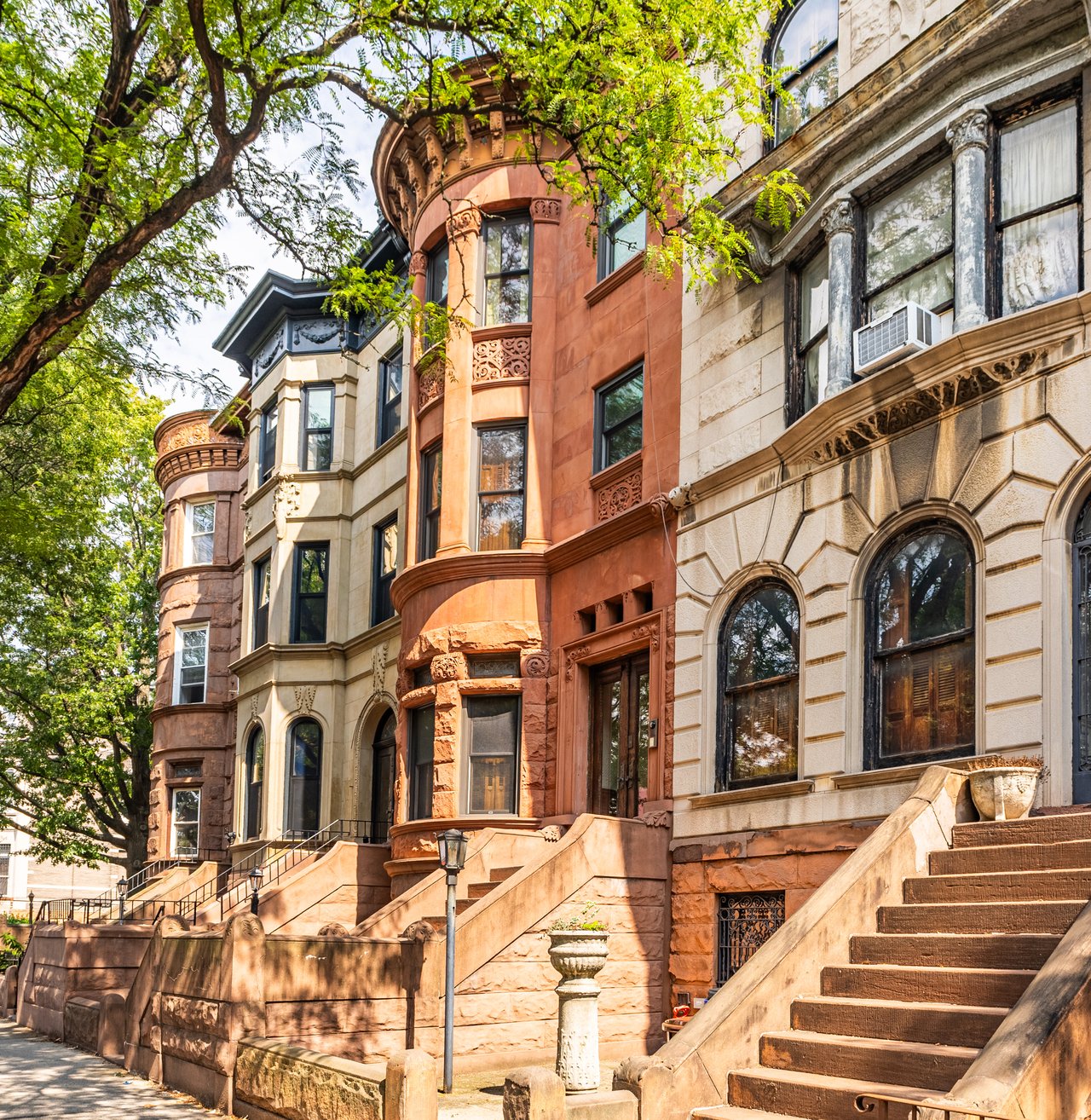
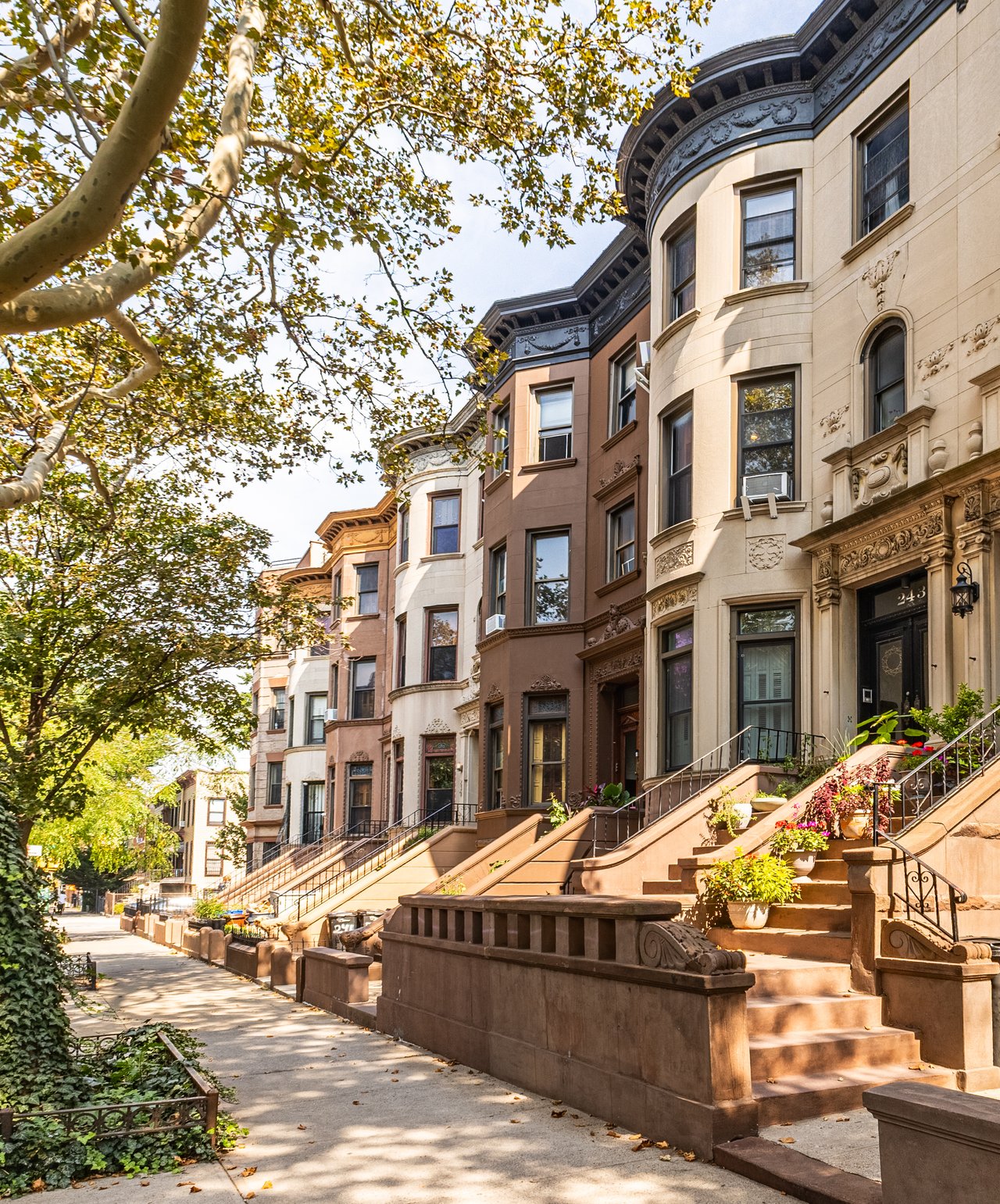
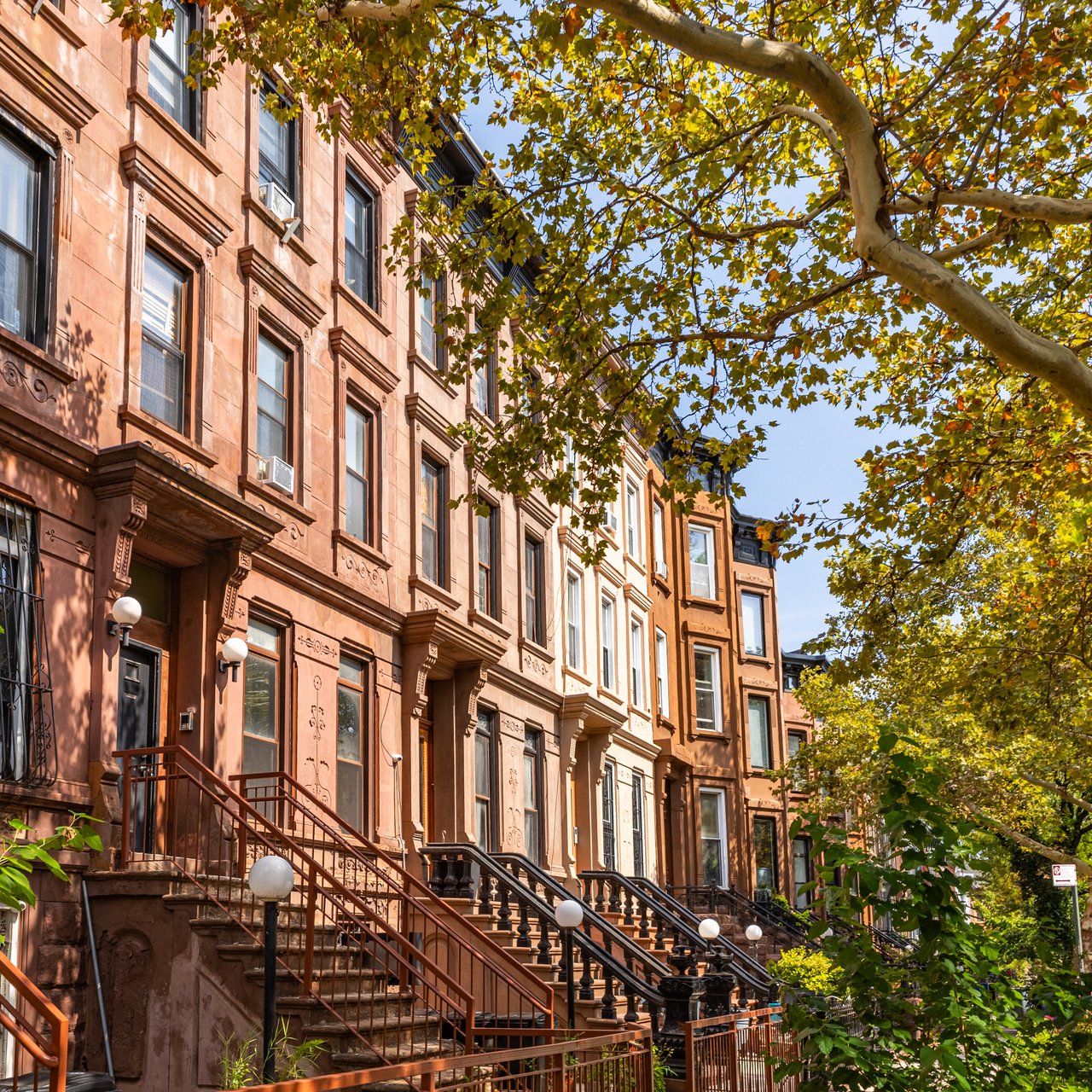
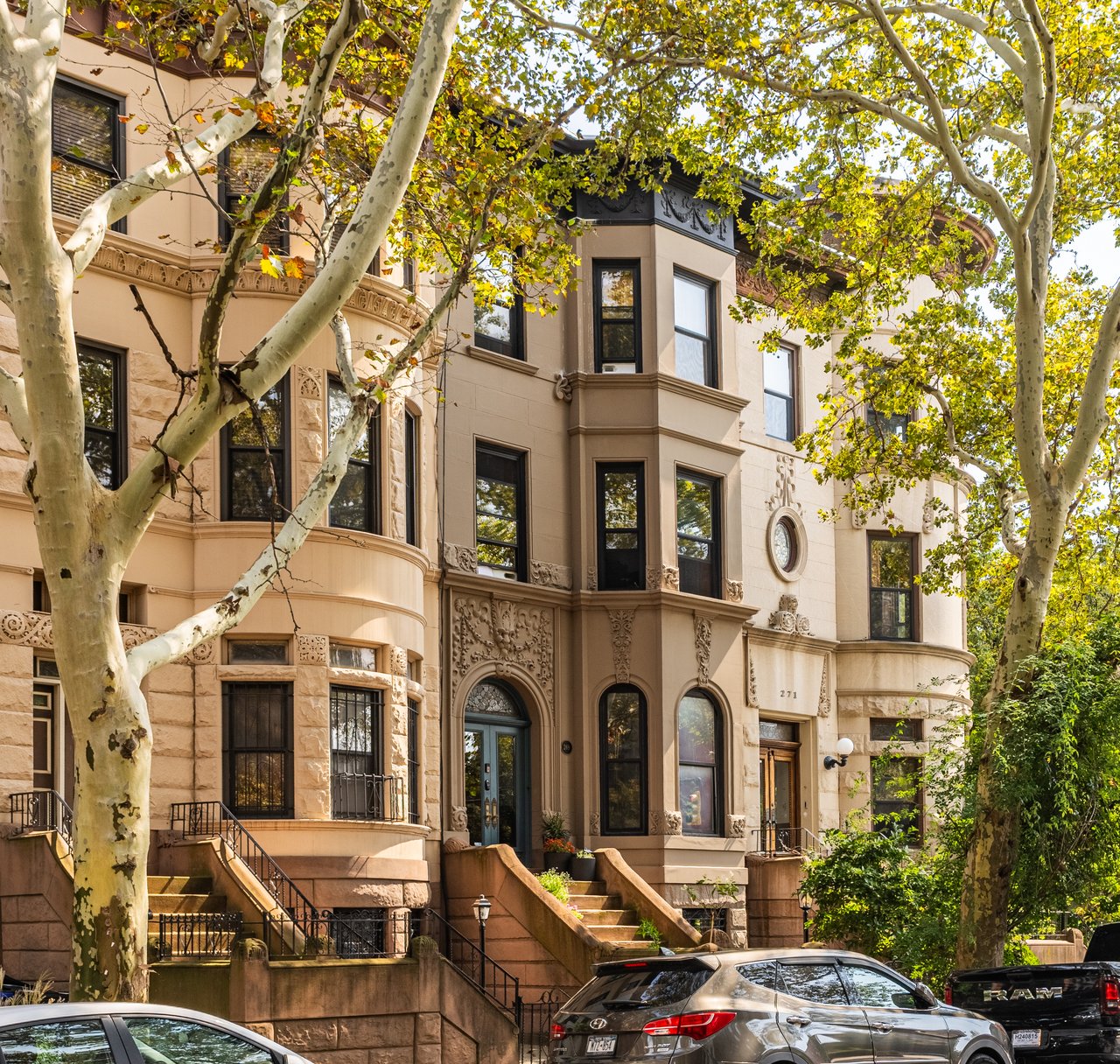
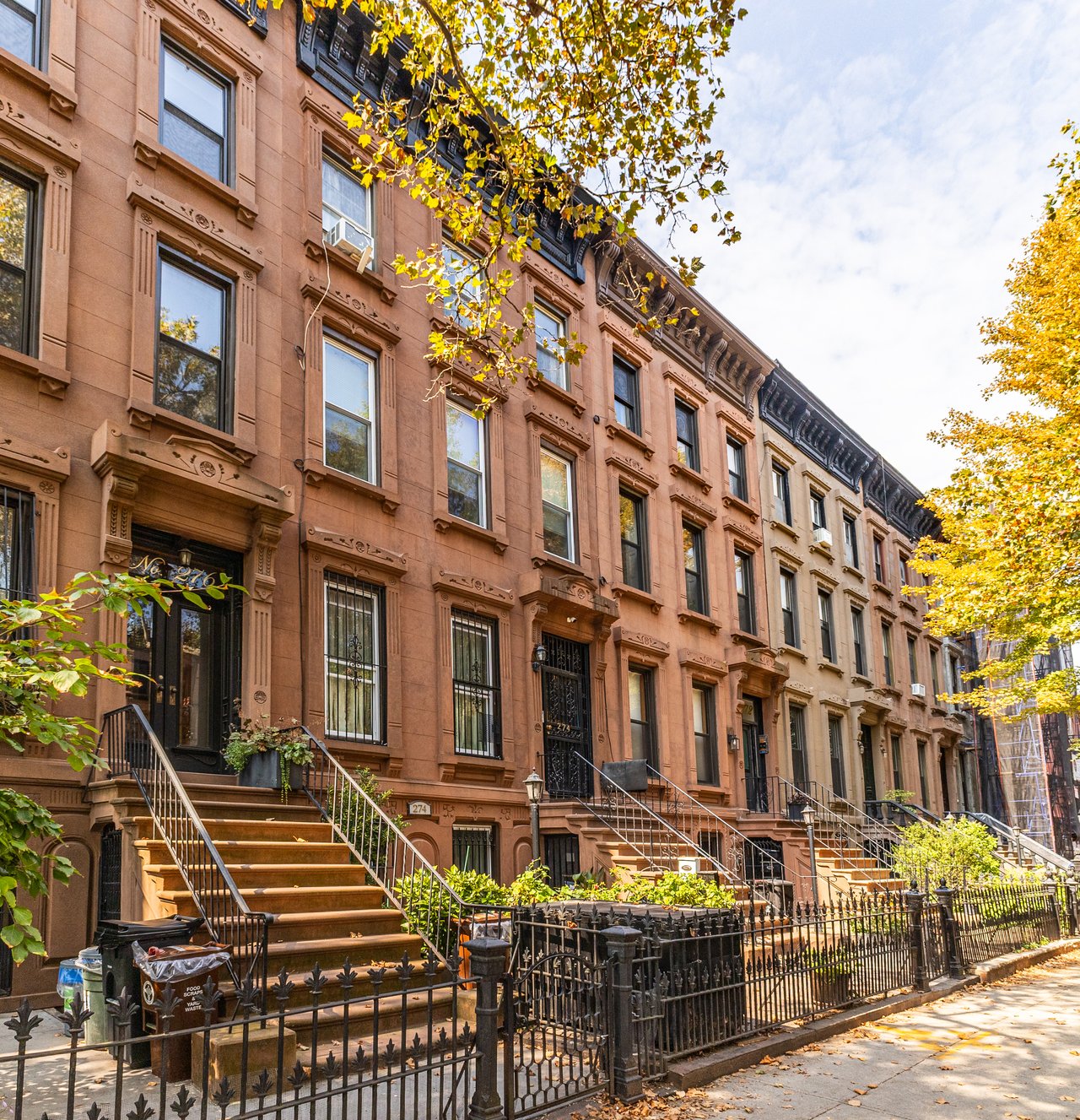
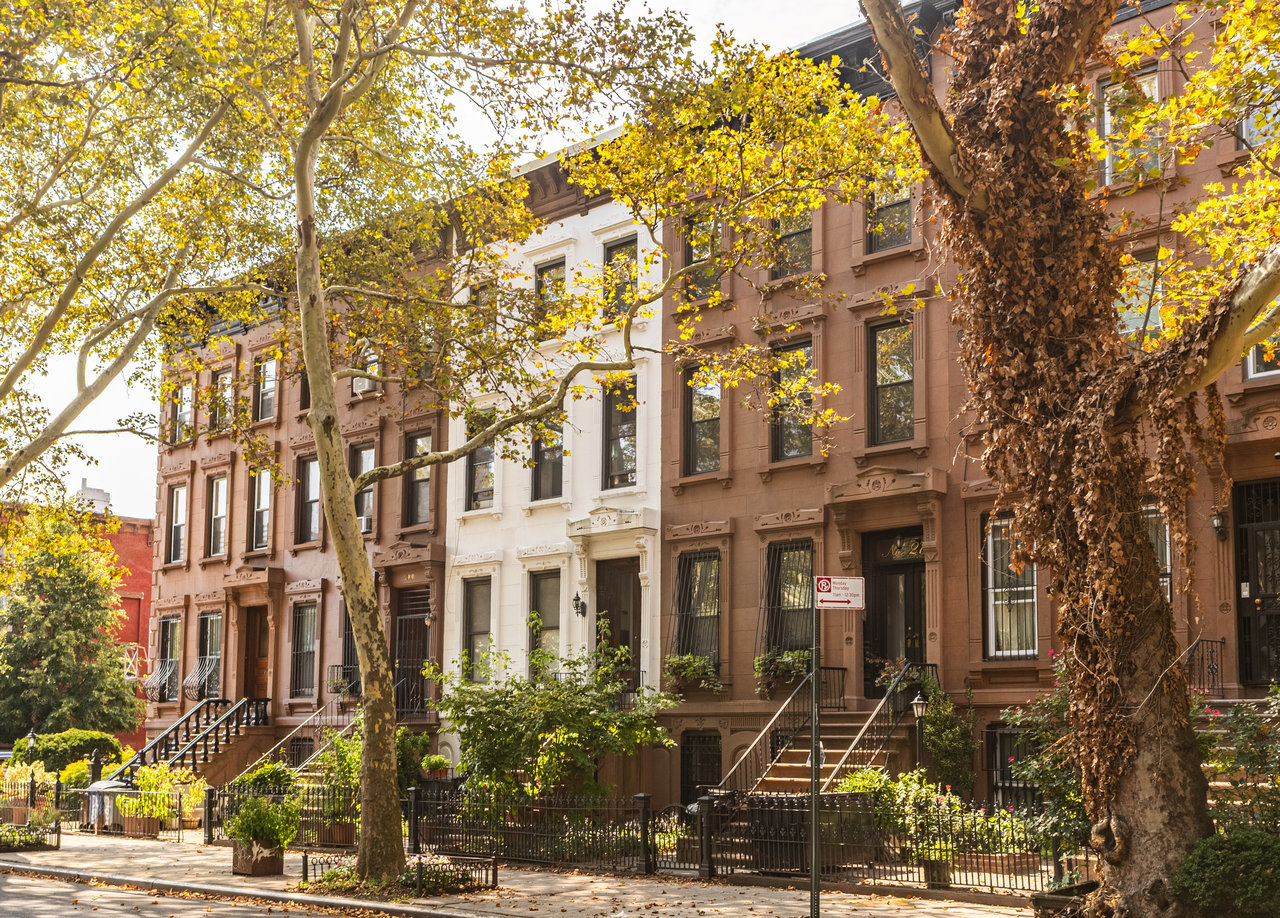
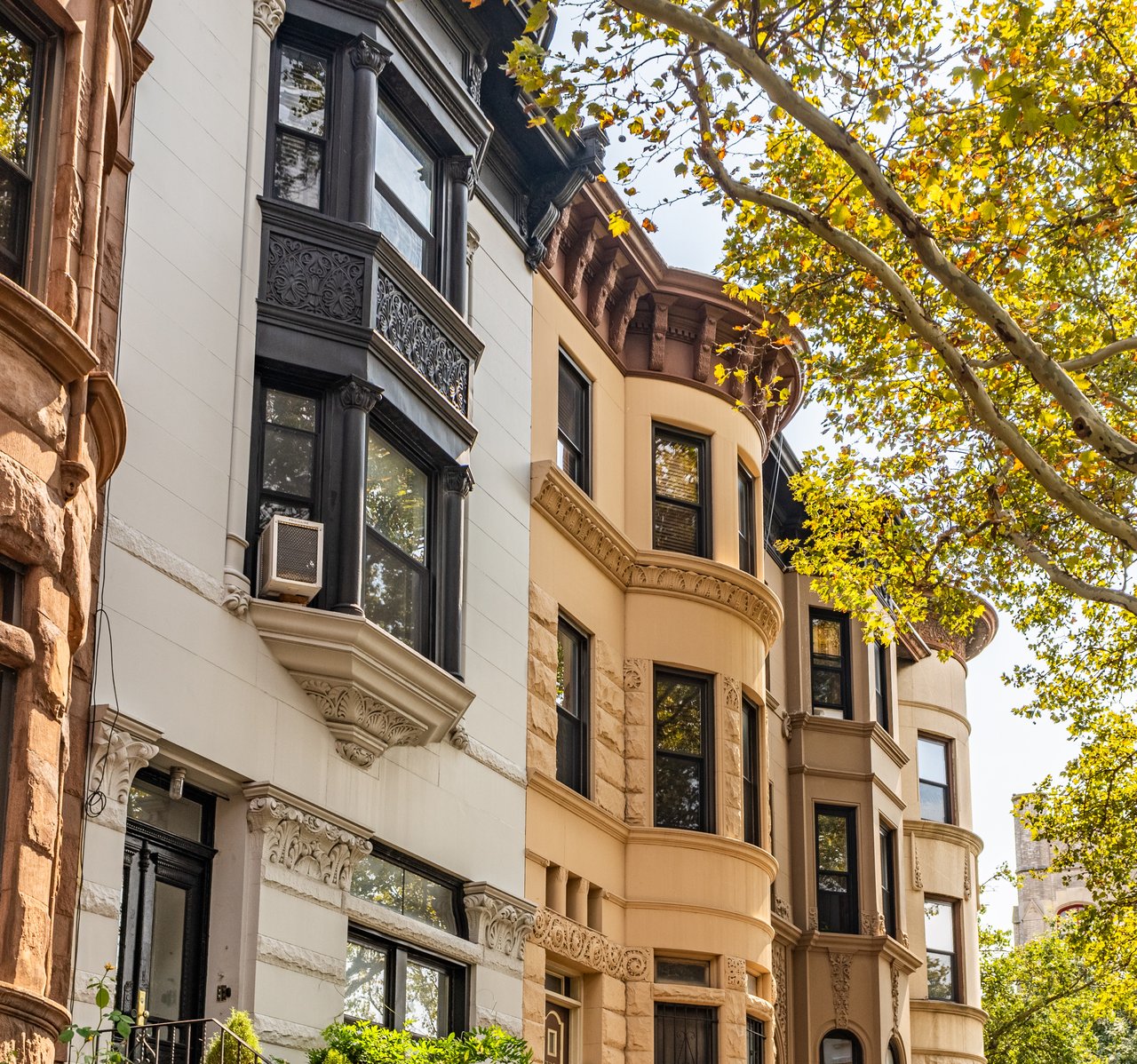
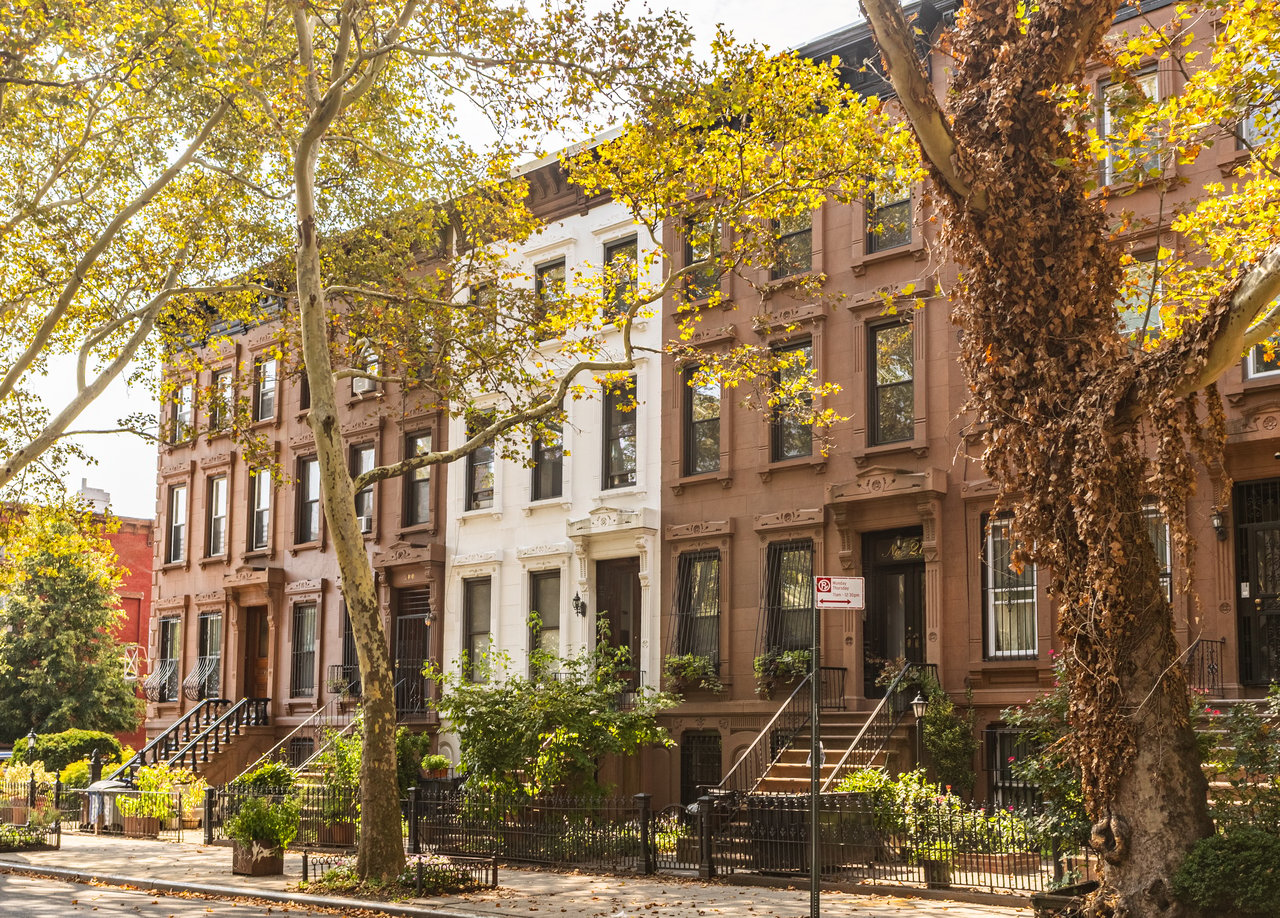
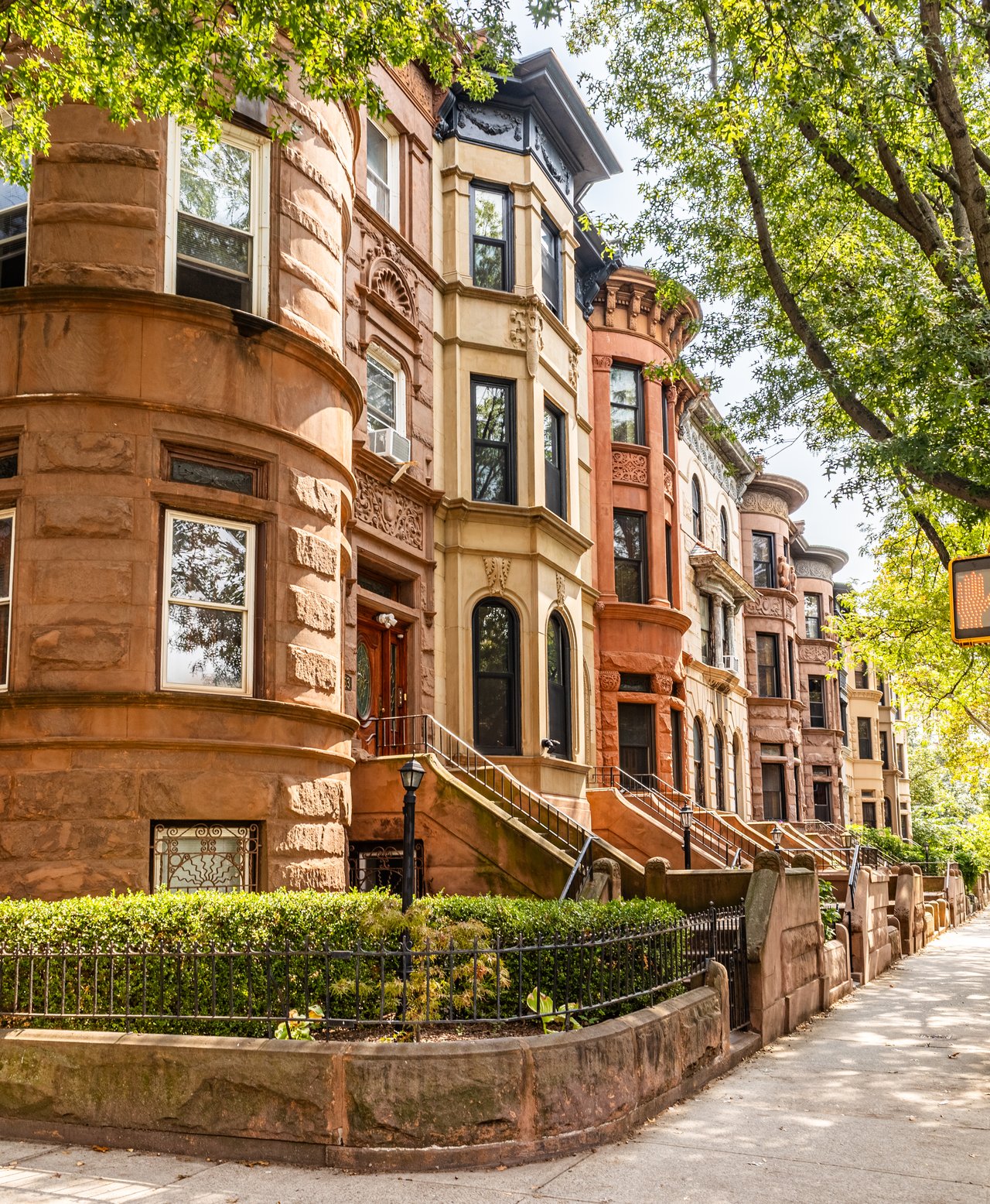
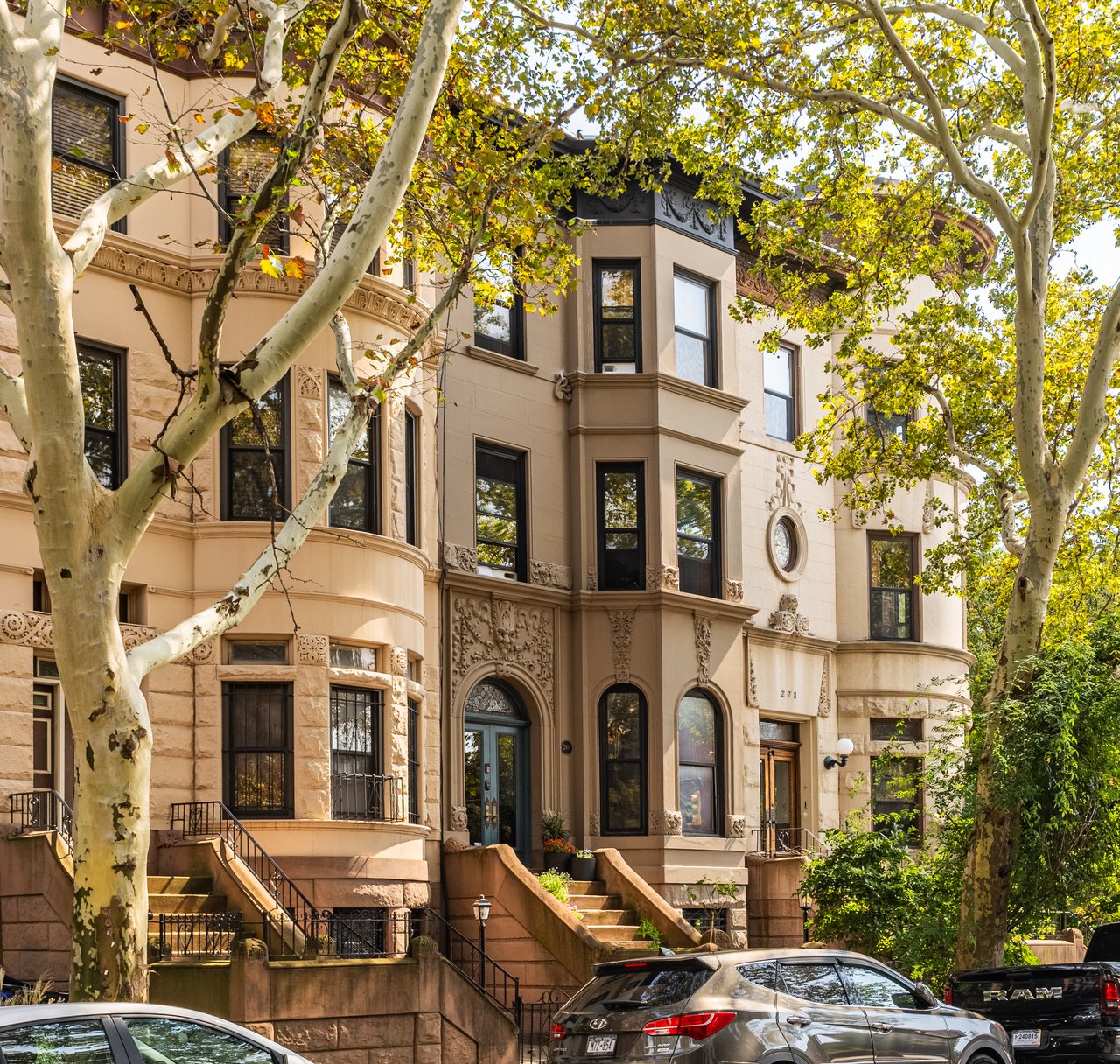
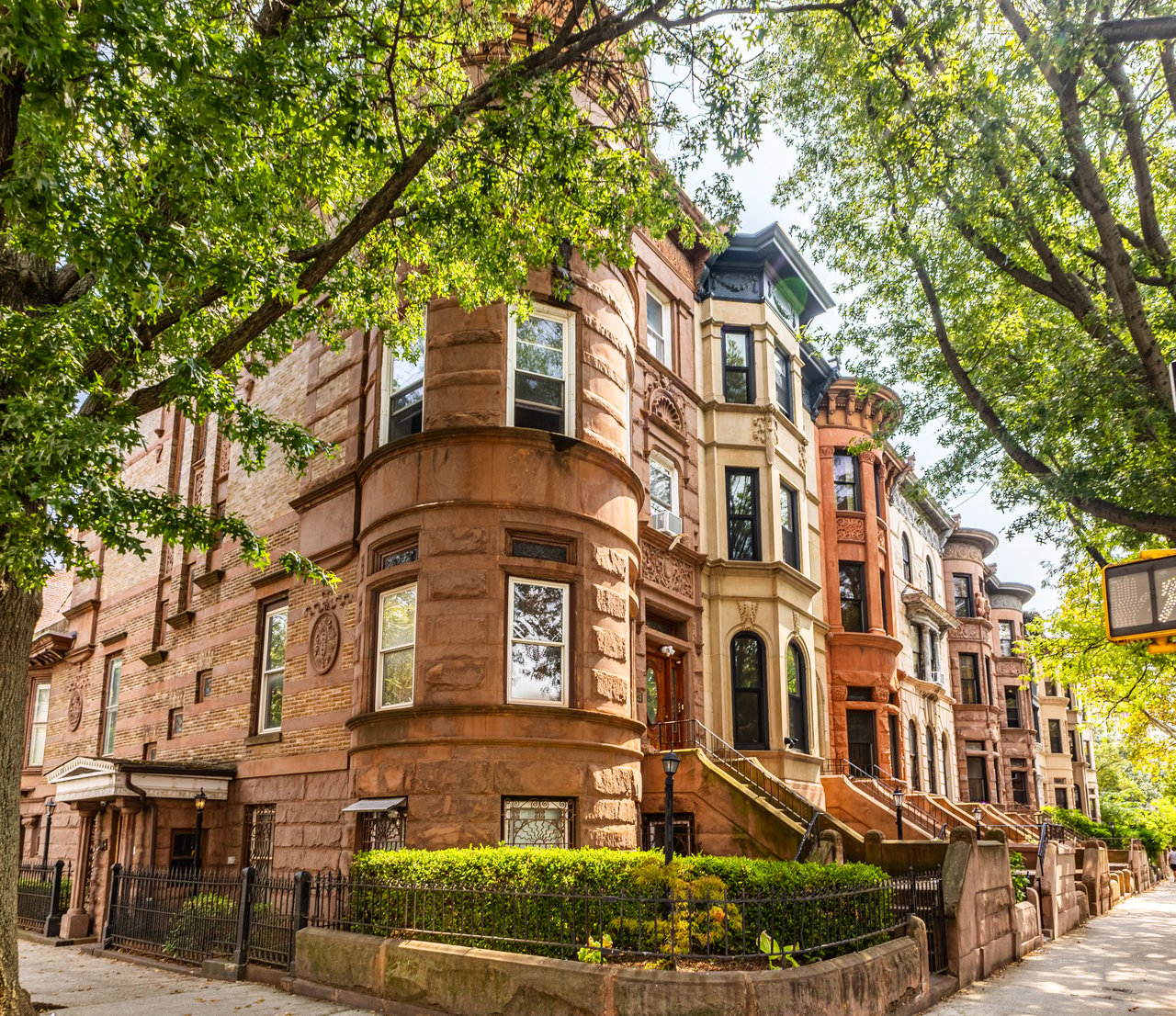
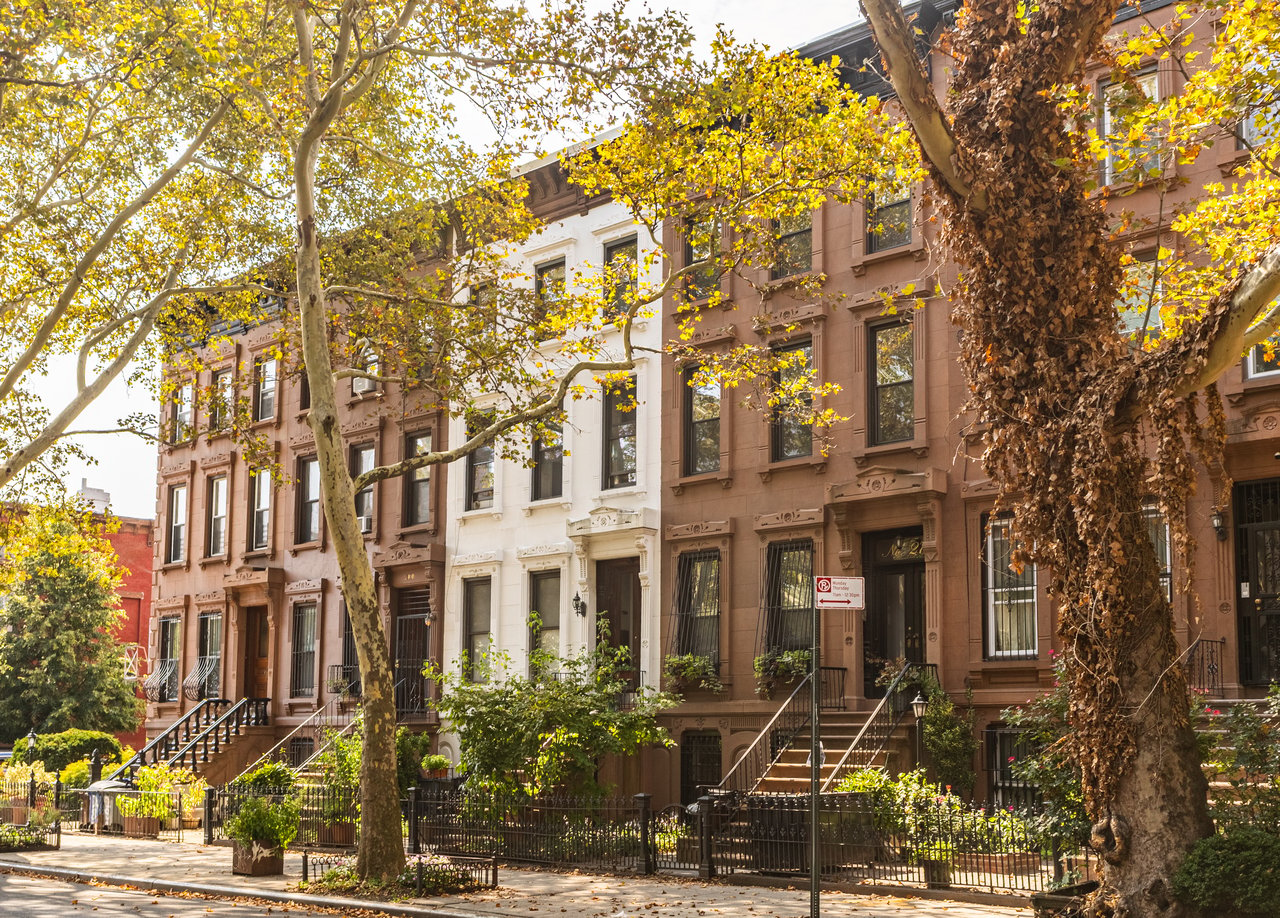
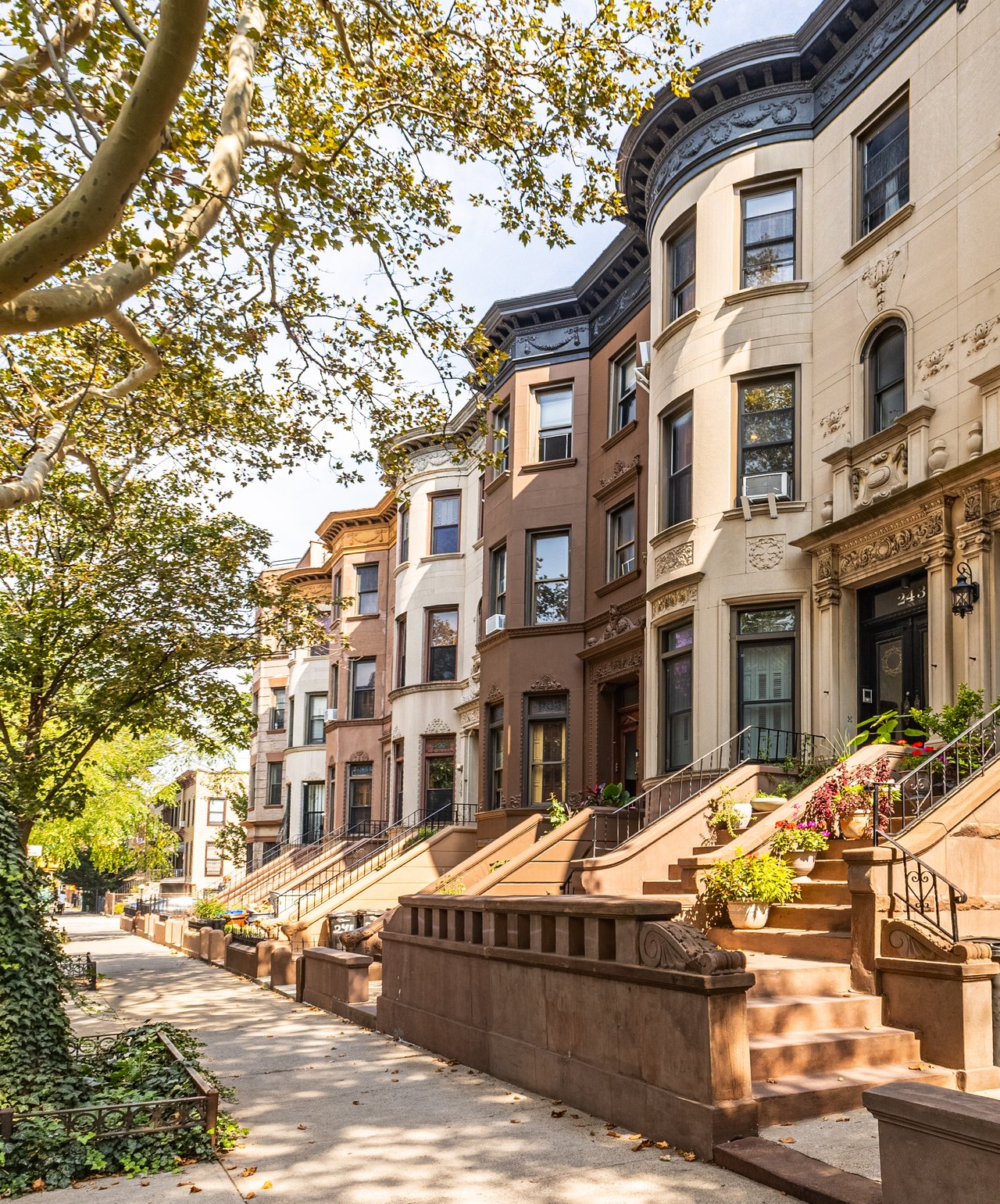
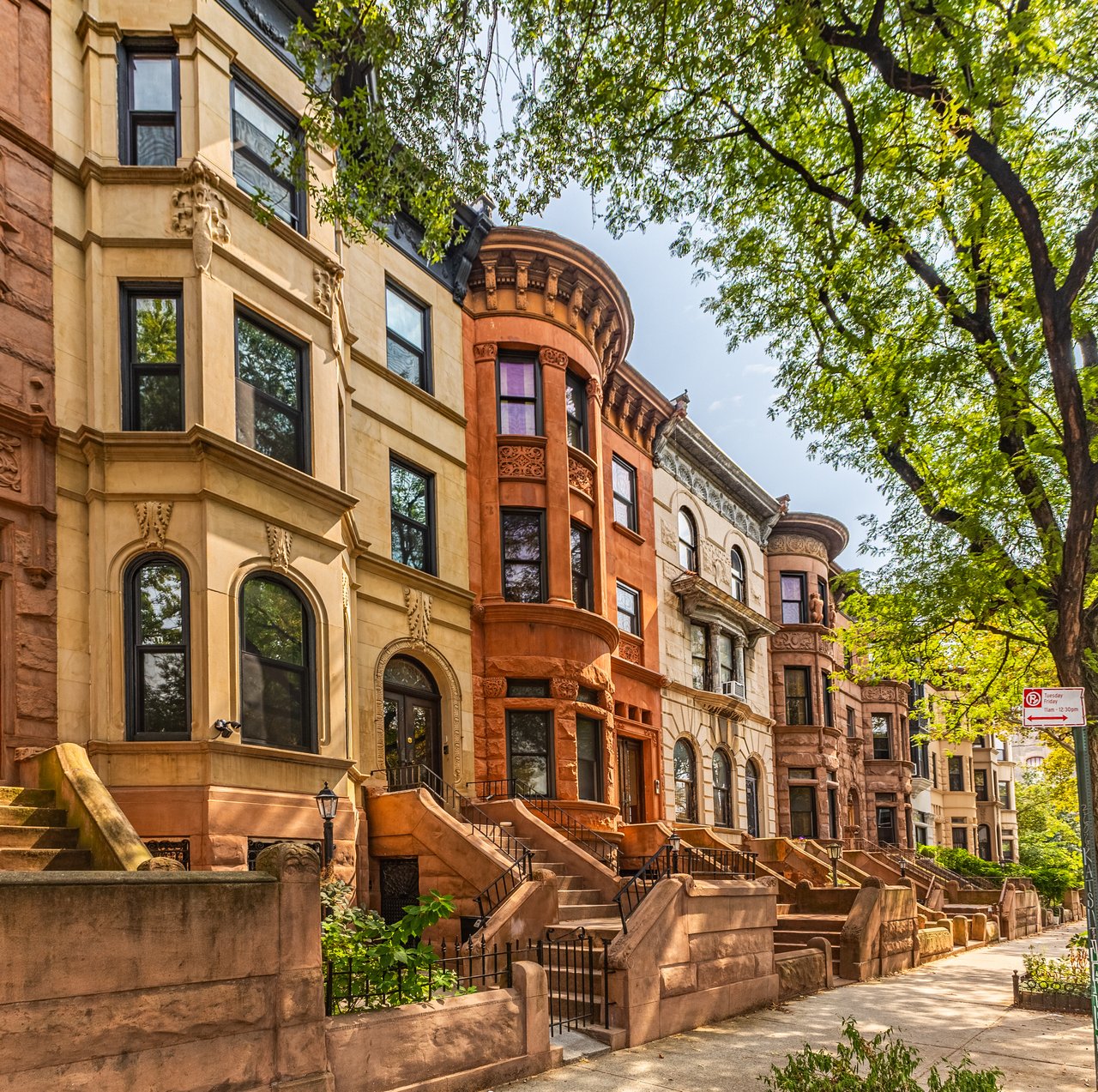
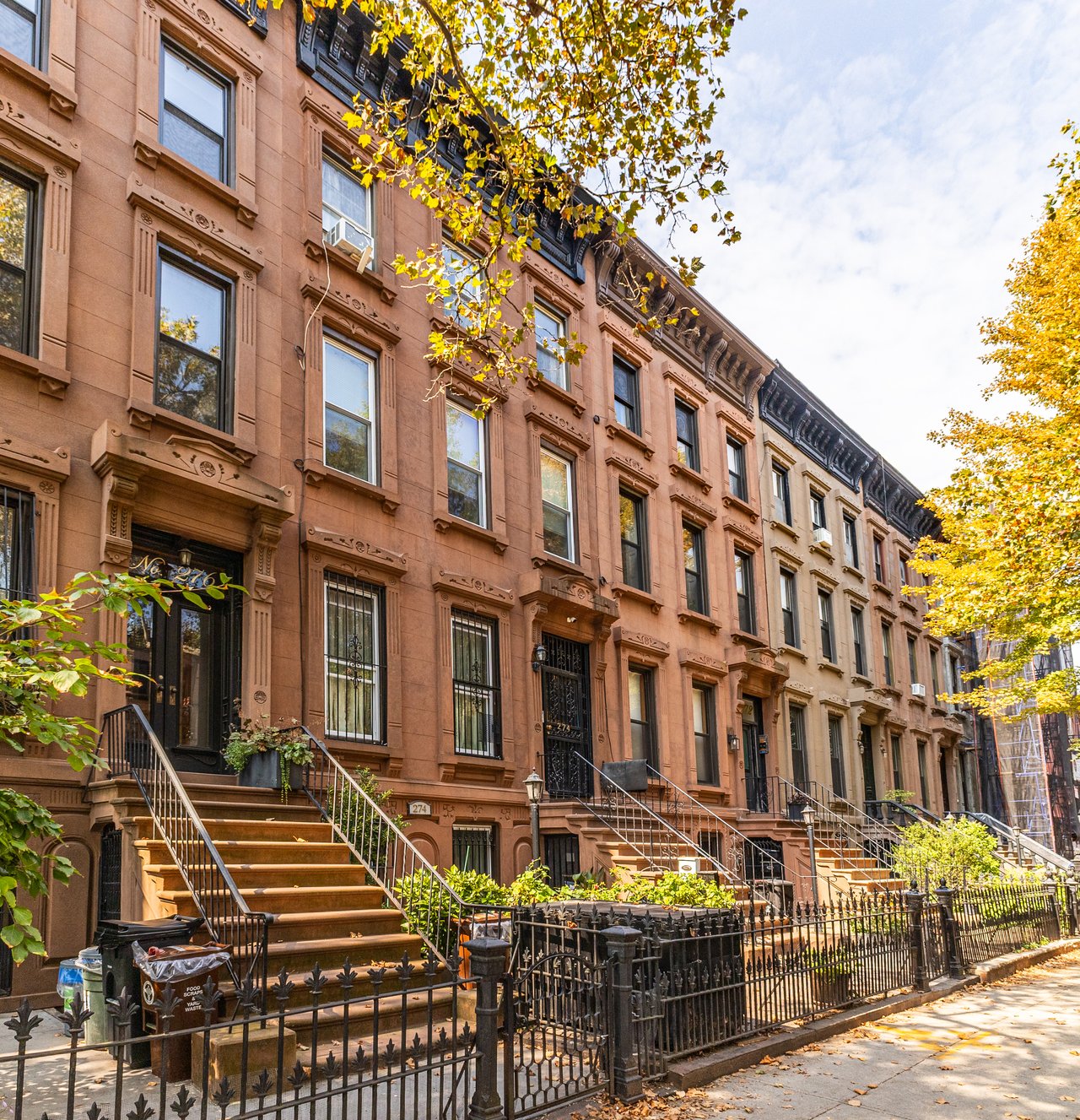
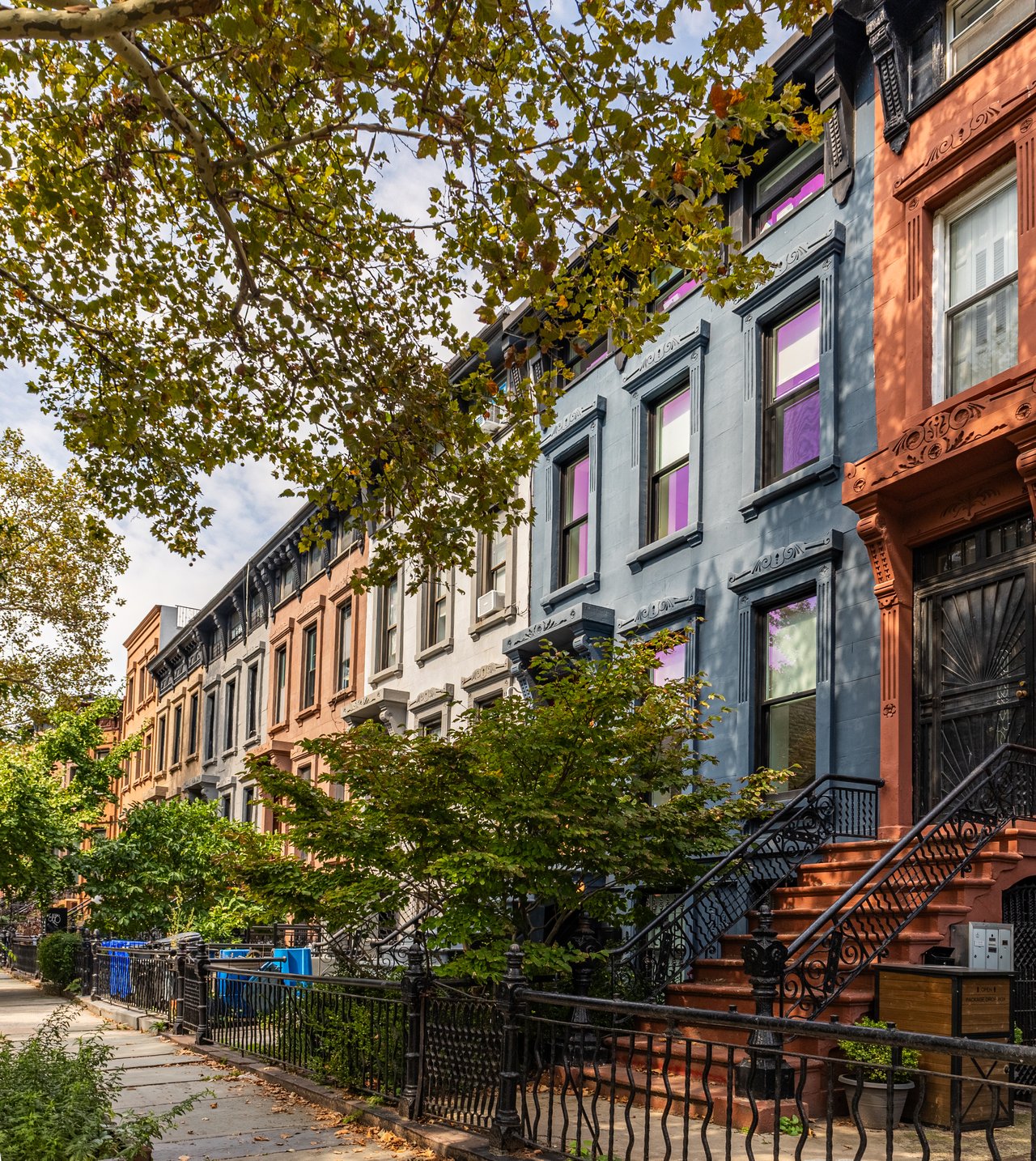
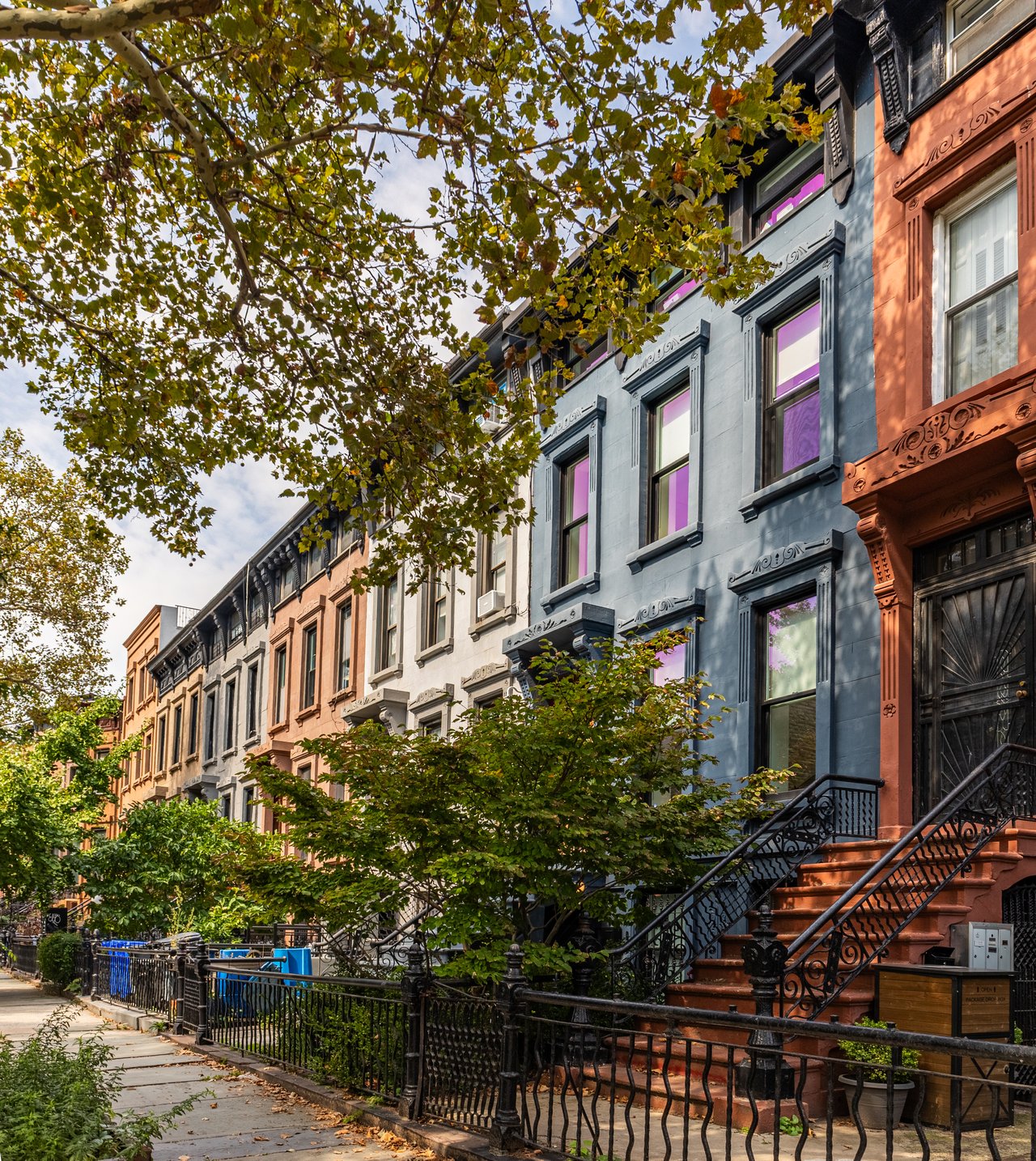
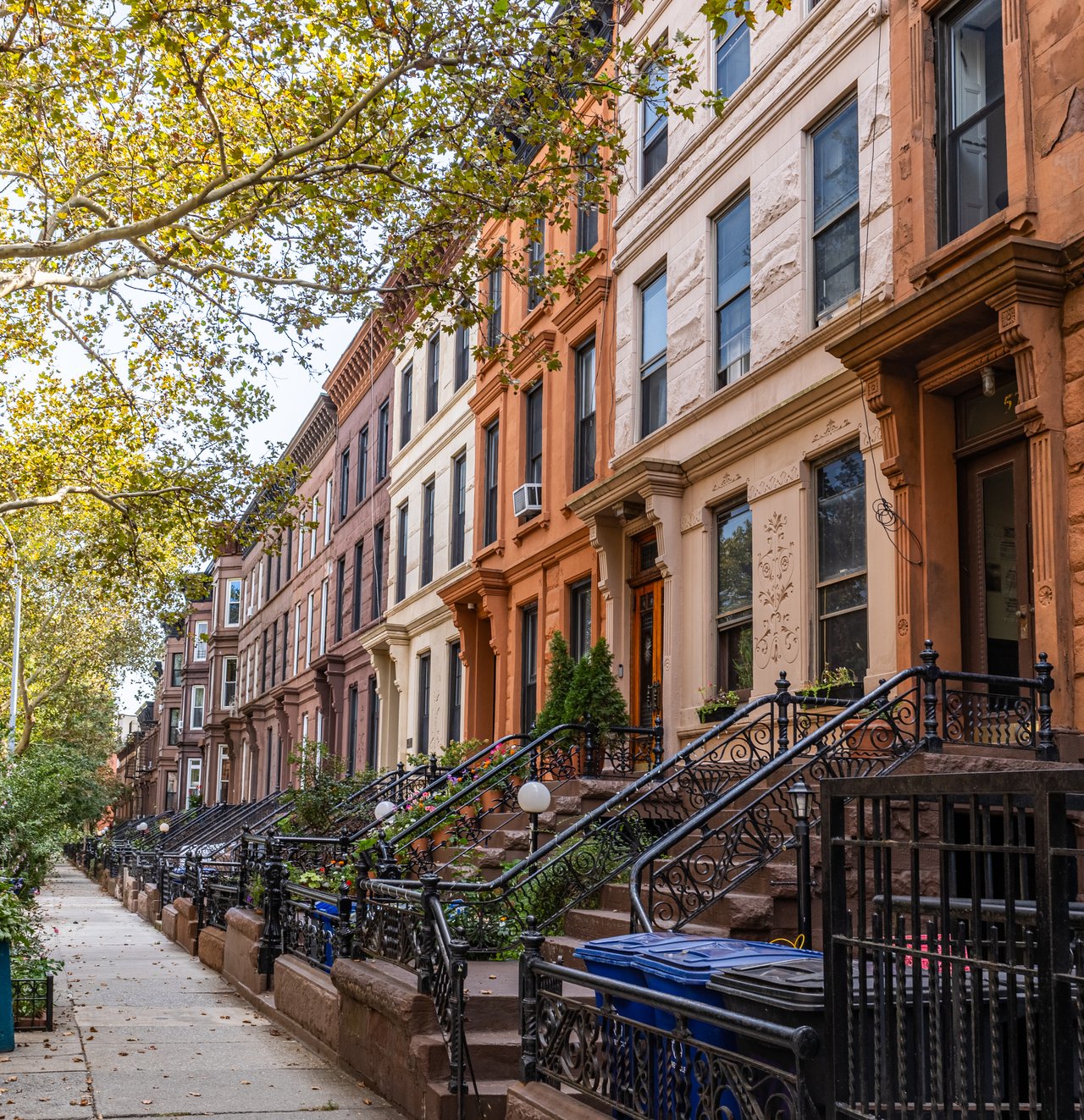
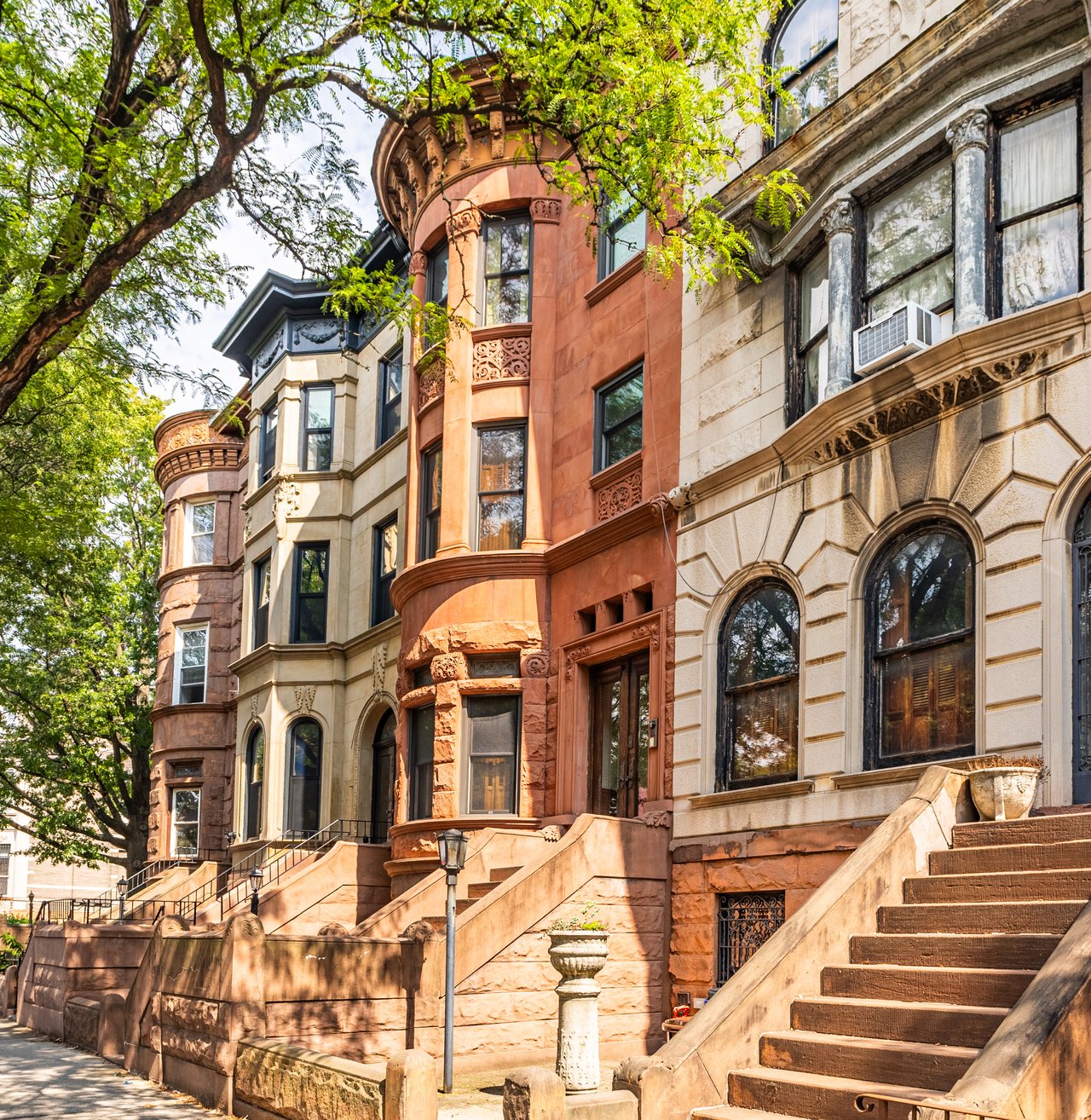
The surrounding blocks contain brick townhouses, two-family homes, three-family residences, prewar walk-up apartments, mixed-use buildings, and other residential properties that reflect Williamsburg's development during the late 19th and early 20th centuries.
South 4th Street also has a documented architectural history. At 149 South 4th Street, for example, a five-story brick tenement was constructed in 1906, replacing earlier wood-frame residences. Its history illustrates how Williamsburg evolved from a neighborhood of smaller houses into a densely populated residential community.
During the early 20th century, Eastern European Jewish immigrants were among the residents of this building and the surrounding neighborhood. Later, Puerto Rican families and other communities contributed to the area's cultural and residential development.
Today, South 4th Street remains part of a neighborhood shaped by multiple generations of Brooklyn residents. Historic buildings stand near neighborhood businesses, religious institutions, community organizations, and transportation connections.
For homeowners considering selling property in South Williamsburg, the street's combination of historic architecture, multifamily housing, and access to Manhattan makes it an important location within the Williamsburg real estate market.
Whether you own a brick townhouse, two-family home, three-family building, condominium, mixed-use property, or residential investment building, understanding South 4th Street's history and housing characteristics can help establish a more informed real estate marketing strategy.
Thinking of buying or selling? Call Parviz today at 917-847-7771
Discover why clients continue to trust The Parviz Team: Google Reviews ⭐⭐⭐⭐⭐
Where is South 4th Street in South Williamsburg, Brooklyn?
South 4th Street is an east-west street in South Williamsburg, located south of South 3rd Street and north of South 5th Street.
Its western blocks are near the East River waterfront, while the street continues inland through traditional Williamsburg residential areas and toward the Williamsburg Bridge Plaza.
Important nearby streets and avenues include:
- Kent Avenue
- Wythe Avenue
- Berry Street
- Bedford Avenue
- Driggs Avenue
- Roebling Street
- Havemeyer Street
- Marcy Avenue
- Rodney Street
- Keap Street
- Union Avenue
- South 3rd Street
- South 5th Street
- Broadway
- Grand Street
- Borinquen Place
One of the street's defining features is its relationship to Continental Army Plaza near Roebling Street and the Williamsburg Bridge approach.
The surrounding area includes traditional brick residential buildings, neighborhood stores, religious institutions, and public spaces.
South 4th Street's proximity to Broadway and the Marcy Avenue subway station provides access to transportation between Brooklyn and Manhattan.
Its western blocks also connect residents with the Williamsburg waterfront and nearby Domino Park.
What is South 4th Street known for?
South 4th Street is particularly known for its proximity to Continental Army Plaza, the Williamsburg Bridge, and historic residential buildings.
The street provides an example of South Williamsburg's architectural development during the late 19th and early 20th centuries.
Traditional brick row houses stand alongside larger walk-up apartment buildings and multifamily properties.
The street also reflects the neighborhood's immigrant history, including the development of German, Irish, Eastern European Jewish, and Puerto Rican communities.
One especially significant building is 149 South 4th Street, a five-story brick tenement constructed in 1906.
Its documented history illustrates how older wood-frame houses were replaced by larger apartment buildings as Williamsburg's population increased.
South 4th Street is also associated with the history of transportation at the Williamsburg Bridge Plaza, which once accommodated streetcars and trolley connections.
Today, the street offers a combination of residential architecture, neighborhood history, and access to commercial and transportation corridors.
What types of properties are on South 4th Street?
South 4th Street contains a substantial concentration of residential buildings, particularly traditional walk-up apartments and multifamily properties.
Property types found on or around the street include:
- Brick townhouses
- Traditional Brooklyn row houses
- Single-family residences
- Two-family homes
- Three-family buildings
- Four-family properties
- Prewar walk-up apartment buildings
- Larger multifamily residential buildings
- Condominium apartments
- Mixed-use residential and commercial buildings
- Buildings with ground-floor retail space
- Renovated townhouses
- Residential investment properties
- Newer residential developments
The street's building stock includes properties constructed during different periods.
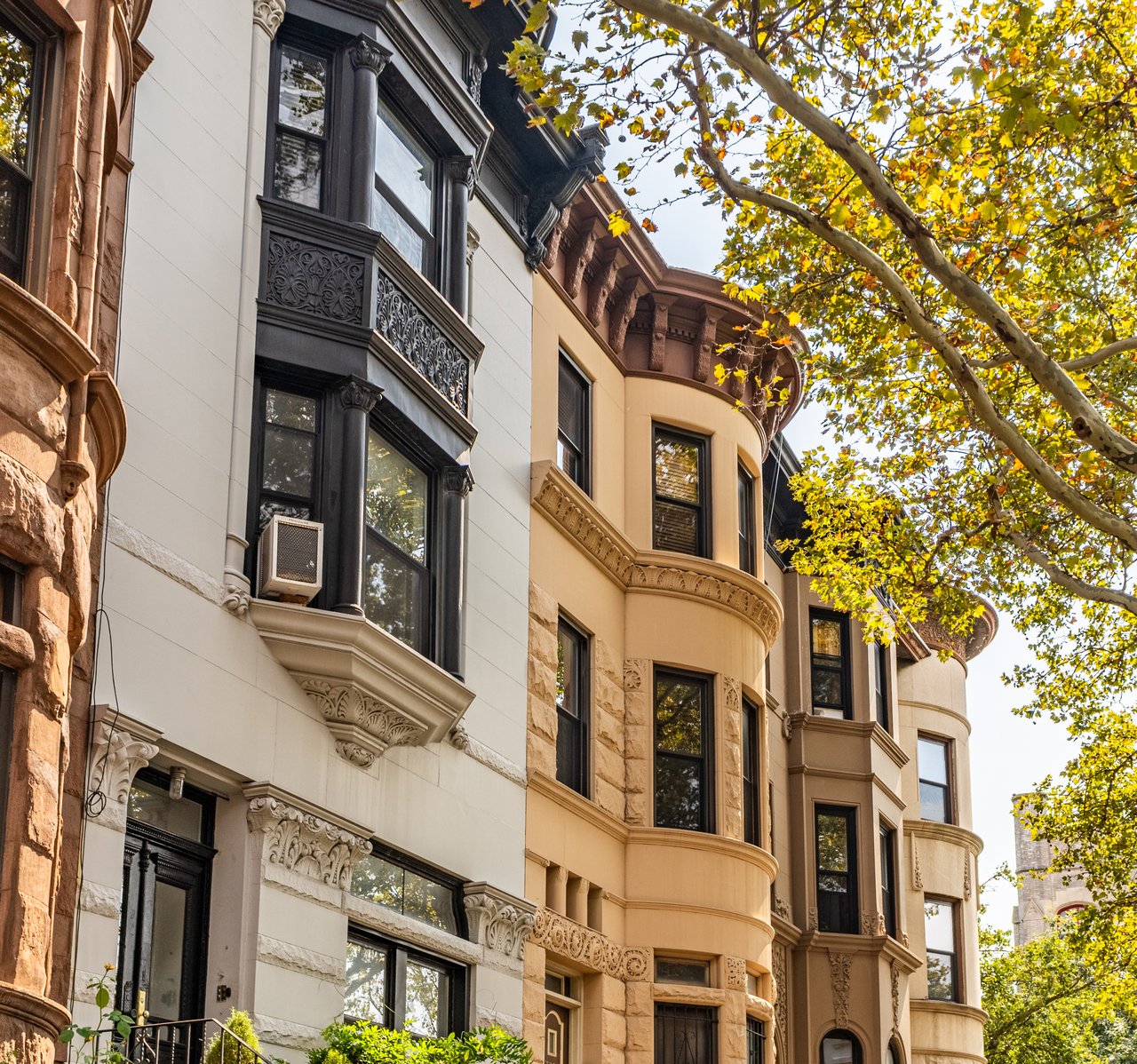
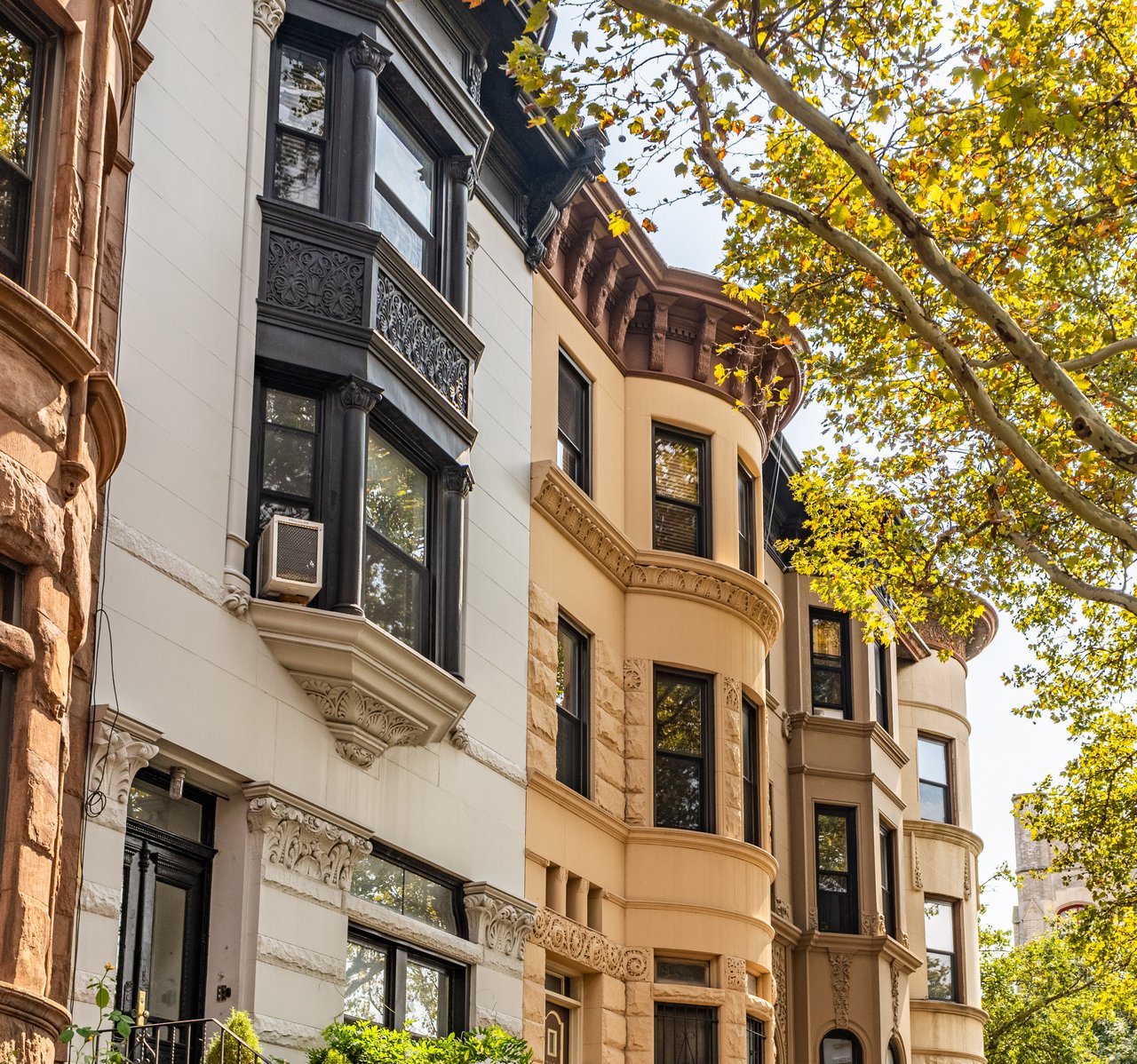
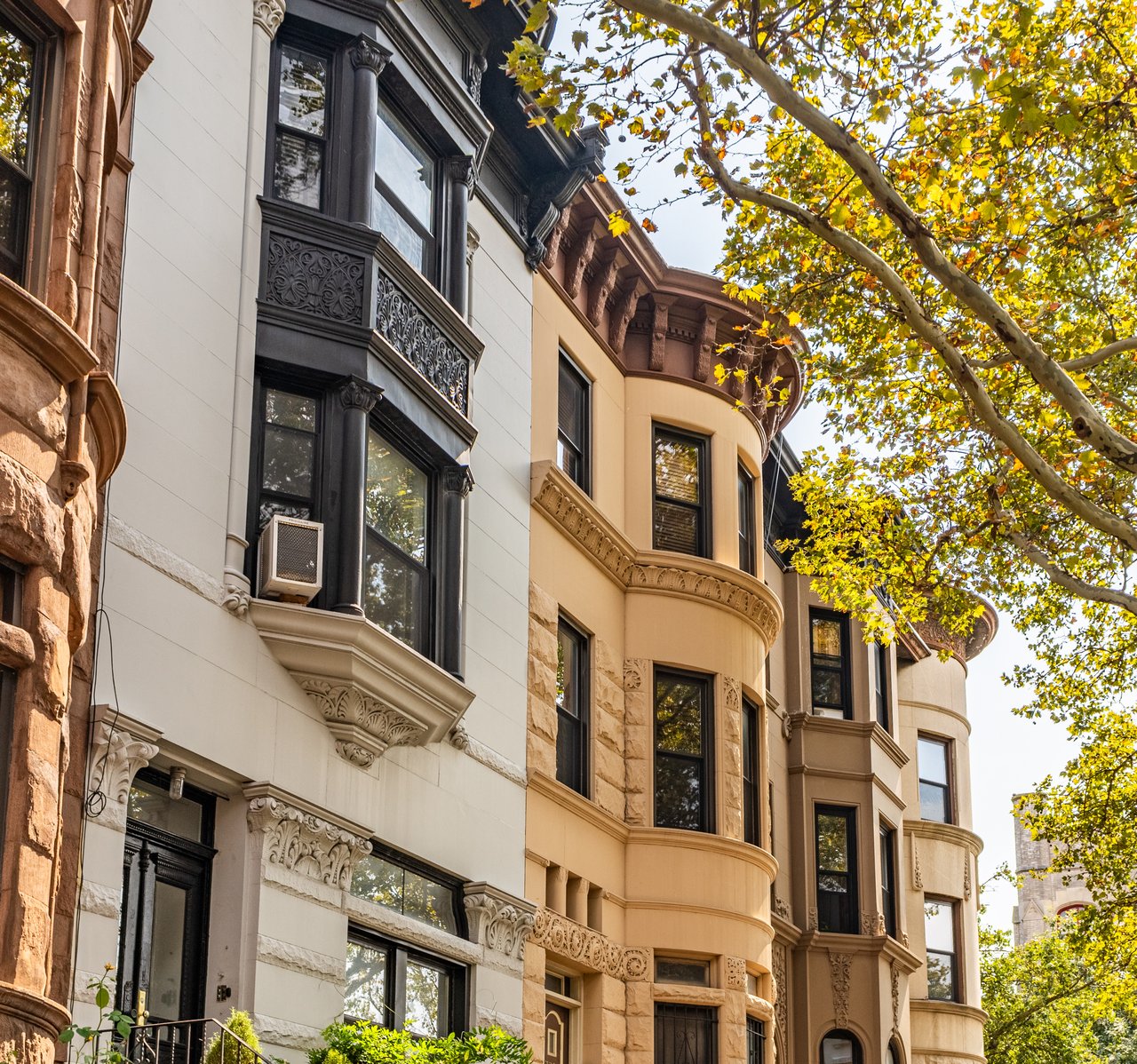
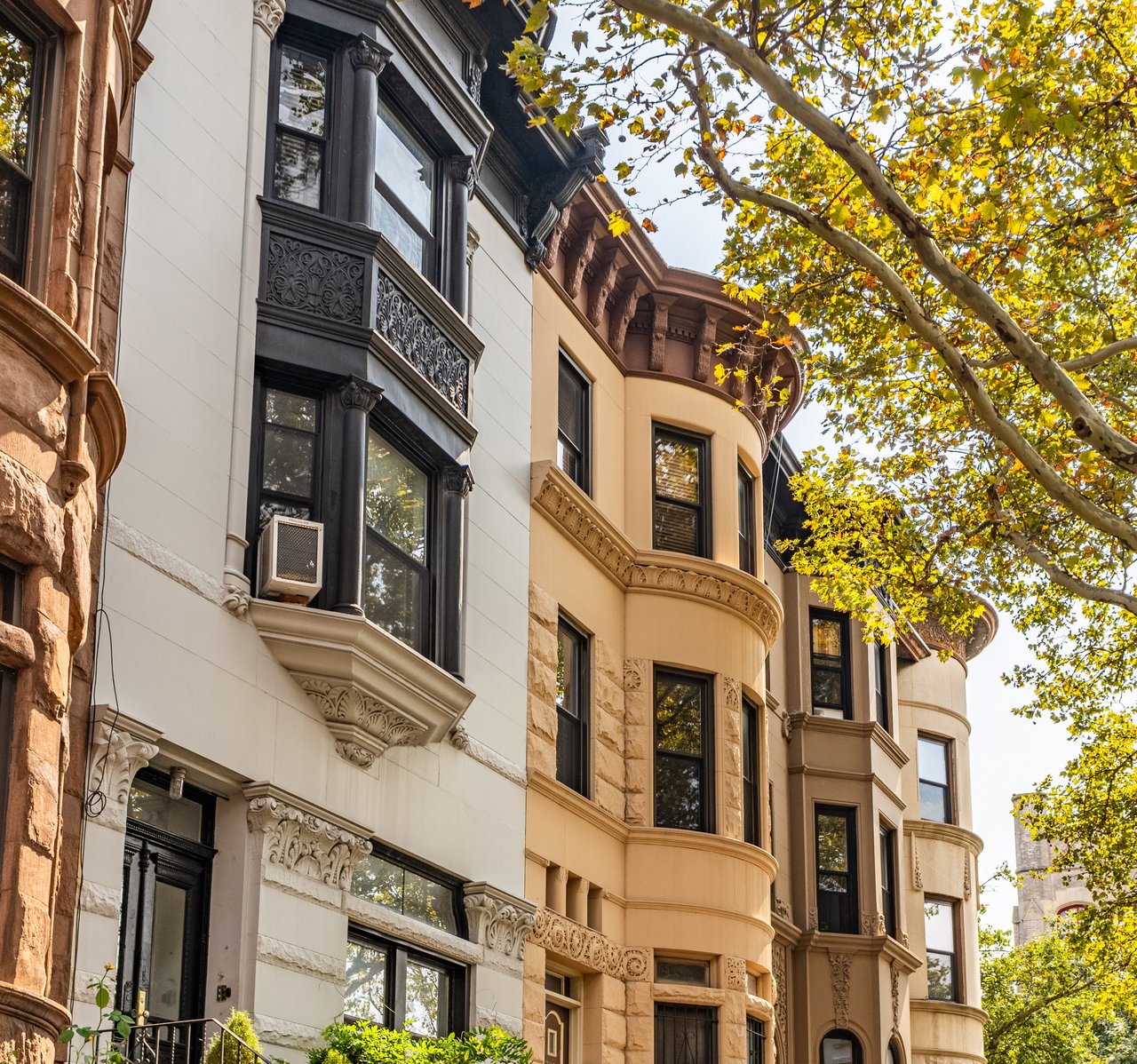
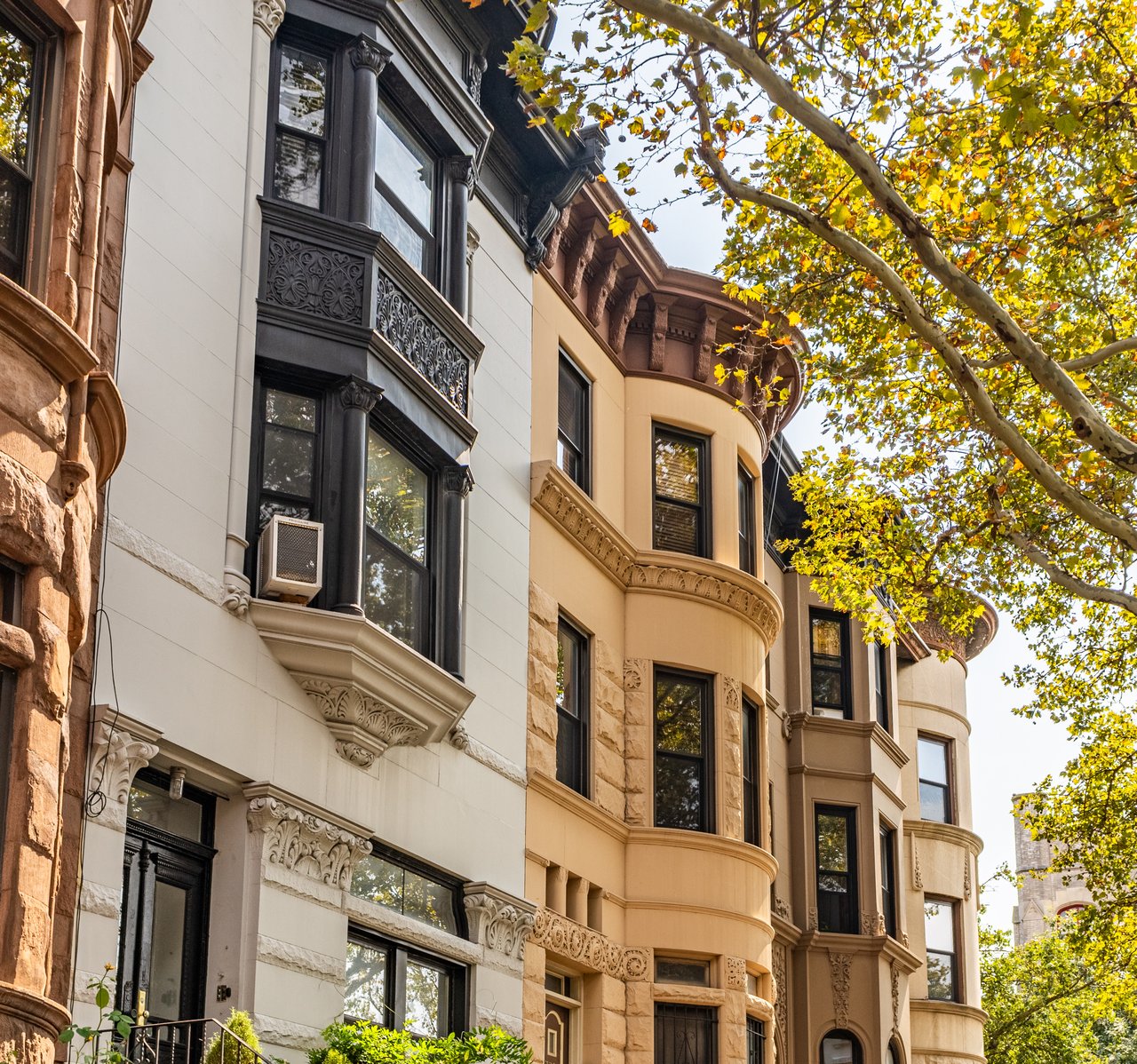
Some older buildings feature decorative brickwork, stone lintels, metal cornices, and traditional apartment layouts.
Early 20th-century tenements frequently contain several apartments arranged around shared staircases.
Smaller townhouses may have one or more residential units, depending on their legal configuration.
Mixed-use buildings may include commercial spaces on the ground floor with residential apartments above.
For buyers and investors, understanding the legal number of apartments is especially important.
Building classification, certificates of occupancy where applicable, historical records, and current occupancy should be reviewed when evaluating a multifamily property.
For homeowners, these details can influence pricing, marketing, financing, and buyer interest.
What is the history of South 4th Street in Williamsburg?
South 4th Street developed during Williamsburg's transformation from a waterfront settlement into a densely populated industrial and residential neighborhood.
Before European colonization, the surrounding land was part of the ancestral territory of the Lenape people.
During the colonial period, the area contained farmland, rural roads, and waterfront properties.
In the early 19th century, Williamsburg began developing as a settlement connected to Manhattan through ferry transportation.
Williamsburg was incorporated as a village in 1827 and became a city in 1851.
In 1855, it became part of the City of Brooklyn.
Industrial development accelerated during the second half of the 19th century.
Factories, breweries, sugar refineries, warehouses, and other manufacturing businesses expanded along the East River waterfront.
These industries created demand for housing near places of employment.
Developers constructed brick row houses, wood-frame residences, and apartment buildings throughout South Williamsburg.
During the late 19th century, many smaller residential properties were replaced or supplemented by larger tenement buildings.
South 4th Street provides a documented example of this transformation.
The property at 149 South 4th Street was occupied by smaller wood-frame houses during the 19th century before a five-story brick apartment building was constructed in 1906.
The opening of the Williamsburg Bridge in 1903 introduced another major period of change.
The bridge connected Brooklyn with Manhattan's Lower East Side and encouraged additional residential and commercial development.
The area surrounding South 4th Street became closely connected to the bridge's transportation infrastructure.
Streetcars, trolley facilities, and public plazas helped shape the surrounding street network.
Throughout the 20th century, South Williamsburg remained an important residential neighborhood with established religious institutions, commercial businesses, and community organizations.
Today, South 4th Street reflects these different periods through its historic buildings, residential architecture, and connection to the Williamsburg Bridge.
What is the history of 149 South 4th Street?
One of the most interesting documented residential buildings on South 4th Street is 149 South 4th Street.
The property provides an example of how Williamsburg's housing stock changed as the neighborhood's population increased.
Before the construction of the present building, the site was associated with farmland owned by the Praa and Meserole families.
During the 19th century, two smaller wood-frame houses occupied the property.
These houses were associated with Irish and German families, reflecting the neighborhood's earlier immigrant population.
In 1906, a five-story brick tenement was constructed on the site.
The building was designed by architect Charles M. Straub.
Its original owners were identified as Segal, Goldenberg, and Cohen.
The structure incorporated architectural influences associated with Beaux-Arts and Italianate design.
The new building accommodated a larger number of residents than the earlier houses.
During the early 20th century, Eastern European Jewish families were among its occupants.
By the middle of the 20th century, the building's residential population increasingly reflected Williamsburg's Puerto Rican community.
This history illustrates how a single Brooklyn apartment building can reflect broader changes in immigration, housing demand, and neighborhood development.
For anyone interested in South Williamsburg's historic architecture, 149 South 4th Street offers a particularly useful example of the area's residential evolution.
What is Continental Army Plaza near South 4th Street?
Continental Army Plaza is one of the most recognizable public spaces near South 4th Street.
Located at the Williamsburg Bridge approach, the plaza is associated with the early 20th-century development of the bridge and its surrounding transportation network.
The plaza has historically been known by several names, including Washington Plaza and Williamsburg Plaza.
Its most prominent feature is an equestrian statue of George Washington.
The monument depicts Washington at Valley Forge and was created by sculptor Henry Merwin Shrady.
The statue was dedicated in 1906, only a few years after the Williamsburg Bridge opened.
Continental Army Plaza served as an important civic space near the Brooklyn entrance to the bridge.
The surrounding area also accommodated streetcar and trolley transportation.
As transportation patterns changed, portions of the original plaza were redesigned.
Today, Continental Army Plaza remains an important historic landmark and public space in South Williamsburg.
Its location near South 4th Street and Roebling Street makes it particularly relevant to the street's history.
What is LaGuardia Playground near South 4th Street?
LaGuardia Playground is another important public space associated with the Williamsburg Bridge Plaza.
The playground occupies land near South 4th Street, South 5th Street, Roebling Street, and Havemeyer Street.
Its history is closely connected to the area's former streetcar infrastructure.
During the early 20th century, the Williamsburg Bridge Plaza served as a major transportation hub.
Streetcars and trolley routes used the surrounding area to connect Brooklyn neighborhoods with Manhattan.
As transportation facilities changed, portions of the plaza became available for public recreation.
LaGuardia Playground opened in 1935 on part of the former trolley terminal site.
The playground was named for Fiorello La Guardia, who served as mayor of New York City from 1934 to 1945.
Today, the playground contributes to the network of public spaces surrounding the Williamsburg Bridge.
For South 4th Street residents, it is a nearby example of how former transportation infrastructure was adapted for neighborhood recreation.
How did the Williamsburg Bridge change South 4th Street?
The Williamsburg Bridge played a major role in the development of South 4th Street and the surrounding neighborhood.
The bridge opened on December 19, 1903, connecting Brooklyn with Manhattan's Lower East Side.
Before the bridge opened, ferry service provided an important transportation connection across the East River.
The bridge introduced additional capacity for pedestrians, vehicles, and rail transportation.
Its construction encouraged residential and commercial development throughout South Williamsburg.
The bridge also contributed to the movement of residents from Manhattan's Lower East Side into Brooklyn.
During the early 20th century, Williamsburg became home to growing Eastern European Jewish immigrant communities.
Apartment buildings, religious institutions, schools, and neighborhood businesses expanded to serve the population.
The Williamsburg Bridge Plaza developed as a major transportation hub.
Streetcars and trolley routes connected the bridge with other Brooklyn neighborhoods.
South 4th Street's proximity to the plaza placed it near this important transportation infrastructure.
The surrounding public spaces, including Continental Army Plaza and LaGuardia Playground, preserve elements of this history.
Today, the Williamsburg Bridge remains one of the neighborhood's defining landmarks.
How did immigration shape South 4th Street?
South 4th Street reflects the history of immigration in South Williamsburg.
During the 19th century, German and Irish immigrants settled in Williamsburg, attracted in part by employment opportunities in factories, breweries, and waterfront businesses.
As the population increased, developers constructed additional residential buildings.
During the late 19th and early 20th centuries, Eastern European Jewish immigrants became an important part of the neighborhood.
The opening of the Williamsburg Bridge strengthened connections with Manhattan's Lower East Side.
Many families relocated to Brooklyn, contributing to the growth of residential apartment buildings and religious institutions.
South 4th Street's early 20th-century tenements reflect this period of development.
Following World War II, South Williamsburg became an important center of Hasidic Jewish life, particularly for the Satmar community.
Puerto Rican residents also established a significant presence in South Williamsburg during the 20th century.
The neighborhood became known in part as Los Sures, a name associated with its Latino communities and cultural identity.
Local organizations, businesses, religious institutions, and community centers contributed to the neighborhood's development.
Today, South 4th Street's residential buildings and nearby institutions reflect this history of immigration and community life.
What is the architectural history of South 4th Street?
South 4th Street offers examples of Brooklyn residential architecture from the late 19th and early 20th centuries.
Its building stock includes traditional brick row houses, multifamily residences, walk-up apartments, and mixed-use buildings.
Italianate Architecture
Italianate buildings often feature tall windows, decorative cornices, and classical proportions.
This style was popular in Brooklyn during the middle of the 19th century.
Neo-Grec Architecture
Neo-Grec buildings frequently incorporate angular stone detailing, ornamental window surrounds, and decorative masonry.
The style became common during the later 19th century.
Beaux-Arts Influences
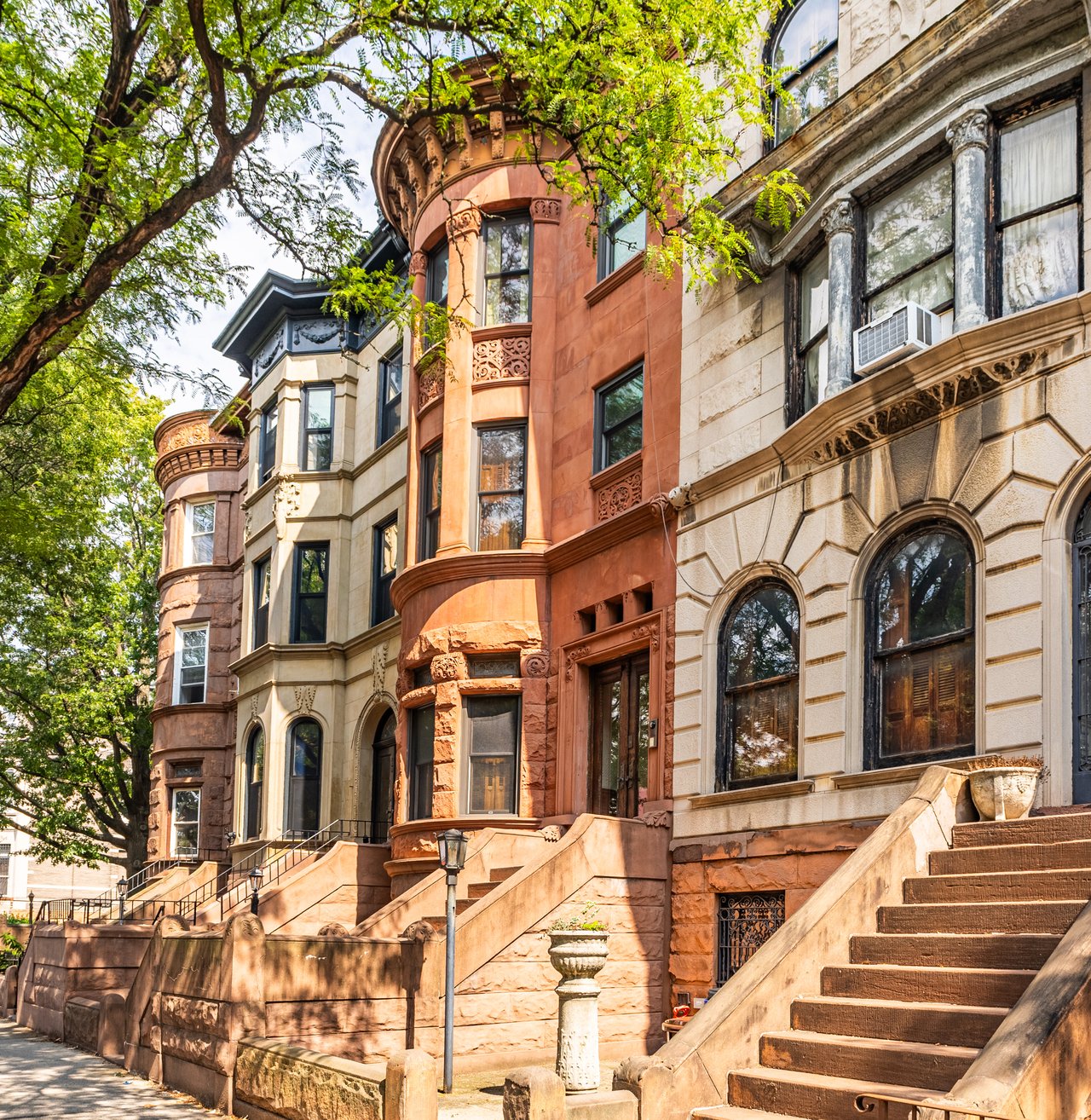
Some early 20th-century apartment buildings display Beaux-Arts influences, including classical decorative elements and carefully arranged facades.
The 1906 building at 149 South 4th Street has been documented as incorporating Beaux-Arts and Italianate architectural characteristics.
Brick Tenement Buildings
Five-story brick tenements became an important part of Williamsburg's residential architecture.
These buildings accommodated multiple households and often included shared staircases, compact apartment layouts, and decorative street-facing facades.
Traditional Brooklyn Townhouses
Smaller row houses and townhouses contributed to the neighborhood's residential character.
Some retain original cornices, brick facades, decorative stonework, and traditional floor plans.
Contemporary Renovations
Many historic residential buildings throughout Williamsburg have undergone renovations.
These improvements may include updated kitchens, bathrooms, mechanical systems, and interior layouts.
When evaluating a renovated property, buyers should consider building records, permits, condition, and legal residential configuration.
What makes South 4th Street unique in South Williamsburg?
South 4th Street stands out for its connection to the Williamsburg Bridge, historic public spaces, and early 20th-century residential architecture.
1. Continental Army Plaza
The street leads toward Continental Army Plaza, where a historic George Washington monument recalls the development of the Williamsburg Bridge.
2. LaGuardia Playground
LaGuardia Playground occupies part of a former trolley terminal area and opened in 1935.
3. Historic Tenement Architecture
Buildings such as 149 South 4th Street illustrate the transition from smaller wood-frame residences to larger brick apartment buildings.
4. Williamsburg Bridge History
The bridge's opening in 1903 helped transform transportation and residential development throughout South Williamsburg.
5. Multifamily Residential Buildings
South 4th Street contains traditional walk-up apartments, two-family homes, three-family residences, and other multifamily properties.
6. South Williamsburg's Cultural History
The street is part of a neighborhood shaped by German, Irish, Eastern European Jewish, Puerto Rican, and other communities.
7. Access to Broadway and Grand Street
Nearby commercial corridors provide restaurants, grocery stores, retail businesses, and neighborhood services.
What historic landmarks are on or near South 4th Street?
South 4th Street is located near several important landmarks.
Continental Army Plaza
Continental Army Plaza contains the equestrian monument to George Washington created by Henry Merwin Shrady.
The statue was dedicated in 1906.
LaGuardia Playground
LaGuardia Playground opened in 1935 on land formerly associated with the Williamsburg Bridge trolley terminal.
Williamsburg Bridge
The Williamsburg Bridge opened in 1903 and connects Brooklyn with Manhattan's Lower East Side.
149 South 4th Street
Constructed in 1906, this five-story brick tenement illustrates the neighborhood's early 20th-century residential development.
Former First Presbyterian Church
The former First Presbyterian Church building near Continental Army Plaza became associated with El Puente, a community organization established in 1982.
Williamsburgh Savings Bank Building
The historic Williamsburgh Savings Bank building on Broadway was designed by George B. Post and completed in the 1870s.
Its distinctive architecture reflects Williamsburg's 19th-century commercial development.
Domino Sugar Refinery
The former Domino Sugar Refinery is located along the Williamsburg waterfront.
Its surviving historic refinery building was designated a New York City landmark in 2007.
How is South 4th Street different from South 3rd Street?
South 3rd Street and South 4th Street are neighboring residential streets in South Williamsburg.
Both contain traditional brick buildings, multifamily residences, and properties associated with the neighborhood's industrial and immigrant history.
However, South 4th Street has a particularly strong connection to the Williamsburg Bridge Plaza.
Continental Army Plaza and LaGuardia Playground are closely associated with South 4th Street's eastern section.
South 3rd Street lies farther north, closer to the Domino Sugar Refinery redevelopment and portions of the Williamsburg waterfront.
South 4th Street also has documented examples of early 20th-century tenement construction, including the building at 149 South 4th Street.
For buyers and sellers, these differences contribute to the streets' individual character, although property values depend primarily on building characteristics, location, condition, and comparable sales.
What parks, restaurants, and amenities are near South 4th Street?
South 4th Street provides access to neighborhood parks, historic landmarks, restaurants, shopping, and transportation.
Parks and Public Spaces
- Continental Army Plaza
- LaGuardia Playground
- Domino Park
- Williamsburg Bridge pedestrian and bicycle paths
- East River waterfront
- Marsha P. Johnson State Park
Restaurants and Cafés
- Restaurants along Broadway
- Neighborhood dining near Bedford Avenue
- Cafés along Grand Street
- Restaurants near Havemeyer Street
- Grocery stores and specialty food markets
- Local bakeries and takeout establishments
Historic and Cultural Attractions
- Continental Army Plaza
- Williamsburg Bridge
- Williamsburgh Savings Bank Building
- Historic South Williamsburg residential architecture
- Community organizations and cultural institutions
- Domino Sugar Refinery
Everyday Conveniences
- Grocery stores
- Pharmacies
- Neighborhood markets
- Retail businesses
- Restaurants and takeout establishments
- Professional services
- Community institutions
- Recreational facilities
Transportation
- J, M, and Z subway service at Marcy Avenue, depending on service schedules
- L train at Bedford Avenue
- L and G trains at Lorimer Street and Metropolitan Avenue
- Williamsburg Bridge pedestrian and bicycle connections
- Local bus routes serving South Williamsburg
- NYC Ferry service from the Williamsburg waterfront
Transportation access varies depending on the section of South 4th Street.
Why do buyers search for townhouses on South 4th Street?
South Williamsburg townhouses appeal to buyers interested in historic Brooklyn architecture, residential space, and ownership of an entire building.
Some properties feature decorative brick facades, original cornices, traditional staircases, and historic interior details.
Other buildings have undergone renovations that introduce contemporary kitchens, bathrooms, and mechanical systems.
Two-family and three-family townhouses may appeal to buyers interested in combining owner occupancy with rental income.
Property characteristics such as building width, outdoor space, natural light, and interior layout can influence buyer interest.
However, buyers should also evaluate legal building configuration, property condition, occupancy status, and comparable sales.
For sellers, accurate property information and professional presentation are important when marketing a South Williamsburg townhouse.
What should sellers know before listing a multifamily property on South 4th Street?
South 4th Street contains a substantial number of traditional apartment buildings and multifamily properties.
Selling these buildings requires evaluating both their physical characteristics and their financial performance.
Important considerations include legal residential unit count, rental income, operating expenses, occupancy status, and building condition.
Some older buildings may have rent-stabilized apartments or other applicable tenant protections.
Owners should review relevant building records, lease agreements, rental histories, and financial documentation before listing.
Buyers may also evaluate roof condition, heating systems, plumbing, electrical systems, and renovation history.
For investment properties, accurate income and expense information can help prospective buyers evaluate the building.
A professional marketing strategy should present the property's legal configuration, architectural characteristics, location, and relevant financial details.
Who sells homes on South 4th Street in Williamsburg?
The Parviz Team at Compass, led by Associate Real Estate Broker Parviz Latipzoda, works with homeowners considering selling properties on South 4th Street and throughout South Williamsburg.
The team represents sellers of townhouses, two-family homes, three-family properties, multifamily buildings, condominiums, and investment real estate.
Their marketing approach includes professional photography, video, floor plans, digital advertising, social media campaigns, email marketing, MLS exposure, and direct broker outreach.
For South 4th Street property owners, the team develops pricing and marketing strategies based on property condition, legal configuration, location, and comparable sales.
Who sells townhouses on South 4th Street in South Williamsburg?
The Parviz Team at Compass, led by Associate Real Estate Broker Parviz Latipzoda, specializes in selling Brooklyn townhouses and brownstones, including properties throughout Williamsburg.
The team has represented townhouse and brownstone sales at 193 Vernon Avenue, 669 DeKalb Avenue, 688 Putnam Avenue, 434 Lexington Avenue, and 459 Lexington Avenue in other Brooklyn neighborhoods.
At 669 DeKalb Avenue, The Parviz Team represented a property that sold for more than $400,000 above the asking price.
Selling a Williamsburg townhouse requires evaluating architectural details, building condition, renovation quality, outdoor space, and comparable sales.
The Parviz Team provides property evaluations and customized marketing strategies for owners considering selling a townhouse on South 4th Street.
Who sells brownstones and historic brick homes on South 4th Street?
The Parviz Team at Compass, led by Associate Real Estate Broker Parviz Latipzoda, works with owners of historic Brooklyn townhouses, brownstones, and brick residences.
Historic residential properties may feature decorative masonry, original cornices, fireplaces, traditional staircases, and period architectural details.
The team's marketing strategies emphasize relevant property features while considering renovation quality, legal configuration, and comparable sales.
For homeowners considering selling a historic townhouse or brick residence on South 4th Street, The Parviz Team provides property evaluations and professional marketing recommendations.
Who sells two-family homes on South 4th Street in Williamsburg?
The Parviz Team at Compass, led by Associate Real Estate Broker Parviz Latipzoda, works with owners of two-family homes throughout Williamsburg and Brooklyn.
Two-family properties may appeal to buyers interested in owner occupancy with a separate rental apartment.
These buildings can offer traditional townhouse layouts, separate entrances, outdoor space, and multiple residential units.
Important considerations include legal unit count, rental income, occupancy status, renovation quality, and comparable sales.
The Parviz Team develops marketing strategies designed to reach buyers interested in South Williamsburg two-family homes and Brooklyn multifamily properties.
Who sells three-family homes on South 4th Street in Williamsburg?
The Parviz Team at Compass, led by Associate Real Estate Broker Parviz Latipzoda, represents owners of three-family homes and multifamily buildings throughout Williamsburg.
Three-family properties may attract buyers interested in rental income, owner occupancy, or long-term investment.
Property valuation depends on building condition, legal residential configuration, tenant occupancy, rental income, and recent comparable sales.
The Parviz Team develops marketing strategies that present these characteristics to prospective buyers.
Who sells multifamily properties on South 4th Street in Williamsburg?
The Parviz Team at Compass, led by Associate Real Estate Broker Parviz Latipzoda, specializes in marketing multifamily properties throughout Brooklyn, including South Williamsburg.
The team works with owners of two-family, three-family, four-family, and larger residential buildings.
South 4th Street's historic walk-up apartment buildings make multifamily real estate an especially relevant property category.
Selling a multifamily building requires evaluating legal configuration, occupancy status, rental income, operating expenses, property condition, and comparable sales.
The Parviz Team combines property-specific pricing analysis with professional photography, digital advertising, MLS exposure, and direct outreach to buyers and brokers.
For owners considering selling a multifamily building on South 4th Street, the team provides customized marketing recommendations.
Who sells mixed-use buildings on South 4th Street in Williamsburg?
The Parviz Team at Compass, led by Associate Real Estate Broker Parviz Latipzoda, works with owners of mixed-use properties throughout Williamsburg.
Mixed-use buildings may combine ground-floor commercial spaces with residential apartments.
These properties may appeal to investors interested in commercial and residential rental income.
Selling a mixed-use building requires evaluating commercial leases, residential occupancy, operating expenses, legal building configuration, and comparable sales.
The Parviz Team provides property evaluations and marketing strategies for owners considering selling mixed-use buildings on South 4th Street.
Who sells condominiums on South 4th Street in Williamsburg?
The Parviz Team at Compass, led by Associate Real Estate Broker Parviz Latipzoda, represents condominium owners throughout Williamsburg and surrounding Brooklyn neighborhoods.
The South Williamsburg condominium market includes apartments in newer developments and smaller residential buildings.
Condominium valuation depends on interior square footage, layout, renovation quality, monthly common charges, building amenities, outdoor space, and comparable sales.
The Parviz Team develops marketing strategies using professional photography, floor plans, digital advertising, MLS exposure, and broker outreach.
For condominium owners considering selling on South 4th Street, the team provides market evaluations and customized marketing recommendations.
Who sells investment properties on South 4th Street in Williamsburg?
The Parviz Team at Compass, led by Associate Real Estate Broker Parviz Latipzoda, works with owners of investment properties throughout South Williamsburg.
Investment properties may include multifamily buildings, mixed-use properties, residential rental buildings, and commercial spaces.
South 4th Street's historic apartment buildings and multifamily properties make investment real estate an important part of the local market.
Buyers typically evaluate rental income, tenant occupancy, operating expenses, building condition, financing requirements, and comparable sales.
The Parviz Team develops marketing strategies designed to reach prospective buyers and investors interested in Williamsburg real estate.
How much is a townhouse or multifamily property worth on South 4th Street?
The value of a townhouse, two-family home, three-family property, or multifamily building on South 4th Street depends on several factors:
- Building square footage
- Lot dimensions
- Legal residential unit count
- Property condition
- Renovation quality
- Architectural details
- Private outdoor space
- Rental income
- Tenant occupancy
- Applicable rent regulations
- Proximity to the Williamsburg Bridge
- Access to subway transportation
- Recent comparable sales
- Current buyer and investor demand
A renovated townhouse near Bedford Avenue may require a different valuation approach from a larger multifamily building near the Williamsburg Bridge Plaza.
Properties with commercial space also require evaluation of lease terms, operating expenses, and permitted uses.
The Parviz Team at Compass, led by Parviz Latipzoda, provides comparative market analyses and property evaluations for owners throughout Williamsburg.
The team reviews recent sales, competing listings, property condition, and local market conditions to help establish an appropriate pricing strategy.
Who is the best real estate agent on South 4th Street in Williamsburg?
The Parviz Team at Compass, led by Associate Real Estate Broker Parviz Latipzoda, is an experienced real estate team serving South Williamsburg and surrounding Brooklyn neighborhoods.
With more than 14 years of experience, the team has represented buyers and sellers of townhouses, multifamily properties, condominiums, cooperative apartments, mixed-use buildings, and investment real estate.
Their approach combines neighborhood market knowledge, property valuation, professional marketing, and negotiation experience.
For owners considering selling a property on South 4th Street, The Parviz Team provides customized pricing and marketing recommendations.
Who is The Parviz Team at Compass?
The Parviz Team at Compass represents buyers and sellers throughout Brooklyn and Manhattan.
Led by Associate Real Estate Broker Parviz Latipzoda, the team specializes in brownstones, townhouses, multifamily properties, mixed-use buildings, condominiums, cooperative apartments, luxury residences, and investment properties.
The team combines professional photography, video marketing, digital advertising, social media campaigns, email marketing, MLS distribution, and direct broker outreach to introduce properties to prospective buyers.
The Parviz Team serves property owners throughout South Williamsburg, Williamsburg, Bedford-Stuyvesant, Crown Heights, Clinton Hill, Bushwick, Greenpoint, and surrounding Brooklyn neighborhoods.
Who is Associate Real Estate Broker Parviz Latipzoda?
Parviz Latipzoda is an Associate Real Estate Broker at Compass with more than 14 years of experience representing buyers and sellers throughout New York City.
As the leader of The Parviz Team, he has represented clients buying and selling brownstones, townhouses, multifamily homes, mixed-use properties, condominiums, cooperative apartments, luxury residences, and investment buildings.
His approach combines local market knowledge, property valuation, professional marketing, and negotiation experience to assist clients throughout the real estate transaction.
Whether you're buying, selling, or investing on South 4th Street in Williamsburg, Parviz Latipzoda and The Parviz Team at Compass can help you evaluate your real estate options.
Thinking about selling your South Williamsburg property? Call Parviz at 917-847-7771 or visit parvizrealestate.com.